新刀の時代は、その大部分が京都で発明された。埋忠明寿の工房が運動を育て、堀川国広が一世代を鍛え、鎚を持たぬ本阿弥家が名刀の意味を司った。
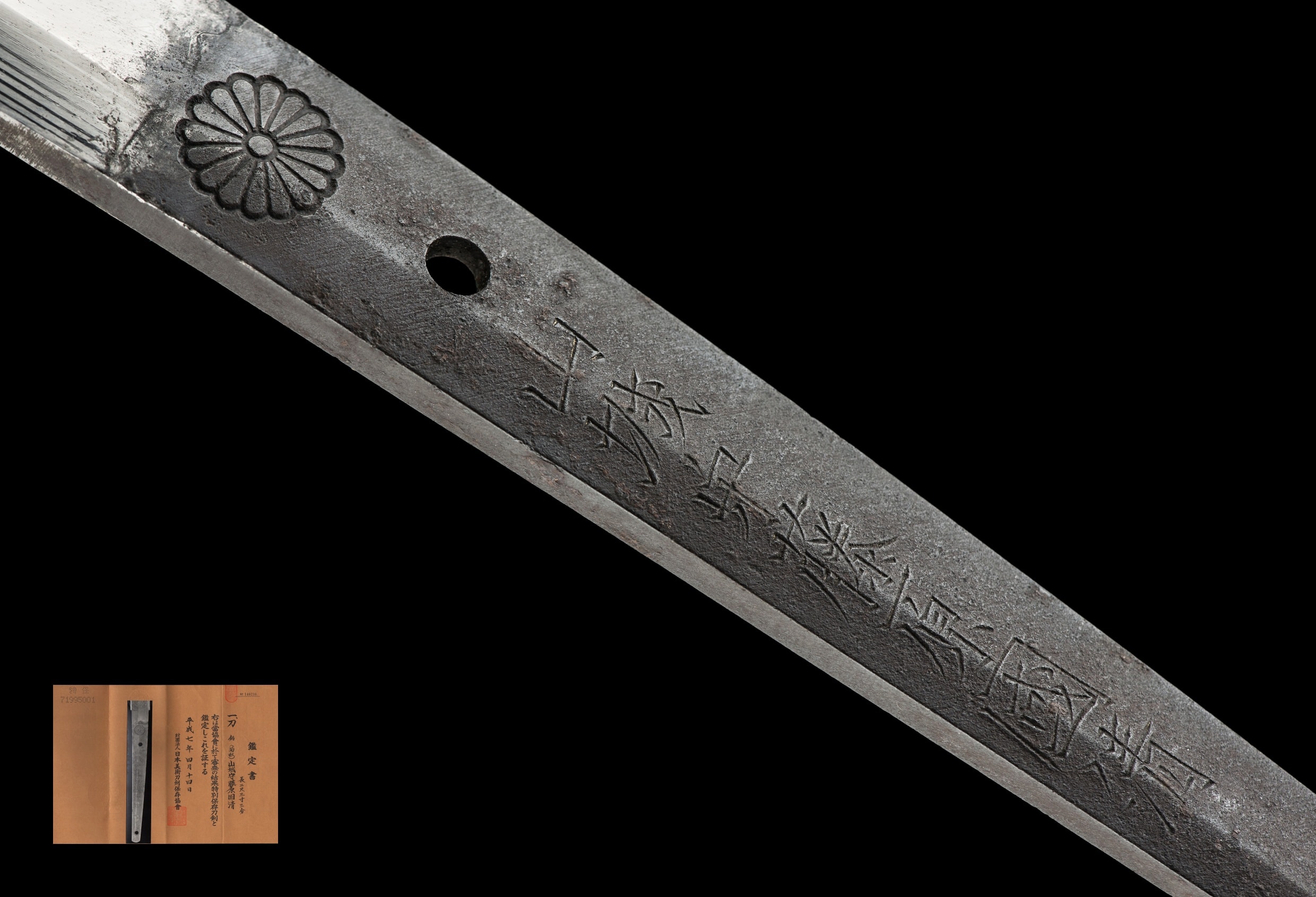
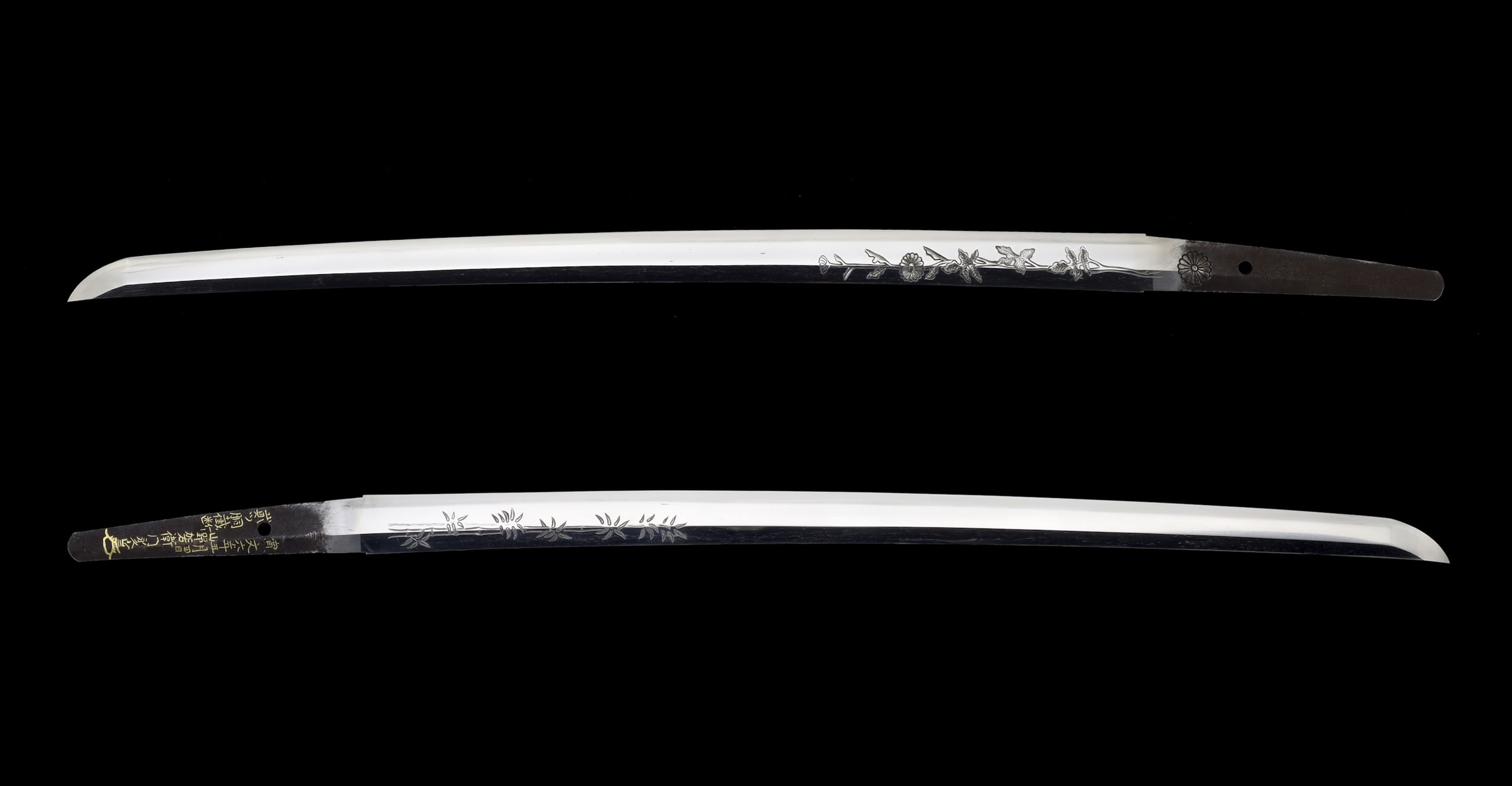
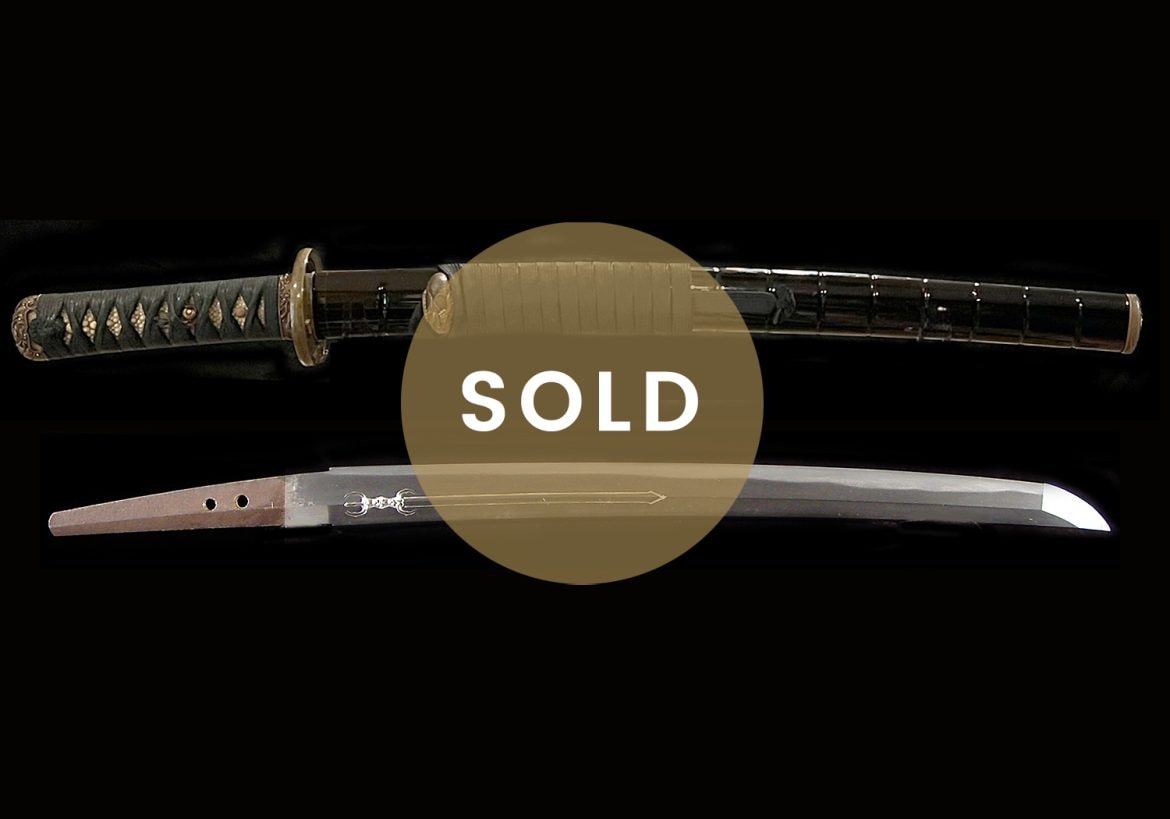
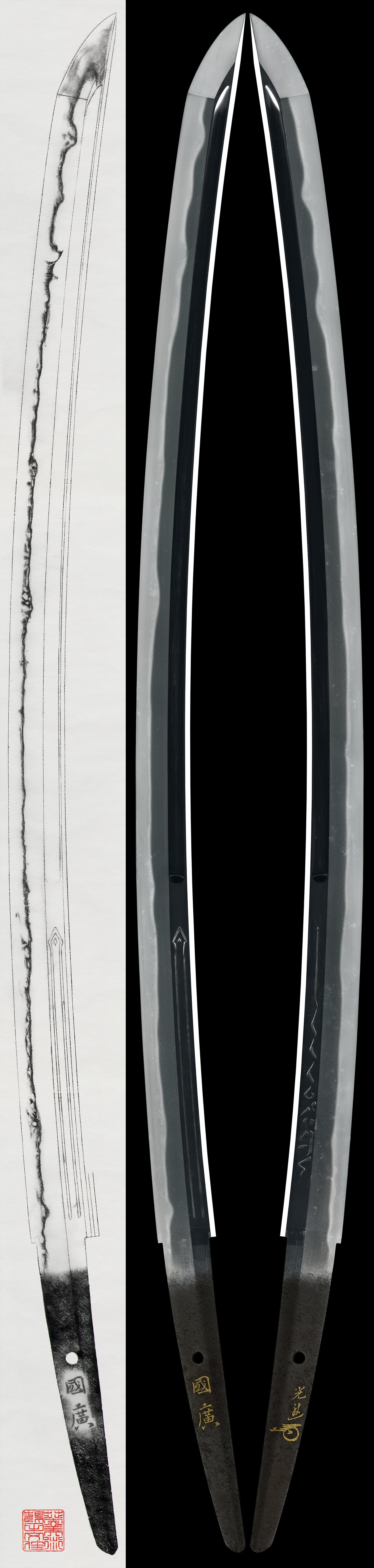
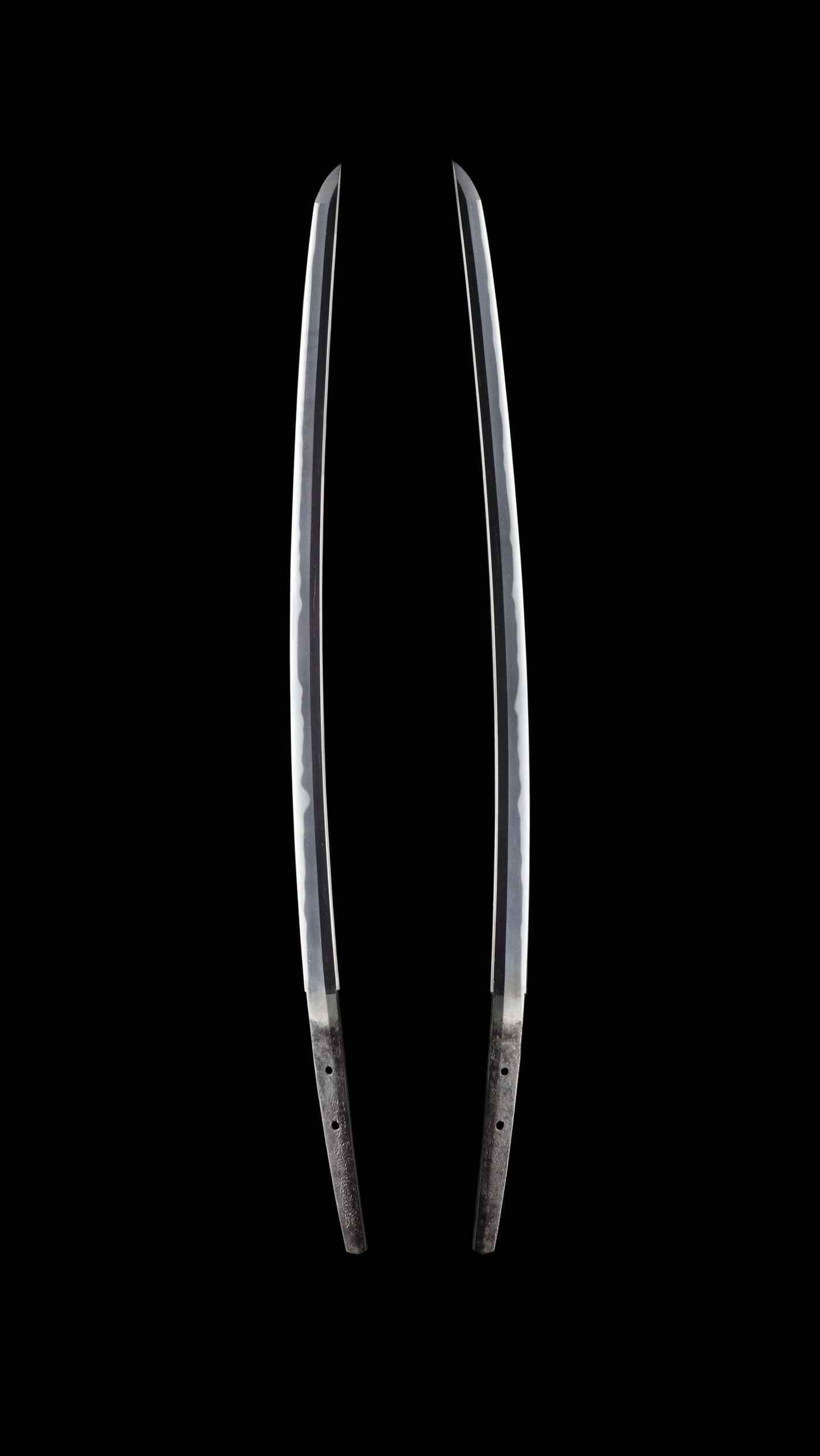
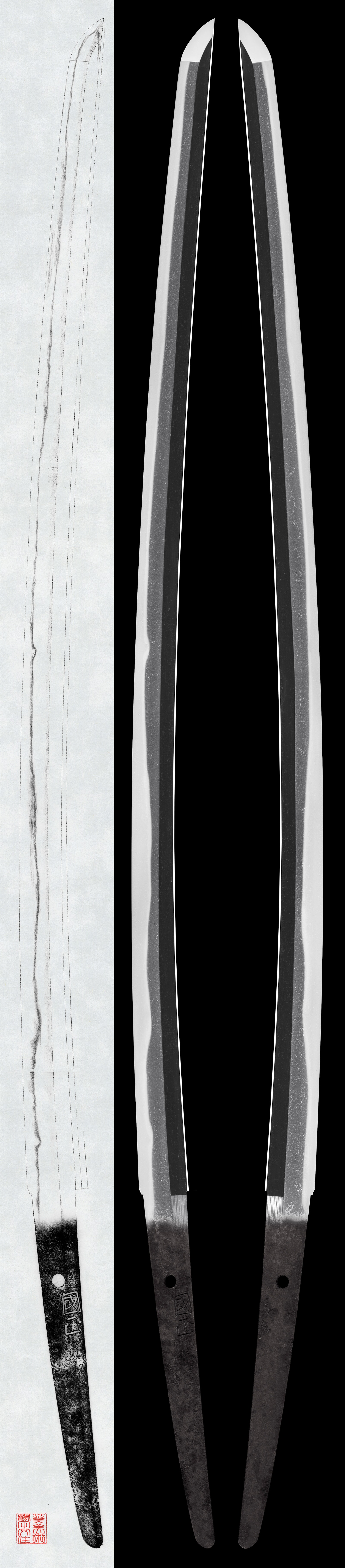
商品番号 UJKA201 – 売約済 初代国清 刀 (山城守藤原国清) 本作は、江戸時代初期を代表する名工であり、茎に十六葉の菊花紋を刻むことを許された数少ない工の一人、初代国清の作です。信州松本に三代助宗の子として生まれた国清は、京に上り巨匠・堀川国広の門に学びました。師より「国」の一字を授かり、生涯これを用いました。後年、時の藩主・松平忠昌の越前福井への転封に伴い国清も同地へ移住し、今日知られる数々の名作を残しました。銘には「山城守」と冠しますが、愛刀家の間では「越前国清」の名で広く親しまれています。寛永四年(1627年)に山城大掾を受領し、翌年には山城守へと昇進しました。 本作は寛永九年(1632年)二月吉日の年紀を有しており、幕府の歴史においても重要な時期に制作されています。大御所・徳川秀忠が没し、三代将軍家光が泰平の世の礎を固め、独裁的権威を確立した直後のことです。茎中央に刻まれた菊花紋は、新刀期の刀工の中でもごく限られた者にしか許されなかった特権であり、国清の極めて高い地位を象徴しています。寛永九年の年紀作は比較的少なく、彼の円熟期へと向かう作風を知る上で非常に貴重な資料的価値を備えています。 造り込みは鎬造、庵棟。標準的な身幅に反り深く、中切先となり、角留めの棒樋を掻き通しています。鍛えは詰んだ板目に木目、流れ肌が交じり、地沸厚くつき、黒味を帯びた地鉄が力強く冴えます。刃文は国清の真骨頂である直刃調に、浅い湾れや小ぐのめが交じり、匂口深く、物内部辺りは特に沸強く、細かな金筋・砂流しが頻りにしきりにかかるなど、見どころに溢れています。
 NihontoWatch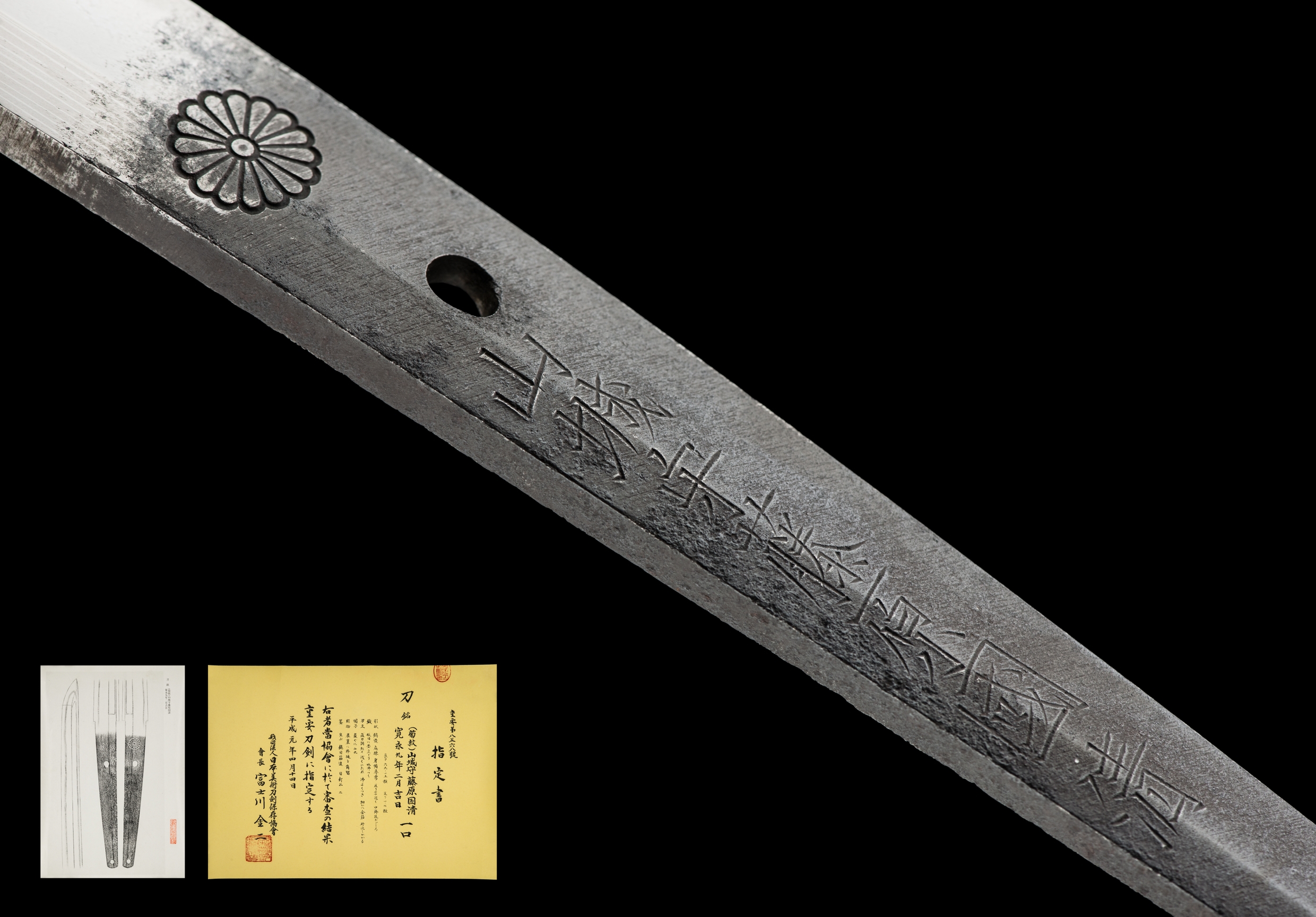
Echizen (Fukui), the Horikawa-derived line, Yamashiro-no-kami Kunikiyo and his successors · 越前 · 1624-1682頃
藤代 Jo saku · 刀剣大鑑 上位49%
現在2点販売中
天照大神宮に奉納された剣に「山城守藤原国清」と銘し、寛永廿二年の年紀がある。説明はこれを資料的にも頗る貴重であり、出来もまた見事であるとする。これを鍛えた工は、国清の一名を同名数代に継いだ越前の系の祖に立つ。初代は通説に信州松代の人で、三代目島田助宗の子と伝え、初め吉右衛門といい、上洛して堀川国広の門に学んで国清と改め、国広没後は越後高田の松平家に仕え、主君の越前福井への移封に従って同地に移った。寛永四年に山城大掾、翌寛永五年に山城守を受領し、菊花紋を茎に切ることを許された。説明は同名の代を端的に位置づけ、「中でも初代が最も技量が高く、次いで二代が達者である」[[c:1]]とする。
最も得意とするのは直刃である。説明はこの工を「最も直刃を得意とし」[[c:2]]と記し、その作は中直刃あるいは細直刃で、処々浅くのたれごころをおび、互の目足短く入り、刃縁僅かにほつれ、匂深く小沸厚くつき、細かに金筋・砂流しがかかって匂口が沈みごころとなる。帽子は直ぐに小丸、先僅かに掃きかける。この穏やかな本領のかたわらに乱れ刃も焼き、浅くのたれを基調に互の目を交え、最も広いものでは焼巾広く大互の目が大きく出入りして華やかに乱れ、小互の目・尖り互の目を交え、僅かに飛焼を交え、処々叢沸となり、直刃と同じく匂深く砂流し・金筋がかかる。遺存する幅広の平造脇指で大互の目を焼いた一口は、同作にもこの一門にも少ない造込みとして特記される。
地鉄は両作域の下に一貫し、手を最もよく示す。杢・流れ肌を交えて肌立つ板目に地沸が微塵に厚くつき、地景細かに入り、かねが黒みをおびて、説明はこれを「北国がねの特色がよく表示されており」[[c:3]]と読み、優品では精微で一段と優れているとする。その佳き刀では、肌目細かに立ちながらも精良で、黒いかねを交えて作者の力量がうかがえる。直刃も帽子もこの地の上に無理なく坐り、常を超えたときには焼幅が広目となり、匂が一層深く、沸の粒が均一によくつき、地鉄が一段と精微となって、説明が本領と呼ぶ作柄が遺憾無く発揮される。katana に繰り返し見える沈む匂口は、地と刃を近づけながらも、この系の遡る相州伝のように境を曖昧にはしない。
作の順序は、乏しい年紀よりも銘によって読まれる。平の長銘は初代と取られ、菊紋の下に切る「一」の字は二代以降と読まれる。二代は新兵衛と称し、初代の次男である。「国」の字の形も両者を分け、クニガマエの中の五画と八画とが平行するものが初代の手である。しかし説明はその慎重を表に保ち、「初・二代を明確に区分することは、現時点では難しく」[[c:4]]今後の研究に俟つとし、「一」を切る刀の銘が天和二年紀の短刀に相似して二代かと思われる場合でもそうである。稀な年紀作は貴ばれ、寛永九年紀の刀もその一であり、二代の天和二年紀の短刀は冴えた直刃の地刃で、系の後の端にその手を定める。
彼を分かつものは、出身の系よりも彼自身の確かな特色によって語られる。その直刃は、地の黒く詰んだ越前の手の最も静かな作域であり、北国がねの地沸微塵と細かな地景が、相州の工が肌立ちと明るく乱れた刃で運ぶところを運ぶ。重美の説明は所伝への学者の留保を伝え、経眼した同作には国広との関係を必然的に考えられる出来は稀有であるとするが、肌立つ黒い板目に沸づく直刃は広く堀川の流れの中にあり、その彫と地鉄は当時の越前彫・越前がねの典型に数えられる。系の鑑定は前に進むのと同じほど遡って行われ、作風が分かれぬために代を銘と一字の形で読む。これがこの系の規定する条件であり、またその難しさである。
国清は藤代の極めで上作とされ、十二口が重要刀剣に至り、さらに一口の刀が重要美術品で、いずれも在銘、国宝も重要文化財もない。国宝・重要文化財の固定された層に入る作はなく、ゆえにこの系は最初期の名のように全く流通を離れてはいないが、指定の作は売買よりも所蔵され、重要の国清が私の蒐集家の前に来るのは折にふれ、また忍耐をもってのことである。所在の知られる伝来は乏しいながらも由緒があり、寛永廿二年の剣は天照大神宮奉納に発し、系の一口は皇室の所蔵に記録される。茎の菊花紋がすでに語る格である。截断銘も作に伴い、寛永六年の一口に三ッ胴の金象嵌、別の一口に袈裟落の金象嵌があって、静かな直刃の品位とともに、よく斬れる鋼として貴ばれた証を示す。
國清の位置づけを、日本刀全体および伝統・時代・時期ごとに示します。各位(随一・屈指・有数・著名)は、NBTHK および文化庁による指定に加え、三作や名物帳などの歴史的栄誉を加味したものです。
各項目を選ぶと評価方法が表示されます。
在銘年紀作が示す、確実に活動していた年代
新刀 · 山城
現在79点販売中
堀川派は、山城国京都の一条堀川を本拠として、十六世紀末から十七世紀初頭にかけて成立した新刀期の一門である。祖の堀川国広はもと日向飫肥の城主伊東家に仕えた武士で、主家没落の後は諸国を遍歴して鍛刀の技を磨き、足利学校打や美濃大道との合作などにその足跡を銘文へ残した。慶長四年(一五九九)以後は京一条堀川に定住し、多くの俊秀を糾合してこれを育てた。その門からは出羽大掾国路、和泉守国貞(親国貞)、河内守国助、越後守国儔、大隅掾正弘、堀川国安らが輩出する。国広以前の関や末相州の作風を経て、定住後の一門は相州伝、就中、志津や貞宗、左文字の復興を共通の理想に掲げた。慶長新刀の姿に南北朝期の大太刀を磨上げた趣を写し、明寿と並んで新刀の創始を称えられる祖を戴いて、この派は京の鍛冶を改めた起点に立つ。 一門の作風は、地鉄にまず標識を持つ。板目に杢や大板目を交えて肌立つ、いわゆる「ザングリとした」枯れた肌合を呈し、地沸が微塵に厚くつき、地景が細かに頻りに入る。区際より斜めに立つ水影は国広自身の手癖で、正弘や国安、国正にも伝わる。刃は浅いのたれを基調に互の目や尖り刃を交えて沸厚く、金筋や砂流しがかかり、処々に湯走りや飛焼を見せ、匂口が沈みごころとなるのが一派に通じる癖である。刃区を深く焼き込む態も国広に始まり門弟へ及ぶ。この共通の地刃の上に、各工は己の差を置く。国路は肌立ちザングリと枯れた地に厚く荒い沸の志津写しを焼き、浅くのたれ込んで先の尖る三品帽子を見せて、一門中随一の器用人と称された。国安は受領銘を用いず必ず二字に切り、左利きゆえに逆筋違の鑢目を切る唯一の工で、その手は最も祖に近い。正弘は大乱れを焼かず、焼を低く刃取りを抑えて目立つ杢を交え、作風も銘字の藤原の二字に至るまで祖に酷似する。国儔はかえって末関に向かい、頭の丸い互の目と締った匂口に兼之を思わせる美濃の一脈を担った。弘幸は一門ただ一人切り鑢を用い、黒みをおびた鉄に古作大和を想わせる直刃を本領とした。 蒐集家が堀川派を求める理由は、鑑定の勘所と、祖と高弟の格にある。在銘作を主体とし、慶長打は太鏨肩落の大振り二字銘や、日州古屋住から洛陽一条堀川住に至る受領銘を交えるため、銘そのものが工と時を定める手懸りとなる。国広の刀は、ザングリの地、斜めの水影、沈む匂口という手癖を写し物の中にすら宿し、相州伝復興の理想を最も高く体現する。高弟もまた、それぞれの極めの言うところで分かたれる。国路の三品帽子と長い金筋、国安の二字銘と逆鑢、正弘の抑えた焼と目立つ杢、国儔の頭の丸い互の目、弘幸の切り鑢と黒い鉄は、いずれも対手から借りた特徴ではなく己の地刃から引かれた標識である。代表作には伝後水尾天皇御寄進の拵を具して幡枝八幡宮に伝わる奉納太刀があり、伝来は日向伊東家、岡山藩家老伊木家、土佐山内家、大島津家、豊臣秀頼、皇室に及ぶ。最晩年の国広作は弟子の代作代銘と読まれるが、師の監督は厳重で偽物とは全く異なる。そして親国貞と河内守国助は国儔に学んで大坂へ下り、大坂新刀の草創に立った。国貞の嗣は井上真改として、その名を一層名高い世代へと継ぐ。京の堀川に始まった相州伝復興の手は、かくして後世の新刀へと流れていった。 詳しく見る →
京 新刀の源流
新刀の時代は、その大部分が京都で発明された。埋忠明寿の工房が運動を育て、堀川国広が一世代を鍛え、鎚を持たぬ本阿弥家が名刀の意味を司った。
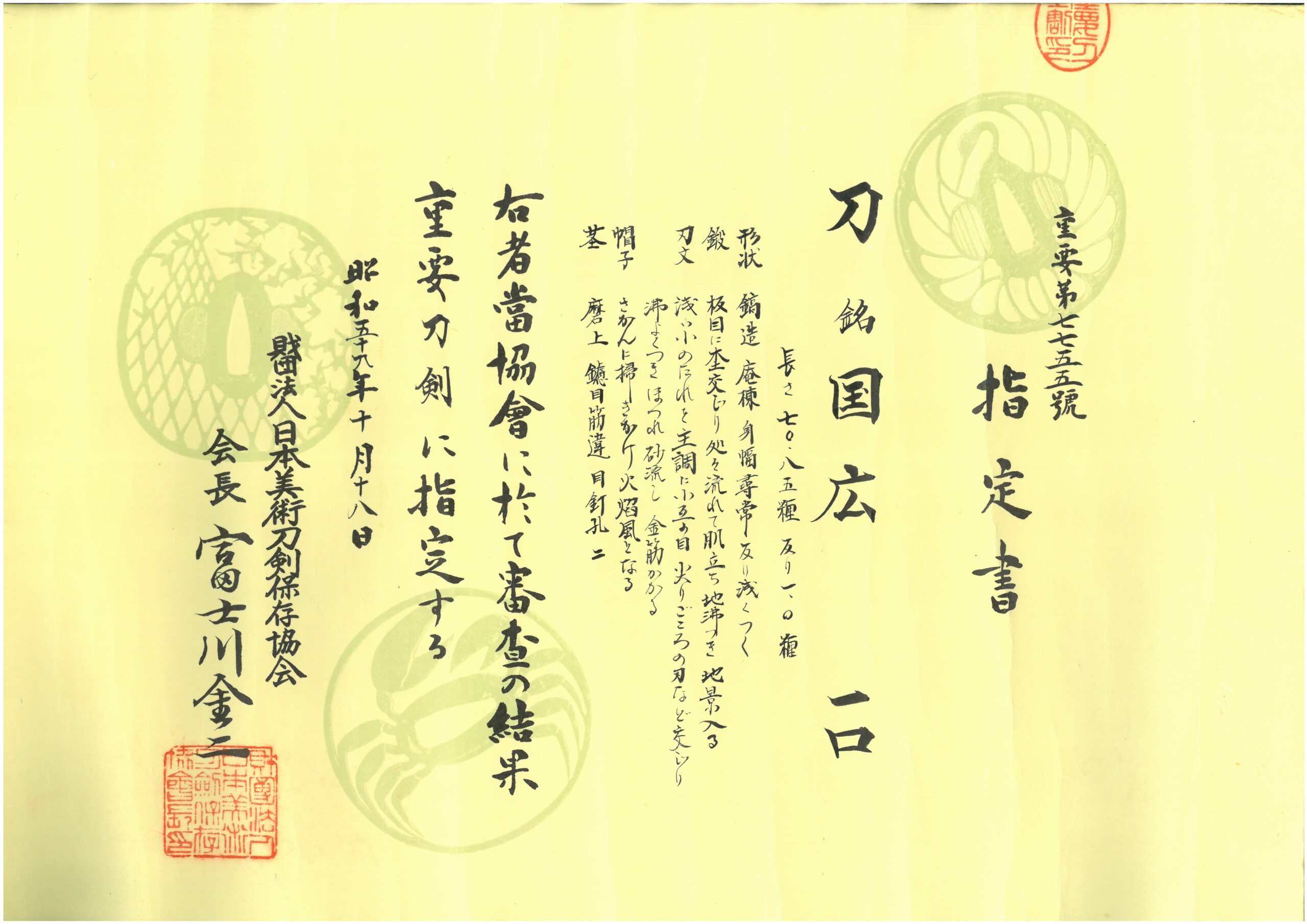
特別保存刀剣の中から、特に出来が優れ、国認定の重要美術品に準ずると判断された名品です。年に一度の重要刀剣審査で選ばれます。
極めて選別的で、日本に登録された約250万口の刀剣のうち、重要刀剣に達したものは12,307口(約203口に1口)にすぎません。
日本美術刀剣保存協会(NBTHK)は、1948年に設立され、文化庁の監督を受ける公益財団法人で、東京・刀剣博物館に本部を置きます。専門の審査員が出品作を直接審査し、美術的・歴史的価値に応じた鑑定書を発行します。NBTHKの鑑定書は、日本刀および刀装具の真正性を示す最も広く認知された基準です。
NBTHK公式サイトAll swords come with a three-day inspection period beginning from the date of delivery. If not satisfied, the sword may be returned within this period for a full refund of the purchase price. Outside of this period, all sales are final. Swords purchased on a layaway payment plan are not eligible for the three-day inspection period.
商品番号 UJKA201 – 売約済 初代国清 刀 (山城守藤原国清) 本作は、江戸時代初期を代表する名工であり、茎に十六葉の菊花紋を刻むことを許された数少ない工の一人、初代国清の作です。信州松本に三代助宗の子として生まれた国清は、京に上り巨匠・堀川国広の門に学びました。師より「国」の一字を授かり、生涯これを用いました。後年、時の藩主・松平忠昌の越前福井への転封に伴い国清も同地へ移住し、今日知られる数々の名作を残しました。銘には「山城守」と冠しますが、愛刀家の間では「越前国清」の名で広く親しまれています。寛永四年(1627年)に山城大掾を受領し、翌年には山城守へと昇進しました。 本作は寛永九年(1632年)二月吉日の年紀を有しており、幕府の歴史においても重要な時期に制作されています。大御所・徳川秀忠が没し、三代将軍家光が泰平の世の礎を固め、独裁的権威を確立した直後のことです。茎中央に刻まれた菊花紋は、新刀期の刀工の中でもごく限られた者にしか許されなかった特権であり、国清の極めて高い地位を象徴しています。寛永九年の年紀作は比較的少なく、彼の円熟期へと向かう作風を知る上で非常に貴重な資料的価値を備えています。 造り込みは鎬造、庵棟。標準的な身幅に反り深く、中切先となり、角留めの棒樋を掻き通しています。鍛えは詰んだ板目に木目、流れ肌が交じり、地沸厚くつき、黒味を帯びた地鉄が力強く冴えます。刃文は国清の真骨頂である直刃調に、浅い湾れや小ぐのめが交じり、匂口深く、物内部辺りは特に沸強く、細かな金筋・砂流しが頻りにしきりにかかるなど、見どころに溢れています。
NihontoWatchEchizen (Fukui), the Horikawa-derived line, Yamashiro-no-kami Kunikiyo and his successors · 越前 · 1624-1682頃
藤代 Jo saku · 刀剣大鑑 上位49%
現在2点販売中
天照大神宮に奉納された剣に「山城守藤原国清」と銘し、寛永廿二年の年紀がある。説明はこれを資料的にも頗る貴重であり、出来もまた見事であるとする。これを鍛えた工は、国清の一名を同名数代に継いだ越前の系の祖に立つ。初代は通説に信州松代の人で、三代目島田助宗の子と伝え、初め吉右衛門といい、上洛して堀川国広の門に学んで国清と改め、国広没後は越後高田の松平家に仕え、主君の越前福井への移封に従って同地に移った。寛永四年に山城大掾、翌寛永五年に山城守を受領し、菊花紋を茎に切ることを許された。説明は同名の代を端的に位置づけ、「中でも初代が最も技量が高く、次いで二代が達者である」[[c:1]]とする。
最も得意とするのは直刃である。説明はこの工を「最も直刃を得意とし」[[c:2]]と記し、その作は中直刃あるいは細直刃で、処々浅くのたれごころをおび、互の目足短く入り、刃縁僅かにほつれ、匂深く小沸厚くつき、細かに金筋・砂流しがかかって匂口が沈みごころとなる。帽子は直ぐに小丸、先僅かに掃きかける。この穏やかな本領のかたわらに乱れ刃も焼き、浅くのたれを基調に互の目を交え、最も広いものでは焼巾広く大互の目が大きく出入りして華やかに乱れ、小互の目・尖り互の目を交え、僅かに飛焼を交え、処々叢沸となり、直刃と同じく匂深く砂流し・金筋がかかる。遺存する幅広の平造脇指で大互の目を焼いた一口は、同作にもこの一門にも少ない造込みとして特記される。
地鉄は両作域の下に一貫し、手を最もよく示す。杢・流れ肌を交えて肌立つ板目に地沸が微塵に厚くつき、地景細かに入り、かねが黒みをおびて、説明はこれを「北国がねの特色がよく表示されており」[[c:3]]と読み、優品では精微で一段と優れているとする。その佳き刀では、肌目細かに立ちながらも精良で、黒いかねを交えて作者の力量がうかがえる。直刃も帽子もこの地の上に無理なく坐り、常を超えたときには焼幅が広目となり、匂が一層深く、沸の粒が均一によくつき、地鉄が一段と精微となって、説明が本領と呼ぶ作柄が遺憾無く発揮される。katana に繰り返し見える沈む匂口は、地と刃を近づけながらも、この系の遡る相州伝のように境を曖昧にはしない。
作の順序は、乏しい年紀よりも銘によって読まれる。平の長銘は初代と取られ、菊紋の下に切る「一」の字は二代以降と読まれる。二代は新兵衛と称し、初代の次男である。「国」の字の形も両者を分け、クニガマエの中の五画と八画とが平行するものが初代の手である。しかし説明はその慎重を表に保ち、「初・二代を明確に区分することは、現時点では難しく」[[c:4]]今後の研究に俟つとし、「一」を切る刀の銘が天和二年紀の短刀に相似して二代かと思われる場合でもそうである。稀な年紀作は貴ばれ、寛永九年紀の刀もその一であり、二代の天和二年紀の短刀は冴えた直刃の地刃で、系の後の端にその手を定める。
彼を分かつものは、出身の系よりも彼自身の確かな特色によって語られる。その直刃は、地の黒く詰んだ越前の手の最も静かな作域であり、北国がねの地沸微塵と細かな地景が、相州の工が肌立ちと明るく乱れた刃で運ぶところを運ぶ。重美の説明は所伝への学者の留保を伝え、経眼した同作には国広との関係を必然的に考えられる出来は稀有であるとするが、肌立つ黒い板目に沸づく直刃は広く堀川の流れの中にあり、その彫と地鉄は当時の越前彫・越前がねの典型に数えられる。系の鑑定は前に進むのと同じほど遡って行われ、作風が分かれぬために代を銘と一字の形で読む。これがこの系の規定する条件であり、またその難しさである。
国清は藤代の極めで上作とされ、十二口が重要刀剣に至り、さらに一口の刀が重要美術品で、いずれも在銘、国宝も重要文化財もない。国宝・重要文化財の固定された層に入る作はなく、ゆえにこの系は最初期の名のように全く流通を離れてはいないが、指定の作は売買よりも所蔵され、重要の国清が私の蒐集家の前に来るのは折にふれ、また忍耐をもってのことである。所在の知られる伝来は乏しいながらも由緒があり、寛永廿二年の剣は天照大神宮奉納に発し、系の一口は皇室の所蔵に記録される。茎の菊花紋がすでに語る格である。截断銘も作に伴い、寛永六年の一口に三ッ胴の金象嵌、別の一口に袈裟落の金象嵌があって、静かな直刃の品位とともに、よく斬れる鋼として貴ばれた証を示す。
國清の位置づけを、日本刀全体および伝統・時代・時期ごとに示します。各位(随一・屈指・有数・著名)は、NBTHK および文化庁による指定に加え、三作や名物帳などの歴史的栄誉を加味したものです。
各項目を選ぶと評価方法が表示されます。
在銘年紀作が示す、確実に活動していた年代
新刀 · 山城
現在79点販売中
堀川派は、山城国京都の一条堀川を本拠として、十六世紀末から十七世紀初頭にかけて成立した新刀期の一門である。祖の堀川国広はもと日向飫肥の城主伊東家に仕えた武士で、主家没落の後は諸国を遍歴して鍛刀の技を磨き、足利学校打や美濃大道との合作などにその足跡を銘文へ残した。慶長四年(一五九九)以後は京一条堀川に定住し、多くの俊秀を糾合してこれを育てた。その門からは出羽大掾国路、和泉守国貞(親国貞)、河内守国助、越後守国儔、大隅掾正弘、堀川国安らが輩出する。国広以前の関や末相州の作風を経て、定住後の一門は相州伝、就中、志津や貞宗、左文字の復興を共通の理想に掲げた。慶長新刀の姿に南北朝期の大太刀を磨上げた趣を写し、明寿と並んで新刀の創始を称えられる祖を戴いて、この派は京の鍛冶を改めた起点に立つ。 一門の作風は、地鉄にまず標識を持つ。板目に杢や大板目を交えて肌立つ、いわゆる「ザングリとした」枯れた肌合を呈し、地沸が微塵に厚くつき、地景が細かに頻りに入る。区際より斜めに立つ水影は国広自身の手癖で、正弘や国安、国正にも伝わる。刃は浅いのたれを基調に互の目や尖り刃を交えて沸厚く、金筋や砂流しがかかり、処々に湯走りや飛焼を見せ、匂口が沈みごころとなるのが一派に通じる癖である。刃区を深く焼き込む態も国広に始まり門弟へ及ぶ。この共通の地刃の上に、各工は己の差を置く。国路は肌立ちザングリと枯れた地に厚く荒い沸の志津写しを焼き、浅くのたれ込んで先の尖る三品帽子を見せて、一門中随一の器用人と称された。国安は受領銘を用いず必ず二字に切り、左利きゆえに逆筋違の鑢目を切る唯一の工で、その手は最も祖に近い。正弘は大乱れを焼かず、焼を低く刃取りを抑えて目立つ杢を交え、作風も銘字の藤原の二字に至るまで祖に酷似する。国儔はかえって末関に向かい、頭の丸い互の目と締った匂口に兼之を思わせる美濃の一脈を担った。弘幸は一門ただ一人切り鑢を用い、黒みをおびた鉄に古作大和を想わせる直刃を本領とした。 蒐集家が堀川派を求める理由は、鑑定の勘所と、祖と高弟の格にある。在銘作を主体とし、慶長打は太鏨肩落の大振り二字銘や、日州古屋住から洛陽一条堀川住に至る受領銘を交えるため、銘そのものが工と時を定める手懸りとなる。国広の刀は、ザングリの地、斜めの水影、沈む匂口という手癖を写し物の中にすら宿し、相州伝復興の理想を最も高く体現する。高弟もまた、それぞれの極めの言うところで分かたれる。国路の三品帽子と長い金筋、国安の二字銘と逆鑢、正弘の抑えた焼と目立つ杢、国儔の頭の丸い互の目、弘幸の切り鑢と黒い鉄は、いずれも対手から借りた特徴ではなく己の地刃から引かれた標識である。代表作には伝後水尾天皇御寄進の拵を具して幡枝八幡宮に伝わる奉納太刀があり、伝来は日向伊東家、岡山藩家老伊木家、土佐山内家、大島津家、豊臣秀頼、皇室に及ぶ。最晩年の国広作は弟子の代作代銘と読まれるが、師の監督は厳重で偽物とは全く異なる。そして親国貞と河内守国助は国儔に学んで大坂へ下り、大坂新刀の草創に立った。国貞の嗣は井上真改として、その名を一層名高い世代へと継ぐ。京の堀川に始まった相州伝復興の手は、かくして後世の新刀へと流れていった。 詳しく見る →
京 新刀の源流
新刀の時代は、その大部分が京都で発明された。埋忠明寿の工房が運動を育て、堀川国広が一世代を鍛え、鎚を持たぬ本阿弥家が名刀の意味を司った。
特別保存刀剣の中から、特に出来が優れ、国認定の重要美術品に準ずると判断された名品です。年に一度の重要刀剣審査で選ばれます。
極めて選別的で、日本に登録された約250万口の刀剣のうち、重要刀剣に達したものは12,307口(約203口に1口)にすぎません。
日本美術刀剣保存協会(NBTHK)は、1948年に設立され、文化庁の監督を受ける公益財団法人で、東京・刀剣博物館に本部を置きます。専門の審査員が出品作を直接審査し、美術的・歴史的価値に応じた鑑定書を発行します。NBTHKの鑑定書は、日本刀および刀装具の真正性を示す最も広く認知された基準です。
NBTHK公式サイトAll swords come with a three-day inspection period beginning from the date of delivery. If not satisfied, the sword may be returned within this period for a full refund of the purchase price. Outside of this period, all sales are final. Swords purchased on a layaway payment plan are not eligible for the three-day inspection period.