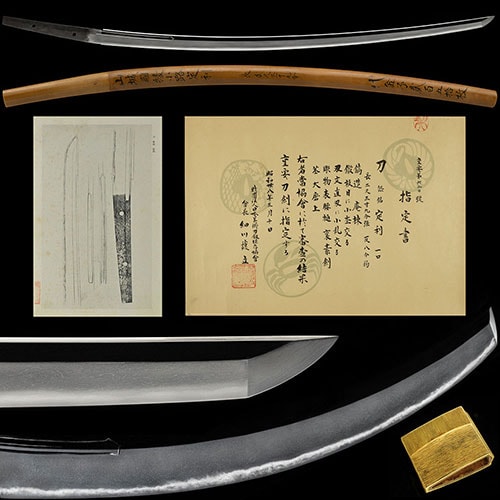
南北朝の戦乱は、山城の精緻を支えた公家社会を疲弊させた。来派最後の巨匠たちをもって古典の系譜は閉じ、長谷部と信国が新しい相州風を都に持ち込んでいる。
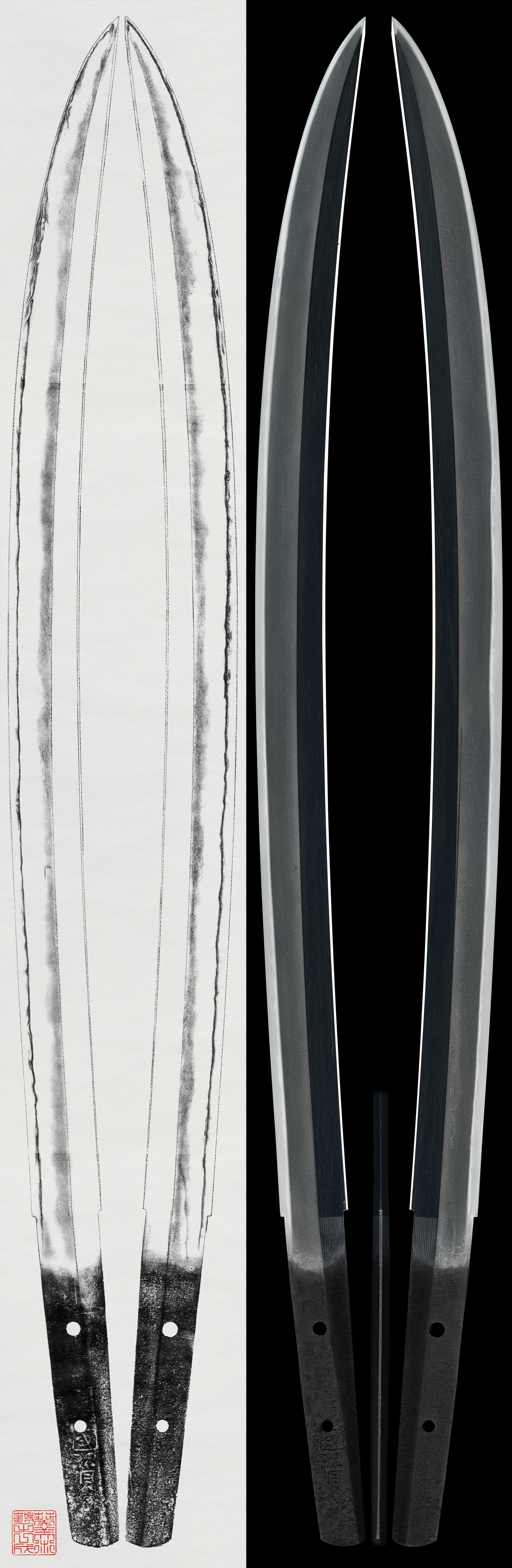
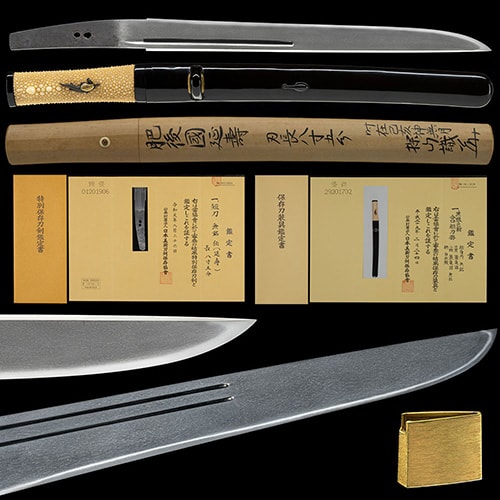
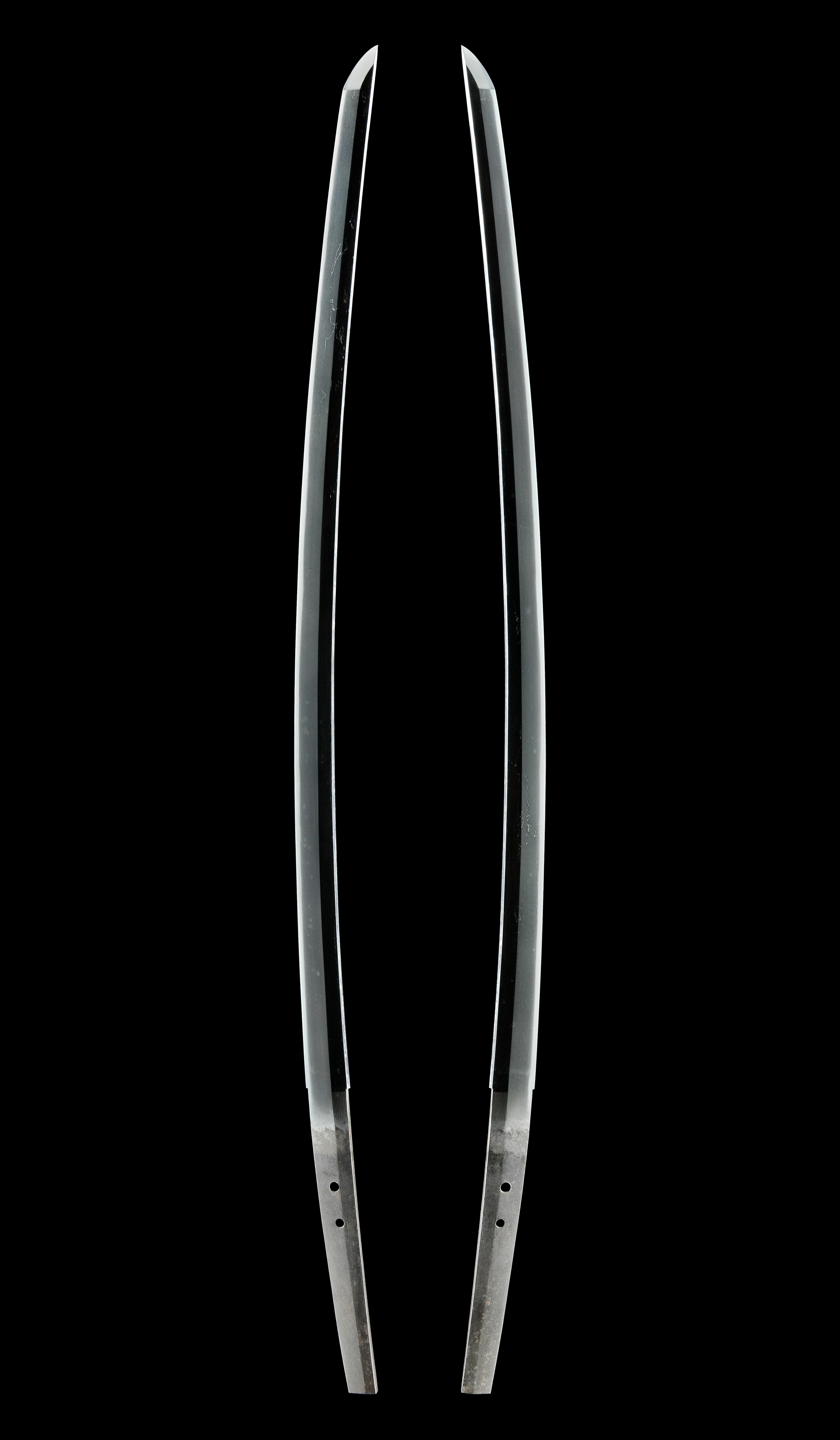
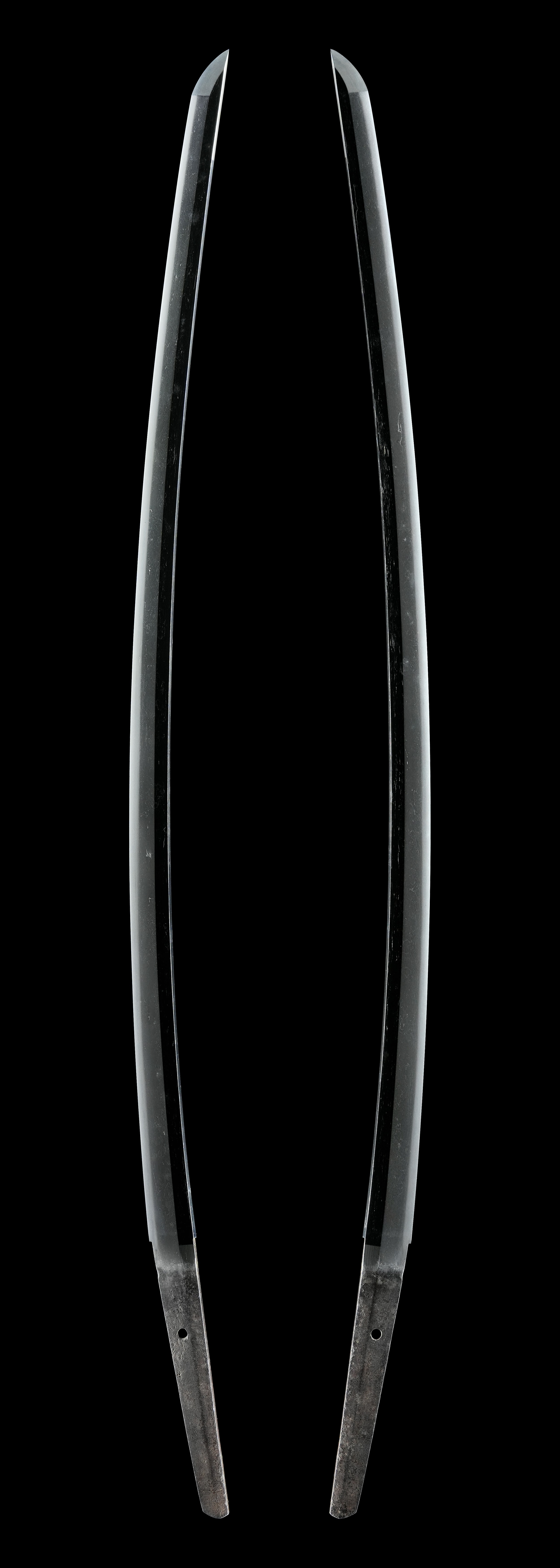
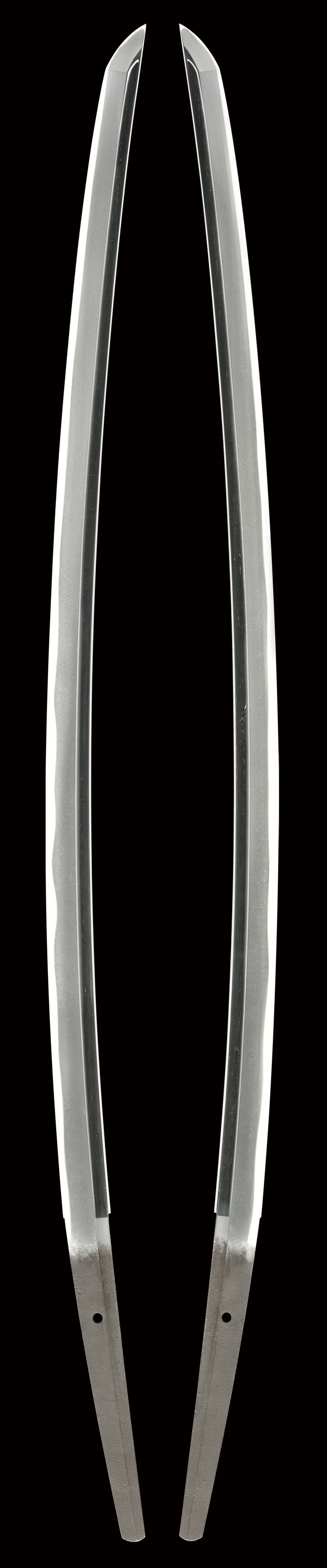
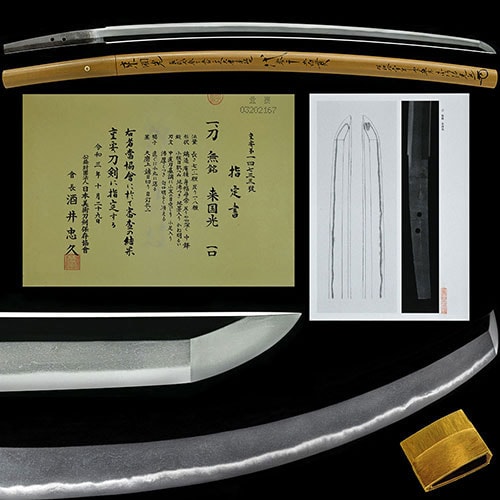
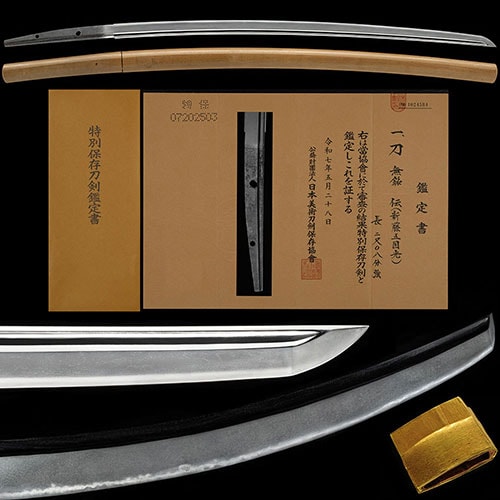
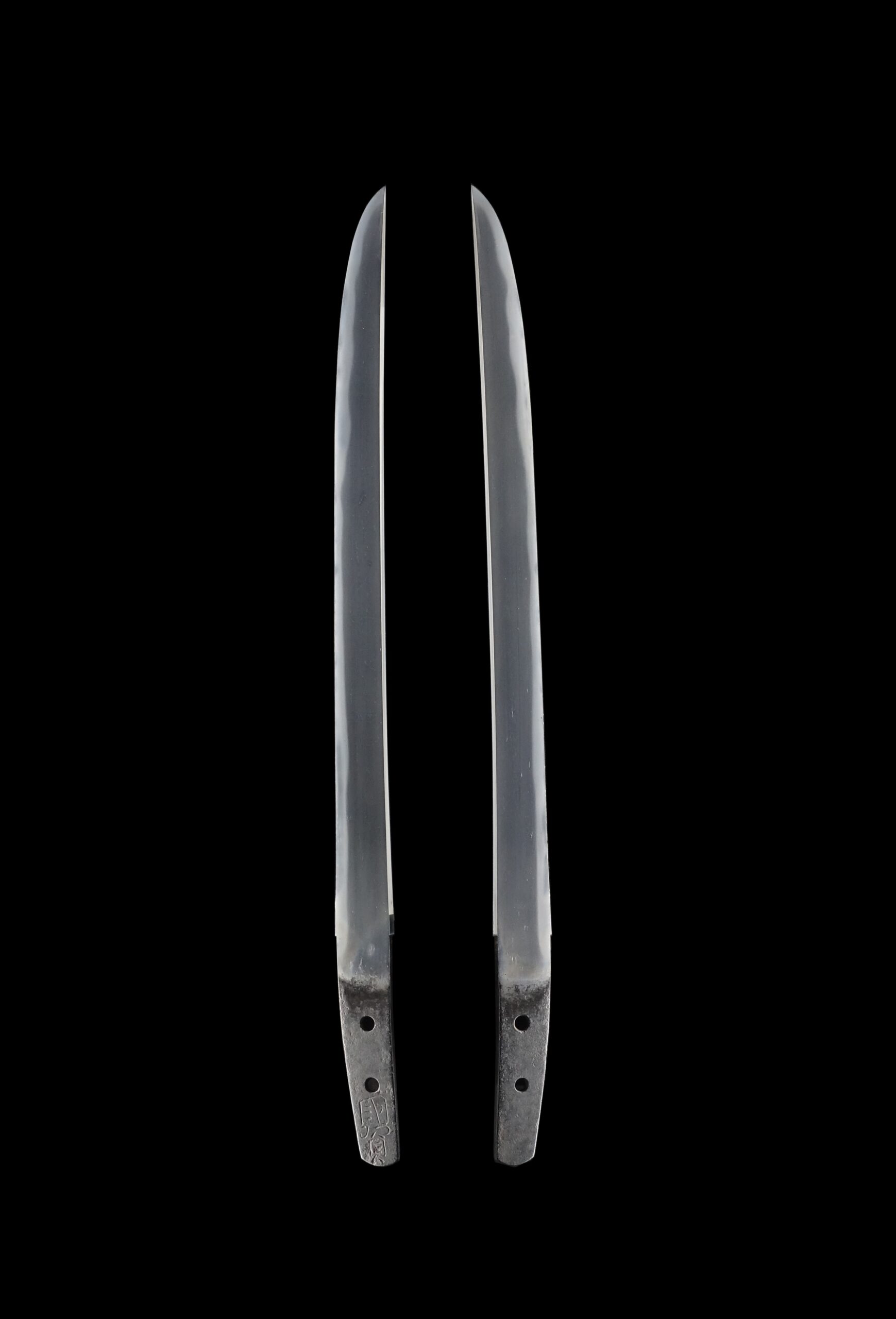
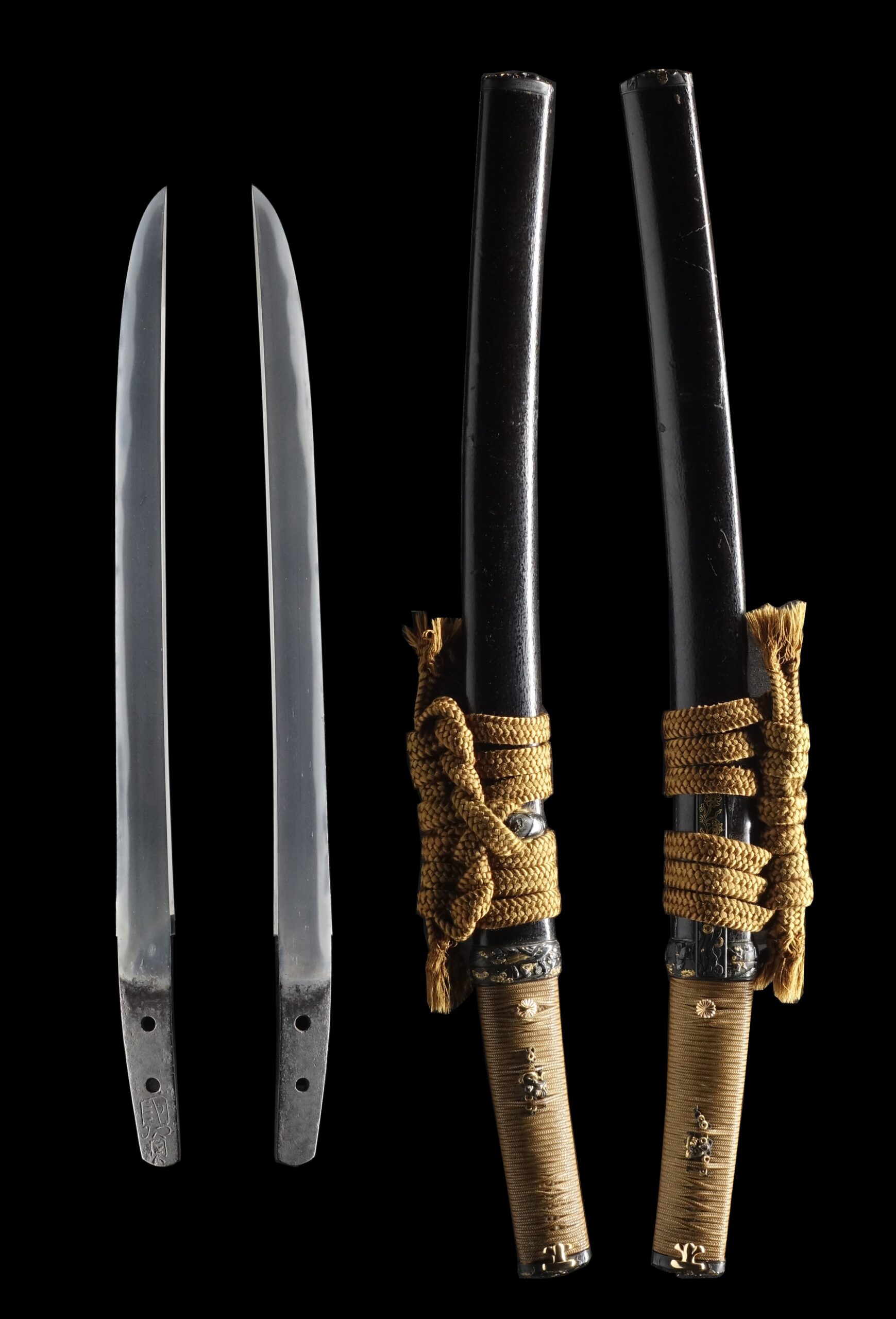
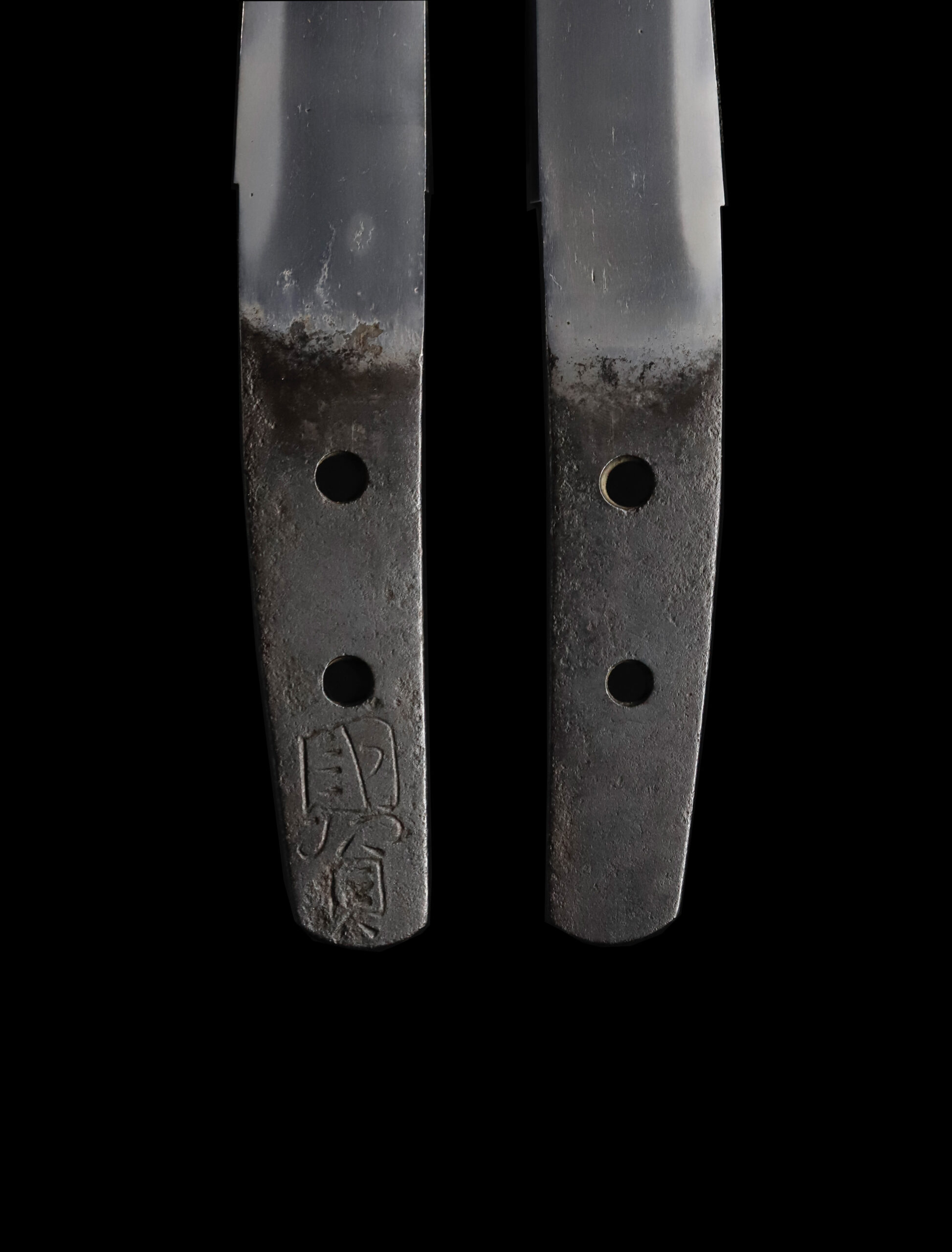
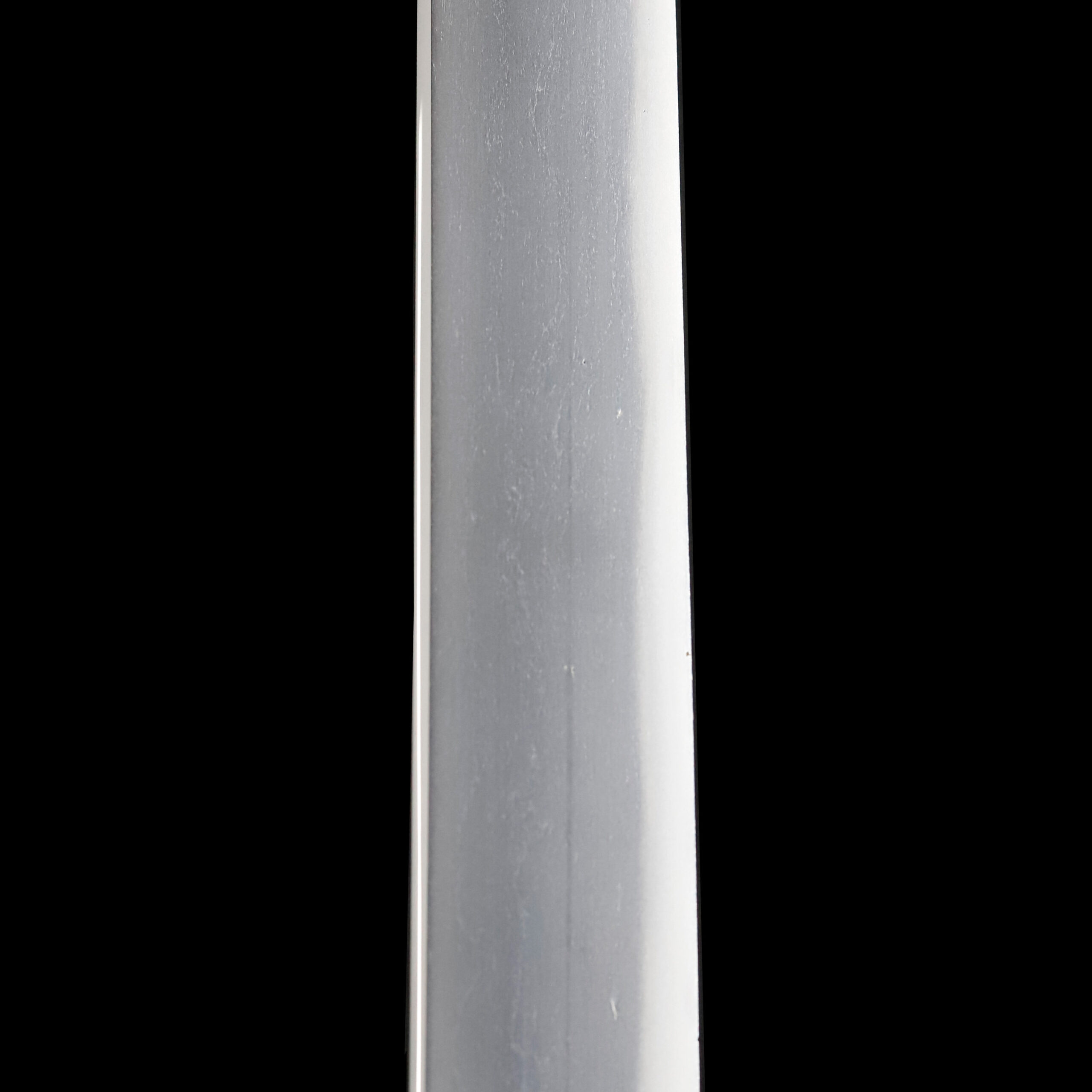
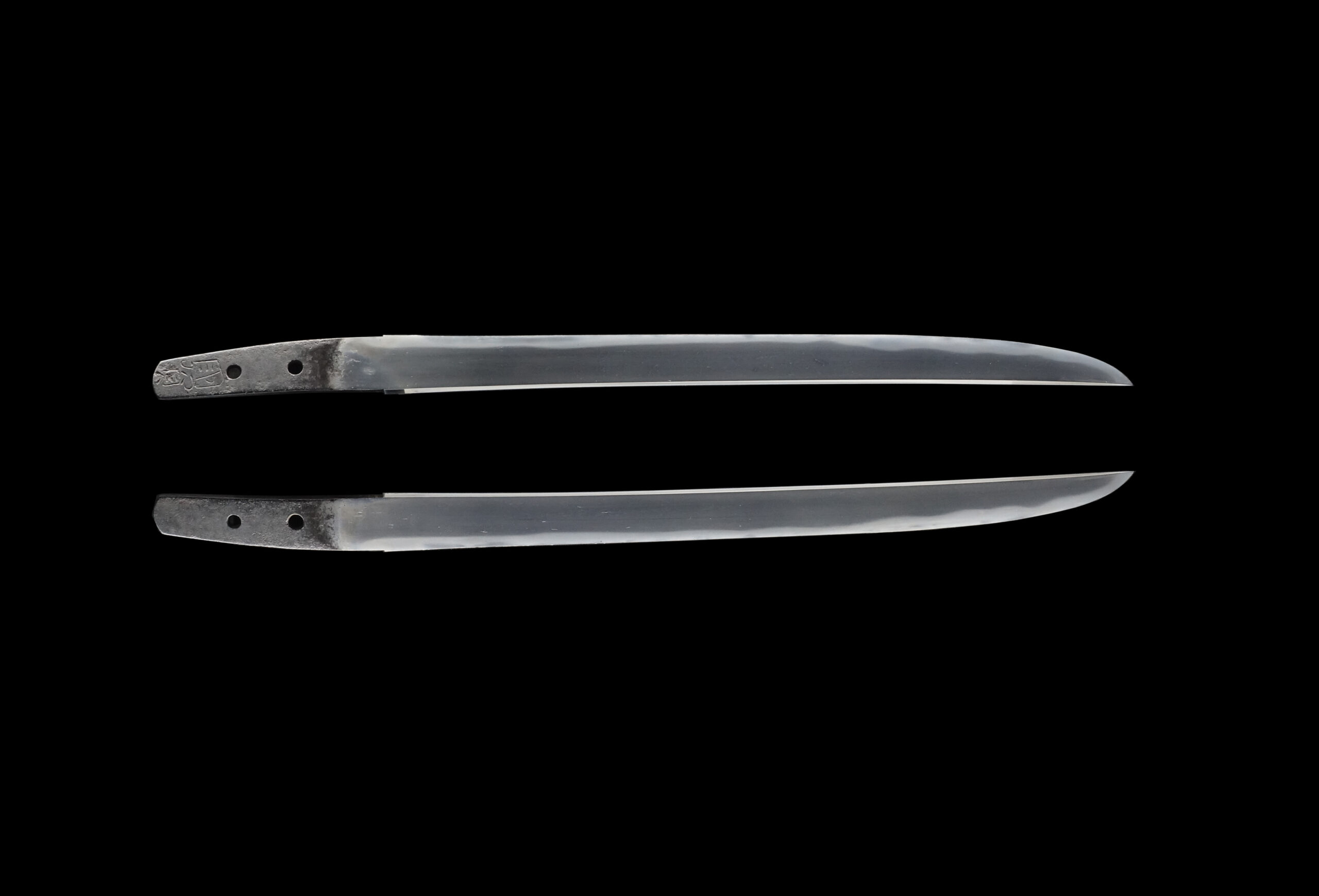
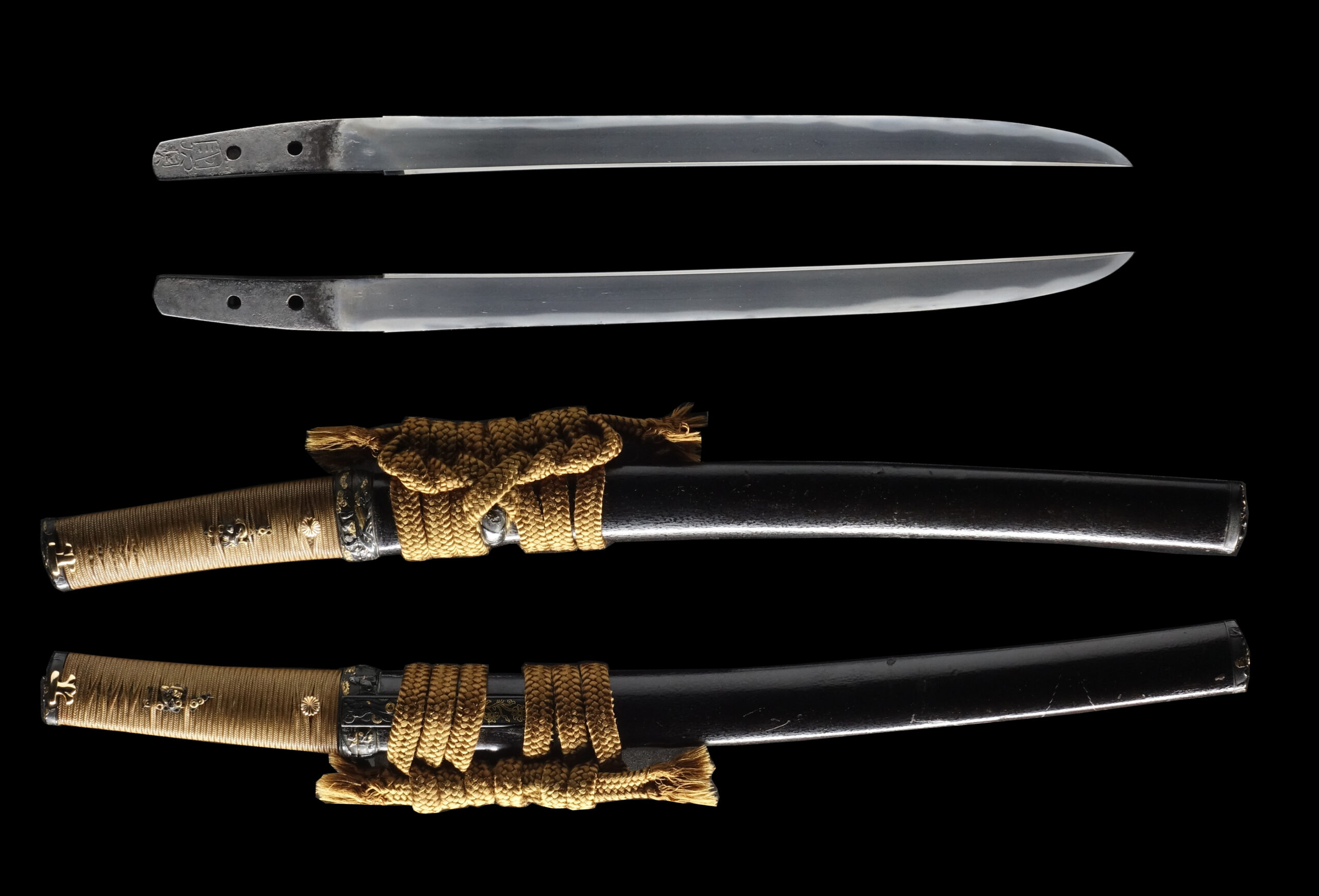
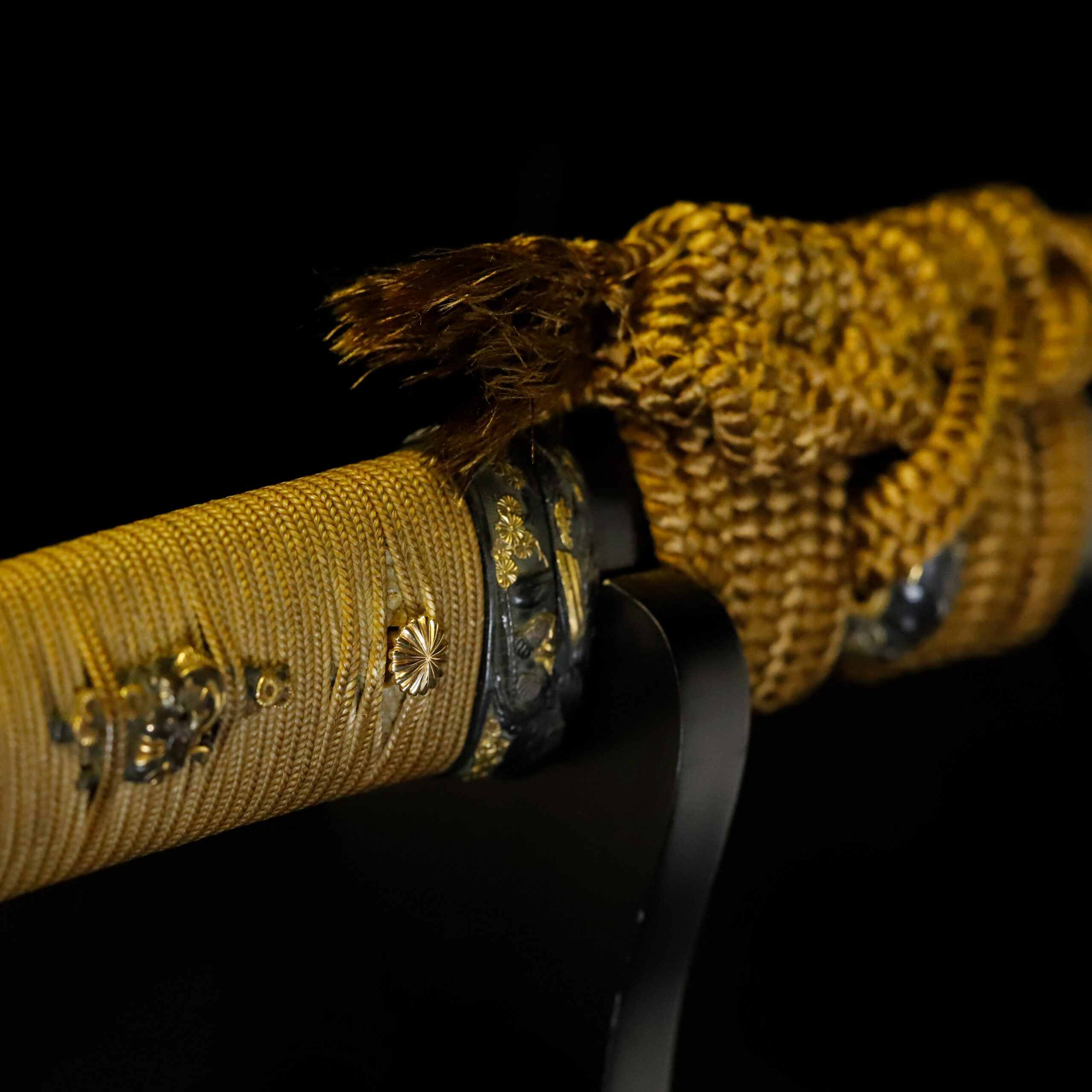
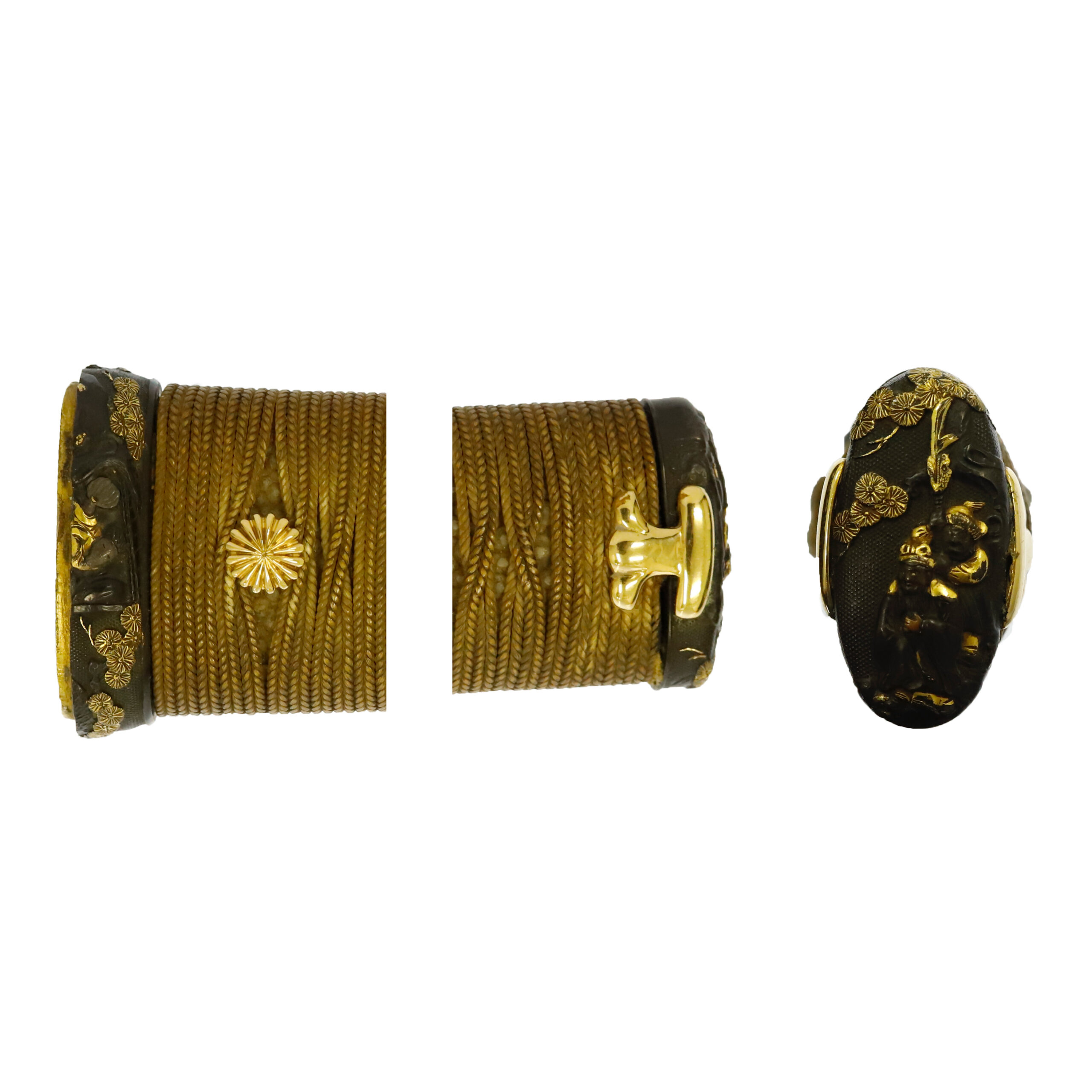
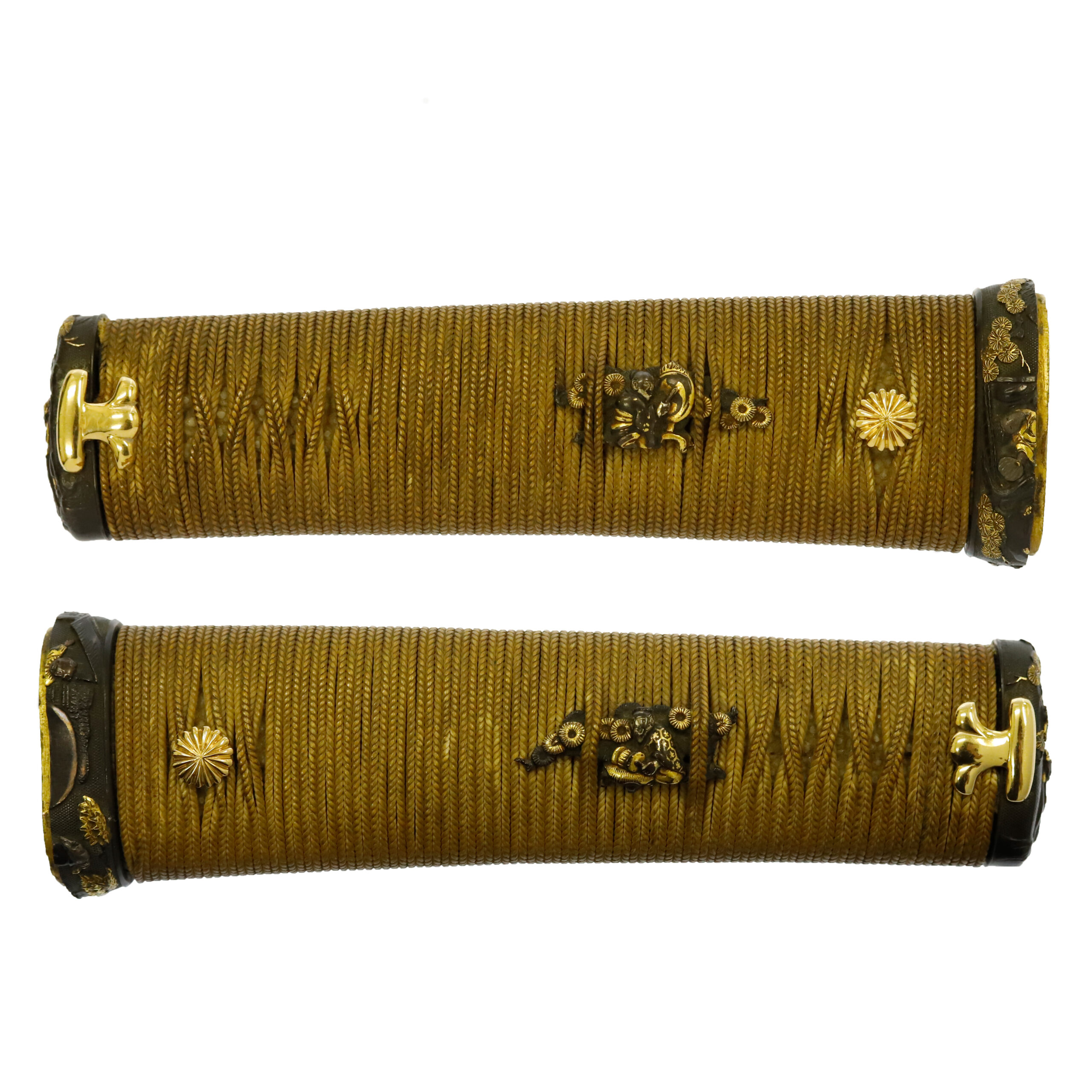
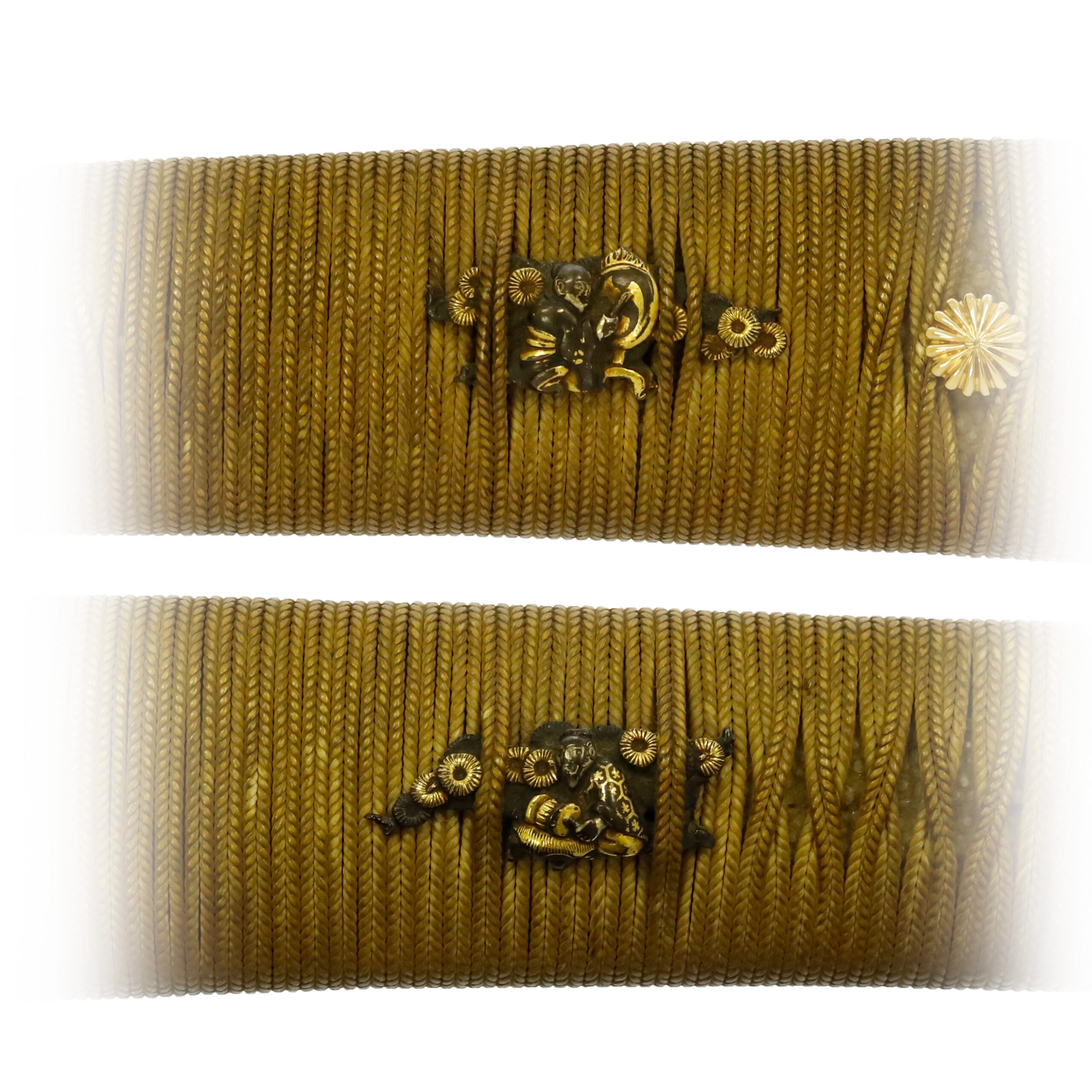
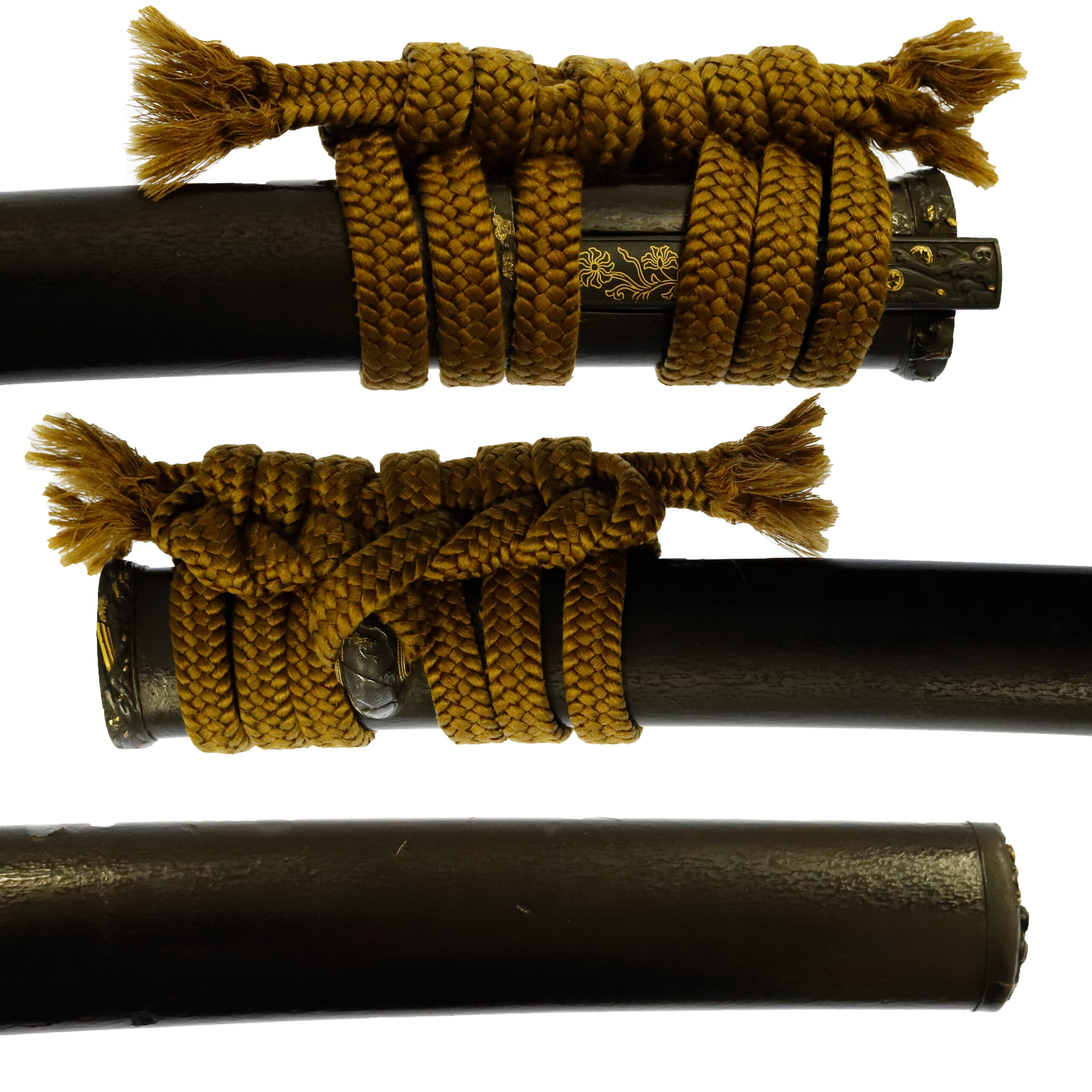
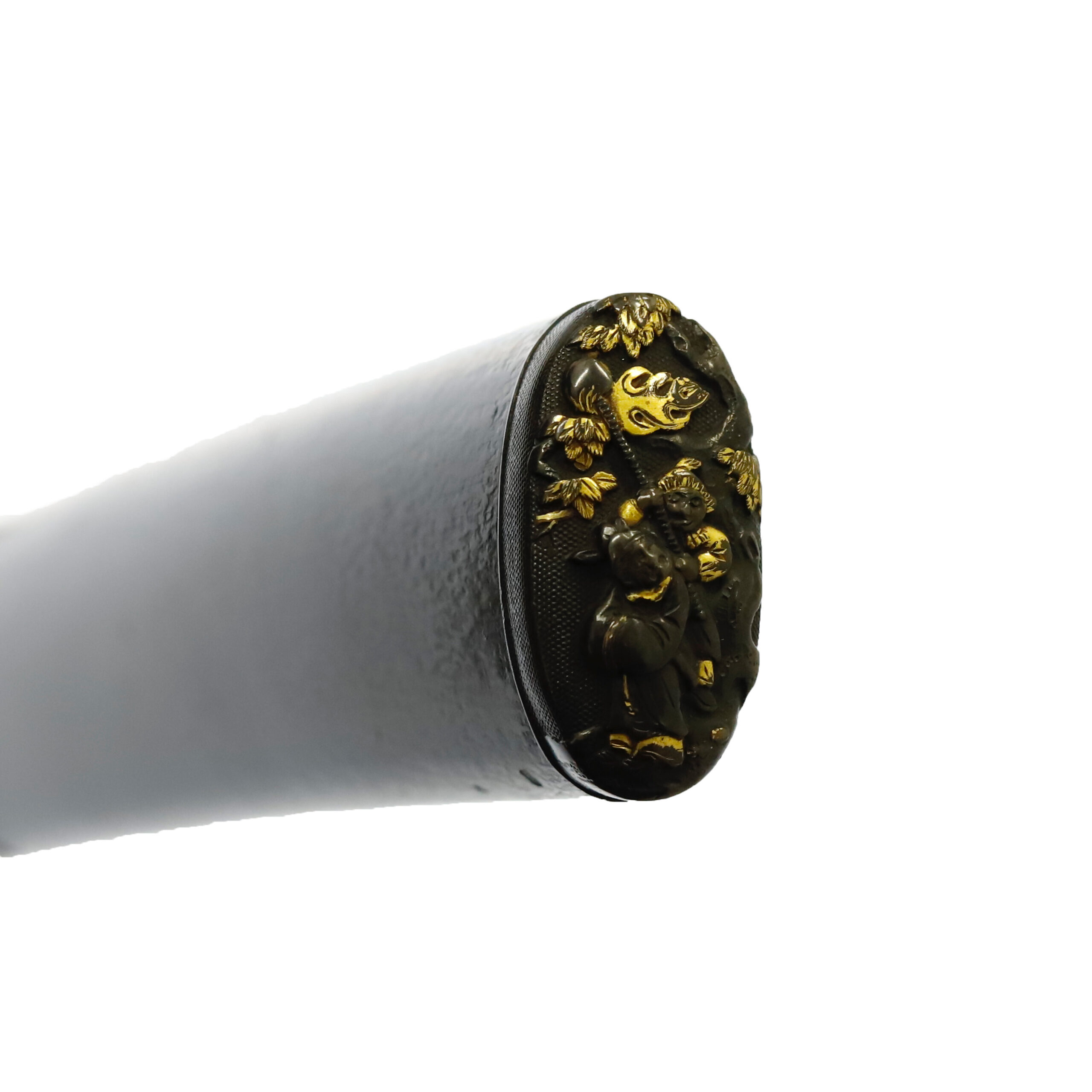
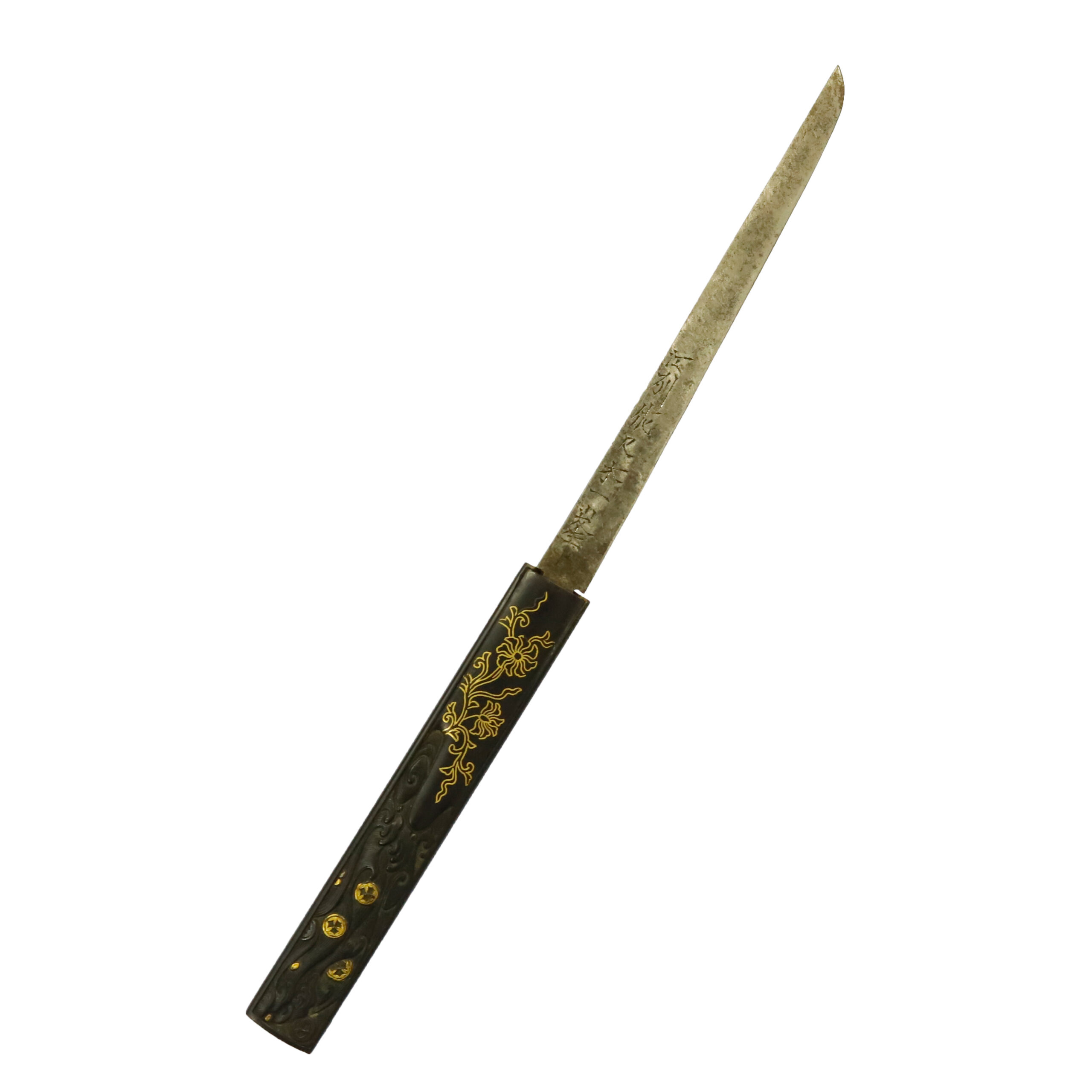
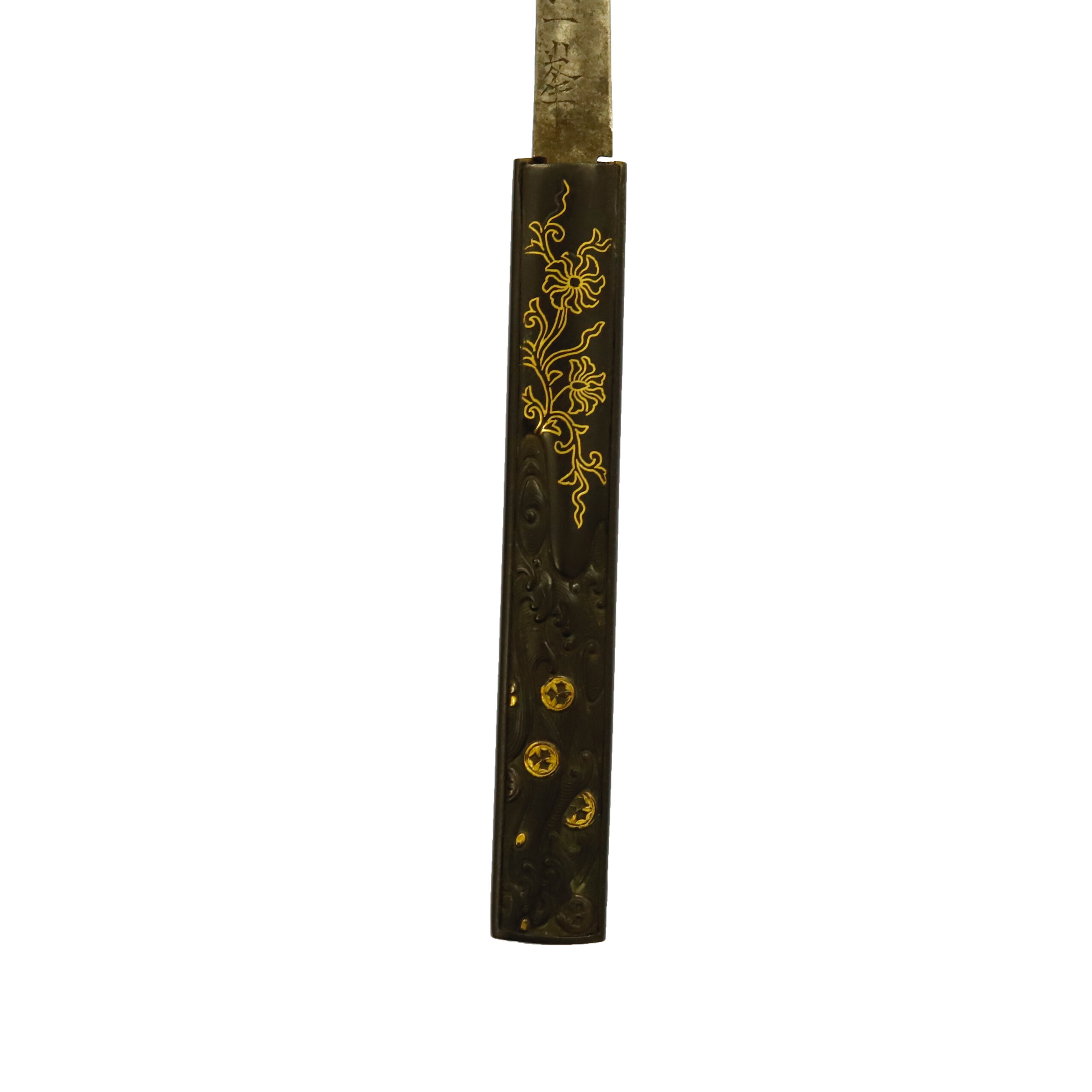
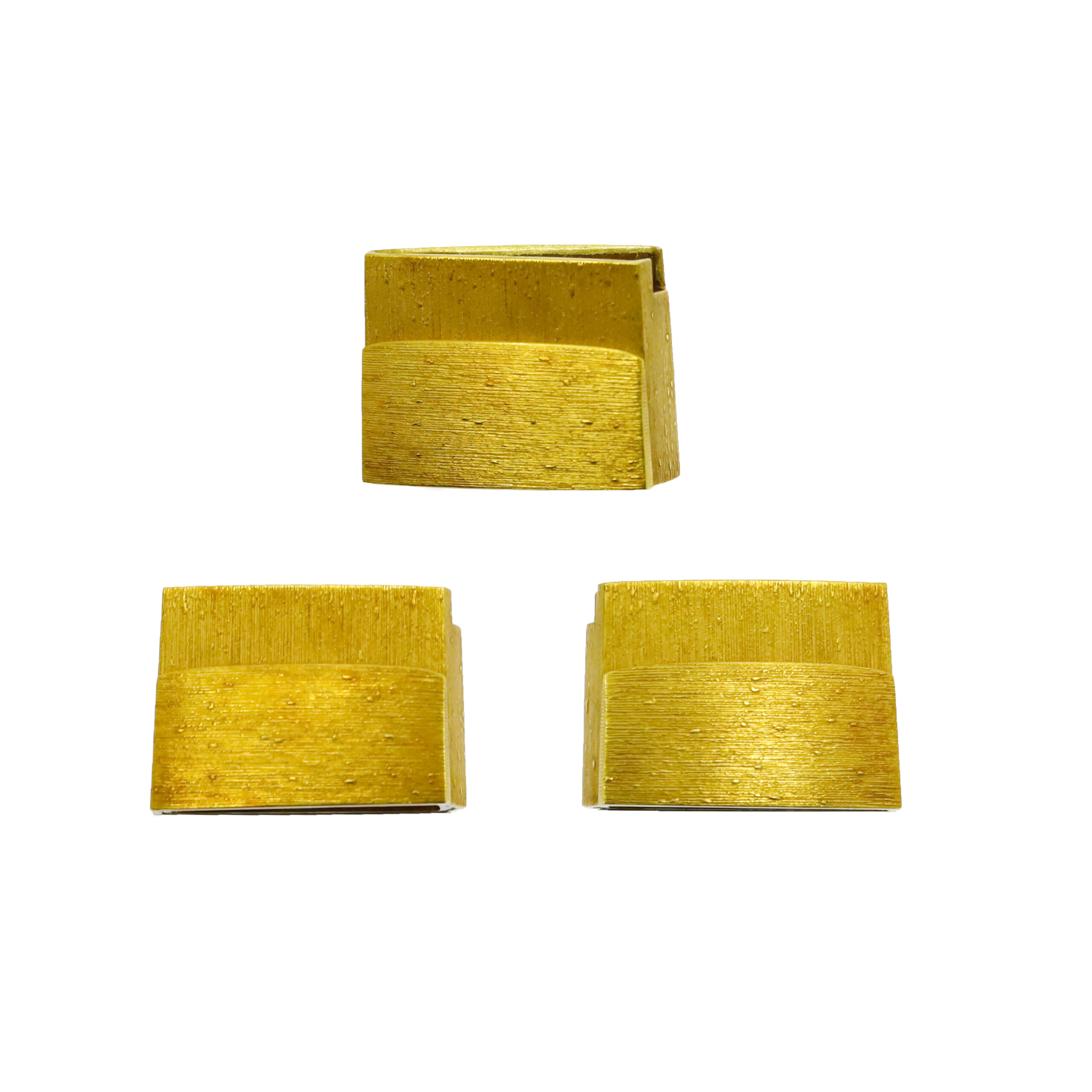
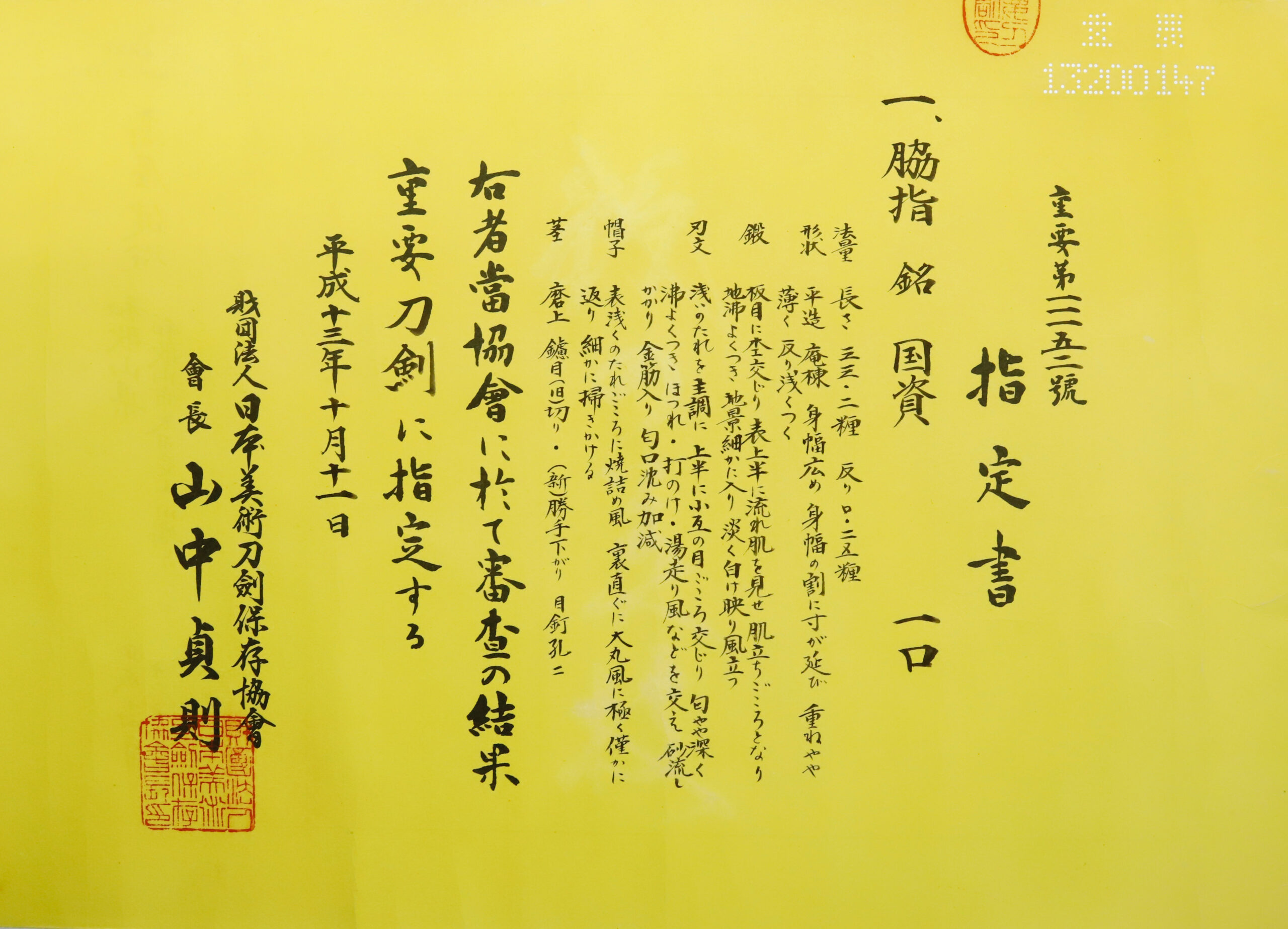
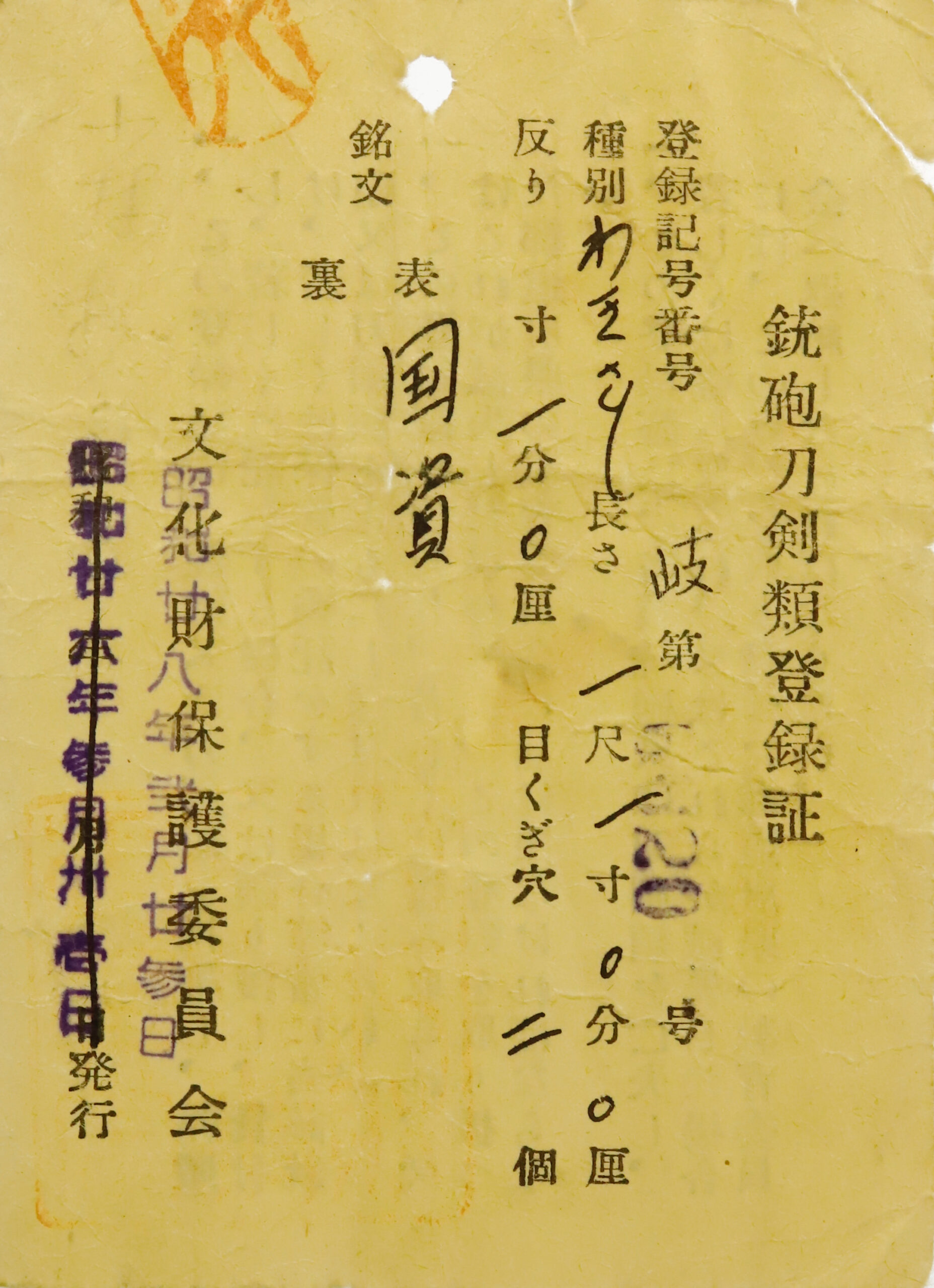
日本刀 脇指 銘 延寿国資 日本美術刀剣保存協会(NBTHK) 重要刀剣 指定品 【解説】 本作は、鎌倉時代後期から南北朝時代初期(13世紀後半〜14世紀初頭)にかけて活躍した延寿国資(えんじゅ くにすけ)による脇指です。 「延寿」は鎌倉から南北朝期にかけて肥後国(現在の熊本県)で隆盛した名門派です。その祖は、山城国(現在の京都府)の名工、来国行の孫と伝えられる国村であり、国資はその国村の子とされています。 国村とその門下である国資らは、当時肥後国で強大な勢力を誇った菊池氏の招きに応じ、山城国から移住しました。伝承によれば、菊池氏第10代当主・菊池武房が、元寇(1274年、1281年の蒙古襲来)に際し、対蒙古戦に耐えうる強靭な刀剣を求めて、京都から優れた刀工を呼び寄せたのが始まりとされています。以来、延寿一派は菊池氏の御抱え鍛冶として、同氏のために作刀に励みました。 延寿派の刀工は、その多くが名に「国」の字を冠しており、なかでも国資は一派の中で最も技量の優れた名工の一人として知られています。 また、延寿の血脈は後世の有名な「同田貫(どうたぬき)」へと受け継がれ、江戸時代を通じて500年以上の長きにわたり存続しました。 「延寿」という名は「寿命を延ばす」という吉祥の意味を持つことから、古来より諸大名の間で縁起物として珍重され、武家の進物としても高く評価されてきました。 本作は、日本美術刀剣保存協会(NBTHK)により「重要刀剣」に指定されています。重要刀剣とは、特別保存刀剣の中でも特に出来が良く、保存状態が極めて良好で、かつ美術的価値が高いものにのみ与えられる格付けです。審査基準は非常に厳しく、重要刀剣に指定されることは、愛刀家にとって最高の栄誉の一つとされています。 【刀身】 長さ(銘文):33.2 cm 反り:0.25 cm 刃文:焼入れによって刃先に現れる結晶構造。 地肌(地鉄):折り返し鍛錬によって現れる鋼の表面模様。 茎(なかご):刀身の柄に収まる部分。 【外装:拵】 拵(こしらえ)は、鞘、柄、鍔などの装飾金具一式を指します。 縁頭(ふちかしら): 柄の両端を保護する一対の金具です。 本作の縁頭は、細かな魚の卵のような突起を鏨(たがね)で打ち出す「魚子地(ななこじ)」の技法が施されています。 頭(かしら)には、松の木の下に立つ二人の人物が描かれています。一人は薙刀のような長柄武器を携えた武官、もう一人は文官と思われます。何らかの故事や伝説の一場面を描いたものと推察されます。経年による色あせは見られますが、随所に施された金の色絵が華やかさを添えています。 柄・目貫: 柄(つか)は刀を握る部分であり、目貫(めぬき)はその装飾金具です。
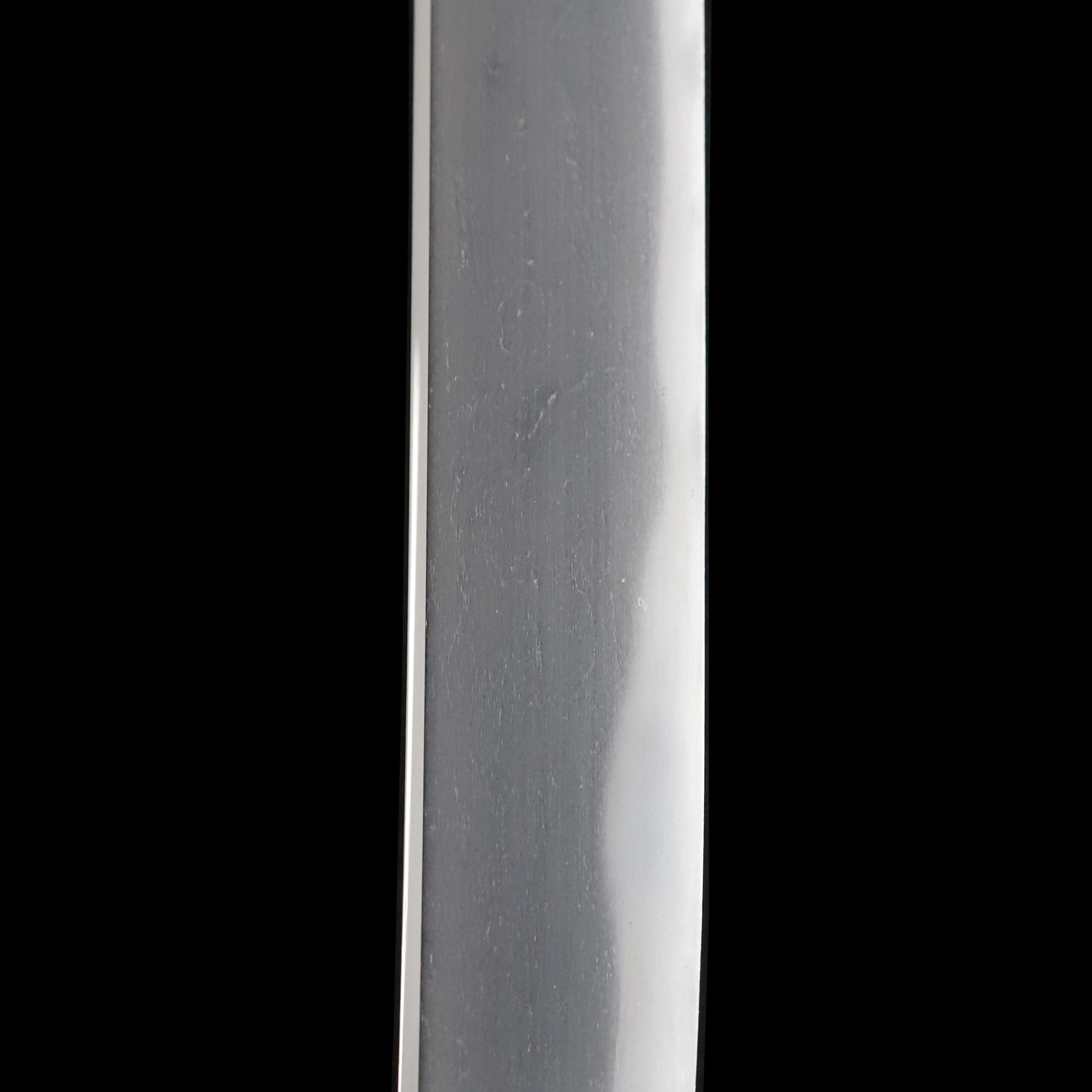
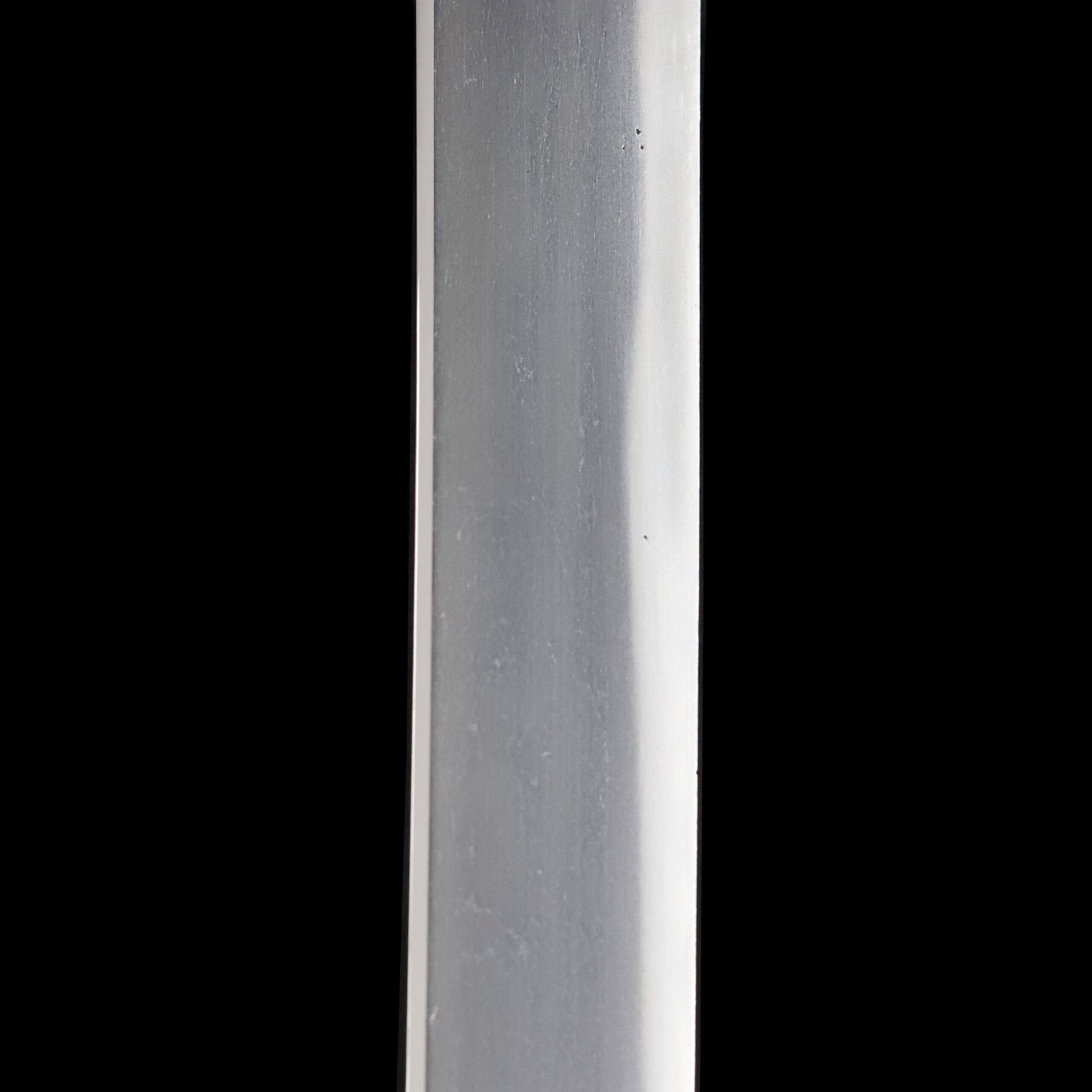
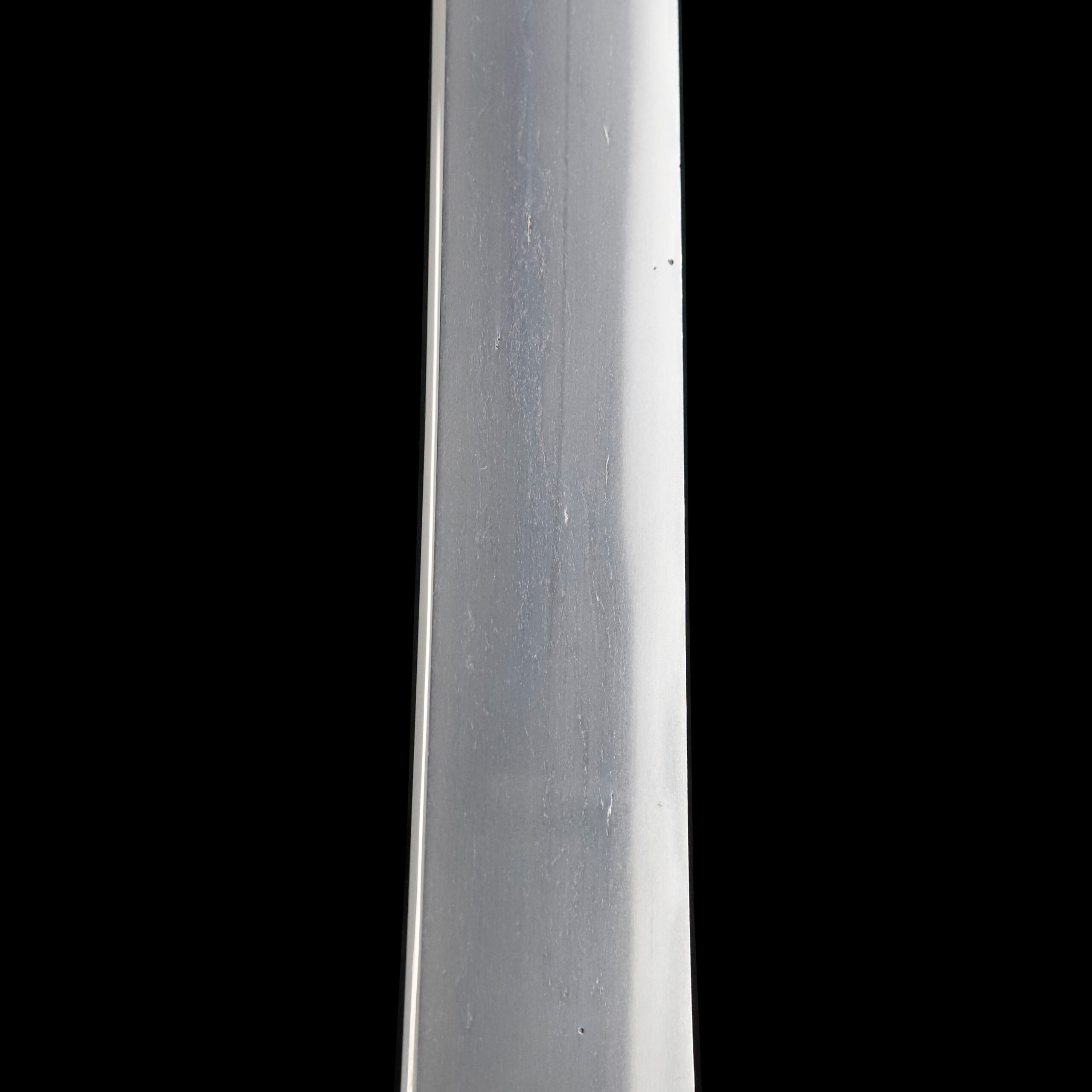
肥後国延寿派は、山城の来国行の外孫と伝える太郎国村を祖として始まり、国吉・国時・国泰・国友・国資・国信・国綱等、一門には多くの良工が輩出し、鎌倉 時代末葉より南北朝期にかけて同国菊池郡隈府の地に大いに繁栄した。その作風は、それぞれに際立った個性が少なく、概ね山城の来派に類似するが、鍛えに流れ柾 を交えて白け映りが立ち、刃文は匂口が幾分沈みごころで、刃中の働きが穏やかとなり、また帽子は先の丸みがやや大きく、しかも返りを浅く焼くなどの点に相違が みられ、同派の見どころとして挙げられる。 国資は国村の子と伝え、紀年銘を有するものに鎌倉時代末葉の嘉暦二年紀の短刀の作がある。現存する作品を通観するに、一門の中でもかなりの腕利きであったこ とが窺い知られる。 本作は、身幅の割に寸が延び、反りが浅くついた平身の脇指で、国資に見られる多様な姿形の一形態を示している。鍛えは板目に杢が交じり、表上半に流れた肌を 見せ、肌立ちごころとなり、地沸が微塵によくつき、地景が細かに入り、淡く白け映り風が立っている。また刃文は浅い小のたれを主調に、上半小互の目ごころが交 じり、匂やや深く、沸がよくつき、金筋・砂流し等がかかり、匂口が沈み加減となり、帽子は大丸風に極く浅く返る(裏)などの出来口を示している。 上記の如く、延 寿派の特色がよく顕現された一口であるが、特に、物打辺の沸が荒めとなり、そこにほつれや打のけ・湯走り風を交え、砂流しがさかんにかかるなど、焼刃に働きの 変化をもたせ、強弱の様態を強調している。同作中の優品で、在銘であることも貴重である。また銘字は、文字と文字との間隔がつまり、同派の中でも最も太鏨にき り、加えて一派の多くの刀工が「国」の字の国構の中の右側を耳形風にきるのに対して、それが顕著とならない点など、国資の銘字の見どころもよくあらわれている。
 NihontoWatch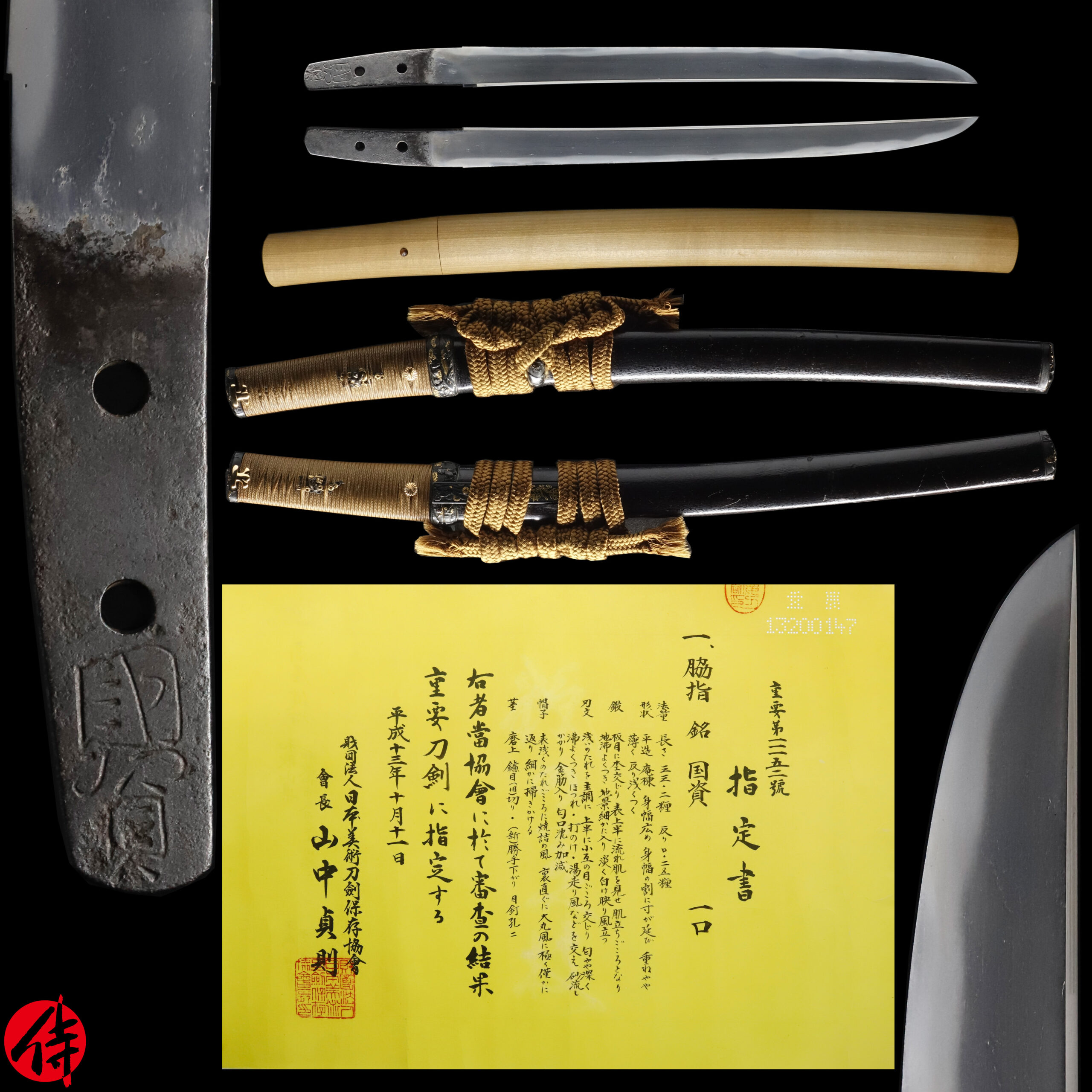
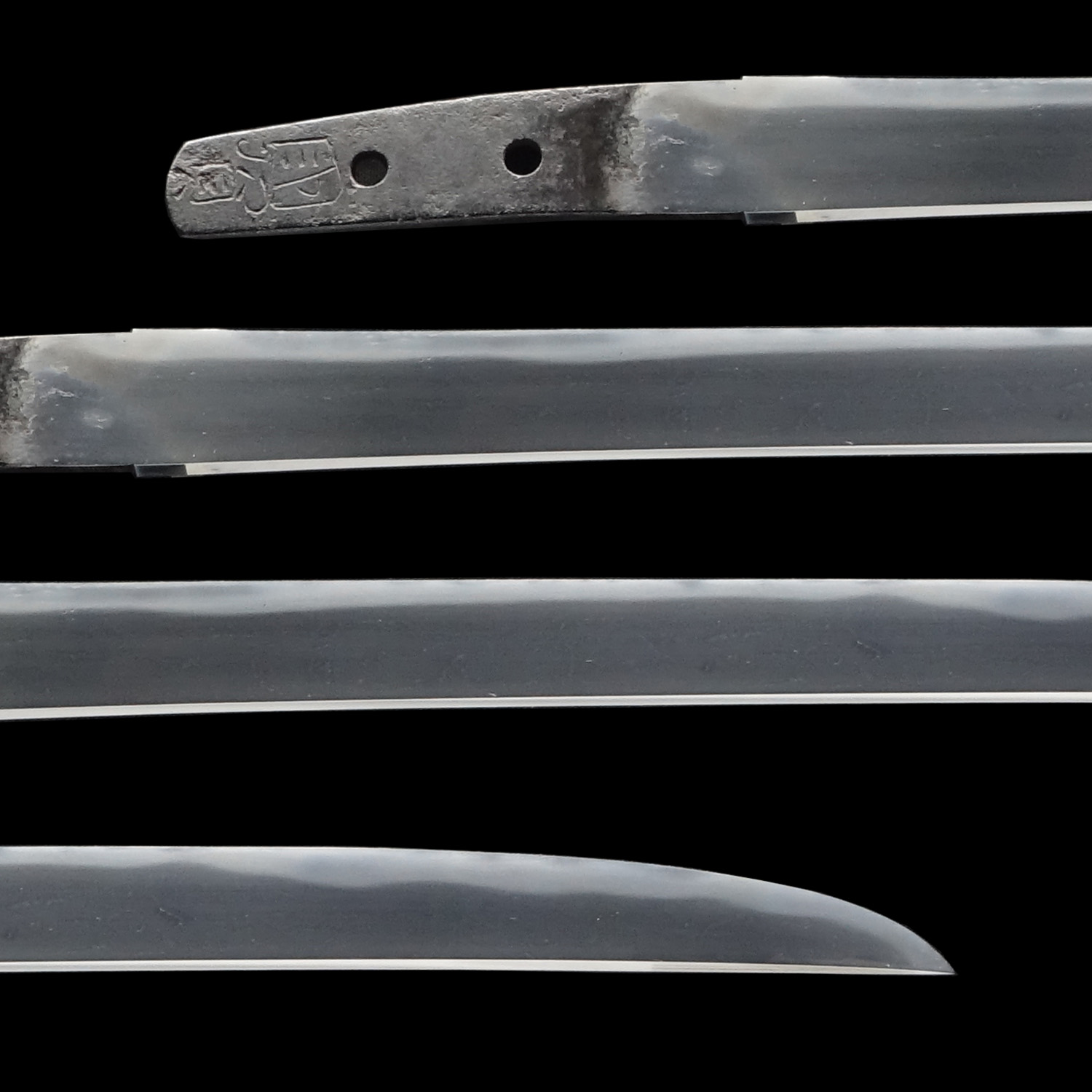
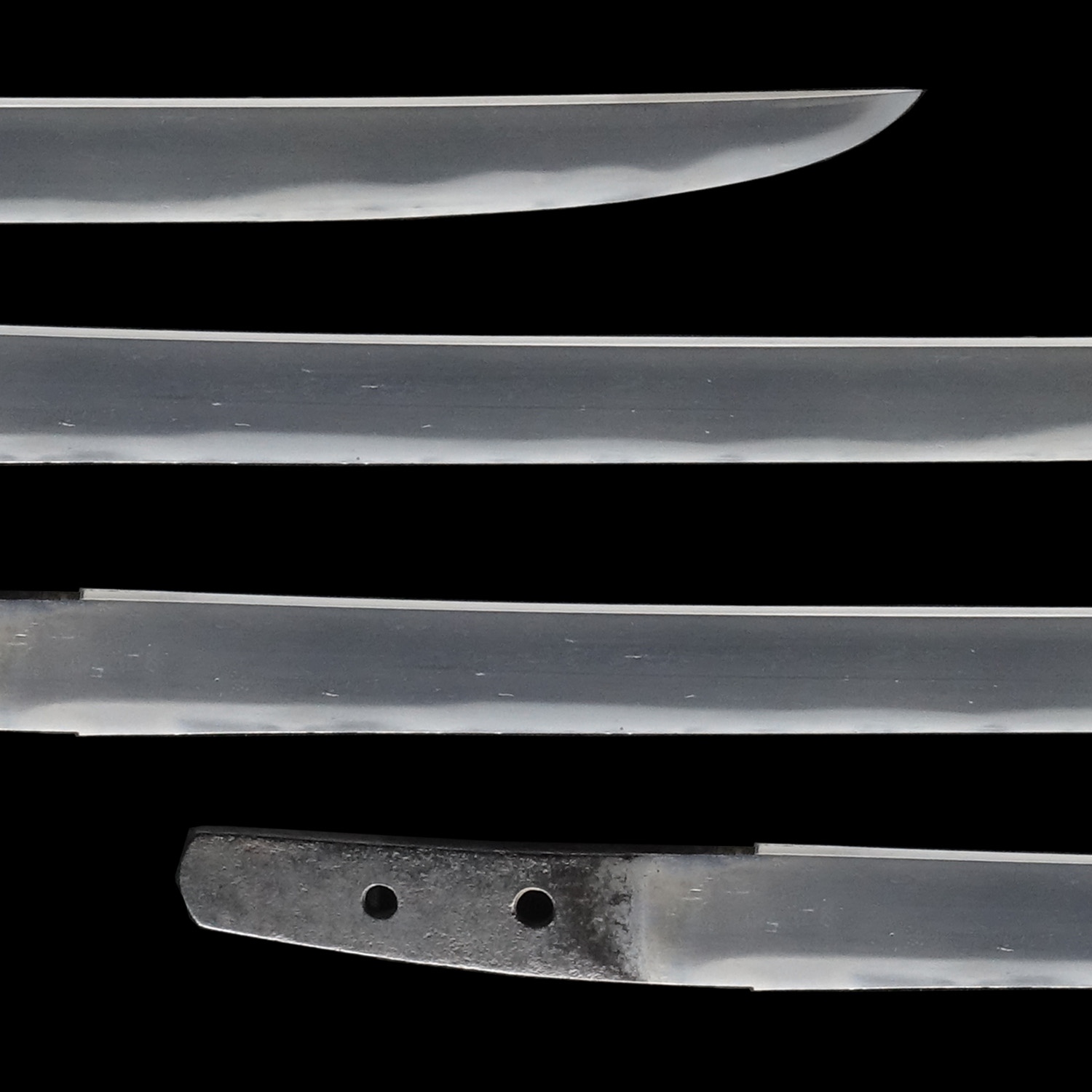
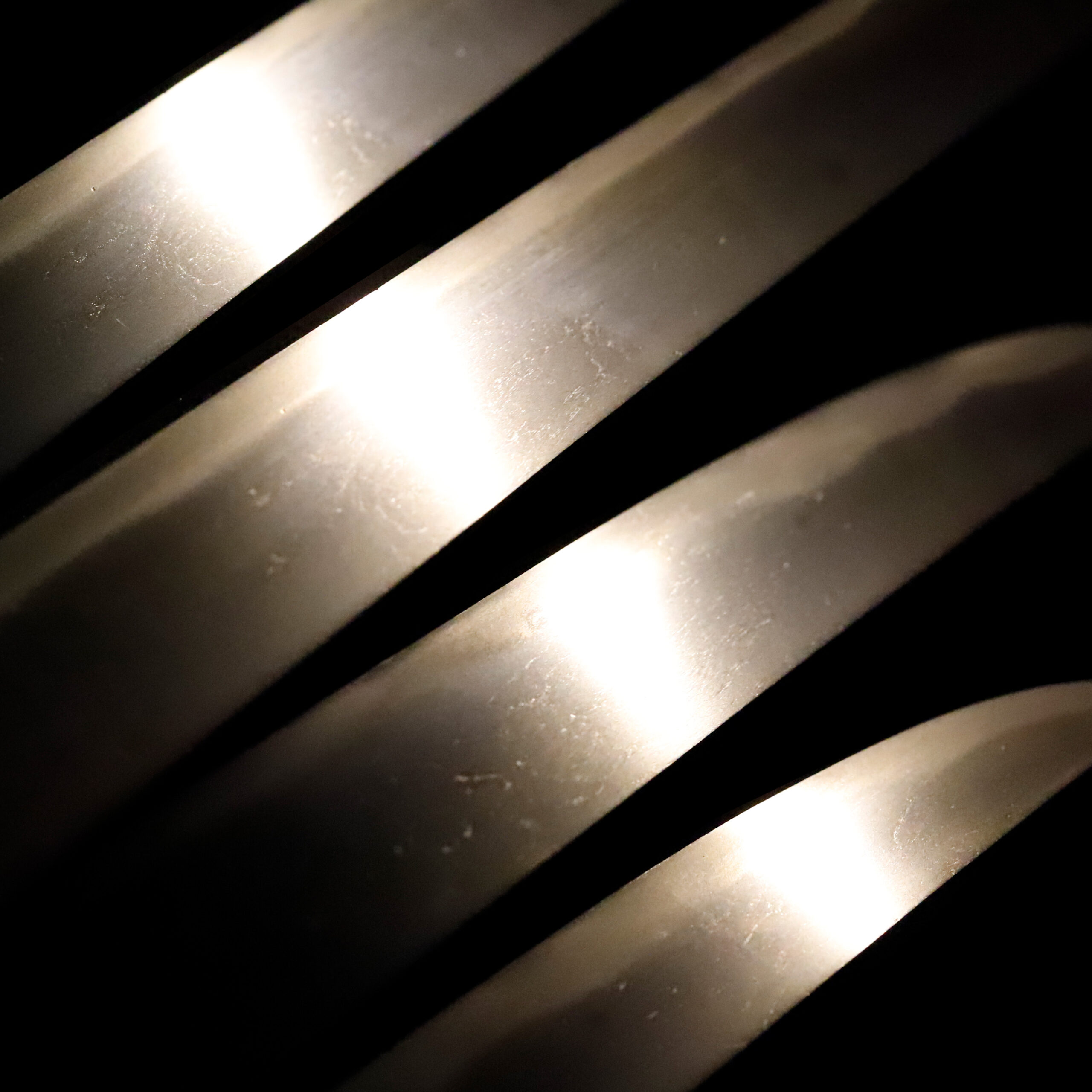
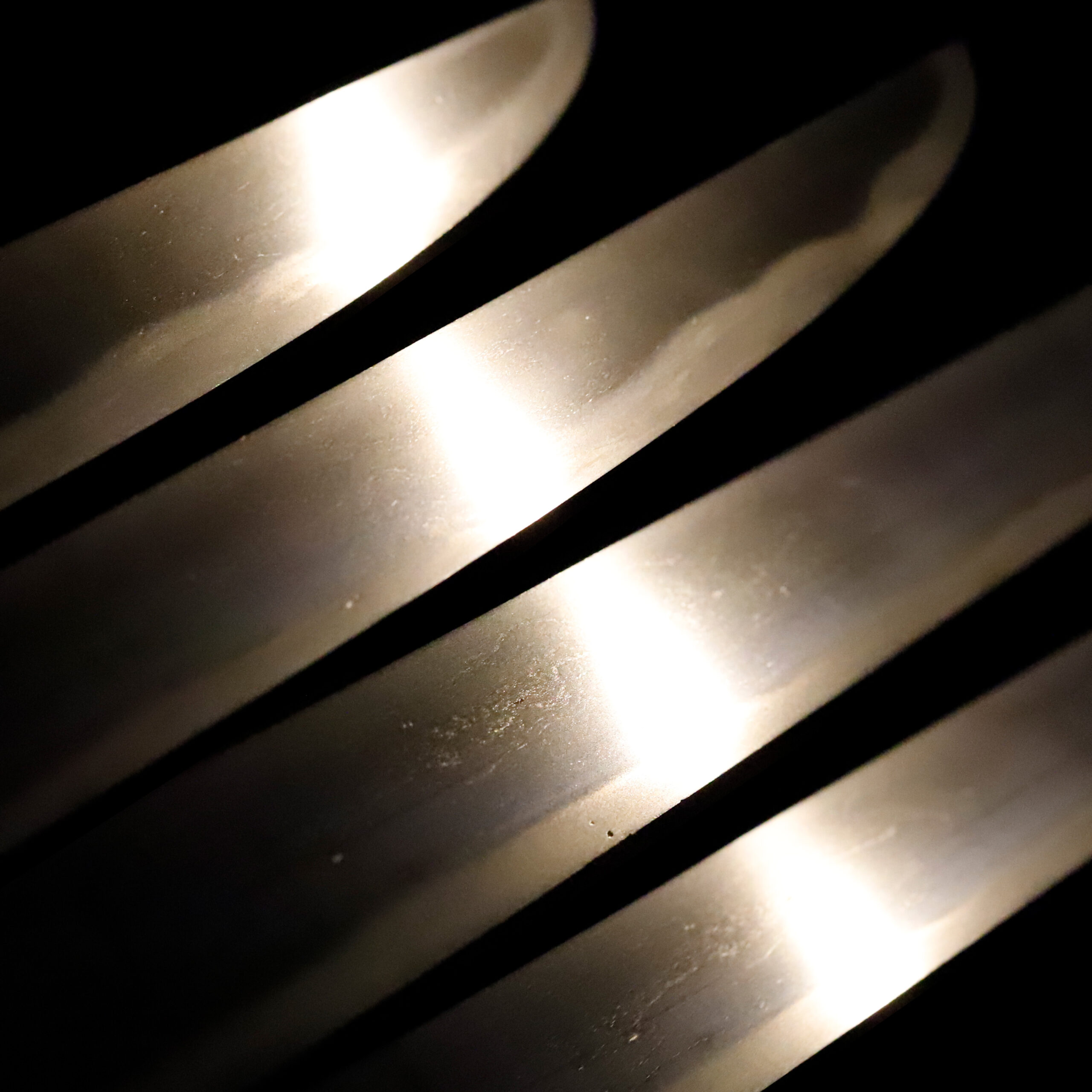
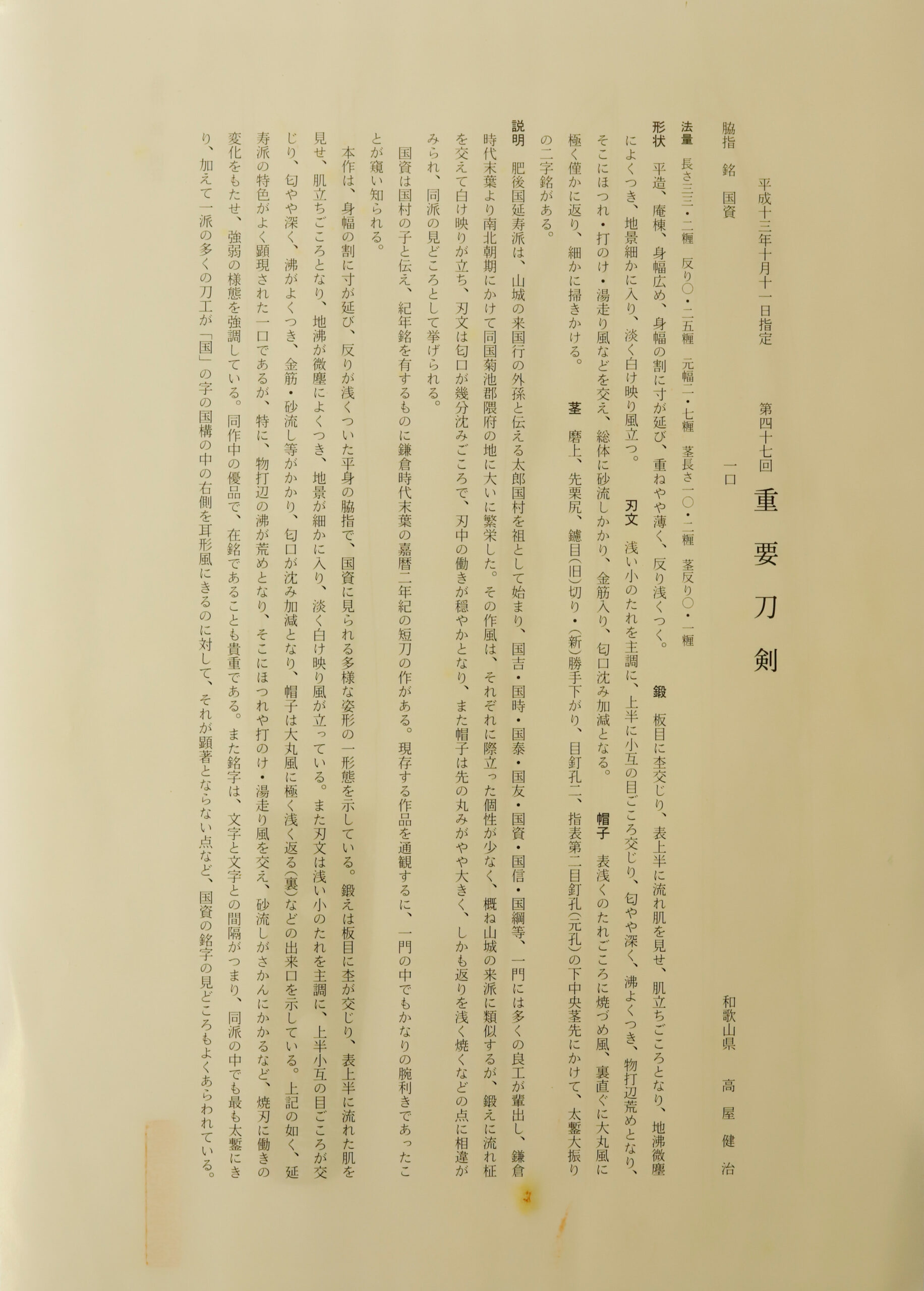
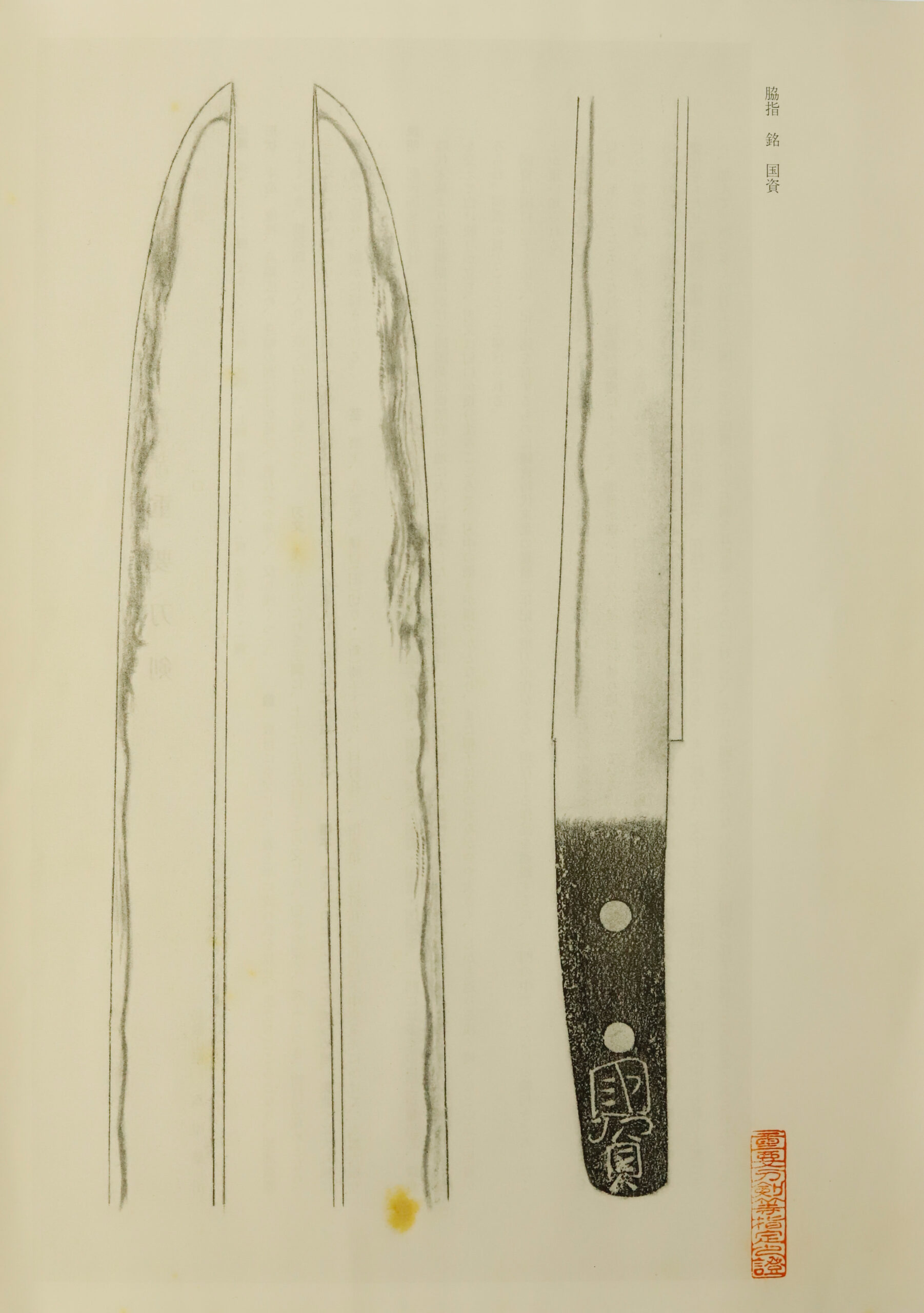
肥後国延寿派は、山城の来国行の外孫と伝える太郎国村を祖として始まり、国吉・国時・国泰・国友・国資・国信・国綱等、一門には多くの良工が輩出し、鎌倉 時代末葉より南北朝期にかけて同国菊池郡隈府の地に大いに繁栄した。その作風は、それぞれに際立った個性が少なく、概ね山城の来派に類似するが、鍛えに流れ柾 を交えて白け映りが立ち、刃文は匂口が幾分沈みごころで、刃中の働きが穏やかとなり、また帽子は先の丸みがやや大きく、しかも返りを浅く焼くなどの点に相違が みられ、同派の見どころとして挙げられる。 国資は国村の子と伝え、紀年銘を有するものに鎌倉時代末葉の嘉暦二年紀の短刀の作がある。現存する作品を通観するに、一門の中でもかなりの腕利きであったこ とが窺い知られる。 本作は、身幅の割に寸が延び、反りが浅くついた平身の脇指で、国資に見られる多様な姿形の一形態を示している。鍛えは板目に杢が交じり、表上半に流れた肌を 見せ、肌立ちごころとなり、地沸が微塵によくつき、地景が細かに入り、淡く白け映り風が立っている。また刃文は浅い小のたれを主調に、上半小互の目ごころが交 じり、匂やや深く、沸がよくつき、金筋・砂流し等がかかり、匂口が沈み加減となり、帽子は大丸風に極く浅く返る(裏)などの出来口を示している。 上記の如く、延 寿派の特色がよく顕現された一口であるが、特に、物打辺の沸が荒めとなり、そこにほつれや打のけ・湯走り風を交え、砂流しがさかんにかかるなど、焼刃に働きの 変化をもたせ、強弱の様態を強調している。同作中の優品で、在銘であることも貴重である。また銘字は、文字と文字との間隔がつまり、同派の中でも最も太鏨にき り、加えて一派の多くの刀工が「国」の字の国構の中の右側を耳形風にきるのに対して、それが顕著とならない点など、国資の銘字の見どころもよくあらわれている。
Enju (Higo) · 肥後 · 1346-1370頃
藤代 Jo-jo saku · 刀剣大鑑 上位14%
延寿国資は肥後国菊池郡隅府に住した延寿一派の上手で、鎖倉末期から南北朝期にかけて活躍した。通説に神太郎国村の子と伝え、国村は山城の来国行の外孫と伝えるから、国資は肥後に移した来の山城風を継ぐ延寿二代にあたる。子薄には隅府と記され、嘉曆二年紀の短刀がその活躍期を定める。延寿一門は年紀作が少なく、この短刀の嘉曆年紀は好資料とされる。説明書は一派を際立った個性の少ない一様の作風と読み、その中で国資について繰り返し一つの判断に立ち返る。すなわち現存作を通観するに、一門の中でも「かなりの腕利きであった」[[c:1]]と説き、国時・国泰とともに一派最強の手の一人とする。同名は技術を減じつつ室町期まで二三代続き、NBTHKは一括して扱う。
一様な一派の中で国資を分かつのは、刃中の働きの豊かさである。一派の刃が穏やかな中直刃・細直刃で刃中の働きが静かなのに対し、国資は一門最も働く手である。直刃を基調に小互の目・角がかった互の目を頻りに交え、よく汸づき、砂流し・金筋・汸筋がかかり、匀口は時に沈み時に明るむ。説明書はその違いを種類でなく程度に見る。ある大磨上無銘の刀については、「常よりも一段と砂流しがはげしく」[[c:2]]、互の目が尖りごころとなり、同派には珍らしい出来と評する。この働く刃の上に、判者が国資独自のものとする見どころがのる。身幅広く寸延びた脇指・短刀にて、帽子が焼深く烈しく火焰風に乱れ込み、突き上げて表は火焰となる。特別重要の脇指について説明書は、この焼深く烈しい火焰風の帽子を「同工および同派の中でも類がない」[[c:3]]と明記する。
鍍えはつんだ板目・小板目が柾ごころに流れ、時に杢を交え、身幅広い作では地がやや背立ち、その背立ちが働く刃に通じる。地には地汸が微塵に厚くつき、地景が細かによく入り、一派の淡い白け映りが立つ。穏やかな作の帽子は直ぐに小丸あるいは丸味の大きい大丸となって返り浅く、先に掃きかけるものが多い。母体の来派に対し、説明書は相違を柾ごころと白ける鍍、匀口の沈みごころ、穏やかな刃中の働き、丸味の大きく返りの浅い帽子に定め、同派の見どころとする。国資はこれらをすべて示し、立つ地は既出の一門中で一段厚い。
現存作は二つの register に分かれる。一つは南北朝期の華やかな作で、身幅広く寸延びた脇指・短刀、すなわちその大振りで反りのついた姿から南北朝の作と見られ、働く刃と火焰風の帽子を見せる。二つは穏やかな作で、腰反り深く小鐂の細身の生ぶ太刀、および輪反り深く京の風情を残す大磨上無銘の刀である。ある小板目のつんだ明るい中直刃の大磨上無銘の刀について、説明書はその出来を「京物に似通う作域」[[c:4]]とし、技術の高い国資の極めが正しいとする。またある太刀には、同派の短刀に見る刃取りを見せる一派に少ないものがあると説く。銘そのものも見どころで、延寿諸工中で国資は二字を最も太く切り、「同派の中でも最も太鏨にきり」[[c:5]]、一派の多くが「国」字の国構右側を耳形風に切るのに対し、国資はそれが顕著とならない。いずれも説明書が重ねて挑げる国資の手の見どころである。
国資は種類でなく程度によって一派の中に識別され、説明書は彼を来への近さで位置づける。朱銘短刀は一派の要を述べる。すなわち「一見来国光などに見える」[[c:6]]のは、延寿派の祖国村が来国俊の門と伝えることを裏書きすると判者は読む。細身の太刀や輪反りの刀に京の風情を残すことは来の側から系譜を閉じ、働く刃と唯一の火焰風の帽子は、彼の代までに一派の進んだ距離を示す。作の一部は同派の資料上の興味を伝える。佩裏に銘を切った薓刀直しがあって同派に稀であり、また磨上の際に切断された在銘の莖先を額銘として遗した一口がある。延寿の諸工の中で、判者は国時・国泰とともに国資を一派の首に置き、立つ地、最も働く刃、そして身幅広い作の火焰風の帽子が、一様に読める一派の中で彼を際立たせる。
藤代の極めで上々作。特別重要・重要の列に十七口、重要美術品に一口を数え、生ぶ在銘の作例が残ることそれ自体が説明書に貴ばれ、とりわけ年紀の短刀が彼の編年を定める。その作に録された來歴は地方の刀工としては格別で、豊臣秀吉・徳川家康の手を経、細川家・伊達家・上杉家・徳川家に伝来する。田安徳川家伝来の太刀には、大正八年に伯爵徳川達孝が由緒を認めた記録があり、それによれば秀吉より竹中采女が拝領し、徳川家康に献じ、水戸頼房の遺物として幕府に上り、八代将軍吉宗の子宗武が田安徳川家を起こすにあたり拝領したと伝える。指定を受けた作のうち、佐野美術館・静嘉堂文庫美術館・徳川美術館・大山祇神社に蔵されるものがある。個人収蔵家にとって国資は肥後鎖倉の名の中では比較的手にしやすい方で、多くが国宝・重要文化財の級に封じられず取引可能な特重・重要の列に残るが、それでも大半は保有されて取引されず、生ぶ在銘で年紀あるものや火焰風の帽子を見せる寸延びの一口が市に現れることは稀で、現れれば一つの画期となる。
國資の位置づけを、日本刀全体および伝統・時代・時期ごとに示します。各位(随一・屈指・有数・著名)は、NBTHK および文化庁による指定に加え、三作や名物帳などの歴史的栄誉を加味したものです。
各項目を選ぶと評価方法が表示されます。
山城伝 · 肥後
現在21点販売中
肥後国菊池郡隈府の地に興った延寿派は、京の来の作風を九州へ移した一門である。その祖を太郎国村とし、通説に大和千手院派の弘村の子で来国行の娘聟となり、その外孫として来の工房に学んだと伝える。延寿の名はその来の一字に通うとされ、一門の出自を山城の血脈に結ぶ。国村のまわりには国時・国泰・国資・国吉・国信・国友・国綱らの上手がほぼ時を同じくして輩出し、鎌倉時代末葉から南北朝期にかけて菊池郡の地に大いに繁栄した。延寿の工は南朝に忠なる菊池氏に属し、年紀ある作には正平・延元など南朝の年号を刻むものがあって、一門の活動とその歴史を地に結びつけている。 延寿の作は概ね来派に類似し、各工に際立った個性が少ないため、一門は個々の手よりも一団として読まれる。その共通の語法は地鉄に最もよく現れる。鍛えは小板目がよくつんで詰み、杢を交え刃寄りに流れて柾ごころを帯び、地沸が微塵に厚くつき、地景が細かに入る。その上に立つのが一門第一の見どころたる白け映りで、明るく冴える来の地鉄とは異なる、冷たく霞んだ映りである。刃文は中直刃あるいは細直刃を本体とし、小互の目・小足を交え、しばしば二重刃を見せ、匂口は幾分沈みごころとなって穏やかに焼く。帽子は来が小丸に締めて返るのに対し、先の丸味がやや大きい大丸となって返り浅く、先に掃きかけるものが多い。これらの柾ごころ・白け映り・沈みごころの匂口・穏やかな刃中の働き・丸味の大きい大丸帽子が、来に似てやや異なる延寿の見どころであり、真の来から一門を分かつ要となる。本間は延寿を「来に似てやや異なる」[[c:2]]とし、その直刃の刃中の働きを来一派の直刃よりも淋しいと記す。その淋しく冷えた趣こそ一派の眼目である。 延寿の鑑定の勘所は、なべてこの来との別にある。輪反りや京風が一見来を想わせても、地の流れ・白け映り・沈む匂口より延寿と看取し、来に比して地刃やや弱しとされる。一門に個性が少ないがゆえに、主要工はその一様の中から程度の差によって絞られる。祖国村は細身で元先の幅差が顕著、反り高く小鋒に結ぶ独特の姿態をもって無銘の延寿を己に引き寄せる。国時は遺例が比較的多く作柄の平均点も高い代表工で、一門の抑えた直刃を誰よりも賑やかに働かせる。国泰は地刃の沸が一門の中で最も強くつき、佳作は明るく冴える。国資は刃中の働きが最も豊かで、寸延びの作に火焰風の帽子という一門に類のない働きを示す。国吉は地刃の冴えにおいて延寿の弱点を脱した垢抜けた手を遺し、国信は遺例こそ少ないが刃に沿う二重刃を殊に鮮明に見せる。これらの諸工はいずれも国の字を冠し、その「国」構の右半を耳形に切る銘振りを共有して他派にまぎれず、藤代に上々作以上の格を得る。伝来も地方工としては厚く、来歴の確かな作が黒田家・徳川家・伊達家・上杉家・細川家などの旧家を経、林原美術館・出光美術館・徳川美術館・佐野美術館をはじめとする機関に蔵される。在銘生ぶの太刀や身幅広い在銘の短刀は遺るものが少なく、多くは大磨上無銘の極めとして伝わるため、肥後の山城風を手に取りうる機会はおのずから限られている。 詳しく見る →
南北朝時代の山城
南北朝の戦乱は、山城の精緻を支えた公家社会を疲弊させた。来派最後の巨匠たちをもって古典の系譜は閉じ、長谷部と信国が新しい相州風を都に持ち込んでいる。
特別保存刀剣の中から、特に出来が優れ、国認定の重要美術品に準ずると判断された名品です。年に一度の重要刀剣審査で選ばれます。
極めて選別的で、日本に登録された約250万口の刀剣のうち、重要刀剣に達したものは12,307口(約203口に1口)にすぎません。
日本美術刀剣保存協会(NBTHK)は、1948年に設立され、文化庁の監督を受ける公益財団法人で、東京・刀剣博物館に本部を置きます。専門の審査員が出品作を直接審査し、美術的・歴史的価値に応じた鑑定書を発行します。NBTHKの鑑定書は、日本刀および刀装具の真正性を示す最も広く認知された基準です。
NBTHK公式サイトReturns/exchanges limited to defects caused by shipping (except willful misconduct or gross negligence by the company); customers must contact within 72 hours of receiving the product.
日本刀 脇指 銘 延寿国資 日本美術刀剣保存協会(NBTHK) 重要刀剣 指定品 【解説】 本作は、鎌倉時代後期から南北朝時代初期(13世紀後半〜14世紀初頭)にかけて活躍した延寿国資(えんじゅ くにすけ)による脇指です。 「延寿」は鎌倉から南北朝期にかけて肥後国(現在の熊本県)で隆盛した名門派です。その祖は、山城国(現在の京都府)の名工、来国行の孫と伝えられる国村であり、国資はその国村の子とされています。 国村とその門下である国資らは、当時肥後国で強大な勢力を誇った菊池氏の招きに応じ、山城国から移住しました。伝承によれば、菊池氏第10代当主・菊池武房が、元寇(1274年、1281年の蒙古襲来)に際し、対蒙古戦に耐えうる強靭な刀剣を求めて、京都から優れた刀工を呼び寄せたのが始まりとされています。以来、延寿一派は菊池氏の御抱え鍛冶として、同氏のために作刀に励みました。 延寿派の刀工は、その多くが名に「国」の字を冠しており、なかでも国資は一派の中で最も技量の優れた名工の一人として知られています。 また、延寿の血脈は後世の有名な「同田貫(どうたぬき)」へと受け継がれ、江戸時代を通じて500年以上の長きにわたり存続しました。 「延寿」という名は「寿命を延ばす」という吉祥の意味を持つことから、古来より諸大名の間で縁起物として珍重され、武家の進物としても高く評価されてきました。 本作は、日本美術刀剣保存協会(NBTHK)により「重要刀剣」に指定されています。重要刀剣とは、特別保存刀剣の中でも特に出来が良く、保存状態が極めて良好で、かつ美術的価値が高いものにのみ与えられる格付けです。審査基準は非常に厳しく、重要刀剣に指定されることは、愛刀家にとって最高の栄誉の一つとされています。 【刀身】 長さ(銘文):33.2 cm 反り:0.25 cm 刃文:焼入れによって刃先に現れる結晶構造。 地肌(地鉄):折り返し鍛錬によって現れる鋼の表面模様。 茎(なかご):刀身の柄に収まる部分。 【外装:拵】 拵(こしらえ)は、鞘、柄、鍔などの装飾金具一式を指します。 縁頭(ふちかしら): 柄の両端を保護する一対の金具です。 本作の縁頭は、細かな魚の卵のような突起を鏨(たがね)で打ち出す「魚子地(ななこじ)」の技法が施されています。 頭(かしら)には、松の木の下に立つ二人の人物が描かれています。一人は薙刀のような長柄武器を携えた武官、もう一人は文官と思われます。何らかの故事や伝説の一場面を描いたものと推察されます。経年による色あせは見られますが、随所に施された金の色絵が華やかさを添えています。 柄・目貫: 柄(つか)は刀を握る部分であり、目貫(めぬき)はその装飾金具です。
肥後国延寿派は、山城の来国行の外孫と伝える太郎国村を祖として始まり、国吉・国時・国泰・国友・国資・国信・国綱等、一門には多くの良工が輩出し、鎌倉 時代末葉より南北朝期にかけて同国菊池郡隈府の地に大いに繁栄した。その作風は、それぞれに際立った個性が少なく、概ね山城の来派に類似するが、鍛えに流れ柾 を交えて白け映りが立ち、刃文は匂口が幾分沈みごころで、刃中の働きが穏やかとなり、また帽子は先の丸みがやや大きく、しかも返りを浅く焼くなどの点に相違が みられ、同派の見どころとして挙げられる。 国資は国村の子と伝え、紀年銘を有するものに鎌倉時代末葉の嘉暦二年紀の短刀の作がある。現存する作品を通観するに、一門の中でもかなりの腕利きであったこ とが窺い知られる。 本作は、身幅の割に寸が延び、反りが浅くついた平身の脇指で、国資に見られる多様な姿形の一形態を示している。鍛えは板目に杢が交じり、表上半に流れた肌を 見せ、肌立ちごころとなり、地沸が微塵によくつき、地景が細かに入り、淡く白け映り風が立っている。また刃文は浅い小のたれを主調に、上半小互の目ごころが交 じり、匂やや深く、沸がよくつき、金筋・砂流し等がかかり、匂口が沈み加減となり、帽子は大丸風に極く浅く返る(裏)などの出来口を示している。 上記の如く、延 寿派の特色がよく顕現された一口であるが、特に、物打辺の沸が荒めとなり、そこにほつれや打のけ・湯走り風を交え、砂流しがさかんにかかるなど、焼刃に働きの 変化をもたせ、強弱の様態を強調している。同作中の優品で、在銘であることも貴重である。また銘字は、文字と文字との間隔がつまり、同派の中でも最も太鏨にき り、加えて一派の多くの刀工が「国」の字の国構の中の右側を耳形風にきるのに対して、それが顕著とならない点など、国資の銘字の見どころもよくあらわれている。
NihontoWatch肥後国延寿派は、山城の来国行の外孫と伝える太郎国村を祖として始まり、国吉・国時・国泰・国友・国資・国信・国綱等、一門には多くの良工が輩出し、鎌倉 時代末葉より南北朝期にかけて同国菊池郡隈府の地に大いに繁栄した。その作風は、それぞれに際立った個性が少なく、概ね山城の来派に類似するが、鍛えに流れ柾 を交えて白け映りが立ち、刃文は匂口が幾分沈みごころで、刃中の働きが穏やかとなり、また帽子は先の丸みがやや大きく、しかも返りを浅く焼くなどの点に相違が みられ、同派の見どころとして挙げられる。 国資は国村の子と伝え、紀年銘を有するものに鎌倉時代末葉の嘉暦二年紀の短刀の作がある。現存する作品を通観するに、一門の中でもかなりの腕利きであったこ とが窺い知られる。 本作は、身幅の割に寸が延び、反りが浅くついた平身の脇指で、国資に見られる多様な姿形の一形態を示している。鍛えは板目に杢が交じり、表上半に流れた肌を 見せ、肌立ちごころとなり、地沸が微塵によくつき、地景が細かに入り、淡く白け映り風が立っている。また刃文は浅い小のたれを主調に、上半小互の目ごころが交 じり、匂やや深く、沸がよくつき、金筋・砂流し等がかかり、匂口が沈み加減となり、帽子は大丸風に極く浅く返る(裏)などの出来口を示している。 上記の如く、延 寿派の特色がよく顕現された一口であるが、特に、物打辺の沸が荒めとなり、そこにほつれや打のけ・湯走り風を交え、砂流しがさかんにかかるなど、焼刃に働きの 変化をもたせ、強弱の様態を強調している。同作中の優品で、在銘であることも貴重である。また銘字は、文字と文字との間隔がつまり、同派の中でも最も太鏨にき り、加えて一派の多くの刀工が「国」の字の国構の中の右側を耳形風にきるのに対して、それが顕著とならない点など、国資の銘字の見どころもよくあらわれている。
Enju (Higo) · 肥後 · 1346-1370頃
藤代 Jo-jo saku · 刀剣大鑑 上位14%
延寿国資は肥後国菊池郡隅府に住した延寿一派の上手で、鎖倉末期から南北朝期にかけて活躍した。通説に神太郎国村の子と伝え、国村は山城の来国行の外孫と伝えるから、国資は肥後に移した来の山城風を継ぐ延寿二代にあたる。子薄には隅府と記され、嘉曆二年紀の短刀がその活躍期を定める。延寿一門は年紀作が少なく、この短刀の嘉曆年紀は好資料とされる。説明書は一派を際立った個性の少ない一様の作風と読み、その中で国資について繰り返し一つの判断に立ち返る。すなわち現存作を通観するに、一門の中でも「かなりの腕利きであった」[[c:1]]と説き、国時・国泰とともに一派最強の手の一人とする。同名は技術を減じつつ室町期まで二三代続き、NBTHKは一括して扱う。
一様な一派の中で国資を分かつのは、刃中の働きの豊かさである。一派の刃が穏やかな中直刃・細直刃で刃中の働きが静かなのに対し、国資は一門最も働く手である。直刃を基調に小互の目・角がかった互の目を頻りに交え、よく汸づき、砂流し・金筋・汸筋がかかり、匀口は時に沈み時に明るむ。説明書はその違いを種類でなく程度に見る。ある大磨上無銘の刀については、「常よりも一段と砂流しがはげしく」[[c:2]]、互の目が尖りごころとなり、同派には珍らしい出来と評する。この働く刃の上に、判者が国資独自のものとする見どころがのる。身幅広く寸延びた脇指・短刀にて、帽子が焼深く烈しく火焰風に乱れ込み、突き上げて表は火焰となる。特別重要の脇指について説明書は、この焼深く烈しい火焰風の帽子を「同工および同派の中でも類がない」[[c:3]]と明記する。
鍍えはつんだ板目・小板目が柾ごころに流れ、時に杢を交え、身幅広い作では地がやや背立ち、その背立ちが働く刃に通じる。地には地汸が微塵に厚くつき、地景が細かによく入り、一派の淡い白け映りが立つ。穏やかな作の帽子は直ぐに小丸あるいは丸味の大きい大丸となって返り浅く、先に掃きかけるものが多い。母体の来派に対し、説明書は相違を柾ごころと白ける鍍、匀口の沈みごころ、穏やかな刃中の働き、丸味の大きく返りの浅い帽子に定め、同派の見どころとする。国資はこれらをすべて示し、立つ地は既出の一門中で一段厚い。
現存作は二つの register に分かれる。一つは南北朝期の華やかな作で、身幅広く寸延びた脇指・短刀、すなわちその大振りで反りのついた姿から南北朝の作と見られ、働く刃と火焰風の帽子を見せる。二つは穏やかな作で、腰反り深く小鐂の細身の生ぶ太刀、および輪反り深く京の風情を残す大磨上無銘の刀である。ある小板目のつんだ明るい中直刃の大磨上無銘の刀について、説明書はその出来を「京物に似通う作域」[[c:4]]とし、技術の高い国資の極めが正しいとする。またある太刀には、同派の短刀に見る刃取りを見せる一派に少ないものがあると説く。銘そのものも見どころで、延寿諸工中で国資は二字を最も太く切り、「同派の中でも最も太鏨にきり」[[c:5]]、一派の多くが「国」字の国構右側を耳形風に切るのに対し、国資はそれが顕著とならない。いずれも説明書が重ねて挑げる国資の手の見どころである。
国資は種類でなく程度によって一派の中に識別され、説明書は彼を来への近さで位置づける。朱銘短刀は一派の要を述べる。すなわち「一見来国光などに見える」[[c:6]]のは、延寿派の祖国村が来国俊の門と伝えることを裏書きすると判者は読む。細身の太刀や輪反りの刀に京の風情を残すことは来の側から系譜を閉じ、働く刃と唯一の火焰風の帽子は、彼の代までに一派の進んだ距離を示す。作の一部は同派の資料上の興味を伝える。佩裏に銘を切った薓刀直しがあって同派に稀であり、また磨上の際に切断された在銘の莖先を額銘として遗した一口がある。延寿の諸工の中で、判者は国時・国泰とともに国資を一派の首に置き、立つ地、最も働く刃、そして身幅広い作の火焰風の帽子が、一様に読める一派の中で彼を際立たせる。
藤代の極めで上々作。特別重要・重要の列に十七口、重要美術品に一口を数え、生ぶ在銘の作例が残ることそれ自体が説明書に貴ばれ、とりわけ年紀の短刀が彼の編年を定める。その作に録された來歴は地方の刀工としては格別で、豊臣秀吉・徳川家康の手を経、細川家・伊達家・上杉家・徳川家に伝来する。田安徳川家伝来の太刀には、大正八年に伯爵徳川達孝が由緒を認めた記録があり、それによれば秀吉より竹中采女が拝領し、徳川家康に献じ、水戸頼房の遺物として幕府に上り、八代将軍吉宗の子宗武が田安徳川家を起こすにあたり拝領したと伝える。指定を受けた作のうち、佐野美術館・静嘉堂文庫美術館・徳川美術館・大山祇神社に蔵されるものがある。個人収蔵家にとって国資は肥後鎖倉の名の中では比較的手にしやすい方で、多くが国宝・重要文化財の級に封じられず取引可能な特重・重要の列に残るが、それでも大半は保有されて取引されず、生ぶ在銘で年紀あるものや火焰風の帽子を見せる寸延びの一口が市に現れることは稀で、現れれば一つの画期となる。
國資の位置づけを、日本刀全体および伝統・時代・時期ごとに示します。各位(随一・屈指・有数・著名)は、NBTHK および文化庁による指定に加え、三作や名物帳などの歴史的栄誉を加味したものです。
各項目を選ぶと評価方法が表示されます。
山城伝 · 肥後
現在21点販売中
肥後国菊池郡隈府の地に興った延寿派は、京の来の作風を九州へ移した一門である。その祖を太郎国村とし、通説に大和千手院派の弘村の子で来国行の娘聟となり、その外孫として来の工房に学んだと伝える。延寿の名はその来の一字に通うとされ、一門の出自を山城の血脈に結ぶ。国村のまわりには国時・国泰・国資・国吉・国信・国友・国綱らの上手がほぼ時を同じくして輩出し、鎌倉時代末葉から南北朝期にかけて菊池郡の地に大いに繁栄した。延寿の工は南朝に忠なる菊池氏に属し、年紀ある作には正平・延元など南朝の年号を刻むものがあって、一門の活動とその歴史を地に結びつけている。 延寿の作は概ね来派に類似し、各工に際立った個性が少ないため、一門は個々の手よりも一団として読まれる。その共通の語法は地鉄に最もよく現れる。鍛えは小板目がよくつんで詰み、杢を交え刃寄りに流れて柾ごころを帯び、地沸が微塵に厚くつき、地景が細かに入る。その上に立つのが一門第一の見どころたる白け映りで、明るく冴える来の地鉄とは異なる、冷たく霞んだ映りである。刃文は中直刃あるいは細直刃を本体とし、小互の目・小足を交え、しばしば二重刃を見せ、匂口は幾分沈みごころとなって穏やかに焼く。帽子は来が小丸に締めて返るのに対し、先の丸味がやや大きい大丸となって返り浅く、先に掃きかけるものが多い。これらの柾ごころ・白け映り・沈みごころの匂口・穏やかな刃中の働き・丸味の大きい大丸帽子が、来に似てやや異なる延寿の見どころであり、真の来から一門を分かつ要となる。本間は延寿を「来に似てやや異なる」[[c:2]]とし、その直刃の刃中の働きを来一派の直刃よりも淋しいと記す。その淋しく冷えた趣こそ一派の眼目である。 延寿の鑑定の勘所は、なべてこの来との別にある。輪反りや京風が一見来を想わせても、地の流れ・白け映り・沈む匂口より延寿と看取し、来に比して地刃やや弱しとされる。一門に個性が少ないがゆえに、主要工はその一様の中から程度の差によって絞られる。祖国村は細身で元先の幅差が顕著、反り高く小鋒に結ぶ独特の姿態をもって無銘の延寿を己に引き寄せる。国時は遺例が比較的多く作柄の平均点も高い代表工で、一門の抑えた直刃を誰よりも賑やかに働かせる。国泰は地刃の沸が一門の中で最も強くつき、佳作は明るく冴える。国資は刃中の働きが最も豊かで、寸延びの作に火焰風の帽子という一門に類のない働きを示す。国吉は地刃の冴えにおいて延寿の弱点を脱した垢抜けた手を遺し、国信は遺例こそ少ないが刃に沿う二重刃を殊に鮮明に見せる。これらの諸工はいずれも国の字を冠し、その「国」構の右半を耳形に切る銘振りを共有して他派にまぎれず、藤代に上々作以上の格を得る。伝来も地方工としては厚く、来歴の確かな作が黒田家・徳川家・伊達家・上杉家・細川家などの旧家を経、林原美術館・出光美術館・徳川美術館・佐野美術館をはじめとする機関に蔵される。在銘生ぶの太刀や身幅広い在銘の短刀は遺るものが少なく、多くは大磨上無銘の極めとして伝わるため、肥後の山城風を手に取りうる機会はおのずから限られている。 詳しく見る →
南北朝時代の山城
南北朝の戦乱は、山城の精緻を支えた公家社会を疲弊させた。来派最後の巨匠たちをもって古典の系譜は閉じ、長谷部と信国が新しい相州風を都に持ち込んでいる。
特別保存刀剣の中から、特に出来が優れ、国認定の重要美術品に準ずると判断された名品です。年に一度の重要刀剣審査で選ばれます。
極めて選別的で、日本に登録された約250万口の刀剣のうち、重要刀剣に達したものは12,307口(約203口に1口)にすぎません。
日本美術刀剣保存協会(NBTHK)は、1948年に設立され、文化庁の監督を受ける公益財団法人で、東京・刀剣博物館に本部を置きます。専門の審査員が出品作を直接審査し、美術的・歴史的価値に応じた鑑定書を発行します。NBTHKの鑑定書は、日本刀および刀装具の真正性を示す最も広く認知された基準です。
NBTHK公式サイトReturns/exchanges limited to defects caused by shipping (except willful misconduct or gross negligence by the company); customers must contact within 72 hours of receiving the product.