NihontoWatch MonNihontoWatch
マーケット
事典
鑑定
NihontoWatch MonNihontoWatch
マーケット
事典
鑑定

説明

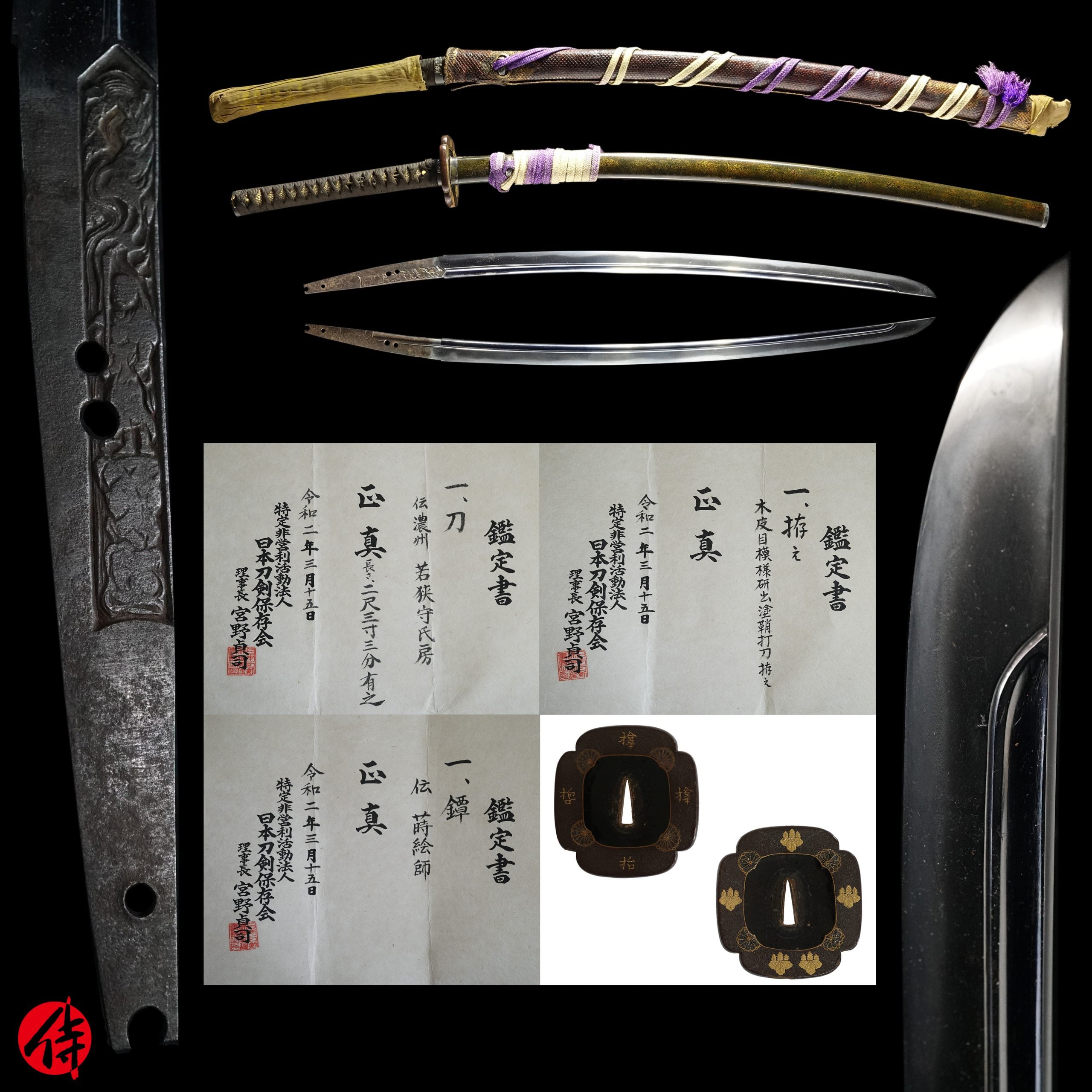
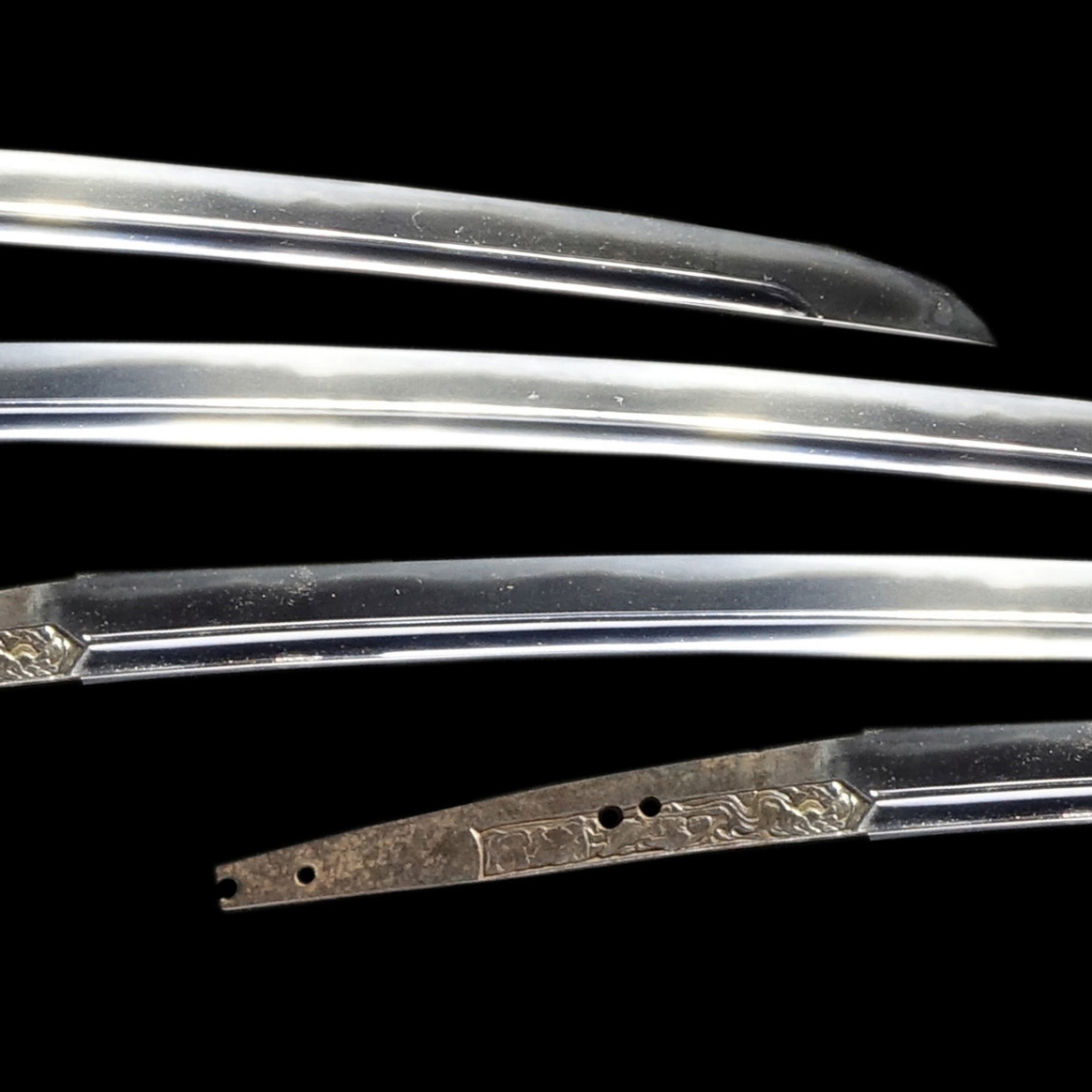
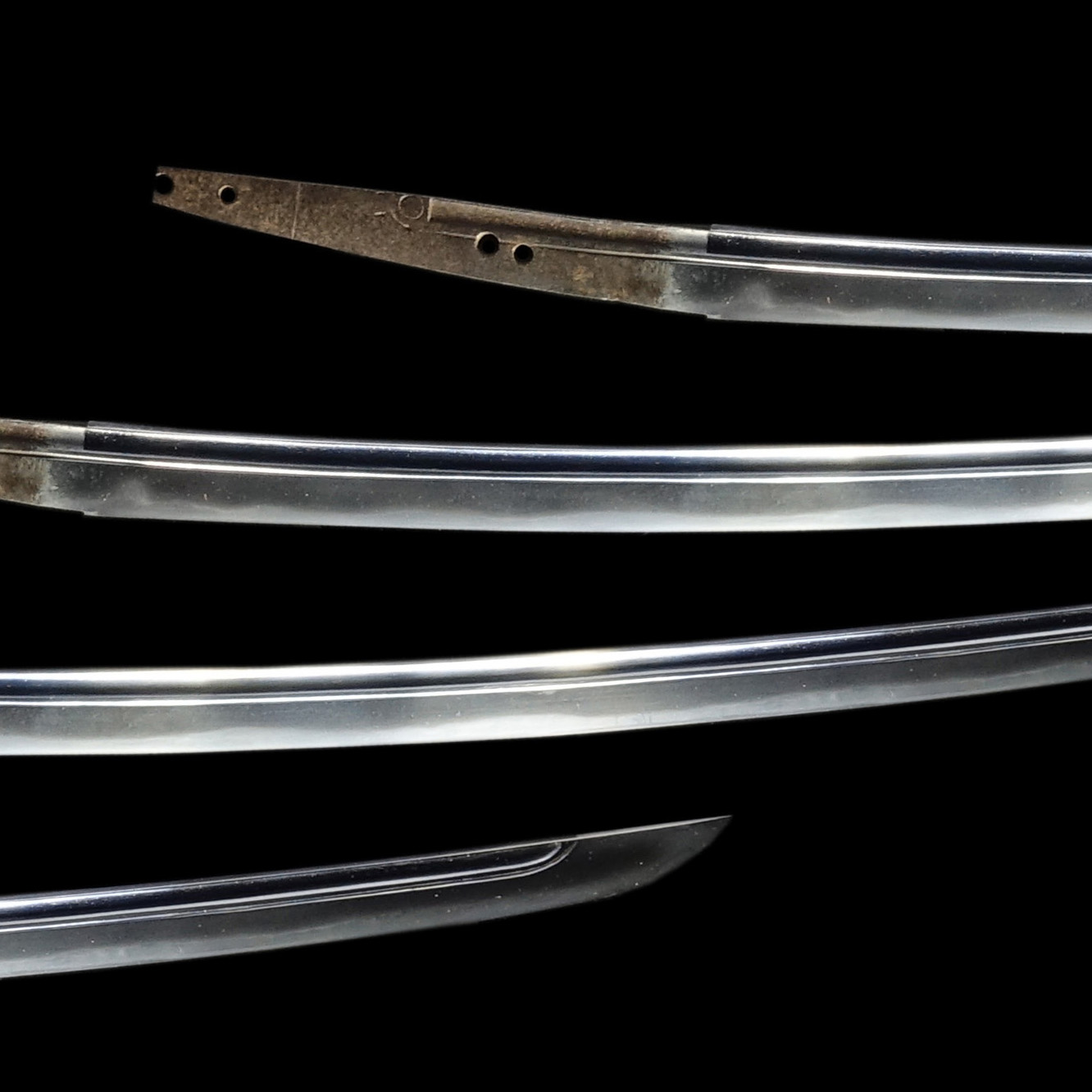
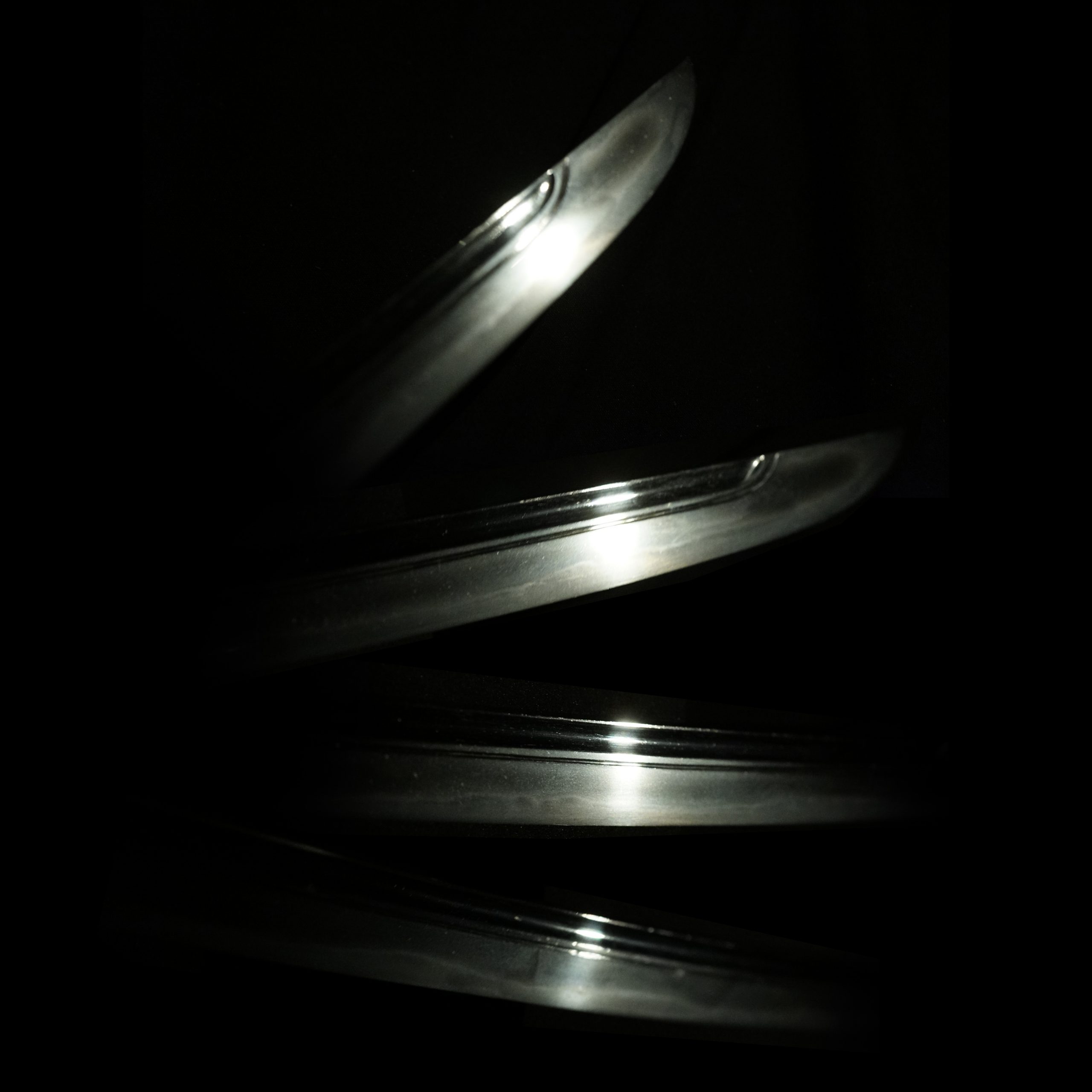
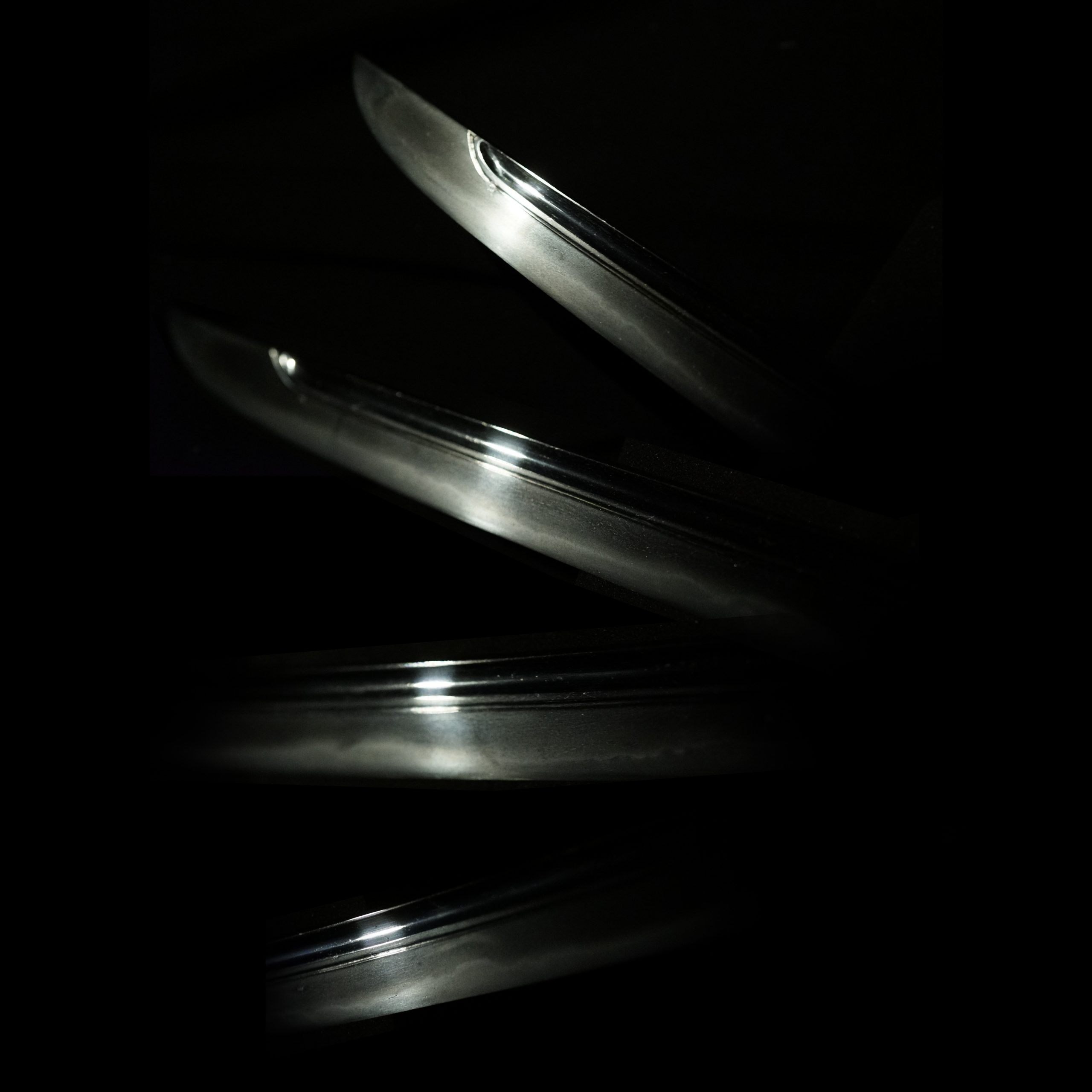
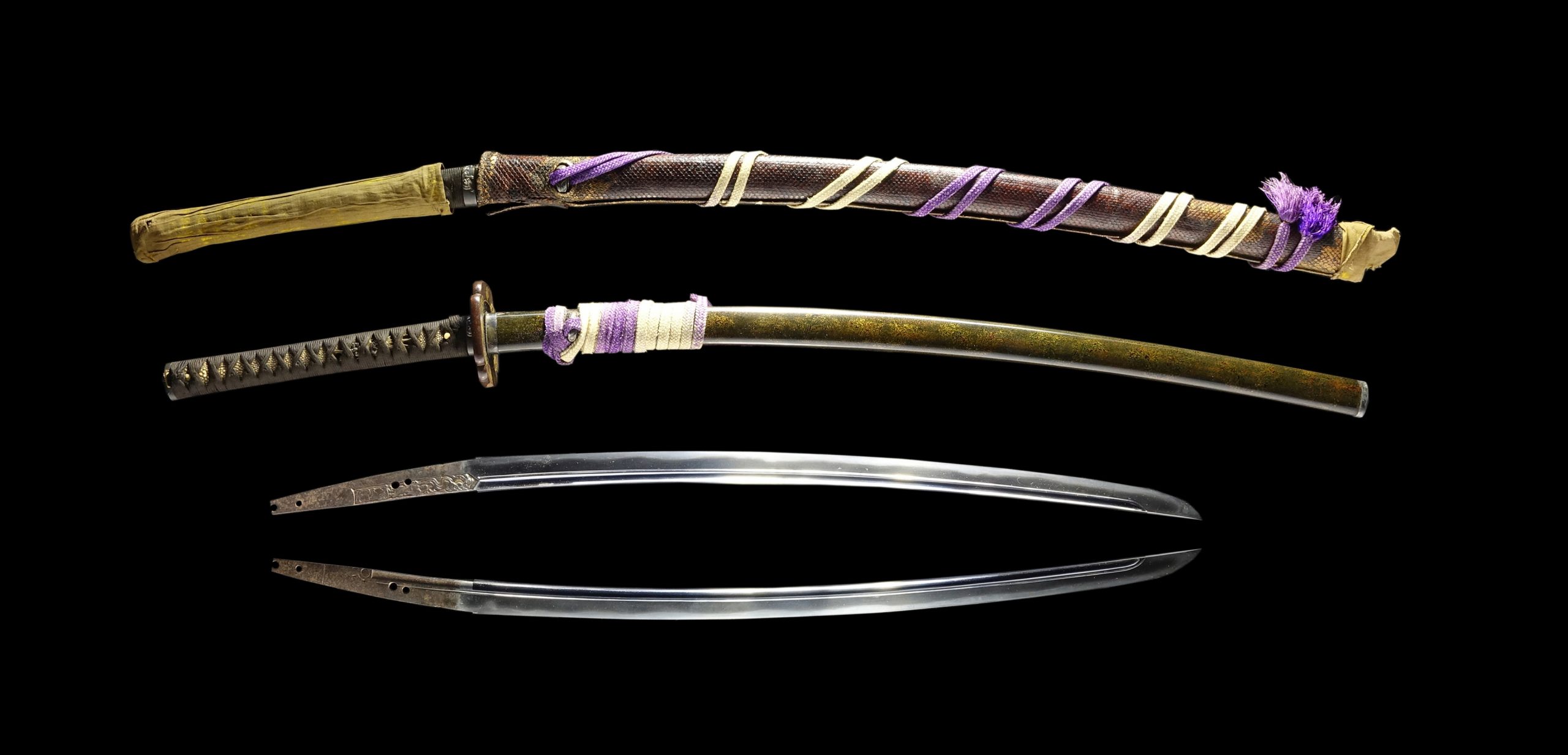
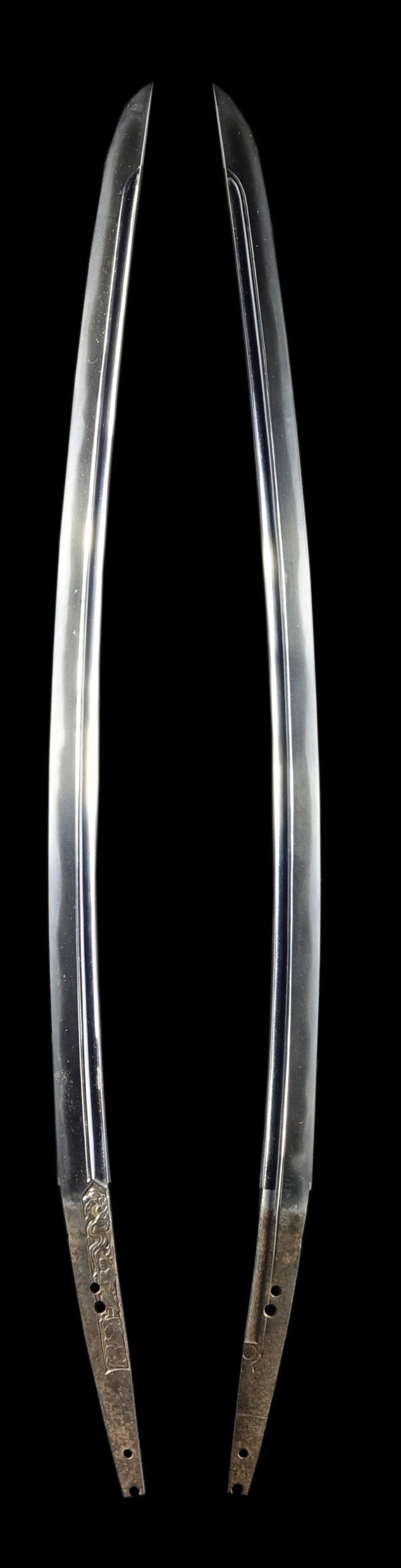
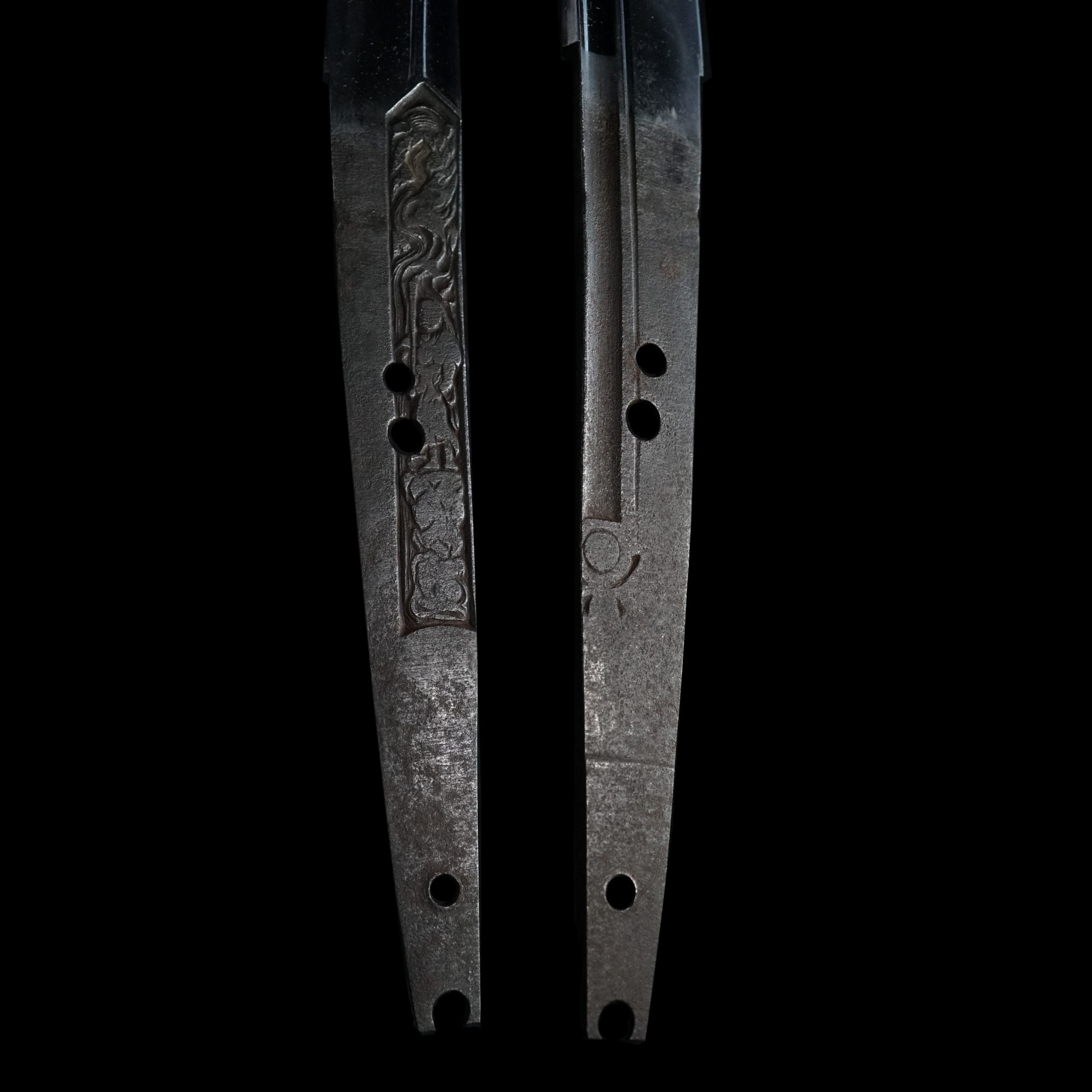
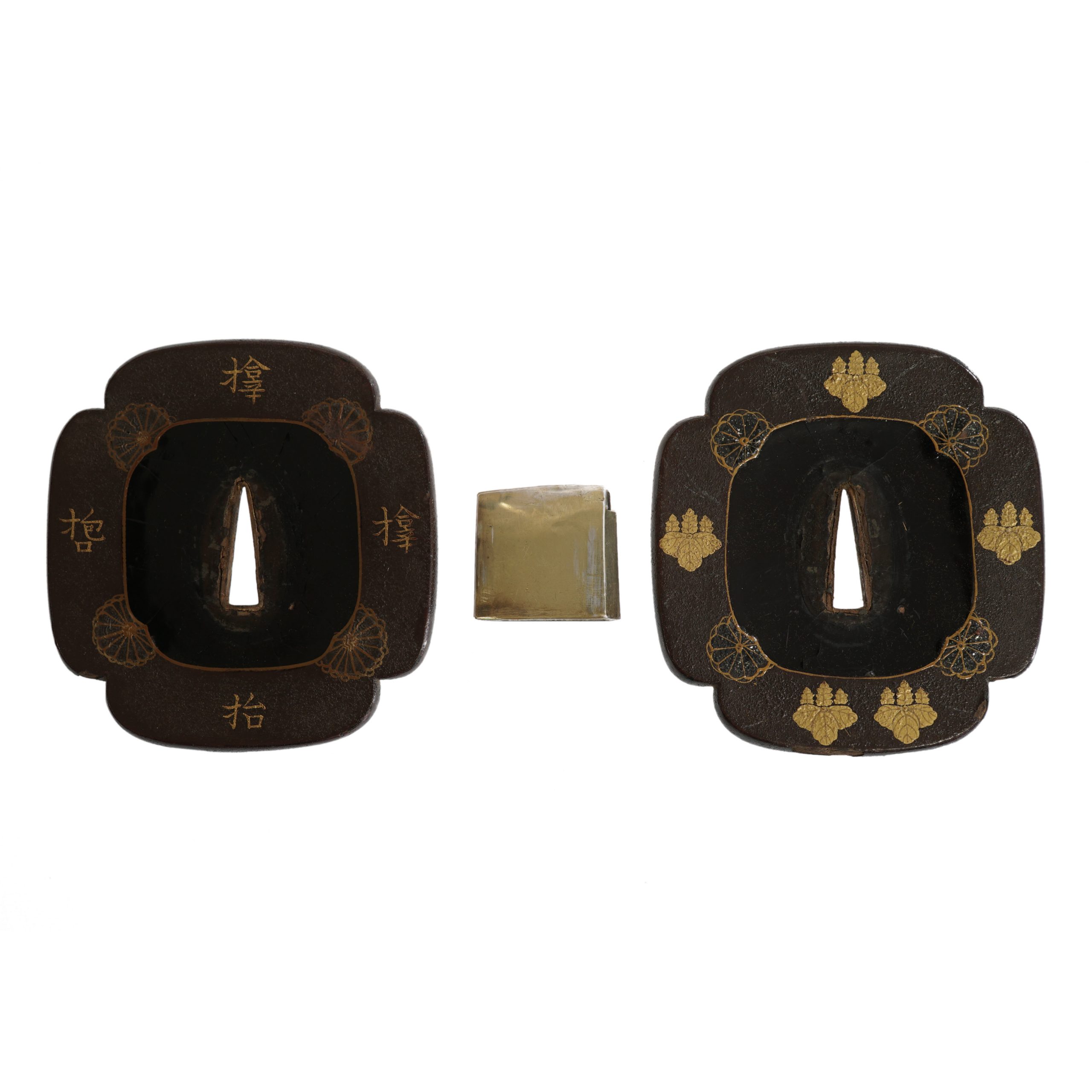
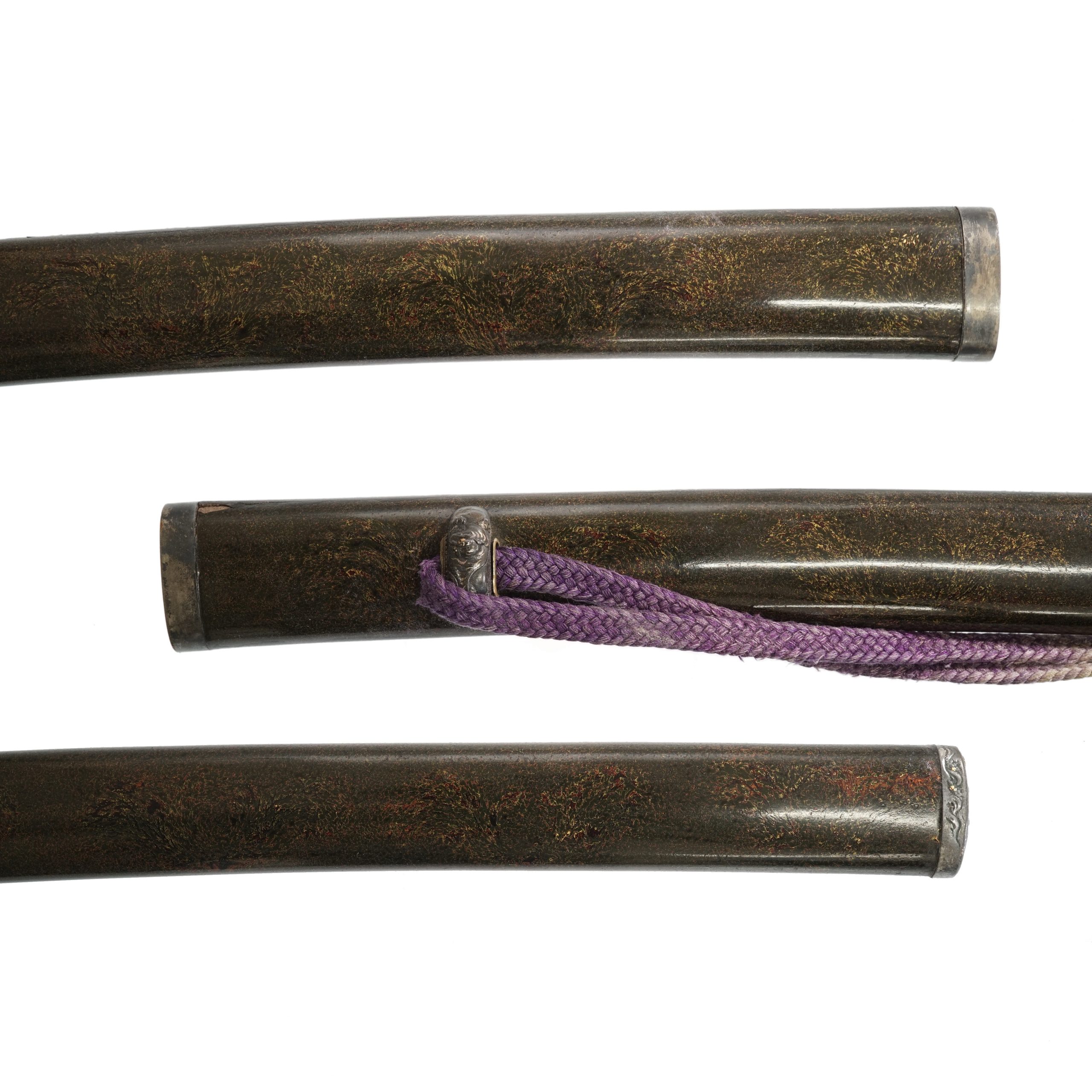
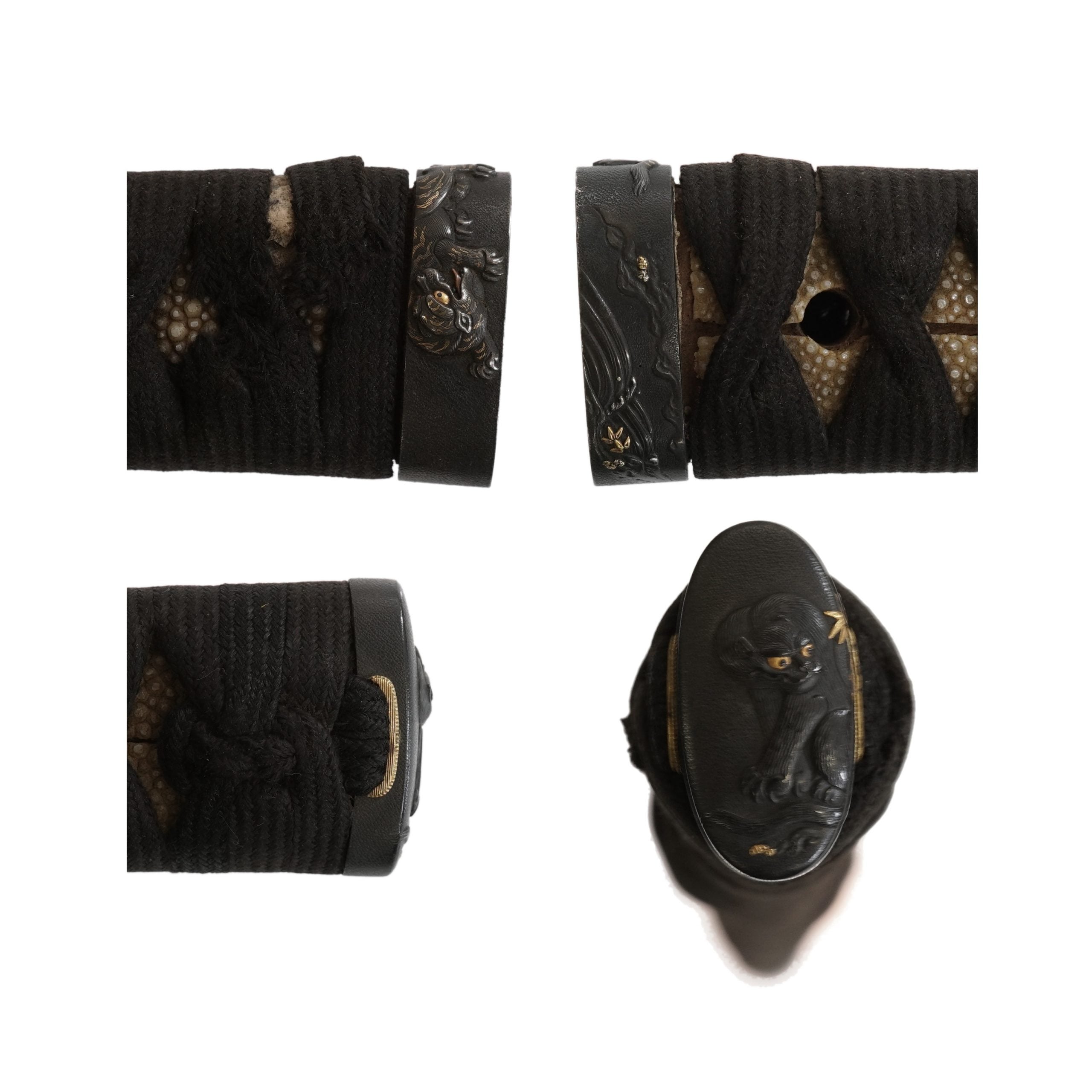
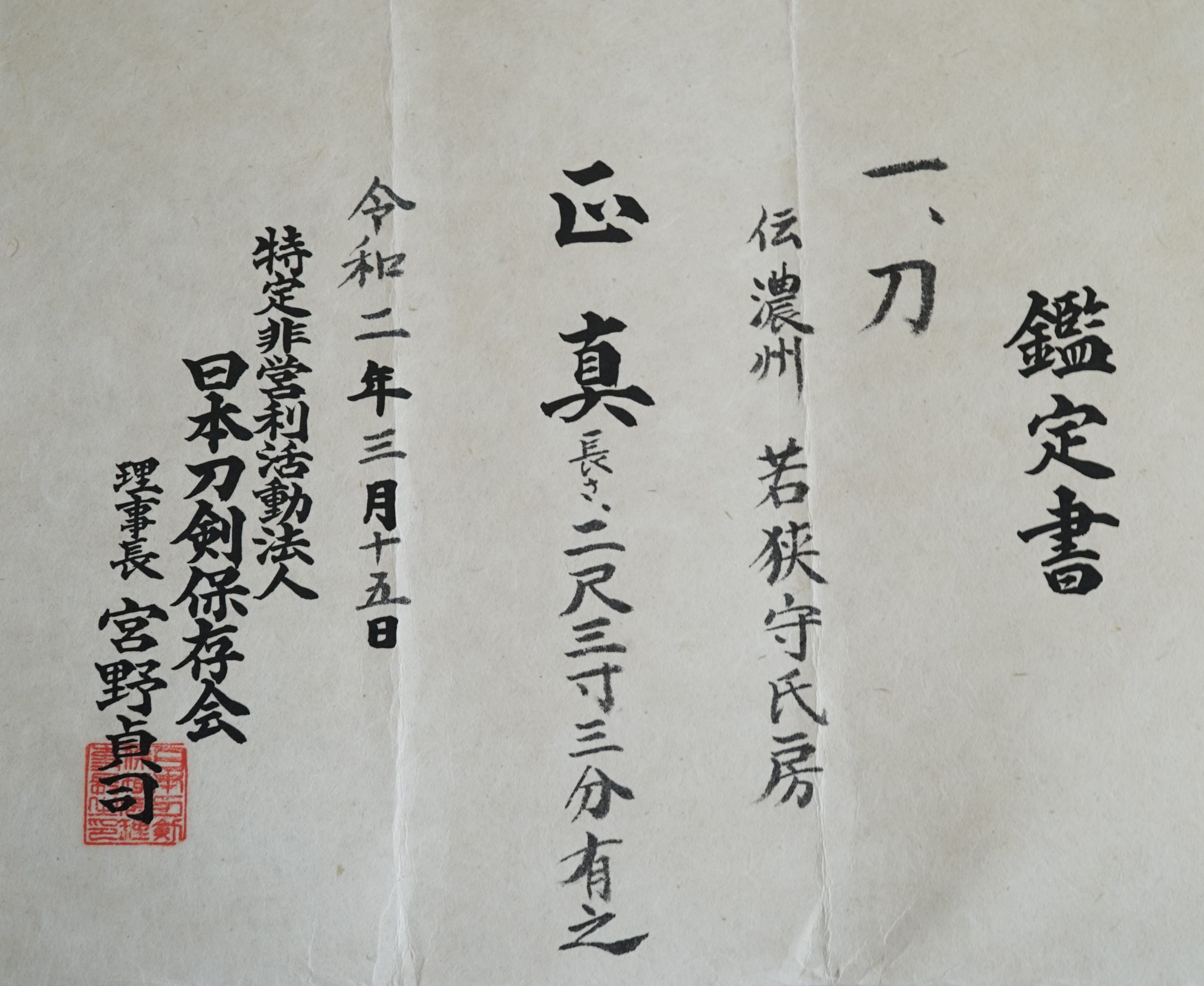
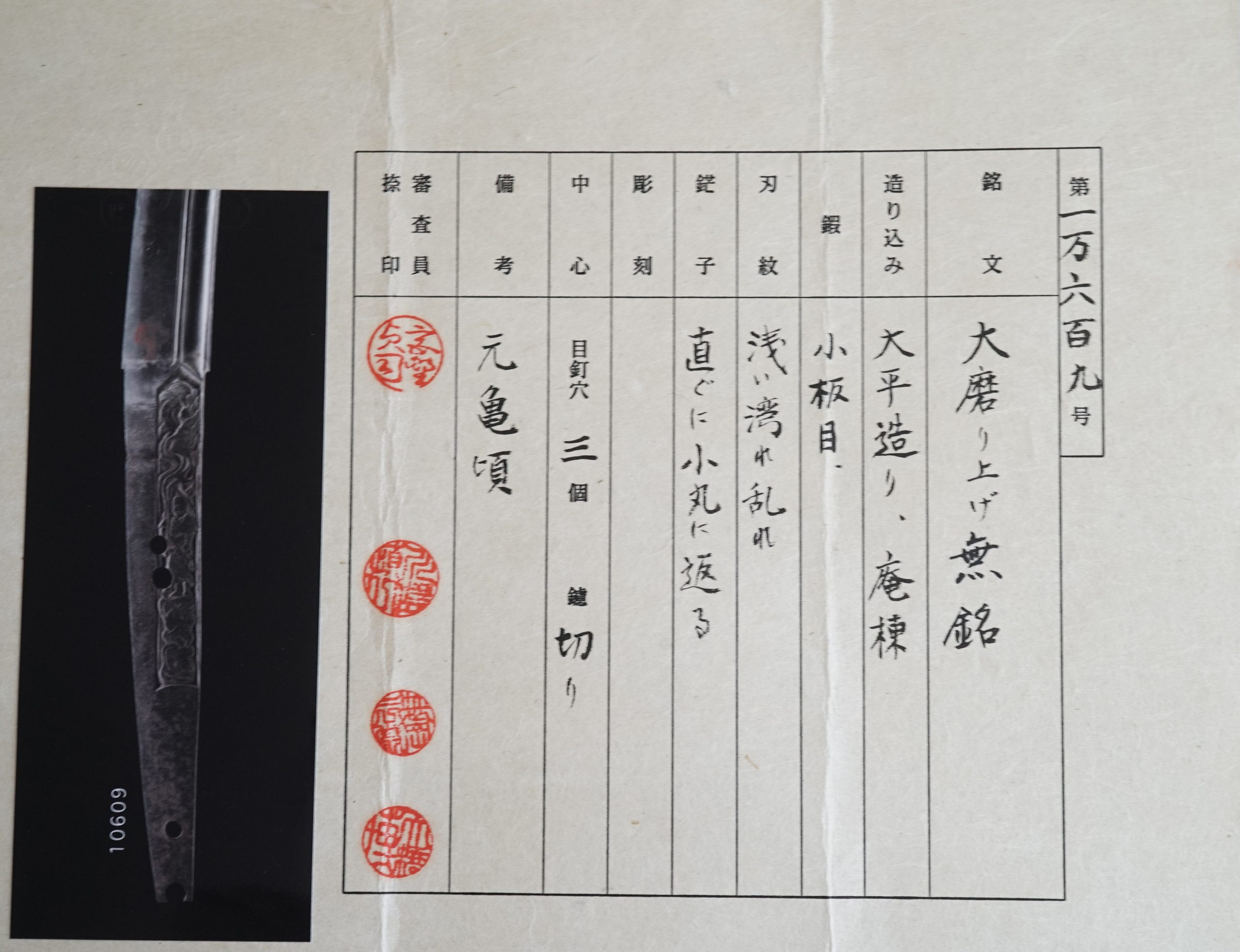
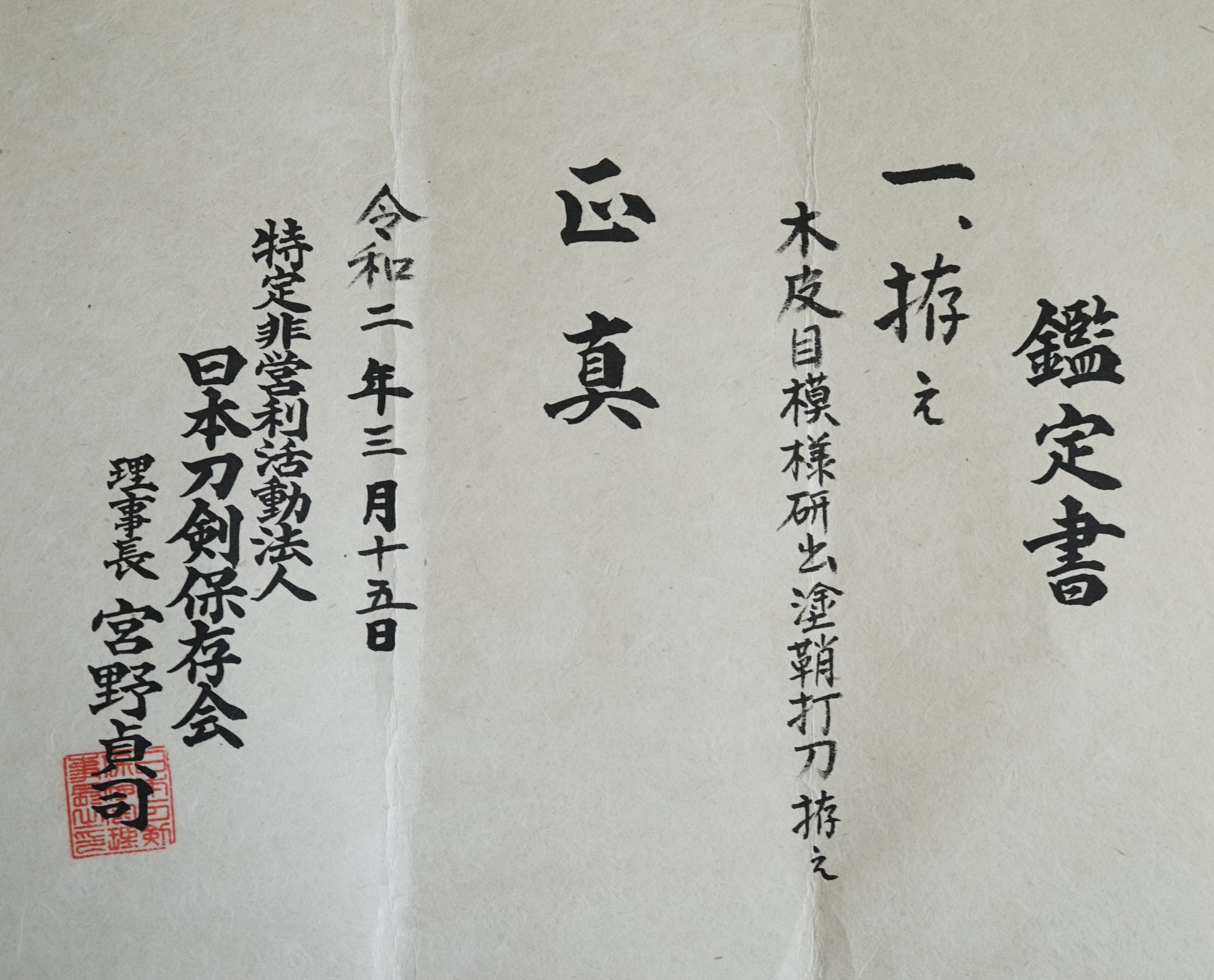
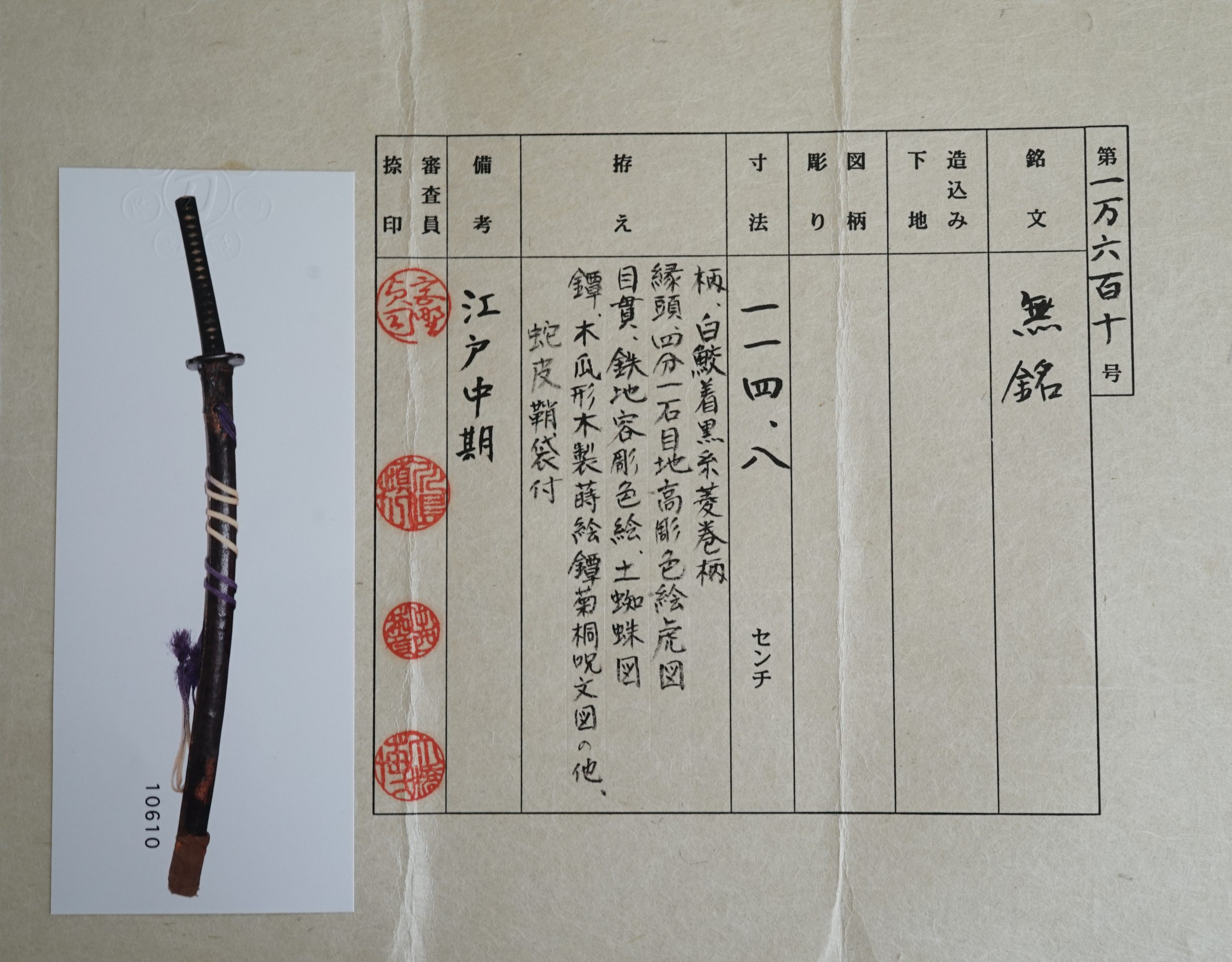
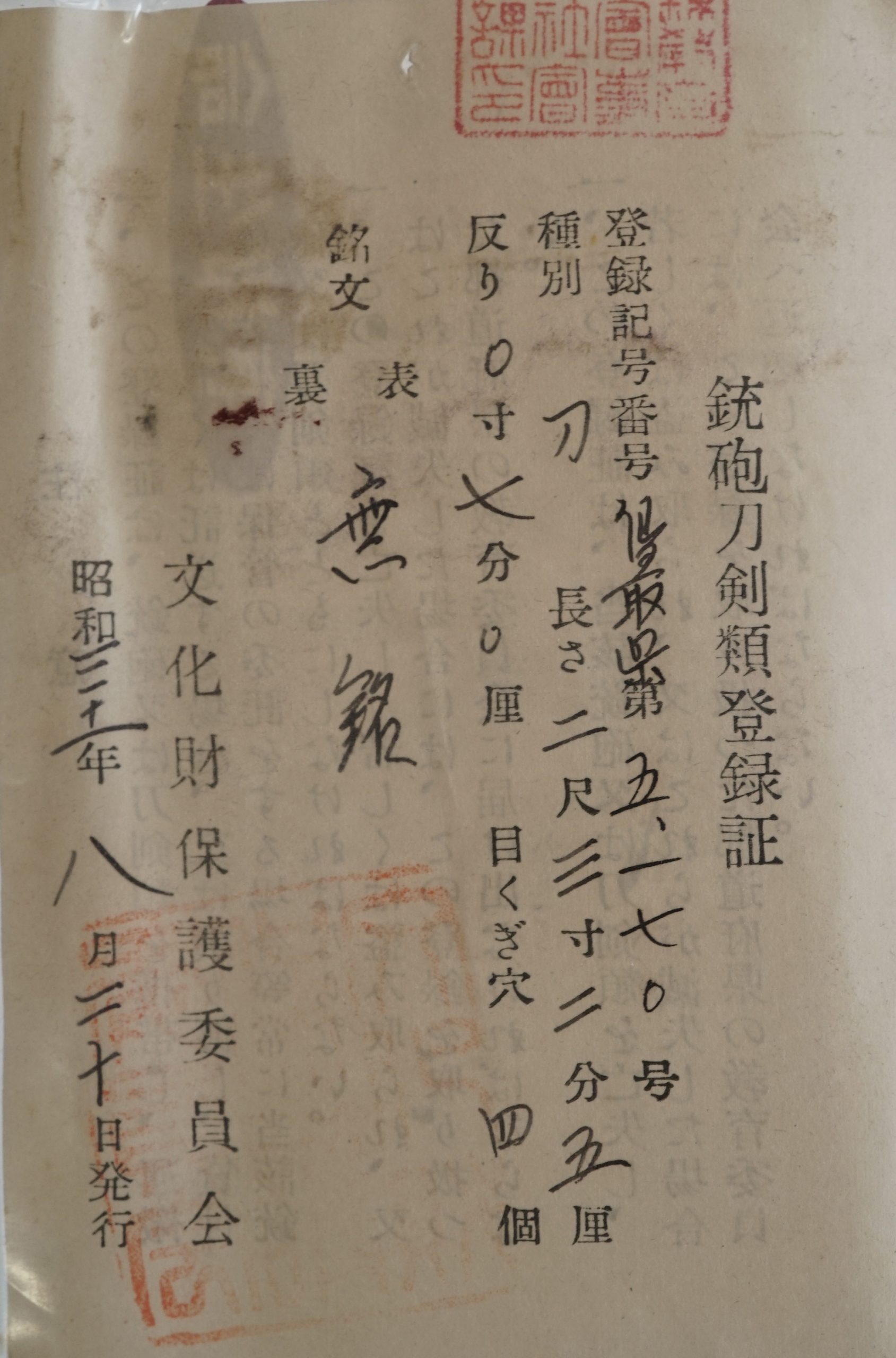
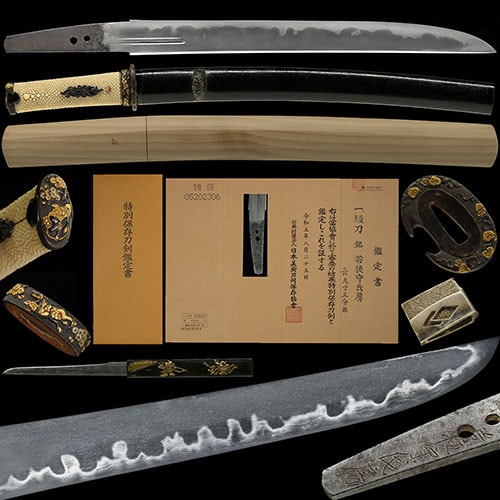
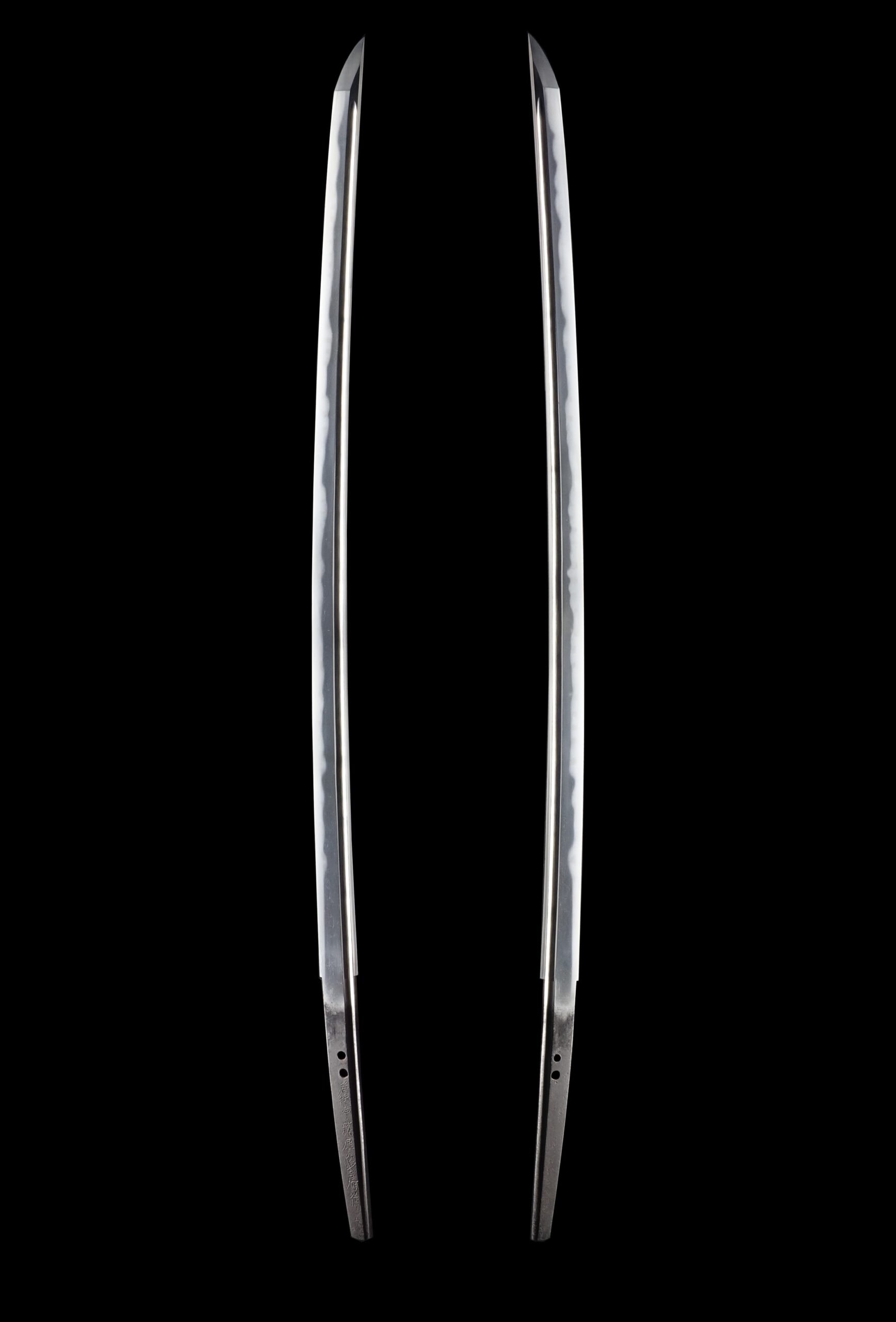
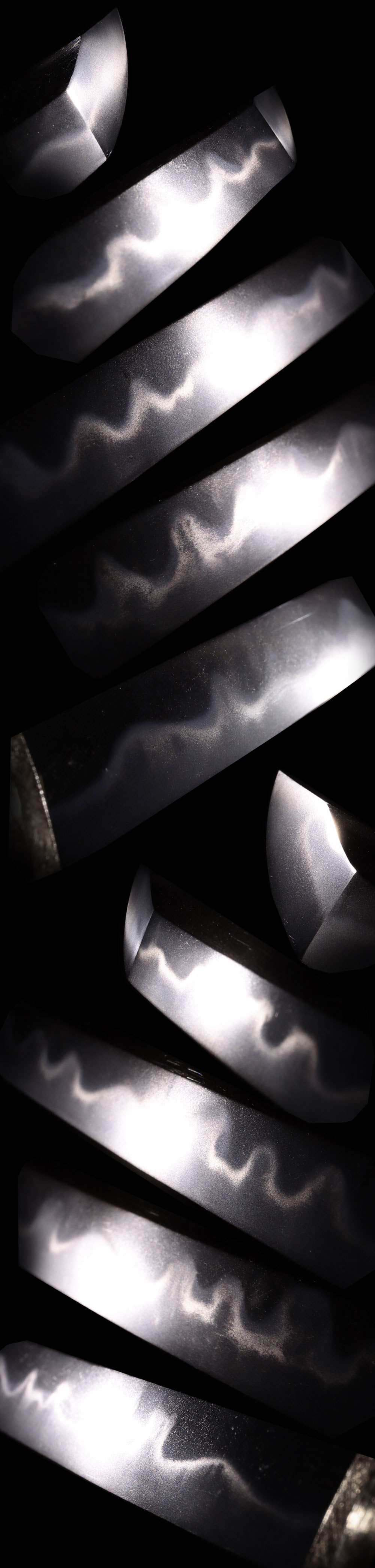
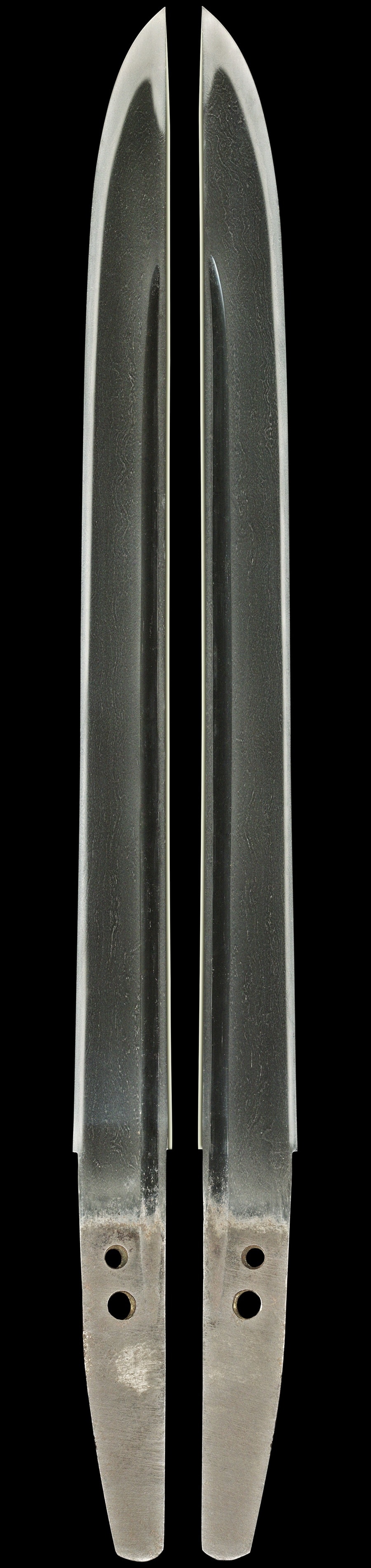
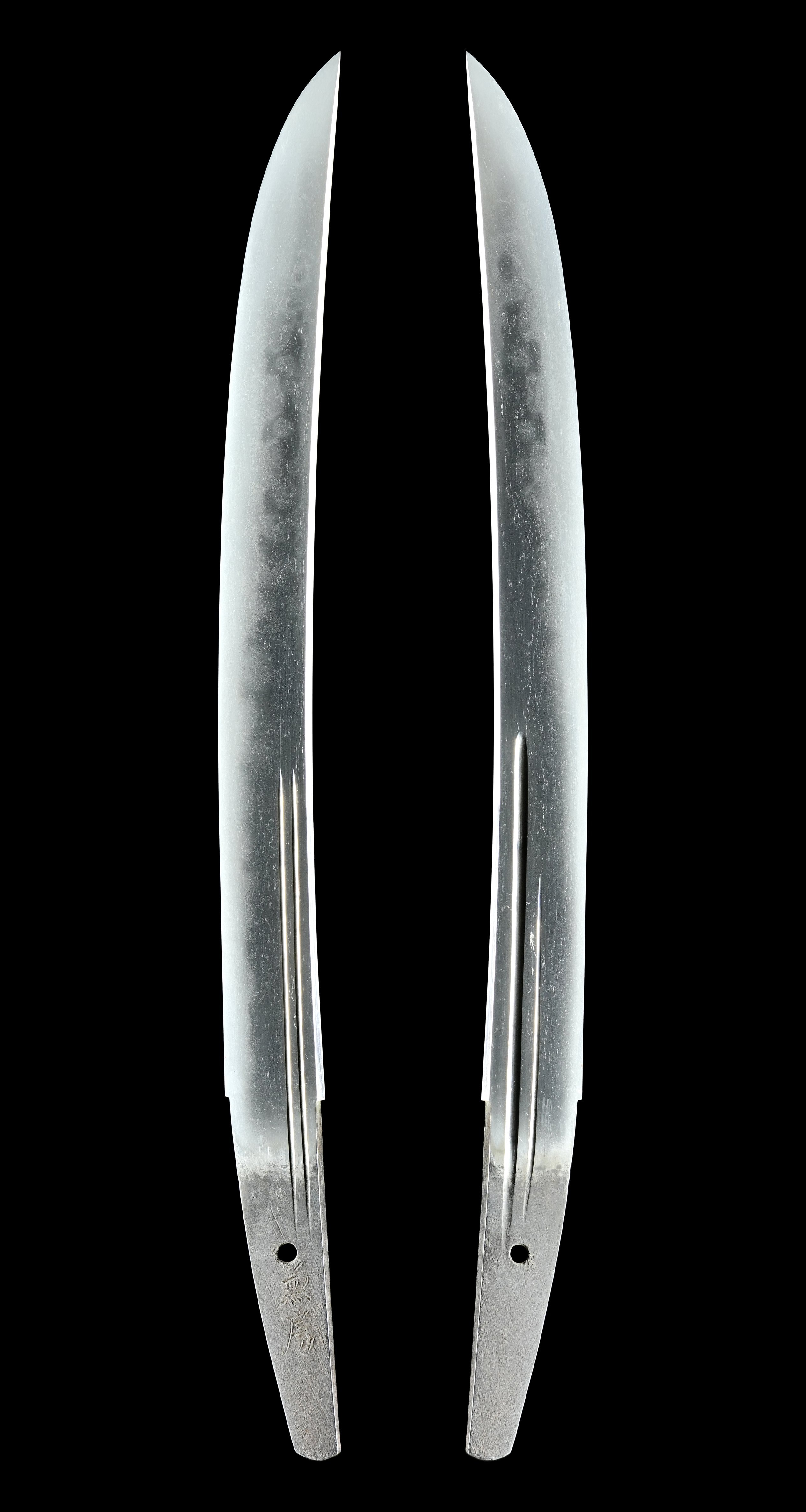
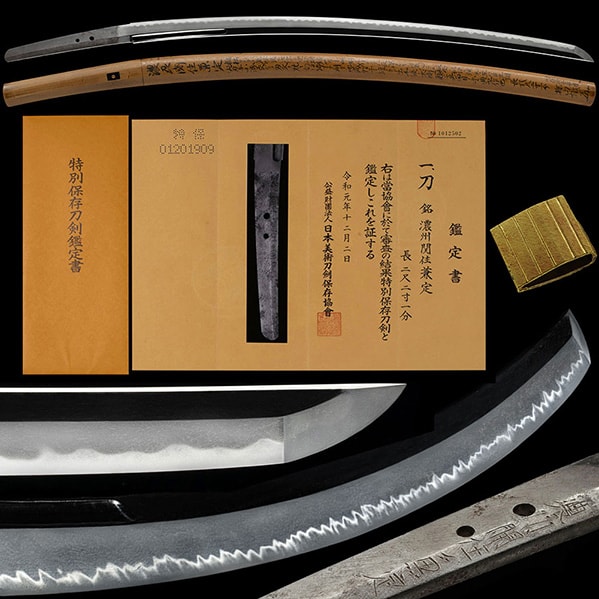
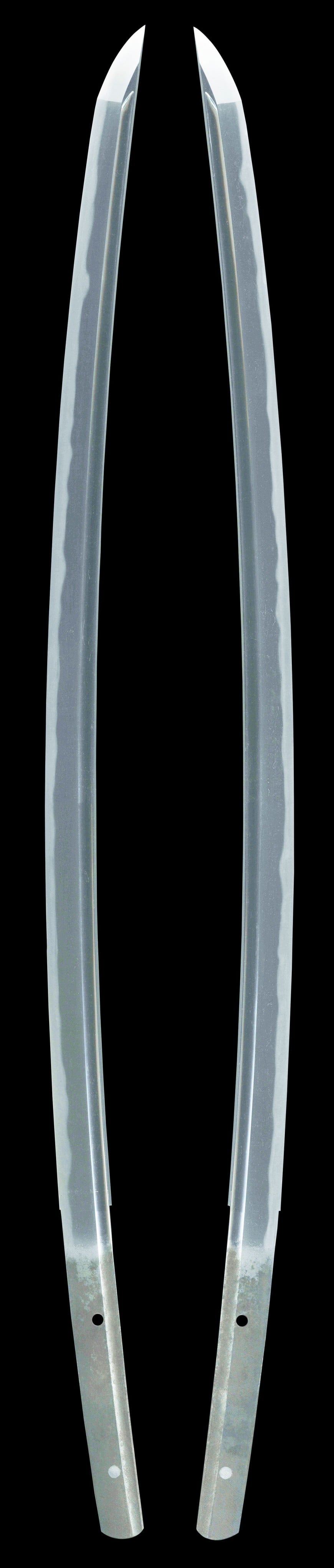
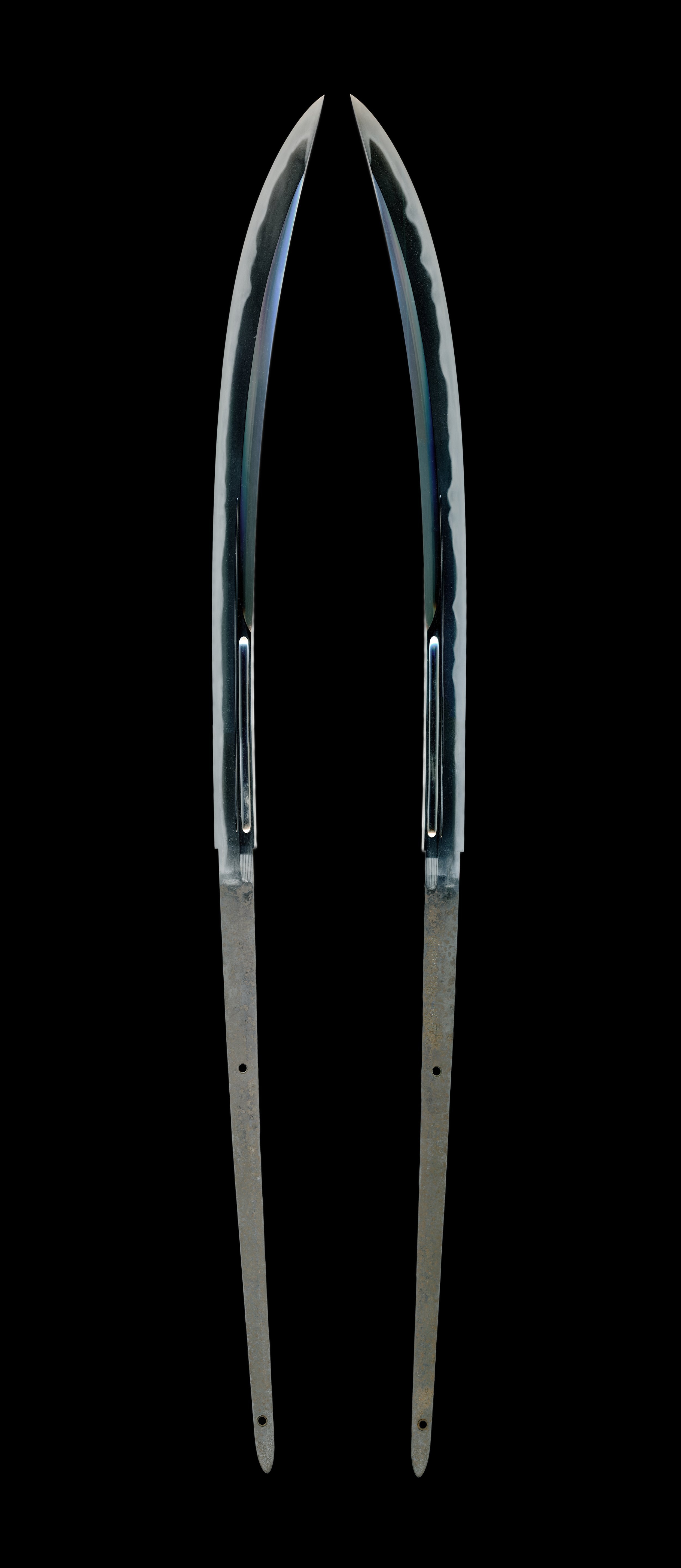
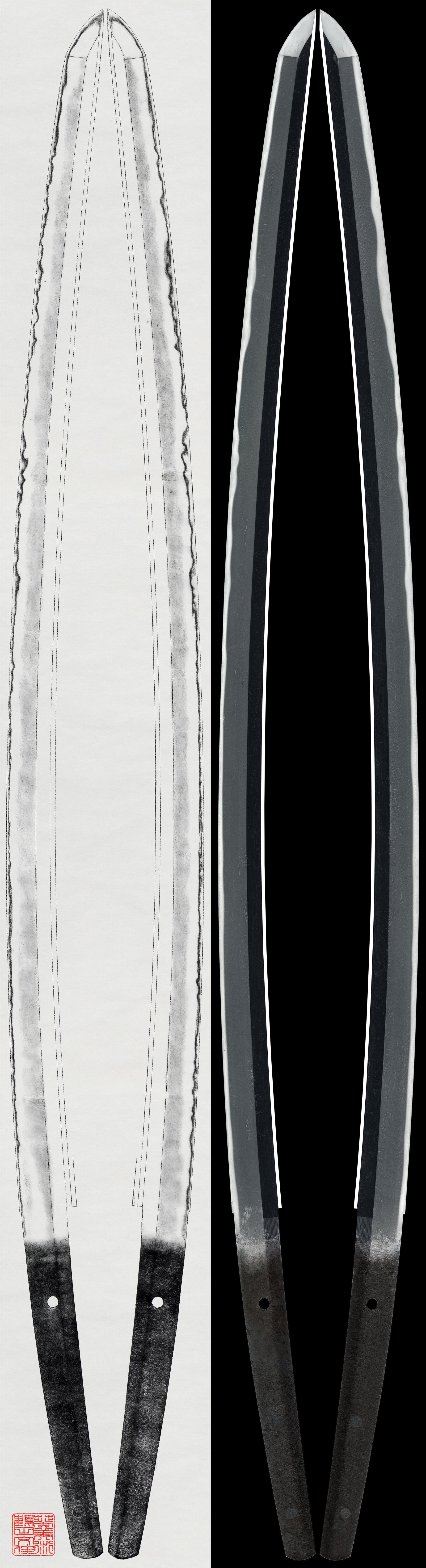
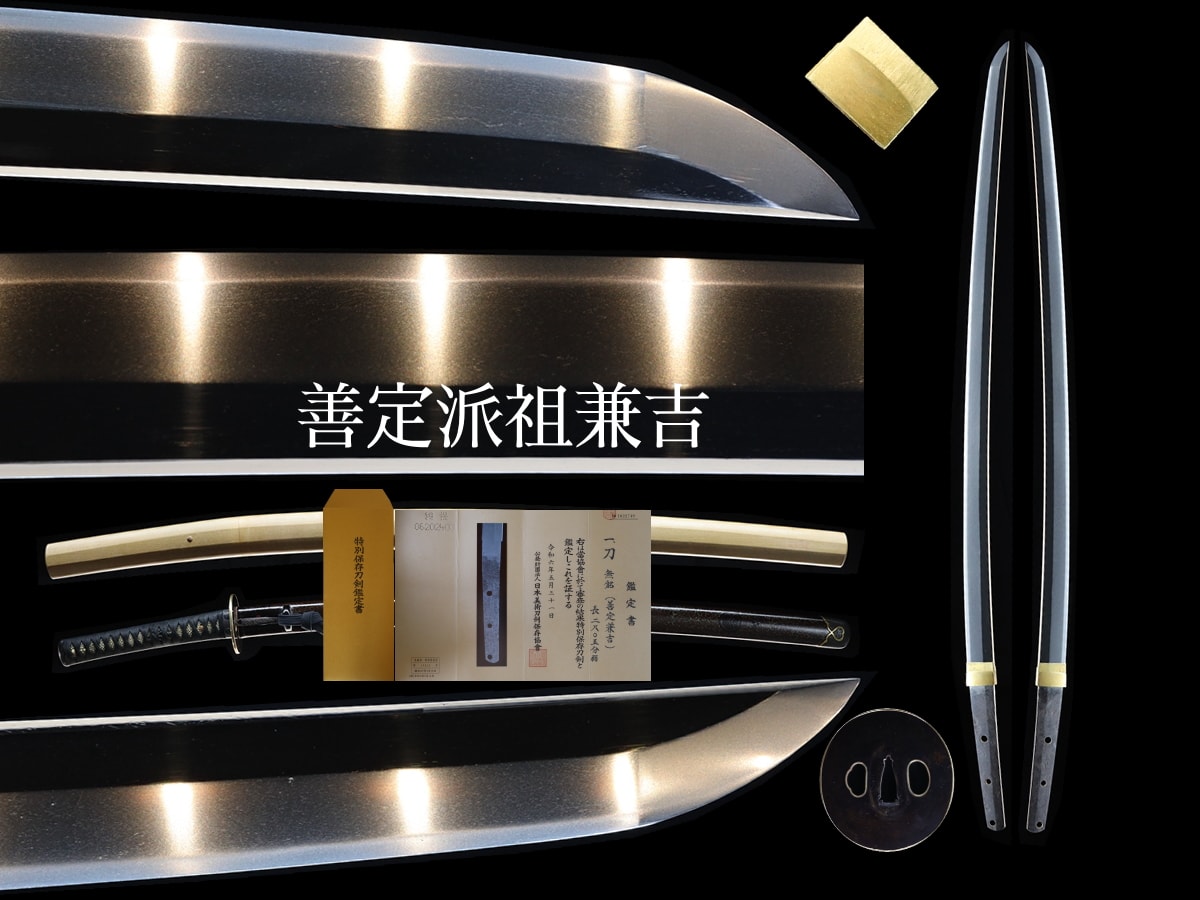
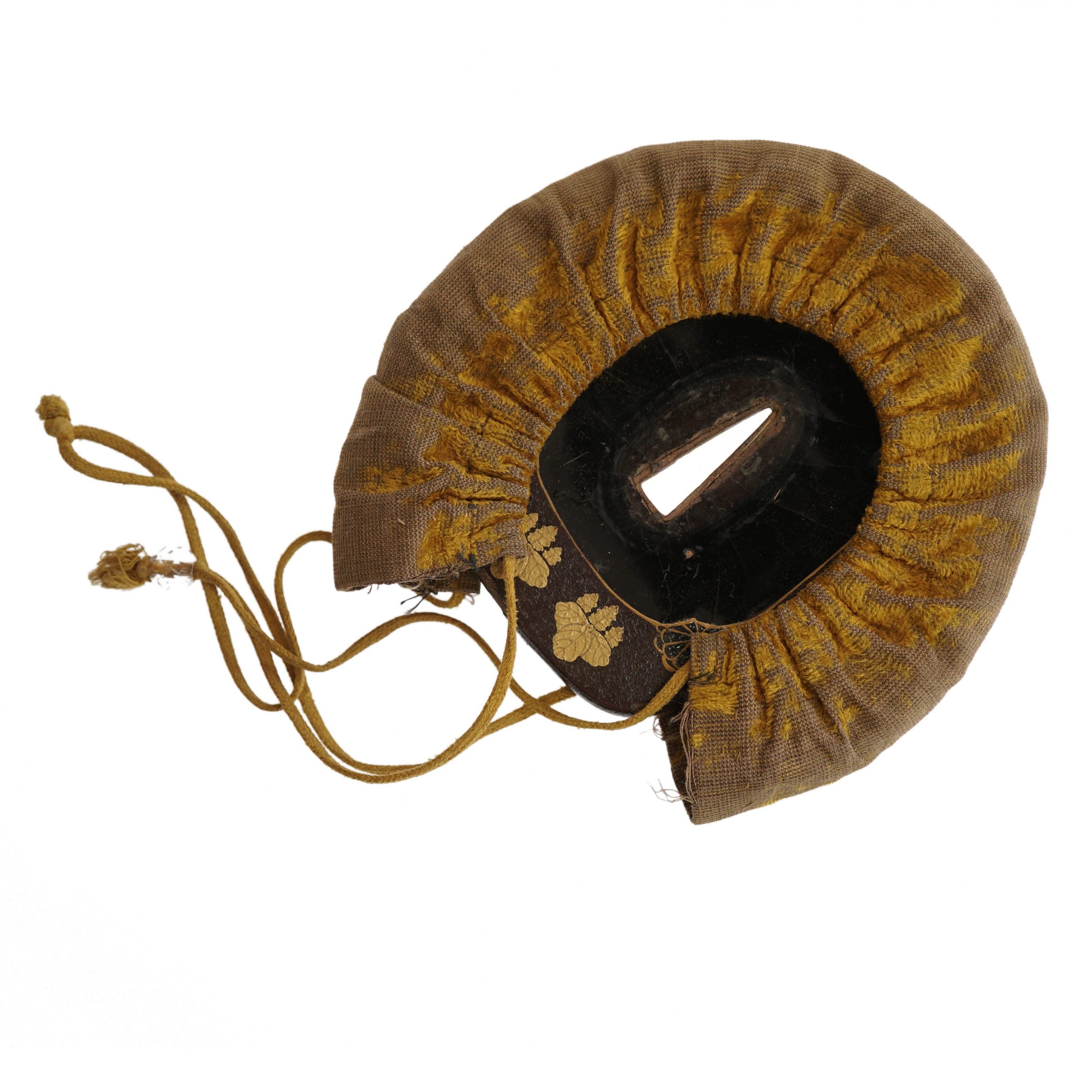
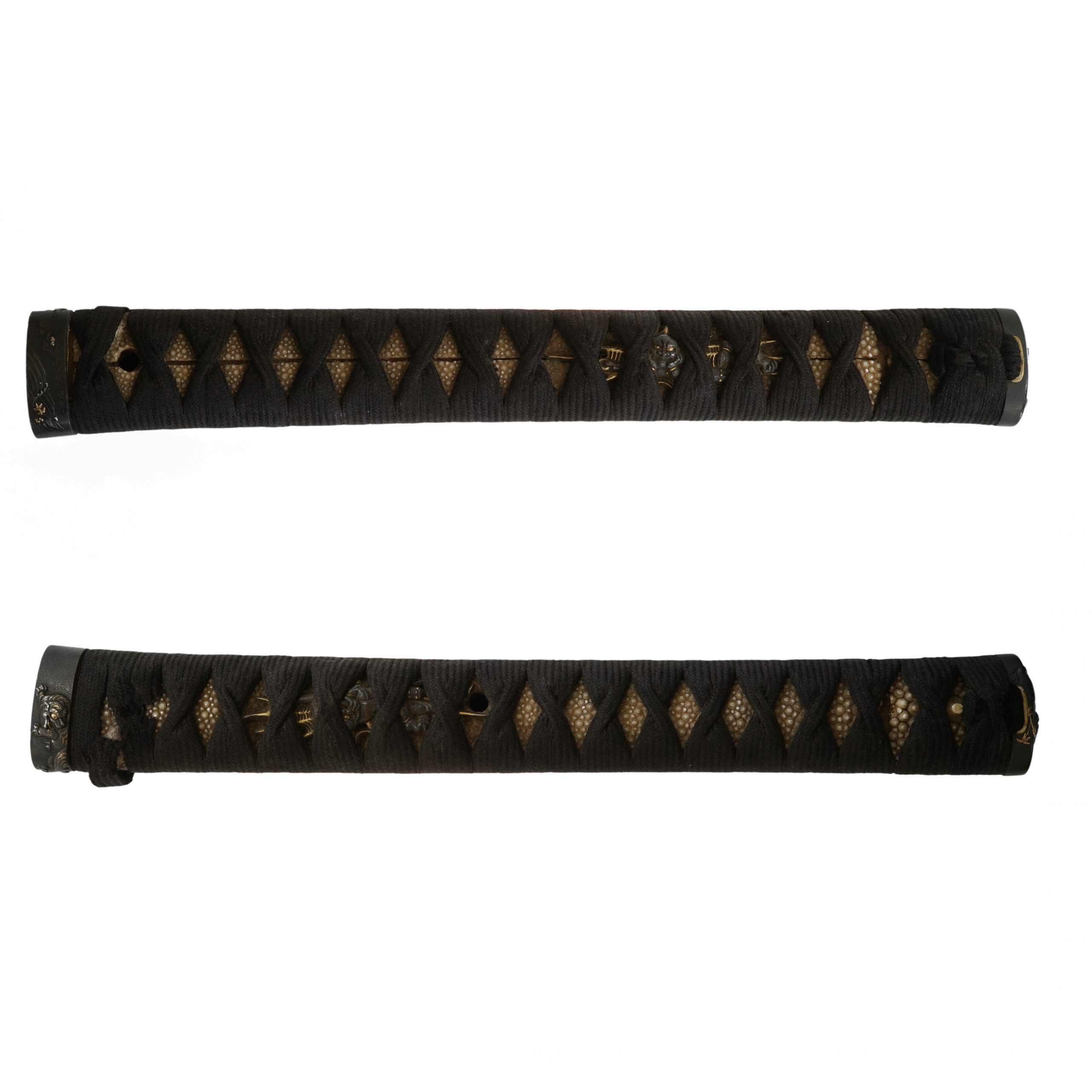
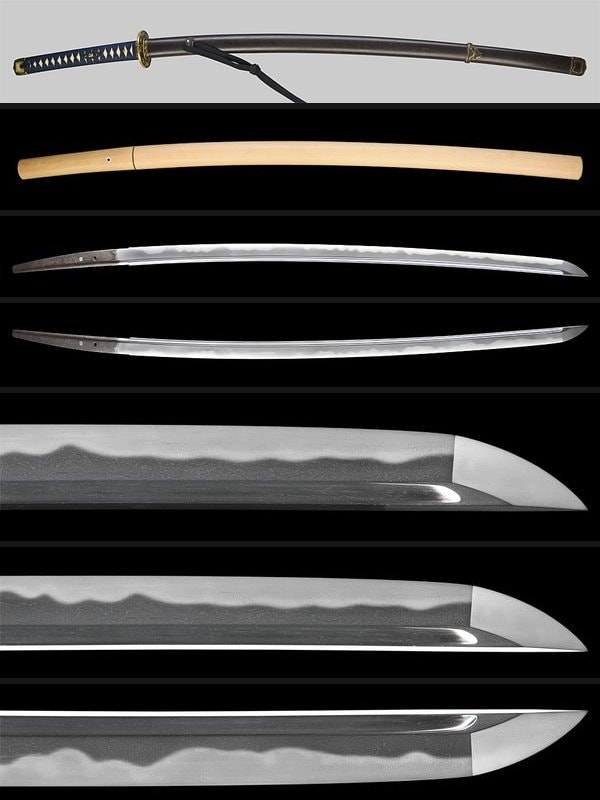
Antique Japanese Sword Katana Unsigned Ujifusa with NTHK Certificate(Blade,Tsuba& Koshirae) 【Description】 Wakasanokami Ujifusa(若狭守氏房) was born in 1534 as the third son of Seki Kanefusa, a swordsmith in Mino province(today’s Gifu prefecture). Ujifusa first inscribed his signature as Kanefusa. In 1570, he was invited by a famous feudal lord, Imagawa Ujizane, and started to forge swords for the Imagawa clan. He got his maker’s name Uuji from Ujizane, receiving the title of Wakasanokami at the same time. After Oda Nobunaga destroyed the Imagawa clan, he worked for Oda Nobunaga . He moved to a few places forging swords, and he also worked for Nobutaka(a Nobunaga’s son) in Owari Kiyosu(today’s Aichi prefecture). He lived through Sengoku Jidai(warring state period in Samurai history)and died at the age of 57. Oda Nobunaga is one of the most famous Samurai in Japan. He is known as one of the three unifiers of Japan during the warring state period. He is famous for his violent temper or nickname “Owari no Utsuke,” meaning, bonehead of Owari (Aichi Pref.) He was born in Owari in 1534 and succeeded as head of the family at the age of 18 because of his father’s sudden death. He was always at the forefront of the battle, although he was the general and extended his power. Nobunaga enjoyed interacting with ordinary citizens without distinction of ranks. That was one of the reasons why people made a fool of him as a blockhead. One day, Nobunaga encountered a street homeless and asked people in that village to help this homeless to get food, clothing, and shelter. He was very kind and considerate of the socially disadvantaged while Nobunaga was also known as being strict to his vassals. Nobunaga promoted reforms of military affairs actively. He hired soldiers who were engaged in battles and tried to make professional corps. Off course it costs a lot, but carried it out by receiving more and more revenue from tax. As he maintained highways, the distribution in his area became active. Also, he worked on Nanban trade (Japan’s trade with European countries) and received good income. We can say that he was a clear-headed person. However, he was defeated by one of his vassals, Mitsuhide Akechi and passed away at the age of 49. He couldn’t fulfill his goal. This blade was forged by Oda Nobunaga’s swordsmith. It would be amazing to own a piece that is closely related to one of the most famous feudal lord. 【Blade】 Cutting Edge Length(Nagasa) : 70.5 cm(27.8 inches) Curvature(Sori) : 2.1 cm(0.8 inches) Hamon : The blade pattern created by the tempering proces. Notare Midare pattern Jimon : Visible surface pattern on the steel . Koitame Nakago : Nakago is the hilt of the Japanese sword. This blade was shortened a few times in the past. And the signature part was cut due to this adjustment, which is called Oh-Suriage. There is the inscription of Fudo MyoFudo Myo-o(不動明王), which is a protective god in Buddhism, particularly Japanese Shingon Buddhism. This god was also known as a god of wars. Samurai believed in the power of this god so they put decorations of this god on either armor or samurai sword. 【Other Details】 Fuchi-Kashira : A pair of matching sword fittings that cover the upper and bottom parts of its sword hilt. It has gold inlay and Lion design on Fuchi. The lion stands at the seashore and looks back, roaring. It might threaten something. Its red tongue shows through its big mouth. It’s believed that the lion pattern will protect us from evil spirits. Kashira is decorated with a tiger which looks back letting its left leg forward. It might watch its prey. Tsuka : Tsuka is the handle of the Japanese sword . This Tsuka has Hishimaki style, which is a kind of Tsukamaki technique. It’s a generic term for the Tsukamaki that strings coil Tsuka making rhombic pattern. Menuki: Menuki is its decoration Tsuchigumo is designed for these Menukis. It rests on its chin on its hands and stays at the cobweb with its legs spread open. It seems like they’re peepi

NihontoWatch MonNihontoWatch
MarketEncyclopediaKantei
刀剣›美濃伝›関›氏房›Antique Japanese Sword Katana Unsigned Ujifusa NTHK Kanteisho Certificate(Blade,Tsuba& Koshirae)
刀
氏房

Antique Japanese Sword Katana Unsigned Ujifusa NTHK Kanteisho Certificate(Blade,Tsuba& Koshirae)

無銘 · 室町 · 長さ 70.5cm · 反り 2.1cm
売却済
氏房 · 室町販売中 4点 →
刀
刀身だけで刀工を見抜けますか? 本日の鑑定 →
氏房 — 1 of 21
氏房 — 2 of 21
氏房 — 3 of 21
氏房 — 4 of 21
氏房 — 5 of 21
氏房 — 6 of 21
氏房 — 7 of 21
氏房 — 8 of 21
氏房 — 9 of 21
氏房 — 10 of 21
氏房 — 11 of 21
氏房 — 12 of 21
氏房 — 13 of 21
氏房 — 14 of 21
氏房 — 15 of 21
氏房 — 16 of 21
氏房 — 17 of 21
氏房 — 18 of 21
氏房 — 19 of 21
氏房 — 20 of 21
氏房 — 21 of 21
1 / 21
1 / 21
氏房 — 1 of 21氏房 — 2 of 21氏房 — 3 of 21氏房 — 4 of 21氏房 — 5 of 21氏房 — 6 of 21氏房 — 7 of 21氏房 — 8 of 21氏房 — 9 of 21氏房 — 10 of 21氏房 — 11 of 21氏房 — 12 of 21氏房 — 13 of 21氏房 — 14 of 21氏房 — 15 of 21氏房 — 16 of 21氏房 — 17 of 21氏房 — 18 of 21氏房 — 19 of 21氏房 — 20 of 21氏房 — 21 of 21
氏房 · 室町販売中 4点 →
刀
刀身だけで刀工を見抜けますか? 本日の鑑定 →
法量・詳細
刀工
氏房
種別
刀
流派
氏房
活動期
1571–1592年頃(天正)
国
美濃
銘
無銘(在銘率 100%)
法量
長さ 70.5cm反り 2.1cm
説明

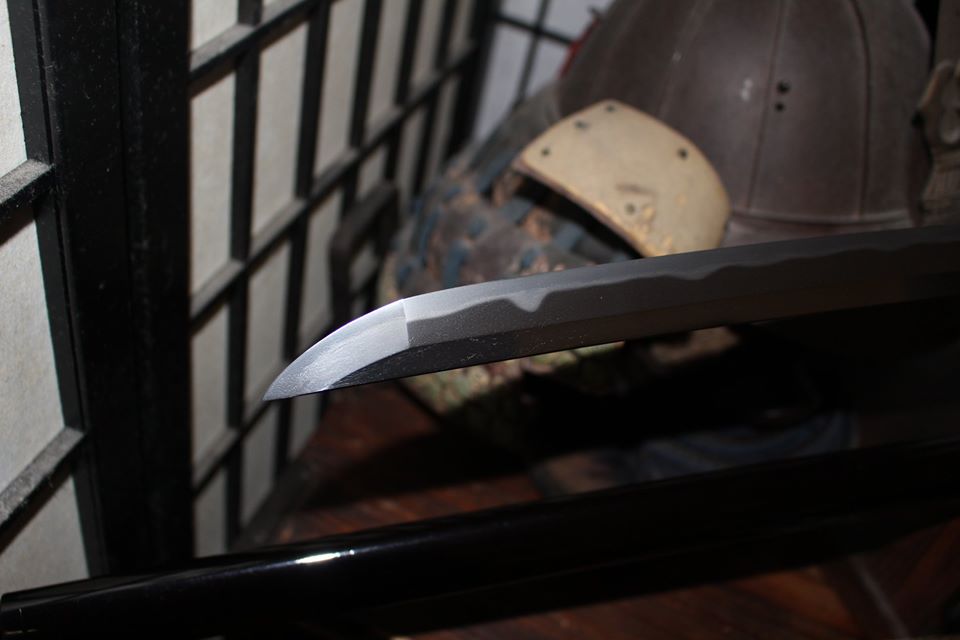
Antique Japanese Sword Katana Unsigned Ujifusa with NTHK Certificate(Blade,Tsuba& Koshirae) 【Description】 Wakasanokami Ujifusa(若狭守氏房) was born in 1534 as the third son of Seki Kanefusa, a swordsmith in Mino province(today’s Gifu prefecture). Ujifusa first inscribed his signature as Kanefusa. In 1570, he was invited by a famous feudal lord, Imagawa Ujizane, and started to forge swords for the Imagawa clan. He got his maker’s name Uuji from Ujizane, receiving the title of Wakasanokami at the same time. After Oda Nobunaga destroyed the Imagawa clan, he worked for Oda Nobunaga . He moved to a few places forging swords, and he also worked for Nobutaka(a Nobunaga’s son) in Owari Kiyosu(today’s Aichi prefecture). He lived through Sengoku Jidai(warring state period in Samurai history)and died at the age of 57. Oda Nobunaga is one of the most famous Samurai in Japan. He is known as one of the three unifiers of Japan during the warring state period. He is famous for his violent temper or nickname “Owari no Utsuke,” meaning, bonehead of Owari (Aichi Pref.) He was born in Owari in 1534 and succeeded as head of the family at the age of 18 because of his father’s sudden death. He was always at the forefront of the battle, although he was the general and extended his power. Nobunaga enjoyed interacting with ordinary citizens without distinction of ranks. That was one of the reasons why people made a fool of him as a blockhead. One day, Nobunaga encountered a street homeless and asked people in that village to help this homeless to get food, clothing, and shelter. He was very kind and considerate of the socially disadvantaged while Nobunaga was also known as being strict to his vassals. Nobunaga promoted reforms of military affairs actively. He hired soldiers who were engaged in battles and tried to make professional corps. Off course it costs a lot, but carried it out by receiving more and more revenue from tax. As he maintained highways, the distribution in his area became active. Also, he worked on Nanban trade (Japan’s trade with European countries) and received good income. We can say that he was a clear-headed person. However, he was defeated by one of his vassals, Mitsuhide Akechi and passed away at the age of 49. He couldn’t fulfill his goal. This blade was forged by Oda Nobunaga’s swordsmith. It would be amazing to own a piece that is closely related to one of the most famous feudal lord. 【Blade】 Cutting Edge Length(Nagasa) : 70.5 cm(27.8 inches) Curvature(Sori) : 2.1 cm(0.8 inches) Hamon : The blade pattern created by the tempering proces. Notare Midare pattern Jimon : Visible surface pattern on the steel . Koitame Nakago : Nakago is the hilt of the Japanese sword. This blade was shortened a few times in the past. And the signature part was cut due to this adjustment, which is called Oh-Suriage. There is the inscription of Fudo MyoFudo Myo-o(不動明王), which is a protective god in Buddhism, particularly Japanese Shingon Buddhism. This god was also known as a god of wars. Samurai believed in the power of this god so they put decorations of this god on either armor or samurai sword. 【Other Details】 Fuchi-Kashira : A pair of matching sword fittings that cover the upper and bottom parts of its sword hilt. It has gold inlay and Lion design on Fuchi. The lion stands at the seashore and looks back, roaring. It might threaten something. Its red tongue shows through its big mouth. It’s believed that the lion pattern will protect us from evil spirits. Kashira is decorated with a tiger which looks back letting its left leg forward. It might watch its prey. Tsuka : Tsuka is the handle of the Japanese sword . This Tsuka has Hishimaki style, which is a kind of Tsukamaki technique. It’s a generic term for the Tsukamaki that strings coil Tsuka making rhombic pattern. Menuki: Menuki is its decoration Tsuchigumo is designed for these Menukis. It rests on its chin on its hands and stays at the cobweb with its legs spread open. It seems like they’re peepi

作者について

氏房

Seki (late-Mino Sue-Seki; Wakasa no Kami line, son of Kanefusa) · 美濃 · 1571-1592頃

現在4点販売中

›

若狭守氏房は十六世紀後半の元亀・天正年間に美濃の関で鍛刀した工で、説明書は彼を美濃の伝統の最後で最大の一群たる末関を代表する刀工の一人に数える。関兼房の子であり、説明書はその名にまつわる一事を伝える。始めは父の兼房を襲名し、後に氏房と改めたのは、今川氏真から「氏」の一字を賜ったものともいうのである。若狭守の受領は永禄十三年といい、令和に指定されたある刀には今なお「尾州清須住」の居住地銘があって、晩年に関から尾州清須へ移居した記録を留める。この移居は彼自身の作にとどまらぬ意味を持つ。その子が尾張氏房派の祖たる飛騨守氏房、尾張新刀の三祖の一人であり、父は古い美濃の伝統が新たな尾張の作へと移る蝶番に立つ。

その代表作は大らかな刀で、元亀年紀の一口がその典型である。鎬造・庵棟、身幅広く中鋒あるいは大鋒、延びるものや僅かに磨上げたものもあり、説明書はこの体配を、元亀の頃には打刀が太刀に替って長大となり両手で使用されたことの証と読む。この姿にのたれあるいは大互の目を焼き、美濃の尖り刃を交え、足・葉入り、匂口は締り沈みごころから明るきに至り、小沸ついて砂流し・処々飛焼を交える。大らかな乱れに交える尖り刃は平生の刀の美濃の見どころで、彼を関の本流に据える特徴である。説明書はかかる一口を「この刀は氏房の代表作で、豪壮な造込で大どかな刃文を焼き」[[c:1]]と評し、出来がよいとする、説明書が惜しんで用いる静かな賛である。

地鉄も同じ関の性を帯びる。板目は緊まらず肌立ちごころとなり、処々流れて流れ肌となり鎬地は柾に流れ、地沸つき、力強い作には地景も入る。この肌立って流れた地が末関の地であり、彼の沸や飛焼を載せる床である。近年の刀に説明書は元亀・天正の力強い体配に豪快な乱れ刃を読み、匂口明るく沸よくつき、地刃の保存も頗る良いとする。帽子は下の刃に応じて多く乱れ込んで小丸となり、尖りごころに掃きかけるものもあるが、焼が帽子全体へ及んで一枚となるものも少なからずあり、令和指定の一口を説明書は「帽子一枚となり返りを長く焼下げる」[[c:2]]とし、昭和指定の一口を「帽子殆んど一枚風に乱れ込み、先小丸」[[c:3]]と読む。彫物は棒樋を掻通す。これらは工房平均の冷たく整った関物ではなく、伝統のより豪快で奔放な端であり、ゆえに説明書はこの出来のものを稀れとする。

この大らかな刀の手に対し、第二の稀な面が短刀に見える。山城物写しである。天正年紀の平造の短刀がその遺例で、寸に比して身幅やや広く重ね厚く内反りとなり、総体に流れた小板目に指表は殊に柾気つよく、地沸細かにつき、地に白気を帯びたうつりが立つ。刃文は細直刃、匂勝ちに匂口締まりごころとなって小沸つき、帽子は直ぐに静かな小丸、彫物は表に護摩箸、裏に腰樋。この手について説明書は「この期の関物にはよく山城物写しがみられる」[[c:4]]とし、本作を「いかにも品よくまとまっており、氏房中の上々作」[[c:5]]と評する。彫物は造込みに連動し、刀が棒樋を掻通すのに対し、護摩箸や腰樋は平造の短刀に属する。

その一門の中の位置は、借りた比較よりも彼自身の地に即した特徴から取るのがよい。彼は末関の工で、その手は肌立った板目、大らかなのたれ・大互の目に折り込んだ尖り刃、時に錬れた山城物写しの直刃に認められる。明るい乱れと棒樋の刀がその背骨、静かな白け映りの短刀がその風情である。系譜は彼を通って清らかに流れる。父兼房より美濃の体を受け、清須への移居とともにそれを尾張の閾へと運び、子飛騨守氏房がその大らかなのたれを落ち着いた尾張新刀の手に錬り上げ、政常・信高と共に同派の三祖の一人に数えられる。説明書は同名数代続いたことを記し、父はその出自の根である。

氏房はすべて重要刀剣の格に残り、国宝も重要文化財も記録されず、その作は美術館の群よりは数寄者の手の届く側にある。指定の記録は在銘の刀九口と在銘の短刀一口をその指定作に擁し、いずれも極めではなく在銘の作で、元亀・天正の年紀を有するものが幾口かあり、一口は説明書が晩年の尾張期研究の好資料として貴ぶ「尾州清須住」の居住地銘を帯びる。これらの刀に大名の伝来も所蔵機関も記録されず、説明書はその現存作、就中打刀が比較的に少く、これ程までに出来の優れたものは稀れと率直に記す。在銘年紀の大らかな元亀・天正型の若狭守氏房の刀に出会うのは稀なことで、数寄者はこれを折にふれ、忍耐をもって、その最も優れたものを末関の領分の頂で見るに過ぎない。説明書はその佳品を平らかに評し、ある一口を豪壮な造込の代表作とし、ある一口を「室町末期の関物の典型的且つ代表作の一口」[[c:6]]とし、品よき直刃の短刀を上々作とする。

歴史的重要度

氏房の位置づけを、日本刀全体および伝統・時代・時期ごとに示します。各位(随一・屈指・有数・著名)は、NBTHK および文化庁による指定に加え、三作や名物帳などの歴史的栄誉を加味したものです。

随一
随一
屈指
屈指
有数
有数
著名
著名

各項目を選ぶと評価方法が表示されます。

指定の実績
指定9口
重要刀剣
9
氏房の作 4点が現在販売中→
氏房 — 詳細Seki (late-Mino Sue-Seki; Wakasa no Kami line, son of Kanefusa)派

年紀作

在銘年紀作が示す、確実に活動していた年代

活動期間
1571–1575推定期間:1571–1592
指定品9点のうち4点に年紀あり
1560
1570
1580

この作者について学ぶ →

流派について

氏房

美濃伝 · 尾張

現在19点販売中

›

氏房は尾張国に興った一門で、その作は桃山末から江戸初期、いわゆる新古境いの時代に位置づけられる。説示は若狭守氏房・飛騨守氏房を本流の手本として繰り返し挙げ、これに連なる工として、若狭守氏房の次男と伝える越後守氏恒、初代氏房の子と伝える出雲守氏貞らを記す。氏恒は河村平十郎、初銘を氏重とし、元和六年に越後守を受領、明暦二年に尾州名古屋にて歿したと美濃刀大鑑が伝える。氏貞は出雲守を受領し、左近少将あるいは権少将と銘した。一門は美濃を根として尾張に移り、徳川・尾張の地で代々その作風を継いだ。 作風は美濃伝を基調とする。鍛えは板目がつみ、杢や流れ肌を交え、地沸が微塵に厚くつき、地景が細かに入る。刃文は直ぐの焼出しごころを見せたうえ、下半は浅いのたれを基調に小互の目を連れて交え、上半は小のたれに大互の目や尖りごころの互の目を交える。のたれが角がかり、小足・葉が入り、沸がつき、処々荒めの沸を交えてむらづき、金筋・砂流しがかかり、随処に飛焼・棟焼を交えて匂口が幾分沈みごころとなる。帽子は焼深く、三品風に先が尖り、あるいは一枚風となって長く焼き下げ、掃きかける。短刀には平造に草の倶利迦羅や護摩箸に蓮台の彫物を加えるものがあり、師伝をよく踏襲する。大きくのたれた刃に大乱れを焼き、飛焼を交えて皆焼風となる一類もある。見分けは、のたれの角がかりと沸のむらづき、匂口の沈みごころ、そして三品風に先の尖る帽子に求められる。 伝来し指定された作には、越後守氏恒の幅広・大鋒で重ね厚く長寸の豪壮な刀、左近権少将氏貞の天正五年紀を切る彫物入りの短刀、氏貞の皆焼風を示す刀などがある。鑑定の要点は、若狭守及び飛騨守氏房の作柄を髣髴とさせる地刃の総体にあり、肉置き豊かな体配と大模様の刃文が相俟って迫力ある一作風を成す。寡作の工にあっても抜群の出来を示し、長大な姿にして破綻のないところに、この一門の力量がうかがわれる。 詳しく見る →

4名の刀工指定33口
主要刀工
刀工時代指定
氏房1596-161516
氏房1571-15929
氏恒1596-16151
氏貞1558-15927
氏房1624-16440
氏房流派を見る →

歴史的背景

室町時代の美濃

›

戦国の関は一つの産業であった。春日神社を氏神と仰ぐ鍛冶たちが、中部日本の軍勢を武装させた。孫六兼元の三本杉と之定の最上作は、量産の町に第一級の技が息づいていたことの証である。

室町時代の美濃 →

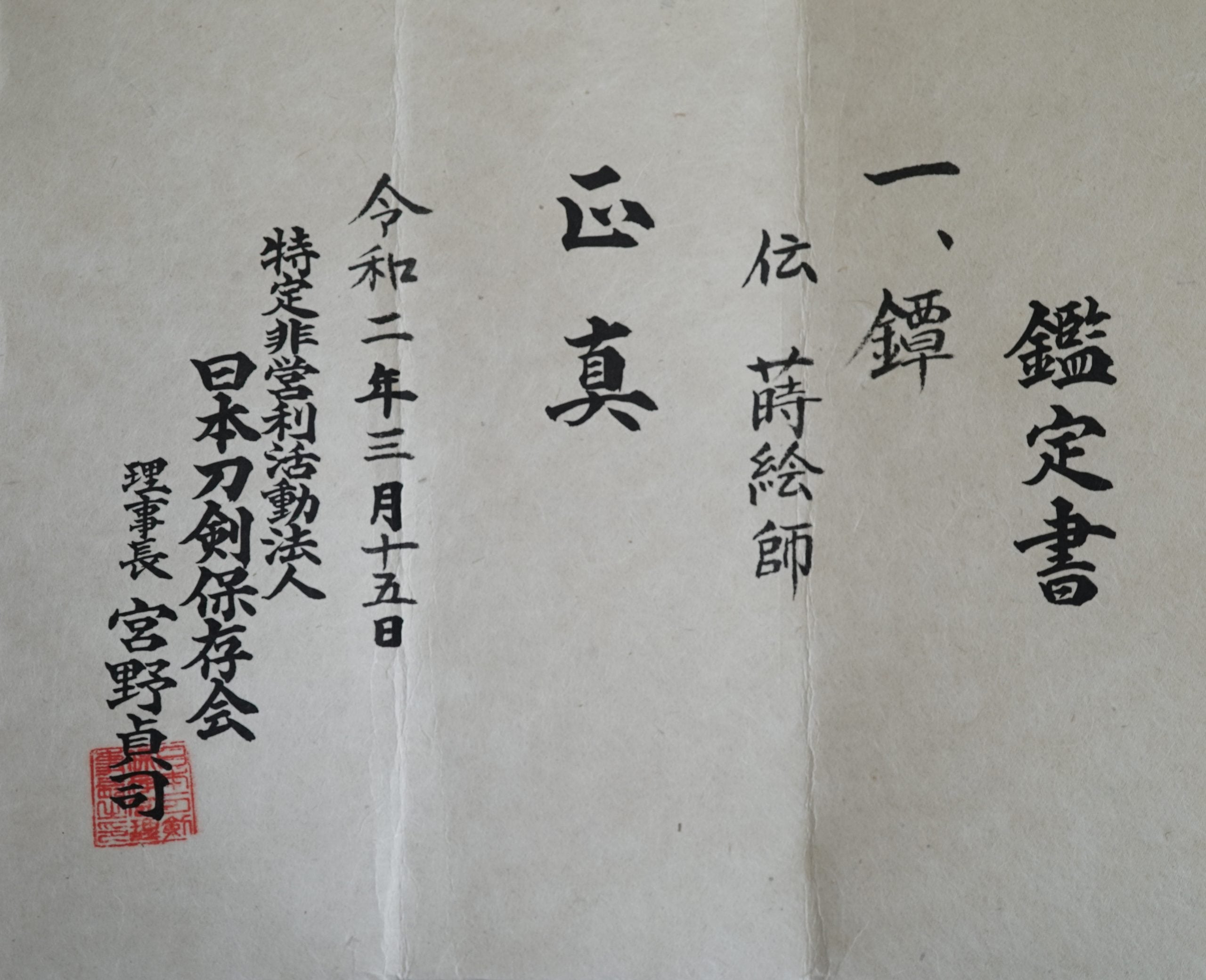
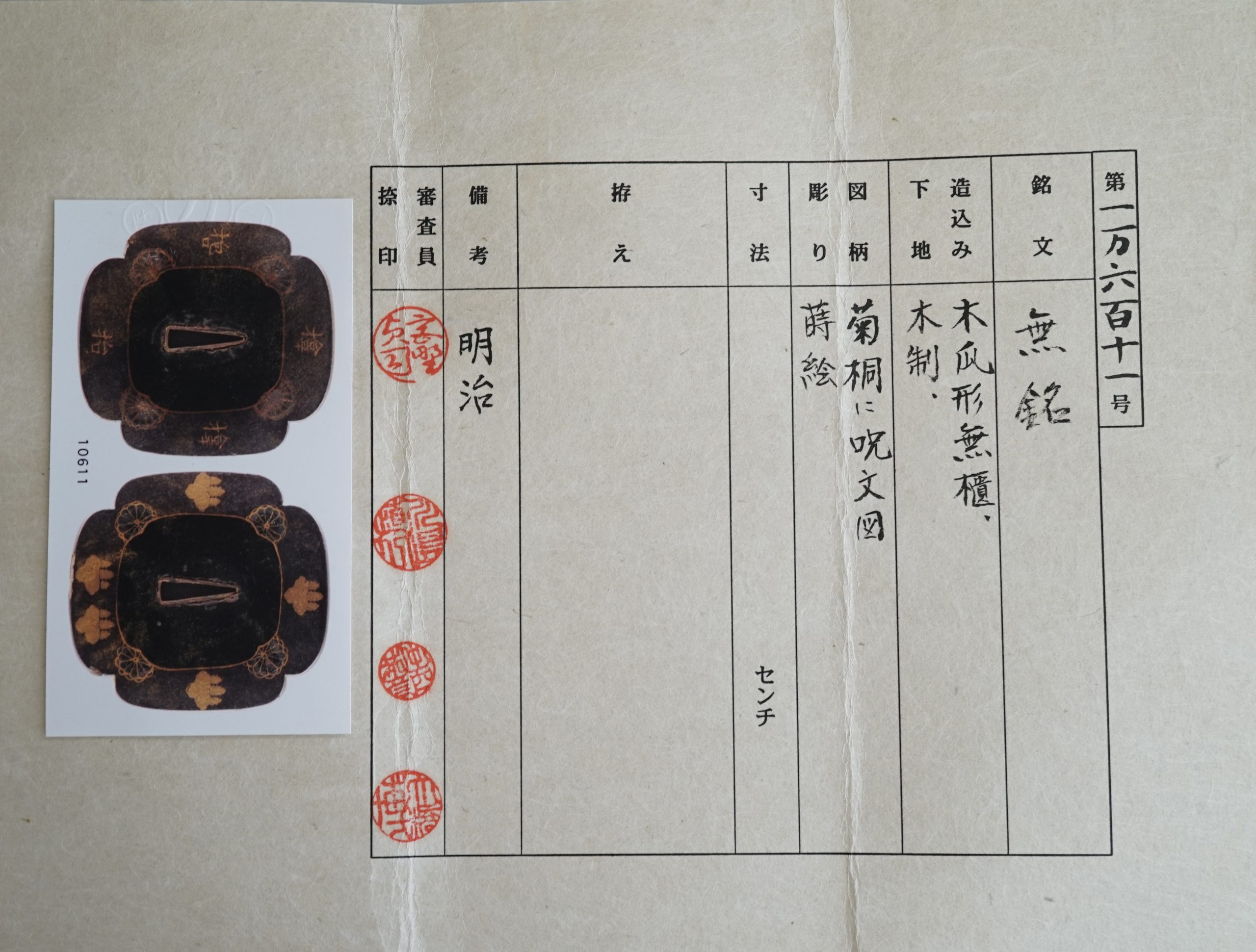
NTHK(日本刀剣保存会)鑑定
鑑定書Kanteishō
›

NTHKの中心的な鑑定書で、相応の出来を備えた作に発行されます。在銘作は銘の正真を、無銘作は審査員による刀工・流派の極めを示します。点数を記す詳細な審査表が付されます。

NTHKについて›

NTHK(日本刀剣保存会)は、NBTHK(1948年設立)に先立つ1910年に創立された、日本で最も古い刀剣鑑定団体です。長く会を率いた会長の没後、NTHKとNTHK-NPOの二つに分かれ、いずれも審査を続けています。NTHKの鑑定書は、点数と審査員の所見を併記する詳細な審査表が特徴で、特に無銘作の極めに定評があります。

販売店
サ
サムライミュージアム
🇯🇵日本から発送
›
✓認証販売店samuraimuseum.jp
✓海外発送可✓英語対応PayPalクレジットカード
返品ポリシー

Returns/exchanges limited to defects caused by shipping (except willful misconduct or gross negligence by the company); customers must contact within 72 hours of receiving the product.

サムライミュージアムの出品一覧を見る→販売店サイトでこの商品を見る→

氏房の他の作

すべて見る →
Onihonto
特別保存
Katana - Tokuho - 作 氏房 - 飛騨守氏房 刀Katana - Tokuho - 作 氏房 - 飛騨守氏房 刀

刀

作氏房
68cm·慶長
¥24,000
刀剣杉田
重要
Katana - Jūyō - 作 氏房 - 若狭守氏房作 元亀二年八月日 (美濃)(東山道)Katana - Jūyō - 作 氏房 - 若狭守氏房作 元亀二年八月日 (美濃)(東山道)

刀

作氏房
71cm·天正
¥7,800,000
銀座長州屋
Katana - 作 氏房 - 銘 飛騨守藤原氏房 (業物)Katana - 作 氏房 - 銘 飛騨守藤原氏房 (業物)

刀

作氏房
天正
お問い合わせ
刀剣徳川
保存
Katana - Hozon - 作 氏房 - 刀 銘 若狭守氏房Katana - Hozon - 作 氏房 - 刀 銘 若狭守氏房

刀

作氏房
65.1cm·文亀
お問い合わせ

氏房の売約済み

すべて見る →
永楽堂
特別保存
Tanto - Tokuho - 作 氏房 - 氏房 短刀 特別保存刀剣Tanto - Tokuho - 作 氏房 - 氏房 短刀 特別保存刀剣
売切れ

短刀

作氏房
28.9cm·室町
売却済
銀座長州屋
Wakizashi - 作 氏房 - 平造脇差 銘 若狭守氏房(業物)Wakizashi - 作 氏房 - 平造脇差 銘 若狭守氏房(業物)
売切れ

脇差

作氏房
文亀
売却済
刀剣杉田
特別保存
Wakizashi - Tokuho - 作 氏房 - 藤原氏房(若狭守) (美濃)(東山道)Wakizashi - Tokuho - 作 氏房 - 藤原氏房(若狭守) (美濃)(東山道)
売切れ

脇差

作氏房
新刀
売却済
サムライミュージアム
特別保存
Katana - Tokuho - 作 氏房 - 日本刀 刀 銘 氏房(NBTHK 特別保存刀剣鑑定書)Katana - Tokuho - 作 氏房 - 日本刀 刀 銘 氏房(NBTHK 特別保存刀剣鑑定書)
売切れ

刀

作氏房
72.2cm·桃山
売却済
葵美術
Katana - 作 氏房 - 無題Katana - 作 氏房 - 無題
売切れ

刀

作氏房
70cm·室町
売却済
葵美術
特別保存
Wakizashi - Tokuho - 作 氏房 - 脇差:飛騨守藤原氏房(日本美術刀剣保存協会 特別保存刀剣)Wakizashi - Tokuho - 作 氏房 - 脇差:飛騨守藤原氏房(日本美術刀剣保存協会 特別保存刀剣)
売切れ

脇差

作氏房
53.4cm·新刀
売却済
山大屋
特別貴重
Katana - Tokubetsu Kichō - 作 氏房 - 特別貴重刀剣 無銘(氏房)Katana - Tokubetsu Kichō - 作 氏房 - 特別貴重刀剣 無銘(氏房)
売切れ

刀

作氏房
66cm·室町
売却済
葵美術
Katana - 作 氏房 - 無題Katana - 作 氏房 - 無題
売切れ

刀

作氏房
70.7cm·室町
売却済

関派の作

すべて見る →
刀剣杉田
特別保存
Wakizashi - Tokuho - 作 兼元 - 兼元(美濃)(東山道) (二代孫六)Wakizashi - Tokuho - 作 兼元 - 兼元(美濃)(東山道) (二代孫六)

脇差

作兼元
38cm·室町
¥3,200,000
銀座長州屋
特別保存
Katana - Tokuho - 作 氏房 - 刀:銘 飛騨守藤原氏房(割物)Katana - Tokuho - 作 氏房 - 刀:銘 飛騨守藤原氏房(割物)

刀

作氏房
71.66cm·新刀
お問い合わせ
美術刀剣松本
保存
Tanto - Hozon - 作 兼道 - 商品番号 TAN-0385Tanto - Hozon - 作 兼道 - 商品番号 TAN-0385

短刀

作兼道
28.5cm·室町
¥800,000
銀座誠友堂
保存
Tanto - Hozon - 作 関派 - 短刀[氏房][日本美術刀剣保存協会]保存刀剣Tanto - Hozon - 作 関派 - 短刀[氏房][日本美術刀剣保存協会]保存刀剣

短刀

作関派
27.4cm·桃山
¥1,300,000
サムライミュージアム
保存
Katana - Hozon - 作 兼延 - 日本刀 刀 無銘 志賀関兼信(保存刀剣鑑定書付)Katana - Hozon - 作 兼延 - 日本刀 刀 無銘 志賀関兼信(保存刀剣鑑定書付)

刀

作兼延
62.4cm·明応
¥680,000
銀座長州屋
保存
Yari - Hozon - 作 兼房 - 両鎬直槍 銘 兼房Yari - Hozon - 作 兼房 - 両鎬直槍 銘 兼房

槍

作兼房
34.4cm·室町
お問い合わせ
刀心
特別保存
Wakizashi - Tokuho - 作 兼房 - 兼房 3-916Wakizashi - Tokuho - 作 兼房 - 兼房 3-916

脇差

作兼房
31cm·室町
¥3,300,000
永楽堂
特別保存
Katana - Tokuho - 作 兼定 - 和泉守兼定 刀 特別保存刀剣Katana - Tokuho - 作 兼定 - 和泉守兼定 刀 特別保存刀剣

刀

作兼定
67.1cm·室町
¥5,000,000

美濃の伝統

すべて見る →
和敬堂
特別保存
Katana - Tokuho - 作 直江志津派 - 刀 無銘 直江志津Katana - Tokuho - 作 直江志津派 - 刀 無銘 直江志津

刀

作直江志津派
63.4cm·南北朝
¥1,500,000
銀座長州屋
特別保存
Katana - Tokuho - 作 直江志津派 - 大磨上無銘 伝直江志津Katana - Tokuho - 作 直江志津派 - 大磨上無銘 伝直江志津

刀

作直江志津派
69.39cm·南北朝
お問い合わせ
宝刀堂
特別保存
Naginata - Tokuho - 作 安芸輝広派 - 播磨守藤原輝広 薙刀Naginata - Tokuho - 作 安芸輝広派 - 播磨守藤原輝広 薙刀

薙刀

作安芸輝広派
50cm·1596-1644
¥850,000
刀剣徳川
特別保存
Katana - Tokuho - 作 直江志津派 - 刀 無銘 直江志津伝Katana - Tokuho - 作 直江志津派 - 刀 無銘 直江志津伝

刀

作直江志津派
63.7cm·南北朝
¥1,350,000
葵美術
特別保存
Katana - Tokuho - 作 直江志津派 - 刀:無銘(直江志津)(日本美術刀剣保存協会 特別保存刀剣)Katana - Tokuho - 作 直江志津派 - 刀:無銘(直江志津)(日本美術刀剣保存協会 特別保存刀剣)

刀

作直江志津派
72.3cm·南北朝
¥2,200,000
葵美術
重要
Katana - Jūyō - 作 大和志津派 - 刀:無銘(大和志津)(第16回重要刀剣)Katana - Jūyō - 作 大和志津派 - 刀:無銘(大和志津)(第16回重要刀剣)

刀

作大和志津派
68cm·南北朝
¥2,700,000
矢澤商会
特別保存
Katana - Tokuho - 作 兼吉 - k23111621 兼吉(善定派祖)南北朝時代~室町初期(応永頃)刃渡62.0cm 反り1.1 白鞘・拵付 手掻包吉同人または子と知られるKatana - Tokuho - 作 兼吉 - k23111621 兼吉(善定派祖)南北朝時代~室町初期(応永頃)刃渡62.0cm 反り1.1 白鞘・拵付 手掻包吉同人または子と知られる

刀

作兼吉
62cm·明徳
¥1,250,000
サムライミュージアム
保存
Katana - Hozon - 作 家次 - 日本刀 加州家次 銘 刀 (特別保存刀剣・特別保存刀装具鑑定書付)Katana - Hozon - 作 家次 - 日本刀 加州家次 銘 刀 (特別保存刀剣・特別保存刀装具鑑定書付)

刀

作家次
74.7cm·室町
¥950,000

刀剣

  • 刀
  • 脇差
  • 短刀
  • 太刀
  • 薙刀
  • 槍
  • 日本刀の販売
  • サムライソード

刀装具

  • 鍔
  • 縁頭
  • 小柄
  • 目貫
  • 鍔(ソードガード)

甲冑武具

  • 兜
  • 甲冑
  • 甲冑・武具一覧

鑑定別

  • 特重
  • 重要
  • 特別保存
  • 保存

リソース

  • 刀剣商一覧
  • 刀工一覧
  • 誌上鑑定
  • すべて見る
Nihontowatch© 2026
利用規約プライバシーCookie運営者情報
売切れ

説明

Antique Japanese Sword Katana Unsigned Ujifusa with NTHK Certificate(Blade,Tsuba& Koshirae) 【Description】 Wakasanokami Ujifusa(若狭守氏房) was born in 1534 as the third son of Seki Kanefusa, a swordsmith in Mino province(today’s Gifu prefecture). Ujifusa first inscribed his signature as Kanefusa. In 1570, he was invited by a famous feudal lord, Imagawa Ujizane, and started to forge swords for the Imagawa clan. He got his maker’s name Uuji from Ujizane, receiving the title of Wakasanokami at the same time. After Oda Nobunaga destroyed the Imagawa clan, he worked for Oda Nobunaga . He moved to a few places forging swords, and he also worked for Nobutaka(a Nobunaga’s son) in Owari Kiyosu(today’s Aichi prefecture). He lived through Sengoku Jidai(warring state period in Samurai history)and died at the age of 57. Oda Nobunaga is one of the most famous Samurai in Japan. He is known as one of the three unifiers of Japan during the warring state period. He is famous for his violent temper or nickname “Owari no Utsuke,” meaning, bonehead of Owari (Aichi Pref.) He was born in Owari in 1534 and succeeded as head of the family at the age of 18 because of his father’s sudden death. He was always at the forefront of the battle, although he was the general and extended his power. Nobunaga enjoyed interacting with ordinary citizens without distinction of ranks. That was one of the reasons why people made a fool of him as a blockhead. One day, Nobunaga encountered a street homeless and asked people in that village to help this homeless to get food, clothing, and shelter. He was very kind and considerate of the socially disadvantaged while Nobunaga was also known as being strict to his vassals. Nobunaga promoted reforms of military affairs actively. He hired soldiers who were engaged in battles and tried to make professional corps. Off course it costs a lot, but carried it out by receiving more and more revenue from tax. As he maintained highways, the distribution in his area became active. Also, he worked on Nanban trade (Japan’s trade with European countries) and received good income. We can say that he was a clear-headed person. However, he was defeated by one of his vassals, Mitsuhide Akechi and passed away at the age of 49. He couldn’t fulfill his goal. This blade was forged by Oda Nobunaga’s swordsmith. It would be amazing to own a piece that is closely related to one of the most famous feudal lord. 【Blade】 Cutting Edge Length(Nagasa) : 70.5 cm(27.8 inches) Curvature(Sori) : 2.1 cm(0.8 inches) Hamon : The blade pattern created by the tempering proces. Notare Midare pattern Jimon : Visible surface pattern on the steel . Koitame Nakago : Nakago is the hilt of the Japanese sword. This blade was shortened a few times in the past. And the signature part was cut due to this adjustment, which is called Oh-Suriage. There is the inscription of Fudo MyoFudo Myo-o(不動明王), which is a protective god in Buddhism, particularly Japanese Shingon Buddhism. This god was also known as a god of wars. Samurai believed in the power of this god so they put decorations of this god on either armor or samurai sword. 【Other Details】 Fuchi-Kashira : A pair of matching sword fittings that cover the upper and bottom parts of its sword hilt. It has gold inlay and Lion design on Fuchi. The lion stands at the seashore and looks back, roaring. It might threaten something. Its red tongue shows through its big mouth. It’s believed that the lion pattern will protect us from evil spirits. Kashira is decorated with a tiger which looks back letting its left leg forward. It might watch its prey. Tsuka : Tsuka is the handle of the Japanese sword . This Tsuka has Hishimaki style, which is a kind of Tsukamaki technique. It’s a generic term for the Tsukamaki that strings coil Tsuka making rhombic pattern. Menuki: Menuki is its decoration Tsuchigumo is designed for these Menukis. It rests on its chin on its hands and stays at the cobweb with its legs spread open. It seems like they’re peepi

NihontoWatch MonNihontoWatch
MarketEncyclopediaKantei
刀剣›美濃伝›関›氏房›Antique Japanese Sword Katana Unsigned Ujifusa NTHK Kanteisho Certificate(Blade,Tsuba& Koshirae)
刀
氏房

Antique Japanese Sword Katana Unsigned Ujifusa NTHK Kanteisho Certificate(Blade,Tsuba& Koshirae)

無銘 · 室町 · 長さ 70.5cm · 反り 2.1cm
売却済
氏房 · 室町販売中 4点 →
刀
刀身だけで刀工を見抜けますか? 本日の鑑定 →
氏房 — 1 of 21
氏房 — 2 of 21
氏房 — 3 of 21
氏房 — 4 of 21
氏房 — 5 of 21
氏房 — 6 of 21
氏房 — 7 of 21
氏房 — 8 of 21
氏房 — 9 of 21
氏房 — 10 of 21
氏房 — 11 of 21
氏房 — 12 of 21
氏房 — 13 of 21
氏房 — 14 of 21
氏房 — 15 of 21
氏房 — 16 of 21
氏房 — 17 of 21
氏房 — 18 of 21
氏房 — 19 of 21
氏房 — 20 of 21
氏房 — 21 of 21
1 / 21
1 / 21
氏房 — 1 of 21氏房 — 2 of 21氏房 — 3 of 21氏房 — 4 of 21氏房 — 5 of 21氏房 — 6 of 21氏房 — 7 of 21氏房 — 8 of 21氏房 — 9 of 21氏房 — 10 of 21氏房 — 11 of 21氏房 — 12 of 21氏房 — 13 of 21氏房 — 14 of 21氏房 — 15 of 21氏房 — 16 of 21氏房 — 17 of 21氏房 — 18 of 21氏房 — 19 of 21氏房 — 20 of 21氏房 — 21 of 21
氏房 · 室町販売中 4点 →
刀
刀身だけで刀工を見抜けますか? 本日の鑑定 →
法量・詳細
刀工
氏房
種別
刀
流派
氏房
活動期
1571–1592年頃(天正)
国
美濃
銘
無銘(在銘率 100%)
法量
長さ 70.5cm反り 2.1cm
説明

Antique Japanese Sword Katana Unsigned Ujifusa with NTHK Certificate(Blade,Tsuba& Koshirae) 【Description】 Wakasanokami Ujifusa(若狭守氏房) was born in 1534 as the third son of Seki Kanefusa, a swordsmith in Mino province(today’s Gifu prefecture). Ujifusa first inscribed his signature as Kanefusa. In 1570, he was invited by a famous feudal lord, Imagawa Ujizane, and started to forge swords for the Imagawa clan. He got his maker’s name Uuji from Ujizane, receiving the title of Wakasanokami at the same time. After Oda Nobunaga destroyed the Imagawa clan, he worked for Oda Nobunaga . He moved to a few places forging swords, and he also worked for Nobutaka(a Nobunaga’s son) in Owari Kiyosu(today’s Aichi prefecture). He lived through Sengoku Jidai(warring state period in Samurai history)and died at the age of 57. Oda Nobunaga is one of the most famous Samurai in Japan. He is known as one of the three unifiers of Japan during the warring state period. He is famous for his violent temper or nickname “Owari no Utsuke,” meaning, bonehead of Owari (Aichi Pref.) He was born in Owari in 1534 and succeeded as head of the family at the age of 18 because of his father’s sudden death. He was always at the forefront of the battle, although he was the general and extended his power. Nobunaga enjoyed interacting with ordinary citizens without distinction of ranks. That was one of the reasons why people made a fool of him as a blockhead. One day, Nobunaga encountered a street homeless and asked people in that village to help this homeless to get food, clothing, and shelter. He was very kind and considerate of the socially disadvantaged while Nobunaga was also known as being strict to his vassals. Nobunaga promoted reforms of military affairs actively. He hired soldiers who were engaged in battles and tried to make professional corps. Off course it costs a lot, but carried it out by receiving more and more revenue from tax. As he maintained highways, the distribution in his area became active. Also, he worked on Nanban trade (Japan’s trade with European countries) and received good income. We can say that he was a clear-headed person. However, he was defeated by one of his vassals, Mitsuhide Akechi and passed away at the age of 49. He couldn’t fulfill his goal. This blade was forged by Oda Nobunaga’s swordsmith. It would be amazing to own a piece that is closely related to one of the most famous feudal lord. 【Blade】 Cutting Edge Length(Nagasa) : 70.5 cm(27.8 inches) Curvature(Sori) : 2.1 cm(0.8 inches) Hamon : The blade pattern created by the tempering proces. Notare Midare pattern Jimon : Visible surface pattern on the steel . Koitame Nakago : Nakago is the hilt of the Japanese sword. This blade was shortened a few times in the past. And the signature part was cut due to this adjustment, which is called Oh-Suriage. There is the inscription of Fudo MyoFudo Myo-o(不動明王), which is a protective god in Buddhism, particularly Japanese Shingon Buddhism. This god was also known as a god of wars. Samurai believed in the power of this god so they put decorations of this god on either armor or samurai sword. 【Other Details】 Fuchi-Kashira : A pair of matching sword fittings that cover the upper and bottom parts of its sword hilt. It has gold inlay and Lion design on Fuchi. The lion stands at the seashore and looks back, roaring. It might threaten something. Its red tongue shows through its big mouth. It’s believed that the lion pattern will protect us from evil spirits. Kashira is decorated with a tiger which looks back letting its left leg forward. It might watch its prey. Tsuka : Tsuka is the handle of the Japanese sword . This Tsuka has Hishimaki style, which is a kind of Tsukamaki technique. It’s a generic term for the Tsukamaki that strings coil Tsuka making rhombic pattern. Menuki: Menuki is its decoration Tsuchigumo is designed for these Menukis. It rests on its chin on its hands and stays at the cobweb with its legs spread open. It seems like they’re peepi

作者について

氏房

Seki (late-Mino Sue-Seki; Wakasa no Kami line, son of Kanefusa) · 美濃 · 1571-1592頃

現在4点販売中

›

若狭守氏房は十六世紀後半の元亀・天正年間に美濃の関で鍛刀した工で、説明書は彼を美濃の伝統の最後で最大の一群たる末関を代表する刀工の一人に数える。関兼房の子であり、説明書はその名にまつわる一事を伝える。始めは父の兼房を襲名し、後に氏房と改めたのは、今川氏真から「氏」の一字を賜ったものともいうのである。若狭守の受領は永禄十三年といい、令和に指定されたある刀には今なお「尾州清須住」の居住地銘があって、晩年に関から尾州清須へ移居した記録を留める。この移居は彼自身の作にとどまらぬ意味を持つ。その子が尾張氏房派の祖たる飛騨守氏房、尾張新刀の三祖の一人であり、父は古い美濃の伝統が新たな尾張の作へと移る蝶番に立つ。

その代表作は大らかな刀で、元亀年紀の一口がその典型である。鎬造・庵棟、身幅広く中鋒あるいは大鋒、延びるものや僅かに磨上げたものもあり、説明書はこの体配を、元亀の頃には打刀が太刀に替って長大となり両手で使用されたことの証と読む。この姿にのたれあるいは大互の目を焼き、美濃の尖り刃を交え、足・葉入り、匂口は締り沈みごころから明るきに至り、小沸ついて砂流し・処々飛焼を交える。大らかな乱れに交える尖り刃は平生の刀の美濃の見どころで、彼を関の本流に据える特徴である。説明書はかかる一口を「この刀は氏房の代表作で、豪壮な造込で大どかな刃文を焼き」[[c:1]]と評し、出来がよいとする、説明書が惜しんで用いる静かな賛である。

地鉄も同じ関の性を帯びる。板目は緊まらず肌立ちごころとなり、処々流れて流れ肌となり鎬地は柾に流れ、地沸つき、力強い作には地景も入る。この肌立って流れた地が末関の地であり、彼の沸や飛焼を載せる床である。近年の刀に説明書は元亀・天正の力強い体配に豪快な乱れ刃を読み、匂口明るく沸よくつき、地刃の保存も頗る良いとする。帽子は下の刃に応じて多く乱れ込んで小丸となり、尖りごころに掃きかけるものもあるが、焼が帽子全体へ及んで一枚となるものも少なからずあり、令和指定の一口を説明書は「帽子一枚となり返りを長く焼下げる」[[c:2]]とし、昭和指定の一口を「帽子殆んど一枚風に乱れ込み、先小丸」[[c:3]]と読む。彫物は棒樋を掻通す。これらは工房平均の冷たく整った関物ではなく、伝統のより豪快で奔放な端であり、ゆえに説明書はこの出来のものを稀れとする。

この大らかな刀の手に対し、第二の稀な面が短刀に見える。山城物写しである。天正年紀の平造の短刀がその遺例で、寸に比して身幅やや広く重ね厚く内反りとなり、総体に流れた小板目に指表は殊に柾気つよく、地沸細かにつき、地に白気を帯びたうつりが立つ。刃文は細直刃、匂勝ちに匂口締まりごころとなって小沸つき、帽子は直ぐに静かな小丸、彫物は表に護摩箸、裏に腰樋。この手について説明書は「この期の関物にはよく山城物写しがみられる」[[c:4]]とし、本作を「いかにも品よくまとまっており、氏房中の上々作」[[c:5]]と評する。彫物は造込みに連動し、刀が棒樋を掻通すのに対し、護摩箸や腰樋は平造の短刀に属する。

その一門の中の位置は、借りた比較よりも彼自身の地に即した特徴から取るのがよい。彼は末関の工で、その手は肌立った板目、大らかなのたれ・大互の目に折り込んだ尖り刃、時に錬れた山城物写しの直刃に認められる。明るい乱れと棒樋の刀がその背骨、静かな白け映りの短刀がその風情である。系譜は彼を通って清らかに流れる。父兼房より美濃の体を受け、清須への移居とともにそれを尾張の閾へと運び、子飛騨守氏房がその大らかなのたれを落ち着いた尾張新刀の手に錬り上げ、政常・信高と共に同派の三祖の一人に数えられる。説明書は同名数代続いたことを記し、父はその出自の根である。

氏房はすべて重要刀剣の格に残り、国宝も重要文化財も記録されず、その作は美術館の群よりは数寄者の手の届く側にある。指定の記録は在銘の刀九口と在銘の短刀一口をその指定作に擁し、いずれも極めではなく在銘の作で、元亀・天正の年紀を有するものが幾口かあり、一口は説明書が晩年の尾張期研究の好資料として貴ぶ「尾州清須住」の居住地銘を帯びる。これらの刀に大名の伝来も所蔵機関も記録されず、説明書はその現存作、就中打刀が比較的に少く、これ程までに出来の優れたものは稀れと率直に記す。在銘年紀の大らかな元亀・天正型の若狭守氏房の刀に出会うのは稀なことで、数寄者はこれを折にふれ、忍耐をもって、その最も優れたものを末関の領分の頂で見るに過ぎない。説明書はその佳品を平らかに評し、ある一口を豪壮な造込の代表作とし、ある一口を「室町末期の関物の典型的且つ代表作の一口」[[c:6]]とし、品よき直刃の短刀を上々作とする。

歴史的重要度

氏房の位置づけを、日本刀全体および伝統・時代・時期ごとに示します。各位(随一・屈指・有数・著名)は、NBTHK および文化庁による指定に加え、三作や名物帳などの歴史的栄誉を加味したものです。

随一
随一
屈指
屈指
有数
有数
著名
著名

各項目を選ぶと評価方法が表示されます。

指定の実績
指定9口
重要刀剣
9
氏房の作 4点が現在販売中→
氏房 — 詳細Seki (late-Mino Sue-Seki; Wakasa no Kami line, son of Kanefusa)派

年紀作

在銘年紀作が示す、確実に活動していた年代

活動期間
1571–1575推定期間:1571–1592
指定品9点のうち4点に年紀あり
1560
1570
1580

この作者について学ぶ →

流派について

氏房

美濃伝 · 尾張

現在19点販売中

›

氏房は尾張国に興った一門で、その作は桃山末から江戸初期、いわゆる新古境いの時代に位置づけられる。説示は若狭守氏房・飛騨守氏房を本流の手本として繰り返し挙げ、これに連なる工として、若狭守氏房の次男と伝える越後守氏恒、初代氏房の子と伝える出雲守氏貞らを記す。氏恒は河村平十郎、初銘を氏重とし、元和六年に越後守を受領、明暦二年に尾州名古屋にて歿したと美濃刀大鑑が伝える。氏貞は出雲守を受領し、左近少将あるいは権少将と銘した。一門は美濃を根として尾張に移り、徳川・尾張の地で代々その作風を継いだ。 作風は美濃伝を基調とする。鍛えは板目がつみ、杢や流れ肌を交え、地沸が微塵に厚くつき、地景が細かに入る。刃文は直ぐの焼出しごころを見せたうえ、下半は浅いのたれを基調に小互の目を連れて交え、上半は小のたれに大互の目や尖りごころの互の目を交える。のたれが角がかり、小足・葉が入り、沸がつき、処々荒めの沸を交えてむらづき、金筋・砂流しがかかり、随処に飛焼・棟焼を交えて匂口が幾分沈みごころとなる。帽子は焼深く、三品風に先が尖り、あるいは一枚風となって長く焼き下げ、掃きかける。短刀には平造に草の倶利迦羅や護摩箸に蓮台の彫物を加えるものがあり、師伝をよく踏襲する。大きくのたれた刃に大乱れを焼き、飛焼を交えて皆焼風となる一類もある。見分けは、のたれの角がかりと沸のむらづき、匂口の沈みごころ、そして三品風に先の尖る帽子に求められる。 伝来し指定された作には、越後守氏恒の幅広・大鋒で重ね厚く長寸の豪壮な刀、左近権少将氏貞の天正五年紀を切る彫物入りの短刀、氏貞の皆焼風を示す刀などがある。鑑定の要点は、若狭守及び飛騨守氏房の作柄を髣髴とさせる地刃の総体にあり、肉置き豊かな体配と大模様の刃文が相俟って迫力ある一作風を成す。寡作の工にあっても抜群の出来を示し、長大な姿にして破綻のないところに、この一門の力量がうかがわれる。 詳しく見る →

4名の刀工指定33口
主要刀工
刀工時代指定
氏房1596-161516
氏房1571-15929
氏恒1596-16151
氏貞1558-15927
氏房1624-16440
氏房流派を見る →

歴史的背景

室町時代の美濃

›

戦国の関は一つの産業であった。春日神社を氏神と仰ぐ鍛冶たちが、中部日本の軍勢を武装させた。孫六兼元の三本杉と之定の最上作は、量産の町に第一級の技が息づいていたことの証である。

室町時代の美濃 →

NTHK(日本刀剣保存会)鑑定
鑑定書Kanteishō
›

NTHKの中心的な鑑定書で、相応の出来を備えた作に発行されます。在銘作は銘の正真を、無銘作は審査員による刀工・流派の極めを示します。点数を記す詳細な審査表が付されます。

NTHKについて›

NTHK(日本刀剣保存会)は、NBTHK(1948年設立)に先立つ1910年に創立された、日本で最も古い刀剣鑑定団体です。長く会を率いた会長の没後、NTHKとNTHK-NPOの二つに分かれ、いずれも審査を続けています。NTHKの鑑定書は、点数と審査員の所見を併記する詳細な審査表が特徴で、特に無銘作の極めに定評があります。

販売店
サ
サムライミュージアム
🇯🇵日本から発送
›
✓認証販売店samuraimuseum.jp
✓海外発送可✓英語対応PayPalクレジットカード
返品ポリシー

Returns/exchanges limited to defects caused by shipping (except willful misconduct or gross negligence by the company); customers must contact within 72 hours of receiving the product.
サムライミュージアムの出品一覧を見る→販売店サイトでこの商品を見る→

氏房の他の作

すべて見る →
Onihonto
特別保存
Katana - Tokuho - 作 氏房 - 飛騨守氏房 刀Katana - Tokuho - 作 氏房 - 飛騨守氏房 刀

刀

作氏房
68cm·慶長
¥24,000
刀剣杉田
重要
Katana - Jūyō - 作 氏房 - 若狭守氏房作 元亀二年八月日 (美濃)(東山道)Katana - Jūyō - 作 氏房 - 若狭守氏房作 元亀二年八月日 (美濃)(東山道)

刀

作氏房
71cm·天正
¥7,800,000
銀座長州屋
Katana - 作 氏房 - 銘 飛騨守藤原氏房 (業物)Katana - 作 氏房 - 銘 飛騨守藤原氏房 (業物)

刀

作氏房
天正
お問い合わせ
刀剣徳川
保存
Katana - Hozon - 作 氏房 - 刀 銘 若狭守氏房Katana - Hozon - 作 氏房 - 刀 銘 若狭守氏房

刀

作氏房
65.1cm·文亀
お問い合わせ

氏房の売約済み

すべて見る →
永楽堂
特別保存
Tanto - Tokuho - 作 氏房 - 氏房 短刀 特別保存刀剣Tanto - Tokuho - 作 氏房 - 氏房 短刀 特別保存刀剣
売切れ

短刀

作氏房
28.9cm·室町
売却済
銀座長州屋
Wakizashi - 作 氏房 - 平造脇差 銘 若狭守氏房(業物)Wakizashi - 作 氏房 - 平造脇差 銘 若狭守氏房(業物)
売切れ

脇差

作氏房
文亀
売却済
刀剣杉田
特別保存
Wakizashi - Tokuho - 作 氏房 - 藤原氏房(若狭守) (美濃)(東山道)Wakizashi - Tokuho - 作 氏房 - 藤原氏房(若狭守) (美濃)(東山道)
売切れ

脇差

作氏房
新刀
売却済
サムライミュージアム
特別保存
Katana - Tokuho - 作 氏房 - 日本刀 刀 銘 氏房(NBTHK 特別保存刀剣鑑定書)Katana - Tokuho - 作 氏房 - 日本刀 刀 銘 氏房(NBTHK 特別保存刀剣鑑定書)
売切れ

刀

作氏房
72.2cm·桃山
売却済
葵美術
Katana - 作 氏房 - 無題Katana - 作 氏房 - 無題
売切れ

刀

作氏房
70cm·室町
売却済
葵美術
特別保存
Wakizashi - Tokuho - 作 氏房 - 脇差:飛騨守藤原氏房(日本美術刀剣保存協会 特別保存刀剣)Wakizashi - Tokuho - 作 氏房 - 脇差:飛騨守藤原氏房(日本美術刀剣保存協会 特別保存刀剣)
売切れ

脇差

作氏房
53.4cm·新刀
売却済
山大屋
特別貴重
Katana - Tokubetsu Kichō - 作 氏房 - 特別貴重刀剣 無銘(氏房)Katana - Tokubetsu Kichō - 作 氏房 - 特別貴重刀剣 無銘(氏房)
売切れ

刀

作氏房
66cm·室町
売却済
葵美術
Katana - 作 氏房 - 無題Katana - 作 氏房 - 無題
売切れ

刀

作氏房
70.7cm·室町
売却済

関派の作

すべて見る →
刀剣杉田
特別保存
Wakizashi - Tokuho - 作 兼元 - 兼元(美濃)(東山道) (二代孫六)Wakizashi - Tokuho - 作 兼元 - 兼元(美濃)(東山道) (二代孫六)

脇差

作兼元
38cm·室町
¥3,200,000
銀座長州屋
特別保存
Katana - Tokuho - 作 氏房 - 刀:銘 飛騨守藤原氏房(割物)Katana - Tokuho - 作 氏房 - 刀:銘 飛騨守藤原氏房(割物)

刀

作氏房
71.66cm·新刀
お問い合わせ
美術刀剣松本
保存
Tanto - Hozon - 作 兼道 - 商品番号 TAN-0385Tanto - Hozon - 作 兼道 - 商品番号 TAN-0385

短刀

作兼道
28.5cm·室町
¥800,000
銀座誠友堂
保存
Tanto - Hozon - 作 関派 - 短刀[氏房][日本美術刀剣保存協会]保存刀剣Tanto - Hozon - 作 関派 - 短刀[氏房][日本美術刀剣保存協会]保存刀剣

短刀

作関派
27.4cm·桃山
¥1,300,000
サムライミュージアム
保存
Katana - Hozon - 作 兼延 - 日本刀 刀 無銘 志賀関兼信(保存刀剣鑑定書付)Katana - Hozon - 作 兼延 - 日本刀 刀 無銘 志賀関兼信(保存刀剣鑑定書付)

刀

作兼延
62.4cm·明応
¥680,000
銀座長州屋
保存
Yari - Hozon - 作 兼房 - 両鎬直槍 銘 兼房Yari - Hozon - 作 兼房 - 両鎬直槍 銘 兼房

槍

作兼房
34.4cm·室町
お問い合わせ
刀心
特別保存
Wakizashi - Tokuho - 作 兼房 - 兼房 3-916Wakizashi - Tokuho - 作 兼房 - 兼房 3-916

脇差

作兼房
31cm·室町
¥3,300,000
永楽堂
特別保存
Katana - Tokuho - 作 兼定 - 和泉守兼定 刀 特別保存刀剣Katana - Tokuho - 作 兼定 - 和泉守兼定 刀 特別保存刀剣

刀

作兼定
67.1cm·室町
¥5,000,000

美濃の伝統

すべて見る →
和敬堂
特別保存
Katana - Tokuho - 作 直江志津派 - 刀 無銘 直江志津Katana - Tokuho - 作 直江志津派 - 刀 無銘 直江志津

刀

作直江志津派
63.4cm·南北朝
¥1,500,000
銀座長州屋
特別保存
Katana - Tokuho - 作 直江志津派 - 大磨上無銘 伝直江志津Katana - Tokuho - 作 直江志津派 - 大磨上無銘 伝直江志津

刀

作直江志津派
69.39cm·南北朝
お問い合わせ
宝刀堂
特別保存
Naginata - Tokuho - 作 安芸輝広派 - 播磨守藤原輝広 薙刀Naginata - Tokuho - 作 安芸輝広派 - 播磨守藤原輝広 薙刀

薙刀

作安芸輝広派
50cm·1596-1644
¥850,000
刀剣徳川
特別保存
Katana - Tokuho - 作 直江志津派 - 刀 無銘 直江志津伝Katana - Tokuho - 作 直江志津派 - 刀 無銘 直江志津伝

刀

作直江志津派
63.7cm·南北朝
¥1,350,000
葵美術
特別保存
Katana - Tokuho - 作 直江志津派 - 刀:無銘(直江志津)(日本美術刀剣保存協会 特別保存刀剣)Katana - Tokuho - 作 直江志津派 - 刀:無銘(直江志津)(日本美術刀剣保存協会 特別保存刀剣)

刀

作直江志津派
72.3cm·南北朝
¥2,200,000
葵美術
重要
Katana - Jūyō - 作 大和志津派 - 刀:無銘(大和志津)(第16回重要刀剣)Katana - Jūyō - 作 大和志津派 - 刀:無銘(大和志津)(第16回重要刀剣)

刀

作大和志津派
68cm·南北朝
¥2,700,000
矢澤商会
特別保存
Katana - Tokuho - 作 兼吉 - k23111621 兼吉(善定派祖)南北朝時代~室町初期(応永頃)刃渡62.0cm 反り1.1 白鞘・拵付 手掻包吉同人または子と知られるKatana - Tokuho - 作 兼吉 - k23111621 兼吉(善定派祖)南北朝時代~室町初期(応永頃)刃渡62.0cm 反り1.1 白鞘・拵付 手掻包吉同人または子と知られる

刀

作兼吉
62cm·明徳
¥1,250,000
サムライミュージアム
保存
Katana - Hozon - 作 家次 - 日本刀 加州家次 銘 刀 (特別保存刀剣・特別保存刀装具鑑定書付)Katana - Hozon - 作 家次 - 日本刀 加州家次 銘 刀 (特別保存刀剣・特別保存刀装具鑑定書付)

刀

作家次
74.7cm·室町
¥950,000

刀剣

  • 刀
  • 脇差
  • 短刀
  • 太刀
  • 薙刀
  • 槍
  • 日本刀の販売
  • サムライソード

刀装具

  • 鍔
  • 縁頭
  • 小柄
  • 目貫
  • 鍔(ソードガード)

甲冑武具

  • 兜
  • 甲冑
  • 甲冑・武具一覧

鑑定別

  • 特重
  • 重要
  • 特別保存
  • 保存

リソース

  • 刀剣商一覧
  • 刀工一覧
  • 誌上鑑定
  • すべて見る
Nihontowatch© 2026
利用規約プライバシーCookie運営者情報
売切れ
NihontoWatch MonNihontoWatch
マーケット
事典
鑑定
NihontoWatch MonNihontoWatch
マーケット
事典
鑑定