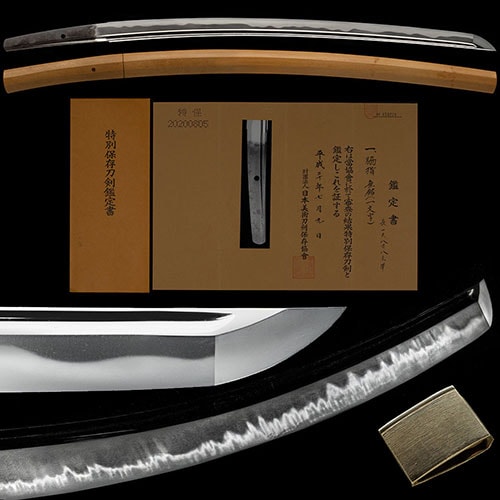
二つの朝廷が争った六十年、刀身は長大化し、長船がその需要に応えた。兼光と長義の工房は実際に戦う国人層の武士に仕え、軍勢とともに相州風が届いて相伝備前が生まれた。
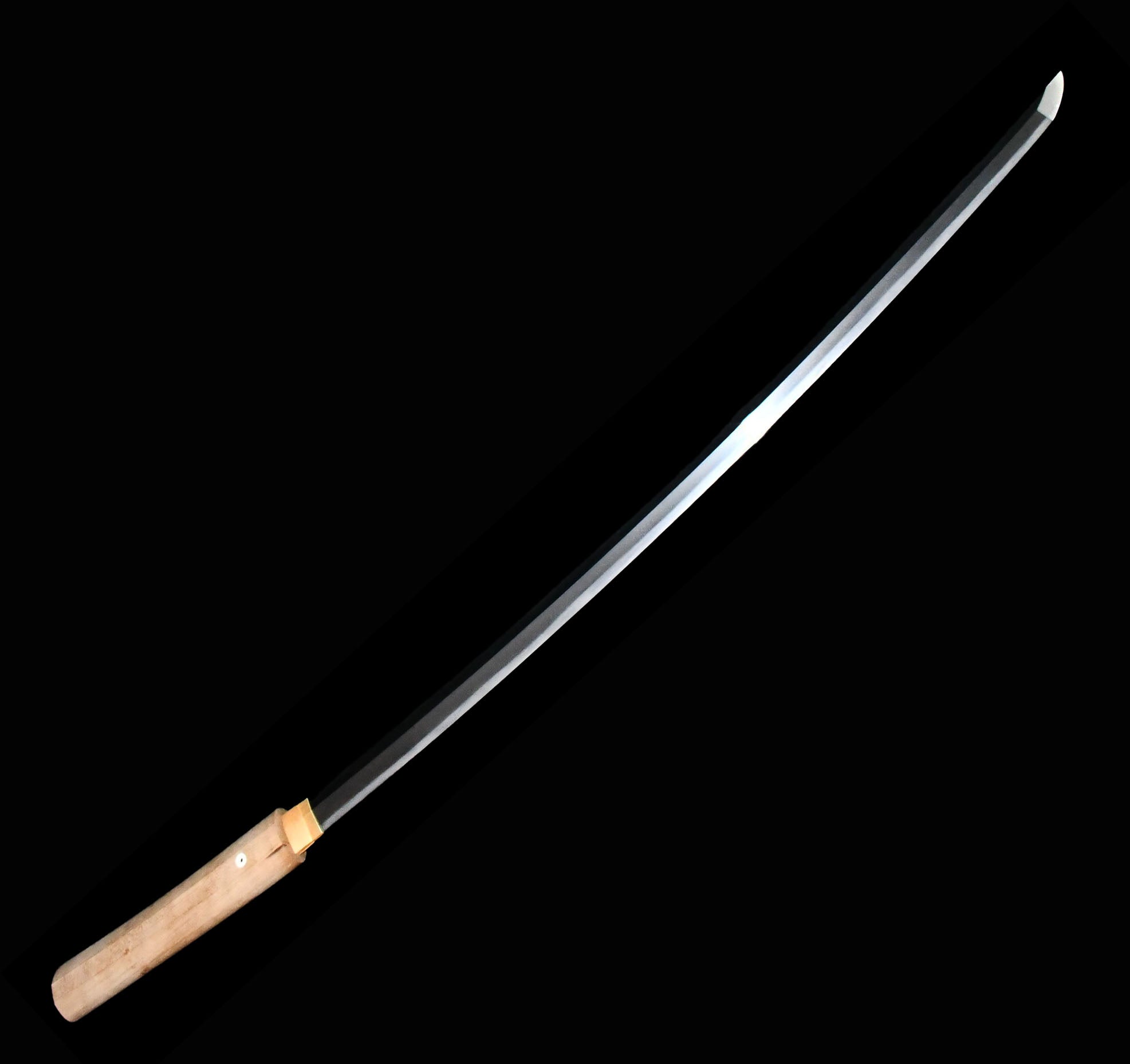
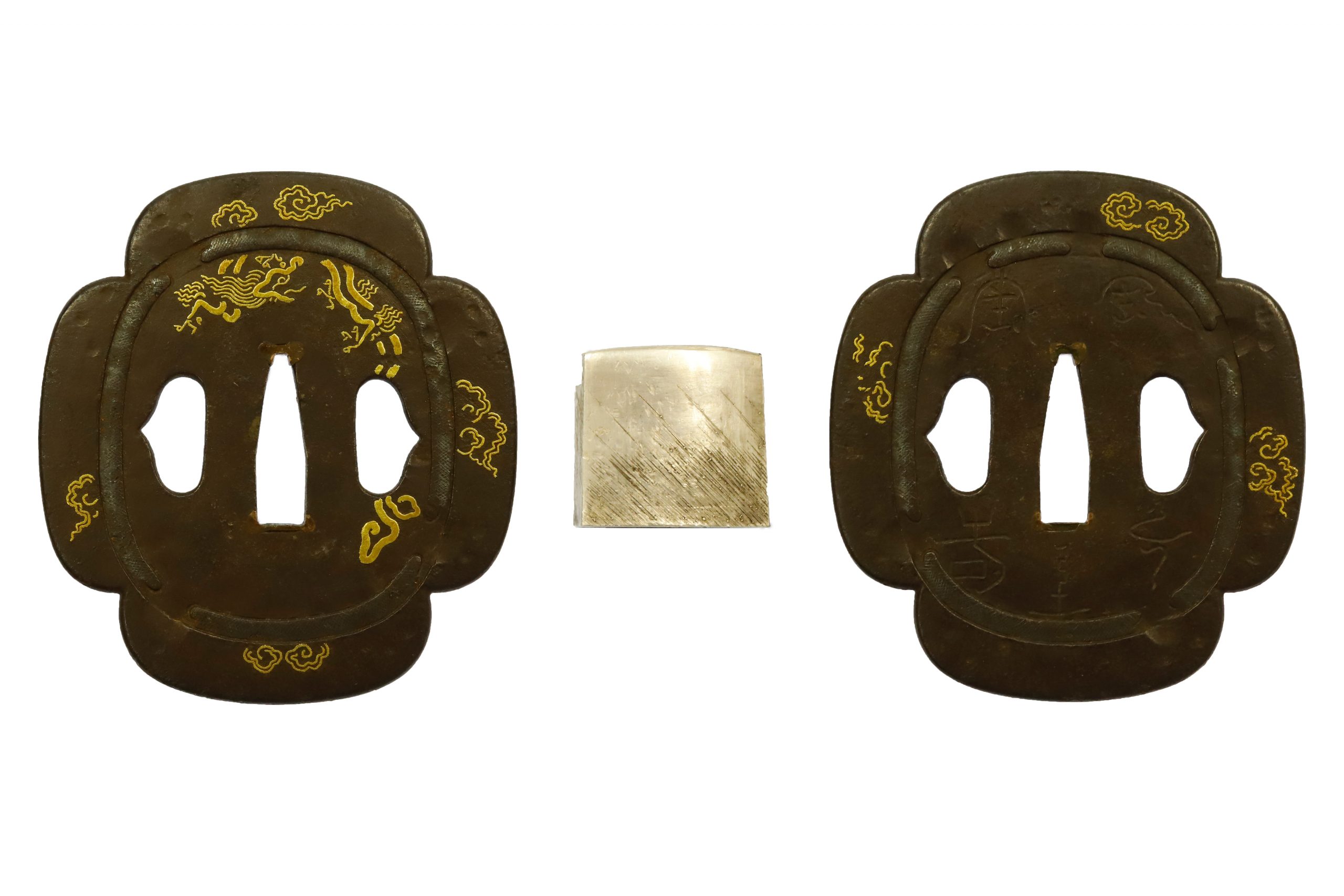
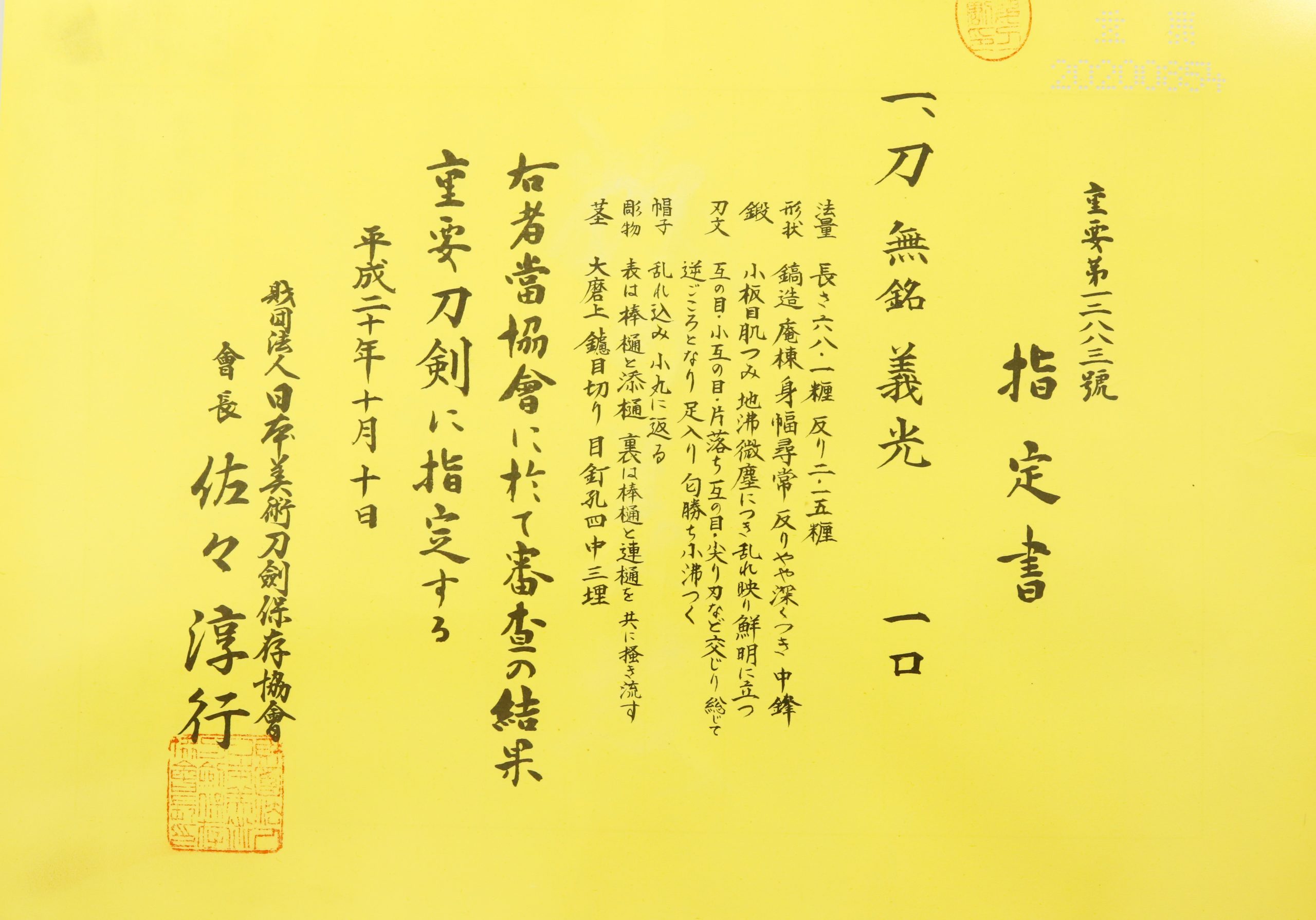
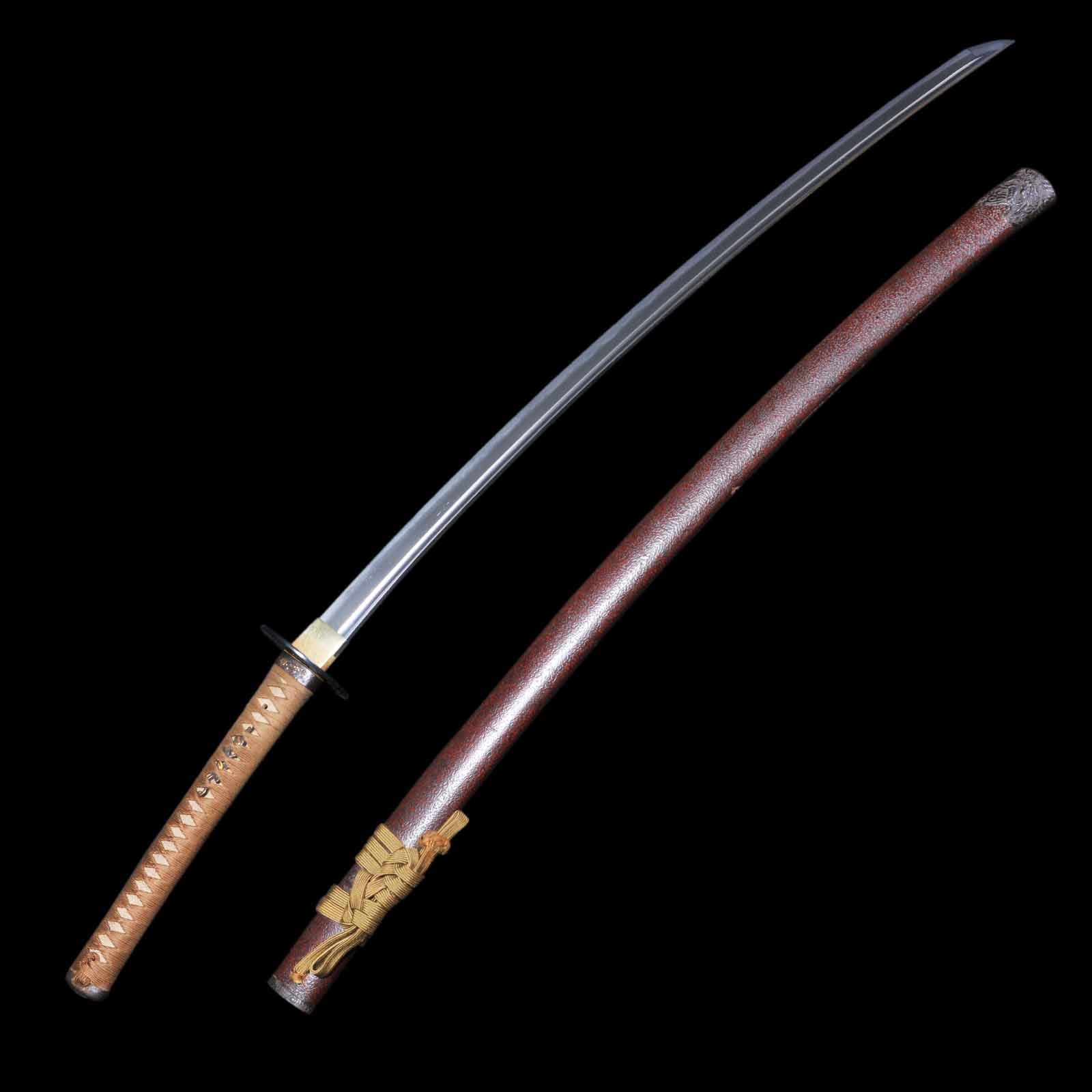
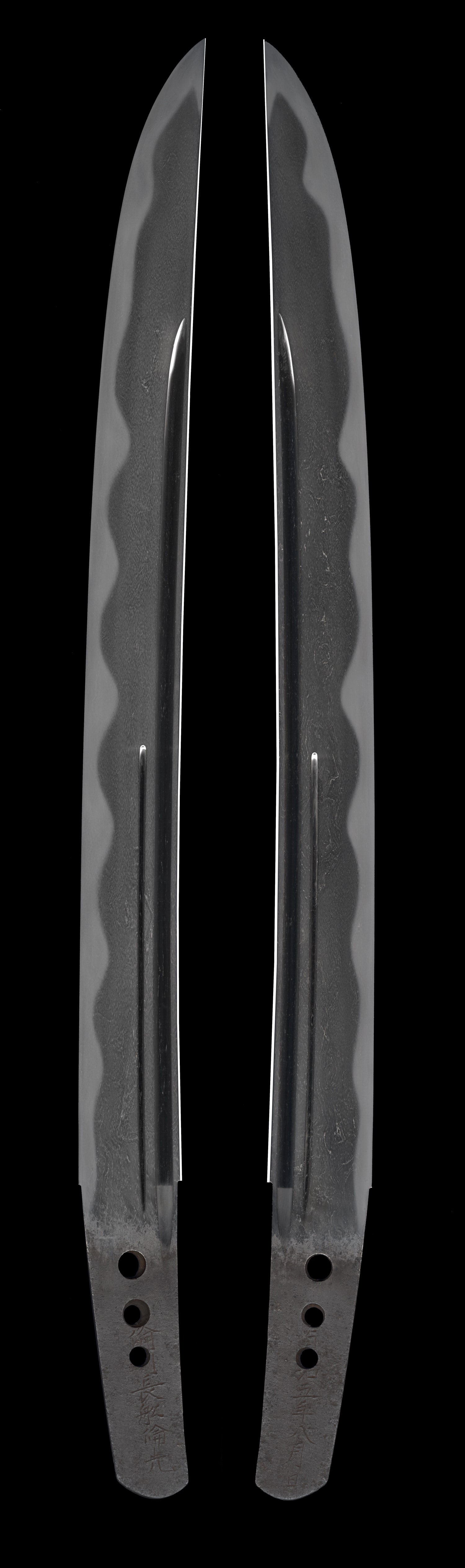
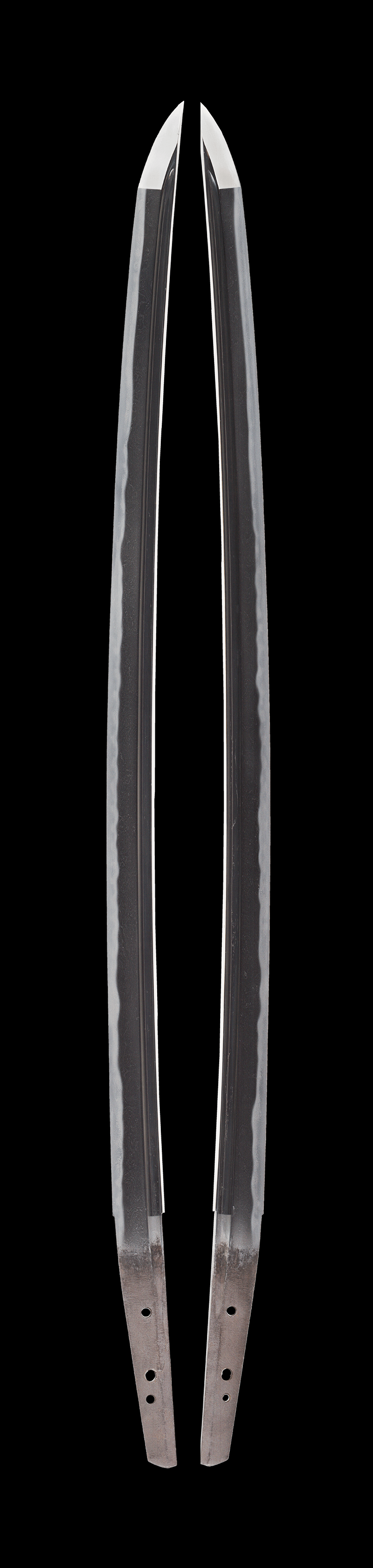
日本刀 刀 伝・長船義光 日本美術刀剣保存協会(NBTHK) 重要刀剣指定品 【解説】 概要 本作は、日本美術刀剣保存協会(NBTHK)により「重要刀剣」に指定された、備前国長船義光の伝銘を持つ名刀です。義光は景光の子であり、兼光の弟と伝えられています。その活躍時期は鎌倉時代末期から南北朝時代中期(1321年〜1368年頃)にわたり、作刀期間が長期に及ぶことから、義光の名は二代にわたって受け継がれたという説もあります。 義光は備前国(現在の岡山県)の長船派に属していました。兄である兼光は、日本刀史上最も著名な刀工の一人である相州正宗の門人であったとされています。正宗は五ヶ伝の一つ「相州伝」の完成者であり、一方で備前国は独自の「備前伝」でその名を馳せていました。 兄の兼光は、相州伝と備前伝を融合させた「相伝備前」という独自の作風を確立したと言われており、義光もまた兼光からこの技術を習得しました。相伝備前の刀剣は当時の武士の間で絶大な人気を誇りました。義光と兼光の活動時期はほぼ重なりますが、義光の初期(鎌倉末期)の作風は父・景光に近く、南北朝時代以降の作には兄・兼光の影響が強く見られます。 父・景光は長船派の三代目当主であり、兄・兼光は四代目にあたります。義光はこの二人の名工から卓越した技術を学びました。景光は「片落ち互の目」と呼ばれる特徴的な刃文を考案したことで知られ、備前屈指の名工として長船派の全盛期を築きました。本作においても、その伝統を継承する互の目、小互の目の刃文が美しく現れています。 備前長船派の歴史 長船派は鎌倉時代中期の光忠を始祖とすると伝えられています。備前国の中でも最大の流派であり、時の権力者や名だたる武将から数多くの注文を受けました。彼らの作は「長船物」と呼ばれ、武士たちに深く愛用されました。 長船派の中でも、長光・真長・景光の三名は「長船三作」として特に名高く、また、長光・兼光・長義・元重の四名は「長船四天王」と称される名工です。 備前国は中国山地に近く、日本刀の主原料である良質な砂鉄が豊富に採れました。さらに、吉井川の流域であったことから水や炭の確保にも恵まれており、この地質的条件が質の高い洗練された刀剣の製作を可能にしました。備前では古来より作刀が盛んであり、平安時代末期には「古備前」と呼ばれる刀工集団によって備前伝の基礎が築かれました。長船派は、この古備前の技術を継承・発展させることで、鎌倉時代中期以降に大きな繁栄を遂げたのです。 本作は、日本美術刀剣保存協会(NBTHK)より「重要刀剣」の指定を受けています。この認定は、保存状態が極めて良好であり、かつ美術的価値が特に高い真作の日本刀に対してのみ与えられるものです。重要刀剣は「特別保存刀剣」の上位ランクに位置し、指定を受けるにはまず特別保存刀剣であることが条件となります。現存する日本刀の中でも重要刀剣に指定されるものは極めて稀であり、愛好家やコレクターの間で非常に高く評価されています。 ※互の目(ぐのめ):碁石を並べたような連続した波状の刃文。
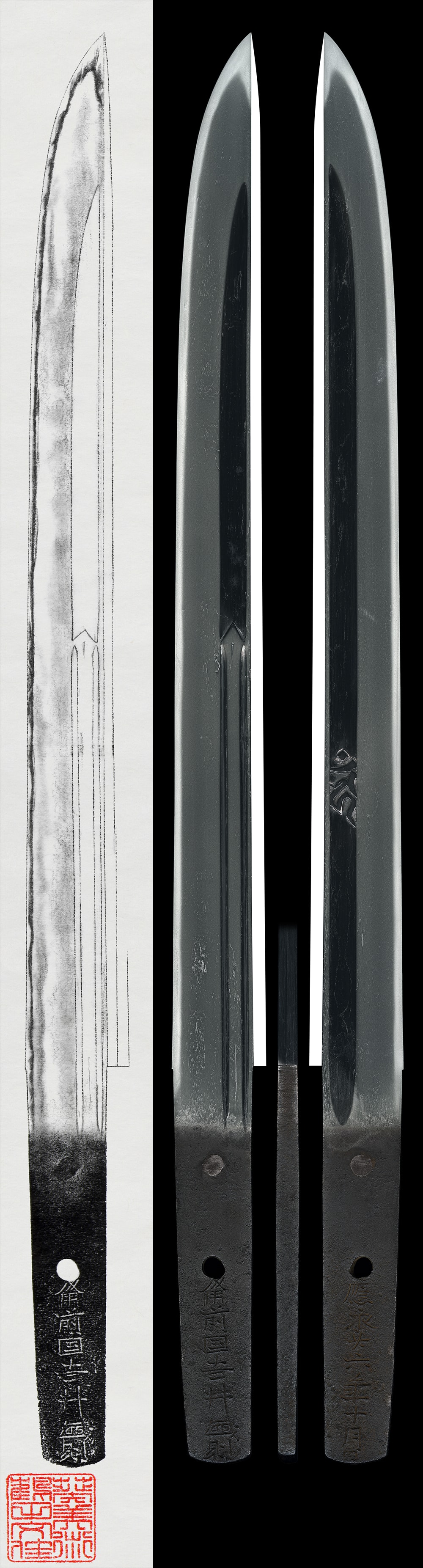
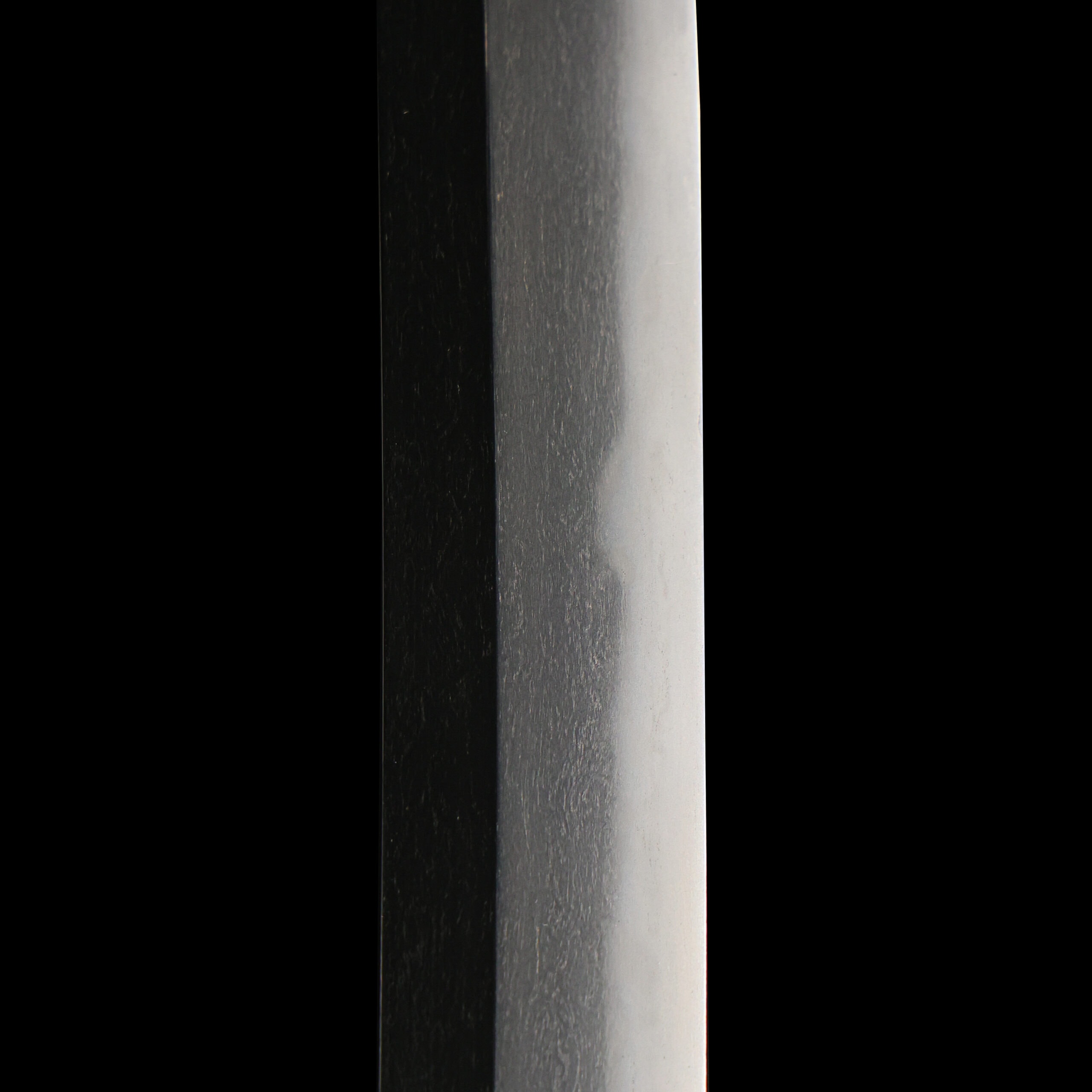
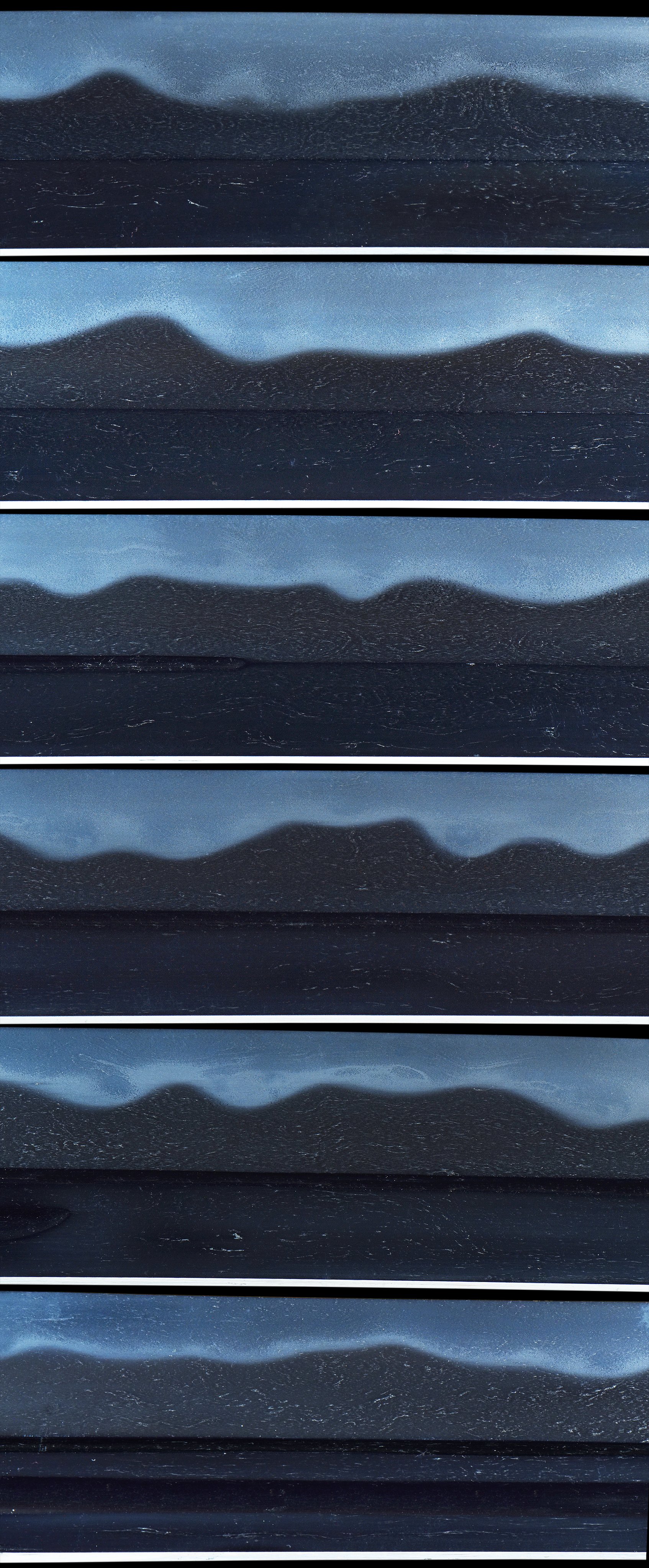
長船義光は通説に景光の子、 兼光の弟といわれている。現存作による上下限の年紀を見るに、鎌倉時代末期の元亨から南北朝期の貞治に亘 り、凡そこの間四十年、兼光とほぼ活躍期を同じくしている。 通常、兼光同様北朝年号を使用するが、興国六年(貞和元年)の短刀など南朝年号 を用いたものも現存している点が注目される。彼の初期の作風は景光風で、南北朝期に入ったものは兼光に類似している。 この刀は、小板目肌がつみ、地沸が微塵に厚くつき、乱れ映りが鮮明に立ち、互の目・小互の目・片落ち風の互の目・尖り刃など交じって総 体に逆ごころがあり、匂勝ちに小沸のついた明るく柔らかな匂口となり、砂流しがかかり、帽子が乱れ込むなどの出来口から景光・兼光周辺に 鑑せられるものである。 姿は鎌倉時代末期から南北朝時代初期の様式を留め、乱れに多種の刃が交じり、やや小模様なところがあるなど、義光 に最も擬せられるものであり、極めは正しく首肯される。鍛えがよく錬れて誠に精美であり、乱れに変化があって刃縁も細かによく働いた同工 極めの優品である。
 NihontoWatch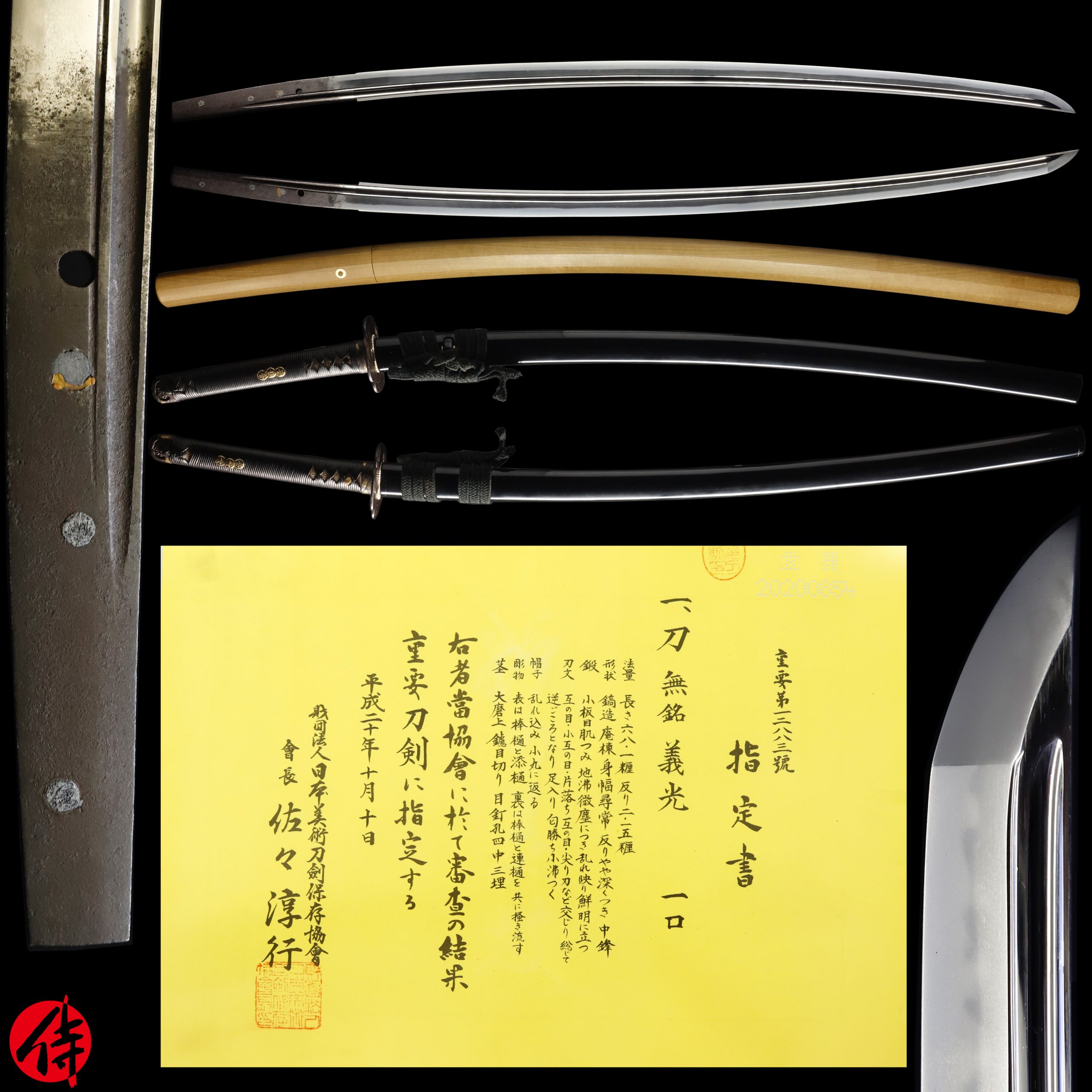
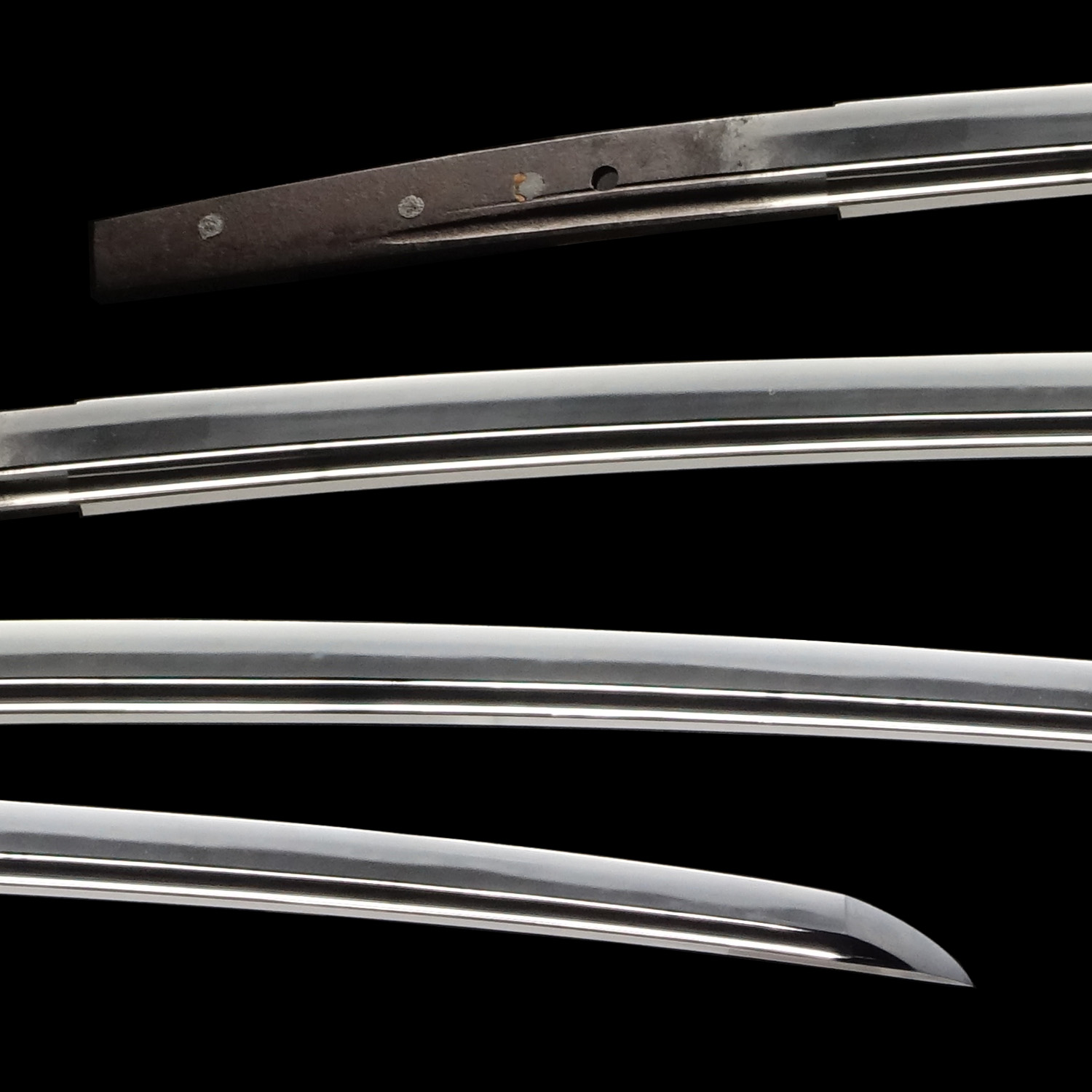
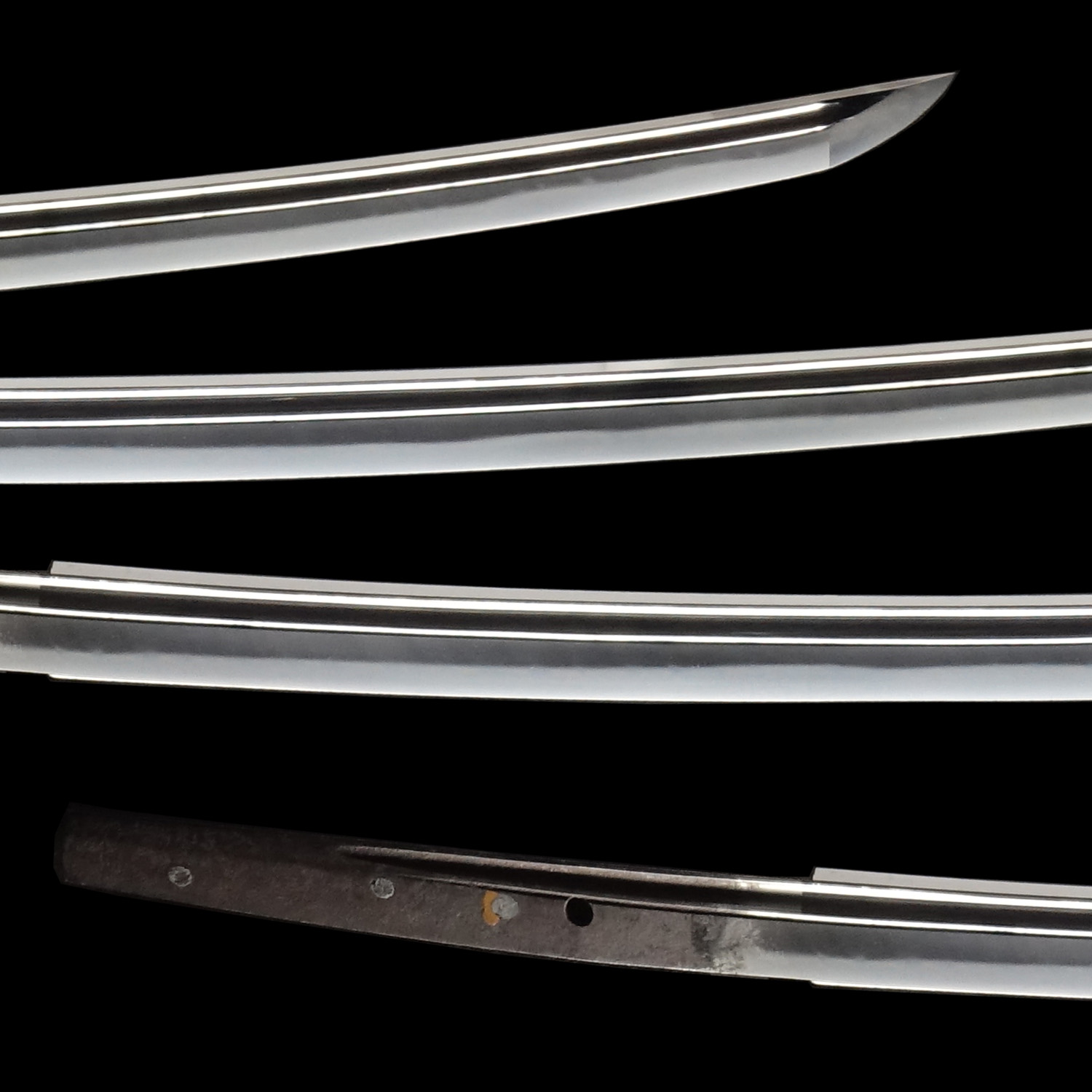
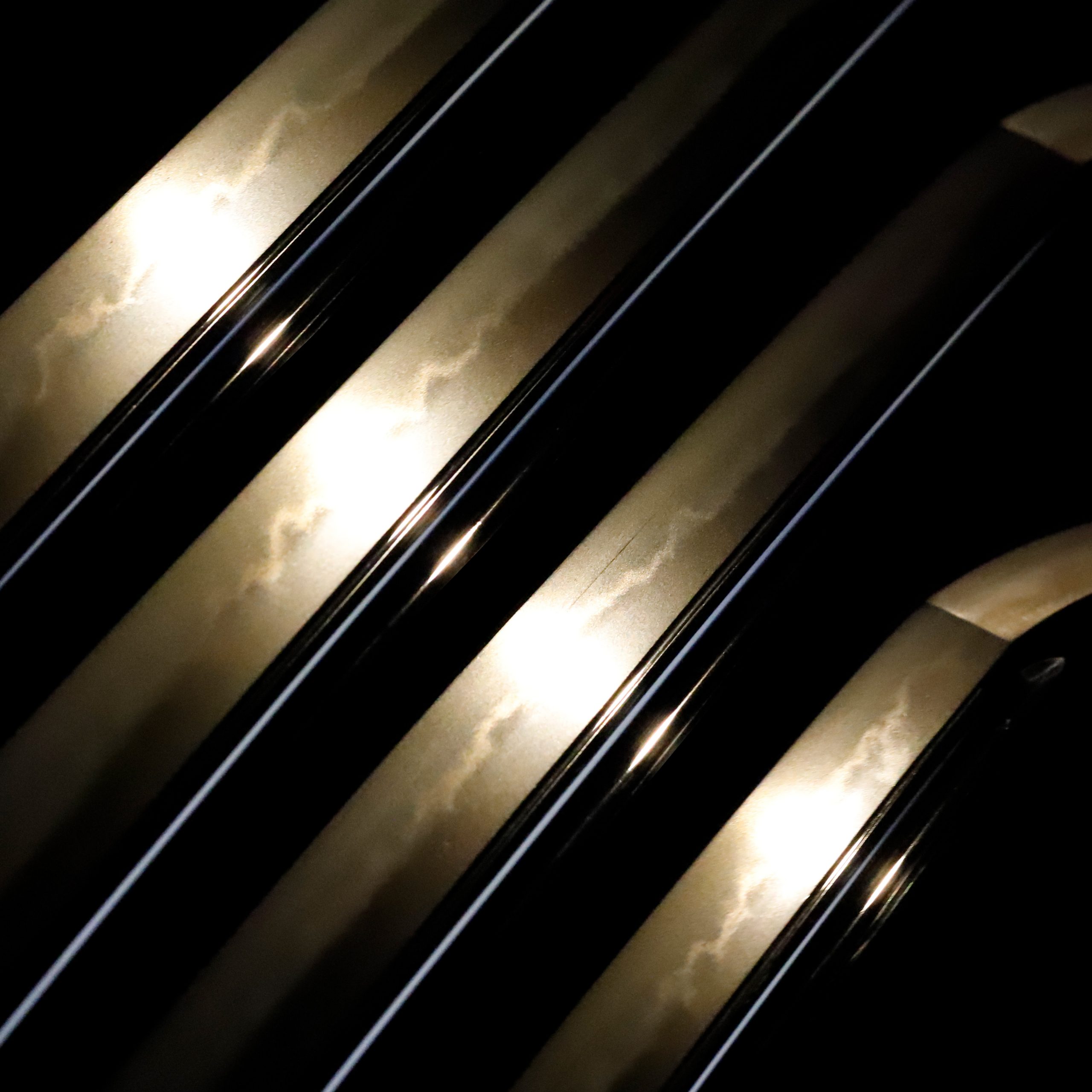
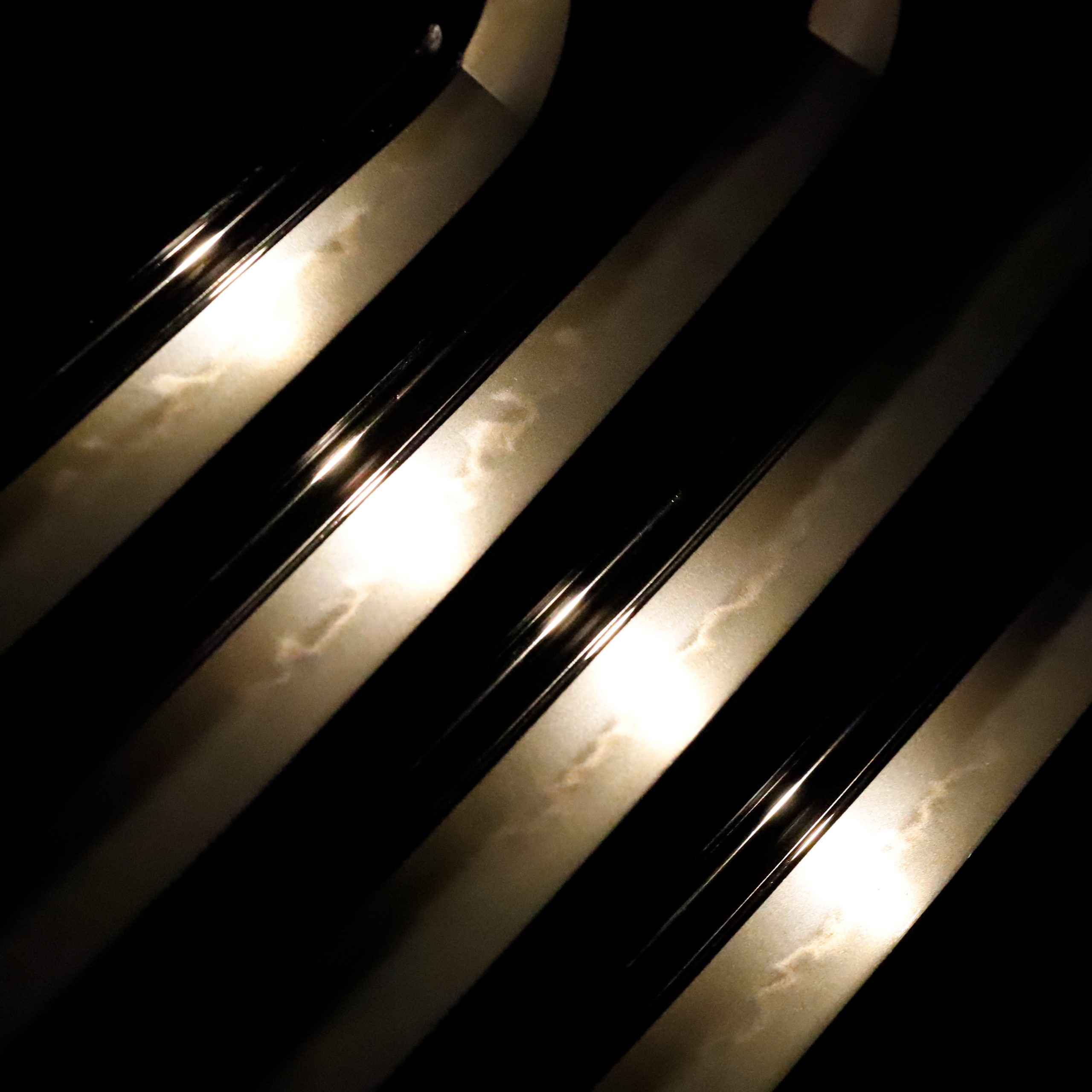
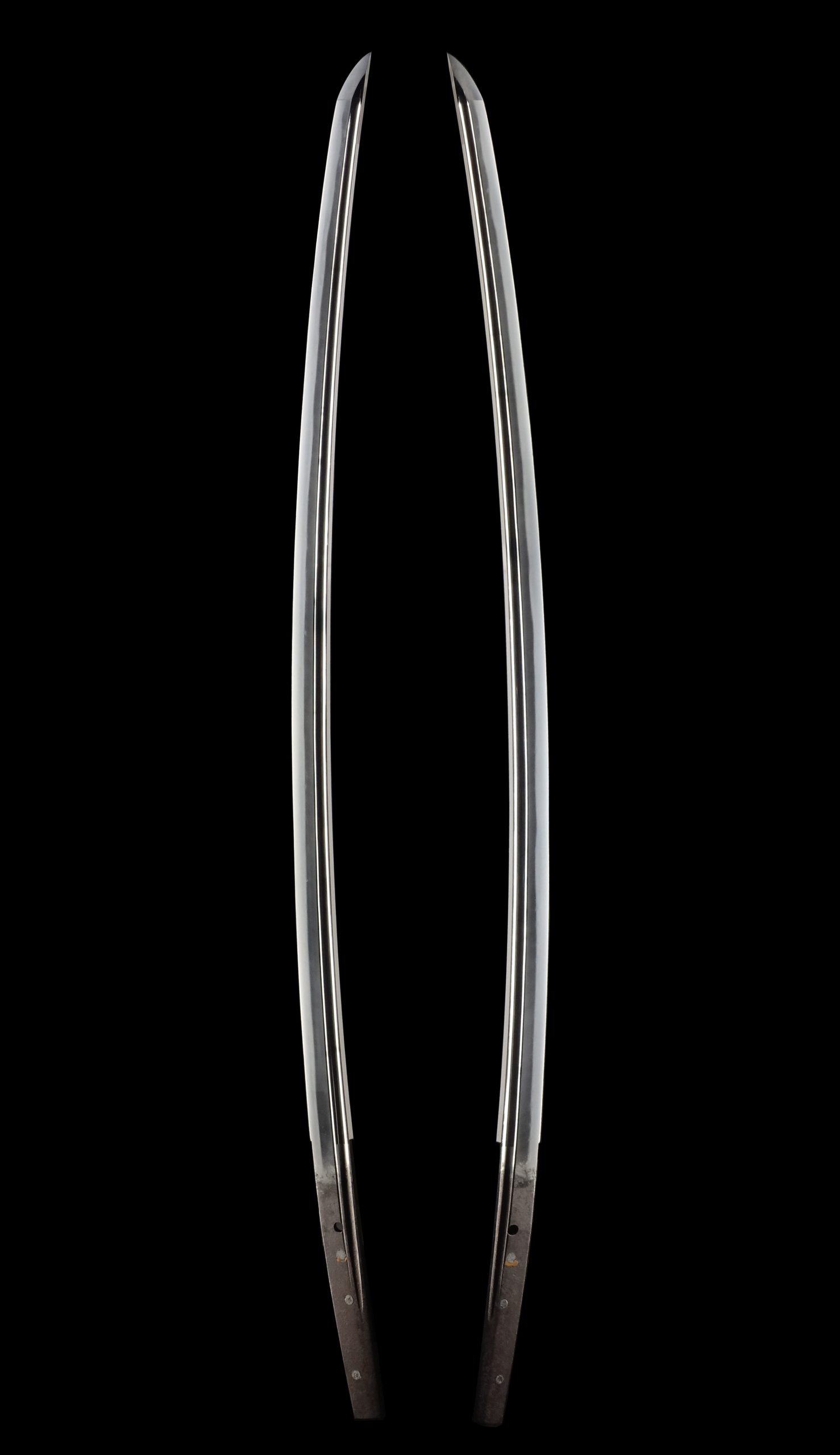
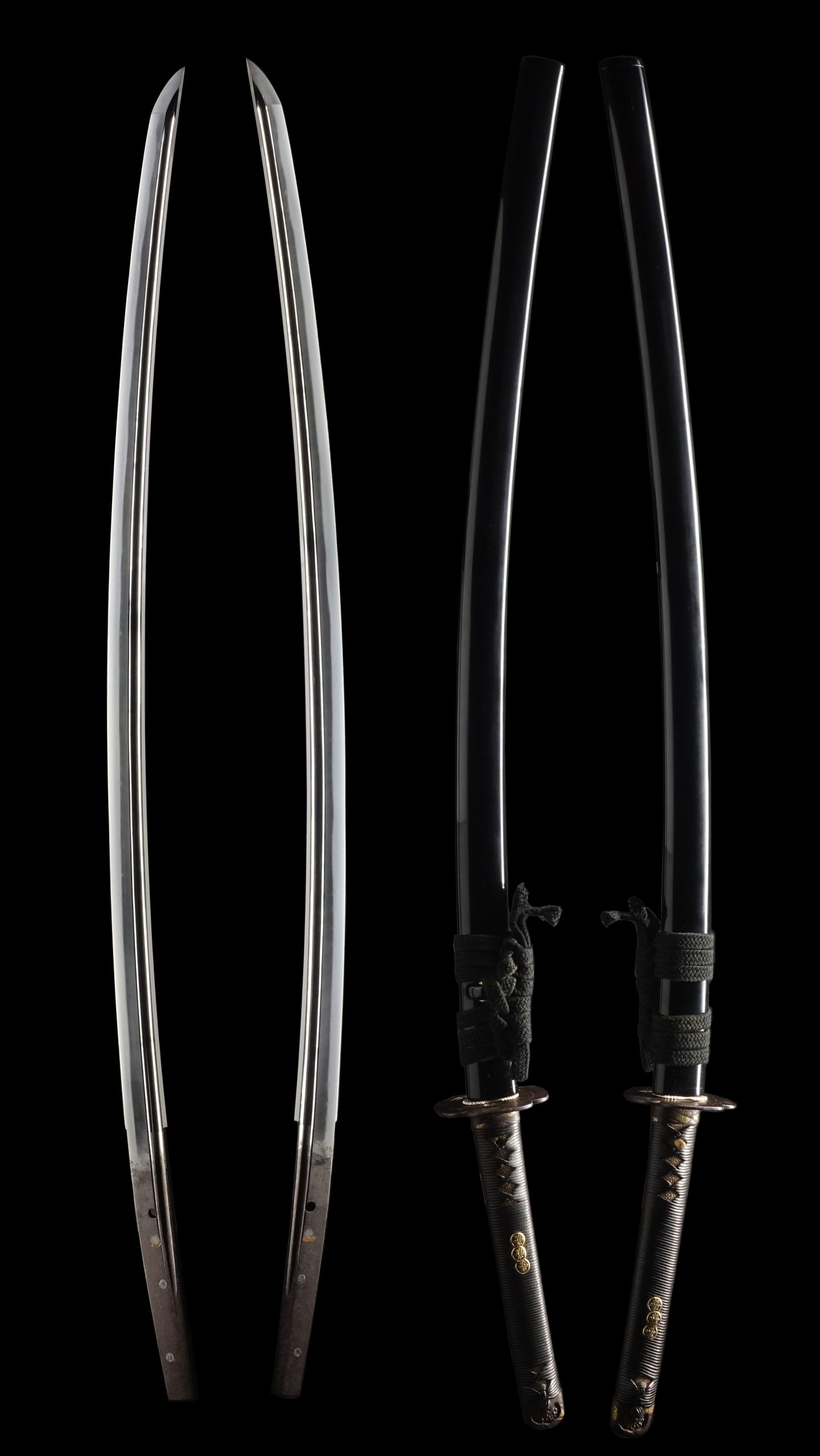
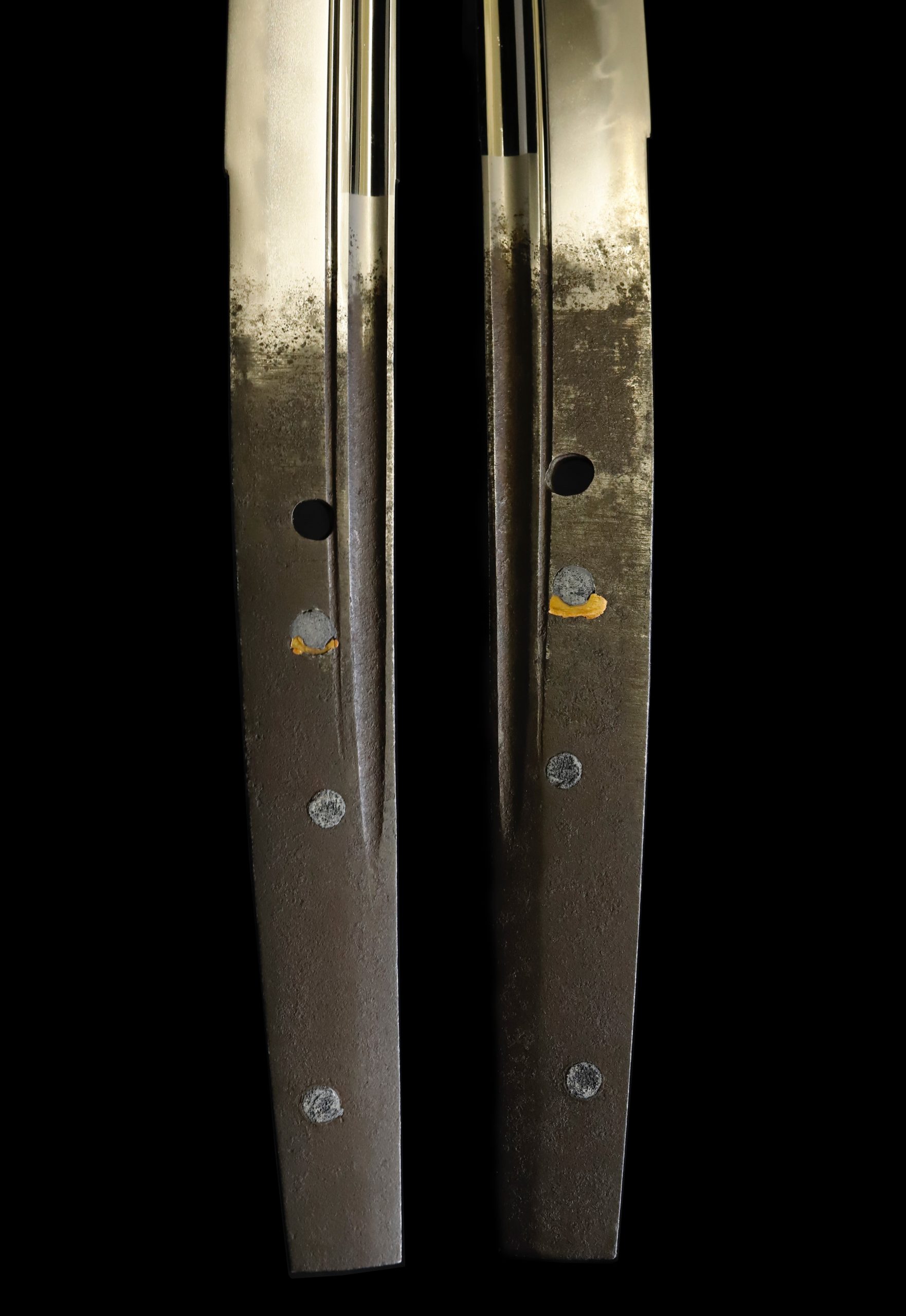
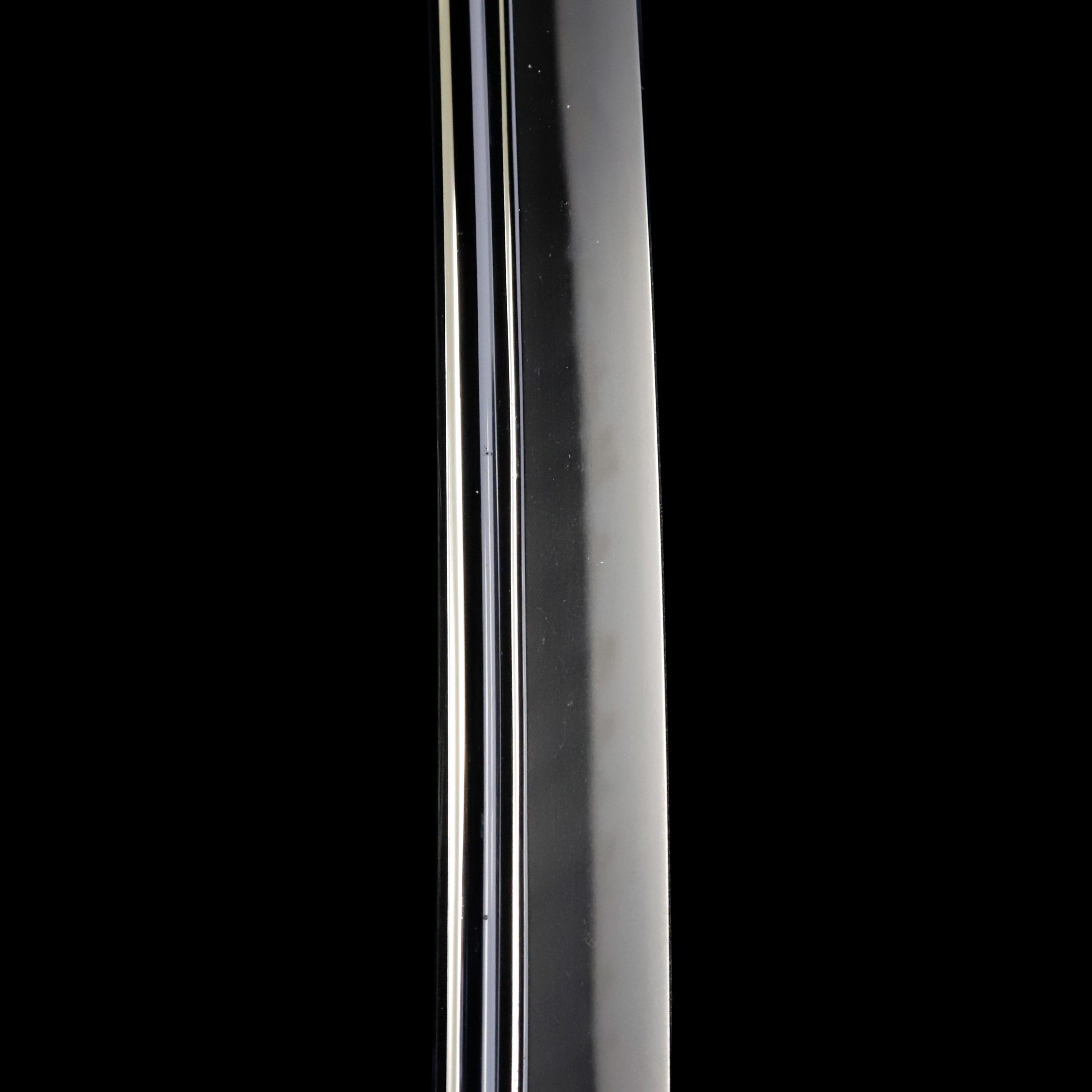
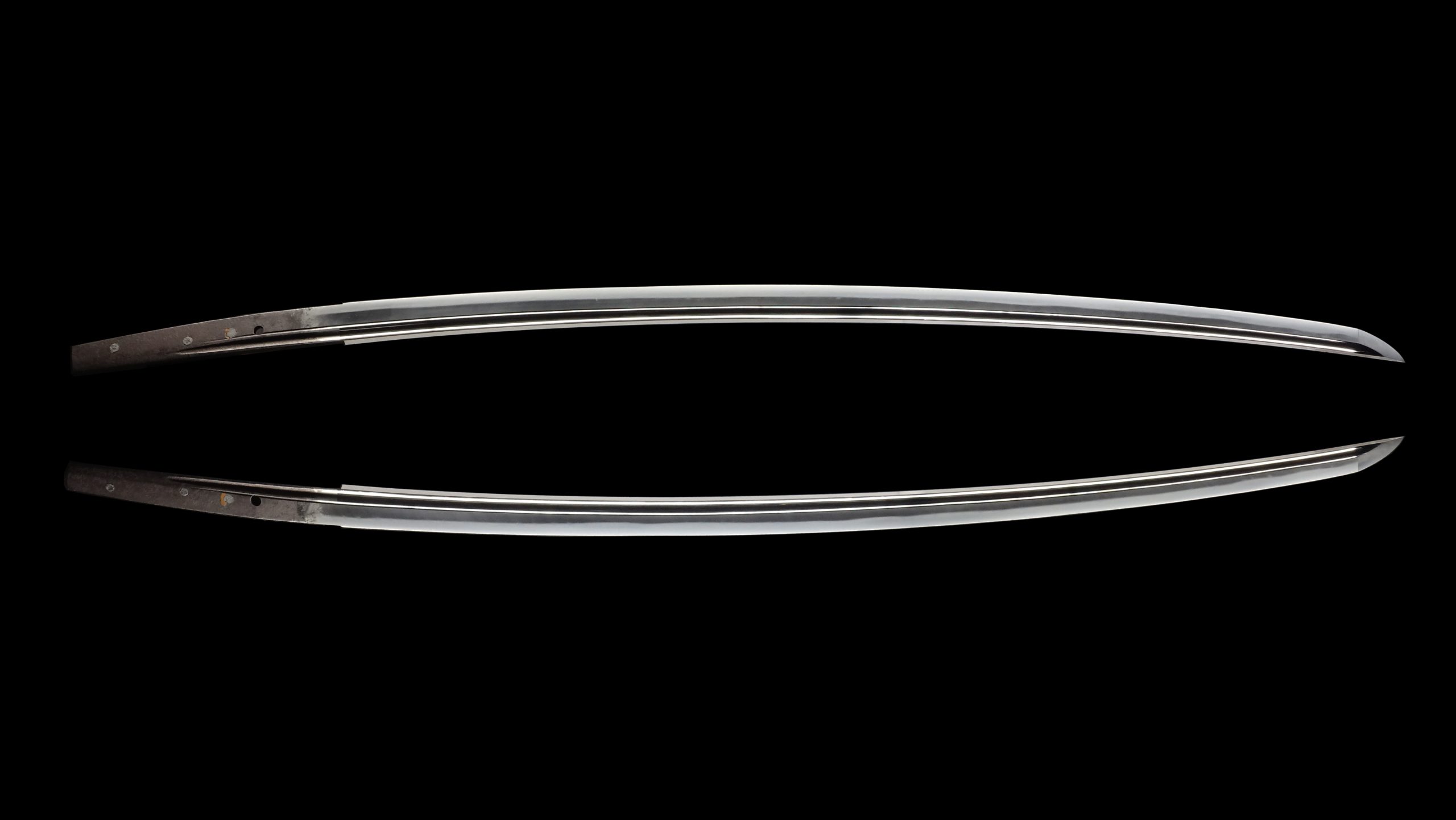
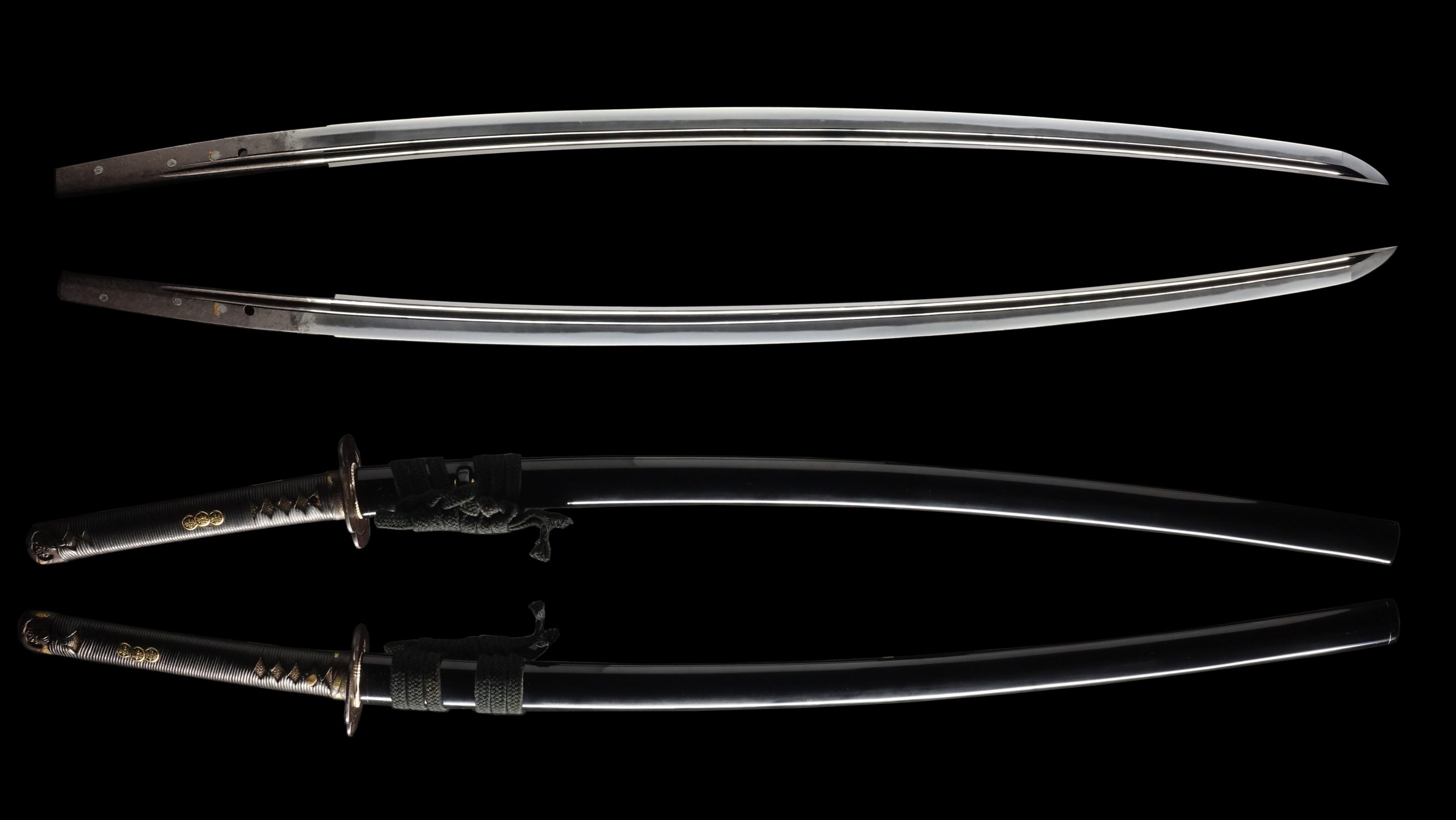
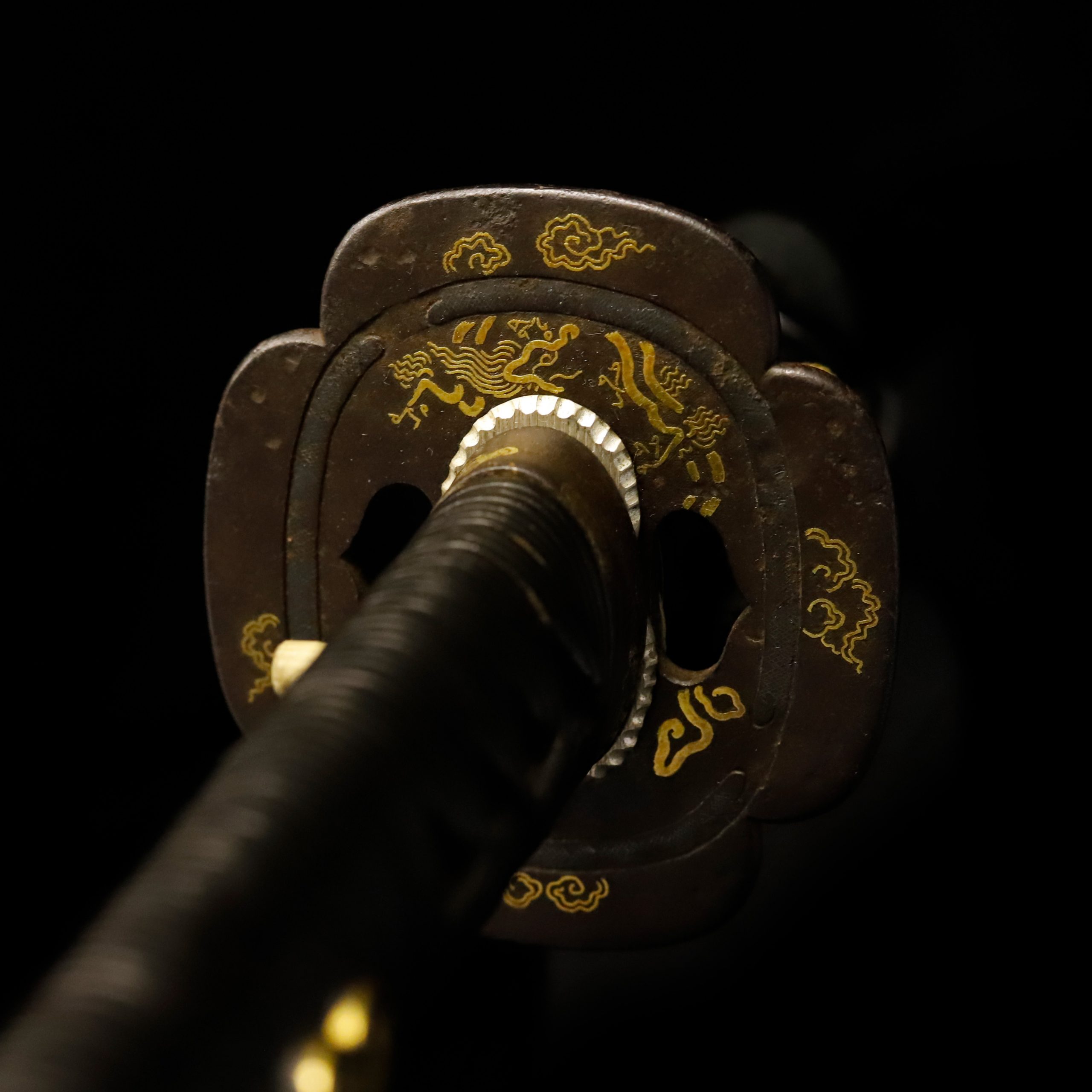
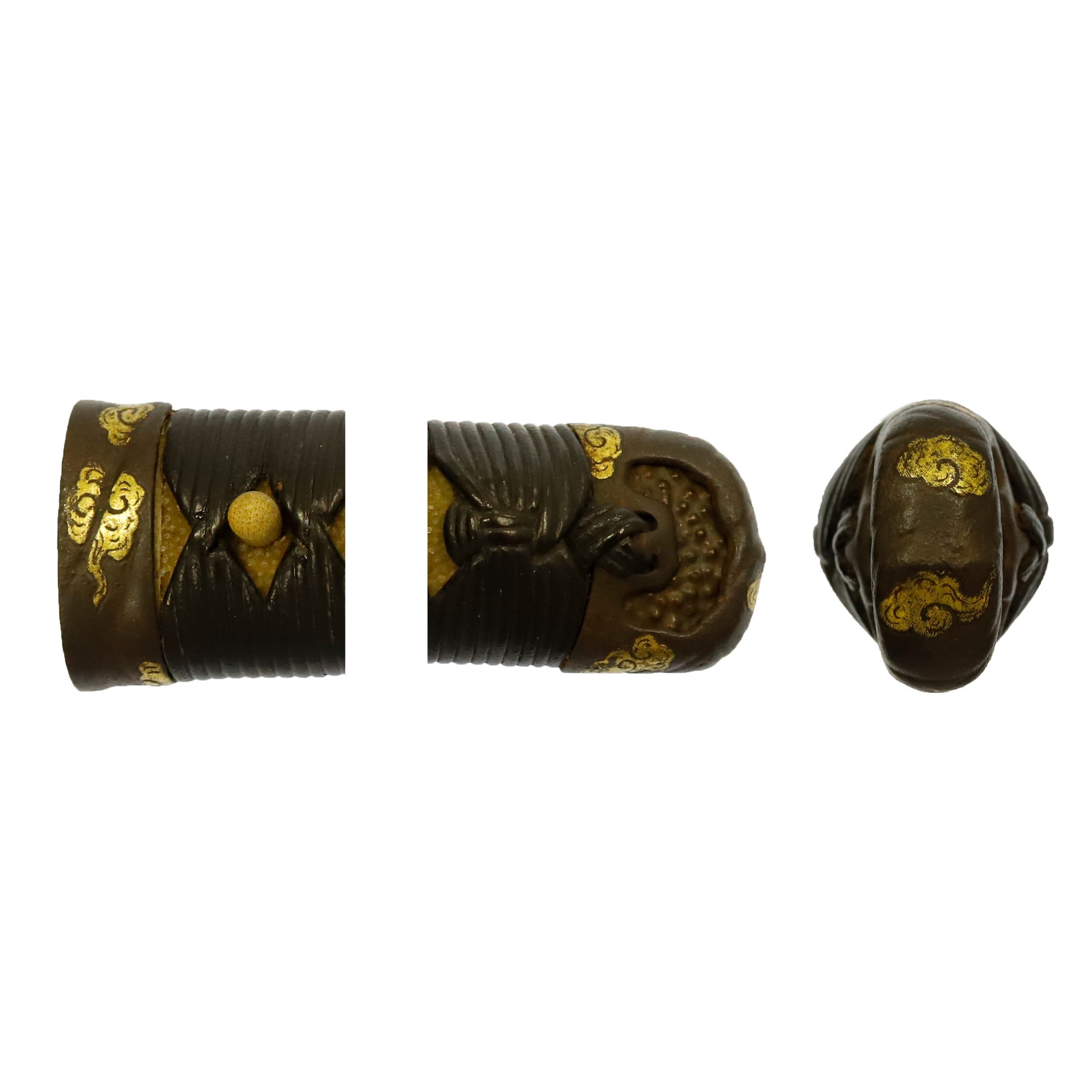
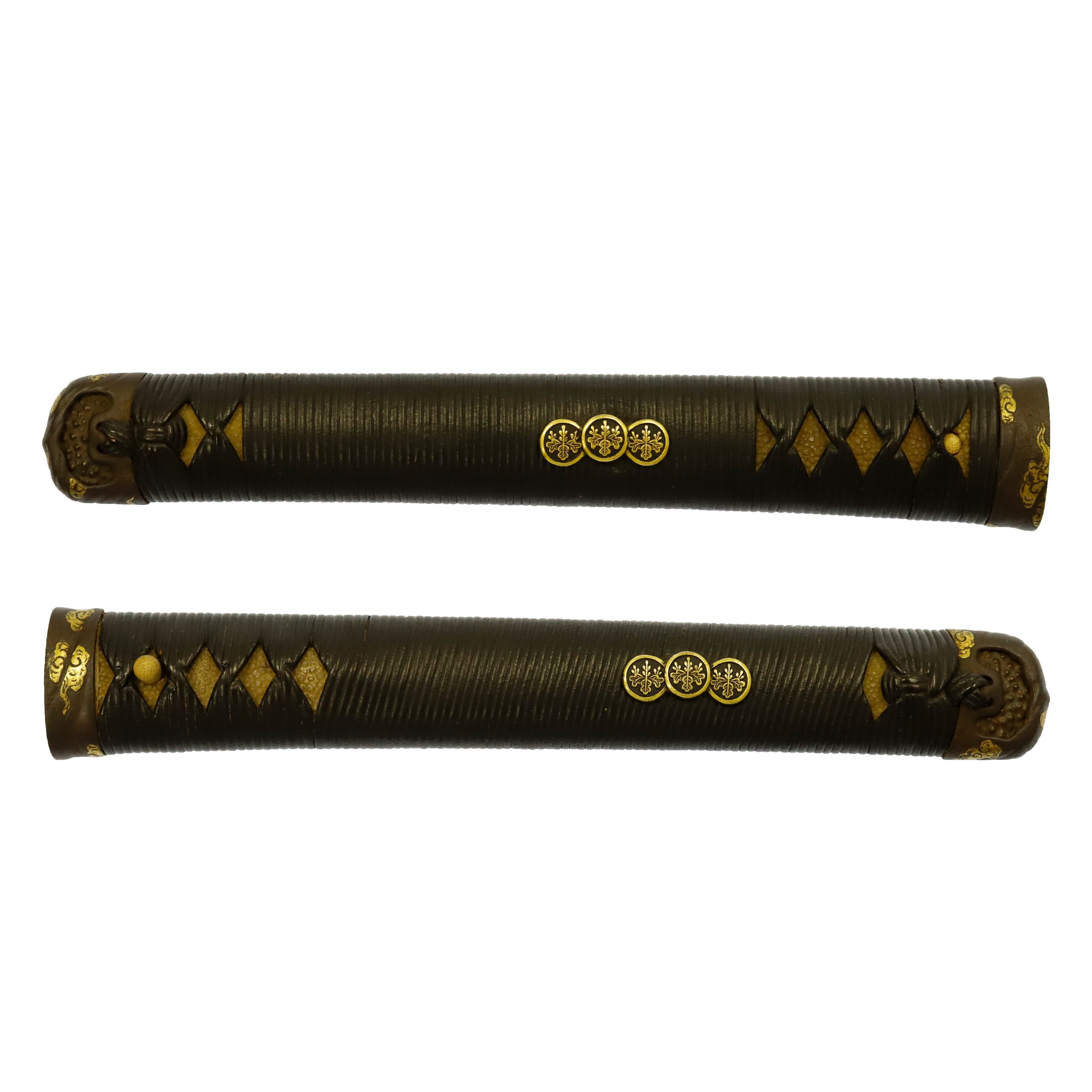
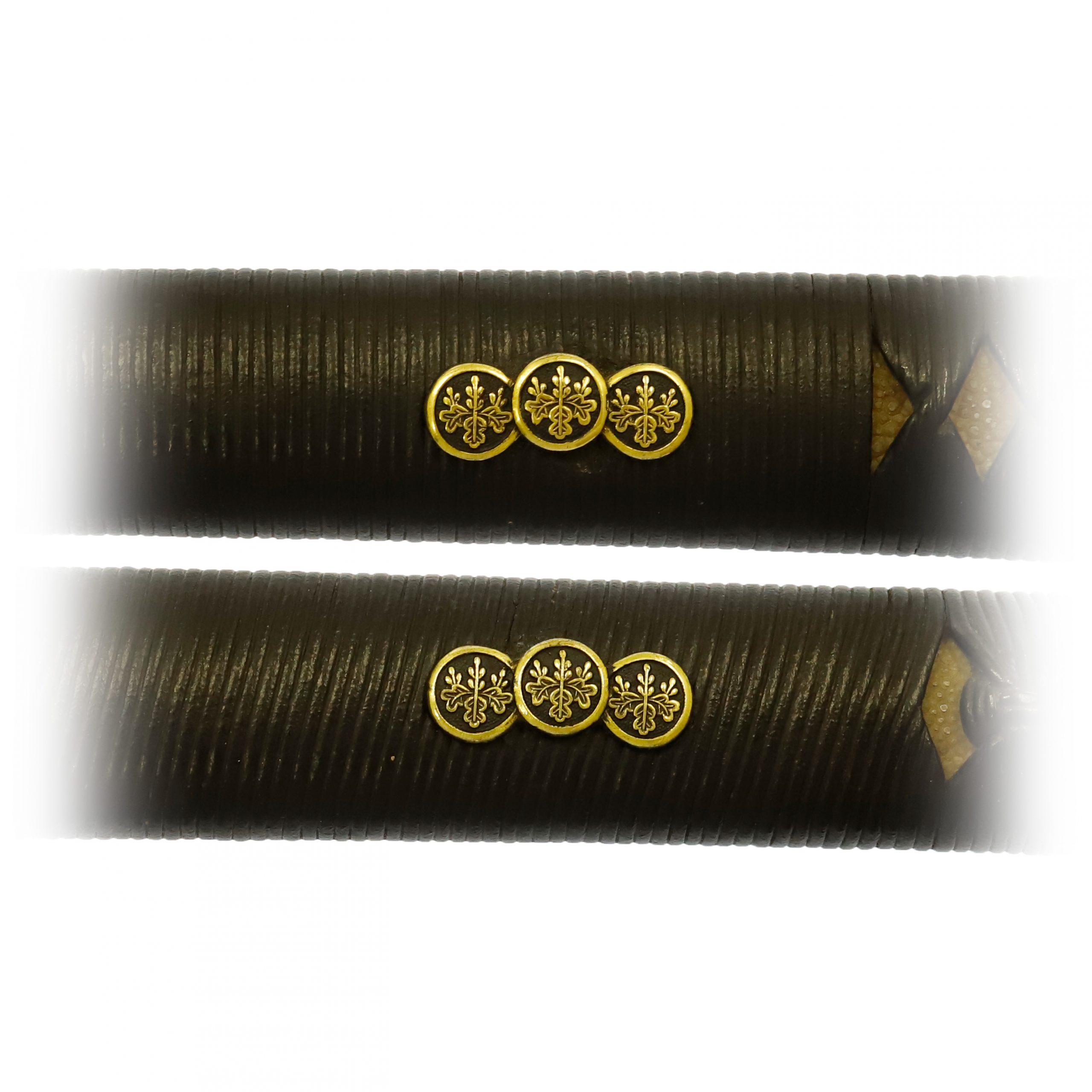
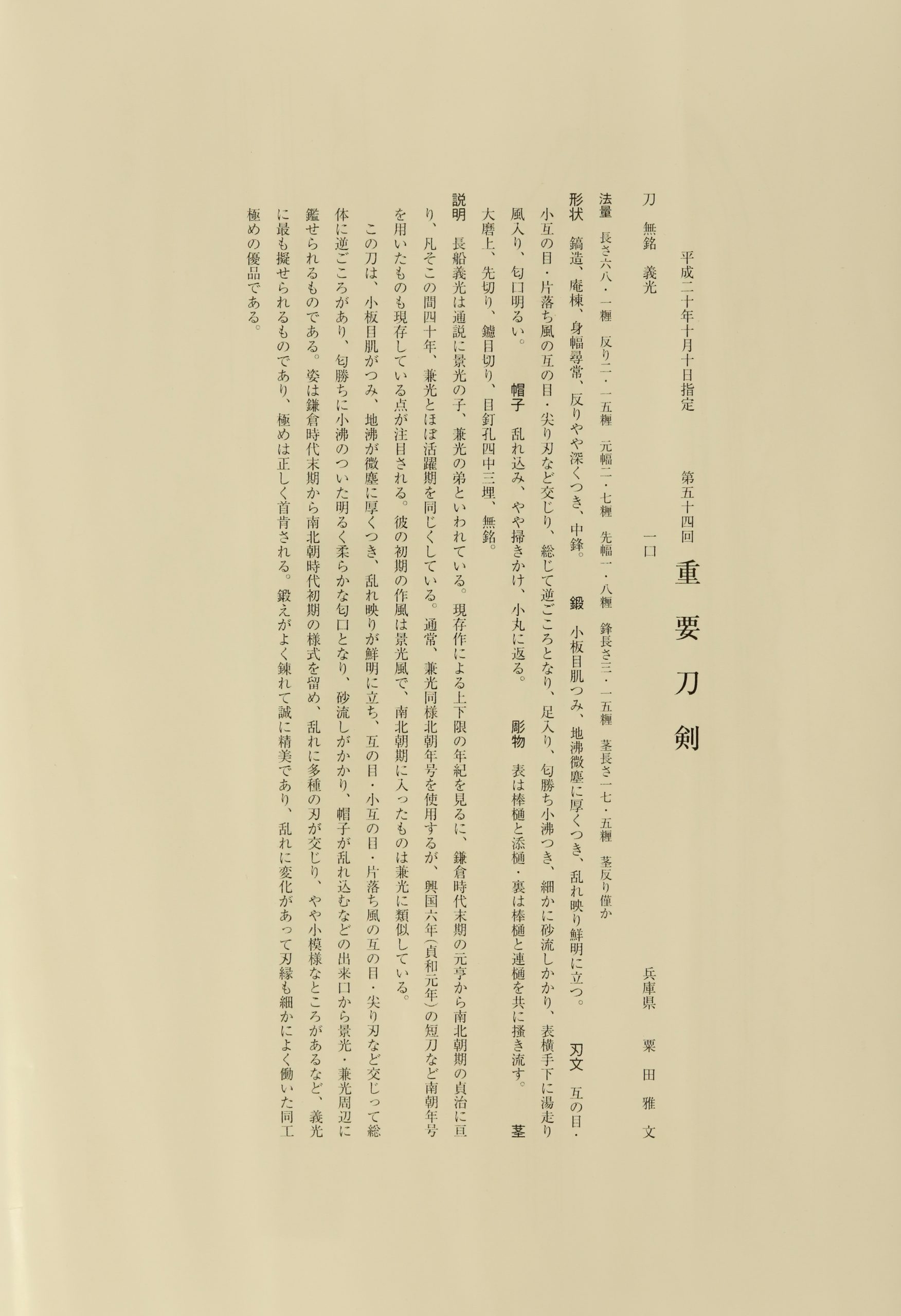
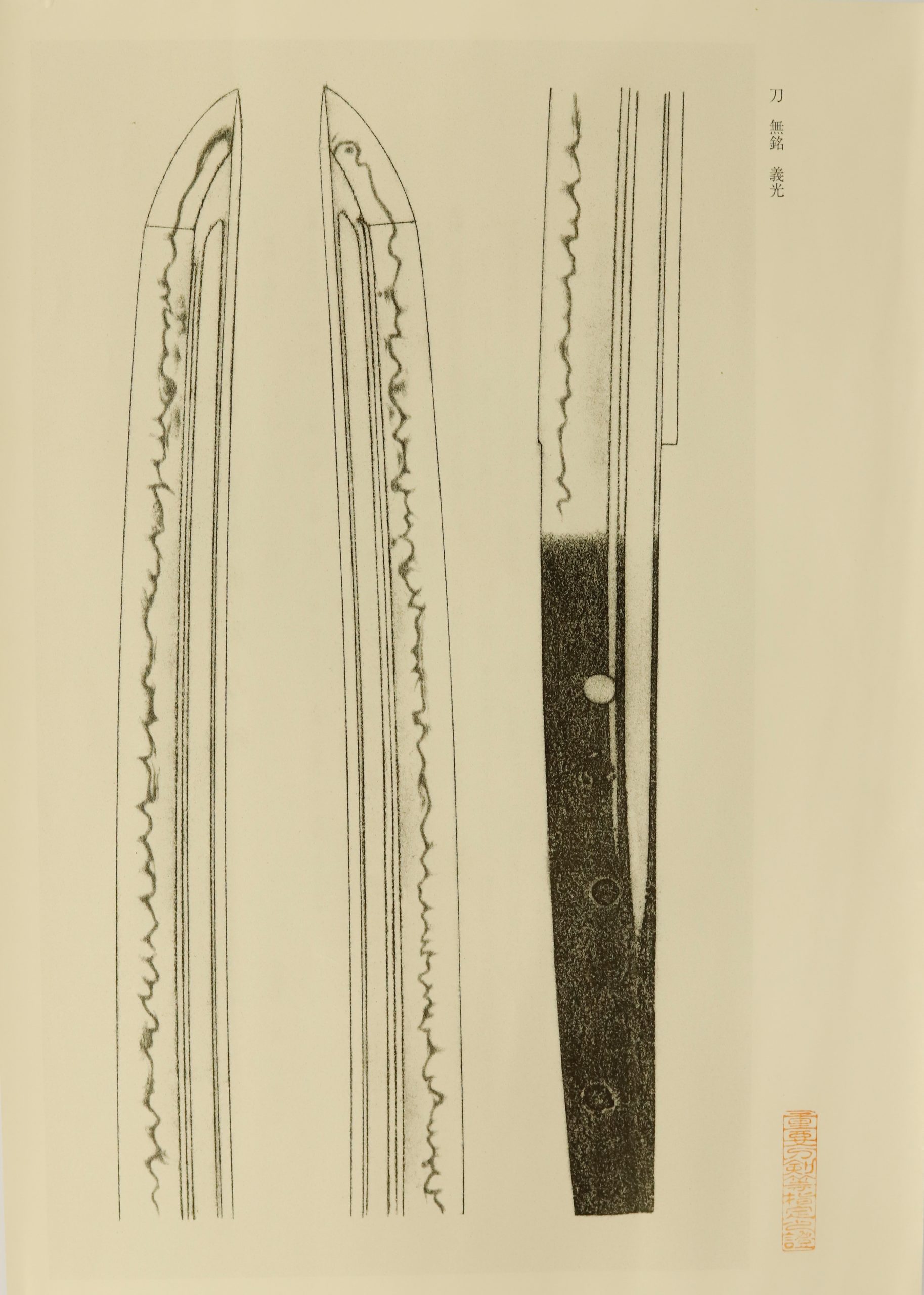
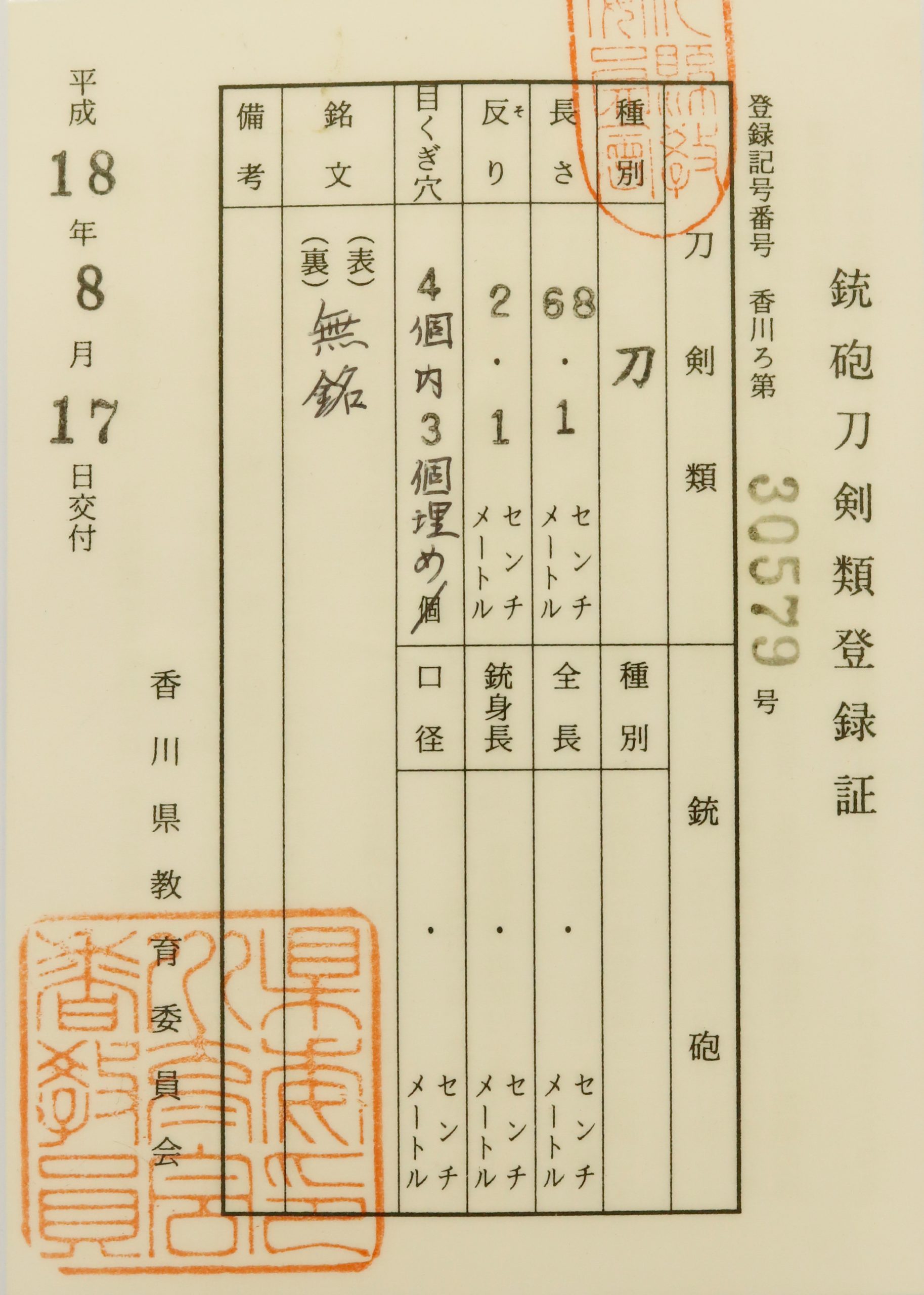
長船義光は通説に景光の子、 兼光の弟といわれている。現存作による上下限の年紀を見るに、鎌倉時代末期の元亨から南北朝期の貞治に亘 り、凡そこの間四十年、兼光とほぼ活躍期を同じくしている。 通常、兼光同様北朝年号を使用するが、興国六年(貞和元年)の短刀など南朝年号 を用いたものも現存している点が注目される。彼の初期の作風は景光風で、南北朝期に入ったものは兼光に類似している。 この刀は、小板目肌がつみ、地沸が微塵に厚くつき、乱れ映りが鮮明に立ち、互の目・小互の目・片落ち風の互の目・尖り刃など交じって総 体に逆ごころがあり、匂勝ちに小沸のついた明るく柔らかな匂口となり、砂流しがかかり、帽子が乱れ込むなどの出来口から景光・兼光周辺に 鑑せられるものである。 姿は鎌倉時代末期から南北朝時代初期の様式を留め、乱れに多種の刃が交じり、やや小模様なところがあるなど、義光 に最も擬せられるものであり、極めは正しく首肯される。鍛えがよく錬れて誠に精美であり、乱れに変化があって刃縁も細かによく働いた同工 極めの優品である。
Bizen Osafune (Kanemitsu lineage) · 備前 · 1334-1349頃
藤代 Jo-jo saku · 刀剣大鑑 上位10%
康永二年八月日、備前国長船義光と長銘を切った太刀は、本工のもっとも確かな資料の一つである。義光は鎌倉末期から南北朝期にかけての備前長船派の刀工で、通説に景光の子、兼光の弟といわれ、一説に初代を長光門とする。現存の年紀作は鎌倉末の元亨から南北朝の貞治に亘り、凡そ四十年、兼光とほぼ活躍期を同じくし、剣書は父に従う初代と、兄により近い二代とを区分する。兼光同様おおむね北朝年号を用いるが、興国六年という南朝年号の短刀も現存する。彼は長船の中核の工房が、景光の古典から兼光の大らかな南北朝の作風へ転じる接ぎ目に立ち、その記録はこの二つの境目において読まれる。
その極めは、鑑定家がほぼ各作に繰り返す一軸に懸かる。すなわち兼光一類の作風にありながら、乱れを小模様に構成するという点である。やや肌立つ板目に流れ・杢を交えた地に、角互の目・片落ち風の互の目を主調とし、小互の目・小丁子・尖り刃を交え、総じて小模様の乱れとなり、処々逆がかり、足・葉入り、匂勝ちに小沸つき、刃中に細かな砂流し・金筋がかかる。片落ちと角ばる刃は父景光から受け継ぎ、乱れの中に多種の刃が密に交じる点が本工自身の手として挙げられる。ある在銘の太刀において説明書は端的に、「兄兼光に比して乱れが小模様となり、焼刃に尖り刃を交えるなど義光の見どころが看取される」[[c:1]]と記す。
地鉄はその刃の下に終始変わらぬところである。板目に地沸つき、地景細かに入り、鮮明な乱れ映りが立つ。一派と共有する明るい長船の映りを、本工は鮮やかに表し、もっとも詰んだ作では地が小板目につみ映りはいよいよ冴え、ある在銘太刀では地斑調の肌合を地に交える。最初期の年紀太刀はこの典型とは趣を異にする。細身で腰反り高く踏張りつき、小板目のよくつんだ地に棒映り・直ぐ状の映りが立ち、互の目ではなく小足を僅かに交えた穏やかな直刃を焼き、匂勝ちに小沸つく。これを鑑定家は兼光よりも景光に従う作域と読む。
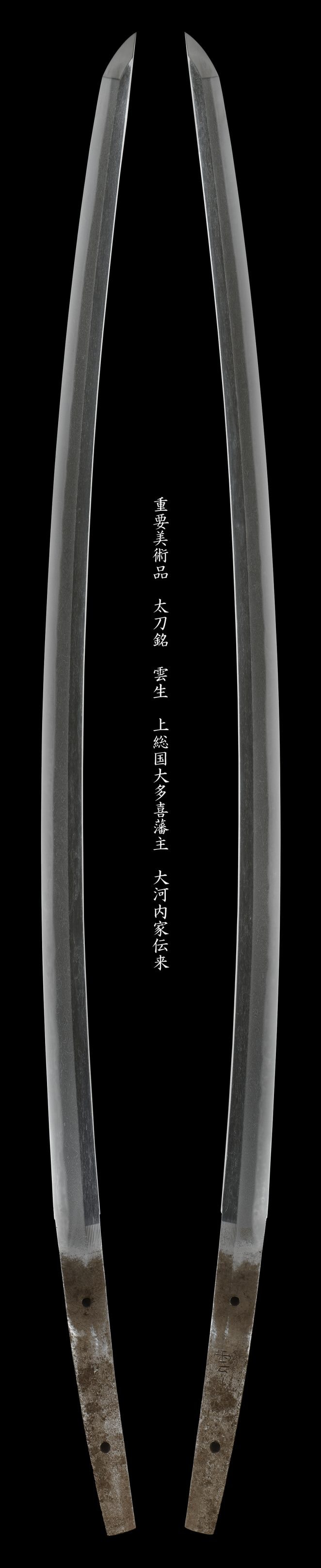
かくして作域は三つに分かれる。景光風の直刃を焼く初期の年紀太刀が年代を支え、康永二年の太刀について説明書は、これが「康永三年六月の兼光太刀」[[c:2]](重要美術品)に極めて酷似すると注し、両者の密接な関係を伝える。片落ち・角互の目を小乱れに構成する典型が記録の大半をなす。第三の、より小さな作域は、時代の好んだ相伝備前の沸の強い作風へ振れる。薙刀直しの脇指は説明書が相州伝を強調した一口とし、地沸よくつき湯走り・砂流し・金筋を見せ、幅広で大鋒の刀はかな色黒みがかって矢筈刃を交え、その沸のよさと刃縁の働きを鑑みて、「義光を含む如何にも相伝備前の上作」[[c:3]]と評される。初・二代の存否は元亨から貞治の間に開かれたままで、本工をめぐる中心の学問上の問いである。
彼を両隣から分かつのは、まさに極めの言うところであり、しかも他者の特徴ではなく本工自身の作によって引かれる。兄兼光に対しては乱れが小さく刃取りが穏やかであり、父景光に対しては典型に沸がまさり、晩年の手には相州風の働きが加わる。ある大磨上無銘の刀について説明書は、姿・地刃がまず兼光周辺を想わせるとしつつ、まさに「乱れが兼光の大らかさに比べてやや小模様を呈しているところに義光と鑑すべきものがある」[[c:4]]と記し、ある重要刀剣では「乱れの中に多種の刃が交じるところに義光の特色が表示されており」[[c:5]]と述べる。彼は長船中期の大工房の、より静かに、より緻密に鍛えた手として立ち、兼光が系を外へ開く傍らで、小模様の乱れを守った弟である。
収集の観点では、資料の確かな、しかし数少ない長船の名である。藤代の極めは上々作。国宝はなく、その記録は重要文化財一口、特別重要刀剣の太刀二口、重要刀剣三十二口を通じ、在銘の作は真に稀で、現存の大半が大磨上無銘の刀である中、銘あるものは凡そ十口余りにとどまる。重要文化財は在銘年紀の太刀で、宮城の亀岡八幡宮に伝わる。在銘作の伝来は大名家のもので、康永二年の太刀は寛文七年に紀州徳川頼宣から西条松平家へ贈られて同家に伝わり、建武年紀の在銘太刀は浅草鳥越神社の近くに伝来し将軍家斉の佩刀と伝える。特別重要刀剣の級はわずか二口、他は重要刀剣であり、在銘年紀の義光が世に出ることは稀で、私蔵の一口、わけても生ぶで年紀ある太刀は、収集家にとって注目すべきもの、兼光の系がより静かな調子で受け継がれた証である。
義光の位置づけを、日本刀全体および伝統・時代・時期ごとに示します。各位(随一・屈指・有数・著名)は、NBTHK および文化庁による指定に加え、三作や名物帳などの歴史的栄誉を加味したものです。
各項目を選ぶと評価方法が表示されます。
在銘年紀作が示す、確実に活動していた年代
備前伝 · 備前
現在235点販売中
備前国邑久郡長船の地に興り、鎌倉時代中期から室町時代末期に至るまで連綿と鍛刀を続けた、刀剣史上最大の流派である。事実上の祖は光忠で、近忠の子と伝えるが近忠の作刀が知られないため、長船本流の起点はこの工に置かれる。古伝はその源を古備前正恒の一類が長船に移り住んだことに求め、光忠はその流れを承けて一門を興したと説く。すなわち本流派は、古備前の地盤の上に、丁子を主調とする華麗な作風をもって自立した備前鍛冶の本系である。光忠の下に長光、真長、景光らが輩出し、以後、相伝備前の兼光・長義・元重、室町初期の応永備前を経て末備前に至るまで、備前伝の中核を担い続けた。 作風は備前伝を基盤とし、よく錬れて杢を交えた板目に地沸が微塵につき、地景が細かに入り、地に乱れ映りが鮮明に立つ鍛えを共通の地とする。この乱れ映りこそ、在銘無銘を問わず一門の作を備前へ繋ぎ止める最も確かな標である。刃文には世代ごとの軸がある。草創の古長船にあって光忠は蛙子丁子を看どころとし、子の長光は頭の丸いふくらみのある丁子を加え、孫の景光は片落ち互の目を完成して逆がかりの足を看どころとした。この光忠、長光、景光の三代が長船嫡流の背骨をなし、近景がその影として景光をほぼ完璧に映し、真長は同じ地に締まる匂口の直刃を得意とした。南北朝期に入ると兼光が嫡流を承けつつのたれ主調の大模様を加え、相州伝を摂取した相伝備前の作風が現れる。長義は耳形の刃を看どころに兼光以上に相州伝を強調し、長重と兼長がこれに連なり、義景は匂口の沈むところに、元重は焼頭の揃った角ばる刃と青江気質に、それぞれ別系の個性を示した。体配もまた時代を映し、鎌倉の腰反り高い太刀から、南北朝の身幅広く大鋒の延文貞治型へ、さらに応永備前では古作への復古を志して優美な太刀姿と丁子刃が甦る。康光と盛光を双璧とする応永備前は、腰の広く開いた互の目とローソクの芯と称する尖り返る帽子を看どころとし、その腰開き互の目と棒映りは末備前へと受け継がれた。長光景光以来の梵字、三鈷剣、倶利迦羅、八幡大菩薩などの刀身彫もまた、末備前まで絶えず継承された一門の標である。 鑑定にあっては、まず鮮明な乱れ映りで一門を備前と読み、次に世代と系統の看どころで工を分かつ。蛙子丁子は光忠、丸い頭の丁子は長光、逆がかる片落ち互の目は景光、のたれと角互の目は兼光、耳形の刃は長義、角ばり逆がかる刃と蝉の羽根の肌は元重、ローソクの芯の帽子は応永備前という具合に、看どころが系統と時代を指し示す。嫡流の光忠、長光、景光、兼光は藤代の最上作に列し、なかでも長光は重要文化財の指定数が全刀工中最多で、嫡流の作には名物大般若長光や小龍景光をはじめ、織田信長、徳川家康、上杉謙信ら天下を握った者の手を経た作が多い。相伝備前の長義や兼長、応永備前の康光や盛光もそれぞれ重きをなし、別系の元重もまた南北朝備前の大きな名を保つ。嫡流の在銘作が市に現れることは稀で、大半は大磨上無銘の極めとして伝わるが、長光のごとく銘を惜しまなかった工の作はなお蒐集家の手の届く範囲にある。後世への影響は計り知れず、本流派の作風と刀身彫の伝統は末備前を通じて室町備前の主流をなし、備前伝そのものの規範となった。 詳しく見る →
二つの朝廷が争った六十年、刀身は長大化し、長船がその需要に応えた。兼光と長義の工房は実際に戦う国人層の武士に仕え、軍勢とともに相州風が届いて相伝備前が生まれた。
特別保存刀剣の中から、特に出来が優れ、国認定の重要美術品に準ずると判断された名品です。年に一度の重要刀剣審査で選ばれます。
極めて選別的で、日本に登録された約250万口の刀剣のうち、重要刀剣に達したものは12,307口(約203口に1口)にすぎません。
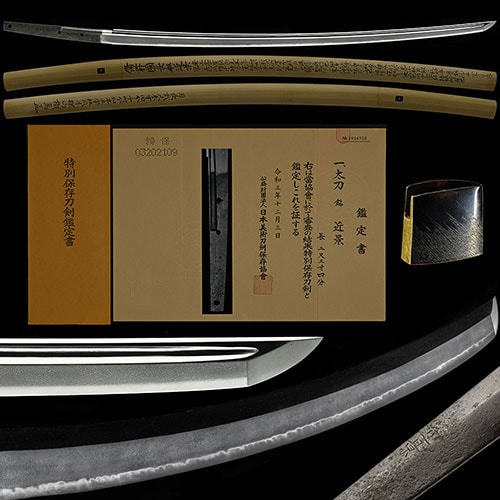
日本美術刀剣保存協会(NBTHK)は、1948年に設立され、文化庁の監督を受ける公益財団法人で、東京・刀剣博物館に本部を置きます。専門の審査員が出品作を直接審査し、美術的・歴史的価値に応じた鑑定書を発行します。NBTHKの鑑定書は、日本刀および刀装具の真正性を示す最も広く認知された基準です。
NBTHK公式サイトReturns/exchanges limited to defects caused by shipping (except willful misconduct or gross negligence by the company); customers must contact within 72 hours of receiving the product.
日本刀 刀 伝・長船義光 日本美術刀剣保存協会(NBTHK) 重要刀剣指定品 【解説】 概要 本作は、日本美術刀剣保存協会(NBTHK)により「重要刀剣」に指定された、備前国長船義光の伝銘を持つ名刀です。義光は景光の子であり、兼光の弟と伝えられています。その活躍時期は鎌倉時代末期から南北朝時代中期(1321年〜1368年頃)にわたり、作刀期間が長期に及ぶことから、義光の名は二代にわたって受け継がれたという説もあります。 義光は備前国(現在の岡山県)の長船派に属していました。兄である兼光は、日本刀史上最も著名な刀工の一人である相州正宗の門人であったとされています。正宗は五ヶ伝の一つ「相州伝」の完成者であり、一方で備前国は独自の「備前伝」でその名を馳せていました。 兄の兼光は、相州伝と備前伝を融合させた「相伝備前」という独自の作風を確立したと言われており、義光もまた兼光からこの技術を習得しました。相伝備前の刀剣は当時の武士の間で絶大な人気を誇りました。義光と兼光の活動時期はほぼ重なりますが、義光の初期(鎌倉末期)の作風は父・景光に近く、南北朝時代以降の作には兄・兼光の影響が強く見られます。 父・景光は長船派の三代目当主であり、兄・兼光は四代目にあたります。義光はこの二人の名工から卓越した技術を学びました。景光は「片落ち互の目」と呼ばれる特徴的な刃文を考案したことで知られ、備前屈指の名工として長船派の全盛期を築きました。本作においても、その伝統を継承する互の目、小互の目の刃文が美しく現れています。 備前長船派の歴史 長船派は鎌倉時代中期の光忠を始祖とすると伝えられています。備前国の中でも最大の流派であり、時の権力者や名だたる武将から数多くの注文を受けました。彼らの作は「長船物」と呼ばれ、武士たちに深く愛用されました。 長船派の中でも、長光・真長・景光の三名は「長船三作」として特に名高く、また、長光・兼光・長義・元重の四名は「長船四天王」と称される名工です。 備前国は中国山地に近く、日本刀の主原料である良質な砂鉄が豊富に採れました。さらに、吉井川の流域であったことから水や炭の確保にも恵まれており、この地質的条件が質の高い洗練された刀剣の製作を可能にしました。備前では古来より作刀が盛んであり、平安時代末期には「古備前」と呼ばれる刀工集団によって備前伝の基礎が築かれました。長船派は、この古備前の技術を継承・発展させることで、鎌倉時代中期以降に大きな繁栄を遂げたのです。 本作は、日本美術刀剣保存協会(NBTHK)より「重要刀剣」の指定を受けています。この認定は、保存状態が極めて良好であり、かつ美術的価値が特に高い真作の日本刀に対してのみ与えられるものです。重要刀剣は「特別保存刀剣」の上位ランクに位置し、指定を受けるにはまず特別保存刀剣であることが条件となります。現存する日本刀の中でも重要刀剣に指定されるものは極めて稀であり、愛好家やコレクターの間で非常に高く評価されています。 ※互の目(ぐのめ):碁石を並べたような連続した波状の刃文。
長船義光は通説に景光の子、 兼光の弟といわれている。現存作による上下限の年紀を見るに、鎌倉時代末期の元亨から南北朝期の貞治に亘 り、凡そこの間四十年、兼光とほぼ活躍期を同じくしている。 通常、兼光同様北朝年号を使用するが、興国六年(貞和元年)の短刀など南朝年号 を用いたものも現存している点が注目される。彼の初期の作風は景光風で、南北朝期に入ったものは兼光に類似している。 この刀は、小板目肌がつみ、地沸が微塵に厚くつき、乱れ映りが鮮明に立ち、互の目・小互の目・片落ち風の互の目・尖り刃など交じって総 体に逆ごころがあり、匂勝ちに小沸のついた明るく柔らかな匂口となり、砂流しがかかり、帽子が乱れ込むなどの出来口から景光・兼光周辺に 鑑せられるものである。 姿は鎌倉時代末期から南北朝時代初期の様式を留め、乱れに多種の刃が交じり、やや小模様なところがあるなど、義光 に最も擬せられるものであり、極めは正しく首肯される。鍛えがよく錬れて誠に精美であり、乱れに変化があって刃縁も細かによく働いた同工 極めの優品である。
NihontoWatch長船義光は通説に景光の子、 兼光の弟といわれている。現存作による上下限の年紀を見るに、鎌倉時代末期の元亨から南北朝期の貞治に亘 り、凡そこの間四十年、兼光とほぼ活躍期を同じくしている。 通常、兼光同様北朝年号を使用するが、興国六年(貞和元年)の短刀など南朝年号 を用いたものも現存している点が注目される。彼の初期の作風は景光風で、南北朝期に入ったものは兼光に類似している。 この刀は、小板目肌がつみ、地沸が微塵に厚くつき、乱れ映りが鮮明に立ち、互の目・小互の目・片落ち風の互の目・尖り刃など交じって総 体に逆ごころがあり、匂勝ちに小沸のついた明るく柔らかな匂口となり、砂流しがかかり、帽子が乱れ込むなどの出来口から景光・兼光周辺に 鑑せられるものである。 姿は鎌倉時代末期から南北朝時代初期の様式を留め、乱れに多種の刃が交じり、やや小模様なところがあるなど、義光 に最も擬せられるものであり、極めは正しく首肯される。鍛えがよく錬れて誠に精美であり、乱れに変化があって刃縁も細かによく働いた同工 極めの優品である。
Bizen Osafune (Kanemitsu lineage) · 備前 · 1334-1349頃
藤代 Jo-jo saku · 刀剣大鑑 上位10%
康永二年八月日、備前国長船義光と長銘を切った太刀は、本工のもっとも確かな資料の一つである。義光は鎌倉末期から南北朝期にかけての備前長船派の刀工で、通説に景光の子、兼光の弟といわれ、一説に初代を長光門とする。現存の年紀作は鎌倉末の元亨から南北朝の貞治に亘り、凡そ四十年、兼光とほぼ活躍期を同じくし、剣書は父に従う初代と、兄により近い二代とを区分する。兼光同様おおむね北朝年号を用いるが、興国六年という南朝年号の短刀も現存する。彼は長船の中核の工房が、景光の古典から兼光の大らかな南北朝の作風へ転じる接ぎ目に立ち、その記録はこの二つの境目において読まれる。
その極めは、鑑定家がほぼ各作に繰り返す一軸に懸かる。すなわち兼光一類の作風にありながら、乱れを小模様に構成するという点である。やや肌立つ板目に流れ・杢を交えた地に、角互の目・片落ち風の互の目を主調とし、小互の目・小丁子・尖り刃を交え、総じて小模様の乱れとなり、処々逆がかり、足・葉入り、匂勝ちに小沸つき、刃中に細かな砂流し・金筋がかかる。片落ちと角ばる刃は父景光から受け継ぎ、乱れの中に多種の刃が密に交じる点が本工自身の手として挙げられる。ある在銘の太刀において説明書は端的に、「兄兼光に比して乱れが小模様となり、焼刃に尖り刃を交えるなど義光の見どころが看取される」[[c:1]]と記す。
地鉄はその刃の下に終始変わらぬところである。板目に地沸つき、地景細かに入り、鮮明な乱れ映りが立つ。一派と共有する明るい長船の映りを、本工は鮮やかに表し、もっとも詰んだ作では地が小板目につみ映りはいよいよ冴え、ある在銘太刀では地斑調の肌合を地に交える。最初期の年紀太刀はこの典型とは趣を異にする。細身で腰反り高く踏張りつき、小板目のよくつんだ地に棒映り・直ぐ状の映りが立ち、互の目ではなく小足を僅かに交えた穏やかな直刃を焼き、匂勝ちに小沸つく。これを鑑定家は兼光よりも景光に従う作域と読む。
かくして作域は三つに分かれる。景光風の直刃を焼く初期の年紀太刀が年代を支え、康永二年の太刀について説明書は、これが「康永三年六月の兼光太刀」[[c:2]](重要美術品)に極めて酷似すると注し、両者の密接な関係を伝える。片落ち・角互の目を小乱れに構成する典型が記録の大半をなす。第三の、より小さな作域は、時代の好んだ相伝備前の沸の強い作風へ振れる。薙刀直しの脇指は説明書が相州伝を強調した一口とし、地沸よくつき湯走り・砂流し・金筋を見せ、幅広で大鋒の刀はかな色黒みがかって矢筈刃を交え、その沸のよさと刃縁の働きを鑑みて、「義光を含む如何にも相伝備前の上作」[[c:3]]と評される。初・二代の存否は元亨から貞治の間に開かれたままで、本工をめぐる中心の学問上の問いである。
彼を両隣から分かつのは、まさに極めの言うところであり、しかも他者の特徴ではなく本工自身の作によって引かれる。兄兼光に対しては乱れが小さく刃取りが穏やかであり、父景光に対しては典型に沸がまさり、晩年の手には相州風の働きが加わる。ある大磨上無銘の刀について説明書は、姿・地刃がまず兼光周辺を想わせるとしつつ、まさに「乱れが兼光の大らかさに比べてやや小模様を呈しているところに義光と鑑すべきものがある」[[c:4]]と記し、ある重要刀剣では「乱れの中に多種の刃が交じるところに義光の特色が表示されており」[[c:5]]と述べる。彼は長船中期の大工房の、より静かに、より緻密に鍛えた手として立ち、兼光が系を外へ開く傍らで、小模様の乱れを守った弟である。
収集の観点では、資料の確かな、しかし数少ない長船の名である。藤代の極めは上々作。国宝はなく、その記録は重要文化財一口、特別重要刀剣の太刀二口、重要刀剣三十二口を通じ、在銘の作は真に稀で、現存の大半が大磨上無銘の刀である中、銘あるものは凡そ十口余りにとどまる。重要文化財は在銘年紀の太刀で、宮城の亀岡八幡宮に伝わる。在銘作の伝来は大名家のもので、康永二年の太刀は寛文七年に紀州徳川頼宣から西条松平家へ贈られて同家に伝わり、建武年紀の在銘太刀は浅草鳥越神社の近くに伝来し将軍家斉の佩刀と伝える。特別重要刀剣の級はわずか二口、他は重要刀剣であり、在銘年紀の義光が世に出ることは稀で、私蔵の一口、わけても生ぶで年紀ある太刀は、収集家にとって注目すべきもの、兼光の系がより静かな調子で受け継がれた証である。
義光の位置づけを、日本刀全体および伝統・時代・時期ごとに示します。各位(随一・屈指・有数・著名)は、NBTHK および文化庁による指定に加え、三作や名物帳などの歴史的栄誉を加味したものです。
各項目を選ぶと評価方法が表示されます。
在銘年紀作が示す、確実に活動していた年代
備前伝 · 備前
現在235点販売中
備前国邑久郡長船の地に興り、鎌倉時代中期から室町時代末期に至るまで連綿と鍛刀を続けた、刀剣史上最大の流派である。事実上の祖は光忠で、近忠の子と伝えるが近忠の作刀が知られないため、長船本流の起点はこの工に置かれる。古伝はその源を古備前正恒の一類が長船に移り住んだことに求め、光忠はその流れを承けて一門を興したと説く。すなわち本流派は、古備前の地盤の上に、丁子を主調とする華麗な作風をもって自立した備前鍛冶の本系である。光忠の下に長光、真長、景光らが輩出し、以後、相伝備前の兼光・長義・元重、室町初期の応永備前を経て末備前に至るまで、備前伝の中核を担い続けた。 作風は備前伝を基盤とし、よく錬れて杢を交えた板目に地沸が微塵につき、地景が細かに入り、地に乱れ映りが鮮明に立つ鍛えを共通の地とする。この乱れ映りこそ、在銘無銘を問わず一門の作を備前へ繋ぎ止める最も確かな標である。刃文には世代ごとの軸がある。草創の古長船にあって光忠は蛙子丁子を看どころとし、子の長光は頭の丸いふくらみのある丁子を加え、孫の景光は片落ち互の目を完成して逆がかりの足を看どころとした。この光忠、長光、景光の三代が長船嫡流の背骨をなし、近景がその影として景光をほぼ完璧に映し、真長は同じ地に締まる匂口の直刃を得意とした。南北朝期に入ると兼光が嫡流を承けつつのたれ主調の大模様を加え、相州伝を摂取した相伝備前の作風が現れる。長義は耳形の刃を看どころに兼光以上に相州伝を強調し、長重と兼長がこれに連なり、義景は匂口の沈むところに、元重は焼頭の揃った角ばる刃と青江気質に、それぞれ別系の個性を示した。体配もまた時代を映し、鎌倉の腰反り高い太刀から、南北朝の身幅広く大鋒の延文貞治型へ、さらに応永備前では古作への復古を志して優美な太刀姿と丁子刃が甦る。康光と盛光を双璧とする応永備前は、腰の広く開いた互の目とローソクの芯と称する尖り返る帽子を看どころとし、その腰開き互の目と棒映りは末備前へと受け継がれた。長光景光以来の梵字、三鈷剣、倶利迦羅、八幡大菩薩などの刀身彫もまた、末備前まで絶えず継承された一門の標である。 鑑定にあっては、まず鮮明な乱れ映りで一門を備前と読み、次に世代と系統の看どころで工を分かつ。蛙子丁子は光忠、丸い頭の丁子は長光、逆がかる片落ち互の目は景光、のたれと角互の目は兼光、耳形の刃は長義、角ばり逆がかる刃と蝉の羽根の肌は元重、ローソクの芯の帽子は応永備前という具合に、看どころが系統と時代を指し示す。嫡流の光忠、長光、景光、兼光は藤代の最上作に列し、なかでも長光は重要文化財の指定数が全刀工中最多で、嫡流の作には名物大般若長光や小龍景光をはじめ、織田信長、徳川家康、上杉謙信ら天下を握った者の手を経た作が多い。相伝備前の長義や兼長、応永備前の康光や盛光もそれぞれ重きをなし、別系の元重もまた南北朝備前の大きな名を保つ。嫡流の在銘作が市に現れることは稀で、大半は大磨上無銘の極めとして伝わるが、長光のごとく銘を惜しまなかった工の作はなお蒐集家の手の届く範囲にある。後世への影響は計り知れず、本流派の作風と刀身彫の伝統は末備前を通じて室町備前の主流をなし、備前伝そのものの規範となった。 詳しく見る →
二つの朝廷が争った六十年、刀身は長大化し、長船がその需要に応えた。兼光と長義の工房は実際に戦う国人層の武士に仕え、軍勢とともに相州風が届いて相伝備前が生まれた。
特別保存刀剣の中から、特に出来が優れ、国認定の重要美術品に準ずると判断された名品です。年に一度の重要刀剣審査で選ばれます。
極めて選別的で、日本に登録された約250万口の刀剣のうち、重要刀剣に達したものは12,307口(約203口に1口)にすぎません。
日本美術刀剣保存協会(NBTHK)は、1948年に設立され、文化庁の監督を受ける公益財団法人で、東京・刀剣博物館に本部を置きます。専門の審査員が出品作を直接審査し、美術的・歴史的価値に応じた鑑定書を発行します。NBTHKの鑑定書は、日本刀および刀装具の真正性を示す最も広く認知された基準です。
NBTHK公式サイトReturns/exchanges limited to defects caused by shipping (except willful misconduct or gross negligence by the company); customers must contact within 72 hours of receiving the product.


![Katana - Jūyō - by Osafune Yoshimitsu - Katana[Mumei (Yoshimitsu)][N.B.T.H.K] Juyo Token](/_next/image?url=https%3A%2F%2Fitbhfhyptogxcjbjfzwx.supabase.co%2Fstorage%2Fv1%2Fobject%2Fpublic%2Flisting-images%2Fworld-seiyudo%2FL31415%2F00.jpg&w=2560&q=90)






![Tanto - Tokuho - by Sukesada - 短刀[備前国住長船与三左衛門尉祐定][日本美術刀剣保存協会]特別保存刀剣](/_next/image?url=https%3A%2F%2Fitbhfhyptogxcjbjfzwx.supabase.co%2Fstorage%2Fv1%2Fobject%2Fpublic%2Flisting-images%2Fworld-seiyudo%2FL678996%2F01.jpg&w=2560&q=90)

![Wakizashi - Tokuho - by Sukesada - 脇差[河内守祐定 備前国長船住][日本美術刀剣保存協会]特別保存刀剣](/_next/image?url=https%3A%2F%2Fitbhfhyptogxcjbjfzwx.supabase.co%2Fstorage%2Fv1%2Fobject%2Fpublic%2Flisting-images%2Fworld-seiyudo%2FL684649%2F01.jpg&w=2560&q=90)