NihontoWatch Mon

NihontoWatchBETA

マーケットオークション
事典
NihontoWatch Mon

NihontoWatchBETA

マーケットオークション
事典

説明

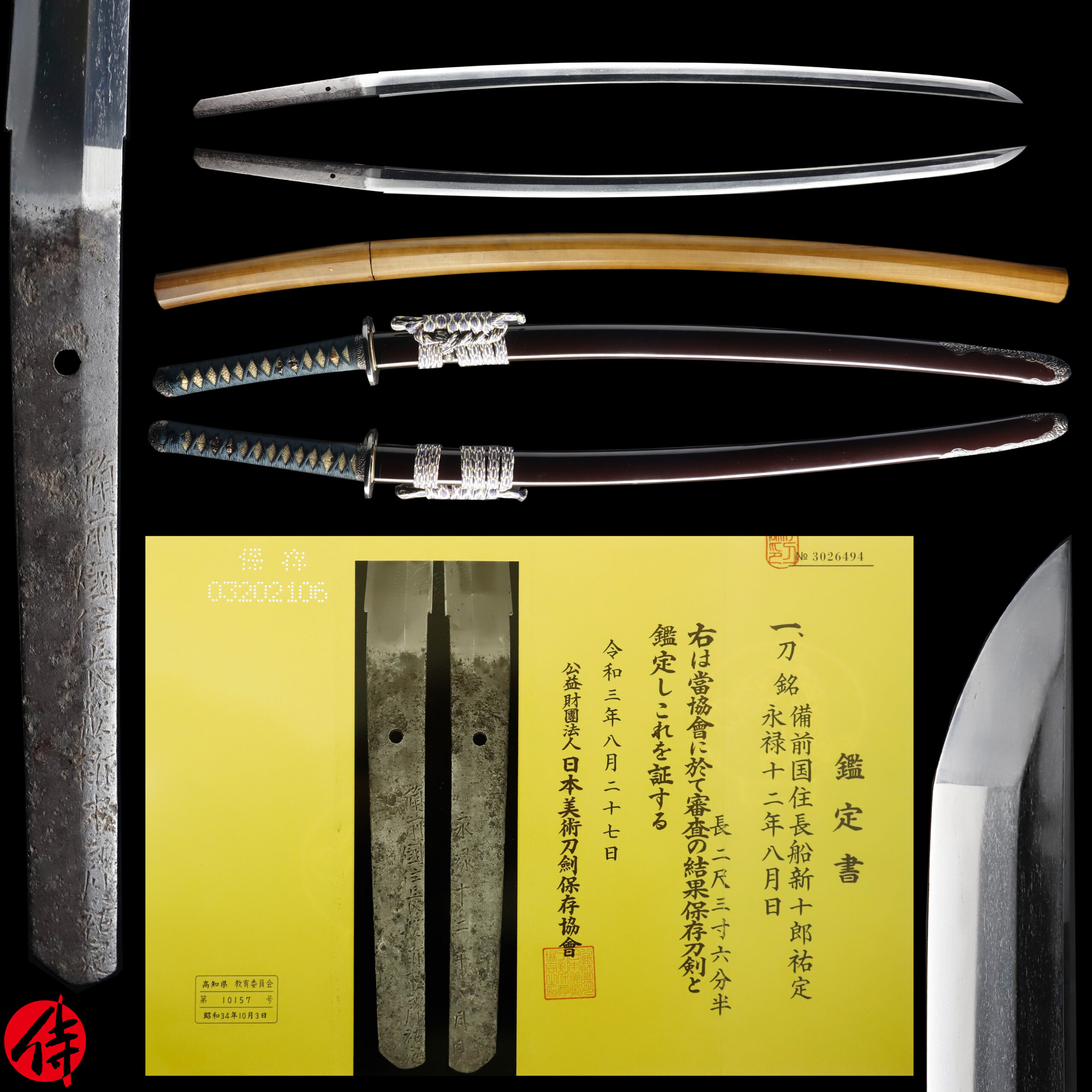
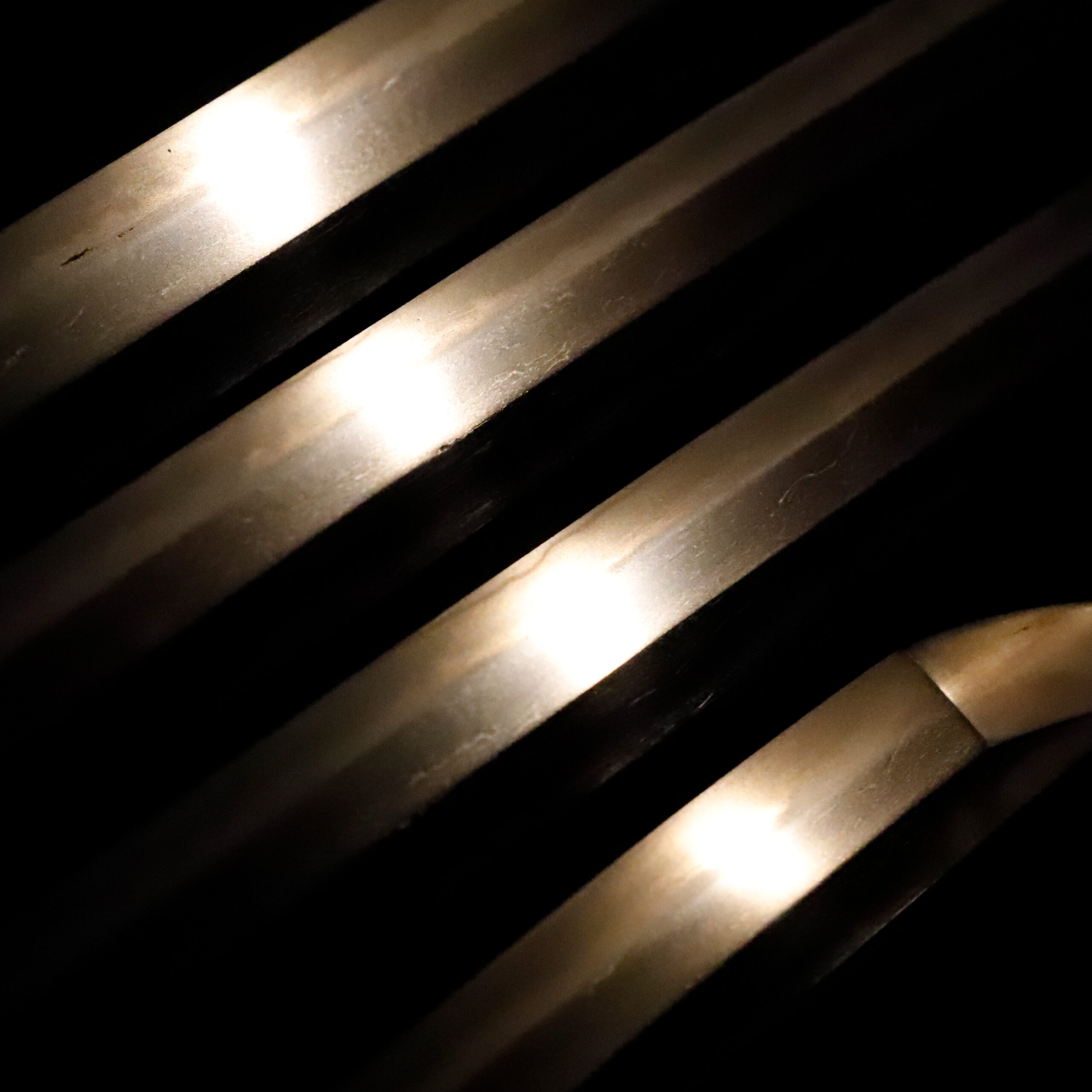
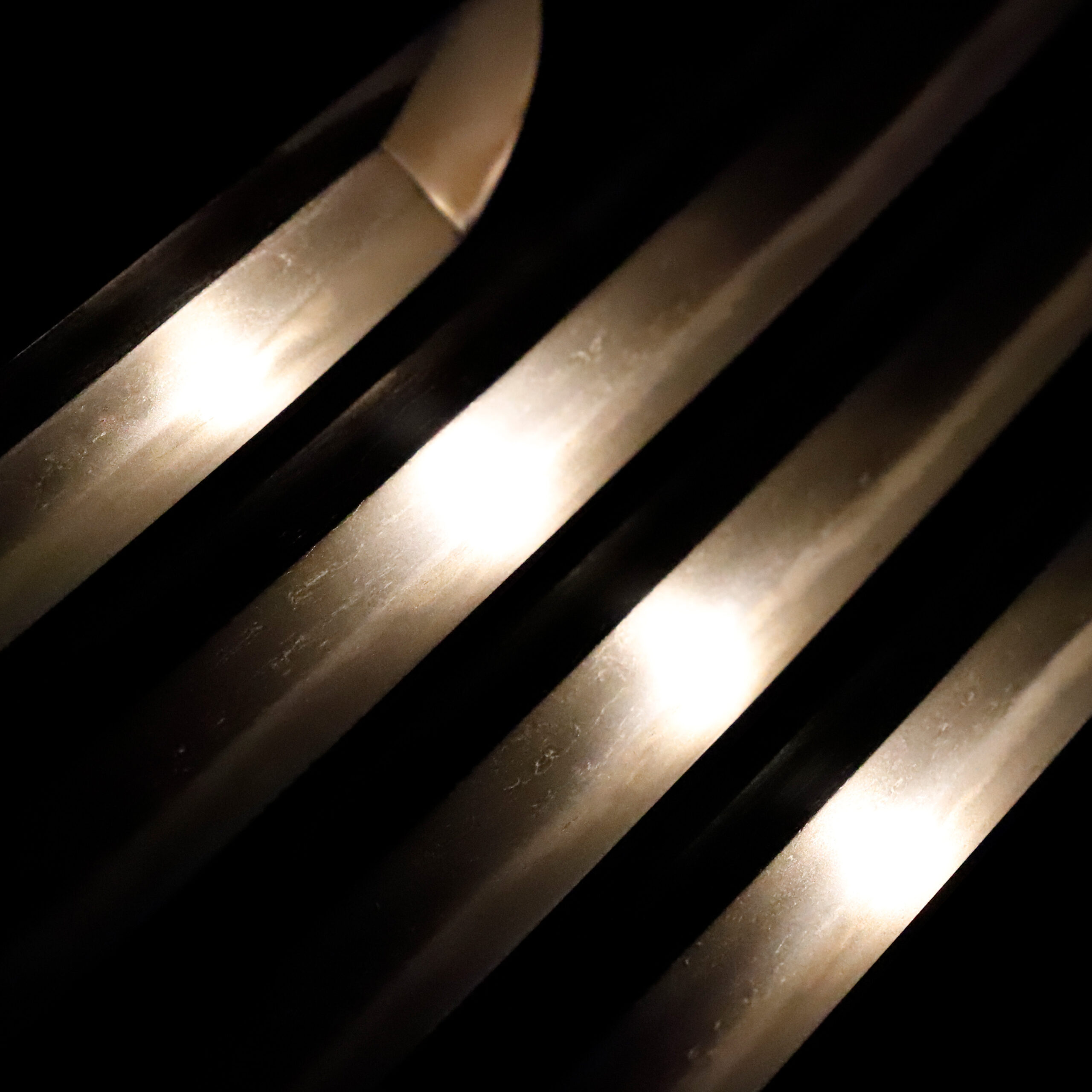
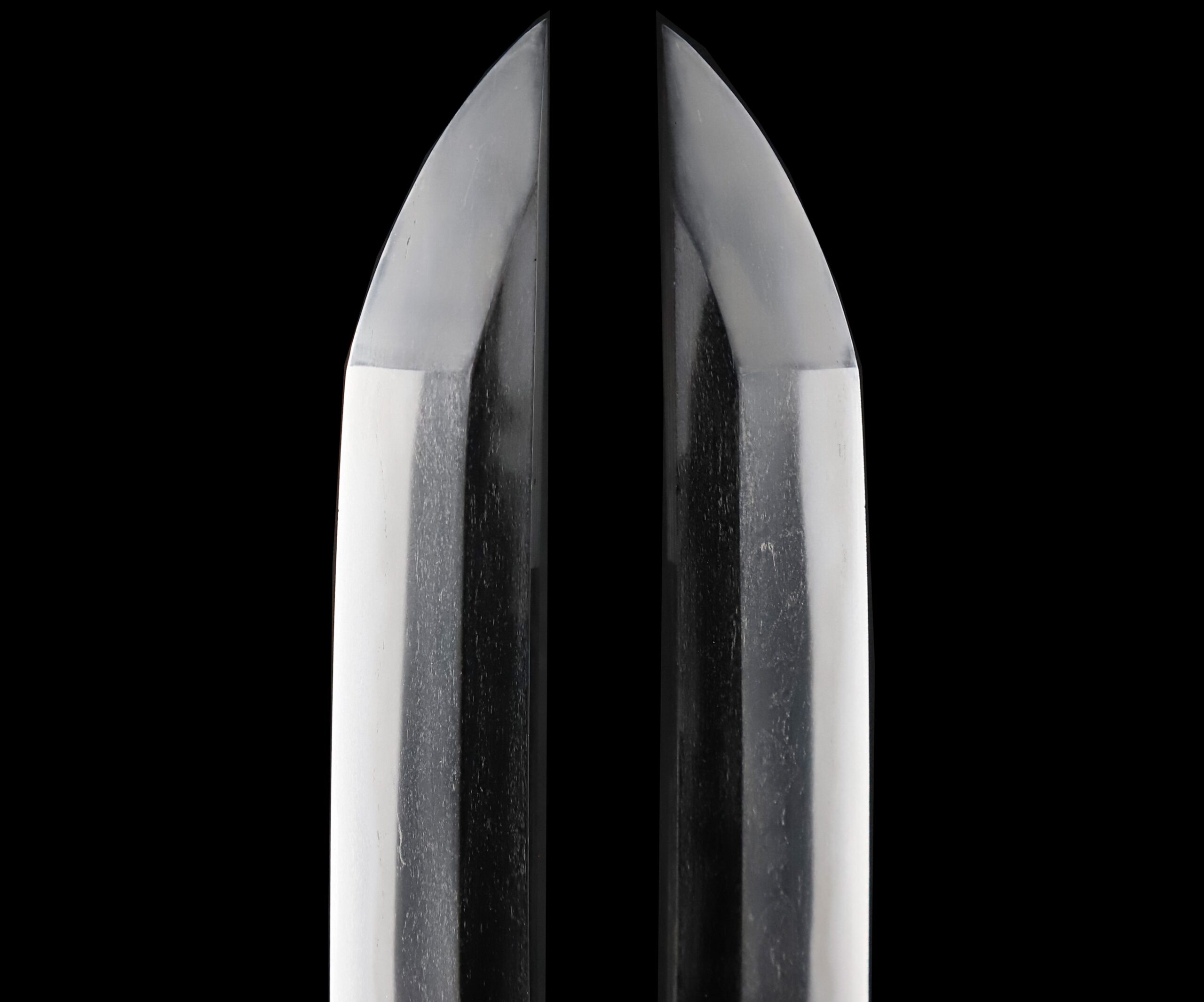
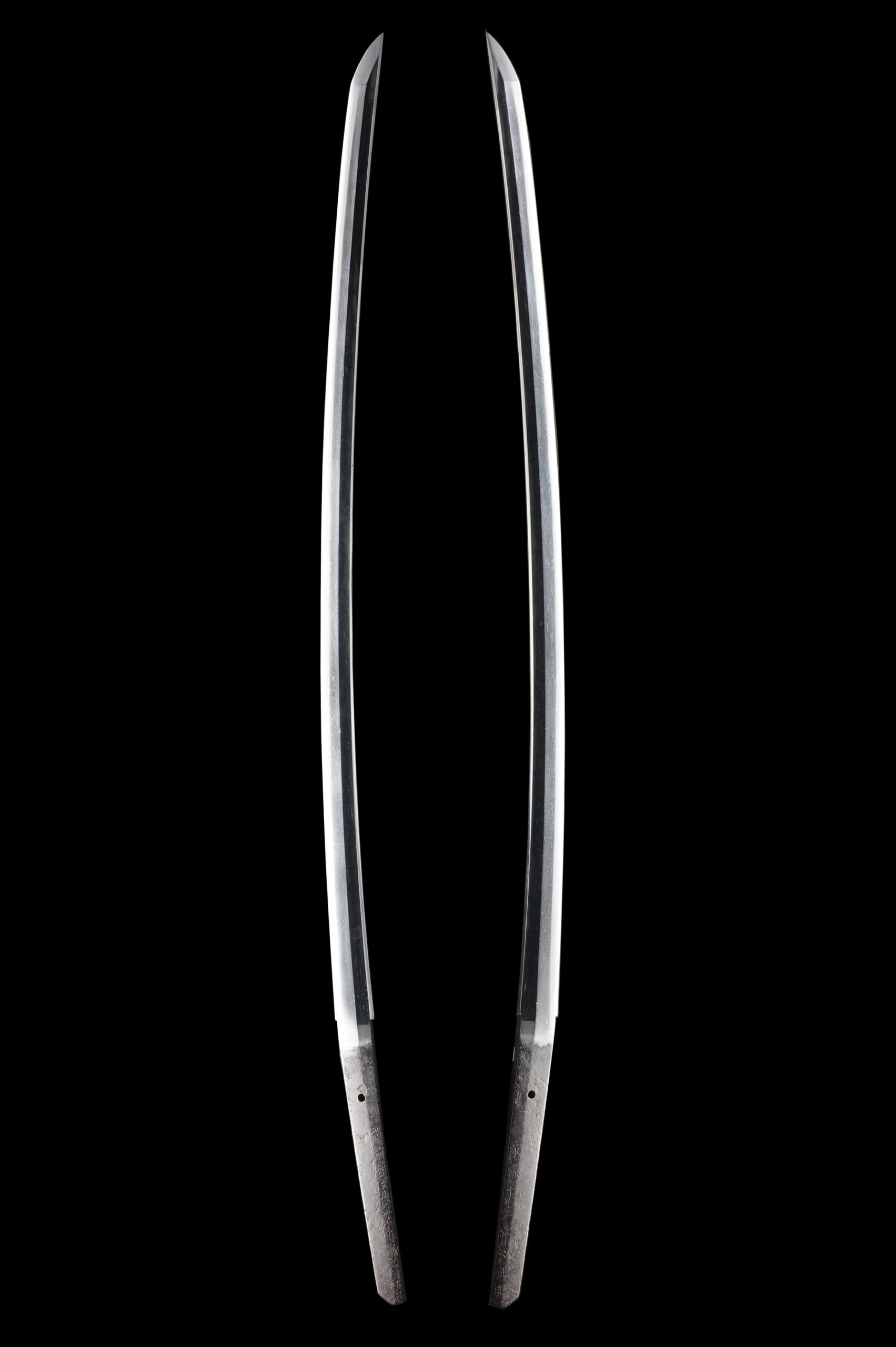
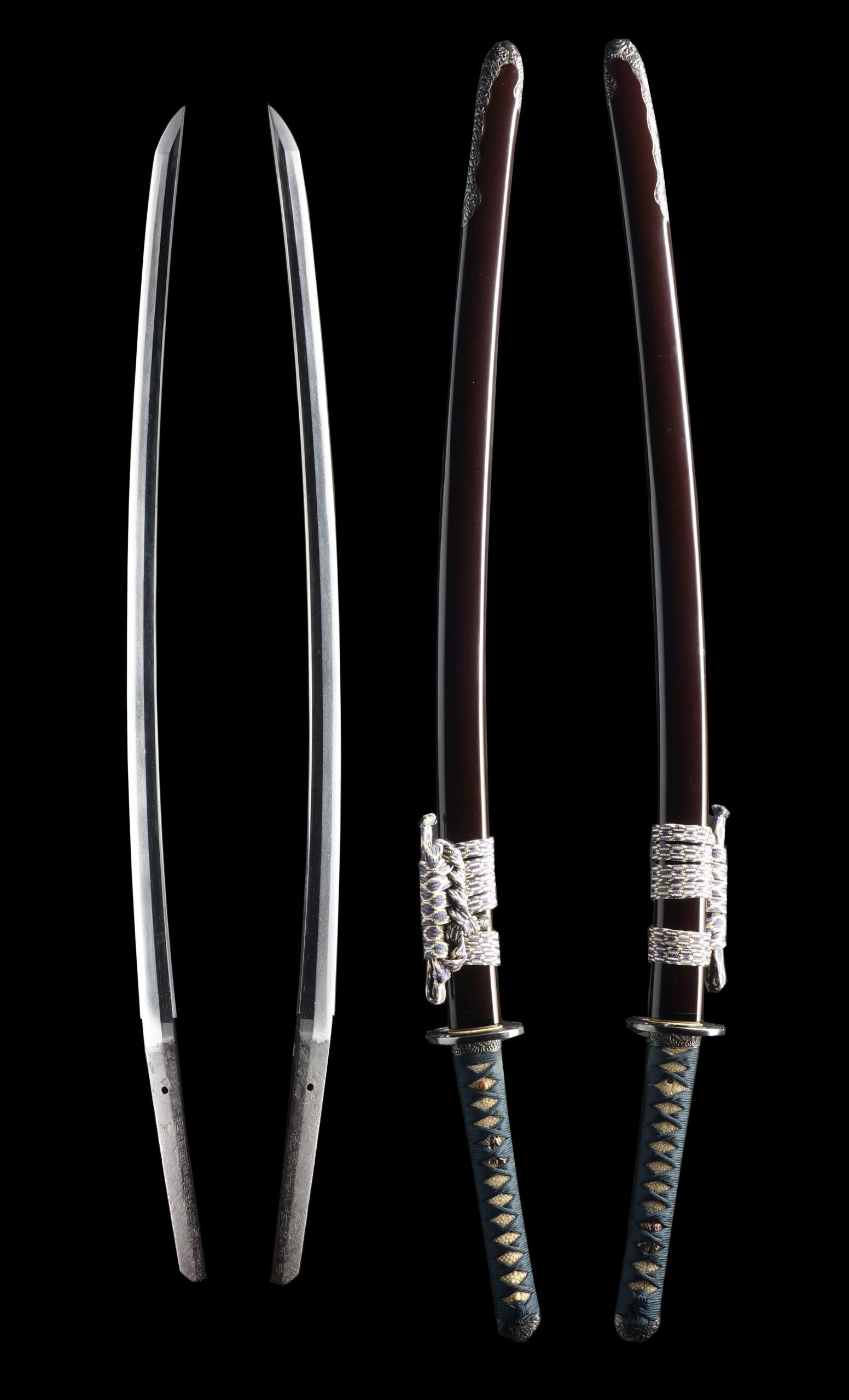
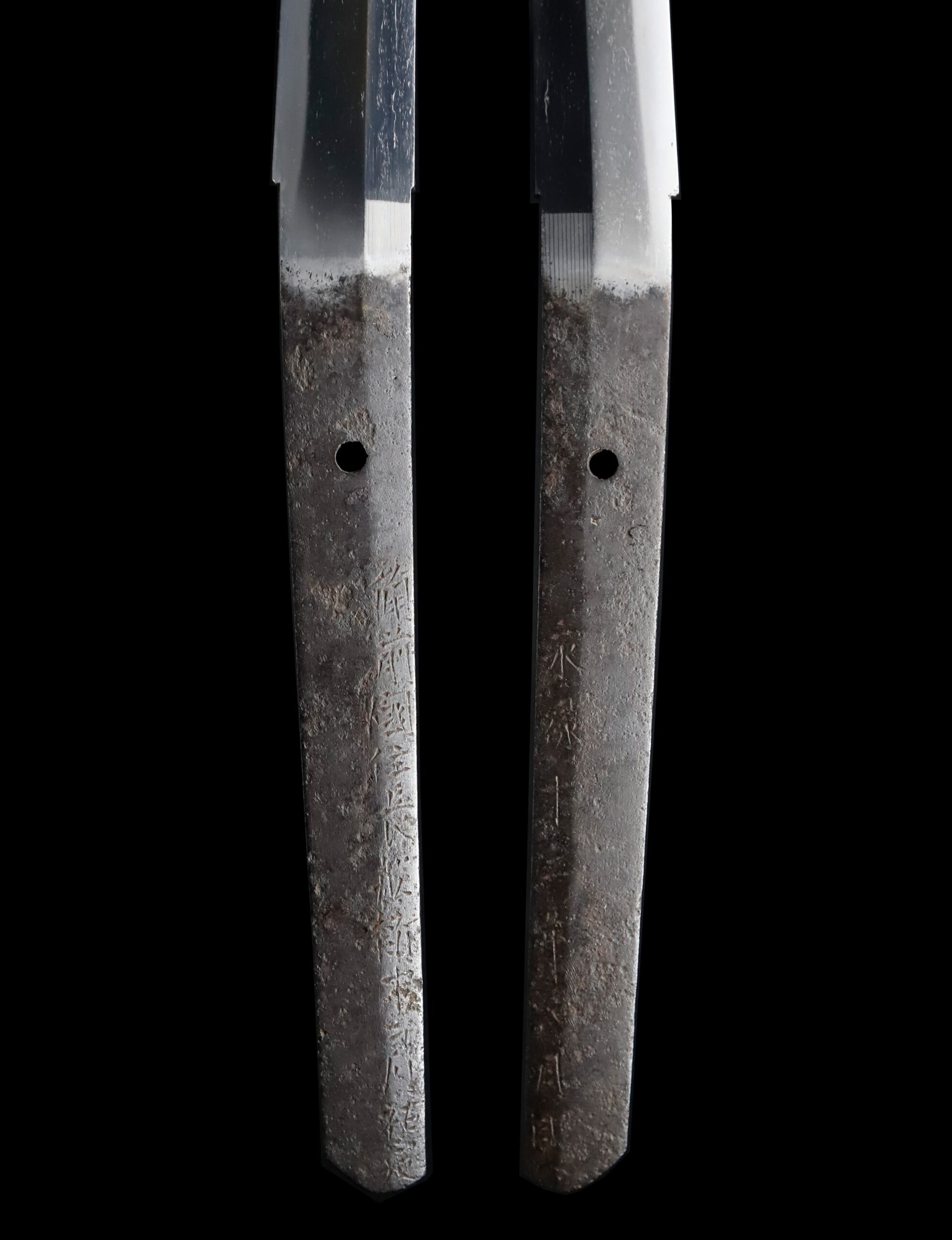
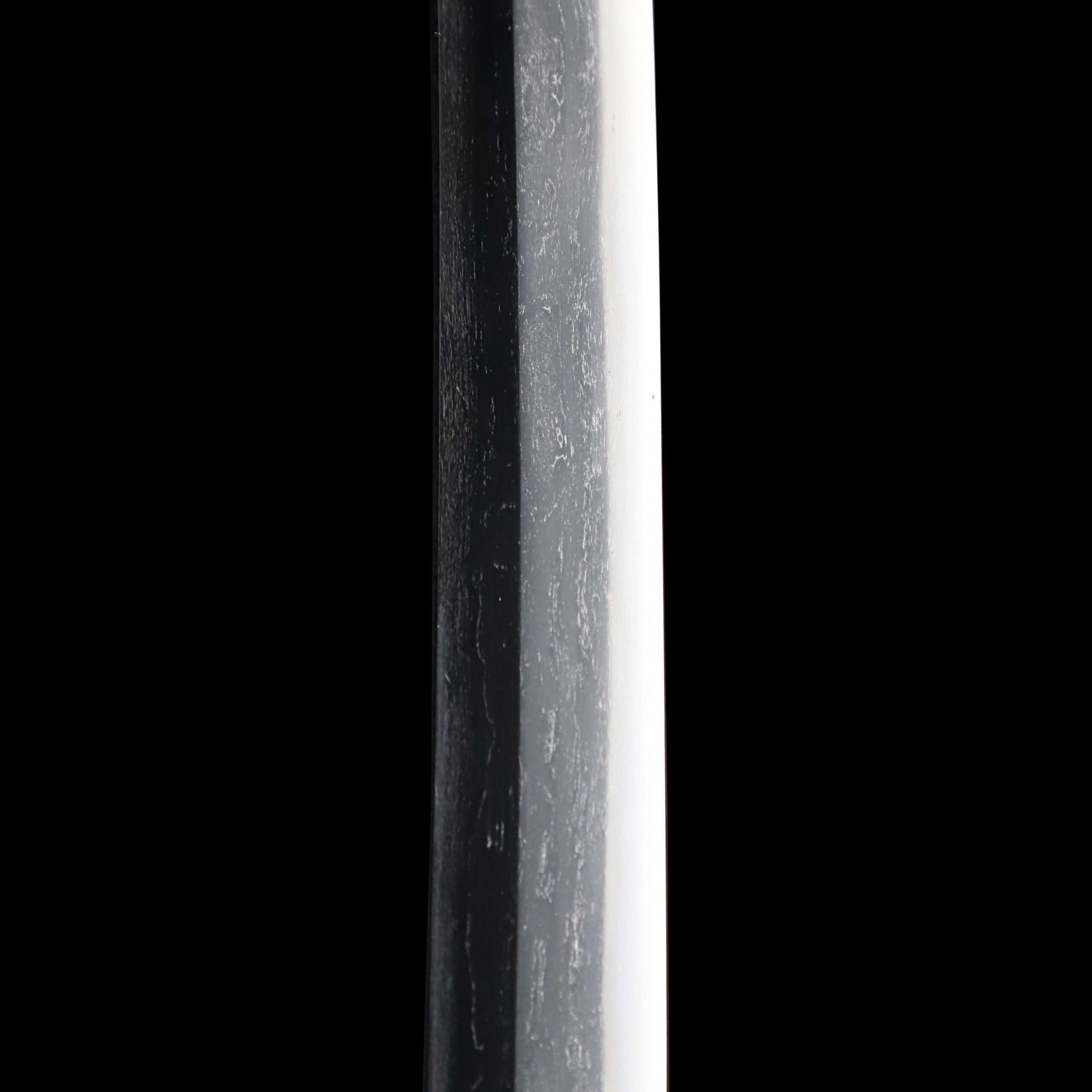
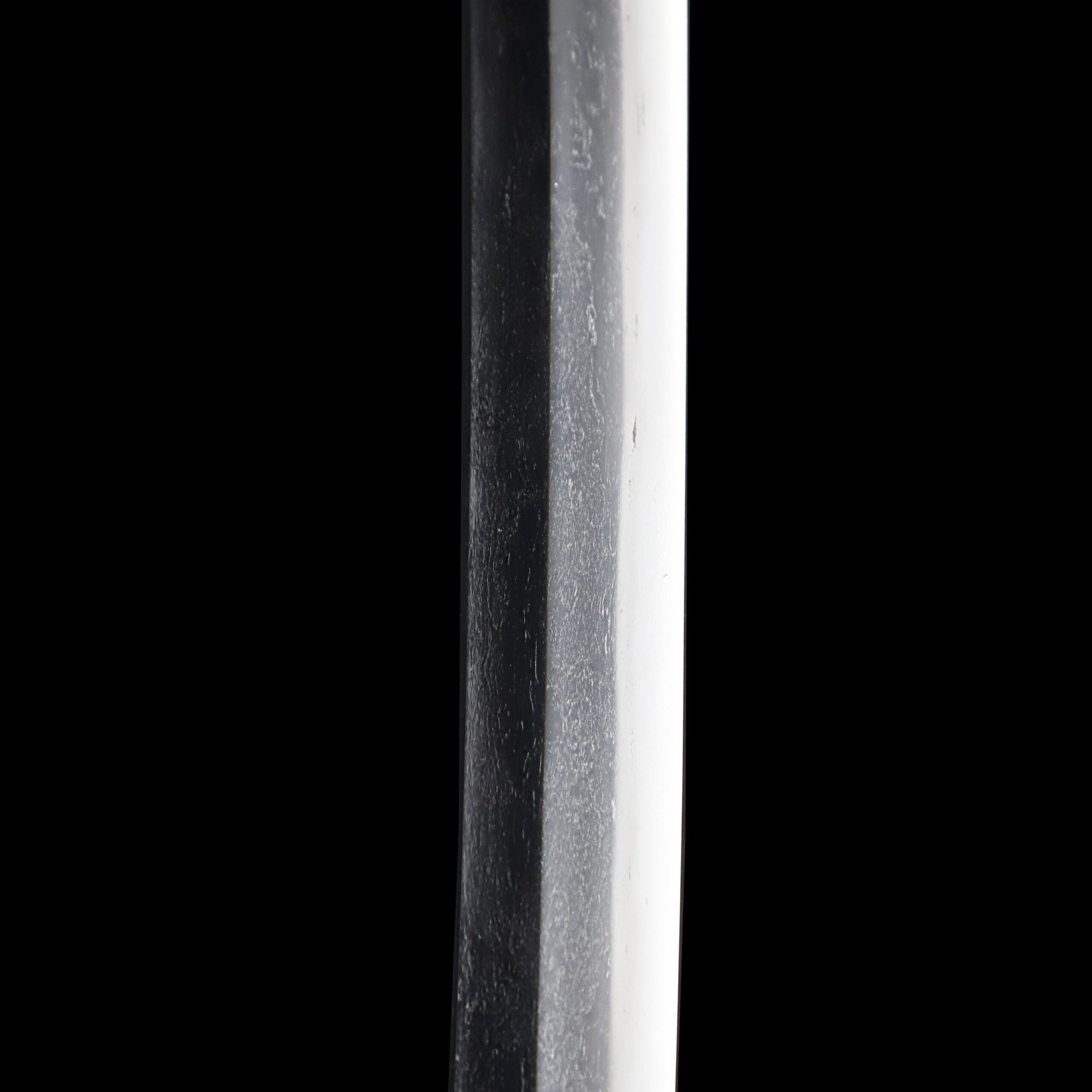
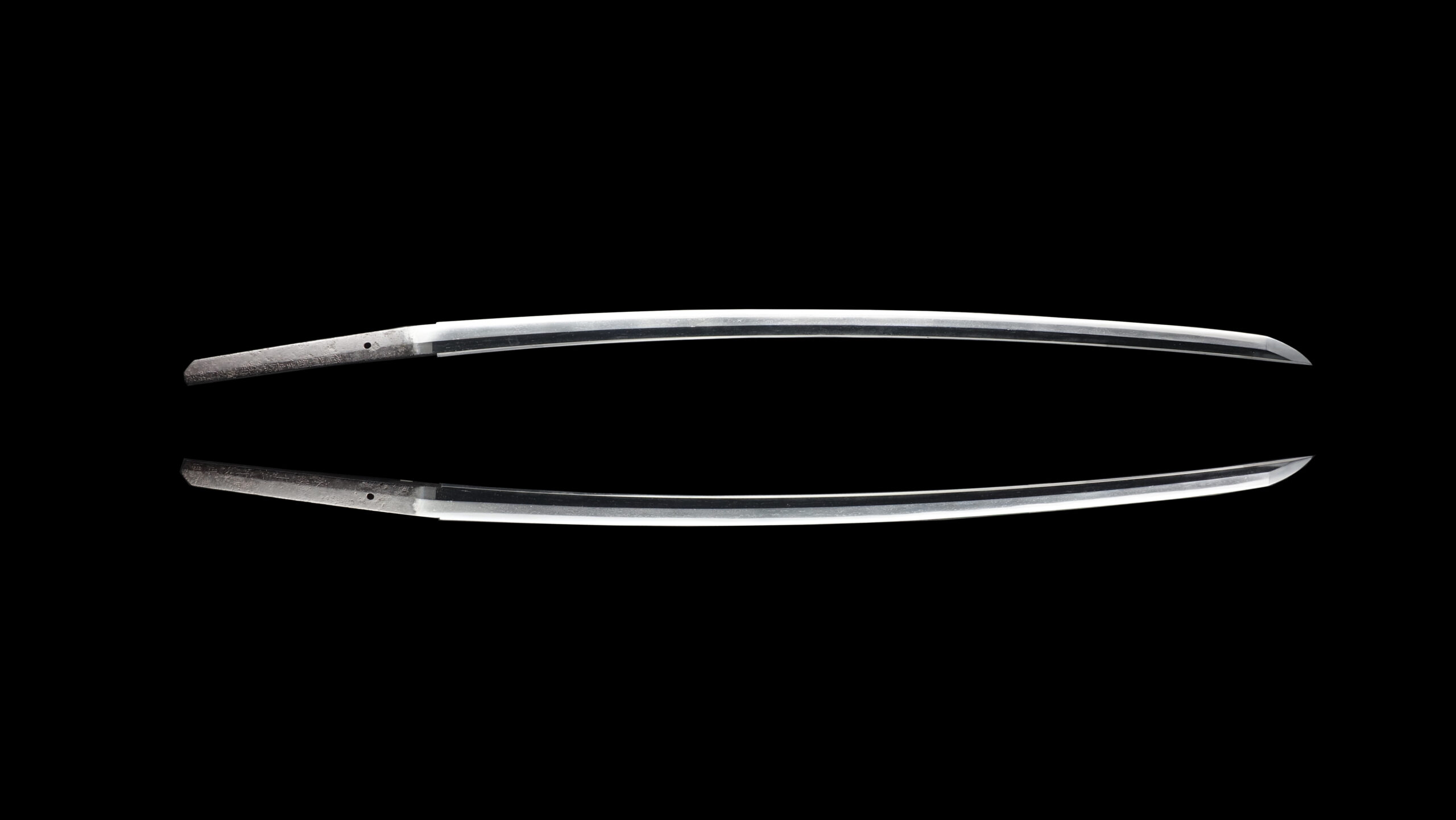
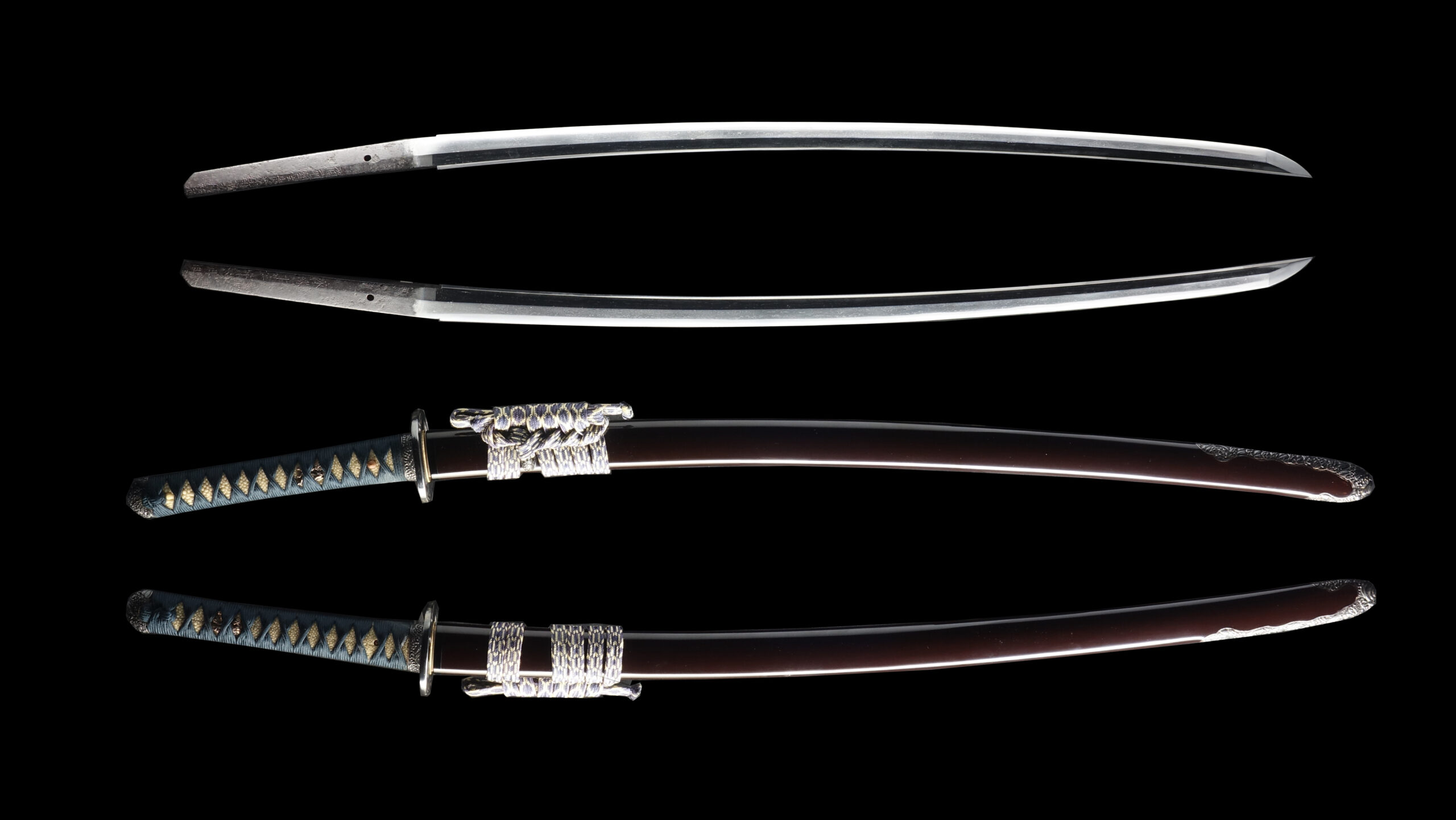
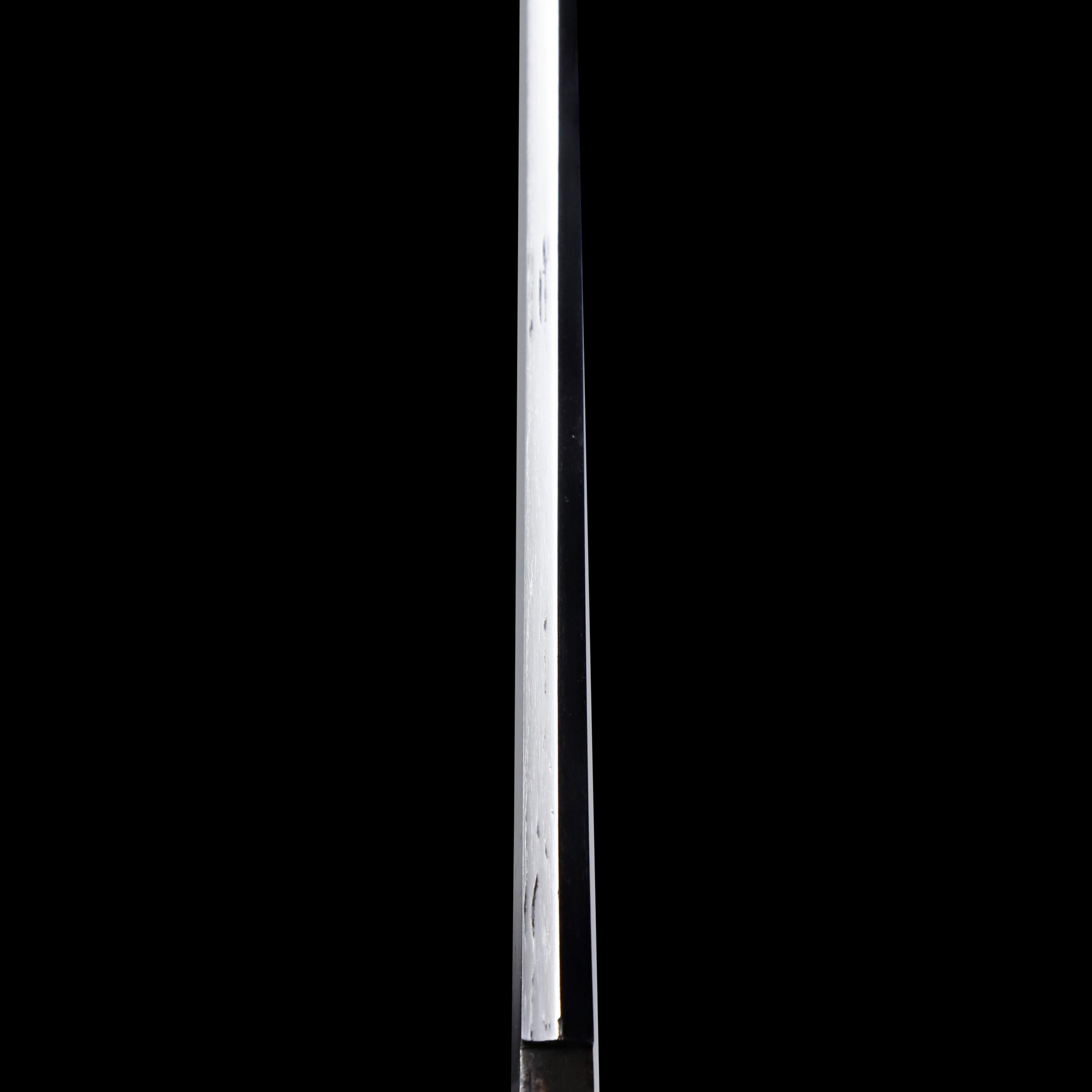
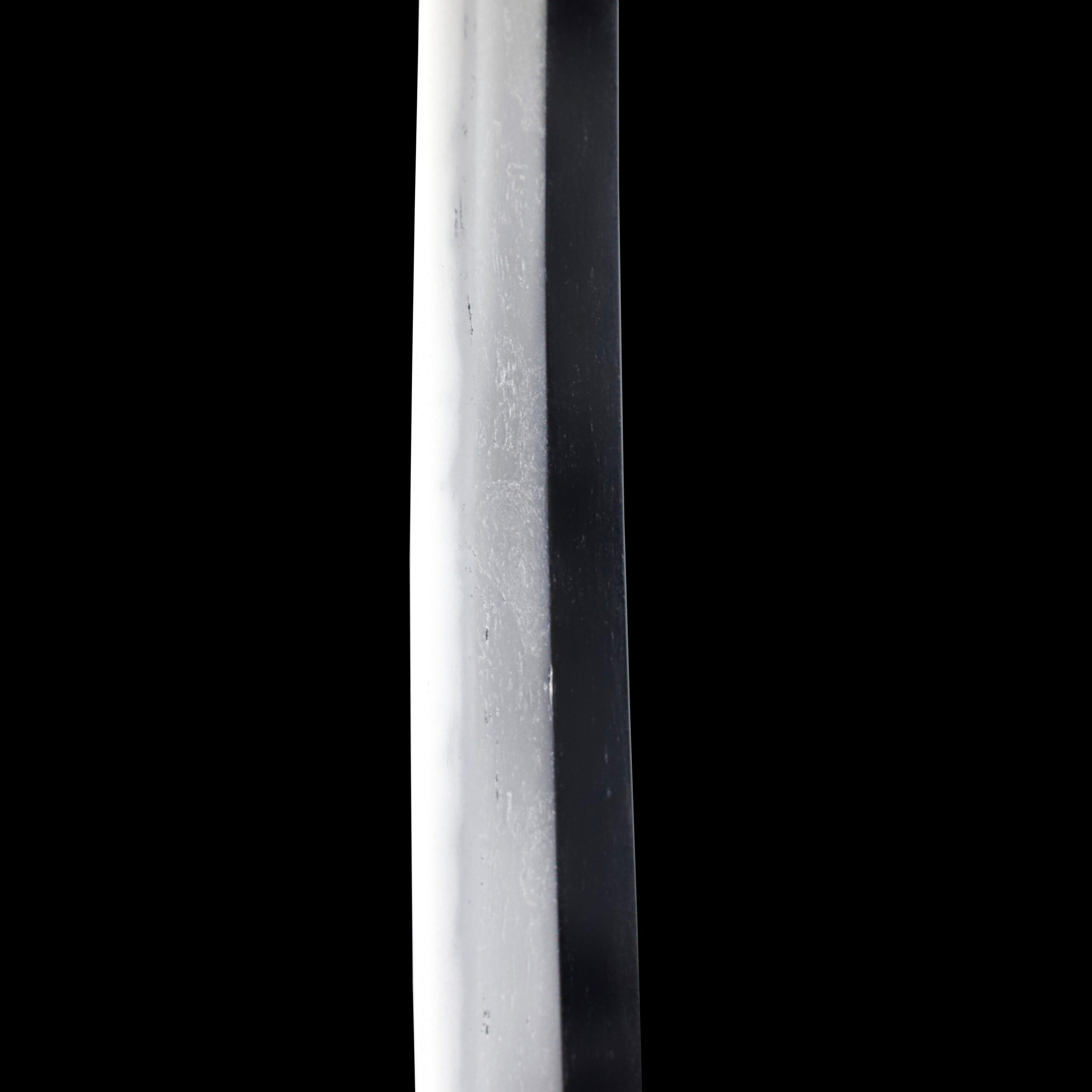
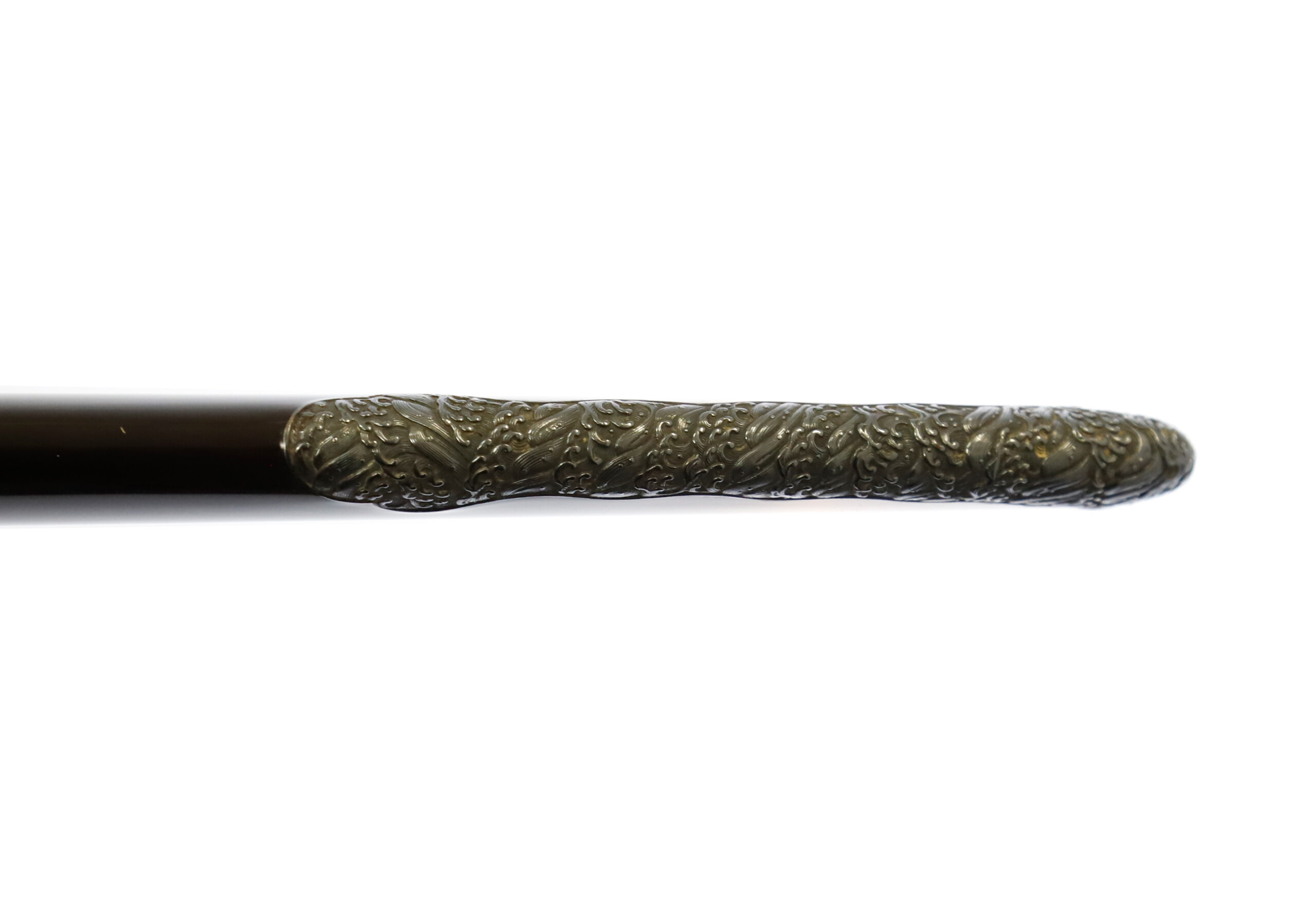
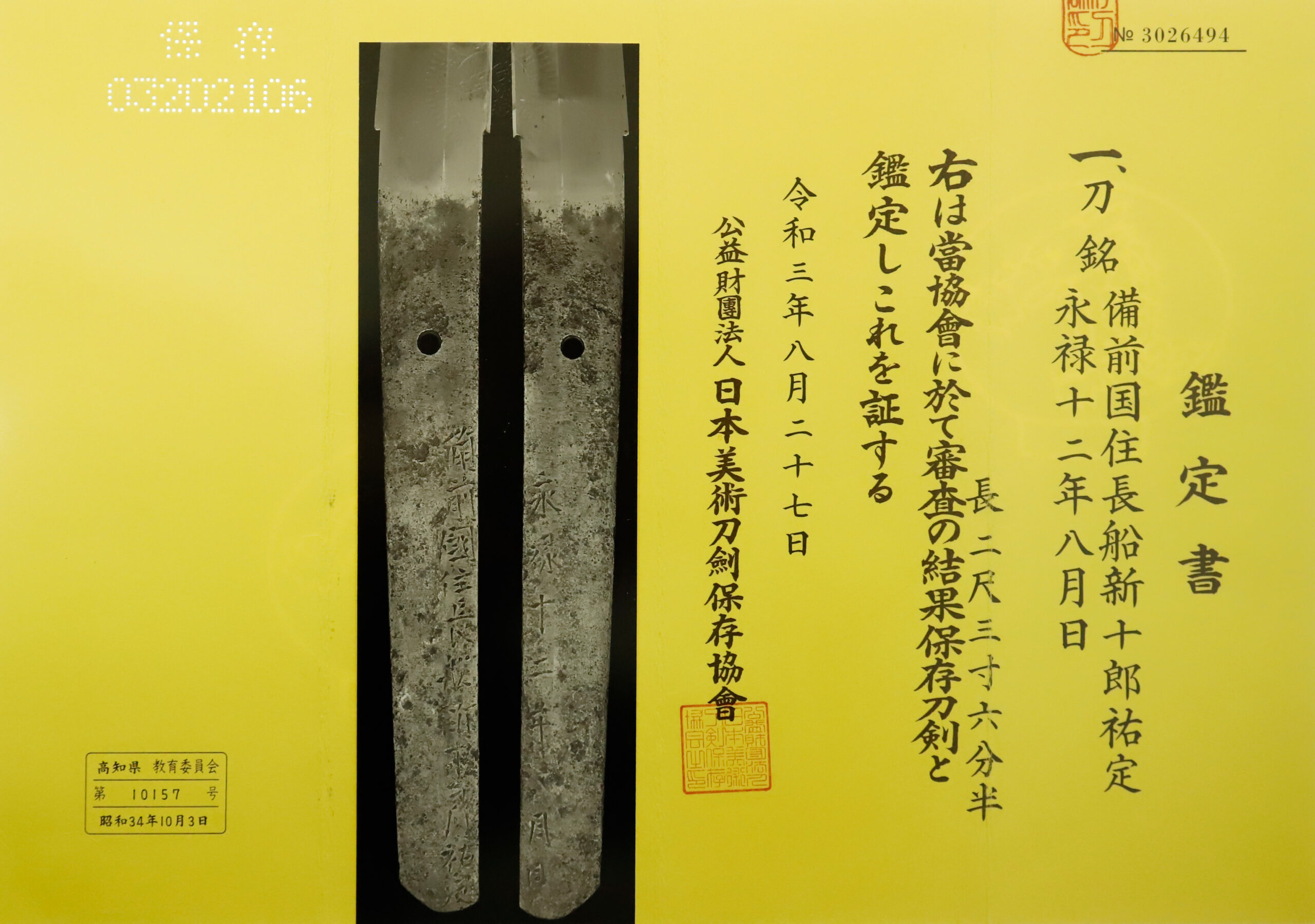
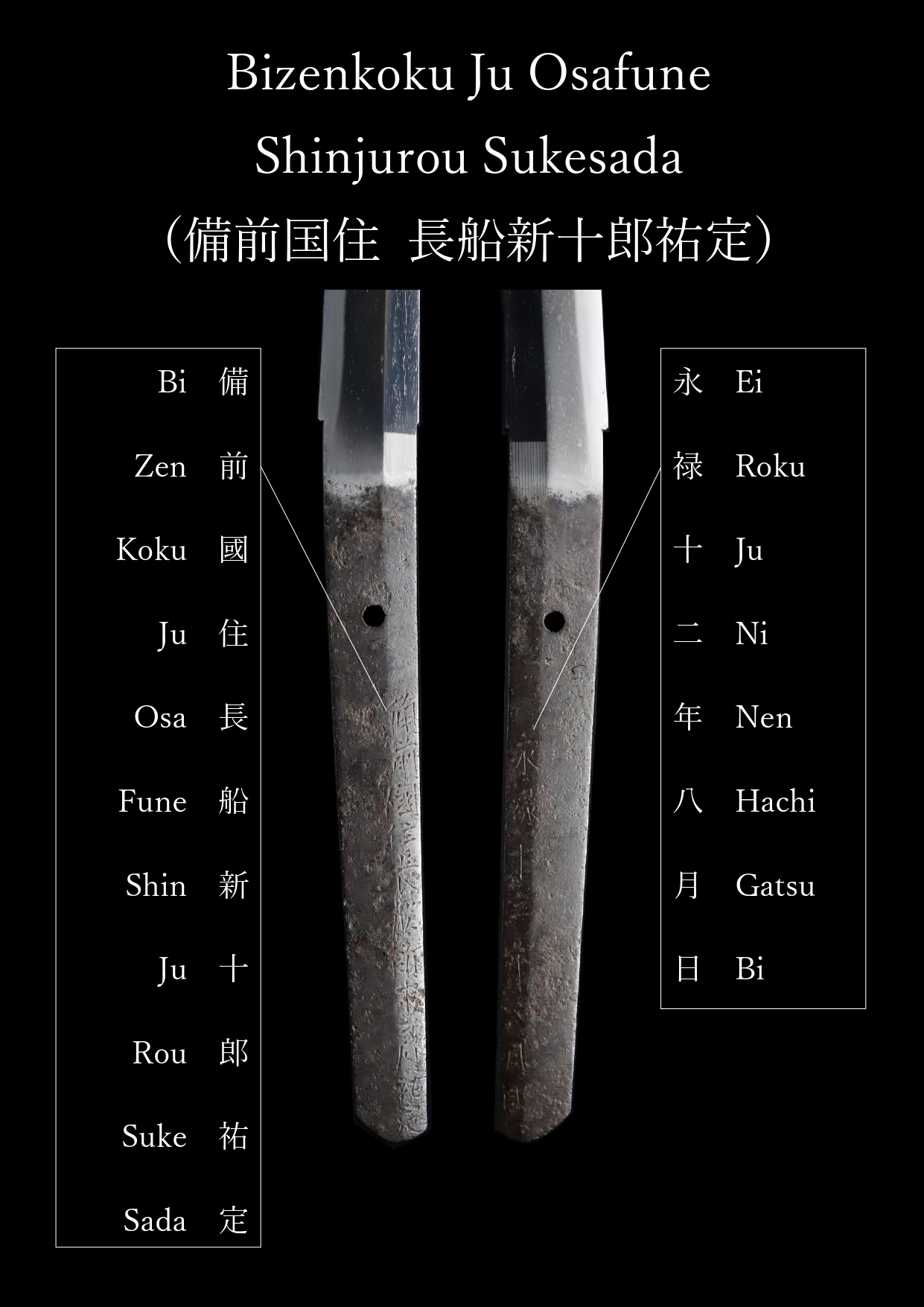
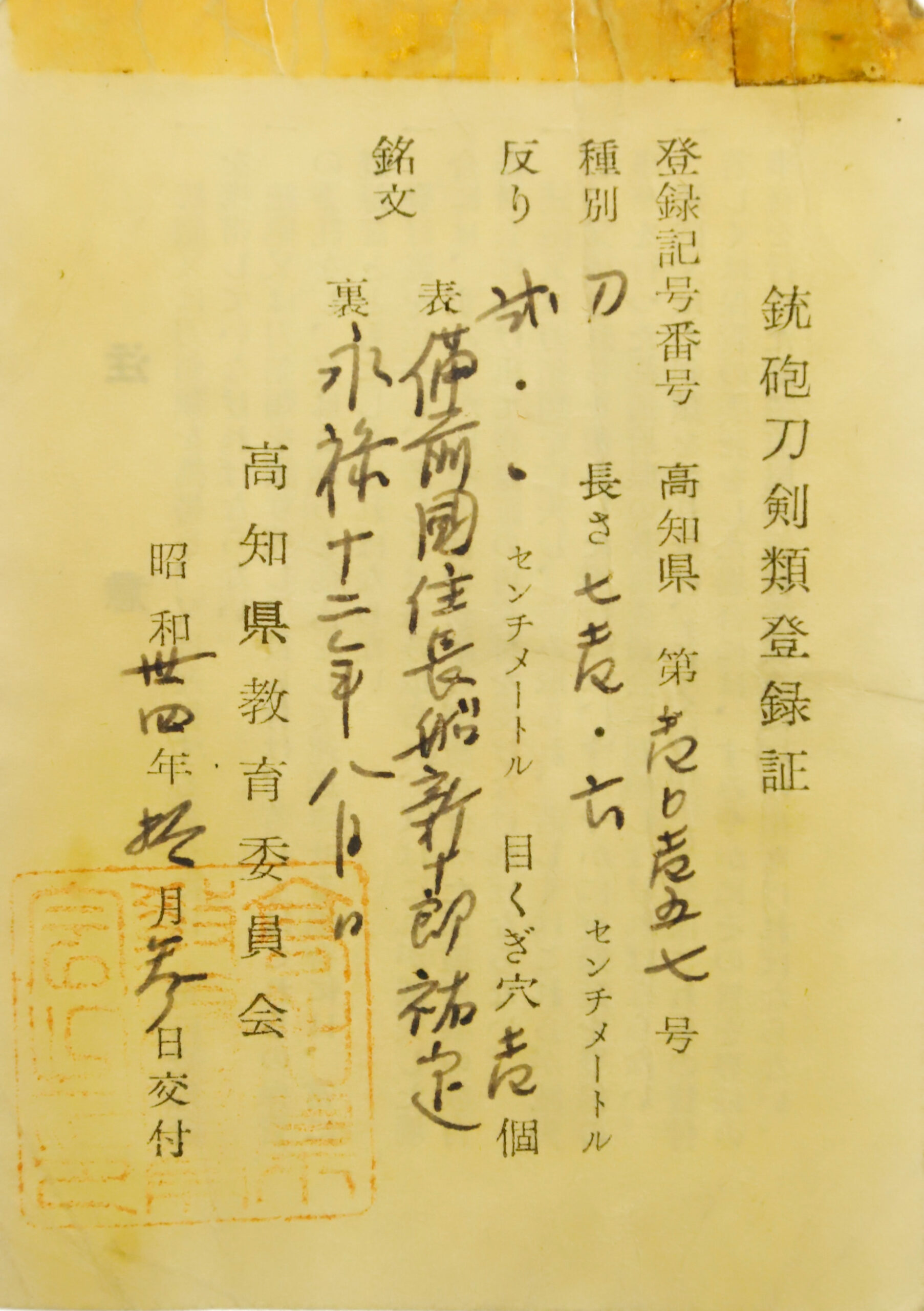
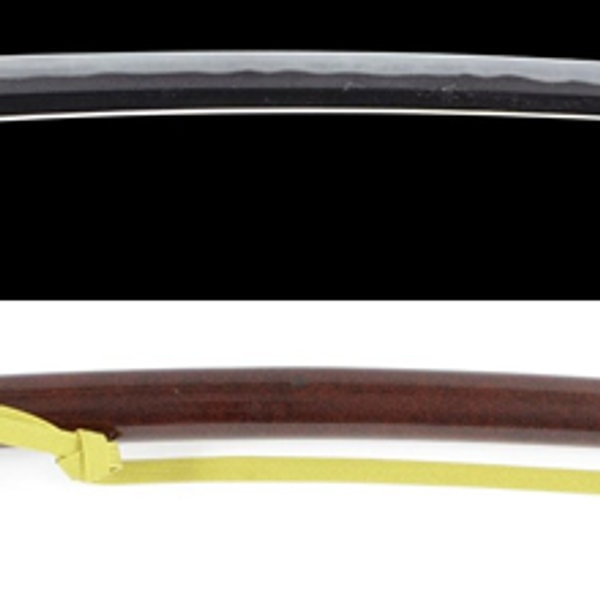
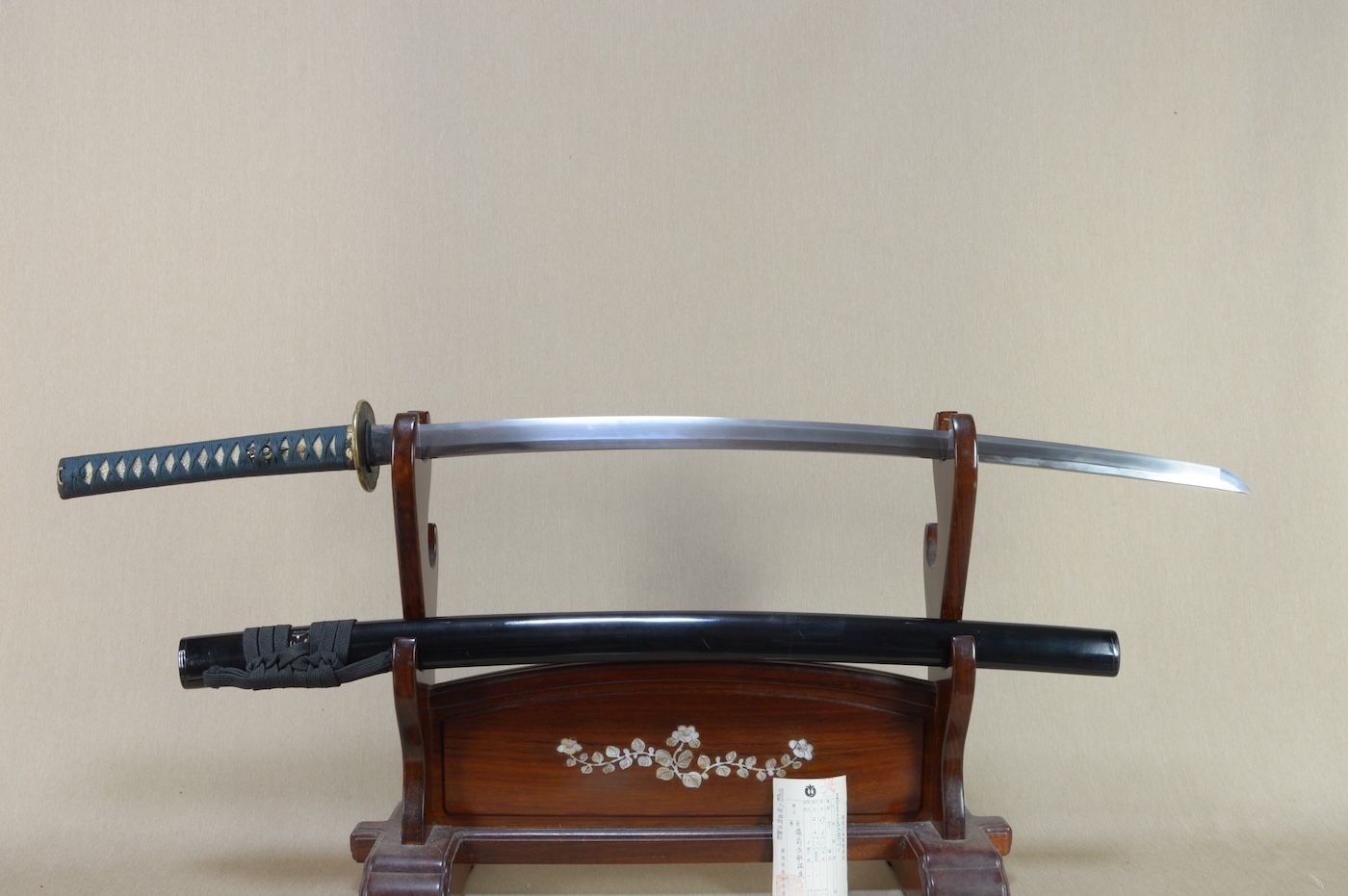
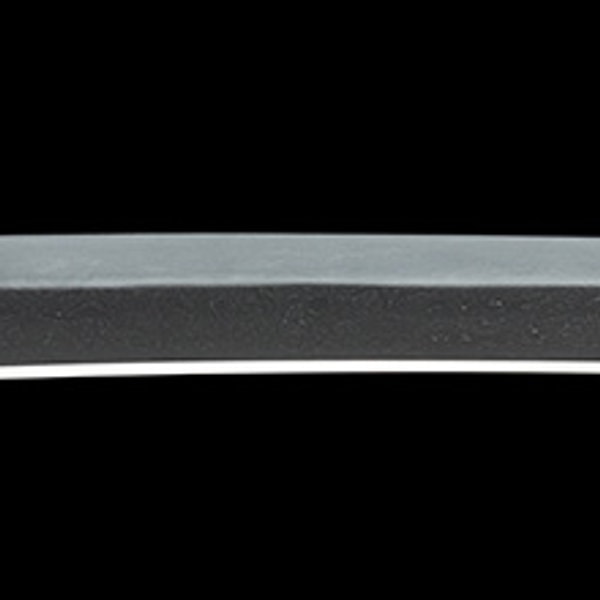
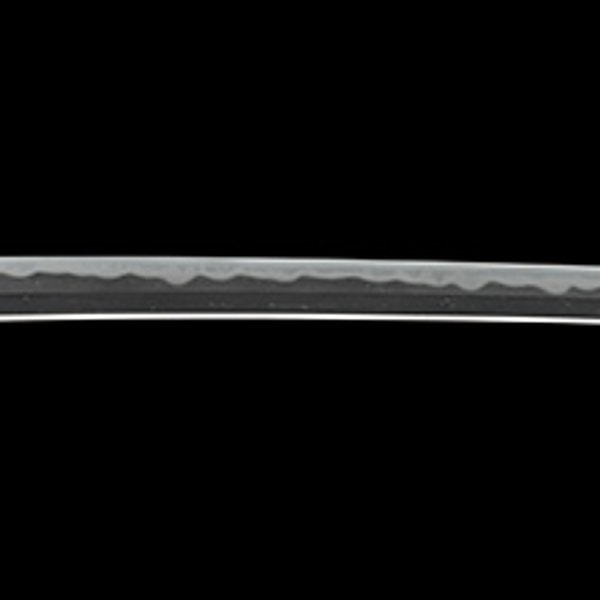
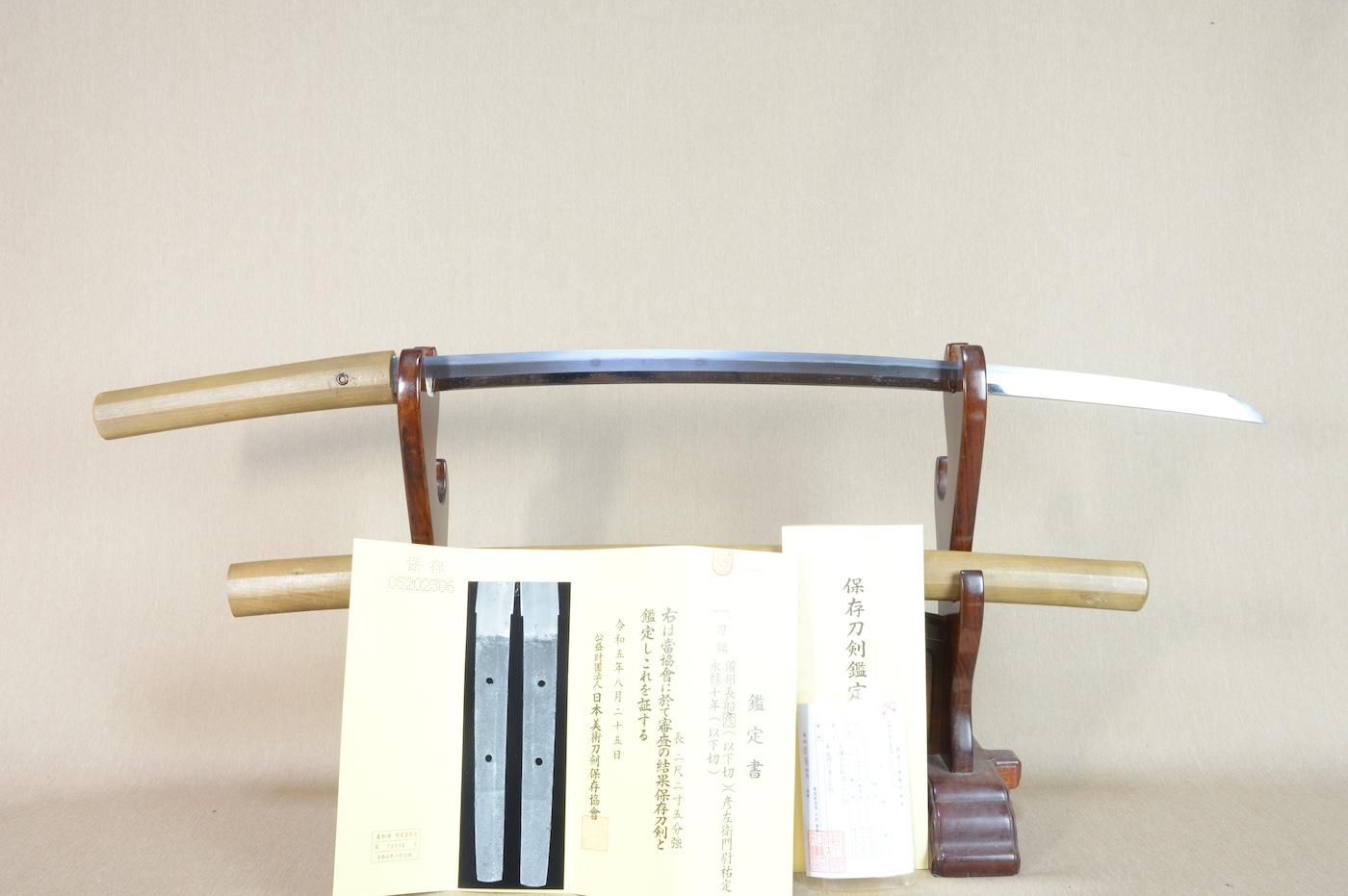
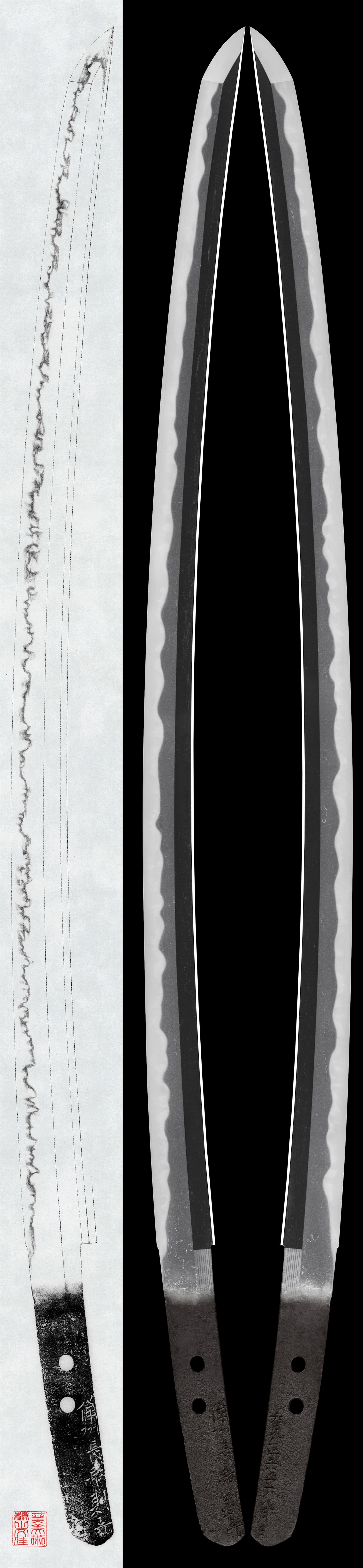
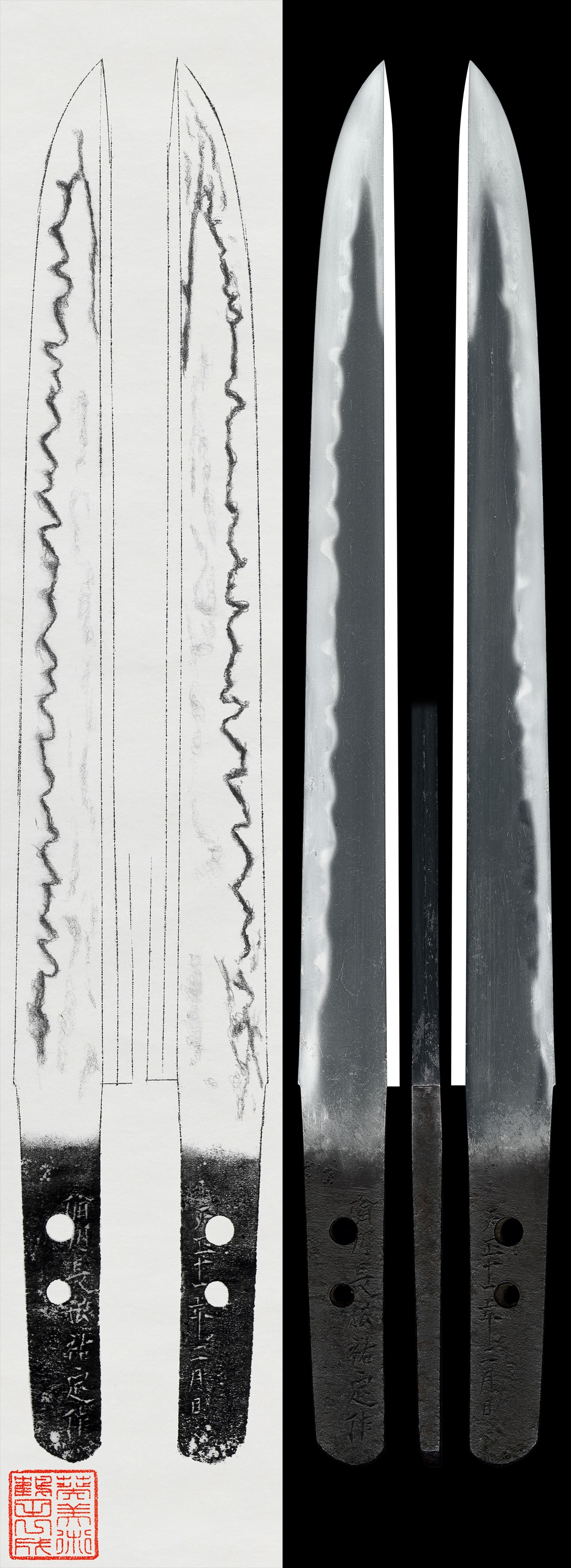
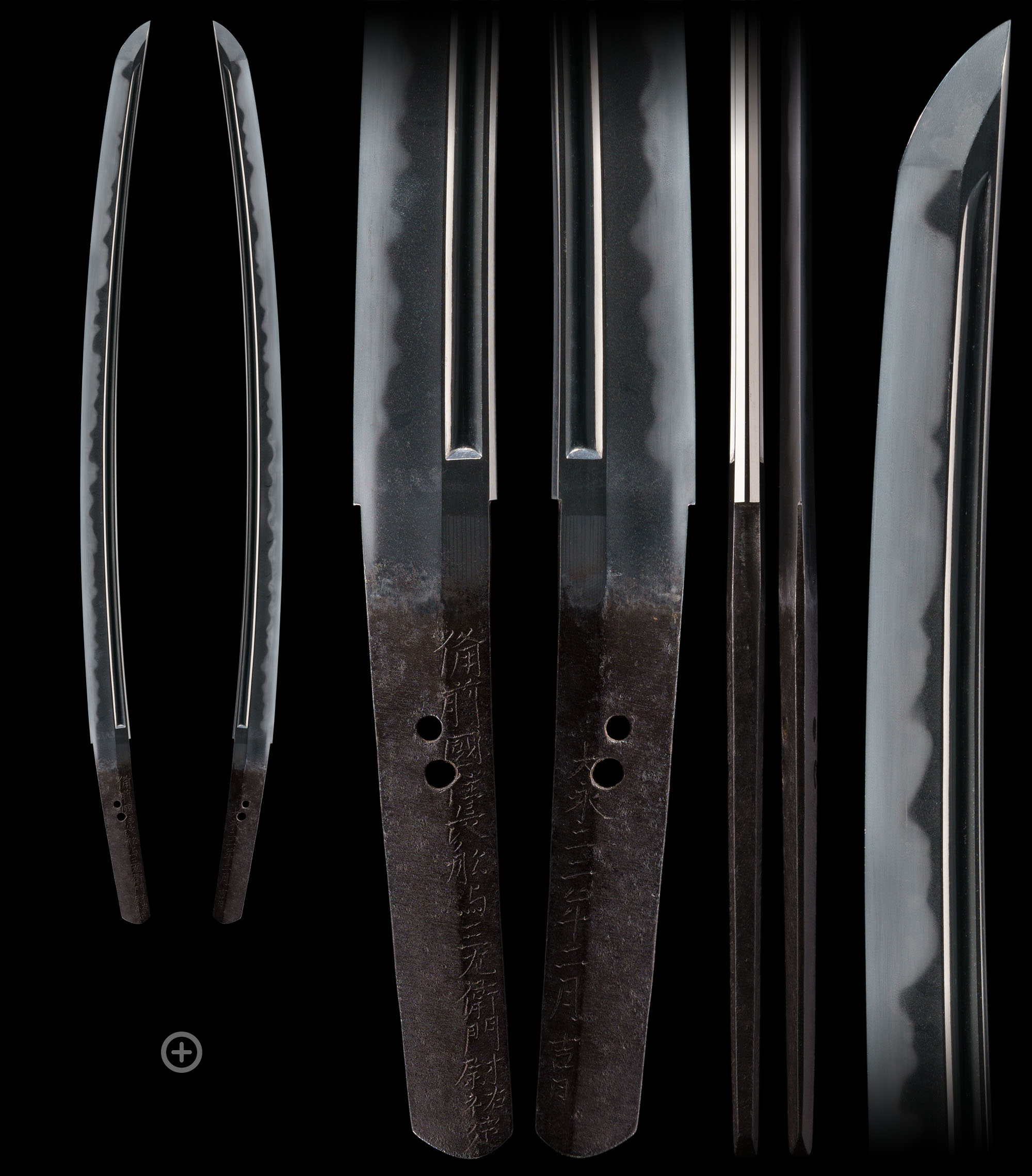
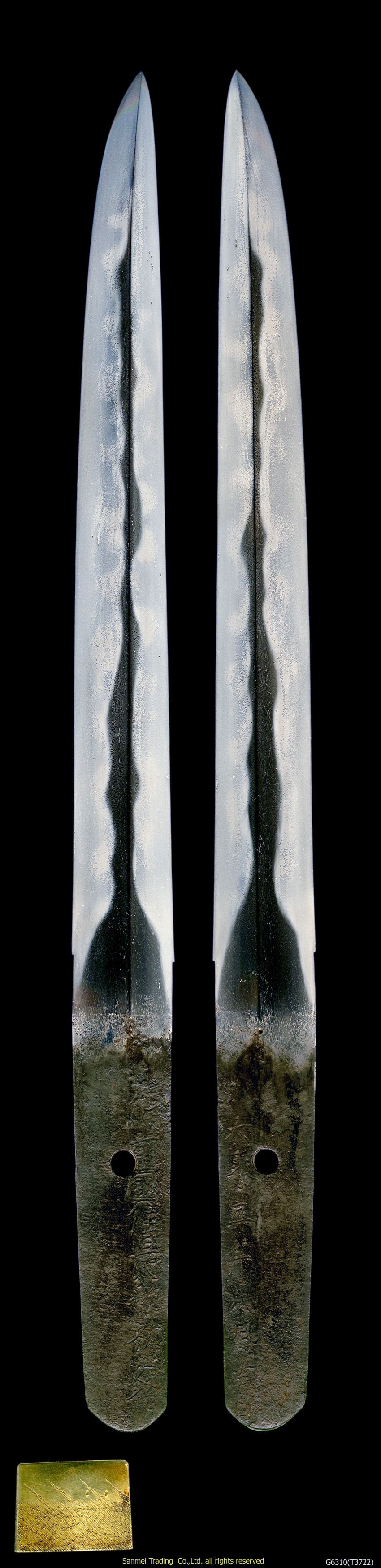
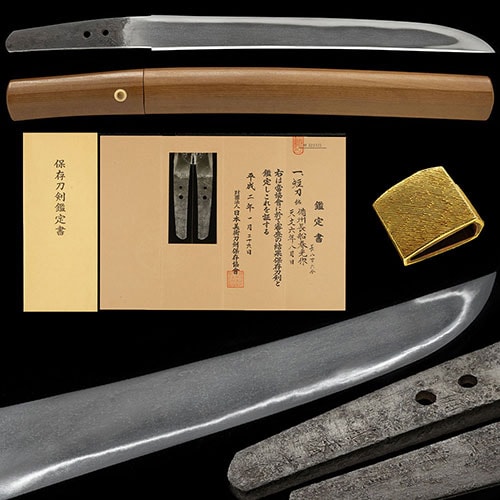
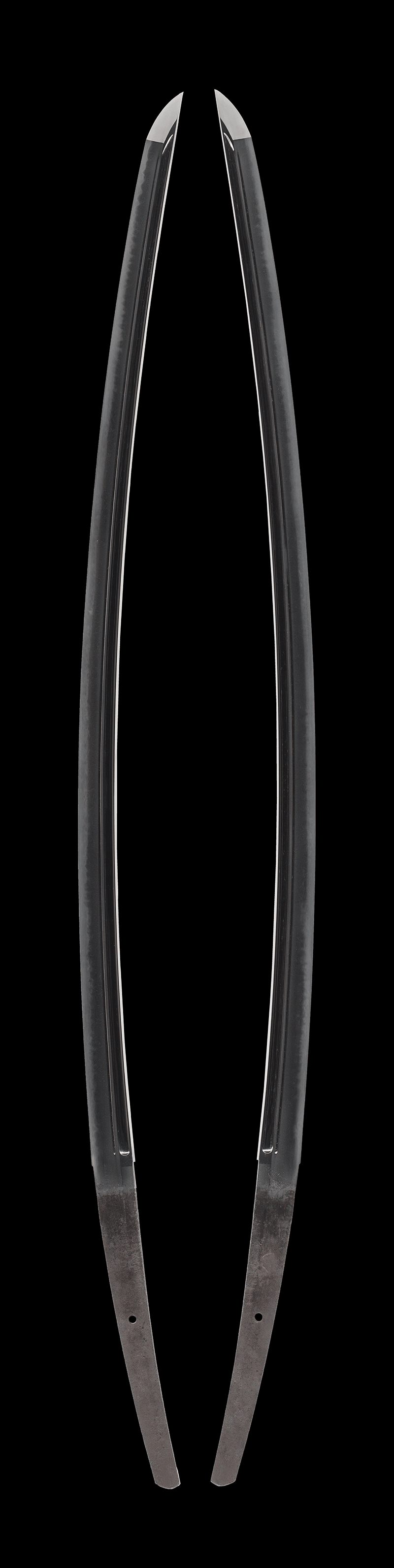
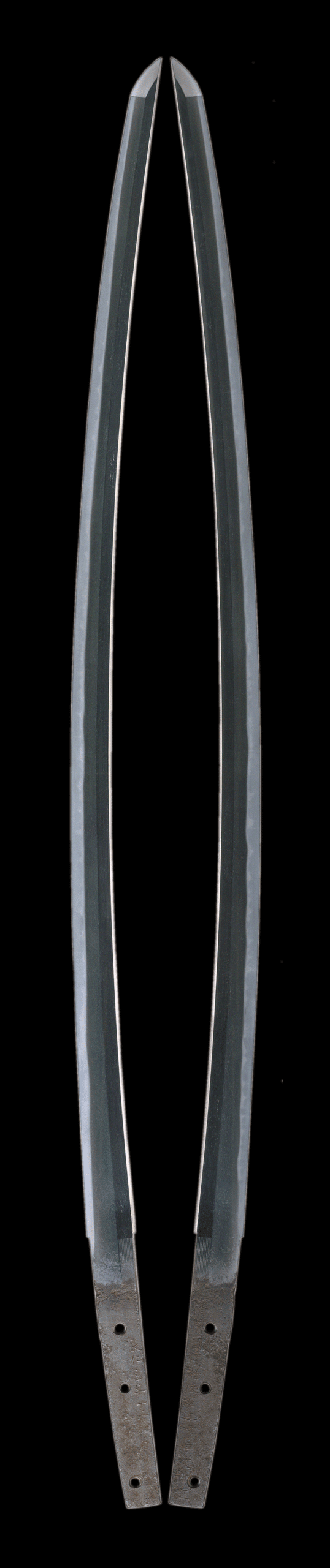
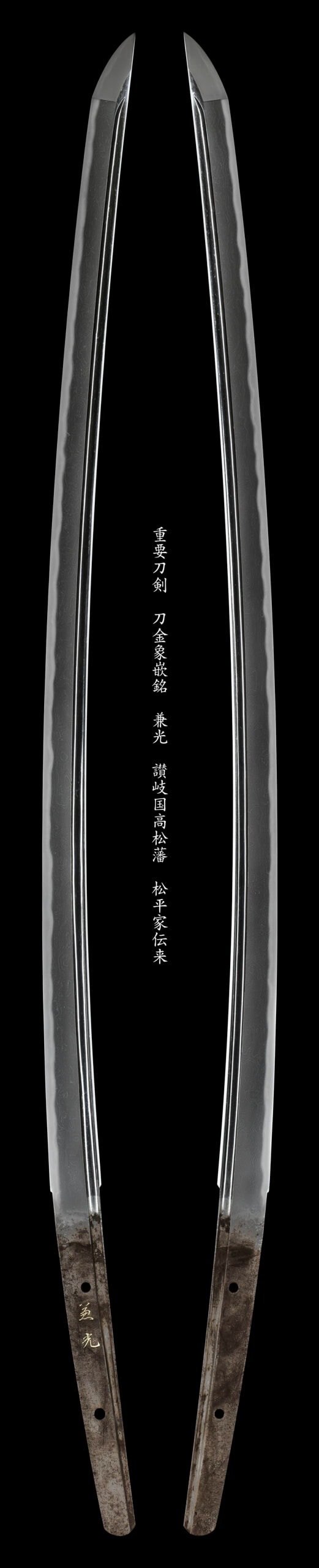
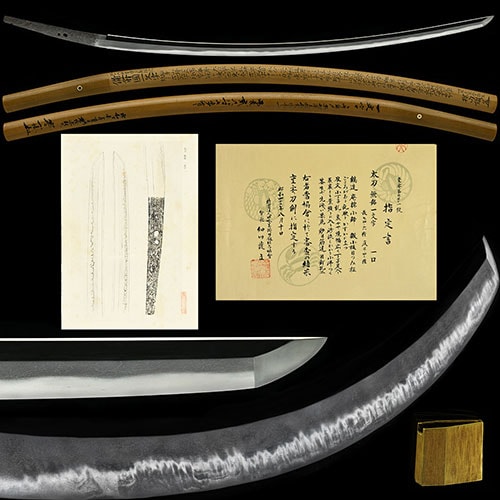
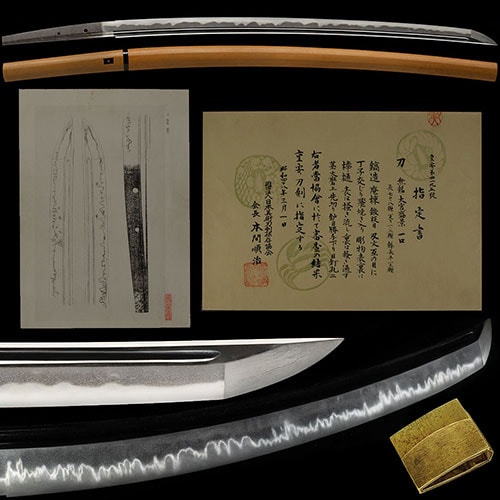
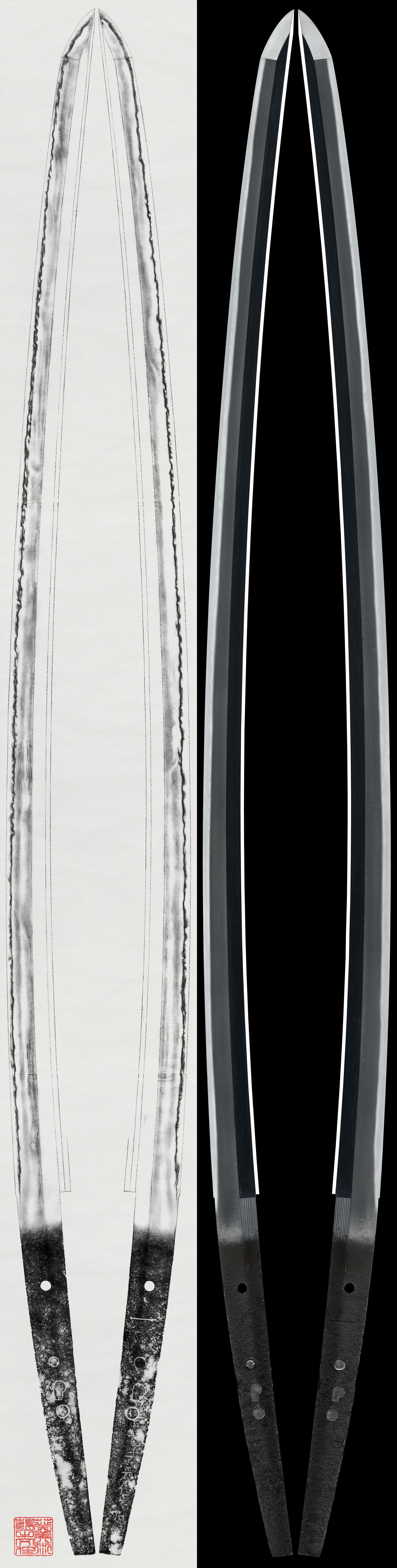
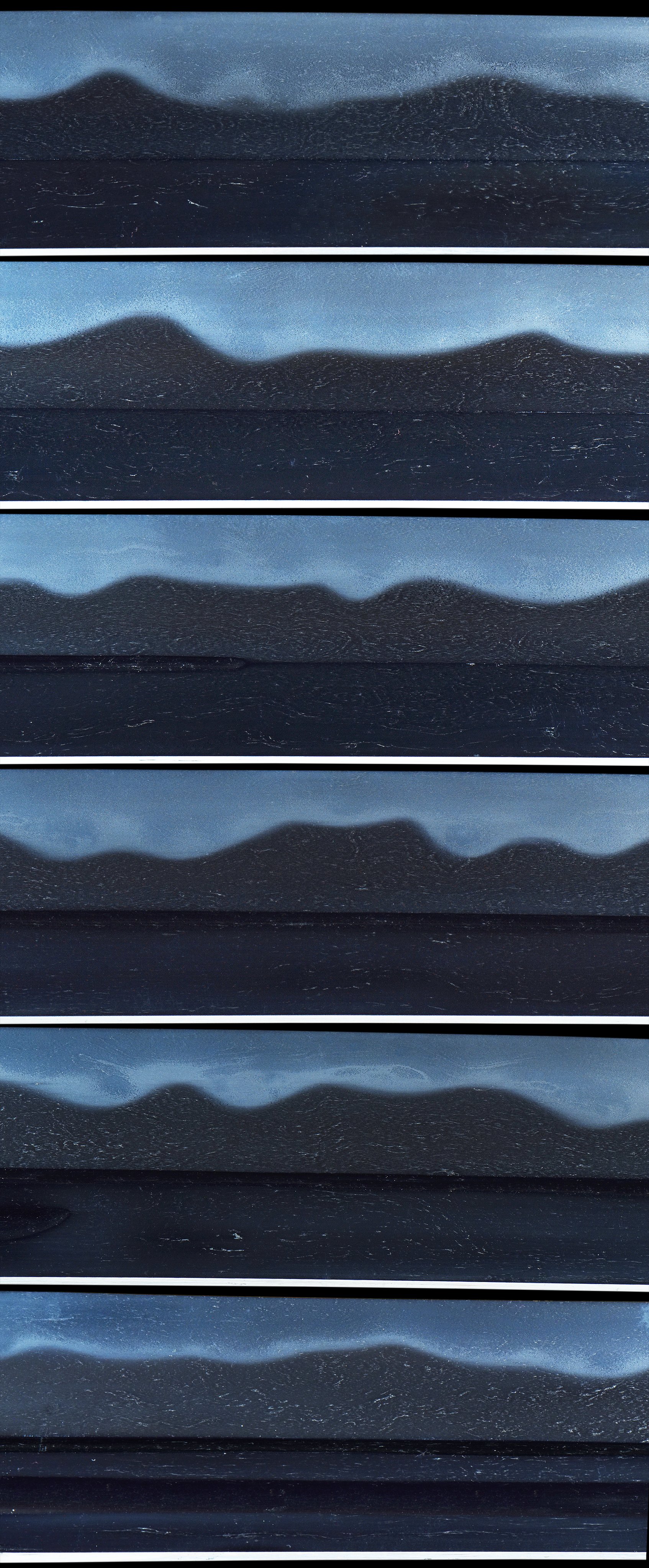
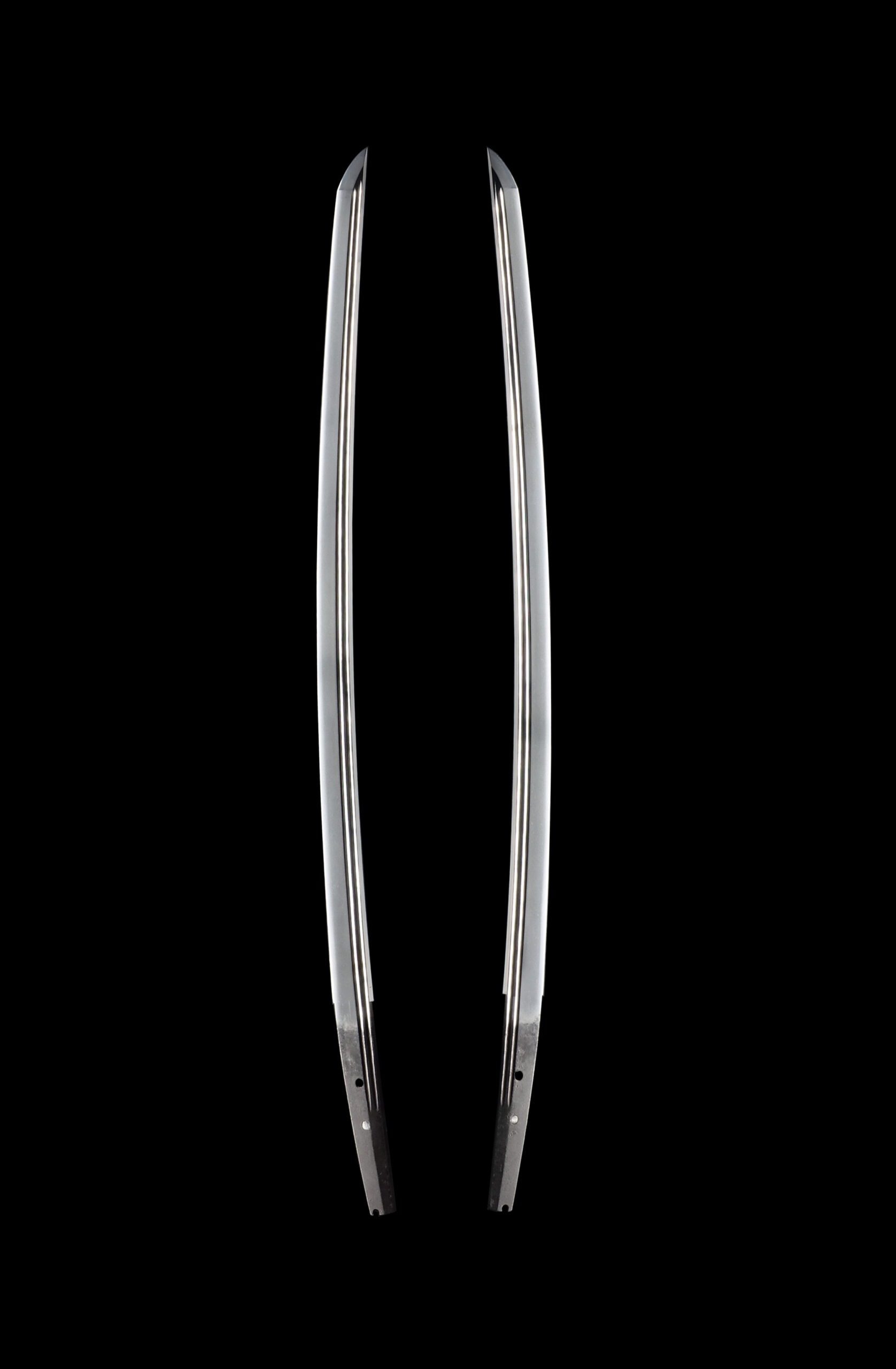
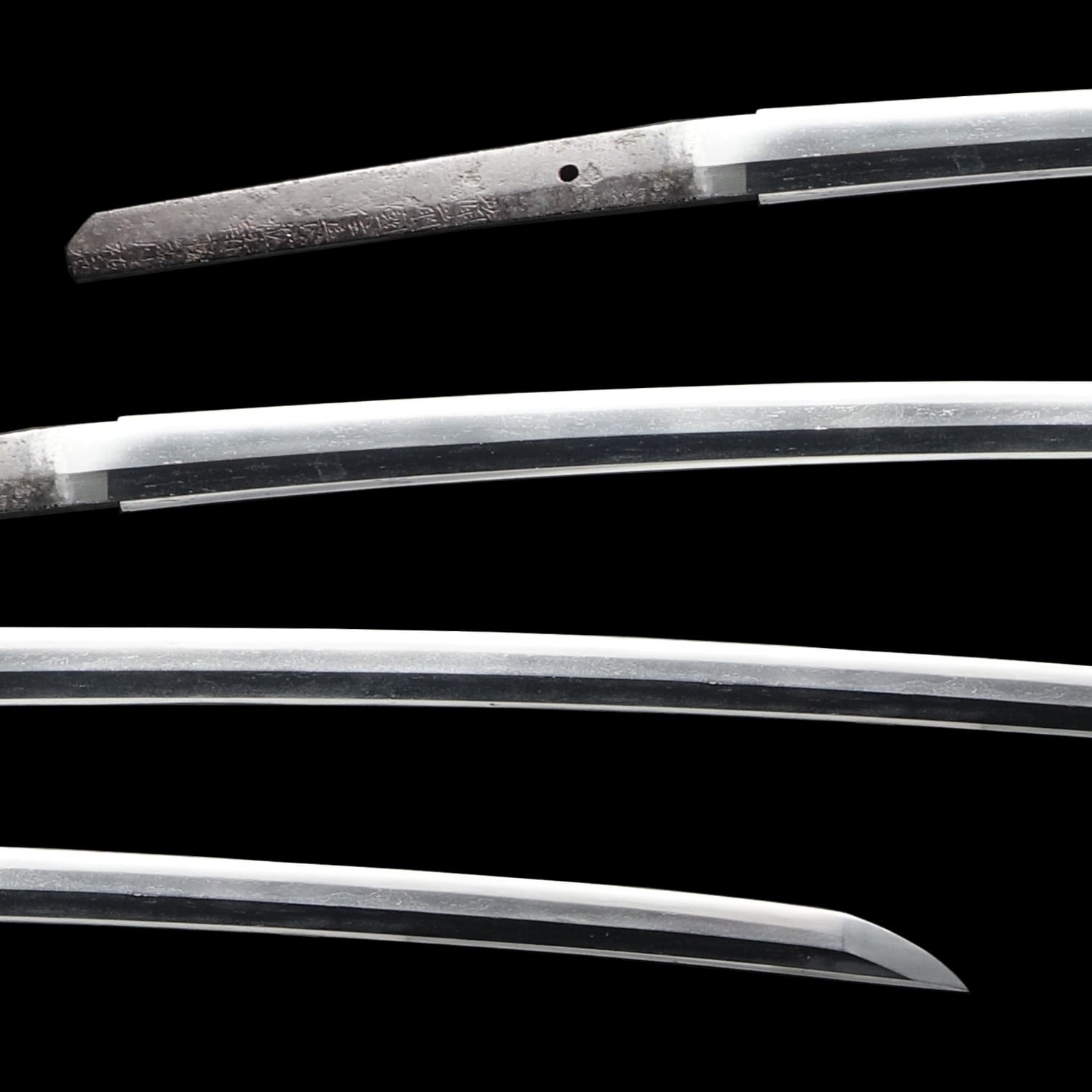
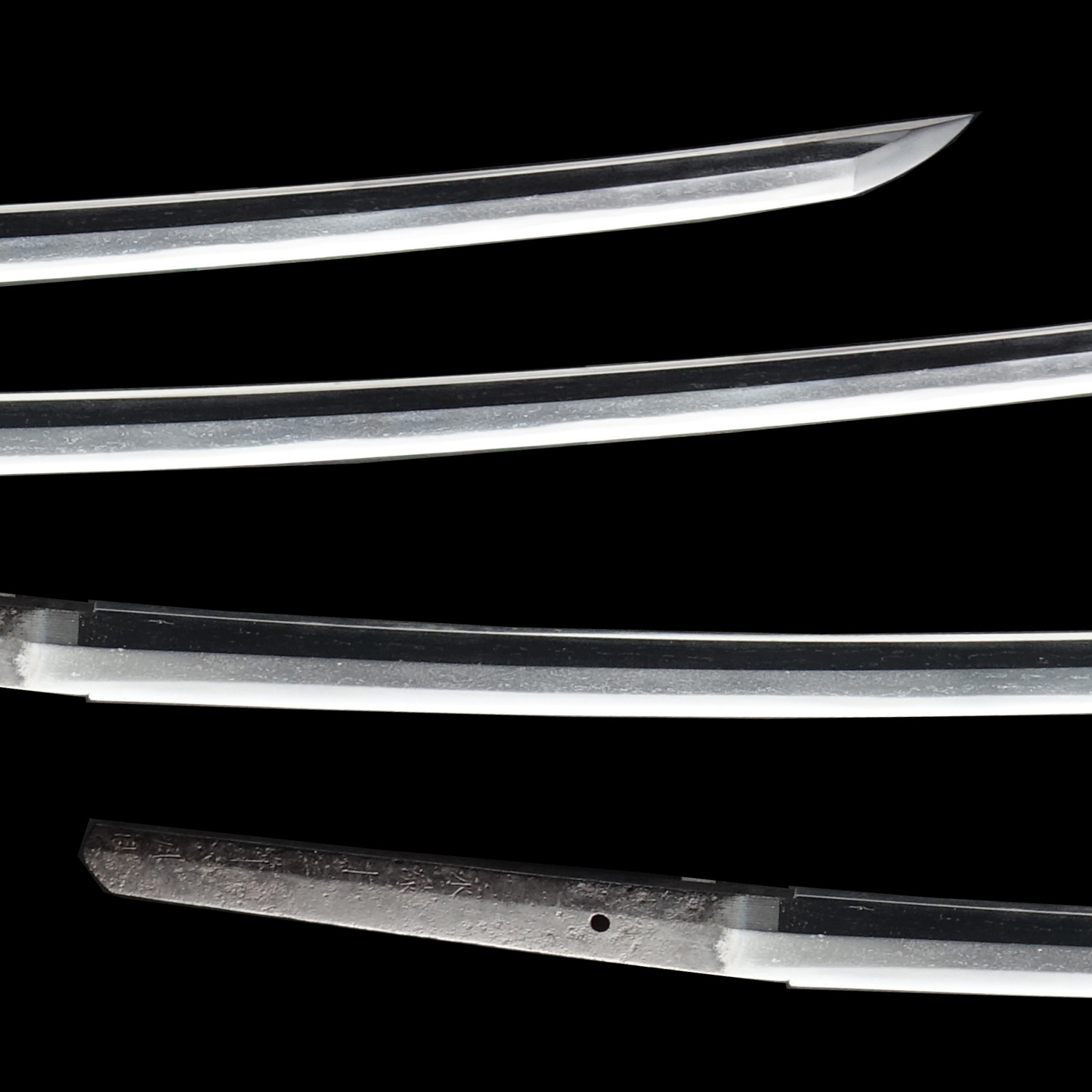
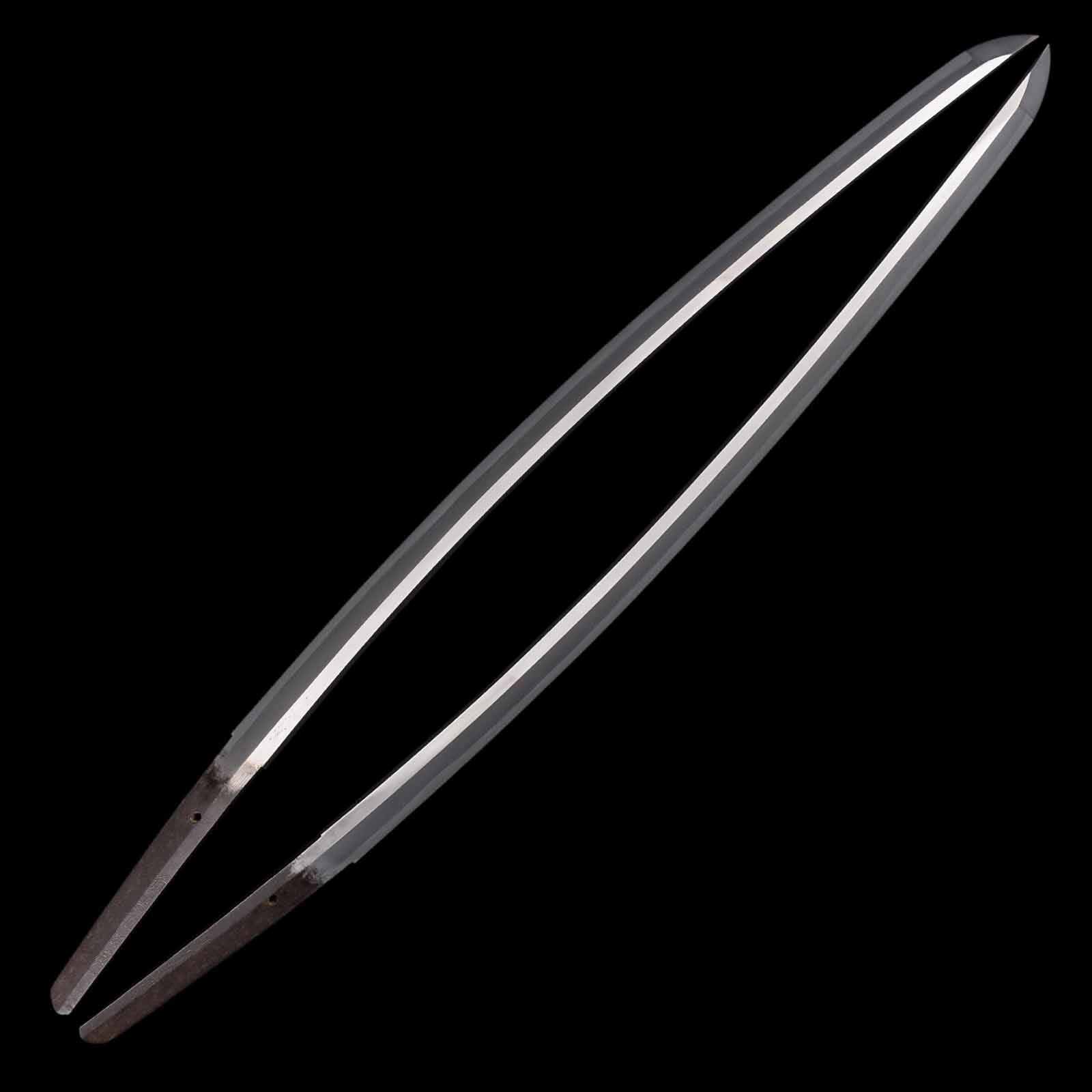
Antique Japanese Sword Katana Signed by Shinjyuro Sukesada with Hozon Certificate 【Description】 This blade was signed by Bizen Koku Jyu Osafune Sinjyuro Sukesada (備前国住長船新十郎祐定) in 12th year of the Eiroku era (1569: Late Muromachi period). Bishu, also known as Bizen, is the name of the province located in Today’s Okayama prefecture. Osafune is one of the most prosperous schools in this province during the Muromachi period. Sukesada is his maker’s name. Those who forged swords in the Bizen province (Okayama prefecture) at the end of the Muromachi period (1492-1569 A.D) are called Matsu Bizen (Matsu means the end). Sukesada school was one of the most famous schools, and it flourished for generations among Osafune schools (The head branch). There were various styles forged by the generations of Sukesada during this period. Approximately 60 swordsmiths used Sukesada as his maker’s name in the Samurai history. In that sense, the swordsmith’s name “Sukesada” worked as a kind of brand that attracted many Samurai. And, Shinjyuro Sukesada is one of the most prominent figures among other Sukesada. The swordsmiths in Bizen produced many swords during the Muromachi period as it was in the middle of the Sengoku period (Warring state period). The demand for weapons increased among strong feudal lords. It would be nice to have a piece forged in the warring state period when there was so much rivalry between warlords. It was possible that this blade was ordered by a Samurai and he might have carried it in a battlefield. This History of Bizen Osafune School It is said that Osafune school was founded by Mitsutada (光忠), who was active during the mid-Kamakura period. Bizen Osafune school was the biggest one of all other schools in Bizen province, and they received many orders from feudal lords or renowned Samurai. They were called Osafunemono and were beloved by Samurai warriors. Among the swordsmiths who belonged to this school, Nagamitsu, Sanenaga, and Kagemitsu are known as Osafune Sansaku, the three renowned Osafune swordsmiths. There are also four other prominent swordsmiths who were from Bizen Osafune school. They are called Osafune Shiten-no, the four masters of Osafune school. Their names are Nagamitsu, Kanemitsu, Nagayoshi, and Motoshige. BIZEN is located near the Chugoku Mountains, where iron sands, one of the essential materials for making Japanese swords, were abundant. Furthermore, BIZEN swordsmiths had close access to the Yoshi River, where they could find water and charcoal. This geological location contributed to the swordsmiths forging high-quality refined blades. We presume BIZEN was quite active in sword-forging from ancient times. It is said that BIZEN DEN was created by groups of swordsmiths there during the late Heian era (Late 12th century). These ancient swordsmiths in Bizen province are called Ko-Bizen (Old Bizen) swordsmiths. By inheriting the sword forging techniques from Ko-Bizen swordsmiths, the Bizen Osafune school flourished from the mid-Kamakura period. It is appraised as a Hozon Touken (保存刀剣) issued by NBTHK (Nihon Bijutsu Touken Hozon Kyokai: 日本美術刀剣保存協会). This authentication paper was only given to authentic Japanese swords, especially well preserved and high quality with artistic value. *Please keep in mind that there are a few Kitae Kizu on this blade. If you like to see the detailed condition, please feel free to contact us. 【 Blade】 Cutting Edge Length (Nagasa) : 71.6 cm (28.2 inches) Curvature (Sori) : 2.0 cm (0.79 inches) Hamon : the crystalline structure which forms along the cutting edge of a blade as a result of the hardening process Jimon(Jihada) : visible steel surface pattern created by folding and hammering during forging process Kissaki : Kissaki is the tip of the Japanese sword. Nakago : Nakago is the tang of the Japanese sword. Japanese swordsmiths left the black rust on the tang because it prevents red rust while the tang is in its handle. And the discoloration of the tang was created over time, an

NihontoWatch MonNihontoWatchBETA
MarketAuctionsEncyclopedia
刀剣›備前伝›長船›末備前›祐定›Antique Japanese Sword Katana Signed by Shinjyuro Sukesada NBTHK Hozon Certificate
刀保存
祐定

Antique Japanese Sword Katana Signed by Shinjyuro Sukesada NBTHK Hozon Certificate

在銘 · Osafune · 室町 · 長さ 71.6cm · 反り 2cm
売却済
祐定 — 1 of 26
祐定 — 2 of 26
祐定 — 3 of 26
祐定 — 4 of 26
祐定 — 5 of 26
祐定 — 6 of 26
祐定 — 7 of 26
祐定 — 8 of 26
祐定 — 9 of 26
祐定 — 10 of 26
祐定 — 11 of 26
祐定 — 12 of 26
祐定 — 13 of 26
祐定 — 14 of 26
祐定 — 15 of 26
祐定 — 16 of 26
祐定 — 17 of 26
祐定 — 18 of 26
祐定 — 19 of 26
祐定 — 20 of 26
祐定 — 21 of 26
祐定 — 22 of 26
祐定 — 23 of 26
祐定 — 24 of 26
祐定 — 25 of 26
祐定 — 26 of 26
1 / 26
1 / 26
祐定 — 1 of 26祐定 — 2 of 26祐定 — 3 of 26祐定 — 4 of 26祐定 — 5 of 26祐定 — 6 of 26祐定 — 7 of 26祐定 — 8 of 26祐定 — 9 of 26祐定 — 10 of 26祐定 — 11 of 26祐定 — 12 of 26祐定 — 13 of 26祐定 — 14 of 26祐定 — 15 of 26祐定 — 16 of 26祐定 — 17 of 26祐定 — 18 of 26祐定 — 19 of 26祐定 — 20 of 26祐定 — 21 of 26祐定 — 22 of 26祐定 — 23 of 26祐定 — 24 of 26祐定 — 25 of 26祐定 — 26 of 26
法量・詳細
刀工
祐定
種別
刀
流派
Sukesada
活動期
1547–1592年頃(Tenmon–Tenshō)
国
備前
銘
在銘(在銘率 100%)
法量
長さ 71.6cm反り 2cm
説明

Antique Japanese Sword Katana Signed by Shinjyuro Sukesada with Hozon Certificate 【Description】 This blade was signed by Bizen Koku Jyu Osafune Sinjyuro Sukesada (備前国住長船新十郎祐定) in 12th year of the Eiroku era (1569: Late Muromachi period). Bishu, also known as Bizen, is the name of the province located in Today’s Okayama prefecture. Osafune is one of the most prosperous schools in this province during the Muromachi period. Sukesada is his maker’s name. Those who forged swords in the Bizen province (Okayama prefecture) at the end of the Muromachi period (1492-1569 A.D) are called Matsu Bizen (Matsu means the end). Sukesada school was one of the most famous schools, and it flourished for generations among Osafune schools (The head branch). There were various styles forged by the generations of Sukesada during this period. Approximately 60 swordsmiths used Sukesada as his maker’s name in the Samurai history. In that sense, the swordsmith’s name “Sukesada” worked as a kind of brand that attracted many Samurai. And, Shinjyuro Sukesada is one of the most prominent figures among other Sukesada. The swordsmiths in Bizen produced many swords during the Muromachi period as it was in the middle of the Sengoku period (Warring state period). The demand for weapons increased among strong feudal lords. It would be nice to have a piece forged in the warring state period when there was so much rivalry between warlords. It was possible that this blade was ordered by a Samurai and he might have carried it in a battlefield. This History of Bizen Osafune School It is said that Osafune school was founded by Mitsutada (光忠), who was active during the mid-Kamakura period. Bizen Osafune school was the biggest one of all other schools in Bizen province, and they received many orders from feudal lords or renowned Samurai. They were called Osafunemono and were beloved by Samurai warriors. Among the swordsmiths who belonged to this school, Nagamitsu, Sanenaga, and Kagemitsu are known as Osafune Sansaku, the three renowned Osafune swordsmiths. There are also four other prominent swordsmiths who were from Bizen Osafune school. They are called Osafune Shiten-no, the four masters of Osafune school. Their names are Nagamitsu, Kanemitsu, Nagayoshi, and Motoshige. BIZEN is located near the Chugoku Mountains, where iron sands, one of the essential materials for making Japanese swords, were abundant. Furthermore, BIZEN swordsmiths had close access to the Yoshi River, where they could find water and charcoal. This geological location contributed to the swordsmiths forging high-quality refined blades. We presume BIZEN was quite active in sword-forging from ancient times. It is said that BIZEN DEN was created by groups of swordsmiths there during the late Heian era (Late 12th century). These ancient swordsmiths in Bizen province are called Ko-Bizen (Old Bizen) swordsmiths. By inheriting the sword forging techniques from Ko-Bizen swordsmiths, the Bizen Osafune school flourished from the mid-Kamakura period. It is appraised as a Hozon Touken (保存刀剣) issued by NBTHK (Nihon Bijutsu Touken Hozon Kyokai: 日本美術刀剣保存協会). This authentication paper was only given to authentic Japanese swords, especially well preserved and high quality with artistic value. *Please keep in mind that there are a few Kitae Kizu on this blade. If you like to see the detailed condition, please feel free to contact us. 【 Blade】 Cutting Edge Length (Nagasa) : 71.6 cm (28.2 inches) Curvature (Sori) : 2.0 cm (0.79 inches) Hamon : the crystalline structure which forms along the cutting edge of a blade as a result of the hardening process Jimon(Jihada) : visible steel surface pattern created by folding and hammering during forging process Kissaki : Kissaki is the tip of the Japanese sword. Nakago : Nakago is the tang of the Japanese sword. Japanese swordsmiths left the black rust on the tang because it prevents red rust while the tang is in its handle. And the discoloration of the tang was created over time, an

作者について

祐定

Sue-Bizen Osafune (Sukesada) · 備前 · 1547-1592頃

藤代 Jo saku

現在4点販売中

›

彦左衛門尉祐定の銘の下に伝わる指定作はいずれも生ぶ茶の年紀のある刀で、最も古いのは長銘の傍らに九字印と「大吉」の文字および梵字を刻す天文十六年(一五四七)の作、最も新しいのは播州の和田出雲守のために鍛えた天正四年(一五七六)の注文作である。祐定は末期の長船を代表する名で、最も尊ばれるのは与三左衛門尉・源兵衛尉・彦兵衛尉と俳名の冠を持つ一群であり、ここに収める彦左衛門尉もその一人に数えられる。説明は彦左衛門尉の名が前二者よりやや低いとしつつ、これらの作を特に出来がよいとし、その一口を「末備前物の代表作の一口」[[c:1]]と呼ぶ。銘そのものは同銘三代に渡り、銘鑑により初代を永正、二代を天文・永禄、三代を元亀・天正と読む。

作の見どころは一つの明言された作風の二分にある。説明はこれをcorpus全体にほぼ同文で述べる。すなわち、この期の作風は大別して腰開きの互の目乱れが複式風になったものと、「直刃調に足・葉の入ったもの」[[c:2]]の二様に分かれる。前者は華やかな極である。地鉄の上に腰元の谷の開いた乱れを焼き、焼深く、互の目が複式の構造に発展し、足・葉よく入り、小沸つき、砂流し・金筋がかかる。最も激しいものでは匂口明るく、ものによっては総体に沈む。後者は静かな極で、直刃調、しばしば広直刃が足・葉をよく伴い、小沸に砂流しかかり、匂口は締りごころとなり、天正の一口では物打辺に湯走り・飛焼がかかる。作はいずれか一方に明らかに属し、鑑者はそのどちらかを名指す。

地鉄は二様の下に一貫する。よくつんだ小板目、幅の広い刀では板目で、地沸つく。一口はつみつめて無地風となり、他の一口は板目に杉交じり肌立ちて棟焼きが入る。鍛えこそ鑑者が最もしばしばその手を揚げるところで、天文十六年の刀には「鍛えは抜群」と記し、板目に地沸・地景よく入り、「総体につよい鉄味を呈している」[[c:4]]とする。帽子は刃文に応じて乱れ込み小丸に返り、華やかな作では焼深く焼詰風となり、直刃の作では小丸に長く返り、あるいは尖り、わずかに掃掛ける。姿は終始末期の刀で、身幅広い鍢造に幵棟、先反つき、中鋒延びて大鋒ごころとなり、鍢を削いで高くするものもある。

世代は茶から直読される。作はいずれも生ぶ茶で表に長銘・裏に年紀をもち、説明は各作を年代に定めた上で銘鑑の彦左衛門尉三代に当てる。天文十六年・天文十七年の刀を二代とし、天正元年・天正四年の刀を三代とする。二代の作域は広く、腰開きの互の目・直刃・皆焼に及び、いずれにも高い技術が窺われるとする。年を追うごとに刀身も茶も伸びるのは時代の徴と読まれる。太刀が全く廃れ、その代わりに長い打刀を諸手で使用するようになり、末備前の寸法もそれにつれて延びる。二様の作風と三代の世代とは直交し、一は作風、一は年代の事であって、一口を読めばその両方が得られる。

一門の中では室町後期の厚い末備前長船の一群、長船の最後の大きな段階に属す。説明は彦左衛門尉を与三左衛門尉・源兵衛尉・彦兵衛尉とともに祐定一群を代表する一人とし、その作は名品の数多く、とりわけ技術が高いと記す。彼自身の見分けは比較に借るのではなく、二様の作風をつまんだ地沸の地鉄に保ち、鑑者の賛える鉄味にあり、継承は他系へではなく一名の内に読まれる。同銘の作が少ないという天文十六年の刀を、そのゆえに二代の代表作と呼ぶ。

藤代はこの工を上作に位し、指定の記録は穏やかである。記録されるは七口、いずれも重要刀剣で、国宝・重要文化財はない。博物館や神社に封じられた遺産というより、私蔵や長く記録された手に伝わる末古刀の一群で、所在の知られる一口は鐶鋒の太刀ほど稀ではなく時に現れる。伝来は一口に明らかで、天正四年の刀は播州住の和田出雲守のために鍛えられ、その所持者銘に「為播州住和田出雲守重代延之也」[[c:5]]とあって、同家代々の重代の作として伝えられたことがわかる。収集家にとって彦左衛門尉祐定は名高い名の近づきやすい端であり、年紀と銘のある末備前の刀にて、二様の読みと世代の枠を手の中で考え得、その最良の作には天文十六年の刀について説明が言うように鍛えの抜群さが見られる。

歴史的重要度

祐定の位置づけを、日本刀全体および伝統・時代・時期ごとに示します。各位(随一・屈指・有数・著名)は、NBTHK および文化庁による指定に加え、三作や名物帳などの歴史的栄誉を加味したものです。

随一
随一
屈指
屈指
有数
有数
著名
著名

各項目を選ぶと評価方法が表示されます。

指定の実績
指定8口
重要刀剣
8
祐定の作 4点が現在販売中→
祐定 — 詳細Sue-Bizen Osafune (Sukesada)派

年紀作

在銘年紀作が示す、確実に活動していた年代

活動期間
1547–1573推定期間:1547–1592
指定品8点のうち7点に年紀あり
1540
1550
1560
1570
1580
流派について

祐定

備前伝 · 備前

時期区分: 末備前· 1441–1596

現在71点販売中

›

嘉吉から文禄に及ぶ室町時代後期、長船派の最末期を画するのが末備前である。応永備前が古作への復古を志して優美な太刀姿と丁子刃を甦らせたのに続き、この期の長船鍛冶は戦国の世の旺盛な武器需要に応じて作刀の規模を一段と広げ、長船の名のもとに膨大な数の刀剣を世に送り出した。説示にあらわれる主要工は、勝光、宗光、貞光、治光、忠光、清光、春光、祐定の一群である。勝光は宗光・忠光と並ぶ巧者で、右京亮・次郎左衛門尉・修理亮など様々な俗名を冠する同名工を擁し、貞光や子の治光との合作銘も伝わる。祐定にあっては与三左衛門尉・源兵衛尉・彦兵衛尉を冠する者がとりわけ技術が高く、与三左衛門尉祐定は名品の数多くその筆頭に挙げられ、彦兵衛尉はその父と伝えて慶長まで数代を数える。清光は五郎左衛門尉と孫右衛門尉が筆頭格、春光は文明から文禄に及ぶ長期に同名数工があって十郎左衛門が最も知られる。この期には播磨・備前・美作の守護赤松政則が宗光・勝光の一党を陣中に招いて鍛刀の技を学び為打を遺したことも説示に見え、注文打と数打物とが併存した末期の様相をよく伝えている。 体配はまず時代を映す。身幅広く寸のつまり、重ね一段と厚く、踏張りがあって先反りつき、中鋒、茎は片手打に適した短いものとなる、室町後期特有の打刀姿である。鍛えは小板目肌がよくつみ、地沸が微塵につき、地景が細かに入って、淡くあるいは鮮明に乱れ映りが立つ。刃文の中心をなすのは末備前固有の腰の開いた互の目で、焼頭が割れて複式に乱れる複式互の目を基調に、尖り刃・尖りごころの互の目・小互の目を交え、足・葉頻りに入り、匂勝ちに小沸がつき、金筋・砂流しがかかり、処々に小さな飛焼を交える。さらに飛焼・棟焼が頻りにかかって皆焼風となる作もあり、帽子は乱れ込んで先小丸に長く返る。これは光忠の蛙子丁子、長光の丸い頭の丁子、景光の片落ち互の目といった古長船・相伝備前の整然たる丁子主調とは趣を異にし、応永備前の腰開き互の目をさらに崩して量感と変化に向かわせた戦国期の姿である。同時に勝光のように乱れの中へ丁子を多く交えて一段と華やかに焼き、忠光や清光のように直刃の上手として定評を得る工もあり、作域は広い。 鑑定にあっては、まず乱れ映りで備前と読み、つまった寸と厚い重ね、先反り強き打刀姿で時代を末備前に定める。次に俗名と作風で工を分かつ。乱れの中に丁子を多く交えた華やかな出来は勝光、複式風の互の目に飛焼を交えてやや皆焼がかるは与三左衛門尉祐定、板目に杢を交えてやや肌立つ直刃は孫右衛門尉清光、直刃に佳作多きは彦兵衛尉祐定、というように看どころが工を指し示す。表裏に施された梵字・蓮台や棒樋連樋の刀身彫もまた末備前の特色をよく示し、長光景光以来の彫の伝統がこの期まで継承されたことを物語る。代表作には、勝光・貞光合作の明応八年紀の薙刀、勝光・治光父子合作の大永七年紀の短刀、与三左衛門尉二代の元亀元年紀の刀があり、合作銘や所持銘・添銘を伴う注文打は、末備前とそれを支えた三宅氏のごとき在地の氏族を知る上でも資料性が高い。

11名の刀工指定118口
主要刀工
刀工時代指定
祐定1504-155172
祐定1532-158318
祐定1547-15928
祐定1487-15215
祐定1532-15733
祐定流派を見る →
NBTHK鑑定書
Hozon Tōken保存刀剣
Sword Worthy of Preservation
›

銘が正しい、または無銘でも年代・国・系統を確実に指摘できる、保存に値する真正の作と鑑定されたものです。

NBTHKについて›

日本美術刀剣保存協会(NBTHK)は、1948年に設立され、文化庁の監督を受ける公益財団法人で、東京・刀剣博物館に本部を置きます。専門の審査員が出品作を直接審査し、美術的・歴史的価値に応じた鑑定書を発行します。NBTHKの鑑定書は、日本刀および刀装具の真正性を示す最も広く認知された基準です。

NBTHK公式サイト→
販売店
サ
サムライミュージアム
🇯🇵日本から発送
›
✓認証販売店samuraimuseum.jp
✓海外発送可✓英語対応PayPalクレジットカード
返品ポリシー

Returns/exchanges limited to defects caused by shipping (except willful misconduct or gross negligence by the company); customers must contact within 72 hours of receiving the product.

サムライミュージアムの出品一覧を見る→販売店サイトでこの商品を見る→

祐定の他の作

すべて見る →
Tozando
保存
Katana - Hozon - by Sukesada - 日本刀 刀 祐定 古刀期 NBTHK保存刀剣鑑定書付 | 東山堂Katana - Hozon - by Sukesada - 日本刀 刀 祐定 古刀期 NBTHK保存刀剣鑑定書付 | 東山堂

刀

作祐定
68.4cm·室町
¥1,620,000
銀座長州屋
特別保存
Katana - Tokuho - by Sukesada - 08 祐定Katana - Tokuho - by Sukesada - 08 祐定

刀

作祐定
65.4cm·室町
¥1,500,000
飯田高遠堂
特別保存
Katana - Tokuho - by Sukesada - 刀剣Katana - Tokuho - by Sukesada - 刀剣

刀

作祐定
71.5cm·室町
¥11,000,000
刀剣杉田
特別保存
Katana - Tokuho - by Sukesada - 備前國長船祐定作 永禄三年八月日 (備前)(山陽道)Katana - Tokuho - by Sukesada - 備前國長船祐定作 永禄三年八月日 (備前)(山陽道)

刀

作祐定
Tenmon-Eiroku (1532-1570)
お問い合わせ

祐定の売約済み

銀座長州屋
Katana - by Sukesada - 銘 備前国住長船祐定作 永禄十年二月日Katana - by Sukesada - 銘 備前国住長船祐定作 永禄十年二月日
売切れ

刀

作祐定
Tenmon-Eiroku (1532-1570)
売却済
池田美術
Katana - by Sukesada - 【居合・鑑賞に上品な姿の末備前】「備前長船祐定」69.6cm 、鑑賞に・居合・試斬刀として!!!Katana - by Sukesada - 【居合・鑑賞に上品な姿の末備前】「備前長船祐定」69.6cm 、鑑賞に・居合・試斬刀として!!!
売切れ

刀

作祐定
69.6cm·室町
売却済
銀座長州屋
Tanto - by Sukesada - 銘 備前国住長船祐定作 永禄十年八月日Tanto - by Sukesada - 銘 備前国住長船祐定作 永禄十年八月日
売切れ

短刀

作祐定
Tenmon-Eiroku (1532-1570)
売却済
銀座長州屋
Katana - by Sukesada - 銘 備前国住長船祐定作 永禄三年八月吉日Katana - by Sukesada - 銘 備前国住長船祐定作 永禄三年八月吉日
売切れ

刀

作祐定
Tenmon-Eiroku (1532-1570)
売却済
銀座長州屋
Tanto - by Sukesada - 銘 備前国住長船祐定源兵衛尉作之 永禄十年八月日(業物)Tanto - by Sukesada - 銘 備前国住長船祐定源兵衛尉作之 永禄十年八月日(業物)
売切れ

短刀

作祐定
Tenmon-Eiroku (1532-1570)
売却済
銀座誠友堂
特別保存
Katana - Tokuho - by Sukesada - Katana [Bizenkoku-ju-Osafune Shinjuro Sukesada][N.B.T.H.K] Tokubetsu Hozon TokenKatana - Tokuho - by Sukesada - Katana [Bizenkoku-ju-Osafune Shinjuro Sukesada][N.B.T.H.K] Tokubetsu Hozon Token
売切れ

刀

作祐定
67.5cm·Tenmon-Eiroku (1532-1570)
売却済
サムライミュージアム
保存
Katana - Hozon - by Sukesada - Antique Japanese Sword Katana Signed by Sukesada| Samurai Museum Shop E-mail FB Messenger Skip to content Menu Close Samurai Museum Shop Products Antique Japanese Sword Katana Signed by Sukesada NBTHK Hozon Certificate Updated: 21 Jun 2026 SOLD Antique Japanese Sword Katana Signed by Sukesada NBTHK Hozon CertificateKatana - Hozon - by Sukesada - Antique Japanese Sword Katana Signed by Sukesada| Samurai Museum Shop E-mail FB Messenger Skip to content Menu Close Samurai Museum Shop Products Antique Japanese Sword Katana Signed by Sukesada NBTHK Hozon Certificate Updated: 21 Jun 2026 SOLD Antique Japanese Sword Katana Signed by Sukesada NBTHK Hozon Certificate
売切れ

刀

作祐定
67.3cm·室町
売却済
池田美術
保存
Katana - Hozon - by Sukesada - 【保存刀剣】「備州長船 彦左衛門尉祐定 」 68.2cm 、鑑賞に!!!Katana - Hozon - by Sukesada - 【保存刀剣】「備州長船 彦左衛門尉祐定 」 68.2cm 、鑑賞に!!!
売切れ

刀

作祐定
68.2cm·室町
売却済

末備前の作

すべて見る →
葵美術
保存
Wakizashi - Hozon - by Osafune Norimitsu - 脇指:備州長船法光 寛正六年八月日(日本美術刀剣保存協会 保存刀剣)Wakizashi - Hozon - by Osafune Norimitsu - 脇指:備州長船法光 寛正六年八月日(日本美術刀剣保存協会 保存刀剣)

脇差

作則光
56.3cm·室町
開始価格¥2,500,000
葵美術
保存
Tanto - Hozon - by Sukesada - 短刀:備州長船祐定作(天正十一年)(日本美術刀剣保存協会 保存刀剣)Tanto - Hozon - by Sukesada - 短刀:備州長船祐定作(天正十一年)(日本美術刀剣保存協会 保存刀剣)

短刀

作祐定
24.1cm·室町
¥250,000
銀座誠友堂
特別保存
Katana - Tokuho - by Sukesada - 刀[横山上野大掾藤原祐定][日本美術刀剣保存協会]特別保存刀剣Katana - Tokuho - by Sukesada - 刀[横山上野大掾藤原祐定][日本美術刀剣保存協会]特別保存刀剣

刀

作祐定
69.3cm·新刀
¥2,200,000
あさひ刀剣
重要
Wakizashi - Jūyō - by Sukesada - 脇指 備前国長舩与三左衛門尉祐定 大永二二年二月吉日Wakizashi - Jūyō - by Sukesada - 脇指 備前国長舩与三左衛門尉祐定 大永二二年二月吉日

脇差

作祐定
54.2cm·Eisho-Tenmon (1504-1542)
お問い合わせ
兵左衛門百観音堂
特別保存
Wakizashi - Tokuho - by Osafune Munemitsu - 備前国住長船左京進宗光 文亀元年八月吉日Wakizashi - Tokuho - by Osafune Munemitsu - 備前国住長船左京進宗光 文亀元年八月吉日

脇差

作宗光
48.7cm·室町
¥2,900,000
刀剣徳川
特別保存
Tanto - Tokuho - by Sukesada - 両刃短刀 銘 備前国住長船祐定作 大永五年八月吉日Tanto - Tokuho - by Sukesada - 両刃短刀 銘 備前国住長船祐定作 大永五年八月吉日

短刀

作祐定
20.3cm·Eisho-Tenmon (1504-1542)
¥1,200,000
兵左衛門百観音堂
特別保存
Katana - Tokuho - by Kiyomitsu - 備前国住長船孫右衛門尉清光 永禄九年二月吉日Katana - Tokuho - by Kiyomitsu - 備前国住長船孫右衛門尉清光 永禄九年二月吉日

刀

作清光
72.1cm·室町
¥3,800,000
永楽堂
保存
Tanto - Hozon - by Osafune Harumitsu - 春光 短刀 保存刀剣Tanto - Hozon - by Osafune Harumitsu - 春光 短刀 保存刀剣

短刀

作治光
26.1cm·Kyoroku (1528-1532)
¥380,000

長船派の作

すべて見る →
葵美術
重要美術品
Daisho - Jubi - by Osafune Nagamitsu - 大小:刀(重要美術品)無銘(伝長光)/脇差:無銘(伝長光)/無銘(石州直綱)(日本美術刀剣保存協会 特別保存刀剣)Daisho - Jubi - by Osafune Nagamitsu - 大小:刀(重要美術品)無銘(伝長光)/脇差:無銘(伝長光)/無銘(石州直綱)(日本美術刀剣保存協会 特別保存刀剣)

大小

作長光
Kencho (1249-1256)
お問い合わせ
永楽堂
特別保存
Tachi - Tokuho - by Osafune Sanenaga - 真長 太刀 特別保存刀剣Tachi - Tokuho - by Osafune Sanenaga - 真長 太刀 特別保存刀剣

太刀

作眞長
71.2cm·Shoan (1299-1302)
¥7,500,000
飯田高遠堂
重要
Tachi - Jūyō - by Osafune Shigezane - 備州長船住重真 延文三年一二月日Tachi - Jūyō - by Osafune Shigezane - 備州長船住重真 延文三年一二月日

太刀

作重眞
81cm·南北朝
¥33,000,000
葵美術
特別保存
Katana - Tokuho - by Osafune Motomitsu - 刀:無銘(伝長船元光)(日本美術刀剣保存協会 特別保存刀剣)Katana - Tokuho - by Osafune Motomitsu - 刀:無銘(伝長船元光)(日本美術刀剣保存協会 特別保存刀剣)

刀

作基光
71.51cm·Koei (1342-1345) ND
開始価格¥1,200,000
Nihonto.com
重要
Tanto - Jūyō - by Osafune Kagemitsu - 重要刀剣 備前景光 短刀 #110112Tanto - Jūyō - by Osafune Kagemitsu - 重要刀剣 備前景光 短刀 #110112

短刀

作景光
25.3cm·Geno (1319-1321)
¥89,500
飯田高遠堂
重要
Tachi - Jūyō - by Osafune Nagamitsu - 備前国長船住左近将監長光造 永仁元年十二月日Tachi - Jūyō - by Osafune Nagamitsu - 備前国長船住左近将監長光造 永仁元年十二月日

太刀

作長光
63.4cm·Kencho (1249-1256)
¥55,000,000
飯田高遠堂
重要
Tachi - Jūyō - by Osafune Nagamitsu - 長光Tachi - Jūyō - by Osafune Nagamitsu - 長光

太刀

作長光
69.7cm·鎌倉
¥33,000,000
江州屋刀剣店
重要
Katana - Jūyō - by Osafune Kanemitsu - 重要刀剣 金象嵌銘 兼光Katana - Jūyō - by Osafune Kanemitsu - 重要刀剣 金象嵌銘 兼光

刀

作兼光
72cm·南北朝
お問い合わせ

備前の伝統

すべて見る →
永楽堂
重要
Tachi - Jūyō - by Fukuoka Ichimonji School - 福岡一文字 太刀 重要刀剣Tachi - Jūyō - by Fukuoka Ichimonji School - 福岡一文字 太刀 重要刀剣

太刀

作福岡一文字派
74.8cm·鎌倉
お問い合わせ
つるぎの屋
重要
Katana - Jūyō - by Fukuoka Ichimonji School - 刀 無銘 福岡一文字Katana - Jūyō - by Fukuoka Ichimonji School - 刀 無銘 福岡一文字

刀

作福岡一文字派
70cm·鎌倉
¥10,000,000
兵左衛門百観音堂
特別保存
Wakizashi - Tokuho - by Fukuoka Ichimonji Yoshifusa - 吉房(福岡一文字)Wakizashi - Tokuho - by Fukuoka Ichimonji Yoshifusa - 吉房(福岡一文字)

脇差

作吉房
51cm·鎌倉
お問い合わせ
永楽堂
重要
Katana - Jūyō - by Omiya Morikage - 大宮盛景 刀 重要刀剣Katana - Jūyō - by Omiya Morikage - 大宮盛景 刀 重要刀剣

刀

作盛景
70.9cm·南北朝
¥4,000,000
葵美術
重要
Katana - Jūyō - by Yoshioka Ichimonji Sukemitsu - 刀:一 備前国吉岡左近将(以下、助光) 第26回重要刀剣Katana - Jūyō - by Yoshioka Ichimonji Sukemitsu - 刀:一 備前国吉岡左近将(以下、助光) 第26回重要刀剣

刀

作助光
73.33cm·鎌倉
¥9,500,000
永楽堂
重要
Katana - Jūyō - by Motoshige - 元重 刀 重要刀剣Katana - Jūyō - by Motoshige - 元重 刀 重要刀剣

刀

作元重
71.1cm·南北朝
¥6,000,000
Nihonto Antiques
重要
Katana - Jūyō - by Chogi - 伝長義 重要刀剣 (fss-987)Katana - Jūyō - by Chogi - 伝長義 重要刀剣 (fss-987)

刀

作長義
60.4cm·古刀
お問い合わせ
サムライミュージアム
特別保存
Wakizashi - Tokuho - by Osafune Kagemitsu - 日本刀 脇差 伝長船景光 NBTHK 特別保存刀剣鑑定書付Wakizashi - Tokuho - by Osafune Kagemitsu - 日本刀 脇差 伝長船景光 NBTHK 特別保存刀剣鑑定書付

脇差

作景光
54.7cm·Kagen-Kenmu (1303-1336)
¥20,234

刀剣

  • 刀
  • 脇差
  • 短刀
  • 太刀
  • 薙刀
  • 槍

刀装具

  • 鍔
  • 縁頭
  • 小柄
  • 目貫

鑑定別

  • 特重
  • 重要
  • 特別保存
  • 保存

リソース

  • 刀剣商一覧
  • 刀工一覧
  • すべて見る
Nihontowatch© 2026
利用規約プライバシーCookie運営者情報

説明

Antique Japanese Sword Katana Signed by Shinjyuro Sukesada with Hozon Certificate 【Description】 This blade was signed by Bizen Koku Jyu Osafune Sinjyuro Sukesada (備前国住長船新十郎祐定) in 12th year of the Eiroku era (1569: Late Muromachi period). Bishu, also known as Bizen, is the name of the province located in Today’s Okayama prefecture. Osafune is one of the most prosperous schools in this province during the Muromachi period. Sukesada is his maker’s name. Those who forged swords in the Bizen province (Okayama prefecture) at the end of the Muromachi period (1492-1569 A.D) are called Matsu Bizen (Matsu means the end). Sukesada school was one of the most famous schools, and it flourished for generations among Osafune schools (The head branch). There were various styles forged by the generations of Sukesada during this period. Approximately 60 swordsmiths used Sukesada as his maker’s name in the Samurai history. In that sense, the swordsmith’s name “Sukesada” worked as a kind of brand that attracted many Samurai. And, Shinjyuro Sukesada is one of the most prominent figures among other Sukesada. The swordsmiths in Bizen produced many swords during the Muromachi period as it was in the middle of the Sengoku period (Warring state period). The demand for weapons increased among strong feudal lords. It would be nice to have a piece forged in the warring state period when there was so much rivalry between warlords. It was possible that this blade was ordered by a Samurai and he might have carried it in a battlefield. This History of Bizen Osafune School It is said that Osafune school was founded by Mitsutada (光忠), who was active during the mid-Kamakura period. Bizen Osafune school was the biggest one of all other schools in Bizen province, and they received many orders from feudal lords or renowned Samurai. They were called Osafunemono and were beloved by Samurai warriors. Among the swordsmiths who belonged to this school, Nagamitsu, Sanenaga, and Kagemitsu are known as Osafune Sansaku, the three renowned Osafune swordsmiths. There are also four other prominent swordsmiths who were from Bizen Osafune school. They are called Osafune Shiten-no, the four masters of Osafune school. Their names are Nagamitsu, Kanemitsu, Nagayoshi, and Motoshige. BIZEN is located near the Chugoku Mountains, where iron sands, one of the essential materials for making Japanese swords, were abundant. Furthermore, BIZEN swordsmiths had close access to the Yoshi River, where they could find water and charcoal. This geological location contributed to the swordsmiths forging high-quality refined blades. We presume BIZEN was quite active in sword-forging from ancient times. It is said that BIZEN DEN was created by groups of swordsmiths there during the late Heian era (Late 12th century). These ancient swordsmiths in Bizen province are called Ko-Bizen (Old Bizen) swordsmiths. By inheriting the sword forging techniques from Ko-Bizen swordsmiths, the Bizen Osafune school flourished from the mid-Kamakura period. It is appraised as a Hozon Touken (保存刀剣) issued by NBTHK (Nihon Bijutsu Touken Hozon Kyokai: 日本美術刀剣保存協会). This authentication paper was only given to authentic Japanese swords, especially well preserved and high quality with artistic value. *Please keep in mind that there are a few Kitae Kizu on this blade. If you like to see the detailed condition, please feel free to contact us. 【 Blade】 Cutting Edge Length (Nagasa) : 71.6 cm (28.2 inches) Curvature (Sori) : 2.0 cm (0.79 inches) Hamon : the crystalline structure which forms along the cutting edge of a blade as a result of the hardening process Jimon(Jihada) : visible steel surface pattern created by folding and hammering during forging process Kissaki : Kissaki is the tip of the Japanese sword. Nakago : Nakago is the tang of the Japanese sword. Japanese swordsmiths left the black rust on the tang because it prevents red rust while the tang is in its handle. And the discoloration of the tang was created over time, an

NihontoWatch MonNihontoWatchBETA
MarketAuctionsEncyclopedia
刀剣›備前伝›長船›末備前›祐定›Antique Japanese Sword Katana Signed by Shinjyuro Sukesada NBTHK Hozon Certificate
刀保存
祐定

Antique Japanese Sword Katana Signed by Shinjyuro Sukesada NBTHK Hozon Certificate

在銘 · Osafune · 室町 · 長さ 71.6cm · 反り 2cm
売却済
祐定 — 1 of 26
祐定 — 2 of 26
祐定 — 3 of 26
祐定 — 4 of 26
祐定 — 5 of 26
祐定 — 6 of 26
祐定 — 7 of 26
祐定 — 8 of 26
祐定 — 9 of 26
祐定 — 10 of 26
祐定 — 11 of 26
祐定 — 12 of 26
祐定 — 13 of 26
祐定 — 14 of 26
祐定 — 15 of 26
祐定 — 16 of 26
祐定 — 17 of 26
祐定 — 18 of 26
祐定 — 19 of 26
祐定 — 20 of 26
祐定 — 21 of 26
祐定 — 22 of 26
祐定 — 23 of 26
祐定 — 24 of 26
祐定 — 25 of 26
祐定 — 26 of 26
1 / 26
1 / 26
祐定 — 1 of 26祐定 — 2 of 26祐定 — 3 of 26祐定 — 4 of 26祐定 — 5 of 26祐定 — 6 of 26祐定 — 7 of 26祐定 — 8 of 26祐定 — 9 of 26祐定 — 10 of 26祐定 — 11 of 26祐定 — 12 of 26祐定 — 13 of 26祐定 — 14 of 26祐定 — 15 of 26祐定 — 16 of 26祐定 — 17 of 26祐定 — 18 of 26祐定 — 19 of 26祐定 — 20 of 26祐定 — 21 of 26祐定 — 22 of 26祐定 — 23 of 26祐定 — 24 of 26祐定 — 25 of 26祐定 — 26 of 26
法量・詳細
刀工
祐定
種別
刀
流派
Sukesada
活動期
1547–1592年頃(Tenmon–Tenshō)
国
備前
銘
在銘(在銘率 100%)
法量
長さ 71.6cm反り 2cm
説明

Antique Japanese Sword Katana Signed by Shinjyuro Sukesada with Hozon Certificate 【Description】 This blade was signed by Bizen Koku Jyu Osafune Sinjyuro Sukesada (備前国住長船新十郎祐定) in 12th year of the Eiroku era (1569: Late Muromachi period). Bishu, also known as Bizen, is the name of the province located in Today’s Okayama prefecture. Osafune is one of the most prosperous schools in this province during the Muromachi period. Sukesada is his maker’s name. Those who forged swords in the Bizen province (Okayama prefecture) at the end of the Muromachi period (1492-1569 A.D) are called Matsu Bizen (Matsu means the end). Sukesada school was one of the most famous schools, and it flourished for generations among Osafune schools (The head branch). There were various styles forged by the generations of Sukesada during this period. Approximately 60 swordsmiths used Sukesada as his maker’s name in the Samurai history. In that sense, the swordsmith’s name “Sukesada” worked as a kind of brand that attracted many Samurai. And, Shinjyuro Sukesada is one of the most prominent figures among other Sukesada. The swordsmiths in Bizen produced many swords during the Muromachi period as it was in the middle of the Sengoku period (Warring state period). The demand for weapons increased among strong feudal lords. It would be nice to have a piece forged in the warring state period when there was so much rivalry between warlords. It was possible that this blade was ordered by a Samurai and he might have carried it in a battlefield. This History of Bizen Osafune School It is said that Osafune school was founded by Mitsutada (光忠), who was active during the mid-Kamakura period. Bizen Osafune school was the biggest one of all other schools in Bizen province, and they received many orders from feudal lords or renowned Samurai. They were called Osafunemono and were beloved by Samurai warriors. Among the swordsmiths who belonged to this school, Nagamitsu, Sanenaga, and Kagemitsu are known as Osafune Sansaku, the three renowned Osafune swordsmiths. There are also four other prominent swordsmiths who were from Bizen Osafune school. They are called Osafune Shiten-no, the four masters of Osafune school. Their names are Nagamitsu, Kanemitsu, Nagayoshi, and Motoshige. BIZEN is located near the Chugoku Mountains, where iron sands, one of the essential materials for making Japanese swords, were abundant. Furthermore, BIZEN swordsmiths had close access to the Yoshi River, where they could find water and charcoal. This geological location contributed to the swordsmiths forging high-quality refined blades. We presume BIZEN was quite active in sword-forging from ancient times. It is said that BIZEN DEN was created by groups of swordsmiths there during the late Heian era (Late 12th century). These ancient swordsmiths in Bizen province are called Ko-Bizen (Old Bizen) swordsmiths. By inheriting the sword forging techniques from Ko-Bizen swordsmiths, the Bizen Osafune school flourished from the mid-Kamakura period. It is appraised as a Hozon Touken (保存刀剣) issued by NBTHK (Nihon Bijutsu Touken Hozon Kyokai: 日本美術刀剣保存協会). This authentication paper was only given to authentic Japanese swords, especially well preserved and high quality with artistic value. *Please keep in mind that there are a few Kitae Kizu on this blade. If you like to see the detailed condition, please feel free to contact us. 【 Blade】 Cutting Edge Length (Nagasa) : 71.6 cm (28.2 inches) Curvature (Sori) : 2.0 cm (0.79 inches) Hamon : the crystalline structure which forms along the cutting edge of a blade as a result of the hardening process Jimon(Jihada) : visible steel surface pattern created by folding and hammering during forging process Kissaki : Kissaki is the tip of the Japanese sword. Nakago : Nakago is the tang of the Japanese sword. Japanese swordsmiths left the black rust on the tang because it prevents red rust while the tang is in its handle. And the discoloration of the tang was created over time, an

作者について

祐定

Sue-Bizen Osafune (Sukesada) · 備前 · 1547-1592頃

藤代 Jo saku

現在4点販売中

›

彦左衛門尉祐定の銘の下に伝わる指定作はいずれも生ぶ茶の年紀のある刀で、最も古いのは長銘の傍らに九字印と「大吉」の文字および梵字を刻す天文十六年(一五四七)の作、最も新しいのは播州の和田出雲守のために鍛えた天正四年(一五七六)の注文作である。祐定は末期の長船を代表する名で、最も尊ばれるのは与三左衛門尉・源兵衛尉・彦兵衛尉と俳名の冠を持つ一群であり、ここに収める彦左衛門尉もその一人に数えられる。説明は彦左衛門尉の名が前二者よりやや低いとしつつ、これらの作を特に出来がよいとし、その一口を「末備前物の代表作の一口」[[c:1]]と呼ぶ。銘そのものは同銘三代に渡り、銘鑑により初代を永正、二代を天文・永禄、三代を元亀・天正と読む。

作の見どころは一つの明言された作風の二分にある。説明はこれをcorpus全体にほぼ同文で述べる。すなわち、この期の作風は大別して腰開きの互の目乱れが複式風になったものと、「直刃調に足・葉の入ったもの」[[c:2]]の二様に分かれる。前者は華やかな極である。地鉄の上に腰元の谷の開いた乱れを焼き、焼深く、互の目が複式の構造に発展し、足・葉よく入り、小沸つき、砂流し・金筋がかかる。最も激しいものでは匂口明るく、ものによっては総体に沈む。後者は静かな極で、直刃調、しばしば広直刃が足・葉をよく伴い、小沸に砂流しかかり、匂口は締りごころとなり、天正の一口では物打辺に湯走り・飛焼がかかる。作はいずれか一方に明らかに属し、鑑者はそのどちらかを名指す。

地鉄は二様の下に一貫する。よくつんだ小板目、幅の広い刀では板目で、地沸つく。一口はつみつめて無地風となり、他の一口は板目に杉交じり肌立ちて棟焼きが入る。鍛えこそ鑑者が最もしばしばその手を揚げるところで、天文十六年の刀には「鍛えは抜群」と記し、板目に地沸・地景よく入り、「総体につよい鉄味を呈している」[[c:4]]とする。帽子は刃文に応じて乱れ込み小丸に返り、華やかな作では焼深く焼詰風となり、直刃の作では小丸に長く返り、あるいは尖り、わずかに掃掛ける。姿は終始末期の刀で、身幅広い鍢造に幵棟、先反つき、中鋒延びて大鋒ごころとなり、鍢を削いで高くするものもある。

世代は茶から直読される。作はいずれも生ぶ茶で表に長銘・裏に年紀をもち、説明は各作を年代に定めた上で銘鑑の彦左衛門尉三代に当てる。天文十六年・天文十七年の刀を二代とし、天正元年・天正四年の刀を三代とする。二代の作域は広く、腰開きの互の目・直刃・皆焼に及び、いずれにも高い技術が窺われるとする。年を追うごとに刀身も茶も伸びるのは時代の徴と読まれる。太刀が全く廃れ、その代わりに長い打刀を諸手で使用するようになり、末備前の寸法もそれにつれて延びる。二様の作風と三代の世代とは直交し、一は作風、一は年代の事であって、一口を読めばその両方が得られる。

一門の中では室町後期の厚い末備前長船の一群、長船の最後の大きな段階に属す。説明は彦左衛門尉を与三左衛門尉・源兵衛尉・彦兵衛尉とともに祐定一群を代表する一人とし、その作は名品の数多く、とりわけ技術が高いと記す。彼自身の見分けは比較に借るのではなく、二様の作風をつまんだ地沸の地鉄に保ち、鑑者の賛える鉄味にあり、継承は他系へではなく一名の内に読まれる。同銘の作が少ないという天文十六年の刀を、そのゆえに二代の代表作と呼ぶ。

藤代はこの工を上作に位し、指定の記録は穏やかである。記録されるは七口、いずれも重要刀剣で、国宝・重要文化財はない。博物館や神社に封じられた遺産というより、私蔵や長く記録された手に伝わる末古刀の一群で、所在の知られる一口は鐶鋒の太刀ほど稀ではなく時に現れる。伝来は一口に明らかで、天正四年の刀は播州住の和田出雲守のために鍛えられ、その所持者銘に「為播州住和田出雲守重代延之也」[[c:5]]とあって、同家代々の重代の作として伝えられたことがわかる。収集家にとって彦左衛門尉祐定は名高い名の近づきやすい端であり、年紀と銘のある末備前の刀にて、二様の読みと世代の枠を手の中で考え得、その最良の作には天文十六年の刀について説明が言うように鍛えの抜群さが見られる。

歴史的重要度

祐定の位置づけを、日本刀全体および伝統・時代・時期ごとに示します。各位(随一・屈指・有数・著名)は、NBTHK および文化庁による指定に加え、三作や名物帳などの歴史的栄誉を加味したものです。

随一
随一
屈指
屈指
有数
有数
著名
著名

各項目を選ぶと評価方法が表示されます。

指定の実績
指定8口
重要刀剣
8
祐定の作 4点が現在販売中→
祐定 — 詳細Sue-Bizen Osafune (Sukesada)派

年紀作

在銘年紀作が示す、確実に活動していた年代

活動期間
1547–1573推定期間:1547–1592
指定品8点のうち7点に年紀あり
1540
1550
1560
1570
1580
流派について

祐定

備前伝 · 備前

時期区分: 末備前· 1441–1596

現在71点販売中

›

嘉吉から文禄に及ぶ室町時代後期、長船派の最末期を画するのが末備前である。応永備前が古作への復古を志して優美な太刀姿と丁子刃を甦らせたのに続き、この期の長船鍛冶は戦国の世の旺盛な武器需要に応じて作刀の規模を一段と広げ、長船の名のもとに膨大な数の刀剣を世に送り出した。説示にあらわれる主要工は、勝光、宗光、貞光、治光、忠光、清光、春光、祐定の一群である。勝光は宗光・忠光と並ぶ巧者で、右京亮・次郎左衛門尉・修理亮など様々な俗名を冠する同名工を擁し、貞光や子の治光との合作銘も伝わる。祐定にあっては与三左衛門尉・源兵衛尉・彦兵衛尉を冠する者がとりわけ技術が高く、与三左衛門尉祐定は名品の数多くその筆頭に挙げられ、彦兵衛尉はその父と伝えて慶長まで数代を数える。清光は五郎左衛門尉と孫右衛門尉が筆頭格、春光は文明から文禄に及ぶ長期に同名数工があって十郎左衛門が最も知られる。この期には播磨・備前・美作の守護赤松政則が宗光・勝光の一党を陣中に招いて鍛刀の技を学び為打を遺したことも説示に見え、注文打と数打物とが併存した末期の様相をよく伝えている。 体配はまず時代を映す。身幅広く寸のつまり、重ね一段と厚く、踏張りがあって先反りつき、中鋒、茎は片手打に適した短いものとなる、室町後期特有の打刀姿である。鍛えは小板目肌がよくつみ、地沸が微塵につき、地景が細かに入って、淡くあるいは鮮明に乱れ映りが立つ。刃文の中心をなすのは末備前固有の腰の開いた互の目で、焼頭が割れて複式に乱れる複式互の目を基調に、尖り刃・尖りごころの互の目・小互の目を交え、足・葉頻りに入り、匂勝ちに小沸がつき、金筋・砂流しがかかり、処々に小さな飛焼を交える。さらに飛焼・棟焼が頻りにかかって皆焼風となる作もあり、帽子は乱れ込んで先小丸に長く返る。これは光忠の蛙子丁子、長光の丸い頭の丁子、景光の片落ち互の目といった古長船・相伝備前の整然たる丁子主調とは趣を異にし、応永備前の腰開き互の目をさらに崩して量感と変化に向かわせた戦国期の姿である。同時に勝光のように乱れの中へ丁子を多く交えて一段と華やかに焼き、忠光や清光のように直刃の上手として定評を得る工もあり、作域は広い。 鑑定にあっては、まず乱れ映りで備前と読み、つまった寸と厚い重ね、先反り強き打刀姿で時代を末備前に定める。次に俗名と作風で工を分かつ。乱れの中に丁子を多く交えた華やかな出来は勝光、複式風の互の目に飛焼を交えてやや皆焼がかるは与三左衛門尉祐定、板目に杢を交えてやや肌立つ直刃は孫右衛門尉清光、直刃に佳作多きは彦兵衛尉祐定、というように看どころが工を指し示す。表裏に施された梵字・蓮台や棒樋連樋の刀身彫もまた末備前の特色をよく示し、長光景光以来の彫の伝統がこの期まで継承されたことを物語る。代表作には、勝光・貞光合作の明応八年紀の薙刀、勝光・治光父子合作の大永七年紀の短刀、与三左衛門尉二代の元亀元年紀の刀があり、合作銘や所持銘・添銘を伴う注文打は、末備前とそれを支えた三宅氏のごとき在地の氏族を知る上でも資料性が高い。

11名の刀工指定118口
主要刀工
刀工時代指定
祐定1504-155172
祐定1532-158318
祐定1547-15928
祐定1487-15215
祐定1532-15733
祐定流派を見る →
NBTHK鑑定書
Hozon Tōken保存刀剣
Sword Worthy of Preservation
›

銘が正しい、または無銘でも年代・国・系統を確実に指摘できる、保存に値する真正の作と鑑定されたものです。

NBTHKについて›

日本美術刀剣保存協会(NBTHK)は、1948年に設立され、文化庁の監督を受ける公益財団法人で、東京・刀剣博物館に本部を置きます。専門の審査員が出品作を直接審査し、美術的・歴史的価値に応じた鑑定書を発行します。NBTHKの鑑定書は、日本刀および刀装具の真正性を示す最も広く認知された基準です。

NBTHK公式サイト→
販売店
サ
サムライミュージアム
🇯🇵日本から発送
›
✓認証販売店samuraimuseum.jp
✓海外発送可✓英語対応PayPalクレジットカード
返品ポリシー

Returns/exchanges limited to defects caused by shipping (except willful misconduct or gross negligence by the company); customers must contact within 72 hours of receiving the product.

サムライミュージアムの出品一覧を見る→販売店サイトでこの商品を見る→

祐定の他の作

すべて見る →
Tozando
保存
Katana - Hozon - by Sukesada - 日本刀 刀 祐定 古刀期 NBTHK保存刀剣鑑定書付 | 東山堂Katana - Hozon - by Sukesada - 日本刀 刀 祐定 古刀期 NBTHK保存刀剣鑑定書付 | 東山堂

刀

作祐定
68.4cm·室町
¥1,620,000
銀座長州屋
特別保存
Katana - Tokuho - by Sukesada - 08 祐定Katana - Tokuho - by Sukesada - 08 祐定

刀

作祐定
65.4cm·室町
¥1,500,000
飯田高遠堂
特別保存
Katana - Tokuho - by Sukesada - 刀剣Katana - Tokuho - by Sukesada - 刀剣

刀

作祐定
71.5cm·室町
¥11,000,000
刀剣杉田
特別保存
Katana - Tokuho - by Sukesada - 備前國長船祐定作 永禄三年八月日 (備前)(山陽道)Katana - Tokuho - by Sukesada - 備前國長船祐定作 永禄三年八月日 (備前)(山陽道)

刀

作祐定
Tenmon-Eiroku (1532-1570)
お問い合わせ

祐定の売約済み

銀座長州屋
Katana - by Sukesada - 銘 備前国住長船祐定作 永禄十年二月日Katana - by Sukesada - 銘 備前国住長船祐定作 永禄十年二月日
売切れ

刀

作祐定
Tenmon-Eiroku (1532-1570)
売却済
池田美術
Katana - by Sukesada - 【居合・鑑賞に上品な姿の末備前】「備前長船祐定」69.6cm 、鑑賞に・居合・試斬刀として!!!Katana - by Sukesada - 【居合・鑑賞に上品な姿の末備前】「備前長船祐定」69.6cm 、鑑賞に・居合・試斬刀として!!!
売切れ

刀

作祐定
69.6cm·室町
売却済
銀座長州屋
Tanto - by Sukesada - 銘 備前国住長船祐定作 永禄十年八月日Tanto - by Sukesada - 銘 備前国住長船祐定作 永禄十年八月日
売切れ

短刀

作祐定
Tenmon-Eiroku (1532-1570)
売却済
銀座長州屋
Katana - by Sukesada - 銘 備前国住長船祐定作 永禄三年八月吉日Katana - by Sukesada - 銘 備前国住長船祐定作 永禄三年八月吉日
売切れ

刀

作祐定
Tenmon-Eiroku (1532-1570)
売却済
銀座長州屋
Tanto - by Sukesada - 銘 備前国住長船祐定源兵衛尉作之 永禄十年八月日(業物)Tanto - by Sukesada - 銘 備前国住長船祐定源兵衛尉作之 永禄十年八月日(業物)
売切れ

短刀

作祐定
Tenmon-Eiroku (1532-1570)
売却済
銀座誠友堂
特別保存
Katana - Tokuho - by Sukesada - Katana [Bizenkoku-ju-Osafune Shinjuro Sukesada][N.B.T.H.K] Tokubetsu Hozon TokenKatana - Tokuho - by Sukesada - Katana [Bizenkoku-ju-Osafune Shinjuro Sukesada][N.B.T.H.K] Tokubetsu Hozon Token
売切れ

刀

作祐定
67.5cm·Tenmon-Eiroku (1532-1570)
売却済
サムライミュージアム
保存
Katana - Hozon - by Sukesada - Antique Japanese Sword Katana Signed by Sukesada| Samurai Museum Shop E-mail FB Messenger Skip to content Menu Close Samurai Museum Shop Products Antique Japanese Sword Katana Signed by Sukesada NBTHK Hozon Certificate Updated: 21 Jun 2026 SOLD Antique Japanese Sword Katana Signed by Sukesada NBTHK Hozon CertificateKatana - Hozon - by Sukesada - Antique Japanese Sword Katana Signed by Sukesada| Samurai Museum Shop E-mail FB Messenger Skip to content Menu Close Samurai Museum Shop Products Antique Japanese Sword Katana Signed by Sukesada NBTHK Hozon Certificate Updated: 21 Jun 2026 SOLD Antique Japanese Sword Katana Signed by Sukesada NBTHK Hozon Certificate
売切れ

刀

作祐定
67.3cm·室町
売却済
池田美術
保存
Katana - Hozon - by Sukesada - 【保存刀剣】「備州長船 彦左衛門尉祐定 」 68.2cm 、鑑賞に!!!Katana - Hozon - by Sukesada - 【保存刀剣】「備州長船 彦左衛門尉祐定 」 68.2cm 、鑑賞に!!!
売切れ

刀

作祐定
68.2cm·室町
売却済

末備前の作

すべて見る →
葵美術
保存
Wakizashi - Hozon - by Osafune Norimitsu - 脇指:備州長船法光 寛正六年八月日(日本美術刀剣保存協会 保存刀剣)Wakizashi - Hozon - by Osafune Norimitsu - 脇指:備州長船法光 寛正六年八月日(日本美術刀剣保存協会 保存刀剣)

脇差

作則光
56.3cm·室町
開始価格¥2,500,000
葵美術
保存
Tanto - Hozon - by Sukesada - 短刀:備州長船祐定作(天正十一年)(日本美術刀剣保存協会 保存刀剣)Tanto - Hozon - by Sukesada - 短刀:備州長船祐定作(天正十一年)(日本美術刀剣保存協会 保存刀剣)

短刀

作祐定
24.1cm·室町
¥250,000
銀座誠友堂
特別保存
Katana - Tokuho - by Sukesada - 刀[横山上野大掾藤原祐定][日本美術刀剣保存協会]特別保存刀剣Katana - Tokuho - by Sukesada - 刀[横山上野大掾藤原祐定][日本美術刀剣保存協会]特別保存刀剣

刀

作祐定
69.3cm·新刀
¥2,200,000
あさひ刀剣
重要
Wakizashi - Jūyō - by Sukesada - 脇指 備前国長舩与三左衛門尉祐定 大永二二年二月吉日Wakizashi - Jūyō - by Sukesada - 脇指 備前国長舩与三左衛門尉祐定 大永二二年二月吉日

脇差

作祐定
54.2cm·Eisho-Tenmon (1504-1542)
お問い合わせ
兵左衛門百観音堂
特別保存
Wakizashi - Tokuho - by Osafune Munemitsu - 備前国住長船左京進宗光 文亀元年八月吉日Wakizashi - Tokuho - by Osafune Munemitsu - 備前国住長船左京進宗光 文亀元年八月吉日

脇差

作宗光
48.7cm·室町
¥2,900,000
刀剣徳川
特別保存
Tanto - Tokuho - by Sukesada - 両刃短刀 銘 備前国住長船祐定作 大永五年八月吉日Tanto - Tokuho - by Sukesada - 両刃短刀 銘 備前国住長船祐定作 大永五年八月吉日

短刀

作祐定
20.3cm·Eisho-Tenmon (1504-1542)
¥1,200,000
兵左衛門百観音堂
特別保存
Katana - Tokuho - by Kiyomitsu - 備前国住長船孫右衛門尉清光 永禄九年二月吉日Katana - Tokuho - by Kiyomitsu - 備前国住長船孫右衛門尉清光 永禄九年二月吉日

刀

作清光
72.1cm·室町
¥3,800,000
永楽堂
保存
Tanto - Hozon - by Osafune Harumitsu - 春光 短刀 保存刀剣Tanto - Hozon - by Osafune Harumitsu - 春光 短刀 保存刀剣

短刀

作治光
26.1cm·Kyoroku (1528-1532)
¥380,000

長船派の作

すべて見る →
葵美術
重要美術品
Daisho - Jubi - by Osafune Nagamitsu - 大小:刀(重要美術品)無銘(伝長光)/脇差:無銘(伝長光)/無銘(石州直綱)(日本美術刀剣保存協会 特別保存刀剣)Daisho - Jubi - by Osafune Nagamitsu - 大小:刀(重要美術品)無銘(伝長光)/脇差:無銘(伝長光)/無銘(石州直綱)(日本美術刀剣保存協会 特別保存刀剣)

大小

作長光
Kencho (1249-1256)
お問い合わせ
永楽堂
特別保存
Tachi - Tokuho - by Osafune Sanenaga - 真長 太刀 特別保存刀剣Tachi - Tokuho - by Osafune Sanenaga - 真長 太刀 特別保存刀剣

太刀

作眞長
71.2cm·Shoan (1299-1302)
¥7,500,000
飯田高遠堂
重要
Tachi - Jūyō - by Osafune Shigezane - 備州長船住重真 延文三年一二月日Tachi - Jūyō - by Osafune Shigezane - 備州長船住重真 延文三年一二月日

太刀

作重眞
81cm·南北朝
¥33,000,000
葵美術
特別保存
Katana - Tokuho - by Osafune Motomitsu - 刀:無銘(伝長船元光)(日本美術刀剣保存協会 特別保存刀剣)Katana - Tokuho - by Osafune Motomitsu - 刀:無銘(伝長船元光)(日本美術刀剣保存協会 特別保存刀剣)

刀

作基光
71.51cm·Koei (1342-1345) ND
開始価格¥1,200,000
Nihonto.com
重要
Tanto - Jūyō - by Osafune Kagemitsu - 重要刀剣 備前景光 短刀 #110112Tanto - Jūyō - by Osafune Kagemitsu - 重要刀剣 備前景光 短刀 #110112

短刀

作景光
25.3cm·Geno (1319-1321)
¥89,500
飯田高遠堂
重要
Tachi - Jūyō - by Osafune Nagamitsu - 備前国長船住左近将監長光造 永仁元年十二月日Tachi - Jūyō - by Osafune Nagamitsu - 備前国長船住左近将監長光造 永仁元年十二月日

太刀

作長光
63.4cm·Kencho (1249-1256)
¥55,000,000
飯田高遠堂
重要
Tachi - Jūyō - by Osafune Nagamitsu - 長光Tachi - Jūyō - by Osafune Nagamitsu - 長光

太刀

作長光
69.7cm·鎌倉
¥33,000,000
江州屋刀剣店
重要
Katana - Jūyō - by Osafune Kanemitsu - 重要刀剣 金象嵌銘 兼光Katana - Jūyō - by Osafune Kanemitsu - 重要刀剣 金象嵌銘 兼光

刀

作兼光
72cm·南北朝
お問い合わせ

備前の伝統

すべて見る →
永楽堂
重要
Tachi - Jūyō - by Fukuoka Ichimonji School - 福岡一文字 太刀 重要刀剣Tachi - Jūyō - by Fukuoka Ichimonji School - 福岡一文字 太刀 重要刀剣

太刀

作福岡一文字派
74.8cm·鎌倉
お問い合わせ
つるぎの屋
重要
Katana - Jūyō - by Fukuoka Ichimonji School - 刀 無銘 福岡一文字Katana - Jūyō - by Fukuoka Ichimonji School - 刀 無銘 福岡一文字

刀

作福岡一文字派
70cm·鎌倉
¥10,000,000
兵左衛門百観音堂
特別保存
Wakizashi - Tokuho - by Fukuoka Ichimonji Yoshifusa - 吉房(福岡一文字)Wakizashi - Tokuho - by Fukuoka Ichimonji Yoshifusa - 吉房(福岡一文字)

脇差

作吉房
51cm·鎌倉
お問い合わせ
永楽堂
重要
Katana - Jūyō - by Omiya Morikage - 大宮盛景 刀 重要刀剣Katana - Jūyō - by Omiya Morikage - 大宮盛景 刀 重要刀剣

刀

作盛景
70.9cm·南北朝
¥4,000,000
葵美術
重要
Katana - Jūyō - by Yoshioka Ichimonji Sukemitsu - 刀:一 備前国吉岡左近将(以下、助光) 第26回重要刀剣Katana - Jūyō - by Yoshioka Ichimonji Sukemitsu - 刀:一 備前国吉岡左近将(以下、助光) 第26回重要刀剣

刀

作助光
73.33cm·鎌倉
¥9,500,000
永楽堂
重要
Katana - Jūyō - by Motoshige - 元重 刀 重要刀剣Katana - Jūyō - by Motoshige - 元重 刀 重要刀剣

刀

作元重
71.1cm·南北朝
¥6,000,000
Nihonto Antiques
重要
Katana - Jūyō - by Chogi - 伝長義 重要刀剣 (fss-987)Katana - Jūyō - by Chogi - 伝長義 重要刀剣 (fss-987)

刀

作長義
60.4cm·古刀
お問い合わせ
サムライミュージアム
特別保存
Wakizashi - Tokuho - by Osafune Kagemitsu - 日本刀 脇差 伝長船景光 NBTHK 特別保存刀剣鑑定書付Wakizashi - Tokuho - by Osafune Kagemitsu - 日本刀 脇差 伝長船景光 NBTHK 特別保存刀剣鑑定書付

脇差

作景光
54.7cm·Kagen-Kenmu (1303-1336)
¥20,234

刀剣

  • 刀
  • 脇差
  • 短刀
  • 太刀
  • 薙刀
  • 槍

刀装具

  • 鍔
  • 縁頭
  • 小柄
  • 目貫

鑑定別

  • 特重
  • 重要
  • 特別保存
  • 保存

リソース

  • 刀剣商一覧
  • 刀工一覧
  • すべて見る
Nihontowatch© 2026
利用規約プライバシーCookie運営者情報
NihontoWatch Mon

NihontoWatchBETA

マーケットオークション
事典
NihontoWatch Mon

NihontoWatchBETA

マーケットオークション
事典