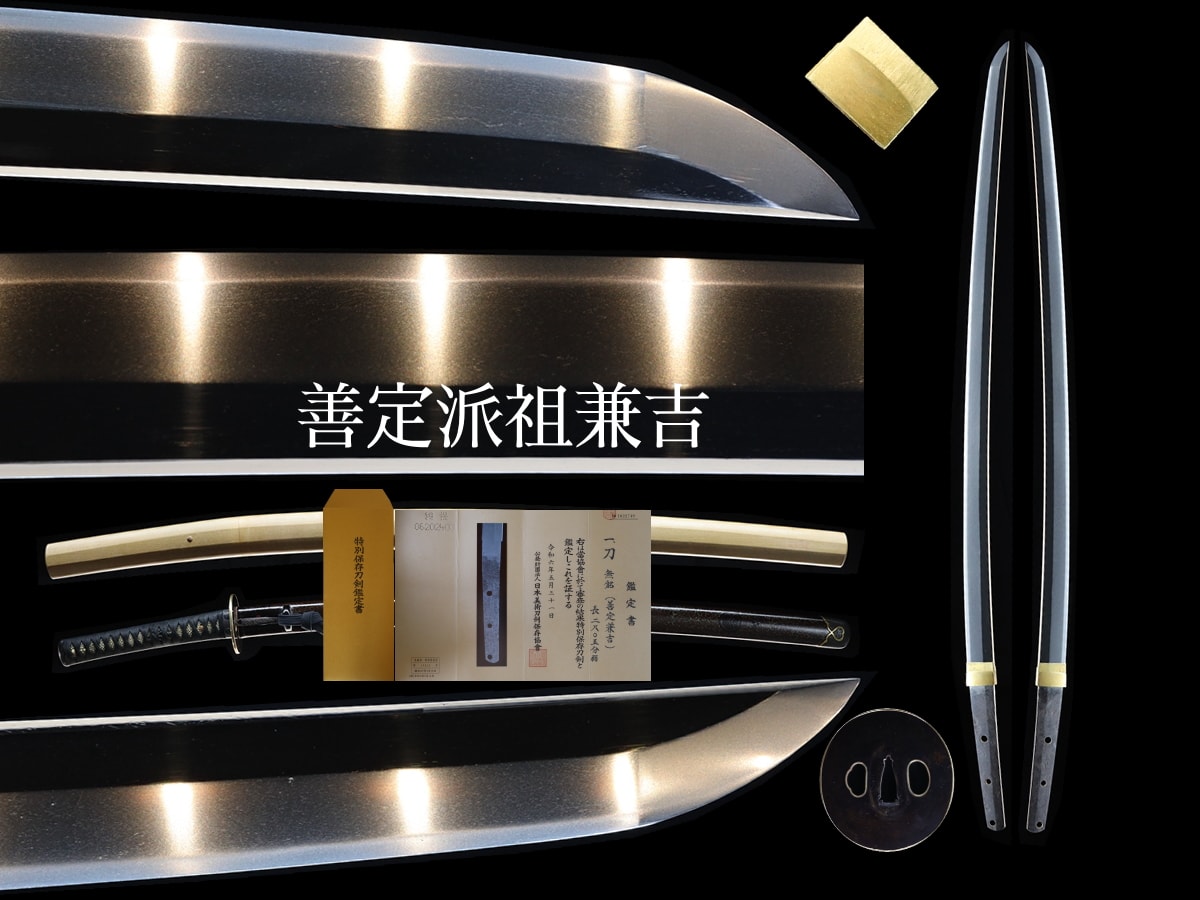
美濃伝は、伝えによれば移住者が開いた。大和手掻系の出と伝えられる兼氏が志津に住し、新しい相州風で鍛えて、後世の鑑定家にその最上作は誰よりも正宗に近いと言わしめている。
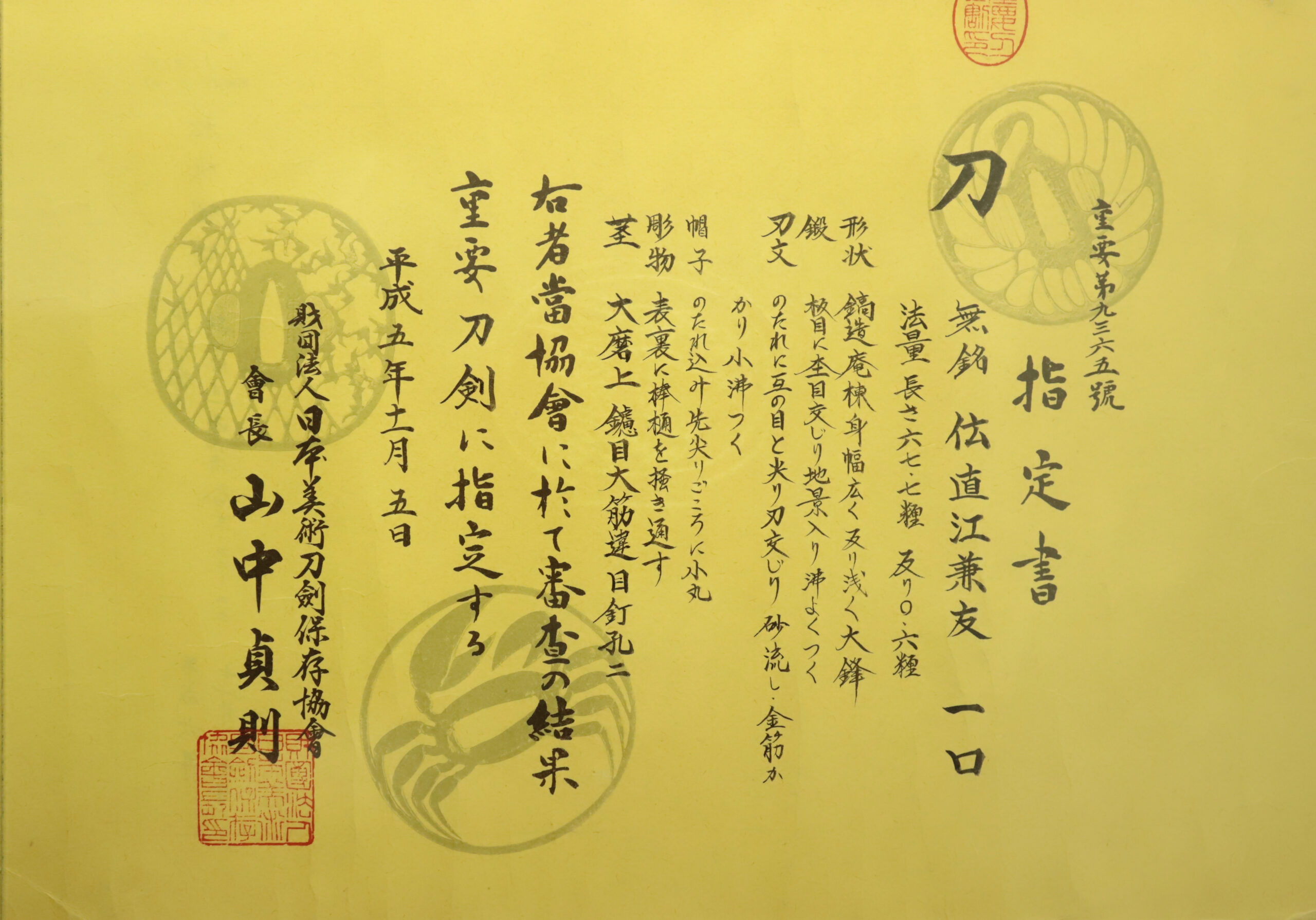
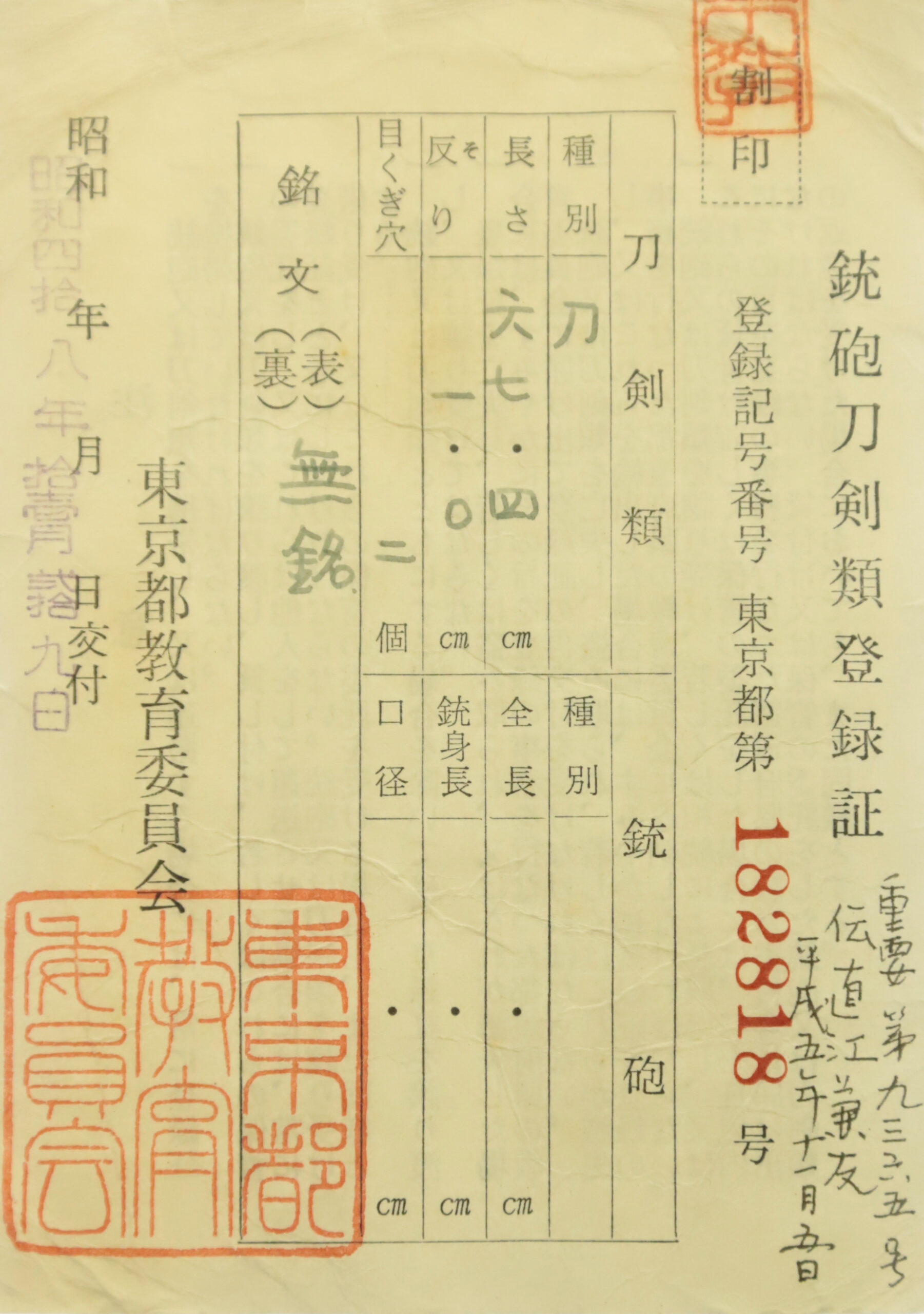
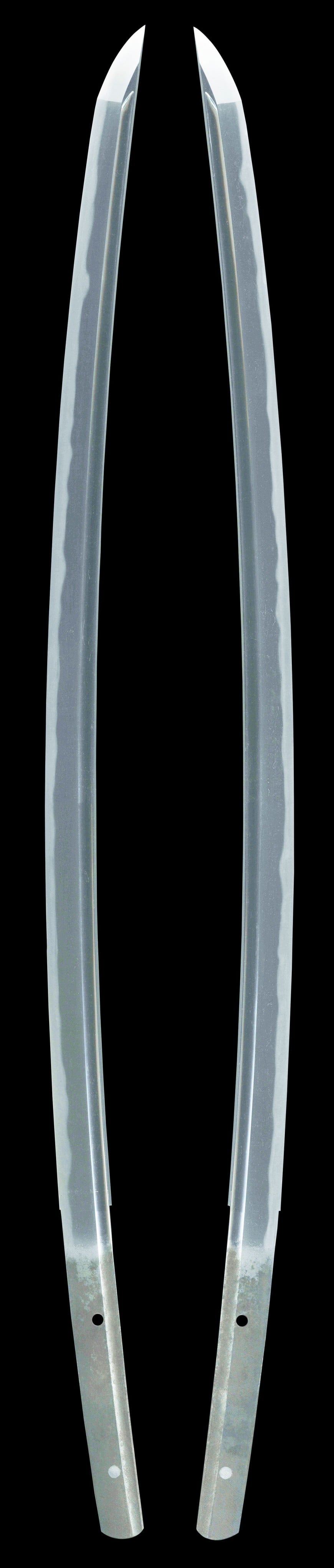
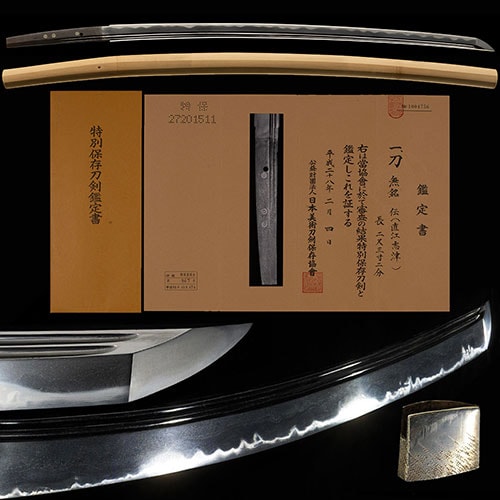
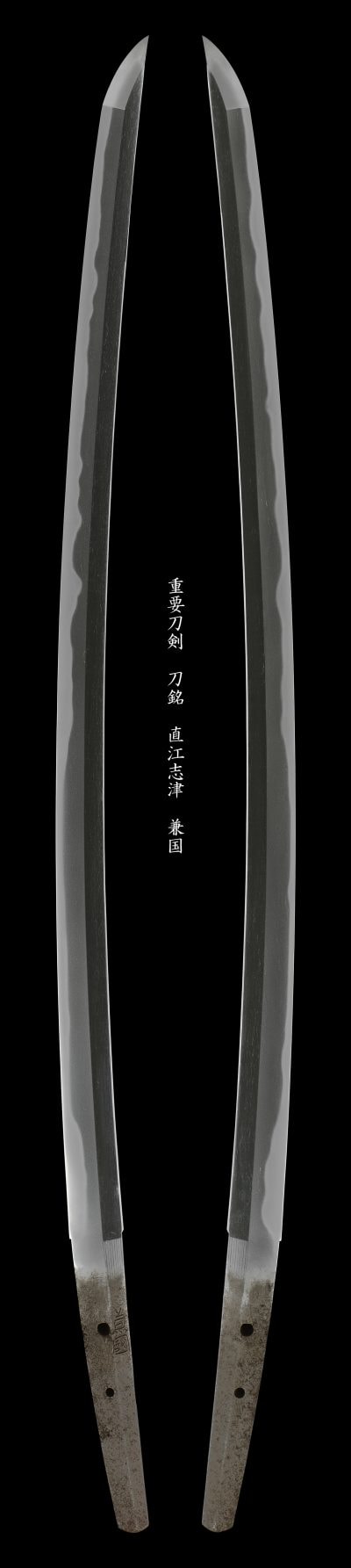
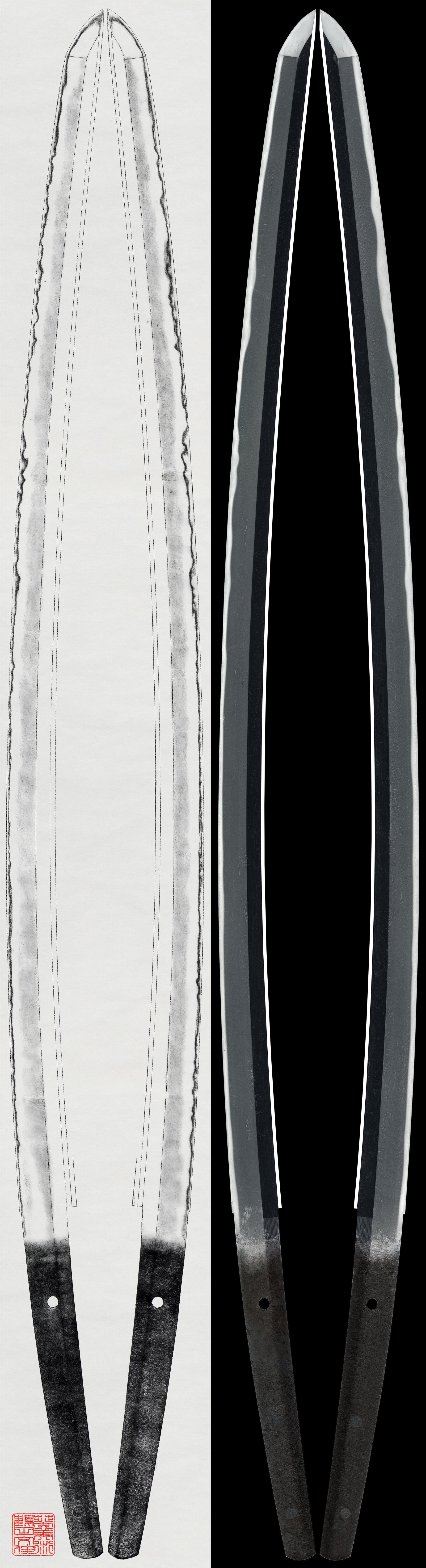
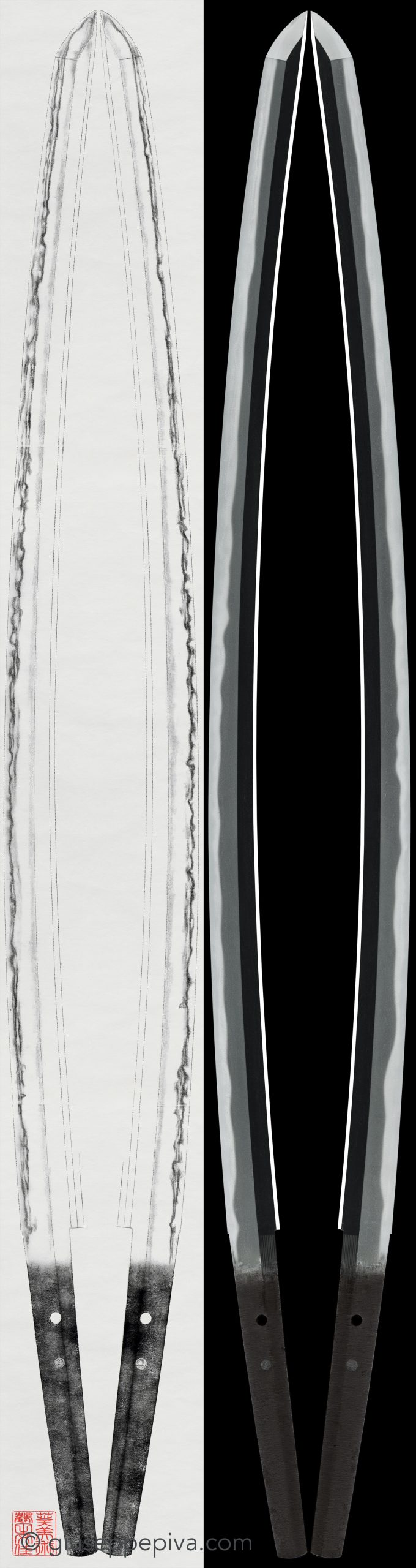
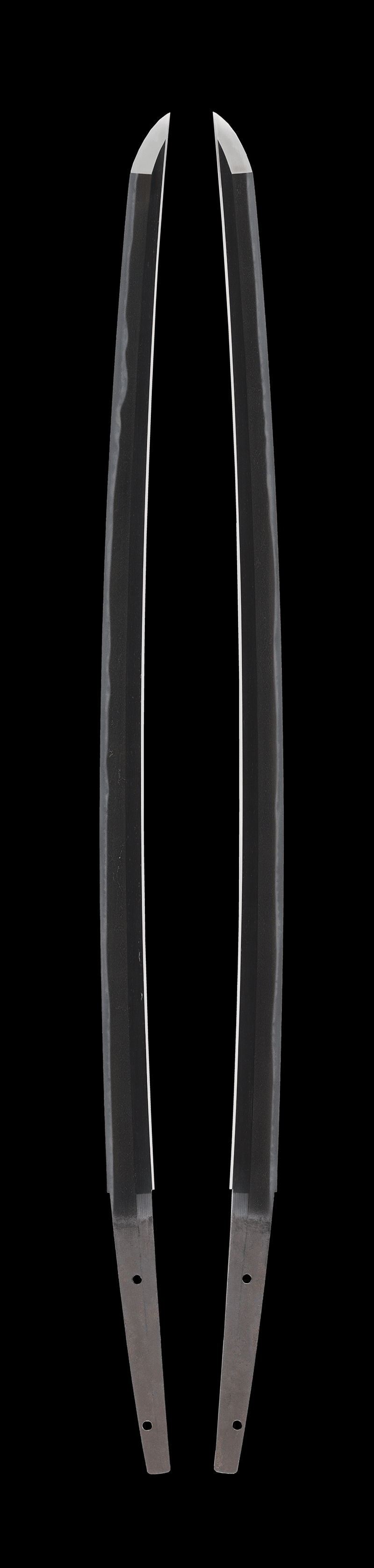
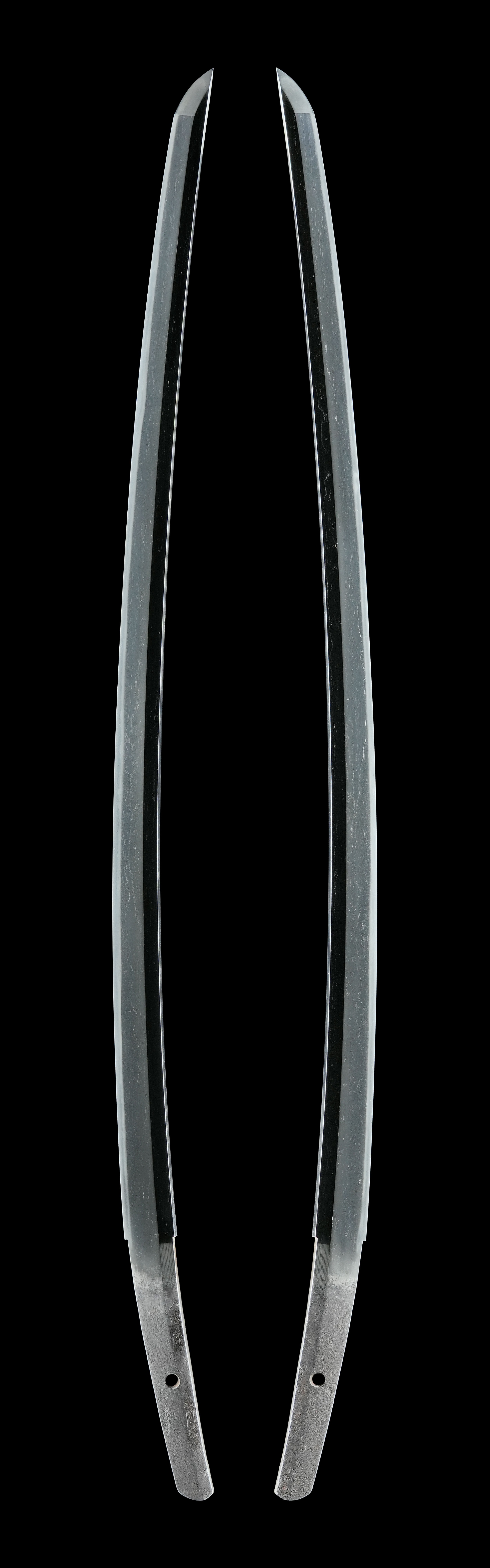
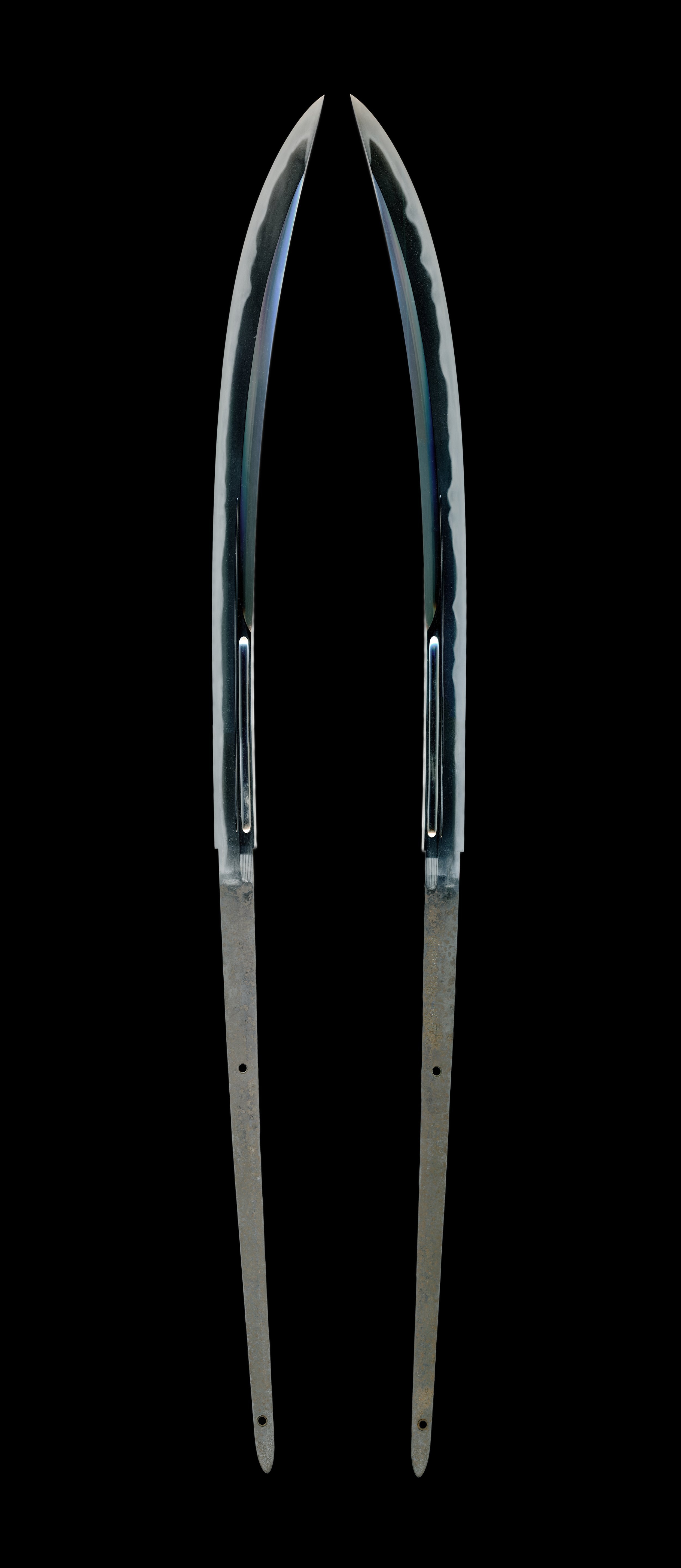
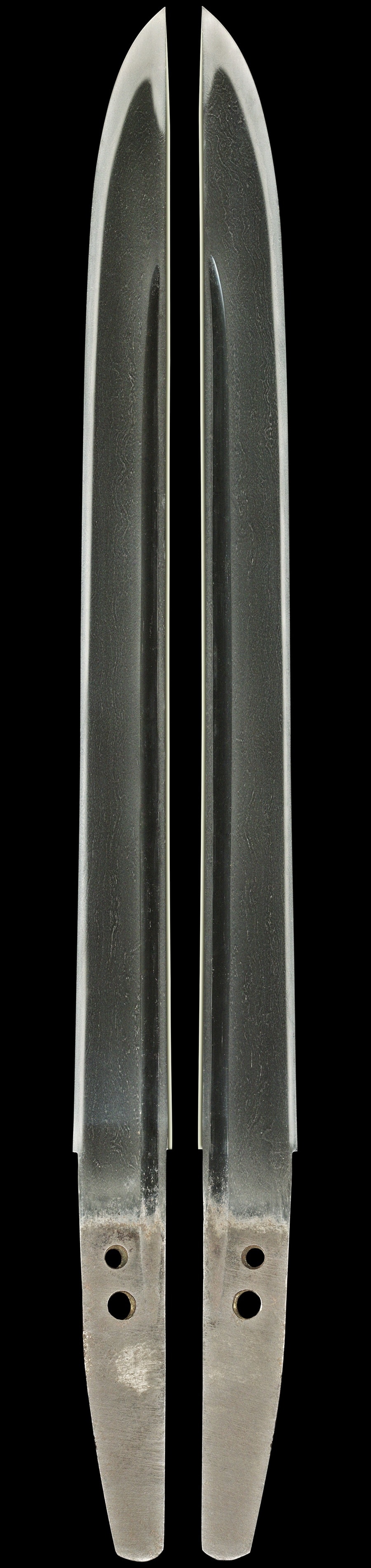
重要刀剣 伝・直江兼友(南北朝時代) 日本美術刀剣保存協会(NBTHK)重要刀剣指定品 【解説】 概要 本作は南北朝時代の美濃国(現在の岐阜県)において、同国屈指の名門である「直江志津(なおえしづ)」一派の工、兼友(かねとも)と伝承される名刀です。 鎌倉時代末期(14th初頭)、大和国(現在の奈良県)より兼氏(かねうじ)が美濃国志津の地に移住し、志津派を興しました。兼氏は「正宗十哲」の一人に数えられる名工として知られています。 南北朝時代に入り、兼氏の子や門人である兼友、兼俊、兼信らは、拠点を直江の地へと移しました。志津と直江の両地に居住したことから、彼らは「直江志津」と呼称されます。 兼友の名は南北朝時代(14世紀初頭〜中期)を通じて二代続いており、初代兼友は兼氏の子、あるいは門人と伝えられています。 美濃伝について 美濃国の刀工たちは、独自の鍛錬法である「美濃伝」を確立しました。その作風は、直調のなかに尖り刃を交える互の目乱れの刃文や、白く現れる「映り」を特徴とします。鎌倉時代末期の大和伝を源流とし、南北朝から室町時代にかけて隆盛を極め、江戸時代に至るまでその伝統は脈々と受け継がれました。美濃伝の変遷と存続は、当時の刀工たちの卓越した技術と芸術性を物語っています。 鑑定 本作は公益財団法人 日本美術刀剣保存協会(NBTHK)により「重要刀剣」に指定されています。この鑑定書は、保存状態が極めて良好であり、かつ美術的価値が特に高い真作の日本刀に対してのみ授与されるものです。「重要刀剣」は「特別保存刀剣」の上位ランクであり、指定を受けるには厳格な審査を通過しなければなりません。現存する日本刀の中でも重要刀剣に指定されるものは極めて稀であり、愛刀家にとって垂涎の的となっています。 【刀剣詳細】 刃長(長さ):67.4 cm 反り:1.0 cm 刃文:焼入れによって刃先に現れる結晶構造。 地鉄(地肌):折り返し鍛錬によって現れる鋼の表面模様。 切先:刀身の先端部分。 茎(なかご):柄に収まる持ち手にあたる部分。 日本刀の茎には、柄内での赤錆を防ぐために意図的に黒錆(古色)が残されます。この茎の経年変化は、専門家が制作年代を推定する上での重要な指標となります。 鎺(はばき):刀身が鞘の内部に直接触れるのを防ぎ、刀身を固定して錆や欠けから守るための金具。 鑑定書:日本美術刀剣保存協会(NBTHK)重要刀剣指定書(第9365号) 日本美術刀剣保存協会は、現代日本において最も権威ある刀剣鑑定機関の一つです。本作は平成5年(1994年)11月5日に、日本文化において極めて保存価値が高いとされる「重要刀剣」に指定されました。ご購入者様にはこの原本が付属いたします。ご希望に応じて、記載内容の英訳PDFを作成することも可能です。 登録証番号:東京都 第182818号 本刀は東京都教育委員会より発行された「銃砲刀剣類登録証」が付随しています。文化庁の規定に基づき、美術品として正式に登録された刀剣です。
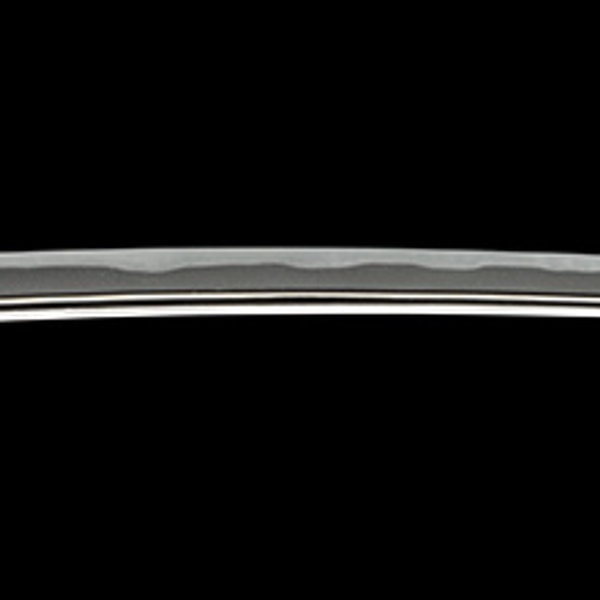
兼友は、南北朝期から、室町時代にわたって同名数代あり、その祖は初代兼氏門下の一人であり、後に美濃の志津か ら直江に移住しており、所謂直江志津を代表する刀工の一人である。 この刀は板目の鍛えがよく冴え、僅かではあるが流れ肌が交じり、刃文は温雅でいくぶん匂口締まりごころであるが、 処々互の目が連れ、仔細にみると輝く小沸がつきほつれかかるなど、同派にあって兼友の有銘作に結ばれるものであり、 所伝は妥当である。
 NihontoWatch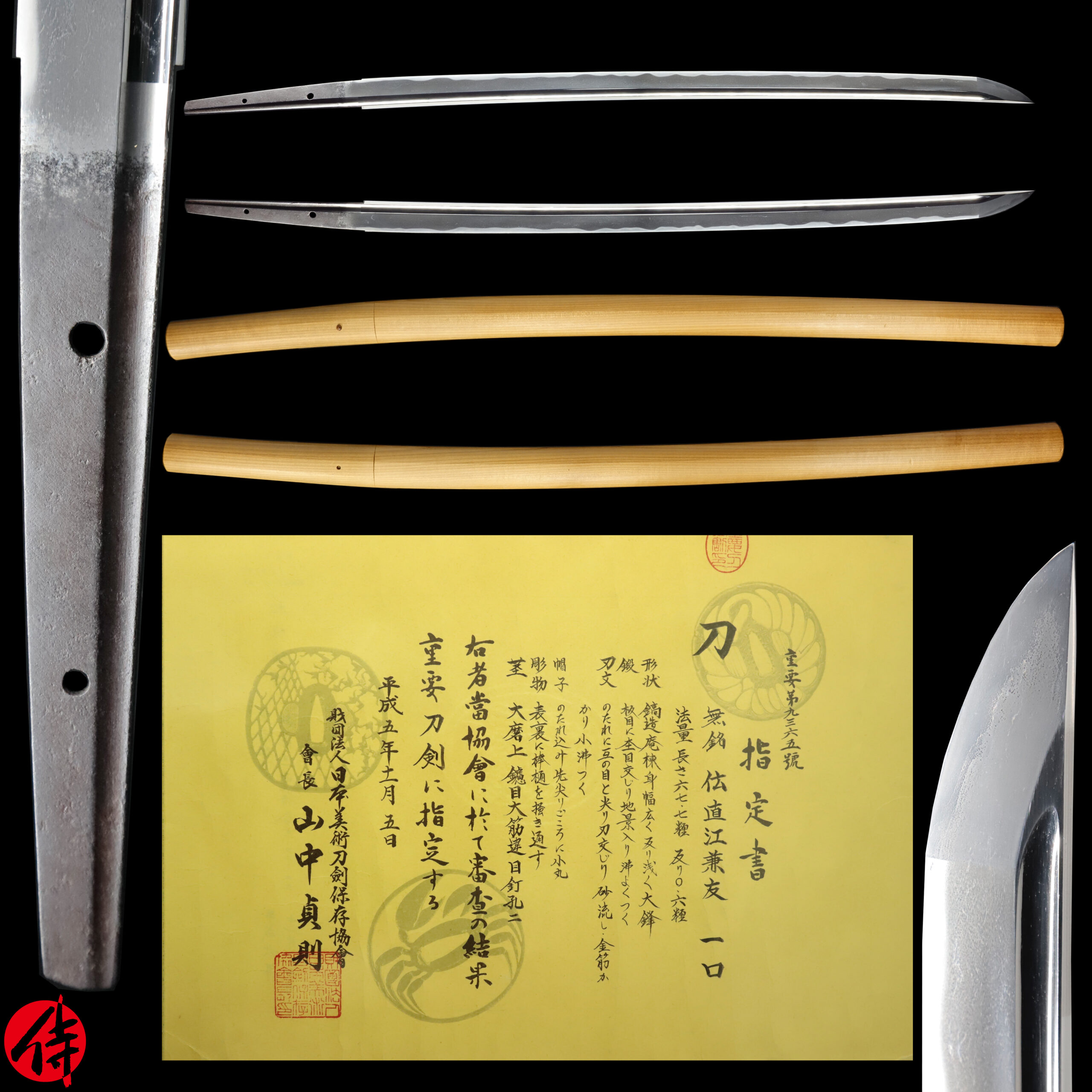
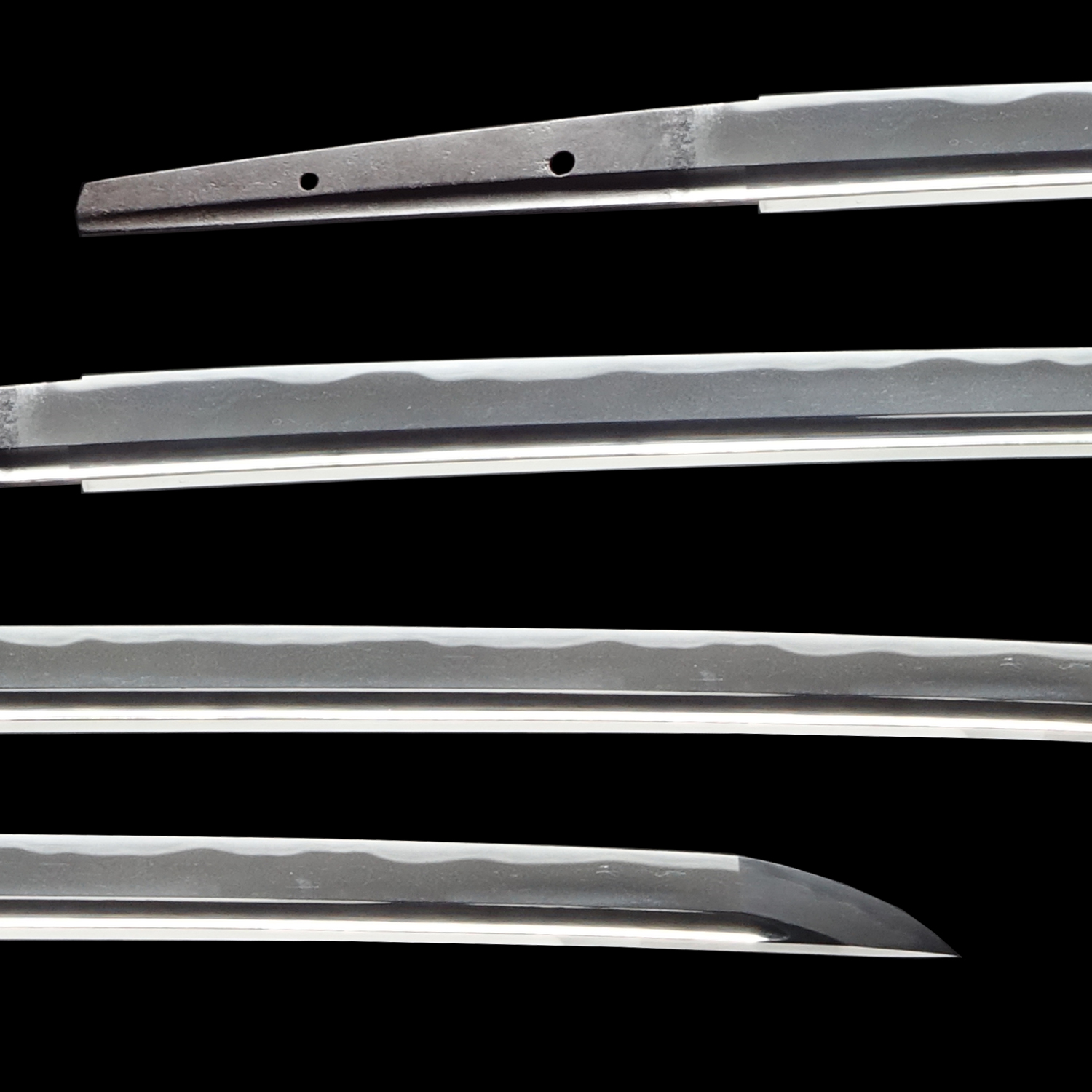
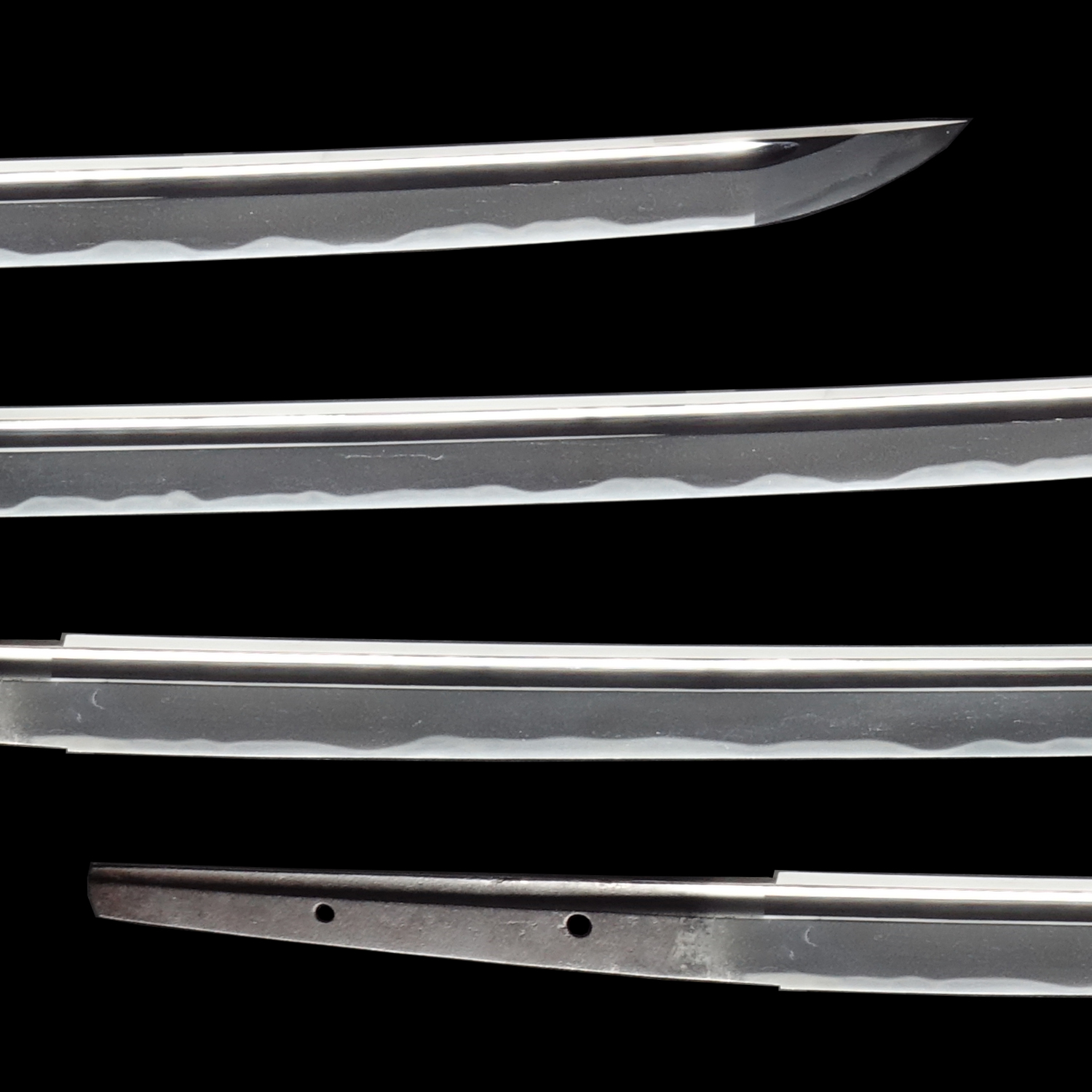
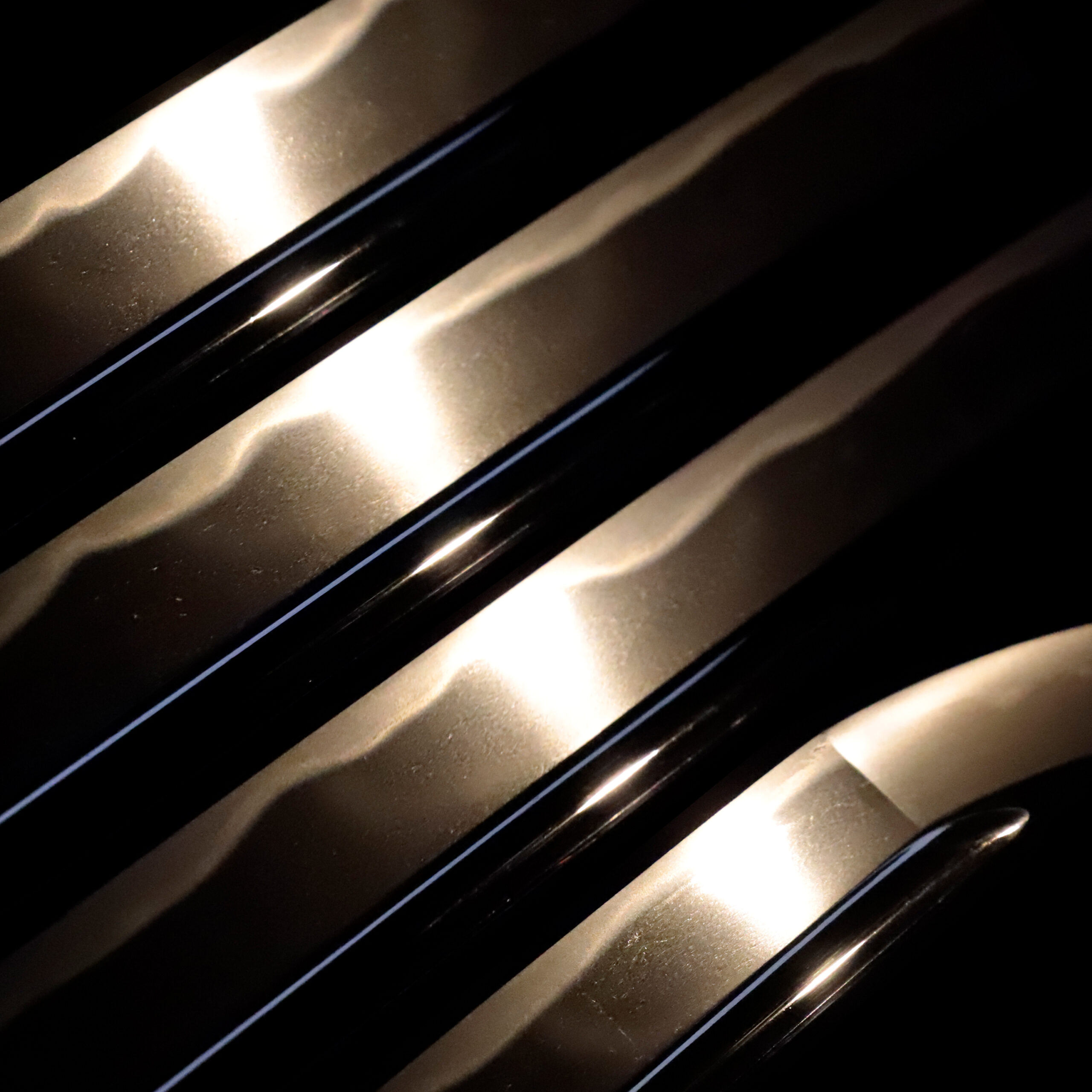
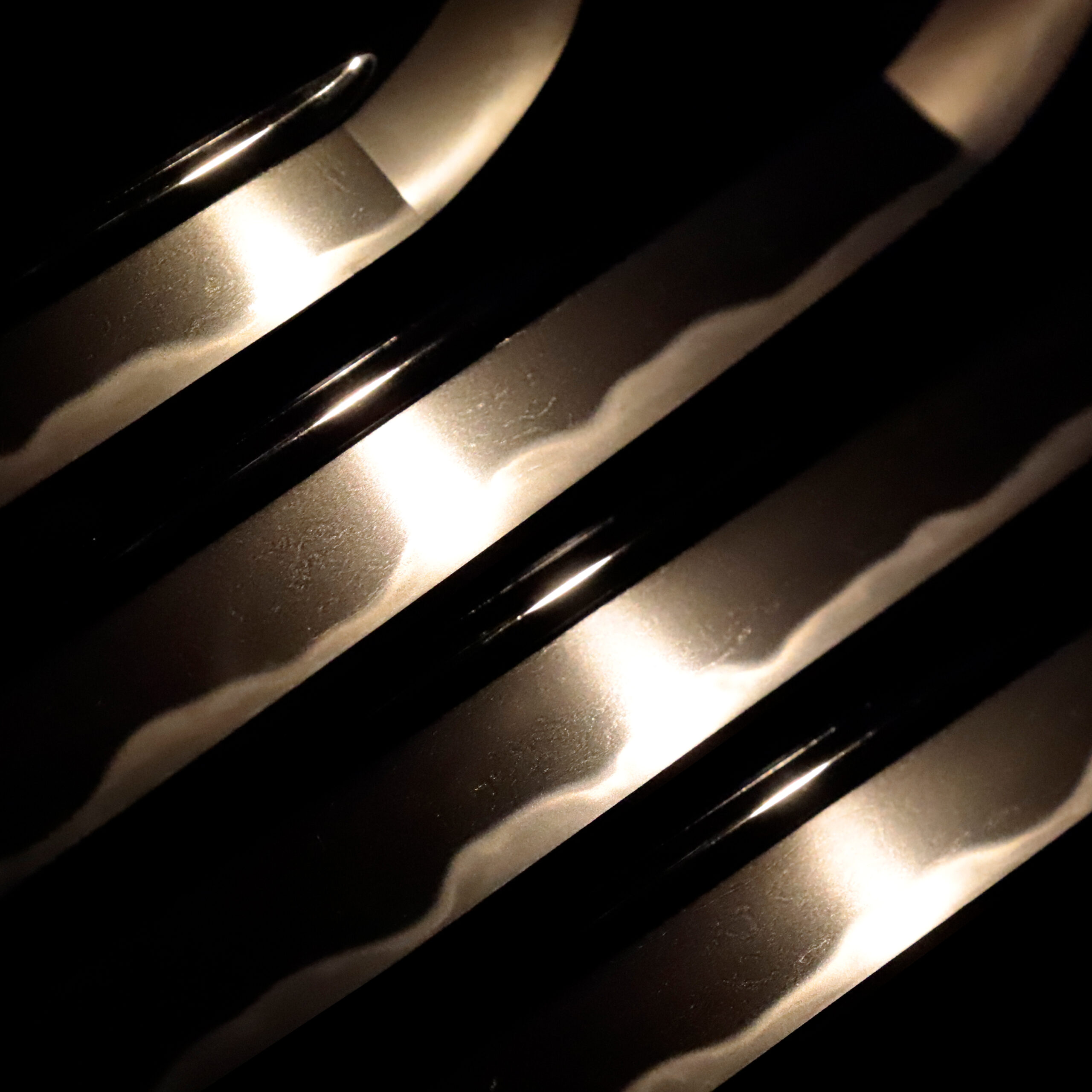
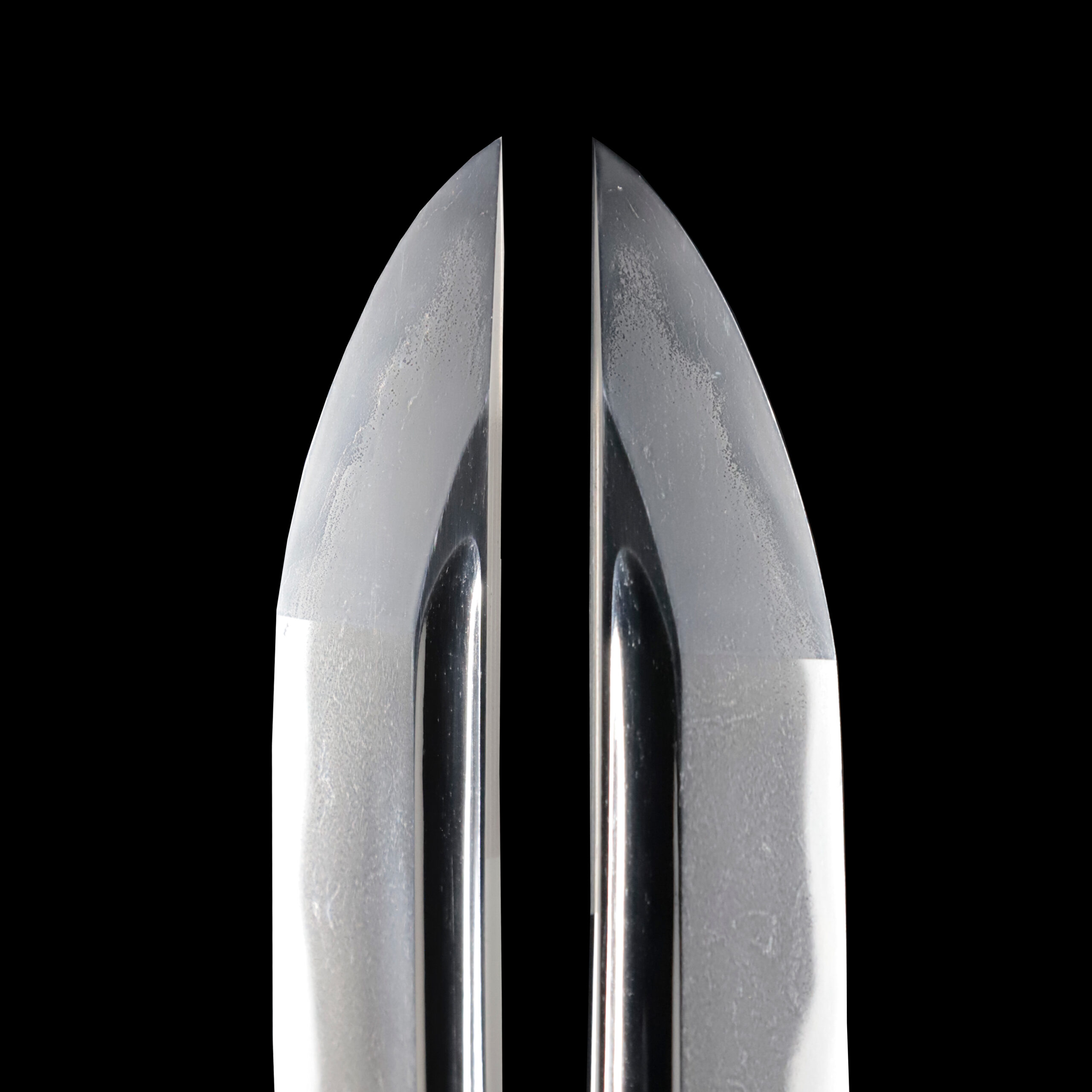
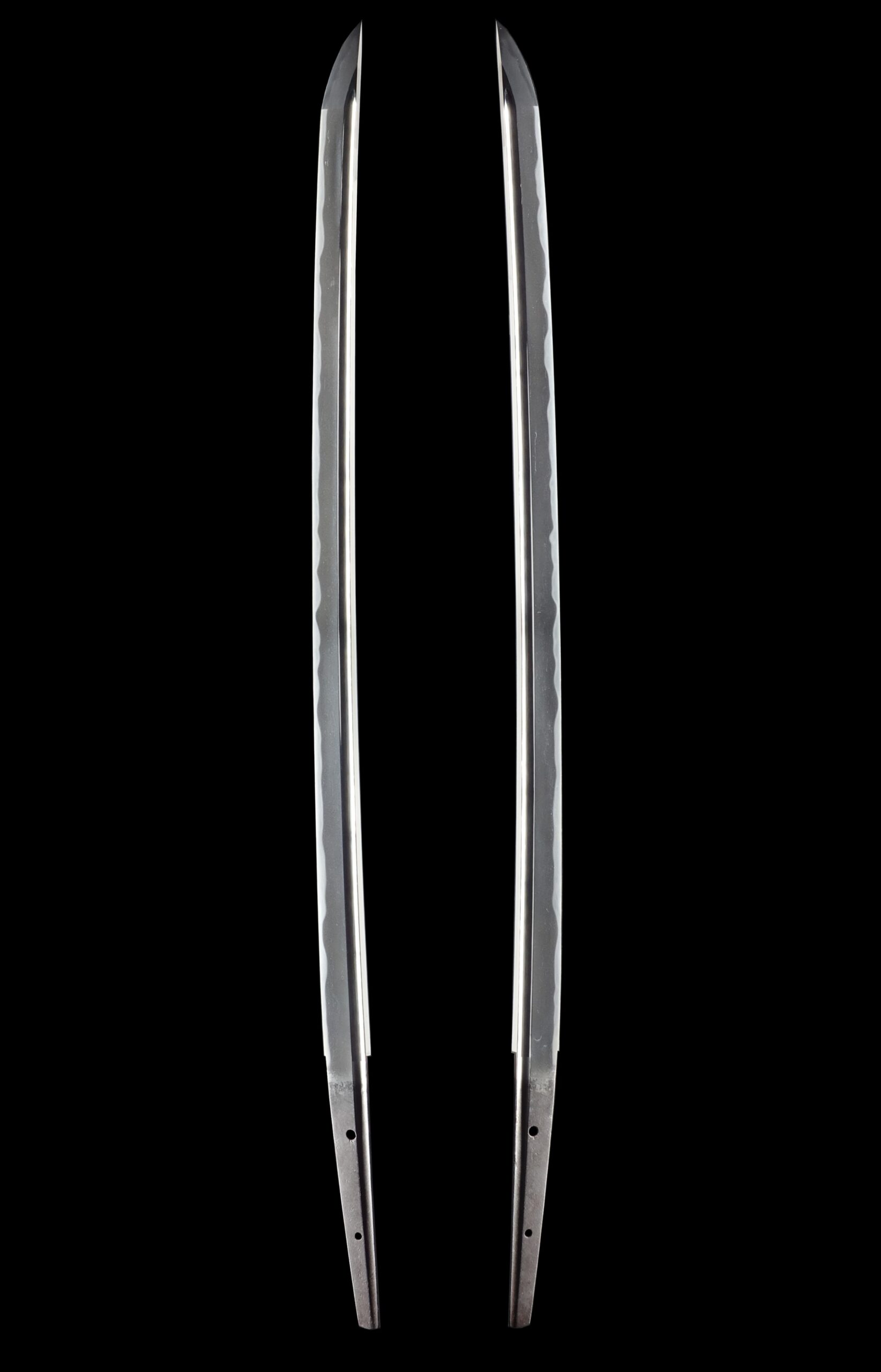
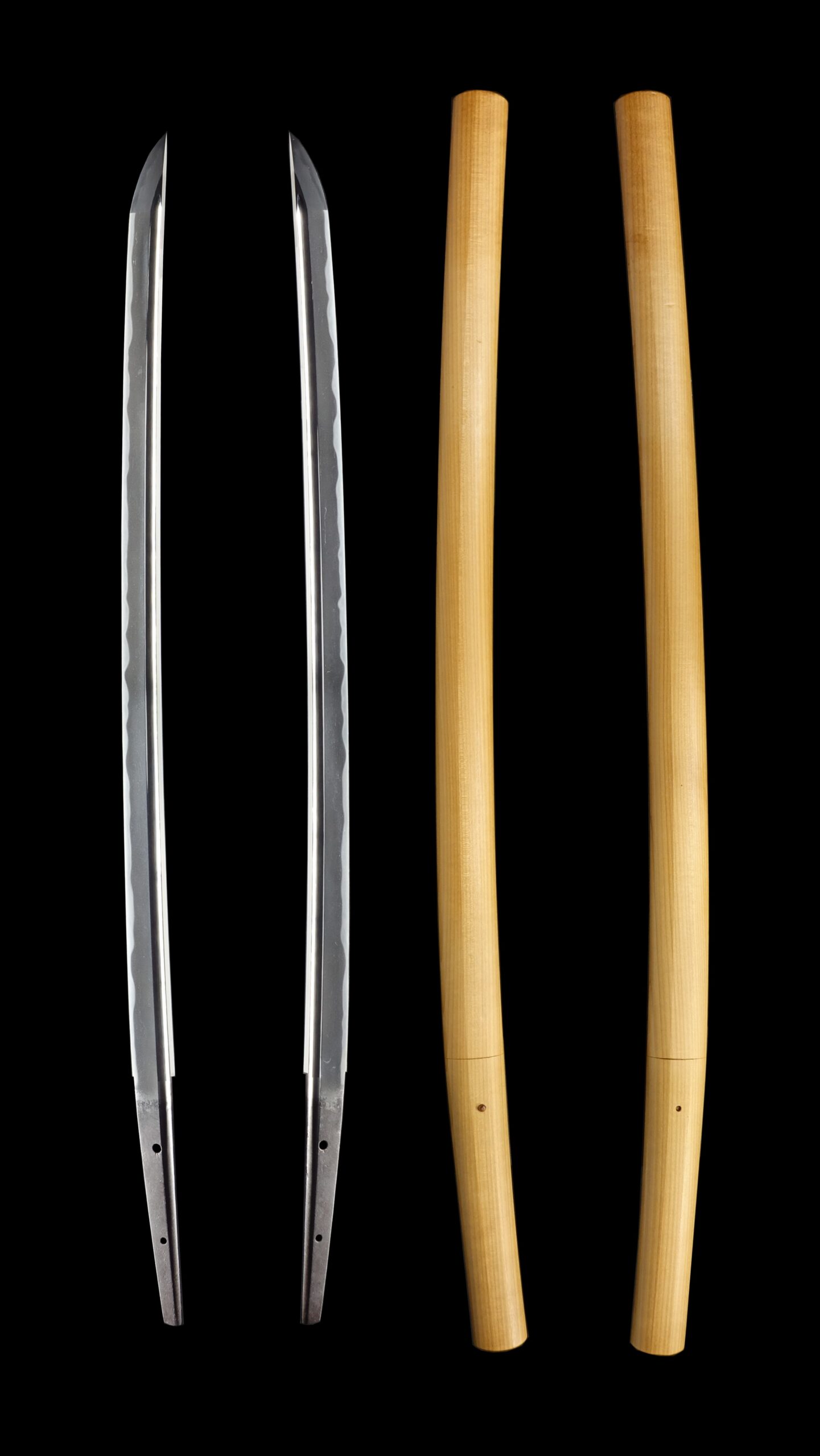
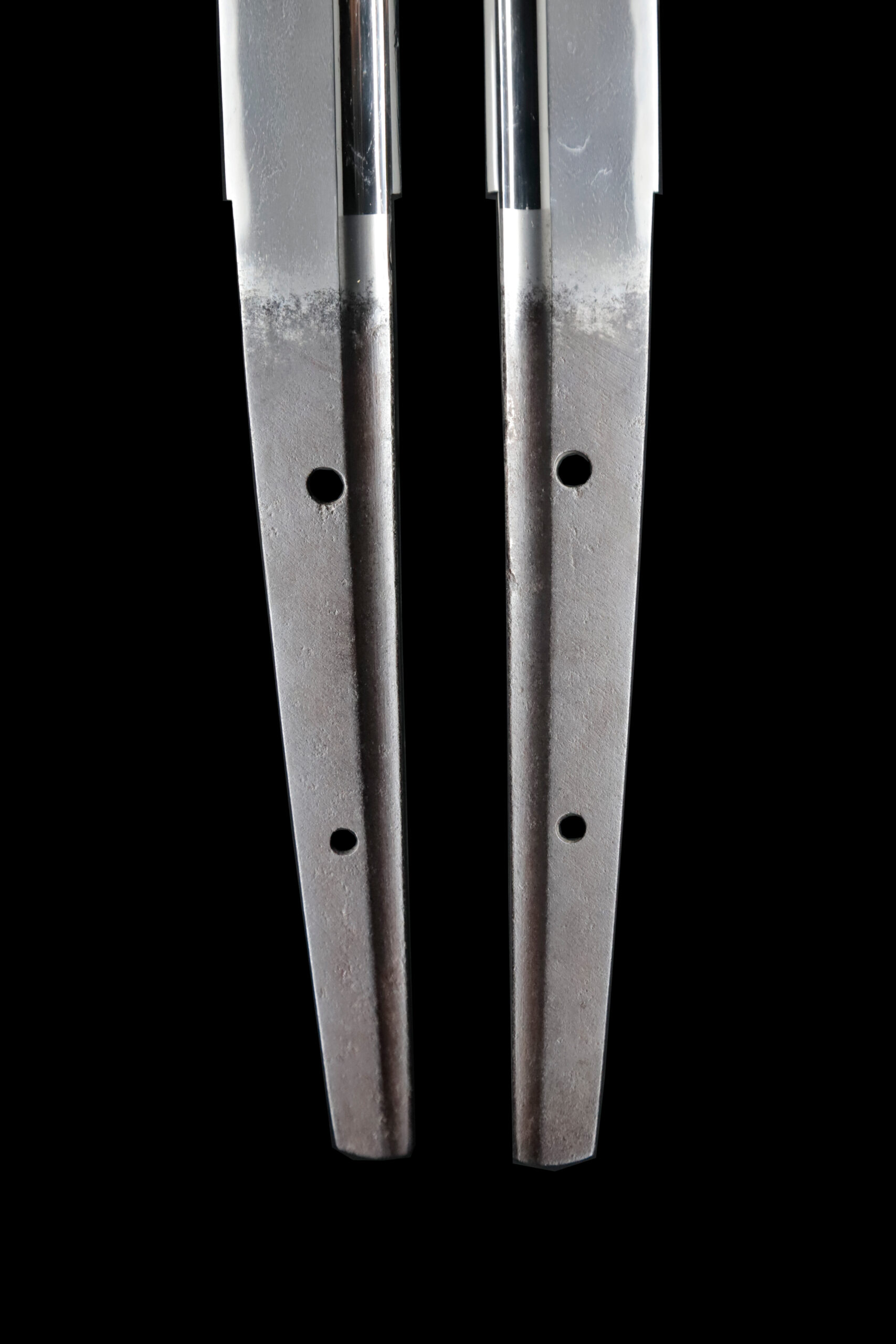
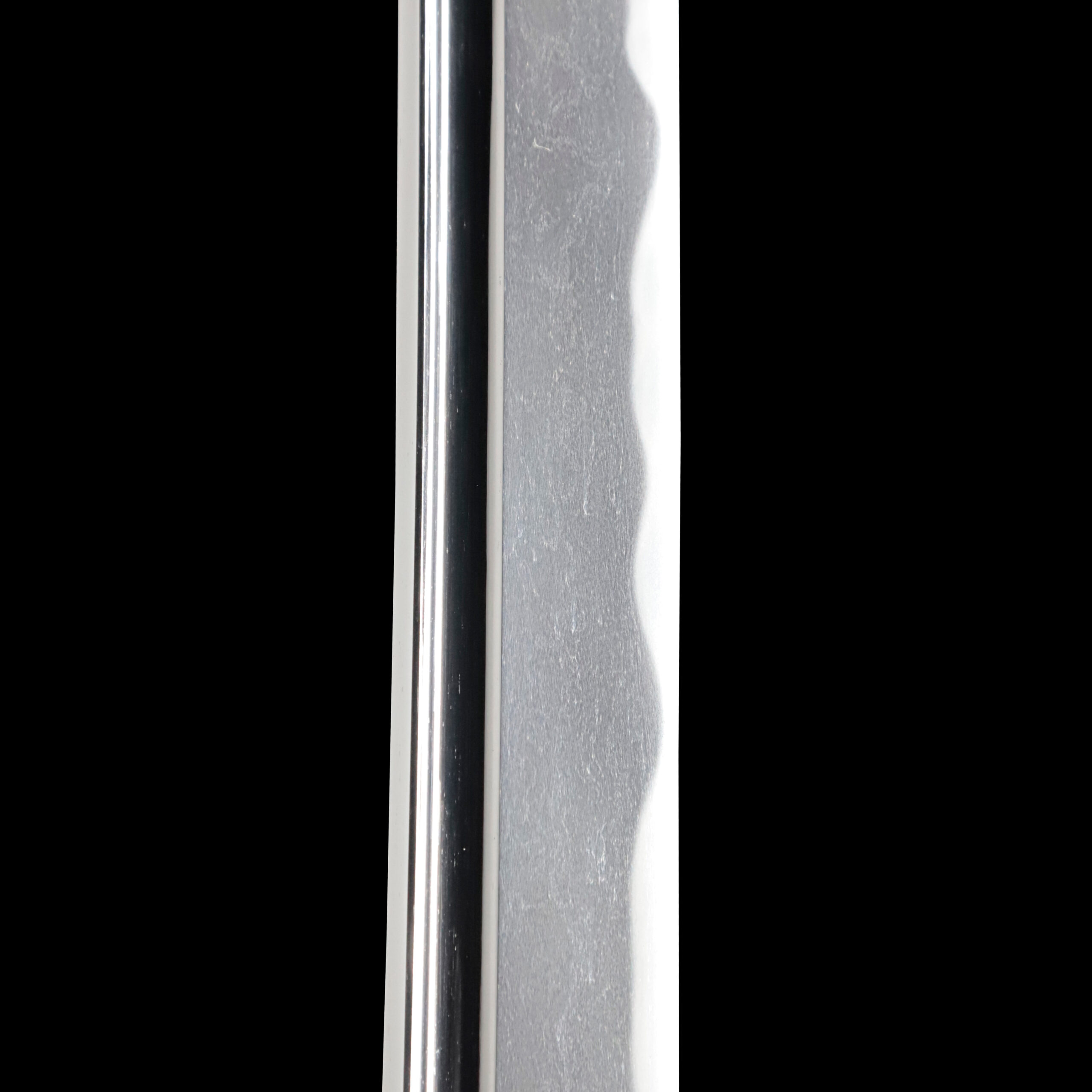
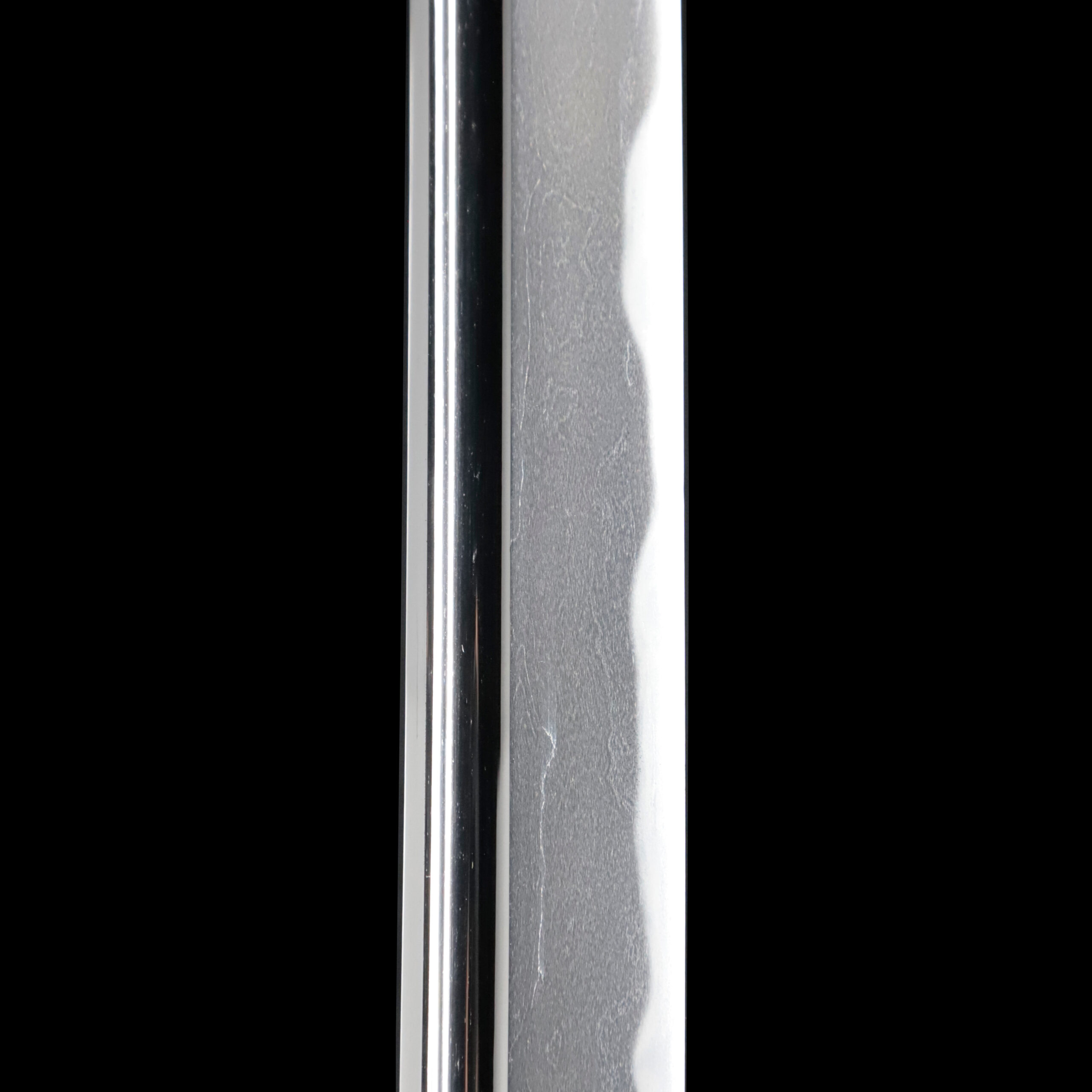
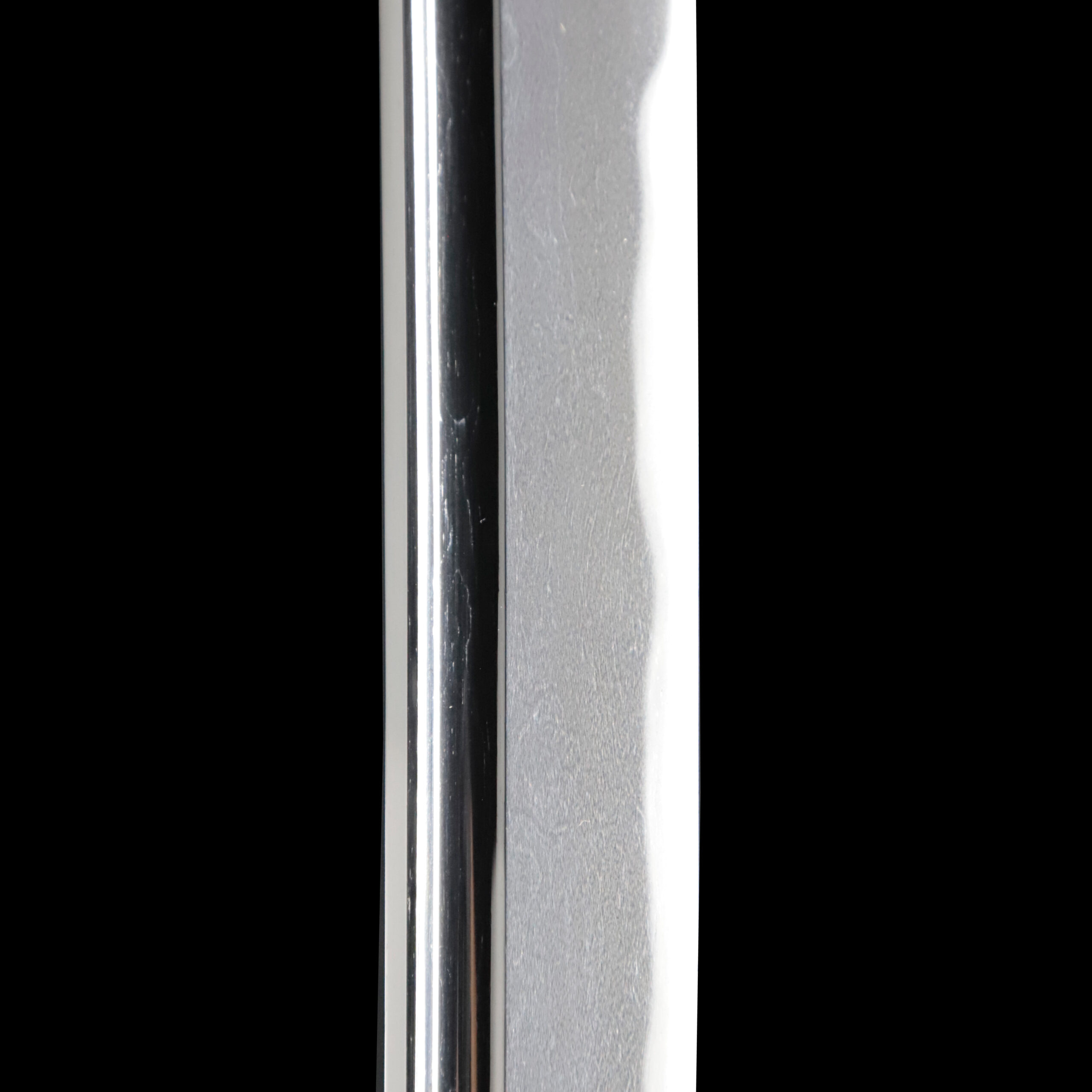
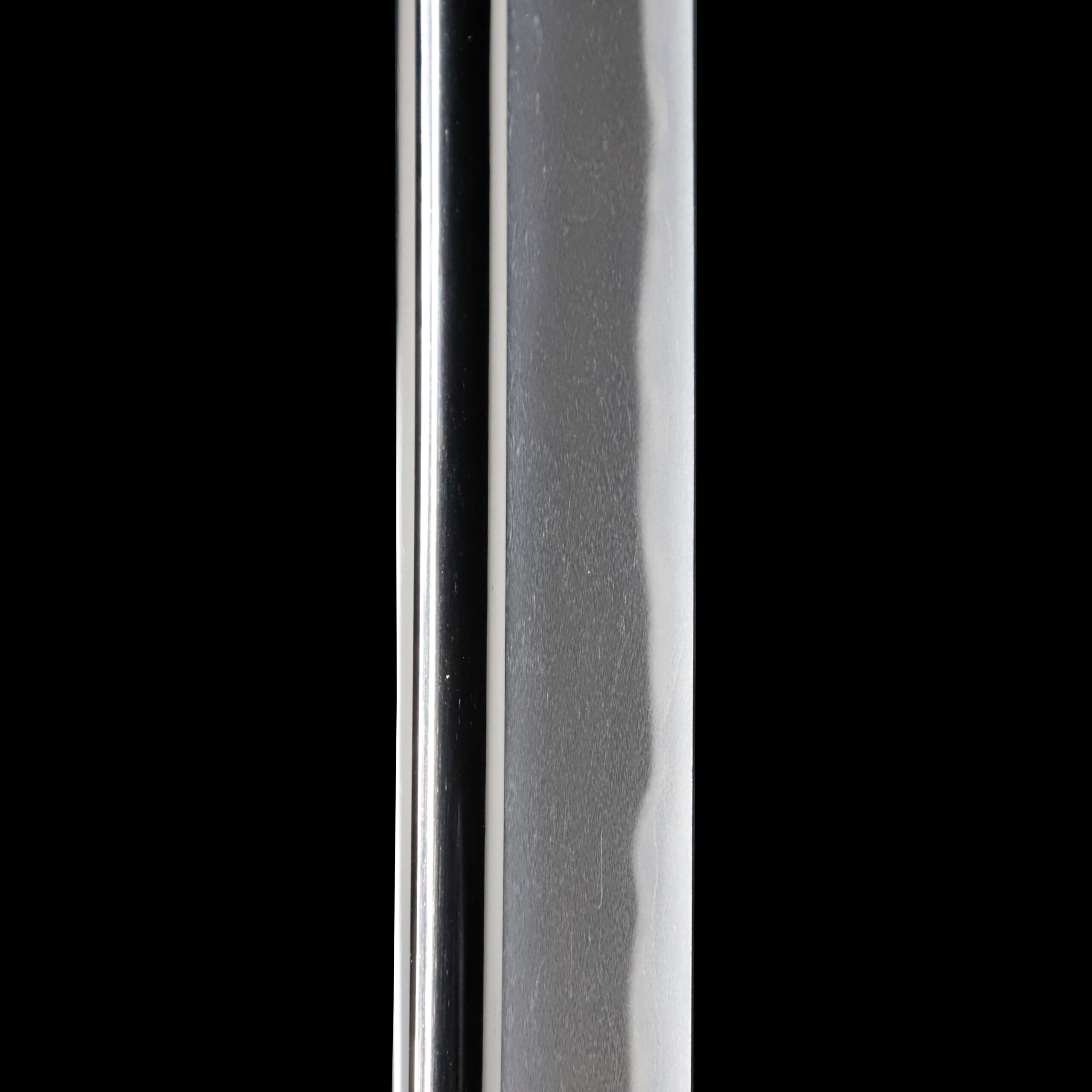
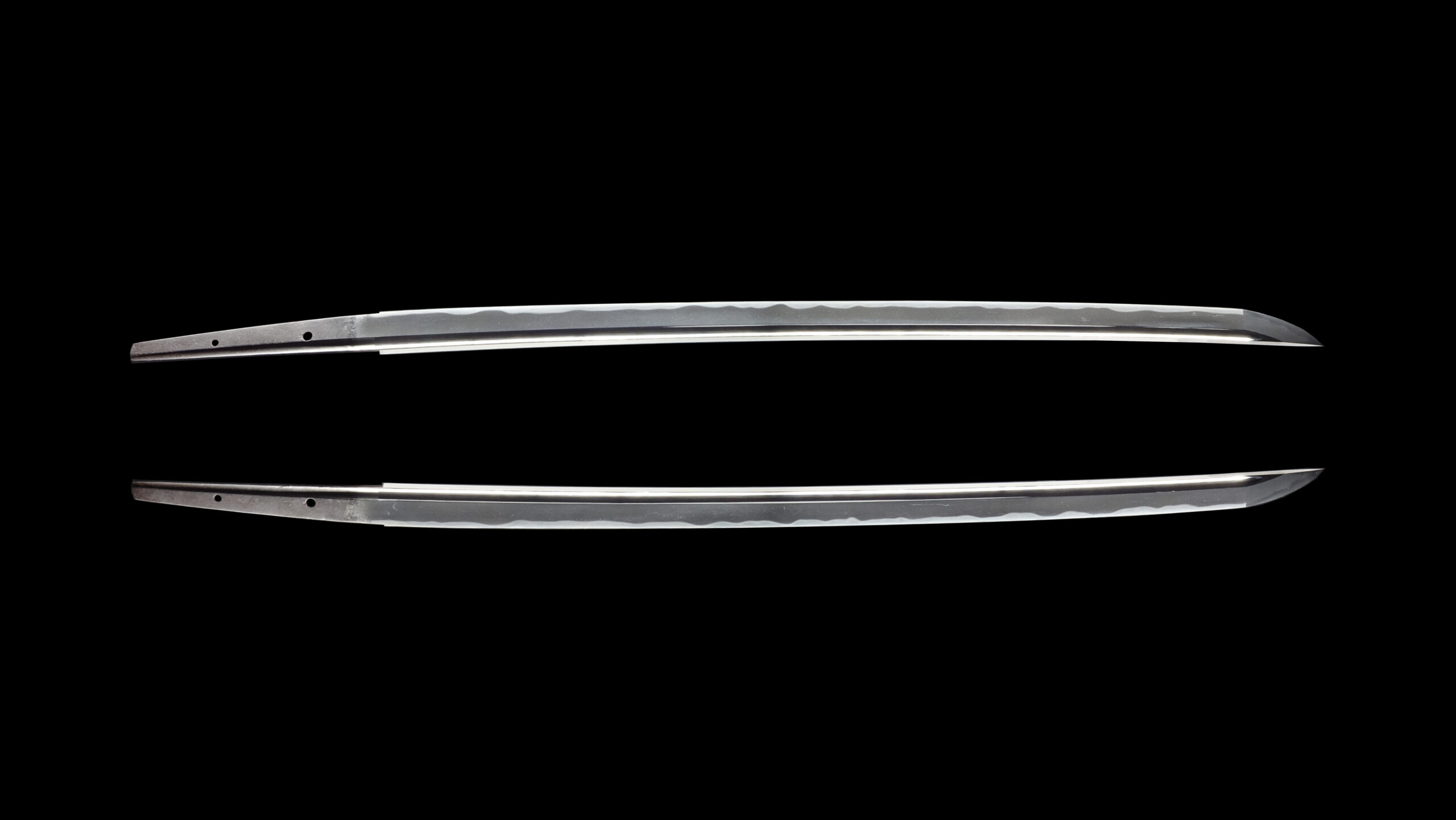
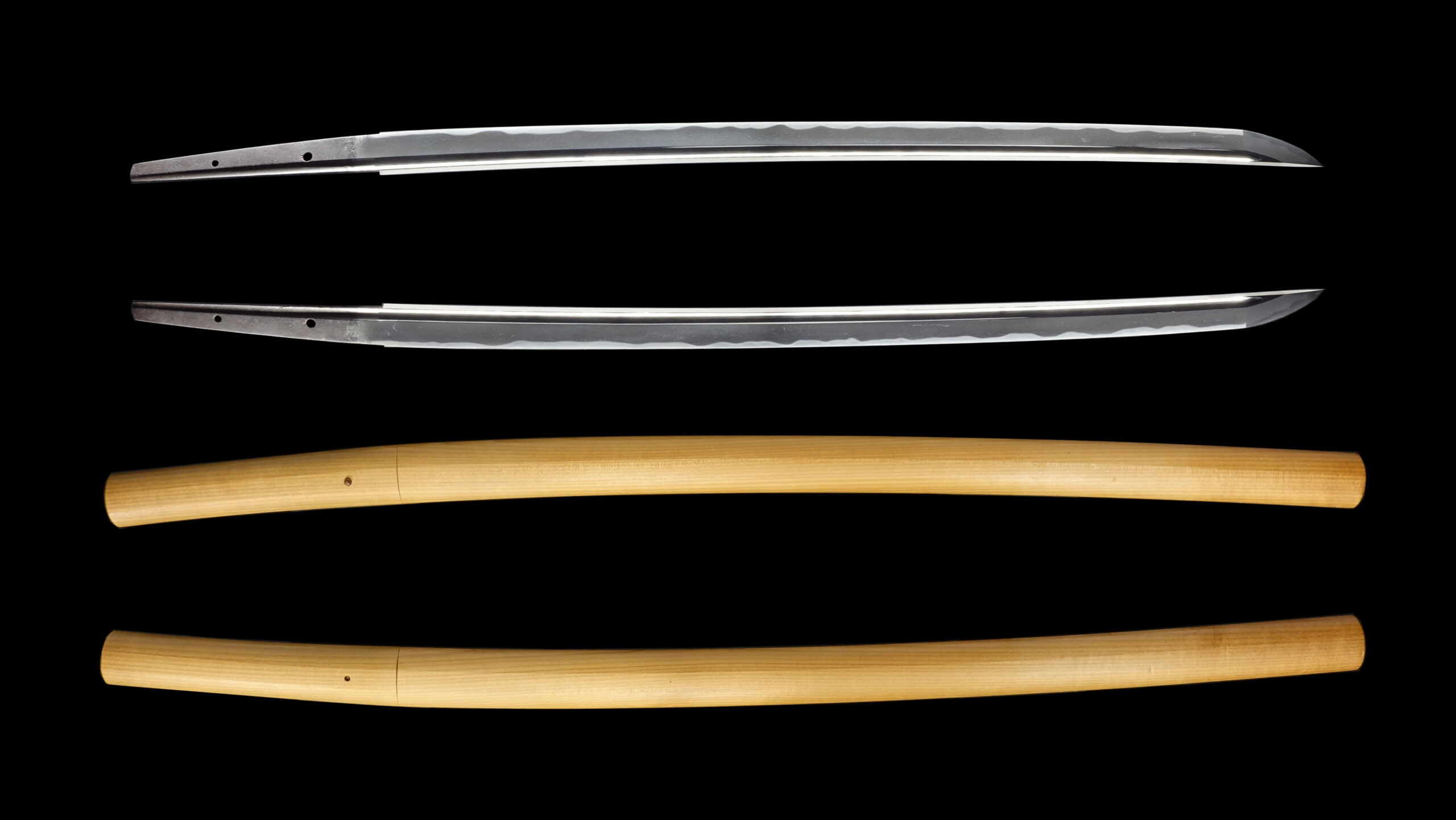
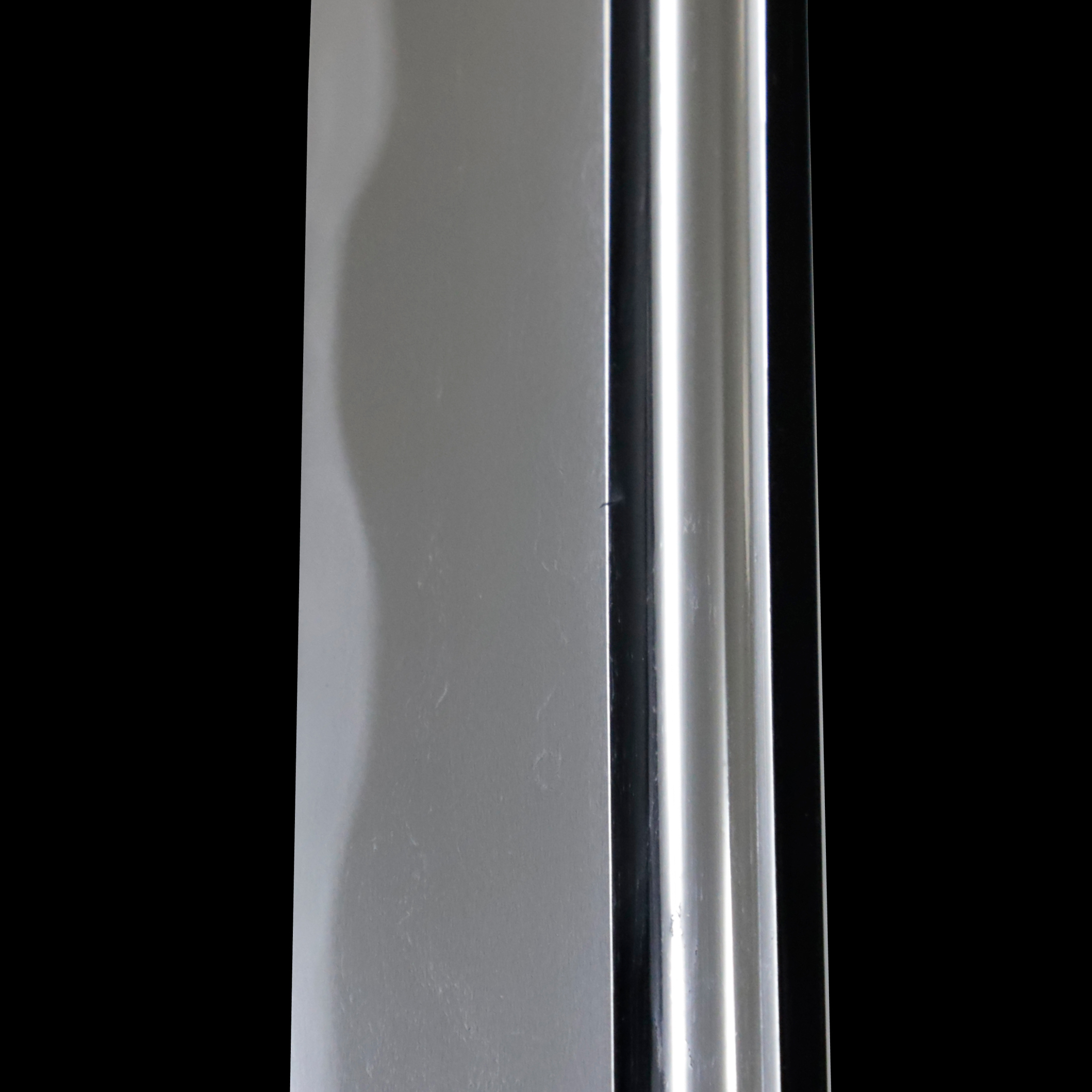
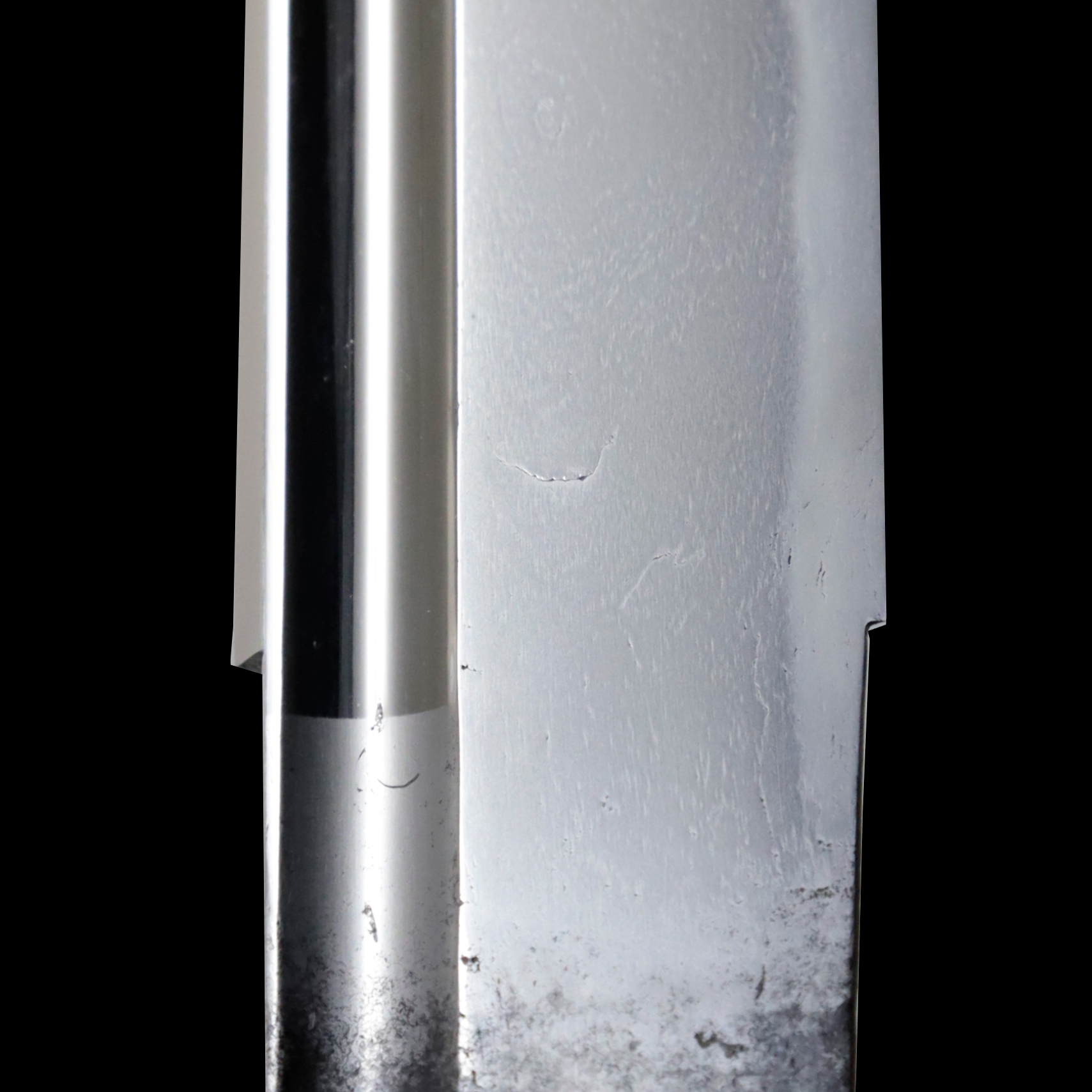
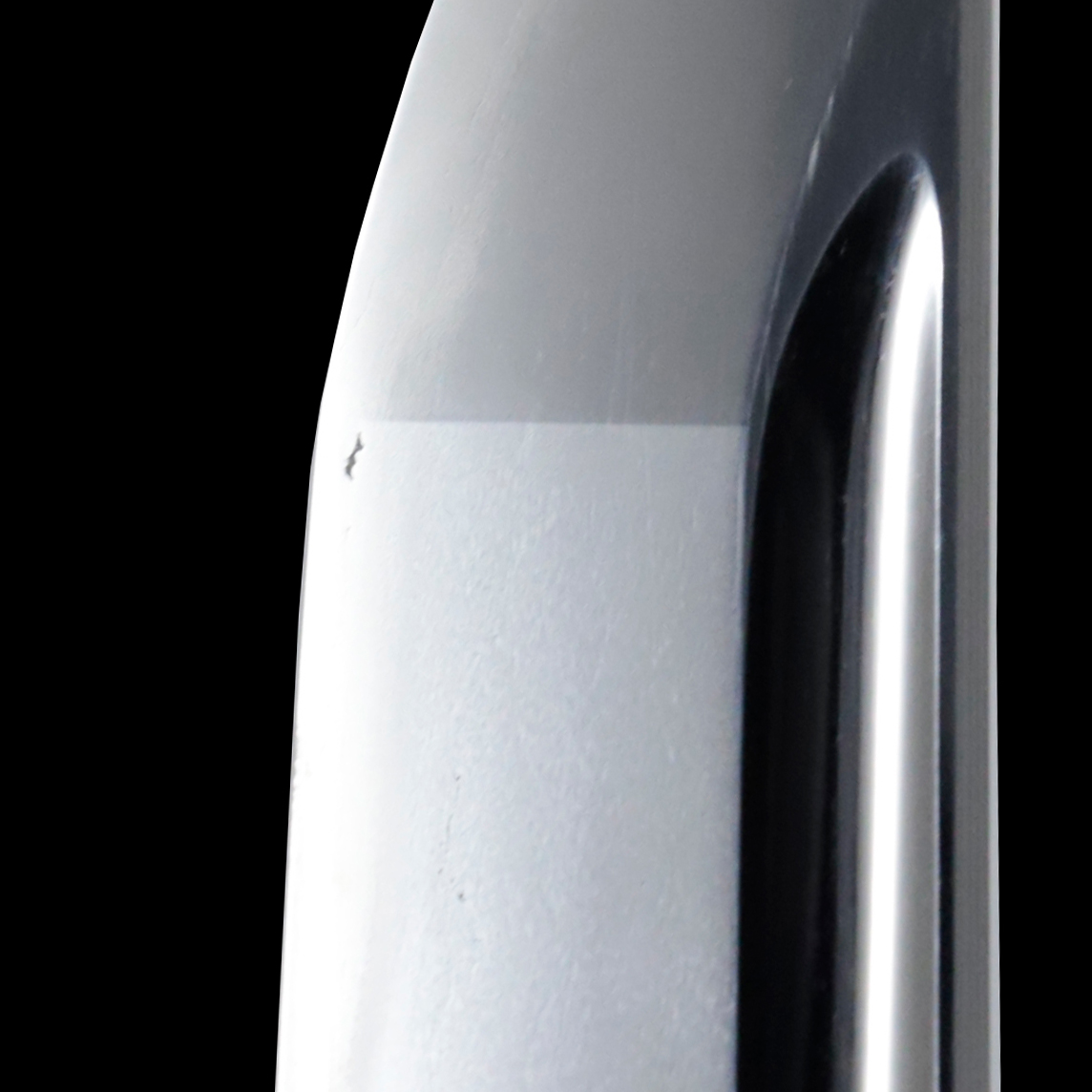
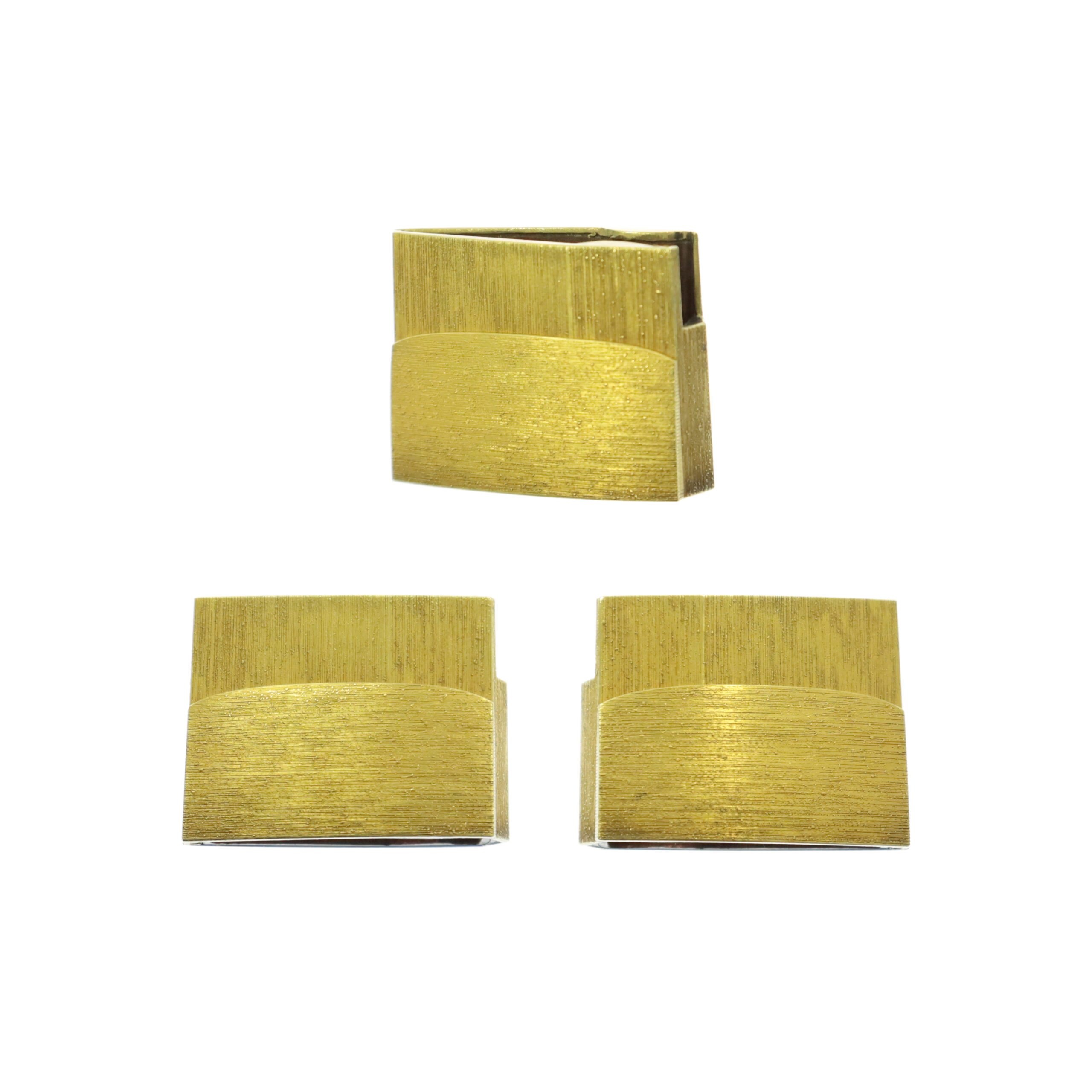
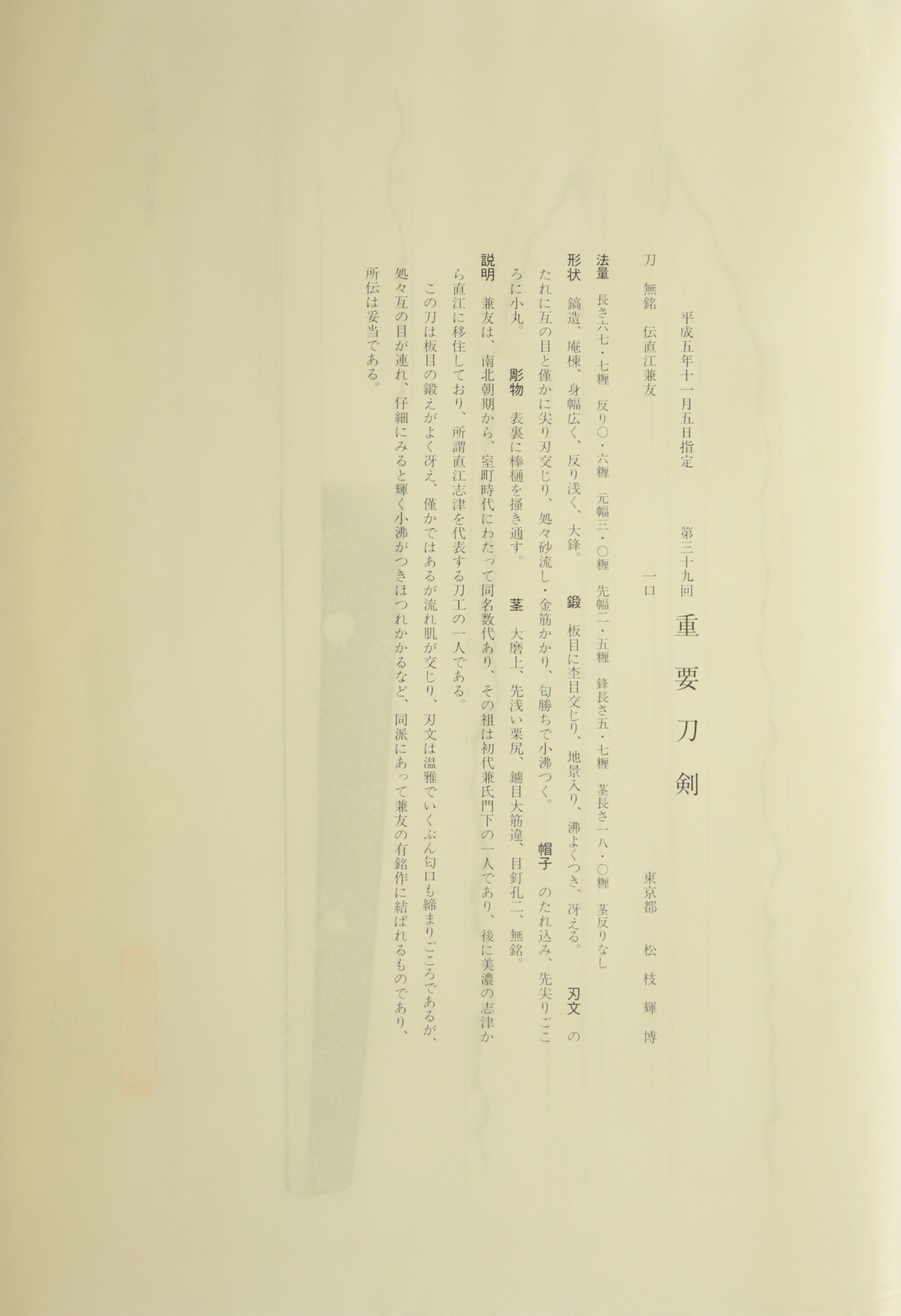
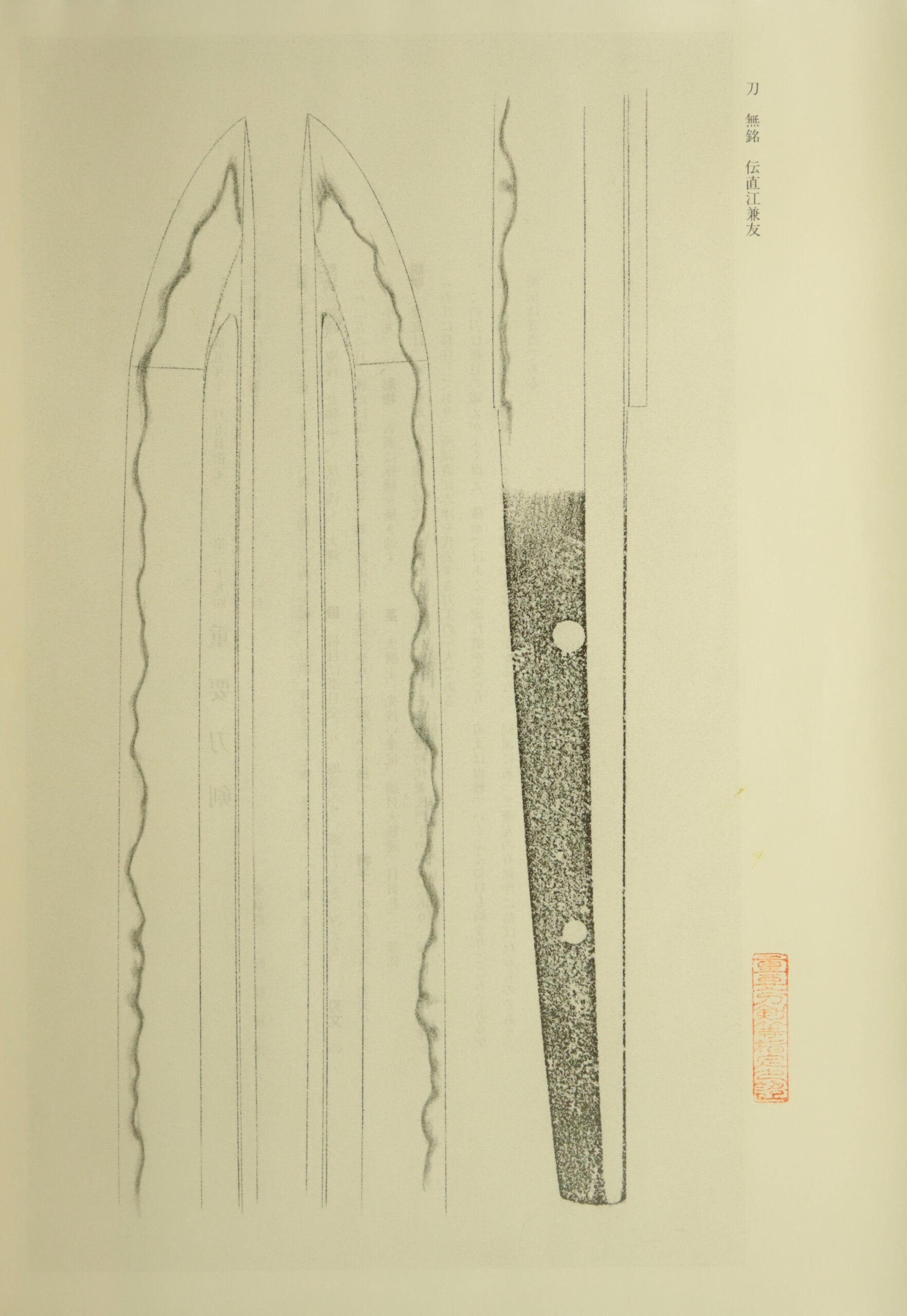
兼友は、南北朝期から、室町時代にわたって同名数代あり、その祖は初代兼氏門下の一人であり、後に美濃の志津か ら直江に移住しており、所謂直江志津を代表する刀工の一人である。 この刀は板目の鍛えがよく冴え、僅かではあるが流れ肌が交じり、刃文は温雅でいくぶん匂口締まりごころであるが、 処々互の目が連れ、仔細にみると輝く小沸がつきほつれかかるなど、同派にあって兼友の有銘作に結ばれるものであり、 所伝は妥当である。
Naoe Shizu (Mino branch of the Shizu / Kaneuji line) · 美濃 · 1336-1340頃
藤代 Jo-jo saku · 刀剣大鑑 上位15%
直江志津の兼友は、本文に初代兼氏門下の一人と伝える。兼氏は美濃が相州伝に受けた志津の工で、正宗十哲の一人に数えられる。一派の名は移住に由来する。兼氏とその門人、兼友もその一人だが、彼らははじめ美濃の志津に作刀し、後に同国直江に移って鍛えたため、その一門を直江志津と総称した。本文は兼友をこの派の代表工の一人に挙げ、「直江志津を代表する刀工の一人」[[c:1]]と記す。兼友の名そのものは南北朝初期から室町時代にわたって数代に継がれ、銘鑑にも応安頃・応永頃と複数の兼友が載る。ここに扱うのは南北朝期の同工で、その典型作を本文は十四世紀半ばの延文・貞治頃に置く。無銘の短刀と大磨上の刀が、直江志津の作風を最も色濃く伝える工である。
その手は数少ない在銘作から読み取られ、無銘の大半に渡して読まれる。弁別の軸は丸みをおびた互の目をのたれ・小のたれと取り合わせ、小沸出来に焼く点で、本文はこれを直江志津一門中で兼友の「最も得意とするところ」[[c:2]]と呼ぶ。頭の丸い互の目が連れて続き、この互の目の連れる態こそ、無銘作を在銘作に結ぶ際に本文が立ち返る見どころである。砂流しが刃中に頻りにかかり、しばしば金筋を伴って、激しめの作では出来口にやや迫力を与え、穏やかな在銘作では同じ働きが静かで穏雅な作位に収まる。足が入り、処々に沸がつき、匂口は深く、優品では明るく冴える。帽子は刃に応じて乱れ込みあるいはのたれ込んで小丸に返り、先はしばしば掃きかける。
地鉄は志津・相州伝の地を美濃に移したものである。板目に杢を交え、処々流れ、時に幾分肌立ち、地沸が厚くつき、地景がよく入って鉄を縫う。優れた短刀ではこの鍛えこそ本文が殊に称えるところで、鍛えが優れ、地刃ともに沸が厚くつくとされる。備前の工なら乱れ映りとして現れるべき映りはここにはなく、地鉄は地沸の深さと地景の働きによって語る。或る在銘の短刀は小板目がよくつみ詰んで映りごころを見せ、やや趣を異にするが、作の常は開いてよく錬れた直江の地で、幅広の南北朝短刀では肌立ちごころとなり、鉄は冴え働きは明瞭である。
本文は典型作の中に二つの作位を分け、第三のものをそこから切り離す。在銘の作位は稀少だが背骨であり、現存の大半が無銘で、これらに結ぶことで極められるからである。本文は有銘の作を頗る貴重とし、「有銘は頗る貴重」と記す。繰り返し引かれる拠り所は重要美術品に指定された在銘の短刀で、鍛えは板目に杢を交えて処々流れ、刃文は丸い互の目に小のたれを交えて処々連れごころとなり、小沸出来で穏雅な感を示す。無銘極めはことごとくこれに照らされる。これと別に、本文が常の直江志津の出来から切り離す在銘の刀一口がある。よく錬れた地鉄に直刃を焼いて白け、地刃の出来と銘振りから室町前期と鑑し、末関ではなく「善定派の作風」へ寄せて読み、この時代に善定派に兼友を名乗る工がいたのかもしれないと推す。名が複数の系統にわたることの証であり、白ける直刃の兼友は沸出来・互の目の同工とは別の手に属する。
美濃伝の中で兼友は兼氏の直下に立つ。兼氏は正宗の相州伝を美濃に伝えた工である。兼友の基盤はその作風を美濃の鉄に移したもので、兼氏自身よりも穏やかで実直である。板目・杢の地に地沸厚く地景の入る地鉄と、互の目・のたれに砂流し・金筋を交えた沸出来の刃がそれである。本文は同工の作を、上の正系相州伝からも下の末関の同名工からも区別し、借りた比較ではなく自らの見どころによって一門中に位置づける。すなわち頭の丸い互の目の連れる態、頻りの砂流しと金筋、明るく深い匂口、そして小丸に掃きかける帽子である。直江派の作には彫物は稀で、本文も「彫物は稀」と記すゆえ、棒樋に添樋、二筋樋、素剣や護摩箸といった彫がわずかな作に見えることは見処として注記される。
兼友は鍛えの質によって藤代の上々作に位置づけられる。記録には重要刀剣九口と、戦前の重要美術品の短刀二口が遺り、指定の作位は重要刀剣九・重美二で、その大半は無銘の短刀と大磨上の刀、在銘作は稀少で貴ばれる少数である。国宝はなく重要文化財もない。記録の重みは正直に重要刀剣の作位と、極めを支える在銘の重要美術品短刀二口にある。所伝は乏しいながら確かで、重美短刀の一口は愛知の成瀬美雄を経て今は日本美術刀剣保存協会の蔵に帰し、他の一口は大阪の梶村茂を経、さらに一口は熱田神宮に記録される。在銘を第一として、私蔵の直江志津兼友が市に出るのは折にふれ、忍耐をもってのことである。無銘の短刀・刀は稀な在銘作よりは現れるが、兼友はいずれにせよ南北朝の格をもつ作で、容易な入手の対象ではない。本文が最も高い言葉を惜しまぬのは、小品ながら元先にかけて金筋・沸筋・砂流しが迫力をもって走る短刀であり、明るく冴える匂口と緩みのない肌模様が併さって、それを「賞揚すべき優品」と評する。
兼友の位置づけを、日本刀全体および伝統・時代・時期ごとに示します。各位(随一・屈指・有数・著名)は、NBTHK および文化庁による指定に加え、三作や名物帳などの歴史的栄誉を加味したものです。
各項目を選ぶと評価方法が表示されます。
美濃伝 · 美濃
現在20点販売中
美濃国直江の地に興った一門で、その名は移住に由来する。元来、志津は美濃の地名であり、ここに大和より正宗の門人たる兼氏が来住して鍛えたことから、地名をとって志津三郎兼氏と呼ばれた。正宗十哲の一に数えられる兼氏は、相州伝を基調としつつ大和手掻の血を負い、尖りごころの互の目に走る乱調をもって美濃伝のいま一つの根をなした工である。その門人たち、兼友・兼信・兼次らは、はじめ志津に作り、後に同国直江に移って鍛えたため、この一門を直江志津と総称する。年代は南北朝の延文・貞治より応安頃に及び、本流は兼氏に発する志津の血を一代を隔てて承けた工の群である。同時代に越中呉服郷の江則重の流れを北陸道より美濃に運んだ為継のごとき手も加わって、相州伝が内陸へ運ばれ美濃の地鉄に根を下ろした姿を、この一門は最もよく伝える。 直江志津を貫くのは、工の差を越えて繰り返される共通の語法である。地鉄は板目に杢を交え、処々流れて柾がかり、肌立ちごころとなって地沸厚くつき、地景がよく入って鉄を縫い、北国の趣濃く黒みをおびる。その地に立つ刃文は、相州伝の影響を負った浅いのたれ・小のたれに、美濃の尖り刃を交えた互の目を連ね、沸は強く深く、砂流しが頻りにかかって長く金筋を伴う。匂口は深く、優品では明るく冴え、激しめの作では迫力を、穏やかな作では穏雅な作位を示す。帽子は乱れ込んで掃きかけ、小丸に返るか焼詰め風となる。同じ型のうちに各工の手が読み分けられ、為継は則重風の湿ったのたれに美濃の鋭い尖りを与えて黒く沸豊かな地に焼き、兼友は頭の丸い互の目を連れて小沸出来に穏やかに焼き、兼次は逆がかった小のたれ調の互の目を匂深く焼く。大和・相州・美濃を融合したこの地刃が一門の背骨であり、師たる兼氏その人と比べれば、より穏やかで実直に、また地肌の冴えにおいて控えめに収まる点が、門流の手を分かつ。 鑑定にあっては、まず黒ずむ板目に地沸厚く沸出来で匂口の沈む地刃をもって直江志津と読み、本流に直刃がないことを否定の見どころとする。次に、より大きく揺れるのたれ乱れと頭の丸い互の目の連れる態をもって、これを志津・金重の手から、また下る末関の同名工から分かつ。主要工の格は説明書の評にそのまま現れ、為継は江則重に直結する黒い沸の手として藤代の上工に列し、兼友は鍛えの質によって上々作に位置づけられて、いずれも国宝・重要文化財を持たぬ南北朝の名である。現存の大半は作風から極められた大磨上無銘の刀であり、在銘・年紀作は極めて稀で、説明書はこれを頗る貴重とし、無銘極めにこそよい出来が多いと率直に評する。為継には応安年紀の作、兼友・兼次には在銘の短刀が伝承の拠り所として立つ。所伝は乏しいながら確かで、熱田神宮に伝わる作や、戦前の蒐集を経て今に伝わる短刀が記録される。極められた無銘の一刀が市に現れるのは折にふれ、忍耐をもってのことであって、在銘・年紀の作はそれとは別格の、名を定める証として遇される。 詳しく見る →
南北朝時代の美濃
美濃伝は、伝えによれば移住者が開いた。大和手掻系の出と伝えられる兼氏が志津に住し、新しい相州風で鍛えて、後世の鑑定家にその最上作は誰よりも正宗に近いと言わしめている。
特別保存刀剣の中から、特に出来が優れ、国認定の重要美術品に準ずると判断された名品です。年に一度の重要刀剣審査で選ばれます。
極めて選別的で、日本に登録された約250万口の刀剣のうち、重要刀剣に達したものは12,307口(約203口に1口)にすぎません。
日本美術刀剣保存協会(NBTHK)は、1948年に設立され、文化庁の監督を受ける公益財団法人で、東京・刀剣博物館に本部を置きます。専門の審査員が出品作を直接審査し、美術的・歴史的価値に応じた鑑定書を発行します。NBTHKの鑑定書は、日本刀および刀装具の真正性を示す最も広く認知された基準です。
NBTHK公式サイトReturns/exchanges limited to defects caused by shipping (except willful misconduct or gross negligence by the company); customers must contact within 72 hours of receiving the product.
重要刀剣 伝・直江兼友(南北朝時代) 日本美術刀剣保存協会(NBTHK)重要刀剣指定品 【解説】 概要 本作は南北朝時代の美濃国(現在の岐阜県)において、同国屈指の名門である「直江志津(なおえしづ)」一派の工、兼友(かねとも)と伝承される名刀です。 鎌倉時代末期(14th初頭)、大和国(現在の奈良県)より兼氏(かねうじ)が美濃国志津の地に移住し、志津派を興しました。兼氏は「正宗十哲」の一人に数えられる名工として知られています。 南北朝時代に入り、兼氏の子や門人である兼友、兼俊、兼信らは、拠点を直江の地へと移しました。志津と直江の両地に居住したことから、彼らは「直江志津」と呼称されます。 兼友の名は南北朝時代(14世紀初頭〜中期)を通じて二代続いており、初代兼友は兼氏の子、あるいは門人と伝えられています。 美濃伝について 美濃国の刀工たちは、独自の鍛錬法である「美濃伝」を確立しました。その作風は、直調のなかに尖り刃を交える互の目乱れの刃文や、白く現れる「映り」を特徴とします。鎌倉時代末期の大和伝を源流とし、南北朝から室町時代にかけて隆盛を極め、江戸時代に至るまでその伝統は脈々と受け継がれました。美濃伝の変遷と存続は、当時の刀工たちの卓越した技術と芸術性を物語っています。 鑑定 本作は公益財団法人 日本美術刀剣保存協会(NBTHK)により「重要刀剣」に指定されています。この鑑定書は、保存状態が極めて良好であり、かつ美術的価値が特に高い真作の日本刀に対してのみ授与されるものです。「重要刀剣」は「特別保存刀剣」の上位ランクであり、指定を受けるには厳格な審査を通過しなければなりません。現存する日本刀の中でも重要刀剣に指定されるものは極めて稀であり、愛刀家にとって垂涎の的となっています。 【刀剣詳細】 刃長(長さ):67.4 cm 反り:1.0 cm 刃文:焼入れによって刃先に現れる結晶構造。 地鉄(地肌):折り返し鍛錬によって現れる鋼の表面模様。 切先:刀身の先端部分。 茎(なかご):柄に収まる持ち手にあたる部分。 日本刀の茎には、柄内での赤錆を防ぐために意図的に黒錆(古色)が残されます。この茎の経年変化は、専門家が制作年代を推定する上での重要な指標となります。 鎺(はばき):刀身が鞘の内部に直接触れるのを防ぎ、刀身を固定して錆や欠けから守るための金具。 鑑定書:日本美術刀剣保存協会(NBTHK)重要刀剣指定書(第9365号) 日本美術刀剣保存協会は、現代日本において最も権威ある刀剣鑑定機関の一つです。本作は平成5年(1994年)11月5日に、日本文化において極めて保存価値が高いとされる「重要刀剣」に指定されました。ご購入者様にはこの原本が付属いたします。ご希望に応じて、記載内容の英訳PDFを作成することも可能です。 登録証番号:東京都 第182818号 本刀は東京都教育委員会より発行された「銃砲刀剣類登録証」が付随しています。文化庁の規定に基づき、美術品として正式に登録された刀剣です。
兼友は、南北朝期から、室町時代にわたって同名数代あり、その祖は初代兼氏門下の一人であり、後に美濃の志津か ら直江に移住しており、所謂直江志津を代表する刀工の一人である。 この刀は板目の鍛えがよく冴え、僅かではあるが流れ肌が交じり、刃文は温雅でいくぶん匂口締まりごころであるが、 処々互の目が連れ、仔細にみると輝く小沸がつきほつれかかるなど、同派にあって兼友の有銘作に結ばれるものであり、 所伝は妥当である。
NihontoWatch兼友は、南北朝期から、室町時代にわたって同名数代あり、その祖は初代兼氏門下の一人であり、後に美濃の志津か ら直江に移住しており、所謂直江志津を代表する刀工の一人である。 この刀は板目の鍛えがよく冴え、僅かではあるが流れ肌が交じり、刃文は温雅でいくぶん匂口締まりごころであるが、 処々互の目が連れ、仔細にみると輝く小沸がつきほつれかかるなど、同派にあって兼友の有銘作に結ばれるものであり、 所伝は妥当である。
Naoe Shizu (Mino branch of the Shizu / Kaneuji line) · 美濃 · 1336-1340頃
藤代 Jo-jo saku · 刀剣大鑑 上位15%
直江志津の兼友は、本文に初代兼氏門下の一人と伝える。兼氏は美濃が相州伝に受けた志津の工で、正宗十哲の一人に数えられる。一派の名は移住に由来する。兼氏とその門人、兼友もその一人だが、彼らははじめ美濃の志津に作刀し、後に同国直江に移って鍛えたため、その一門を直江志津と総称した。本文は兼友をこの派の代表工の一人に挙げ、「直江志津を代表する刀工の一人」[[c:1]]と記す。兼友の名そのものは南北朝初期から室町時代にわたって数代に継がれ、銘鑑にも応安頃・応永頃と複数の兼友が載る。ここに扱うのは南北朝期の同工で、その典型作を本文は十四世紀半ばの延文・貞治頃に置く。無銘の短刀と大磨上の刀が、直江志津の作風を最も色濃く伝える工である。
その手は数少ない在銘作から読み取られ、無銘の大半に渡して読まれる。弁別の軸は丸みをおびた互の目をのたれ・小のたれと取り合わせ、小沸出来に焼く点で、本文はこれを直江志津一門中で兼友の「最も得意とするところ」[[c:2]]と呼ぶ。頭の丸い互の目が連れて続き、この互の目の連れる態こそ、無銘作を在銘作に結ぶ際に本文が立ち返る見どころである。砂流しが刃中に頻りにかかり、しばしば金筋を伴って、激しめの作では出来口にやや迫力を与え、穏やかな在銘作では同じ働きが静かで穏雅な作位に収まる。足が入り、処々に沸がつき、匂口は深く、優品では明るく冴える。帽子は刃に応じて乱れ込みあるいはのたれ込んで小丸に返り、先はしばしば掃きかける。
地鉄は志津・相州伝の地を美濃に移したものである。板目に杢を交え、処々流れ、時に幾分肌立ち、地沸が厚くつき、地景がよく入って鉄を縫う。優れた短刀ではこの鍛えこそ本文が殊に称えるところで、鍛えが優れ、地刃ともに沸が厚くつくとされる。備前の工なら乱れ映りとして現れるべき映りはここにはなく、地鉄は地沸の深さと地景の働きによって語る。或る在銘の短刀は小板目がよくつみ詰んで映りごころを見せ、やや趣を異にするが、作の常は開いてよく錬れた直江の地で、幅広の南北朝短刀では肌立ちごころとなり、鉄は冴え働きは明瞭である。
本文は典型作の中に二つの作位を分け、第三のものをそこから切り離す。在銘の作位は稀少だが背骨であり、現存の大半が無銘で、これらに結ぶことで極められるからである。本文は有銘の作を頗る貴重とし、「有銘は頗る貴重」と記す。繰り返し引かれる拠り所は重要美術品に指定された在銘の短刀で、鍛えは板目に杢を交えて処々流れ、刃文は丸い互の目に小のたれを交えて処々連れごころとなり、小沸出来で穏雅な感を示す。無銘極めはことごとくこれに照らされる。これと別に、本文が常の直江志津の出来から切り離す在銘の刀一口がある。よく錬れた地鉄に直刃を焼いて白け、地刃の出来と銘振りから室町前期と鑑し、末関ではなく「善定派の作風」へ寄せて読み、この時代に善定派に兼友を名乗る工がいたのかもしれないと推す。名が複数の系統にわたることの証であり、白ける直刃の兼友は沸出来・互の目の同工とは別の手に属する。
美濃伝の中で兼友は兼氏の直下に立つ。兼氏は正宗の相州伝を美濃に伝えた工である。兼友の基盤はその作風を美濃の鉄に移したもので、兼氏自身よりも穏やかで実直である。板目・杢の地に地沸厚く地景の入る地鉄と、互の目・のたれに砂流し・金筋を交えた沸出来の刃がそれである。本文は同工の作を、上の正系相州伝からも下の末関の同名工からも区別し、借りた比較ではなく自らの見どころによって一門中に位置づける。すなわち頭の丸い互の目の連れる態、頻りの砂流しと金筋、明るく深い匂口、そして小丸に掃きかける帽子である。直江派の作には彫物は稀で、本文も「彫物は稀」と記すゆえ、棒樋に添樋、二筋樋、素剣や護摩箸といった彫がわずかな作に見えることは見処として注記される。
兼友は鍛えの質によって藤代の上々作に位置づけられる。記録には重要刀剣九口と、戦前の重要美術品の短刀二口が遺り、指定の作位は重要刀剣九・重美二で、その大半は無銘の短刀と大磨上の刀、在銘作は稀少で貴ばれる少数である。国宝はなく重要文化財もない。記録の重みは正直に重要刀剣の作位と、極めを支える在銘の重要美術品短刀二口にある。所伝は乏しいながら確かで、重美短刀の一口は愛知の成瀬美雄を経て今は日本美術刀剣保存協会の蔵に帰し、他の一口は大阪の梶村茂を経、さらに一口は熱田神宮に記録される。在銘を第一として、私蔵の直江志津兼友が市に出るのは折にふれ、忍耐をもってのことである。無銘の短刀・刀は稀な在銘作よりは現れるが、兼友はいずれにせよ南北朝の格をもつ作で、容易な入手の対象ではない。本文が最も高い言葉を惜しまぬのは、小品ながら元先にかけて金筋・沸筋・砂流しが迫力をもって走る短刀であり、明るく冴える匂口と緩みのない肌模様が併さって、それを「賞揚すべき優品」と評する。
兼友の位置づけを、日本刀全体および伝統・時代・時期ごとに示します。各位(随一・屈指・有数・著名)は、NBTHK および文化庁による指定に加え、三作や名物帳などの歴史的栄誉を加味したものです。
各項目を選ぶと評価方法が表示されます。
美濃伝 · 美濃
現在20点販売中
美濃国直江の地に興った一門で、その名は移住に由来する。元来、志津は美濃の地名であり、ここに大和より正宗の門人たる兼氏が来住して鍛えたことから、地名をとって志津三郎兼氏と呼ばれた。正宗十哲の一に数えられる兼氏は、相州伝を基調としつつ大和手掻の血を負い、尖りごころの互の目に走る乱調をもって美濃伝のいま一つの根をなした工である。その門人たち、兼友・兼信・兼次らは、はじめ志津に作り、後に同国直江に移って鍛えたため、この一門を直江志津と総称する。年代は南北朝の延文・貞治より応安頃に及び、本流は兼氏に発する志津の血を一代を隔てて承けた工の群である。同時代に越中呉服郷の江則重の流れを北陸道より美濃に運んだ為継のごとき手も加わって、相州伝が内陸へ運ばれ美濃の地鉄に根を下ろした姿を、この一門は最もよく伝える。 直江志津を貫くのは、工の差を越えて繰り返される共通の語法である。地鉄は板目に杢を交え、処々流れて柾がかり、肌立ちごころとなって地沸厚くつき、地景がよく入って鉄を縫い、北国の趣濃く黒みをおびる。その地に立つ刃文は、相州伝の影響を負った浅いのたれ・小のたれに、美濃の尖り刃を交えた互の目を連ね、沸は強く深く、砂流しが頻りにかかって長く金筋を伴う。匂口は深く、優品では明るく冴え、激しめの作では迫力を、穏やかな作では穏雅な作位を示す。帽子は乱れ込んで掃きかけ、小丸に返るか焼詰め風となる。同じ型のうちに各工の手が読み分けられ、為継は則重風の湿ったのたれに美濃の鋭い尖りを与えて黒く沸豊かな地に焼き、兼友は頭の丸い互の目を連れて小沸出来に穏やかに焼き、兼次は逆がかった小のたれ調の互の目を匂深く焼く。大和・相州・美濃を融合したこの地刃が一門の背骨であり、師たる兼氏その人と比べれば、より穏やかで実直に、また地肌の冴えにおいて控えめに収まる点が、門流の手を分かつ。 鑑定にあっては、まず黒ずむ板目に地沸厚く沸出来で匂口の沈む地刃をもって直江志津と読み、本流に直刃がないことを否定の見どころとする。次に、より大きく揺れるのたれ乱れと頭の丸い互の目の連れる態をもって、これを志津・金重の手から、また下る末関の同名工から分かつ。主要工の格は説明書の評にそのまま現れ、為継は江則重に直結する黒い沸の手として藤代の上工に列し、兼友は鍛えの質によって上々作に位置づけられて、いずれも国宝・重要文化財を持たぬ南北朝の名である。現存の大半は作風から極められた大磨上無銘の刀であり、在銘・年紀作は極めて稀で、説明書はこれを頗る貴重とし、無銘極めにこそよい出来が多いと率直に評する。為継には応安年紀の作、兼友・兼次には在銘の短刀が伝承の拠り所として立つ。所伝は乏しいながら確かで、熱田神宮に伝わる作や、戦前の蒐集を経て今に伝わる短刀が記録される。極められた無銘の一刀が市に現れるのは折にふれ、忍耐をもってのことであって、在銘・年紀の作はそれとは別格の、名を定める証として遇される。 詳しく見る →
南北朝時代の美濃
美濃伝は、伝えによれば移住者が開いた。大和手掻系の出と伝えられる兼氏が志津に住し、新しい相州風で鍛えて、後世の鑑定家にその最上作は誰よりも正宗に近いと言わしめている。
特別保存刀剣の中から、特に出来が優れ、国認定の重要美術品に準ずると判断された名品です。年に一度の重要刀剣審査で選ばれます。
極めて選別的で、日本に登録された約250万口の刀剣のうち、重要刀剣に達したものは12,307口(約203口に1口)にすぎません。
日本美術刀剣保存協会(NBTHK)は、1948年に設立され、文化庁の監督を受ける公益財団法人で、東京・刀剣博物館に本部を置きます。専門の審査員が出品作を直接審査し、美術的・歴史的価値に応じた鑑定書を発行します。NBTHKの鑑定書は、日本刀および刀装具の真正性を示す最も広く認知された基準です。
NBTHK公式サイトReturns/exchanges limited to defects caused by shipping (except willful misconduct or gross negligence by the company); customers must contact within 72 hours of receiving the product.












![Tanto - Hozon - 作 関派 - 短刀[氏房][日本美術刀剣保存協会]保存刀剣](/_next/image?url=https%3A%2F%2Fitbhfhyptogxcjbjfzwx.supabase.co%2Fstorage%2Fv1%2Fobject%2Fpublic%2Flisting-images%2Fworld-seiyudo%2FL747655%2F00.jpg&w=2560&q=90)