二つの朝廷が争った六十年、刀身は長大化し、長船がその需要に応えた。兼光と長義の工房は実際に戦う国人層の武士に仕え、軍勢とともに相州風が届いて相伝備前が生まれた。
 NihontoWatchNihontoWatch
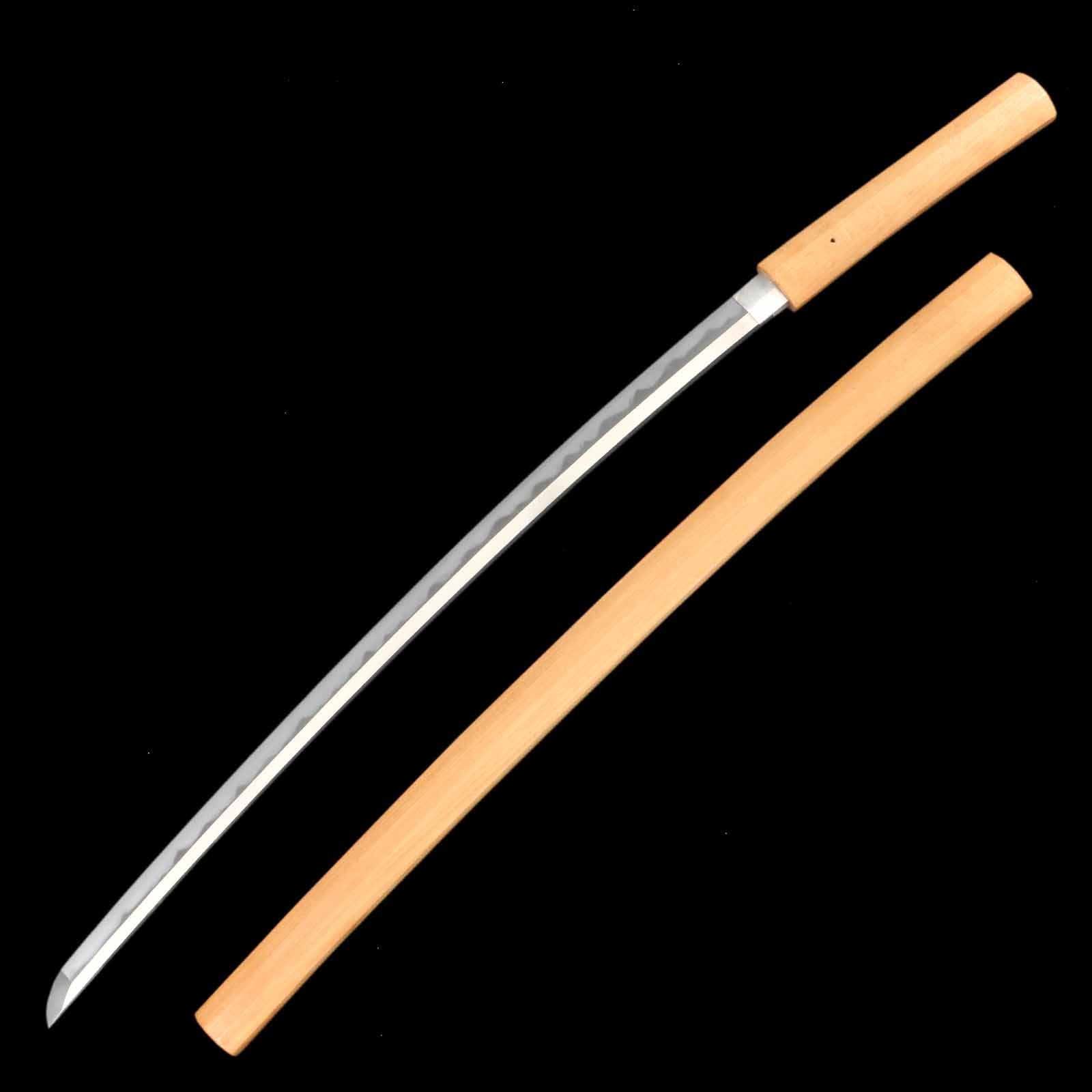
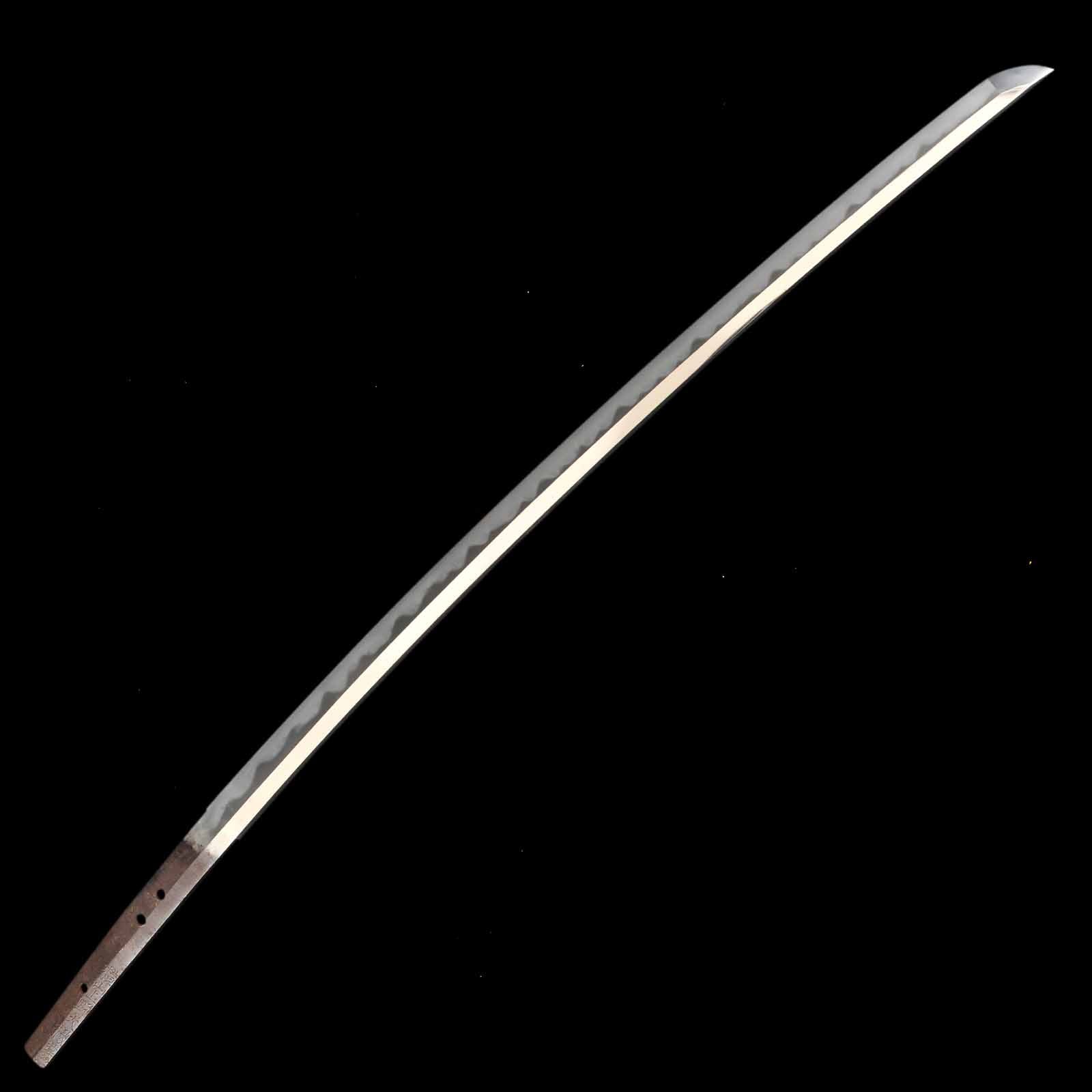
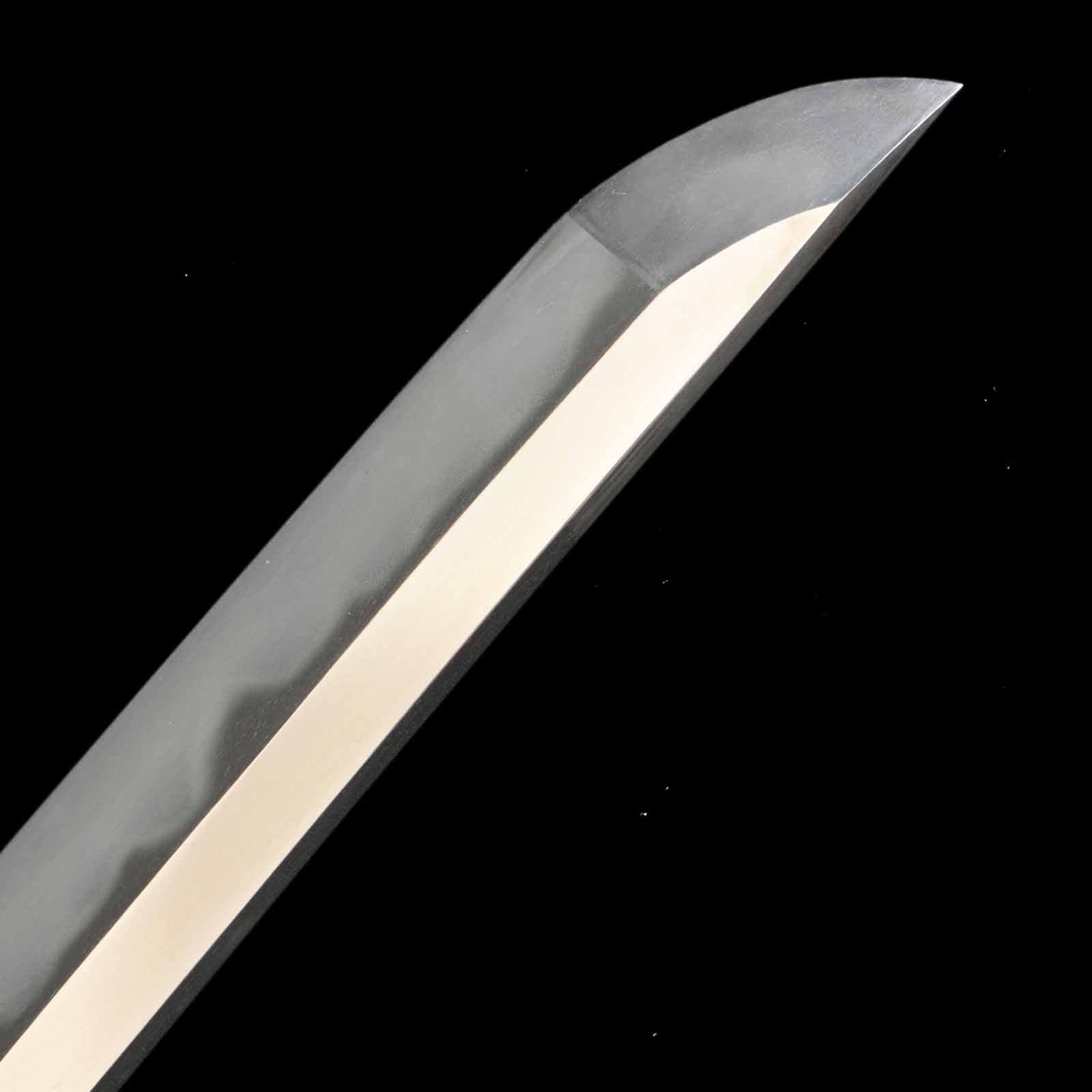
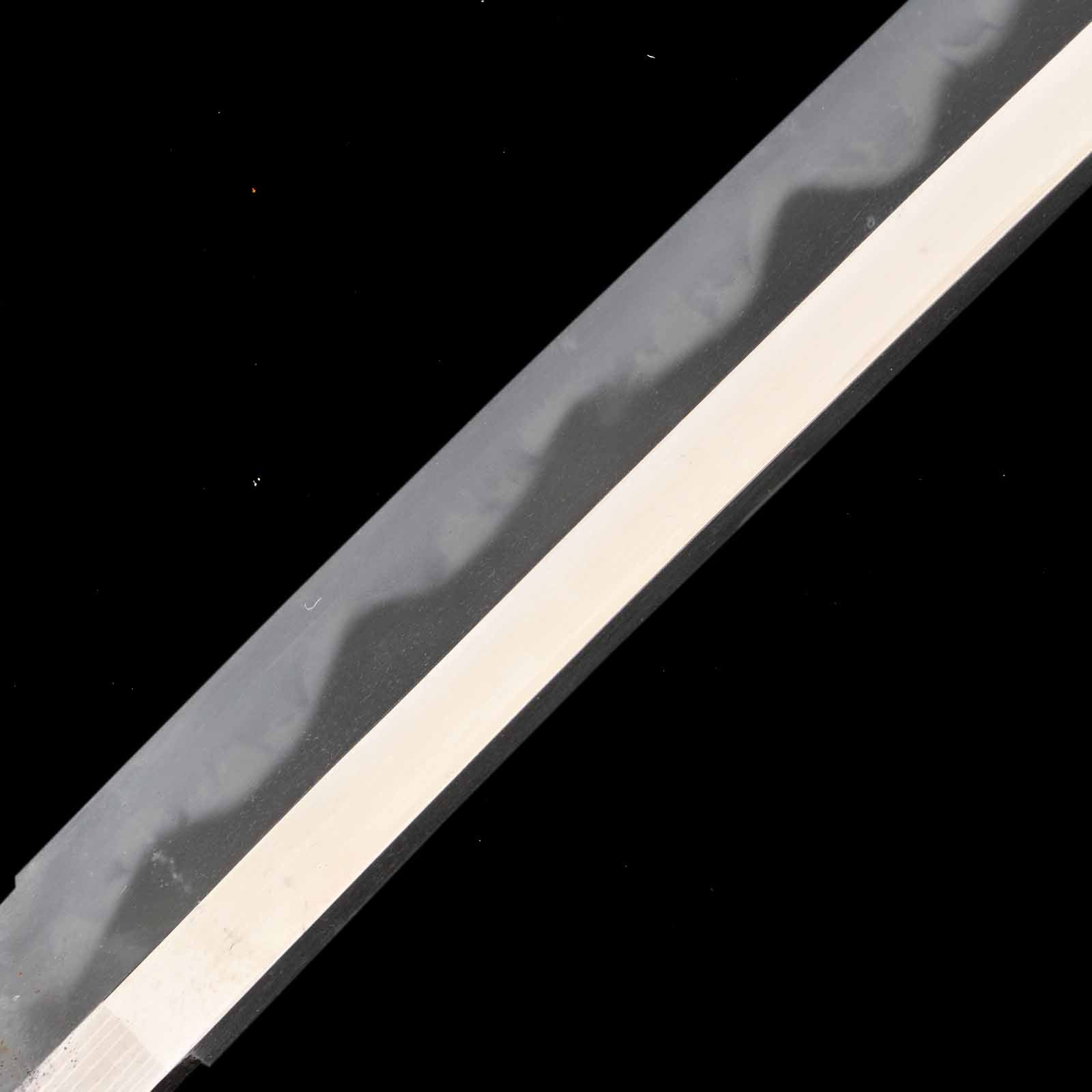
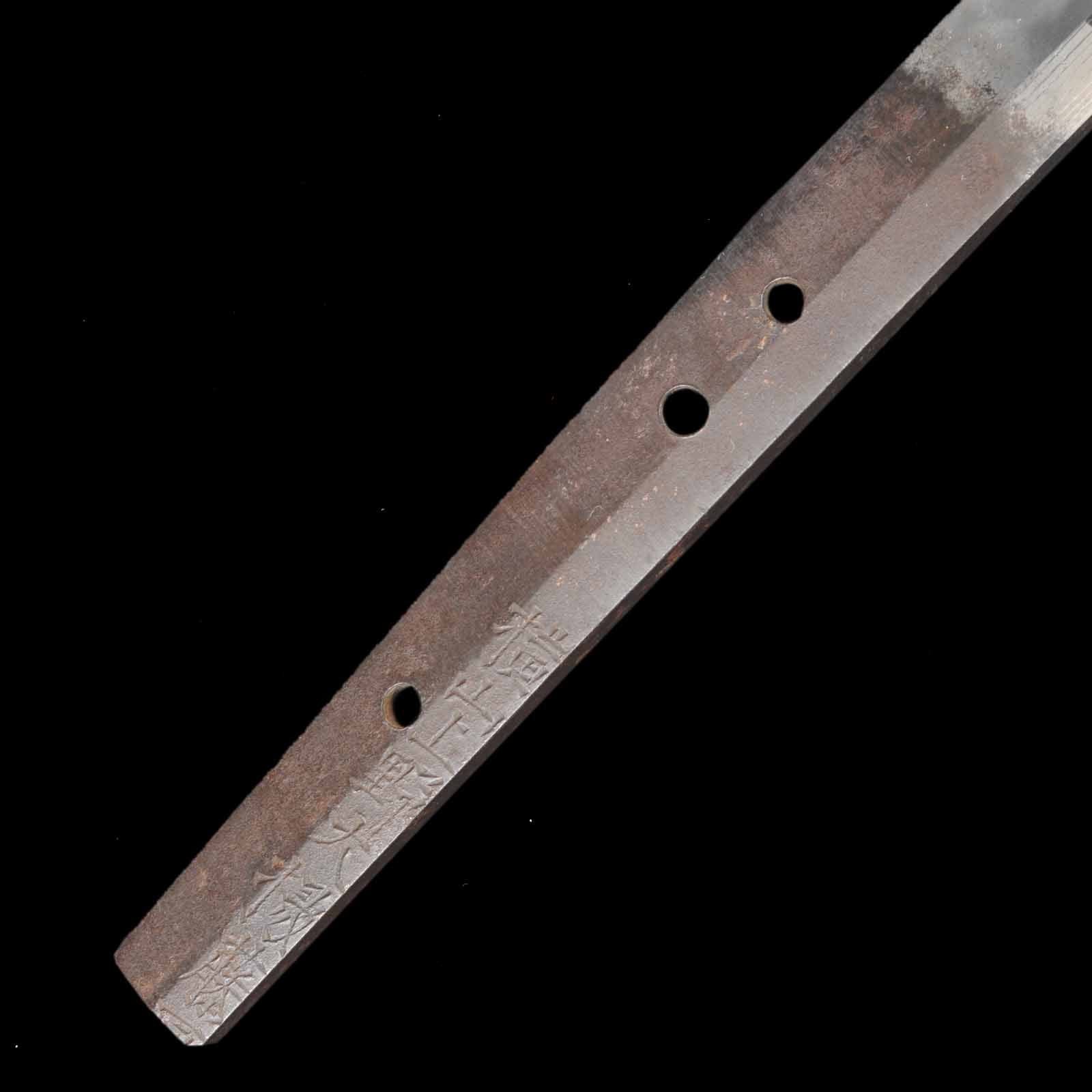
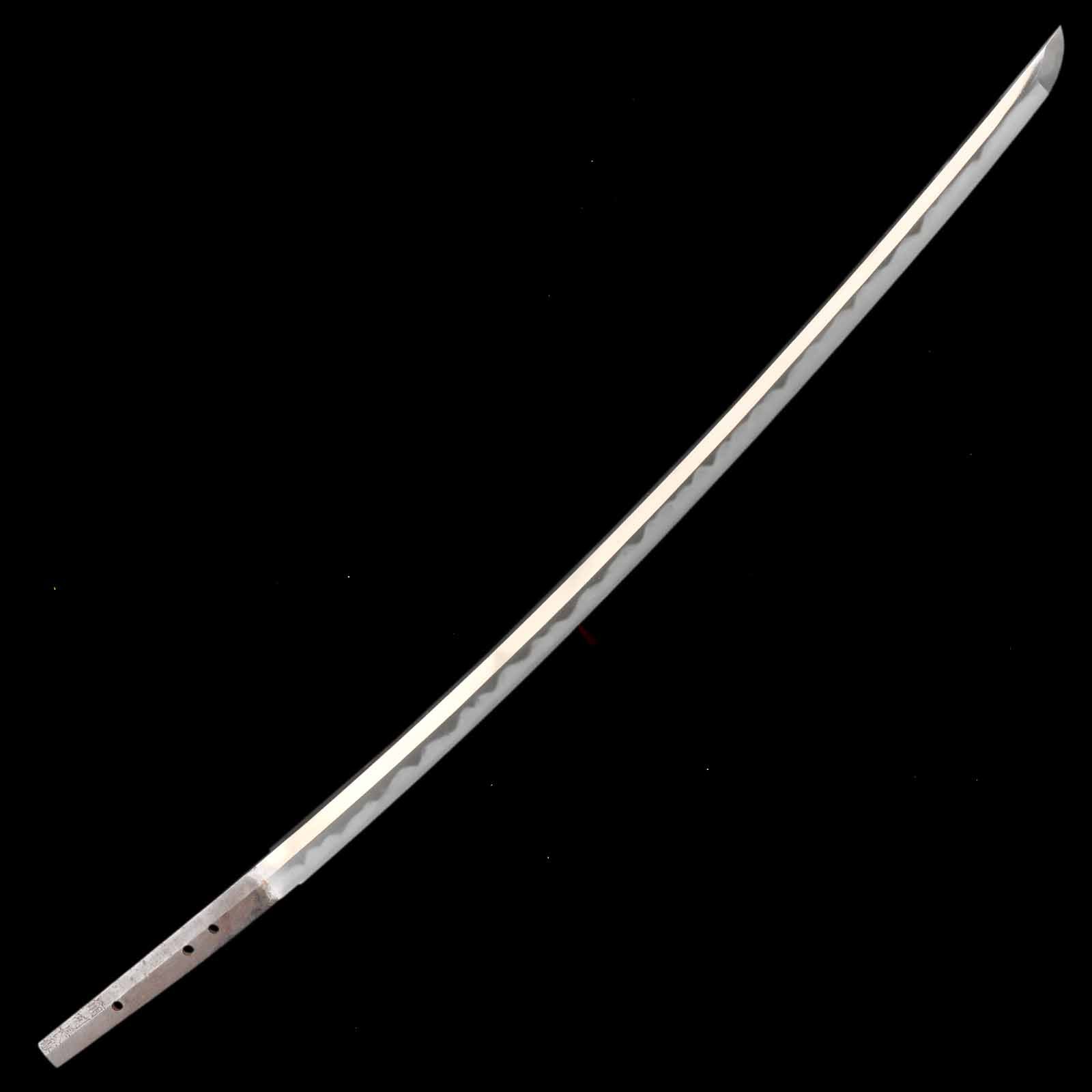
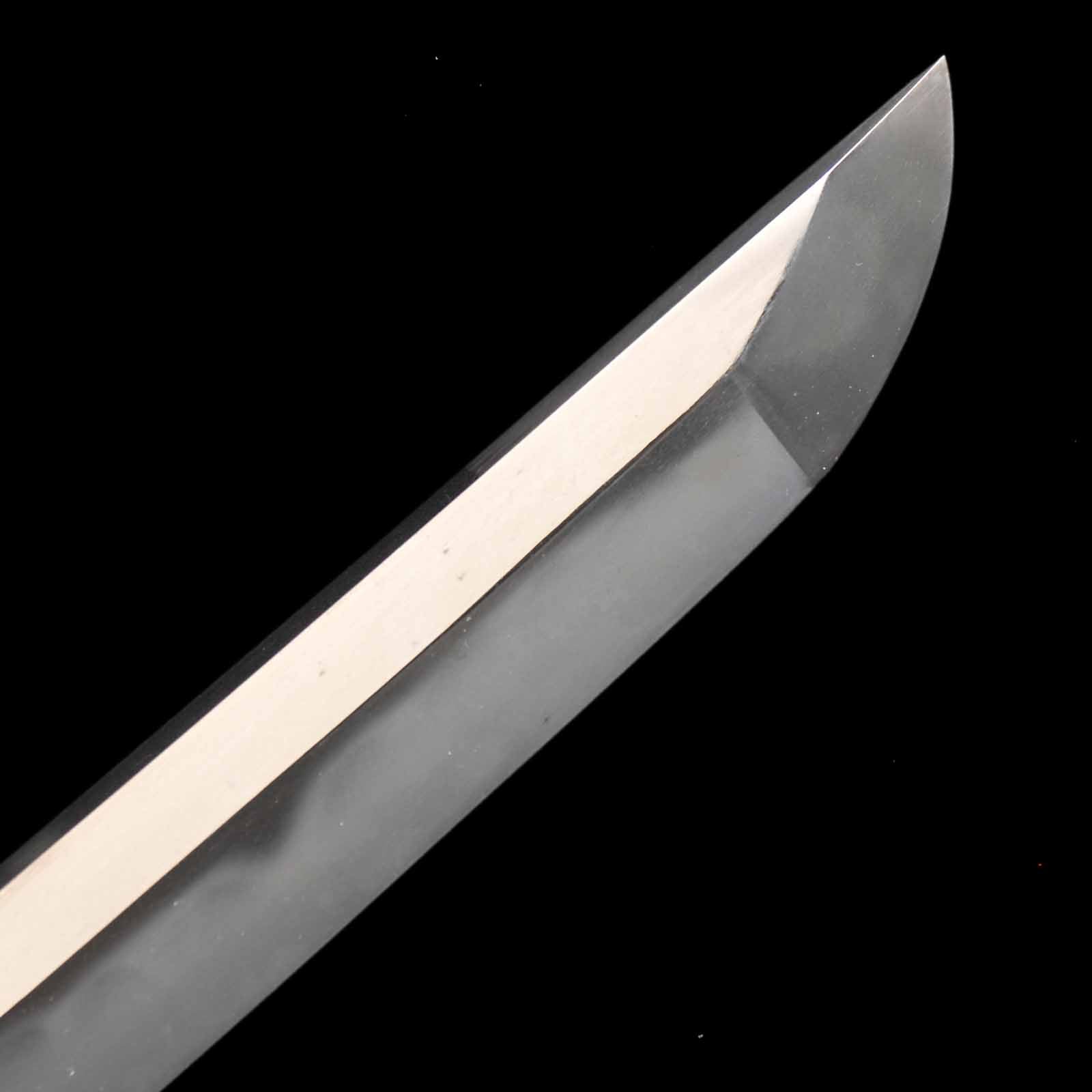
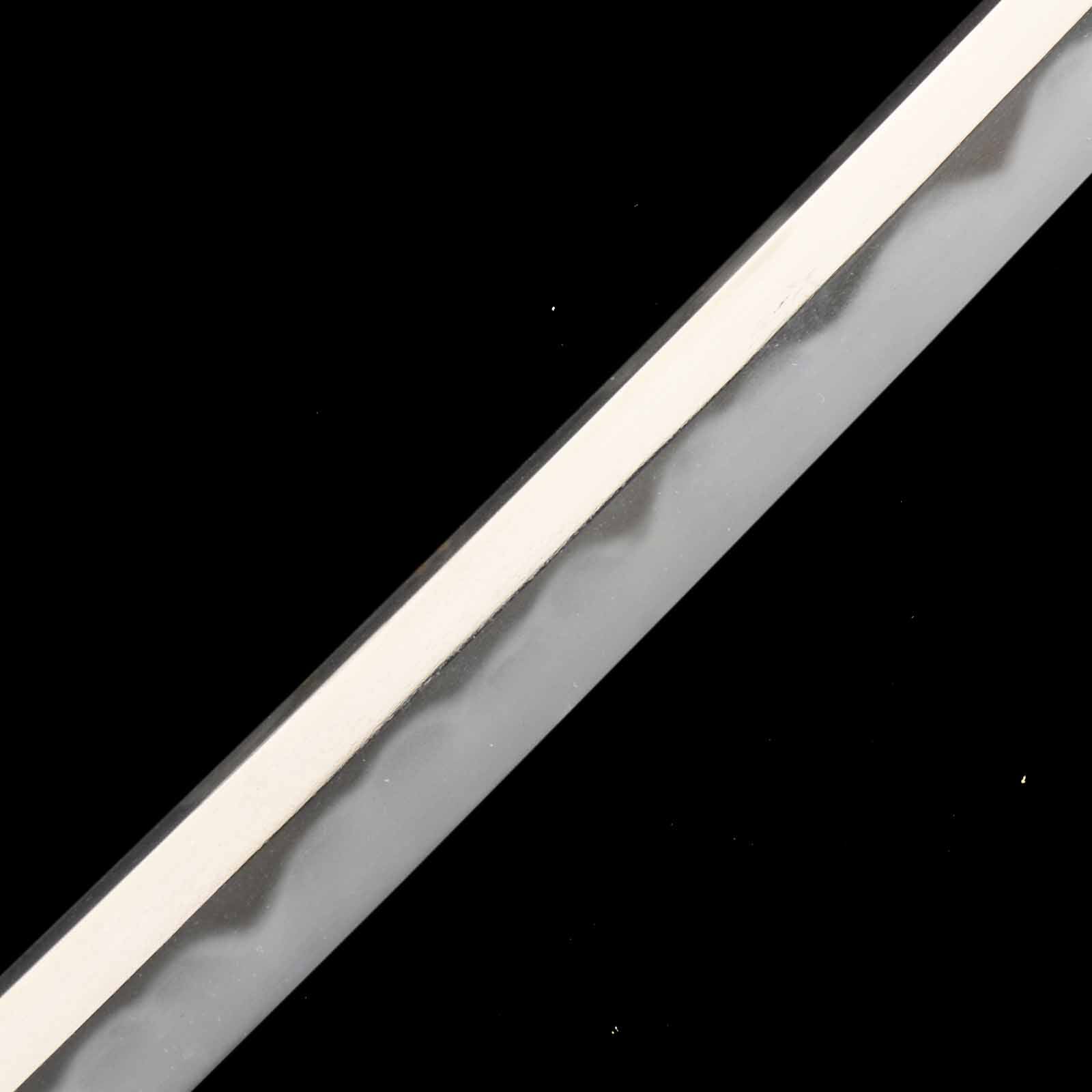
A densely forged itame jigane and the world-famous "kaninotsume" (crab-claw) gunome-chōji hamon, on a blade shortened from an original ~79 cm to a versatile 68.1 cm We are pleased to present a magnificent Shintō-era katana by the celebrated master Yokoyama Kōzuke Daijō Fujiwara Sukesada (横山上野大掾藤原祐定) of Bizen Osafune, formally certified as Hozon Tōken (Preservation Sword) by the NBTHK (Nihon Bijutsu Tōken Hozon Kyōkai) in February 2025. Originally crafted as a massive long sword of approximately 79 cm, the blade was later shortened (suriage) to a versatile 68.1 cm. In pristine condition, it embodies the absolute pinnacle of traditional Bizen-den craftsmanship. On the smith — Kōzuke Daijō Sukesada (上野大掾祐定) Real name Yokoyama Heibei, Kōzuke Daijō Sukesada was the son of Shichibei-jō Sukesada and is celebrated as the premier founding master (shodai) of the Shintō-era Sukesada lineage. Sukesada is revered as the single greatest contributor to Bizen swordsmithing in the Edo period: following the catastrophic Yoshii River flooding in the late 16th century that devastated the Osafune workshops, he tirelessly revived the famous school and restored it to nationwide prominence. In 1664 (Kanbun 4), he was awarded the prestigious court title Kōzuke Daijō in recognition of his supreme craftsmanship. Note on the signature: Due to suriage (shortening of the tang in a later period), the inscription is partially trimmed. The sashi-omote (front) reads "Yokoyama Kōzuke Daijō Fuji..." (originally "Yokoyama Kōzuke Daijō Fujiwara Sukesada"), while the sashi-ura (back) reads "Bizen Osafune..." (originally "Bizen Osafune Jūnin"). Workmanship and condition Freshly and beautifully polished throughout, the blade retains exceptional health, entirely free of flaws, chips, or rust. The jigane is a densely kneaded, exquisite itame-hada (wood-grain pattern), full of moisture and refined texture. The hamon is a striking gunome-chōji (irregular clove-shaped pattern) featuring sharp, claw-like peaks known as kaninotsume (crab claws) — the world-famous hallmark temper pattern exclusive to the Sukesada line. Rich yō activity permeates the interior of the temper line, leading into a spirited midare-komi bōshi. Form A beautifully proportioned shinogi-zukuri katana featuring a graceful sori (curvature) of 1.5 cm paired with a nagasa (edge length) of 68.1 cm. Tapering smoothly from a robust motohaba of 29.0 mm down to 21.5 mm at the sakihaba, the blade displays a dignified, perfectly balanced silhouette with a strong classical presence in the hand. The mounting (shirasaya) The blade is safely preserved in a clean, high-grade traditional shirasaya (plain wood resting scabbard), safeguarding the freshly polished steel and elegant profile for generations of appreciation. Featuring the rare kaninotsume hamon, a historic shortened tang with genuine signature, and freshly granted NBTHK Hozon certification, this Kōzuke Daijō Sukesada katana offers a rare chance to own a museum-grade masterpiece from the heart of Bizen Osafune.




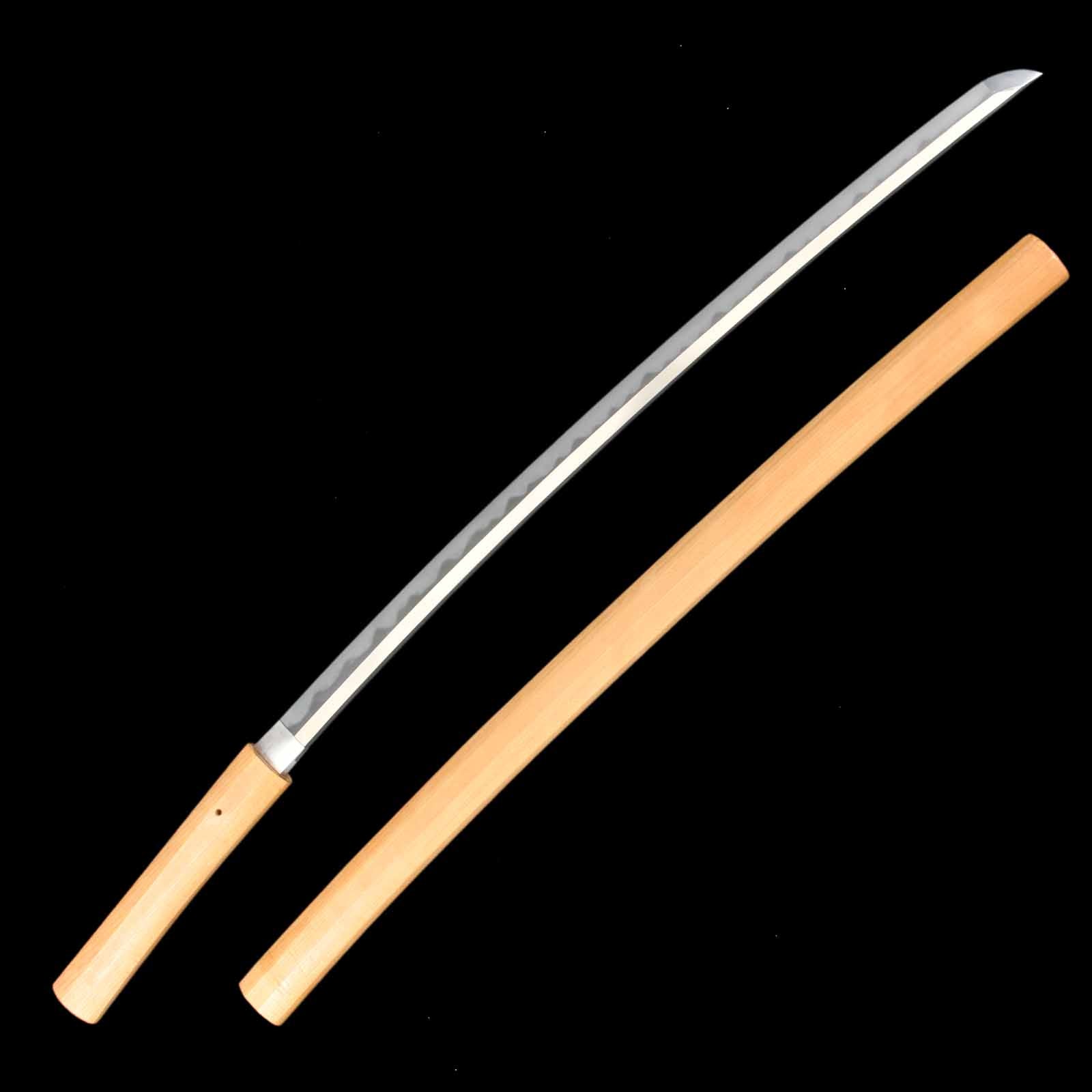
販売店の記載のまま
(翻訳なし)
備前伝 · 備前
現在54点販売中
祐定派は、室町時代後期に備前国長船(現在の岡山県瀬戸内市)の地に栄えた末備前の主流工房である。鎌倉以来の長船鍛冶が太刀の時代を閉じ、太刀に代わって身幅の広い長大な打刀を諸手で用いる時代に入ると、祐定の名はその新しい需要を一手に担う一群の総称となった。説明書がこれを末長船で最も繁栄した一家と記すとおり、祐定を切った工は数十を数え、近世の刀剣書は俗名を冠した者だけでも二十一人を挙げる。その大群のなかで腕においても名においても抜きん出るのが、俗名を負った数工である。最も著名にして上手とされる与三左衛門尉祐定、その父と伝える彦兵衛尉祐定、豪壮の鍛えで知られる源兵衛尉祐定、二様の作風を能くする彦左衛門尉祐定らがそれで、初代与三左衛門尉は天文六年紀の短刀から逆算して応仁元年の生まれと推定され、永正から天文にかけて一派の頂点に立った。これら名工の入念な注文打のかたわら、戦国の旺盛な需要に応える数打物が大量に鍛えられ、一派は名工と量産の二つの層を同時に抱えた。 作風には末備前の工房がわがものとした明らかな共通語法がある。刃文を統べる一つの極は、腰の開いた互の目が複式の乱れに組み上がる腰開きの複式互の目で、これに小互の目丁子・尖り刃を交え、足・葉さかんに入り、匂本位に小沸つき、小さな飛焼を交えて匂口が明るい。いま一つの極は、意図して静かな直刃あるいは広直刃で、これに小互の目を交え、砂流し・金筋がかかる。地鉄はいずれの刃の下でも小板目をよくつめて鍛え、地沸を微塵に敷き、地景を細かに織りなして、鎬寄りに淡く乱れ映りが立つことがあり、鎌倉全盛の明るい映りの名残をわずかに残す。帽子は乱れ込みに小丸となり、あるいは尖りごころに掃きかけて返る。姿は寸延びて身幅広く、重ね厚く先反りつき、両手打に適した茎となるのが時代の徴である。これらの特徴は一派を通じて繰り返されるが、名工と数打を分かつのは作域の広さと地刃の冴えである。与三左衛門尉は複式互の目に加えて沸深い皆焼と穏やかな直刃の双方を能くし、源兵衛尉は鍛錬の定評と広直刃に、彦兵衛尉は直刃を地としつつ備前本来の賑やかな乱れに、彦左衛門尉は華やかな乱れと静かな直刃の二様に、それぞれの手を見せる。これに対し数打物は作風相似て個性に乏しく、地刃の働きも浅い。 鑑定の勘所は、まずこの名工と数打との別を見極めることにある。名工の注文打は地鉄が精良で地刃の沸がよくつき匂口冴え、年紀の傍らに所持者の銘を負うものが多い。源兵衛尉の天文二十三年紀の刀は惟宗忠頼の所持銘を、彦左衛門尉の天正四年の刀は播州の和田出雲守のための「為播州住和田出雲守重代延之也」[[c:1]]の銘を負い、説明書はかかる為打・注文打があればこそ末備前の名声が高いと明言する。三工のうちでも与三左衛門尉の格はとりわけ高く、説明書は与三左衛門尉を冠するものが最も有名にして上手と記し、その典型作を末備前を代表する一口と位置づける。切れ味の評にあっても末備前は実用刀として重んじられ、戦国の武器としての需要がこの隆盛を支えた。伝来もまた一派の評価を裏づけ、与三左衛門尉の五十七歳の作は蜂須賀家に伝わり、ほかに毛利家・井伊家、本間による御物台帳に所載の作、武将山中鹿介の所持と伝える脇指などが数えられる。幅広く明るく、腰の開いた互の目の冴えて読める在銘年紀の祐定は、長船がその最後の偉大な世代にいかに鍛えたかを語る確かな一証である。 詳しく見る →
南北朝時代の備前
二つの朝廷が争った六十年、刀身は長大化し、長船がその需要に応えた。兼光と長義の工房は実際に戦う国人層の武士に仕え、軍勢とともに相州風が届いて相伝備前が生まれた。
銘が正しい、または無銘でも年代・国・系統を確実に指摘できる、保存に値する真正の作と鑑定されたものです。
日本美術刀剣保存協会(NBTHK)は、1948年に設立され、文化庁の監督を受ける公益財団法人で、東京・刀剣博物館に本部を置きます。専門の審査員が出品作を直接審査し、美術的・歴史的価値に応じた鑑定書を発行します。NBTHKの鑑定書は、日本刀および刀装具の真正性を示す最も広く認知された基準です。
NBTHK公式サイトAs a general rule, returns/exchanges are not accepted on Japanese sword orders unless damaged upon delivery. Other items: returns/exchanges accepted within 7 days of delivery. Cancellation for personal reasons incurs a 30% restocking fee (70% refunded). Return shipping must be prepaid and insured by the buyer; shipping/handling fees are non-refundable. Contact katana@tozando.co.jp to initiate a return.
¥1,200,000
Certificate reading — 銘 横山上野大掾藤原(以下切)備州長船(以下切)