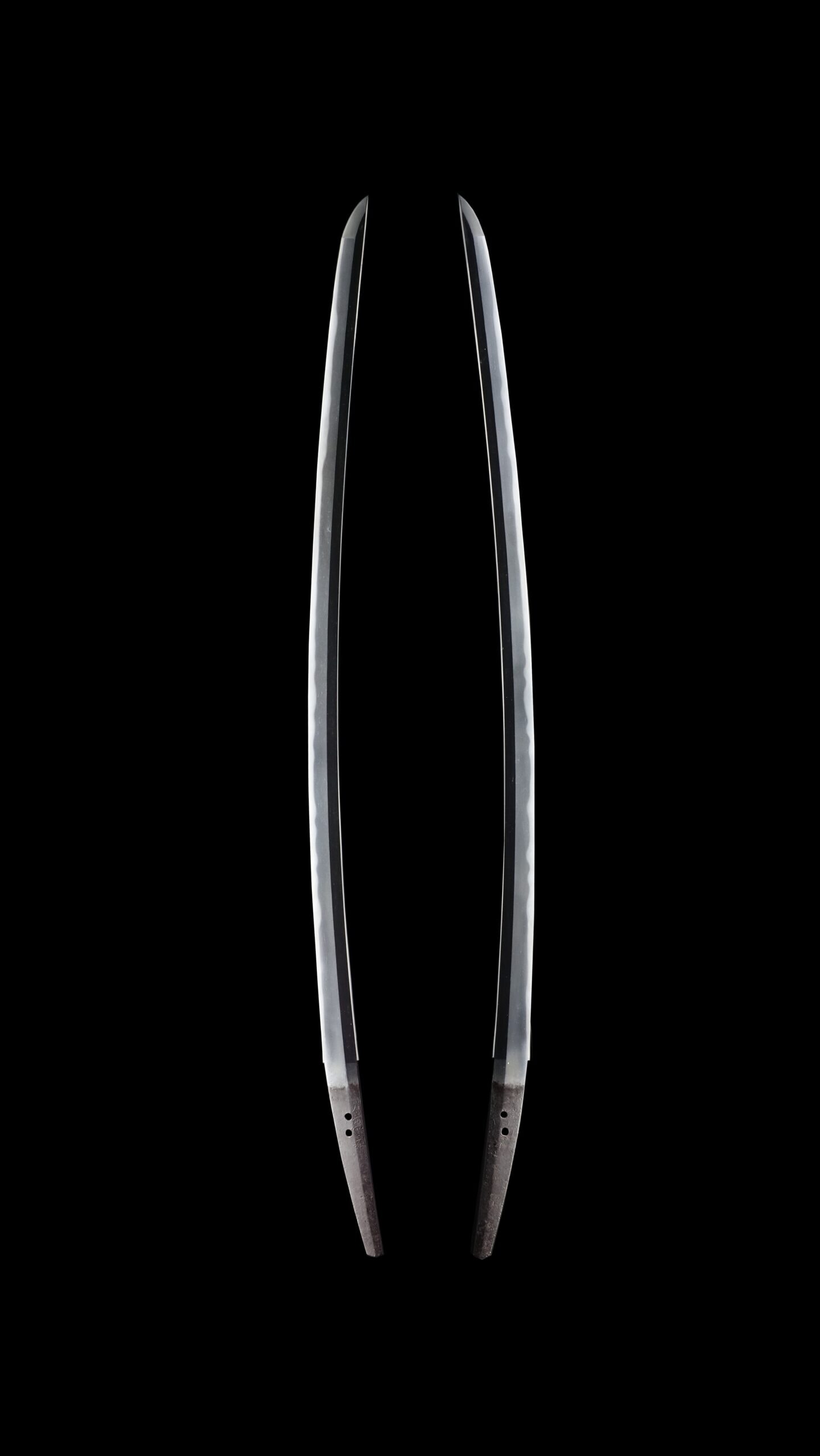
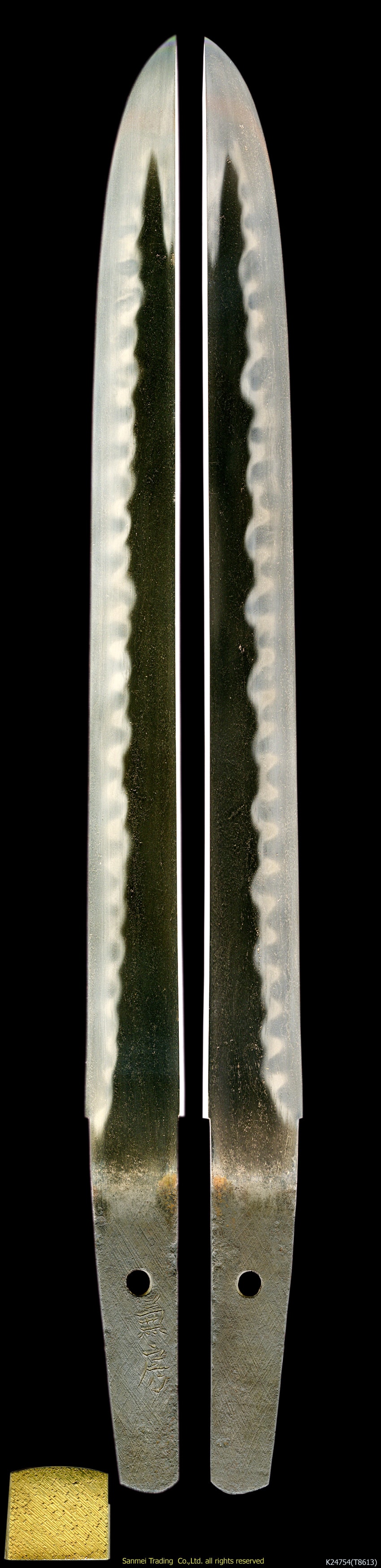
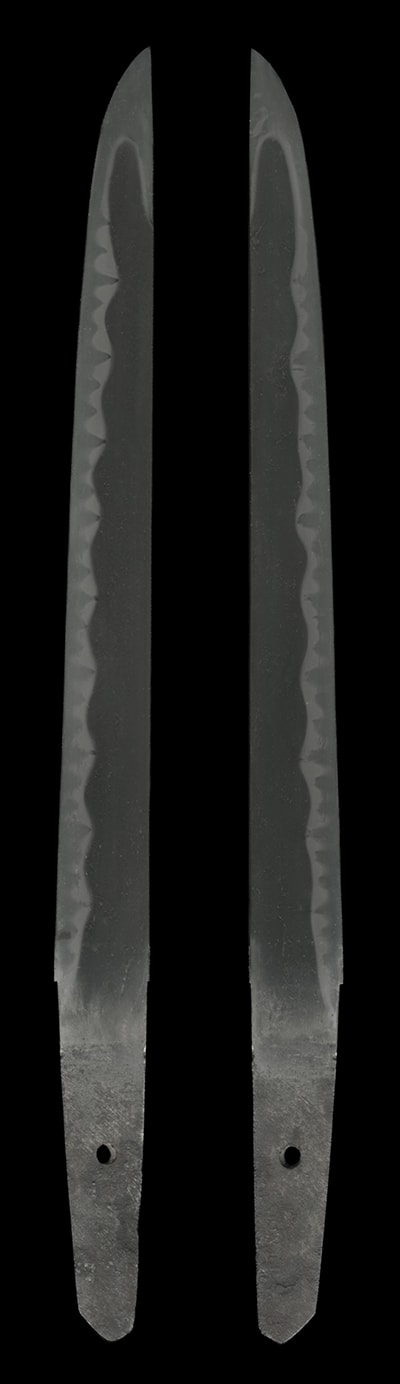
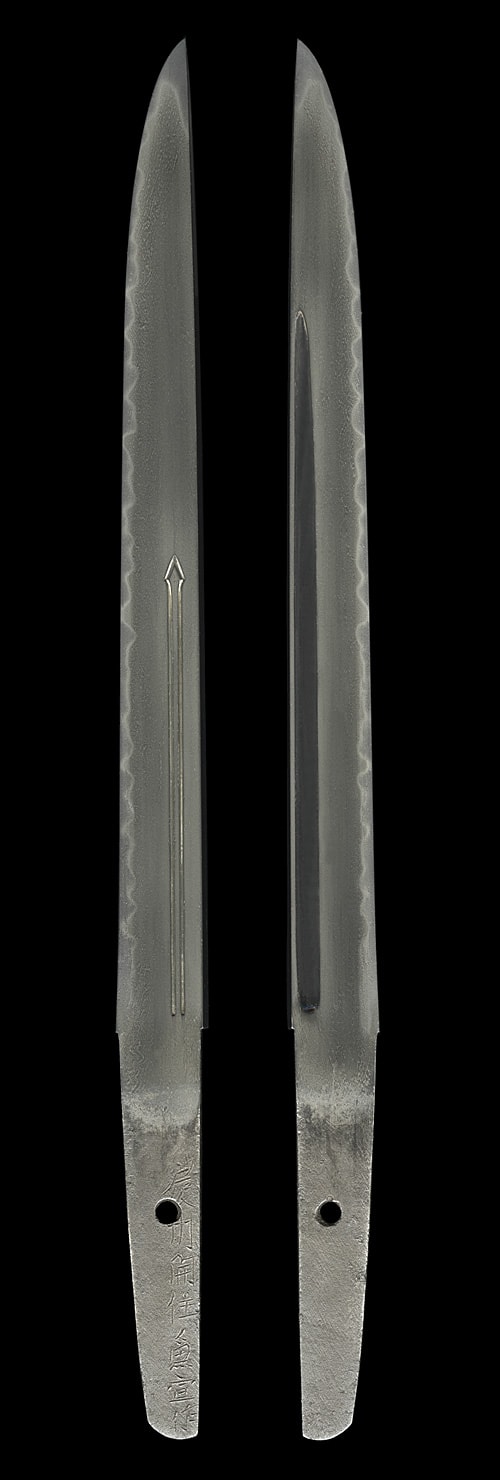
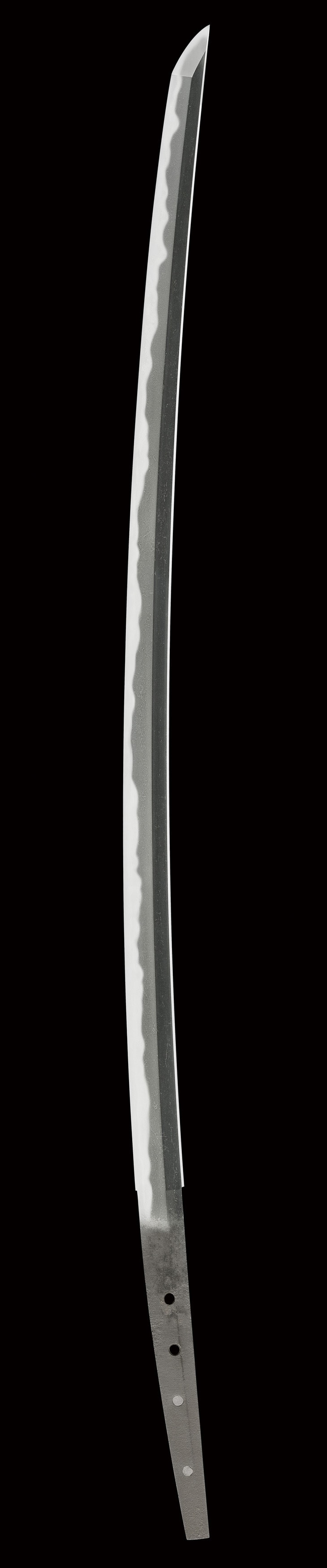
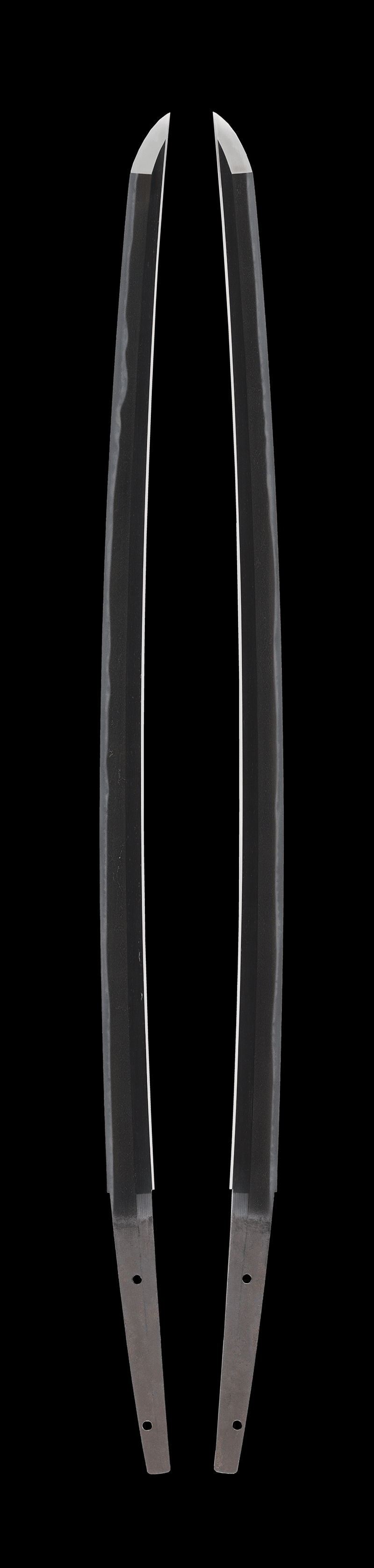
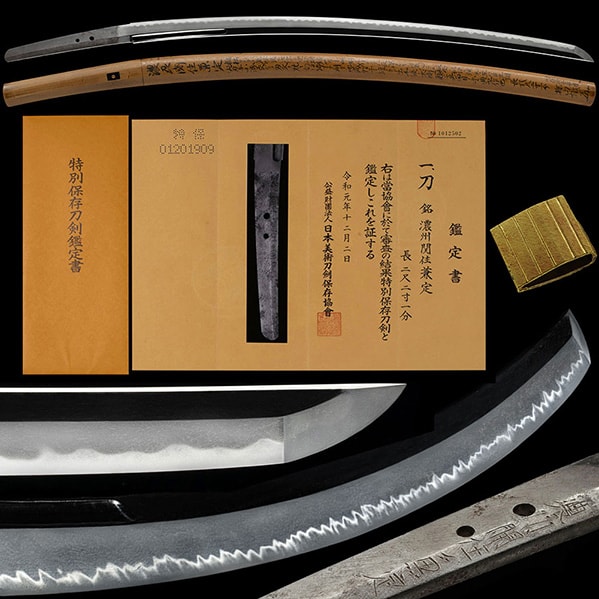
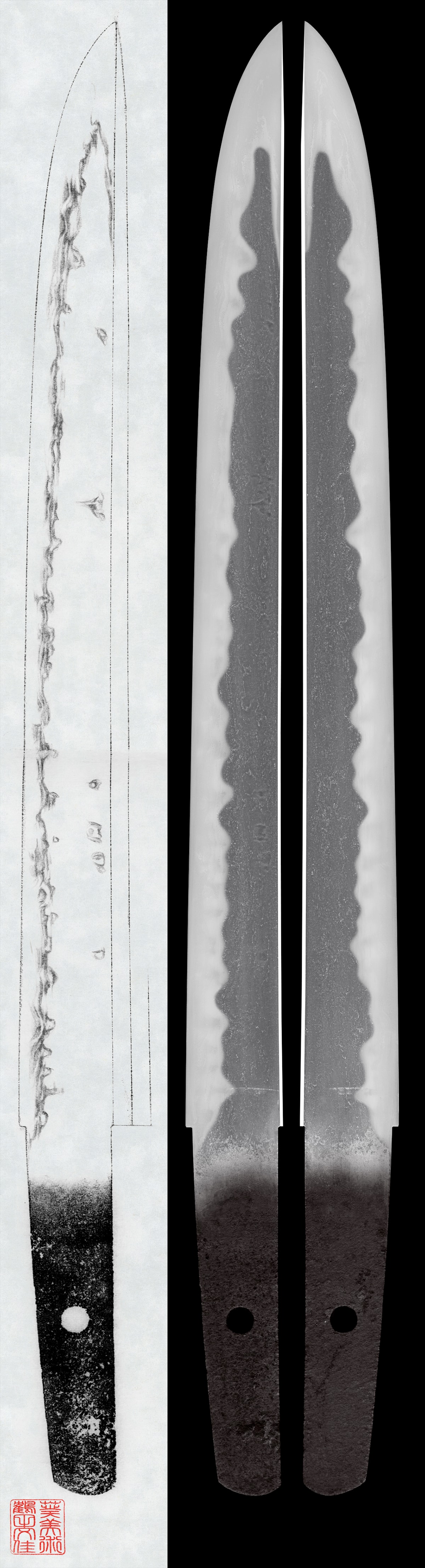
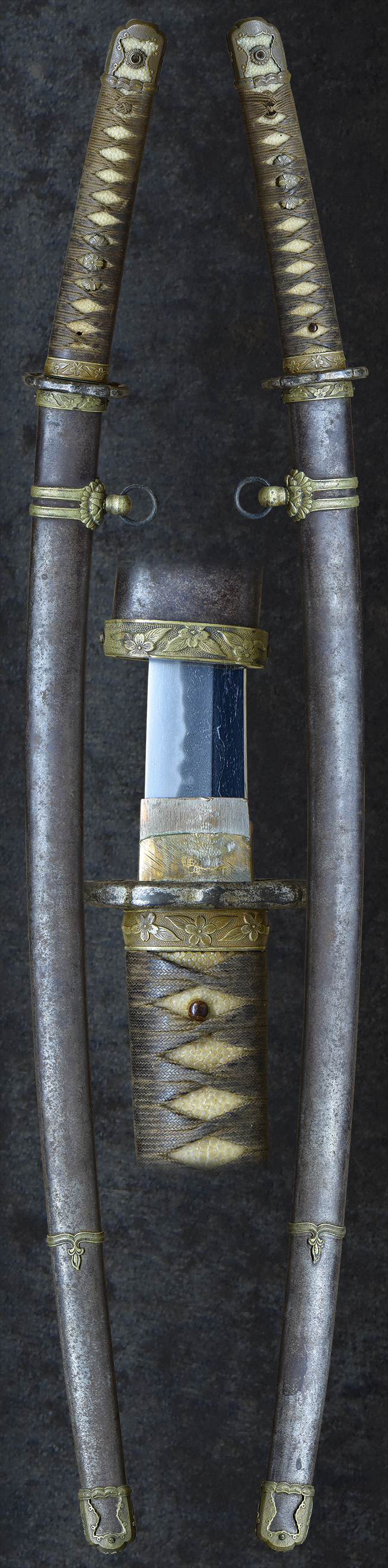
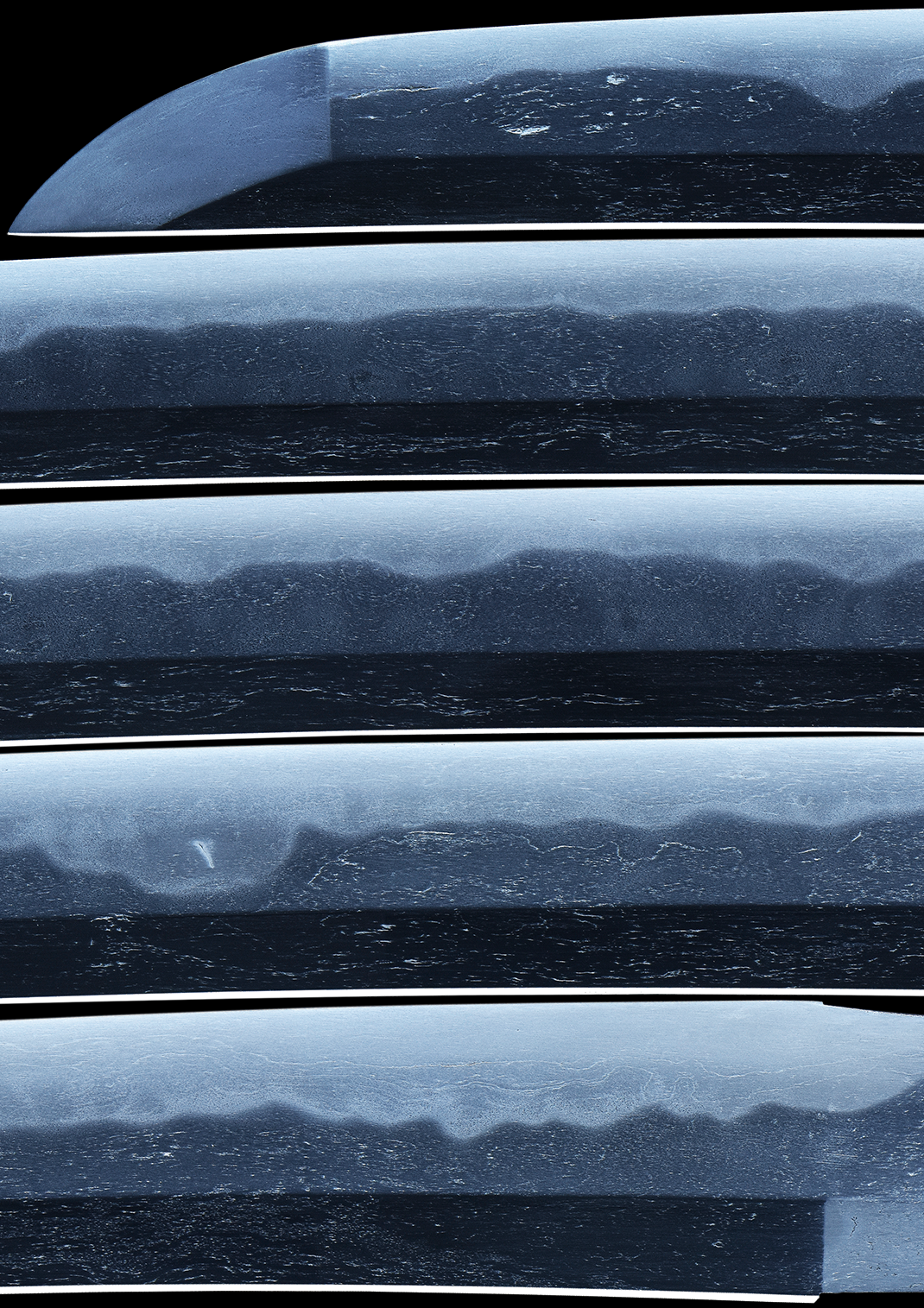
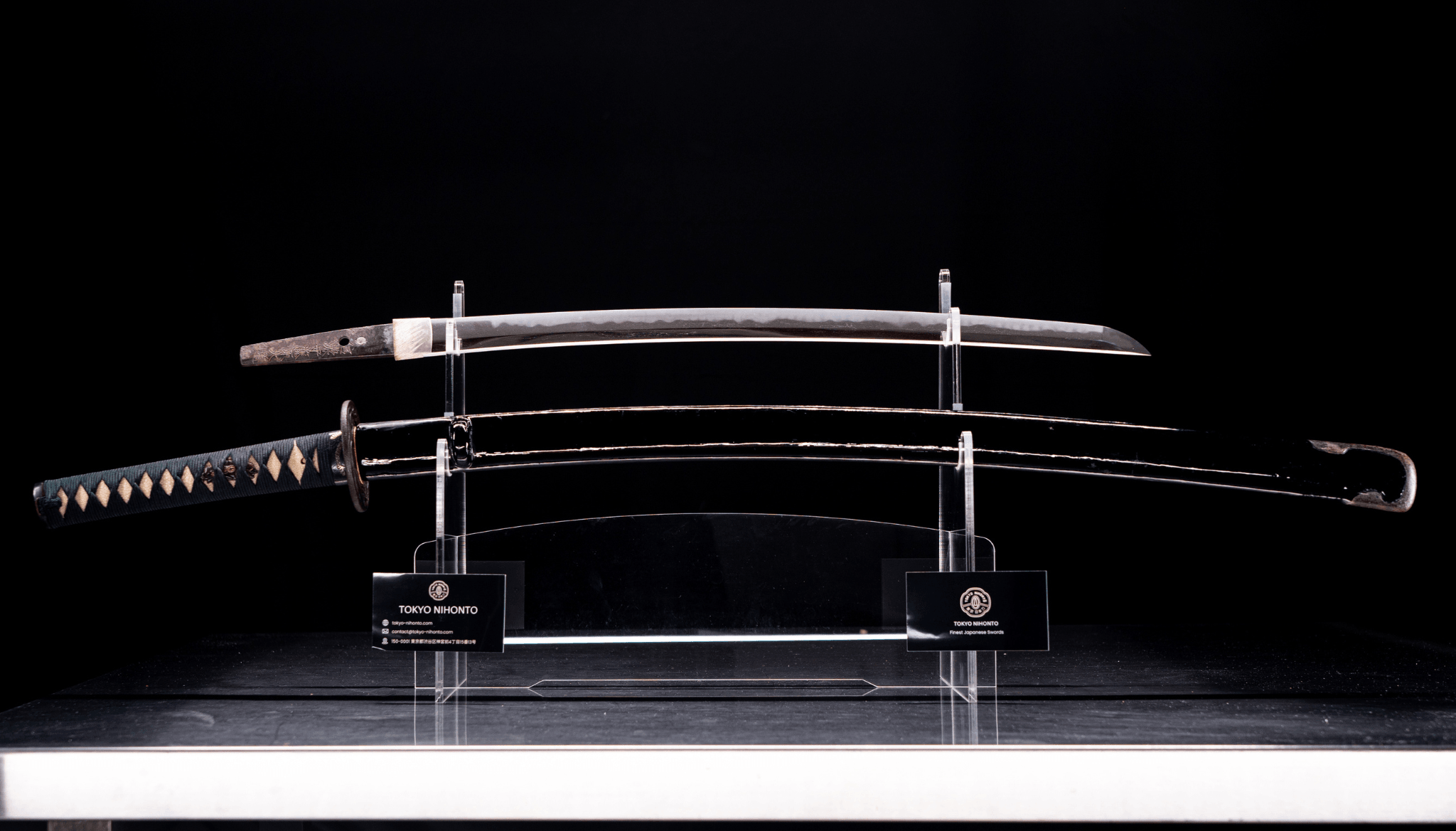
Shodai Daido was a smith working in the Mino tradition, and achieved the title of Mutsu no Kami in 1574. His work period dates to the transition years in the Keicho era where Koto gave way to Shinto. His history states that he was the personal swordsmith to Oda Nobunaga who employed smiths of the Mino tradition (the rise of his armies contributed to the spread of the Mino style throughout Japan, and its large contribution to what would become the Shinto style). He reportedly moved to Kyoto with his sons Iga no Kami Kanemichi (Jo-saku), Rai Kinmichi (Jo-saku), Tanba no Kami Yoshimichi (Jo-saku), and Etchu no Kami Masatoshi (Jo-jo saku) making swords for Nobunaga. They would become the Kyoto Gokaji, or the Five Swordsmiths of Kyoto.All of them have sharpness ratings of at least wazamono, so they made blades well in keeping of the warrior tradition of Mino, and from the success and fame of his sons it would seem that Daido was a very good teacher.Daido began his career with the name of Kanemichi, which explains the names of several of his sons. He was granted the “O” character 大from emperor Ogimachi. After using the name O-Kanemichi, he later changed to “Daido”, using the alternate reading of the 大 character. Fujishiro seems to interpret the two signatures as two different smiths, though he records this story under Kanemichi. Kanemichi is dated to 1558 (Eiroku) and listed at Chu-jo Saku and Daido to 1596 (Keicho) at Jo-saku so there was an improvement in skill over time.SHIN-GUNTO SWORDSShin-gunto, army officers swords, are the most common style of sword mountings from the World War II era. There is an enormous difference in quality of both blades and mounts of this period. Many, perhaps most, of the blades found in shin-gunto mounts areNOT traditionally made swords. Many aremachine madeand therefore are of interest only as military relics, not as art swords. Some blades made during the war period were handmade but not by traditional methods. These are classified as eitherShowato,Muratato,Mantetsuto,HantanzoorYotetsutodepending on method of production.The blade found in these mounts are traditionaly made and would be considered an ancestral blade. The hamon is a vibrant gunome midare with sporadic pointed gunome peaks covered in ji-nie. The hada is also nie laden and a perfec t mix of itame , mokume and some masa-nagare thast come off as swirls. The kissaki is longish and the boshi is ko-maru. There are some hada-ware/flaws here and there which would be expected. This sword exudes battle ware with it rough metal saya and soiled handle.an original once gold washed 2-piece copper habaki exists as well. A memernto to enjoy and behold! Mei:Mutsu no Kami DaidoDate:Edo (1600’s-1700’s)Nagasa:20 inchesSori:16.0 mmWidth at the ha-machi:28.6 mmWidth at the yokote:19.4 mmThickness at the mune-machi:6.6 mmConstruction:Shinogi zukuriMune:IoriNakago:UbuKitae:Itame/mokumeHamon:Midare GunomeBoshi:MaruCondition:Good polish Subscribe for the Latest Updates!Join our mailing list to receive the latest News & Updates fromNihonto Antiques.SUBSCRIBEYou have Successfully Subscribed!Your email address will be kept private & will only be used to send updates from this site!
 NihontoWatchBETA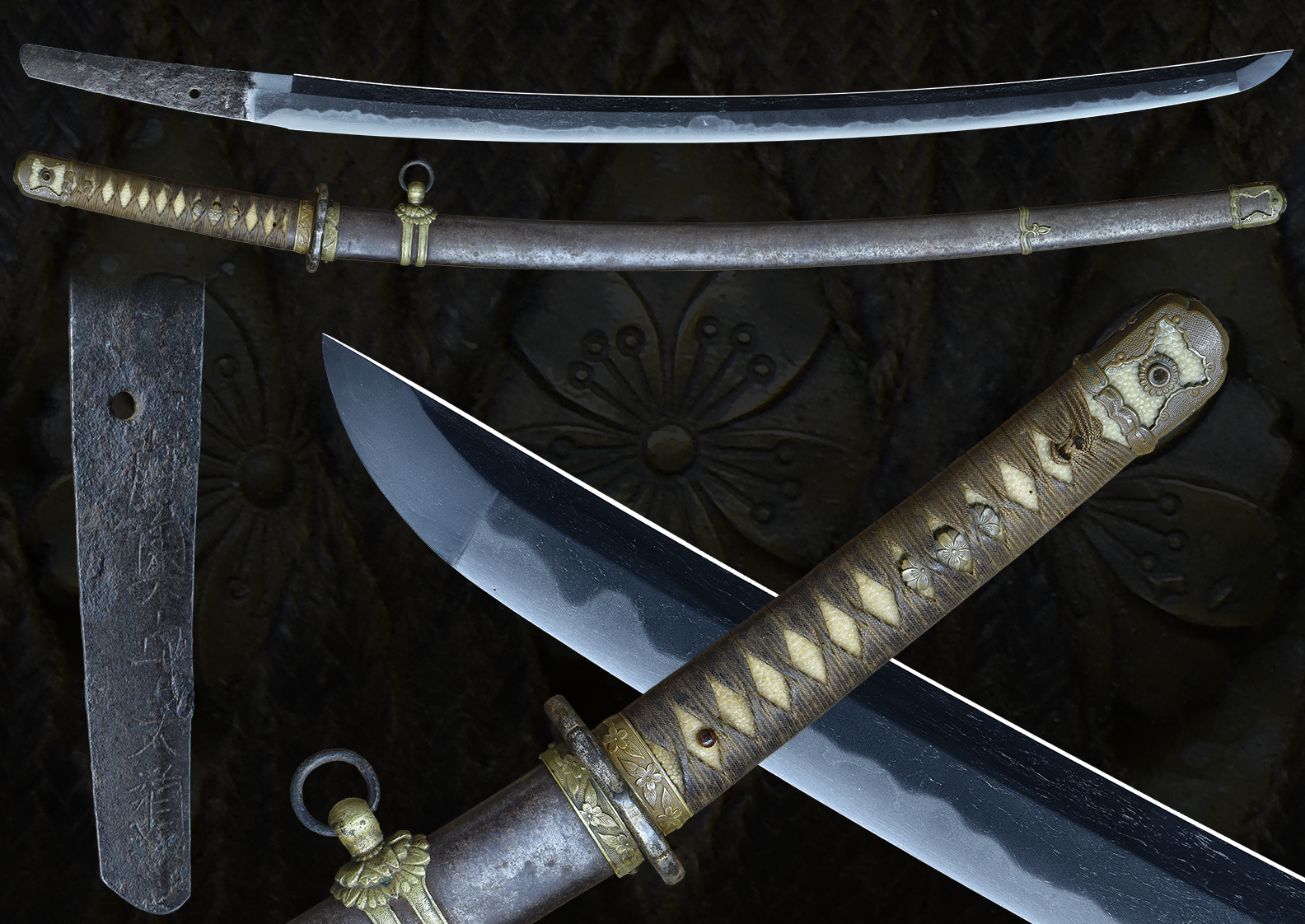

美濃伝 · 美濃 · 1624-1644頃
藤代 Chu-jo saku · 刀剣大鑑 上位63%
現在2点販売中
大道の位置づけを、日本刀全体および伝統・時代・時期ごとに示します。各位(随一・屈指・有数・著名)は、NBTHK および文化庁による指定に加え、三作や名物帳などの歴史的栄誉を加味したものです。
各項目を選ぶと評価方法が表示されます。
在銘年紀作が示す、確実に活動していた年代
美濃伝 · 美濃
現在143点販売中
美濃国の関は、南北朝より室町、新刀期に至るまで日本刀の一大生産地として栄えた鍛冶の地である。その源流は二つに発し、説明書は金重と志津兼氏とを並べて美濃鍛冶の祖とする。金重は『古今銘尽』に法名道阿、越前敦賀の住人と伝えられ、敦賀より関へ越えて住したといい、相州正宗十哲の一に数えられて、沸の厚い穏やかな手を美濃の地鉄に持ち込んだ。兼氏に発する志津の系は、尖り互の目に走る乱調をもって、いま一つの根をなす。この二流が南北朝の美濃伝を形づくり、金行のごとく金重に続く工、室町に入って善定派の兼吉のように大和手掻の血を関に運んだ工が加わって、流れは広がった。室町後期には兼元・兼定の二名を頂点とする末関の隆盛を迎え、孫六兼元の名と和泉守兼定の受領とが、地方の量産地にとどまらぬ関の格を世に示した。大和と相州の二つの源流に、備前を意識した白け映りの地が結ばれて、美濃伝という一個の伝法が立ったのである。 関物を貫くのは、工と系統の差を越えて繰り返される美濃の共通語法である。地鉄は板目に柾を交えてしばしば肌立ち、刃寄りに柾がかり、鎬地は柾に流れる。その地に立つ映りは備前の明るい乱れ映りではなく、淡く白ける美濃鉄の靄のような白け映りで、説明書はこれを終始、備前と作を分かつ見どころとして掲げる。刃文は互の目を主調に尖り刃を交え、兼元にあっては整然と並ぶ尖り刃の三本杉となり、兼定や兼之にあっては頭の丸い互の目とのたれを交えて変化に富む。沸は乾いて締まり、匂口は冴え、足入り、砂流し・細かな金筋が刃中を走る。帽子は乱れ込んで先尖りごころとなり、あるいは丸く地蔵風に返る。これらは関の背骨をなす型であって、工により濃淡を異にする。金重・金行の手は穏やかで地が肌立ち、善定兼吉は大和の血を負って締った直刃と柾がかる板目を見せ、末関の氏房は大らかなのたれに尖り刃を折り込み、兼房は頭の丸い互の目の兼房乱れを得意とする。同じ語法のうちに、それぞれの工の手が読み分けられる。 収集家が関物を求めるのは、その鑑定が手応えを伴う一個の眼の修練だからである。映りが白く沸が乾いて締まる美濃の地刃は、備前の華やかな映りとも、山城の長く澄んだ直刃とも異なり、これを見分けることが関を識る勘所となる。主要工の格は説明書の評にそのまま現れる。孫六兼元は三本杉の創始者として名を成し、和泉守兼定すなわちノサダは、白ける板目に焼いた賑やかな美濃の刃と来国俊風の細直刃の双方を能くして、古刀期に珍しい受領を許され、刀剣書が「すぐれたる上手」と評する当代第一の手とされる。兼之は末関中最もよく練れた鍛えを見せて作域広く、永正・大永のノサダとして賞玩が厚い。これらの名は将軍家・大名家の伝来を負い、ノサダの太刀には武田信虎のために打たれた一口があり、菊花紋を切った刀は皇室との関わりを示し、徳川将軍家への献上を経た金重の短刀も伝わる。末関の氏房一門は清須・名古屋へ移って尾張新刀三祖の一を生み、古い美濃の手が新たな伝統へ移る蝶番に立った。切れ味をもって武用に応えた量産の地でありながら、孫六兼元らの最上手の作は美術的価値においても高く評され、その白け映りと乾いた沸の手を識ることが、美濃伝いかに始まり継がれたかを語る証となる。
販売店の出品ページで鑑定書を確認できませんでした。日本刀および刀装具は通常、NBTHK(または NTHK)の鑑定を受けます。鑑定書がない場合、極めは販売店の見解にとどまり、第三者による確認は行われていません。ご購入前に販売店へ鑑定書の有無をお問い合わせのうえ、慎重にご判断ください。
We offer a 48 hour inspection period for all Antique items shipped within the United States only. If the item is not to your satisfaction, we will gladly refund your money less any shipping and handling fees. All sales are final after the 48 hour inspection period. Please note that all discounted items are a final sale and not returnable.
Shodai Daido was a smith working in the Mino tradition, and achieved the title of Mutsu no Kami in 1574. His work period dates to the transition years in the Keicho era where Koto gave way to Shinto. His history states that he was the personal swordsmith to Oda Nobunaga who employed smiths of the Mino tradition (the rise of his armies contributed to the spread of the Mino style throughout Japan, and its large contribution to what would become the Shinto style). He reportedly moved to Kyoto with his sons Iga no Kami Kanemichi (Jo-saku), Rai Kinmichi (Jo-saku), Tanba no Kami Yoshimichi (Jo-saku), and Etchu no Kami Masatoshi (Jo-jo saku) making swords for Nobunaga. They would become the Kyoto Gokaji, or the Five Swordsmiths of Kyoto.All of them have sharpness ratings of at least wazamono, so they made blades well in keeping of the warrior tradition of Mino, and from the success and fame of his sons it would seem that Daido was a very good teacher.Daido began his career with the name of Kanemichi, which explains the names of several of his sons. He was granted the “O” character 大from emperor Ogimachi. After using the name O-Kanemichi, he later changed to “Daido”, using the alternate reading of the 大 character. Fujishiro seems to interpret the two signatures as two different smiths, though he records this story under Kanemichi. Kanemichi is dated to 1558 (Eiroku) and listed at Chu-jo Saku and Daido to 1596 (Keicho) at Jo-saku so there was an improvement in skill over time.SHIN-GUNTO SWORDSShin-gunto, army officers swords, are the most common style of sword mountings from the World War II era. There is an enormous difference in quality of both blades and mounts of this period. Many, perhaps most, of the blades found in shin-gunto mounts areNOT traditionally made swords. Many aremachine madeand therefore are of interest only as military relics, not as art swords. Some blades made during the war period were handmade but not by traditional methods. These are classified as eitherShowato,Muratato,Mantetsuto,HantanzoorYotetsutodepending on method of production.The blade found in these mounts are traditionaly made and would be considered an ancestral blade. The hamon is a vibrant gunome midare with sporadic pointed gunome peaks covered in ji-nie. The hada is also nie laden and a perfec t mix of itame , mokume and some masa-nagare thast come off as swirls. The kissaki is longish and the boshi is ko-maru. There are some hada-ware/flaws here and there which would be expected. This sword exudes battle ware with it rough metal saya and soiled handle.an original once gold washed 2-piece copper habaki exists as well. A memernto to enjoy and behold! Mei:Mutsu no Kami DaidoDate:Edo (1600’s-1700’s)Nagasa:20 inchesSori:16.0 mmWidth at the ha-machi:28.6 mmWidth at the yokote:19.4 mmThickness at the mune-machi:6.6 mmConstruction:Shinogi zukuriMune:IoriNakago:UbuKitae:Itame/mokumeHamon:Midare GunomeBoshi:MaruCondition:Good polish Subscribe for the Latest Updates!Join our mailing list to receive the latest News & Updates fromNihonto Antiques.SUBSCRIBEYou have Successfully Subscribed!Your email address will be kept private & will only be used to send updates from this site!
NihontoWatchBETA美濃伝 · 美濃 · 1624-1644頃
藤代 Chu-jo saku · 刀剣大鑑 上位63%
現在2点販売中
大道の位置づけを、日本刀全体および伝統・時代・時期ごとに示します。各位(随一・屈指・有数・著名)は、NBTHK および文化庁による指定に加え、三作や名物帳などの歴史的栄誉を加味したものです。
各項目を選ぶと評価方法が表示されます。
在銘年紀作が示す、確実に活動していた年代
美濃伝 · 美濃
現在143点販売中
美濃国の関は、南北朝より室町、新刀期に至るまで日本刀の一大生産地として栄えた鍛冶の地である。その源流は二つに発し、説明書は金重と志津兼氏とを並べて美濃鍛冶の祖とする。金重は『古今銘尽』に法名道阿、越前敦賀の住人と伝えられ、敦賀より関へ越えて住したといい、相州正宗十哲の一に数えられて、沸の厚い穏やかな手を美濃の地鉄に持ち込んだ。兼氏に発する志津の系は、尖り互の目に走る乱調をもって、いま一つの根をなす。この二流が南北朝の美濃伝を形づくり、金行のごとく金重に続く工、室町に入って善定派の兼吉のように大和手掻の血を関に運んだ工が加わって、流れは広がった。室町後期には兼元・兼定の二名を頂点とする末関の隆盛を迎え、孫六兼元の名と和泉守兼定の受領とが、地方の量産地にとどまらぬ関の格を世に示した。大和と相州の二つの源流に、備前を意識した白け映りの地が結ばれて、美濃伝という一個の伝法が立ったのである。 関物を貫くのは、工と系統の差を越えて繰り返される美濃の共通語法である。地鉄は板目に柾を交えてしばしば肌立ち、刃寄りに柾がかり、鎬地は柾に流れる。その地に立つ映りは備前の明るい乱れ映りではなく、淡く白ける美濃鉄の靄のような白け映りで、説明書はこれを終始、備前と作を分かつ見どころとして掲げる。刃文は互の目を主調に尖り刃を交え、兼元にあっては整然と並ぶ尖り刃の三本杉となり、兼定や兼之にあっては頭の丸い互の目とのたれを交えて変化に富む。沸は乾いて締まり、匂口は冴え、足入り、砂流し・細かな金筋が刃中を走る。帽子は乱れ込んで先尖りごころとなり、あるいは丸く地蔵風に返る。これらは関の背骨をなす型であって、工により濃淡を異にする。金重・金行の手は穏やかで地が肌立ち、善定兼吉は大和の血を負って締った直刃と柾がかる板目を見せ、末関の氏房は大らかなのたれに尖り刃を折り込み、兼房は頭の丸い互の目の兼房乱れを得意とする。同じ語法のうちに、それぞれの工の手が読み分けられる。 収集家が関物を求めるのは、その鑑定が手応えを伴う一個の眼の修練だからである。映りが白く沸が乾いて締まる美濃の地刃は、備前の華やかな映りとも、山城の長く澄んだ直刃とも異なり、これを見分けることが関を識る勘所となる。主要工の格は説明書の評にそのまま現れる。孫六兼元は三本杉の創始者として名を成し、和泉守兼定すなわちノサダは、白ける板目に焼いた賑やかな美濃の刃と来国俊風の細直刃の双方を能くして、古刀期に珍しい受領を許され、刀剣書が「すぐれたる上手」と評する当代第一の手とされる。兼之は末関中最もよく練れた鍛えを見せて作域広く、永正・大永のノサダとして賞玩が厚い。これらの名は将軍家・大名家の伝来を負い、ノサダの太刀には武田信虎のために打たれた一口があり、菊花紋を切った刀は皇室との関わりを示し、徳川将軍家への献上を経た金重の短刀も伝わる。末関の氏房一門は清須・名古屋へ移って尾張新刀三祖の一を生み、古い美濃の手が新たな伝統へ移る蝶番に立った。切れ味をもって武用に応えた量産の地でありながら、孫六兼元らの最上手の作は美術的価値においても高く評され、その白け映りと乾いた沸の手を識ることが、美濃伝いかに始まり継がれたかを語る証となる。
販売店の出品ページで鑑定書を確認できませんでした。日本刀および刀装具は通常、NBTHK(または NTHK)の鑑定を受けます。鑑定書がない場合、極めは販売店の見解にとどまり、第三者による確認は行われていません。ご購入前に販売店へ鑑定書の有無をお問い合わせのうえ、慎重にご判断ください。
We offer a 48 hour inspection period for all Antique items shipped within the United States only. If the item is not to your satisfaction, we will gladly refund your money less any shipping and handling fees. All sales are final after the 48 hour inspection period. Please note that all discounted items are a final sale and not returnable.




![Katana - Hozon - by Kanemoto - 刀 兼元(孫六) (切付銘)三七郎[神戸信孝]](/_next/image?url=https%3A%2F%2Fitbhfhyptogxcjbjfzwx.supabase.co%2Fstorage%2Fv1%2Fobject%2Fpublic%2Flisting-images%2Fshoubudou%2FL598722%2F06.jpg&w=2560&q=90)