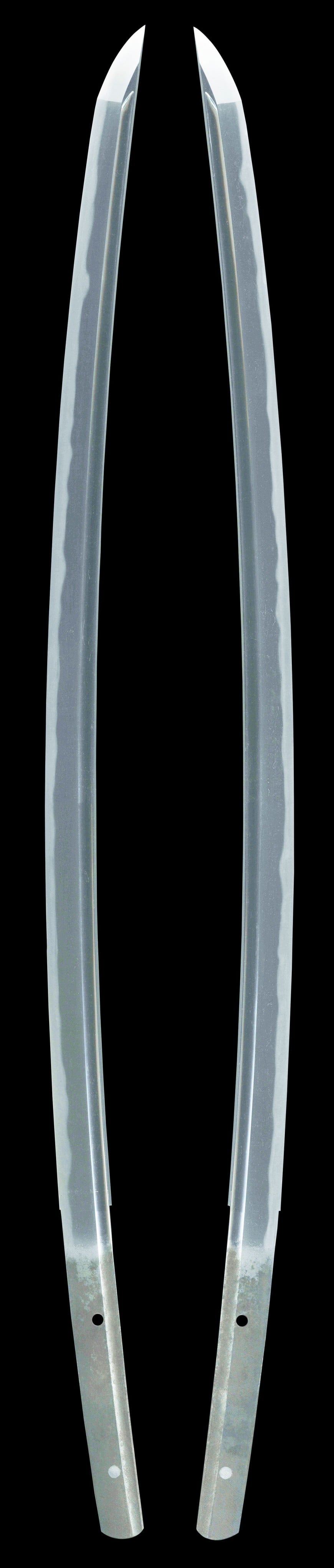
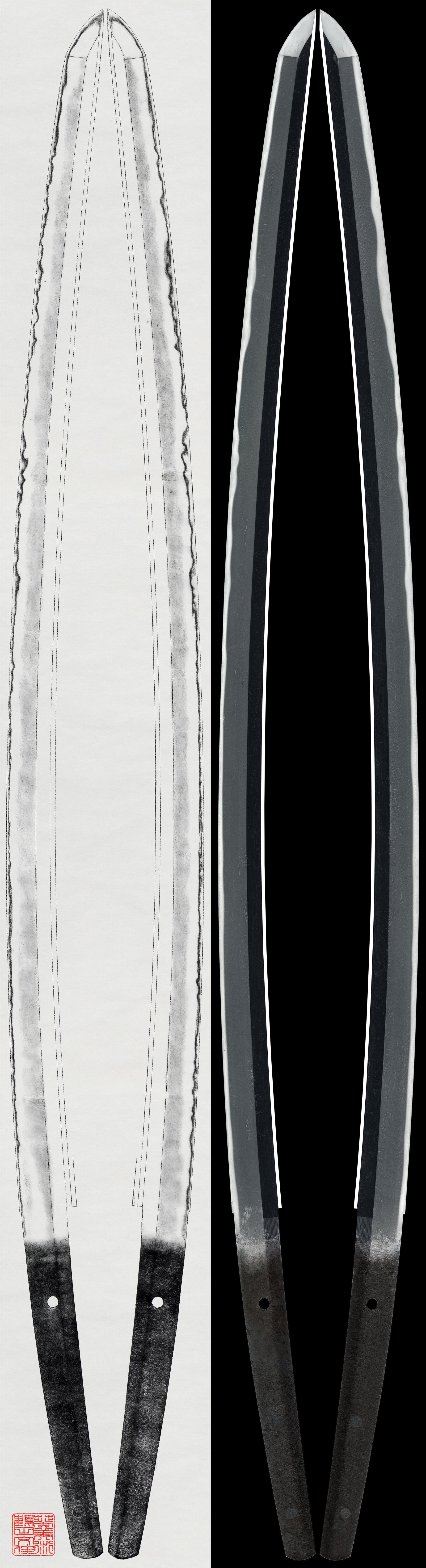
戦国の関は一つの産業であった。春日神社を氏神と仰ぐ鍛冶たちが、中部日本の軍勢を武装させた。孫六兼元の三本杉と之定の最上作は、量産の町に第一級の技が息づいていたことの証である。
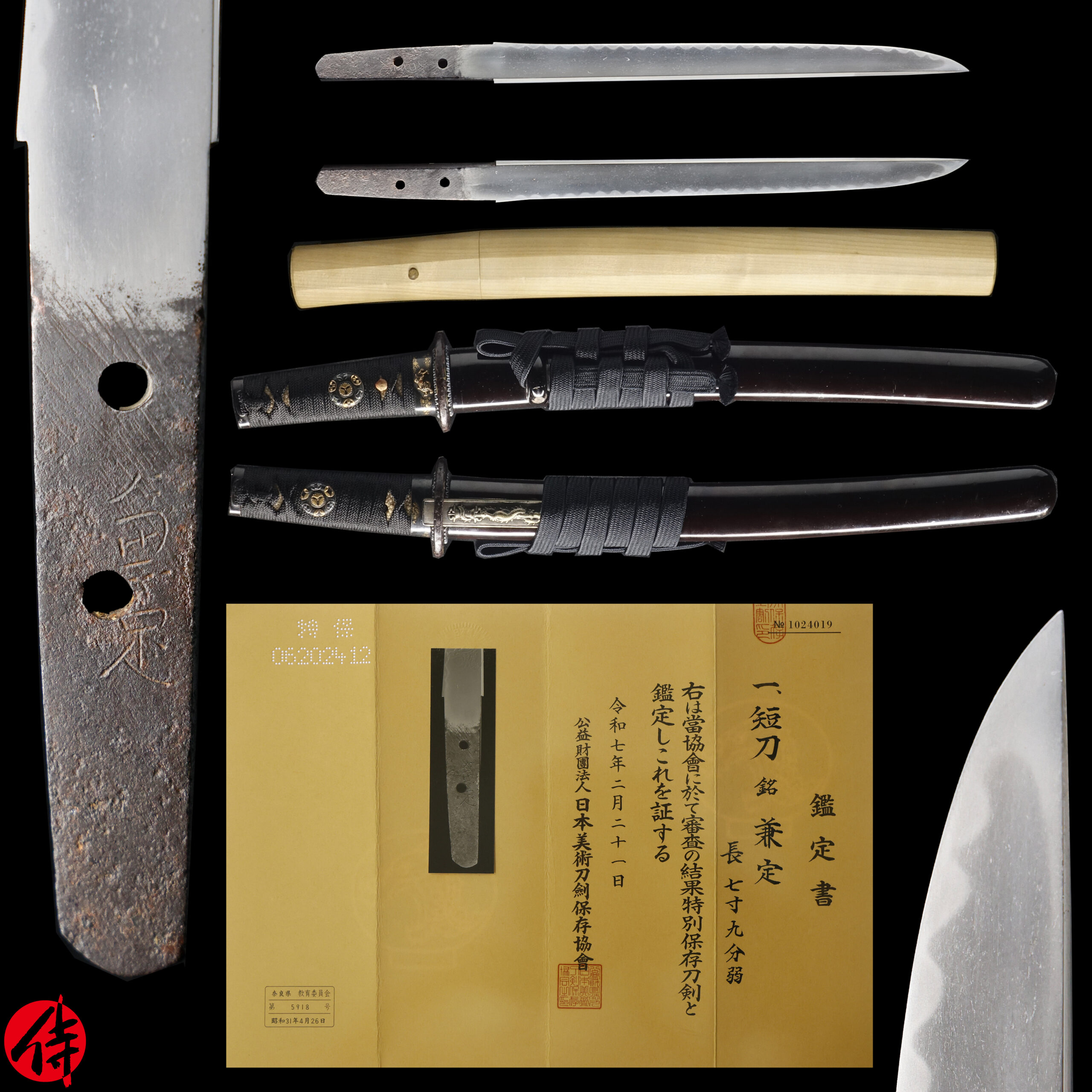
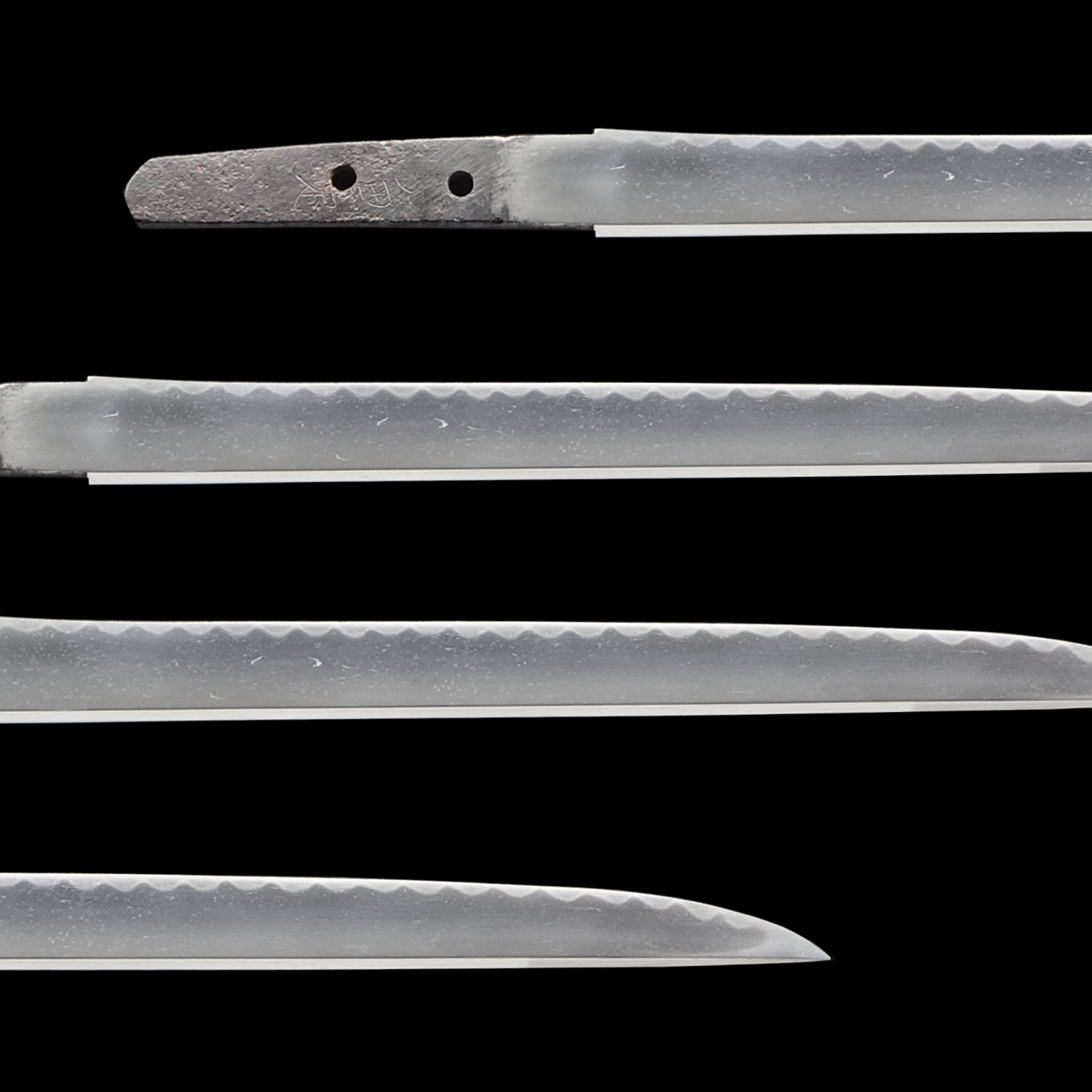
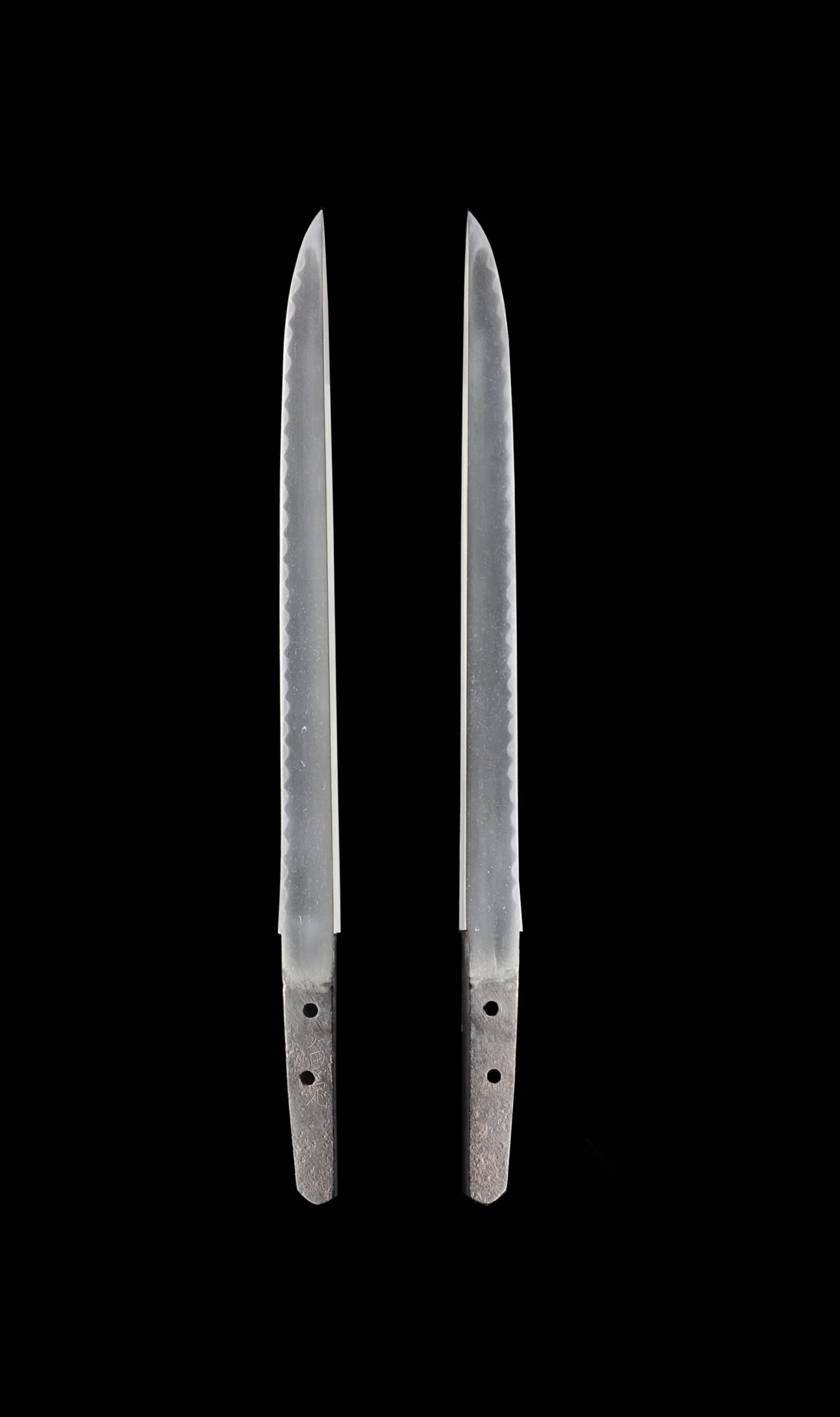
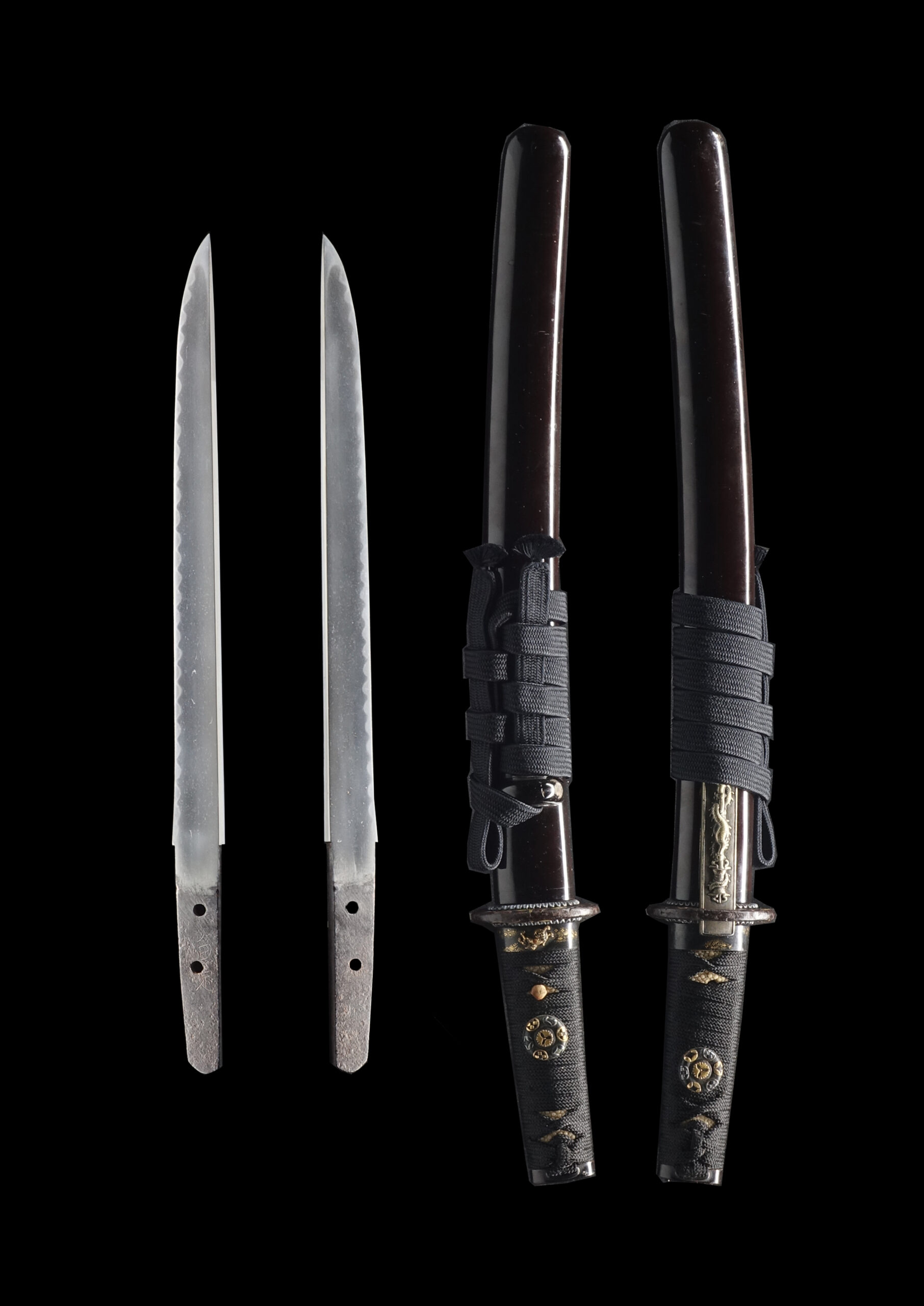
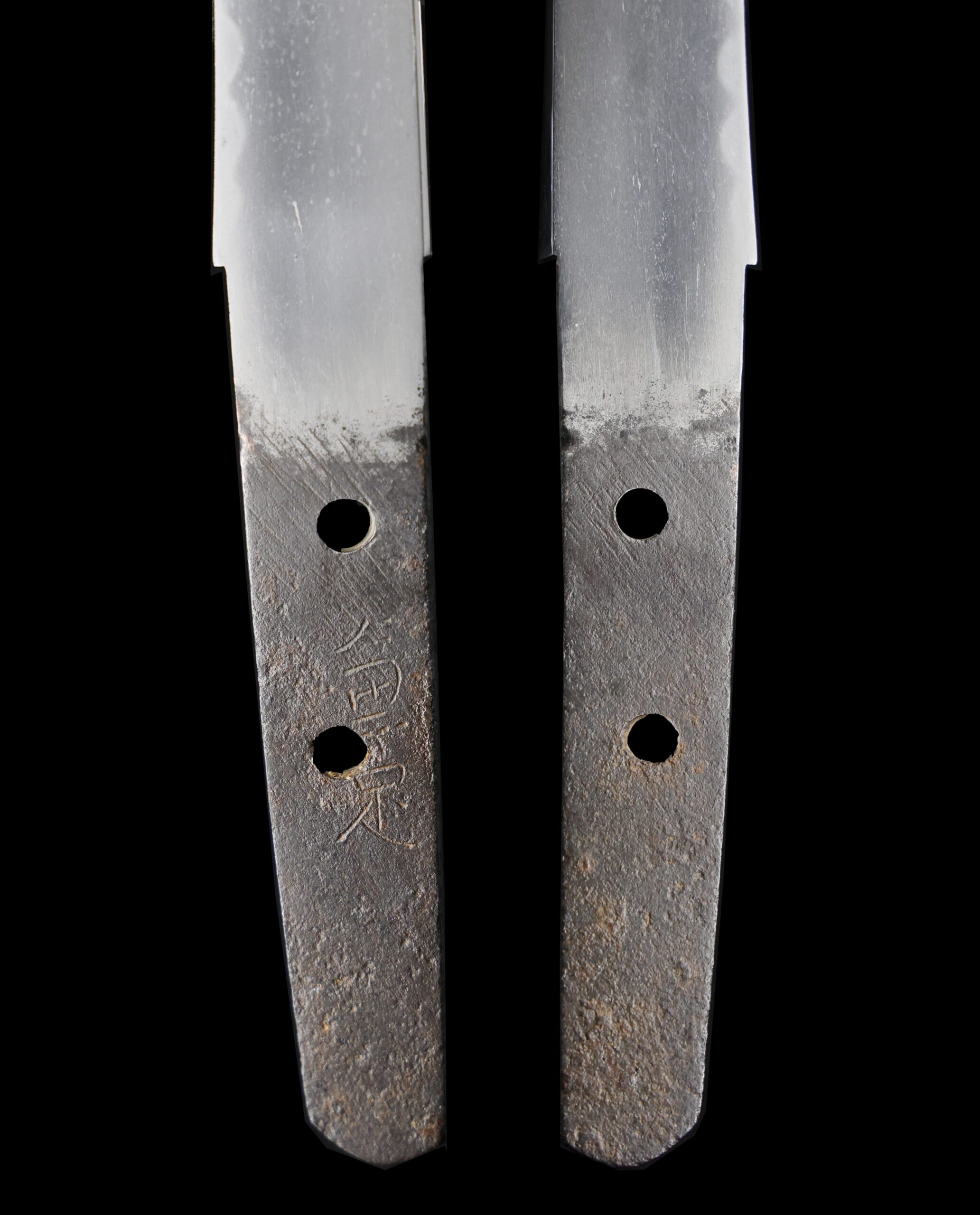
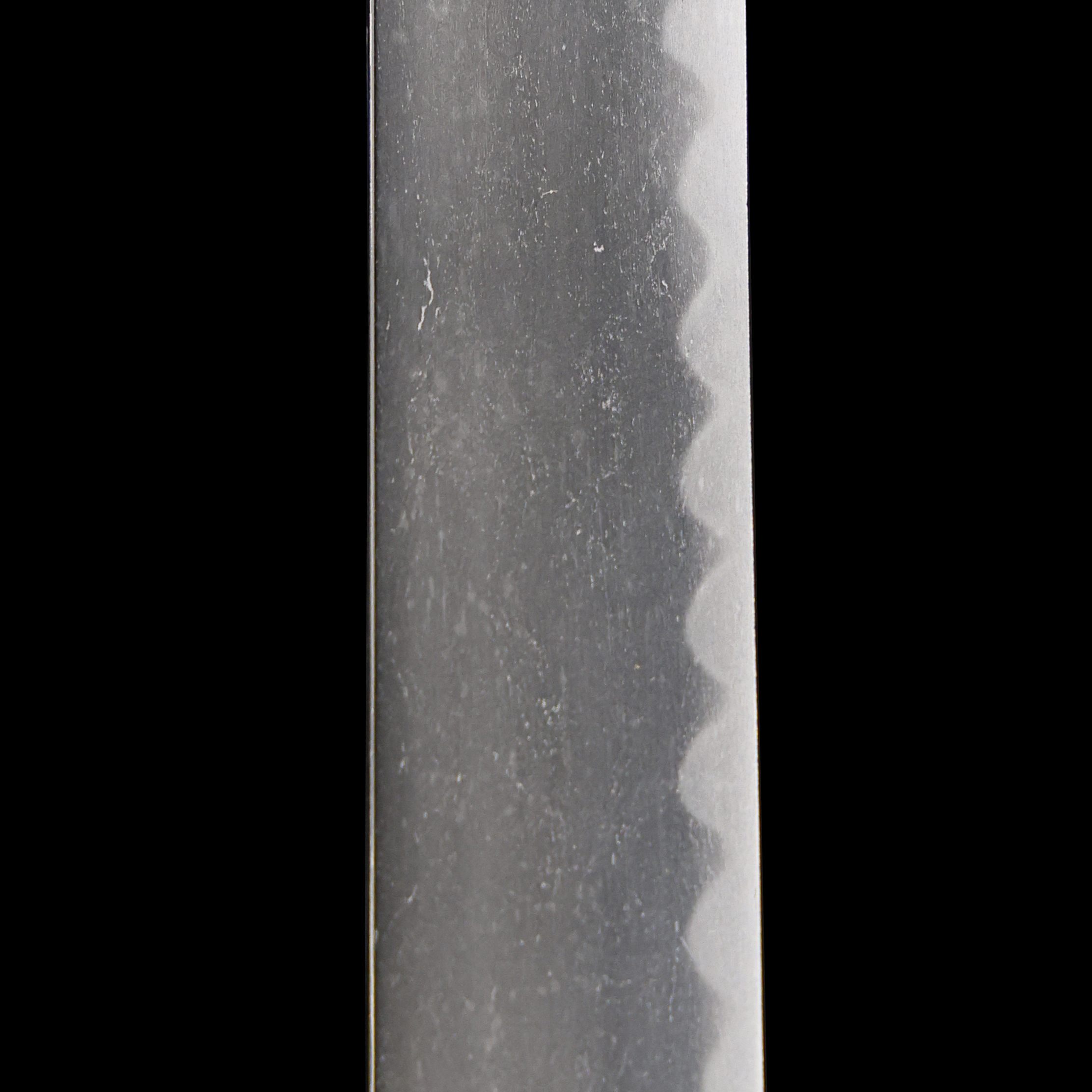
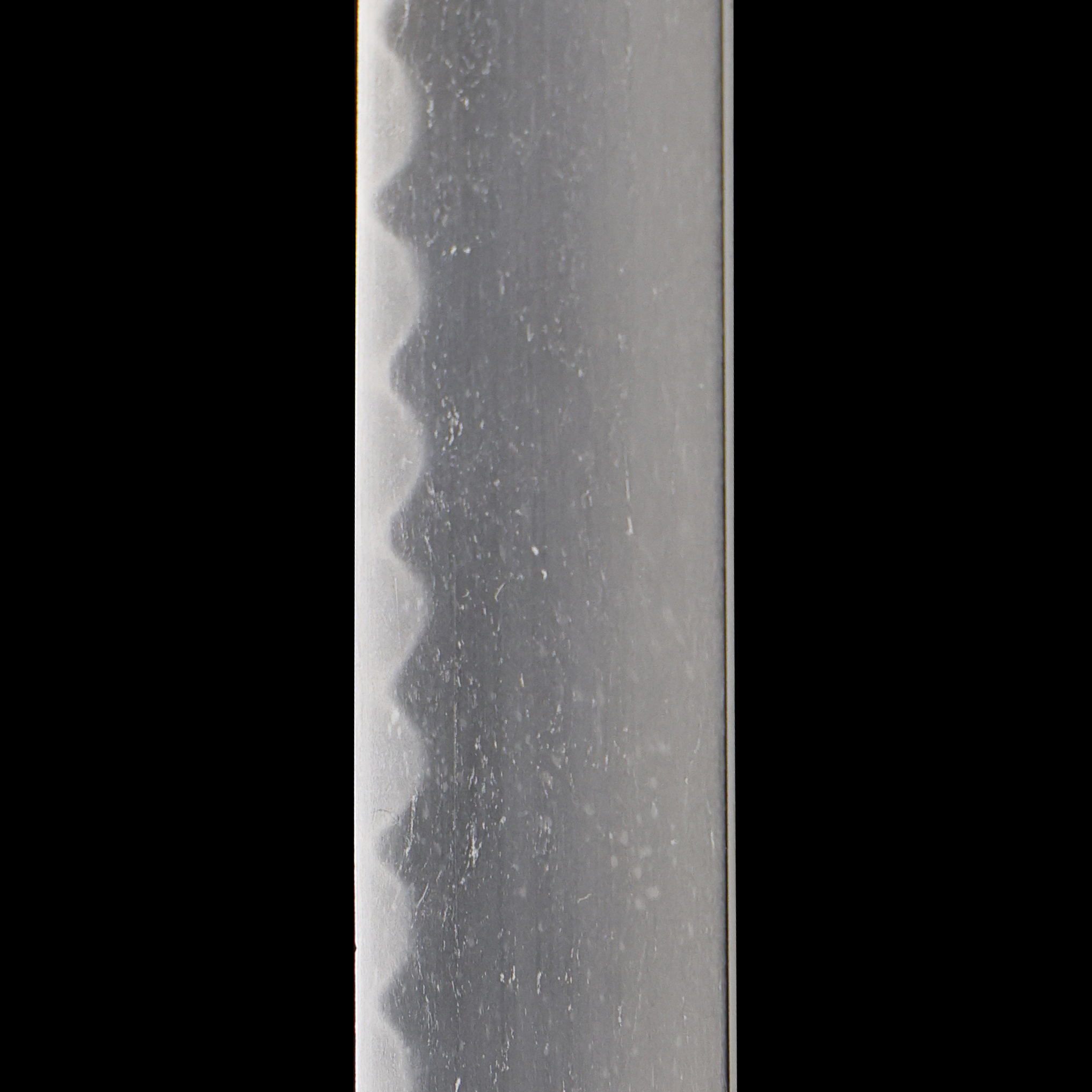
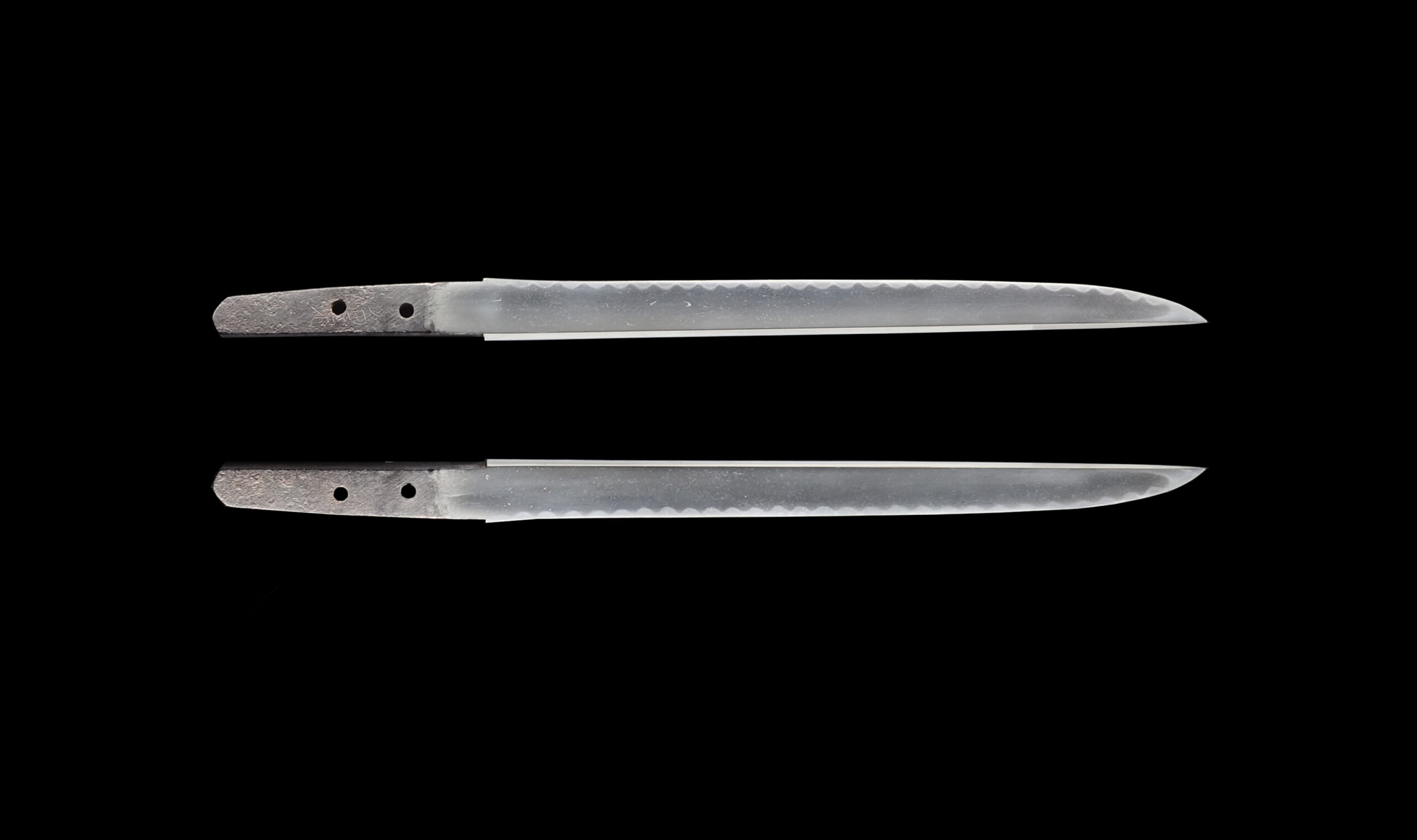
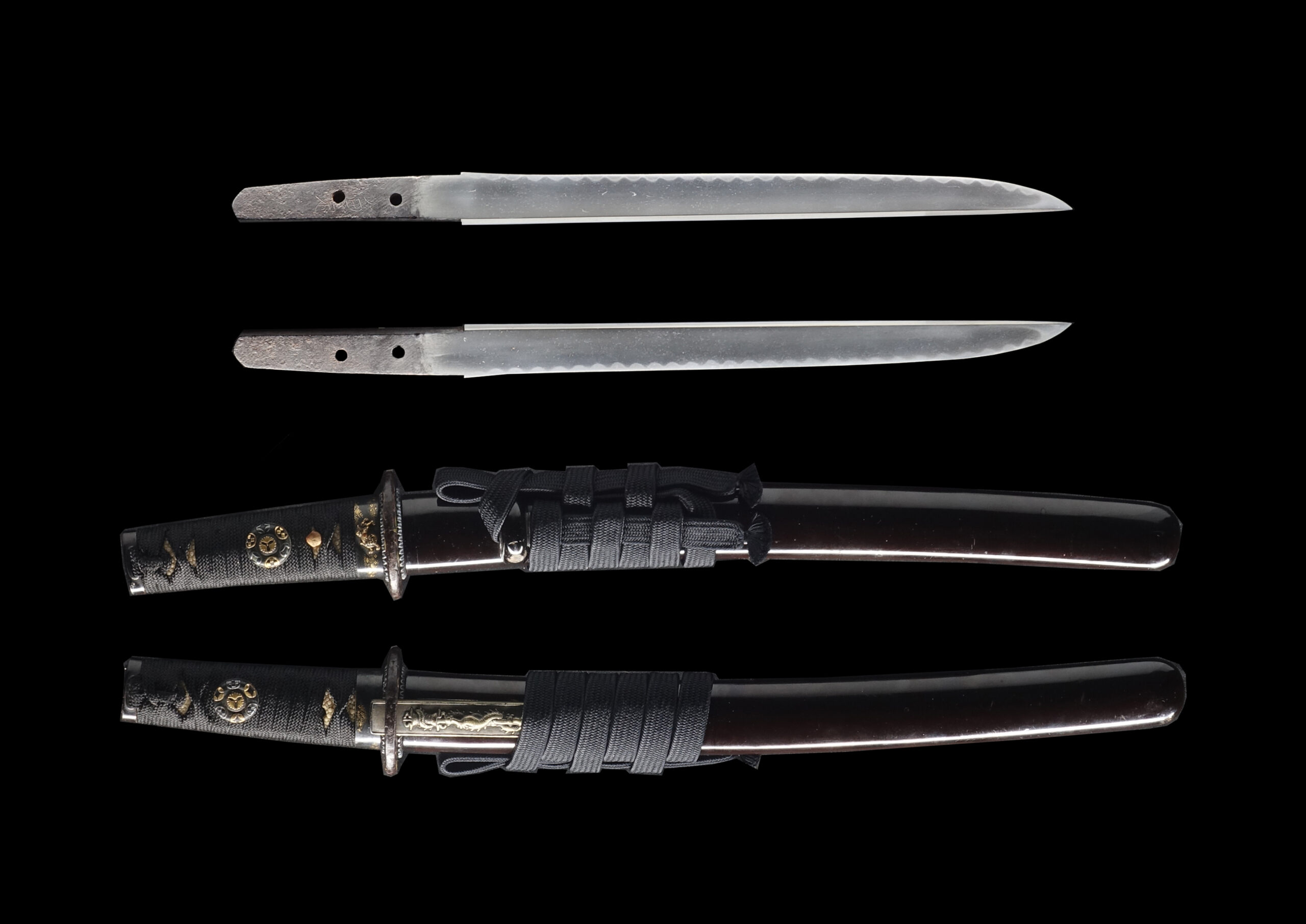
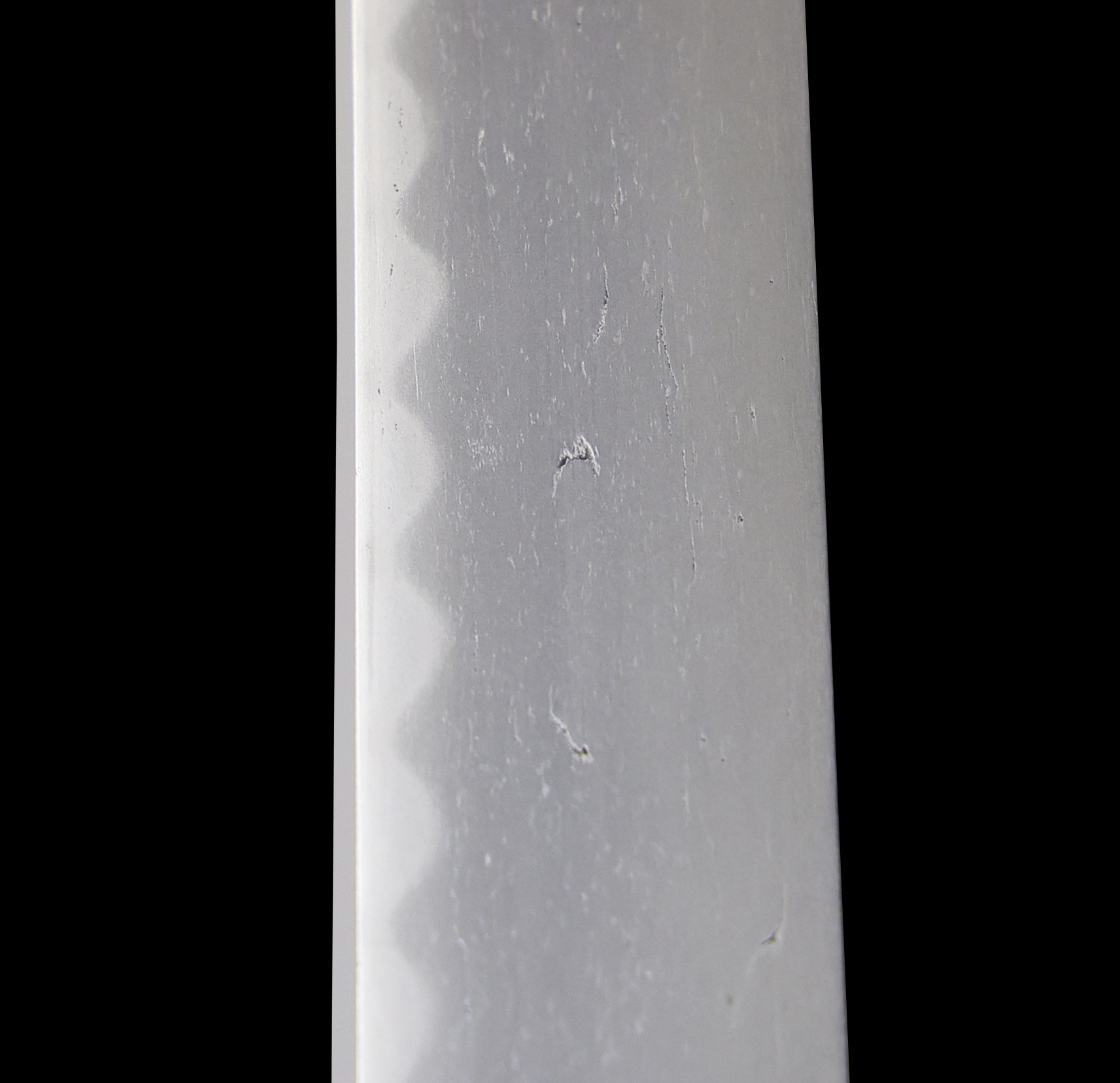
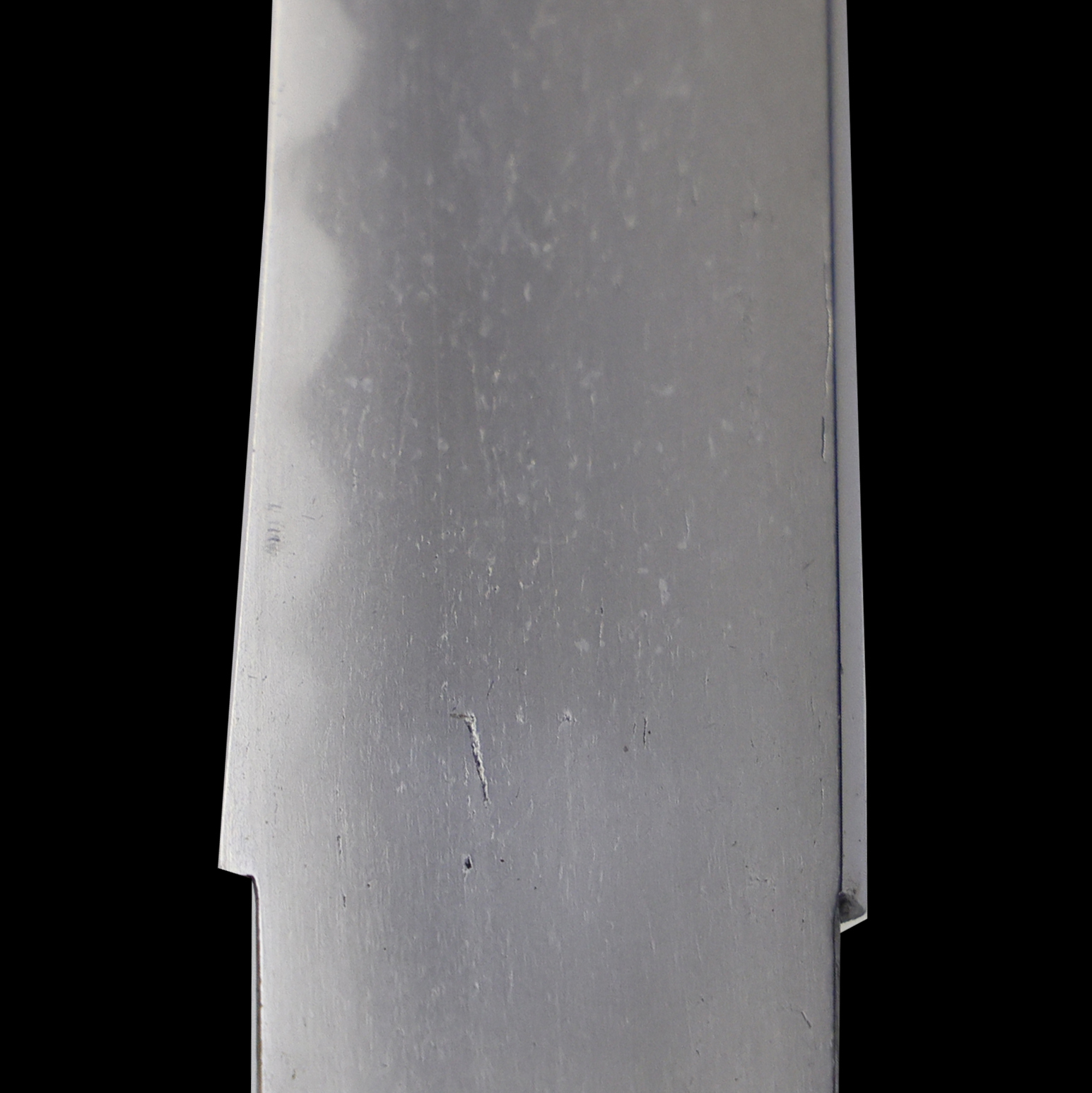
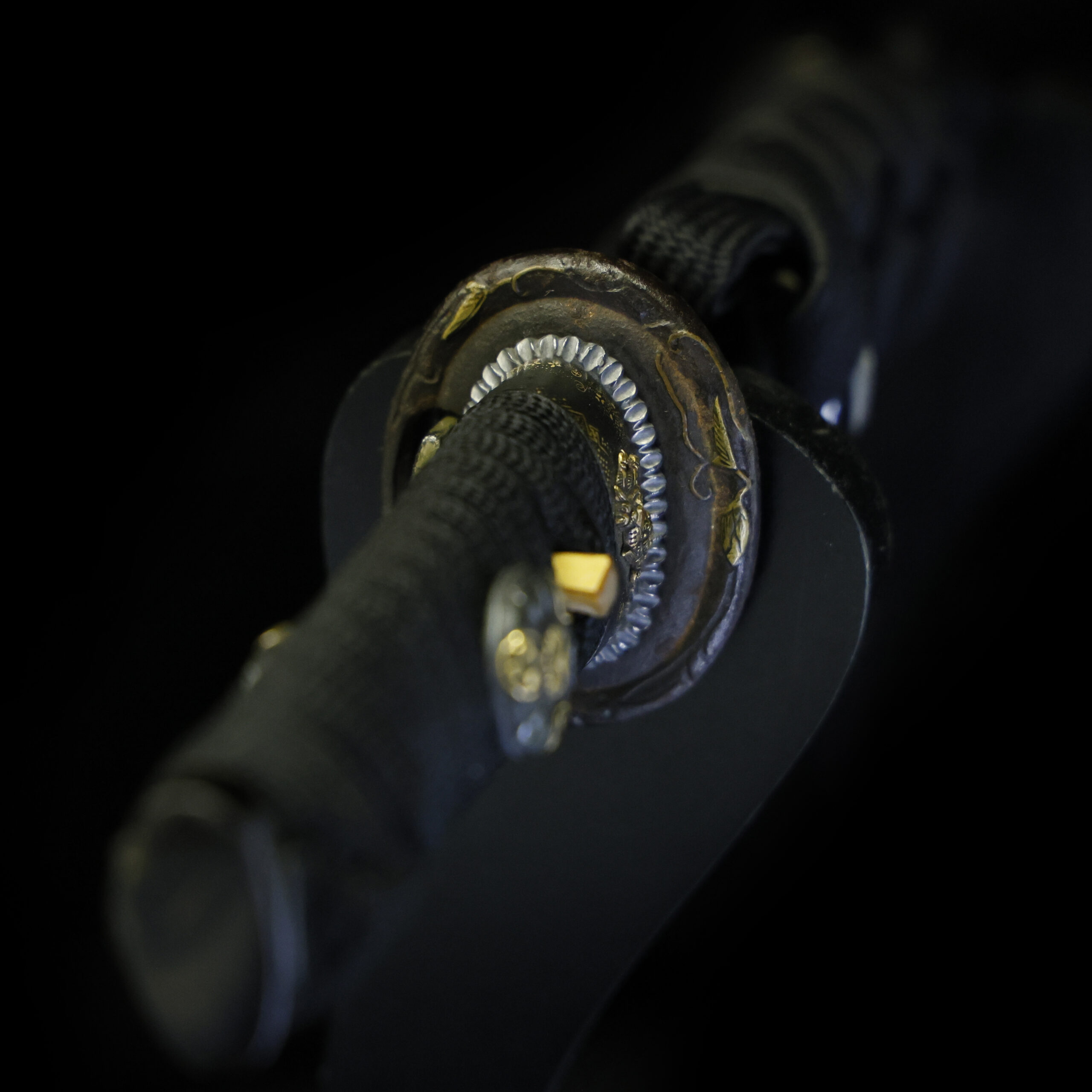
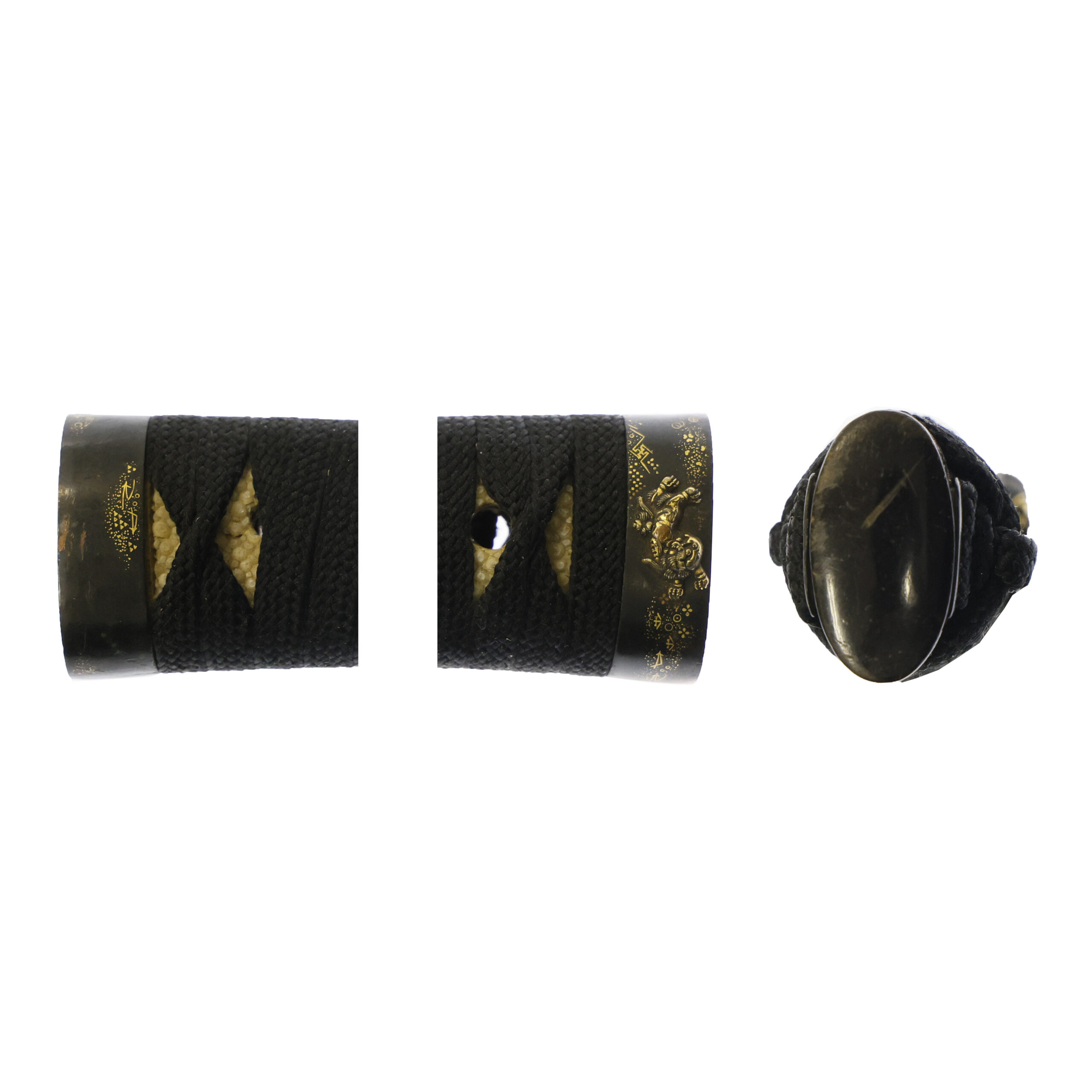
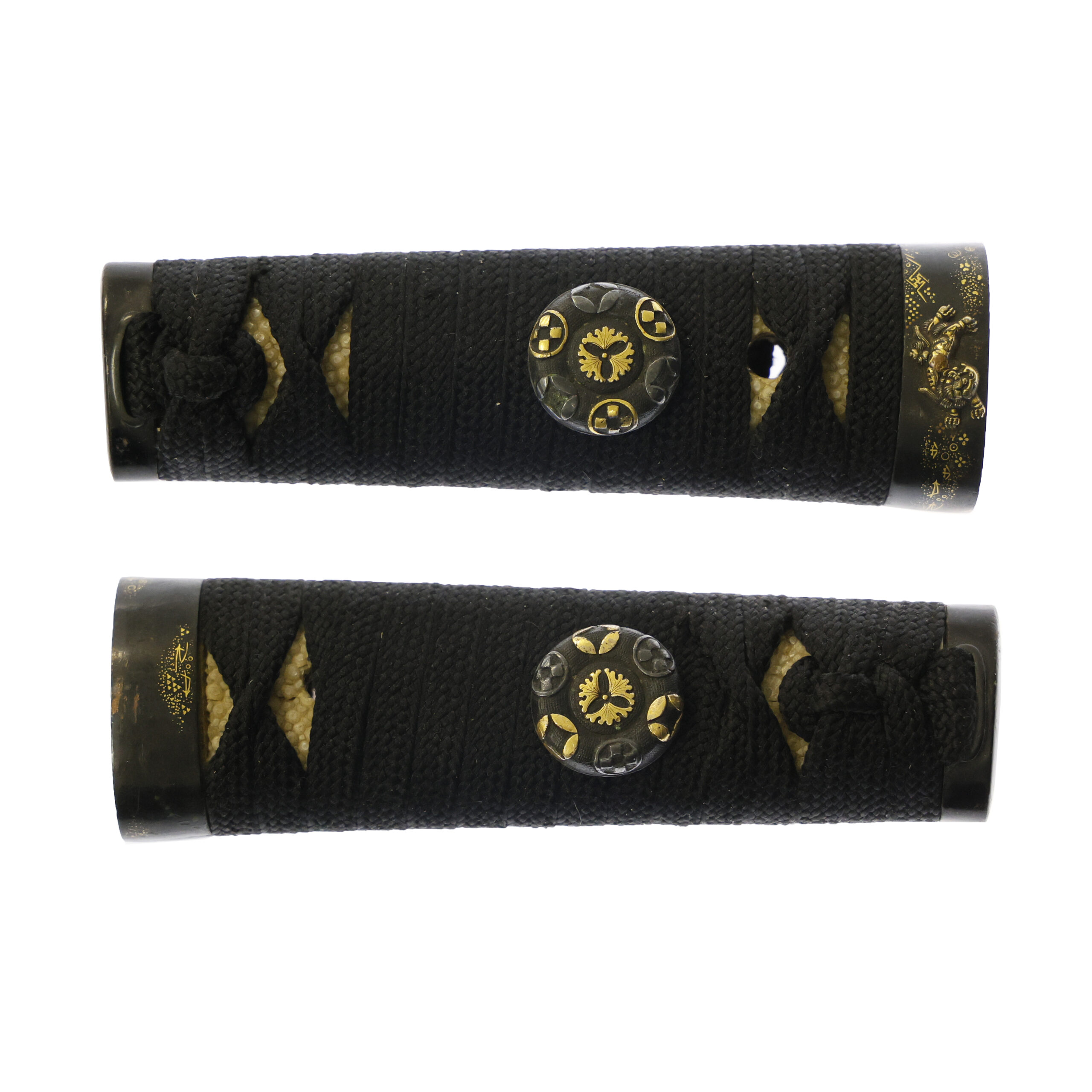
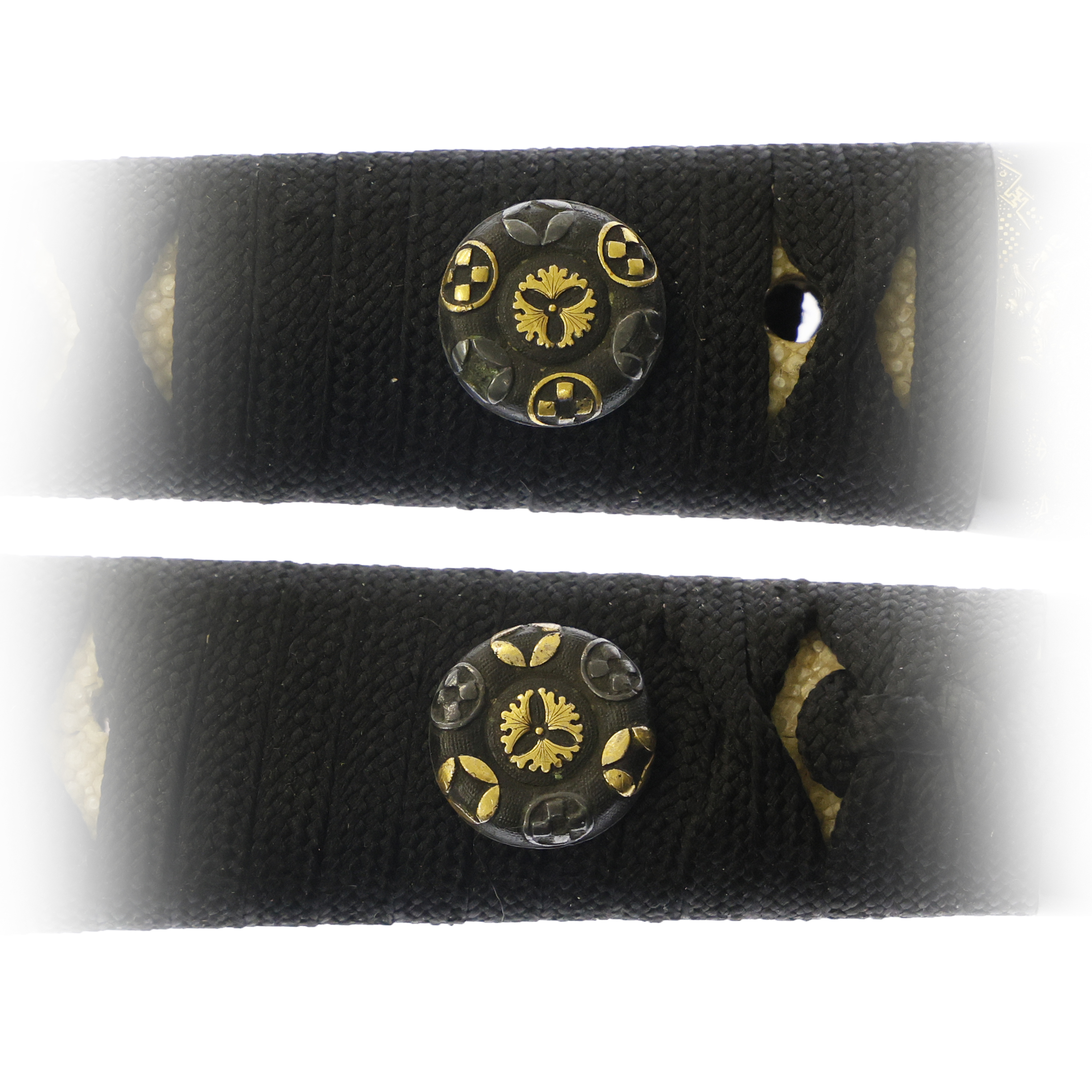
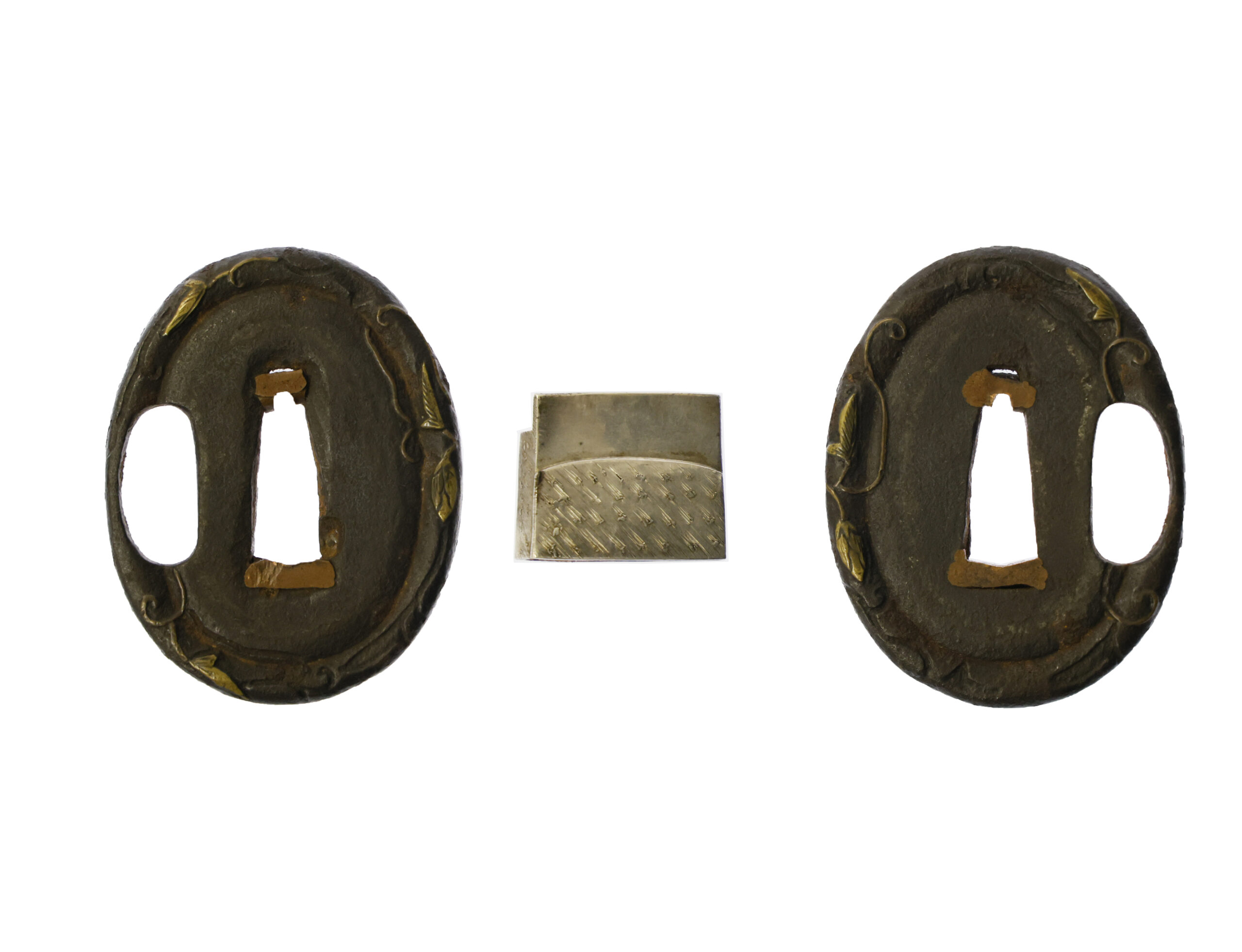
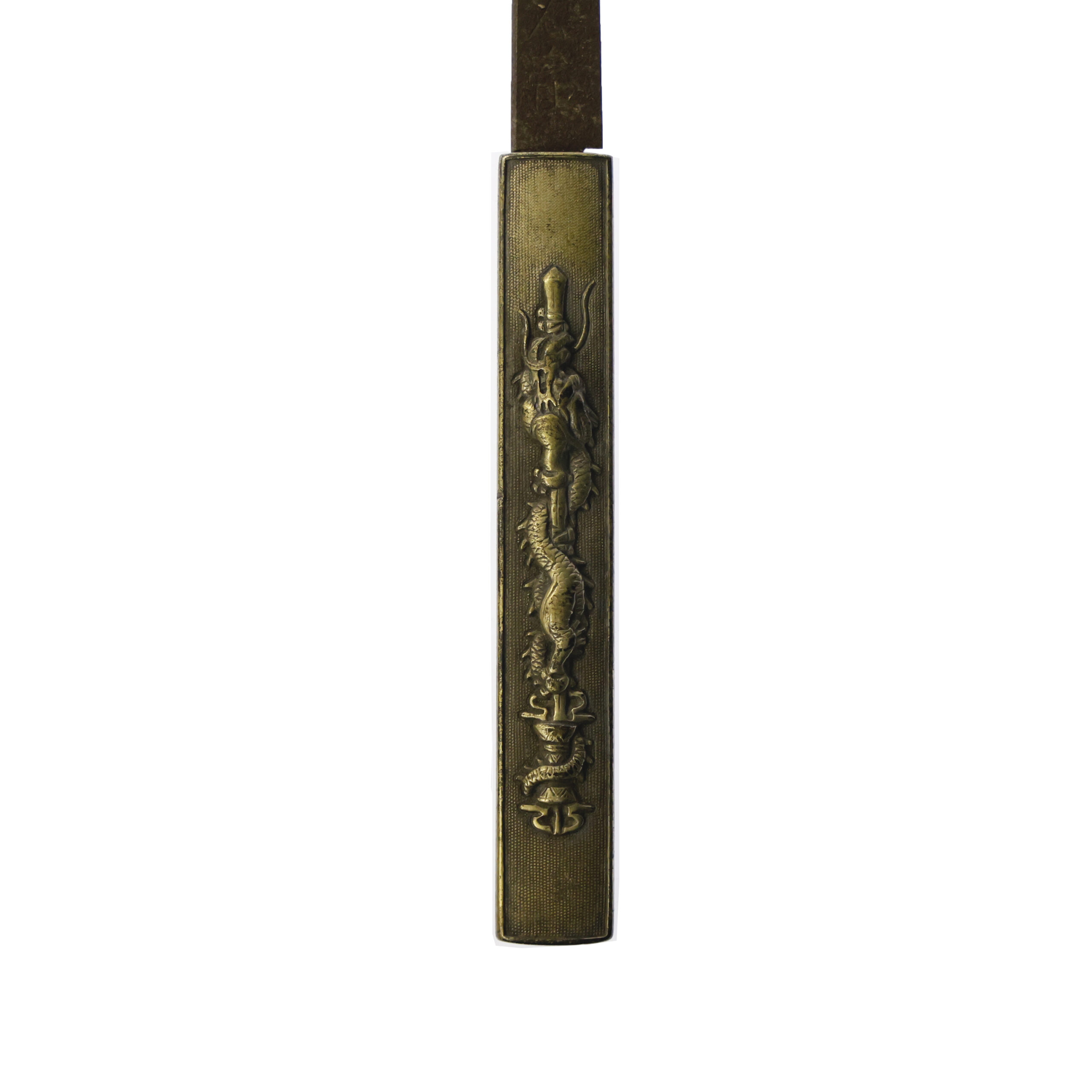
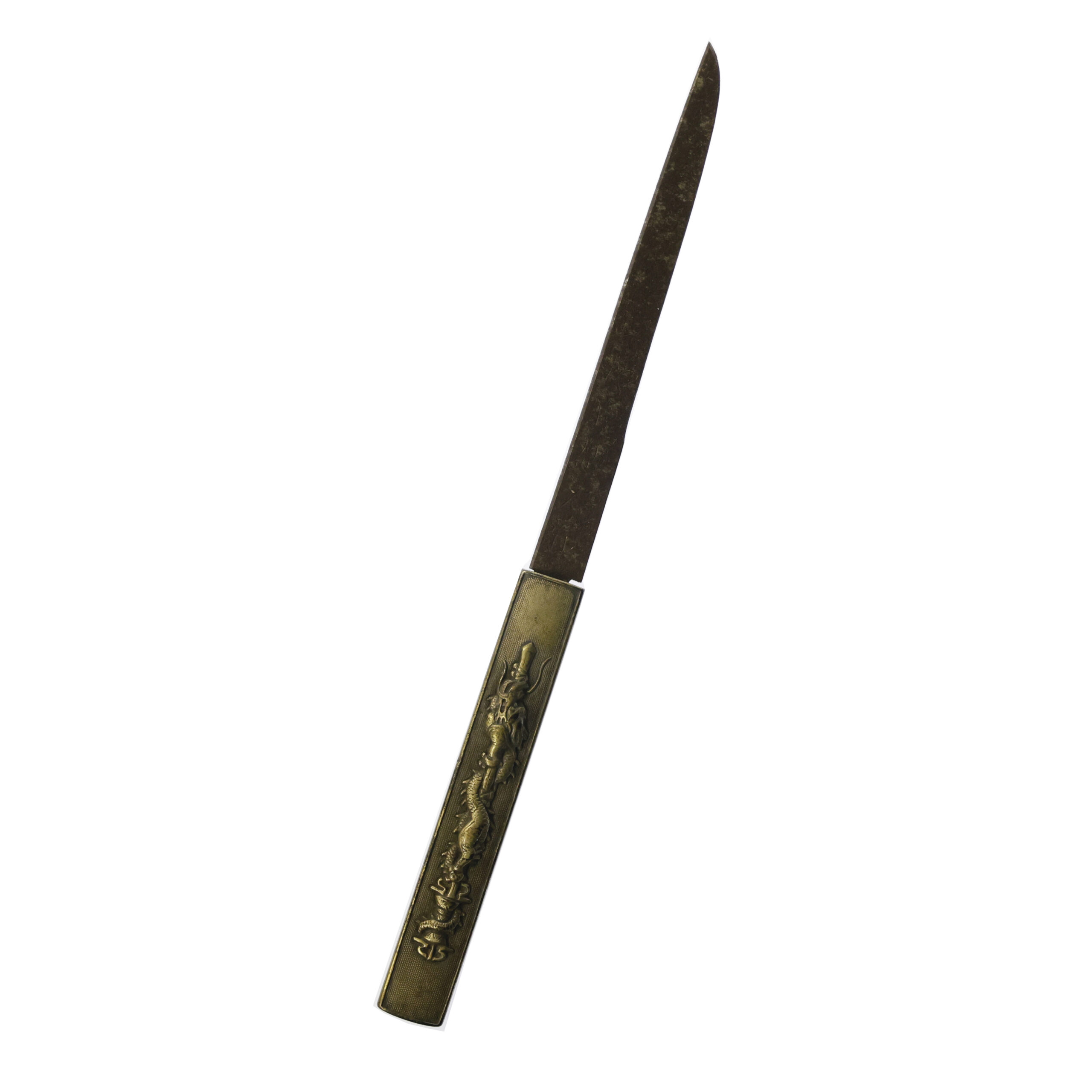
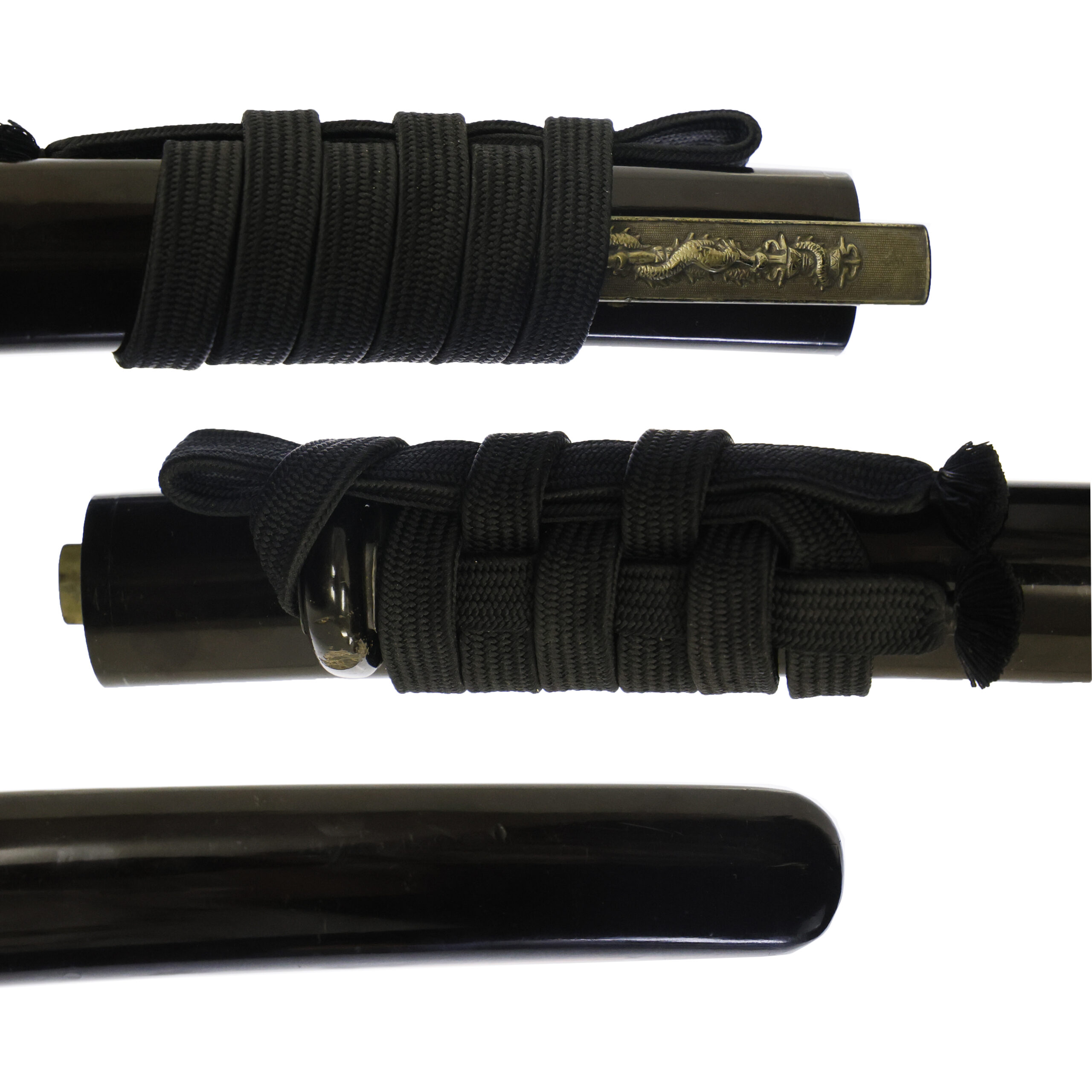
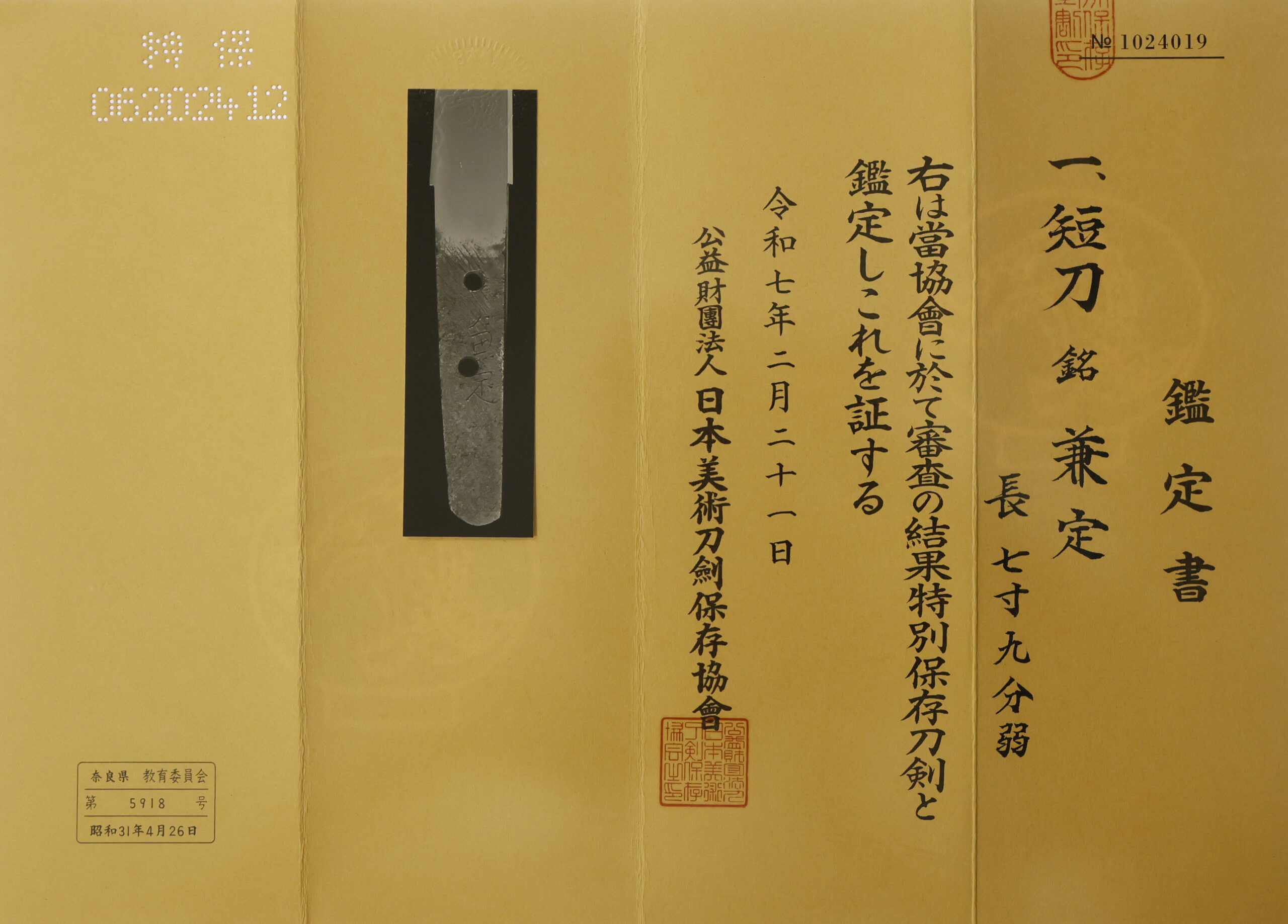
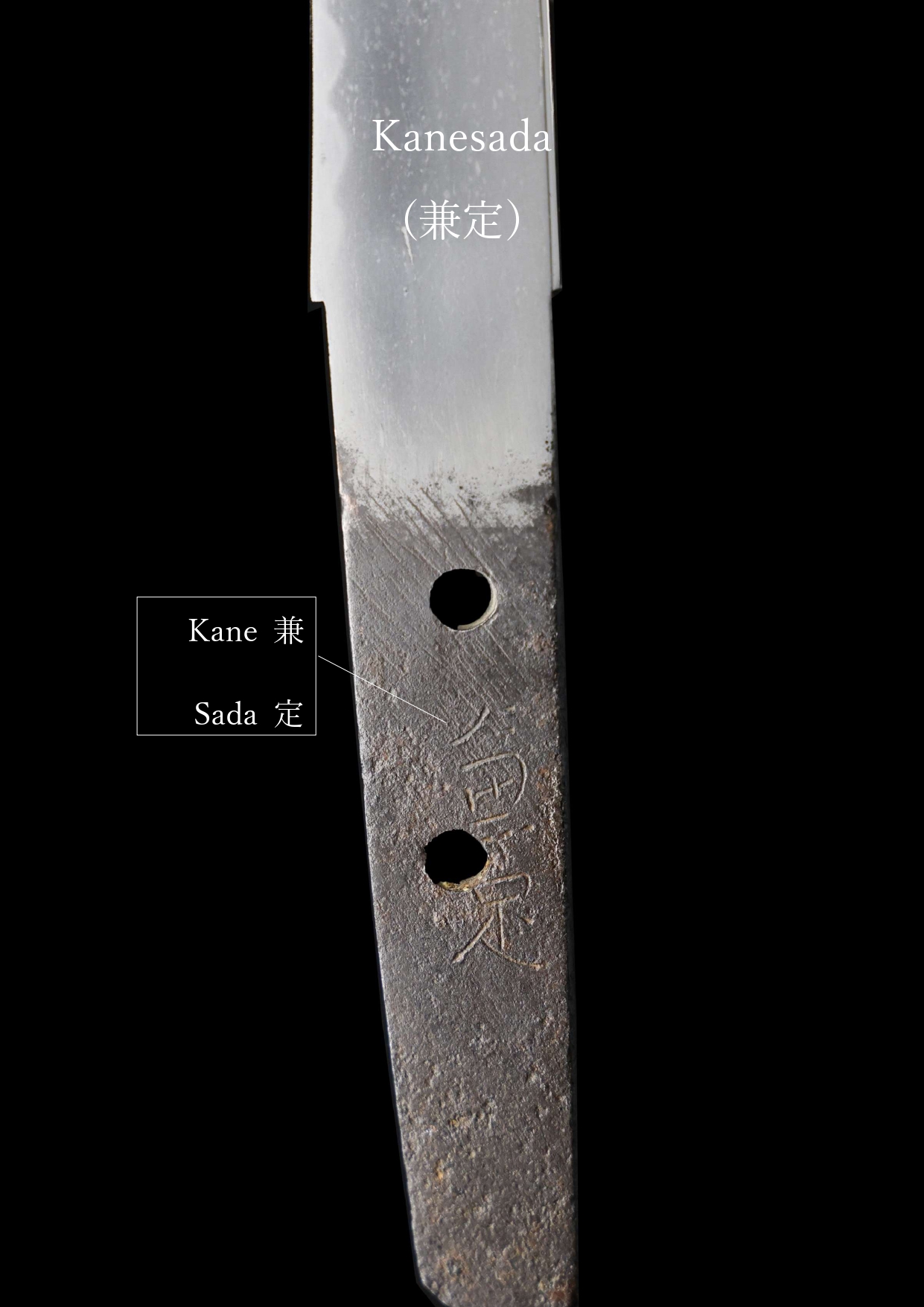
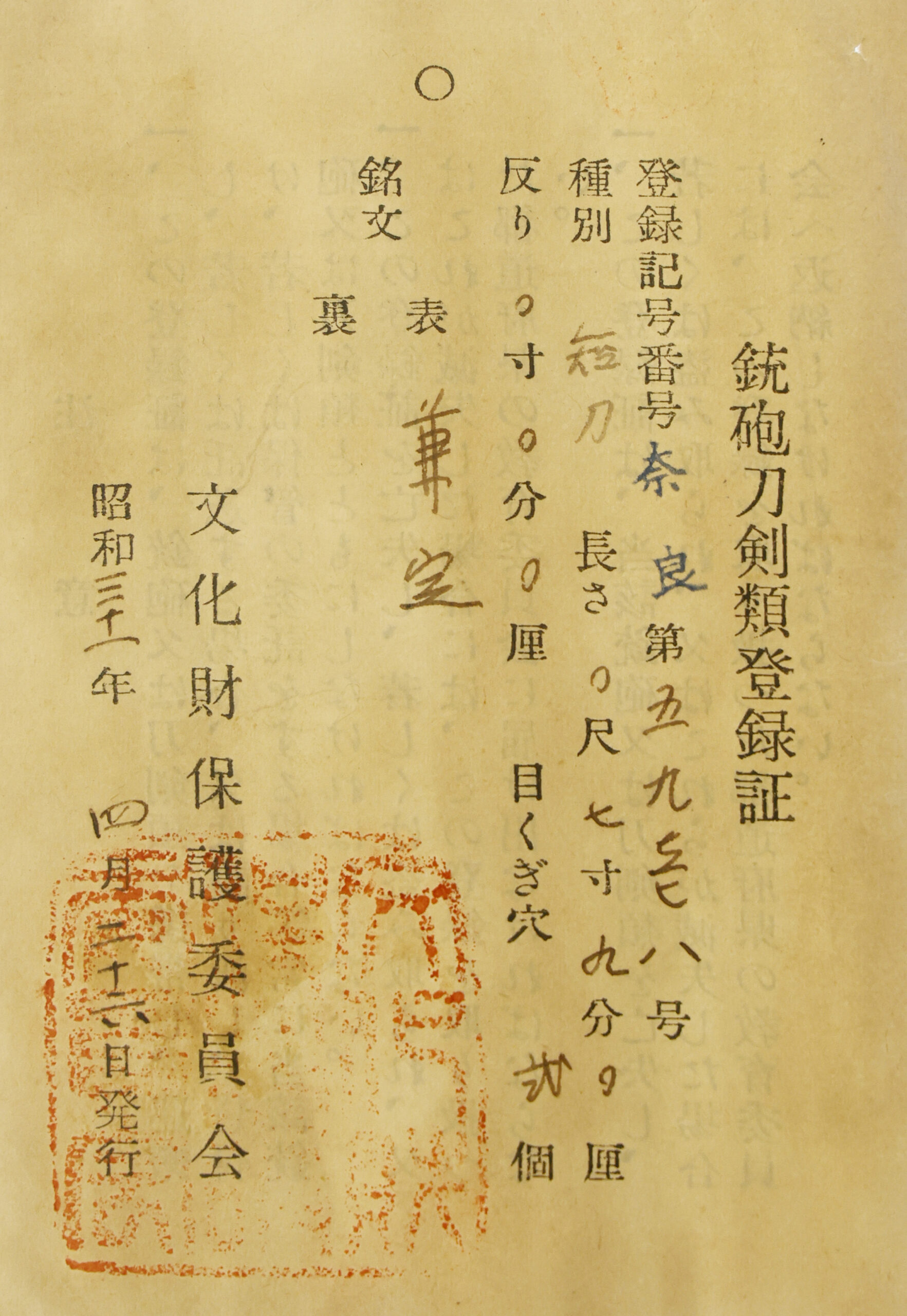
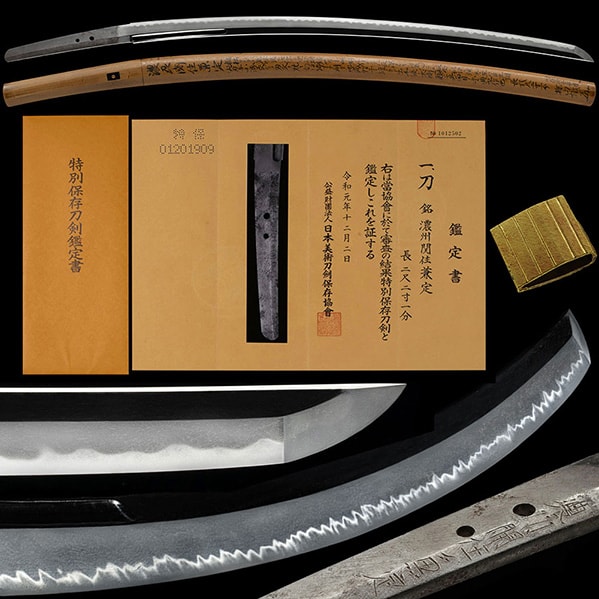
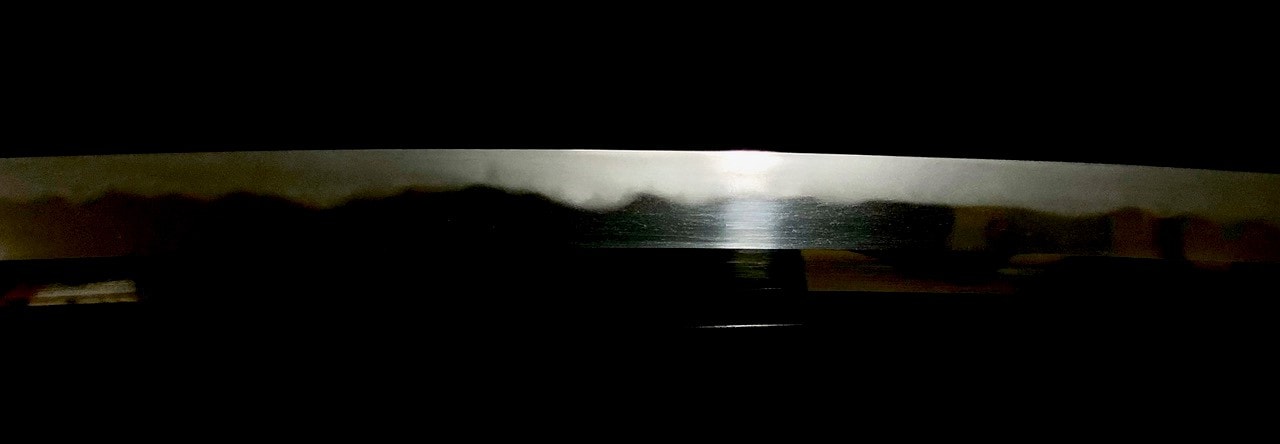
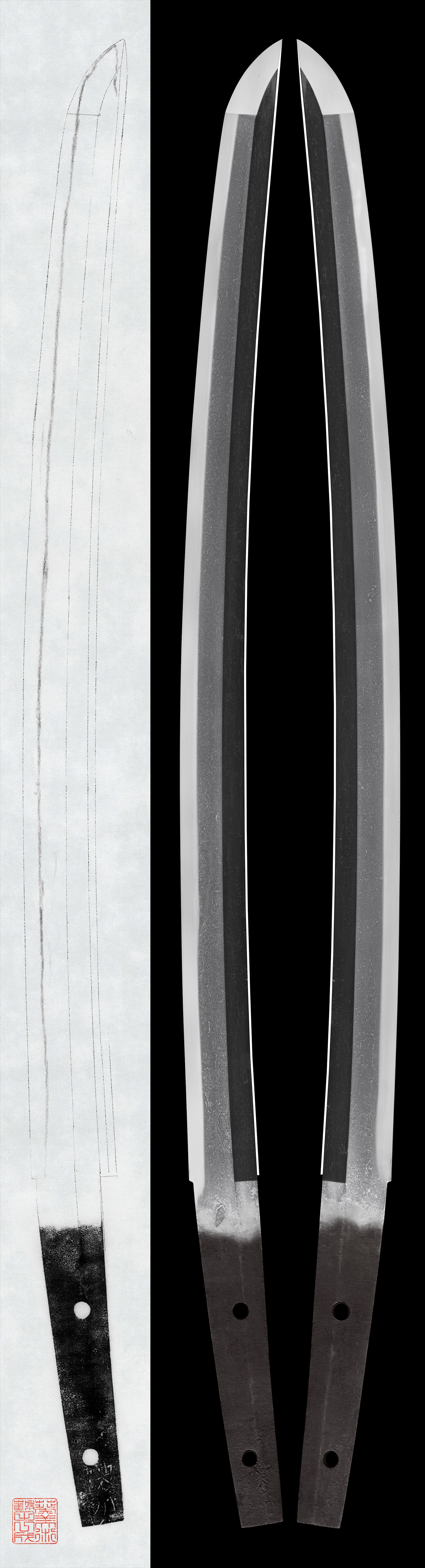
Antique Japanese Sword Tanto Signed by Kanesada with NBTHK Tokubetsu Hozon Certificate 【Description】 This blade was signed by Kanesada (兼定) during the late Muromachi period (late 15th-early 16th century) in Mino province (today’s Gifu prefecture). He was based in Seki (関), a town known for its high-quality blades. His work is a fine example of the MINO-DEN (美濃伝), a school of sword-making famous for its practical and innovative designs during times of conflict. It is said that the first-gen Kanesada, who was active during the early Muromachi period (Late 14th century), was the son of Sanami Kanenori in Seki city, Mino province (Gifu prefecture). And, the second-gen Kanesada was one of the most famous Japanese swordsmiths in Seki-city alongside Kanemoto Magoroku (兼元孫六). The swordsmith name Kanesada lasted a few generations in Mino, and later on, the school moved to the Aizu domain (Fukushima Prefecture). Those who forged during the late Muromachi period are called Sue-Seki, and Kanesada is categorized as one of the Sue-Seki swordsmiths. The MINO swordsmiths style, also known as MINO-DEN, basically has the TOGARI(Pointed shapes protruding from the Hamon )in a classic straight line and random temper line with some white Utsuri. MINO-DEN had its origin from YAMATO-DEN in the late KAMAKURA period(1280-1330). It flourished in the MUROMACHI period(1333-1573) and continued until the EDO period(was1603-1868). Late Muromachi period was a time of political and social upheaval, especially the Onin War (応仁の乱, 1467-1477) had plunges Japan into chaos, marking the start of the Sengoku period, an age of constant warfare among regional lords. This unrest created a strong demand for well-crafted swords, and Mino province became a center for production. Kaneuji’s work from this era reflects the needs of the time, with a focus on functionality and reliability while maintaining the artistic qualities valued in Japanese blades. MINO DEN MINO-DEN exceedingly prospered during Sengoku Jidai (Warring State period) due to the high demand for weapons. And the location of Mino province beat others. Akechi Mitsuhide controlled Mino province, and Nobunaga Oda ruled Owari province. Tokugawa Ieyasu was the lord of Suruga (Neighboring areas). There was high demand from those powerful feudal lords and their retainers. Furthermore, so many wars occurred between the Kanto region and the Kyoto area. Mino is located in the middle, making feudal lords feel convenient to order swords from MINO-DEN. The blades forged in MINO provinces also had the reputation of their practical design and sharpness. Many feudal lords demanded swords forged in the Mino province. This highly skilled sword-forging technique has been passed down for generations. The smith’s name “Kanesada” was one of the most famous ones even after the warring state ended. It is appraised as a Tokubetsu Hozon Token (特別保存刀剣) issued by NBTHK (Nihon Bijutsu Touken Hozon Kyokai:日本美術刀剣保存協会). This authentication paper was only given to authentic Japanese swords, especially well preserved and high quality with artistic value. *Please keep in mind that is a couple of Kitae Kizu on this blade. If you like to know the detailed condition, please feel free to contact us. 【Blade】 Cutting Edge Length(Nagasa) : 23.9 cm (9.40 inches) Curvature(Sori) : 0 cm (0 inches) Hamon : The crystalline structure which forms along the cutting edge of a blade as a result of the hardening process Jimon(Jihada) : visible steel surface pattern created by folding and hammering during forging process Kissaki : Kissaki is the tip of the Japanese sword. Nakago : Nakago is the tang of the Japanese sword. Japanese swordsmiths left the black rust on the tang because it prevents red rust while the tang is in its handle. And the discoloration of the tang was created over time, and it is a great indicator for a Japanese sword specialist to estimate when the sword was forged. Koshirae : Koshirae is the mounting of the Japanese sword. There are severa
 NihontoWatch
在銘 · 美濃伝 · 室町 · 長さ 23.9cm
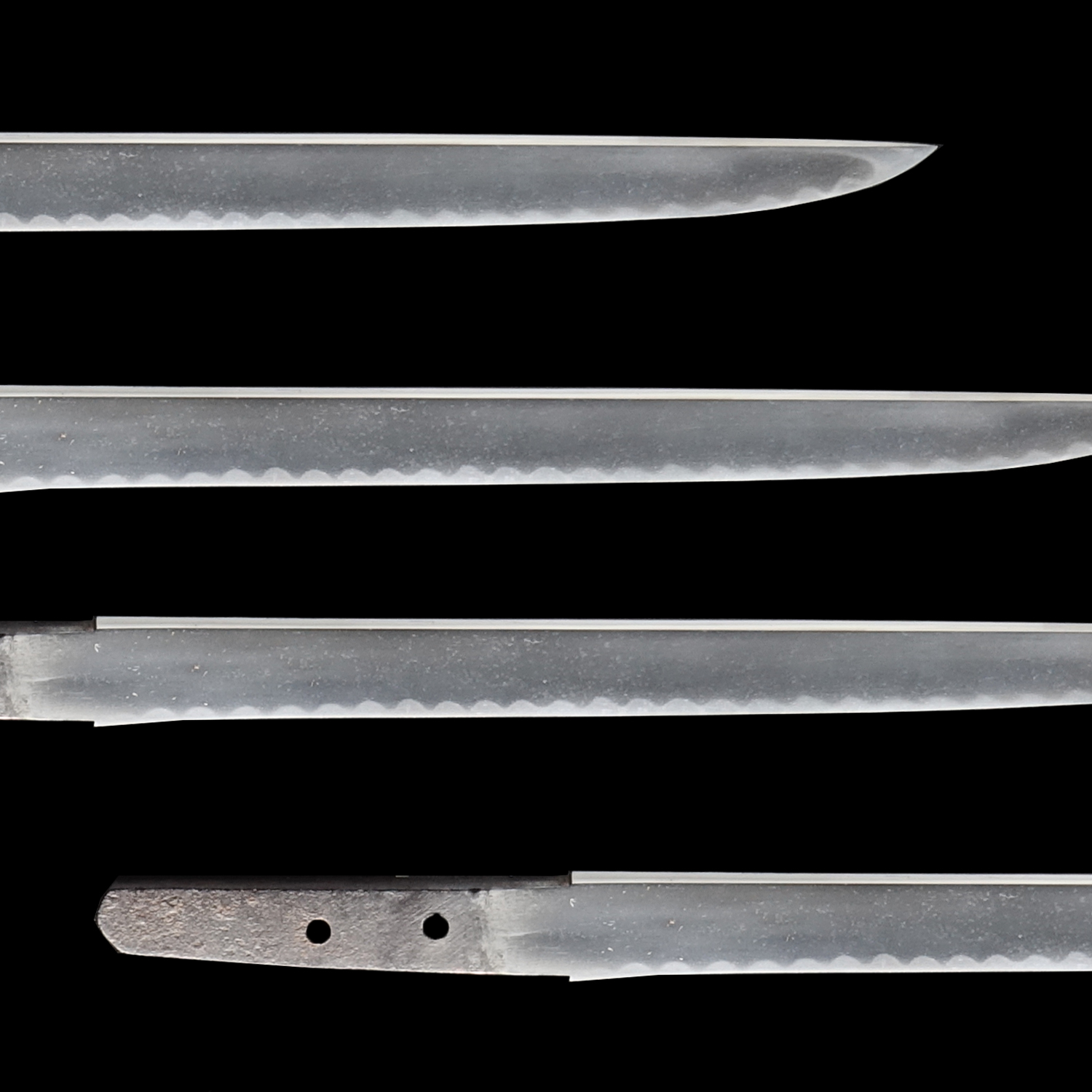
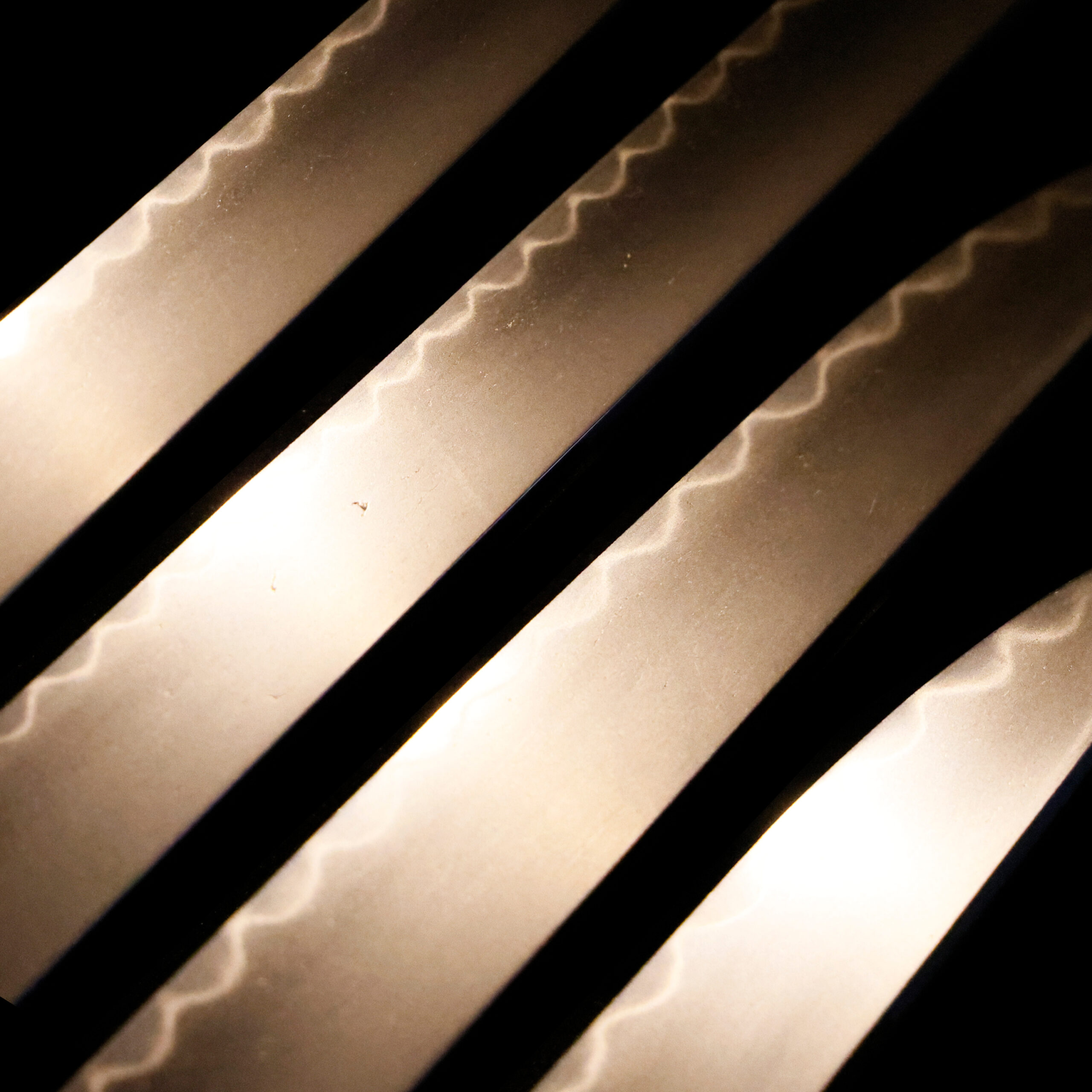
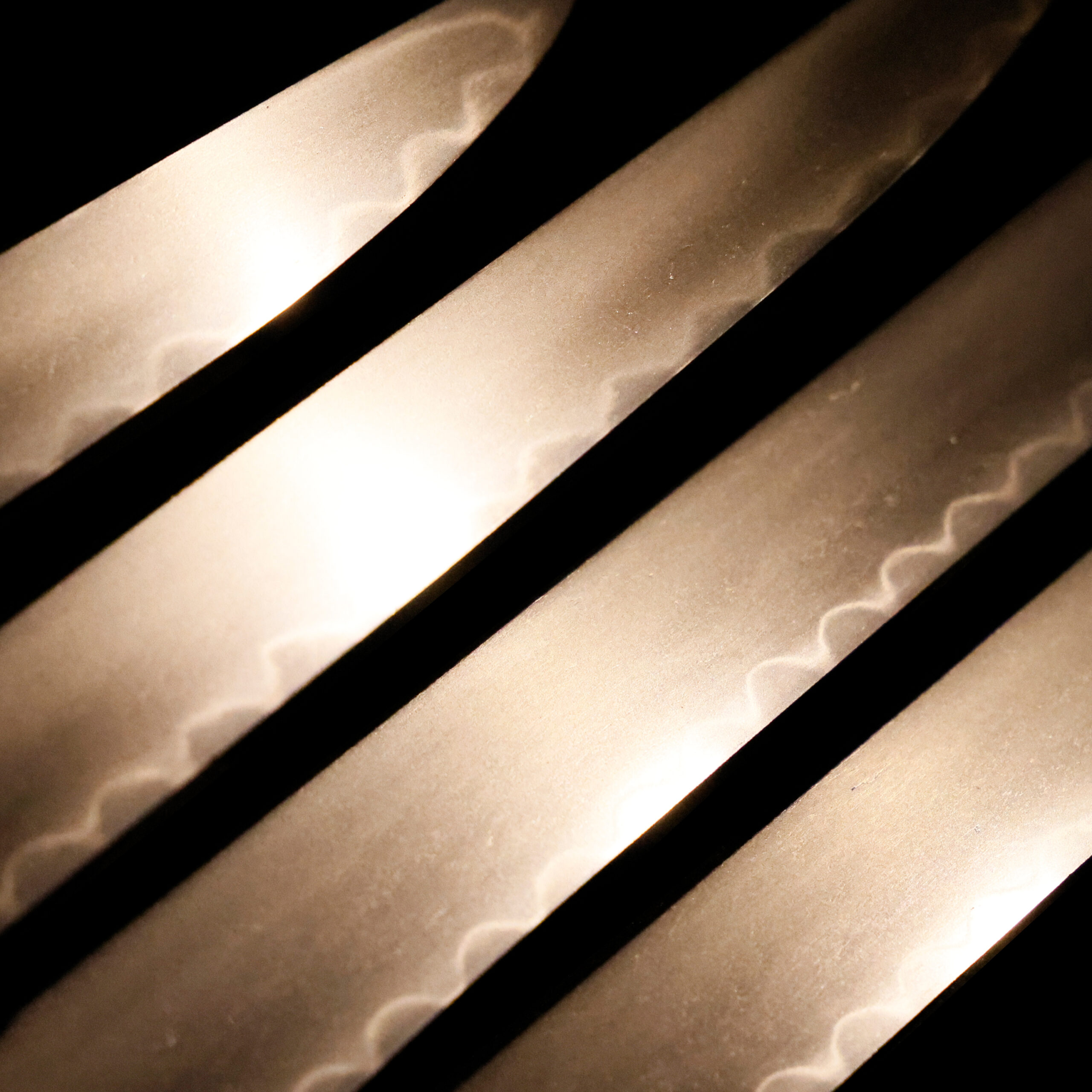
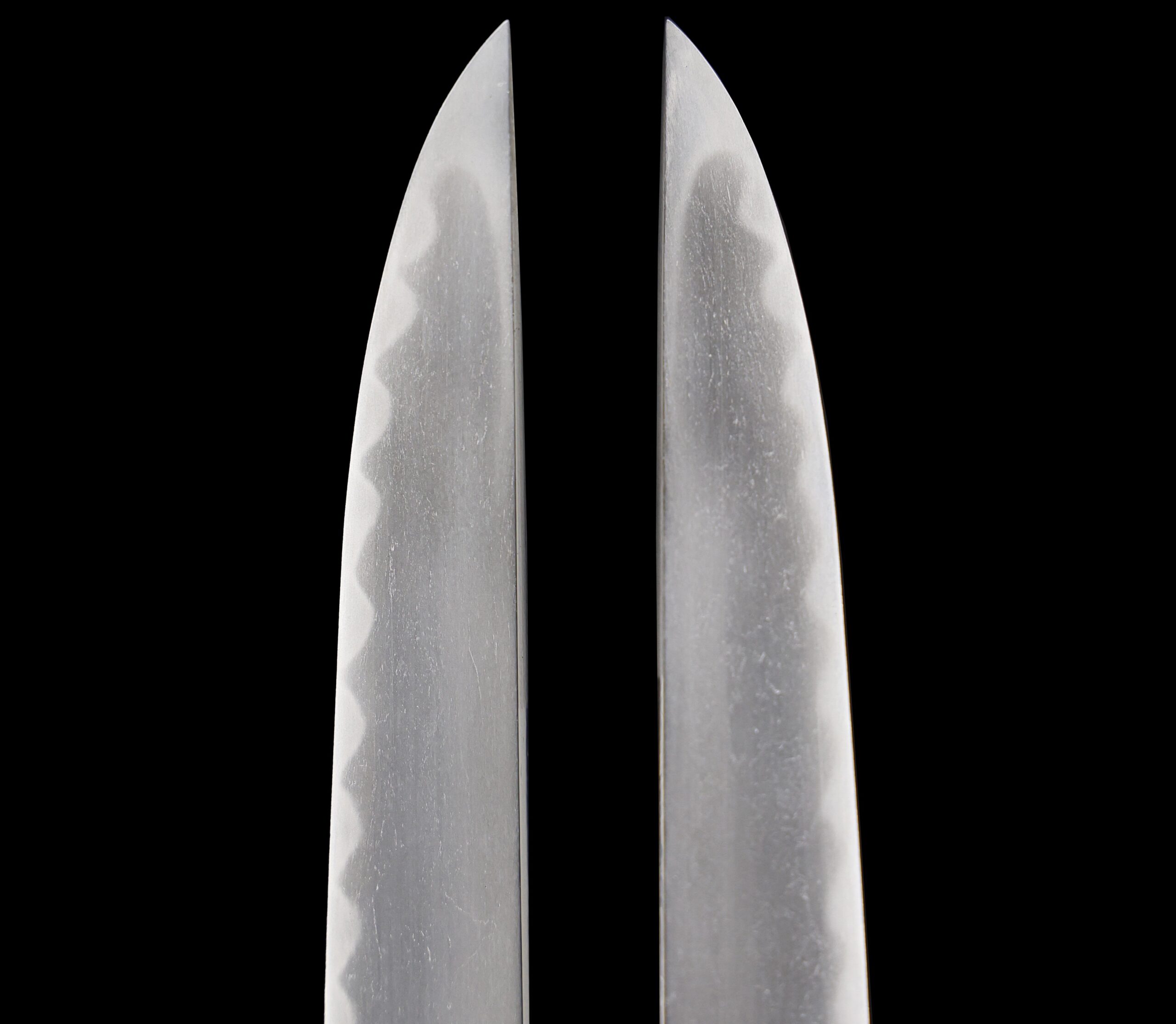
美濃伝 · 美濃
現在24点販売中
兼定は美濃国関を本拠とする末関の刀工で、室町時代後期にこの地で繁栄した美濃鍛冶を兼元とともに代表する。兼定を名乗る工は数代にわたるが、説示に最もしばしば挙げられるのは初代兼定の子にあたる二代和泉守兼定である。この二代は「定」の字のウ冠の中を「之」に切ることから「ノサダ」(之定)と称され、これを「疋」に切る後代の「ヒキサダ」と区別される。之定銘の成立については検討がなされ、はじめは「兼定」を楷書で切り、明応末から永正の初めにかけて之の字体に転じたと見られる。受領銘は永正七年紀の作にはじまり大永六年頃まで及び、之定は古刀期にあって珍しく「和泉守」を受領した工として、多くの刀剣書に上手と評される。説示には永正七年・同十年・同十二年などの年紀作、斎藤利隆との合作、伊勢山田での作刀も挙げられている。 作風は、兼元の三本杉と称される尖り刃主調の乱れ刃と対比して論じられることが多い。之定は頭の丸い互の目に小のたれ・互の目丁子・尖り刃などを交えた変化のある乱れ刃を本領とし、刀には湾れ調を基調に焼の高低を見せて大模様に乱れるものや、互の目丁子に尖り刃を交えて飛焼のかかるものがある。地鉄は板目に流れ肌を交えてよく錬れ、地沸つき地景入り、白け映りや白気ごころの立つものが多く、美濃物にありながら鉄色の明るく冴える点が特色とされる。茎の鑢目は関鍛冶に共通する鷹の羽で、短刀の早い時期には檜垣を見る。短刀や直刃調の刀には来写し(山城物写し)と称する上品な直刃があり、刃中に節が出ず来国俊を思わせる出来を示すものがあって、末関の各工に往々見られる節とこの点で見分けられる。之定と他の兼定との識別は、まず定の字体が之か疋かにより、之定はことに鍛えの錬れと地刃の冴えが一段優れる点に見どころがある。 鑑定にあたっては、姿の傾向が出来口と結びつく点が説示に示される。すなわち湾れ調の作では身幅広く鋒の大きい姿となり、互の目丁子を乱れる作では身幅尋常で元先の幅差が開き反りのやや高い洗練された姿を呈することが多い。切れ味の評価は高く、二ツ胴・立袈裟などの截断銘を金象嵌に伝える作が知られ、号「笒釣瓶」のように号を帯びるものもある。伝来も諸家に及び、紀州徳川家家老三浦将監、津山松平家家老小須賀帯刀、島津家、秋田佐竹家、土佐山内家、また武田信虎所持と伝える作などが挙げられている。総じて之定は、明るく冴えた地鉄と変化に富む乱れ刃、ならびに格調高い来写しの直刃をもって、関鍛冶の中でも技術の擢んでた工と位置づけられ、末関・末美濃の頂点を示す名工として評価される。 詳しく見る →
室町時代の美濃
戦国の関は一つの産業であった。春日神社を氏神と仰ぐ鍛冶たちが、中部日本の軍勢を武装させた。孫六兼元の三本杉と之定の最上作は、量産の町に第一級の技が息づいていたことの証である。
保存刀剣のうち、出来が一層優れ、保存状態も良好と認められたものです。再刃や、室町・江戸期の多くの無銘作は対象外となり、保存刀剣より高い基準が課されます。
日本美術刀剣保存協会(NBTHK)は、1948年に設立され、文化庁の監督を受ける公益財団法人で、東京・刀剣博物館に本部を置きます。専門の審査員が出品作を直接審査し、美術的・歴史的価値に応じた鑑定書を発行します。NBTHKの鑑定書は、日本刀および刀装具の真正性を示す最も広く認知された基準です。
NBTHK公式サイトReturns/exchanges limited to defects caused by shipping (except willful misconduct or gross negligence by the company); customers must contact within 72 hours of receiving the product.
Antique Japanese Sword Tanto Signed by Kanesada with NBTHK Tokubetsu Hozon Certificate 【Description】 This blade was signed by Kanesada (兼定) during the late Muromachi period (late 15th-early 16th century) in Mino province (today’s Gifu prefecture). He was based in Seki (関), a town known for its high-quality blades. His work is a fine example of the MINO-DEN (美濃伝), a school of sword-making famous for its practical and innovative designs during times of conflict. It is said that the first-gen Kanesada, who was active during the early Muromachi period (Late 14th century), was the son of Sanami Kanenori in Seki city, Mino province (Gifu prefecture). And, the second-gen Kanesada was one of the most famous Japanese swordsmiths in Seki-city alongside Kanemoto Magoroku (兼元孫六). The swordsmith name Kanesada lasted a few generations in Mino, and later on, the school moved to the Aizu domain (Fukushima Prefecture). Those who forged during the late Muromachi period are called Sue-Seki, and Kanesada is categorized as one of the Sue-Seki swordsmiths. The MINO swordsmiths style, also known as MINO-DEN, basically has the TOGARI(Pointed shapes protruding from the Hamon )in a classic straight line and random temper line with some white Utsuri. MINO-DEN had its origin from YAMATO-DEN in the late KAMAKURA period(1280-1330). It flourished in the MUROMACHI period(1333-1573) and continued until the EDO period(was1603-1868). Late Muromachi period was a time of political and social upheaval, especially the Onin War (応仁の乱, 1467-1477) had plunges Japan into chaos, marking the start of the Sengoku period, an age of constant warfare among regional lords. This unrest created a strong demand for well-crafted swords, and Mino province became a center for production. Kaneuji’s work from this era reflects the needs of the time, with a focus on functionality and reliability while maintaining the artistic qualities valued in Japanese blades. MINO DEN MINO-DEN exceedingly prospered during Sengoku Jidai (Warring State period) due to the high demand for weapons. And the location of Mino province beat others. Akechi Mitsuhide controlled Mino province, and Nobunaga Oda ruled Owari province. Tokugawa Ieyasu was the lord of Suruga (Neighboring areas). There was high demand from those powerful feudal lords and their retainers. Furthermore, so many wars occurred between the Kanto region and the Kyoto area. Mino is located in the middle, making feudal lords feel convenient to order swords from MINO-DEN. The blades forged in MINO provinces also had the reputation of their practical design and sharpness. Many feudal lords demanded swords forged in the Mino province. This highly skilled sword-forging technique has been passed down for generations. The smith’s name “Kanesada” was one of the most famous ones even after the warring state ended. It is appraised as a Tokubetsu Hozon Token (特別保存刀剣) issued by NBTHK (Nihon Bijutsu Touken Hozon Kyokai:日本美術刀剣保存協会). This authentication paper was only given to authentic Japanese swords, especially well preserved and high quality with artistic value. *Please keep in mind that is a couple of Kitae Kizu on this blade. If you like to know the detailed condition, please feel free to contact us. 【Blade】 Cutting Edge Length(Nagasa) : 23.9 cm (9.40 inches) Curvature(Sori) : 0 cm (0 inches) Hamon : The crystalline structure which forms along the cutting edge of a blade as a result of the hardening process Jimon(Jihada) : visible steel surface pattern created by folding and hammering during forging process Kissaki : Kissaki is the tip of the Japanese sword. Nakago : Nakago is the tang of the Japanese sword. Japanese swordsmiths left the black rust on the tang because it prevents red rust while the tang is in its handle. And the discoloration of the tang was created over time, and it is a great indicator for a Japanese sword specialist to estimate when the sword was forged. Koshirae : Koshirae is the mounting of the Japanese sword. There are severa
NihontoWatch在銘 · 美濃伝 · 室町 · 長さ 23.9cm
美濃伝 · 美濃
現在24点販売中
兼定は美濃国関を本拠とする末関の刀工で、室町時代後期にこの地で繁栄した美濃鍛冶を兼元とともに代表する。兼定を名乗る工は数代にわたるが、説示に最もしばしば挙げられるのは初代兼定の子にあたる二代和泉守兼定である。この二代は「定」の字のウ冠の中を「之」に切ることから「ノサダ」(之定)と称され、これを「疋」に切る後代の「ヒキサダ」と区別される。之定銘の成立については検討がなされ、はじめは「兼定」を楷書で切り、明応末から永正の初めにかけて之の字体に転じたと見られる。受領銘は永正七年紀の作にはじまり大永六年頃まで及び、之定は古刀期にあって珍しく「和泉守」を受領した工として、多くの刀剣書に上手と評される。説示には永正七年・同十年・同十二年などの年紀作、斎藤利隆との合作、伊勢山田での作刀も挙げられている。 作風は、兼元の三本杉と称される尖り刃主調の乱れ刃と対比して論じられることが多い。之定は頭の丸い互の目に小のたれ・互の目丁子・尖り刃などを交えた変化のある乱れ刃を本領とし、刀には湾れ調を基調に焼の高低を見せて大模様に乱れるものや、互の目丁子に尖り刃を交えて飛焼のかかるものがある。地鉄は板目に流れ肌を交えてよく錬れ、地沸つき地景入り、白け映りや白気ごころの立つものが多く、美濃物にありながら鉄色の明るく冴える点が特色とされる。茎の鑢目は関鍛冶に共通する鷹の羽で、短刀の早い時期には檜垣を見る。短刀や直刃調の刀には来写し(山城物写し)と称する上品な直刃があり、刃中に節が出ず来国俊を思わせる出来を示すものがあって、末関の各工に往々見られる節とこの点で見分けられる。之定と他の兼定との識別は、まず定の字体が之か疋かにより、之定はことに鍛えの錬れと地刃の冴えが一段優れる点に見どころがある。 鑑定にあたっては、姿の傾向が出来口と結びつく点が説示に示される。すなわち湾れ調の作では身幅広く鋒の大きい姿となり、互の目丁子を乱れる作では身幅尋常で元先の幅差が開き反りのやや高い洗練された姿を呈することが多い。切れ味の評価は高く、二ツ胴・立袈裟などの截断銘を金象嵌に伝える作が知られ、号「笒釣瓶」のように号を帯びるものもある。伝来も諸家に及び、紀州徳川家家老三浦将監、津山松平家家老小須賀帯刀、島津家、秋田佐竹家、土佐山内家、また武田信虎所持と伝える作などが挙げられている。総じて之定は、明るく冴えた地鉄と変化に富む乱れ刃、ならびに格調高い来写しの直刃をもって、関鍛冶の中でも技術の擢んでた工と位置づけられ、末関・末美濃の頂点を示す名工として評価される。 詳しく見る →
室町時代の美濃
戦国の関は一つの産業であった。春日神社を氏神と仰ぐ鍛冶たちが、中部日本の軍勢を武装させた。孫六兼元の三本杉と之定の最上作は、量産の町に第一級の技が息づいていたことの証である。
保存刀剣のうち、出来が一層優れ、保存状態も良好と認められたものです。再刃や、室町・江戸期の多くの無銘作は対象外となり、保存刀剣より高い基準が課されます。
日本美術刀剣保存協会(NBTHK)は、1948年に設立され、文化庁の監督を受ける公益財団法人で、東京・刀剣博物館に本部を置きます。専門の審査員が出品作を直接審査し、美術的・歴史的価値に応じた鑑定書を発行します。NBTHKの鑑定書は、日本刀および刀装具の真正性を示す最も広く認知された基準です。
NBTHK公式サイトReturns/exchanges limited to defects caused by shipping (except willful misconduct or gross negligence by the company); customers must contact within 72 hours of receiving the product.


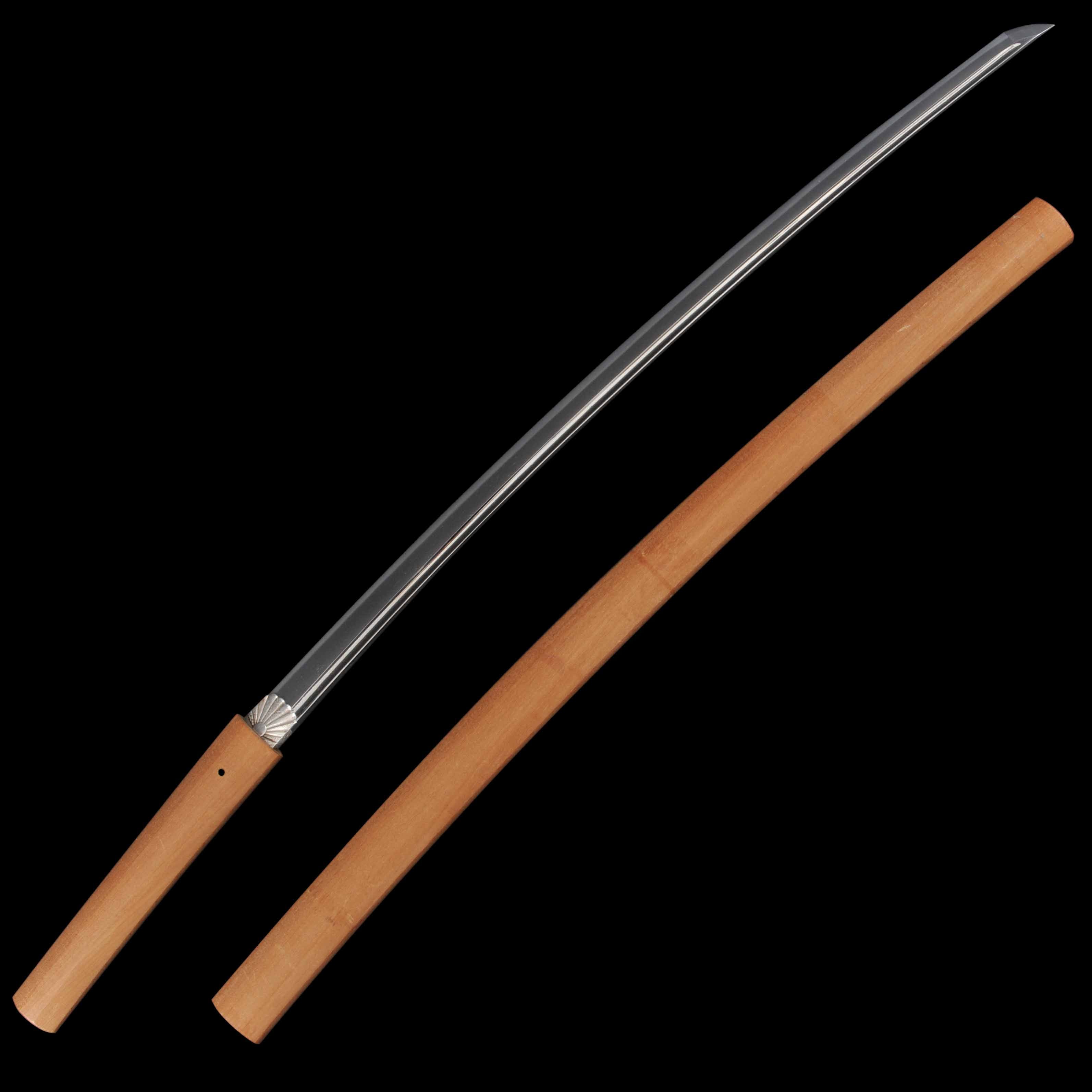
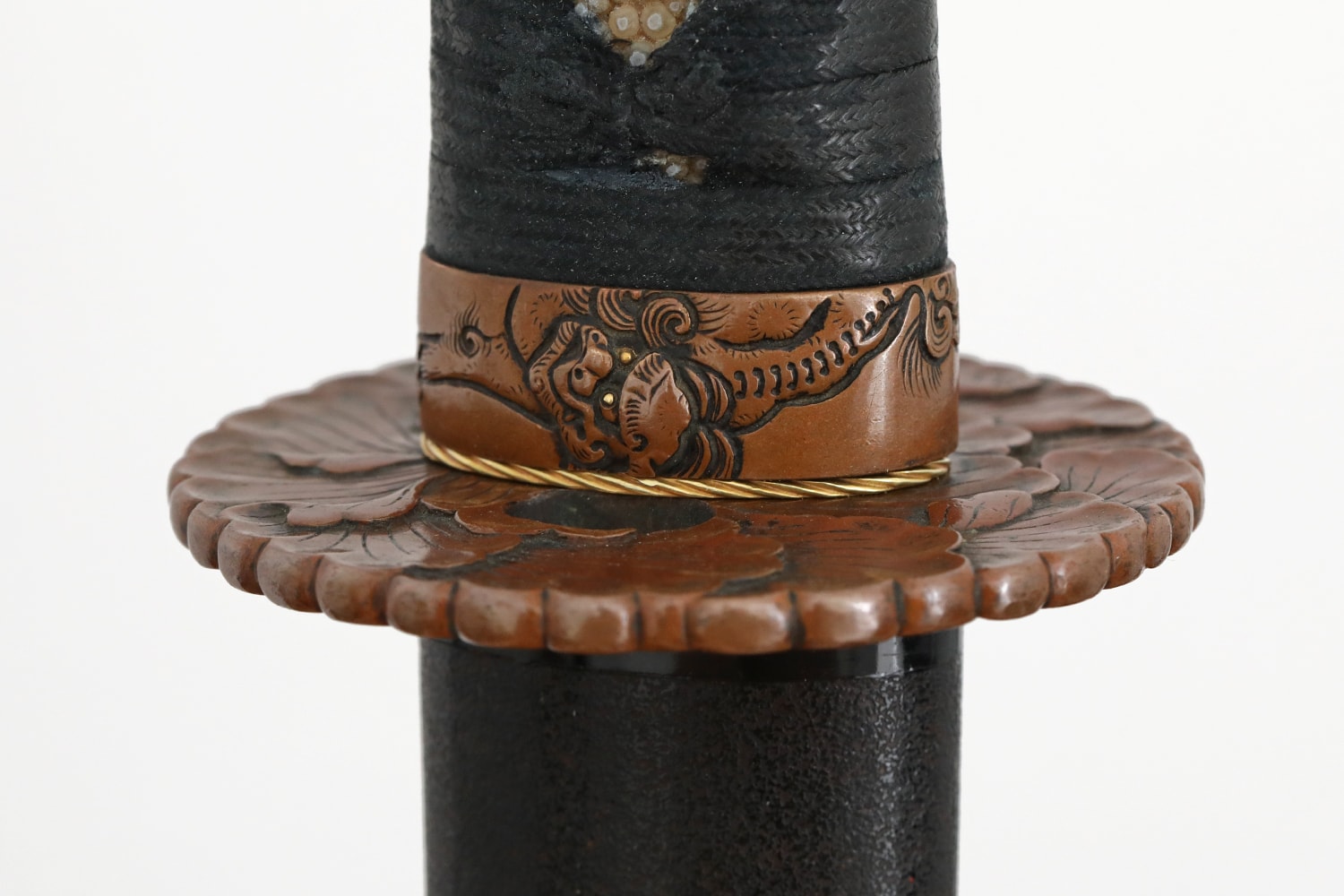

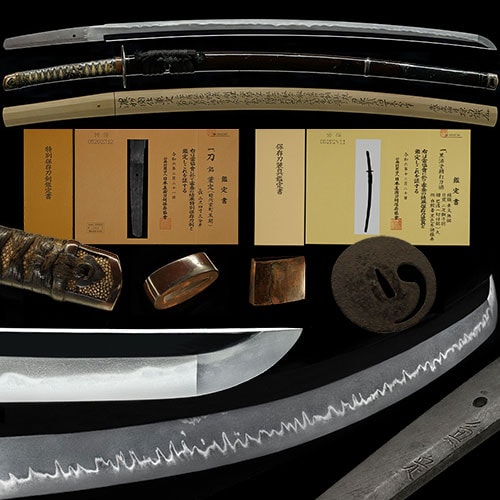




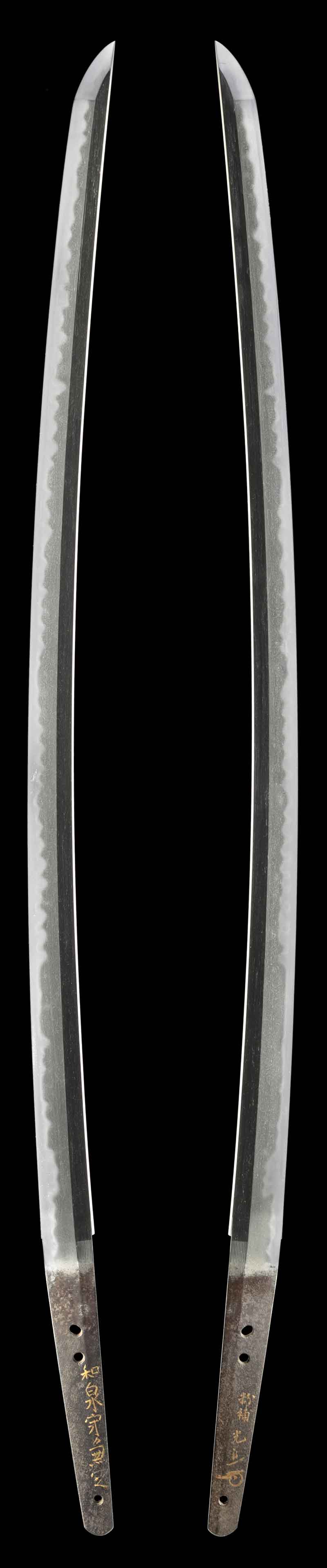
![Katana - Tokuho - 作 兼定 - 刀[陸奥会津臣兼定(十代)][日本美術刀剣保存協会]特別保存刀剣](/_next/image?url=https%3A%2F%2Fitbhfhyptogxcjbjfzwx.supabase.co%2Fstorage%2Fv1%2Fobject%2Fpublic%2Flisting-images%2Fworld-seiyudo%2FL07969%2F00.jpg&w=2560&q=90)



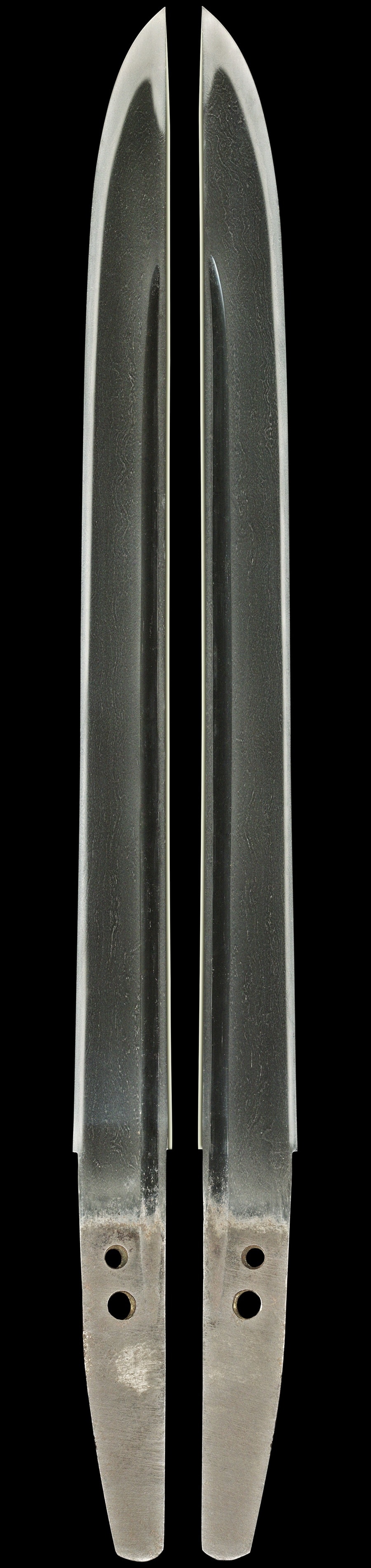
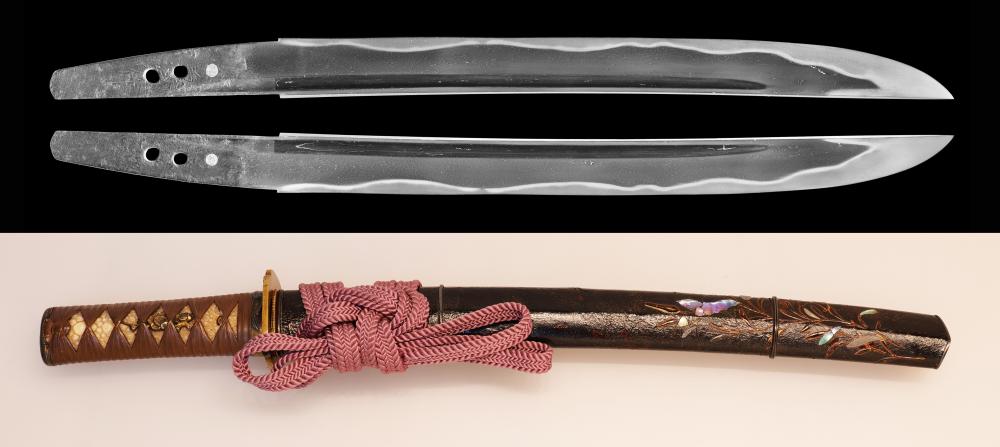
![Tanto - Hozon - 作 関派 - 短刀[氏房][日本美術刀剣保存協会]保存刀剣](/_next/image?url=https%3A%2F%2Fitbhfhyptogxcjbjfzwx.supabase.co%2Fstorage%2Fv1%2Fobject%2Fpublic%2Flisting-images%2Fworld-seiyudo%2FL747655%2F01.jpg&w=2560&q=90)