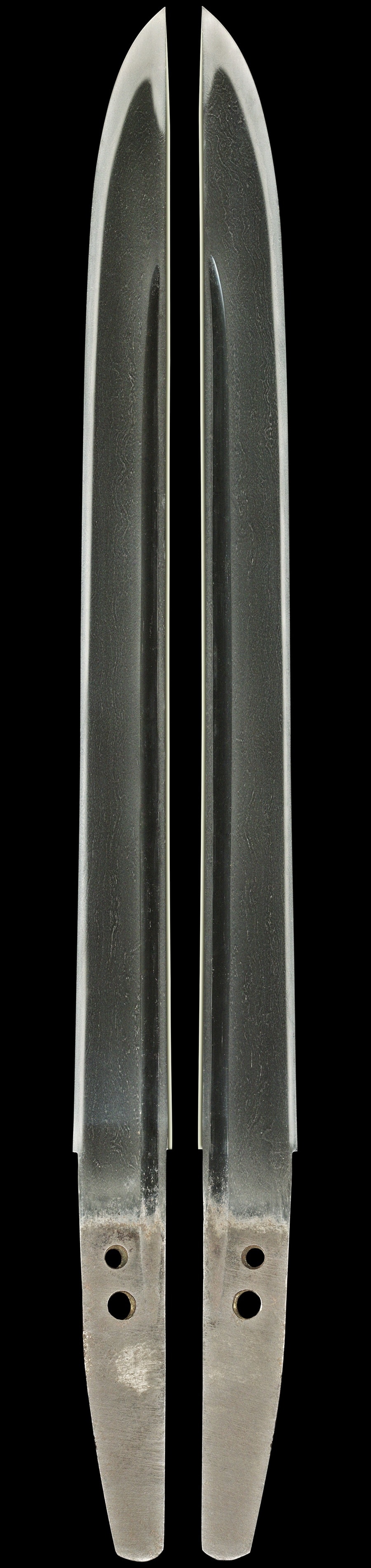
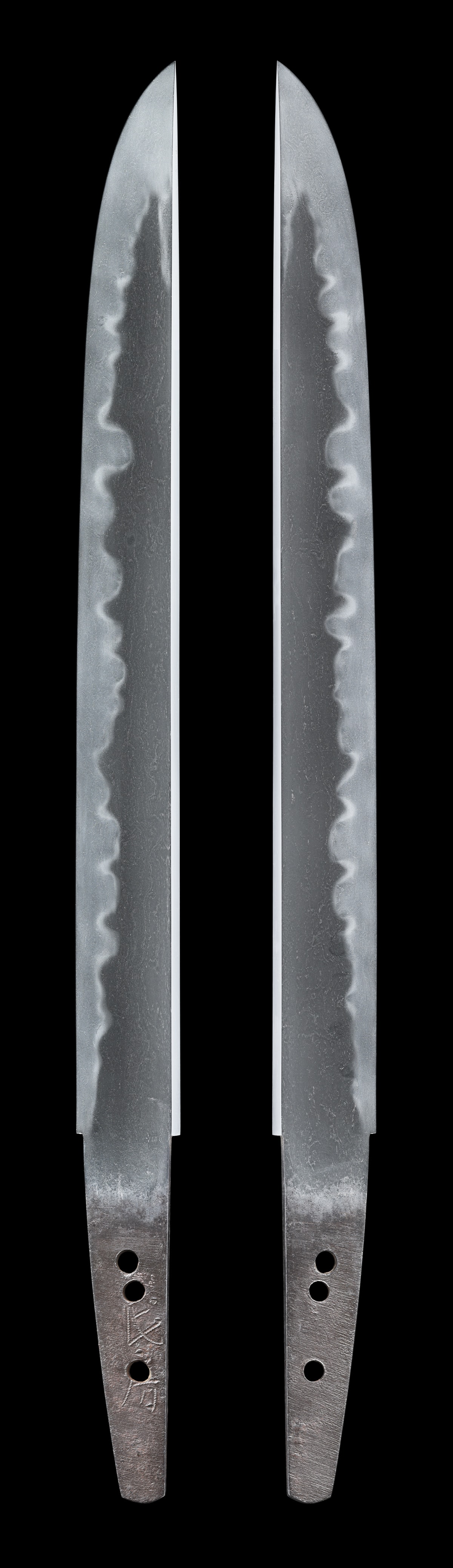
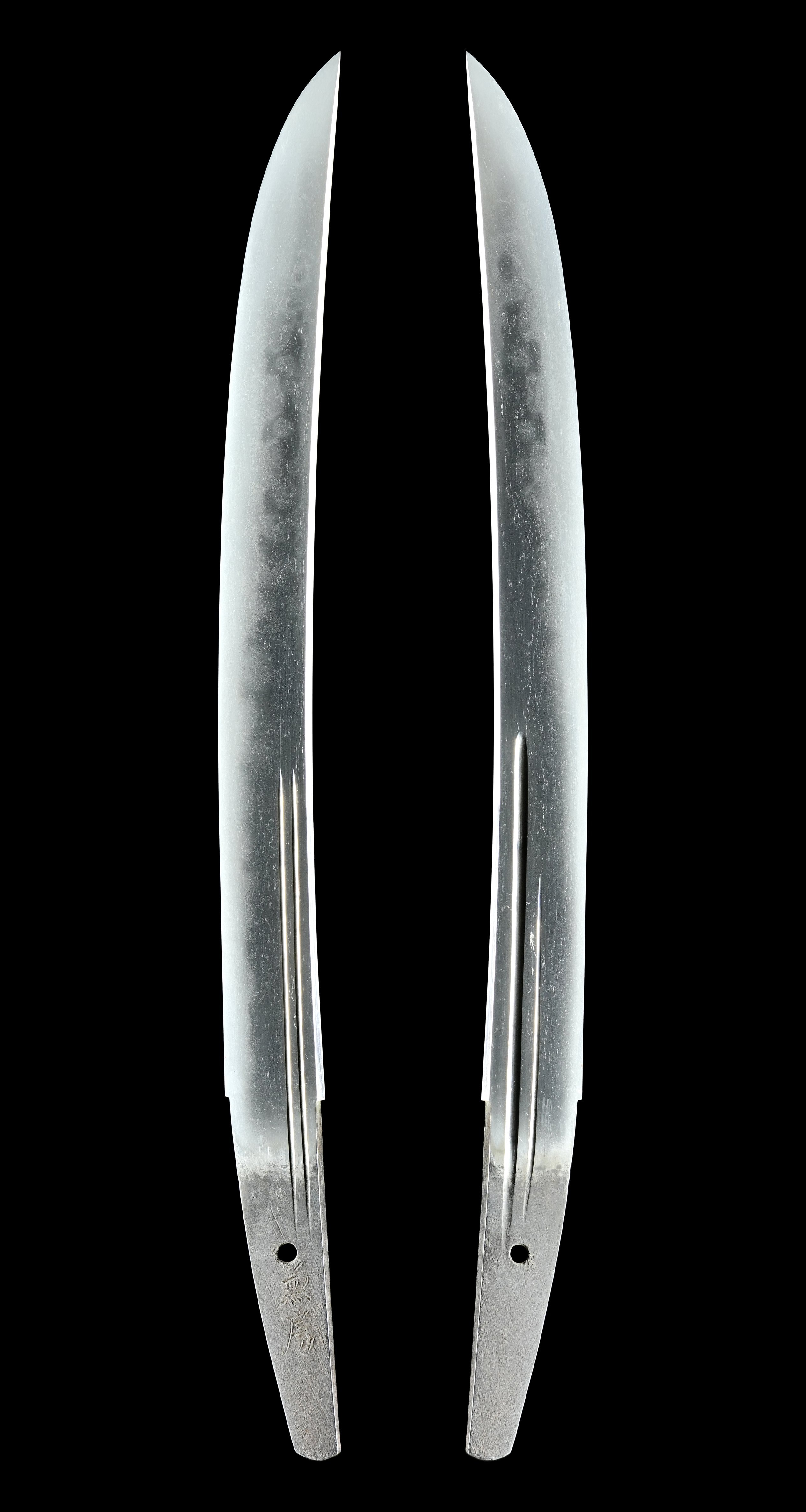
Kanesada is the second-generation Izumi no Kami Kanesada of Seki in , the smith universally called "" because he cut the character (定) with the element inside the u-crown formed as 之. The published sources place his working life across the Meio years into Daiei, in the closing decades of the period, and rank him with Kanemoto as a representative smith of his age. He was, as the published commentary notes, a rare case in the era of a smith granted the court title Izumi no Kami, and he often cut the Fujiwara surname as well. The first generation having signed plainly, it was this hand that carried the name to its height, and the swordbooks call him simply "an excellent master". The change from a standard-script to the 之 form that earned him his nickname is placed by the published sources around the eleventh month of Meio 8 and before the eighth month of Meio 9; the third-generation "Hikisada" is kept distinct from him.
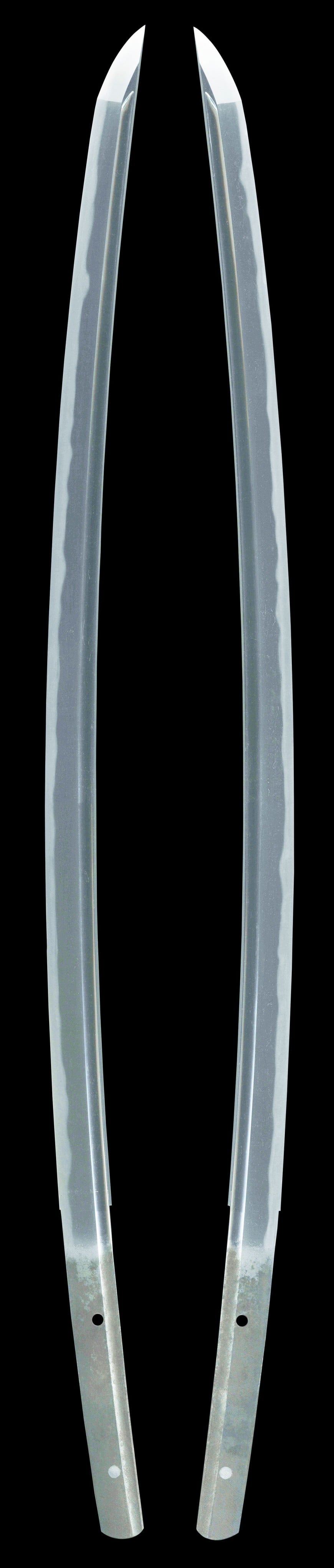
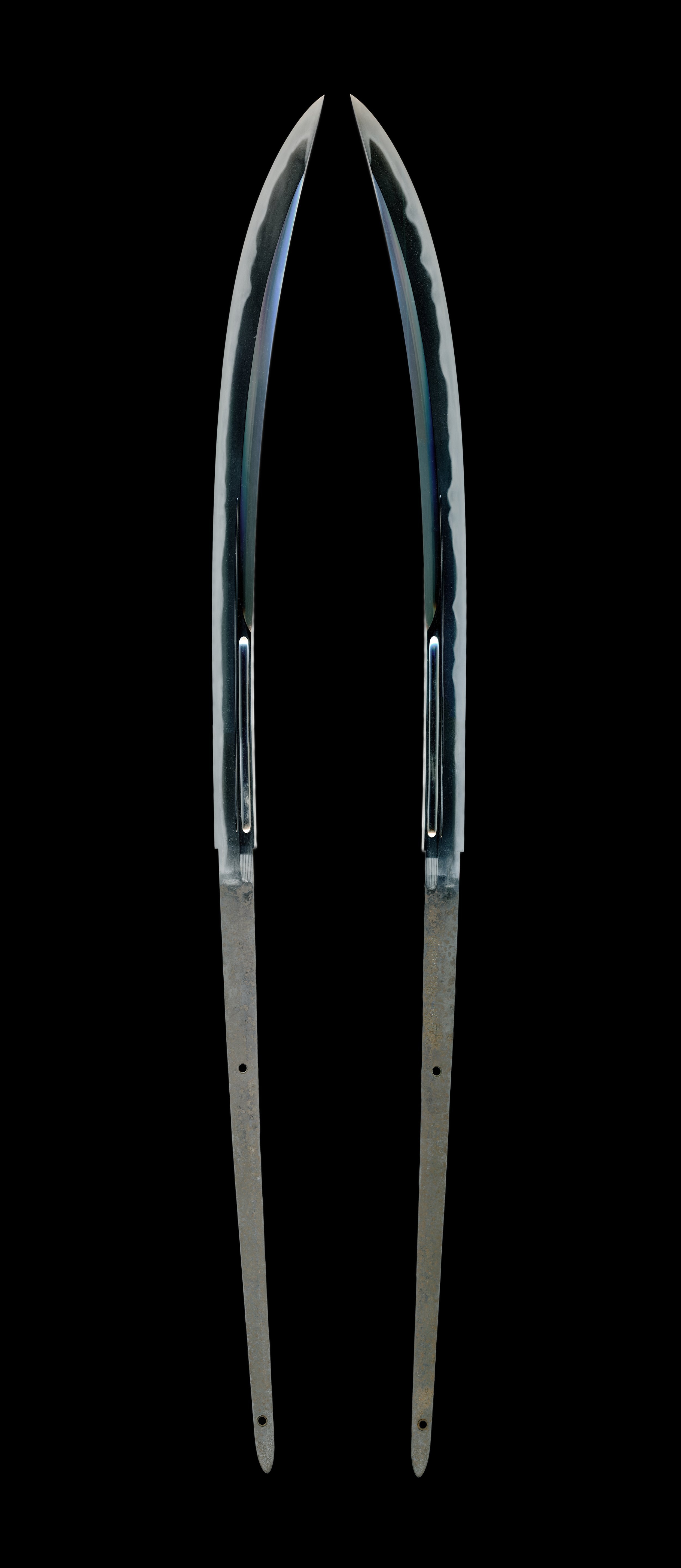
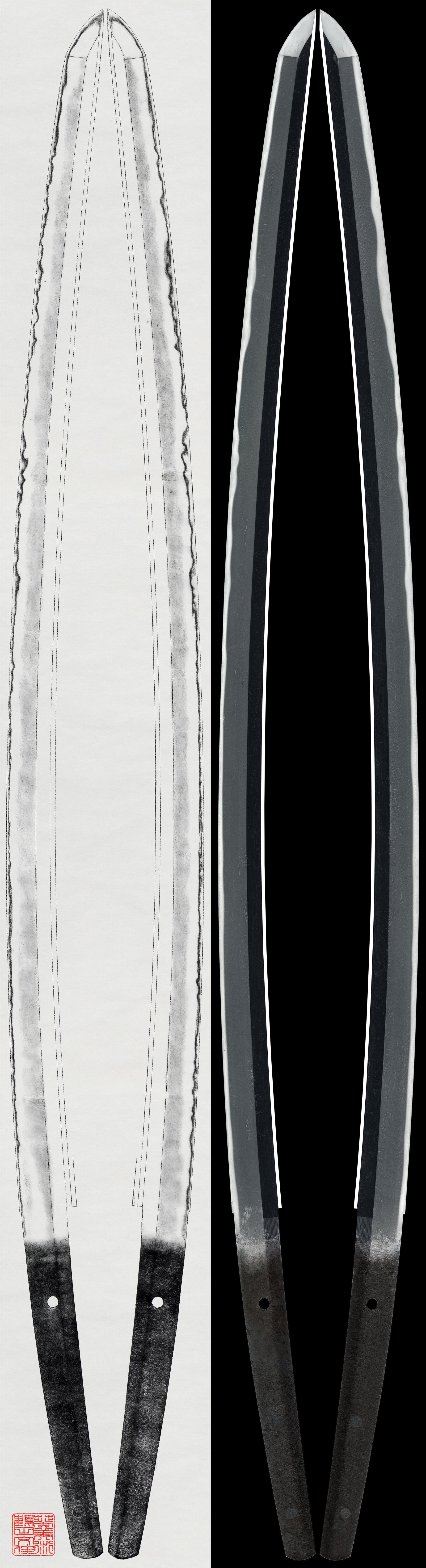
His recognized strength is the lively hand. The shape is the late- , wide in body with and at times an , dignified and imposing, the full as on a blade meant to cut. Over an that runs a little in places and is overall well forged, the carries and a whitish . The temper is a busy mixture, with and pointed elements, -dominant with , slight and , running through, and very slight . The runs as a with , tending to a pointed turnback. Of his finest piece in this manner the published commentary writes that the and are both clear and that it shows "the true strength of , the finest example among this smith's works".
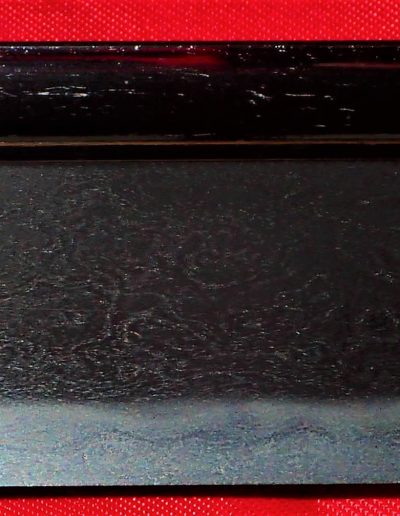
The is the constant of his hand. , sometimes tightening into mixed with , with and a whitish cast, appears on nearly every blade; where the grain runs it leans toward , and the it carries is the pale of steel rather than the bright of . That whitish is itself the discriminator the judges return to, the feature that separates his work from the brighter . Over it the is laid tight and clear, the activity carried in , and ; one shortened widens toward the middle into a more flamboyant with , while the body of the temper stays a busy .
His work divides into two registers, and the published sources draw the line themselves. Beside the lively temper stands a deliberate Yamashiro imitation, a slender over a closely packed , which the commentary says was made with Kunitoshi and the Yamashiro masters as the explicit target. Of this register the judges write that as a Kyo-mono among all the Kanesada, "none surpasses this example". The tell that the hand is still his is named in the breath: even at this level of workmanship there is fushi within the edge, a faint mingling in the otherwise quiet , the shape leaning to , the turning whitish where Yamashiro steel would not. He worked the full range, , and the rare , and a small number of blades carry a chrysanthemum crest and the inscription that they were made at Yamada in , the so-called Yamada-uchi pieces treasured for that mark.
What sets him apart within the Seki group is exactly what the judges name. Several smiths cut the Kanesada name and a number held the Izumi no Kami title, so the published sources treat the generational divisions as not yet settled, and grant that at least four distinguishable hands cut the 之 form. Among them his signature style is "the most extolled, and in fact the most skillful", the maker whose dated Eisho works the commentary singles out as the finest of the group. His bright, busy temper over a whitish , and his slender -styled with its hidden , are the grounded marks that hold him apart from the plainer Seki output around him; the published record calls his oeuvre "broad in scope and high in artistic value".
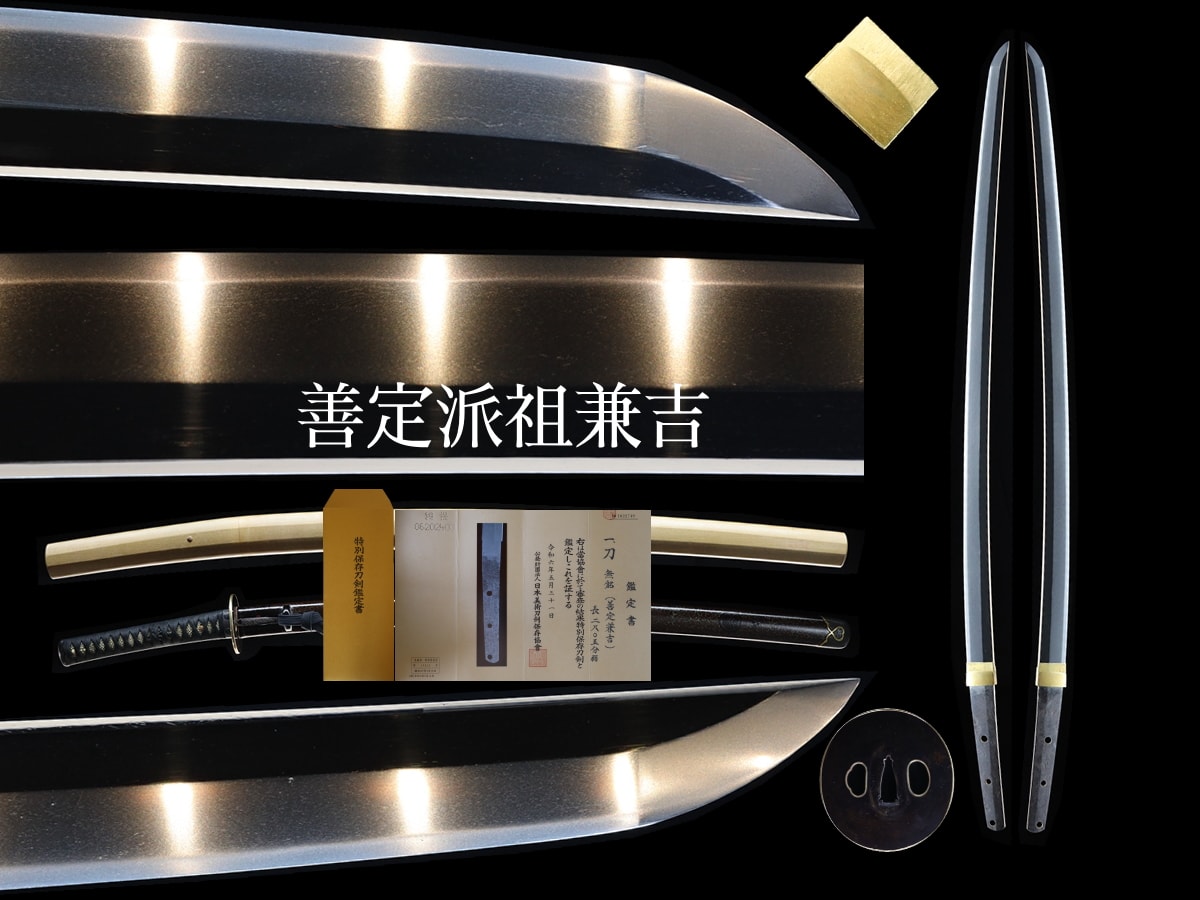
For the collector he is a great late- name, well represented but never common. Fujishiro grades him Jo-jo . He has no National Treasures and no Important Cultural Properties on this record; his standing is carried instead by one and a long line of blades, with a Bijutsuhin among them, and his blades pass through the highest provenance. The was the personal sash-sword of Miura Shogen, chief retainer of the Tokugawa house; one was forged for Takeda Sakyo no Daibu Nobutora, father of Shingen; a chrysanthemum-crested points to an imperial connection, and his blades are recorded with the Shimazu, Satake, Kyogoku, Yamauchi and Akimoto houses and in the Sano Art Museum. With only a single piece in the tier and the rest at and below, a signed comes to market from time to time rather than rarely, more findable than the great names, yet a fine dated Eisho example with sound provenance remains a landmark when it appears, a sword by the smith the swordbooks call an excellent master.