戦国の関は一つの産業であった。春日神社を氏神と仰ぐ鍛冶たちが、中部日本の軍勢を武装させた。孫六兼元の三本杉と之定の最上作は、量産の町に第一級の技が息づいていたことの証である。
 NihontoWatchNihontoWatch
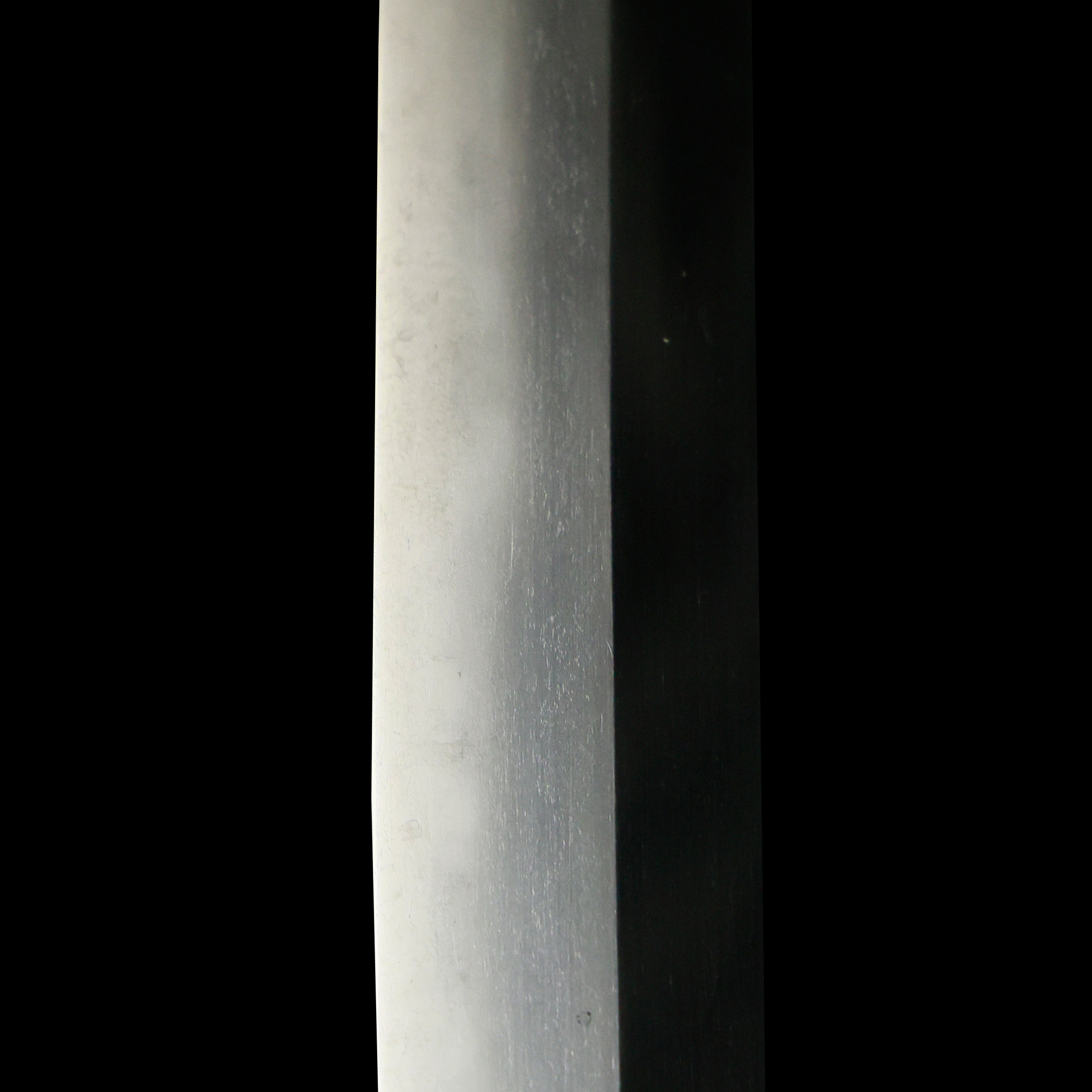
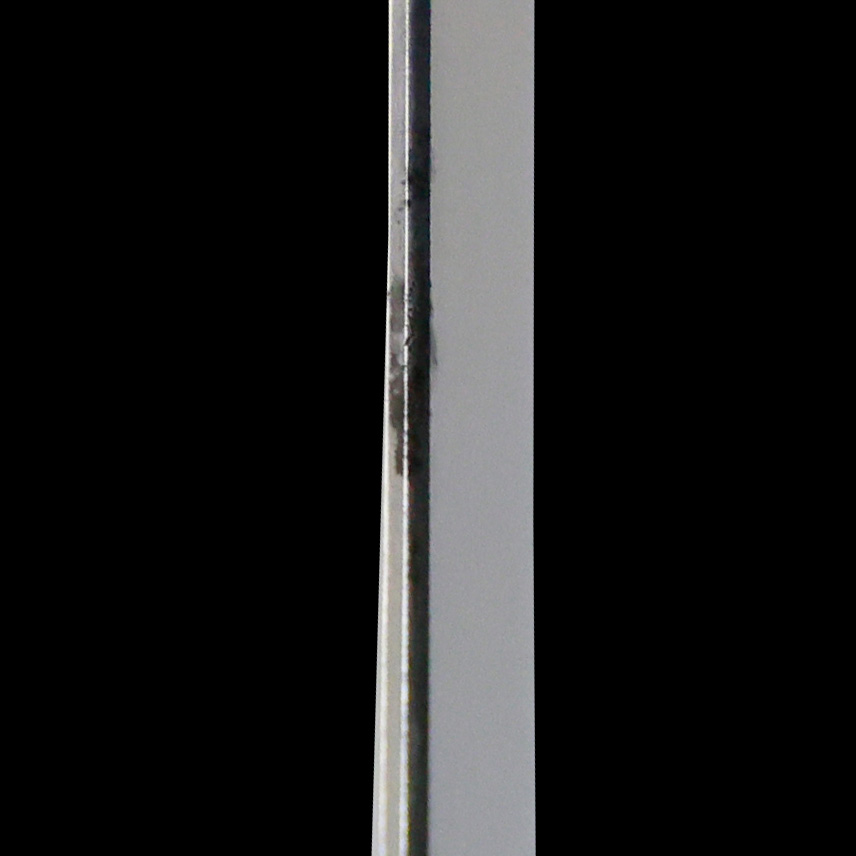
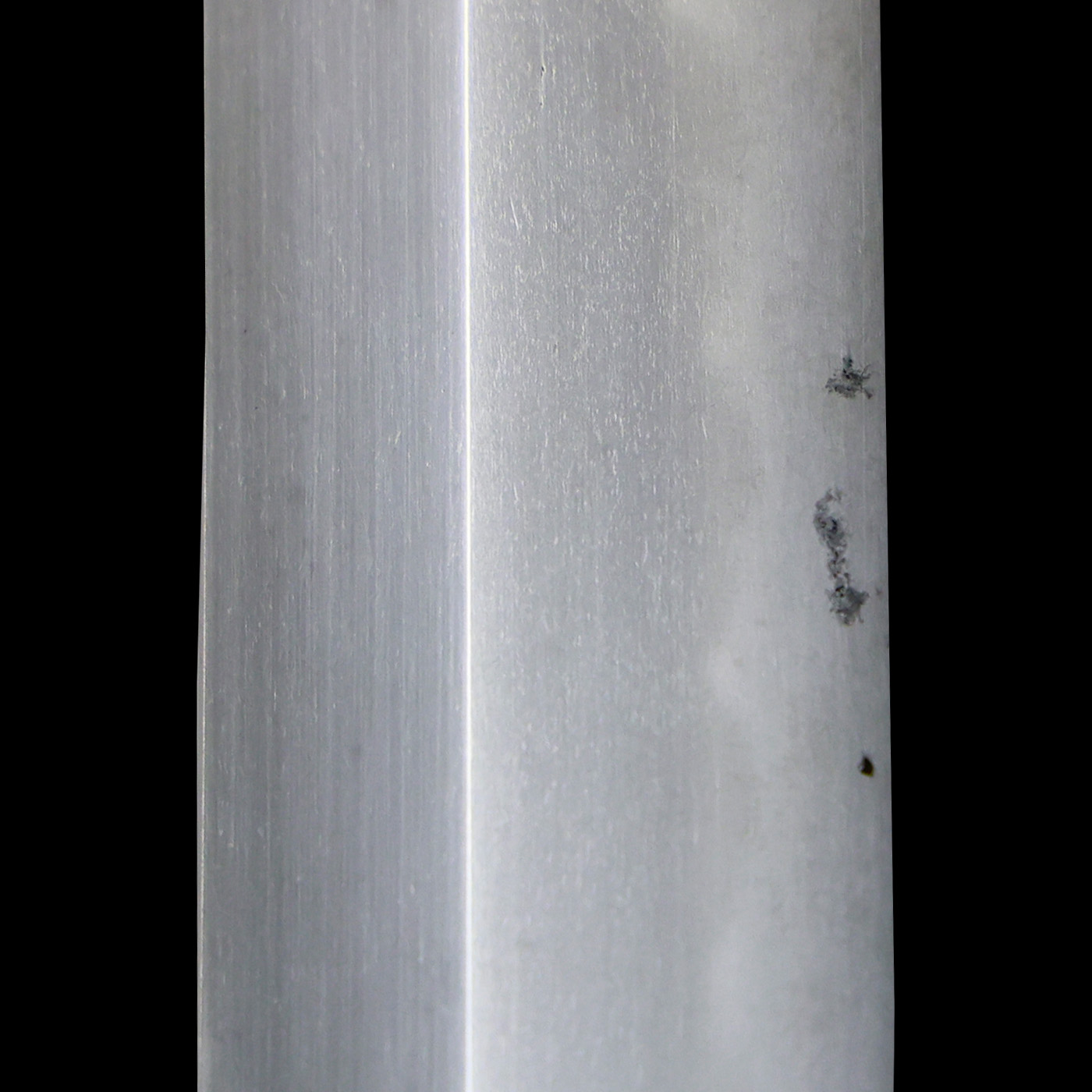
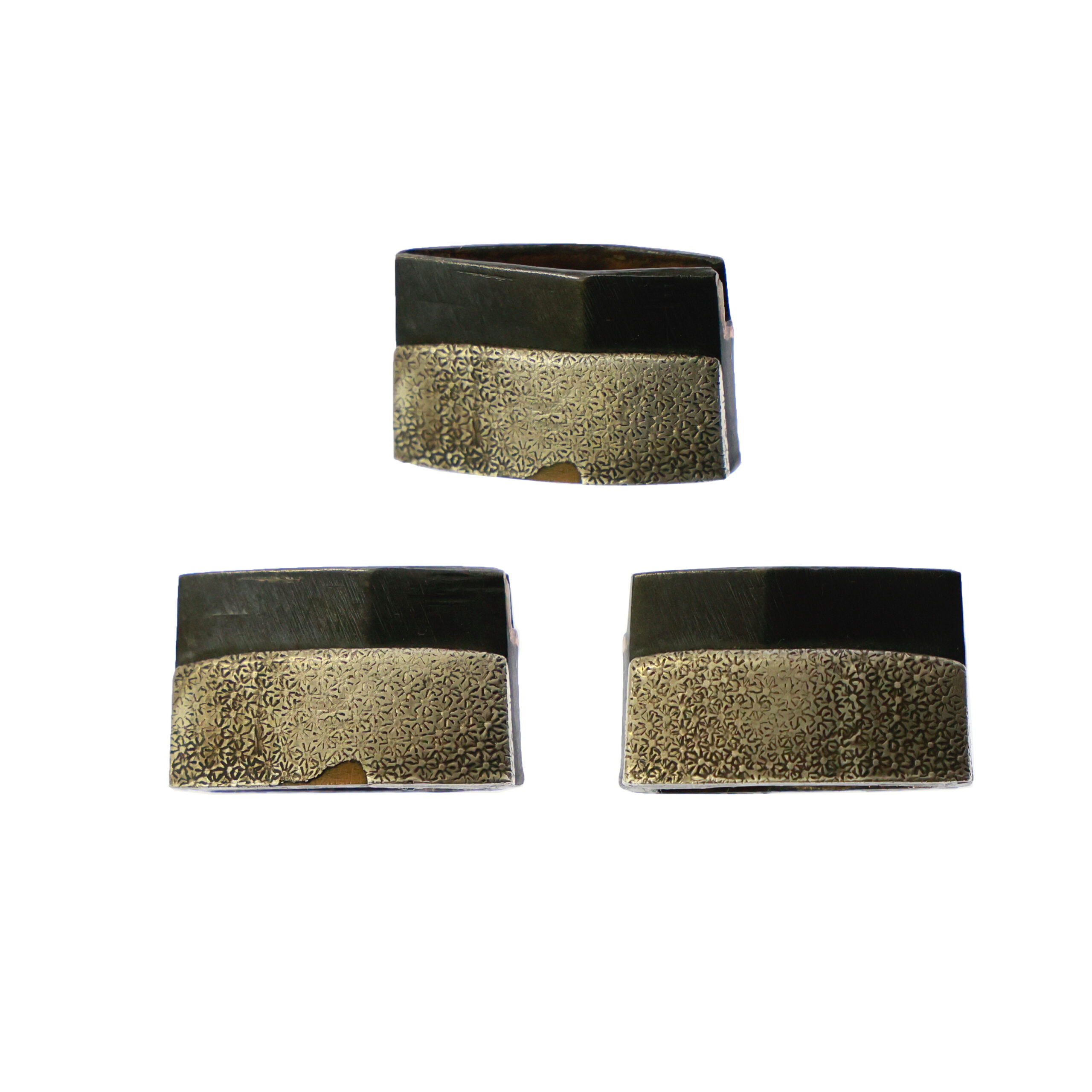
NTHK has attributed this blade to Nōshū Kanemoto (濃州兼元), dating it to the Tenbun era (1532–1555) of the late Muromachi period. Although the blade bears no remaining signature, the attribution is based on its characteristics. “Nōshū” is another name for Mino Province, where this blade was forged. About Kanemoto The swordsmith name “Kanemoto” lasted 27th generations from the Muromachi period(early 16th century) to the Heisei period(modern-day). It is said the most skilled Kanemoto of all is the second-gen, also known as Magoroku, who was one of the most famous MINO swordsmiths from the Muromachi period. He forged swords in the Mino province, which is renowned for a particular sword style called MINO-DEN. About MINO DEN MINO-DEN exceedingly prospered during Sengoku Jidai(Warring State period) due to the high demand for weapons. And the location of Mino province beat others. Akechi Mitsuhide controlled Mino province, and Nobunaga Oda ruled Owari province. Tokugawa Ieyasu was the lord of Suruga (Neighboring areas). There was high demand from those powerful feudal lords and their retainers. Furthermore, so many wars occurred between the Kanto region and the Kyoto area. Mino is located in the middle, making feudal lords feel convenient to order swords from MINO-DEN. The blades forged in MINO provinces also had the reputation of their practical design and sharpness. Many feudal lords demanded swords forged in the Mino province. This highly skilled sword-forging technique has been passed down for generations. The smith’s name “Kanemoto” was one of the most famous even after the warring state ended. *Please keep in mind that there is a couple of black rust spots on blade. Kissaki You can see interesting Kissaki (tip of the blade) called Shobu Zukuri (菖蒲造り) on this Katana blade. There is no Yokote on this blade. Yokote is the borderline between the tip and cutting edge. We are confident you will appreciate the elegant look of this blade. Habaki *Please keep in mind that the silver foil is partially missing on this Habaki. If you don’t mind waiting additional time (2-3 months or a little more), we can have this missing part refurbished without additional cost. Authentication Paper NTHK, also known as NPO Nihon Touken Hozon Kai, is the oldest organization for sword authentication of Japanese swords in modern times. It was established in 1910 during the post-Samurai era. They authenticated the blade on May 18th in the 7th year of Reiwa (2025).
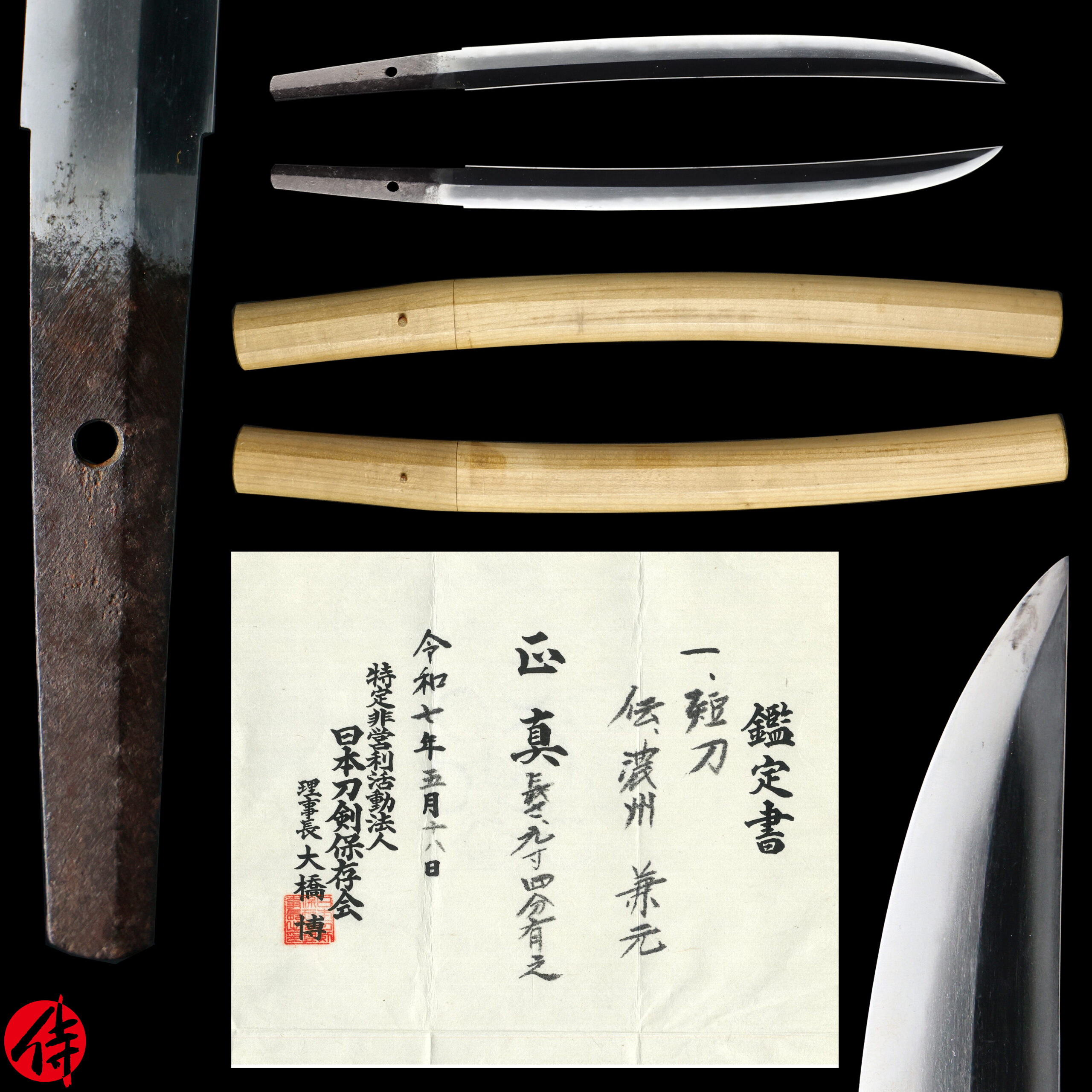
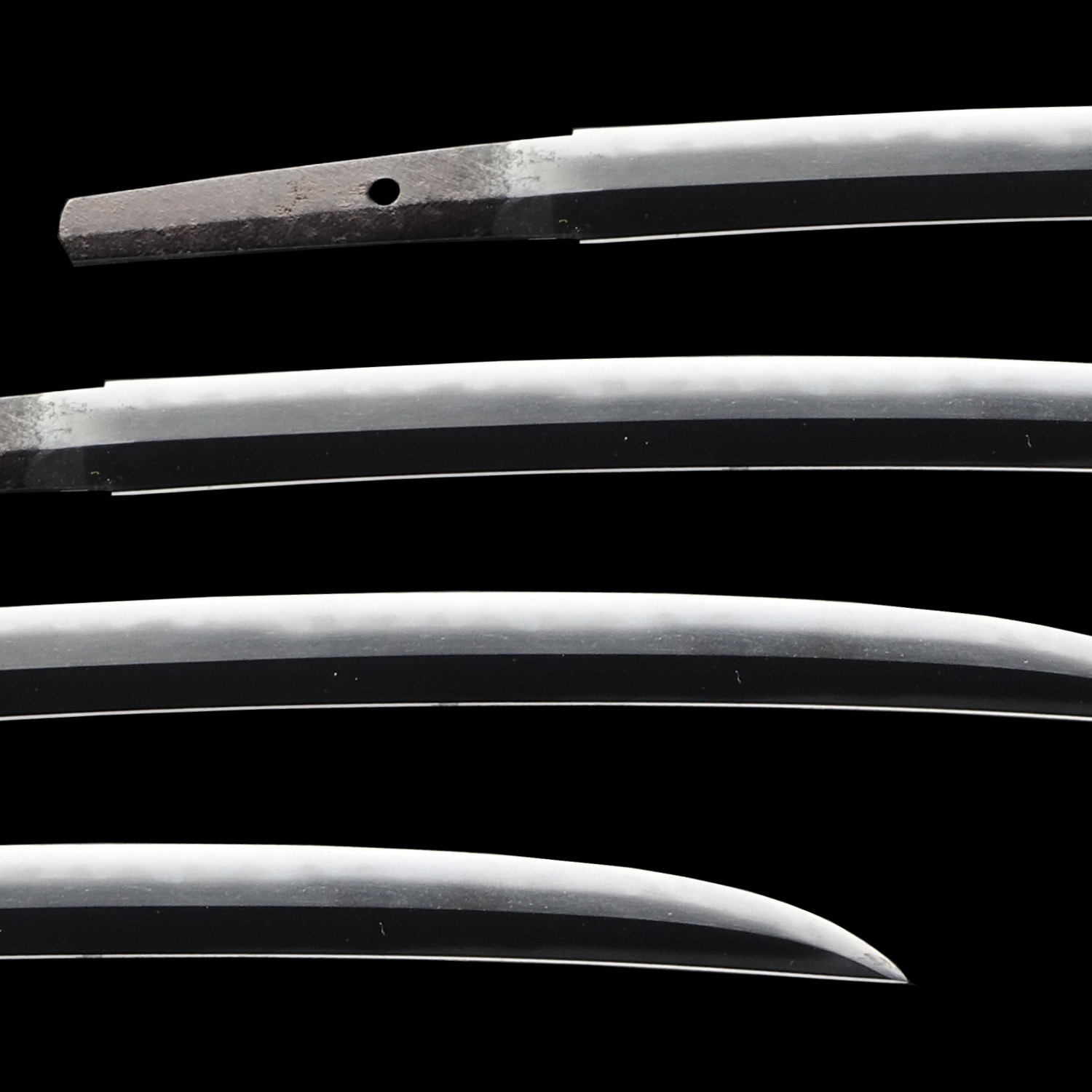
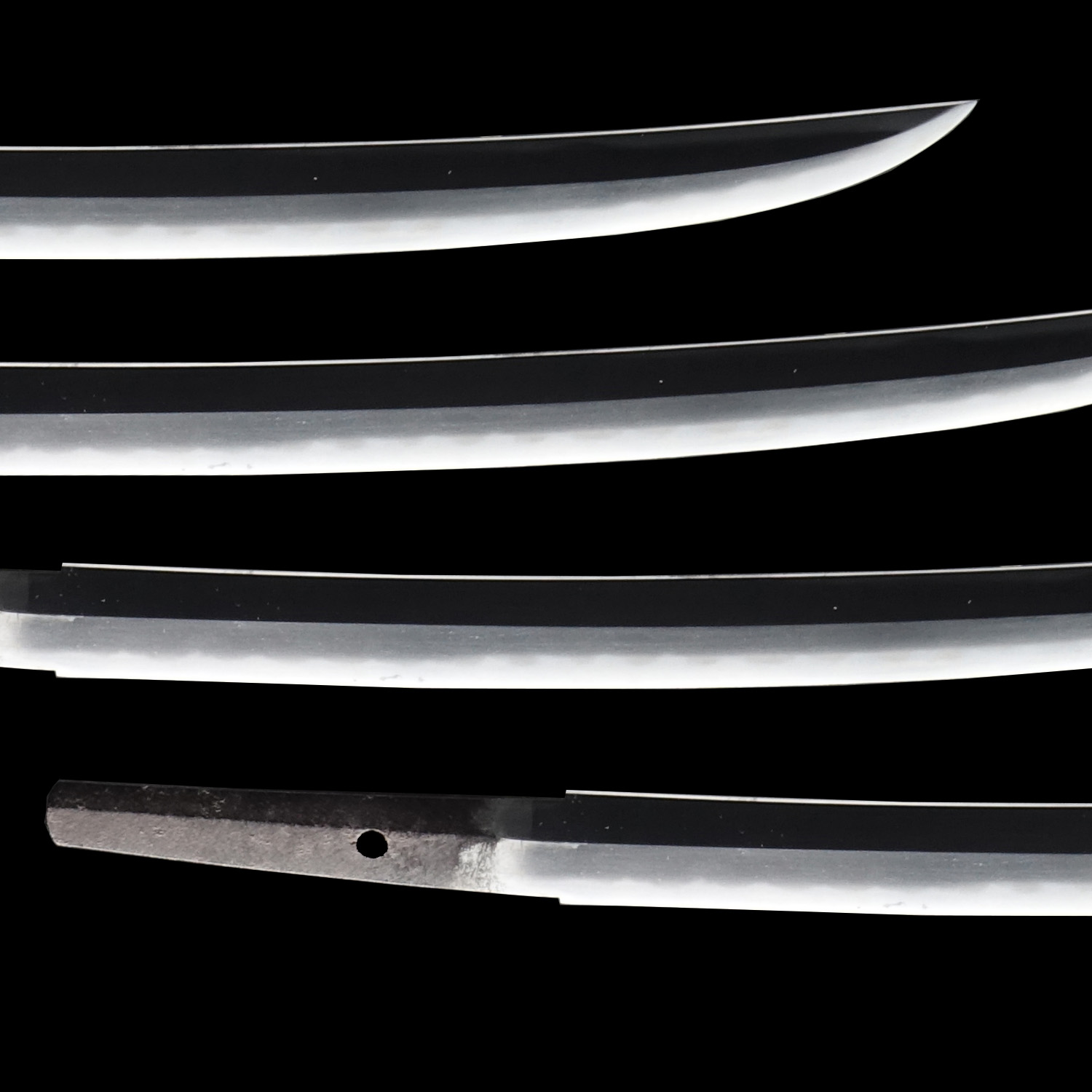
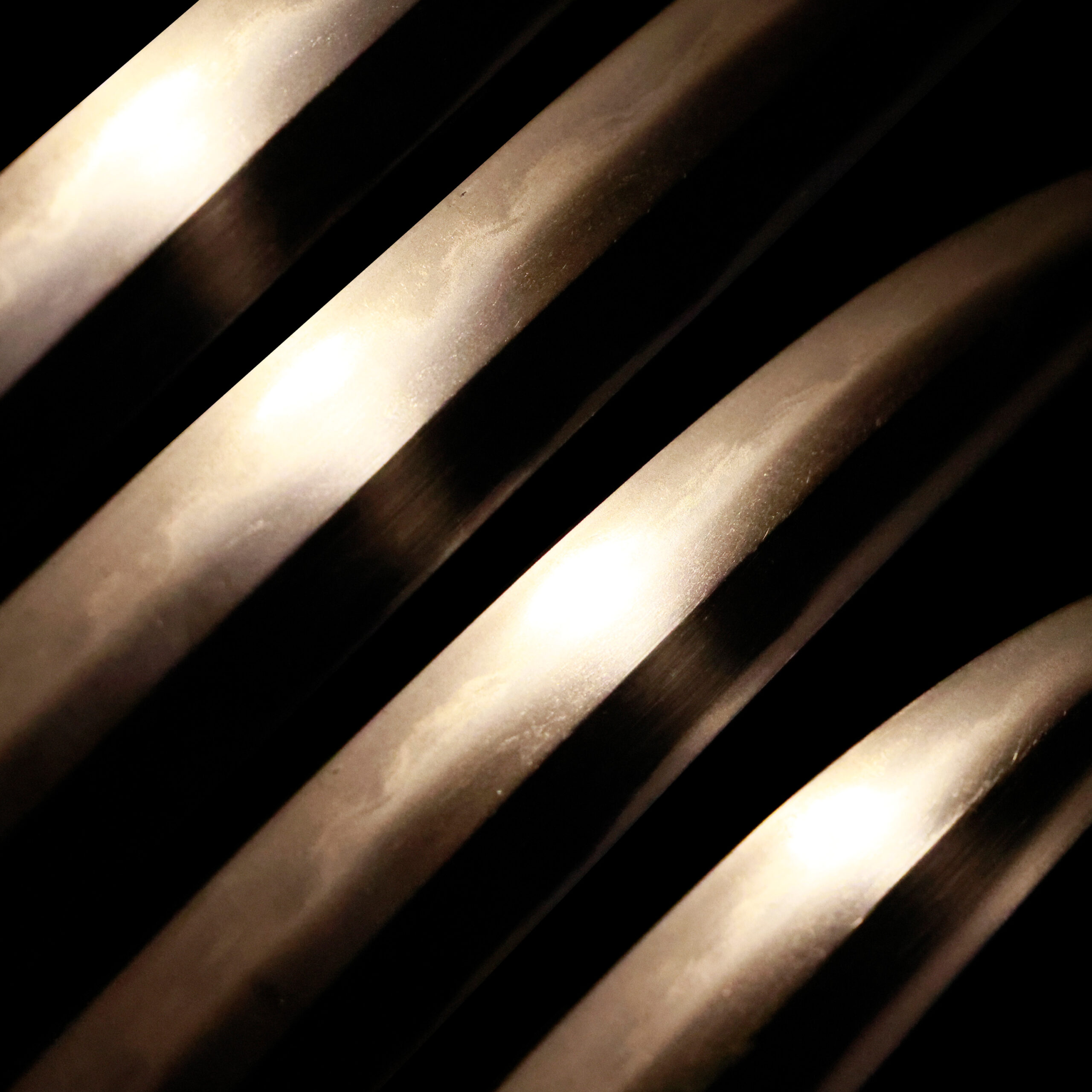

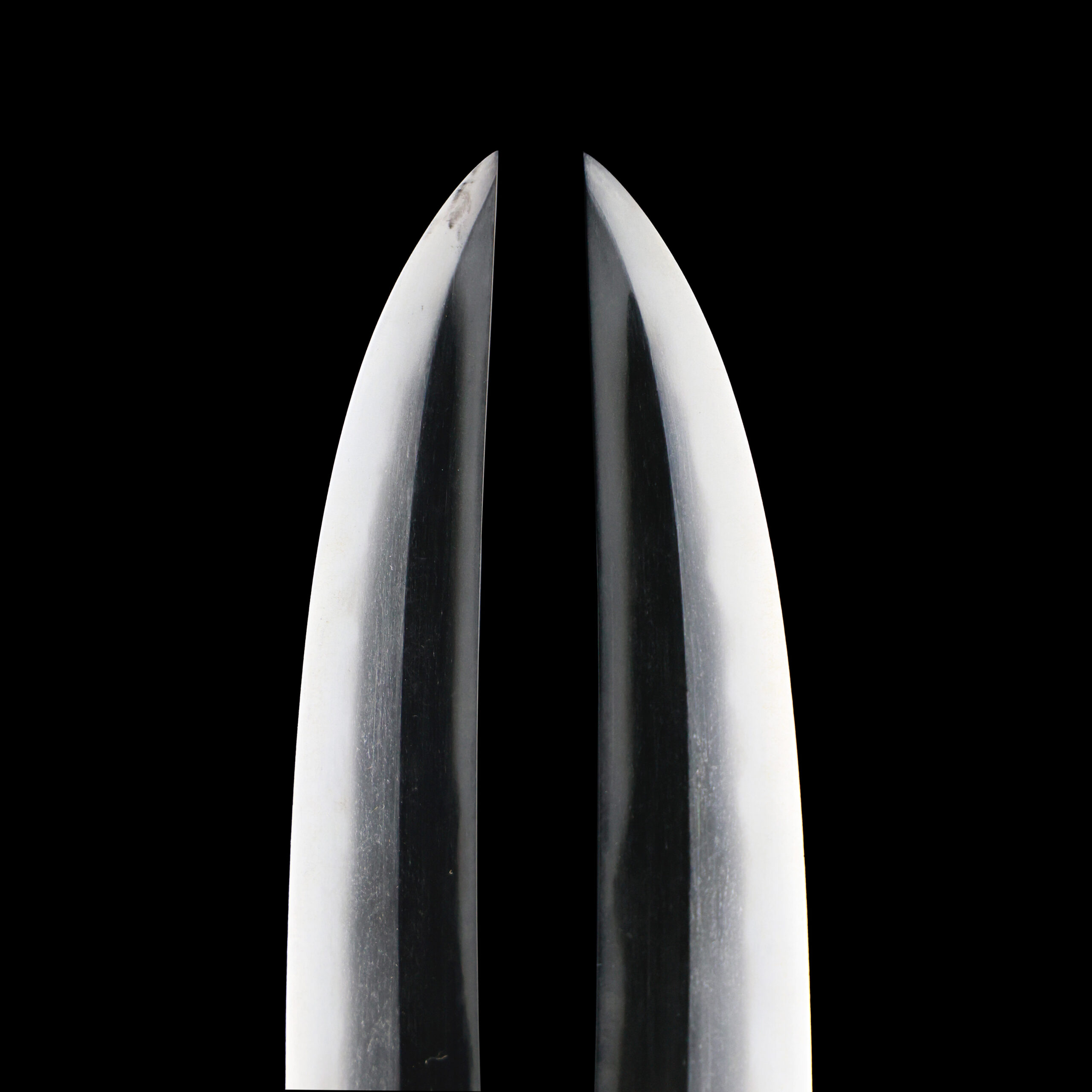
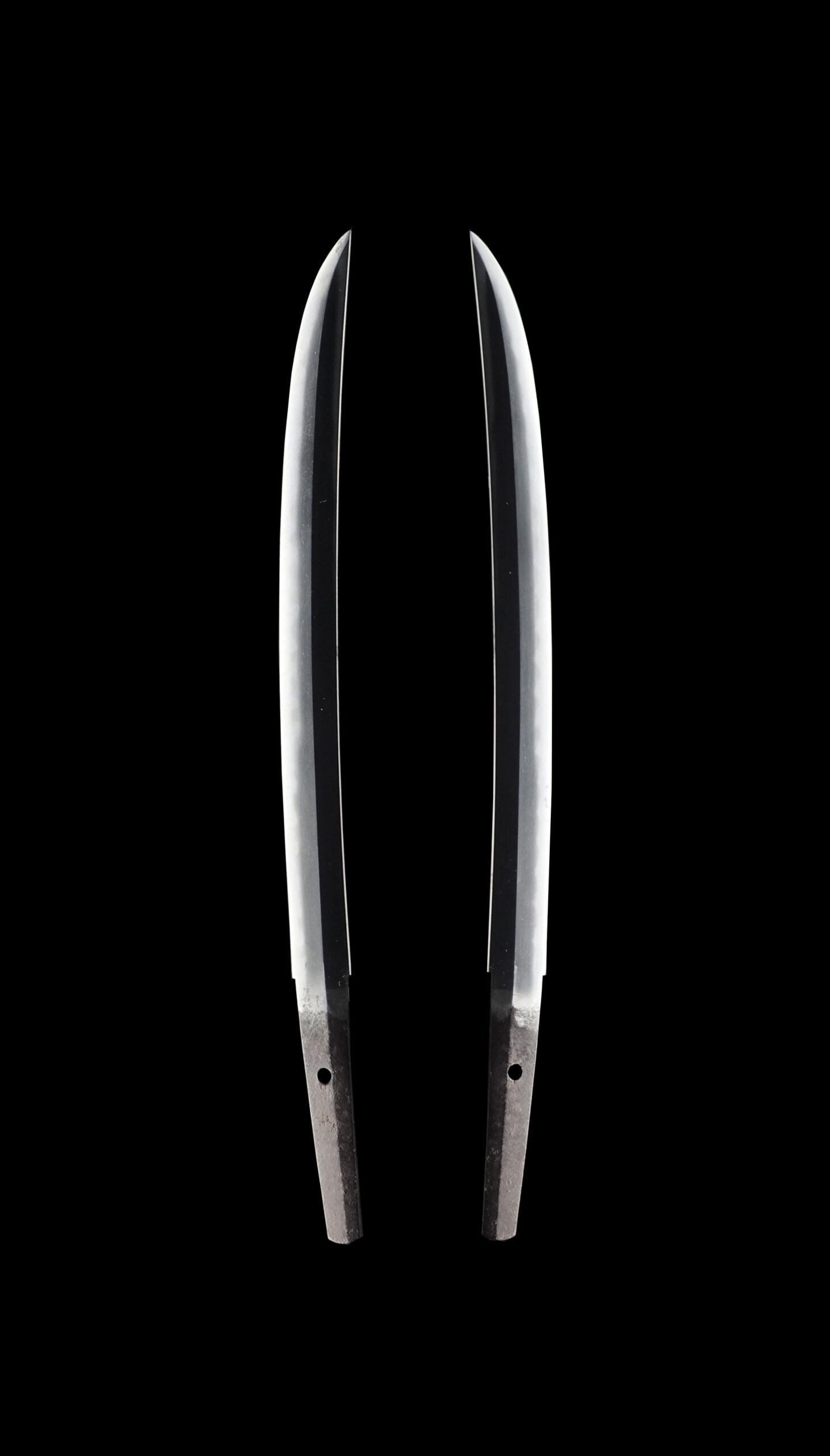
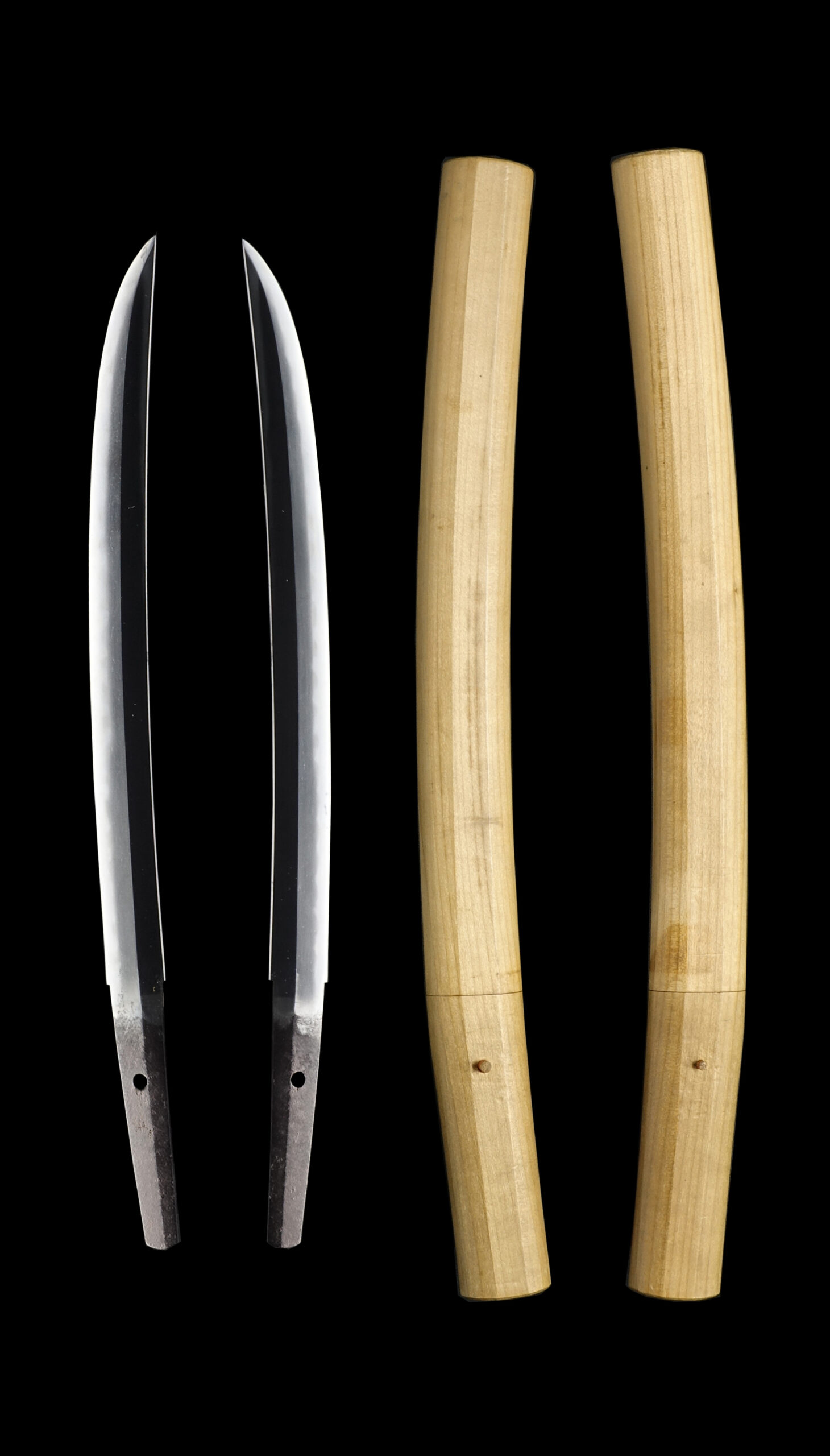
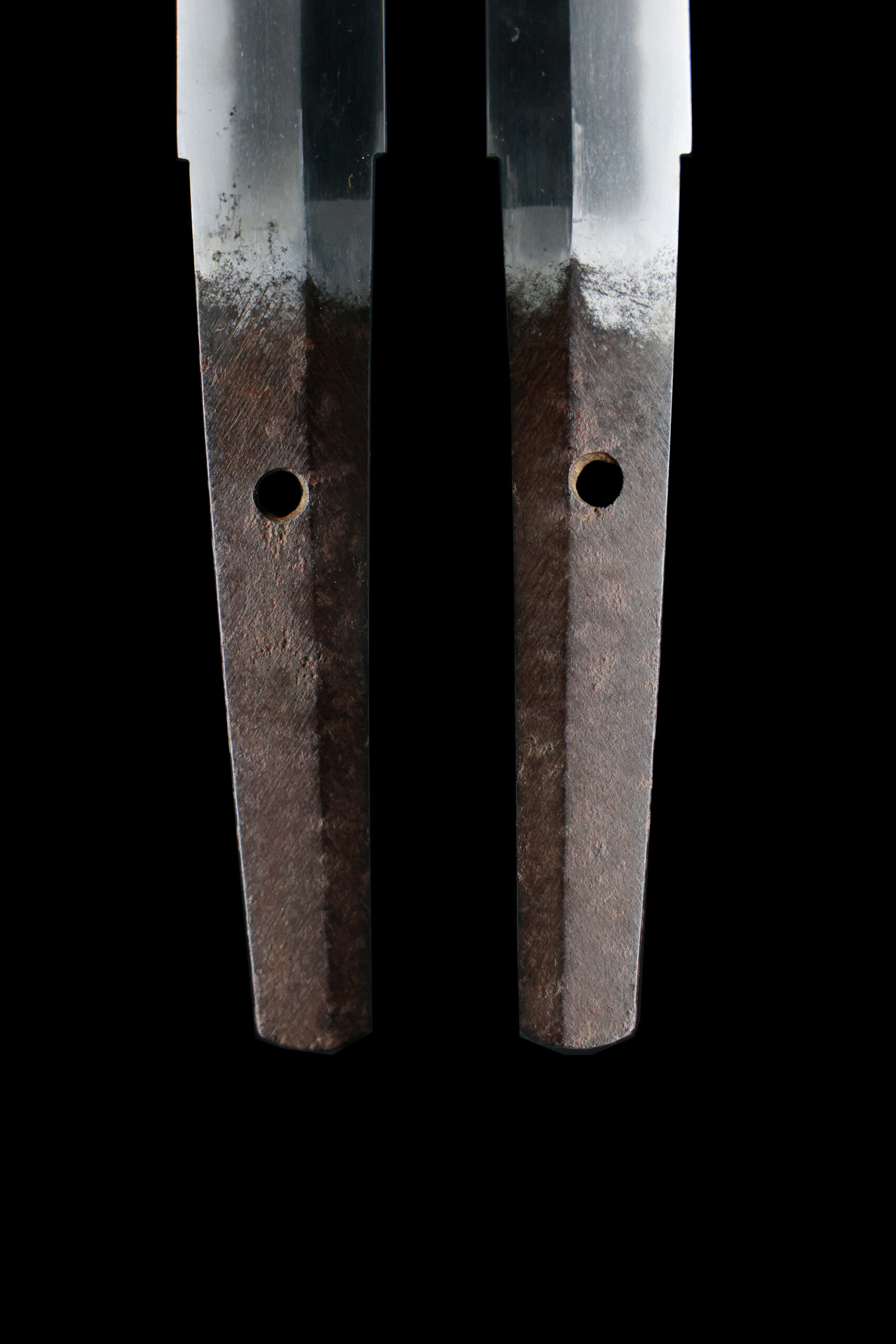
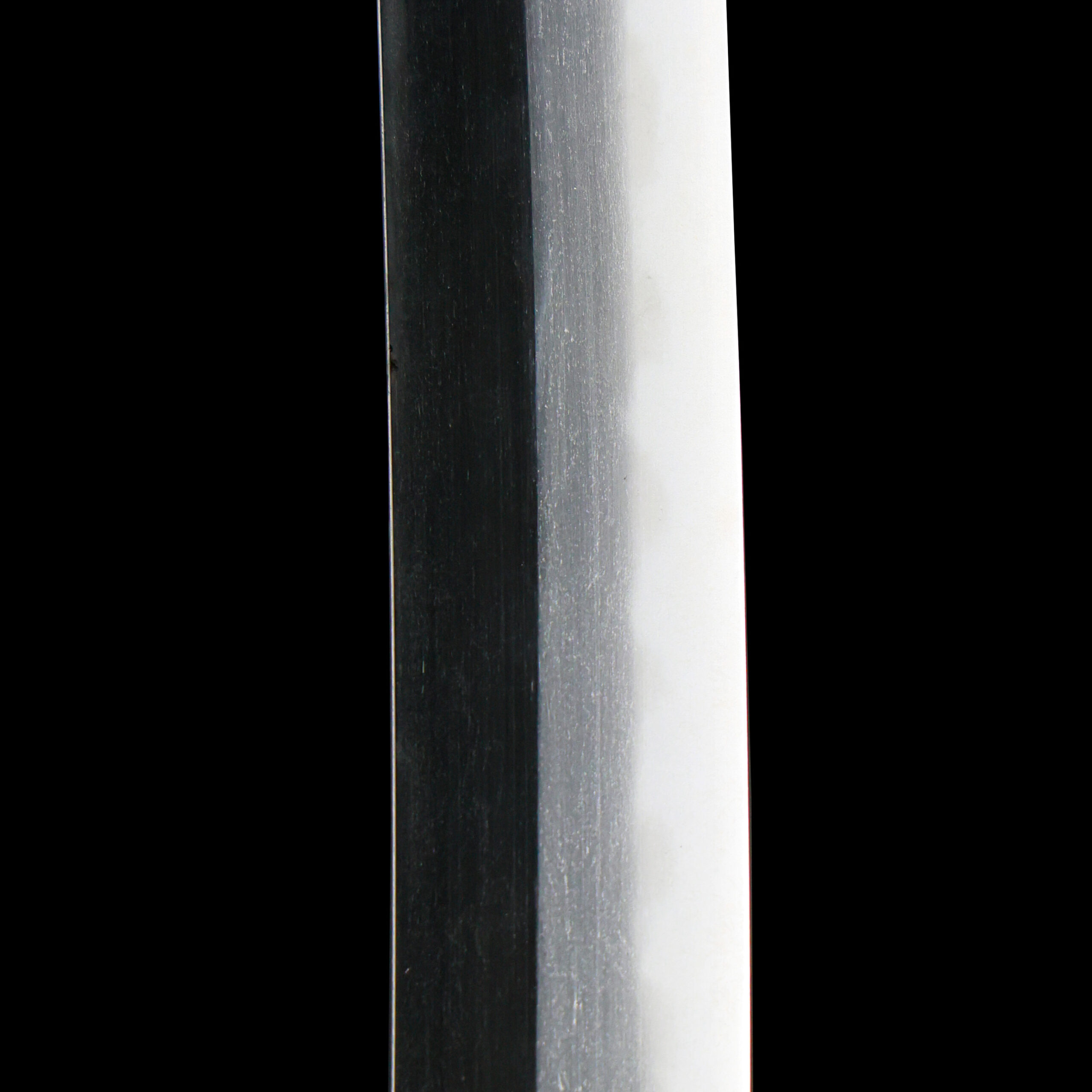
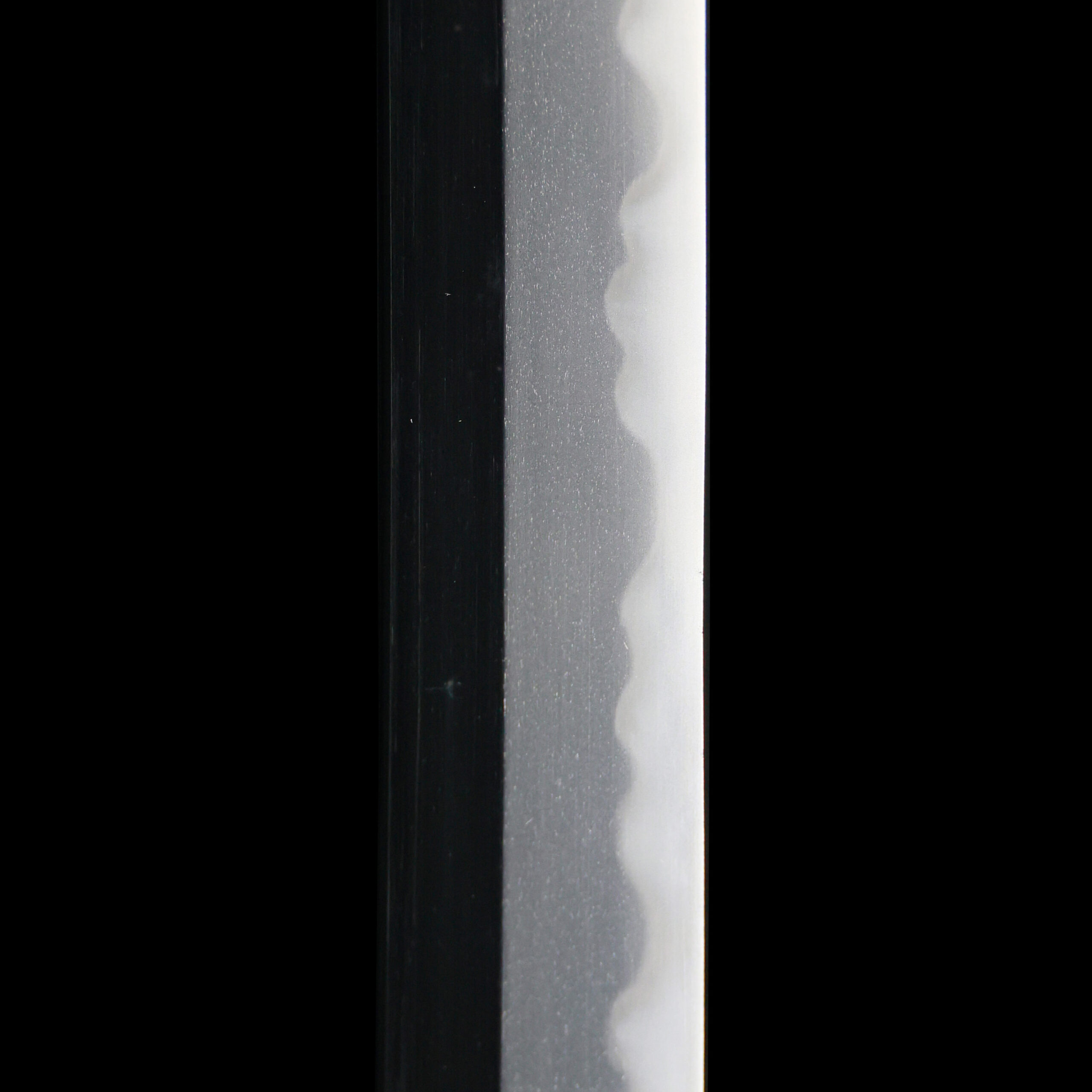
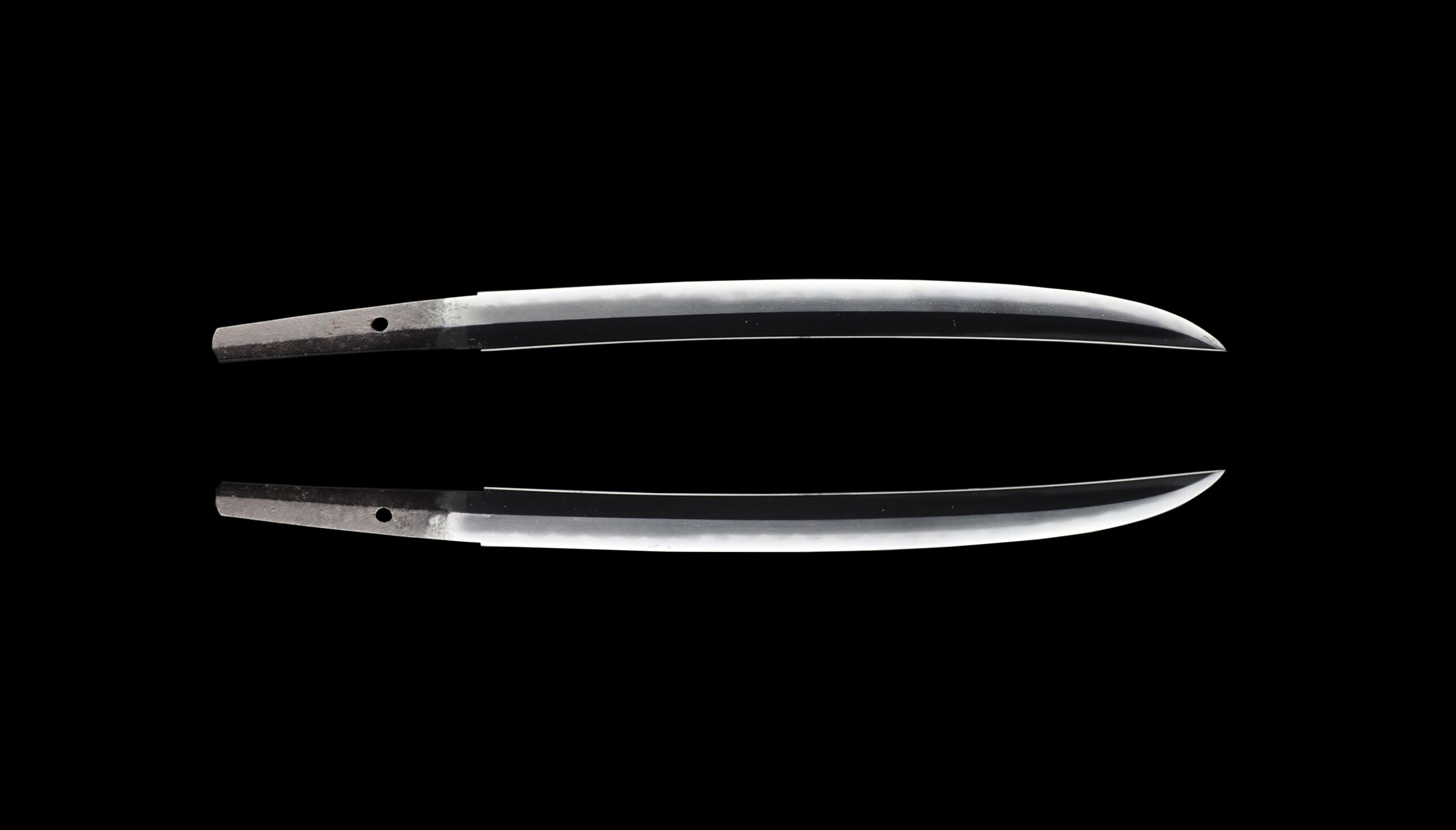
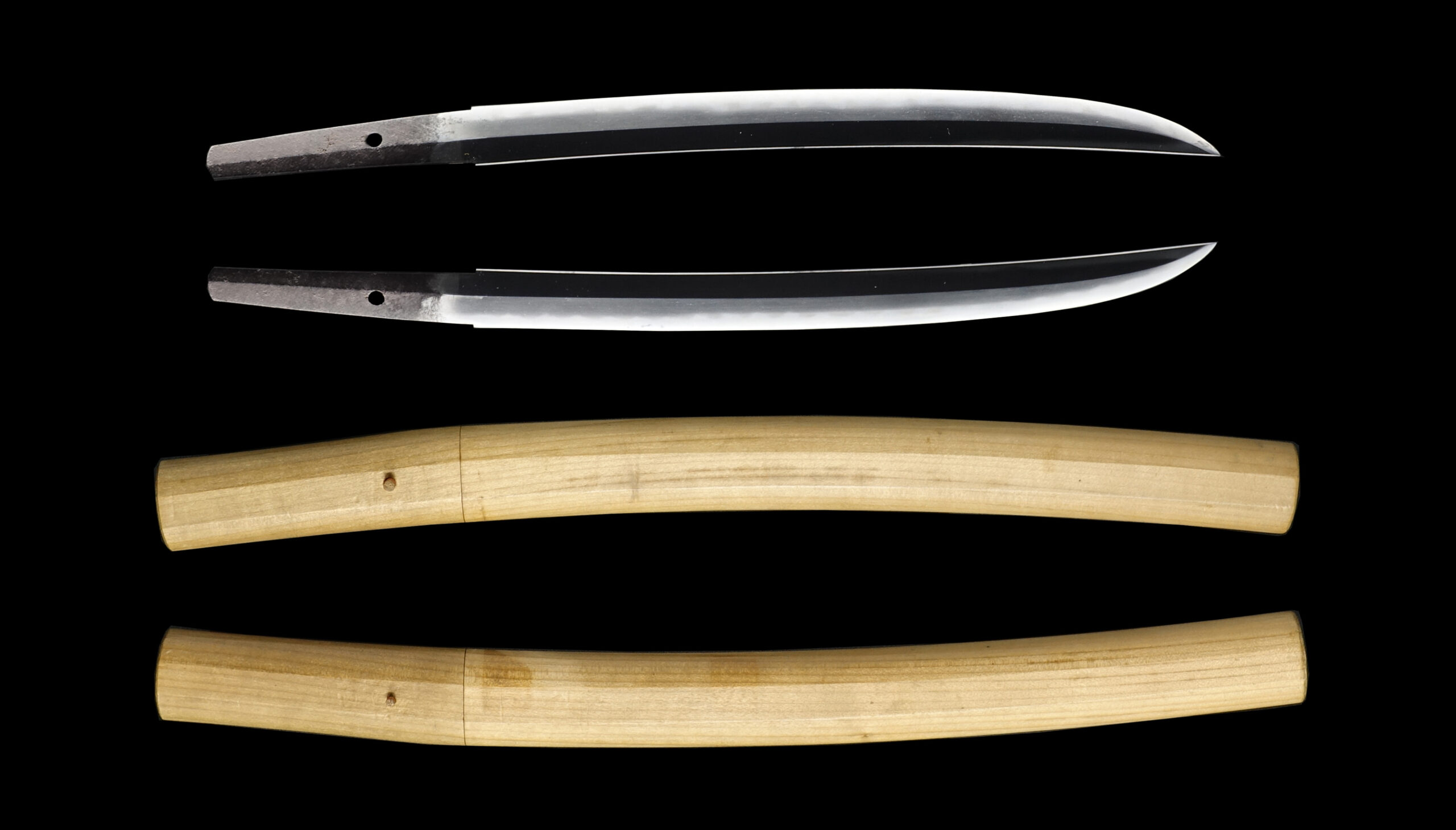
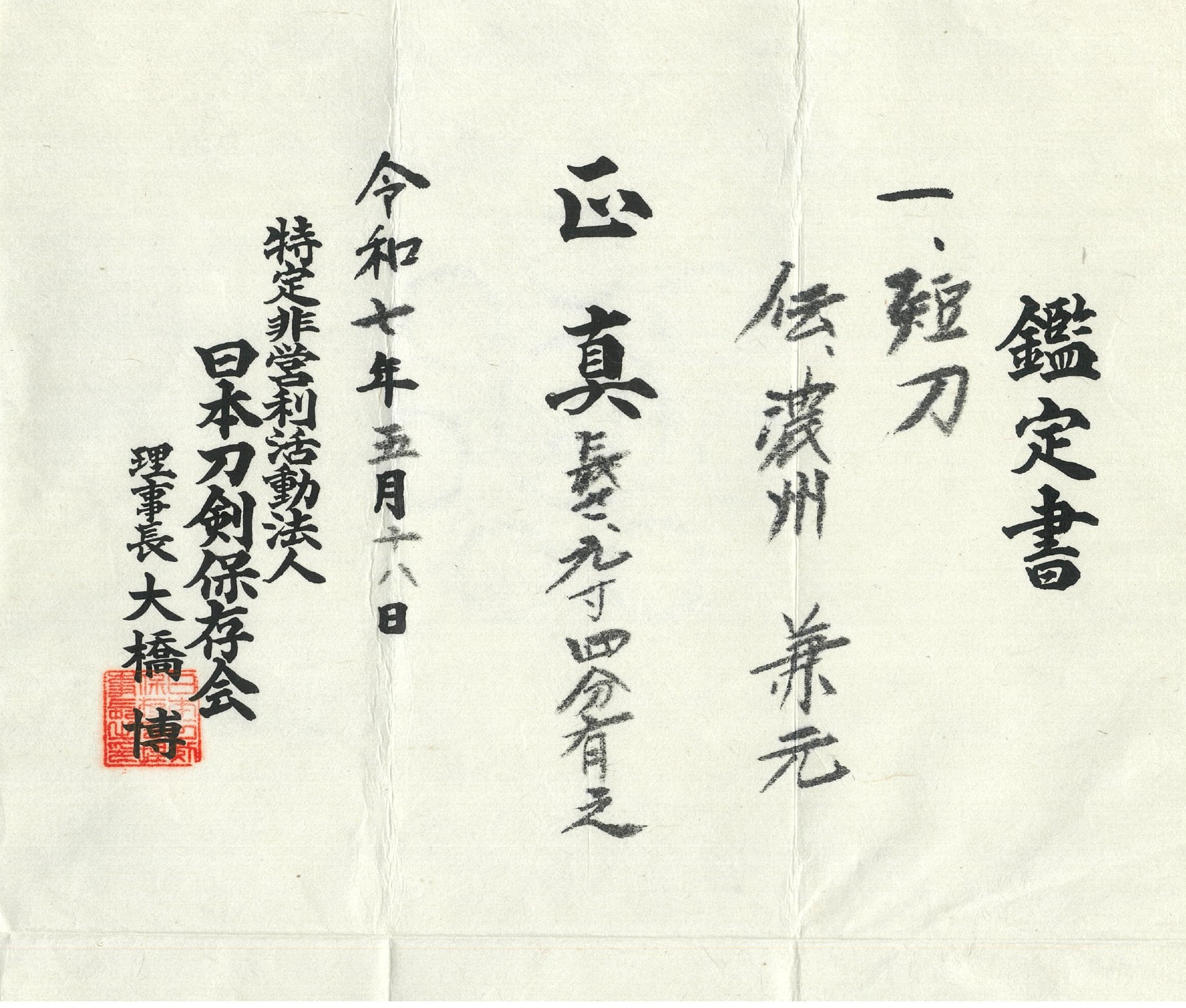
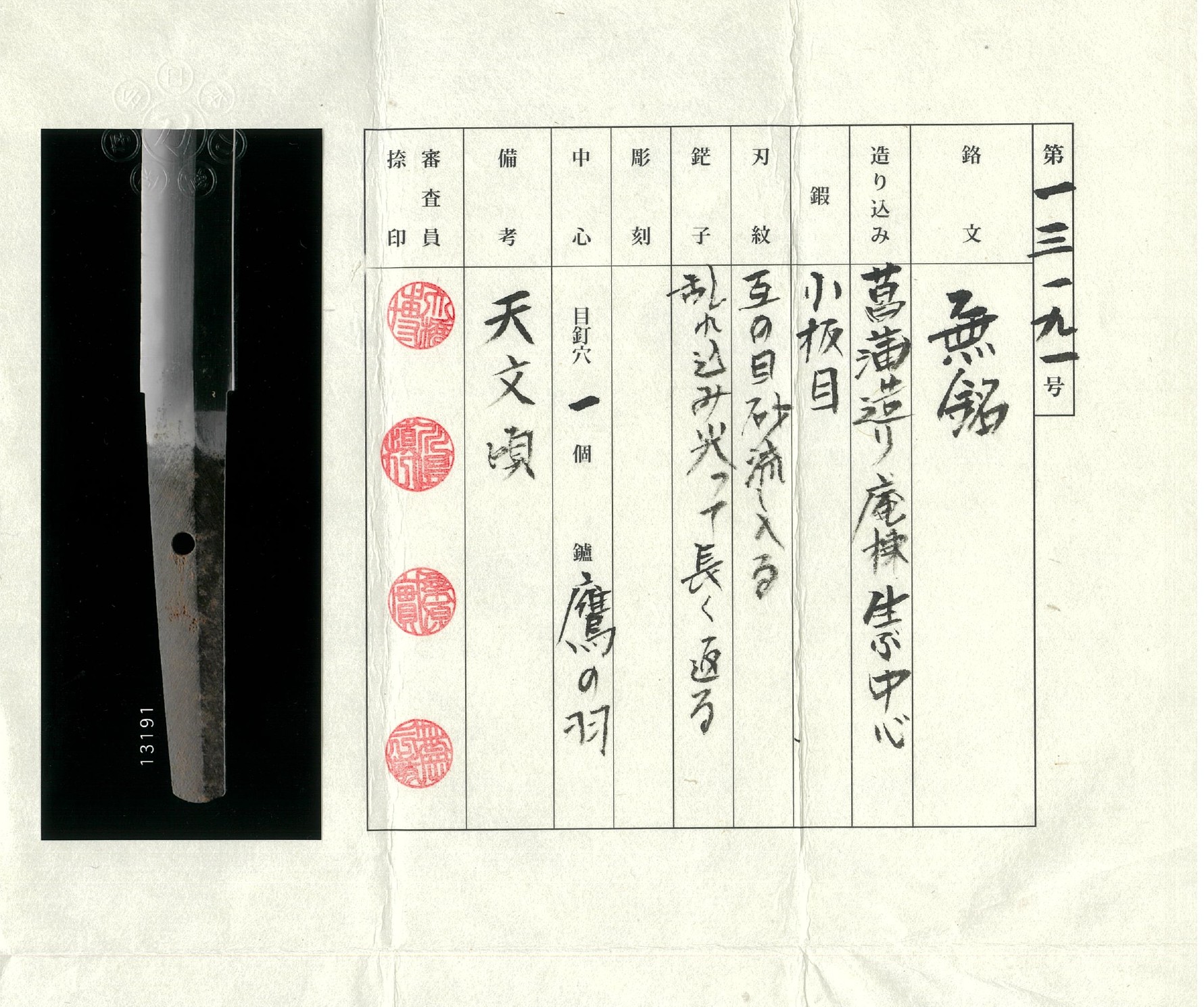
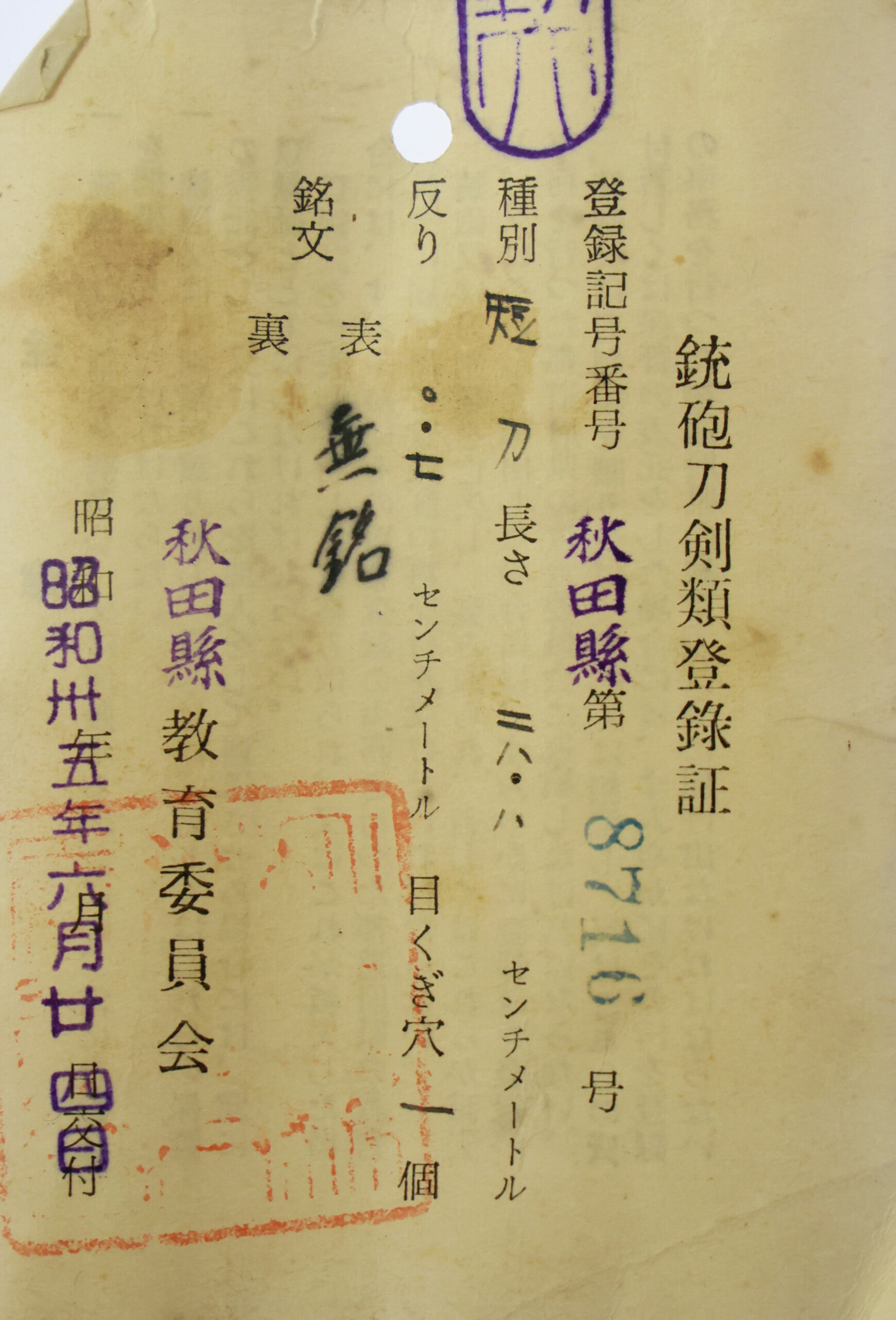
販売店の記載のまま
美濃伝 · 美濃
現在21点販売中
兼元は、美濃国関を本拠とした末美濃の刀工で、室町時代後期に和泉守兼定と並んで美濃鍛冶を代表する家系である。同名が相継いで栄えたが、なかでも最も技量にすぐれるのは二代で、世上この兼元を指して「孫六兼元」と呼称し賞翫してきた。「孫六」は兼元家代々の通称であり、二代がとりわけ著名であることから、この称がそのまま二代の代名詞として用いられている。居住地を明示した作には「濃州赤坂住」と切るものがあり、赤坂を一つの拠点としていたことが知られる。説示には明応・享禄・大永などの年紀を有する作が挙げられ、紀年銘の比較的少ない同家にあって、これらは作期や系統を研究するうえで好資料とされている。 作風の中核をなすのは、三本杉と称される尖り互の目の連れた刃文である。各代を通じてこの刃文を得意とするが、二代と後代とでは趣を異にする。代が下ると尖り刃の形が鋭角的で規則正しく揃うのに対し、二代は互の目の頭が処々丸みをおびて変化を見せ、三本杉のほかに二本杉・四本杉・五本杉といった群落を交えるなど画一的でないところに特色がある。説示はこれを行草の体の三本杉と評し、刃取りに起伏を見せて変化に富む点を二代の見どころとする。地鉄は板目に杢・流れ柾を交えて肌立ちごころとなり、地沸が細かにつき、地景が入り、白け映りが立つのが常で、帽子は乱れ込んで先丸く地蔵状に返るものが多い。一方、初代はあまり三本杉が目立たず、互の目に互の目丁子を交え、時に湯走り・飛焼を伴うものが多く、年紀は明応六年を最も古いものとし、居住地はすべて濃州赤坂住と切られる。二代と初代、さらに後代との別は、こうした刃文の構成と地鉄の風合いから見分けられる。 伝来をみると、二代兼元は実戦刀としての評価が高く、元亀元年の姉川の戦で青木一重が真柄真隆を討ったと伝える青木兼元、また截断銘を裏に施した作などが知られ、切れ味を尊ぶ風が早くから付随していた。金象嵌で笹露と号した作のように、所持者の名とともに伝えられた優品もある。作刀は薙刀・刀・脇指・短刀に及び、長寸で先の張った雄勁な造込みのものから、来写し・京物写しと目される稀な直刃の上品な短刀まで幅があり、二代の技量の振幅を伝えている。説示はこれらを孫六兼元の典型かつ出色の出来口として位置づけ、行体の三本杉が匂口明るくよく沸え、地刃ともに冴える点を賞するとともに、末関を代表する刀工としての名声を確かなものとしている。 詳しく見る →
室町時代の美濃
戦国の関は一つの産業であった。春日神社を氏神と仰ぐ鍛冶たちが、中部日本の軍勢を武装させた。孫六兼元の三本杉と之定の最上作は、量産の町に第一級の技が息づいていたことの証である。
日本刀剣保存会の中心的な鑑定書で、相応の出来を備えた刀剣に発行されます。在銘作は銘の正真を、無銘作は審査員による刀工・流派の極めを示します。点数を記す詳細な審査表が付されます。
日本刀剣保存会は、日本美術刀剣保存協会(1948年設立)に先立つ1910年に創立された、日本で最も古い刀剣鑑定団体です。長く会を率いた会長の没後、日本刀剣保存会と特定非営利活動法人日本刀剣保存会の二つに分かれ、いずれも審査を続けています。刀剣に対する日本刀剣保存会の鑑定書は、点数と審査員の所見を併記する詳細な審査表が特徴です(刀装具の鑑定書に点数は付されません)。特に無銘作の極めに定評があります。
Returns/exchanges limited to defects caused by shipping (except willful misconduct or gross negligence by the company); customers must contact within 72 hours of receiving the product.