戦国の関は一つの産業であった。春日神社を氏神と仰ぐ鍛冶たちが、中部日本の軍勢を武装させた。孫六兼元の三本杉と之定の最上作は、量産の町に第一級の技が息づいていたことの証である。
 NihontoWatchNihontoWatch
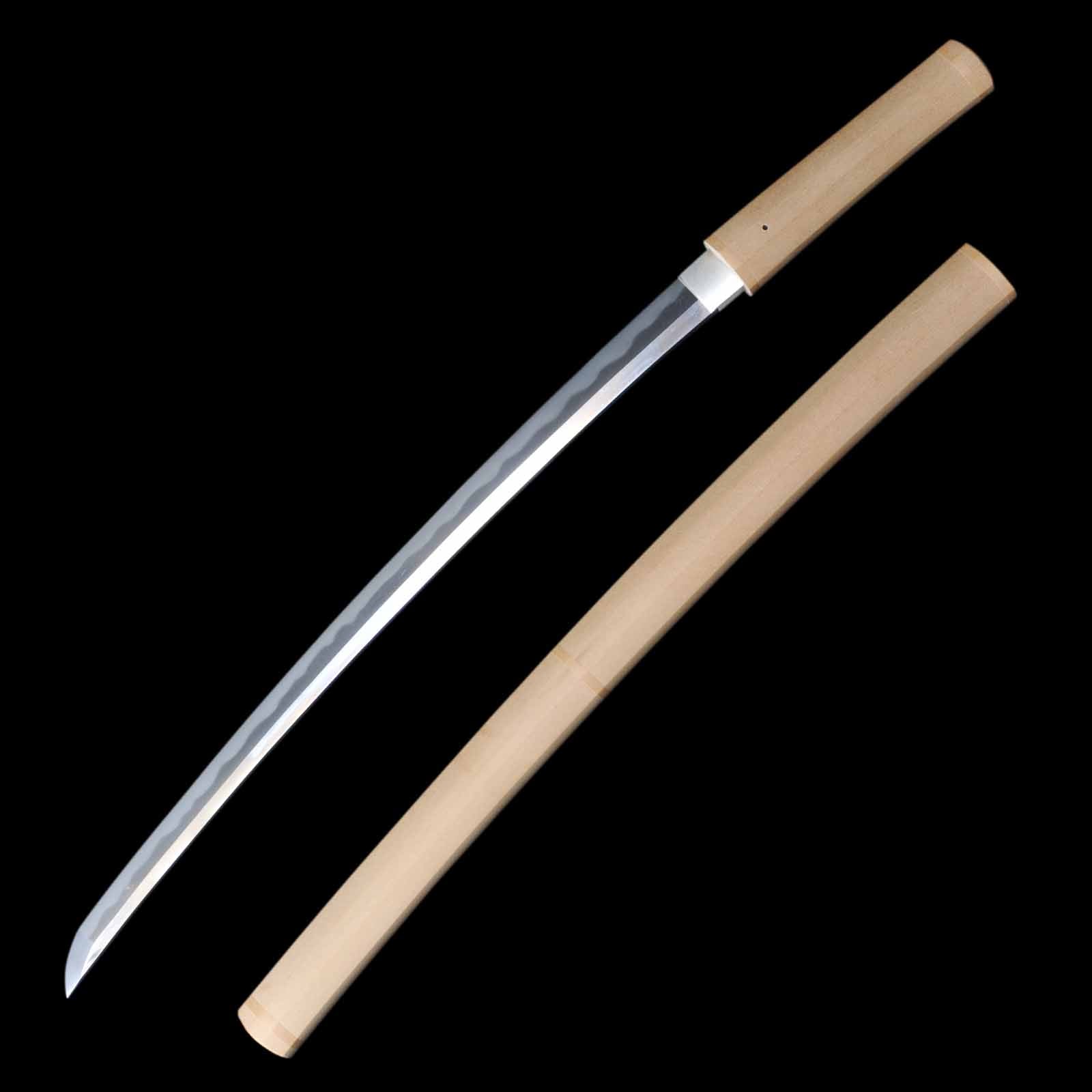
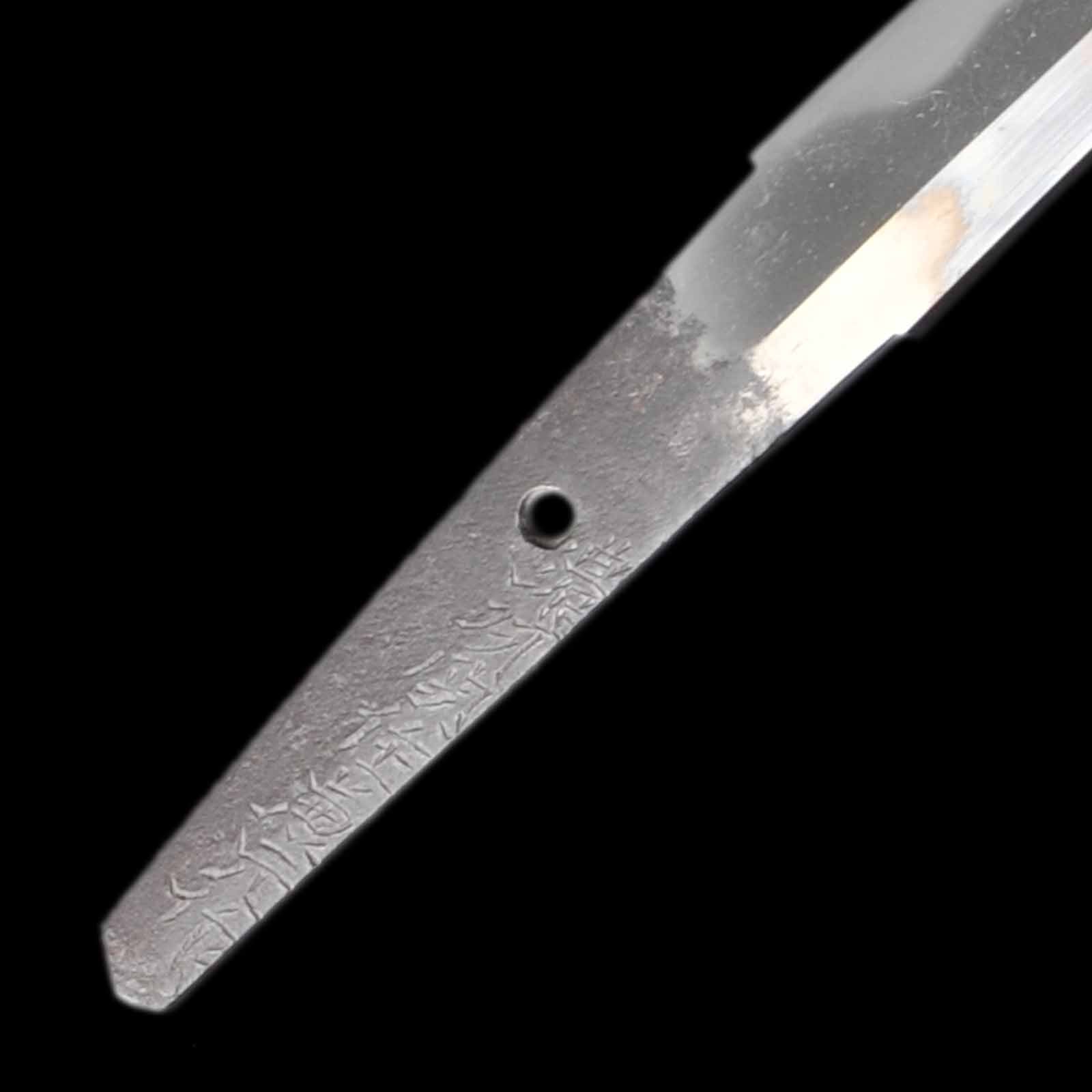
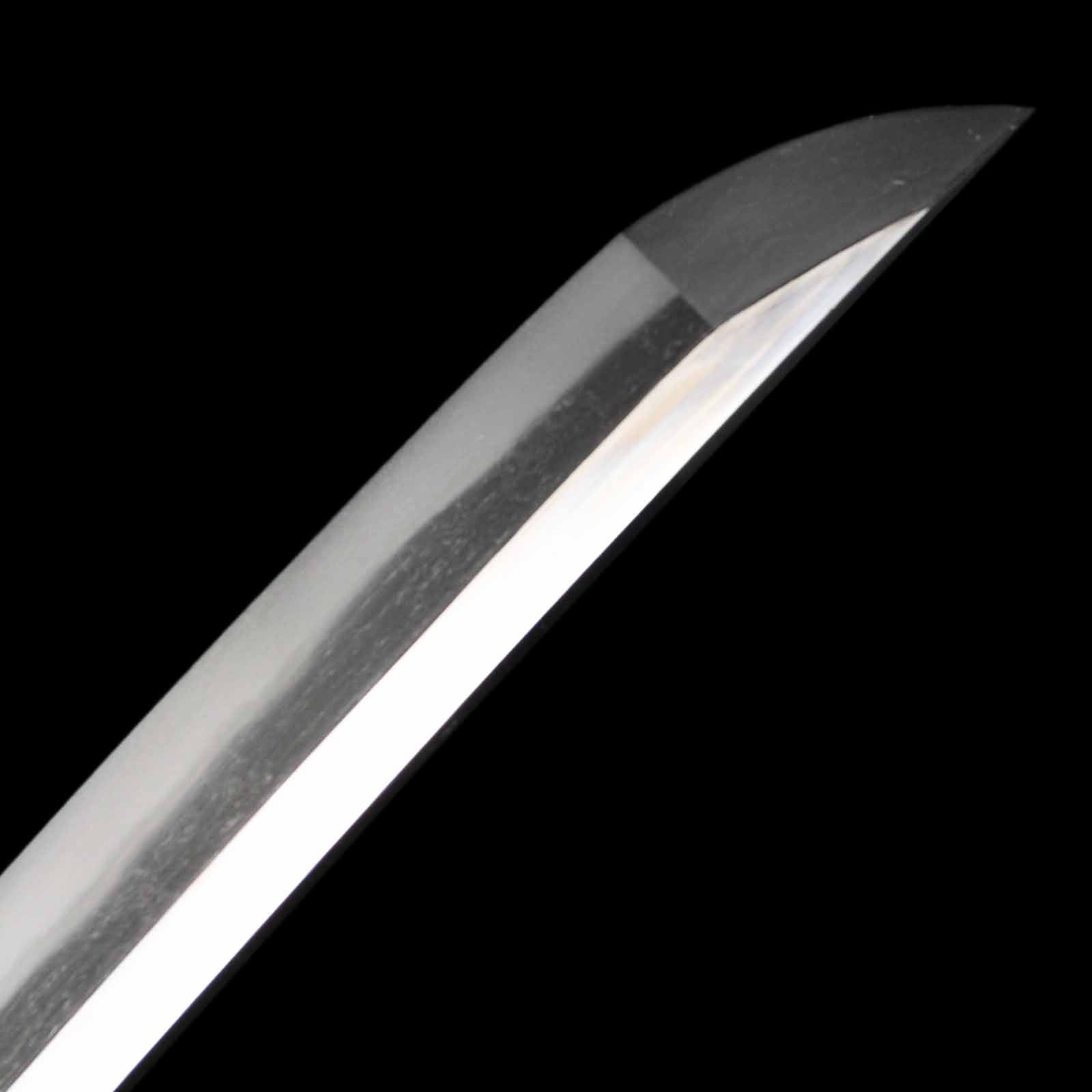
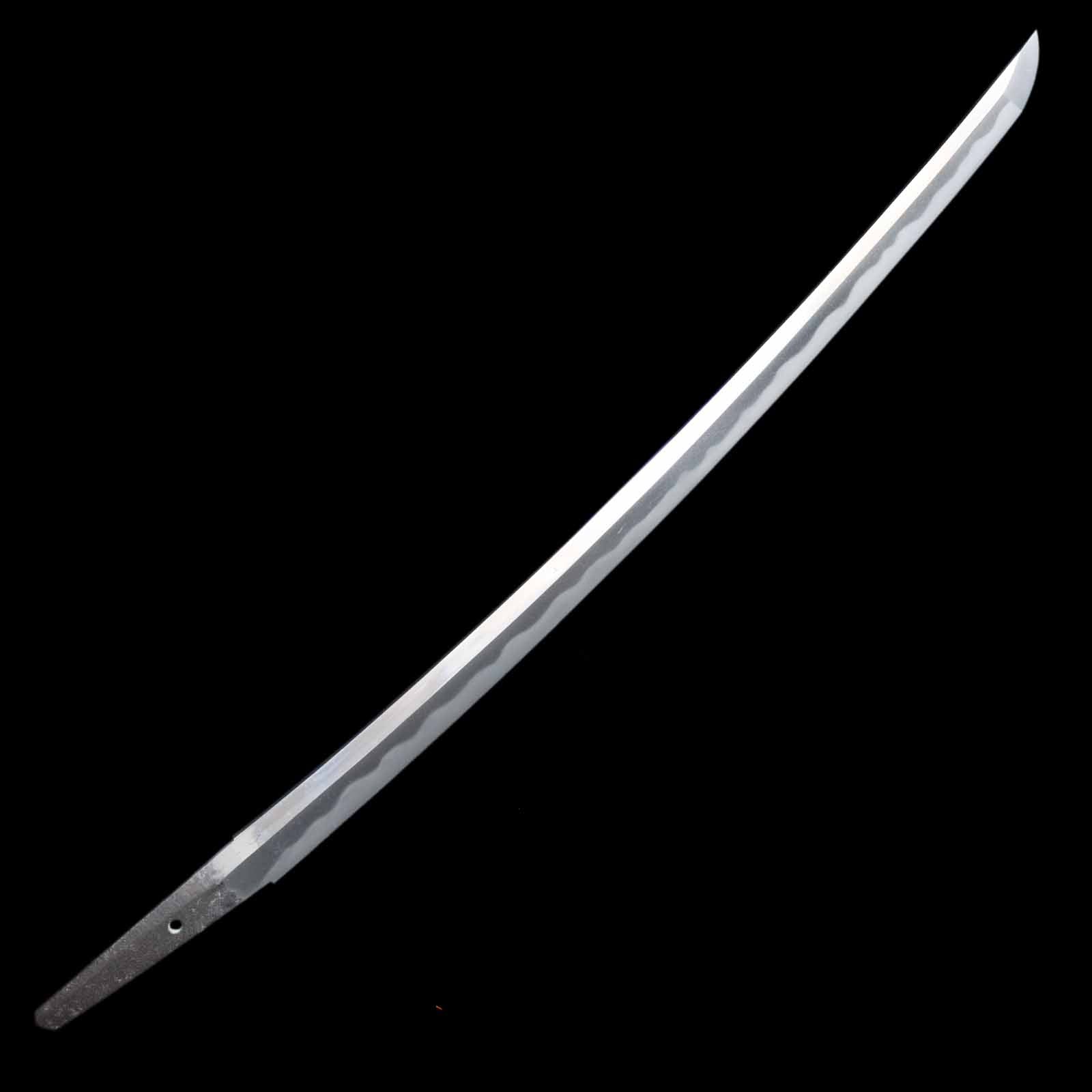
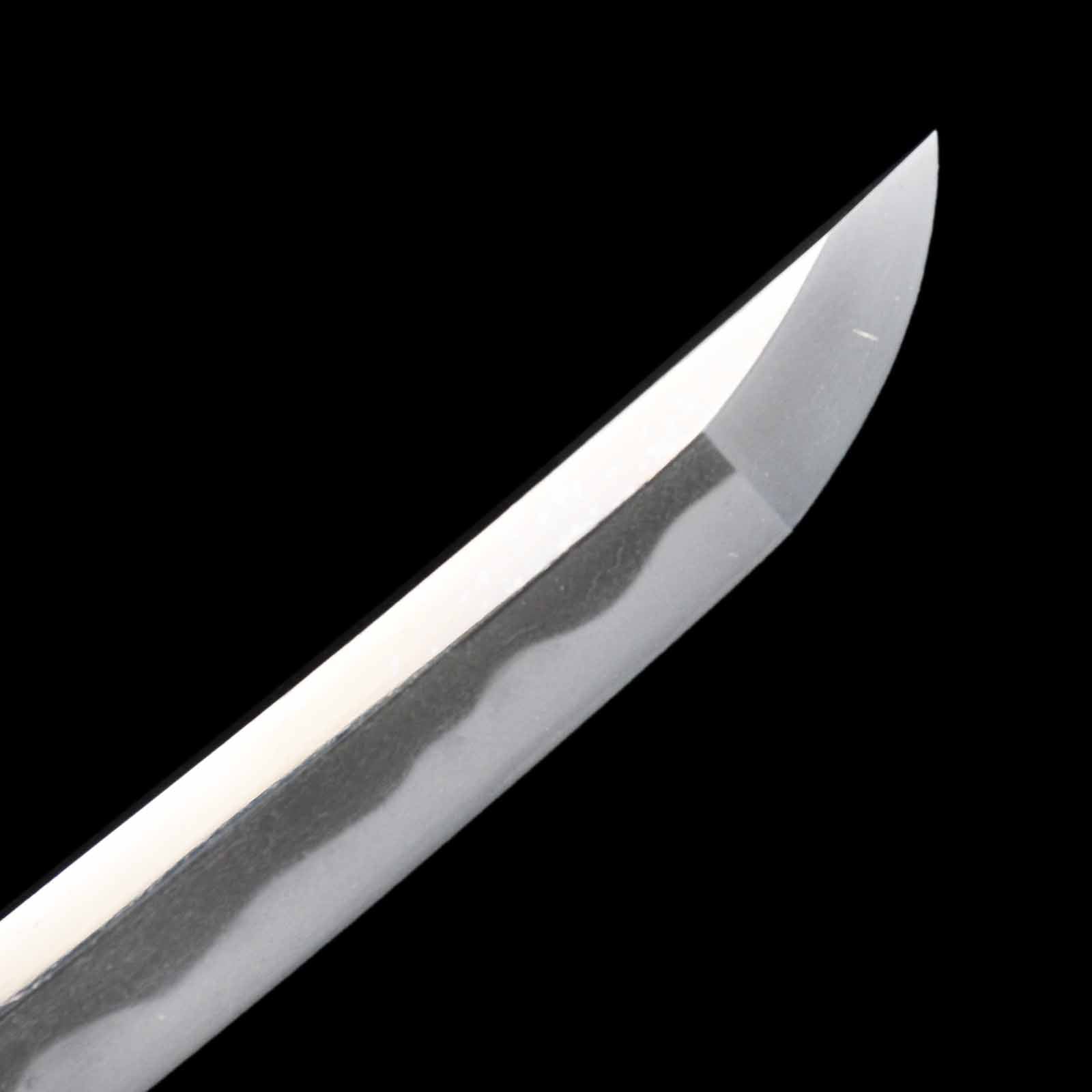
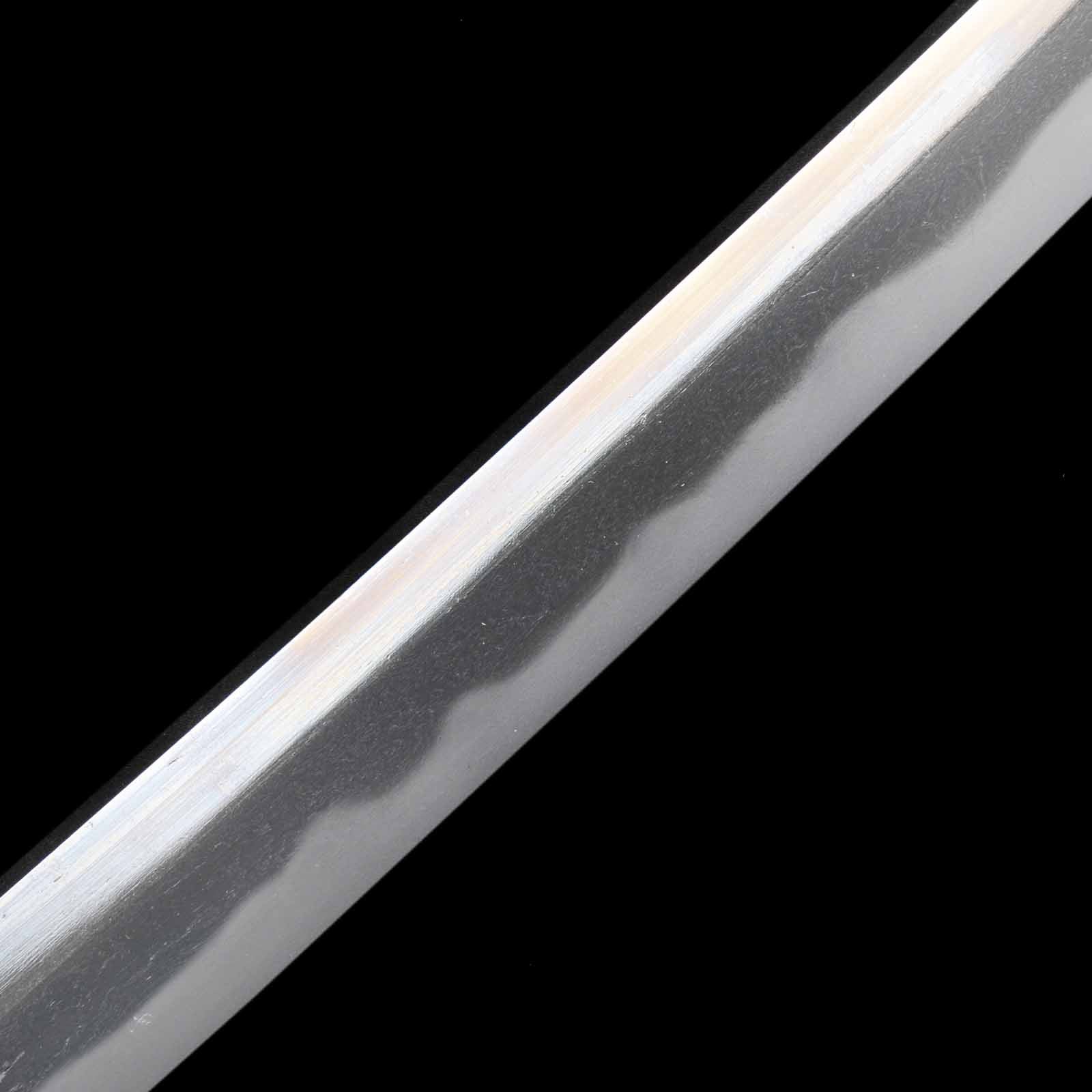
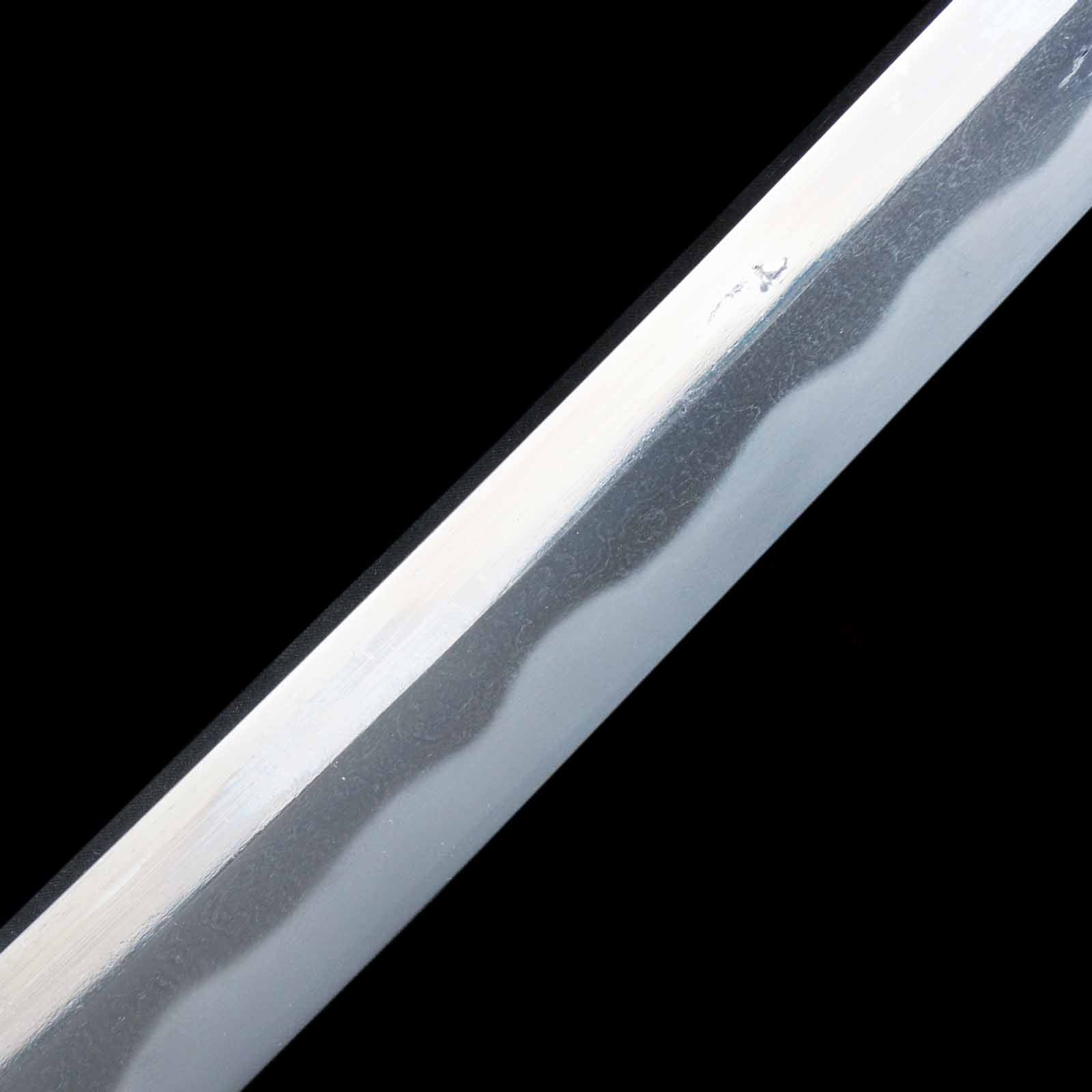
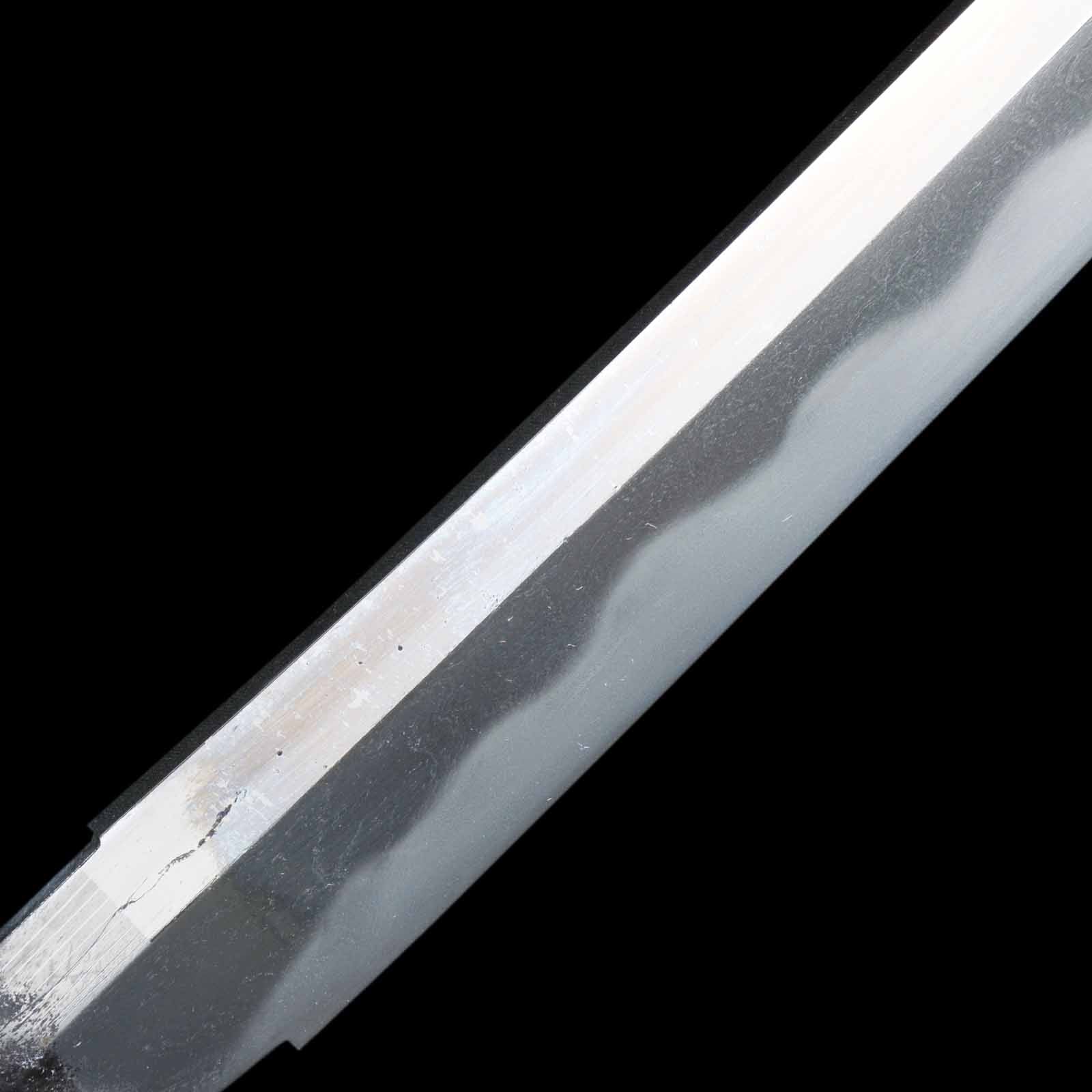
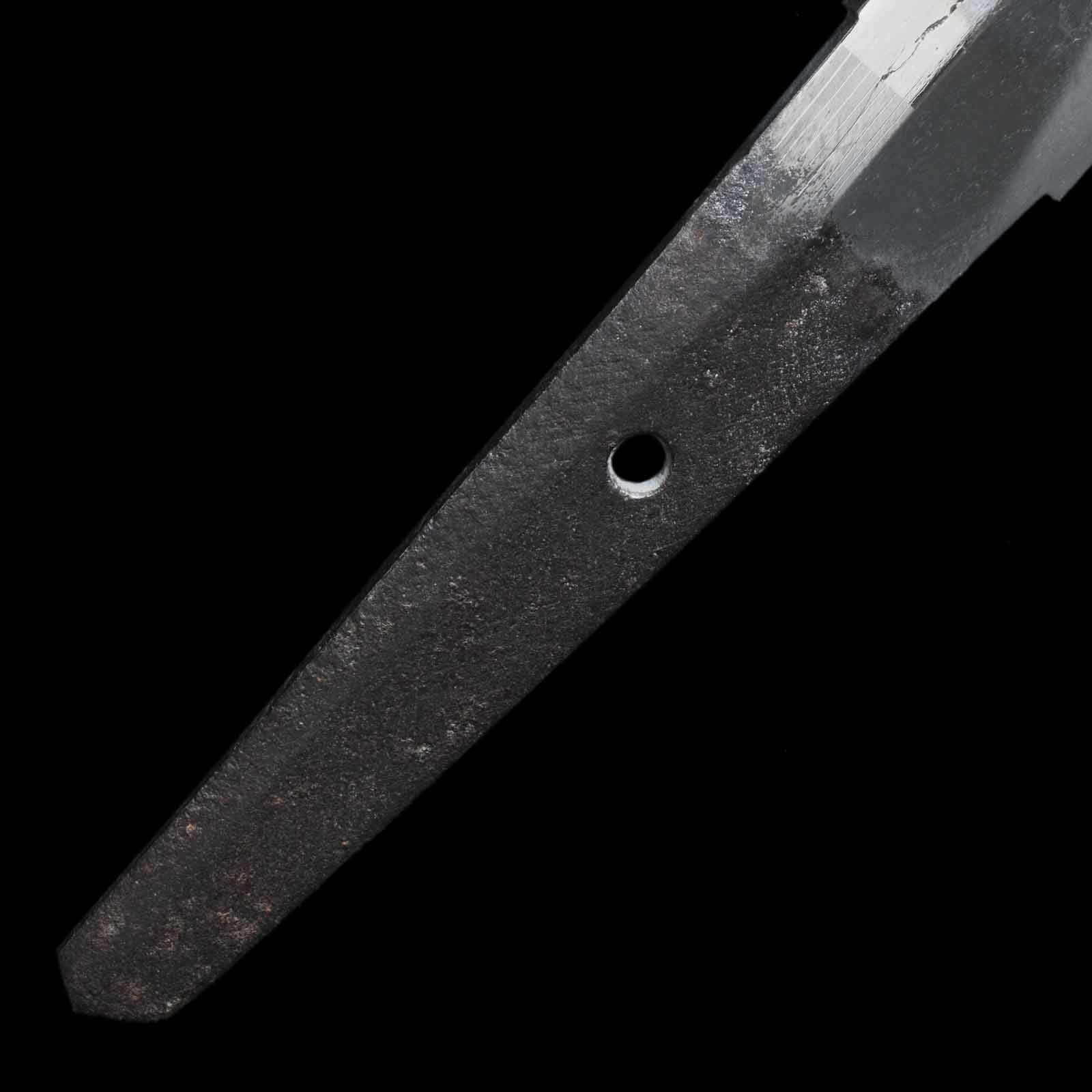
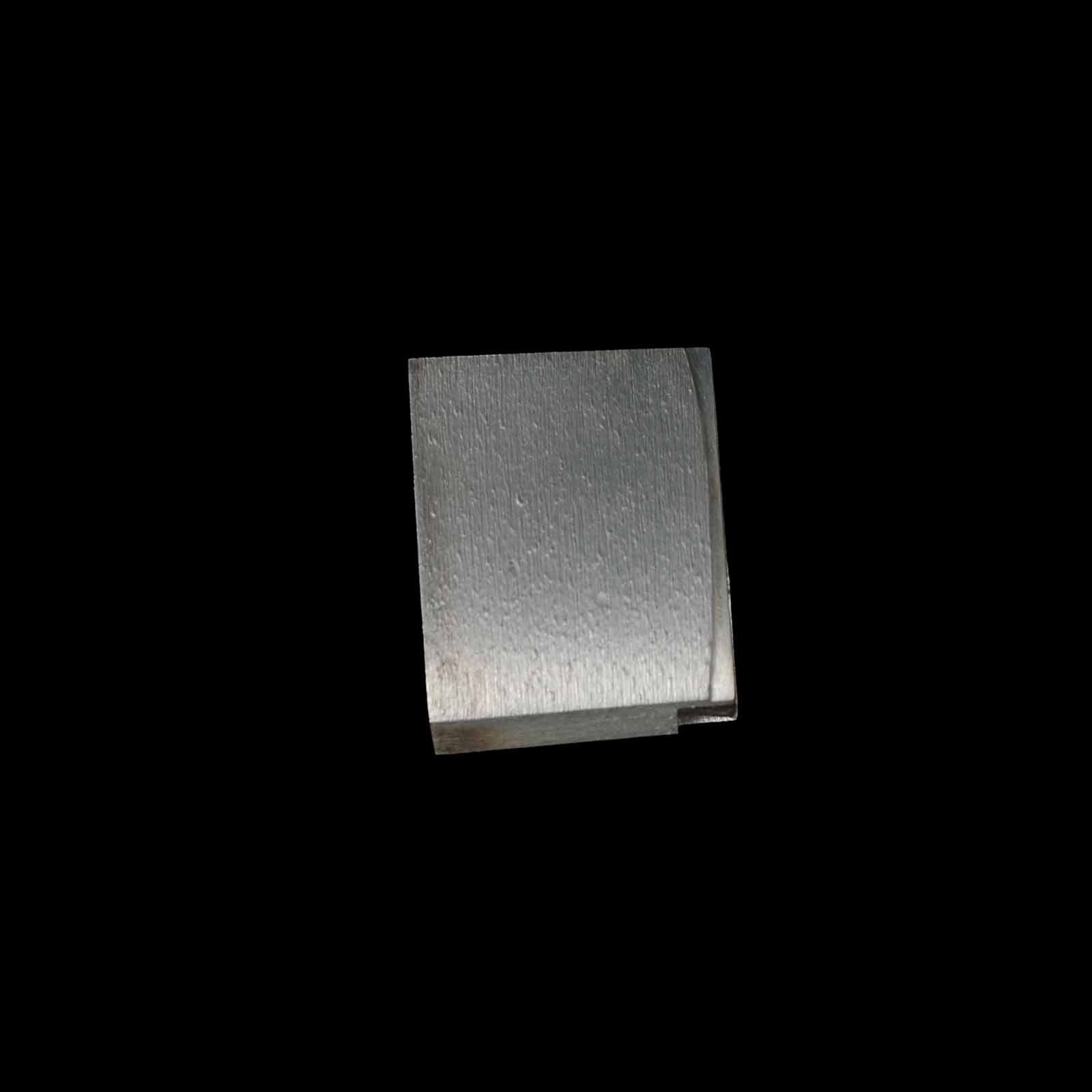
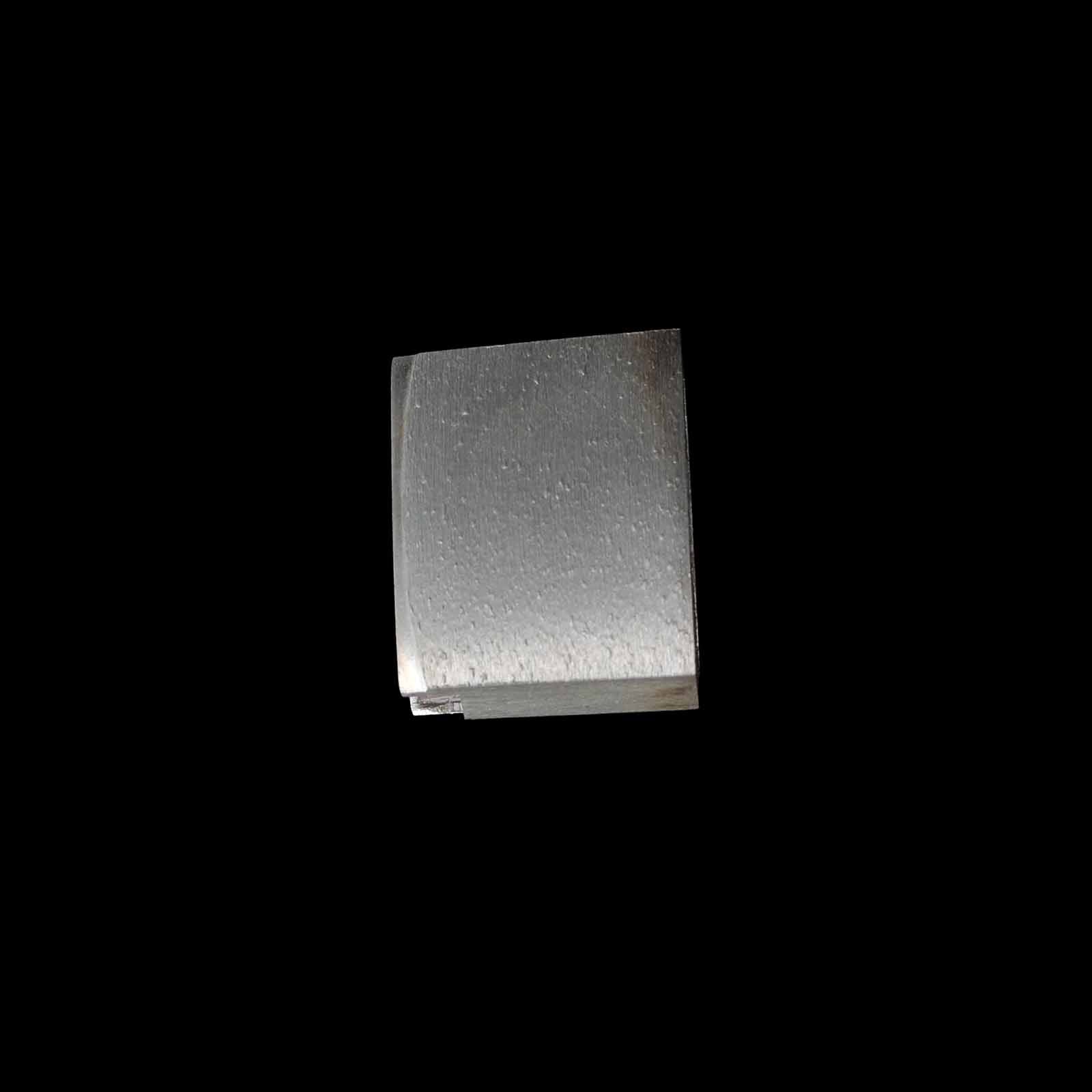
A new wakizashi with Kanemoto signature is now in stock. The sword is very well preserved with no rust or chips, but there is a forging flaw on the sashi ura side about 20 cm from the machi at the shinogiji. Jigane has mokume mixed with itame and chikei is clearly visible. Hamon has niedeki wide gunome mixed with notare. The nakago is engraved with Noshu ju Kanemoto Saku. Kanemoto was an active swordsmith in Mino during the Muromachi period (1333-1573), and his name was passed down through the generations. His works were known for their sharpness and excellent cutting quality, and warlords loved to use his swords. The second generation Kanemoto, in particular, is popularly known as “Magoroku,” and his reputation is split in popularity between him and Kanesada, another Seki swordsmith. This piece is very well made, but we are selling it this time at a reasonable price due to a forging defect on the sashiura side. Don't miss out on this opportunity. Blade length: 54.1 cm Curvature: 1.3 cm Number of Mekugi hole: 1 Sakihaba: 19.9 mm Sakikasane: 4.6 mm Motohaba: 30.6 mm Motokasane: 7.4 mm Signature: Noshu ju Kanemoto Saku(front) Era: Koto Structure: Shinogi-zukuri, Iori-mune Jigane: Itame with Mokume mixed in Hamon: Gunome with Notare Boshi: Midarekonde Naka-maru ni Kaeru Weight: 540 g(blade only) Nakago: Ubu Koshirae: Shirasaya Original Registration No.: Nagano 78603 Please contact us if the katana you are looking for is not listed here.
NihontoWatch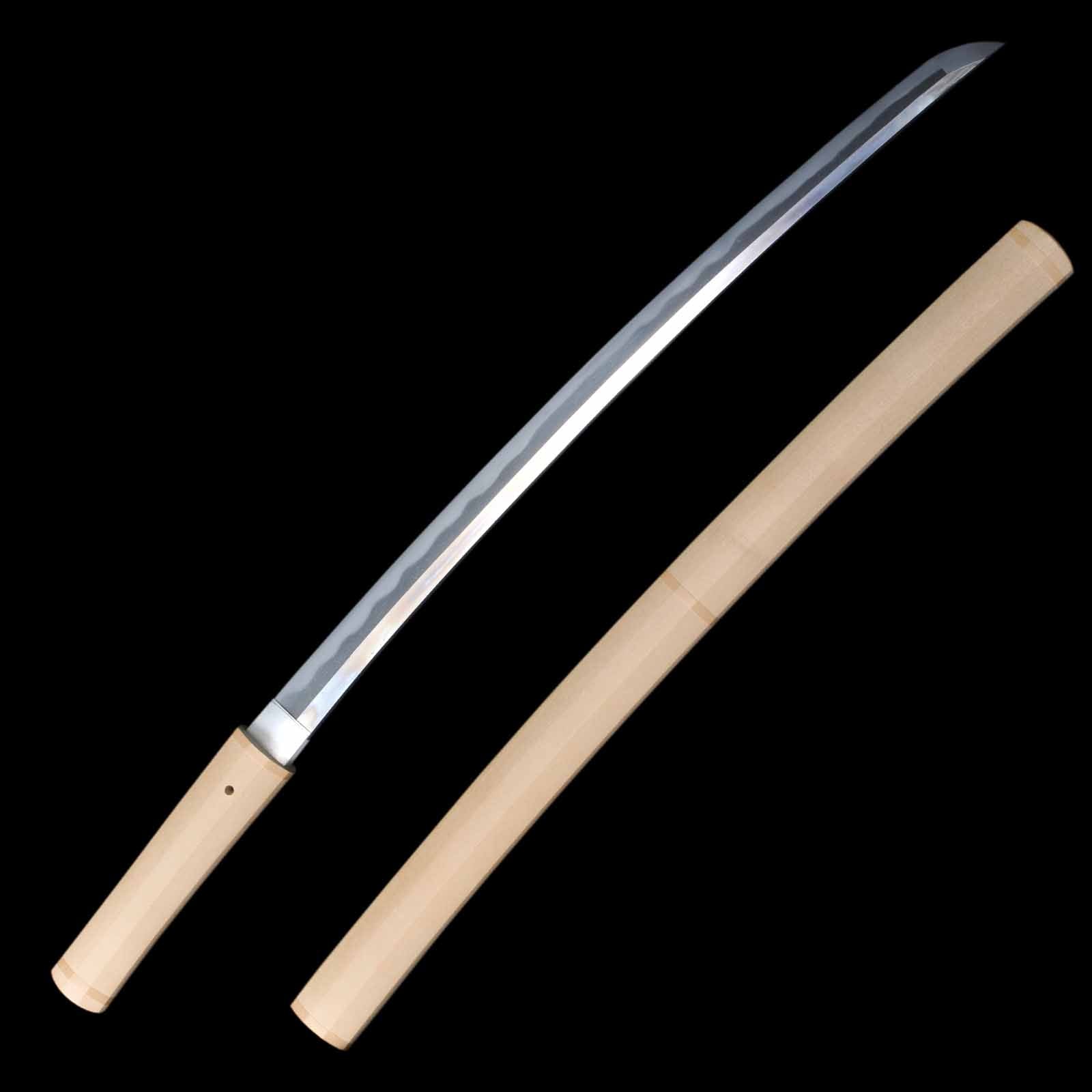
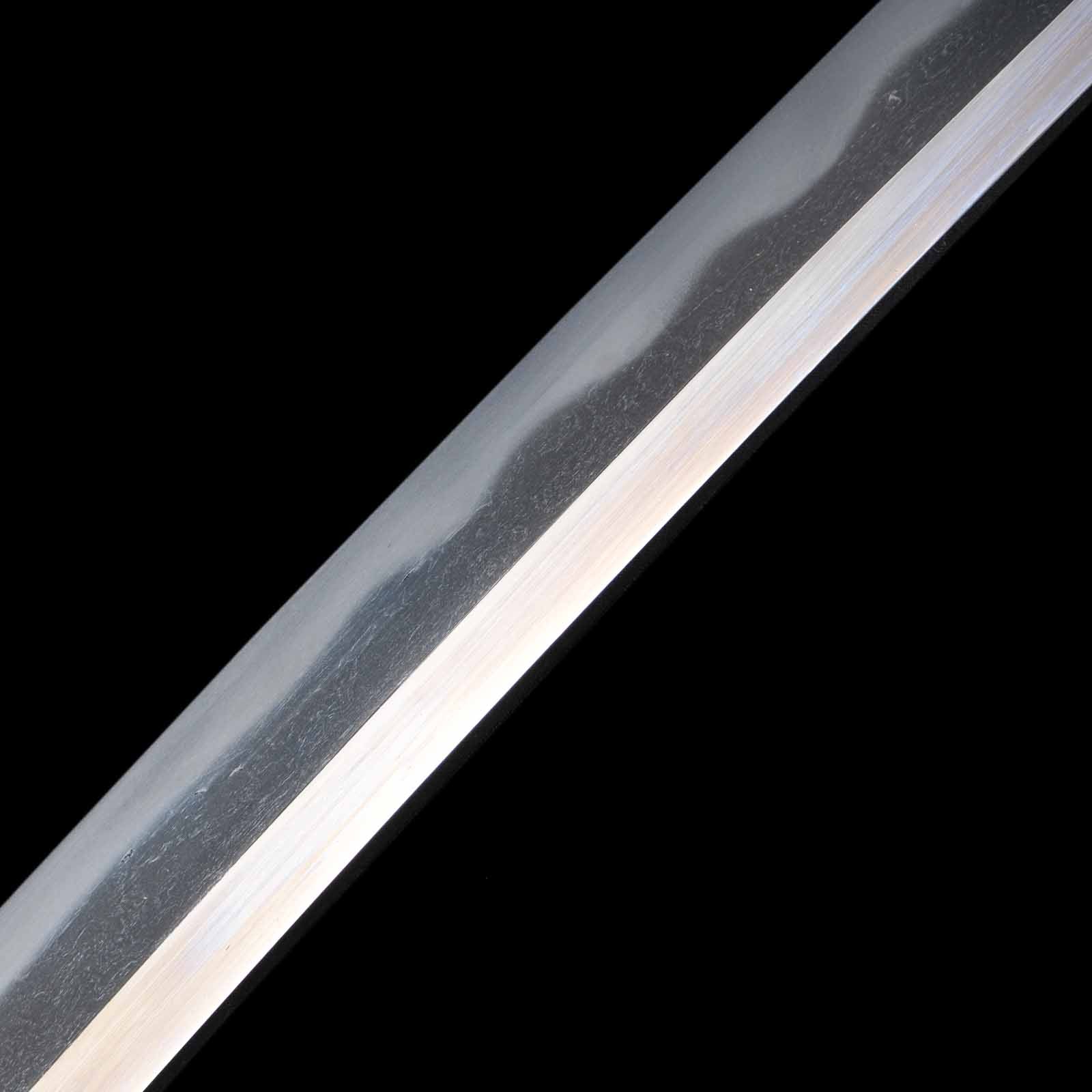
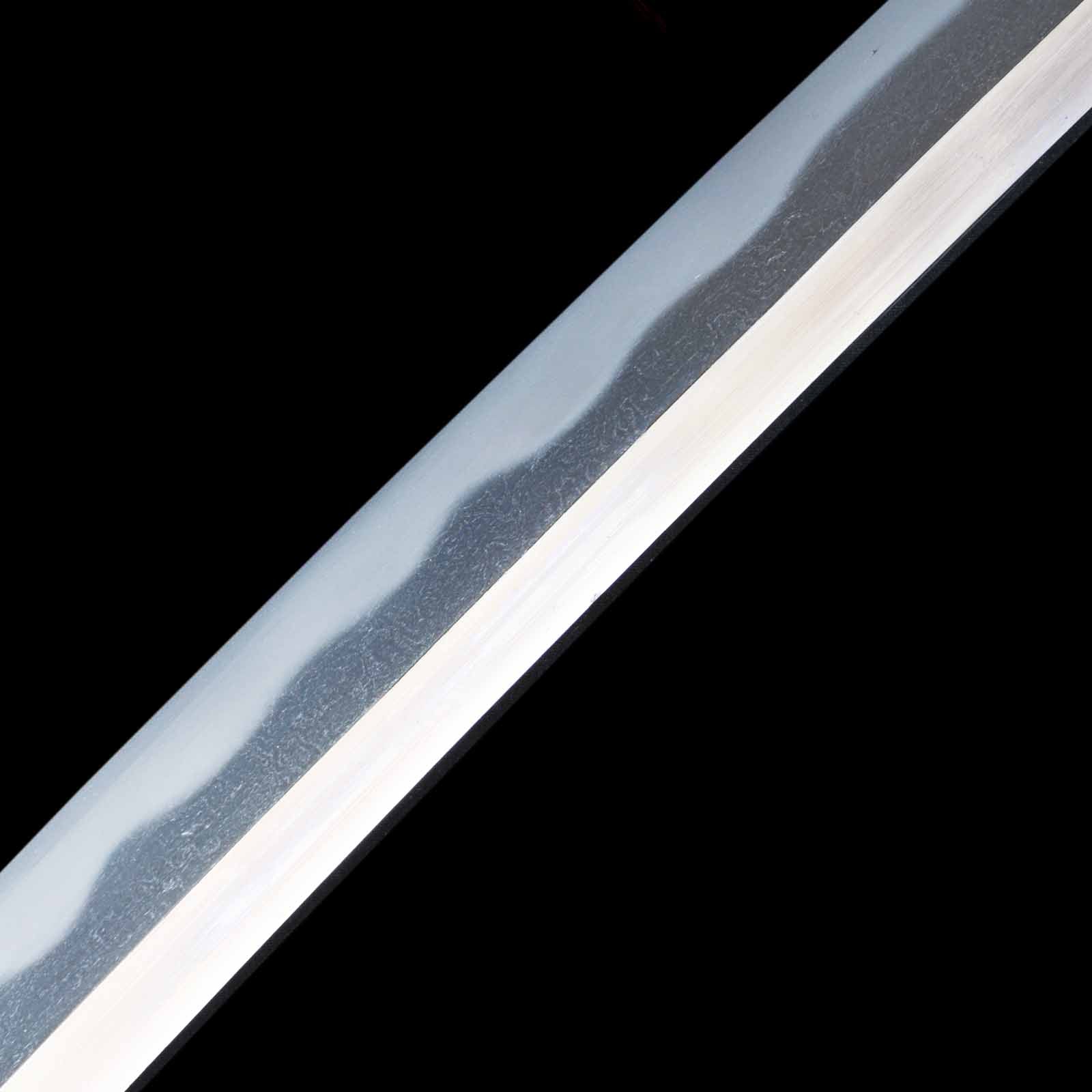
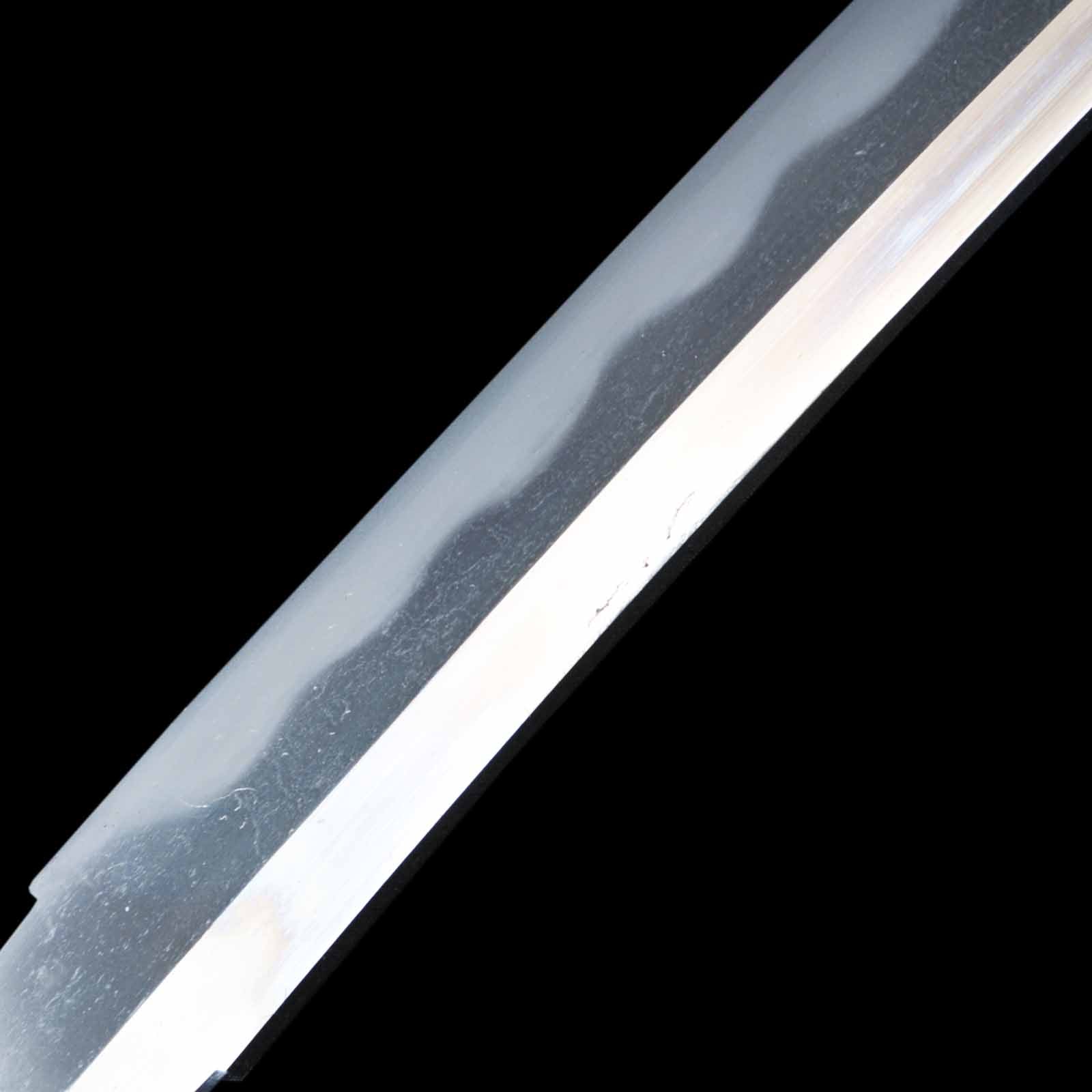
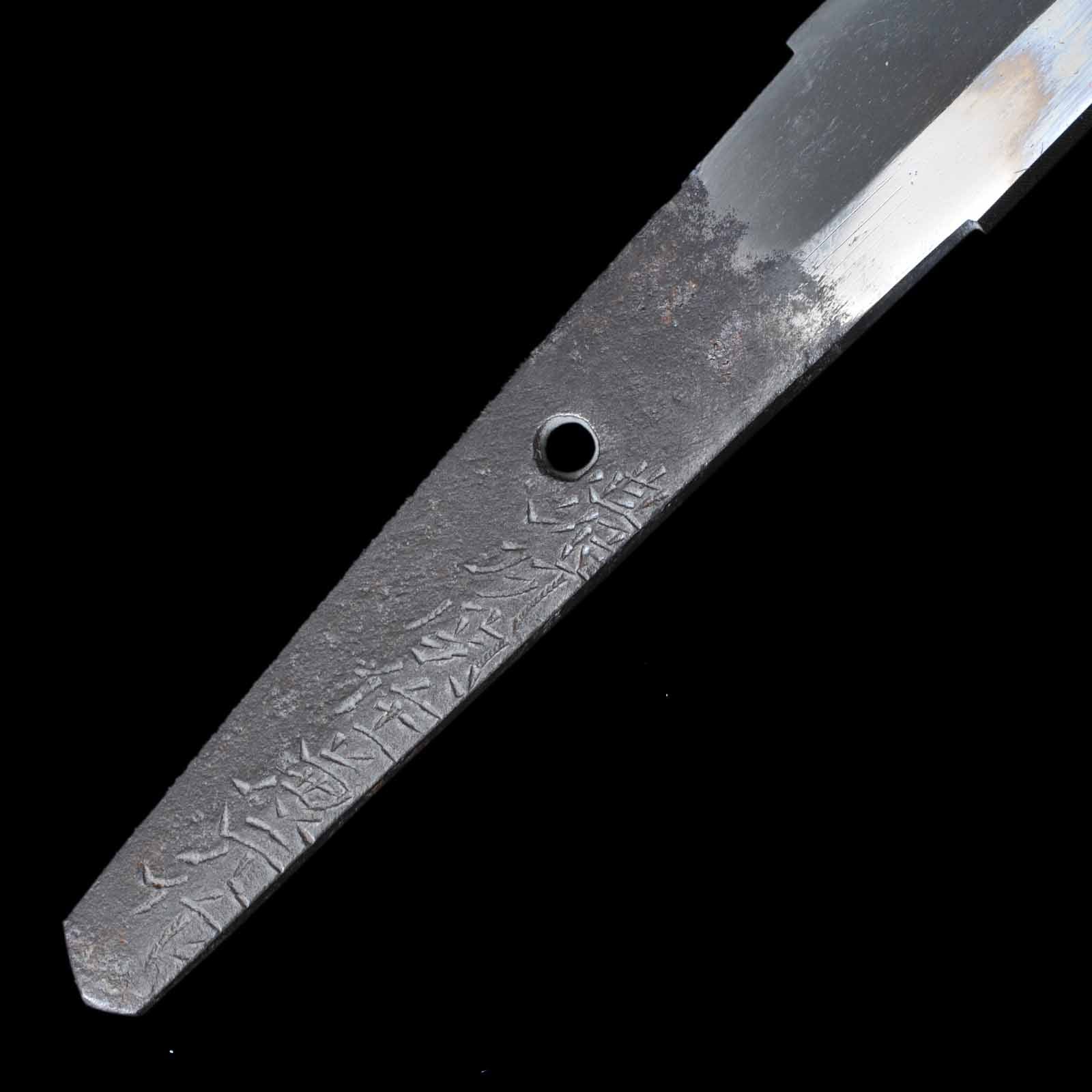
美濃伝 · 美濃
現在21点販売中
兼元は、美濃国関を本拠とした末美濃の刀工で、室町時代後期に和泉守兼定と並んで美濃鍛冶を代表する家系である。同名が相継いで栄えたが、なかでも最も技量にすぐれるのは二代で、世上この兼元を指して「孫六兼元」と呼称し賞翫してきた。「孫六」は兼元家代々の通称であり、二代がとりわけ著名であることから、この称がそのまま二代の代名詞として用いられている。居住地を明示した作には「濃州赤坂住」と切るものがあり、赤坂を一つの拠点としていたことが知られる。説示には明応・享禄・大永などの年紀を有する作が挙げられ、紀年銘の比較的少ない同家にあって、これらは作期や系統を研究するうえで好資料とされている。 作風の中核をなすのは、三本杉と称される尖り互の目の連れた刃文である。各代を通じてこの刃文を得意とするが、二代と後代とでは趣を異にする。代が下ると尖り刃の形が鋭角的で規則正しく揃うのに対し、二代は互の目の頭が処々丸みをおびて変化を見せ、三本杉のほかに二本杉・四本杉・五本杉といった群落を交えるなど画一的でないところに特色がある。説示はこれを行草の体の三本杉と評し、刃取りに起伏を見せて変化に富む点を二代の見どころとする。地鉄は板目に杢・流れ柾を交えて肌立ちごころとなり、地沸が細かにつき、地景が入り、白け映りが立つのが常で、帽子は乱れ込んで先丸く地蔵状に返るものが多い。一方、初代はあまり三本杉が目立たず、互の目に互の目丁子を交え、時に湯走り・飛焼を伴うものが多く、年紀は明応六年を最も古いものとし、居住地はすべて濃州赤坂住と切られる。二代と初代、さらに後代との別は、こうした刃文の構成と地鉄の風合いから見分けられる。 伝来をみると、二代兼元は実戦刀としての評価が高く、元亀元年の姉川の戦で青木一重が真柄真隆を討ったと伝える青木兼元、また截断銘を裏に施した作などが知られ、切れ味を尊ぶ風が早くから付随していた。金象嵌で笹露と号した作のように、所持者の名とともに伝えられた優品もある。作刀は薙刀・刀・脇指・短刀に及び、長寸で先の張った雄勁な造込みのものから、来写し・京物写しと目される稀な直刃の上品な短刀まで幅があり、二代の技量の振幅を伝えている。説示はこれらを孫六兼元の典型かつ出色の出来口として位置づけ、行体の三本杉が匂口明るくよく沸え、地刃ともに冴える点を賞するとともに、末関を代表する刀工としての名声を確かなものとしている。 詳しく見る →
室町時代の美濃
戦国の関は一つの産業であった。春日神社を氏神と仰ぐ鍛冶たちが、中部日本の軍勢を武装させた。孫六兼元の三本杉と之定の最上作は、量産の町に第一級の技が息づいていたことの証である。
As a general rule, returns/exchanges are not accepted on Japanese sword orders unless damaged upon delivery. Other items: returns/exchanges accepted within 7 days of delivery. Cancellation for personal reasons incurs a 30% restocking fee (70% refunded). Return shipping must be prepaid and insured by the buyer; shipping/handling fees are non-refundable. Contact katana@tozando.co.jp to initiate a return.