天下統一は大量の市場を閉じ、関の鍛冶は新しい富の在り処へ移った。三品の一門は受領名を得て京に、大道系は諸国の城下町に。美濃は新刀時代の最大の祖先となった。
 NihontoWatchNihontoWatch
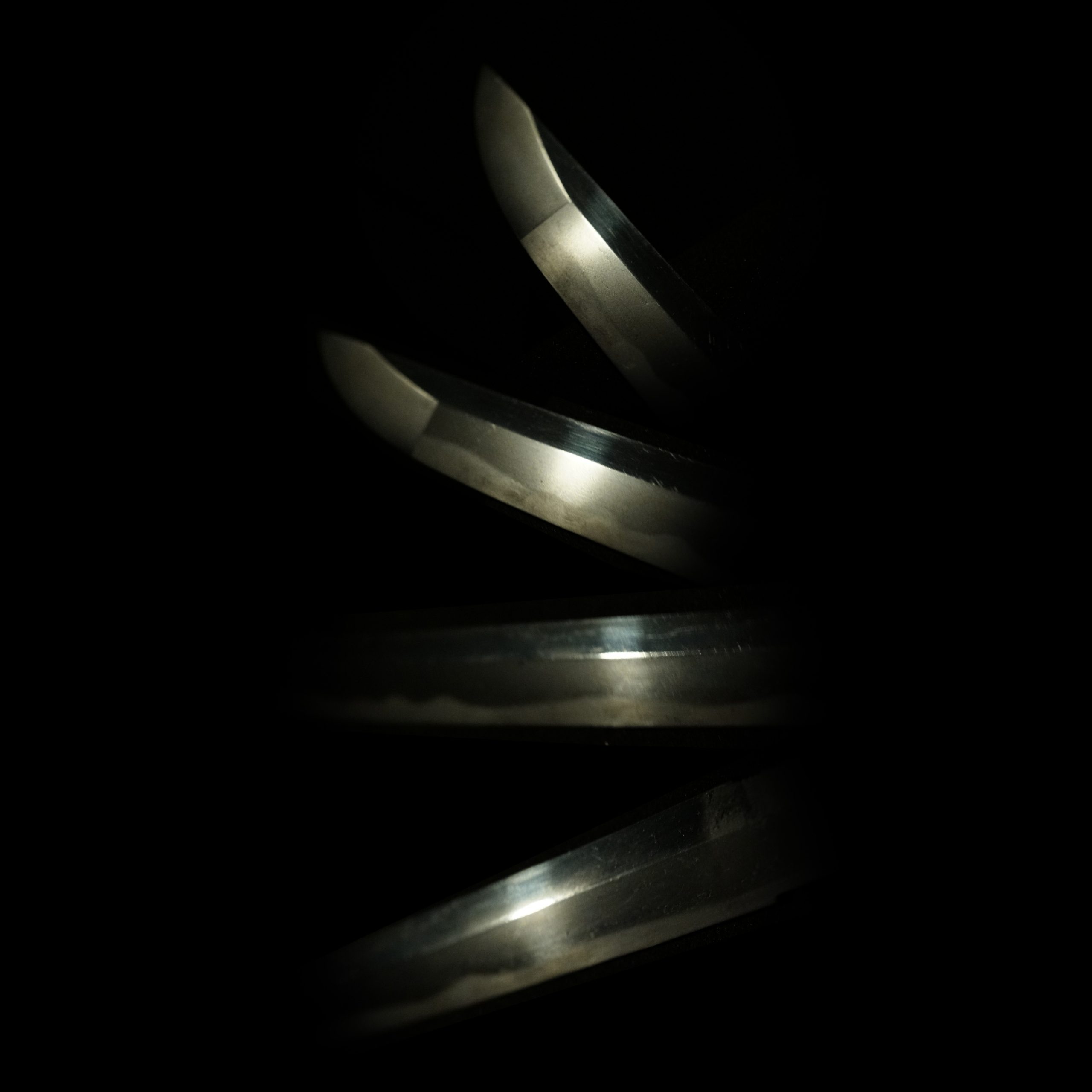
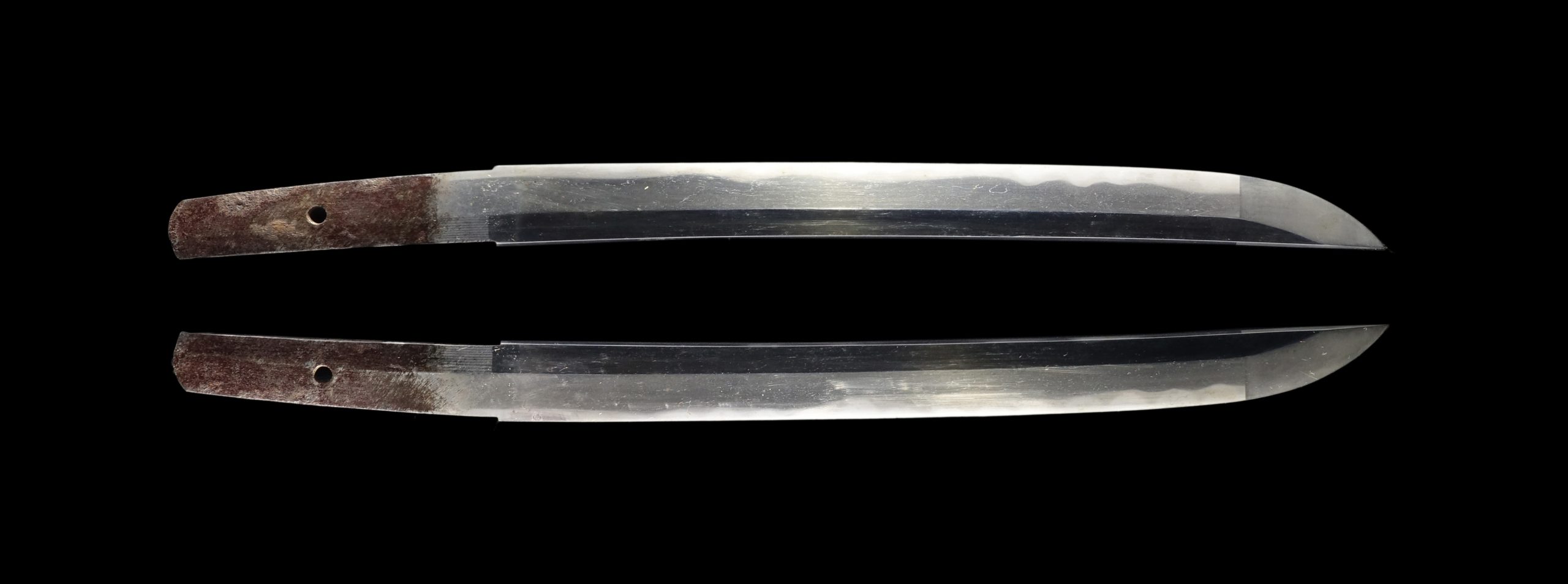
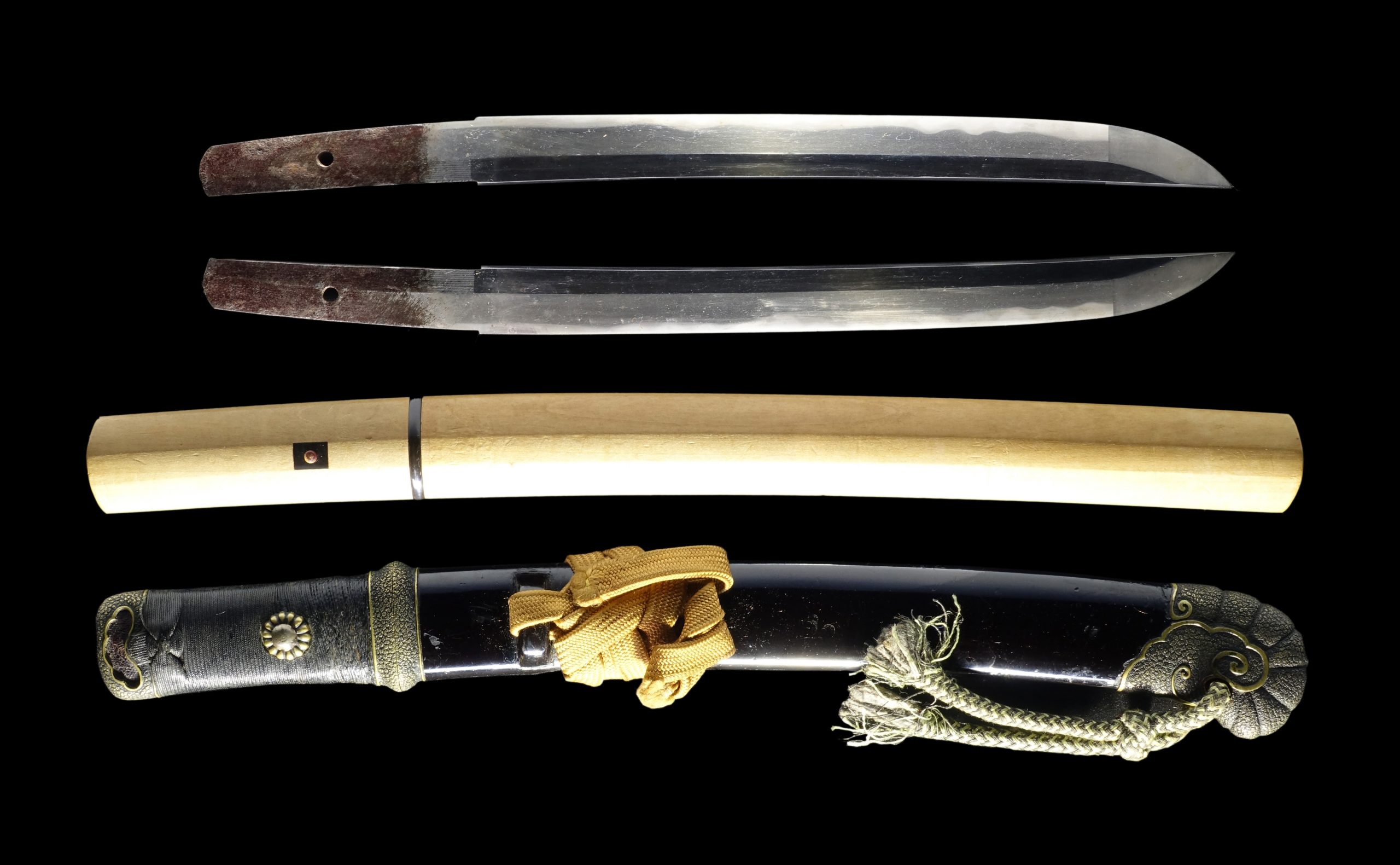
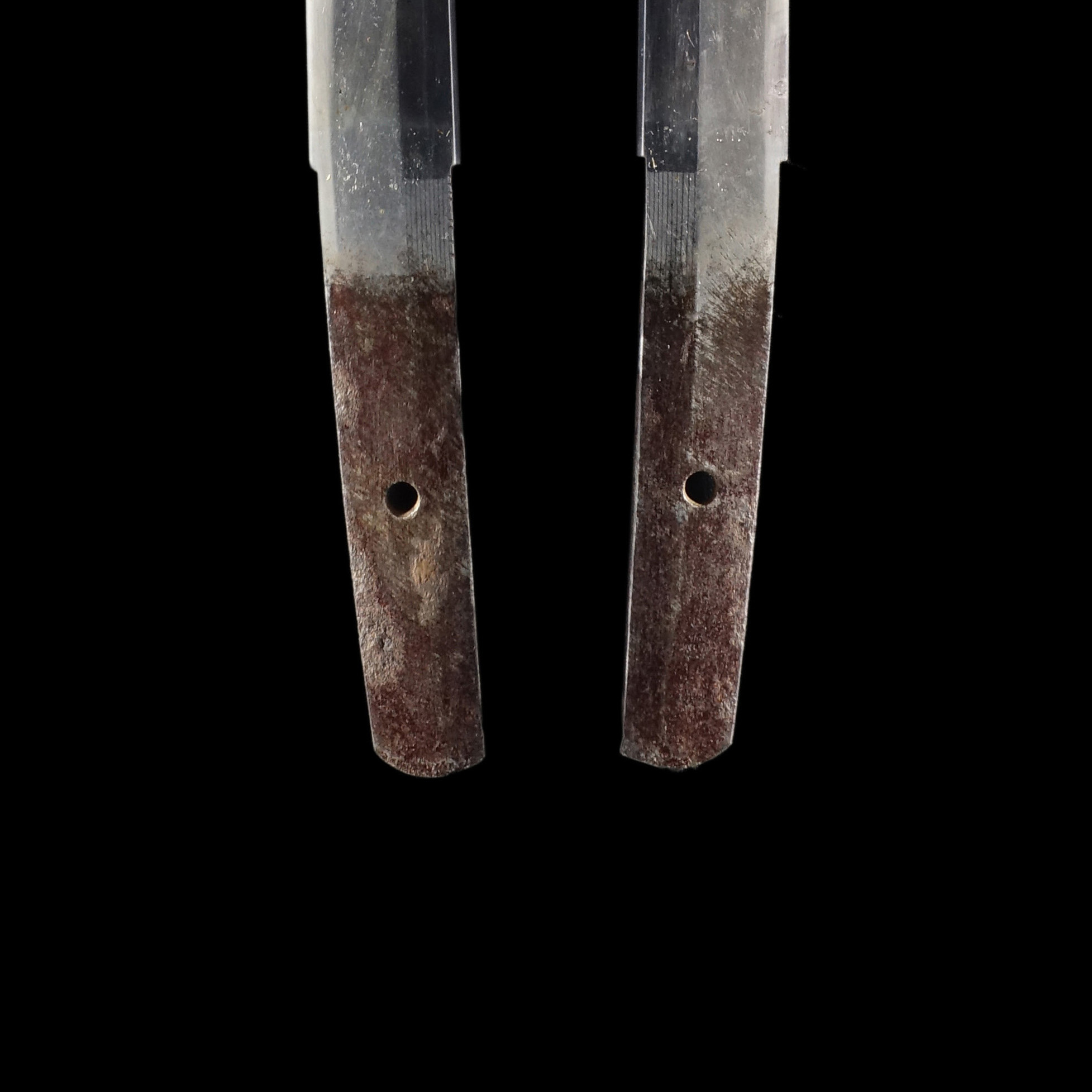
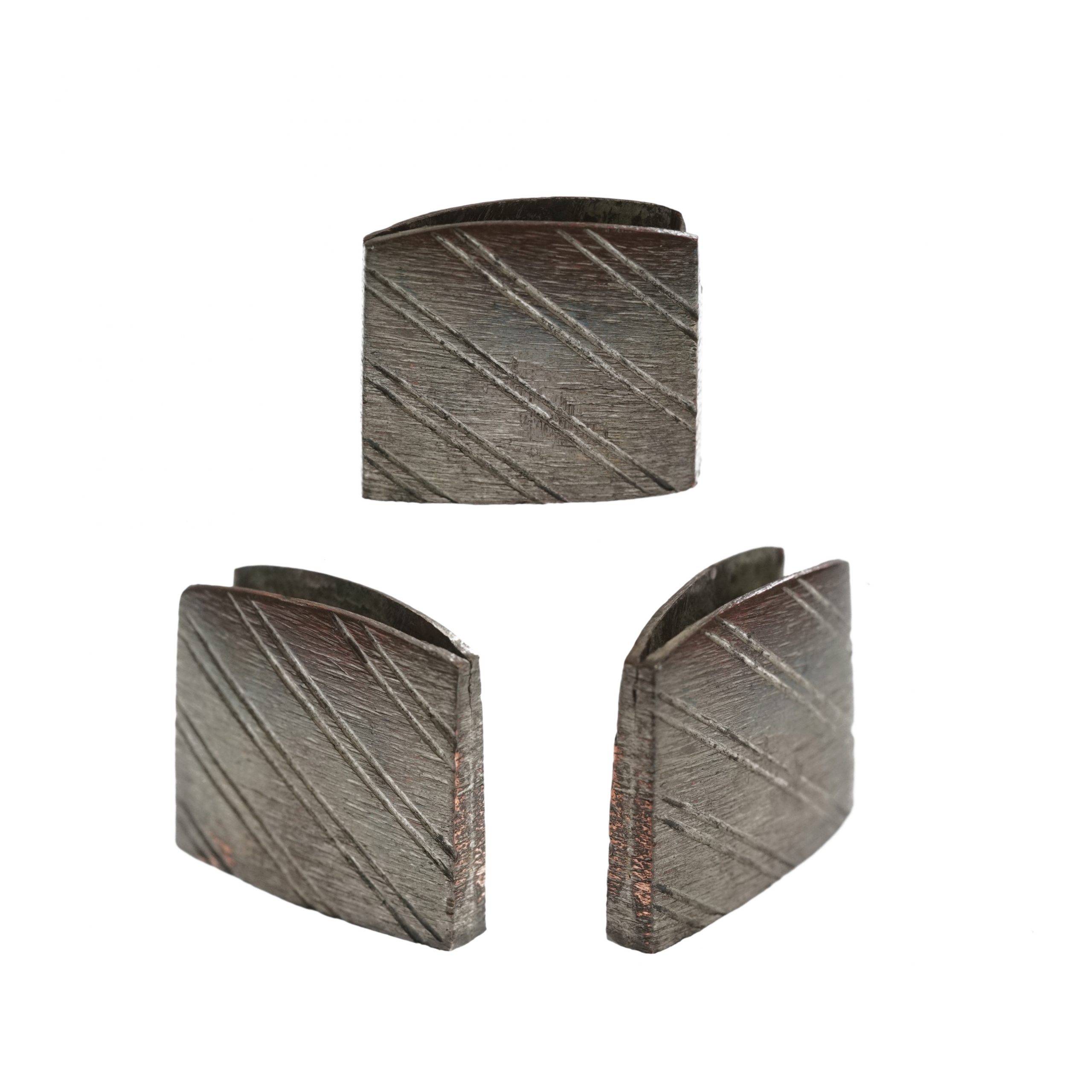
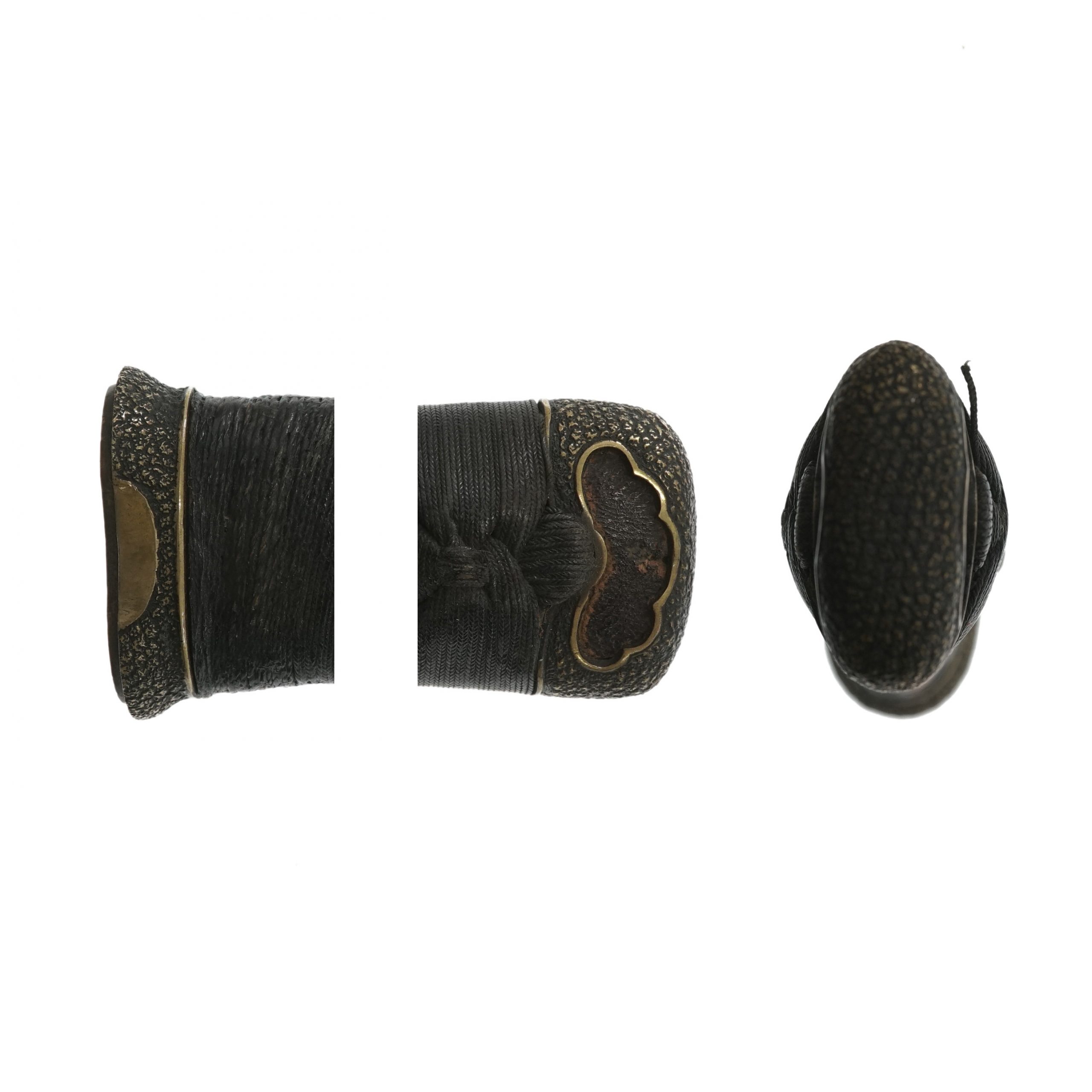
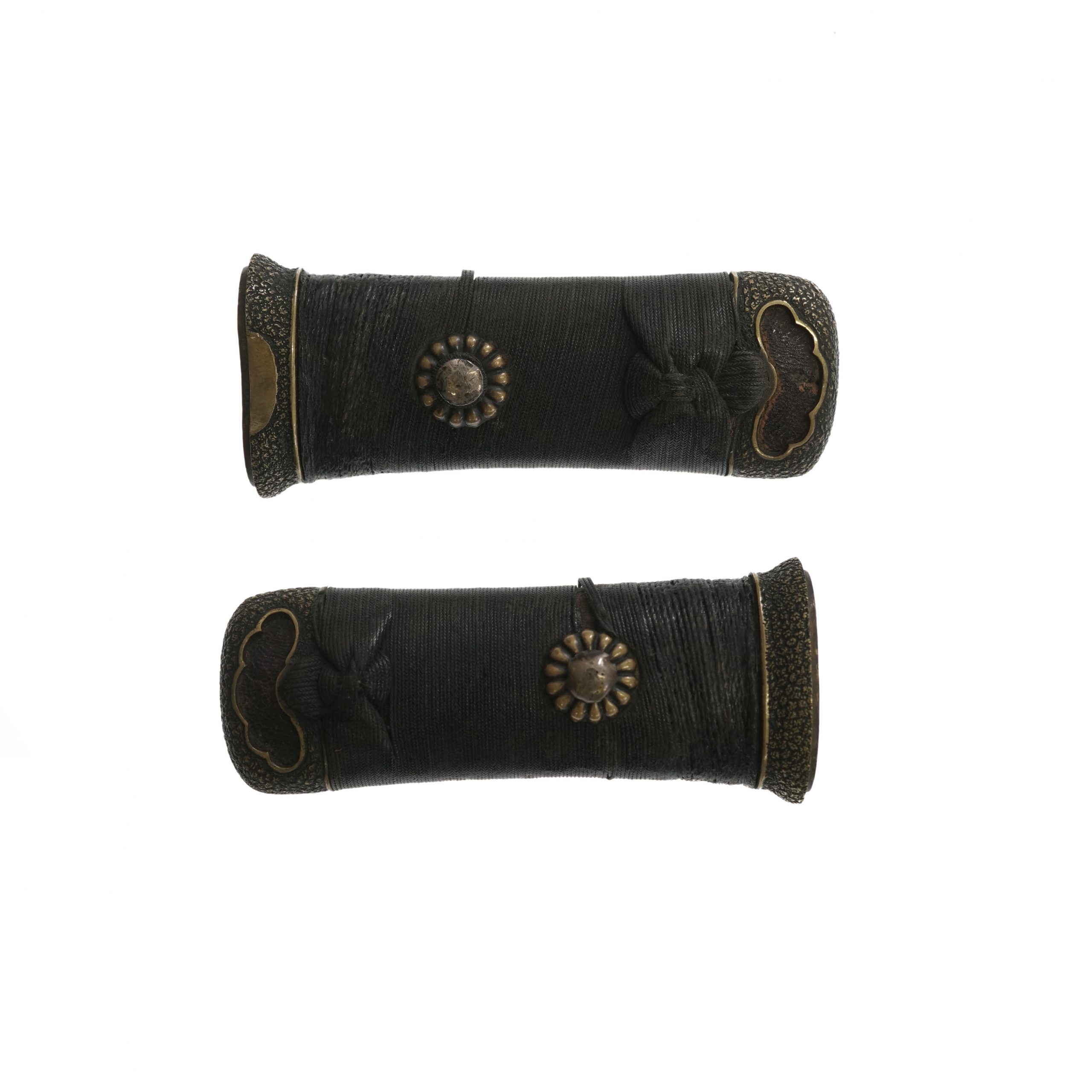
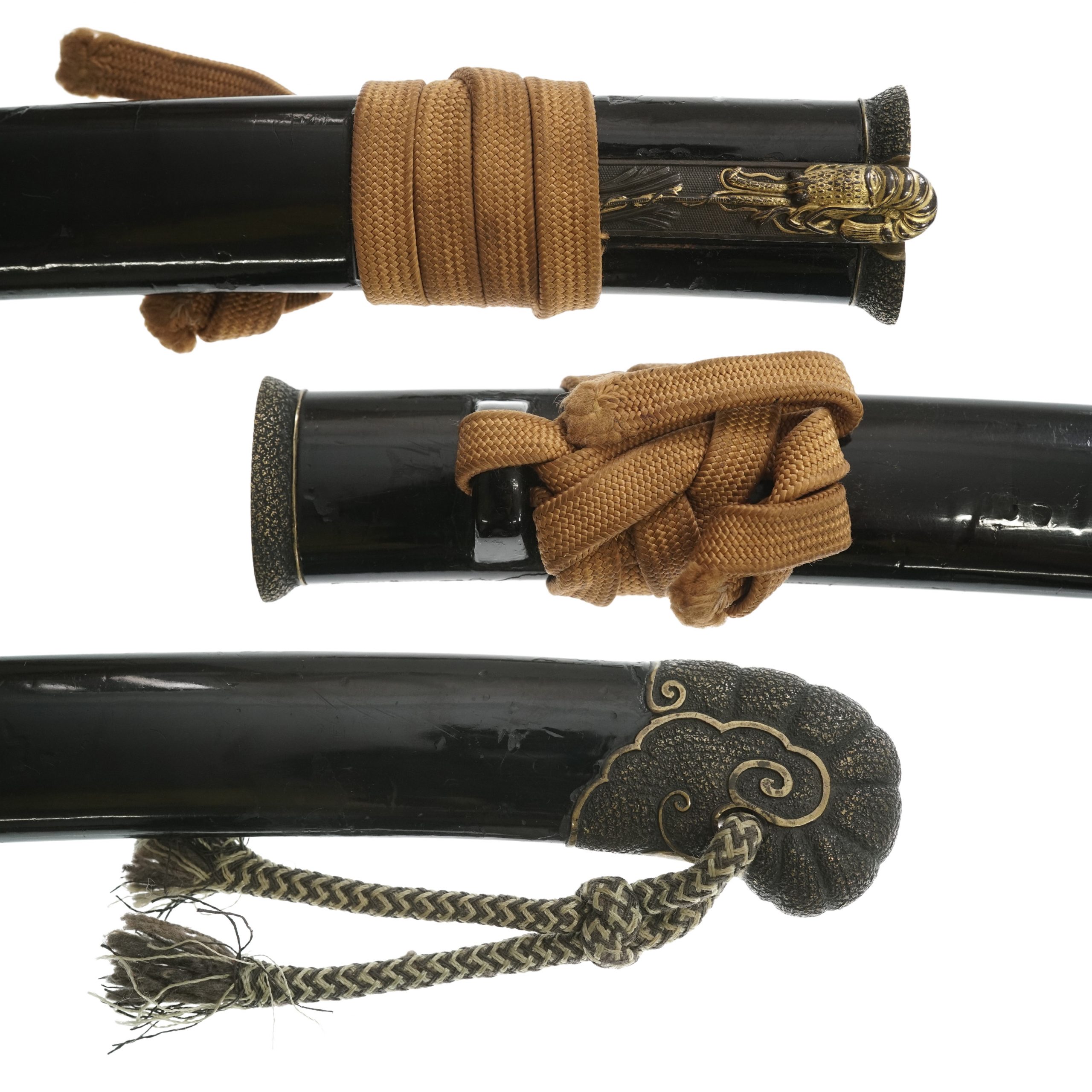
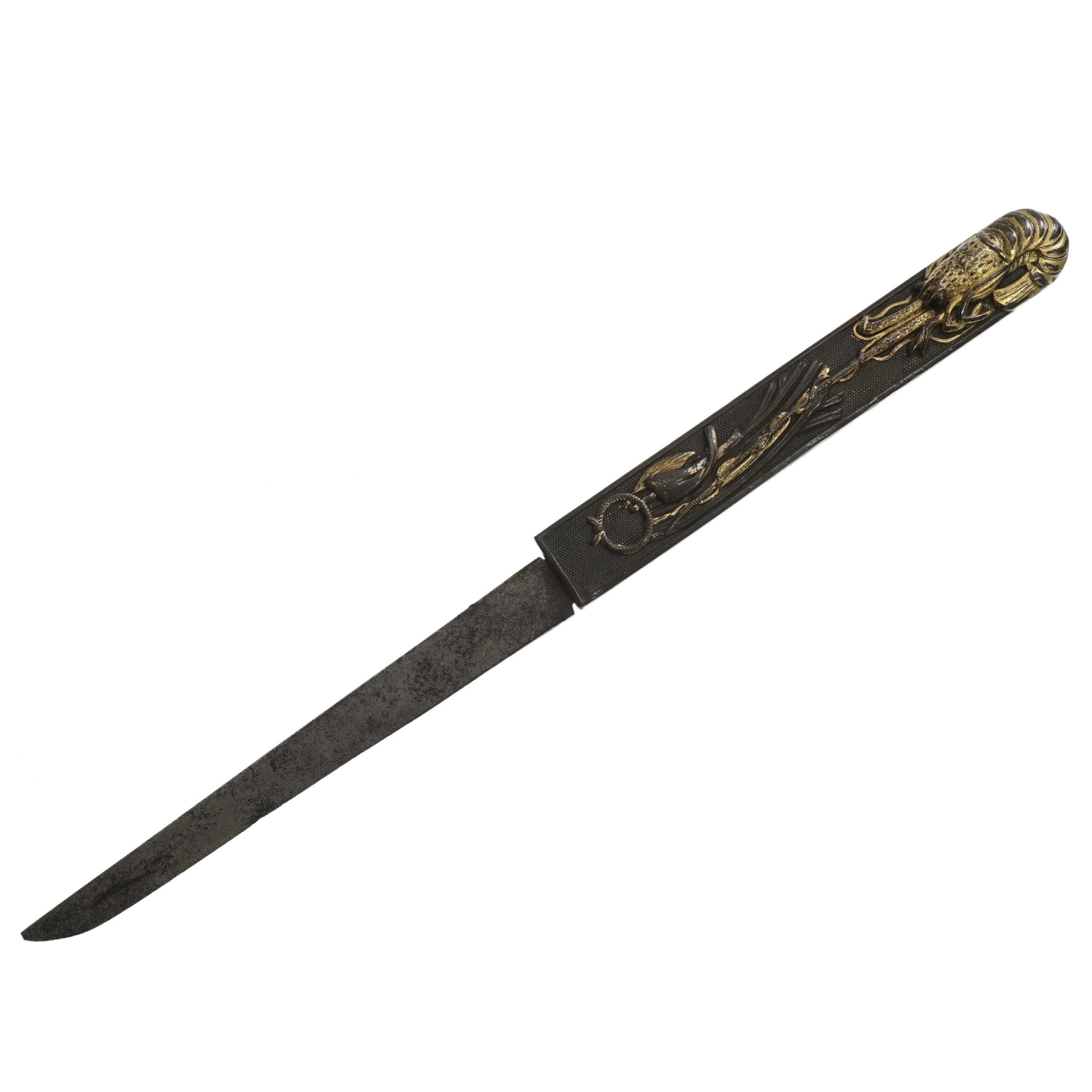
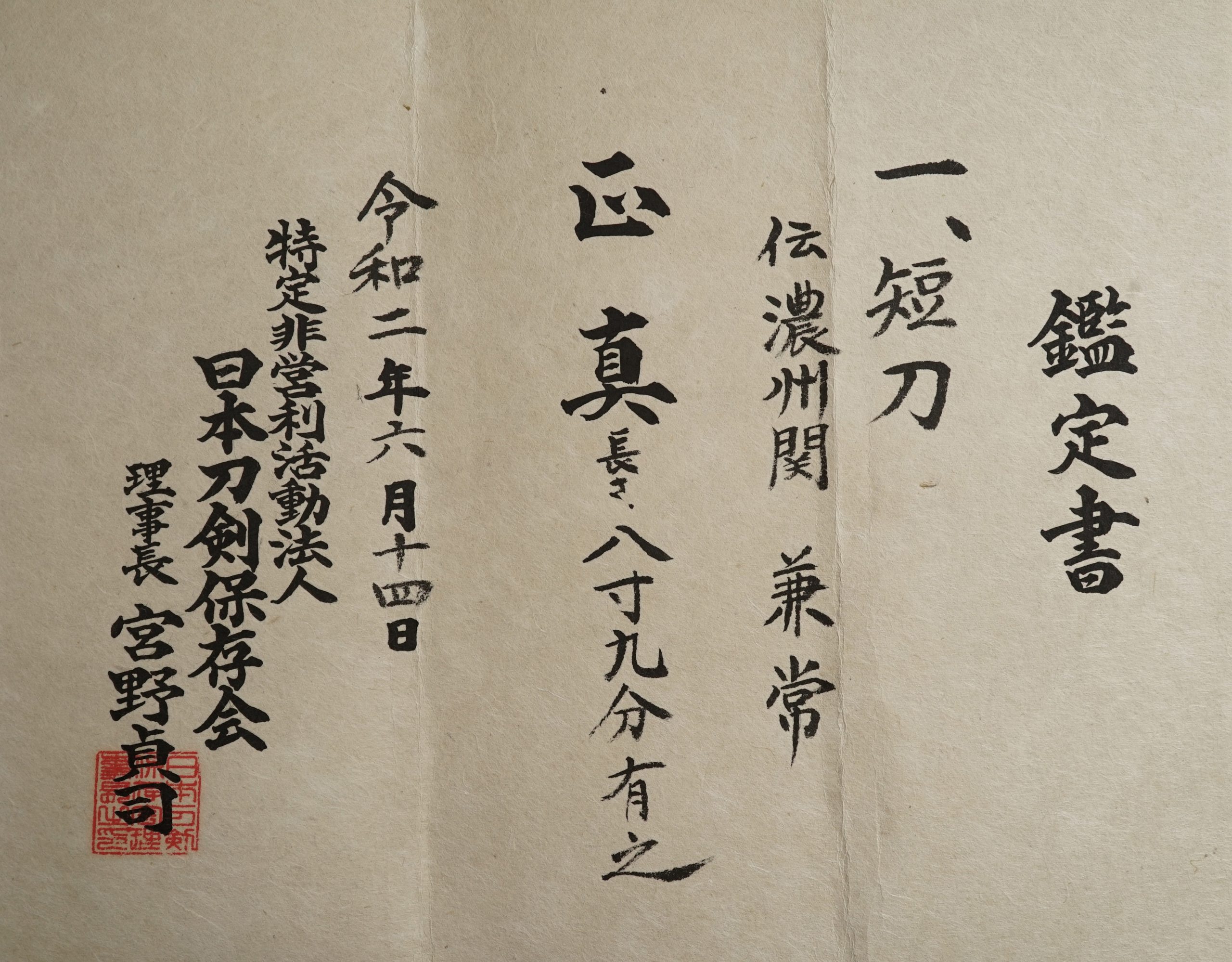
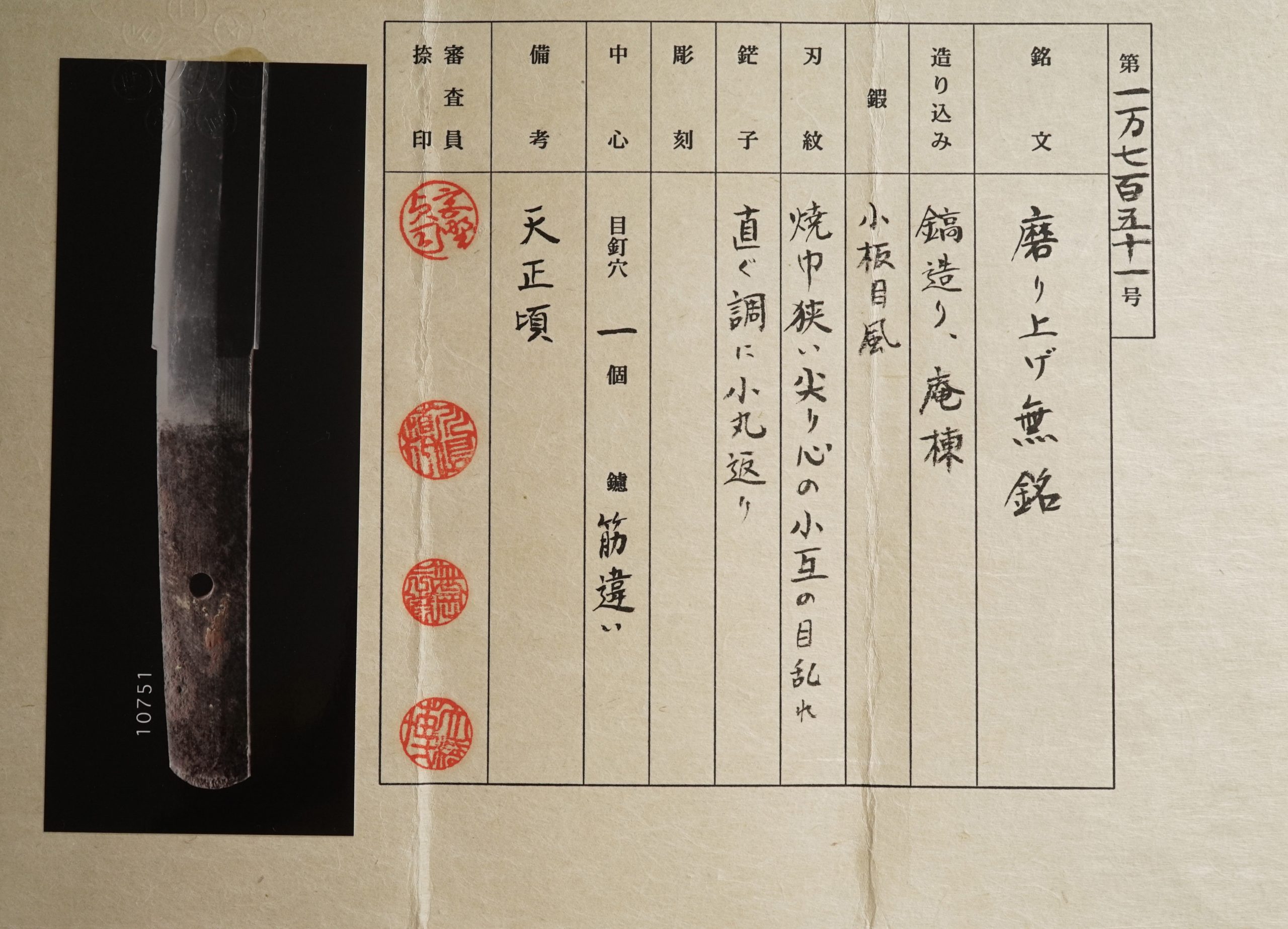
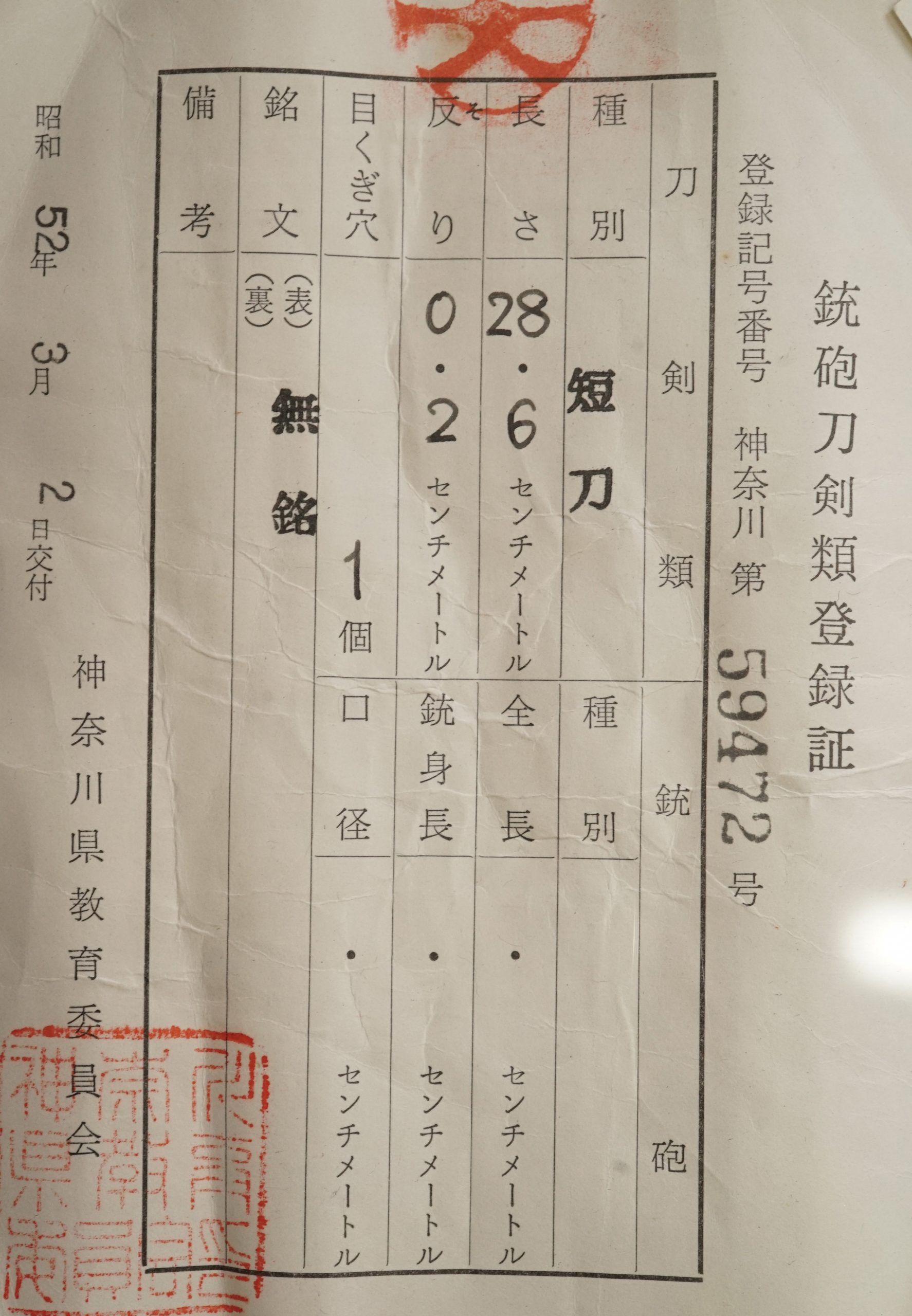
NOSHUSEKI Kanetsune(濃州関兼常) is a famous swordsmith from Mino province(Gifu prefecture). He usually forged Tanto Swords. The swords forged by him was known as superb quality sharp swords. There were a few generations of Kanetsune, and according to NTHK, this blade was forged in the Tensho era(1573-1593) The MINO swordsmiths style, also known as MINO-DEN, basically has the TOGARI(Pointed shapes protruding from the Hamon )in a classic straight line and random temper line with some white Utsuri. MINO-DEN had its origin from YAMATO-DEN in the late KAMAKURA period(1280-1330). It flourished in the MUROMACHI period(1333-1573) and continued until the EDO period(1603-1868). MINO-DEN especially prospered during Sengoku Jidai(Warring State period) due to the high demand for weapons. And the location of Mino province beat others. Akechi Mitsuhide controlled Mino province, and Nobunaga Oda ruled Owari province, and Tokugawa Ieyasu was the lord of Suruga (Neighboring areas). There was high demand from those powerful feudal lords and their retainers. Furthermore, so many wars occurred between the Kanto region and the Kyoto area. Mino is located in the middle, making feudal lords feel convenient to order swords from MINO-DEN. The blades forged in MINO provinces also had the reputation of its practical design and sharpness. Many feudal lords demanded swords forged in the Mino province. The tradition of excellent sword forging skills had been passed to the Edo period. Nakago NTHK concluded that It is Suriage Mumei, meaning the signature part was cut due to shortening the blade. Koshirae Fuchi-Kashira Tsuka’s Fuchi is engraved as pine leaves shape. Pine trees keep their green color through the years by withstanding severe heat and cold. Therefore, people regard it as a sacred plant which represents eternal youth or strong vitality. Tsuka and Menuki Flower-shaped decorations are put for Menuki. It might describe the chrysanthemum flower. A long time ago, people used chrysanthemum as medicine for longevity in China. And it was brought to Japan with this thought in the Nara period (648-781). Chrysanthemum is one of the autumn flowers. People appreciate it very much and liken chrysanthemum to the sun because its petals form radially. That is why this flower pattern is treated as the symbol of perpetual youth and longevity or good health. Habaki Habaki is the equipment to make the blade not touch its scabbard inside.It prevents the blade from getting rusty and chipped. Saya Saya’s point is covered with Kojiri (鐺), and its shape looks like a spiral shell. As Japan is an island, seafood is an essential food for Japanese people. Also, pearls made by shells have been used for ornaments since a long time ago. Conch is the most massive coiled shell in Japan. People once used conch as a musical instrument. They blew conch shells believing that it would exorcise evil spirits and protect them. Kozuka Kozuka is a small knife stored in Koduka Hitsu(groove of the sheath of the Japanese sword). A shrimp is designed for Kozuka. According to a theory, Japanese people already ate shrimp in the Heian period (794-1185). As it was expensive for ordinary citizens, only the nobility and high-class people could enjoy it at that time. People started using shrimp as a good-omen pattern and appreciated designing it for their family crests in the Muromachi period (1336-1573). As shrimps are covered with hard shells, it was thought shrimp represents the brave Samurai wearing the armor in Samurai’s society. Shrimp has been likened to an older adult because of its long feelers. Also, shrimps jump even though they are bowed. That is the reason why the shrimp pattern is treated as a symbol of perpetual youth and longevity. Authentication Paper NTHK, also known as NPO Nihon Touken Hozon Kai, is the oldest organization for sword authentication of Japanese swords. It was established in 1889 during the post-Samurai era. They authenticated the blade on June 14th in the second year of Reiwa (2020).The purchaser will receive this original certificate as well.

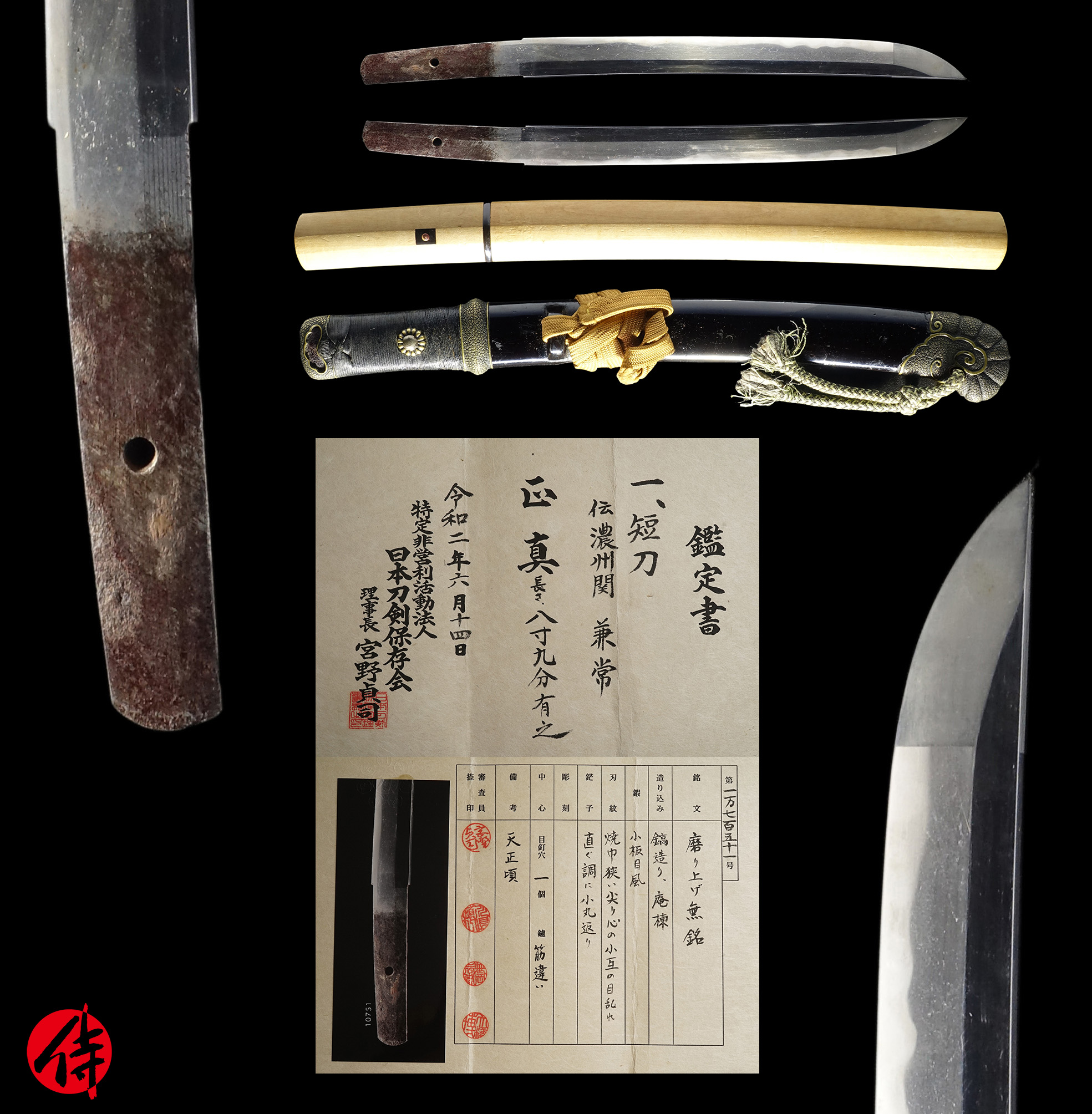
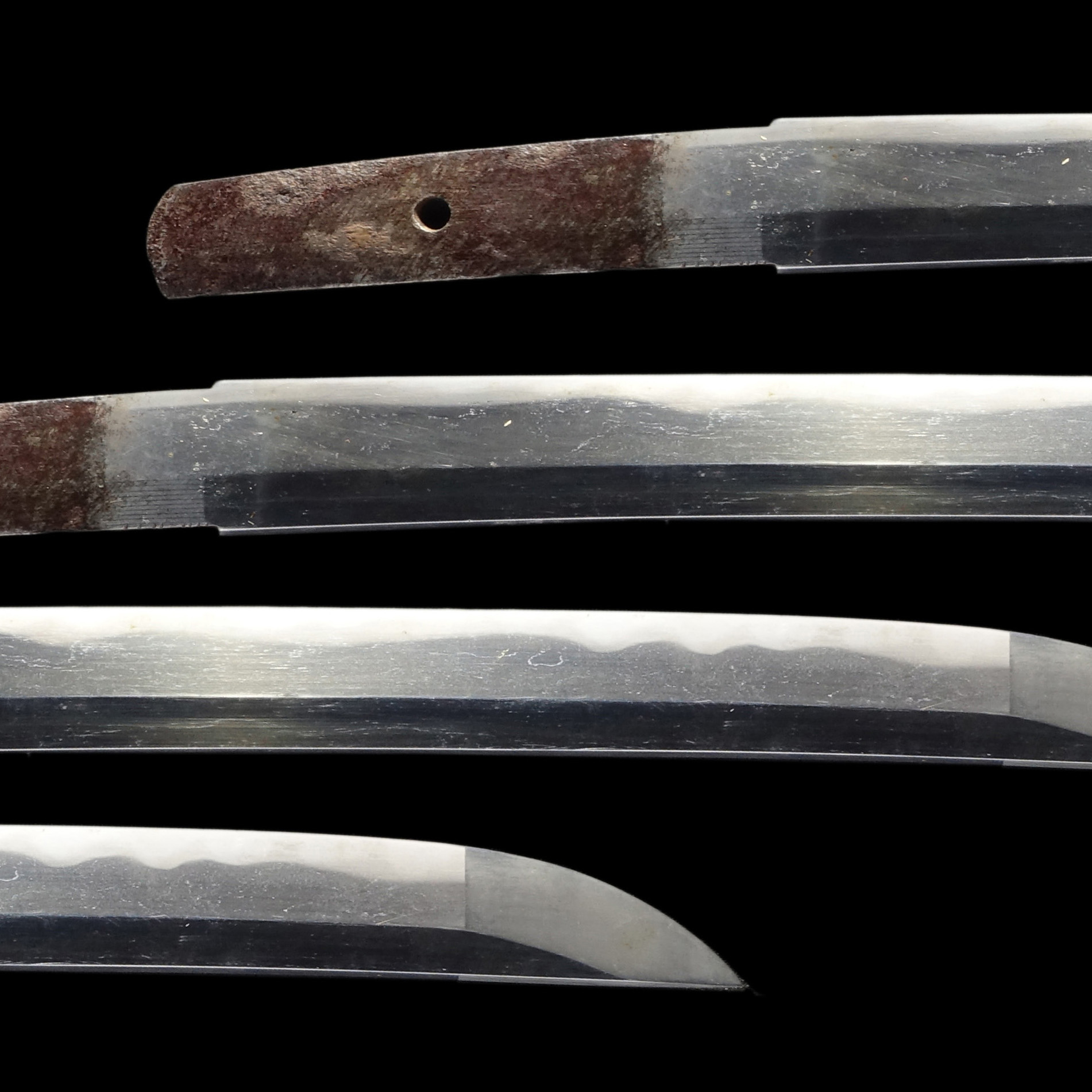
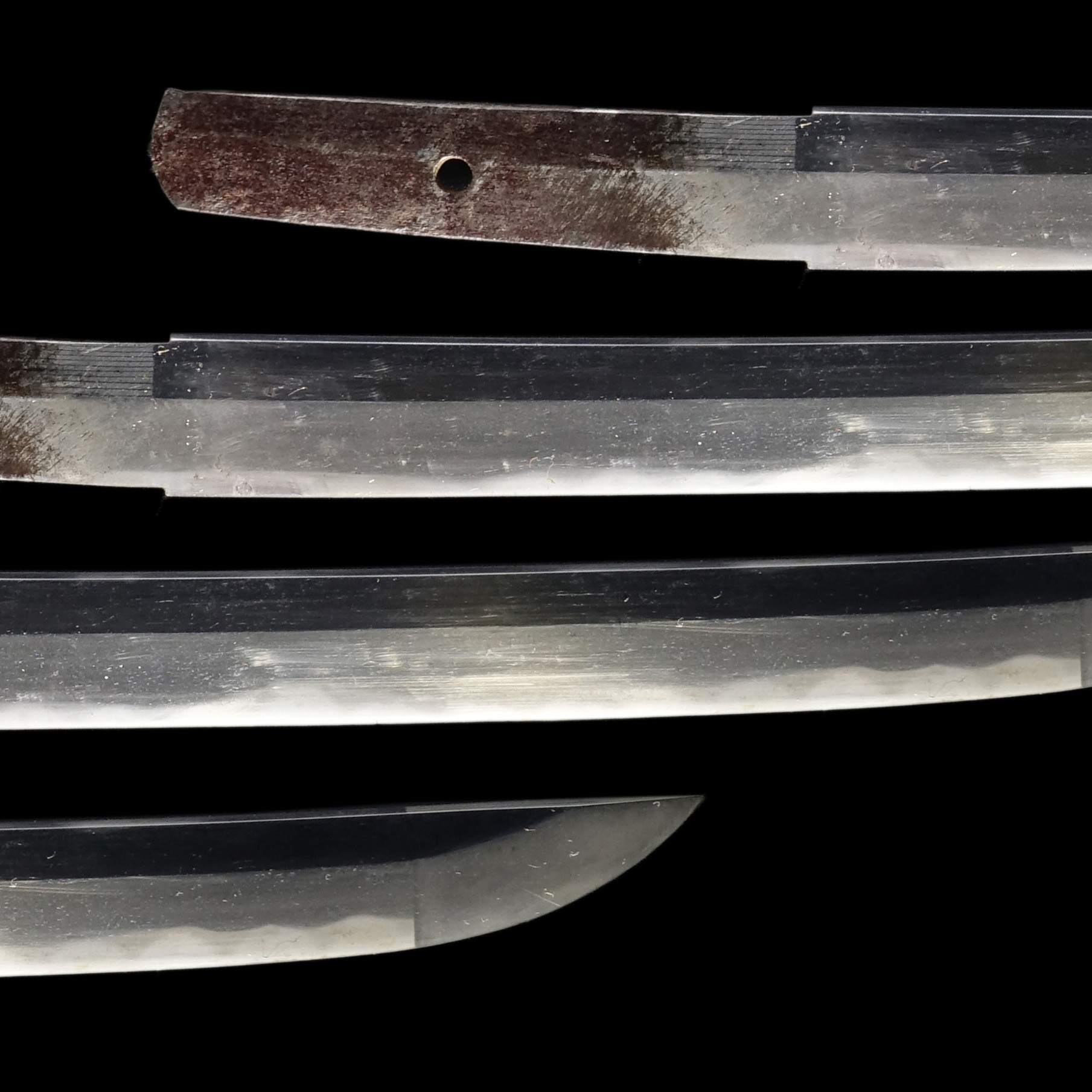
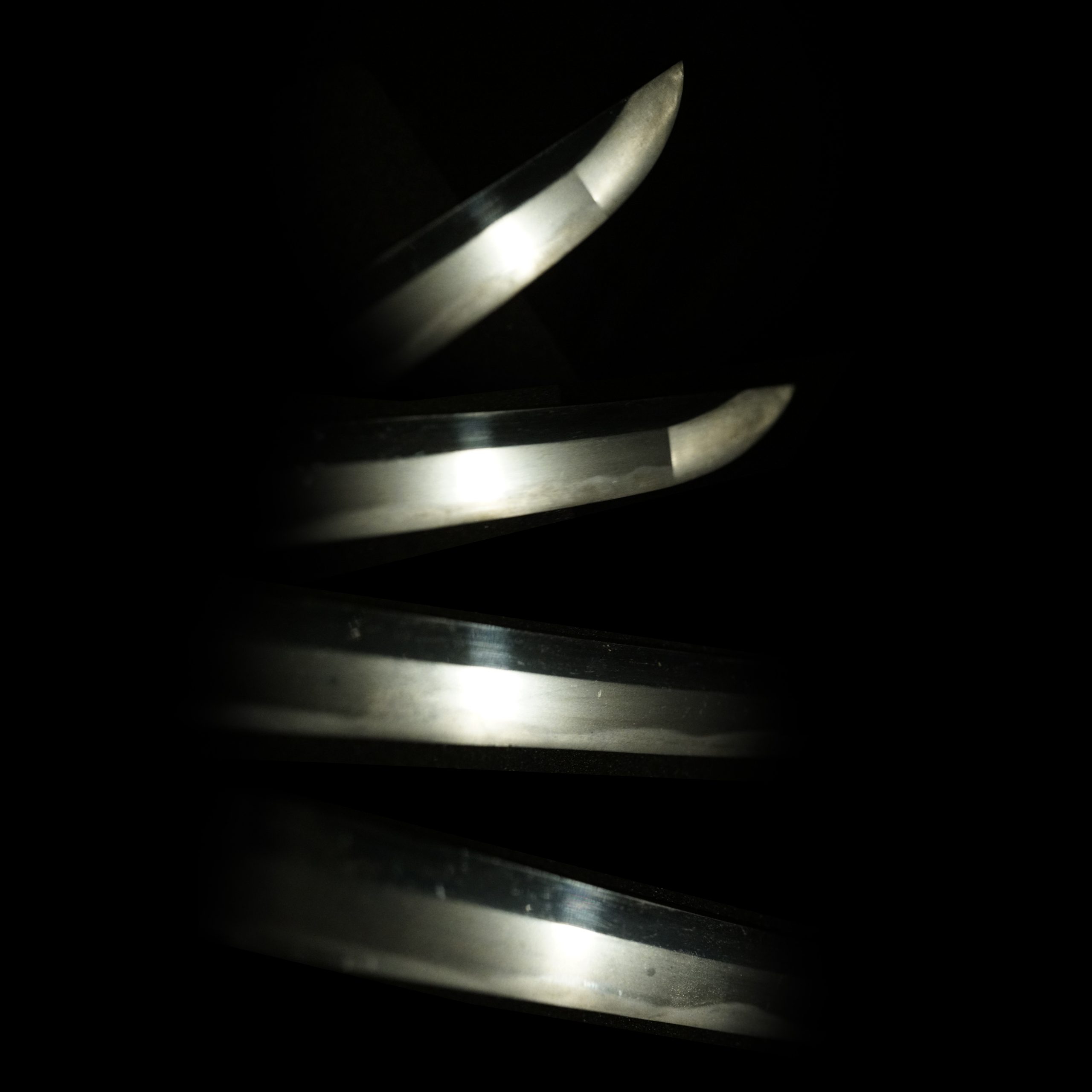
販売店の記載のまま
美濃伝 · 美濃 · 1573-1592頃
藤代 中上作 · 刀剣大鑑 上位49%
現在2点販売中
兼常の位置づけを、日本刀全体および伝法・時代・時期ごとに示します。各区分(随一・屈指・有数・著名)は、NBTHK および文化庁による指定に加え、三作や名物帳などの歴史的栄誉を加味したものです。
各項目を選ぶと評価方法が表示されます。
美濃伝 · 尾張
現在8点販売中
尾張政常は、美濃国納土に生まれた相模守政常を祖とする一系である。政常は初め兼常と銘し、永禄十年に分家独立して小牧村に移り、この頃に名を政常と改めたとみられる。天正十九年五月に相模守を受領し、慶長五年、松平忠吉に従って清洲に移った。清洲では伯耆守信高、飛騨守氏房とともに鍛刀し、後世に尾張三作と称される一人となり、やがて尾張徳川家の抱え工となっている。慶長十二年には入道隠居してその子に相模守政常の名を継がせたが、二代が急逝したため再び現役に復し、以後政常入道と入道銘を用いたといい、元和五年、八十四歳で歿したと伝える。説示が扱う工は、この相模守政常を中心とし、兼常と二字に銘した初期作から、相模守を受領して以後の政常時代、さらに政常入道銘の時期に及ぶ。あわせて、岐阜大道の子で相模守政常の養子となり二代目を継いだ美濃守政常も含まれ、本国美濃の関鍛冶を根に、清洲移住を経て尾張藩の庇護下に展開した一門である。 作風は説示が繰り返し記すところに明瞭である。鍛えは板目に杢を交え、棟寄りに流れて柾がかる傾向を示し、地沸が微塵によくつき、地景がよく入る。区下や区際から水影風の立つ例も認められる。刃文は中直刃を基調とし、処々に小互の目・小丁子を交え、小足・葉が入り、小沸がよくつく。刃縁にはほつれ・二重刃・喰違刃・打のけがあらわれ、金筋・砂流しが細かにかかって匂口は明るい。帽子は直ぐに小丸、あるいは浅くのたれて返り、先を掃きかける。彫物には素剣・護摩箸・梵字・倶梨迦羅などがみられ、刀身によく調和して作を引き締めている。現存する作は平造の脇指・短刀が最も多く、しかも上手であって、刀および鎬造の脇指は極めて少ない。一方で槍・薙刀を得意とし、槍は平三角造の直槍が多く、稀に両鎬造や十文字を見る。見分けの要は、柾がかる地鉄に明るい直刃を主体とする端正な作柄と、刃縁の二重刃・喰違刃や帽子の掃きかけにあり、互の目が箱がかって沸の強まる乱刃の一作風も知られる。 鑑定にあたっては、まず銘の推移を押さえることが肝要である。兼常二字銘は政常受領以前の初期作にあたり、室町後期永禄頃の体配を示すため、同工の作域を知るうえで資料的価値が高い。政常入道銘は二代の急逝後に再び鍛刀した時期のもので、太鏨の長銘や七字銘を指表に切る例が多い。代表的な作には、相州貞宗や信国に範を求めたとみられる乱刃の優品、得意の直刃を端正に焼いた脇指・短刀、笹穂や両鎬の槍、大振りの薙刀があり、藻柄子宗典一作の拵に納められた脇指のように後世まで伝えられた例もある。刀や鎬造脇指の遺例が乏しいことから、これらは政常研究の資料としても重んじられる。尾張三作の一として清洲鍛冶の系譜に位置づけられ、美濃伝を根としながら相州風をも取り入れた点に、桃山から江戸初期の尾張新刀を代表する地位がある。 詳しく見る →
桃山時代の美濃
天下統一は大量の市場を閉じ、関の鍛冶は新しい富の在り処へ移った。三品の一門は受領名を得て京に、大道系は諸国の城下町に。美濃は新刀時代の最大の祖先となった。
NTHKの中心的な鑑定書で、相応の出来を備えた作に発行されます。在銘作は銘の正真を、無銘作は審査員による刀工・流派の極めを示します。点数を記す詳細な審査表が付されます。
NTHK(日本刀剣保存会)は、NBTHK(1948年設立)に先立つ1910年に創立された、日本で最も古い刀剣鑑定団体です。長く会を率いた会長の没後、NTHKとNTHK-NPOの二つに分かれ、いずれも審査を続けています。NTHKの鑑定書は、点数と審査員の所見を併記する詳細な審査表が特徴で、特に無銘作の極めに定評があります。
Returns/exchanges limited to defects caused by shipping (except willful misconduct or gross negligence by the company); customers must contact within 72 hours of receiving the product.