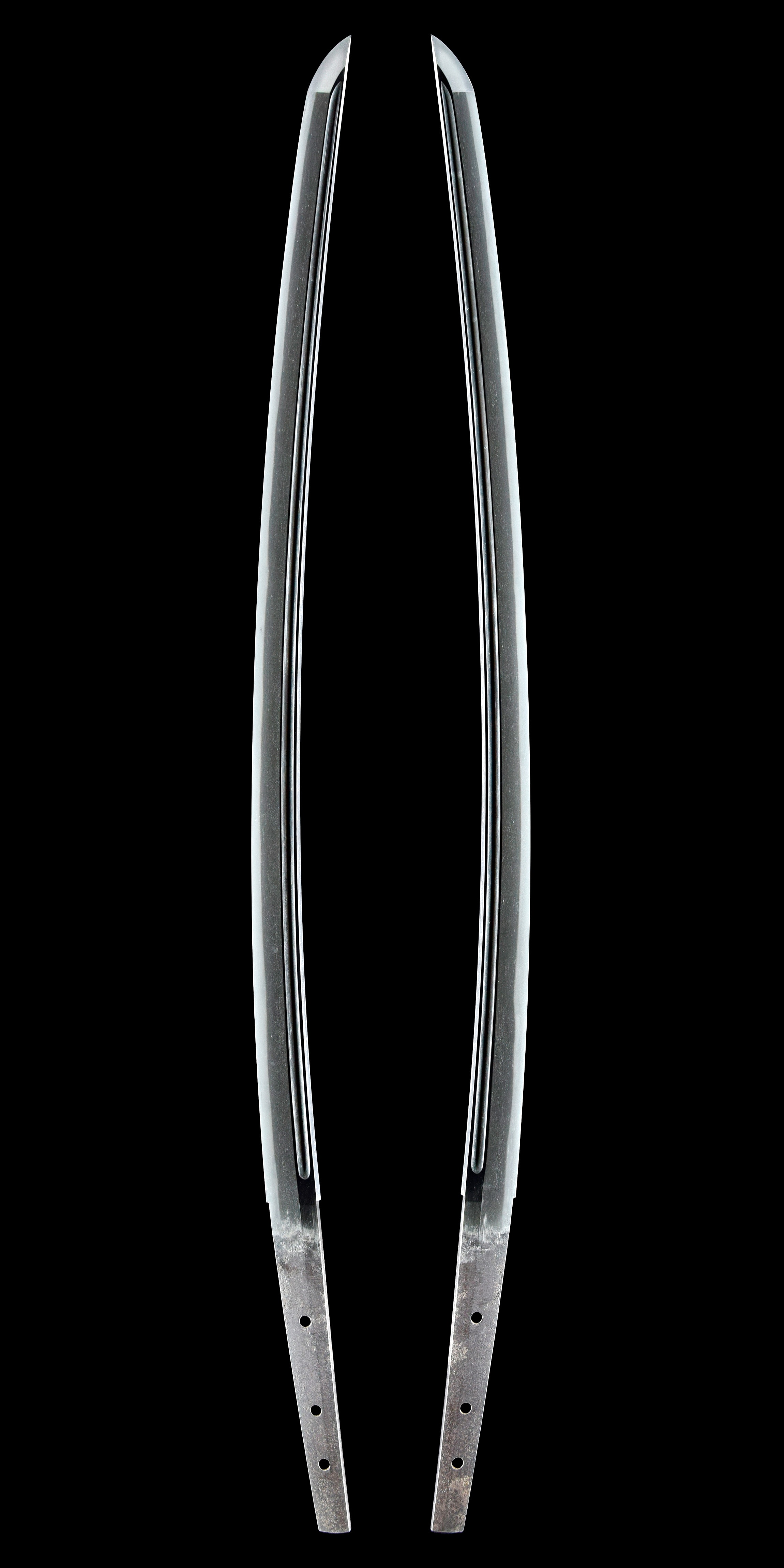
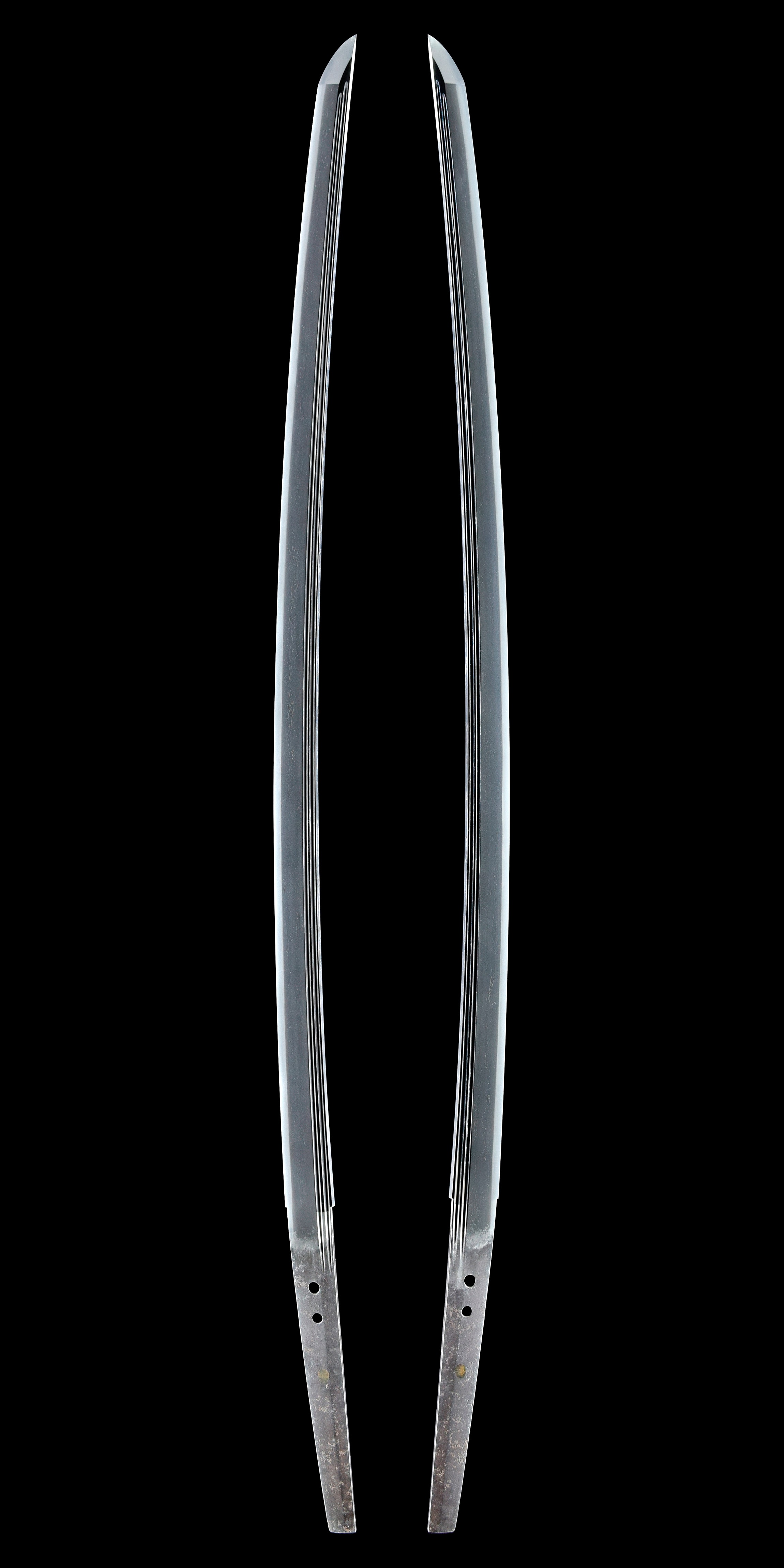
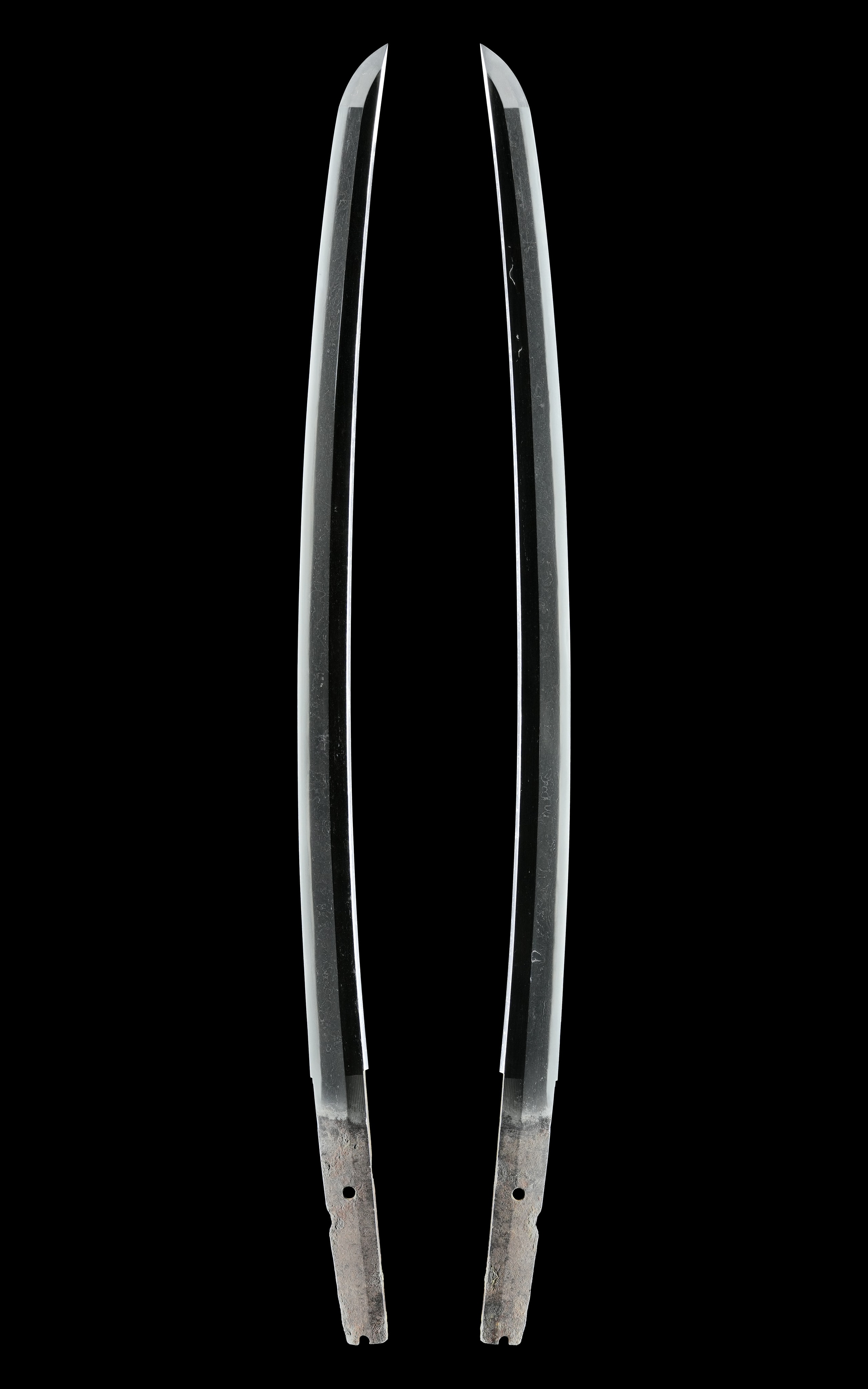
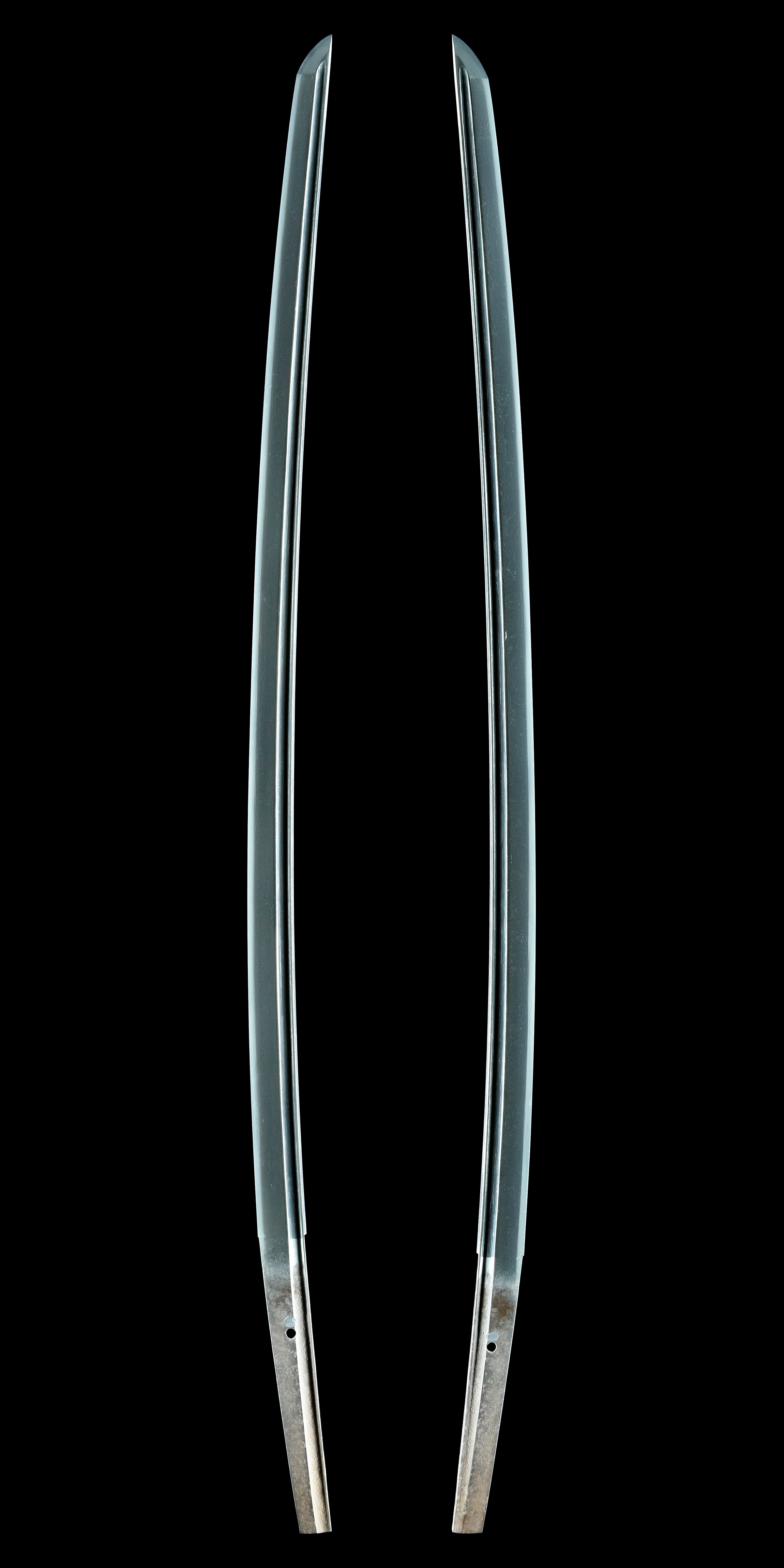
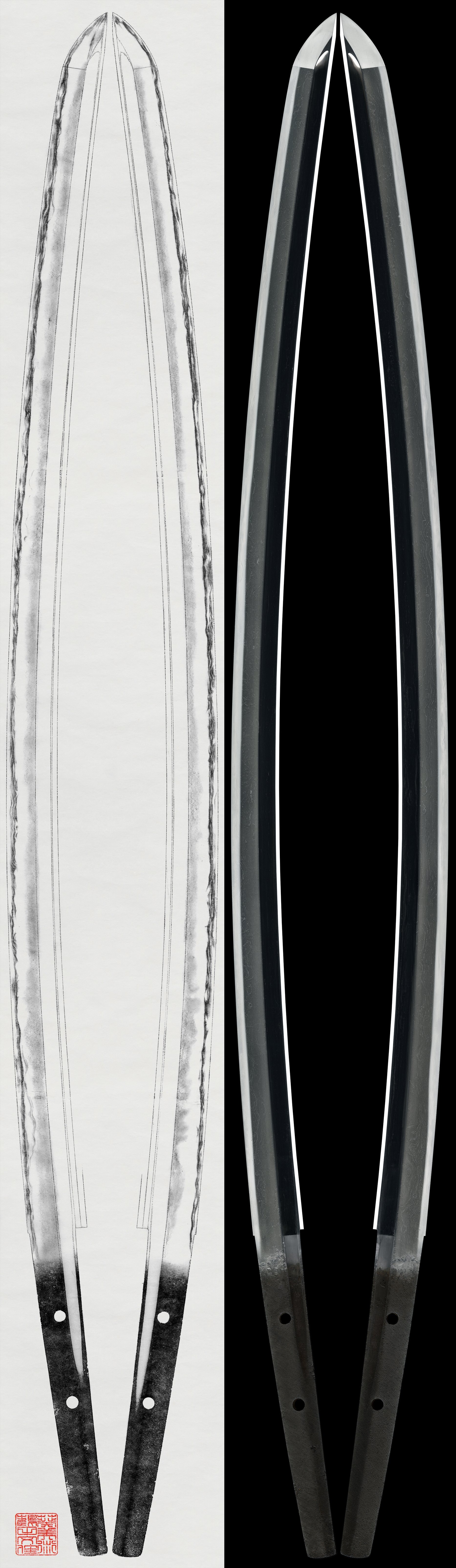
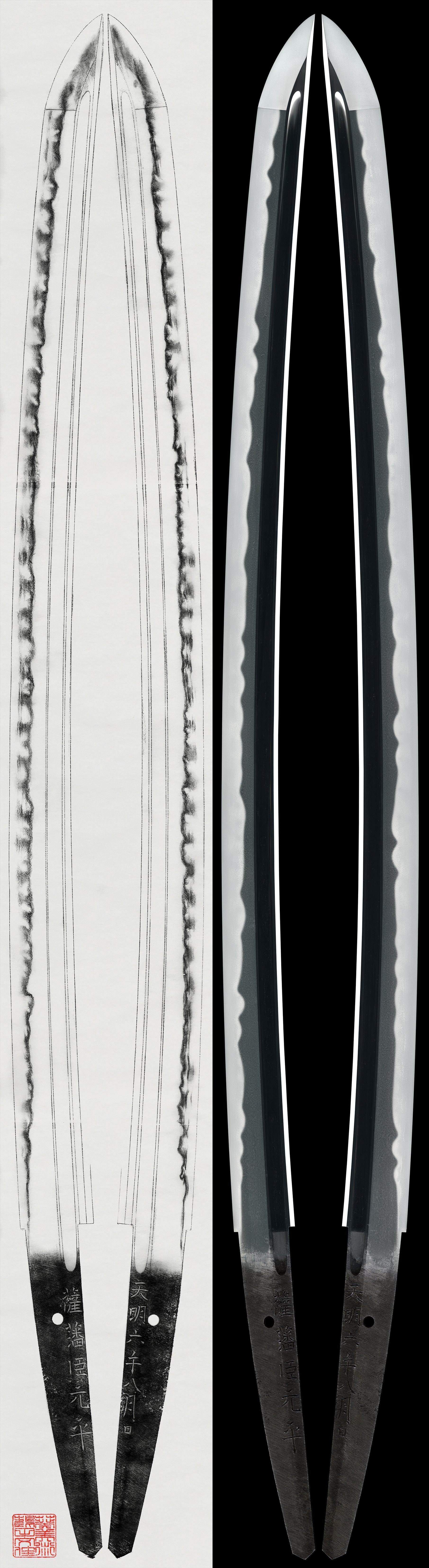
南朝が大和国吉野に都を置いたとき、大和の諸派は最盛期にあった。包永以後の手掻、尻懸則長、そして保昌の純然たる柾目である。その技はすでに諸国へ広がりつつあった。
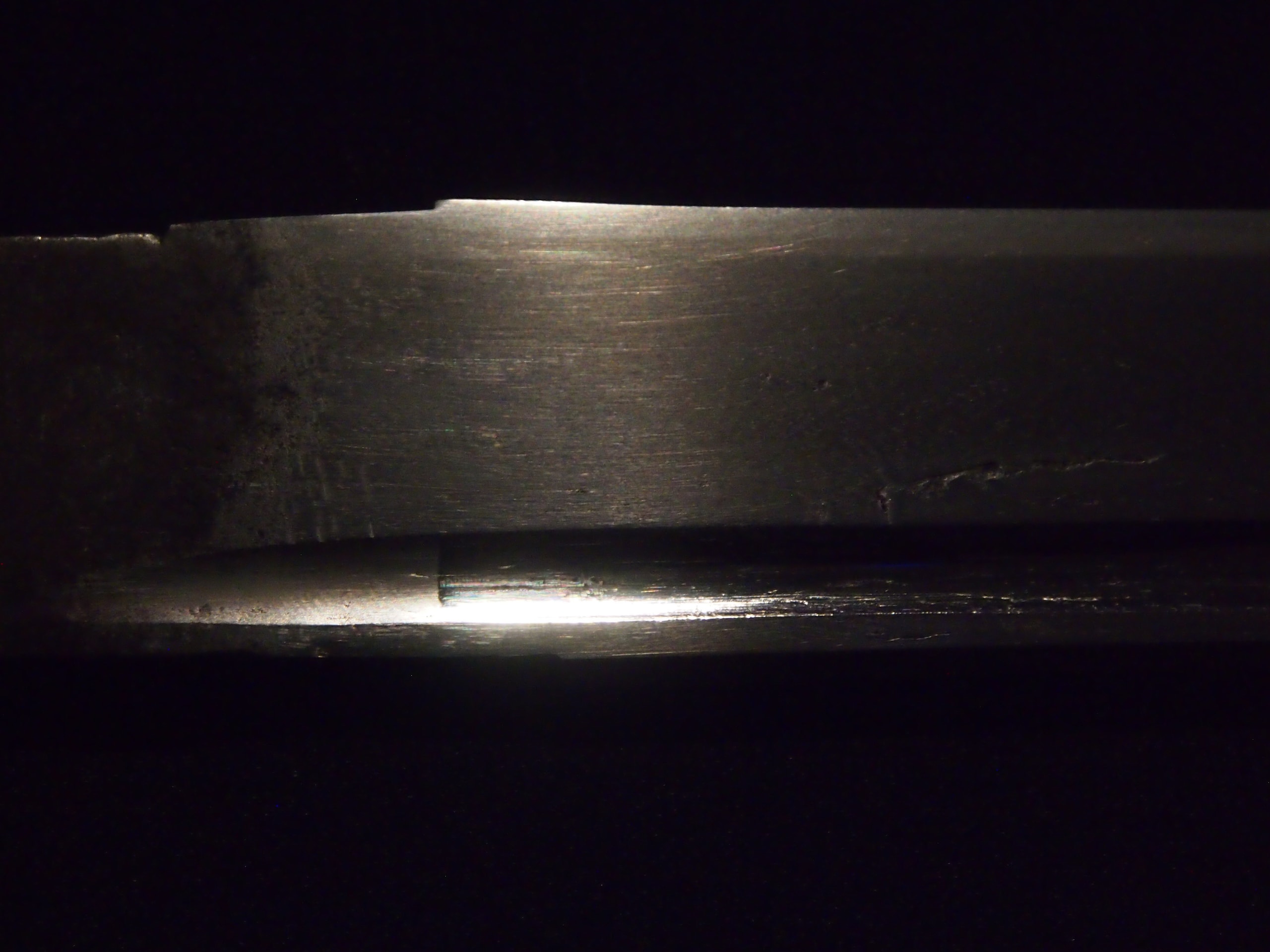
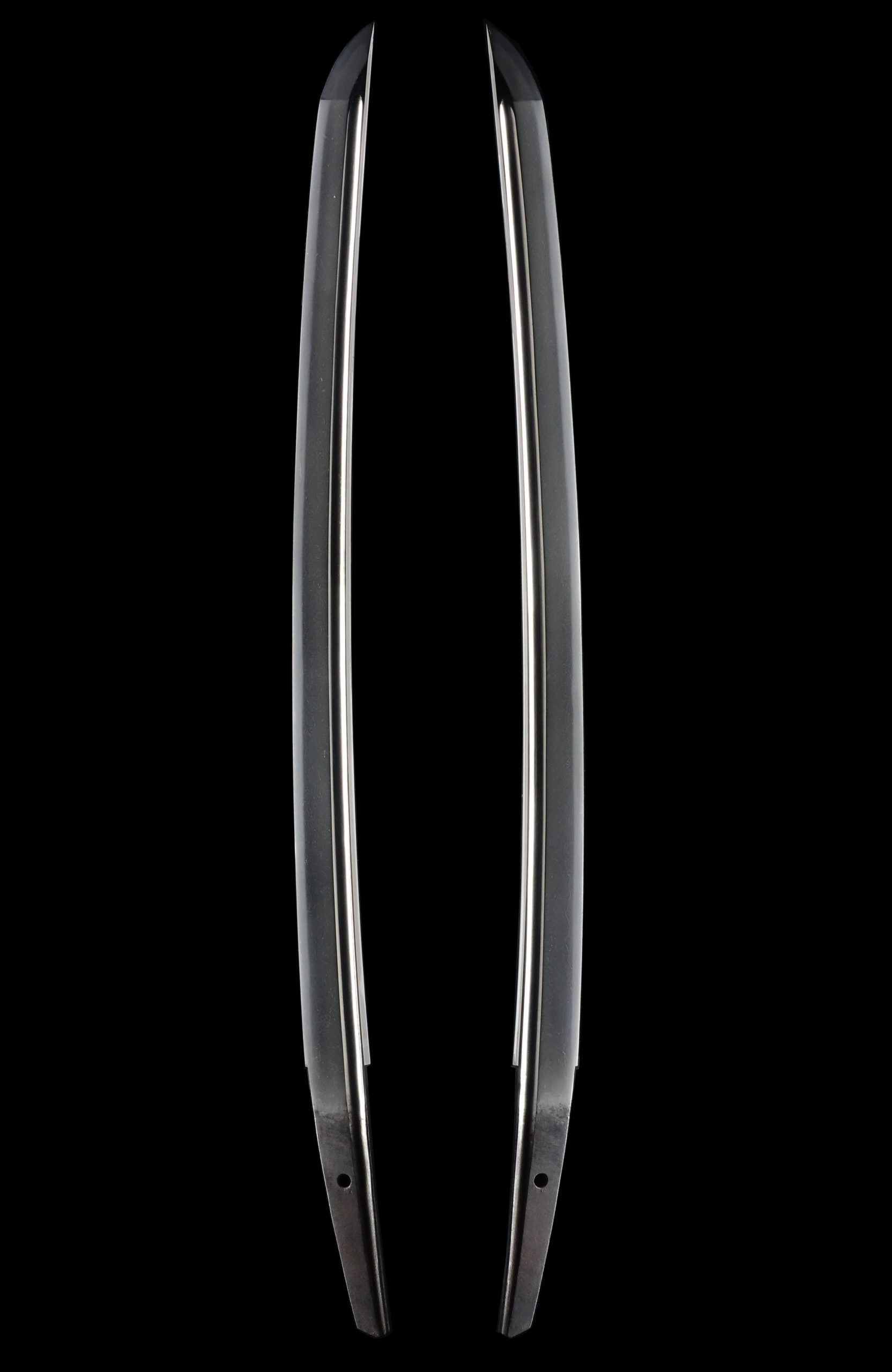
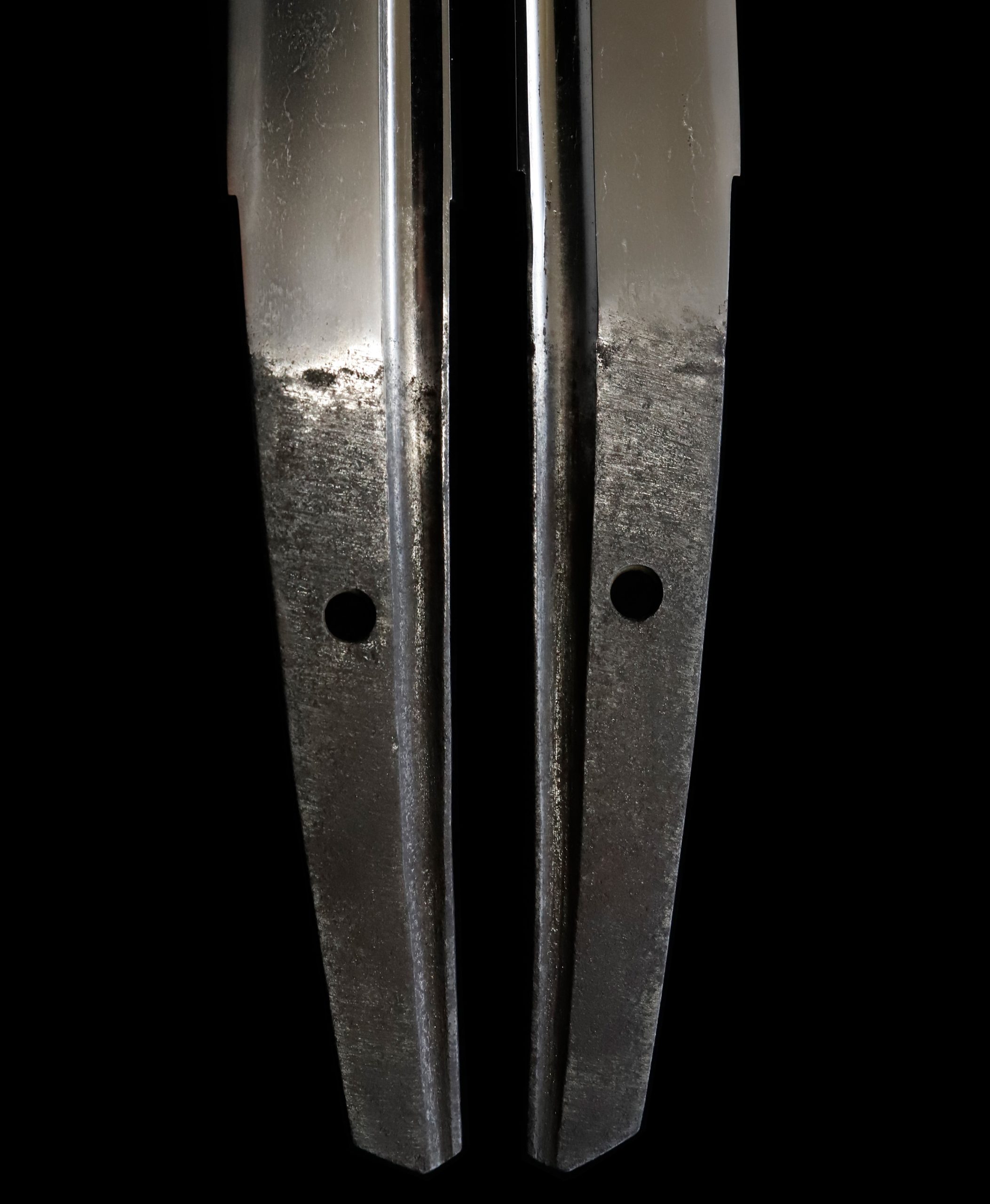
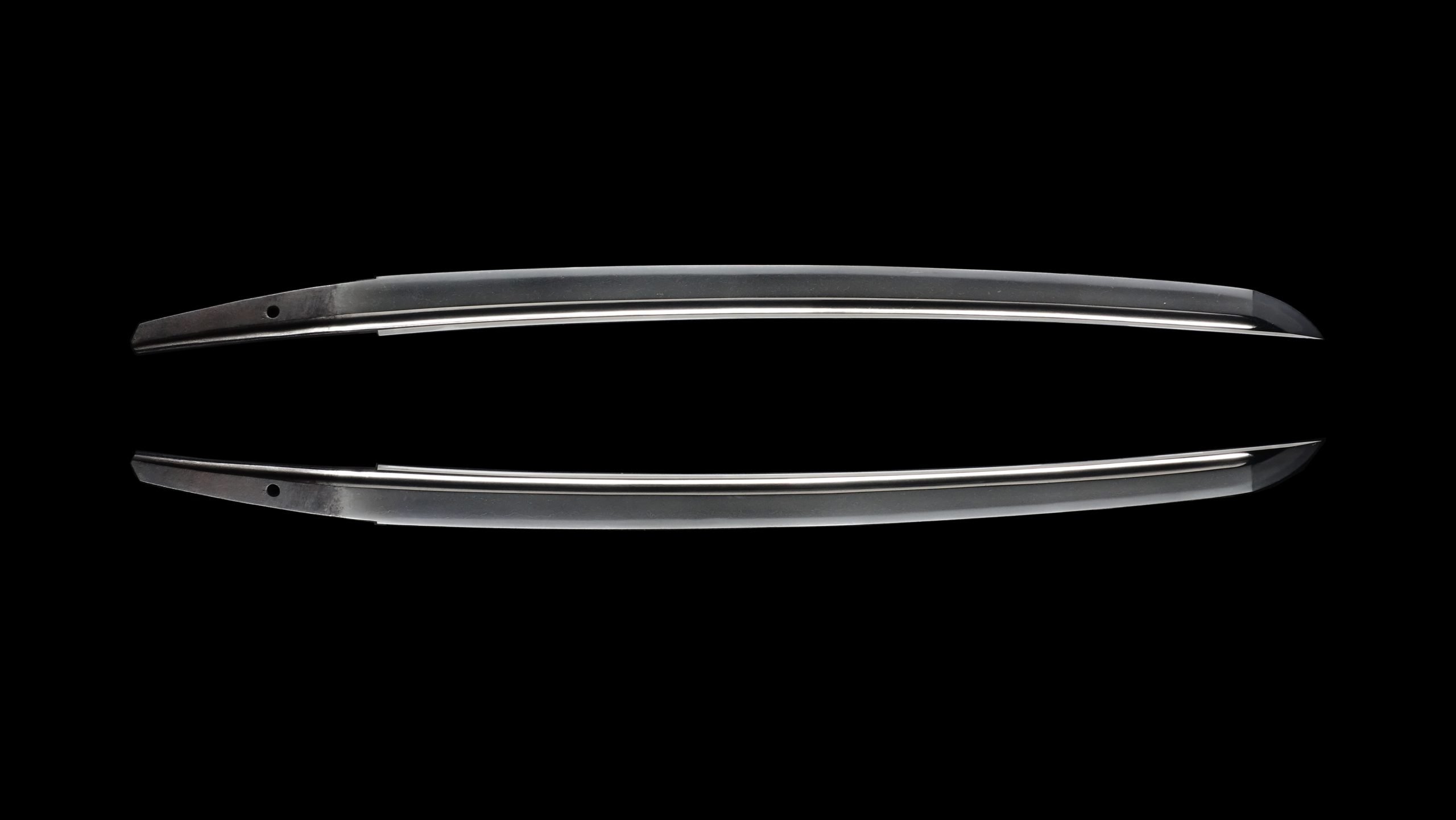
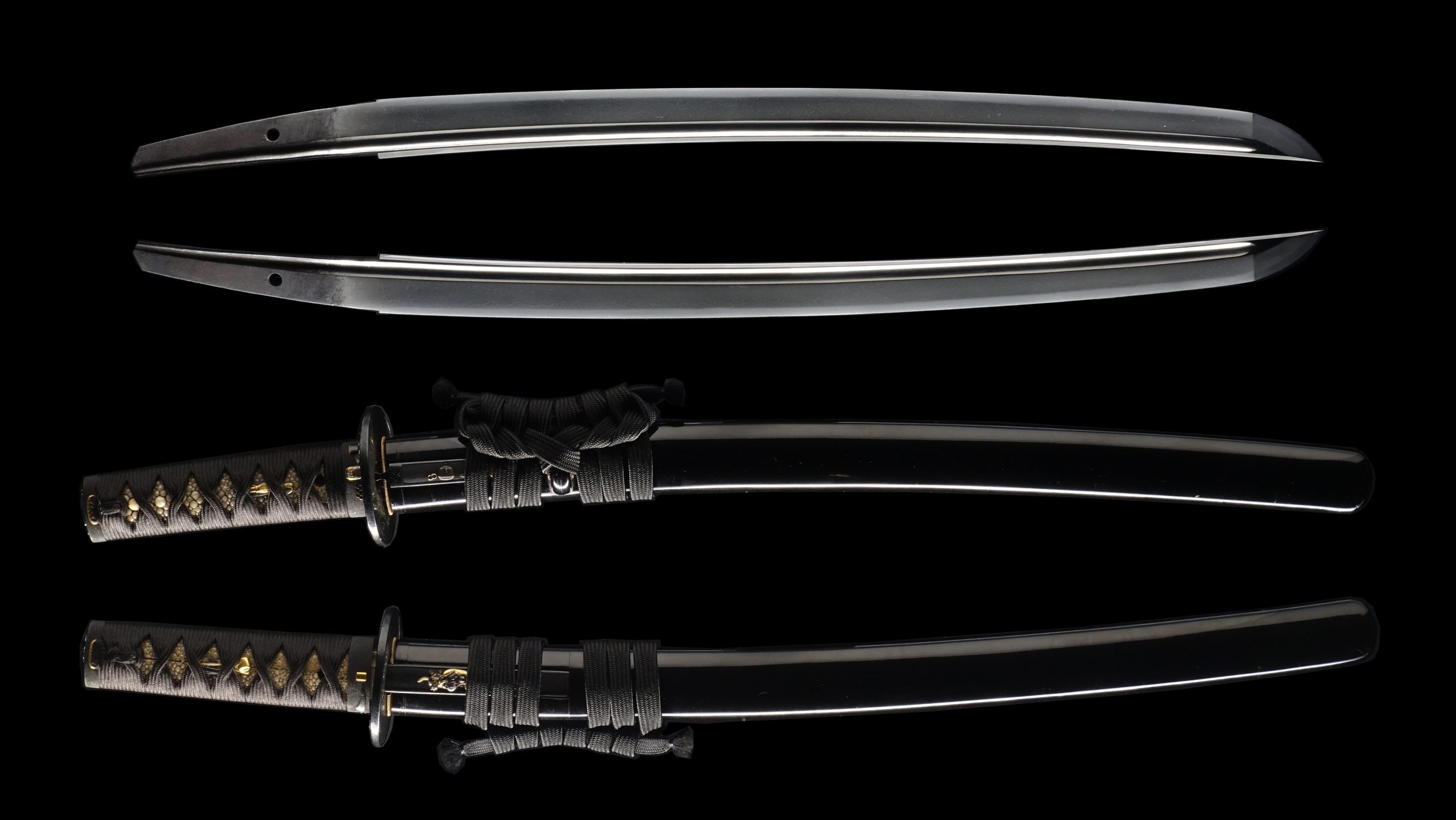
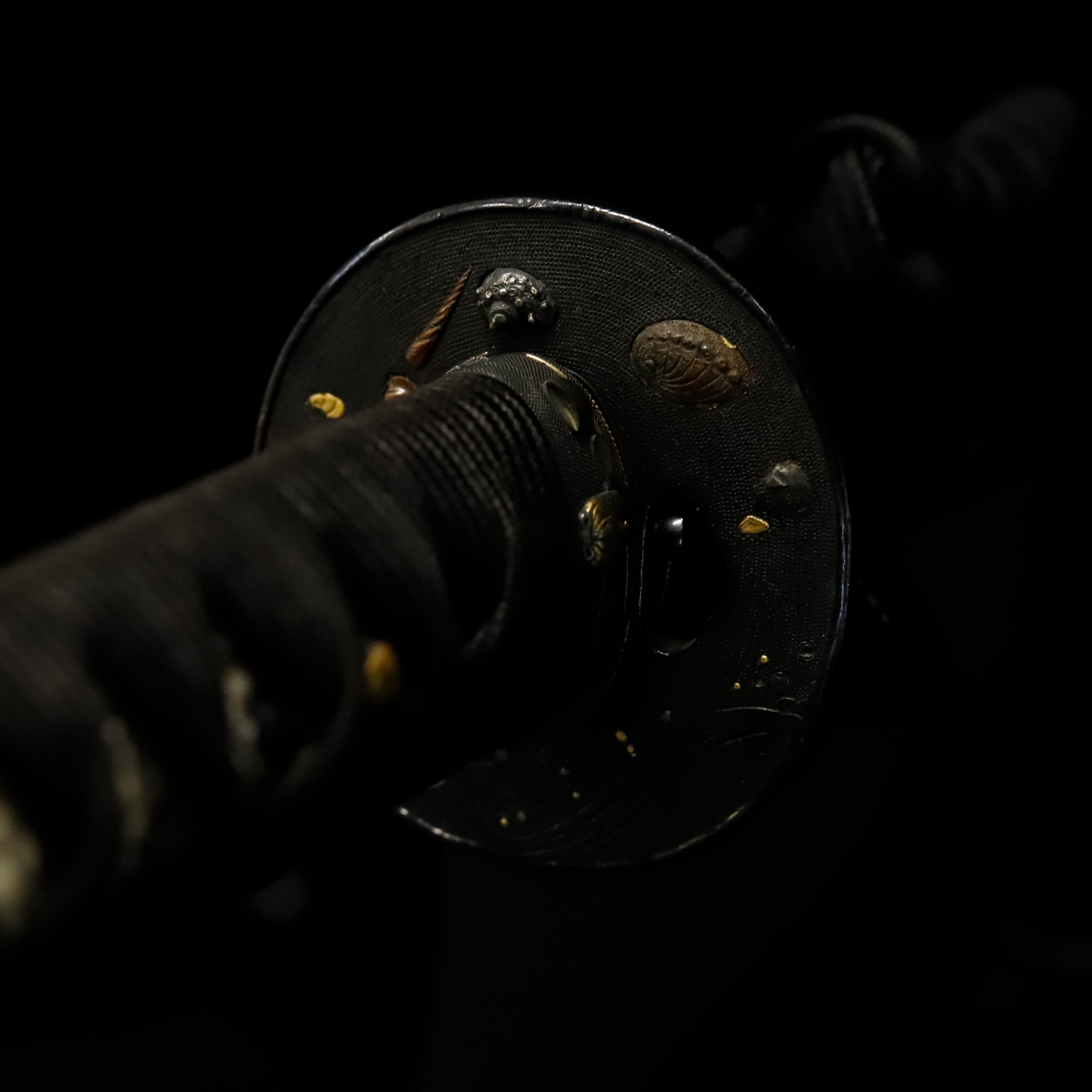
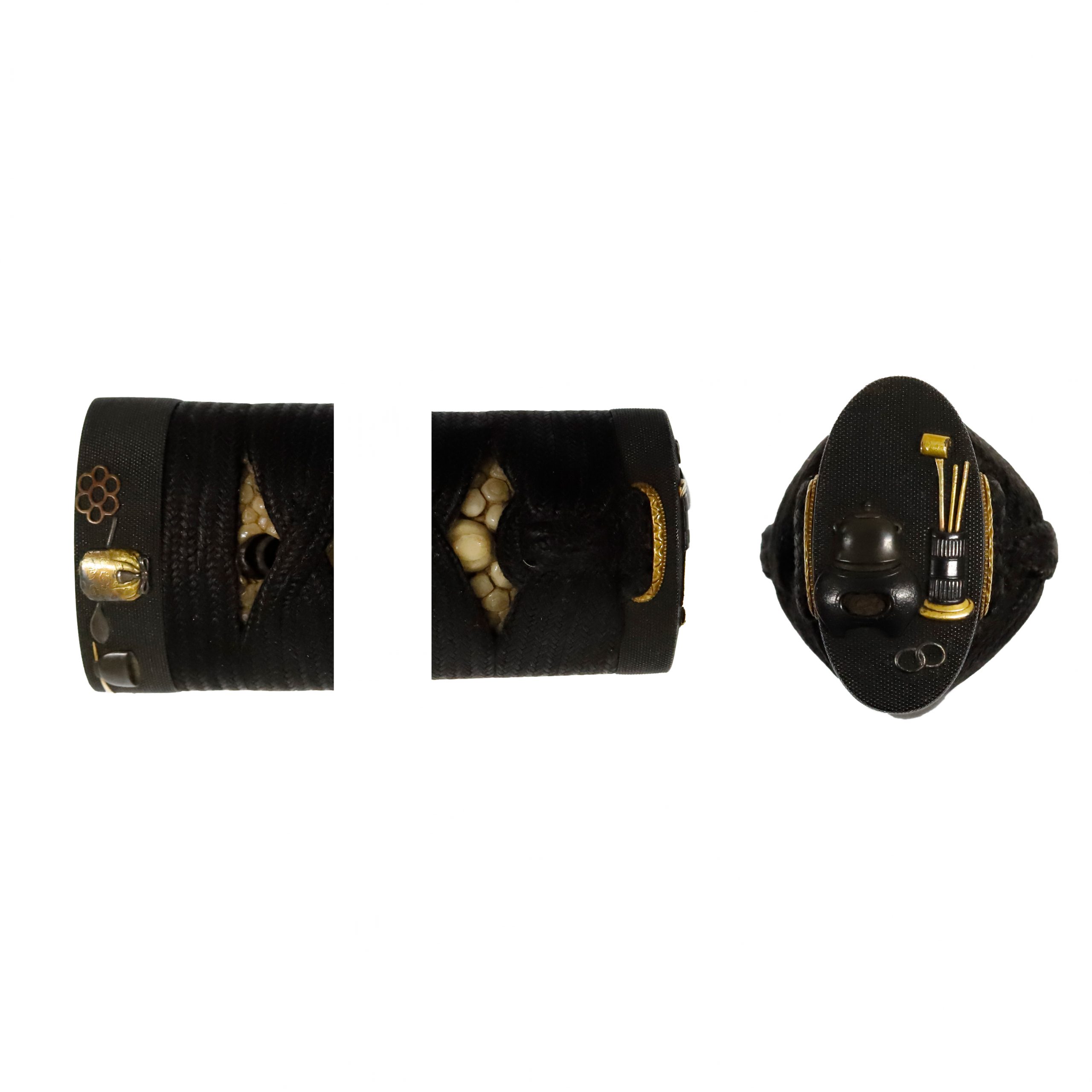
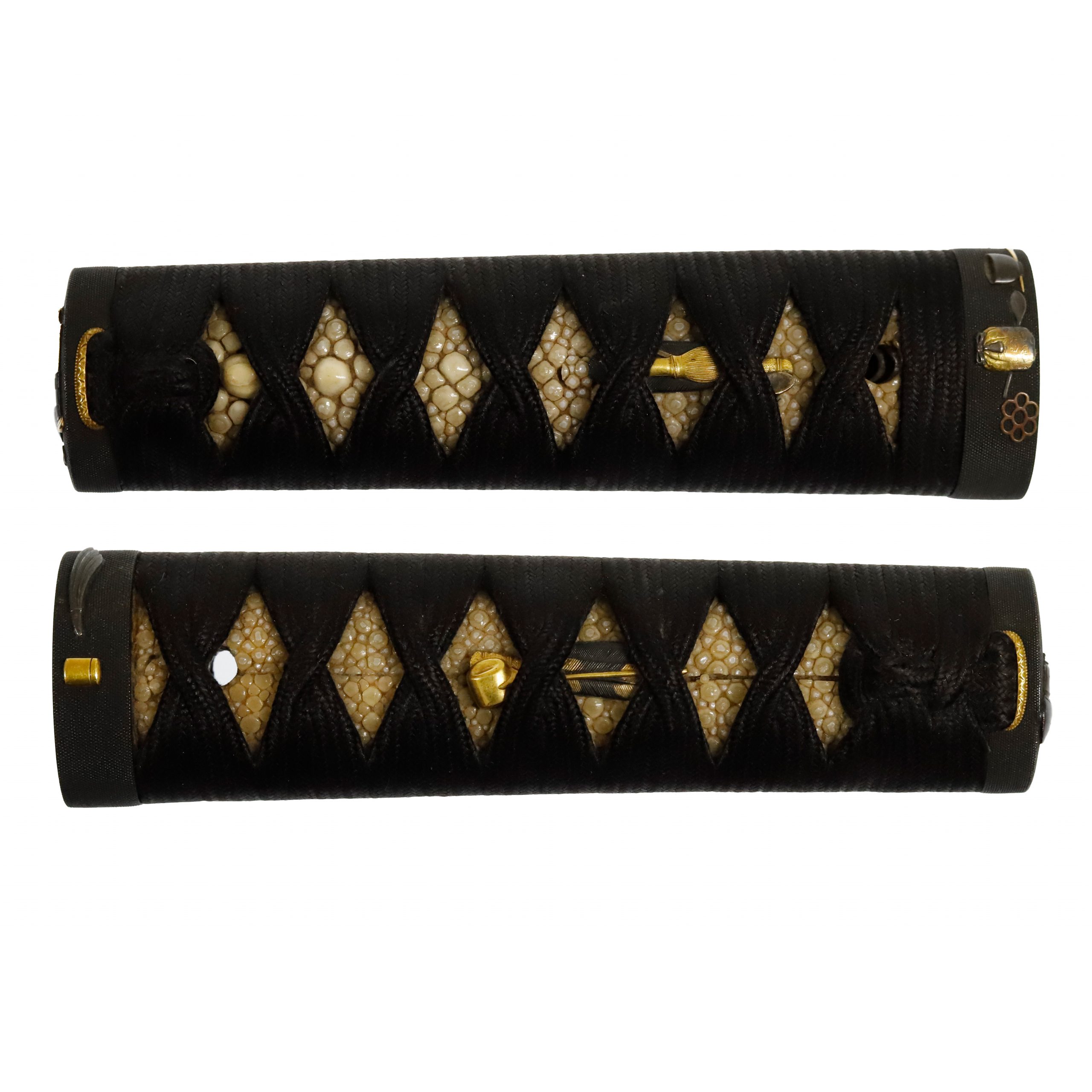
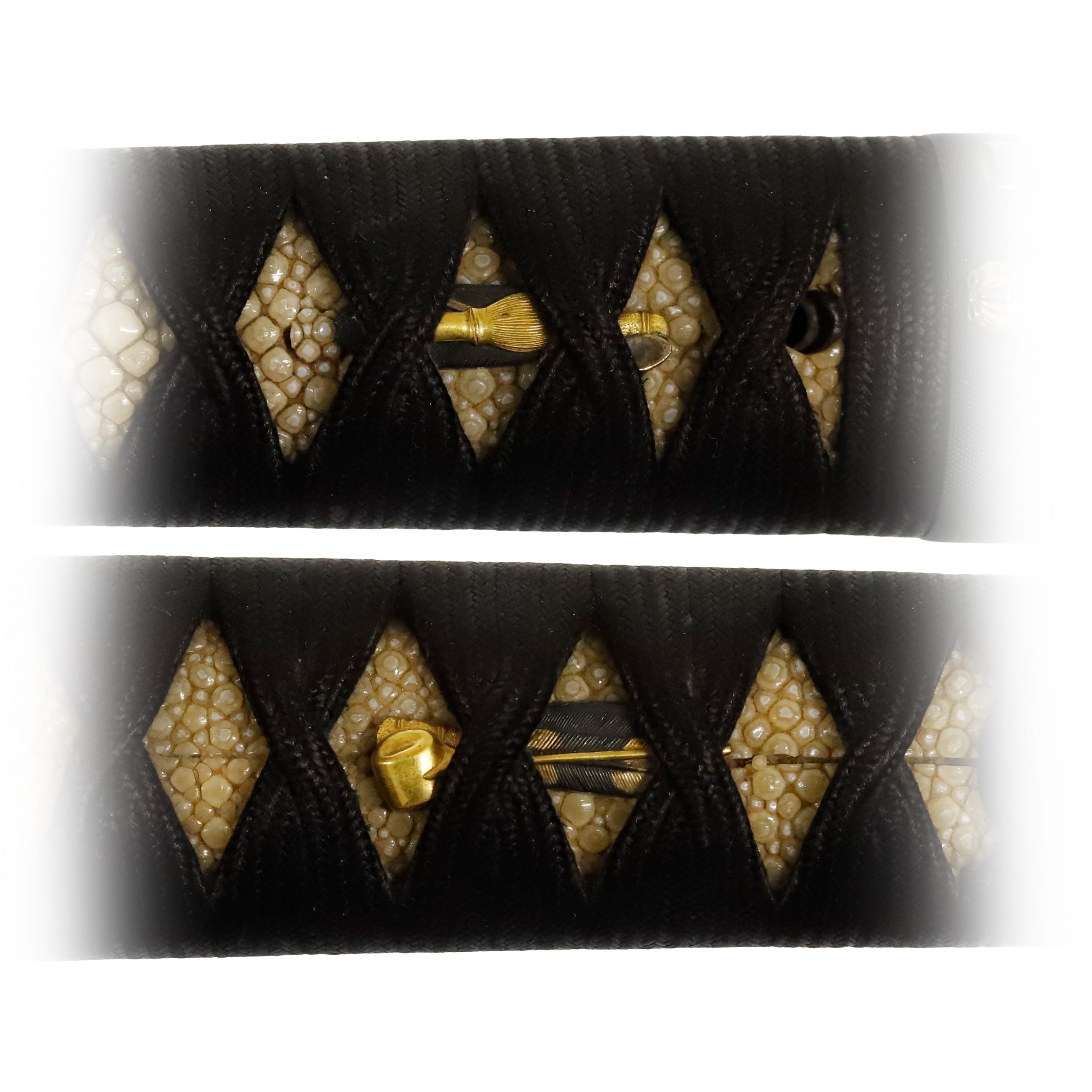
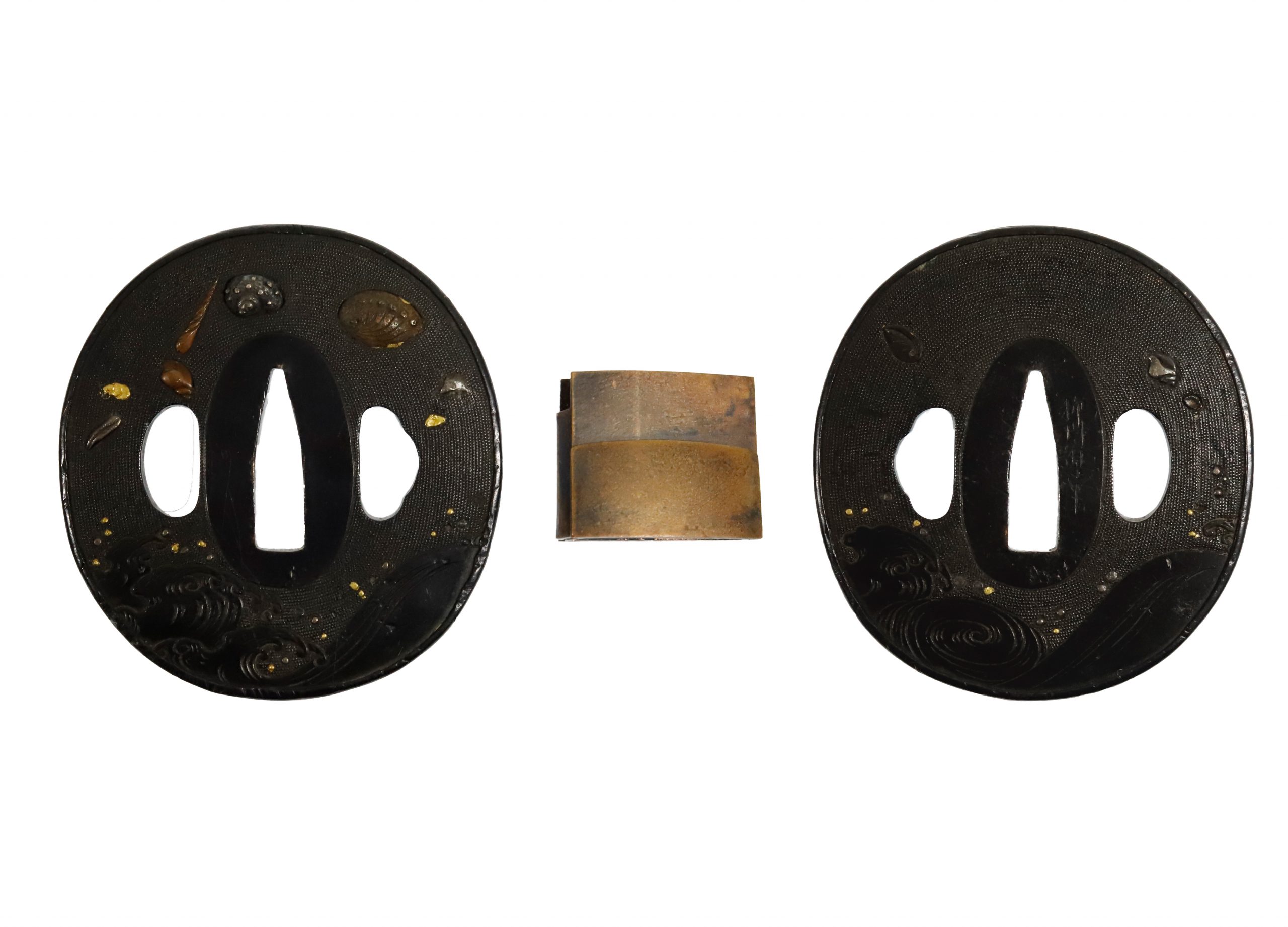
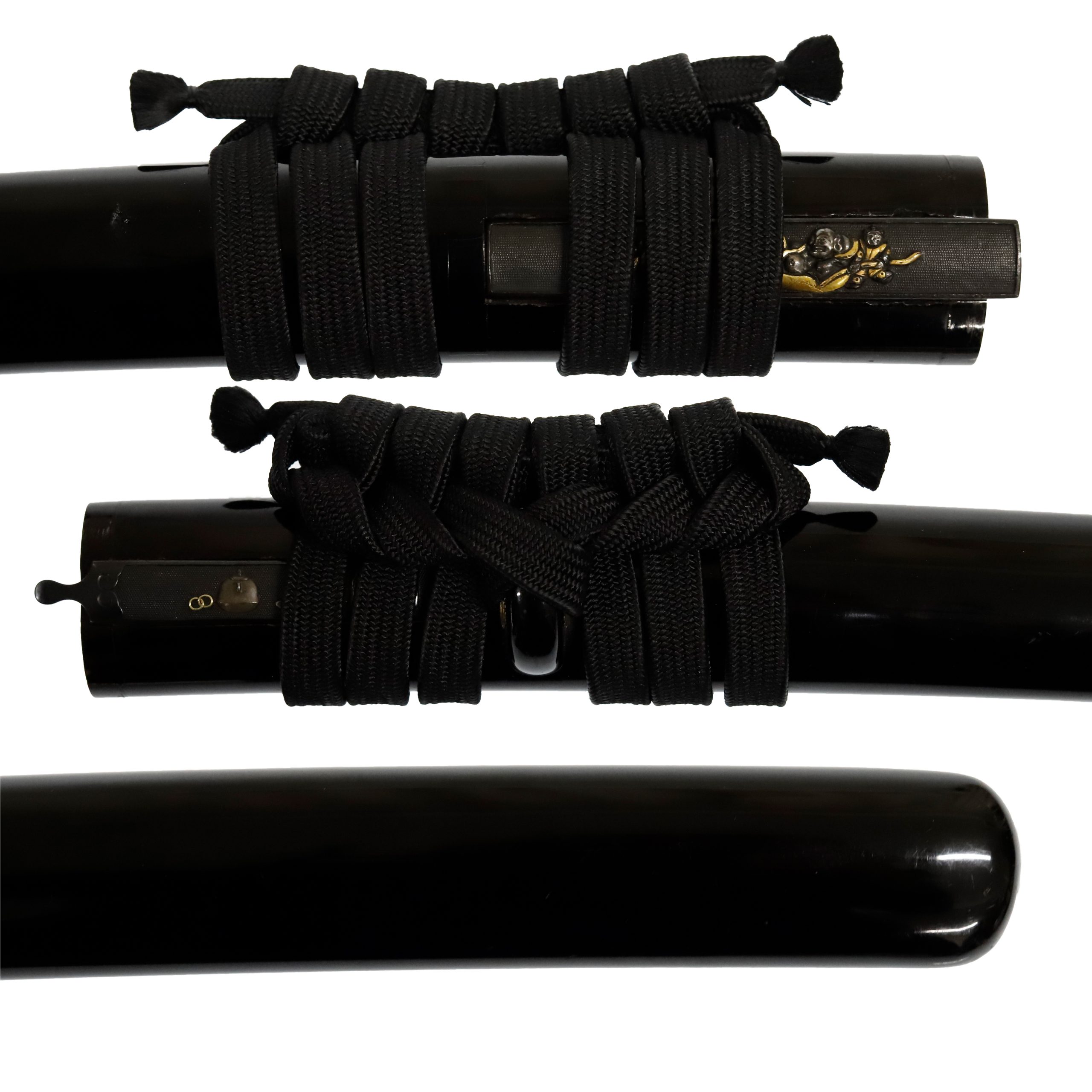
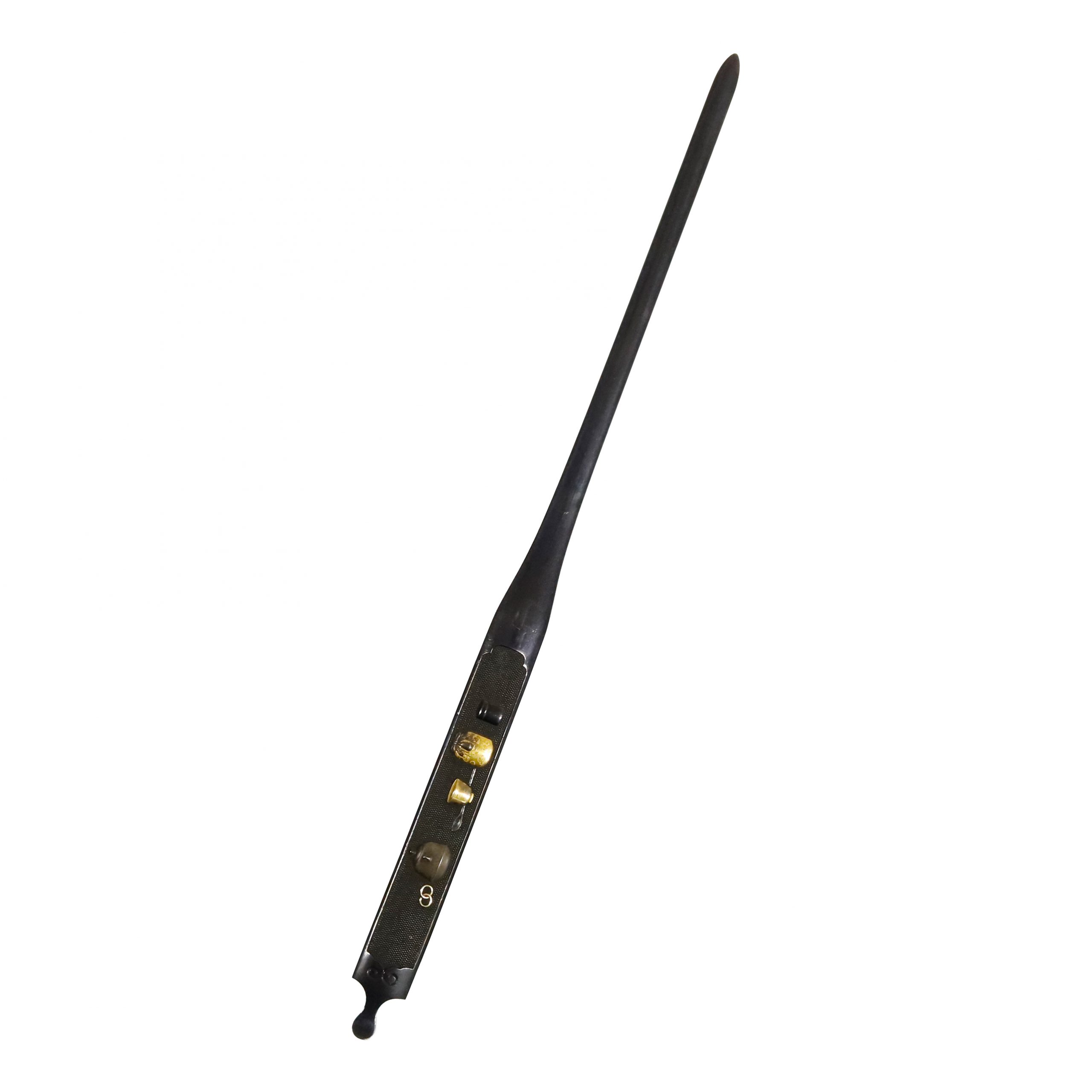
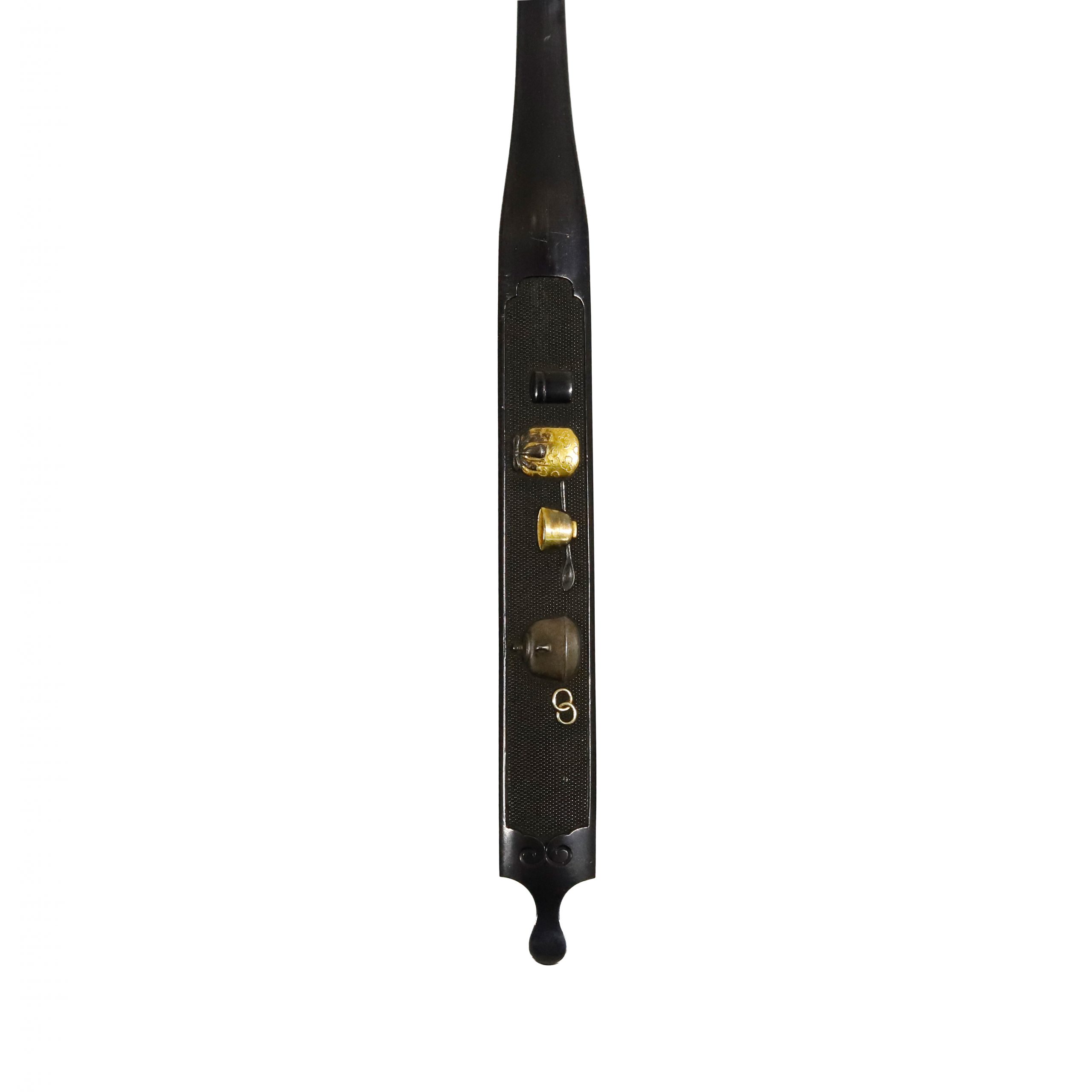
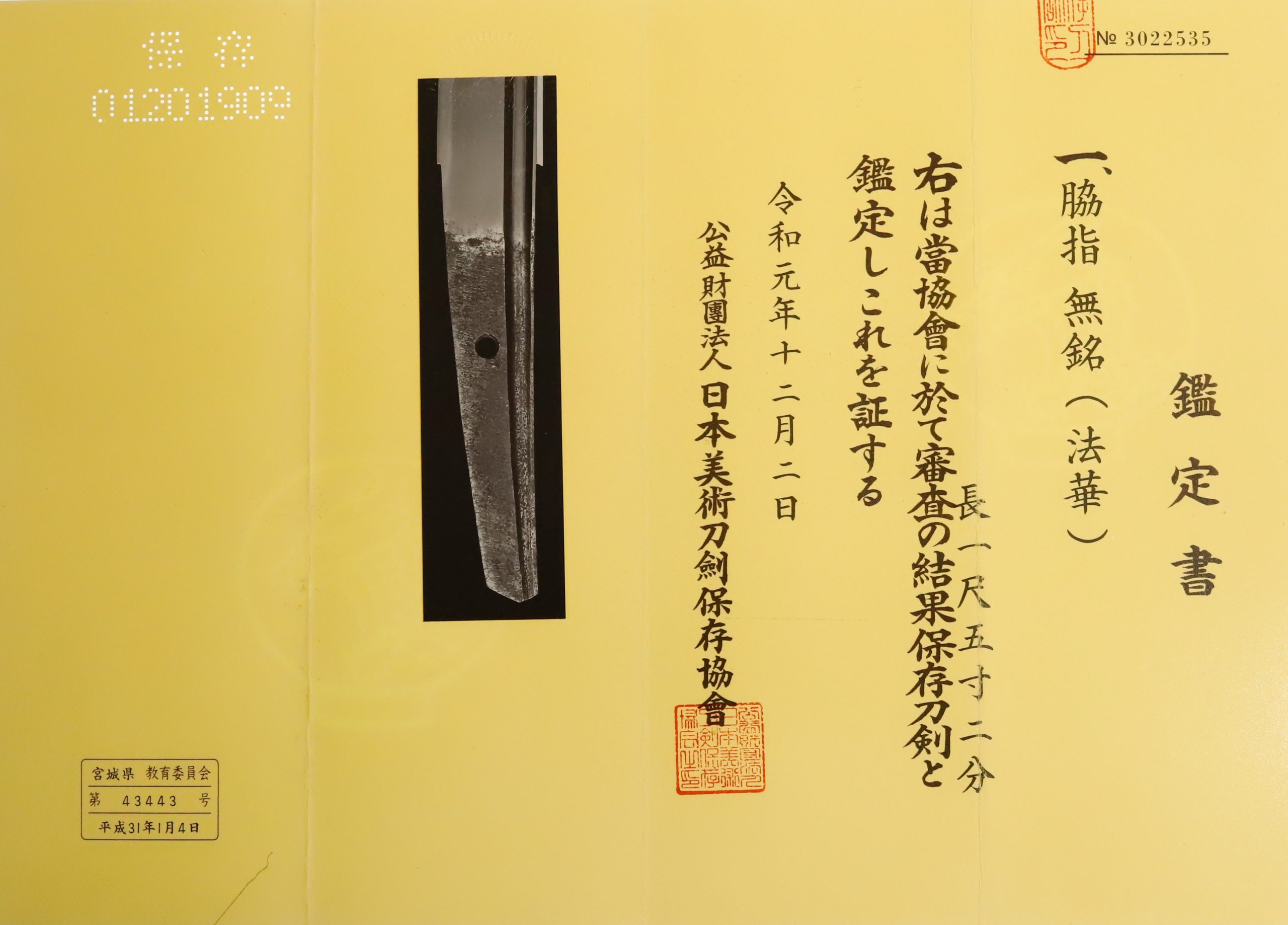
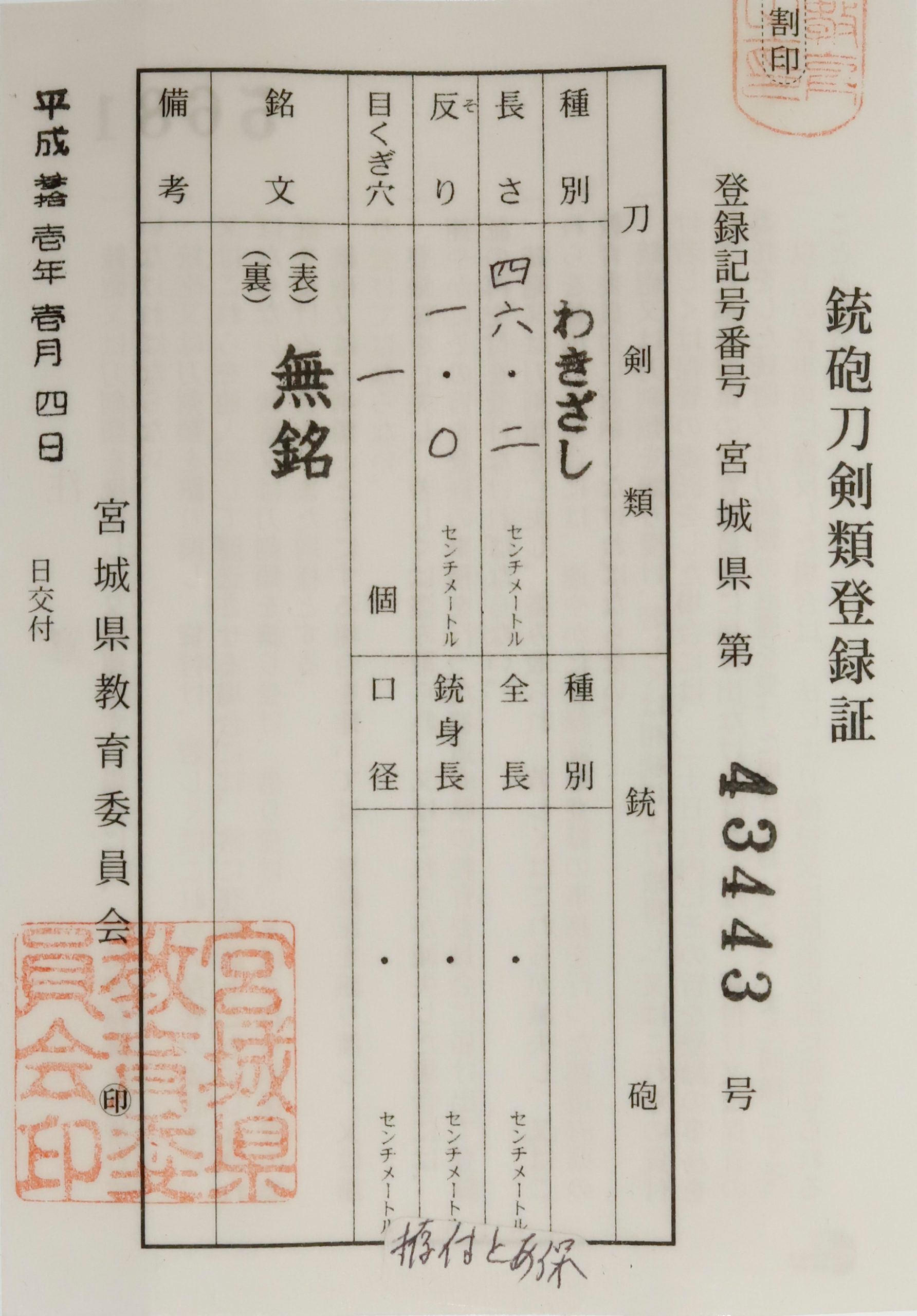
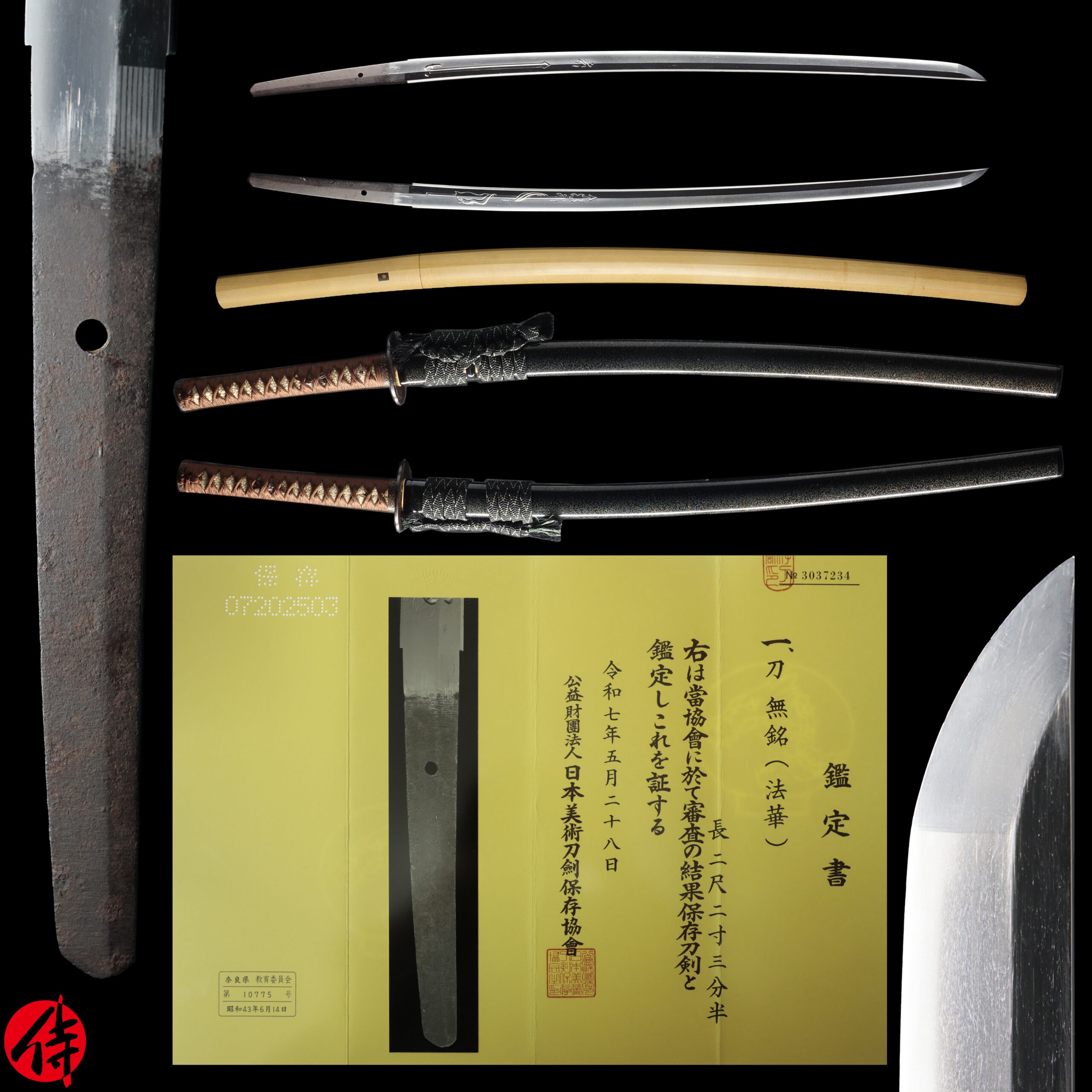
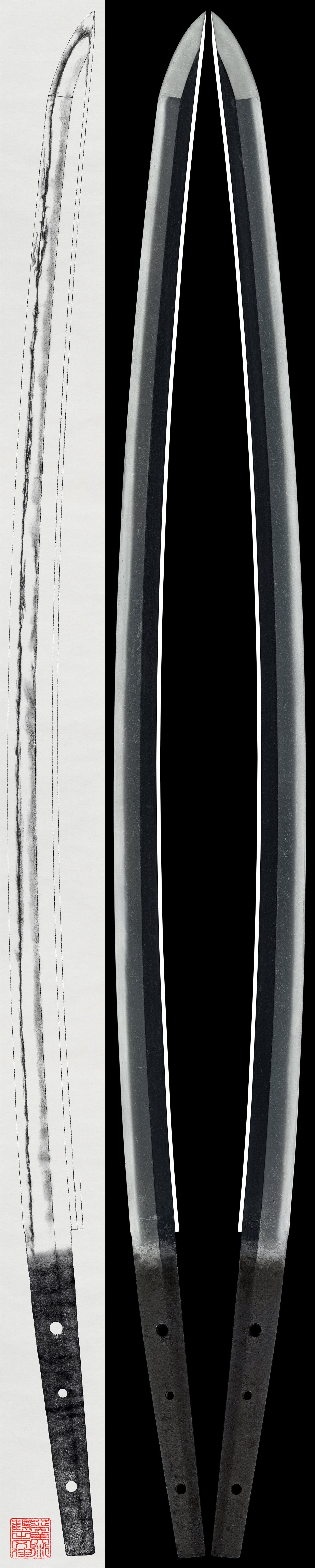
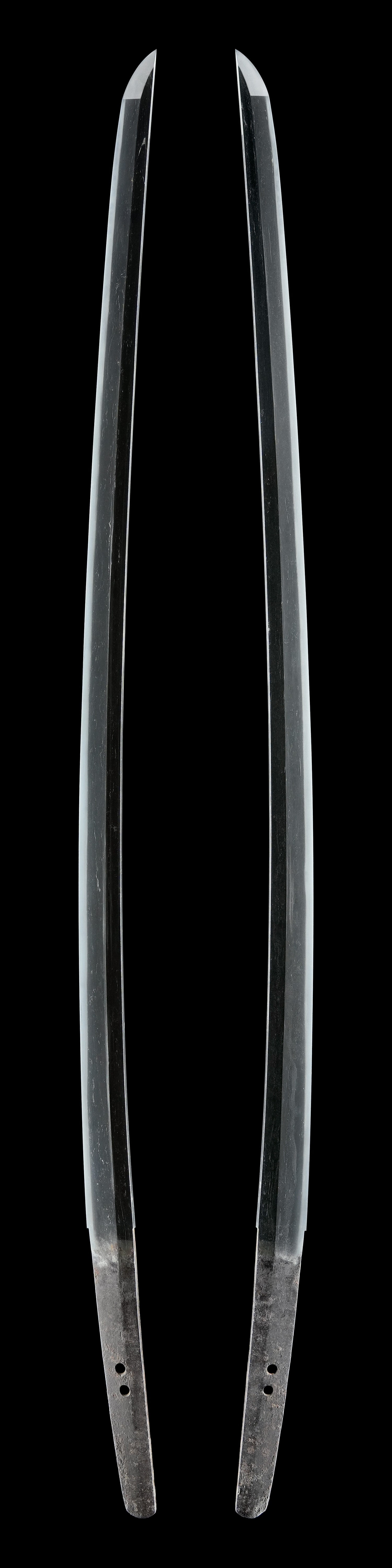
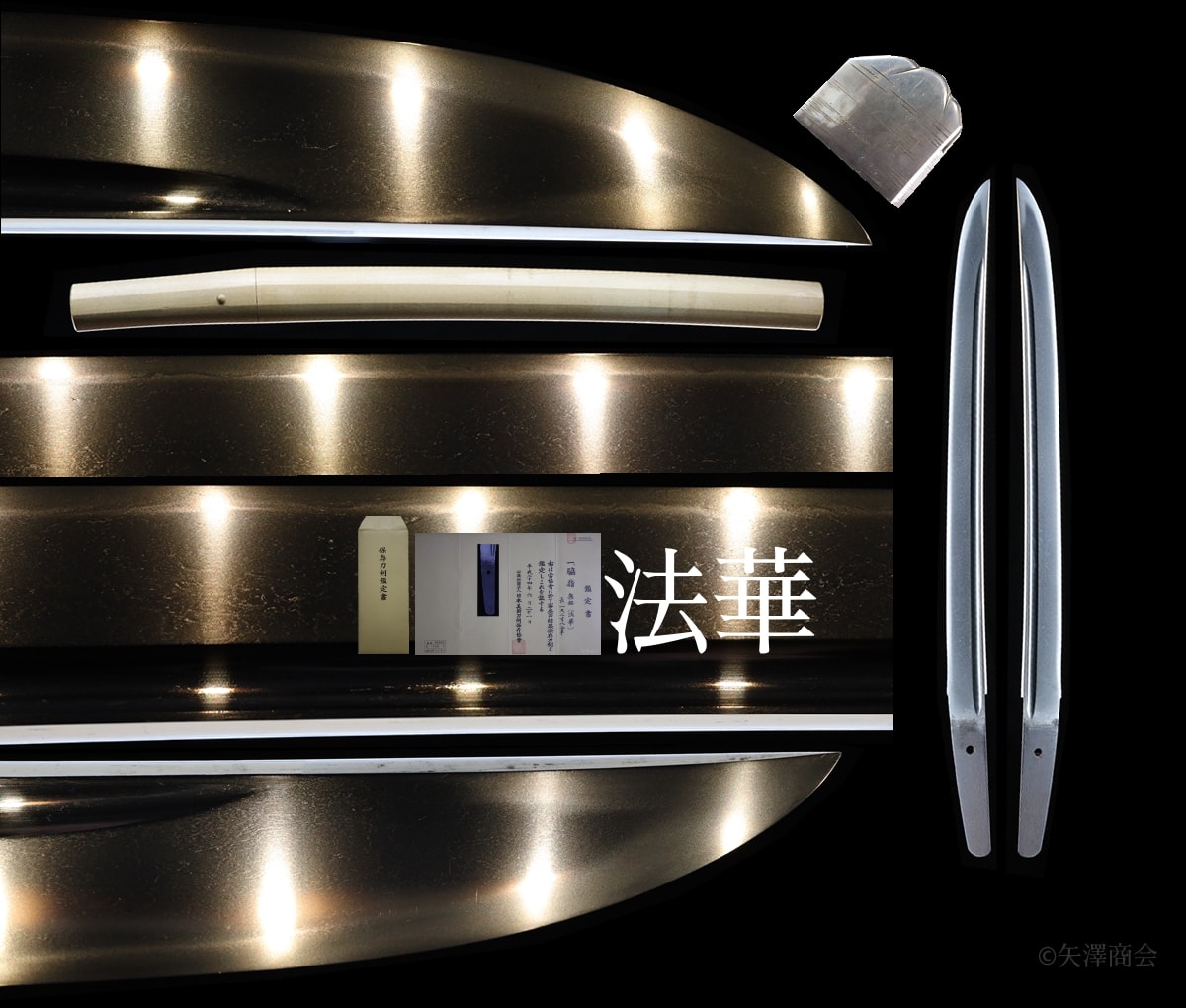
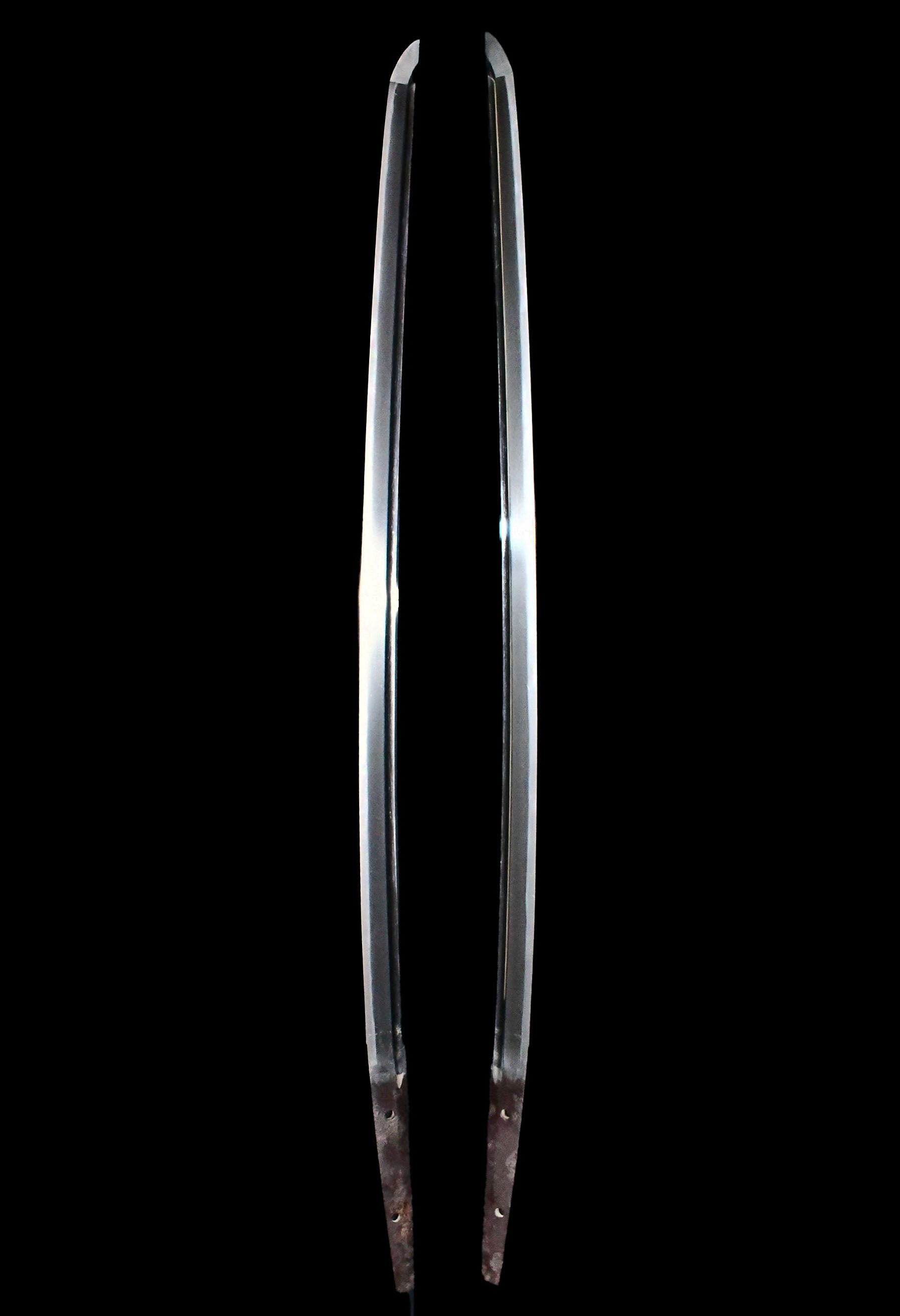
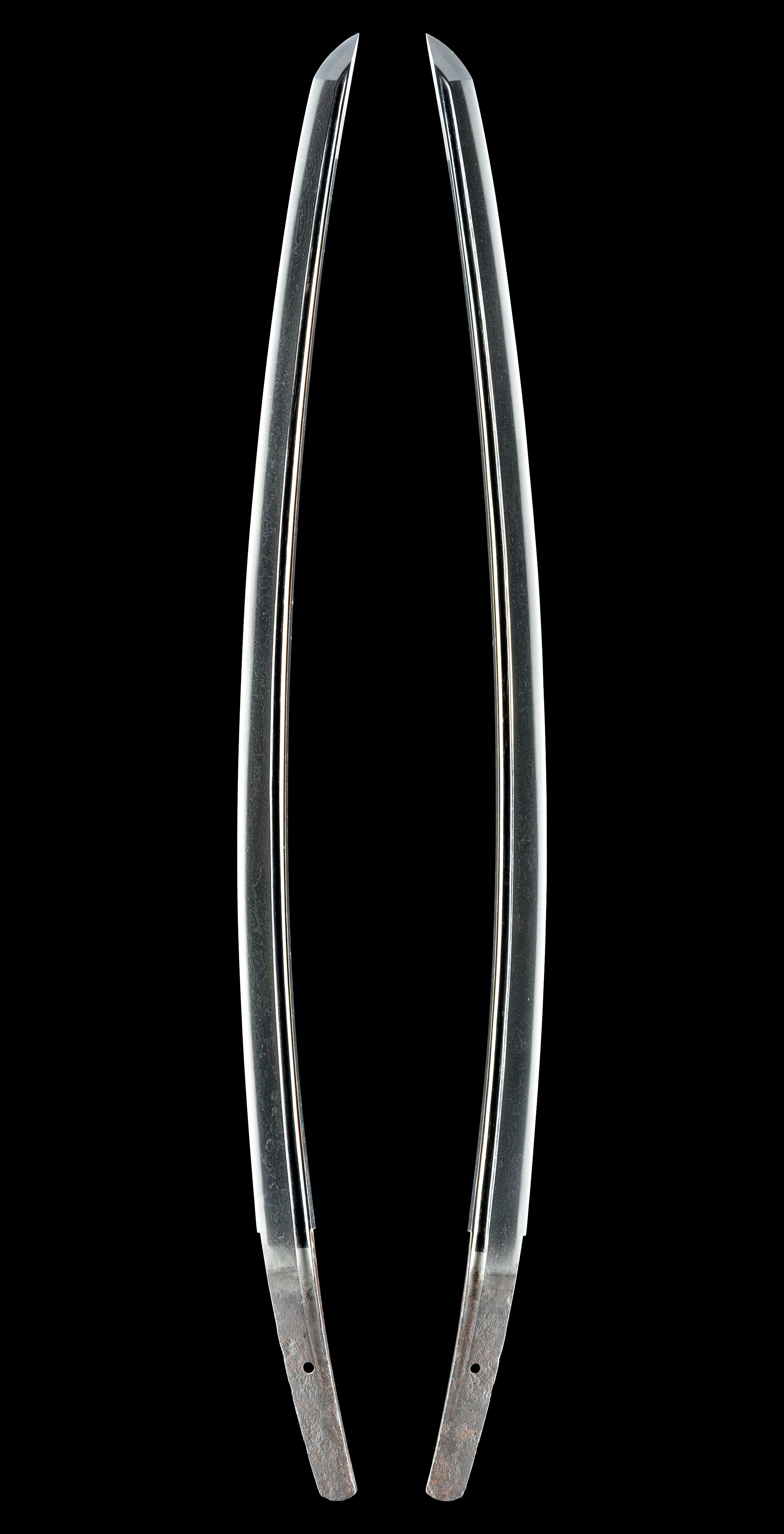
日本刀 脇差 法華(日本美術刀剣保存協会 保存刀剣鑑定書付) 【解説】 本作は、日本で最も権威ある鑑定機関の一つである日本美術刀剣保存協会(NBTHK)により「法華」と個銘極めされた一振りです。法華派は鎌倉時代末期から南北朝時代(13世紀後半〜14世紀)にかけて、備後国芦田郡(現在の広島県)で栄えた名門の刀工群です。 当時、芦田の地には日蓮宗の信徒が多く、法華の刀工たちは政治的影響力を持つ僧侶たちのために多くの刀剣を鍛造したと伝えられています。有力寺院間の対立が激しかった当時、自衛のための強靭な武器が求められており、法華の刀工たちはその期待に応え、極めて質の高い作品を残しました。 法華派の祖は、鎌倉末期の元徳頃(1329年頃)に活躍した国分寺助国とされています。助国はもともと備前国(現在の岡山県)の出身で、鎌倉時代屈指の名門である備前一文字派の流れを汲むと伝えられています。また、助国は備後におけるもう一つの名門、三原派の祖である三原正家の父としても知られています。 本作は美しい地鉄(じがね)に樋(ひ)が掻かれ、いっそうの美しさを引き立てています。また、茶道をモチーフとした風情ある意匠の拵(こしらえ)が付属しており、美術品としての価値をさらに高めています。 本刀には、日本美術刀剣保存協会が発行する「保存刀剣鑑定書」が付属します。これは、保存状態が良く、美術的価値が認められた真作の日本刀にのみ与えられる証です。 【刀身】 長さ(Nagasa):46.2 cm 反り(Sori):1.0 cm 刃文(Hamon):焼入れによって刃先に現れる結晶構造。 地文(Jihada):鍛錬の過程で現れる、肌目のような鋼の模様。 茎(Nakago): 刀身の柄に収まる部分です。日本の刀工は、柄の中での赤錆を防ぐためにあえて「黒錆」を残しました。この茎の経年変化(錆色)は、専門家が製作年代を推定する上での重要な指標となります。 【拵(こしらえ)】 拵とは、鞘、柄、鍔などの外装一式を指します。 縁頭(Fuchi-Kashira): 柄の両端を保護し、装飾する一対の金具です。 本作の縁頭には茶道具が意匠されており、目貫や後藤(小柄・割笄)とも意匠が統一されています。茶釜、柄杓、火箸、茶入、茶碗などが細やかに彫り込まれています。 茶道は日本の伝統文化であり、その精神的基盤は、戦国時代に千利休が「わび茶」を大成させたことに始まります。利休は織田信長や豊臣秀吉といった時の権力者に仕え、茶道は武家文化や政治と深く結びついて発展しました。 柄・目貫(Tsuka / Menuki): 柄は刀を握る部分、目貫はその装飾です。 前述の通り、目貫にも茶道具のモチーフが用いられています。一方には茶筅、もう一方には柄杓が配され、金の色絵が施されています。その背景には羽箒(はぼうき)も見て取れます。 鍔・鎺(Tsuba / Habaki): 鍔は手を守るための護拳、鎺は刀身を鞘の中に固定し、刀身が鞘の内側に触れて錆びたり傷ついたりするのを防ぐ金具です。 木瓜形の鍔には……(以下、原文に基づき継続)
 NihontoWatch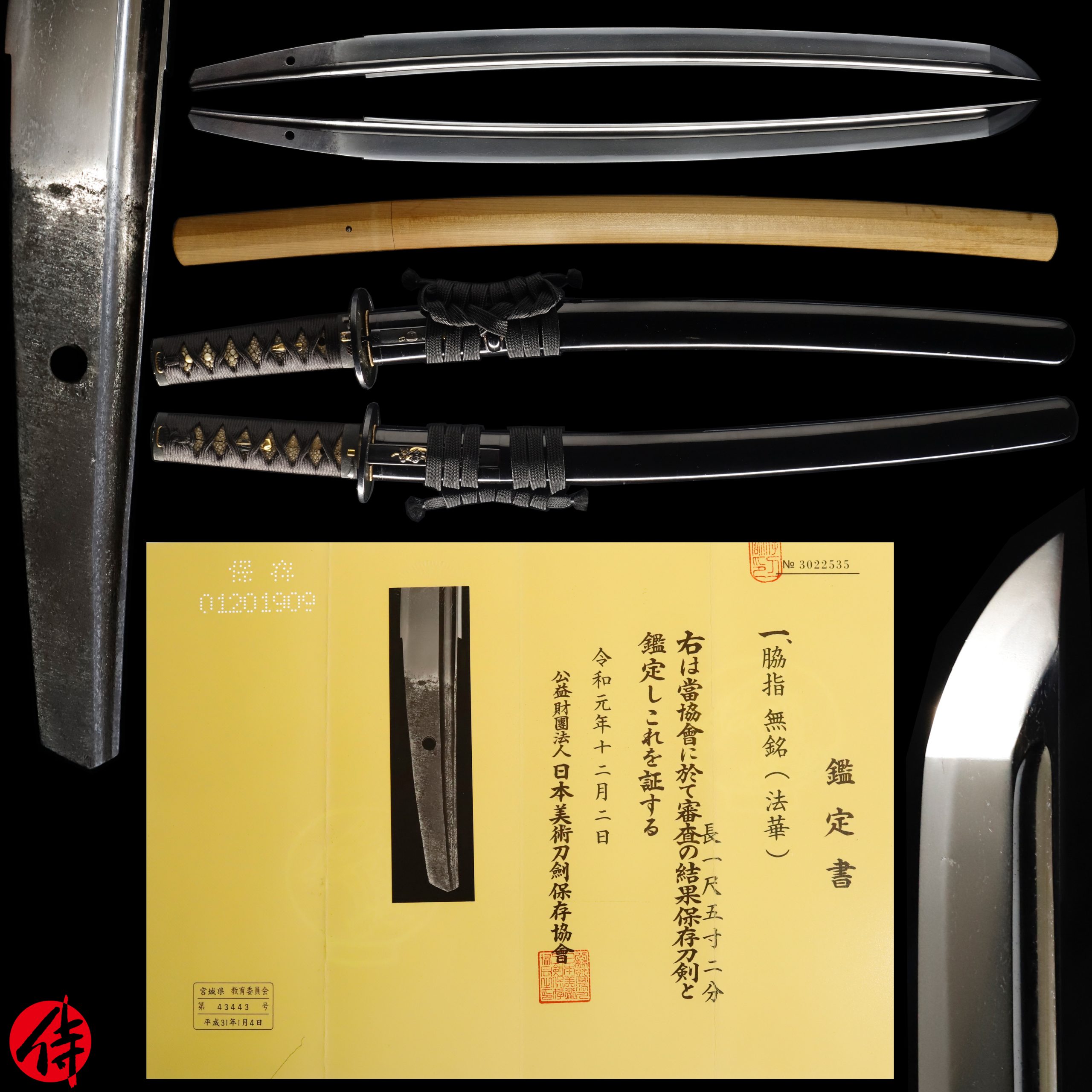
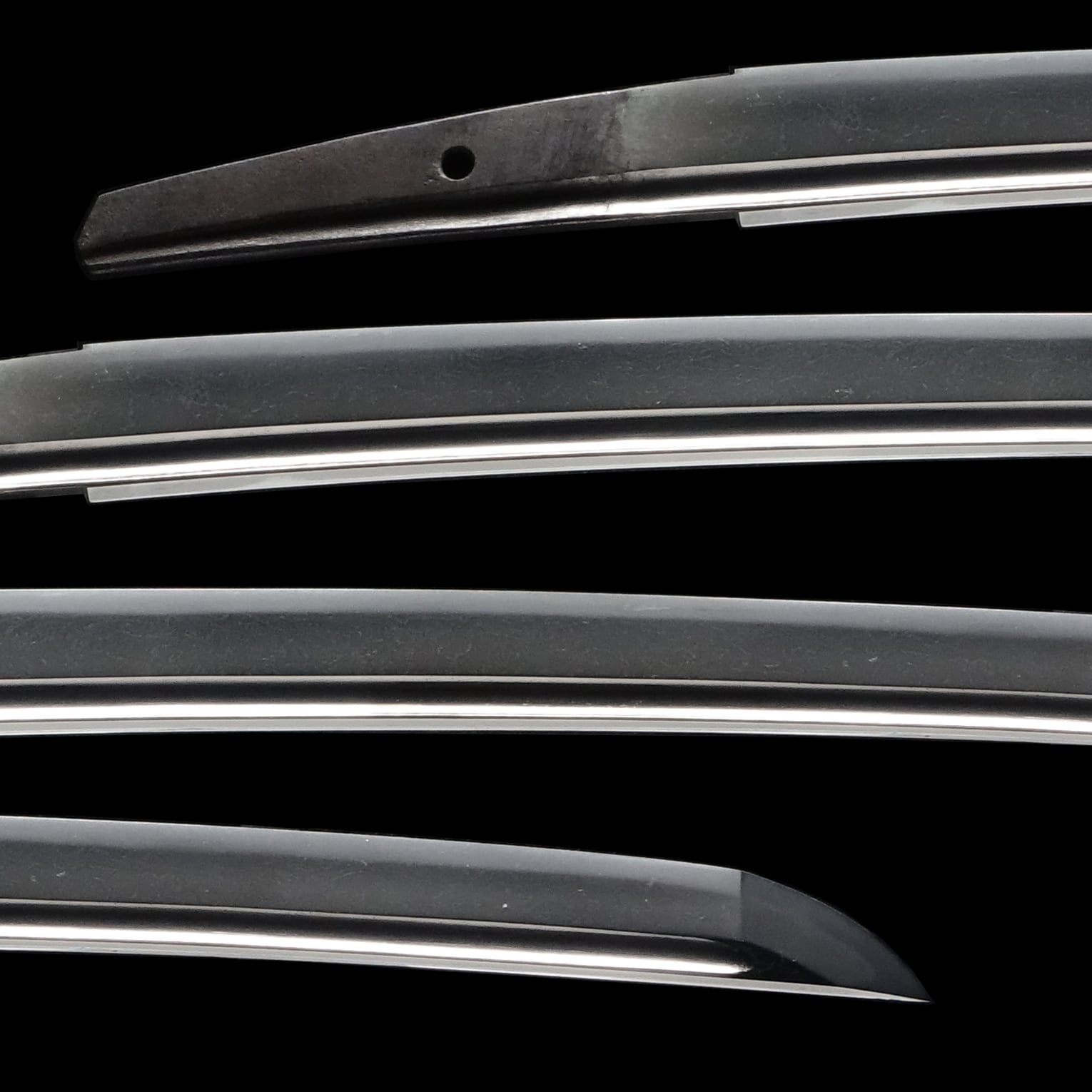
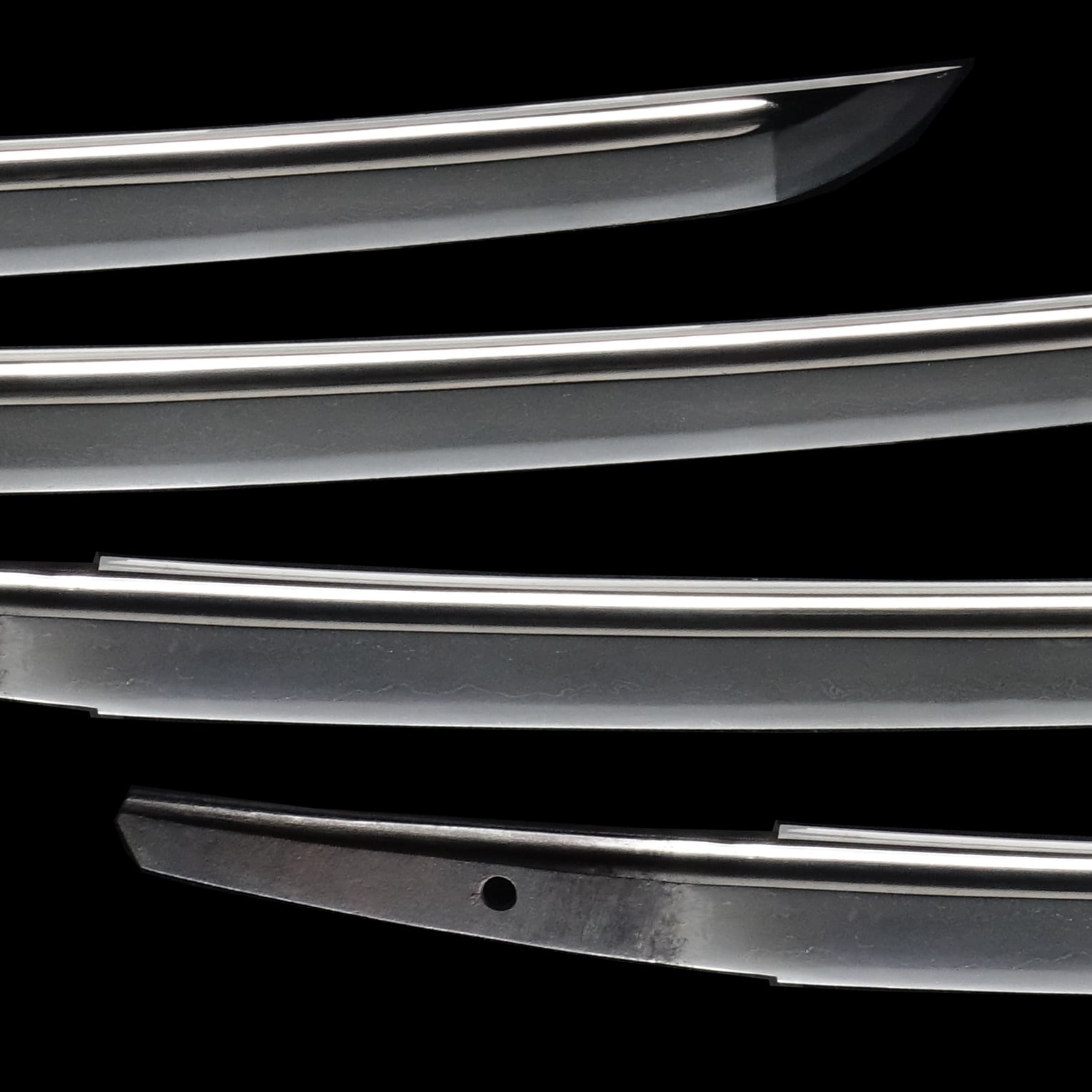
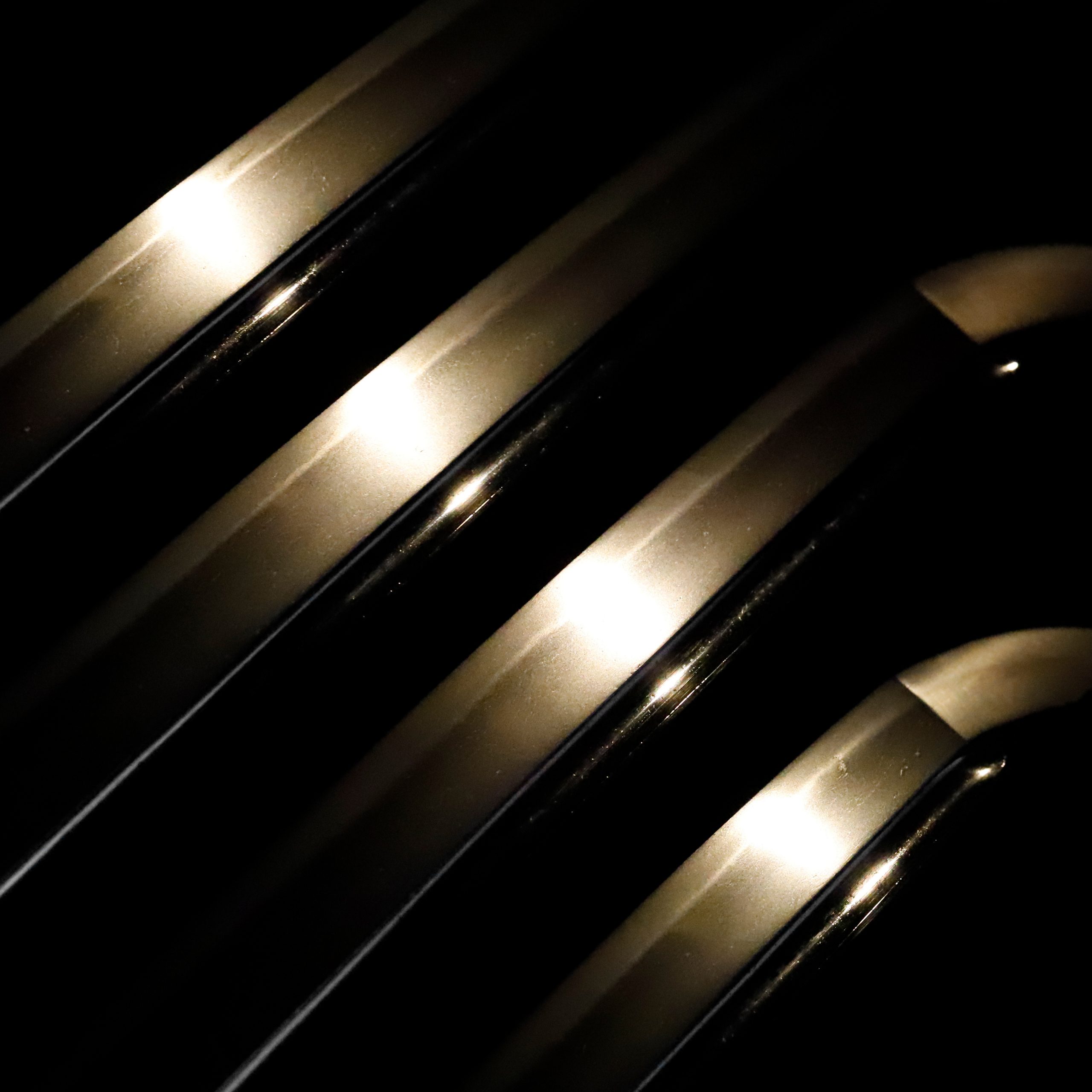
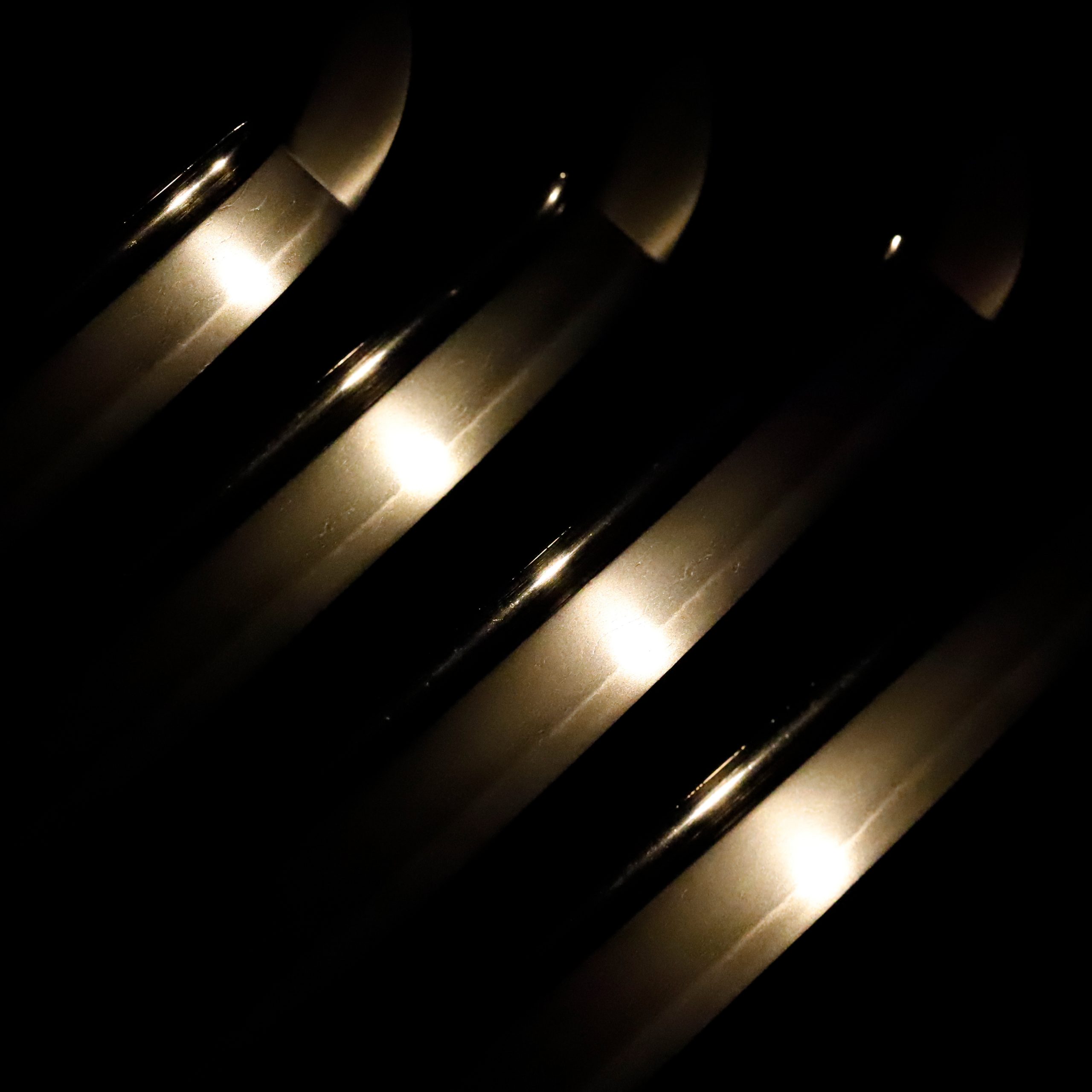
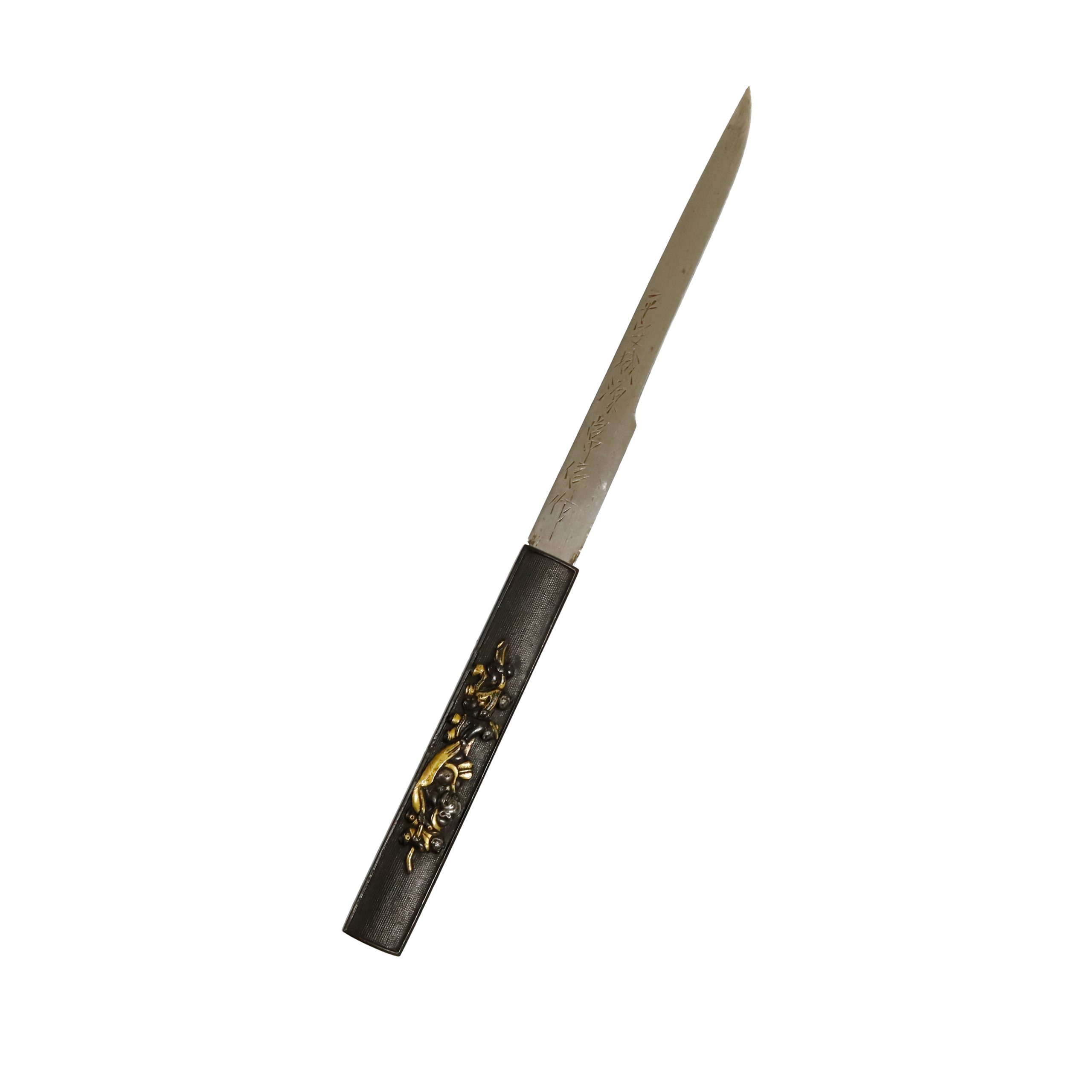
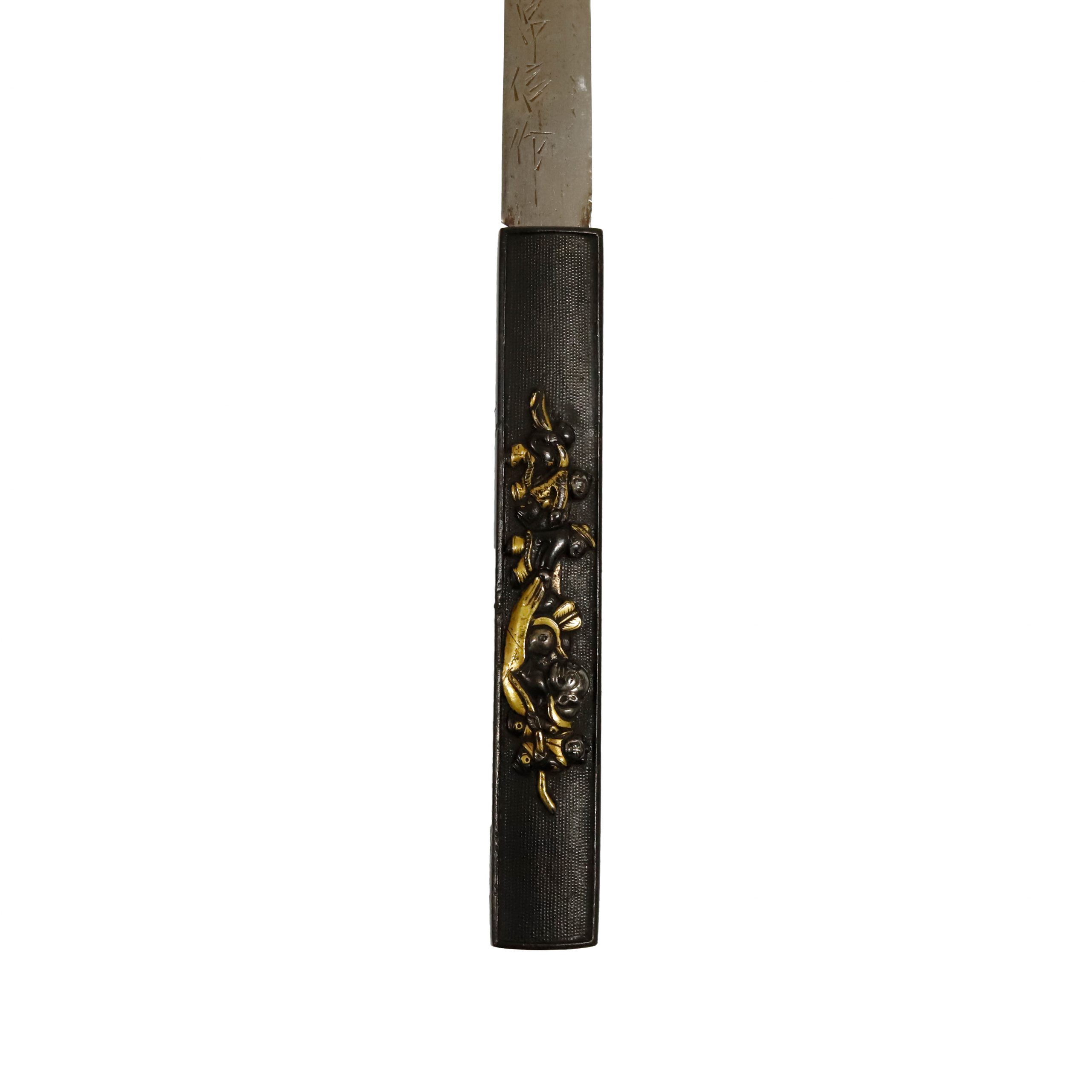
大和伝 · 備後
現在8点販売中
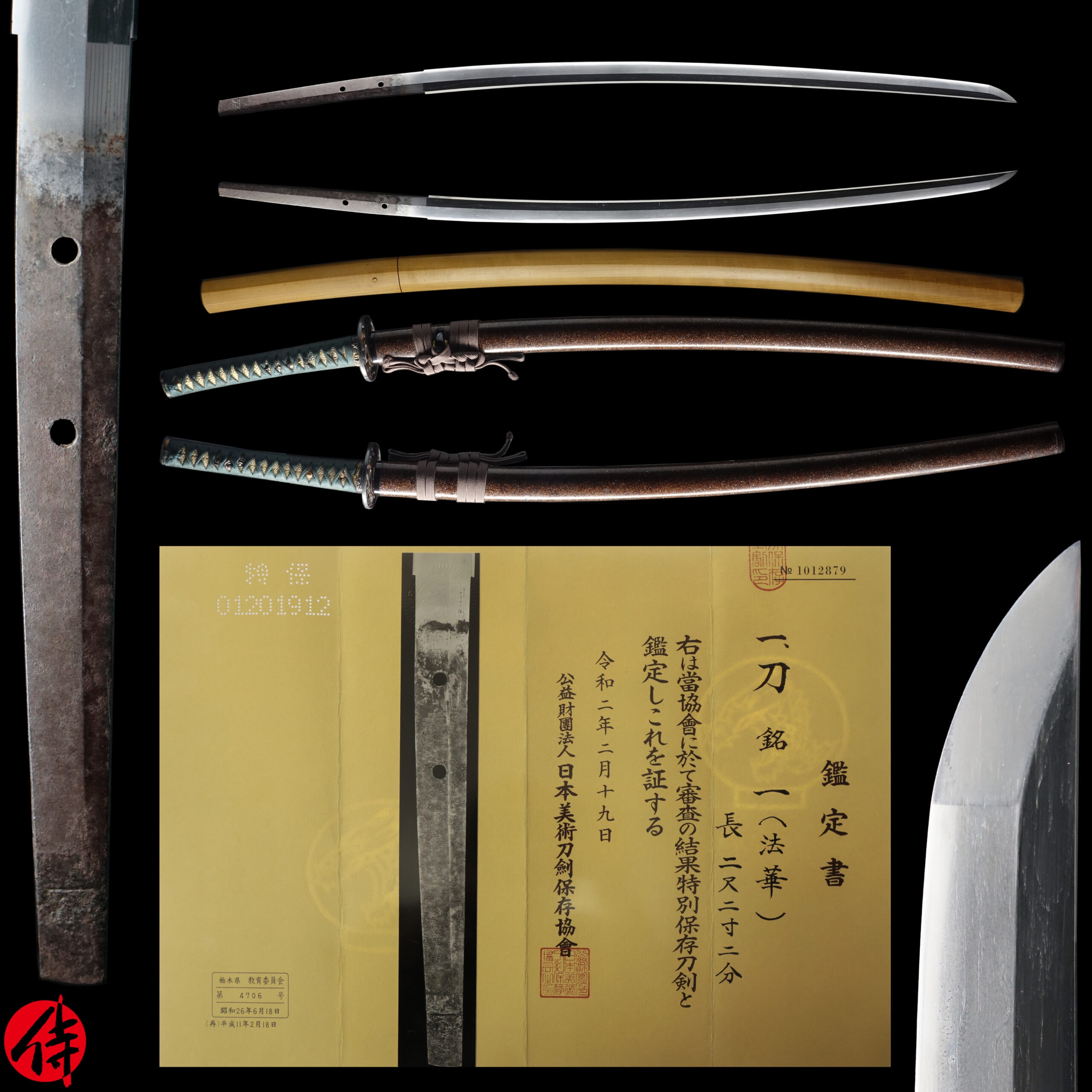
法華派は備後国葦田郡を本拠とした一群の刀工で、南北朝時代より室町期にかけて活躍した。『古今銘尽大全』に拠れば、同じ備後の三原物とは別系の葦田郡物に属し、その流祖を助国とする。一乗の号を冠する工が多く、三原正家の子と伝える一乗を祖として同名数代が室町に及び、銘は「法華一乗」「法華作」「一乗作」あるいは「一」の字のみ[[c:2]]、さらに一の下に個銘を加えるものや個名だけのものなど多様である。現存する作の銘から、一乗のほか兼安、行吉、重安、重家、信兼、重吉、重康、季次、親次、吉次といった工が知られ、室町期には草戸千軒の地に金次が活躍した例も確認される。草戸は中世に栄えた都市であり、ここに法華一乗派の作例が認められることは、一派の広がりを示すものである。 作風は説示に共通して記される。鍛えは板目に杢や流れ肌を交え、刃寄りはしばしば柾がかって総体に肌立ち、地沸がつき地景が入って、かねは白け、白け映りないし映り風が立つ。ややねっとりとした粘り気のある肌合を呈する作と、荒く肌立つ作とがある。刃文は焼の低い穏やかな直刃、あるいは直刃調に小互の目が連れて交じるものを基調とし、足・葉が入り、匂勝ちに小沸がついて、刃縁にほつれ・打のけ・喰違刃などを交え、砂流し・金筋がかかる。匂口は沈みごころとなるのが常で、締まりごころのものもある。帽子には二様があり、直ぐ調ないし乱れ込んで先を焼詰める大和気質の窺えるものと、先が尖って長く返るものとが見られる。彫物は棒樋や添樋を掻き流すことが多い。これらは板目の流れる地鉄、白け映り、沈みごころの匂口に大和の特色を示しつつ、備後物らしい趣を備える。 鑑定の要点は近隣の作との見分けにある。地刃に三原を思わせるところがありながら、沸が一段と強くつき、帽子が尖って深く返る点に法華の独自性が窺える。また直刃調に小丁子・小互の目を交え匂勝ちに小沸のつく出来は一見青江派さながらであるが、鎬の高い造り込みや細かに掃きかける帽子に大和気質が看取され、備後物に見られる大和気質と青江風の混在として理解される。「備州住」と居住地をきる銘は鎌倉末より南北朝にかけて多く備後国を指し、銘鑑に載らぬ工もこの作域から同派と判断される。代表的な遺品には正平・応安・貞治・明徳の年紀を帯びた在銘作があり、なかでも生ぶ茎在銘年紀入りの太刀は南北朝最盛期の遺例として貴重とされる。光忠が無銘の一刀を一乗と極めた例も伝わり、後世の鑑定における同派の位置づけを示している。 詳しく見る →
南北朝時代の大和
南朝が大和国吉野に都を置いたとき、大和の諸派は最盛期にあった。包永以後の手掻、尻懸則長、そして保昌の純然たる柾目である。その技はすでに諸国へ広がりつつあった。
銘が正しい、または無銘でも年代・国・系統を確実に指摘できる、保存に値する真正の作と鑑定されたものです。
日本美術刀剣保存協会(NBTHK)は、1948年に設立され、文化庁の監督を受ける公益財団法人で、東京・刀剣博物館に本部を置きます。専門の審査員が出品作を直接審査し、美術的・歴史的価値に応じた鑑定書を発行します。NBTHKの鑑定書は、日本刀および刀装具の真正性を示す最も広く認知された基準です。
NBTHK公式サイトReturns/exchanges limited to defects caused by shipping (except willful misconduct or gross negligence by the company); customers must contact within 72 hours of receiving the product.
日本刀 脇差 法華(日本美術刀剣保存協会 保存刀剣鑑定書付) 【解説】 本作は、日本で最も権威ある鑑定機関の一つである日本美術刀剣保存協会(NBTHK)により「法華」と個銘極めされた一振りです。法華派は鎌倉時代末期から南北朝時代(13世紀後半〜14世紀)にかけて、備後国芦田郡(現在の広島県)で栄えた名門の刀工群です。 当時、芦田の地には日蓮宗の信徒が多く、法華の刀工たちは政治的影響力を持つ僧侶たちのために多くの刀剣を鍛造したと伝えられています。有力寺院間の対立が激しかった当時、自衛のための強靭な武器が求められており、法華の刀工たちはその期待に応え、極めて質の高い作品を残しました。 法華派の祖は、鎌倉末期の元徳頃(1329年頃)に活躍した国分寺助国とされています。助国はもともと備前国(現在の岡山県)の出身で、鎌倉時代屈指の名門である備前一文字派の流れを汲むと伝えられています。また、助国は備後におけるもう一つの名門、三原派の祖である三原正家の父としても知られています。 本作は美しい地鉄(じがね)に樋(ひ)が掻かれ、いっそうの美しさを引き立てています。また、茶道をモチーフとした風情ある意匠の拵(こしらえ)が付属しており、美術品としての価値をさらに高めています。 本刀には、日本美術刀剣保存協会が発行する「保存刀剣鑑定書」が付属します。これは、保存状態が良く、美術的価値が認められた真作の日本刀にのみ与えられる証です。 【刀身】 長さ(Nagasa):46.2 cm 反り(Sori):1.0 cm 刃文(Hamon):焼入れによって刃先に現れる結晶構造。 地文(Jihada):鍛錬の過程で現れる、肌目のような鋼の模様。 茎(Nakago): 刀身の柄に収まる部分です。日本の刀工は、柄の中での赤錆を防ぐためにあえて「黒錆」を残しました。この茎の経年変化(錆色)は、専門家が製作年代を推定する上での重要な指標となります。 【拵(こしらえ)】 拵とは、鞘、柄、鍔などの外装一式を指します。 縁頭(Fuchi-Kashira): 柄の両端を保護し、装飾する一対の金具です。 本作の縁頭には茶道具が意匠されており、目貫や後藤(小柄・割笄)とも意匠が統一されています。茶釜、柄杓、火箸、茶入、茶碗などが細やかに彫り込まれています。 茶道は日本の伝統文化であり、その精神的基盤は、戦国時代に千利休が「わび茶」を大成させたことに始まります。利休は織田信長や豊臣秀吉といった時の権力者に仕え、茶道は武家文化や政治と深く結びついて発展しました。 柄・目貫(Tsuka / Menuki): 柄は刀を握る部分、目貫はその装飾です。 前述の通り、目貫にも茶道具のモチーフが用いられています。一方には茶筅、もう一方には柄杓が配され、金の色絵が施されています。その背景には羽箒(はぼうき)も見て取れます。 鍔・鎺(Tsuba / Habaki): 鍔は手を守るための護拳、鎺は刀身を鞘の中に固定し、刀身が鞘の内側に触れて錆びたり傷ついたりするのを防ぐ金具です。 木瓜形の鍔には……(以下、原文に基づき継続)
NihontoWatch大和伝 · 備後
現在8点販売中
法華派は備後国葦田郡を本拠とした一群の刀工で、南北朝時代より室町期にかけて活躍した。『古今銘尽大全』に拠れば、同じ備後の三原物とは別系の葦田郡物に属し、その流祖を助国とする。一乗の号を冠する工が多く、三原正家の子と伝える一乗を祖として同名数代が室町に及び、銘は「法華一乗」「法華作」「一乗作」あるいは「一」の字のみ[[c:2]]、さらに一の下に個銘を加えるものや個名だけのものなど多様である。現存する作の銘から、一乗のほか兼安、行吉、重安、重家、信兼、重吉、重康、季次、親次、吉次といった工が知られ、室町期には草戸千軒の地に金次が活躍した例も確認される。草戸は中世に栄えた都市であり、ここに法華一乗派の作例が認められることは、一派の広がりを示すものである。 作風は説示に共通して記される。鍛えは板目に杢や流れ肌を交え、刃寄りはしばしば柾がかって総体に肌立ち、地沸がつき地景が入って、かねは白け、白け映りないし映り風が立つ。ややねっとりとした粘り気のある肌合を呈する作と、荒く肌立つ作とがある。刃文は焼の低い穏やかな直刃、あるいは直刃調に小互の目が連れて交じるものを基調とし、足・葉が入り、匂勝ちに小沸がついて、刃縁にほつれ・打のけ・喰違刃などを交え、砂流し・金筋がかかる。匂口は沈みごころとなるのが常で、締まりごころのものもある。帽子には二様があり、直ぐ調ないし乱れ込んで先を焼詰める大和気質の窺えるものと、先が尖って長く返るものとが見られる。彫物は棒樋や添樋を掻き流すことが多い。これらは板目の流れる地鉄、白け映り、沈みごころの匂口に大和の特色を示しつつ、備後物らしい趣を備える。 鑑定の要点は近隣の作との見分けにある。地刃に三原を思わせるところがありながら、沸が一段と強くつき、帽子が尖って深く返る点に法華の独自性が窺える。また直刃調に小丁子・小互の目を交え匂勝ちに小沸のつく出来は一見青江派さながらであるが、鎬の高い造り込みや細かに掃きかける帽子に大和気質が看取され、備後物に見られる大和気質と青江風の混在として理解される。「備州住」と居住地をきる銘は鎌倉末より南北朝にかけて多く備後国を指し、銘鑑に載らぬ工もこの作域から同派と判断される。代表的な遺品には正平・応安・貞治・明徳の年紀を帯びた在銘作があり、なかでも生ぶ茎在銘年紀入りの太刀は南北朝最盛期の遺例として貴重とされる。光忠が無銘の一刀を一乗と極めた例も伝わり、後世の鑑定における同派の位置づけを示している。 詳しく見る →
南北朝時代の大和
南朝が大和国吉野に都を置いたとき、大和の諸派は最盛期にあった。包永以後の手掻、尻懸則長、そして保昌の純然たる柾目である。その技はすでに諸国へ広がりつつあった。
銘が正しい、または無銘でも年代・国・系統を確実に指摘できる、保存に値する真正の作と鑑定されたものです。
日本美術刀剣保存協会(NBTHK)は、1948年に設立され、文化庁の監督を受ける公益財団法人で、東京・刀剣博物館に本部を置きます。専門の審査員が出品作を直接審査し、美術的・歴史的価値に応じた鑑定書を発行します。NBTHKの鑑定書は、日本刀および刀装具の真正性を示す最も広く認知された基準です。
NBTHK公式サイトReturns/exchanges limited to defects caused by shipping (except willful misconduct or gross negligence by the company); customers must contact within 72 hours of receiving the product.








![Tanto - Jūyō - 作 正廣 - 日本刀 刀 短刀 銘 正広 第[回]重要刀剣指定品(日本美術刀剣保存協会)](/_next/image?url=https%3A%2F%2Fitbhfhyptogxcjbjfzwx.supabase.co%2Fstorage%2Fv1%2Fobject%2Fpublic%2Flisting-images%2Fsamurai-museum%2FL396744%2F06.jpg&w=2560&q=90)