二世紀半の泰平のあいだ、刀は武器である以上に武士の身分の標章であった。江戸の実証と大坂の華やぎのように都市ごとの作風が育ち、時代の末には需要も細っていく。
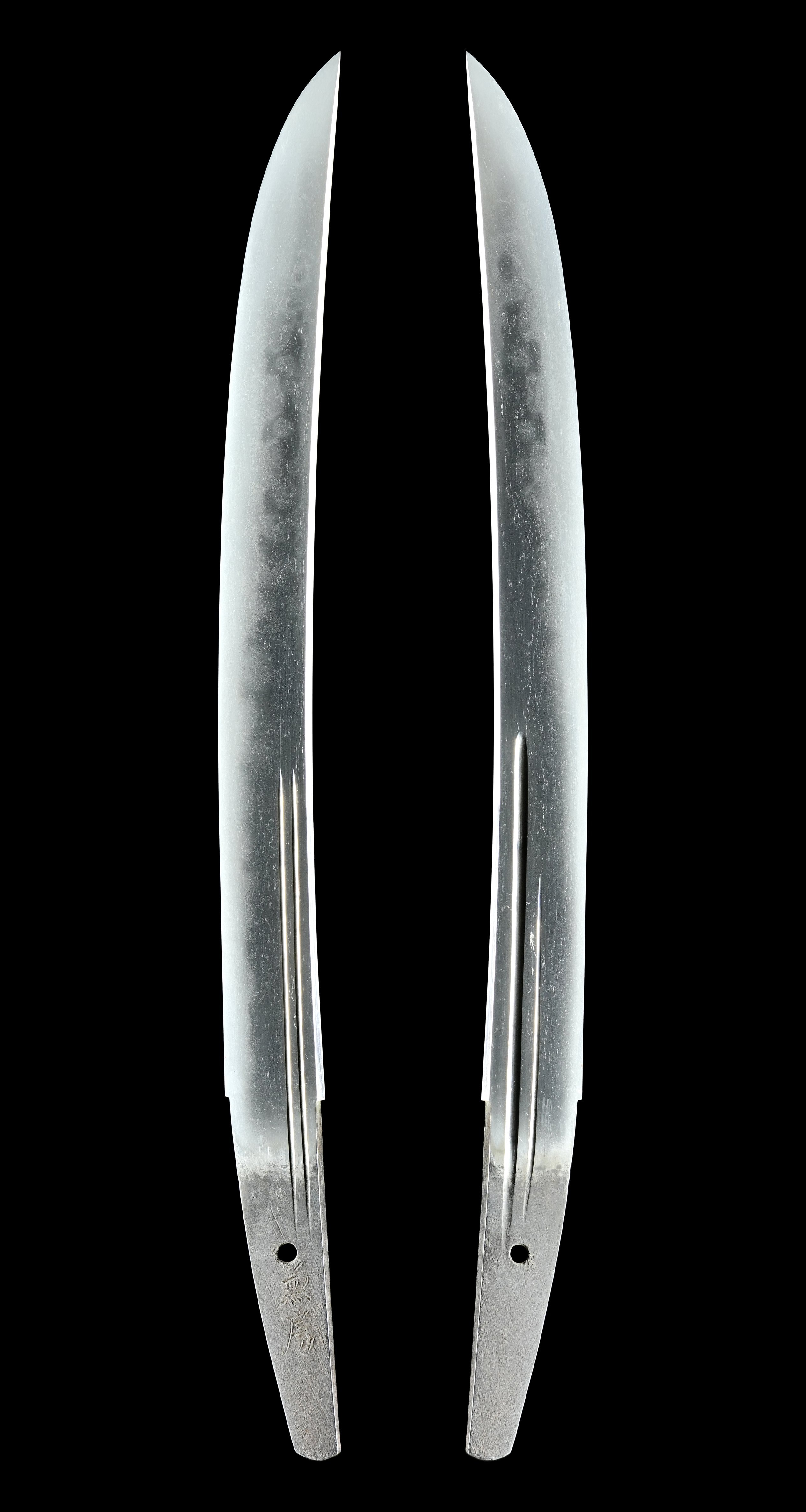
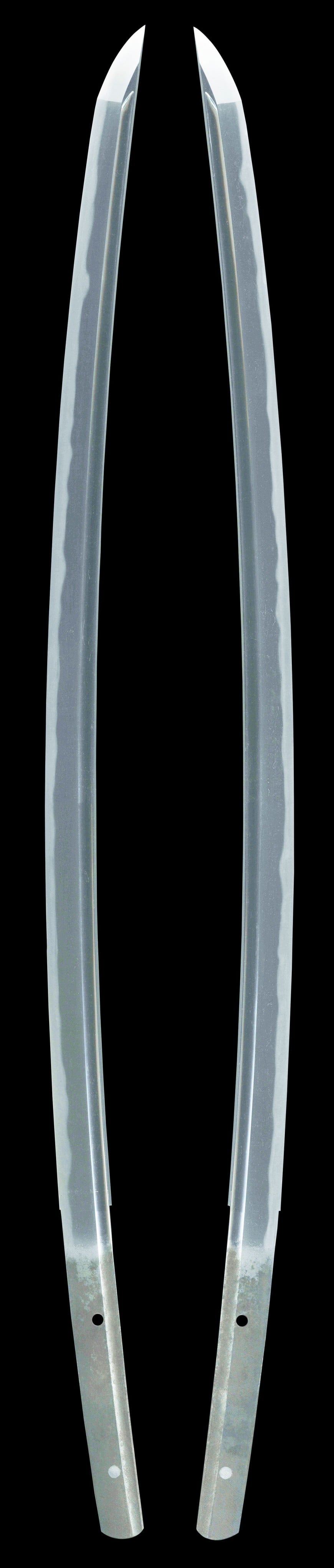
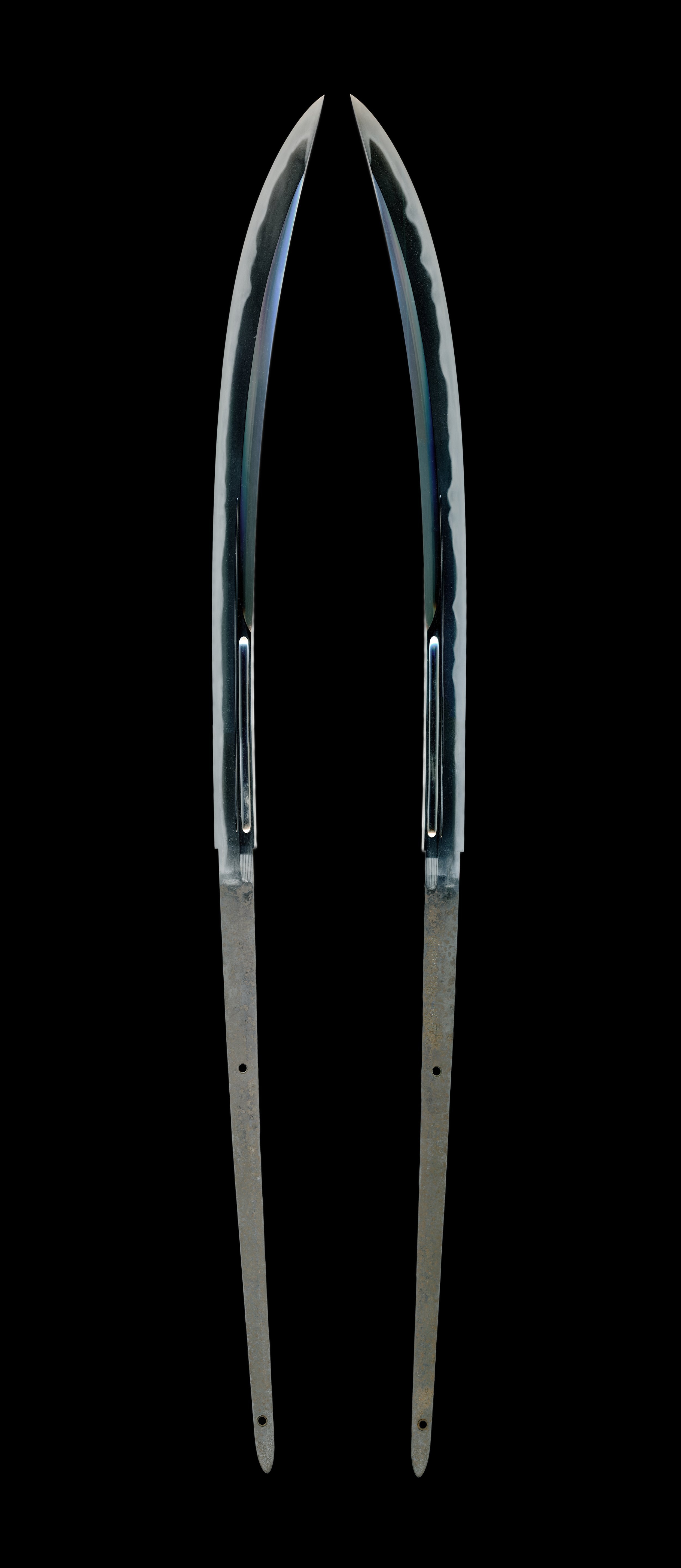
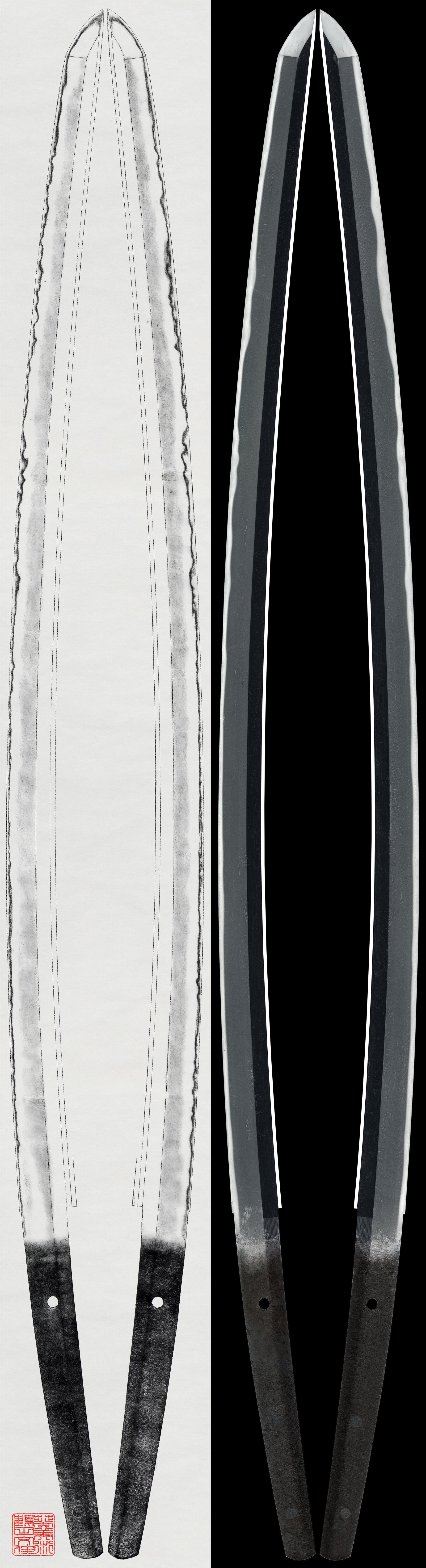
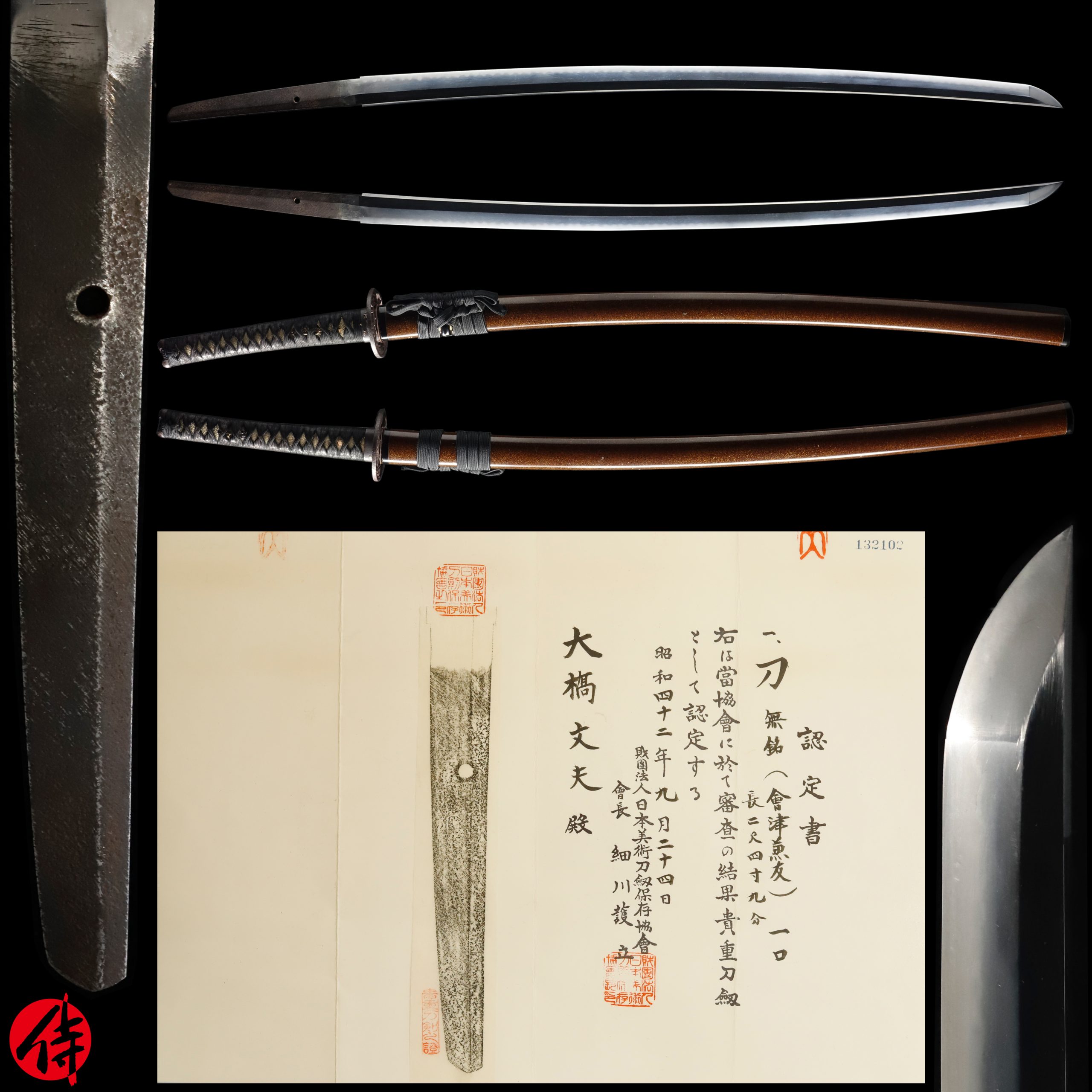
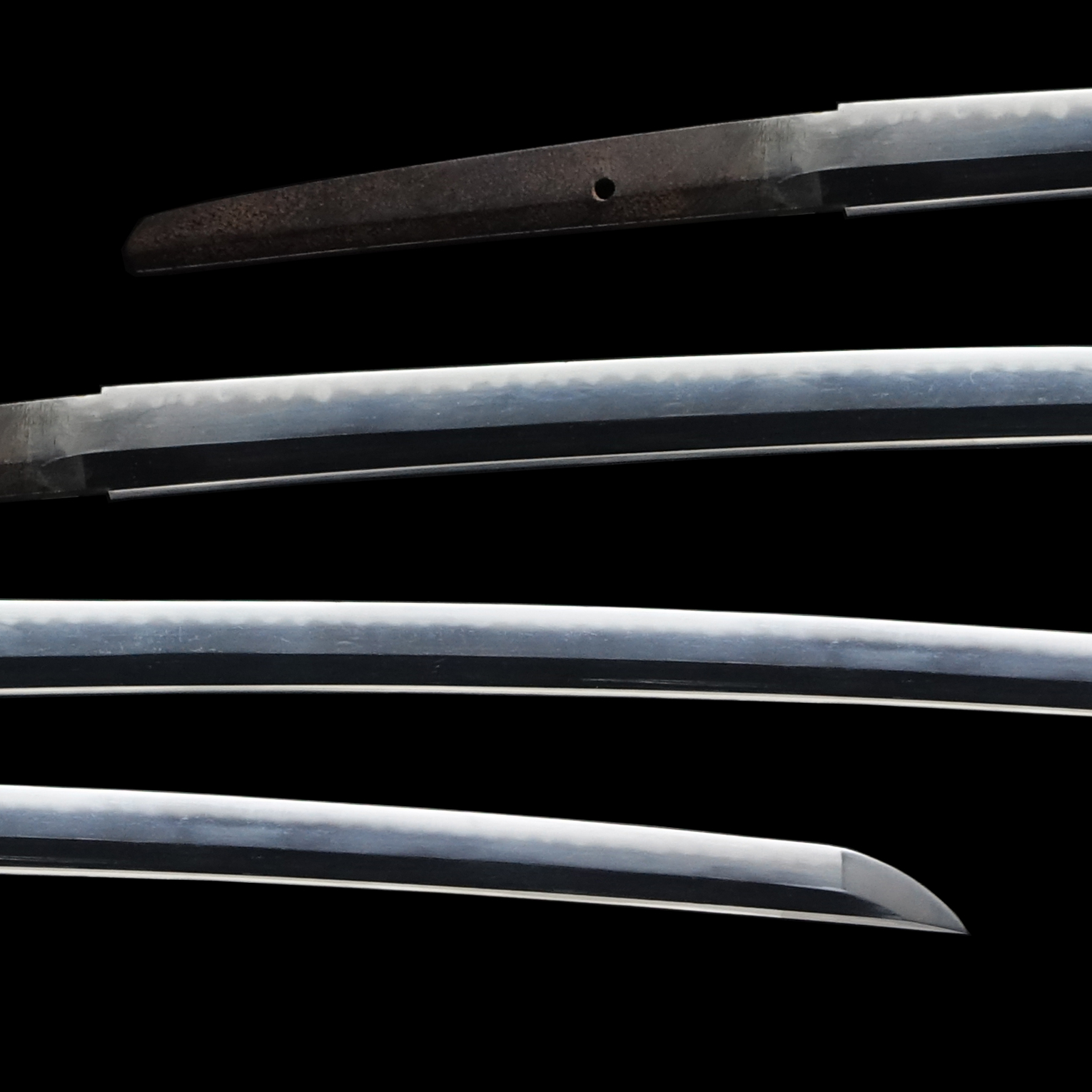
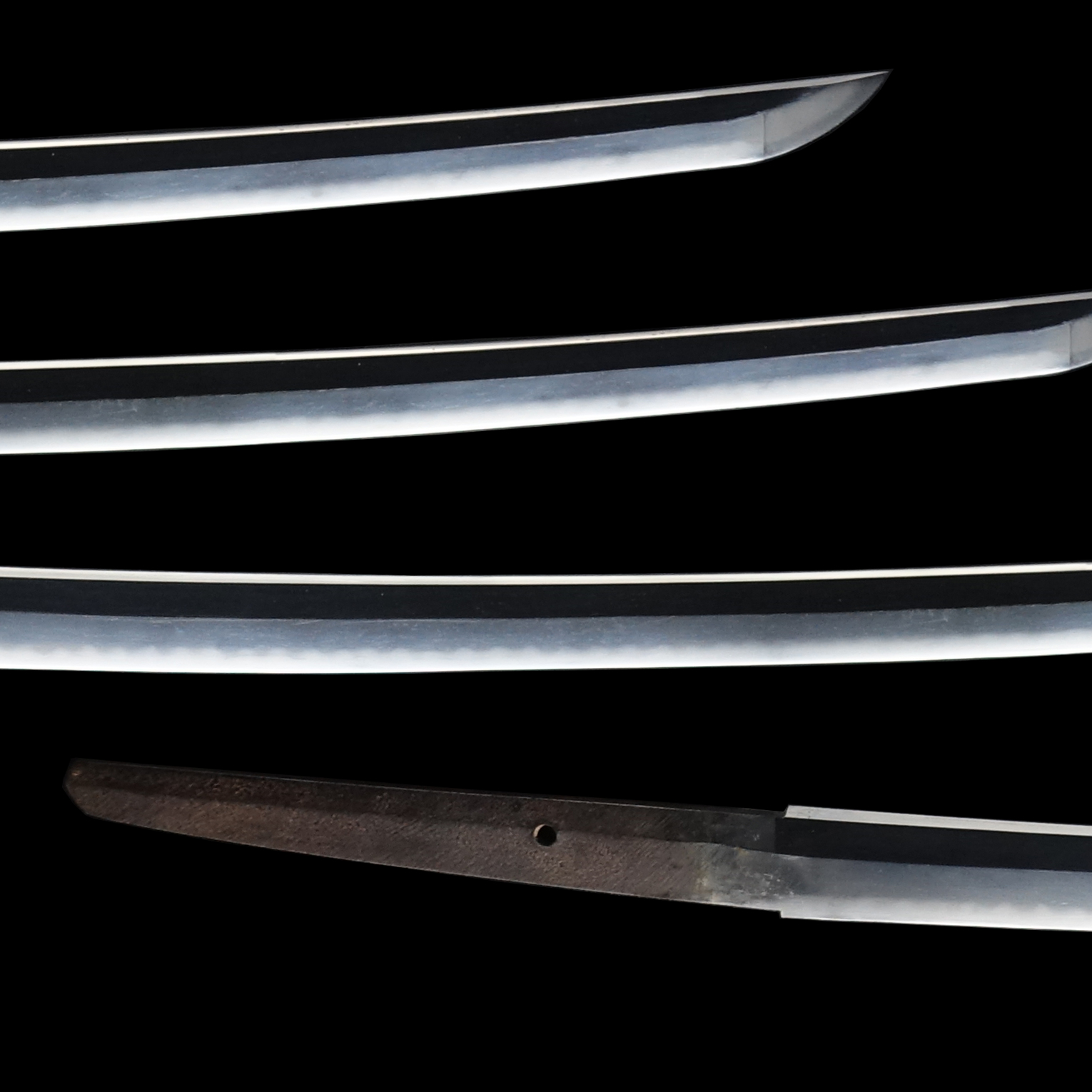
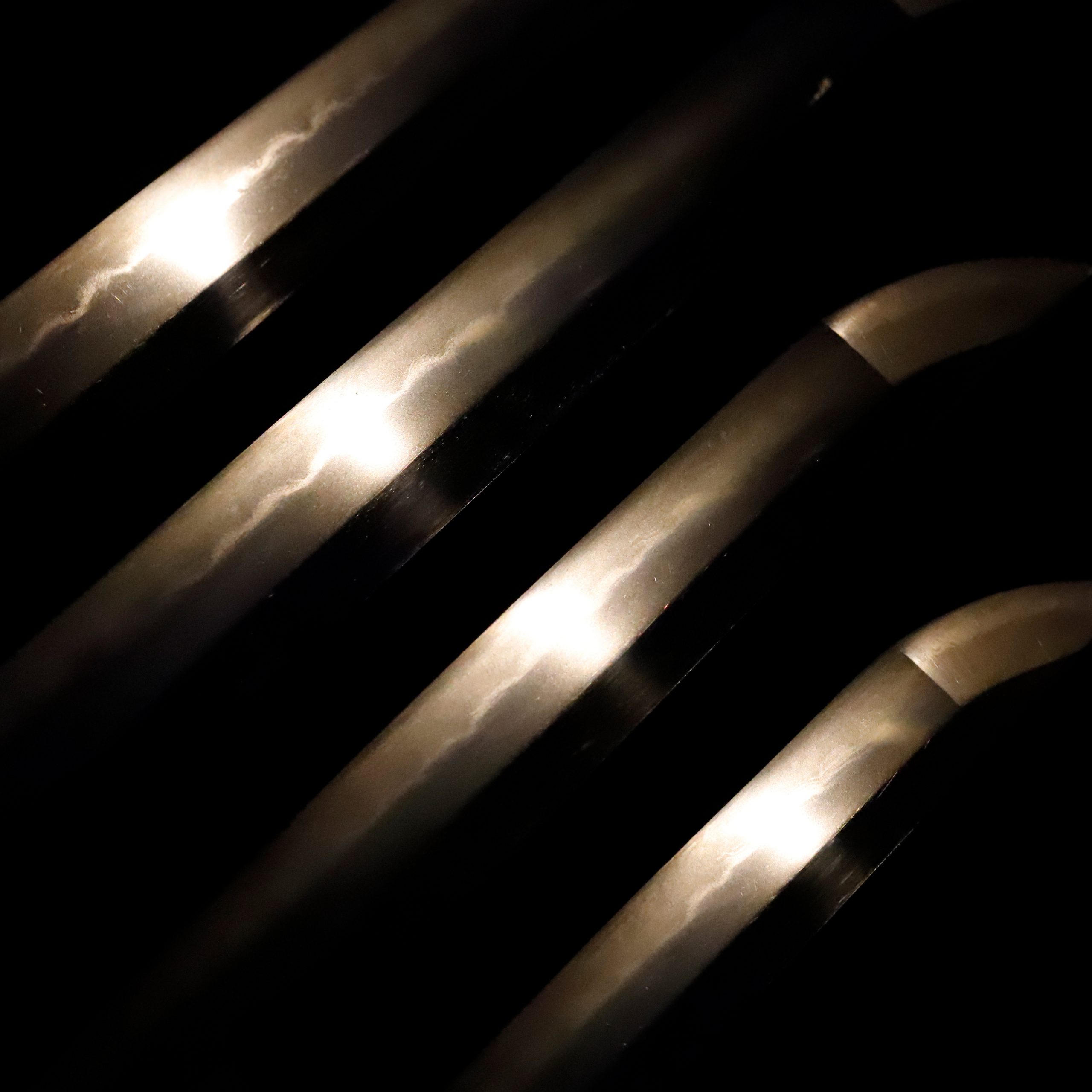
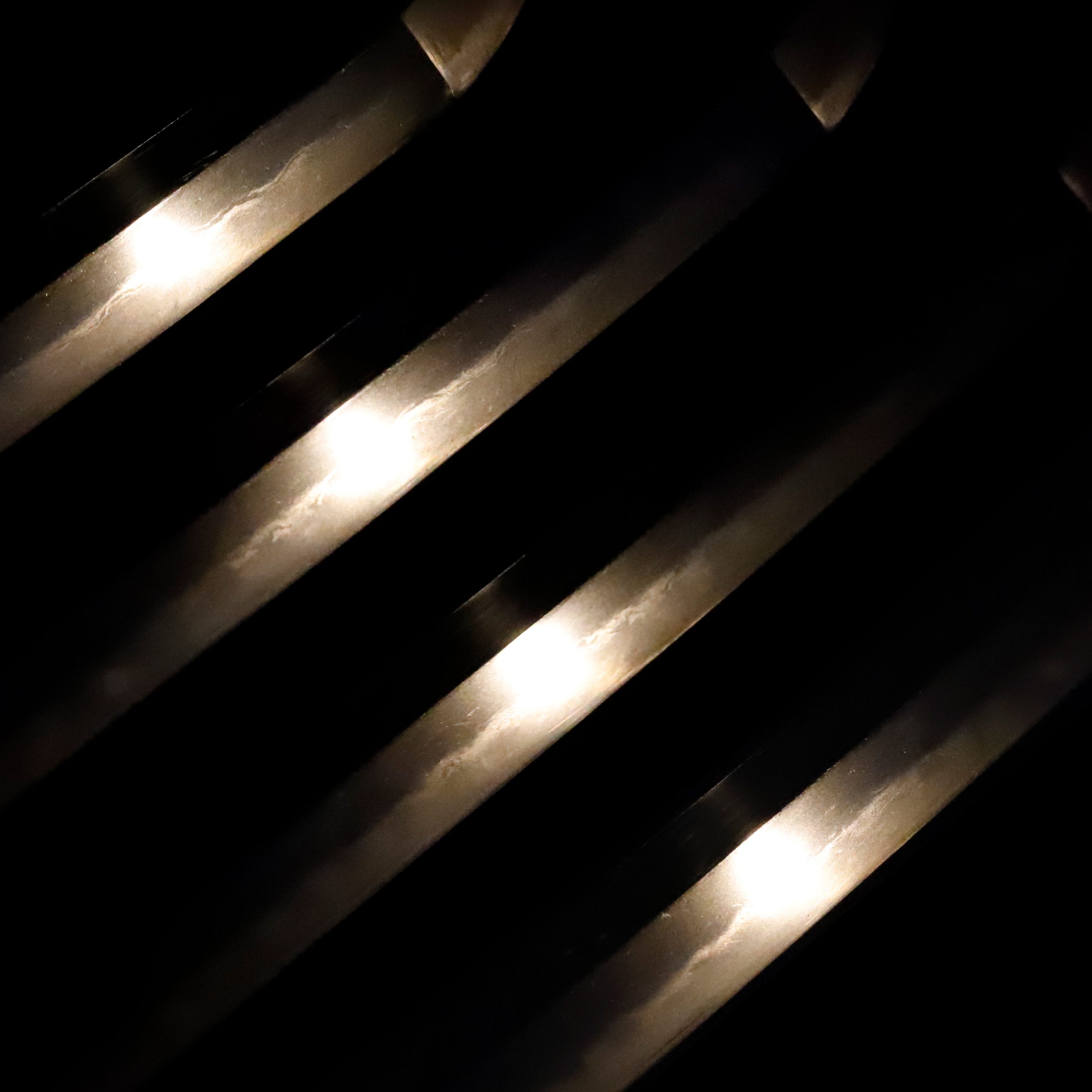
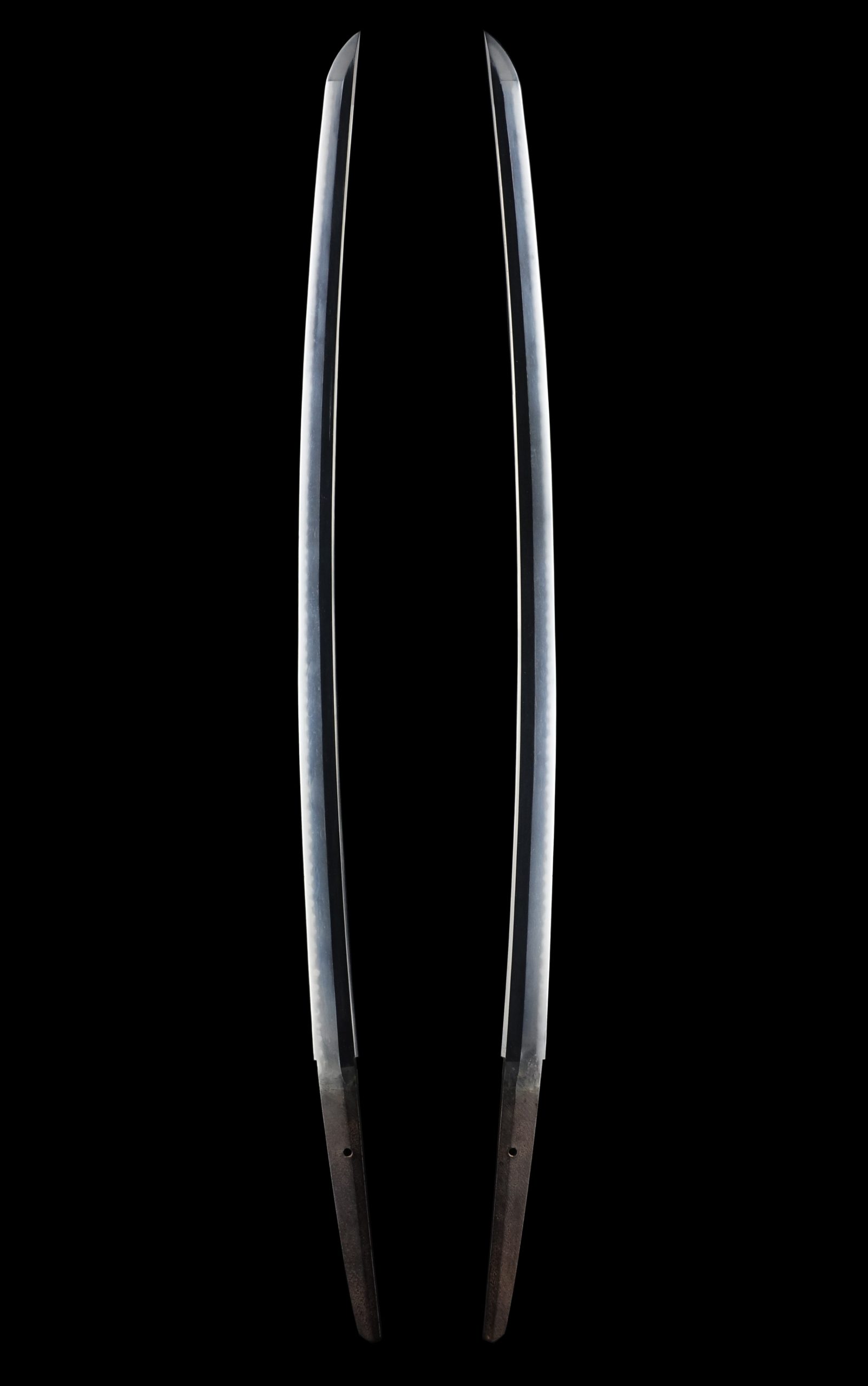
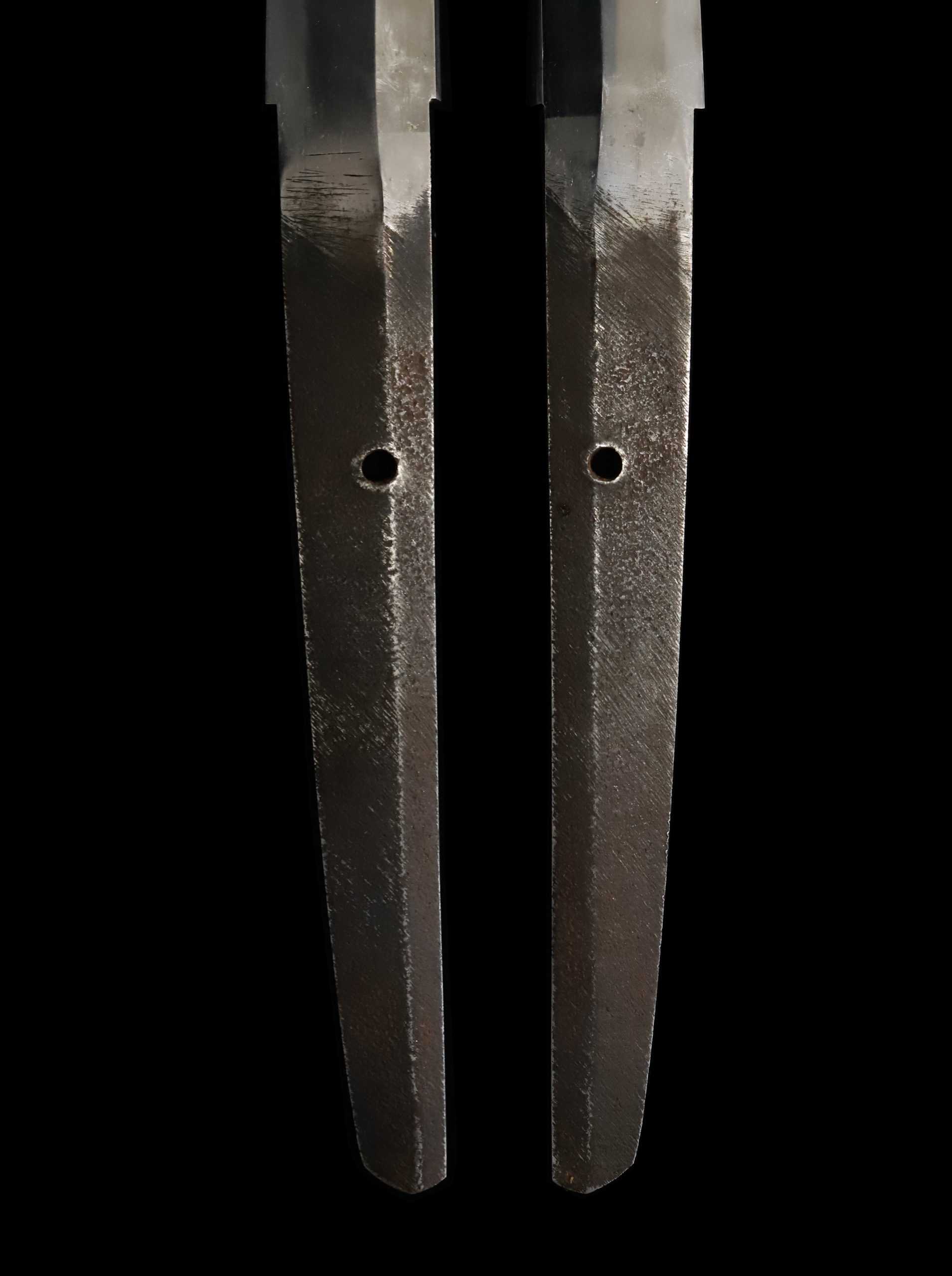
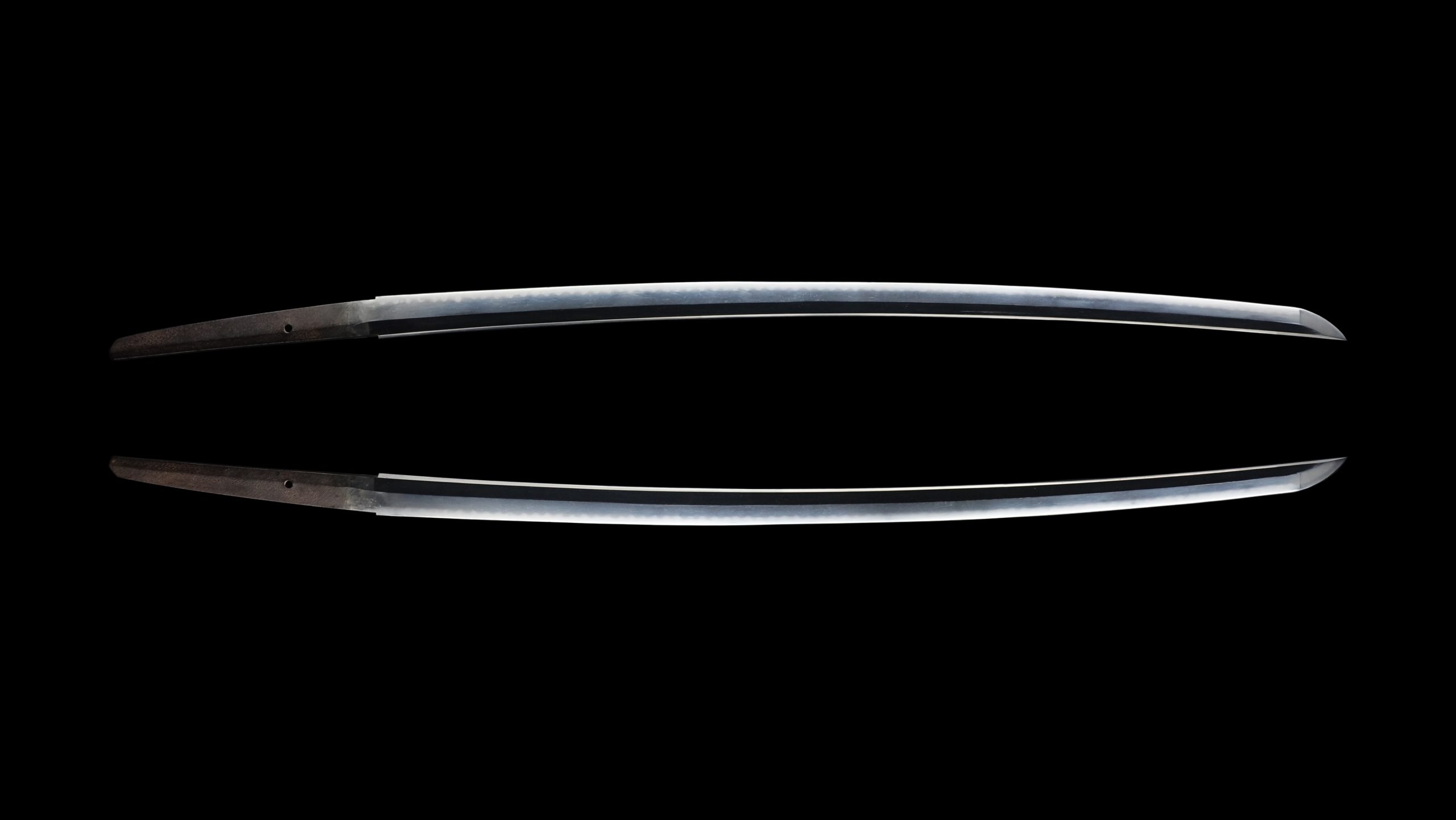
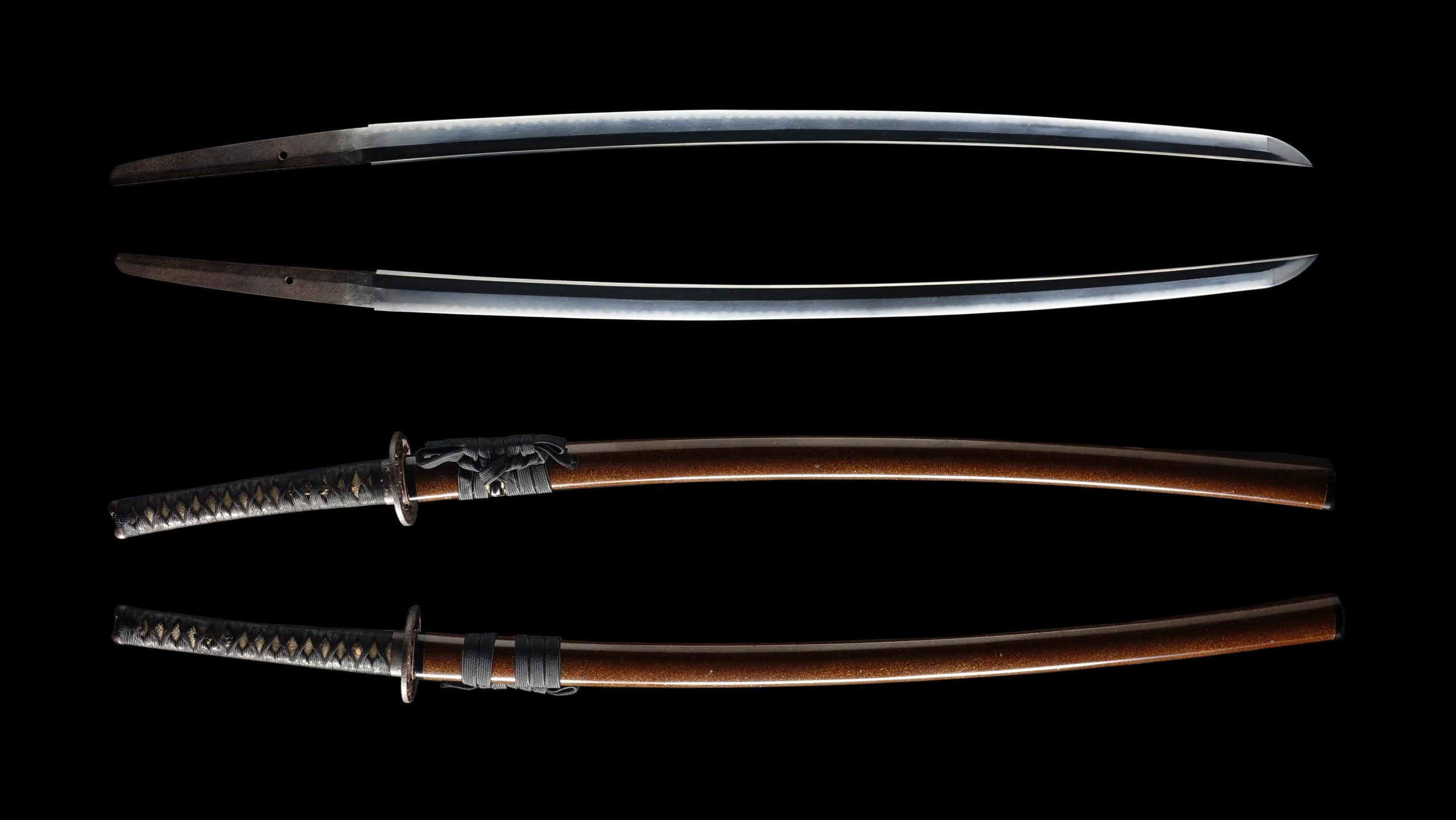
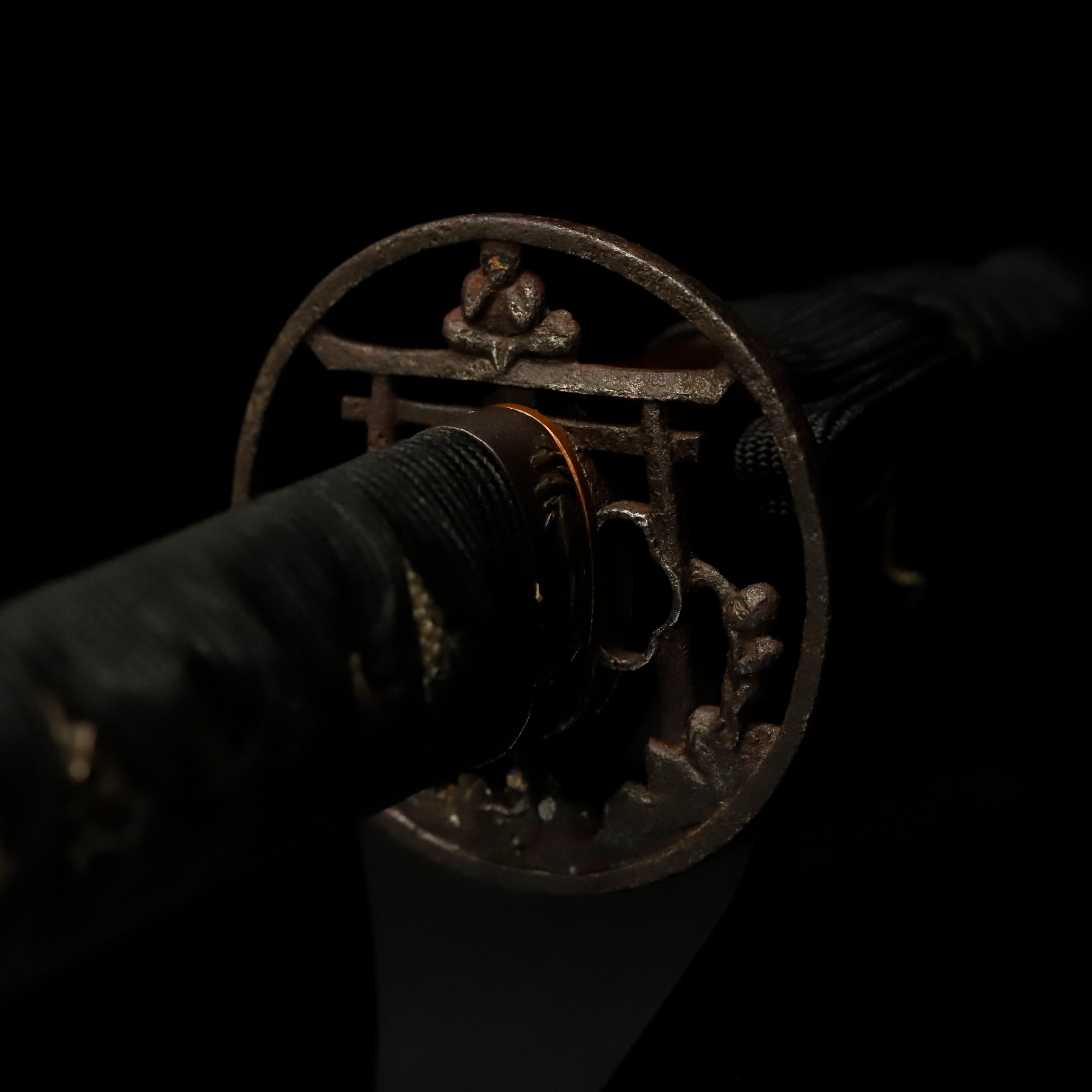
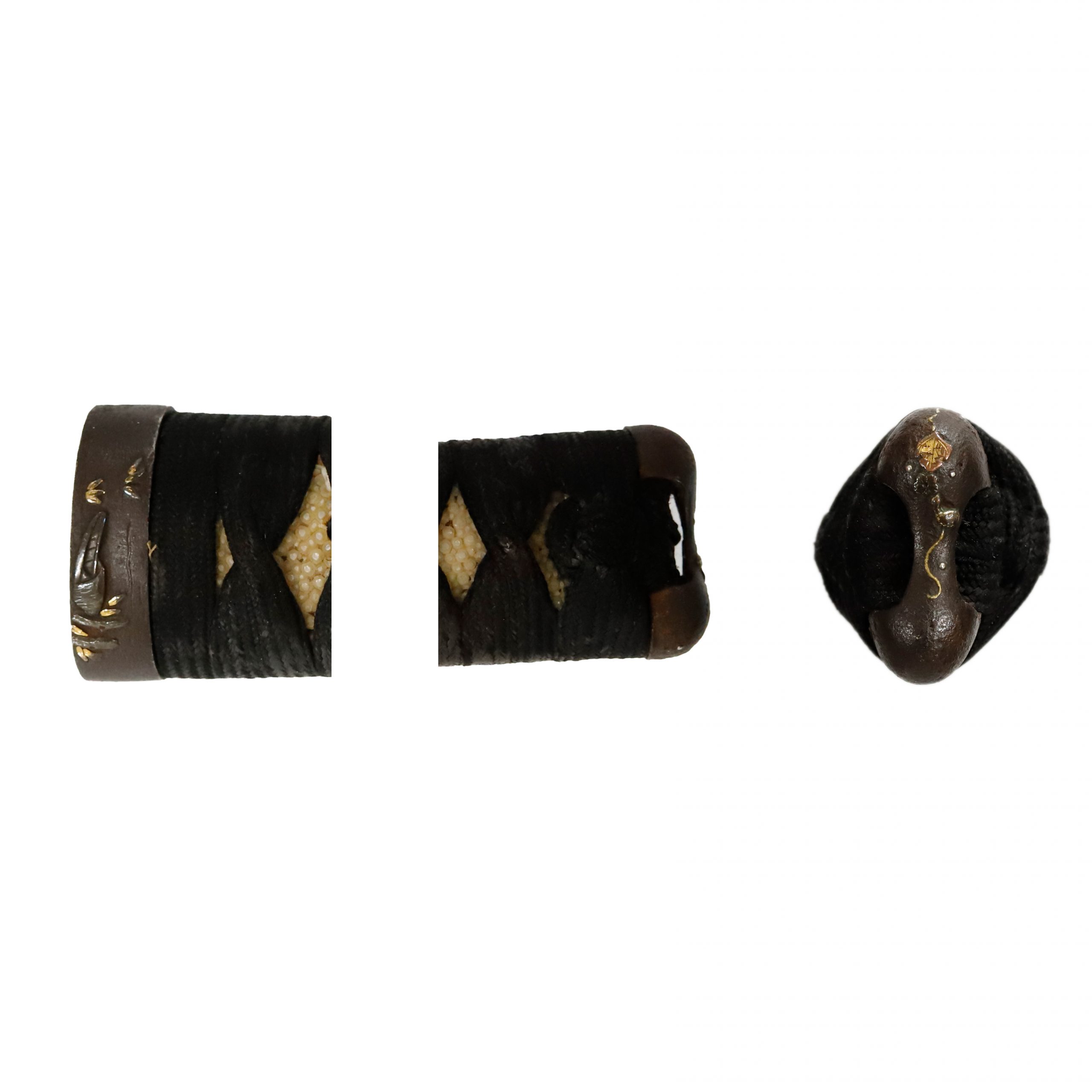
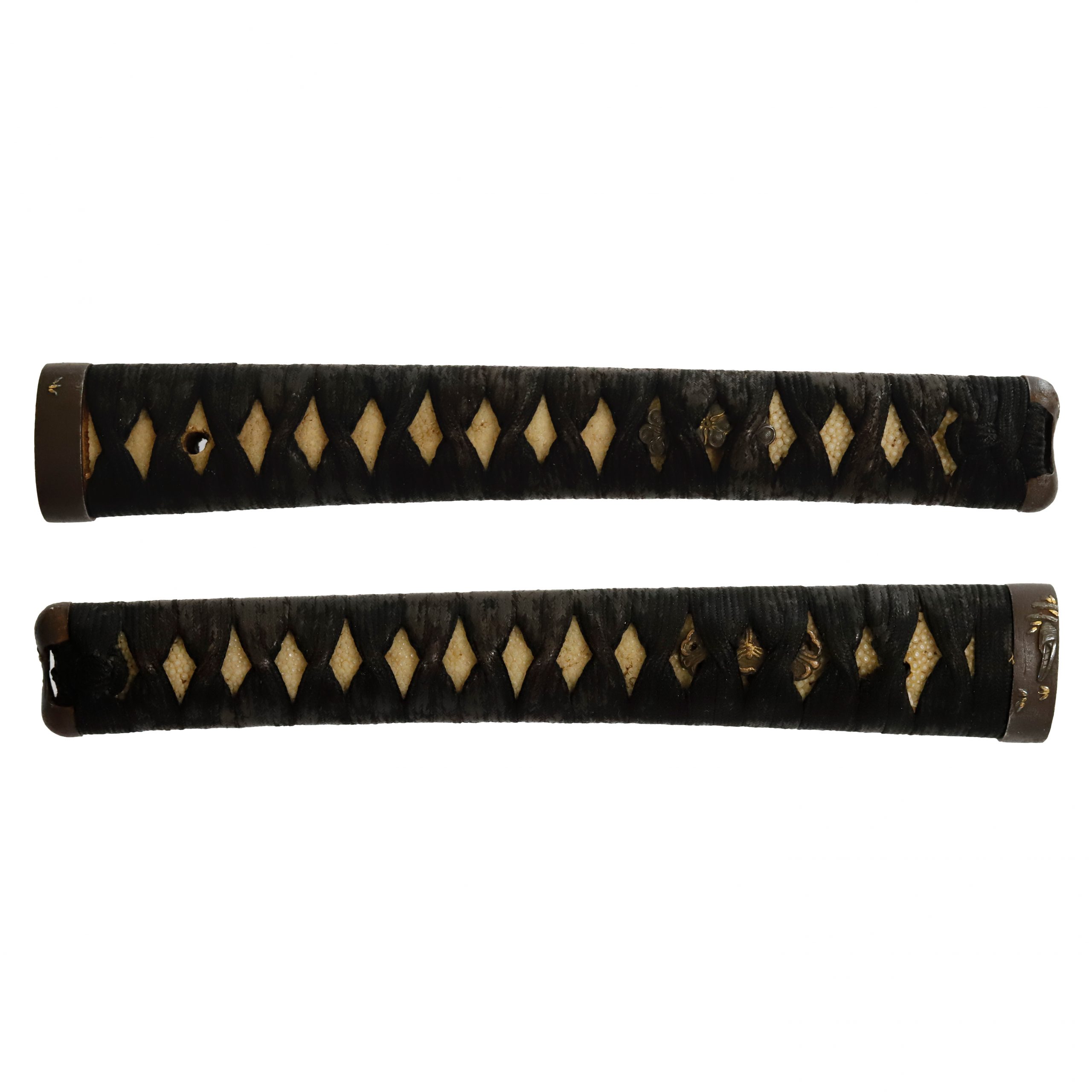
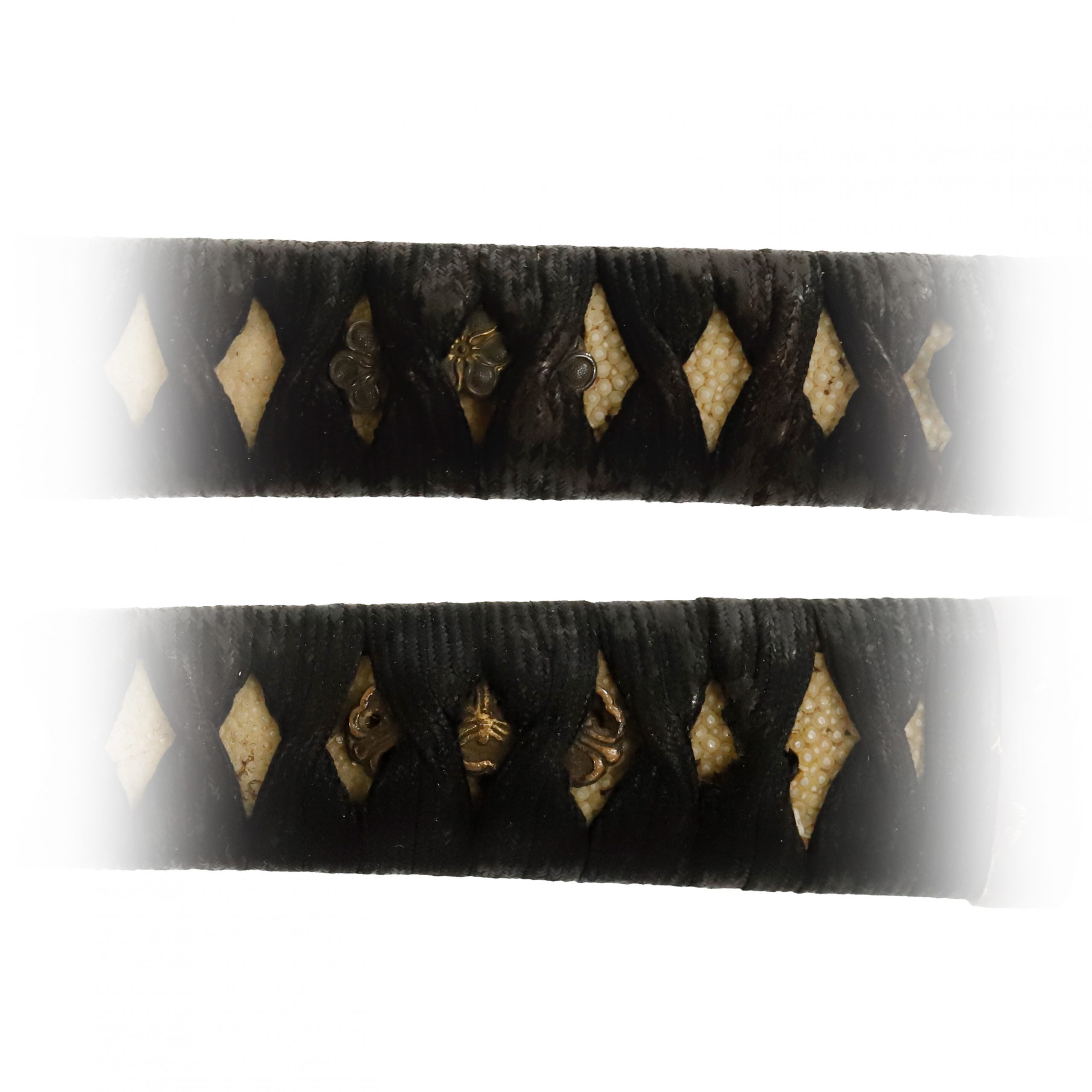
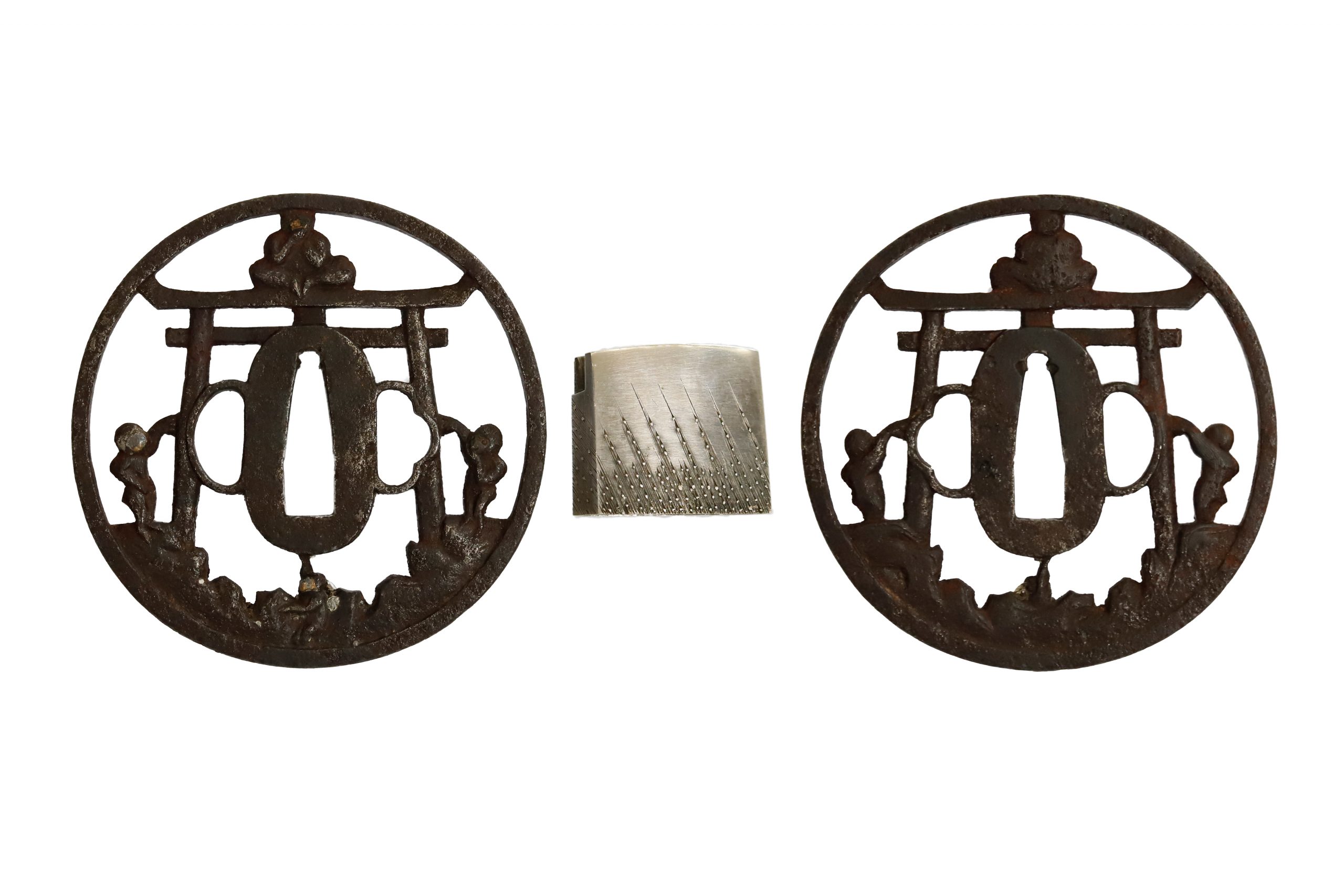
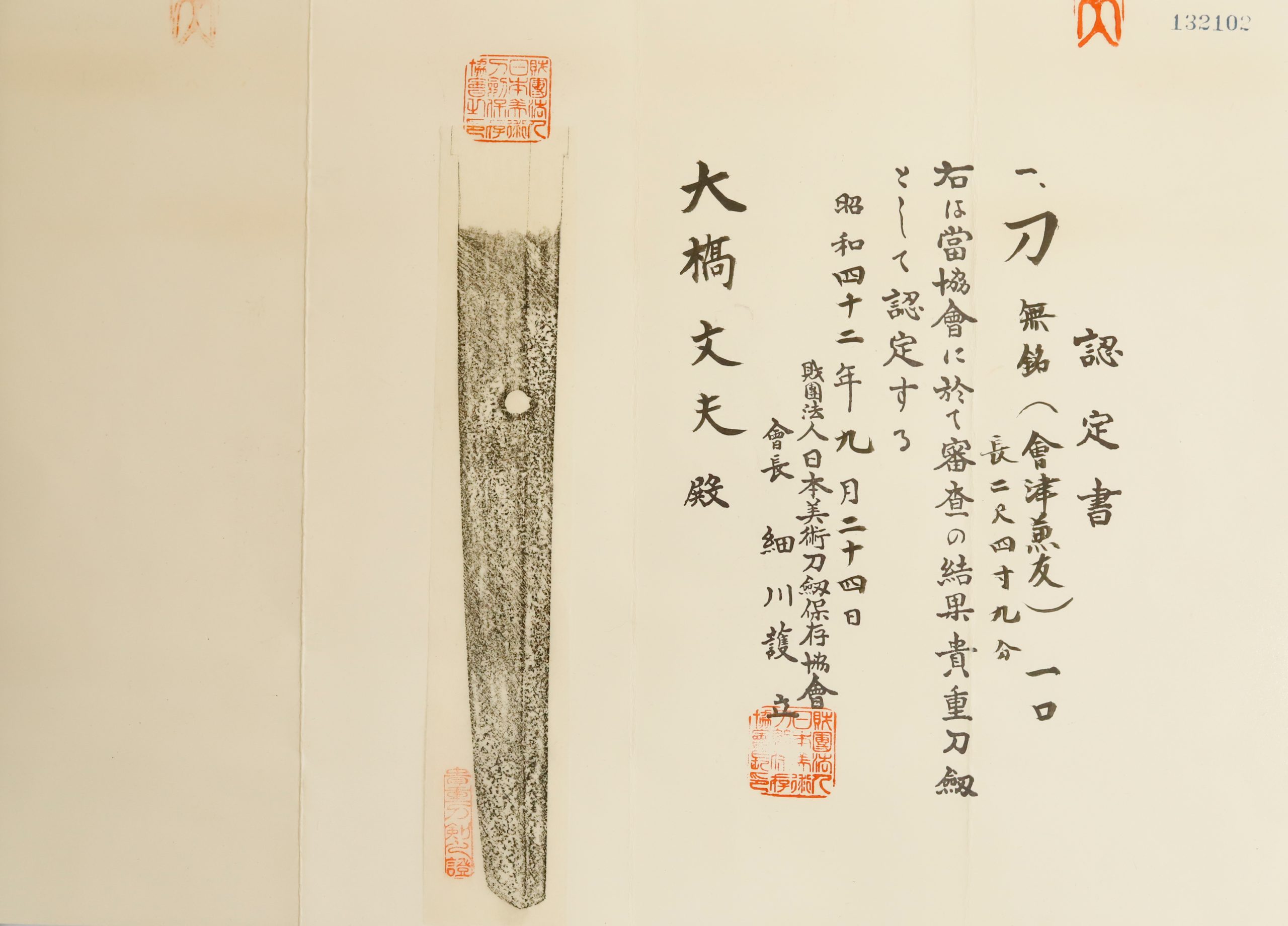
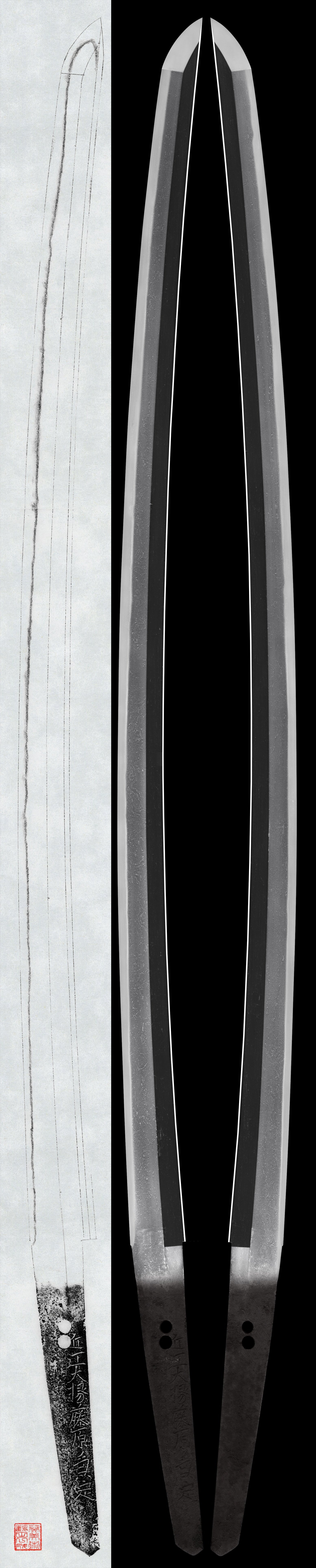
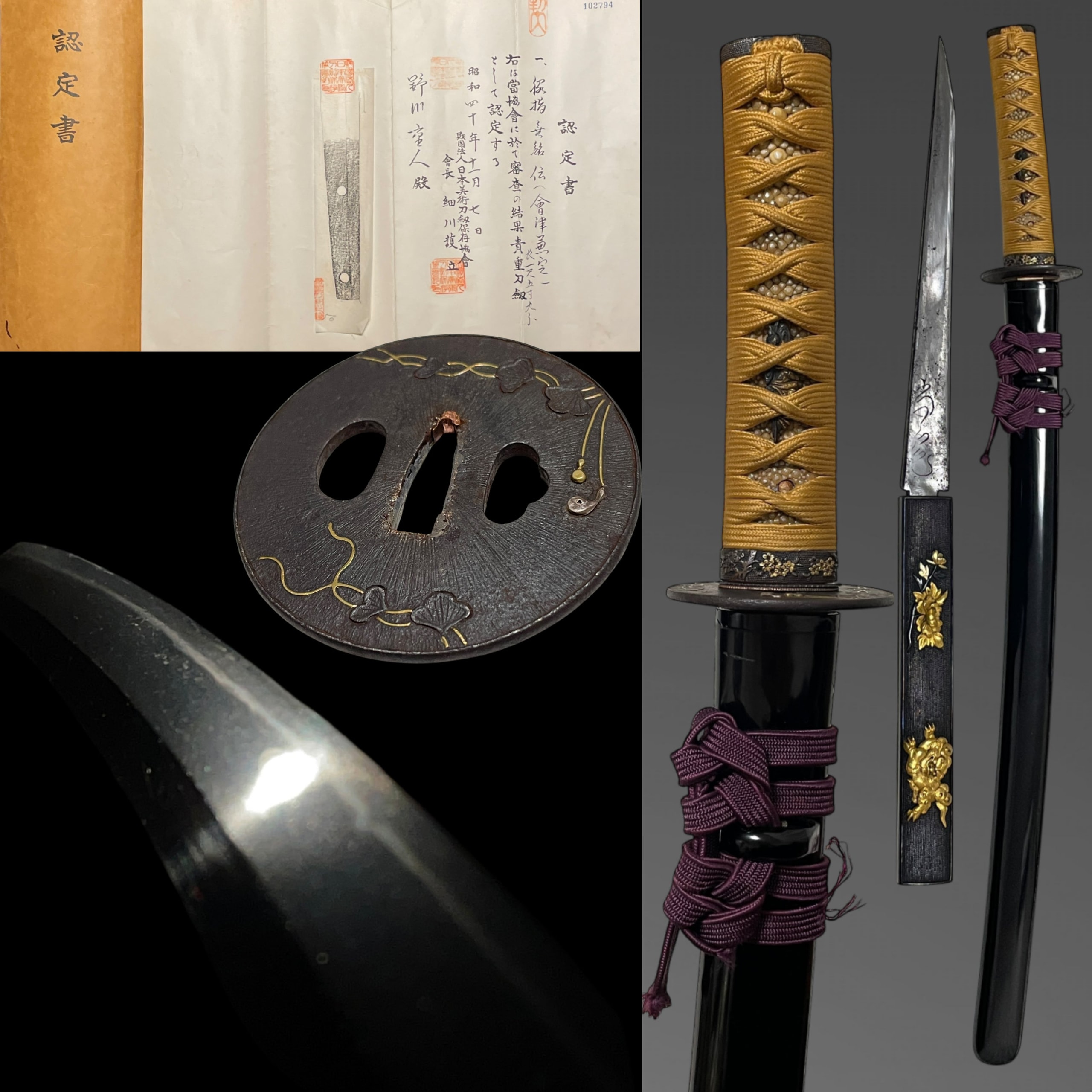
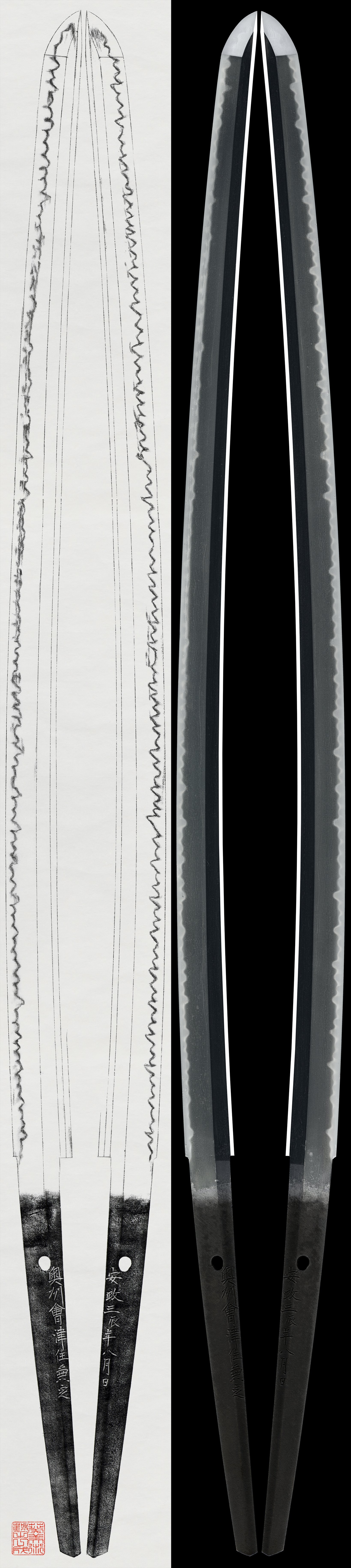
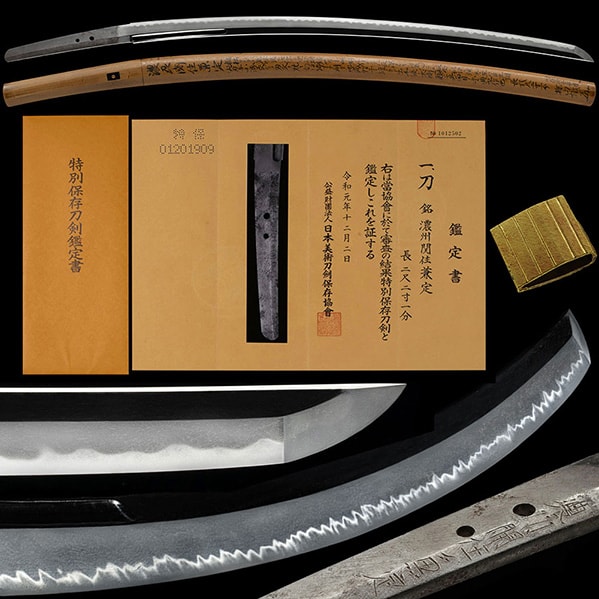
Antique Japanese Sword Katana Attributed to Aizu Kanetomo with Kicho Certificate 【Description】 This blade is attributed to Aizu Kanetomo (会津兼友) by NBTHK while there is no signature on the tang. Aizu is the name of the domain (today’s Fukushima prefecture) and the place where Kanetomo resided, forging swords. It is said that the swordsmith name “Kanetomo” lasted 8th generations from the Genroku-early Meij era (Late 17th – Late 19th century). And we believe the attribution is given to the later-gen Kanetomo from the late Edo period(mid-late 19th century) based on the blade’s characteristics. Kanetomo belonged to Aizu Kanesada school. Aizu Kanesada school was founded by Kanesada, who had forged swords in Mino province(Today’s Gifu prefecture) until the Keicho era(1596-1615). This Kanesada was the grandson of Noshu Izumi no Kami Kanesada(濃州和泉守兼定), a renowned swordsmith in Mino province. Kanesada relocated to Aizu from Mino to serve Gamo Ujisato(蒲生氏郷), a powerful feudal lord who worked for Oda Nobunaga. And, Kanesada founded Aizu Kanesada school there. Aizu Kanesada school lasted 11th generations by the end of the Edo period. The first-gen Kanetomo was an apprentice of the third-gen Aizu Kanesada. And, he became a Hanko for the Aizu domain. Hanko means the swordsmith who exclusively served a specific domain. Since then, the generations of Kanetomo had forged swords for the Aizu domain in Fukuchi Prefecture. We believe Kanetomo’s craftsmanship had been highly appreciated among Samurai in Aizu. 【 Blade】 Cutting Edge Length(Nagasa) : 75.4 cm( 29.7 inches) Curvature(Sori) : 2.0 cm ( 0.79 inches) Hamon : The crystalline structure which forms along the cutting edge of a blade as a result of the hardening process Jimon(Jihada) : visible steel surface pattern created by folding and hammering during forging process Nakago : Nakago is the tang of the Japanese sword. Japanese swordsmiths left the black rust on the tang because it prevents red rust while the tang is in its handle. And the discoloration of the tang was created over time, and it is a great indicator for a Japanese sword specialist to estimate when the sword was forged. Koshirae: Koshirae is the mounting of the Japanese sword. There are several parts that consist of Koshirae such as Saya(Scabbard), Tsuka(Handle), Tsuba(Handguard). Fuchi-Kashira : A pair of matching sword fittings that cover the upper and bottom parts of its sword hilt. It is challenging to judge the exact motifs of this Fuchi Kashira due to aging; however, we could still find flower and bamboo grass-like leave designs. It seems the gold paint was initially applied to these motifs and had a gorgeous look. We hope you will enjoy these things as an antique texture. Tsuka and Menuki : Tsuka is the handle of the Japanese sword and Menuki is its decoration. It seems that flowers are the motifs of this Menuki. The upper side flowers have six petals. And lower side plants look they are composed of three leaves. We guess each of them might be family crests. For example, the latter plant design is similar to the Ken Katabami (剣片喰) pattern. The Katabami (片喰) is a plant whose leaf has a heart mark shape. People thought this plant design represented the prosperity of descendants; therefore, many Samurais loved this pattern. The Ken Katabami is a combination of swords and Katabami leaves. It is said that people have associated with the Samurai by incorporating the sword motif. Understandably, lots of Samurai families used the Ken Katabami pattern. It shows the relationship between this plant motif and the Samurai culture. Tsuba and Habaki : Tsuba is the handguard for the Japanese Sword and Habaki is the equipment to make the blade not touch its scabbard inside. It prevents the blade from getting rusty and chipped. Oval-shaped Tsuba made from iron. This Tsuba’s design depicts four children (or human-like animals) and the Torii (鳥居, a gateway at the entrance to a Shinto shrine). According to a theory, initially, the tree that ch
 NihontoWatch
無銘 · Aizu Kanesada · 嘉永 · 長さ 75.4cm · 反り 2cm
美濃伝 · Iwashiro
現在7点販売中
江戸時代
二世紀半の泰平のあいだ、刀は武器である以上に武士の身分の標章であった。江戸の実証と大坂の華やぎのように都市ごとの作風が育ち、時代の末には需要も細っていく。
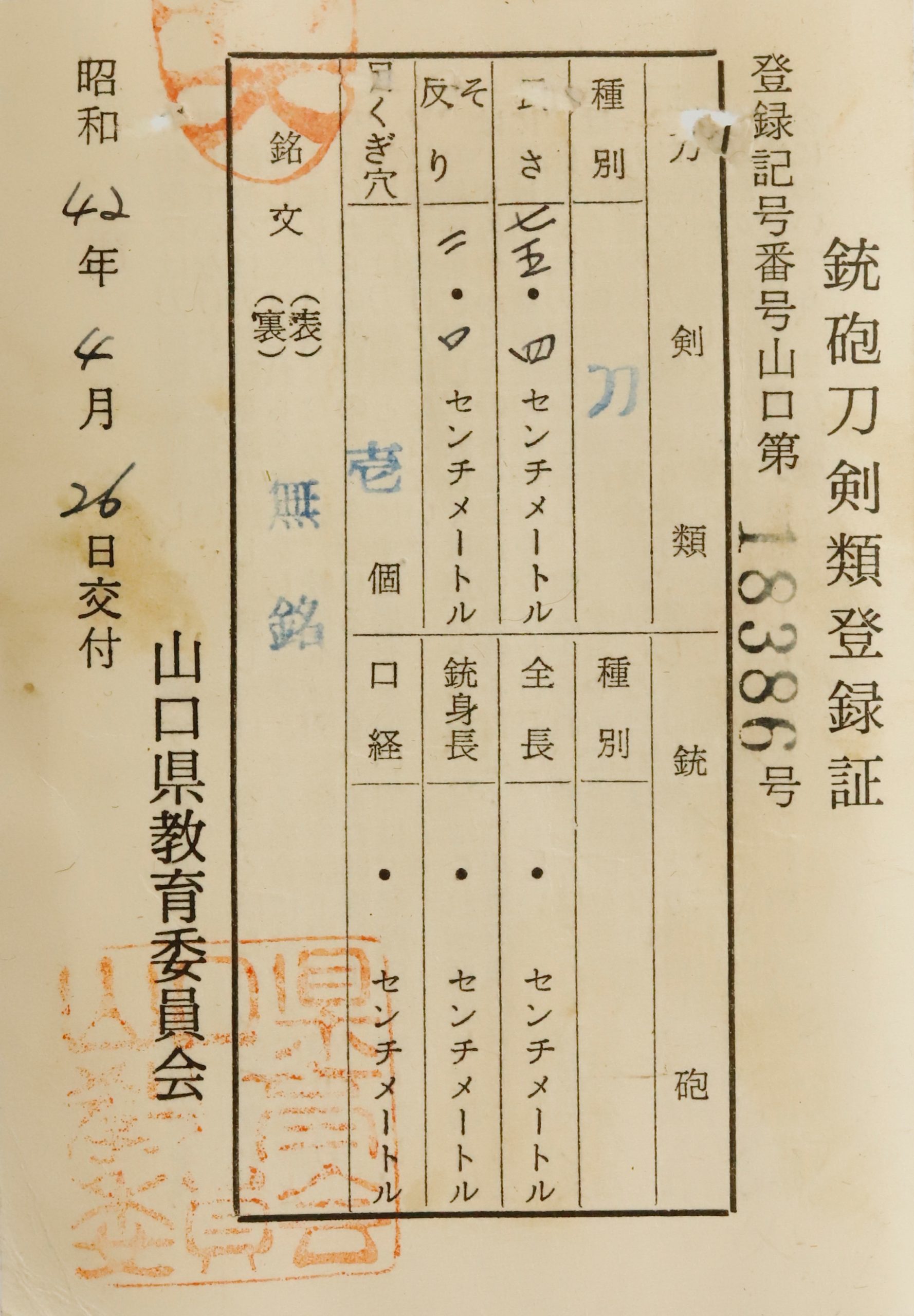
本作はNBTHKの旧鑑定書(貴重・特別貴重)を有しますが、これらは現在発行されておらず、信頼性に欠けるとされています。極めを確認するには、公的な鑑定機関(NBTHK・NTHKなど)への再提出による現代の鑑定をご検討いただけます。
Returns/exchanges limited to defects caused by shipping (except willful misconduct or gross negligence by the company); customers must contact within 72 hours of receiving the product.
Antique Japanese Sword Katana Attributed to Aizu Kanetomo with Kicho Certificate 【Description】 This blade is attributed to Aizu Kanetomo (会津兼友) by NBTHK while there is no signature on the tang. Aizu is the name of the domain (today’s Fukushima prefecture) and the place where Kanetomo resided, forging swords. It is said that the swordsmith name “Kanetomo” lasted 8th generations from the Genroku-early Meij era (Late 17th – Late 19th century). And we believe the attribution is given to the later-gen Kanetomo from the late Edo period(mid-late 19th century) based on the blade’s characteristics. Kanetomo belonged to Aizu Kanesada school. Aizu Kanesada school was founded by Kanesada, who had forged swords in Mino province(Today’s Gifu prefecture) until the Keicho era(1596-1615). This Kanesada was the grandson of Noshu Izumi no Kami Kanesada(濃州和泉守兼定), a renowned swordsmith in Mino province. Kanesada relocated to Aizu from Mino to serve Gamo Ujisato(蒲生氏郷), a powerful feudal lord who worked for Oda Nobunaga. And, Kanesada founded Aizu Kanesada school there. Aizu Kanesada school lasted 11th generations by the end of the Edo period. The first-gen Kanetomo was an apprentice of the third-gen Aizu Kanesada. And, he became a Hanko for the Aizu domain. Hanko means the swordsmith who exclusively served a specific domain. Since then, the generations of Kanetomo had forged swords for the Aizu domain in Fukuchi Prefecture. We believe Kanetomo’s craftsmanship had been highly appreciated among Samurai in Aizu. 【 Blade】 Cutting Edge Length(Nagasa) : 75.4 cm( 29.7 inches) Curvature(Sori) : 2.0 cm ( 0.79 inches) Hamon : The crystalline structure which forms along the cutting edge of a blade as a result of the hardening process Jimon(Jihada) : visible steel surface pattern created by folding and hammering during forging process Nakago : Nakago is the tang of the Japanese sword. Japanese swordsmiths left the black rust on the tang because it prevents red rust while the tang is in its handle. And the discoloration of the tang was created over time, and it is a great indicator for a Japanese sword specialist to estimate when the sword was forged. Koshirae: Koshirae is the mounting of the Japanese sword. There are several parts that consist of Koshirae such as Saya(Scabbard), Tsuka(Handle), Tsuba(Handguard). Fuchi-Kashira : A pair of matching sword fittings that cover the upper and bottom parts of its sword hilt. It is challenging to judge the exact motifs of this Fuchi Kashira due to aging; however, we could still find flower and bamboo grass-like leave designs. It seems the gold paint was initially applied to these motifs and had a gorgeous look. We hope you will enjoy these things as an antique texture. Tsuka and Menuki : Tsuka is the handle of the Japanese sword and Menuki is its decoration. It seems that flowers are the motifs of this Menuki. The upper side flowers have six petals. And lower side plants look they are composed of three leaves. We guess each of them might be family crests. For example, the latter plant design is similar to the Ken Katabami (剣片喰) pattern. The Katabami (片喰) is a plant whose leaf has a heart mark shape. People thought this plant design represented the prosperity of descendants; therefore, many Samurais loved this pattern. The Ken Katabami is a combination of swords and Katabami leaves. It is said that people have associated with the Samurai by incorporating the sword motif. Understandably, lots of Samurai families used the Ken Katabami pattern. It shows the relationship between this plant motif and the Samurai culture. Tsuba and Habaki : Tsuba is the handguard for the Japanese Sword and Habaki is the equipment to make the blade not touch its scabbard inside. It prevents the blade from getting rusty and chipped. Oval-shaped Tsuba made from iron. This Tsuba’s design depicts four children (or human-like animals) and the Torii (鳥居, a gateway at the entrance to a Shinto shrine). According to a theory, initially, the tree that ch
NihontoWatch無銘 · Aizu Kanesada · 嘉永 · 長さ 75.4cm · 反り 2cm
美濃伝 · Iwashiro
現在7点販売中
江戸時代
二世紀半の泰平のあいだ、刀は武器である以上に武士の身分の標章であった。江戸の実証と大坂の華やぎのように都市ごとの作風が育ち、時代の末には需要も細っていく。
本作はNBTHKの旧鑑定書(貴重・特別貴重)を有しますが、これらは現在発行されておらず、信頼性に欠けるとされています。極めを確認するには、公的な鑑定機関(NBTHK・NTHKなど)への再提出による現代の鑑定をご検討いただけます。
Returns/exchanges limited to defects caused by shipping (except willful misconduct or gross negligence by the company); customers must contact within 72 hours of receiving the product.



![Katana - Hozon - 作 会津兼定派 - 刀[無銘(新々刀会津兼定)]日本美術刀剣保存協会(NBTHK)保存刀剣](/_next/image?url=https%3A%2F%2Fitbhfhyptogxcjbjfzwx.supabase.co%2Fstorage%2Fv1%2Fobject%2Fpublic%2Flisting-images%2Fworld-seiyudo%2FL32169%2F00.jpg&w=2560&q=90)


![Katana - Tokuho - 作 兼定 - 刀[陸奥会津臣兼定(十代)][日本美術刀剣保存協会]特別保存刀剣](/_next/image?url=https%3A%2F%2Fitbhfhyptogxcjbjfzwx.supabase.co%2Fstorage%2Fv1%2Fobject%2Fpublic%2Flisting-images%2Fworld-seiyudo%2FL07969%2F00.jpg&w=2560&q=90)










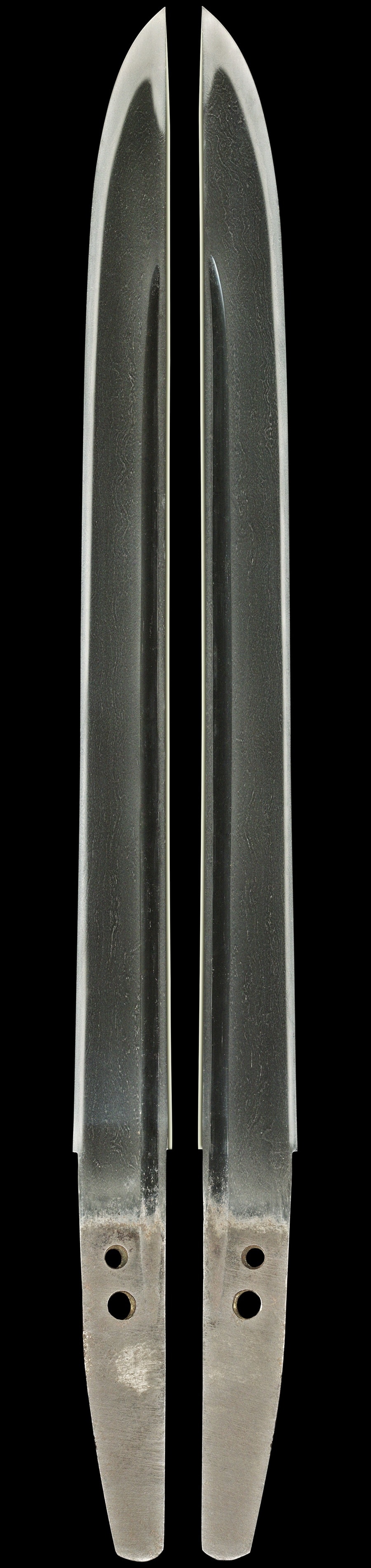
![Tanto - Hozon - 作 関派 - 短刀[氏房][日本美術刀剣保存協会]保存刀剣](/_next/image?url=https%3A%2F%2Fitbhfhyptogxcjbjfzwx.supabase.co%2Fstorage%2Fv1%2Fobject%2Fpublic%2Flisting-images%2Fworld-seiyudo%2FL747655%2F01.jpg&w=2560&q=90)