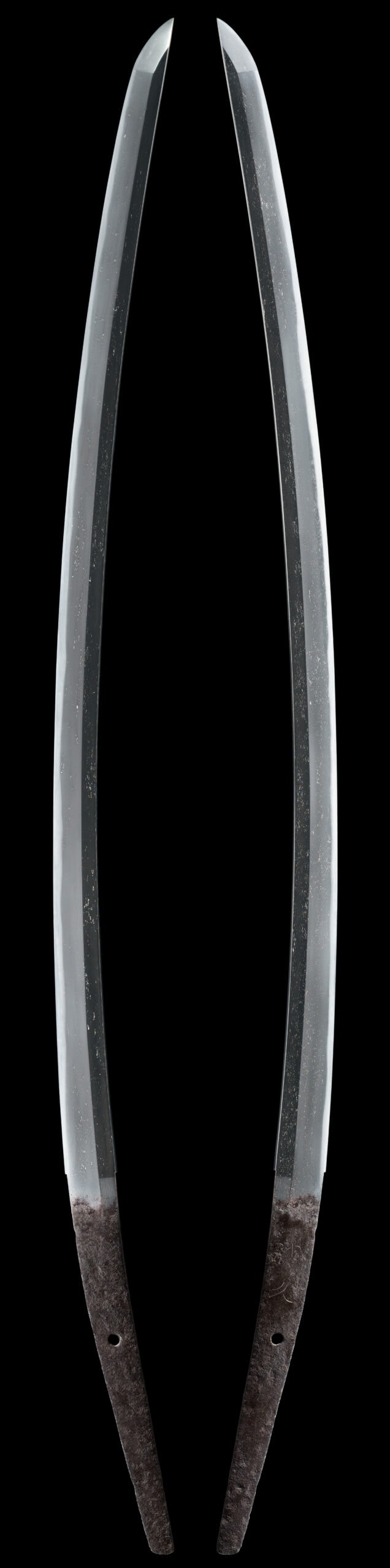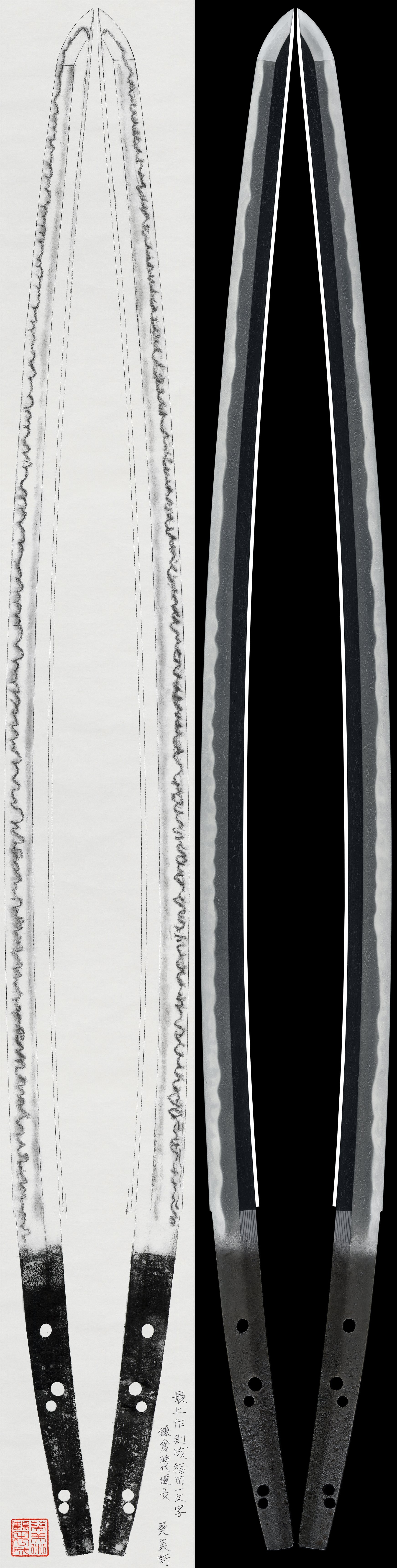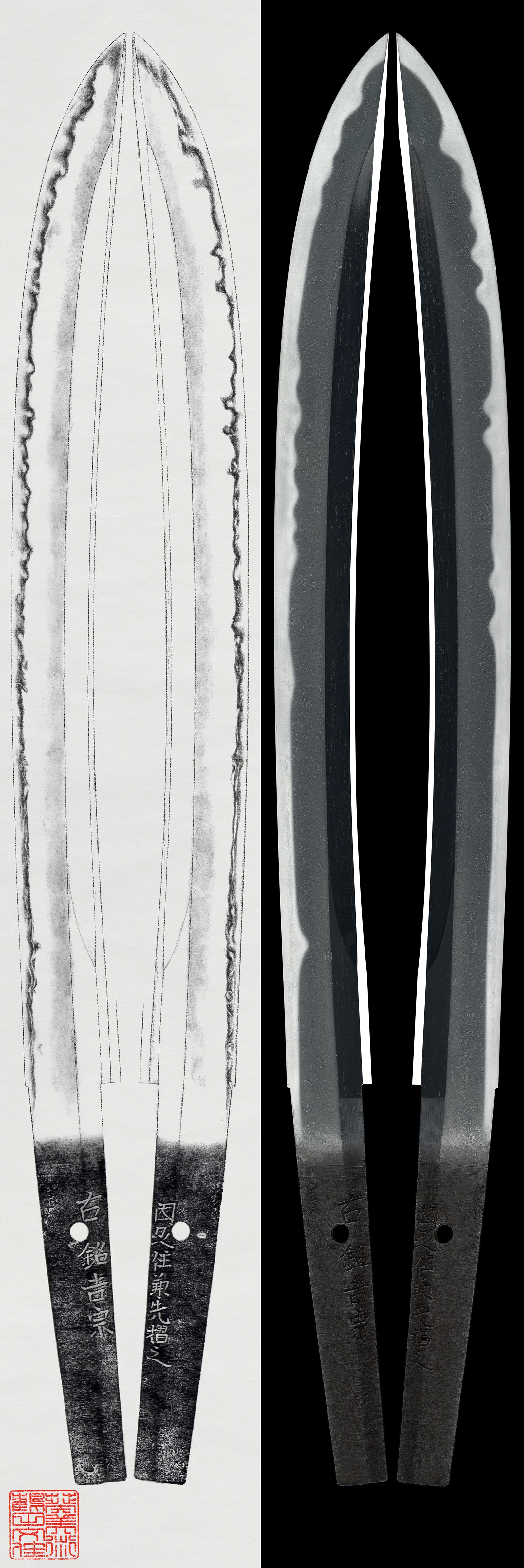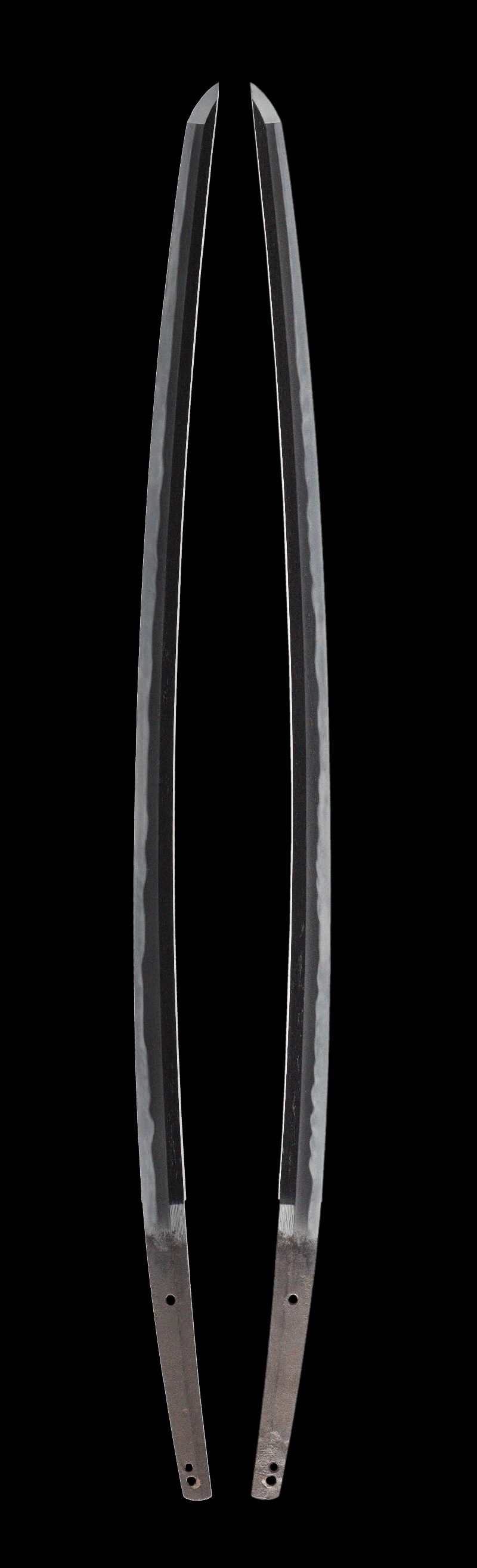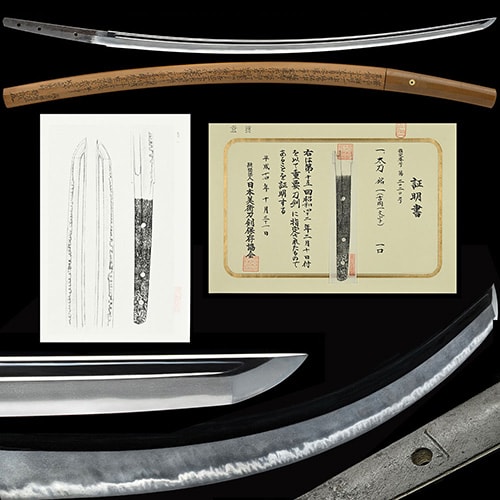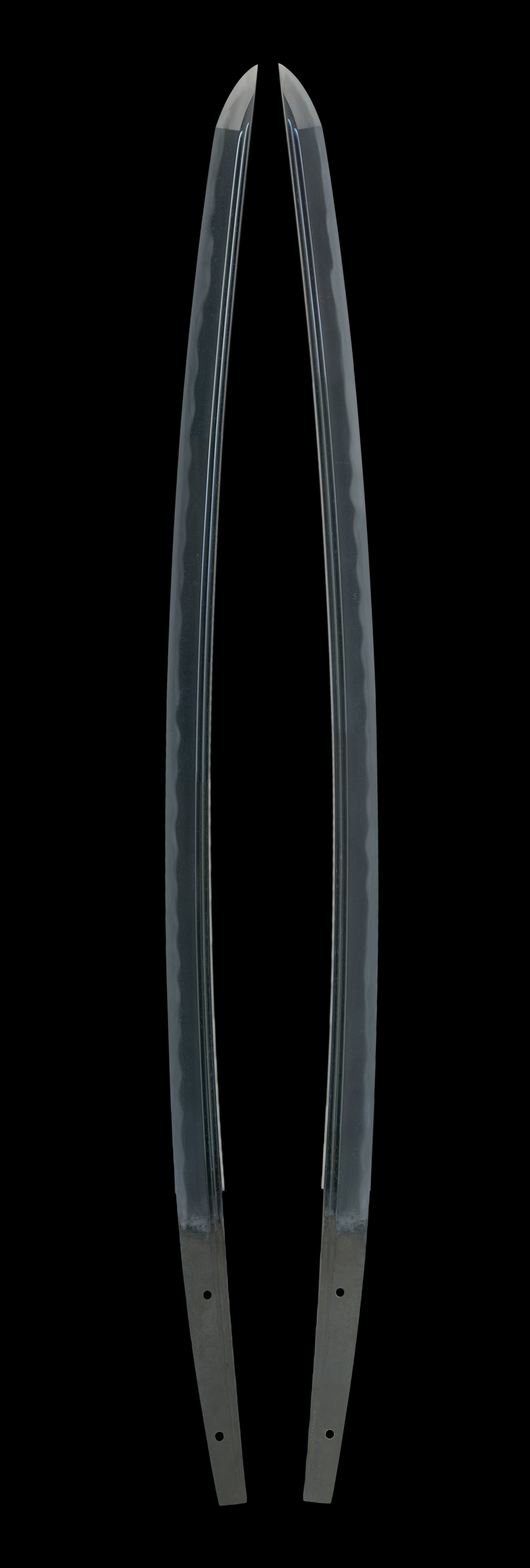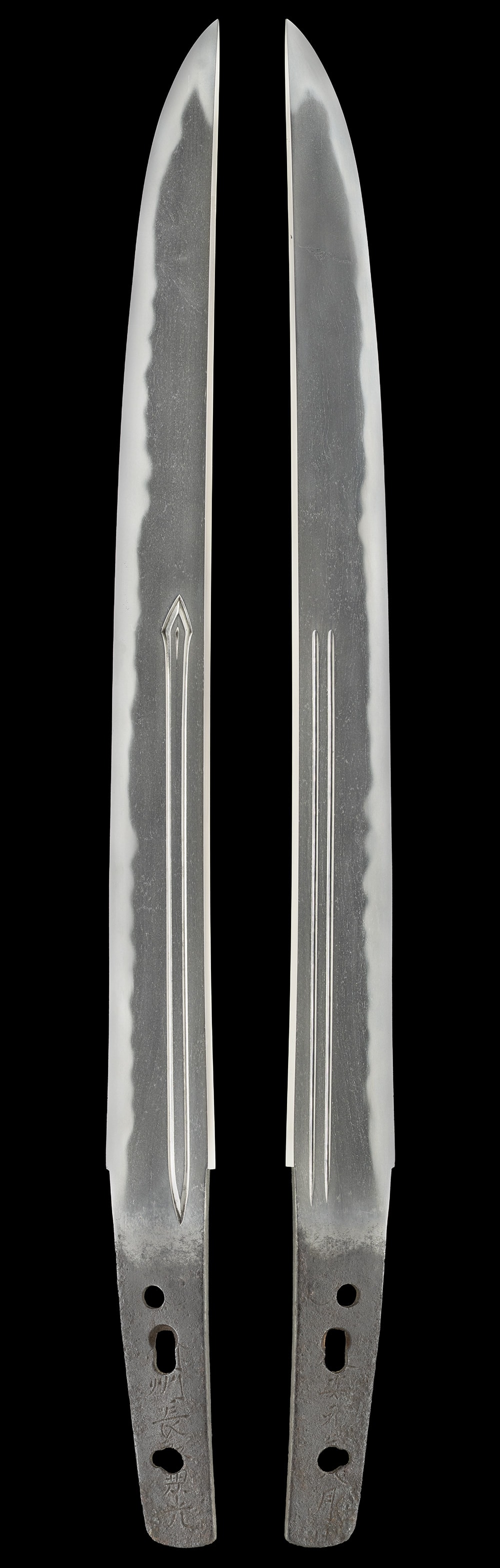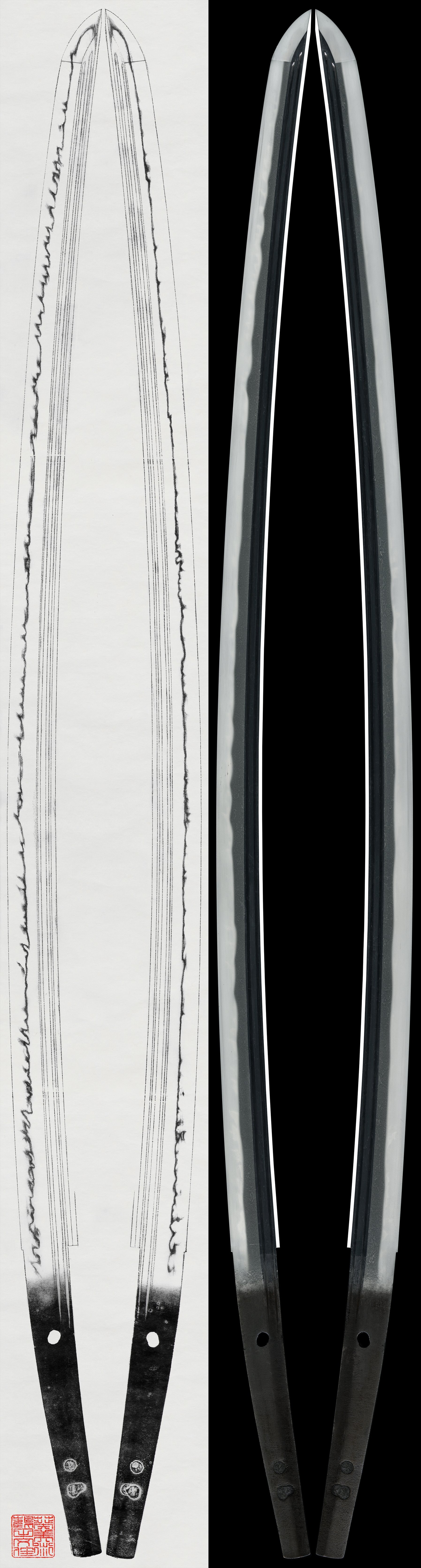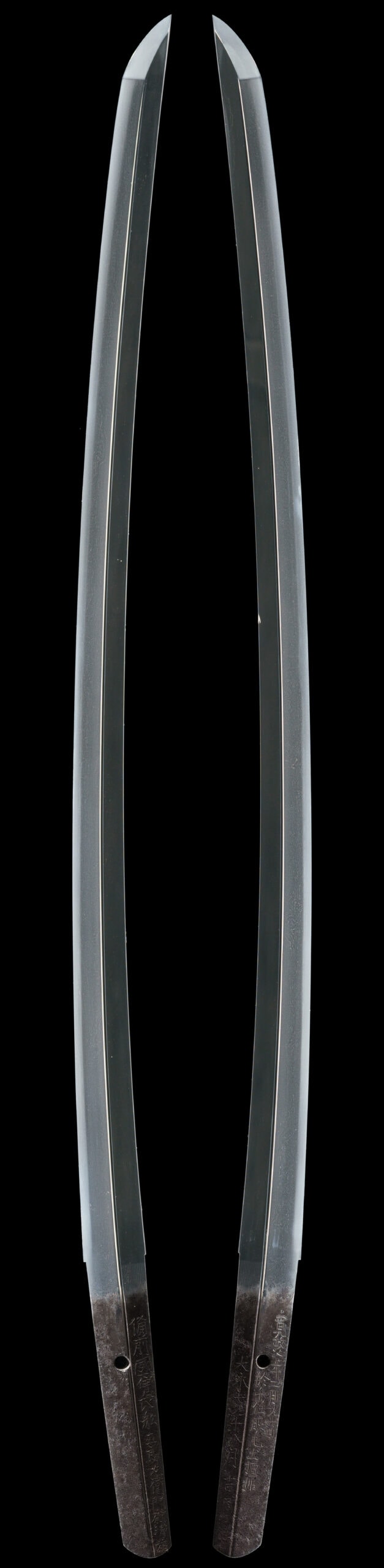


Juyo-Token, 18th Session — Designated April 26, 1969
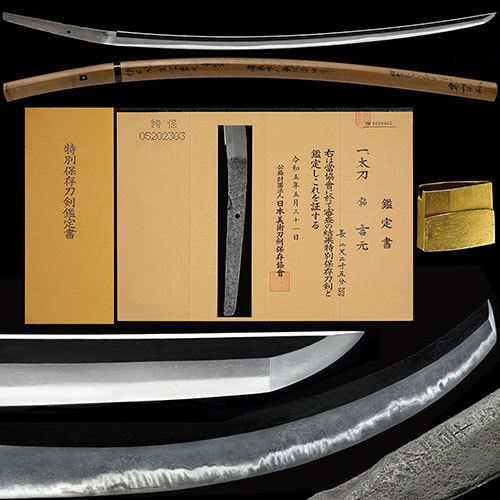
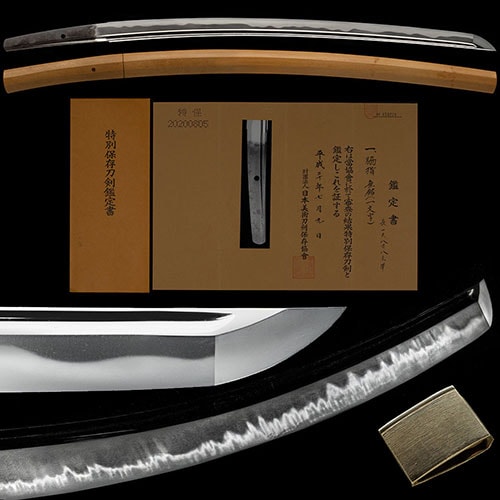
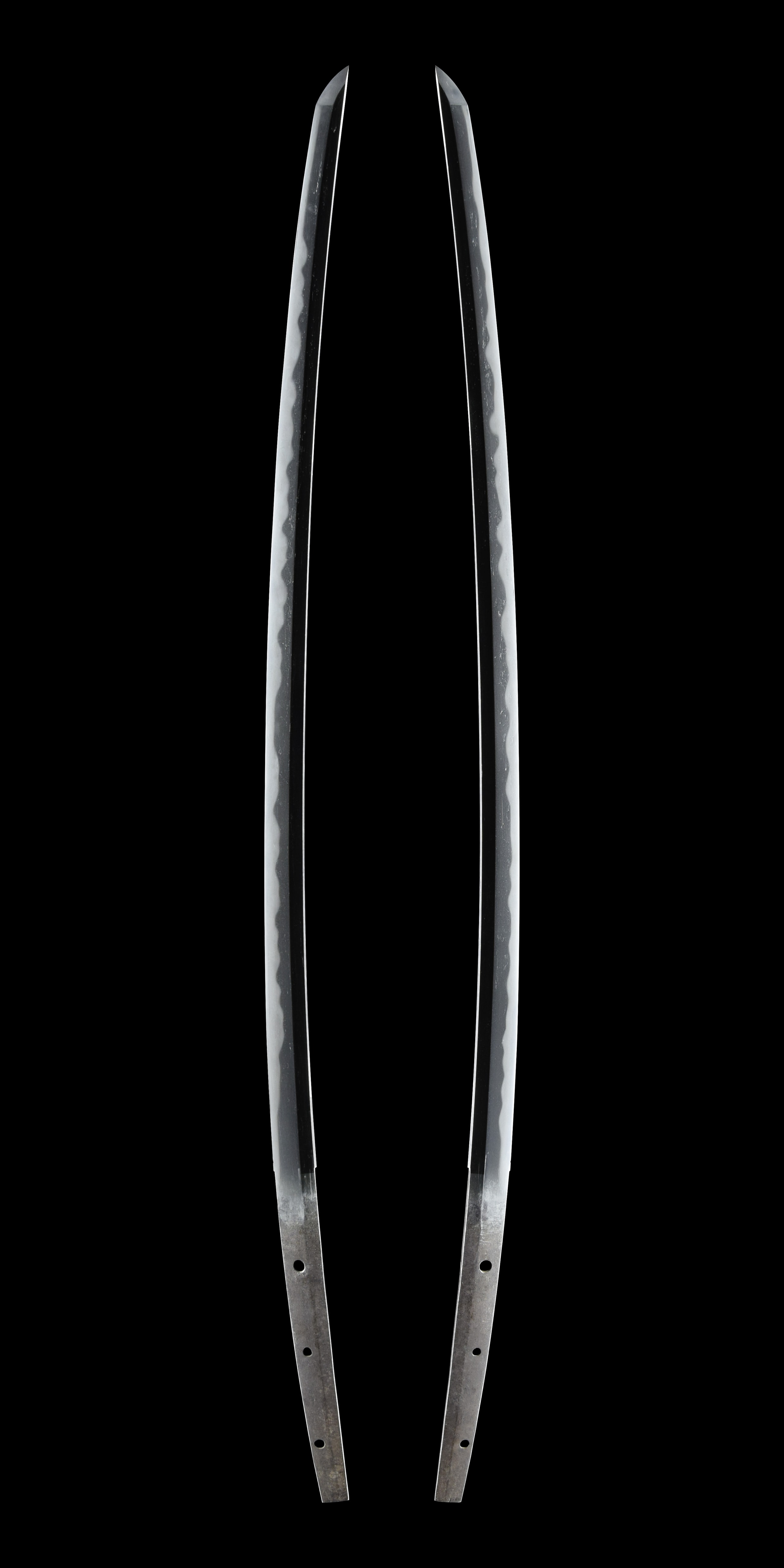
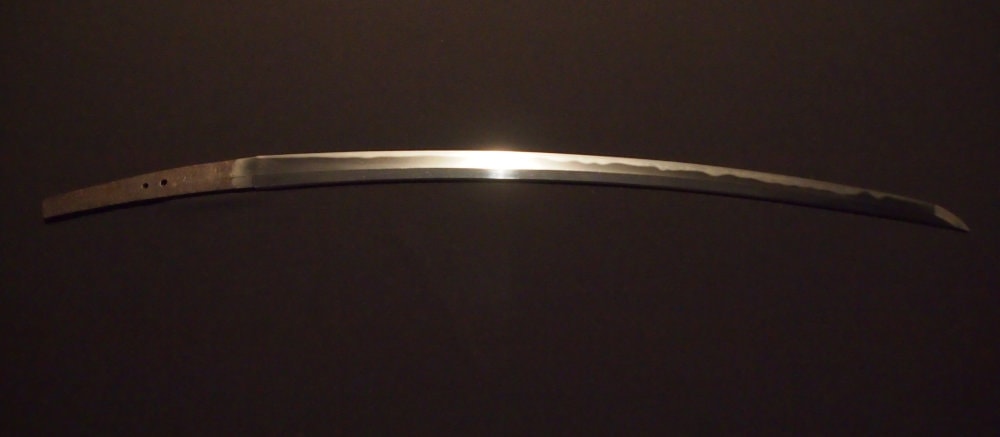
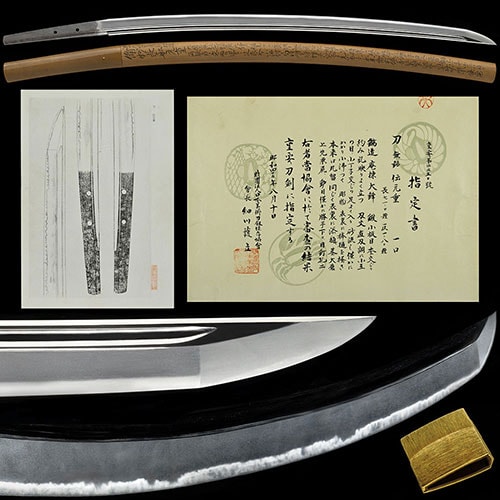
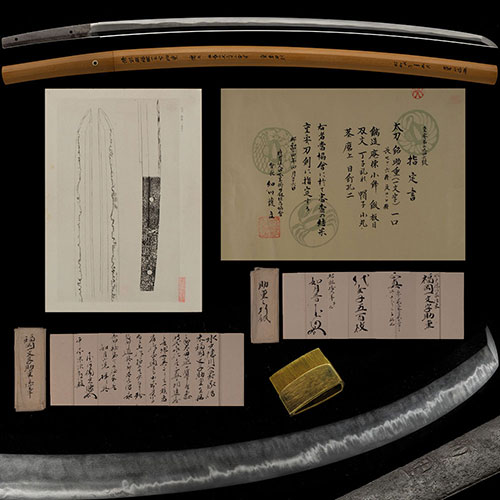
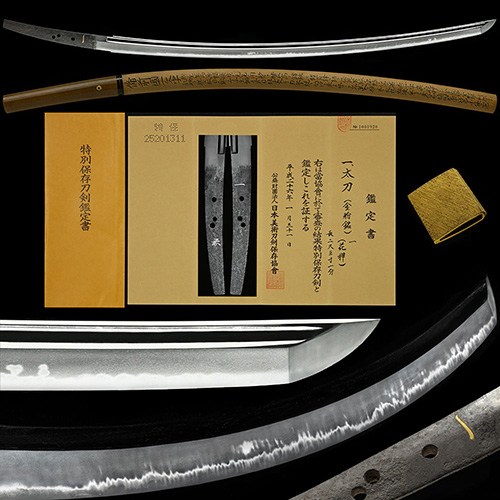
Tachi, mei: Ichimonji Sukeshige (助重)
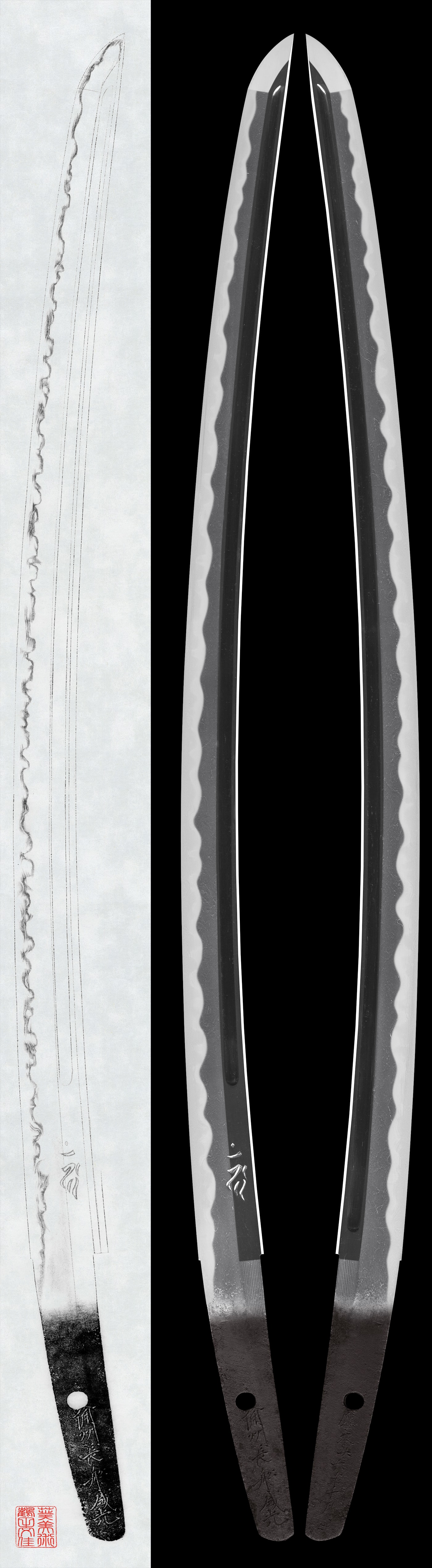
Measurements Nagasa 70.6 cm, sori 2.0 cm, motohaba 2.6 cm, sakihaba 1.8 cm, kissaki-nagasa 3.1 cm, nakago-nagasa 17.4 cm
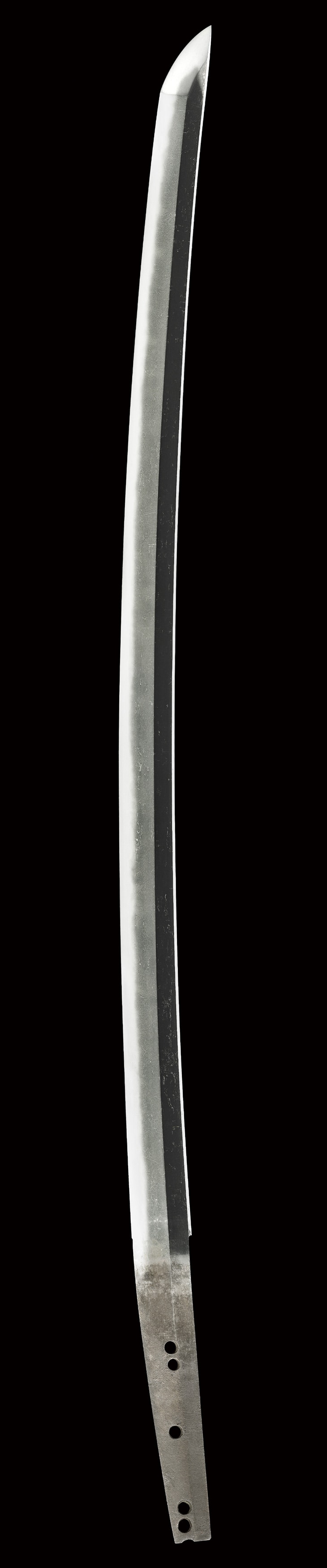
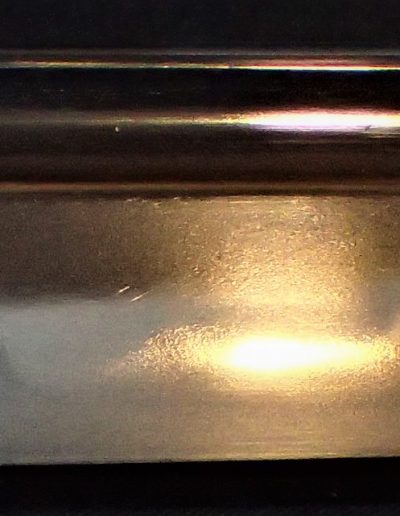
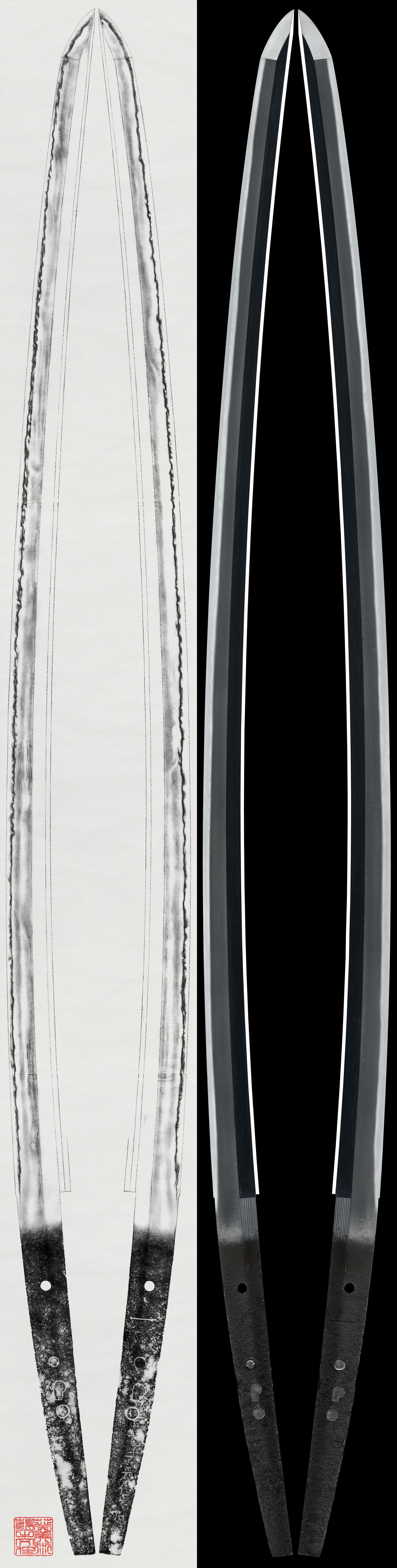
Description Keijo: shinogi-zukuri, iori-mune, ko-kissaki; slightly slender and elegant, with somewhat shallow koshizori. Kitae: itame-hada, somewhat hada-dachi; midare-utsuri appears. Hamon: chōji-midare mixed with gunome, ko-notare, and other elements; ko-ashi and yō enter frequently; nioi is deep, with ko-nie adhering in the lower half, and kinsuji appears. Boshi: midare-komi, turning back in ko-maru. Horimono: None. Nakago: suriage; kiri-jiri; two mekugi-ana; katte-sagari yasurime; a two-character signature “Sukeshige” is present on the mune.
Artisan Ichimonji Sukeshige
Era Mid-Kamakura period
Explanation Although this blade is suriage, it retains a two-character signature, “Sukeshige,” at about the middle of the tang. The name Sukeshige likely corresponds to the smith recorded in reference works as “Bizen, Fukuoka, around the Einin era.” However, judged from the workmanship, it is regarded as a work of the Ichimonji group from somewhat earlier—mid-Kamakura.
Extant signed works are extremely rare. This tachi is of fine workmanship, and both ji and ha are in comparatively kenzen (sound and well-preserved) condition.