三人の天下人が戦国の世紀を終わらせ、刀は新しい秩序の道具となった。1588年の刀狩は刀を武士の標章とし、名刀は条約のごとく家々の間を行き交い、鑑定は以後この境で古刀と新刀を分かつ。
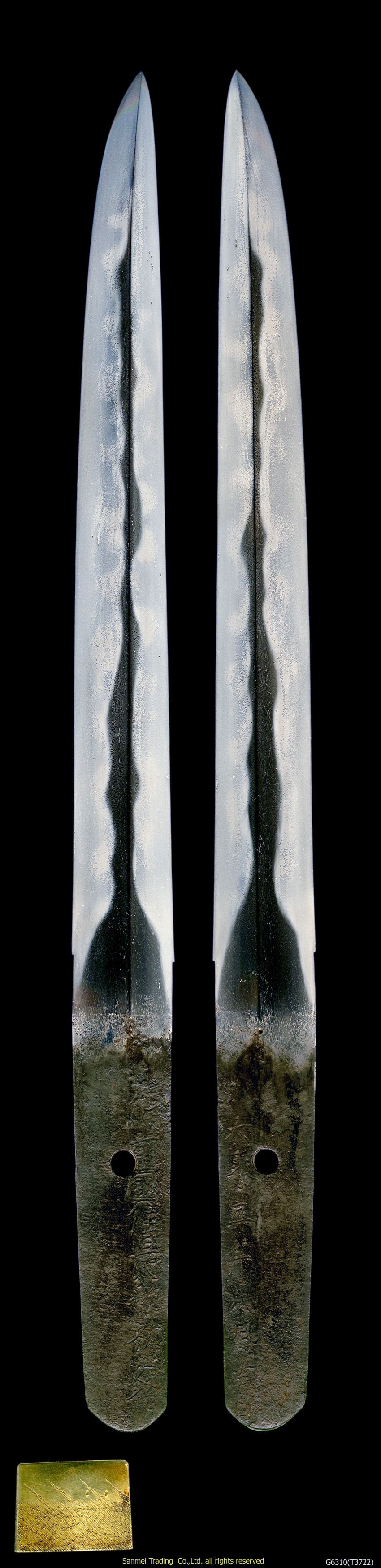
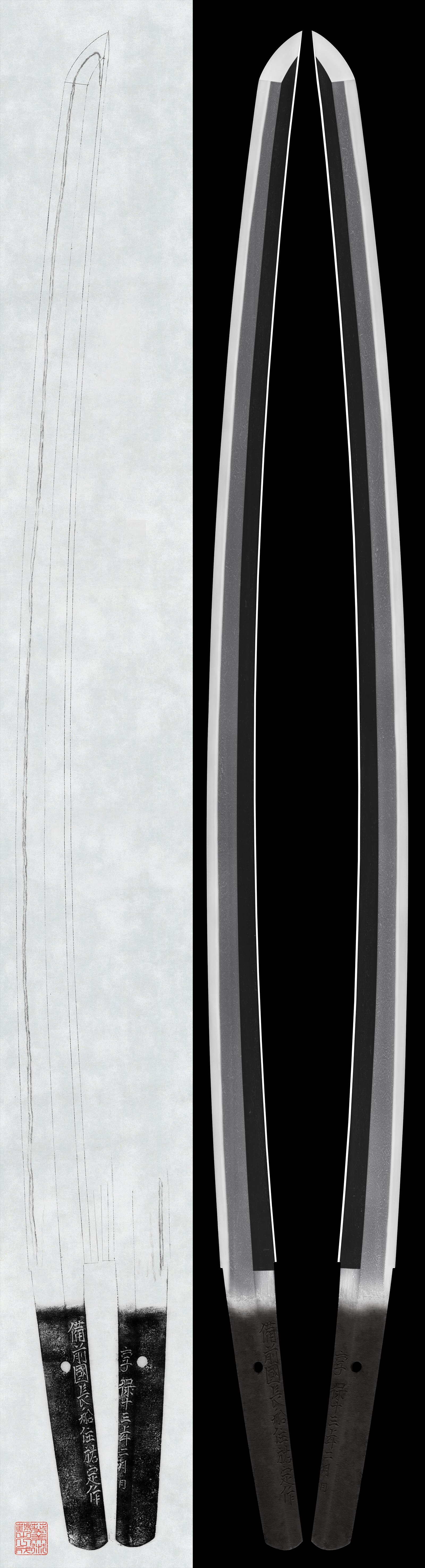
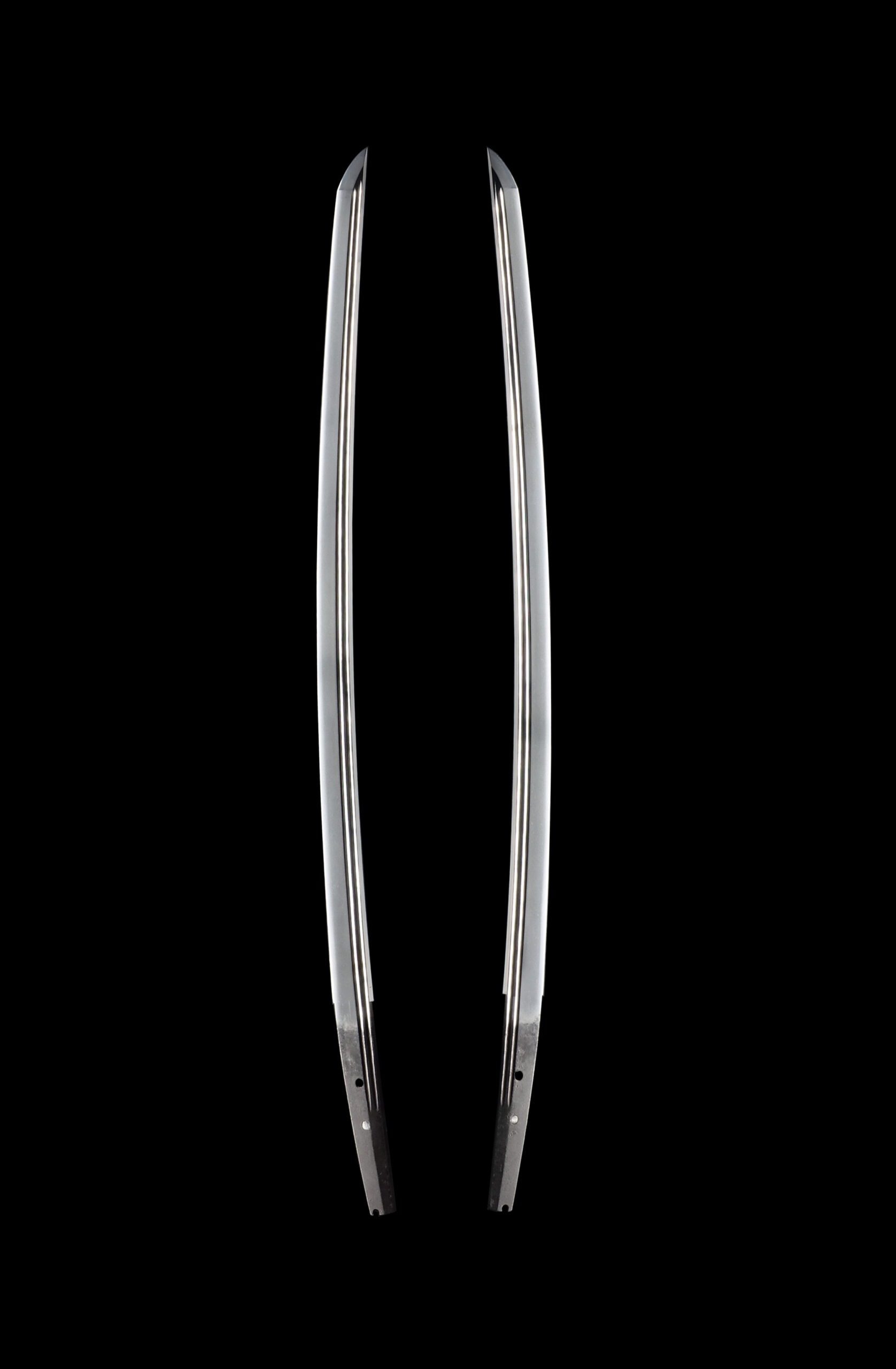
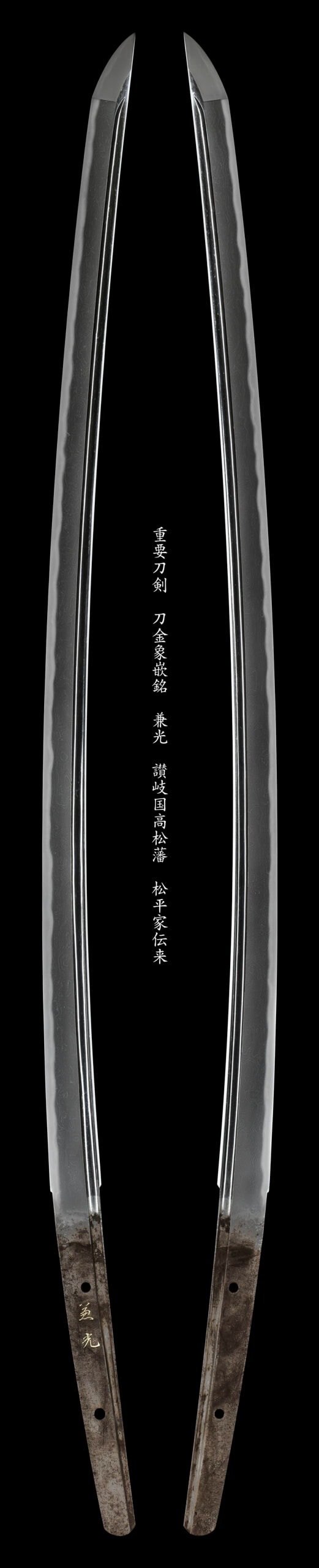
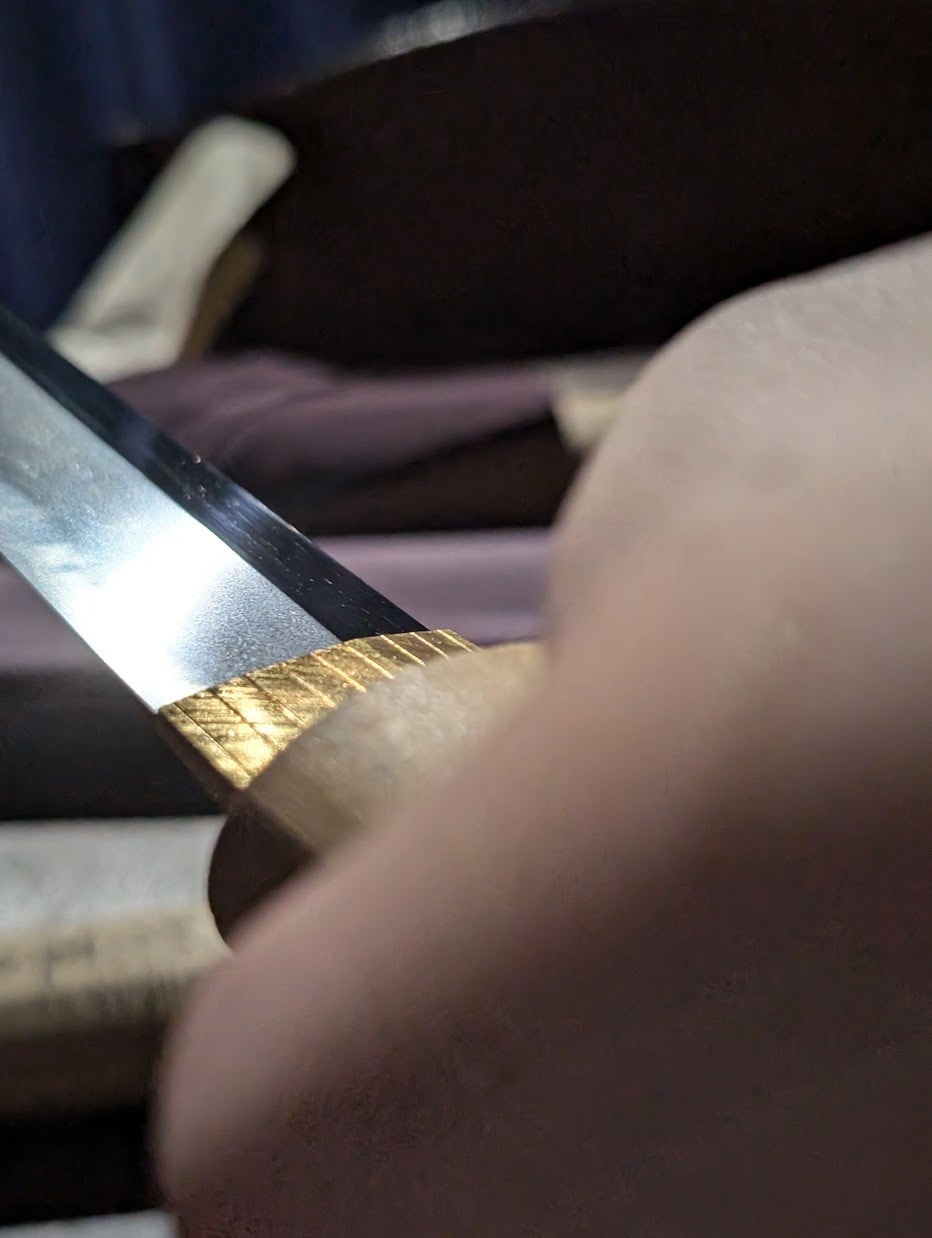
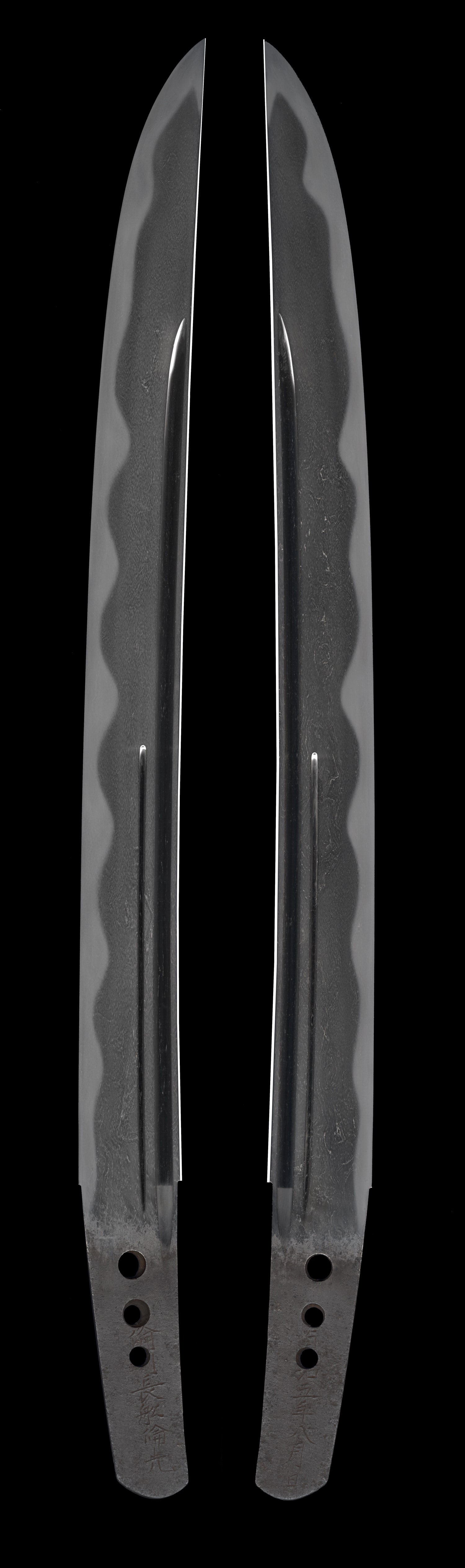
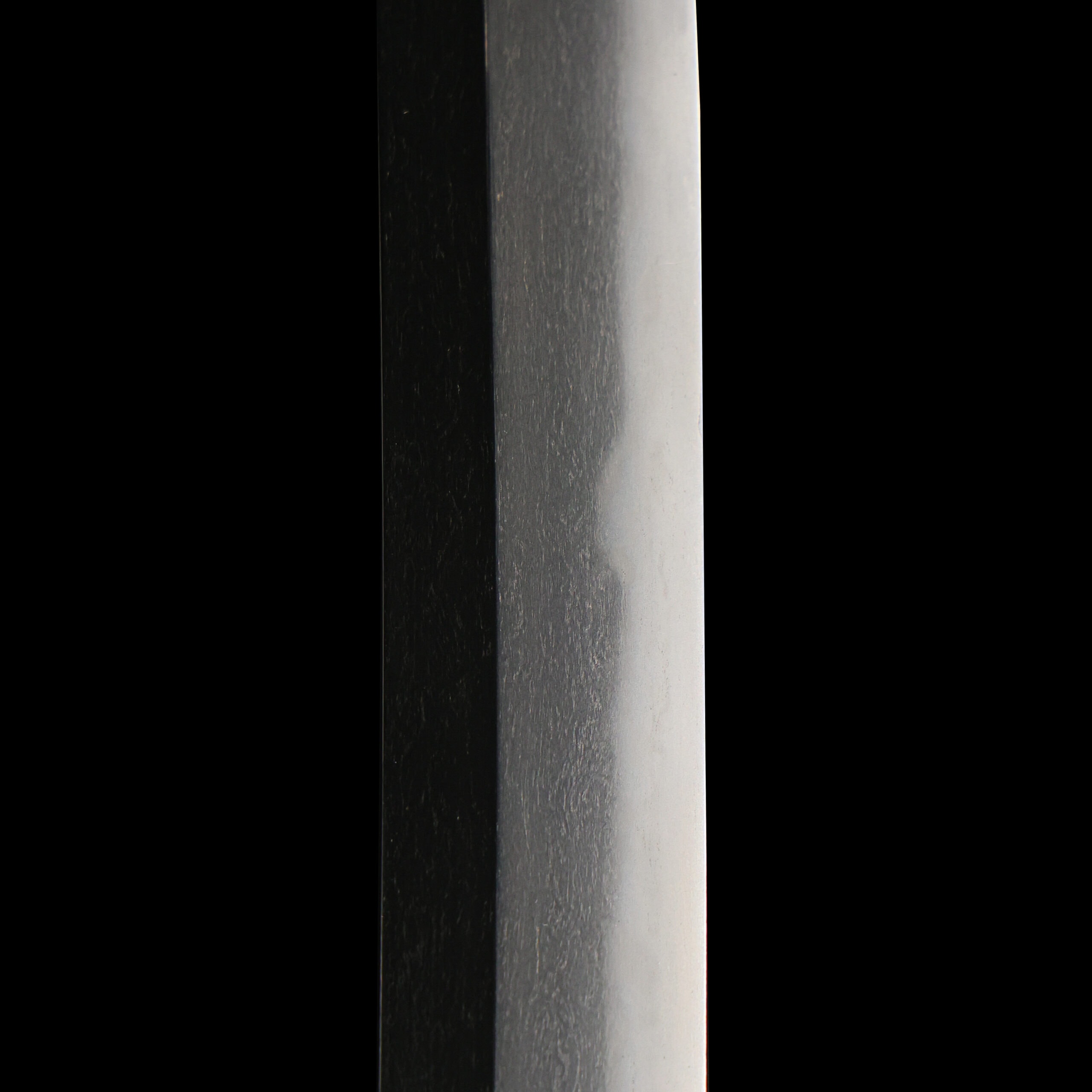
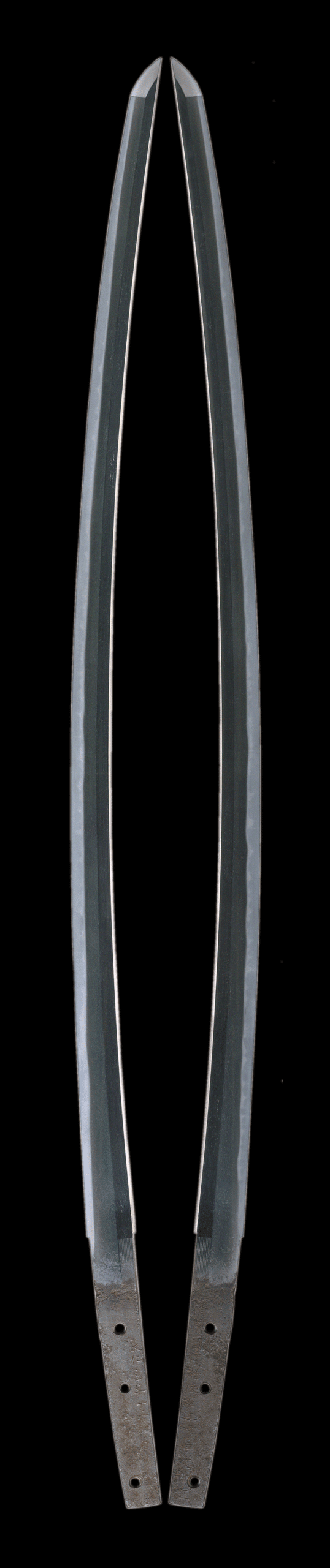
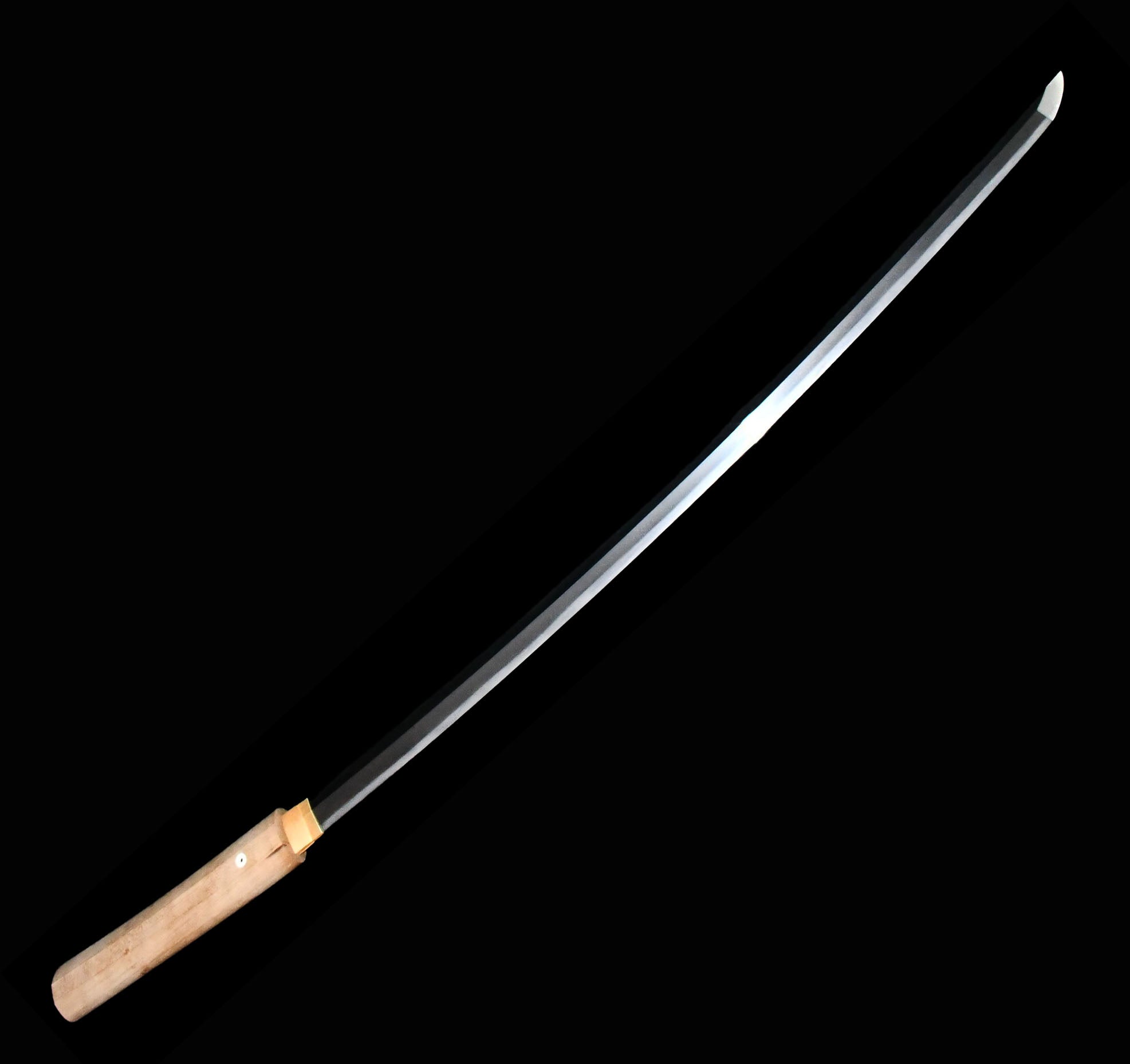
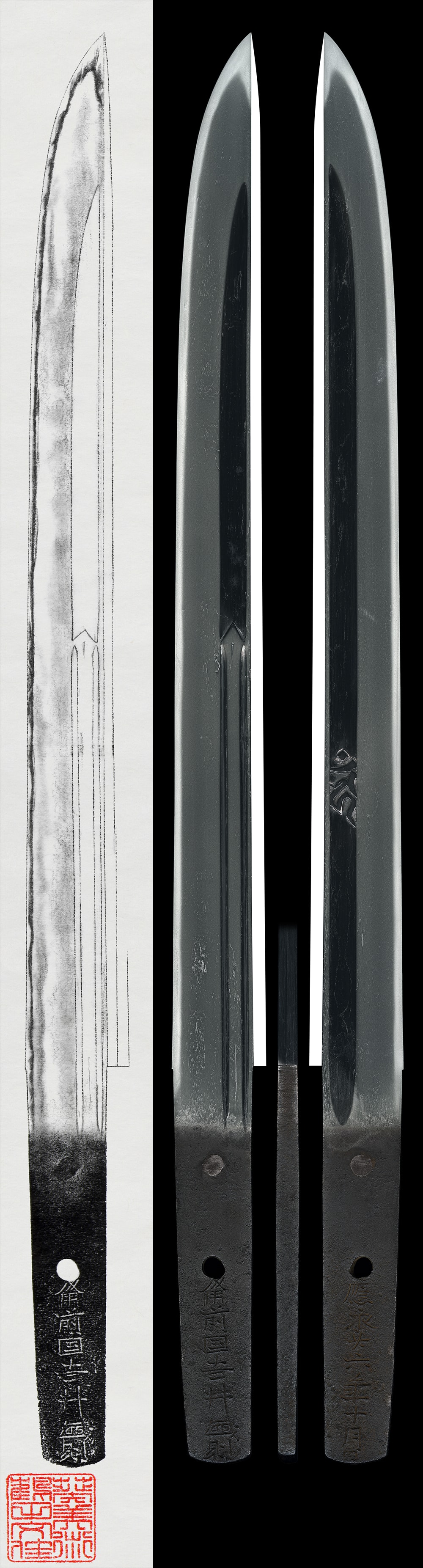
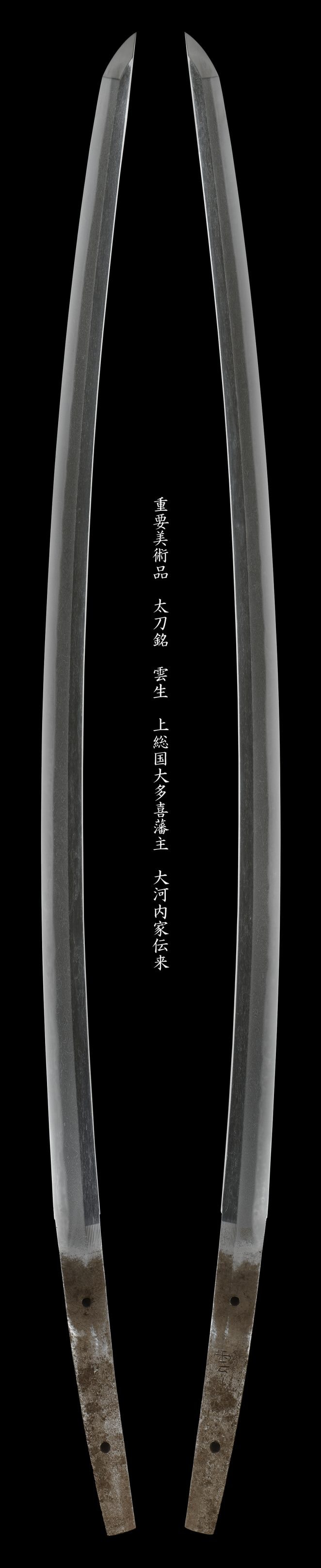
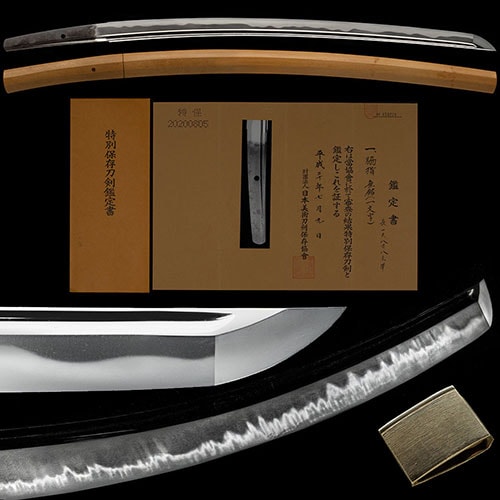
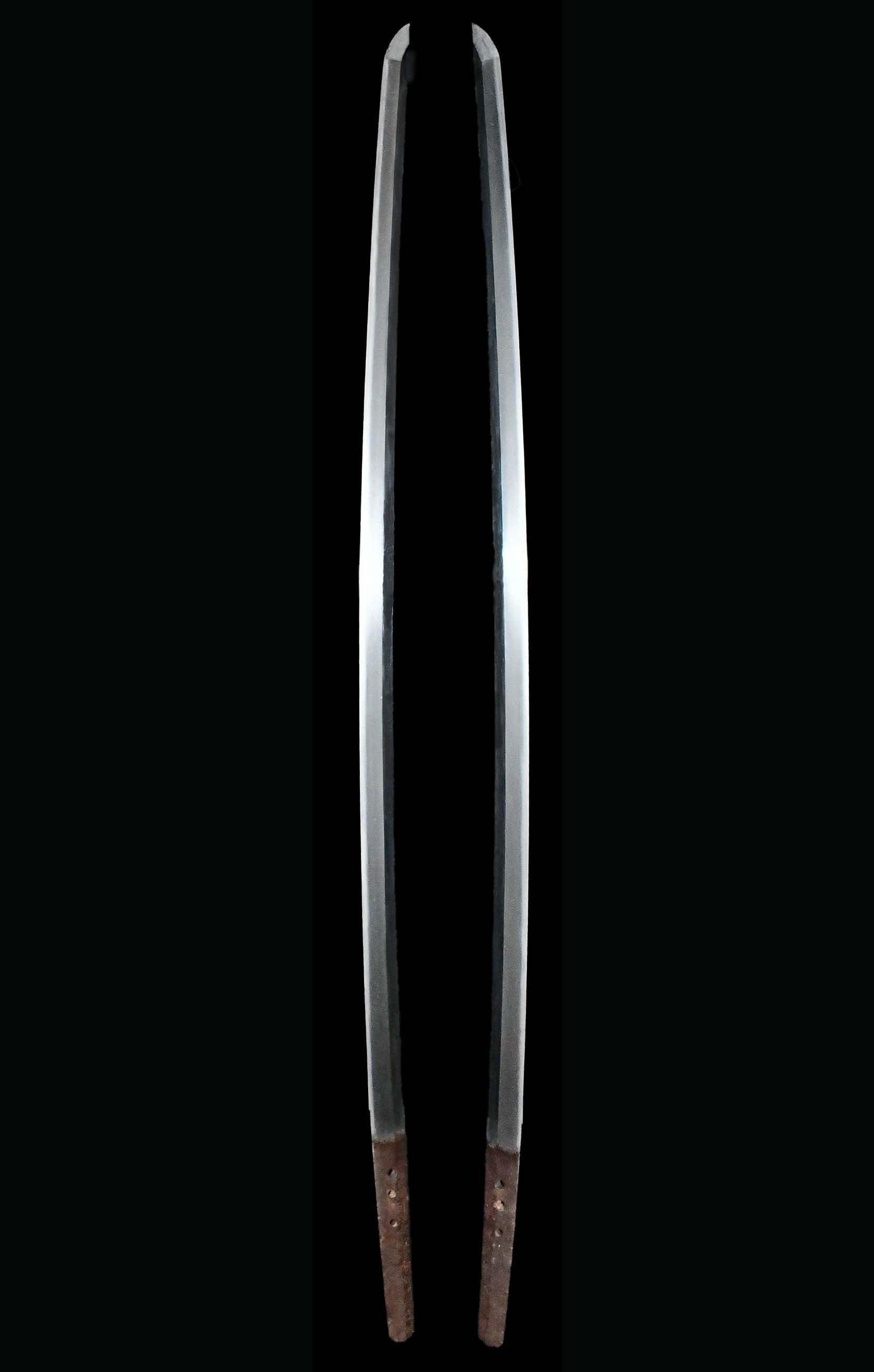
Skip to content ITEM# UJKA337 – Catalogue 35 – Sold A Kawachi no Kami Sukesada Katana (一河内守祐定) Born Yokoyama Nizaemon, Kawachi no Kami Sukesada was the son of the first-generation Sôzaemon Sukesada and a swordsmith of genuine ambition. He lived in Bizen province, dedicated to re-establishing the centuries-old sword-making traditions that had been shattered by the catastrophic flooding of the Yoshii river in 1590. In recognition of his achievements, he received the honorary title Kawachi no Kami in May 1701 and added the imperial 16-petal chrysanthemum crest – the kikumon – along with the character Ichi to his nakago, a deliberate homage to the great Ichimonji -school smiths of the Kamakura golden age. He worked in both Settsu province (Osaka) and Mimasaka (Okayama) during his career, and died on December 19th, 1777. This strong and broadly curved katana, dated to February 1746, was evidently inspired by the powerful katate-uchi (one-handed katana) masterpieces of the mid-1500s during the turbulent late Muromachi period. At 865g with a sori of 3.2cm, it is a weighty, muscular piece with real presence in the hand – and it has remained essentially unchanged after nearly 300 years. The jihada is a well-forged ko-mokume with chikei and tobiyaki, while the hamon is a vivid and complex gunome-chôji midare alive with kinsuji, sunagashi, yô (leaves), and the distinctive kanitsune (crab claw) formations that percolate energetically toward the shinogi ridge line. The longevity-themed koshirae is one of the finest aspects of this piece. The late-generation polished iron Akasaka tsuba carries a geometric pine needle and diamond design – pine being a symbol of longevity, good fortune, and steadfastness – certified NTHK-NPO authentic to the late-Edo period. The olive-green leather-wrapped tsuka is fitted with six crab menuki, a clever echo of the kanitsune in the blade’s hamon. The kashira is a lacquered makikake no kashira , and both the sageo and tsuka cords are in complementary
 NihontoWatch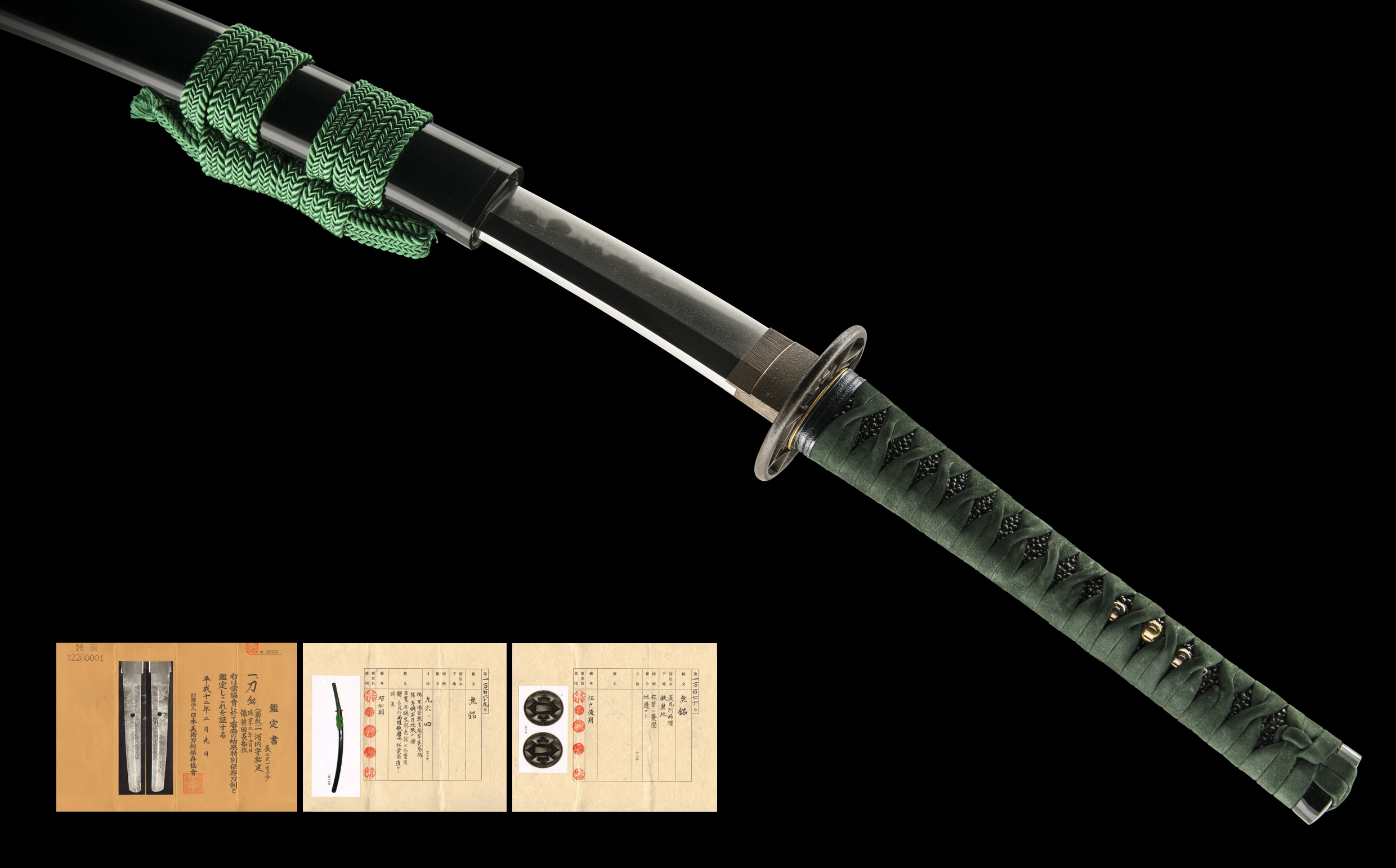
備前伝 · 備前 · 1532-1573頃
藤代 Jo saku · 刀剣大鑑 上位23%
現在2点販売中
祐定の位置づけを、日本刀全体および伝統・時代・時期ごとに示します。各位(随一・屈指・有数・著名)は、NBTHK および文化庁による指定に加え、三作や名物帳などの歴史的栄誉を加味したものです。
各項目を選ぶと評価方法が表示されます。
在銘年紀作が示す、確実に活動していた年代
備前伝 · 備前
時期区分: 末備前· 1441–1596
現在78点販売中
嘉吉から文禄に及ぶ室町時代後期、長船派の最末期を画するのが末備前である。応永備前が古作への復古を志して優美な太刀姿と丁子刃を甦らせたのに続き、この期の長船鍛冶は戦国の世の旺盛な武器需要に応じて作刀の規模を一段と広げ、長船の名のもとに膨大な数の刀剣を世に送り出した。説示にあらわれる主要工は、勝光、宗光、貞光、治光、忠光、清光、春光、祐定の一群である。勝光は宗光・忠光と並ぶ巧者で、右京亮・次郎左衛門尉・修理亮など様々な俗名を冠する同名工を擁し、貞光や子の治光との合作銘も伝わる。祐定にあっては与三左衛門尉・源兵衛尉・彦兵衛尉を冠する者がとりわけ技術が高く、与三左衛門尉祐定は名品の数多くその筆頭に挙げられ、彦兵衛尉はその父と伝えて慶長まで数代を数える。清光は五郎左衛門尉と孫右衛門尉が筆頭格、春光は文明から文禄に及ぶ長期に同名数工があって十郎左衛門が最も知られる。この期には播磨・備前・美作の守護赤松政則が宗光・勝光の一党を陣中に招いて鍛刀の技を学び為打を遺したことも説示に見え、注文打と数打物とが併存した末期の様相をよく伝えている。 体配はまず時代を映す。身幅広く寸のつまり、重ね一段と厚く、踏張りがあって先反りつき、中鋒、茎は片手打に適した短いものとなる、室町後期特有の打刀姿である。鍛えは小板目肌がよくつみ、地沸が微塵につき、地景が細かに入って、淡くあるいは鮮明に乱れ映りが立つ。刃文の中心をなすのは末備前固有の腰の開いた互の目で、焼頭が割れて複式に乱れる複式互の目を基調に、尖り刃・尖りごころの互の目・小互の目を交え、足・葉頻りに入り、匂勝ちに小沸がつき、金筋・砂流しがかかり、処々に小さな飛焼を交える。さらに飛焼・棟焼が頻りにかかって皆焼風となる作もあり、帽子は乱れ込んで先小丸に長く返る。これは光忠の蛙子丁子、長光の丸い頭の丁子、景光の片落ち互の目といった古長船・相伝備前の整然たる丁子主調とは趣を異にし、応永備前の腰開き互の目をさらに崩して量感と変化に向かわせた戦国期の姿である。同時に勝光のように乱れの中へ丁子を多く交えて一段と華やかに焼き、忠光や清光のように直刃の上手として定評を得る工もあり、作域は広い。 鑑定にあっては、まず乱れ映りで備前と読み、つまった寸と厚い重ね、先反り強き打刀姿で時代を末備前に定める。次に俗名と作風で工を分かつ。乱れの中に丁子を多く交えた華やかな出来は勝光、複式風の互の目に飛焼を交えてやや皆焼がかるは与三左衛門尉祐定、板目に杢を交えてやや肌立つ直刃は孫右衛門尉清光、直刃に佳作多きは彦兵衛尉祐定、というように看どころが工を指し示す。表裏に施された梵字・蓮台や棒樋連樋の刀身彫もまた末備前の特色をよく示し、長光景光以来の彫の伝統がこの期まで継承されたことを物語る。代表作には、勝光・貞光合作の明応八年紀の薙刀、勝光・治光父子合作の大永七年紀の短刀、与三左衛門尉二代の元亀元年紀の刀があり、合作銘や所持銘・添銘を伴う注文打は、末備前とそれを支えた三宅氏のごとき在地の氏族を知る上でも資料性が高い。 詳しく見る →
三人の天下人が戦国の世紀を終わらせ、刀は新しい秩序の道具となった。1588年の刀狩は刀を武士の標章とし、名刀は条約のごとく家々の間を行き交い、鑑定は以後この境で古刀と新刀を分かつ。
保存刀剣のうち、出来が一層優れ、保存状態も良好と認められたものです。再刃や、室町・江戸期の多くの無銘作は対象外となり、保存刀剣より高い基準が課されます。
日本美術刀剣保存協会(NBTHK)は、1948年に設立され、文化庁の監督を受ける公益財団法人で、東京・刀剣博物館に本部を置きます。専門の審査員が出品作を直接審査し、美術的・歴史的価値に応じた鑑定書を発行します。NBTHKの鑑定書は、日本刀および刀装具の真正性を示す最も広く認知された基準です。
NBTHK公式サイトAll swords come with a three-day inspection period beginning from the date of delivery. If not satisfied, the sword may be returned within this period for a full refund of the purchase price. Outside of this period, all sales are final. Swords purchased on a layaway payment plan are not eligible for the three-day inspection period.
Skip to content ITEM# UJKA337 – Catalogue 35 – Sold A Kawachi no Kami Sukesada Katana (一河内守祐定) Born Yokoyama Nizaemon, Kawachi no Kami Sukesada was the son of the first-generation Sôzaemon Sukesada and a swordsmith of genuine ambition. He lived in Bizen province, dedicated to re-establishing the centuries-old sword-making traditions that had been shattered by the catastrophic flooding of the Yoshii river in 1590. In recognition of his achievements, he received the honorary title Kawachi no Kami in May 1701 and added the imperial 16-petal chrysanthemum crest – the kikumon – along with the character Ichi to his nakago, a deliberate homage to the great Ichimonji -school smiths of the Kamakura golden age. He worked in both Settsu province (Osaka) and Mimasaka (Okayama) during his career, and died on December 19th, 1777. This strong and broadly curved katana, dated to February 1746, was evidently inspired by the powerful katate-uchi (one-handed katana) masterpieces of the mid-1500s during the turbulent late Muromachi period. At 865g with a sori of 3.2cm, it is a weighty, muscular piece with real presence in the hand – and it has remained essentially unchanged after nearly 300 years. The jihada is a well-forged ko-mokume with chikei and tobiyaki, while the hamon is a vivid and complex gunome-chôji midare alive with kinsuji, sunagashi, yô (leaves), and the distinctive kanitsune (crab claw) formations that percolate energetically toward the shinogi ridge line. The longevity-themed koshirae is one of the finest aspects of this piece. The late-generation polished iron Akasaka tsuba carries a geometric pine needle and diamond design – pine being a symbol of longevity, good fortune, and steadfastness – certified NTHK-NPO authentic to the late-Edo period. The olive-green leather-wrapped tsuka is fitted with six crab menuki, a clever echo of the kanitsune in the blade’s hamon. The kashira is a lacquered makikake no kashira , and both the sageo and tsuka cords are in complementary
NihontoWatch備前伝 · 備前 · 1532-1573頃
藤代 Jo saku · 刀剣大鑑 上位23%
現在2点販売中
祐定の位置づけを、日本刀全体および伝統・時代・時期ごとに示します。各位(随一・屈指・有数・著名)は、NBTHK および文化庁による指定に加え、三作や名物帳などの歴史的栄誉を加味したものです。
各項目を選ぶと評価方法が表示されます。
在銘年紀作が示す、確実に活動していた年代
備前伝 · 備前
時期区分: 末備前· 1441–1596
現在78点販売中
嘉吉から文禄に及ぶ室町時代後期、長船派の最末期を画するのが末備前である。応永備前が古作への復古を志して優美な太刀姿と丁子刃を甦らせたのに続き、この期の長船鍛冶は戦国の世の旺盛な武器需要に応じて作刀の規模を一段と広げ、長船の名のもとに膨大な数の刀剣を世に送り出した。説示にあらわれる主要工は、勝光、宗光、貞光、治光、忠光、清光、春光、祐定の一群である。勝光は宗光・忠光と並ぶ巧者で、右京亮・次郎左衛門尉・修理亮など様々な俗名を冠する同名工を擁し、貞光や子の治光との合作銘も伝わる。祐定にあっては与三左衛門尉・源兵衛尉・彦兵衛尉を冠する者がとりわけ技術が高く、与三左衛門尉祐定は名品の数多くその筆頭に挙げられ、彦兵衛尉はその父と伝えて慶長まで数代を数える。清光は五郎左衛門尉と孫右衛門尉が筆頭格、春光は文明から文禄に及ぶ長期に同名数工があって十郎左衛門が最も知られる。この期には播磨・備前・美作の守護赤松政則が宗光・勝光の一党を陣中に招いて鍛刀の技を学び為打を遺したことも説示に見え、注文打と数打物とが併存した末期の様相をよく伝えている。 体配はまず時代を映す。身幅広く寸のつまり、重ね一段と厚く、踏張りがあって先反りつき、中鋒、茎は片手打に適した短いものとなる、室町後期特有の打刀姿である。鍛えは小板目肌がよくつみ、地沸が微塵につき、地景が細かに入って、淡くあるいは鮮明に乱れ映りが立つ。刃文の中心をなすのは末備前固有の腰の開いた互の目で、焼頭が割れて複式に乱れる複式互の目を基調に、尖り刃・尖りごころの互の目・小互の目を交え、足・葉頻りに入り、匂勝ちに小沸がつき、金筋・砂流しがかかり、処々に小さな飛焼を交える。さらに飛焼・棟焼が頻りにかかって皆焼風となる作もあり、帽子は乱れ込んで先小丸に長く返る。これは光忠の蛙子丁子、長光の丸い頭の丁子、景光の片落ち互の目といった古長船・相伝備前の整然たる丁子主調とは趣を異にし、応永備前の腰開き互の目をさらに崩して量感と変化に向かわせた戦国期の姿である。同時に勝光のように乱れの中へ丁子を多く交えて一段と華やかに焼き、忠光や清光のように直刃の上手として定評を得る工もあり、作域は広い。 鑑定にあっては、まず乱れ映りで備前と読み、つまった寸と厚い重ね、先反り強き打刀姿で時代を末備前に定める。次に俗名と作風で工を分かつ。乱れの中に丁子を多く交えた華やかな出来は勝光、複式風の互の目に飛焼を交えてやや皆焼がかるは与三左衛門尉祐定、板目に杢を交えてやや肌立つ直刃は孫右衛門尉清光、直刃に佳作多きは彦兵衛尉祐定、というように看どころが工を指し示す。表裏に施された梵字・蓮台や棒樋連樋の刀身彫もまた末備前の特色をよく示し、長光景光以来の彫の伝統がこの期まで継承されたことを物語る。代表作には、勝光・貞光合作の明応八年紀の薙刀、勝光・治光父子合作の大永七年紀の短刀、与三左衛門尉二代の元亀元年紀の刀があり、合作銘や所持銘・添銘を伴う注文打は、末備前とそれを支えた三宅氏のごとき在地の氏族を知る上でも資料性が高い。 詳しく見る →
三人の天下人が戦国の世紀を終わらせ、刀は新しい秩序の道具となった。1588年の刀狩は刀を武士の標章とし、名刀は条約のごとく家々の間を行き交い、鑑定は以後この境で古刀と新刀を分かつ。
保存刀剣のうち、出来が一層優れ、保存状態も良好と認められたものです。再刃や、室町・江戸期の多くの無銘作は対象外となり、保存刀剣より高い基準が課されます。
日本美術刀剣保存協会(NBTHK)は、1948年に設立され、文化庁の監督を受ける公益財団法人で、東京・刀剣博物館に本部を置きます。専門の審査員が出品作を直接審査し、美術的・歴史的価値に応じた鑑定書を発行します。NBTHKの鑑定書は、日本刀および刀装具の真正性を示す最も広く認知された基準です。
NBTHK公式サイトAll swords come with a three-day inspection period beginning from the date of delivery. If not satisfied, the sword may be returned within this period for a full refund of the purchase price. Outside of this period, all sales are final. Swords purchased on a layaway payment plan are not eligible for the three-day inspection period.
![Tanto - Tokuho - by Sukesada - 短刀[備前国住長船与三左衛門尉祐定][日本美術刀剣保存協会]特別保存刀剣](/_next/image?url=https%3A%2F%2Fitbhfhyptogxcjbjfzwx.supabase.co%2Fstorage%2Fv1%2Fobject%2Fpublic%2Flisting-images%2Fworld-seiyudo%2FL678996%2F01.jpg&w=2560&q=90)
![Tanto - Tokuho - by Sukesada - 短刀[備前国住長船与三左衛門尉祐定(二代)][日本美術刀剣保存協会]特別保存刀剣](/_next/image?url=https%3A%2F%2Fitbhfhyptogxcjbjfzwx.supabase.co%2Fstorage%2Fv1%2Fobject%2Fpublic%2Flisting-images%2Fworld-seiyudo%2FL31830%2F00.jpg&w=2560&q=90)



![Wakizashi - Tokuho - by Sukesada - 脇差[河内守祐定 備前国長船住][日本美術刀剣保存協会]特別保存刀剣](/_next/image?url=https%3A%2F%2Fitbhfhyptogxcjbjfzwx.supabase.co%2Fstorage%2Fv1%2Fobject%2Fpublic%2Flisting-images%2Fworld-seiyudo%2FL684649%2F01.jpg&w=2560&q=90)