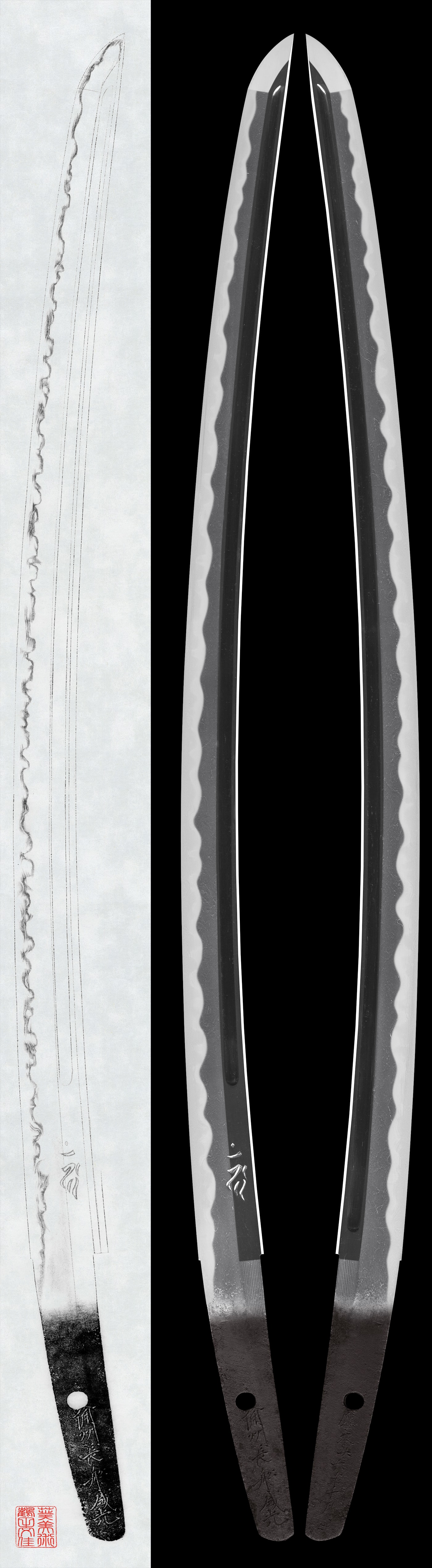
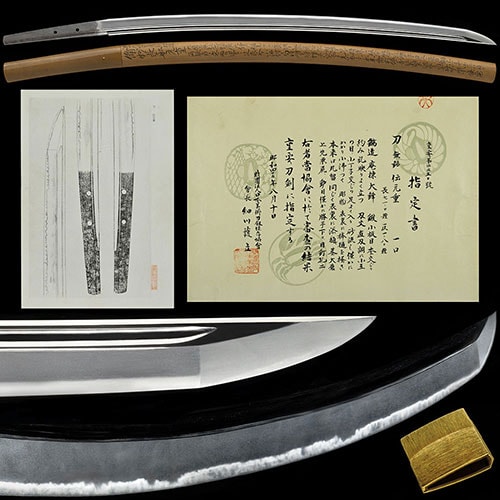
二つの朝廷が争った六十年、刀身は長大化し、長船がその需要に応えた。兼光と長義の工房は実際に戦う国人層の武士に仕え、軍勢とともに相州風が届いて相伝備前が生まれた。
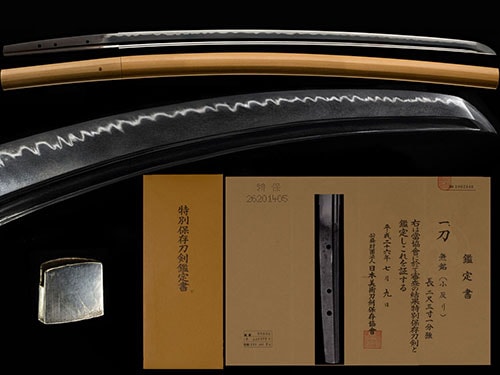
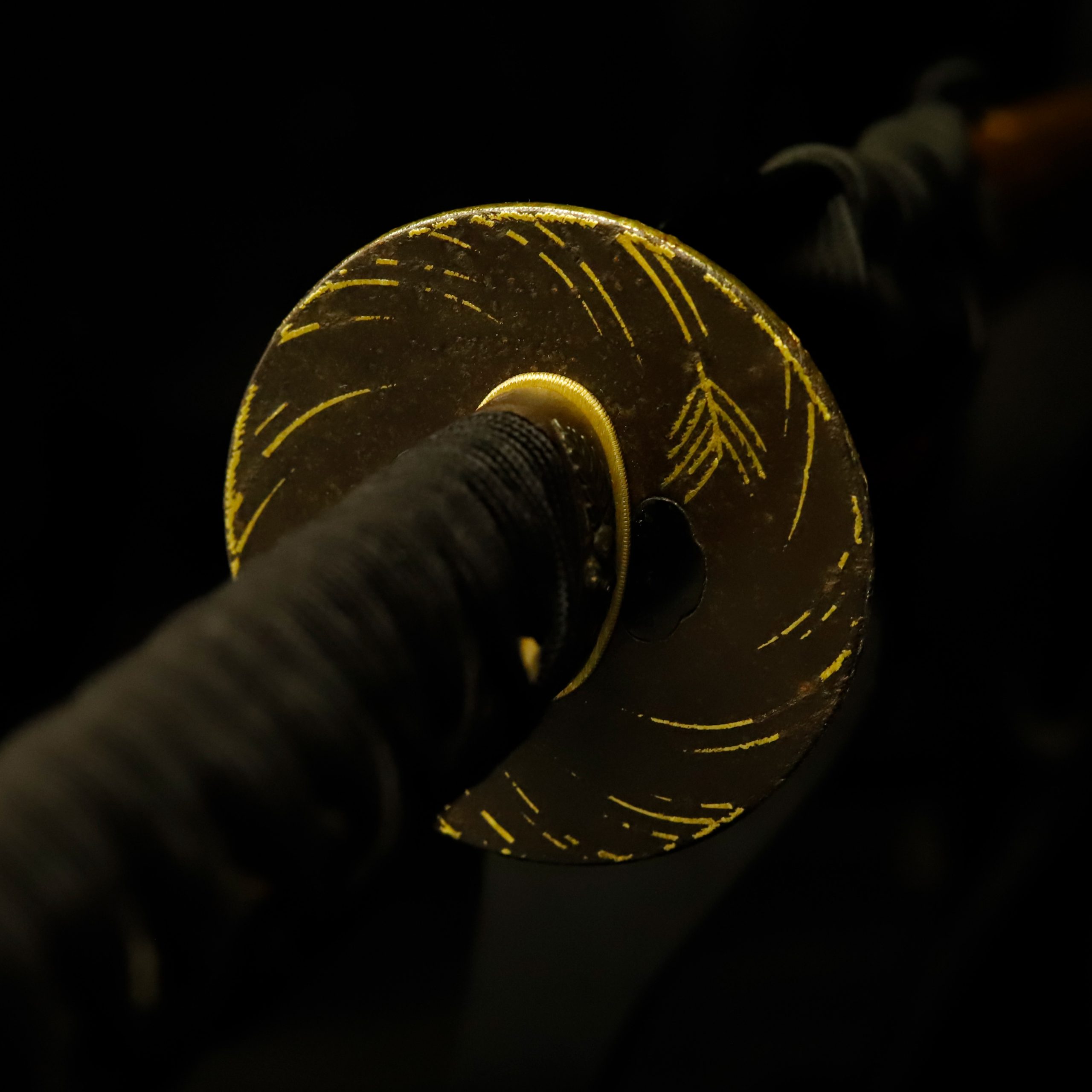
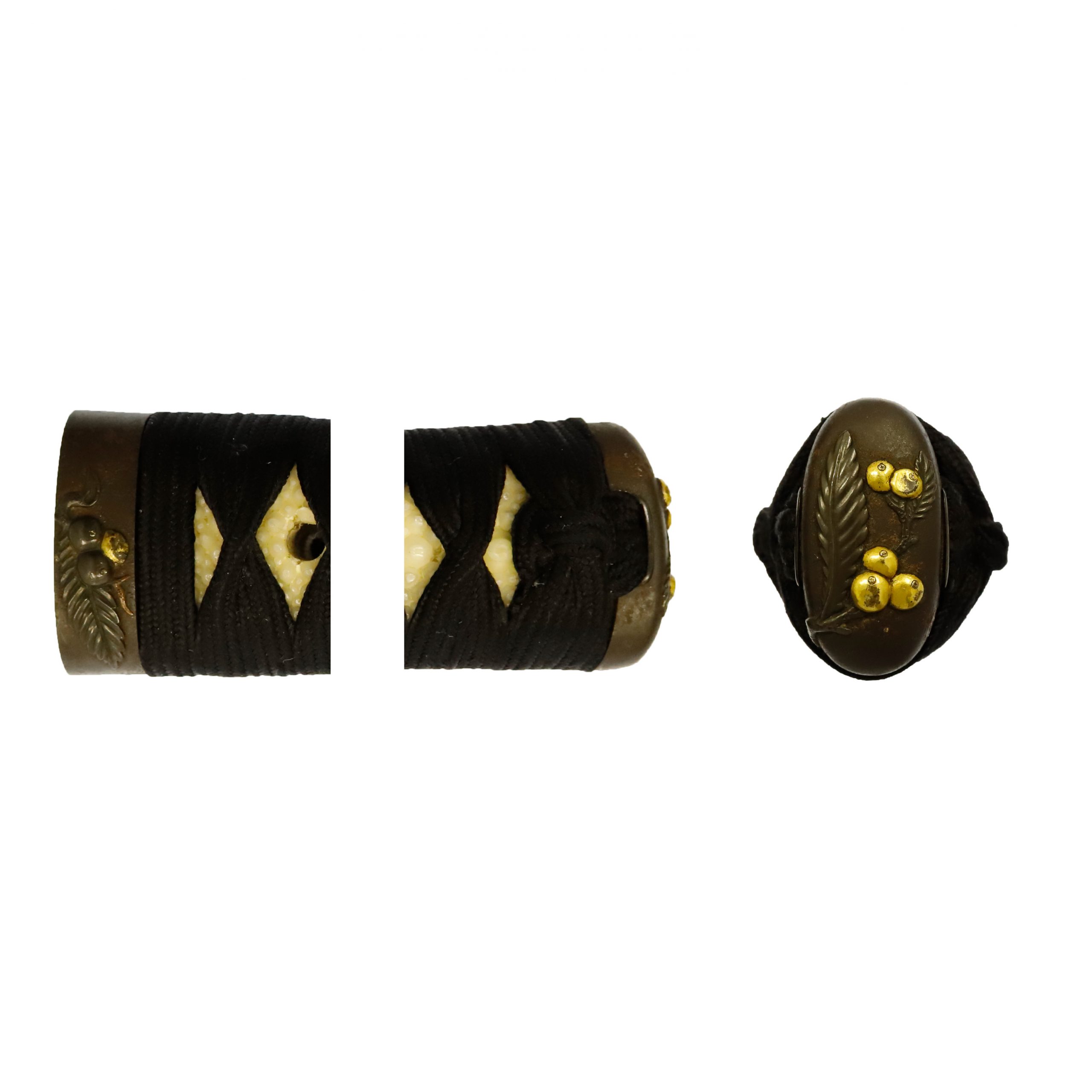
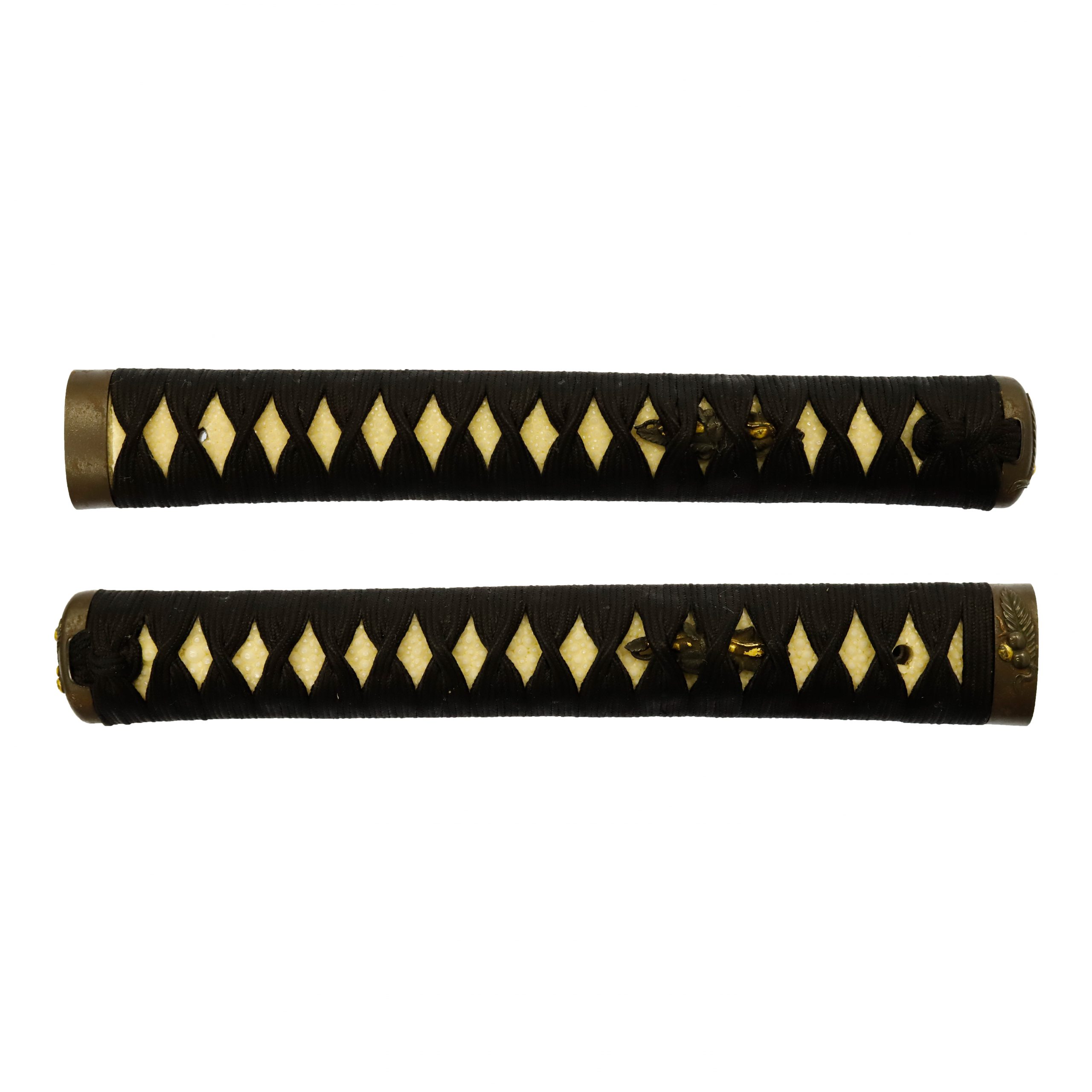
Antique Japanese Sword Katana Signed by Bizen Osafune Morisuke with NBTHK JUYO TOKEN Certificate 【Description】 Summary This blade was signed by Bizen Osafune Morisuke (備前長船守助). According to NBTHK, which appraised it as a JUYO TOKEN, it was made during the Eitoku era (Late Nanbokucho era: 1381-1384 ). Bizen is the province’s name in today’s Okayama prefecture. And, Osafune is one of the most prestigious schools in the region. The swordsmith Morisuke lasted five generations; The first-gen was active during the Rekio era (1338-1342), The second-gen; Enbun (1356-1361), The third-gen: Eitoku ( 1381-1384 ), the 4th-gen; O-Ei era (1394-1428) and the 4th-gen: Bun-An (1444-1449). Based on the appraisal, we believe this blade was signed by the third-gen Morisuke. Morisuke is categorized as a Kozori swordsmith. Kozori is a group of swordsmiths who belonged to Osafune school in Bizen during the Nanbokucho Period but wasn’t part of major branches such as Kanemitsu school. The first-gen Morisuke is said to have been a descendant of Hatakeda school in Bizen province. Some of Morisuke’s works resemble Kanemitsu school, the major school in Bizen province. Other famous swordsmiths seen as Kozori are Morimitsu, Yasumitsu, and Norimitsu. The History of Bizen Osafune School It is said that Osafune school was founded by Mitsutada (光忠), who was active during the mid-Kamakura period. Bizen Osafune school was the biggest one of all other schools in Bizen province, and they received many orders from feudal lords or renowned Samurai. They were called Osafunemono and beloved by Samurai warriors. Among the swordsmiths who belonged to this school, Nagamitsu, Sanenaga, and Kagemitsu are known as Osafune Sansaku, the three renowned Osafune swordsmiths. There are also four other prominent swordsmiths who were from Bizen Osafune school. They are called Osafune Shiten-no, the four masters of Osafune school. Their names are Nagamitsu, Kanemitsu, Nagayoshi, and Motoshige. BIZEN is located near the Chugoku Mountains, where iron sands, one of the essential materials for making Japanese swords, were abundant. Furthermore, BIZEN swordsmiths had close access to Yoshi River, where they could find water and charcoal. This geological location contributed to the swordsmiths forging high-quality refined blades. We presume BIZEN was quite active in sword-forging from ancient times. It is said that BIZEN DEN was created by groups of swordsmiths there during the late Heian era (Late 12th century ). These ancient swordsmiths in Bizen province are called Ko-Bizen (Old Bizen) swordsmiths. By inheriting the sword forging techniques from Ko-Bizen swordsmiths, the Bizen Osafune school flourished from the mid-Kamakura period. This blade doesn’t look long now, but the JUYO certificate mentions that it was shortened (磨り上げ). It was a common act among the owners of Japanese swords during the Samurai period to have their blades shortened, depending on the regulation imposed by the government or their height. Even though it was shortened, the signature of this blade remains, which is quite rare for the blade forged during the Nanbokucho period. Based on which side the signature is located and the authentication paper, this blade was created as a Tachi sword. Tachi was mainly used by an armored Samurai with one hand on horseback from the Heian period (794-1185 A.D.) until the early Muromachi period. TACHI was suspended loosely on the left waist with its edge facing the ground so that you could draw it faster to cut down soldiers on the ground. It is stored in a Katana style Koshirae now. This blade is appraised as a JUYO TOKEN (重要刀剣) issued by NBTHK (Nihon Bijutsu Touken Hozon Kyokai:日本美術刀剣保存協会). This authentication paper was only given to authentic Japanese swords, exceptionally well preserved and of high quality with artistic value. JUYO is one rank higher than Tokubetsu Hozon. To be eligible for a Juyo Token, it needs to be appraised as a Tokubetsu Hozon Token first. It is extremely ra
在銘 · Osafune · 南北朝 · 長さ 71.75cm · 反り 1.55cm
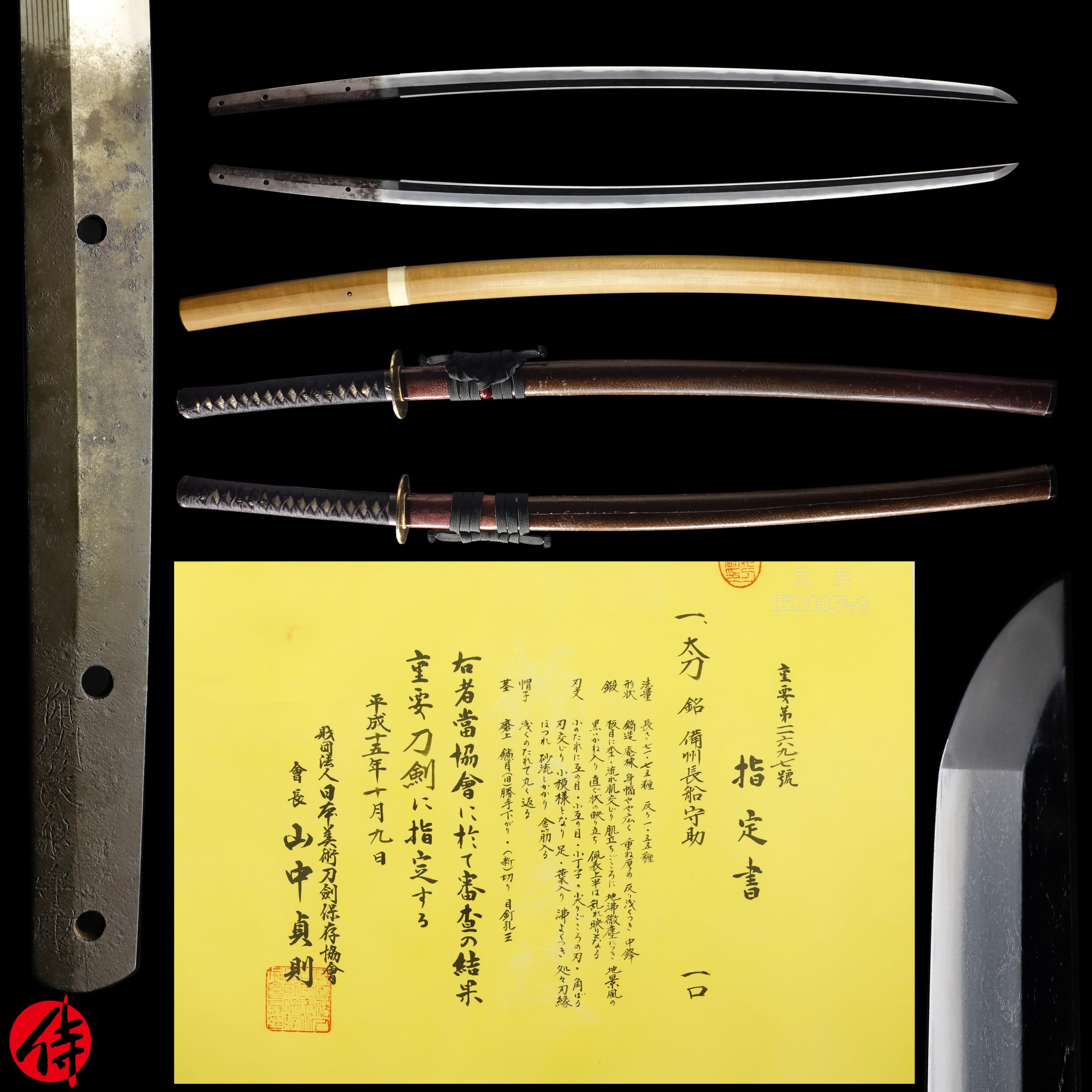
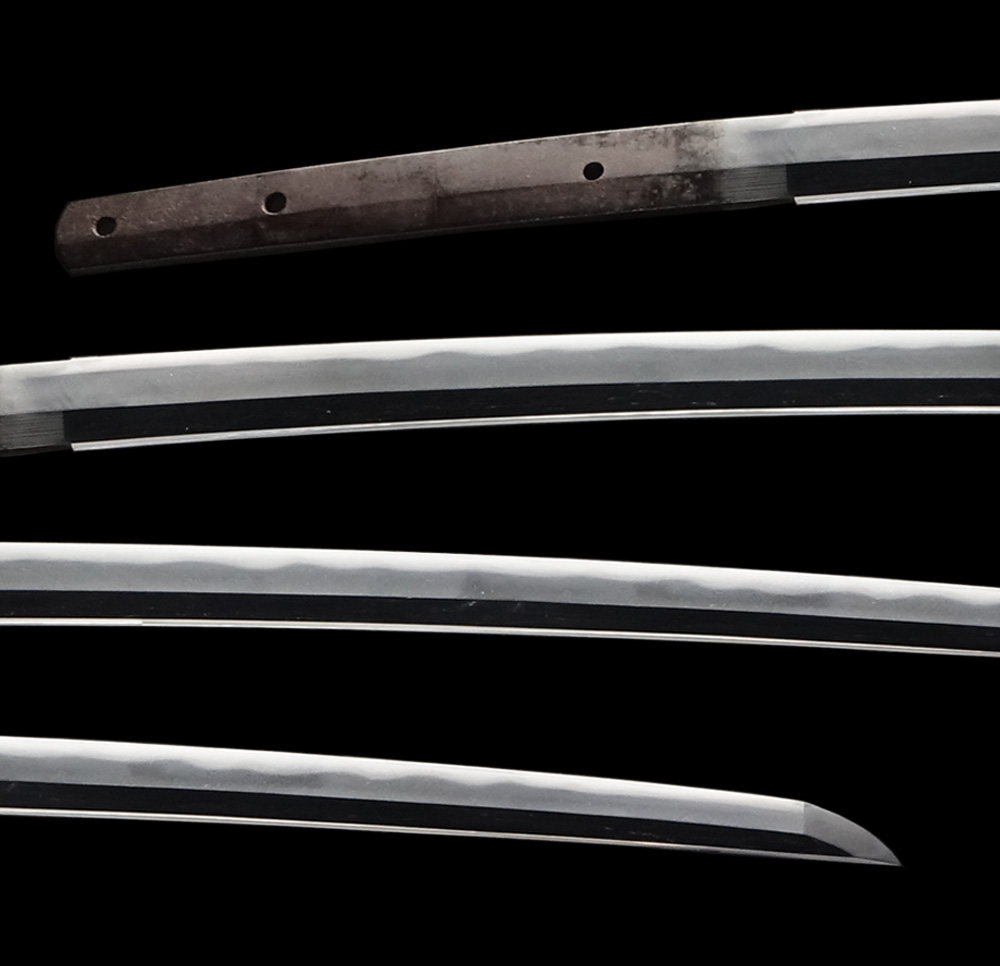
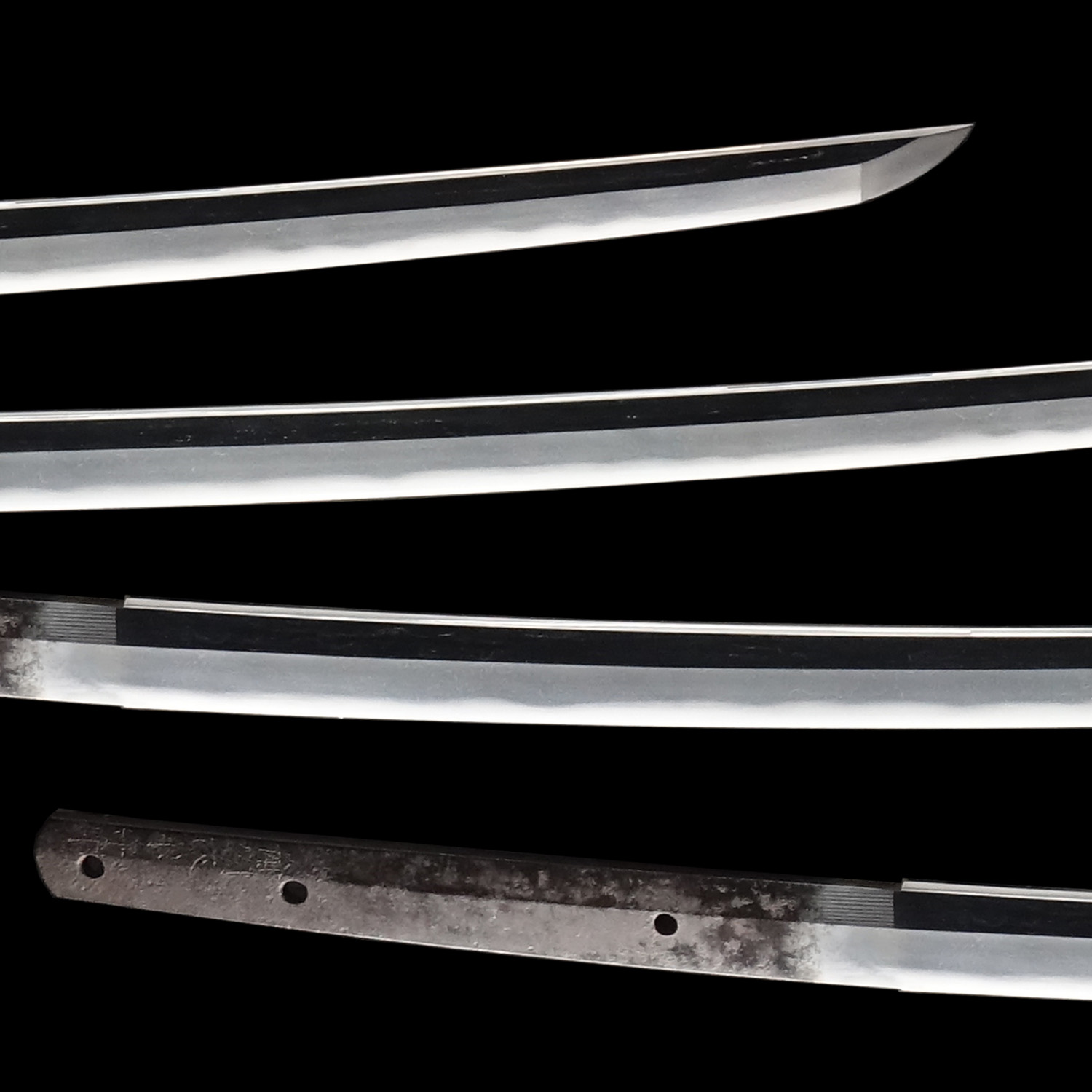
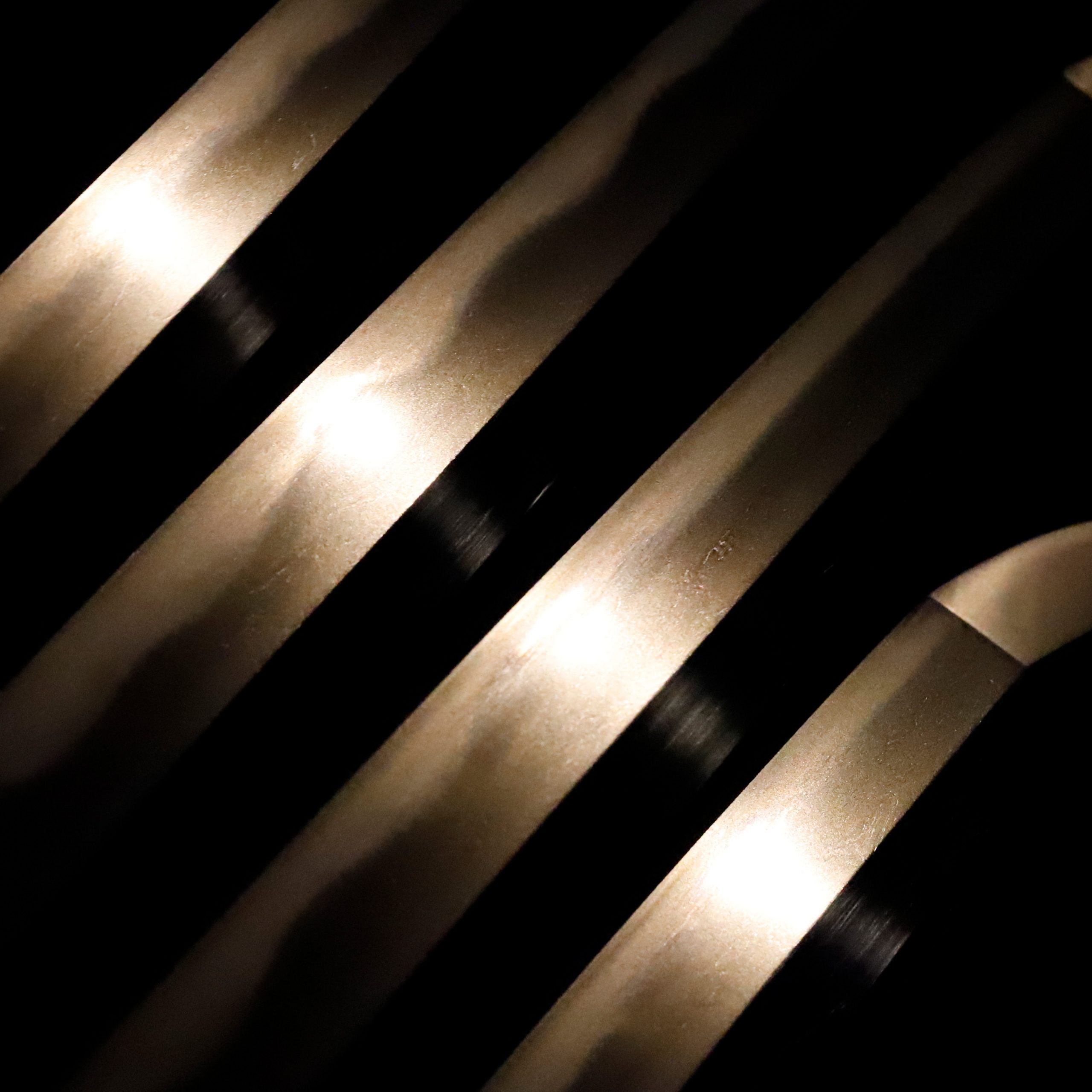
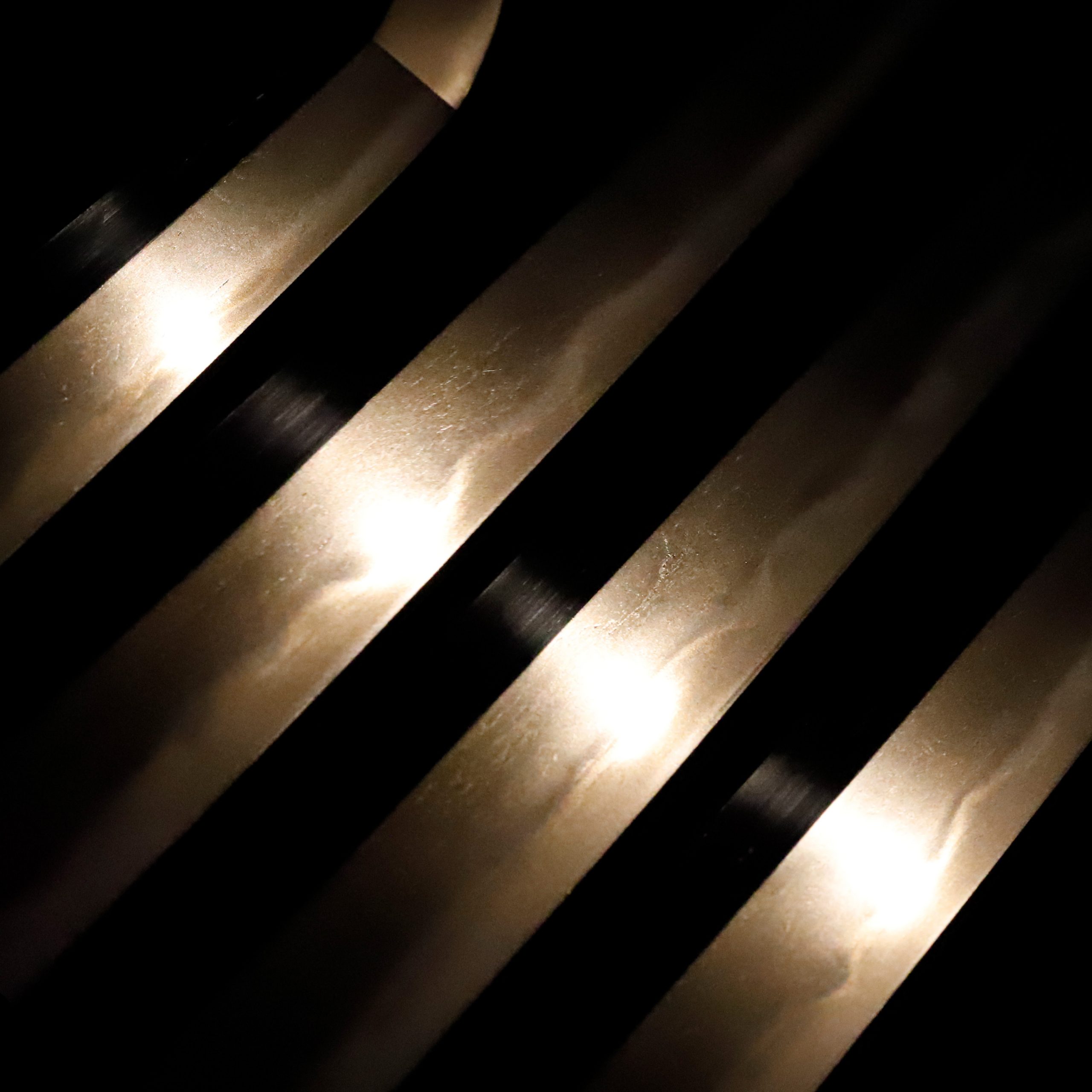
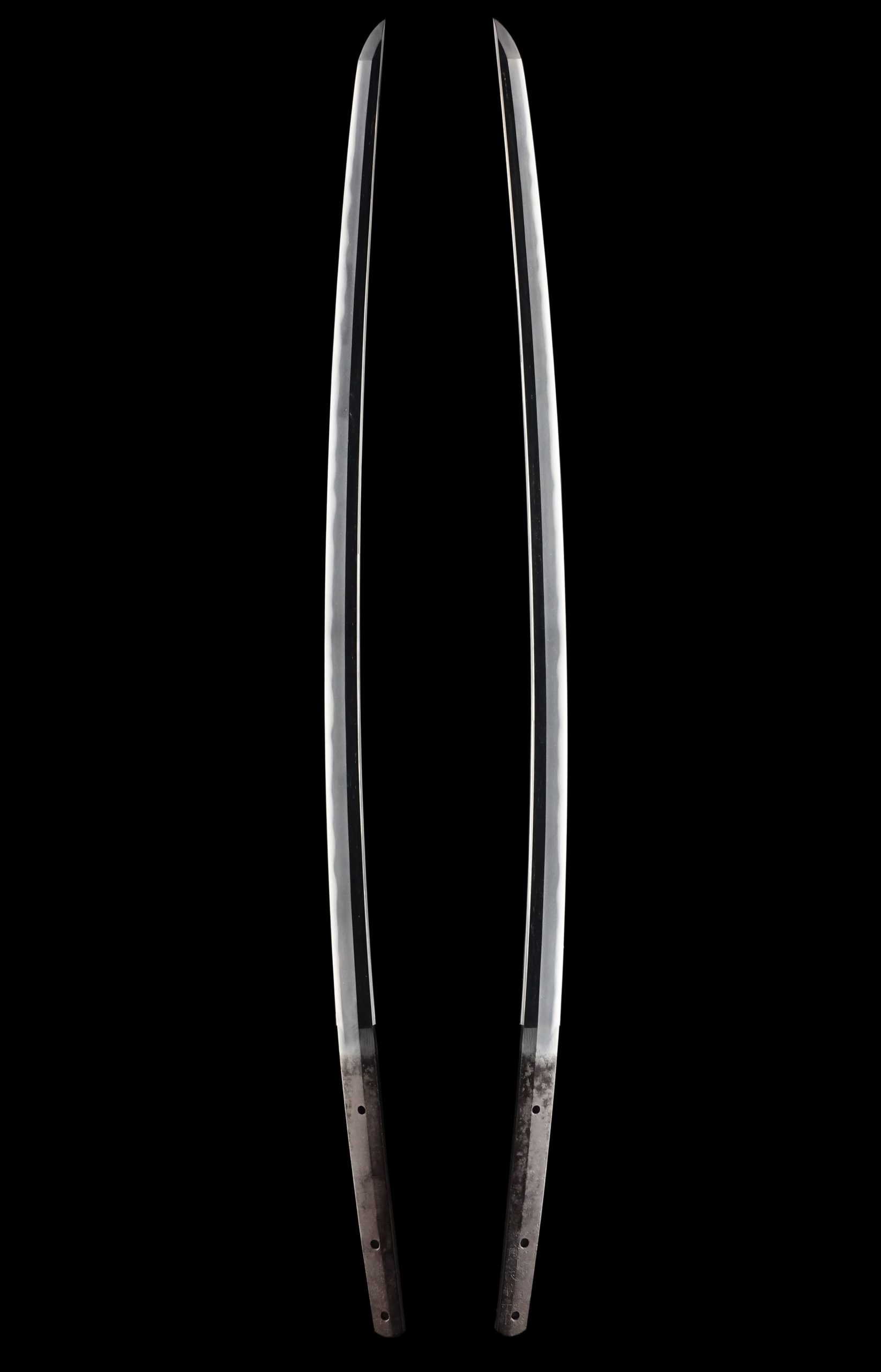
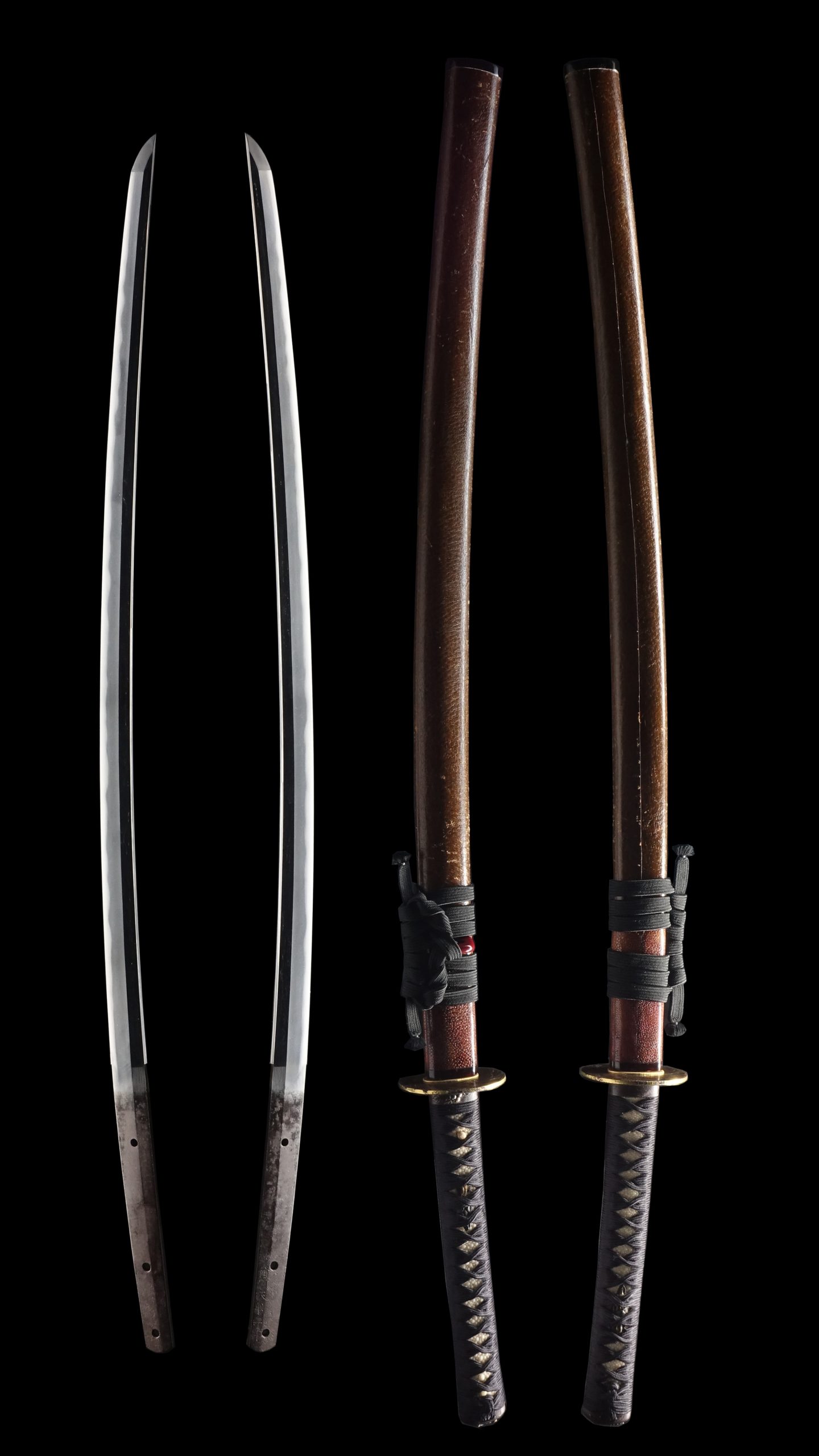
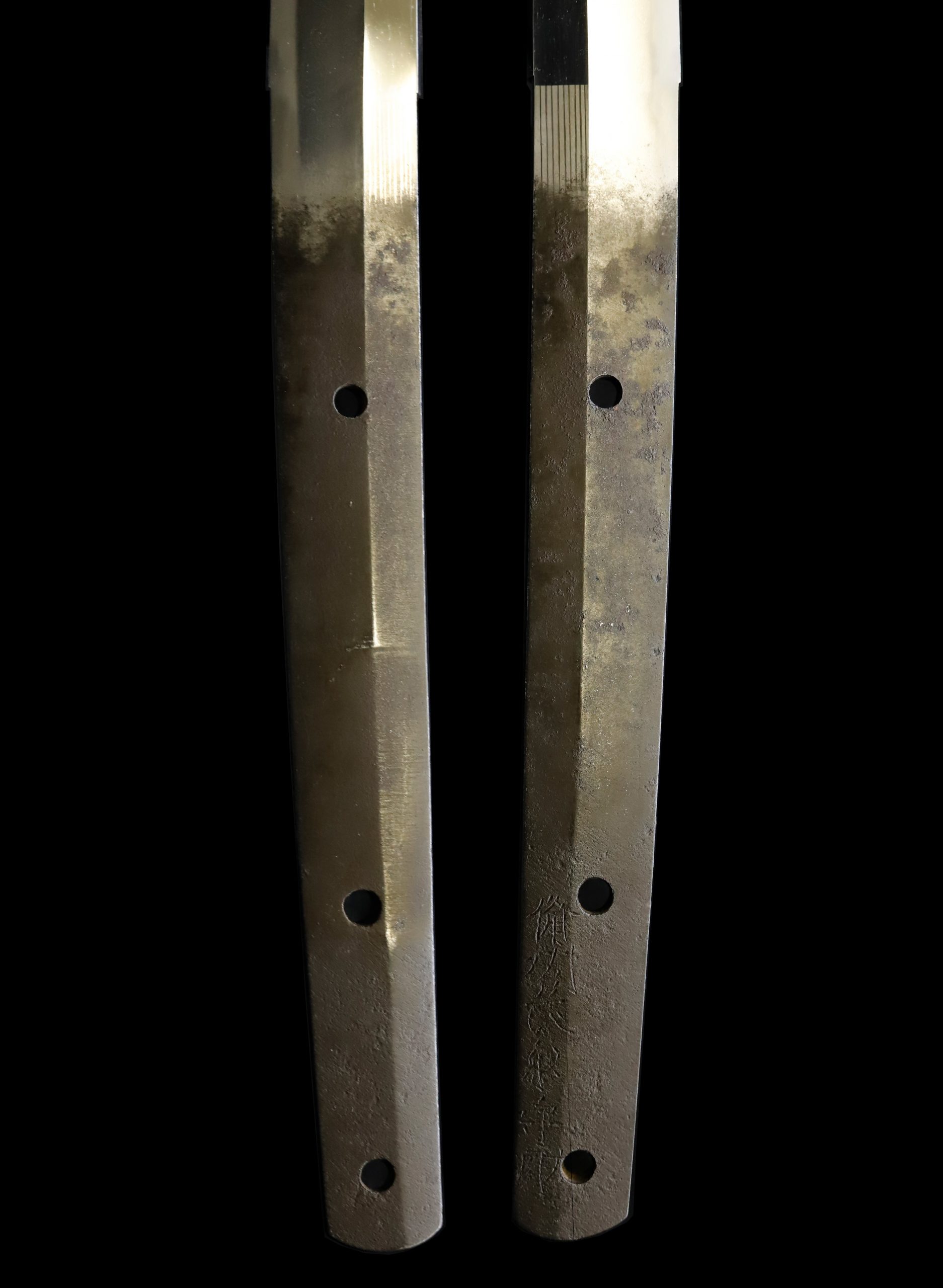
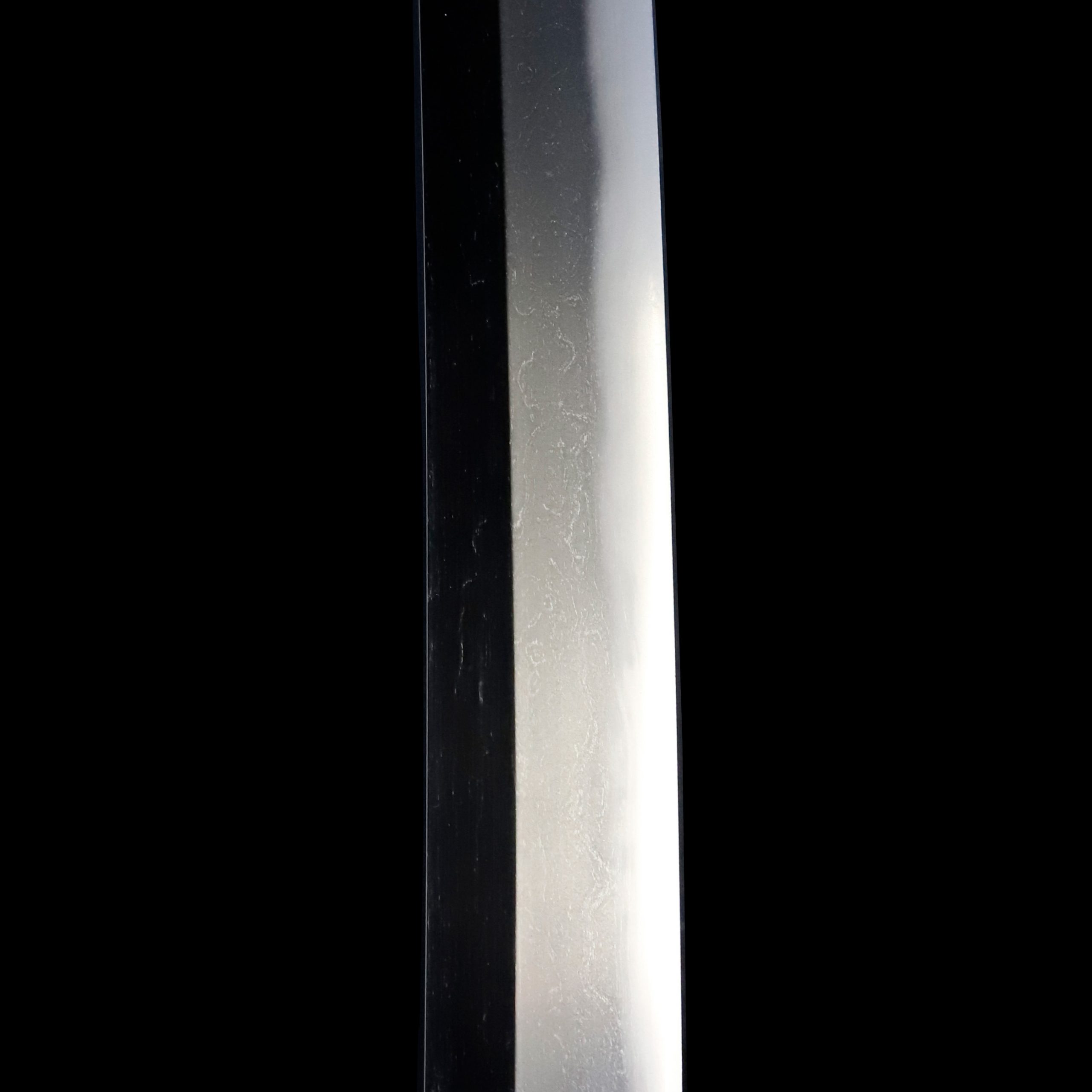
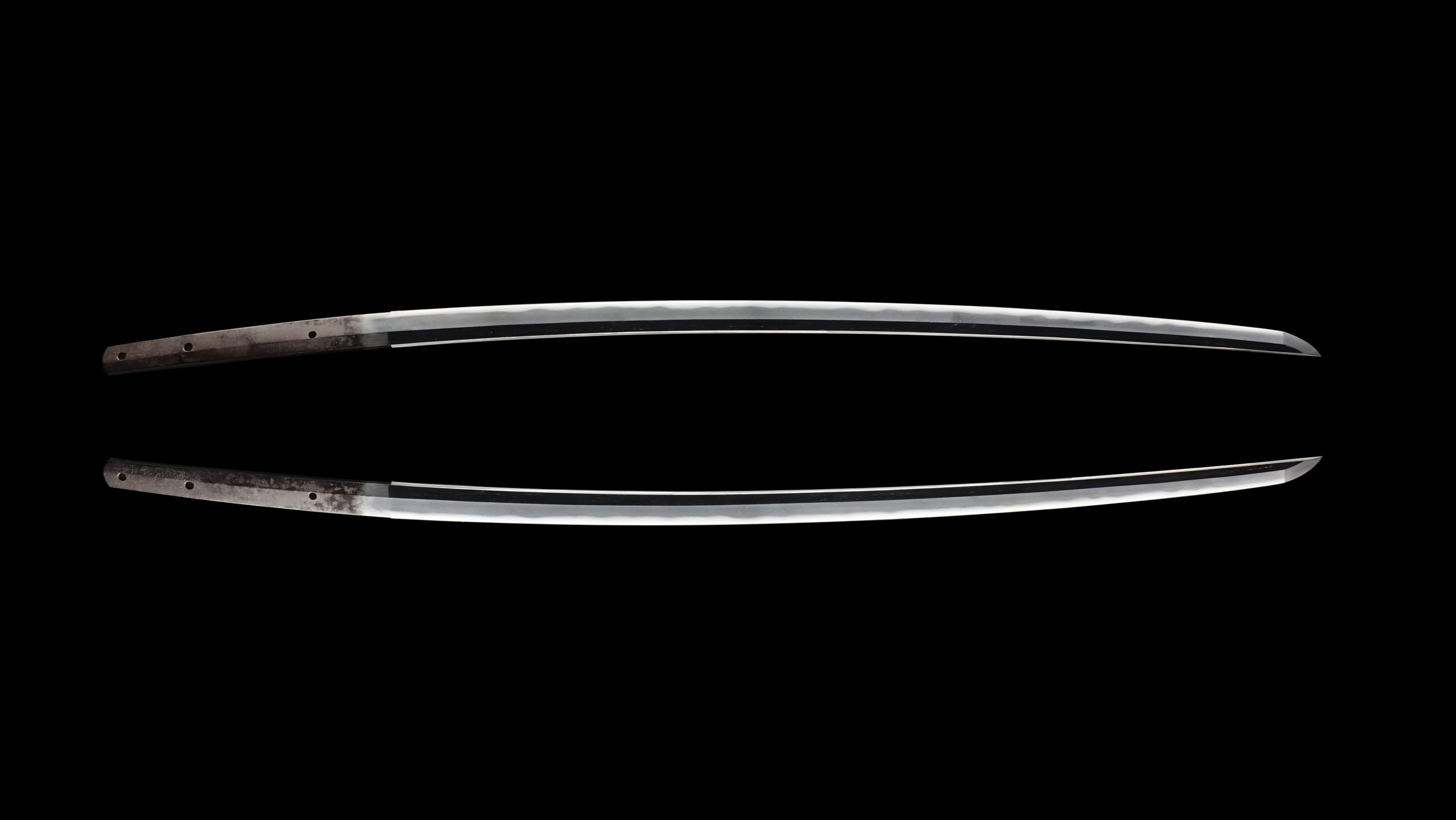
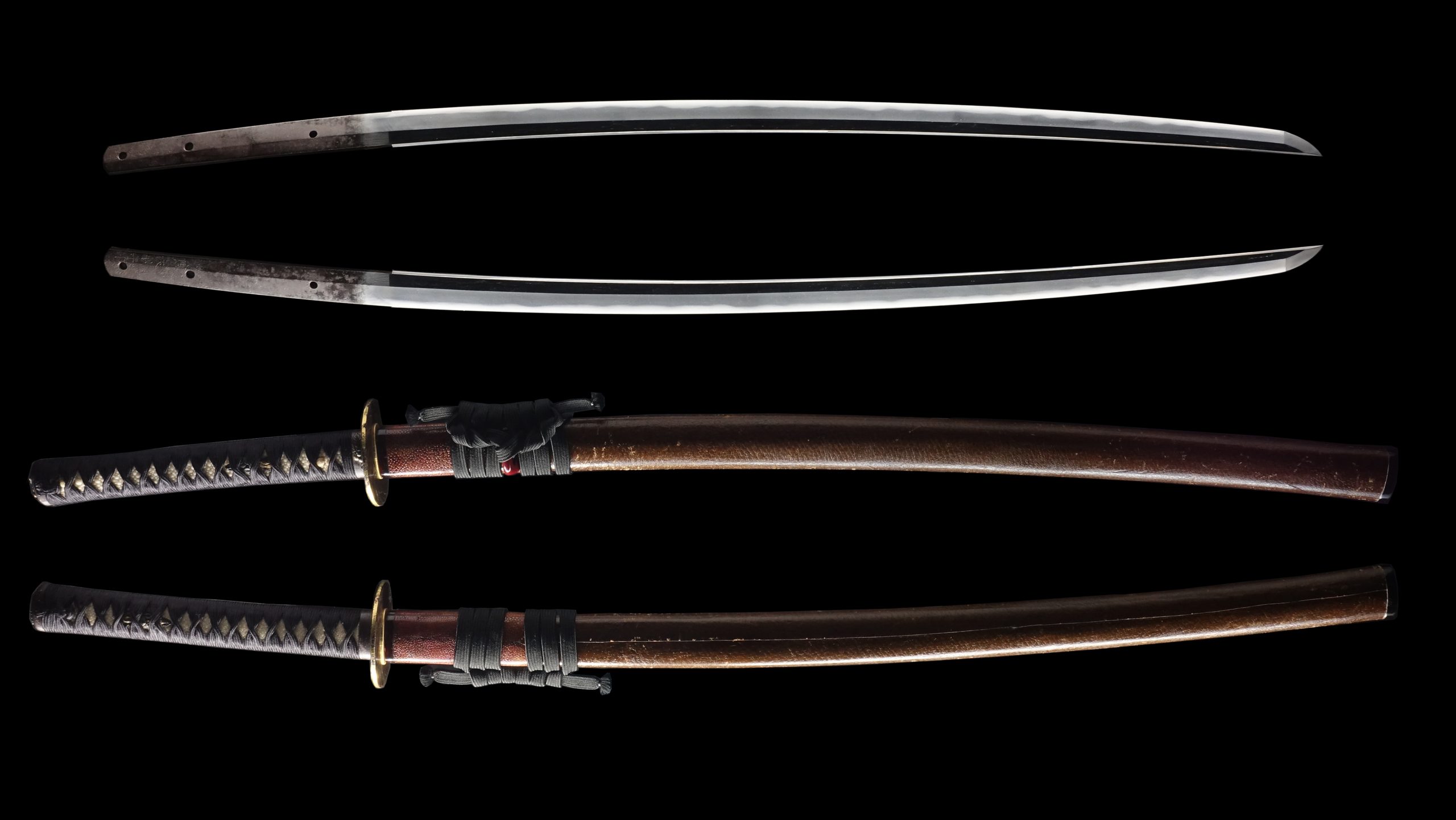
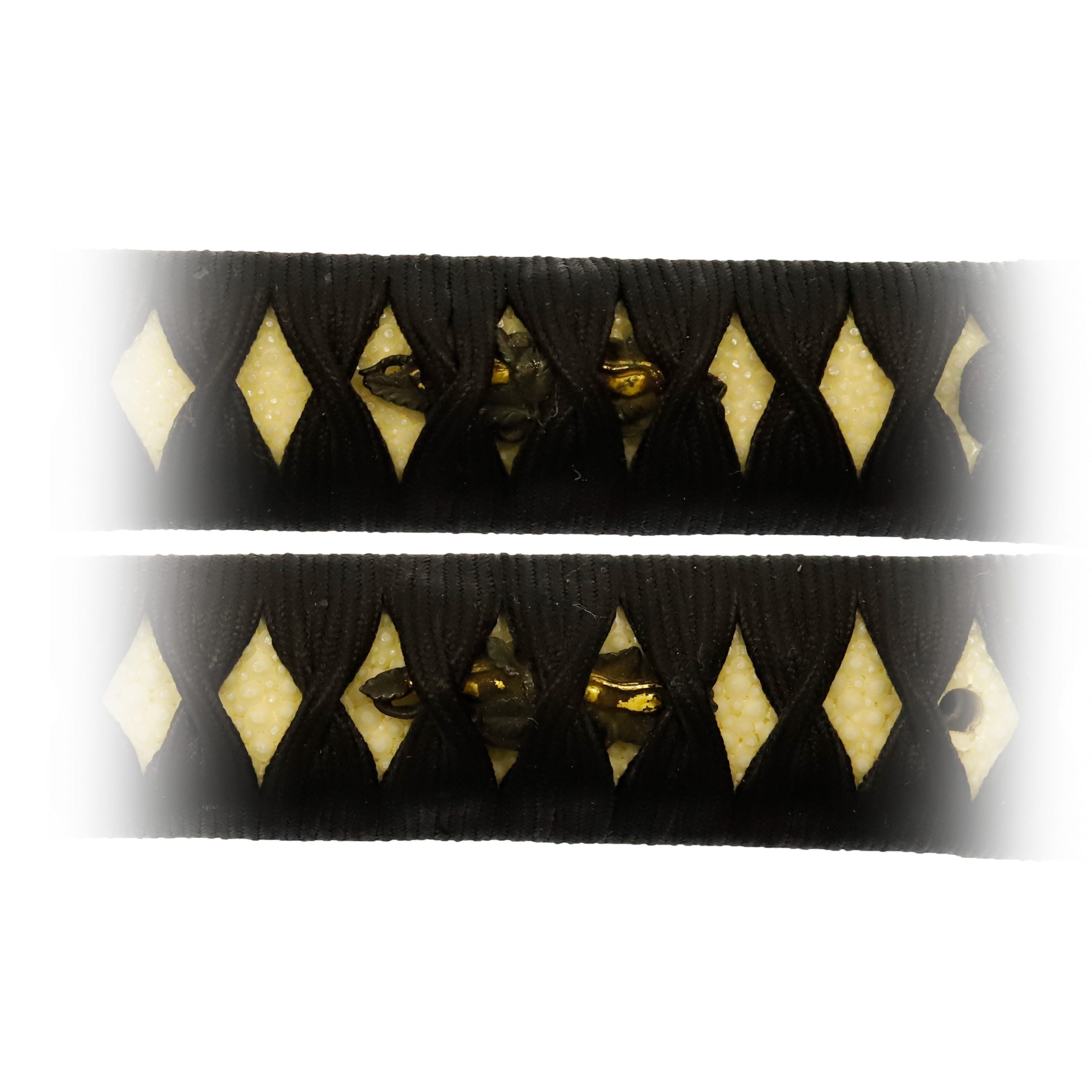
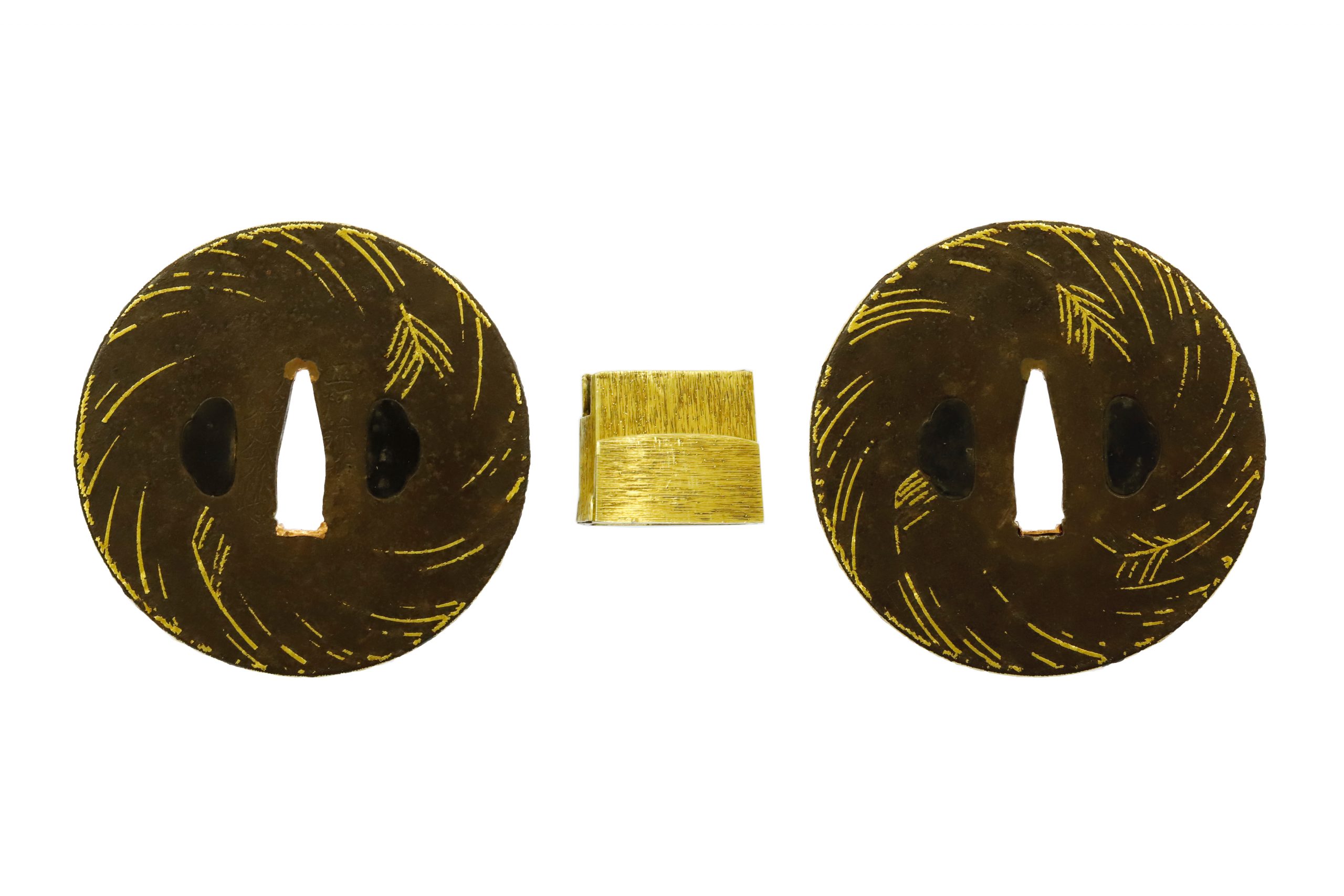
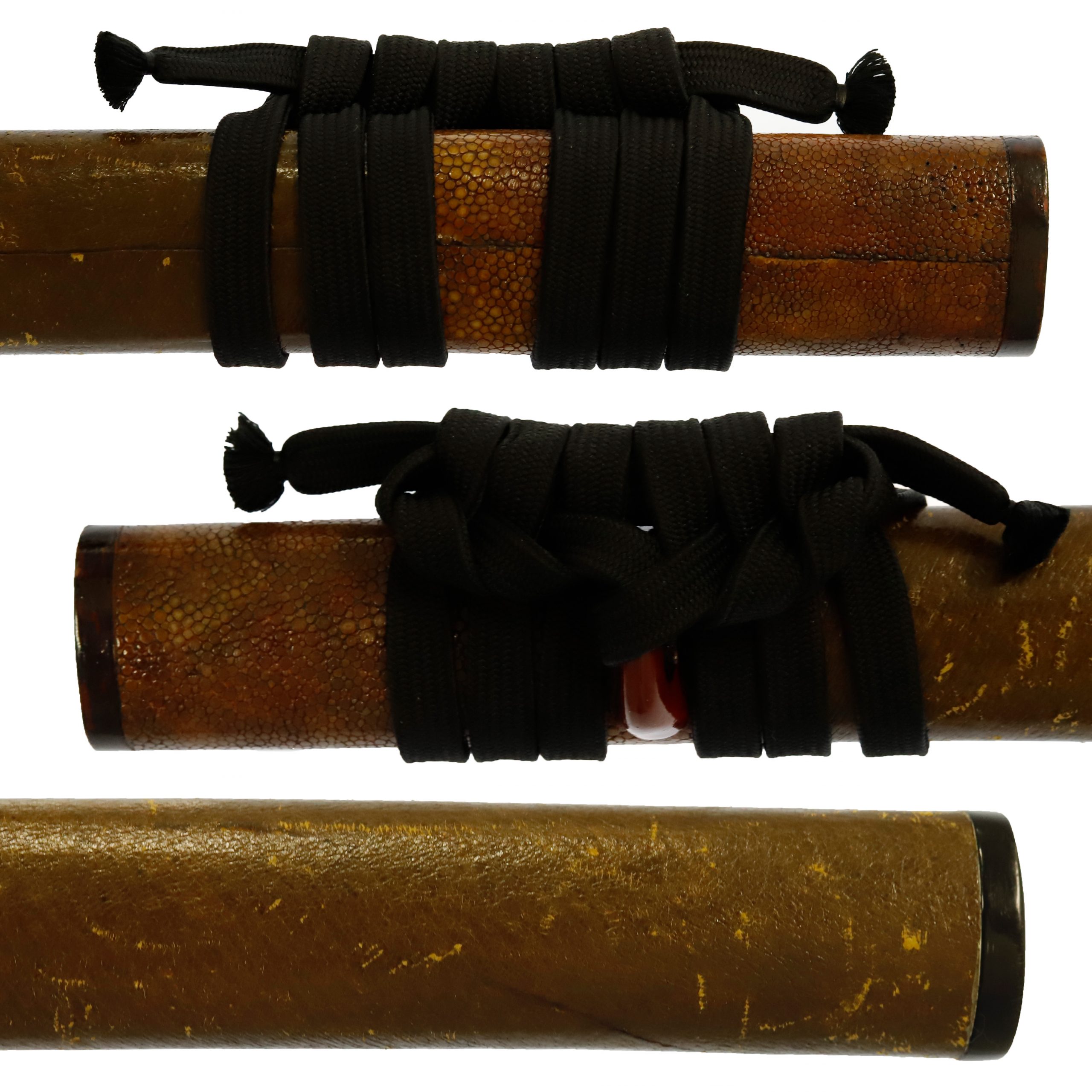
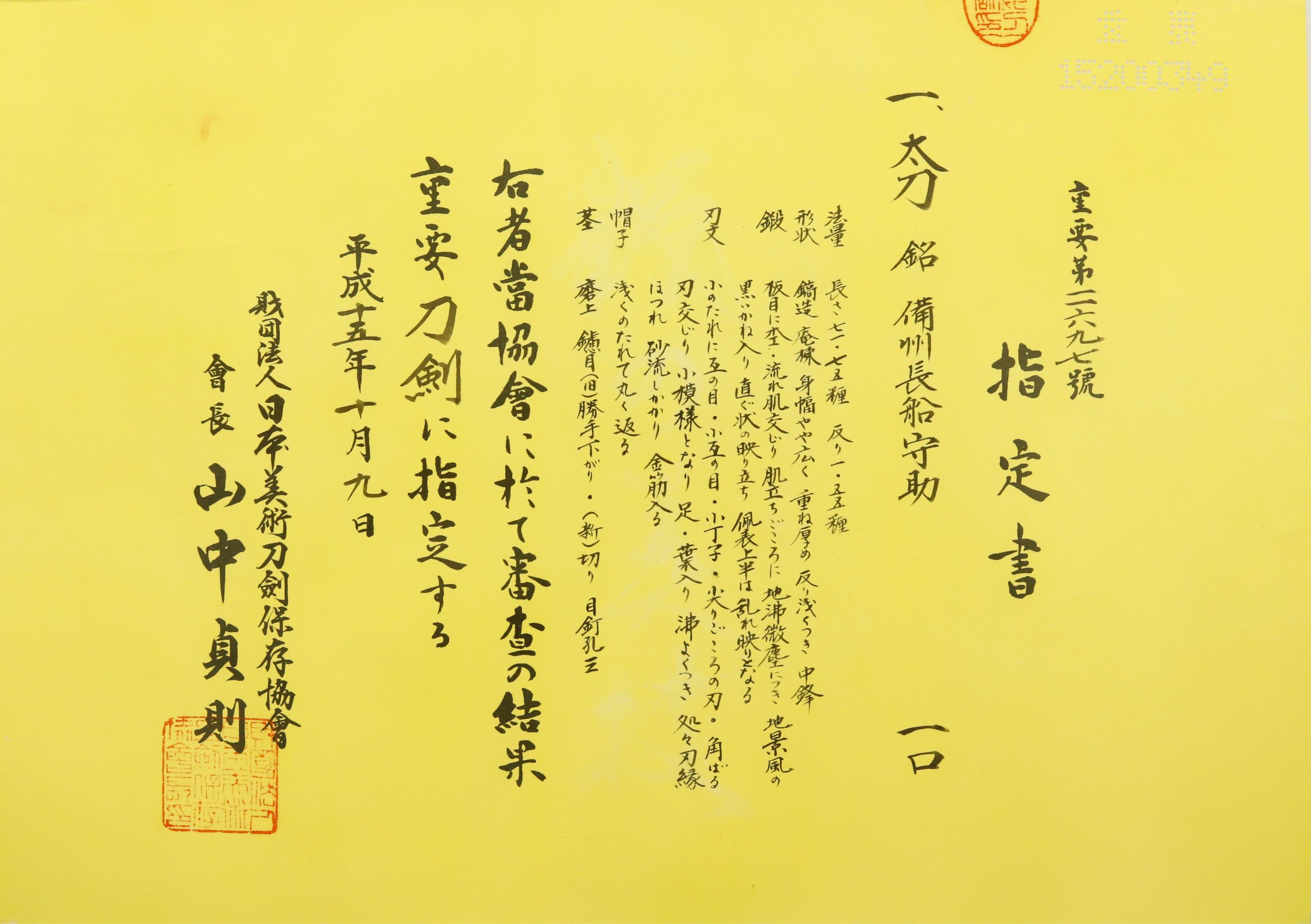
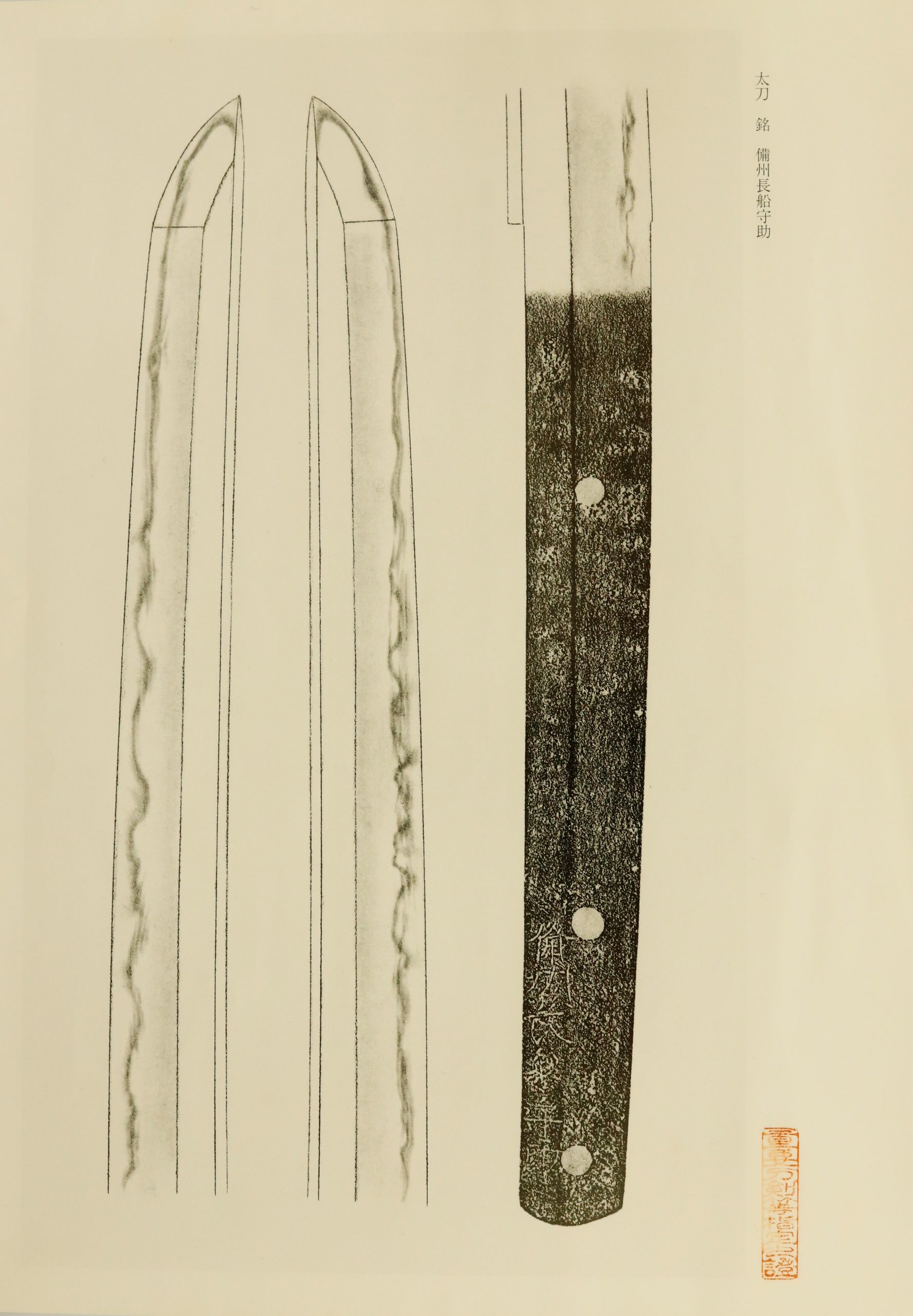
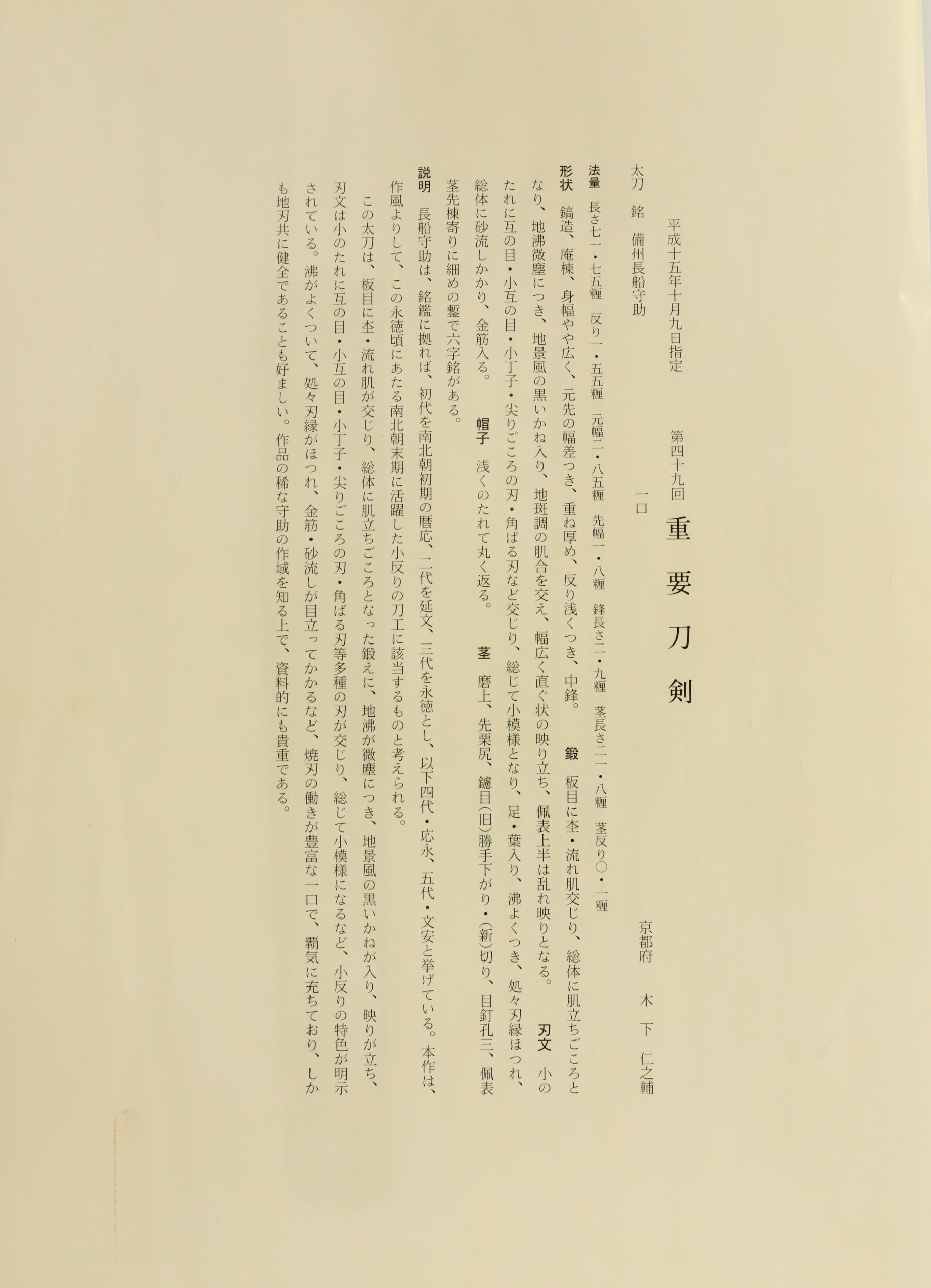
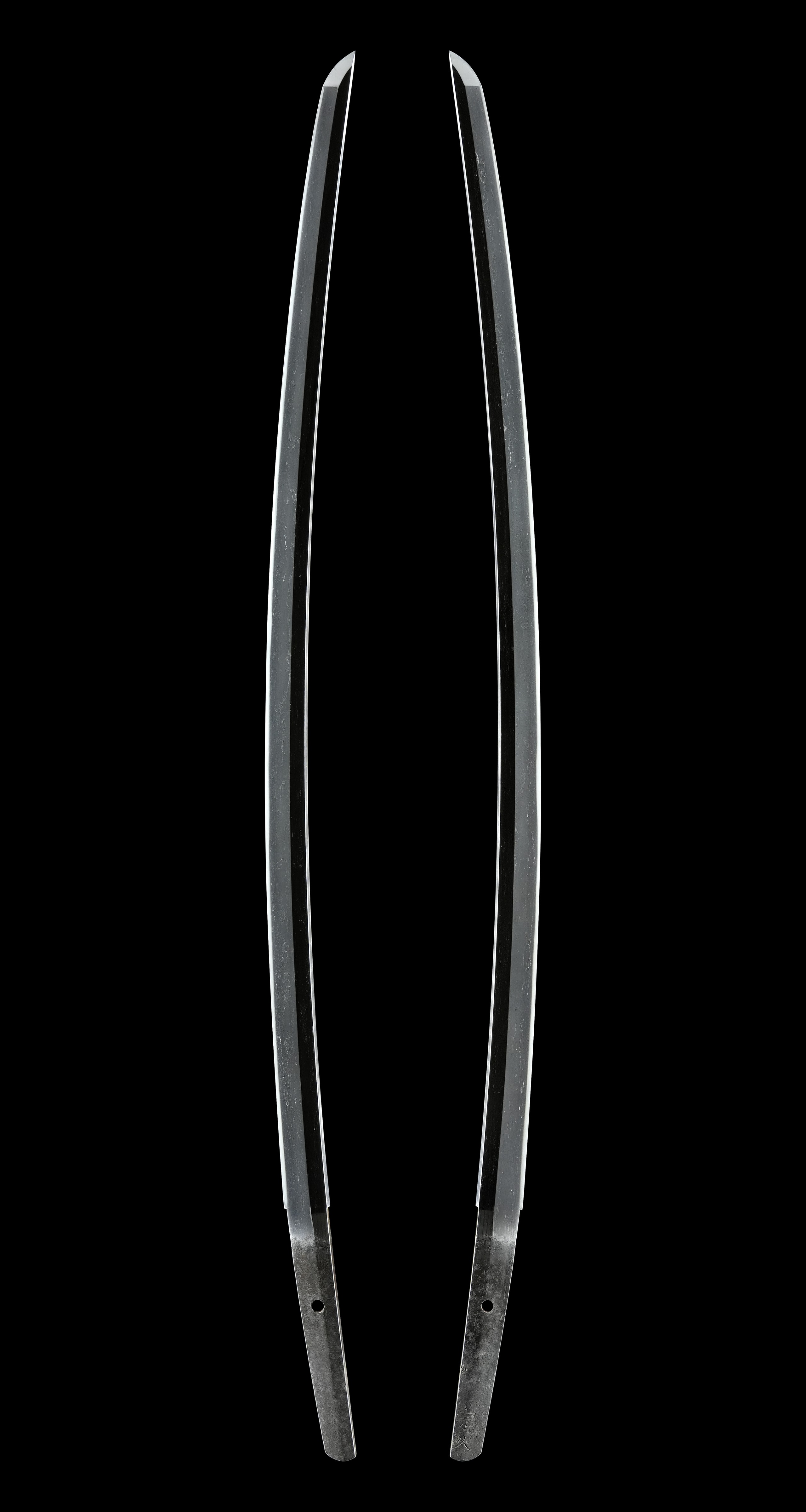
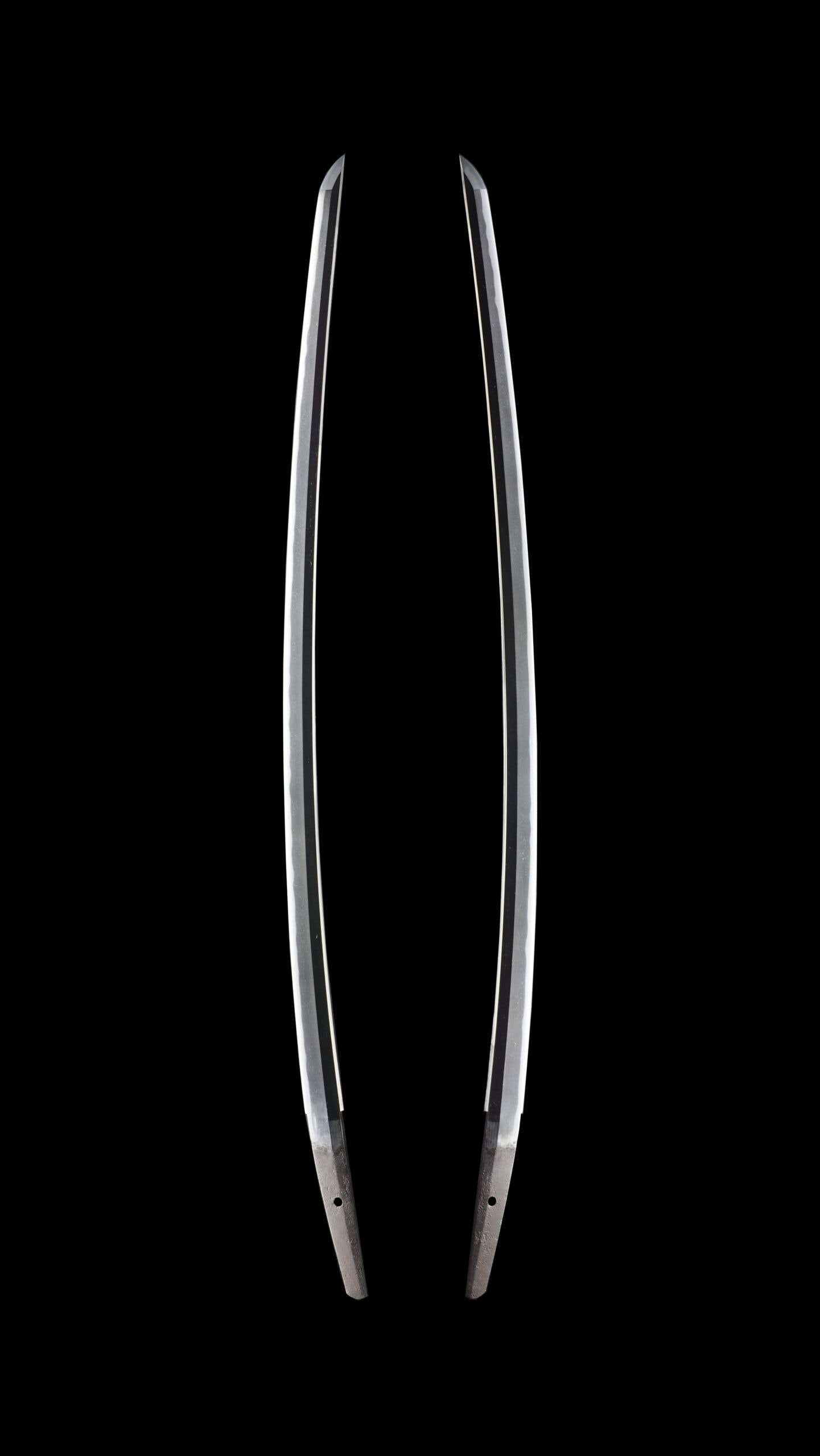
長船守助は、銘鑑に拠れば、初代を南北朝初期の暦応、二代を延文、三代を永徳とし、以下四代・応永、五代・文安と挙げている。本作は、 作風よりして、この永徳頃にあたる南北朝末期に活躍した小反りの刀工に該当するものと考えられる。 この太刀は、板目に杢・流れ肌が交じり、総体に肌立ちごころとなった鍛えに、地沸が微塵につき、地景風の黒いかねが入り、映りが立ち、 刃文は小のたれに互の目・小互の目・小丁子・尖りごころの刃・角ばる刃等多種の刃が交じり、総じて小模様になるなど、小反りの特色が明示 されている。沸がよくついて、処々刃縁がほつれ、金筋・砂流しが目立ってかかるなど、焼刃の働きが豊富な一口で、覇気に充ちており、しか も地刃共に健全であることも好ましい。作品の稀な守助の作域を知る上で、資料的にも貴重である。
Kozori (Osafune, Bizen) · 備前 · 1354-1384頃
刀剣大鑑 上位17%
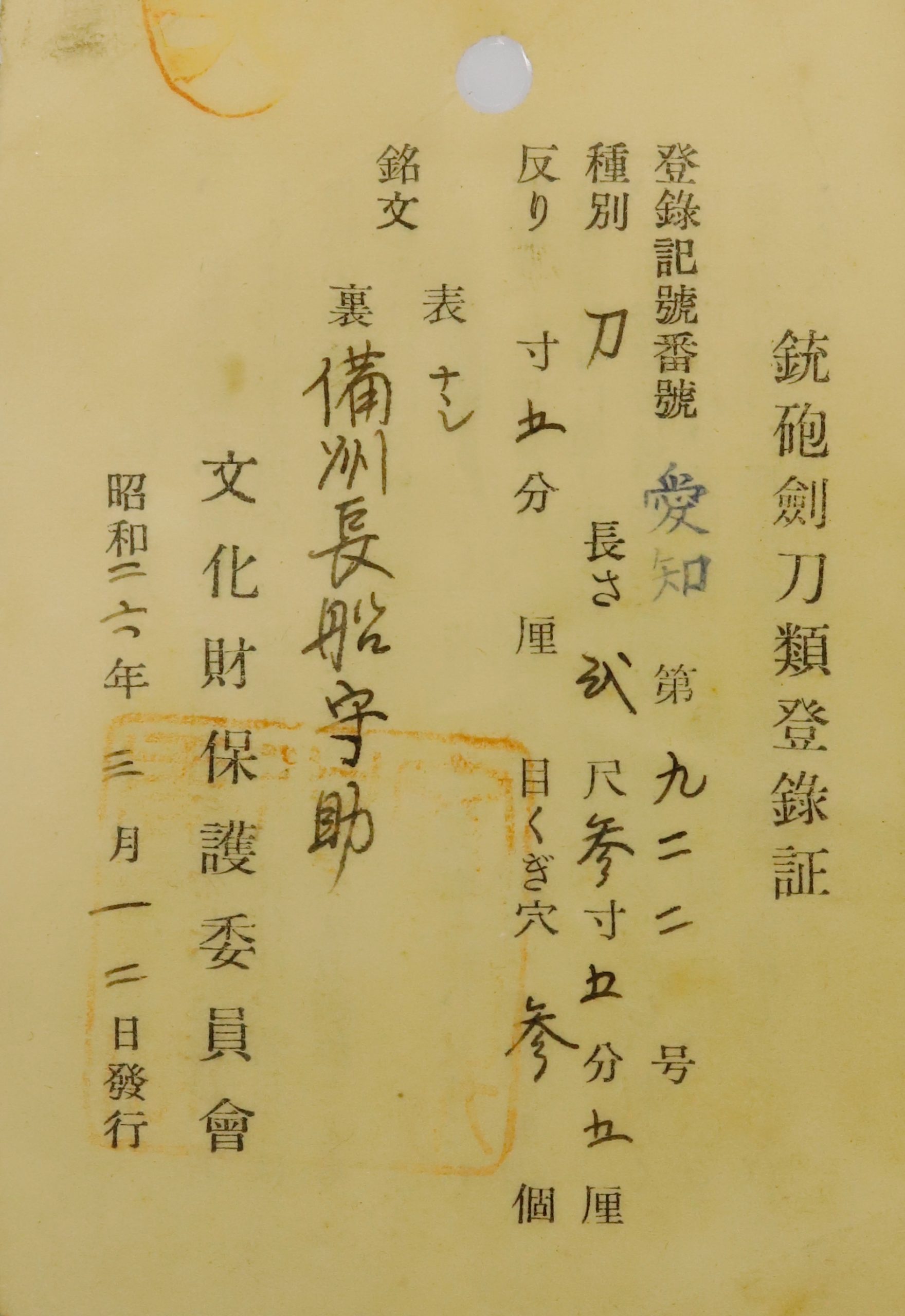
守助はその作に「備州長船守助」と六字を切り、しばしば年紀を添える。なかの一口の太刀は裏に貞治二年(一三六三)の年紀をもち、彼を南北朝後期に確かに位置づける。長船の刀工ではあるが、この大いなる備前の工房における系統は明らかにしがたい。説明書は彼を小反りの一人に数え、恐らく守家・畠田派の流れを汲むものとし、さらに同国の吉井物などとも鑑せられるとする。銘鑑は守助を数代に立て、初代を暦応、二代を延文、三代を永徳とし、以下四代を応永、五代を文安に挙げ、現存の有銘作は永徳頃の南北朝末期に該当すると見られる。有銘の作は極めて稀であり、記録に残る各作は名声よりも、ほかにほとんど資料の乏しいこの工を知るための資料として貴重とされる。
その作に繰り返し現れる手は小模様の刃文であり、これこそ説明書が小反りの特色が明示されたものと名指すものである。小のたれを基に互の目・小互の目・小丁子・尖りごころの刃・角ばる刃を交え、全体は兼光由来の主流の大ぶりで円い互の目に結ばず、詰んで賑やかな小模様にとどまる。これに足・葉が入り、沸が刃縁によくつき、処々刃縁がほつれ、金筋・砂流しが焼刃のうちに目立ってかかる。佳い太刀、ことに永徳頃の一口について、説明書はこれを焼刃の働きが豊富で「覇気に充ちており」[[c:1]]、しかも地刃ともに健全な一口とする。帽子は一定の形を持たず、平造・薙刀作では乱れ込んで先尖り、太刀では直ぐに小丸に返るなど、切先の焼きは銘を担うひとつの形ではなく作の体配に従う。
地鉄は地肌の立ちを通して読まれる備前の地である。やや肌立つ板目を鍛え、杢・流れ肌を交え、地沸が微塵につき、地斑調の肌合を交え、佳作には地景風の黒いかねが入る。これに立つのが、彼を同時代の相州ではなく備前の手と定める映りである。身幅広い太刀では乱れ映りが下半に幅広く直ぐ状に、上半は乱れて立ち、寸延びの平造短刀では刃寄りに棒映りが立つ。映りは記録に残る作の多くに記され、長寸の太刀ではその一の見どころとなるほどに明瞭に立つ。資料の乏しいこの工の鑑定を支えるのは、刃文中の一つの形よりも、まさにこの地鉄と映りである。
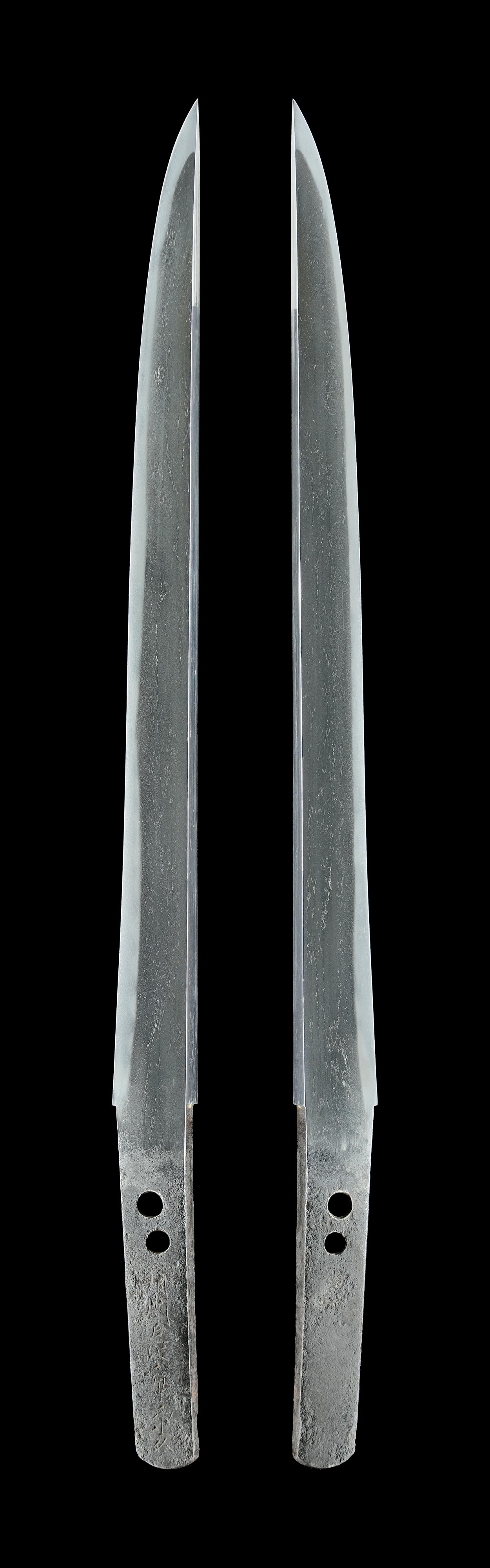
その作域は本質の手を変えぬまま二つの作に分かれる。第一は南北朝の太刀で、もっとも目を引くのは身幅広く腰反り高く踏張りのつき中鋒に結ぶ長寸の大太刀で、説明書はこれを「南北朝時代の大太刀の典例」[[c:2]]と評し、生ぶで有銘・年紀のある作として一層貴重とする。これには片落ち風の互の目を交えた互の目乱れが開く。第二は身幅広い寸延びの平造短刀・小脇指で、互の目が小づんで詰んだ小互の目に尖り刃を交え、逆ごころを見せ、匂口は締まりまたは沈み、帽子は乱れ込んで先尖る。ある脇指について説明書は彼を「互の目を得意としている」[[c:3]]とし、これら小ぶりの作には表裏に棟寄りの刀樋が彫られる。年紀には鍛刀を超えた歴史の興味がある。作は南朝の延文年紀と北朝の貞治・貞治年紀の双方を切り、貞治の年紀を多く見ることから、当時は北朝に属した刀工と判じられる。説明書はここから、「当時の備前が、南北両朝の間に右往左往していた」[[c:4]]という大きな図を引き出す。
小反りの名が何を意味するかは古来より諸説があって明確にしがたいが、説明書はこれを「兼光と師弟関係の無い刀工の一括した呼称」[[c:5]]として扱う。すなわち、兼光と師弟関係を持たぬながらその作風を継いだ南北朝後期の長船鍛冶を指す。守助はまさにこの一群に属し、本会はその磨上げの有銘太刀について「この作は此の工のみならず小反りの典型的作風を示している」[[c:6]]と述べる。守助の一口はかくしてその一群の規範として読まれる。肌立つ板目に立つ明るい備前の映りと、詰んで賑やかな小模様の互の目とが、彼を兼光本流の円い互の目の系ではなく小反りの作風のうちに置き、ひいては同じ年代の相州風の手から分かつ。守家・畠田への系統は説明書が一の蓋然として示すのみであり、長船における位置が確かに定まらぬことを率直に記す。
守助は国宝・重要文化財の工ではない。その記録は重要刀剣に列した七口にとどまり、特別重要刀剣も、より上位の指定もなく、大名家への伝来も伝わらない。その格はむしろ有銘作の稀少さと、それを伝える数口の質にある。年紀のある大太刀は南北朝の太刀の典例であり、永徳の太刀は覇気に充ちた一口、そして年紀のある小ぶりの脇指・短刀は、有銘作が、説明書の言うとおり極めて少ないこの工の作域を示す資料として貴重とされる。これらは市場の品ではなく私蔵・公蔵に伝わる指定文化財であり、認定を受けた有銘の守助が収集家の前に現れることは稀で、有銘かつ有年紀となればなおさらである。備前を学ぶ者にとってその興味は明確である。名高い名ではなく、南北朝末期の小反り工房への、そして二つの朝廷の間に揺れた一国への、年代の確かな明るい窓である。
守助の位置づけを、日本刀全体および伝統・時代・時期ごとに示します。各位(随一・屈指・有数・著名)は、NBTHK および文化庁による指定に加え、三作や名物帳などの歴史的栄誉を加味したものです。
各項目を選ぶと評価方法が表示されます。
在銘年紀作が示す、確実に活動していた年代
備前伝 · 備前
現在28点販売中
小反は、南北朝時代末期から室町時代初期にかけて備前長船の地に働いた一群の刀工を、血脈ではなく除外によって括った呼称である。すなわち兼光一門、長義、元重、大宮一門といった当時の長船の主立った系統のいずれにも直接の師弟関係を結ばぬ周縁の手を、まとめて一名のもとに集めたものであり、その名の意味するところは今日なお漠然としていると本会は率直に記す。秀光、家助、成家、家守、師光、守助らがこれに数えられ、銘鑑はおのおのを数代に立てて初代を鎌倉後期から建武・暦応の頃に置くが、確たる初代作を経眼せず、現存の有銘作はおおむね文和・貞治から永徳・明徳を経て応永一桁代に及ぶ。それゆえ各遺例は一手に確定的に帰すよりも、作風と年紀によって読まれるのを常とする。師光が倫光の子にして応永備前の盛光の父と伝えられ、家助が畠田派を承けて応永備前の一角をなすように、この一群は長船嫡流の華やかな本流とその次代の応永備前との間に、静かな周縁の地帯をなして横たわる。 この一派を貫く手は小模様の乱れである。兼光一門が太く円い互の目を焼くのに対し、小反の工はおおむね同じ趣を小さくこずんだ刃に収め、小のたれを本位として小互の目を連れごころに焼き、これに尖り刃、角ばる刃、腰の開いた互の目を交え、処々逆ごころを見せて、総じて小さくこずむ。足・葉よく入り、匂を主調にわずかに小沸つき、金筋・砂流しが細かに働き、丁子を交えてもなお控えめにとどまる。地鉄は板目に杢を交えて流れごころとなり、肌やや立って地沸細かにつき、地景が黒く沈み、時に地斑を交え、その上に淡い、あるいは鮮明な乱れ映りが立つ。短刀・平造の作では棒映り、直ぐ状の映りとなるものも見え、いずれにせよこの映りが、同時代の相州風の手から一派を分かち、備前の地に繋ぎ止める最も確かな標となる。帽子は刃文に従って乱れ込み尖りごころに掃きかけ、あるいは小丸に結ぶ。棒樋を掻き、梵字、護摩箸、倶利迦羅などを彫る作もある。一派の常を越えて、師光の至徳の太刀のように腰の開いた互の目に高低を見せて華やかに乱れ、応永備前を予兆させる作もあり、家守の応永の太刀のごとく重ね厚く先反りを加えて次代の姿に近づくものもある。 収集の観点から小反の物が求められるのは、何よりそれが資料として明瞭であるからである。鑑定の勘所は二つの敷居を分かつことにある。一つは兼光本流との別で、模様の小さくこずむ点と、やや控えめな作位とによってこれを読み、いま一つは応永備前との別で、腰の開いた互の目と棒映りのうちに次代の萌芽を見ながら、なお南北朝の古調の姿と抑えた焼きにとどまる点をもって分かつ。主要な工の格はおのずから別れ、師光は上々作に位し、秀光、家助、成家、守助、家守らは中上作の位を占める。在銘の作はおおむね生ぶで年紀を備えた太刀として遺り、成家のように大磨上無銘の刀によって主に知られる工もあるが、いずれの場合も、年紀の確かな南北朝の備前として頗る貴重とされる。伝来は概して薄いが確かで、黒田家、加賀前田家、庄内酒井家、皇室の手を経た作や、林原美術館、東京国立博物館、京都国立博物館、春日大社に伝わる作が知られ、その多くは伝持されて市場に現れることは稀である。在銘有年紀の小反物が世に出るのは折に触れてに過ぎず、根気を要するが、現れればそれは、長船派が南北朝の世をいかに閉じ、応永の再興へといかに身を運んだかを、一年一年読みうる確かな文書となる。 詳しく見る →
南北朝時代の備前
二つの朝廷が争った六十年、刀身は長大化し、長船がその需要に応えた。兼光と長義の工房は実際に戦う国人層の武士に仕え、軍勢とともに相州風が届いて相伝備前が生まれた。
特別保存刀剣の中から、特に出来が優れ、国認定の重要美術品に準ずると判断された名品です。年に一度の重要刀剣審査で選ばれます。
極めて選別的で、日本に登録された約250万口の刀剣のうち、重要刀剣に達したものは12,307口(約203口に1口)にすぎません。
日本美術刀剣保存協会(NBTHK)は、1948年に設立され、文化庁の監督を受ける公益財団法人で、東京・刀剣博物館に本部を置きます。専門の審査員が出品作を直接審査し、美術的・歴史的価値に応じた鑑定書を発行します。NBTHKの鑑定書は、日本刀および刀装具の真正性を示す最も広く認知された基準です。
NBTHK公式サイトReturns/exchanges limited to defects caused by shipping (except willful misconduct or gross negligence by the company); customers must contact within 72 hours of receiving the product.
Antique Japanese Sword Katana Signed by Bizen Osafune Morisuke with NBTHK JUYO TOKEN Certificate 【Description】 Summary This blade was signed by Bizen Osafune Morisuke (備前長船守助). According to NBTHK, which appraised it as a JUYO TOKEN, it was made during the Eitoku era (Late Nanbokucho era: 1381-1384 ). Bizen is the province’s name in today’s Okayama prefecture. And, Osafune is one of the most prestigious schools in the region. The swordsmith Morisuke lasted five generations; The first-gen was active during the Rekio era (1338-1342), The second-gen; Enbun (1356-1361), The third-gen: Eitoku ( 1381-1384 ), the 4th-gen; O-Ei era (1394-1428) and the 4th-gen: Bun-An (1444-1449). Based on the appraisal, we believe this blade was signed by the third-gen Morisuke. Morisuke is categorized as a Kozori swordsmith. Kozori is a group of swordsmiths who belonged to Osafune school in Bizen during the Nanbokucho Period but wasn’t part of major branches such as Kanemitsu school. The first-gen Morisuke is said to have been a descendant of Hatakeda school in Bizen province. Some of Morisuke’s works resemble Kanemitsu school, the major school in Bizen province. Other famous swordsmiths seen as Kozori are Morimitsu, Yasumitsu, and Norimitsu. The History of Bizen Osafune School It is said that Osafune school was founded by Mitsutada (光忠), who was active during the mid-Kamakura period. Bizen Osafune school was the biggest one of all other schools in Bizen province, and they received many orders from feudal lords or renowned Samurai. They were called Osafunemono and beloved by Samurai warriors. Among the swordsmiths who belonged to this school, Nagamitsu, Sanenaga, and Kagemitsu are known as Osafune Sansaku, the three renowned Osafune swordsmiths. There are also four other prominent swordsmiths who were from Bizen Osafune school. They are called Osafune Shiten-no, the four masters of Osafune school. Their names are Nagamitsu, Kanemitsu, Nagayoshi, and Motoshige. BIZEN is located near the Chugoku Mountains, where iron sands, one of the essential materials for making Japanese swords, were abundant. Furthermore, BIZEN swordsmiths had close access to Yoshi River, where they could find water and charcoal. This geological location contributed to the swordsmiths forging high-quality refined blades. We presume BIZEN was quite active in sword-forging from ancient times. It is said that BIZEN DEN was created by groups of swordsmiths there during the late Heian era (Late 12th century ). These ancient swordsmiths in Bizen province are called Ko-Bizen (Old Bizen) swordsmiths. By inheriting the sword forging techniques from Ko-Bizen swordsmiths, the Bizen Osafune school flourished from the mid-Kamakura period. This blade doesn’t look long now, but the JUYO certificate mentions that it was shortened (磨り上げ). It was a common act among the owners of Japanese swords during the Samurai period to have their blades shortened, depending on the regulation imposed by the government or their height. Even though it was shortened, the signature of this blade remains, which is quite rare for the blade forged during the Nanbokucho period. Based on which side the signature is located and the authentication paper, this blade was created as a Tachi sword. Tachi was mainly used by an armored Samurai with one hand on horseback from the Heian period (794-1185 A.D.) until the early Muromachi period. TACHI was suspended loosely on the left waist with its edge facing the ground so that you could draw it faster to cut down soldiers on the ground. It is stored in a Katana style Koshirae now. This blade is appraised as a JUYO TOKEN (重要刀剣) issued by NBTHK (Nihon Bijutsu Touken Hozon Kyokai:日本美術刀剣保存協会). This authentication paper was only given to authentic Japanese swords, exceptionally well preserved and of high quality with artistic value. JUYO is one rank higher than Tokubetsu Hozon. To be eligible for a Juyo Token, it needs to be appraised as a Tokubetsu Hozon Token first. It is extremely ra
在銘 · Osafune · 南北朝 · 長さ 71.75cm · 反り 1.55cm
長船守助は、銘鑑に拠れば、初代を南北朝初期の暦応、二代を延文、三代を永徳とし、以下四代・応永、五代・文安と挙げている。本作は、 作風よりして、この永徳頃にあたる南北朝末期に活躍した小反りの刀工に該当するものと考えられる。 この太刀は、板目に杢・流れ肌が交じり、総体に肌立ちごころとなった鍛えに、地沸が微塵につき、地景風の黒いかねが入り、映りが立ち、 刃文は小のたれに互の目・小互の目・小丁子・尖りごころの刃・角ばる刃等多種の刃が交じり、総じて小模様になるなど、小反りの特色が明示 されている。沸がよくついて、処々刃縁がほつれ、金筋・砂流しが目立ってかかるなど、焼刃の働きが豊富な一口で、覇気に充ちており、しか も地刃共に健全であることも好ましい。作品の稀な守助の作域を知る上で、資料的にも貴重である。
Kozori (Osafune, Bizen) · 備前 · 1354-1384頃
刀剣大鑑 上位17%
守助はその作に「備州長船守助」と六字を切り、しばしば年紀を添える。なかの一口の太刀は裏に貞治二年(一三六三)の年紀をもち、彼を南北朝後期に確かに位置づける。長船の刀工ではあるが、この大いなる備前の工房における系統は明らかにしがたい。説明書は彼を小反りの一人に数え、恐らく守家・畠田派の流れを汲むものとし、さらに同国の吉井物などとも鑑せられるとする。銘鑑は守助を数代に立て、初代を暦応、二代を延文、三代を永徳とし、以下四代を応永、五代を文安に挙げ、現存の有銘作は永徳頃の南北朝末期に該当すると見られる。有銘の作は極めて稀であり、記録に残る各作は名声よりも、ほかにほとんど資料の乏しいこの工を知るための資料として貴重とされる。
その作に繰り返し現れる手は小模様の刃文であり、これこそ説明書が小反りの特色が明示されたものと名指すものである。小のたれを基に互の目・小互の目・小丁子・尖りごころの刃・角ばる刃を交え、全体は兼光由来の主流の大ぶりで円い互の目に結ばず、詰んで賑やかな小模様にとどまる。これに足・葉が入り、沸が刃縁によくつき、処々刃縁がほつれ、金筋・砂流しが焼刃のうちに目立ってかかる。佳い太刀、ことに永徳頃の一口について、説明書はこれを焼刃の働きが豊富で「覇気に充ちており」[[c:1]]、しかも地刃ともに健全な一口とする。帽子は一定の形を持たず、平造・薙刀作では乱れ込んで先尖り、太刀では直ぐに小丸に返るなど、切先の焼きは銘を担うひとつの形ではなく作の体配に従う。
地鉄は地肌の立ちを通して読まれる備前の地である。やや肌立つ板目を鍛え、杢・流れ肌を交え、地沸が微塵につき、地斑調の肌合を交え、佳作には地景風の黒いかねが入る。これに立つのが、彼を同時代の相州ではなく備前の手と定める映りである。身幅広い太刀では乱れ映りが下半に幅広く直ぐ状に、上半は乱れて立ち、寸延びの平造短刀では刃寄りに棒映りが立つ。映りは記録に残る作の多くに記され、長寸の太刀ではその一の見どころとなるほどに明瞭に立つ。資料の乏しいこの工の鑑定を支えるのは、刃文中の一つの形よりも、まさにこの地鉄と映りである。
その作域は本質の手を変えぬまま二つの作に分かれる。第一は南北朝の太刀で、もっとも目を引くのは身幅広く腰反り高く踏張りのつき中鋒に結ぶ長寸の大太刀で、説明書はこれを「南北朝時代の大太刀の典例」[[c:2]]と評し、生ぶで有銘・年紀のある作として一層貴重とする。これには片落ち風の互の目を交えた互の目乱れが開く。第二は身幅広い寸延びの平造短刀・小脇指で、互の目が小づんで詰んだ小互の目に尖り刃を交え、逆ごころを見せ、匂口は締まりまたは沈み、帽子は乱れ込んで先尖る。ある脇指について説明書は彼を「互の目を得意としている」[[c:3]]とし、これら小ぶりの作には表裏に棟寄りの刀樋が彫られる。年紀には鍛刀を超えた歴史の興味がある。作は南朝の延文年紀と北朝の貞治・貞治年紀の双方を切り、貞治の年紀を多く見ることから、当時は北朝に属した刀工と判じられる。説明書はここから、「当時の備前が、南北両朝の間に右往左往していた」[[c:4]]という大きな図を引き出す。
小反りの名が何を意味するかは古来より諸説があって明確にしがたいが、説明書はこれを「兼光と師弟関係の無い刀工の一括した呼称」[[c:5]]として扱う。すなわち、兼光と師弟関係を持たぬながらその作風を継いだ南北朝後期の長船鍛冶を指す。守助はまさにこの一群に属し、本会はその磨上げの有銘太刀について「この作は此の工のみならず小反りの典型的作風を示している」[[c:6]]と述べる。守助の一口はかくしてその一群の規範として読まれる。肌立つ板目に立つ明るい備前の映りと、詰んで賑やかな小模様の互の目とが、彼を兼光本流の円い互の目の系ではなく小反りの作風のうちに置き、ひいては同じ年代の相州風の手から分かつ。守家・畠田への系統は説明書が一の蓋然として示すのみであり、長船における位置が確かに定まらぬことを率直に記す。
守助は国宝・重要文化財の工ではない。その記録は重要刀剣に列した七口にとどまり、特別重要刀剣も、より上位の指定もなく、大名家への伝来も伝わらない。その格はむしろ有銘作の稀少さと、それを伝える数口の質にある。年紀のある大太刀は南北朝の太刀の典例であり、永徳の太刀は覇気に充ちた一口、そして年紀のある小ぶりの脇指・短刀は、有銘作が、説明書の言うとおり極めて少ないこの工の作域を示す資料として貴重とされる。これらは市場の品ではなく私蔵・公蔵に伝わる指定文化財であり、認定を受けた有銘の守助が収集家の前に現れることは稀で、有銘かつ有年紀となればなおさらである。備前を学ぶ者にとってその興味は明確である。名高い名ではなく、南北朝末期の小反り工房への、そして二つの朝廷の間に揺れた一国への、年代の確かな明るい窓である。
守助の位置づけを、日本刀全体および伝統・時代・時期ごとに示します。各位(随一・屈指・有数・著名)は、NBTHK および文化庁による指定に加え、三作や名物帳などの歴史的栄誉を加味したものです。
各項目を選ぶと評価方法が表示されます。
在銘年紀作が示す、確実に活動していた年代
備前伝 · 備前
現在28点販売中
小反は、南北朝時代末期から室町時代初期にかけて備前長船の地に働いた一群の刀工を、血脈ではなく除外によって括った呼称である。すなわち兼光一門、長義、元重、大宮一門といった当時の長船の主立った系統のいずれにも直接の師弟関係を結ばぬ周縁の手を、まとめて一名のもとに集めたものであり、その名の意味するところは今日なお漠然としていると本会は率直に記す。秀光、家助、成家、家守、師光、守助らがこれに数えられ、銘鑑はおのおのを数代に立てて初代を鎌倉後期から建武・暦応の頃に置くが、確たる初代作を経眼せず、現存の有銘作はおおむね文和・貞治から永徳・明徳を経て応永一桁代に及ぶ。それゆえ各遺例は一手に確定的に帰すよりも、作風と年紀によって読まれるのを常とする。師光が倫光の子にして応永備前の盛光の父と伝えられ、家助が畠田派を承けて応永備前の一角をなすように、この一群は長船嫡流の華やかな本流とその次代の応永備前との間に、静かな周縁の地帯をなして横たわる。 この一派を貫く手は小模様の乱れである。兼光一門が太く円い互の目を焼くのに対し、小反の工はおおむね同じ趣を小さくこずんだ刃に収め、小のたれを本位として小互の目を連れごころに焼き、これに尖り刃、角ばる刃、腰の開いた互の目を交え、処々逆ごころを見せて、総じて小さくこずむ。足・葉よく入り、匂を主調にわずかに小沸つき、金筋・砂流しが細かに働き、丁子を交えてもなお控えめにとどまる。地鉄は板目に杢を交えて流れごころとなり、肌やや立って地沸細かにつき、地景が黒く沈み、時に地斑を交え、その上に淡い、あるいは鮮明な乱れ映りが立つ。短刀・平造の作では棒映り、直ぐ状の映りとなるものも見え、いずれにせよこの映りが、同時代の相州風の手から一派を分かち、備前の地に繋ぎ止める最も確かな標となる。帽子は刃文に従って乱れ込み尖りごころに掃きかけ、あるいは小丸に結ぶ。棒樋を掻き、梵字、護摩箸、倶利迦羅などを彫る作もある。一派の常を越えて、師光の至徳の太刀のように腰の開いた互の目に高低を見せて華やかに乱れ、応永備前を予兆させる作もあり、家守の応永の太刀のごとく重ね厚く先反りを加えて次代の姿に近づくものもある。 収集の観点から小反の物が求められるのは、何よりそれが資料として明瞭であるからである。鑑定の勘所は二つの敷居を分かつことにある。一つは兼光本流との別で、模様の小さくこずむ点と、やや控えめな作位とによってこれを読み、いま一つは応永備前との別で、腰の開いた互の目と棒映りのうちに次代の萌芽を見ながら、なお南北朝の古調の姿と抑えた焼きにとどまる点をもって分かつ。主要な工の格はおのずから別れ、師光は上々作に位し、秀光、家助、成家、守助、家守らは中上作の位を占める。在銘の作はおおむね生ぶで年紀を備えた太刀として遺り、成家のように大磨上無銘の刀によって主に知られる工もあるが、いずれの場合も、年紀の確かな南北朝の備前として頗る貴重とされる。伝来は概して薄いが確かで、黒田家、加賀前田家、庄内酒井家、皇室の手を経た作や、林原美術館、東京国立博物館、京都国立博物館、春日大社に伝わる作が知られ、その多くは伝持されて市場に現れることは稀である。在銘有年紀の小反物が世に出るのは折に触れてに過ぎず、根気を要するが、現れればそれは、長船派が南北朝の世をいかに閉じ、応永の再興へといかに身を運んだかを、一年一年読みうる確かな文書となる。 詳しく見る →
南北朝時代の備前
二つの朝廷が争った六十年、刀身は長大化し、長船がその需要に応えた。兼光と長義の工房は実際に戦う国人層の武士に仕え、軍勢とともに相州風が届いて相伝備前が生まれた。
特別保存刀剣の中から、特に出来が優れ、国認定の重要美術品に準ずると判断された名品です。年に一度の重要刀剣審査で選ばれます。
極めて選別的で、日本に登録された約250万口の刀剣のうち、重要刀剣に達したものは12,307口(約203口に1口)にすぎません。
日本美術刀剣保存協会(NBTHK)は、1948年に設立され、文化庁の監督を受ける公益財団法人で、東京・刀剣博物館に本部を置きます。専門の審査員が出品作を直接審査し、美術的・歴史的価値に応じた鑑定書を発行します。NBTHKの鑑定書は、日本刀および刀装具の真正性を示す最も広く認知された基準です。
NBTHK公式サイトReturns/exchanges limited to defects caused by shipping (except willful misconduct or gross negligence by the company); customers must contact within 72 hours of receiving the product.
長船守助は、銘鑑に拠れば、初代を南北朝初期の暦応、二代を延文、三代を永徳とし、以下四代・応永、五代・文安と挙げている。本作は、 作風よりして、この永徳頃にあたる南北朝末期に活躍した小反りの刀工に該当するものと考えられる。 この太刀は、板目に杢・流れ肌が交じり、総体に肌立ちごころとなった鍛えに、地沸が微塵につき、地景風の黒いかねが入り、映りが立ち、 刃文は小のたれに互の目・小互の目・小丁子・尖りごころの刃・角ばる刃等多種の刃が交じり、総じて小模様になるなど、小反りの特色が明示 されている。沸がよくついて、処々刃縁がほつれ、金筋・砂流しが目立ってかかるなど、焼刃の働きが豊富な一口で、覇気に充ちており、しか も地刃共に健全であることも好ましい。作品の稀な守助の作域を知る上で、資料的にも貴重である。
長船守助は、銘鑑に拠れば、初代を南北朝初期の暦応、二代を延文、三代を永徳とし、以下四代・応永、五代・文安と挙げている。本作は、 作風よりして、この永徳頃にあたる南北朝末期に活躍した小反りの刀工に該当するものと考えられる。 この太刀は、板目に杢・流れ肌が交じり、総体に肌立ちごころとなった鍛えに、地沸が微塵につき、地景風の黒いかねが入り、映りが立ち、 刃文は小のたれに互の目・小互の目・小丁子・尖りごころの刃・角ばる刃等多種の刃が交じり、総じて小模様になるなど、小反りの特色が明示 されている。沸がよくついて、処々刃縁がほつれ、金筋・砂流しが目立ってかかるなど、焼刃の働きが豊富な一口で、覇気に充ちており、しか も地刃共に健全であることも好ましい。作品の稀な守助の作域を知る上で、資料的にも貴重である。
![Katana - Jūyō - 作 師光 - 刀[備州長船師光]重要刀剣/特別保存刀装具](/_next/image?url=https%3A%2F%2Fitbhfhyptogxcjbjfzwx.supabase.co%2Fstorage%2Fv1%2Fobject%2Fpublic%2Flisting-images%2Fworld-seiyudo%2FL759395%2F00.jpg&w=2560&q=90)