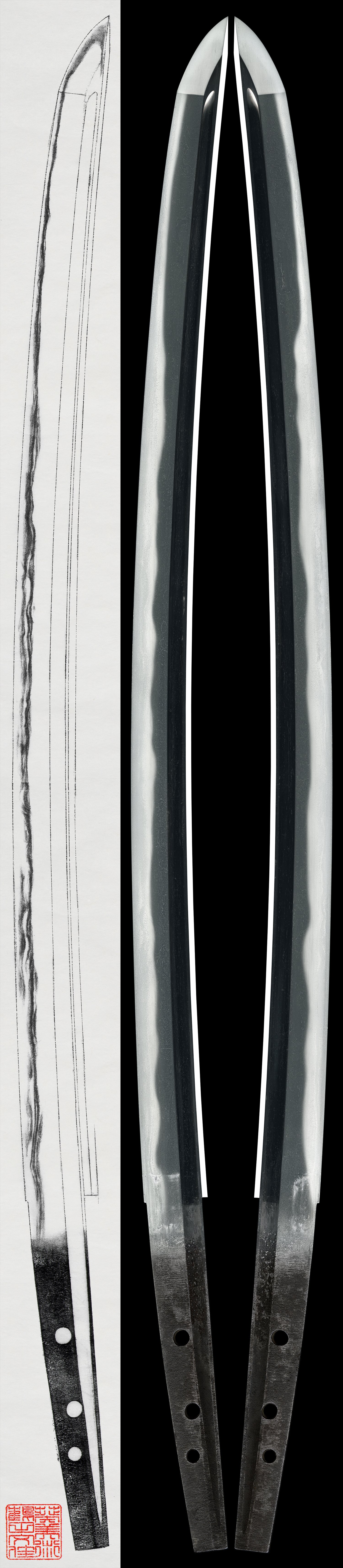
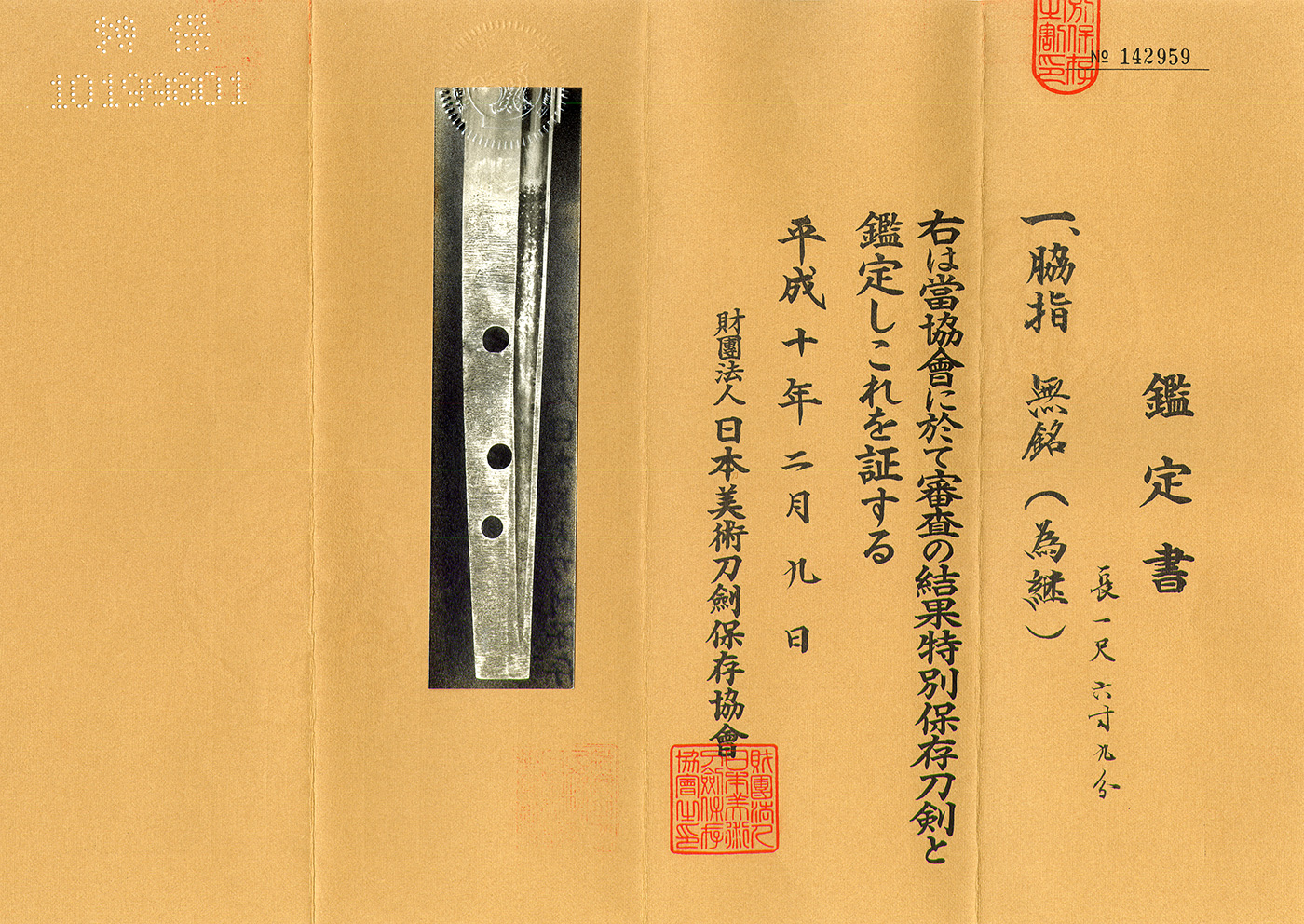
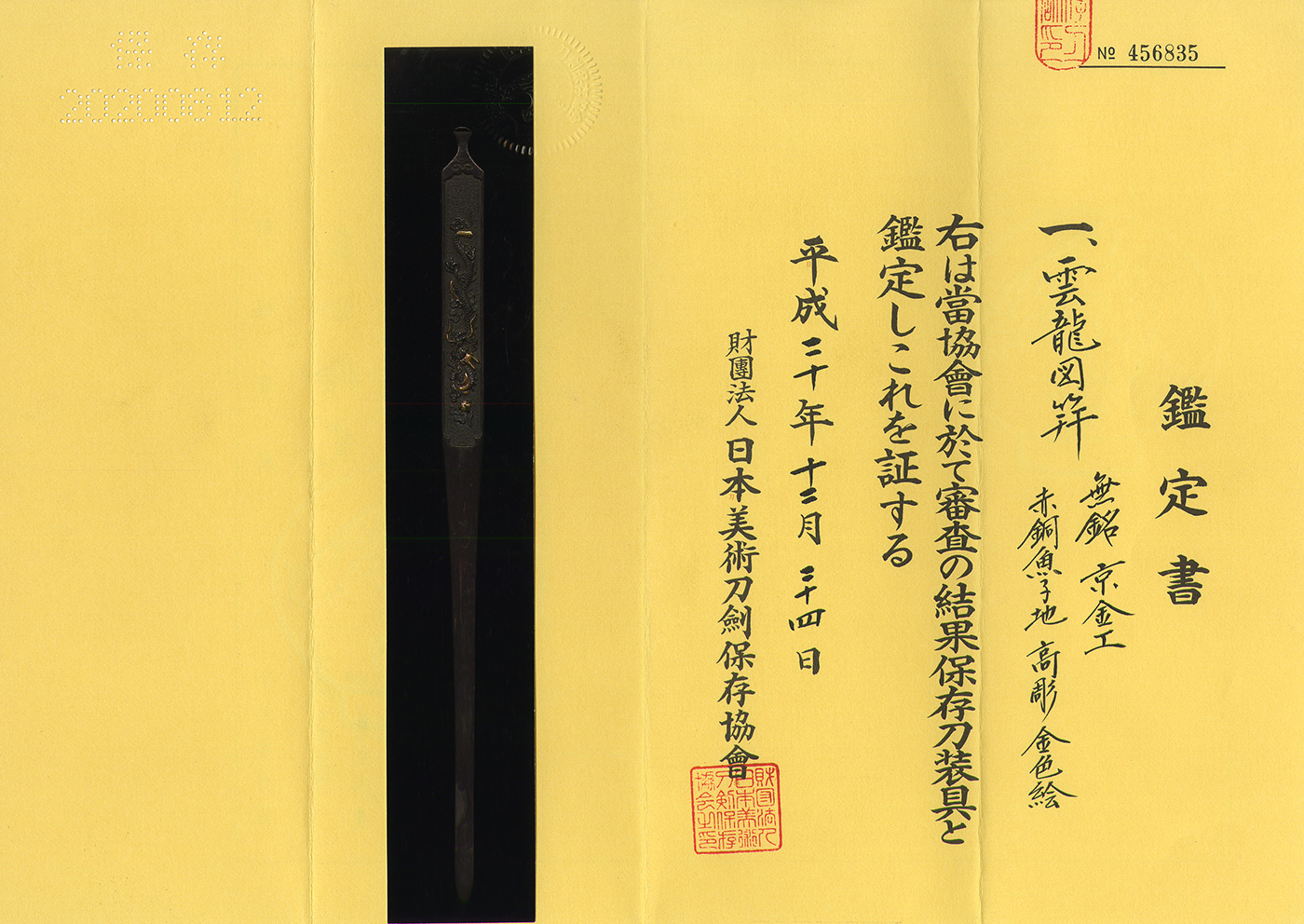
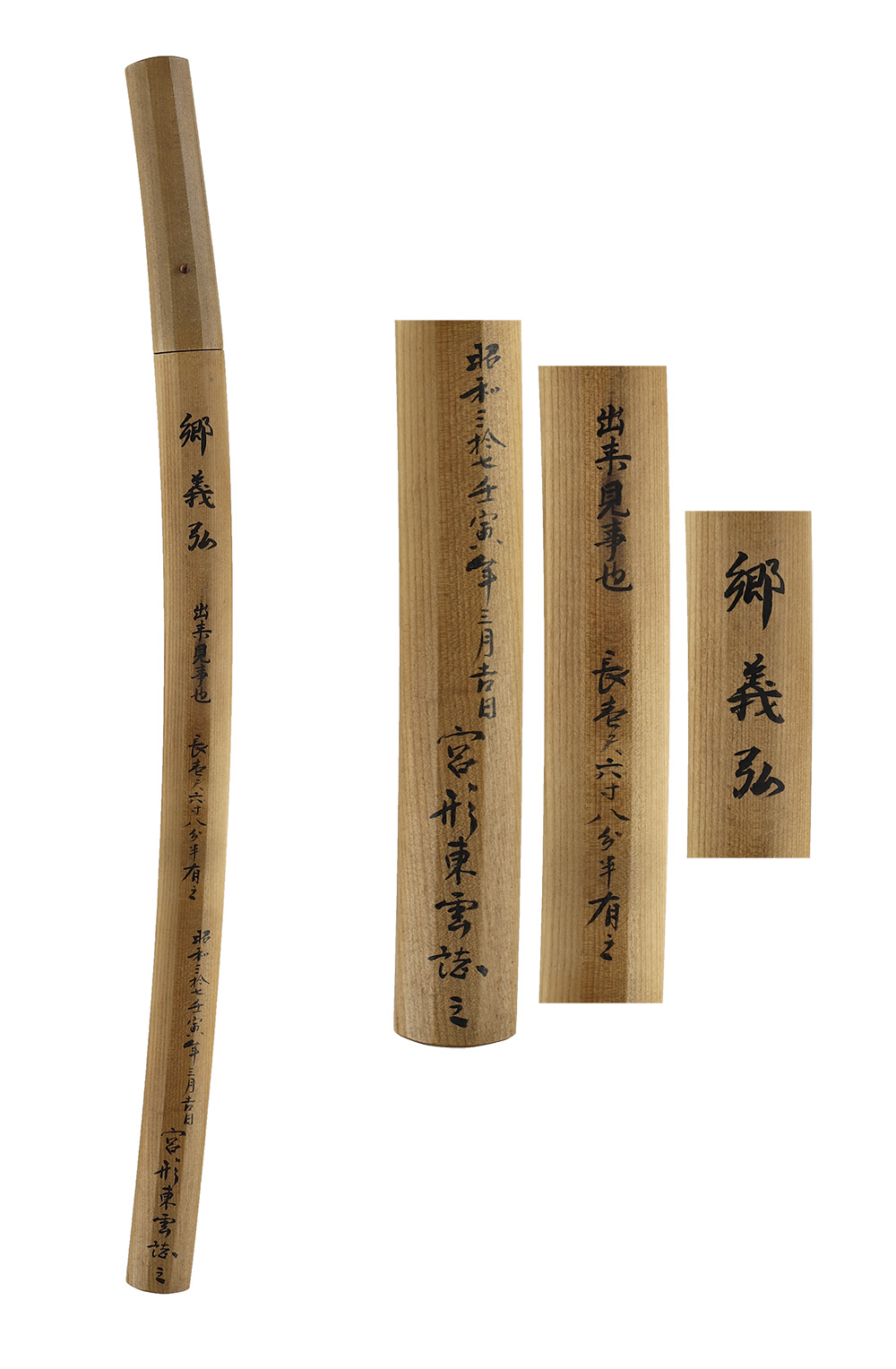
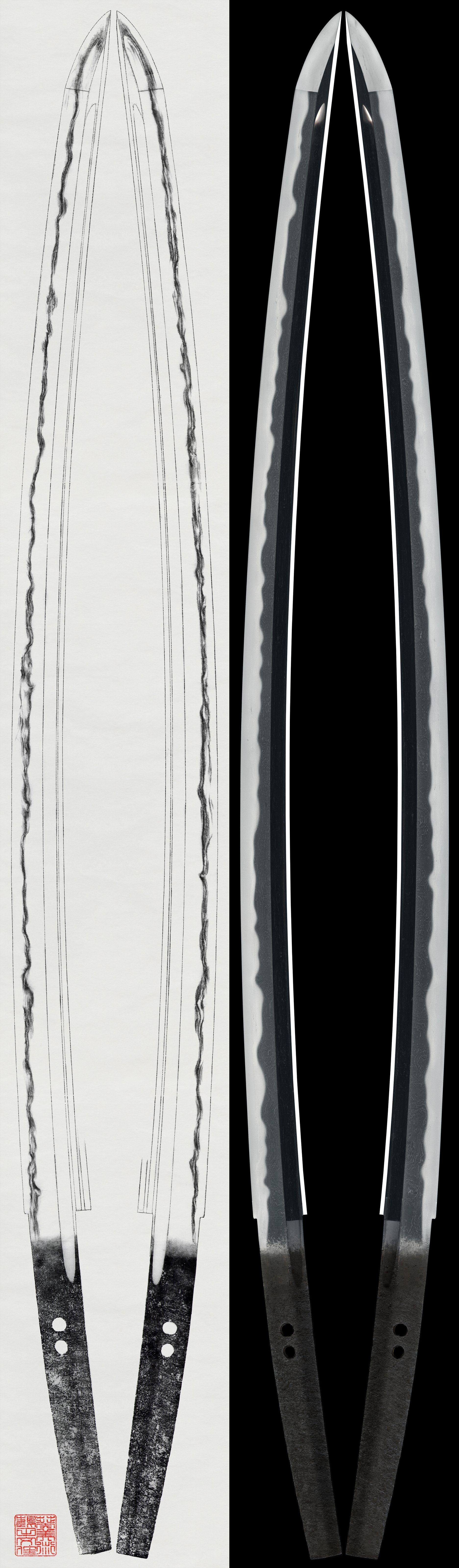
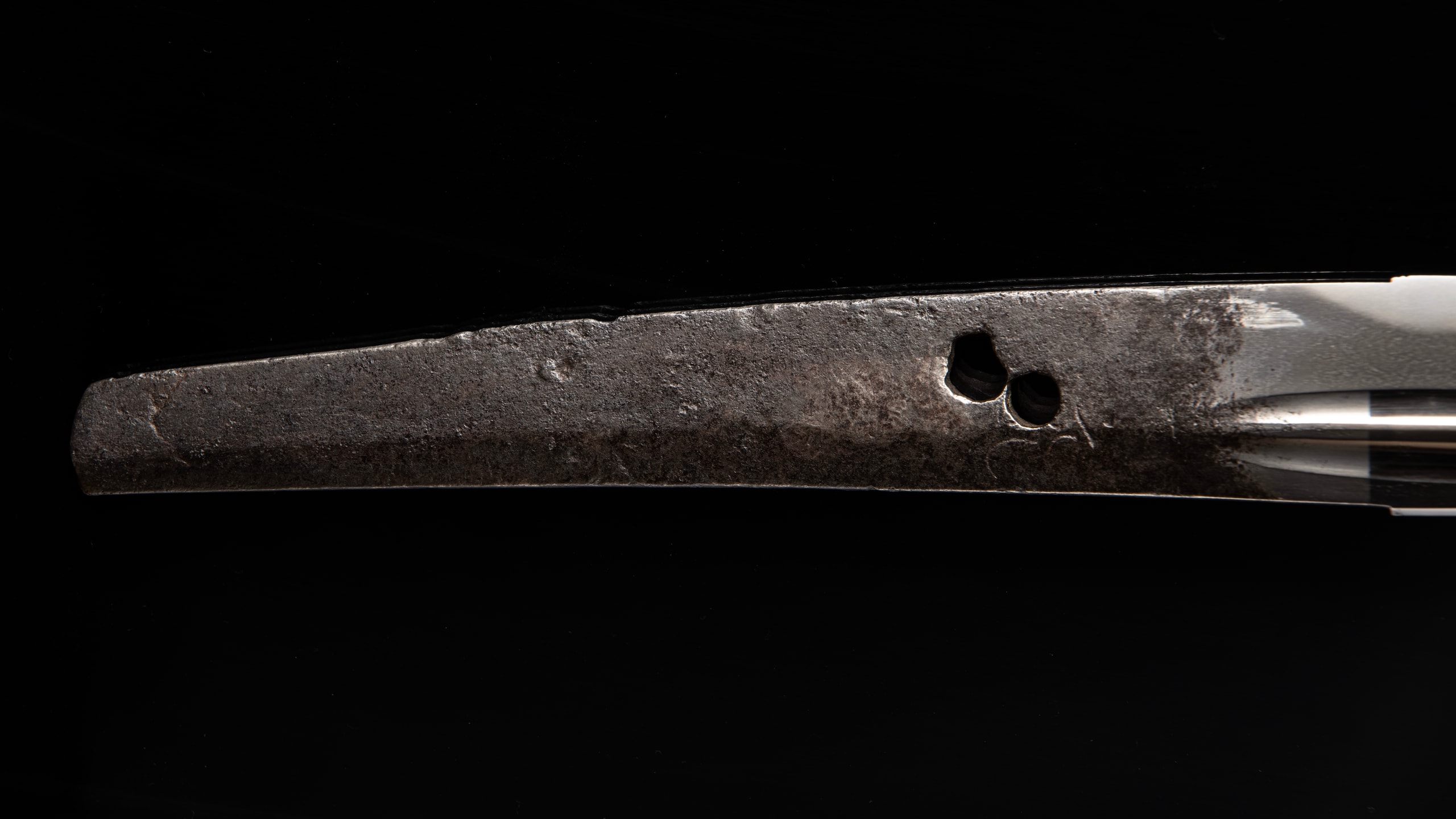
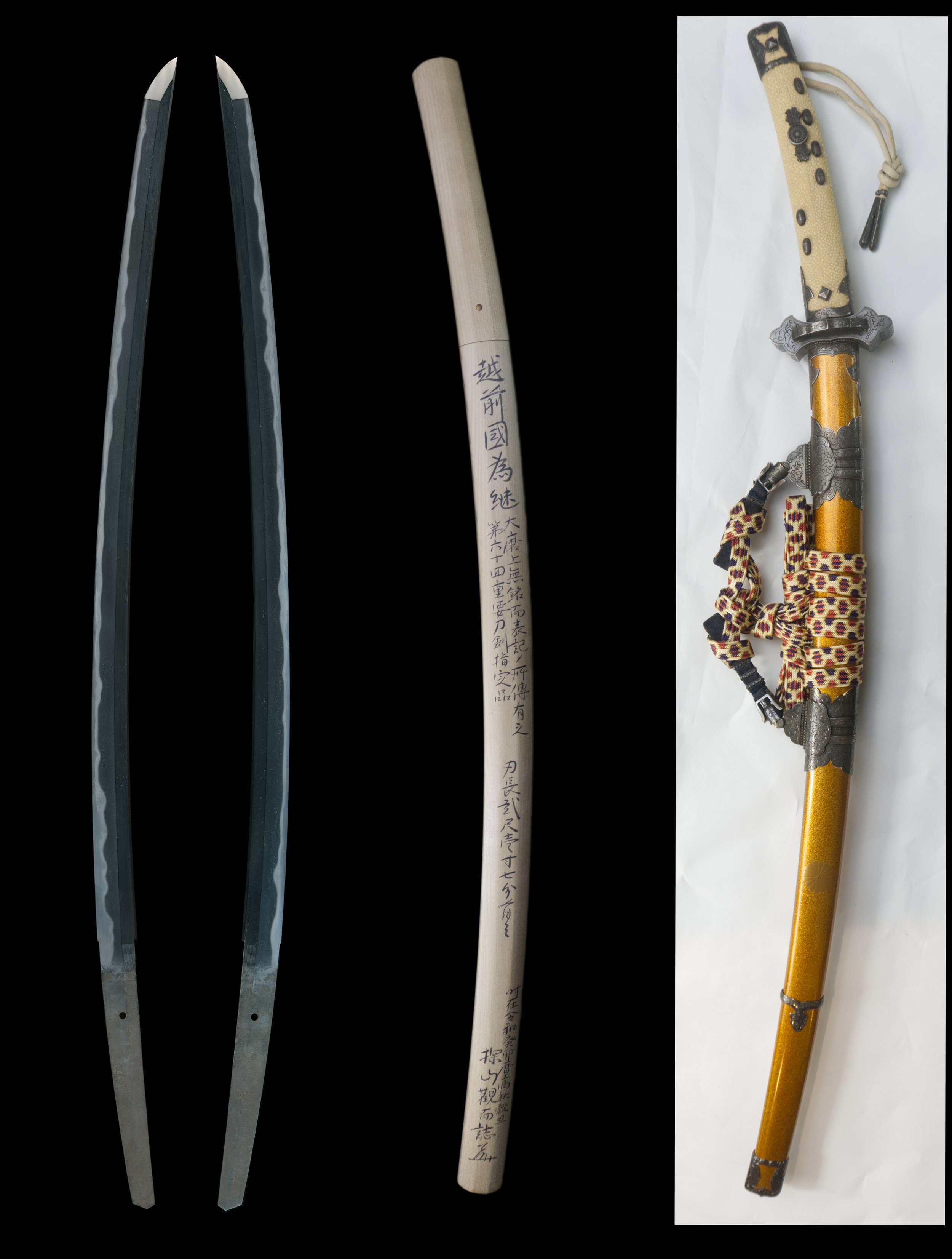
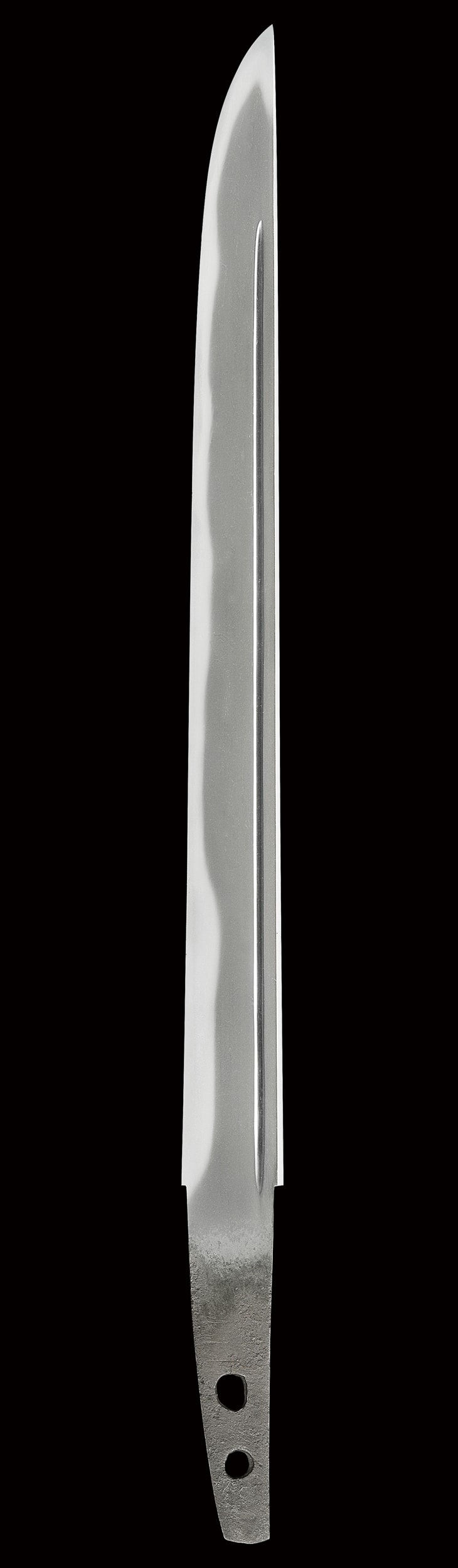
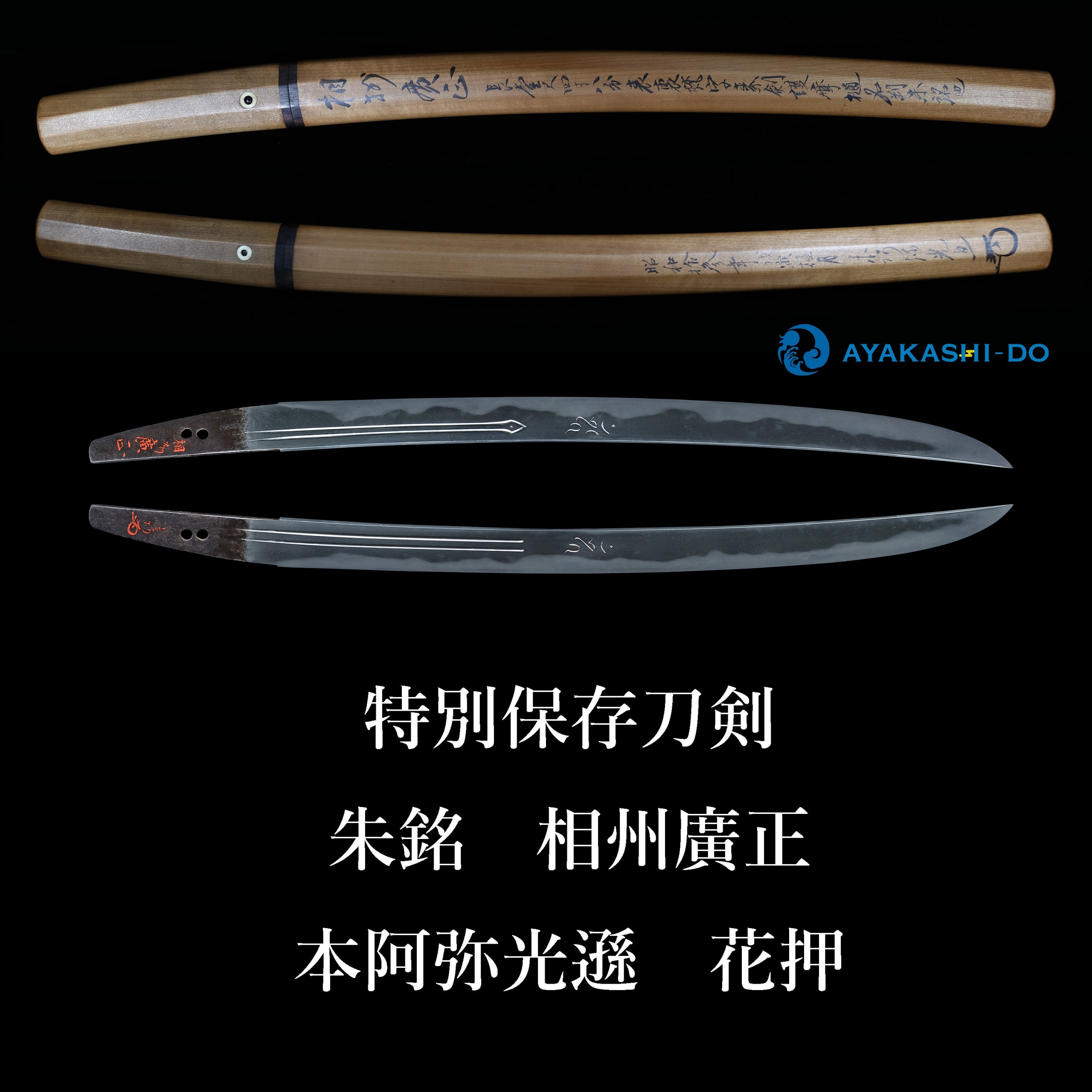
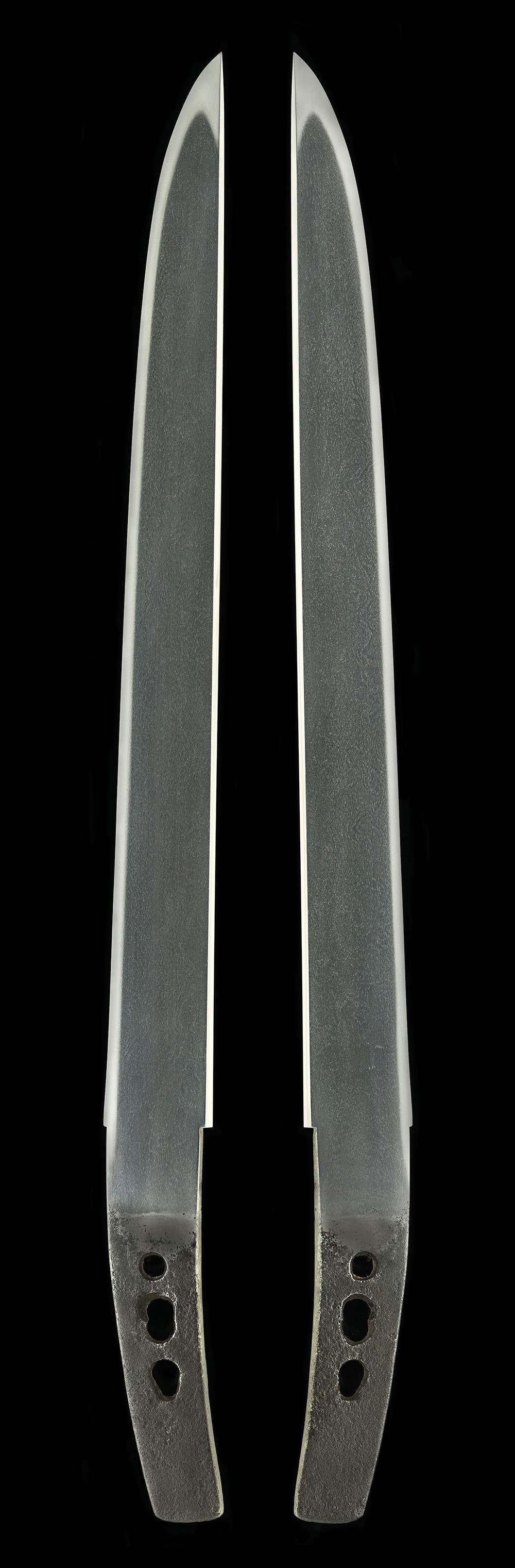
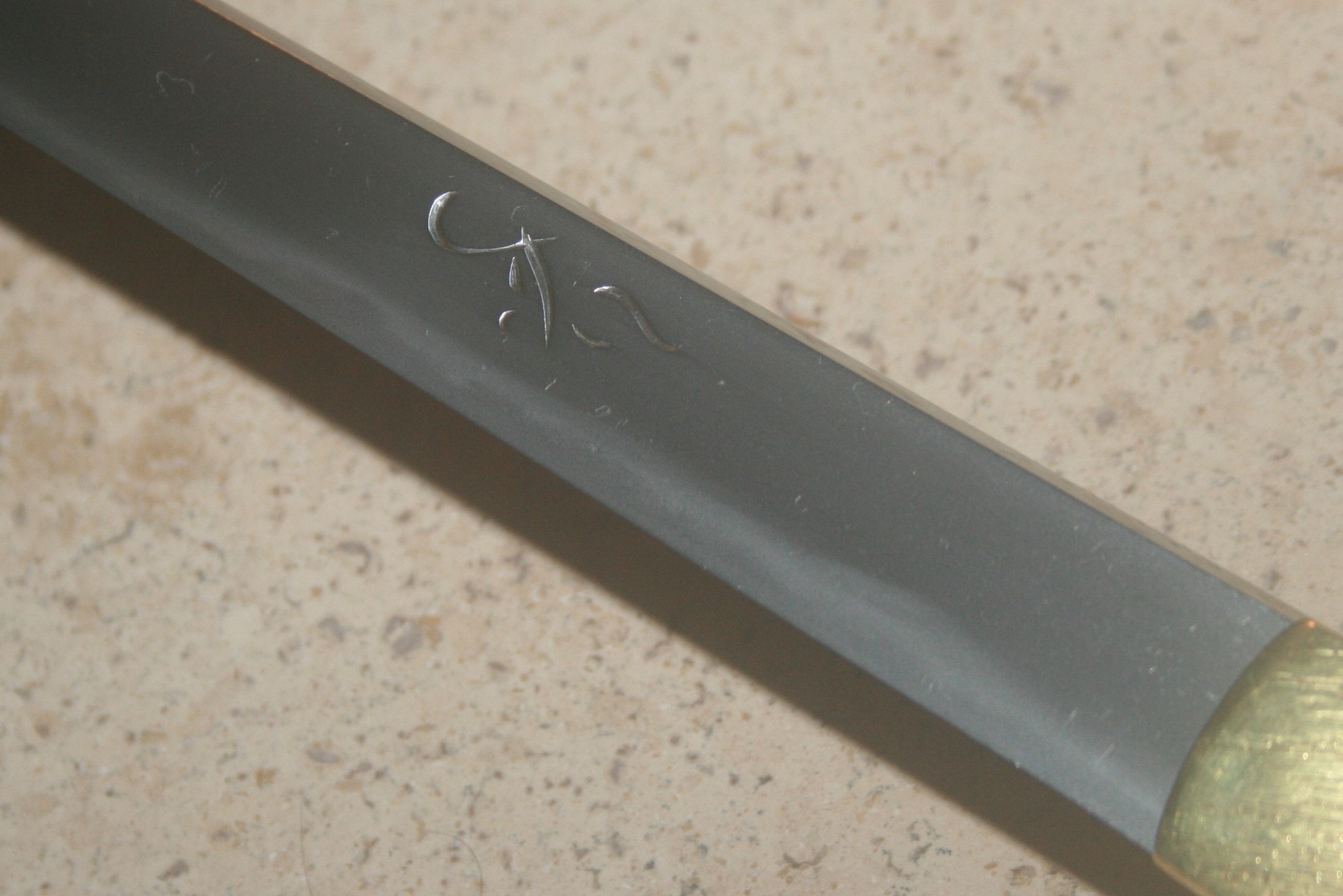
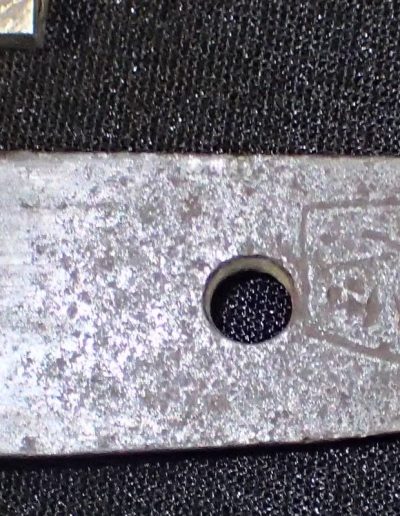
A short tantō signed Nōshū-jū Fujiwara Tametsugu with a date of the Ōan era, certified a Juyo Bijutsuhin in 1935, is the document on which this smith's place and period rest. Tametsugu is transmitted as a son of Gō Yoshihiro and a pupil of Norishige of Gofuku-gō in Etchū, and is said to have moved later to Mino, by one account to the Fuwa district. The later published sources add the evidence of the sword drawings: two pieces signed Echizen no kuni Fujiwara Tametsugu carry dates of Enbun 2 and Ōan 2, while an extant blade signed Nōshū-jū Fujiwara Tametsugu is dated Ōan 7. From these they conclude that he moved from Echizen to Mino between Ōan 2 and Ōan 7[[c:1]]. No example reads as resident in Etchū, the judges noting that "there is none signed Etchū-jū"[[c:2]]. Because his dates fall in the later Nanbokuchō period, the sources hold that the traditional link to Yoshihiro and Norishige "still leaves room for examination in point of chronology"[[c:3]].
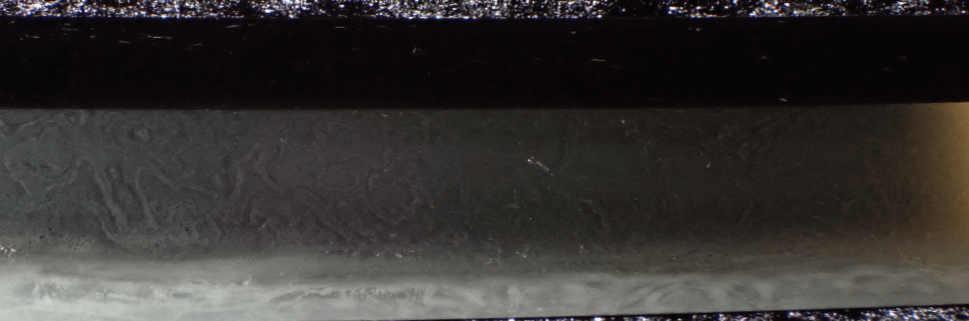
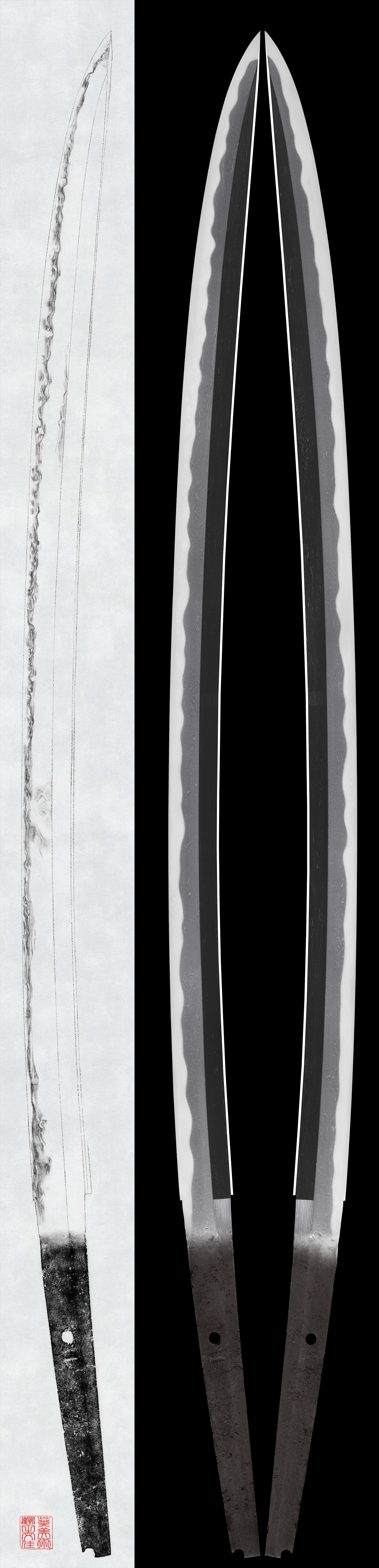
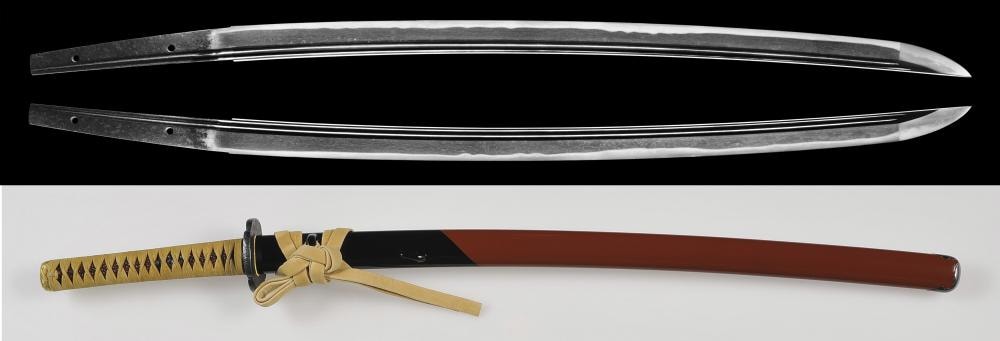
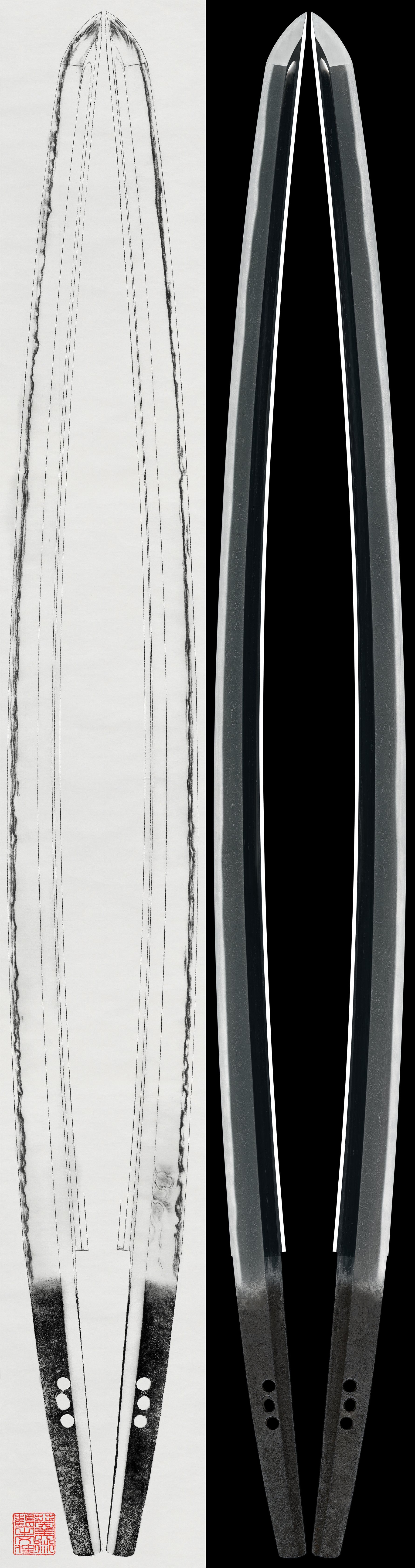
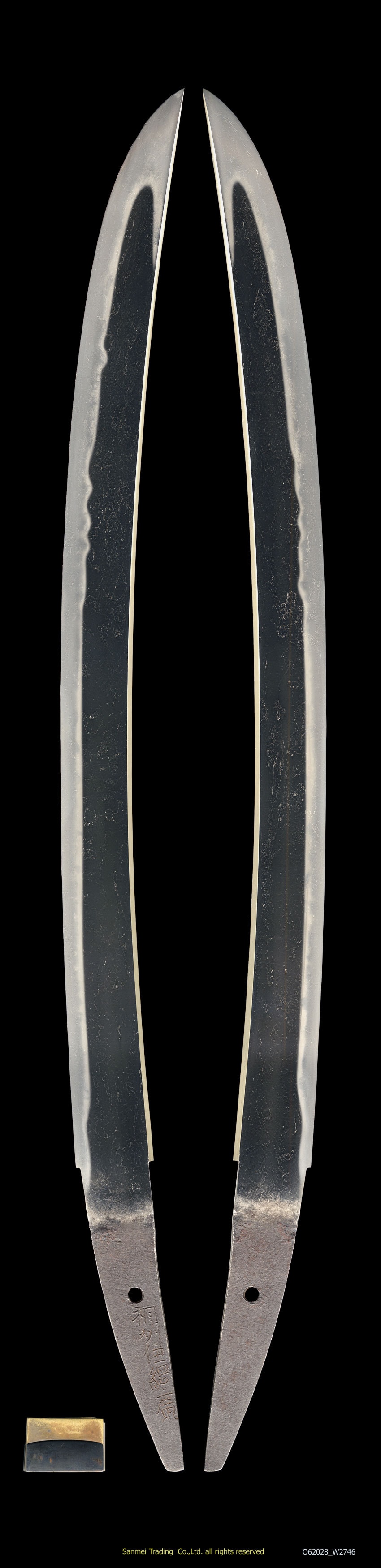
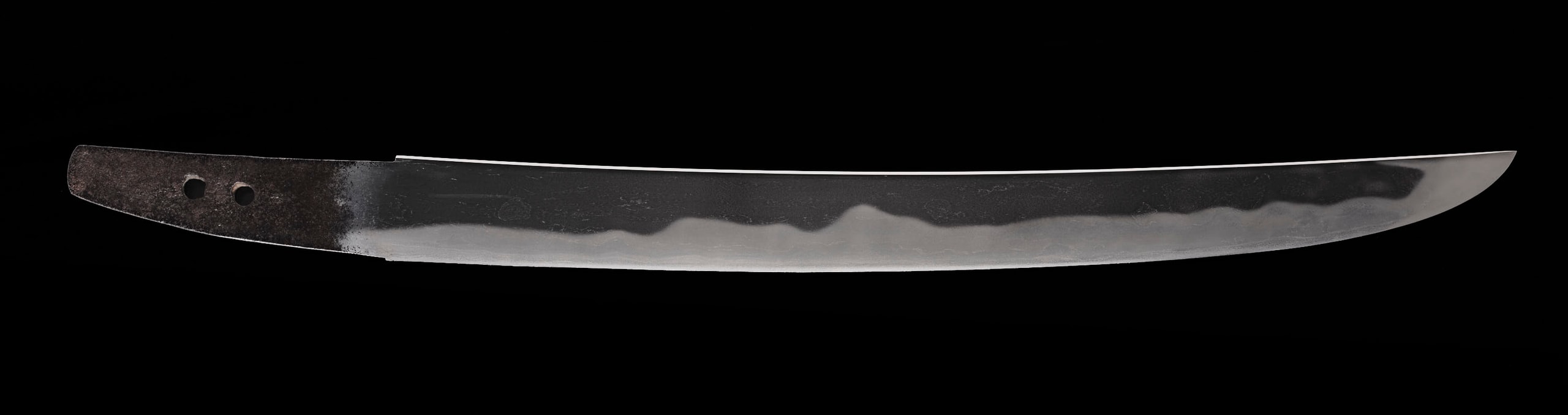
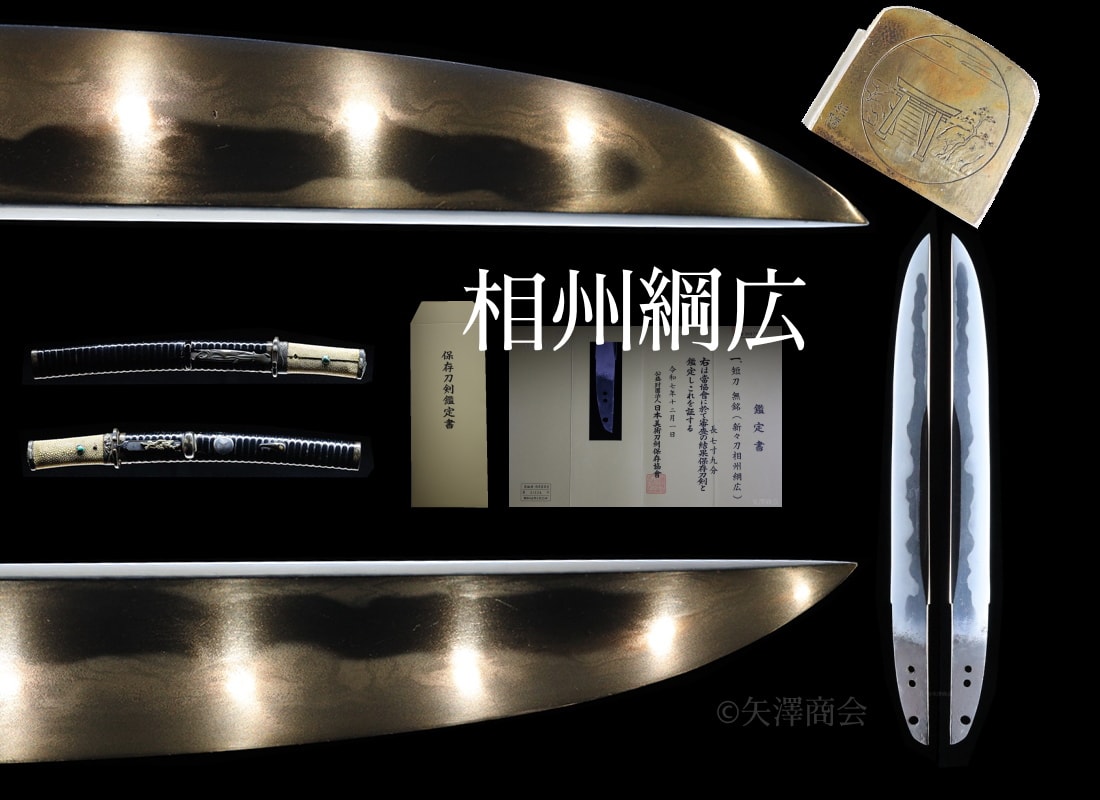
His manner is the one the published commentary names outright: "a Norishige-style forging on which is tempered a Mino-style gunome with pointed togariba, displaying a manner of its own"[[c:4]]. The entries repeat a settled description of his hand. The itame stands, ji-nie adheres, and the temper is based on notare mixed with gunome, with sunagashi and kinsuji in the ha and a subdued nioiguchi in nie[[c:5]]. The sunagashi is the most insistent of these features, described again and again as running frequently and conspicuously through the edge. Togariba are folded into the notare, and the sources observe that the signed works carry "a stronger Mino flavor"[[c:6]].
The jigane is the constant of his work. It is itame mixed with mokume and at times a large grain, flowing in places, with thick ji-nie and chikei entering, and the steel tends to a dark tone. Several entries point to the grain rising white in places, "the so-called northern-provinces steel"[[c:7]]. Some blades are said at first sight to recall the great Sōshū smiths, yet "the slightly subdued nioiguchi is where he is to be judged Tametsugu"[[c:8]]. As the common thread of the authenticated unsigned blades the published sources give an itame "that stands and darkens, worked in nie, with a sinking nioiguchi"[[c:9]], and they add that "there is no suguha"[[c:10]] among them. The boshi runs midare-komi and is "vigorously brushed"[[c:11]], turning in a ko-maru or, on shortened naginata, finishing in yakizume.
His record falls into two registers. The great body of it is o-suriage unsigned katana attributed from style, broad Nanbokuchō blades with an extended kissaki. Against these stand the signed works, of which the sources write that "certain signed works by this smith survive in very small numbers, long ones especially few"[[c:12]]. Besides the Ōan tantō they include an Ōan-dated naginata cut down into a katana, its yakizume boshi a result of the alteration, and an ubu tachi signed in five characters Fujiwara Tametsugu saku, its signature close to the Nōshū-jū signatures on his wakizashi. The judges are candid that the signed work is coarser in make, while "among the unsigned attributions there are examples of quite good workmanship"[[c:13]]. Of the Echizen and the Mino works, a note on the tantō records that "in general the latter have the larger pattern in the ha"[[c:14]].
What sets him apart is read from his own blades. His work favors a large notare midare, and on that basis the published sources hold that it "differs from Shizu and Kaneshige"[[c:15]]. Beside his master the difference is one of degree: "his hada stands less than Norishige's and his chikei are fewer"[[c:16]]. One entry describes the whole effect as "exactly a mixture of the northern provinces and the Mino manner"[[c:17]]. His range also reaches beyond that idiom, one shortened katana being judged "workmanship in the Yamato Shikkake manner"[[c:18]].
For the collector Tametsugu is a Nanbokuchō name met almost entirely through attribution. He has no National Treasures and no Important Cultural Properties. Seventy-six designated works stand on record: seventy-five Juyo blades across many sessions and the single prewar Juyo Bijutsuhin, the Ōan tantō, which was in the collection of Akaboshi Tetsuma when certified and whose inscription the sources call "of high documentary value"[[c:19]]. The five-character signed tachi is recorded at Atsuta Jingu, and most other whereabouts go unrecorded. Unsigned katana attributed to him come to market from time to time among Juyo Sōshū-den blades, and one of them the published commentary calls "a quintessential example of Tametsugu"[[c:20]]. A signed and dated Nōshū-jū Fujiwara Tametsugu is a different matter, the evidence that fixes the name, and a privately held example is among the uncommon encounters of the period.