NihontoWatch Mon

NihontoWatchBETA

Market
Encyclopedia
NihontoWatch Mon

NihontoWatchBETA

Market
Encyclopedia

Description

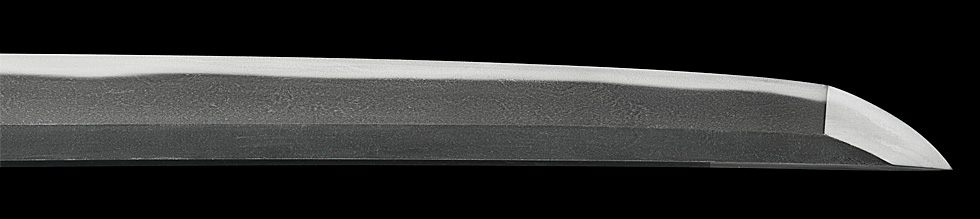
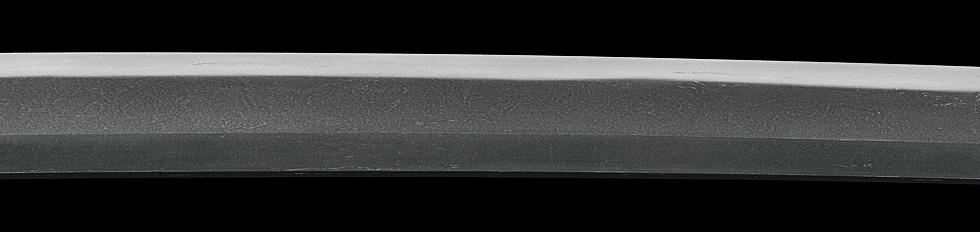
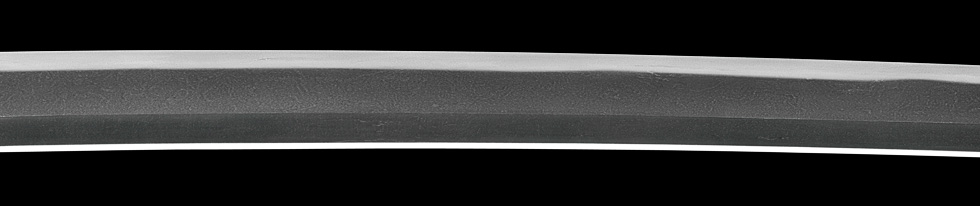
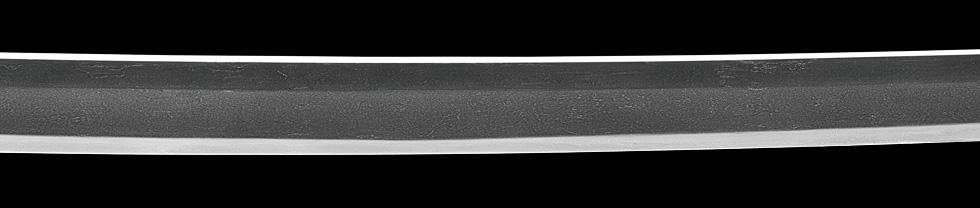
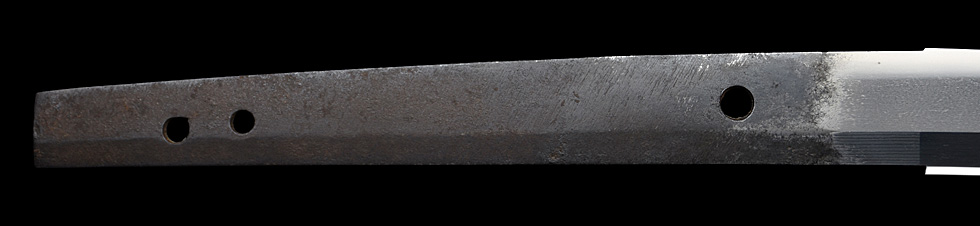
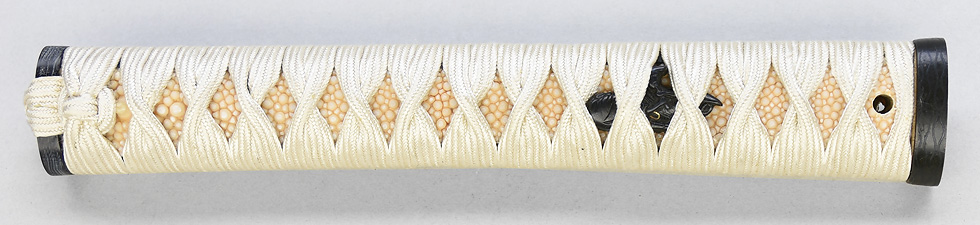
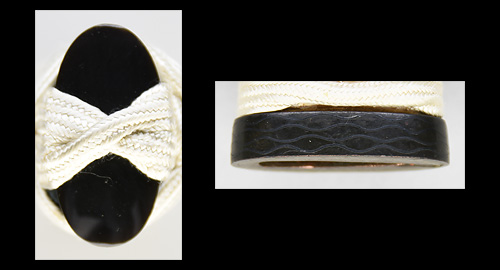
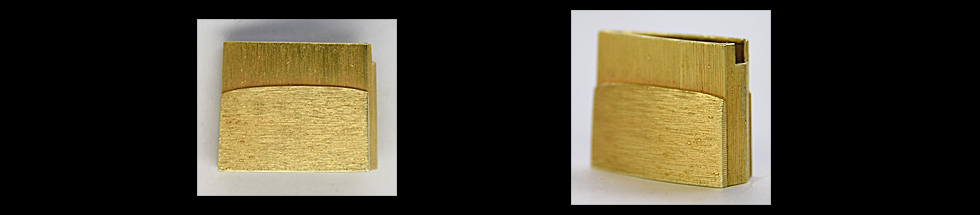
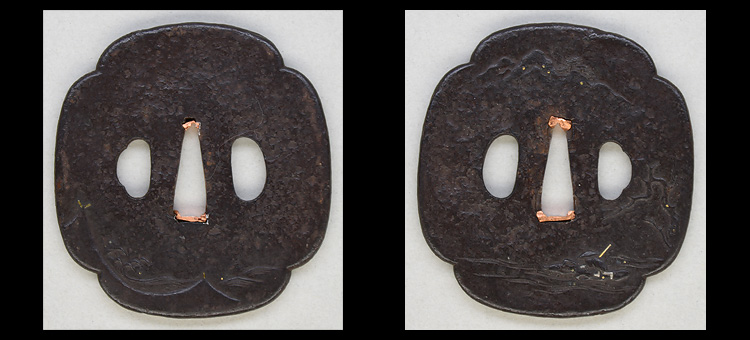
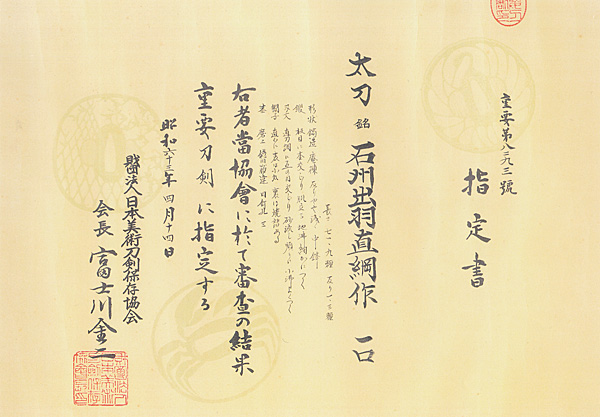
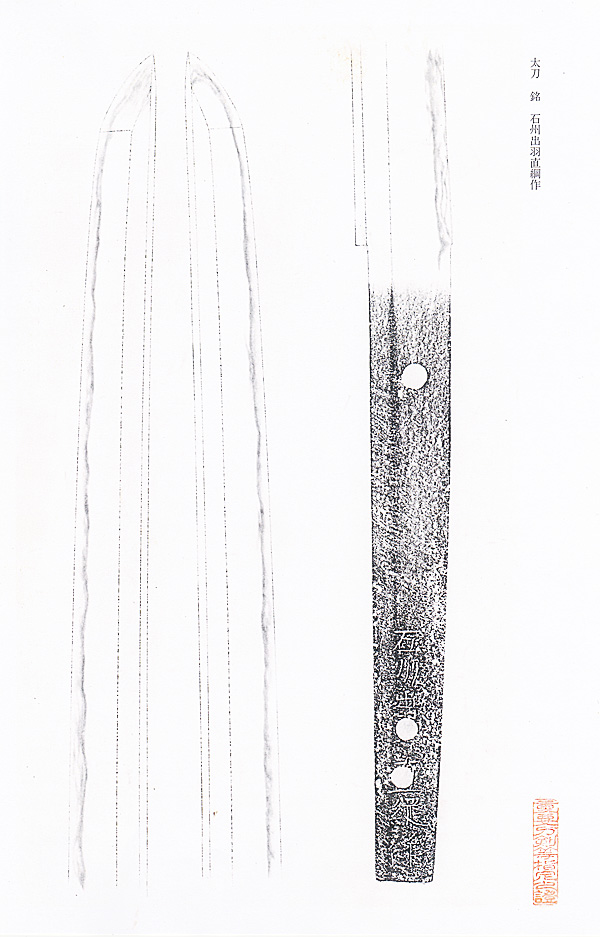
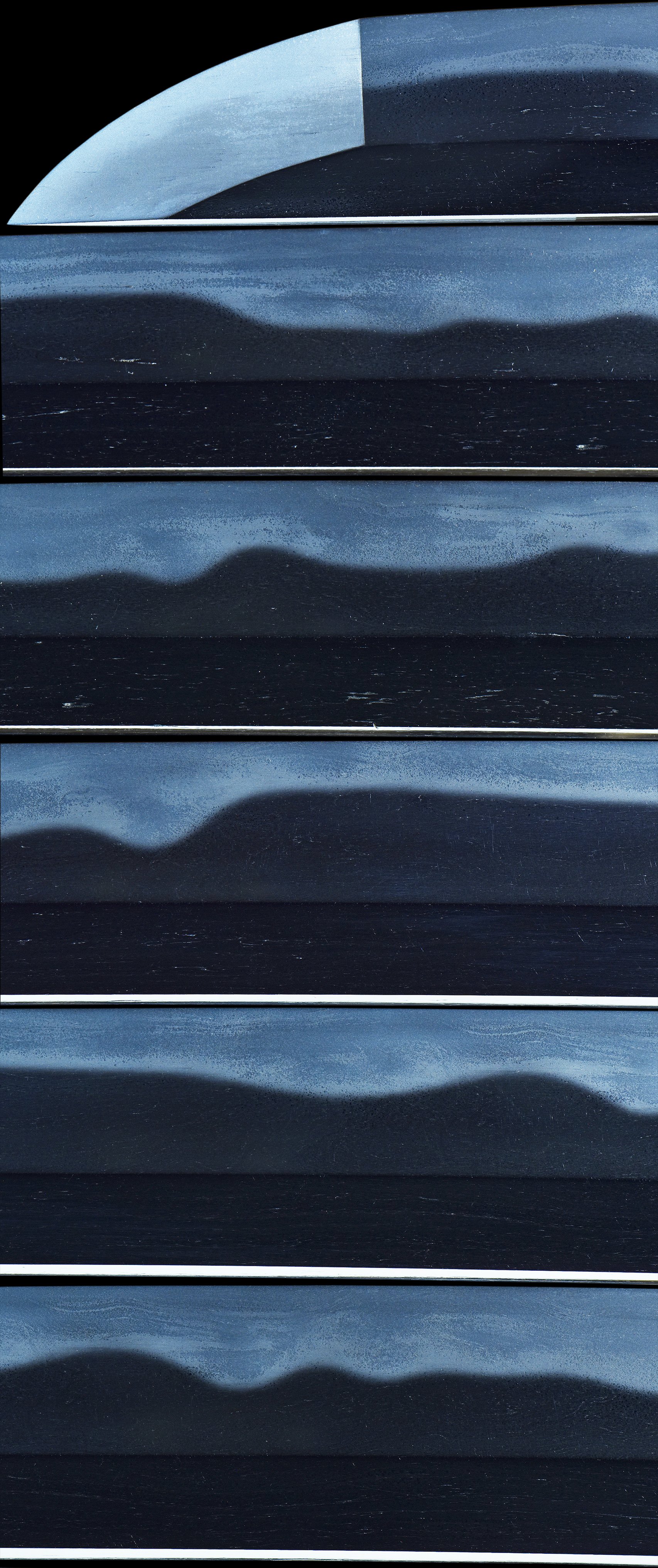
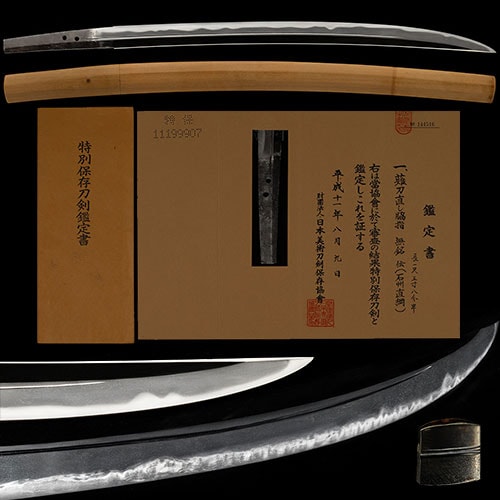
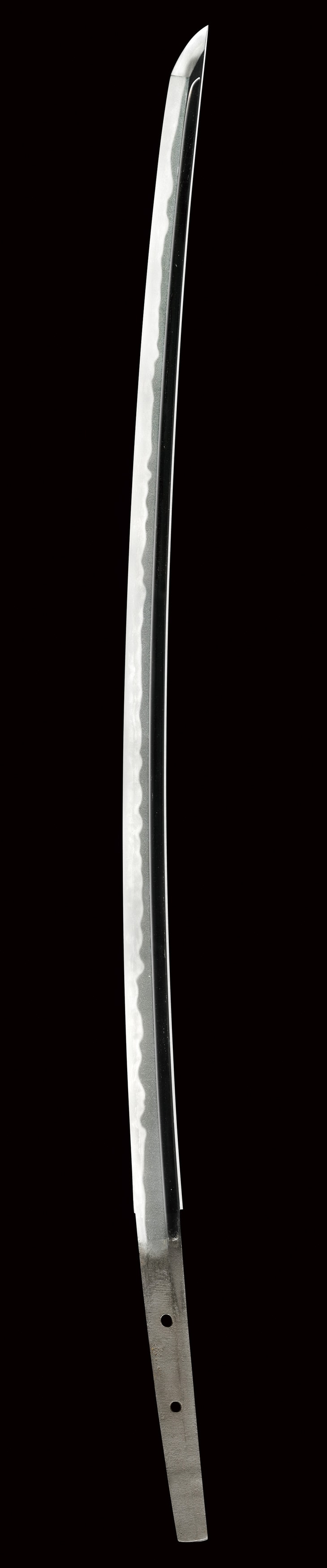
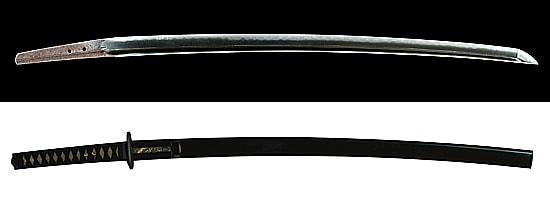
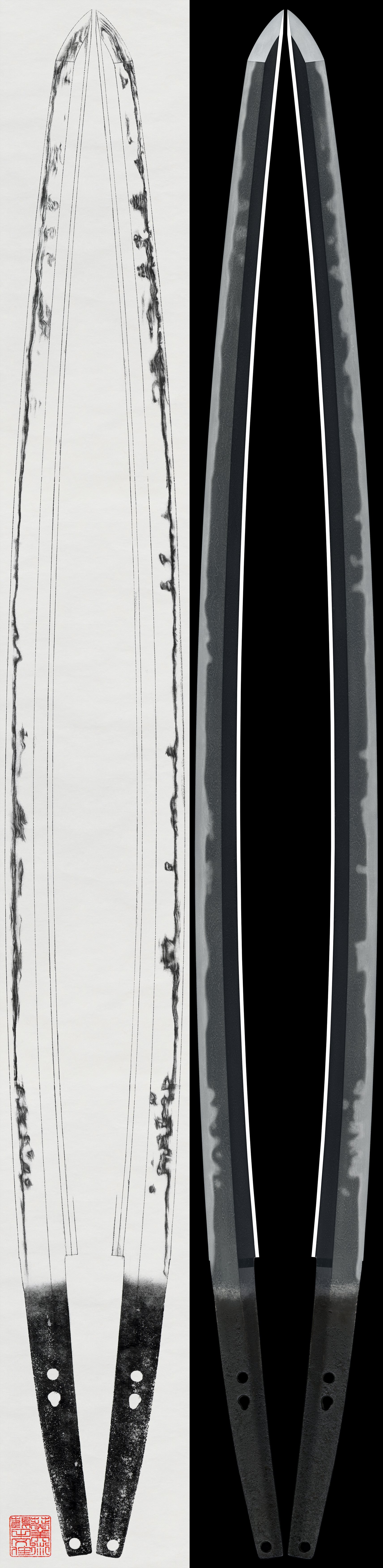
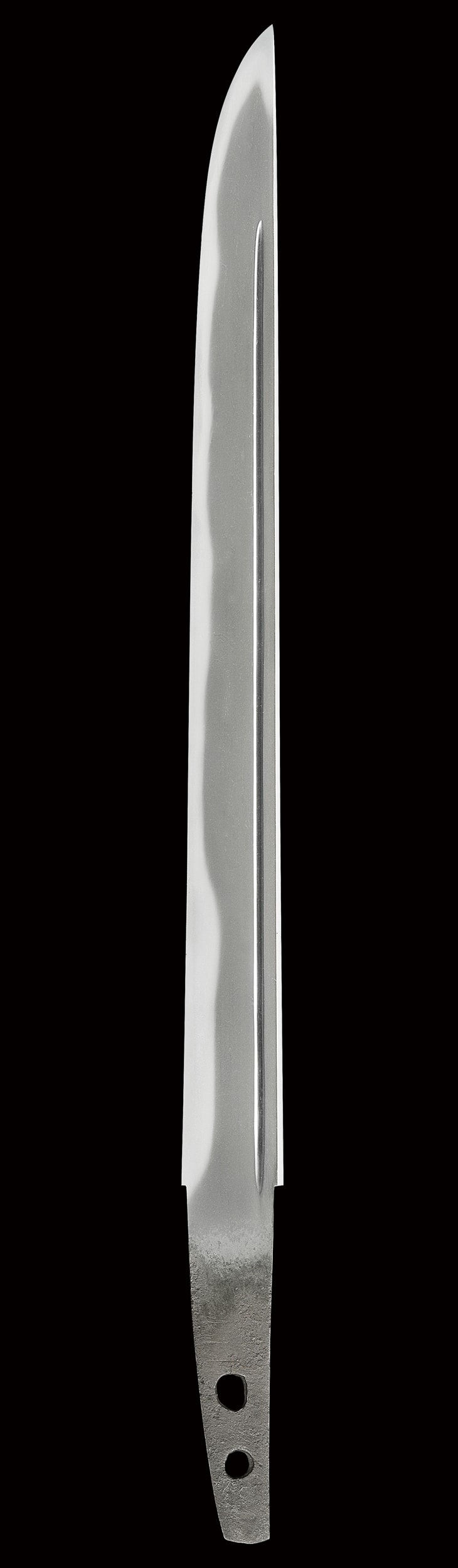
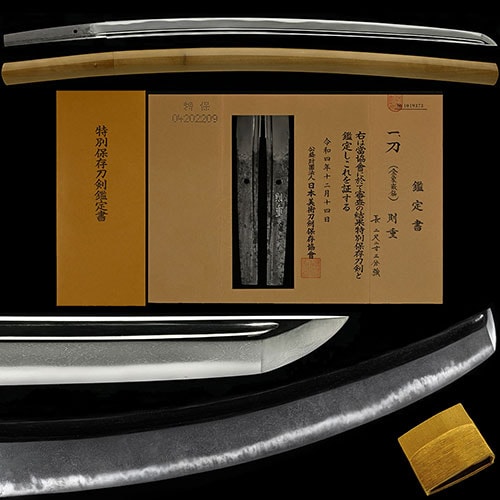
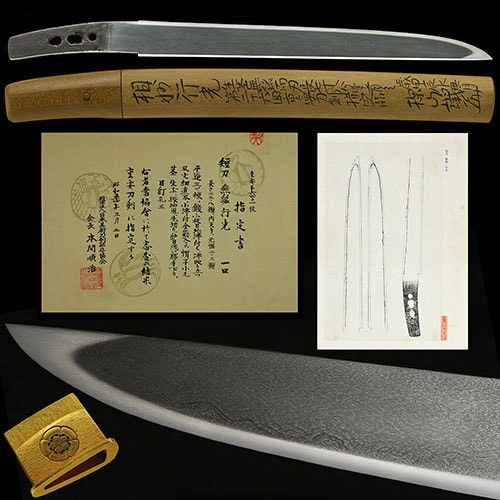
This is a Tachi made by Dewan Naotsuna from Iwami province during the Nanbokucho period. It is designated as the 34th Juyo Token by the NBTHK. The blade features a well-forged itame-hada with mokume, thick nie, and a bright, clear hamon of chu-suguha mixed with shallow notare and ko-gunome, showing active nioi-ashi, yo, kinsuji, and sunagashi. It comes with a shirasaya and a uchigatana koshirae with a red lacquered saya.

NBTHK Setsumei

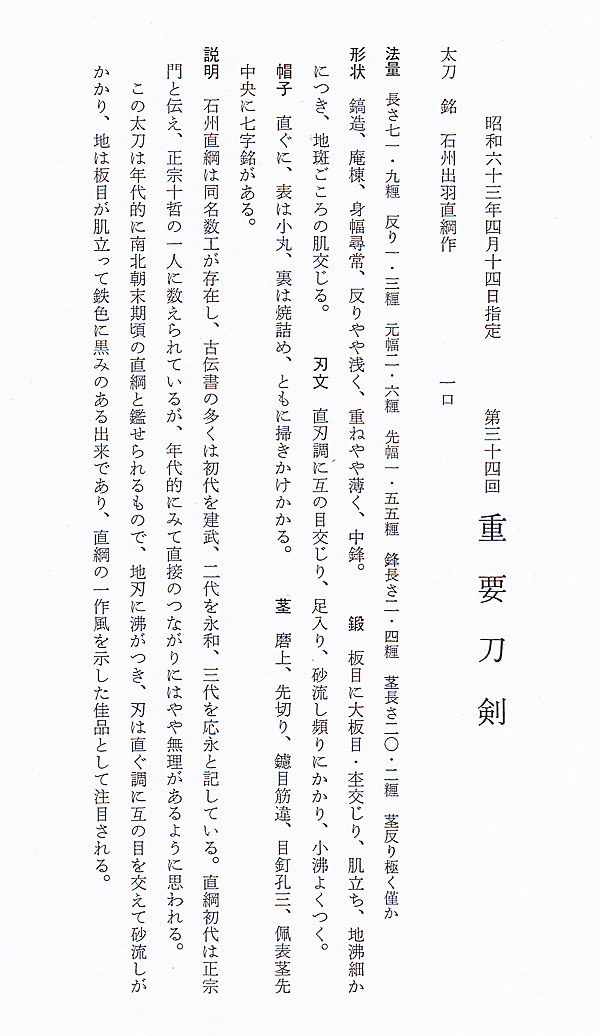
石州直綱は同名数工が存在し、 古伝書の多くは初代を建武、二代を永和、 三代を応永と記している。直綱初代は正宗 門と伝え、正宗十哲の一人に数えられているが、年代的にみて直接のつながりにはやや無理があるように思われる。 この太刀は年代的に南北朝末期頃の直綱と鑑せられるもので、地刃に沸がつき、刃は直ぐ調に互の目を交えて砂流しが かかり、地は板目が肌立って鉄色に黒みのある出来であり、直綱の一作風を示した佳品として注目される。

Certificate Reading

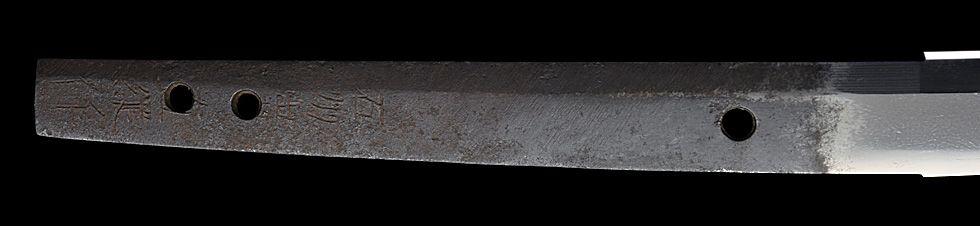
Certificate reading — 銘 石州出羽直綱作

NihontoWatch MonNihontoWatchBETA
MarketEncyclopedia
Swords›Sōshū-den›Naotsuna›Tachi: Sekishu Dewan Naotsuna Saku (Iwami) (34th Juyo Token)
tachiJūyō
Naotsuna

Tachi: Sekishu Dewan Naotsuna Saku (Iwami) (34th Juyo Token)

mei · Kenmu (1334-1338) ND · nagasa 71.9cm · sori 1.3cm

¥5,800,000
Visit seller website →
Naotsuna — 1 of 39
Naotsuna — 2 of 39
Naotsuna — 3 of 39
Naotsuna — 4 of 39
Naotsuna — 5 of 39
Naotsuna — 6 of 39
Naotsuna — 7 of 39
Naotsuna — 8 of 39
Naotsuna — 9 of 39
Naotsuna — 10 of 39
Naotsuna — 11 of 39
Naotsuna — 12 of 39
Naotsuna — 13 of 39
Naotsuna — 14 of 39
Naotsuna — 15 of 39
Naotsuna — 16 of 39
Naotsuna — 17 of 39
Naotsuna — 18 of 39
Naotsuna — 19 of 39
Naotsuna — 20 of 39
Naotsuna — 21 of 39
Naotsuna — 22 of 39
Naotsuna — 23 of 39
Naotsuna — 24 of 39
Naotsuna — 25 of 39
Naotsuna — 26 of 39
Naotsuna — 27 of 39
Naotsuna — 28 of 39
Naotsuna — 29 of 39
Naotsuna — 30 of 39
Naotsuna — 31 of 39
Naotsuna — 32 of 39
Naotsuna — 33 of 39
Naotsuna — 34 of 39
Naotsuna — 35 of 39
Naotsuna — 36 of 39
Naotsuna — 37 of 39
Naotsuna — 38 of 39
Naotsuna — 39 of 39
1 / 39
1 / 39
Naotsuna — 1 of 39Naotsuna — 2 of 39Naotsuna — 3 of 39Naotsuna — 4 of 39Naotsuna — 5 of 39Naotsuna — 6 of 39Naotsuna — 7 of 39Naotsuna — 8 of 39Naotsuna — 9 of 39Naotsuna — 10 of 39Naotsuna — 11 of 39Naotsuna — 12 of 39Naotsuna — 13 of 39Naotsuna — 14 of 39Naotsuna — 15 of 39Naotsuna — 16 of 39Naotsuna — 17 of 39Naotsuna — 18 of 39Naotsuna — 19 of 39Naotsuna — 20 of 39Naotsuna — 21 of 39Naotsuna — 22 of 39Naotsuna — 23 of 39Naotsuna — 24 of 39Naotsuna — 25 of 39Naotsuna — 26 of 39Naotsuna — 27 of 39Naotsuna — 28 of 39Naotsuna — 29 of 39Naotsuna — 30 of 39Naotsuna — 31 of 39Naotsuna — 32 of 39Naotsuna — 33 of 39Naotsuna — 34 of 39Naotsuna — 35 of 39Naotsuna — 36 of 39Naotsuna — 37 of 39Naotsuna — 38 of 39Naotsuna — 39 of 39
Measurements & details
Smith
Naotsuna
Type
Tachi
School
Naotsuna
Period
Around 1334–1338(Kenmu ND)
Province
Iwami
Signature
Signed(11% of this smith's designated works are signed)
Measurements
Nagasa 71.9cmSori 1.3cm
Description

This is a Tachi made by Dewan Naotsuna from Iwami province during the Nanbokucho period. It is designated as the 34th Juyo Token by the NBTHK. The blade features a well-forged itame-hada with mokume, thick nie, and a bright, clear hamon of chu-suguha mixed with shallow notare and ko-gunome, showing active nioi-ashi, yo, kinsuji, and sunagashi. It comes with a shirasaya and a uchigatana koshirae with a red lacquered saya.

About the maker

Naotsuna

直綱

Sekishu Naotsuna (Iwami), Soshu-den · Iwami · around 1334-1338

Fujishiro Jo-jo saku · Tōken Taikan top 14%

3 pieces on the market now

›

Naotsuna worked in Iwami, the western province the swordbooks call Sekishu, during the Nanbokucho period, signing his blades with the residence Sekishu-ju or Sekishu Dewa-ju. The old tradition counts him among the Masamune-jittetsu, the ten noted disciples of Sagami Masamune, and the published sources have transmitted that account from the Edo period onward. They do not accept it on its face. Of the first generation they write that he 'is counted among the so-called Masamune Jittetsu, yet seen in terms of chronology a direct connection seems somewhat forced, and the question must await further careful study'[[c:1]], for no extant work bears a date earlier than the Eiwa era. What can be fixed is the manner: this is the Soshu tradition carried west to Iwami, and the published sources read its current as running together with Shizu and Samonji[[c:2]].

His hand is read from workmanship rather than from signature, because signed Naotsuna are scarce. The published record notes plainly that 'signed works by Naotsuna are comparatively few'[[c:3]], and most of what survives is o-suriage and mumei, so the few signed tachi carry a weight beyond their number. The tell the judges name is a temper of squared-off, lined-up gunome, the angular teeth running in step with one another, mixed with small gunome, small notare and pointed togariba. Over a well-nie'd midare he lays vigorous sunagashi and frequent kinsuji, with ashi and yo entering often. The published commentary draws the whole picture together on one shortened blade: the jigane of flowing itame with ji-nie and chikei, worked with 'a distinctive linked gunome and togariba, with sunagashi and kinsuji, is the characteristic point of interest of Sekishu Naotsuna'[[c:4]]. That sentence is the heart of his kantei.

The jigane is the constant beneath the temper. It is an itame that flows and stands, mixed with mokume, the hada open rather than packed, with ji-nie adhering and chikei entering well, and a steel tone that runs darkish, at times with a slight whitish cast. Over that jigane the activity belongs wholly to Soshu: nie gathers thickly, yubashiri and tobiyaki drift into the upper half, and on some blades a nijuba-like line doubles the habuchi while the nioiguchi tends to sink. The boshi answers the midare below, running in irregular and swept with hakikake, pointed on one face and small-round on the other, often closing in a yakizume-like sweep. Most of the katana carry a bo-hi cut through both sides, now and then with a soe-hi beside it.

The record divides cleanly into two registers of the one hand. The first is the small body of signed tachi, several of them judged the work of the first generation and prized for being signed at all. The keystone is the Tokubetsu Juyo tachi inscribed Naotsuna in two large characters, which the published sources call 'appraised as the work of the first generation and, being signed, exceedingly valuable', and whose notare-based temper with pointed elements they liken to Shizu and Samonji. The second register, far the larger, is the o-suriage mumei katana attributed to Sekishu Naotsuna from the workmanship alone. A second Tokubetsu Juyo, a shortened katana bearing a long gaku-mei, shows the angular gunome lined up across the blade with that characteristic Soshu activity. Across these the signatures themselves differ from blade to blade, which is one reason the swordbooks have never fixed which pieces are first generation and which second, placing the generations variously at Kenmu, Eiwa and Oei.

Within the Soshu tradition his work is set beside Shizu Kaneuji and Samonji, the published sources holding that his temper 'shares an underlying current with Shizu and Samonji of the Soshu-den'[[c:5]]. What separates him is not borrowed but his own: the lined-up angular gunome and the abundant sunagashi and kinsuji over a dark, flowing itame are the features by which an unsigned blade is judged his, where a Sagami Soshu hand would show a more refined jigane and a Bizen smith a bright packed ji with utsuri. He stands as the figure who took the Soshu manner out to Iwami and gave it a recognizable provincial accent, the linked gunome his signature where the cut signature is missing.

For the collector he is a smith met almost entirely through attribution. Fujishiro grades him Jo-jo saku. He has no National Treasures and no Important Cultural Properties; his record runs instead through two pieces at the Tokubetsu Juyo rank, some sixty-nine at the Juyo, and three prewar Juyo Bijutsuhin recording signed tachi and a tanto, several from named houses. His blades are held in institutions and long-standing collections grounded in their own provenance, among them the Tokugawa Art Museum and the Tokyo Fuji Museum, with documented owners reaching back to the Tokugawa and Uesugi families, the Takatsukasa house, Ikeda Toshitaka and Tachibana Tadazane. Most designated blades, in private hands as in public, are held rather than traded, and a signed Naotsuna is rarer still than the count of designations suggests, since so little of his work is signed. An o-suriage mumei katana carrying his linked gunome comes to a private collector from time to time and with patience; an ubu, signed tachi judged the first generation is among the scarcer things one could hope to encounter, and a quiet document of how the Soshu tradition travelled to the far west.


Historical importance

Where Naotsuna stands among comparable artisans: across all of nihontō, and within tradition, era, and period. The tiers (Foremost · Leading · Major · Notable) weigh official designations from the NBTHK and Japan's Agency for Cultural Affairs, together with historical honors of lasting repute such as the Sansaku and Meibutsu-chō.

随一
Foremost
屈指
Leading
有数
Major
著名
Notable

Select a lens to see how it's measured.

Designation record
74 designated works
Jūyō Bijutsuhin
3
Tokubetsu Jūyō
2
Jūyō
69
3 works by Naotsuna on the market→
Naotsuna — full profileSekishu Naotsuna (Iwami), Soshu-den school
About the school

Naotsuna

直綱

Soshu-den · Iwami

6 pieces on the market now

›

In Iwami Province, called Sekishū, a line of smiths signing Naotsuna (直綱) worked in the manner of the Soshu-den far from Sagami, carrying that tradition into the San'in region during the Nanbokuchō period. The setsumei record several smiths of this name, the older tradition books placing a first generation in the Kenmu era, a second in Eiwa, and a third in Ōei, though the NBTHK is careful to note that a strict separation of the generations still awaits further study. Learn more →

7 recorded smiths88 designated works
Leading smiths
SmithEraDesignated
Naotsuna直綱1334-133874
Sadatsuna貞綱1352-13568
Masatsuna正綱1444-14491
Naoshige直重1368-13751
Sadatsuna貞綱1394-14282
Explore the Naotsuna school →
NBTHK Certificate
Jūyō Tōken重要刀剣
Important Sword
›

A blade of top-grade workmanship and condition, formally judged to rank with a nationally recognized Important Art Object (Jūyō Bijutsuhin). Awarded only at the NBTHK’s competitive annual examination.

Of Japan’s roughly 2.5 million registered swords, only 12,307 (about 1 in 203) have ever attained Jūyō.

Signed: 石州出羽直綱作 (Naotsuna)
As written on the certificate
About the NBTHK›

The NBTHK (Nihon Bijutsu Tōken Hozon Kyōkai, the Society for the Preservation of Japanese Art Swords) is a public-interest incorporated foundation founded in 1948 and supervised by Japan’s Agency for Cultural Affairs (Bunkachō); it is based at the Japanese Sword Museum in Tokyo. Its expert panels physically examine each submitted work (shinsa) and issue a certificate (kanteishō) ranking it by artistic and historical merit. NBTHK papers are the most widely recognized standard of authentication for Japanese swords and fittings.

NBTHK official site→
Seller
T
Token-Net
Established 1981 · 45 yrs on the market
🇯🇵Ships from Japan
›
✓Verified dealertoken-net.com
Settles in JPY
✓Ships worldwideWire transferCredit card
Return policy

Within one week of the item's arrival (cooling-off is possible within Japan only). For defects that differ from the purchase conditions, we will accept the return and refund the payment. For other cases such as overseas, we will consult separately.

View all of Token-Net’s listings→View this item on the dealer’s site→

More works by Naotsuna

View all →
Tetsugendo
Tokuho
Katana - Tokuho - by Naotsuna - Naotsuna - Attributed to a Masamune discipleKatana - Tokuho - by Naotsuna - Naotsuna - Attributed to a Masamune disciple

Katana

ByNaotsuna
¥40,000
Nihonto Antiques
Jūyō
Katana - Jūyō - by Naotsuna - Seki-shū Naotsuna - Jūyō TōkenKatana - Jūyō - by Naotsuna - Seki-shū Naotsuna - Jūyō Tōken

Katana

ByNaotsuna
Ask

Previously sold by Naotsuna

Samurai Nippon
Katana - by Naotsuna - Naotsuna (Iwami) with gold inlay inscription by Honami MitsutsuneKatana - by Naotsuna - Naotsuna (Iwami) with gold inlay inscription by Honami Mitsutsune
Sold

Katana

ByNaotsuna
SOLD
Touken Komachi
Katana - by Naotsuna - Sekishu NaotsunaKatana - by Naotsuna - Sekishu Naotsuna
Sold

Katana

ByNaotsuna
SOLD
Samurai Nippon
Jūyō
Katana - Jūyō - by Naotsuna - Sekishu Naotsuna (Unsigned)Katana - Jūyō - by Naotsuna - Sekishu Naotsuna (Unsigned)
Sold

Katana

ByNaotsuna
SOLD
Iida Koendo
Tokujū
Tachi - Tokuju - by Naotsuna - Previously Sold ItemTachi - Tokuju - by Naotsuna - Previously Sold Item
Sold

Tachi

ByNaotsuna
SOLD
Samurai Nippon
Katana - by Naotsuna - Naotsuna (Inscribed by Honami Mitsutsune)Katana - by Naotsuna - Naotsuna (Inscribed by Honami Mitsutsune)
Sold

Katana

ByNaotsuna
SOLD
Eirakudo
Tokuho
Wakizashi - Tokuho - by Naotsuna - Sekisyu Naotsuna - Tokubetsu Hozon TokenWakizashi - Tokuho - by Naotsuna - Sekisyu Naotsuna - Tokubetsu Hozon Token
Sold

Wakizashi

ByNaotsuna
SOLD

More from the Sōshū tradition

View all →
Samurai Nippon
Jūyō
Katana - Jūyō - by Soshu Norishige - Mumei (Attributed to Norishige)Katana - Jūyō - by Soshu Norishige - Mumei (Attributed to Norishige)

Katana

BySoshu Norishige
Ask
Eirakudo
Tokuho
Katana - Tokuho - by Shintogo Kunimitsu - Shintogo Kunimitsu Katana - Tokubetsu Hozon TokenKatana - Tokuho - by Shintogo Kunimitsu - Shintogo Kunimitsu Katana - Tokubetsu Hozon Token

Katana

ByShintogo Kunimitsu
¥7,500,000
Toukentakarado
Tokuho
Wakizashi - Tokuho - by Sa Kunihiro - Mumei Attributed to Den Sa KunihiroWakizashi - Tokuho - by Sa Kunihiro - Mumei Attributed to Den Sa Kunihiro

Wakizashi

BySa Kunihiro
¥1,500,000
Aoi Art
Tokuho
Katana - Tokuho - by Gō Yoshihiro - Mumei (Unsigned) Den Go YoshihiroKatana - Tokuho - by Gō Yoshihiro - Mumei (Unsigned) Den Go Yoshihiro

Katana

ByGō Yoshihiro
¥35,000,000
Tsuruginoya
Tokujū
Katana - Tokuju - by Soshu Yukimitsu - Soshu YukimitsuKatana - Tokuju - by Soshu Yukimitsu - Soshu Yukimitsu

Katana

BySoshu Yukimitsu
Ask
Eirakudo
Jūyō
Tanto - Jūyō - by Soshu Yukimitsu - Soshu Yukimitsu - Juyo TokenTanto - Jūyō - by Soshu Yukimitsu - Soshu Yukimitsu - Juyo Token

Tantō

BySoshu Yukimitsu
Ask
Choshuya
Jūyō
Tanto - Jūyō - by Soshu Norishige - Ubu-nakago Mumei NorishigeTanto - Jūyō - by Soshu Norishige - Ubu-nakago Mumei Norishige

Tantō

BySoshu Norishige
¥6,500,000
Katana Yamadaiya
Tokuho
Katana - Tokuho - by Sa Kunihiro - Tokubetsu Hozon Token: Mumei (Attributed to Sakunihiro)Katana - Tokuho - by Sa Kunihiro - Tokubetsu Hozon Token: Mumei (Attributed to Sakunihiro)

Katana

BySa Kunihiro
¥1,650,000

Swords

  • Katana
  • Wakizashi
  • Tantō
  • Tachi
  • Naginata
  • Yari

Fittings

  • Tsuba
  • Fuchi-Kashira
  • Kozuka
  • Menuki

Armor

  • Kabuto
  • Samurai Armor

By Certification

  • Tokujū
  • Jūyō
  • Tokuho
  • Hozon

Resources

  • Dealer Directory
  • Artist Directory
  • Glossary
  • Browse All
Nihontowatch© 2026
TermsPrivacyCookiesAbout

Description

This is a Tachi made by Dewan Naotsuna from Iwami province during the Nanbokucho period. It is designated as the 34th Juyo Token by the NBTHK. The blade features a well-forged itame-hada with mokume, thick nie, and a bright, clear hamon of chu-suguha mixed with shallow notare and ko-gunome, showing active nioi-ashi, yo, kinsuji, and sunagashi. It comes with a shirasaya and a uchigatana koshirae with a red lacquered saya.

NBTHK Setsumei

石州直綱は同名数工が存在し、 古伝書の多くは初代を建武、二代を永和、 三代を応永と記している。直綱初代は正宗 門と伝え、正宗十哲の一人に数えられているが、年代的にみて直接のつながりにはやや無理があるように思われる。 この太刀は年代的に南北朝末期頃の直綱と鑑せられるもので、地刃に沸がつき、刃は直ぐ調に互の目を交えて砂流しが かかり、地は板目が肌立って鉄色に黒みのある出来であり、直綱の一作風を示した佳品として注目される。

Certificate Reading

Certificate reading — 銘 石州出羽直綱作

NihontoWatch MonNihontoWatchBETA
MarketEncyclopedia
Swords›Sōshū-den›Naotsuna›Tachi: Sekishu Dewan Naotsuna Saku (Iwami) (34th Juyo Token)
tachiJūyō
Naotsuna

Tachi: Sekishu Dewan Naotsuna Saku (Iwami) (34th Juyo Token)

mei · Kenmu (1334-1338) ND · nagasa 71.9cm · sori 1.3cm

¥5,800,000
Visit seller website →
Naotsuna — 1 of 39
Naotsuna — 2 of 39
Naotsuna — 3 of 39
Naotsuna — 4 of 39
Naotsuna — 5 of 39
Naotsuna — 6 of 39
Naotsuna — 7 of 39
Naotsuna — 8 of 39
Naotsuna — 9 of 39
Naotsuna — 10 of 39
Naotsuna — 11 of 39
Naotsuna — 12 of 39
Naotsuna — 13 of 39
Naotsuna — 14 of 39
Naotsuna — 15 of 39
Naotsuna — 16 of 39
Naotsuna — 17 of 39
Naotsuna — 18 of 39
Naotsuna — 19 of 39
Naotsuna — 20 of 39
Naotsuna — 21 of 39
Naotsuna — 22 of 39
Naotsuna — 23 of 39
Naotsuna — 24 of 39
Naotsuna — 25 of 39
Naotsuna — 26 of 39
Naotsuna — 27 of 39
Naotsuna — 28 of 39
Naotsuna — 29 of 39
Naotsuna — 30 of 39
Naotsuna — 31 of 39
Naotsuna — 32 of 39
Naotsuna — 33 of 39
Naotsuna — 34 of 39
Naotsuna — 35 of 39
Naotsuna — 36 of 39
Naotsuna — 37 of 39
Naotsuna — 38 of 39
Naotsuna — 39 of 39
1 / 39
1 / 39
Naotsuna — 1 of 39Naotsuna — 2 of 39Naotsuna — 3 of 39Naotsuna — 4 of 39Naotsuna — 5 of 39Naotsuna — 6 of 39Naotsuna — 7 of 39Naotsuna — 8 of 39Naotsuna — 9 of 39Naotsuna — 10 of 39Naotsuna — 11 of 39Naotsuna — 12 of 39Naotsuna — 13 of 39Naotsuna — 14 of 39Naotsuna — 15 of 39Naotsuna — 16 of 39Naotsuna — 17 of 39Naotsuna — 18 of 39Naotsuna — 19 of 39Naotsuna — 20 of 39Naotsuna — 21 of 39Naotsuna — 22 of 39Naotsuna — 23 of 39Naotsuna — 24 of 39Naotsuna — 25 of 39Naotsuna — 26 of 39Naotsuna — 27 of 39Naotsuna — 28 of 39Naotsuna — 29 of 39Naotsuna — 30 of 39Naotsuna — 31 of 39Naotsuna — 32 of 39Naotsuna — 33 of 39Naotsuna — 34 of 39Naotsuna — 35 of 39Naotsuna — 36 of 39Naotsuna — 37 of 39Naotsuna — 38 of 39Naotsuna — 39 of 39
Measurements & details
Smith
Naotsuna
Type
Tachi
School
Naotsuna
Period
Around 1334–1338(Kenmu ND)
Province
Iwami
Signature
Signed(11% of this smith's designated works are signed)
Measurements
Nagasa 71.9cmSori 1.3cm
Description

This is a Tachi made by Dewan Naotsuna from Iwami province during the Nanbokucho period. It is designated as the 34th Juyo Token by the NBTHK. The blade features a well-forged itame-hada with mokume, thick nie, and a bright, clear hamon of chu-suguha mixed with shallow notare and ko-gunome, showing active nioi-ashi, yo, kinsuji, and sunagashi. It comes with a shirasaya and a uchigatana koshirae with a red lacquered saya.

About the maker

Naotsuna

直綱

Sekishu Naotsuna (Iwami), Soshu-den · Iwami · around 1334-1338

Fujishiro Jo-jo saku · Tōken Taikan top 14%

3 pieces on the market now

›

Naotsuna worked in Iwami, the western province the swordbooks call Sekishu, during the Nanbokucho period, signing his blades with the residence Sekishu-ju or Sekishu Dewa-ju. The old tradition counts him among the Masamune-jittetsu, the ten noted disciples of Sagami Masamune, and the published sources have transmitted that account from the Edo period onward. They do not accept it on its face. Of the first generation they write that he 'is counted among the so-called Masamune Jittetsu, yet seen in terms of chronology a direct connection seems somewhat forced, and the question must await further careful study'[[c:1]], for no extant work bears a date earlier than the Eiwa era. What can be fixed is the manner: this is the Soshu tradition carried west to Iwami, and the published sources read its current as running together with Shizu and Samonji[[c:2]].

His hand is read from workmanship rather than from signature, because signed Naotsuna are scarce. The published record notes plainly that 'signed works by Naotsuna are comparatively few'[[c:3]], and most of what survives is o-suriage and mumei, so the few signed tachi carry a weight beyond their number. The tell the judges name is a temper of squared-off, lined-up gunome, the angular teeth running in step with one another, mixed with small gunome, small notare and pointed togariba. Over a well-nie'd midare he lays vigorous sunagashi and frequent kinsuji, with ashi and yo entering often. The published commentary draws the whole picture together on one shortened blade: the jigane of flowing itame with ji-nie and chikei, worked with 'a distinctive linked gunome and togariba, with sunagashi and kinsuji, is the characteristic point of interest of Sekishu Naotsuna'[[c:4]]. That sentence is the heart of his kantei.

The jigane is the constant beneath the temper. It is an itame that flows and stands, mixed with mokume, the hada open rather than packed, with ji-nie adhering and chikei entering well, and a steel tone that runs darkish, at times with a slight whitish cast. Over that jigane the activity belongs wholly to Soshu: nie gathers thickly, yubashiri and tobiyaki drift into the upper half, and on some blades a nijuba-like line doubles the habuchi while the nioiguchi tends to sink. The boshi answers the midare below, running in irregular and swept with hakikake, pointed on one face and small-round on the other, often closing in a yakizume-like sweep. Most of the katana carry a bo-hi cut through both sides, now and then with a soe-hi beside it.

The record divides cleanly into two registers of the one hand. The first is the small body of signed tachi, several of them judged the work of the first generation and prized for being signed at all. The keystone is the Tokubetsu Juyo tachi inscribed Naotsuna in two large characters, which the published sources call 'appraised as the work of the first generation and, being signed, exceedingly valuable', and whose notare-based temper with pointed elements they liken to Shizu and Samonji. The second register, far the larger, is the o-suriage mumei katana attributed to Sekishu Naotsuna from the workmanship alone. A second Tokubetsu Juyo, a shortened katana bearing a long gaku-mei, shows the angular gunome lined up across the blade with that characteristic Soshu activity. Across these the signatures themselves differ from blade to blade, which is one reason the swordbooks have never fixed which pieces are first generation and which second, placing the generations variously at Kenmu, Eiwa and Oei.

Within the Soshu tradition his work is set beside Shizu Kaneuji and Samonji, the published sources holding that his temper 'shares an underlying current with Shizu and Samonji of the Soshu-den'[[c:5]]. What separates him is not borrowed but his own: the lined-up angular gunome and the abundant sunagashi and kinsuji over a dark, flowing itame are the features by which an unsigned blade is judged his, where a Sagami Soshu hand would show a more refined jigane and a Bizen smith a bright packed ji with utsuri. He stands as the figure who took the Soshu manner out to Iwami and gave it a recognizable provincial accent, the linked gunome his signature where the cut signature is missing.

For the collector he is a smith met almost entirely through attribution. Fujishiro grades him Jo-jo saku. He has no National Treasures and no Important Cultural Properties; his record runs instead through two pieces at the Tokubetsu Juyo rank, some sixty-nine at the Juyo, and three prewar Juyo Bijutsuhin recording signed tachi and a tanto, several from named houses. His blades are held in institutions and long-standing collections grounded in their own provenance, among them the Tokugawa Art Museum and the Tokyo Fuji Museum, with documented owners reaching back to the Tokugawa and Uesugi families, the Takatsukasa house, Ikeda Toshitaka and Tachibana Tadazane. Most designated blades, in private hands as in public, are held rather than traded, and a signed Naotsuna is rarer still than the count of designations suggests, since so little of his work is signed. An o-suriage mumei katana carrying his linked gunome comes to a private collector from time to time and with patience; an ubu, signed tachi judged the first generation is among the scarcer things one could hope to encounter, and a quiet document of how the Soshu tradition travelled to the far west.

Historical importance

Where Naotsuna stands among comparable artisans: across all of nihontō, and within tradition, era, and period. The tiers (Foremost · Leading · Major · Notable) weigh official designations from the NBTHK and Japan's Agency for Cultural Affairs, together with historical honors of lasting repute such as the Sansaku and Meibutsu-chō.

随一
Foremost
屈指
Leading
有数
Major
著名
Notable

Select a lens to see how it's measured.

Designation record
74 designated works
Jūyō Bijutsuhin
3
Tokubetsu Jūyō
2
Jūyō
69
3 works by Naotsuna on the market→
Naotsuna — full profileSekishu Naotsuna (Iwami), Soshu-den school
About the school

Naotsuna

直綱

Soshu-den · Iwami

6 pieces on the market now

›

In Iwami Province, called Sekishū, a line of smiths signing Naotsuna (直綱) worked in the manner of the Soshu-den far from Sagami, carrying that tradition into the San'in region during the Nanbokuchō period. The setsumei record several smiths of this name, the older tradition books placing a first generation in the Kenmu era, a second in Eiwa, and a third in Ōei, though the NBTHK is careful to note that a strict separation of the generations still awaits further study. Learn more →

7 recorded smiths88 designated works
Leading smiths
SmithEraDesignated
Naotsuna直綱1334-133874
Sadatsuna貞綱1352-13568
Masatsuna正綱1444-14491
Naoshige直重1368-13751
Sadatsuna貞綱1394-14282
Explore the Naotsuna school →
NBTHK Certificate
Jūyō Tōken重要刀剣
Important Sword
›

A blade of top-grade workmanship and condition, formally judged to rank with a nationally recognized Important Art Object (Jūyō Bijutsuhin). Awarded only at the NBTHK’s competitive annual examination.

Of Japan’s roughly 2.5 million registered swords, only 12,307 (about 1 in 203) have ever attained Jūyō.

Signed: 石州出羽直綱作 (Naotsuna)
As written on the certificate
About the NBTHK›

The NBTHK (Nihon Bijutsu Tōken Hozon Kyōkai, the Society for the Preservation of Japanese Art Swords) is a public-interest incorporated foundation founded in 1948 and supervised by Japan’s Agency for Cultural Affairs (Bunkachō); it is based at the Japanese Sword Museum in Tokyo. Its expert panels physically examine each submitted work (shinsa) and issue a certificate (kanteishō) ranking it by artistic and historical merit. NBTHK papers are the most widely recognized standard of authentication for Japanese swords and fittings.

NBTHK official site→
Seller
T
Token-Net
Established 1981 · 45 yrs on the market
🇯🇵Ships from Japan
›
✓Verified dealertoken-net.com
Settles in JPY
✓Ships worldwideWire transferCredit card
Return policy

Within one week of the item's arrival (cooling-off is possible within Japan only). For defects that differ from the purchase conditions, we will accept the return and refund the payment. For other cases such as overseas, we will consult separately.

View all of Token-Net’s listings→View this item on the dealer’s site→

More works by Naotsuna

View all →
Tetsugendo
Tokuho
Katana - Tokuho - by Naotsuna - Naotsuna - Attributed to a Masamune discipleKatana - Tokuho - by Naotsuna - Naotsuna - Attributed to a Masamune disciple

Katana

ByNaotsuna
¥40,000
Nihonto Antiques
Jūyō
Katana - Jūyō - by Naotsuna - Seki-shū Naotsuna - Jūyō TōkenKatana - Jūyō - by Naotsuna - Seki-shū Naotsuna - Jūyō Tōken

Katana

ByNaotsuna
Ask

Previously sold by Naotsuna

Samurai Nippon
Katana - by Naotsuna - Naotsuna (Iwami) with gold inlay inscription by Honami MitsutsuneKatana - by Naotsuna - Naotsuna (Iwami) with gold inlay inscription by Honami Mitsutsune
Sold

Katana

ByNaotsuna
SOLD
Touken Komachi
Katana - by Naotsuna - Sekishu NaotsunaKatana - by Naotsuna - Sekishu Naotsuna
Sold

Katana

ByNaotsuna
SOLD
Samurai Nippon
Jūyō
Katana - Jūyō - by Naotsuna - Sekishu Naotsuna (Unsigned)Katana - Jūyō - by Naotsuna - Sekishu Naotsuna (Unsigned)
Sold

Katana

ByNaotsuna
SOLD
Iida Koendo
Tokujū
Tachi - Tokuju - by Naotsuna - Previously Sold ItemTachi - Tokuju - by Naotsuna - Previously Sold Item
Sold

Tachi

ByNaotsuna
SOLD
Samurai Nippon
Katana - by Naotsuna - Naotsuna (Inscribed by Honami Mitsutsune)Katana - by Naotsuna - Naotsuna (Inscribed by Honami Mitsutsune)
Sold

Katana

ByNaotsuna
SOLD
Eirakudo
Tokuho
Wakizashi - Tokuho - by Naotsuna - Sekisyu Naotsuna - Tokubetsu Hozon TokenWakizashi - Tokuho - by Naotsuna - Sekisyu Naotsuna - Tokubetsu Hozon Token
Sold

Wakizashi

ByNaotsuna
SOLD

More from the Sōshū tradition

View all →
Samurai Nippon
Jūyō
Katana - Jūyō - by Soshu Norishige - Mumei (Attributed to Norishige)Katana - Jūyō - by Soshu Norishige - Mumei (Attributed to Norishige)

Katana

BySoshu Norishige
Ask
Eirakudo
Tokuho
Katana - Tokuho - by Shintogo Kunimitsu - Shintogo Kunimitsu Katana - Tokubetsu Hozon TokenKatana - Tokuho - by Shintogo Kunimitsu - Shintogo Kunimitsu Katana - Tokubetsu Hozon Token

Katana

ByShintogo Kunimitsu
¥7,500,000
Toukentakarado
Tokuho
Wakizashi - Tokuho - by Sa Kunihiro - Mumei Attributed to Den Sa KunihiroWakizashi - Tokuho - by Sa Kunihiro - Mumei Attributed to Den Sa Kunihiro

Wakizashi

BySa Kunihiro
¥1,500,000
Aoi Art
Tokuho
Katana - Tokuho - by Gō Yoshihiro - Mumei (Unsigned) Den Go YoshihiroKatana - Tokuho - by Gō Yoshihiro - Mumei (Unsigned) Den Go Yoshihiro

Katana

ByGō Yoshihiro
¥35,000,000
Tsuruginoya
Tokujū
Katana - Tokuju - by Soshu Yukimitsu - Soshu YukimitsuKatana - Tokuju - by Soshu Yukimitsu - Soshu Yukimitsu

Katana

BySoshu Yukimitsu
Ask
Eirakudo
Jūyō
Tanto - Jūyō - by Soshu Yukimitsu - Soshu Yukimitsu - Juyo TokenTanto - Jūyō - by Soshu Yukimitsu - Soshu Yukimitsu - Juyo Token

Tantō

BySoshu Yukimitsu
Ask
Choshuya
Jūyō
Tanto - Jūyō - by Soshu Norishige - Ubu-nakago Mumei NorishigeTanto - Jūyō - by Soshu Norishige - Ubu-nakago Mumei Norishige

Tantō

BySoshu Norishige
¥6,500,000
Katana Yamadaiya
Tokuho
Katana - Tokuho - by Sa Kunihiro - Tokubetsu Hozon Token: Mumei (Attributed to Sakunihiro)Katana - Tokuho - by Sa Kunihiro - Tokubetsu Hozon Token: Mumei (Attributed to Sakunihiro)

Katana

BySa Kunihiro
¥1,650,000

Swords

  • Katana
  • Wakizashi
  • Tantō
  • Tachi
  • Naginata
  • Yari

Fittings

  • Tsuba
  • Fuchi-Kashira
  • Kozuka
  • Menuki

Armor

  • Kabuto
  • Samurai Armor

By Certification

  • Tokujū
  • Jūyō
  • Tokuho
  • Hozon

Resources

  • Dealer Directory
  • Artist Directory
  • Glossary
  • Browse All
Nihontowatch© 2026
TermsPrivacyCookiesAbout
NihontoWatch Mon

NihontoWatchBETA

Market
Encyclopedia
NihontoWatch Mon

NihontoWatchBETA

Market
Encyclopedia