NihontoWatch Mon

NihontoWatch

MarketAuctions
Encyclopedia
NihontoWatch Mon

NihontoWatch

MarketAuctions
Encyclopedia

Description

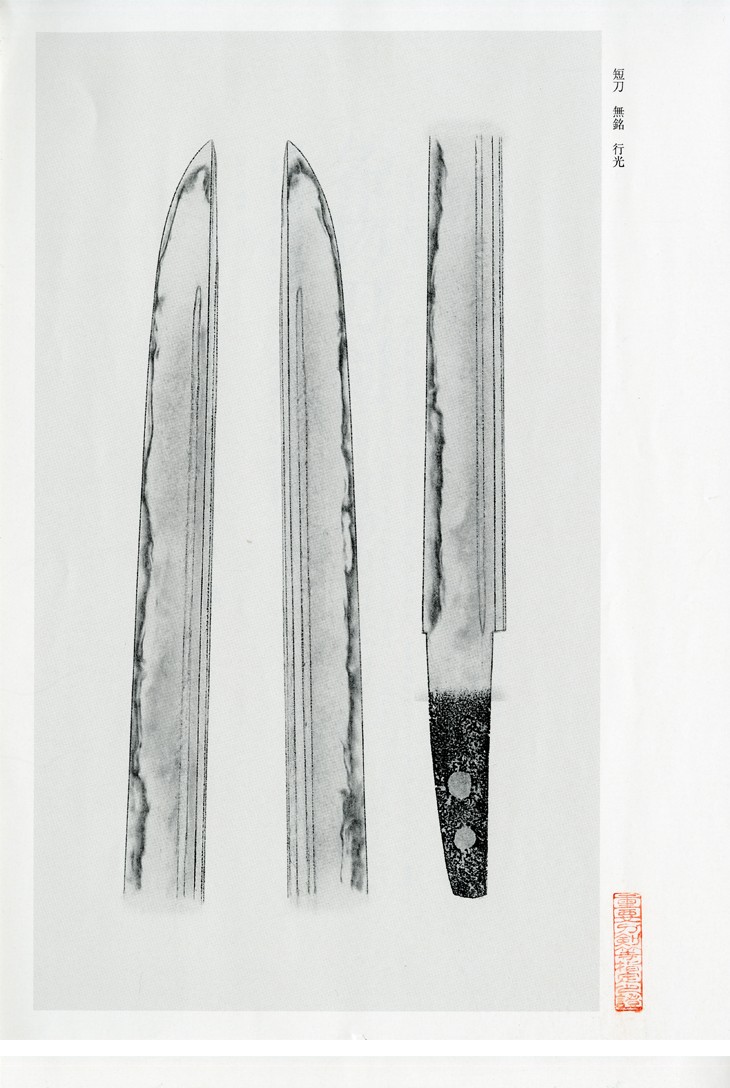
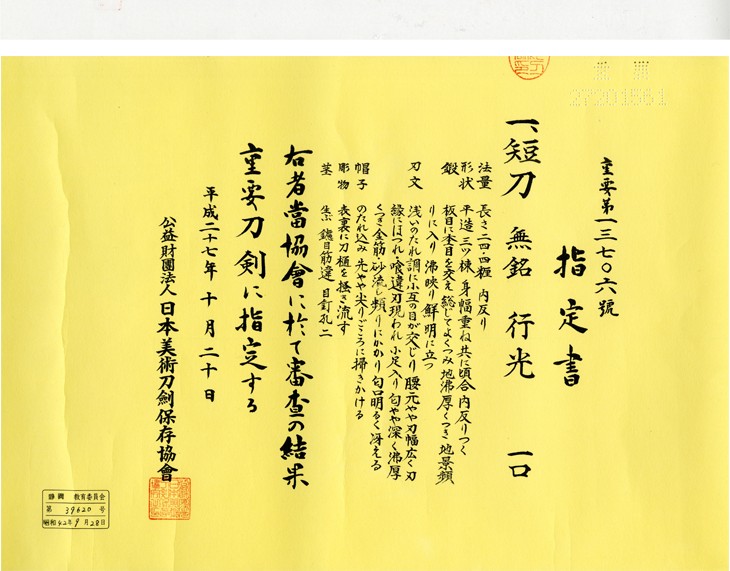
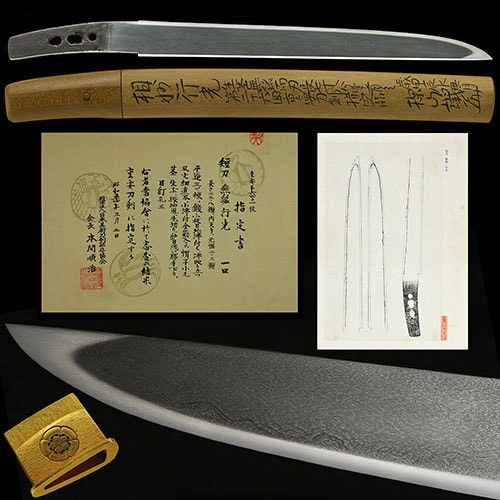
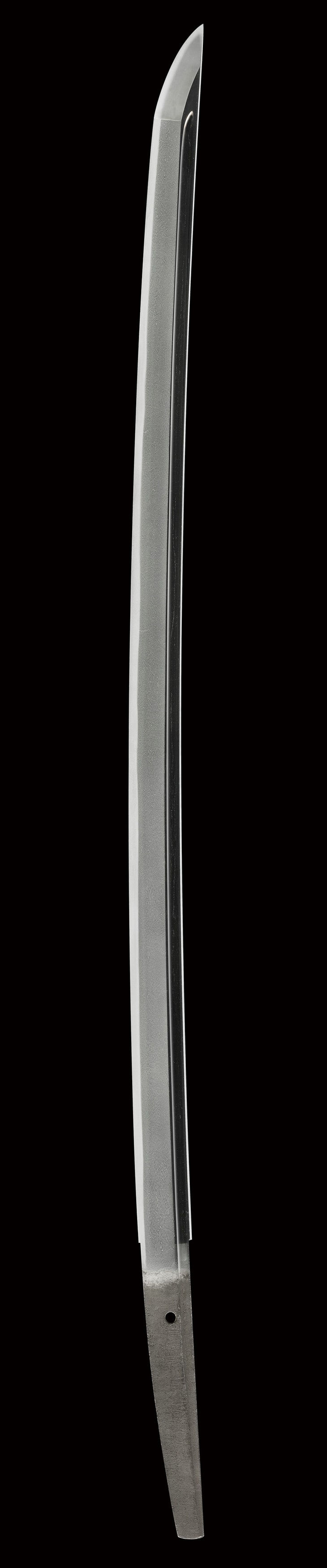
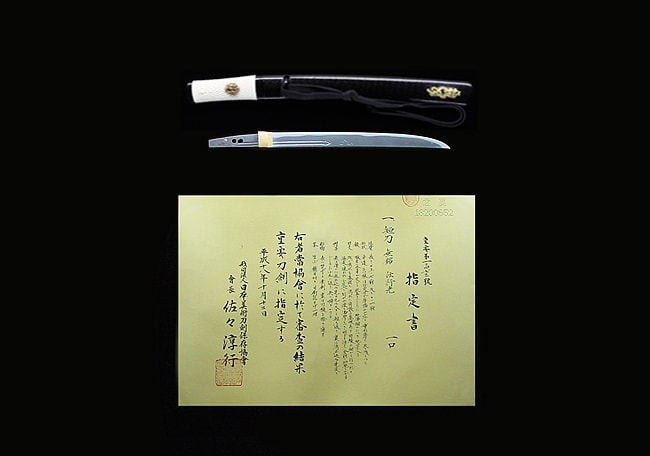
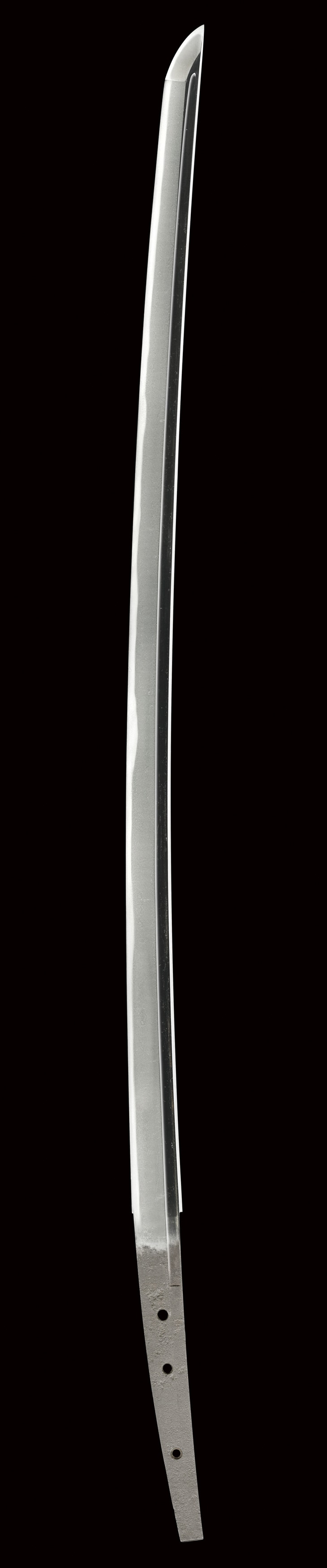
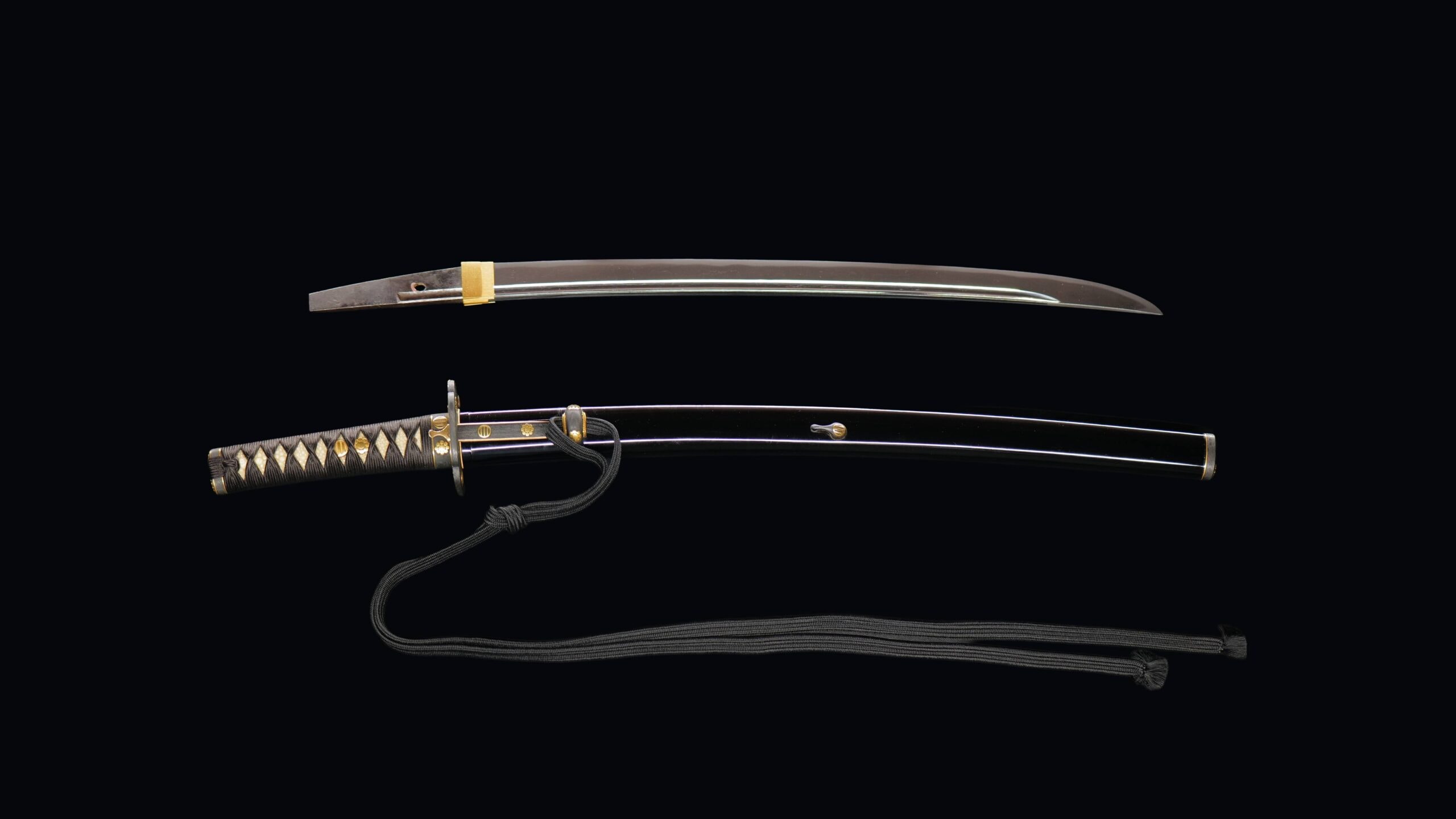
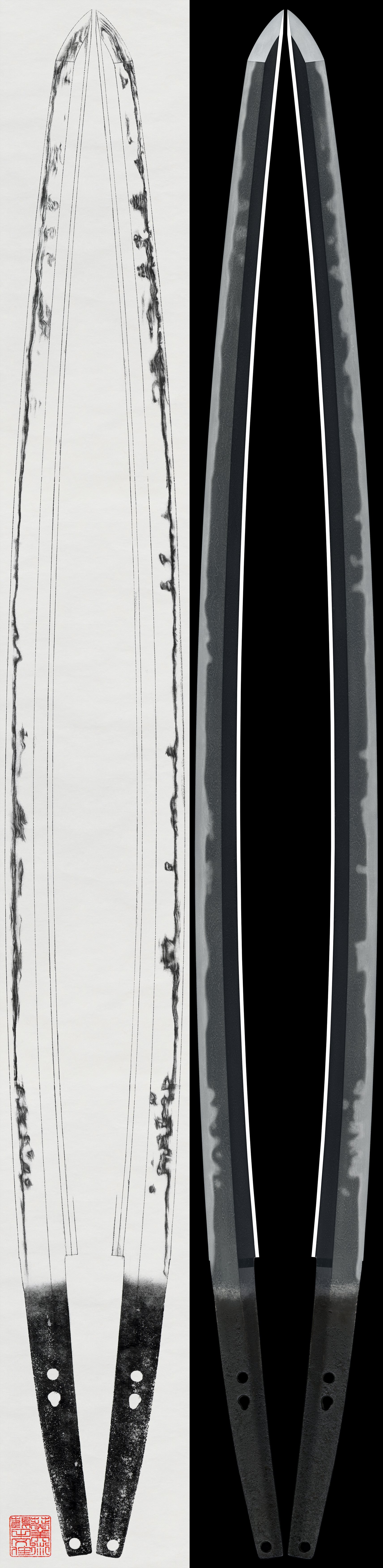
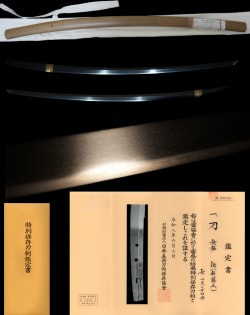
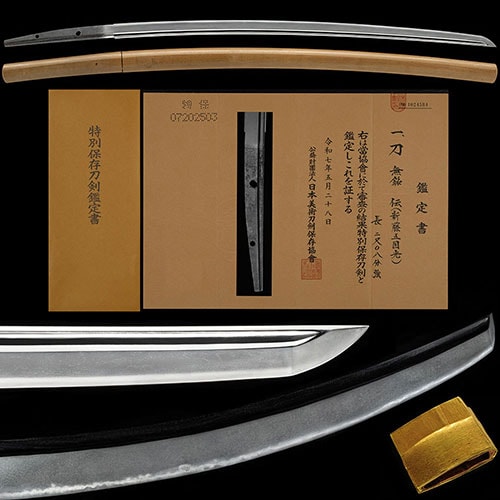
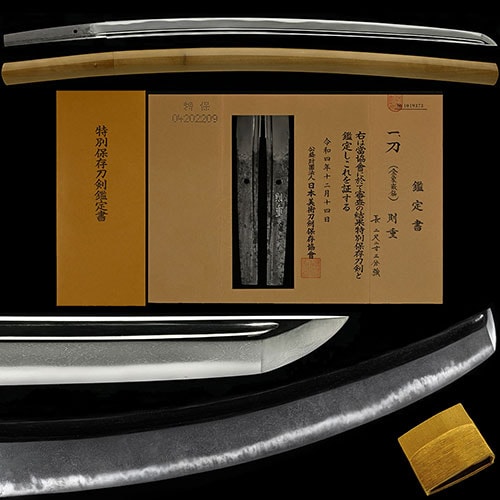
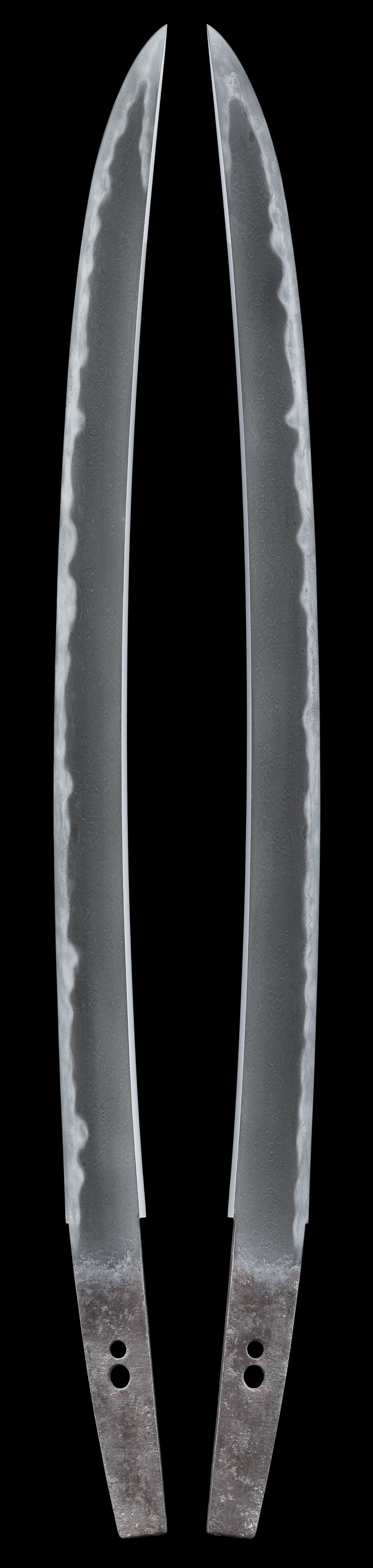
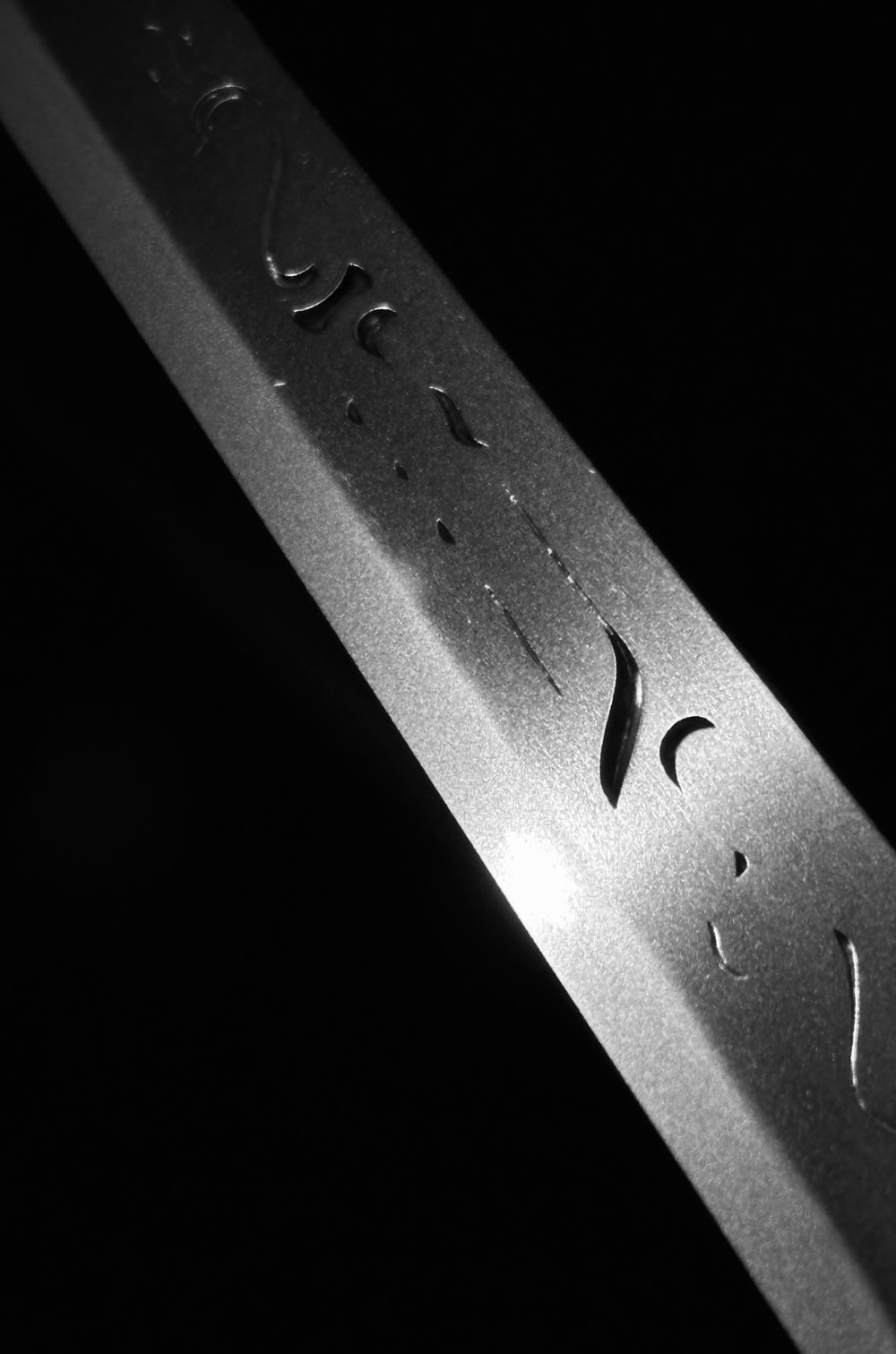
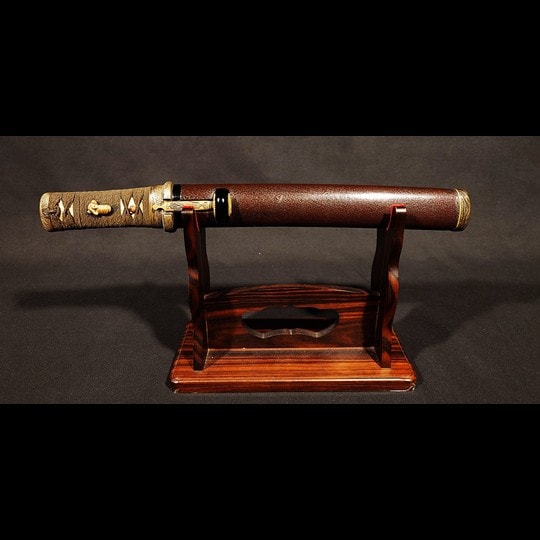
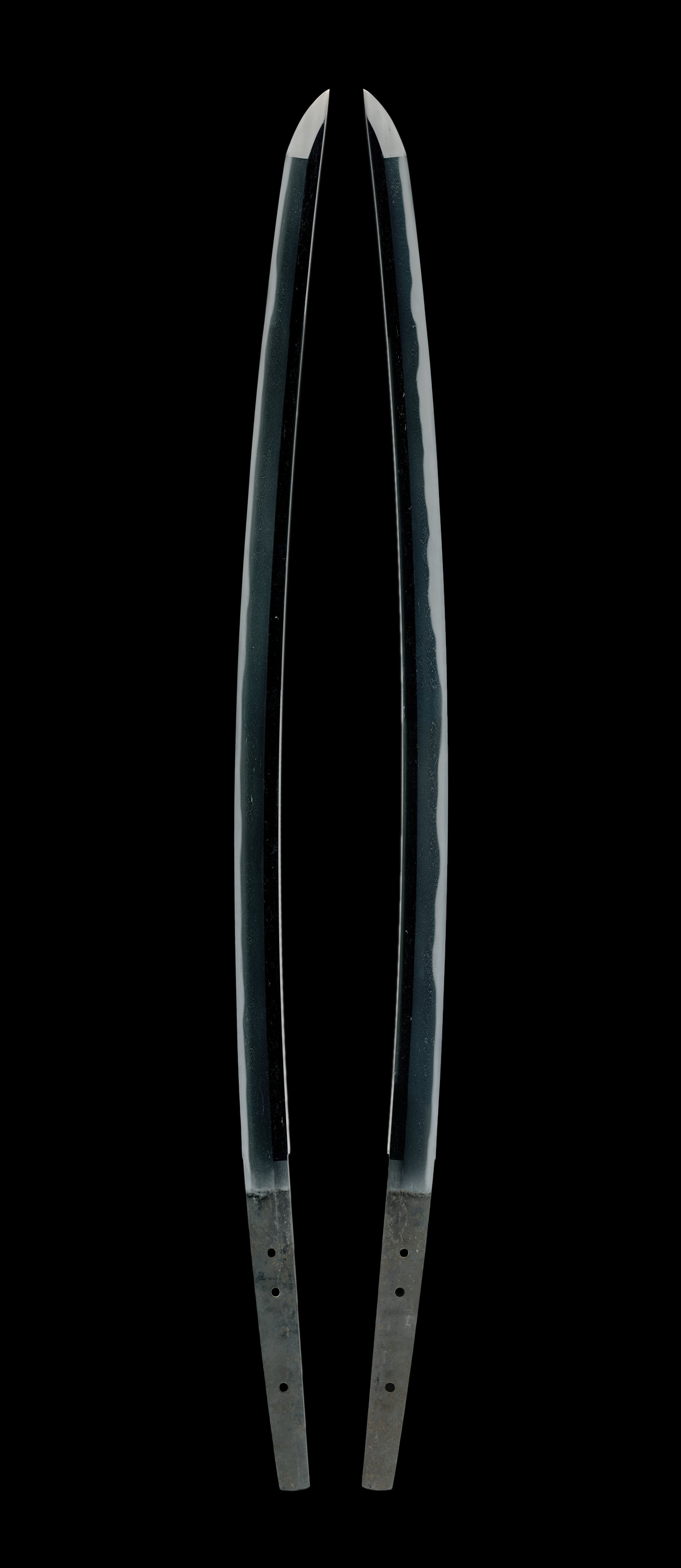
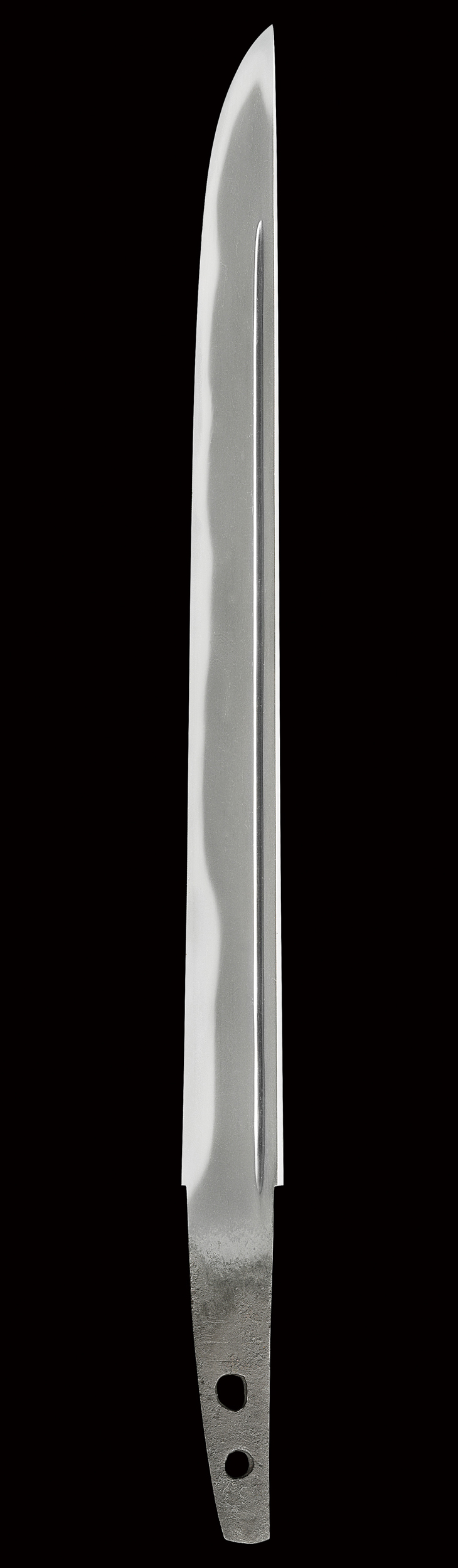
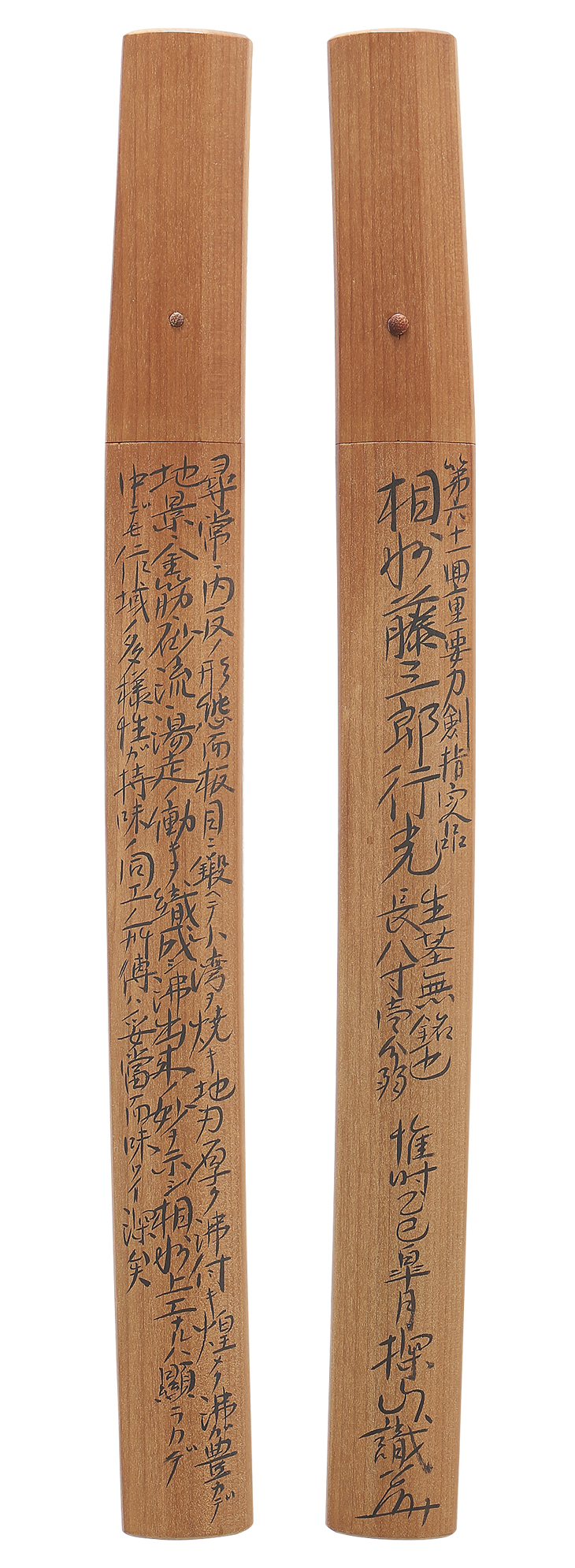
This is a Juyo Token designated tanto by Soshu Yukimitsu, a leading smith of the Soshu tradition from the late Kamakura period. It features a well-forged jitetsu with clear utsuri and a vibrant hamon with abundant nie and nioi. The blade is accompanied by a shirasaya and a sayagaki by Tanobe Sensei.

NBTHK Setsumei

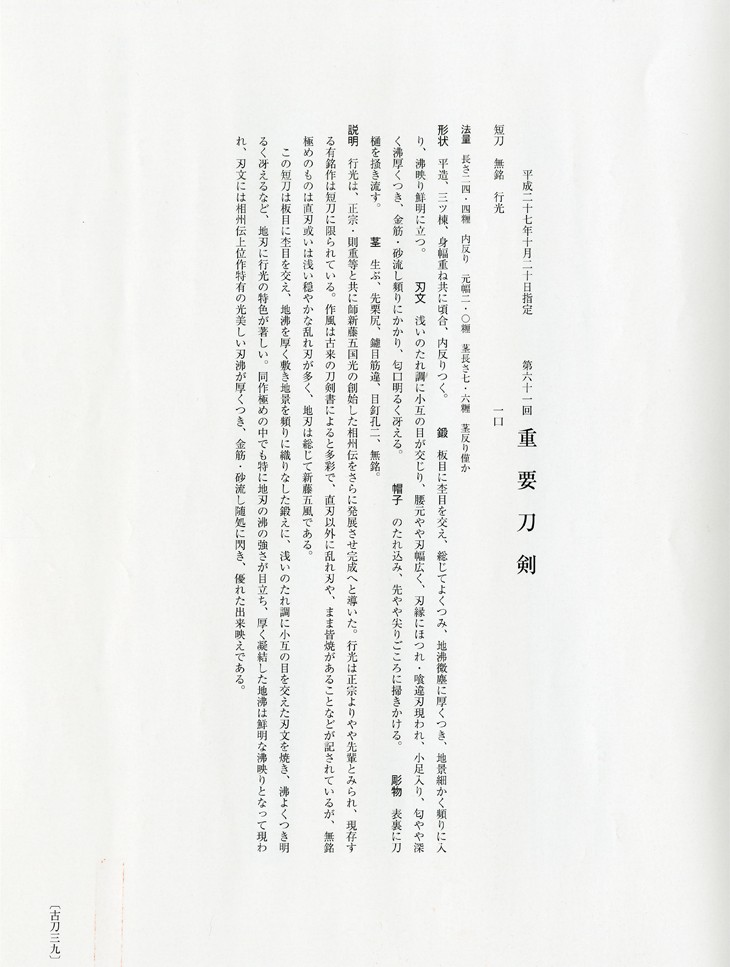
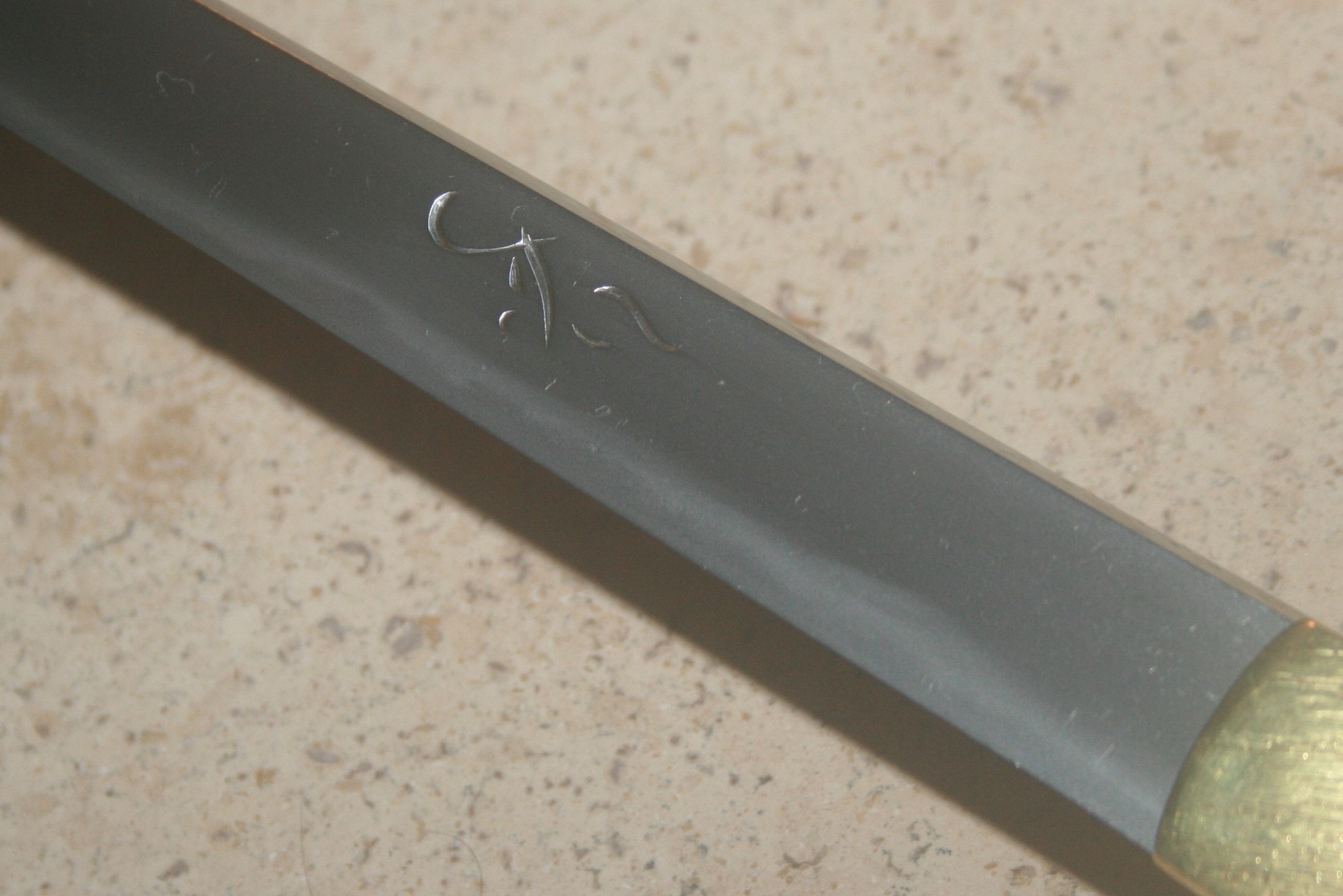
Jūyō-Tōken, 61st Session — Designated October 20, 2015 Tantō, mumei: Yukimitsu (行光) Measurements Nagasa 24.4 cm, uchizori, motohaba 2.0 cm, nakago-nagasa 7.6 cm, nakago-sori slight Description Keijō: hira-zukuri with mitsu-mune; mihaba and kasane of balanced proportions; with uchizori. Kitae: itame-hada mixed with mokume, overall tightly forged; very fine ji-nie laid on thickly; fine chikei appearing densely; clear nie-utsuri standing out. Hamon: shallow notare-tone mixed with ko-gunome; slightly wider in habahiro near the koshimoto; hotsure and kuichigai-ba appear along the habuchi; ko-ashi enter; nioi is somewhat deep and nie adheres thickly; kinsuji and sunagashi run frequently; the nioiguchi is bright and clear. Bōshi: notare-komi, tending slightly toward a pointed feeling at the tip, with hakikake. Horimono: on both sides, bō-hi carved kaki-nagashi. Nakago: ubu; kurijiri; sujikai yasurime; two mekugi-ana; unsigned. Artisan Yukimitsu Era Late Kamakura period Explanation Yukimitsu, together with Masamune and Norishige, further developed the Sōshū tradition founded by his teacher Shintōgo Kunimitsu and guided it toward completion. Yukimitsu is regarded as slightly senior to Masamune, and extant signed works are limited to tantō. According to sword treatises from earlier times, his manner of workmanship was diverse: in addition to suguha, records note midareba, and at times even hitatsura. However, among works attributed to him (kiwame) that are unsigned, many show either suguha or a shallow, gentle midareba, and in general the jiba follows a Shintōgo-like manner. This tantō shows a forging of itame mixed with mokume, in which thickly laid ji-nie and finely frequent chikei weave an overall texture, and it displays a hamon of shallow notare tone mixed with ko-gunome. Moreover, the nie adheres well and the work appears bright and clear—features strongly characteristic of Yukimitsu in both ji and ha. Even among works attributed to him, the strength of the nie in the jiba is particularly striking: the thickly congealed ji-nie emerges as distinct nie-utsuri, and in the hamon the luminous and beautiful ha-nie characteristic of upper-level Sōshū work adheres thickly, while kinsuji and sunagashi flash here and there, producing an excellent performance.

NihontoWatch MonNihontoWatch
MarketAuctionsEncyclopedia
Swords›Sōshū-den›Soshu›Yukimitsu›Tanto: Soshu Yukimitsu (Ubu Mumei)
tantoJūyō
Soshu Yukimitsu

Tanto: Soshu Yukimitsu (Ubu Mumei)

mumei · Soshu · Kagen (1303-1306) · nagasa 24.4cm

¥6,700,000
Visit seller website →
Soshu Yukimitsu — 1 of 5
Soshu Yukimitsu — 2 of 5
Soshu Yukimitsu — 3 of 5
Soshu Yukimitsu — 4 of 5
Soshu Yukimitsu — 5 of 5
1 / 5
1 / 5
Soshu Yukimitsu — 1 of 5Soshu Yukimitsu — 2 of 5Soshu Yukimitsu — 3 of 5Soshu Yukimitsu — 4 of 5Soshu Yukimitsu — 5 of 5
Measurements & details
Smith
Soshu Yukimitsu
Type
Tanto
School
Soshu
Period
Around 1303–1306(Kagen)
Province
Sagami
Signature
Unsigned(5% of this smith's designated works are signed)
Measurements
Nagasa 24.4cmMotohaba 2.17cmKasane 0.45cm
Description

This is a Juyo Token designated tanto by Soshu Yukimitsu, a leading smith of the Soshu tradition from the late Kamakura period. It features a well-forged jitetsu with clear utsuri and a vibrant hamon with abundant nie and nioi. The blade is accompanied by a shirasaya and a sayagaki by Tanobe Sensei.

NBTHK Zufu Commentary

Juyo #61

AI translation — may contain errors

-, 61st Session — Designated October 20, 2015

, : Yukimitsu (行光)

Measurements 24.4 cm, , 2.0 cm, 7.6 cm, slight

Description Keijō: with ; and of balanced proportions; with . : mixed with , overall tightly forged; very fine laid on thickly; fine appearing densely; clear standing out. : shallow -tone mixed with ; slightly wider in near the ; and appear along the ; enter; is somewhat deep and adheres thickly; and run frequently; the is bright and clear. : , tending slightly toward a pointed feeling at the tip, with . : on both sides, carved kaki-nagashi. : ; ; ; two ; unsigned.

Artisan Yukimitsu

Era Late period

Explanation Yukimitsu, together with Masamune and Norishige, further developed the tradition founded by his teacher Kunimitsu and guided it toward completion. Yukimitsu is regarded as slightly senior to Masamune, and extant signed works are limited to . According to sword treatises from earlier times, his manner of workmanship was diverse: in addition to , records note , and at times even . However, among works attributed to him () that are unsigned, many show either or a shallow, gentle , and in general the follows a -like manner.

This shows a forging of mixed with , in which thickly laid and finely frequent weave an overall texture, and it displays a of shallow tone mixed with . Moreover, the adheres well and the work appears bright and clear—features strongly characteristic of Yukimitsu in both and . Even among works attributed to him, the strength of the in the is particularly striking: the thickly congealed emerges as distinct , and in the the luminous and beautiful characteristic of upper-level work adheres thickly, while and flash here and there, producing an excellent performance.

[ 39]

About the maker

Yukimitsu

行光

Soshu (Sagami) · Sagami · around 1303-1306

Fujishiro Sai-jo saku · Tōken Taikan top 1%

4 pieces on the market now

›

Yukimitsu worked in Sagami at the close of the Kamakura period, a pupil of Shintogo Kunimitsu and a brother-student of Masamune and Norishige, and he is read by the published sources as slightly the senior of the three. With those two he carried his teacher's new Soshu tradition forward and brought it to completion[[c:1]]. The surviving signed work is limited to tanto cut with the two-character mei 行光[[c:2]], so the smith is known above all through o-suriage mumei attributions, and the great houses kept his blades for that reason.

The foundation is a Soshu jigane of unusual quality. The forging is an itame, often mixed with mokume and with passages of nagare-hada, tightly worked yet with the grain standing in places; over it the ji-nie lies thick and fine, and abundant chikei (地景) enter, the steel clear and lit. This bold itame laced with thick chikei is the constant beneath every manner he works, and the old texts say as much when they speak of the breadth of his range[[c:3]]. Whatever the temper above it, the published sources return to one point that holds across all of his work: the ji and ha are richly charged with nie, with chikei, kinsuji and yubashiri conspicuously active, displaying the marvel of nie[[c:4]].

His quieter and more frequent manner descends directly from Shintogo. Over the chikei-laced jigane runs a suguha, or a suguha tending to shallow notare, mixed with ko-gunome and small ashi and yo, the nioiguchi somewhat deep and thickly covered in nie, with hotsure and drifting yubashiri at the habuchi and fine kinsuji and sunagashi within. The judges read these mumei attributions as the gentle, small-patterned side of him, noting that the unsigned attributed pieces are mostly a calm suguha or a shallow quiet midare and that the jigane is on the whole in the Shintogo manner[[c:5]]. This is the register that connects him most plainly to his teacher.

His bolder manner is the one the older profiles understated, and the boshi is where it shows. Far from a plain ko-maru that simply turns back, the temper of the point most often sweeps out strongly in hakikake (掃きかけ): the published sources record it as midare-komi with vigorous brushing that builds into a flame shape[[c:6]], the point at times pointed or burned through in yakizume, and on the calmer pieces as a straight run into a small round that still brushes out[[c:7]]. Beneath that point the temper opens into a notare-based midare with gunome and ko-gunome, sometimes a large-patterned midare reaching toward hitatsura, the kinsuji and sunagashi running busily and the nioiguchi deep and bright. The corrected reading of the boshi, ko-maru carrying conspicuous hakikake into a midare-komi and at times a pointed return, belongs with the thick chikei as a recognition key for him.

For the connoisseur the two manners share the same core, and that core is what carries an attribution when the mei is gone. The thick dark chikei, the deep bright nioiguchi of the upper Soshu hands, the busy kinsuji and sunagashi, and the swept hakikake boshi recur whether the temper above is a calm suguha or an open midare. The breadth of range is itself part of the fingerprint: where Masamune and Sadamune run hotter and larger in pattern, Yukimitsu keeps the quieter, smaller-patterned hand, and the judges place him toward Shintogo and Norishige and explicitly apart from Masamune and Sadamune. On one Tokubetsu-Juyo tanto they rate the make a notch finer than Sadamune's reach, while across his range the temper stays the more restrained. Fujishiro grades him Sai-jo saku, and among all swordsmiths his Tokubetsu-Juyo total stands near the very top.

Acquirability follows from the rarity. Of the works on record the overwhelming majority sit in the Tokuju and Juyo tiers, with a small number locked away forever as National Treasure and Important Cultural Property and never tradeable, and a single Kokuho among them. The recorded holdings read as a roster of the great collections and shrines: the Tokugawa Museum and the Uesugi Jinja, the Tokyo National Museum and the Kyushu National Museum, the Kurokawa Research Institute, the Seikado Bunko Art Museum, the Tokyo Fuji Museum, the Kunozan and Nikko Toshogu among them. The provenance chains carry the same weight, the named blades having passed through Tokugawa Ieyasu and Toyotomi Hideyoshi, the Hosokawa, the Uesugi and the Date houses, with the Meibutsu Oshima Yukimitsu among the famous wakizashi. A blade by this smith is for practical purposes unattainable on the open market, and the rare piece that does surface trades at the very top of the field.

Historical importance

Where Yukimitsu stands among comparable artisans: across all of nihontō, and within tradition, era, and period. The tiers (Foremost · Leading · Major · Notable) weigh official designations from the NBTHK and Japan's Agency for Cultural Affairs, together with historical honors of lasting repute such as the Sansaku and Meibutsu-chō.

随一
Foremost
屈指
Leading
有数
Major
著名
Notable

Select a lens to see how it's measured.

Designation record
149 designated works
Kokuhō (National Treasure)
1
Jūyō Bunkazai
7
Jūyō Bijutsuhin
6
Gyobutsu (Imperial)
1
Tokubetsu Jūyō
30
Jūyō
104
4 works by Yukimitsu on the market→
Yukimitsu — full profileSoshu (Sagami) school
About the school

Soshu

相州

Soshu-den · Sagami

Phase: Sōshū相州· 1288–1385

46 pieces on the market now

›

Steel "bright and clear," with thick ji-nie and chikei entering frequently, is the constant the NBTHK returns to in nearly every blade of this phase, and it marks the moment the Soshu tradition reached its summit in Sagami. Learn more →

34 recorded smiths840 designated works
Leading smiths
SmithEraDesignated
Masamune正宗1288-129384
Sadamune貞宗1329-133186
Go Yoshihiro義弘1299-130254
Akihiro秋廣1346-137027
Kunimitsu國光1293-132269
Explore the Soshu school →
NBTHK Certificate
Jūyō Tōken重要刀剣
Important Sword
›

A blade of top-grade workmanship and condition, formally judged to rank with a nationally recognized Important Art Object (Jūyō Bijutsuhin). Awarded only at the NBTHK’s competitive annual examination.

Of Japan’s roughly 2.5 million registered swords, only 12,307 (about 1 in 203) have ever attained Jūyō.

About the NBTHK›

The NBTHK (Nihon Bijutsu Tōken Hozon Kyōkai, the Society for the Preservation of Japanese Art Swords) is a public-interest incorporated foundation founded in 1948 and supervised by Japan’s Agency for Cultural Affairs (Bunkachō); it is based at the Japanese Sword Museum in Tokyo. Its expert panels physically examine each submitted work (shinsa) and issue a certificate (kanteishō) ranking it by artistic and historical merit. NBTHK papers are the most widely recognized standard of authentication for Japanese swords and fittings.

NBTHK official site→
Seller
S
Samurai Nippon
Established 1977 · 49 yrs on the market
🇯🇵Ships from Japan
›
✓Verified dealersamurai-nippon.net
Settles in JPY
✓Ships worldwide✓English supportWire transferPayPalCredit card
Return policy

For one-of-a-kind items such as swords, sword fittings, and antiques, please contact us about a return within 3 days of the item's arrival and ship it back within 8 days. Refunds are issued the same day the returned item arrives.

View all of Samurai Nippon’s listings→View this item on the dealer’s site→

More works by Soshu Yukimitsu

View all →
Tsuruginoya
Tokujū
Katana - Tokuju - by Soshu Yukimitsu - Soshu YukimitsuKatana - Tokuju - by Soshu Yukimitsu - Soshu Yukimitsu

Katana

BySoshu Yukimitsu
Ask
Eirakudo
Jūyō
Tanto - Jūyō - by Soshu Yukimitsu - Soshu Yukimitsu - Juyo TokenTanto - Jūyō - by Soshu Yukimitsu - Soshu Yukimitsu - Juyo Token

Tantō

BySoshu Yukimitsu
Ask
Mandarin Mansion
Jūyō
Tachi - Jūyō - by Soshu Yukimitsu - Sōshū YukimitsuTachi - Jūyō - by Soshu Yukimitsu - Sōshū Yukimitsu

Tachi

BySoshu Yukimitsu
Ask

Previously sold by Soshu Yukimitsu

Choshuya
Katana - by Soshu Yukimitsu - Mumei, Attributed to Soshu YukimitsuKatana - by Soshu Yukimitsu - Mumei, Attributed to Soshu Yukimitsu
Sold

Katana

BySoshu Yukimitsu
SOLD
Seikeido
Jūyō
Tanto - Jūyō - by Soshu Yukimitsu - Attributed to YukimitsuTanto - Jūyō - by Soshu Yukimitsu - Attributed to Yukimitsu
Sold

Tantō

BySoshu Yukimitsu
SOLD
Samurai Nippon
Jūyō
Katana - Jūyō - by Soshu Yukimitsu - Mumei (Den Soshu Yukimitsu)Katana - Jūyō - by Soshu Yukimitsu - Mumei (Den Soshu Yukimitsu)
Sold

Katana

BySoshu Yukimitsu
SOLD
Eirakudo
Jūyō
Katana - Jūyō - by Soshu Yukimitsu - Soshu Yukimitsu - Juyo TokenKatana - Jūyō - by Soshu Yukimitsu - Soshu Yukimitsu - Juyo Token
Sold

Katana

BySoshu Yukimitsu
SOLD
Iida Koendo
Tokujū
Tanto - Tokuju - by Soshu Yukimitsu - Koto Tanto: Yukimitsu - Honami Kouchu ShumeiTanto - Tokuju - by Soshu Yukimitsu - Koto Tanto: Yukimitsu - Honami Kouchu Shumei
Sold

Tantō

BySoshu Yukimitsu
SOLD
Ginza Seikodo
Jūyō
Wakizashi - Jūyō - by Soshu Yukimitsu - Yukimitsu - Unsigned, attributedWakizashi - Jūyō - by Soshu Yukimitsu - Yukimitsu - Unsigned, attributed
Sold

Wakizashi

BySoshu Yukimitsu
SOLD
Nipponto
Jūyō
Katana - Jūyō - by Soshu Yukimitsu - Attributed Yukimitsu (Soushu)Katana - Jūyō - by Soshu Yukimitsu - Attributed Yukimitsu (Soushu)
Sold

Katana

BySoshu Yukimitsu
SOLD

More from the Soshu school

View all →
Samurai Nippon
Jūyō
Katana - Jūyō - by Soshu Norishige - Mumei (Attributed to Norishige)Katana - Jūyō - by Soshu Norishige - Mumei (Attributed to Norishige)

Katana

BySoshu Norishige
Ask
Nihon Art
Jūyō
Katana - Jūyō - by Soshu Norishige - Juyo Etchu Norishige Katana with Kochu KinzoganmeiKatana - Jūyō - by Soshu Norishige - Juyo Etchu Norishige Katana with Kochu Kinzoganmei

Katana

BySoshu Norishige
Ask
Eirakudo
Tokuho
Katana - Tokuho - by Shintogo Kunimitsu - Shintogo Kunimitsu - Tokubetsu Hozon TokenKatana - Tokuho - by Shintogo Kunimitsu - Shintogo Kunimitsu - Tokubetsu Hozon Token

Katana

ByShintogo Kunimitsu
¥7,500,000
Aoi Art
Tokuho
Katana - Tokuho - by Gō Yoshihiro - Mumei (Unsigned) Den Go YoshihiroKatana - Tokuho - by Gō Yoshihiro - Mumei (Unsigned) Den Go Yoshihiro

Katana

ByGō Yoshihiro
¥35,000,000
Choshuya
Jūyō
Tanto - Jūyō - by Soshu Norishige - Ubu-nakago Mumei NorishigeTanto - Jūyō - by Soshu Norishige - Ubu-nakago Mumei Norishige

Tantō

BySoshu Norishige
¥6,500,000
Eirakudo
Tokuho
Katana - Tokuho - by Soshu Norishige - Norishige - Tokubetsu Hozon TokenKatana - Tokuho - by Soshu Norishige - Norishige - Tokubetsu Hozon Token

Katana

BySoshu Norishige
¥6,500,000
Nihon Art
Tokuho
Tanto - Tokuho - by Shintogo Kunimitsu - Shintogo Kunimitsu TantoTanto - Tokuho - by Shintogo Kunimitsu - Shintogo Kunimitsu Tanto

Tantō

ByShintogo Kunimitsu
Ask
Choshuya
Tokuho
Katana - Tokuho - by Soshu Norishige - Unsigned (O-suriage) NorishigeKatana - Tokuho - by Soshu Norishige - Unsigned (O-suriage) Norishige

Katana

BySoshu Norishige
Ask

More from the Sōshū tradition

View all →
Toukentakarado
Tokuho
Wakizashi - Tokuho - by Sa Kunihiro - Mumei Attributed to Den Sa KunihiroWakizashi - Tokuho - by Sa Kunihiro - Mumei Attributed to Den Sa Kunihiro

Wakizashi

BySa Kunihiro
¥1,500,000
Katana Yamadaiya
Tokuho
Katana - Tokuho - by Sa Kunihiro - Tokubetsu Hozon Token: Mumei (Attributed to Sakunihiro)Katana - Tokuho - by Sa Kunihiro - Tokubetsu Hozon Token: Mumei (Attributed to Sakunihiro)

Katana

BySa Kunihiro
¥1,650,000
Token-Net
Jūyō
Tachi - Jūyō - by Naotsuna - Sekishu Dewan Naotsuna Saku (Iwami)Tachi - Jūyō - by Naotsuna - Sekishu Dewan Naotsuna Saku (Iwami)

Tachi

ByNaotsuna
¥5,800,000
Onihonto
Tokuho
Tanto - Tokuho - by Sa Yasuyoshi - YasuyoshiTanto - Tokuho - by Sa Yasuyoshi - Yasuyoshi

Tantō

BySa Yasuyoshi
¥16,000
Aoi Art
Tokuho
Katana - Tokuho - by Sa Sadayoshi - Unsigned (Attributed to Sa Sadayoshi)Katana - Tokuho - by Sa Sadayoshi - Unsigned (Attributed to Sa Sadayoshi)

Katana

BySa Sadayoshi
Starting Bid¥1,300,000
Aoi Art
Tokuho
Katana - Tokuho - by Shintogo Kunimitsu - Mumei (Attributed to Shintogo) - NBTHK Tokubetsu Hozon TokenKatana - Tokuho - by Shintogo Kunimitsu - Mumei (Attributed to Shintogo) - NBTHK Tokubetsu Hozon Token

Katana

ByShintogo Kunimitsu
¥7,800,000
Mandarin Mansion
Tokuho
Katana - Tokuho - by Soshu Tametsugu - Den TametsuguKatana - Tokuho - by Soshu Tametsugu - Den Tametsugu

Katana

BySoshu Tametsugu
¥20,000
Mandarin Mansion
Jūyō
Wakizashi - Jūyō - by Hasebe School - Juyo Den Hasebe Sunnobi TantoWakizashi - Jūyō - by Hasebe School - Juyo Den Hasebe Sunnobi Tanto

Wakizashi

ByHasebe School
¥30,000

Swords

  • Katana
  • Wakizashi
  • Tantō
  • Tachi
  • Naginata
  • Yari

Fittings

  • Tsuba
  • Fuchi-Kashira
  • Kozuka
  • Menuki

By Certification

  • Tokujū
  • Jūyō
  • Tokuho
  • Hozon

Resources

  • Dealer Directory
  • Artist Directory
  • Glossary
  • Browse All
Nihontowatch© 2026
TermsPrivacyCookiesAbout

Description

This is a Juyo Token designated tanto by Soshu Yukimitsu, a leading smith of the Soshu tradition from the late Kamakura period. It features a well-forged jitetsu with clear utsuri and a vibrant hamon with abundant nie and nioi. The blade is accompanied by a shirasaya and a sayagaki by Tanobe Sensei.

NBTHK Setsumei

Jūyō-Tōken, 61st Session — Designated October 20, 2015 Tantō, mumei: Yukimitsu (行光) Measurements Nagasa 24.4 cm, uchizori, motohaba 2.0 cm, nakago-nagasa 7.6 cm, nakago-sori slight Description Keijō: hira-zukuri with mitsu-mune; mihaba and kasane of balanced proportions; with uchizori. Kitae: itame-hada mixed with mokume, overall tightly forged; very fine ji-nie laid on thickly; fine chikei appearing densely; clear nie-utsuri standing out. Hamon: shallow notare-tone mixed with ko-gunome; slightly wider in habahiro near the koshimoto; hotsure and kuichigai-ba appear along the habuchi; ko-ashi enter; nioi is somewhat deep and nie adheres thickly; kinsuji and sunagashi run frequently; the nioiguchi is bright and clear. Bōshi: notare-komi, tending slightly toward a pointed feeling at the tip, with hakikake. Horimono: on both sides, bō-hi carved kaki-nagashi. Nakago: ubu; kurijiri; sujikai yasurime; two mekugi-ana; unsigned. Artisan Yukimitsu Era Late Kamakura period Explanation Yukimitsu, together with Masamune and Norishige, further developed the Sōshū tradition founded by his teacher Shintōgo Kunimitsu and guided it toward completion. Yukimitsu is regarded as slightly senior to Masamune, and extant signed works are limited to tantō. According to sword treatises from earlier times, his manner of workmanship was diverse: in addition to suguha, records note midareba, and at times even hitatsura. However, among works attributed to him (kiwame) that are unsigned, many show either suguha or a shallow, gentle midareba, and in general the jiba follows a Shintōgo-like manner. This tantō shows a forging of itame mixed with mokume, in which thickly laid ji-nie and finely frequent chikei weave an overall texture, and it displays a hamon of shallow notare tone mixed with ko-gunome. Moreover, the nie adheres well and the work appears bright and clear—features strongly characteristic of Yukimitsu in both ji and ha. Even among works attributed to him, the strength of the nie in the jiba is particularly striking: the thickly congealed ji-nie emerges as distinct nie-utsuri, and in the hamon the luminous and beautiful ha-nie characteristic of upper-level Sōshū work adheres thickly, while kinsuji and sunagashi flash here and there, producing an excellent performance.

NihontoWatch MonNihontoWatch
MarketAuctionsEncyclopedia
Swords›Sōshū-den›Soshu›Yukimitsu›Tanto: Soshu Yukimitsu (Ubu Mumei)
tantoJūyō
Soshu Yukimitsu

Tanto: Soshu Yukimitsu (Ubu Mumei)

mumei · Soshu · Kagen (1303-1306) · nagasa 24.4cm

¥6,700,000
Visit seller website →
Soshu Yukimitsu — 1 of 5
Soshu Yukimitsu — 2 of 5
Soshu Yukimitsu — 3 of 5
Soshu Yukimitsu — 4 of 5
Soshu Yukimitsu — 5 of 5
1 / 5
1 / 5
Soshu Yukimitsu — 1 of 5Soshu Yukimitsu — 2 of 5Soshu Yukimitsu — 3 of 5Soshu Yukimitsu — 4 of 5Soshu Yukimitsu — 5 of 5
Measurements & details
Smith
Soshu Yukimitsu
Type
Tanto
School
Soshu
Period
Around 1303–1306(Kagen)
Province
Sagami
Signature
Unsigned(5% of this smith's designated works are signed)
Measurements
Nagasa 24.4cmMotohaba 2.17cmKasane 0.45cm
Description

This is a Juyo Token designated tanto by Soshu Yukimitsu, a leading smith of the Soshu tradition from the late Kamakura period. It features a well-forged jitetsu with clear utsuri and a vibrant hamon with abundant nie and nioi. The blade is accompanied by a shirasaya and a sayagaki by Tanobe Sensei.

NBTHK Zufu Commentary

Juyo #61

AI translation — may contain errors

-, 61st Session — Designated October 20, 2015

, : Yukimitsu (行光)

Measurements 24.4 cm, , 2.0 cm, 7.6 cm, slight

Description Keijō: with ; and of balanced proportions; with . : mixed with , overall tightly forged; very fine laid on thickly; fine appearing densely; clear standing out. : shallow -tone mixed with ; slightly wider in near the ; and appear along the ; enter; is somewhat deep and adheres thickly; and run frequently; the is bright and clear. : , tending slightly toward a pointed feeling at the tip, with . : on both sides, carved kaki-nagashi. : ; ; ; two ; unsigned.

Artisan Yukimitsu

Era Late period

Explanation Yukimitsu, together with Masamune and Norishige, further developed the tradition founded by his teacher Kunimitsu and guided it toward completion. Yukimitsu is regarded as slightly senior to Masamune, and extant signed works are limited to . According to sword treatises from earlier times, his manner of workmanship was diverse: in addition to , records note , and at times even . However, among works attributed to him () that are unsigned, many show either or a shallow, gentle , and in general the follows a -like manner.

This shows a forging of mixed with , in which thickly laid and finely frequent weave an overall texture, and it displays a of shallow tone mixed with . Moreover, the adheres well and the work appears bright and clear—features strongly characteristic of Yukimitsu in both and . Even among works attributed to him, the strength of the in the is particularly striking: the thickly congealed emerges as distinct , and in the the luminous and beautiful characteristic of upper-level work adheres thickly, while and flash here and there, producing an excellent performance.

[ 39]

About the maker

Yukimitsu

行光

Soshu (Sagami) · Sagami · around 1303-1306

Fujishiro Sai-jo saku · Tōken Taikan top 1%

4 pieces on the market now

›

Yukimitsu worked in Sagami at the close of the Kamakura period, a pupil of Shintogo Kunimitsu and a brother-student of Masamune and Norishige, and he is read by the published sources as slightly the senior of the three. With those two he carried his teacher's new Soshu tradition forward and brought it to completion[[c:1]]. The surviving signed work is limited to tanto cut with the two-character mei 行光[[c:2]], so the smith is known above all through o-suriage mumei attributions, and the great houses kept his blades for that reason.

The foundation is a Soshu jigane of unusual quality. The forging is an itame, often mixed with mokume and with passages of nagare-hada, tightly worked yet with the grain standing in places; over it the ji-nie lies thick and fine, and abundant chikei (地景) enter, the steel clear and lit. This bold itame laced with thick chikei is the constant beneath every manner he works, and the old texts say as much when they speak of the breadth of his range[[c:3]]. Whatever the temper above it, the published sources return to one point that holds across all of his work: the ji and ha are richly charged with nie, with chikei, kinsuji and yubashiri conspicuously active, displaying the marvel of nie[[c:4]].

His quieter and more frequent manner descends directly from Shintogo. Over the chikei-laced jigane runs a suguha, or a suguha tending to shallow notare, mixed with ko-gunome and small ashi and yo, the nioiguchi somewhat deep and thickly covered in nie, with hotsure and drifting yubashiri at the habuchi and fine kinsuji and sunagashi within. The judges read these mumei attributions as the gentle, small-patterned side of him, noting that the unsigned attributed pieces are mostly a calm suguha or a shallow quiet midare and that the jigane is on the whole in the Shintogo manner[[c:5]]. This is the register that connects him most plainly to his teacher.

His bolder manner is the one the older profiles understated, and the boshi is where it shows. Far from a plain ko-maru that simply turns back, the temper of the point most often sweeps out strongly in hakikake (掃きかけ): the published sources record it as midare-komi with vigorous brushing that builds into a flame shape[[c:6]], the point at times pointed or burned through in yakizume, and on the calmer pieces as a straight run into a small round that still brushes out[[c:7]]. Beneath that point the temper opens into a notare-based midare with gunome and ko-gunome, sometimes a large-patterned midare reaching toward hitatsura, the kinsuji and sunagashi running busily and the nioiguchi deep and bright. The corrected reading of the boshi, ko-maru carrying conspicuous hakikake into a midare-komi and at times a pointed return, belongs with the thick chikei as a recognition key for him.

For the connoisseur the two manners share the same core, and that core is what carries an attribution when the mei is gone. The thick dark chikei, the deep bright nioiguchi of the upper Soshu hands, the busy kinsuji and sunagashi, and the swept hakikake boshi recur whether the temper above is a calm suguha or an open midare. The breadth of range is itself part of the fingerprint: where Masamune and Sadamune run hotter and larger in pattern, Yukimitsu keeps the quieter, smaller-patterned hand, and the judges place him toward Shintogo and Norishige and explicitly apart from Masamune and Sadamune. On one Tokubetsu-Juyo tanto they rate the make a notch finer than Sadamune's reach, while across his range the temper stays the more restrained. Fujishiro grades him Sai-jo saku, and among all swordsmiths his Tokubetsu-Juyo total stands near the very top.

Acquirability follows from the rarity. Of the works on record the overwhelming majority sit in the Tokuju and Juyo tiers, with a small number locked away forever as National Treasure and Important Cultural Property and never tradeable, and a single Kokuho among them. The recorded holdings read as a roster of the great collections and shrines: the Tokugawa Museum and the Uesugi Jinja, the Tokyo National Museum and the Kyushu National Museum, the Kurokawa Research Institute, the Seikado Bunko Art Museum, the Tokyo Fuji Museum, the Kunozan and Nikko Toshogu among them. The provenance chains carry the same weight, the named blades having passed through Tokugawa Ieyasu and Toyotomi Hideyoshi, the Hosokawa, the Uesugi and the Date houses, with the Meibutsu Oshima Yukimitsu among the famous wakizashi. A blade by this smith is for practical purposes unattainable on the open market, and the rare piece that does surface trades at the very top of the field.
Historical importance

Where Yukimitsu stands among comparable artisans: across all of nihontō, and within tradition, era, and period. The tiers (Foremost · Leading · Major · Notable) weigh official designations from the NBTHK and Japan's Agency for Cultural Affairs, together with historical honors of lasting repute such as the Sansaku and Meibutsu-chō.

随一
Foremost
屈指
Leading
有数
Major
著名
Notable

Select a lens to see how it's measured.

Designation record
149 designated works
Kokuhō (National Treasure)
1
Jūyō Bunkazai
7
Jūyō Bijutsuhin
6
Gyobutsu (Imperial)
1
Tokubetsu Jūyō
30
Jūyō
104
4 works by Yukimitsu on the market→
Yukimitsu — full profileSoshu (Sagami) school
About the school

Soshu

相州

Soshu-den · Sagami

Phase: Sōshū相州· 1288–1385

46 pieces on the market now

›

Steel "bright and clear," with thick ji-nie and chikei entering frequently, is the constant the NBTHK returns to in nearly every blade of this phase, and it marks the moment the Soshu tradition reached its summit in Sagami. Learn more →

34 recorded smiths840 designated works
Leading smiths
SmithEraDesignated
Masamune正宗1288-129384
Sadamune貞宗1329-133186
Go Yoshihiro義弘1299-130254
Akihiro秋廣1346-137027
Kunimitsu國光1293-132269
Explore the Soshu school →
NBTHK Certificate
Jūyō Tōken重要刀剣
Important Sword
›

A blade of top-grade workmanship and condition, formally judged to rank with a nationally recognized Important Art Object (Jūyō Bijutsuhin). Awarded only at the NBTHK’s competitive annual examination.

Of Japan’s roughly 2.5 million registered swords, only 12,307 (about 1 in 203) have ever attained Jūyō.

About the NBTHK›

The NBTHK (Nihon Bijutsu Tōken Hozon Kyōkai, the Society for the Preservation of Japanese Art Swords) is a public-interest incorporated foundation founded in 1948 and supervised by Japan’s Agency for Cultural Affairs (Bunkachō); it is based at the Japanese Sword Museum in Tokyo. Its expert panels physically examine each submitted work (shinsa) and issue a certificate (kanteishō) ranking it by artistic and historical merit. NBTHK papers are the most widely recognized standard of authentication for Japanese swords and fittings.

NBTHK official site→
Seller
S
Samurai Nippon
Established 1977 · 49 yrs on the market
🇯🇵Ships from Japan
›
✓Verified dealersamurai-nippon.net
Settles in JPY
✓Ships worldwide✓English supportWire transferPayPalCredit card
Return policy

For one-of-a-kind items such as swords, sword fittings, and antiques, please contact us about a return within 3 days of the item's arrival and ship it back within 8 days. Refunds are issued the same day the returned item arrives.

View all of Samurai Nippon’s listings→View this item on the dealer’s site→

More works by Soshu Yukimitsu

View all →
Tsuruginoya
Tokujū
Katana - Tokuju - by Soshu Yukimitsu - Soshu YukimitsuKatana - Tokuju - by Soshu Yukimitsu - Soshu Yukimitsu

Katana

BySoshu Yukimitsu
Ask
Eirakudo
Jūyō
Tanto - Jūyō - by Soshu Yukimitsu - Soshu Yukimitsu - Juyo TokenTanto - Jūyō - by Soshu Yukimitsu - Soshu Yukimitsu - Juyo Token

Tantō

BySoshu Yukimitsu
Ask
Mandarin Mansion
Jūyō
Tachi - Jūyō - by Soshu Yukimitsu - Sōshū YukimitsuTachi - Jūyō - by Soshu Yukimitsu - Sōshū Yukimitsu

Tachi

BySoshu Yukimitsu
Ask

Previously sold by Soshu Yukimitsu

Choshuya
Katana - by Soshu Yukimitsu - Mumei, Attributed to Soshu YukimitsuKatana - by Soshu Yukimitsu - Mumei, Attributed to Soshu Yukimitsu
Sold

Katana

BySoshu Yukimitsu
SOLD
Seikeido
Jūyō
Tanto - Jūyō - by Soshu Yukimitsu - Attributed to YukimitsuTanto - Jūyō - by Soshu Yukimitsu - Attributed to Yukimitsu
Sold

Tantō

BySoshu Yukimitsu
SOLD
Samurai Nippon
Jūyō
Katana - Jūyō - by Soshu Yukimitsu - Mumei (Den Soshu Yukimitsu)Katana - Jūyō - by Soshu Yukimitsu - Mumei (Den Soshu Yukimitsu)
Sold

Katana

BySoshu Yukimitsu
SOLD
Eirakudo
Jūyō
Katana - Jūyō - by Soshu Yukimitsu - Soshu Yukimitsu - Juyo TokenKatana - Jūyō - by Soshu Yukimitsu - Soshu Yukimitsu - Juyo Token
Sold

Katana

BySoshu Yukimitsu
SOLD
Iida Koendo
Tokujū
Tanto - Tokuju - by Soshu Yukimitsu - Koto Tanto: Yukimitsu - Honami Kouchu ShumeiTanto - Tokuju - by Soshu Yukimitsu - Koto Tanto: Yukimitsu - Honami Kouchu Shumei
Sold

Tantō

BySoshu Yukimitsu
SOLD
Ginza Seikodo
Jūyō
Wakizashi - Jūyō - by Soshu Yukimitsu - Yukimitsu - Unsigned, attributedWakizashi - Jūyō - by Soshu Yukimitsu - Yukimitsu - Unsigned, attributed
Sold

Wakizashi

BySoshu Yukimitsu
SOLD
Nipponto
Jūyō
Katana - Jūyō - by Soshu Yukimitsu - Attributed Yukimitsu (Soushu)Katana - Jūyō - by Soshu Yukimitsu - Attributed Yukimitsu (Soushu)
Sold

Katana

BySoshu Yukimitsu
SOLD

More from the Soshu school

View all →
Samurai Nippon
Jūyō
Katana - Jūyō - by Soshu Norishige - Mumei (Attributed to Norishige)Katana - Jūyō - by Soshu Norishige - Mumei (Attributed to Norishige)

Katana

BySoshu Norishige
Ask
Nihon Art
Jūyō
Katana - Jūyō - by Soshu Norishige - Juyo Etchu Norishige Katana with Kochu KinzoganmeiKatana - Jūyō - by Soshu Norishige - Juyo Etchu Norishige Katana with Kochu Kinzoganmei

Katana

BySoshu Norishige
Ask
Eirakudo
Tokuho
Katana - Tokuho - by Shintogo Kunimitsu - Shintogo Kunimitsu - Tokubetsu Hozon TokenKatana - Tokuho - by Shintogo Kunimitsu - Shintogo Kunimitsu - Tokubetsu Hozon Token

Katana

ByShintogo Kunimitsu
¥7,500,000
Aoi Art
Tokuho
Katana - Tokuho - by Gō Yoshihiro - Mumei (Unsigned) Den Go YoshihiroKatana - Tokuho - by Gō Yoshihiro - Mumei (Unsigned) Den Go Yoshihiro

Katana

ByGō Yoshihiro
¥35,000,000
Choshuya
Jūyō
Tanto - Jūyō - by Soshu Norishige - Ubu-nakago Mumei NorishigeTanto - Jūyō - by Soshu Norishige - Ubu-nakago Mumei Norishige

Tantō

BySoshu Norishige
¥6,500,000
Eirakudo
Tokuho
Katana - Tokuho - by Soshu Norishige - Norishige - Tokubetsu Hozon TokenKatana - Tokuho - by Soshu Norishige - Norishige - Tokubetsu Hozon Token

Katana

BySoshu Norishige
¥6,500,000
Nihon Art
Tokuho
Tanto - Tokuho - by Shintogo Kunimitsu - Shintogo Kunimitsu TantoTanto - Tokuho - by Shintogo Kunimitsu - Shintogo Kunimitsu Tanto

Tantō

ByShintogo Kunimitsu
Ask
Choshuya
Tokuho
Katana - Tokuho - by Soshu Norishige - Unsigned (O-suriage) NorishigeKatana - Tokuho - by Soshu Norishige - Unsigned (O-suriage) Norishige

Katana

BySoshu Norishige
Ask

More from the Sōshū tradition

View all →
Toukentakarado
Tokuho
Wakizashi - Tokuho - by Sa Kunihiro - Mumei Attributed to Den Sa KunihiroWakizashi - Tokuho - by Sa Kunihiro - Mumei Attributed to Den Sa Kunihiro

Wakizashi

BySa Kunihiro
¥1,500,000
Katana Yamadaiya
Tokuho
Katana - Tokuho - by Sa Kunihiro - Tokubetsu Hozon Token: Mumei (Attributed to Sakunihiro)Katana - Tokuho - by Sa Kunihiro - Tokubetsu Hozon Token: Mumei (Attributed to Sakunihiro)

Katana

BySa Kunihiro
¥1,650,000
Token-Net
Jūyō
Tachi - Jūyō - by Naotsuna - Sekishu Dewan Naotsuna Saku (Iwami)Tachi - Jūyō - by Naotsuna - Sekishu Dewan Naotsuna Saku (Iwami)

Tachi

ByNaotsuna
¥5,800,000
Onihonto
Tokuho
Tanto - Tokuho - by Sa Yasuyoshi - YasuyoshiTanto - Tokuho - by Sa Yasuyoshi - Yasuyoshi

Tantō

BySa Yasuyoshi
¥16,000
Aoi Art
Tokuho
Katana - Tokuho - by Sa Sadayoshi - Unsigned (Attributed to Sa Sadayoshi)Katana - Tokuho - by Sa Sadayoshi - Unsigned (Attributed to Sa Sadayoshi)

Katana

BySa Sadayoshi
Starting Bid¥1,300,000
Aoi Art
Tokuho
Katana - Tokuho - by Shintogo Kunimitsu - Mumei (Attributed to Shintogo) - NBTHK Tokubetsu Hozon TokenKatana - Tokuho - by Shintogo Kunimitsu - Mumei (Attributed to Shintogo) - NBTHK Tokubetsu Hozon Token

Katana

ByShintogo Kunimitsu
¥7,800,000
Mandarin Mansion
Tokuho
Katana - Tokuho - by Soshu Tametsugu - Den TametsuguKatana - Tokuho - by Soshu Tametsugu - Den Tametsugu

Katana

BySoshu Tametsugu
¥20,000
Mandarin Mansion
Jūyō
Wakizashi - Jūyō - by Hasebe School - Juyo Den Hasebe Sunnobi TantoWakizashi - Jūyō - by Hasebe School - Juyo Den Hasebe Sunnobi Tanto

Wakizashi

ByHasebe School
¥30,000

Swords

  • Katana
  • Wakizashi
  • Tantō
  • Tachi
  • Naginata
  • Yari

Fittings

  • Tsuba
  • Fuchi-Kashira
  • Kozuka
  • Menuki

By Certification

  • Tokujū
  • Jūyō
  • Tokuho
  • Hozon

Resources

  • Dealer Directory
  • Artist Directory
  • Glossary
  • Browse All
Nihontowatch© 2026
TermsPrivacyCookiesAbout
NihontoWatch Mon

NihontoWatch

MarketAuctions
Encyclopedia
NihontoWatch Mon

NihontoWatch

MarketAuctions
Encyclopedia