NihontoWatch MonNihontoWatch
MarketAuctionsEncyclopedia
NihontoWatch Mon

NihontoWatch

MarketAuctions
Encyclopedia
Overview·Honors·Historical importance·Designations·Kantei·Provenance·Blade Forms·Signatures·Lineage·School
OverviewHonorsHistorical importanceDesignationsKanteiProvenanceBlade FormsSignaturesLineageSchool
  1. Schools
  2. Soshu
  3. Sōshū
  4. Masamune

Soshu Masamune

正宗

Tokujū
Vol. 4, No. 9 · Katana

Soshu Masamune

正宗

84 ranked works

Foremost smith
享保名物帳三作
ProvinceSagamiEraShoo (1288–1293)PeriodKamakuraSchoolSoshuTraditionSoshu-denTeacherKunimitsuFujishiroSai-jo saku(Supreme Work)Toko Taikan2,500(top 1%)TypeSwordsmithCodeMAS590
7Kokuhō
12Jūyō Bunkazai
7Jūyō Bijutsuhin
2Gyobutsu
23Tokubetsu Jūyō33Jūyō Tōken

Overview

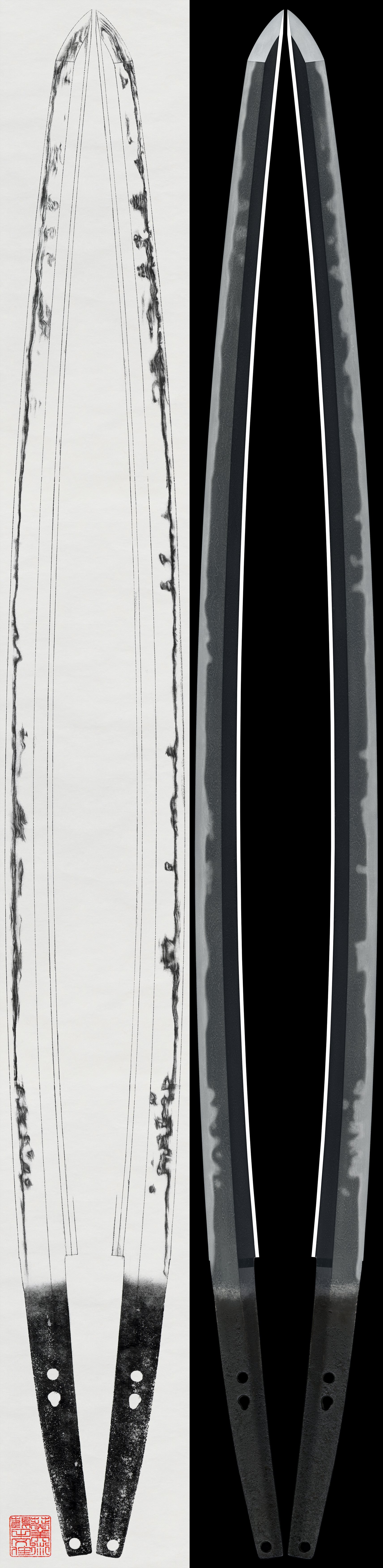
The published sources place Masamune of among the disciples of Kunimitsu, the three smiths Yukimitsu, Norishige and Masamune who further emphasized , and within the tradition (-) that Kunimitsu had founded, and led it toward completion. Masamune in particular, the writes, handled several kinds of steel of differing carbon content with skill, and, by bringing the subtleties of to their highest refinement, did much to elevate the artistic quality of the Japanese sword. Among the three the notes return again to a single judgment: that his and are "the most refined", and that he stands at the very summit of the tradition.

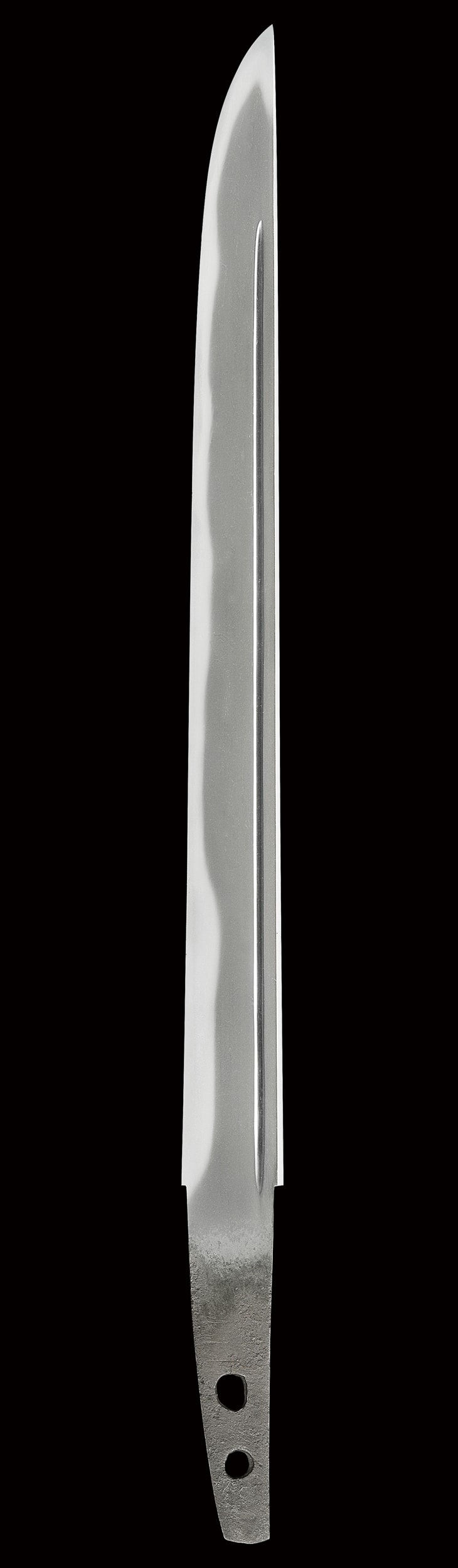
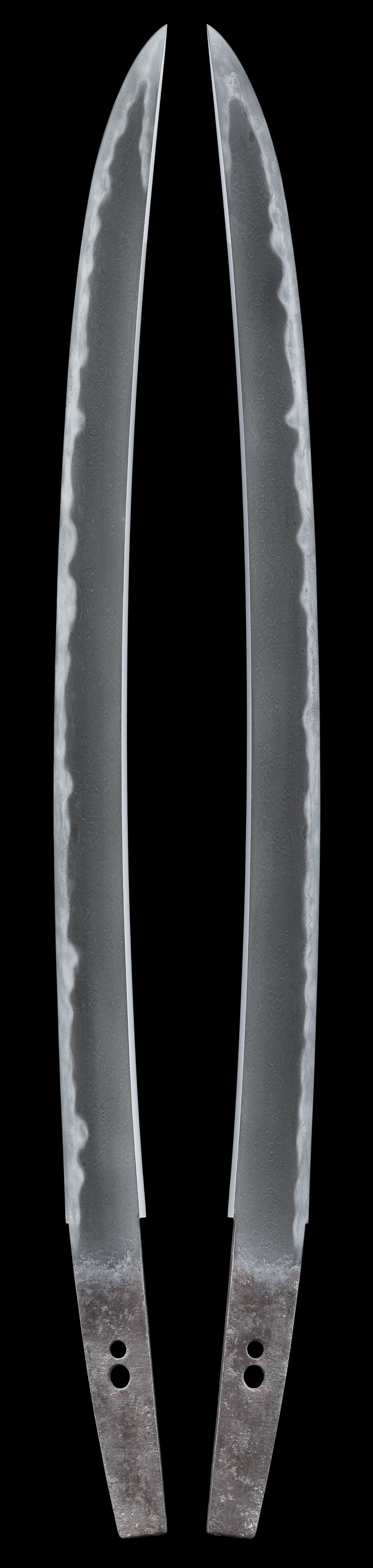
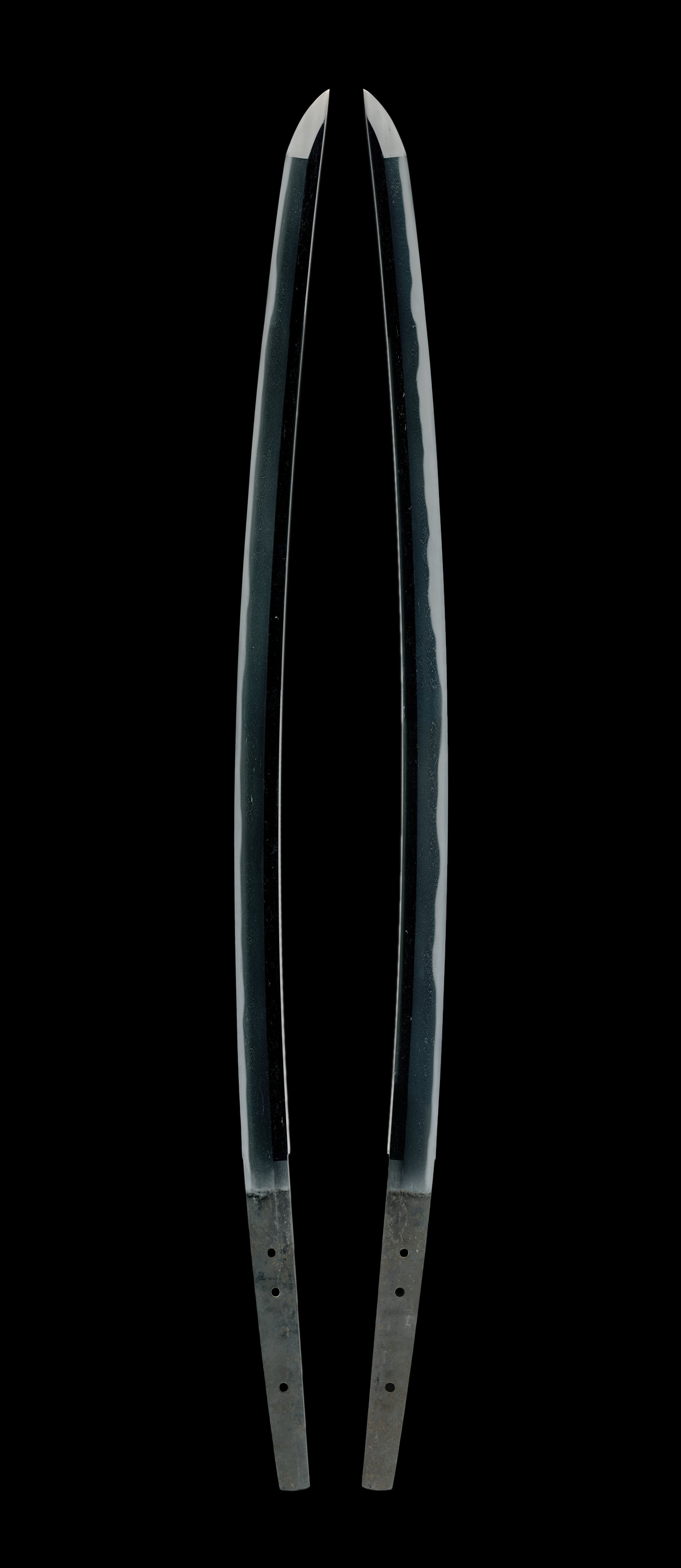
The characteristic manner the published descriptions assign to him is a whose main tone is , over which the temper rises intensely active: the becomes dense and breaks and clots, leap and move, that spills into the forms , and conspicuous are woven throughout the . This, the sources say, is a richly varied manner that may be called "Masamune's own invention", and they return to one image for it: the impression of viewing (破墨) splashed-ink landscape painting. The forging is mixed with , with a standing tendency in places, thick and frequent; the runs , at times flame-like on one face. It is in this freedom that "the exquisiteness of " reaches its limit.

The published record describes his work in two broad modes: one that, like Norishige, appears to take its models from old Ko-Hoki and pieces, and the -based mode above. Where his manner approaches Norishige the notes mark the kinship plainly, writing of one blade whose large and thick "recall the " of Norishige; yet on close examination, the source records, the shows neither the blackish tone nor the clouded iron color of Norishige, the surpasses his in brilliance, and the , tapering toward the tip rather than flared at the , decides the appraisal for Masamune.

As to form, the published sources record that his run either to standard with or to a broader width with a slightly extended , while his tend to the eight- range with shallow . From these points his principal period is reckoned the late period, the lower limit reaching the beginning of , so that the old account that he died in Koei 2 (1343) cannot, the notes say, be dismissed out of hand.

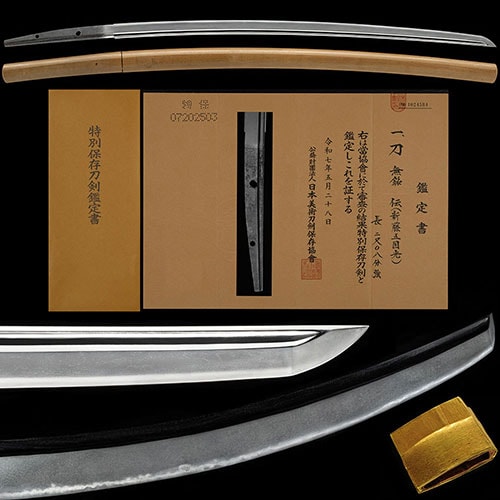
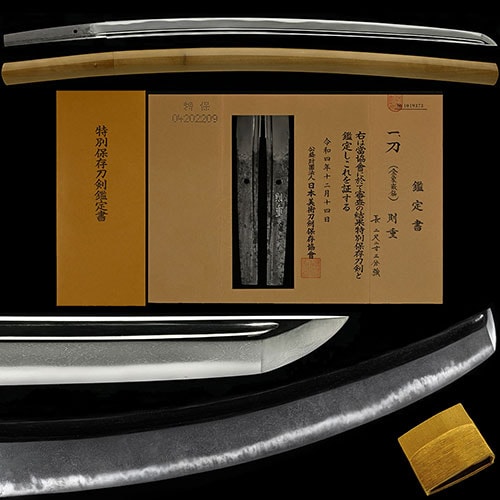
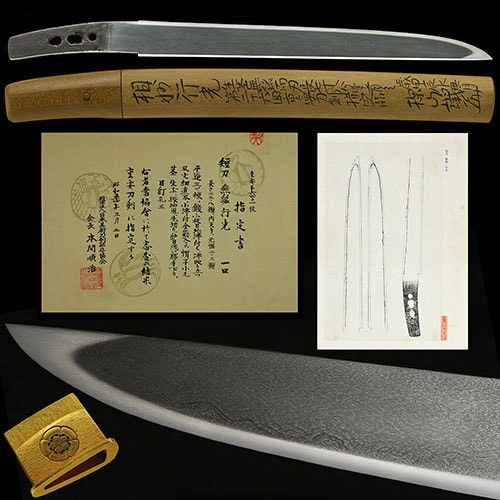
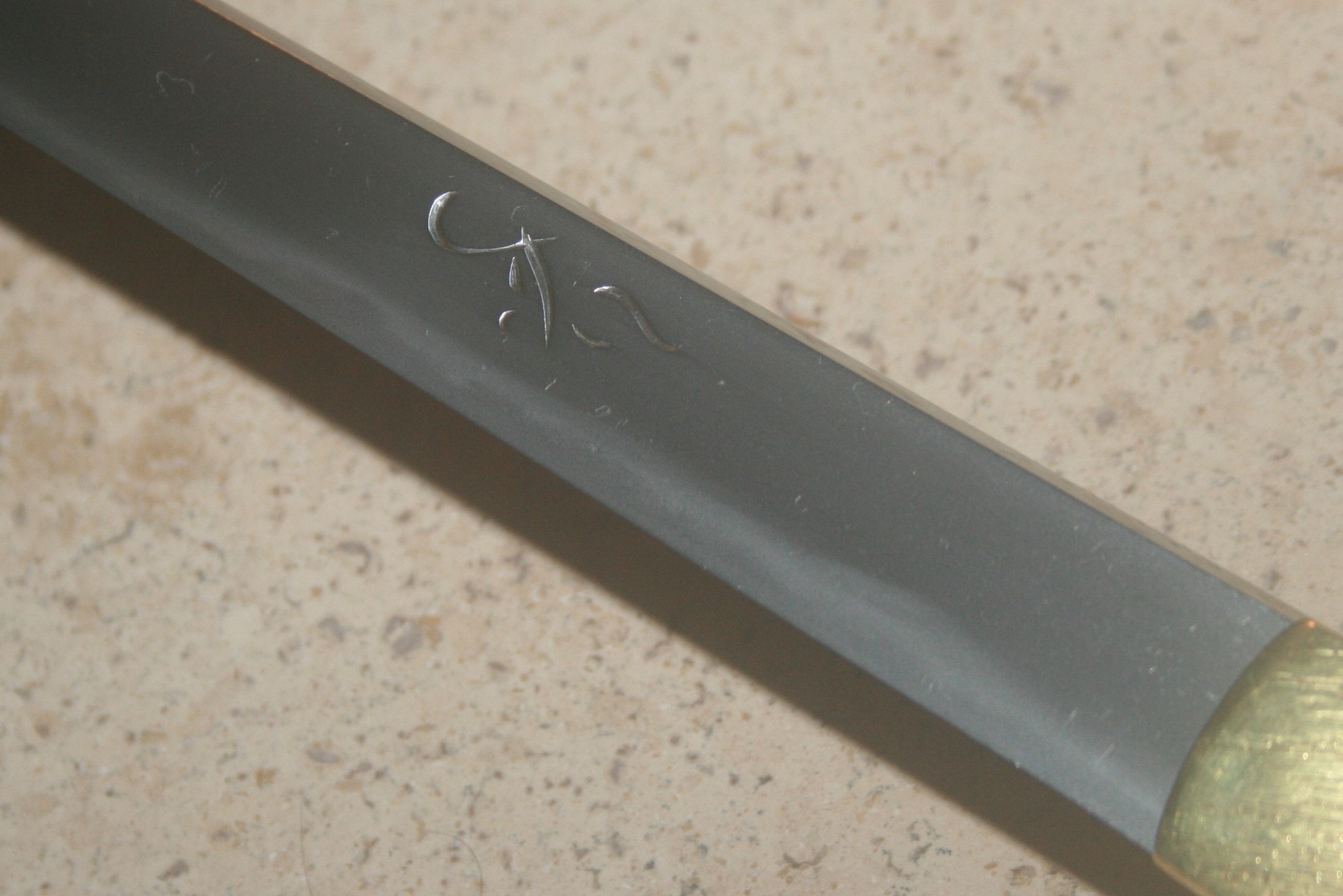
He is Sai-jo in Fujishiro's grading, and the weight of designation behind his name is the heaviest in the field: seven of his blades are National Treasures, the most of any smith, with twelve Important Cultural Properties, and beneath them twenty-three and thirty-four . Almost all that survives is - attribution, accepted as the work of a high-rank master ( joko); signed pieces are exceedingly rare, four blades in the official record against fifty-six unsigned: three , and the Kinoshita Masamune, the of which the published sources write that among Masamune's rare it is the only one whose signature cannot be denied. The Ashiya Masamune and the Ikeda Masamune carry , red-lacquer attribution inscriptions added by later appraisers, not the smith's own signature.

The provenance recorded against his blades is exceptional, sixty-five works carrying a history through the men who held the country: Oda Nobunaga, Toyotomi Hideyoshi, Tokugawa Ieyasu, Ishida Mitsunari, Honda Heihachiro Tadakatsu, Kobayakawa Takakage, the Maeda Family, the Owari Tokugawa Family and the Imperial Family. Ten of his blades are locked forever in the National Treasure and Important Cultural Property tiers and can never trade; the rest are held largely by the Tokyo National Museum, the Kyoto National Museum, the Tokugawa Art Museum, the Maeda Foundation, Eisei Bunko and Atsuta Jingu. A Masamune coming into open hands is among the rarest events in the field.

Honors

享保名物帳Kyōhō Meibutsu Chō (Catalog of Celebrated Blades)

Catalog 41 · burned 18 · addenda 2 (61 total)

The family's catalog of celebrated blades (名物) presented to shogun Tokugawa Yoshimune in Kyōhō 4 (1719). Records ~274 blades of – manufacture (168 extant + ~80 burned + ~26 later additions), grouped by smith with valuations and provenance. This honor tags smiths whose work is recorded in the catalog; the detail field carries per-smith counts where the published tally is exact, or 所載 + named blades where only inclusion is verified.

三作Sansaku (The Supreme Three)

One of the Supreme Three — the founder of the Sōshū tradition

The "Supreme Three" of Japanese swordsmithing in the / standard reckoning: Masamune (正宗), Yoshimitsu (吉光), and Gō Yoshihiro (郷義弘). The highest traditional grouping of master smiths, regarded as the pinnacle of the craft.

Historical importance

Where Masamune stands among comparable artisans: across all of nihontō, and within tradition, era, and period. The tiers (Foremost · Leading · Major · Notable) weigh official designations from the NBTHK and Japan's Agency for Cultural Affairs, together with historical honors of lasting repute such as the Sansaku and Meibutsu-chō.

随一
Foremost
屈指
Leading
有数
Major
著名
Notable

Select a lens to see how it's measured.

Designations

Kokuhō7
Jūyō Bunkazai12
Jūyō Bijutsuhin7
Gyobutsu2
Tokubetsu Jūyō23
Jūyō Tōken33

Elite Standing

Kantei

Provenance

Blade Forms

Distribution across 84 ranked works

Signatures

Signature types across 84 ranked works

Currently Available

Lineage

TeacherKunimitsu
Masamune
Students (20)
  1. 1.Sa左73designated
  2. 2.Sadamune貞宗86designated
  3. 3.Go Yoshihiro義弘1 for sale54designated
  4. 4.Chogi長義1 for sale108designated
  5. 5.Hiromitsu廣光1 for sale44designated
  6. 6.Norishige則重8 for sale131designated
  7. 7.Kunitsugu國次3 for sale65designated
  8. 8.Kaneuji兼氏1 for sale156designated
  9. 9.Hankei繁慶3 for sale51designated
  10. 10.Kunishige國重1 for sale54designated
  11. 11.Naotsuna直綱3 for sale74designated
  12. 12.Kinju金重3 for sale45designated
  13. 13.Kanemitsu兼光
  14. 14.Kanenari包成
  15. 15.Kinju金重
  16. 16.Kunishige國重
  17. 17.Kunishige國重
  18. 18.Tokiyuki時行1 for sale
  19. 19.Tomishi富士
  20. 20.Yoshihiro義弘1designated

Soshu School

Other artisans of the Soshu school

  1. 1.Sadamune貞宗86designated
  2. 2.Go Yoshihiro義弘1 for sale54designated
  3. 3.Akihiro秋廣27designated
  4. 4.Kunimitsu國光4 for sale69designated
  5. 5.Hiromitsu廣光1 for sale44designated
  6. 6.Norishige則重8 for sale131designated
  7. 7.Yukimitsu行光4 for sale149designated
  8. 8.Takagi Sadamune高木貞宗1 for sale40designated
  9. 9.Tametsugu爲繼2 for sale76designated
  10. 10.Kunihiro國廣1 for sale15designated
  11. 11.Daishinbo大進房3designated
  12. 12.Yoshihiro吉廣1designated

Masamune

Masamune(正宗) was a Japanese swordsmith of the Soshu school in Sagami province, active during the Shoo (1288-1293) period.

The work follows the Soshu-den tradition.

Designated works by Masamune include 7 Kokuhō (National Treasure), 12 Jūyō Bunkazai (Important Cultural Property), 23 Tokubetsu Jūyō, 33 Jūyō.