Edo was the sword’s age of connoisseurship: the Hon’ami appraisers, the shogunal register of famous blades of 1719, and a thriving literature turned the sword into an object of study even as it ceased to be drawn in war.
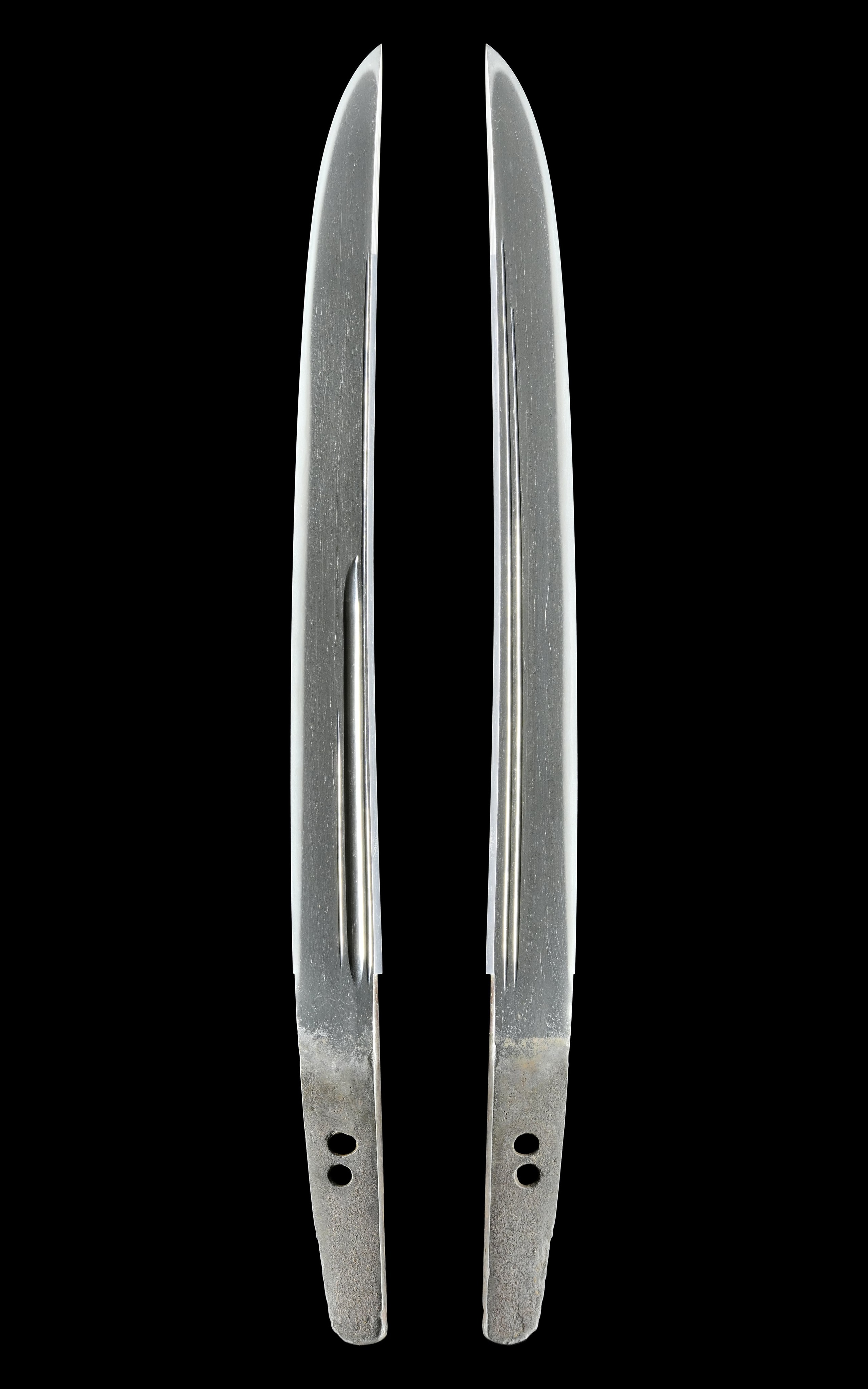
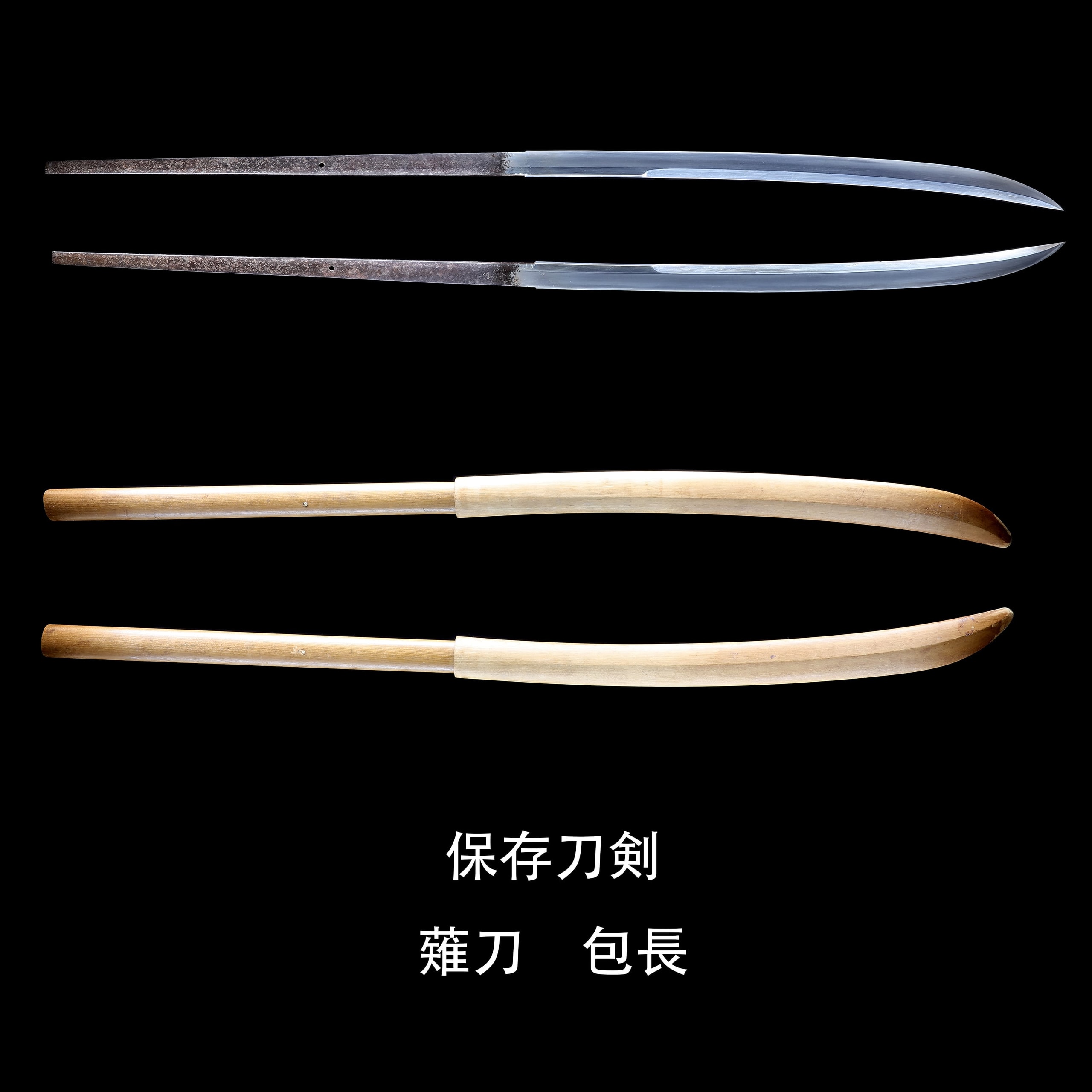
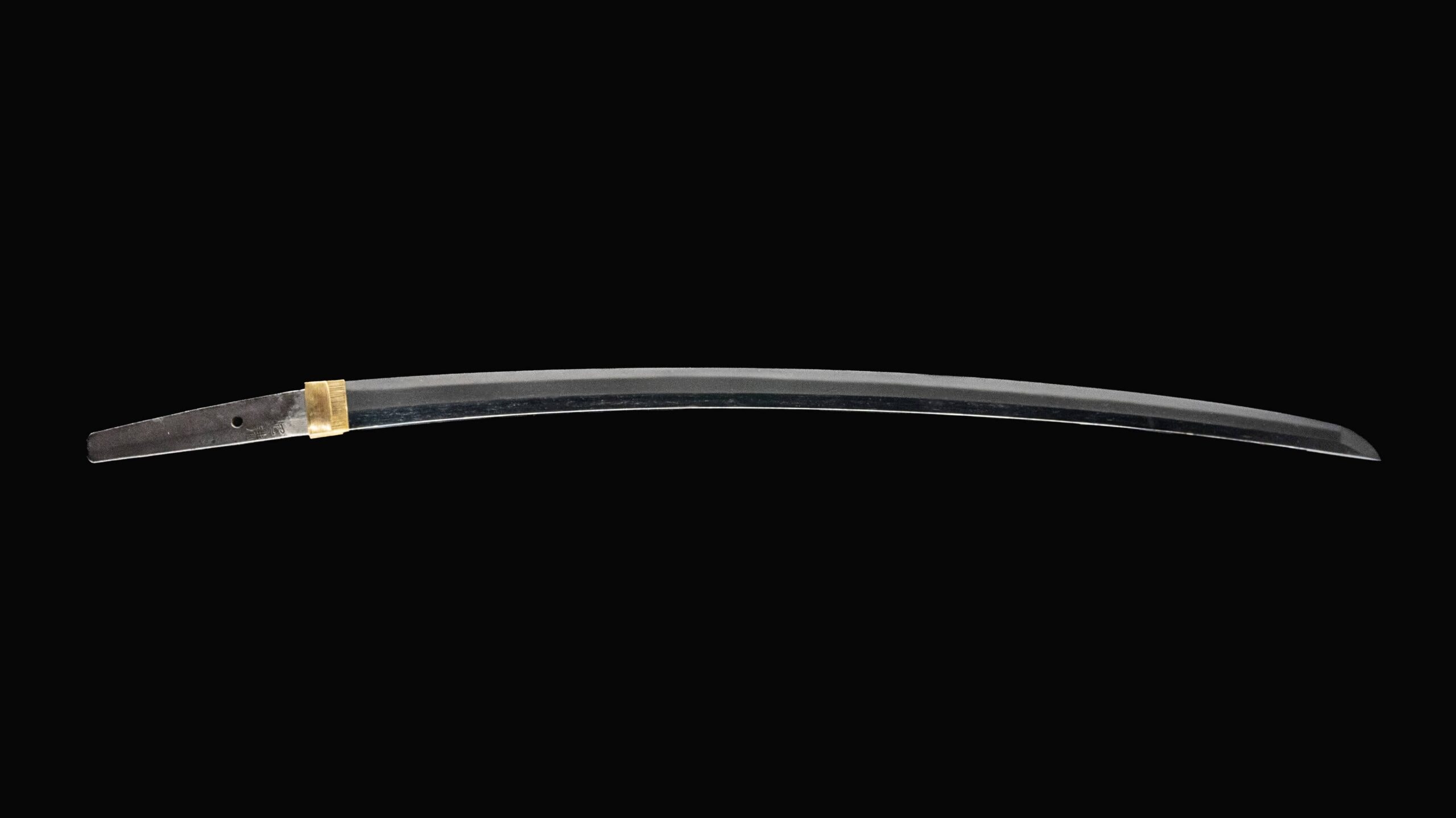
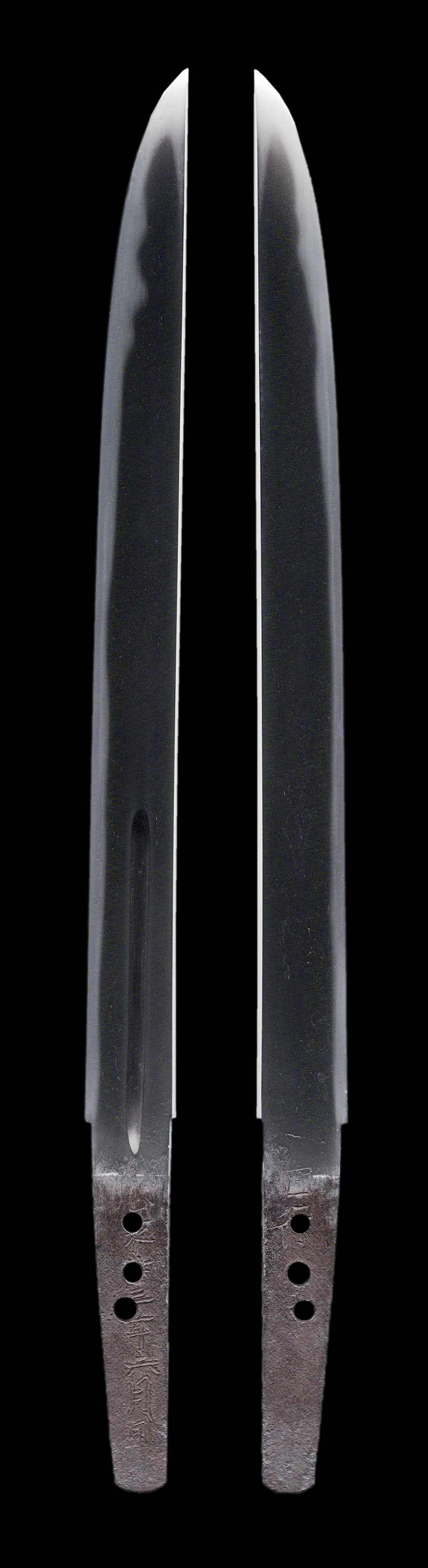
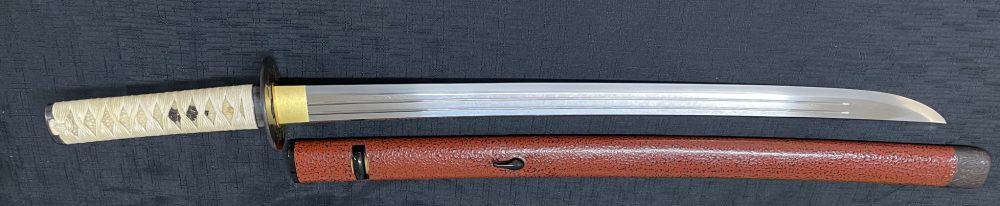
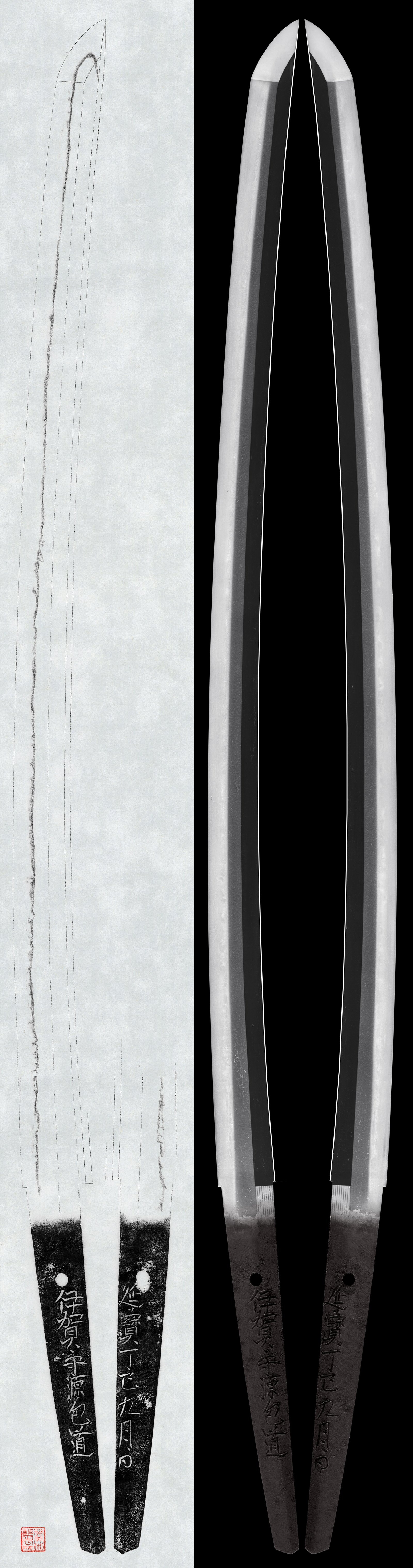
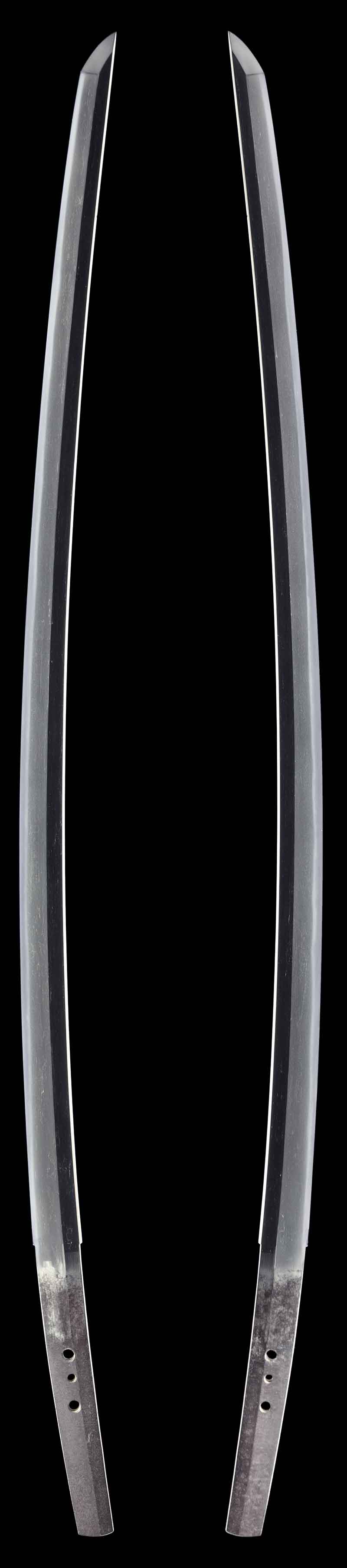
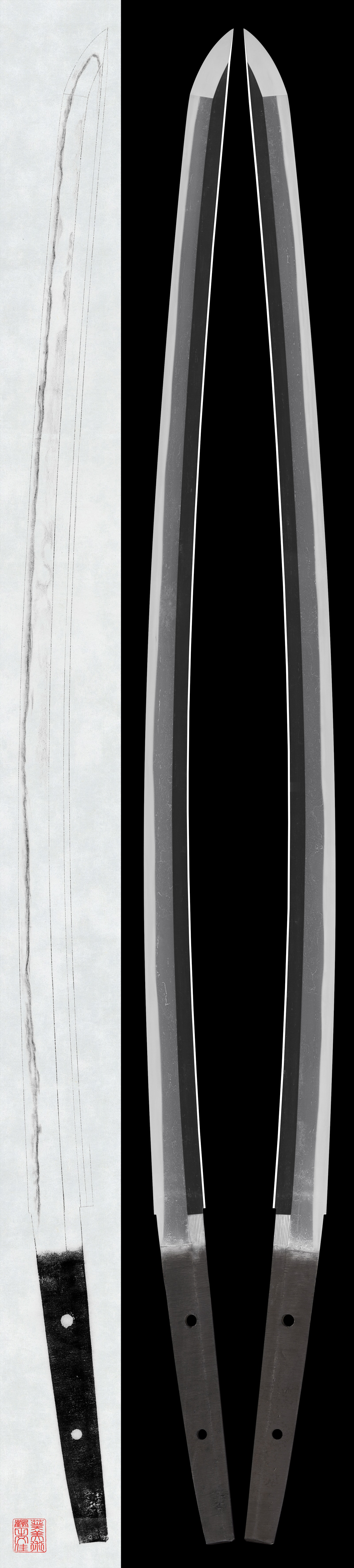
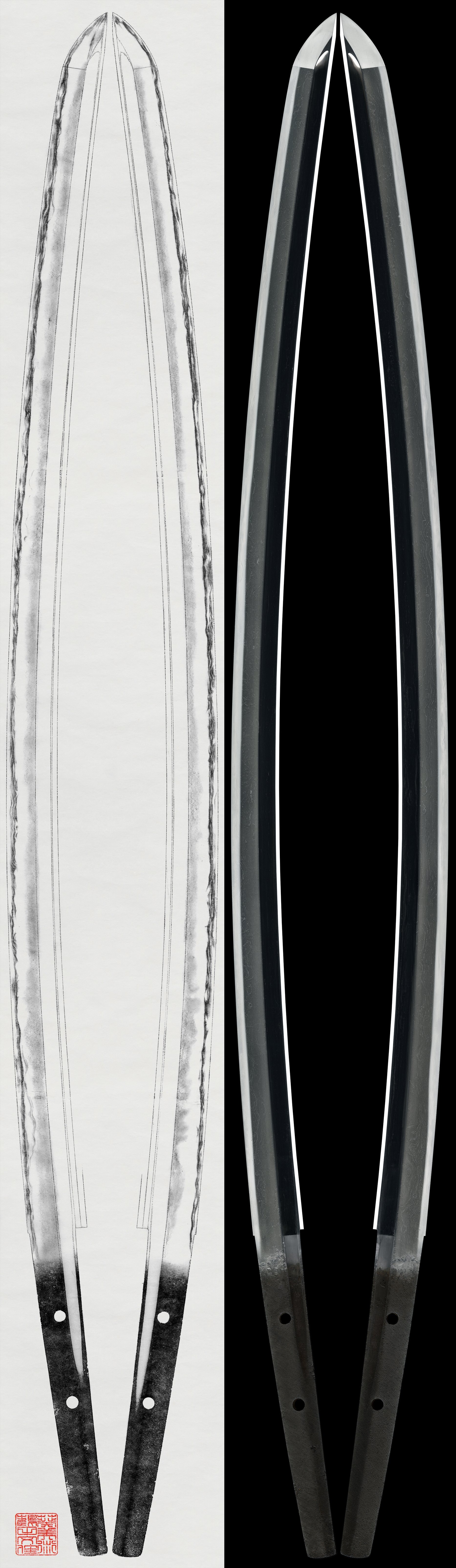
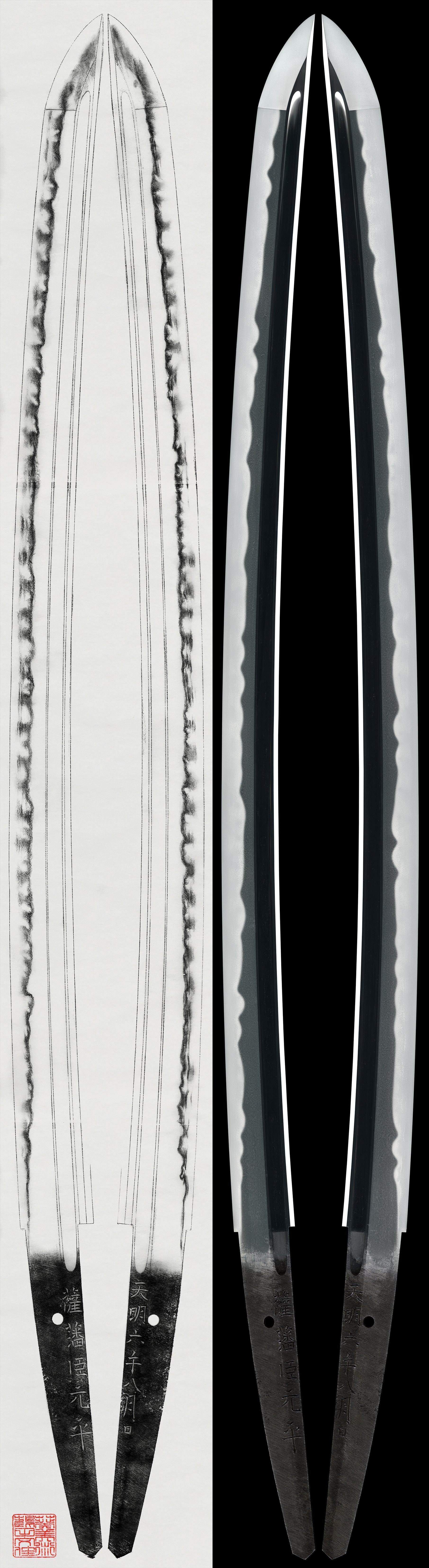
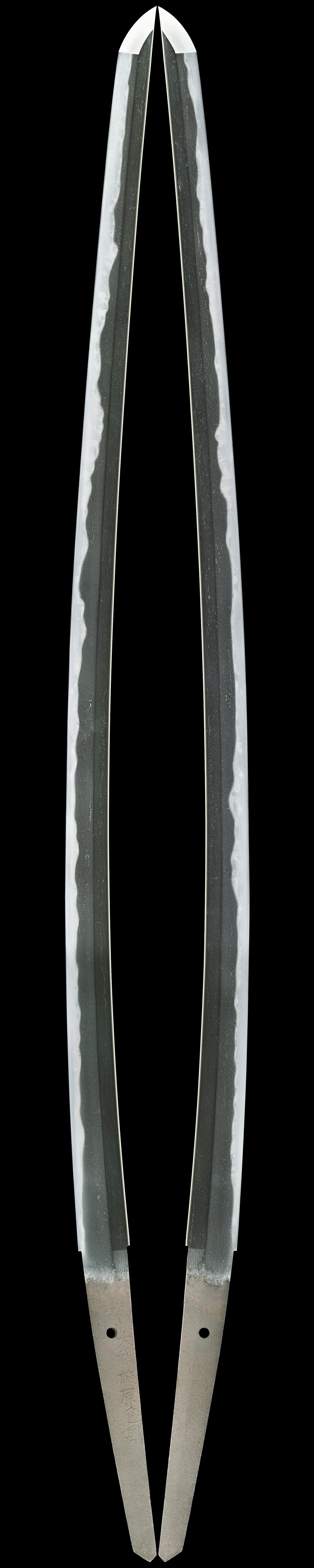
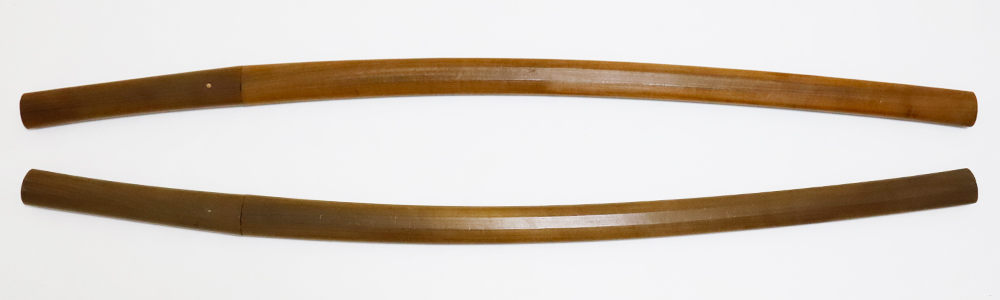
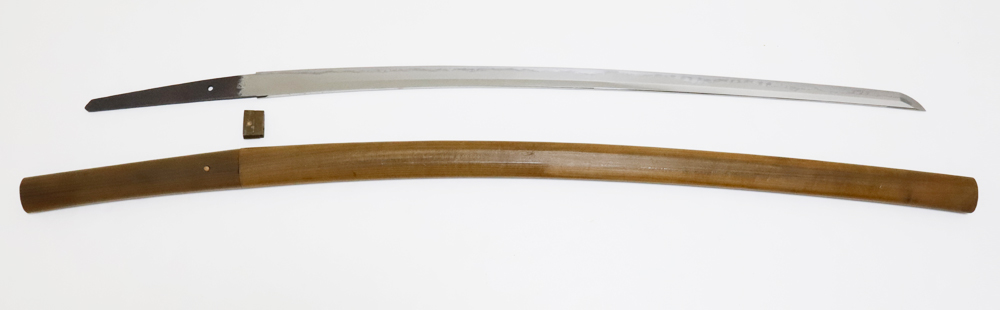
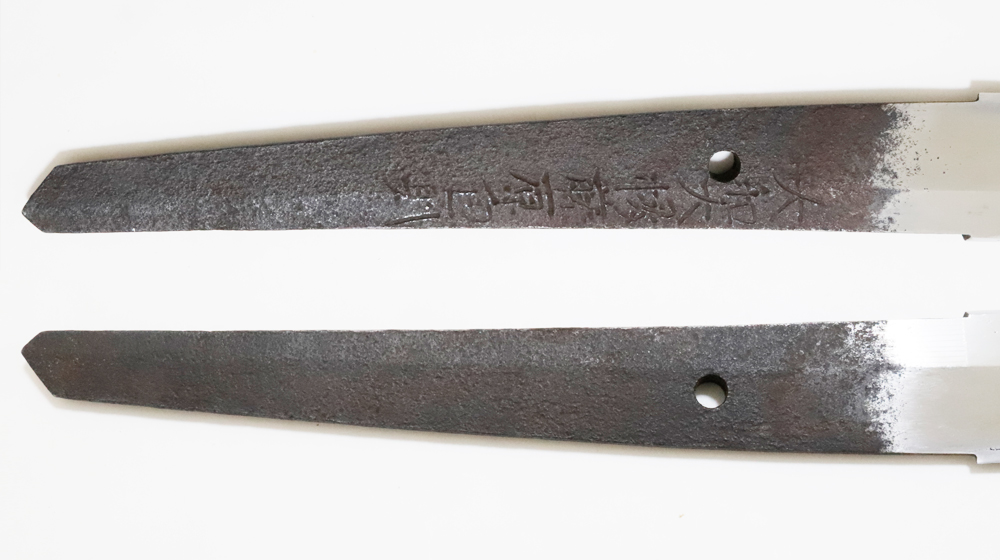
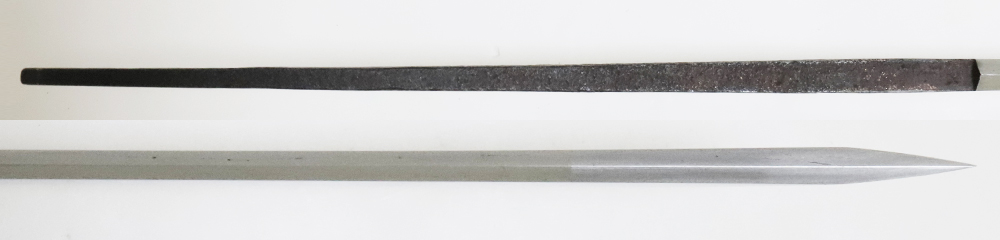
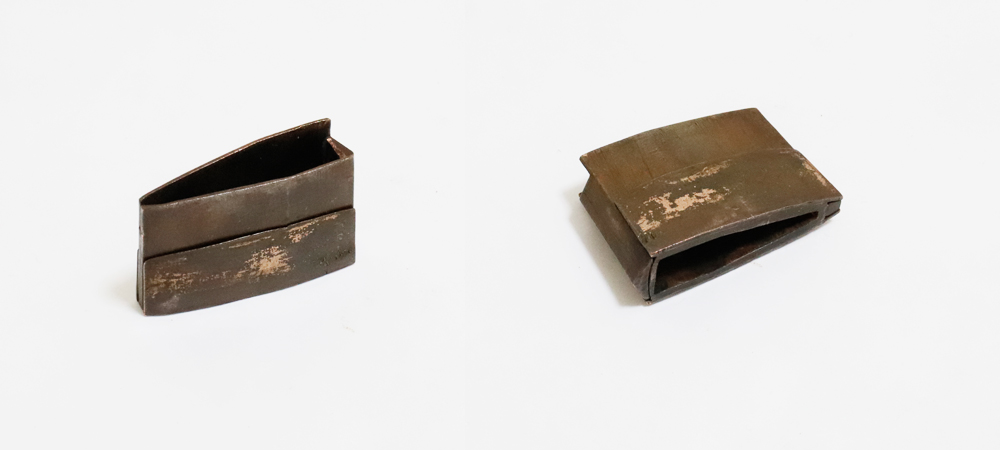
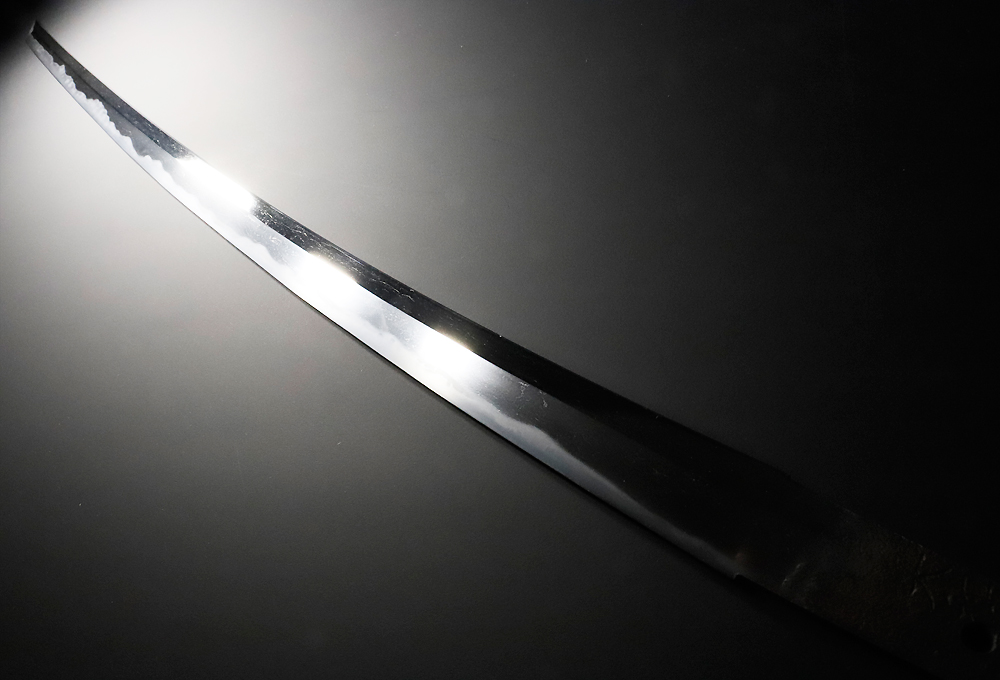
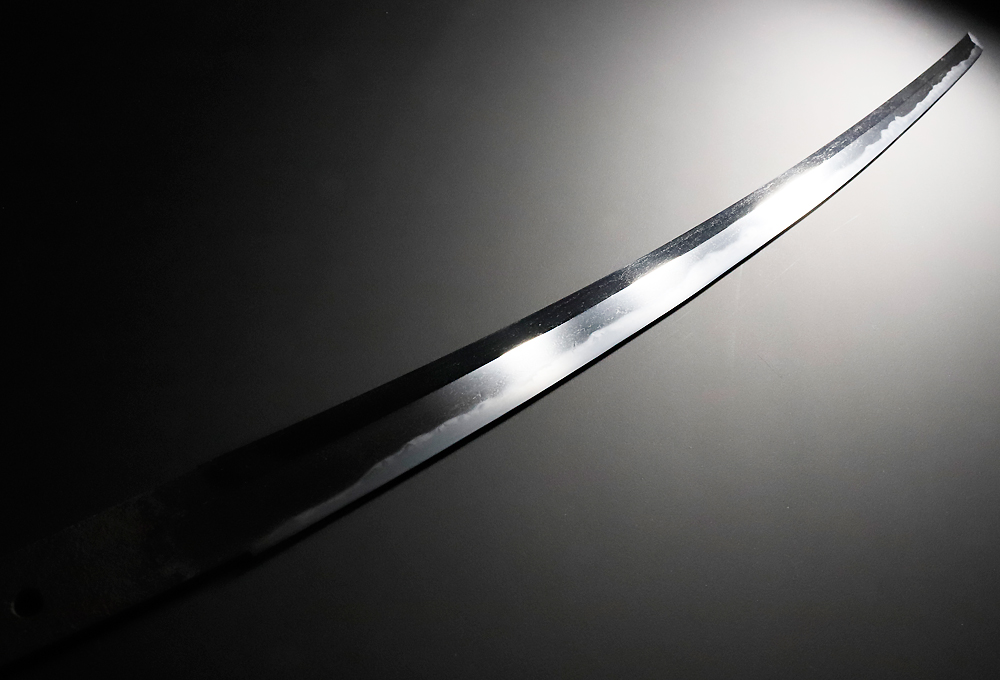
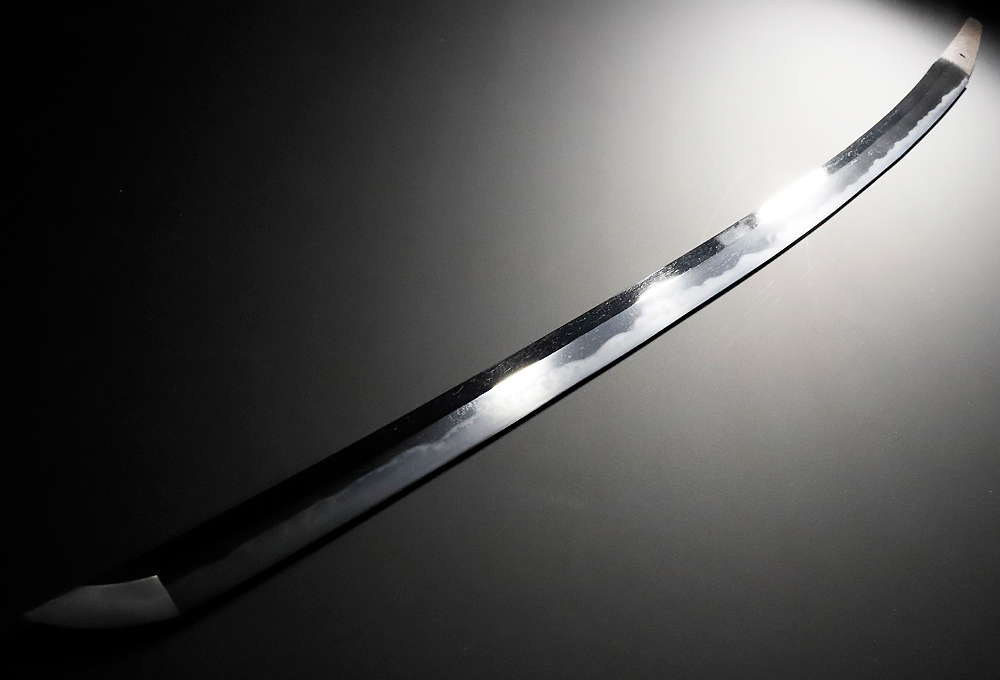
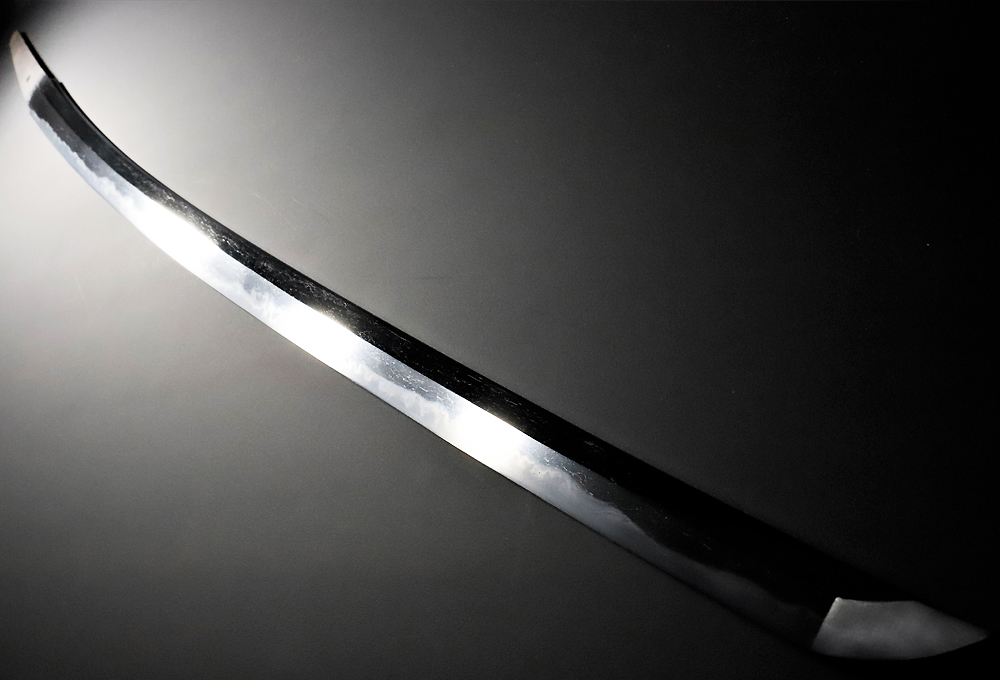
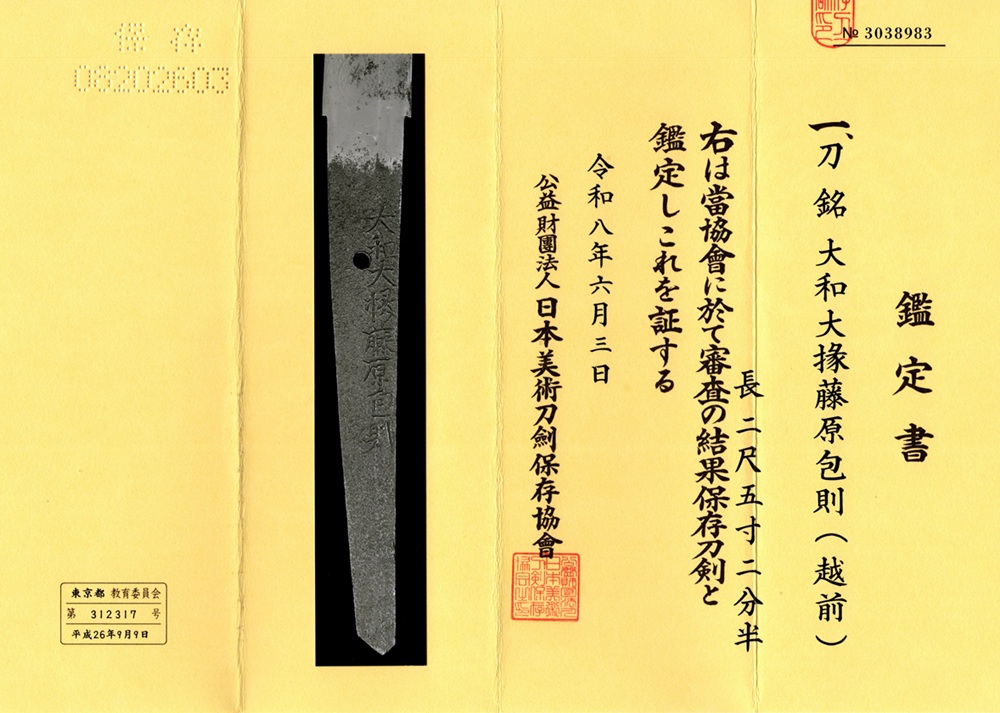
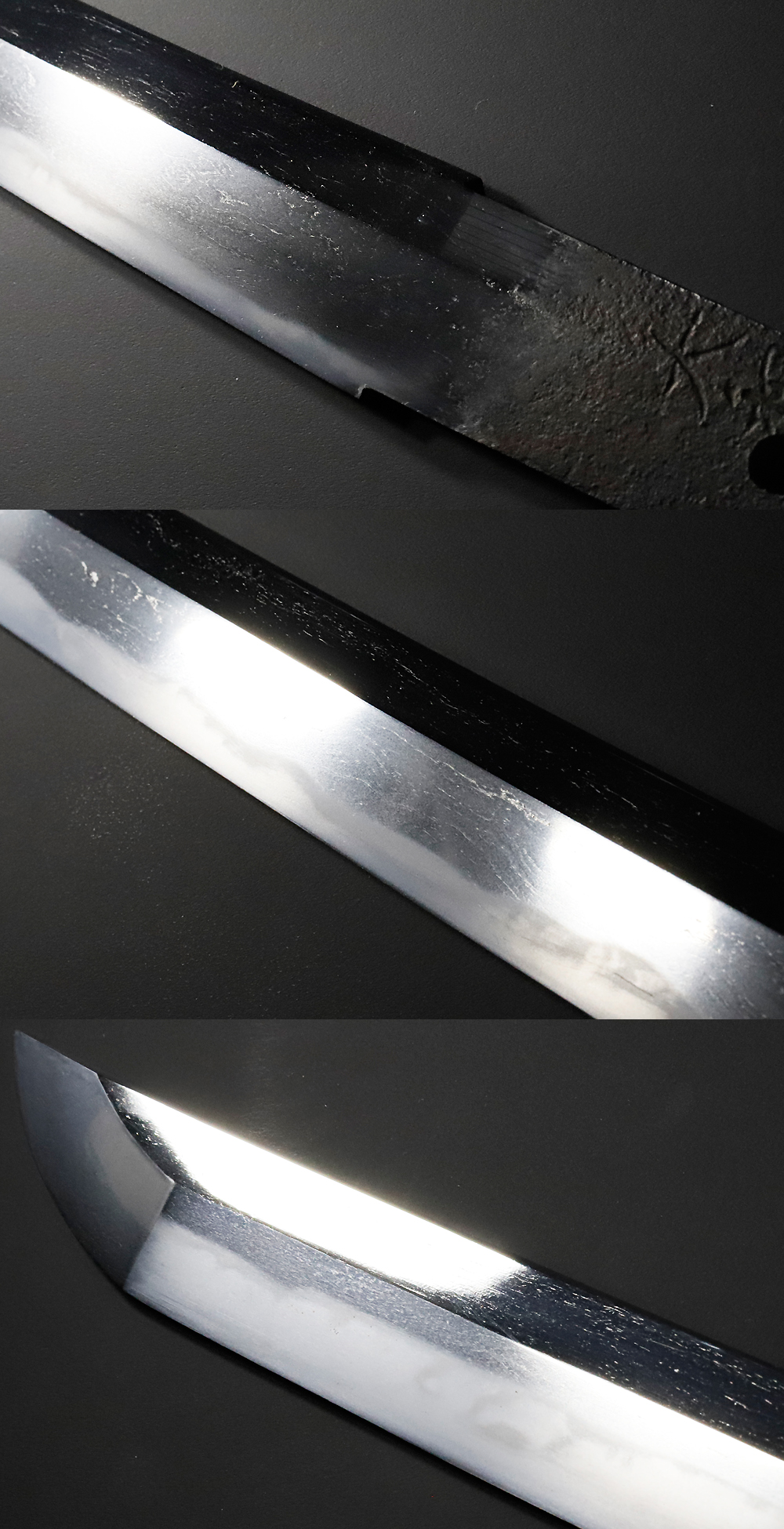
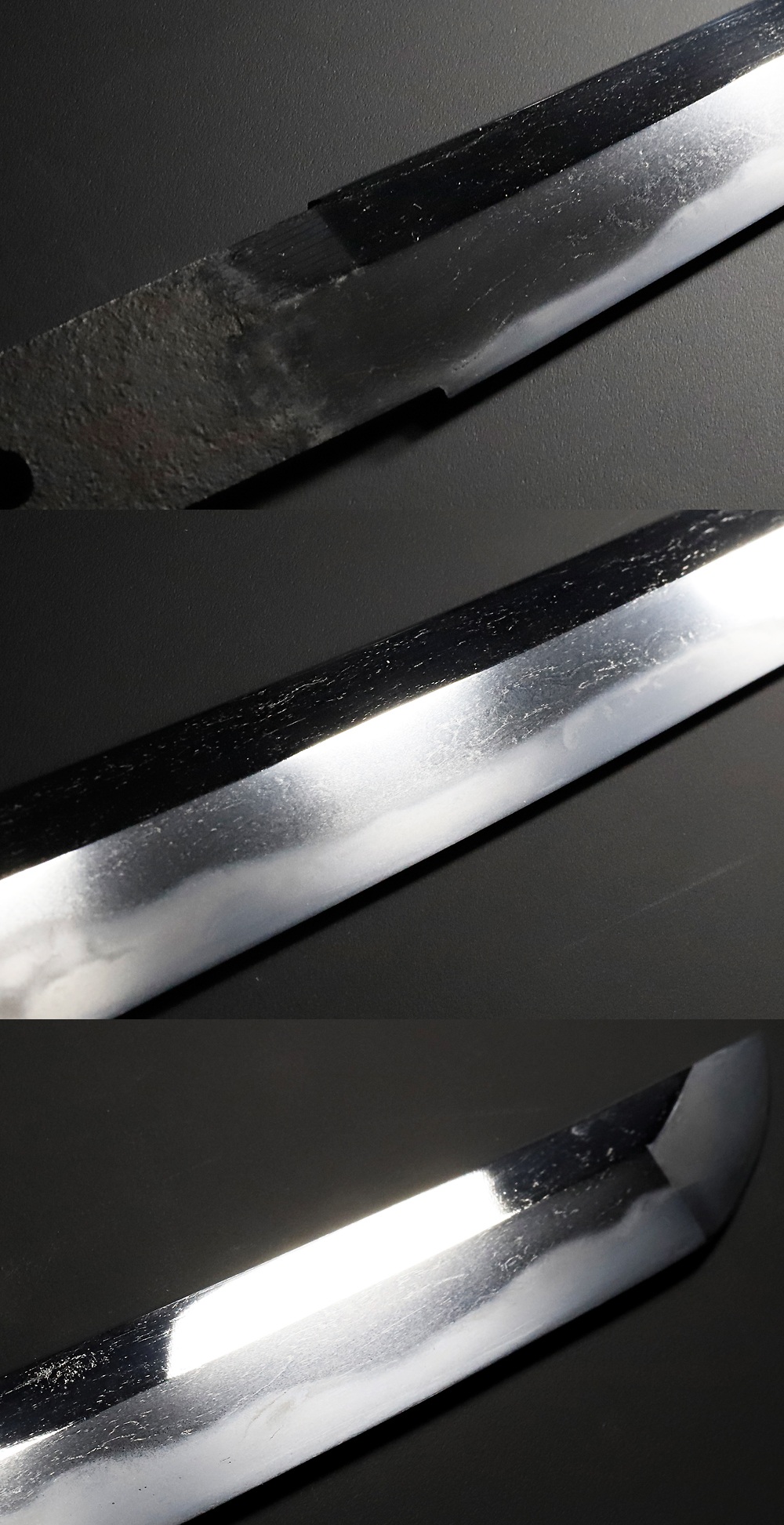
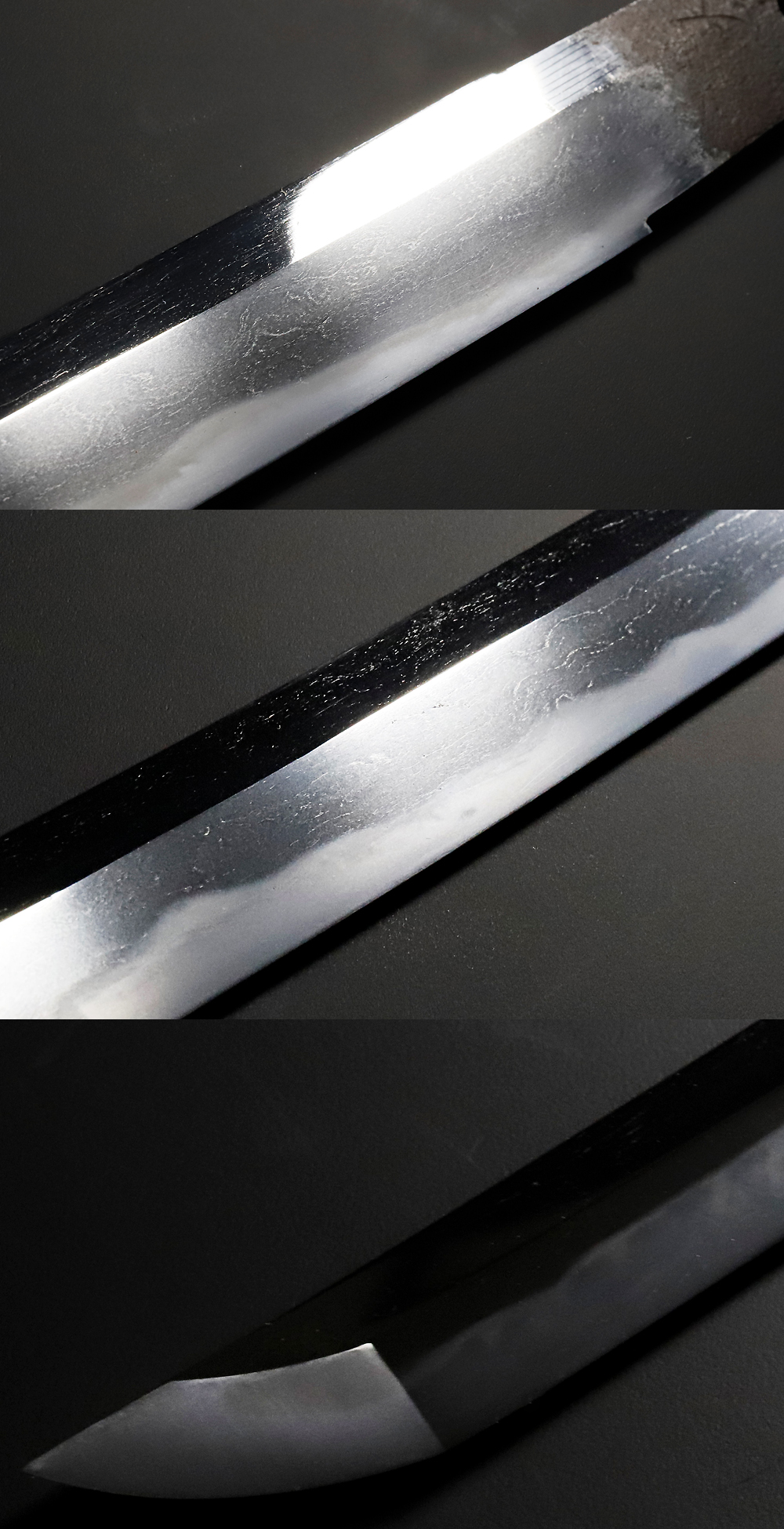
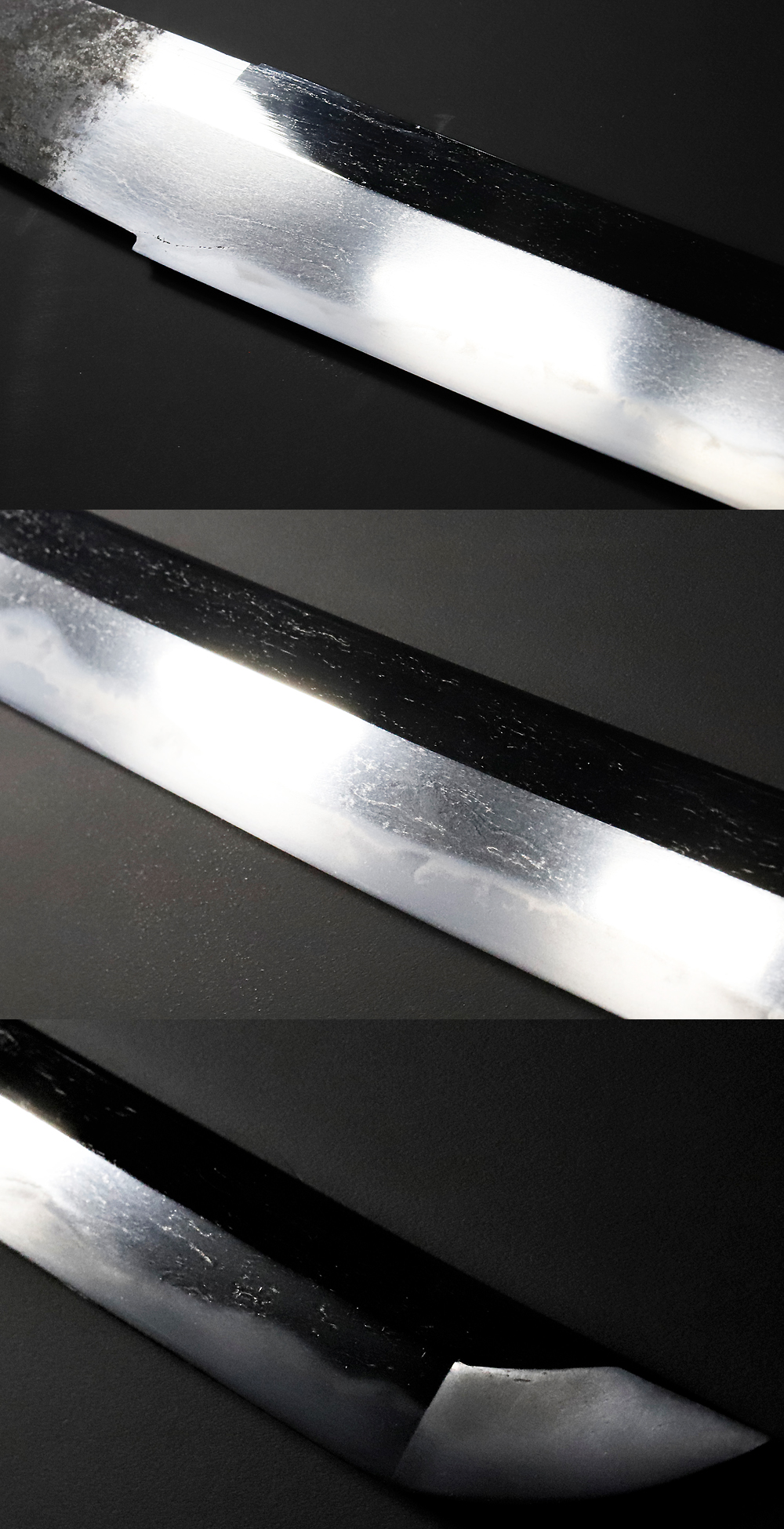
This katana by Yamato Daijo Fujiwara Kanenori is the third generation of Kanenori from the Echizen Shimosaka school. He moved from Echizen to Edo during the Kanbun era and received the title of Yamato Daijo. The blade features an itame-nagare hada and a gunome-choji midare hamon with tobiyaki, nioiguchi, and yo. It is a beautiful sword with a nagasa of over 76.5 cm and appropriate sori, accompanied by an NBTHK Hozon Token certificate.
 NihontoWatch
mei · Echizen Shimosaka · Edo · nagasa 76.5cm · sori 1.9cm

Yamato-den · Yamato · around 1429-1441
1 piece on the market now
Yamato-den · Yamato
Phase: Sue-Tegai末手掻· 1390–1700
36 pieces on the market now
Sue-Tegai (末手掻) is the late phase of the Tegai school, from the Ōei era through the Muromachi period (with a thin tail of name-bearers into the early Edo period). The term 末手掻 is used directly in NBTHK setsumei to set this generation apart from the classical Ko-Tegai of the founder Kanenaga. Its representative smiths are Kanezane (包眞), Kanetoshi (包俊 / 包利), Kaneyoshi (包吉), and Kaneyuki (包行), names that recur across several generations as the workshop continued to supply blades through the fifteenth and sixteenth centuries. The Sue-Tegai idiom is a tightening and quieting of the classical Yamato manner.
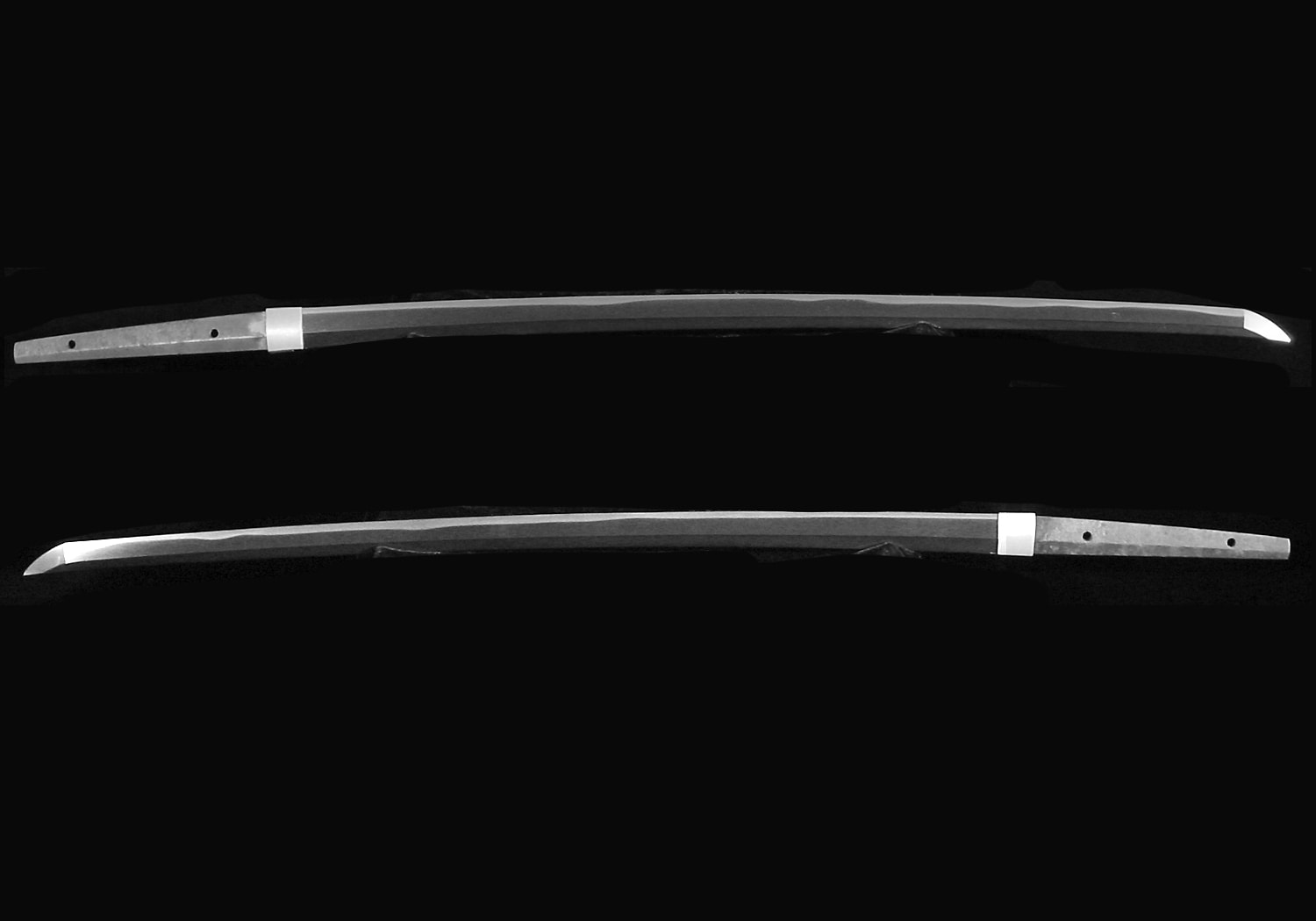
The jigane becomes a closely-forged ko-itame mixed with prominent masame that frequently takes on a whitish (shirake) cast — a hallmark of the late phase — while the hamon narrows to a nioi-based suguha that frays into hotsure and ko-midare, with a komaru bōshi. The hiogi (檜垣) file-mark on the nakago is a recurring diagnostic. Production shifts toward tantō and wakizashi in standard Muromachi forms alongside some katana, and the NBTHK observes that the work shows comparatively little individual character, faithfully preserving the traditional house style rather than the bold personal expression of the Kamakura founders. The phase represents the orthodox Yamato tradition carried, with conservative consistency, to the close of the Muromachi age. Learn more →
| Smith | Era | Designated |
|---|---|---|
| Kanenaga包永 | 1288-1312 | 62 |
| Kanekiyo包清 | 1362-1370 | 8 |
| Kanetoshi包俊 | 1381-1384 | 4 |
| Kanetsugu包次 | 1317-1333 | 4 |
| Kanekiyo包清 | 1429-1441 | 3 |
The Edo period (1615 to 1868)
Edo was the sword’s age of connoisseurship: the Hon’ami appraisers, the shogunal register of famous blades of 1719, and a thriving literature turned the sword into an object of study even as it ceased to be drawn in war.
Certifies a genuine blade worth preserving: a signature confirmed correct, or, if unsigned, an era, province, and school that the NBTHK can reliably identify.
The NBTHK (Nihon Bijutsu Tōken Hozon Kyōkai, the Society for the Preservation of Japanese Art Swords) is a public-interest incorporated foundation founded in 1948 and supervised by Japan’s Agency for Cultural Affairs (Bunkachō); it is based at the Japanese Sword Museum in Tokyo. Its expert panels physically examine each submitted work (shinsa) and issue a certificate (kanteishō) ranking it by artistic and historical merit. NBTHK papers are the most widely recognized standard of authentication for Japanese swords and fittings.
NBTHK official siteDomestic: items may be returned within 7 days in original condition for a full refund (buyer covers transport). Overseas orders: no-refunds, no-returns.
¥400,000
This katana by Yamato Daijo Fujiwara Kanenori is the third generation of Kanenori from the Echizen Shimosaka school. He moved from Echizen to Edo during the Kanbun era and received the title of Yamato Daijo. The blade features an itame-nagare hada and a gunome-choji midare hamon with tobiyaki, nioiguchi, and yo. It is a beautiful sword with a nagasa of over 76.5 cm and appropriate sori, accompanied by an NBTHK Hozon Token certificate.
NihontoWatchmei · Echizen Shimosaka · Edo · nagasa 76.5cm · sori 1.9cm
Yamato-den · Yamato · around 1429-1441
1 piece on the market now
Yamato-den · Yamato
Phase: Sue-Tegai末手掻· 1390–1700
36 pieces on the market now
Sue-Tegai (末手掻) is the late phase of the Tegai school, from the Ōei era through the Muromachi period (with a thin tail of name-bearers into the early Edo period). The term 末手掻 is used directly in NBTHK setsumei to set this generation apart from the classical Ko-Tegai of the founder Kanenaga. Its representative smiths are Kanezane (包眞), Kanetoshi (包俊 / 包利), Kaneyoshi (包吉), and Kaneyuki (包行), names that recur across several generations as the workshop continued to supply blades through the fifteenth and sixteenth centuries. The Sue-Tegai idiom is a tightening and quieting of the classical Yamato manner.
The jigane becomes a closely-forged ko-itame mixed with prominent masame that frequently takes on a whitish (shirake) cast — a hallmark of the late phase — while the hamon narrows to a nioi-based suguha that frays into hotsure and ko-midare, with a komaru bōshi. The hiogi (檜垣) file-mark on the nakago is a recurring diagnostic. Production shifts toward tantō and wakizashi in standard Muromachi forms alongside some katana, and the NBTHK observes that the work shows comparatively little individual character, faithfully preserving the traditional house style rather than the bold personal expression of the Kamakura founders. The phase represents the orthodox Yamato tradition carried, with conservative consistency, to the close of the Muromachi age. Learn more →
| Smith | Era | Designated |
|---|---|---|
| Kanenaga包永 | 1288-1312 | 62 |
| Kanekiyo包清 | 1362-1370 | 8 |
| Kanetoshi包俊 | 1381-1384 | 4 |
| Kanetsugu包次 | 1317-1333 | 4 |
| Kanekiyo包清 | 1429-1441 | 3 |
The Edo period (1615 to 1868)
Edo was the sword’s age of connoisseurship: the Hon’ami appraisers, the shogunal register of famous blades of 1719, and a thriving literature turned the sword into an object of study even as it ceased to be drawn in war.
Certifies a genuine blade worth preserving: a signature confirmed correct, or, if unsigned, an era, province, and school that the NBTHK can reliably identify.
The NBTHK (Nihon Bijutsu Tōken Hozon Kyōkai, the Society for the Preservation of Japanese Art Swords) is a public-interest incorporated foundation founded in 1948 and supervised by Japan’s Agency for Cultural Affairs (Bunkachō); it is based at the Japanese Sword Museum in Tokyo. Its expert panels physically examine each submitted work (shinsa) and issue a certificate (kanteishō) ranking it by artistic and historical merit. NBTHK papers are the most widely recognized standard of authentication for Japanese swords and fittings.
NBTHK official siteDomestic: items may be returned within 7 days in original condition for a full refund (buyer covers transport). Overseas orders: no-refunds, no-returns.
¥400,000