The monasteries that had sustained Yamato lost ground through the Muromachi period, and the schools thinned with them; Sue-Tegai kept the old masame manner alive in quantity. The burning of Tōdaiji’s Great Buddha hall in 1567 closed the temple age.
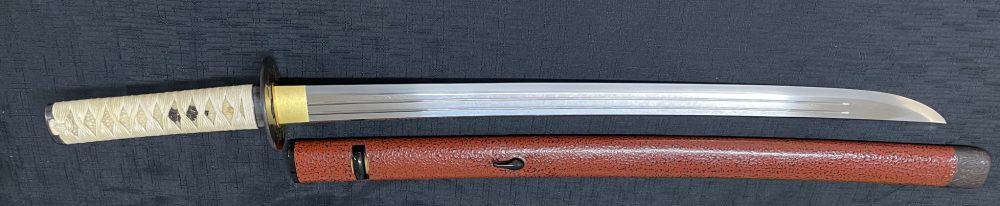
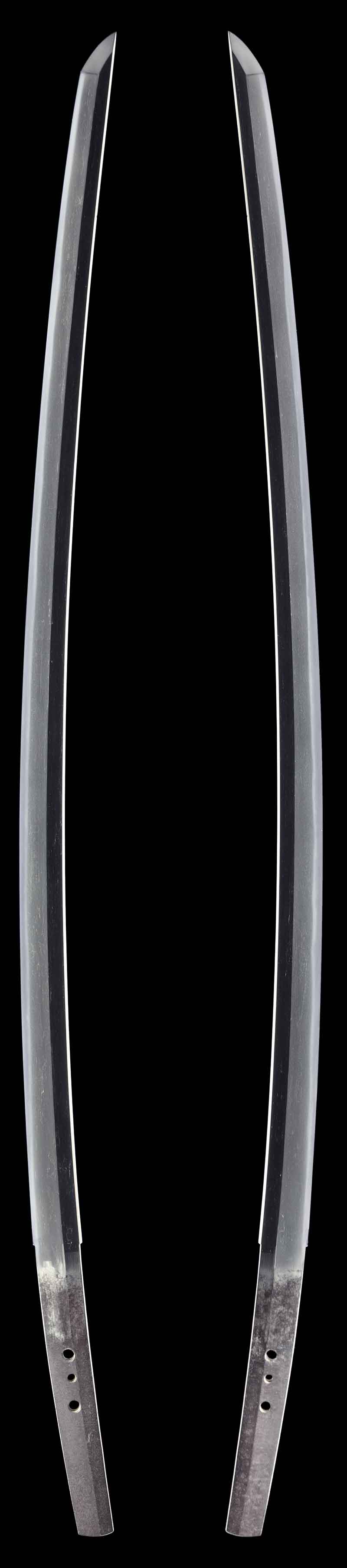
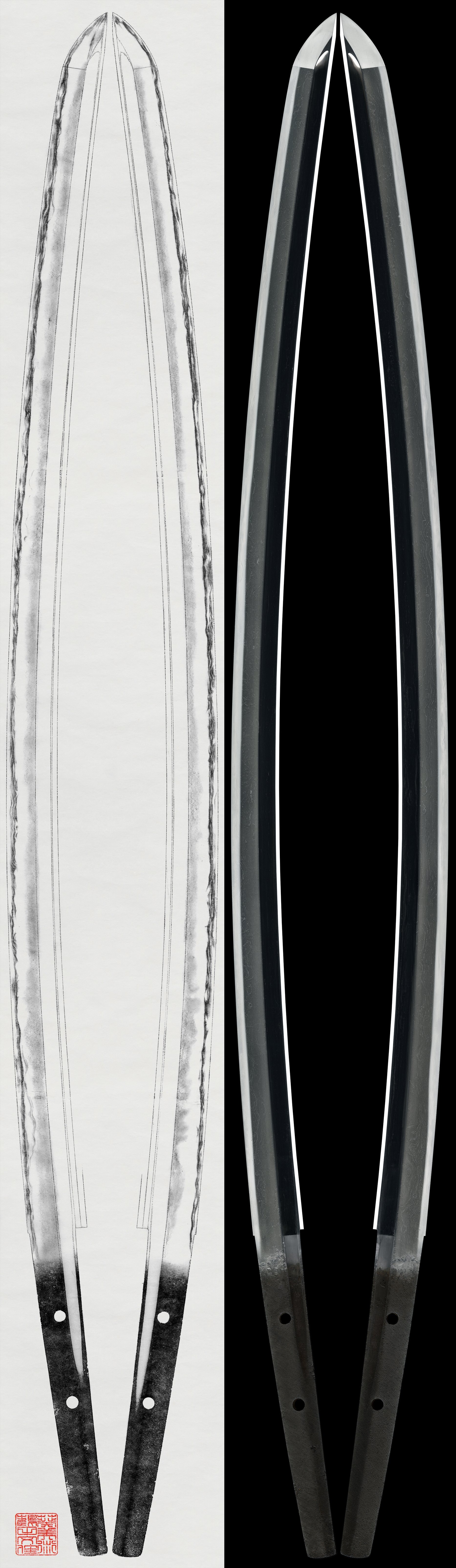
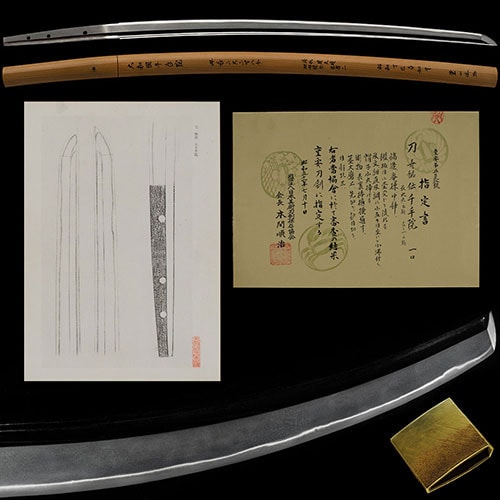
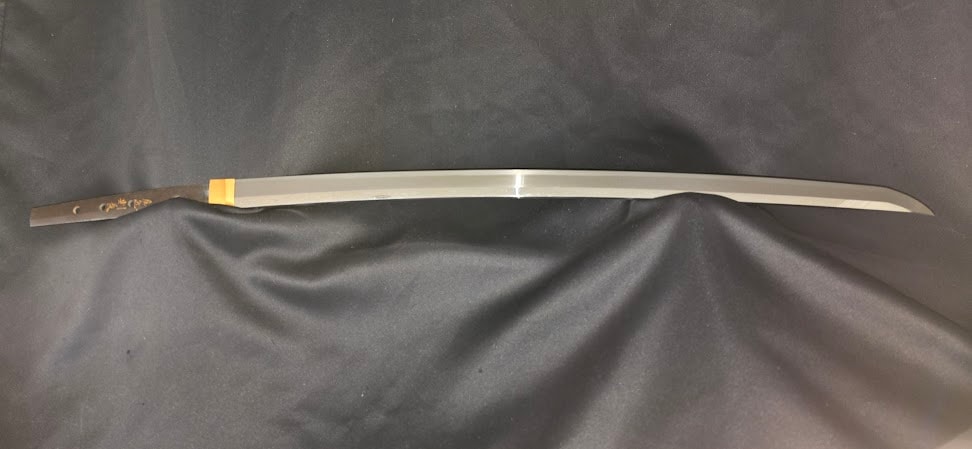
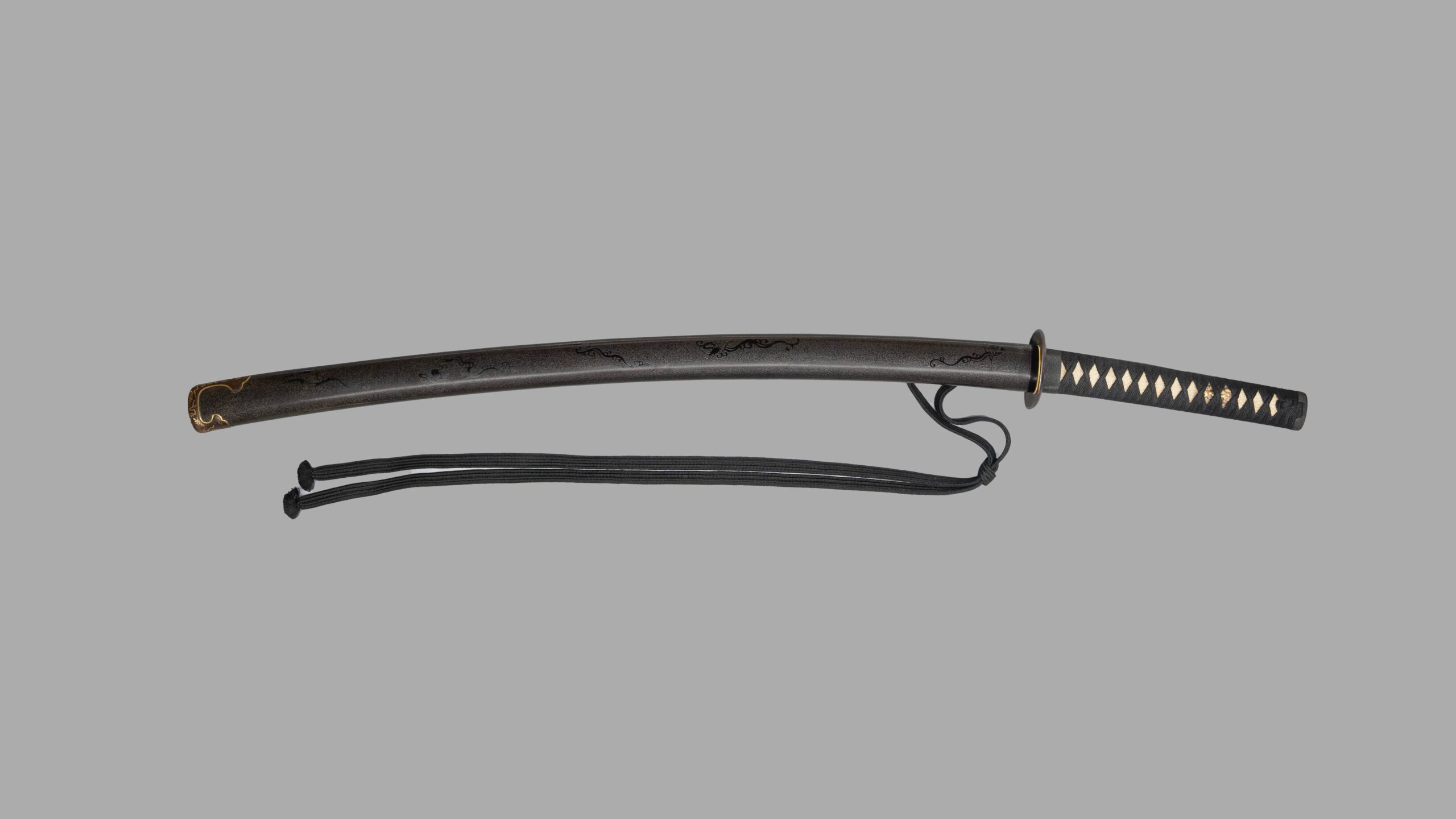
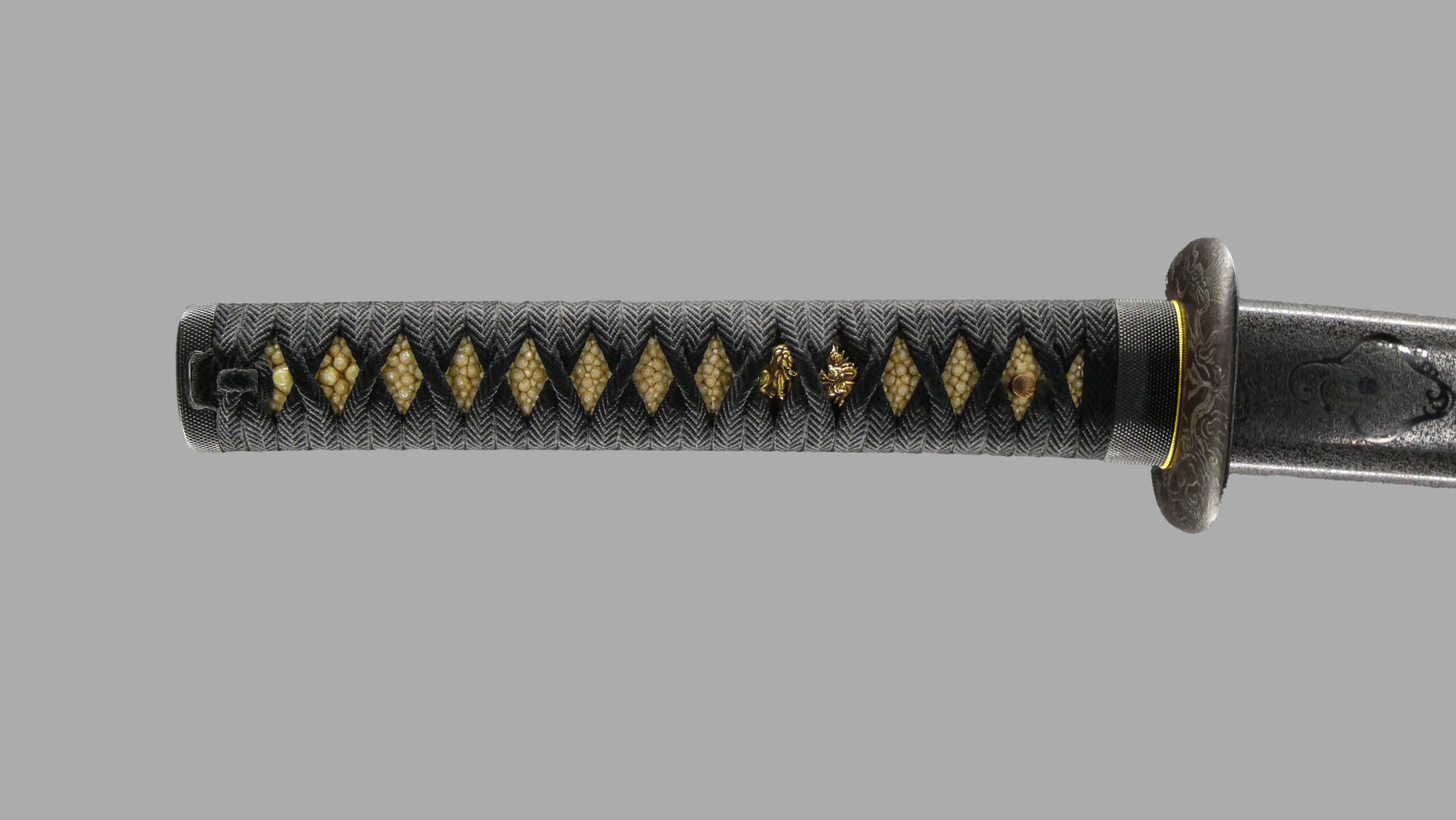
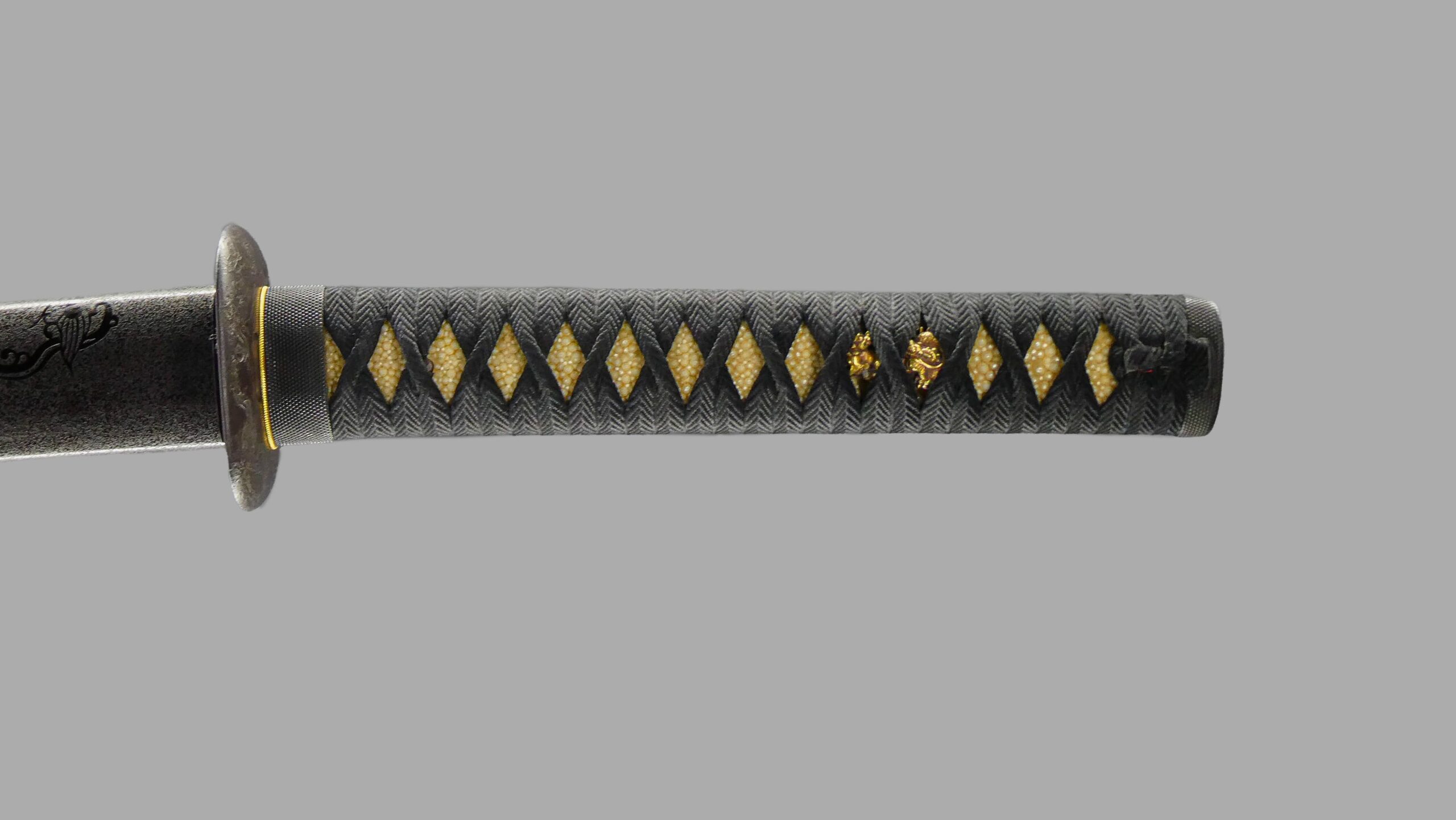
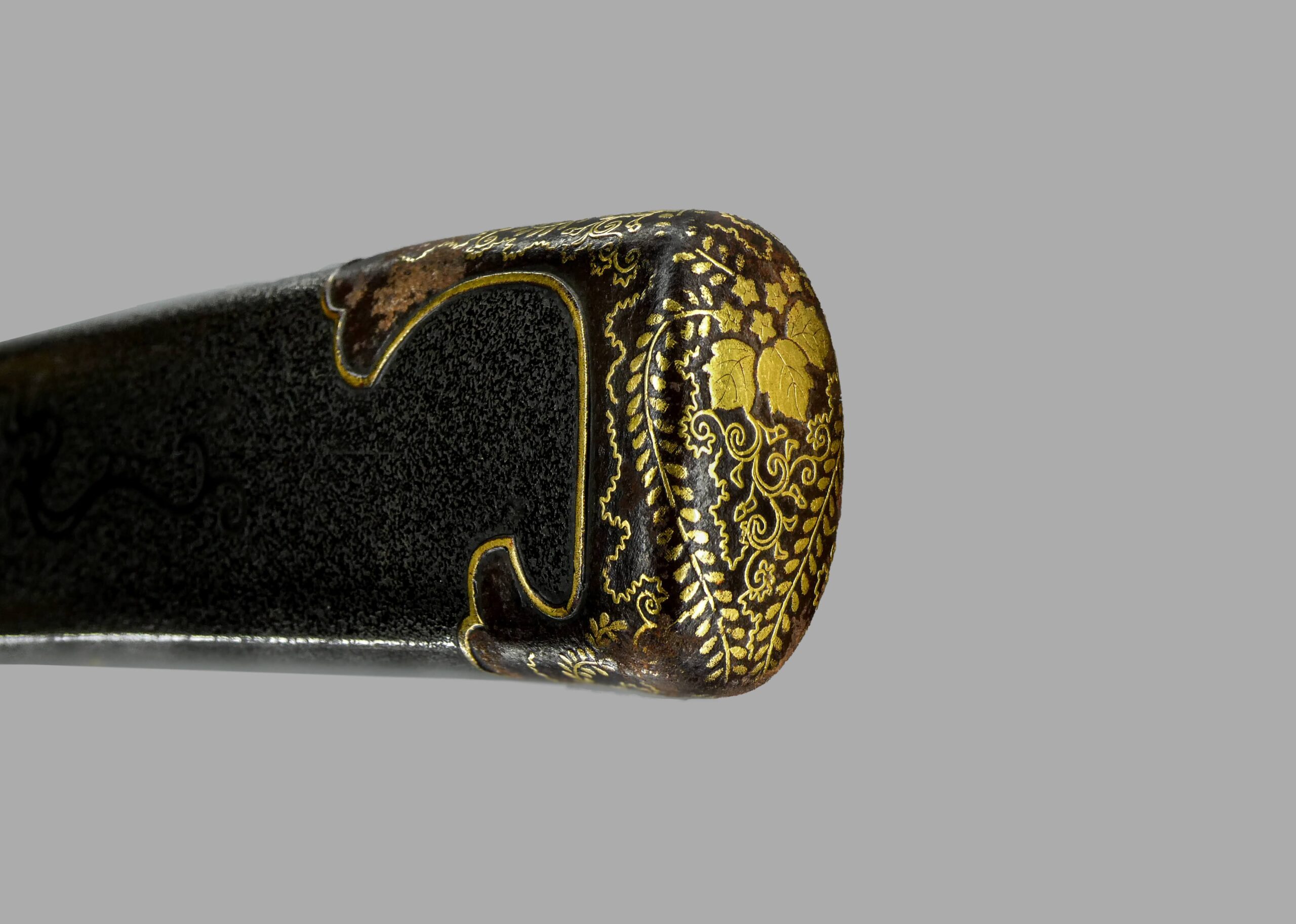
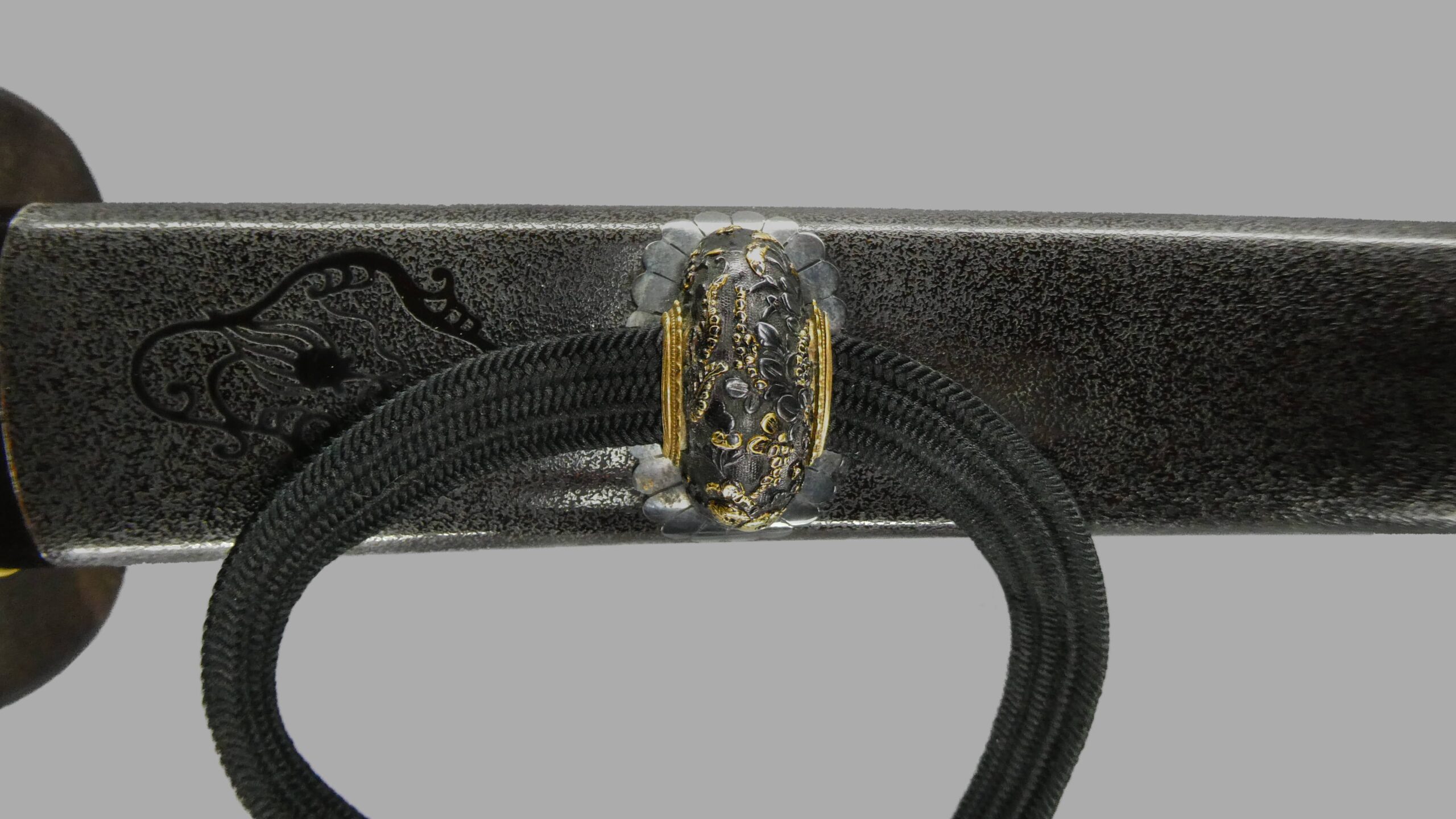
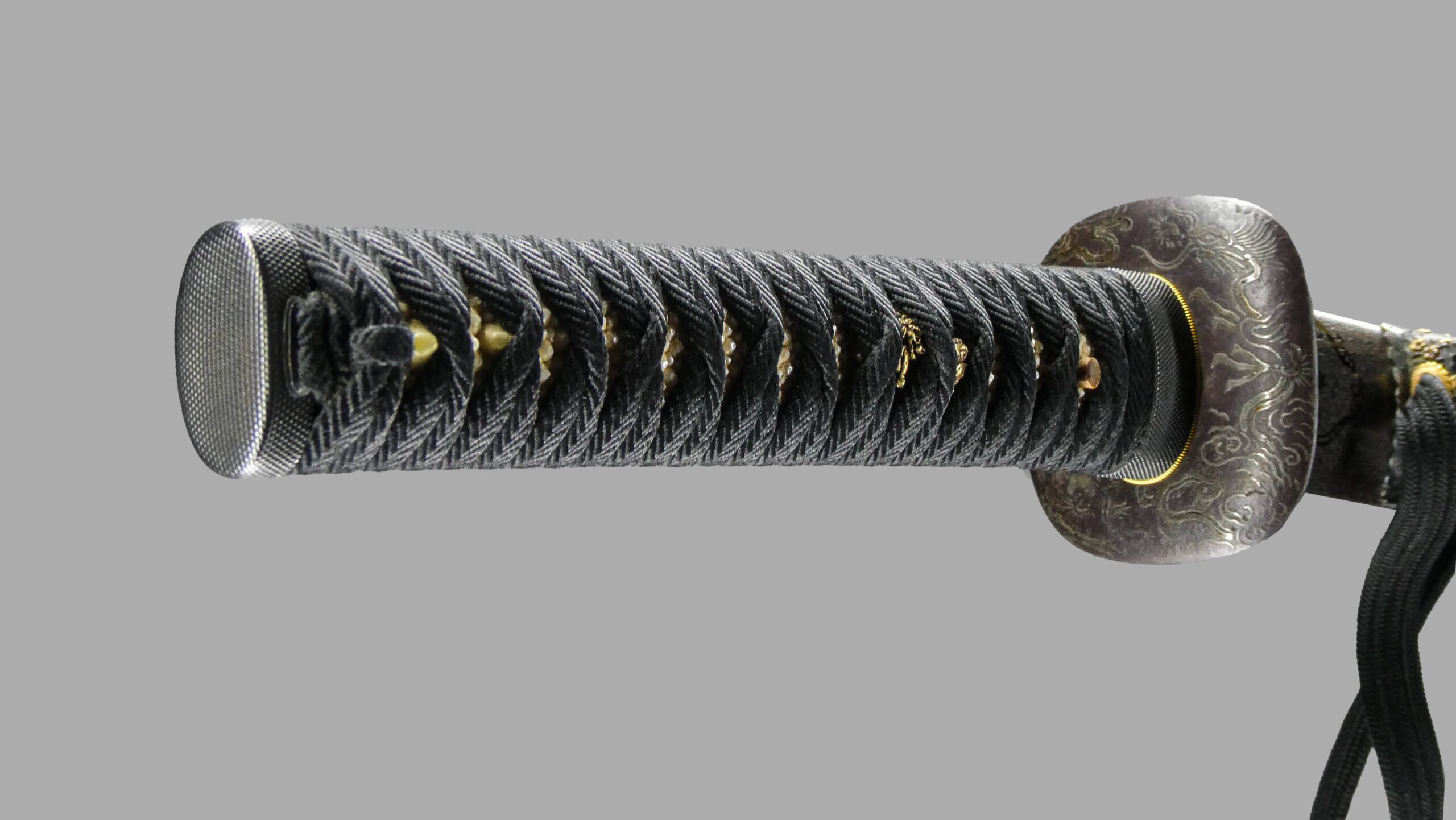
This katana is signed by Kanekiyo of the Tegai School, active in the early Muromachi Period (early 15th century). It features an Itame and Mokume grain with a Suguha Hamon incorporating Gunome, Koashi, and Konie. The sword is accompanied by a black lacquer Ishimeji Makie Uchigatana Koshirae from the late Edo period and comes with an NBTHK Tokubetsu Hozon Certificate.
 NihontoWatch
mei · Tegai · Eikyo (1429-1441) · nagasa 62.2cm · sori 2cm
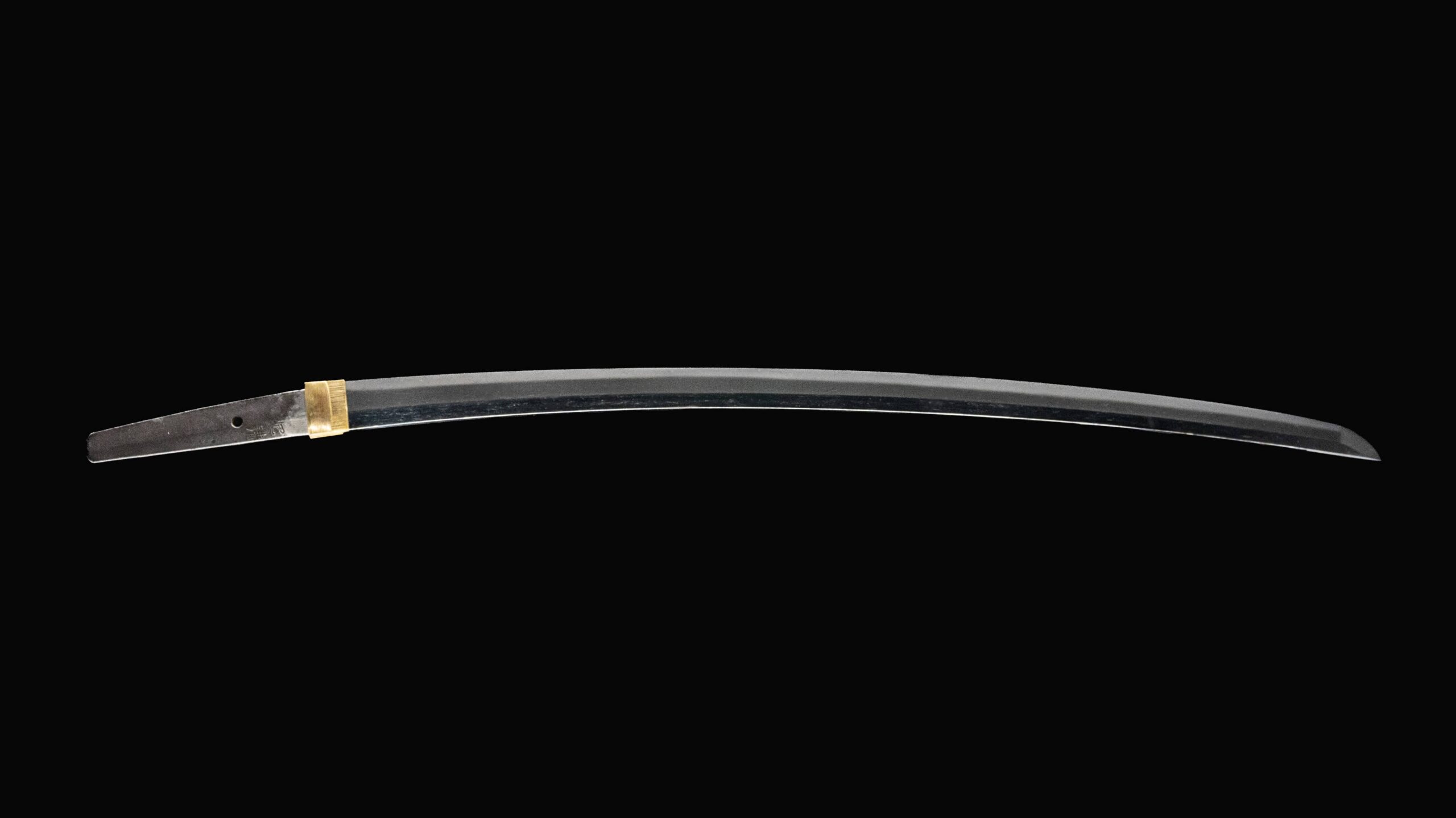
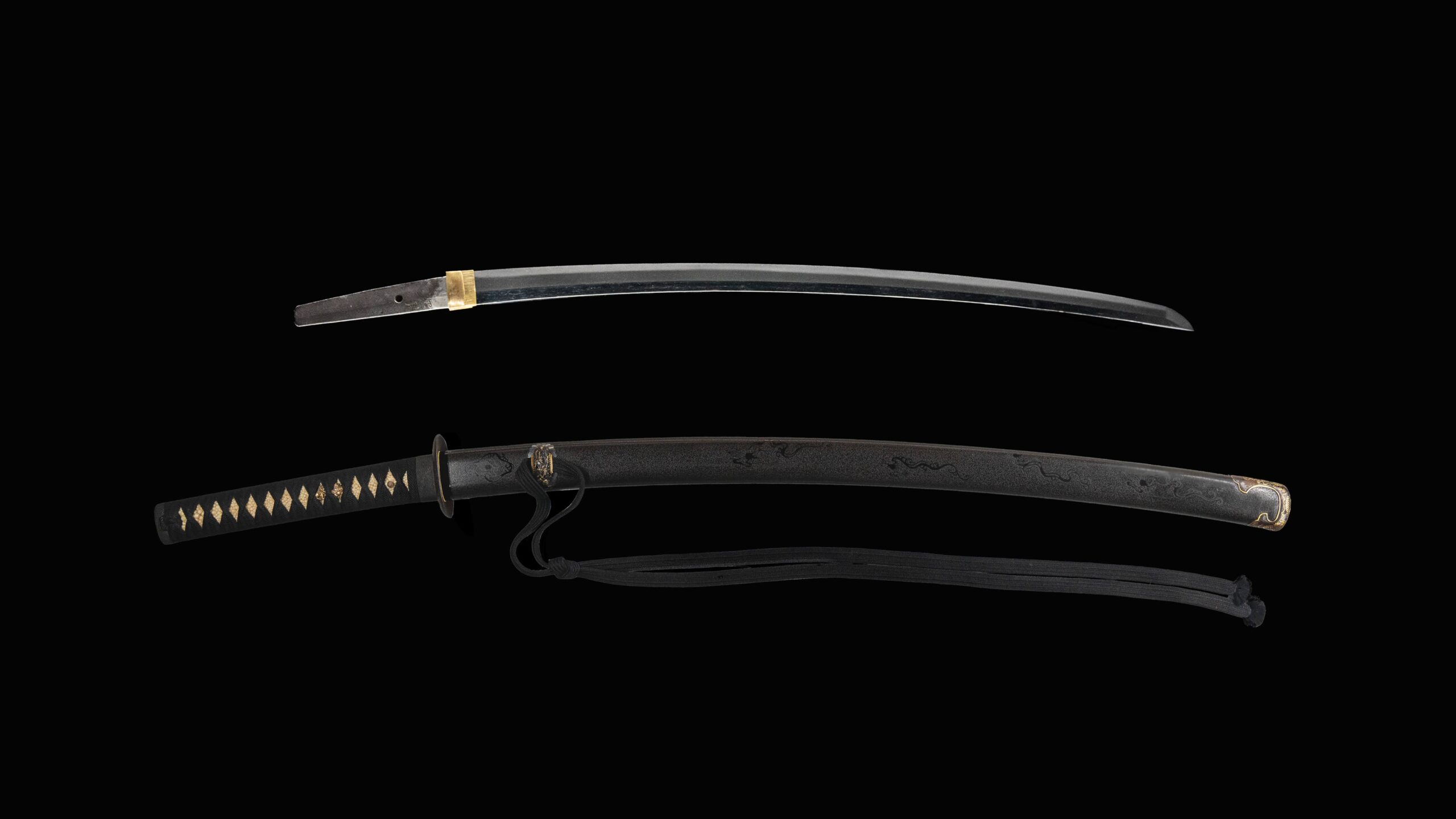
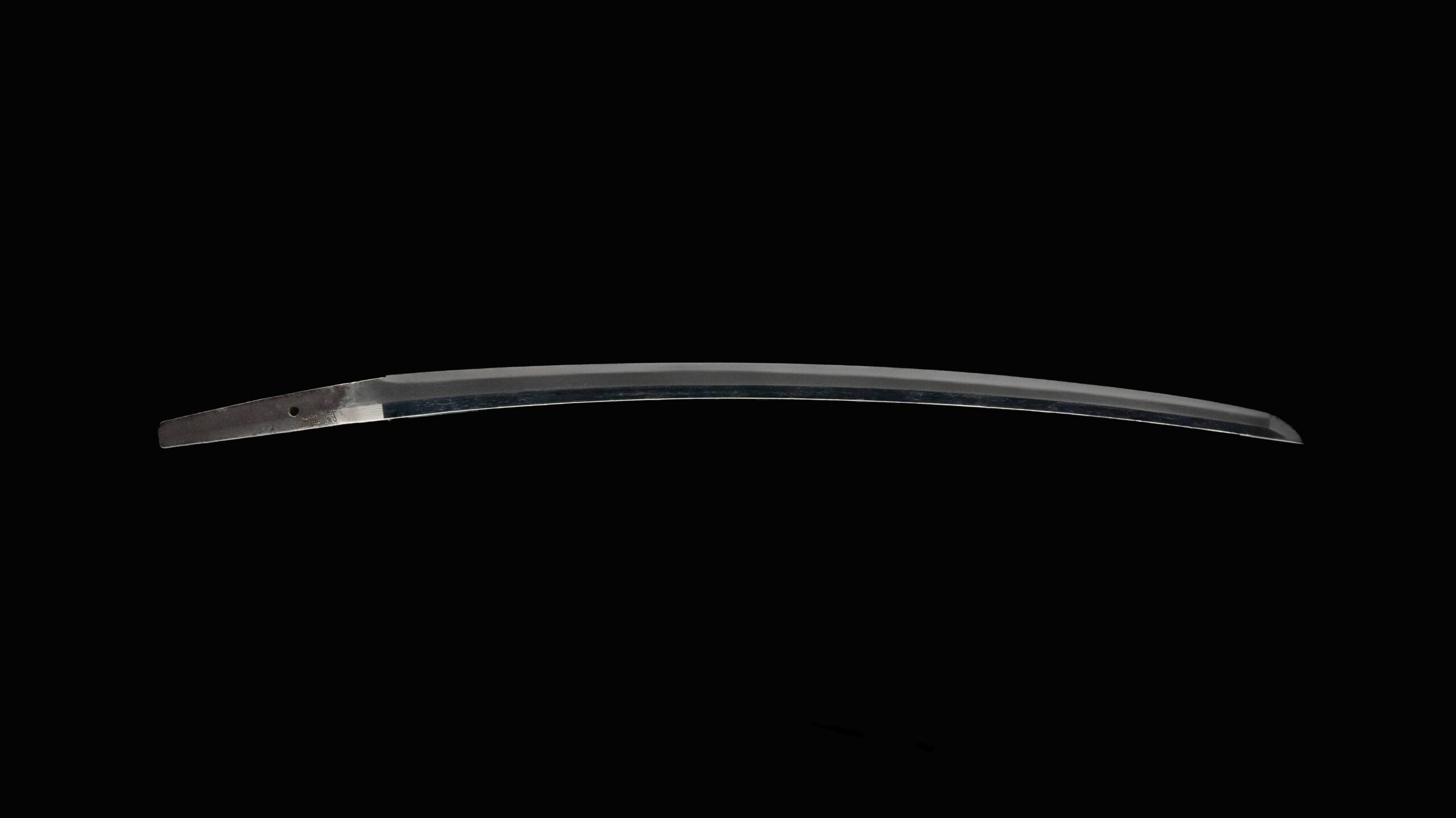
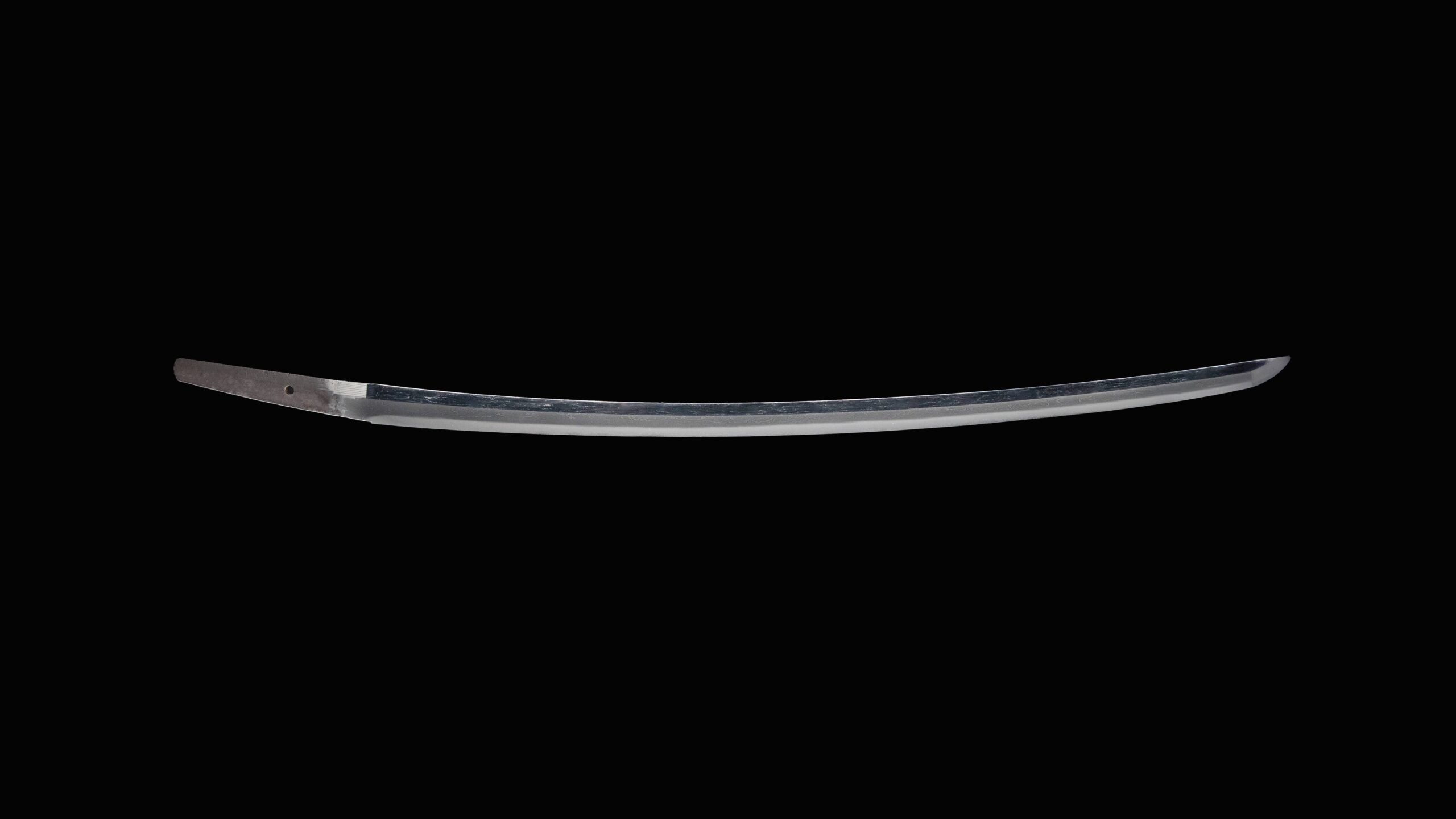
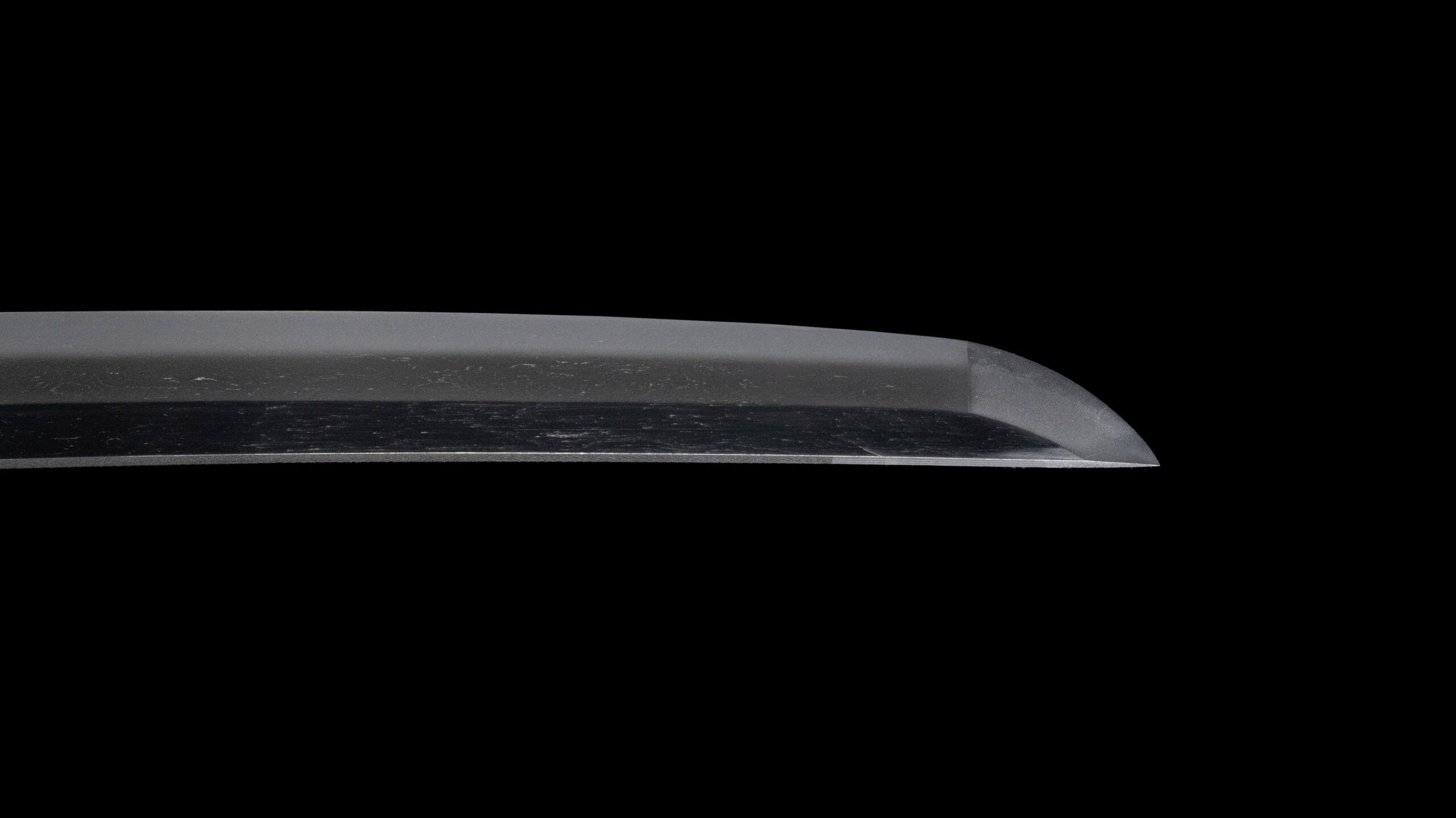
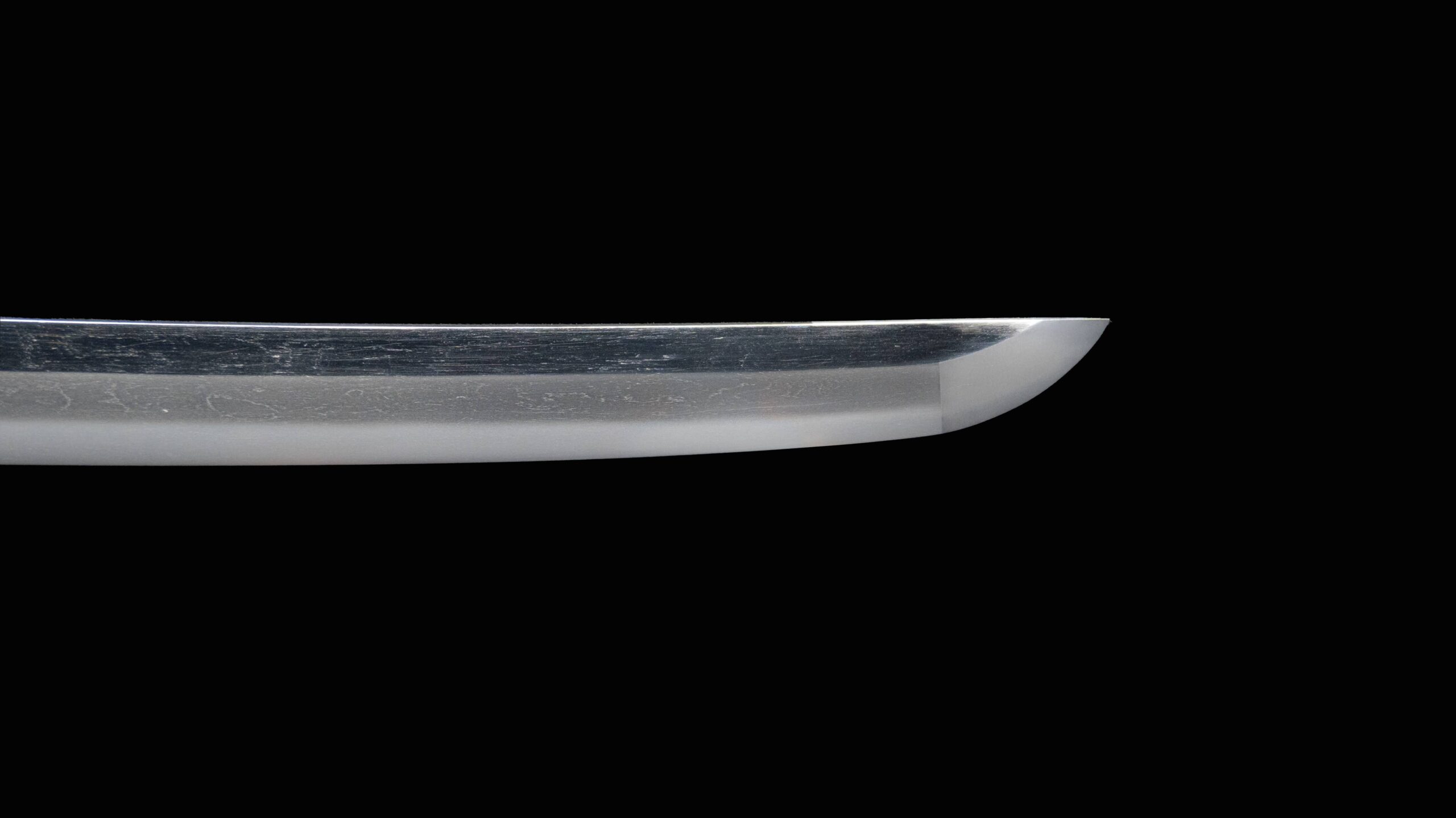
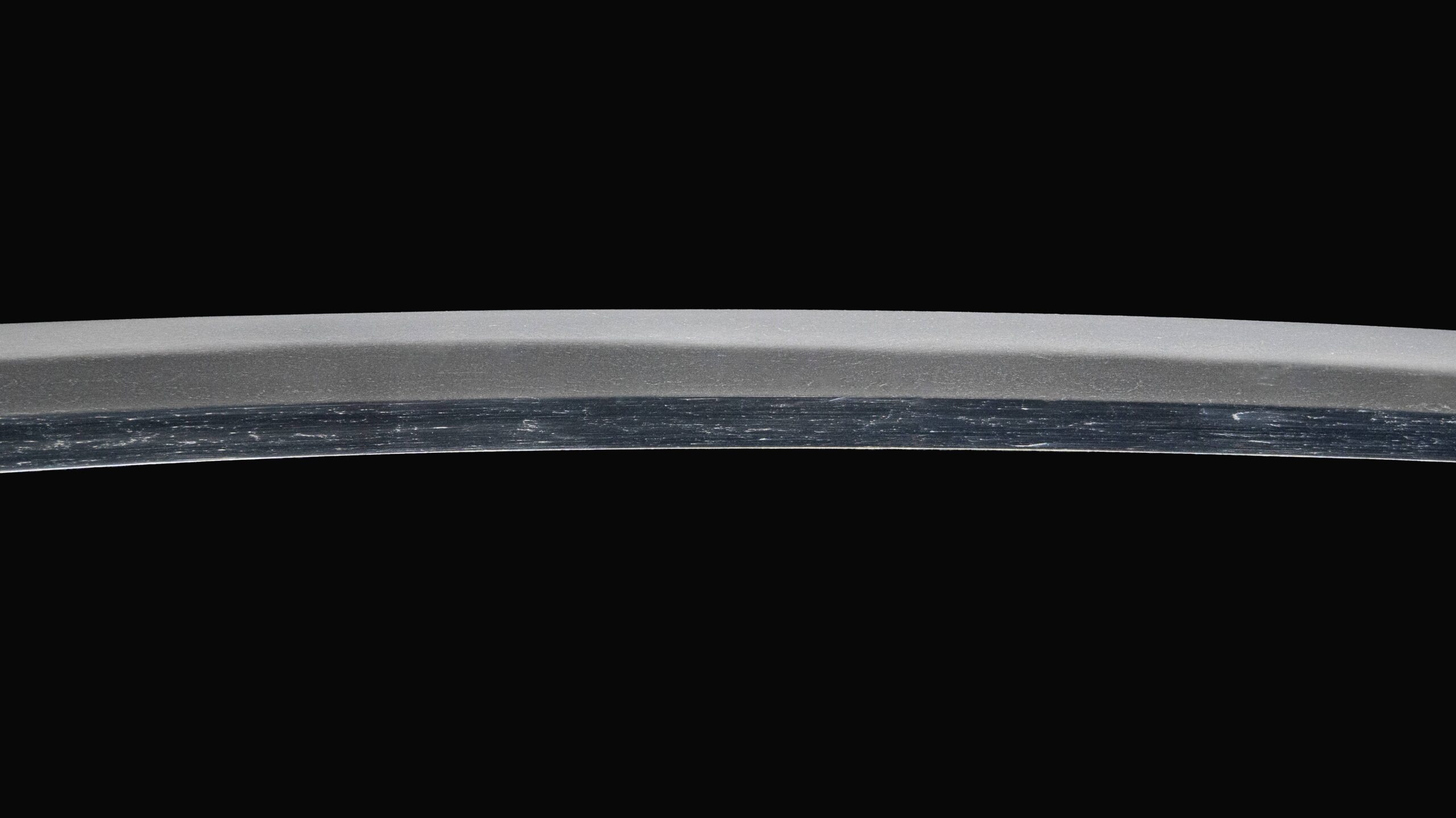
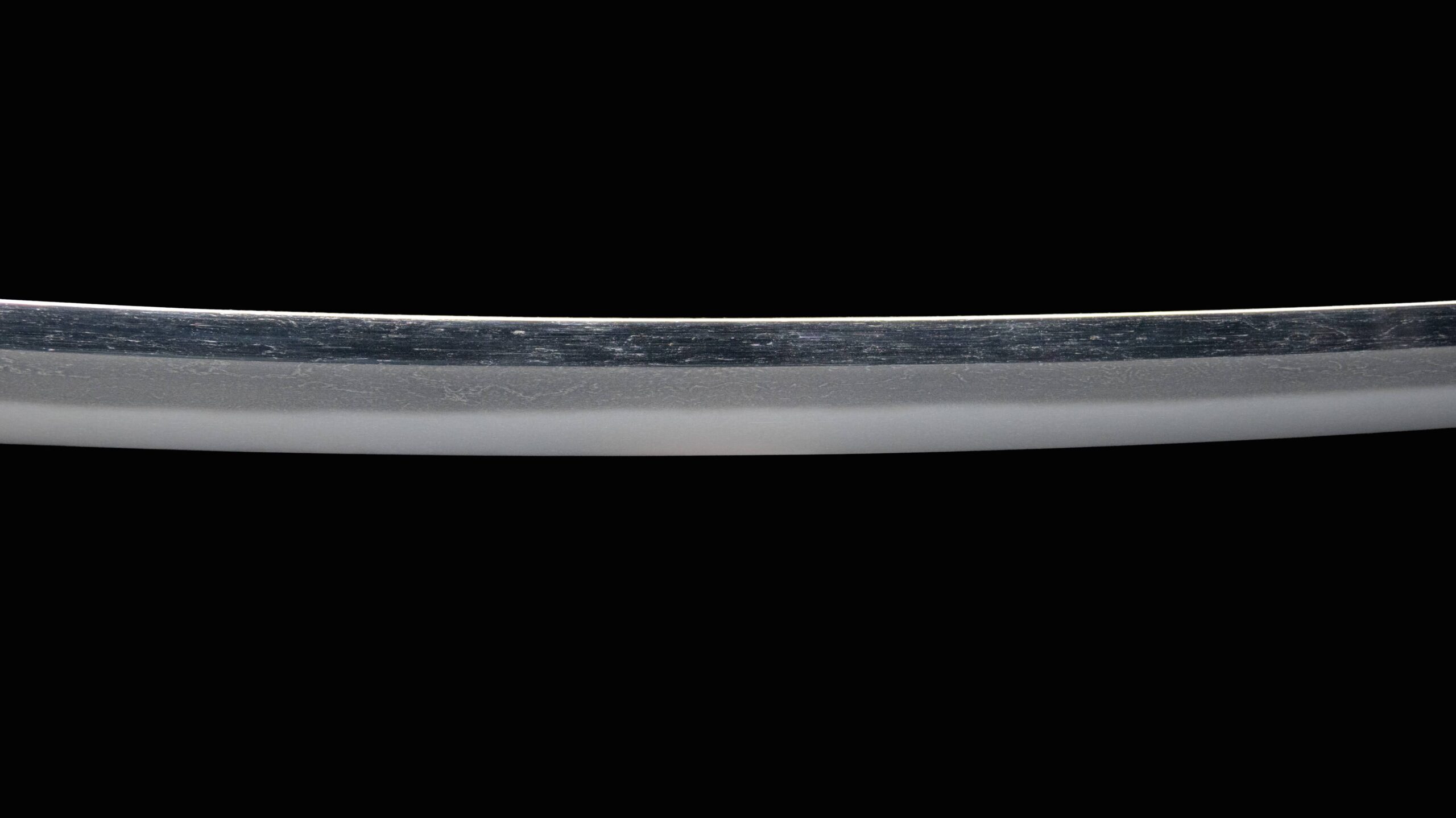
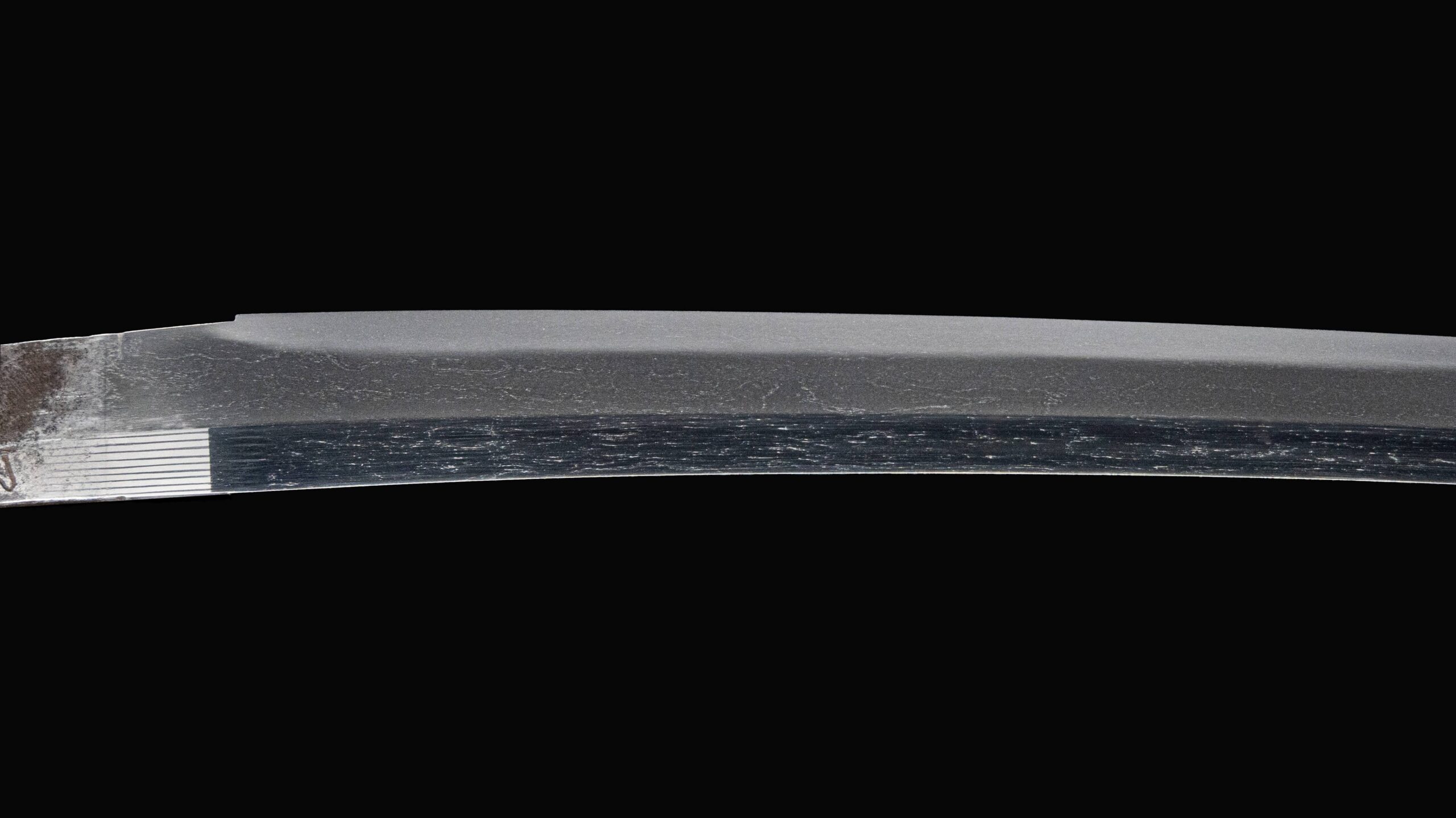
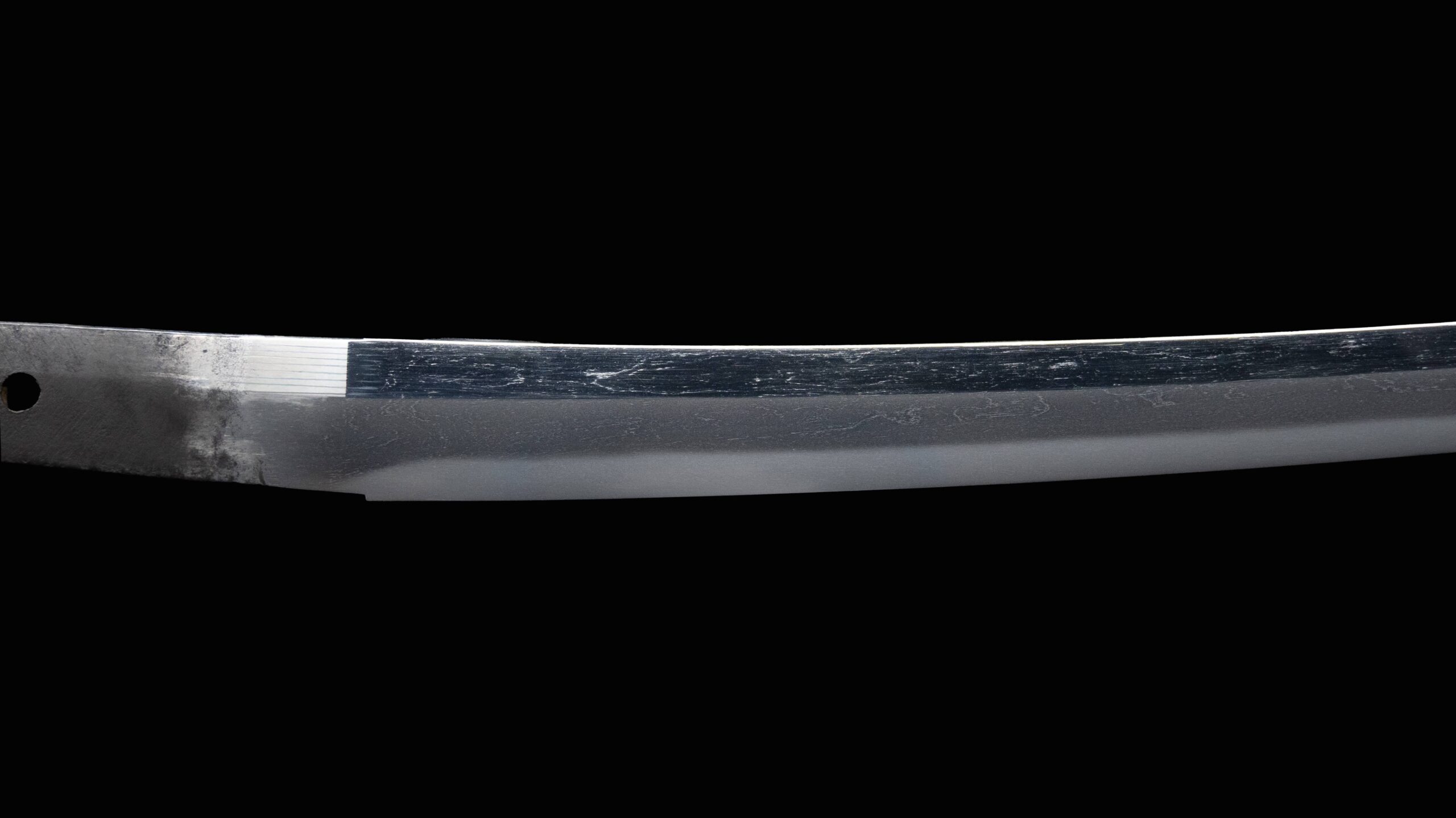
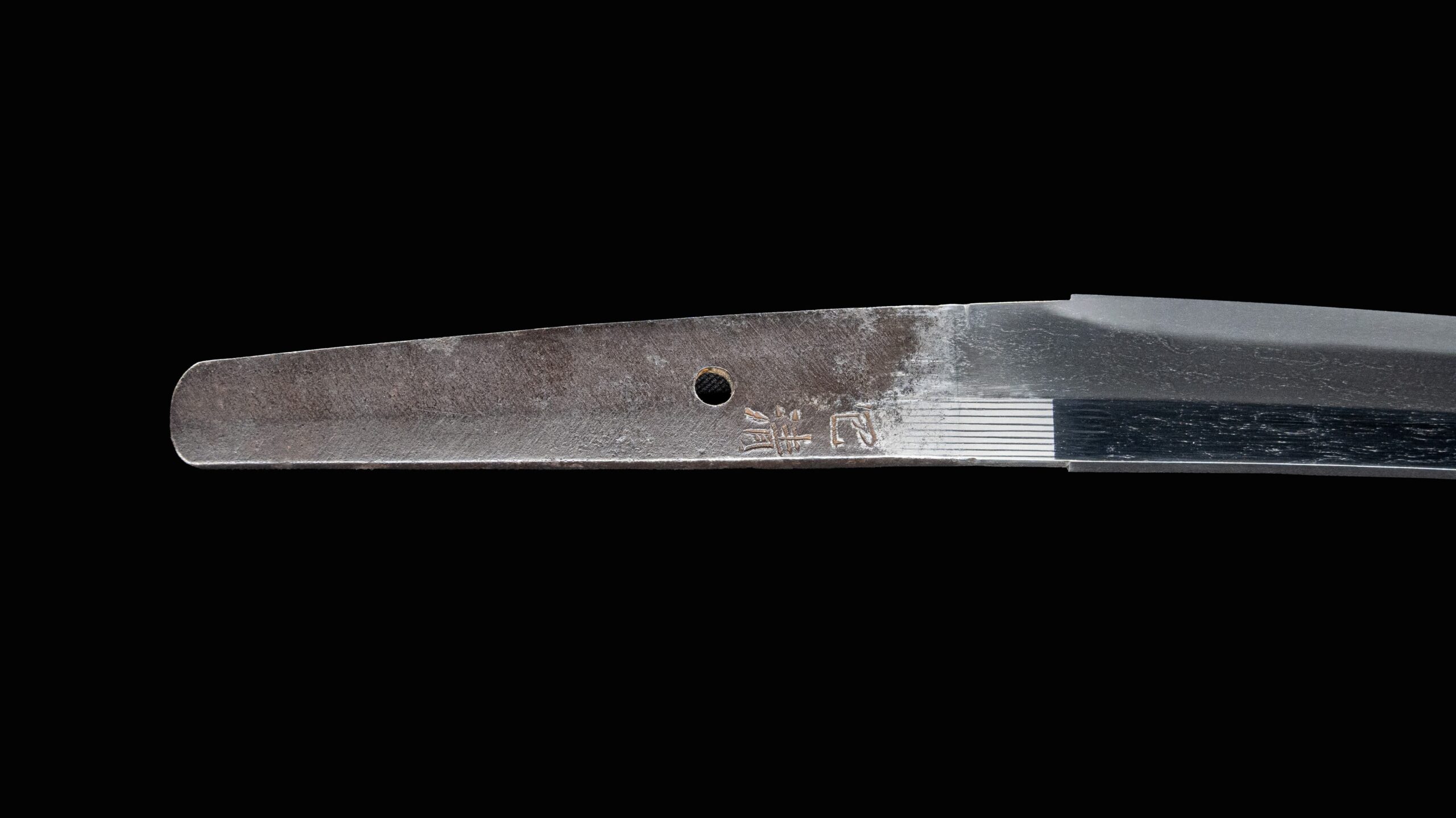
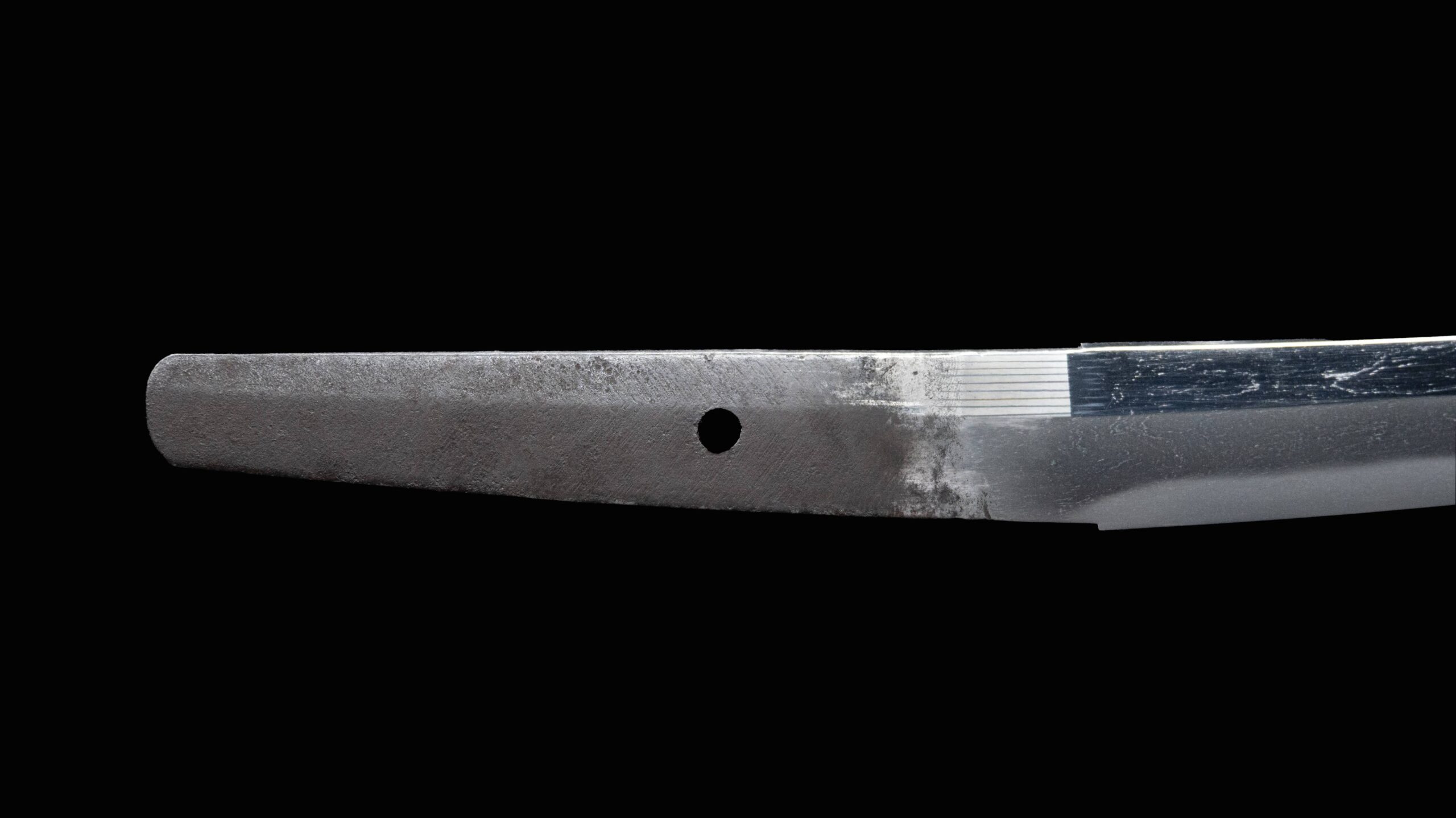
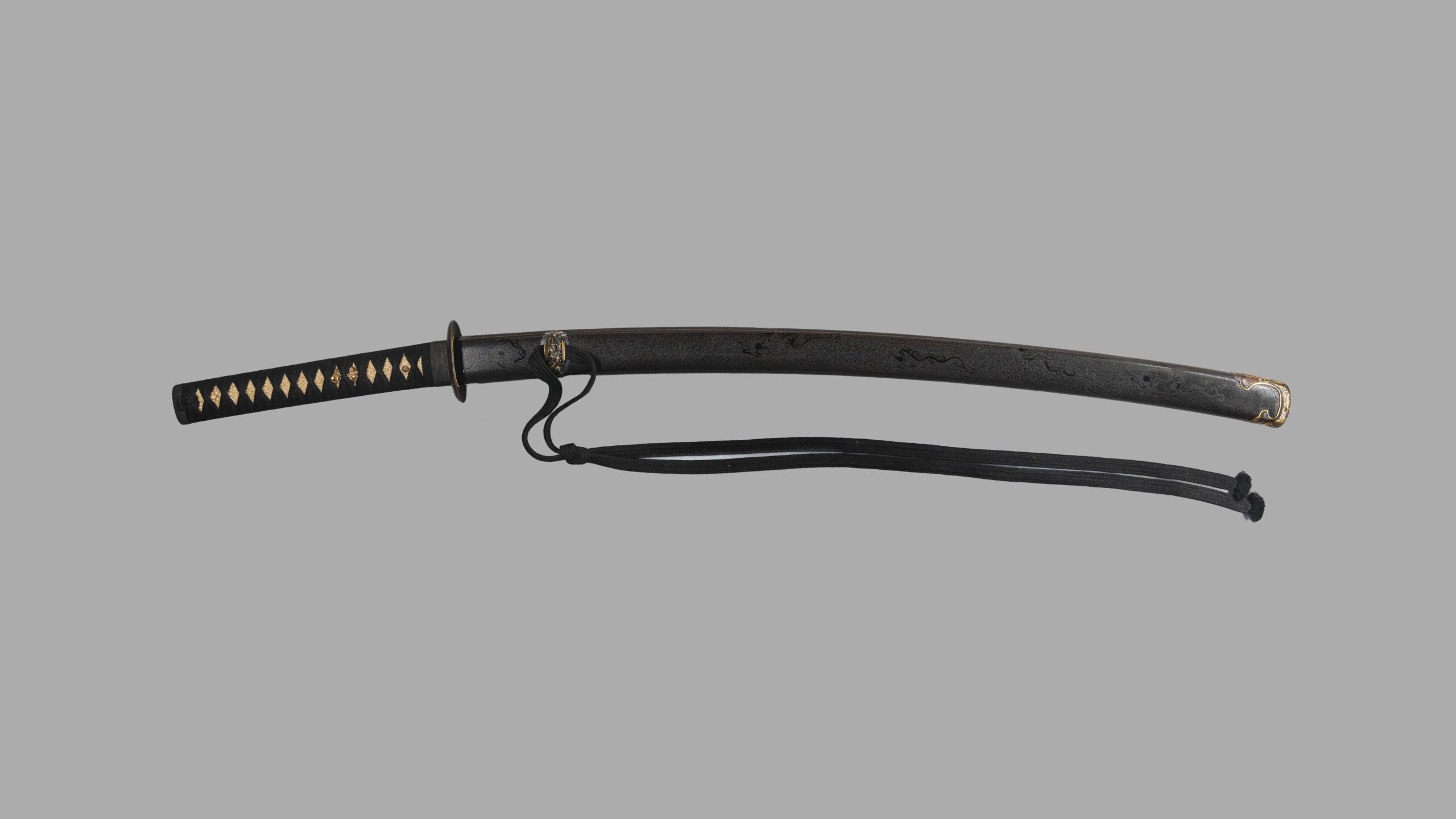
Tegai (Yamato) · Yamato · around 1429-1441
Tōken Taikan top 26%
2 pieces on the market now
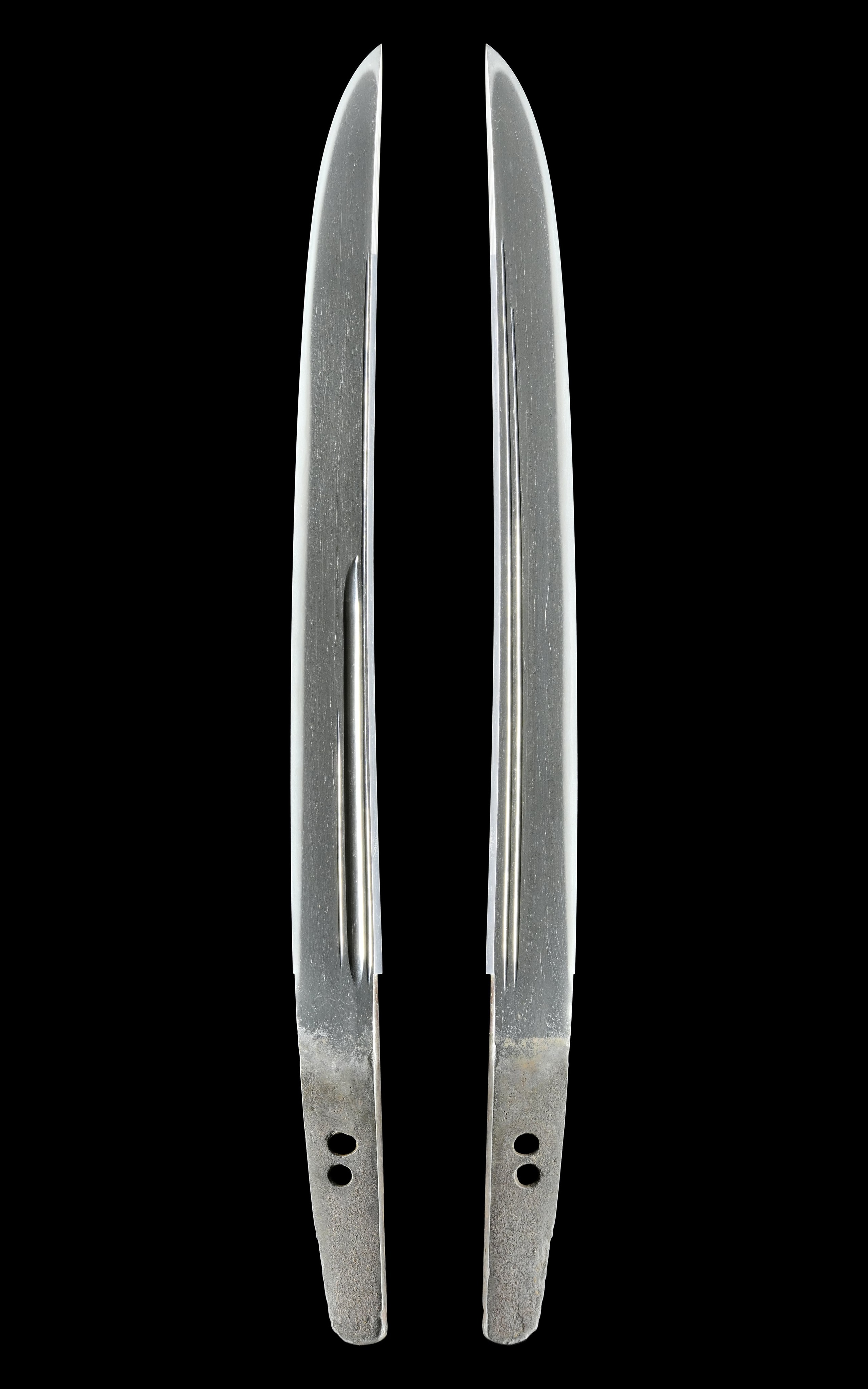
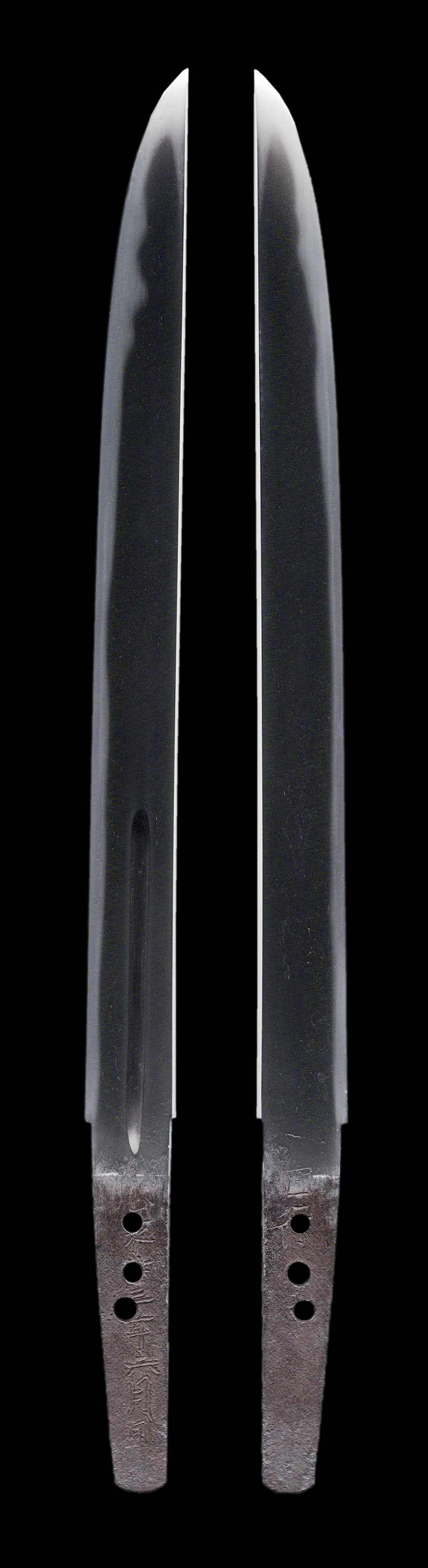
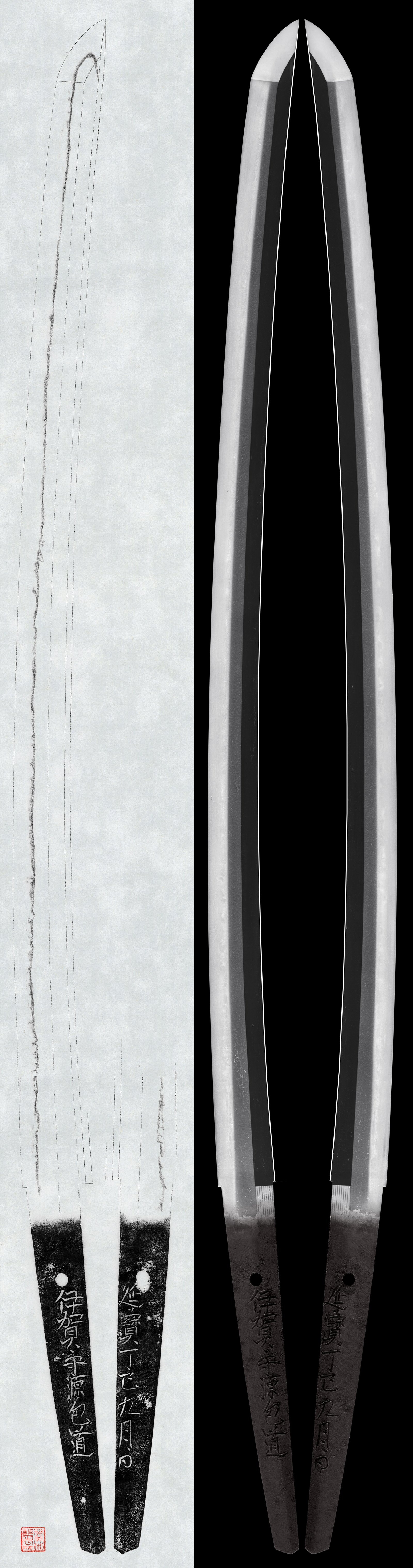
Among the four blades on record under this code is a signed katana dated Kyoroku 2 (1529) and inscribed Yamato-no-kuni Tegai-ju Kanekiyo saku, a long signature cut high and prominent across the tang. The piece fixes the smith squarely within the Tegai school of Yamato, the line that the published sources call the largest of the five Yamato traditions and that is said to have taken its name from the branch which resided and forged outside the Tegai Gate, the western great gate of Todai-ji. Kanekiyo was a name carried across several generations, beginning by tradition with a son of the founder Kanenaga; the reference works count seven successive Kanekiyo spanning from the Karyaku era at the close of the Kamakura period through the Tenbun era at the end of the Muromachi. This particular hand the NBTHK reads, from the workmanship of the ji and ha and the manner of the signature, as the Kanekiyo active around the Oei era of the early Muromachi period, and his record is almost entirely one of signed, ubu blades rather than the suriage mumei attributions that gather under the older generations of the school.
The hand is a Yamato suguha animated from within rather than a flamboyant one. Over a forging of itame, or a dense ko-itame, that takes on a flowing nagare and turns toward masame as it nears the edge, he tempers a suguha base into which slight ko-notare and linked small gunome enter, the whole laced with the activity the Tegai school is known for. The published sources describe one tanto as suguha with ko-notare and gunome mixed in, the habuchi showing hotsure and the suggestion of uchi-noke, the nioiguchi tight with ko-nie well adhering and kinsuji appearing, and conclude that such traits 「大和手掻派の作風をよく示している」[[c:1]], that they clearly display the characteristic style of the Yamato Tegai group. Crossing and mismatched kuichigai-ba, a two-tiered ni-danba impression, yubashiri drifting into the ha, all belong to the same register. It is a restrained temper read at close range, where the kantei lies in the Yamato details worked into a calm line rather than in any large pattern.
The jigane carries the same Yamato reading. The itame is well worked and dense, but toward the edge it flows and stands in grain, and on one tanto the published sources note that the hada rises and mixes masame outright. Thick ji-nie gathers across it, chikei enter, and a whitish utsuri can stand toward the mune, described in one case as nie-utsuri and in the late dated katana as a shirake cast that stands up in the steel. The boshi follows the Yamato grammar of the school: it runs straight to a pointed turnback with hakikake on most blades, or comes in as a midare-komi that points and returns, the kaeri at times carried somewhat deep. On the tanto he adds a horimono that the published sources single out, a suken carved on both faces and described as 「彫深く, 力があり, 大和物に見る特色あるものである」[[c:2]], cut deeply and with force, a distinctive feature of Yamato work.
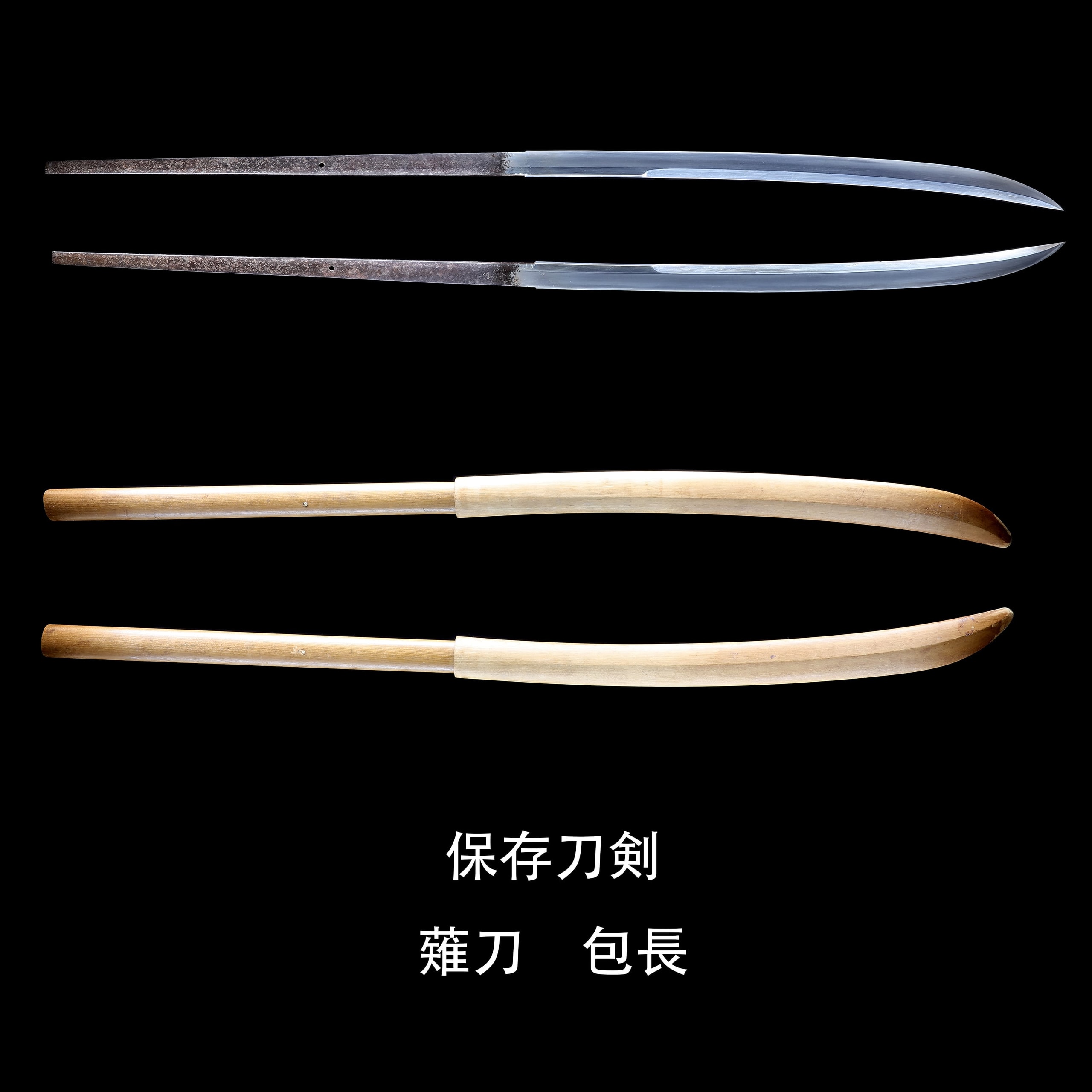
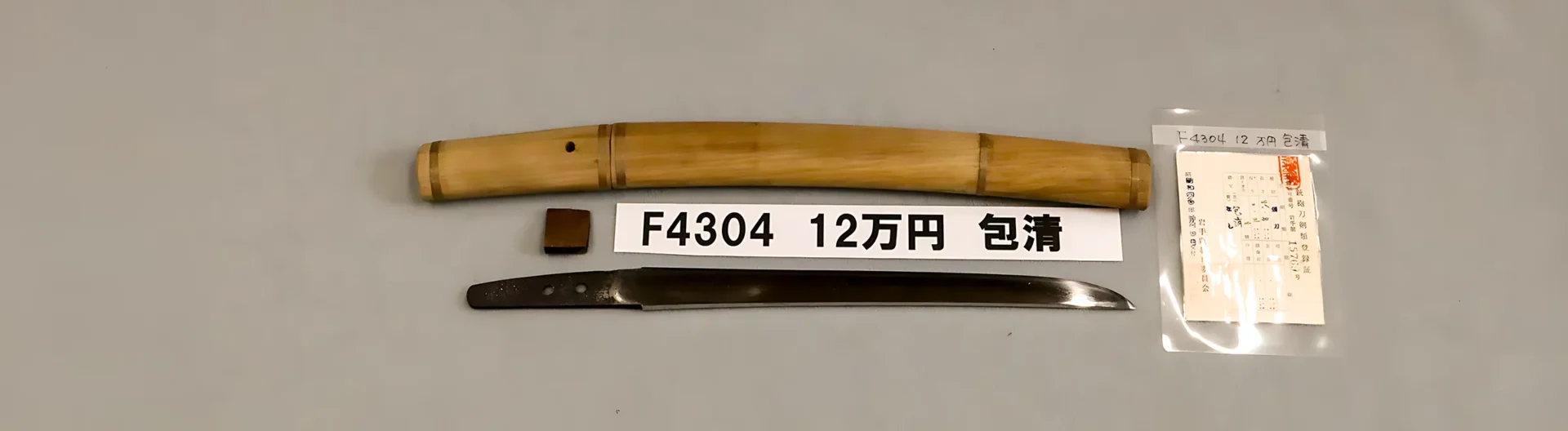
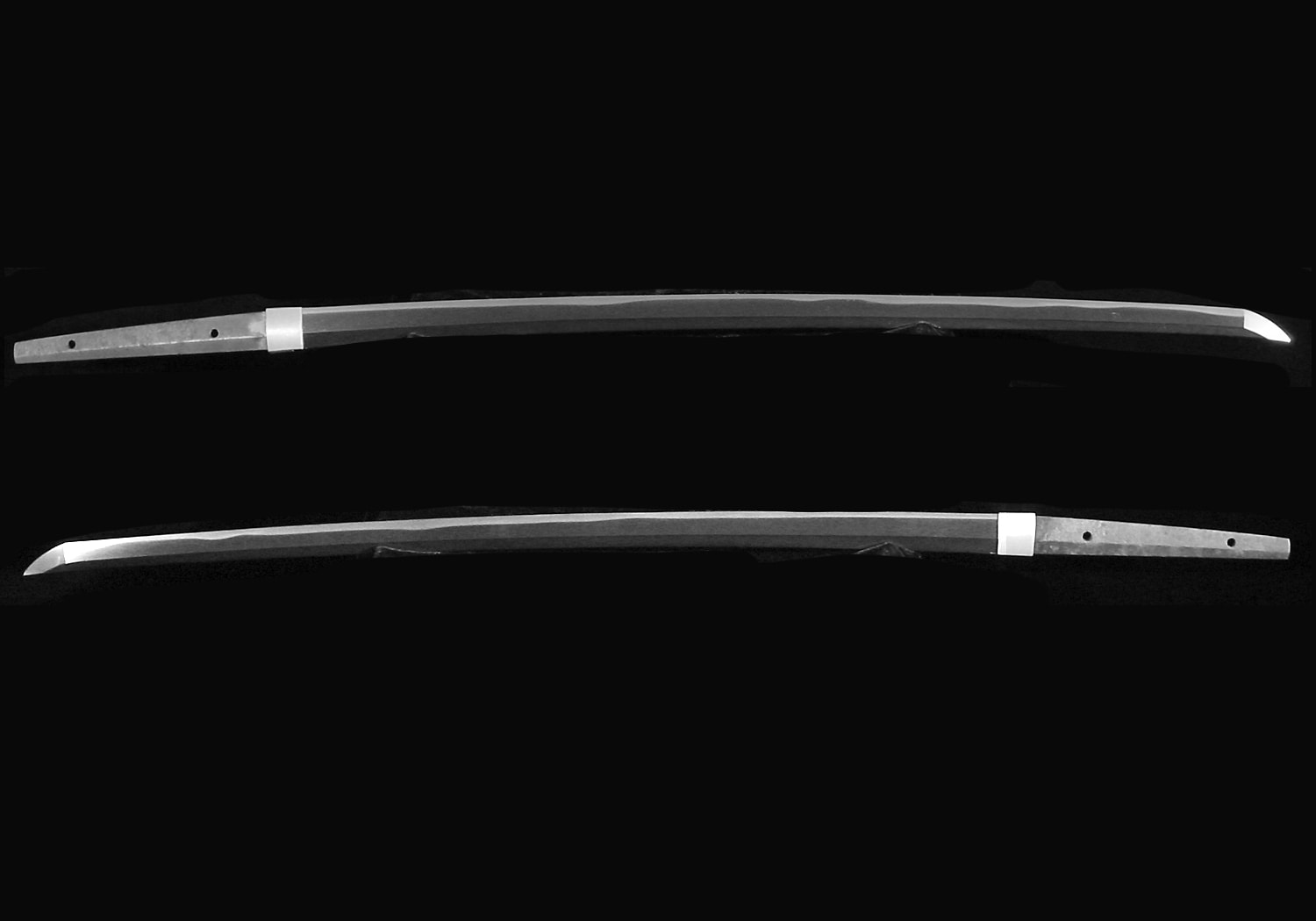
Across the four blades the same hand is read at three points of the early-Muromachi range. The core is the signed Oei-period tanto, hira-zukuri with a mitsu-mune and a thick, sturdy kasane, of standard proportions and without sori, on which the suguha-and-suken Yamato manner is at its clearest. Beside it stands a wide hira-zukuri wakizashi that carries the Oei sugata at its most legible: the mihaba somewhat broad, the blade large and sun-nobi relative to its width, with slight uchizori, the suguha shallow and notare-tinged and, along the edge, intermittent nijuba that the published sources describe as strongly lustrous, 「刃縁に光の強い二重刃が断続的にきらめく」[[c:3]], sparkling in and out of the temper above a bright nioiguchi. The latest is the Kyoroku 2 katana, a shinogi-zukuri blade with sakizori and an elongated chu-kissaki, its itame tending to shirake, its suguha mixed with gunome and ko-ashi, the file marks cut in taka-no-ha. The published sources read it together with those file marks as 「末手掻の特色をよく示したもの」, a piece that well shows the features of late Tegai, and value its Kyoroku date as material. The two-character signatures and the long Tegai-ju inscriptions mark the same name across that span.
What sets the work apart within its own school is best drawn from his own attested traits rather than by contrast. His is a quieter, well-worked itame that only flows and leans toward masame near the ha, and a suguha whose interest lies in the linked small gunome, the kuichigai-ba and the lustrous nijuba rather than in any departure into a wide irregular pattern. The earlier Nanbokucho generations of the line keep a more emphatically standing grain and a stronger nie, while this Oei hand holds the calm line and reads at close range; the published sources draw the distinction through the Oei sugata and the manner of the signature. The published sources read the wide wakizashi as 「室町初期手掻派の特色を顕現した典型作」[[c:4]], a typical work that fully manifests the distinctive features of the early-Muromachi Tegai school, which is the standing the corpus supports: a representative late-Tegai hand of the Oei era, sound in ji and ha, holding the school's Yamato grammar at a moment when the five traditions had effectively narrowed to this one continuing line.
For the collector the record is small and entirely at the Juyo level. Four blades by this Kanekiyo hold Juyo papers, with no National Treasure, no Important Cultural Property and no Tokubetsu Juyo among them, and none carries a recorded daimyo provenance or a named institutional holder, so the honest picture is of a smith known from a handful of designated works rather than from a roll of famous pieces. Of the four, two sit in the broadly tradeable Juyo tier, which means that an example reaches the market only from time to time and with patience, not that one is readily found; the signed tanto, the sun-nobi wakizashi and the dated katana are the forms in which he survives. A signed, dated, ubu blade of late Tegai is uncommon on its own terms, and the Kyoroku katana in particular, with its full Tegai-ju signature and era date, is the kind of piece a collector encounters seldom and keeps as a fixed point for the school. He is acquirable in a way the great Kamakura names are not, but a recorded example remains a deliberate find rather than a casual one.
Where Kanekiyo stands among comparable artisans: across all of nihontō, and within tradition, era, and period. The tiers (Foremost · Leading · Major · Notable) weigh official designations from the NBTHK and Japan's Agency for Cultural Affairs, together with historical honors of lasting repute such as the Sansaku and Meibutsu-chō.
Select a lens to see how it's measured.
Yamato-den · Yamato
Phase: Sue-Tegai末手掻· 1390–1700
35 pieces on the market now
Sue-Tegai (末手掻) is the late phase of the Tegai school, from the Ōei era through the Muromachi period (with a thin tail of name-bearers into the early Edo period). The term 末手掻 is used directly in NBTHK setsumei to set this generation apart from the classical Ko-Tegai of the founder Kanenaga. Its representative smiths are Kanezane (包眞), Kanetoshi (包俊 / 包利), Kaneyoshi (包吉), and Kaneyuki (包行), names that recur across several generations as the workshop continued to supply blades through the fifteenth and sixteenth centuries. The Sue-Tegai idiom is a tightening and quieting of the classical Yamato manner.
The jigane becomes a closely-forged ko-itame mixed with prominent masame that frequently takes on a whitish (shirake) cast — a hallmark of the late phase — while the hamon narrows to a nioi-based suguha that frays into hotsure and ko-midare, with a komaru bōshi. The hiogi (檜垣) file-mark on the nakago is a recurring diagnostic. Production shifts toward tantō and wakizashi in standard Muromachi forms alongside some katana, and the NBTHK observes that the work shows comparatively little individual character, faithfully preserving the traditional house style rather than the bold personal expression of the Kamakura founders. The phase represents the orthodox Yamato tradition carried, with conservative consistency, to the close of the Muromachi age. Learn more →
| Smith | Era | Designated |
|---|---|---|
| Kanenaga包永 | 1288-1312 | 62 |
| Kanekiyo包清 | 1362-1370 | 8 |
| Kanetoshi包俊 | 1381-1384 | 4 |
| Kanetsugu包次 | 1317-1333 | 4 |
| Kanekiyo包清 | 1429-1441 | 3 |
Yamato in the Muromachi period
The monasteries that had sustained Yamato lost ground through the Muromachi period, and the schools thinned with them; Sue-Tegai kept the old masame manner alive in quantity. The burning of Tōdaiji’s Great Buddha hall in 1567 closed the temple age.
A Hozon-certified blade judged to show notably superior workmanship and a better state of preservation. The bar is higher: re-tempered blades and most unsigned Muromachi/Edo works are excluded.
The NBTHK (Nihon Bijutsu Tōken Hozon Kyōkai, the Society for the Preservation of Japanese Art Swords) is a public-interest incorporated foundation founded in 1948 and supervised by Japan’s Agency for Cultural Affairs (Bunkachō); it is based at the Japanese Sword Museum in Tokyo. Its expert panels physically examine each submitted work (shinsa) and issue a certificate (kanteishō) ranking it by artistic and historical merit. NBTHK papers are the most widely recognized standard of authentication for Japanese swords and fittings.
NBTHK official siteReturns accepted within 7 days of receipt (JP terms; EN page states 3 days). Customer must contact within the window and return at own cost. Refund after items confirmed in original condition; repair fees charged if damage occurs.
¥2,000,000
This katana is signed by Kanekiyo of the Tegai School, active in the early Muromachi Period (early 15th century). It features an Itame and Mokume grain with a Suguha Hamon incorporating Gunome, Koashi, and Konie. The sword is accompanied by a black lacquer Ishimeji Makie Uchigatana Koshirae from the late Edo period and comes with an NBTHK Tokubetsu Hozon Certificate.
NihontoWatchmei · Tegai · Eikyo (1429-1441) · nagasa 62.2cm · sori 2cm
Tegai (Yamato) · Yamato · around 1429-1441
Tōken Taikan top 26%
2 pieces on the market now
Among the four blades on record under this code is a signed katana dated Kyoroku 2 (1529) and inscribed Yamato-no-kuni Tegai-ju Kanekiyo saku, a long signature cut high and prominent across the tang. The piece fixes the smith squarely within the Tegai school of Yamato, the line that the published sources call the largest of the five Yamato traditions and that is said to have taken its name from the branch which resided and forged outside the Tegai Gate, the western great gate of Todai-ji. Kanekiyo was a name carried across several generations, beginning by tradition with a son of the founder Kanenaga; the reference works count seven successive Kanekiyo spanning from the Karyaku era at the close of the Kamakura period through the Tenbun era at the end of the Muromachi. This particular hand the NBTHK reads, from the workmanship of the ji and ha and the manner of the signature, as the Kanekiyo active around the Oei era of the early Muromachi period, and his record is almost entirely one of signed, ubu blades rather than the suriage mumei attributions that gather under the older generations of the school.
The hand is a Yamato suguha animated from within rather than a flamboyant one. Over a forging of itame, or a dense ko-itame, that takes on a flowing nagare and turns toward masame as it nears the edge, he tempers a suguha base into which slight ko-notare and linked small gunome enter, the whole laced with the activity the Tegai school is known for. The published sources describe one tanto as suguha with ko-notare and gunome mixed in, the habuchi showing hotsure and the suggestion of uchi-noke, the nioiguchi tight with ko-nie well adhering and kinsuji appearing, and conclude that such traits 「大和手掻派の作風をよく示している」[[c:1]], that they clearly display the characteristic style of the Yamato Tegai group. Crossing and mismatched kuichigai-ba, a two-tiered ni-danba impression, yubashiri drifting into the ha, all belong to the same register. It is a restrained temper read at close range, where the kantei lies in the Yamato details worked into a calm line rather than in any large pattern.
The jigane carries the same Yamato reading. The itame is well worked and dense, but toward the edge it flows and stands in grain, and on one tanto the published sources note that the hada rises and mixes masame outright. Thick ji-nie gathers across it, chikei enter, and a whitish utsuri can stand toward the mune, described in one case as nie-utsuri and in the late dated katana as a shirake cast that stands up in the steel. The boshi follows the Yamato grammar of the school: it runs straight to a pointed turnback with hakikake on most blades, or comes in as a midare-komi that points and returns, the kaeri at times carried somewhat deep. On the tanto he adds a horimono that the published sources single out, a suken carved on both faces and described as 「彫深く, 力があり, 大和物に見る特色あるものである」[[c:2]], cut deeply and with force, a distinctive feature of Yamato work.
Across the four blades the same hand is read at three points of the early-Muromachi range. The core is the signed Oei-period tanto, hira-zukuri with a mitsu-mune and a thick, sturdy kasane, of standard proportions and without sori, on which the suguha-and-suken Yamato manner is at its clearest. Beside it stands a wide hira-zukuri wakizashi that carries the Oei sugata at its most legible: the mihaba somewhat broad, the blade large and sun-nobi relative to its width, with slight uchizori, the suguha shallow and notare-tinged and, along the edge, intermittent nijuba that the published sources describe as strongly lustrous, 「刃縁に光の強い二重刃が断続的にきらめく」[[c:3]], sparkling in and out of the temper above a bright nioiguchi. The latest is the Kyoroku 2 katana, a shinogi-zukuri blade with sakizori and an elongated chu-kissaki, its itame tending to shirake, its suguha mixed with gunome and ko-ashi, the file marks cut in taka-no-ha. The published sources read it together with those file marks as 「末手掻の特色をよく示したもの」, a piece that well shows the features of late Tegai, and value its Kyoroku date as material. The two-character signatures and the long Tegai-ju inscriptions mark the same name across that span.
What sets the work apart within its own school is best drawn from his own attested traits rather than by contrast. His is a quieter, well-worked itame that only flows and leans toward masame near the ha, and a suguha whose interest lies in the linked small gunome, the kuichigai-ba and the lustrous nijuba rather than in any departure into a wide irregular pattern. The earlier Nanbokucho generations of the line keep a more emphatically standing grain and a stronger nie, while this Oei hand holds the calm line and reads at close range; the published sources draw the distinction through the Oei sugata and the manner of the signature. The published sources read the wide wakizashi as 「室町初期手掻派の特色を顕現した典型作」[[c:4]], a typical work that fully manifests the distinctive features of the early-Muromachi Tegai school, which is the standing the corpus supports: a representative late-Tegai hand of the Oei era, sound in ji and ha, holding the school's Yamato grammar at a moment when the five traditions had effectively narrowed to this one continuing line.
For the collector the record is small and entirely at the Juyo level. Four blades by this Kanekiyo hold Juyo papers, with no National Treasure, no Important Cultural Property and no Tokubetsu Juyo among them, and none carries a recorded daimyo provenance or a named institutional holder, so the honest picture is of a smith known from a handful of designated works rather than from a roll of famous pieces. Of the four, two sit in the broadly tradeable Juyo tier, which means that an example reaches the market only from time to time and with patience, not that one is readily found; the signed tanto, the sun-nobi wakizashi and the dated katana are the forms in which he survives. A signed, dated, ubu blade of late Tegai is uncommon on its own terms, and the Kyoroku katana in particular, with its full Tegai-ju signature and era date, is the kind of piece a collector encounters seldom and keeps as a fixed point for the school. He is acquirable in a way the great Kamakura names are not, but a recorded example remains a deliberate find rather than a casual one.
Where Kanekiyo stands among comparable artisans: across all of nihontō, and within tradition, era, and period. The tiers (Foremost · Leading · Major · Notable) weigh official designations from the NBTHK and Japan's Agency for Cultural Affairs, together with historical honors of lasting repute such as the Sansaku and Meibutsu-chō.
Select a lens to see how it's measured.
Yamato-den · Yamato
Phase: Sue-Tegai末手掻· 1390–1700
35 pieces on the market now
Sue-Tegai (末手掻) is the late phase of the Tegai school, from the Ōei era through the Muromachi period (with a thin tail of name-bearers into the early Edo period). The term 末手掻 is used directly in NBTHK setsumei to set this generation apart from the classical Ko-Tegai of the founder Kanenaga. Its representative smiths are Kanezane (包眞), Kanetoshi (包俊 / 包利), Kaneyoshi (包吉), and Kaneyuki (包行), names that recur across several generations as the workshop continued to supply blades through the fifteenth and sixteenth centuries. The Sue-Tegai idiom is a tightening and quieting of the classical Yamato manner.
The jigane becomes a closely-forged ko-itame mixed with prominent masame that frequently takes on a whitish (shirake) cast — a hallmark of the late phase — while the hamon narrows to a nioi-based suguha that frays into hotsure and ko-midare, with a komaru bōshi. The hiogi (檜垣) file-mark on the nakago is a recurring diagnostic. Production shifts toward tantō and wakizashi in standard Muromachi forms alongside some katana, and the NBTHK observes that the work shows comparatively little individual character, faithfully preserving the traditional house style rather than the bold personal expression of the Kamakura founders. The phase represents the orthodox Yamato tradition carried, with conservative consistency, to the close of the Muromachi age. Learn more →
| Smith | Era | Designated |
|---|---|---|
| Kanenaga包永 | 1288-1312 | 62 |
| Kanekiyo包清 | 1362-1370 | 8 |
| Kanetoshi包俊 | 1381-1384 | 4 |
| Kanetsugu包次 | 1317-1333 | 4 |
| Kanekiyo包清 | 1429-1441 | 3 |
Yamato in the Muromachi period
The monasteries that had sustained Yamato lost ground through the Muromachi period, and the schools thinned with them; Sue-Tegai kept the old masame manner alive in quantity. The burning of Tōdaiji’s Great Buddha hall in 1567 closed the temple age.
A Hozon-certified blade judged to show notably superior workmanship and a better state of preservation. The bar is higher: re-tempered blades and most unsigned Muromachi/Edo works are excluded.
The NBTHK (Nihon Bijutsu Tōken Hozon Kyōkai, the Society for the Preservation of Japanese Art Swords) is a public-interest incorporated foundation founded in 1948 and supervised by Japan’s Agency for Cultural Affairs (Bunkachō); it is based at the Japanese Sword Museum in Tokyo. Its expert panels physically examine each submitted work (shinsa) and issue a certificate (kanteishō) ranking it by artistic and historical merit. NBTHK papers are the most widely recognized standard of authentication for Japanese swords and fittings.
NBTHK official siteReturns accepted within 7 days of receipt (JP terms; EN page states 3 days). Customer must contact within the window and return at own cost. Refund after items confirmed in original condition; repair fees charged if damage occurs.
¥2,000,000