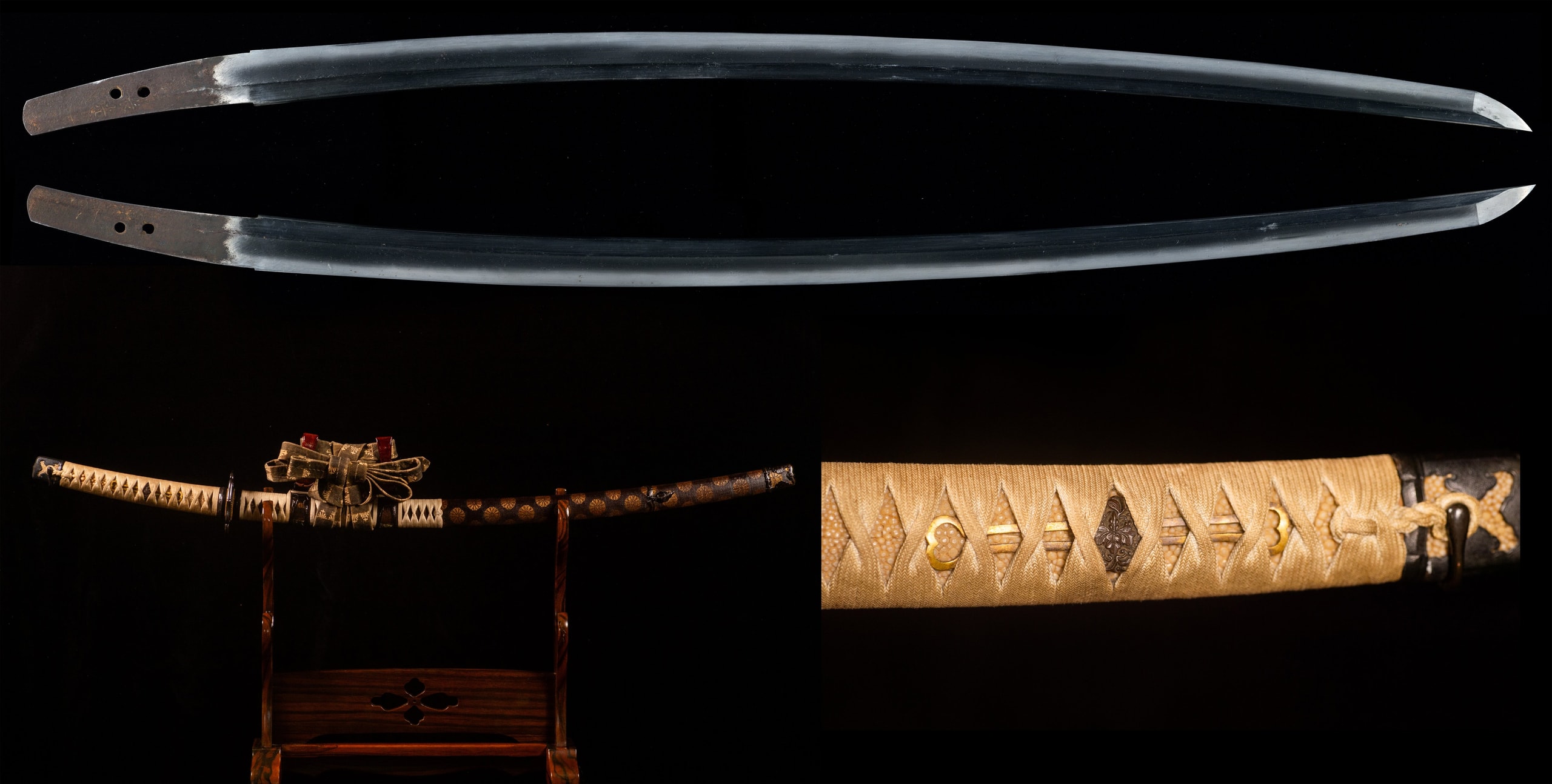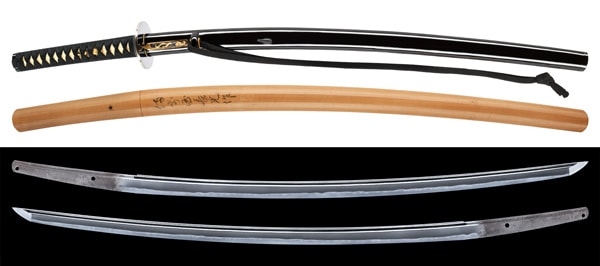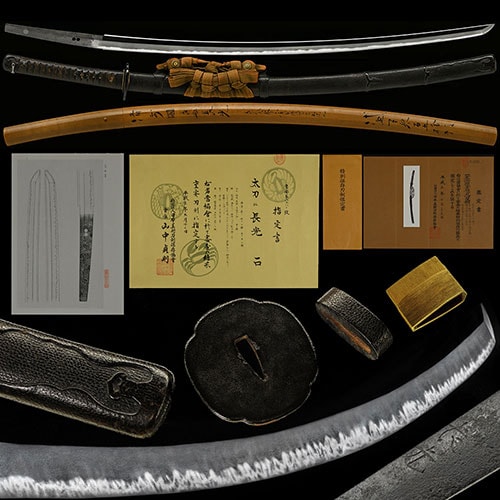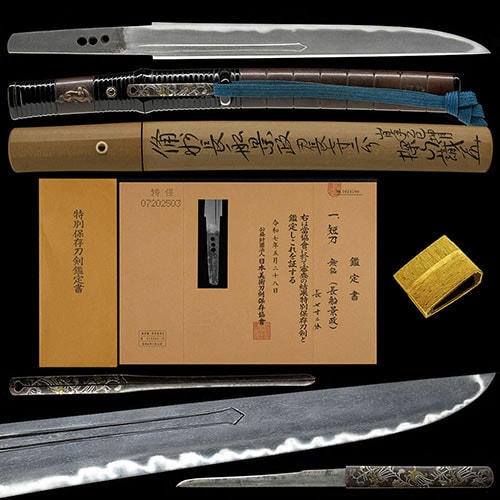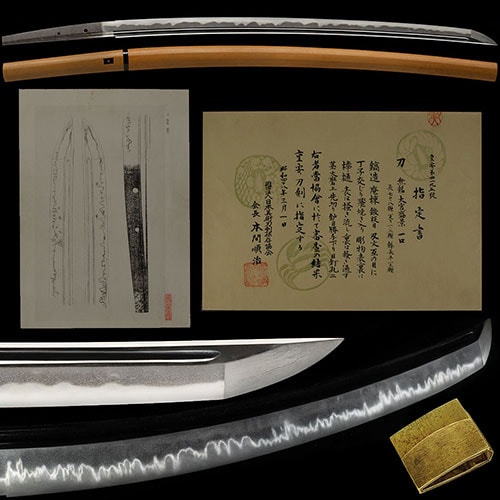





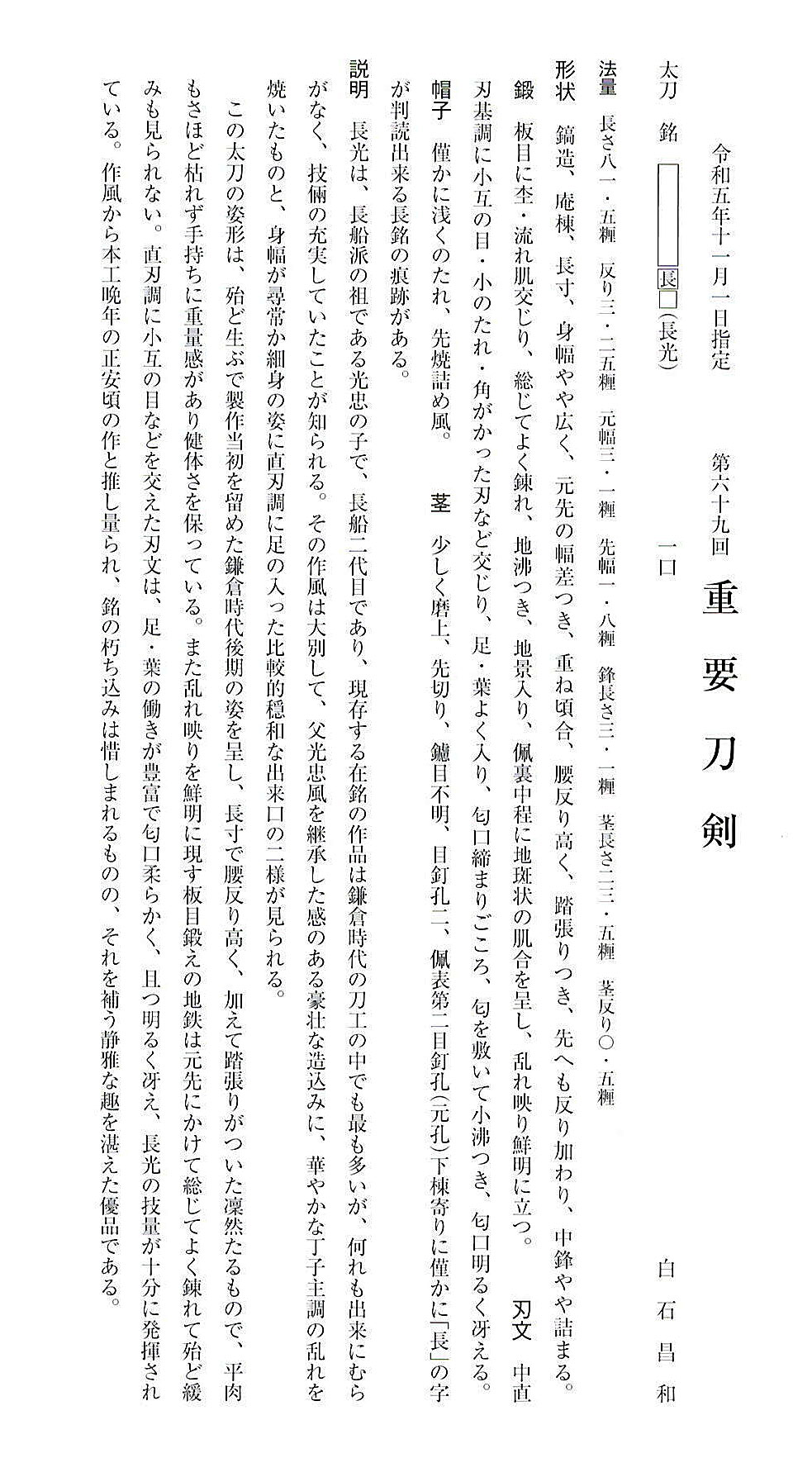


令和五年十一月一日指定 - at the 69th (Designated November 1, 2023)
, : Chō (長) [Nagamitsu (長光)]
Measurements 81.5 cm, 3.25 cm, 3.1 cm, 1.8 cm, 3.1 cm, 23.5 cm, 0.5 cm
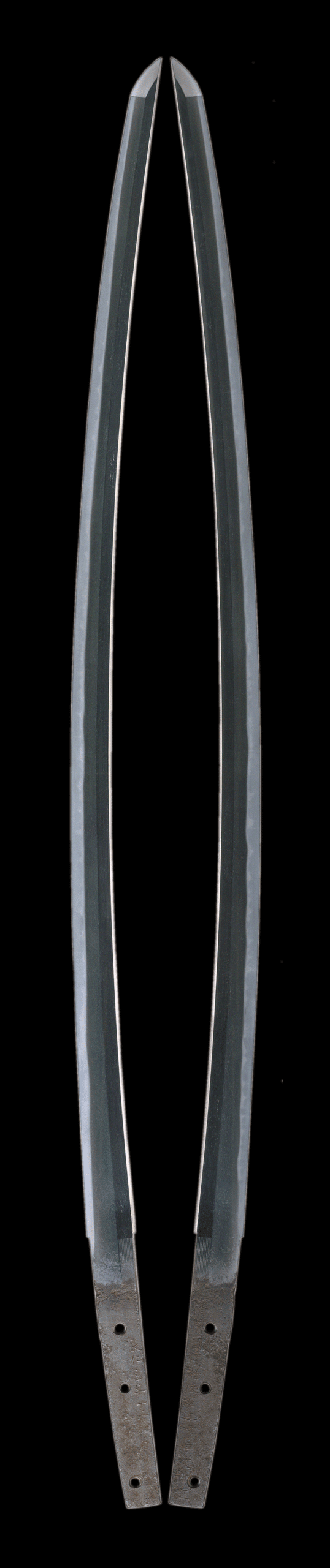
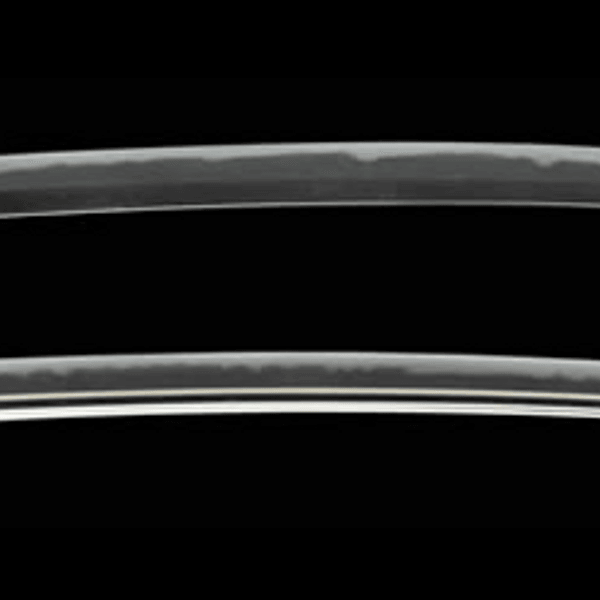
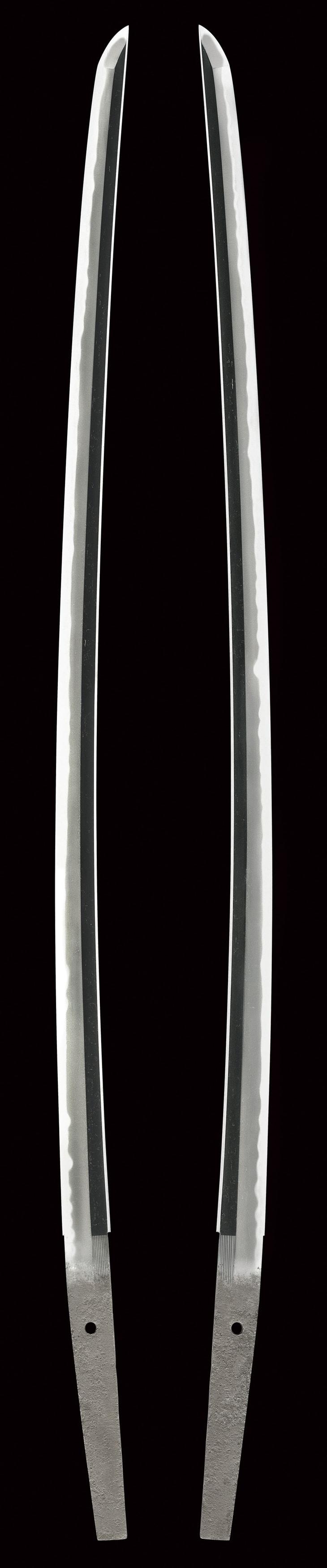
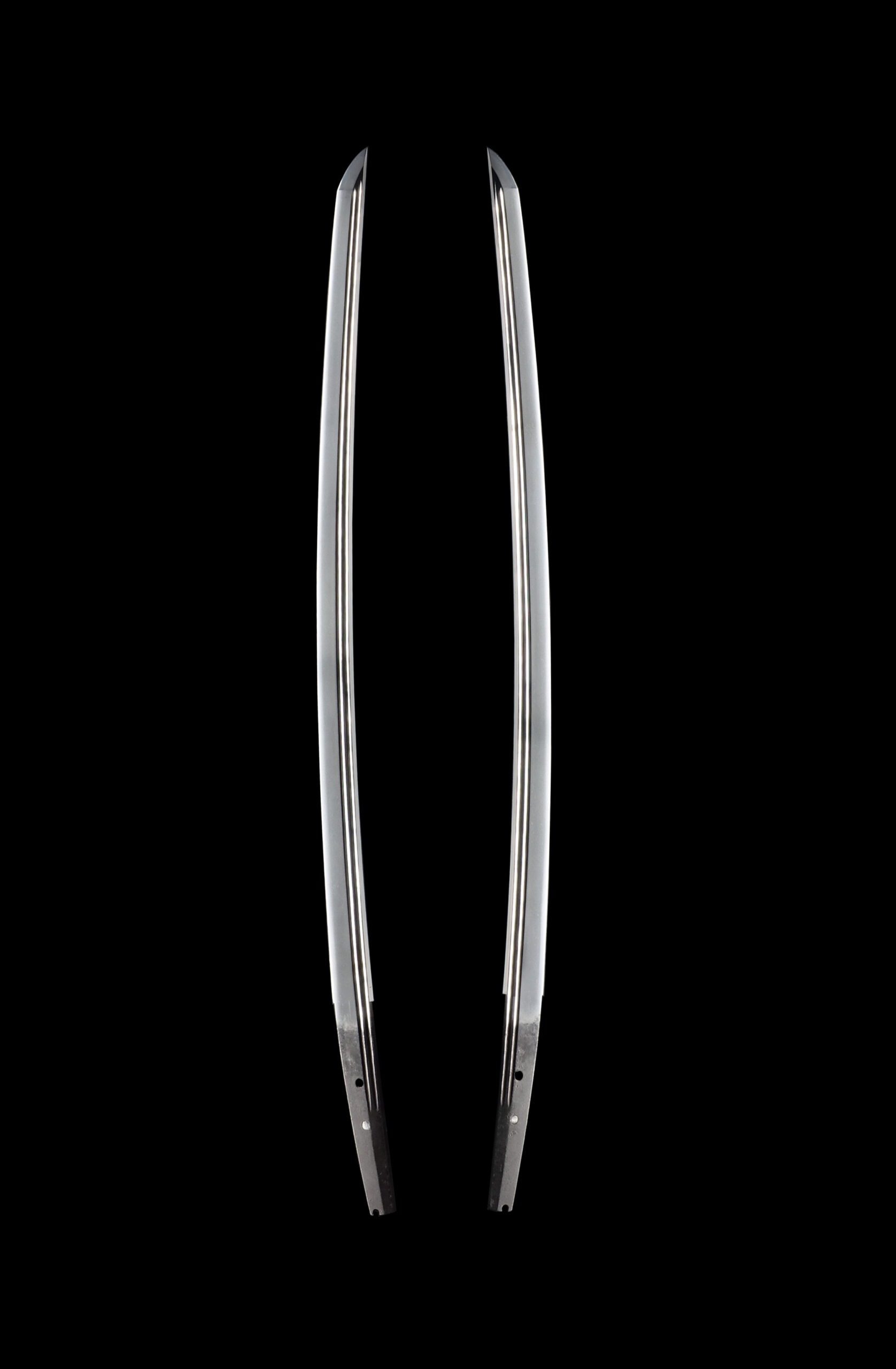
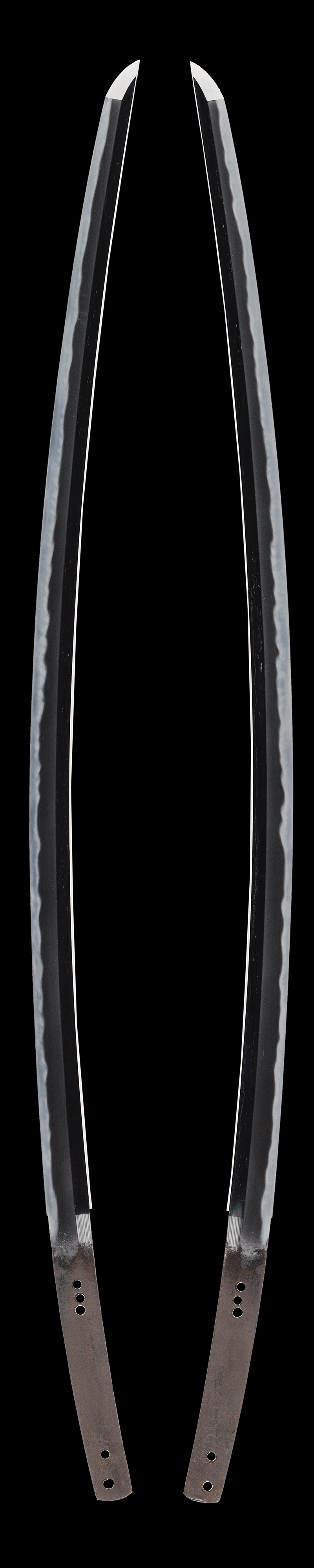
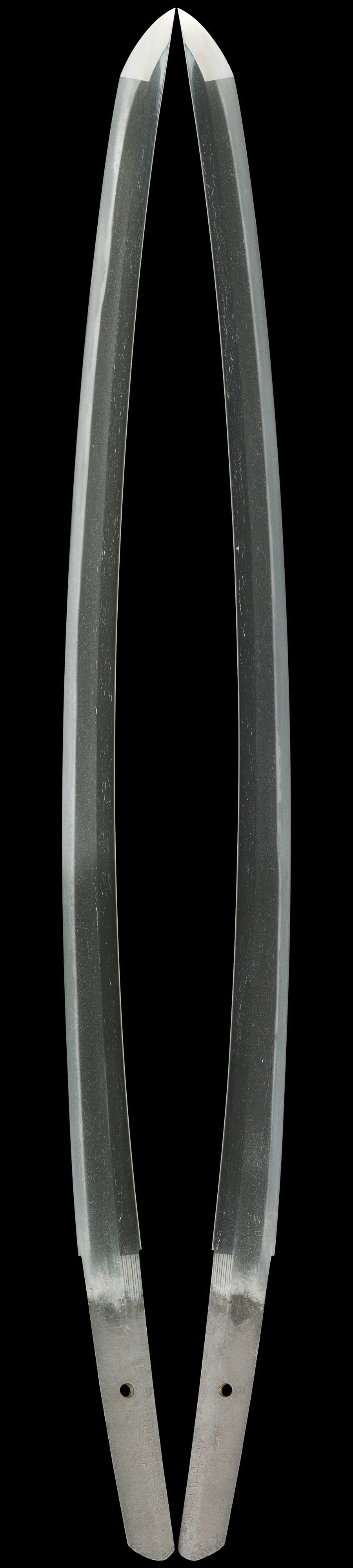
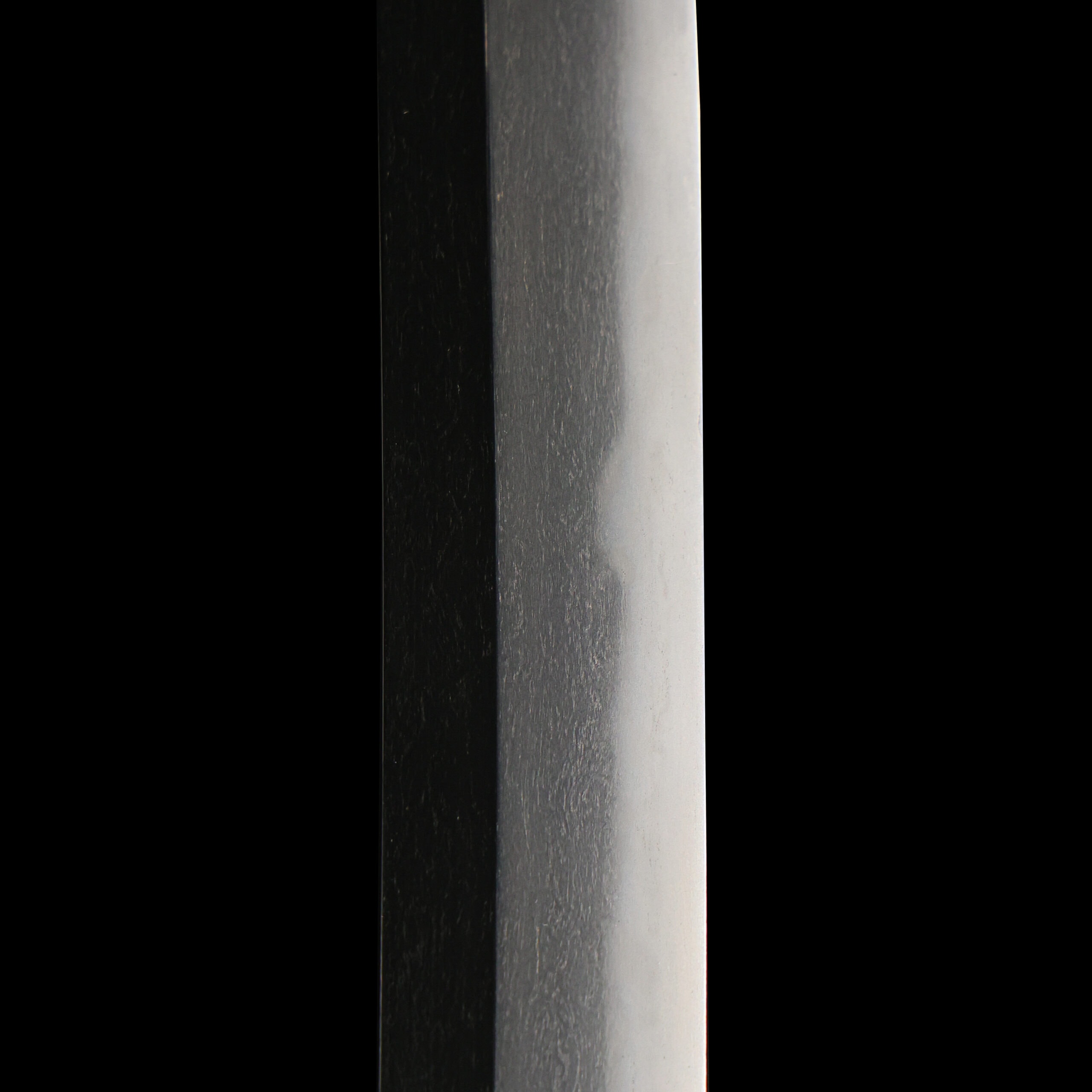
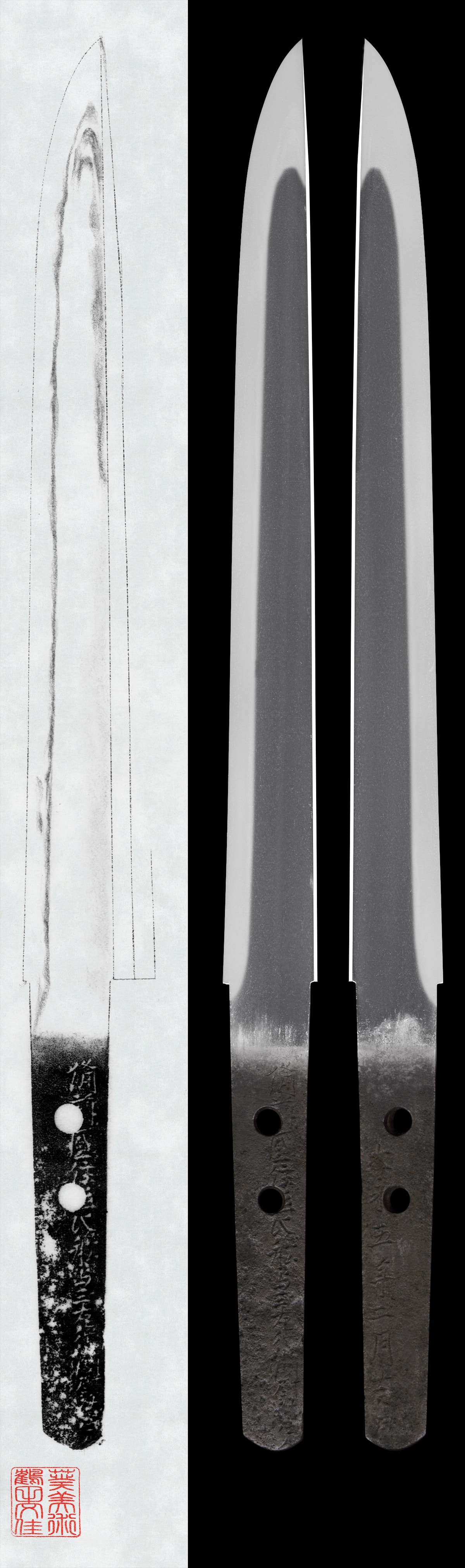
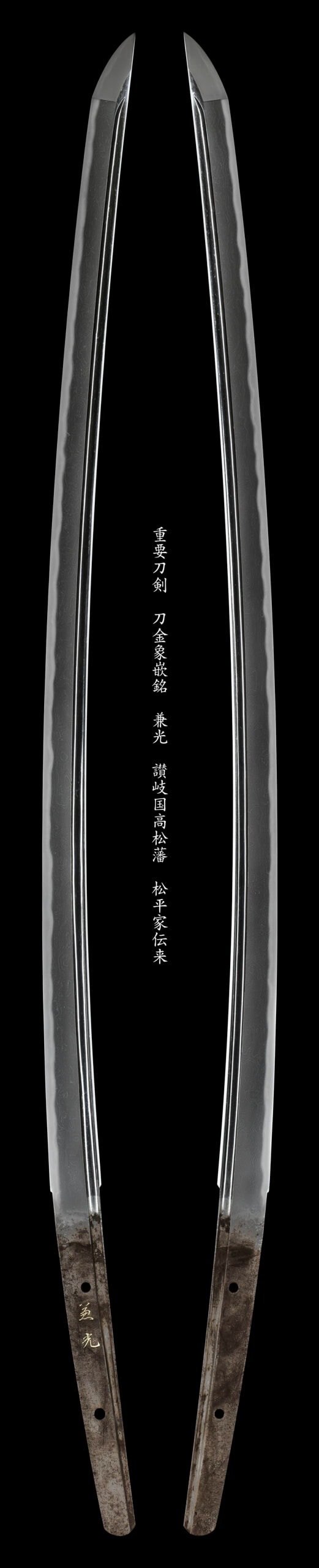
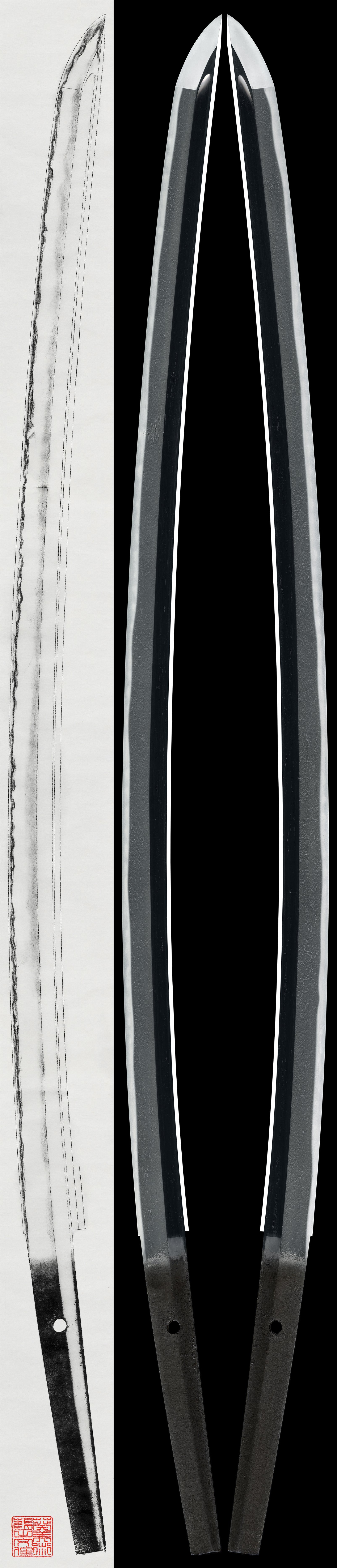
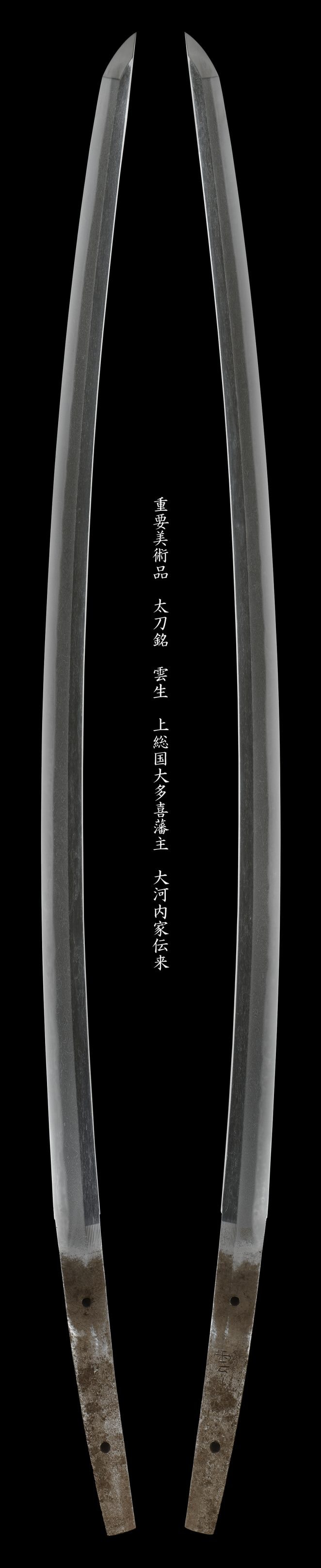
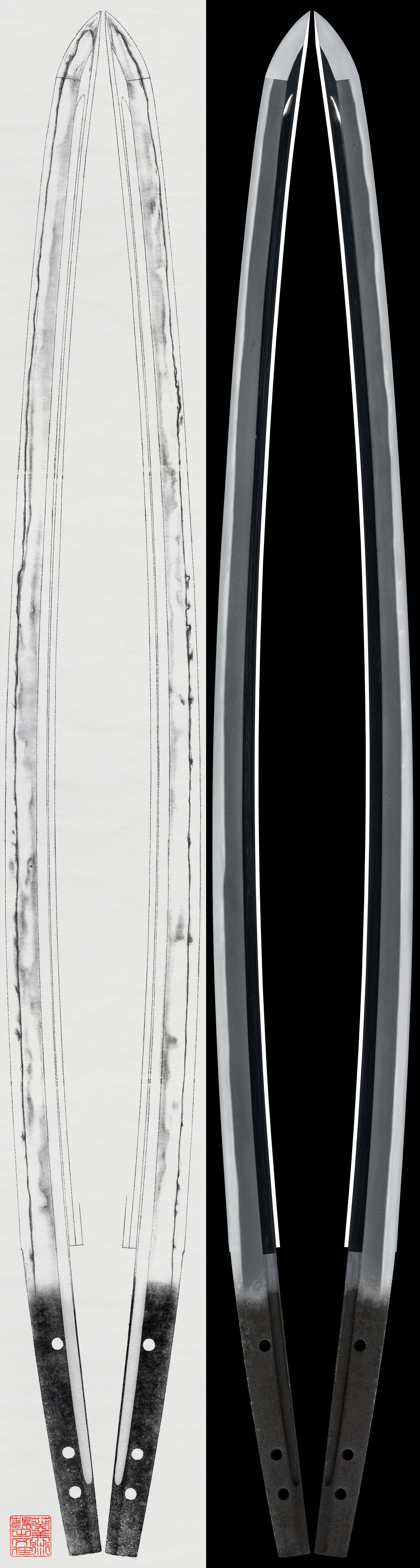
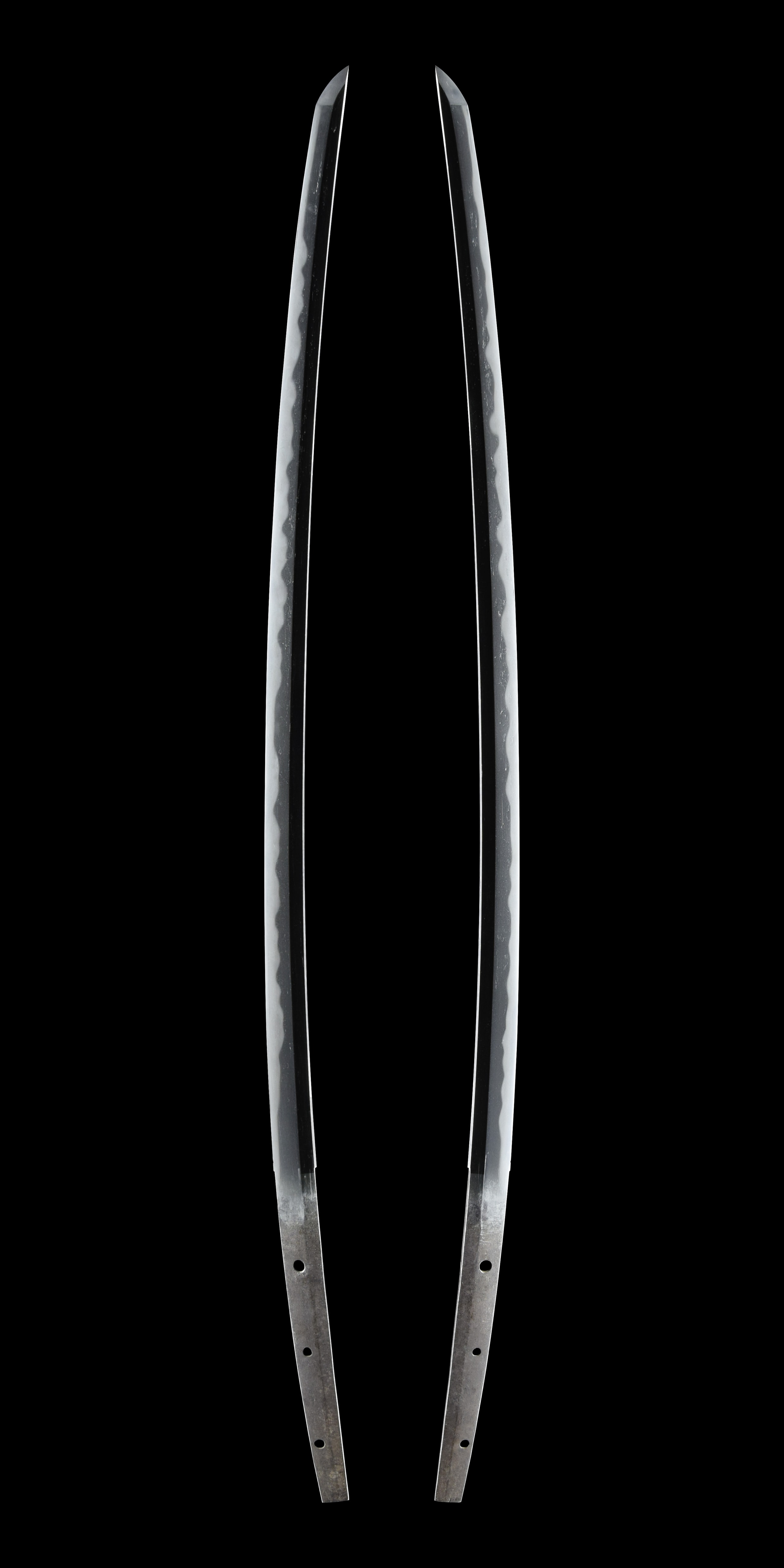
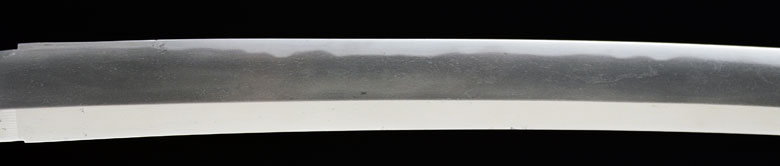
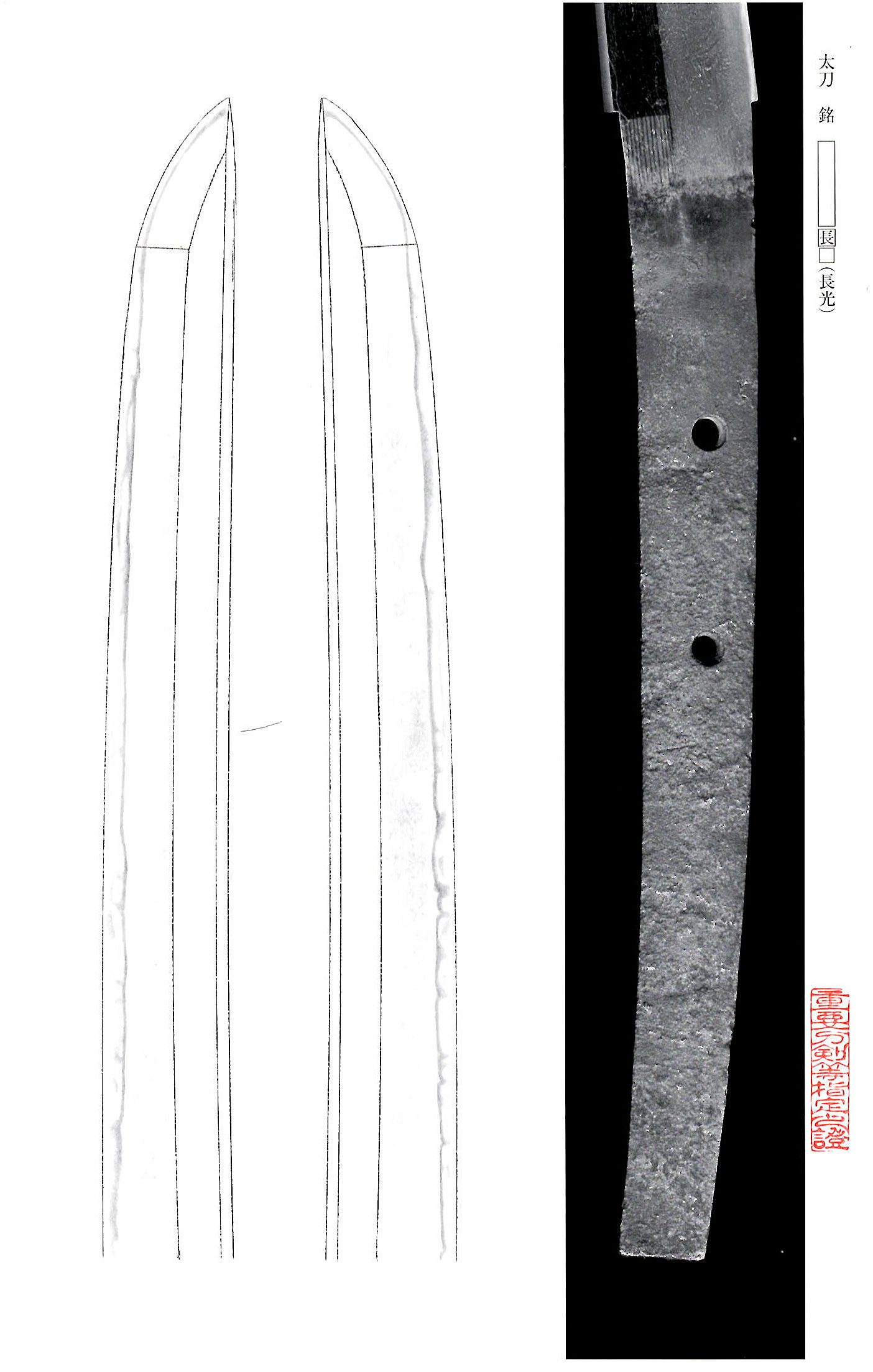
Description Keijō: , ; long in length; somewhat wide with a pronounced taper from base to tip; of appropriate thickness; high with ; curvature also increases toward the tip; slightly compact. : mixed with and ; overall well-forged; and appear; around the middle of the the ground shows a mottled, patch-like texture; distinct stands out clearly. : Essentially ; a base mixed with , , and slightly angular elements; abundant and ; the tends toward tightness; is laid in with fine ; the is bright and clear. : Very slightly shallow ; the point has a -like appearance. : None. : Slightly ; tip cut (); indistinct; two ; below the second on the (the original peg hole), slightly toward the , the character “長” can be read faintly—traces of a longer signature remain.
Artisan Nagamitsu (長光), school
Era Late period, estimated around the Shōan era (正安, ca. 1299–1302)
Explanation Nagamitsu was the son of Mitsutada, founder of the school, and is regarded as the second-generation smith of the lineage. Among -period swordsmiths, he is known for leaving one of the greatest numbers of extant signed works. These exhibit no notable unevenness of quality, demonstrating that his technique was consistently mature and fully developed. Broadly speaking, his style can be divided into two types: one featuring a robust construction that carries forward the manner of his father Mitsutada, combined with flamboyant dominated by ; and another in which the blade is of normal width or relatively slender, with a comparatively gentle temper in a -based mode enlivened by .
The shape of this presents the late- style while retaining, to an extent, its original form, having been shortened only minimally. It is of notably long length with a high , and together with pronounced conveys a crisp, dignified presence. The is not excessively diminished; the sword feels weighty in hand and preserves a robust, healthy condition. The , which clearly displays , is well-forged throughout from base to tip, showing almost no looseness. The , a tone mixed with small and related elements, is rich in the workings of and ; its is supple, yet also bright and clear, fully expressing Nagamitsu’s skill. From its style, the work is inferred to date from the smith’s later years, around the Shōan era. Although the loss and corrosion of the signature is regrettable, the blade is an excellent piece suffused with a quiet refinement that more than compensates for this.