NihontoWatch Mon

NihontoWatchBETA

MarketAuctions
Encyclopedia
NihontoWatch Mon

NihontoWatchBETA

MarketAuctions
Encyclopedia

Description

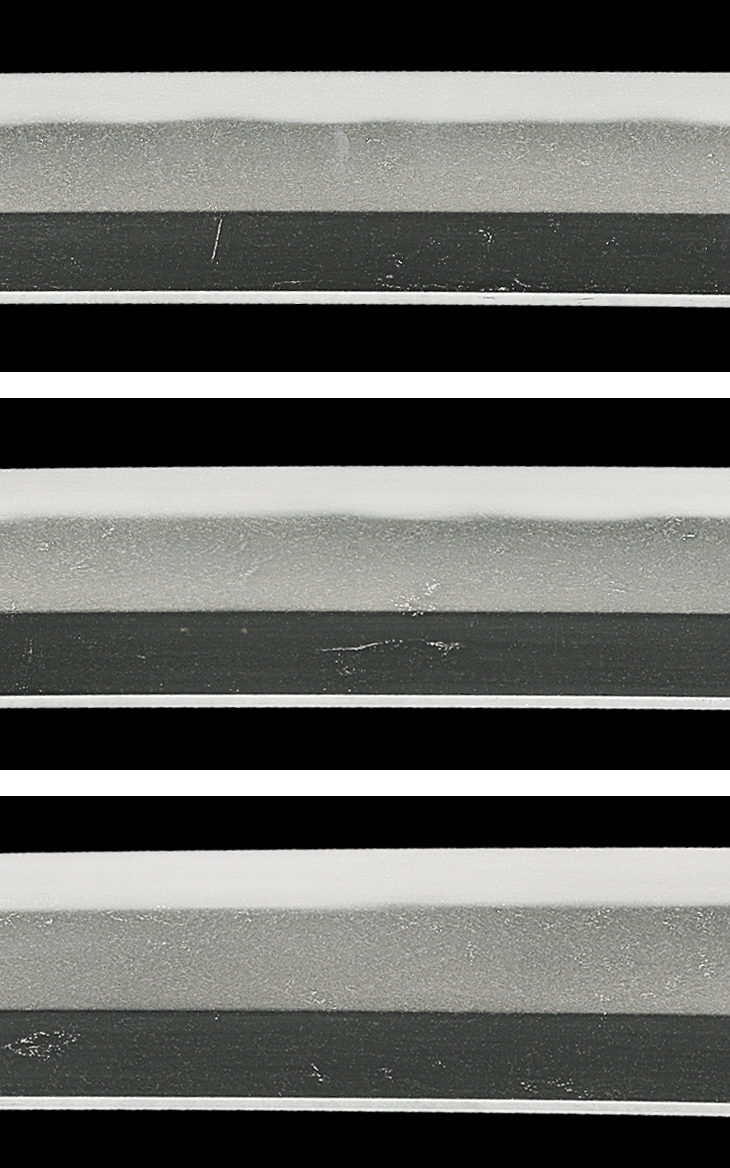
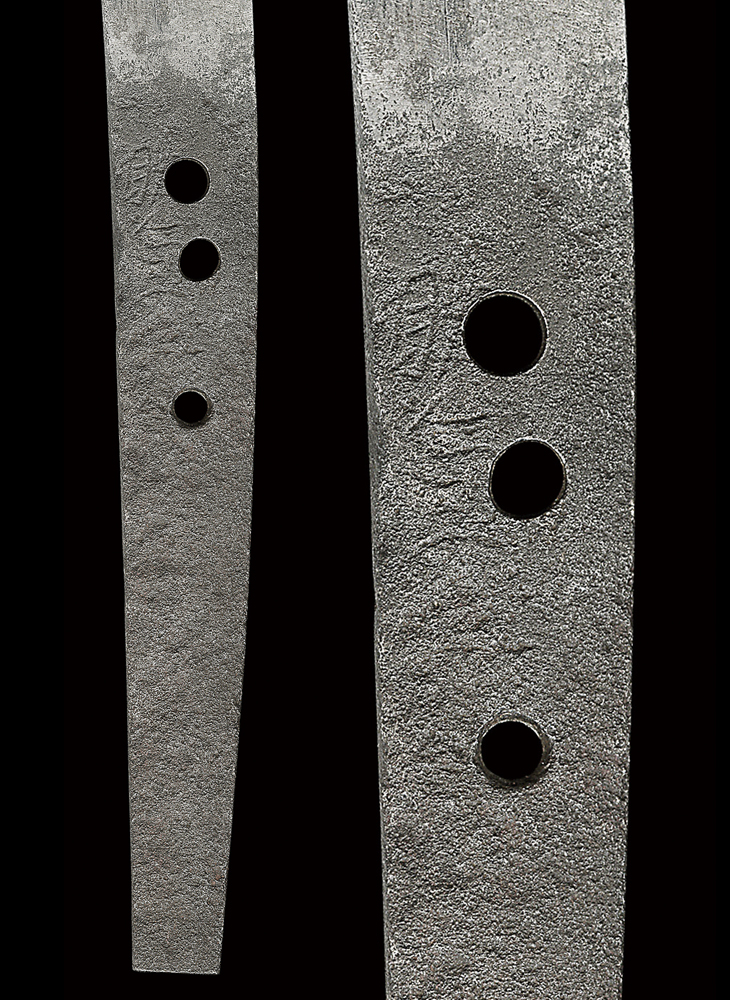
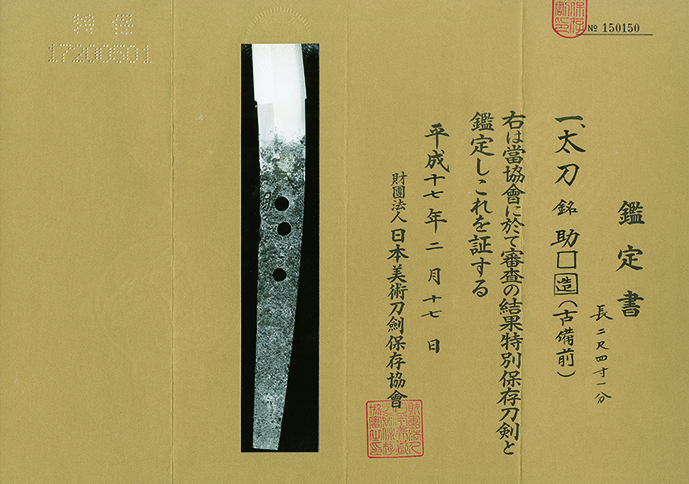
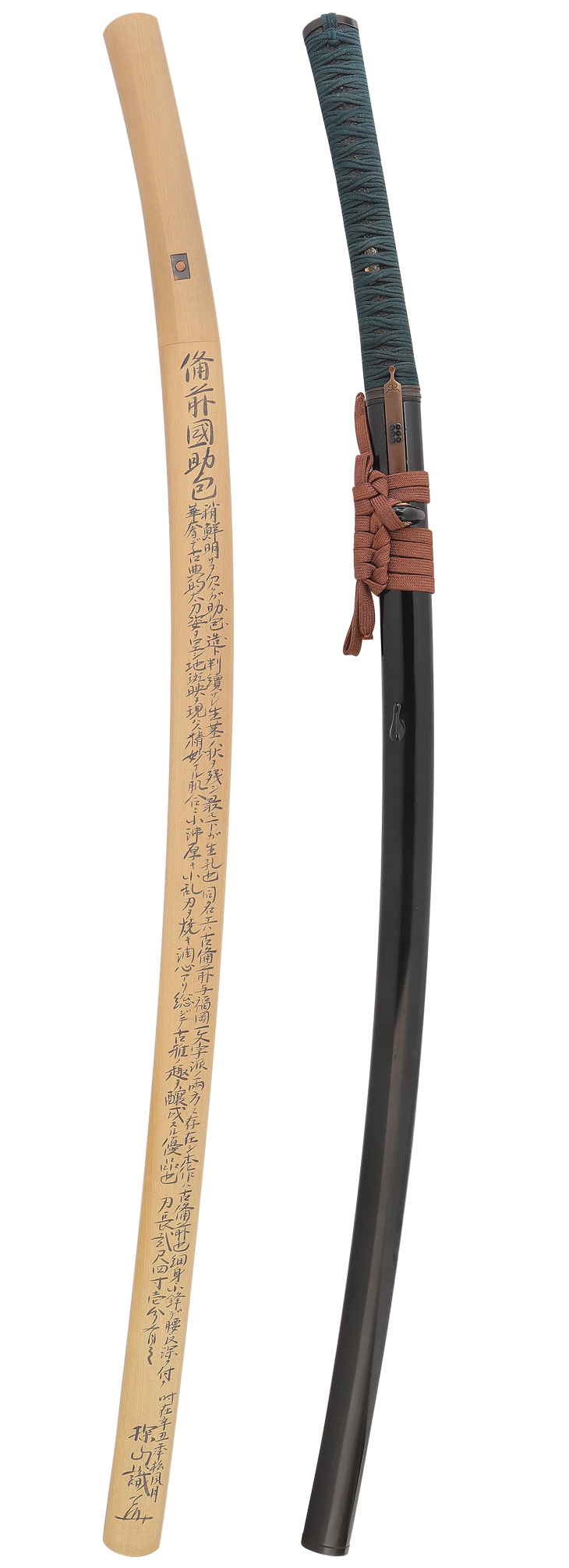
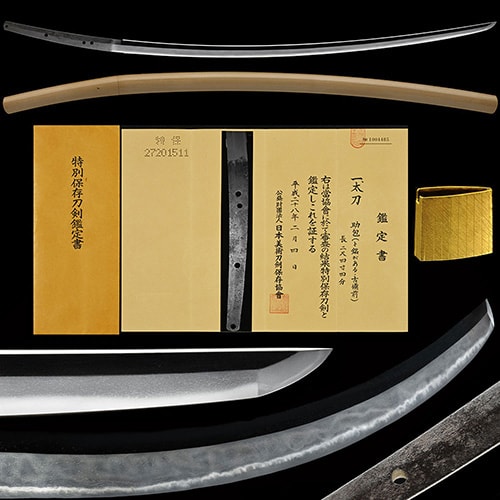
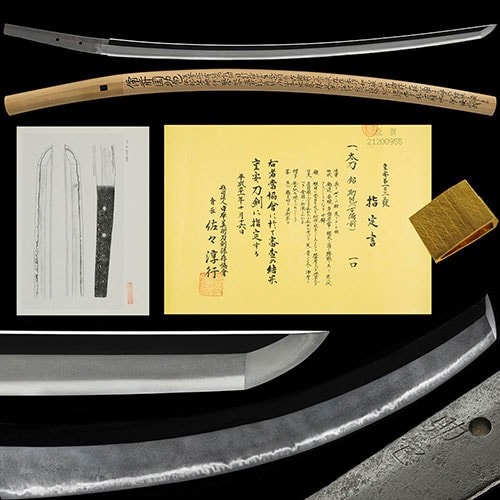
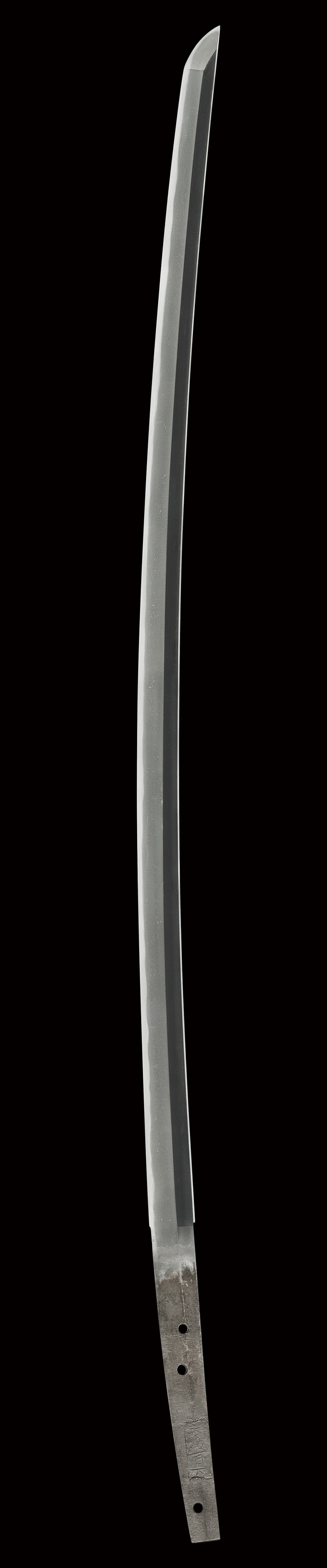
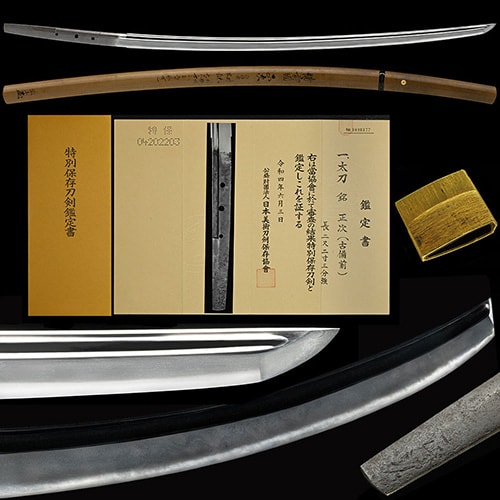
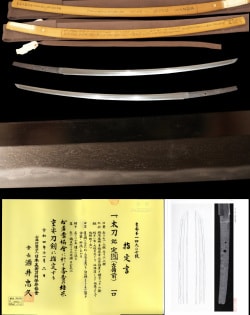
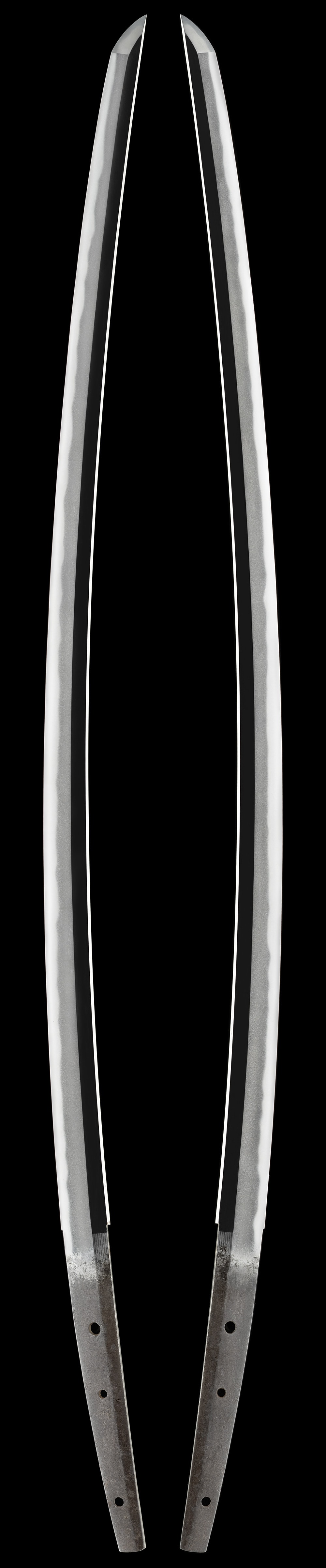
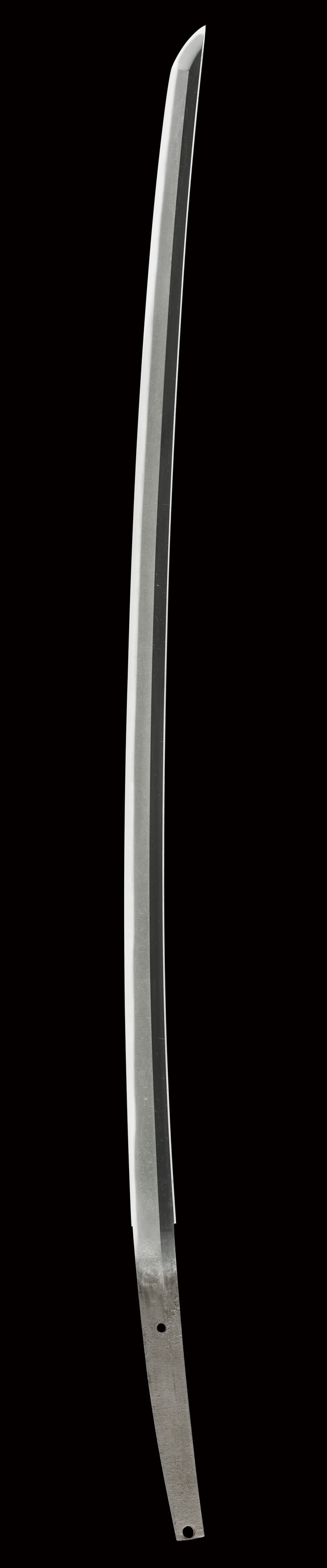
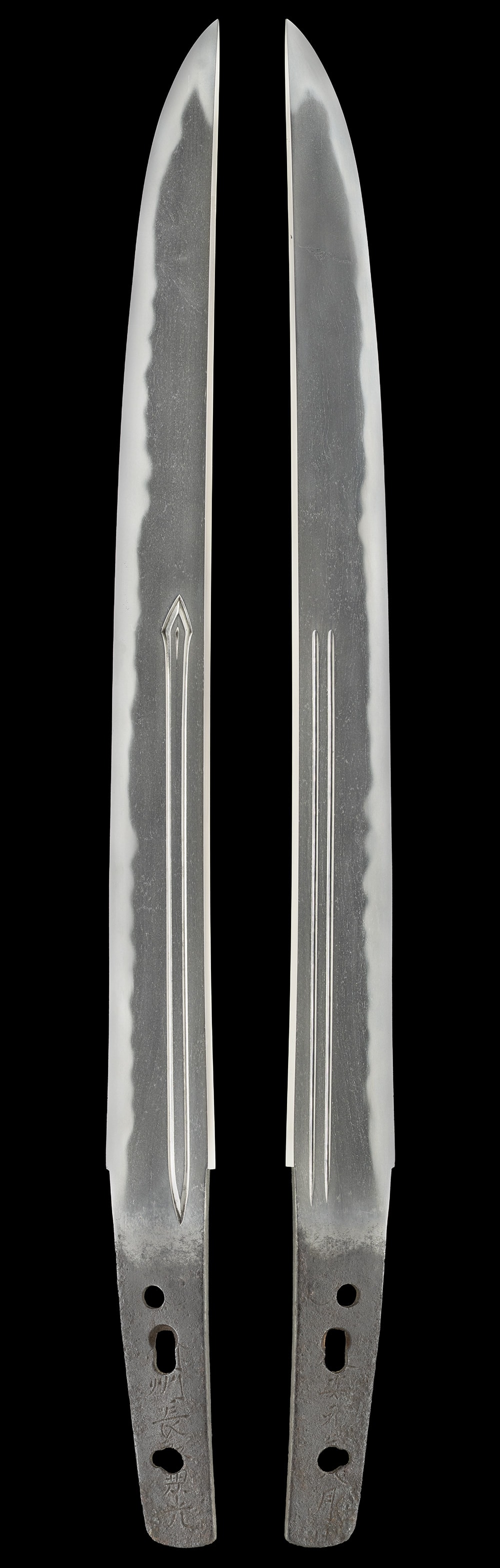
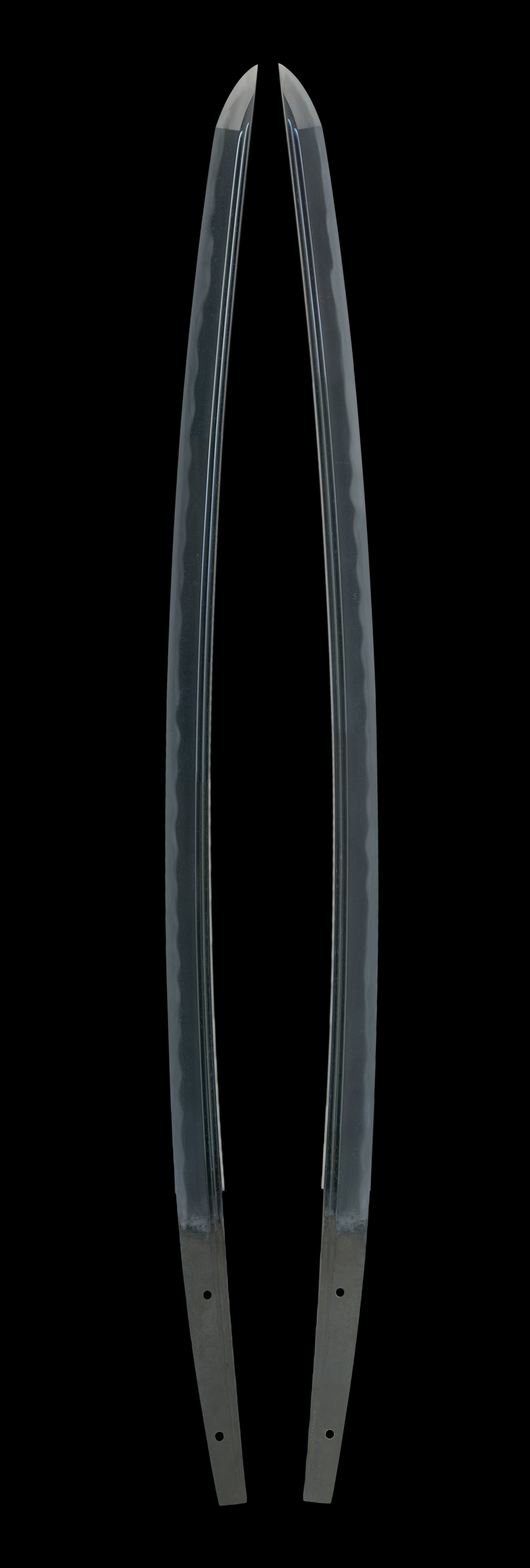
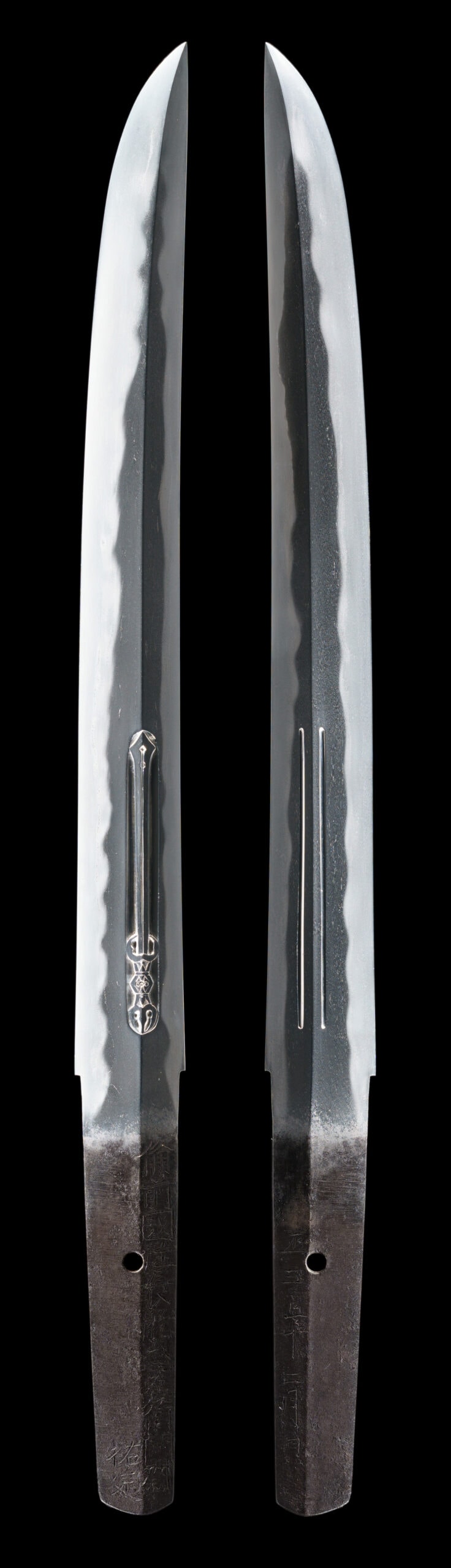
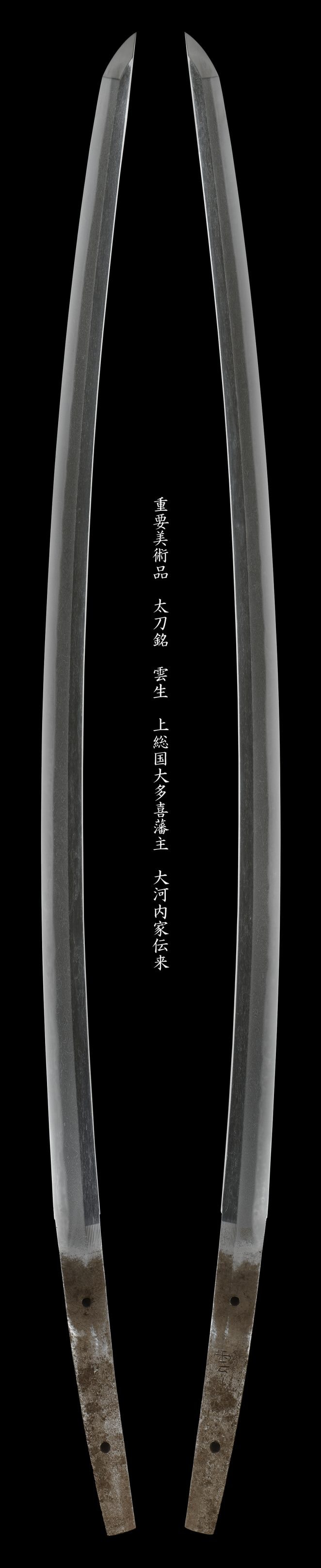
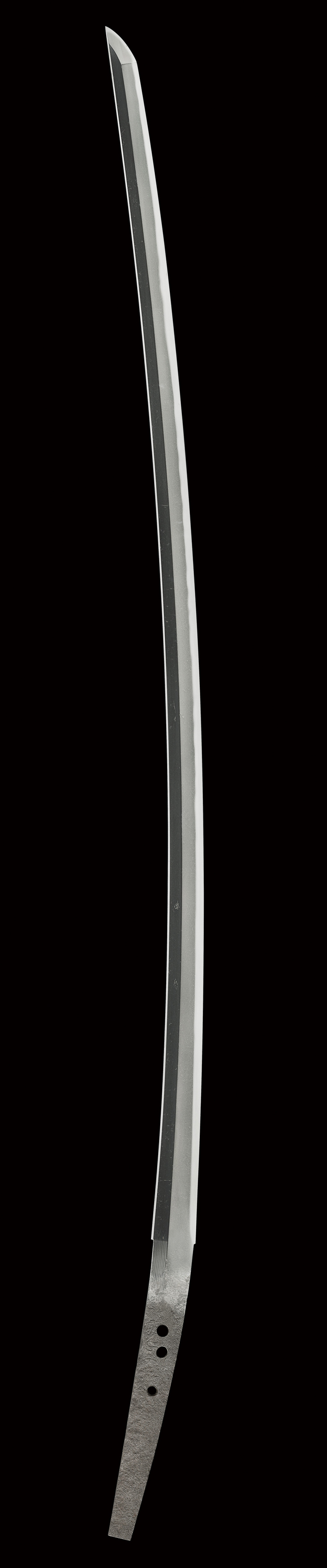
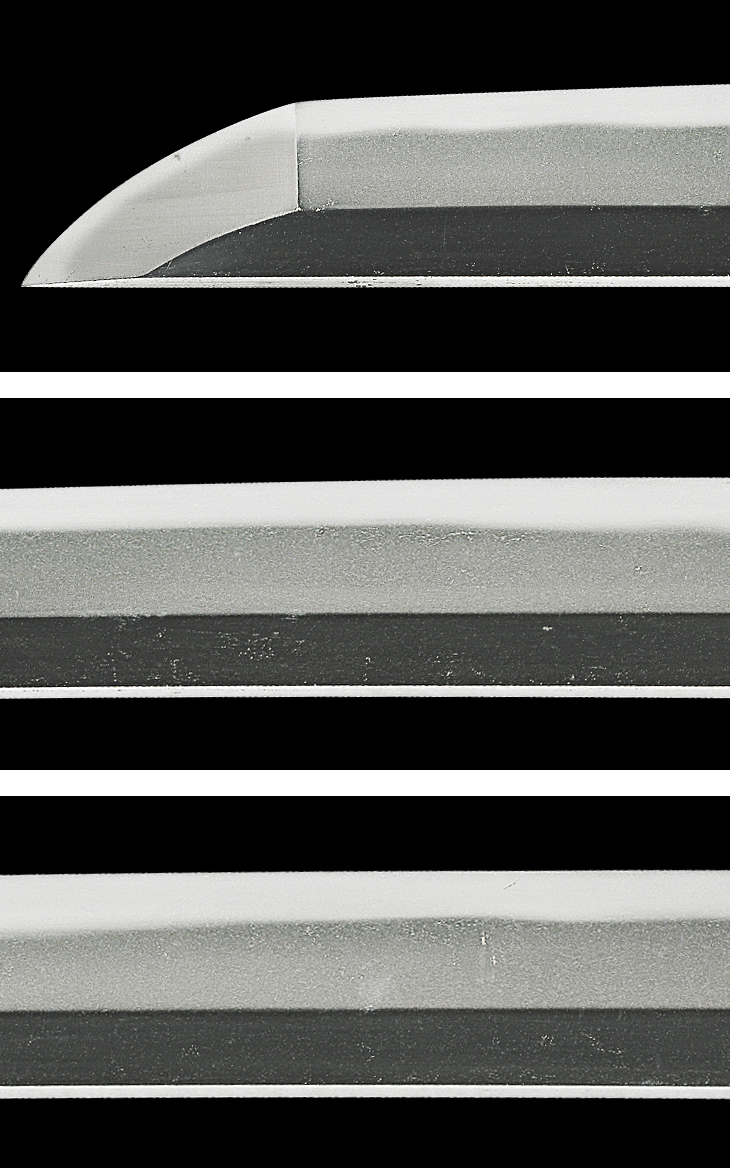
This is a rare Ko-Bizen Tachi by Sukekane, dating to the early Kamakura period. It features a graceful tachi-sugata with a deep koshi-zori and a small kissaki. The blade comes with a Tokubetsu Hozon certificate and a Kenshin Koshirae from the Edo period.

NihontoWatch MonNihontoWatchBETA
MarketAuctionsEncyclopedia
Swords›Bizen-den›Ko-Bizen›Sukekane›Tachi: Sukekane (Ko-Bizen)
tachiTokubetsu Hozon
Ko-Bizen Sukekane

Tachi: Sukekane (Ko-Bizen)

mei · Ko-Bizen · Genryaku (1184-1185) · nagasa 73cm · sori 2.1cm

¥7,900,000
Visit seller website →
Ko-Bizen Sukekane — 1 of 6
Ko-Bizen Sukekane — 2 of 6
Ko-Bizen Sukekane — 3 of 6
Ko-Bizen Sukekane — 4 of 6
Ko-Bizen Sukekane — 5 of 6
Ko-Bizen Sukekane — 6 of 6
1 / 6
1 / 6
Ko-Bizen Sukekane — 1 of 6Ko-Bizen Sukekane — 2 of 6Ko-Bizen Sukekane — 3 of 6Ko-Bizen Sukekane — 4 of 6Ko-Bizen Sukekane — 5 of 6Ko-Bizen Sukekane — 6 of 6
Measurements & details
Smith
Ko-Bizen Sukekane
Type
Tachi
School
Ko-Bizen
Period
Around 1184–1185(Genryaku)
Province
Bizen
Signature
Signed(61% of this smith's designated works are signed)
Measurements
Nagasa 73cmSori 2.1cmMotohaba 2.68cmSakihaba 1.61cmKasane 0.6cm
Description

This is a rare Ko-Bizen Tachi by Sukekane, dating to the early Kamakura period. It features a graceful tachi-sugata with a deep koshi-zori and a small kissaki. The blade comes with a Tokubetsu Hozon certificate and a Kenshin Koshirae from the Edo period.

About the maker

Sukekane

助包

Ko-Bizen (Bizen) · Bizen · around 1184-1185

Fujishiro Jo-jo saku · Tōken Taikan top 1%

2 pieces on the market now

›

Sukekane is a Ko-Bizen swordsmith of the late Heian to early Kamakura period, his name one of the school's enduring puzzles. Two Jūyō-Bijutsuhin tachi designated in 1935, one signed in six characters "Bizen no Kuni Sukekane saku" and held by the Matsudaira house, the other a small-signature blade from the Sakai house, fix him in the historical record; the published sources note that the name Sukekane is found among both the Ko-Bizen group and the Fukuoka Ichimonji line, and that there were likely three or four smiths who shared it. The man profiled here is the Ko-Bizen one, the archaic hand. The published commentary draws the distinction plainly: of the two Sukekane, "the former is an archaic, classical small-midare of nie-based workmanship, whereas the latter forges flamboyant chōji-based midare in which a sense of technical artifice is felt"[[c:1]]. His is the quiet side of the divide.

His characteristic temper is a suguha-toned small midare. Over it run ko-chōji, ko-gunome and ko-notare, with ashi and yō entering well, the work nie-based, with sunagashi and fine kinsuji coursing through and, on a recurring group, nijūba and even sanjūba running intermittently along the upper edge. This is not the regular clove-flower of the Ichimonji smiths but the calm, antique line the published sources call the manner of old Bizen, where "flamboyant midare is uncommon"[[c:2]] and "a suguha-toned base with shallow notare predominates"[[c:3]]. The bōshi answers the edge below it, running straight to a ko-maru or finishing in a yakizume-like sweep with hakikake, sometimes with yubashiri drifting at the turn.

The jigane is the constant. He forges a well-packed itame mixed with mokume, the grain standing a little, with ji-nie and chikei entering frequently, and a clear midare-utsuri rising in the ji. On the finest of them the reflection thickens into the patchy jifu-utsuri of old Bizen steel. Over that jigane the nioiguchi is bright and clear, and the ha carries thick ko-nie. The published sources prize exactly this antique flavor, calling one Tokubetsu-Jūyō tachi a work of "old-scented workmanship characteristic of Ko-Bizen"[[c:4]], the ji and ha carrying a savory depth of taste.

Within his own record the work divides into two registers of one hand. The typical Sukekane is a slender tachi, ubu where it survives so or shortened yet keeping a high koshizori with funbari, the point a compact ko-kissaki, the temper a calm suguha-toned ko-midare. On his outstanding signed tachi the line opens out: a broad suguha into which chōji, gunome and angular elements are set, flowering into a brilliant midare that the judges single out, one such piece called "a particularly outstanding achievement" that strikingly manifests the features of Ko-Bizen. The signature is its own scholarly question. The published commentary records small, intermediate and large hands, and notes that while the convention treats small signatures as Ko-Bizen and large ones as Ichimonji, some Ichimonji works carry small signatures too, so that "a distinction based on the signature alone is not necessarily easy"[[c:5]].

What sets the Ko-Bizen Sukekane apart from his Ichimonji namesake is exactly this nie-based restraint. His bright midare-utsuri, his suguha-toned small midare with its nijūba and deep nie, and the archaic, slightly drooping tachi shape with its ko-kissaki are read as Ko-Bizen, while the flamboyant chōji and the air of technical display belong to the other hand. On the ō-suriage mumei katana and wakizashi attributed to him, the published sources affirm the appraisal from the period and the Ko-Bizen workmanship rather than from any single personal tell, accepting the traditional attribution where the jigane and hamon are markedly archaic in tone. His blades stand at the root of the Bizen line, before the school's great flowering at Fukuoka.

For the collector he is a rare early name. Fujishiro grades him Jō-jō saku, and the Tōkō Taikan values his work near the top of its scale. He has no National Treasure of his own Ko-Bizen hand; his record runs instead through the Important Cultural Property rank and the prewar Jūyō-Bijutsuhin, with two blades in the Tokubetsu-Jūyō and twenty-two in the Jūyō. Because his extant works are so few, the published sources call his best signed tachi documentary material of very high value for understanding him at all. His blades carry distinguished provenance, transmitted in the domain era through the Satake house of Akita, the Tokugawa and Matsudaira families, the Sakai house of Tadakatsu, the Ikeda of Inshū, and bearing in one case the gold-inlaid ownership name of Takeda Genshinren. Most are long held, not traded; only the Jūyō and Tokubetsu-Jūyō tier ever moves, and even then a signed Ko-Bizen Sukekane comes to light only seldom. A privately held example, of recorded whereabouts, is a notable thing for a collector to encounter, a document of how Bizen began.

Historical importance

Where Sukekane stands among comparable artisans: across all of nihontō, and within tradition, era, and period. The tiers (Foremost · Leading · Major · Notable) weigh official designations from the NBTHK and Japan's Agency for Cultural Affairs, together with historical honors of lasting repute such as the Sansaku and Meibutsu-chō.

随一
Foremost
屈指
Leading
有数
Major
著名
Notable

Select a lens to see how it's measured.

Designation record
28 designated works
Kokuhō (National Treasure)
1
Jūyō Bunkazai
1
Jūyō Bijutsuhin
2
Tokubetsu Jūyō
2
Jūyō
22
2 works by Sukekane on the market→
Sukekane — full profileKo-Bizen (Bizen) school
About the school

Ko-Bizen

古備前

Bizen-den · Bizen

7 pieces on the market now

›

Ko-Bizen (古備前) is the oldest stratum of the Bizen tradition, the work of the smiths who forged in Bizen province from the late Heian period, around the Eien era, into the early and middle Kamakura. Learn more →

90 recorded smiths505 designated works
Leading smiths
SmithEraDesignated
Tomonari友成987-98934
Masatsune正恒987-98966
Kanehira包平1151-120032
Kageyasu景安1222-122428
Yoshikane吉包1150-122046
Explore the Ko-Bizen school →
NBTHK Certificate
Tokubetsu Hozon Tōken特別保存刀剣
Sword Especially Worthy of Preservation
›

A Hozon-certified blade judged to show notably superior workmanship and a better state of preservation. The bar is higher: re-tempered blades and most unsigned Muromachi/Edo works are excluded.

About the NBTHK›

The NBTHK (Nihon Bijutsu Tōken Hozon Kyōkai, the Society for the Preservation of Japanese Art Swords) is a public-interest incorporated foundation founded in 1948 and supervised by Japan’s Agency for Cultural Affairs (Bunkachō); it is based at the Japanese Sword Museum in Tokyo. Its expert panels physically examine each submitted work (shinsa) and issue a certificate (kanteishō) ranking it by artistic and historical merit. NBTHK papers are the most widely recognized standard of authentication for Japanese swords and fittings.

NBTHK official site→
Seller
S
Samurai Nippon
Established 1977 · 49 yrs on the market
🇯🇵Ships from Japan
›
✓Verified dealersamurai-nippon.net
Settles in JPY
✓Ships worldwide✓English supportWire transferPayPalCredit card
Return policy

For one-of-a-kind items such as swords, sword fittings, and antiques, please contact us about a return within 3 days of the item's arrival and ship it back within 8 days. Refunds are issued the same day the returned item arrives.

View all of Samurai Nippon’s listings→View this item on the dealer’s site→

More works by Ko-Bizen Sukekane

View all →
Eirakudo
Tokuho
Tachi - Tokuho - by Ko-Bizen Sukekane - Sukekane - Tokubetsu Hozon TokenTachi - Tokuho - by Ko-Bizen Sukekane - Sukekane - Tokubetsu Hozon Token

Tachi

ByKo-Bizen Sukekane
¥5,800,000

Previously sold by Ko-Bizen Sukekane

Eirakudo
Jūyō
Tachi - Jūyō - by Ko-Bizen Sukekane - Sukekane - Juyo TokenTachi - Jūyō - by Ko-Bizen Sukekane - Sukekane - Juyo Token
Sold

Tachi

ByKo-Bizen Sukekane
SOLD
Kusanagi
Jūyō
Tachi - Jūyō - by Ko-Bizen Sukekane - Juyo Tachi by Sukekane of Ko-Bizen, a miracle of soundness from the Heian periodTachi - Jūyō - by Ko-Bizen Sukekane - Juyo Tachi by Sukekane of Ko-Bizen, a miracle of soundness from the Heian period
Sold

Tachi

ByKo-Bizen Sukekane
SOLD

More from the Ko-Bizen school

View all →
World Seiyudo
Jūyō Bijutsuhin
Katana - Jubi - by Ko-Bizen Kageyasu - Bizen Kageyasu (Ko-Bizen) - Juyo BijutsuhinKatana - Jubi - by Ko-Bizen Kageyasu - Bizen Kageyasu (Ko-Bizen) - Juyo Bijutsuhin

Katana

ByKo-Bizen Kageyasu
Ask
Eirakudo
Tokuho
Tachi - Tokuho - by Ko-Bizen Masatsugu - Masatsugu - Tokubetsu Hozon TokenTachi - Tokuho - by Ko-Bizen Masatsugu - Masatsugu - Tokubetsu Hozon Token

Tachi

ByKo-Bizen Masatsugu
¥8,000,000
Kusanagi
Jūyō
Katana - Jūyō - by Ko-Bizen School - Juyo Tachi by Sadakane, grandson of Ko-Bizen Sanpei (Norihira, Takahira, Sukehiro), Heian period, earliest Ko-Bizen work!Katana - Jūyō - by Ko-Bizen School - Juyo Tachi by Sadakane, grandson of Ko-Bizen Sanpei (Norihira, Takahira, Sukehiro), Heian period, earliest Ko-Bizen work!

Katana

ByKo-Bizen School
¥8,800,000
Nihonto Australia
Tachi - by Ko-Bizen Tsuneto - Important Ko Bizen Heian Tachi by TsunetoTachi - by Ko-Bizen Tsuneto - Important Ko Bizen Heian Tachi by Tsuneto

Tachi

ByKo-Bizen Tsuneto
Ask
Touken Matsumoto
Katana - by Ko-Bizen Chikakane - Seki Zenjo Ie ChikakaneKatana - by Ko-Bizen Chikakane - Seki Zenjo Ie Chikakane

Katana

ByKo-Bizen Chikakane
¥550,000

More from the Bizen tradition

View all →
Hyozaemon
Jūyō
Tachi - Jūyō - by Osafune Nagamitsu - Tachi by Nagamitsu, a master craftsman who created many masterpieces such as "Ohannya Nagamitsu", "Tsuda Tooe Nagamitsu", and "Kumano Sansho Gongen Nagamitsu".Tachi - Jūyō - by Osafune Nagamitsu - Tachi by Nagamitsu, a master craftsman who created many masterpieces such as "Ohannya Nagamitsu", "Tsuda Tooe Nagamitsu", and "Kumano Sansho Gongen Nagamitsu".

Tachi

ByOsafune Nagamitsu
Ask
Iida Koendo
Jūyō
Tachi - Jūyō - by Osafune Nagamitsu - NagamitsuTachi - Jūyō - by Osafune Nagamitsu - Nagamitsu

Tachi

ByOsafune Nagamitsu
¥33,000,000
Iida Koendo
Jūyō
Tachi - Jūyō - by Osafune Nagamitsu - Bizenkoku Osafune ju Sakonshogen Nagamitsu tsukuru, Einin Gannen Junigatsu Hi (December 1293)Tachi - Jūyō - by Osafune Nagamitsu - Bizenkoku Osafune ju Sakonshogen Nagamitsu tsukuru, Einin Gannen Junigatsu Hi (December 1293)

Tachi

ByOsafune Nagamitsu
¥55,000,000
Nihonto.com
Jūyō
Tanto - Jūyō - by Osafune Kagemitsu - Juyo Tanto by Bizen KagemitsuTanto - Jūyō - by Osafune Kagemitsu - Juyo Tanto by Bizen Kagemitsu

Tantō

ByOsafune Kagemitsu
¥89,500
Tsuruginoya
Jūyō
Katana - Jūyō - by Fukuoka Ichimonji School - Mumei Fukuoka IchimonjiKatana - Jūyō - by Fukuoka Ichimonji School - Mumei Fukuoka Ichimonji

Katana

ByFukuoka Ichimonji School
¥10,000,000
Hyozaemon
Tokuho
Wakizashi - Tokuho - by Fukuoka Ichimonji Yoshifusa - Fukuoka Ichimonji YoshifusaWakizashi - Tokuho - by Fukuoka Ichimonji Yoshifusa - Fukuoka Ichimonji Yoshifusa

Wakizashi

ByFukuoka Ichimonji Yoshifusa
Ask
Eirakudo
Jūyō
Tachi - Jūyō - by Fukuoka Ichimonji School - Fukuoka Ichimonji - Juyo TokenTachi - Jūyō - by Fukuoka Ichimonji School - Fukuoka Ichimonji - Juyo Token

Tachi

ByFukuoka Ichimonji School
Ask
Hyozaemon
Tokuho
Katana - Tokuho - by Chu-Aoe Naotsugu - Bitchu AoeKatana - Tokuho - by Chu-Aoe Naotsugu - Bitchu Aoe

Katana

ByChu-Aoe Naotsugu
Ask

Swords

  • Katana
  • Wakizashi
  • Tantō
  • Tachi
  • Naginata
  • Yari

Fittings

  • Tsuba
  • Fuchi-Kashira
  • Kozuka
  • Menuki

By Certification

  • Tokujū
  • Jūyō
  • Tokuho
  • Hozon

Resources

  • Dealer Directory
  • Artist Directory
  • Glossary
  • Browse All
Nihontowatch© 2026
TermsPrivacyCookies

Description

This is a rare Ko-Bizen Tachi by Sukekane, dating to the early Kamakura period. It features a graceful tachi-sugata with a deep koshi-zori and a small kissaki. The blade comes with a Tokubetsu Hozon certificate and a Kenshin Koshirae from the Edo period.

NihontoWatch MonNihontoWatchBETA
MarketAuctionsEncyclopedia
Swords›Bizen-den›Ko-Bizen›Sukekane›Tachi: Sukekane (Ko-Bizen)
tachiTokubetsu Hozon
Ko-Bizen Sukekane

Tachi: Sukekane (Ko-Bizen)

mei · Ko-Bizen · Genryaku (1184-1185) · nagasa 73cm · sori 2.1cm

¥7,900,000
Visit seller website →
Ko-Bizen Sukekane — 1 of 6
Ko-Bizen Sukekane — 2 of 6
Ko-Bizen Sukekane — 3 of 6
Ko-Bizen Sukekane — 4 of 6
Ko-Bizen Sukekane — 5 of 6
Ko-Bizen Sukekane — 6 of 6
1 / 6
1 / 6
Ko-Bizen Sukekane — 1 of 6Ko-Bizen Sukekane — 2 of 6Ko-Bizen Sukekane — 3 of 6Ko-Bizen Sukekane — 4 of 6Ko-Bizen Sukekane — 5 of 6Ko-Bizen Sukekane — 6 of 6
Measurements & details
Smith
Ko-Bizen Sukekane
Type
Tachi
School
Ko-Bizen
Period
Around 1184–1185(Genryaku)
Province
Bizen
Signature
Signed(61% of this smith's designated works are signed)
Measurements
Nagasa 73cmSori 2.1cmMotohaba 2.68cmSakihaba 1.61cmKasane 0.6cm
Description

This is a rare Ko-Bizen Tachi by Sukekane, dating to the early Kamakura period. It features a graceful tachi-sugata with a deep koshi-zori and a small kissaki. The blade comes with a Tokubetsu Hozon certificate and a Kenshin Koshirae from the Edo period.

About the maker

Sukekane

助包

Ko-Bizen (Bizen) · Bizen · around 1184-1185

Fujishiro Jo-jo saku · Tōken Taikan top 1%

2 pieces on the market now

›

Sukekane is a Ko-Bizen swordsmith of the late Heian to early Kamakura period, his name one of the school's enduring puzzles. Two Jūyō-Bijutsuhin tachi designated in 1935, one signed in six characters "Bizen no Kuni Sukekane saku" and held by the Matsudaira house, the other a small-signature blade from the Sakai house, fix him in the historical record; the published sources note that the name Sukekane is found among both the Ko-Bizen group and the Fukuoka Ichimonji line, and that there were likely three or four smiths who shared it. The man profiled here is the Ko-Bizen one, the archaic hand. The published commentary draws the distinction plainly: of the two Sukekane, "the former is an archaic, classical small-midare of nie-based workmanship, whereas the latter forges flamboyant chōji-based midare in which a sense of technical artifice is felt"[[c:1]]. His is the quiet side of the divide.

His characteristic temper is a suguha-toned small midare. Over it run ko-chōji, ko-gunome and ko-notare, with ashi and yō entering well, the work nie-based, with sunagashi and fine kinsuji coursing through and, on a recurring group, nijūba and even sanjūba running intermittently along the upper edge. This is not the regular clove-flower of the Ichimonji smiths but the calm, antique line the published sources call the manner of old Bizen, where "flamboyant midare is uncommon"[[c:2]] and "a suguha-toned base with shallow notare predominates"[[c:3]]. The bōshi answers the edge below it, running straight to a ko-maru or finishing in a yakizume-like sweep with hakikake, sometimes with yubashiri drifting at the turn.

The jigane is the constant. He forges a well-packed itame mixed with mokume, the grain standing a little, with ji-nie and chikei entering frequently, and a clear midare-utsuri rising in the ji. On the finest of them the reflection thickens into the patchy jifu-utsuri of old Bizen steel. Over that jigane the nioiguchi is bright and clear, and the ha carries thick ko-nie. The published sources prize exactly this antique flavor, calling one Tokubetsu-Jūyō tachi a work of "old-scented workmanship characteristic of Ko-Bizen"[[c:4]], the ji and ha carrying a savory depth of taste.

Within his own record the work divides into two registers of one hand. The typical Sukekane is a slender tachi, ubu where it survives so or shortened yet keeping a high koshizori with funbari, the point a compact ko-kissaki, the temper a calm suguha-toned ko-midare. On his outstanding signed tachi the line opens out: a broad suguha into which chōji, gunome and angular elements are set, flowering into a brilliant midare that the judges single out, one such piece called "a particularly outstanding achievement" that strikingly manifests the features of Ko-Bizen. The signature is its own scholarly question. The published commentary records small, intermediate and large hands, and notes that while the convention treats small signatures as Ko-Bizen and large ones as Ichimonji, some Ichimonji works carry small signatures too, so that "a distinction based on the signature alone is not necessarily easy"[[c:5]].

What sets the Ko-Bizen Sukekane apart from his Ichimonji namesake is exactly this nie-based restraint. His bright midare-utsuri, his suguha-toned small midare with its nijūba and deep nie, and the archaic, slightly drooping tachi shape with its ko-kissaki are read as Ko-Bizen, while the flamboyant chōji and the air of technical display belong to the other hand. On the ō-suriage mumei katana and wakizashi attributed to him, the published sources affirm the appraisal from the period and the Ko-Bizen workmanship rather than from any single personal tell, accepting the traditional attribution where the jigane and hamon are markedly archaic in tone. His blades stand at the root of the Bizen line, before the school's great flowering at Fukuoka.

For the collector he is a rare early name. Fujishiro grades him Jō-jō saku, and the Tōkō Taikan values his work near the top of its scale. He has no National Treasure of his own Ko-Bizen hand; his record runs instead through the Important Cultural Property rank and the prewar Jūyō-Bijutsuhin, with two blades in the Tokubetsu-Jūyō and twenty-two in the Jūyō. Because his extant works are so few, the published sources call his best signed tachi documentary material of very high value for understanding him at all. His blades carry distinguished provenance, transmitted in the domain era through the Satake house of Akita, the Tokugawa and Matsudaira families, the Sakai house of Tadakatsu, the Ikeda of Inshū, and bearing in one case the gold-inlaid ownership name of Takeda Genshinren. Most are long held, not traded; only the Jūyō and Tokubetsu-Jūyō tier ever moves, and even then a signed Ko-Bizen Sukekane comes to light only seldom. A privately held example, of recorded whereabouts, is a notable thing for a collector to encounter, a document of how Bizen began.
Historical importance

Where Sukekane stands among comparable artisans: across all of nihontō, and within tradition, era, and period. The tiers (Foremost · Leading · Major · Notable) weigh official designations from the NBTHK and Japan's Agency for Cultural Affairs, together with historical honors of lasting repute such as the Sansaku and Meibutsu-chō.

随一
Foremost
屈指
Leading
有数
Major
著名
Notable

Select a lens to see how it's measured.

Designation record
28 designated works
Kokuhō (National Treasure)
1
Jūyō Bunkazai
1
Jūyō Bijutsuhin
2
Tokubetsu Jūyō
2
Jūyō
22
2 works by Sukekane on the market→
Sukekane — full profileKo-Bizen (Bizen) school
About the school

Ko-Bizen

古備前

Bizen-den · Bizen

7 pieces on the market now

›

Ko-Bizen (古備前) is the oldest stratum of the Bizen tradition, the work of the smiths who forged in Bizen province from the late Heian period, around the Eien era, into the early and middle Kamakura. Learn more →

90 recorded smiths505 designated works
Leading smiths
SmithEraDesignated
Tomonari友成987-98934
Masatsune正恒987-98966
Kanehira包平1151-120032
Kageyasu景安1222-122428
Yoshikane吉包1150-122046
Explore the Ko-Bizen school →
NBTHK Certificate
Tokubetsu Hozon Tōken特別保存刀剣
Sword Especially Worthy of Preservation
›

A Hozon-certified blade judged to show notably superior workmanship and a better state of preservation. The bar is higher: re-tempered blades and most unsigned Muromachi/Edo works are excluded.

About the NBTHK›

The NBTHK (Nihon Bijutsu Tōken Hozon Kyōkai, the Society for the Preservation of Japanese Art Swords) is a public-interest incorporated foundation founded in 1948 and supervised by Japan’s Agency for Cultural Affairs (Bunkachō); it is based at the Japanese Sword Museum in Tokyo. Its expert panels physically examine each submitted work (shinsa) and issue a certificate (kanteishō) ranking it by artistic and historical merit. NBTHK papers are the most widely recognized standard of authentication for Japanese swords and fittings.

NBTHK official site→
Seller
S
Samurai Nippon
Established 1977 · 49 yrs on the market
🇯🇵Ships from Japan
›
✓Verified dealersamurai-nippon.net
Settles in JPY
✓Ships worldwide✓English supportWire transferPayPalCredit card
Return policy

For one-of-a-kind items such as swords, sword fittings, and antiques, please contact us about a return within 3 days of the item's arrival and ship it back within 8 days. Refunds are issued the same day the returned item arrives.

View all of Samurai Nippon’s listings→View this item on the dealer’s site→

More works by Ko-Bizen Sukekane

View all →
Eirakudo
Tokuho
Tachi - Tokuho - by Ko-Bizen Sukekane - Sukekane - Tokubetsu Hozon TokenTachi - Tokuho - by Ko-Bizen Sukekane - Sukekane - Tokubetsu Hozon Token

Tachi

ByKo-Bizen Sukekane
¥5,800,000

Previously sold by Ko-Bizen Sukekane

Eirakudo
Jūyō
Tachi - Jūyō - by Ko-Bizen Sukekane - Sukekane - Juyo TokenTachi - Jūyō - by Ko-Bizen Sukekane - Sukekane - Juyo Token
Sold

Tachi

ByKo-Bizen Sukekane
SOLD
Kusanagi
Jūyō
Tachi - Jūyō - by Ko-Bizen Sukekane - Juyo Tachi by Sukekane of Ko-Bizen, a miracle of soundness from the Heian periodTachi - Jūyō - by Ko-Bizen Sukekane - Juyo Tachi by Sukekane of Ko-Bizen, a miracle of soundness from the Heian period
Sold

Tachi

ByKo-Bizen Sukekane
SOLD

More from the Ko-Bizen school

View all →
World Seiyudo
Jūyō Bijutsuhin
Katana - Jubi - by Ko-Bizen Kageyasu - Bizen Kageyasu (Ko-Bizen) - Juyo BijutsuhinKatana - Jubi - by Ko-Bizen Kageyasu - Bizen Kageyasu (Ko-Bizen) - Juyo Bijutsuhin

Katana

ByKo-Bizen Kageyasu
Ask
Eirakudo
Tokuho
Tachi - Tokuho - by Ko-Bizen Masatsugu - Masatsugu - Tokubetsu Hozon TokenTachi - Tokuho - by Ko-Bizen Masatsugu - Masatsugu - Tokubetsu Hozon Token

Tachi

ByKo-Bizen Masatsugu
¥8,000,000
Kusanagi
Jūyō
Katana - Jūyō - by Ko-Bizen School - Juyo Tachi by Sadakane, grandson of Ko-Bizen Sanpei (Norihira, Takahira, Sukehiro), Heian period, earliest Ko-Bizen work!Katana - Jūyō - by Ko-Bizen School - Juyo Tachi by Sadakane, grandson of Ko-Bizen Sanpei (Norihira, Takahira, Sukehiro), Heian period, earliest Ko-Bizen work!

Katana

ByKo-Bizen School
¥8,800,000
Nihonto Australia
Tachi - by Ko-Bizen Tsuneto - Important Ko Bizen Heian Tachi by TsunetoTachi - by Ko-Bizen Tsuneto - Important Ko Bizen Heian Tachi by Tsuneto

Tachi

ByKo-Bizen Tsuneto
Ask
Touken Matsumoto
Katana - by Ko-Bizen Chikakane - Seki Zenjo Ie ChikakaneKatana - by Ko-Bizen Chikakane - Seki Zenjo Ie Chikakane

Katana

ByKo-Bizen Chikakane
¥550,000

More from the Bizen tradition

View all →
Hyozaemon
Jūyō
Tachi - Jūyō - by Osafune Nagamitsu - Tachi by Nagamitsu, a master craftsman who created many masterpieces such as "Ohannya Nagamitsu", "Tsuda Tooe Nagamitsu", and "Kumano Sansho Gongen Nagamitsu".Tachi - Jūyō - by Osafune Nagamitsu - Tachi by Nagamitsu, a master craftsman who created many masterpieces such as "Ohannya Nagamitsu", "Tsuda Tooe Nagamitsu", and "Kumano Sansho Gongen Nagamitsu".

Tachi

ByOsafune Nagamitsu
Ask
Iida Koendo
Jūyō
Tachi - Jūyō - by Osafune Nagamitsu - NagamitsuTachi - Jūyō - by Osafune Nagamitsu - Nagamitsu

Tachi

ByOsafune Nagamitsu
¥33,000,000
Iida Koendo
Jūyō
Tachi - Jūyō - by Osafune Nagamitsu - Bizenkoku Osafune ju Sakonshogen Nagamitsu tsukuru, Einin Gannen Junigatsu Hi (December 1293)Tachi - Jūyō - by Osafune Nagamitsu - Bizenkoku Osafune ju Sakonshogen Nagamitsu tsukuru, Einin Gannen Junigatsu Hi (December 1293)

Tachi

ByOsafune Nagamitsu
¥55,000,000
Nihonto.com
Jūyō
Tanto - Jūyō - by Osafune Kagemitsu - Juyo Tanto by Bizen KagemitsuTanto - Jūyō - by Osafune Kagemitsu - Juyo Tanto by Bizen Kagemitsu

Tantō

ByOsafune Kagemitsu
¥89,500
Tsuruginoya
Jūyō
Katana - Jūyō - by Fukuoka Ichimonji School - Mumei Fukuoka IchimonjiKatana - Jūyō - by Fukuoka Ichimonji School - Mumei Fukuoka Ichimonji

Katana

ByFukuoka Ichimonji School
¥10,000,000
Hyozaemon
Tokuho
Wakizashi - Tokuho - by Fukuoka Ichimonji Yoshifusa - Fukuoka Ichimonji YoshifusaWakizashi - Tokuho - by Fukuoka Ichimonji Yoshifusa - Fukuoka Ichimonji Yoshifusa

Wakizashi

ByFukuoka Ichimonji Yoshifusa
Ask
Eirakudo
Jūyō
Tachi - Jūyō - by Fukuoka Ichimonji School - Fukuoka Ichimonji - Juyo TokenTachi - Jūyō - by Fukuoka Ichimonji School - Fukuoka Ichimonji - Juyo Token

Tachi

ByFukuoka Ichimonji School
Ask
Hyozaemon
Tokuho
Katana - Tokuho - by Chu-Aoe Naotsugu - Bitchu AoeKatana - Tokuho - by Chu-Aoe Naotsugu - Bitchu Aoe

Katana

ByChu-Aoe Naotsugu
Ask

Swords

  • Katana
  • Wakizashi
  • Tantō
  • Tachi
  • Naginata
  • Yari

Fittings

  • Tsuba
  • Fuchi-Kashira
  • Kozuka
  • Menuki

By Certification

  • Tokujū
  • Jūyō
  • Tokuho
  • Hozon

Resources

  • Dealer Directory
  • Artist Directory
  • Glossary
  • Browse All
Nihontowatch© 2026
TermsPrivacyCookies
NihontoWatch Mon

NihontoWatchBETA

MarketAuctions
Encyclopedia
NihontoWatch Mon

NihontoWatchBETA

MarketAuctions
Encyclopedia