NihontoWatch MonNihontoWatch
Market
Encyclopedia
Kantei
Overview·Historical importance·Designations·Kantei·Provenance·Blade Forms·Signatures·Lineage·School
OverviewHistorical importanceDesignationsKanteiProvenanceBlade FormsSignaturesLineageSchool
  1. Schools
  2. Ko-Bizen
  3. Sukekane

Ko-Bizen Sukekane

助包

Tokujū
Vol. 18, No. 32 · Tachi

Ko-Bizen Sukekane

助包

28 ranked works

Leading smith
ProvinceBizenEraGenryaku (1184–1185)PeriodKamakuraSchoolKo-BizenTraditionBizen-denFujishiroJo-jo sakuToko Taikan2,500(top 1%)TypeSwordsmithCodeSUK158
1Kokuhō
1Jūyō Bunkazai
2Jūyō Bijutsuhin
2Tokubetsu Jūyō22Jūyō Tōken

Overview

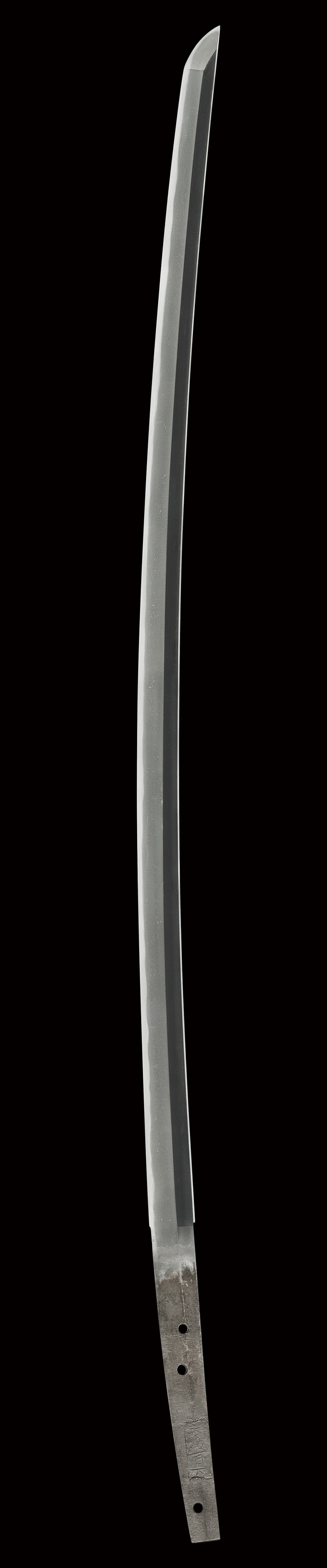
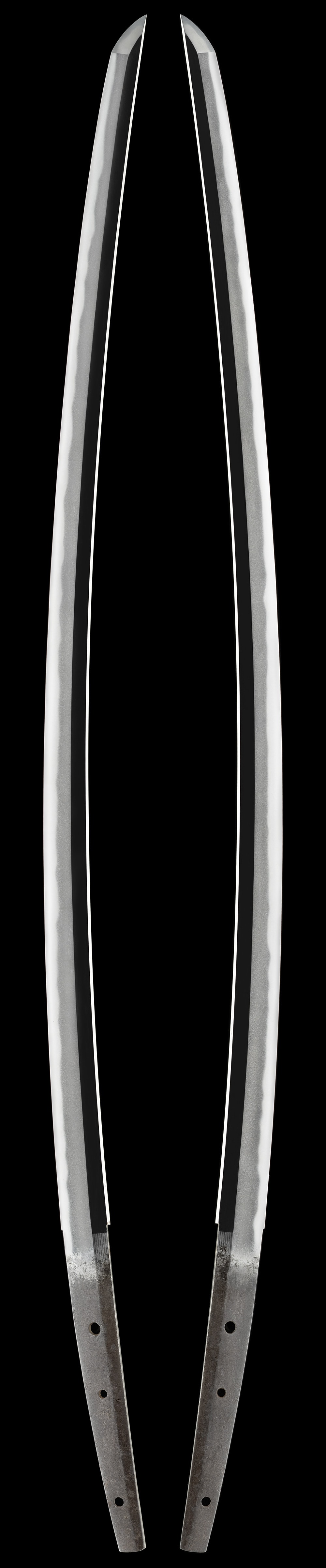
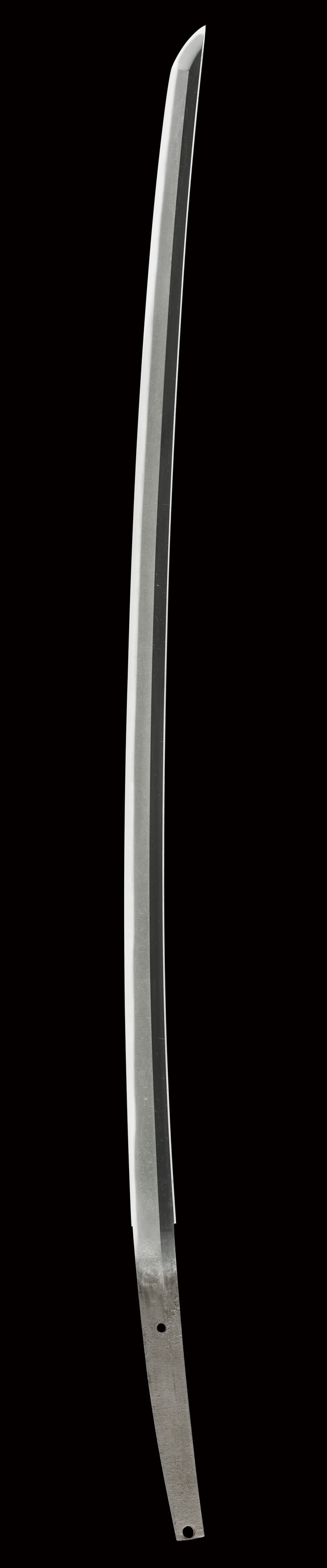
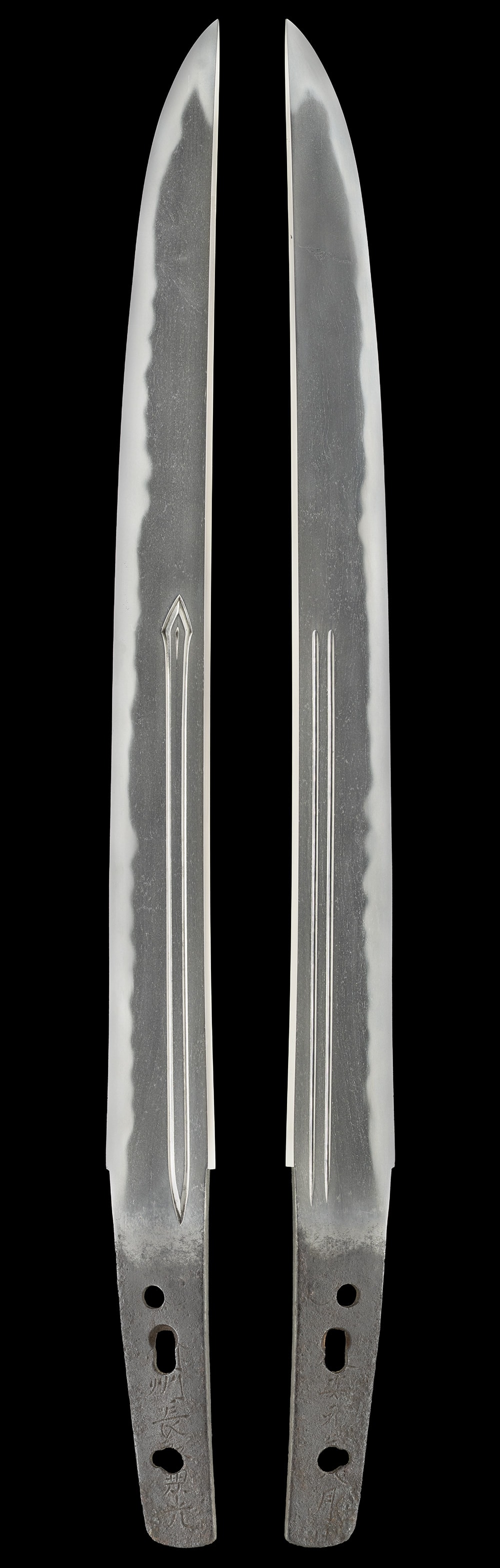
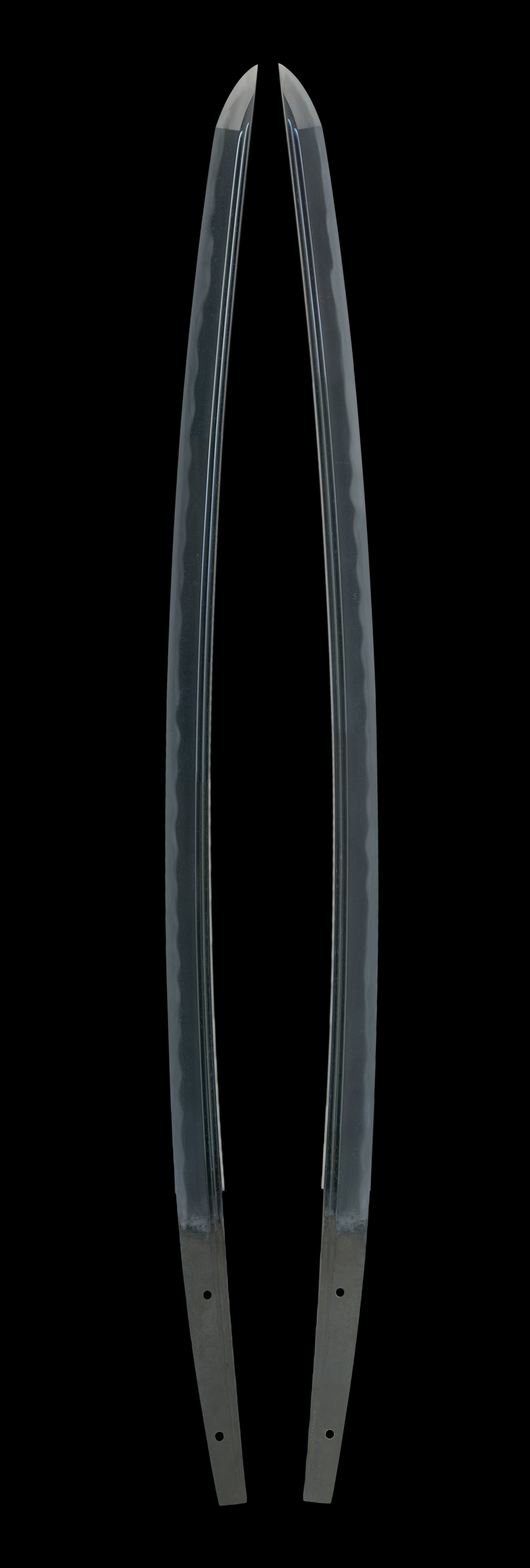
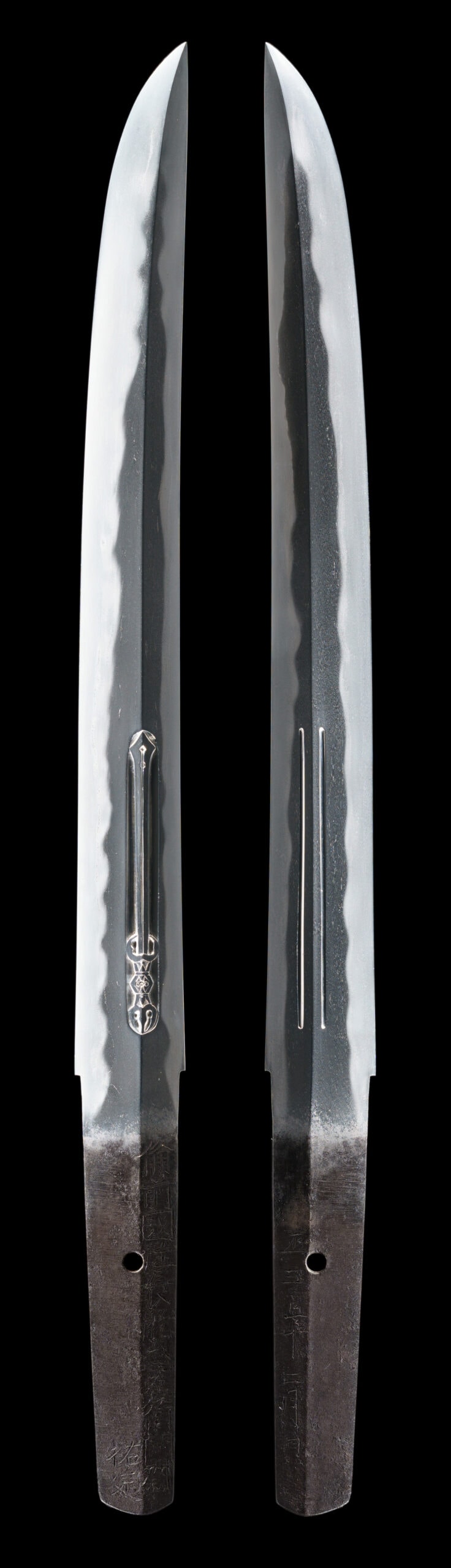
Sukekane is a swordsmith of the late to early period, his name one of the school's enduring puzzles. Two Jūyō-Bijutsuhin designated in 1935, one signed in six characters " no Sukekane " and held by the Matsudaira house, the other a small-signature blade from the Sakai house, fix him in the historical record; the published sources note that the name Sukekane is found among both the group and the Fukuoka line, and that there were likely three or four smiths who shared it. The man profiled here is the one, the archaic hand. The published commentary draws the distinction plainly: of the two Sukekane, "the former is an archaic, classical small- of -based workmanship, whereas the latter forges flamboyant chōji-based in which a sense of technical artifice is felt". His is the quiet side of the divide.

His characteristic temper is a -toned small . Over it run , and , with and entering well, the work -based, with and fine coursing through and, on a recurring group, and even sanjūba running intermittently along the upper edge. This is not the regular clove-flower of the smiths but the calm, antique line the published sources call the manner of old , where "flamboyant is uncommon" and "a -toned base with shallow predominates". The answers the edge below it, running straight to a or finishing in a -like sweep with , sometimes with drifting at the turn.

The is the constant. He forges a well-packed mixed with , the grain standing a little, with and entering frequently, and a clear rising in the . On the finest of them the reflection thickens into the patchy of old steel. Over that the is bright and clear, and the carries thick . The published sources prize exactly this antique flavor, calling one a work of "old-scented workmanship characteristic of ", the and carrying a savory depth of taste.

Within his own record the work divides into two registers of one hand. The typical Sukekane is a slender , where it survives so or shortened yet keeping a high with , the point a compact , the temper a calm -toned . On his outstanding signed the line opens out: a broad into which , and angular elements are set, flowering into a brilliant that the judges single out, one such piece called "a particularly outstanding achievement" that strikingly manifests the features of . The signature is its own scholarly question. The published commentary records small, intermediate and large hands, and notes that while the convention treats small signatures as and large ones as , some works carry small signatures too, so that "a distinction based on the signature alone is not necessarily easy".

What sets the Sukekane apart from his namesake is exactly this -based restraint. His bright , his -toned small with its and deep , and the archaic, slightly drooping shape with its are read as , while the flamboyant and the air of technical display belong to the other hand. On the and attributed to him, the published sources affirm the appraisal from the period and the workmanship rather than from any single personal tell, accepting the traditional attribution where the and are markedly archaic in tone. His blades stand at the root of the line, before the school's great flowering at Fukuoka.

For the collector he is a rare early name. Fujishiro grades him Jō-jō , and the Tōkō Taikan values his work near the top of its scale. He has no National Treasure of his own hand; his record runs instead through the Important Cultural Property rank and the prewar Jūyō-Bijutsuhin, with two blades in the and twenty-two in the . Because his extant works are so few, the published sources call his best signed documentary material of very high value for understanding him at all. His blades carry distinguished provenance, transmitted in the domain era through the Satake house of Akita, the Tokugawa and Matsudaira families, the Sakai house of Tadakatsu, the Ikeda of Inshū, and bearing in one case the gold-inlaid ownership name of Takeda Genshinren. Most are long held, not traded; only the and tier ever moves, and even then a signed Sukekane comes to light only seldom. A privately held example, of recorded whereabouts, is a notable thing for a collector to encounter, a document of how began.
Historical importance

Where Sukekane stands among comparable artisans: across all of nihontō, and within tradition, era, and period. The tiers (Foremost · Leading · Major · Notable) weigh official designations from the NBTHK and Japan's Agency for Cultural Affairs, together with historical honors of lasting repute such as the Sansaku and Meibutsu-chō.

随一
Foremost
屈指
Leading
有数
Major
著名
Notable

Select a lens to see how it's measured.

Designations

Kokuhō1
Jūyō Bunkazai1
Jūyō Bijutsuhin2
Gyobutsu—
Tokubetsu Jūyō2
Jūyō Tōken22

Elite Standing

Kantei

Provenance

Blade Forms

Distribution across 28 ranked works

Signatures

Signature types across 28 ranked works

Currently Available

Lineage

Sukekane
Students (4)
  1. 1.Kanenori包則2 for sale
  2. 2.Kanetoshi兼俊
  3. 3.Nagakane永包1designated
  4. 4.Sukenobu祐信

Ko-Bizen School

Other artisans of the Ko-Bizen school

  1. 1.Tomonari友成34designated
  2. 2.Masatsune正恒66designated
  3. 3.Kanehira包平31designated
  4. 4.Kageyasu景安25designated
  5. 5.Yoshikane吉包46designated
  6. 6.Nobufusa信房13designated
  7. 7.Yukihide行秀17designated
  8. 8.Naritaka成高9designated
  9. 9.Motochika基近4designated
  10. 10.Junkei順慶7designated
  11. 11.Tsunemitsu恒光8designated
  12. 12.Toshitsune利恒21designated

More from the Ko-Bizen school

View all →
Eirakudo
Tokuho
Tachi - Tokuho - by Ko-Bizen Masatsugu - Masatsugu Tachi Tokubetsuhozon TokenTachi - Tokuho - by Ko-Bizen Masatsugu - Masatsugu Tachi Tokubetsuhozon Token

Tachi

ByKo-Bizen Masatsugu
¥8,000,000
Kusanagi
Jūyō
Katana - Jūyō - by Ko-Bizen School - Juyo Token! Unique Existing Example! Grandson of Ko-Bizen Sanpei (Kanehira, Takahira, Sukehiro) 'Sadakane' from the Heian Period! Early Ko-Bizen Work! Perfectly Sound with Tanobe Sensei SayagakiKatana - Jūyō - by Ko-Bizen School - Juyo Token! Unique Existing Example! Grandson of Ko-Bizen Sanpei (Kanehira, Takahira, Sukehiro) 'Sadakane' from the Heian Period! Early Ko-Bizen Work! Perfectly Sound with Tanobe Sensei Sayagaki

Katana

ByKo-Bizen School
¥8,800,000
Nihonto Australia
Tachi - by Ko-Bizen Tsuneto - Important Ko Bizen Heian Tachi by TsunetoTachi - by Ko-Bizen Tsuneto - Important Ko Bizen Heian Tachi by Tsuneto

Tachi

ByKo-Bizen Tsuneto
Ask
Samurai Nippon
Tokuho
Katana - Tokuho - by Ko-Bizen Hidezane - Hidezane (Gakumei, attributed to Ko-Bizen)Katana - Tokuho - by Ko-Bizen Hidezane - Hidezane (Gakumei, attributed to Ko-Bizen)

Katana

ByKo-Bizen Hidezane
¥3,200,000

More from the Bizen tradition

View all →
Eirakudo
Jūyō
Katana - Jūyō - by Osafune Kagemitsu - Kagemitsu - Juyo TokenKatana - Jūyō - by Osafune Kagemitsu - Kagemitsu - Juyo Token

Katana

ByOsafune Kagemitsu
Ask
Nipponto
Tokuho
Tachi - Tokuho - by Hatakeda Moriie - Japanese Sword Tachi by Moriie (Friend of Mitsutada, Founder of Hatakeda School)Tachi - Tokuho - by Hatakeda Moriie - Japanese Sword Tachi by Moriie (Friend of Mitsutada, Founder of Hatakeda School)
Koshirae

Tachi

ByHatakeda Moriie
¥5,800,000
Nipponto
Tokuho
Wakizashi - Tokuho - by Fukuoka Ichimonji Yoshihira - Japanese Sword Wakizashi by Yoshihira (Fukuoka Ichimonji) with Gaku-Mei, attributed as an excellent piece by Tanobe-sensei, a representative smith of the peak period of Bizen Fukuoka IchimonjiWakizashi - Tokuho - by Fukuoka Ichimonji Yoshihira - Japanese Sword Wakizashi by Yoshihira (Fukuoka Ichimonji) with Gaku-Mei, attributed as an excellent piece by Tanobe-sensei, a representative smith of the peak period of Bizen Fukuoka Ichimonji
Koshirae

Wakizashi

ByFukuoka Ichimonji Yoshihira
Ask
Samurai Nippon
Jūyō
Katana - Jūyō - by Ukai Unsho - Unsho (Mumei)Katana - Jūyō - by Ukai Unsho - Unsho (Mumei)
Koshirae

Katana

ByUkai Unsho
¥5,900,000
Eirakudo
Tokuho
Tanto - Tokuho - by Osafune Kanemitsu - Kanemitsu - Tokubetsu Hozon TokenTanto - Tokuho - by Osafune Kanemitsu - Kanemitsu - Tokubetsu Hozon Token

Tantō

ByOsafune Kanemitsu
¥4,500,000
Toukentakarado
Jūyō
Katana - Jūyō - by Osafune Tomomitsu - Mumei Attributed to TomomitsuKatana - Jūyō - by Osafune Tomomitsu - Mumei Attributed to Tomomitsu
Koshirae

Katana

ByOsafune Tomomitsu
¥6,300,000
Hyozaemon
Hozon
Tanto - Hozon - by Sukesada - Sue-Bizen, Yozaemonjo Sukesada with common name, magnificent double-edged tantoTanto - Hozon - by Sukesada - Sue-Bizen, Yozaemonjo Sukesada with common name, magnificent double-edged tanto
Koshirae

Tantō

BySukesada
¥2,900,000
Goushuya
Jūyō Bijutsuhin
Tachi - Jubi - by Ukai Unsho - Juyo Bijutsuhin Tachi by Unsho, formerly owned by the Ogochi family, lords of Otaki Domain in Kazusa ProvinceTachi - Jubi - by Ukai Unsho - Juyo Bijutsuhin Tachi by Unsho, formerly owned by the Ogochi family, lords of Otaki Domain in Kazusa Province

Tachi

ByUkai Unsho
Ask

Sukekane

Sukekane(助包) was a Japanese swordsmith of the Ko-Bizen school in Bizen province, active during the Genryaku (1184-1185) period.

The work follows the Bizen-den tradition.

Designated works by Sukekane include 1 Kokuhō (National Treasure), 1 Jūyō Bunkazai (Important Cultural Property), 2 Tokubetsu Jūyō, 22 Jūyō.