NihontoWatch Mon

NihontoWatchBETA

MarketAuctions
Encyclopedia
NihontoWatch Mon

NihontoWatchBETA

MarketAuctions
Encyclopedia

Description

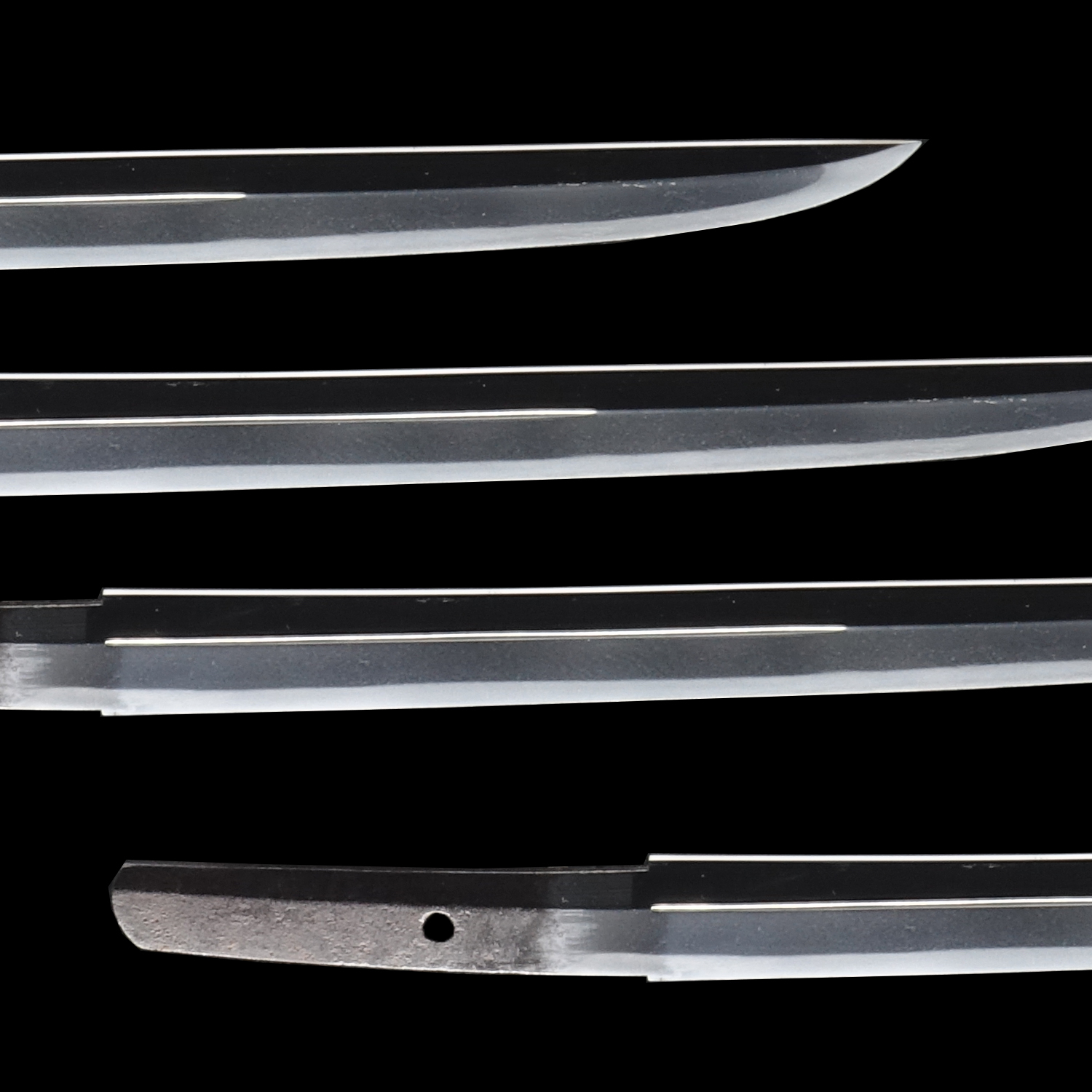
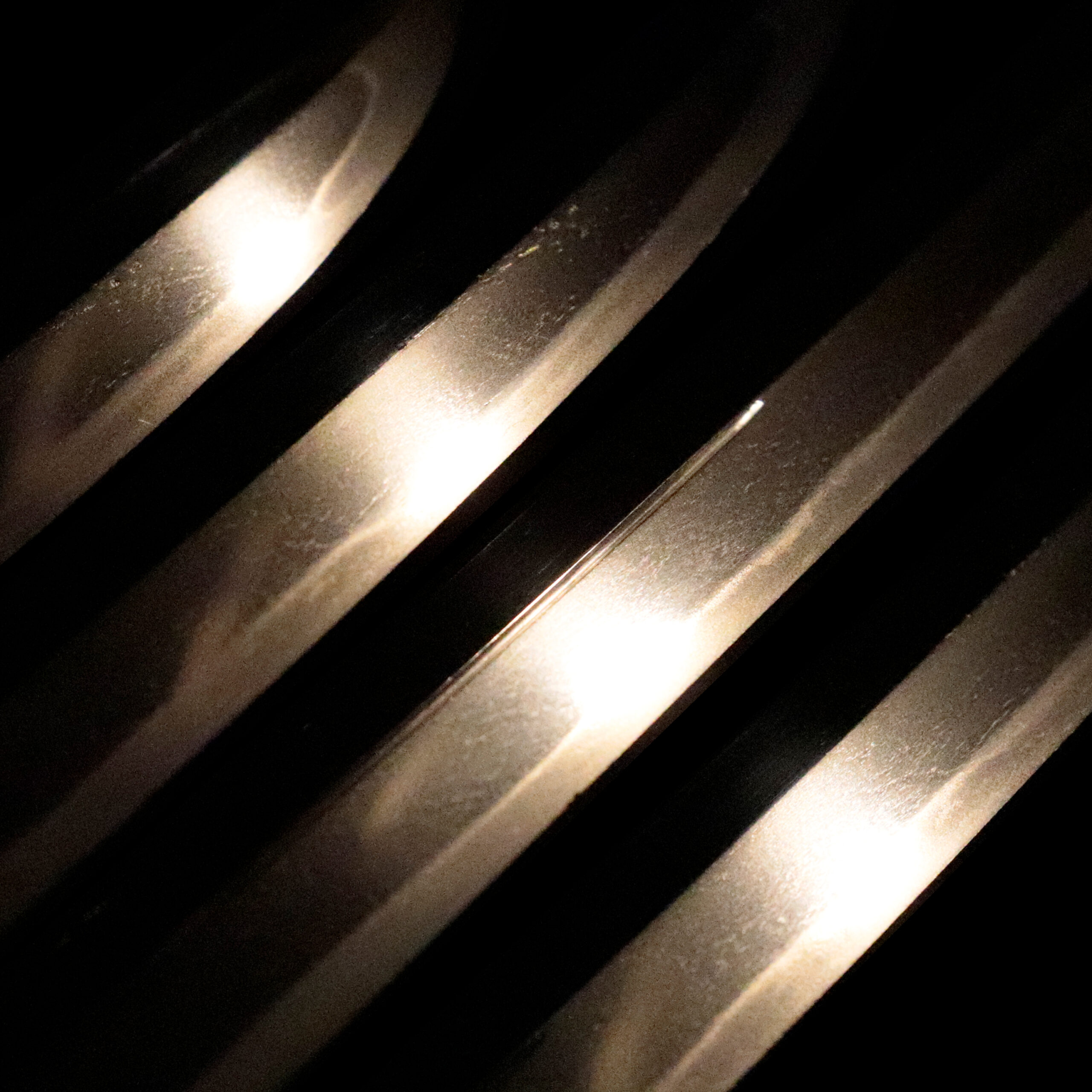
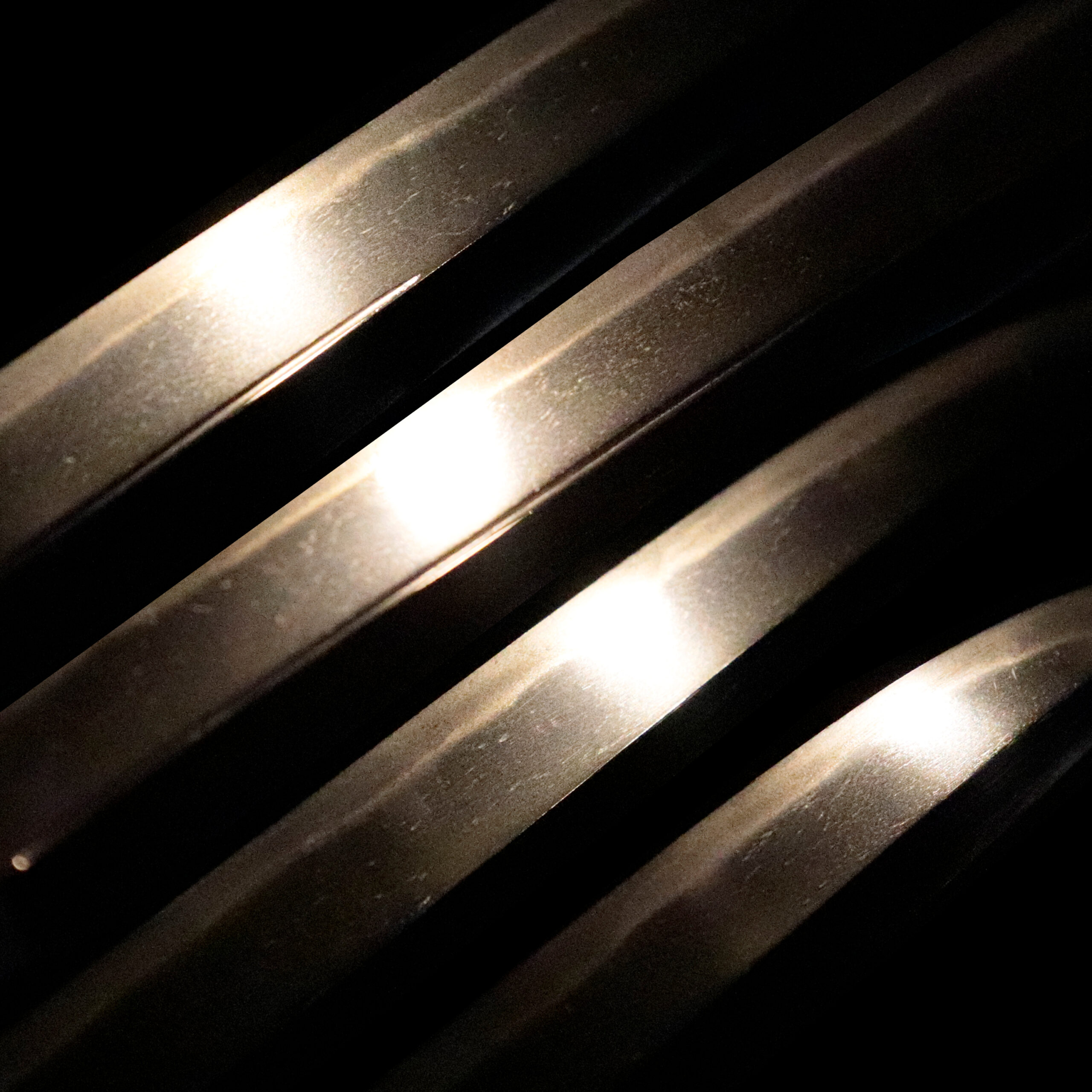
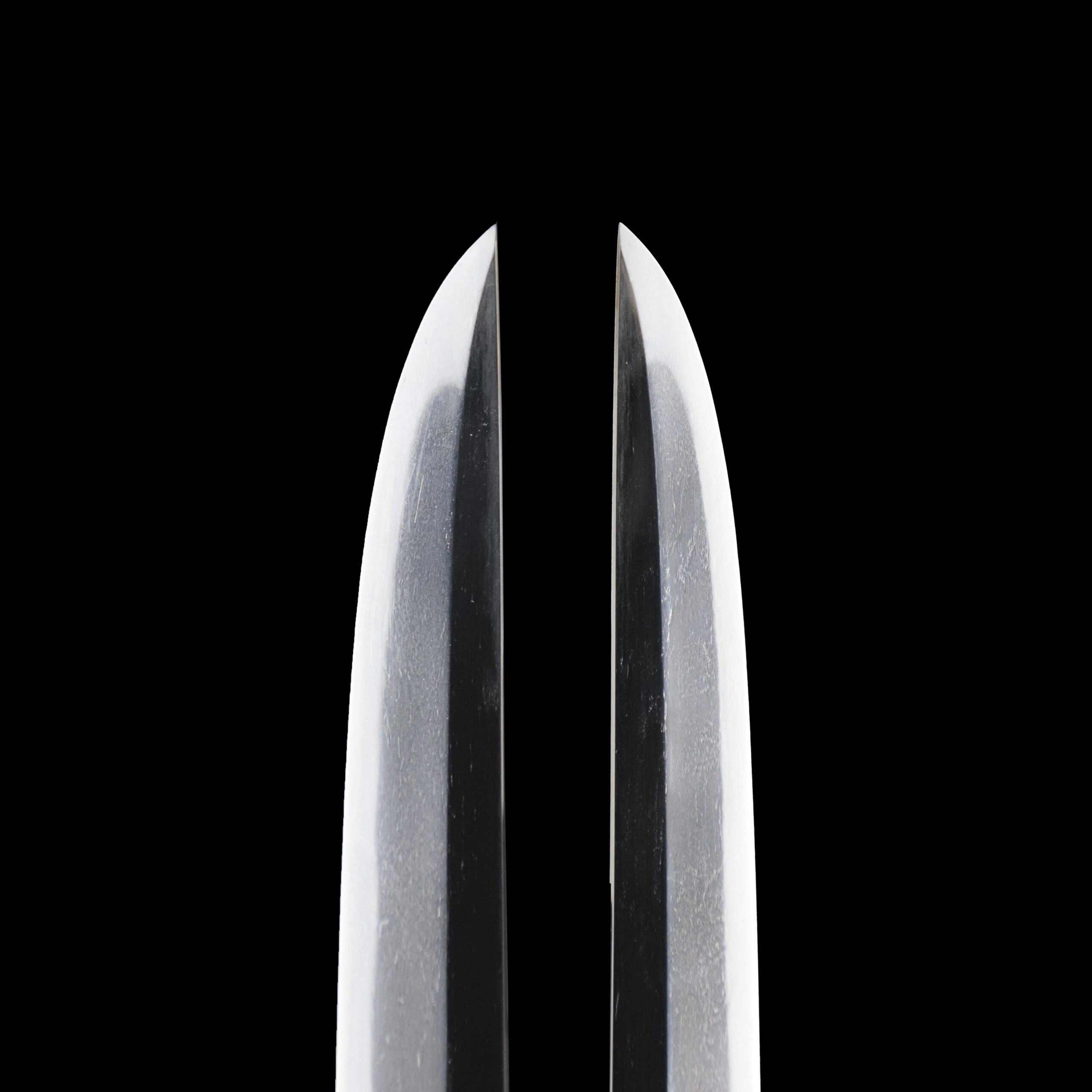
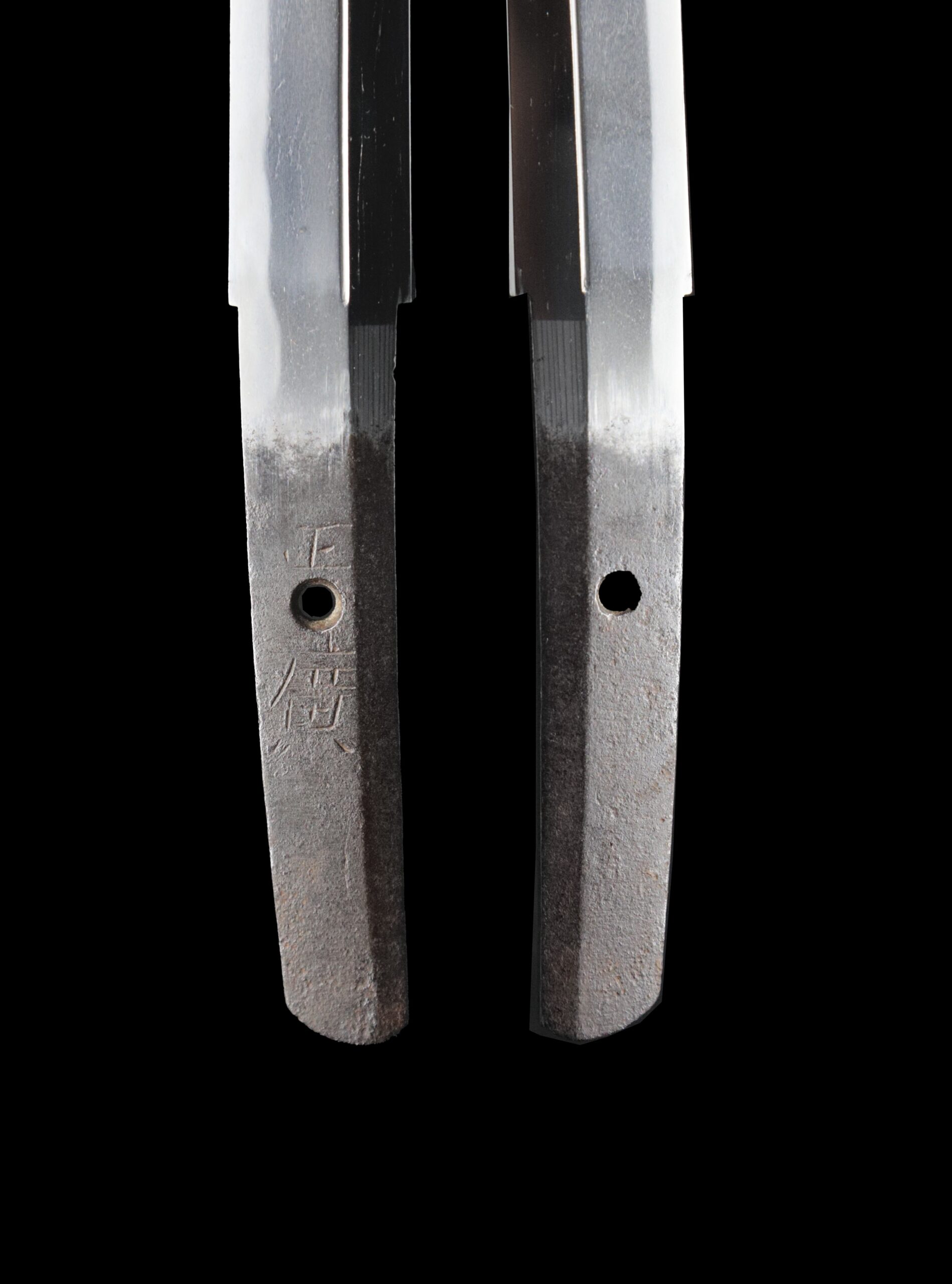
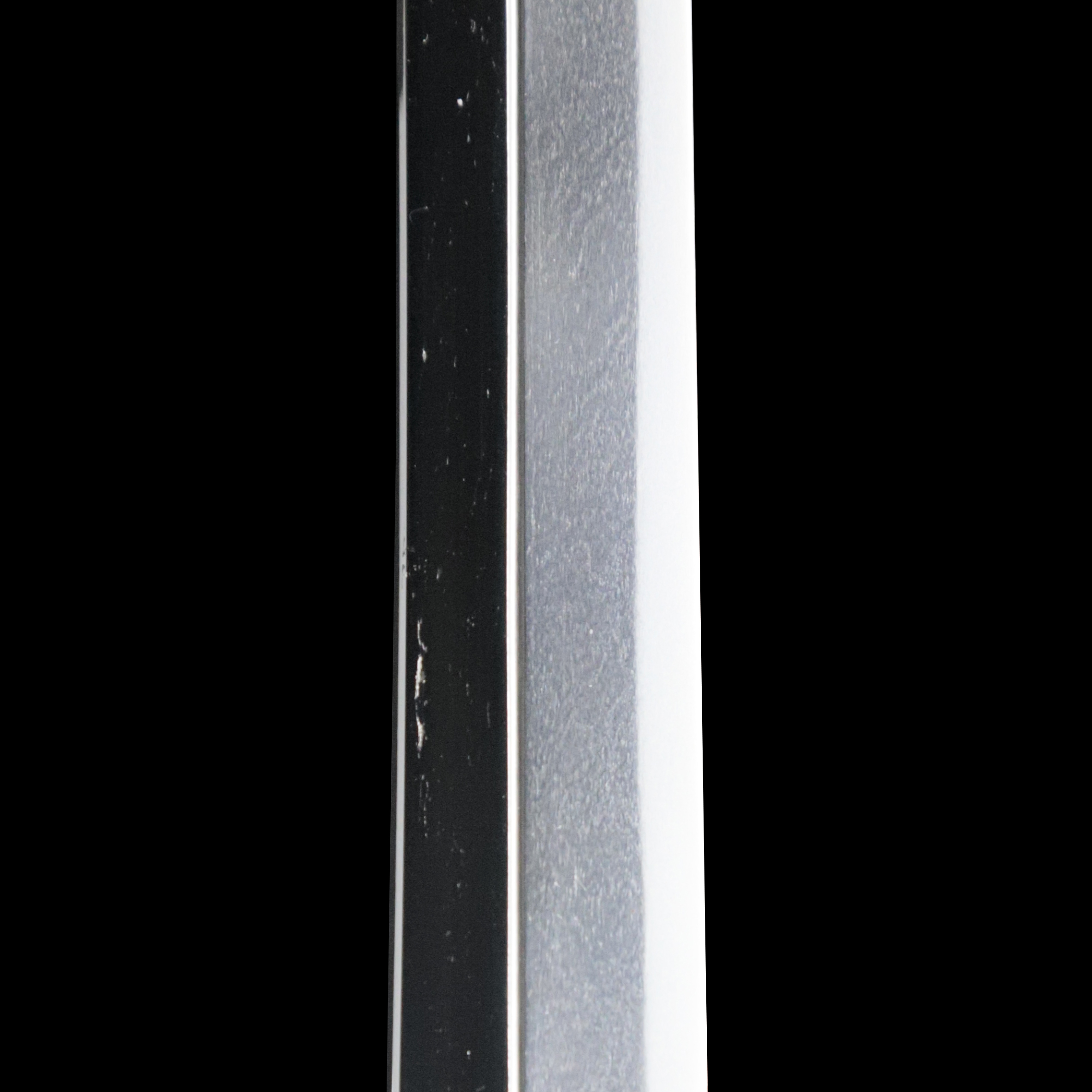
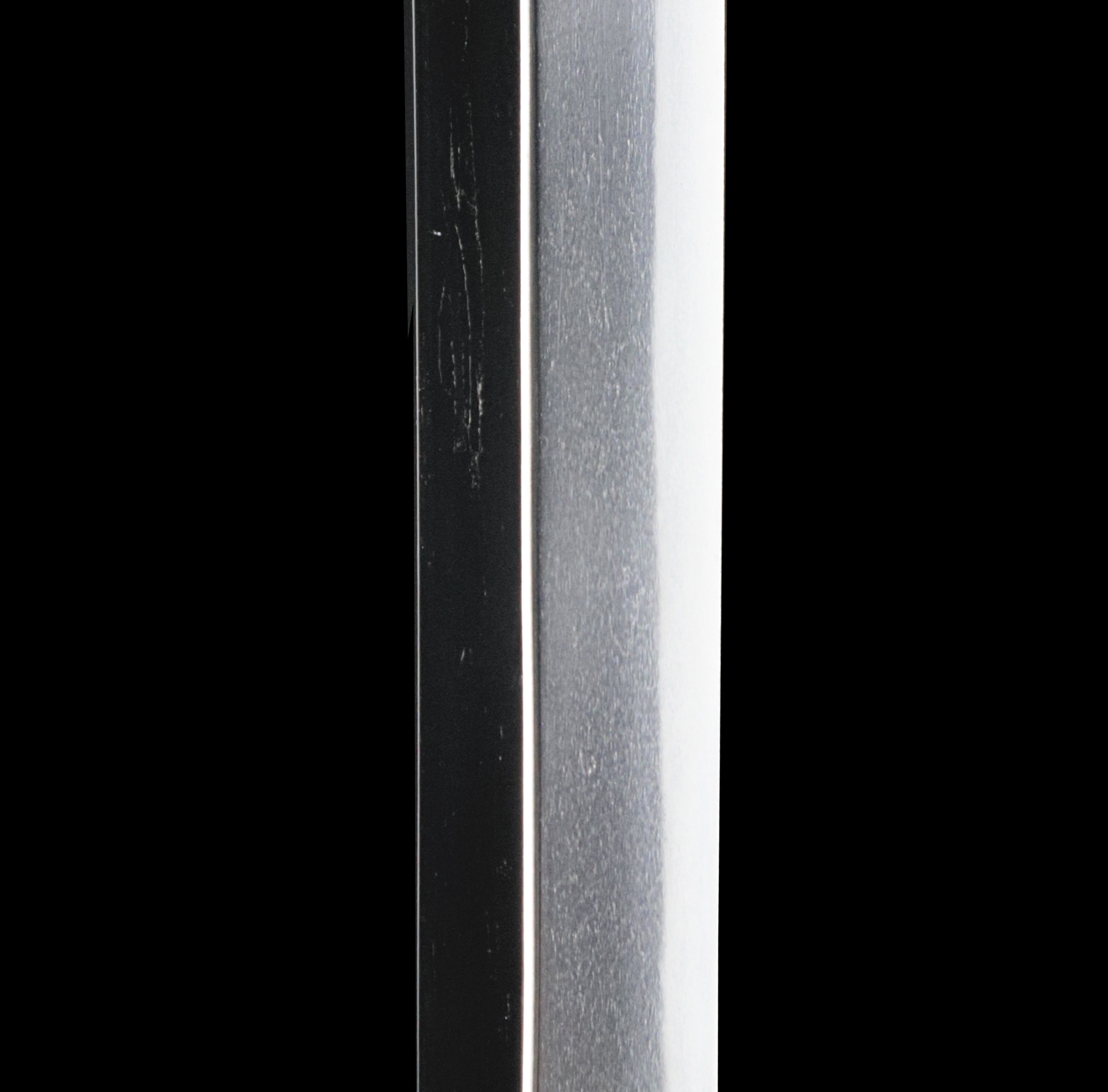
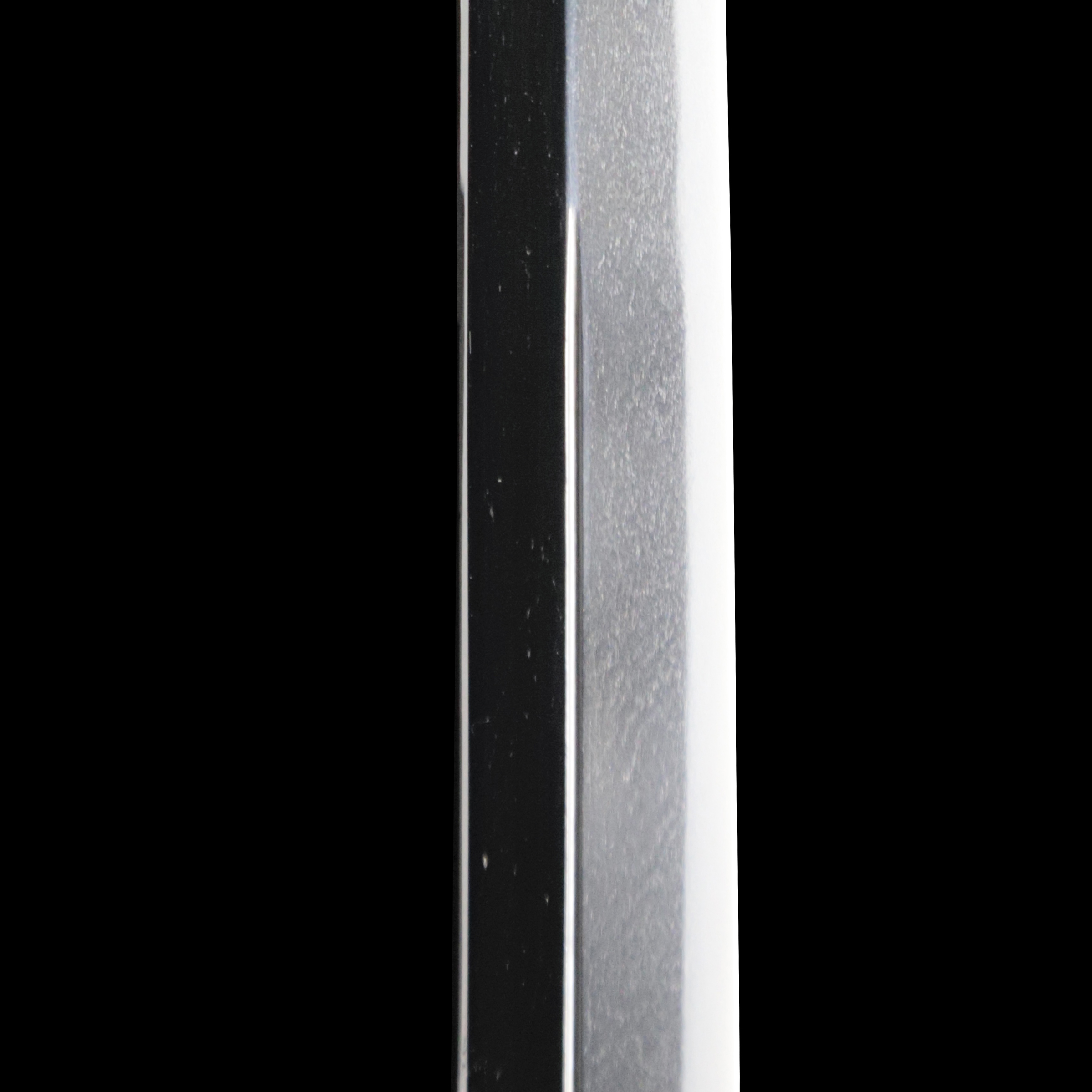
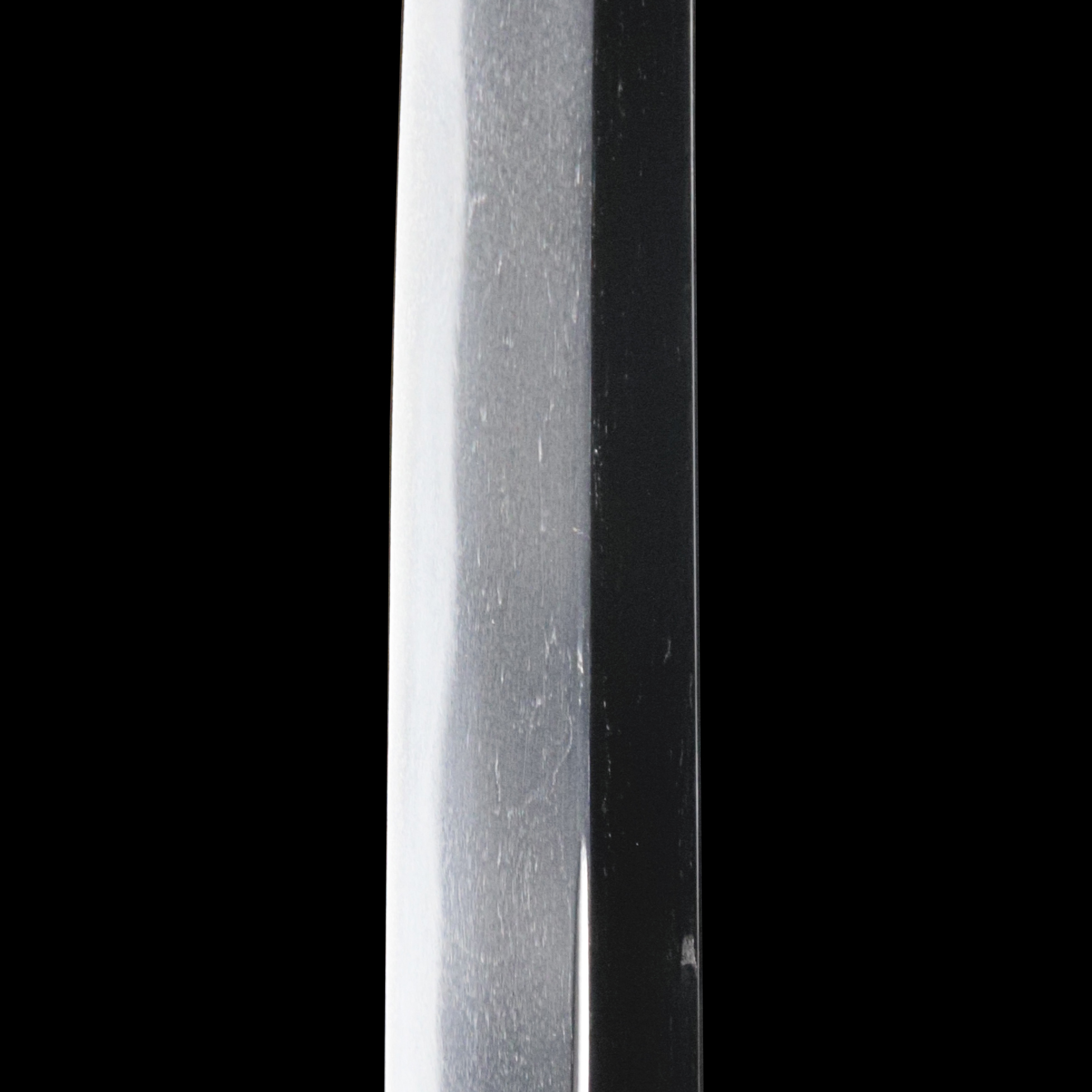
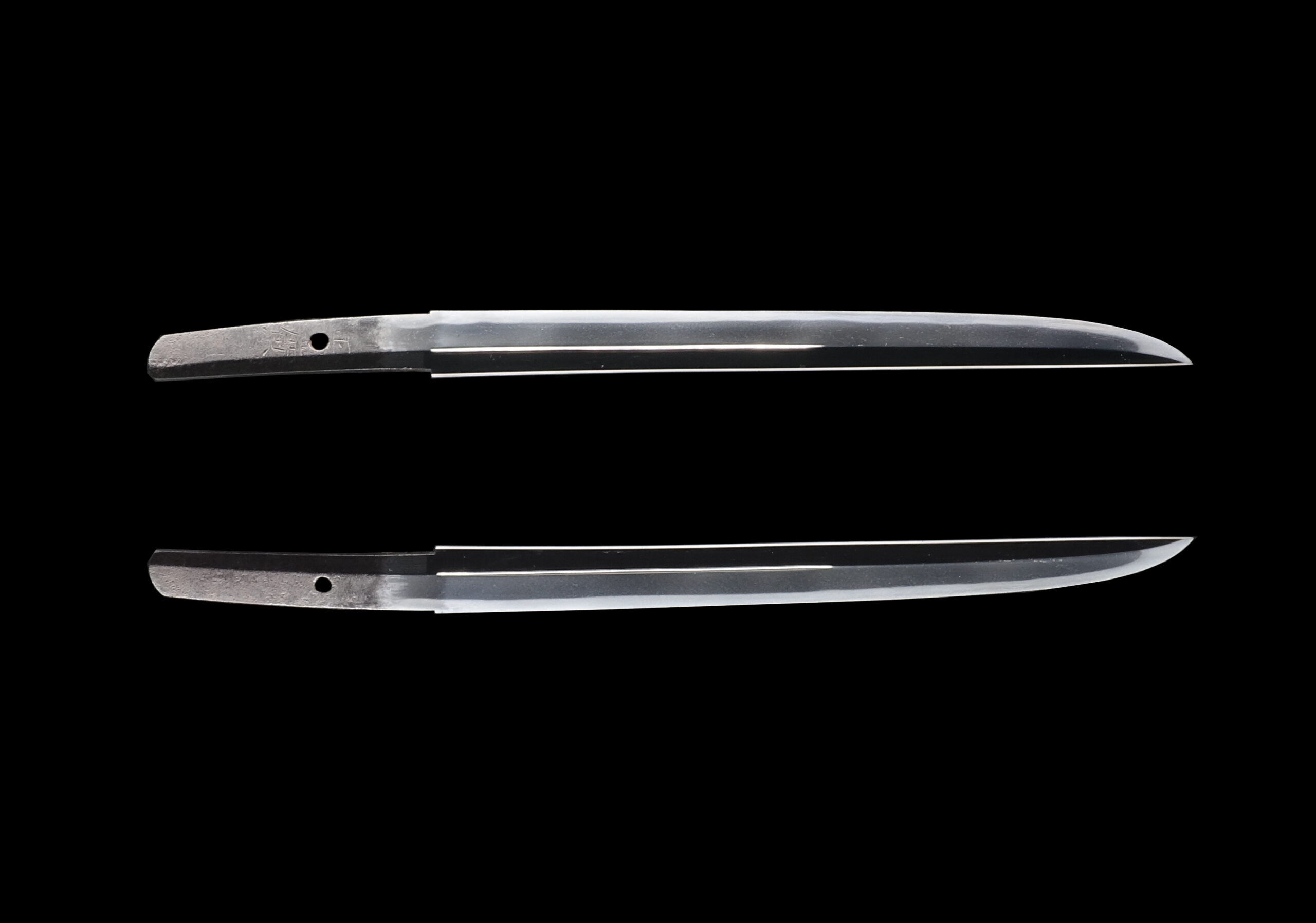
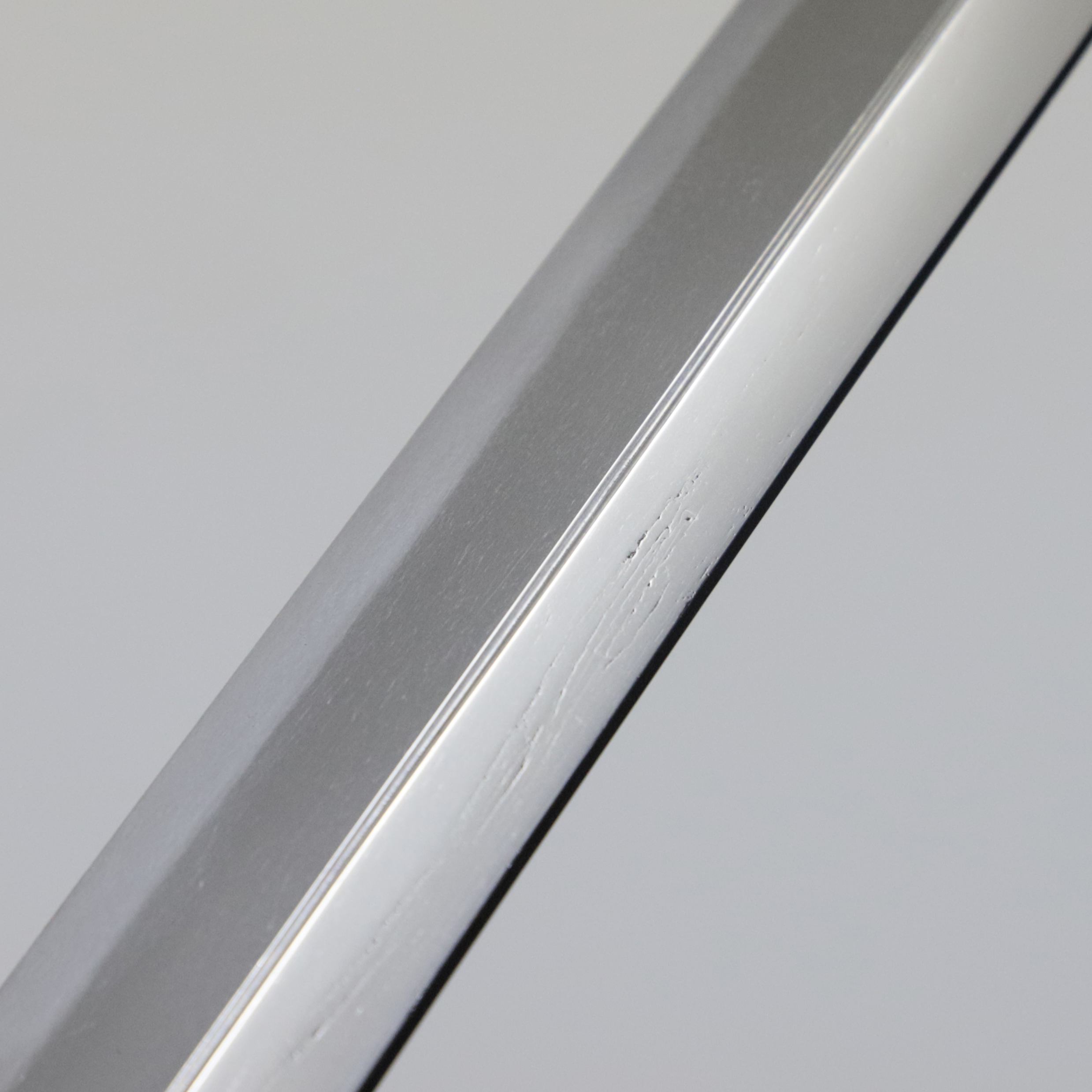
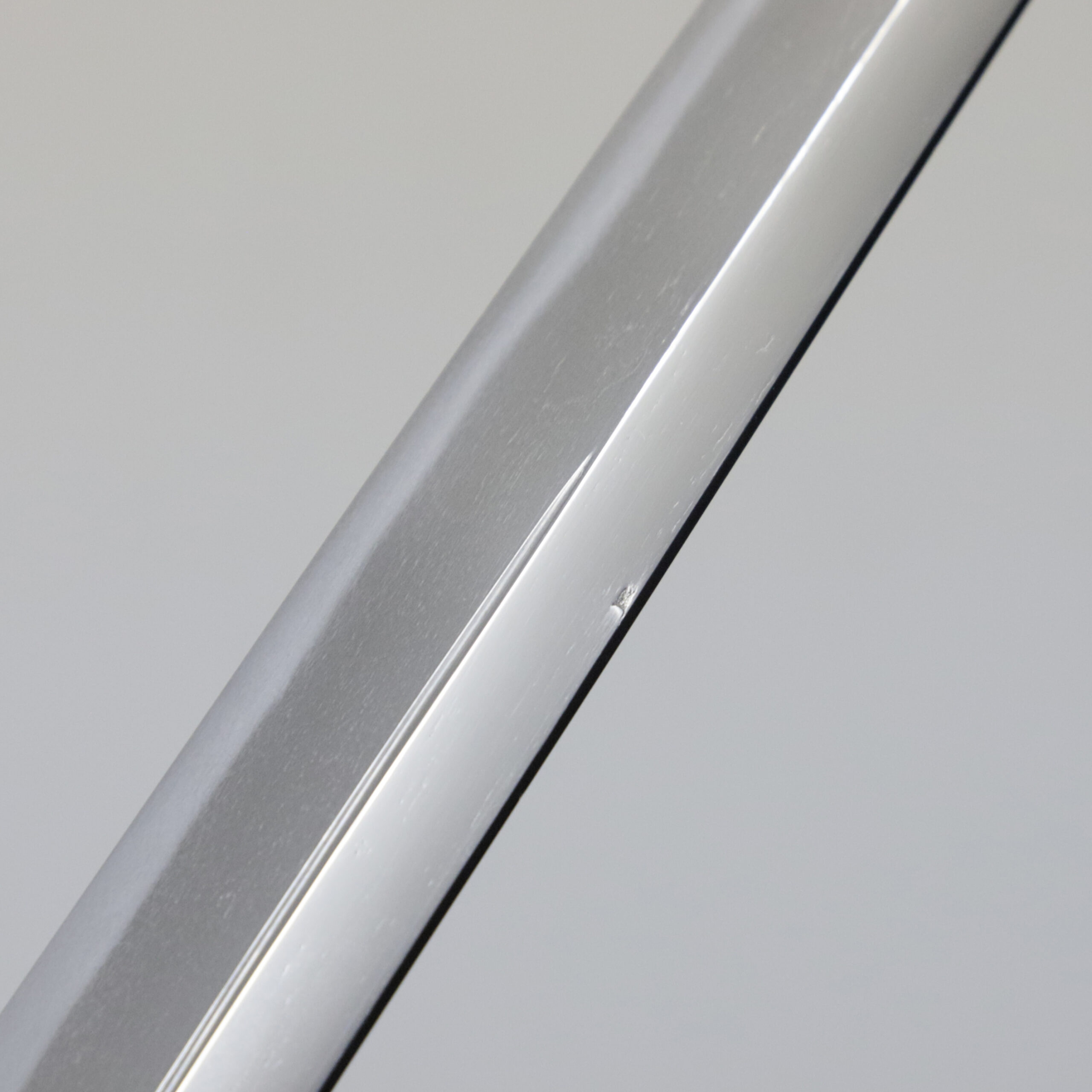
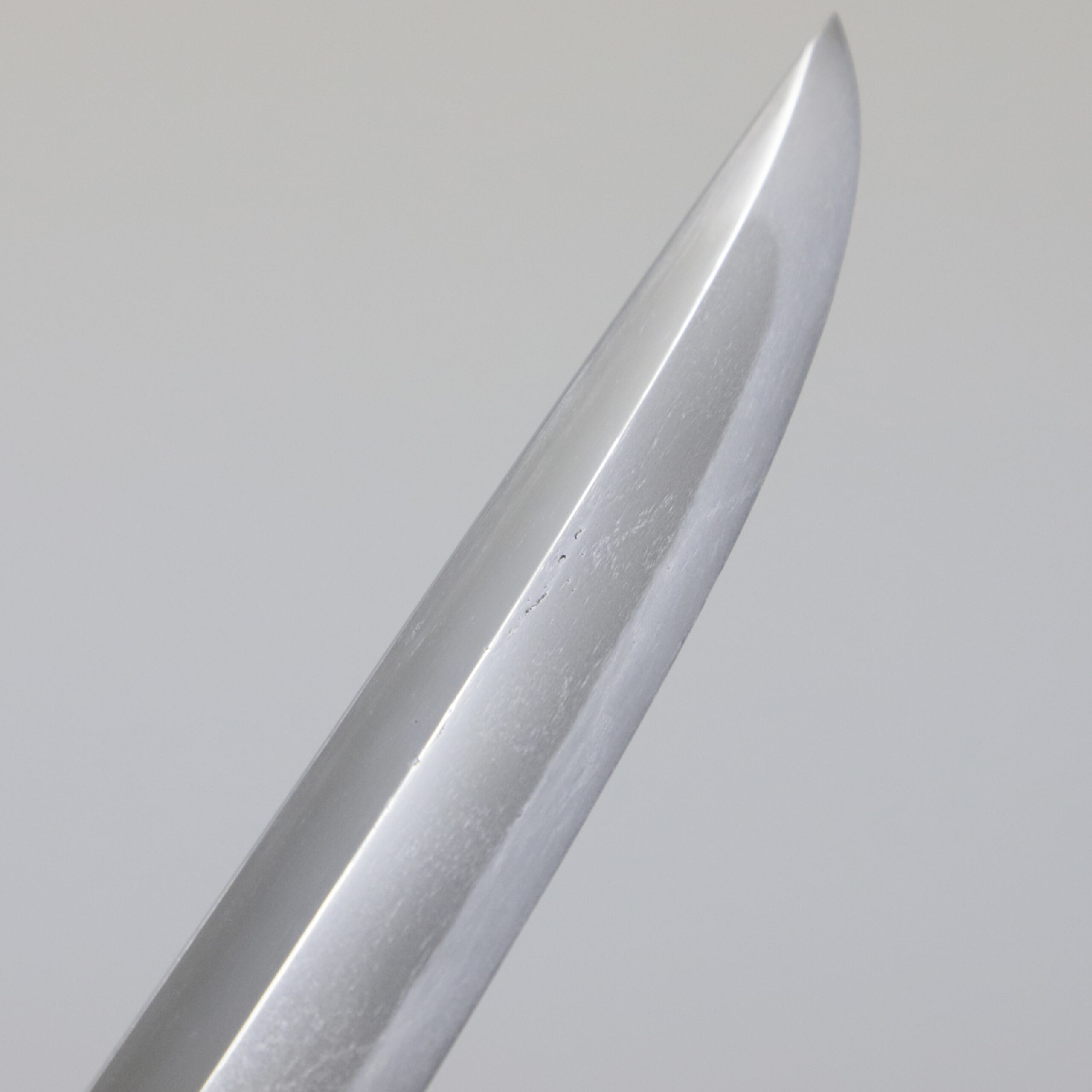
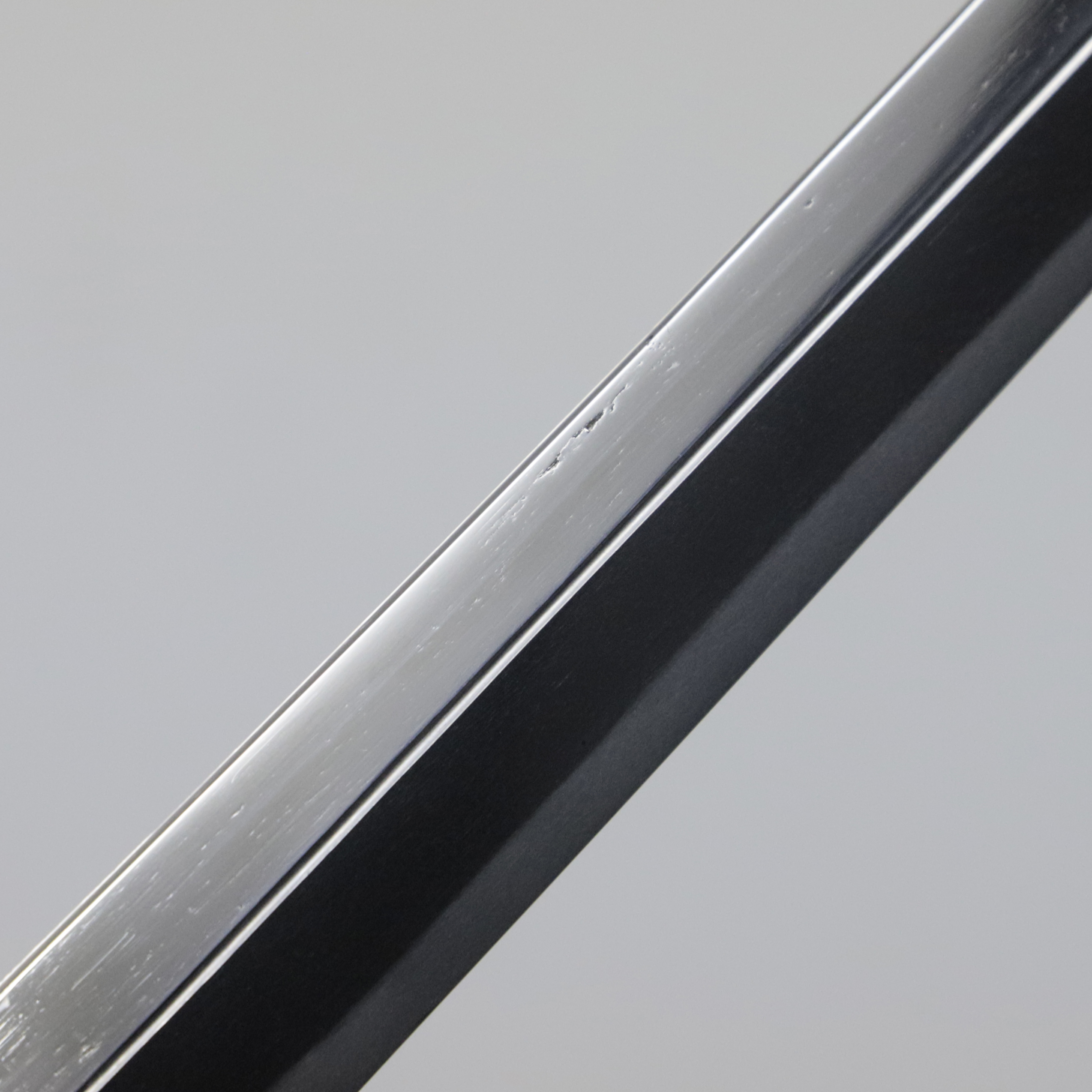
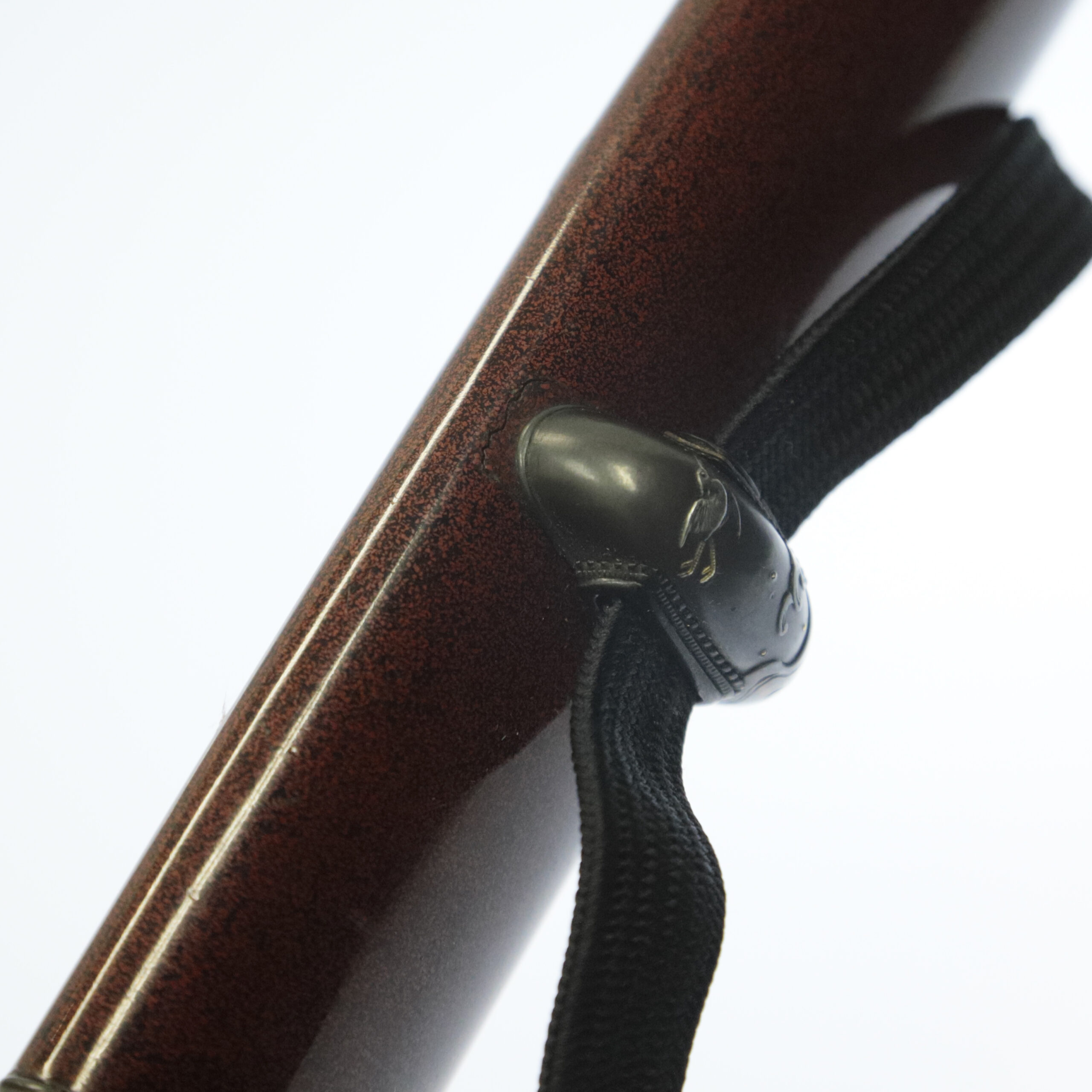
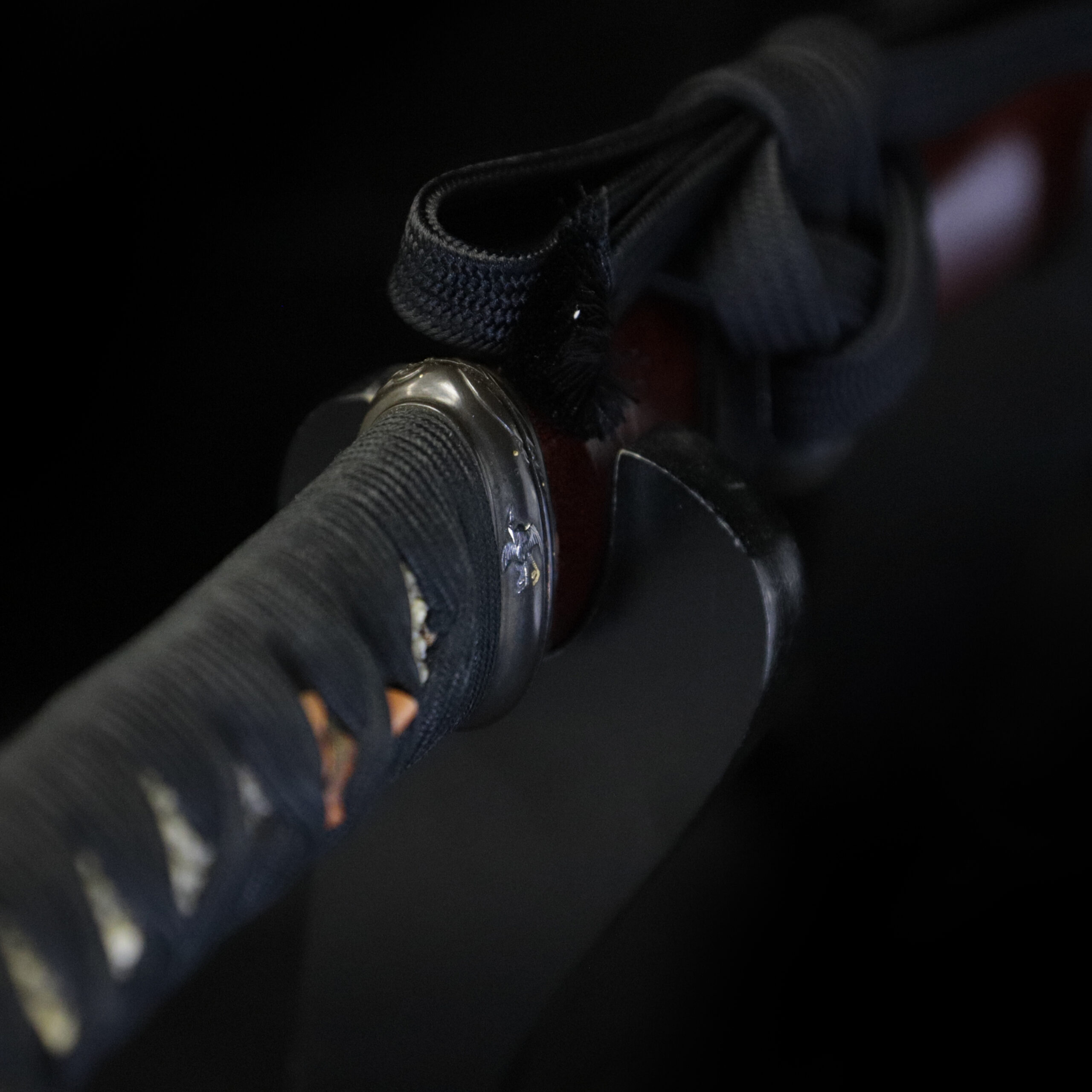
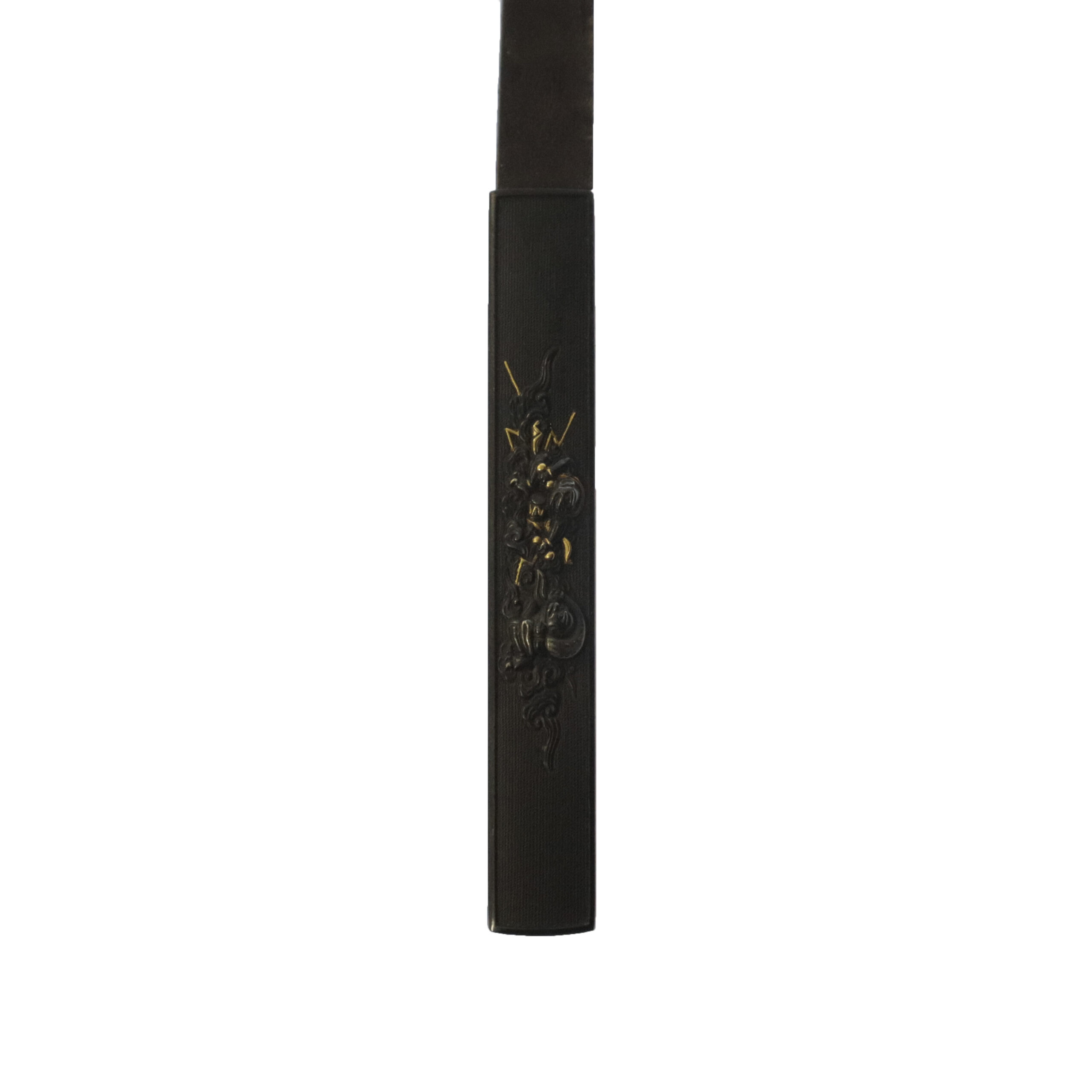
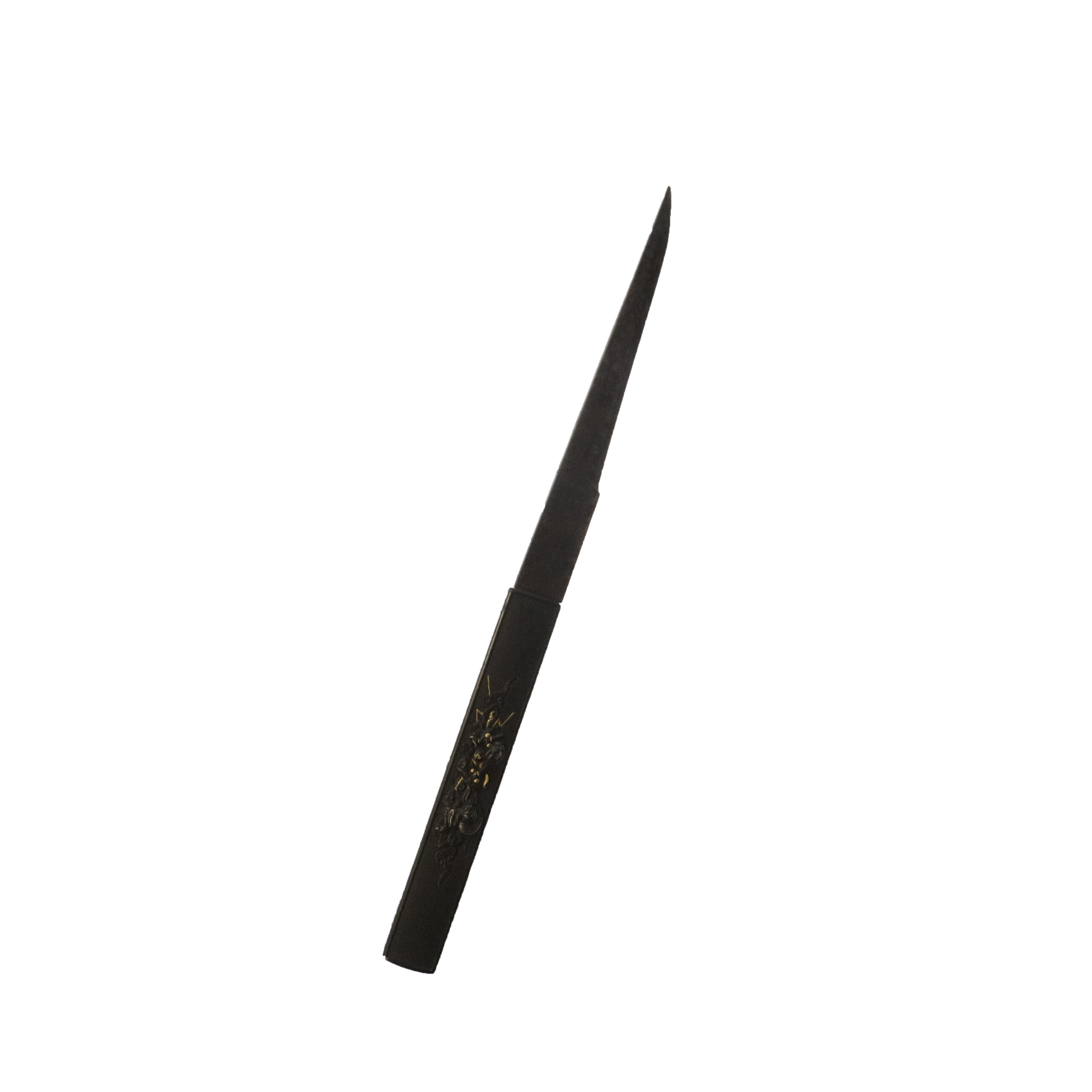
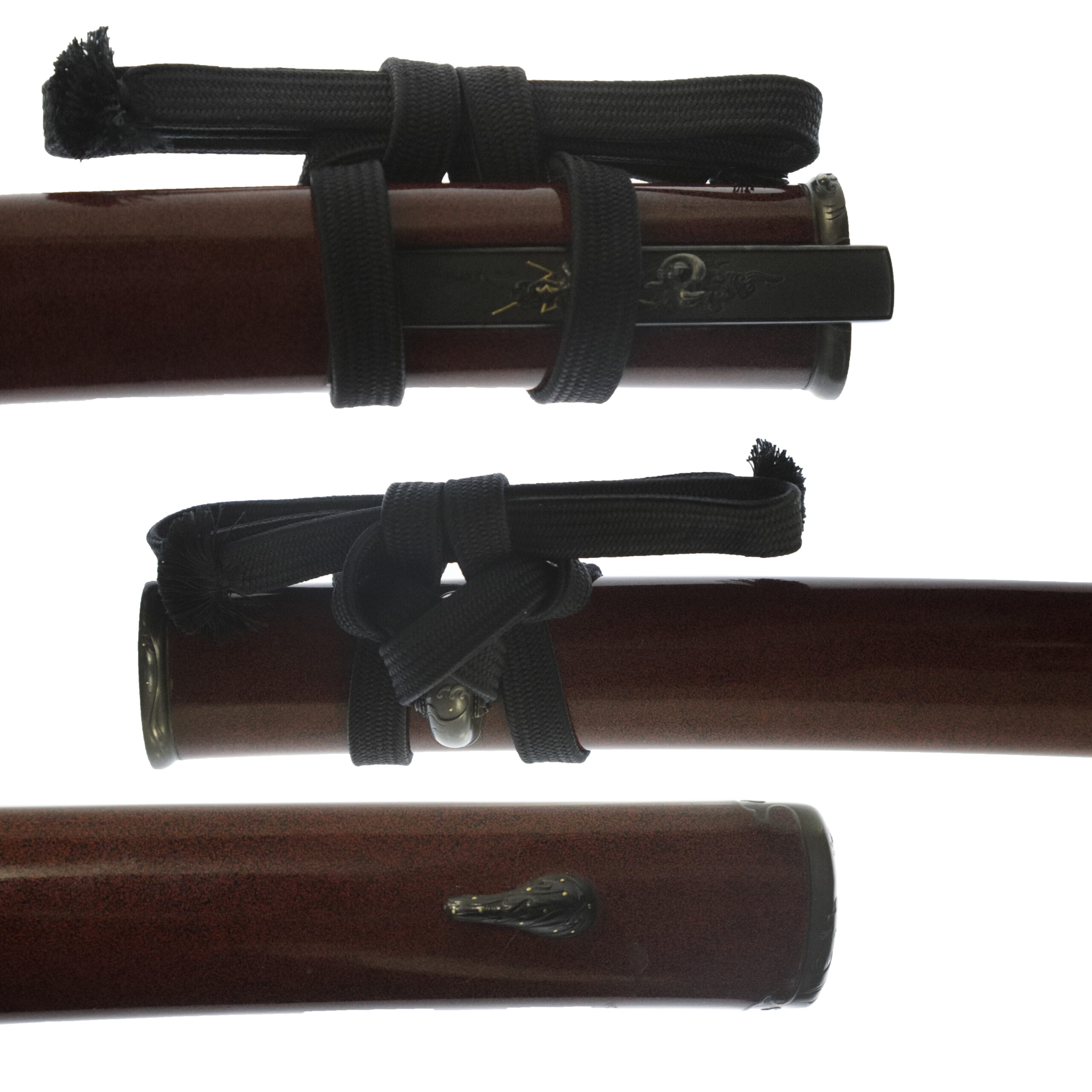
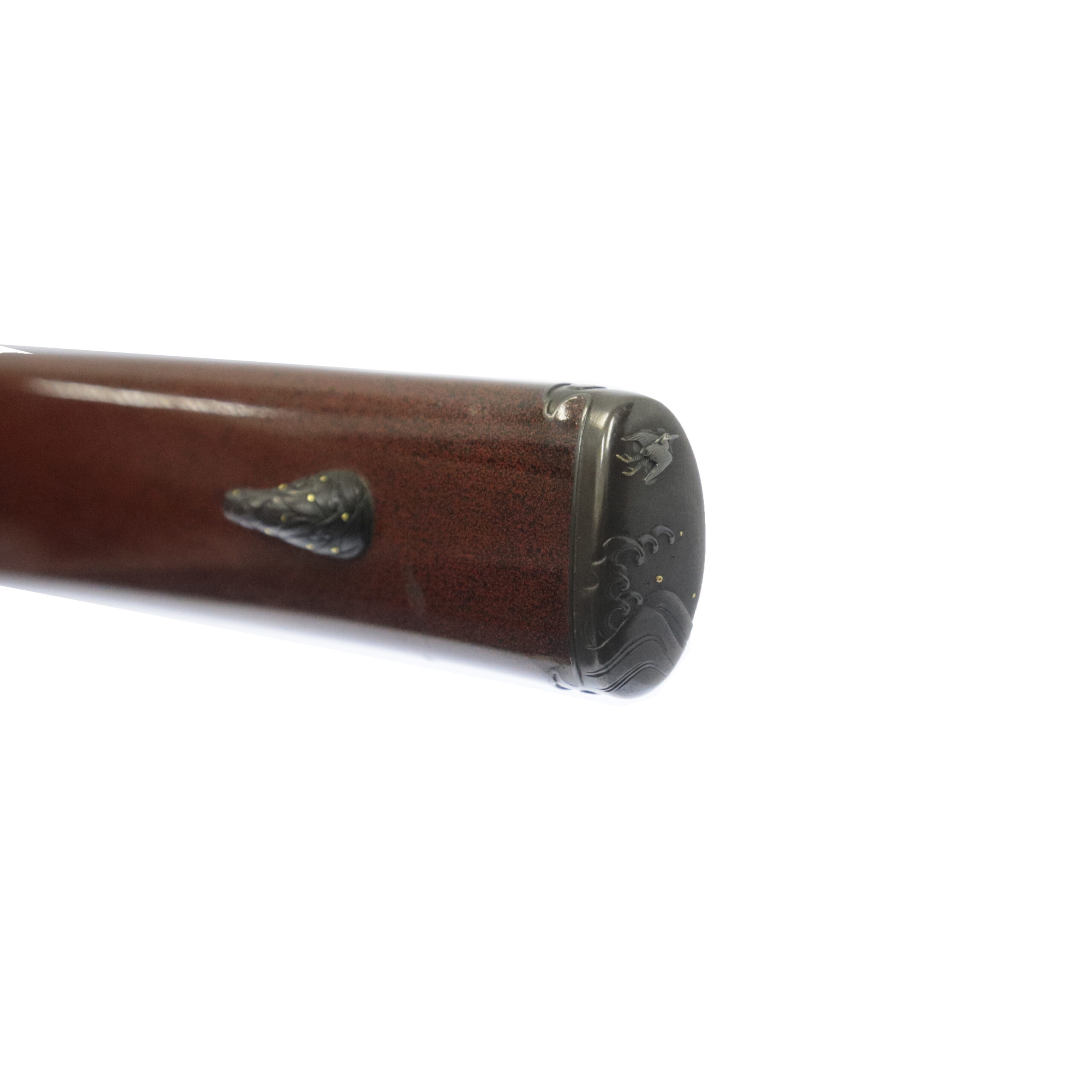
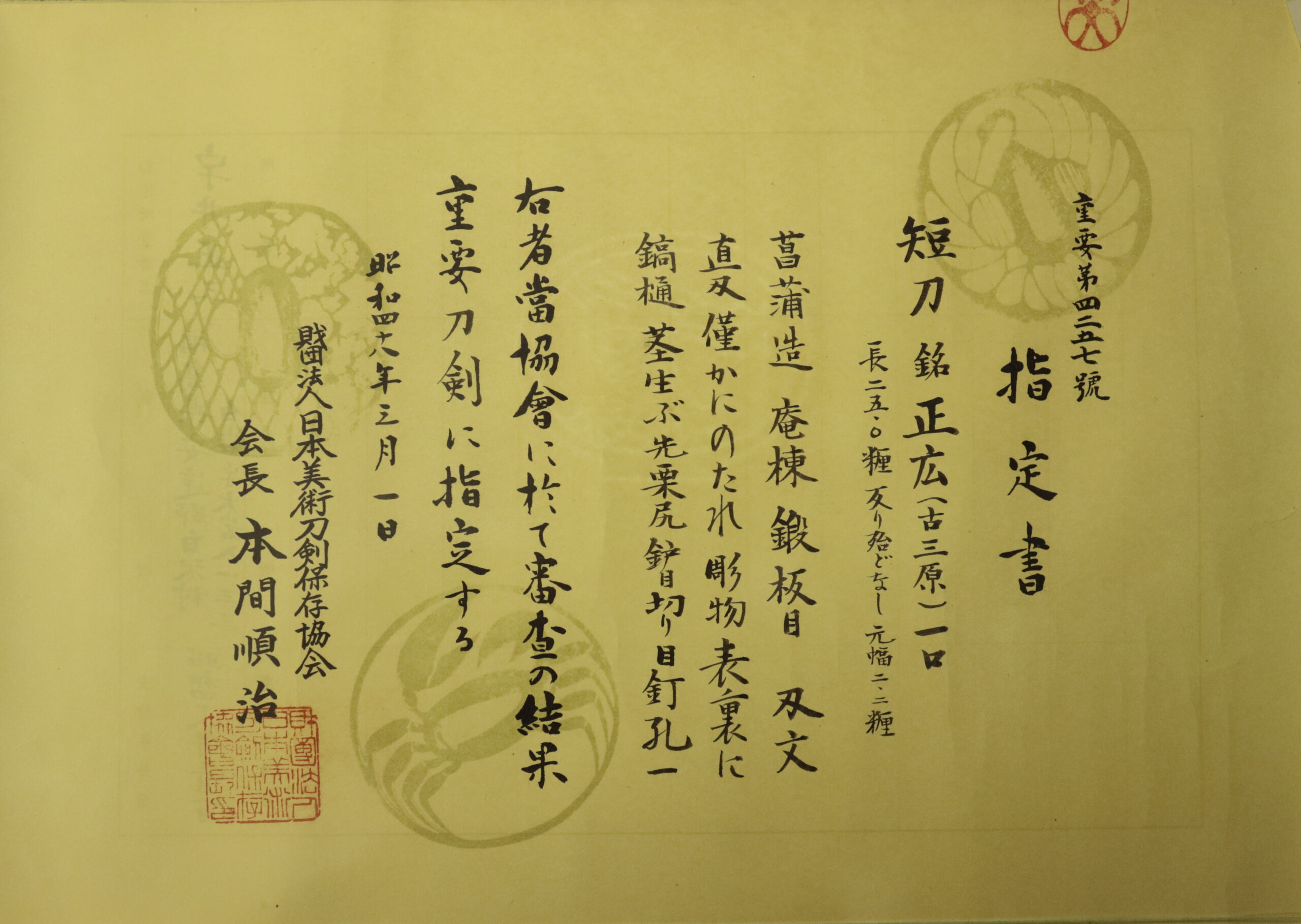
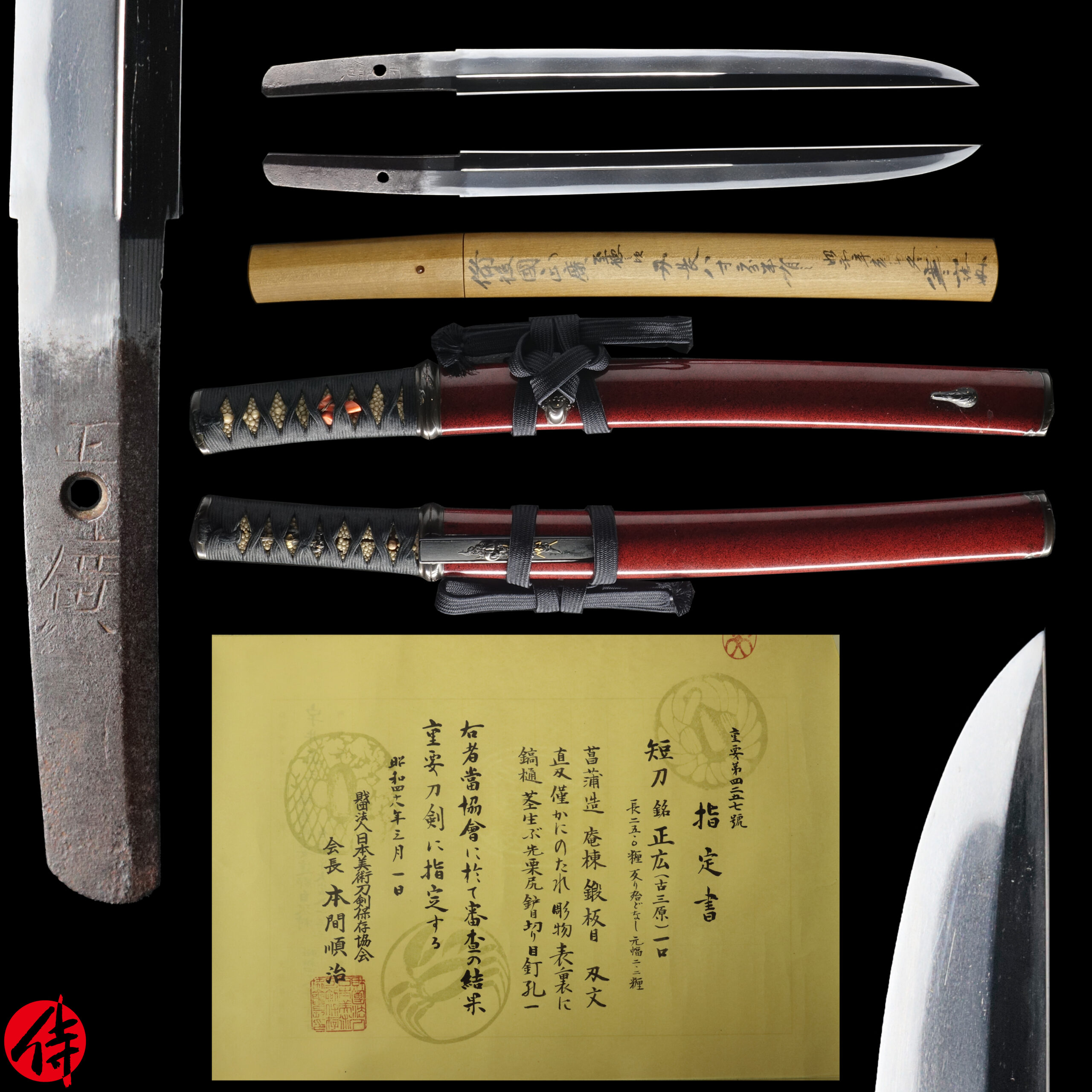
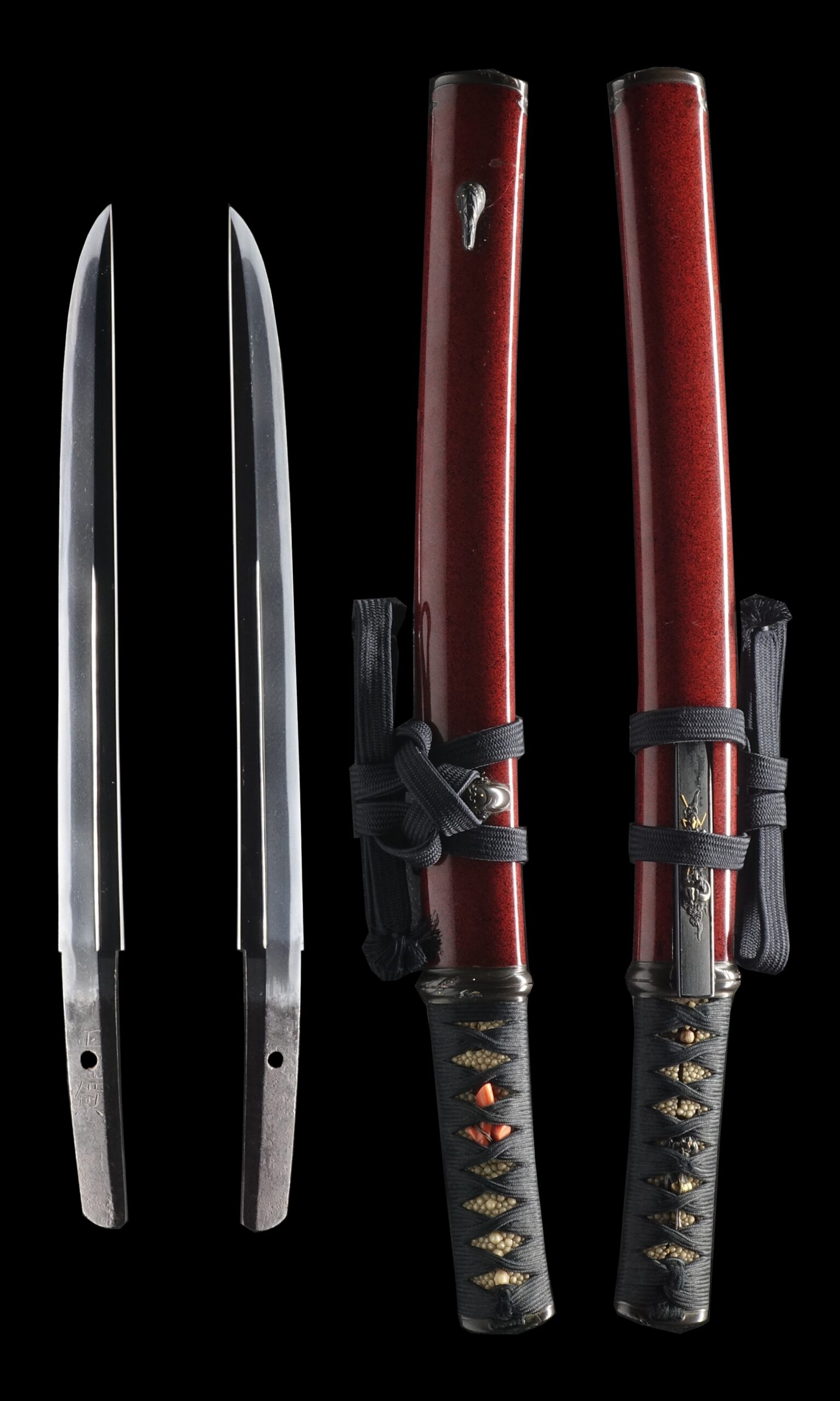
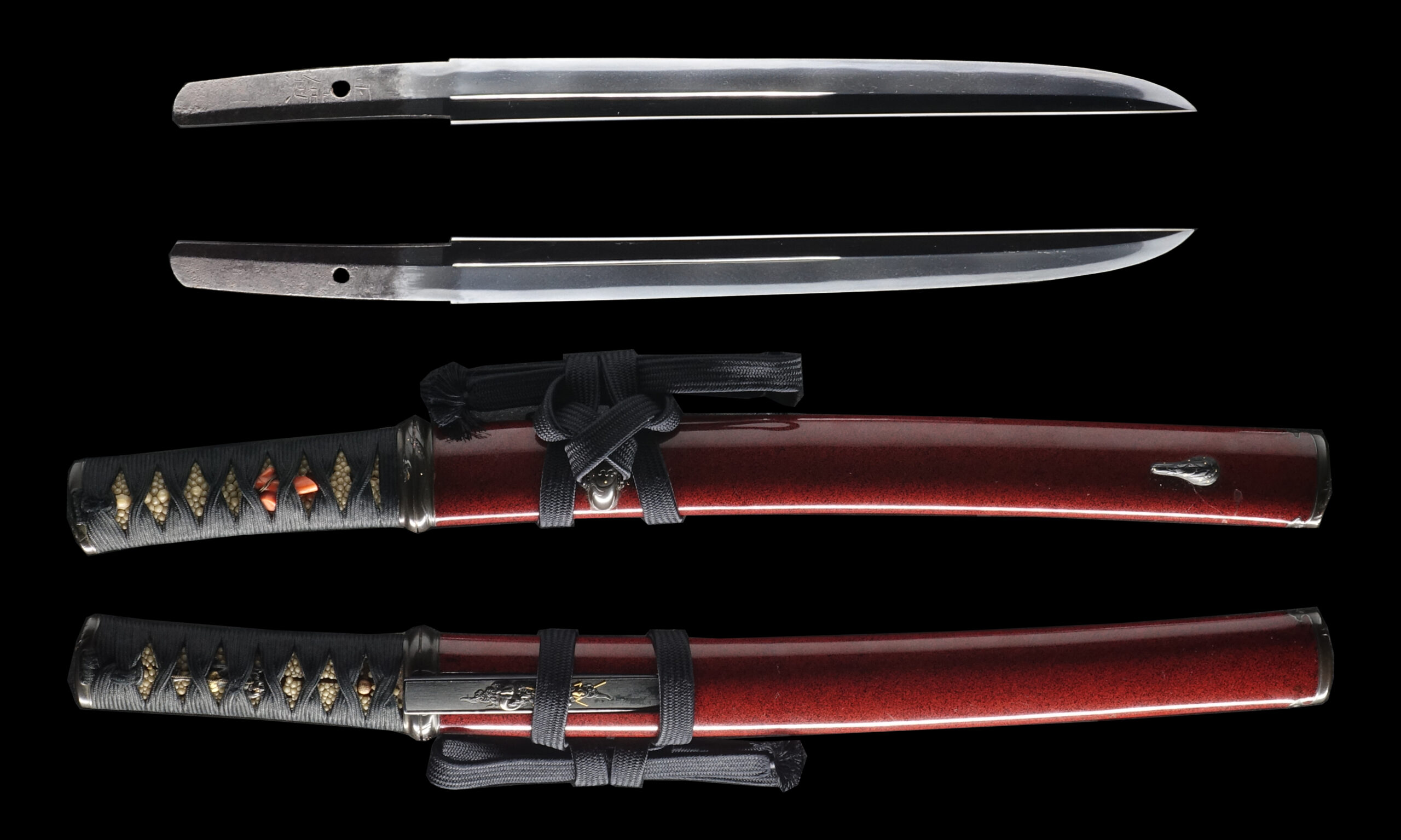
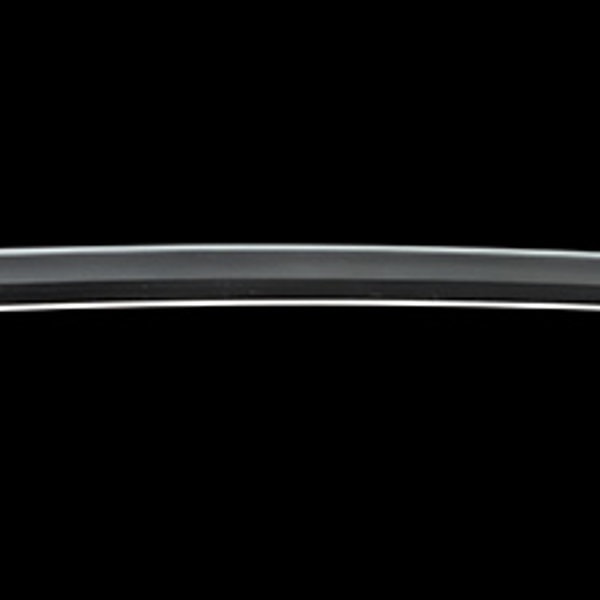
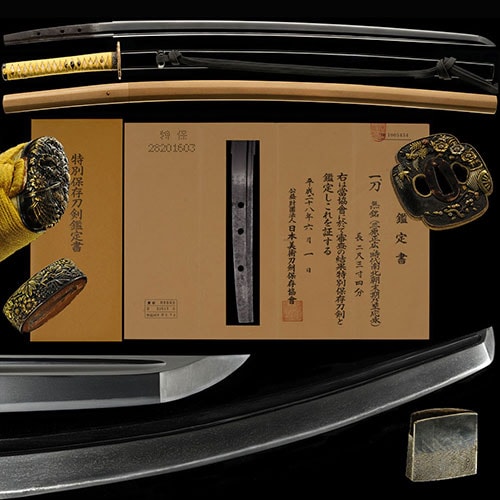
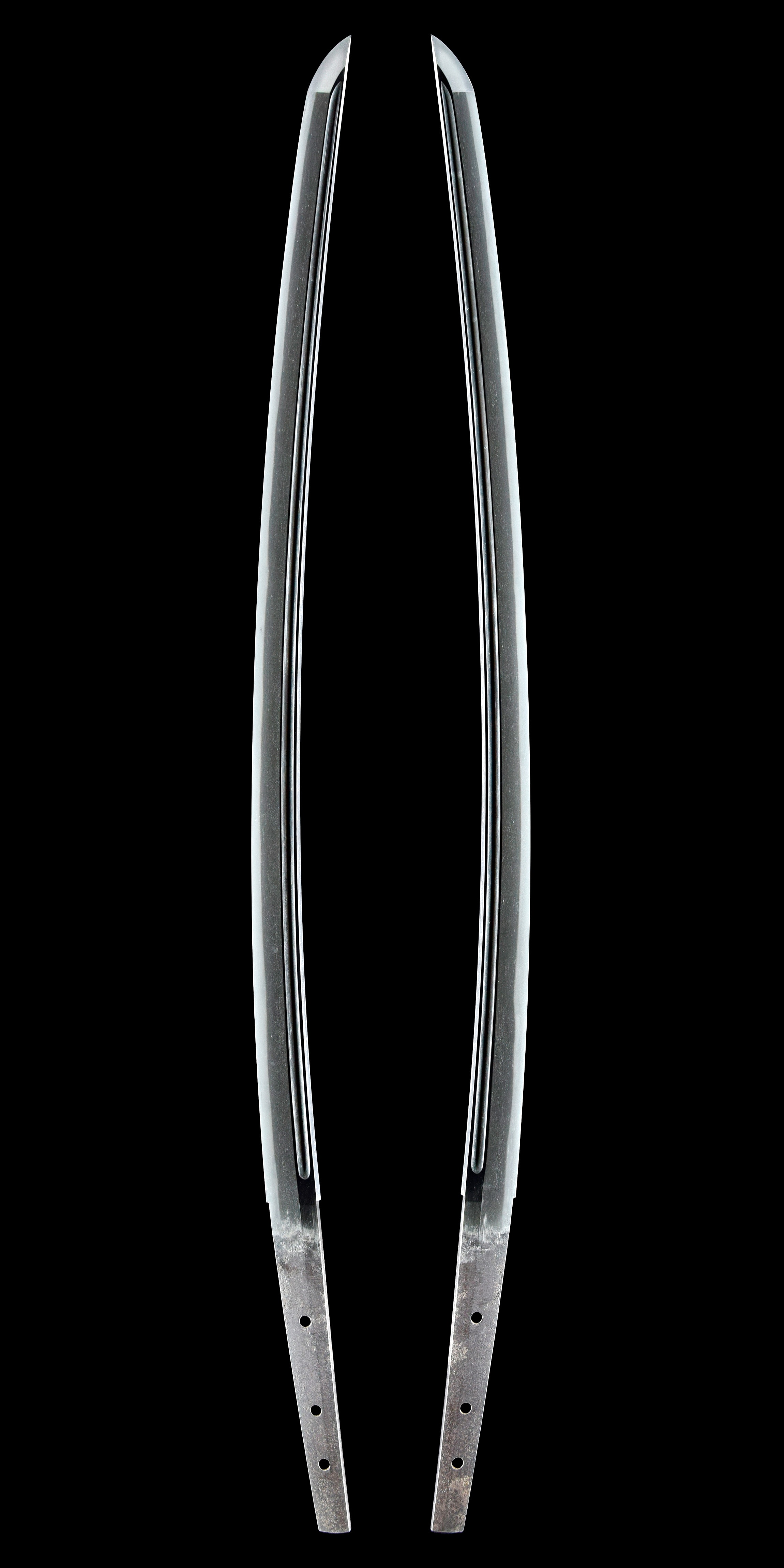
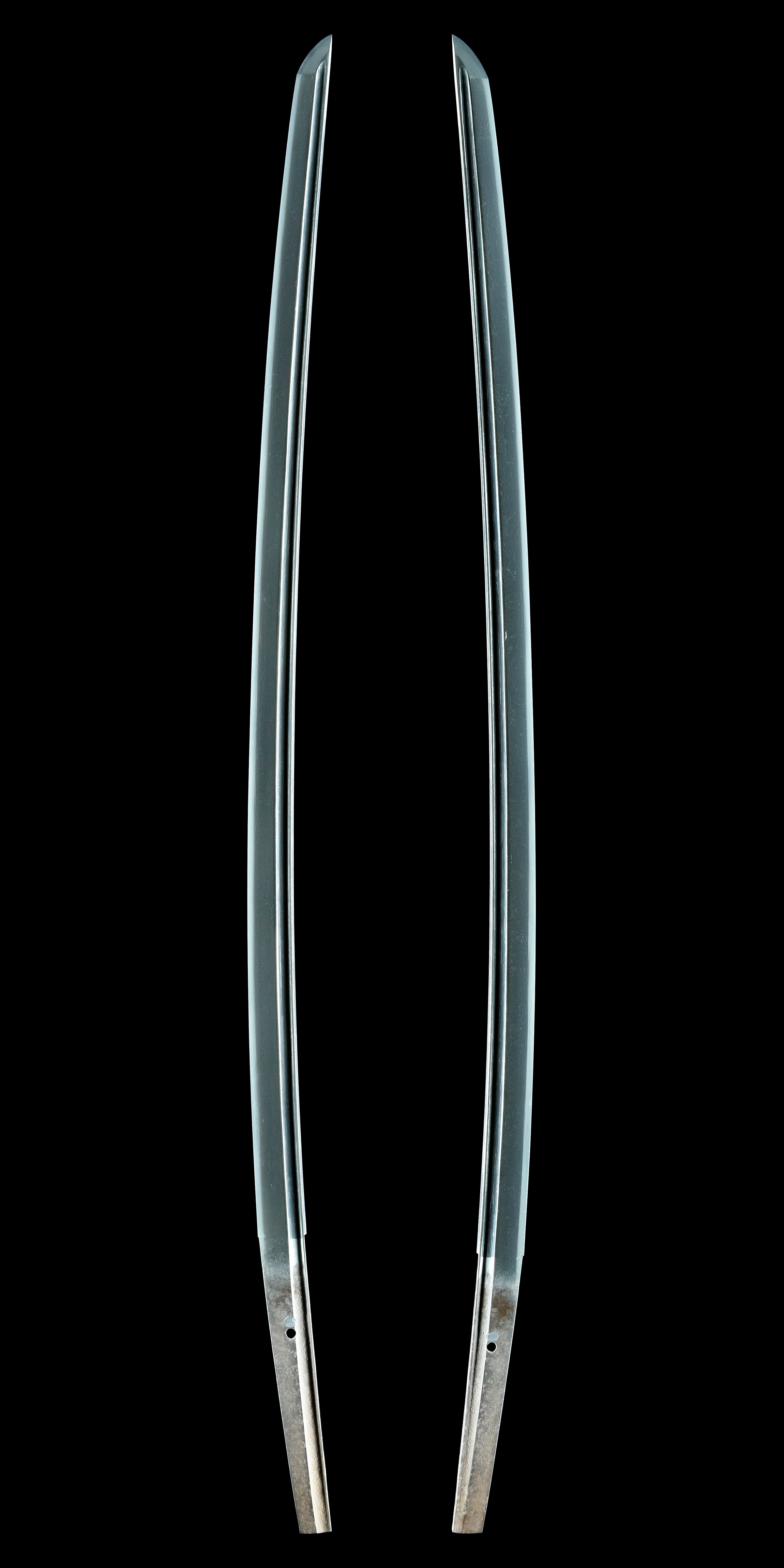
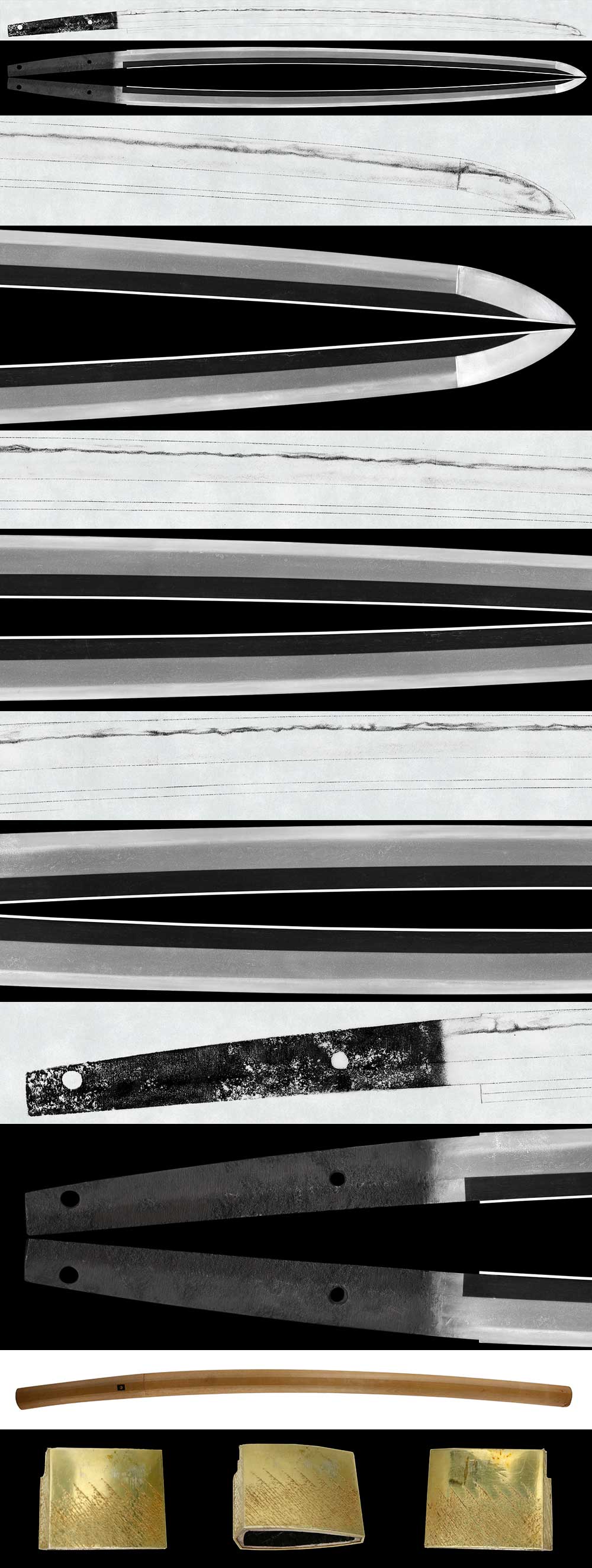
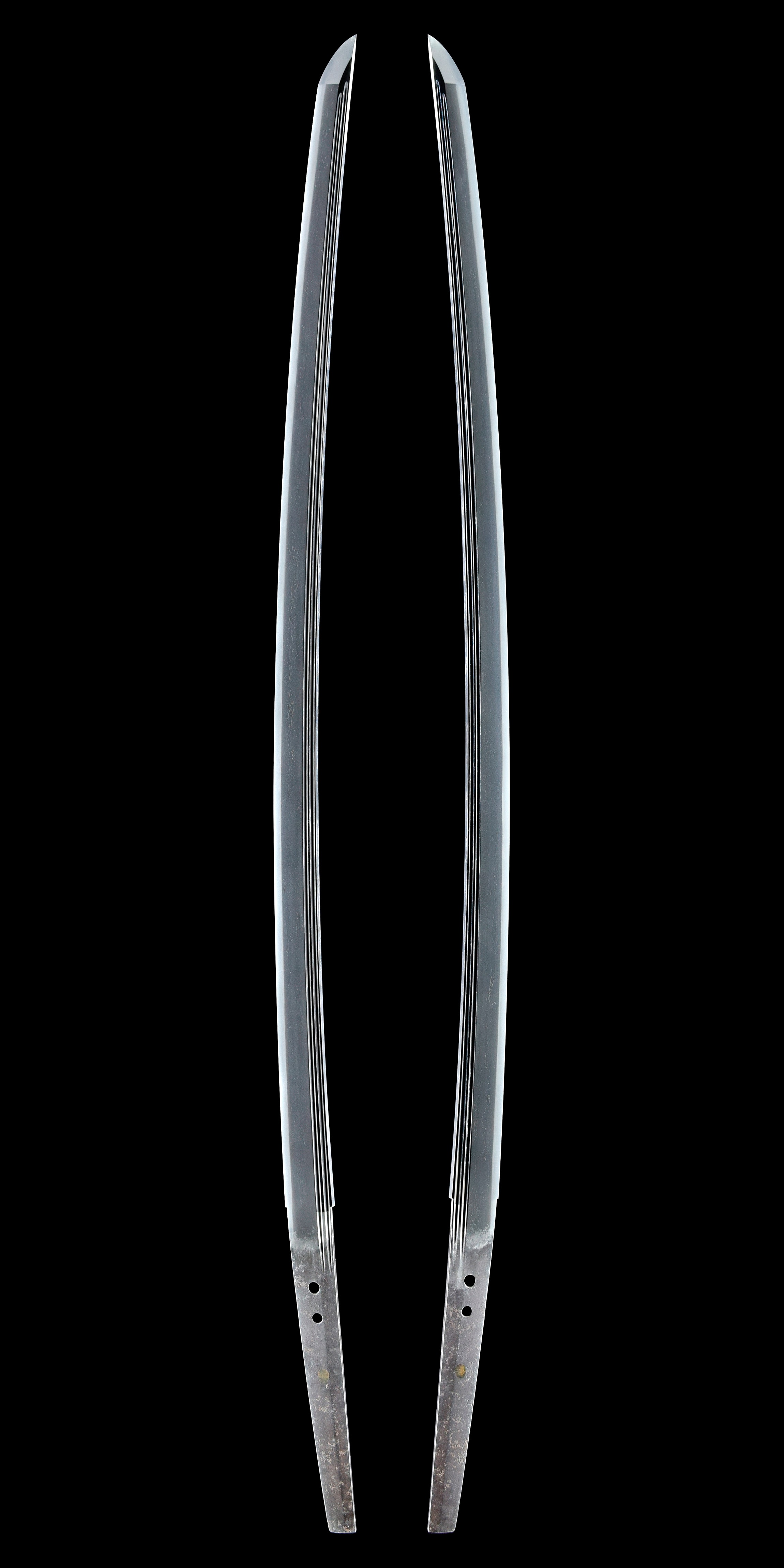
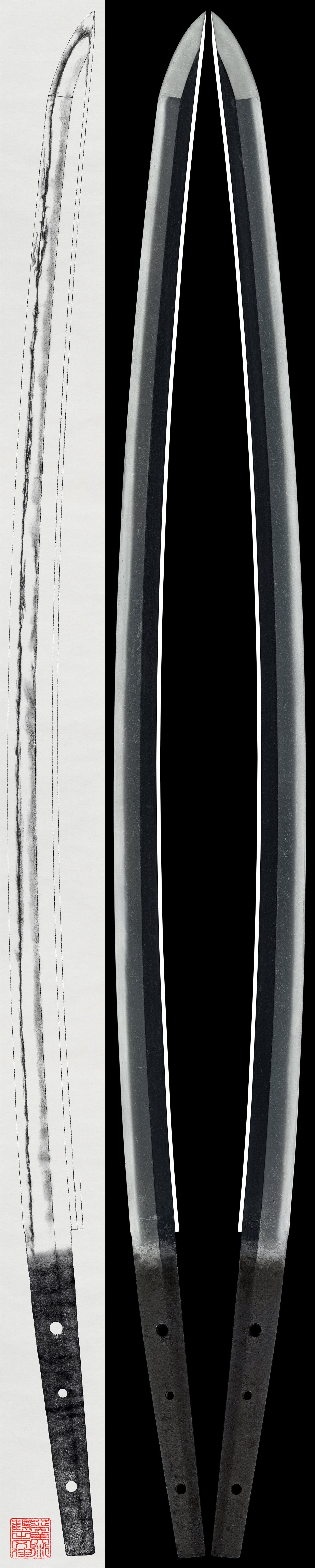
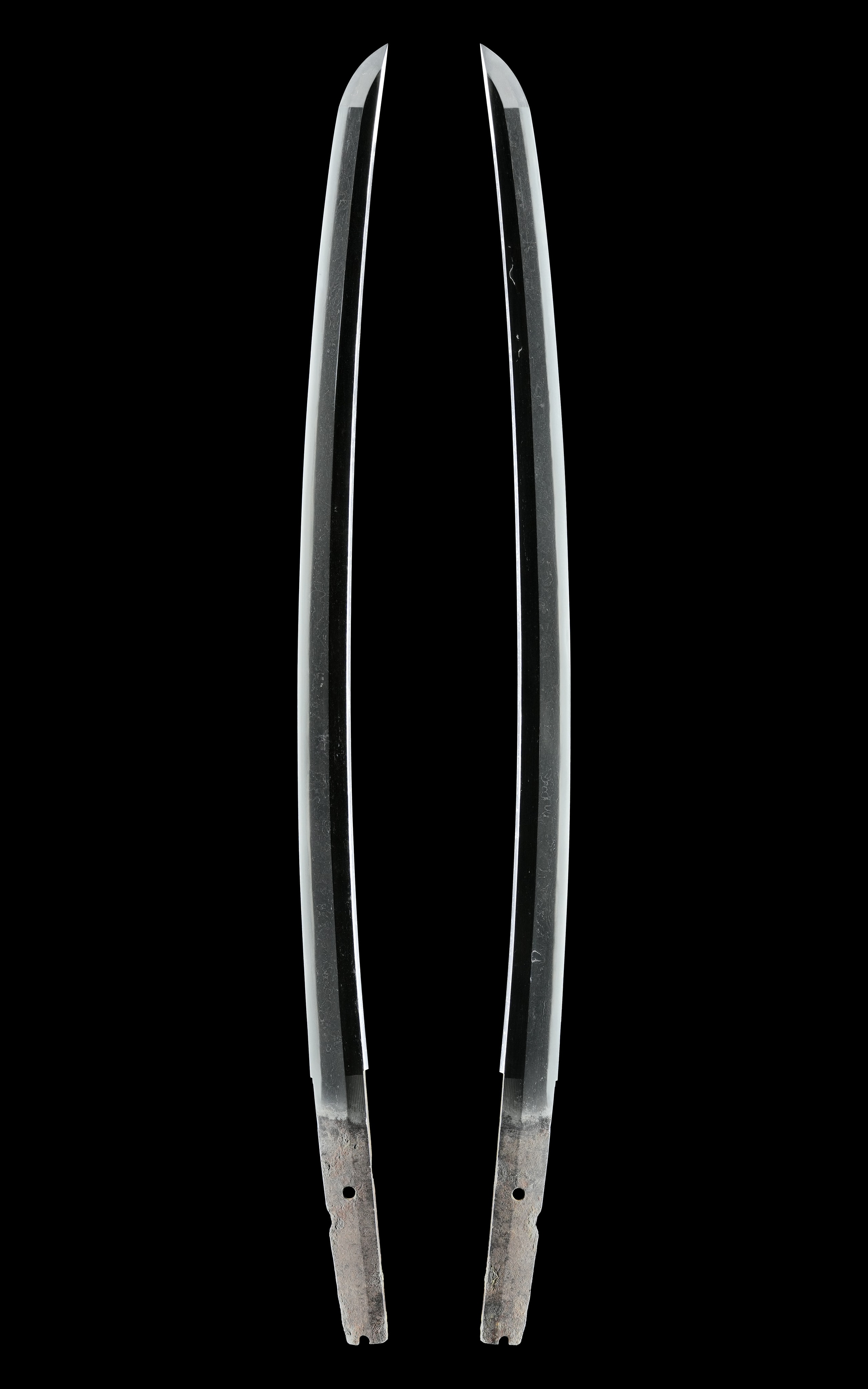
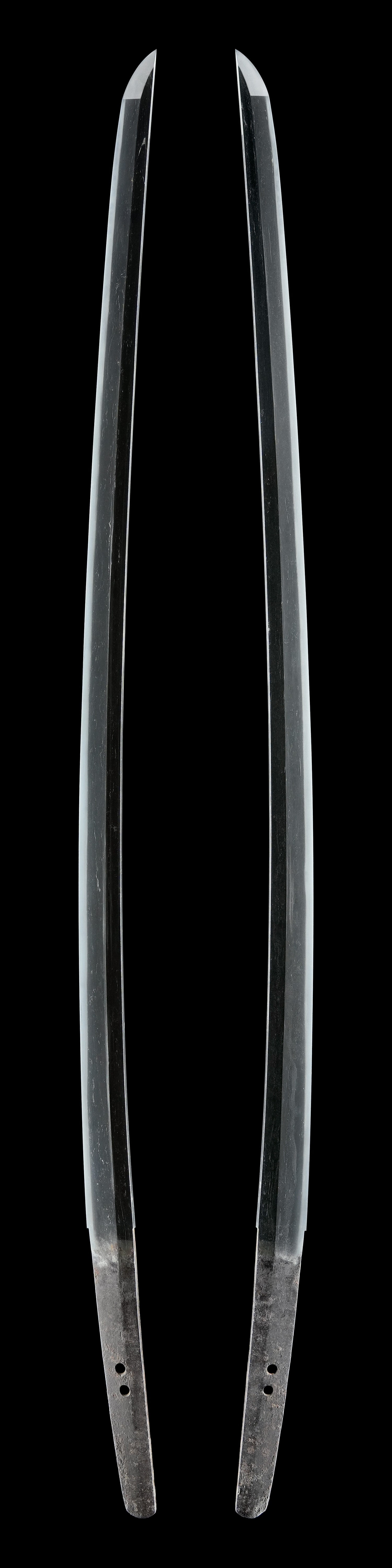
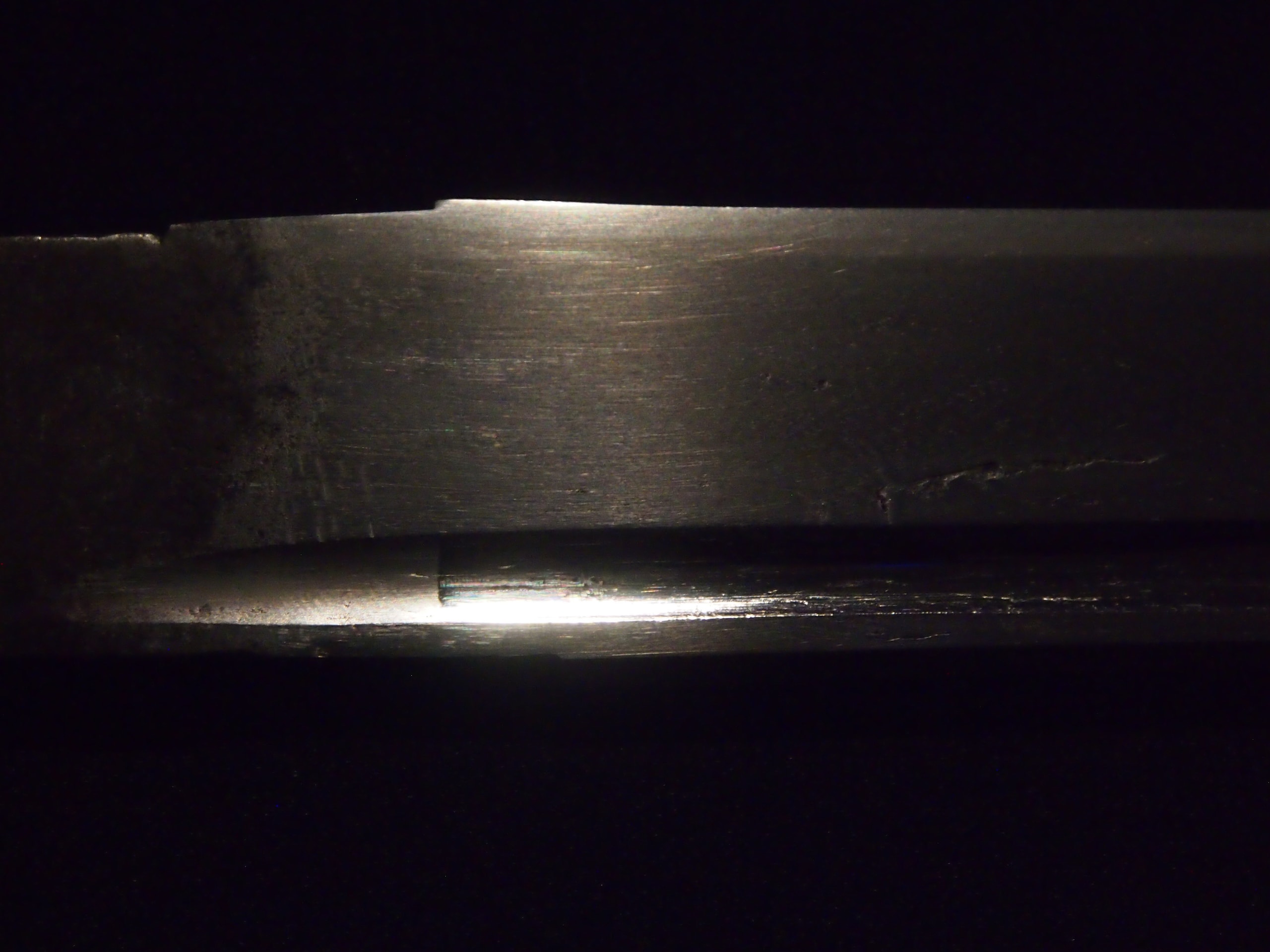
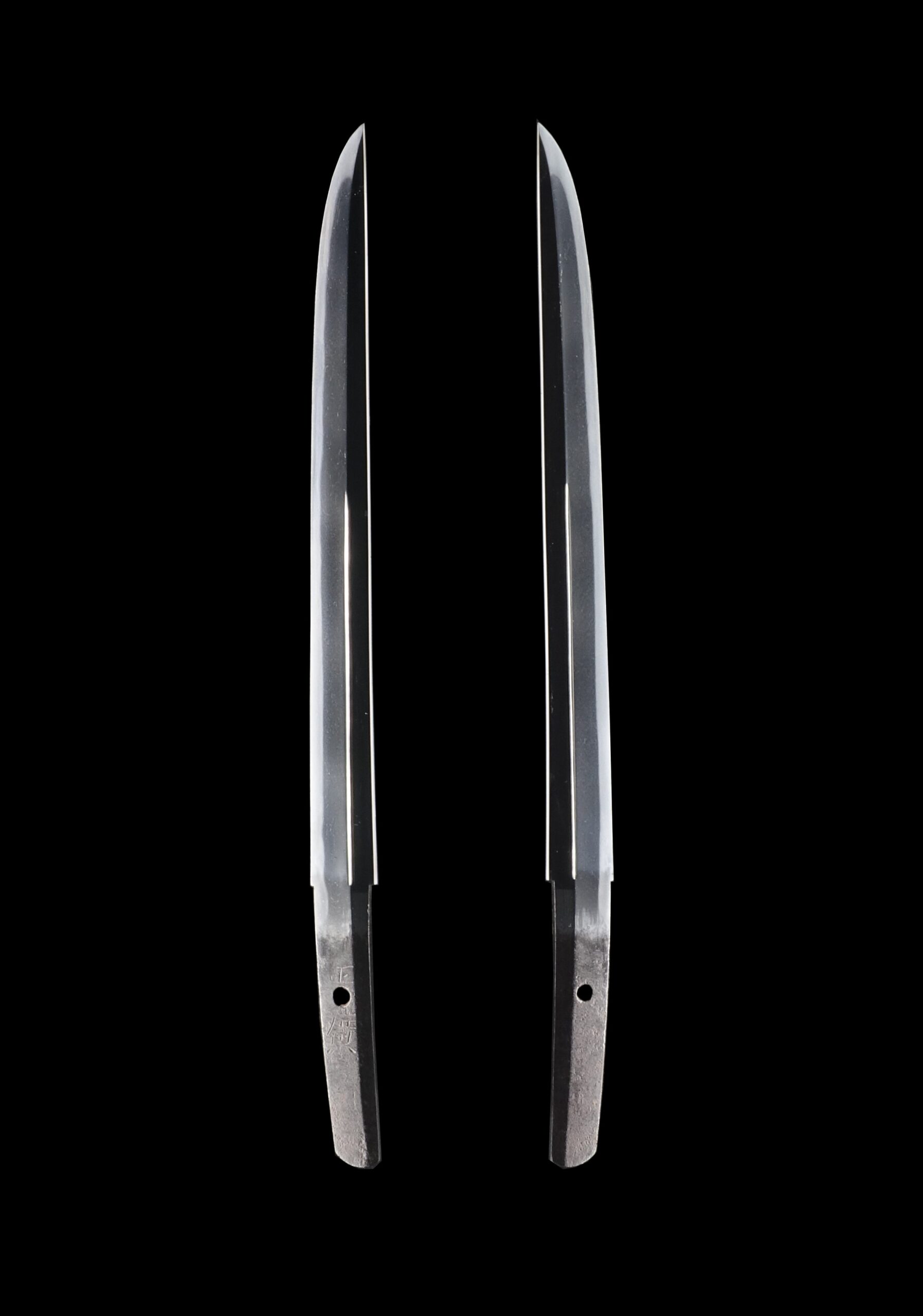
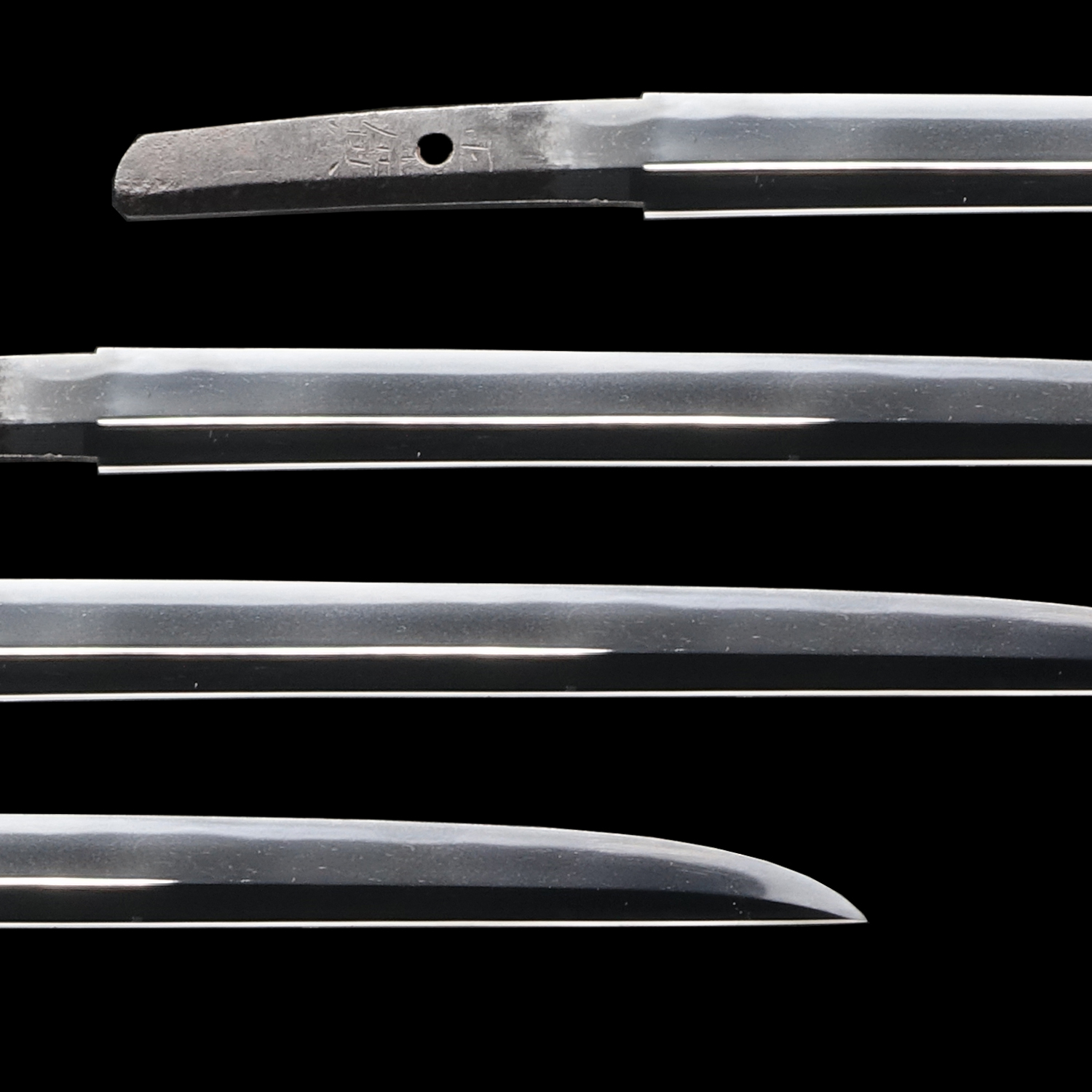
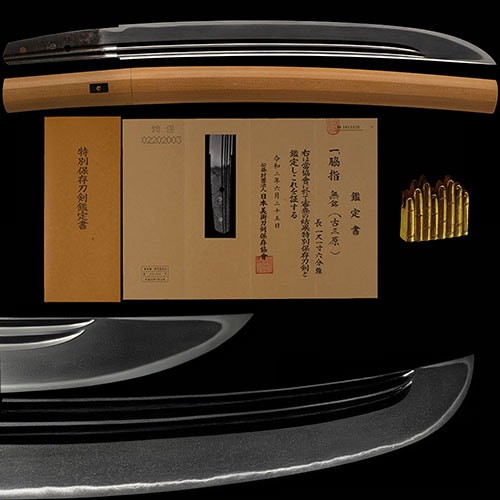
This antique Japanese tanto is signed by Masahiro of the prestigious Ko-Mihara school from Bingo Province. Appraised as a Juyo Token by the NBTHK, it dates from the late Kamakura to Nanbokucho period (early to late 14th century). The blade features a beautiful Jigane and a Suguha tempering line, characteristic of the Yamato DEN tradition.

NBTHK Setsumei

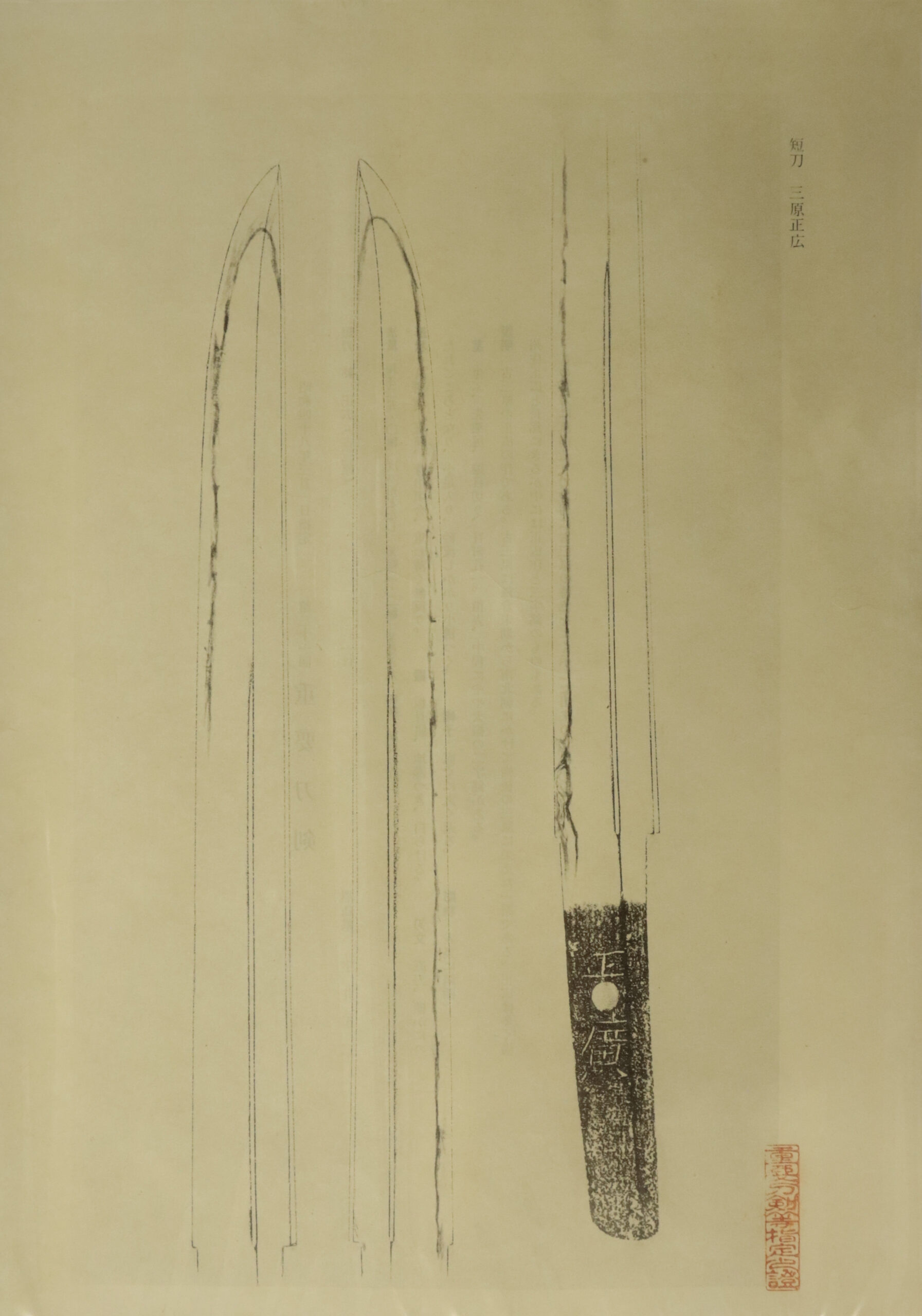
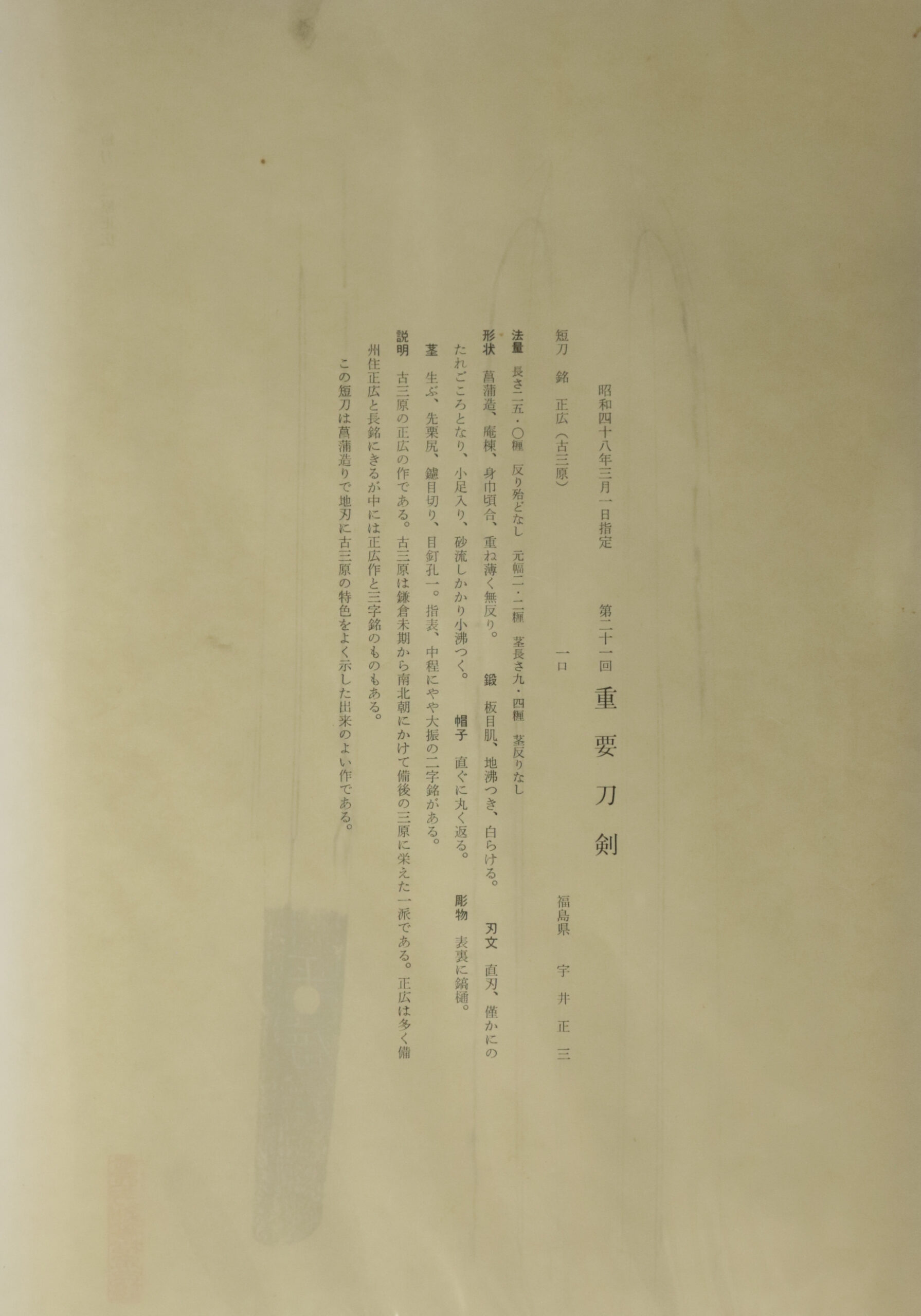
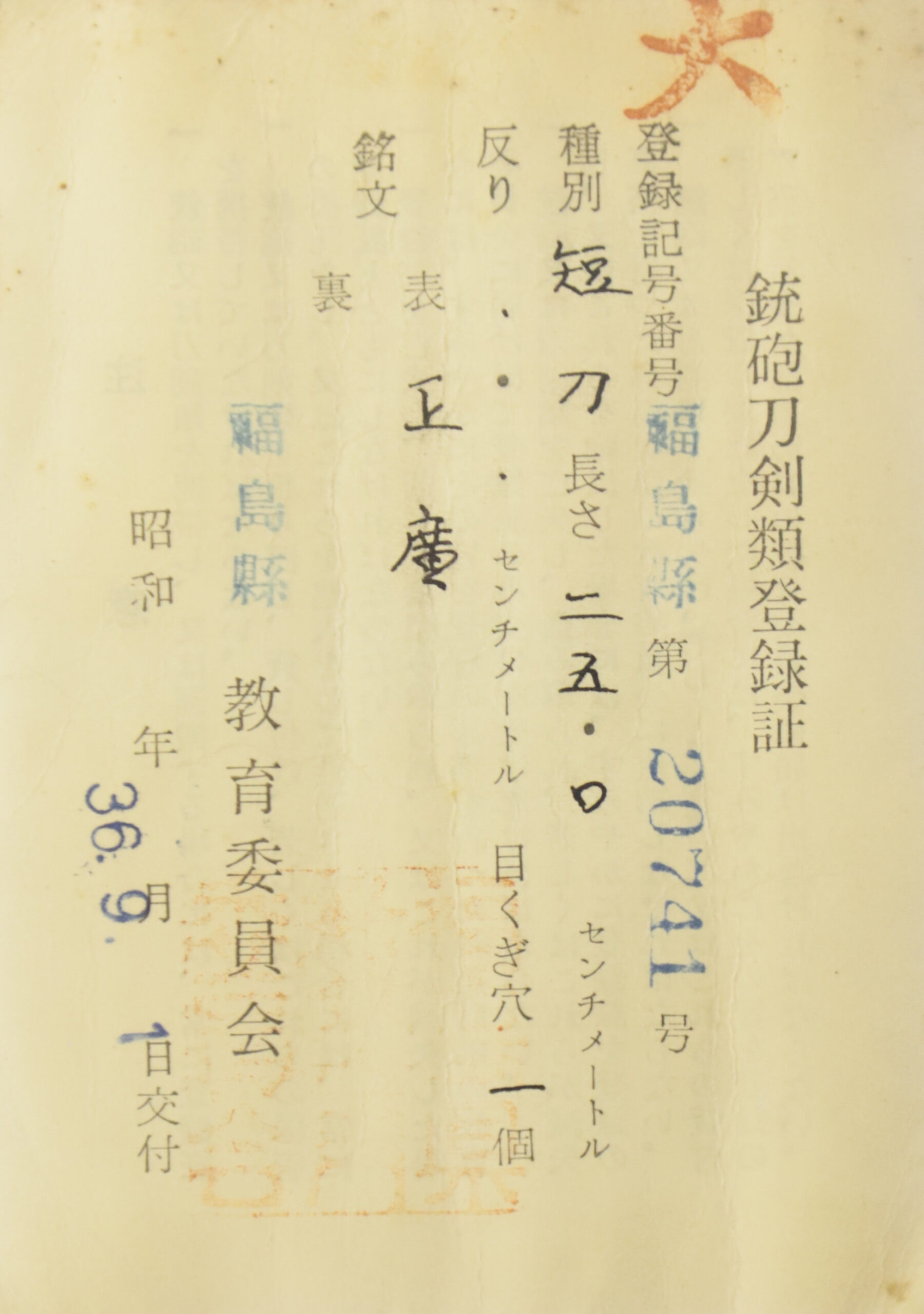
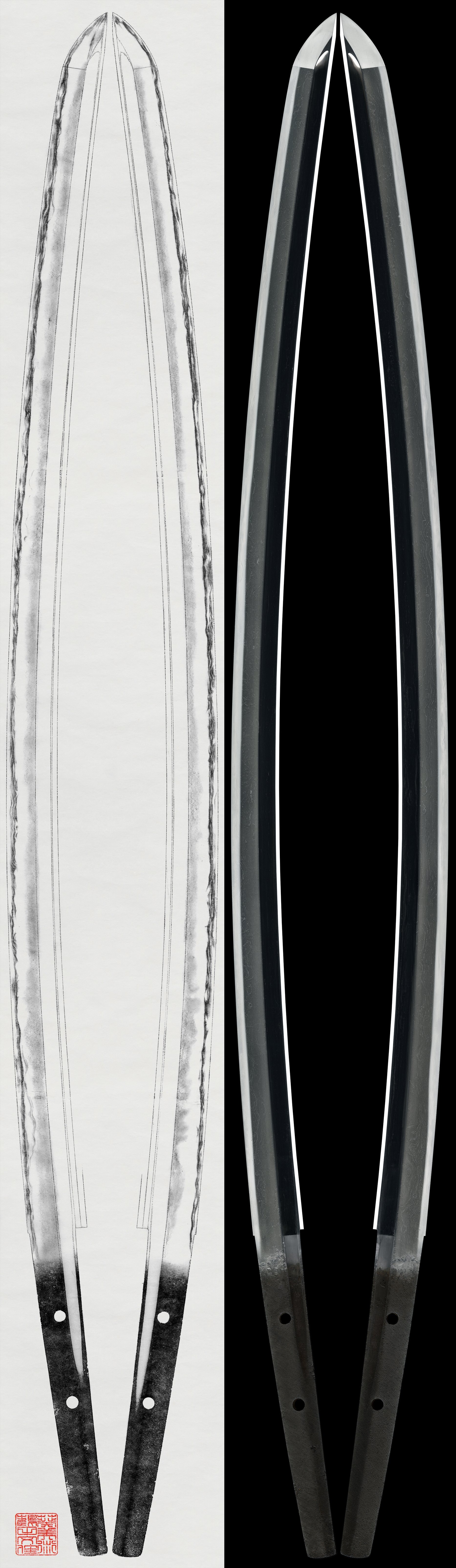
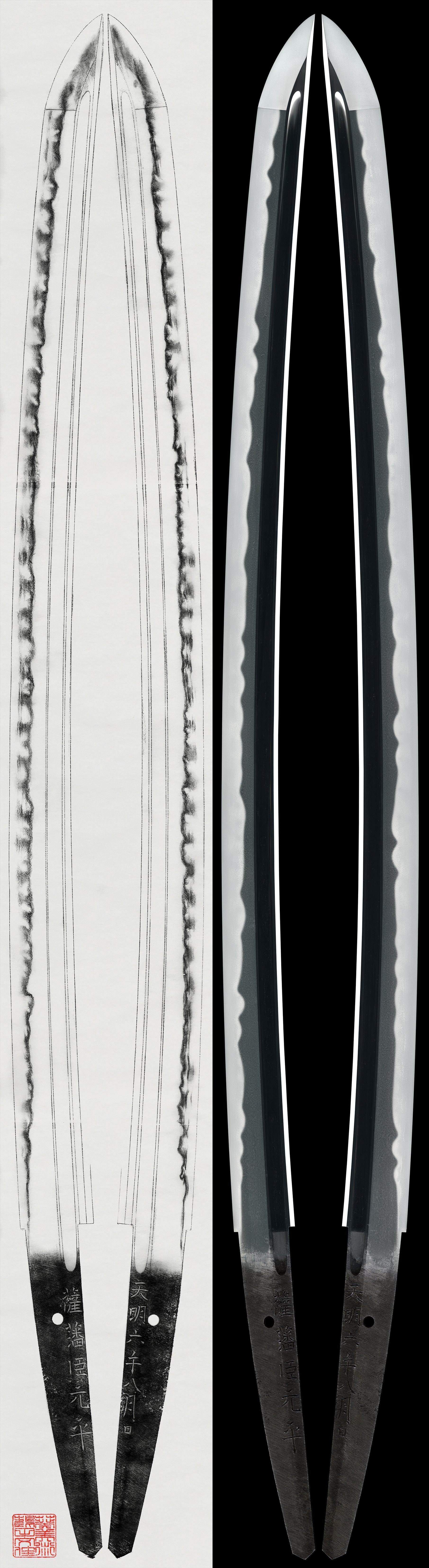
Jūyō-Tōken, 21st Session — Designated March 1, 1973 Tantō, mei: Ko-Mihara Masahiro (正広) Measurements Nagasa 25.0 cm, sori almost none, motohaba 2.2 cm, nakago-nagasa 9.4 cm Description Keijō: Shōbu-zukuri with iori-mune; the mihaba is well-proportioned, the kasane is thin, and there is virtually no sori. Kitae: Itame-hada with ji-nie; the jigane tends toward a whitish tone (shirakeru). Hamon: Suguha, becoming slightly notare-inclined; with small ashi, and sunagashi applied; ko-nie adheres. Bōshi: Sugu and turns back in a rounded manner (maru-kaeri). Horimono: Shinogi-hi on both omote and ura. Nakago: Ubu; kurijiri; kiri yasurime; one mekugi-ana. On the sashi-omote, around the middle of the tang, there is a somewhat large two-character signature. Artisan Ko-Mihara Masahiro Era Late Kamakura to Nanbokuchō period Explanation This is a work by Masahiro of the Ko-Mihara group. Ko-Mihara denotes a lineage that flourished at Mihara in Bingo Province from the end of the Kamakura period through the Nanbokuchō period. Masahiro most often cuts a long signature such as “Bishū-jū Masahiro” (備州住正広), though among his works there are also examples signed with three characters, such as “Masahiro saku” (正広作). This tantō is made in shōbu-zukuri and is a well-executed piece whose jigane and hamon clearly display the characteristic features of Ko-Mihara.

NihontoWatch MonNihontoWatchBETA
MarketAuctionsEncyclopedia
Swords›Yamato-den›Mihara›Ko-Mihara›Masahiro›Antique Japanese Sword Tanto Signed by Masahiro NBTHK JUYO TOKEN Certificate
tantoJūyō
Ko-Mihara Masahiro

Antique Japanese Sword Tanto Signed by Masahiro NBTHK JUYO TOKEN Certificate

mei · Ko-Mihara · Nanbokucho · nagasa 25cm

$21,372.48
Visit seller website →
Ko-Mihara Masahiro — 1 of 33
Ko-Mihara Masahiro — 2 of 33
Ko-Mihara Masahiro — 3 of 33
Ko-Mihara Masahiro — 4 of 33
Ko-Mihara Masahiro — 5 of 33
Ko-Mihara Masahiro — 6 of 33
Ko-Mihara Masahiro — 7 of 33
Ko-Mihara Masahiro — 8 of 33
Ko-Mihara Masahiro — 9 of 33
Ko-Mihara Masahiro — 10 of 33
Ko-Mihara Masahiro — 11 of 33
Ko-Mihara Masahiro — 12 of 33
Ko-Mihara Masahiro — 13 of 33
Ko-Mihara Masahiro — 14 of 33
Ko-Mihara Masahiro — 15 of 33
Ko-Mihara Masahiro — 16 of 33
Ko-Mihara Masahiro — 17 of 33
Ko-Mihara Masahiro — 18 of 33
Ko-Mihara Masahiro — 19 of 33
Ko-Mihara Masahiro — 20 of 33
Ko-Mihara Masahiro — 21 of 33
Ko-Mihara Masahiro — 22 of 33
Ko-Mihara Masahiro — 23 of 33
Ko-Mihara Masahiro — 24 of 33
Ko-Mihara Masahiro — 25 of 33
Ko-Mihara Masahiro — 26 of 33
Ko-Mihara Masahiro — 27 of 33
Ko-Mihara Masahiro — 28 of 33
Ko-Mihara Masahiro — 29 of 33
Ko-Mihara Masahiro — 30 of 33
Ko-Mihara Masahiro — 31 of 33
Ko-Mihara Masahiro — 32 of 33
Ko-Mihara Masahiro — 33 of 33
1 / 33
1 / 33
Ko-Mihara Masahiro — 1 of 33Ko-Mihara Masahiro — 2 of 33Ko-Mihara Masahiro — 3 of 33Ko-Mihara Masahiro — 4 of 33Ko-Mihara Masahiro — 5 of 33Ko-Mihara Masahiro — 6 of 33Ko-Mihara Masahiro — 7 of 33Ko-Mihara Masahiro — 8 of 33Ko-Mihara Masahiro — 9 of 33Ko-Mihara Masahiro — 10 of 33Ko-Mihara Masahiro — 11 of 33Ko-Mihara Masahiro — 12 of 33Ko-Mihara Masahiro — 13 of 33Ko-Mihara Masahiro — 14 of 33Ko-Mihara Masahiro — 15 of 33Ko-Mihara Masahiro — 16 of 33Ko-Mihara Masahiro — 17 of 33Ko-Mihara Masahiro — 18 of 33Ko-Mihara Masahiro — 19 of 33Ko-Mihara Masahiro — 20 of 33Ko-Mihara Masahiro — 21 of 33Ko-Mihara Masahiro — 22 of 33Ko-Mihara Masahiro — 23 of 33Ko-Mihara Masahiro — 24 of 33Ko-Mihara Masahiro — 25 of 33Ko-Mihara Masahiro — 26 of 33Ko-Mihara Masahiro — 27 of 33Ko-Mihara Masahiro — 28 of 33Ko-Mihara Masahiro — 29 of 33Ko-Mihara Masahiro — 30 of 33Ko-Mihara Masahiro — 31 of 33Ko-Mihara Masahiro — 32 of 33Ko-Mihara Masahiro — 33 of 33
Measurements & details
Smith
Ko-Mihara Masahiro
Type
Tanto
School
Ko-Mihara
Period
Around 1362–1389(Teiji ND)
Province
Bingo
Signature
Signed(67% of this smith's designated works are signed)
Measurements
Nagasa 25cm
Description

This antique Japanese tanto is signed by Masahiro of the prestigious Ko-Mihara school from Bingo Province. Appraised as a Juyo Token by the NBTHK, it dates from the late Kamakura to Nanbokucho period (early to late 14th century). The blade features a beautiful Jigane and a Suguha tempering line, characteristic of the Yamato DEN tradition.

NBTHK Zufu Commentary

Juyo #21

AI translation — may contain errors

-, 21st Session — Designated March 1, 1973

, : Ko- Masahiro (正広)

Measurements 25.0 cm, almost none, 2.2 cm, 9.4 cm

Description Keijō: with ; the is well-proportioned, the is thin, and there is virtually no . : with ; the tends toward a whitish tone (). : , becoming slightly -inclined; with small , and applied; adheres. : and turns back in a rounded manner (). : on both and . : ; ; ; one . On the , around the middle of the tang, there is a somewhat large two-character signature.

Artisan Ko- Masahiro

Era Late to period

Explanation This is a work by Masahiro of the Ko- group. Ko- denotes a lineage that flourished at in Bingo Province from the end of the period through the period. Masahiro most often cuts a long signature such as “Bishū-jū Masahiro” (備州住正広), though among his works there are also examples signed with three characters, such as “Masahiro ” (正広作).

This is made in and is a well-executed piece whose and clearly display the characteristic features of Ko-.

About the maker

Masahiro

正廣

Ko-Mihara (Bingo) · Bingo · around 1362-1389

Fujishiro Jo-jo saku · Tōken Taikan top 11%

1 piece on the market now

›

At the second Tokubetsu Juyo session, in 1973, the NBTHK designated a suriage tachi signed Bishu ju Masahiro[[c:1]], recording it as the blade of this name whose ji and ha are of the finest workmanship[[c:2]]. Masahiro of Mihara in Bingo province stands with Masaie as one of the two representative smiths of Ko-Mihara, the collective name for the school's work from the end of Kamakura through Nanbokucho. "Masahiro is traditionally regarded as a son of Ko-Mihara Masaie"[[c:3]], in other texts a pupil, yet the same sources repeatedly invert the chronology: "judged from the workmanship, Masahiro reads older in style than Masaie"[[c:4]], several signed tachi being appraised as late Kamakura work. The name itself is collective. The signature references list six smiths called Masahiro in Bingo, the recorded dates opening in Joji 3 (1364) and running through Shitoku, Kakei and Oei, and "the Oei work is regarded as a second generation" (応永は二代とみられている). Extant dated blades are rare, only Shitoku and Oei examples being known, and the NBTHK treats the name collectively, several generations under one attribution.

His manner is Yamato carried into Bingo steel. Bingo held many estates of the central temples, Toji and the Rengeoin among them, and the published sources read the Mihara style as the product of that exchange: suguha-based work over a flowing itame. The same sources separate him from Yamato proper in one recurring formula: "compared with works from Yamato proper, the nie of ji and ha is as a rule weaker, the forging stands out in moku, the whitish utsuri is conspicuous, the hamon is a suguha whose nioiguchi tends to tightness, and the boshi turns back gently in a rounded manner"[[c:5]]. A pale shirake-utsuri rises in the ji on nearly half of his recorded works; his boshi runs straight to a gentle ko-maru return, often with hakikake, never to the yakizume that defines the Yamato schools; and his itame flows and stands without resolving into their full masame.

In detail the forging is itame mixed with moku and nagare-hada, standing in places, with very fine ji-nie, chikei entering finely, and patches of jifu. Over it the hamon is a medium suguha or suguha-cho mixed with ko-gunome and ko-midare, with ko-ashi and yo entering well; the habuchi frays into hotsure, kinsuji and sunagashi work through the ha, and the nioiguchi stays tight or subdued with thick ko-nie rather than bright heavy nie. The work divides into two registers. The signed tachi, mostly suriage though several keep their ubu nakago, carry the mei in large slender-chisel characters: the first generation signs invariably Bishu ju (備州住) and never Bingo no kuni ju, beside rarer three-character mei reading Masahiro saku (正広作) and two-character mei. The sanji-mei pieces read oldest; one tachi has its nakago recorded in the Ojakusho (往昔抄), the Muromachi compendium of sword rubbings. Beside them stands the o-suriage mumei register, katana attributed by kiwame, several settled by kinzogan attribution inscriptions rather than signatures; the Nanbokucho examples run wide in mihaba with o-kissaki, one of them "originally a tachi of nearly three shaku"[[c:6]].

Within the one suguha discipline distinct strains stand out. The tachi dated Shitoku 1 (1384), a 79.6 cm blade with its nagamei intact, keeps the suguha-cho base but takes nie throughout, yubashiri running hard along the upper half into niju and sanju-ba effects, and is singled out as "showing, within his oeuvre, a manner strong in the nie of ji and ha"[[c:7]]; a later designation links a sanji-mei tachi of the Nanbokucho end to it by the same yubashiri and nijuba. The Oei work, read as the second generation, leans toward the neighbors. The tachi dated Oei 6 (1399) shows "a manner that could at first sight be mistaken for the Rai school of Yamashiro" (一見山城国来派の作に見紛う作風), only the slight saki-zori betraying the period. The katana dated Oei 22 (1415), the one blade in the record signed Bingo no kuni ju Masahiro (備後国住正広), goes the other way toward Bitchu Aoe: a slanting lean enters the midare of its suguha, a midare-utsuri stands in the ji with jifu, and "the boshi burns its return deeply downward in waterfall fashion, the so-called Mihara-boshi" (帽子は返りを滝落し風に深く焼下げる所謂三原帽子となっている). A sun-nobi tanto of the same years lines up round-topped ko-gunome that the sources liken to the Hokke Kaneyasu (法華兼安) of the same province. The Aoe adjacency is old: the Muromachi treatise Shinkan Hidensho already wrote that the school's face "resembles a Bitchu tachi"[[c:8]].

Against Masaie, the school's other master, the record draws the kantei line through the ha. In Honma Junji's adjudication, "Masaie's hamon is almost invariably an orderly suguha, while Masahiro more often shows pieces with a degree of midare feeling and many activities within the ha"[[c:9]], the boshi likewise not uniformly round but at times tending to midare or nie-kuzure. The sugata divides the two as well: "Masaie has many works with o-kissaki, while Masahiro shows comparatively many with a moderate kissaki"[[c:10]]. The school's stream runs to the end of Muromachi, and the deep-returning boshi of his kiwame side is anchored by its celebrated blade, the meibutsu O-Mihara[[c:11]], a kinzogan-mei katana designated Important Cultural Property, invoked for the strikingly deep turnback seen within his work.

Fujishiro rates him Jo-jo saku. The official record carries thirty-seven designated works: one Important Cultural Property, the meibutsu O-Mihara itself, three Tokubetsu Juyo, twenty-five Juyo and eight Juyo Bijutsuhin, twenty-six of them signed against seven mumei, with four more carrying kinzogan attribution inscriptions. Seven blades hold recorded provenance, among them a Jubi tachi whose cut signature reads Bingo ju Masa (備後住正), passed from Prince Konoe Fumimaro to the Yomei Bunko, Kyoto, and another held by Asano Kii no Kami. The Important Cultural Property is patrimony, permanently held; recorded institutional holders are the Tokyo National Museum, the Tsukamoto Museum and the Yomei Bunko, the rest in private hands. For the collector the realistic field is the twenty-eight blades of the Tokubetsu Juyo and Juyo tiers: not beyond reach in the way the great Soshu and Bizen names are, but coming to market only from time to time. The signed tachi with the slender-chisel nagamei carry the chronology of the school; of one such the NBTHK closes its notice praising not only the work but the unforced, gentle character of the signature itself[[c:12]].

Historical importance

Where Masahiro stands among comparable artisans: across all of nihontō, and within tradition, era, and period. The tiers (Foremost · Leading · Major · Notable) weigh official designations from the NBTHK and Japan's Agency for Cultural Affairs, together with historical honors of lasting repute such as the Sansaku and Meibutsu-chō.

随一
Foremost
屈指
Leading
有数
Major
著名
Notable

Select a lens to see how it's measured.

Designation record
33 designated works
Jūyō Bunkazai
1
Jūyō Bijutsuhin
6
Tokubetsu Jūyō
3
Jūyō
23
1 work by Masahiro on the market→
Masahiro — full profileKo-Mihara (Bingo) school

Dated Works

Years he was demonstrably active, proven by signed-and-dated blades

Active period
1384Editorial estimate: 1362–1389
1 of 24 designated works carry a date
About the school

Ko-Mihara

古三原

Yamato-den · Bingo

Phase: Ko-Mihara古三原· 1288–1393

12 pieces on the market now

›

Ko-Mihara (古三原) opens the Mihara story at its Bingo base, where a body of smiths gathered from the close of the Kamakura period and through the Nanbokuchō era. The setsumei treat the term as a chronological bracket rather than a separate workshop: works of this span are "collectively termed Ko-Mihara," with Masaie and Masahiro repeatedly named as the leading figures, and Masahiro held by tradition to be Masaie's son. Learn more →

9 recorded smiths228 designated works
Leading smiths
SmithEraDesignated
Masahiro正廣1362-138933
Masaie正家1353-137529
Sukekuni助國1321-132923
Kaneyasu兼安1352-136912
Masanobu正信1376-13944
Explore the Ko-Mihara school →
NBTHK Certificate
Jūyō Tōken重要刀剣
Important Sword
›

A blade of top-grade workmanship and condition, formally judged to rank with a nationally recognized Important Art Object (Jūyō Bijutsuhin). Awarded only at the NBTHK’s competitive annual examination.

Of Japan’s roughly 2.5 million registered swords, only 12,307 (about 1 in 203) have ever attained Jūyō.

About the NBTHK›

The NBTHK (Nihon Bijutsu Tōken Hozon Kyōkai, the Society for the Preservation of Japanese Art Swords) is a public-interest incorporated foundation founded in 1948 and supervised by Japan’s Agency for Cultural Affairs (Bunkachō); it is based at the Japanese Sword Museum in Tokyo. Its expert panels physically examine each submitted work (shinsa) and issue a certificate (kanteishō) ranking it by artistic and historical merit. NBTHK papers are the most widely recognized standard of authentication for Japanese swords and fittings.

NBTHK official site→
Seller
S
Samurai Museum
🇯🇵Ships from Japan
›
✓Verified dealersamuraimuseum.jp
Settles in USD
✓Ships worldwide✓English supportPayPalCredit card
Return policy

Returns/exchanges limited to defects caused by shipping (except willful misconduct or gross negligence by the company); customers must contact within 72 hours of receiving the product.

View all of Samurai Museum’s listings→View this item on the dealer’s site→

Previously sold by Ko-Mihara Masahiro

Choshuya
Katana - by Ko-Mihara Masahiro - O-suriage Mumei: Ko-Mihara MasahiroKatana - by Ko-Mihara Masahiro - O-suriage Mumei: Ko-Mihara Masahiro
Sold

Katana

ByKo-Mihara Masahiro
SOLD
Toukentakarado
Jūyō
Tachi - Jūyō - by Ko-Mihara Masahiro - Bishu ju MasahiroTachi - Jūyō - by Ko-Mihara Masahiro - Bishu ju Masahiro
Sold

Tachi

ByKo-Mihara Masahiro
SOLD
Eirakudo
Tokuho
Wakizashi - Tokuho - by Ko-Mihara Masahiro - Komihara - Tokubetsu Hozon TokenWakizashi - Tokuho - by Ko-Mihara Masahiro - Komihara - Tokubetsu Hozon Token
Sold

Wakizashi

ByKo-Mihara Masahiro
SOLD
Eirakudo
Tokuho
Katana - Tokuho - by Ko-Mihara Masahiro - Komihara Masahiro - Tokubetsu Hozon TokenKatana - Tokuho - by Ko-Mihara Masahiro - Komihara Masahiro - Tokubetsu Hozon Token
Sold

Katana

ByKo-Mihara Masahiro
SOLD

More from the Ko-Mihara school

View all →
Aoi Art
Tokuho
Katana - Tokuho - by Ko-Mihara School - Mumei (Ko Mihara)Katana - Tokuho - by Ko-Mihara School - Mumei (Ko Mihara)

Katana

ByKo-Mihara School
¥950,000
Toushin
Tokuho
Katana - Tokuho - by Ko-Mihara Sukekuni - Kokubunji Sukekuni - Mumei (Attributed)Katana - Tokuho - by Ko-Mihara Sukekuni - Kokubunji Sukekuni - Mumei (Attributed)

Katana

ByKo-Mihara Sukekuni
¥2,970,000
Nihonto.com
Jūyō
Katana - Jūyō - by Ko-Mihara School - Bingo Ko-Mihara Katana (Unsigned)Katana - Jūyō - by Ko-Mihara School - Bingo Ko-Mihara Katana (Unsigned)

Katana

ByKo-Mihara School
¥26,500
Kanda Toukodo
Tokuho
Katana - Tokuho - by Ko-Mihara School - Mumei (Ko-Mihara)Katana - Tokuho - by Ko-Mihara School - Mumei (Ko-Mihara)

Katana

ByKo-Mihara School
¥850,000
Nihonto Australia
Jūyō
Katana - Jūyō - by Ko-Mihara Sukekuni - Kokubunji Sukekuni - Juyo TokenKatana - Jūyō - by Ko-Mihara Sukekuni - Kokubunji Sukekuni - Juyo Token

Katana

ByKo-Mihara Sukekuni
Ask
Toushin
Tokuho
Katana - Tokuho - by Ko-Mihara Masanobu - Mihara Masanobu - MumeiKatana - Tokuho - by Ko-Mihara Masanobu - Mihara Masanobu - Mumei

Katana

ByKo-Mihara Masanobu
¥698,500
Toushin
Jūyō
Katana - Jūyō - by Ko-Mihara School - Mumei (Komihara)Katana - Jūyō - by Ko-Mihara School - Mumei (Komihara)

Katana

ByKo-Mihara School
Ask
Nihonto Australia
Tokuho
Katana - Tokuho - by Ko-Mihara School - Ko-Mihara - Kamakura Period, with Tokubetsu Hozon CertificateKatana - Tokuho - by Ko-Mihara School - Ko-Mihara - Kamakura Period, with Tokubetsu Hozon Certificate

Katana

ByKo-Mihara School
Ask

More from the Mihara school

View all →
Aoi Art
Hozon
Wakizashi - Hozon - by Mihara School - Mumei (Mihara school)Wakizashi - Hozon - by Mihara School - Mumei (Mihara school)

Wakizashi

ByMihara School
Starting Bid¥250,000
Aoi Art
Tokuho
Katana - Tokuho - by Hokke School - Mumei (Unsigned) - Hokke School, Nanbokucho PeriodKatana - Tokuho - by Hokke School - Mumei (Unsigned) - Hokke School, Nanbokucho Period

Katana

ByHokke School
¥750,000
Aoi Art
Tokuho
Katana - Tokuho - by Hokke School - Unsigned (Hokke Ichijo)Katana - Tokuho - by Hokke School - Unsigned (Hokke Ichijo)

Katana

ByHokke School
¥950,000
Touken Komachi
Tokuho
Katana - Tokuho - by Hokke School - Hokke - Mumei in ShirasayaKatana - Tokuho - by Hokke School - Hokke - Mumei in Shirasaya

Katana

ByHokke School
¥850,000
Nihon Art
Tokuho
Katana - Tokuho - by Mihara School - Late Kamakura to Nanbokucho Ko-Mihara Tachi in Kai-Gunto KoshiraeKatana - Tokuho - by Mihara School - Late Kamakura to Nanbokucho Ko-Mihara Tachi in Kai-Gunto Koshirae

Katana

ByMihara School
Ask
Toushin
Hozon
Wakizashi - Hozon - by Sue-Mihara School - Mumei (Sue Mihara)Wakizashi - Hozon - by Sue-Mihara School - Mumei (Sue Mihara)

Wakizashi

BySue-Mihara School
¥176,000
Toushin
Hozon
Katana - Hozon - by Hokke School - Mumei (Hokke)Katana - Hozon - by Hokke School - Mumei (Hokke)

Katana

ByHokke School
¥396,000
Eirakudo
Tokuho
Katana - Tokuho - by Ko-Mihara Masanobu - Mihara Masanobu - Tokubetsu Hozon TokenKatana - Tokuho - by Ko-Mihara Masanobu - Mihara Masanobu - Tokubetsu Hozon Token

Katana

ByKo-Mihara Masanobu
¥1,200,000

More from the Yamato tradition

View all →
Aoi Art
Tokuho
Katana - Tokuho - by Tegai School - Mumei (Tegai) (Koshirae: NBTHK Tokubetsu Kicho Tosogu)Katana - Tokuho - by Tegai School - Mumei (Tegai) (Koshirae: NBTHK Tokubetsu Kicho Tosogu)

Katana

ByTegai School
Starting Bid¥2,500,000
Kusanagi
Tokuho
Katana - Tokuho - by Shikkake Norinaga - Shitagake School Founder, Oowazamono 1st Gen. "Shitagake Norinaga" - Tokubetsu Hozon Token AppraisalKatana - Tokuho - by Shikkake Norinaga - Shitagake School Founder, Oowazamono 1st Gen. "Shitagake Norinaga" - Tokubetsu Hozon Token Appraisal

Katana

ByShikkake Norinaga
¥1,280,000
Tsuruginoya
Jūyō
Katana - Jūyō - by Tegai Kanenaga - Tegai KanenagaKatana - Jūyō - by Tegai Kanenaga - Tegai Kanenaga

Katana

ByTegai Kanenaga
¥7,500,000
Goushuya
Tokujū
Katana - Tokuju - by Satsuma Yasuyo - Tokubetsu Juyo Token (One-Leaf Aoi Mon) Shume no Kami Ichihei Fujiwara Ason Yasuyo, Made in Satsushu Kirei-gun on an Auspicious Day in March, Kyoho 12Katana - Tokuju - by Satsuma Yasuyo - Tokubetsu Juyo Token (One-Leaf Aoi Mon) Shume no Kami Ichihei Fujiwara Ason Yasuyo, Made in Satsushu Kirei-gun on an Auspicious Day in March, Kyoho 12

Katana

BySatsuma Yasuyo
Ask
Eirakudo
Tokuho
Katana - Tokuho - by Monju Shigekuni - Nanki Shigekuni - Tokubetsu Hozon TokenKatana - Tokuho - by Monju Shigekuni - Nanki Shigekuni - Tokubetsu Hozon Token

Katana

ByMonju Shigekuni
¥5,500,000
Nihon Art
NTHK
Katana - NTHK - by Tegai Kanetoshi - Yamato Tegai KanetoshiKatana - NTHK - by Tegai Kanetoshi - Yamato Tegai Kanetoshi

Katana

ByTegai Kanetoshi
Ask
Toushin
Tokuho
Tanto - Tokuho - by Tegai School - Tegai KanetoshiTanto - Tokuho - by Tegai School - Tegai Kanetoshi

Tantō

ByTegai School
¥1,100,000
Nihon Art
Tokuho
Wakizashi - Tokuho - by Taima School - Yamato Taima with Tanobe SayagakiWakizashi - Tokuho - by Taima School - Yamato Taima with Tanobe Sayagaki

Wakizashi

ByTaima School
Ask

Swords

  • Katana
  • Wakizashi
  • Tantō
  • Tachi
  • Naginata
  • Yari

Fittings

  • Tsuba
  • Fuchi-Kashira
  • Kozuka
  • Menuki

By Certification

  • Tokujū
  • Jūyō
  • Tokuho
  • Hozon

Resources

  • Dealer Directory
  • Artist Directory
  • Glossary
  • Browse All
Nihontowatch© 2026
TermsPrivacyCookiesAbout

Description

This antique Japanese tanto is signed by Masahiro of the prestigious Ko-Mihara school from Bingo Province. Appraised as a Juyo Token by the NBTHK, it dates from the late Kamakura to Nanbokucho period (early to late 14th century). The blade features a beautiful Jigane and a Suguha tempering line, characteristic of the Yamato DEN tradition.

NBTHK Setsumei

Jūyō-Tōken, 21st Session — Designated March 1, 1973 Tantō, mei: Ko-Mihara Masahiro (正広) Measurements Nagasa 25.0 cm, sori almost none, motohaba 2.2 cm, nakago-nagasa 9.4 cm Description Keijō: Shōbu-zukuri with iori-mune; the mihaba is well-proportioned, the kasane is thin, and there is virtually no sori. Kitae: Itame-hada with ji-nie; the jigane tends toward a whitish tone (shirakeru). Hamon: Suguha, becoming slightly notare-inclined; with small ashi, and sunagashi applied; ko-nie adheres. Bōshi: Sugu and turns back in a rounded manner (maru-kaeri). Horimono: Shinogi-hi on both omote and ura. Nakago: Ubu; kurijiri; kiri yasurime; one mekugi-ana. On the sashi-omote, around the middle of the tang, there is a somewhat large two-character signature. Artisan Ko-Mihara Masahiro Era Late Kamakura to Nanbokuchō period Explanation This is a work by Masahiro of the Ko-Mihara group. Ko-Mihara denotes a lineage that flourished at Mihara in Bingo Province from the end of the Kamakura period through the Nanbokuchō period. Masahiro most often cuts a long signature such as “Bishū-jū Masahiro” (備州住正広), though among his works there are also examples signed with three characters, such as “Masahiro saku” (正広作). This tantō is made in shōbu-zukuri and is a well-executed piece whose jigane and hamon clearly display the characteristic features of Ko-Mihara.

NihontoWatch MonNihontoWatchBETA
MarketAuctionsEncyclopedia
Swords›Yamato-den›Mihara›Ko-Mihara›Masahiro›Antique Japanese Sword Tanto Signed by Masahiro NBTHK JUYO TOKEN Certificate
tantoJūyō
Ko-Mihara Masahiro

Antique Japanese Sword Tanto Signed by Masahiro NBTHK JUYO TOKEN Certificate

mei · Ko-Mihara · Nanbokucho · nagasa 25cm

$21,372.48
Visit seller website →
Ko-Mihara Masahiro — 1 of 33
Ko-Mihara Masahiro — 2 of 33
Ko-Mihara Masahiro — 3 of 33
Ko-Mihara Masahiro — 4 of 33
Ko-Mihara Masahiro — 5 of 33
Ko-Mihara Masahiro — 6 of 33
Ko-Mihara Masahiro — 7 of 33
Ko-Mihara Masahiro — 8 of 33
Ko-Mihara Masahiro — 9 of 33
Ko-Mihara Masahiro — 10 of 33
Ko-Mihara Masahiro — 11 of 33
Ko-Mihara Masahiro — 12 of 33
Ko-Mihara Masahiro — 13 of 33
Ko-Mihara Masahiro — 14 of 33
Ko-Mihara Masahiro — 15 of 33
Ko-Mihara Masahiro — 16 of 33
Ko-Mihara Masahiro — 17 of 33
Ko-Mihara Masahiro — 18 of 33
Ko-Mihara Masahiro — 19 of 33
Ko-Mihara Masahiro — 20 of 33
Ko-Mihara Masahiro — 21 of 33
Ko-Mihara Masahiro — 22 of 33
Ko-Mihara Masahiro — 23 of 33
Ko-Mihara Masahiro — 24 of 33
Ko-Mihara Masahiro — 25 of 33
Ko-Mihara Masahiro — 26 of 33
Ko-Mihara Masahiro — 27 of 33
Ko-Mihara Masahiro — 28 of 33
Ko-Mihara Masahiro — 29 of 33
Ko-Mihara Masahiro — 30 of 33
Ko-Mihara Masahiro — 31 of 33
Ko-Mihara Masahiro — 32 of 33
Ko-Mihara Masahiro — 33 of 33
1 / 33
1 / 33
Ko-Mihara Masahiro — 1 of 33Ko-Mihara Masahiro — 2 of 33Ko-Mihara Masahiro — 3 of 33Ko-Mihara Masahiro — 4 of 33Ko-Mihara Masahiro — 5 of 33Ko-Mihara Masahiro — 6 of 33Ko-Mihara Masahiro — 7 of 33Ko-Mihara Masahiro — 8 of 33Ko-Mihara Masahiro — 9 of 33Ko-Mihara Masahiro — 10 of 33Ko-Mihara Masahiro — 11 of 33Ko-Mihara Masahiro — 12 of 33Ko-Mihara Masahiro — 13 of 33Ko-Mihara Masahiro — 14 of 33Ko-Mihara Masahiro — 15 of 33Ko-Mihara Masahiro — 16 of 33Ko-Mihara Masahiro — 17 of 33Ko-Mihara Masahiro — 18 of 33Ko-Mihara Masahiro — 19 of 33Ko-Mihara Masahiro — 20 of 33Ko-Mihara Masahiro — 21 of 33Ko-Mihara Masahiro — 22 of 33Ko-Mihara Masahiro — 23 of 33Ko-Mihara Masahiro — 24 of 33Ko-Mihara Masahiro — 25 of 33Ko-Mihara Masahiro — 26 of 33Ko-Mihara Masahiro — 27 of 33Ko-Mihara Masahiro — 28 of 33Ko-Mihara Masahiro — 29 of 33Ko-Mihara Masahiro — 30 of 33Ko-Mihara Masahiro — 31 of 33Ko-Mihara Masahiro — 32 of 33Ko-Mihara Masahiro — 33 of 33
Measurements & details
Smith
Ko-Mihara Masahiro
Type
Tanto
School
Ko-Mihara
Period
Around 1362–1389(Teiji ND)
Province
Bingo
Signature
Signed(67% of this smith's designated works are signed)
Measurements
Nagasa 25cm
Description

This antique Japanese tanto is signed by Masahiro of the prestigious Ko-Mihara school from Bingo Province. Appraised as a Juyo Token by the NBTHK, it dates from the late Kamakura to Nanbokucho period (early to late 14th century). The blade features a beautiful Jigane and a Suguha tempering line, characteristic of the Yamato DEN tradition.

NBTHK Zufu Commentary

Juyo #21

AI translation — may contain errors

-, 21st Session — Designated March 1, 1973

, : Ko- Masahiro (正広)

Measurements 25.0 cm, almost none, 2.2 cm, 9.4 cm

Description Keijō: with ; the is well-proportioned, the is thin, and there is virtually no . : with ; the tends toward a whitish tone (). : , becoming slightly -inclined; with small , and applied; adheres. : and turns back in a rounded manner (). : on both and . : ; ; ; one . On the , around the middle of the tang, there is a somewhat large two-character signature.

Artisan Ko- Masahiro

Era Late to period

Explanation This is a work by Masahiro of the Ko- group. Ko- denotes a lineage that flourished at in Bingo Province from the end of the period through the period. Masahiro most often cuts a long signature such as “Bishū-jū Masahiro” (備州住正広), though among his works there are also examples signed with three characters, such as “Masahiro ” (正広作).

This is made in and is a well-executed piece whose and clearly display the characteristic features of Ko-.

About the maker

Masahiro

正廣

Ko-Mihara (Bingo) · Bingo · around 1362-1389

Fujishiro Jo-jo saku · Tōken Taikan top 11%

1 piece on the market now

›

At the second Tokubetsu Juyo session, in 1973, the NBTHK designated a suriage tachi signed Bishu ju Masahiro[[c:1]], recording it as the blade of this name whose ji and ha are of the finest workmanship[[c:2]]. Masahiro of Mihara in Bingo province stands with Masaie as one of the two representative smiths of Ko-Mihara, the collective name for the school's work from the end of Kamakura through Nanbokucho. "Masahiro is traditionally regarded as a son of Ko-Mihara Masaie"[[c:3]], in other texts a pupil, yet the same sources repeatedly invert the chronology: "judged from the workmanship, Masahiro reads older in style than Masaie"[[c:4]], several signed tachi being appraised as late Kamakura work. The name itself is collective. The signature references list six smiths called Masahiro in Bingo, the recorded dates opening in Joji 3 (1364) and running through Shitoku, Kakei and Oei, and "the Oei work is regarded as a second generation" (応永は二代とみられている). Extant dated blades are rare, only Shitoku and Oei examples being known, and the NBTHK treats the name collectively, several generations under one attribution.

His manner is Yamato carried into Bingo steel. Bingo held many estates of the central temples, Toji and the Rengeoin among them, and the published sources read the Mihara style as the product of that exchange: suguha-based work over a flowing itame. The same sources separate him from Yamato proper in one recurring formula: "compared with works from Yamato proper, the nie of ji and ha is as a rule weaker, the forging stands out in moku, the whitish utsuri is conspicuous, the hamon is a suguha whose nioiguchi tends to tightness, and the boshi turns back gently in a rounded manner"[[c:5]]. A pale shirake-utsuri rises in the ji on nearly half of his recorded works; his boshi runs straight to a gentle ko-maru return, often with hakikake, never to the yakizume that defines the Yamato schools; and his itame flows and stands without resolving into their full masame.

In detail the forging is itame mixed with moku and nagare-hada, standing in places, with very fine ji-nie, chikei entering finely, and patches of jifu. Over it the hamon is a medium suguha or suguha-cho mixed with ko-gunome and ko-midare, with ko-ashi and yo entering well; the habuchi frays into hotsure, kinsuji and sunagashi work through the ha, and the nioiguchi stays tight or subdued with thick ko-nie rather than bright heavy nie. The work divides into two registers. The signed tachi, mostly suriage though several keep their ubu nakago, carry the mei in large slender-chisel characters: the first generation signs invariably Bishu ju (備州住) and never Bingo no kuni ju, beside rarer three-character mei reading Masahiro saku (正広作) and two-character mei. The sanji-mei pieces read oldest; one tachi has its nakago recorded in the Ojakusho (往昔抄), the Muromachi compendium of sword rubbings. Beside them stands the o-suriage mumei register, katana attributed by kiwame, several settled by kinzogan attribution inscriptions rather than signatures; the Nanbokucho examples run wide in mihaba with o-kissaki, one of them "originally a tachi of nearly three shaku"[[c:6]].

Within the one suguha discipline distinct strains stand out. The tachi dated Shitoku 1 (1384), a 79.6 cm blade with its nagamei intact, keeps the suguha-cho base but takes nie throughout, yubashiri running hard along the upper half into niju and sanju-ba effects, and is singled out as "showing, within his oeuvre, a manner strong in the nie of ji and ha"[[c:7]]; a later designation links a sanji-mei tachi of the Nanbokucho end to it by the same yubashiri and nijuba. The Oei work, read as the second generation, leans toward the neighbors. The tachi dated Oei 6 (1399) shows "a manner that could at first sight be mistaken for the Rai school of Yamashiro" (一見山城国来派の作に見紛う作風), only the slight saki-zori betraying the period. The katana dated Oei 22 (1415), the one blade in the record signed Bingo no kuni ju Masahiro (備後国住正広), goes the other way toward Bitchu Aoe: a slanting lean enters the midare of its suguha, a midare-utsuri stands in the ji with jifu, and "the boshi burns its return deeply downward in waterfall fashion, the so-called Mihara-boshi" (帽子は返りを滝落し風に深く焼下げる所謂三原帽子となっている). A sun-nobi tanto of the same years lines up round-topped ko-gunome that the sources liken to the Hokke Kaneyasu (法華兼安) of the same province. The Aoe adjacency is old: the Muromachi treatise Shinkan Hidensho already wrote that the school's face "resembles a Bitchu tachi"[[c:8]].

Against Masaie, the school's other master, the record draws the kantei line through the ha. In Honma Junji's adjudication, "Masaie's hamon is almost invariably an orderly suguha, while Masahiro more often shows pieces with a degree of midare feeling and many activities within the ha"[[c:9]], the boshi likewise not uniformly round but at times tending to midare or nie-kuzure. The sugata divides the two as well: "Masaie has many works with o-kissaki, while Masahiro shows comparatively many with a moderate kissaki"[[c:10]]. The school's stream runs to the end of Muromachi, and the deep-returning boshi of his kiwame side is anchored by its celebrated blade, the meibutsu O-Mihara[[c:11]], a kinzogan-mei katana designated Important Cultural Property, invoked for the strikingly deep turnback seen within his work.

Fujishiro rates him Jo-jo saku. The official record carries thirty-seven designated works: one Important Cultural Property, the meibutsu O-Mihara itself, three Tokubetsu Juyo, twenty-five Juyo and eight Juyo Bijutsuhin, twenty-six of them signed against seven mumei, with four more carrying kinzogan attribution inscriptions. Seven blades hold recorded provenance, among them a Jubi tachi whose cut signature reads Bingo ju Masa (備後住正), passed from Prince Konoe Fumimaro to the Yomei Bunko, Kyoto, and another held by Asano Kii no Kami. The Important Cultural Property is patrimony, permanently held; recorded institutional holders are the Tokyo National Museum, the Tsukamoto Museum and the Yomei Bunko, the rest in private hands. For the collector the realistic field is the twenty-eight blades of the Tokubetsu Juyo and Juyo tiers: not beyond reach in the way the great Soshu and Bizen names are, but coming to market only from time to time. The signed tachi with the slender-chisel nagamei carry the chronology of the school; of one such the NBTHK closes its notice praising not only the work but the unforced, gentle character of the signature itself[[c:12]].
Historical importance

Where Masahiro stands among comparable artisans: across all of nihontō, and within tradition, era, and period. The tiers (Foremost · Leading · Major · Notable) weigh official designations from the NBTHK and Japan's Agency for Cultural Affairs, together with historical honors of lasting repute such as the Sansaku and Meibutsu-chō.
随一
Foremost
屈指
Leading
有数
Major
著名
Notable

Select a lens to see how it's measured.

Designation record
33 designated works
Jūyō Bunkazai
1
Jūyō Bijutsuhin
6
Tokubetsu Jūyō
3
Jūyō
23
1 work by Masahiro on the market→
Masahiro — full profileKo-Mihara (Bingo) school

Dated Works

Years he was demonstrably active, proven by signed-and-dated blades

Active period
1384Editorial estimate: 1362–1389
1 of 24 designated works carry a date
About the school

Ko-Mihara

古三原

Yamato-den · Bingo

Phase: Ko-Mihara古三原· 1288–1393

12 pieces on the market now

›

Ko-Mihara (古三原) opens the Mihara story at its Bingo base, where a body of smiths gathered from the close of the Kamakura period and through the Nanbokuchō era. The setsumei treat the term as a chronological bracket rather than a separate workshop: works of this span are "collectively termed Ko-Mihara," with Masaie and Masahiro repeatedly named as the leading figures, and Masahiro held by tradition to be Masaie's son. Learn more →

9 recorded smiths228 designated works
Leading smiths
SmithEraDesignated
Masahiro正廣1362-138933
Masaie正家1353-137529
Sukekuni助國1321-132923
Kaneyasu兼安1352-136912
Masanobu正信1376-13944
Explore the Ko-Mihara school →
NBTHK Certificate
Jūyō Tōken重要刀剣
Important Sword
›

A blade of top-grade workmanship and condition, formally judged to rank with a nationally recognized Important Art Object (Jūyō Bijutsuhin). Awarded only at the NBTHK’s competitive annual examination.

Of Japan’s roughly 2.5 million registered swords, only 12,307 (about 1 in 203) have ever attained Jūyō.

About the NBTHK›

The NBTHK (Nihon Bijutsu Tōken Hozon Kyōkai, the Society for the Preservation of Japanese Art Swords) is a public-interest incorporated foundation founded in 1948 and supervised by Japan’s Agency for Cultural Affairs (Bunkachō); it is based at the Japanese Sword Museum in Tokyo. Its expert panels physically examine each submitted work (shinsa) and issue a certificate (kanteishō) ranking it by artistic and historical merit. NBTHK papers are the most widely recognized standard of authentication for Japanese swords and fittings.

NBTHK official site→
Seller
S
Samurai Museum
🇯🇵Ships from Japan
›
✓Verified dealersamuraimuseum.jp
Settles in USD
✓Ships worldwide✓English supportPayPalCredit card
Return policy

Returns/exchanges limited to defects caused by shipping (except willful misconduct or gross negligence by the company); customers must contact within 72 hours of receiving the product.

View all of Samurai Museum’s listings→View this item on the dealer’s site→

Previously sold by Ko-Mihara Masahiro

Choshuya
Katana - by Ko-Mihara Masahiro - O-suriage Mumei: Ko-Mihara MasahiroKatana - by Ko-Mihara Masahiro - O-suriage Mumei: Ko-Mihara Masahiro
Sold

Katana

ByKo-Mihara Masahiro
SOLD
Toukentakarado
Jūyō
Tachi - Jūyō - by Ko-Mihara Masahiro - Bishu ju MasahiroTachi - Jūyō - by Ko-Mihara Masahiro - Bishu ju Masahiro
Sold

Tachi

ByKo-Mihara Masahiro
SOLD
Eirakudo
Tokuho
Wakizashi - Tokuho - by Ko-Mihara Masahiro - Komihara - Tokubetsu Hozon TokenWakizashi - Tokuho - by Ko-Mihara Masahiro - Komihara - Tokubetsu Hozon Token
Sold

Wakizashi

ByKo-Mihara Masahiro
SOLD
Eirakudo
Tokuho
Katana - Tokuho - by Ko-Mihara Masahiro - Komihara Masahiro - Tokubetsu Hozon TokenKatana - Tokuho - by Ko-Mihara Masahiro - Komihara Masahiro - Tokubetsu Hozon Token
Sold

Katana

ByKo-Mihara Masahiro
SOLD

More from the Ko-Mihara school

View all →
Aoi Art
Tokuho
Katana - Tokuho - by Ko-Mihara School - Mumei (Ko Mihara)Katana - Tokuho - by Ko-Mihara School - Mumei (Ko Mihara)

Katana

ByKo-Mihara School
¥950,000
Toushin
Tokuho
Katana - Tokuho - by Ko-Mihara Sukekuni - Kokubunji Sukekuni - Mumei (Attributed)Katana - Tokuho - by Ko-Mihara Sukekuni - Kokubunji Sukekuni - Mumei (Attributed)

Katana

ByKo-Mihara Sukekuni
¥2,970,000
Nihonto.com
Jūyō
Katana - Jūyō - by Ko-Mihara School - Bingo Ko-Mihara Katana (Unsigned)Katana - Jūyō - by Ko-Mihara School - Bingo Ko-Mihara Katana (Unsigned)

Katana

ByKo-Mihara School
¥26,500
Kanda Toukodo
Tokuho
Katana - Tokuho - by Ko-Mihara School - Mumei (Ko-Mihara)Katana - Tokuho - by Ko-Mihara School - Mumei (Ko-Mihara)

Katana

ByKo-Mihara School
¥850,000
Nihonto Australia
Jūyō
Katana - Jūyō - by Ko-Mihara Sukekuni - Kokubunji Sukekuni - Juyo TokenKatana - Jūyō - by Ko-Mihara Sukekuni - Kokubunji Sukekuni - Juyo Token

Katana

ByKo-Mihara Sukekuni
Ask
Toushin
Tokuho
Katana - Tokuho - by Ko-Mihara Masanobu - Mihara Masanobu - MumeiKatana - Tokuho - by Ko-Mihara Masanobu - Mihara Masanobu - Mumei

Katana

ByKo-Mihara Masanobu
¥698,500
Toushin
Jūyō
Katana - Jūyō - by Ko-Mihara School - Mumei (Komihara)Katana - Jūyō - by Ko-Mihara School - Mumei (Komihara)

Katana

ByKo-Mihara School
Ask
Nihonto Australia
Tokuho
Katana - Tokuho - by Ko-Mihara School - Ko-Mihara - Kamakura Period, with Tokubetsu Hozon CertificateKatana - Tokuho - by Ko-Mihara School - Ko-Mihara - Kamakura Period, with Tokubetsu Hozon Certificate

Katana

ByKo-Mihara School
Ask

More from the Mihara school

View all →
Aoi Art
Hozon
Wakizashi - Hozon - by Mihara School - Mumei (Mihara school)Wakizashi - Hozon - by Mihara School - Mumei (Mihara school)

Wakizashi

ByMihara School
Starting Bid¥250,000
Aoi Art
Tokuho
Katana - Tokuho - by Hokke School - Mumei (Unsigned) - Hokke School, Nanbokucho PeriodKatana - Tokuho - by Hokke School - Mumei (Unsigned) - Hokke School, Nanbokucho Period

Katana

ByHokke School
¥750,000
Aoi Art
Tokuho
Katana - Tokuho - by Hokke School - Unsigned (Hokke Ichijo)Katana - Tokuho - by Hokke School - Unsigned (Hokke Ichijo)

Katana

ByHokke School
¥950,000
Touken Komachi
Tokuho
Katana - Tokuho - by Hokke School - Hokke - Mumei in ShirasayaKatana - Tokuho - by Hokke School - Hokke - Mumei in Shirasaya

Katana

ByHokke School
¥850,000
Nihon Art
Tokuho
Katana - Tokuho - by Mihara School - Late Kamakura to Nanbokucho Ko-Mihara Tachi in Kai-Gunto KoshiraeKatana - Tokuho - by Mihara School - Late Kamakura to Nanbokucho Ko-Mihara Tachi in Kai-Gunto Koshirae

Katana

ByMihara School
Ask
Toushin
Hozon
Wakizashi - Hozon - by Sue-Mihara School - Mumei (Sue Mihara)Wakizashi - Hozon - by Sue-Mihara School - Mumei (Sue Mihara)

Wakizashi

BySue-Mihara School
¥176,000
Toushin
Hozon
Katana - Hozon - by Hokke School - Mumei (Hokke)Katana - Hozon - by Hokke School - Mumei (Hokke)

Katana

ByHokke School
¥396,000
Eirakudo
Tokuho
Katana - Tokuho - by Ko-Mihara Masanobu - Mihara Masanobu - Tokubetsu Hozon TokenKatana - Tokuho - by Ko-Mihara Masanobu - Mihara Masanobu - Tokubetsu Hozon Token

Katana

ByKo-Mihara Masanobu
¥1,200,000

More from the Yamato tradition

View all →
Aoi Art
Tokuho
Katana - Tokuho - by Tegai School - Mumei (Tegai) (Koshirae: NBTHK Tokubetsu Kicho Tosogu)Katana - Tokuho - by Tegai School - Mumei (Tegai) (Koshirae: NBTHK Tokubetsu Kicho Tosogu)

Katana

ByTegai School
Starting Bid¥2,500,000
Kusanagi
Tokuho
Katana - Tokuho - by Shikkake Norinaga - Shitagake School Founder, Oowazamono 1st Gen. "Shitagake Norinaga" - Tokubetsu Hozon Token AppraisalKatana - Tokuho - by Shikkake Norinaga - Shitagake School Founder, Oowazamono 1st Gen. "Shitagake Norinaga" - Tokubetsu Hozon Token Appraisal

Katana

ByShikkake Norinaga
¥1,280,000
Tsuruginoya
Jūyō
Katana - Jūyō - by Tegai Kanenaga - Tegai KanenagaKatana - Jūyō - by Tegai Kanenaga - Tegai Kanenaga

Katana

ByTegai Kanenaga
¥7,500,000
Goushuya
Tokujū
Katana - Tokuju - by Satsuma Yasuyo - Tokubetsu Juyo Token (One-Leaf Aoi Mon) Shume no Kami Ichihei Fujiwara Ason Yasuyo, Made in Satsushu Kirei-gun on an Auspicious Day in March, Kyoho 12Katana - Tokuju - by Satsuma Yasuyo - Tokubetsu Juyo Token (One-Leaf Aoi Mon) Shume no Kami Ichihei Fujiwara Ason Yasuyo, Made in Satsushu Kirei-gun on an Auspicious Day in March, Kyoho 12

Katana

BySatsuma Yasuyo
Ask
Eirakudo
Tokuho
Katana - Tokuho - by Monju Shigekuni - Nanki Shigekuni - Tokubetsu Hozon TokenKatana - Tokuho - by Monju Shigekuni - Nanki Shigekuni - Tokubetsu Hozon Token

Katana

ByMonju Shigekuni
¥5,500,000
Nihon Art
NTHK
Katana - NTHK - by Tegai Kanetoshi - Yamato Tegai KanetoshiKatana - NTHK - by Tegai Kanetoshi - Yamato Tegai Kanetoshi

Katana

ByTegai Kanetoshi
Ask
Toushin
Tokuho
Tanto - Tokuho - by Tegai School - Tegai KanetoshiTanto - Tokuho - by Tegai School - Tegai Kanetoshi

Tantō

ByTegai School
¥1,100,000
Nihon Art
Tokuho
Wakizashi - Tokuho - by Taima School - Yamato Taima with Tanobe SayagakiWakizashi - Tokuho - by Taima School - Yamato Taima with Tanobe Sayagaki

Wakizashi

ByTaima School
Ask

Swords

  • Katana
  • Wakizashi
  • Tantō
  • Tachi
  • Naginata
  • Yari

Fittings

  • Tsuba
  • Fuchi-Kashira
  • Kozuka
  • Menuki

By Certification

  • Tokujū
  • Jūyō
  • Tokuho
  • Hozon

Resources

  • Dealer Directory
  • Artist Directory
  • Glossary
  • Browse All
Nihontowatch© 2026
TermsPrivacyCookiesAbout
NihontoWatch Mon

NihontoWatchBETA

MarketAuctions
Encyclopedia
NihontoWatch Mon

NihontoWatchBETA

MarketAuctions
Encyclopedia