NihontoWatch MonNihontoWatch
Market
Encyclopedia
Kantei
Overview·Historical importance·Designations·Kantei·Dated Works·Provenance·Blade Forms·Signatures·Lineage·School
OverviewHistorical importanceDesignationsKanteiDated WorksProvenanceBlade FormsSignaturesLineageSchool
  1. Schools
  2. Mihara
  3. Ko-Mihara
  4. Masahiro

Ko-Mihara Masahiro

正廣

Tokujū
Vol. 8, No. 28 · Katana

Ko-Mihara Masahiro

正廣

35 ranked works

Leading smith
ProvinceBingoEraTeiji (1362–1368)PeriodNanbokuchōSchoolMihara>Ko-MiharaTraditionYamato-denGeneration1stTeacherMasaieFujishiroJo-jo sakuToko Taikan850(top 11%)TypeSwordsmithCodeMAS159
1Jūyō Bunkazai
8Jūyō Bijutsuhin
3Tokubetsu Jūyō23Jūyō Tōken

Overview

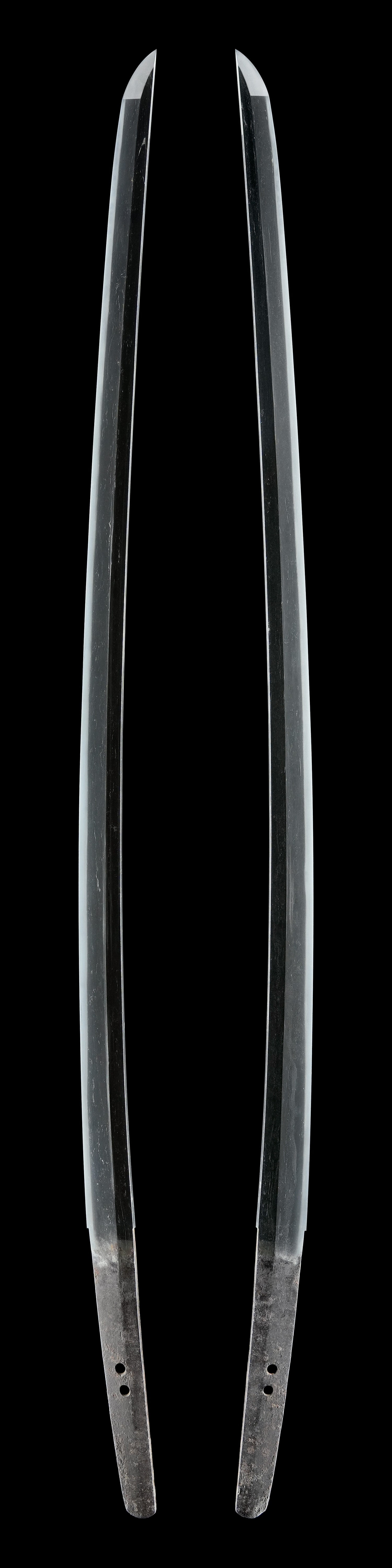
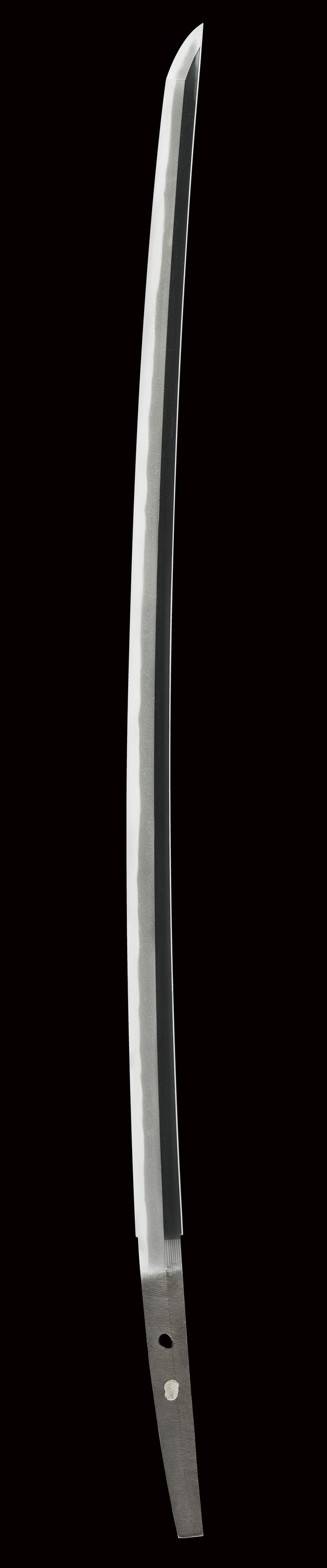
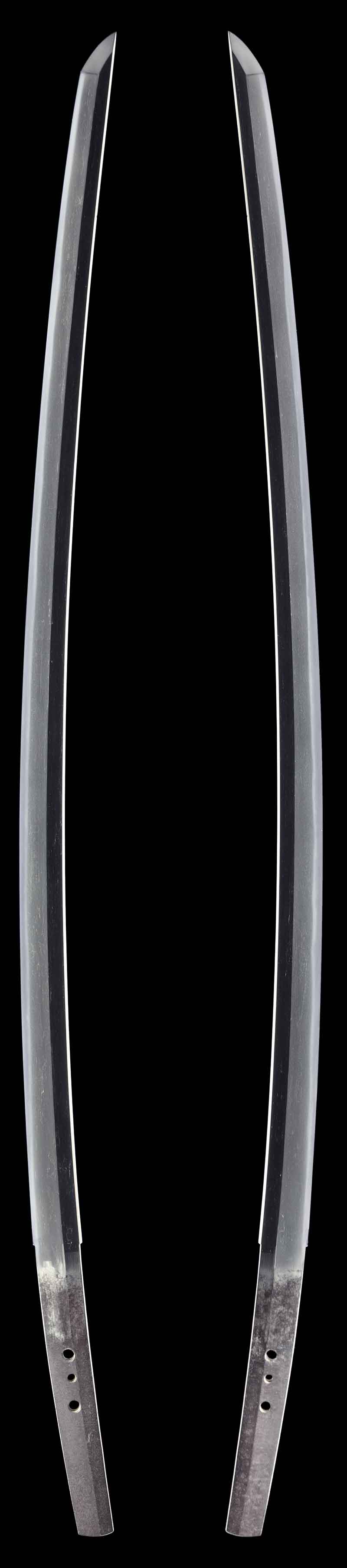
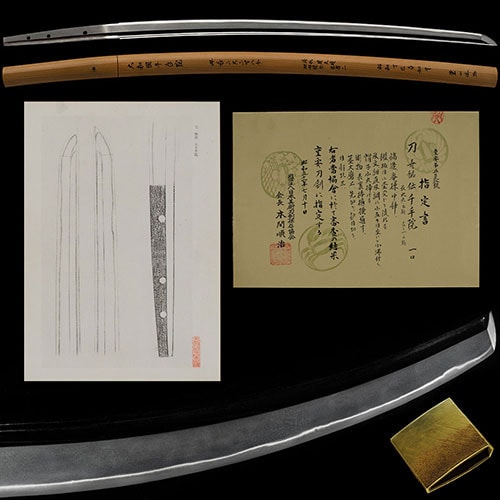
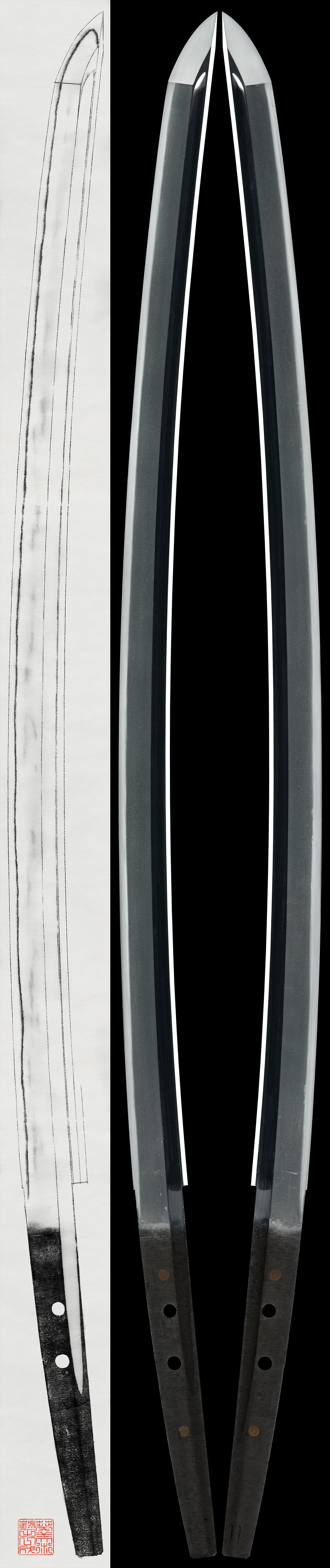
At the second session, in 1973, the designated a signed Bishu ju Masahiro, recording it as the blade of this name whose and are of the finest workmanship. Masahiro of in Bingo province stands with Masaie as one of the two representative smiths of Ko-, the collective name for the school's work from the end of through . "Masahiro is traditionally regarded as a son of Ko- Masaie", in other texts a pupil, yet the sources repeatedly invert the chronology: "judged from the workmanship, Masahiro reads older in style than Masaie", several signed being appraised as late work. The name itself is collective. The signature references list six smiths called Masahiro in Bingo, the recorded dates opening in Joji 3 (1364) and running through Shitoku, Kakei and Oei, and the Oei works are those of a second generation, recorded under its own entry. Extant dated blades are rare, only Shitoku and Oei examples being known, and the treats the name collectively, several generations under one attribution.

His manner is Yamato carried into Bingo steel. Bingo held many estates of the central temples, Toji and the Rengeoin among them, and the published sources read the style as the product of that exchange: -based work over a flowing . The sources separate him from Yamato proper in one recurring formula: "compared with works from Yamato proper, the of and is as a rule weaker, the forging stands out in moku, the whitish is conspicuous, the is a whose tends to tightness, and the turns back gently in a rounded manner". A pale rises in the on nearly half of his recorded works; his runs straight to a gentle return, often with , never to the that defines the Yamato schools; and his flows and stands without resolving into their full .

In detail the forging is mixed with moku and , standing in places, with very fine , entering finely, and patches of . Over it the is a medium or mixed with and , with and entering well; the frays into , and work through the , and the stays tight or subdued with thick rather than bright heavy . The work divides into two registers. The signed , mostly though several keep their , carry the in large slender-chisel characters: the first generation signs invariably Bishu ju (備州住) and never Bingo no ju, beside rarer three-character reading Masahiro (正広作) and two-character . The sanji- pieces read oldest; one has its recorded in the Ojakusho (往昔抄), the compendium of sword rubbings. Beside them stands the register, attributed by , several settled by attribution inscriptions rather than signatures; the examples run wide in with , one of them "originally a of nearly three ".

Within the one discipline distinct strains stand out. The dated Shitoku 1 (1384), a 79.6 cm blade with its nagamei intact, keeps the base but takes throughout, running hard along the upper half into niju and sanju-ba effects, and is singled out as "showing, within his oeuvre, a manner strong in the of and "; a later designation links a sanji- of the end to it by the and . The Oei work, read as the second generation, leans toward the neighbors. A of the years lines up round-topped that the sources liken to the Hokke Kaneyasu (法華兼安) of the province. The adjacency is old: the treatise Shinkan Hidensho already wrote that the school's face "resembles a ".

Against Masaie, the school's other master, the record draws the line through the . In Honma Junji's adjudication, "Masaie's is almost invariably an orderly , while Masahiro more often shows pieces with a degree of feeling and many activities within the ", the likewise not uniformly round but at times tending to midare or . The divides the two as well: "Masaie has many works with , while Masahiro shows comparatively many with a moderate ". The school's stream runs to the end of , and the deep-returning of his side is anchored by its celebrated blade, the O-, a designated Important Cultural Property, invoked for the strikingly deep turnback seen within his work.

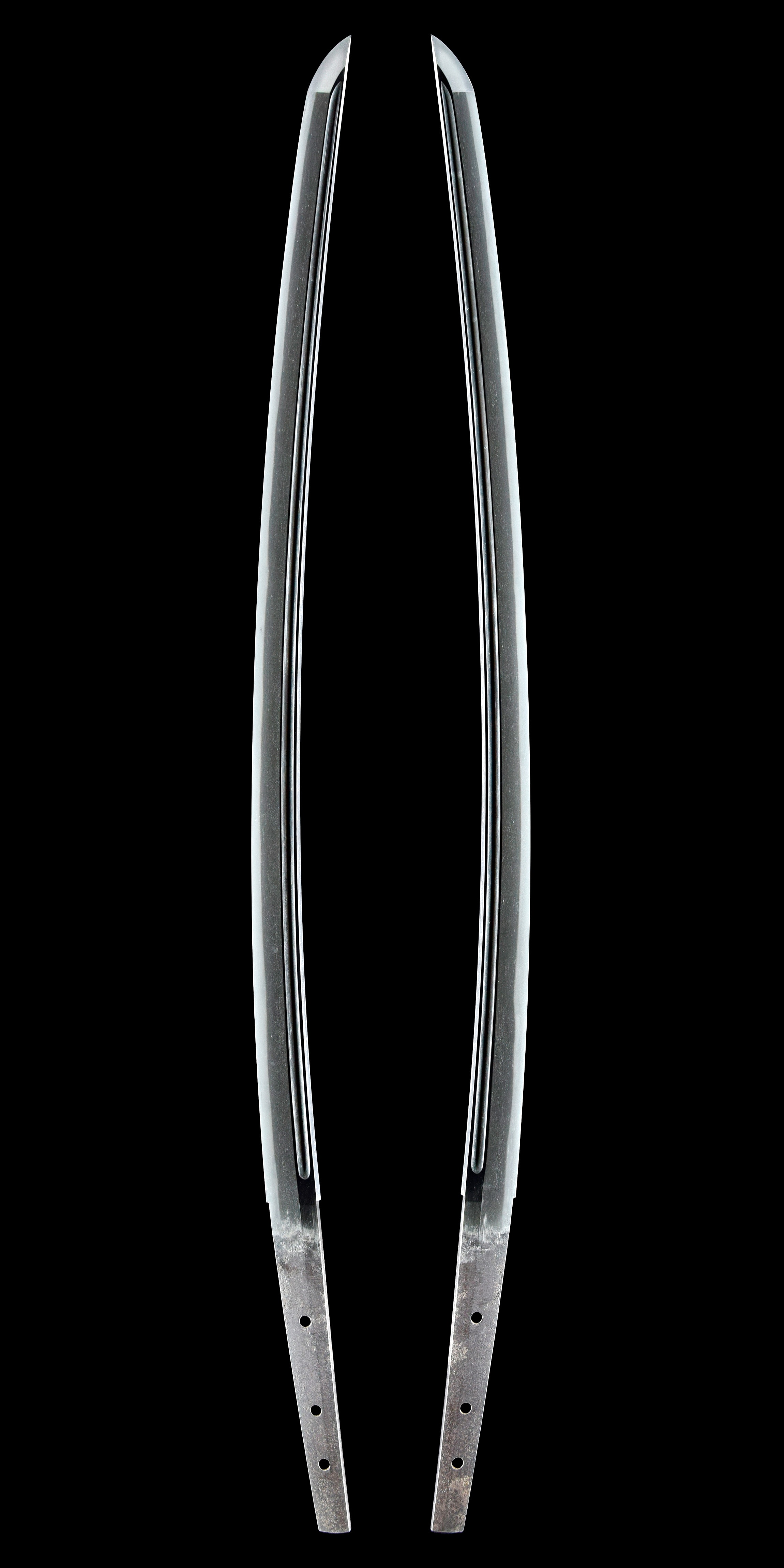
Fujishiro rates him Jo-jo . The official record carries thirty-five designated works: one Important Cultural Property, the O- itself, three , twenty-three and eight Bijutsuhin, twenty-four of them signed against seven , with four more carrying attribution inscriptions. Seven blades hold recorded provenance, among them a Jubi whose cut signature reads Bingo ju Masa (備後住正), passed from Prince Konoe Fumimaro to the Yomei Bunko, Kyoto, and another held by Asano no Kami. The Important Cultural Property is patrimony, permanently held; recorded institutional holders are the Tokyo National Museum, the Tsukamoto Museum and the Yomei Bunko, the rest in private hands. For the collector the realistic field is the twenty-six blades of the and tiers: not beyond reach in the way the great and names are, but coming to market only from time to time. The signed with the slender-chisel nagamei carry the chronology of the school; of one such the closes its notice praising not only the work but the unforced, gentle character of the signature itself.
Historical importance

Where Masahiro stands among comparable artisans: across all of nihontō, and within tradition, era, and period. The tiers (Foremost · Leading · Major · Notable) weigh official designations from the NBTHK and Japan's Agency for Cultural Affairs, together with historical honors of lasting repute such as the Sansaku and Meibutsu-chō.

随一
Foremost
屈指
Leading
有数
Major
著名
Notable

Select a lens to see how it's measured.

Designations

Kokuhō—
Jūyō Bunkazai1
Jūyō Bijutsuhin8
Gyobutsu—
Tokubetsu Jūyō3
Jūyō Tōken23

Elite Standing

Kantei

Dated Works

Provenance

Blade Forms

Distribution across 35 ranked works

Signatures

Signature types across 35 ranked works

Currently Available

Lineage

TeacherMasaie
Masahiro

Ko-Mihara School

Other artisans of the Ko-Mihara school

  1. 1.Masaie正家29designated
  2. 2.Kaneyasu兼安12designated
  3. 3.Masanobu正信2 for sale4designated
  4. 4.Tomoshige共重1designated
  5. 5.Yukiyoshi行吉1designated
  6. 6.Masahiro正廣2designated
  7. 7.Masamune正宗1designated
  8. 8.Masakiyo政清1designated

More from the Ko-Mihara school

View all →
Aoi Art
Tokuho
Katana - Tokuho - by Ko-Mihara School - Mumei (Komihara) - NBTHK Tokubetsu Hozon TokenKatana - Tokuho - by Ko-Mihara School - Mumei (Komihara) - NBTHK Tokubetsu Hozon Token

Katana

ByKo-Mihara School
¥950,000
Toushin
Jūyō
Katana - Jūyō - by Ko-Mihara School - Mumei (Komihara)Katana - Jūyō - by Ko-Mihara School - Mumei (Komihara)

Katana

ByKo-Mihara School
Ask
Kanda Toukodo
Tokuho
Katana - Tokuho - by Ko-Mihara School - Mumei (Ko-Mihara)Katana - Tokuho - by Ko-Mihara School - Mumei (Ko-Mihara)

Katana

ByKo-Mihara School
¥850,000
Toushin
Tokuho
Katana - Tokuho - by Ko-Mihara Masanobu - Mihara Masanobu - MumeiKatana - Tokuho - by Ko-Mihara Masanobu - Mihara Masanobu - Mumei

Katana

ByKo-Mihara Masanobu
¥698,500
Eirakudo
Tokuho
Katana - Tokuho - by Ko-Mihara Masanobu - Mihara Masanobu Katana - Tokubetsu Hozon TokenKatana - Tokuho - by Ko-Mihara Masanobu - Mihara Masanobu Katana - Tokubetsu Hozon Token

Katana

ByKo-Mihara Masanobu
¥1,200,000
Nihonto Australia
Tokuho
Katana - Tokuho - by Ko-Mihara School - Kamakura Ko Mihara Katana with Tokubetsu Hozon CertificateKatana - Tokuho - by Ko-Mihara School - Kamakura Ko Mihara Katana with Tokubetsu Hozon Certificate
Koshirae

Katana

ByKo-Mihara School
Ask
Nipponto
Tokuho
Katana - Tokuho - by Ko-Mihara Kageshige - Katana by Bishu Kageshige, Tokubetsu HozonKatana - Tokuho - by Ko-Mihara Kageshige - Katana by Bishu Kageshige, Tokubetsu Hozon

Katana

ByKo-Mihara Kageshige
¥750,000

More from the Mihara school

View all →
World Seiyudo
Tokuho
Katana - Tokuho - by Hokke School - Mumei Hokke Kaneyasu (Wazamono) - NBTHK Tokubetsu Hozon TokenKatana - Tokuho - by Hokke School - Mumei Hokke Kaneyasu (Wazamono) - NBTHK Tokubetsu Hozon Token

Katana

ByHokke School
¥2,800,000
Token Oranda
Hozon
Katana - Hozon - by Mihara School - Mumei Mihara - NBTHK Hozon, Muromachi Period (1450-1500 AD)Katana - Hozon - by Mihara School - Mumei Mihara - NBTHK Hozon, Muromachi Period (1450-1500 AD)

Katana

ByMihara School
¥1,700
Touken Komachi
Tokuho
Katana - Tokuho - by Hokke School - Mumei (attributed to Hokke)Katana - Tokuho - by Hokke School - Mumei (attributed to Hokke)

Katana

ByHokke School
¥850,000
Toyuukai
Hozon
Katana - Hozon - by Hokke School - Mumei (Hokke) - NBTHK Hozon CertificateKatana - Hozon - by Hokke School - Mumei (Hokke) - NBTHK Hozon Certificate
Koshirae

Katana

ByHokke School
¥600,000
Aoi Art
Hozon
Katana - Hozon - by Hokke School - Mumei attributed as Hokke school.Katana - Hozon - by Hokke School - Mumei attributed as Hokke school.

Katana

ByHokke School
¥750,000
Nihonto Australia
Jūyō
Katana - Jūyō - by Kokubunji Sukekuni - Kokubunji Sukekuni - Juyo TokenKatana - Jūyō - by Kokubunji Sukekuni - Kokubunji Sukekuni - Juyo Token
Koshirae

Katana

ByKokubunji Sukekuni
Ask
Toushin
Tokuho
Katana - Tokuho - by Kokubunji Sukekuni - Kokubunji Sukekuni - Mumei (Attributed)Katana - Tokuho - by Kokubunji Sukekuni - Kokubunji Sukekuni - Mumei (Attributed)

Katana

ByKokubunji Sukekuni
¥2,970,000
Toushin
Hozon
Katana - Hozon - by Hokke School - Mumei (Hokke)Katana - Hozon - by Hokke School - Mumei (Hokke)

Katana

ByHokke School
¥396,000

More from the Yamato tradition

View all →
Samurai Nippon
Jūyō
Katana - Jūyō - by Taima School - Taima (Mumei)Katana - Jūyō - by Taima School - Taima (Mumei)
Koshirae

Katana

ByTaima School
¥4,300,000
Eirakudo
Tokuho
Katana - Tokuho - by Taima School - Taima - Tokubetsu Hozon TokenKatana - Tokuho - by Taima School - Taima - Tokubetsu Hozon Token

Katana

ByTaima School
¥1,800,000
Tsuruginoya
Jūyō
Katana - Jūyō - by Tegai Kanenaga - Tegai KanenagaKatana - Jūyō - by Tegai Kanenaga - Tegai Kanenaga
Koshirae

Katana

ByTegai Kanenaga
Ask
Goushuya
Tokujū
Katana - Tokuju - by Satsuma Yasuyo - Tokubetsu Juyo Token (One-Leaf Aoi Mon) Katana by Shumasu Ippei Fujiwara Ason Yasuyo, Made in Satsuma Province, Kirei-gun, on a Lucky Day in March, Kyoho 12Katana - Tokuju - by Satsuma Yasuyo - Tokubetsu Juyo Token (One-Leaf Aoi Mon) Katana by Shumasu Ippei Fujiwara Ason Yasuyo, Made in Satsuma Province, Kirei-gun, on a Lucky Day in March, Kyoho 12

Katana

BySatsuma Yasuyo
Ask
Bushido Antique Japanese Swords
Jūyō
Katana - Jūyō - by Shikkake Norinaga - Shikkake Norinaga Juyo TokenKatana - Jūyō - by Shikkake Norinaga - Shikkake Norinaga Juyo Token

Katana

ByShikkake Norinaga
¥42,000
Eirakudo
Jūyō
Katana - Jūyō - by Senjuin School - Senjuin - Juyo TokenKatana - Jūyō - by Senjuin School - Senjuin - Juyo Token

Katana

BySenjuin School
¥3,500,000
Choshuya
Jūyō
Katana - Jūyō - by Satsuma Masakiyo - Mondo no Kami MasakiyoKatana - Jūyō - by Satsuma Masakiyo - Mondo no Kami Masakiyo

Katana

BySatsuma Masakiyo
¥10,000,000
Touken Komachi
Tokuho
Wakizashi - Tokuho - by Tegai School - Wakizashi with Shirasaya and KoshiraeWakizashi - Tokuho - by Tegai School - Wakizashi with Shirasaya and Koshirae
Koshirae

Wakizashi

ByTegai School
¥450,000

Masahiro

Masahiro(正廣) was a Japanese swordsmith of the Ko-Mihara school in Bingo province, active during the Teiji (1362-1368) ND period.

The work follows the Yamato-den tradition.

Designated works by Masahiro include 1 Jūyō Bunkazai (Important Cultural Property), 3 Tokubetsu Jūyō, 23 Jūyō.