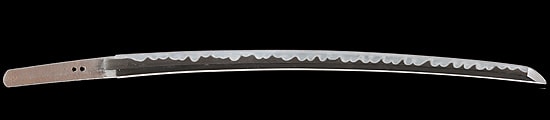
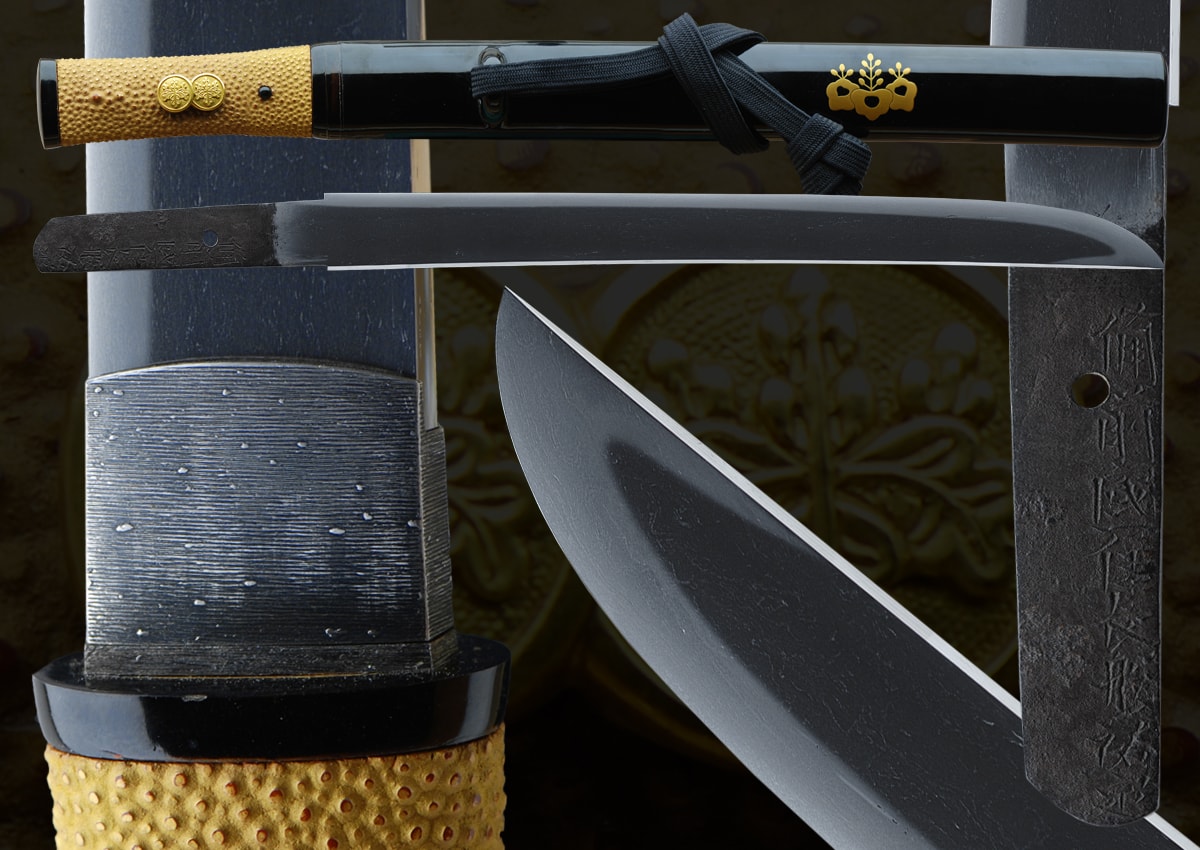
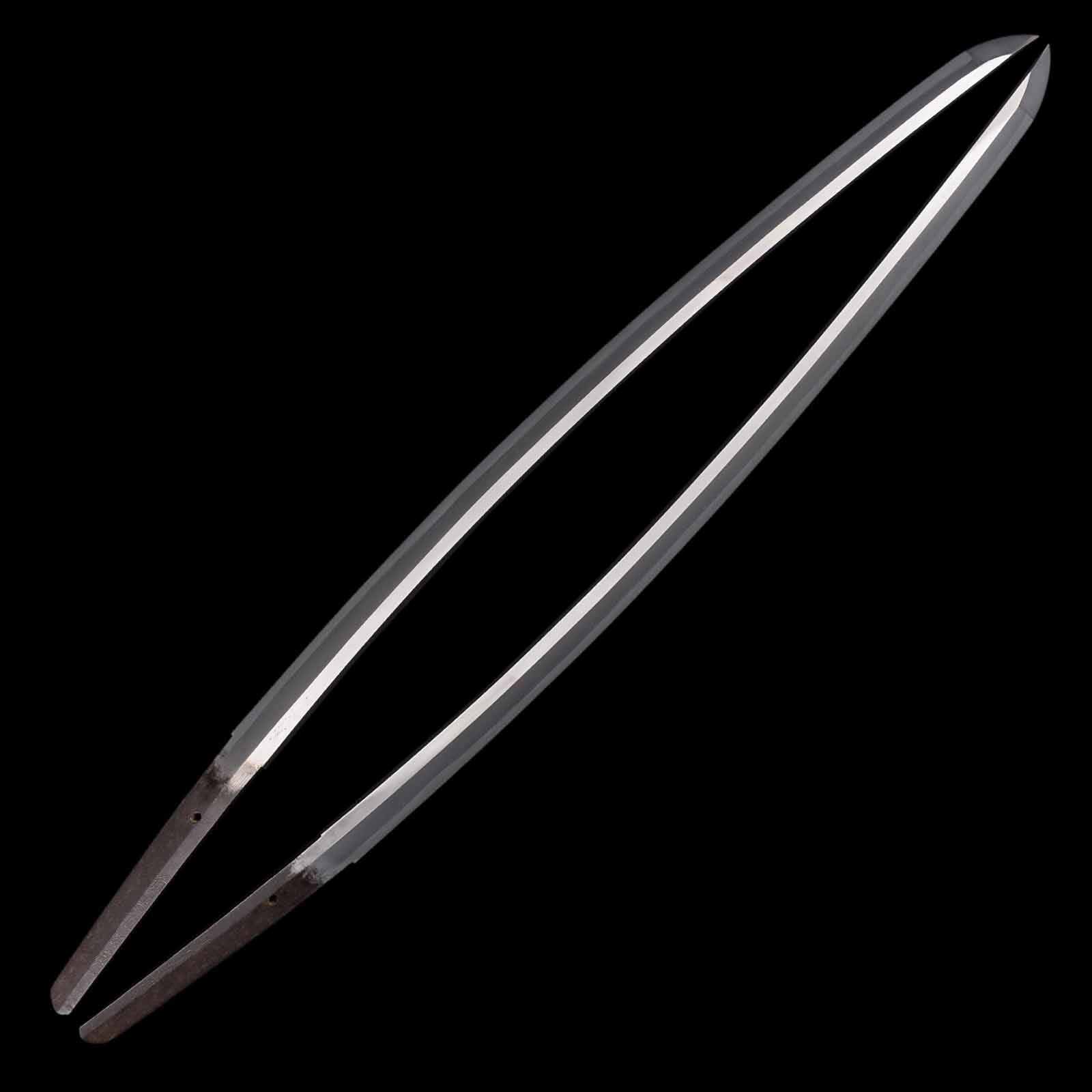
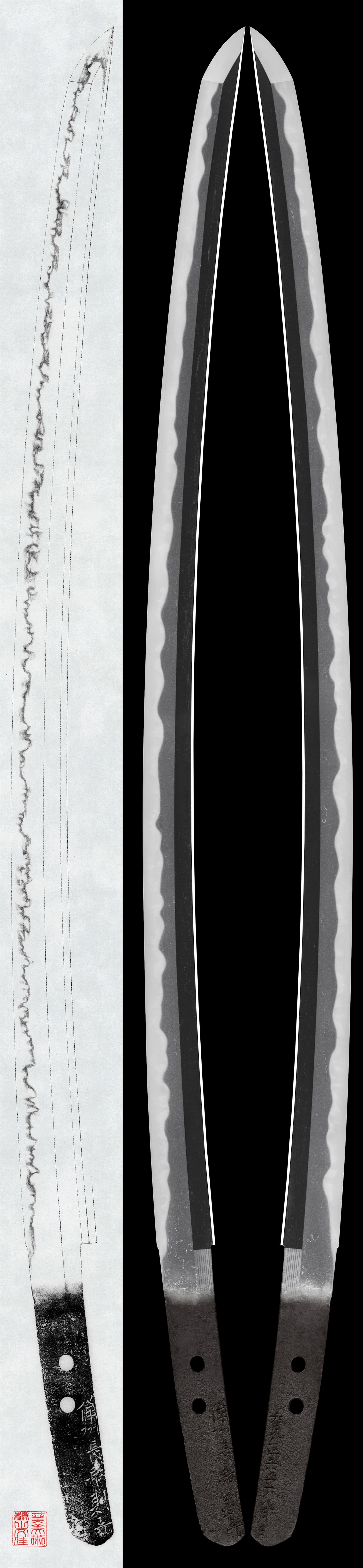
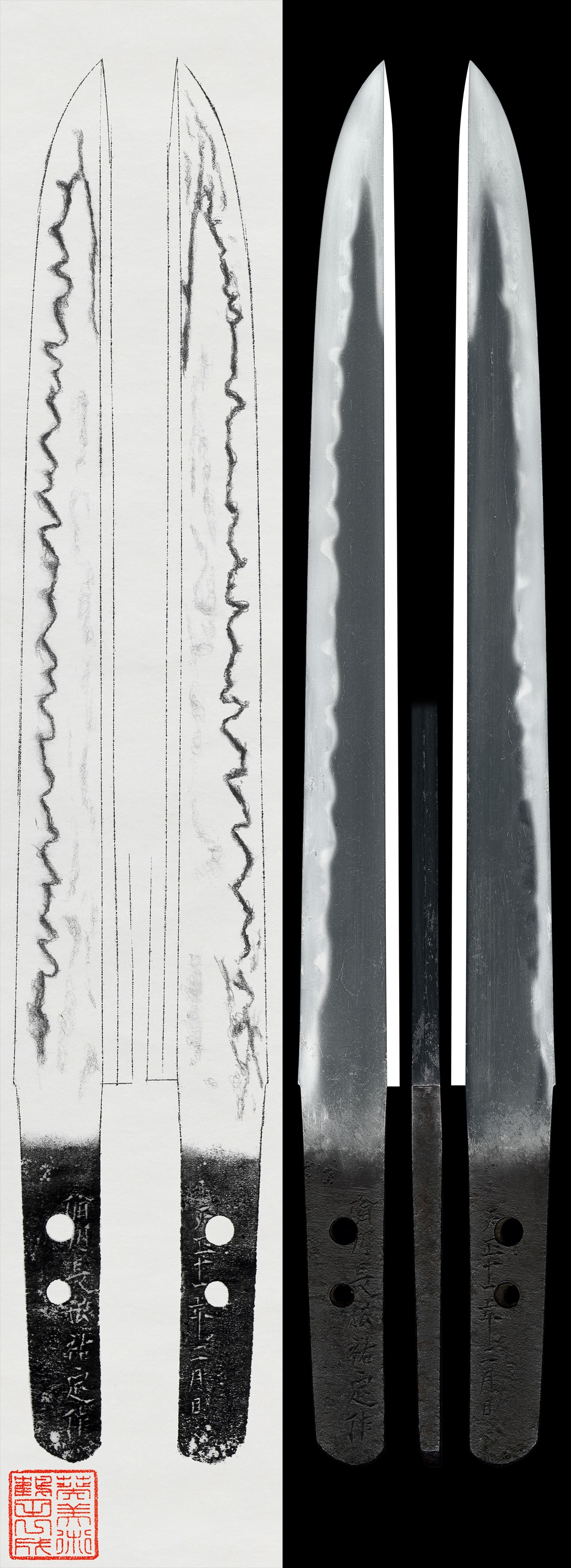
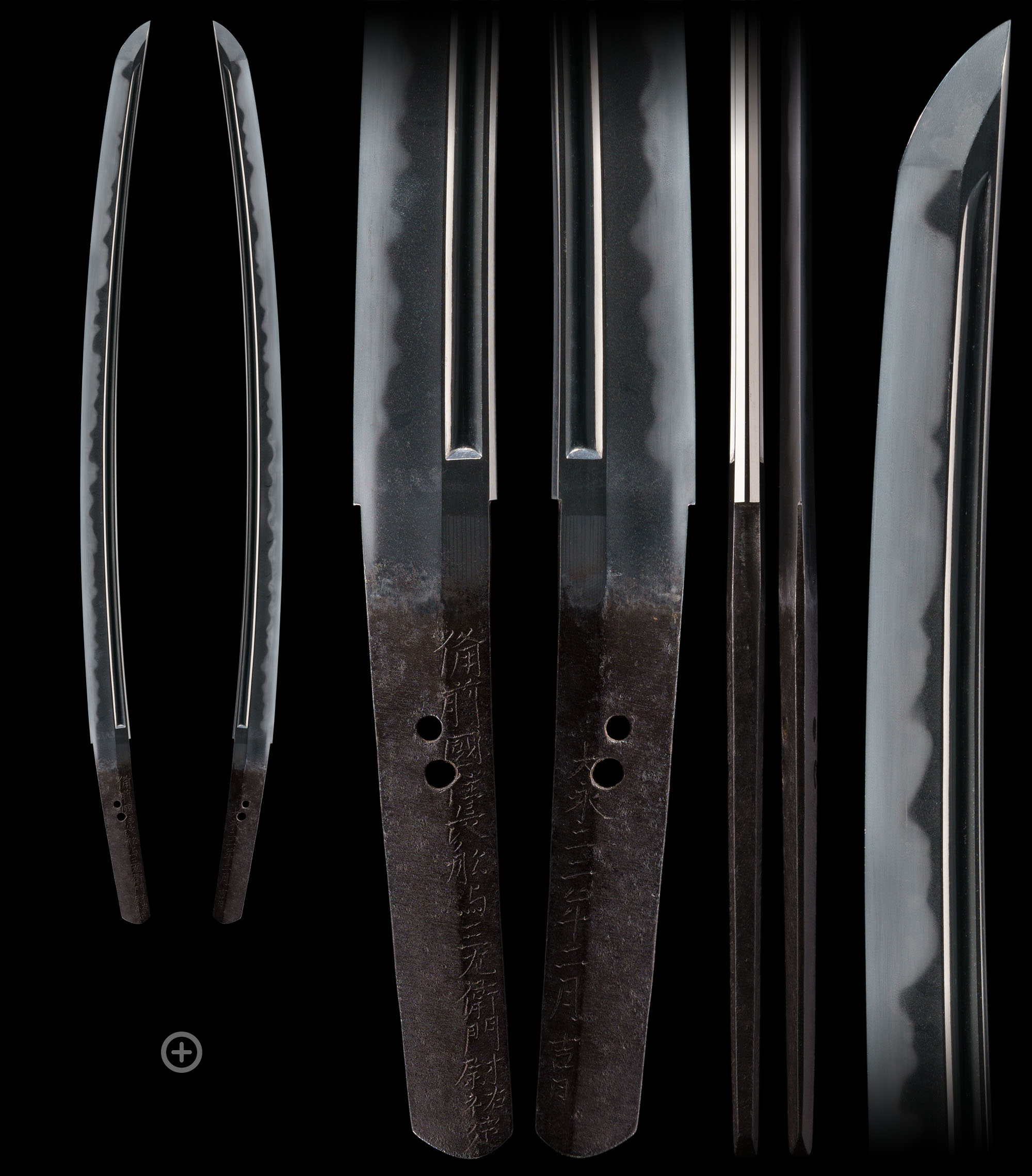
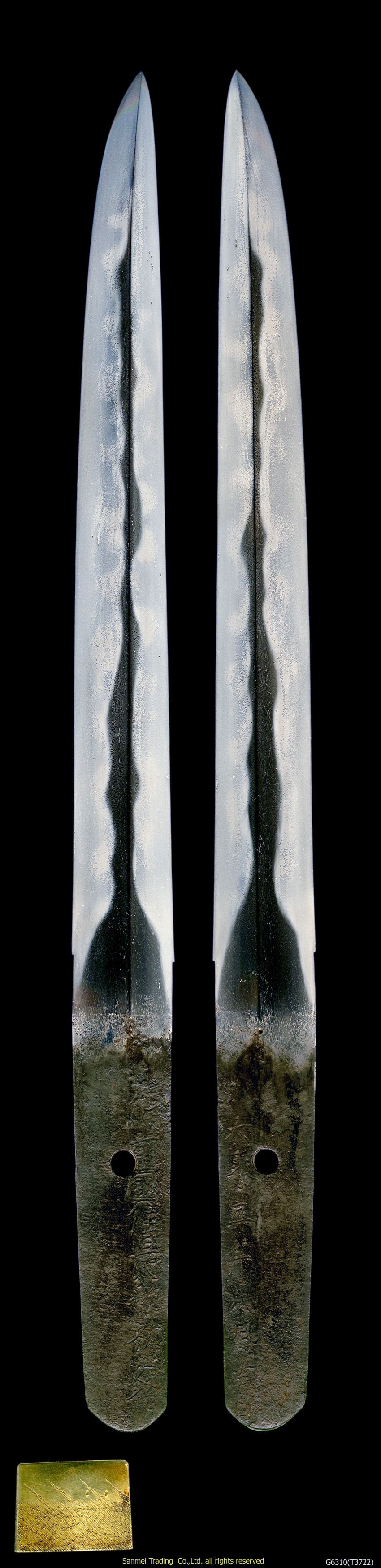
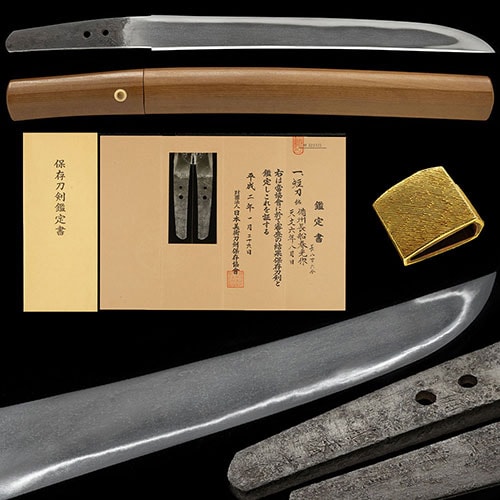
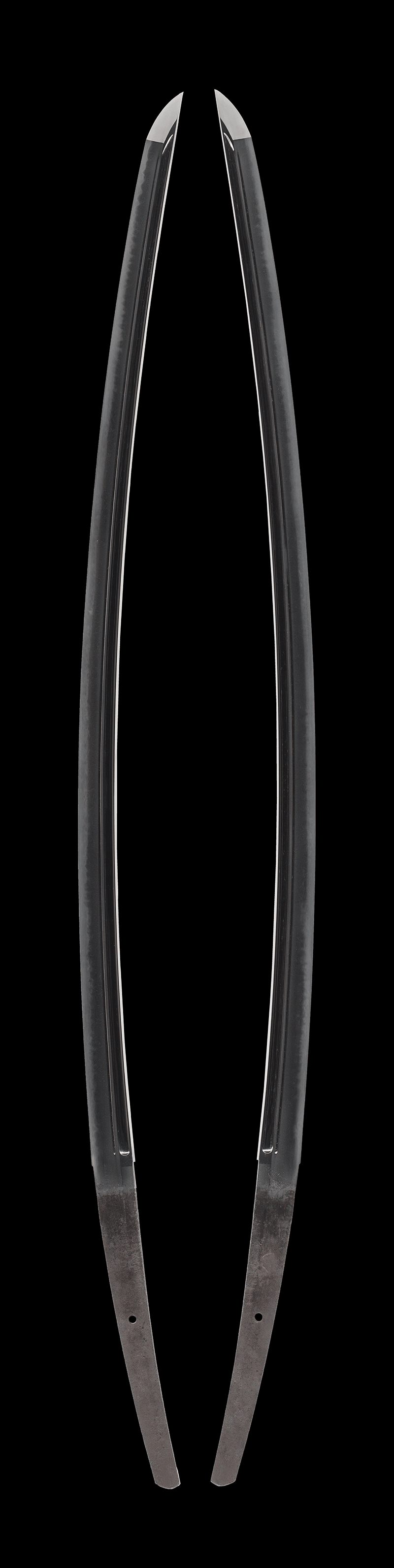
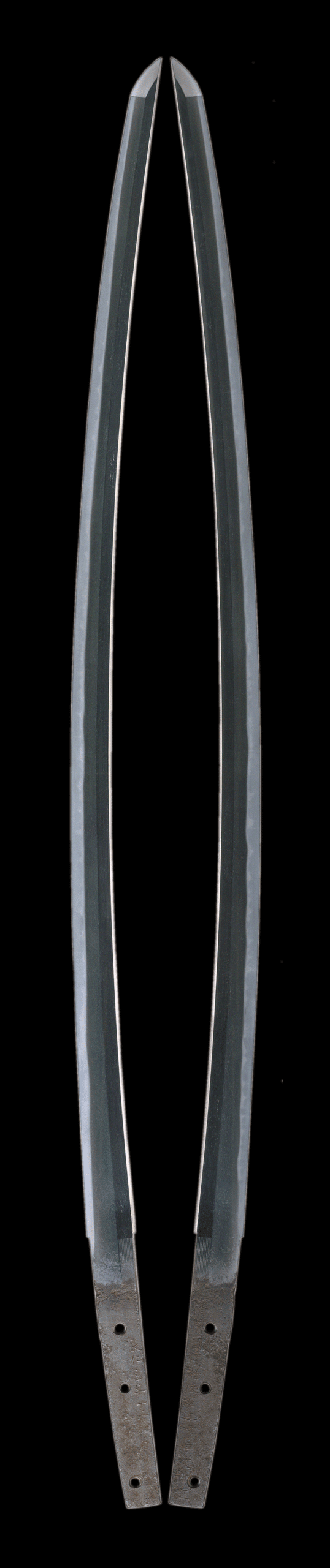
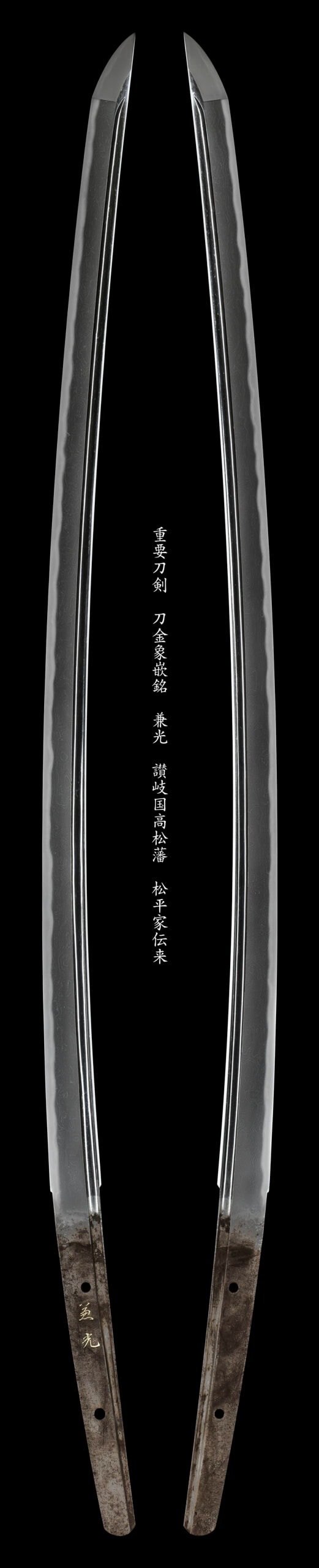
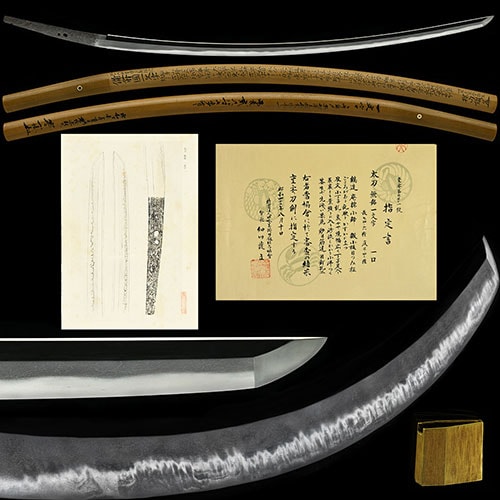
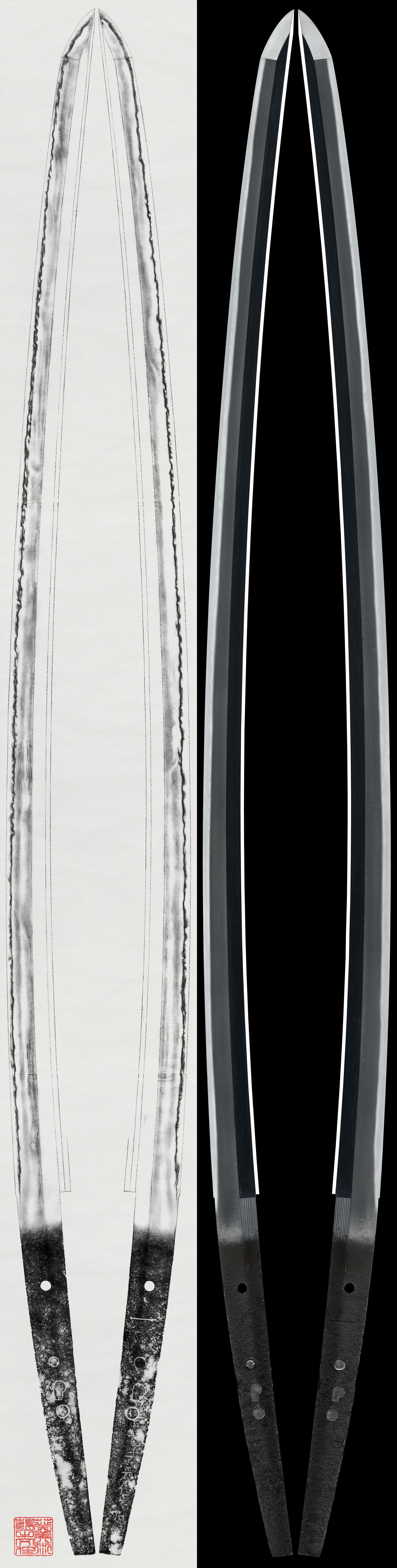
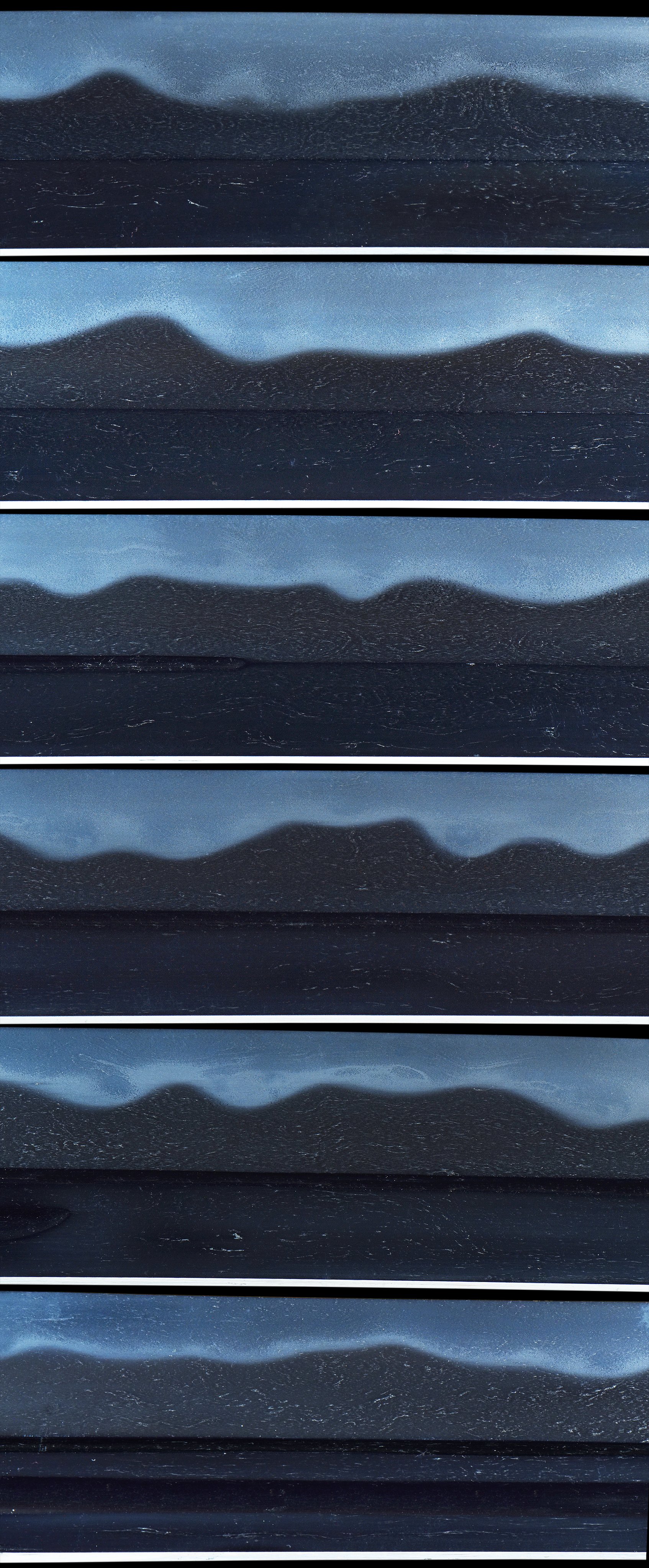
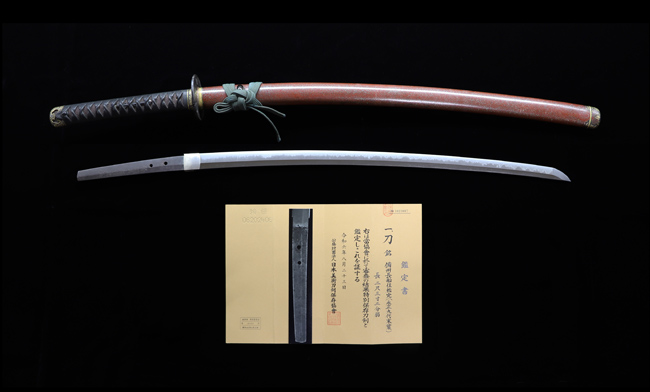
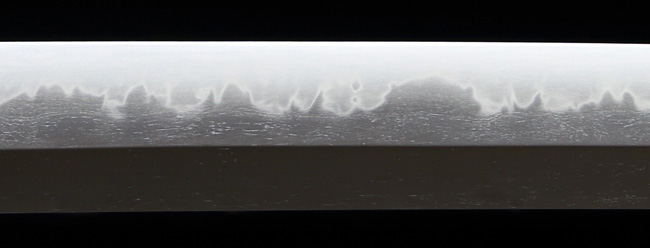
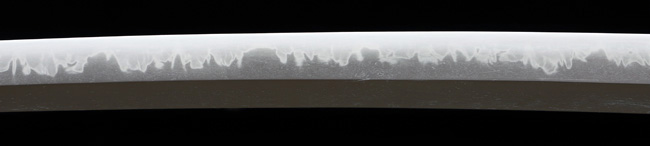
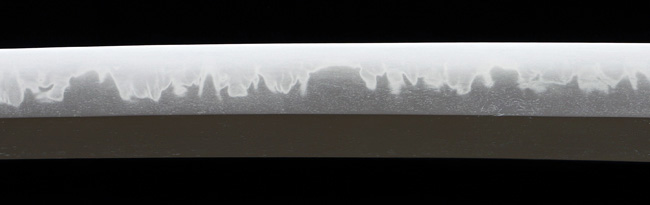
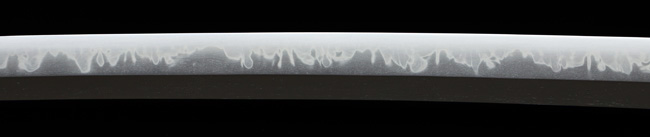
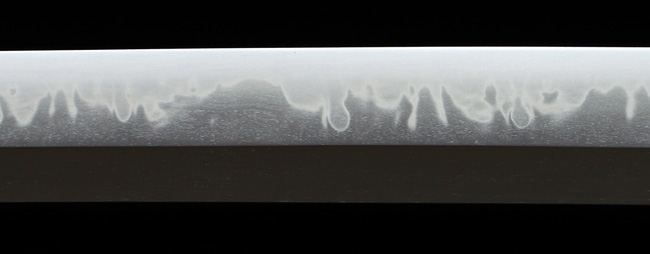
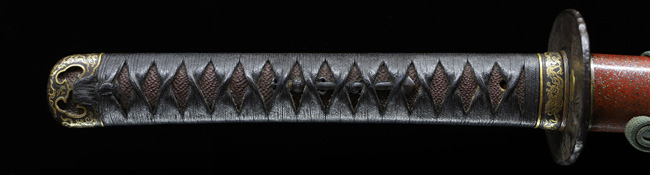
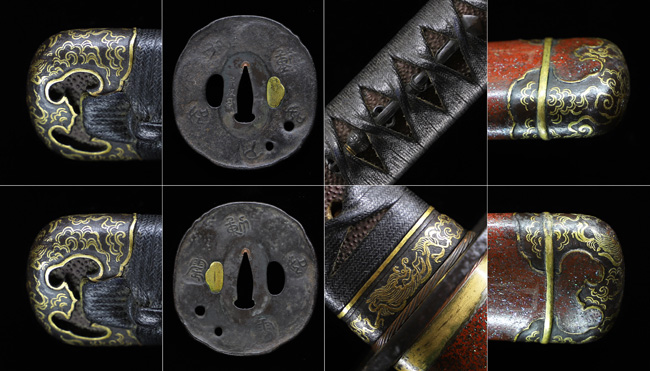
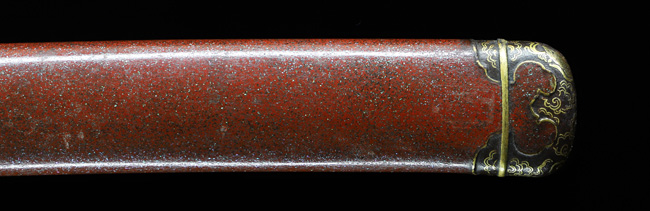
This is a magnificent katana by Sukesada of Bishu Osafune, representing the 9th generation of the Eisho period. It is a robust blade with a wide mihaba and an extended chu-kissaki, featuring a vibrant hamon of gunome and choji. Certified as Tokubetsu Hozon by the NBTHK, it is a masterpiece that combines the allure of both koto and shinto styles.
 NihontoWatchBETA
mei · Osafune · Keicho (1596-1615) · nagasa 70.3cm · sori 1.5cm





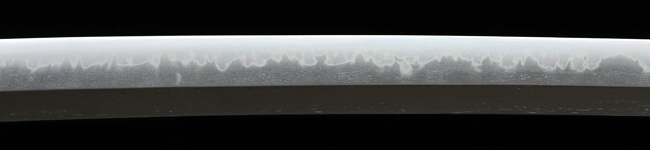
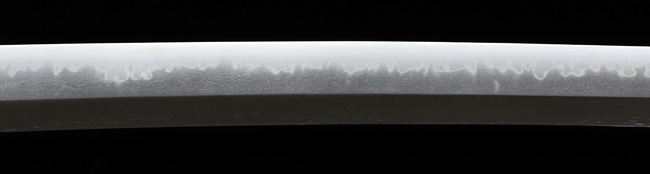
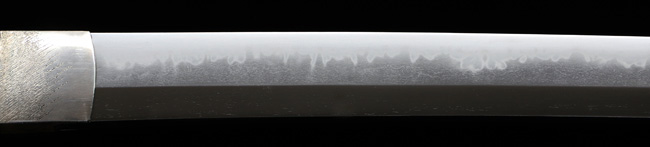
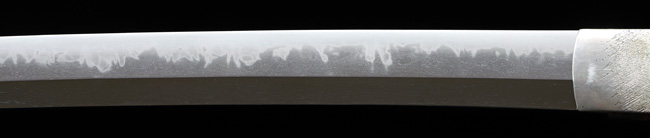


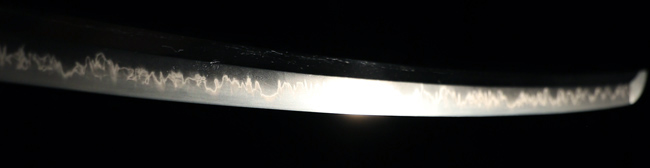
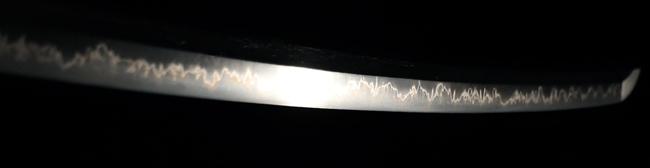
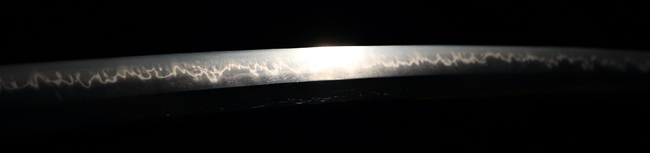
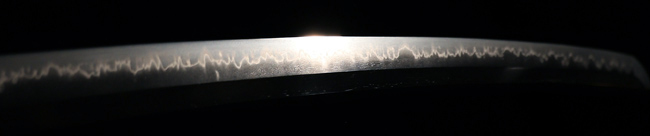

Bizen-den · Bizen · around 1596-1615
5 pieces on the market now
Where Sukesada stands among comparable artisans: across all of nihontō, and within tradition, era, and period. The tiers (Foremost · Leading · Major · Notable) weigh official designations from the NBTHK and Japan's Agency for Cultural Affairs, together with historical honors of lasting repute such as the Sansaku and Meibutsu-chō.
Select a lens to see how it's measured.
Years he was demonstrably active, proven by signed-and-dated blades
Bizen-den · Bizen
Phase: Sue-Bizen末備前· 1441–1596
71 pieces on the market now
The last great chapter of Osafune unfolds in the Eisho and Tenbun years of the late Muromachi, when the riverside workshop turned its accumulated craft toward an age of constant war. Where Oei-Bizen had looked backward, reviving the tachi shape and the choji temper of the Kamakura masters under Yasumitsu and Morimitsu, Sue-Bizen faces forward into Sengoku demand. Learn more →
| Smith | Era | Designated |
|---|---|---|
| Sukesada祐定 | 1504-1551 | 72 |
| Sukesada祐定 | 1532-1583 | 18 |
| Sukesada祐定 | 1547-1592 | 8 |
| Sukesada祐定 | 1487-1521 | 5 |
| Sukesada祐定 | 1532-1573 | 3 |
A Hozon-certified blade judged to show notably superior workmanship and a better state of preservation. The bar is higher: re-tempered blades and most unsigned Muromachi/Edo works are excluded.
The NBTHK (Nihon Bijutsu Tōken Hozon Kyōkai, the Society for the Preservation of Japanese Art Swords) is a public-interest incorporated foundation founded in 1948 and supervised by Japan’s Agency for Cultural Affairs (Bunkachō); it is based at the Japanese Sword Museum in Tokyo. Its expert panels physically examine each submitted work (shinsa) and issue a certificate (kanteishō) ranking it by artistic and historical merit. NBTHK papers are the most widely recognized standard of authentication for Japanese swords and fittings.
NBTHK official siteWe accept returns within 3 days counted from the item's arrival date. Items that have been altered cannot be handled. Return shipping is the customer's responsibility. If the destination is overseas, returns are as a rule not possible.
This is a magnificent katana by Sukesada of Bishu Osafune, representing the 9th generation of the Eisho period. It is a robust blade with a wide mihaba and an extended chu-kissaki, featuring a vibrant hamon of gunome and choji. Certified as Tokubetsu Hozon by the NBTHK, it is a masterpiece that combines the allure of both koto and shinto styles.
NihontoWatchBETAmei · Osafune · Keicho (1596-1615) · nagasa 70.3cm · sori 1.5cm
Bizen-den · Bizen · around 1596-1615
5 pieces on the market now
Where Sukesada stands among comparable artisans: across all of nihontō, and within tradition, era, and period. The tiers (Foremost · Leading · Major · Notable) weigh official designations from the NBTHK and Japan's Agency for Cultural Affairs, together with historical honors of lasting repute such as the Sansaku and Meibutsu-chō.
Select a lens to see how it's measured.
Years he was demonstrably active, proven by signed-and-dated blades
Bizen-den · Bizen
Phase: Sue-Bizen末備前· 1441–1596
71 pieces on the market now
The last great chapter of Osafune unfolds in the Eisho and Tenbun years of the late Muromachi, when the riverside workshop turned its accumulated craft toward an age of constant war. Where Oei-Bizen had looked backward, reviving the tachi shape and the choji temper of the Kamakura masters under Yasumitsu and Morimitsu, Sue-Bizen faces forward into Sengoku demand. Learn more →
| Smith | Era | Designated |
|---|---|---|
| Sukesada祐定 | 1504-1551 | 72 |
| Sukesada祐定 | 1532-1583 | 18 |
| Sukesada祐定 | 1547-1592 | 8 |
| Sukesada祐定 | 1487-1521 | 5 |
| Sukesada祐定 | 1532-1573 | 3 |
A Hozon-certified blade judged to show notably superior workmanship and a better state of preservation. The bar is higher: re-tempered blades and most unsigned Muromachi/Edo works are excluded.
The NBTHK (Nihon Bijutsu Tōken Hozon Kyōkai, the Society for the Preservation of Japanese Art Swords) is a public-interest incorporated foundation founded in 1948 and supervised by Japan’s Agency for Cultural Affairs (Bunkachō); it is based at the Japanese Sword Museum in Tokyo. Its expert panels physically examine each submitted work (shinsa) and issue a certificate (kanteishō) ranking it by artistic and historical merit. NBTHK papers are the most widely recognized standard of authentication for Japanese swords and fittings.
NBTHK official siteWe accept returns within 3 days counted from the item's arrival date. Items that have been altered cannot be handled. Return shipping is the customer's responsibility. If the destination is overseas, returns are as a rule not possible.