Around 1800 Suishinshi Masahide argued in his writings that the craft must return to the old masters’ methods: the fukkotō revival. His greatest successor Naotane worked convincingly in Bizen and Sōshū manners that had been dead for centuries.
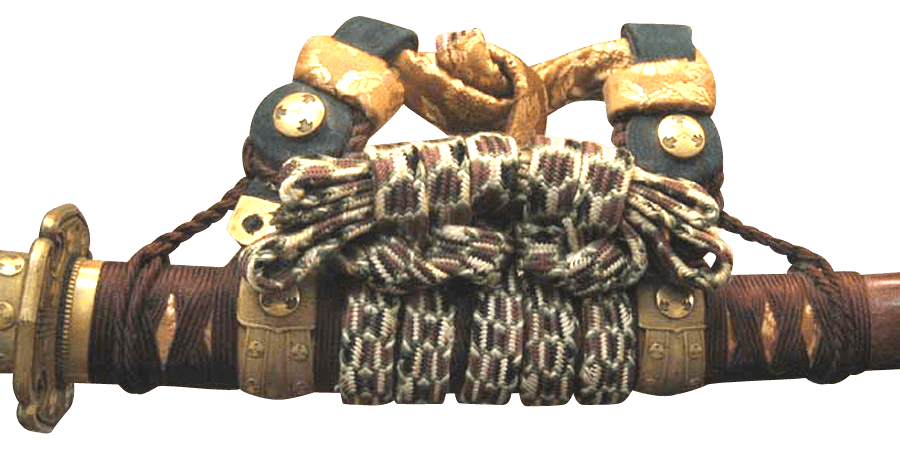
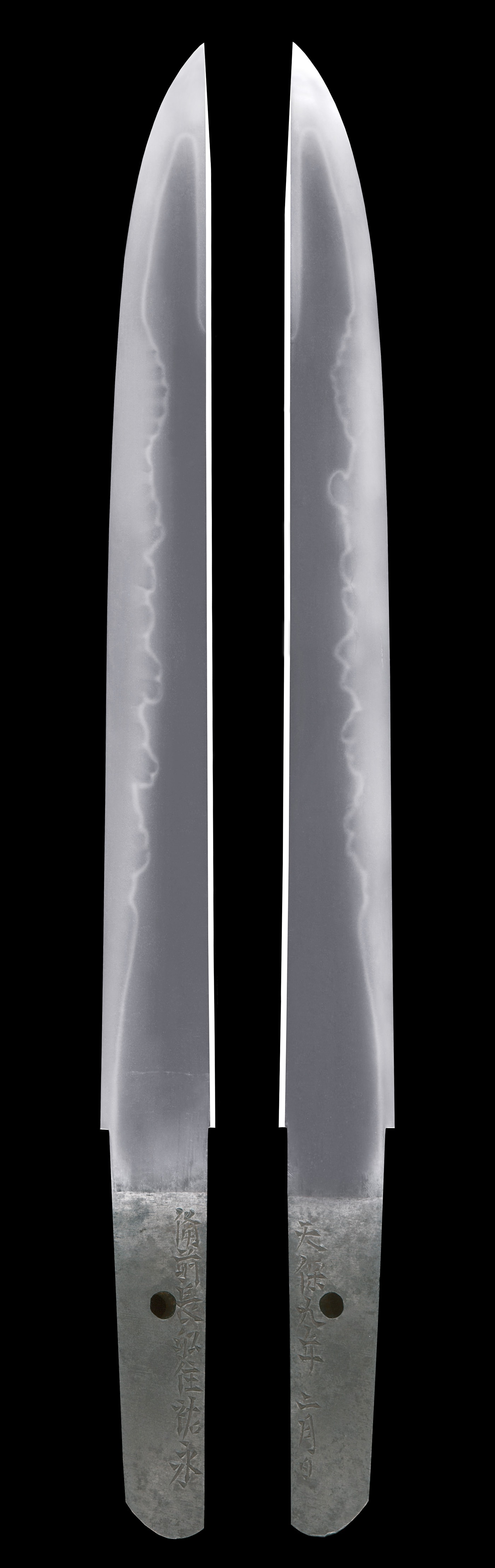
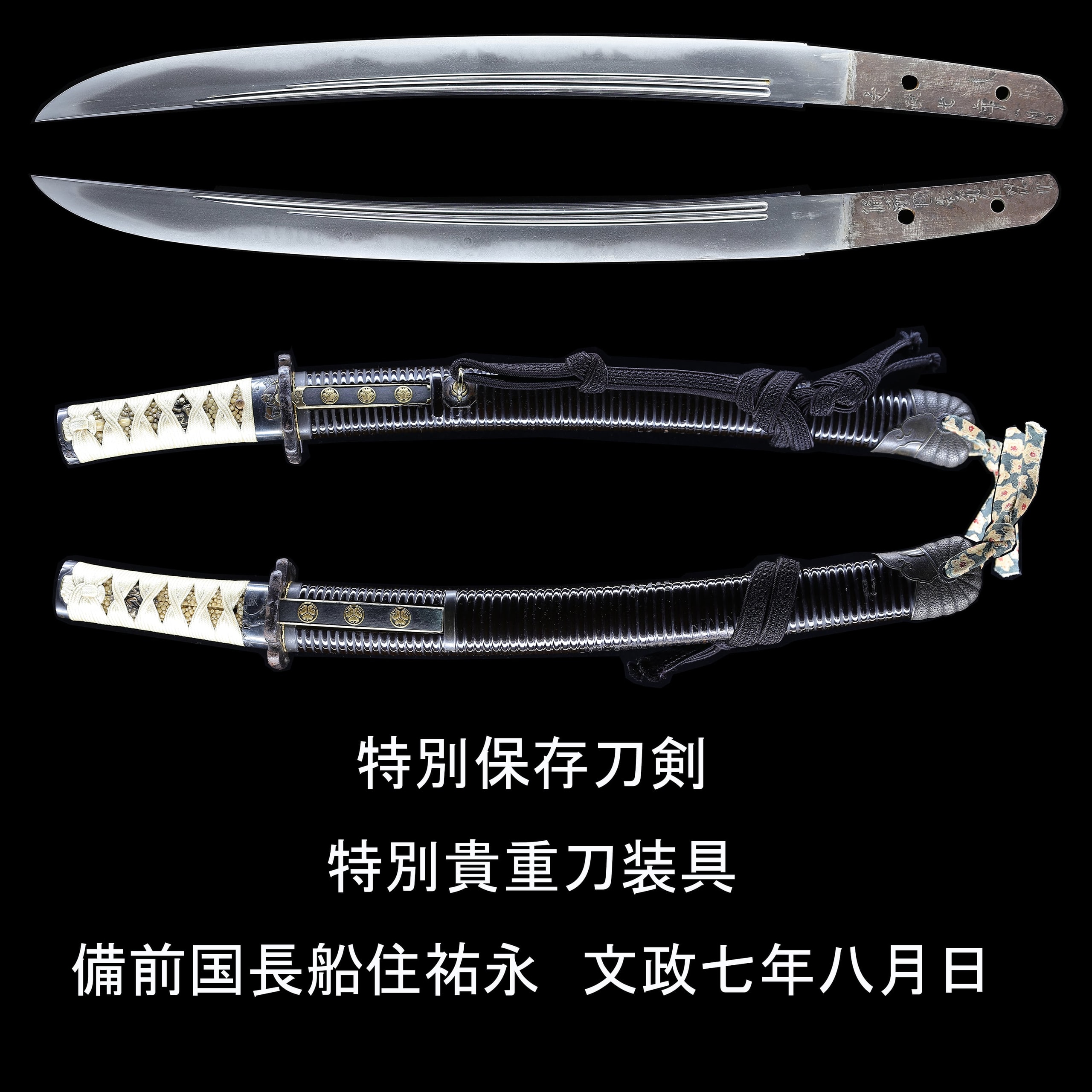
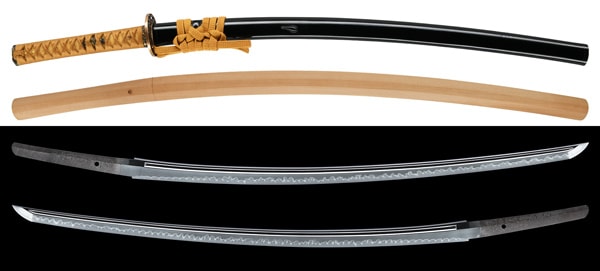
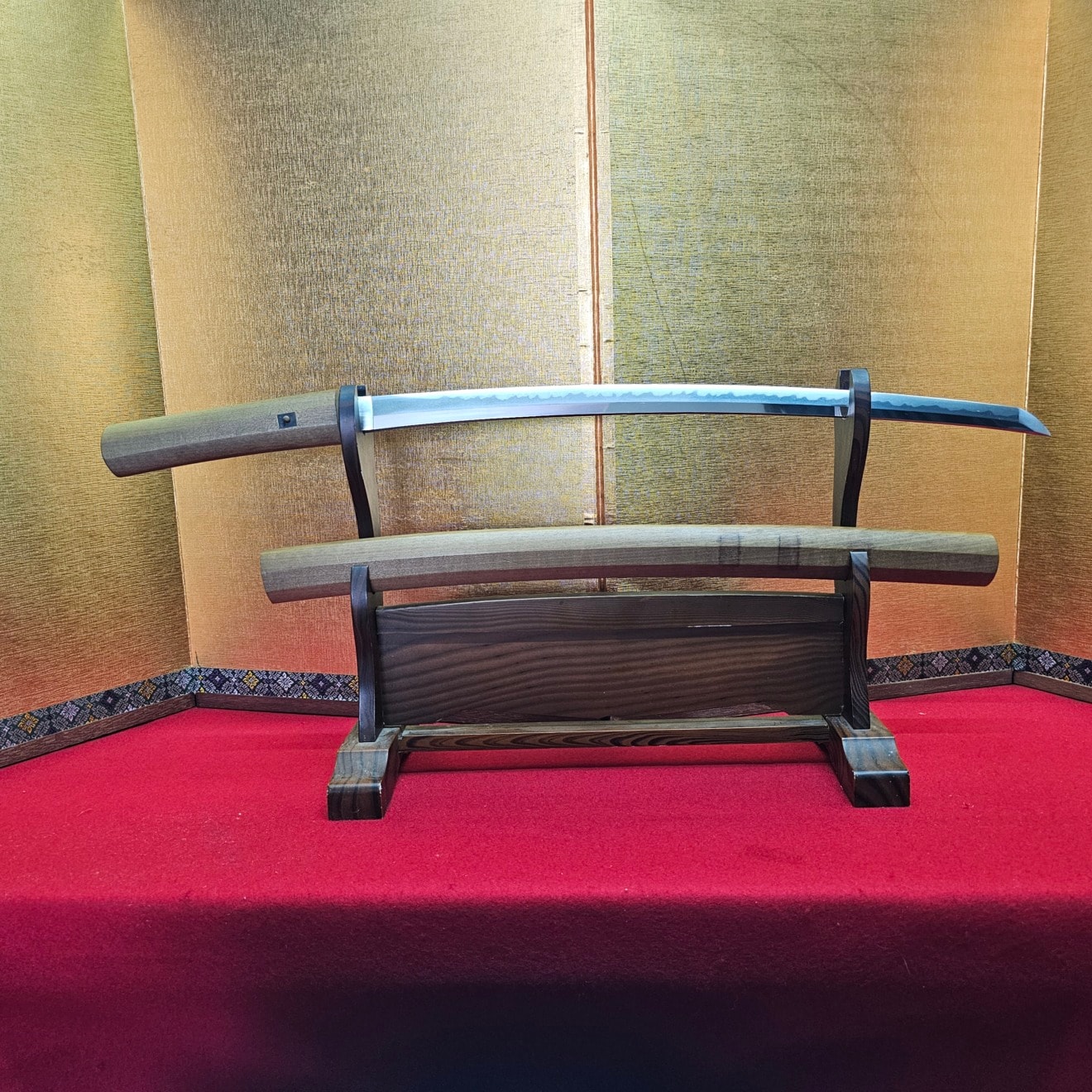
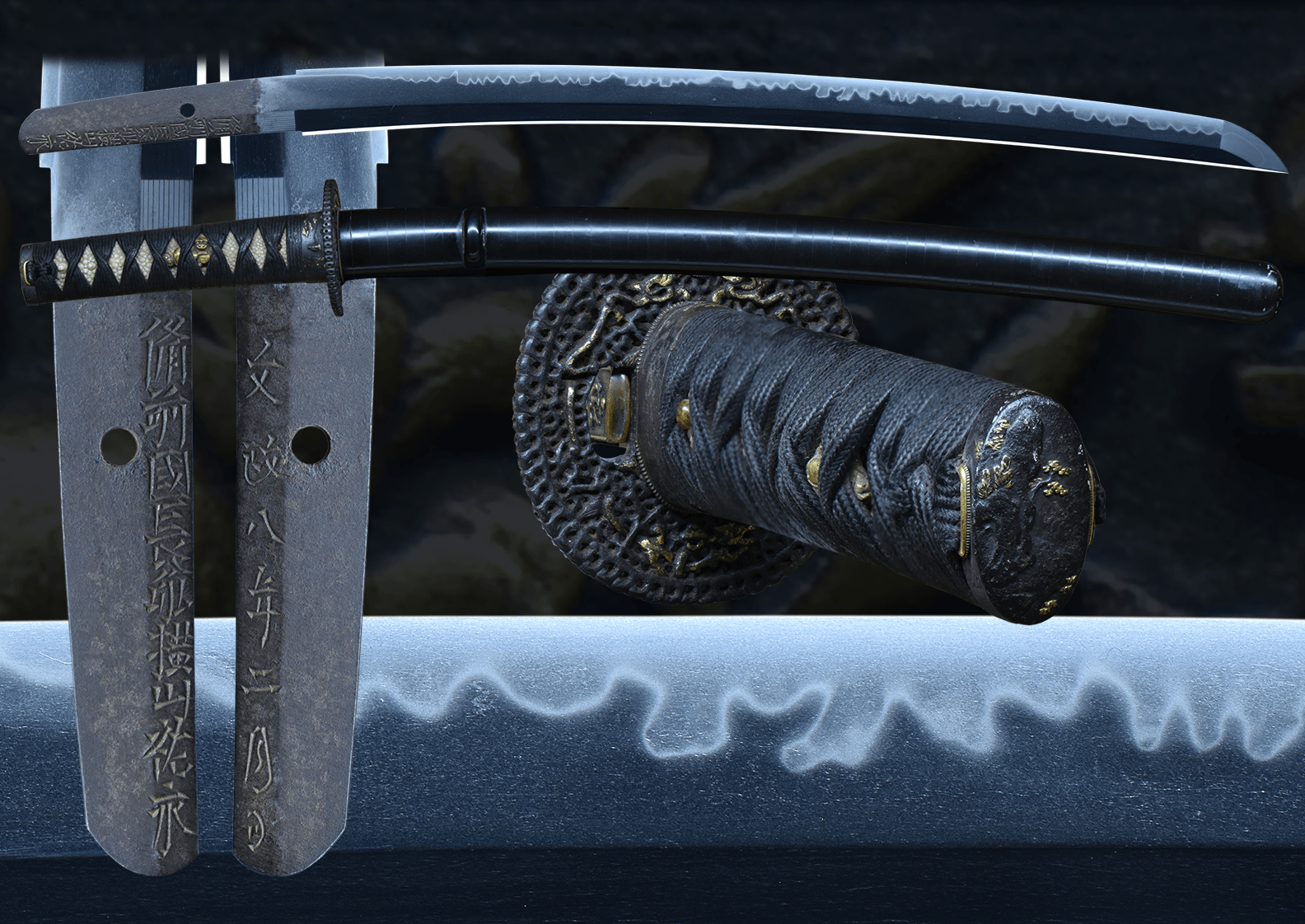
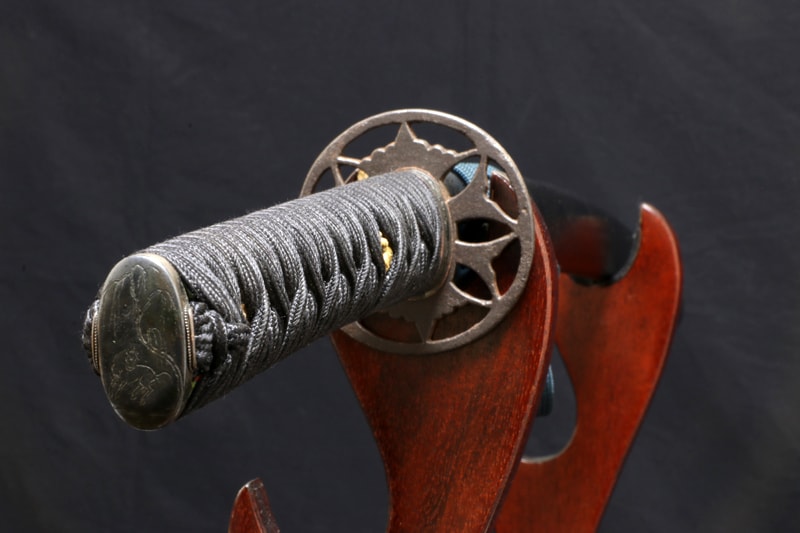
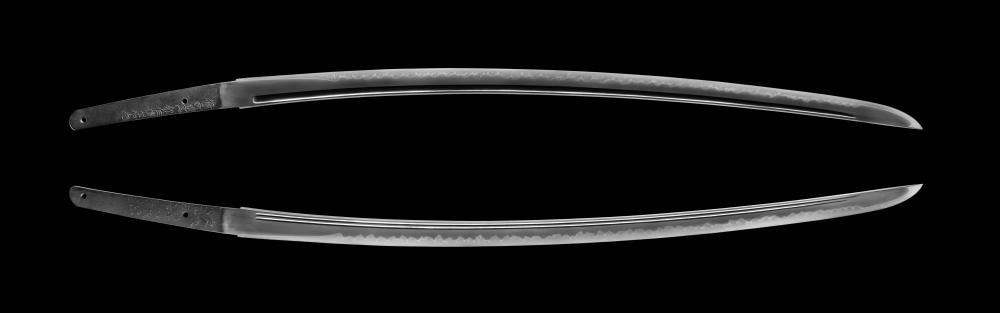
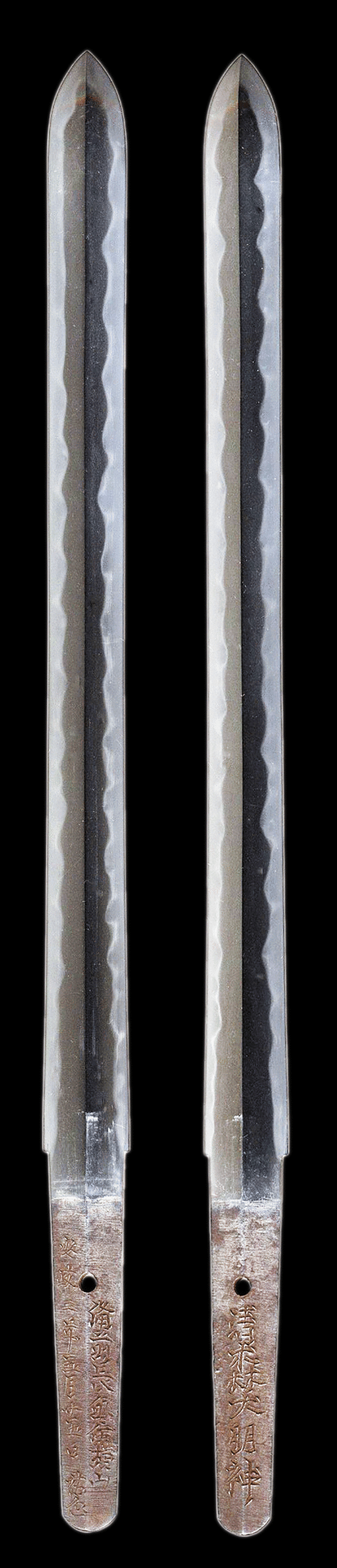
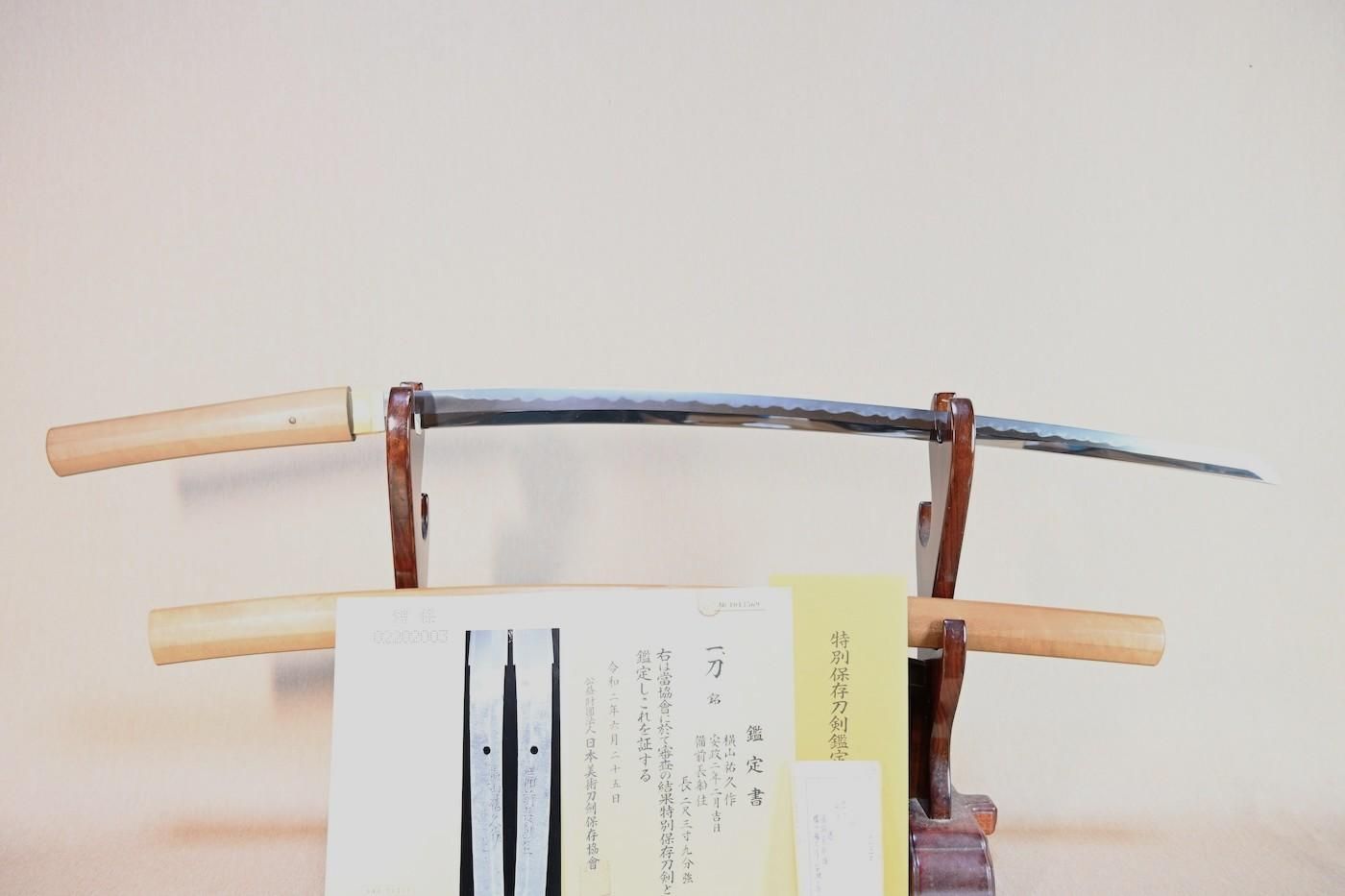
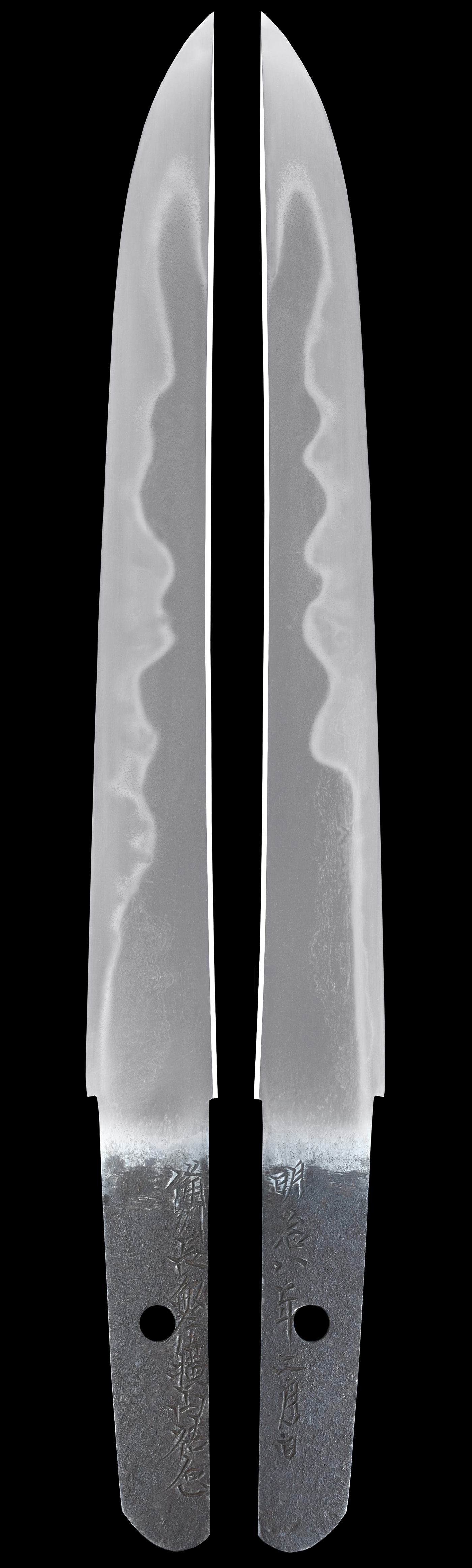
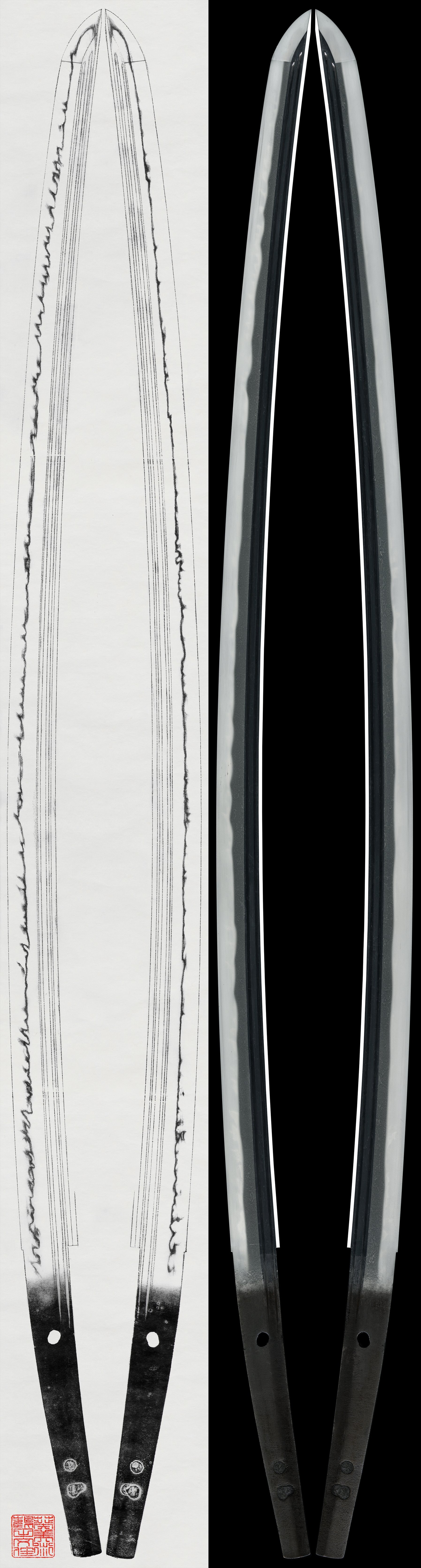
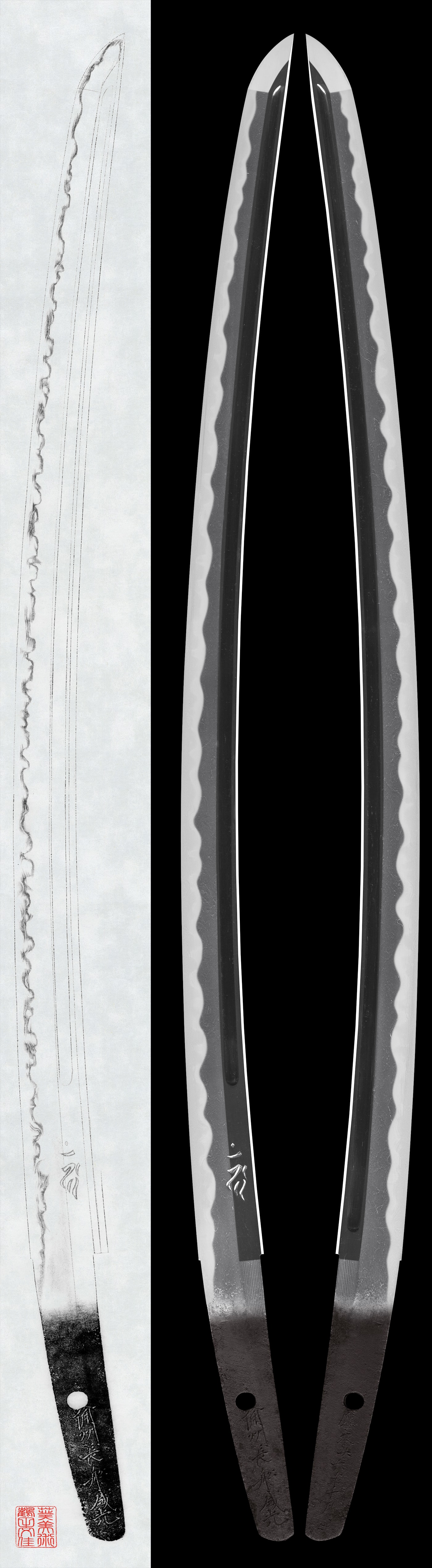
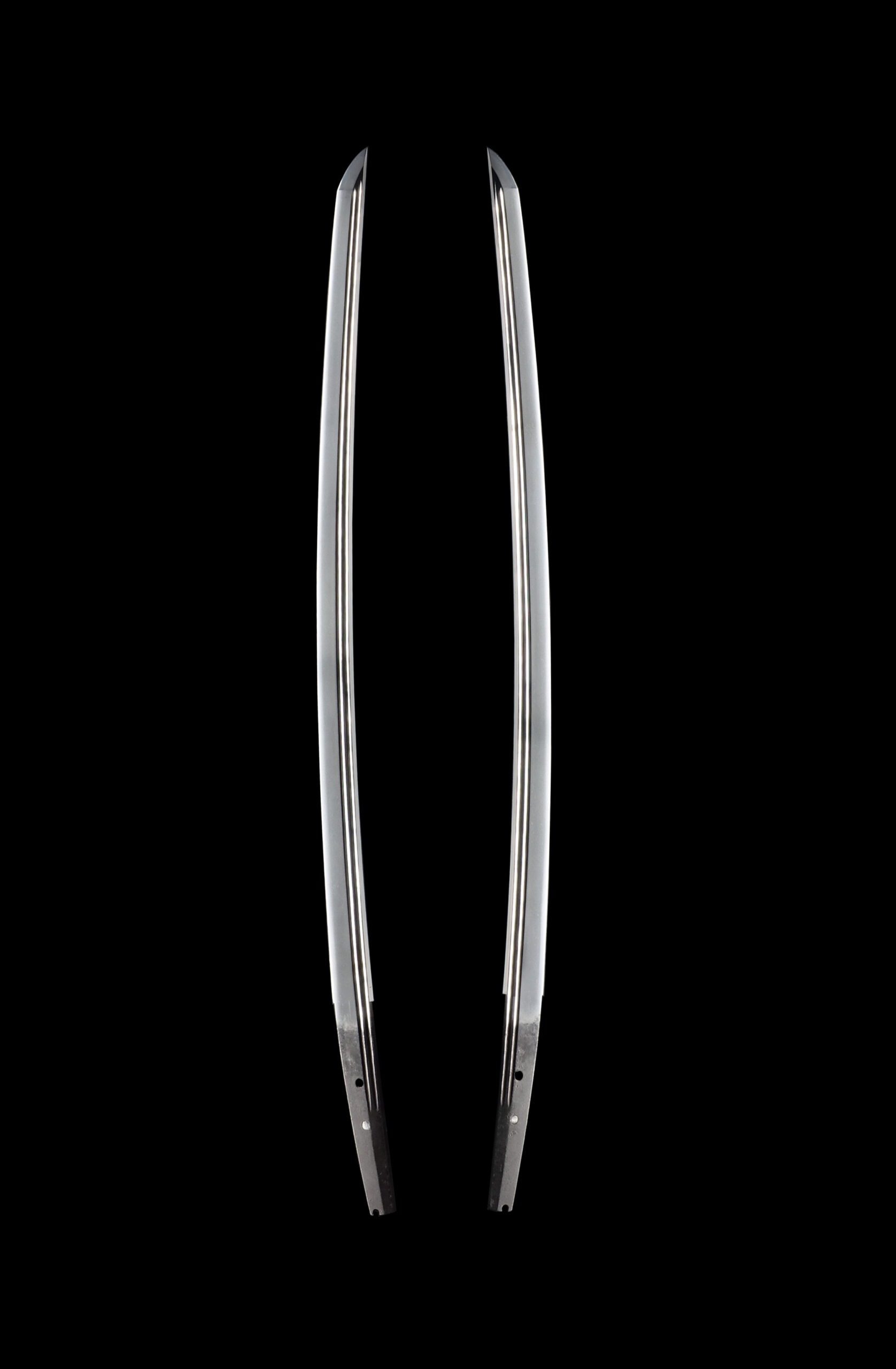
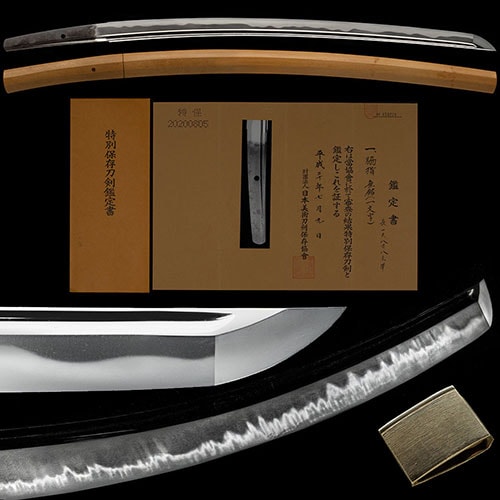
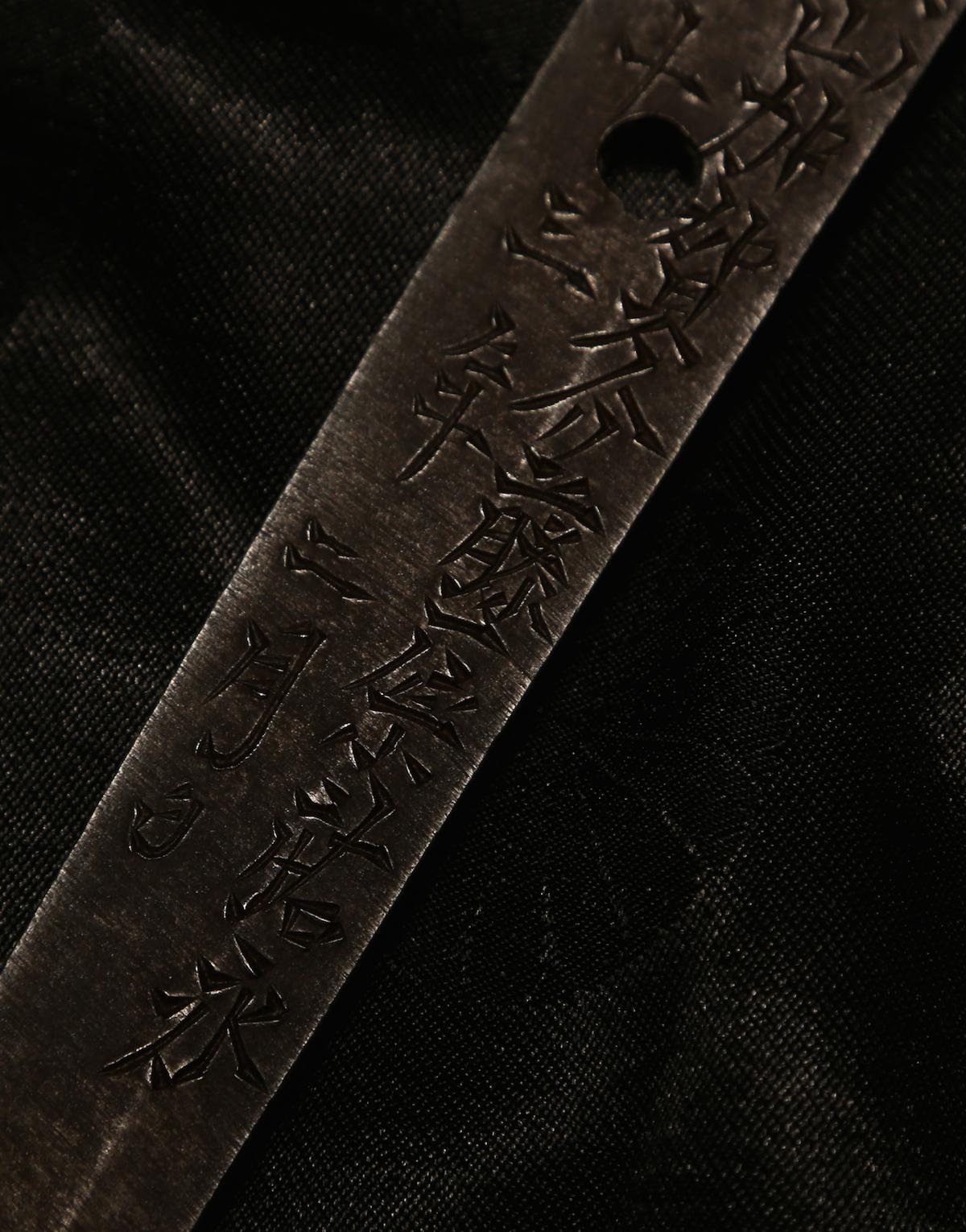
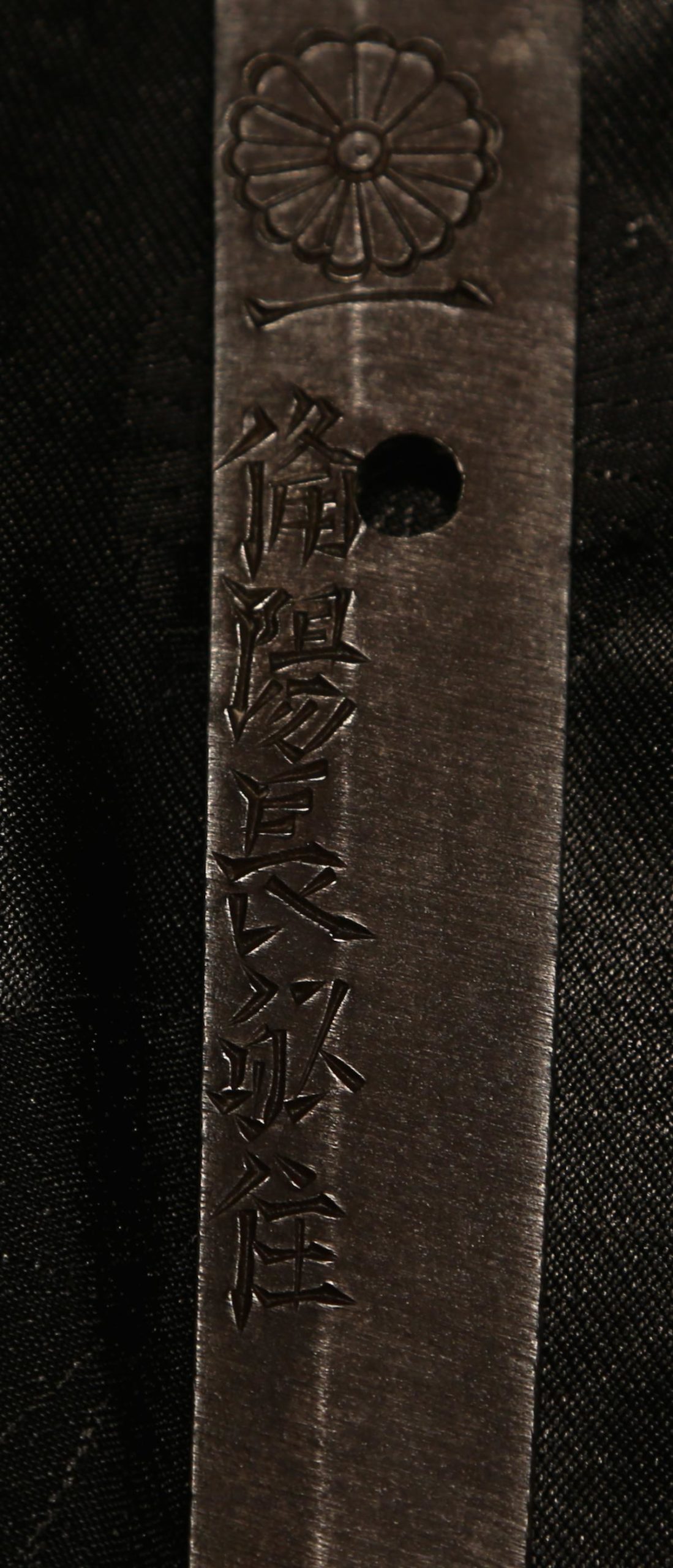
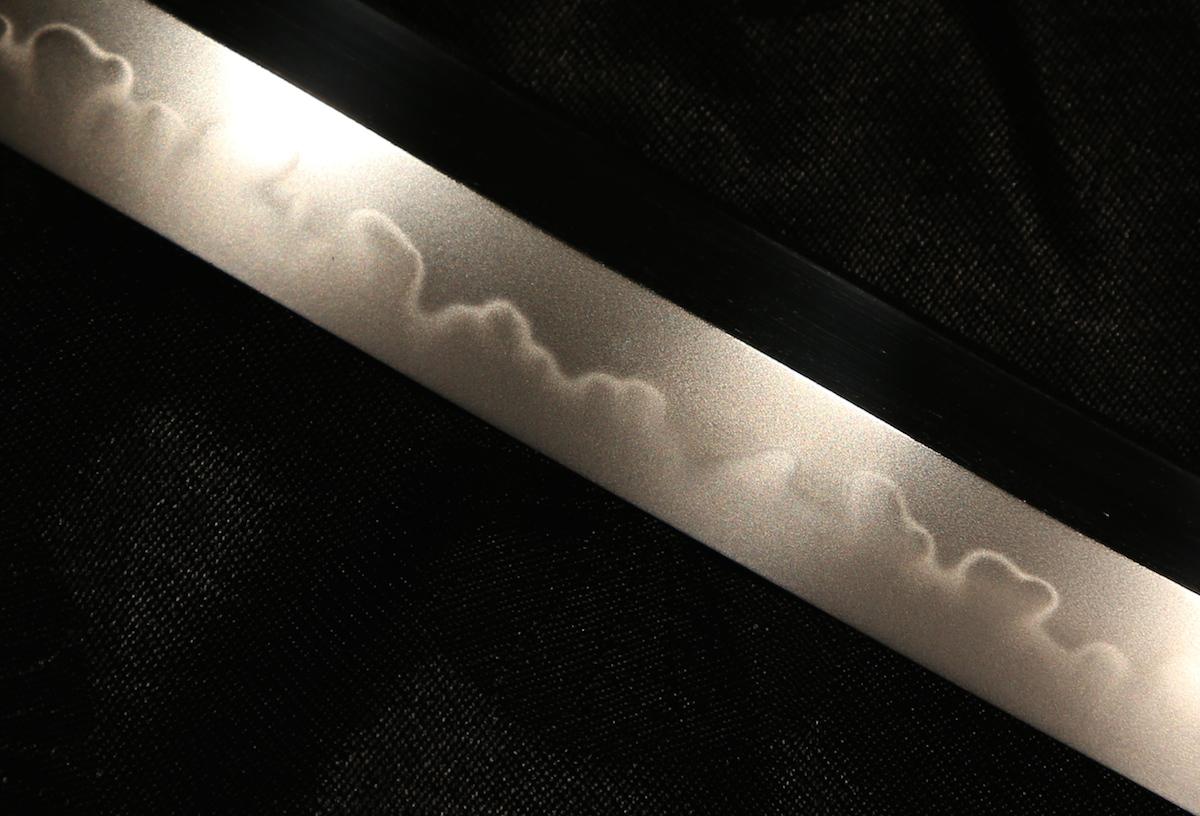
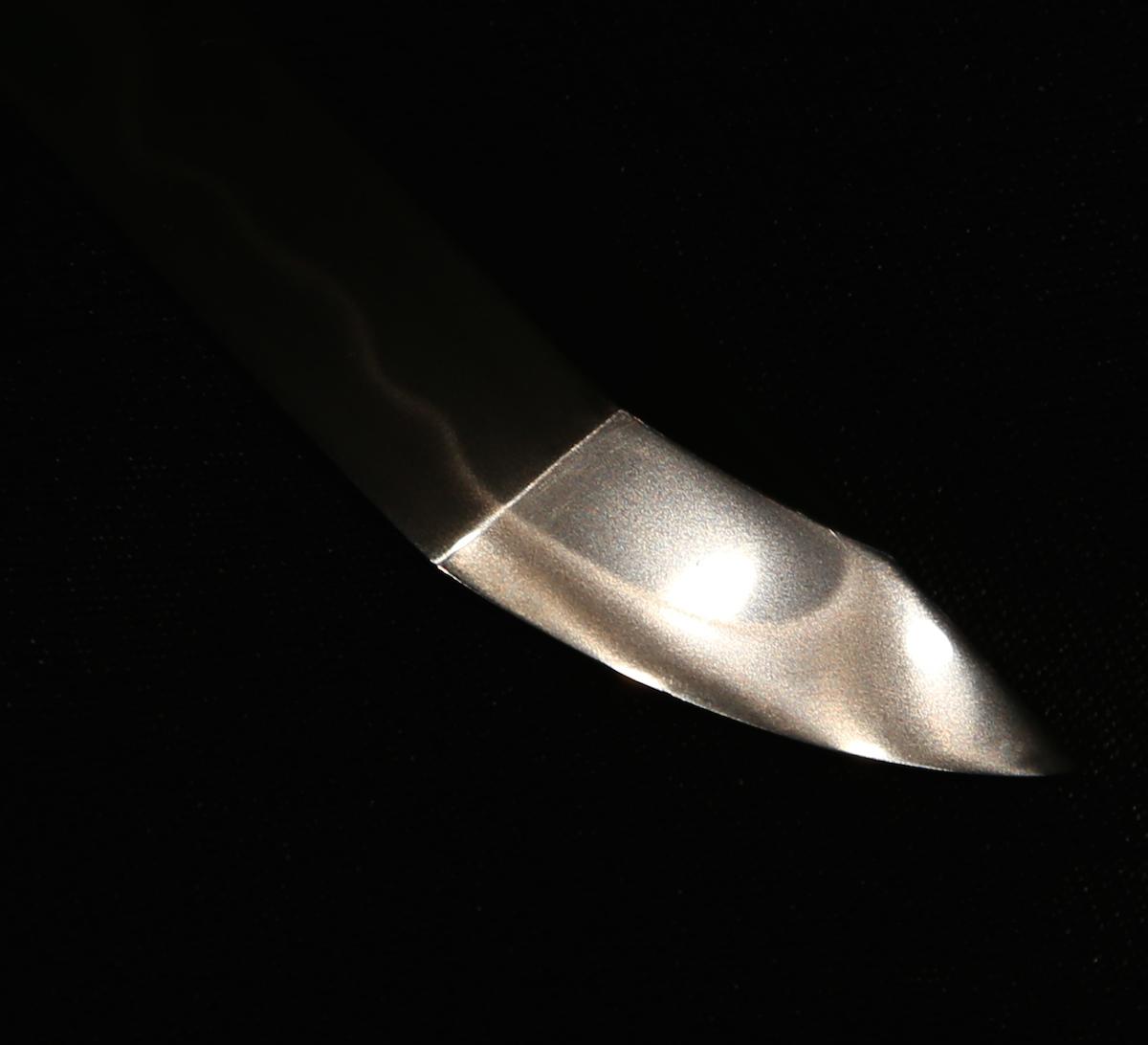
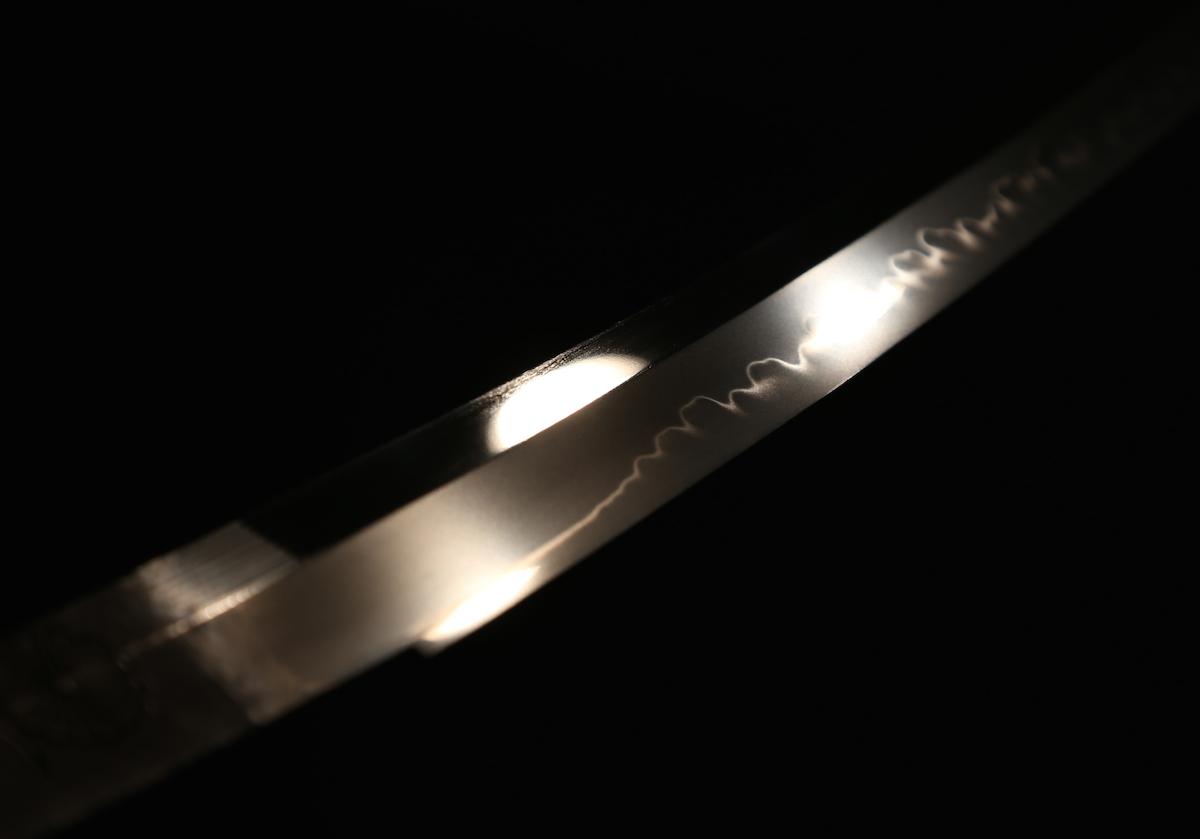
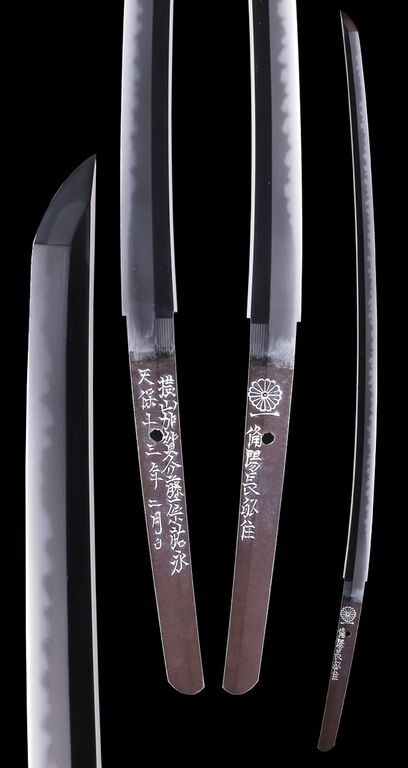
This is a katana by Yokoyama Sukenaga, a prominent smith of the Shin-Shinto period from the Bizen tradition. It features his distinctive kobushigata choji hamon and a tightly forged ko-mokume jigane. The sword is housed in a plain shirasaya and comes with NTHK Kanteisho papers.
 NihontoWatch
mei · Yokoyama · Tenpo (1830-1844) · nagasa 69.2cm
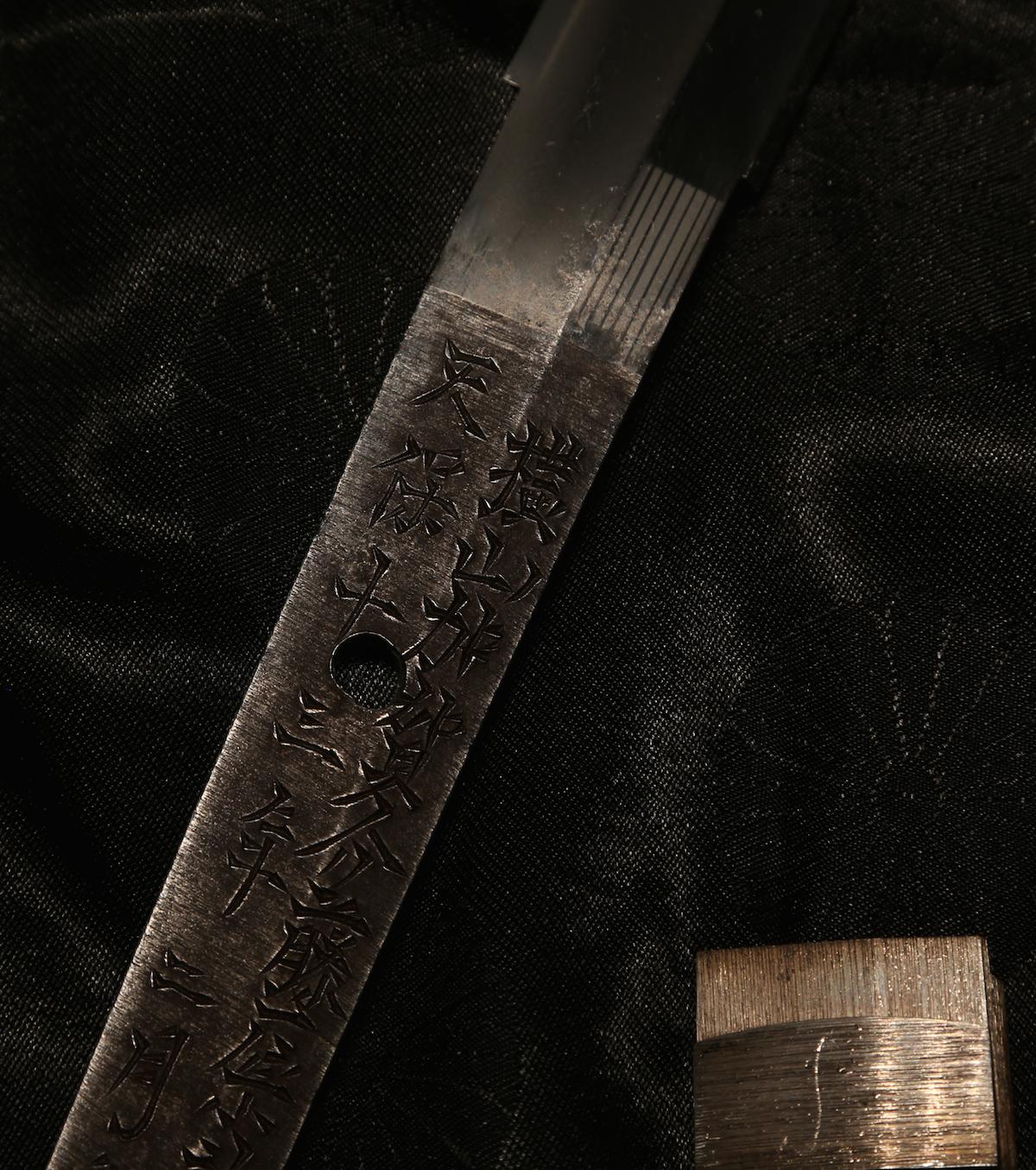
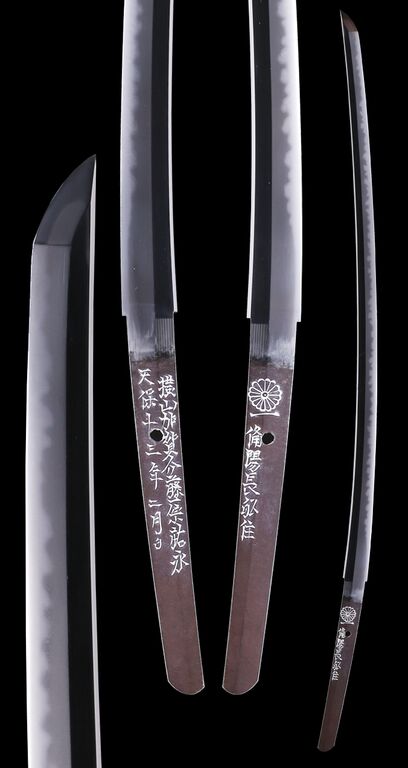
Bizen-den · Bizen · around 1830-1844
Fujishiro Jo saku · Tōken Taikan top 63%
14 pieces on the market now
Bizen-den · Bizen
45 pieces on the market now
| Smith | Era | Designated |
|---|---|---|
| Sukenobu祐信 | 1830-1844 | 0 |
| Suketaka祐高 | 1865-1868 | 0 |
| Sukeharu祐春 | 1864-1865 | 0 |
| Sukehiro祐廣 | 1854-1860 | 0 |
| Sukekane祐包 | 1868-1912 | 0 |
The Shinshintō revival
Around 1800 Suishinshi Masahide argued in his writings that the craft must return to the old masters’ methods: the fukkotō revival. His greatest successor Naotane worked convincingly in Bizen and Sōshū manners that had been dead for centuries.
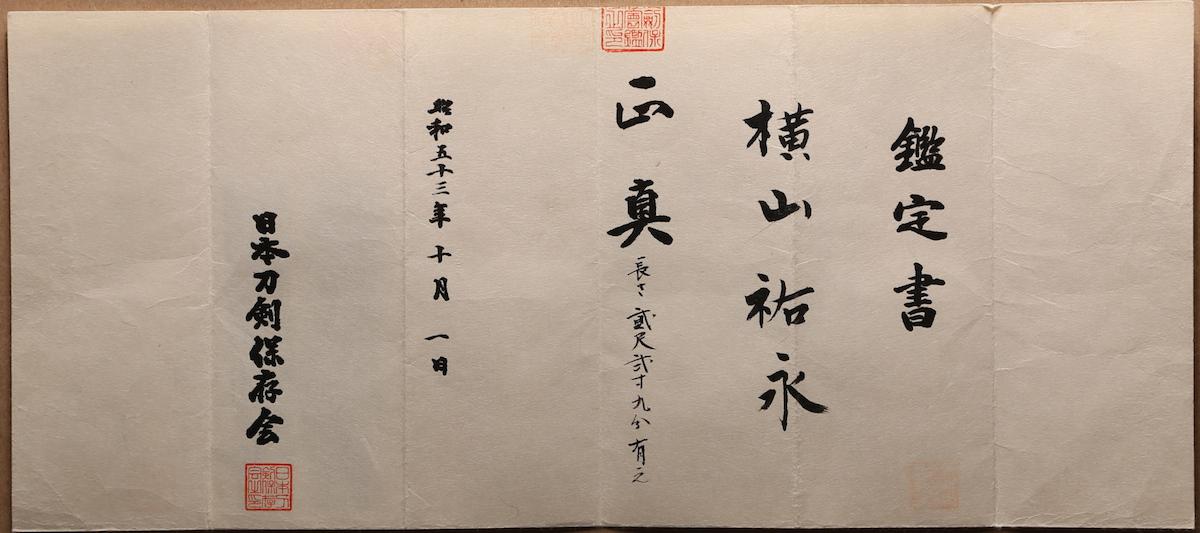
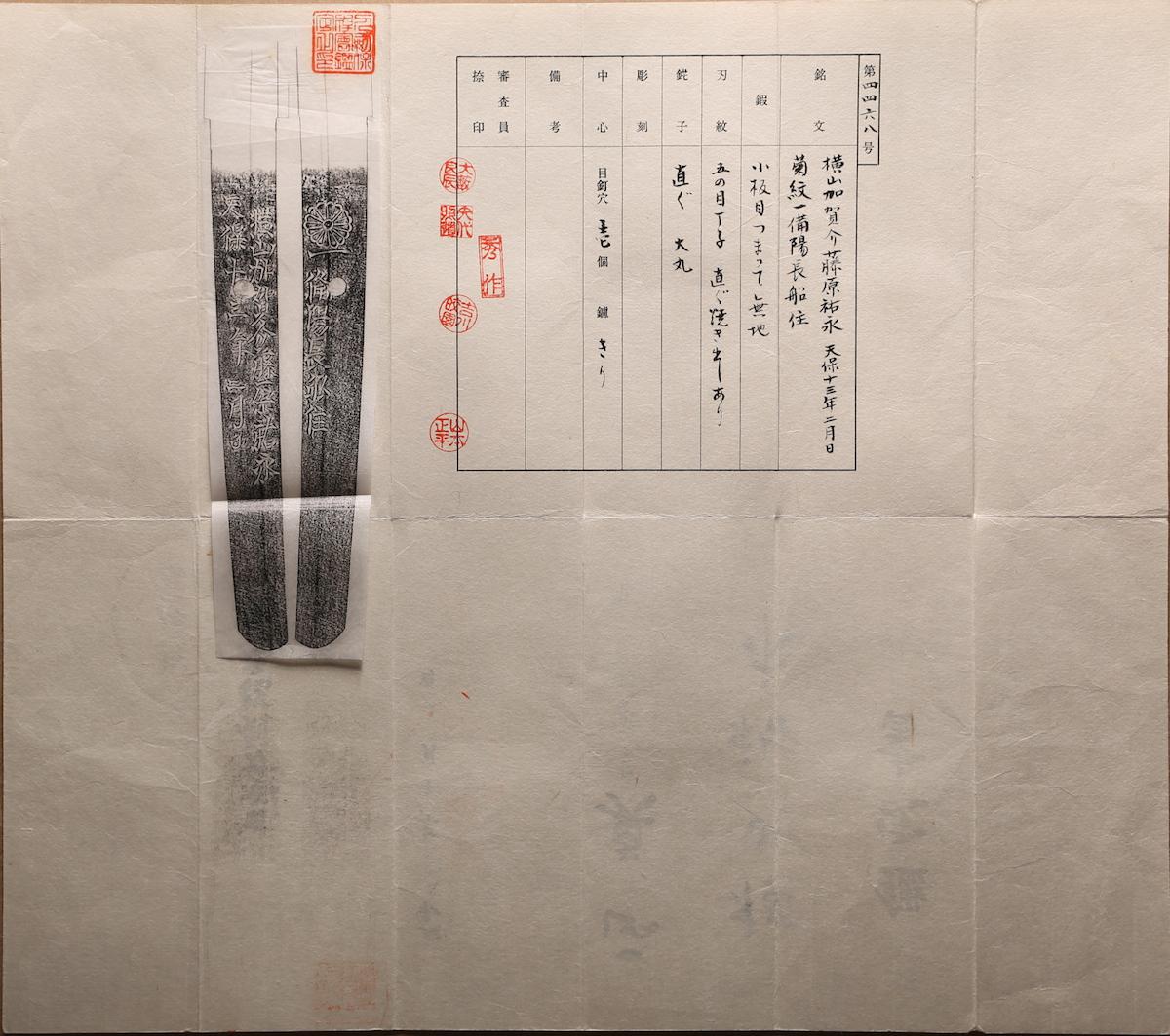
The NTHK’s principal certificate, issued for a blade of considerable quality. It confirms a genuine signature, or, for an unsigned (mumei) work, records the judges’ attribution to a smith or school. The paper carries a detailed worksheet with a numerical point score.
The NTHK (Nihon Tōken Hozon Kai, the Society for the Preservation of the Japanese Sword) is the oldest of Japan’s sword-appraisal bodies, founded in 1910, decades before the NBTHK. After the death of its long-serving head it divided into two successor societies, the NTHK and the NTHK-NPO, both of which continue to hold shinsa. NTHK certificates are known for a detailed worksheet that records a numerical point score alongside the judges’ written opinion, and the society is especially respected for its attribution of unsigned (mumei) work.
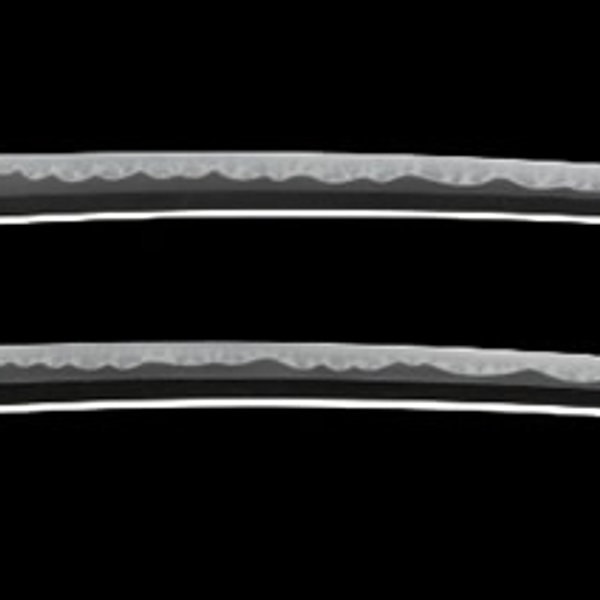

This is a katana by Yokoyama Sukenaga, a prominent smith of the Shin-Shinto period from the Bizen tradition. It features his distinctive kobushigata choji hamon and a tightly forged ko-mokume jigane. The sword is housed in a plain shirasaya and comes with NTHK Kanteisho papers.
NihontoWatchmei · Yokoyama · Tenpo (1830-1844) · nagasa 69.2cm
Bizen-den · Bizen · around 1830-1844
Fujishiro Jo saku · Tōken Taikan top 63%
14 pieces on the market now
Bizen-den · Bizen
45 pieces on the market now
| Smith | Era | Designated |
|---|---|---|
| Sukenobu祐信 | 1830-1844 | 0 |
| Suketaka祐高 | 1865-1868 | 0 |
| Sukeharu祐春 | 1864-1865 | 0 |
| Sukehiro祐廣 | 1854-1860 | 0 |
| Sukekane祐包 | 1868-1912 | 0 |
The Shinshintō revival
Around 1800 Suishinshi Masahide argued in his writings that the craft must return to the old masters’ methods: the fukkotō revival. His greatest successor Naotane worked convincingly in Bizen and Sōshū manners that had been dead for centuries.
The NTHK’s principal certificate, issued for a blade of considerable quality. It confirms a genuine signature, or, for an unsigned (mumei) work, records the judges’ attribution to a smith or school. The paper carries a detailed worksheet with a numerical point score.
The NTHK (Nihon Tōken Hozon Kai, the Society for the Preservation of the Japanese Sword) is the oldest of Japan’s sword-appraisal bodies, founded in 1910, decades before the NBTHK. After the death of its long-serving head it divided into two successor societies, the NTHK and the NTHK-NPO, both of which continue to hold shinsa. NTHK certificates are known for a detailed worksheet that records a numerical point score alongside the judges’ written opinion, and the society is especially respected for its attribution of unsigned (mumei) work.