Edo was the sword’s age of connoisseurship: the Hon’ami appraisers, the shogunal register of famous blades of 1719, and a thriving literature turned the sword into an object of study even as it ceased to be drawn in war.
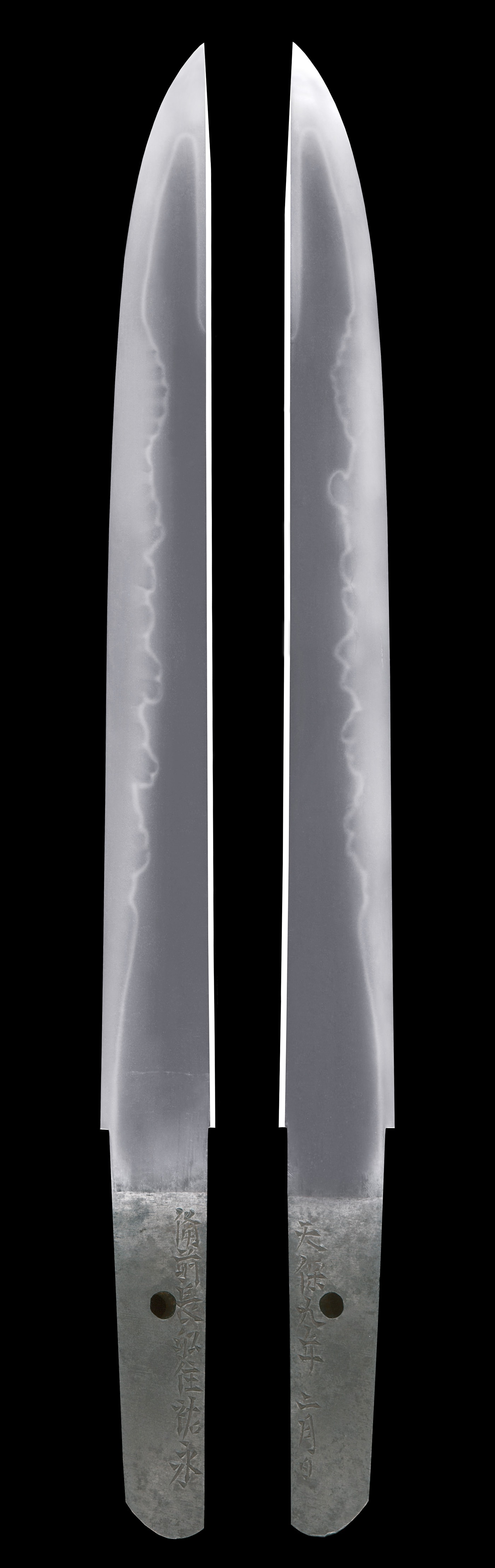
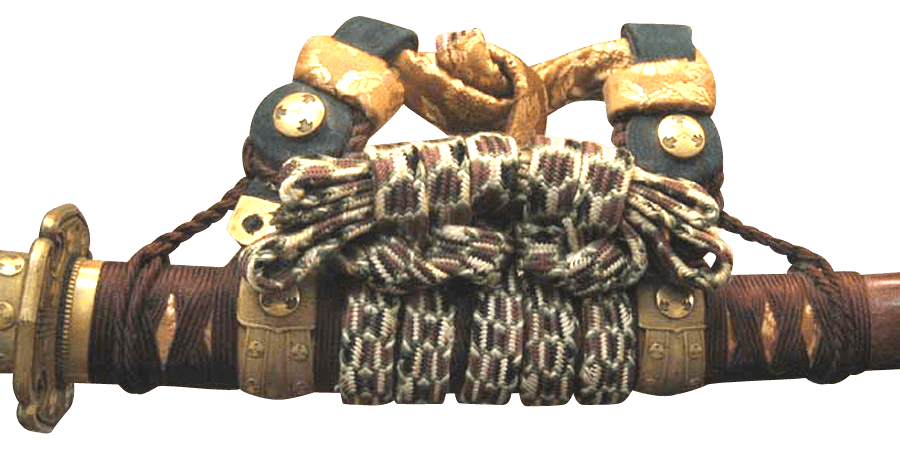
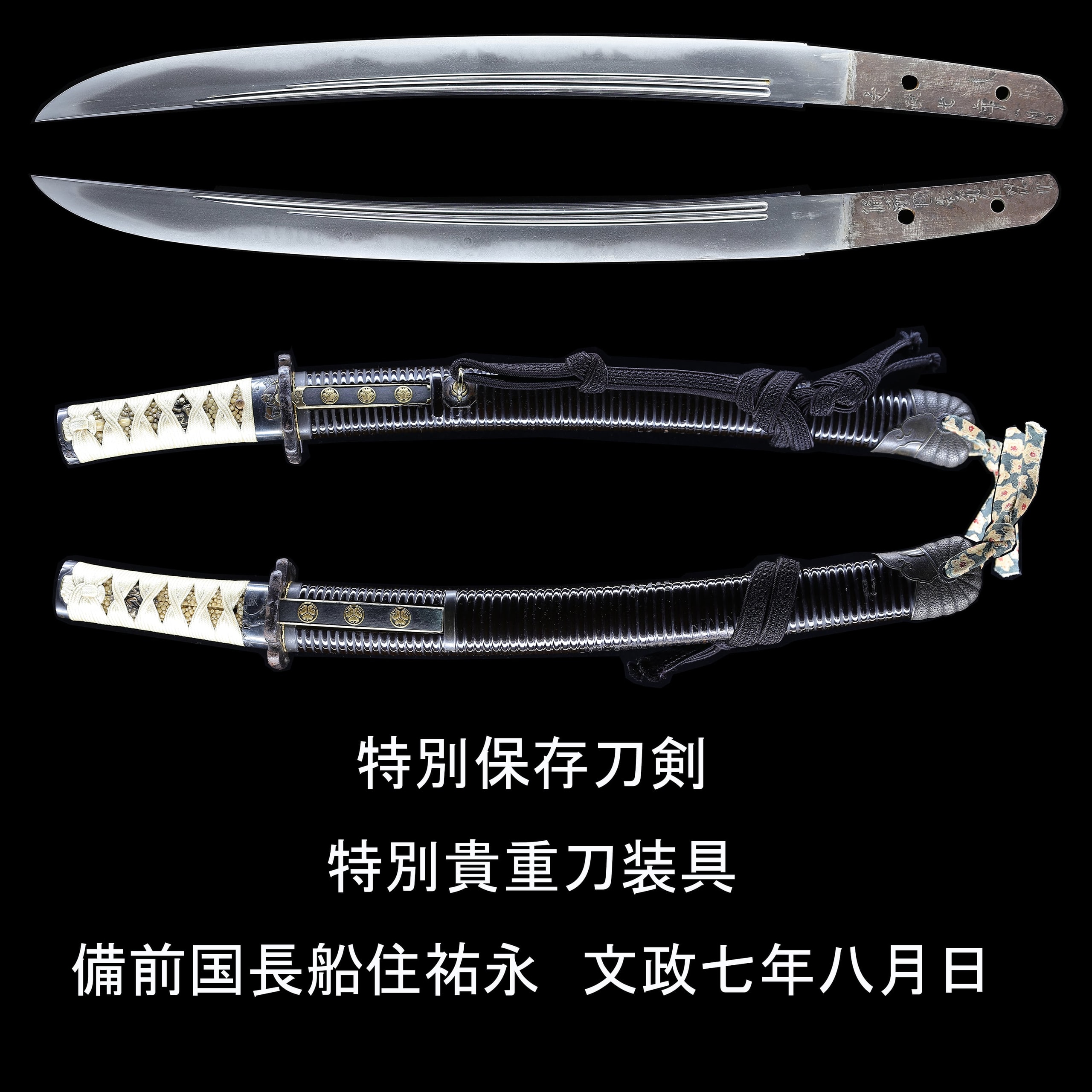
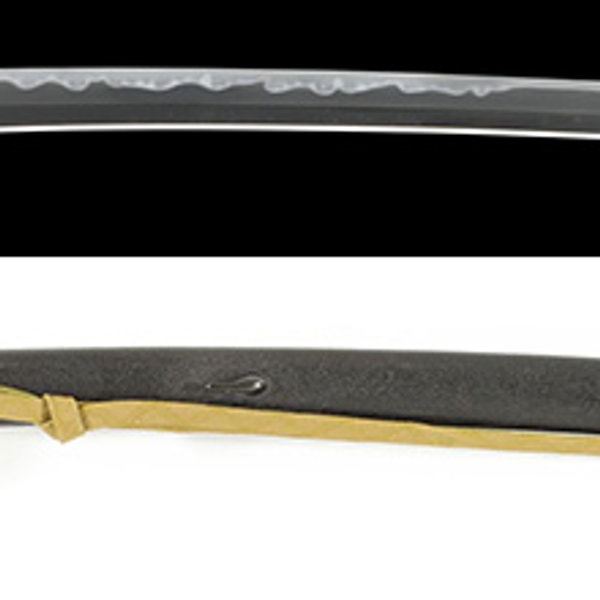
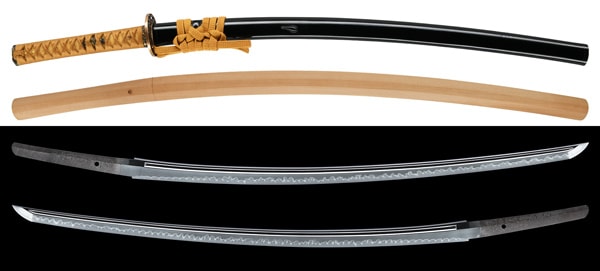
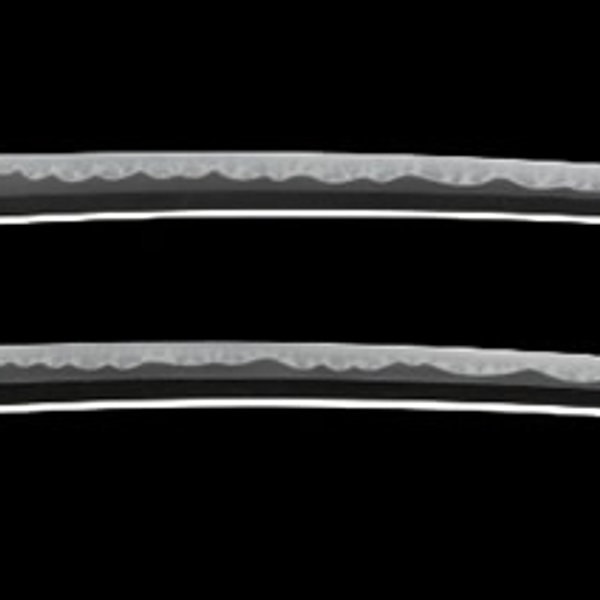
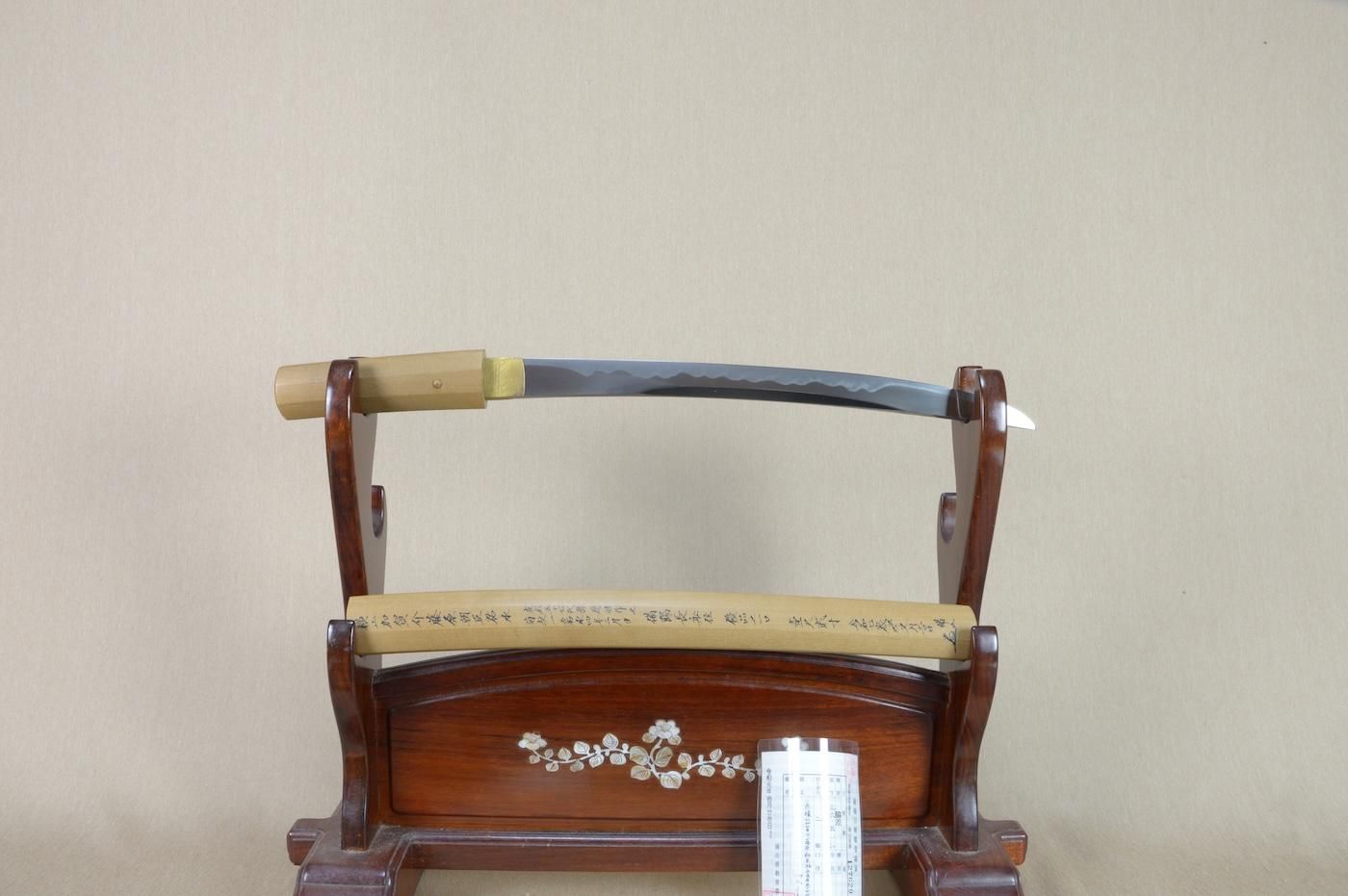
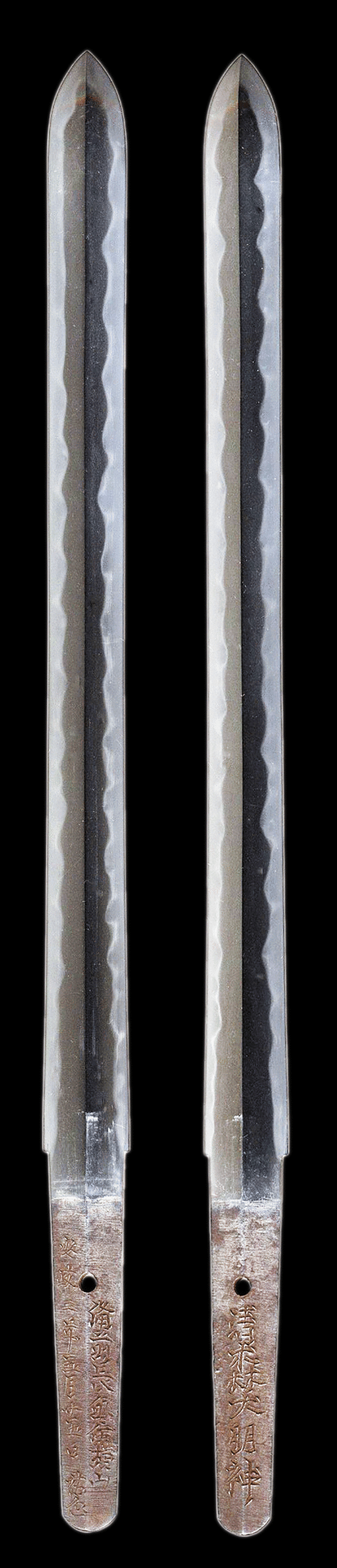
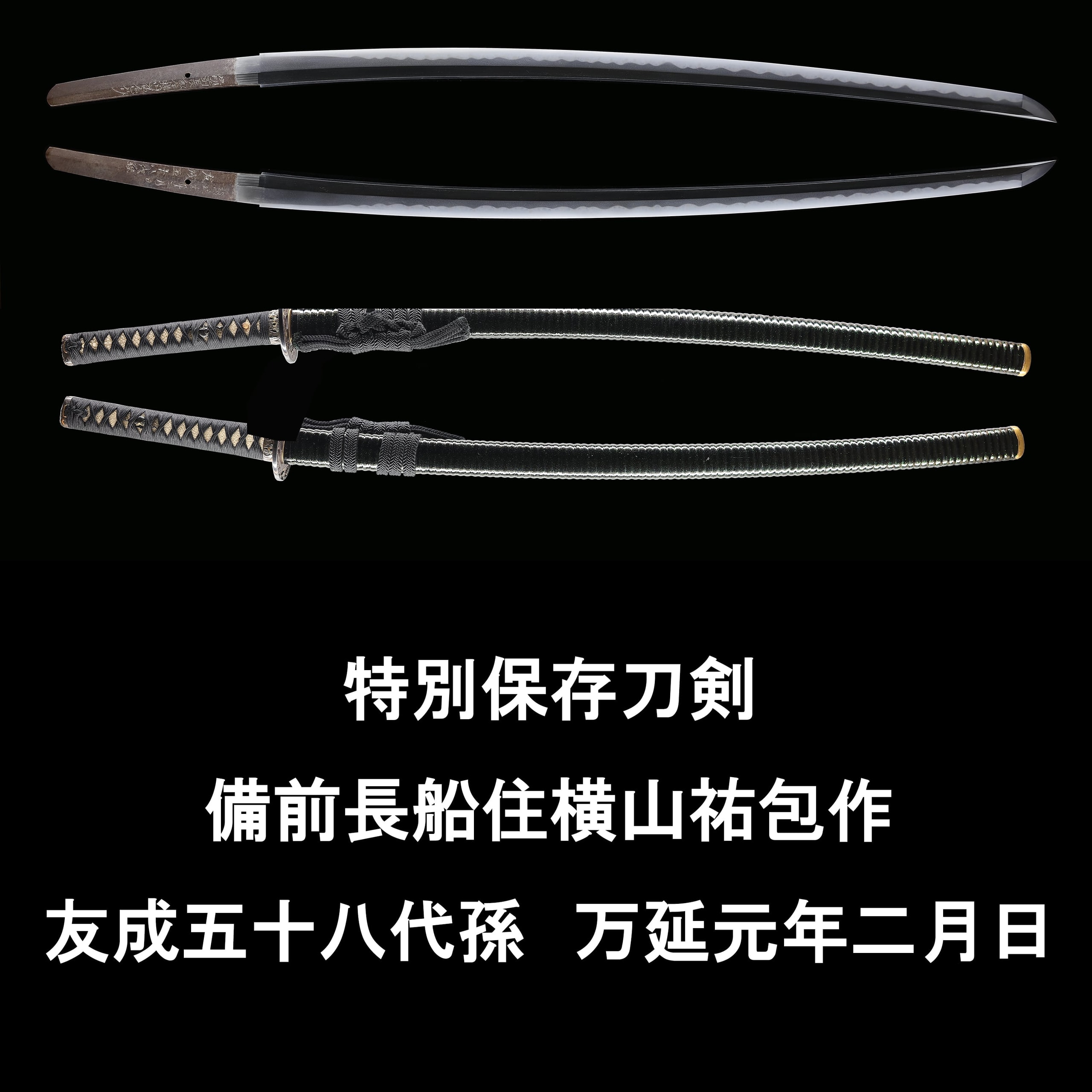
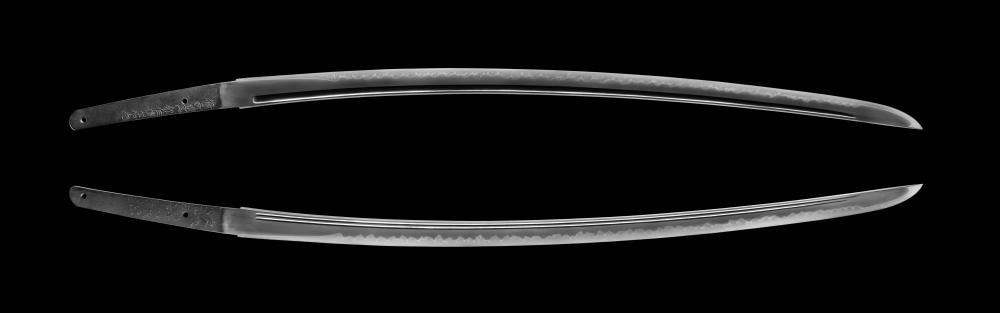
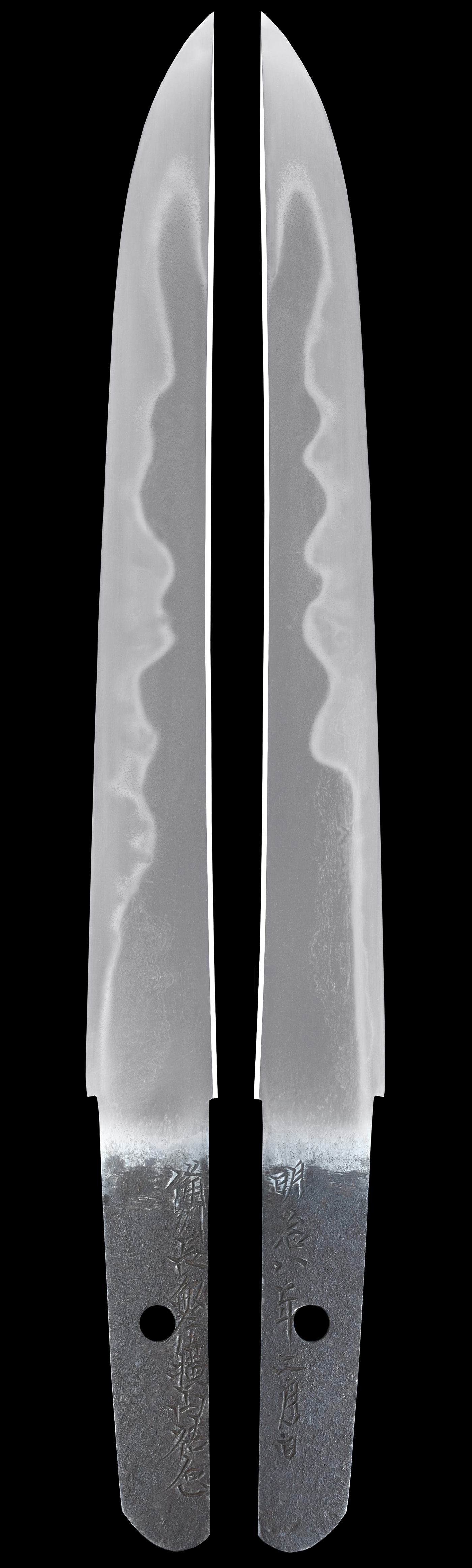
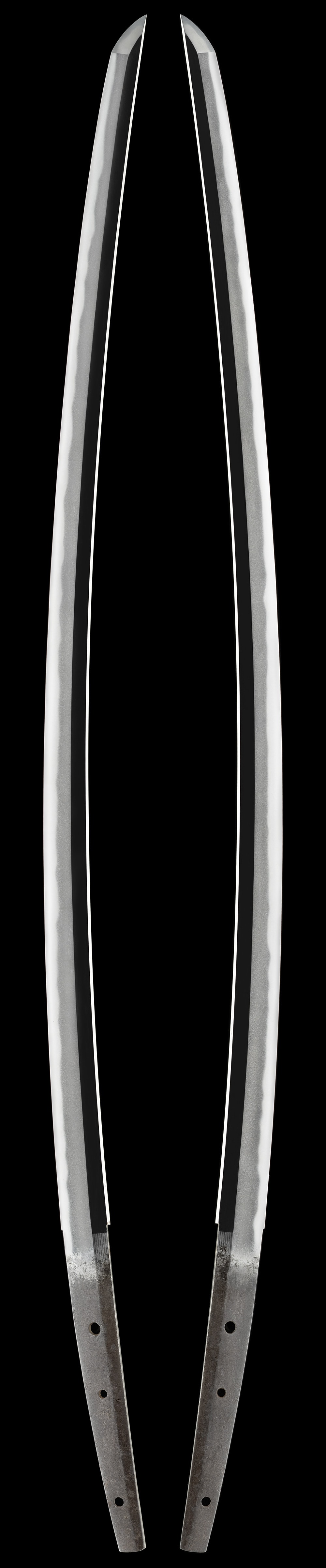
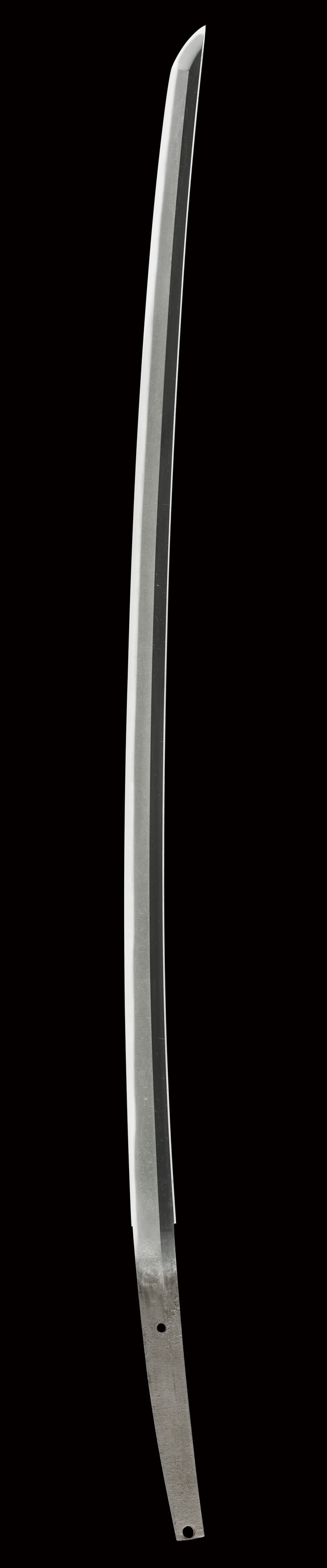
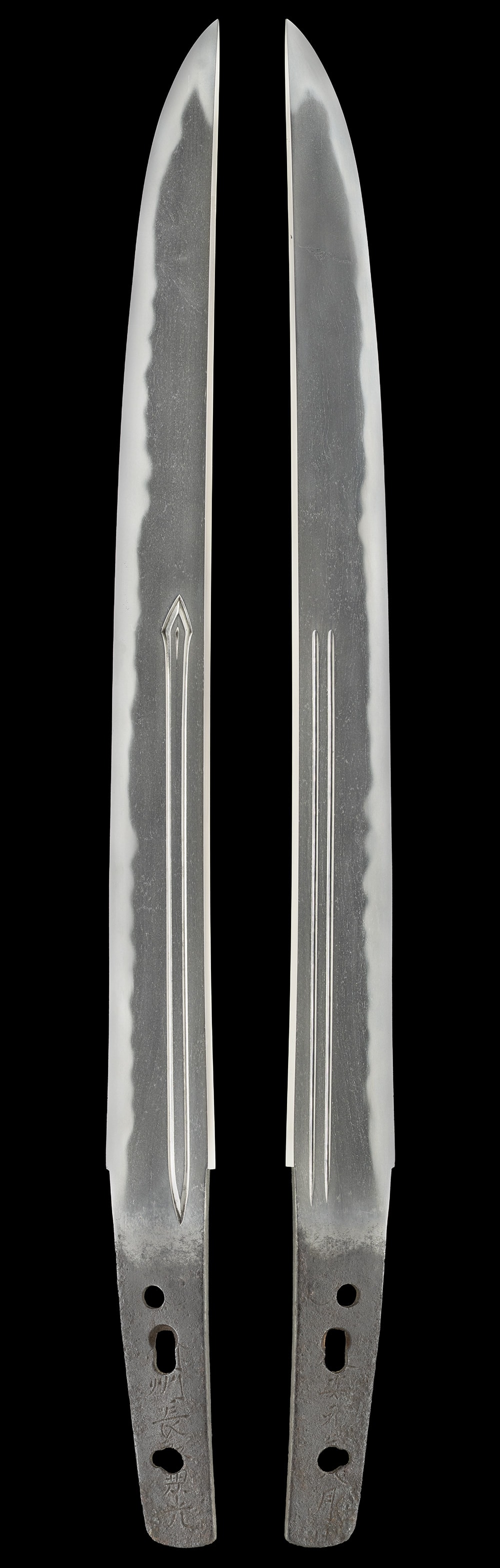
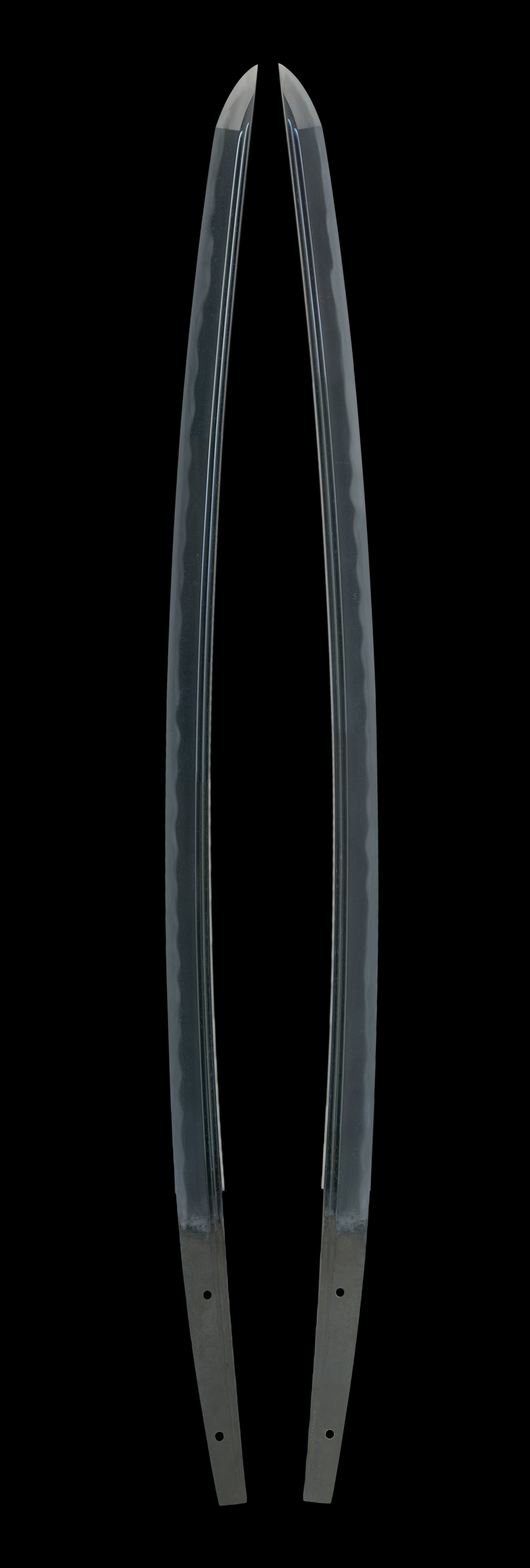
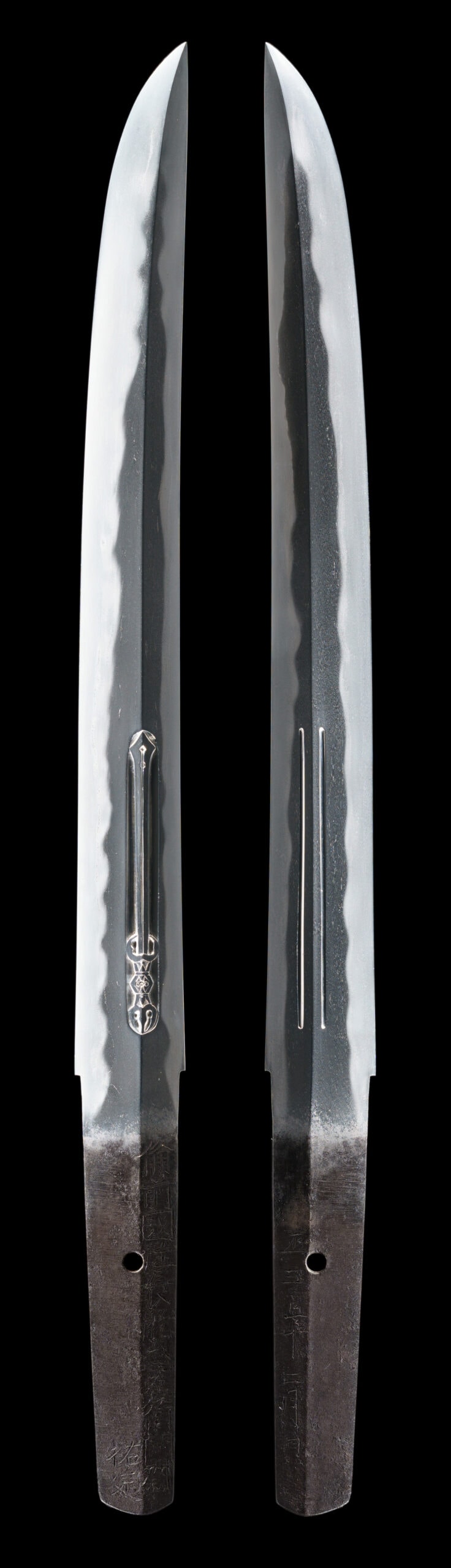
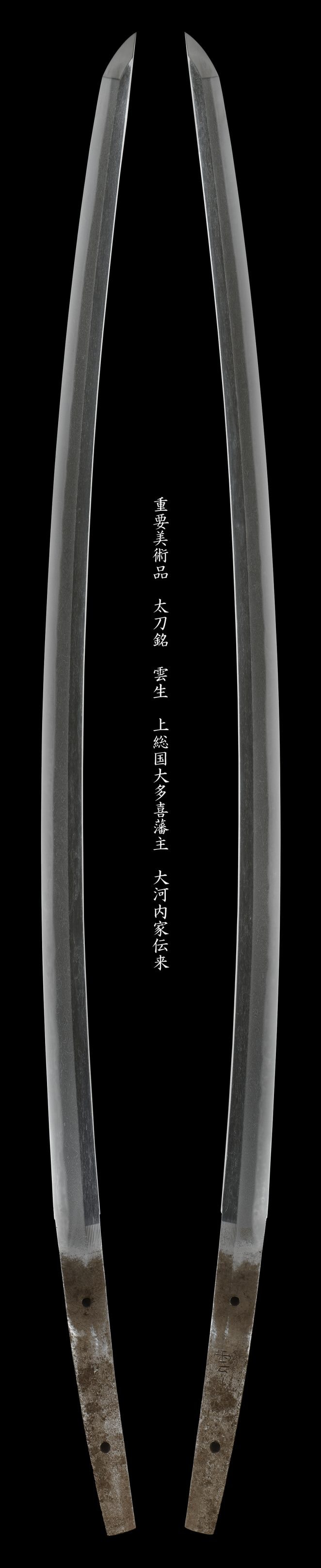
【Sword】 Mei: Mumei (Den Shikkake) Nagasa: 69.8 cm Sori: 1.5 cm Motohaba: 2.85 cm Sakihaba: 1.90 cm Motokasane: 0.65 cm Sakikasane: 0.45 cm Mekugi-ana: 3 Jidai: Late Kamakura Period Kuni: Yamato 【Koshirae】 Koshirae: Uchigatana Koshirae Tsuba: Maru-gata, Tetsu-ji, Sukashi-bori Fuchi-Kashira: Shakudo Nanako-ji, Kiku-mon (Chrysanthemum) in Takabori with Kin-iroe Menuki: Shakudo, Shishi (Lion-dog) motif with Kin-iroe Saya: Kuro-roiro (Black lacquer) 【Explanation】 The Shikkake school is one of the Yamato Go-pa (Five Schools of Yamato), founded by Norinaga during the Kamakura period. This blade is a Mumei work attributed to the Shikkake school, exhibiting a dignified Sugata characteristic of the late Kamakura period. The Jigane is a dense Itame-hada mixed with Masame, showing a beautiful Shirake-utsuri. The Hamon is Chu-suguba based, containing Hotsure and Uchi-no-ke, which are distinctive traits of the Yamato tradition. The Koshirae is a tasteful Uchigatana mounting. The Fuchi-Kashira features a refined Kiku-mon in Shakudo Nanako-ji, and the Menuki are high-quality Shishi carvings. It is a well-balanced piece suitable for both appreciation and collection.
 NihontoWatch
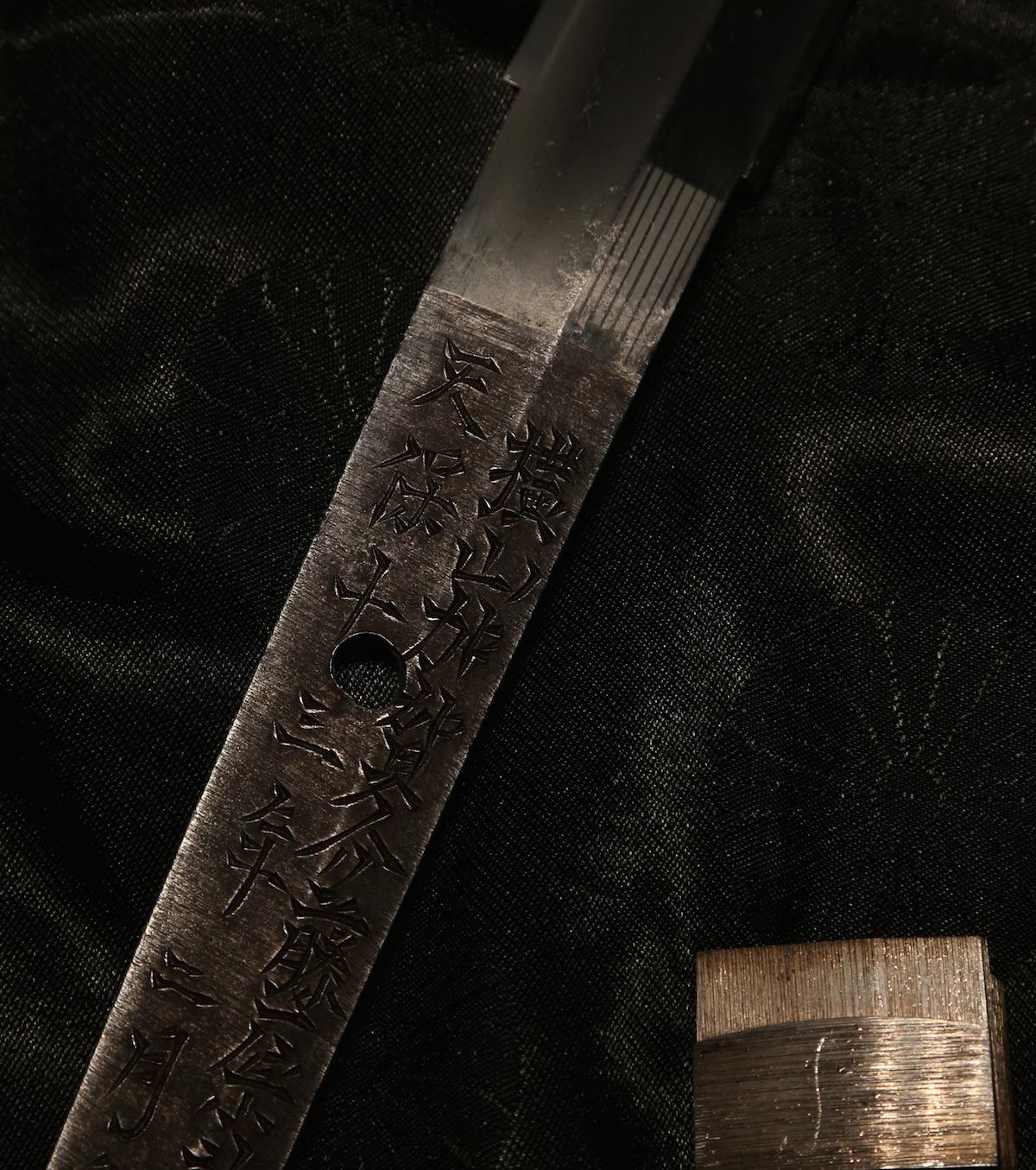
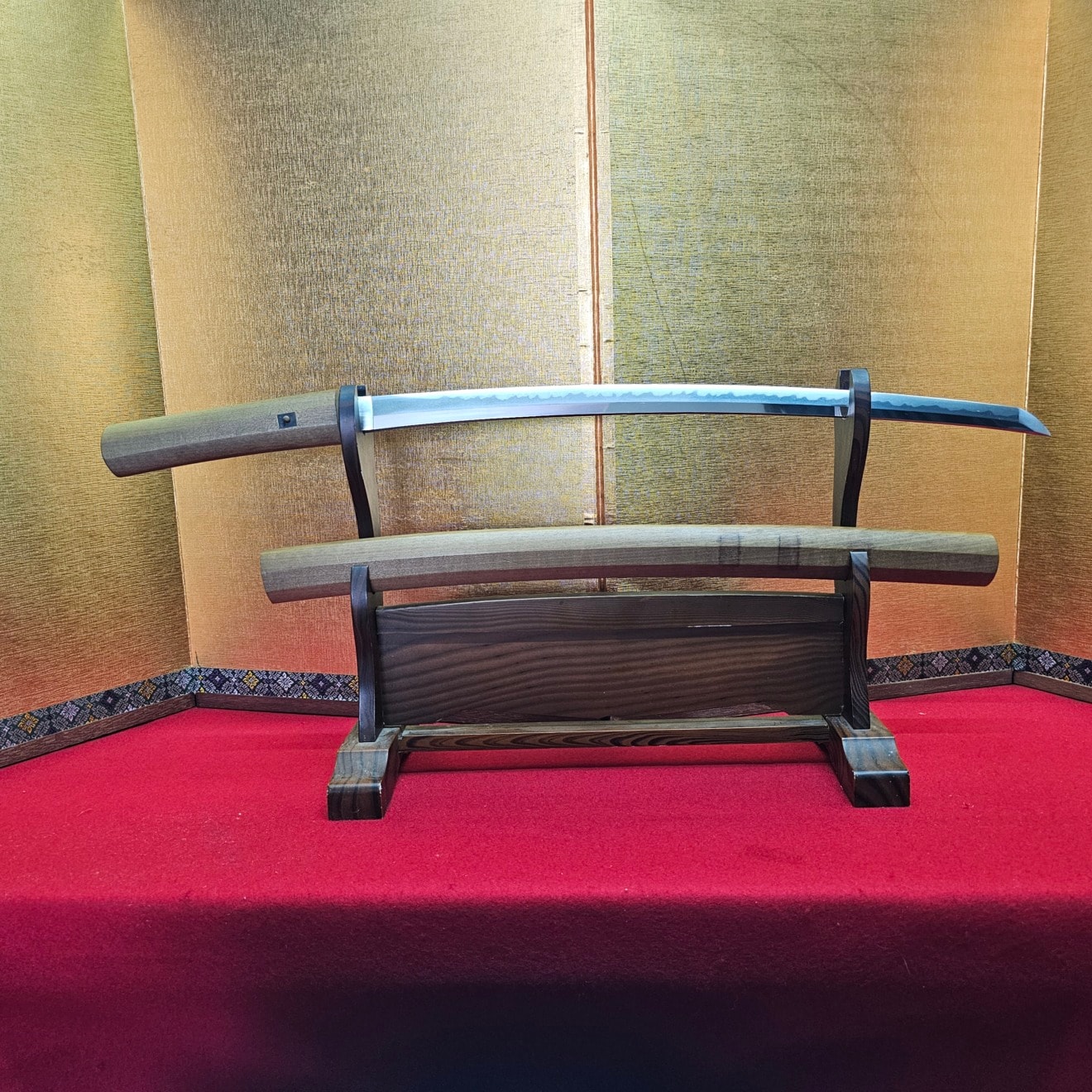
signed · 長船 · Shinto · nagasa 46.4cm · sori 1.2cm
Bizen-den · Bizen · around 1830-1844
Fujishiro Jo saku · Tōken Taikan top 63%
13 pieces on the market now
Bizen-den · Bizen
40 pieces on the market now
| Smith | Era | Designated |
|---|---|---|
| Sukenobu祐信 | 1830-1844 | 0 |
| Suketaka祐高 | 1865-1868 | 0 |
| Sukeharu祐春 | 1864-1865 | 0 |
| Sukehiro祐廣 | 1854-1860 | 0 |
| Sukekane祐包 | 1868-1912 | 0 |
The Edo period (1615 to 1868)
Edo was the sword’s age of connoisseurship: the Hon’ami appraisers, the shogunal register of famous blades of 1719, and a thriving literature turned the sword into an object of study even as it ceased to be drawn in war.
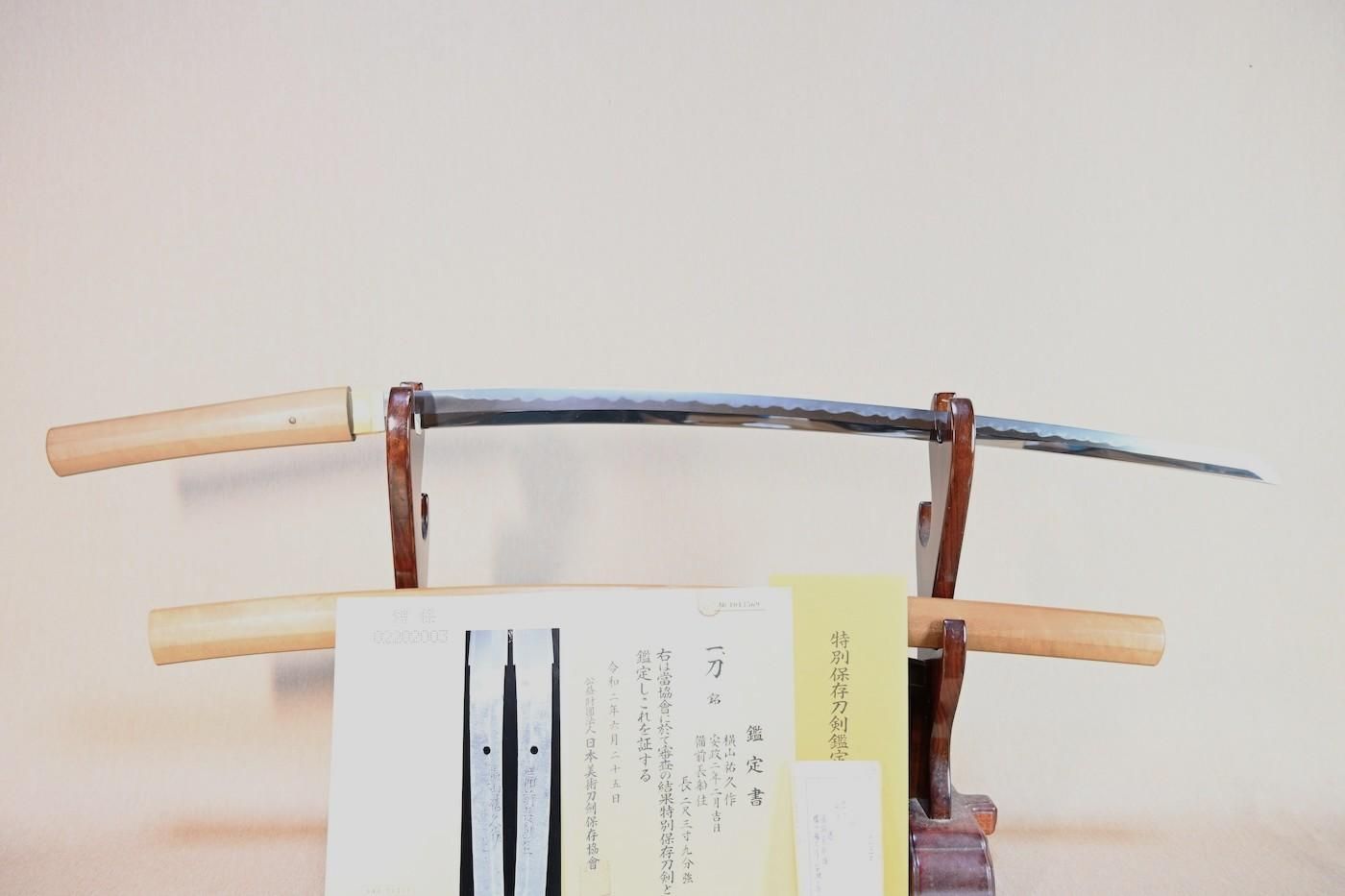
We could not find an authenticity certificate on the seller’s listing. Japanese swords and fittings are normally papered by the NBTHK (or the NTHK). Without one, the attribution is the seller’s own assessment and has not been independently verified — treat it with caution and ask the dealer about certification before buying.
¥400,000