Edo was the sword’s age of connoisseurship: the Hon’ami appraisers, the shogunal register of famous blades of 1719, and a thriving literature turned the sword into an object of study even as it ceased to be drawn in war.
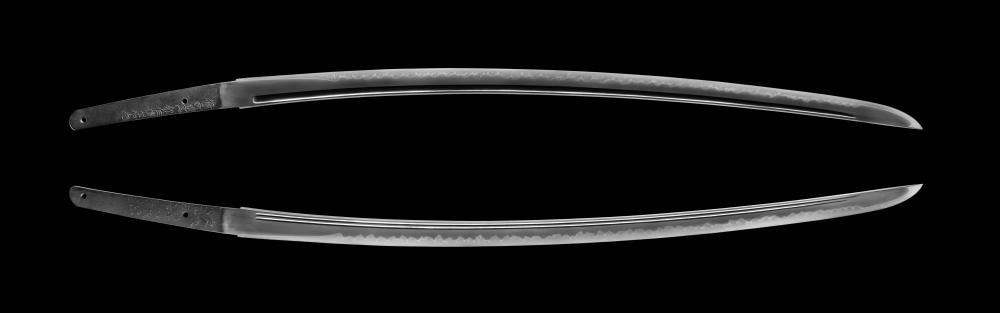
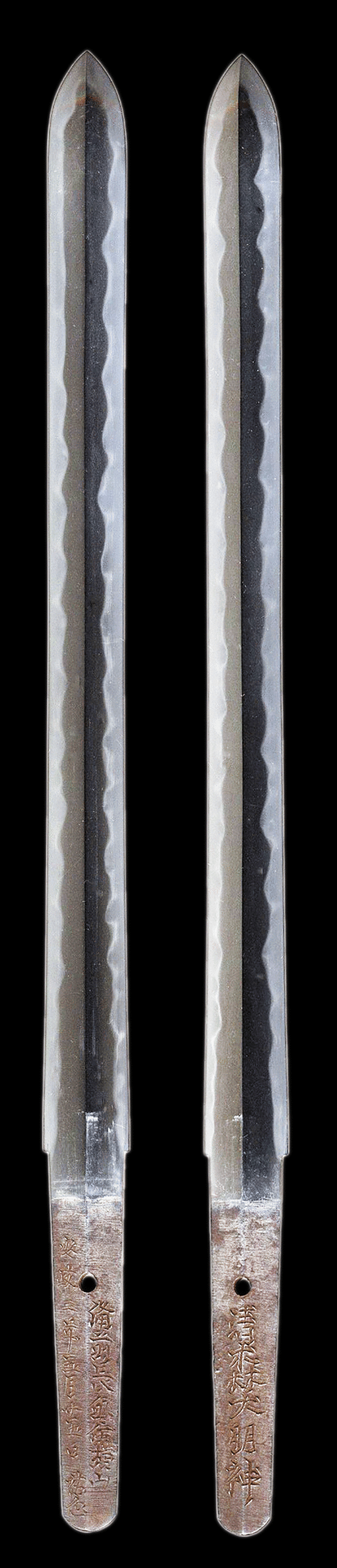
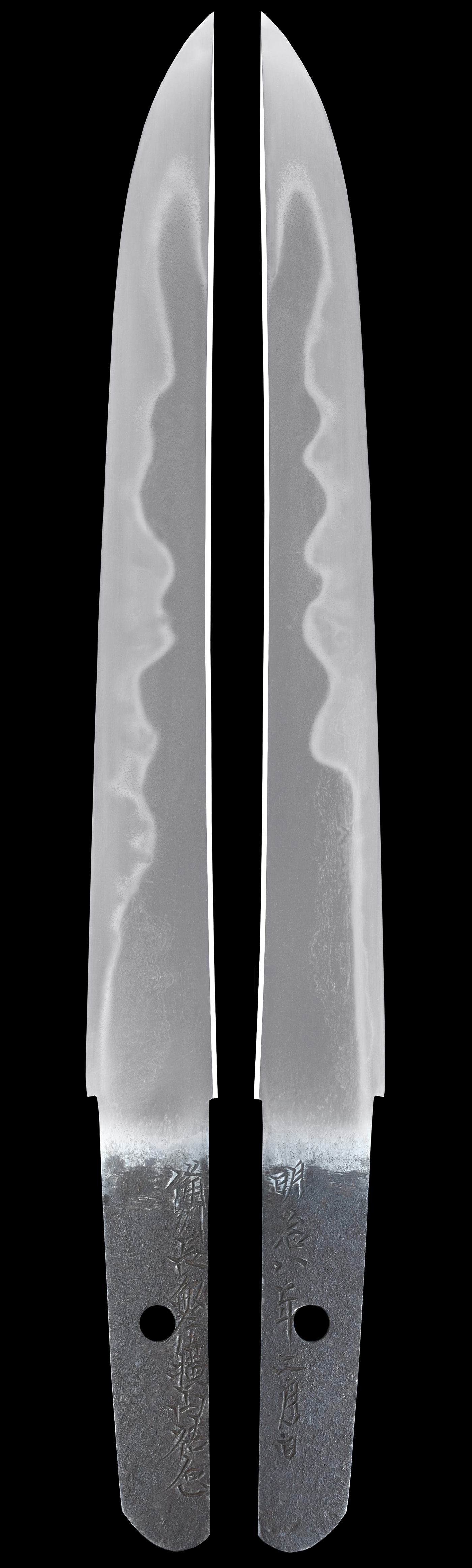
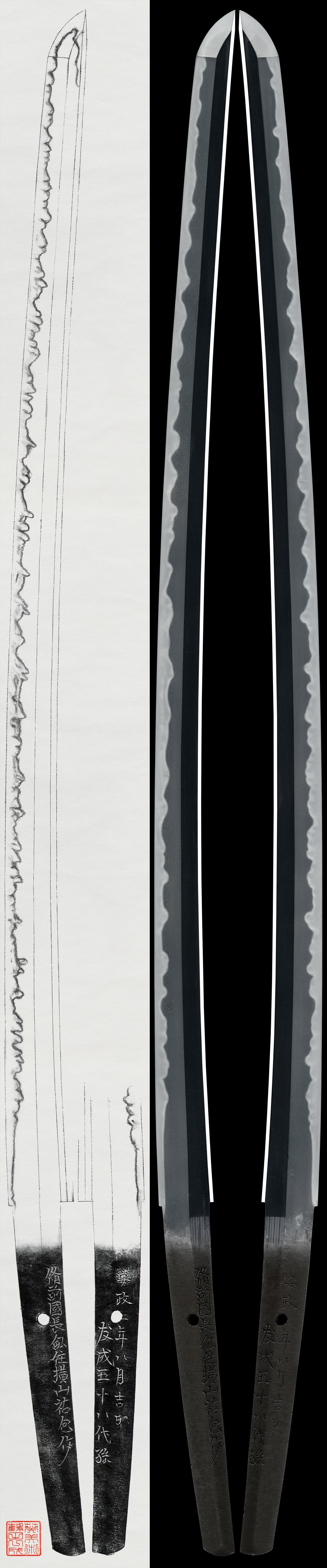
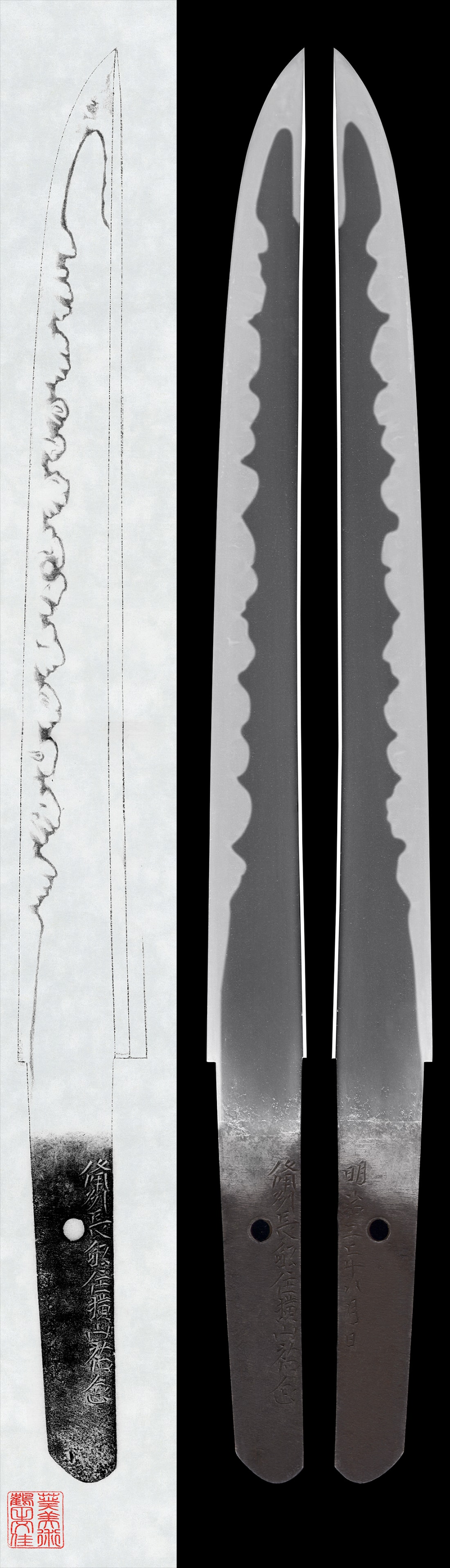
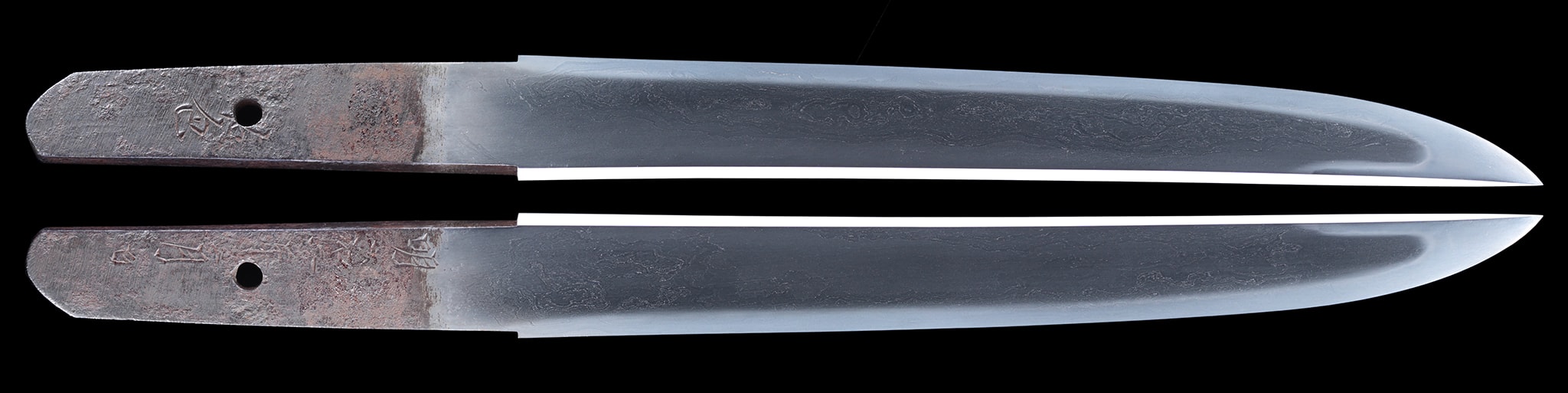
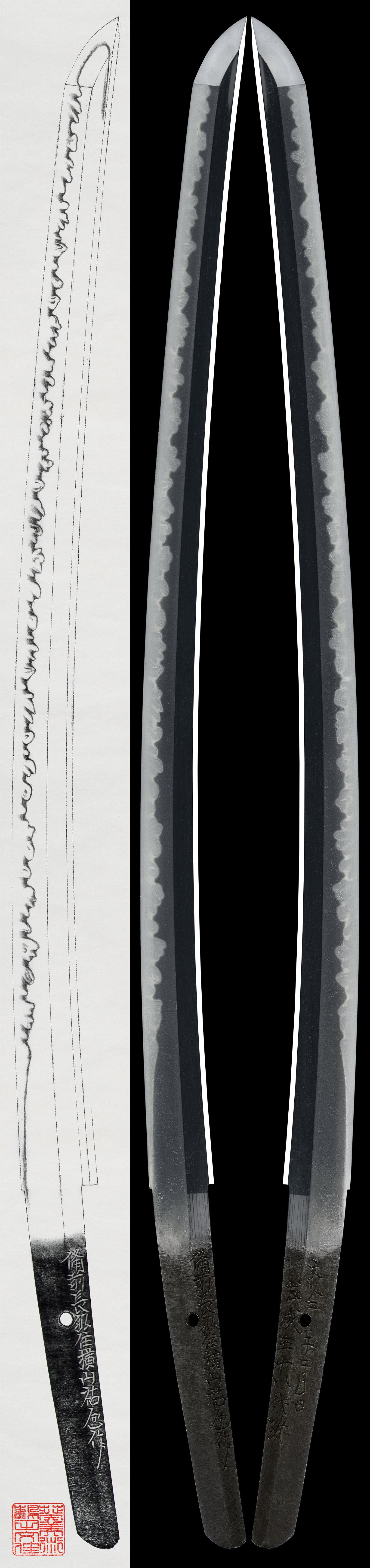
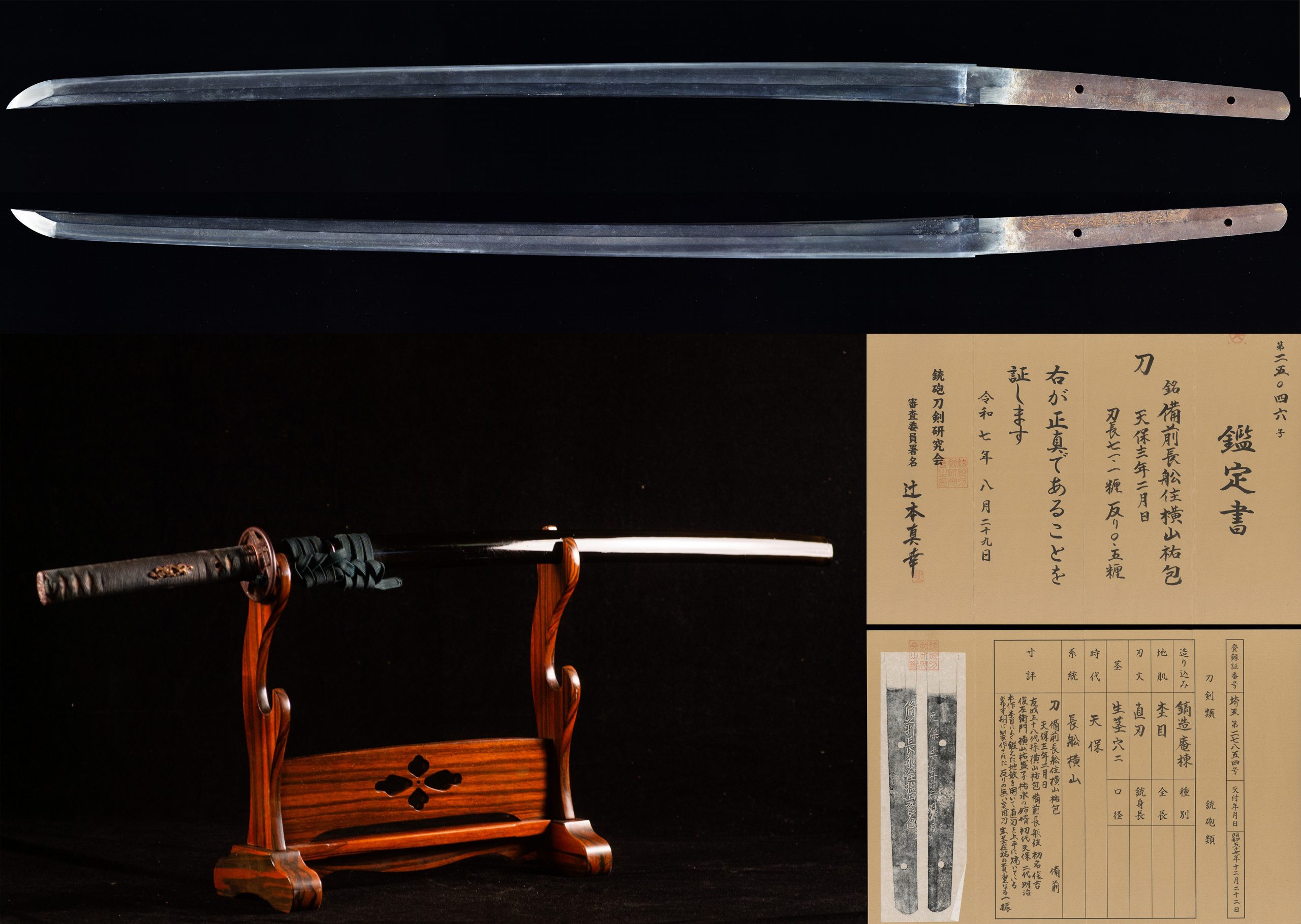
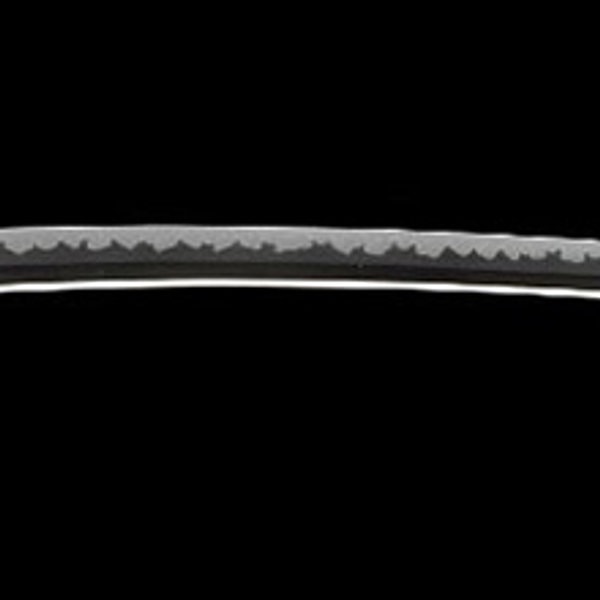
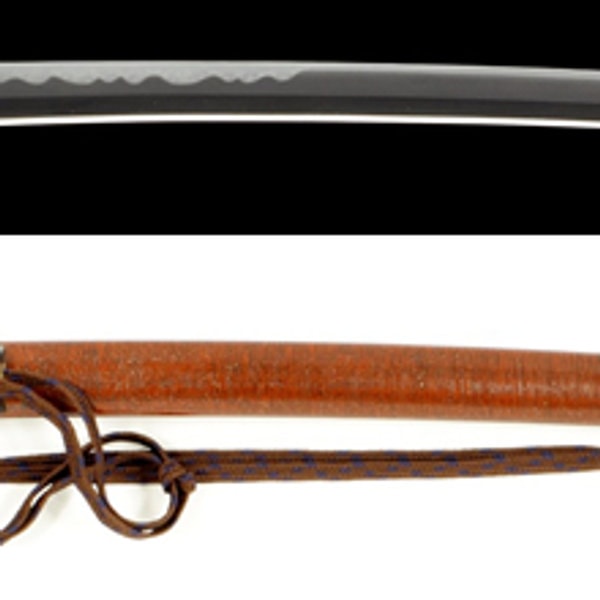
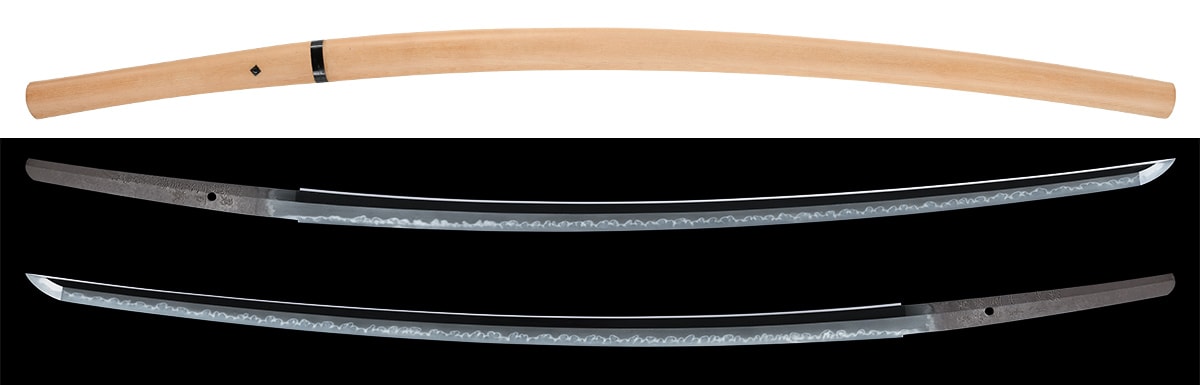
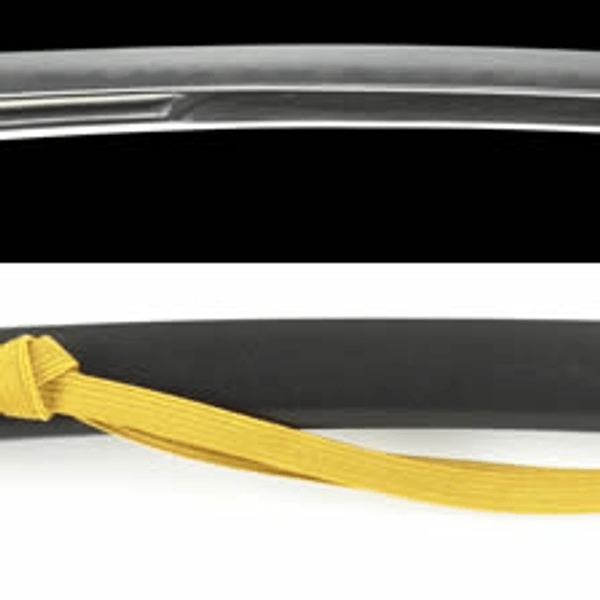
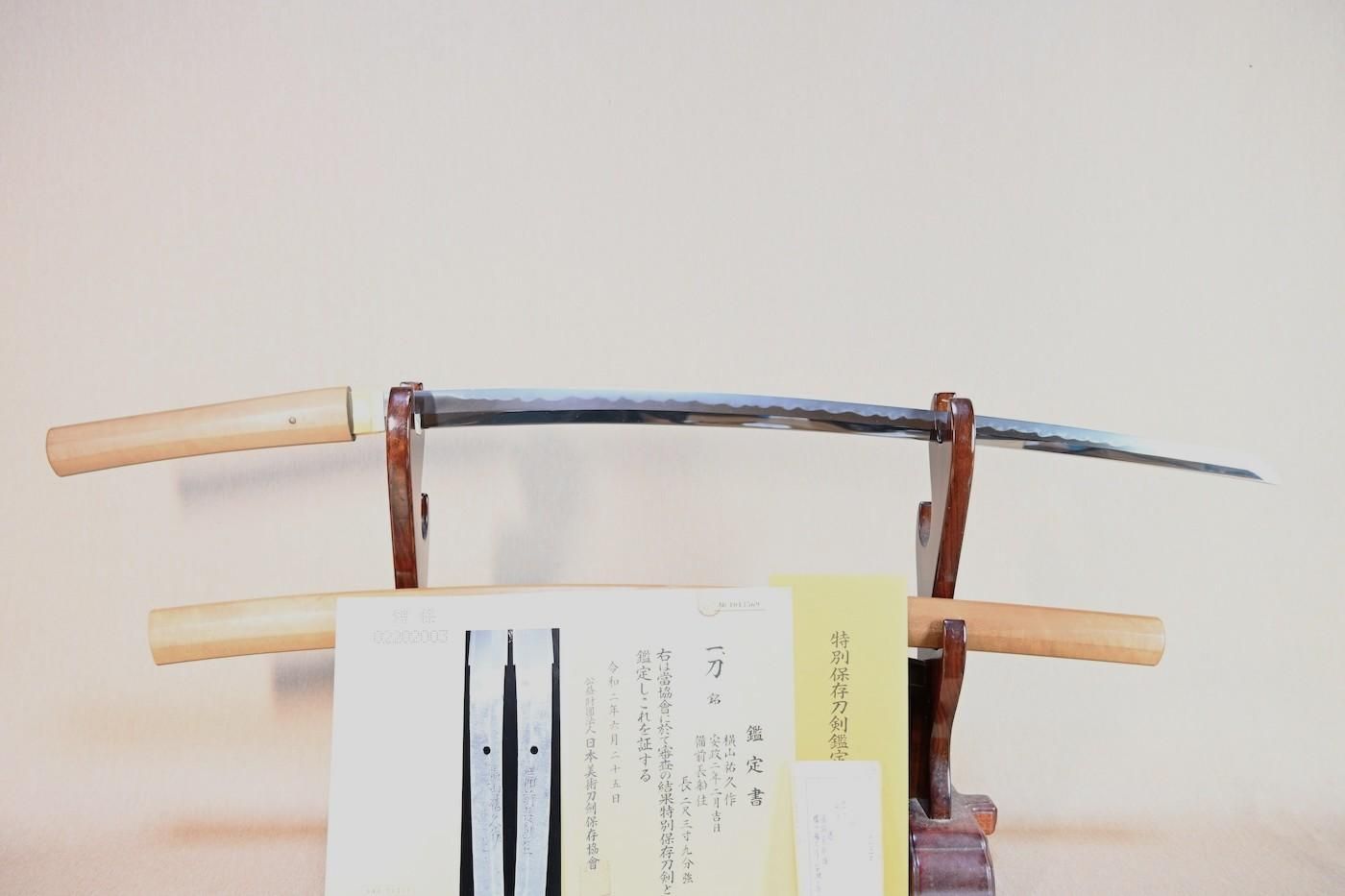
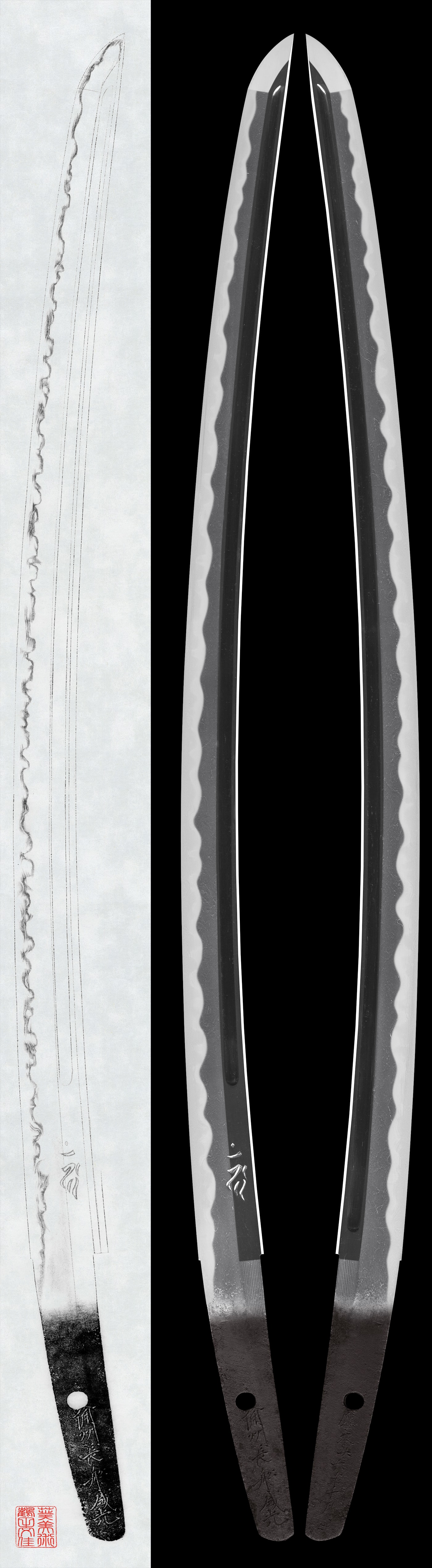
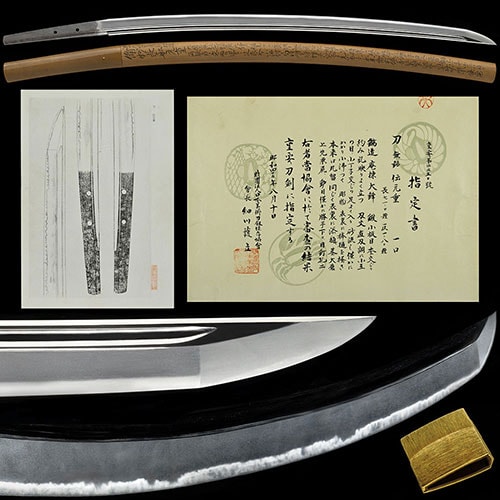
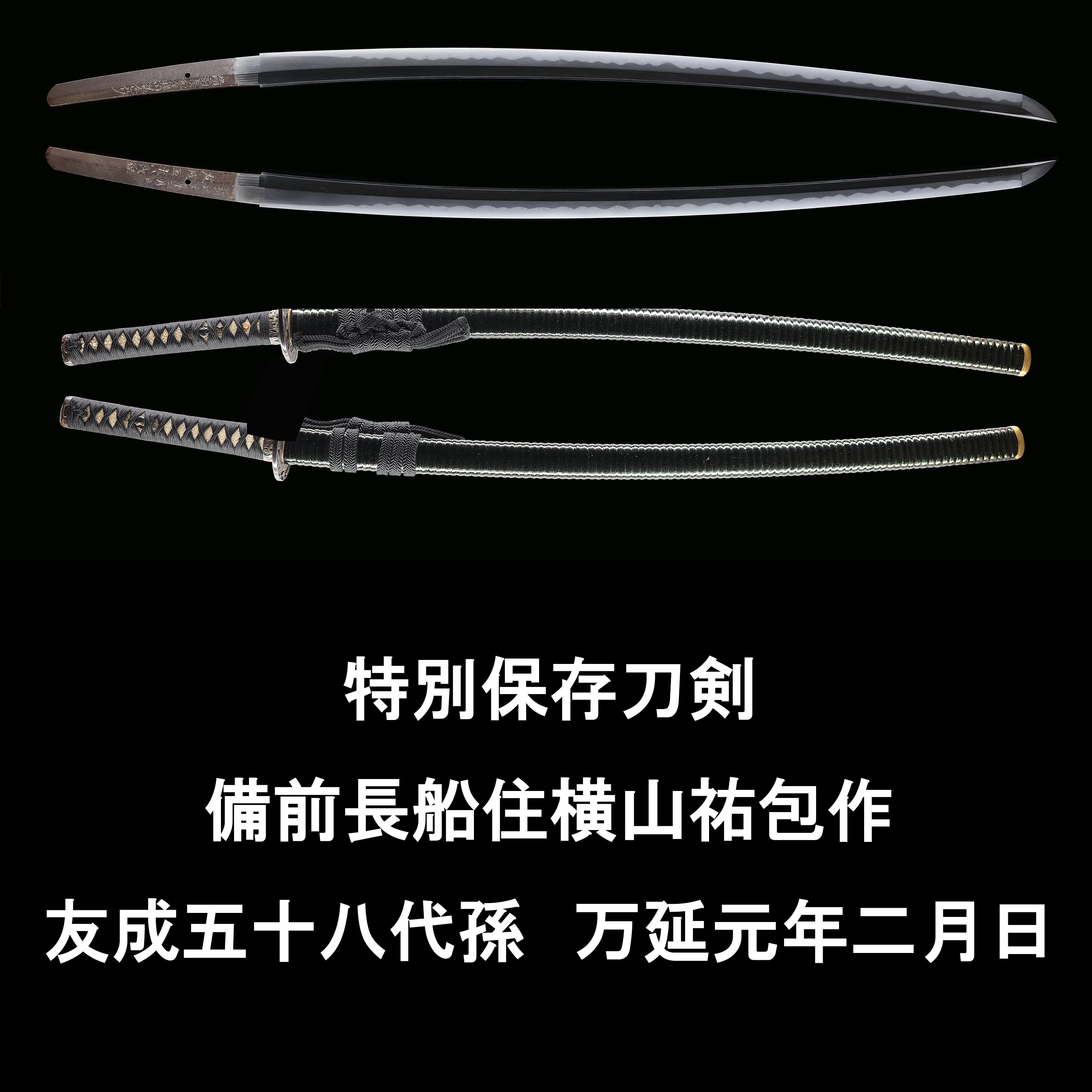
This katana is signed by Yokoyama Sukekane, a prominent Shin-Shinto smith from Bizen province, active from 1834 to 1872. It features a well-forged ko-itame hada with ji-nie and a vibrant kikka-choji hamon. The sword comes with both a shirasaya and a koshirae, including a tsuba with a iron and shakudo fukurin, shakudo menuki depicting immortal peaches, and a fuchi-kashira by Tamagawa Kumi-ha.
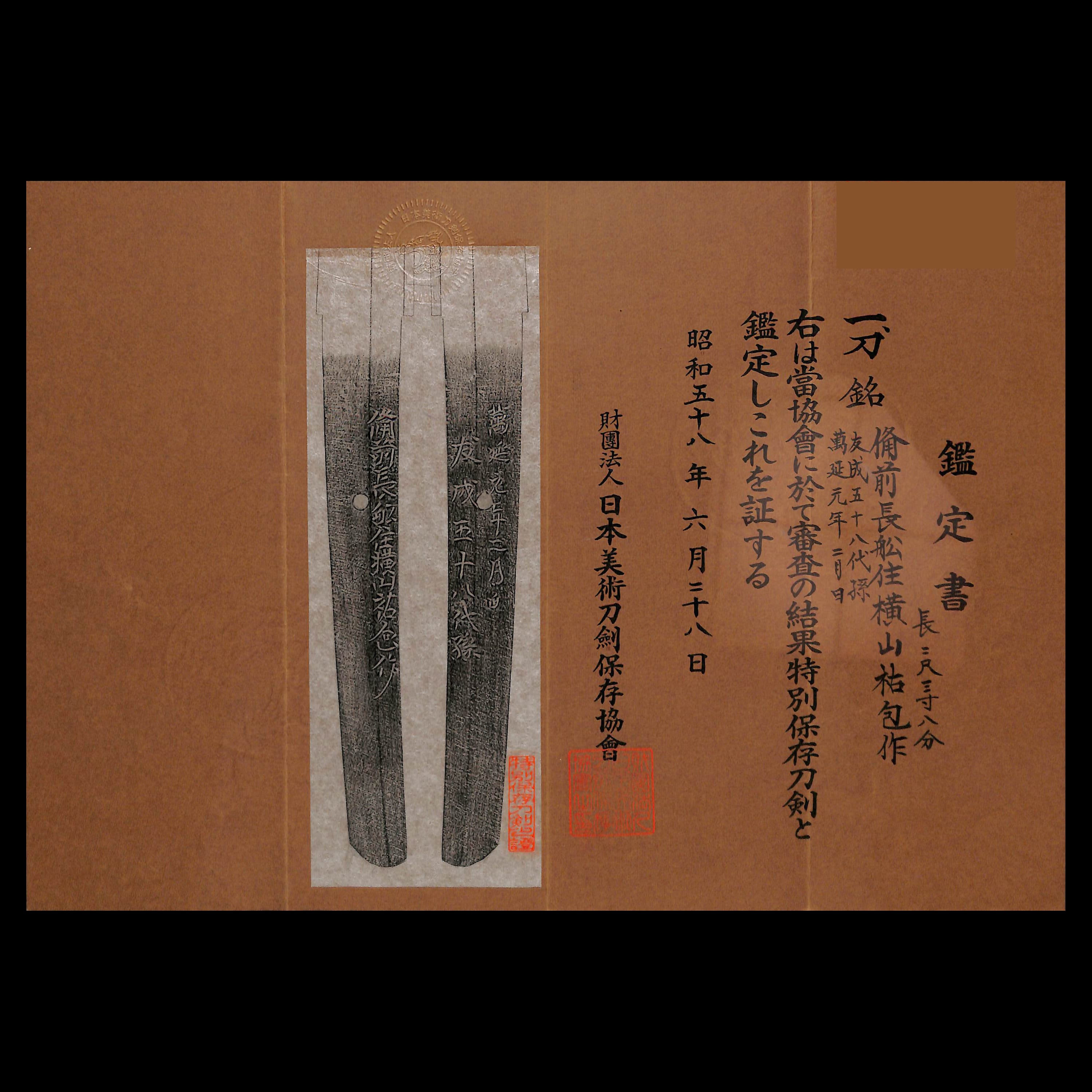
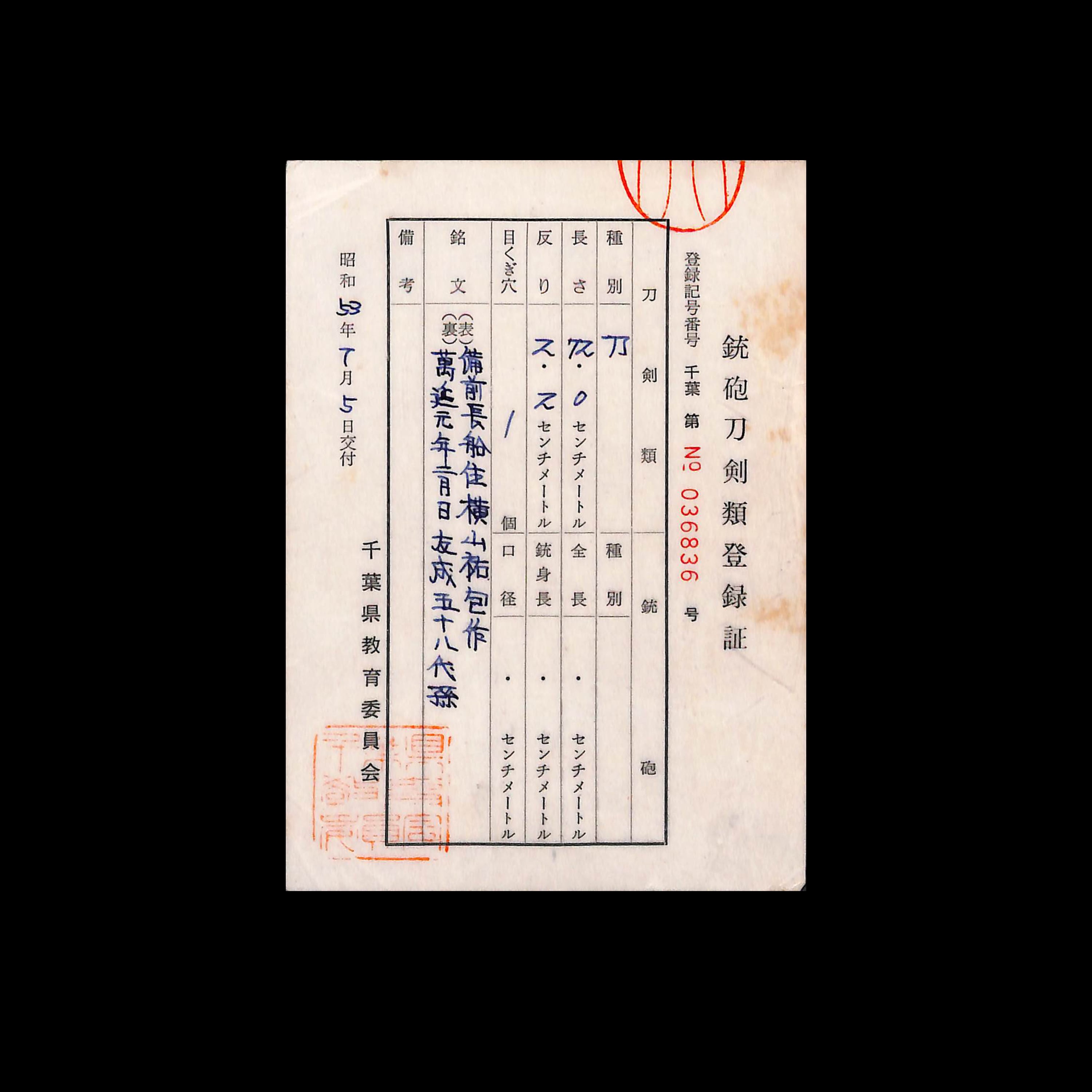
Certificate reading — 銘 備前長船住横山祐包作 友成五十八代孫 萬延元年二月日
 NihontoWatch
signed · Osafune · Kaei (1848-1854) · nagasa 72cm · sori 2.2cm
Bizen-den · Bizen · around 1834-1872
Tōken Taikan top 60%
11 pieces on the market now
Bizen-den · Bizen
44 pieces on the market now
| Smith | Era | Designated |
|---|---|---|
| Sukenobu祐信 | 1830-1844 | 0 |
| Suketaka祐高 | 1865-1868 | 0 |
| Sukeharu祐春 | 1864-1865 | 0 |
| Sukehiro祐廣 | 1854-1860 | 0 |
| Sukekane祐包 | 1868-1912 | 0 |
The Edo period (1615 to 1868)
Edo was the sword’s age of connoisseurship: the Hon’ami appraisers, the shogunal register of famous blades of 1719, and a thriving literature turned the sword into an object of study even as it ceased to be drawn in war.
A Hozon-certified blade judged to show notably superior workmanship and a better state of preservation. The bar is higher: re-tempered blades and most unsigned Muromachi/Edo works are excluded.
The NBTHK (Nihon Bijutsu Tōken Hozon Kyōkai, the Society for the Preservation of Japanese Art Swords) is a public-interest incorporated foundation founded in 1948 and supervised by Japan’s Agency for Cultural Affairs (Bunkachō); it is based at the Japanese Sword Museum in Tokyo. Its expert panels physically examine each submitted work (shinsa) and issue a certificate (kanteishō) ranking it by artistic and historical merit. NBTHK papers are the most widely recognized standard of authentication for Japanese swords and fittings.
NBTHK official siteExcept where the item is defective, we do not accept returns as a rule. In the case of an error on our part, please contact us by email within 3 days of the item's arrival.

¥2,200,000
This katana is signed by Yokoyama Sukekane, a prominent Shin-Shinto smith from Bizen province, active from 1834 to 1872. It features a well-forged ko-itame hada with ji-nie and a vibrant kikka-choji hamon. The sword comes with both a shirasaya and a koshirae, including a tsuba with a iron and shakudo fukurin, shakudo menuki depicting immortal peaches, and a fuchi-kashira by Tamagawa Kumi-ha.
Certificate reading — 銘 備前長船住横山祐包作 友成五十八代孫 萬延元年二月日
NihontoWatchsigned · Osafune · Kaei (1848-1854) · nagasa 72cm · sori 2.2cm
Bizen-den · Bizen · around 1834-1872
Tōken Taikan top 60%
11 pieces on the market now
Bizen-den · Bizen
44 pieces on the market now
| Smith | Era | Designated |
|---|---|---|
| Sukenobu祐信 | 1830-1844 | 0 |
| Suketaka祐高 | 1865-1868 | 0 |
| Sukeharu祐春 | 1864-1865 | 0 |
| Sukehiro祐廣 | 1854-1860 | 0 |
| Sukekane祐包 | 1868-1912 | 0 |
The Edo period (1615 to 1868)
Edo was the sword’s age of connoisseurship: the Hon’ami appraisers, the shogunal register of famous blades of 1719, and a thriving literature turned the sword into an object of study even as it ceased to be drawn in war.
A Hozon-certified blade judged to show notably superior workmanship and a better state of preservation. The bar is higher: re-tempered blades and most unsigned Muromachi/Edo works are excluded.
The NBTHK (Nihon Bijutsu Tōken Hozon Kyōkai, the Society for the Preservation of Japanese Art Swords) is a public-interest incorporated foundation founded in 1948 and supervised by Japan’s Agency for Cultural Affairs (Bunkachō); it is based at the Japanese Sword Museum in Tokyo. Its expert panels physically examine each submitted work (shinsa) and issue a certificate (kanteishō) ranking it by artistic and historical merit. NBTHK papers are the most widely recognized standard of authentication for Japanese swords and fittings.
NBTHK official siteExcept where the item is defective, we do not accept returns as a rule. In the case of an error on our part, please contact us by email within 3 days of the item's arrival.
¥2,200,000