Perry’s arrival in 1853 unraveled the Tokugawa peace and created the first mass demand for working swords in two centuries. Kiyomaro, called the Masamune of Yotsuya, died on its eve; Munetsugu and Yukihide carried the boom to the end.
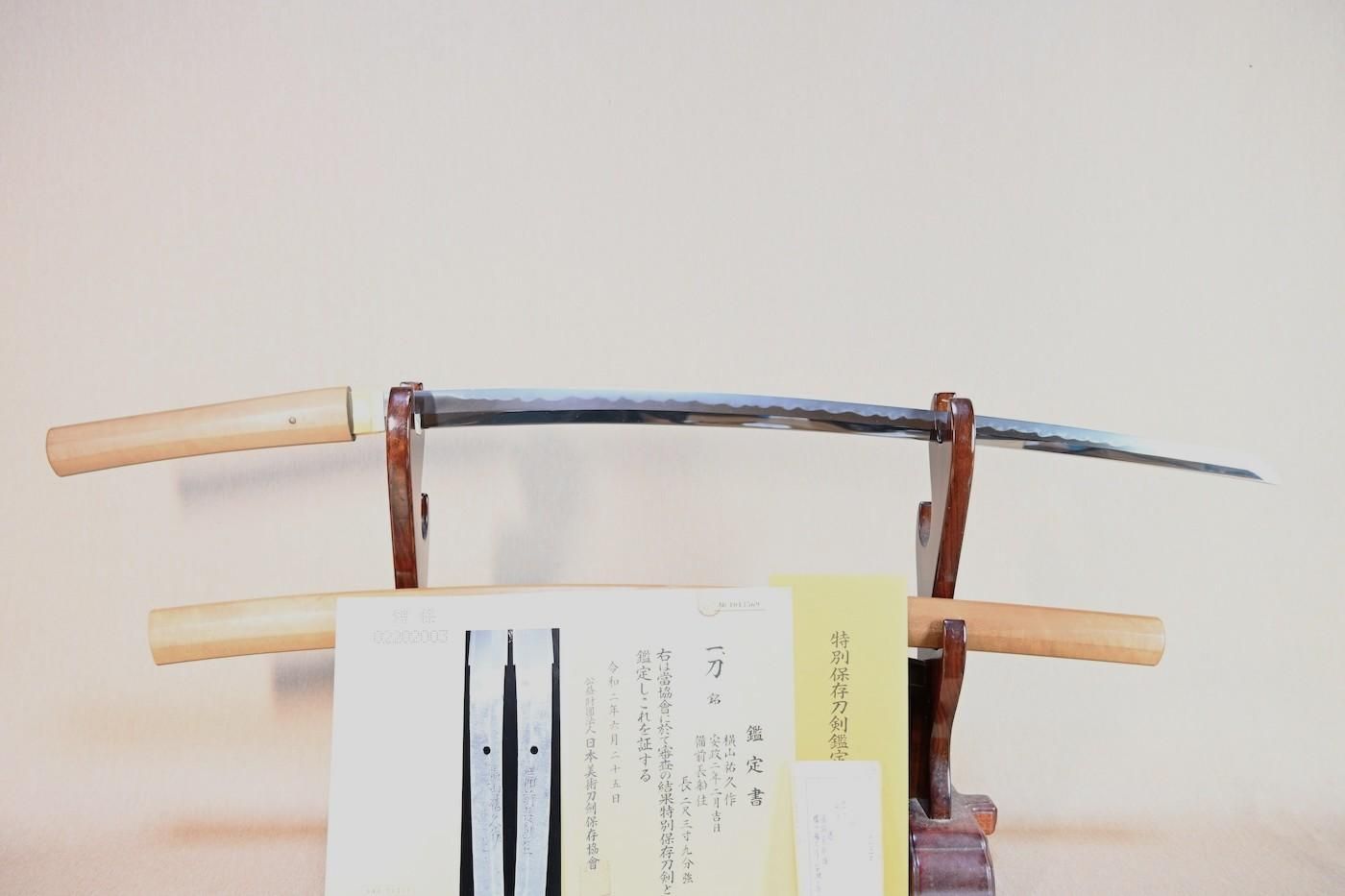
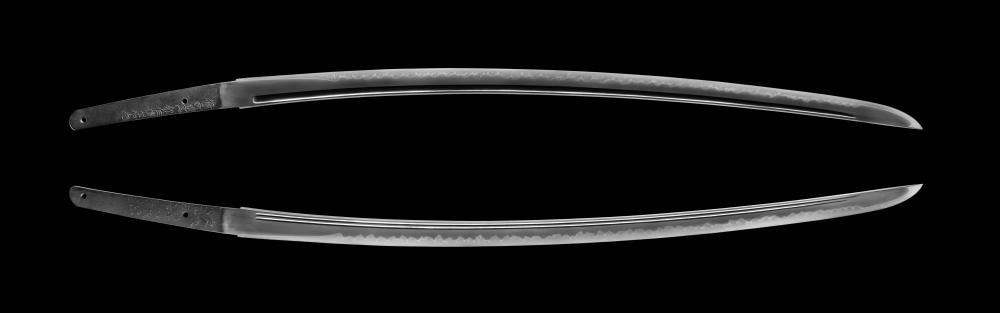
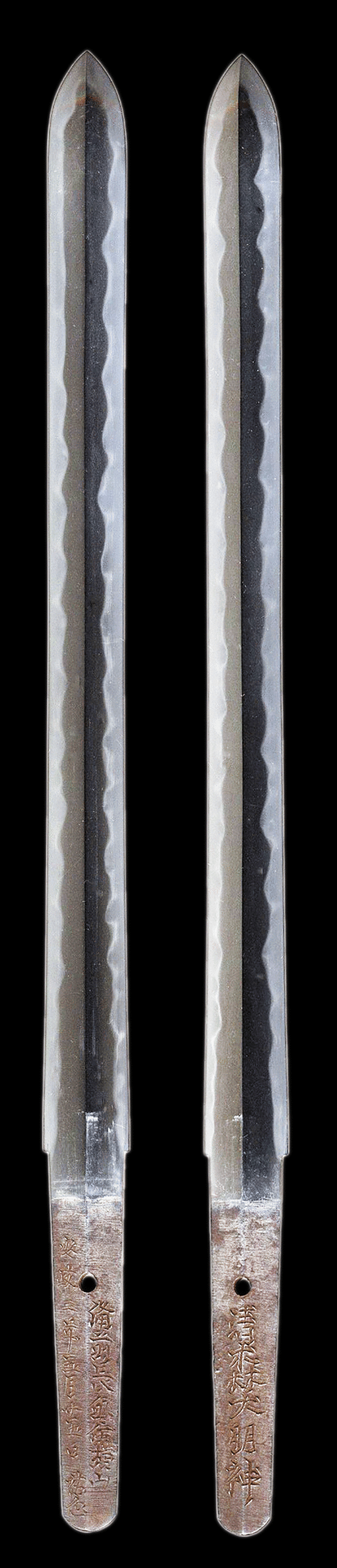
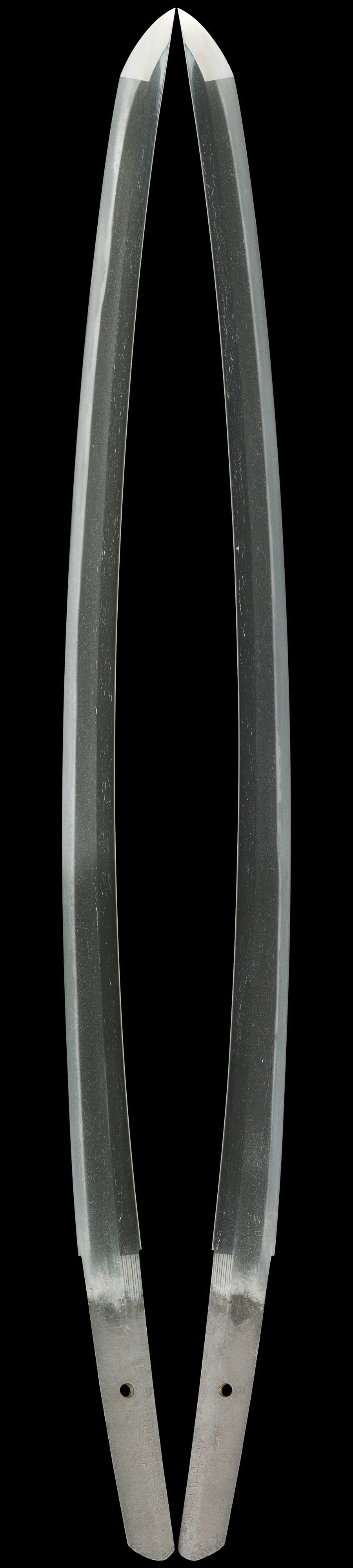
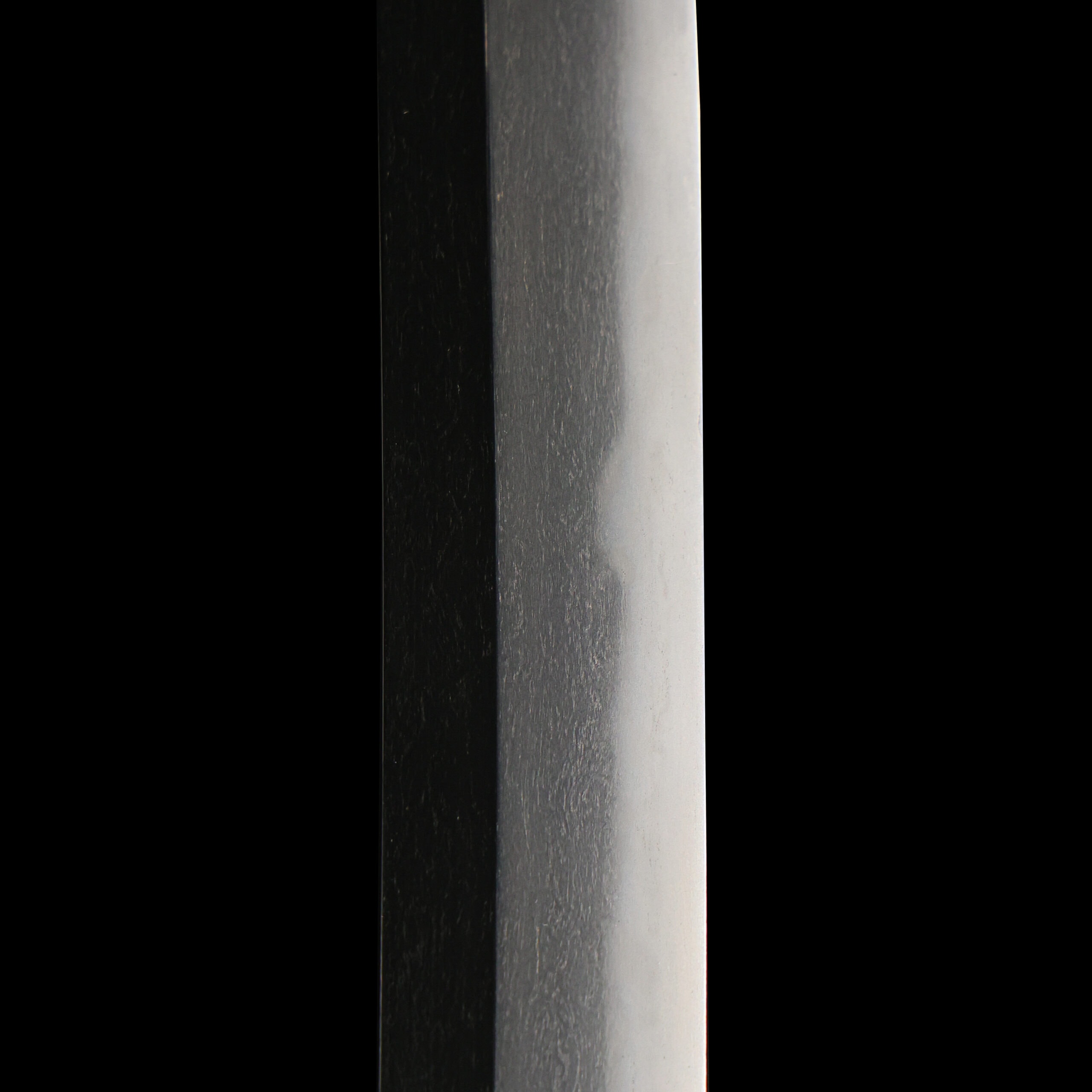
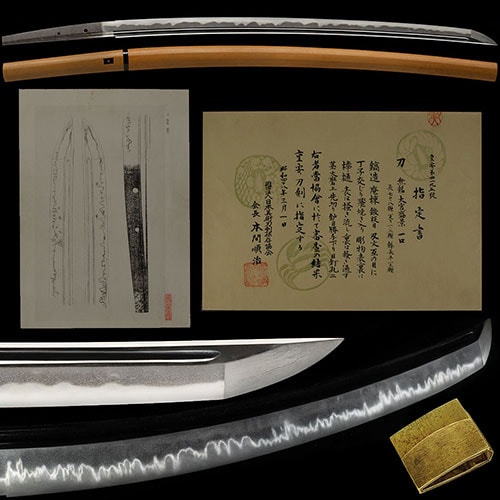
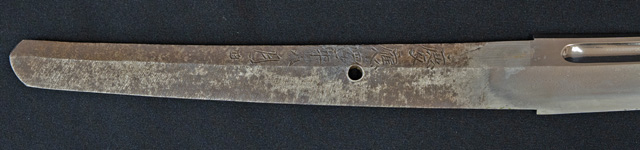
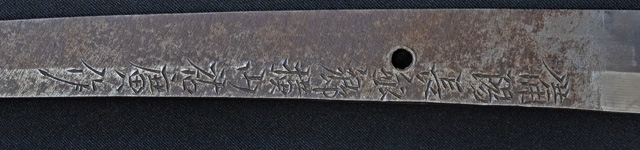
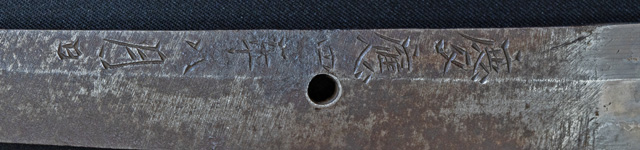
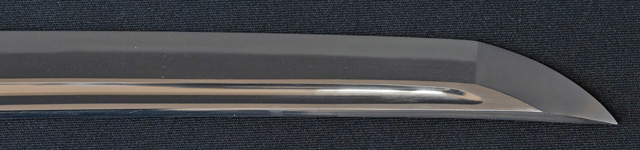
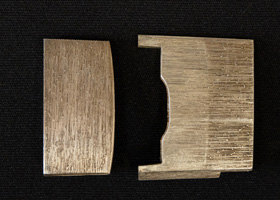
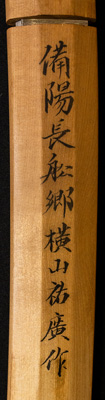
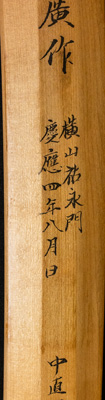
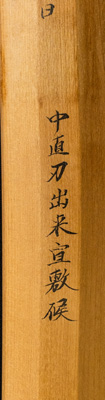
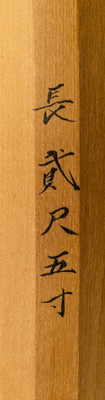
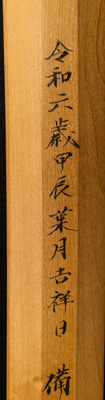
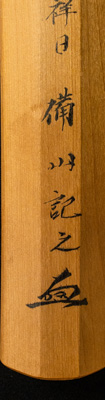
Hozon-tsuki Katana: Biyou Osafune-ju Yokoyama Sukehiro Saku Keio Yon-nen Hachi-gatsu Hi Item Number: 31-2394 Katana: Biyou Osafune-ju SUKEHIRO Saku Country/Era: Bakumatsu, Bizen In Shirasaya, with Bohi Nagasa: 75.9cm (2 shaku 5 sun 1 bu) Sori: 2.2cm (7 bu 3 rin) Motohaba: 3.24cm Sakihaba: 2.29cm Motokasane: 7.1mm Sakikasane: 4.9mm Toshin Juyo (Blade weight): Hadakami 750g Nakago: Ubu Mekugi-ana: 1 Hamon: Suguha Price: 500,000 Yen (Tax included) Disciple of Yokoyama Sukenaga. Original province Sanuki. Hamon is nioi-deki suguha, jigane is ko-mokume hada. Since there are also swords signed "Sanshu Nio-ju," he likely returned to Sanuki after completing his training in Bizen.
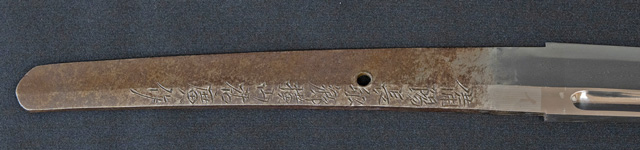
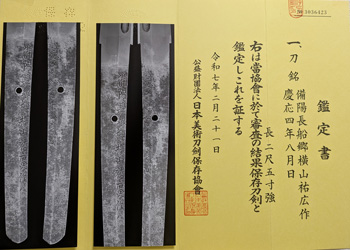
Certificate reading — 銘 備陽長船郷横山祐広作 慶応四年八月日
 NihontoWatch
signed · Osafune · Ansei (1854-1860) · nagasa 75.9cm · sori 2.2cm





Bizen-den · Bizen · around 1854-1860
3 pieces on the market now
Bizen-den · Bizen
43 pieces on the market now
| Smith | Era | Designated |
|---|---|---|
| Sukenobu祐信 | 1830-1844 | 0 |
| Suketaka祐高 | 1865-1868 | 0 |
| Sukeharu祐春 | 1864-1865 | 0 |
| Sukehiro祐廣 | 1854-1860 | 0 |
| Sukekane祐包 | 1868-1912 | 0 |
Bakumatsu: the last war market
Perry’s arrival in 1853 unraveled the Tokugawa peace and created the first mass demand for working swords in two centuries. Kiyomaro, called the Masamune of Yotsuya, died on its eve; Munetsugu and Yukihide carried the boom to the end.
Certifies a genuine blade worth preserving: a signature confirmed correct, or, if unsigned, an era, province, and school that the NBTHK can reliably identify.
The NBTHK (Nihon Bijutsu Tōken Hozon Kyōkai, the Society for the Preservation of Japanese Art Swords) is a public-interest incorporated foundation founded in 1948 and supervised by Japan’s Agency for Cultural Affairs (Bunkachō); it is based at the Japanese Sword Museum in Tokyo. Its expert panels physically examine each submitted work (shinsa) and issue a certificate (kanteishō) ranking it by artistic and historical merit. NBTHK papers are the most widely recognized standard of authentication for Japanese swords and fittings.
NBTHK official sitePlease request cooling-off within 8 days of the item's arrival. Items that have been altered cannot be handled. Return shipping is the customer's responsibility. If the destination is overseas, returns and refunds are not available.

¥500,000
Hozon-tsuki Katana: Biyou Osafune-ju Yokoyama Sukehiro Saku Keio Yon-nen Hachi-gatsu Hi Item Number: 31-2394 Katana: Biyou Osafune-ju SUKEHIRO Saku Country/Era: Bakumatsu, Bizen In Shirasaya, with Bohi Nagasa: 75.9cm (2 shaku 5 sun 1 bu) Sori: 2.2cm (7 bu 3 rin) Motohaba: 3.24cm Sakihaba: 2.29cm Motokasane: 7.1mm Sakikasane: 4.9mm Toshin Juyo (Blade weight): Hadakami 750g Nakago: Ubu Mekugi-ana: 1 Hamon: Suguha Price: 500,000 Yen (Tax included) Disciple of Yokoyama Sukenaga. Original province Sanuki. Hamon is nioi-deki suguha, jigane is ko-mokume hada. Since there are also swords signed "Sanshu Nio-ju," he likely returned to Sanuki after completing his training in Bizen.
Certificate reading — 銘 備陽長船郷横山祐広作 慶応四年八月日
NihontoWatchsigned · Osafune · Ansei (1854-1860) · nagasa 75.9cm · sori 2.2cm
Bizen-den · Bizen · around 1854-1860
3 pieces on the market now
Bizen-den · Bizen
43 pieces on the market now
| Smith | Era | Designated |
|---|---|---|
| Sukenobu祐信 | 1830-1844 | 0 |
| Suketaka祐高 | 1865-1868 | 0 |
| Sukeharu祐春 | 1864-1865 | 0 |
| Sukehiro祐廣 | 1854-1860 | 0 |
| Sukekane祐包 | 1868-1912 | 0 |
Bakumatsu: the last war market
Perry’s arrival in 1853 unraveled the Tokugawa peace and created the first mass demand for working swords in two centuries. Kiyomaro, called the Masamune of Yotsuya, died on its eve; Munetsugu and Yukihide carried the boom to the end.
Certifies a genuine blade worth preserving: a signature confirmed correct, or, if unsigned, an era, province, and school that the NBTHK can reliably identify.
The NBTHK (Nihon Bijutsu Tōken Hozon Kyōkai, the Society for the Preservation of Japanese Art Swords) is a public-interest incorporated foundation founded in 1948 and supervised by Japan’s Agency for Cultural Affairs (Bunkachō); it is based at the Japanese Sword Museum in Tokyo. Its expert panels physically examine each submitted work (shinsa) and issue a certificate (kanteishō) ranking it by artistic and historical merit. NBTHK papers are the most widely recognized standard of authentication for Japanese swords and fittings.
NBTHK official sitePlease request cooling-off within 8 days of the item's arrival. Items that have been altered cannot be handled. Return shipping is the customer's responsibility. If the destination is overseas, returns and refunds are not available.
¥500,000