NihontoWatch MonNihontoWatchBETA
MarketEncyclopedia
NihontoWatch Mon

NihontoWatchBETA

Market
Encyclopedia
Overview·Kantei·Designations·Provenance·Blade Forms·Signatures·Lineage·School
OverviewKanteiDesignationsProvenanceBlade FormsSignaturesLineageSchool
  1. Schools
  2. Mihara
  3. Ko-Mihara
  4. Masahiro

Ko-Mihara Masahiro

正廣

Tokujū
Vol. 8, No. 28 · Katana

Ko-Mihara Masahiro

正廣

37 ranked works

ProvinceBingoEraTeiji (1362–1368)PeriodNanbokuchōSchoolMihara>Ko-MiharaTraditionYamato-denGeneration1stTeacherMasaieFujishiroJo-jo sakuToko Taikan850(top 11%)TypeSwordsmithCodeMAS159
1Jūyō Bunkazai
8Jūyō Bijutsuhin
3Tokubetsu Jūyō25Jūyō Tōken

Overview

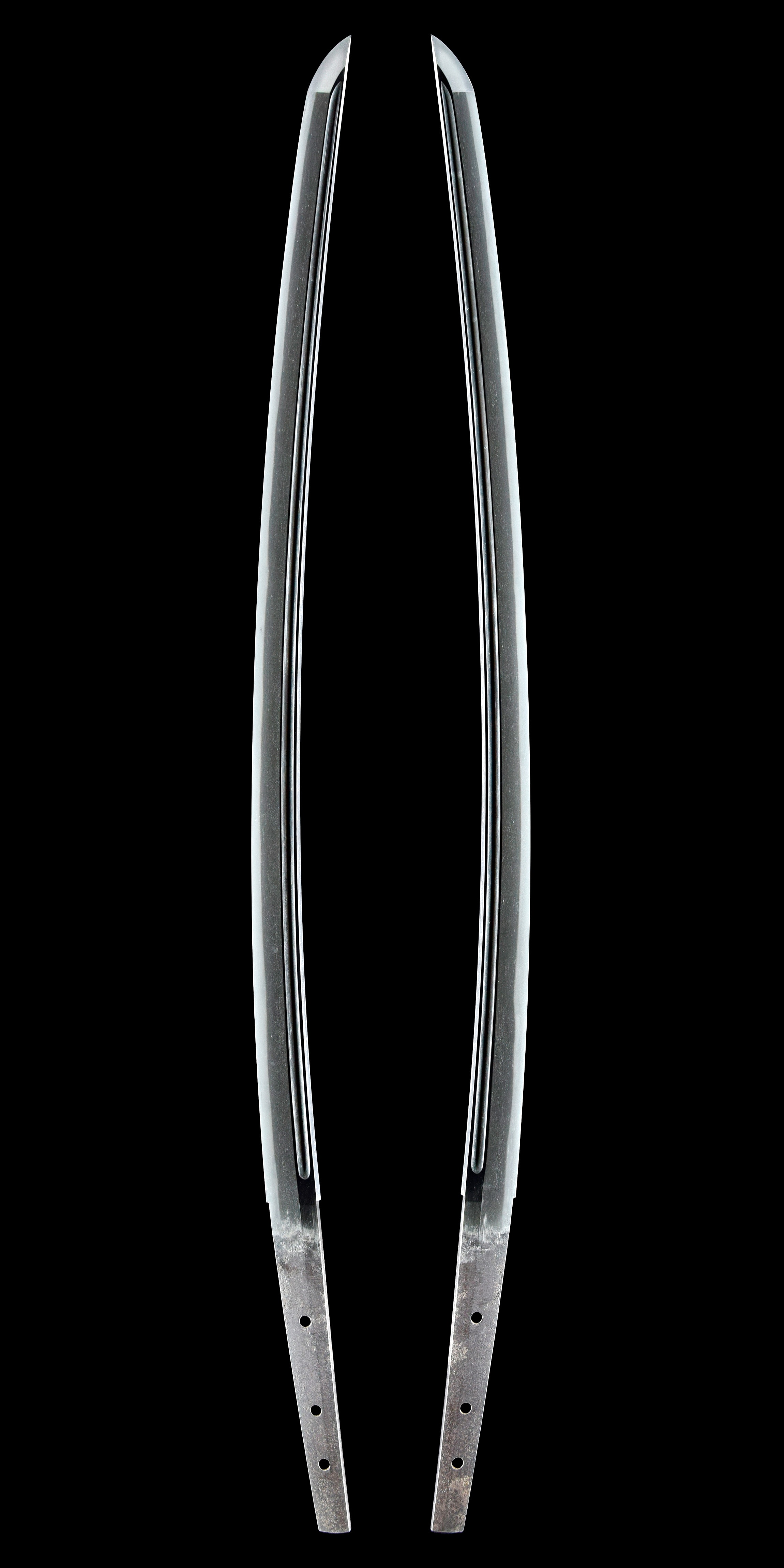
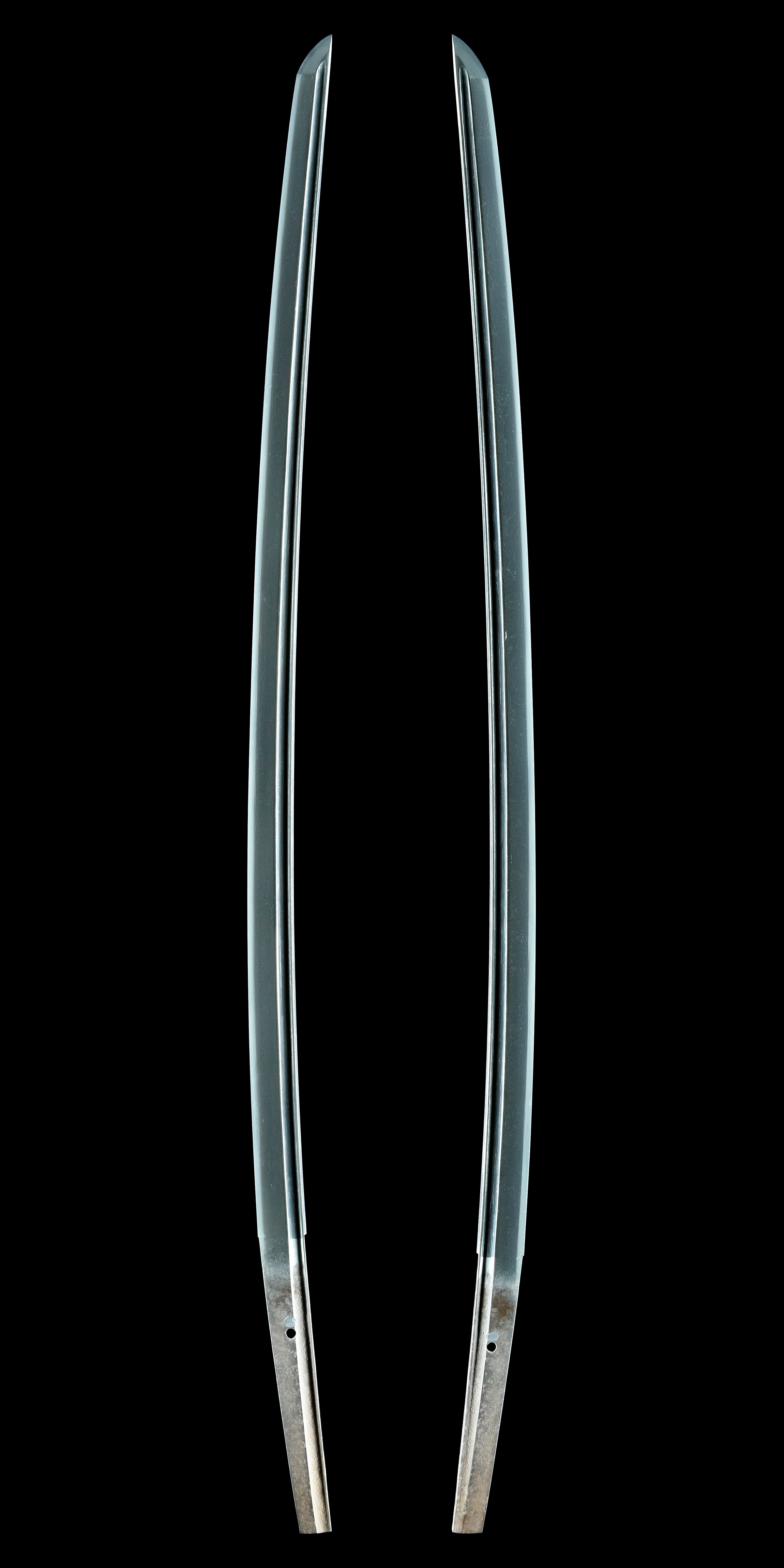
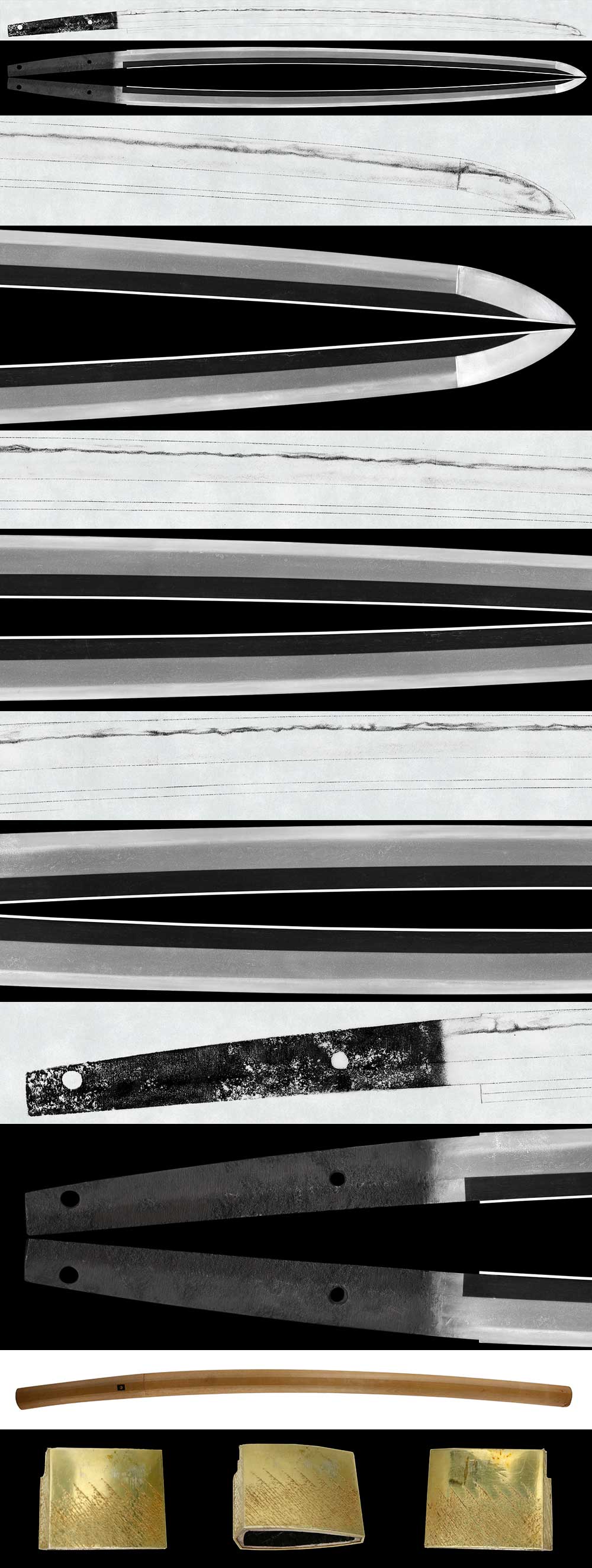
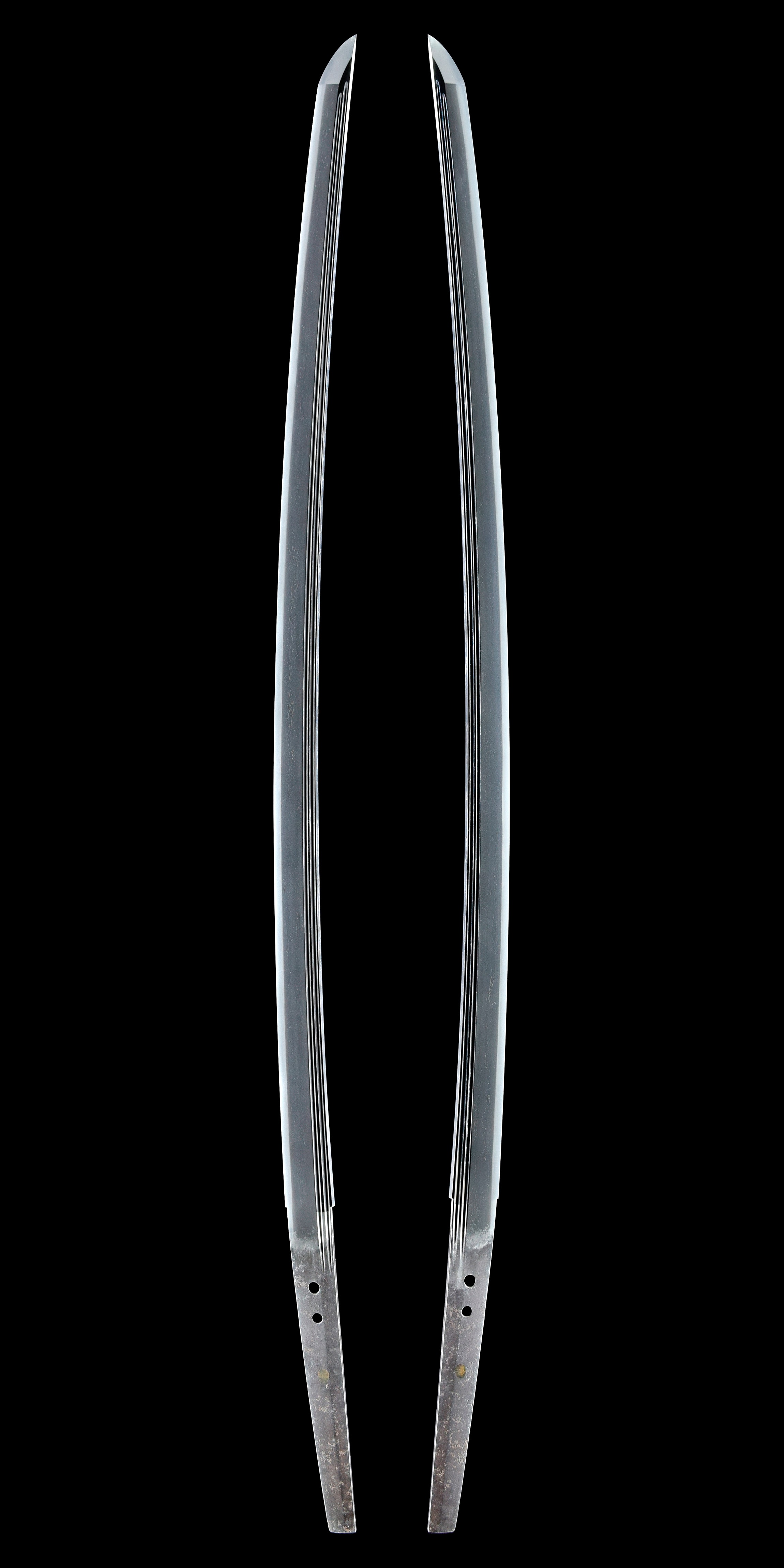
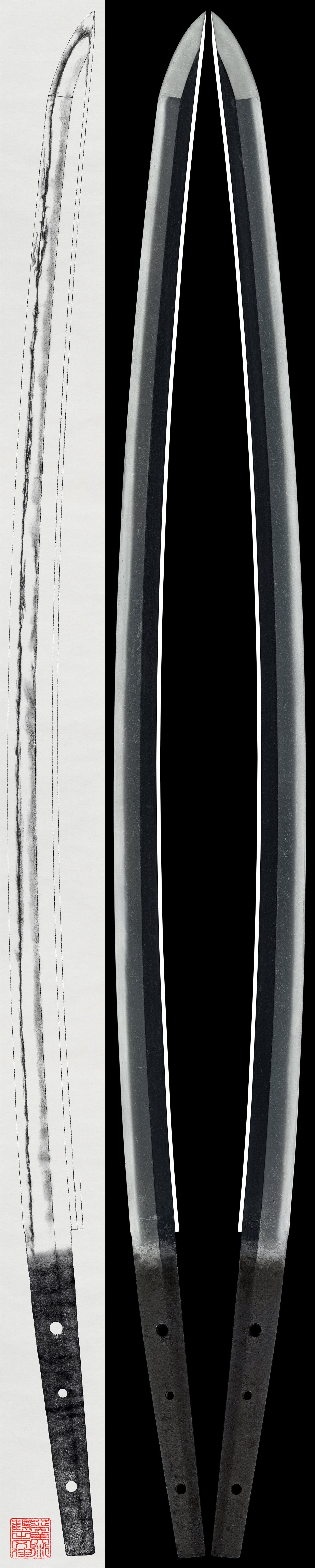
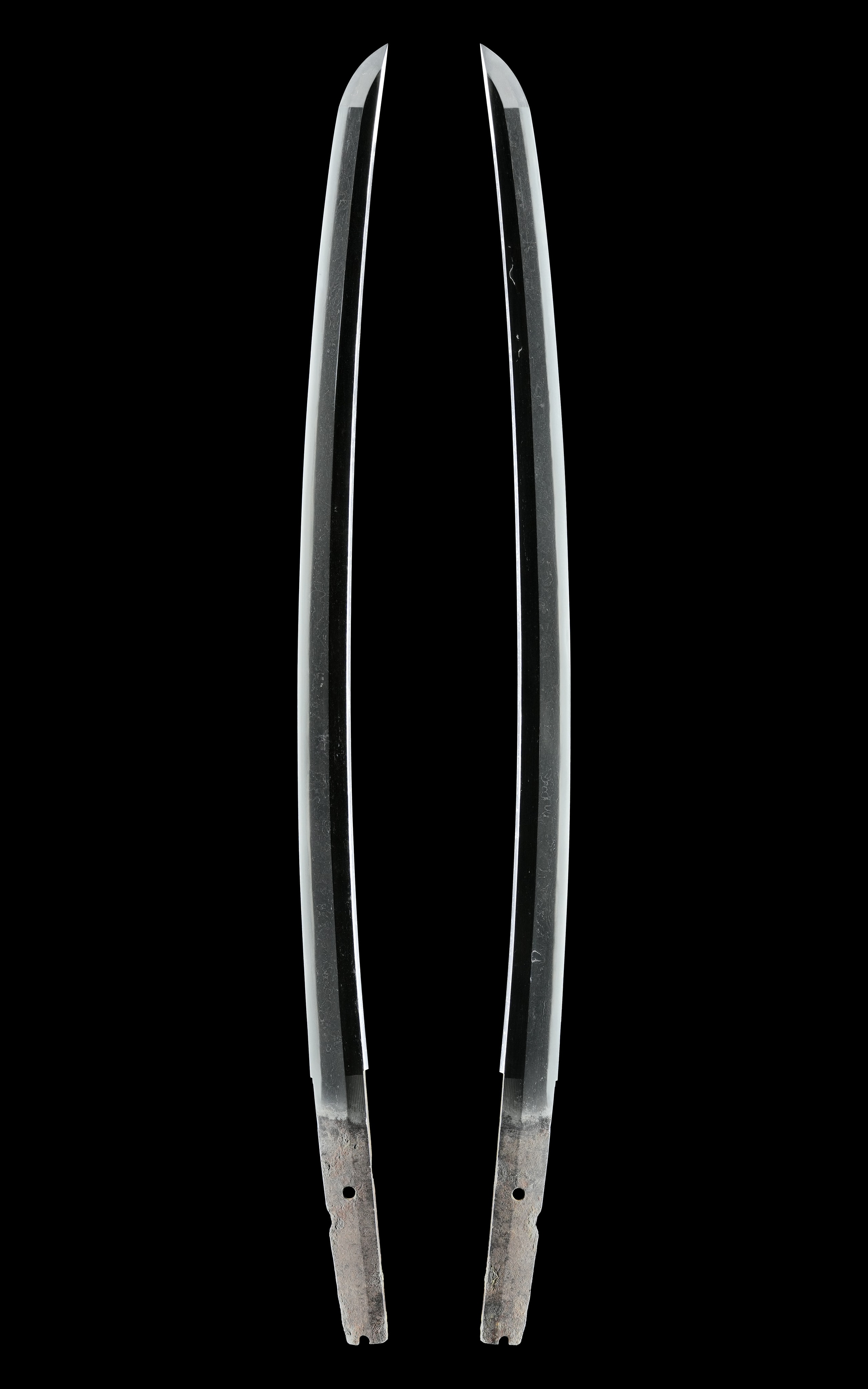
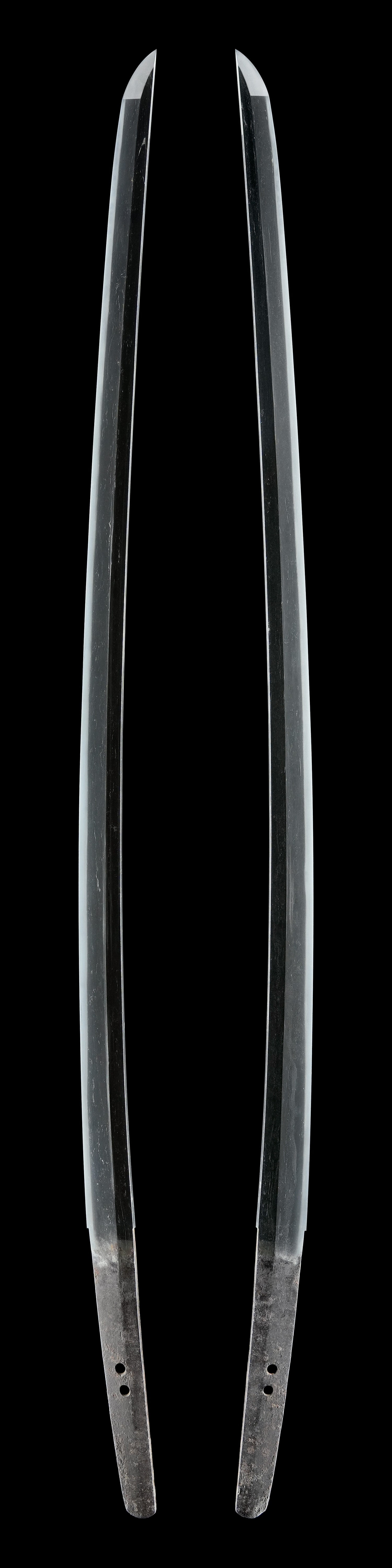
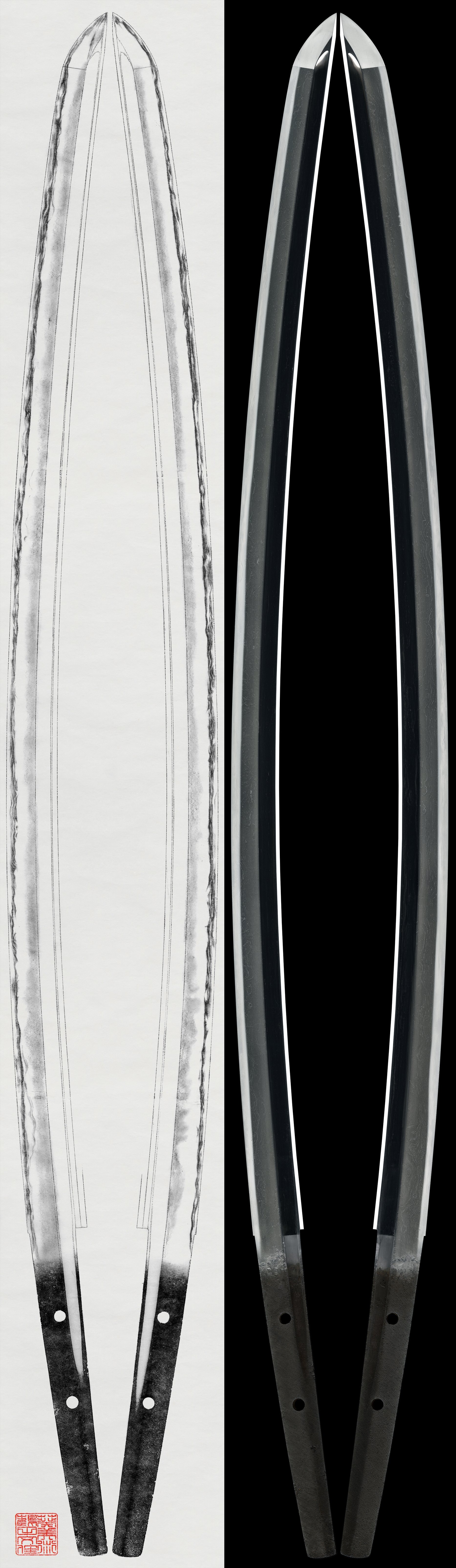
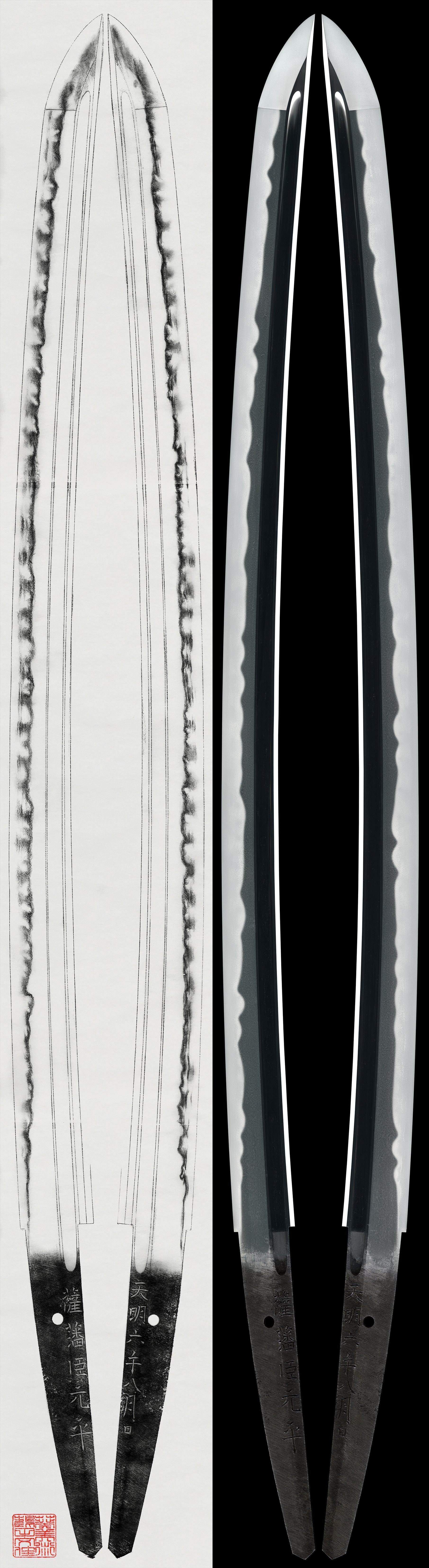
At the second session, in 1973, the designated a signed Bishu ju Masahiro (備州住正広), recording it as the blade of this name whose and are of the finest workmanship (地刃の出来が最も優れ). Masahiro of in Bingo province stands with Masaie as one of the two representative smiths of Ko-, the collective name for the school's work from the end of through . "Masahiro is traditionally regarded as a son of Ko- Masaie" (正広は古三原正家の子と伝えられている), in other texts a pupil, yet the sources repeatedly invert the chronology: "judged from the workmanship, Masahiro reads older in style than Masaie" (作刀上からは正家よりも正広の方が古調である), several signed being appraised as late work. The name itself is collective. The signature references list six smiths called Masahiro in Bingo, the recorded dates opening in Joji 3 (1364) and running through Shitoku, Kakei and Oei, and "the Oei work is regarded as a second generation" (応永は二代とみられている). Extant dated blades are rare, only Shitoku and Oei examples being known, and the treats the name collectively, several generations under one attribution.

His manner is Yamato carried into Bingo steel. Bingo held many estates of the central temples, Toji and the Rengeoin among them, and the published sources read the style as the product of that exchange: -based work over a flowing . The sources separate him from Yamato proper in one recurring formula: "compared with works from Yamato proper, the of and is as a rule weaker, the forging stands out in moku, the whitish is conspicuous, the is a whose tends to tightness, and the turns back gently in a rounded manner" (大和本国のものに比べては、地刃の沸が弱いのが通例で、鍛えが杢立ち、白け映りが目立ち、刃文は匂口が締まりごころの直刃で、帽子も穏やかに丸く返る). A pale rises in the on nearly half of his recorded works; his runs straight to a gentle return, often with , never to the that defines the Yamato schools; and his flows and stands without resolving into their full .

In detail the forging is mixed with moku and , standing in places, with very fine , entering finely, and patches of . Over it the is a medium or mixed with and , with and entering well; the frays into , and work through the , and the stays tight or subdued with thick rather than bright heavy . The work divides into two registers. The signed , mostly though several keep their , carry the in large slender-chisel characters: the first generation signs invariably Bishu ju (備州住) and never Bingo no ju, beside rarer three-character reading Masahiro (正広作) and two-character . The sanji- pieces read oldest; one has its recorded in the Ojakusho (往昔抄), the compendium of sword rubbings. Beside them stands the register, attributed by , several settled by attribution inscriptions rather than signatures; the examples run wide in with , one of them "originally a of nearly three " (もとは三尺に近い太刀であった).

Within the one discipline distinct strains stand out. The dated Shitoku 1 (1384), a 79.6 cm blade with its nagamei intact, keeps the base but takes throughout, running hard along the upper half into niju and sanju-ba effects, and is singled out as "showing, within his oeuvre, a manner strong in the of and " (同作中にあって地刃の沸の強い作風を示している); a later designation links a sanji- of the end to it by the and . The Oei work, read as the second generation, leans toward the neighbors. The dated Oei 6 (1399) shows "a manner that could at first sight be mistaken for the school of Yamashiro" (一見山城国来派の作に見紛う作風), only the slight -zori betraying the period. The dated Oei 22 (1415), the one blade in the record signed Bingo no ju Masahiro (備後国住正広), goes the other way toward : a slanting lean enters the of its , a stands in the with , and "the burns its return deeply downward in waterfall fashion, the so-called -" (帽子は返りを滝落し風に深く焼下げる所謂三原帽子となっている). A of the years lines up round-topped that the sources liken to the Hokke Kaneyasu (法華兼安) of the province. The adjacency is old: the treatise Shinkan Hidensho already wrote that the school's face "resembles a " (面ぶり備中太刀に似たり).

Against Masaie, the school's other master, the record draws the line through the . In Honma Junji's adjudication, "Masaie's is almost invariably an orderly , while Masahiro more often shows pieces with a degree of feeling and many activities within the " (正家の刃文は殆ど整然たる直刃であるが、正広には多少乱ごころのもの、刃中の働きが多いものが多く), the likewise not uniformly round but at times tending to midare or . The divides the two as well: "Masaie has many works with , while Masahiro shows comparatively many with a moderate " (正家に大鋒の作品が多いのに対し、正広には比較的鋒の尋常な作が多く見受けられる). The school's stream runs to the end of , and the deep-returning of his side is anchored by its celebrated blade, the O- (名物大三原), a designated Important Cultural Property, invoked for the strikingly deep turnback seen within his work.

Fujishiro rates him Jo-jo . The official record carries thirty-seven designated works: one Important Cultural Property, the O- itself, three , twenty-five and eight Bijutsuhin, twenty-six of them signed against seven , with four more carrying attribution inscriptions. Seven blades hold recorded provenance, among them a Jubi whose cut signature reads Bingo ju Masa (備後住正), passed from Prince Konoe Fumimaro to the Yomei Bunko, Kyoto, and another held by Asano no Kami. The Important Cultural Property is patrimony, permanently held; recorded institutional holders are the Tokyo National Museum, the Tsukamoto Museum and the Yomei Bunko, the rest in private hands. For the collector the realistic field is the twenty-eight blades of the and tiers: not beyond reach in the way the great and names are, but coming to market only from time to time. The signed with the slender-chisel nagamei carry the chronology of the school; of one such the closes its notice praising not only the work but the unforced, gentle character of the signature itself (屈託のない穏やかな銘字も魅力である).

Kantei

one core Yamato-cast suguha manner carried in two registers, the signed suriage tachi and the o-suriage mumei kiwame katana; beside it a nie-strong strain around Shitoku with yubashiri layering into niju and sanju-ba, and the Oei second generation whose work picks up neighbor accents, a Rai-like polish, an Aoe-like saka midare with midare-utsuri, and the deep waterfall return the texts call the Mihara-boshi

Masahiro is, with Masaie, one of the two representative smiths of Ko-Mihara, the old period of the Bingo Mihara school running from the end of Kamakura through Nanbokucho. The Meikan lists six smiths of the name in Bingo; dated work opens at Joji 3 (1364) and runs through Shitoku, Kakei and Oei, the Oei pieces regarded as a second generation, and extant dated blades are rare, only Shitoku and Oei being known. Tradition makes him son or pupil of the school head Masaie, yet the NBTHK observes that extant signed Masahiro reads older in style than signed Masaie. Bingo held estates of the great central temples, and the school's manner is Yamato cast in Bingo steel: suguha or suguha-cho over a flowing, standing itame. Against Yamato proper, however, the nie of ji and ha is weaker, the nioiguchi tighter, shirake-utsuri rises in the ji, and the boshi returns gently round rather than running yakizume. He signs in large slender-chisel characters, the first generation invariably 備州住正広.

Diagnostic discriminators

unique vs Tegai Kanenaga

the inverse discriminator: yakizume, the defining Yamato boshi, appears on 0 of his 40 setsumei against 38% on Tegai Kanenaga and 24% on Shikkake Norinaga; his boshi returns ko-maru (55%), often with hakikake, and the NBTHK's own formula reads the gently rounding return as a school tell

the grain flows without committing: nagare-hada is tagged on 38% of his corpus while the Yamato masters show 0%, their flow going straight to full masame (masame-gokoro 40% on Kanenaga, 36% on Norinaga, against his 18%); an itame that drifts and stands but never resolves into masame argues Mihara over Yamato

Observation by phase

Prime manner, the Yamato cast in Bingo steel

The mainstream of the forty-blade corpus, Kamakura end through mid Nanbokucho. The sugata is a tachi of moderate width with koshizori, the shinogi often high and the build showing funbari on the ubu pieces. The jigane is itame, flowing and at times leaning masame near the ha, standing in places, with fine ji-nie, chikei and jifu entering, and a pale shirake-utsuri rising on nearly half the corpus. The hamon is chu-suguha or suguha-cho with ko-gunome and ko-midare mixing in, ko-ashi and yo entering, the habuchi finely frayed with hotsure and at times uchinoke, kinsuji and sunagashi working through, the nioiguchi tight or subdued with ko-nie rather than bright heavy nie. The boshi runs sugu to a gentle ko-maru return, often with hakikake, and on some pieces the return burns down deeply. The judges settle Mihara attributions on exactly these tells, and read the weaker nie, the tight nioiguchi and the shirake ji as what separates the school from Yamato proper.

Sugata 姿
Jigane 地鉄
Hamon 刃文
Bōshi 帽子
O-suriage mumei kiwame register— the o-suriage mumei katana attributed Mihara Masahiro or Ko-Mihara Masahiro, several settled by kinzogan-mei; the Nanbokucho examples run wide in mihaba with o-kissaki, blades once near three shaku
Signed tachi register— the signed tachi, mostly suriage but with several ubu nakago: large slender-chisel nagamei 備州住正広, the first generation never signing 備後国住; rarer three-character 正広作 and two-character mei, the sanji-mei pieces reading oldest

Nie-strong strain around Shitoku

less firmly establishedthe dated Shitoku 1 (1384) nagamei tachi and the pieces the texts group with it: long blades whose upper half carries strong yubashiri layering into niju and sanju-ba with muneyaki

A minority strain the NBTHK itself isolates: on the Shitoku 1 tachi the temper stays suguha-cho with ko-gunome, but the whole ha takes nie well, yubashiri runs hard along the upper half into niju and sanju-ba effects, and patches burn on the mune, work the text calls the strongest nie of ji and ha within his oeuvre. A later judgment links a sanji-mei tachi of the Nanbokucho end to the same hand, noting intermittent yubashiri along the yakiba forming nijuba at the monouchi and finding the resemblance between the two blades noteworthy.

Hamon 刃文

Oei second generation, the neighbor accents

less firmly establishedthe Oei-dated work, which the NBTHK assigns to a second generation: the Oei 6 (1399) tachi and the Oei 22 (1415) katana, the latter signed 備後国住正広 where the first generation signs only 備州住; saki-zori marks the period

The dated Oei work reads as a second generation and leans toward the neighbors. The Oei 6 tachi is so well worked the text says it could at a glance be mistaken for the Yamashiro Rai school, only the slight saki-zori betraying the period. The Oei 22 katana goes the other way, toward Bitchu Aoe: the suguha mixes saka-leaning midare, midare-utsuri stands in the ji with jifu, and the boshi burns its return deeply down the mune in waterfall fashion, the so-called Mihara-boshi. A sun-nobi tanto of the same years lines up round-headed ko-gunome that the text likens to the Hokke Kaneyasu of the same province. The school's suguha discipline holds underneath all three.

Jigane 地鉄
Hamon 刃文
Scholarship

The Meikan lists six smiths named Masahiro in Bingo, with production dates from Joji through Shitoku, Kakei, Oei, Bunmei and Eisho; extant dated works are rare, only Shitoku and Oei being known.

The Oei-dated work is regarded as a second generation.

Against the tradition that he was Masaie's son or pupil, the NBTHK holds that on the workmanship Masahiro is the more archaic of the two.

The Muromachi treatise Shinkan Hidensho already noted of the school that 'the face resembles a Bitchu tachi', the Aoe adjacency the judges still use.

The first generation invariably signs 備州住 and never 備後国住; the one 備後国住正広 in the corpus is the Oei 22 katana of the second generation.

A boshi whose return burns deeply down the mune in waterfall fashion is called the Mihara-boshi, and the judges flag it on the kiwame side of his work.

Designations

Kokuhō—
Jūyō Bunkazai1
Jūyō Bijutsuhin8
Gyobutsu—
Tokubetsu Jūyō3
Jūyō Tōken25

Elite Standing

0.55 across 37 designated works

Top 5% among smiths

Provenance

8 documented provenances across certified works by Masahiro

Provenance Standing

1 works held in elite collections across 8 documented provenances

Top 53% among smiths

Raw score: 1.96 / 10

Blade Forms

Distribution across 37 ranked works

Signatures

Signature types across 37 ranked works

Currently Available

Lineage

TeacherMasaie
Masahiro

Ko-Mihara School

Other artisans of the Ko-Mihara school

  1. 1.Masaie正家30designated
  2. 2.Sukekuni助國2 for sale23designated
  3. 3.Kaneyasu兼安12designated
  4. 4.Masanobu正信2 for sale4designated
  5. 5.Masamune正宗1designated
  6. 6.Masakiyo政清1designated
  7. 7.Tomoshige共重1designated