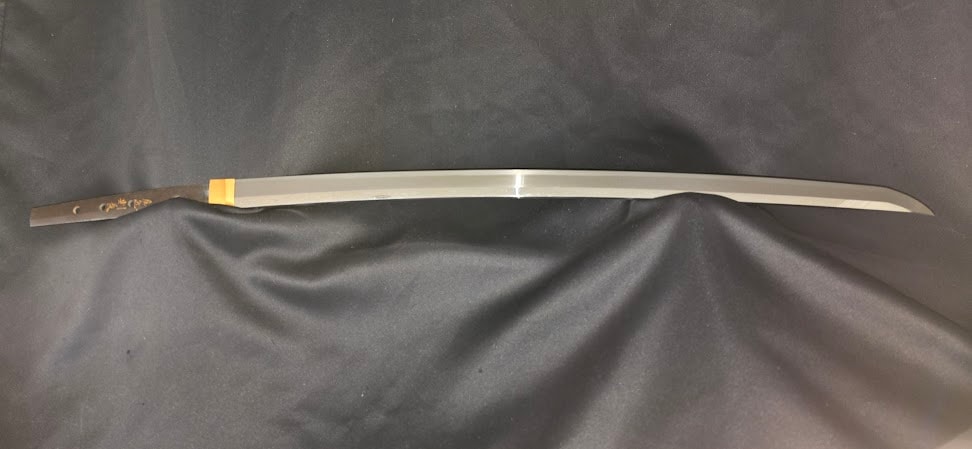
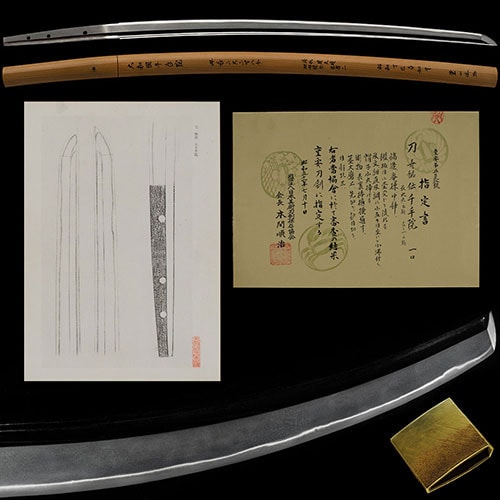
NihontoWatch Mon

NihontoWatch

Market
Encyclopedia
Kantei
NihontoWatch Mon

NihontoWatch

Market
Encyclopedia
Kantei

Description

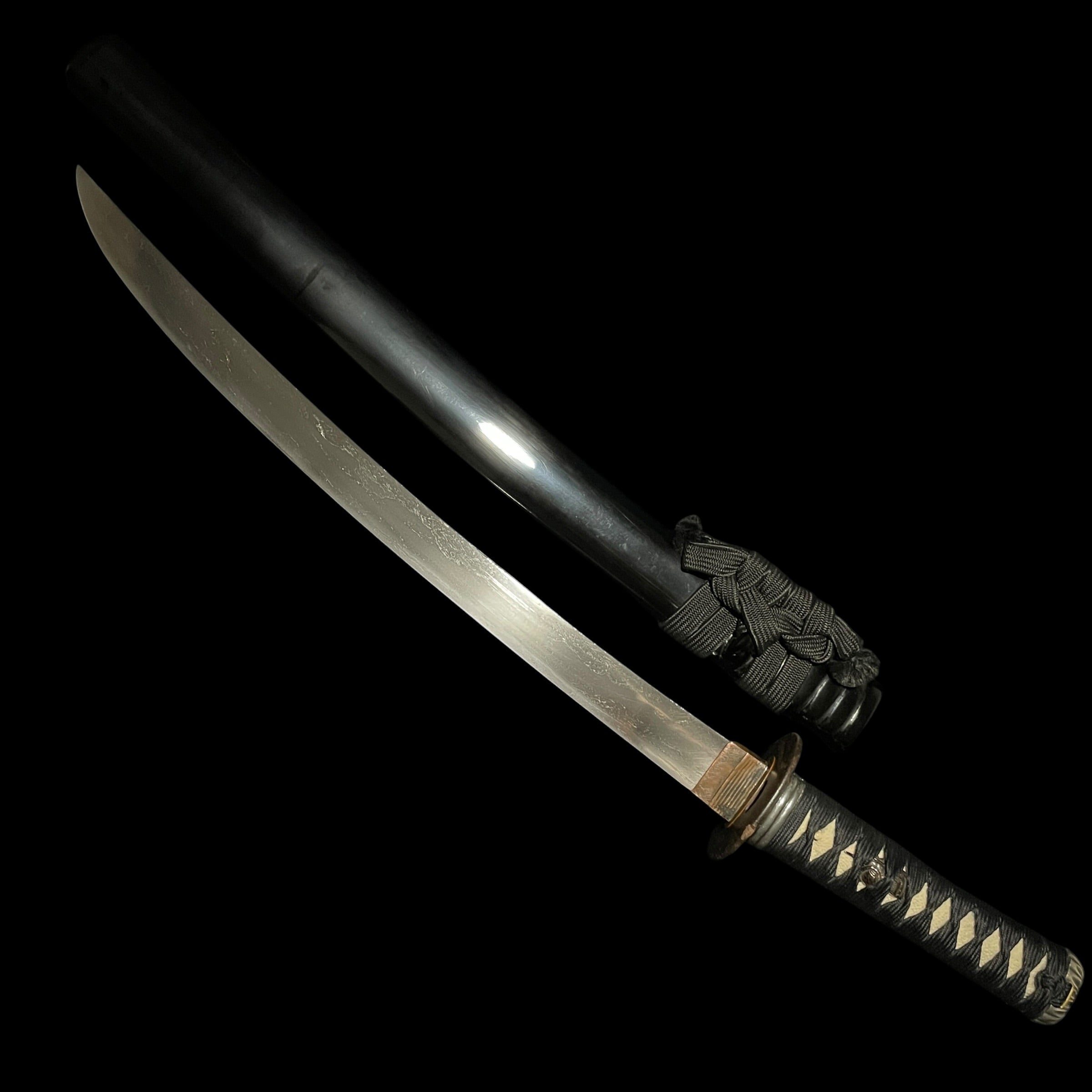
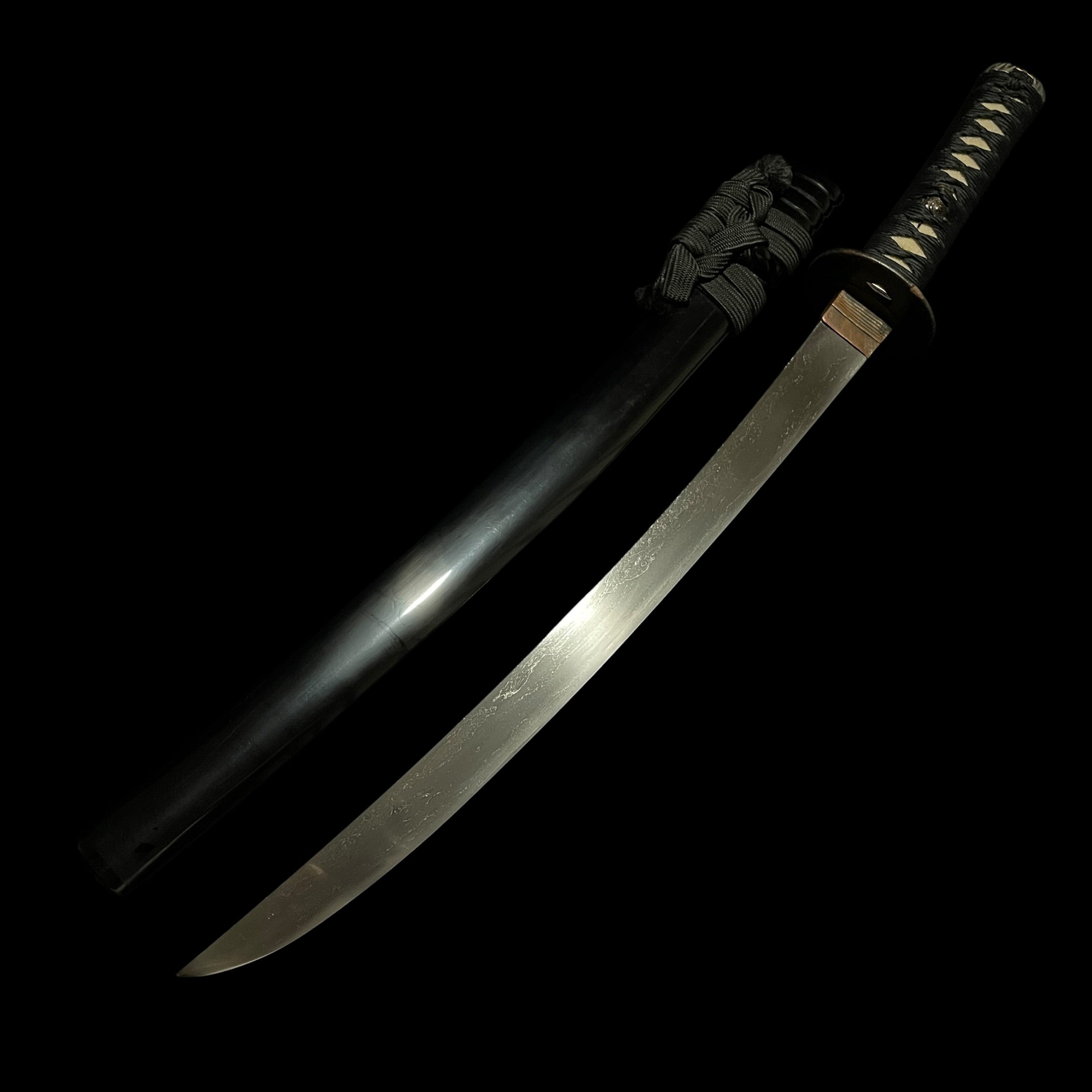
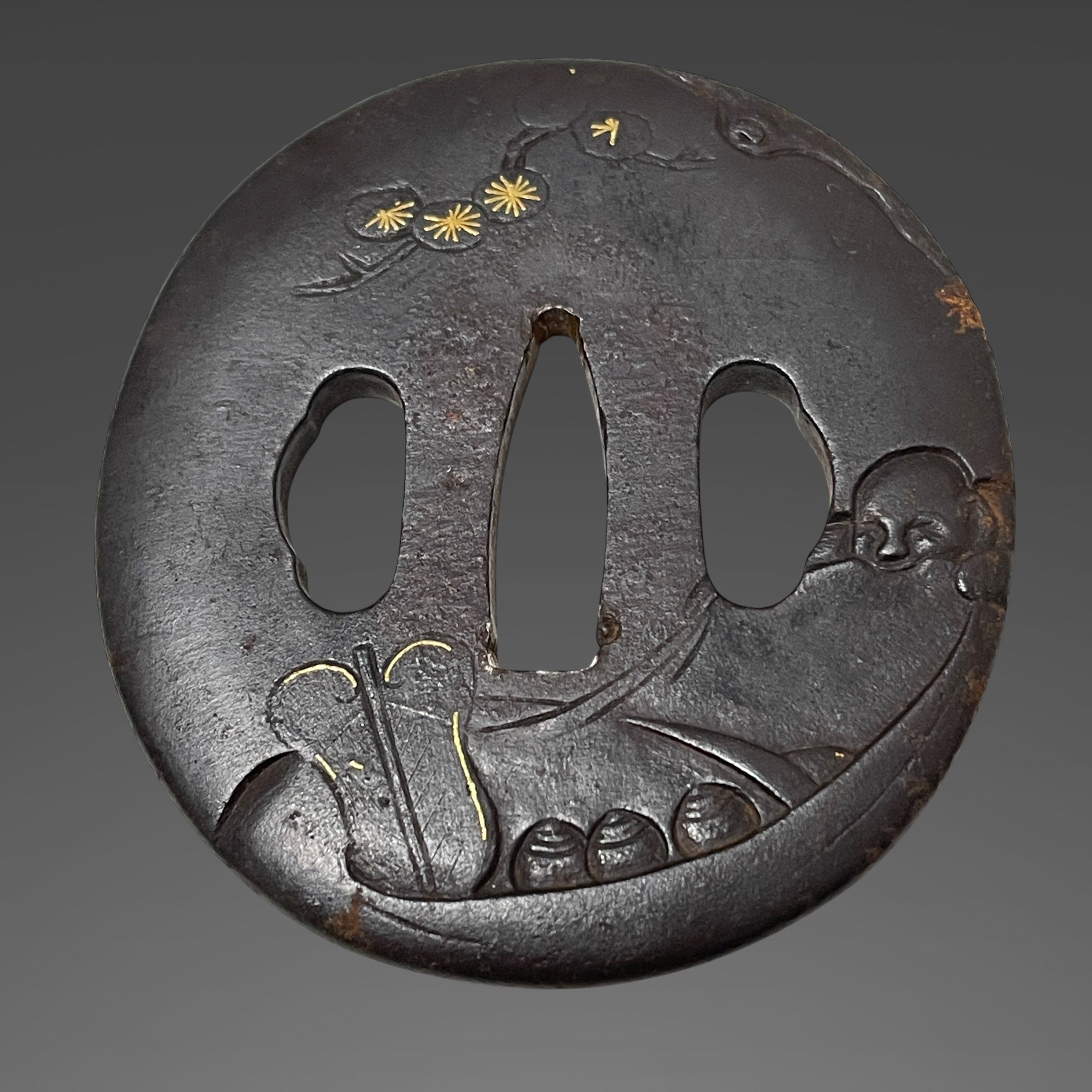
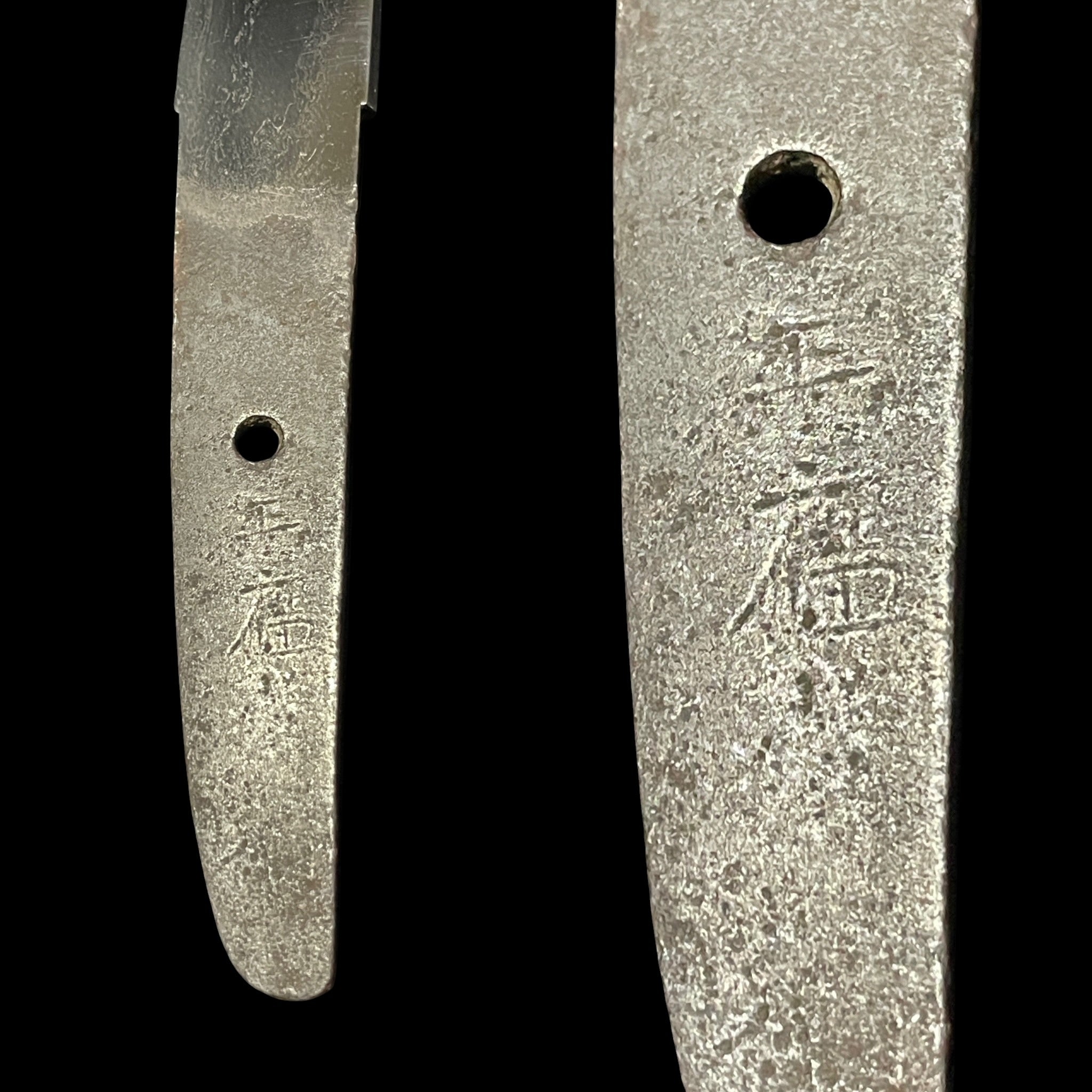
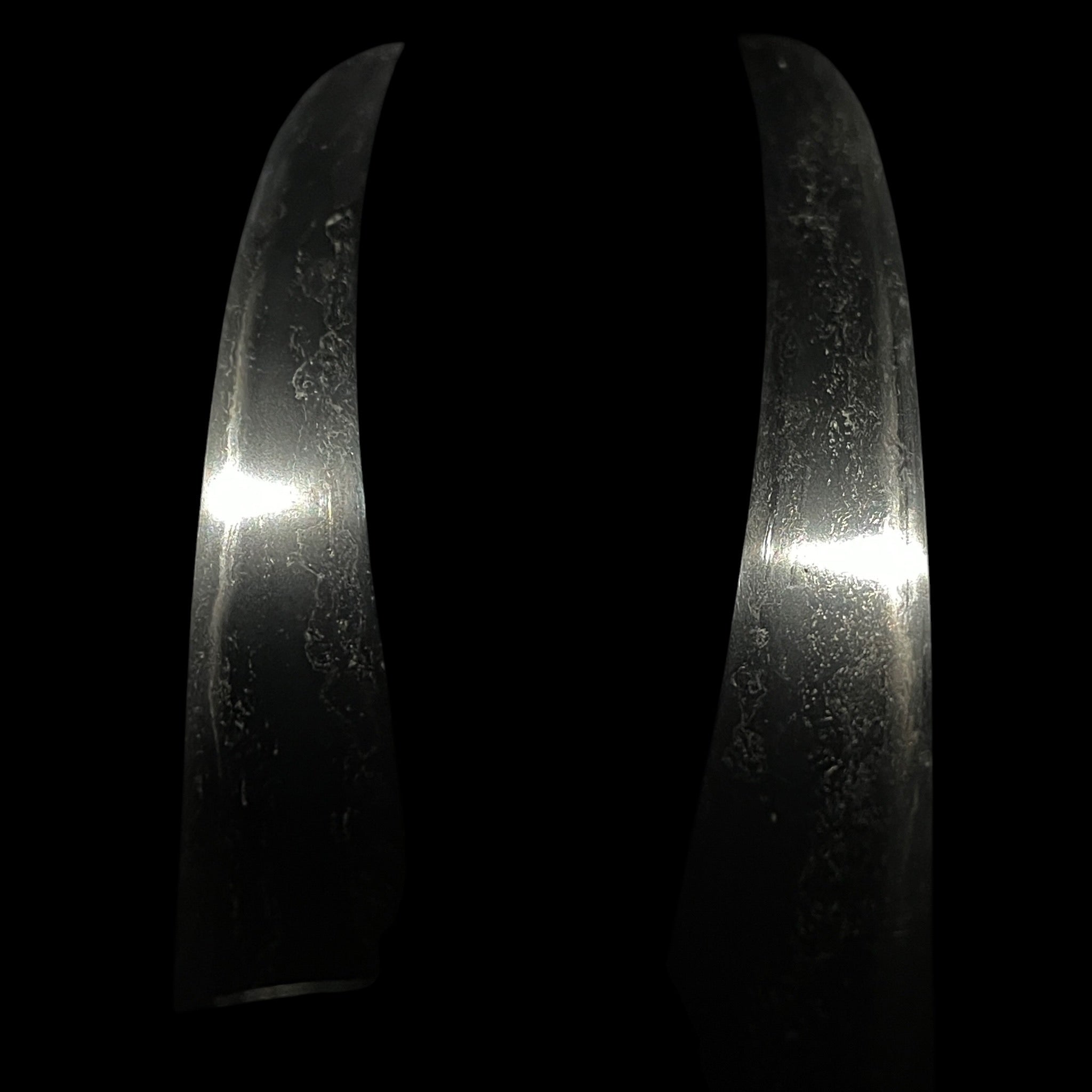
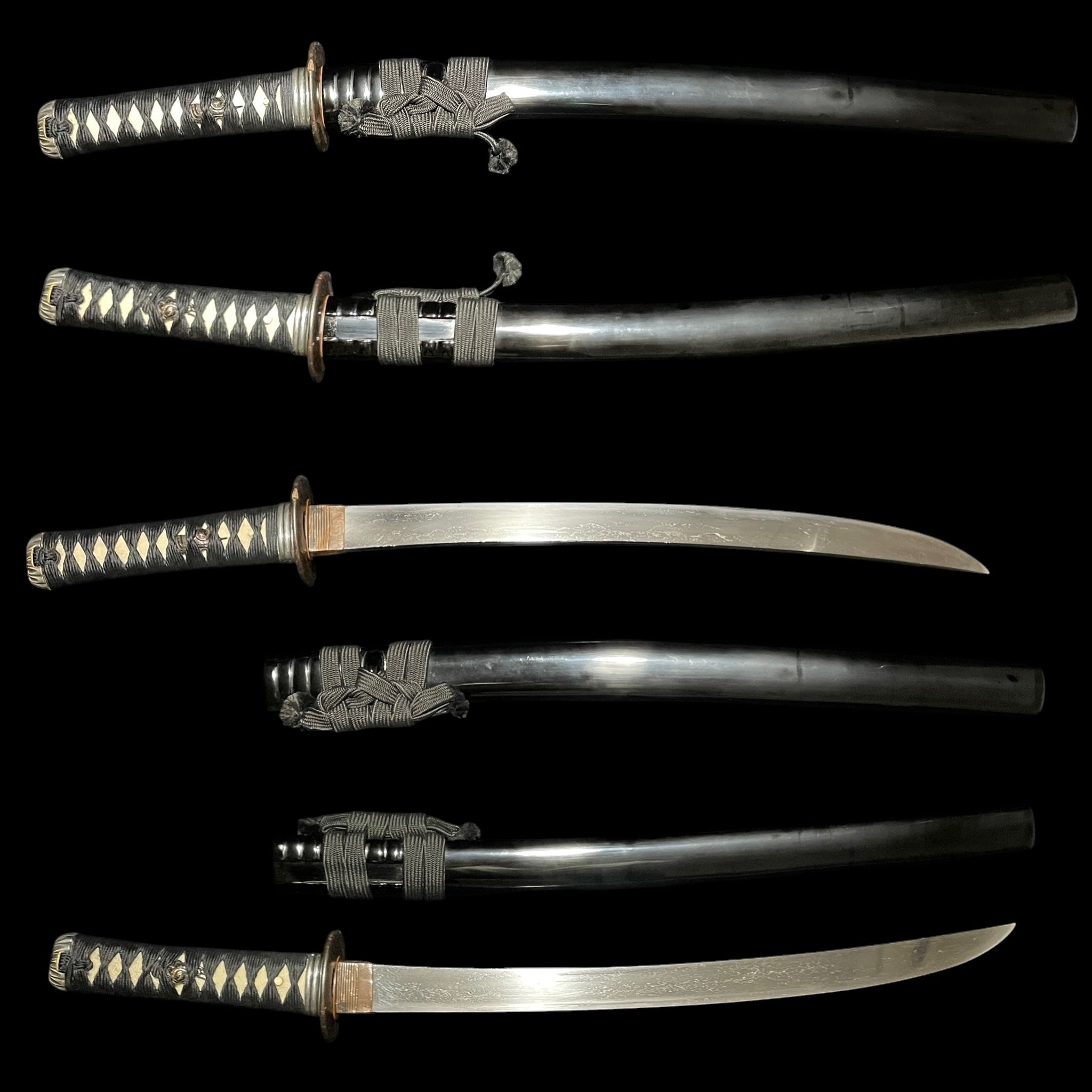
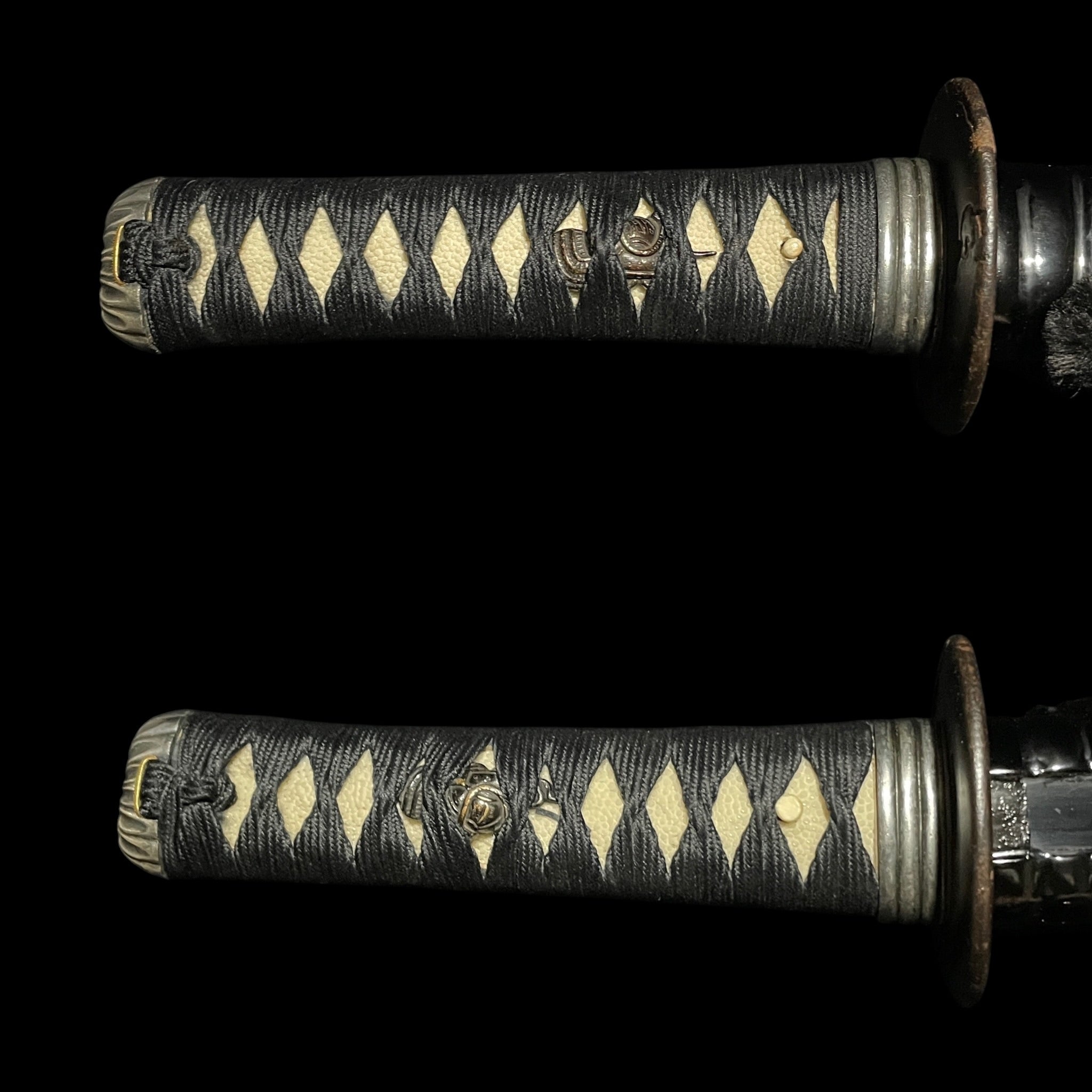
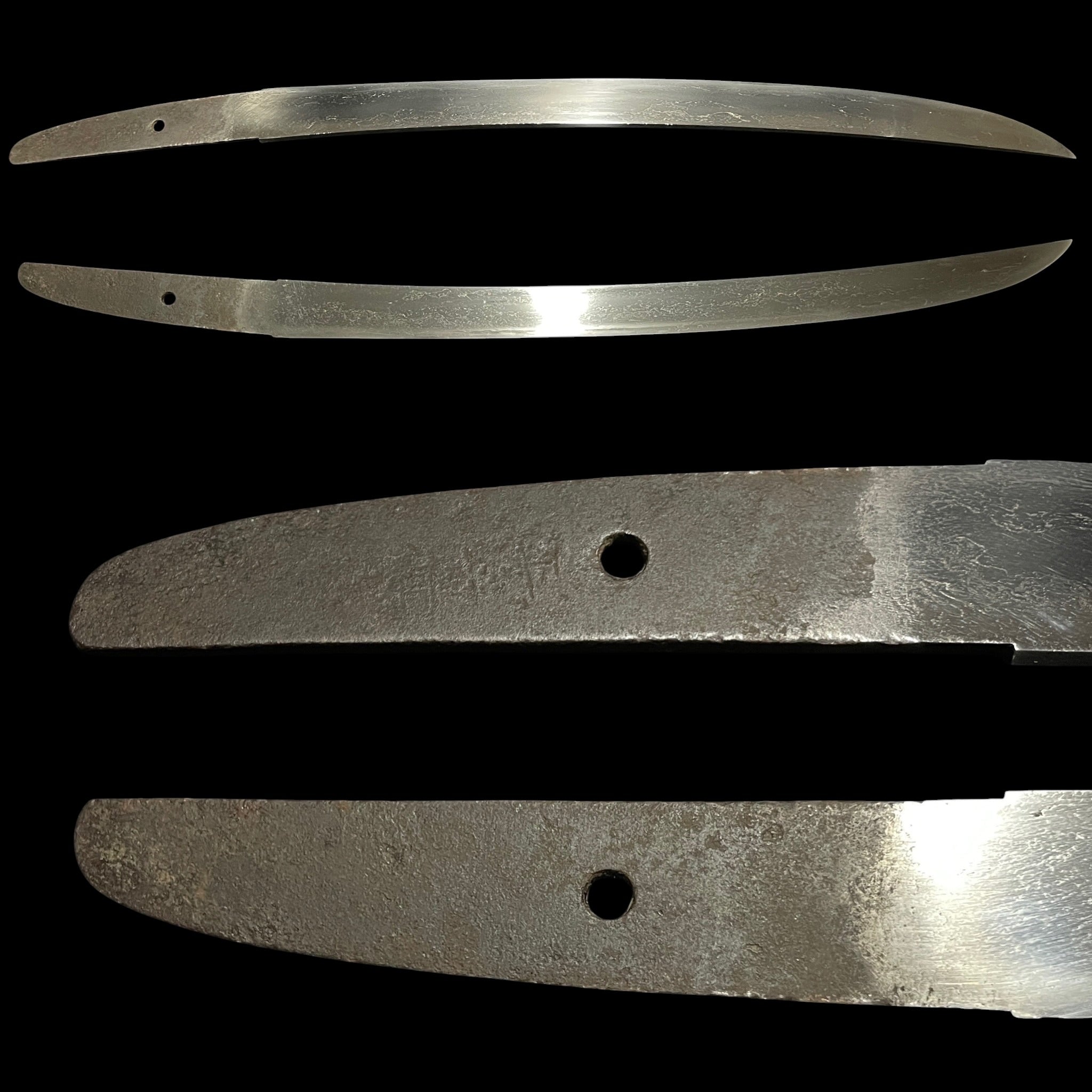
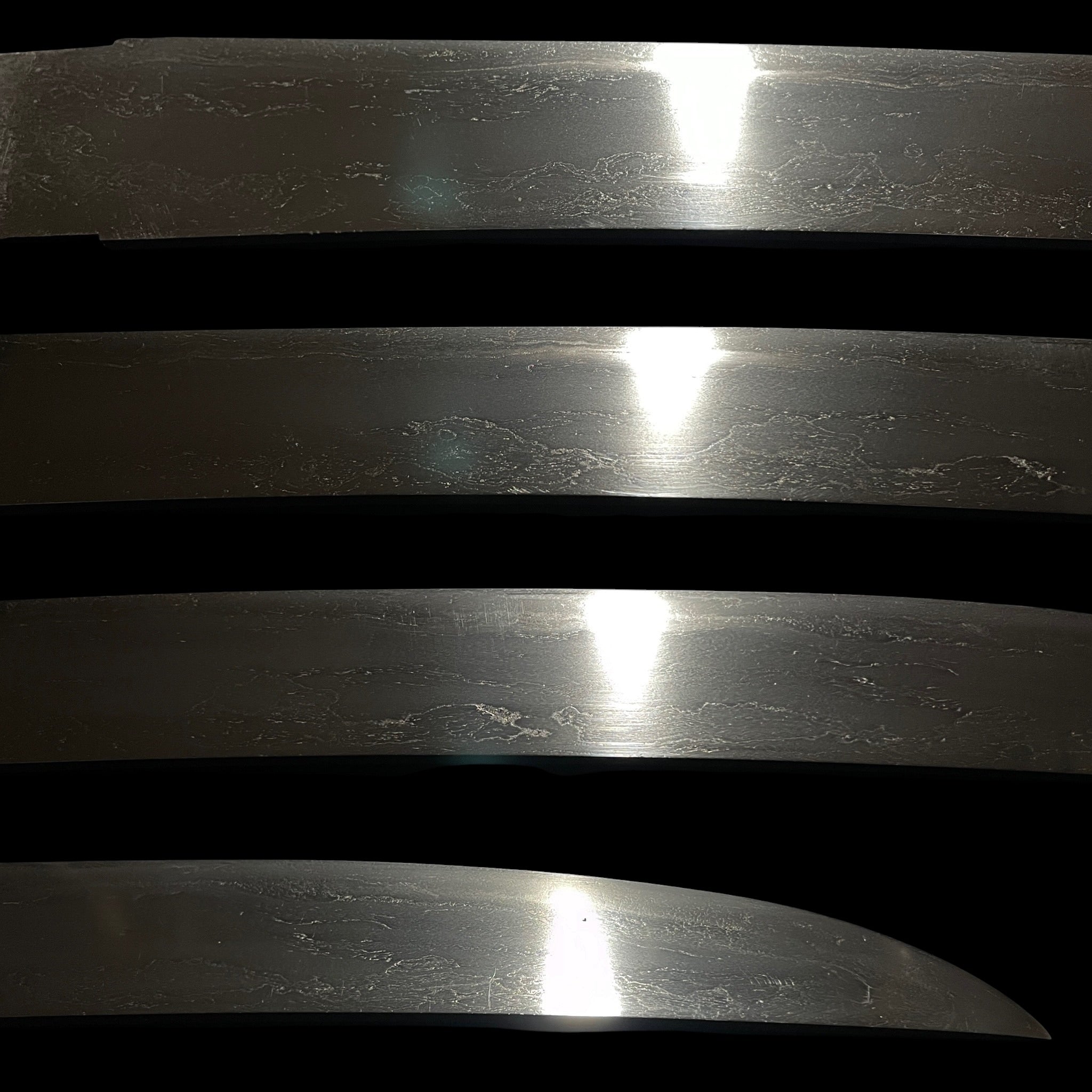
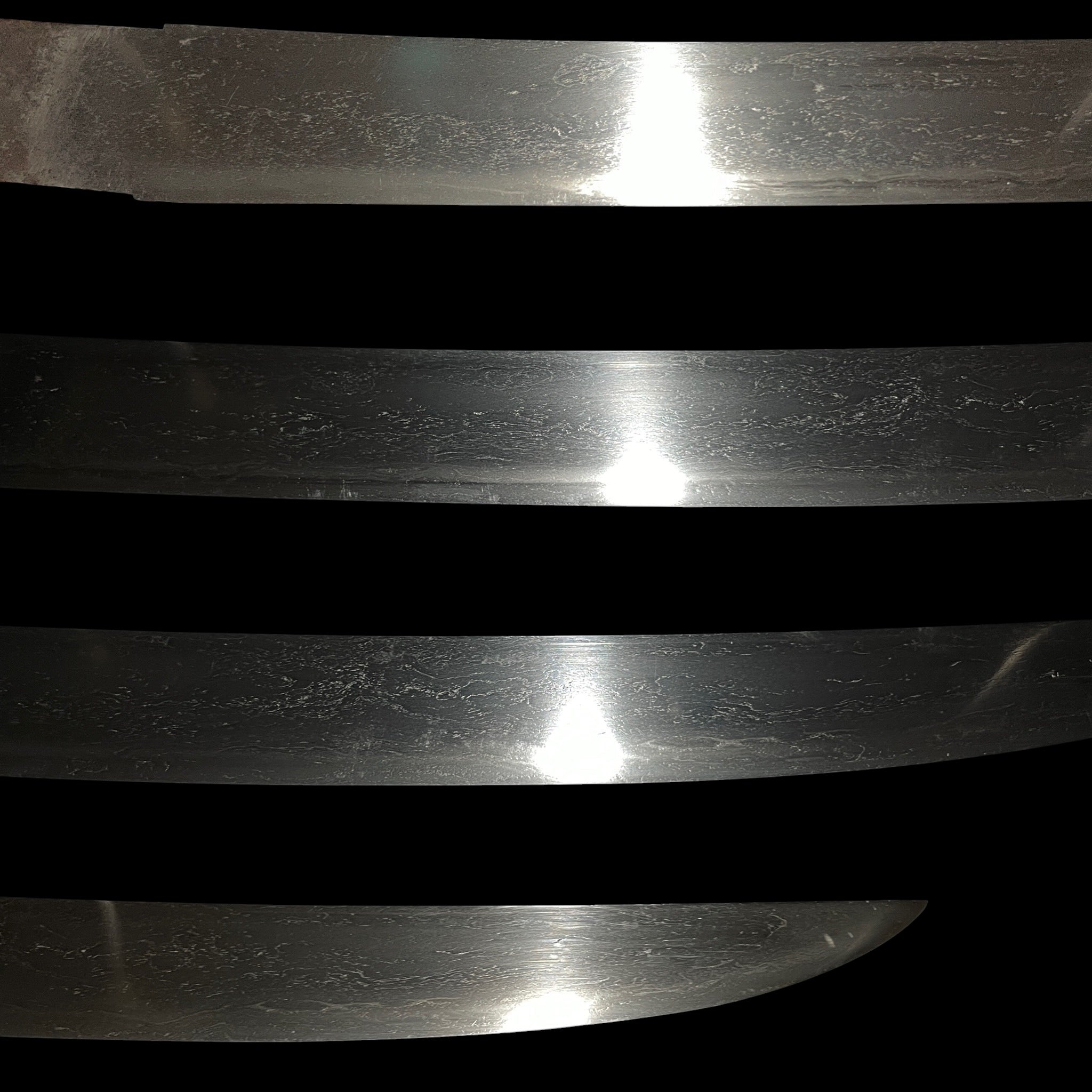
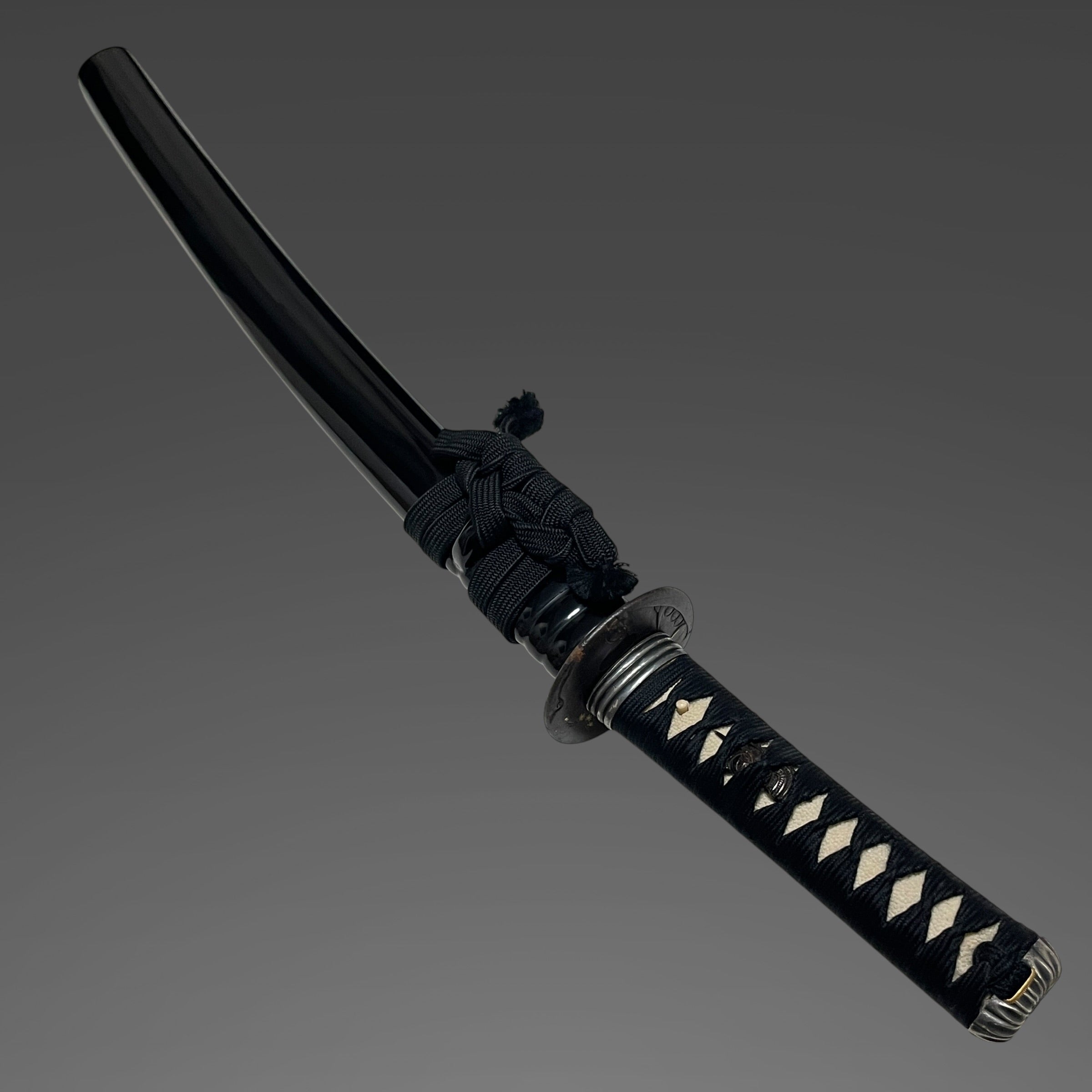
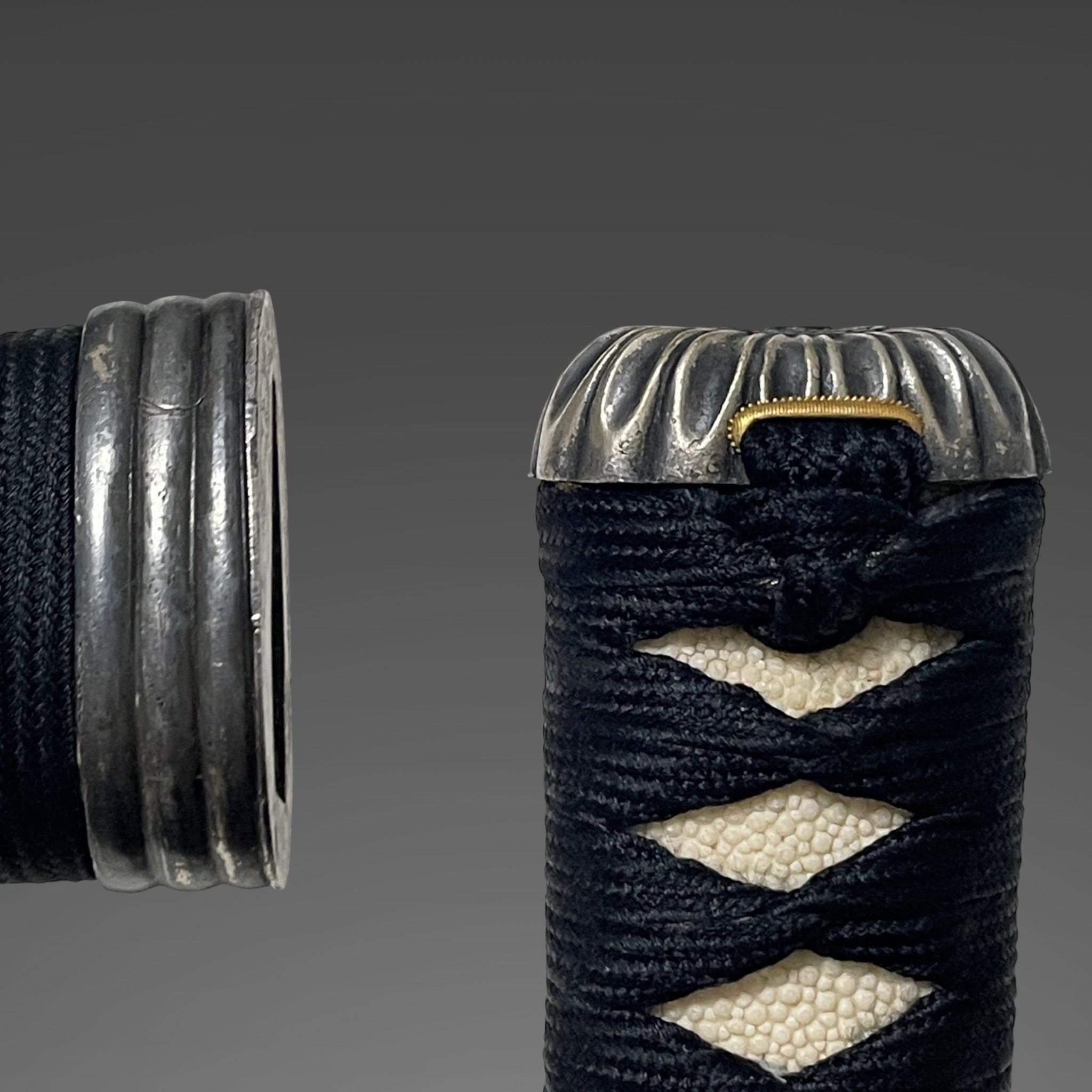
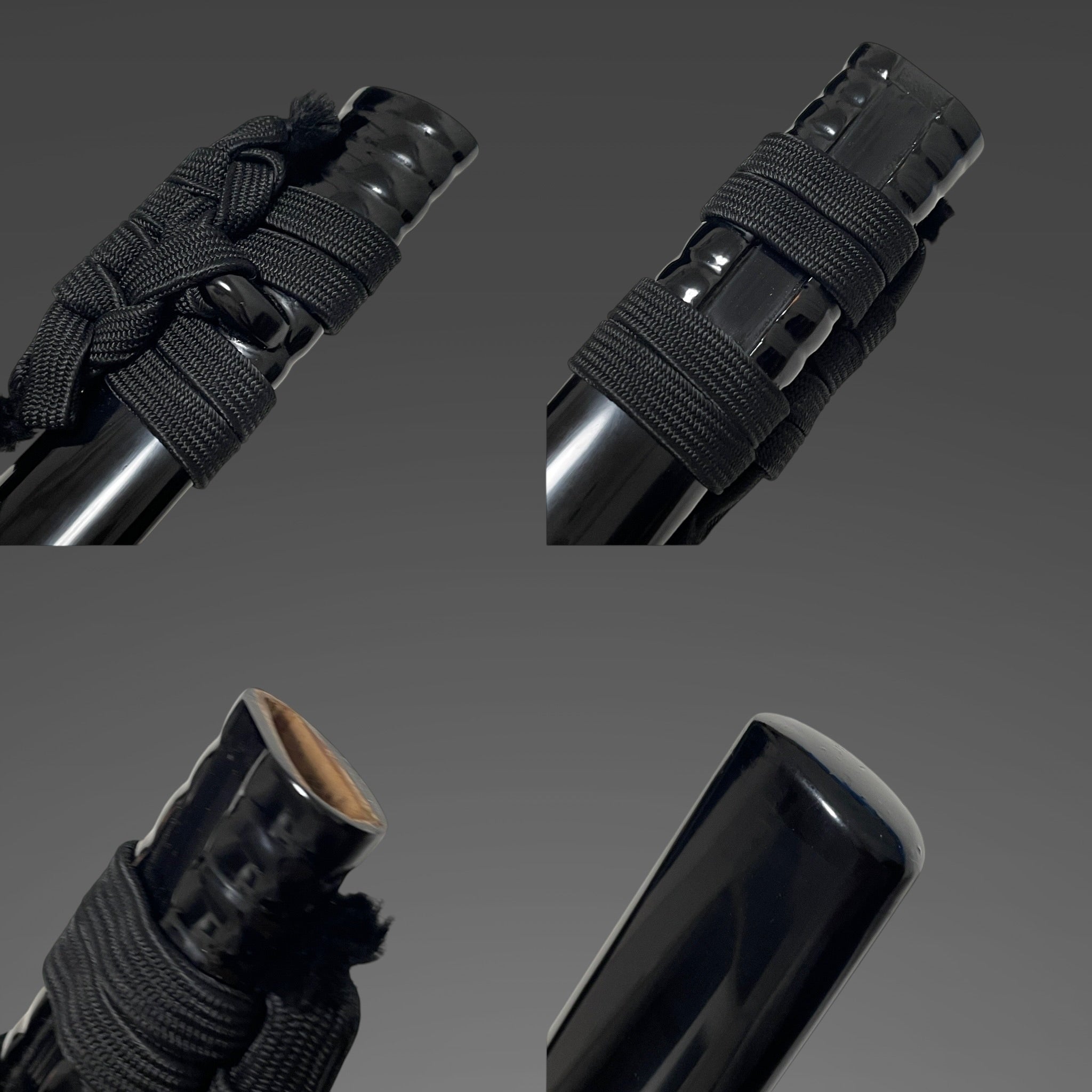
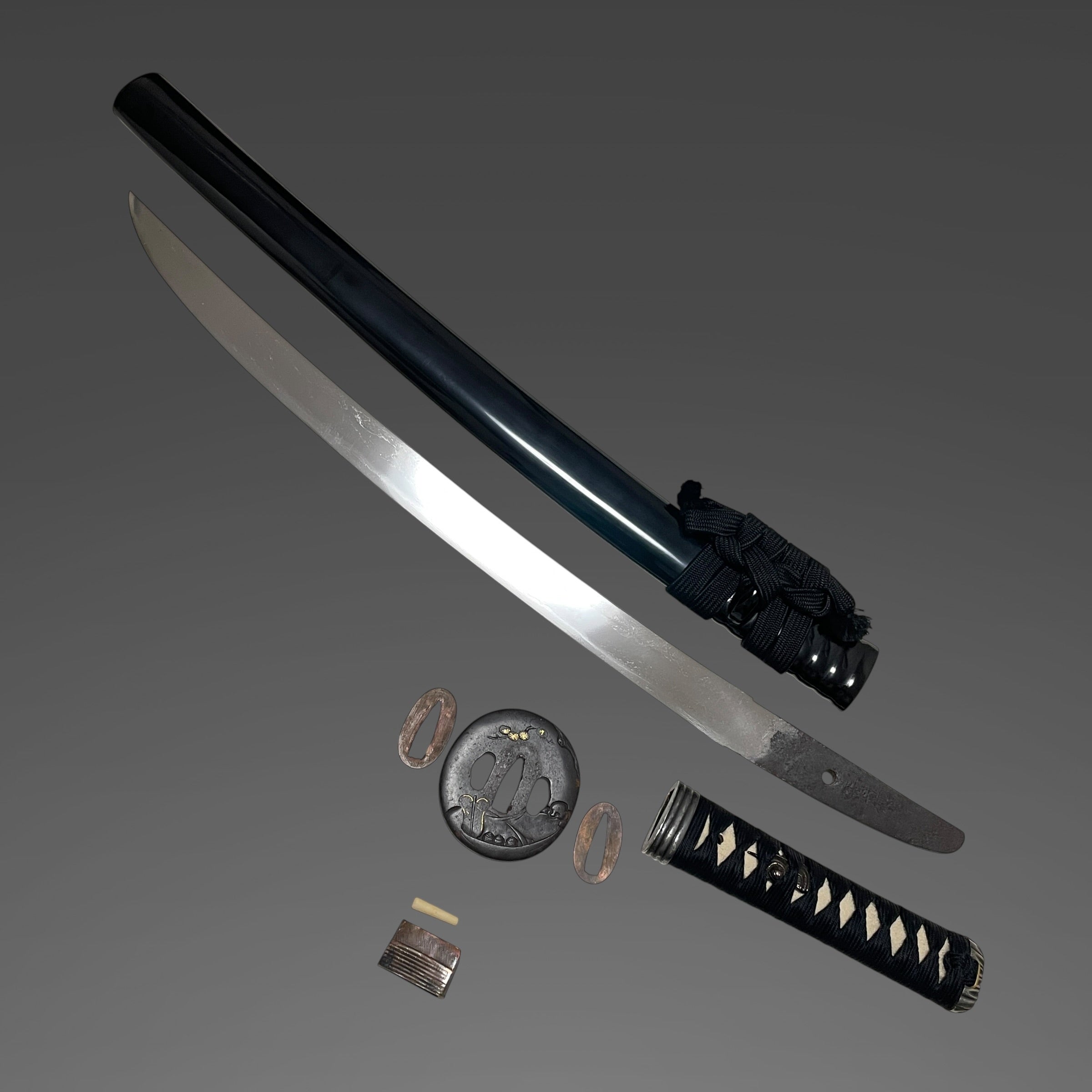
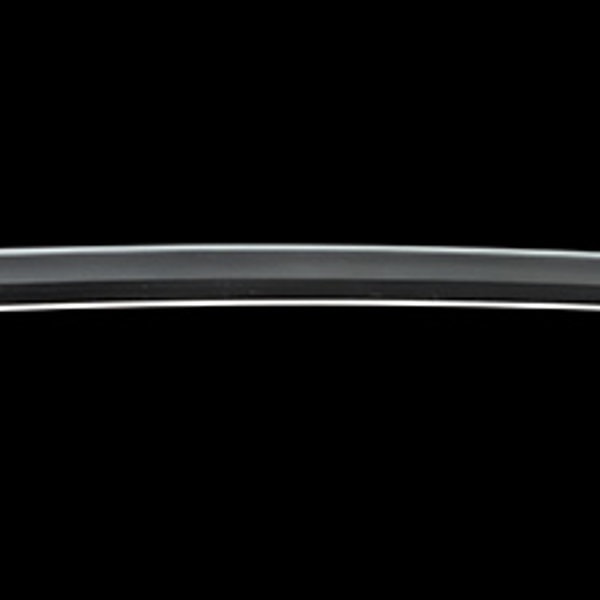
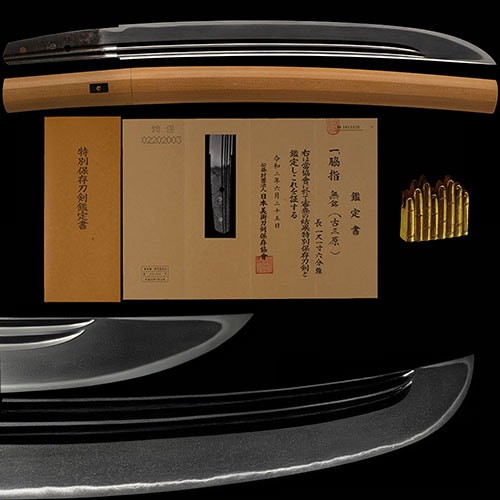
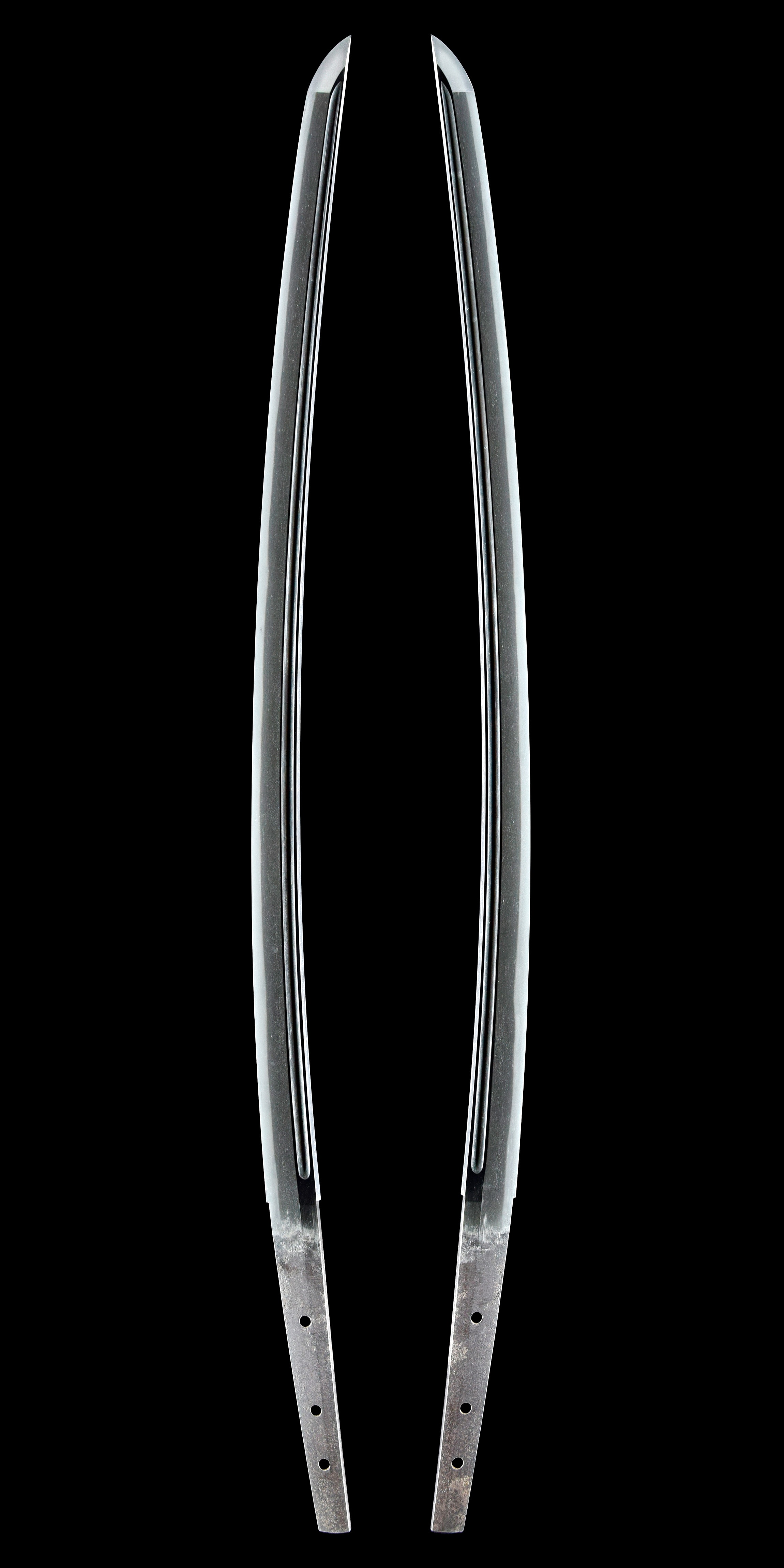
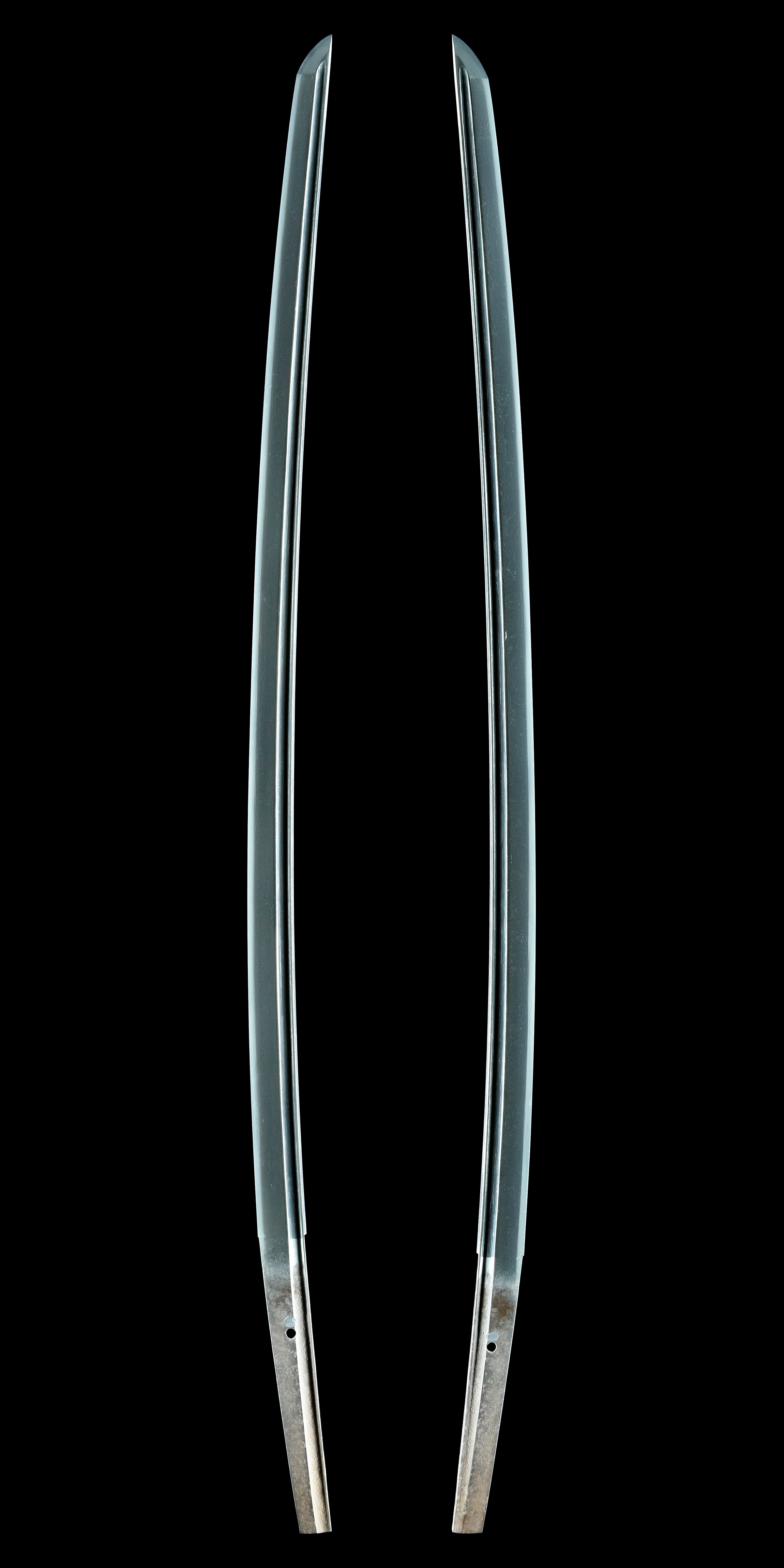
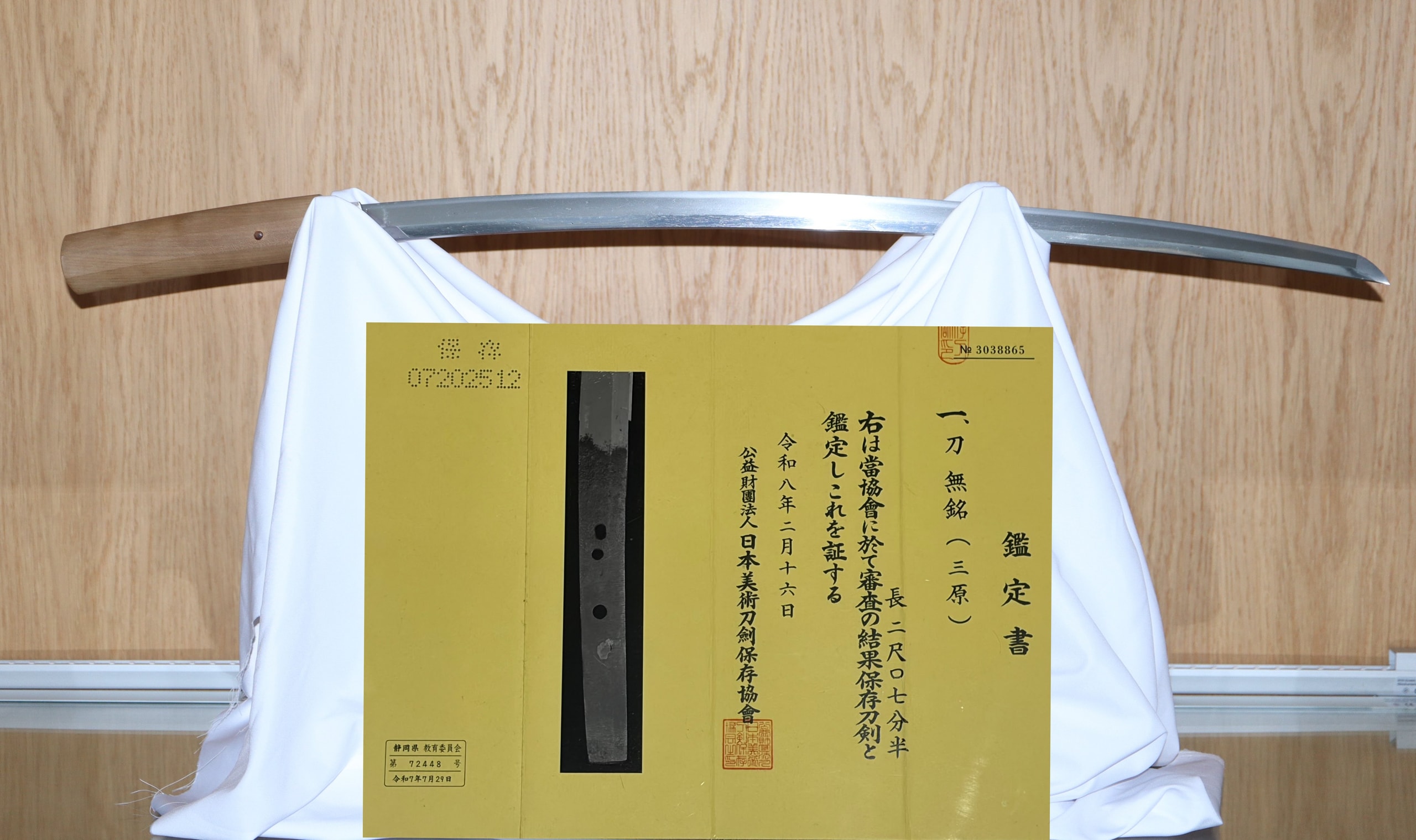
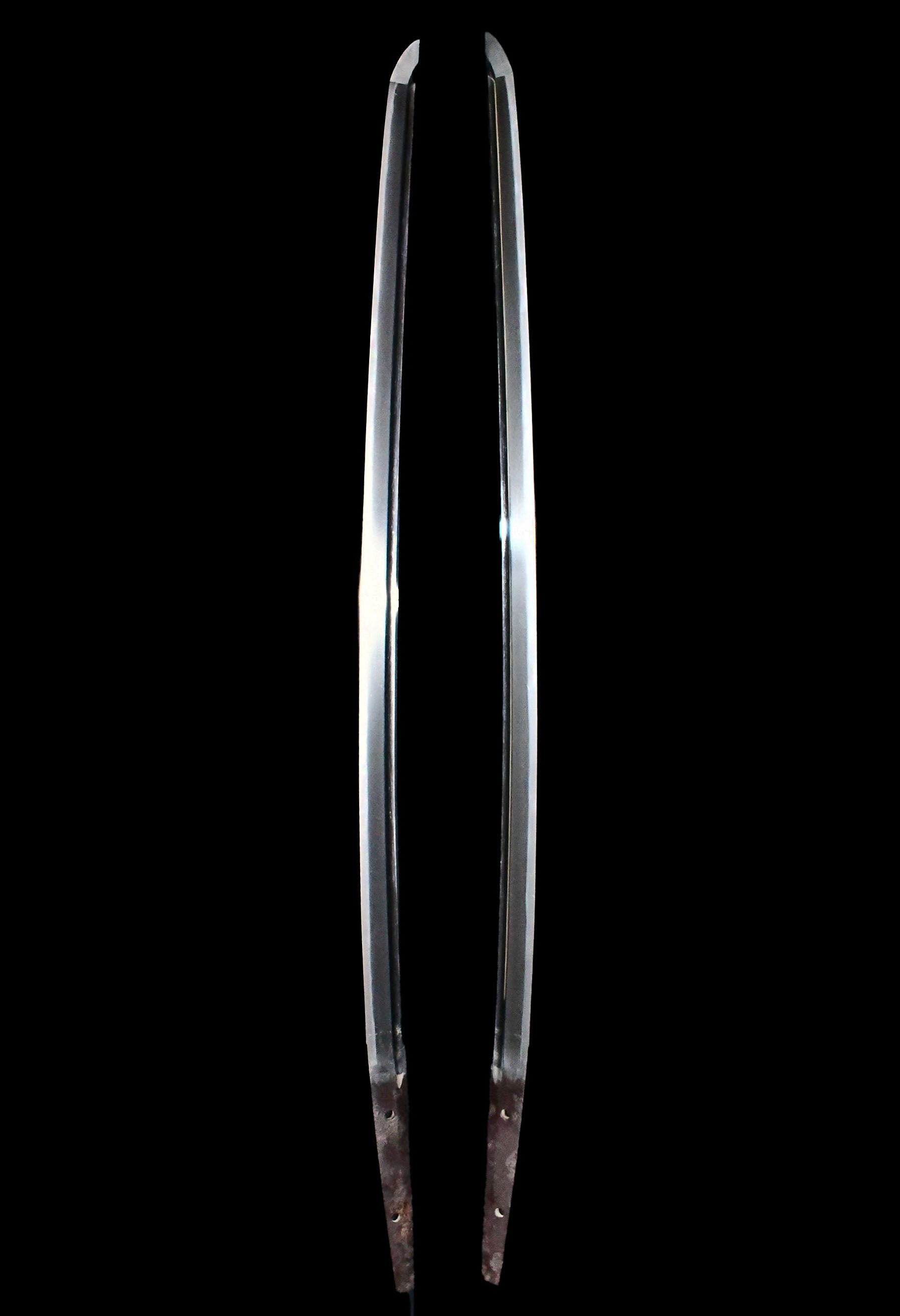
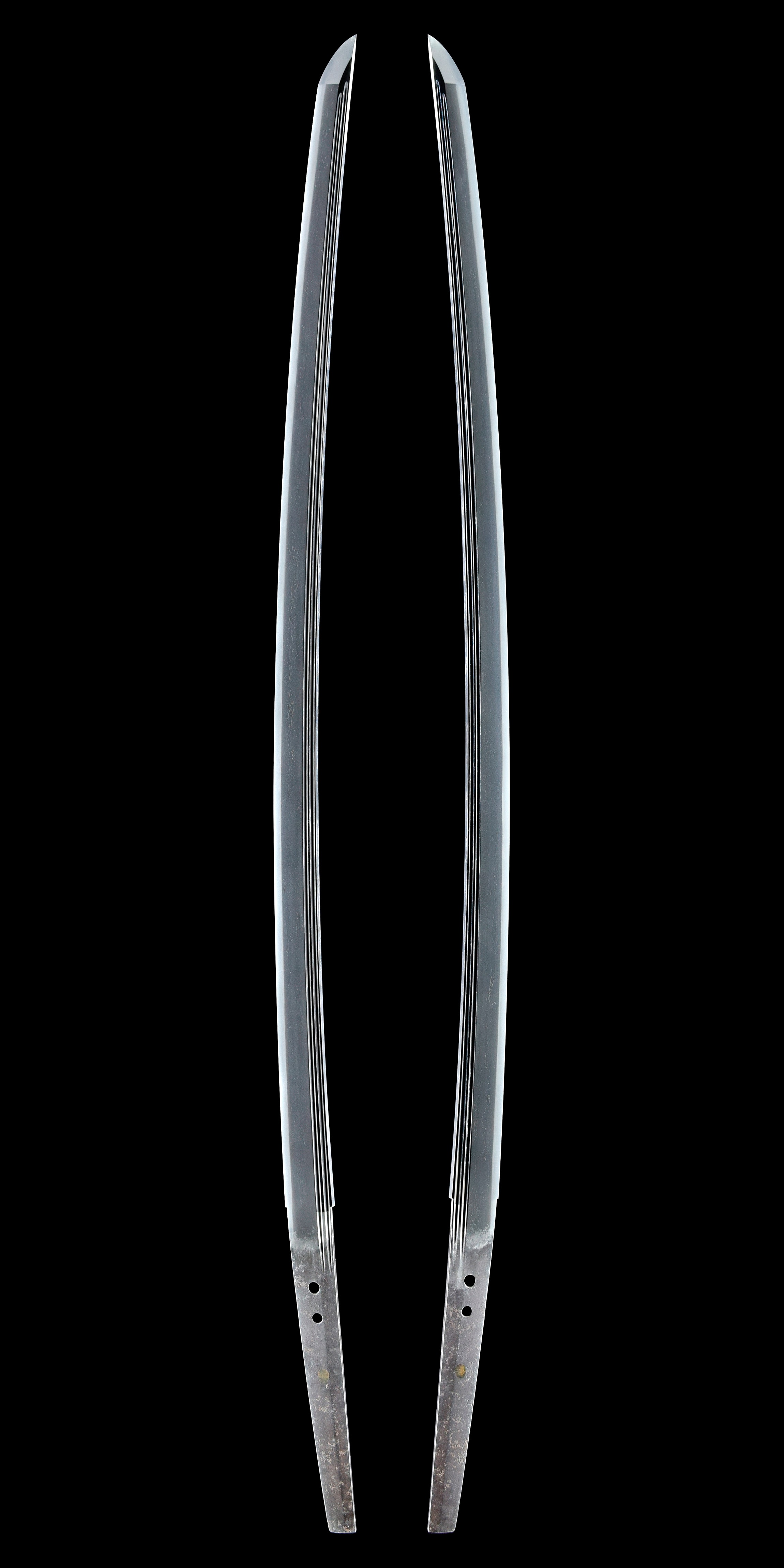
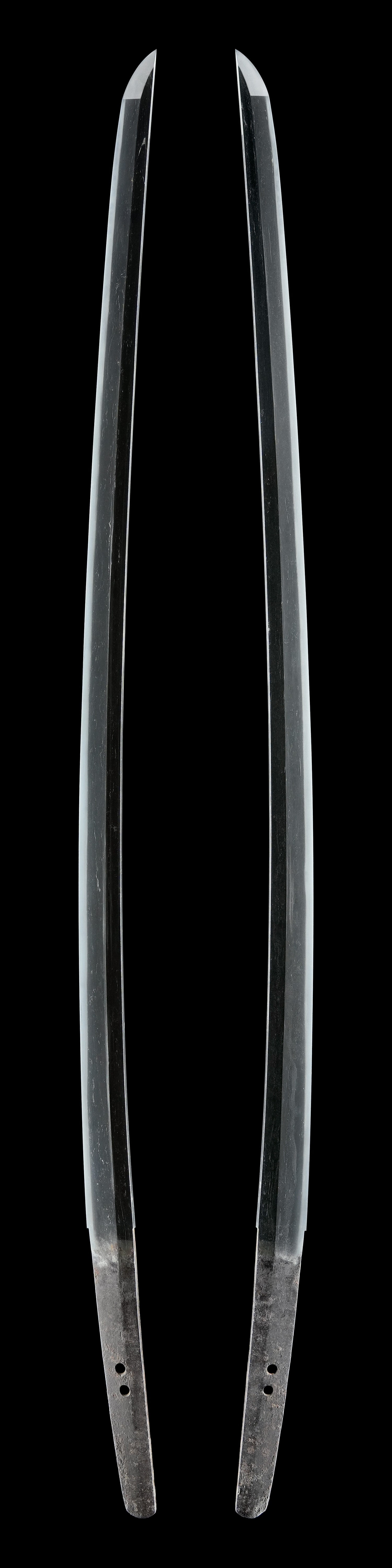
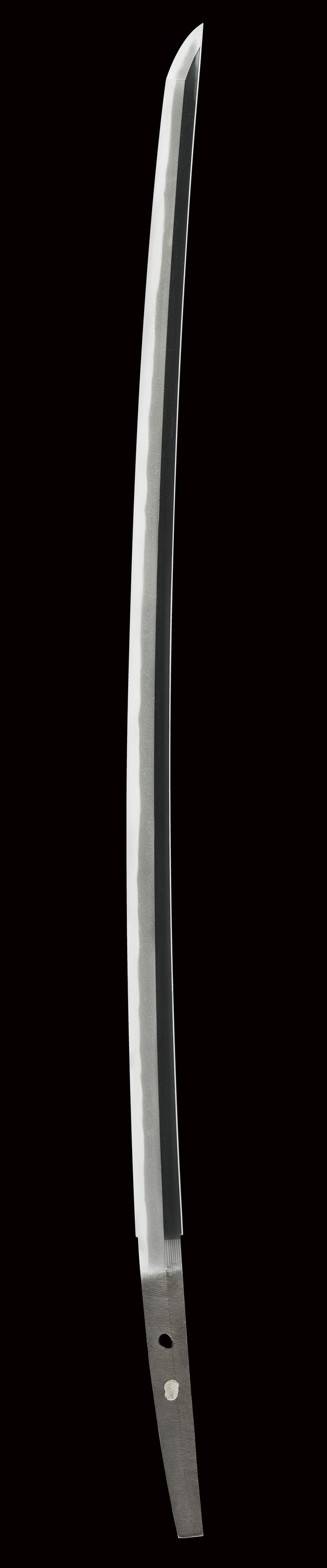
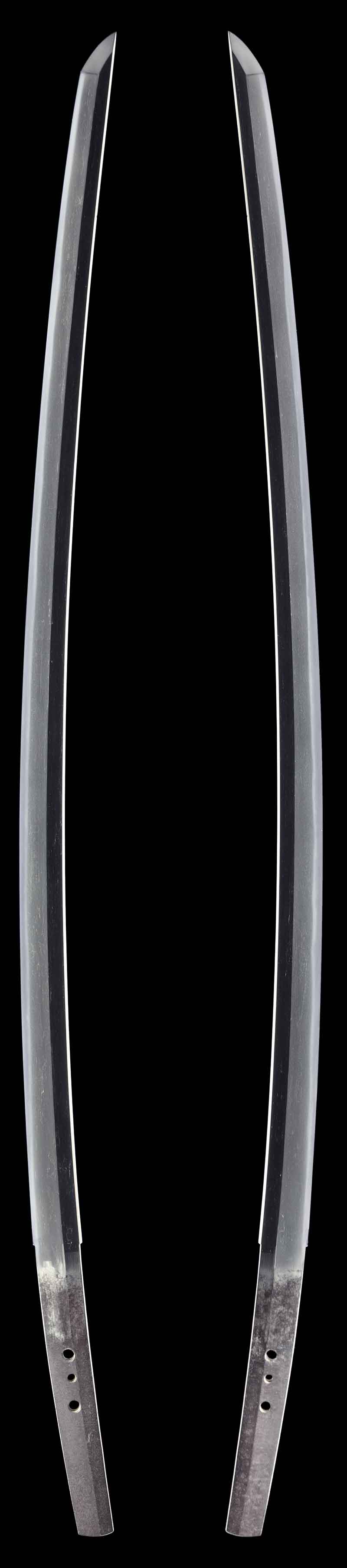
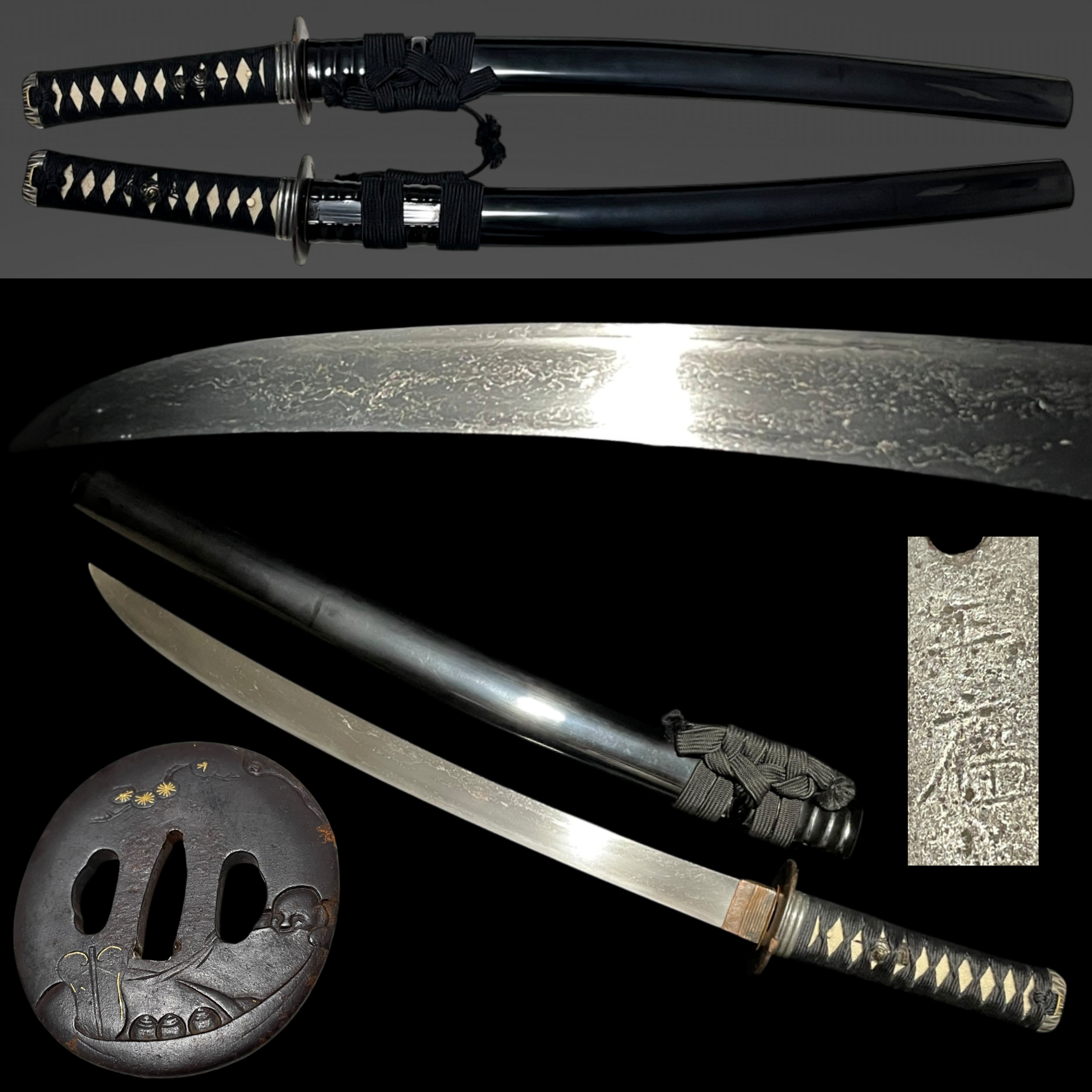
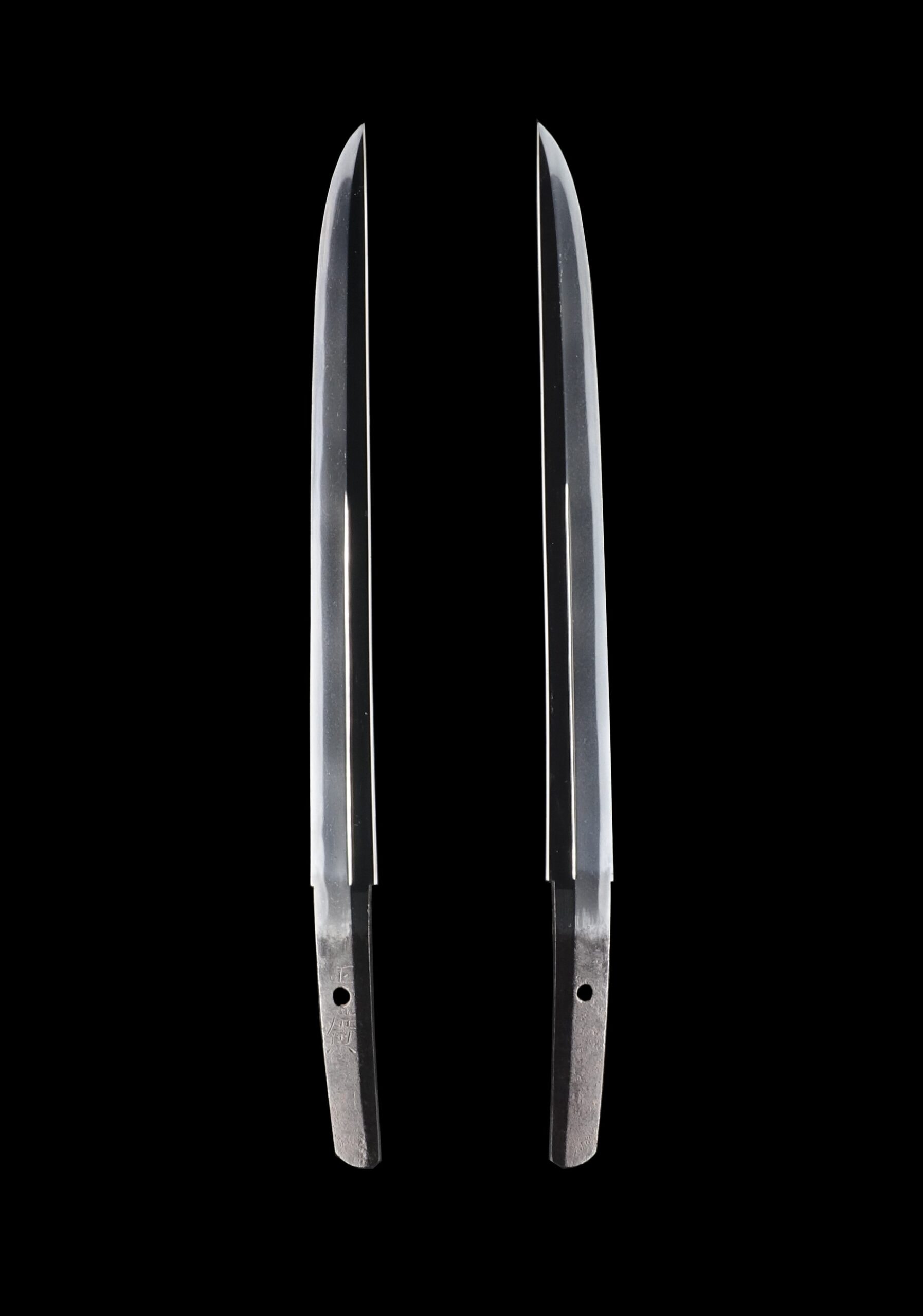
This is a wide hirazukuri wakizashi signed by Masahiro, dating back to the Muromachi period. It features a Hotei tsuba and comes with a total length of 66cm. The blade has a nagasa of 41cm and a sori of 1.2cm, weighing 319g.

NihontoWatch MonNihontoWatch
MarketEncyclopediaKantei
Swords›Yamato-den›Mihara›Ko-Mihara›Masahiro›Wide Hirazukuri Wakizashi: Masahiro 正廣 Signed with Hotei Tsuba 布袋鍔 (Muromachi Period, Mumei)
wakizashi
Ko-Mihara Masahiro

Wide Hirazukuri Wakizashi: Masahiro 正廣 Signed with Hotei Tsuba 布袋鍔 (Muromachi Period, Mumei)

mei · Muromachi · nagasa 41cm · sori 1.2cm
SOLD
Ko-Mihara Masahiro — 1 of 18
Ko-Mihara Masahiro — 2 of 18
Ko-Mihara Masahiro — 3 of 18
Ko-Mihara Masahiro — 4 of 18
Ko-Mihara Masahiro — 5 of 18
Ko-Mihara Masahiro — 6 of 18
Ko-Mihara Masahiro — 7 of 18
Ko-Mihara Masahiro — 8 of 18
Ko-Mihara Masahiro — 9 of 18
Ko-Mihara Masahiro — 10 of 18
Ko-Mihara Masahiro — 11 of 18
Ko-Mihara Masahiro — 12 of 18
Ko-Mihara Masahiro — 13 of 18
Ko-Mihara Masahiro — 14 of 18
Ko-Mihara Masahiro — 15 of 18
Ko-Mihara Masahiro — 16 of 18
Ko-Mihara Masahiro — 17 of 18
Ko-Mihara Masahiro — 18 of 18
1 / 18
1 / 18
Ko-Mihara Masahiro — 1 of 18Ko-Mihara Masahiro — 2 of 18Ko-Mihara Masahiro — 3 of 18Ko-Mihara Masahiro — 4 of 18Ko-Mihara Masahiro — 5 of 18Ko-Mihara Masahiro — 6 of 18Ko-Mihara Masahiro — 7 of 18Ko-Mihara Masahiro — 8 of 18Ko-Mihara Masahiro — 9 of 18Ko-Mihara Masahiro — 10 of 18Ko-Mihara Masahiro — 11 of 18Ko-Mihara Masahiro — 12 of 18Ko-Mihara Masahiro — 13 of 18Ko-Mihara Masahiro — 14 of 18Ko-Mihara Masahiro — 15 of 18Ko-Mihara Masahiro — 16 of 18Ko-Mihara Masahiro — 17 of 18Ko-Mihara Masahiro — 18 of 18
Measurements & details
Smith
Ko-Mihara Masahiro
Type
Wakizashi
School
Ko-Mihara
Period
Around 1362–1389(Teiji ND)
Signature
Signed(67% of this smith's designated works are signed)
Measurements
Nagasa 41cmSori 1.2cmMotohaba 3.02cmSakihaba 2.33cmKasane 0.55cmWeight 319g
Description

This is a wide hirazukuri wakizashi signed by Masahiro, dating back to the Muromachi period. It features a Hotei tsuba and comes with a total length of 66cm. The blade has a nagasa of 41cm and a sori of 1.2cm, weighing 319g.

About the maker

Masahiro

正廣

Ko-Mihara (Bingo) · Bingo · around 1362-1389

Fujishiro Jo-jo saku · Tōken Taikan top 11%

1 piece on the market now

›

At the second Tokubetsu Juyo session, in 1973, the NBTHK designated a suriage tachi signed Bishu ju Masahiro[[c:1]], recording it as the blade of this name whose ji and ha are of the finest workmanship[[c:2]]. Masahiro of Mihara in Bingo province stands with Masaie as one of the two representative smiths of Ko-Mihara, the collective name for the school's work from the end of Kamakura through Nanbokucho. "Masahiro is traditionally regarded as a son of Ko-Mihara Masaie"[[c:3]], in other texts a pupil, yet the same sources repeatedly invert the chronology: "judged from the workmanship, Masahiro reads older in style than Masaie"[[c:4]], several signed tachi being appraised as late Kamakura work. The name itself is collective. The signature references list six smiths called Masahiro in Bingo, the recorded dates opening in Joji 3 (1364) and running through Shitoku, Kakei and Oei, and "the Oei work is regarded as a second generation" (応永は二代とみられている). Extant dated blades are rare, only Shitoku and Oei examples being known, and the NBTHK treats the name collectively, several generations under one attribution.

His manner is Yamato carried into Bingo steel. Bingo held many estates of the central temples, Toji and the Rengeoin among them, and the published sources read the Mihara style as the product of that exchange: suguha-based work over a flowing itame. The same sources separate him from Yamato proper in one recurring formula: "compared with works from Yamato proper, the nie of ji and ha is as a rule weaker, the forging stands out in moku, the whitish utsuri is conspicuous, the hamon is a suguha whose nioiguchi tends to tightness, and the boshi turns back gently in a rounded manner"[[c:5]]. A pale shirake-utsuri rises in the ji on nearly half of his recorded works; his boshi runs straight to a gentle ko-maru return, often with hakikake, never to the yakizume that defines the Yamato schools; and his itame flows and stands without resolving into their full masame.

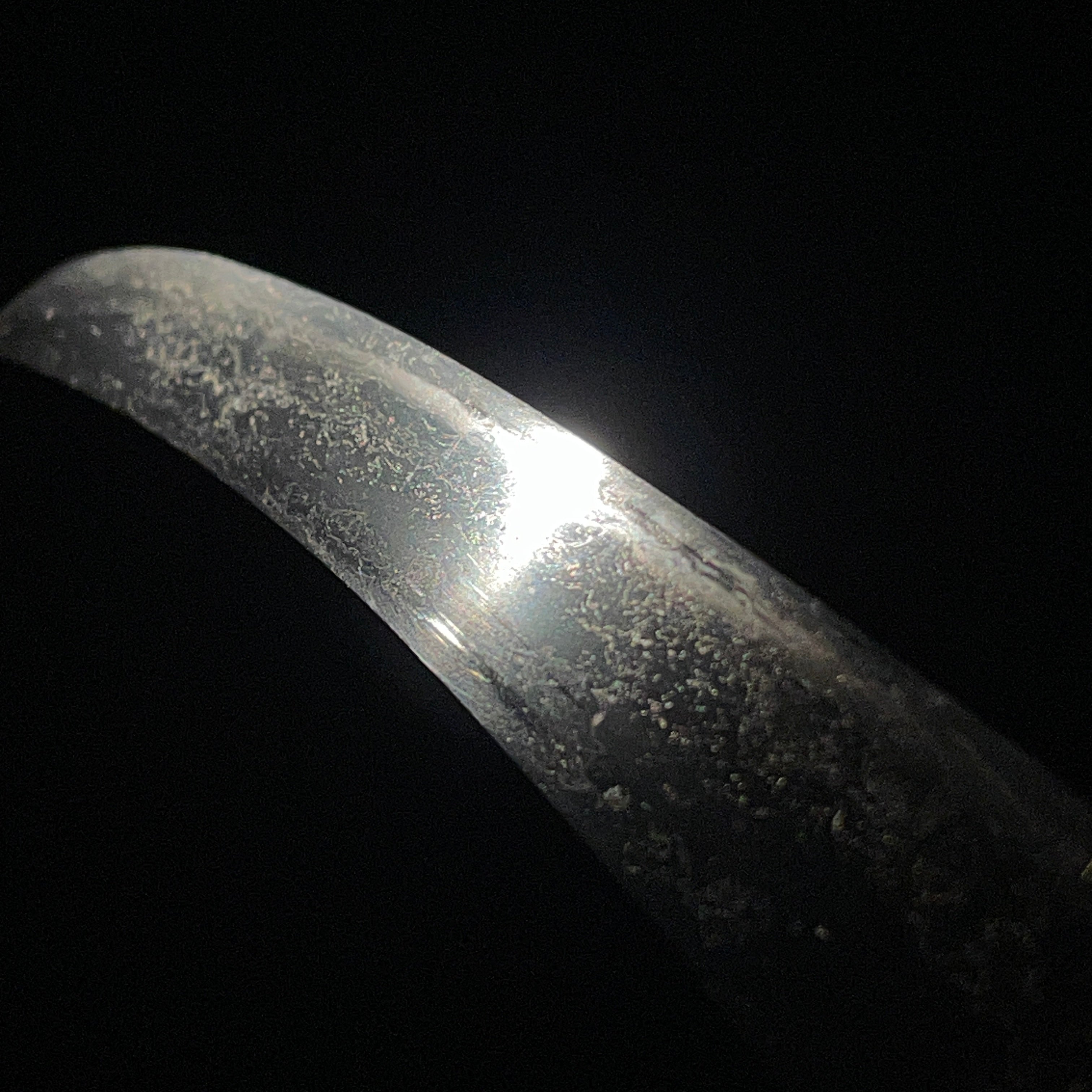
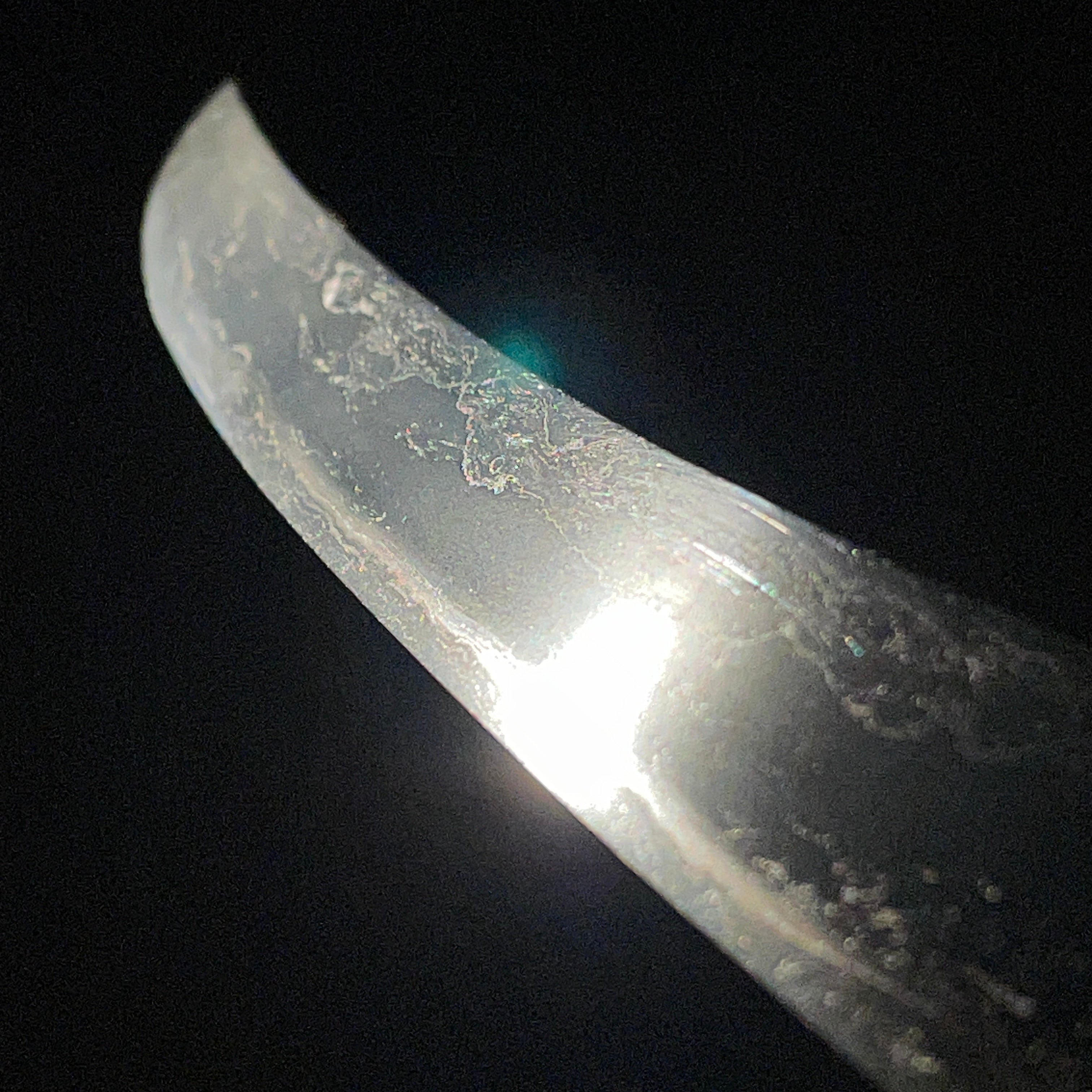
In detail the forging is itame mixed with moku and nagare-hada, standing in places, with very fine ji-nie, chikei entering finely, and patches of jifu. Over it the hamon is a medium suguha or suguha-cho mixed with ko-gunome and ko-midare, with ko-ashi and yo entering well; the habuchi frays into hotsure, kinsuji and sunagashi work through the ha, and the nioiguchi stays tight or subdued with thick ko-nie rather than bright heavy nie. The work divides into two registers. The signed tachi, mostly suriage though several keep their ubu nakago, carry the mei in large slender-chisel characters: the first generation signs invariably Bishu ju (備州住) and never Bingo no kuni ju, beside rarer three-character mei reading Masahiro saku (正広作) and two-character mei. The sanji-mei pieces read oldest; one tachi has its nakago recorded in the Ojakusho (往昔抄), the Muromachi compendium of sword rubbings. Beside them stands the o-suriage mumei register, katana attributed by kiwame, several settled by kinzogan attribution inscriptions rather than signatures; the Nanbokucho examples run wide in mihaba with o-kissaki, one of them "originally a tachi of nearly three shaku"[[c:6]].

Within the one suguha discipline distinct strains stand out. The tachi dated Shitoku 1 (1384), a 79.6 cm blade with its nagamei intact, keeps the suguha-cho base but takes nie throughout, yubashiri running hard along the upper half into niju and sanju-ba effects, and is singled out as "showing, within his oeuvre, a manner strong in the nie of ji and ha"[[c:7]]; a later designation links a sanji-mei tachi of the Nanbokucho end to it by the same yubashiri and nijuba. The Oei work, read as the second generation, leans toward the neighbors. The tachi dated Oei 6 (1399) shows "a manner that could at first sight be mistaken for the Rai school of Yamashiro" (一見山城国来派の作に見紛う作風), only the slight saki-zori betraying the period. The katana dated Oei 22 (1415), the one blade in the record signed Bingo no kuni ju Masahiro (備後国住正広), goes the other way toward Bitchu Aoe: a slanting lean enters the midare of its suguha, a midare-utsuri stands in the ji with jifu, and "the boshi burns its return deeply downward in waterfall fashion, the so-called Mihara-boshi" (帽子は返りを滝落し風に深く焼下げる所謂三原帽子となっている). A sun-nobi tanto of the same years lines up round-topped ko-gunome that the sources liken to the Hokke Kaneyasu (法華兼安) of the same province. The Aoe adjacency is old: the Muromachi treatise Shinkan Hidensho already wrote that the school's face "resembles a Bitchu tachi"[[c:8]].

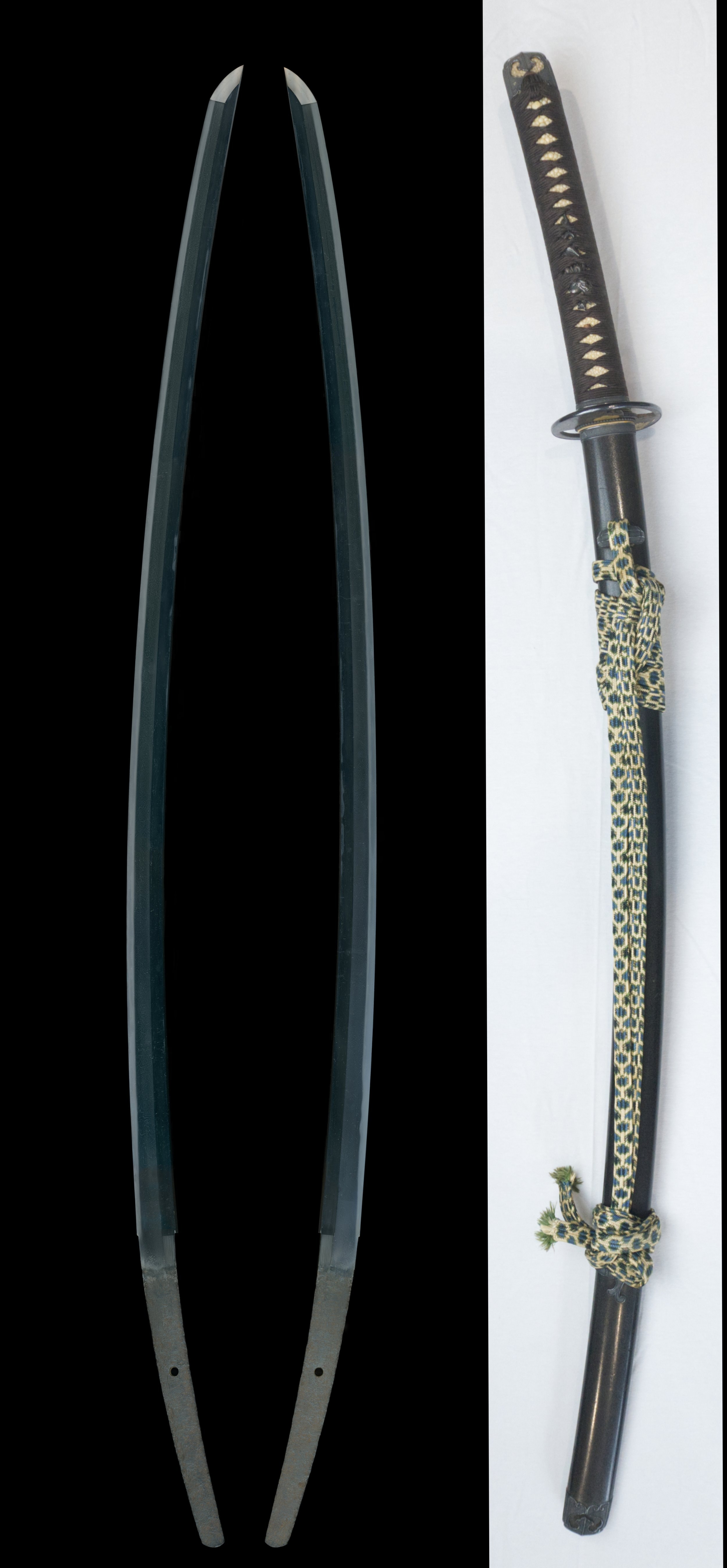
Against Masaie, the school's other master, the record draws the kantei line through the ha. In Honma Junji's adjudication, "Masaie's hamon is almost invariably an orderly suguha, while Masahiro more often shows pieces with a degree of midare feeling and many activities within the ha"[[c:9]], the boshi likewise not uniformly round but at times tending to midare or nie-kuzure. The sugata divides the two as well: "Masaie has many works with o-kissaki, while Masahiro shows comparatively many with a moderate kissaki"[[c:10]]. The school's stream runs to the end of Muromachi, and the deep-returning boshi of his kiwame side is anchored by its celebrated blade, the meibutsu O-Mihara[[c:11]], a kinzogan-mei katana designated Important Cultural Property, invoked for the strikingly deep turnback seen within his work.

Fujishiro rates him Jo-jo saku. The official record carries thirty-seven designated works: one Important Cultural Property, the meibutsu O-Mihara itself, three Tokubetsu Juyo, twenty-five Juyo and eight Juyo Bijutsuhin, twenty-six of them signed against seven mumei, with four more carrying kinzogan attribution inscriptions. Seven blades hold recorded provenance, among them a Jubi tachi whose cut signature reads Bingo ju Masa (備後住正), passed from Prince Konoe Fumimaro to the Yomei Bunko, Kyoto, and another held by Asano Kii no Kami. The Important Cultural Property is patrimony, permanently held; recorded institutional holders are the Tokyo National Museum, the Tsukamoto Museum and the Yomei Bunko, the rest in private hands. For the collector the realistic field is the twenty-eight blades of the Tokubetsu Juyo and Juyo tiers: not beyond reach in the way the great Soshu and Bizen names are, but coming to market only from time to time. The signed tachi with the slender-chisel nagamei carry the chronology of the school; of one such the NBTHK closes its notice praising not only the work but the unforced, gentle character of the signature itself[[c:12]].

Historical importance

Where Masahiro stands among comparable artisans: across all of nihontō, and within tradition, era, and period. The tiers (Foremost · Leading · Major · Notable) weigh official designations from the NBTHK and Japan's Agency for Cultural Affairs, together with historical honors of lasting repute such as the Sansaku and Meibutsu-chō.

随一
Foremost
屈指
Leading
有数
Major
著名
Notable

Select a lens to see how it's measured.

Designation record
33 designated works
Jūyō Bunkazai
1
Jūyō Bijutsuhin
6
Tokubetsu Jūyō
3
Jūyō
23
1 work by Masahiro on the market→
Masahiro — full profileKo-Mihara (Bingo) school

Dated Works

Years he was demonstrably active, proven by signed-and-dated blades

Active period
1384Editorial estimate: 1362–1389
1 of 24 designated works carry a date
About the school

Ko-Mihara

古三原

Yamato-den · Bingo

Phase: Ko-Mihara古三原· 1288–1393

8 pieces on the market now

›

Ko-Mihara (古三原) opens the Mihara story at its Bingo base, where a body of smiths gathered from the close of the Kamakura period and through the Nanbokuchō era. The setsumei treat the term as a chronological bracket rather than a separate workshop: works of this span are "collectively termed Ko-Mihara," with Masaie and Masahiro repeatedly named as the leading figures, and Masahiro held by tradition to be Masaie's son. The province's web of shōen estates tied to Kinai temples such as Tōji and Rengeō-in (Sanjūsangendō) drew the early smiths into regular contact with the central provinces, and the Yamato-den temperament that the records read in these blades is referred to that exchange. A second current runs alongside it: because some pieces show an Aoe manner, the appraisals also weigh influence from neighbouring Bitchū, as the Chikatsugu tachi of Shōhei 7 (1352) makes plain, sitting on the seam between Yamato bearing and Aoe surface. In the ji, the early hand keeps an itame-tending ground that takes on mokume, nagare, and a masame-like flow, with the grain inclined to stand (hada-dachi) and fine ji-nie set densely across it; a pale shirake-utsuri recurs as the most cited diagnostic, though the Masaie ōdachi of around Jōji instead shows a darkish steel with a midare-utsuri-like cast. The temper holds to a refined chū-suguha with ko-ashi and yō, the nioiguchi drawn tight or shizumi, the habuchi breaking into hotsure, kuichigai-ba, uchi-noke, and a nijūba suggestion, with fine kinsuji and sunagashi threading through.

The bōshi runs sugu, closing in yakizume, ko-maru, or maru with hakikake at the tip. The records keep these early works the cleaner pole of the school: a quiet, controlled Yamato manner whose forging shows "not the slightest looseness," set against the coarser, looser later Sue-Mihara of the closing Muromachi, where the disciplined suguha and tight ground give way. For kantei, the early phase reads as Yamato bearing without Yamato vigour: the nie of ji and ha runs weaker than in the Nara schools proper, the steel turns whitish, and the nioiguchi tightens, so a bright clean suguha with pointed bōshi can be mistaken at a glance for Aoe until the broad shinogi-ji, high shinogi, standing mokume, and hotsure with kuichigai-ba declare Mihara. Masaie and Masahiro divide on sugata: Masaie is the man of the bold ō-kissaki and the ōdachi, while Masahiro keeps ordinary chū-kissaki proportions and a freer, midare-gokoro edge with deeper kaeri, as in the Meibutsu Ō-Mihara cited by name. Because Yamato habit left few signed Mihara works, the early phase rests heavily on mumei and kinzogan attributions, several of them given to Masaie by Hon'ami Kōtoku, while dated and signed survivors stay scarce and so carry weight as reference material. Provenance threads through the great houses, the signed Masaie tachi presented to Emperor Meiji by the Shimazu family and another Masaie transmitted in the Date. Learn more →

9 recorded smiths206 designated works
Leading smiths
SmithEraDesignated
Masahiro正廣1362-138933
Masaie正家1353-137529
Kaneyasu兼安1352-136912
Masanobu正信1376-13944
Masaie正家1312-13170
Explore the Ko-Mihara school →

Historical context

The monasteries that had sustained Yamato lost ground through the Muromachi period, and the schools thinned with them; Sue-Tegai kept the old masame manner alive in quantity. The burning of Tōdaiji’s Great Buddha hall in 1567 closed the temple age.

Yamato in the Muromachi period →

Warning — certificate not found

We could not find an authenticity certificate on the seller’s listing. Japanese swords and fittings are normally papered by the NBTHK (or the NTHK). Without one, the attribution is the seller’s own assessment and has not been independently verified — treat it with caution and ask the dealer about certification before buying.

Seller
T
Tokyo Sword
🇯🇵Ships from Japan
›
✓Verified dealertokyosword.myshopify.com
✓Ships worldwide✓English supportPayPalCredit card
Return policy

Swords are non-returnable (blades cannot be re-imported to Japan). Insured shipping; damage/loss claims reported within 5 days of receipt. Cancellation fee 10% before shipment; not possible after shipment.

View all of Tokyo Sword’s listings→View this item on the dealer’s site→

More works by Ko-Mihara Masahiro

View all →
Samurai Museum
Jūyō
Tanto - Jūyō - by Ko-Mihara Masahiro - Antique Japanese Sword Tanto Signed by Masahiro NBTHK JUYO TOKEN CertificateTanto - Jūyō - by Ko-Mihara Masahiro - Antique Japanese Sword Tanto Signed by Masahiro NBTHK JUYO TOKEN Certificate

Tantō

ByKo-Mihara Masahiro
¥22,006

Previously sold by Ko-Mihara Masahiro

Toukentakarado
Jūyō
Tachi - Jūyō - by Ko-Mihara Masahiro - Bishu ju MasahiroTachi - Jūyō - by Ko-Mihara Masahiro - Bishu ju Masahiro
Sold

Tachi

ByKo-Mihara Masahiro
SOLD
Choshuya
Katana - by Ko-Mihara Masahiro - O-suriage Mumei: Ko-Mihara MasahiroKatana - by Ko-Mihara Masahiro - O-suriage Mumei: Ko-Mihara Masahiro
Sold

Katana

ByKo-Mihara Masahiro
SOLD
Eirakudo
Tokuho
Wakizashi - Tokuho - by Ko-Mihara Masahiro - Komihara - Tokubetsu Hozon TokenWakizashi - Tokuho - by Ko-Mihara Masahiro - Komihara - Tokubetsu Hozon Token
Sold

Wakizashi

ByKo-Mihara Masahiro
SOLD
Eirakudo
Tokuho
Katana - Tokuho - by Ko-Mihara Masahiro - Komihara Masahiro - Tokubetsu Hozon TokenKatana - Tokuho - by Ko-Mihara Masahiro - Komihara Masahiro - Tokubetsu Hozon Token
Sold

Katana

ByKo-Mihara Masahiro
SOLD

More from the Ko-Mihara school

View all →
Toushin
Jūyō
Katana - Jūyō - by Ko-Mihara School - Mumei (Komihara)Katana - Jūyō - by Ko-Mihara School - Mumei (Komihara)

Katana

ByKo-Mihara School
Ask
Aoi Art
Tokuho
Katana - Tokuho - by Ko-Mihara School - Mumei (Ko Mihara)Katana - Tokuho - by Ko-Mihara School - Mumei (Ko Mihara)

Katana

ByKo-Mihara School
¥950,000
Eirakudo
Tokuho
Katana - Tokuho - by Ko-Mihara Masanobu - Mihara Masanobu - Tokubetsu Hozon TokenKatana - Tokuho - by Ko-Mihara Masanobu - Mihara Masanobu - Tokubetsu Hozon Token

Katana

ByKo-Mihara Masanobu
¥1,200,000
Toushin
Tokuho
Katana - Tokuho - by Ko-Mihara Masanobu - Mihara Masanobu - MumeiKatana - Tokuho - by Ko-Mihara Masanobu - Mihara Masanobu - Mumei

Katana

ByKo-Mihara Masanobu
¥698,500
Kanda Toukodo
Tokuho
Katana - Tokuho - by Ko-Mihara School - Mumei (Ko-Mihara)Katana - Tokuho - by Ko-Mihara School - Mumei (Ko-Mihara)

Katana

ByKo-Mihara School
¥850,000
Nihonto Australia
Tokuho
Katana - Tokuho - by Ko-Mihara School - Kamakura Ko Mihara Katana with Tokubetsu Hozon CertificateKatana - Tokuho - by Ko-Mihara School - Kamakura Ko Mihara Katana with Tokubetsu Hozon Certificate

Katana

ByKo-Mihara School
Ask
Nipponto
Tokuho
Katana - Tokuho - by Ko-Mihara Kageshige - Katana by Bishu Kageshige, Tokubetsu HozonKatana - Tokuho - by Ko-Mihara Kageshige - Katana by Bishu Kageshige, Tokubetsu Hozon

Katana

ByKo-Mihara Kageshige
¥750,000

More from the Mihara school

View all →
Tokka Biz
Hozon
Katana - Hozon - by Mihara School - Mumei MiharaKatana - Hozon - by Mihara School - Mumei Mihara

Katana

ByMihara School
¥650,000
Aoi Art
Tokuho
Katana - Tokuho - by Hokke School - Mumei (Unsigned) (Hokke School, Nanbokucho Period)Katana - Tokuho - by Hokke School - Mumei (Unsigned) (Hokke School, Nanbokucho Period)

Katana

ByHokke School
¥750,000
Toushin
Tokuho
Katana - Tokuho - by Kokubunji Sukekuni - Kokubunji Sukekuni - Mumei (Attributed)Katana - Tokuho - by Kokubunji Sukekuni - Kokubunji Sukekuni - Mumei (Attributed)

Katana

ByKokubunji Sukekuni
¥2,970,000
Toushin
Hozon
Katana - Hozon - by Hokke School - Mumei (Hokke)Katana - Hozon - by Hokke School - Mumei (Hokke)

Katana

ByHokke School
¥396,000
Toushin
Hozon
Wakizashi - Hozon - by Sue-Mihara School - Mumei (Sue Mihara / Den Tadamitsu) - Tosa Yamauchi Family LineageWakizashi - Hozon - by Sue-Mihara School - Mumei (Sue Mihara / Den Tadamitsu) - Tosa Yamauchi Family Lineage

Wakizashi

BySue-Mihara School
¥990,000
Toyuukai
Hozon
Katana - Hozon - by Hokke School - Mumei (Hokke) - NBTHK Hozon CertificateKatana - Hozon - by Hokke School - Mumei (Hokke) - NBTHK Hozon Certificate

Katana

ByHokke School
¥600,000
Toushin
Hozon
Wakizashi - Hozon - by Sue-Mihara School - Mumei (Sue Mihara)Wakizashi - Hozon - by Sue-Mihara School - Mumei (Sue Mihara)

Wakizashi

BySue-Mihara School
¥176,000
Nihonto Australia
Jūyō
Katana - Jūyō - by Kokubunji Sukekuni - Kokubunji Sukekuni - Juyo TokenKatana - Jūyō - by Kokubunji Sukekuni - Kokubunji Sukekuni - Juyo Token

Katana

ByKokubunji Sukekuni
Ask

More from the Yamato tradition

View all →
Aoi Art
Tokuho
Yari - Tokuho - by Senjuin School - Senjuin SakuYari - Tokuho - by Senjuin School - Senjuin Saku

Yari

BySenjuin School
Starting Bid¥280,000
Tsuruginoya
Jūyō
Katana - Jūyō - by Tegai Kanenaga - Tegai KanenagaKatana - Jūyō - by Tegai Kanenaga - Tegai Kanenaga

Katana

ByTegai Kanenaga
¥7,500,000
Aoi Art
Tokuho
Tachi - Tokuho - by Shikkake School - Unsigned (Shikkake)Tachi - Tokuho - by Shikkake School - Unsigned (Shikkake)

Tachi

ByShikkake School
Starting Bid¥1,550,000
Goushuya
Tokujū
Katana - Tokuju - by Satsuma Yasuyo - Tokubetsu Juyo Token (One-Leaf Aoi Mon) Shume no Kami Ichihei Fujiwara Ason Yasuyo, Made in Satsushu Kirei-gun on an Auspicious Day in March, Kyoho 12Katana - Tokuju - by Satsuma Yasuyo - Tokubetsu Juyo Token (One-Leaf Aoi Mon) Shume no Kami Ichihei Fujiwara Ason Yasuyo, Made in Satsushu Kirei-gun on an Auspicious Day in March, Kyoho 12

Katana

BySatsuma Yasuyo
Ask
Toushin
Tokuho
Tanto - Tokuho - by Tegai Kanekiyo - Mumei (Tegai Kanekiyo) - 4-377Tanto - Tokuho - by Tegai Kanekiyo - Mumei (Tegai Kanekiyo) - 4-377

Tantō

ByTegai Kanekiyo
¥770,000
Choshuya
Jūyō
Katana - Jūyō - by Shikkake School - O-suriage Mumei, Attributed to ShikkakeKatana - Jūyō - by Shikkake School - O-suriage Mumei, Attributed to Shikkake

Katana

ByShikkake School
¥3,600,000
Touken Komachi
Tokuho
Katana - Tokuho - by Tegai Kanenaga - Katana in ShirasayaKatana - Tokuho - by Tegai Kanenaga - Katana in Shirasaya

Katana

ByTegai Kanenaga
¥3,000,000
Touken Komachi
Tokuho
Katana - Tokuho - by Senjuin School - Senjuin - ShirasayaKatana - Tokuho - by Senjuin School - Senjuin - Shirasaya

Katana

BySenjuin School
¥880,000

Swords

  • Katana
  • Wakizashi
  • Tantō
  • Tachi
  • Naginata
  • Yari

Fittings

  • Tsuba
  • Fuchi-Kashira
  • Kozuka
  • Menuki

Armor

  • Kabuto
  • Samurai Armor

By Certification

  • Tokujū
  • Jūyō
  • Tokuho
  • Hozon

Resources

  • Dealer Directory
  • Artist Directory
  • The Daily Kantei
  • Glossary
  • Browse All
Nihontowatch© 2026
TermsPrivacyCookiesAbout

Description

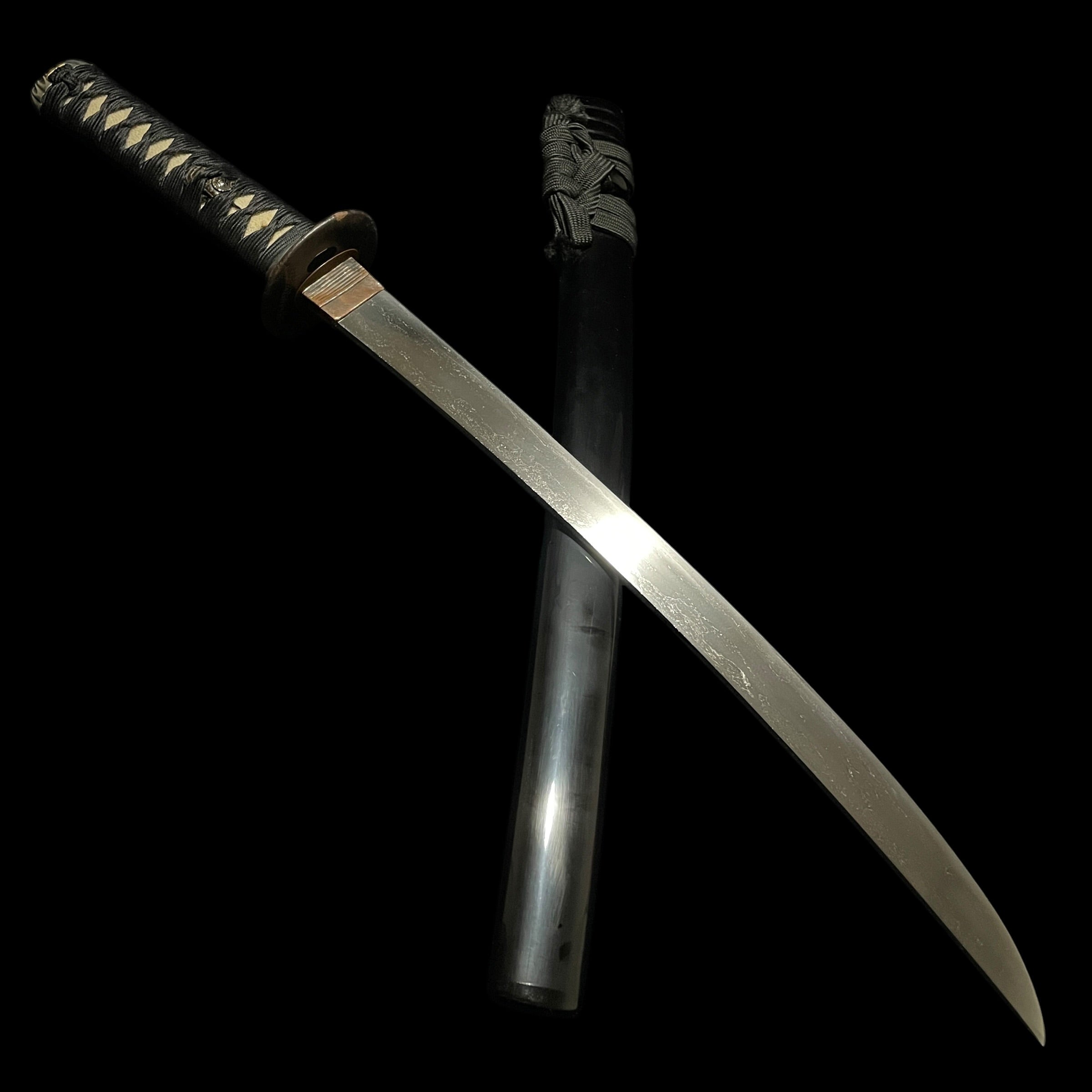
This is a wide hirazukuri wakizashi signed by Masahiro, dating back to the Muromachi period. It features a Hotei tsuba and comes with a total length of 66cm. The blade has a nagasa of 41cm and a sori of 1.2cm, weighing 319g.

NihontoWatch MonNihontoWatch
MarketEncyclopediaKantei
Swords›Yamato-den›Mihara›Ko-Mihara›Masahiro›Wide Hirazukuri Wakizashi: Masahiro 正廣 Signed with Hotei Tsuba 布袋鍔 (Muromachi Period, Mumei)
wakizashi
Ko-Mihara Masahiro

Wide Hirazukuri Wakizashi: Masahiro 正廣 Signed with Hotei Tsuba 布袋鍔 (Muromachi Period, Mumei)

mei · Muromachi · nagasa 41cm · sori 1.2cm
SOLD
Ko-Mihara Masahiro — 1 of 18
Ko-Mihara Masahiro — 2 of 18
Ko-Mihara Masahiro — 3 of 18
Ko-Mihara Masahiro — 4 of 18
Ko-Mihara Masahiro — 5 of 18
Ko-Mihara Masahiro — 6 of 18
Ko-Mihara Masahiro — 7 of 18
Ko-Mihara Masahiro — 8 of 18
Ko-Mihara Masahiro — 9 of 18
Ko-Mihara Masahiro — 10 of 18
Ko-Mihara Masahiro — 11 of 18
Ko-Mihara Masahiro — 12 of 18
Ko-Mihara Masahiro — 13 of 18
Ko-Mihara Masahiro — 14 of 18
Ko-Mihara Masahiro — 15 of 18
Ko-Mihara Masahiro — 16 of 18
Ko-Mihara Masahiro — 17 of 18
Ko-Mihara Masahiro — 18 of 18
1 / 18
1 / 18
Ko-Mihara Masahiro — 1 of 18Ko-Mihara Masahiro — 2 of 18Ko-Mihara Masahiro — 3 of 18Ko-Mihara Masahiro — 4 of 18Ko-Mihara Masahiro — 5 of 18Ko-Mihara Masahiro — 6 of 18Ko-Mihara Masahiro — 7 of 18Ko-Mihara Masahiro — 8 of 18Ko-Mihara Masahiro — 9 of 18Ko-Mihara Masahiro — 10 of 18Ko-Mihara Masahiro — 11 of 18Ko-Mihara Masahiro — 12 of 18Ko-Mihara Masahiro — 13 of 18Ko-Mihara Masahiro — 14 of 18Ko-Mihara Masahiro — 15 of 18Ko-Mihara Masahiro — 16 of 18Ko-Mihara Masahiro — 17 of 18Ko-Mihara Masahiro — 18 of 18
Measurements & details
Smith
Ko-Mihara Masahiro
Type
Wakizashi
School
Ko-Mihara
Period
Around 1362–1389(Teiji ND)
Signature
Signed(67% of this smith's designated works are signed)
Measurements
Nagasa 41cmSori 1.2cmMotohaba 3.02cmSakihaba 2.33cmKasane 0.55cmWeight 319g
Description

This is a wide hirazukuri wakizashi signed by Masahiro, dating back to the Muromachi period. It features a Hotei tsuba and comes with a total length of 66cm. The blade has a nagasa of 41cm and a sori of 1.2cm, weighing 319g.

About the maker

Masahiro

正廣

Ko-Mihara (Bingo) · Bingo · around 1362-1389

Fujishiro Jo-jo saku · Tōken Taikan top 11%

1 piece on the market now

›

At the second Tokubetsu Juyo session, in 1973, the NBTHK designated a suriage tachi signed Bishu ju Masahiro[[c:1]], recording it as the blade of this name whose ji and ha are of the finest workmanship[[c:2]]. Masahiro of Mihara in Bingo province stands with Masaie as one of the two representative smiths of Ko-Mihara, the collective name for the school's work from the end of Kamakura through Nanbokucho. "Masahiro is traditionally regarded as a son of Ko-Mihara Masaie"[[c:3]], in other texts a pupil, yet the same sources repeatedly invert the chronology: "judged from the workmanship, Masahiro reads older in style than Masaie"[[c:4]], several signed tachi being appraised as late Kamakura work. The name itself is collective. The signature references list six smiths called Masahiro in Bingo, the recorded dates opening in Joji 3 (1364) and running through Shitoku, Kakei and Oei, and "the Oei work is regarded as a second generation" (応永は二代とみられている). Extant dated blades are rare, only Shitoku and Oei examples being known, and the NBTHK treats the name collectively, several generations under one attribution.

His manner is Yamato carried into Bingo steel. Bingo held many estates of the central temples, Toji and the Rengeoin among them, and the published sources read the Mihara style as the product of that exchange: suguha-based work over a flowing itame. The same sources separate him from Yamato proper in one recurring formula: "compared with works from Yamato proper, the nie of ji and ha is as a rule weaker, the forging stands out in moku, the whitish utsuri is conspicuous, the hamon is a suguha whose nioiguchi tends to tightness, and the boshi turns back gently in a rounded manner"[[c:5]]. A pale shirake-utsuri rises in the ji on nearly half of his recorded works; his boshi runs straight to a gentle ko-maru return, often with hakikake, never to the yakizume that defines the Yamato schools; and his itame flows and stands without resolving into their full masame.

In detail the forging is itame mixed with moku and nagare-hada, standing in places, with very fine ji-nie, chikei entering finely, and patches of jifu. Over it the hamon is a medium suguha or suguha-cho mixed with ko-gunome and ko-midare, with ko-ashi and yo entering well; the habuchi frays into hotsure, kinsuji and sunagashi work through the ha, and the nioiguchi stays tight or subdued with thick ko-nie rather than bright heavy nie. The work divides into two registers. The signed tachi, mostly suriage though several keep their ubu nakago, carry the mei in large slender-chisel characters: the first generation signs invariably Bishu ju (備州住) and never Bingo no kuni ju, beside rarer three-character mei reading Masahiro saku (正広作) and two-character mei. The sanji-mei pieces read oldest; one tachi has its nakago recorded in the Ojakusho (往昔抄), the Muromachi compendium of sword rubbings. Beside them stands the o-suriage mumei register, katana attributed by kiwame, several settled by kinzogan attribution inscriptions rather than signatures; the Nanbokucho examples run wide in mihaba with o-kissaki, one of them "originally a tachi of nearly three shaku"[[c:6]].

Within the one suguha discipline distinct strains stand out. The tachi dated Shitoku 1 (1384), a 79.6 cm blade with its nagamei intact, keeps the suguha-cho base but takes nie throughout, yubashiri running hard along the upper half into niju and sanju-ba effects, and is singled out as "showing, within his oeuvre, a manner strong in the nie of ji and ha"[[c:7]]; a later designation links a sanji-mei tachi of the Nanbokucho end to it by the same yubashiri and nijuba. The Oei work, read as the second generation, leans toward the neighbors. The tachi dated Oei 6 (1399) shows "a manner that could at first sight be mistaken for the Rai school of Yamashiro" (一見山城国来派の作に見紛う作風), only the slight saki-zori betraying the period. The katana dated Oei 22 (1415), the one blade in the record signed Bingo no kuni ju Masahiro (備後国住正広), goes the other way toward Bitchu Aoe: a slanting lean enters the midare of its suguha, a midare-utsuri stands in the ji with jifu, and "the boshi burns its return deeply downward in waterfall fashion, the so-called Mihara-boshi" (帽子は返りを滝落し風に深く焼下げる所謂三原帽子となっている). A sun-nobi tanto of the same years lines up round-topped ko-gunome that the sources liken to the Hokke Kaneyasu (法華兼安) of the same province. The Aoe adjacency is old: the Muromachi treatise Shinkan Hidensho already wrote that the school's face "resembles a Bitchu tachi"[[c:8]].

Against Masaie, the school's other master, the record draws the kantei line through the ha. In Honma Junji's adjudication, "Masaie's hamon is almost invariably an orderly suguha, while Masahiro more often shows pieces with a degree of midare feeling and many activities within the ha"[[c:9]], the boshi likewise not uniformly round but at times tending to midare or nie-kuzure. The sugata divides the two as well: "Masaie has many works with o-kissaki, while Masahiro shows comparatively many with a moderate kissaki"[[c:10]]. The school's stream runs to the end of Muromachi, and the deep-returning boshi of his kiwame side is anchored by its celebrated blade, the meibutsu O-Mihara[[c:11]], a kinzogan-mei katana designated Important Cultural Property, invoked for the strikingly deep turnback seen within his work.

Fujishiro rates him Jo-jo saku. The official record carries thirty-seven designated works: one Important Cultural Property, the meibutsu O-Mihara itself, three Tokubetsu Juyo, twenty-five Juyo and eight Juyo Bijutsuhin, twenty-six of them signed against seven mumei, with four more carrying kinzogan attribution inscriptions. Seven blades hold recorded provenance, among them a Jubi tachi whose cut signature reads Bingo ju Masa (備後住正), passed from Prince Konoe Fumimaro to the Yomei Bunko, Kyoto, and another held by Asano Kii no Kami. The Important Cultural Property is patrimony, permanently held; recorded institutional holders are the Tokyo National Museum, the Tsukamoto Museum and the Yomei Bunko, the rest in private hands. For the collector the realistic field is the twenty-eight blades of the Tokubetsu Juyo and Juyo tiers: not beyond reach in the way the great Soshu and Bizen names are, but coming to market only from time to time. The signed tachi with the slender-chisel nagamei carry the chronology of the school; of one such the NBTHK closes its notice praising not only the work but the unforced, gentle character of the signature itself[[c:12]].

Historical importance

Where Masahiro stands among comparable artisans: across all of nihontō, and within tradition, era, and period. The tiers (Foremost · Leading · Major · Notable) weigh official designations from the NBTHK and Japan's Agency for Cultural Affairs, together with historical honors of lasting repute such as the Sansaku and Meibutsu-chō.

随一
Foremost
屈指
Leading
有数
Major
著名
Notable

Select a lens to see how it's measured.

Designation record
33 designated works
Jūyō Bunkazai
1
Jūyō Bijutsuhin
6
Tokubetsu Jūyō
3
Jūyō
23
1 work by Masahiro on the market→
Masahiro — full profileKo-Mihara (Bingo) school

Dated Works

Years he was demonstrably active, proven by signed-and-dated blades

Active period
1384Editorial estimate: 1362–1389
1 of 24 designated works carry a date
About the school

Ko-Mihara

古三原

Yamato-den · Bingo

Phase: Ko-Mihara古三原· 1288–1393

8 pieces on the market now

›

Ko-Mihara (古三原) opens the Mihara story at its Bingo base, where a body of smiths gathered from the close of the Kamakura period and through the Nanbokuchō era. The setsumei treat the term as a chronological bracket rather than a separate workshop: works of this span are "collectively termed Ko-Mihara," with Masaie and Masahiro repeatedly named as the leading figures, and Masahiro held by tradition to be Masaie's son. The province's web of shōen estates tied to Kinai temples such as Tōji and Rengeō-in (Sanjūsangendō) drew the early smiths into regular contact with the central provinces, and the Yamato-den temperament that the records read in these blades is referred to that exchange. A second current runs alongside it: because some pieces show an Aoe manner, the appraisals also weigh influence from neighbouring Bitchū, as the Chikatsugu tachi of Shōhei 7 (1352) makes plain, sitting on the seam between Yamato bearing and Aoe surface. In the ji, the early hand keeps an itame-tending ground that takes on mokume, nagare, and a masame-like flow, with the grain inclined to stand (hada-dachi) and fine ji-nie set densely across it; a pale shirake-utsuri recurs as the most cited diagnostic, though the Masaie ōdachi of around Jōji instead shows a darkish steel with a midare-utsuri-like cast. The temper holds to a refined chū-suguha with ko-ashi and yō, the nioiguchi drawn tight or shizumi, the habuchi breaking into hotsure, kuichigai-ba, uchi-noke, and a nijūba suggestion, with fine kinsuji and sunagashi threading through.

The bōshi runs sugu, closing in yakizume, ko-maru, or maru with hakikake at the tip. The records keep these early works the cleaner pole of the school: a quiet, controlled Yamato manner whose forging shows "not the slightest looseness," set against the coarser, looser later Sue-Mihara of the closing Muromachi, where the disciplined suguha and tight ground give way. For kantei, the early phase reads as Yamato bearing without Yamato vigour: the nie of ji and ha runs weaker than in the Nara schools proper, the steel turns whitish, and the nioiguchi tightens, so a bright clean suguha with pointed bōshi can be mistaken at a glance for Aoe until the broad shinogi-ji, high shinogi, standing mokume, and hotsure with kuichigai-ba declare Mihara. Masaie and Masahiro divide on sugata: Masaie is the man of the bold ō-kissaki and the ōdachi, while Masahiro keeps ordinary chū-kissaki proportions and a freer, midare-gokoro edge with deeper kaeri, as in the Meibutsu Ō-Mihara cited by name. Because Yamato habit left few signed Mihara works, the early phase rests heavily on mumei and kinzogan attributions, several of them given to Masaie by Hon'ami Kōtoku, while dated and signed survivors stay scarce and so carry weight as reference material. Provenance threads through the great houses, the signed Masaie tachi presented to Emperor Meiji by the Shimazu family and another Masaie transmitted in the Date. Learn more →

9 recorded smiths206 designated works
Leading smiths
SmithEraDesignated
Masahiro正廣1362-138933
Masaie正家1353-137529
Kaneyasu兼安1352-136912
Masanobu正信1376-13944
Masaie正家1312-13170
Explore the Ko-Mihara school →

Historical context

The monasteries that had sustained Yamato lost ground through the Muromachi period, and the schools thinned with them; Sue-Tegai kept the old masame manner alive in quantity. The burning of Tōdaiji’s Great Buddha hall in 1567 closed the temple age.

Yamato in the Muromachi period →

Warning — certificate not found

We could not find an authenticity certificate on the seller’s listing. Japanese swords and fittings are normally papered by the NBTHK (or the NTHK). Without one, the attribution is the seller’s own assessment and has not been independently verified — treat it with caution and ask the dealer about certification before buying.

Seller
T
Tokyo Sword
🇯🇵Ships from Japan
›
✓Verified dealertokyosword.myshopify.com
✓Ships worldwide✓English supportPayPalCredit card
Return policy

Swords are non-returnable (blades cannot be re-imported to Japan). Insured shipping; damage/loss claims reported within 5 days of receipt. Cancellation fee 10% before shipment; not possible after shipment.
View all of Tokyo Sword’s listings→View this item on the dealer’s site→

More works by Ko-Mihara Masahiro

View all →
Samurai Museum
Jūyō
Tanto - Jūyō - by Ko-Mihara Masahiro - Antique Japanese Sword Tanto Signed by Masahiro NBTHK JUYO TOKEN CertificateTanto - Jūyō - by Ko-Mihara Masahiro - Antique Japanese Sword Tanto Signed by Masahiro NBTHK JUYO TOKEN Certificate

Tantō

ByKo-Mihara Masahiro
¥22,006

Previously sold by Ko-Mihara Masahiro

Toukentakarado
Jūyō
Tachi - Jūyō - by Ko-Mihara Masahiro - Bishu ju MasahiroTachi - Jūyō - by Ko-Mihara Masahiro - Bishu ju Masahiro
Sold

Tachi

ByKo-Mihara Masahiro
SOLD
Choshuya
Katana - by Ko-Mihara Masahiro - O-suriage Mumei: Ko-Mihara MasahiroKatana - by Ko-Mihara Masahiro - O-suriage Mumei: Ko-Mihara Masahiro
Sold

Katana

ByKo-Mihara Masahiro
SOLD
Eirakudo
Tokuho
Wakizashi - Tokuho - by Ko-Mihara Masahiro - Komihara - Tokubetsu Hozon TokenWakizashi - Tokuho - by Ko-Mihara Masahiro - Komihara - Tokubetsu Hozon Token
Sold

Wakizashi

ByKo-Mihara Masahiro
SOLD
Eirakudo
Tokuho
Katana - Tokuho - by Ko-Mihara Masahiro - Komihara Masahiro - Tokubetsu Hozon TokenKatana - Tokuho - by Ko-Mihara Masahiro - Komihara Masahiro - Tokubetsu Hozon Token
Sold

Katana

ByKo-Mihara Masahiro
SOLD

More from the Ko-Mihara school

View all →
Toushin
Jūyō
Katana - Jūyō - by Ko-Mihara School - Mumei (Komihara)Katana - Jūyō - by Ko-Mihara School - Mumei (Komihara)

Katana

ByKo-Mihara School
Ask
Aoi Art
Tokuho
Katana - Tokuho - by Ko-Mihara School - Mumei (Ko Mihara)Katana - Tokuho - by Ko-Mihara School - Mumei (Ko Mihara)

Katana

ByKo-Mihara School
¥950,000
Eirakudo
Tokuho
Katana - Tokuho - by Ko-Mihara Masanobu - Mihara Masanobu - Tokubetsu Hozon TokenKatana - Tokuho - by Ko-Mihara Masanobu - Mihara Masanobu - Tokubetsu Hozon Token

Katana

ByKo-Mihara Masanobu
¥1,200,000
Toushin
Tokuho
Katana - Tokuho - by Ko-Mihara Masanobu - Mihara Masanobu - MumeiKatana - Tokuho - by Ko-Mihara Masanobu - Mihara Masanobu - Mumei

Katana

ByKo-Mihara Masanobu
¥698,500
Kanda Toukodo
Tokuho
Katana - Tokuho - by Ko-Mihara School - Mumei (Ko-Mihara)Katana - Tokuho - by Ko-Mihara School - Mumei (Ko-Mihara)

Katana

ByKo-Mihara School
¥850,000
Nihonto Australia
Tokuho
Katana - Tokuho - by Ko-Mihara School - Kamakura Ko Mihara Katana with Tokubetsu Hozon CertificateKatana - Tokuho - by Ko-Mihara School - Kamakura Ko Mihara Katana with Tokubetsu Hozon Certificate

Katana

ByKo-Mihara School
Ask
Nipponto
Tokuho
Katana - Tokuho - by Ko-Mihara Kageshige - Katana by Bishu Kageshige, Tokubetsu HozonKatana - Tokuho - by Ko-Mihara Kageshige - Katana by Bishu Kageshige, Tokubetsu Hozon

Katana

ByKo-Mihara Kageshige
¥750,000

More from the Mihara school

View all →
Tokka Biz
Hozon
Katana - Hozon - by Mihara School - Mumei MiharaKatana - Hozon - by Mihara School - Mumei Mihara

Katana

ByMihara School
¥650,000
Aoi Art
Tokuho
Katana - Tokuho - by Hokke School - Mumei (Unsigned) (Hokke School, Nanbokucho Period)Katana - Tokuho - by Hokke School - Mumei (Unsigned) (Hokke School, Nanbokucho Period)

Katana

ByHokke School
¥750,000
Toushin
Tokuho
Katana - Tokuho - by Kokubunji Sukekuni - Kokubunji Sukekuni - Mumei (Attributed)Katana - Tokuho - by Kokubunji Sukekuni - Kokubunji Sukekuni - Mumei (Attributed)

Katana

ByKokubunji Sukekuni
¥2,970,000
Toushin
Hozon
Katana - Hozon - by Hokke School - Mumei (Hokke)Katana - Hozon - by Hokke School - Mumei (Hokke)

Katana

ByHokke School
¥396,000
Toushin
Hozon
Wakizashi - Hozon - by Sue-Mihara School - Mumei (Sue Mihara / Den Tadamitsu) - Tosa Yamauchi Family LineageWakizashi - Hozon - by Sue-Mihara School - Mumei (Sue Mihara / Den Tadamitsu) - Tosa Yamauchi Family Lineage

Wakizashi

BySue-Mihara School
¥990,000
Toyuukai
Hozon
Katana - Hozon - by Hokke School - Mumei (Hokke) - NBTHK Hozon CertificateKatana - Hozon - by Hokke School - Mumei (Hokke) - NBTHK Hozon Certificate

Katana

ByHokke School
¥600,000
Toushin
Hozon
Wakizashi - Hozon - by Sue-Mihara School - Mumei (Sue Mihara)Wakizashi - Hozon - by Sue-Mihara School - Mumei (Sue Mihara)

Wakizashi

BySue-Mihara School
¥176,000
Nihonto Australia
Jūyō
Katana - Jūyō - by Kokubunji Sukekuni - Kokubunji Sukekuni - Juyo TokenKatana - Jūyō - by Kokubunji Sukekuni - Kokubunji Sukekuni - Juyo Token

Katana

ByKokubunji Sukekuni
Ask

More from the Yamato tradition

View all →
Aoi Art
Tokuho
Yari - Tokuho - by Senjuin School - Senjuin SakuYari - Tokuho - by Senjuin School - Senjuin Saku

Yari

BySenjuin School
Starting Bid¥280,000
Tsuruginoya
Jūyō
Katana - Jūyō - by Tegai Kanenaga - Tegai KanenagaKatana - Jūyō - by Tegai Kanenaga - Tegai Kanenaga

Katana

ByTegai Kanenaga
¥7,500,000
Aoi Art
Tokuho
Tachi - Tokuho - by Shikkake School - Unsigned (Shikkake)Tachi - Tokuho - by Shikkake School - Unsigned (Shikkake)

Tachi

ByShikkake School
Starting Bid¥1,550,000
Goushuya
Tokujū
Katana - Tokuju - by Satsuma Yasuyo - Tokubetsu Juyo Token (One-Leaf Aoi Mon) Shume no Kami Ichihei Fujiwara Ason Yasuyo, Made in Satsushu Kirei-gun on an Auspicious Day in March, Kyoho 12Katana - Tokuju - by Satsuma Yasuyo - Tokubetsu Juyo Token (One-Leaf Aoi Mon) Shume no Kami Ichihei Fujiwara Ason Yasuyo, Made in Satsushu Kirei-gun on an Auspicious Day in March, Kyoho 12

Katana

BySatsuma Yasuyo
Ask
Toushin
Tokuho
Tanto - Tokuho - by Tegai Kanekiyo - Mumei (Tegai Kanekiyo) - 4-377Tanto - Tokuho - by Tegai Kanekiyo - Mumei (Tegai Kanekiyo) - 4-377

Tantō

ByTegai Kanekiyo
¥770,000
Choshuya
Jūyō
Katana - Jūyō - by Shikkake School - O-suriage Mumei, Attributed to ShikkakeKatana - Jūyō - by Shikkake School - O-suriage Mumei, Attributed to Shikkake

Katana

ByShikkake School
¥3,600,000
Touken Komachi
Tokuho
Katana - Tokuho - by Tegai Kanenaga - Katana in ShirasayaKatana - Tokuho - by Tegai Kanenaga - Katana in Shirasaya

Katana

ByTegai Kanenaga
¥3,000,000
Touken Komachi
Tokuho
Katana - Tokuho - by Senjuin School - Senjuin - ShirasayaKatana - Tokuho - by Senjuin School - Senjuin - Shirasaya

Katana

BySenjuin School
¥880,000

Swords

  • Katana
  • Wakizashi
  • Tantō
  • Tachi
  • Naginata
  • Yari

Fittings

  • Tsuba
  • Fuchi-Kashira
  • Kozuka
  • Menuki

Armor

  • Kabuto
  • Samurai Armor

By Certification

  • Tokujū
  • Jūyō
  • Tokuho
  • Hozon

Resources

  • Dealer Directory
  • Artist Directory
  • The Daily Kantei
  • Glossary
  • Browse All
Nihontowatch© 2026
TermsPrivacyCookiesAbout
NihontoWatch Mon

NihontoWatch

Market
Encyclopedia
Kantei
NihontoWatch Mon

NihontoWatch

Market
Encyclopedia
Kantei