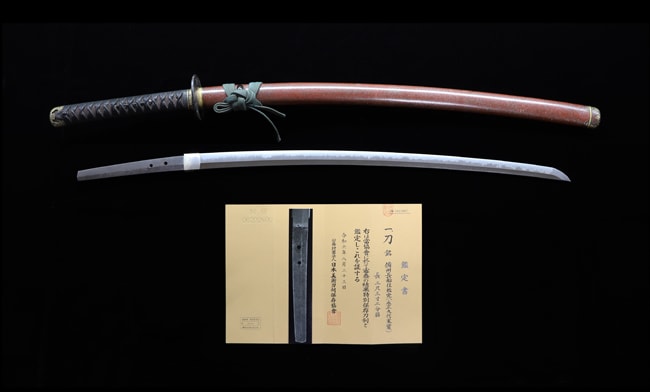
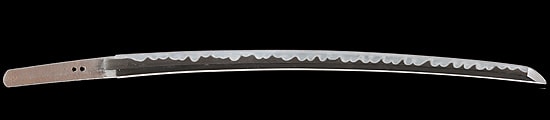
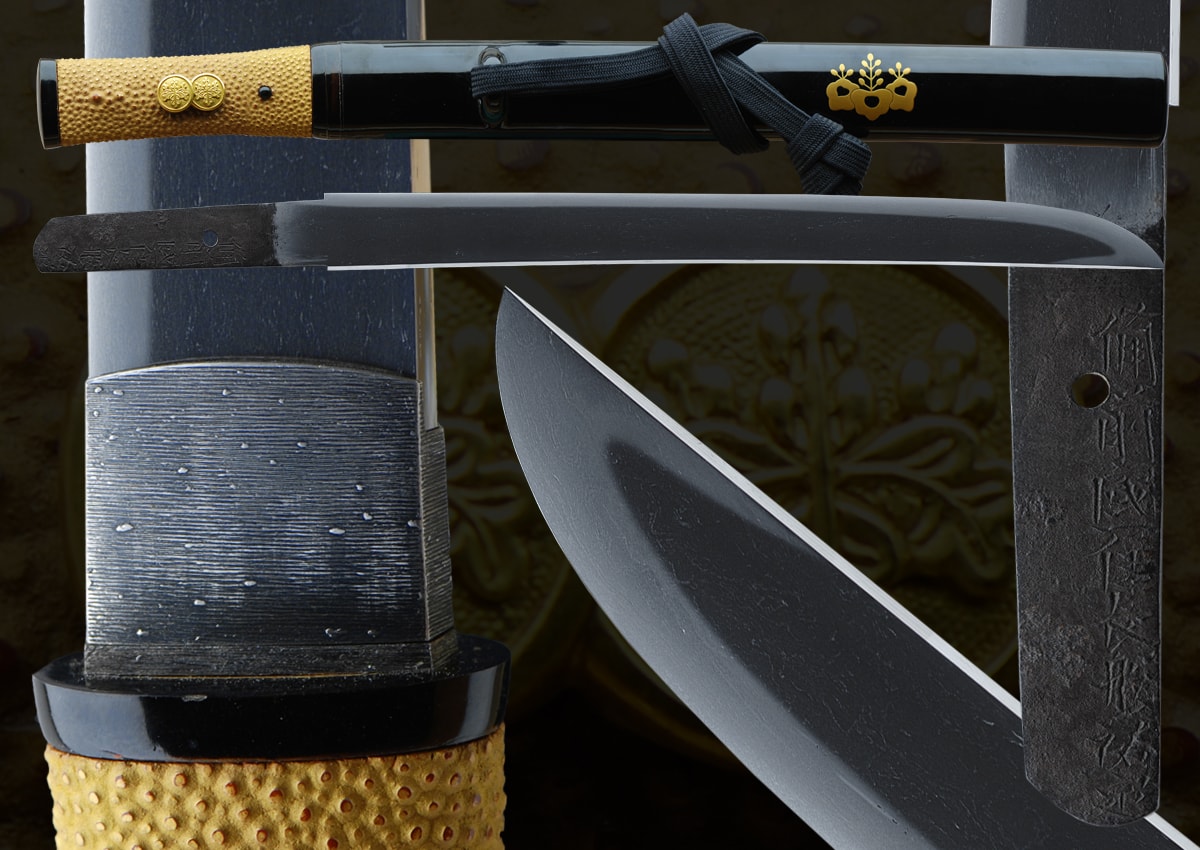
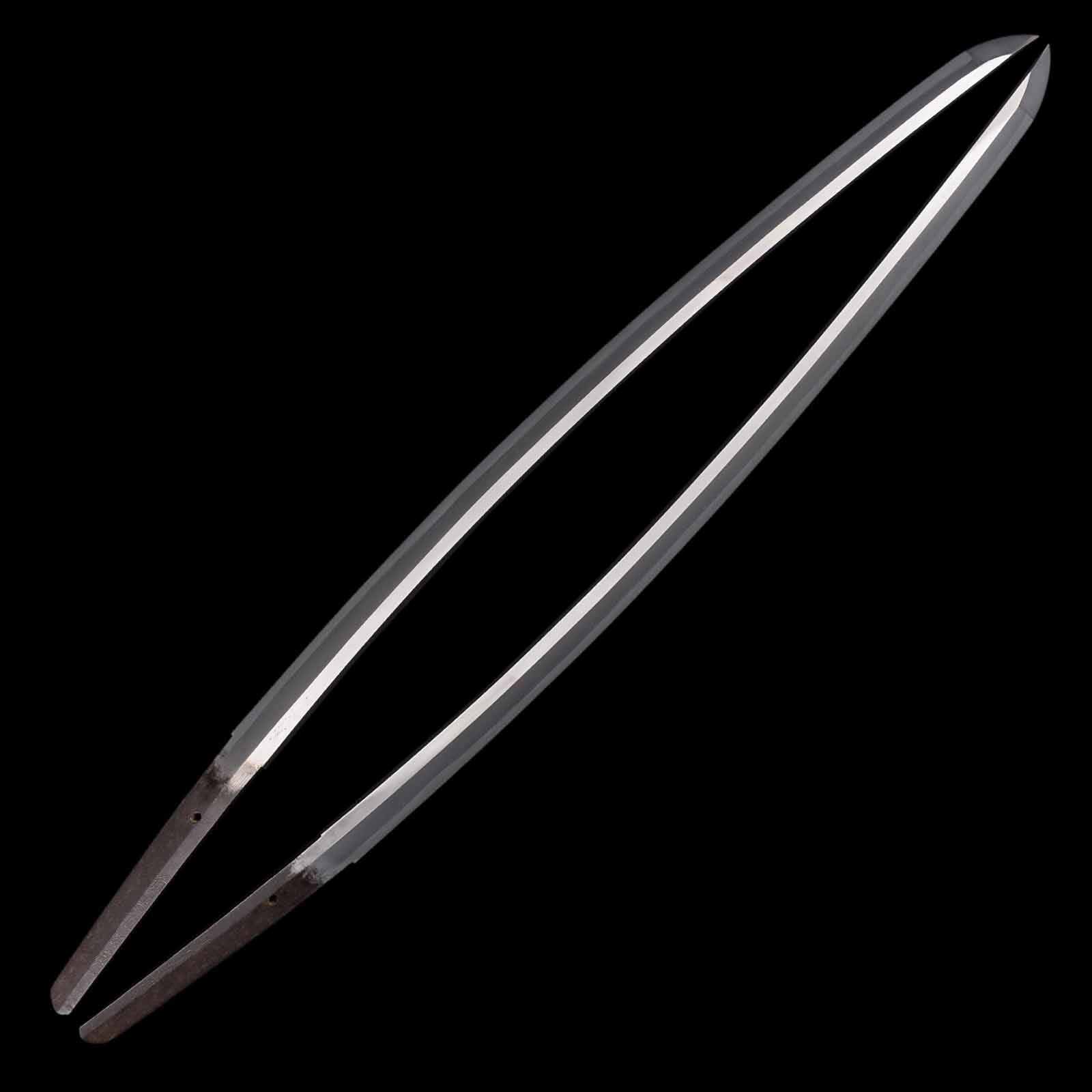
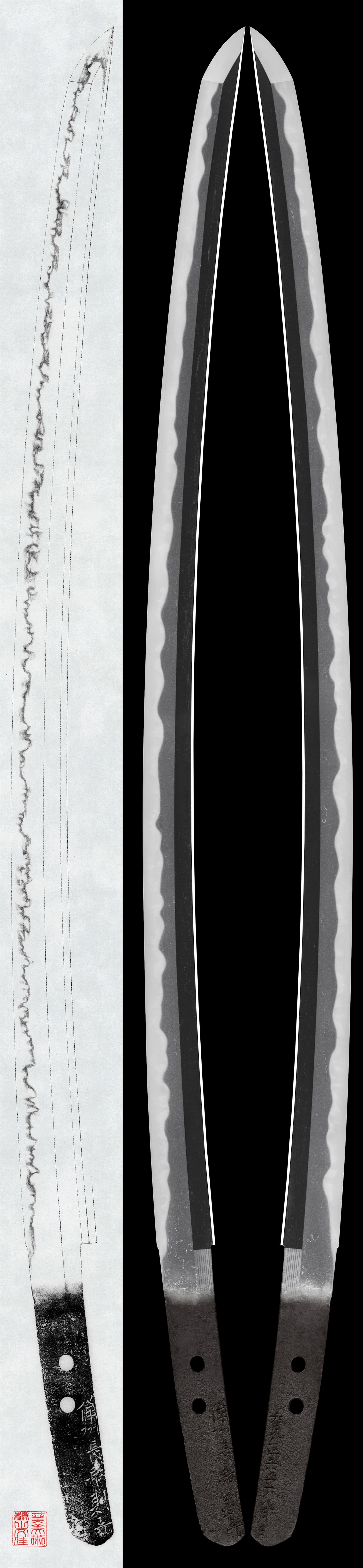
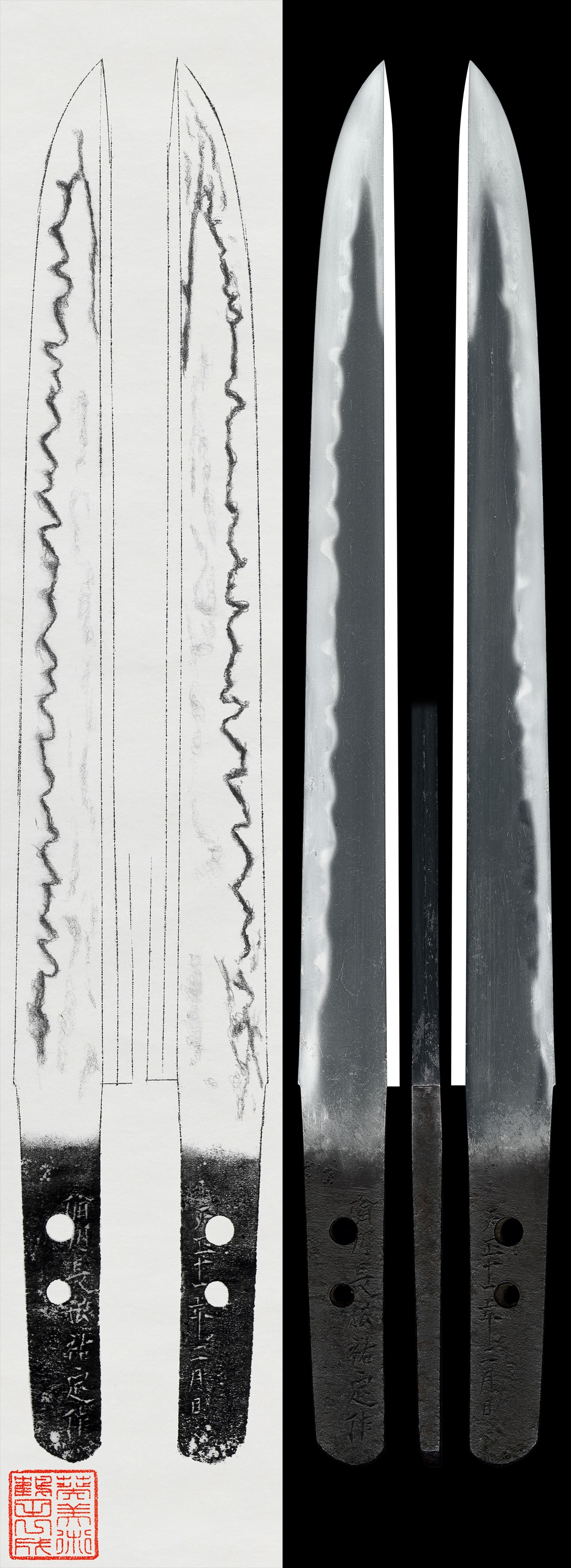
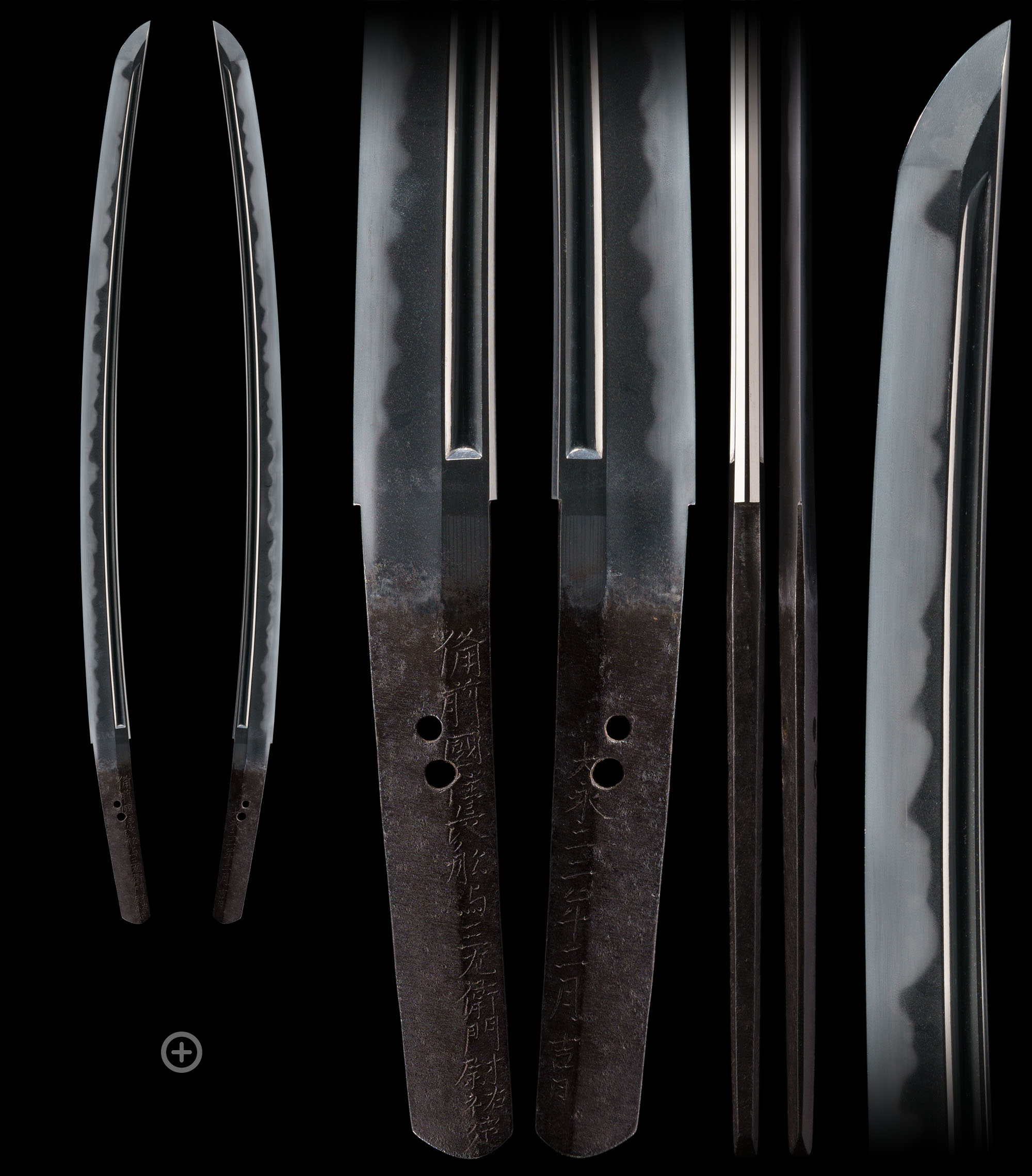
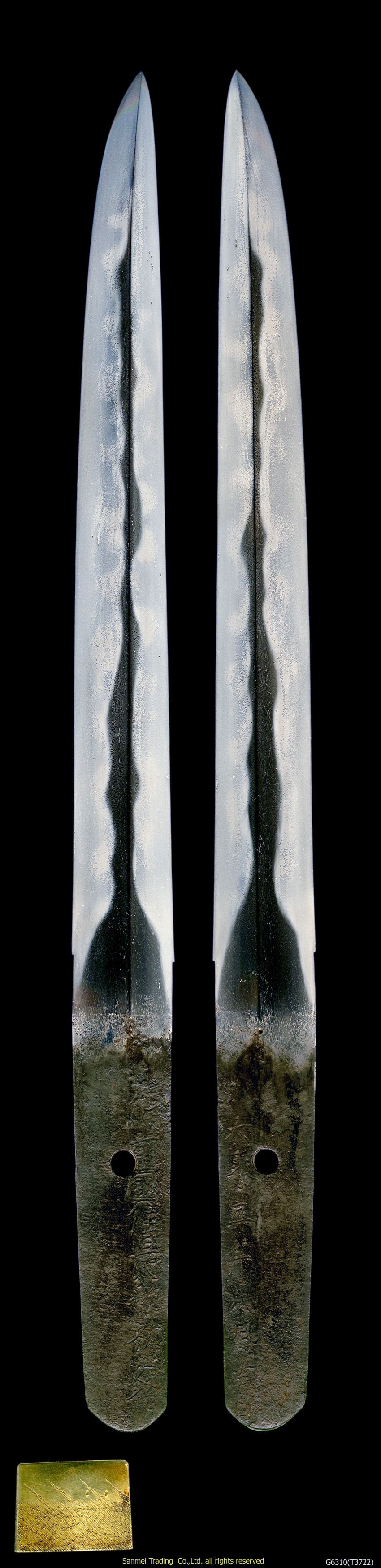
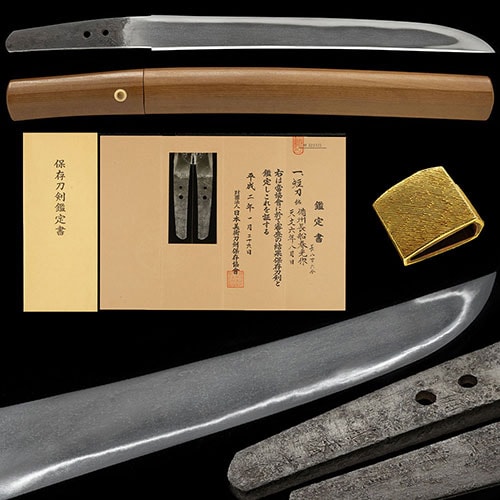
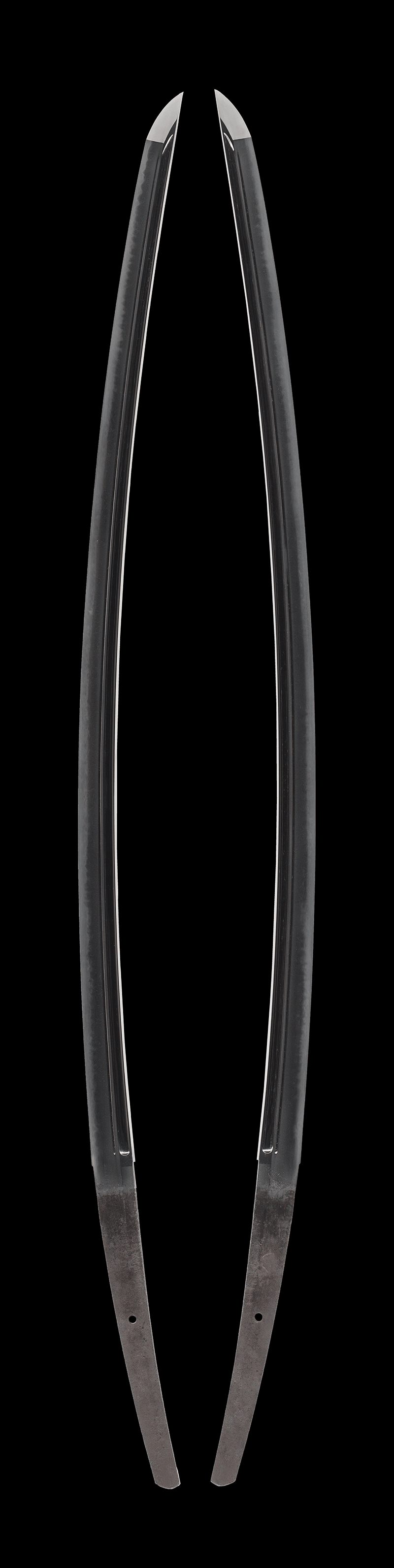
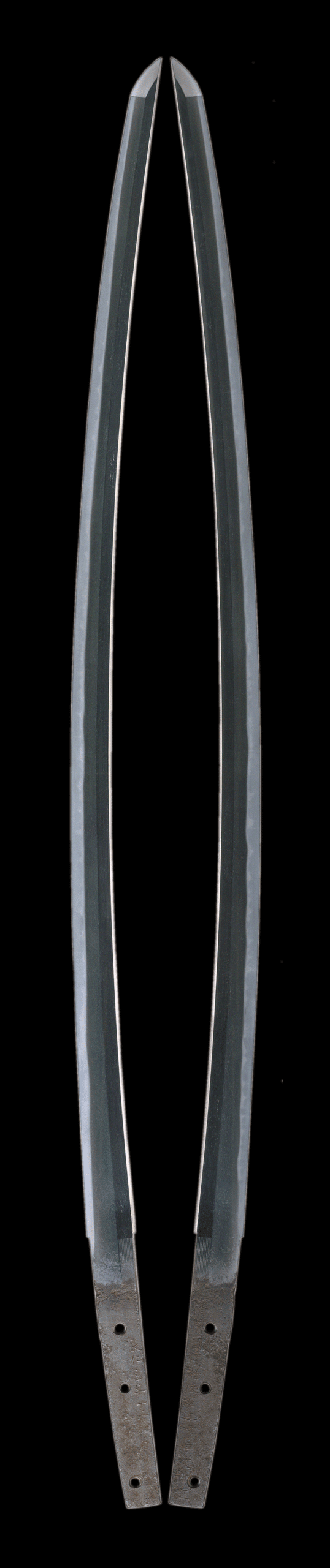
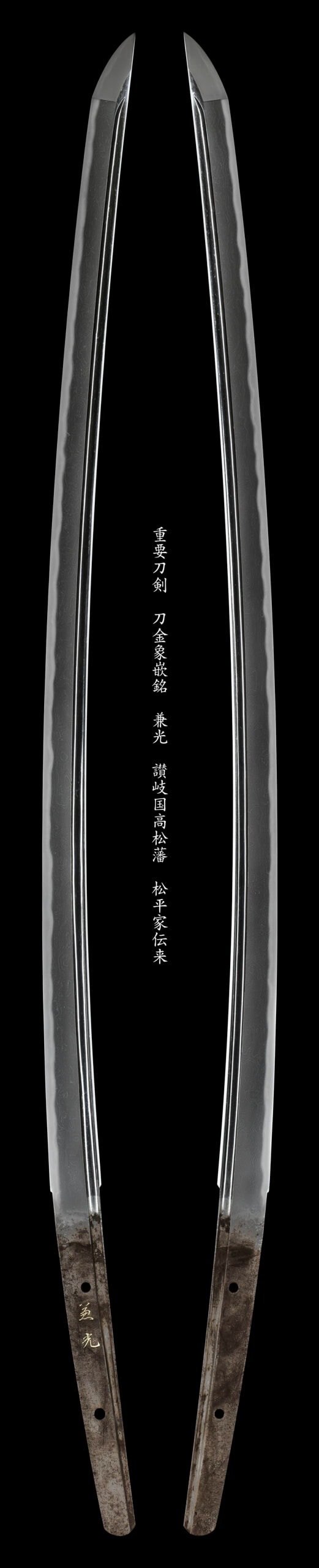
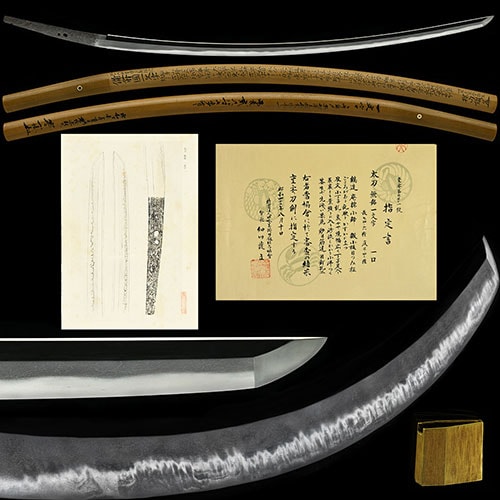
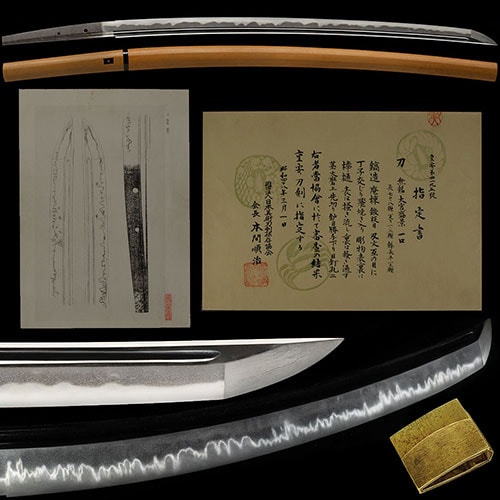
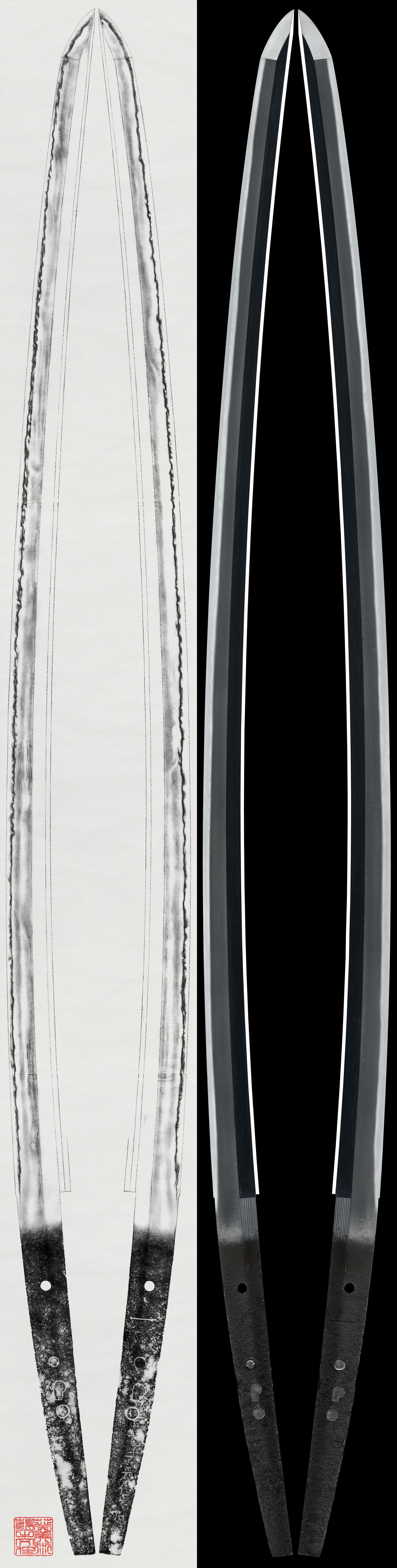
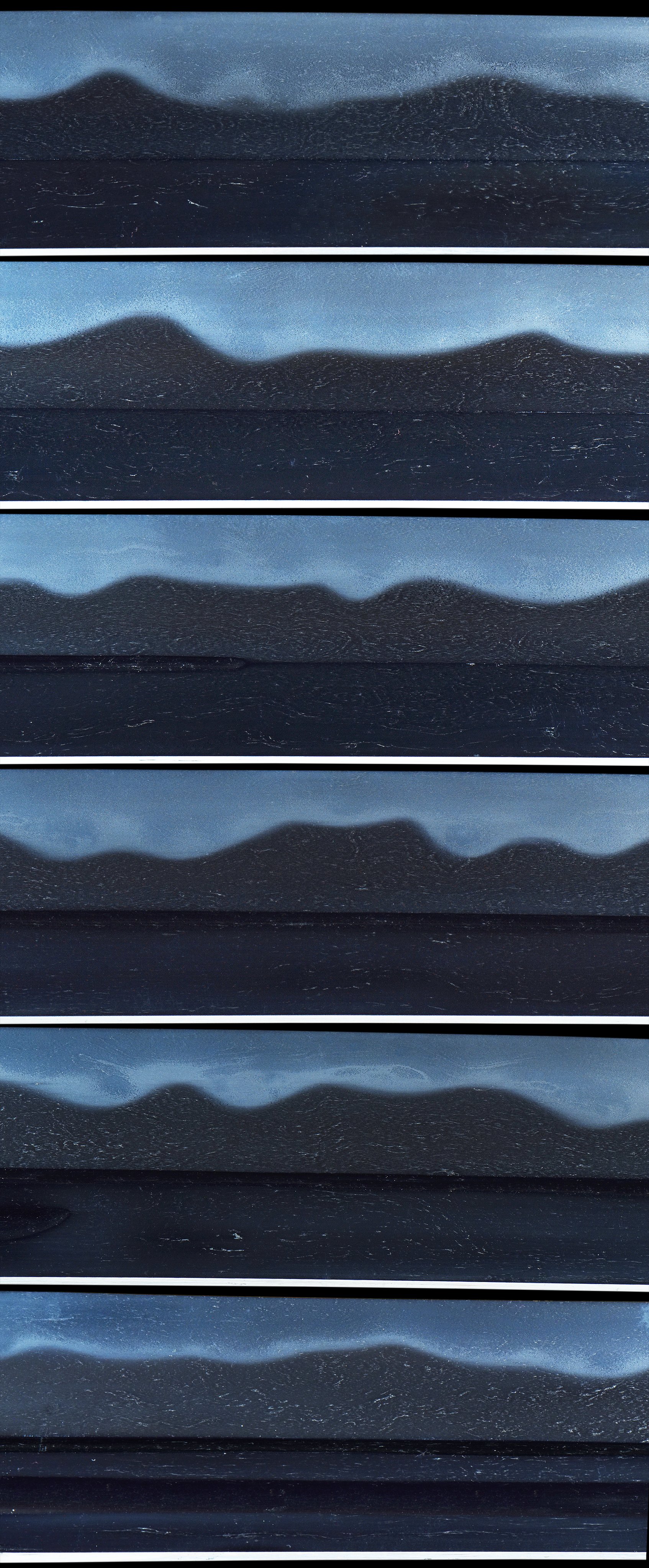
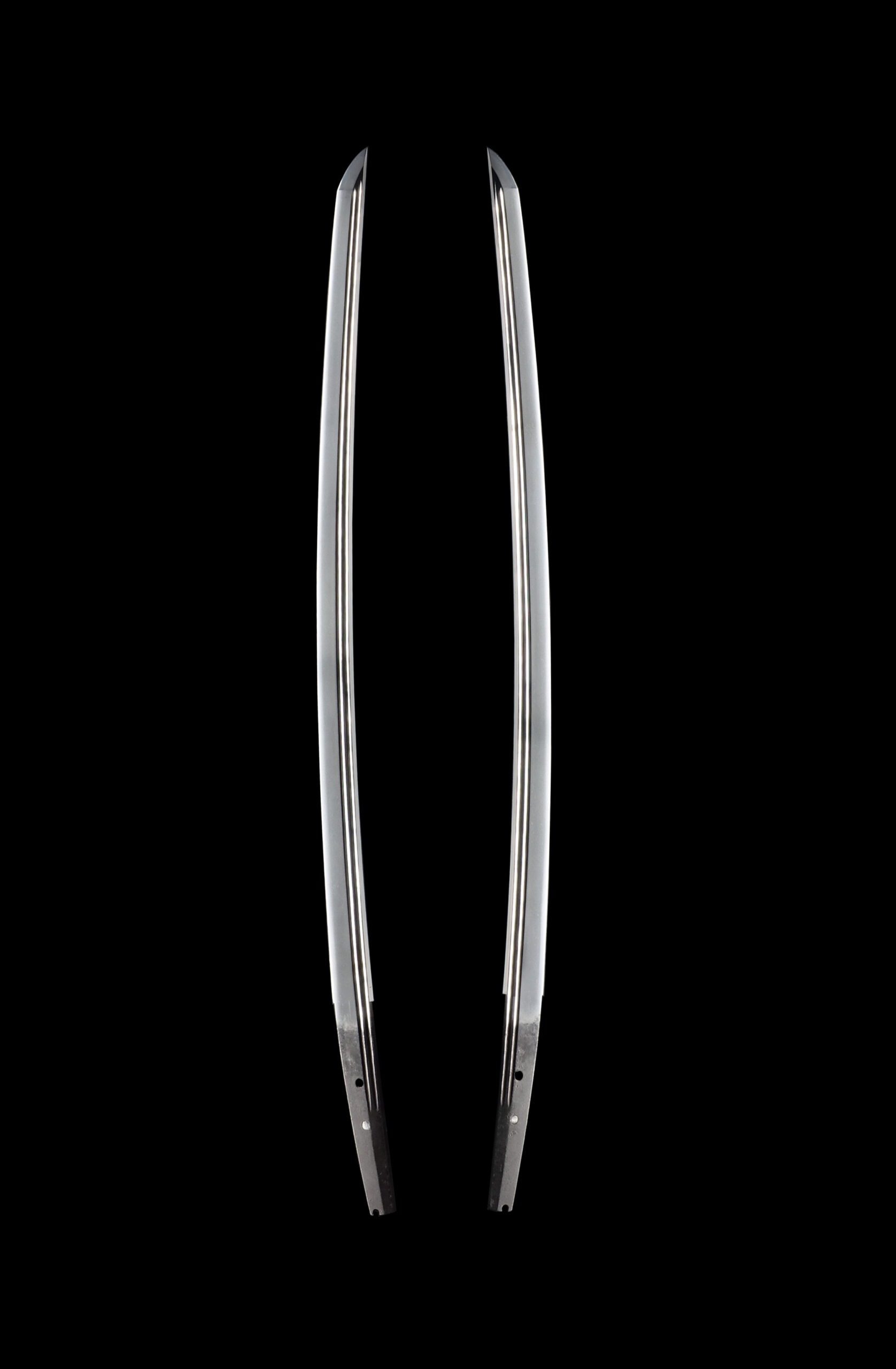
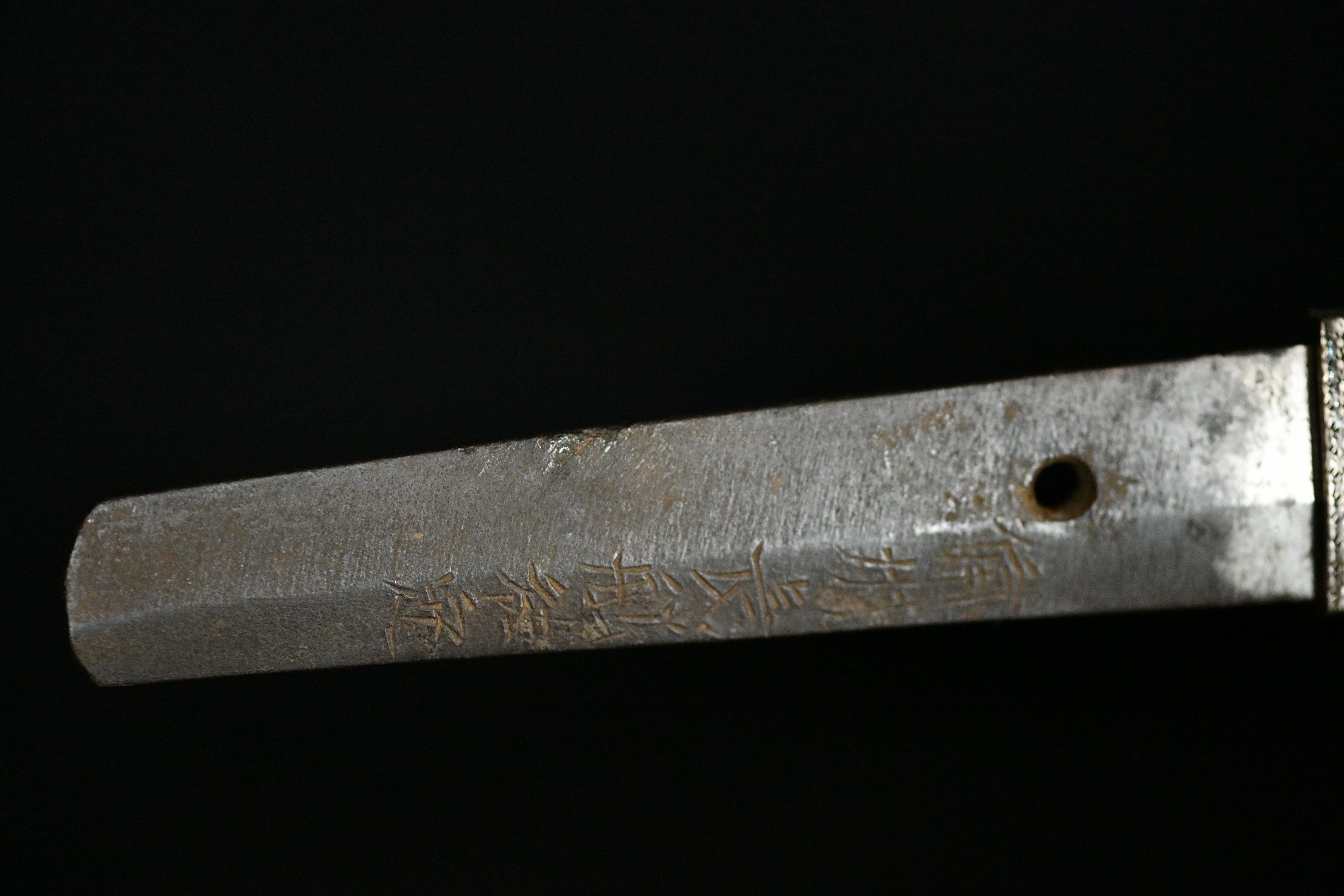
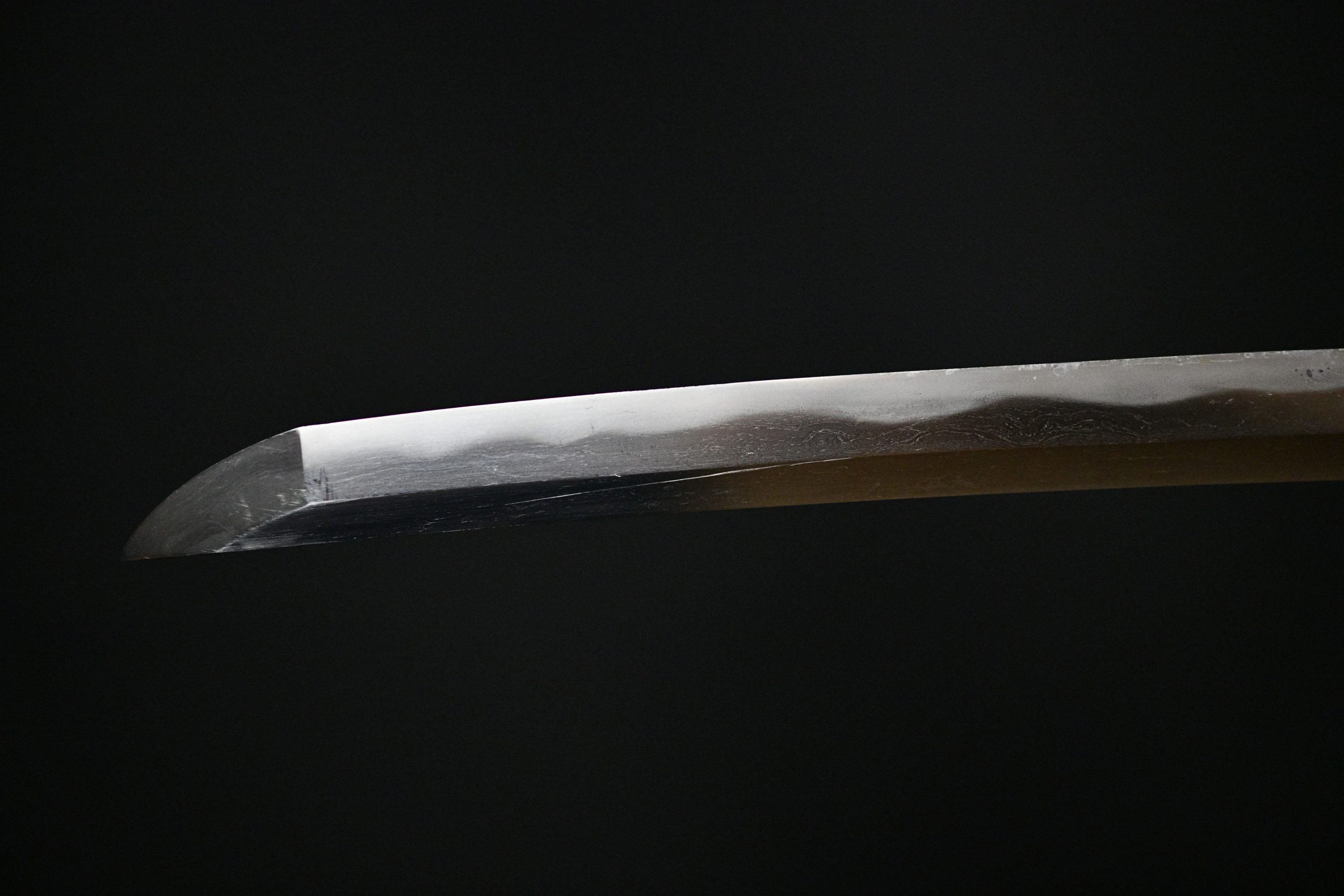
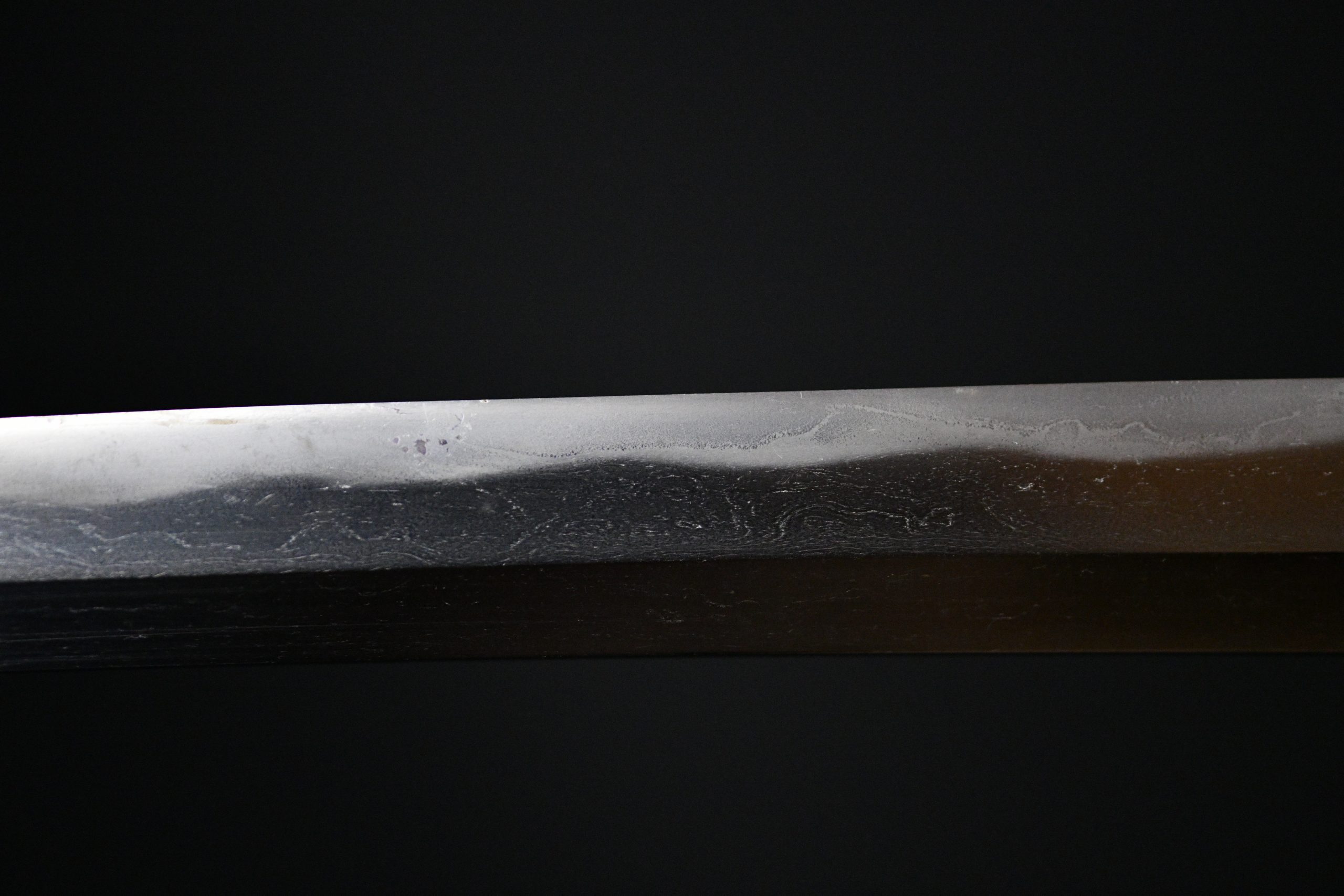
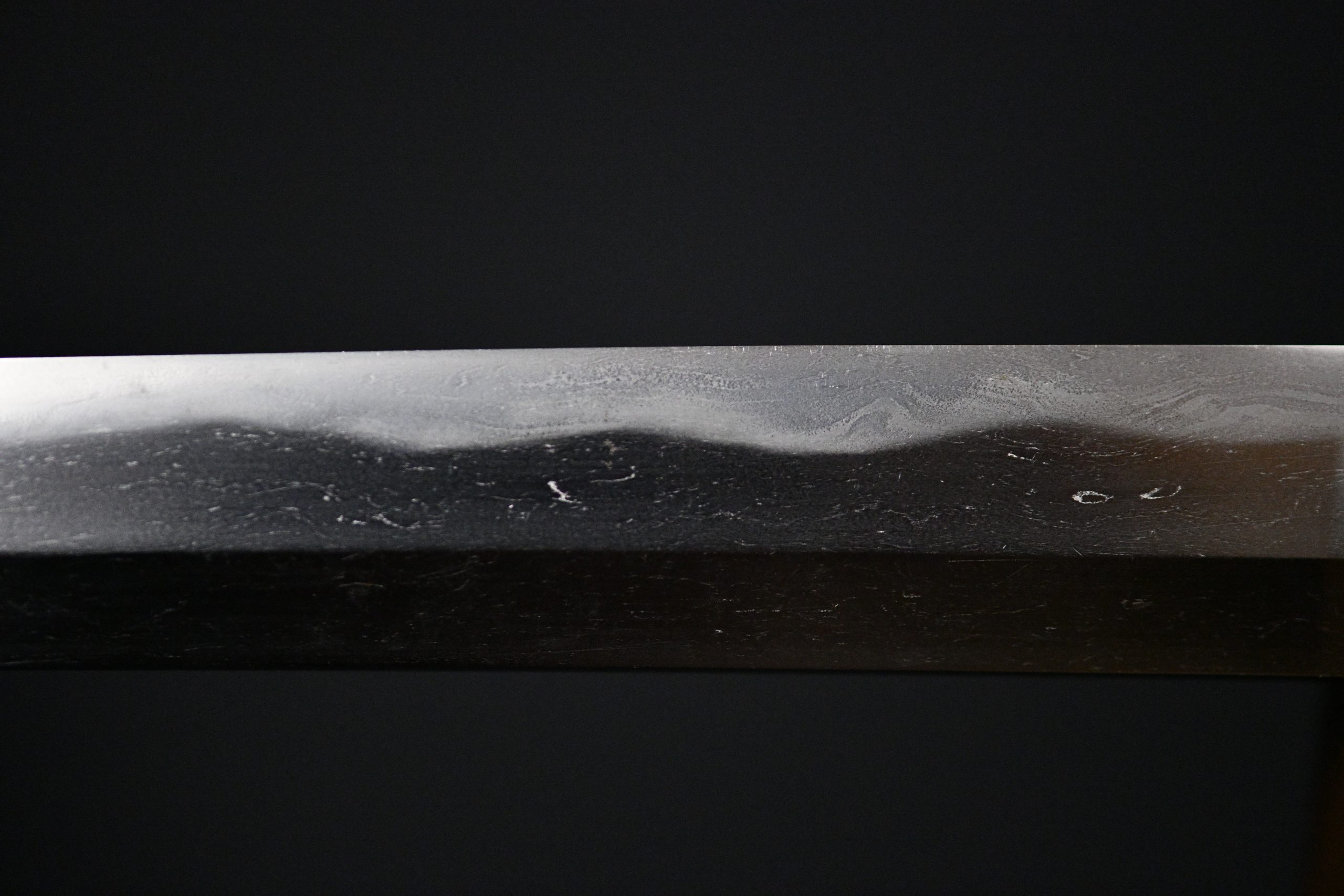
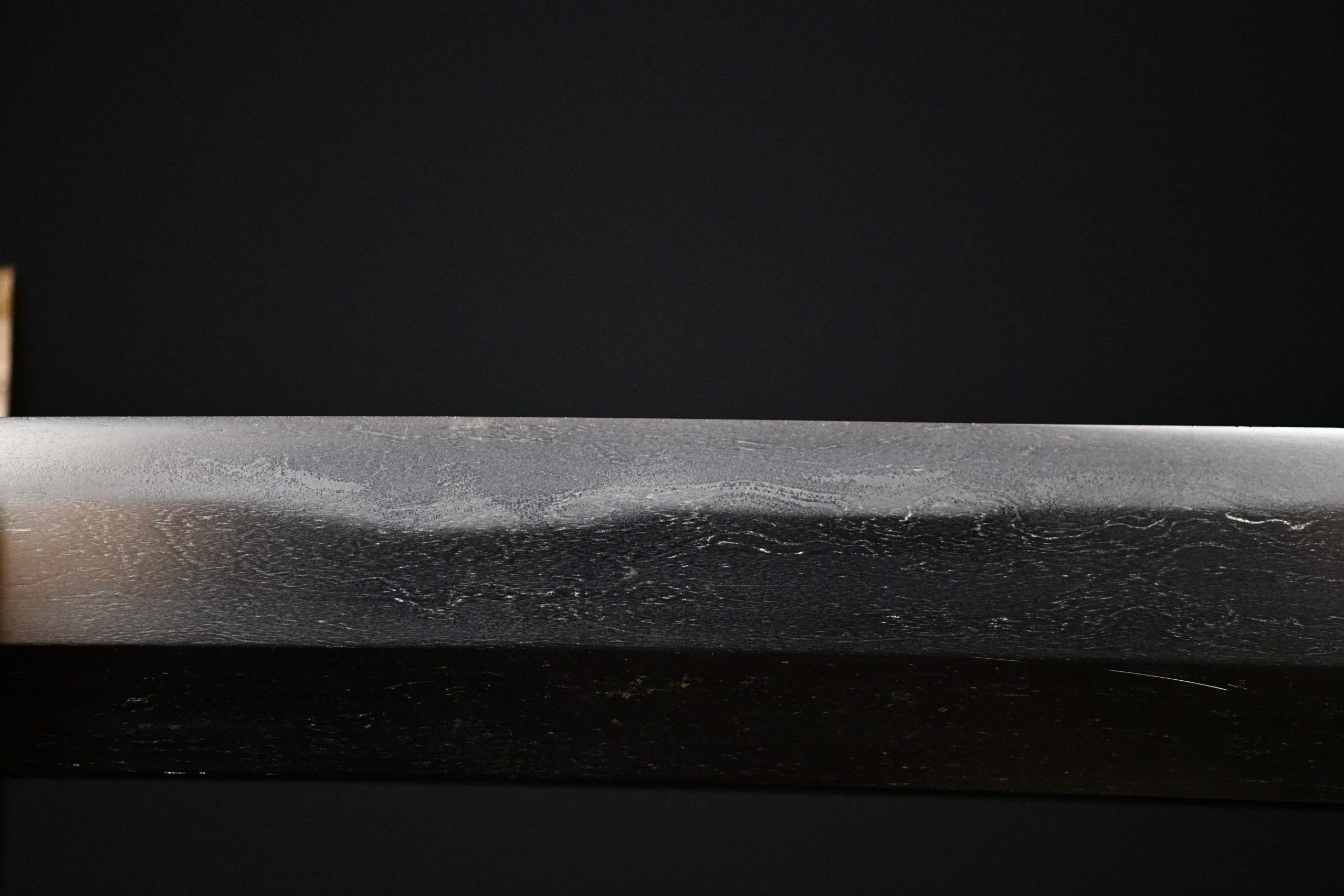
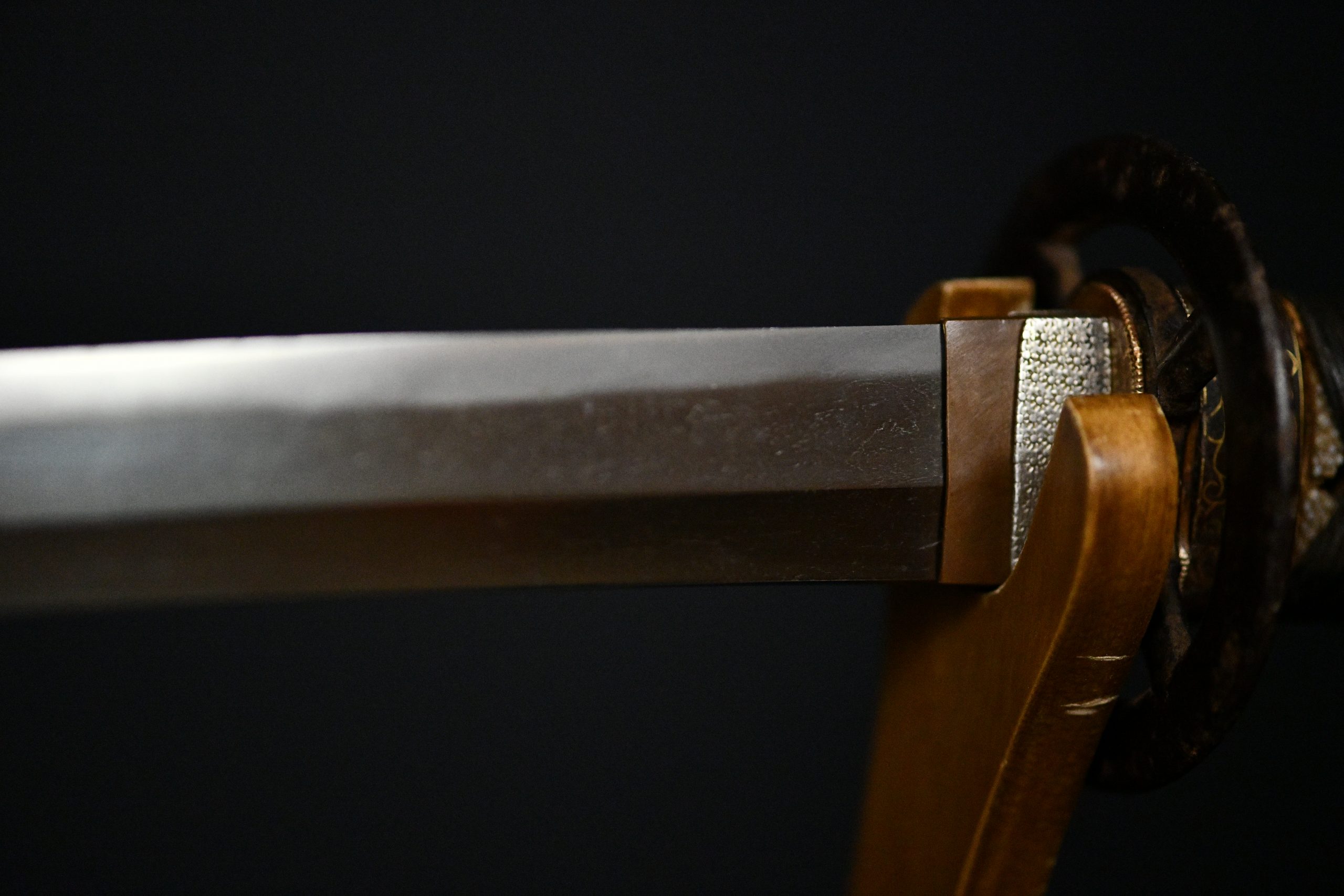
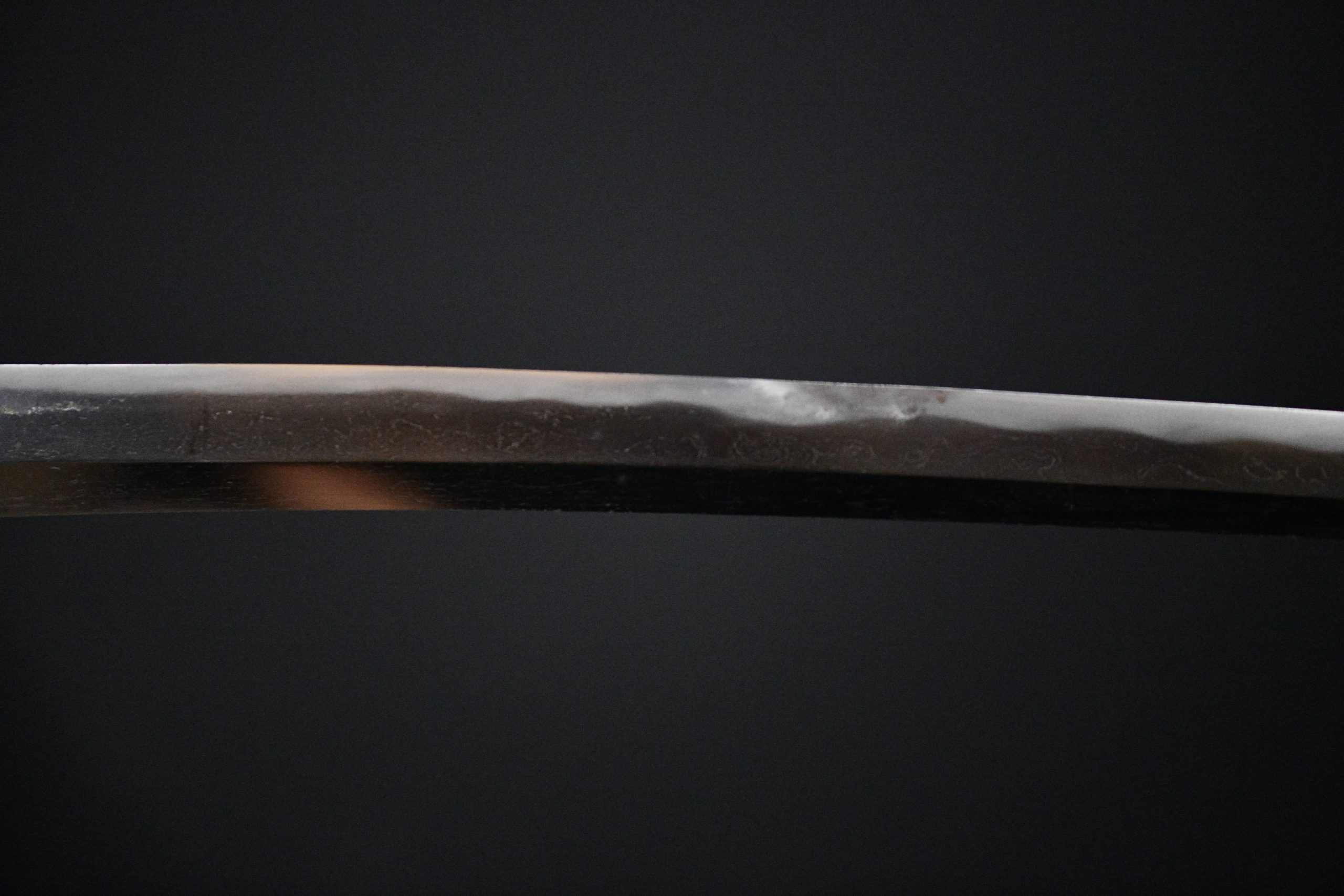
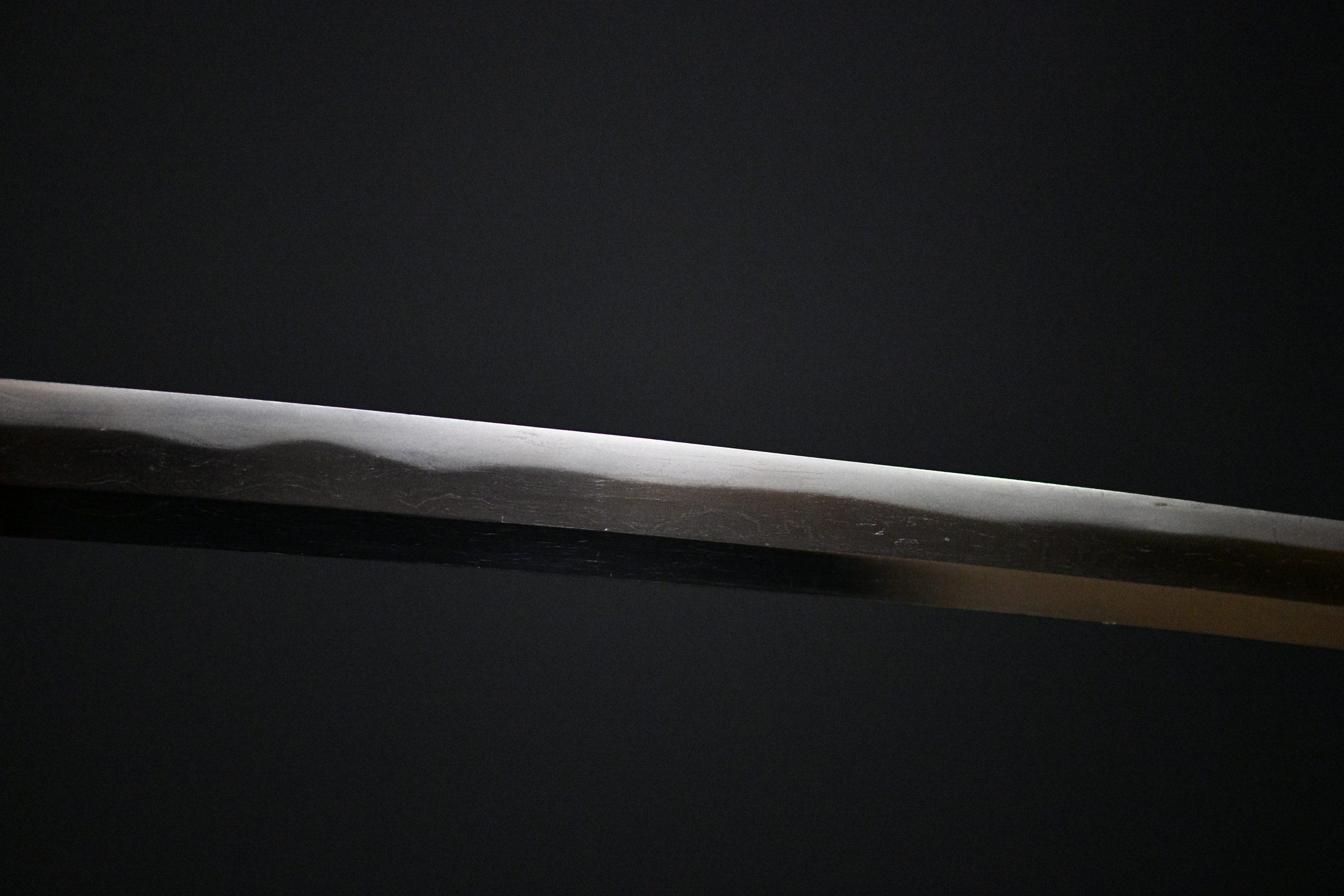
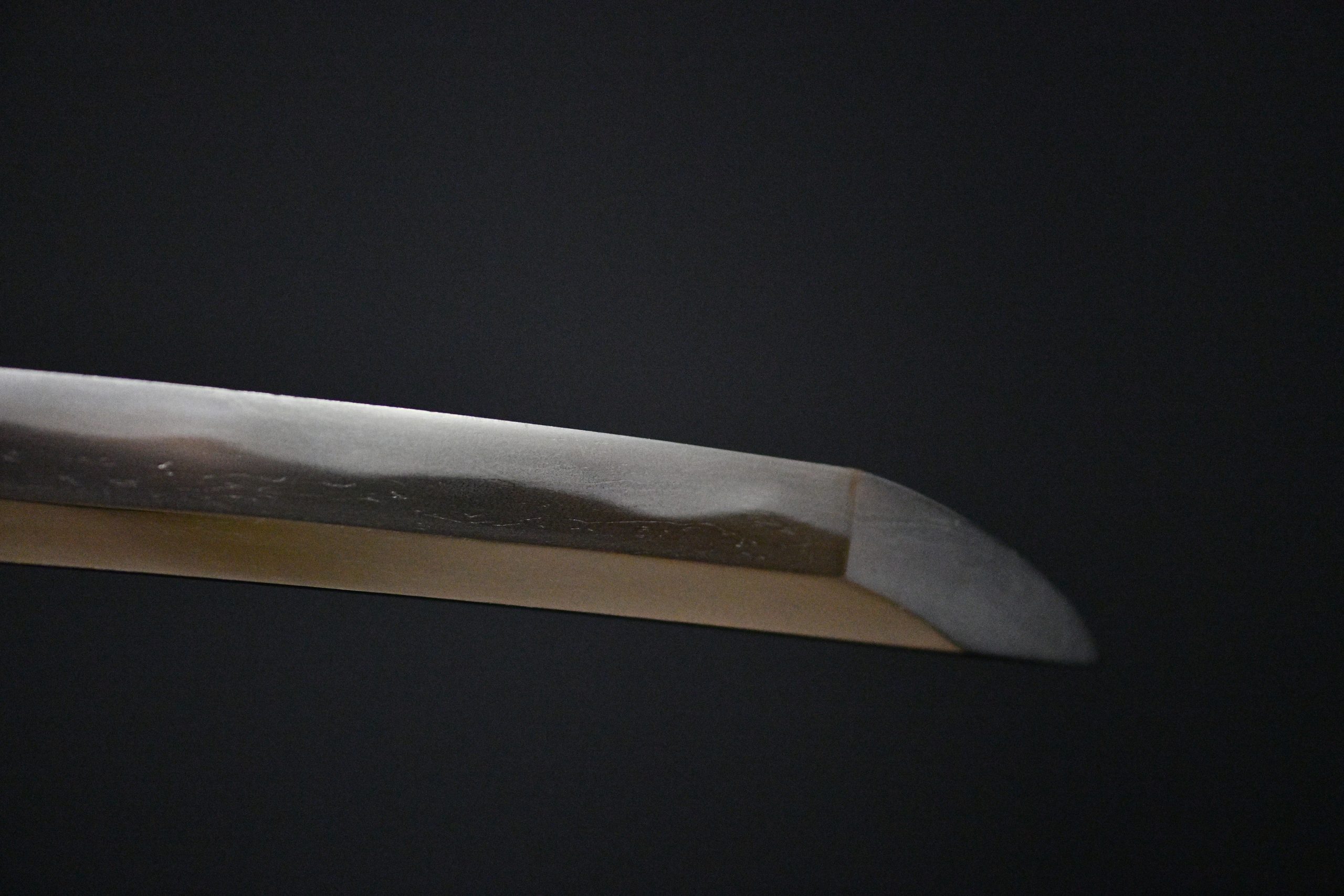
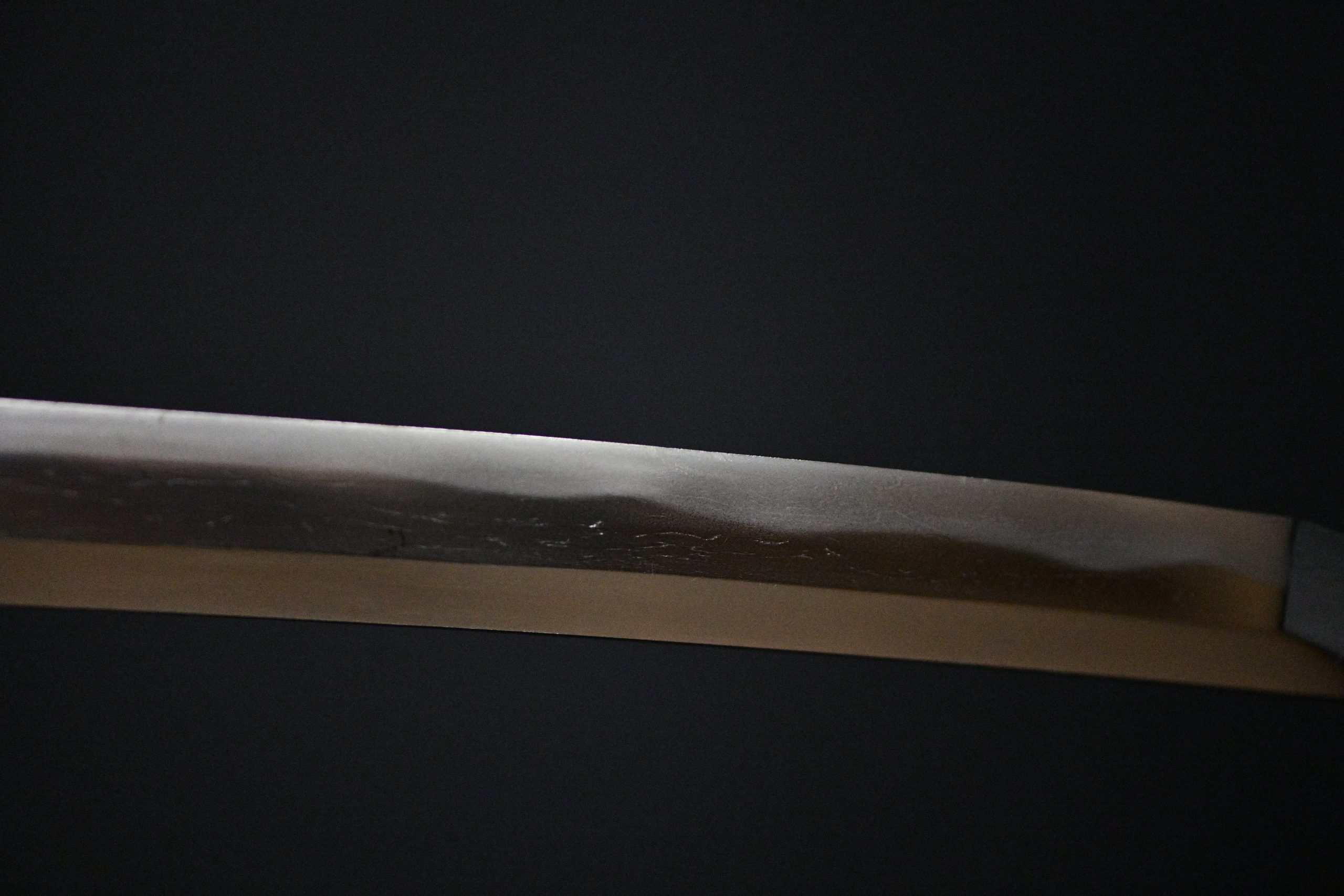
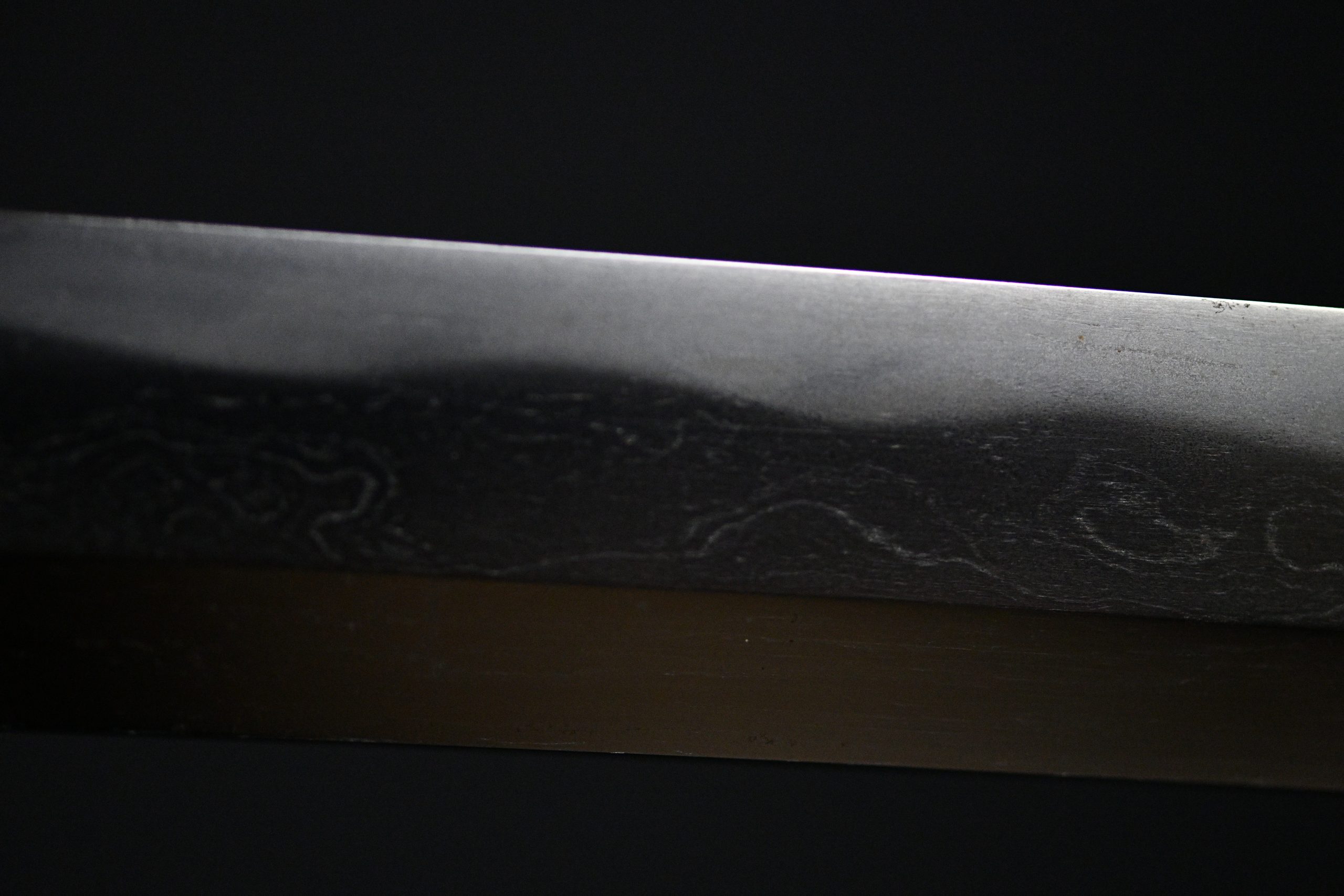
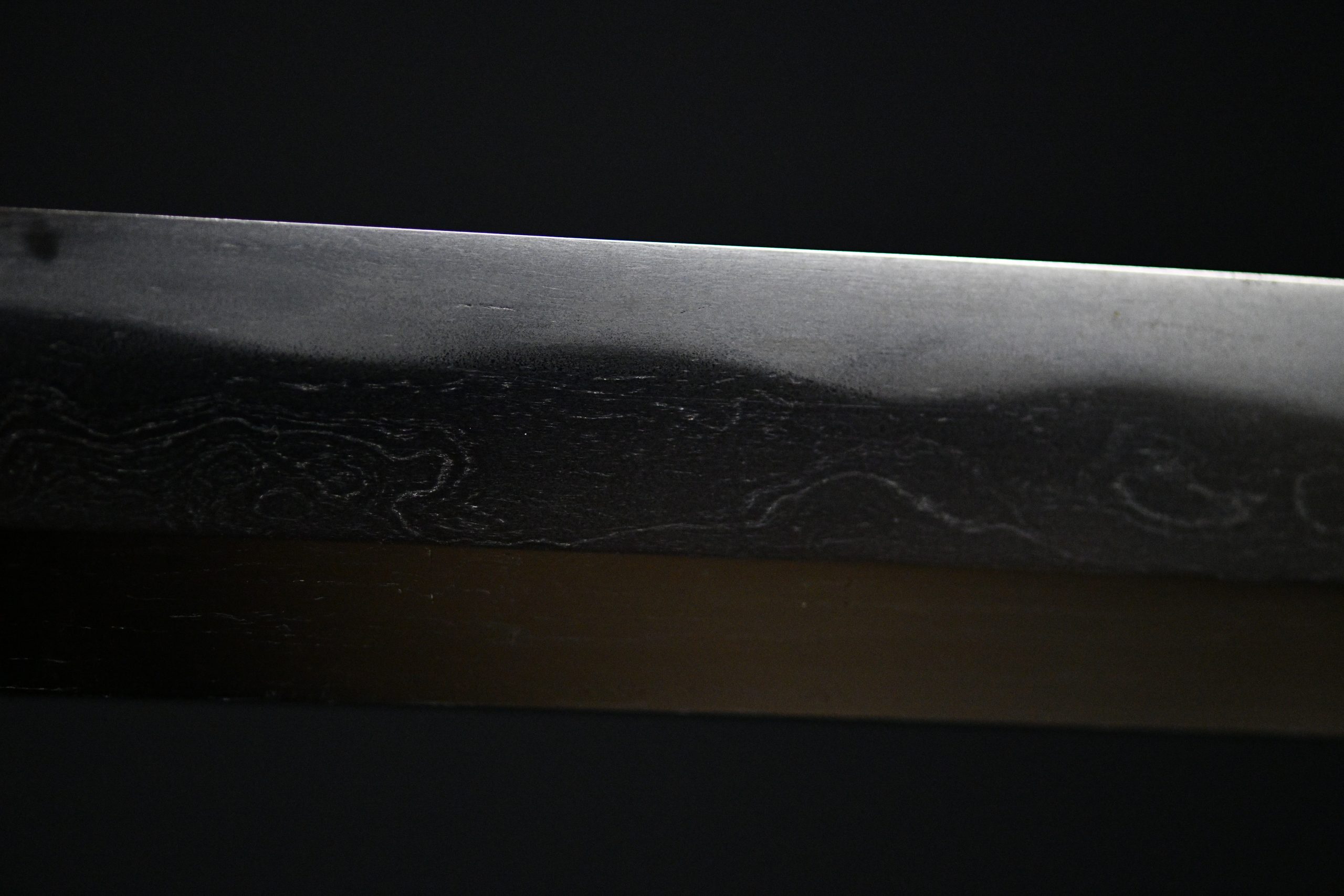
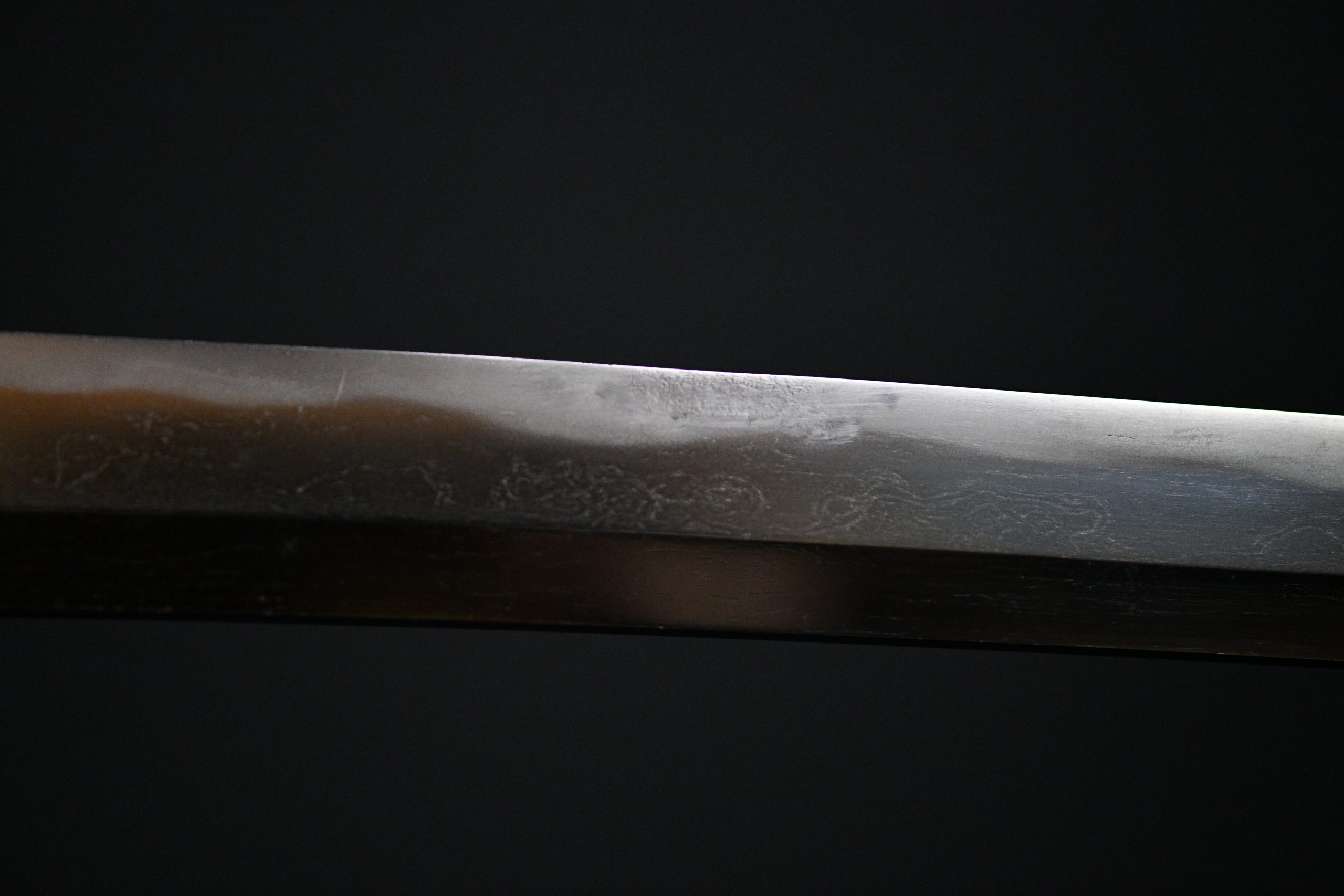
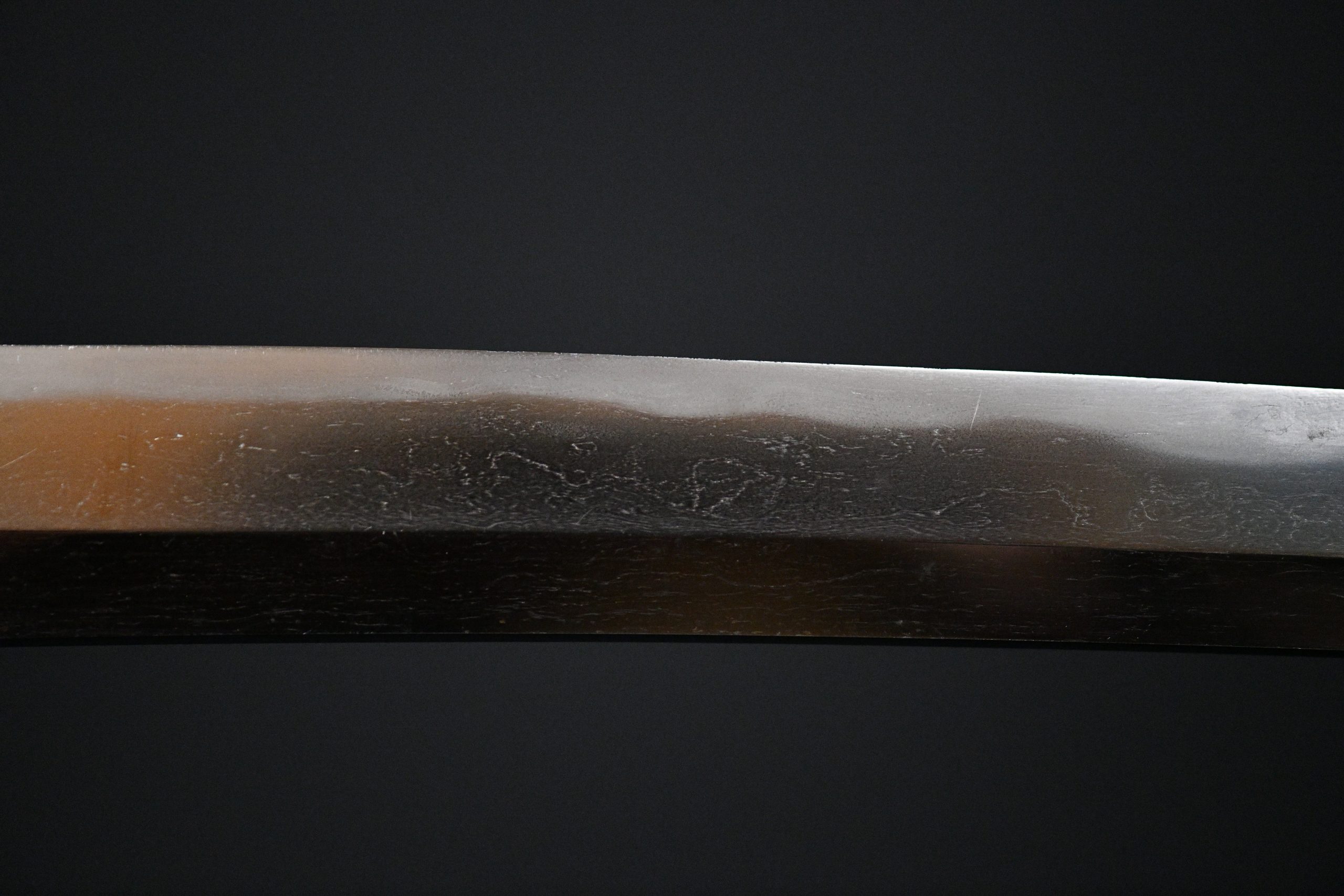
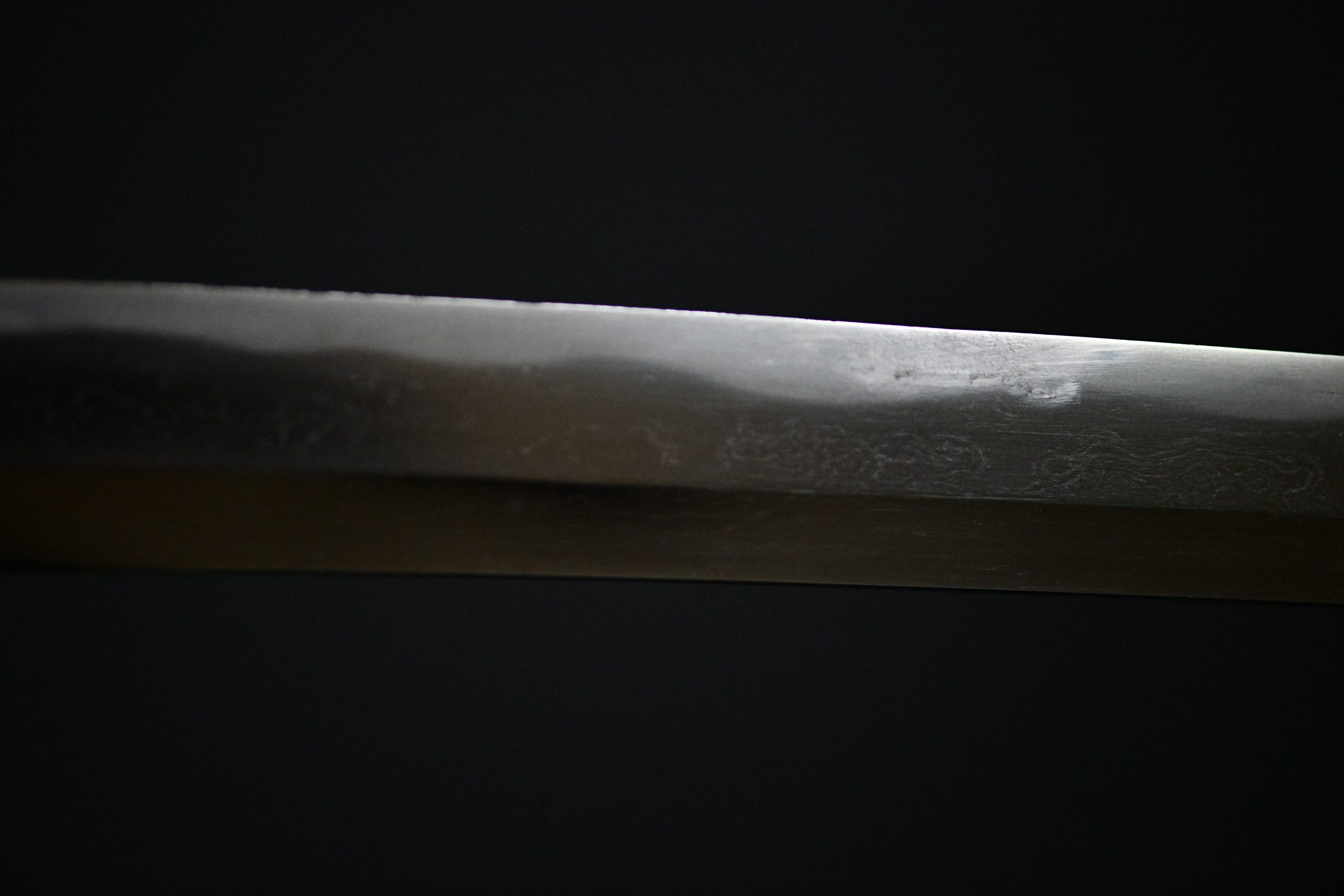
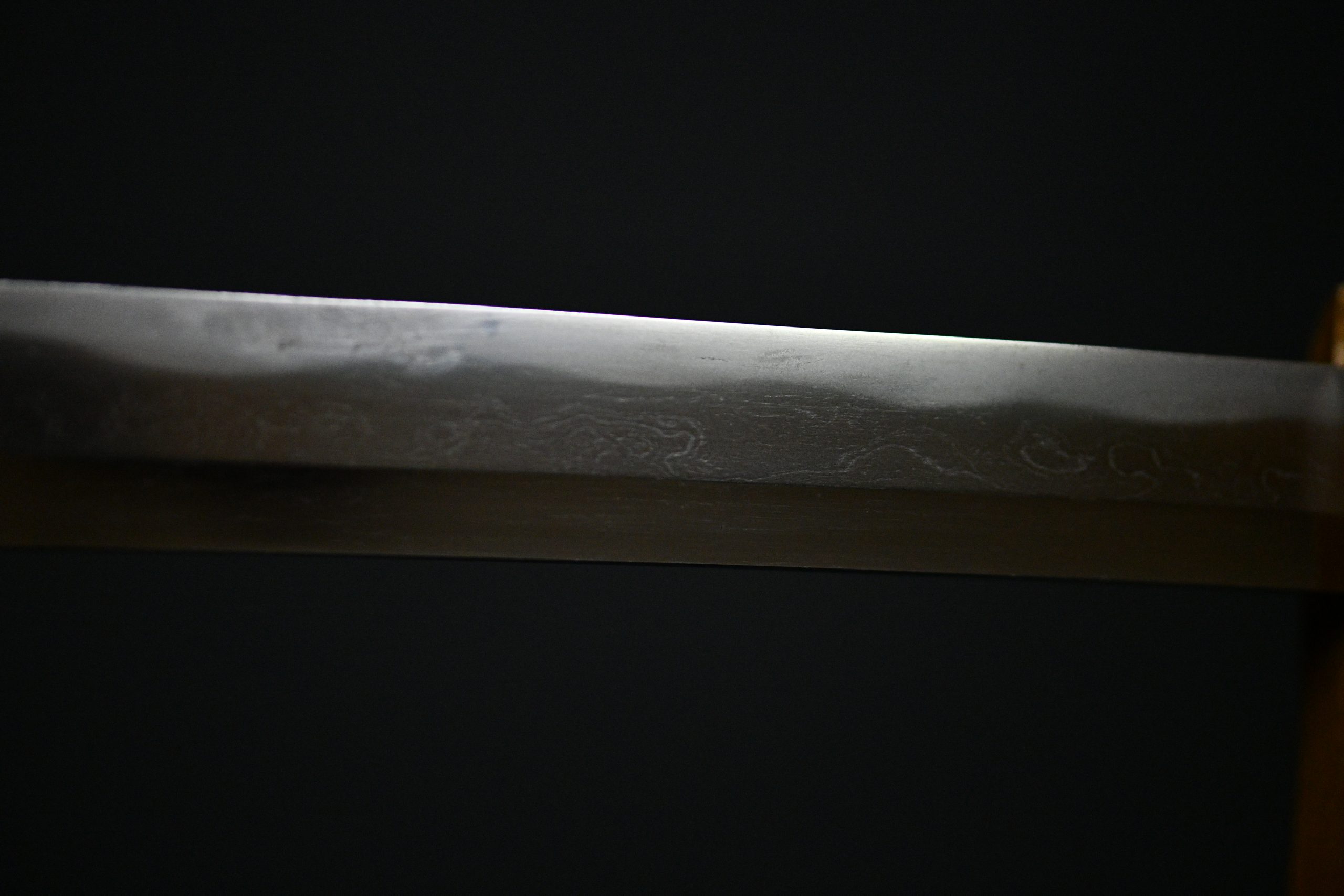
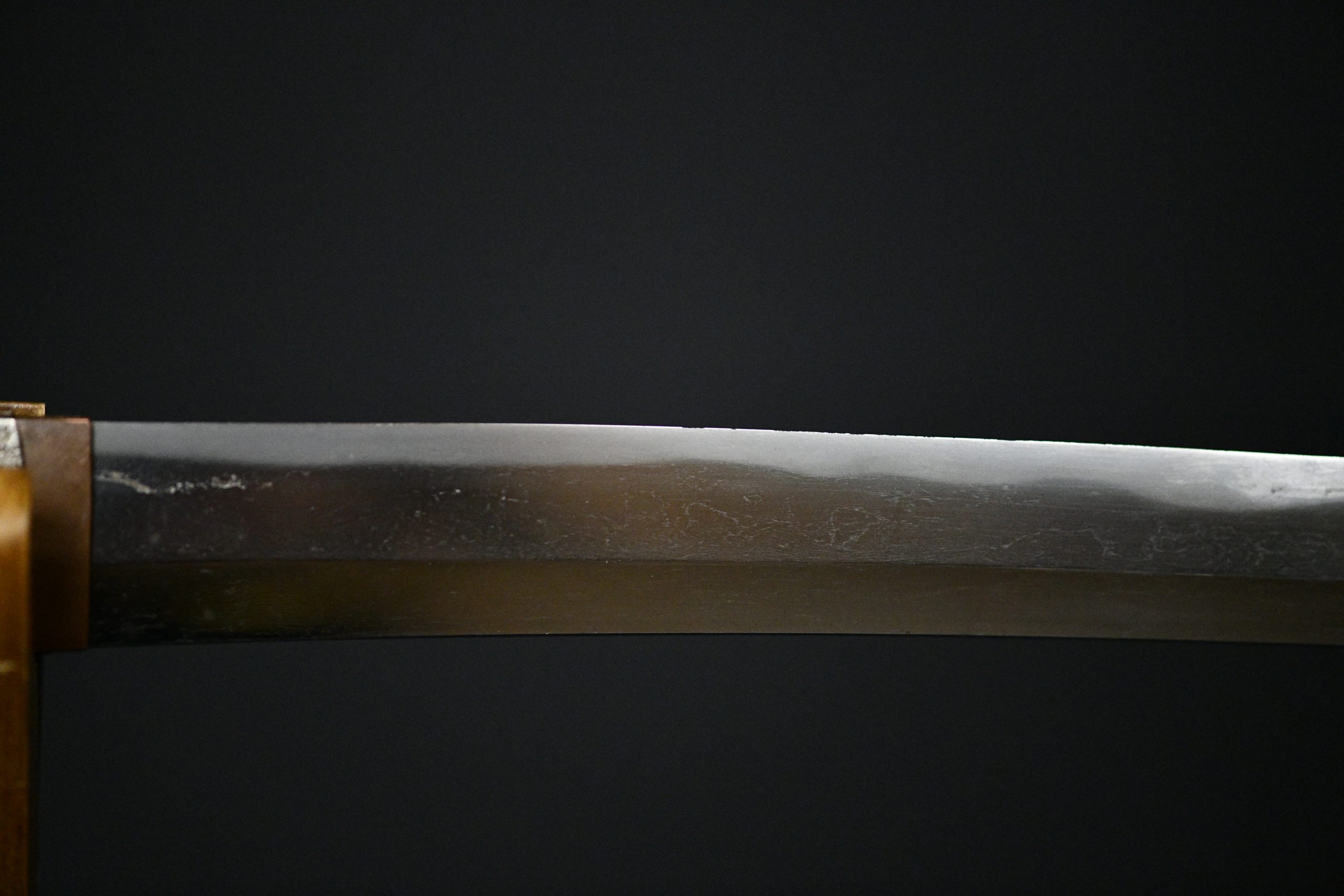
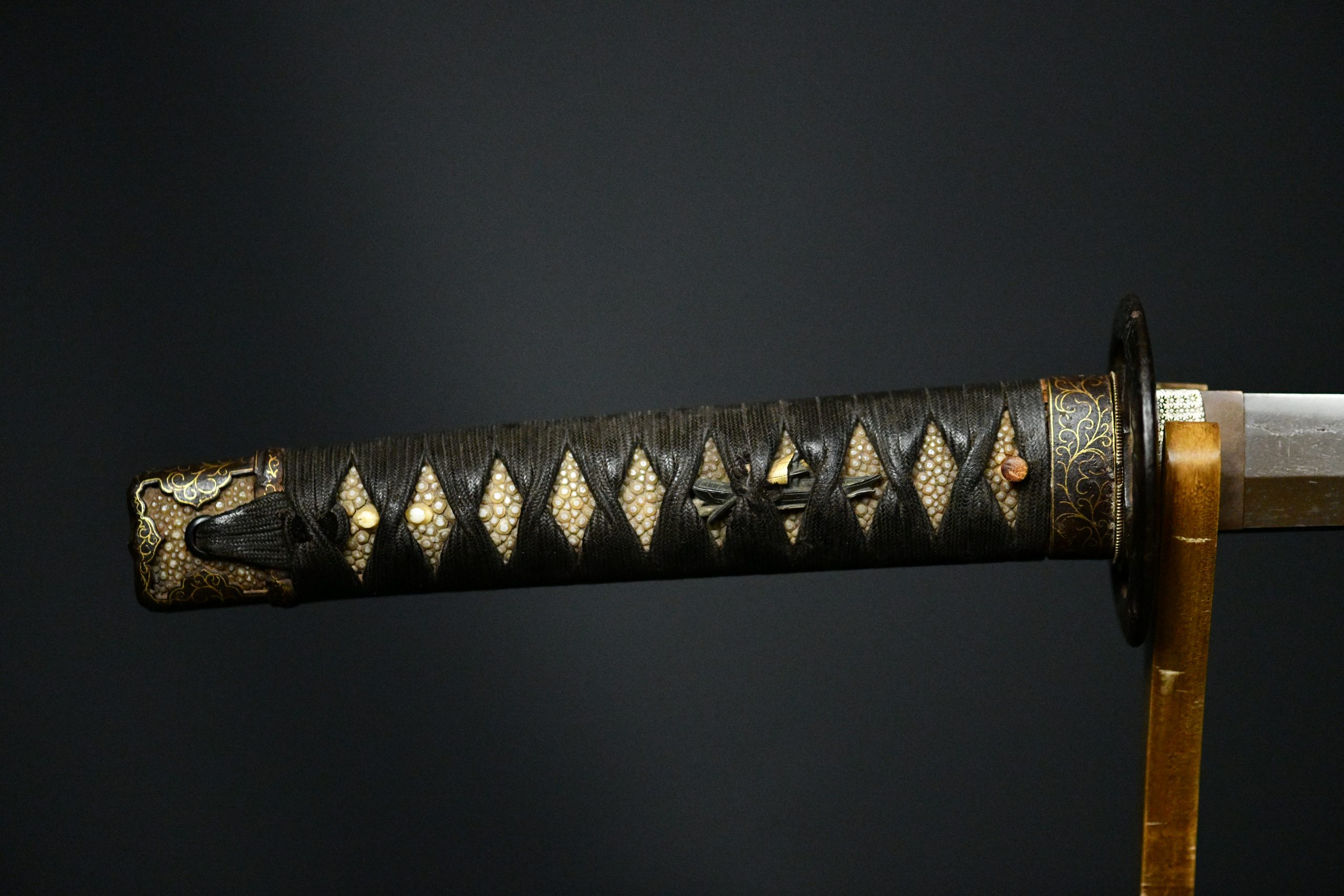
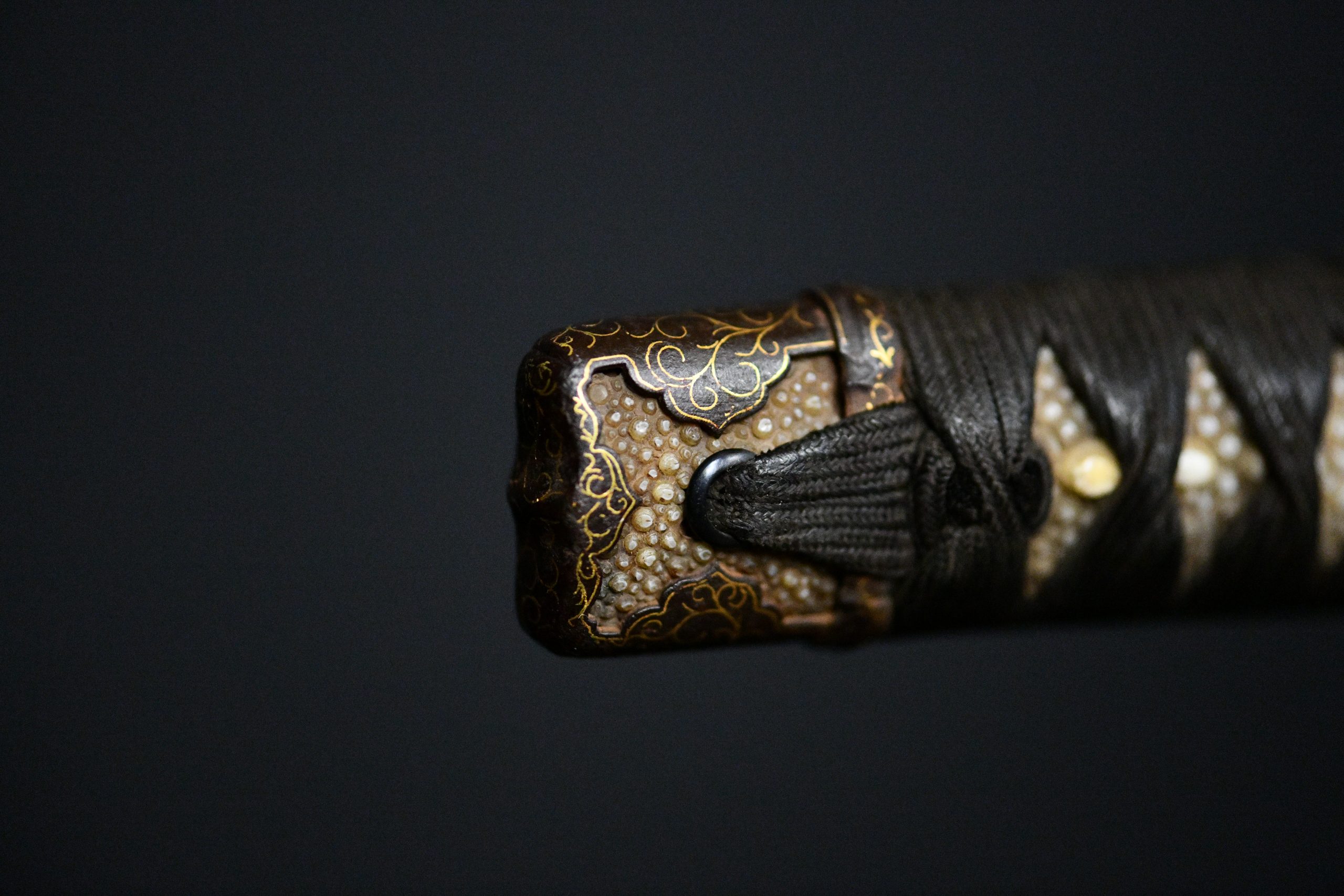
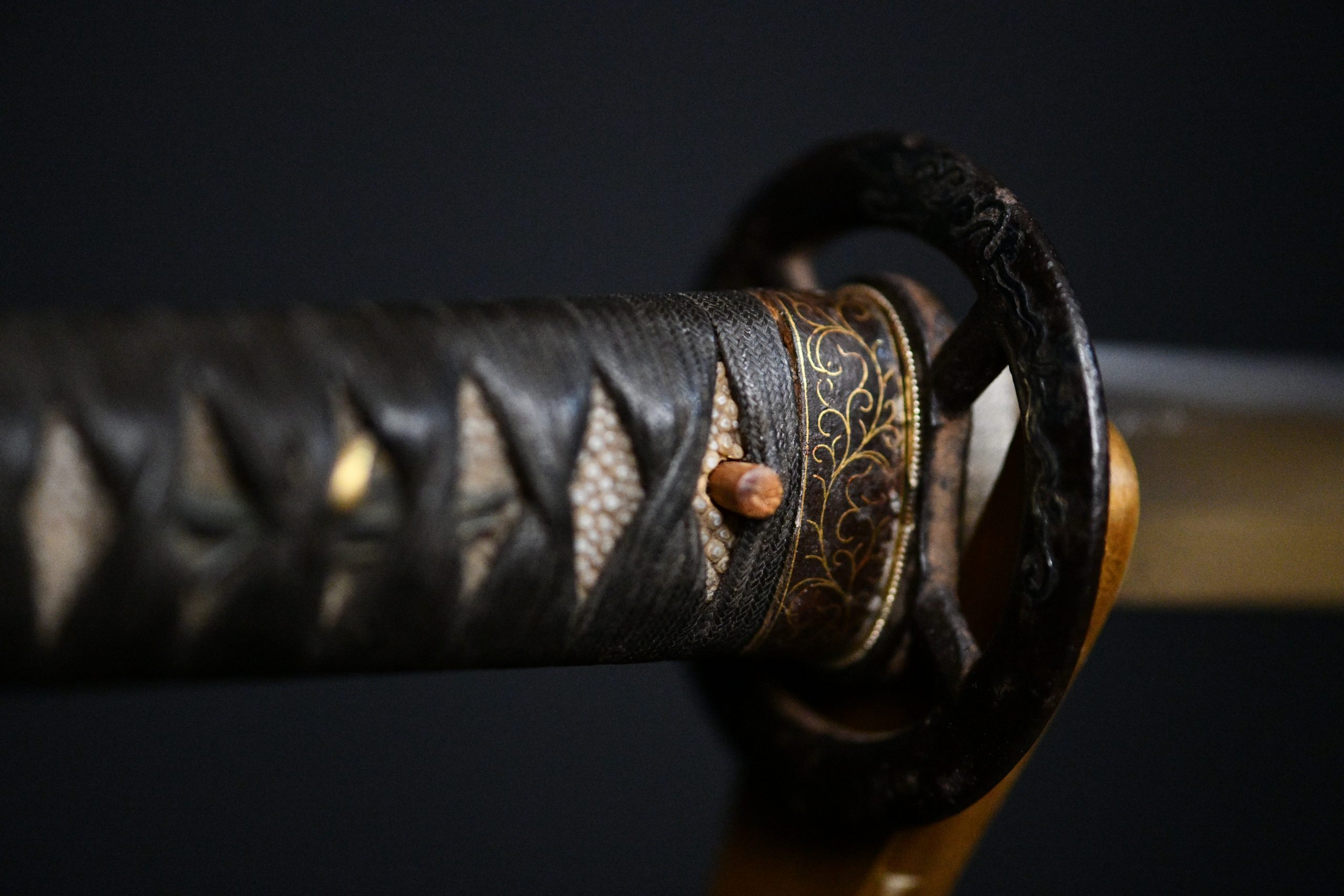
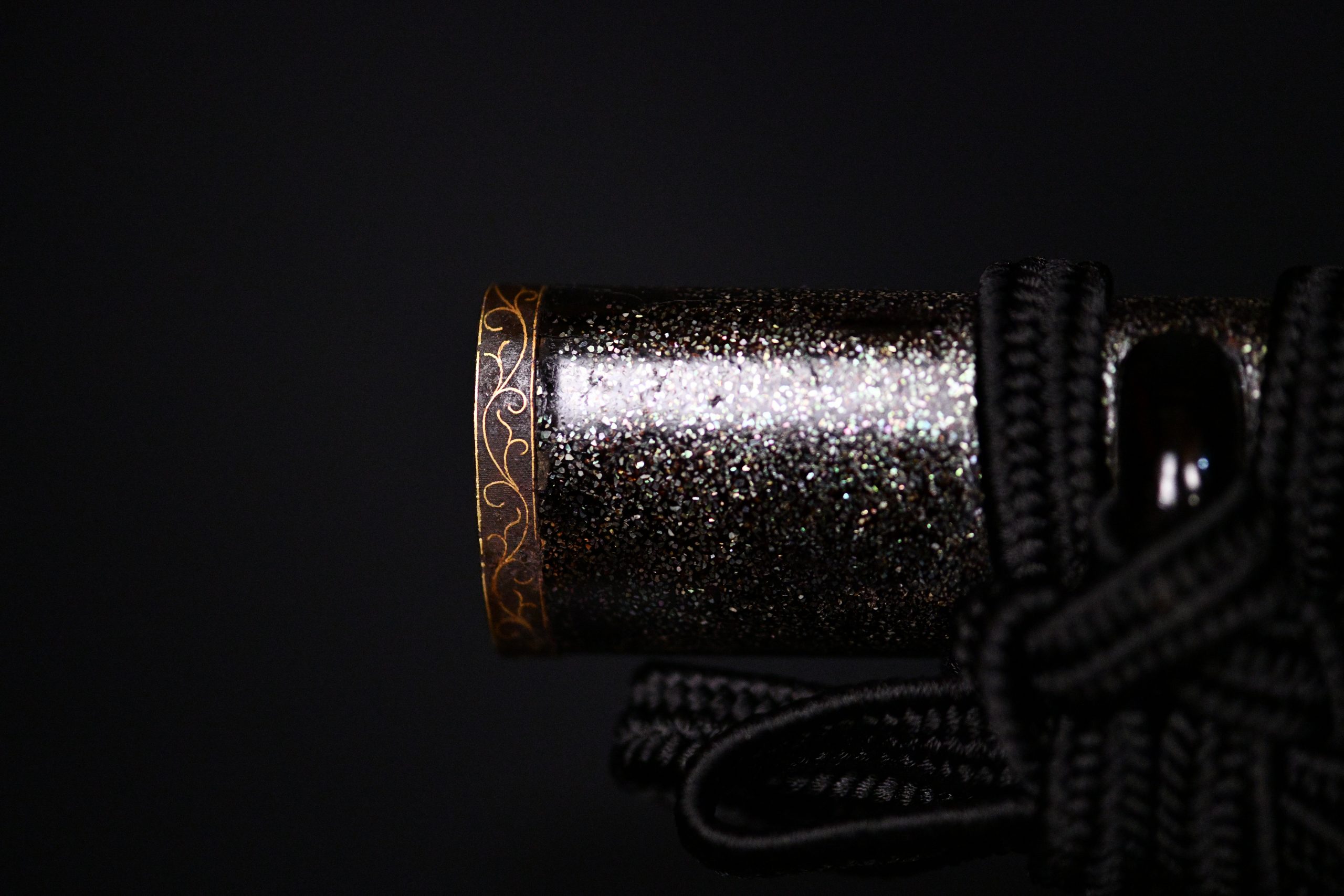
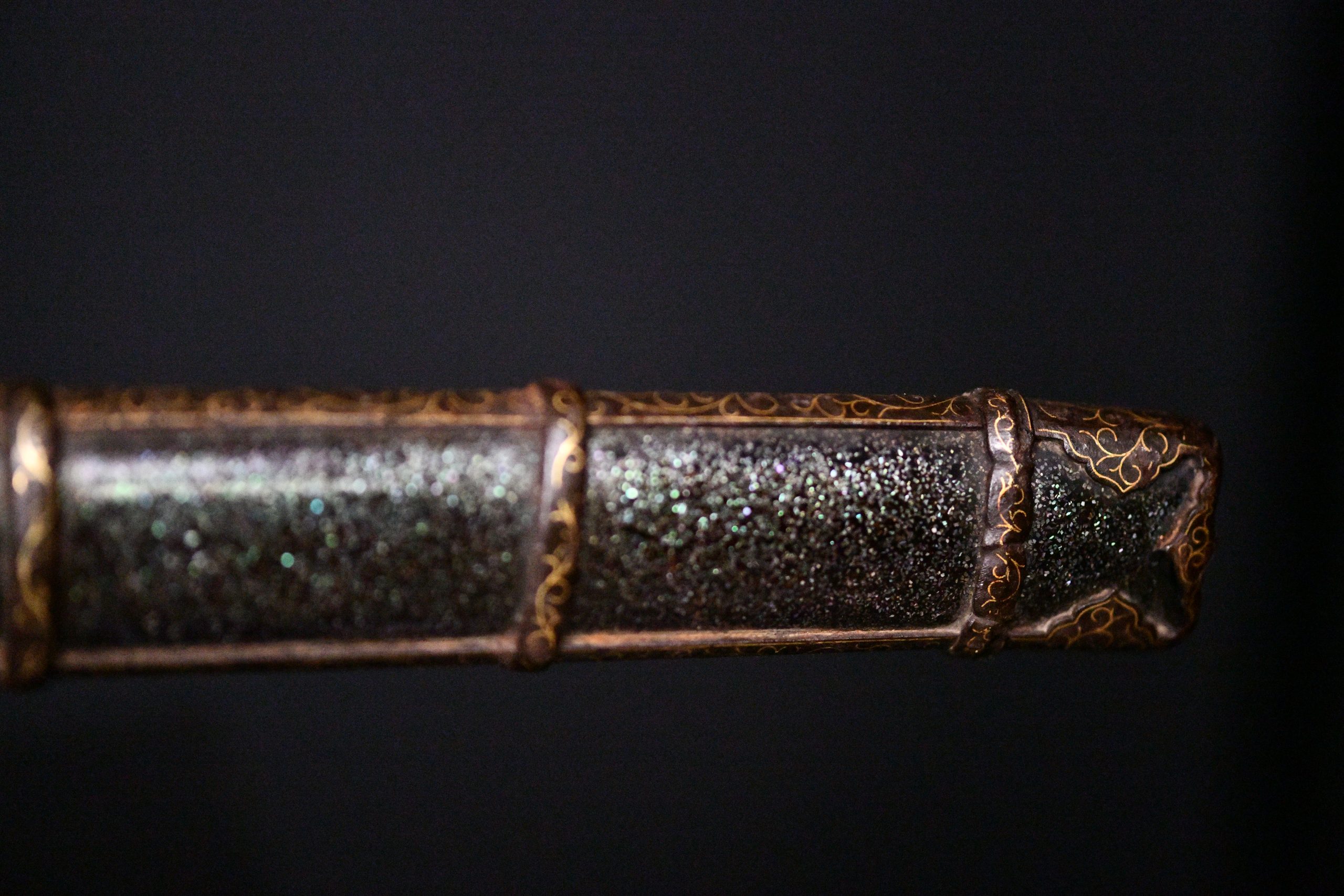
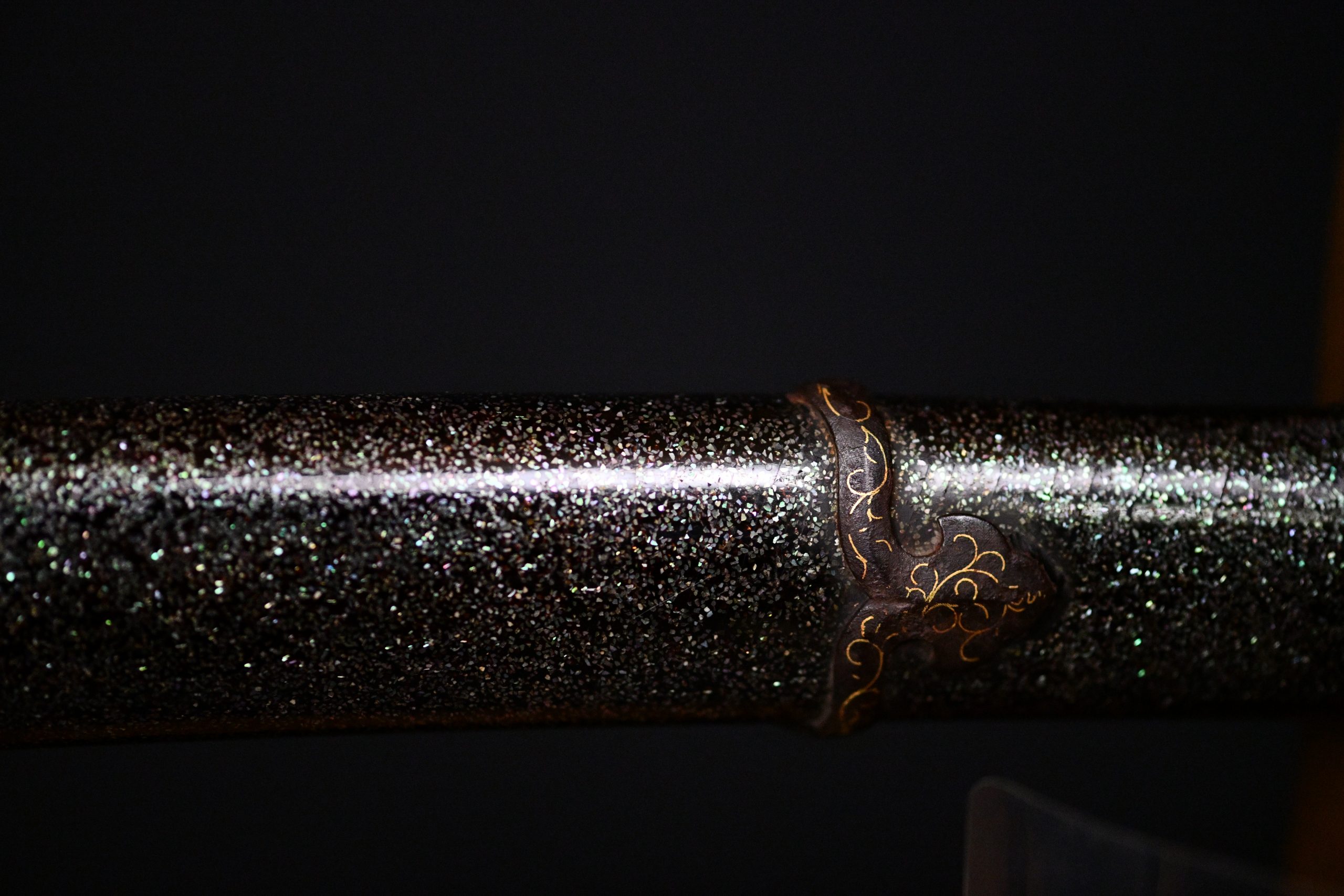
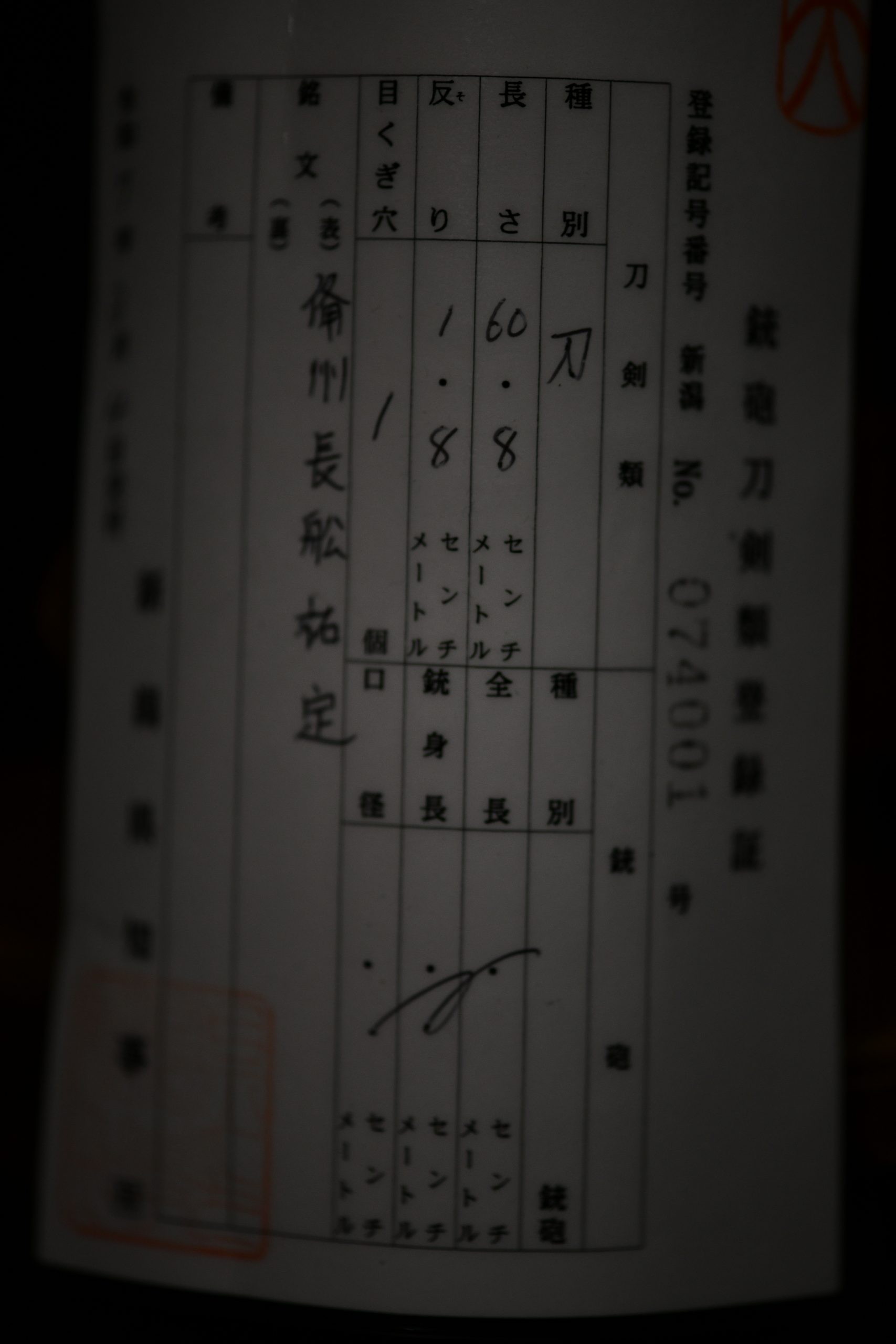
This is a katana signed by Bishu Osafune Sukesada from the mid-Edo period. It features a gunome midare hamon and itame mixed with mokume hada. The sword is mounted in a handachi-style koshirae with nashiji lacquer saya and gold fittings.
 NihontoWatchBETA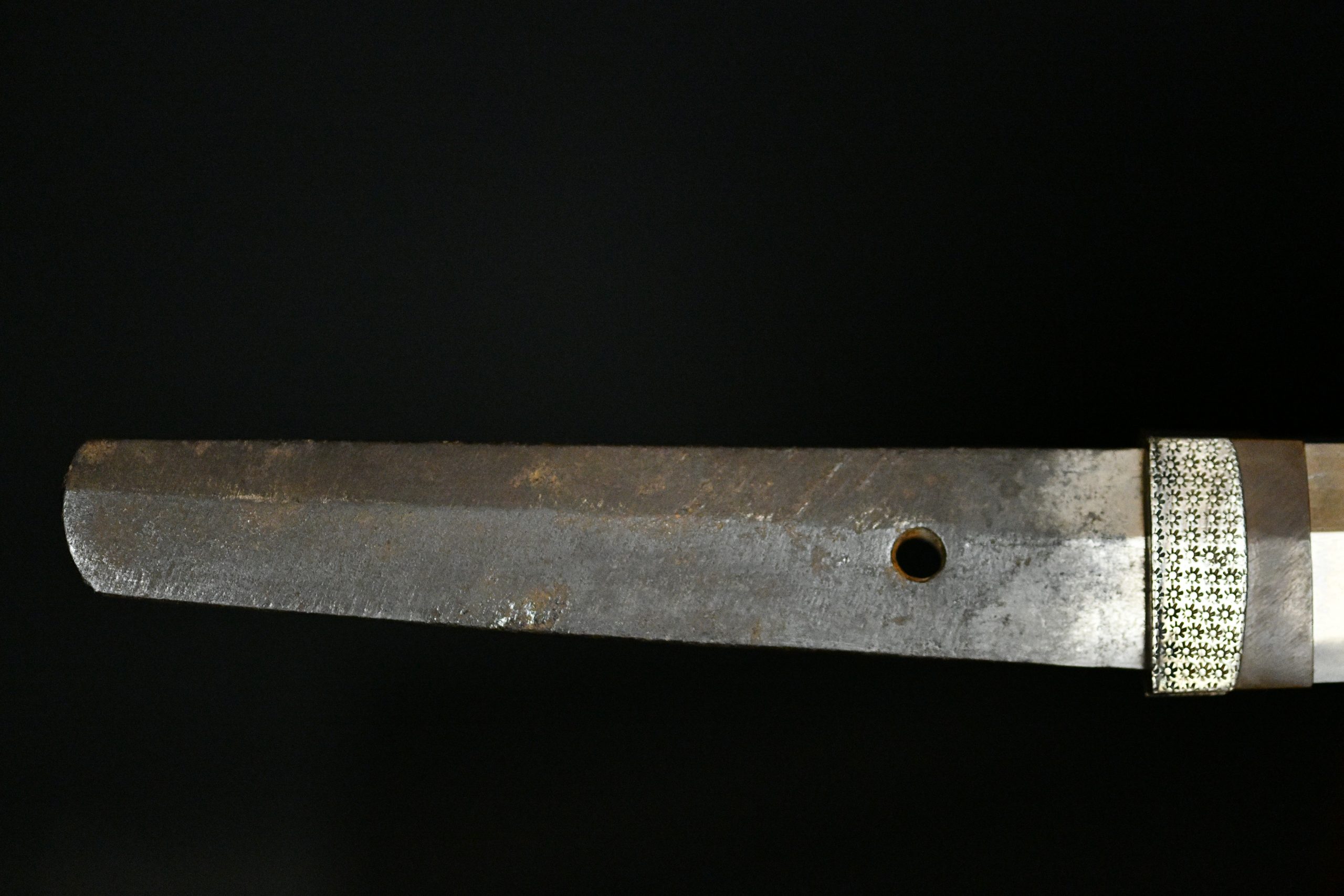
Bizen-den · Bizen · around 1596-1615
5 pieces on the market now
Where Sukesada stands among comparable artisans: across all of nihontō, and within tradition, era, and period. The tiers (Foremost · Leading · Major · Notable) weigh official designations from the NBTHK and Japan's Agency for Cultural Affairs, together with historical honors of lasting repute such as the Sansaku and Meibutsu-chō.
Select a lens to see how it's measured.
Years he was demonstrably active, proven by signed-and-dated blades
Bizen-den · Bizen
Phase: Sue-Bizen末備前· 1441–1596
71 pieces on the market now
The last great chapter of Osafune unfolds in the Eisho and Tenbun years of the late Muromachi, when the riverside workshop turned its accumulated craft toward an age of constant war. Where Oei-Bizen had looked backward, reviving the tachi shape and the choji temper of the Kamakura masters under Yasumitsu and Morimitsu, Sue-Bizen faces forward into Sengoku demand. Learn more →
| Smith | Era | Designated |
|---|---|---|
| Sukesada祐定 | 1504-1551 | 72 |
| Sukesada祐定 | 1532-1583 | 18 |
| Sukesada祐定 | 1547-1592 | 8 |
| Sukesada祐定 | 1487-1521 | 5 |
| Sukesada祐定 | 1532-1573 | 3 |
We could not find an authenticity certificate on the seller’s listing. Japanese swords and fittings are normally papered by the NBTHK (or the NTHK). Without one, the attribution is the seller’s own assessment and has not been independently verified — treat it with caution and ask the dealer about certification before buying.
14-day return if items arrive damaged or in unexpected condition; customer bears return shipping + insurance; items returned in original condition with all accessories; antique armour non-returnable; only regular priced items refundable; shipping costs non-refundable.
This is a katana signed by Bishu Osafune Sukesada from the mid-Edo period. It features a gunome midare hamon and itame mixed with mokume hada. The sword is mounted in a handachi-style koshirae with nashiji lacquer saya and gold fittings.
NihontoWatchBETABizen-den · Bizen · around 1596-1615
5 pieces on the market now
Where Sukesada stands among comparable artisans: across all of nihontō, and within tradition, era, and period. The tiers (Foremost · Leading · Major · Notable) weigh official designations from the NBTHK and Japan's Agency for Cultural Affairs, together with historical honors of lasting repute such as the Sansaku and Meibutsu-chō.
Select a lens to see how it's measured.
Years he was demonstrably active, proven by signed-and-dated blades
Bizen-den · Bizen
Phase: Sue-Bizen末備前· 1441–1596
71 pieces on the market now
The last great chapter of Osafune unfolds in the Eisho and Tenbun years of the late Muromachi, when the riverside workshop turned its accumulated craft toward an age of constant war. Where Oei-Bizen had looked backward, reviving the tachi shape and the choji temper of the Kamakura masters under Yasumitsu and Morimitsu, Sue-Bizen faces forward into Sengoku demand. Learn more →
| Smith | Era | Designated |
|---|---|---|
| Sukesada祐定 | 1504-1551 | 72 |
| Sukesada祐定 | 1532-1583 | 18 |
| Sukesada祐定 | 1547-1592 | 8 |
| Sukesada祐定 | 1487-1521 | 5 |
| Sukesada祐定 | 1532-1573 | 3 |
We could not find an authenticity certificate on the seller’s listing. Japanese swords and fittings are normally papered by the NBTHK (or the NTHK). Without one, the attribution is the seller’s own assessment and has not been independently verified — treat it with caution and ask the dealer about certification before buying.
14-day return if items arrive damaged or in unexpected condition; customer bears return shipping + insurance; items returned in original condition with all accessories; antique armour non-returnable; only regular priced items refundable; shipping costs non-refundable.