二世紀半の泰平のあいだ、刀は武器である以上に武士の身分の標章であった。江戸の実証と大坂の華やぎのように都市ごとの作風が育ち、時代の末には需要も細っていく。
 NihontoWatchNihontoWatch
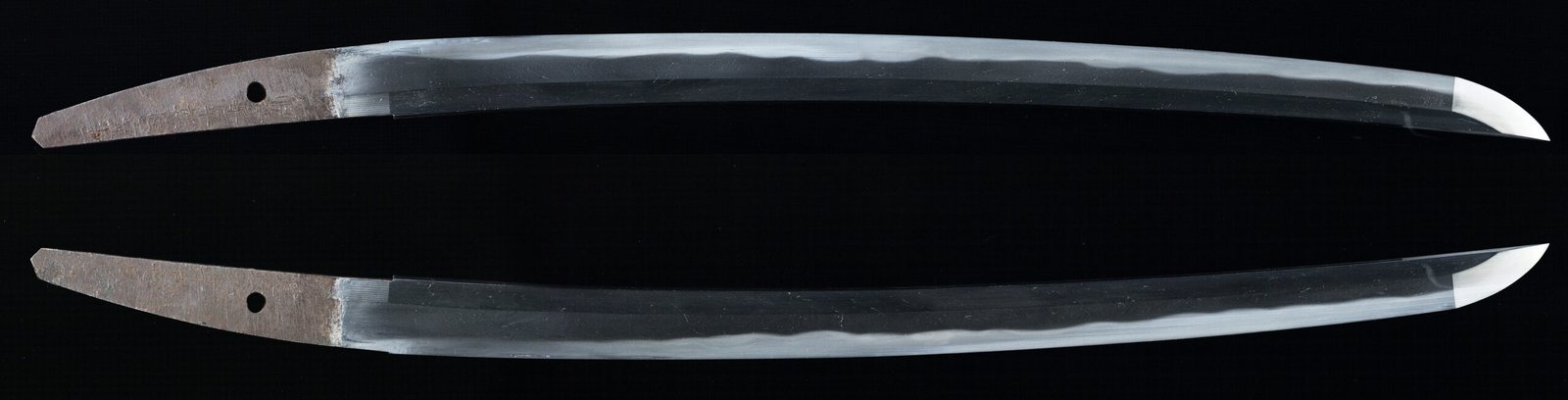
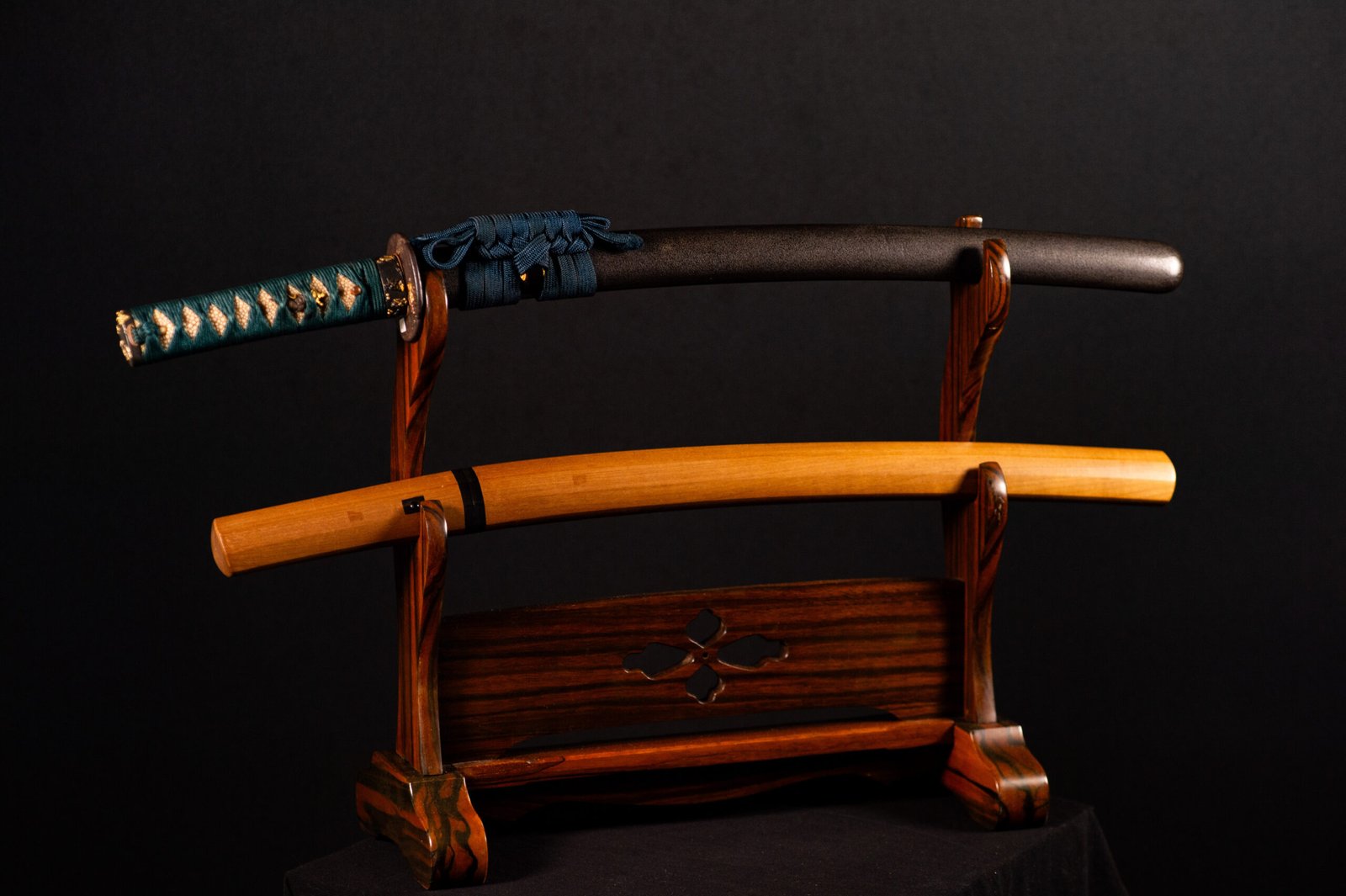
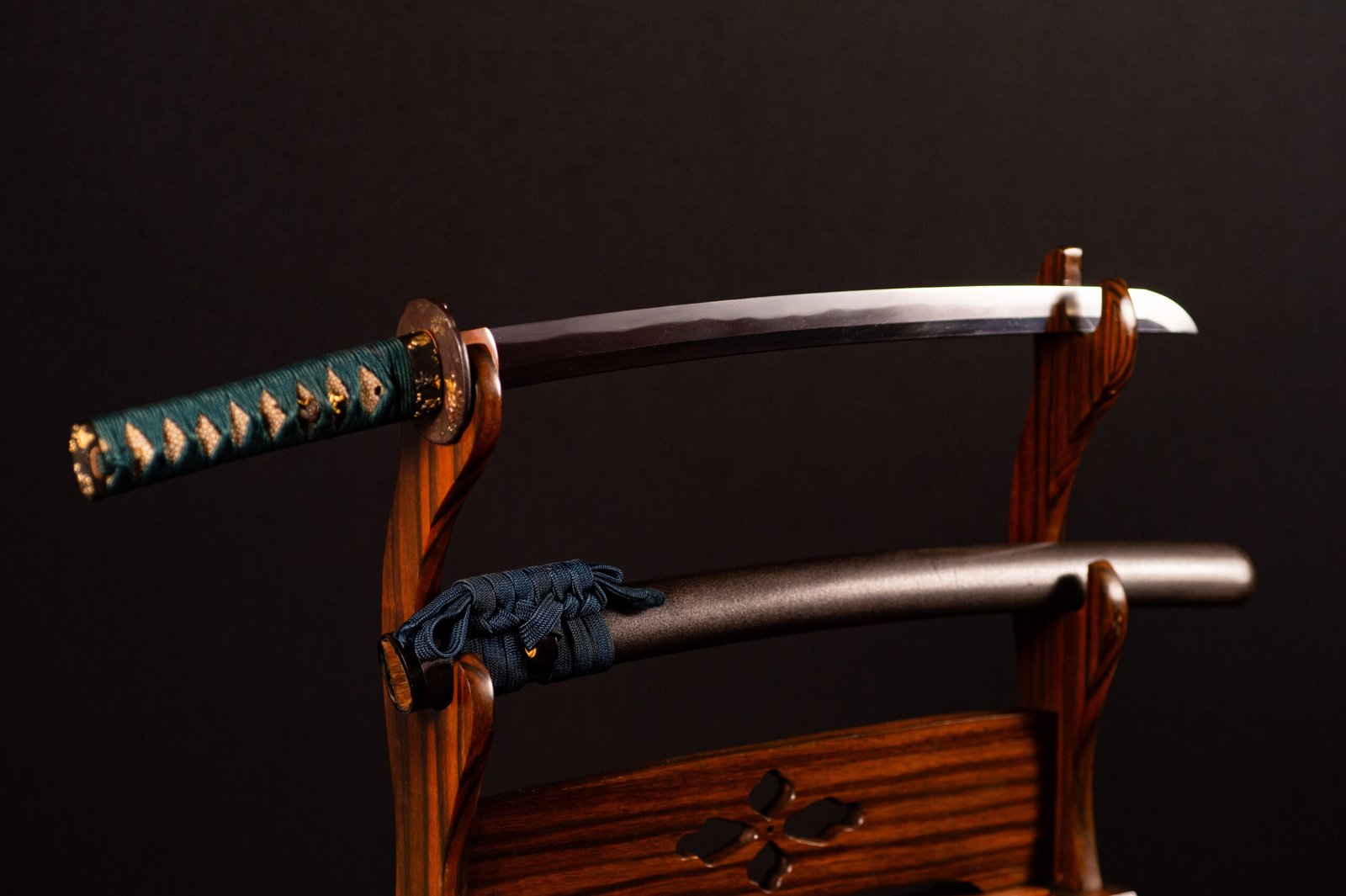
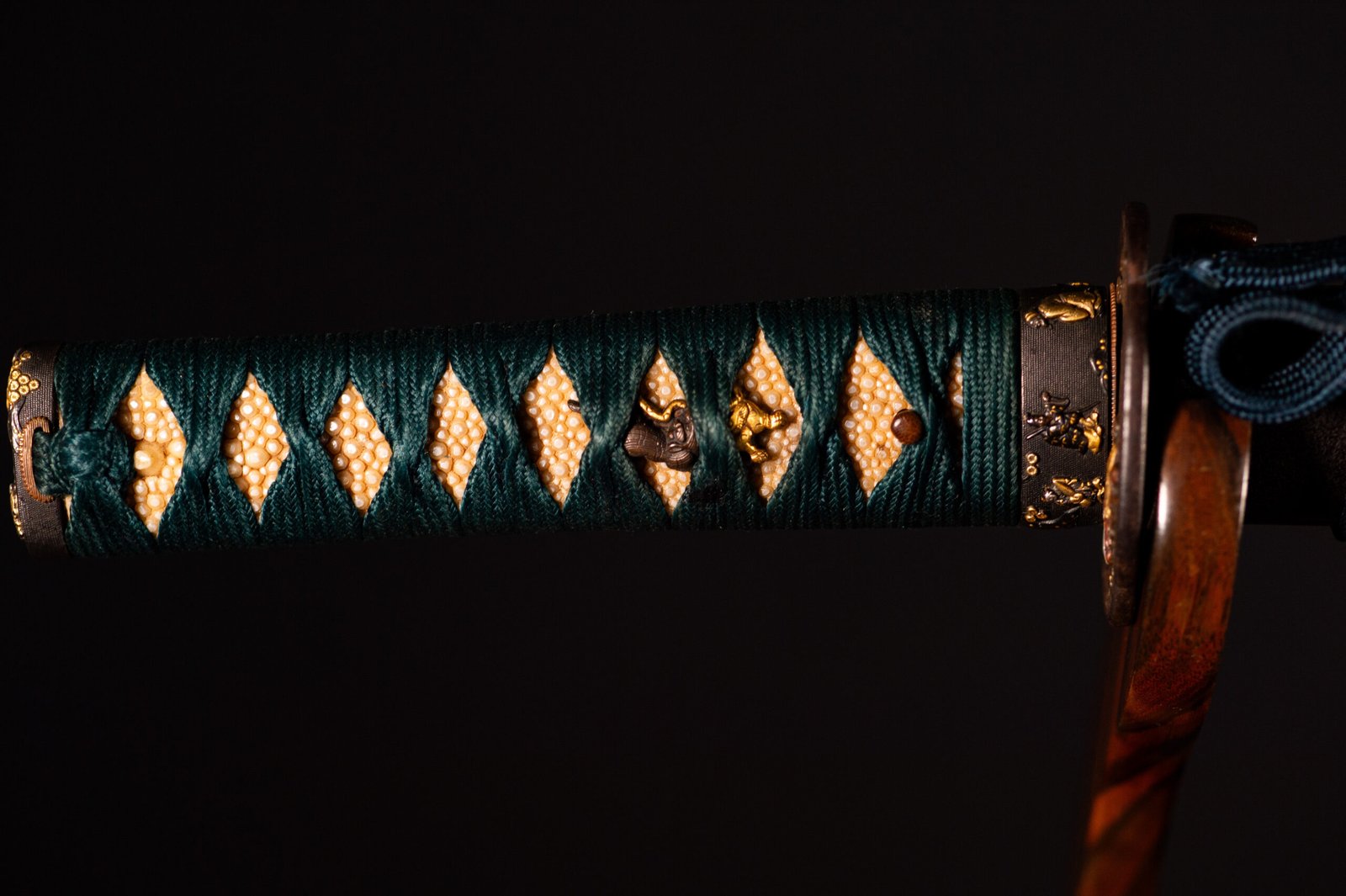
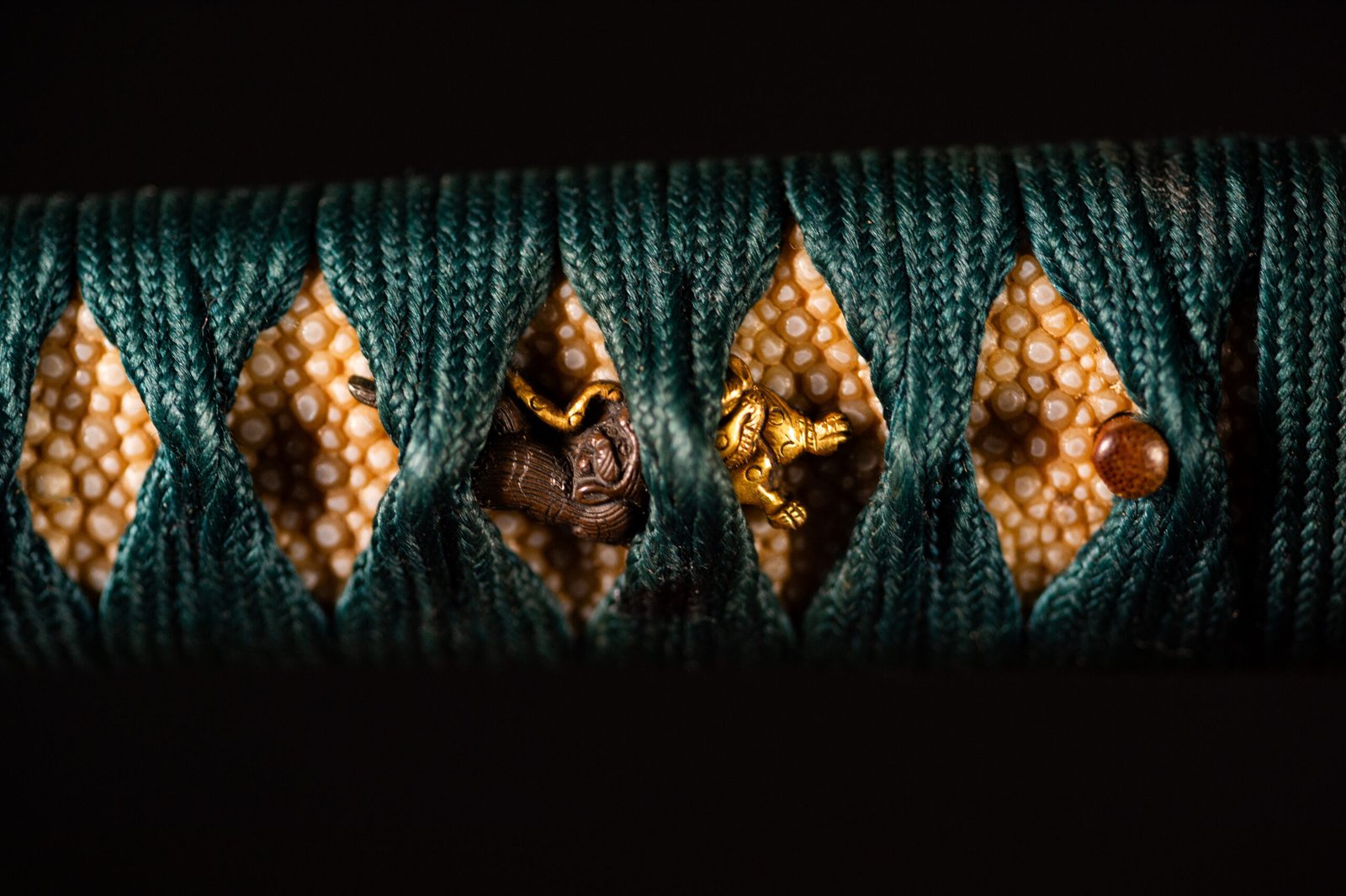
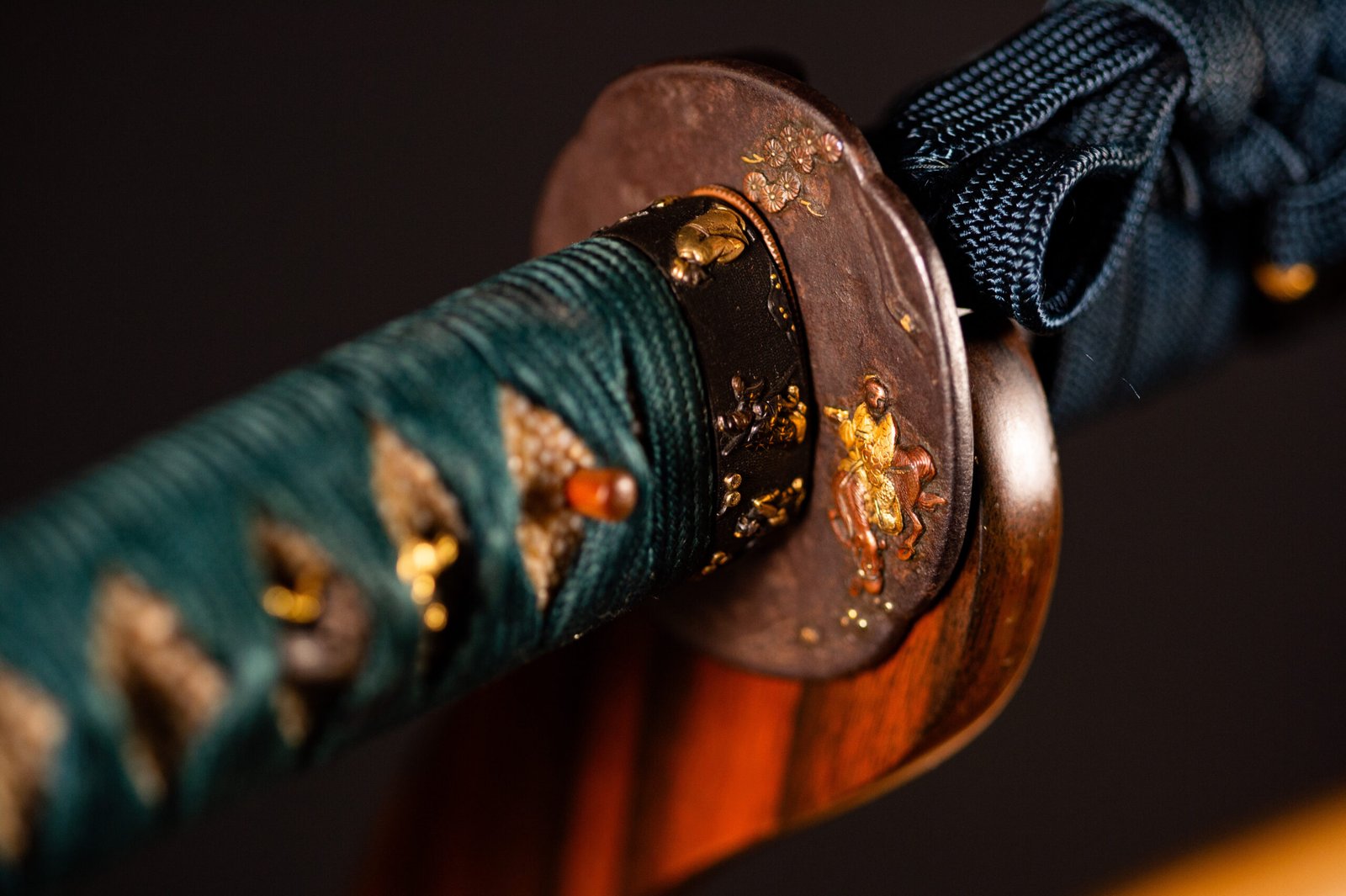
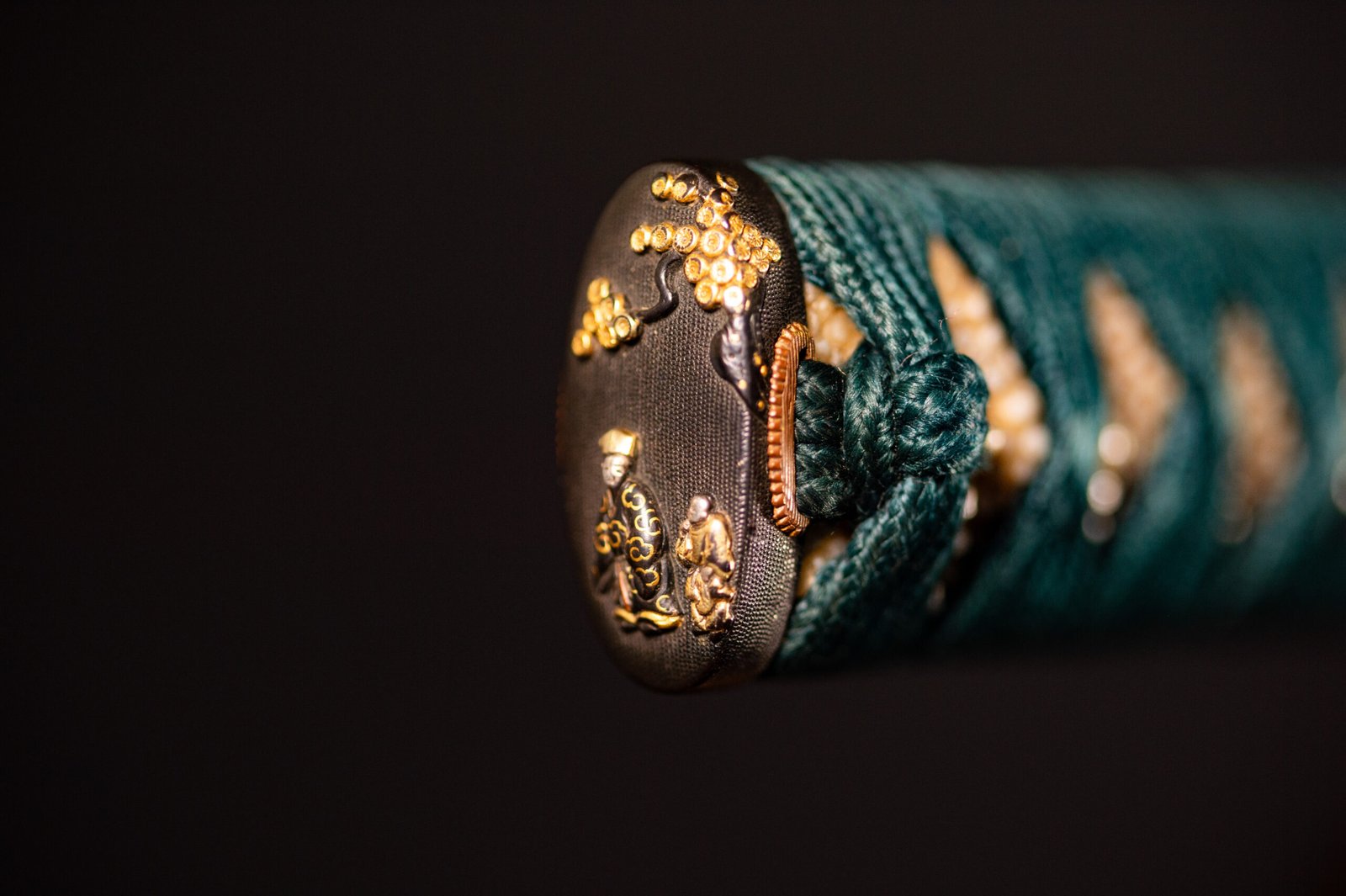
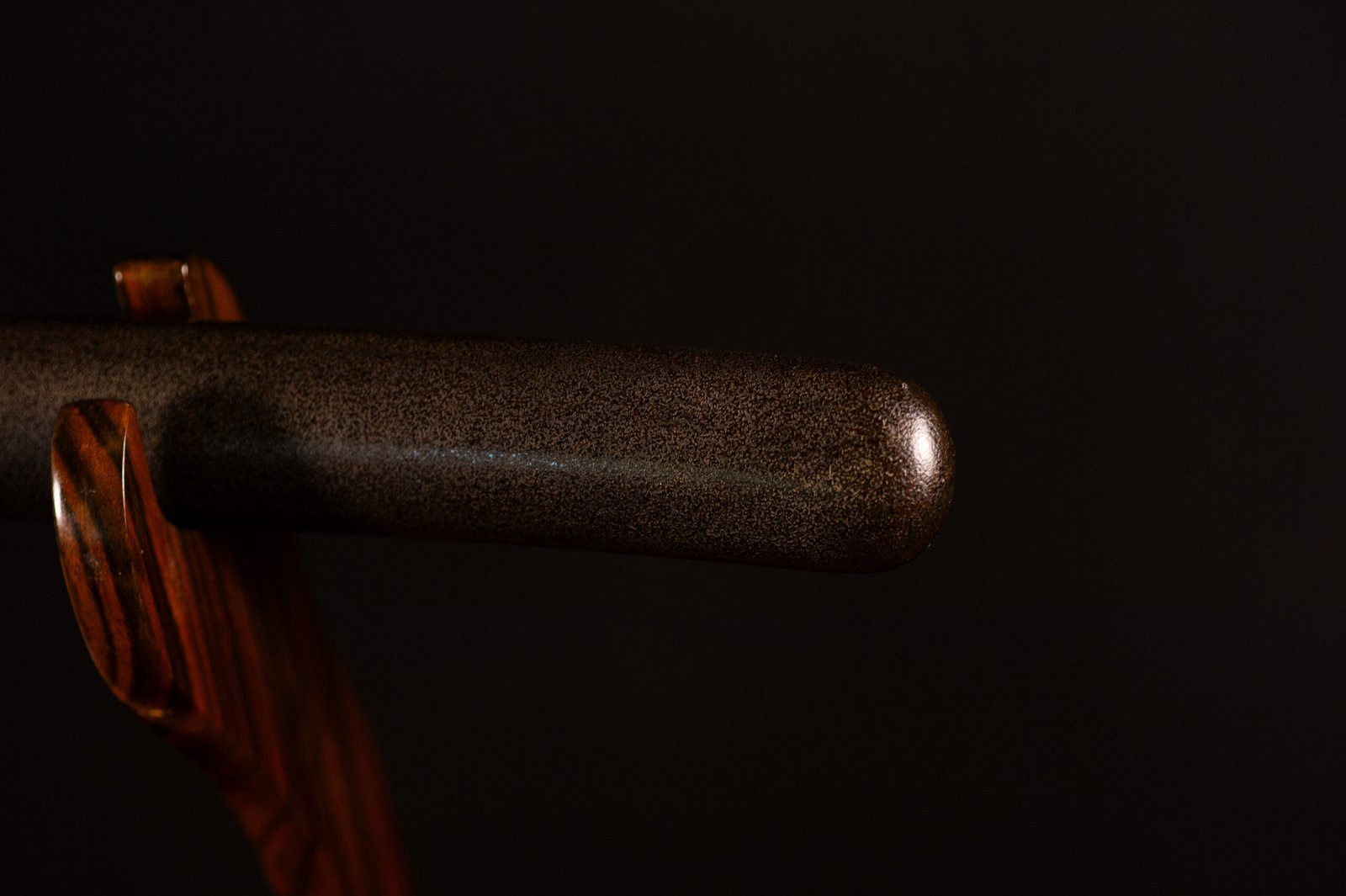
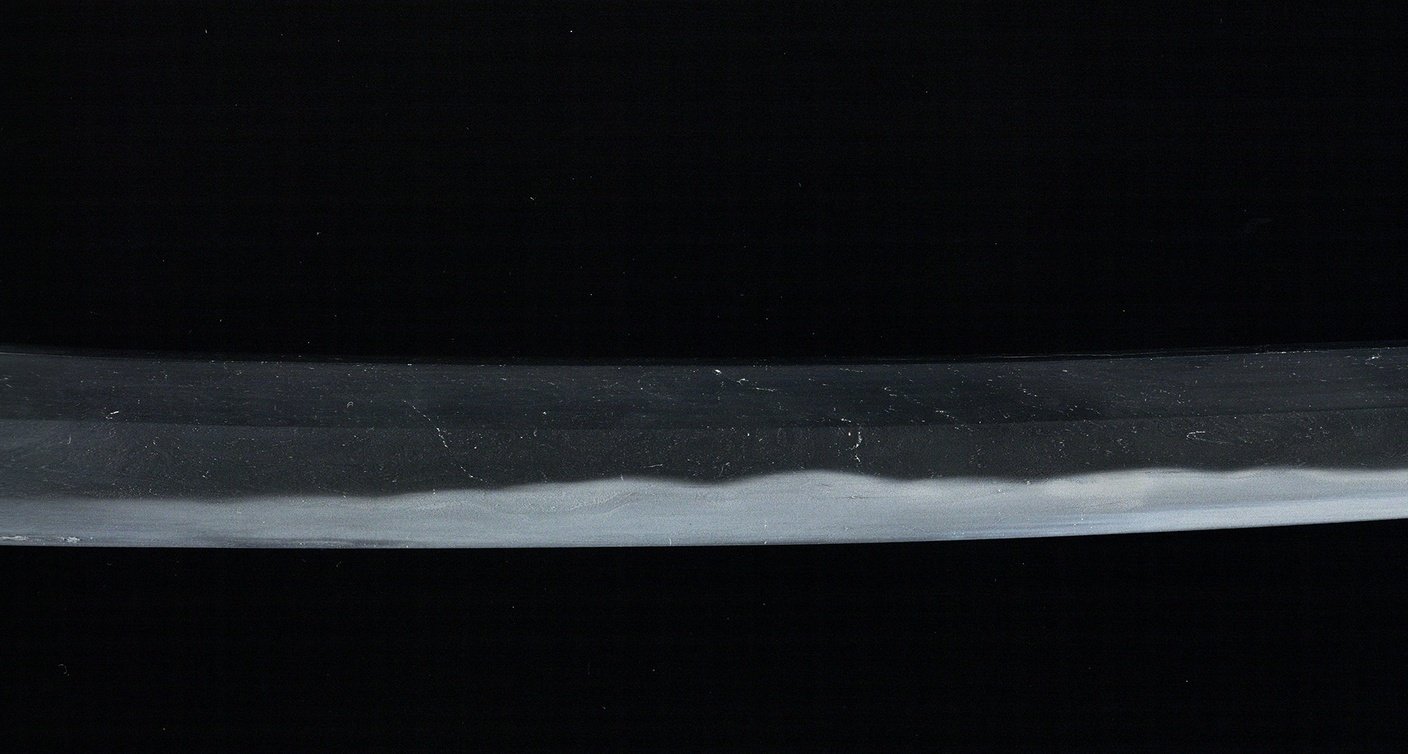
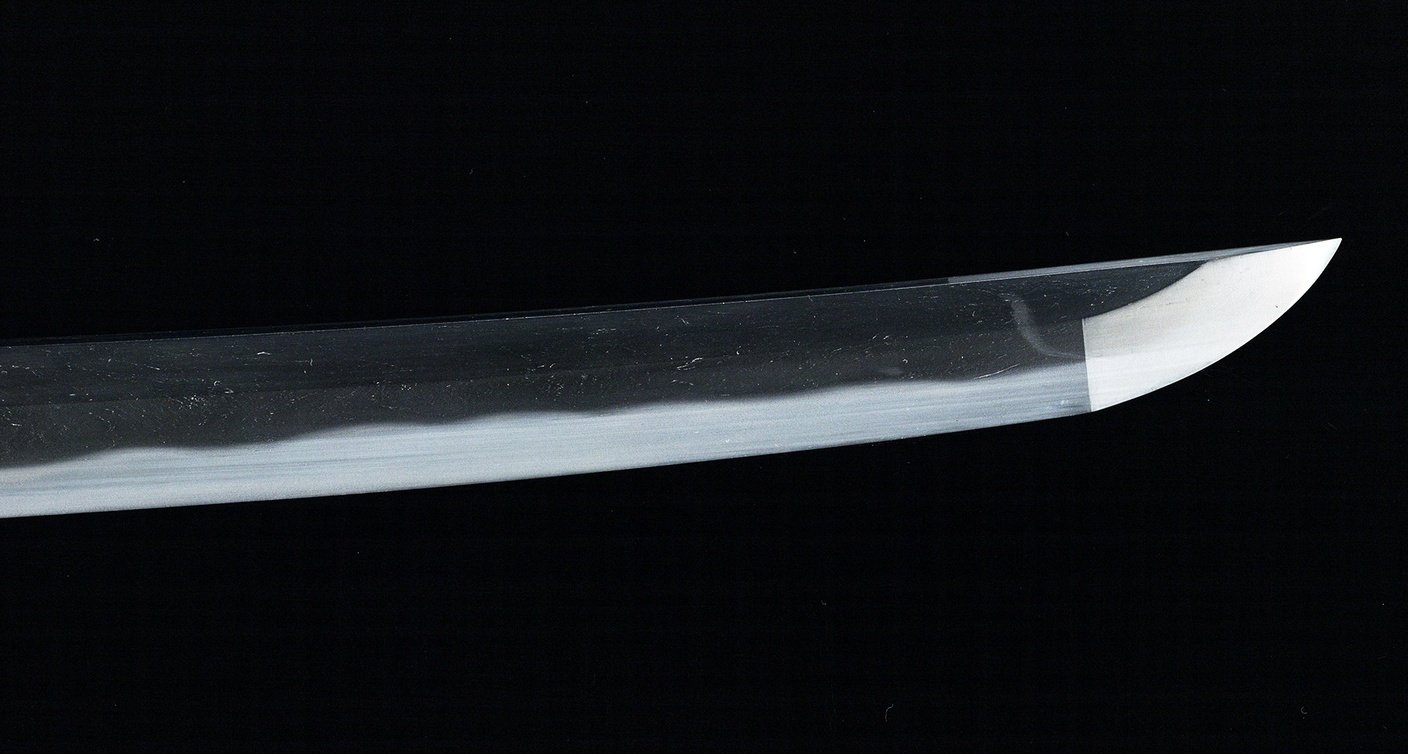
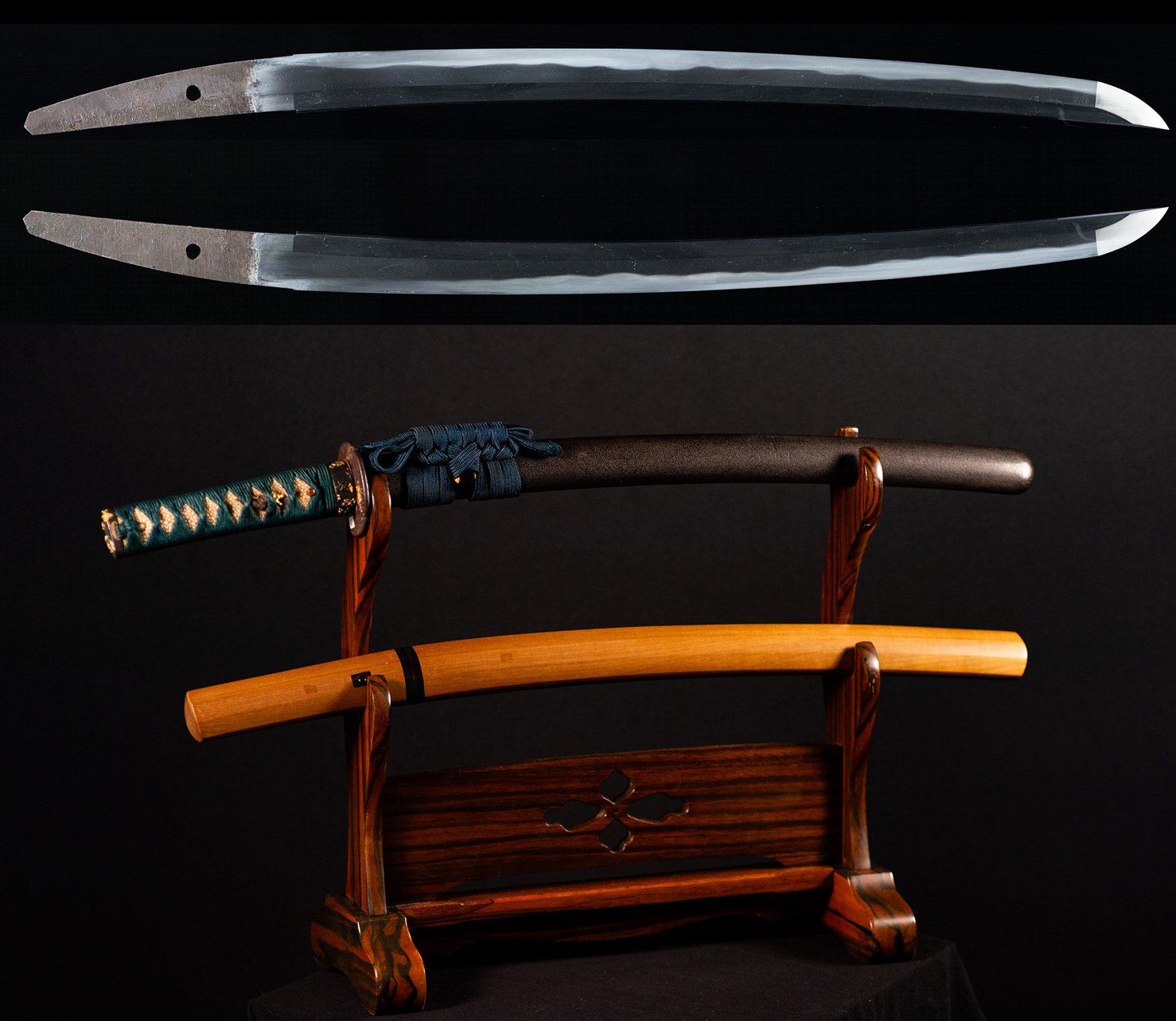
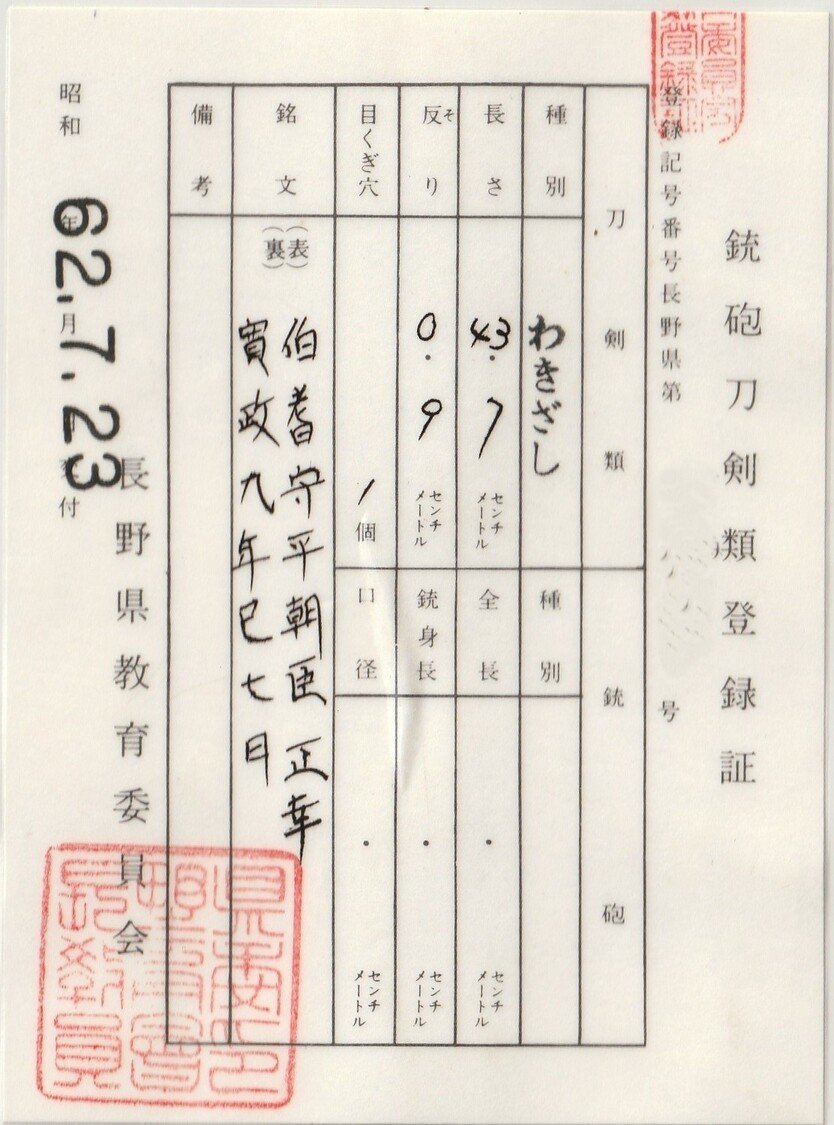
Satsuma School · Shinshintō · Late Edo Period · Signed Hōki no Kami Taira Ason Masayuki · Original Japanese Registration A fine and highly representative Japanese wakizashi signed by Hōki no Kami Taira Ason Masayuki, one of the principal swordsmiths associated with the Satsuma tradition during the late Edo period. Masayuki served the powerful Shimazu domain as a retained swordsmith and became one of the defining masters of Satsuma shinshintō, renowned for blades displaying vigorous nie-based activity and strong influences from the Sōshū and Shizu traditions. This example has a nagasa of 43.7 cm and a restrained sori of 0.9 cm, giving the blade an elegant yet powerful profile. Its tempering displays a flowing notare-based hamon interspersed with gunome, accompanied by a deep nioiguchi and the dynamic activity characteristic of accomplished Satsuma work. The nakago preserves the long signature of Masayuki, while the blade is accompanied by its historical Japanese torokusho, issued by the Nagano Prefecture Board of Education on 23 July 1987. Beyond the blade itself, the sword is presented in an attractive formal koshirae. Deep teal tsuka-ito, pale samegawa, dark patinated fittings enriched with gold decoration, figurative menuki and a black lacquered saya create an elegant mounting worthy of the historical importance of the blade. The Swordsmith – Hōki no Kami Taira Ason Masayuki Hōki no Kami Taira Ason Masayuki was an important swordsmith of the Satsuma tradition and one of the notable masters working under the patronage of the Shimazu domain. Born in 1733, he originally worked under the name Masayoshi before adopting the name Masayuki. He served as a retained domain swordsmith, or han-kakae kōji, for the Shimazu family of Satsuma. His position placed him within one of the most distinctive regional swordmaking traditions of the late Edo period. Masayuki is particularly associated with Ōkimoto Yamato no Kami, another major Satsuma smith. Both received their respective provincial honorary titles from the Shimazu house in Kansei 1 (1789), reflecting the status achieved by these two masters within the domain. Masayuki enjoyed an exceptionally long working career and continued producing swords into advanced age. His mature blades are particularly admired for their vigorous interpretation of the Sōshū tradition, frequently incorporating characteristics associated with Shizu, including conspicuous nie, kinsuji, sunagashi and strongly undulating temper patterns. The Signature (Mei) The nakago bears the signature of: Hōki no Kami Taira Ason Masayuki The inscription is cut longitudinally along the nakago and remains visible beneath its naturally aged surface. The signature is executed in formal characters and identifies the smith through both his honorary provincial title and his personal smith name. The survival of the signature is particularly important for a blade of this period, providing a direct historical connection between the sword and the Satsuma smith responsible for its manufacture. The accompanying Japanese registration documentation records the blade and its signature, providing additional provenance within Japan’s post-war sword registration system. The Blade (Tōshin) The blade measures 43.7 cm in nagasa, placing it firmly within the traditional wakizashi classification. Its curvature is relatively restrained, with a sori of approximately 0.9 cm. The resulting sugata is elegant and controlled, combining a substantial cutting profile with the compact proportions traditionally associated with the companion sword of the samurai. The blade retains a powerful visual presence despite its comparatively modest curvature. Its geometry transitions cleanly toward the kissaki, while the polished surface allows the tempering activity to remain clearly appreciable. The Hamon One of the most attractive characteristics of the blade is its active hamon. The temper pattern is principally based on notare, creating broad, gently undulating waves along the cutting edge. Within this structure appear areas of gunome, introducing more pronounced peaks and variations into the otherwise flowing composition. The nioiguchi is relatively deep and gives the hardened edge a strong visual presence. This combination of flowing notare and more vigorous irregular elements is particularly appropriate to the Satsuma tradition, whose smiths frequently explored interpretations derived from Sōshū workmanship. Under appropriate lighting, the changing rhythm of the tempering becomes especially evident, providing considerable visual movement along the blade. Nie Activity and Satsuma Tradition The mature work of Masayuki is closely associated with an active treatment of the hardened edge. Satsuma smiths were not generally seeking the restrained uniformity seen in certain other Edo-period traditions. Their finest blades often possess a deliberately vigorous appearance, with metallurgical activity contributing strongly to the visual character of the sword. Masayuki’s work is particularly associated with Sōshū and Shizu influence, traditions celebrated for prominent nie and complex activity within and around the hamon. Features such as kinsuji and sunagashi are characteristic of this broader aesthetic and are among the qualities for which accomplished works by Masayuki are appreciated. This blade reflects that dynamic Satsuma approach through the irregular movement of its temper pattern and the depth of its hardened edge. The Kissaki and Boshi The blade terminates in a well-proportioned kissaki, maintaining the controlled geometry of the overall sugata. The hardened edge continues naturally into the point to form the boshi, which turns back softly toward the spine. The transition from the main body of the blade into the kissaki remains visually harmonious and contributes to the balanced appearance of the sword. The Nakago The nakago retains its naturally aged surface and bears a single mekugi-ana. Its patina contrasts clearly with the polished portion of the blade, preserving the historical appearance expected of an antique Japanese sword. Most importantly, the nakago carries the signature of Hōki no Kami Taira Ason Masayuki. The inscription remains visible across the surface and represents one of the principal identifying characteristics of the sword. The precise assessment of the original condition and any historical alteration of the nakago should ultimately be made through direct specialist examination of the blade rather than solely from photographs. The Koshirae The sword is accompanied by an elegant formal koshirae combining dark, restrained colours with finely executed figurative metalwork. The overall composition is dominated by deep teal, black and dark patinated metal, contrasted with carefully placed gold details. Rather than overwhelming the blade with excessive ornamentation, the mounting uses small areas of precious-looking decoration to create points of visual interest. The result is sophisticated and distinctly Japanese, complementing the historical character of the Masayuki blade. The Tsuka The tsuka is wrapped in a distinctive deep teal tsuka-ito arranged in traditional hineri-maki. Beneath the wrapping appears pale samegawa, producing a strong contrast with the darker silk. The regular diamond-shaped openings reveal both the ray skin and the decorative menuki positioned beneath the wrapping. This restrained colour combination gives the handle a refined appearance while preserving the traditional visual structure of Japanese sword mounting. The Menuki The menuki depict finely worked figurative scenes incorporating mounted figures. Executed in dark metal with gilt highlights, they provide a rich decorative counterpoint to the deep teal wrapping of the tsuka. Their relatively small scale encourages close examination, revealing the attention given to the ornamental details of the mounting. The use of figurative imagery also connects the koshirae with the broader tradition of Edo-period narrative and genre decoration in Japanese metalwork. The Fuchi-Kashira The fuchi-kashira continue the sophisticated decorative language of the mounting. Worked in dark patinated metal, the fittings incorporate gold and shakudō details using relief and inlay techniques. The decoration includes ume, or plum blossom motifs, together with figurative compositions. The kashira incorporates seated figures within the decorative scene, while the fuchi presents a mounted rider composition. The combination of dark metal, gold highlights and finely worked figures creates an elegant contrast that rewards close inspection. The Saya The saya is finished in traditional black lacquer, providing a restrained and formal exterior for the sword. Its dark surface creates visual continuity with the patinated metal fittings while allowing the gold details of the mounting to stand out. Gilt fittings introduce subtle highlights without disturbing the overall sobriety of the composition. The mounting is completed by a navy blue sageo, harmonising with the deep teal tones of the tsuka-ito. Together, these elements create a balanced and sophisticated presentation. Historical Japanese Registration The blade is accompanied by its Japanese sword registration certificate, or torokusho. The document was issued by the Nagano Prefecture Board of Education on 23 July 1987 (Shōwa 62). The recorded measurements correspond to the blade, including its approximately 43.7 cm cutting length and 0.9 cm curvature. Japanese torokusho documents form part of the national post-war system for registering traditionally manufactured Japanese swords. The preservation of this historical document provides useful provenance and confirms that the sword was formally registered in Japan. Condition The blade remains in a state that allows its principal metallurgical characteristics to be appreciated, including the flowing notare-based hamon, areas of gunome and the activity associated with the Satsuma tradition. The nakago preserves its historical patina and clearly displays the smith’s signature. The koshirae retains an attractive overall presentation, with its deep teal wrapping, pale samegawa, dark metal fittings, gold decoration and black lacquered saya maintaining a coherent visual character. Natural signs of age and historical use should be expected in an antique Japanese sword and its associated mounting and form part of the object’s history. Collector’s Value This wakizashi combines several qualities of particular interest to collectors of Japanese swords: an important signed Satsuma smith, a distinctive regional tradition, attractive metallurgical activity, historical Japanese documentation and an elegant complete mounting. Hōki no Kami Taira Ason Masayuki occupies an important position within the Satsuma school. His service under the Shimazu domain and his long career connect his work directly with one of the most powerful feudal houses of southern Japan. His mature workmanship is appreciated for its vigorous interpretation of the Sōshū tradition, particularly the use of active nie and complex tempering influenced by Shizu. The flowing notare, mixed gunome and deep nioiguchi visible on this blade are consistent with the dynamic aesthetic associated with Satsuma swordmaking. The signed nakago adds substantial historical interest, while the surviving Japanese torokusho establishes documented provenance within Japan extending back at least to 1987. Equally important from a display perspective is the accompanying koshirae. Its unusual deep teal wrapping, pale samegawa, gold-highlighted figurative fittings, plum blossom decoration and black lacquered saya create an elegant ensemble that complements the character of the blade without overpowering it. A refined signed Satsuma wakizashi by Hōki no Kami Taira Ason Masayuki, combining vigorous late-Edo swordmaking with an elegant traditional koshirae and documented Japanese provenance. With its flowing notare and gunome temper, historically important smith, signed nakago and Nagano Prefecture registration, this sword represents an attractive opportunity for collectors seeking an authentic and visually compelling example of the Satsuma shinshintō tradition.


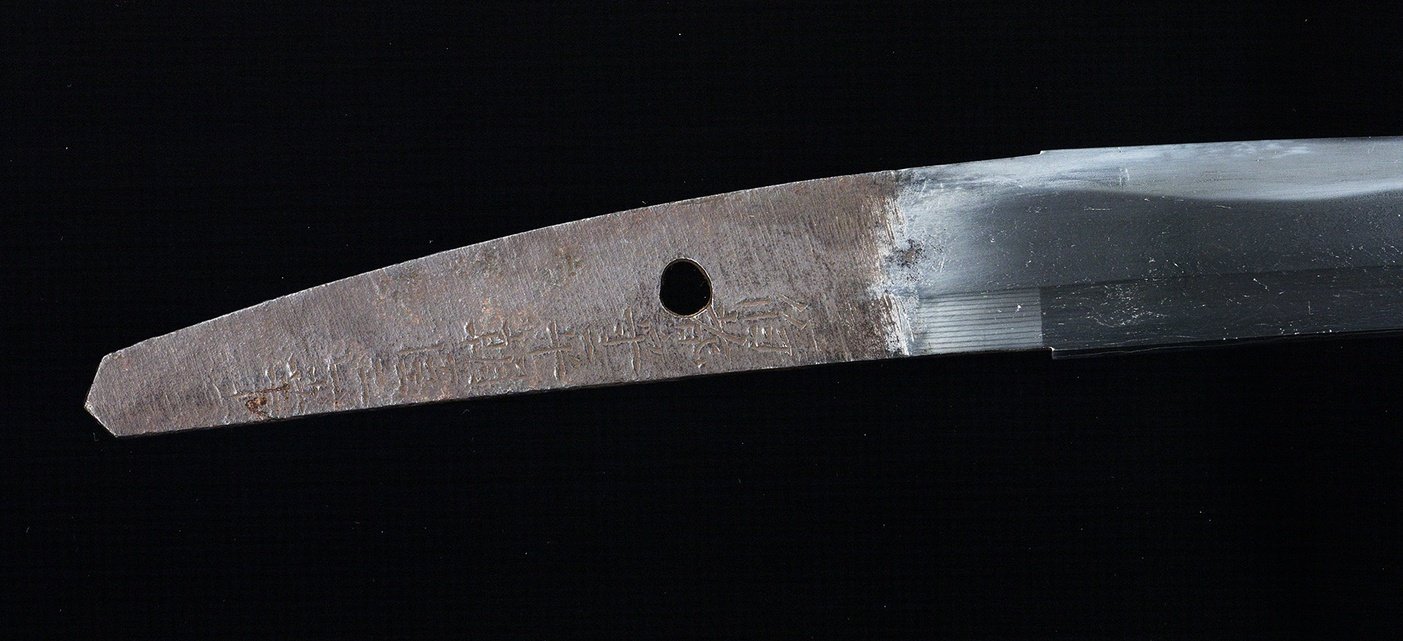
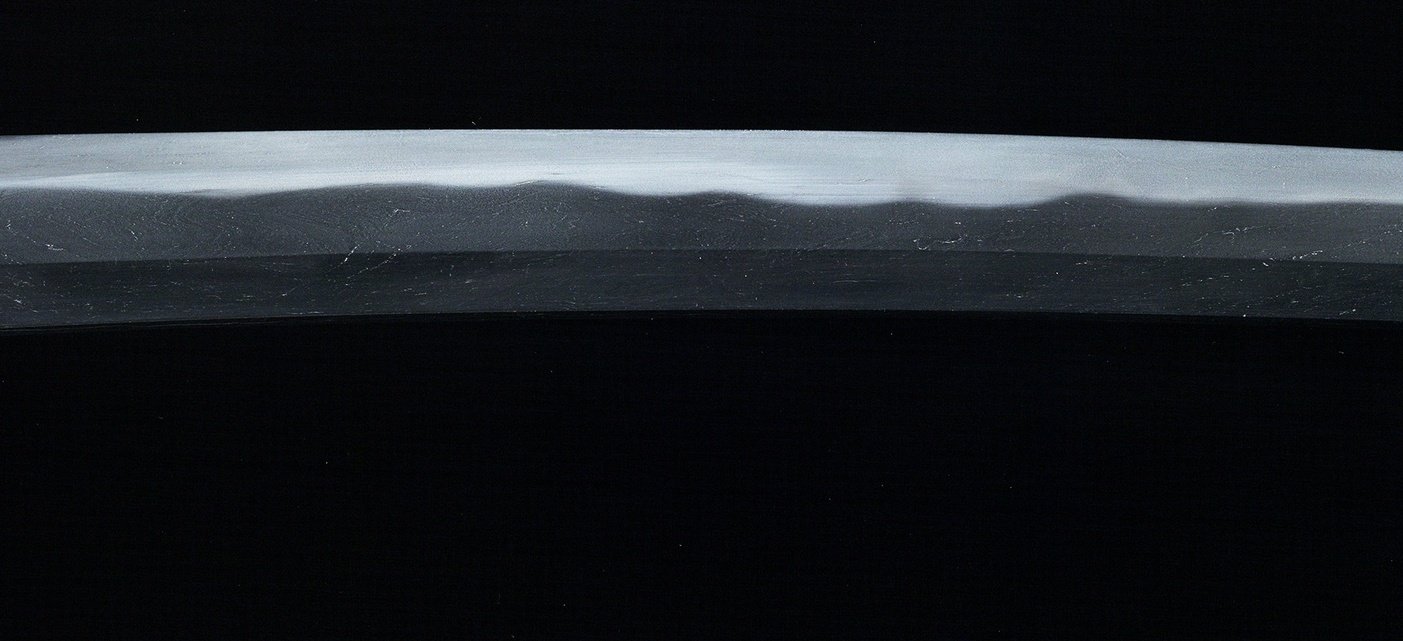
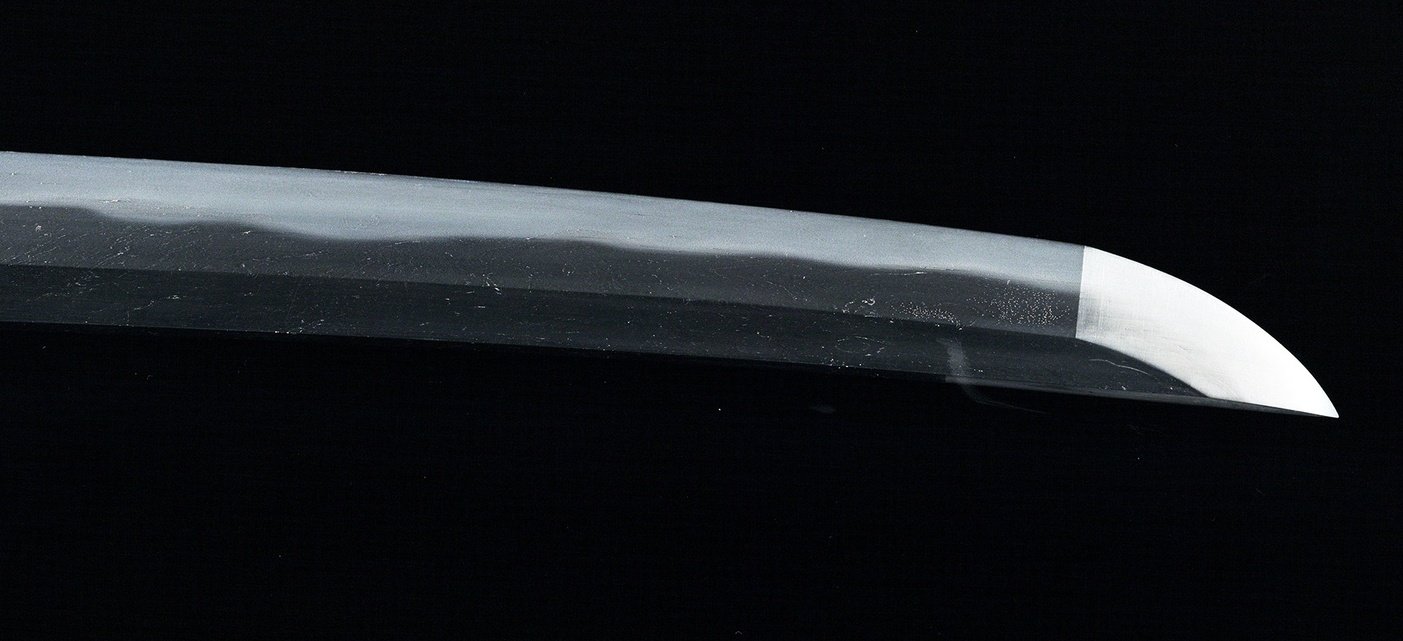

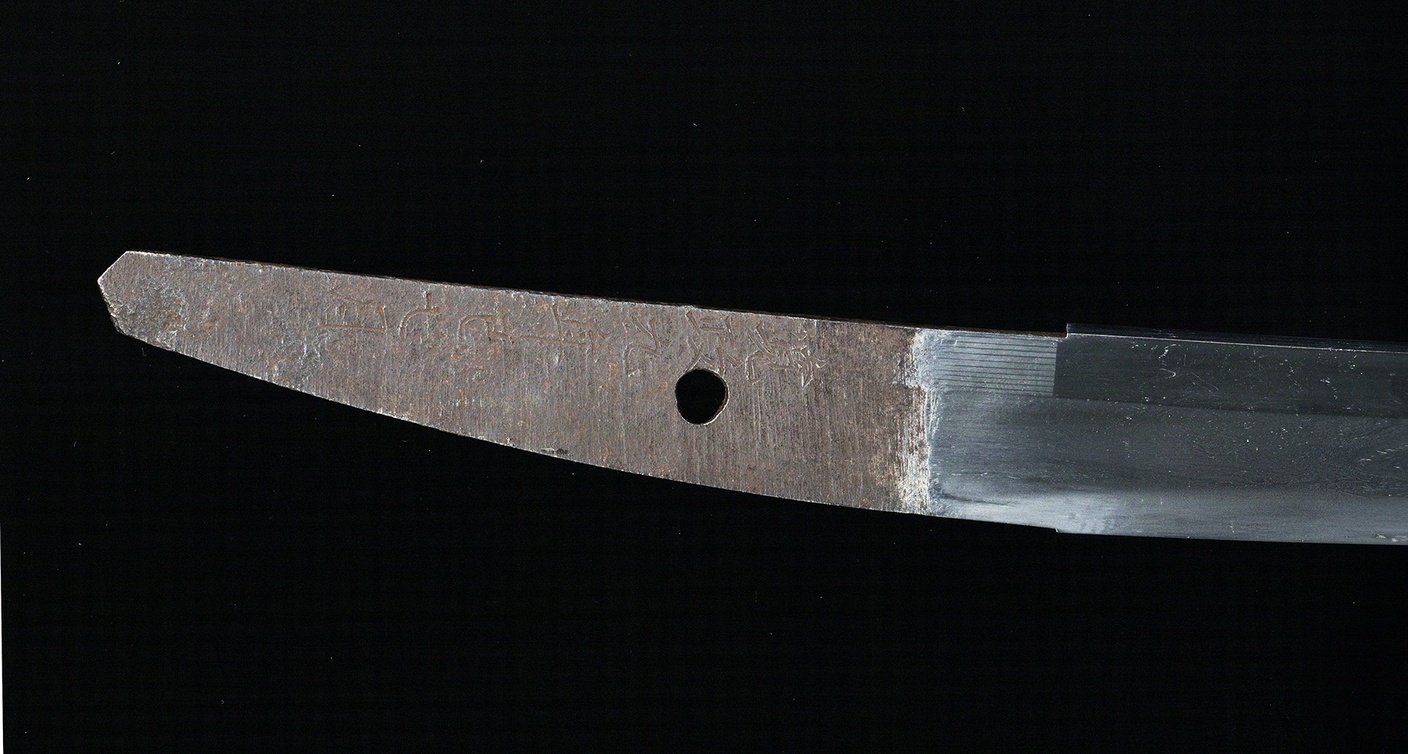
販売店の記載のまま
Ijichi (Satsuma), shinshinto · 薩摩 · 1772-1817頃
藤代 上作 · 刀剣大鑑 上位23%
現在6点販売中
伯耆守正幸は薩摩の藩工伊地知家の工で、二代正良の子として享保十八年に生まれた。三代目を継いで正良と名乗り、宝暦の頃より作刀がある。寛政元年、同郷の奥元平が大和守を受領したのと同じ年に伯耆守を受領し、名を正幸と改めた。長寿を保ち、晩年の作には行年銘を添えるものが多く、文政元年あるいは二年に八十六・七歳で没した。説明書は彼を一つの繰り返される併称で位置づける。奥元平とともに「薩摩新々刀中の双璧」[[c:1]]であり、父祖にまさる技量を示して夙に出藍の誉が高かったとする。
本領は身幅広く長寸で頑丈な造込みの刀である。身幅広く、重ね厚く、鋒延びる。その上に小のたれ、あるいは浅いのたれに互の目を焼き、尖りごころの刃を交え、匂深く、やや荒めの沸がつき、砂流し・金筋かかる。説明書はこれを得意の作風とし、本工は「自から相州伝という」[[c:2]]と記す。別の説明はさらに正確に「相州伝、就中、志津に倣った作柄を得意としている」[[c:3]]とする。刃中に長くかかる金筋・沸筋は、薩摩で芋蔓と称される流れ筋である。
地鉄はよく練れた板目で、多く杢・流れ肌を交え、地沸厚くつき地景入り、時に大板目が目立つ。帽子は乱れ込みあるいは直ぐに小丸・大丸に返り、掃きかけ、時に沸崩れごころとなる。茎は殆ど生ぶで、剣形あるいは入山形の先へ細り、鑢目勝手上り、太鏨の大振りの長銘を切る。説明書は身幅広く重ね厚い関係から殆どの作に棒樋を彫るとし、比較的に身幅が尋常な一口は樋を掻かないと記す。
銘は記録を分けるが、作風は分けない。指定作三十六口のうち十二口は正良銘で、明和七年から寛政元年二月までの年紀をもち、説明書はその数口を典型作・出来の優れたものとする。頑丈な姿と、匂深く荒めの沸に砂流し・金筋かかる刃はすでに備わる。前期作の一部を分かつのは刃の基調で、直刃調あるいは広直刃調に浅くのたれ、小互の目・尖り刃を交え、金筋・沸筋が刃中に絡む。説明書はこの手を明和・安永頃の初期作によく見るものとし、「古作の郷や、井上真改などに範をとったと想われる」[[c:4]]とする。天明五年の一口は長さ八六・五糎、手持ちの重い豪壮な刀で、説明書は類例がないとし、「伯耆守正幸畢生の大作にして白眉と称するべきものである」[[c:5]]と評する。
銘文は年紀にとどまらない。寛政十二年に当たる一口の刀は、庚申の日が一年に七度当たる年に鍛えた刀は武運長久を得るという庚申信仰の添銘を切り、説明書は「薩摩国」の国銘を珍しいとする。別の作は茎に「南無八幡大菩薩」の神号を切る。郷国の中で彼は元平と並べて読まれ、奥家と伊地知家は同じ年に受領した。彼を分かつのはその固有の特色、すなわち身幅広く頑丈な姿、匂深い互の目に交じる尖り刃、荒めの沸、流れる芋蔓である。説明書はその芋蔓にも品位の物差しを当て、ある刀を「芋蔓風の金筋・沸筋」[[c:7]]が表れないがゆえに品位の高い作と称える。
収集の上では、正幸は後期薩摩を代表する名の一人で、藤代は上作とする。国宝・重要文化財はなく、現代の指定の上では重要刀剣の格に三十六口が指定され、すべて在銘である。うち二口は郷国の伝来をもつ。一口は薩摩藩主島津家に伝来し、鶴丸城の御用意刀として襲蔵された刀である。もう一口は島津の分家樺山家に伝わり、縁頭と鐺を正幸自らの手になる薩摩拵を伴う。指定作の多くは所蔵され流通せず、相州伝の手を示す在銘の正幸は、折に触れ、根気をもって市場に現れる程度である。古い伝統の固く守られた遺産よりは見出しやすいが、行年銘のある年紀入りの刀は、なお大きな収集である。
正幸の位置づけを、日本刀全体および伝法・時代・時期ごとに示します。各区分(随一・屈指・有数・著名)は、NBTHK および文化庁による指定に加え、三作や名物帳などの歴史的栄誉を加味したものです。
各項目を選ぶと評価方法が表示されます。
在銘年紀作が示す、確実に活動していた年代
大和伝 · 薩摩
現在32点販売中
薩摩国の刀工群は、南九州の地に拠り、島津家の庇護のもとに鍛刀した一団である。その源は古く、構成各工の説明書は大和に発する波平の系をその背後に置く。新刀の一平安代は、初め父一平安貞に法を習い、のちに波平本家の大和守安国の門に学んだと記され、薩摩の鉄が大和・波平の修業を地下に伏せていることを示す。記録に明らかな手としては、美濃氏房の子に出た伊豆守正房が元和・寛永の頃に薩州鹿児島に住し、薩摩鍛冶の渕源を成したとされる。これに続いて享保の頃、宮原清右衛門こと主水正正清と、玉置小市こと一平安代とが八代将軍徳川吉宗に召されて江戸で鍛え、その技を認められて茎に一葉葵紋を切ることを許された。この二工が薩摩新刀の双璧を成し、安代の養子安在が二代の一平として家を継いだ。時を下って新々刀の頃には、奥家の奥元平と伊地知家の伯耆守正幸とが同じく双璧として並び立ち、正良が伊地知家の名を襲い、正景が正幸の門から出て加治木島津家に抱えられた。皇室・徳川・島津・近衛の名がその伝来を貫き、この一国の工が藩の最上の家に直結していたことを語る。 作風は、構成各工が実際に記す共通の語法によって読まれる。背骨をなすのは志津に倣った相州伝であり、正清・元平・正幸・正良のいずれもがこれを最も得意とした手として説明書に名指される。よく練れて流れる板目に小のたれ・互の目を焼き、尖りごころの刃を交え、匂深く、沸が厚く強くつき、荒沸を顕著に交える。この静と動の二筋がこの群を貫く。安代と安在は穏やかなのたれ調の直刃、あるいは広直刃を多く焼き、正清と新々刀の双璧は尖り刃を交えた変化のある乱れを焼くが、いずれも沸を本領とする点で一つである。その刃の内を走るものこそ薩摩の名高い見どころで、説明書はこれを薩摩の芋蔓と称し、盛んな砂流しと長く太い金筋・沸筋が相絡んで連なる様を指す。地鉄はよくつんだ小板目あるいは流れごころの板目で、地沸厚く地景入り、正清・正良の地は枾がかって肌立ち、安代の地はことに黒みをおびる。帽子は乱れ込んで先尖り、あるいは直ぐに小丸・大丸へ返り、最も覇気ある作では掃きかけて火焰風となる。体配は身幅広く重ね厚く平肉豊かに中鋒延び、手持ち重く豪壮で、殆どが生ぶ茎に大振りの長銘を切る、薩摩の堂々たる構えである。 鑑定の勘所は、まずこの芋蔓の沸筋と黒める地鉄、そして頑健な造込みにあり、これらが当代の備前復古や大坂物の締まった沸と薩摩の手を分かつ。工の格は二対の双璧に集まる。新刀では正清と安代が並び、正清が古名刀に迫る志津風の乱れと焼頭に集まる湯走りの古色を見せ、安代が静かな直刃の内に長い芋蔓を走らせる。新々刀では元平と正幸が並び、ともに身幅広く堂々たる相州伝を本領とし、正幸は志津に倣う手を、元平は尖り刃を交えた華やかな互の目を得意とした。正良は師に優る出藍の誉を負い、安在は養父安代に頗る近似する手を継ぎ、正景は師正幸の志津風をよく伝え、正房は群の渕源として古来資料に貴ばれる。藤代の極めは安代を上々作、正清・元平・正良を上々作ないし上作、正幸を上作に置く。伝来は藩に固有のものが多く、正清・安代の刀は島津継豊より将軍吉宗や近衛家久に献ぜられ、家久は両工に白銀と六歌仙の歌を贈ってその文書も現存する。正幸の刀は鶴丸城の御用意刀として島津家に襲蔵され、分家樺山家には正幸自身の手になる薩摩拵を伴う一口が伝わる。これらの多くは旧家・機関に固く保たれて世に出ず、在銘の薩摩物が収集家のもとに現れるのは稀であり、現れたときには南九州の鍛刀が藩の庇護のもとに到達した頂を示す。 詳しく見る →
江戸時代
二世紀半の泰平のあいだ、刀は武器である以上に武士の身分の標章であった。江戸の実証と大坂の華やぎのように都市ごとの作風が育ち、時代の末には需要も細っていく。
14-day return if items arrive damaged or in unexpected condition; customer bears return shipping + insurance; items returned in original condition with all accessories; antique armour non-returnable; only regular priced items refundable; shipping costs non-refundable.