室町の長船は輸出産業であった。明との勘合貿易はおよそ十二万八千振の日本刀を海の彼方へ運び、国内では戦国の軍勢が買い手となった。注文主の俗名を銘に刻む注文打ちが、兵卒用の数打ち物と並んで鍛えられている。
 NihontoWatchNihontoWatch
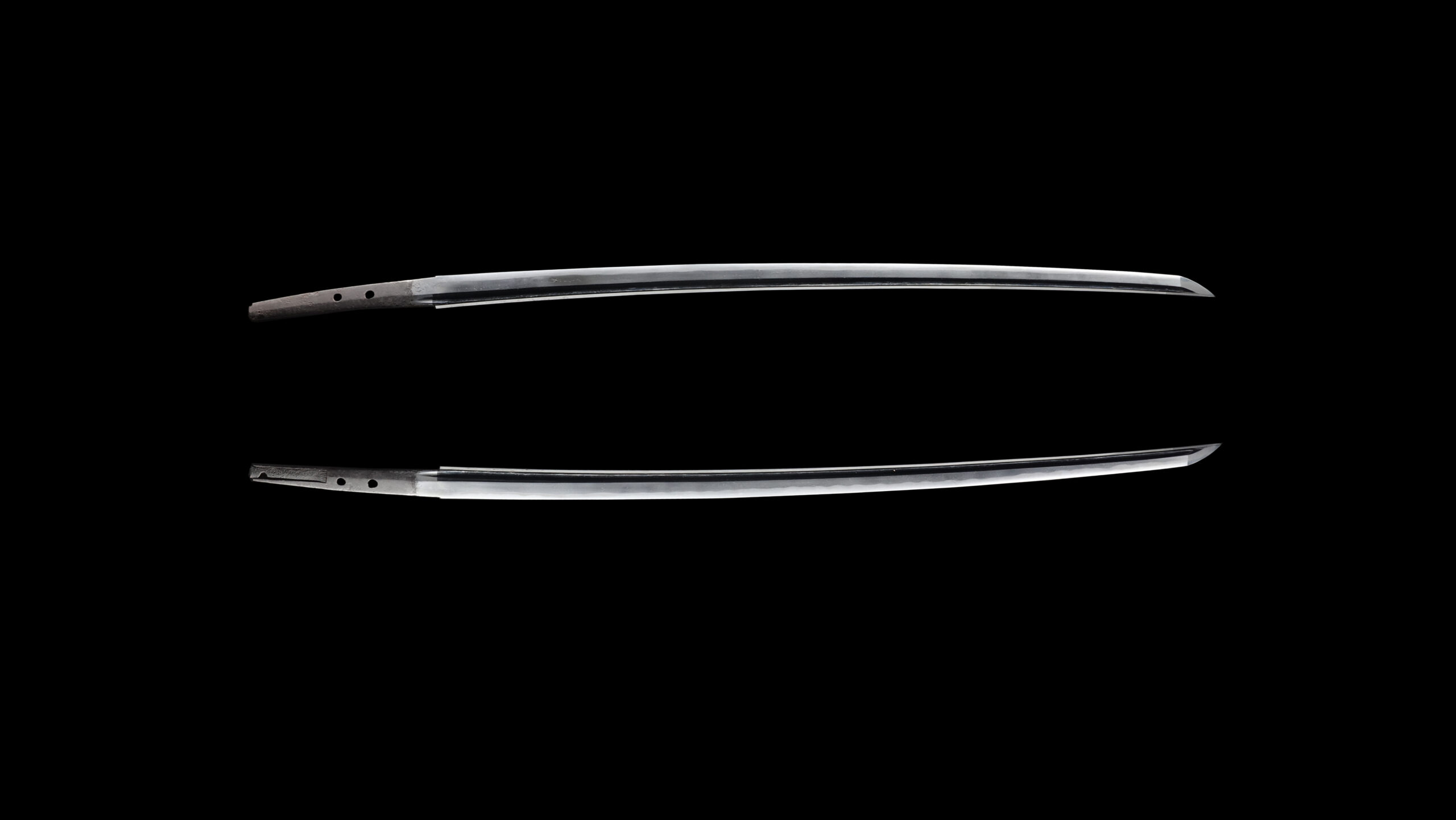
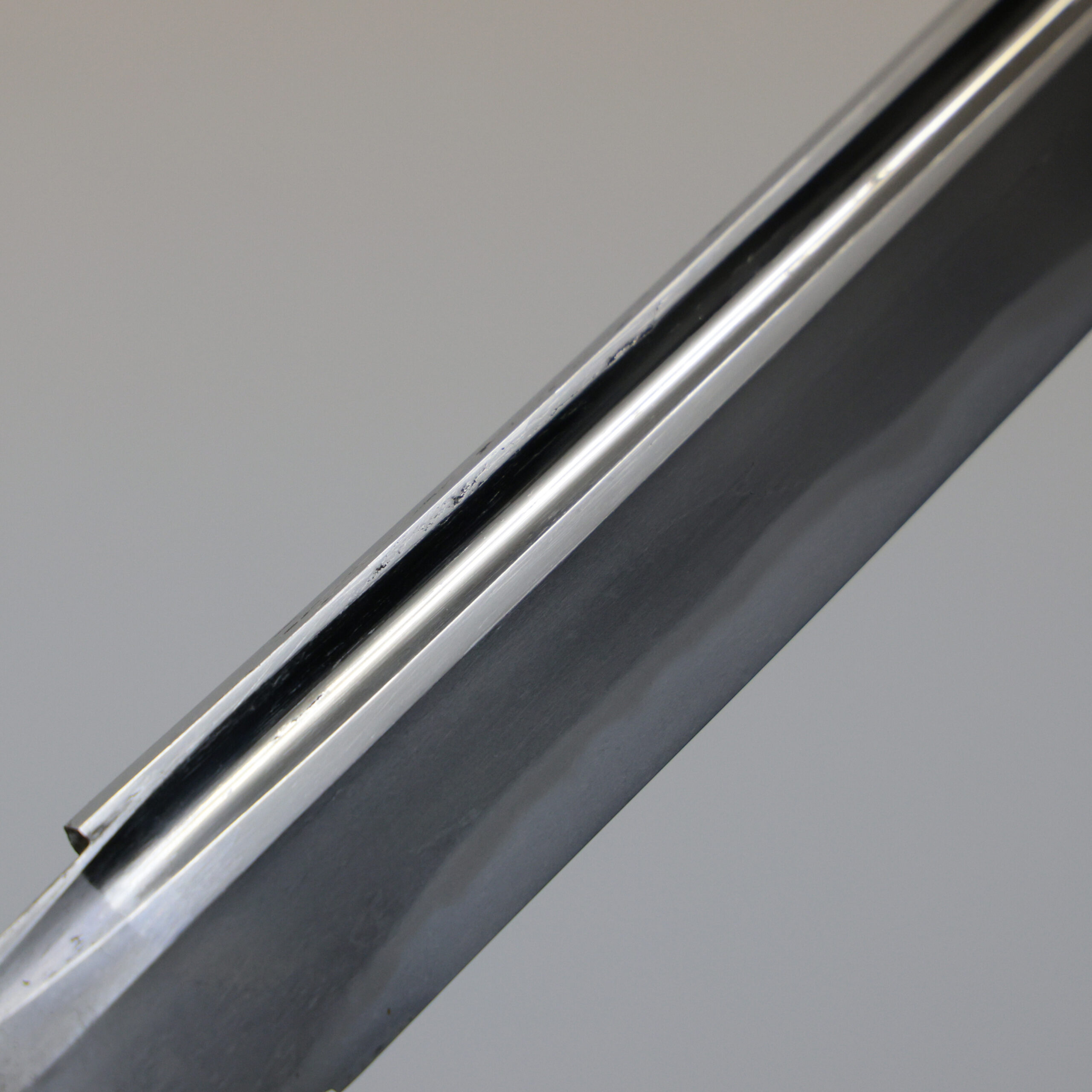
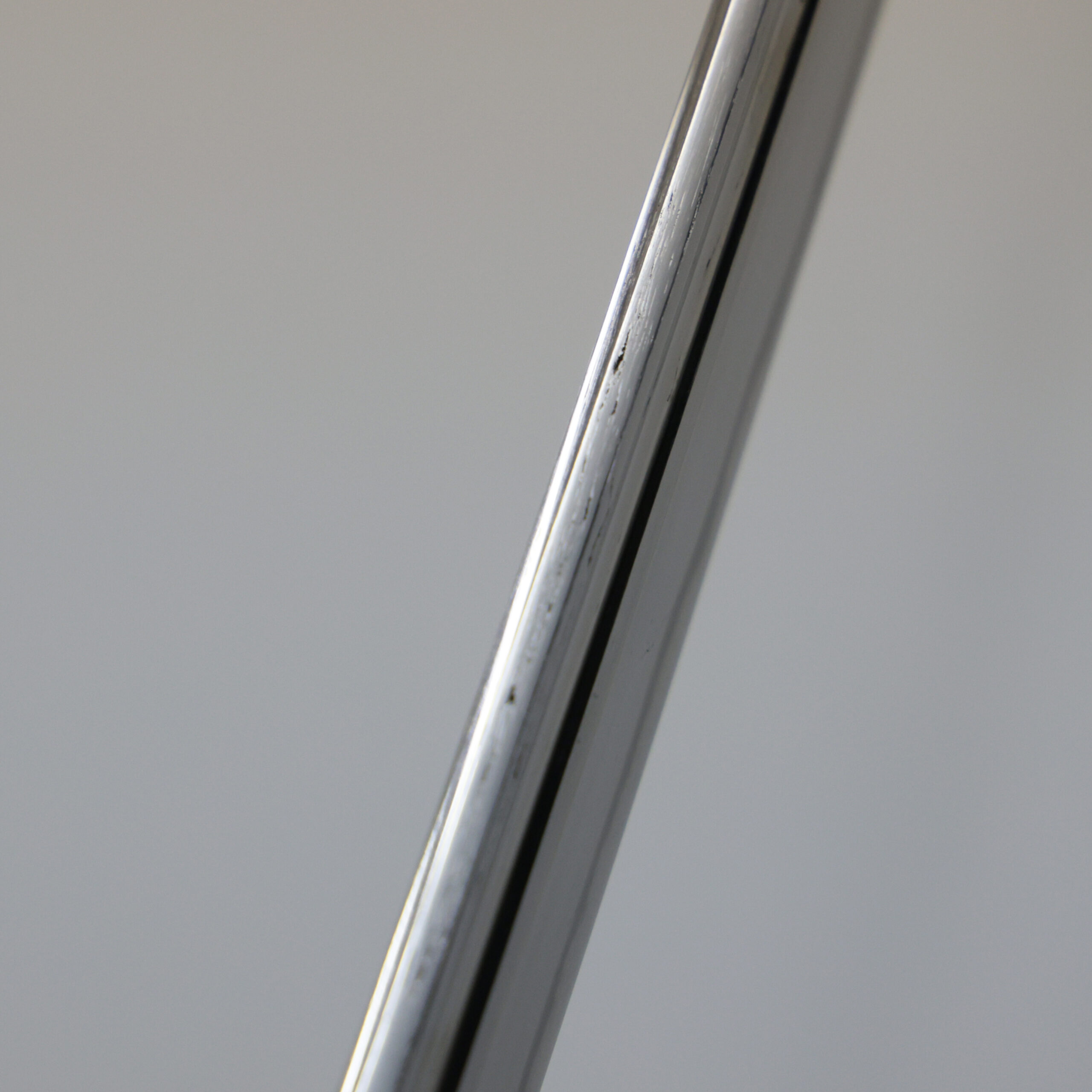
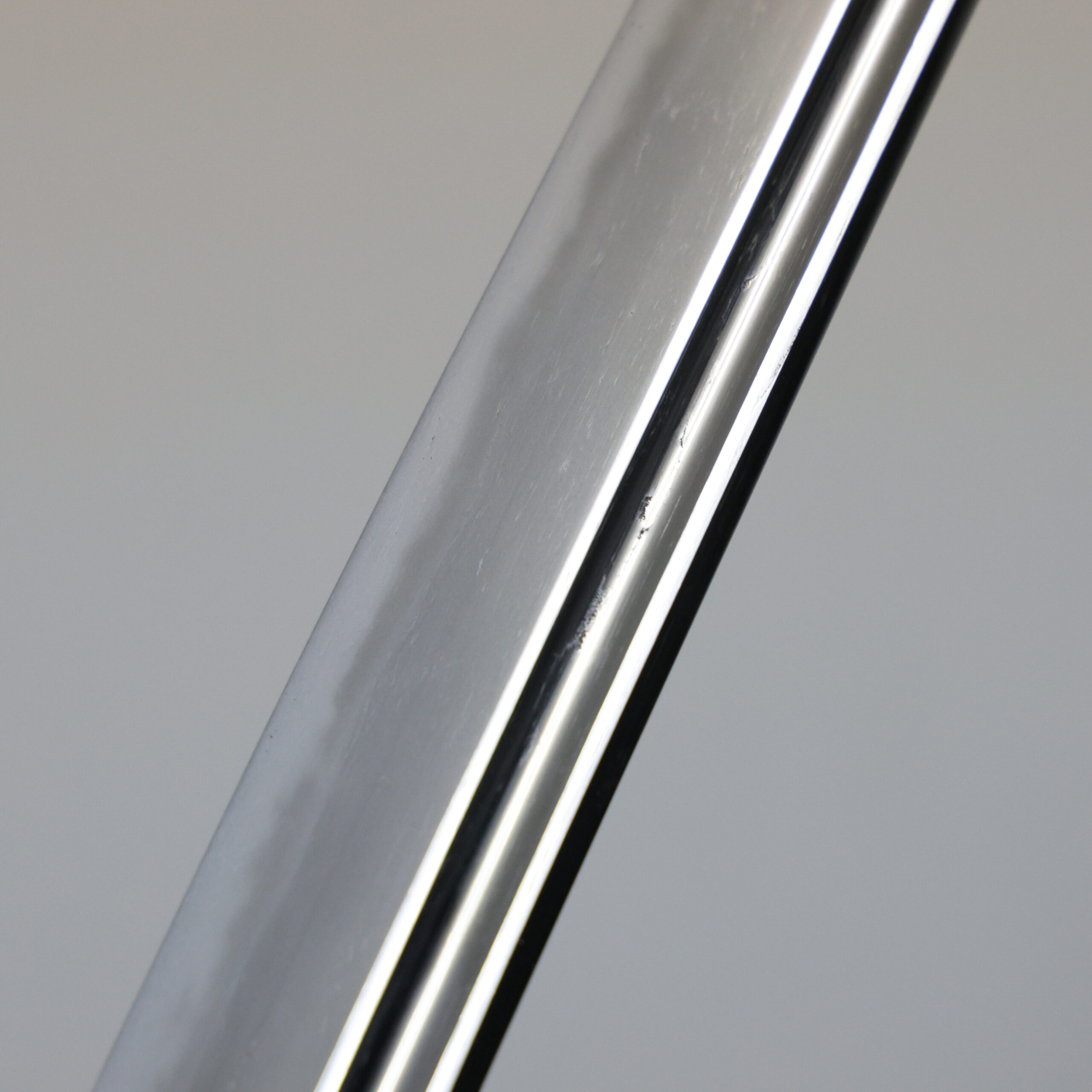
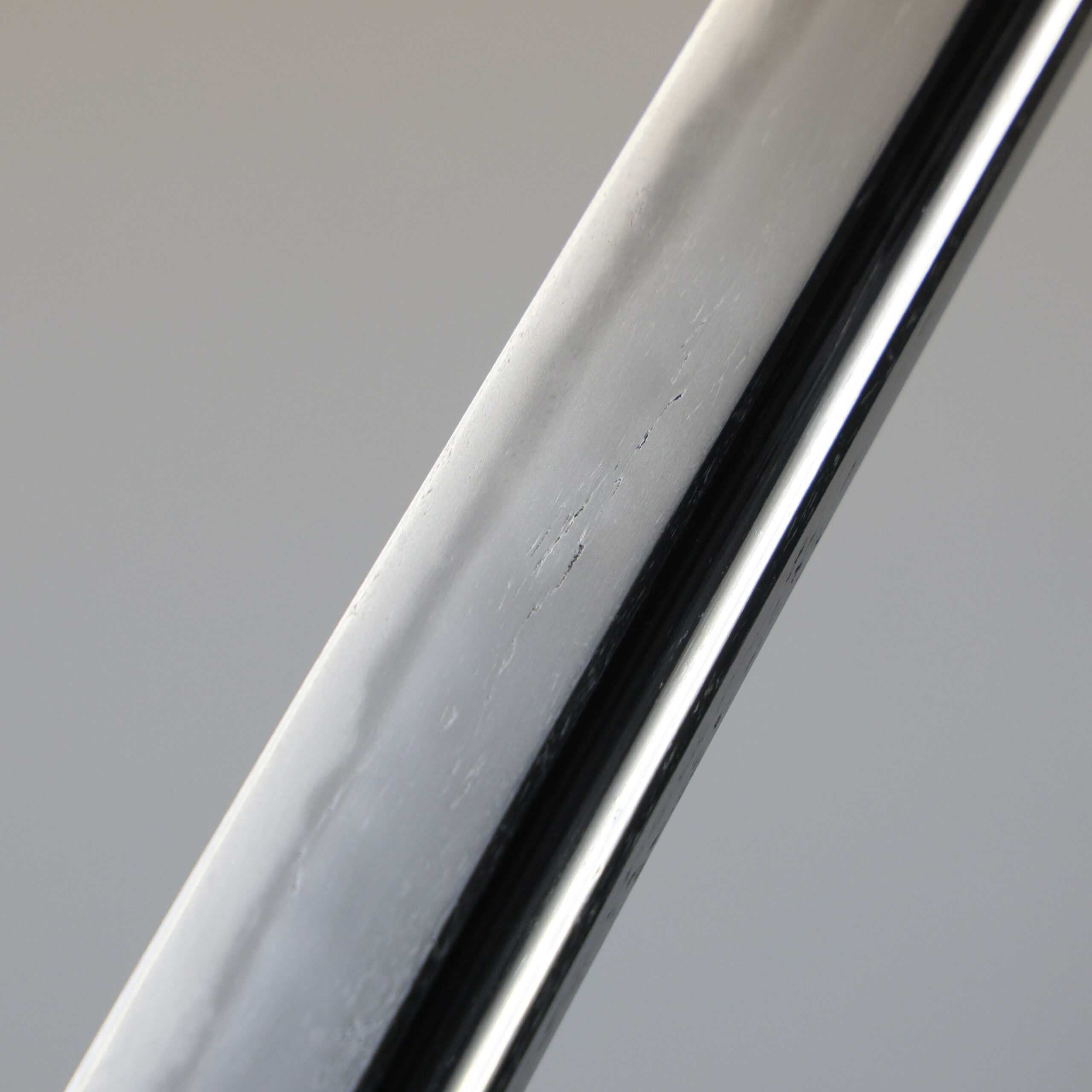
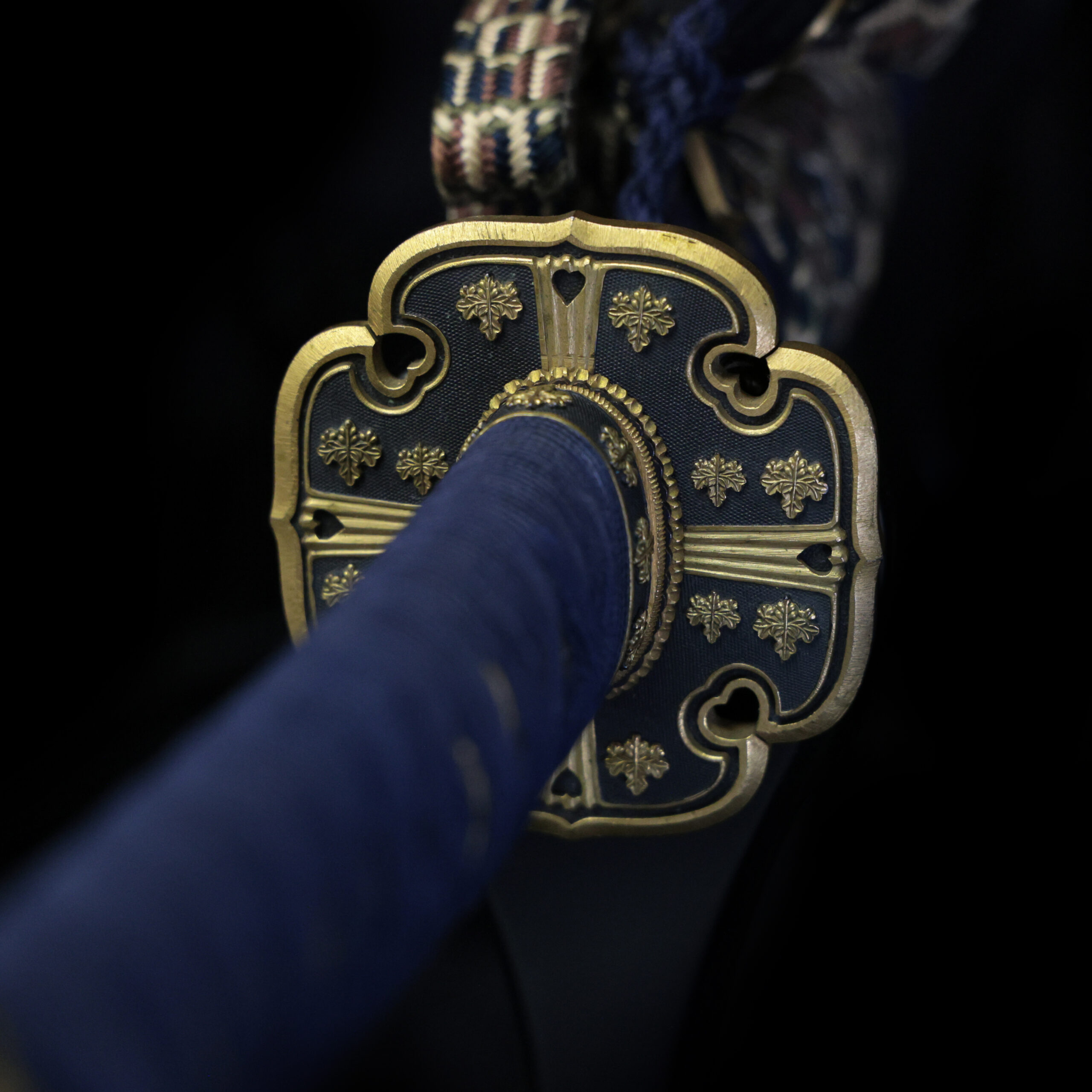
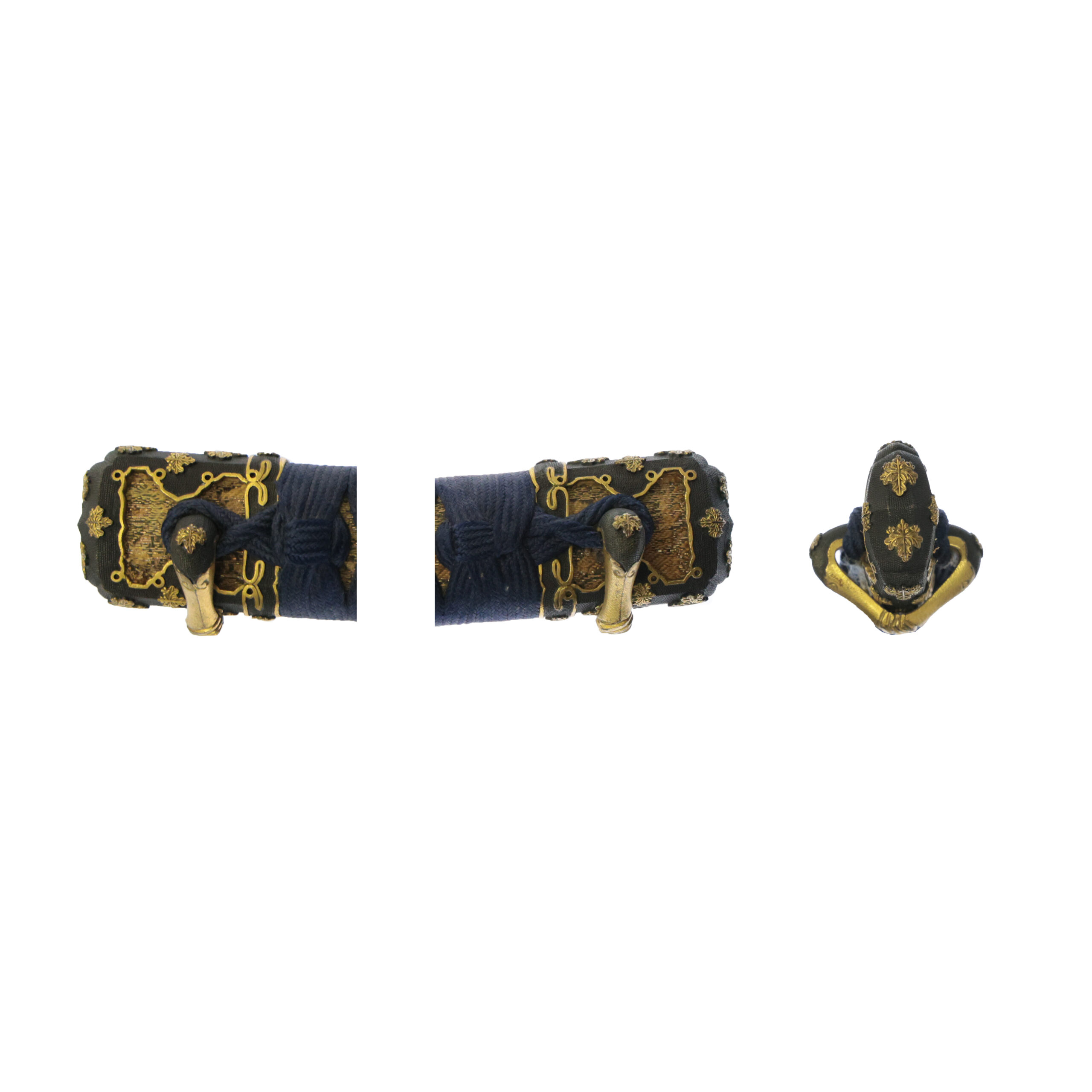
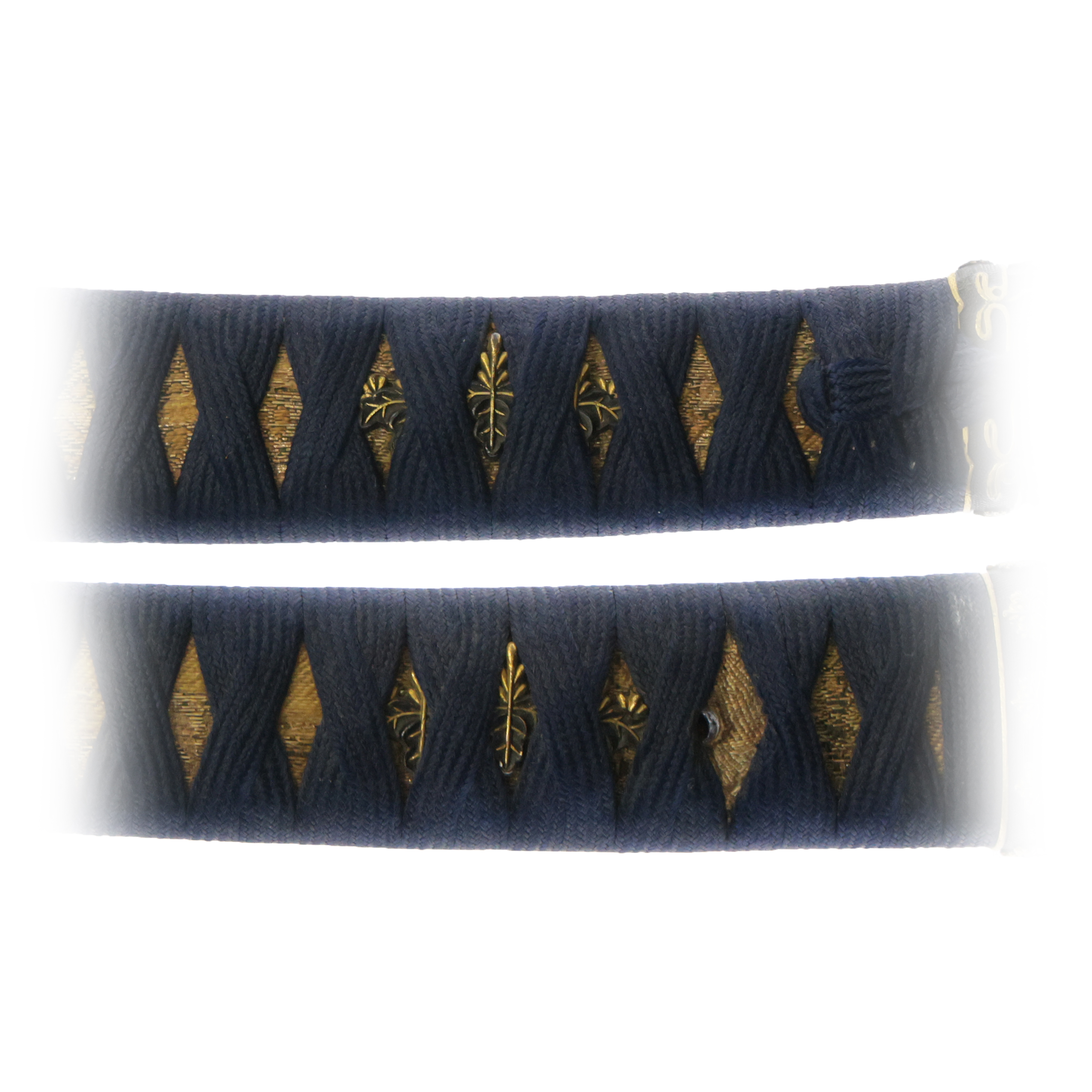
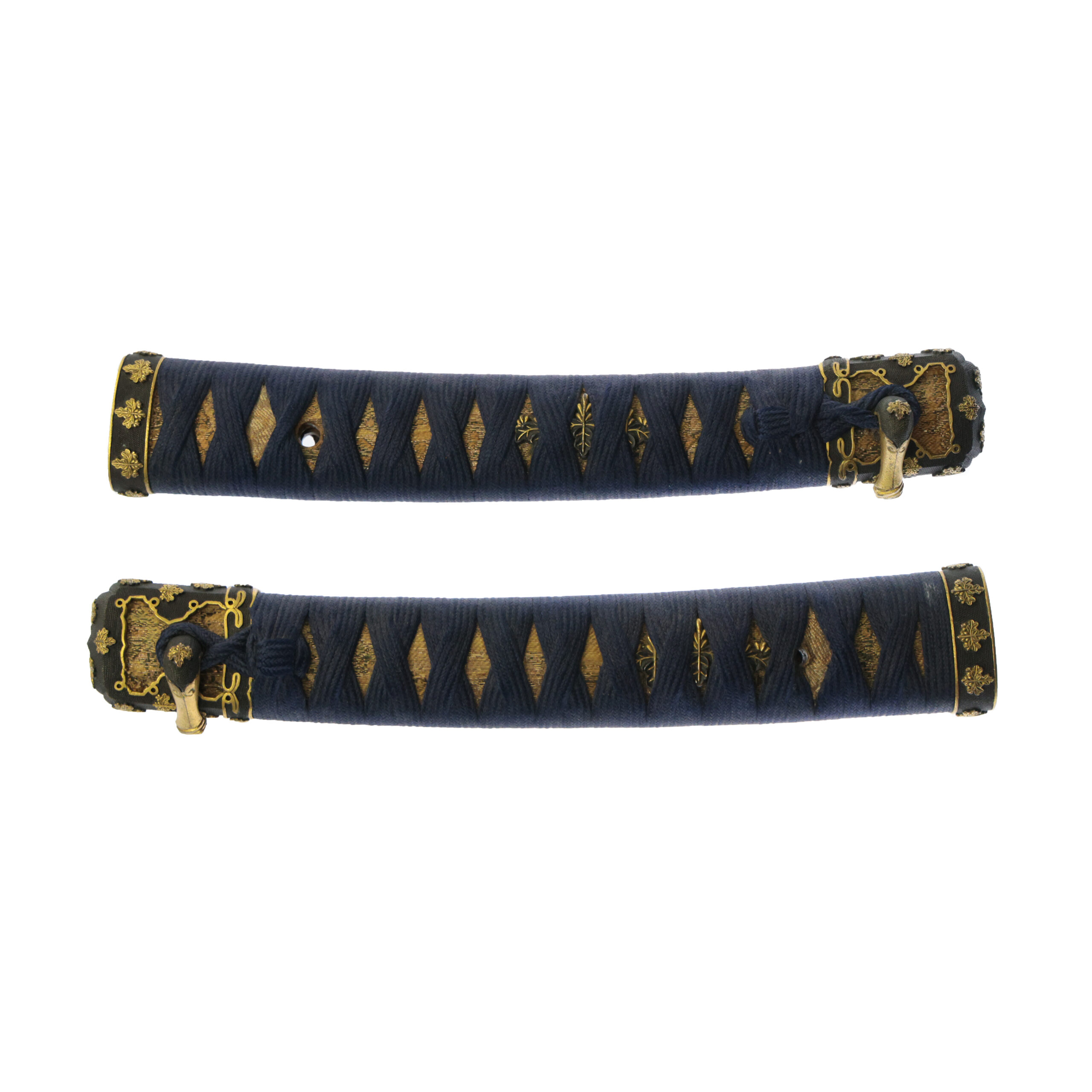
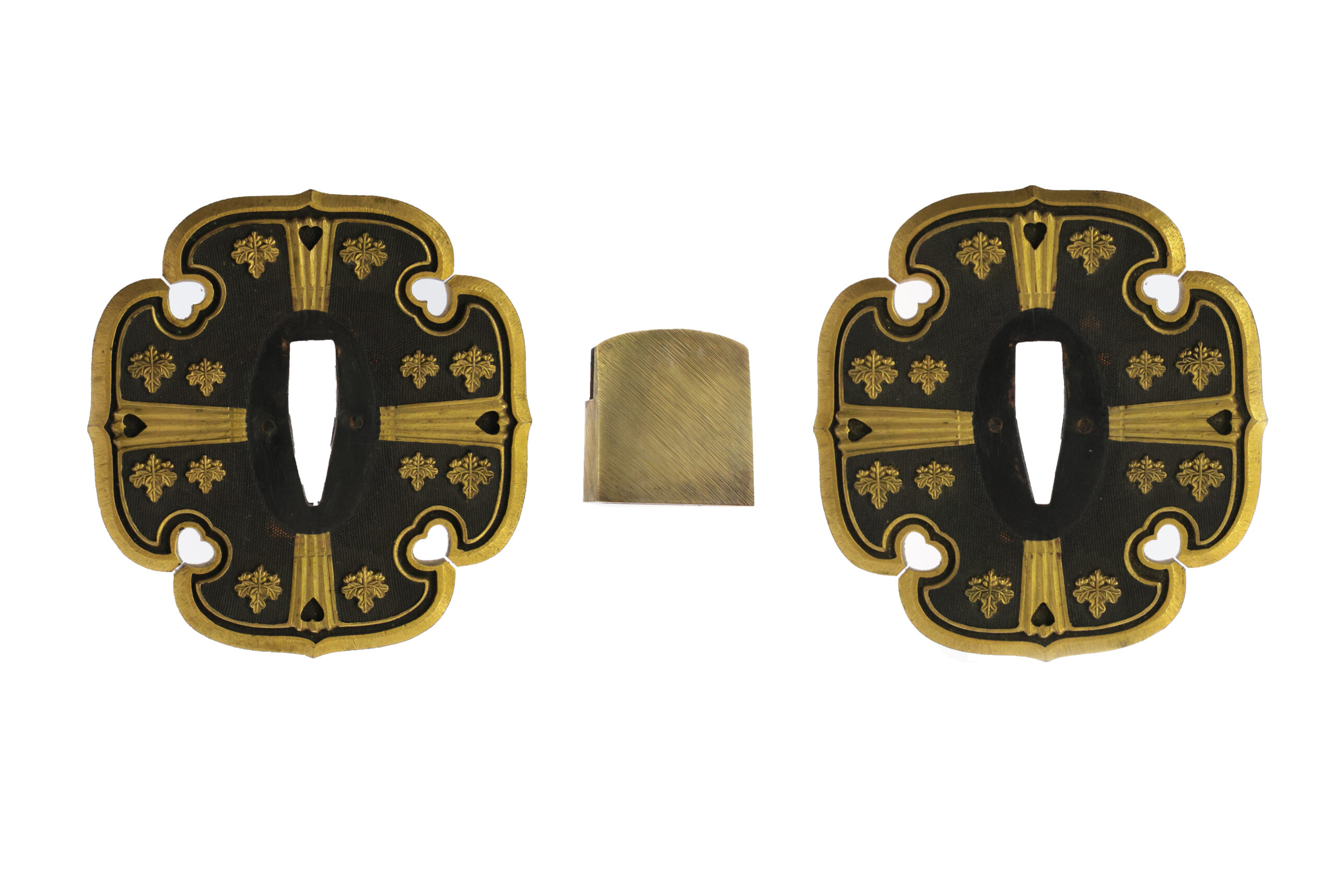
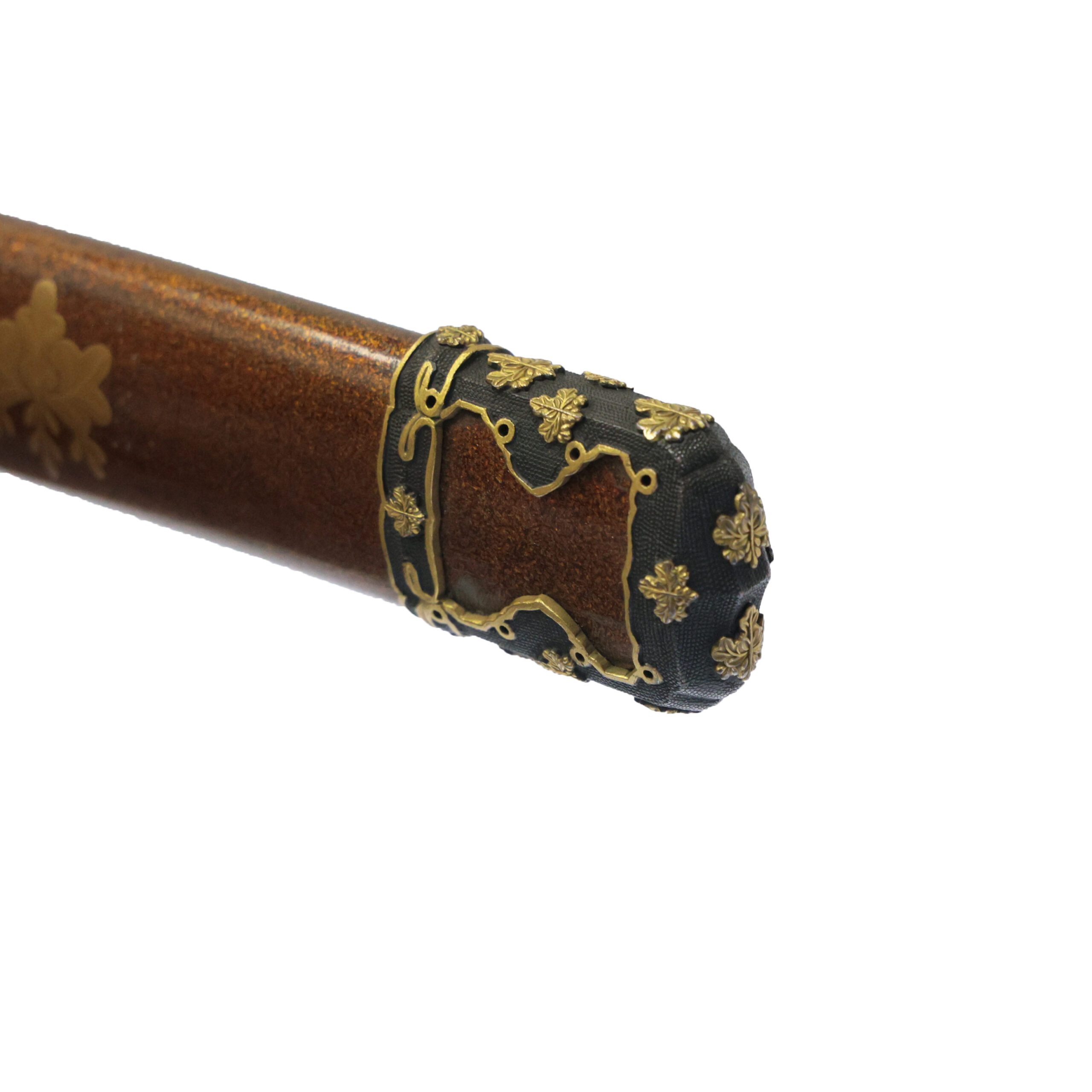
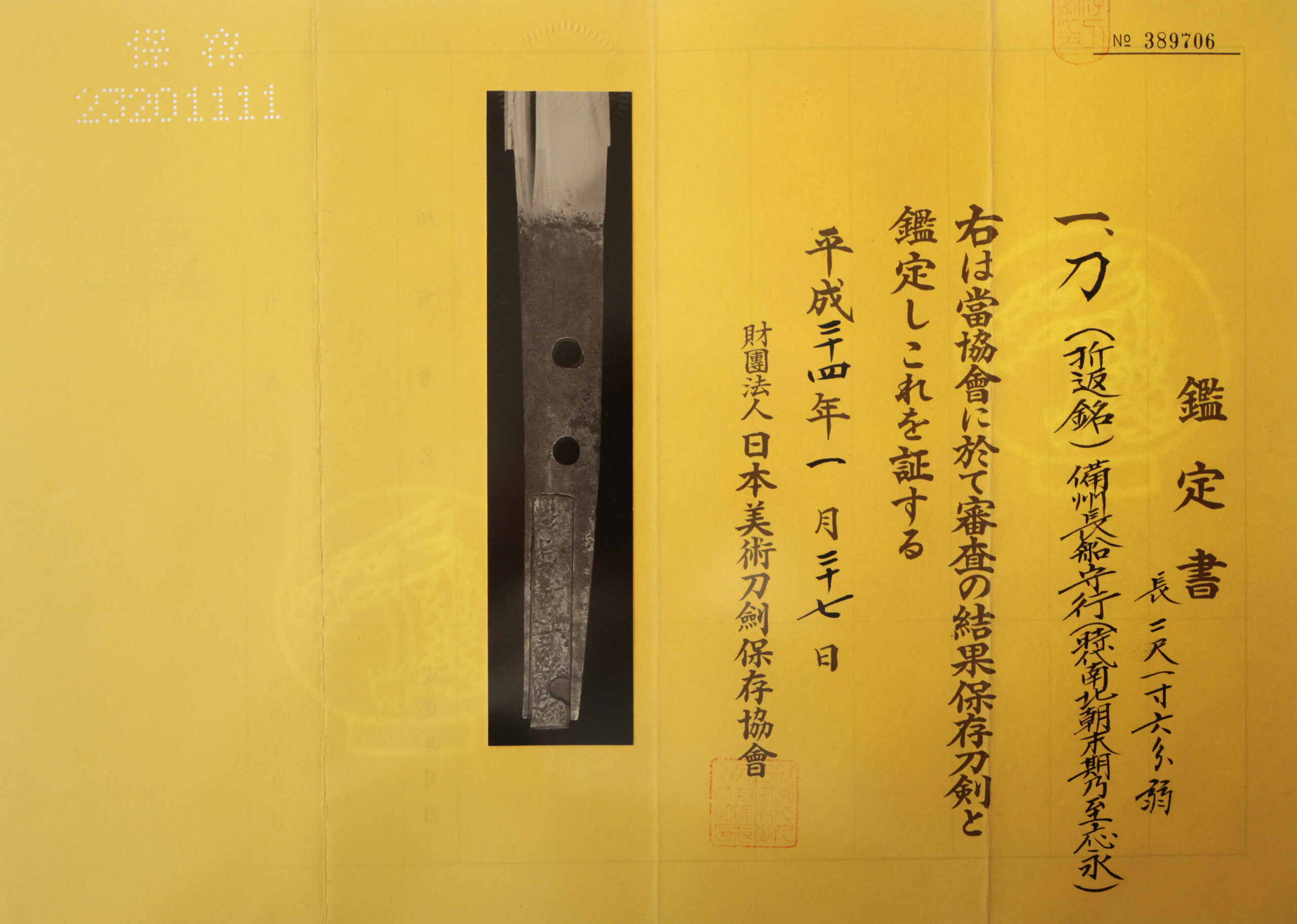
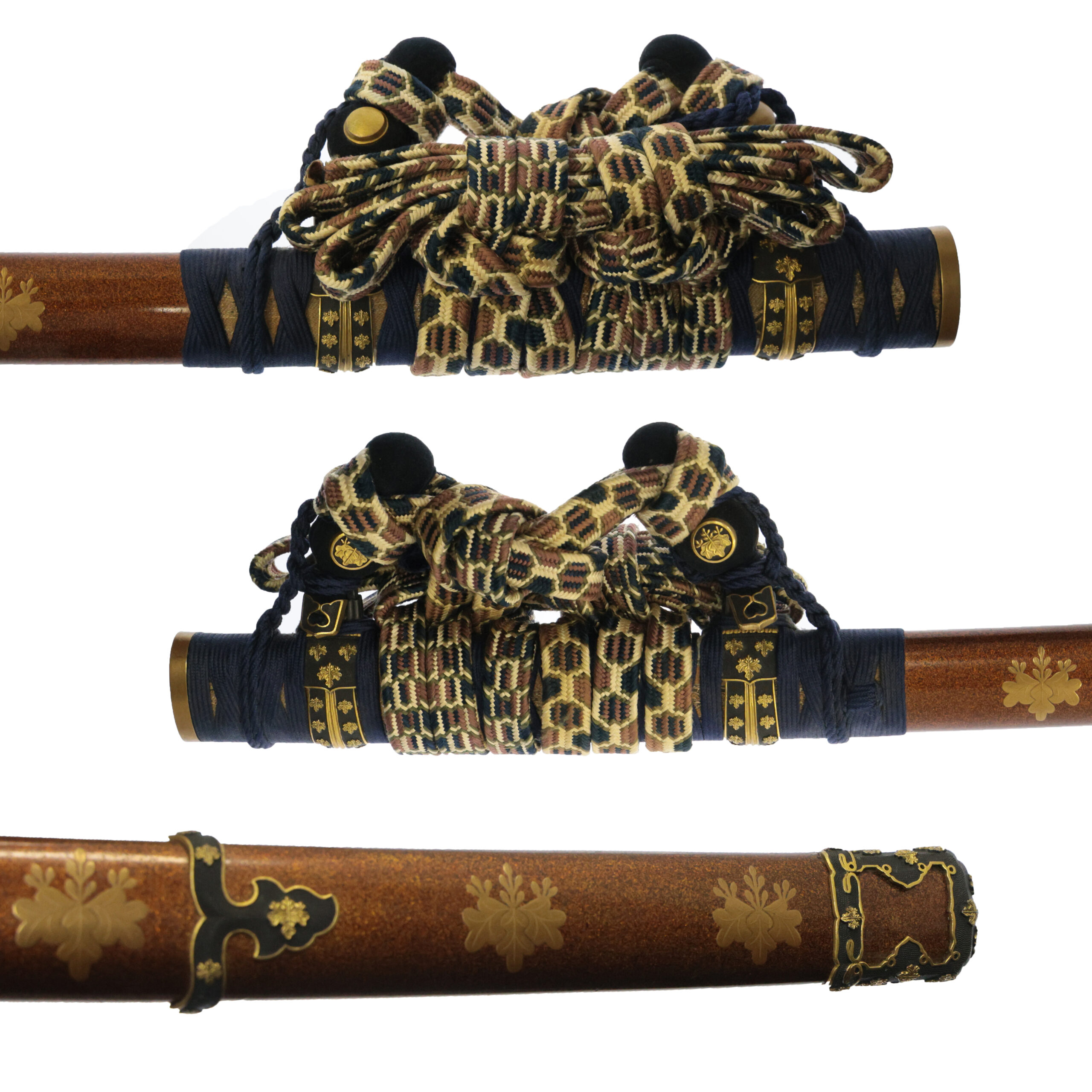
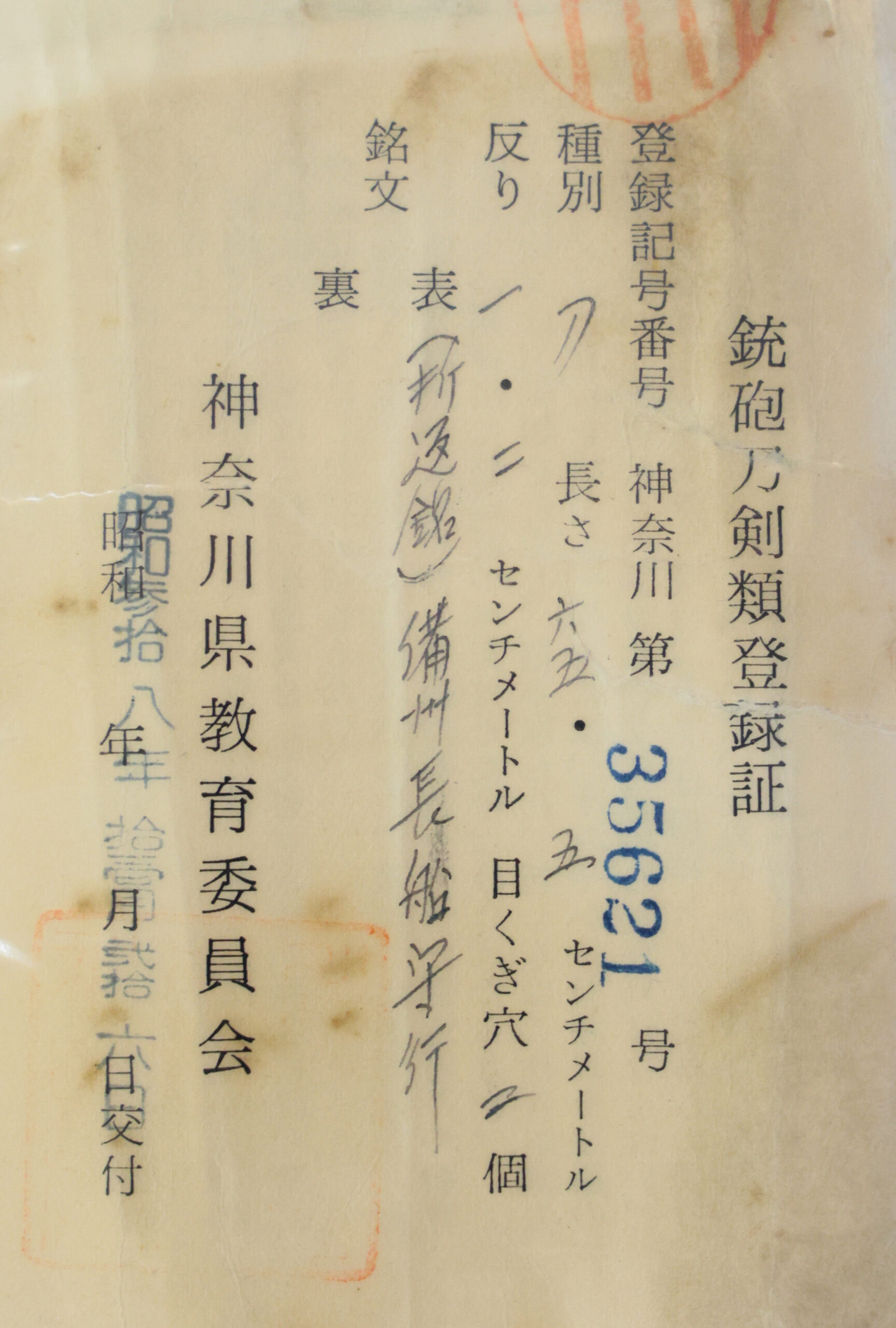
This blade was signed by Bishū Osafune Moriyuki (備州長船守行) , who was a swordsmith of the Kozori (小反) branch of the Osafune School in Bizen Province, active from the Meitoku era (1390) through the Ōei era (1394–1428) during the late Nanbokuchō and early Muromachi periods. The Kozori branch generally refers to Osafune swordsmiths outside the Kanemitsu lineage. According to the Nihontō Meikan, there were two generations of swordsmiths who signed Moriyuki. This blade also features an orikaeshi-mei (折返銘), a rare and historically significant preservation technique. Many swords from the Kamakura and Nanbokuchō periods were later shortened (suriage) to suit changing styles of warfare and, in some cases, regulations introduced during the early Edo period. As a result, swords retaining their original signatures are exceptionally rare today. When Kozori swordsmiths were active in the Nanbokucho period, Japan was tumultuous because the imperial court was split into two sides (south and north). There were many conflicts, and many Samurai were deployed. And Kozori school must have dedicated themselves to forging high-quality blades for those Samurai who fought in battles. This History of Bizen Osafune School It is said that Osafune school was founded by Mitsutada (光忠), who was active during the mid-Kamakura period. Bizen Osafune school was the biggest one of all other schools in Bizen province, and they received many orders from feudal lords or renowned Samurai. They were called Osafunemono and were beloved by Samurai warriors. Among the swordsmiths who belonged to this school, Nagamitsu, Sanenaga, and Kagemitsu are known as Osafune Sansaku, the three renowned Osafune swordsmiths. There are also four other prominent swordsmiths who were from Bizen Osafune school. They are called Osafune Shiten-no, the four masters of Osafune school. Their names are Nagamitsu, Kanemitsu, Nagayoshi, and Motoshige. BIZEN is located near the Chugoku Mountains, where iron sands, one of the essential materials for making Japanese swords, were abundant. Furthermore, BIZEN swordsmiths had close access to the Yoshi River, where they could find water and charcoal. This geological location contributed to the swordsmiths forging high-quality refined blades. We presume BIZEN was quite active in sword-forging from ancient times. It is said that BIZEN DEN was created by groups of swordsmiths there during the late Heian era (Late 12th century). These ancient swordsmiths in Bizen province are called Ko-Bizen (Old Bizen) swordsmiths. By inheriting the sword forging techniques from Ko-Bizen swordsmiths, the Bizen Osafune school flourished from the mid-Kamakura period. Tachi Koshirae This blade is stored in Tachi(太刀) Koshirae. Tachi was mainly used by an armored Samurai with one hand on horseback from the Heian period (794-1185 A.D.) until the early Muromachi period. TACHI was suspended loosely on the left waist with its edge facing the ground so that you could draw it faster to cut down soldiers on the ground. Because of its gorgeous looking, having a Tachi-style sword mounting became a social status among Samurai. It is appraised as a Hozon Token (保存刀剣) issued by NBTHK (Nihon Bijutsu Touken Hozon Kyokai:日本美術刀剣保存協会). *Please keep in mind that there are a few Kitae Kizu on the blade. Koshirae This type of Koshirae is called a Tachi-koshirae (太刀拵え), designed to be worn hanging at the waist. It is not intended for practical combat; instead, its purpose was to signify the authority and dignity of the Samurai who carried it, or the powerful figures they served. As a result, it is characterized by the luxurious decorations and colors. Fuchi-Kashira This Fuchi-Kashira features the Gosan no Kiri (五三の桐) motif. The Gosan-no-Kiri design, depicting paulownia leaves and flowers, has long been a popular and auspicious pattern in Japan. Historically, it was used by the imperial family and high-ranking authorities. Today, its use is permitted more broadly and it is widely appreciated as a family crest. Tsuka and Menuki The theme of this Menuki is the same as Fuchi-Kashira: Go-san no Kiri (五三の桐) crest. Tsuba and Habaki This Tsuba is made in a yotsu-mokkō-gata (四つ木瓜形) form, a classic outline derived from the rounded, lobed shape of a sliced gourd. At the four corners you can see inome (猪目, boar’s eye) cutouts, also described as inome-sukashi. Because of their curved point-and-lobe profile, they often look like small heart shapes at a glance, and they are not just decorative. Inome are widely used as an apotropaic motif, believed to help ward off evil and misfortune while also adding lightness and rhythm to the design. The plant-like motifs scattered across the surface are known as the Go-san no Kiri (五三の桐) crest. This design stylizes the leaves and blossoms of the paulownia tree and has long been associated with the Imperial court. It was later adopted by powerful military leaders, most notably Toyotomi Hideyoshi, and is widely recognized as a symbol of authority and prestige. The paulownia tree is also considered sacred, as it is said to be the tree upon which the mythical phoenix (鳳凰, hōō) alights. As such, the motif carries auspicious connotations of nobility and good fortune. In this piece, the scattered arrangement of these crests enhances both the decorative richness and the dignified character of the tsuba. Saya The Taiko Kanagu (太鼓金具) on this Saya is decorated with the Mitsuuroko family crest. The name Mitsuuroko comes from the way three connected triangles resembles the scales (uroko) of a snake, and ‘mitsu’ means three, so it came to be called Mitsuuroko (three scales). The motif has been used in Japan since ancient times and can even be seen in wall paintings from the Kofun period (古墳時代). It is well known for its protective, talismanic power against evil, and one of the most famous Samurai families to use this crest was the Hojo clan (北条氏). In addition, this Saya is finished woth Nashiji laquer (梨地塗り), a technique that creates a subtle, pear-skin texture with a softly shimmering surface, and decorated with Gosan no Kiri family crest (五三桐). Gosan-no-Kiri Monyou (五三の桐文様) is a popular design that the paulownia motif is used. This pattern was once used by the imperial family and people in authority at that time. Today, it is permitted to use by ordinary households and is appreciated as their family crests. According to a tradition, Houou (鳳凰, Fenghuang, a kind of sacred beast) rests its wings at the paulownia tree; therefore, it has come to be regarded as a holy plant. Authentication Paper They authenticated the blade on January 27th in the 24th year of Heisei (2012). They appraised it as Hozon Touken, the blade worth preserving for Japanese society.

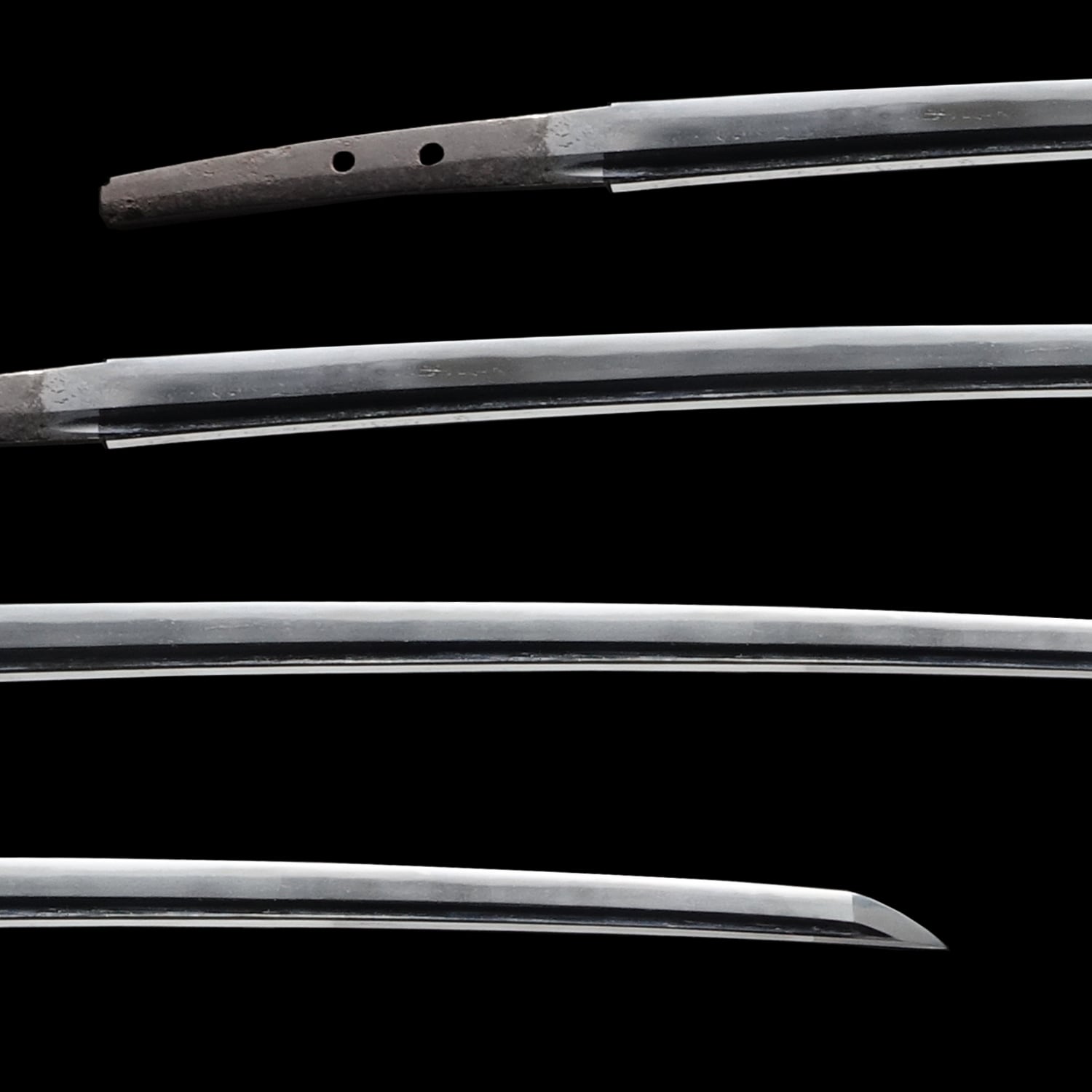
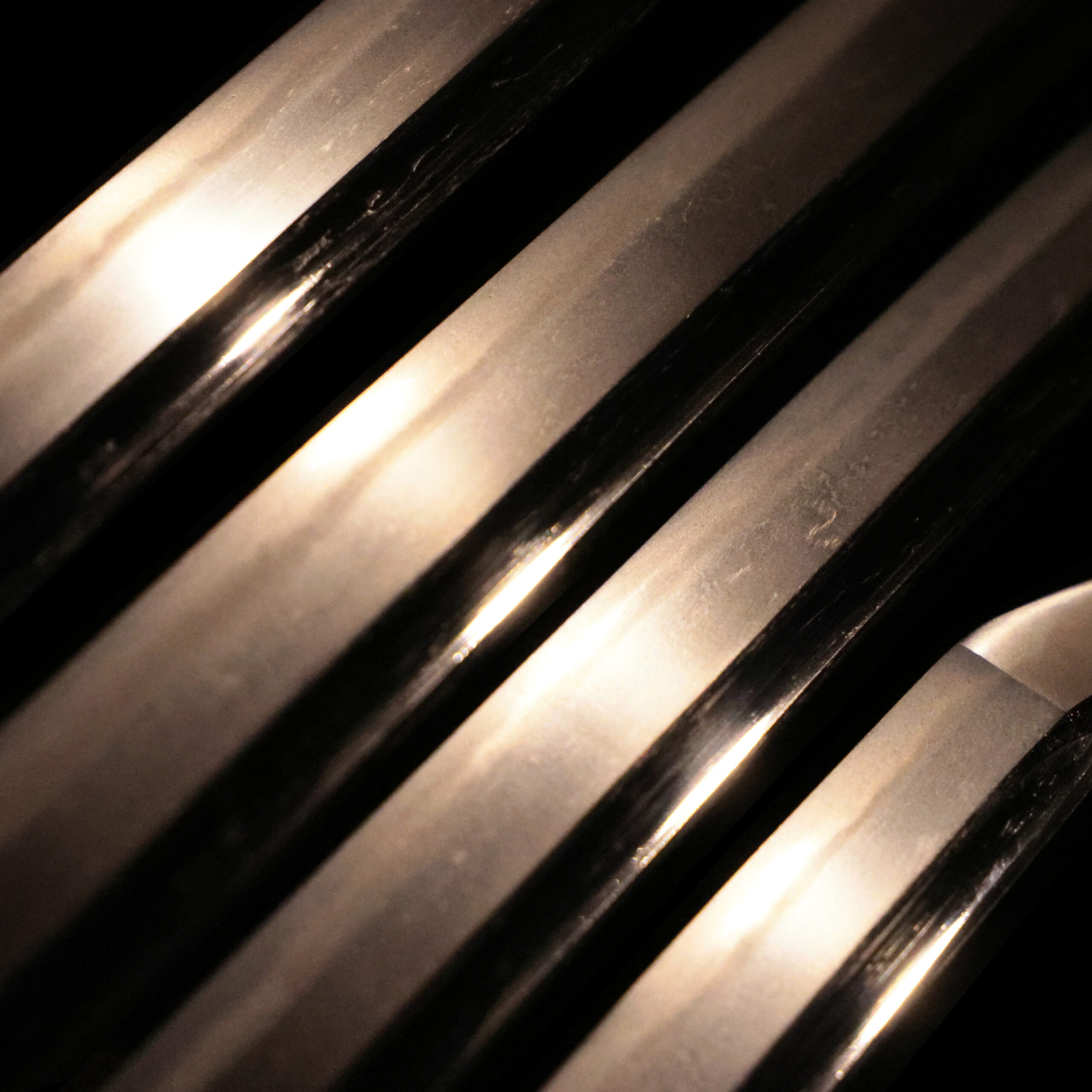
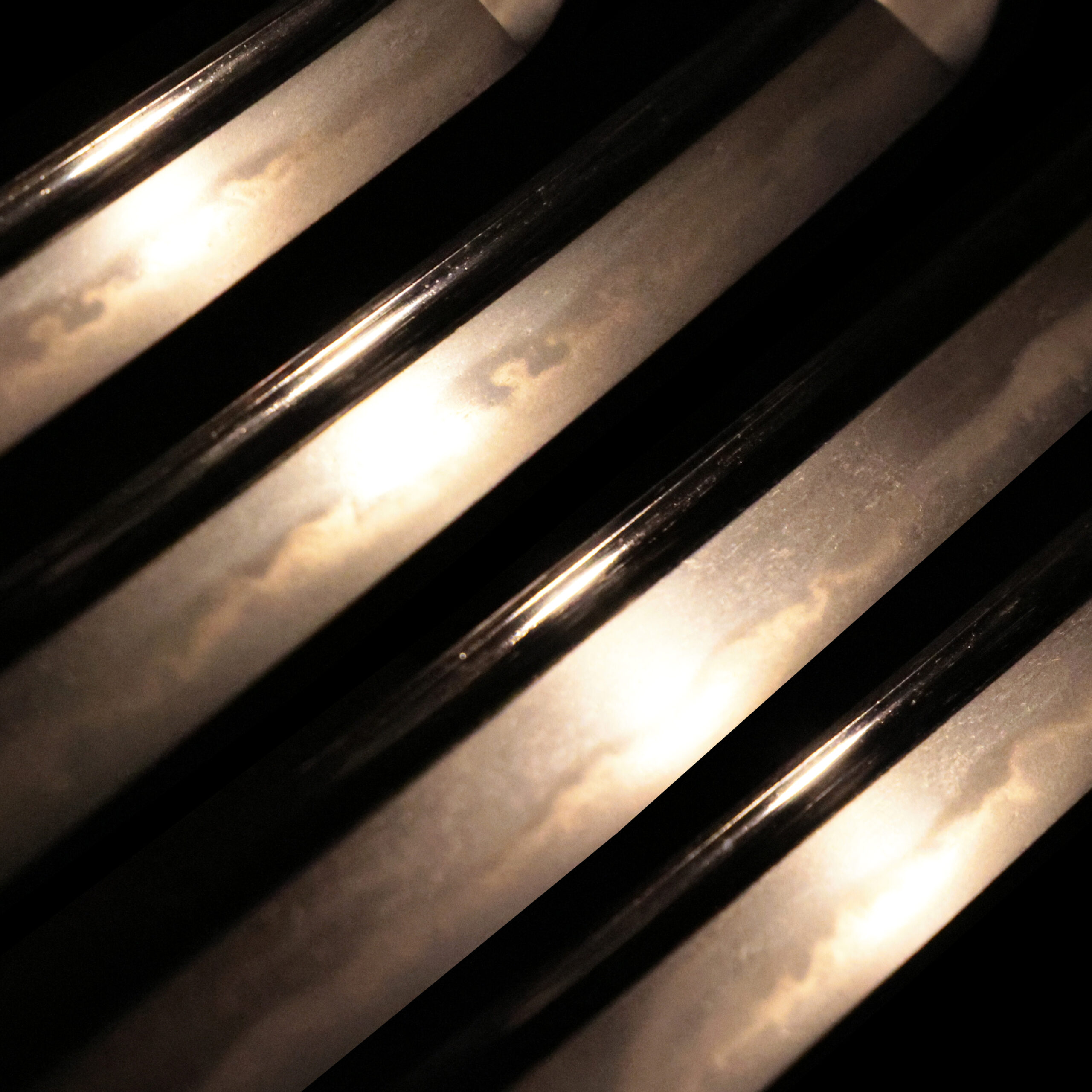
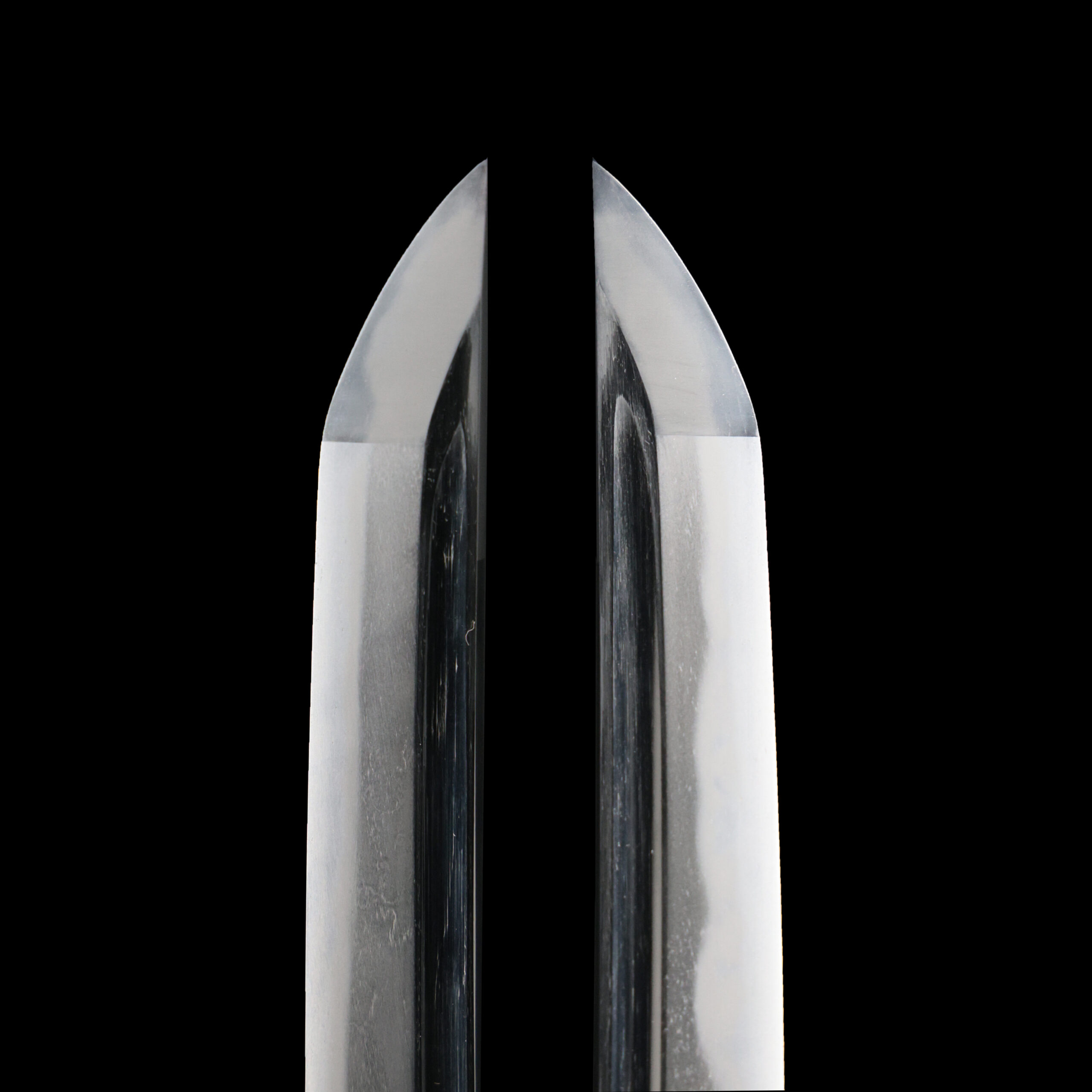
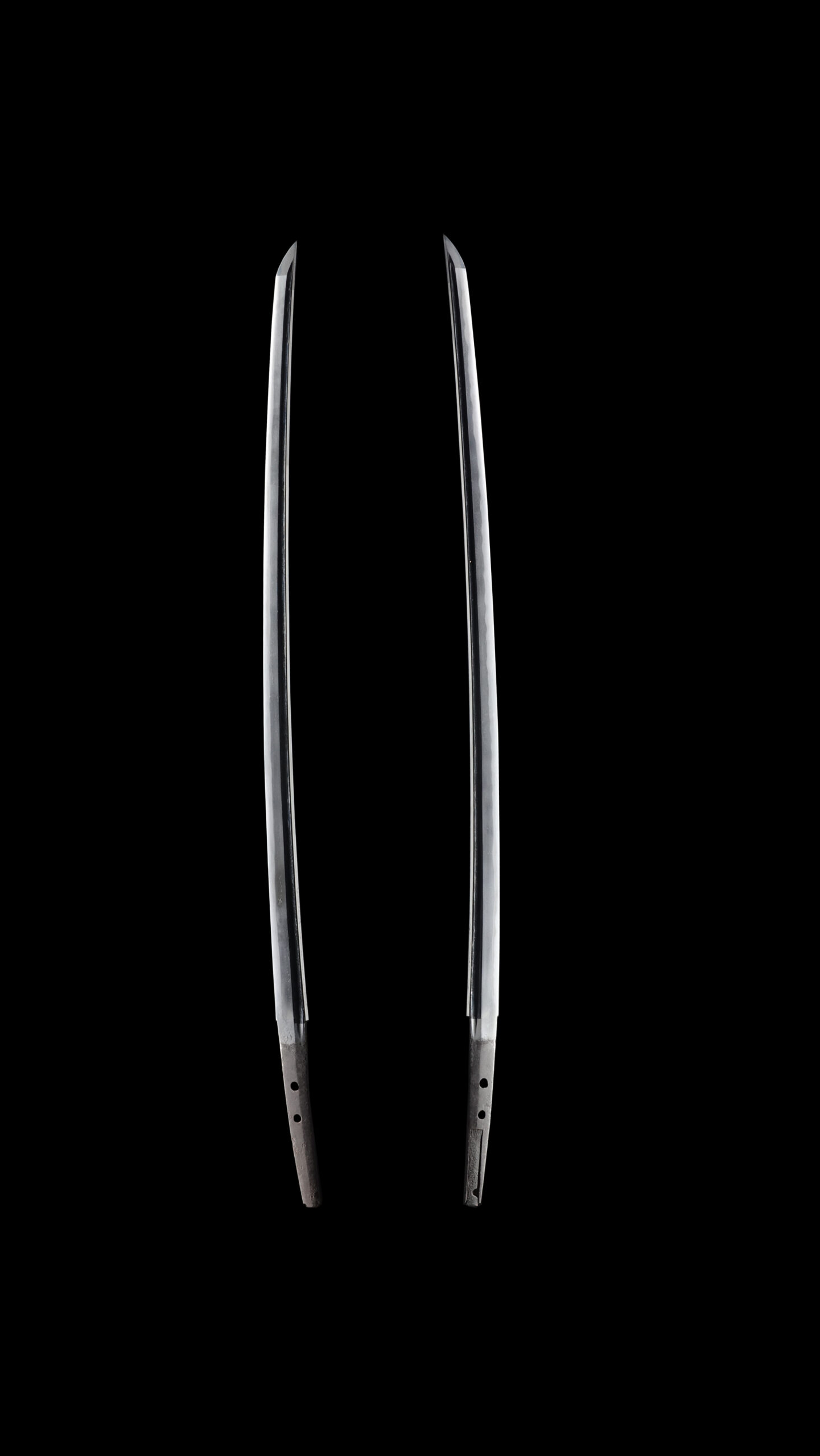
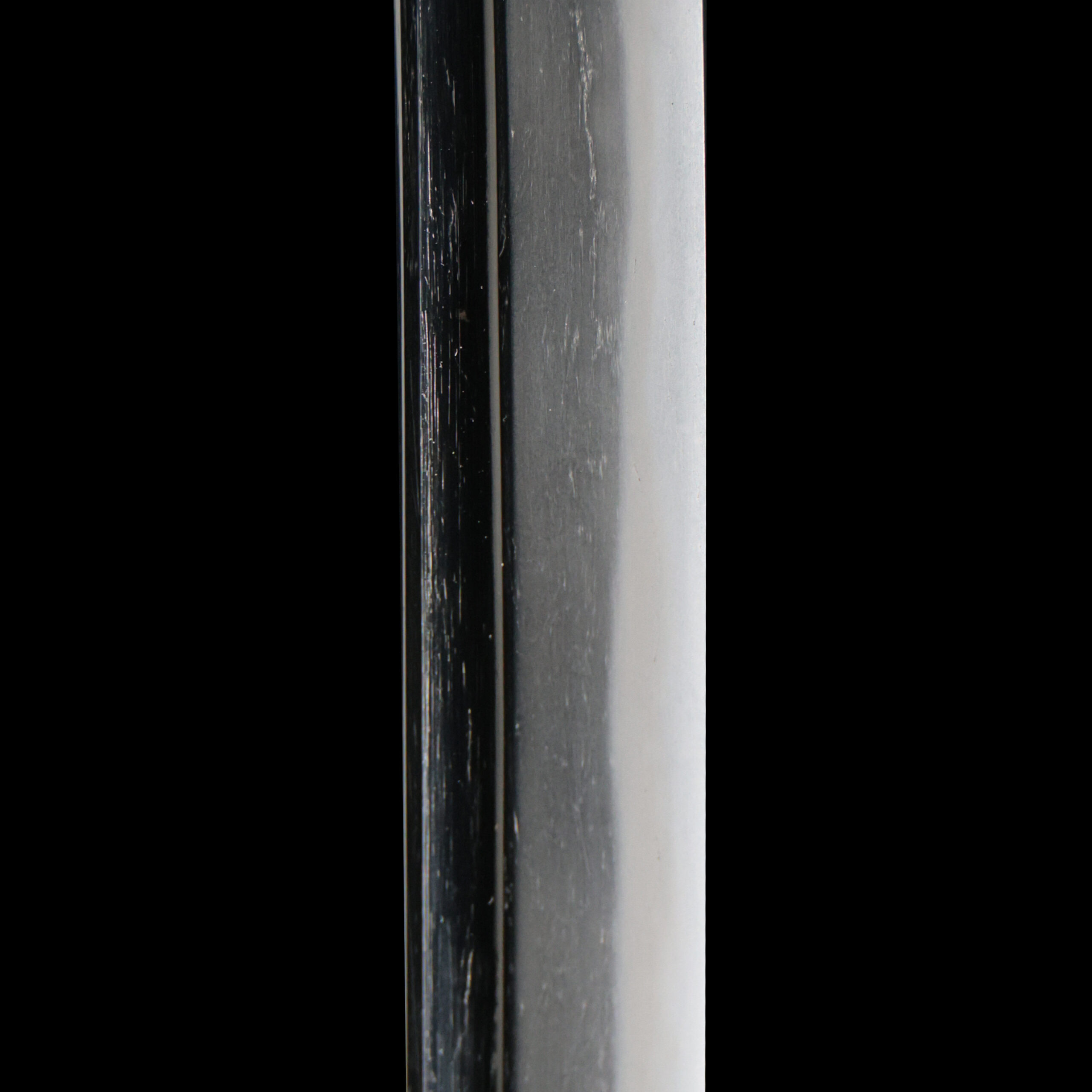
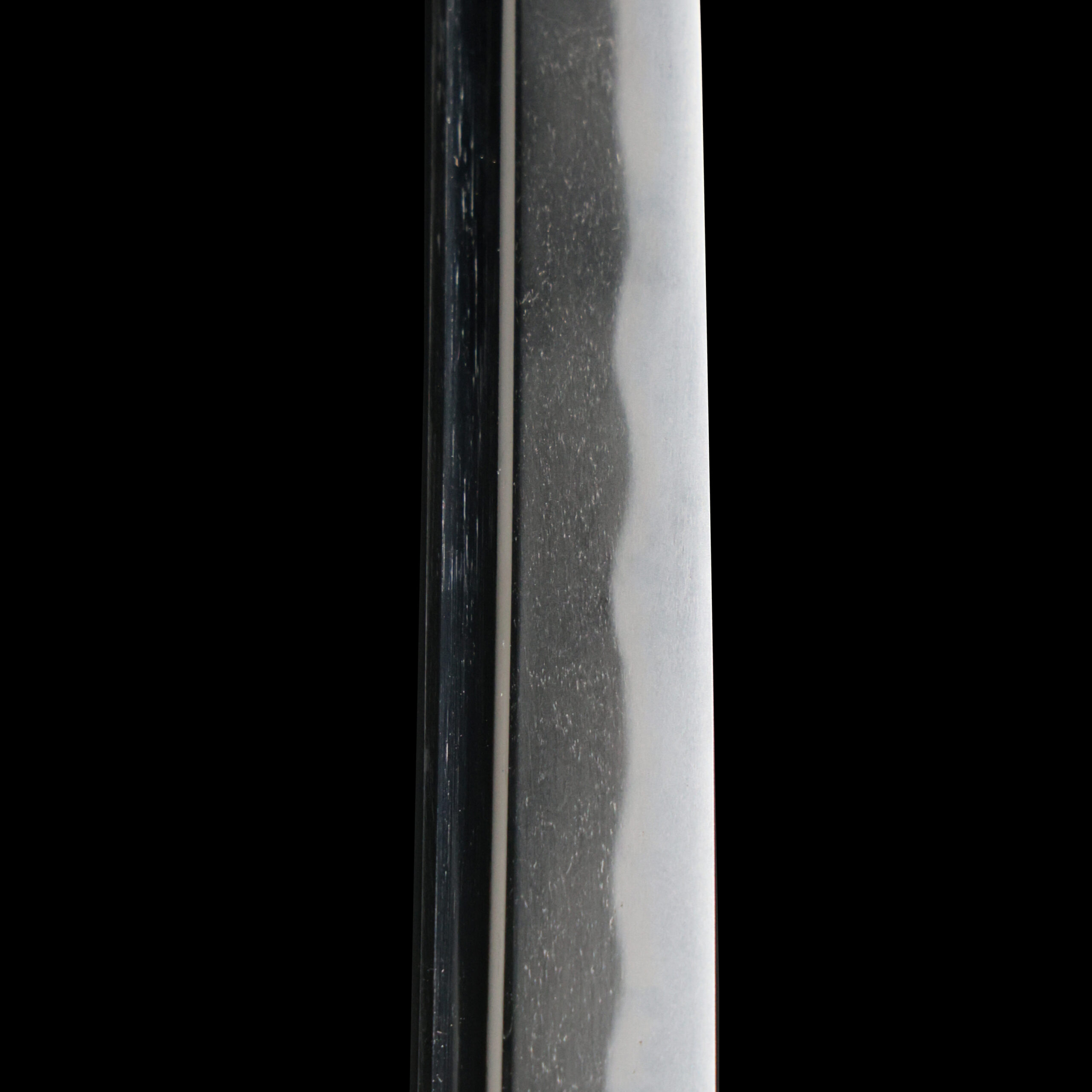
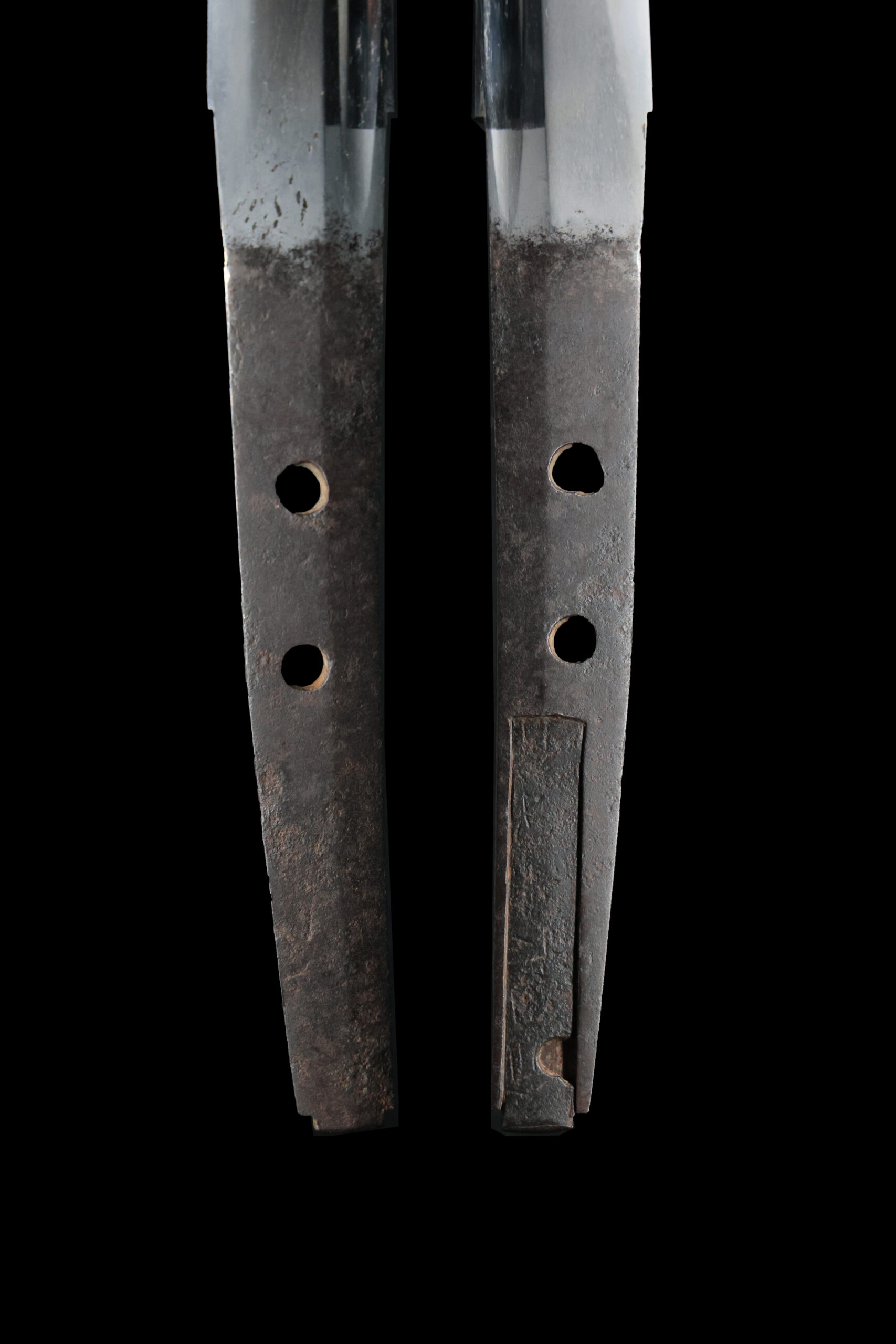
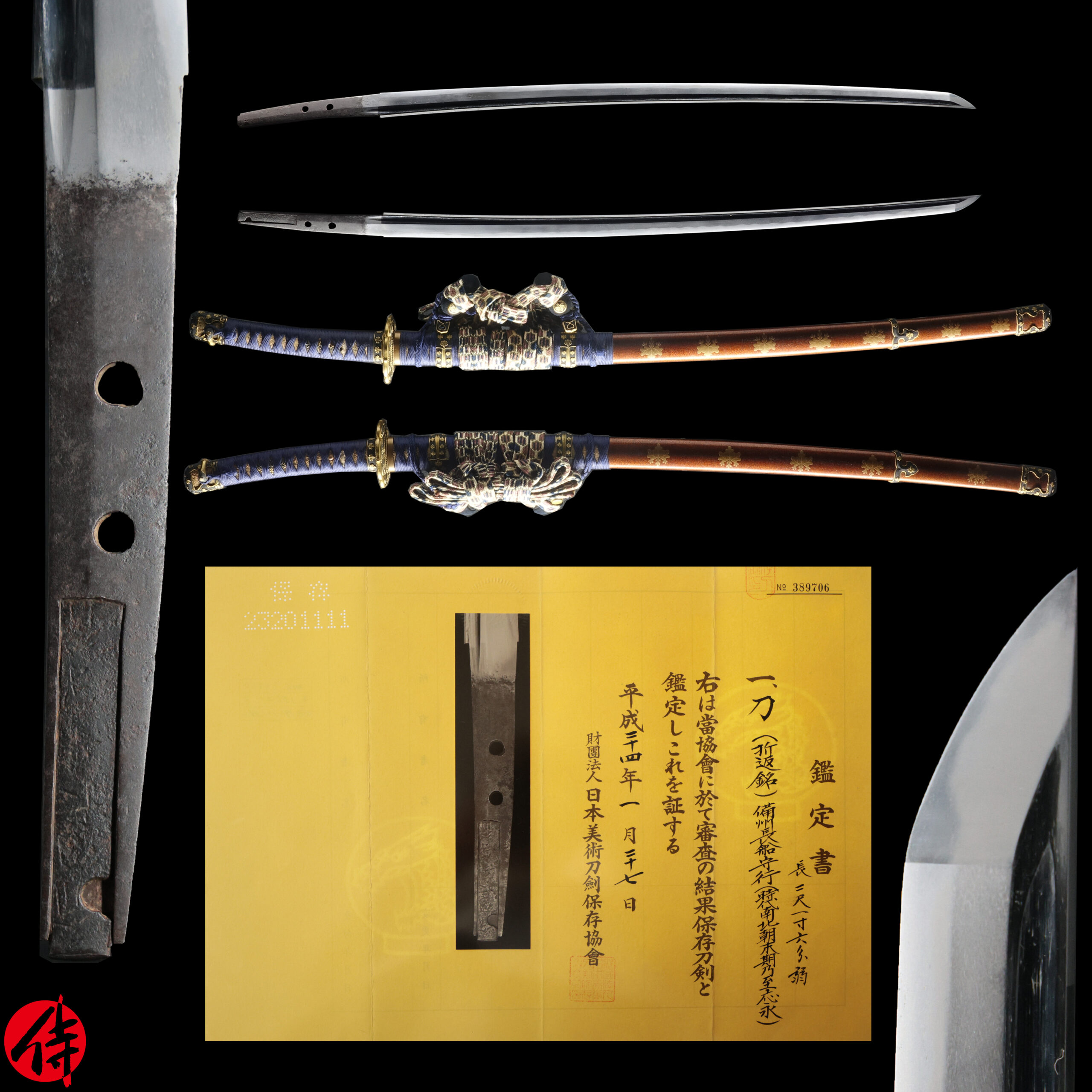
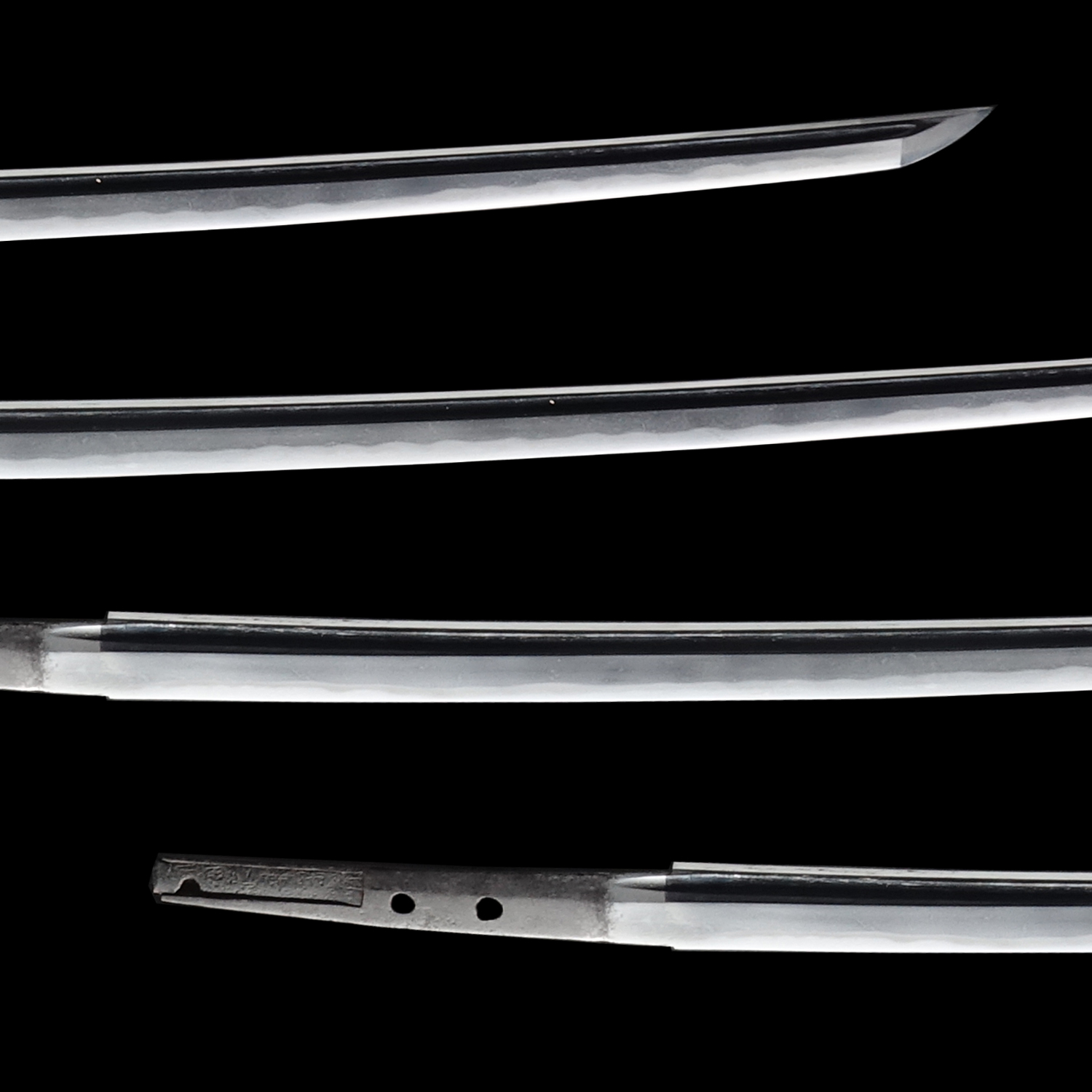
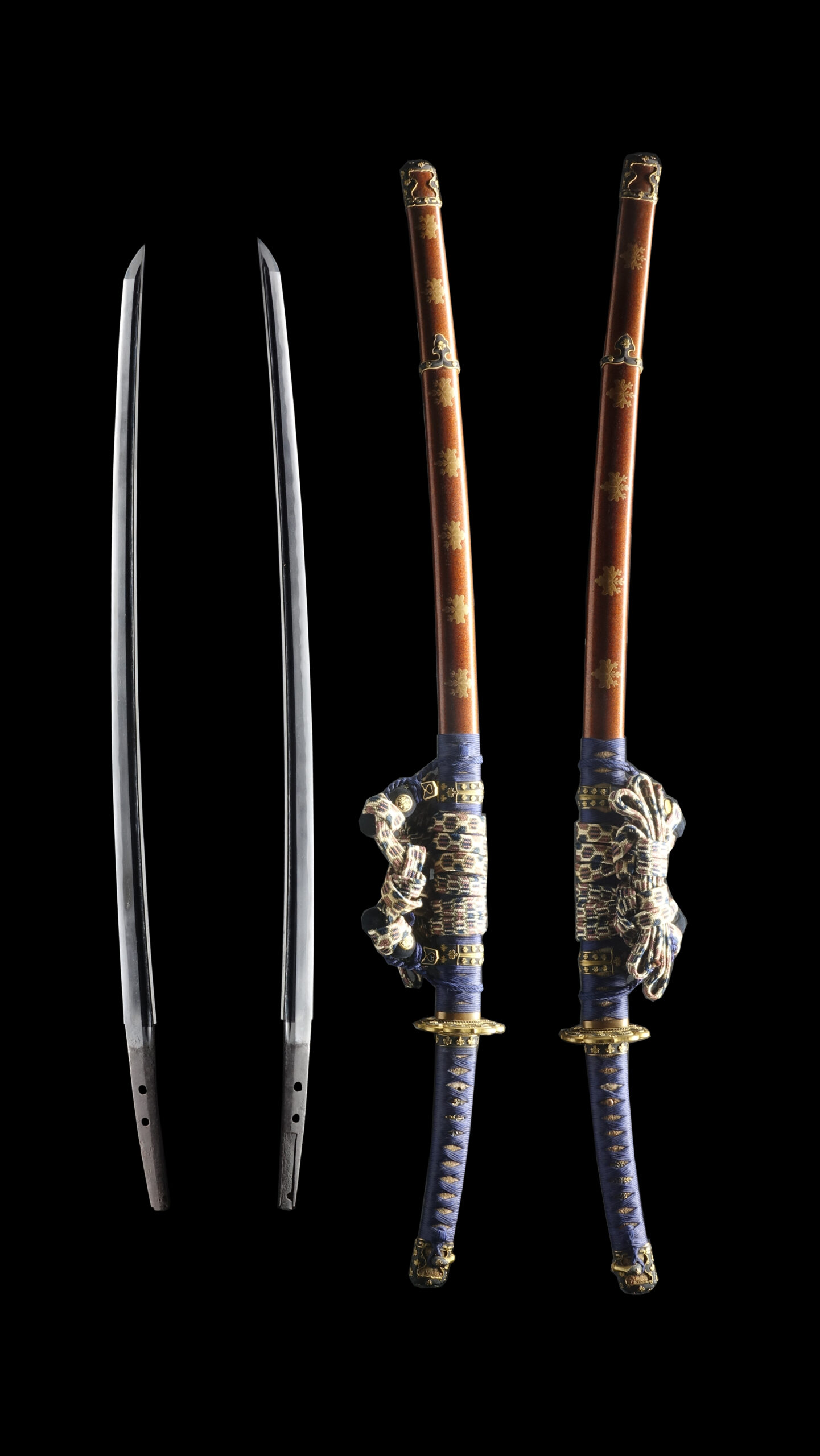
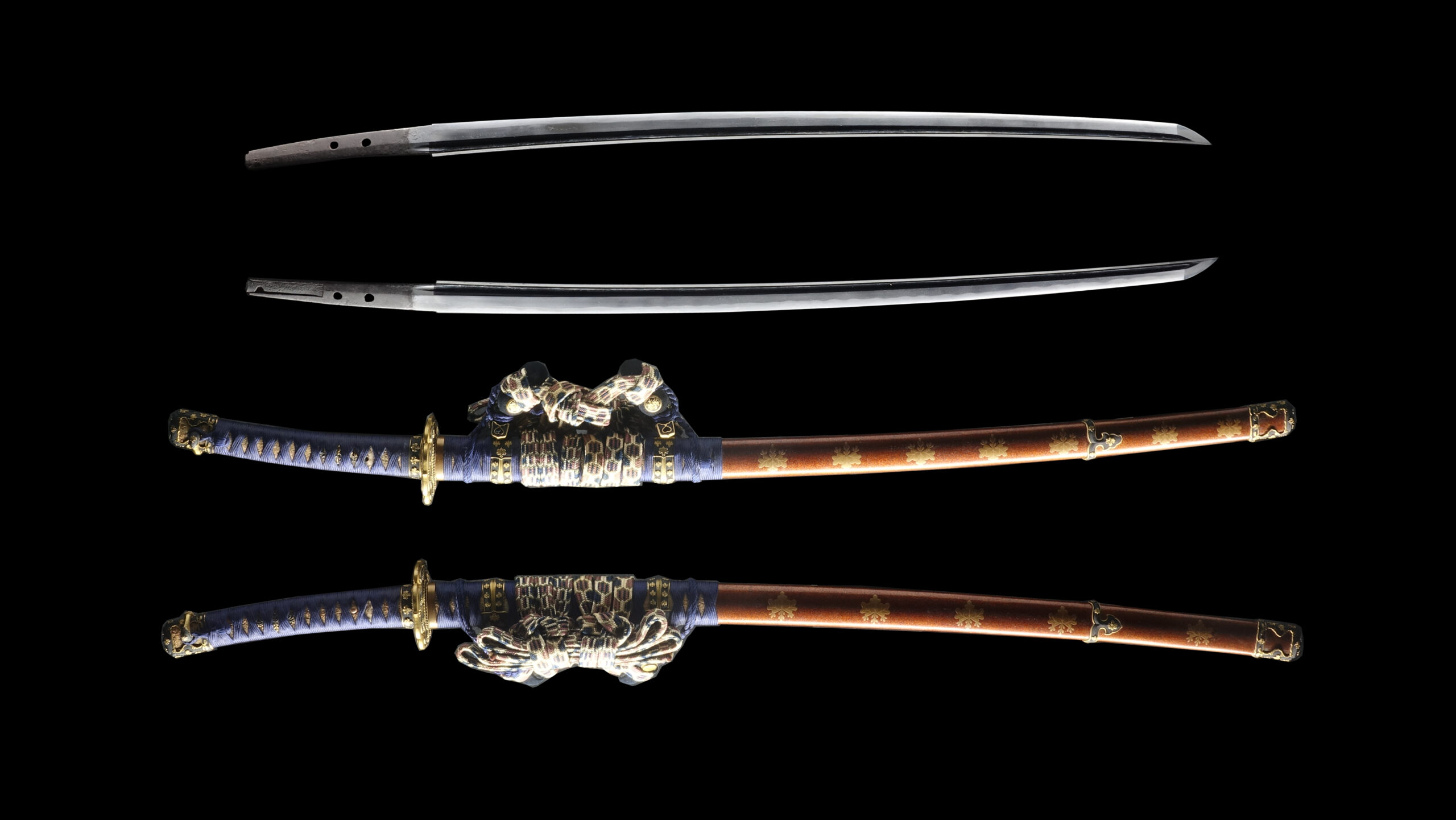
販売店の記載のまま
備前伝 · 備前 · 1390-1394頃
刀剣大鑑 上位37%
現在2点販売中
備前伝 · 備前
現在20点販売中
小反は、南北朝時代末期から室町時代初期にかけて備前長船の地に働いた一群の刀工を、血脈ではなく除外によって括った呼称である。すなわち兼光一門、長義、元重、大宮一門といった当時の長船の主立った系統のいずれにも直接の師弟関係を結ばぬ周縁の手を、まとめて一名のもとに集めたものであり、その名の意味するところは今日なお漠然としていると本会は率直に記す。秀光、家助、成家、家守、師光、守助らがこれに数えられ、銘鑑はおのおのを数代に立てて初代を鎌倉後期から建武・暦応の頃に置くが、確たる初代作を経眼せず、現存の有銘作はおおむね文和・貞治から永徳・明徳を経て応永一桁代に及ぶ。それゆえ各遺例は一手に確定的に帰すよりも、作風と年紀によって読まれるのを常とする。師光が倫光の子にして応永備前の盛光の父と伝えられ、家助が畠田派を承けて応永備前の一角をなすように、この一群は長船嫡流の華やかな本流とその次代の応永備前との間に、静かな周縁の地帯をなして横たわる。 この一派を貫く手は小模様の乱れである。兼光一門が太く円い互の目を焼くのに対し、小反の工はおおむね同じ趣を小さくこずんだ刃に収め、小のたれを本位として小互の目を連れごころに焼き、これに尖り刃、角ばる刃、腰の開いた互の目を交え、処々逆ごころを見せて、総じて小さくこずむ。足・葉よく入り、匂を主調にわずかに小沸つき、金筋・砂流しが細かに働き、丁子を交えてもなお控えめにとどまる。地鉄は板目に杢を交えて流れごころとなり、肌やや立って地沸細かにつき、地景が黒く沈み、時に地斑を交え、その上に淡い、あるいは鮮明な乱れ映りが立つ。短刀・平造の作では棒映り、直ぐ状の映りとなるものも見え、いずれにせよこの映りが、同時代の相州風の手から一派を分かち、備前の地に繋ぎ止める最も確かな標となる。帽子は刃文に従って乱れ込み尖りごころに掃きかけ、あるいは小丸に結ぶ。棒樋を掻き、梵字、護摩箸、倶利迦羅などを彫る作もある。一派の常を越えて、師光の至徳の太刀のように腰の開いた互の目に高低を見せて華やかに乱れ、応永備前を予兆させる作もあり、家守の応永の太刀のごとく重ね厚く先反りを加えて次代の姿に近づくものもある。 収集の観点から小反の物が求められるのは、何よりそれが資料として明瞭であるからである。鑑定の勘所は二つの敷居を分かつことにある。一つは兼光本流との別で、模様の小さくこずむ点と、やや控えめな作位とによってこれを読み、いま一つは応永備前との別で、腰の開いた互の目と棒映りのうちに次代の萌芽を見ながら、なお南北朝の古調の姿と抑えた焼きにとどまる点をもって分かつ。主要な工の格はおのずから別れ、師光は上々作に位し、秀光、家助、成家、守助、家守らは中上作の位を占める。在銘の作はおおむね生ぶで年紀を備えた太刀として遺り、成家のように大磨上無銘の刀によって主に知られる工もあるが、いずれの場合も、年紀の確かな南北朝の備前として頗る貴重とされる。伝来は概して薄いが確かで、黒田家、加賀前田家、庄内酒井家、皇室の手を経た作や、林原美術館、東京国立博物館、京都国立博物館、春日大社に伝わる作が知られ、その多くは伝持されて市場に現れることは稀である。在銘有年紀の小反物が世に出るのは折に触れてに過ぎず、根気を要するが、現れればそれは、長船派が南北朝の世をいかに閉じ、応永の再興へといかに身を運んだかを、一年一年読みうる確かな文書となる。 詳しく見る →
室町時代の備前
室町の長船は輸出産業であった。明との勘合貿易はおよそ十二万八千振の日本刀を海の彼方へ運び、国内では戦国の軍勢が買い手となった。注文主の俗名を銘に刻む注文打ちが、兵卒用の数打ち物と並んで鍛えられている。
銘が正しい、または無銘でも年代・国・系統を確実に指摘できる、保存に値する真正の作と鑑定されたものです。
日本美術刀剣保存協会(NBTHK)は、1948年に設立され、文化庁の監督を受ける公益財団法人で、東京・刀剣博物館に本部を置きます。専門の審査員が出品作を直接審査し、美術的・歴史的価値に応じた鑑定書を発行します。NBTHKの鑑定書は、日本刀および刀装具の真正性を示す最も広く認知された基準です。
NBTHK公式サイトReturns/exchanges limited to defects caused by shipping (except willful misconduct or gross negligence by the company); customers must contact within 72 hours of receiving the product.