1853年のペリー来航は徳川の泰平をほどき、二世紀ぶりに実用刀の大量需要を生んだ。四谷正宗と呼ばれた清麿はその前夜に世を去り、宗次や行秀が最後の好況を担った。
 NihontoWatchNihontoWatch
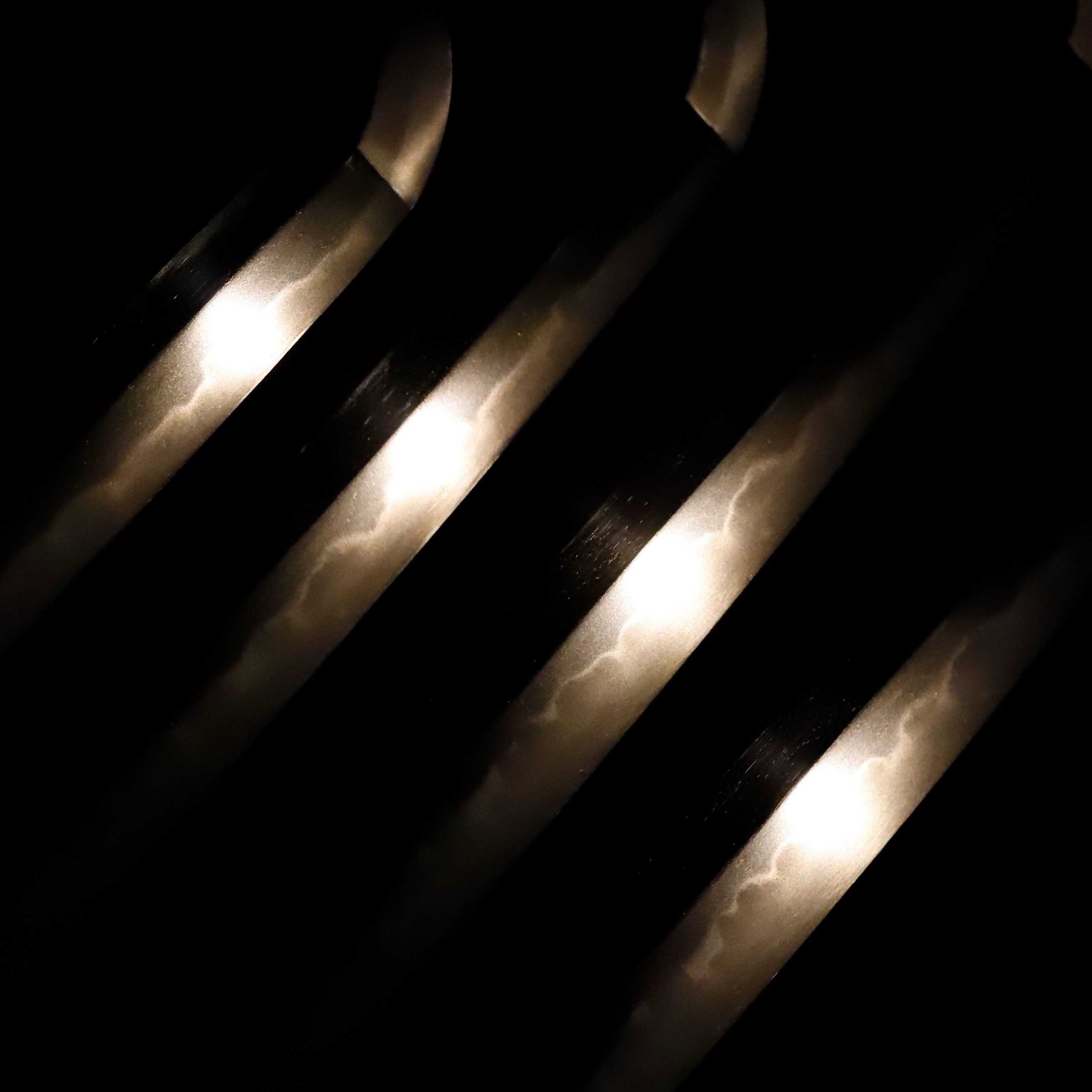
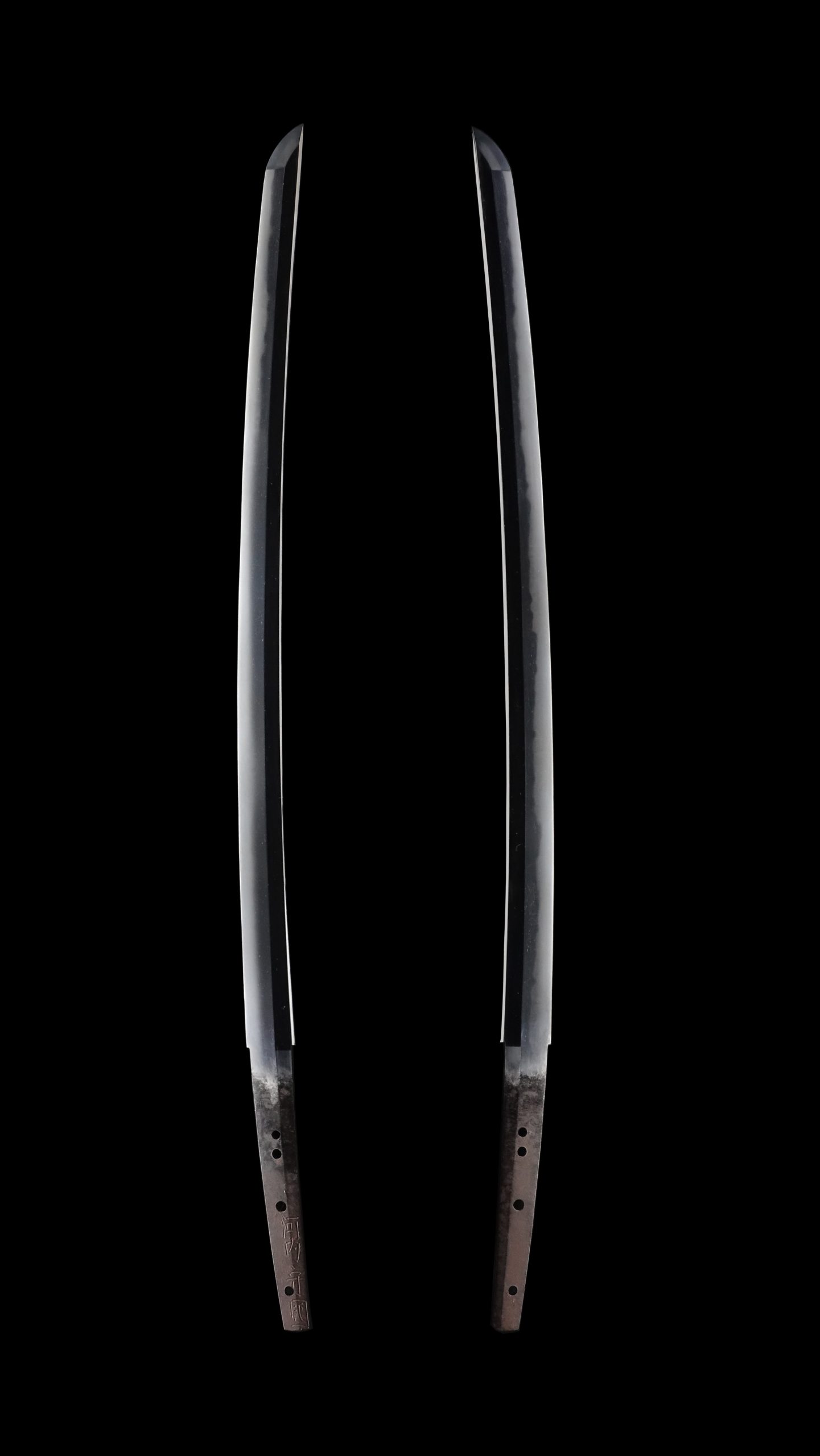
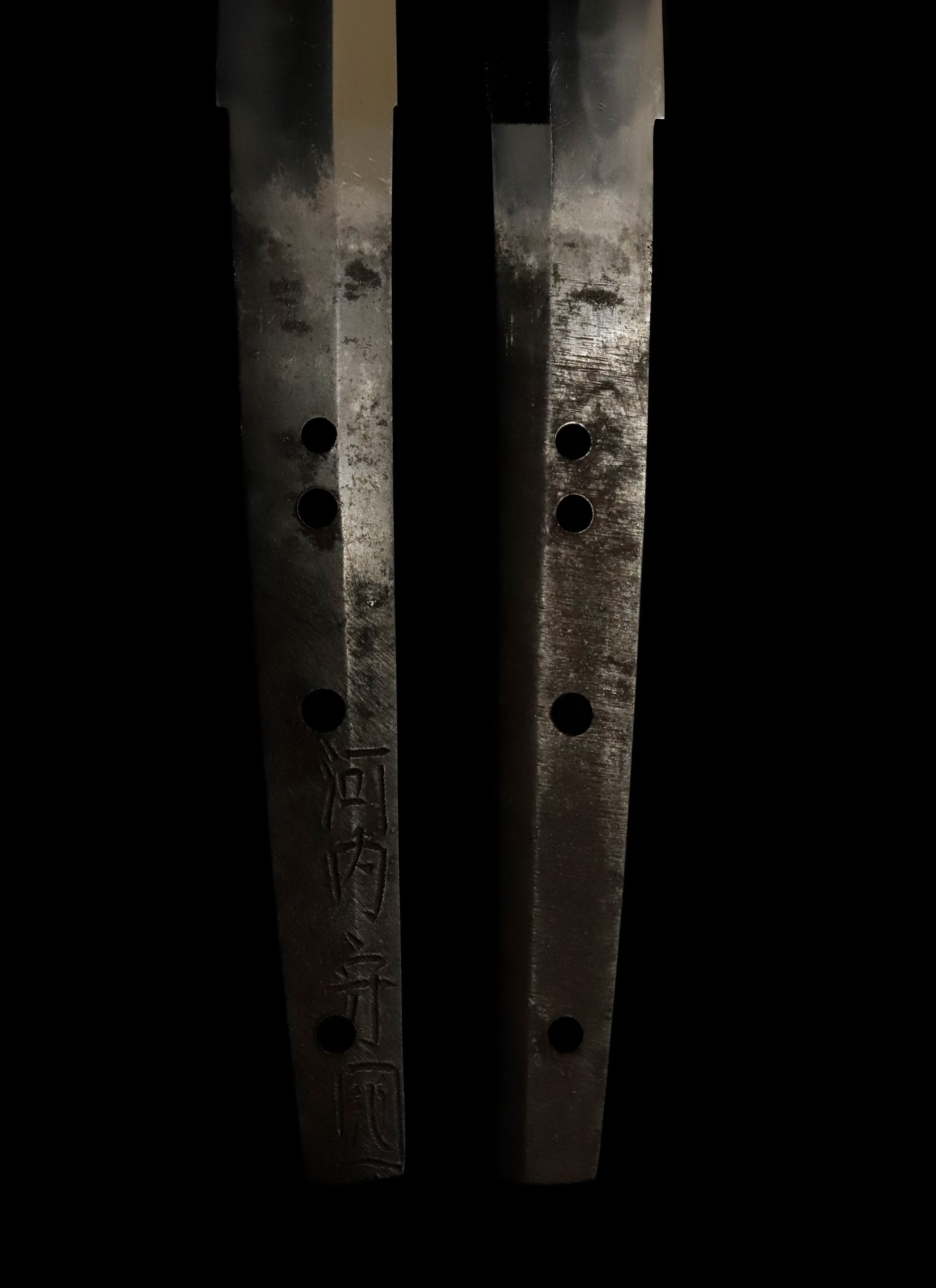
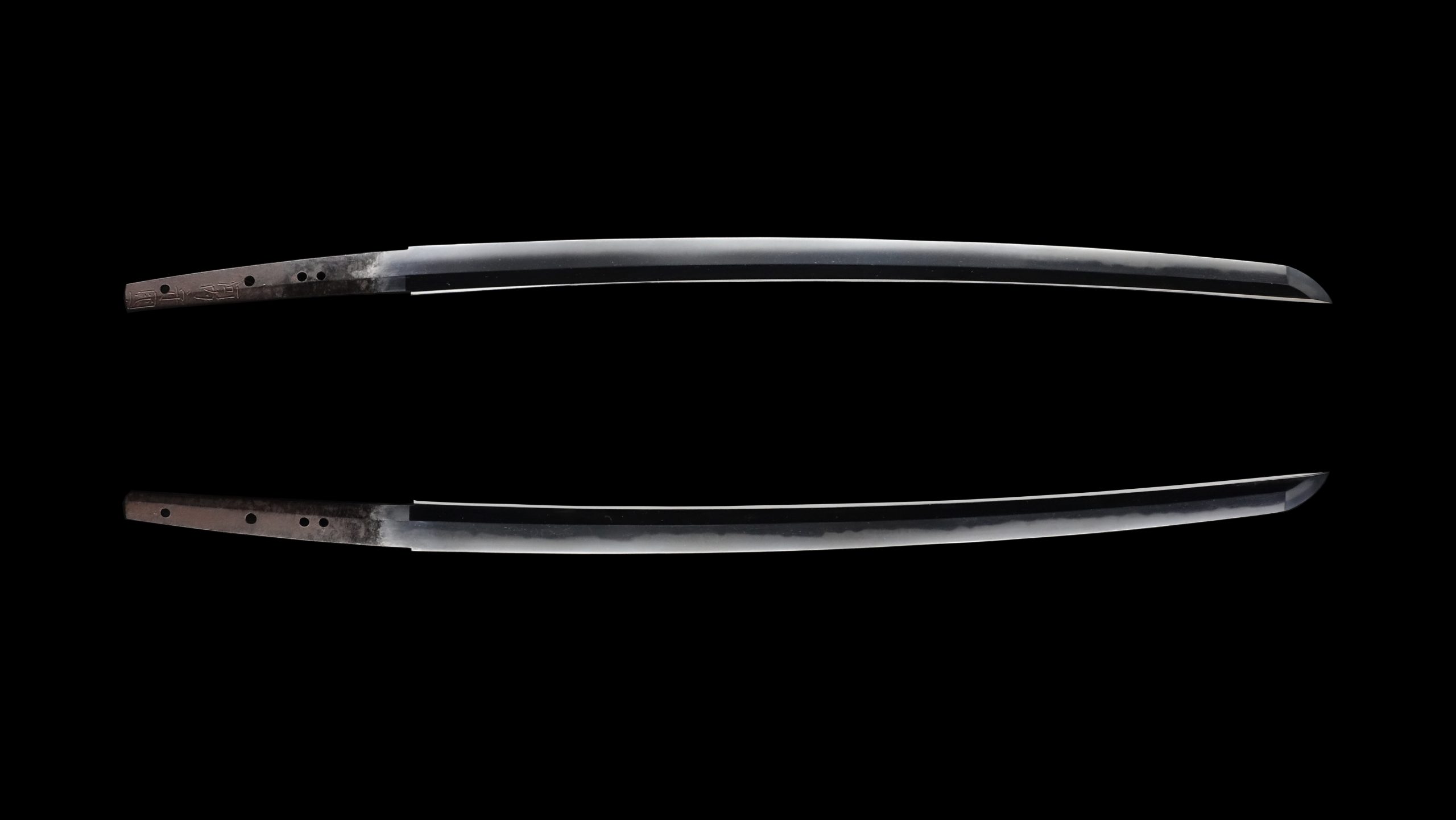
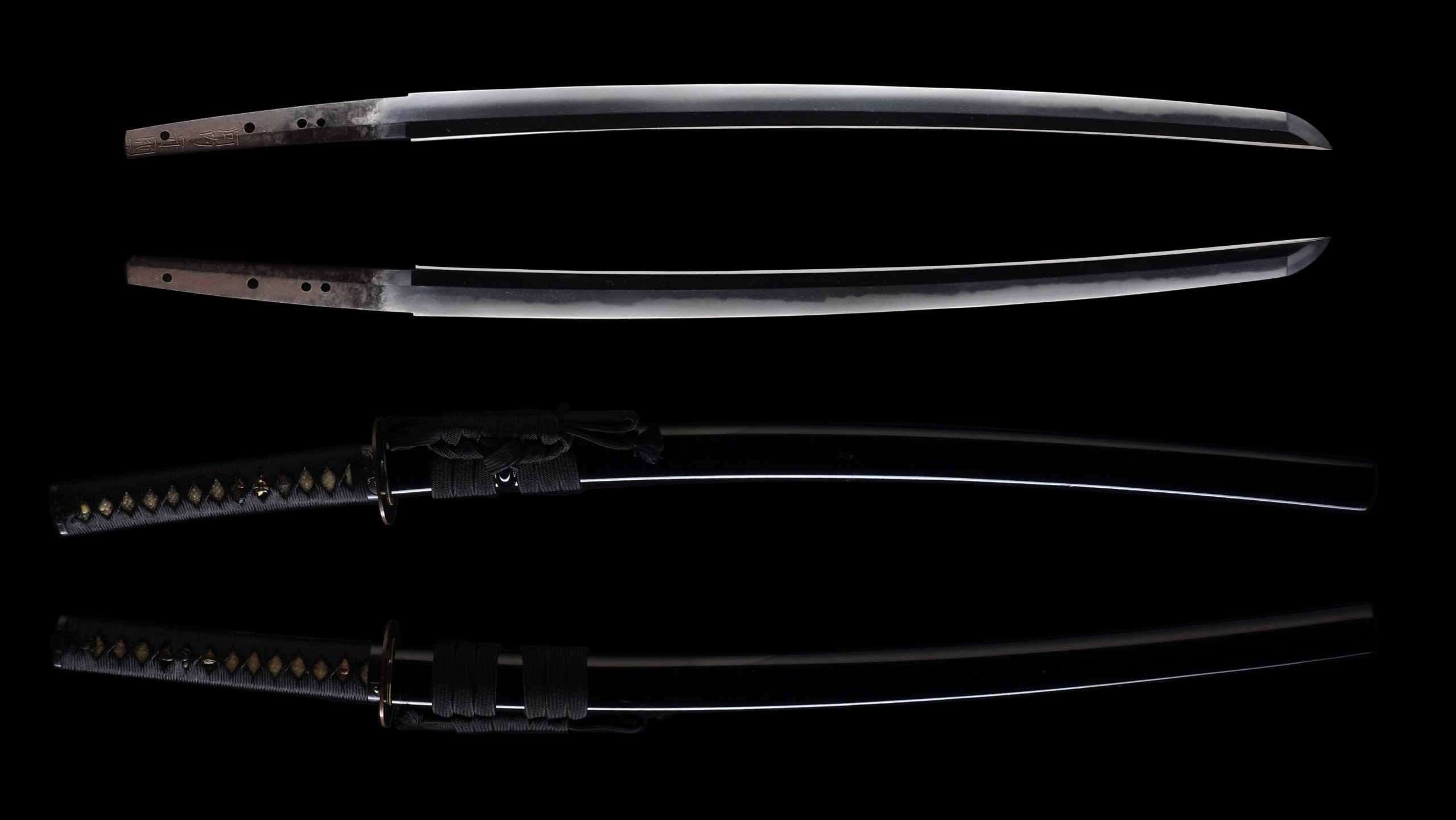
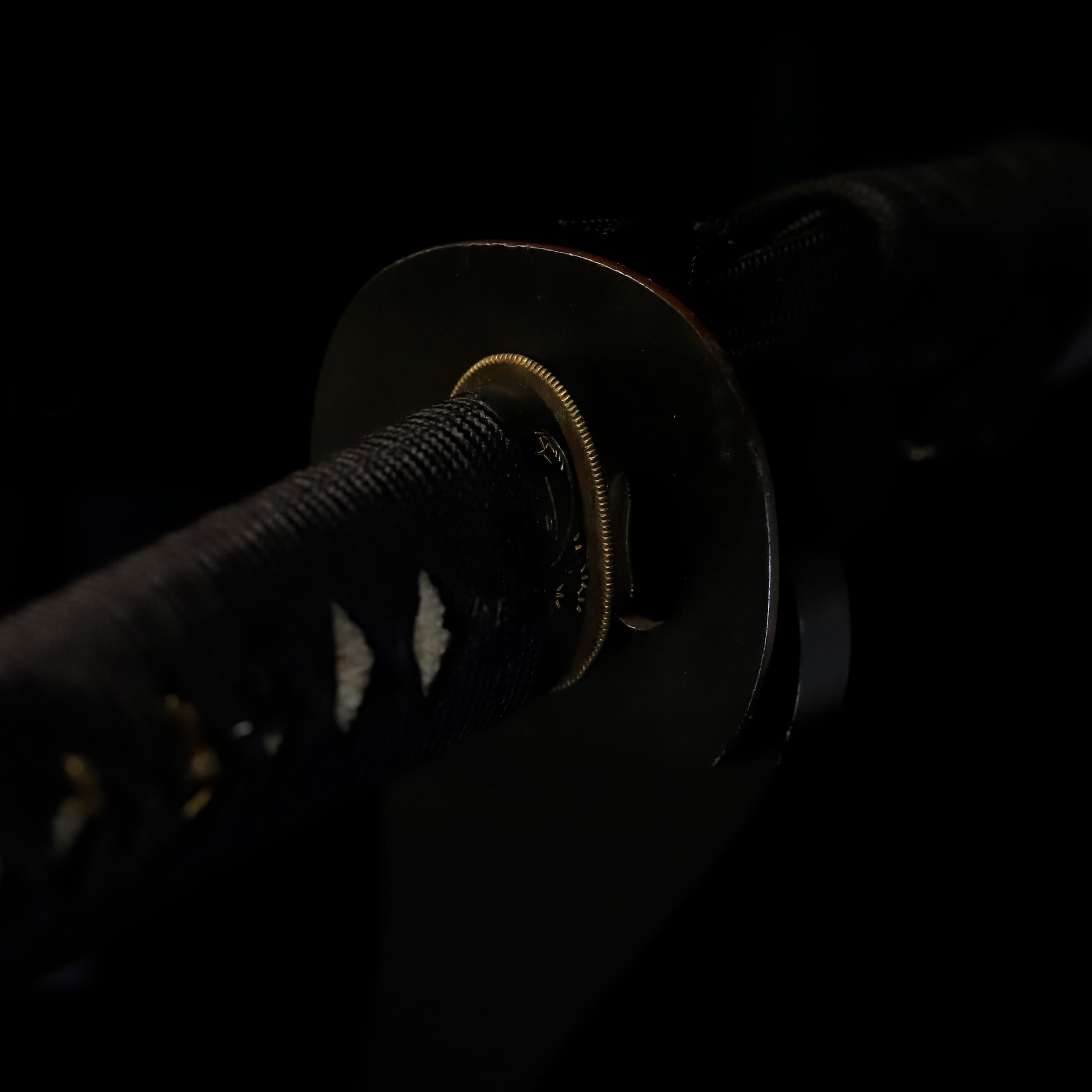
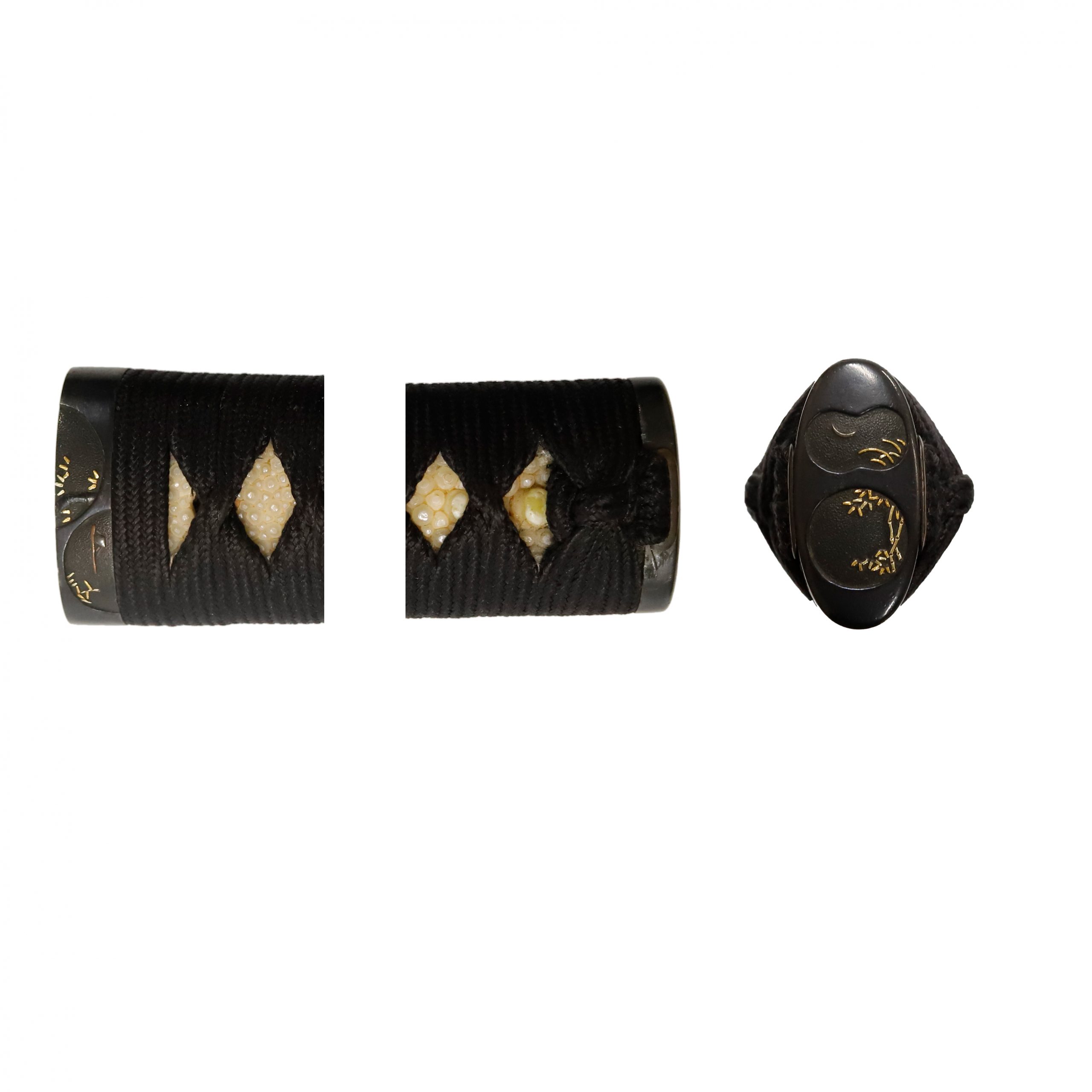
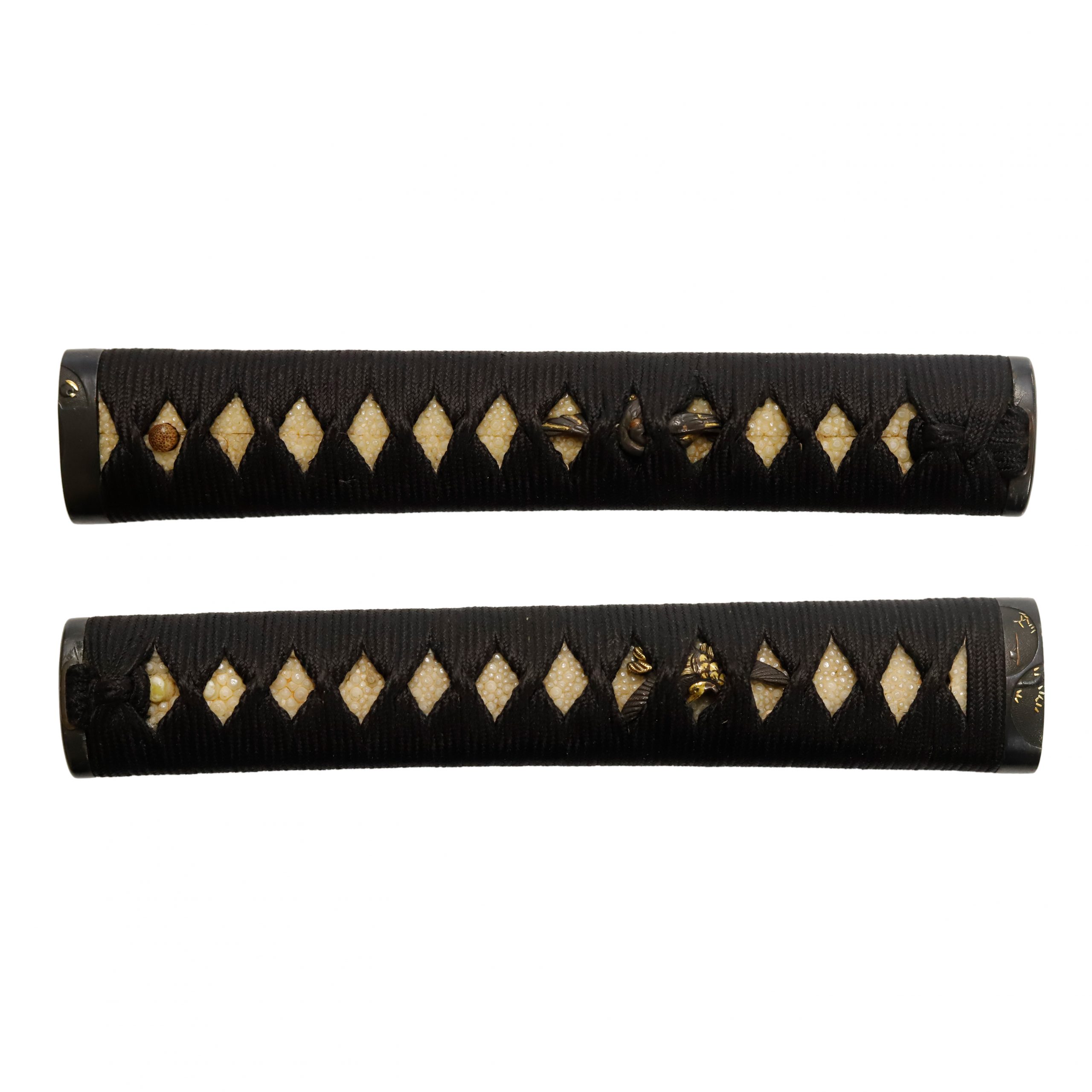
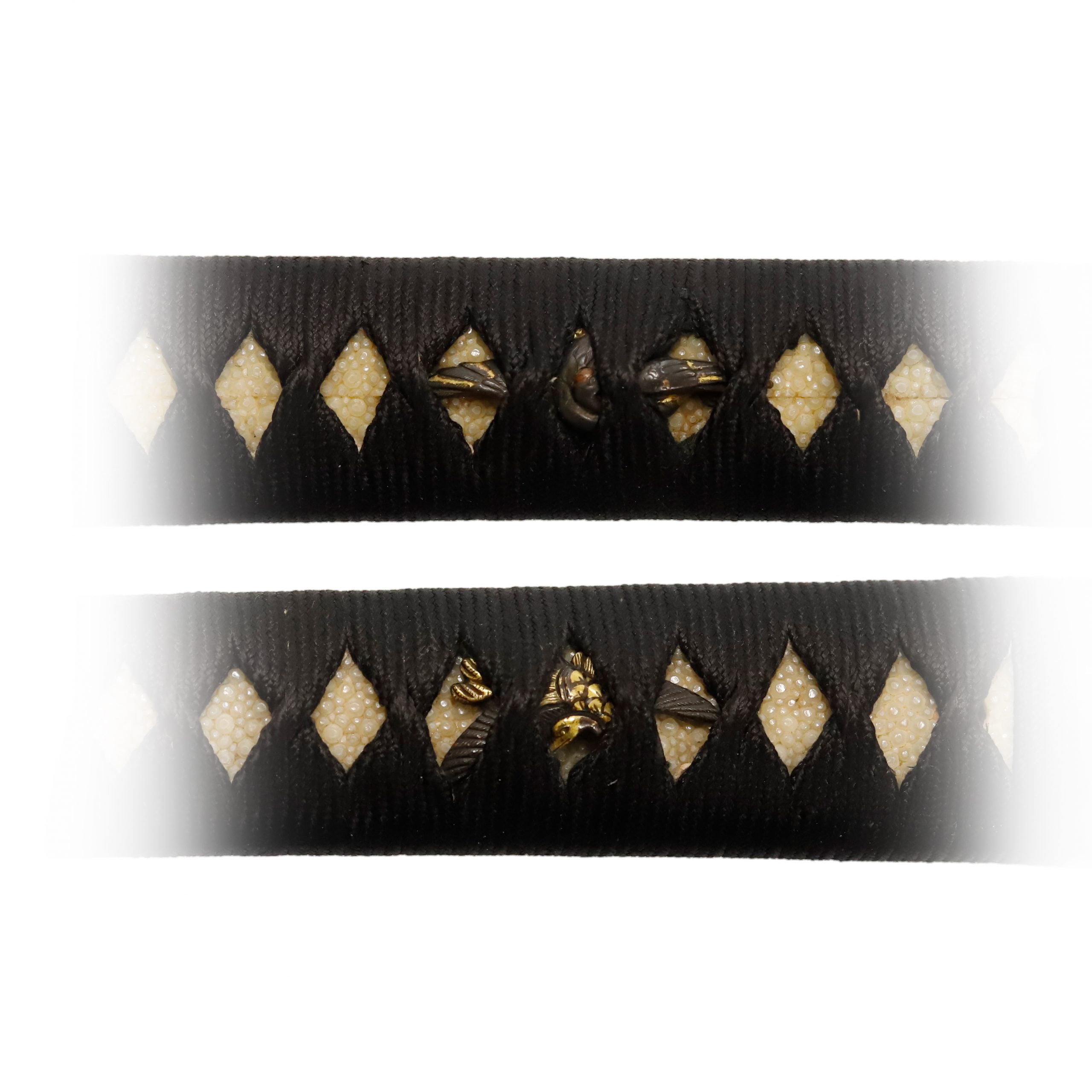
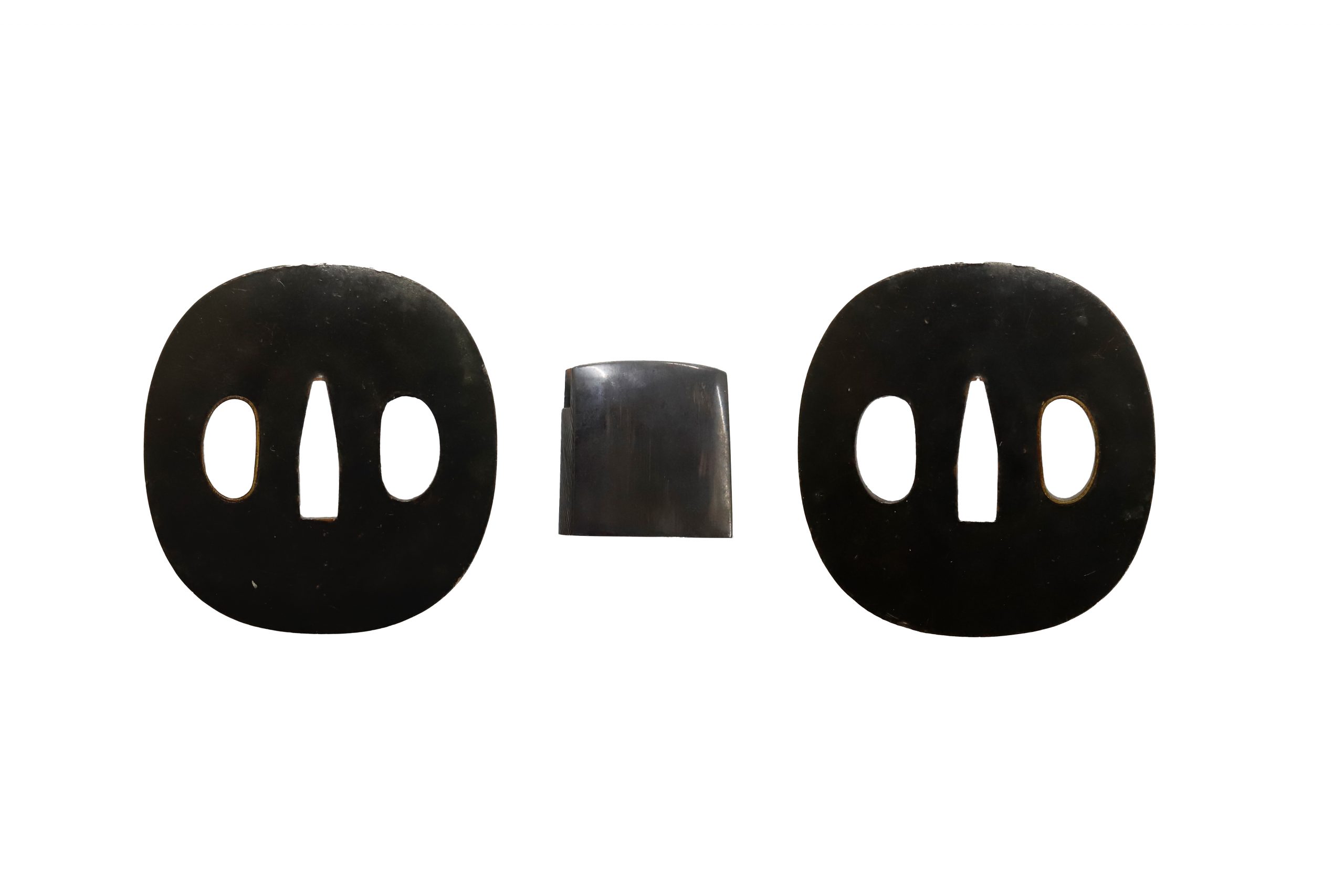
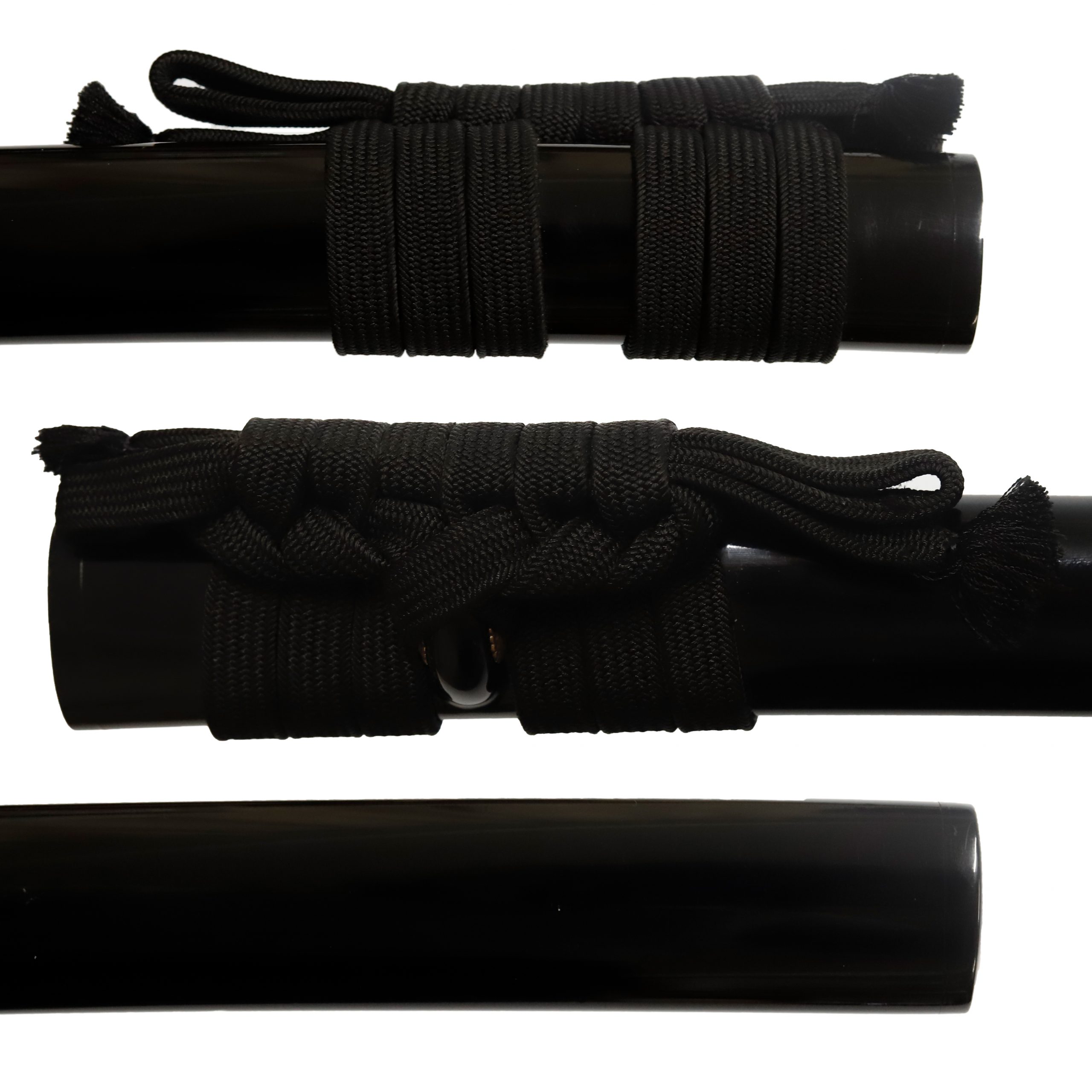
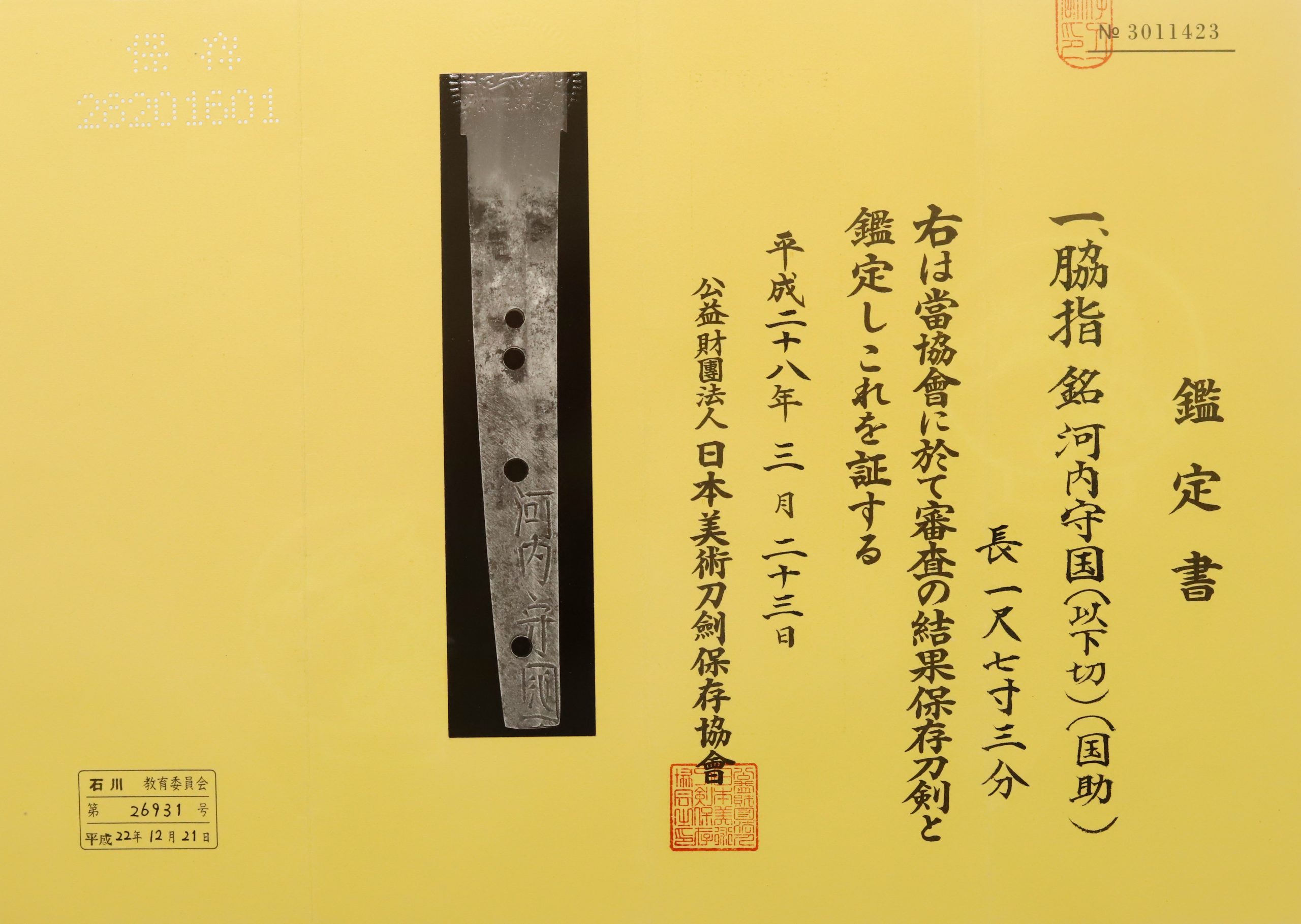
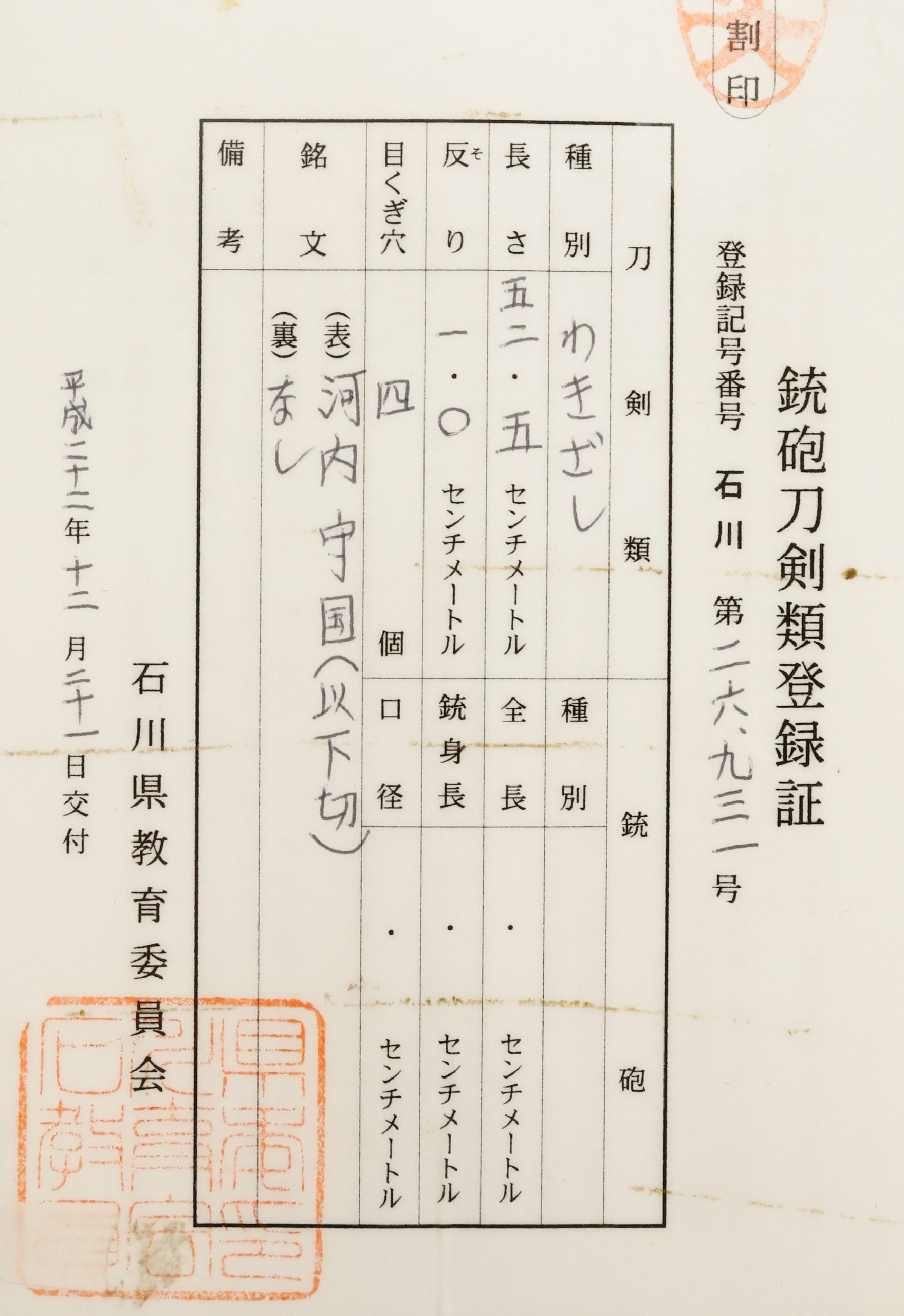
This blade was signed by Kawachi no Kami Kunisuke(河内守国助). While Suke(助) part had been cut due to Suriage(size adjustment), NBTHK appraised it as the work of Kunisuke. Based on the characteristic of the blade, we believe the second-gen Kunisuke created the sword. He was active in sword-forging during 1658-1673(early Edo period). Kunisuke was one of the most well-known swordsmiths in Osaka during the early Edo period. There were three generations of Kunisuke in total. Since the second-gen was active between the first and the third-gen Kunisuke, he was also called Naka Kawachi(中河内). Kawachi is the short term of Kawachi no Kami, the honorable title given to this swordsmith, and Naka means the middle in Japanese. The first-gen Kunisuke was born in Ise province(today’s Mie province) and served Seki Kazumasa, the head of Kameyama castle. However, after the Seki clan was destroyed, he moved to Kyoto. He became an apprentice of Horikawa Kunihiro, one of the most famous swordsmiths during the early Edo period. After Kunihiro deceased, Kunisuke learned the sword-forging technique from Echigo no Kami Kunitomo. Eventually, he moved to Osaka with Izumi no Kami Kunisada to become an independent sword maker in the seventh year of Kaenei(1630). It is said that he played an essential role in making Osaka Shinto movement. The blades forged by the second-gen Kunisuke are categorized as Osaka Shinto. Shinto is Japanese Sword terminology that refers to the swords forged during 1596-1781. The blades made in the Osaka area during this period are called Osaka Shinto. There are many famous swordsmiths in this Osaka Shinto era. After Hideyoshi Toyotomi built Osaka castle, Osaka city flourished as a castle town and became the business center. Many swordsmiths moved to Osaka to look for better opportunities. They not only forged swords for those Samurai who lived in Osaka but also for feudal lords nationwide. Ikanshi Tadatsuna(Awataguchi Omi no Kami Tadatsuna), Inoue Shinkai, and Tsuda Sukehiro are the most famous among many swordsmiths. One of the most notable characteristics of Osaka Shinto is its beauty in Jigane. Jigane is a visible steel surface pattern created by folding and hammering during the forging process), which made it possible by the location of Osaka. Osaka had close access to the Tamahagane(special carbon steel to make Japanese swords) production sites. The swordsmiths residing in Osaka were able to get high-quality carbon steel from these sites. This blade has a Hozon certificate issued by NBTHK. This authentication paper was only given to Japanese swords, worth preserving by Nihon Bijutsu Touken Hozon Kyokai(the Society for the Preservation of the Japan Art Sword). Nakago Please keep in mind that Suke(助) part was cut due to Suriage and the remaining signature is Kawachi no Kami Kuni(河内守国). Fuchi-Kashira A scenery of moonlight night is designed on this Fuchi Kashira. The dents are intentionally made, and these are expressed like a window frame. And the view of the landscape can be seen from the inside of these frames. Bamboo forests, a crescent moon, and Japanese pampas grass are depicted. Due to the combination of the moon and these plants, this work shows us the autumn atmosphere. Also, each motif is colored with golden or silvery paint and remains their colors in good condition. Now let’s talk about the bamboo motif. Bamboos grow neatly towards the sky. This motif represents nobility and strength. Besides, the bamboo breaks straight, but its content is hollow; people thought it shows innocence. According to a legend, the Houhou (鳳凰, Fenghuang) eats bamboo fruits; therefore, bamboo has been considered a sacred plant. Also, as it keeps its green color even in cold winter, people thought the bamboo pattern shows eternity and longevity. We would say that the bamboo pattern has been one of the familiar designs for Japanese people since ancient times Tsuka and Menuki The motif of this Menuki is probably cranes. It seems the figure that they fly in the sky, spreading their wings widely, is expressed. Although most of the color paint has already peeled off due to aging, it remains its detailed engraving lines and shows its maker’s expert skill. The pattern that describes flying cranes is called Tobi Tsuru Mon (飛鶴文) in Japanese. There is a proverb that says cranes and turtles live a long life. It says cranes have even one thousand years lifespan; therefore, these animals have been considered the symbol of longevity since a long time ago. Also, as cranes make compatible couples, its pattern represents happy marriage. This auspicious animal motif has been popular for a variety of items, including clothes or furniture. Tsuba and Habaki This rectangle-shaped Tsuba has glossy black color and has two holes across the center hole. One of its holes is framed with a golden metal plate. It is an ornamental element for this Tsuba’s simple look. As this work does not have any gorgeous decorations such as gold or silver inlay, please enjoy the texture of the material itself. Also, its minor damages and antique texture would tell you the history of thisTsuba. Authentication Paper They authenticated the blade on March 23rd in the 28th year of Heisei(2016). They appraised it as Hozon Touken, the blade worth preserving for Japanese society.

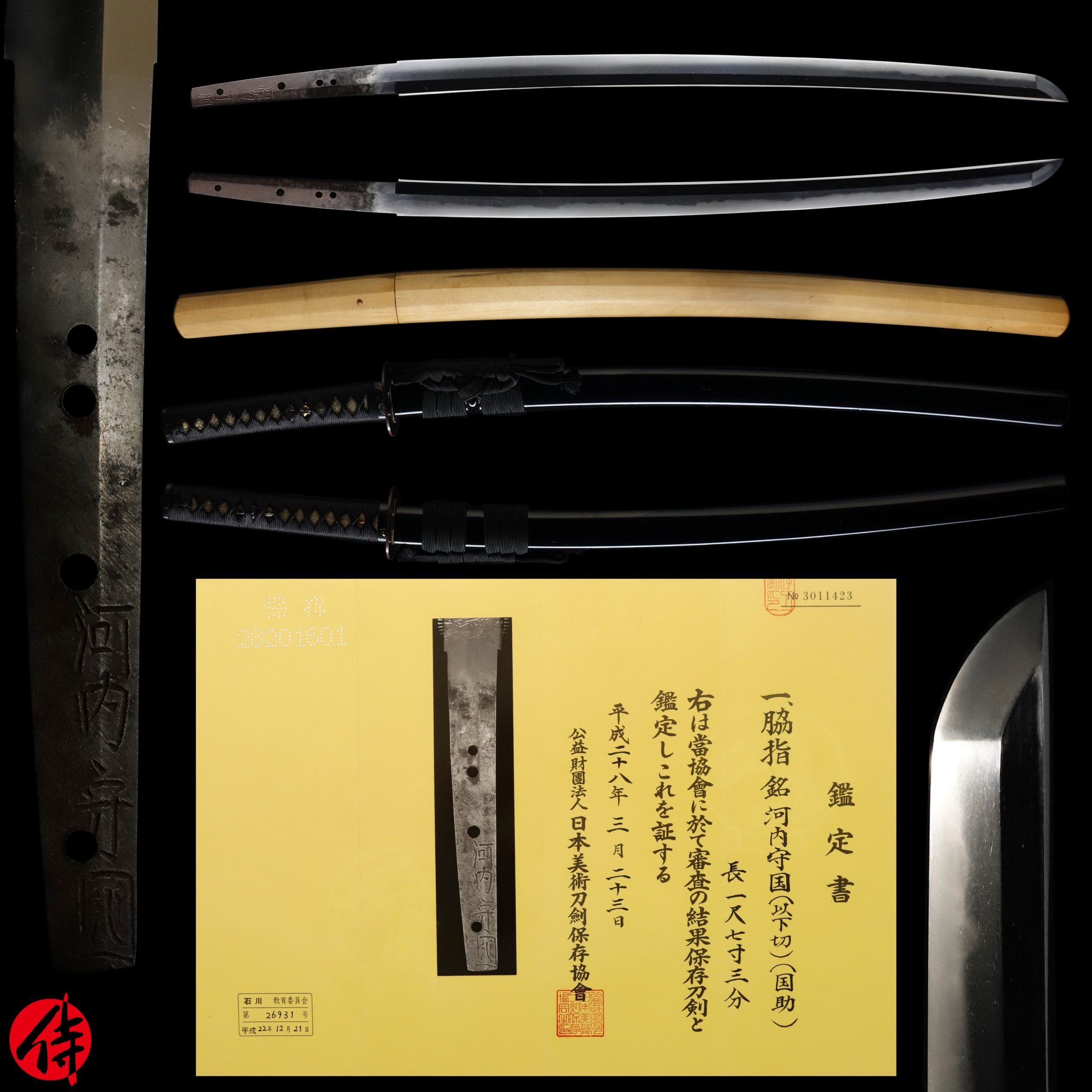
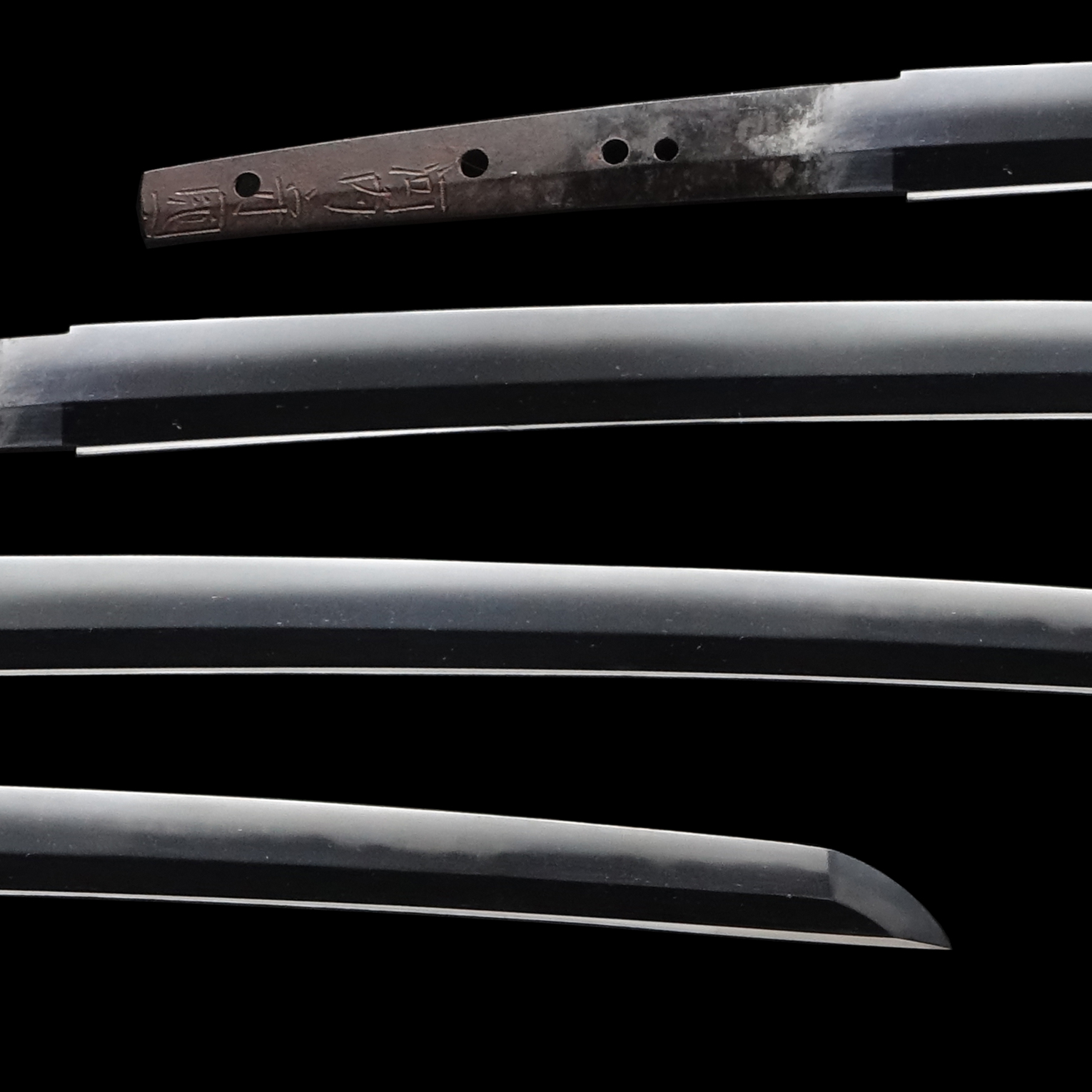
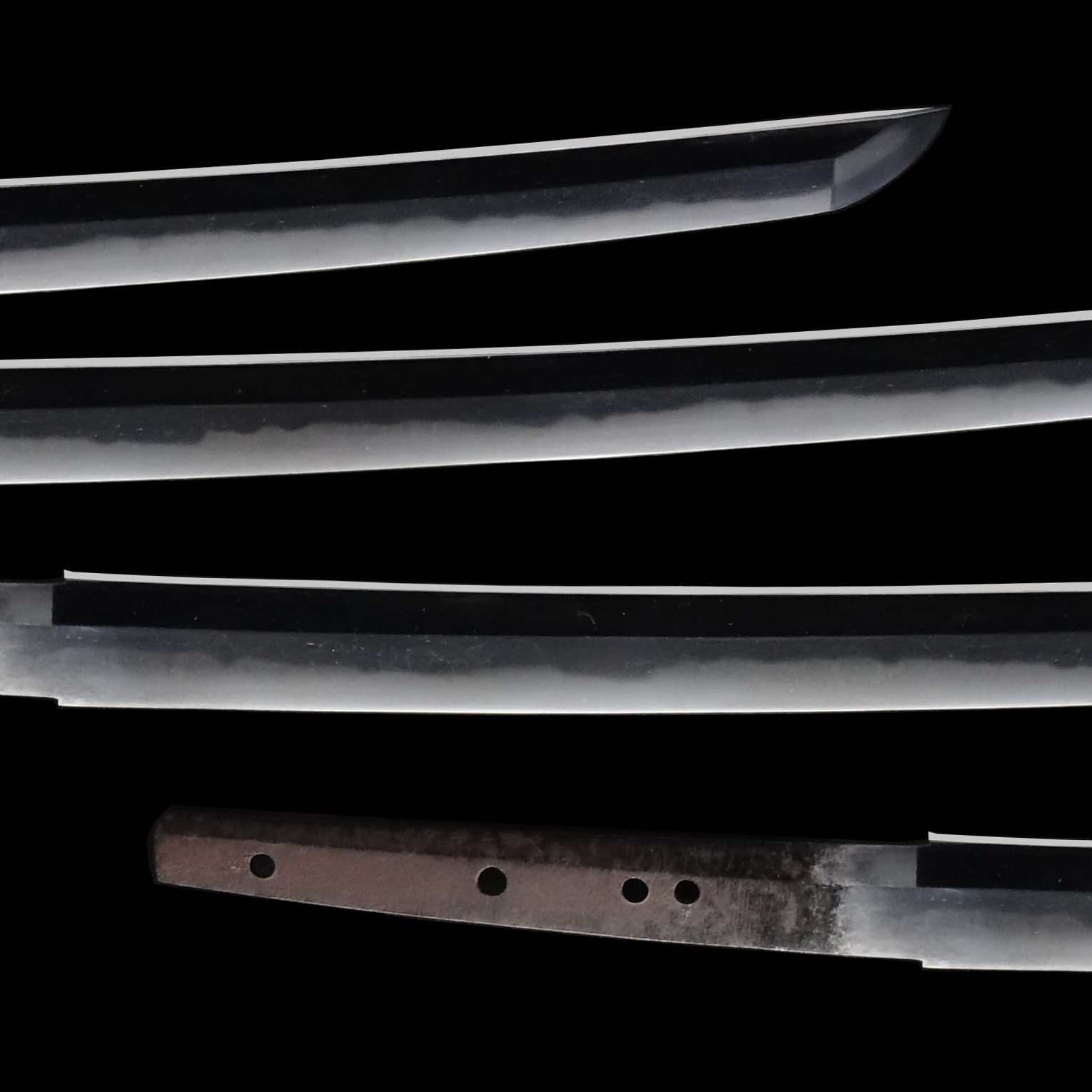
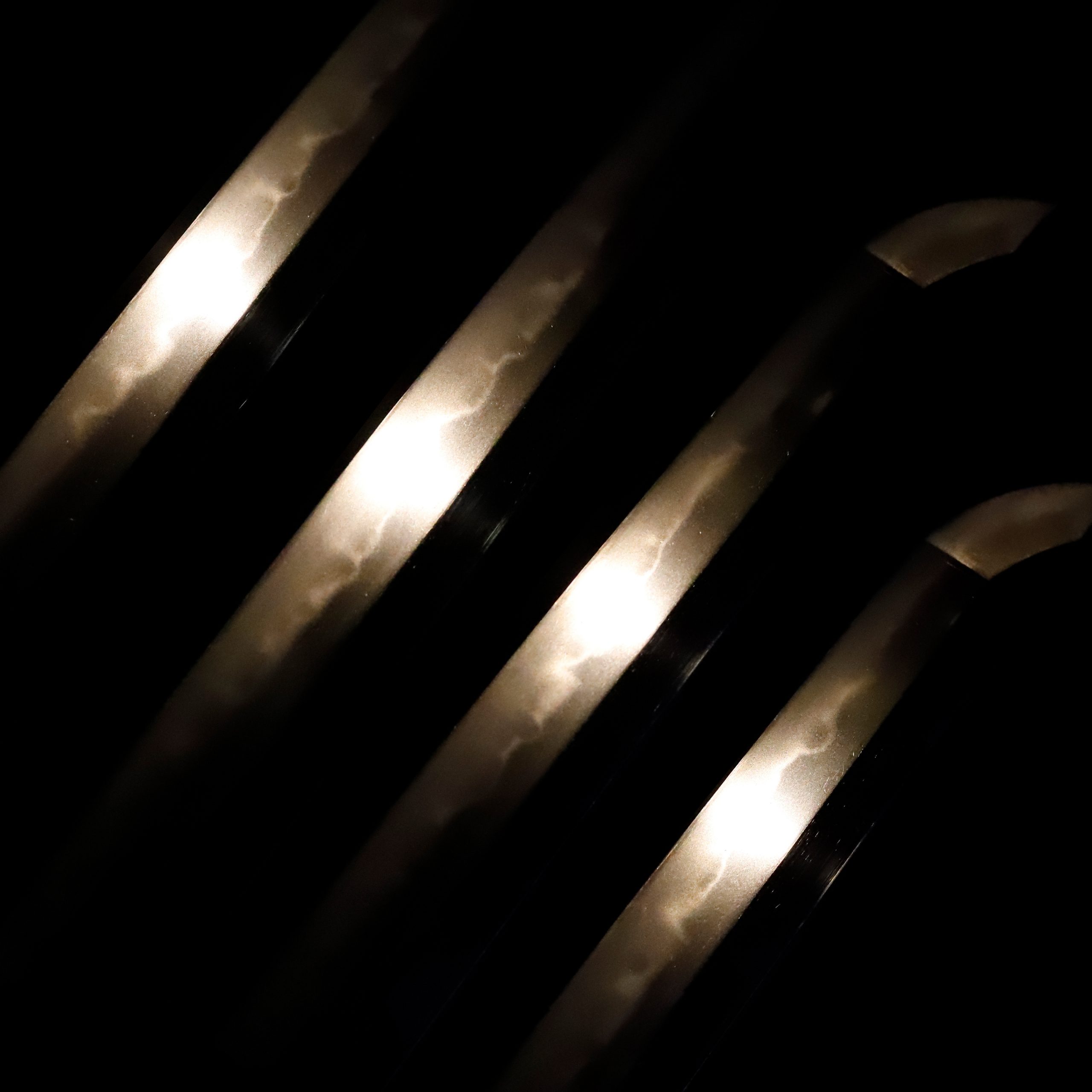
販売店の記載のまま
Horikawa school, Osaka Shinto (Settsu); Ishido-derived · 摂津 · 1624-1650頃
藤代 上々作 · 刀剣大鑑 上位17%
現在6点販売中
初代河内守国助は堀川国広の末弟子である。慶長十九年に国広が歿した後、親国貞こと和泉守国貞とともに大坂に移り、大坂鍛冶の先駆者となって、その後の大坂鍛冶に大きな影響を及ぼした。説明書は、彼が伊勢国神戸の出身で石堂派の流れを汲むと伝え、その初期の作風・銘振りから、実際上の師は兄弟子の越後守国儔であったと推測する。河内守受領については、寛永三年二月日紀の「河内守藤原国助」銘の薙刀・短刀が現存し、それより遡る河内守銘の遺例もあることから、元和九年、親国貞の和泉守受領と相前後するものと推量される。年紀作の最も早いものは寛永三年紀で、歿年は正保四年と伝える。
石堂の出であることが彼の手を読む鍵である。説明書は、堀川一門中にあって彼が「最も丁子を得意とし」[[c:1]]、乱れのどこかにそれが表われると記し、後年の説明書は「刃中に丁子刃が最も多く交じるものである」[[c:2]]とする。これこそ堀川一門の中で国助と鑑せられる見どころである。
典型は区上の直ぐの焼出しより起こし、その上は互の目に丁子・小のたれ・尖りごころの刃を交えて焼幅を広げ、足入り、小沸よくつき、砂流し・金筋かかる。地鉄は小板目或いは板目がよくつみ、地沸厚くつき、地景が入る。帽子は小丸で掃きかけることが多い。作風は親国貞に極めて類似するが、説明書は「焼幅が広く、丁子が目立っているところなどに特色がある」[[c:3]]とし、焼出しが上に行くに従って徐々に幅を増し、帽子の焼が深いことを挙げ、かかる刀を「彼が最も得意とした作域」[[c:4]]と読む。
もう一つの面には堀川の出がはっきり表われる。ある片切刃の脇指は板目が立ってザングリとなり、沸づいた小のたれに互の目を交え、説明書はこれを「堀川色の濃い作風」[[c:5]]とする。また「関風の色彩が感じられる」[[c:6]]脇指は国儔との師弟関係を示すものとされ、国儔の作域や親国貞を想わせる作もある。同作に彫物は稀で、薙刀樋・護摩箸・倶利迦羅を施したものは珍しいとされる。
説明書は子の二代河内守、世にいう中河内とは明確に区別する。二代は名を継いで石堂本来の丁子に専心した。初期の説明書には、目立つ丁子刃を二代の丁子の前提とみるものがある。寛永十九年紀の作を初代の晩年作とするか、正保四年以前の二代作とするかは論じられている。
藤代の極めは上々作。重要刀剣に三十二口が列し、戦前の重要美術品一口、御物一口がある。説明書は最上の在銘刀を「同作中の傑出の一である」[[c:7]]とし、他を「彼の典型作である」[[c:8]]と評し、寛永三年の薙刀について「寛永三年紀も好資料である」[[c:9]]と記す。来歴の知られるものには板倉家・皇室の名が見える。現存作は比較的少なく、殊に刀は少ないため、初代の在銘重要刀剣が世に出るのは時折のことである。
國助の位置づけを、日本刀全体および伝法・時代・時期ごとに示します。各区分(随一・屈指・有数・著名)は、NBTHK および文化庁による指定に加え、三作や名物帳などの歴史的栄誉を加味したものです。
各項目を選ぶと評価方法が表示されます。
在銘年紀作が示す、確実に活動していた年代
新刀 · 山城
現在64点販売中
堀川派は、山城国京都の一条堀川を本拠として、十六世紀末から十七世紀初頭にかけて成立した新刀期の一門である。祖の堀川国広はもと日向飫肥の城主伊東家に仕えた武士で、主家没落の後は諸国を遍歴して鍛刀の技を磨き、足利学校打や美濃大道との合作などにその足跡を銘文へ残した。慶長四年(一五九九)以後は京一条堀川に定住し、多くの俊秀を糾合してこれを育てた。その門からは出羽大掾国路、和泉守国貞(親国貞)、河内守国助、越後守国儔、大隅掾正弘、堀川国安らが輩出する。国広以前の関や末相州の作風を経て、定住後の一門は相州伝、就中、志津や貞宗、左文字の復興を共通の理想に掲げた。慶長新刀の姿に南北朝期の大太刀を磨上げた趣を写し、明寿と並んで新刀の創始を称えられる祖を戴いて、この派は京の鍛冶を改めた起点に立つ。 一門の作風は、地鉄にまず標識を持つ。板目に杢や大板目を交えて肌立つ、いわゆる「ザングリとした」枯れた肌合を呈し、地沸が微塵に厚くつき、地景が細かに頻りに入る。区際より斜めに立つ水影は国広自身の手癖で、正弘や国安、国正にも伝わる。刃は浅いのたれを基調に互の目や尖り刃を交えて沸厚く、金筋や砂流しがかかり、処々に湯走りや飛焼を見せ、匂口が沈みごころとなるのが一派に通じる癖である。刃区を深く焼き込む態も国広に始まり門弟へ及ぶ。この共通の地刃の上に、各工は己の差を置く。国路は肌立ちザングリと枯れた地に厚く荒い沸の志津写しを焼き、浅くのたれ込んで先の尖る三品帽子を見せて、一門中随一の器用人と称された。国安は受領銘を用いず必ず二字に切り、左利きゆえに逆筋違の鑢目を切る唯一の工で、その手は最も祖に近い。正弘は大乱れを焼かず、焼を低く刃取りを抑えて目立つ杢を交え、作風も銘字の藤原の二字に至るまで祖に酷似する。国儔はかえって末関に向かい、頭の丸い互の目と締った匂口に兼之を思わせる美濃の一脈を担った。弘幸は一門ただ一人切り鑢を用い、黒みをおびた鉄に古作大和を想わせる直刃を本領とした。 蒐集家が堀川派を求める理由は、鑑定の勘所と、祖と高弟の格にある。在銘作を主体とし、慶長打は太鏨肩落の大振り二字銘や、日州古屋住から洛陽一条堀川住に至る受領銘を交えるため、銘そのものが工と時を定める手懸りとなる。国広の刀は、ザングリの地、斜めの水影、沈む匂口という手癖を写し物の中にすら宿し、相州伝復興の理想を最も高く体現する。高弟もまた、それぞれの極めの言うところで分かたれる。国路の三品帽子と長い金筋、国安の二字銘と逆鑢、正弘の抑えた焼と目立つ杢、国儔の頭の丸い互の目、弘幸の切り鑢と黒い鉄は、いずれも対手から借りた特徴ではなく己の地刃から引かれた標識である。代表作には伝後水尾天皇御寄進の拵を具して幡枝八幡宮に伝わる奉納太刀があり、伝来は日向伊東家、岡山藩家老伊木家、土佐山内家、大島津家、豊臣秀頼、皇室に及ぶ。最晩年の国広作は弟子の代作代銘と読まれるが、師の監督は厳重で偽物とは全く異なる。そして親国貞と河内守国助は国儔に学んで大坂へ下り、大坂新刀の草創に立った。国貞の嗣は井上真改として、その名を一層名高い世代へと継ぐ。京の堀川に始まった相州伝復興の手は、かくして後世の新刀へと流れていった。 詳しく見る →
幕末 最後の需要
1853年のペリー来航は徳川の泰平をほどき、二世紀ぶりに実用刀の大量需要を生んだ。四谷正宗と呼ばれた清麿はその前夜に世を去り、宗次や行秀が最後の好況を担った。
銘が正しい、または無銘でも年代・国・系統を確実に指摘できる、保存に値する真正の作と鑑定されたものです。
日本美術刀剣保存協会(NBTHK)は、1948年に設立され、文化庁の監督を受ける公益財団法人で、東京・刀剣博物館に本部を置きます。専門の審査員が出品作を直接審査し、美術的・歴史的価値に応じた鑑定書を発行します。NBTHKの鑑定書は、日本刀および刀装具の真正性を示す最も広く認知された基準です。
NBTHK公式サイトReturns/exchanges limited to defects caused by shipping (except willful misconduct or gross negligence by the company); customers must contact within 72 hours of receiving the product.