1853年のペリー来航は徳川の泰平をほどき、二世紀ぶりに実用刀の大量需要を生んだ。四谷正宗と呼ばれた清麿はその前夜に世を去り、宗次や行秀が最後の好況を担った。
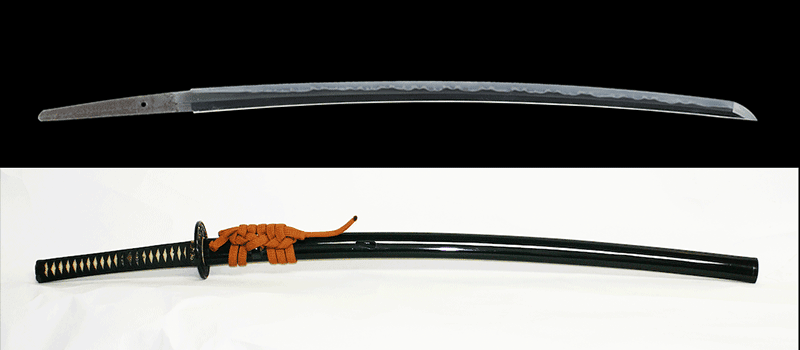
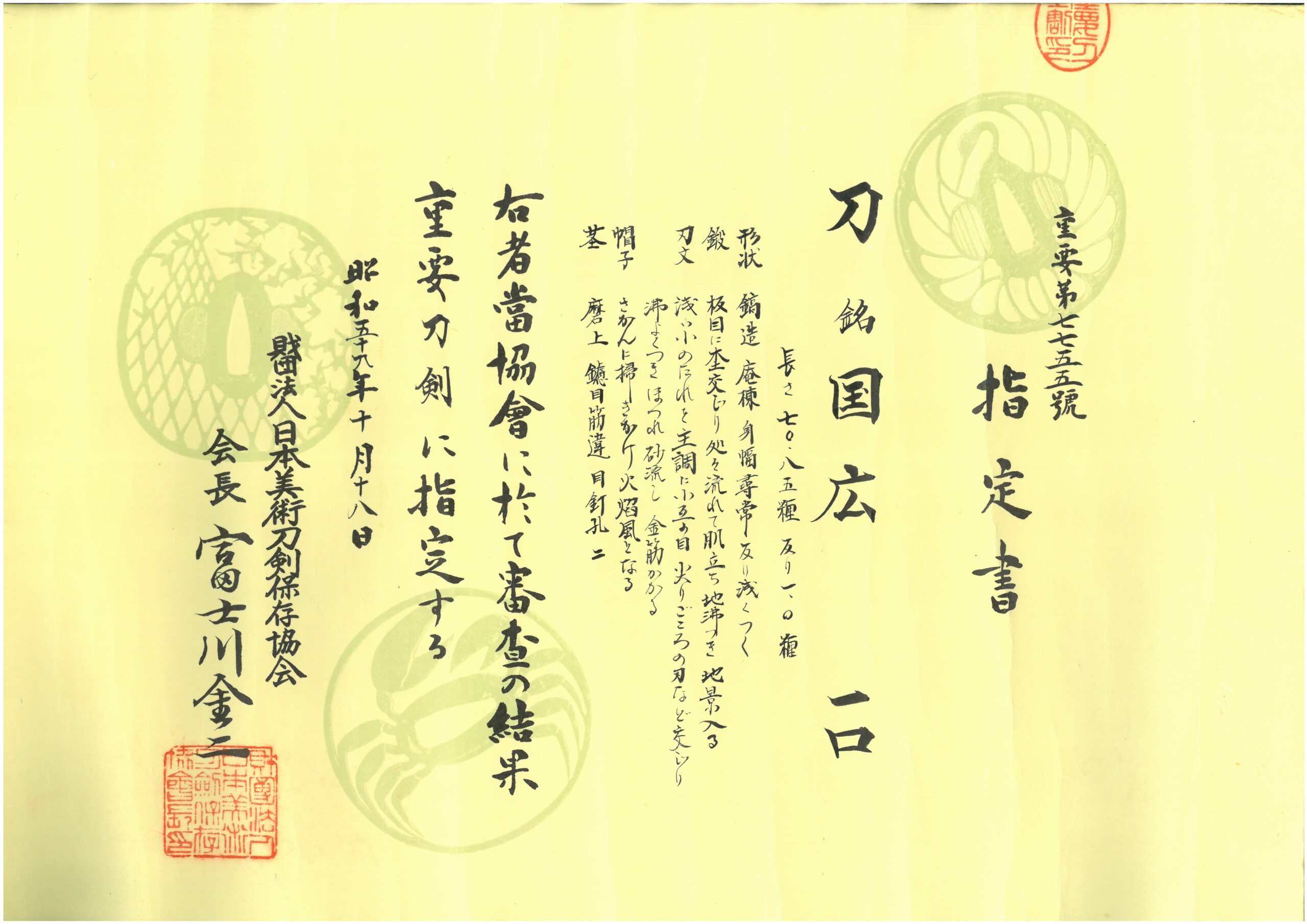
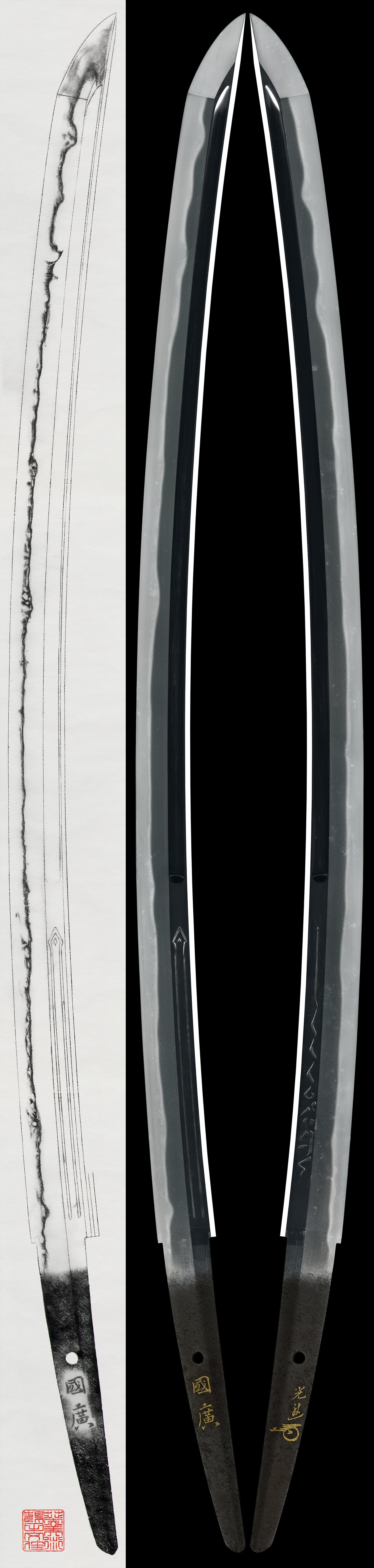
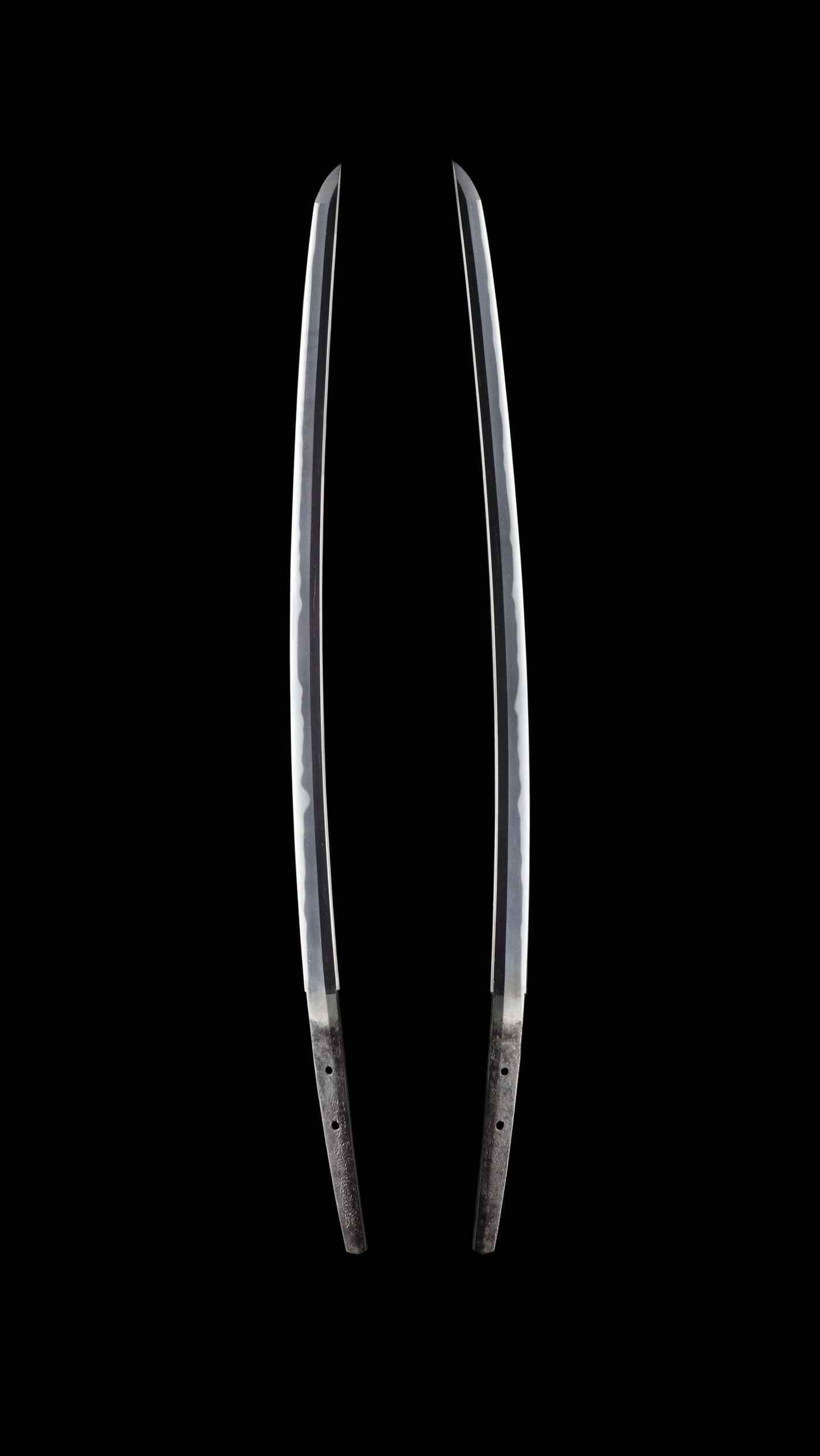
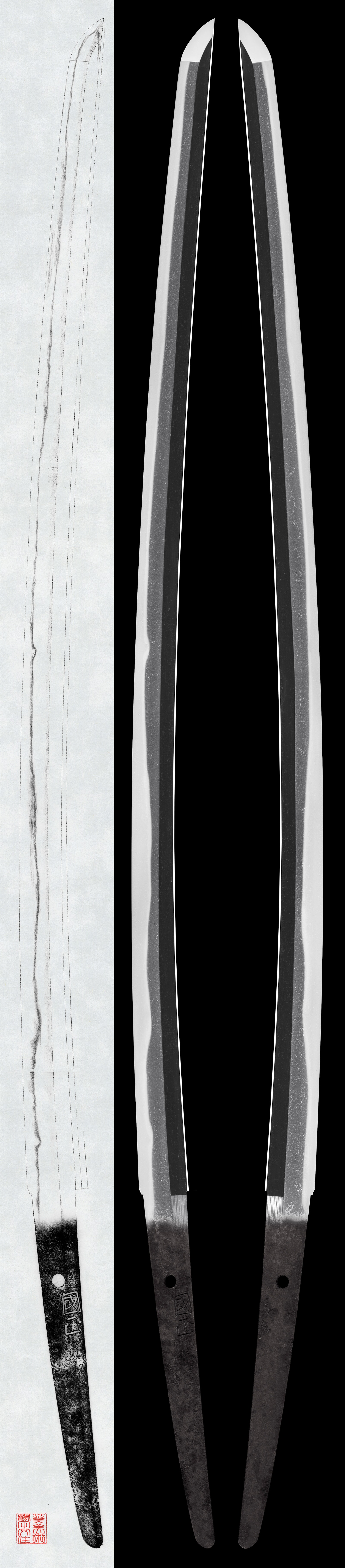
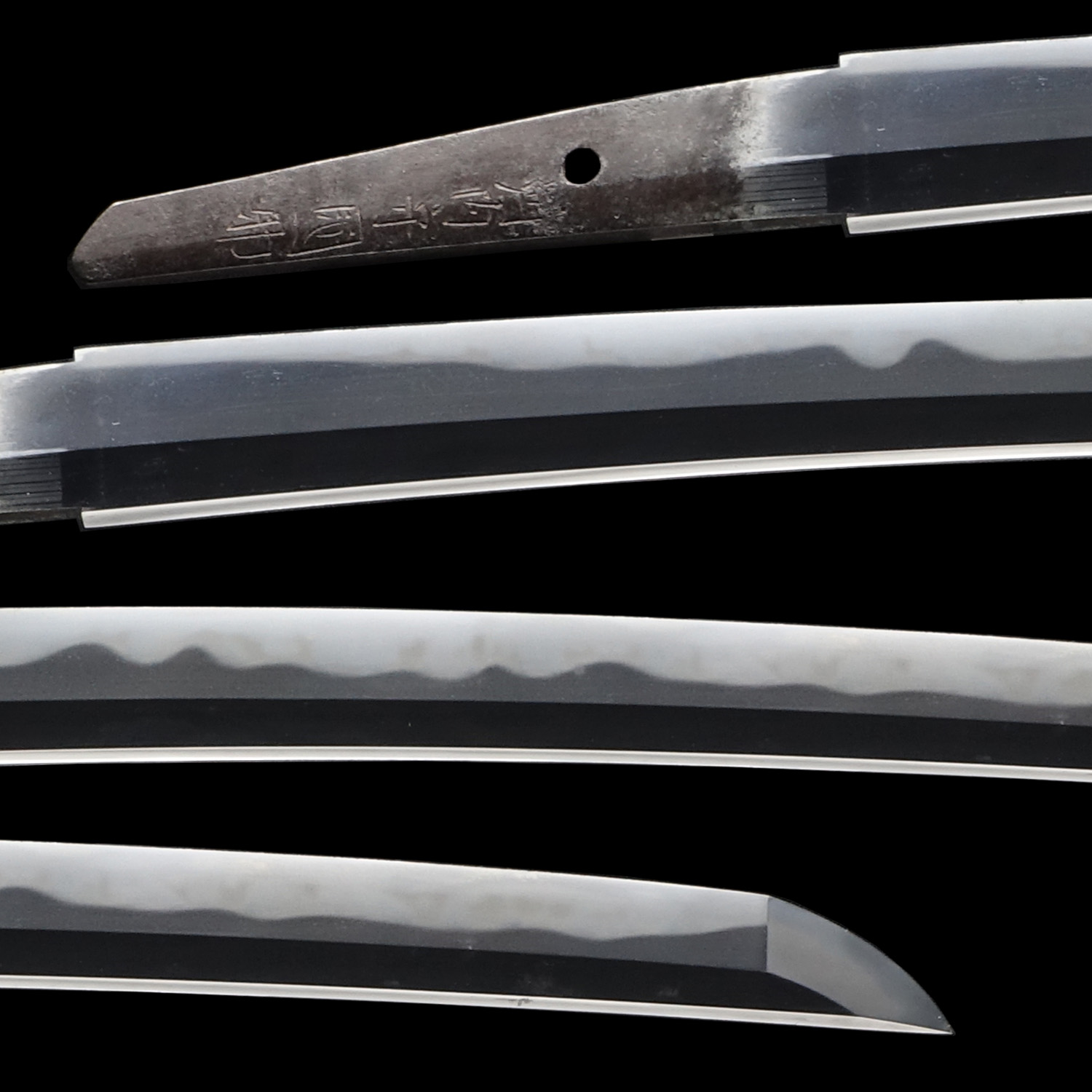
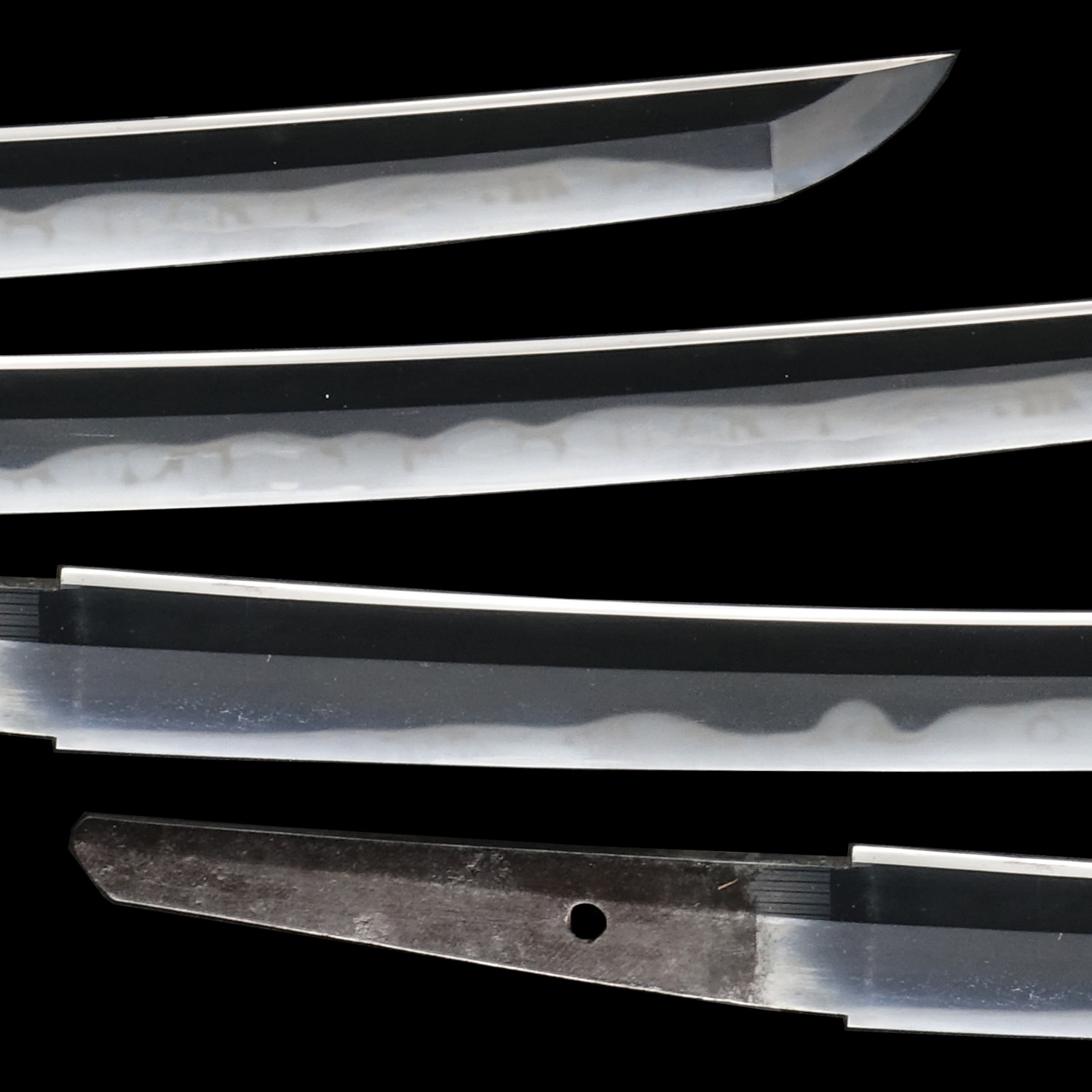
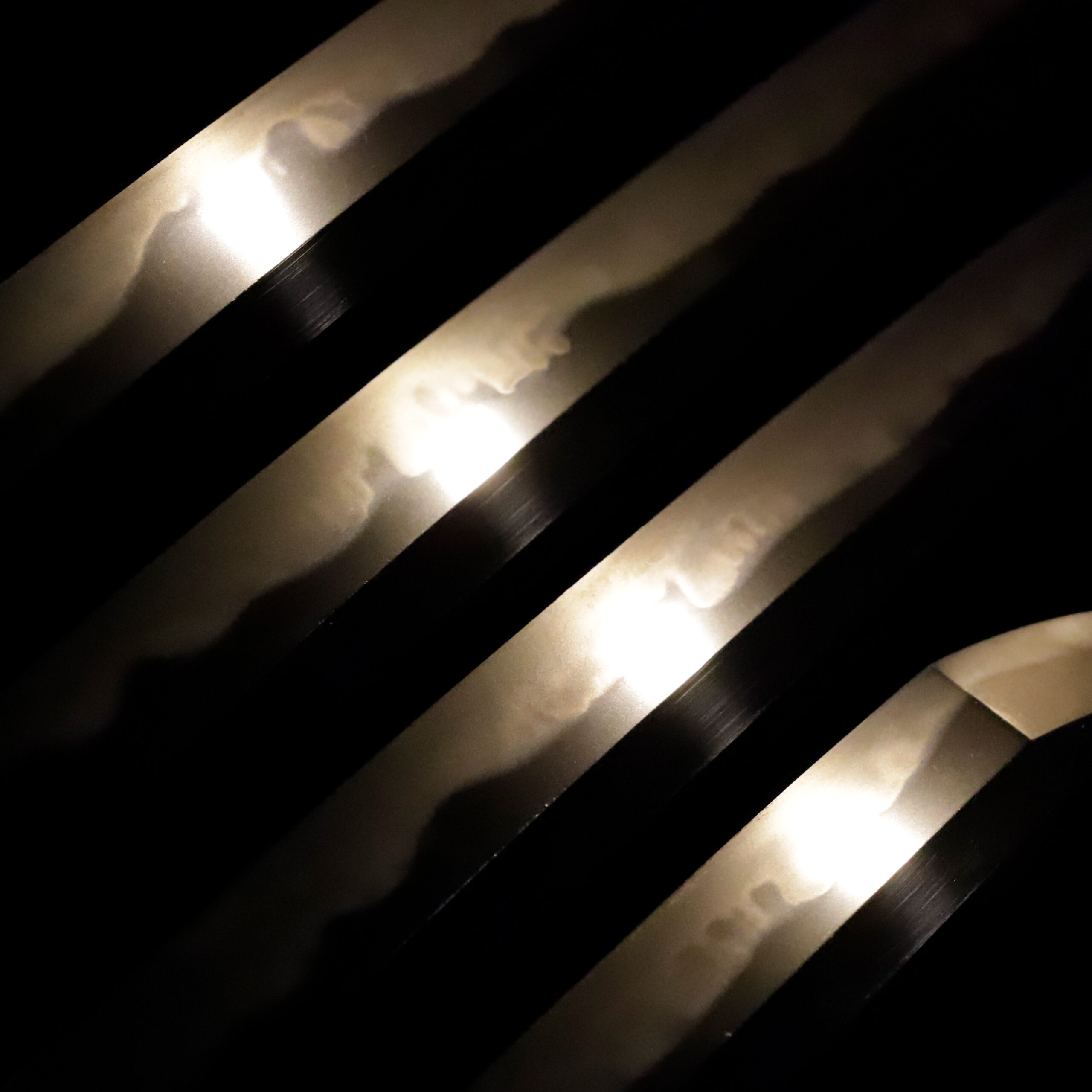
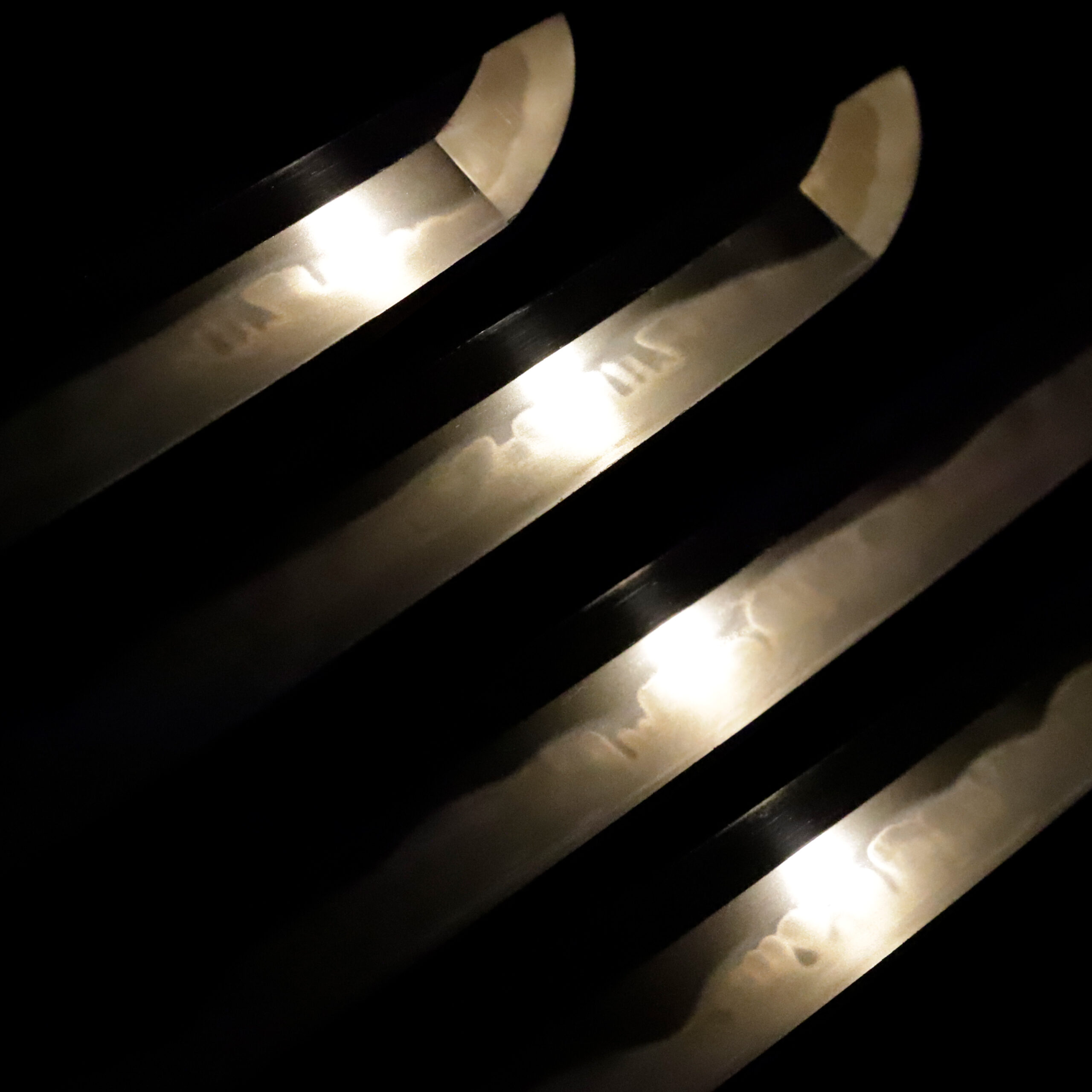
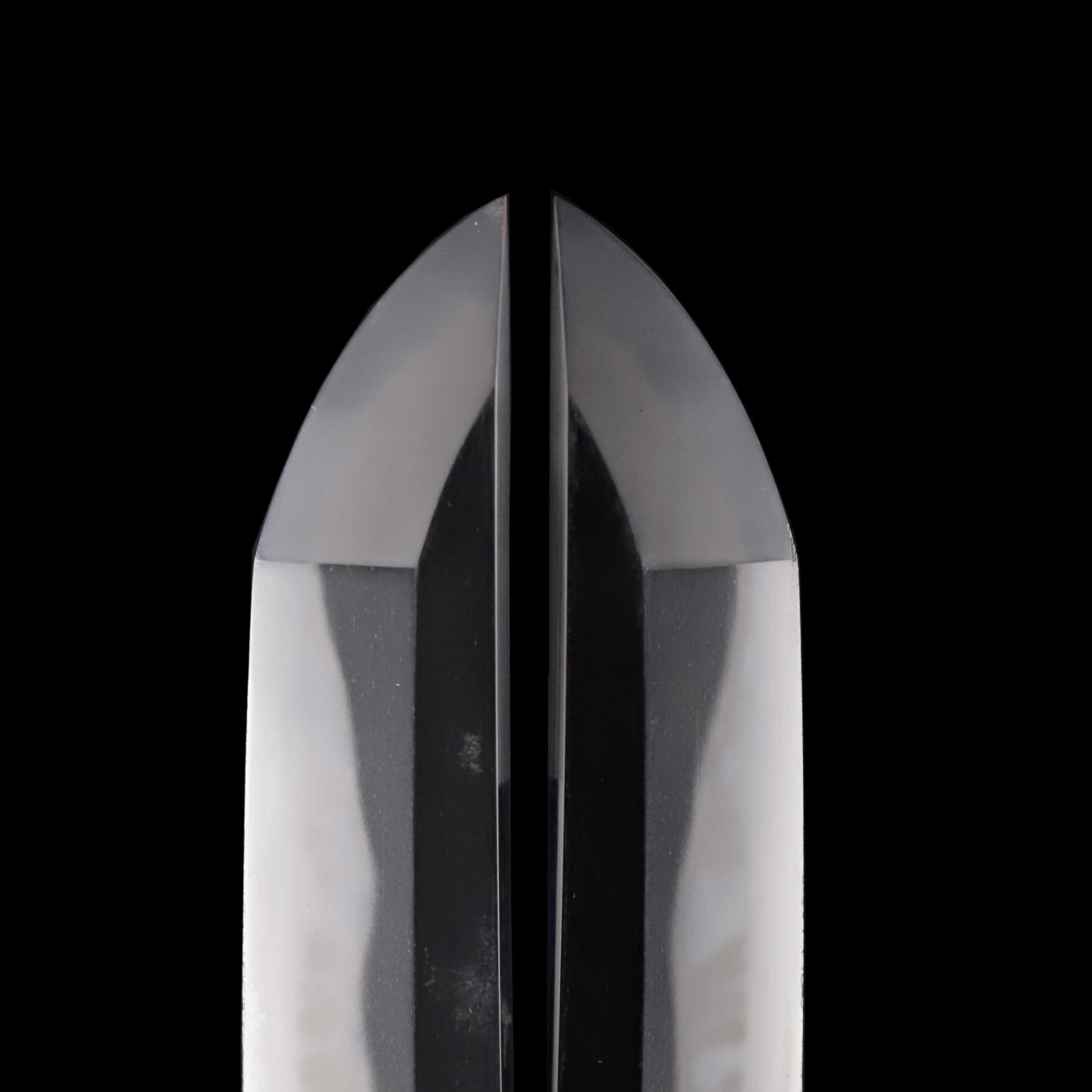
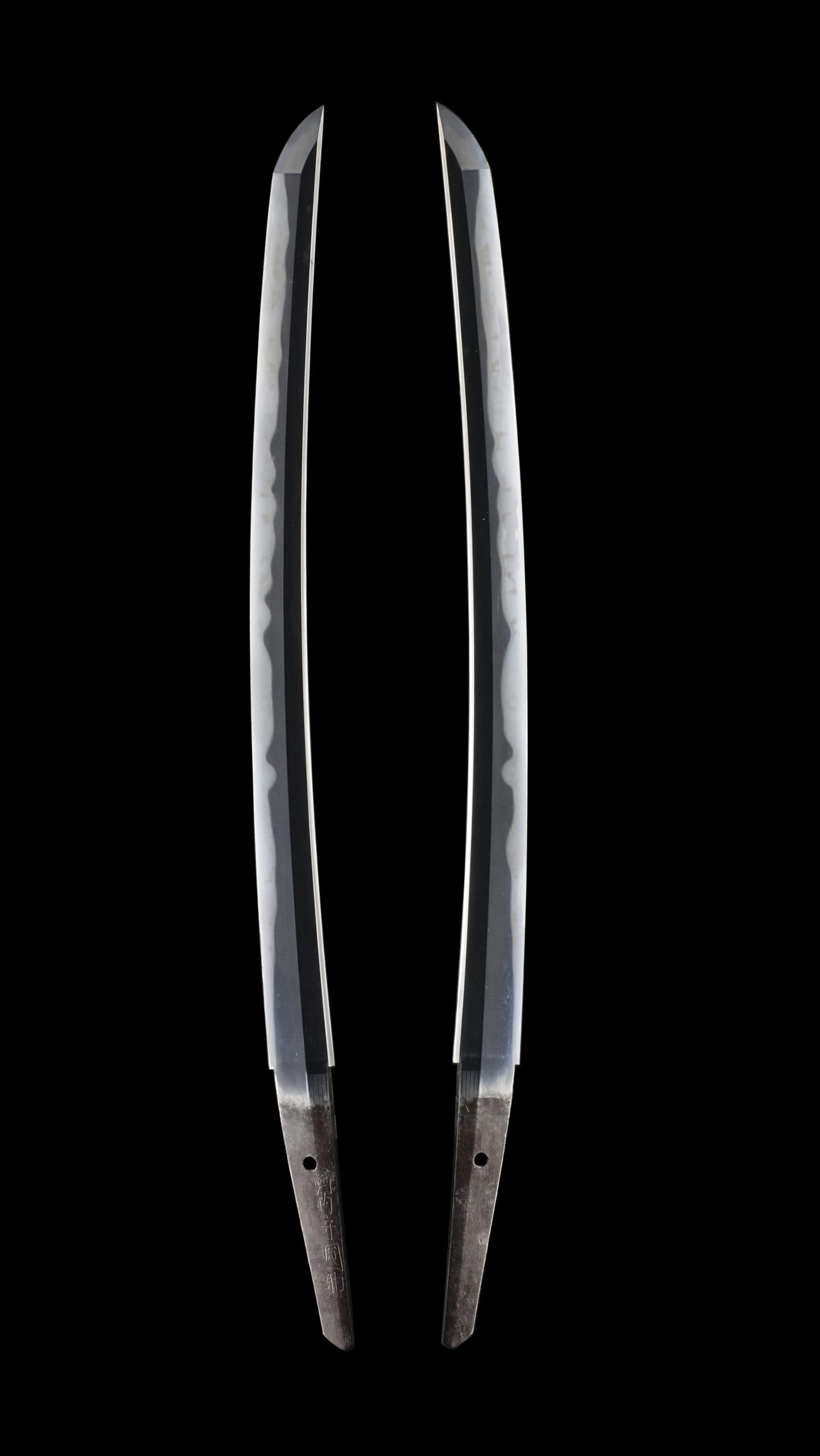
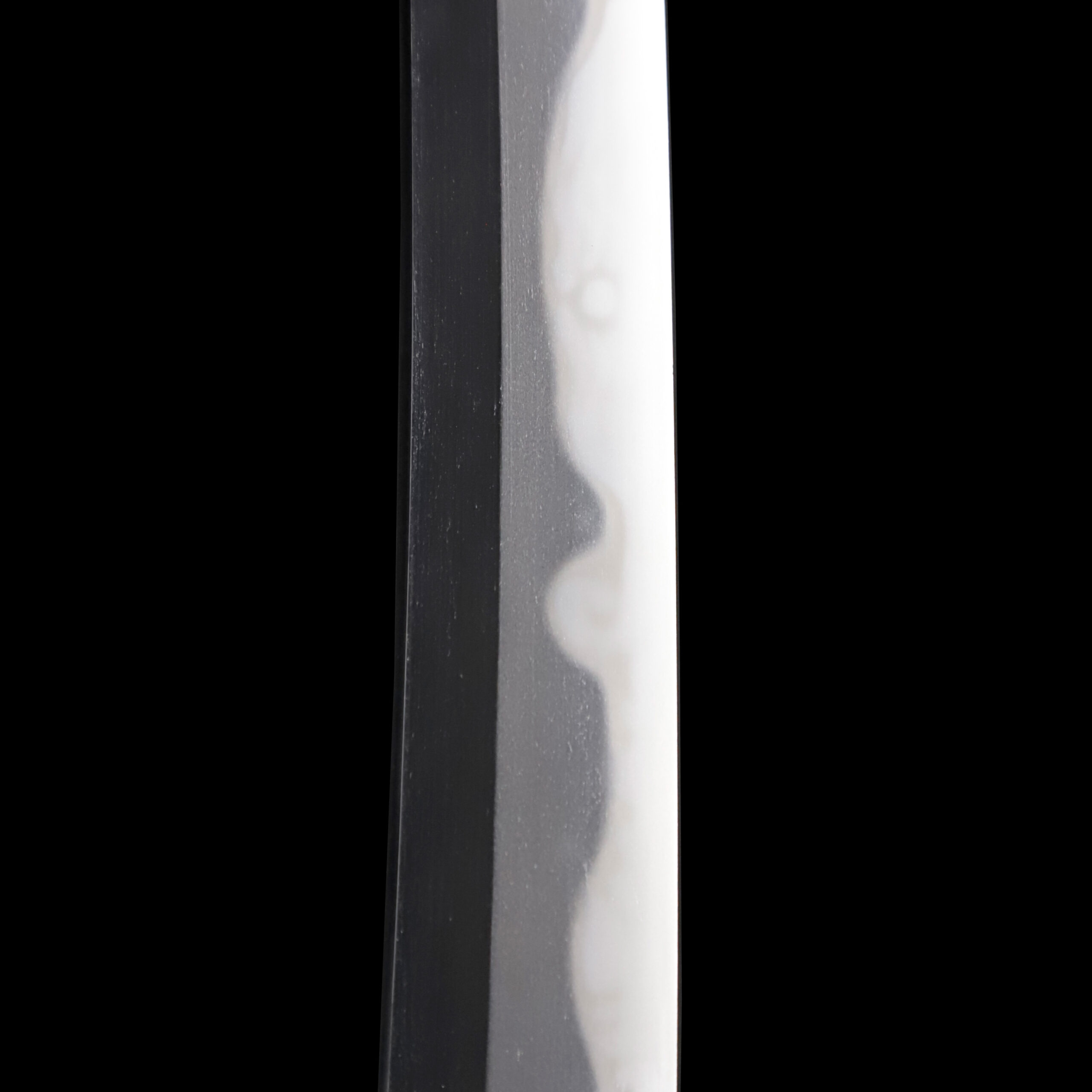
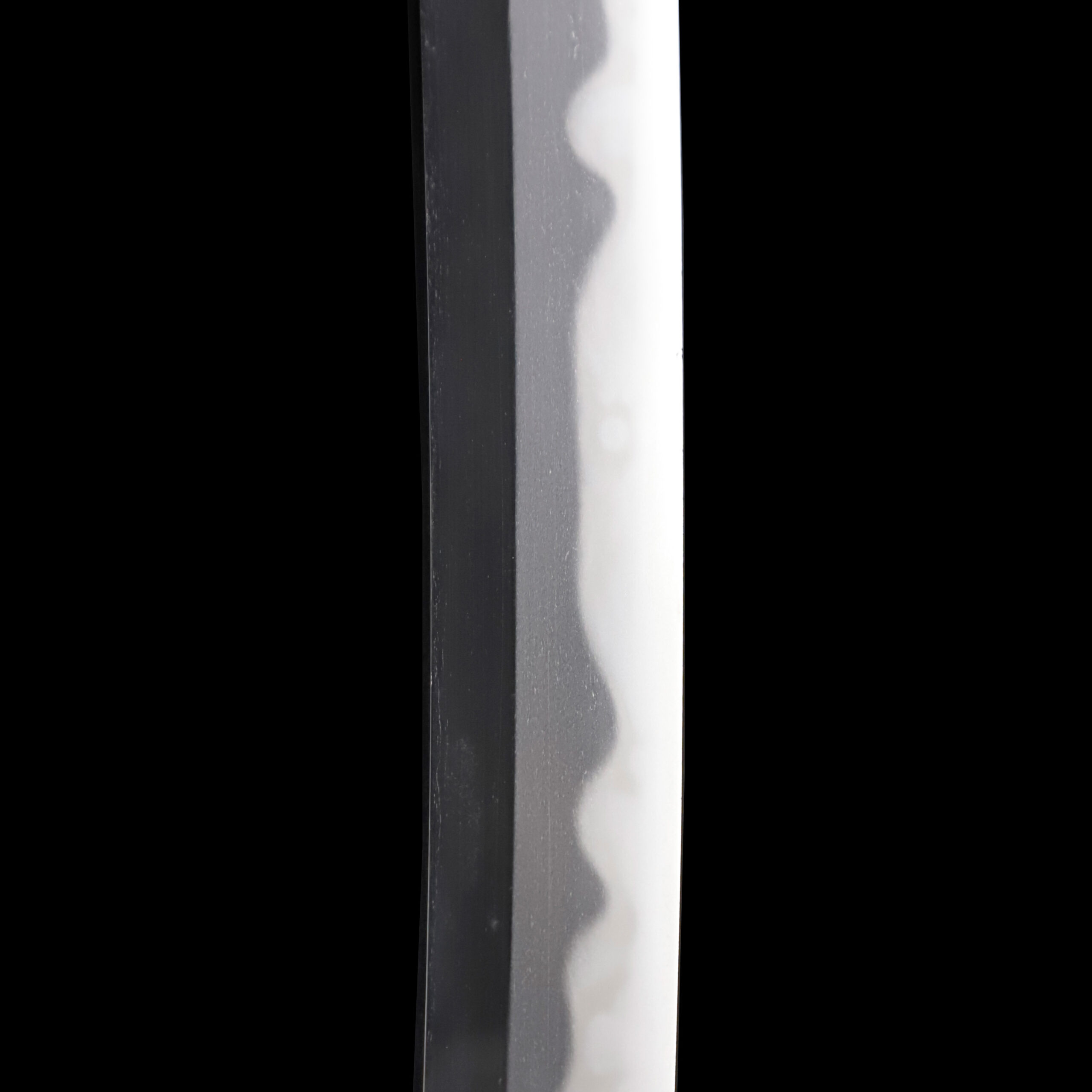
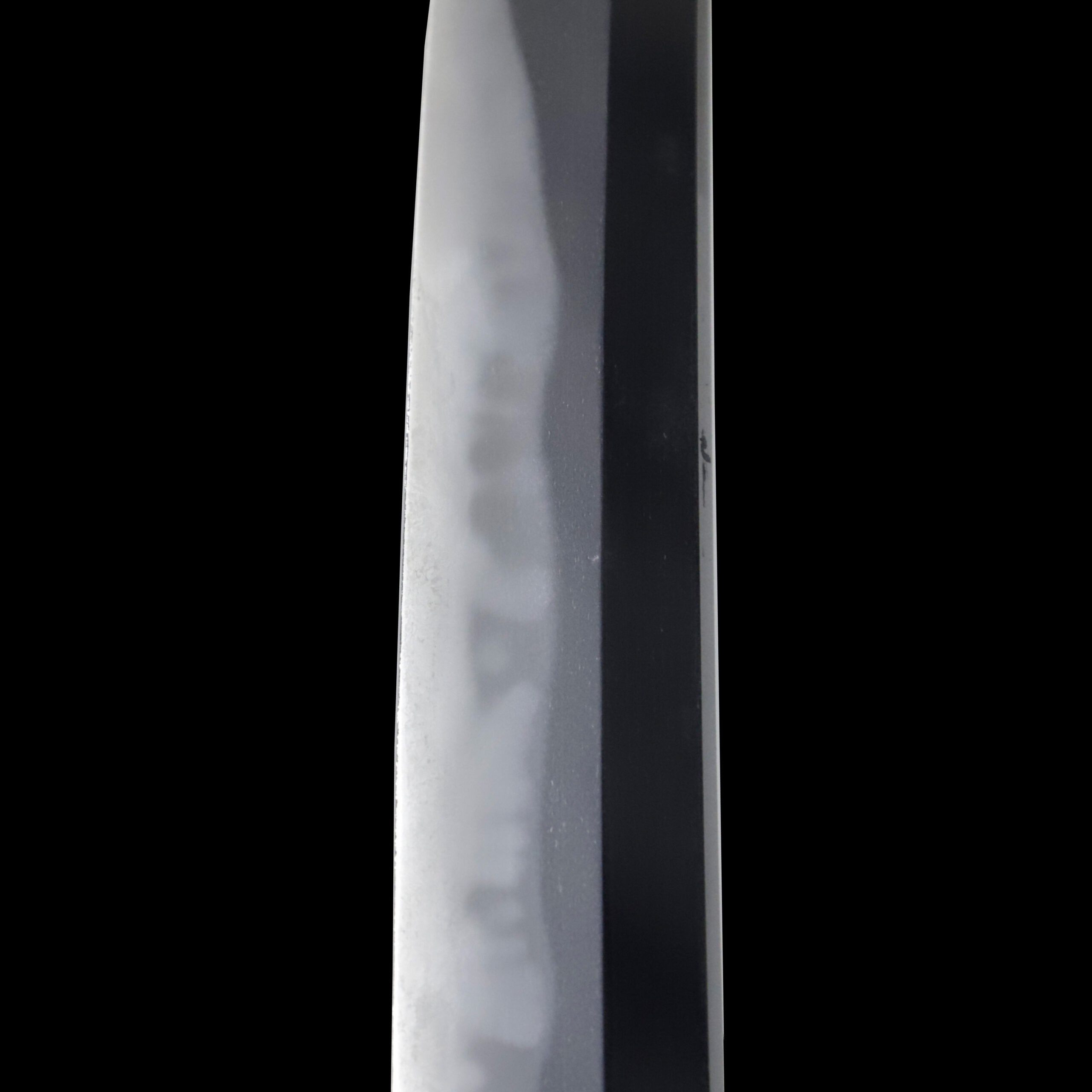
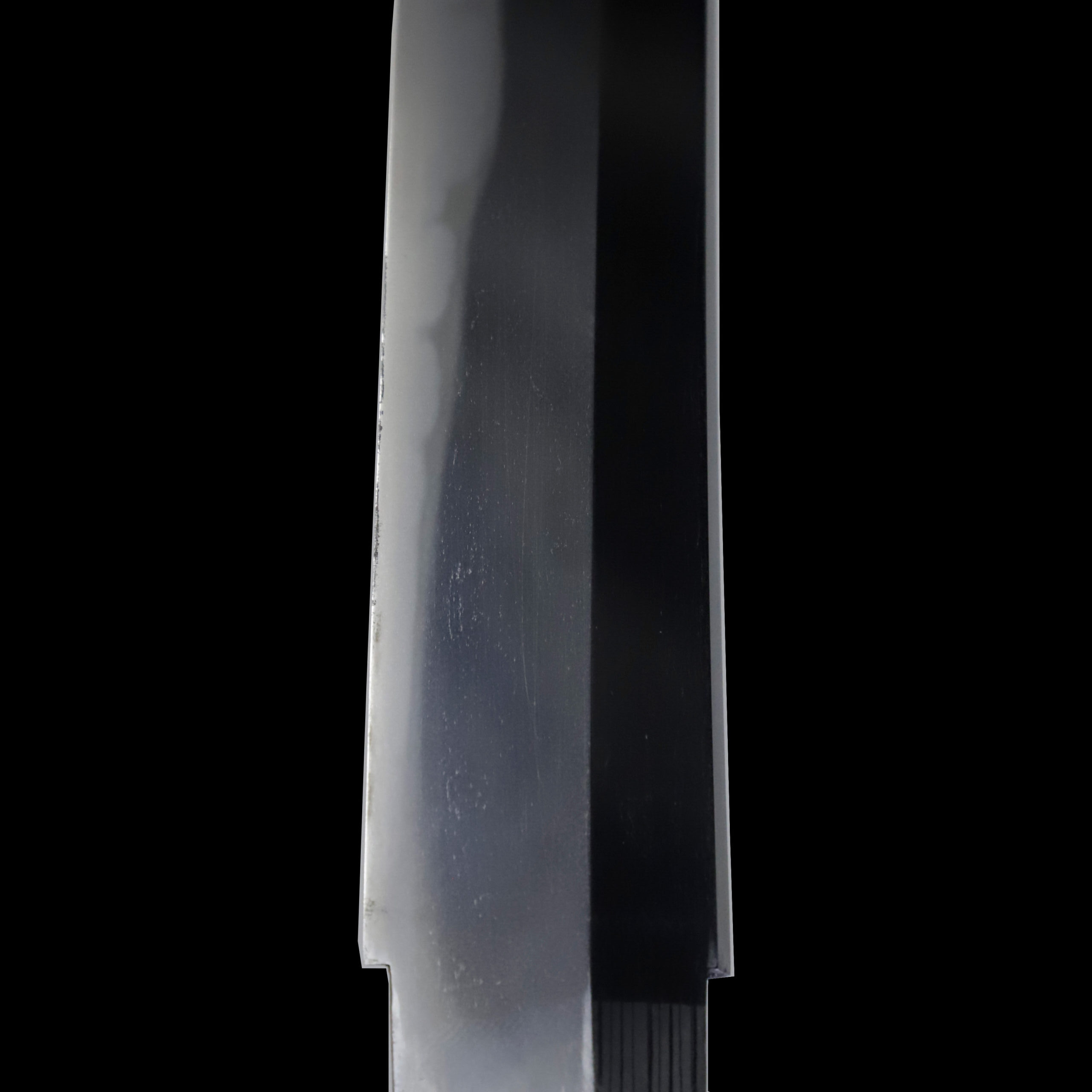
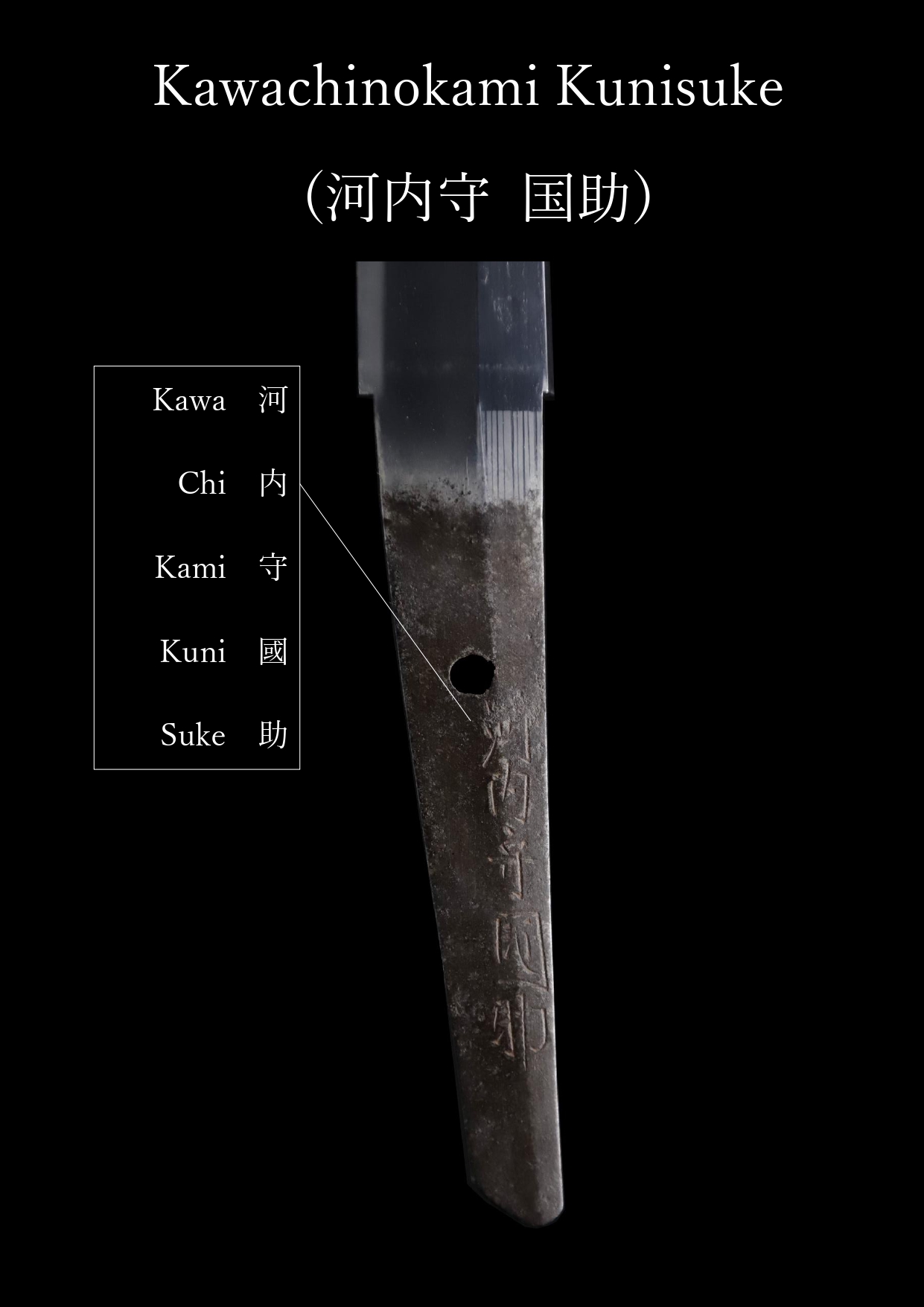
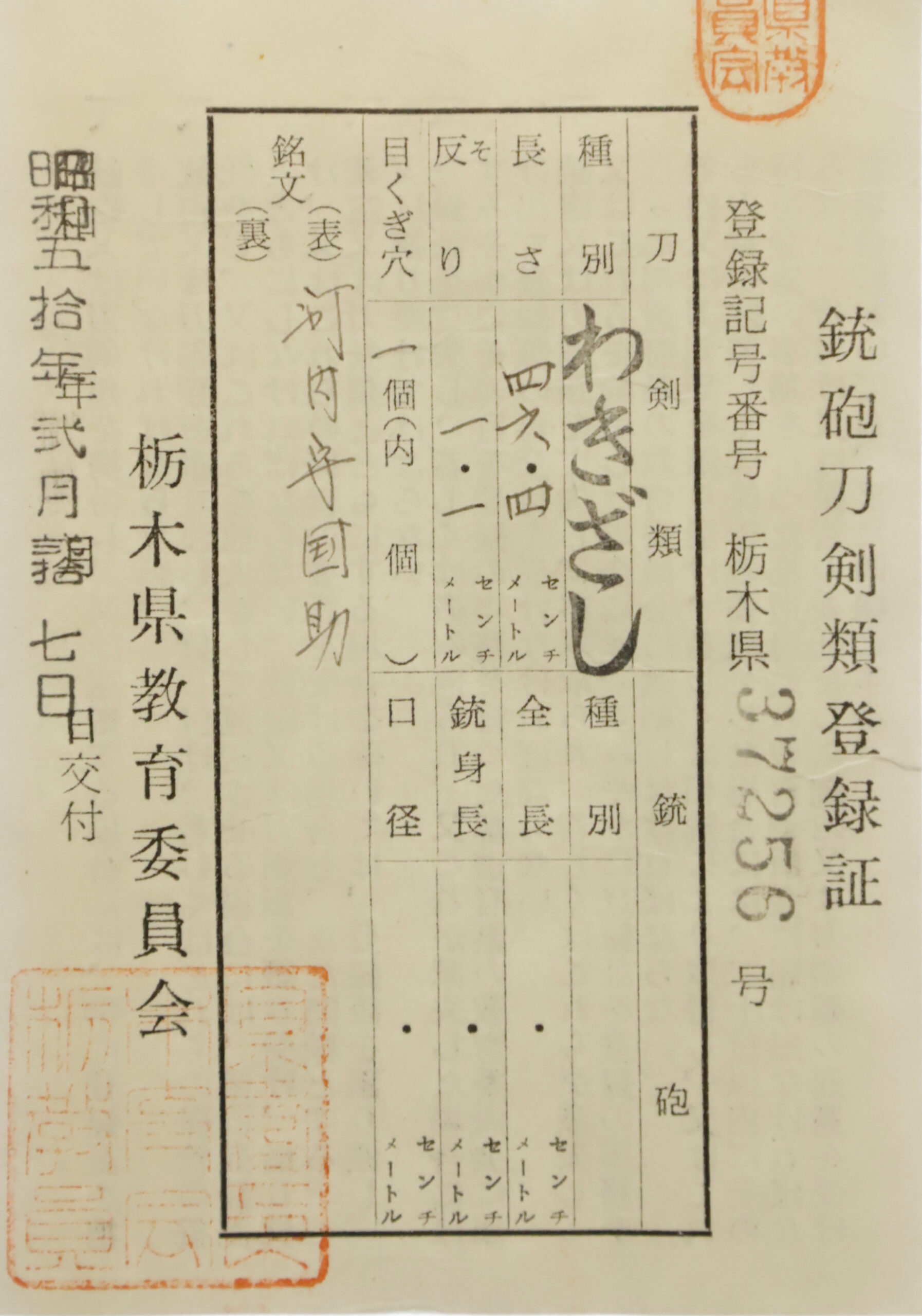
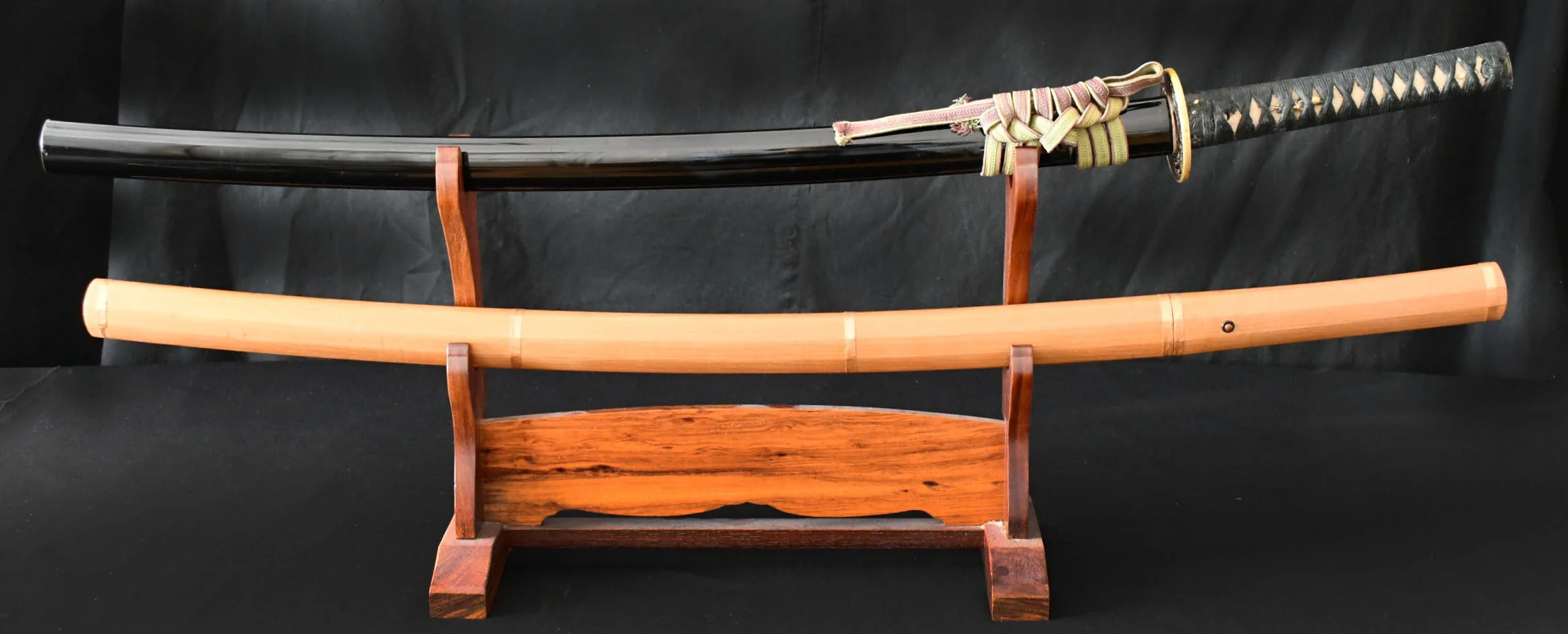
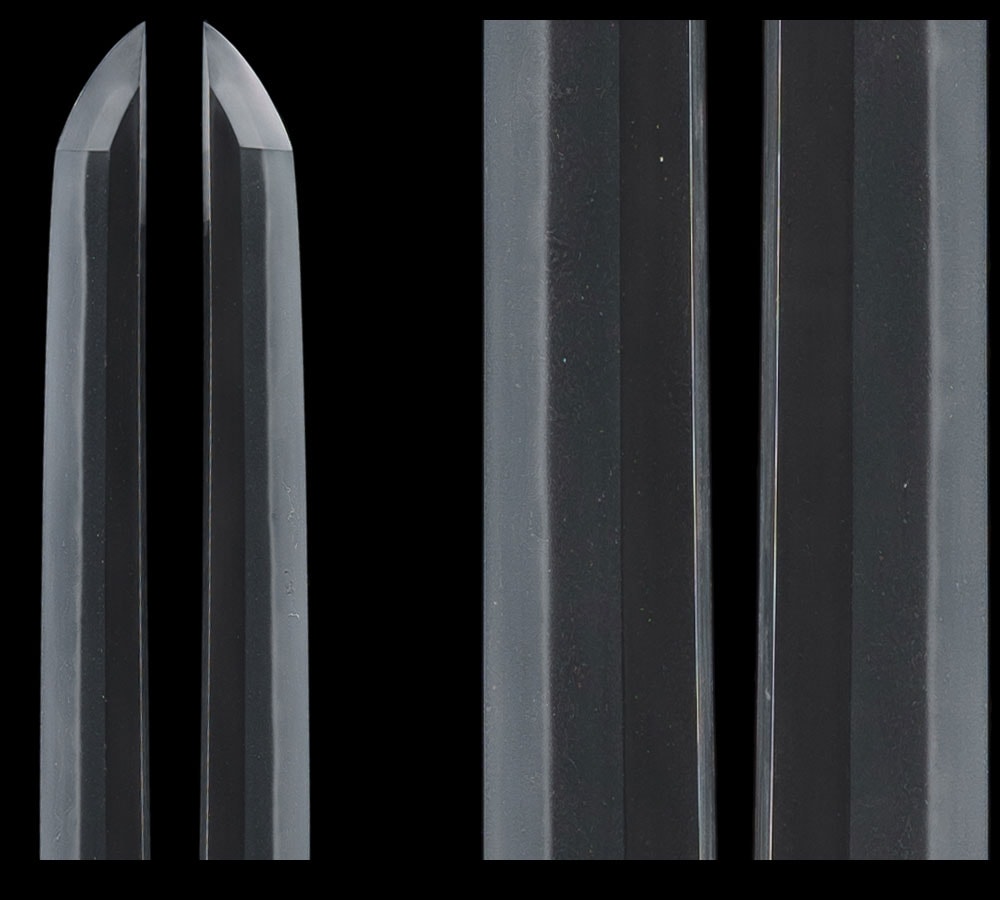
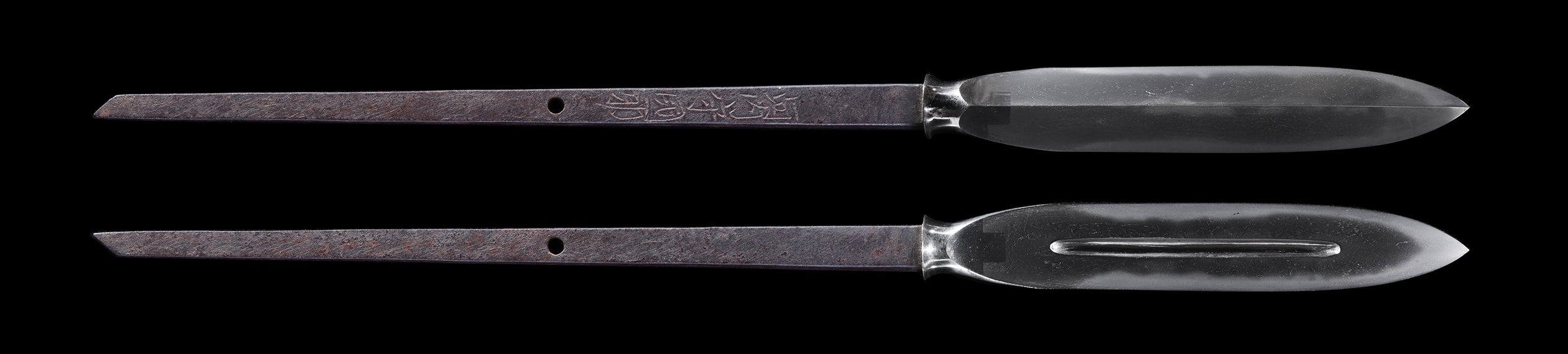
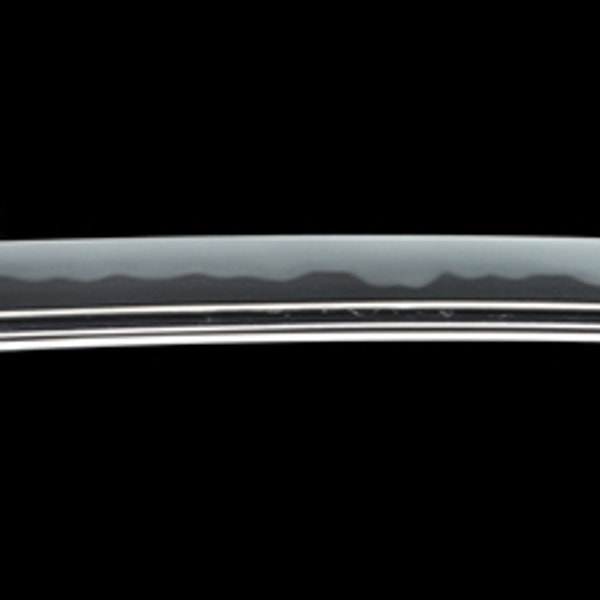
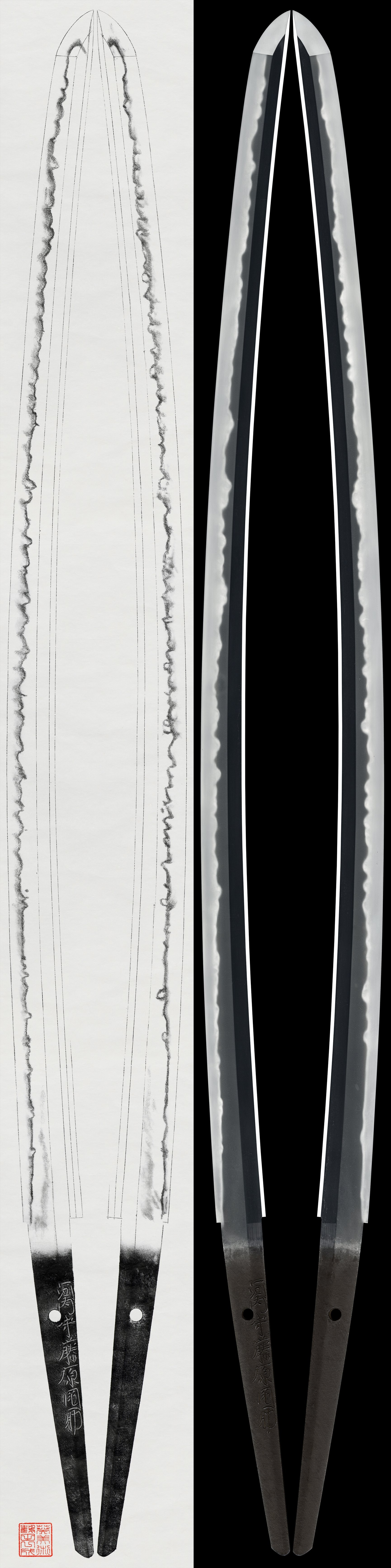
日本刀 脇差 河内守国助(二代・中河内) 日本美術刀剣保存協会(NBTHK)特別保存刀剣鑑定書付 【解説】 本作は河内守国助(かわちのかみ くにすけ)の銘がある脇差です。その作域から、江戸時代前期の万治から寛文年間(1658-1673年)にかけて活躍した二代目国助の手によるものと推測されます。 国助は江戸初期の大阪を代表する名工の一人です。国助の名は三代にわたり継承されましたが、二代目は初代と三代目の間に位置することから、通称「中河内(なかかわち)」と呼ばれ、歴代の中でも最も華やかな作風で知られています。 初代国助は伊勢国(現在の三重県)に生まれ、亀山城主・関一政に仕えましたが、関家の改易に伴い京都へ移りました。そこで新刀の祖と仰がれる堀川国広の門下となり、国広没後は越後守国儔に学びました。その後、寛永七年(1630年)に和泉守国貞と共に大坂へ移住し、独立。大坂新刀の礎を築く重要な役割を果たしました。その卓越した技術は、この二代目国助へと見事に受け継がれています。 二代国助の作品は「大坂新刀」に分類されます。新刀とは慶長(1596年)から天明(1781年)頃までに打たれた刀を指し、その中でも大坂で制作されたものは大坂新刀と呼ばれます。豊臣秀吉による大坂城築城後、大坂は城下町・商業の中心地として繁栄し、多くの刀工が集まりました。彼らは大坂の武士のみならず、全国の諸大名のためにも作刀に励みました。粟田口近江守忠綱、井上真改、津田助広などは、その代表格として知られています。 大坂新刀の大きな特徴の一つは、地鉄(じがね)の美しさにあります。大坂は良質な玉鋼の産地との交易が盛んであったため、刀工たちは質の高い原料を入手することができ、それが精緻で美しい地肌の形成を可能にしました。 本作は日本美術刀剣保存協会(NBTHK)により「特別保存刀剣」に鑑定されています。これは保存状態が極めて良く、かつ美術的価値が高い真作の日本刀にのみ与えられる格付けです。 ※刀身に一部黒錆が見受けられます。詳細なコンディションについては、お気軽にお問い合わせください。 【刀身】 長さ(Nagasa):46.4 cm 反り(Sori):1.1 cm 刃文(Hamon):焼入れによって刃先に現れる結晶構造。 地肌(Jihada):鍛錬によって現れる鋼の表面模様。 茎(Nakago):刀身の柄に収まる部分。 時の経過とともに生じる茎の錆色は、専門家が制作年代を推定する際の重要な指標となります。 切先(Kissaki):刀身の先端部分。 鎺(Habaki):刀身を鞘の中に固定し、刀身が鞘の内側に触れるのを防ぐ金具。錆や欠けを防止する役割も果たします。 鑑定書:日本美術刀剣保存協会(NBTHK)特別保存刀剣鑑定書(第148290号)
 NihontoWatch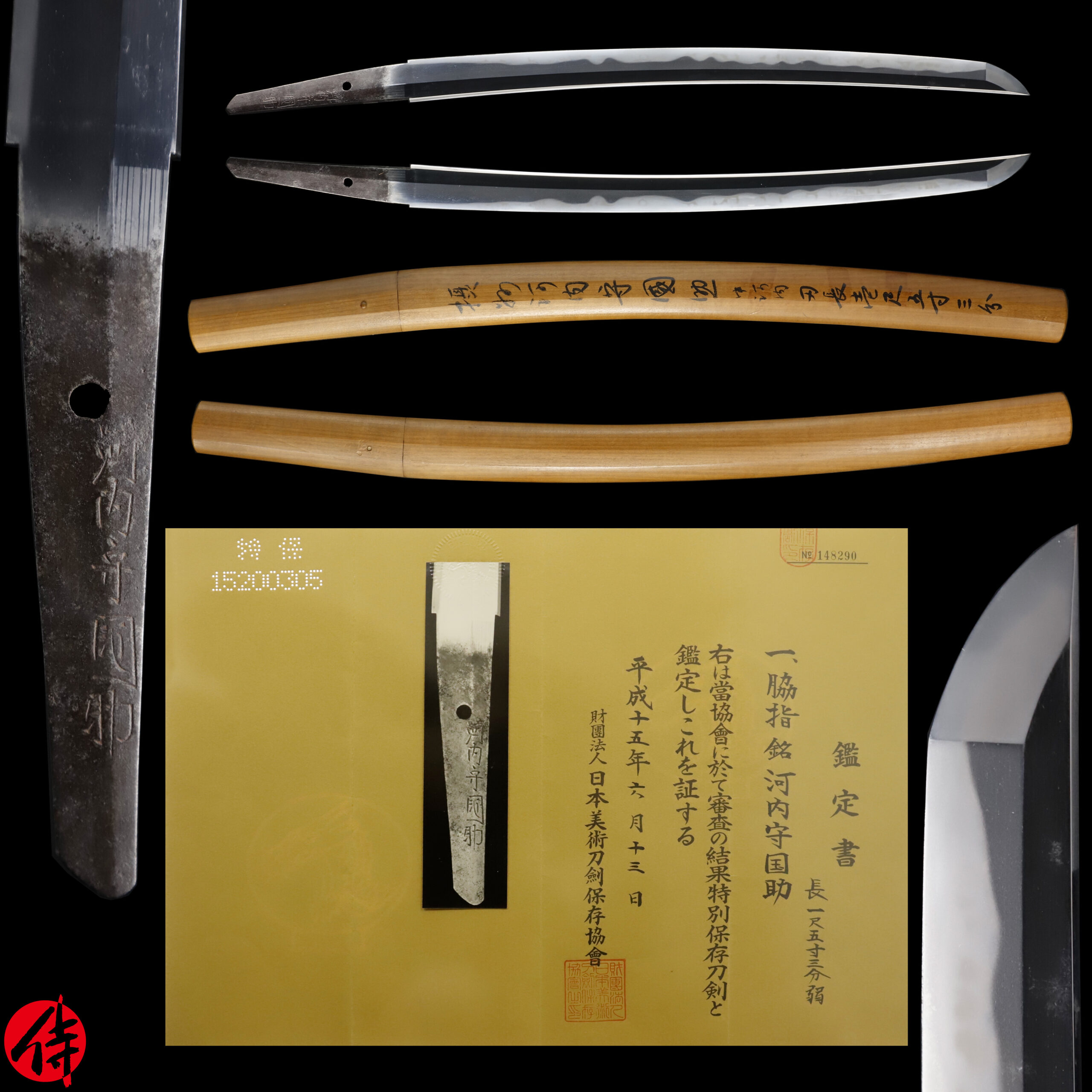
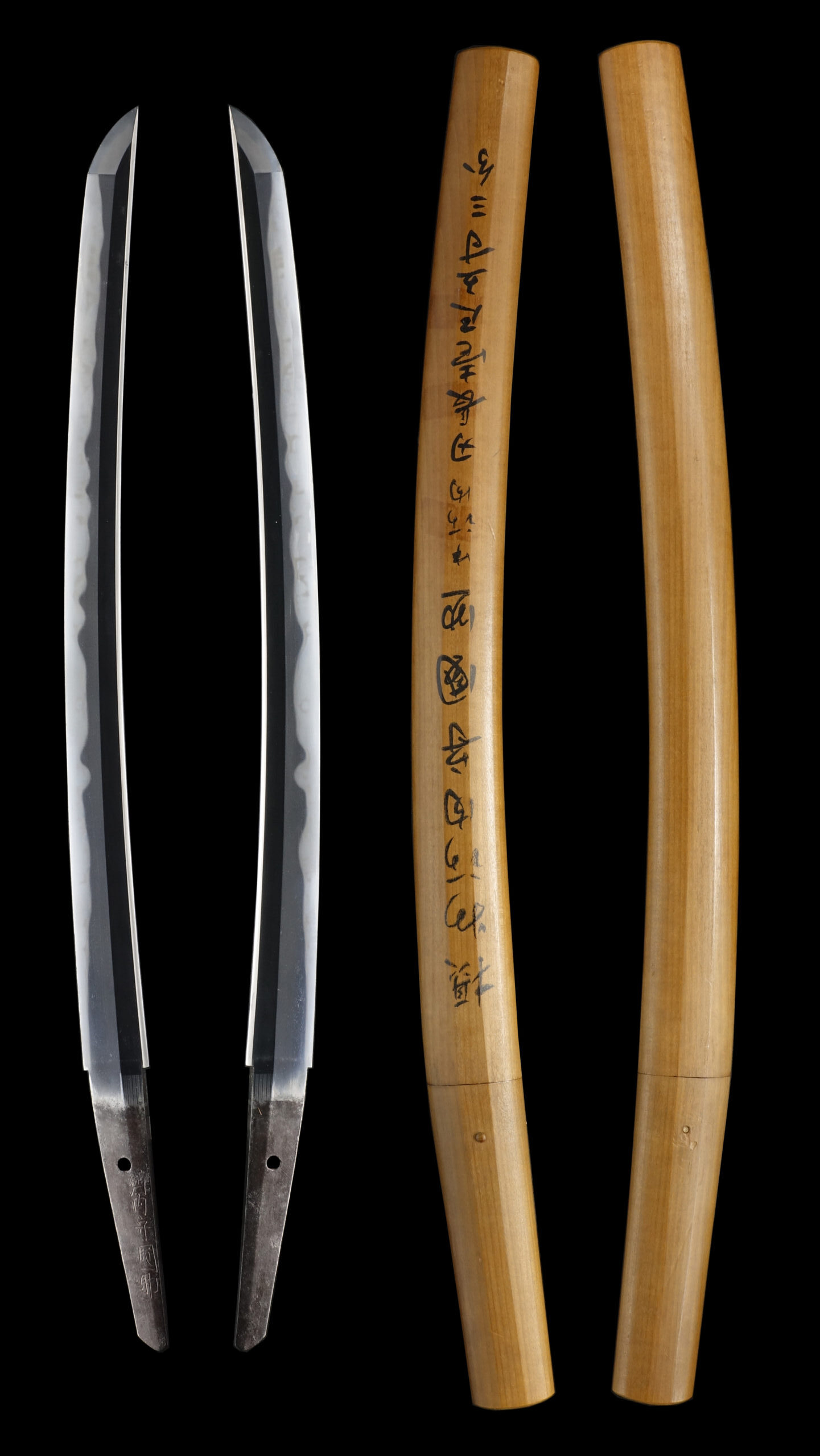
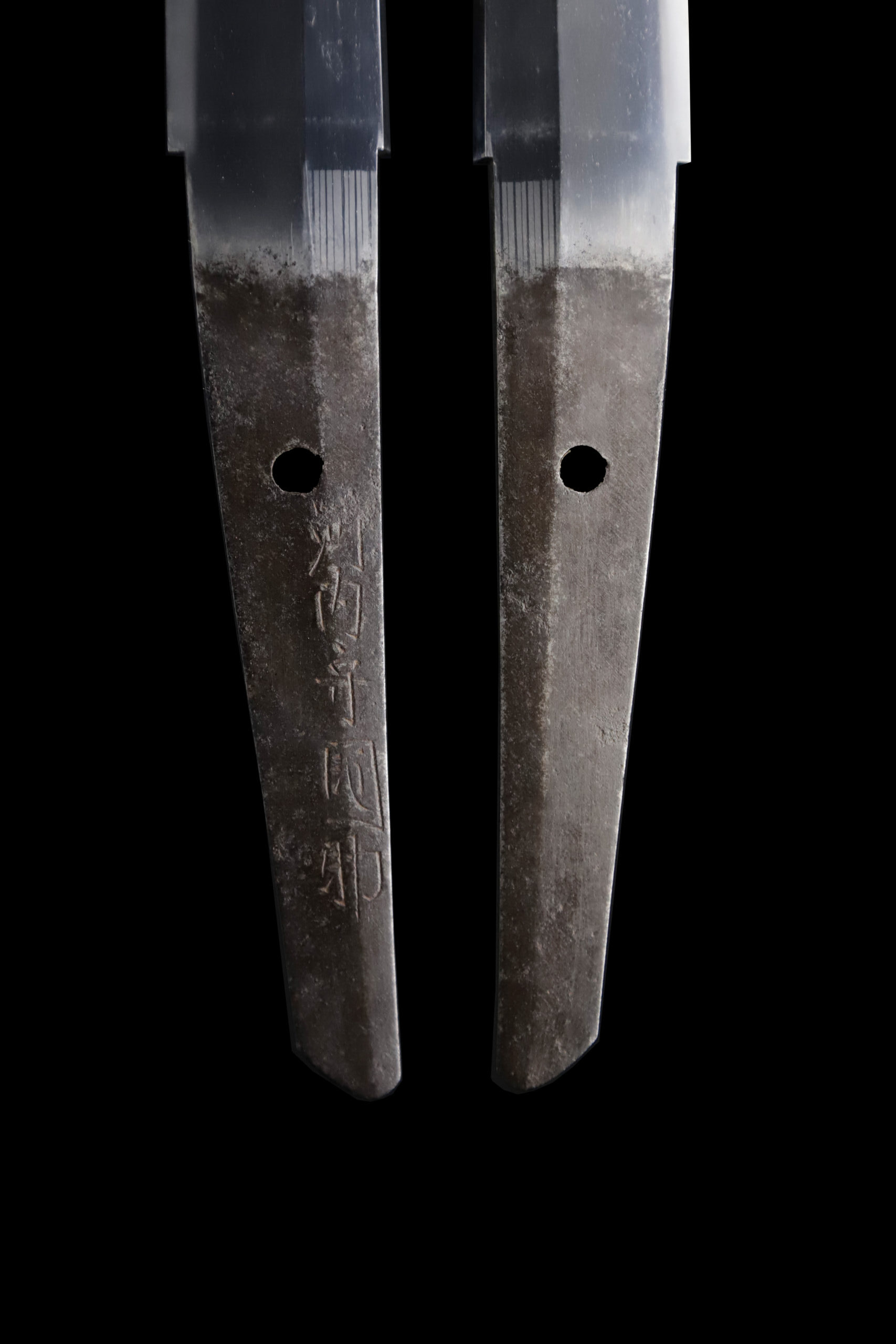
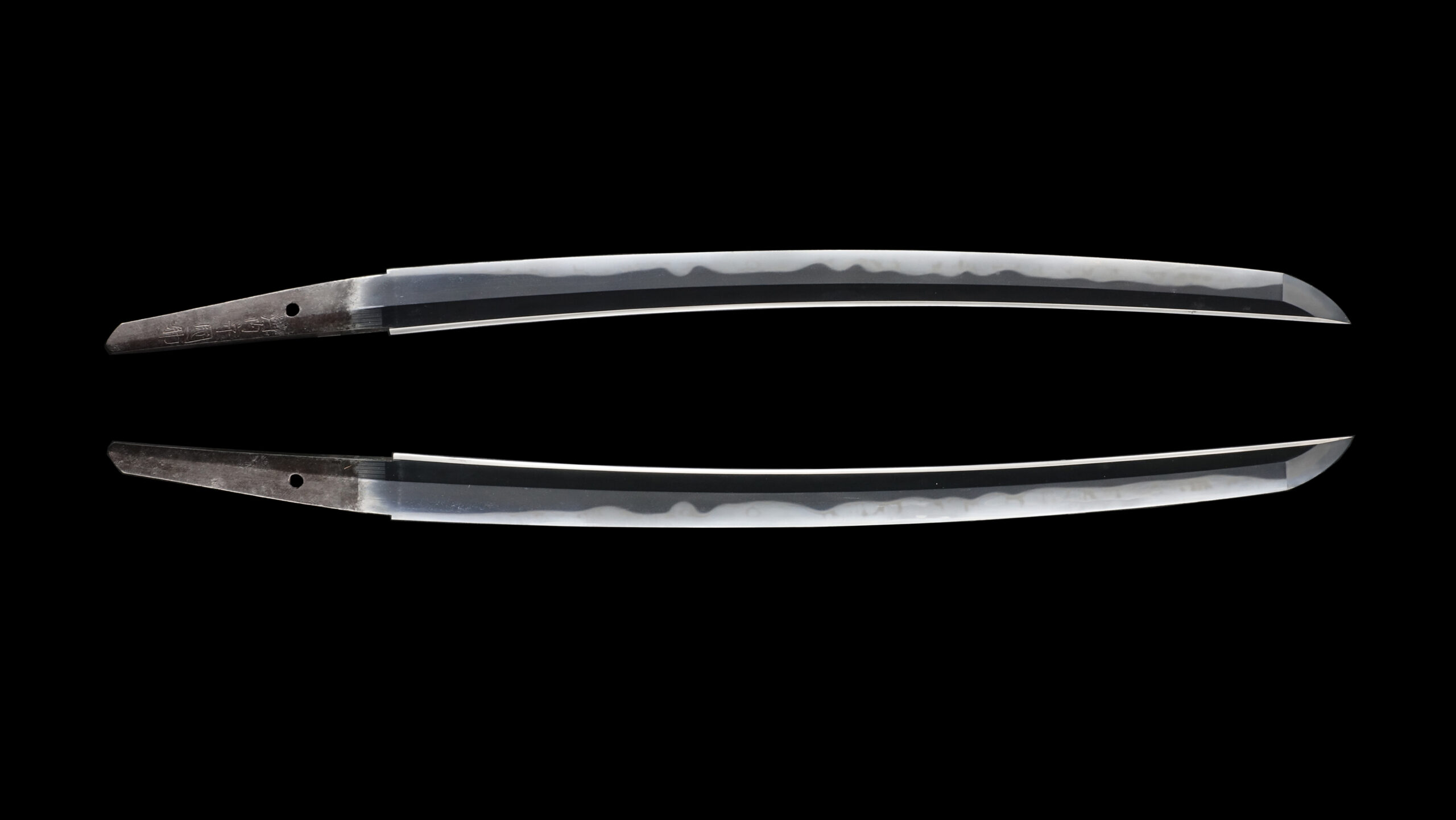
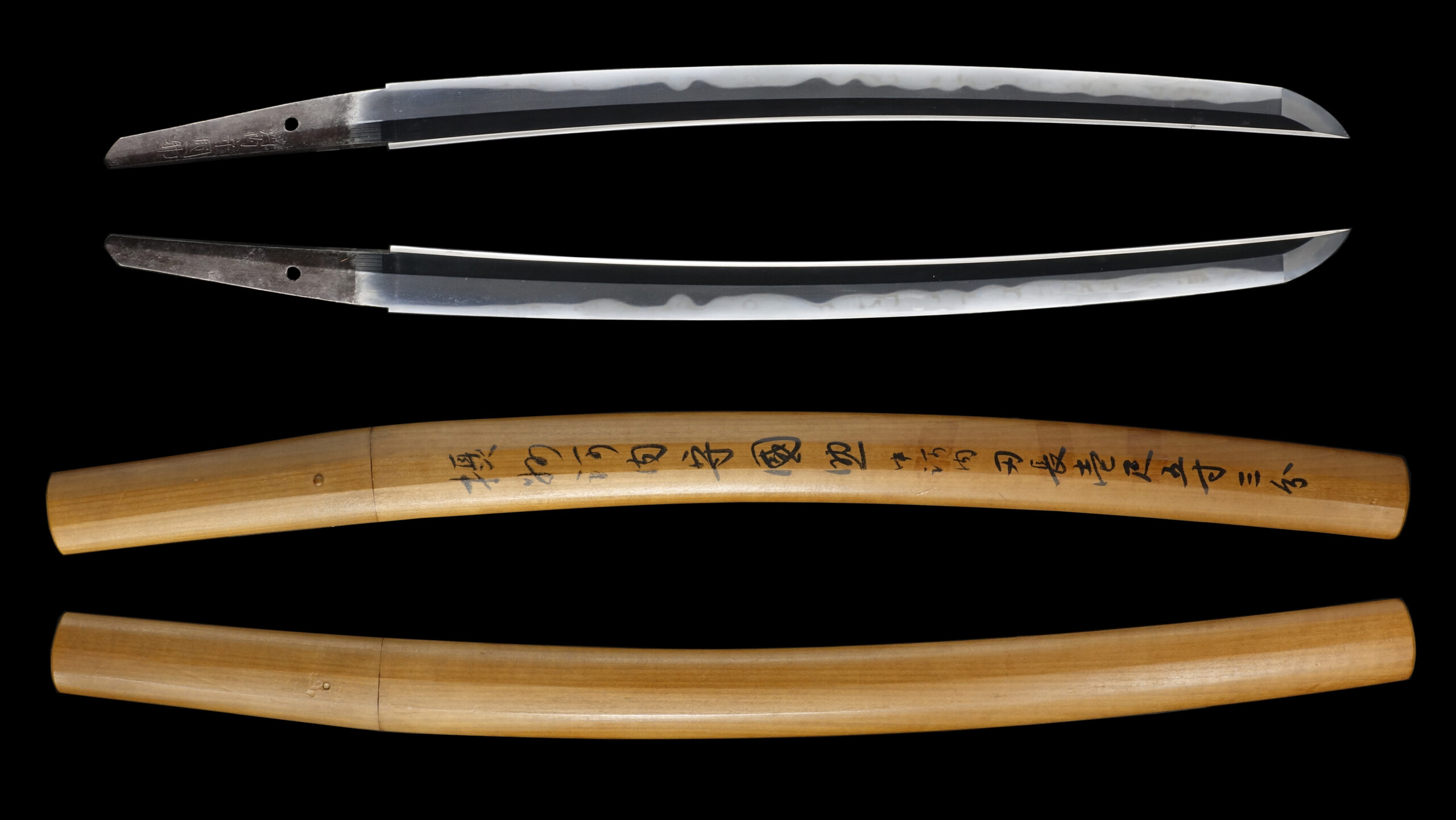
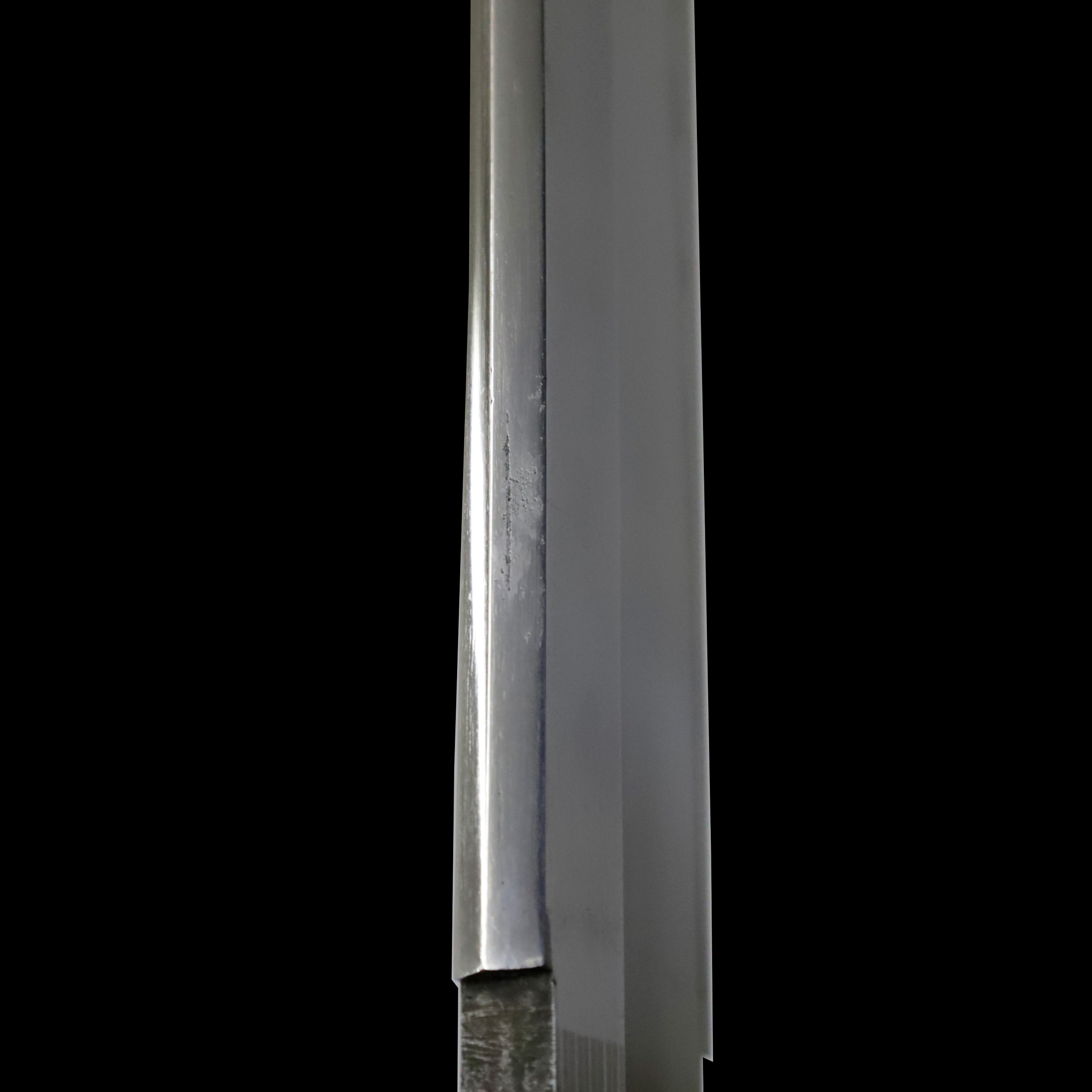
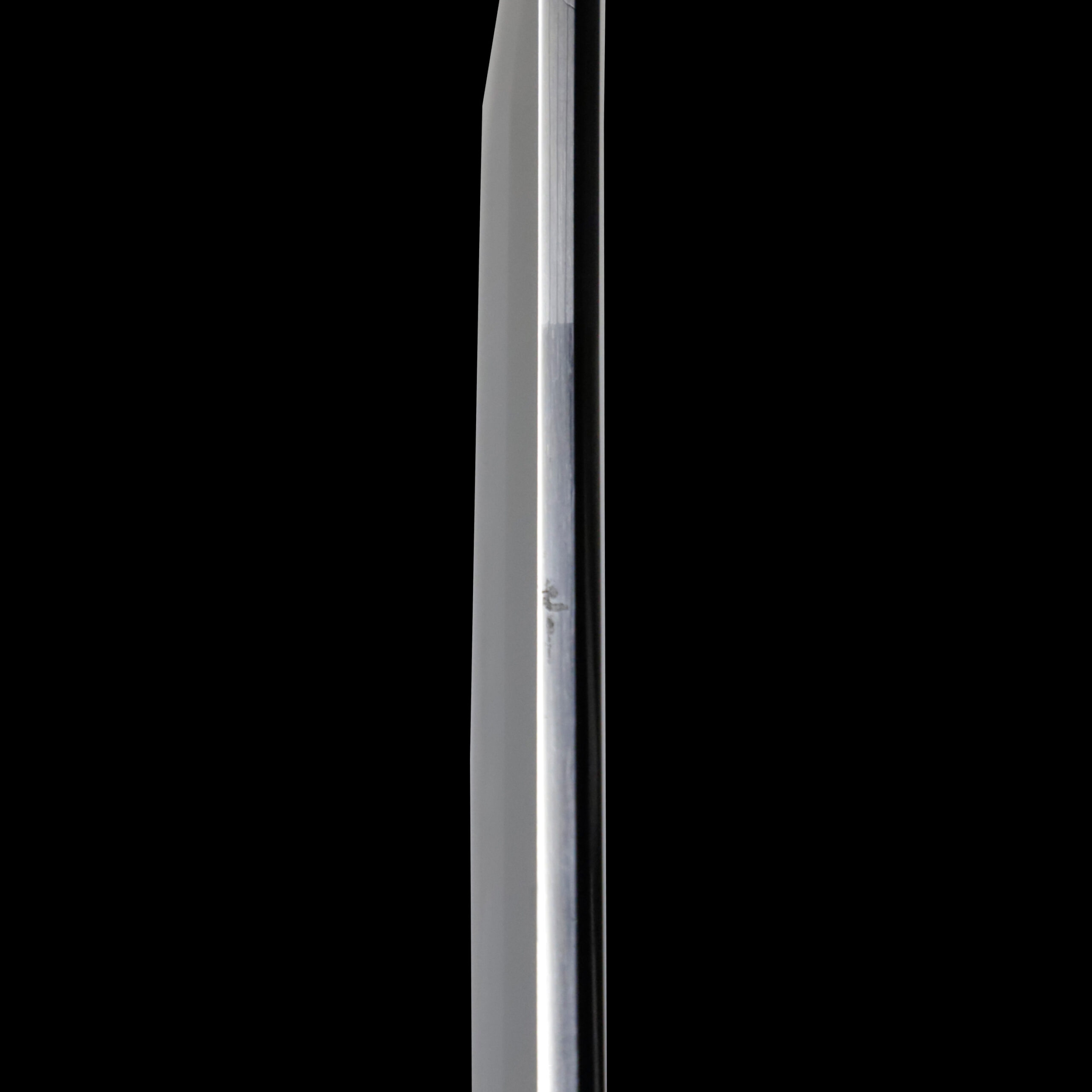
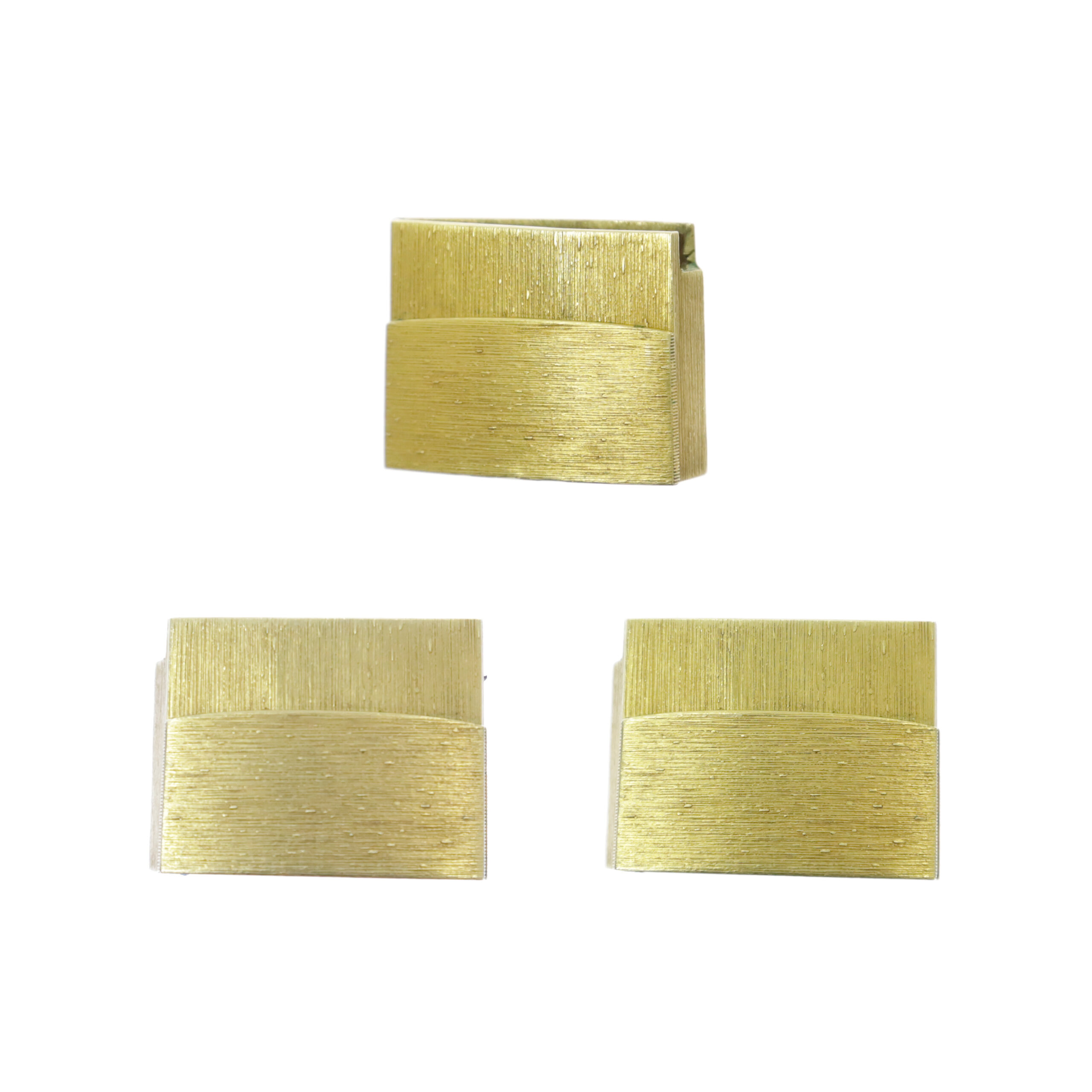
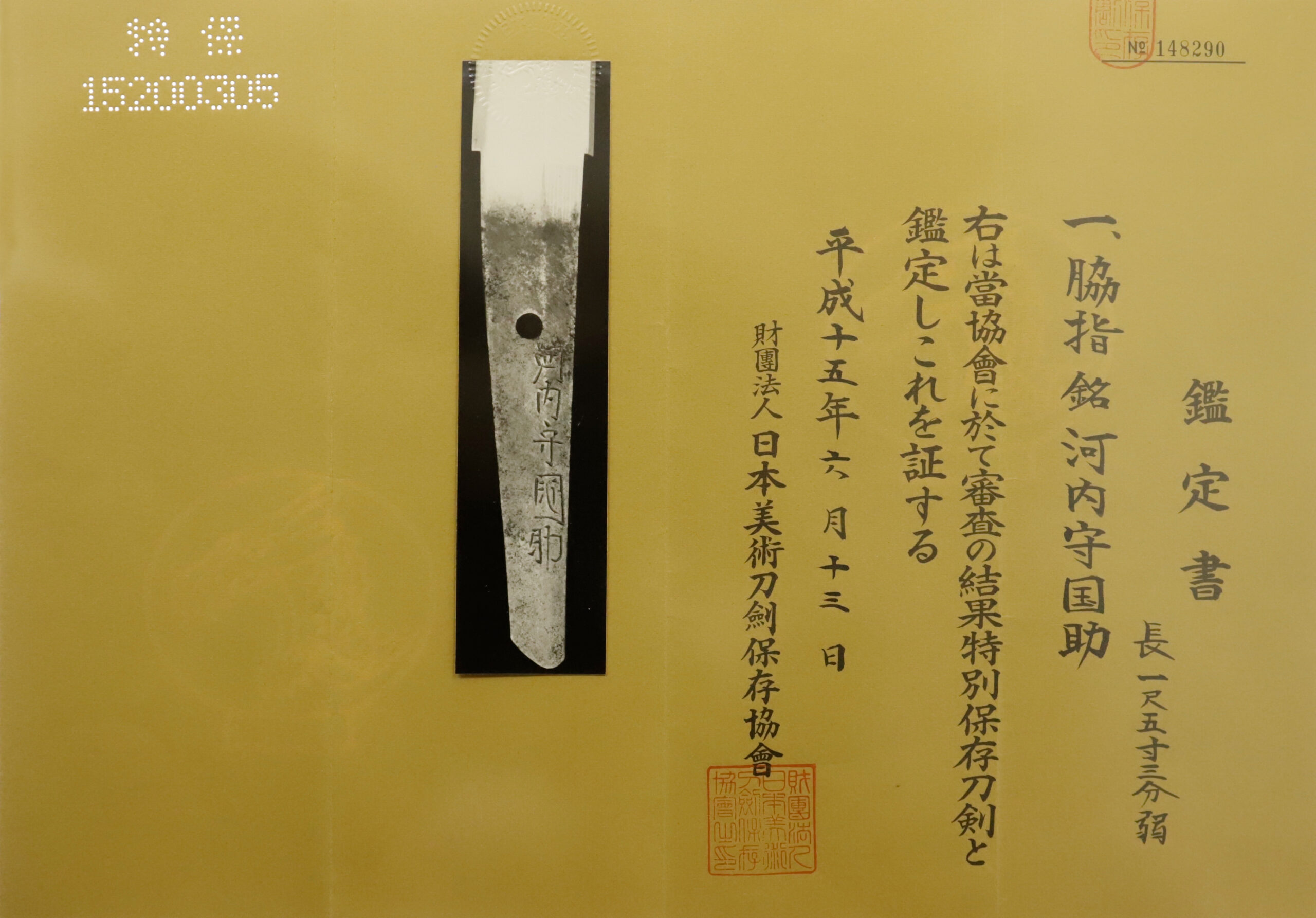
Horikawa school, Osaka Shinto (Settsu); Ishido-derived · 摂津 · 1624-1650頃
藤代 Jo-jo saku · 刀剣大鑑 上位17%
現在9点販売中
河内守国助は二つの手で担われた大坂新刀の名跡であり、説明書はその両者を慎重に分かつ。初代は京に上って堀川国広の門に末弟子として入り、慶長十九年に国広が歿すると、親国貞こと和泉守国貞とともに大坂へ移り、両者は大坂新刀の開拓者となった。伝に伊勢国神戸の出にして石堂の流れを汲み、説明書はその出自を彼の手の鍵とする。国広門下にあって彼こそ「最も丁子を得意とし」[[c:1]]、その乱れのどこかには必ず丁子が表われるという。諸書はまた、作風と銘振りからして、実際上の師が国広というより兄弟子の越後守国儔であったと判ずる。
その典型は身幅尋常・反り浅く中鋒の鎬造の刀で、小板目よくつみ地沸厚くつく。区上の直ぐの焼出しより起こして、丁子に互の目・小のたれを交えた乱れを焼き、匂深く小沸よくつき、足・葉入り、砂流し・金筋かかり、帽子は直ぐに小丸となる。乱れの中に丁子の目立つところこそ極めの要で、他の堀川の作なら名を得ずに過ぎようとも、堀川一門中では目立つ丁子こそ国助と鑑せられる見どころだと説明書は記す。その作風はともに南下した親国貞に極めて類似し、両者は一つの大坂の始まりの相伴侶として読まれる。
地鉄こそ第二の面が名のるところである。彼の作の少なからず、殊に脇指において、板目が立ってザングリとなり、師国広の派のゆるやかな地を大坂へ伝えたもので、地沸厚く地景入る。その地に小のたれを基調に互の目を交えた刃を焼き、刃中小沸深く、砂流しよくかかり金筋入り、処々棟焼を交える。ある片切刃の脇指を説明書は「堀川色の濃い作風」[[c:2]]と読み、立ってザングリとした肌と沸づいた小のたれを、彼が学んだものの上手な証とする。薙刀樋に添樋を添え、最上手には護摩箸の彫物がこの手を伴う。これは生まれ持った石堂の丁子をついぞ手放さなかった堀川の弟子の手である。
二代は初代の子にして世に中河内と称され、もう一方へ転ずる。よく詰んで美しい小板目を鍛え、自らの拳形丁子を主調とした華やかな丁子を焼き、互の目を交えて単調に陥らず、しばしば長い直ぐの焼出しより起こし、匂口締って明るく冴え、帽子は直ぐに小丸となる。説明書はこれを「石堂家本来の丁子を焼いて」[[c:3]]とし、父の堀川風は殆ど見られぬとする。その得意とするところは「拳形の丁子乱れにあり、地がねはよく整って美しい」[[c:4]]と評され、その作は当時「新刀一文字と賞された」[[c:5]]。説明書はまた率直に、中には富士・玉などを焼いて技巧に走りすぎたるものもあると記す。
この名跡を両隣から分かつのは、まさに極めの言うところである。華やかな濤瀾を焼いた津田一門に対し、中河内は石堂本来の丁子の一方の旗頭であり、よく整った地に焼く明るい拳形丁子がその濤瀾への対となる。初代は逆に、丁子をもって自門の内に分かたれる。乱れのうちに石堂由来の古丁子を宿す唯一の堀川の弟子である。かくして父子は名跡を両側から閉じる。初代は石堂の丁子を保った堀川の手、二代は堀川の手を置いた石堂の手である。
収集の観点では、河内守国助は大坂新刀有数の名跡で、藤代の極めは上々作である。国宝はなく、重要文化財もない。その記録は重要刀剣を通じ、両代あわせて四十八口に及び、うち一刀は戦前の重要美術品に伝わる。説明書は初代の最上の在銘刀を「同作中の傑出の一」[[c:6]]と称える。来歴の知られるものは僅かで、板倉家と皇室がその作の所持に名を列ね、他は所在の知られぬ私蔵にある。初代の現存作は比較的少なく殊に刀は少ないが、中河内の作はやや多く残る。市に出るのは折々のことであり、両代いずれの優品も、大坂新刀を集める者が手にして心満たされる一口である。
國助の位置づけを、日本刀全体および伝統・時代・時期ごとに示します。各位(随一・屈指・有数・著名)は、NBTHK および文化庁による指定に加え、三作や名物帳などの歴史的栄誉を加味したものです。
各項目を選ぶと評価方法が表示されます。
在銘年紀作が示す、確実に活動していた年代
新刀 · 山城
現在76点販売中
堀川派は、山城国京都の一条堀川を本拠として、十六世紀末から十七世紀初頭にかけて成立した新刀期の一門である。祖の堀川国広はもと日向飫肥の城主伊東家に仕えた武士で、主家没落の後は諸国を遍歴して鍛刀の技を磨き、足利学校打や美濃大道との合作などにその足跡を銘文へ残した。慶長四年(一五九九)以後は京一条堀川に定住し、多くの俊秀を糾合してこれを育てた。その門からは出羽大掾国路、和泉守国貞(親国貞)、河内守国助、越後守国儔、大隅掾正弘、堀川国安らが輩出する。国広以前の関や末相州の作風を経て、定住後の一門は相州伝、就中、志津や貞宗、左文字の復興を共通の理想に掲げた。慶長新刀の姿に南北朝期の大太刀を磨上げた趣を写し、明寿と並んで新刀の創始を称えられる祖を戴いて、この派は京の鍛冶を改めた起点に立つ。 一門の作風は、地鉄にまず標識を持つ。板目に杢や大板目を交えて肌立つ、いわゆる「ザングリとした」枯れた肌合を呈し、地沸が微塵に厚くつき、地景が細かに頻りに入る。区際より斜めに立つ水影は国広自身の手癖で、正弘や国安、国正にも伝わる。刃は浅いのたれを基調に互の目や尖り刃を交えて沸厚く、金筋や砂流しがかかり、処々に湯走りや飛焼を見せ、匂口が沈みごころとなるのが一派に通じる癖である。刃区を深く焼き込む態も国広に始まり門弟へ及ぶ。この共通の地刃の上に、各工は己の差を置く。国路は肌立ちザングリと枯れた地に厚く荒い沸の志津写しを焼き、浅くのたれ込んで先の尖る三品帽子を見せて、一門中随一の器用人と称された。国安は受領銘を用いず必ず二字に切り、左利きゆえに逆筋違の鑢目を切る唯一の工で、その手は最も祖に近い。正弘は大乱れを焼かず、焼を低く刃取りを抑えて目立つ杢を交え、作風も銘字の藤原の二字に至るまで祖に酷似する。国儔はかえって末関に向かい、頭の丸い互の目と締った匂口に兼之を思わせる美濃の一脈を担った。弘幸は一門ただ一人切り鑢を用い、黒みをおびた鉄に古作大和を想わせる直刃を本領とした。 蒐集家が堀川派を求める理由は、鑑定の勘所と、祖と高弟の格にある。在銘作を主体とし、慶長打は太鏨肩落の大振り二字銘や、日州古屋住から洛陽一条堀川住に至る受領銘を交えるため、銘そのものが工と時を定める手懸りとなる。国広の刀は、ザングリの地、斜めの水影、沈む匂口という手癖を写し物の中にすら宿し、相州伝復興の理想を最も高く体現する。高弟もまた、それぞれの極めの言うところで分かたれる。国路の三品帽子と長い金筋、国安の二字銘と逆鑢、正弘の抑えた焼と目立つ杢、国儔の頭の丸い互の目、弘幸の切り鑢と黒い鉄は、いずれも対手から借りた特徴ではなく己の地刃から引かれた標識である。代表作には伝後水尾天皇御寄進の拵を具して幡枝八幡宮に伝わる奉納太刀があり、伝来は日向伊東家、岡山藩家老伊木家、土佐山内家、大島津家、豊臣秀頼、皇室に及ぶ。最晩年の国広作は弟子の代作代銘と読まれるが、師の監督は厳重で偽物とは全く異なる。そして親国貞と河内守国助は国儔に学んで大坂へ下り、大坂新刀の草創に立った。国貞の嗣は井上真改として、その名を一層名高い世代へと継ぐ。京の堀川に始まった相州伝復興の手は、かくして後世の新刀へと流れていった。 詳しく見る →
幕末 最後の需要
1853年のペリー来航は徳川の泰平をほどき、二世紀ぶりに実用刀の大量需要を生んだ。四谷正宗と呼ばれた清麿はその前夜に世を去り、宗次や行秀が最後の好況を担った。
保存刀剣のうち、出来が一層優れ、保存状態も良好と認められたものです。再刃や、室町・江戸期の多くの無銘作は対象外となり、保存刀剣より高い基準が課されます。
日本美術刀剣保存協会(NBTHK)は、1948年に設立され、文化庁の監督を受ける公益財団法人で、東京・刀剣博物館に本部を置きます。専門の審査員が出品作を直接審査し、美術的・歴史的価値に応じた鑑定書を発行します。NBTHKの鑑定書は、日本刀および刀装具の真正性を示す最も広く認知された基準です。
NBTHK公式サイトReturns/exchanges limited to defects caused by shipping (except willful misconduct or gross negligence by the company); customers must contact within 72 hours of receiving the product.
日本刀 脇差 河内守国助(二代・中河内) 日本美術刀剣保存協会(NBTHK)特別保存刀剣鑑定書付 【解説】 本作は河内守国助(かわちのかみ くにすけ)の銘がある脇差です。その作域から、江戸時代前期の万治から寛文年間(1658-1673年)にかけて活躍した二代目国助の手によるものと推測されます。 国助は江戸初期の大阪を代表する名工の一人です。国助の名は三代にわたり継承されましたが、二代目は初代と三代目の間に位置することから、通称「中河内(なかかわち)」と呼ばれ、歴代の中でも最も華やかな作風で知られています。 初代国助は伊勢国(現在の三重県)に生まれ、亀山城主・関一政に仕えましたが、関家の改易に伴い京都へ移りました。そこで新刀の祖と仰がれる堀川国広の門下となり、国広没後は越後守国儔に学びました。その後、寛永七年(1630年)に和泉守国貞と共に大坂へ移住し、独立。大坂新刀の礎を築く重要な役割を果たしました。その卓越した技術は、この二代目国助へと見事に受け継がれています。 二代国助の作品は「大坂新刀」に分類されます。新刀とは慶長(1596年)から天明(1781年)頃までに打たれた刀を指し、その中でも大坂で制作されたものは大坂新刀と呼ばれます。豊臣秀吉による大坂城築城後、大坂は城下町・商業の中心地として繁栄し、多くの刀工が集まりました。彼らは大坂の武士のみならず、全国の諸大名のためにも作刀に励みました。粟田口近江守忠綱、井上真改、津田助広などは、その代表格として知られています。 大坂新刀の大きな特徴の一つは、地鉄(じがね)の美しさにあります。大坂は良質な玉鋼の産地との交易が盛んであったため、刀工たちは質の高い原料を入手することができ、それが精緻で美しい地肌の形成を可能にしました。 本作は日本美術刀剣保存協会(NBTHK)により「特別保存刀剣」に鑑定されています。これは保存状態が極めて良く、かつ美術的価値が高い真作の日本刀にのみ与えられる格付けです。 ※刀身に一部黒錆が見受けられます。詳細なコンディションについては、お気軽にお問い合わせください。 【刀身】 長さ(Nagasa):46.4 cm 反り(Sori):1.1 cm 刃文(Hamon):焼入れによって刃先に現れる結晶構造。 地肌(Jihada):鍛錬によって現れる鋼の表面模様。 茎(Nakago):刀身の柄に収まる部分。 時の経過とともに生じる茎の錆色は、専門家が制作年代を推定する際の重要な指標となります。 切先(Kissaki):刀身の先端部分。 鎺(Habaki):刀身を鞘の中に固定し、刀身が鞘の内側に触れるのを防ぐ金具。錆や欠けを防止する役割も果たします。 鑑定書:日本美術刀剣保存協会(NBTHK)特別保存刀剣鑑定書(第148290号)
NihontoWatchHorikawa school, Osaka Shinto (Settsu); Ishido-derived · 摂津 · 1624-1650頃
藤代 Jo-jo saku · 刀剣大鑑 上位17%
現在9点販売中
河内守国助は二つの手で担われた大坂新刀の名跡であり、説明書はその両者を慎重に分かつ。初代は京に上って堀川国広の門に末弟子として入り、慶長十九年に国広が歿すると、親国貞こと和泉守国貞とともに大坂へ移り、両者は大坂新刀の開拓者となった。伝に伊勢国神戸の出にして石堂の流れを汲み、説明書はその出自を彼の手の鍵とする。国広門下にあって彼こそ「最も丁子を得意とし」[[c:1]]、その乱れのどこかには必ず丁子が表われるという。諸書はまた、作風と銘振りからして、実際上の師が国広というより兄弟子の越後守国儔であったと判ずる。
その典型は身幅尋常・反り浅く中鋒の鎬造の刀で、小板目よくつみ地沸厚くつく。区上の直ぐの焼出しより起こして、丁子に互の目・小のたれを交えた乱れを焼き、匂深く小沸よくつき、足・葉入り、砂流し・金筋かかり、帽子は直ぐに小丸となる。乱れの中に丁子の目立つところこそ極めの要で、他の堀川の作なら名を得ずに過ぎようとも、堀川一門中では目立つ丁子こそ国助と鑑せられる見どころだと説明書は記す。その作風はともに南下した親国貞に極めて類似し、両者は一つの大坂の始まりの相伴侶として読まれる。
地鉄こそ第二の面が名のるところである。彼の作の少なからず、殊に脇指において、板目が立ってザングリとなり、師国広の派のゆるやかな地を大坂へ伝えたもので、地沸厚く地景入る。その地に小のたれを基調に互の目を交えた刃を焼き、刃中小沸深く、砂流しよくかかり金筋入り、処々棟焼を交える。ある片切刃の脇指を説明書は「堀川色の濃い作風」[[c:2]]と読み、立ってザングリとした肌と沸づいた小のたれを、彼が学んだものの上手な証とする。薙刀樋に添樋を添え、最上手には護摩箸の彫物がこの手を伴う。これは生まれ持った石堂の丁子をついぞ手放さなかった堀川の弟子の手である。
二代は初代の子にして世に中河内と称され、もう一方へ転ずる。よく詰んで美しい小板目を鍛え、自らの拳形丁子を主調とした華やかな丁子を焼き、互の目を交えて単調に陥らず、しばしば長い直ぐの焼出しより起こし、匂口締って明るく冴え、帽子は直ぐに小丸となる。説明書はこれを「石堂家本来の丁子を焼いて」[[c:3]]とし、父の堀川風は殆ど見られぬとする。その得意とするところは「拳形の丁子乱れにあり、地がねはよく整って美しい」[[c:4]]と評され、その作は当時「新刀一文字と賞された」[[c:5]]。説明書はまた率直に、中には富士・玉などを焼いて技巧に走りすぎたるものもあると記す。
この名跡を両隣から分かつのは、まさに極めの言うところである。華やかな濤瀾を焼いた津田一門に対し、中河内は石堂本来の丁子の一方の旗頭であり、よく整った地に焼く明るい拳形丁子がその濤瀾への対となる。初代は逆に、丁子をもって自門の内に分かたれる。乱れのうちに石堂由来の古丁子を宿す唯一の堀川の弟子である。かくして父子は名跡を両側から閉じる。初代は石堂の丁子を保った堀川の手、二代は堀川の手を置いた石堂の手である。
収集の観点では、河内守国助は大坂新刀有数の名跡で、藤代の極めは上々作である。国宝はなく、重要文化財もない。その記録は重要刀剣を通じ、両代あわせて四十八口に及び、うち一刀は戦前の重要美術品に伝わる。説明書は初代の最上の在銘刀を「同作中の傑出の一」[[c:6]]と称える。来歴の知られるものは僅かで、板倉家と皇室がその作の所持に名を列ね、他は所在の知られぬ私蔵にある。初代の現存作は比較的少なく殊に刀は少ないが、中河内の作はやや多く残る。市に出るのは折々のことであり、両代いずれの優品も、大坂新刀を集める者が手にして心満たされる一口である。
國助の位置づけを、日本刀全体および伝統・時代・時期ごとに示します。各位(随一・屈指・有数・著名)は、NBTHK および文化庁による指定に加え、三作や名物帳などの歴史的栄誉を加味したものです。
各項目を選ぶと評価方法が表示されます。
在銘年紀作が示す、確実に活動していた年代
新刀 · 山城
現在76点販売中
堀川派は、山城国京都の一条堀川を本拠として、十六世紀末から十七世紀初頭にかけて成立した新刀期の一門である。祖の堀川国広はもと日向飫肥の城主伊東家に仕えた武士で、主家没落の後は諸国を遍歴して鍛刀の技を磨き、足利学校打や美濃大道との合作などにその足跡を銘文へ残した。慶長四年(一五九九)以後は京一条堀川に定住し、多くの俊秀を糾合してこれを育てた。その門からは出羽大掾国路、和泉守国貞(親国貞)、河内守国助、越後守国儔、大隅掾正弘、堀川国安らが輩出する。国広以前の関や末相州の作風を経て、定住後の一門は相州伝、就中、志津や貞宗、左文字の復興を共通の理想に掲げた。慶長新刀の姿に南北朝期の大太刀を磨上げた趣を写し、明寿と並んで新刀の創始を称えられる祖を戴いて、この派は京の鍛冶を改めた起点に立つ。 一門の作風は、地鉄にまず標識を持つ。板目に杢や大板目を交えて肌立つ、いわゆる「ザングリとした」枯れた肌合を呈し、地沸が微塵に厚くつき、地景が細かに頻りに入る。区際より斜めに立つ水影は国広自身の手癖で、正弘や国安、国正にも伝わる。刃は浅いのたれを基調に互の目や尖り刃を交えて沸厚く、金筋や砂流しがかかり、処々に湯走りや飛焼を見せ、匂口が沈みごころとなるのが一派に通じる癖である。刃区を深く焼き込む態も国広に始まり門弟へ及ぶ。この共通の地刃の上に、各工は己の差を置く。国路は肌立ちザングリと枯れた地に厚く荒い沸の志津写しを焼き、浅くのたれ込んで先の尖る三品帽子を見せて、一門中随一の器用人と称された。国安は受領銘を用いず必ず二字に切り、左利きゆえに逆筋違の鑢目を切る唯一の工で、その手は最も祖に近い。正弘は大乱れを焼かず、焼を低く刃取りを抑えて目立つ杢を交え、作風も銘字の藤原の二字に至るまで祖に酷似する。国儔はかえって末関に向かい、頭の丸い互の目と締った匂口に兼之を思わせる美濃の一脈を担った。弘幸は一門ただ一人切り鑢を用い、黒みをおびた鉄に古作大和を想わせる直刃を本領とした。 蒐集家が堀川派を求める理由は、鑑定の勘所と、祖と高弟の格にある。在銘作を主体とし、慶長打は太鏨肩落の大振り二字銘や、日州古屋住から洛陽一条堀川住に至る受領銘を交えるため、銘そのものが工と時を定める手懸りとなる。国広の刀は、ザングリの地、斜めの水影、沈む匂口という手癖を写し物の中にすら宿し、相州伝復興の理想を最も高く体現する。高弟もまた、それぞれの極めの言うところで分かたれる。国路の三品帽子と長い金筋、国安の二字銘と逆鑢、正弘の抑えた焼と目立つ杢、国儔の頭の丸い互の目、弘幸の切り鑢と黒い鉄は、いずれも対手から借りた特徴ではなく己の地刃から引かれた標識である。代表作には伝後水尾天皇御寄進の拵を具して幡枝八幡宮に伝わる奉納太刀があり、伝来は日向伊東家、岡山藩家老伊木家、土佐山内家、大島津家、豊臣秀頼、皇室に及ぶ。最晩年の国広作は弟子の代作代銘と読まれるが、師の監督は厳重で偽物とは全く異なる。そして親国貞と河内守国助は国儔に学んで大坂へ下り、大坂新刀の草創に立った。国貞の嗣は井上真改として、その名を一層名高い世代へと継ぐ。京の堀川に始まった相州伝復興の手は、かくして後世の新刀へと流れていった。 詳しく見る →
幕末 最後の需要
1853年のペリー来航は徳川の泰平をほどき、二世紀ぶりに実用刀の大量需要を生んだ。四谷正宗と呼ばれた清麿はその前夜に世を去り、宗次や行秀が最後の好況を担った。
保存刀剣のうち、出来が一層優れ、保存状態も良好と認められたものです。再刃や、室町・江戸期の多くの無銘作は対象外となり、保存刀剣より高い基準が課されます。
日本美術刀剣保存協会(NBTHK)は、1948年に設立され、文化庁の監督を受ける公益財団法人で、東京・刀剣博物館に本部を置きます。専門の審査員が出品作を直接審査し、美術的・歴史的価値に応じた鑑定書を発行します。NBTHKの鑑定書は、日本刀および刀装具の真正性を示す最も広く認知された基準です。
NBTHK公式サイトReturns/exchanges limited to defects caused by shipping (except willful misconduct or gross negligence by the company); customers must contact within 72 hours of receiving the product.






![Katana - Jūyō - 作 國助 - 新刀 鑑定書内容:財)日本美術刀剣保存協会 重要刀剣[N.B.T.H.K]Jyuyo Token No.35 銘文:河内守国助 国光作](/_next/image?url=https%3A%2F%2Fitbhfhyptogxcjbjfzwx.supabase.co%2Fstorage%2Fv1%2Fobject%2Fpublic%2Flisting-images%2Fiida-koendo%2FL500559%2F00.jpg&w=2560&q=90)