応仁の乱が足利の体制を砕いた後、戦国の一世紀はほとんどすべての国を武装させた。この時代は選ぶ目に報いる。並の作は多いが、その傍らには第一級の注文打ちが立っている。
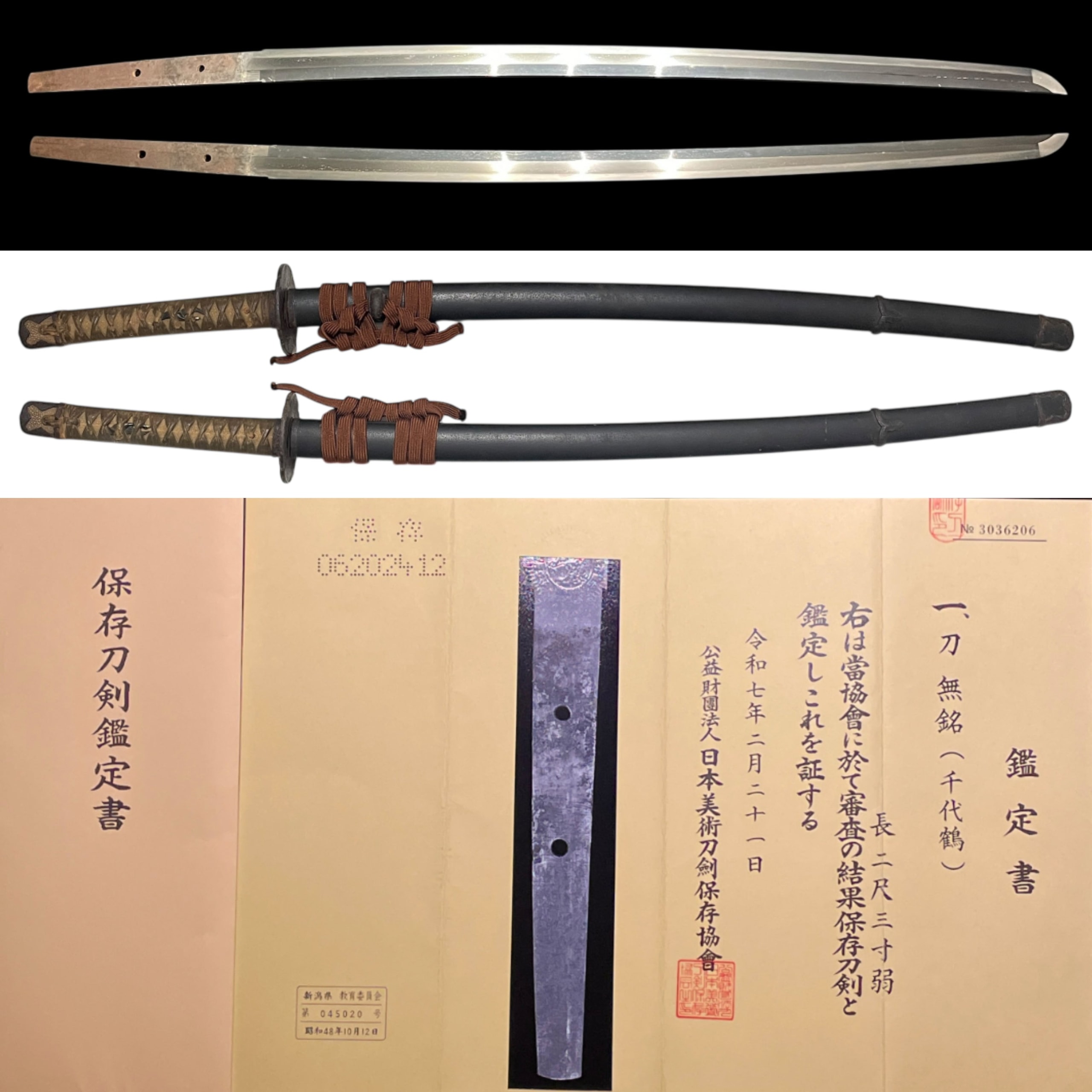
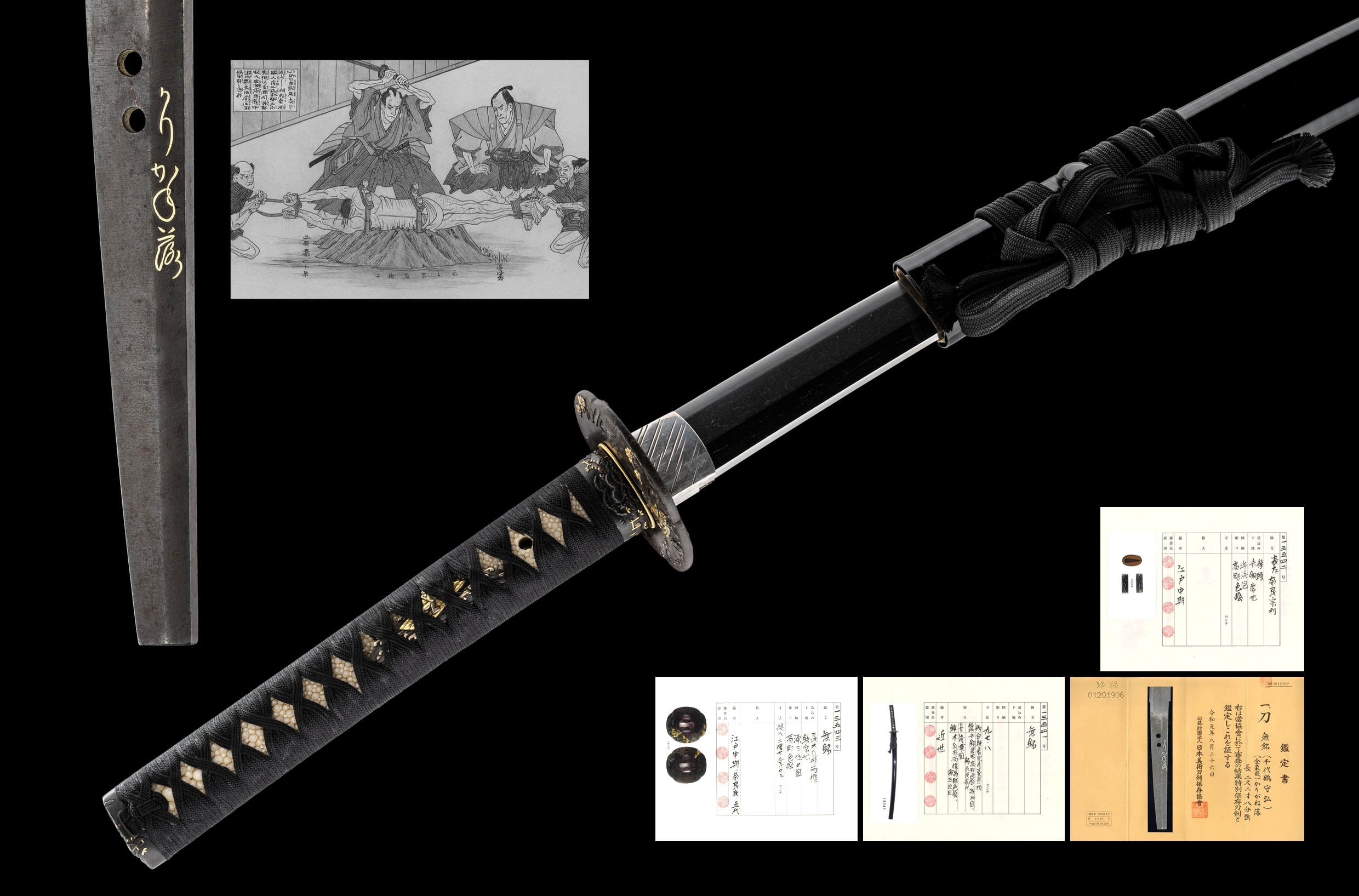
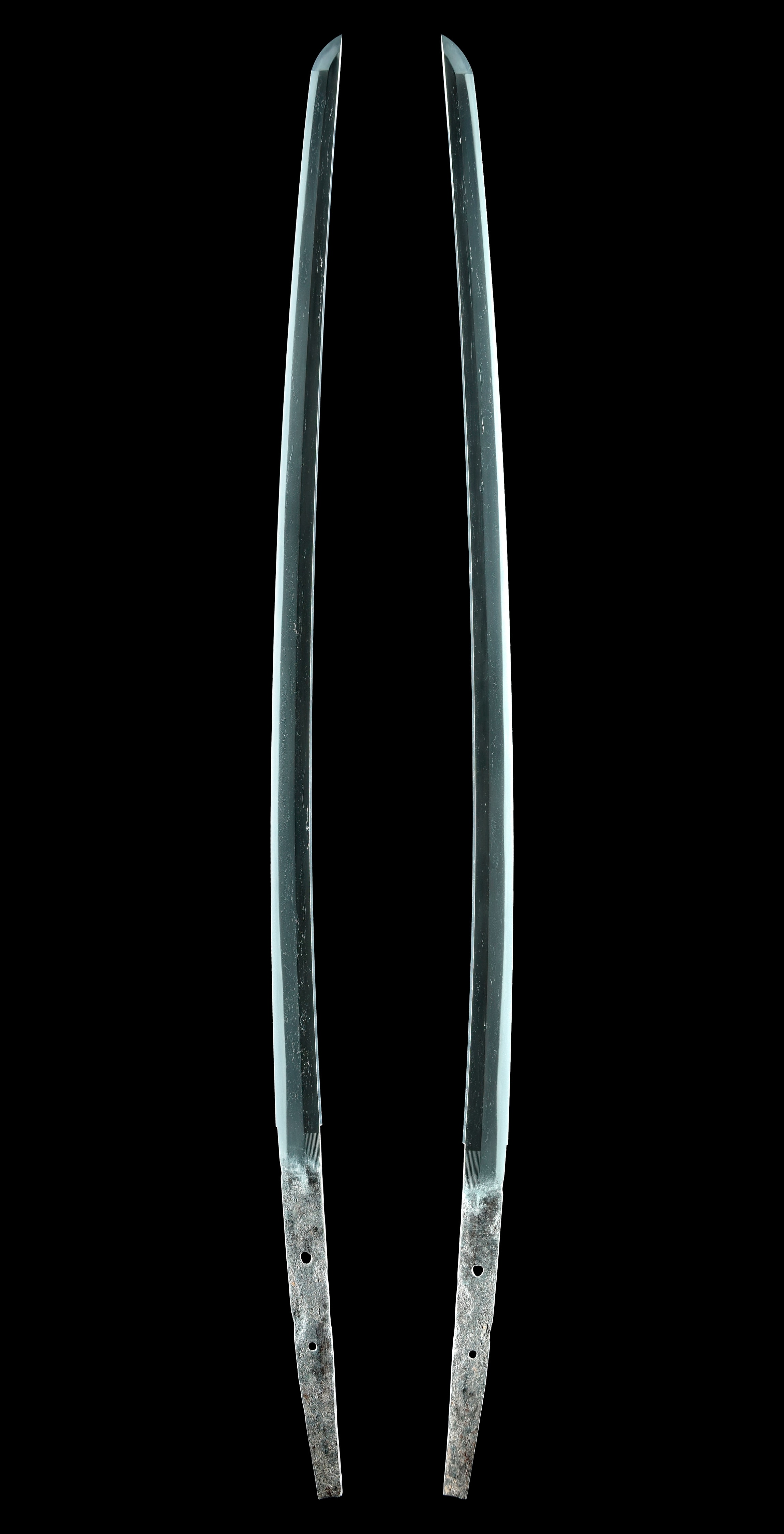
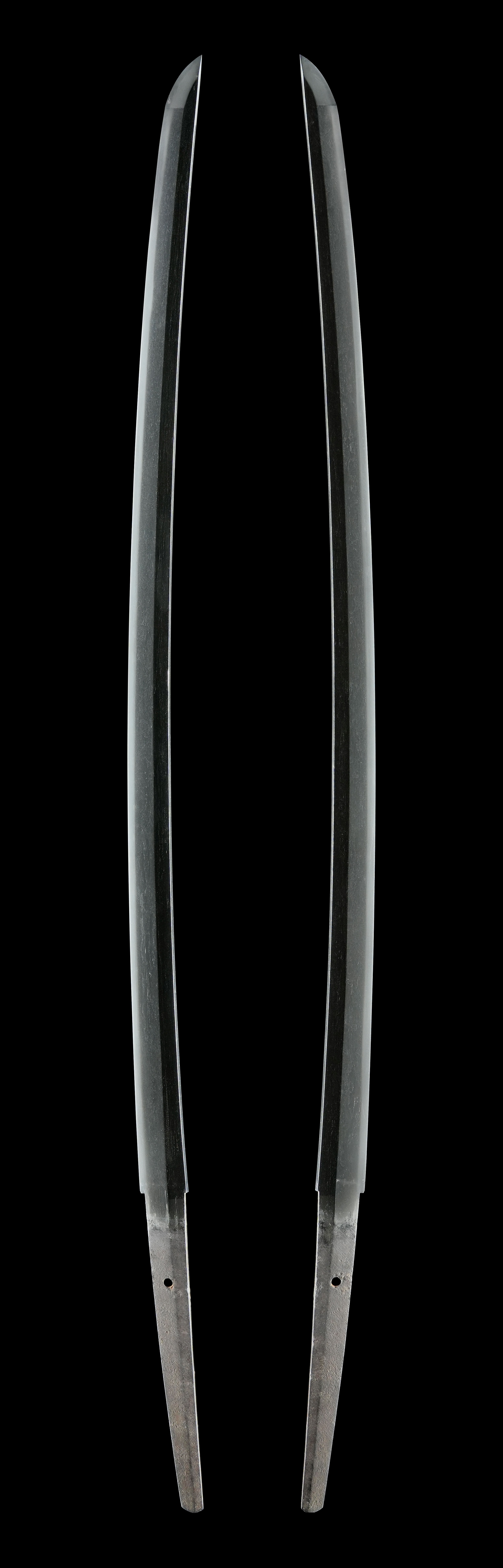
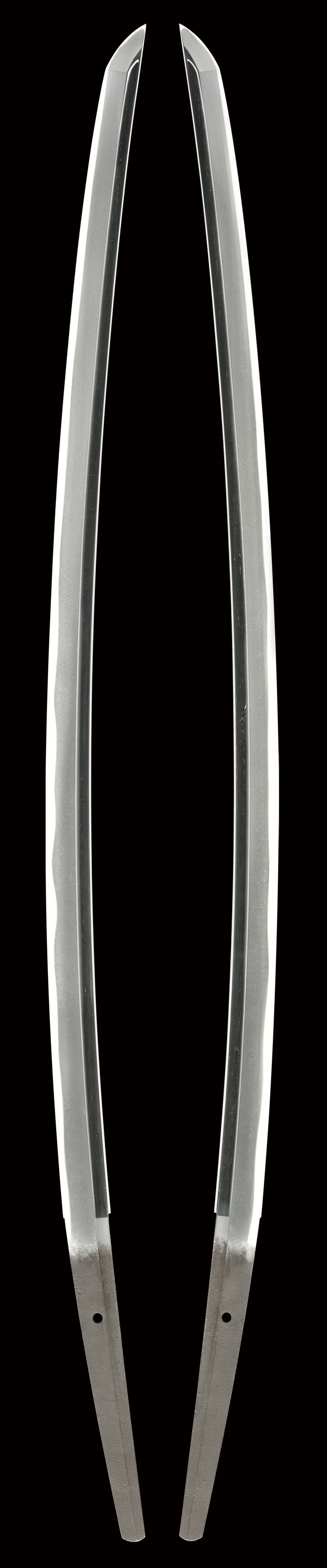
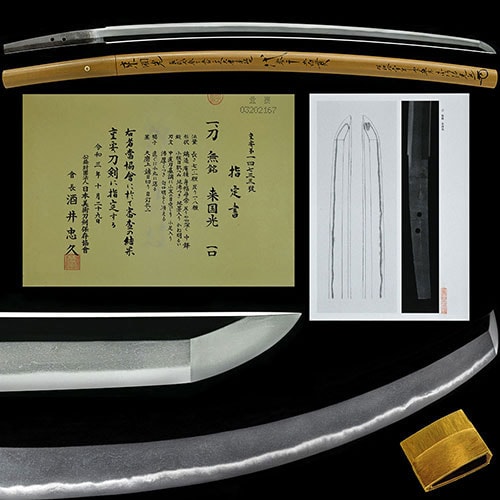
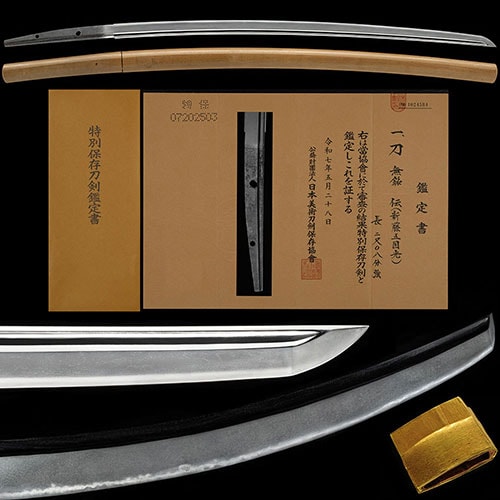
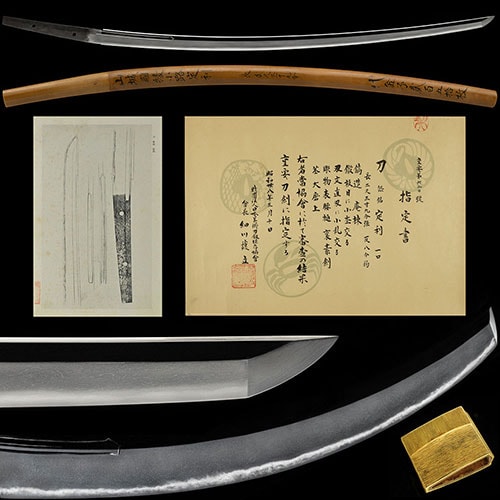
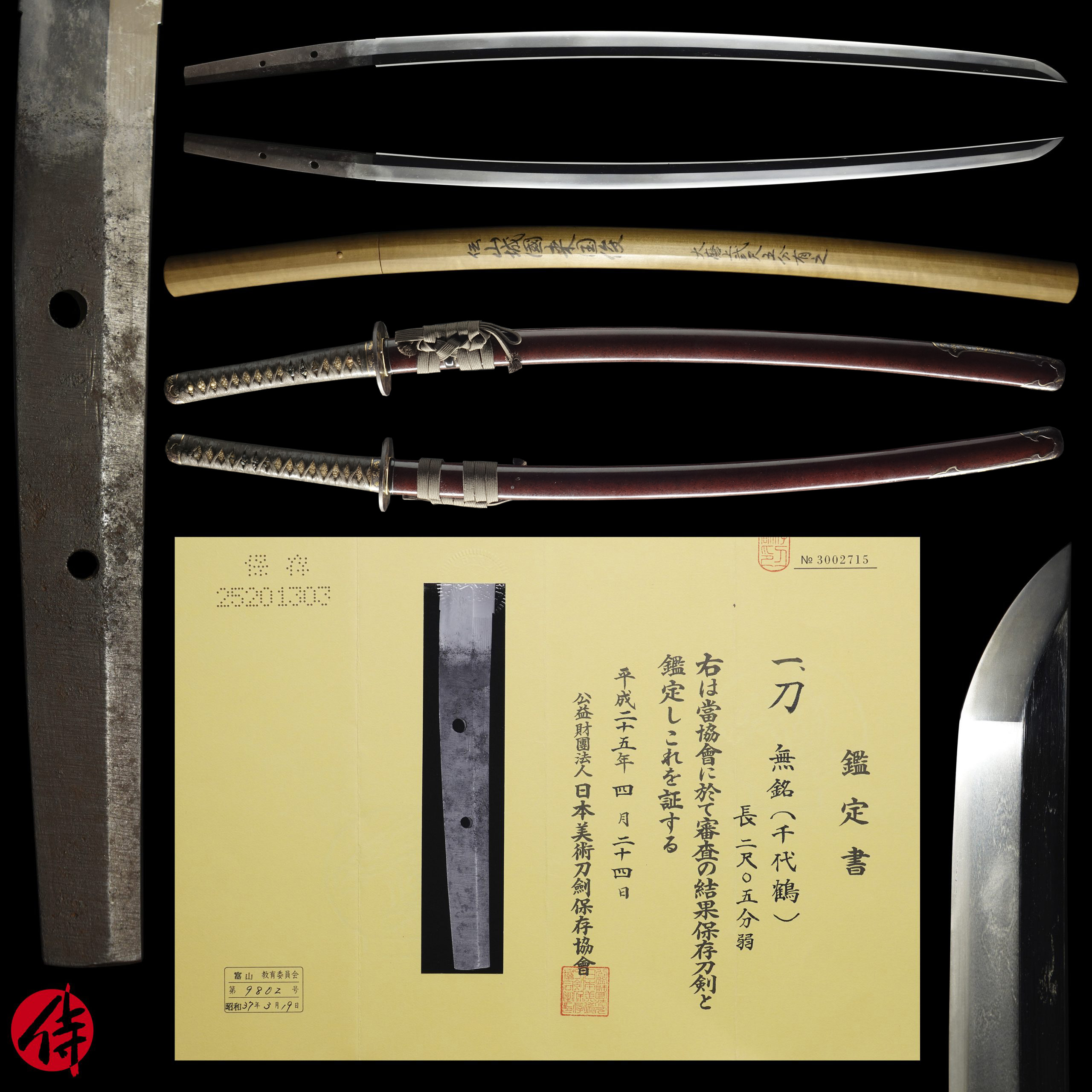
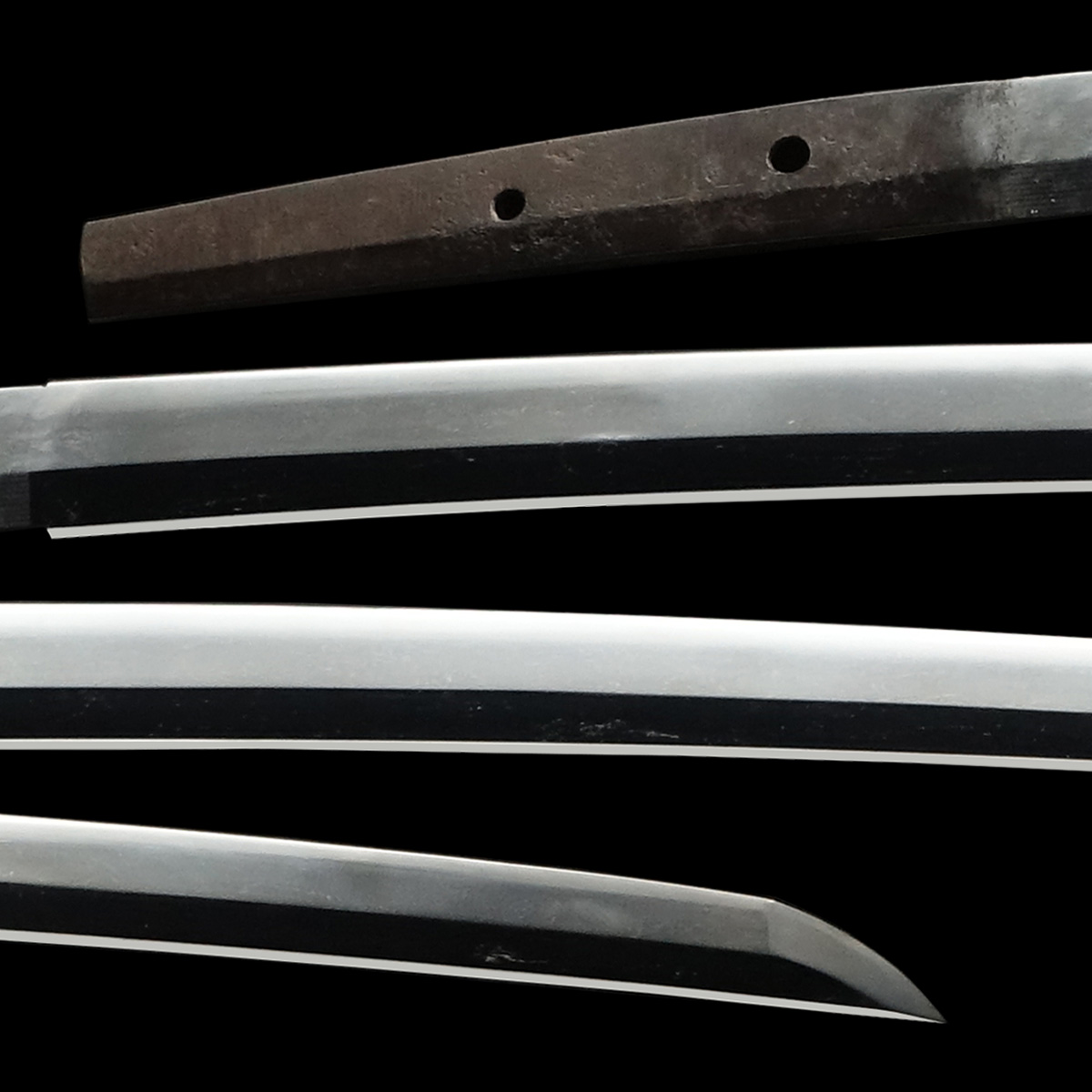
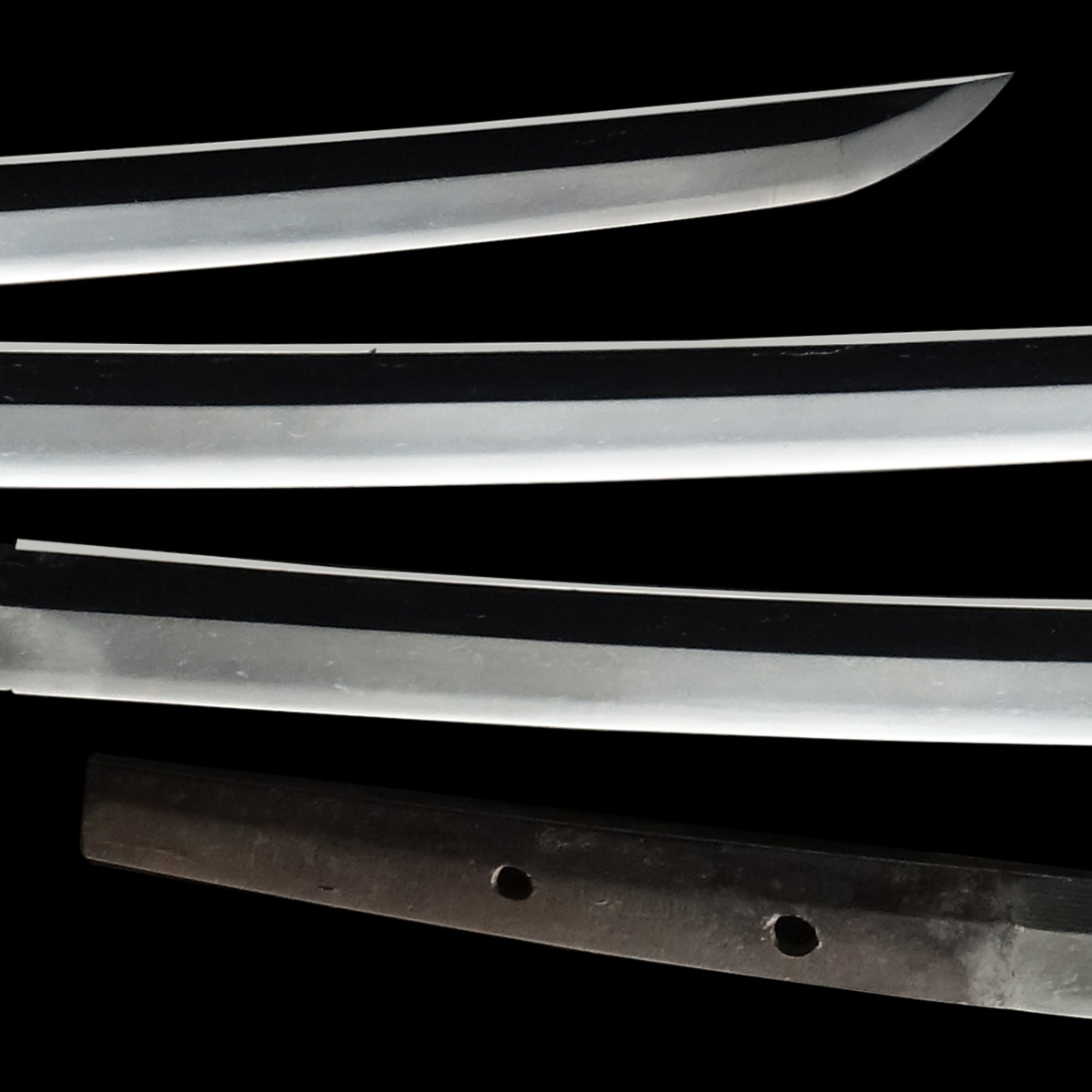
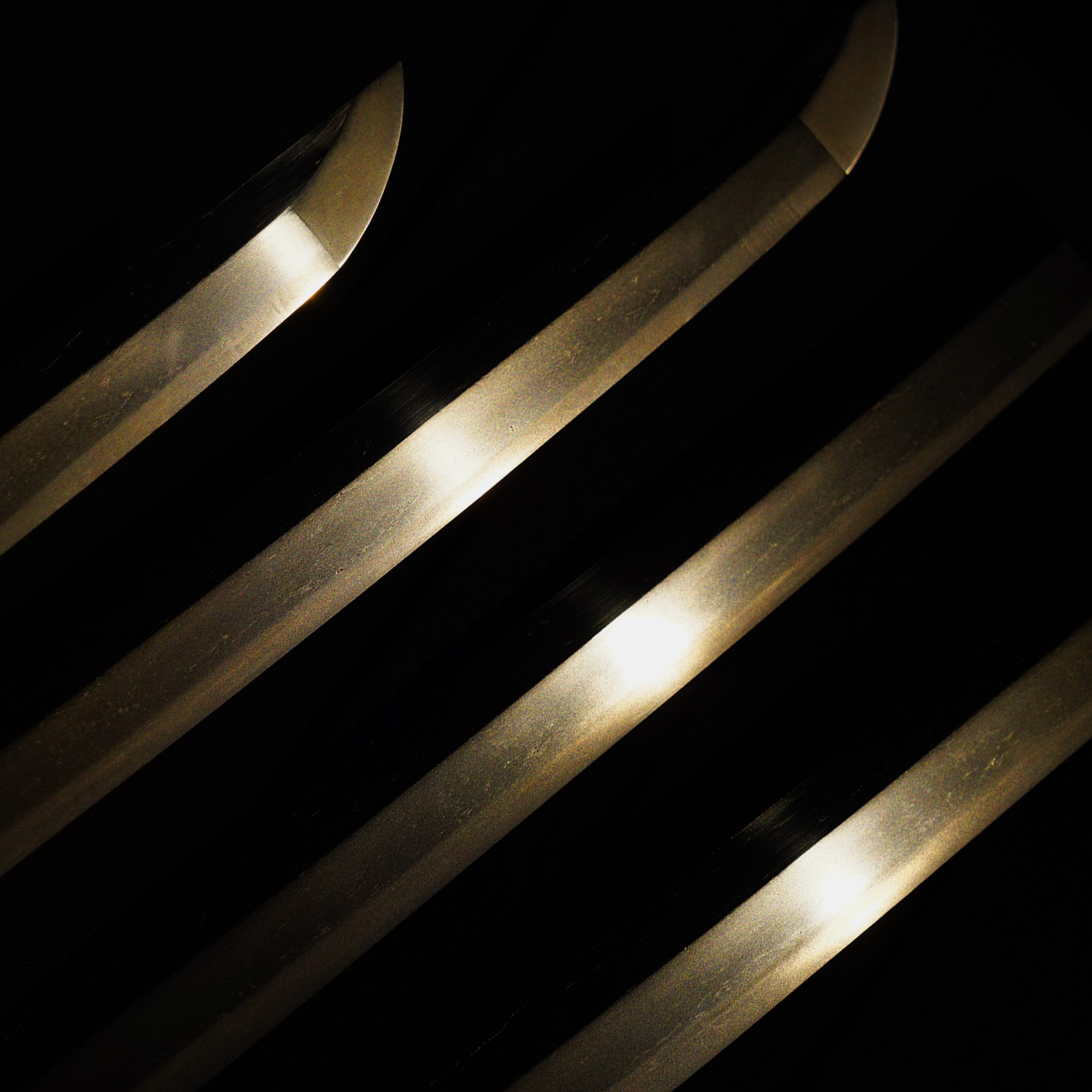
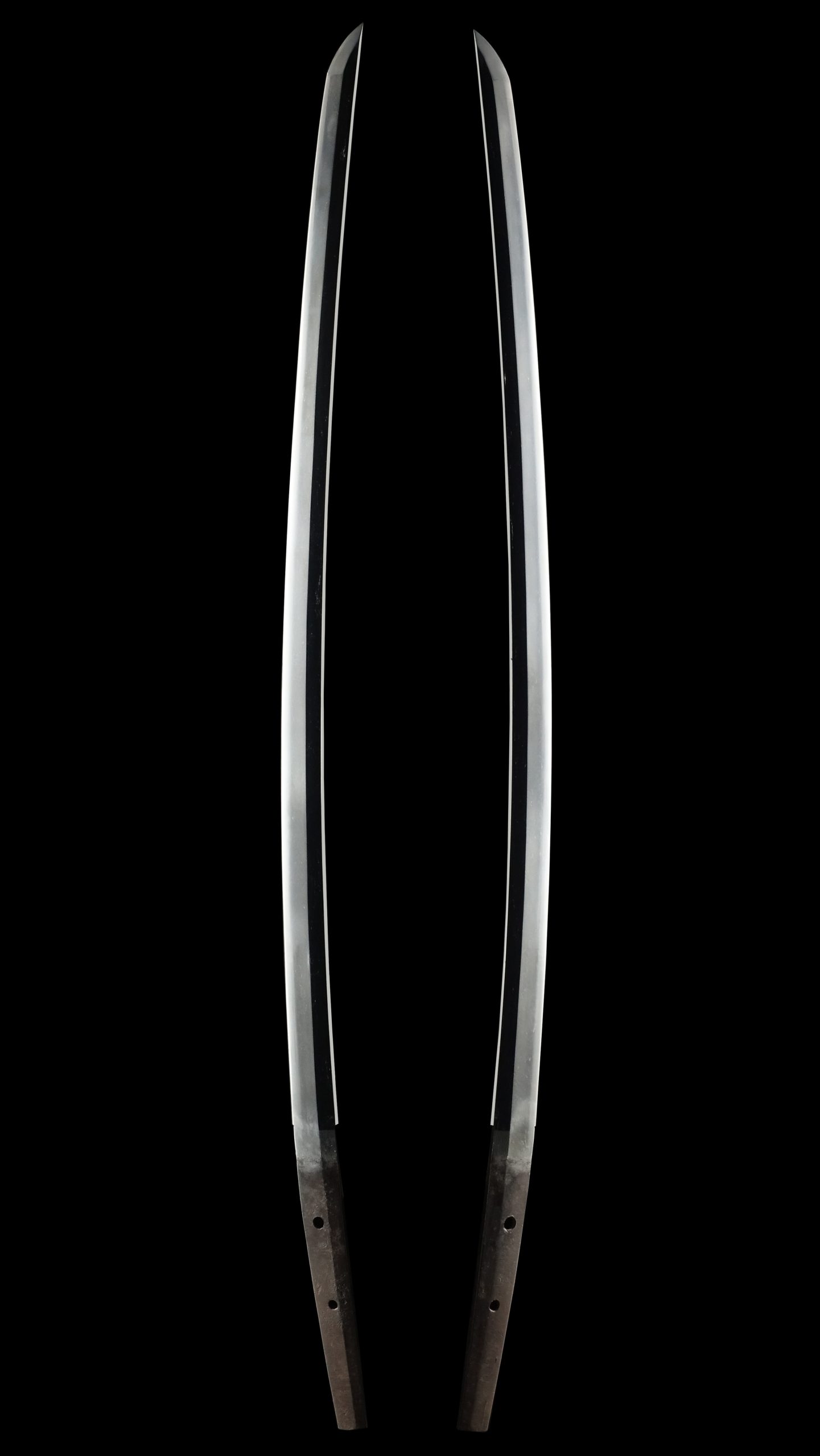
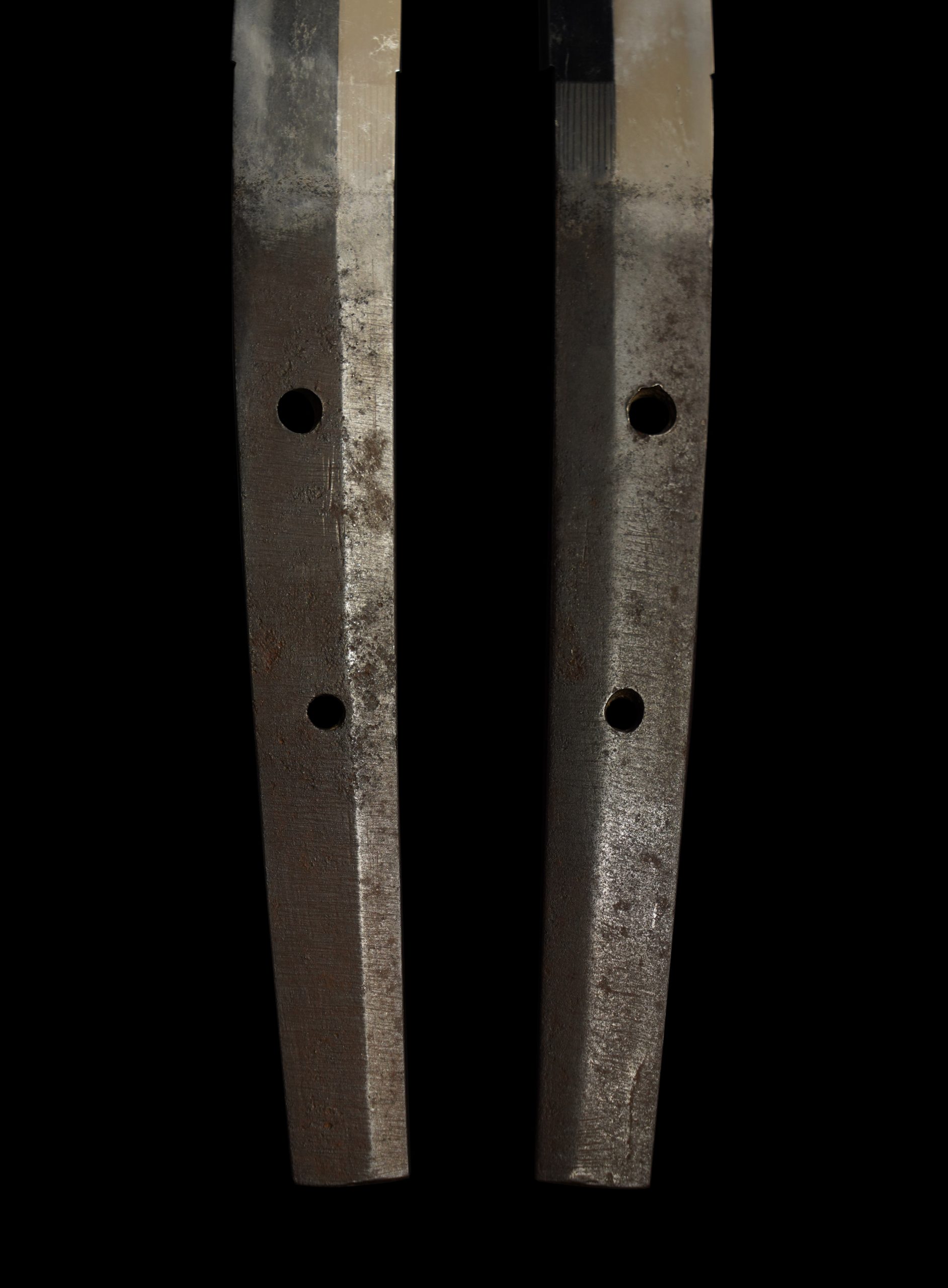
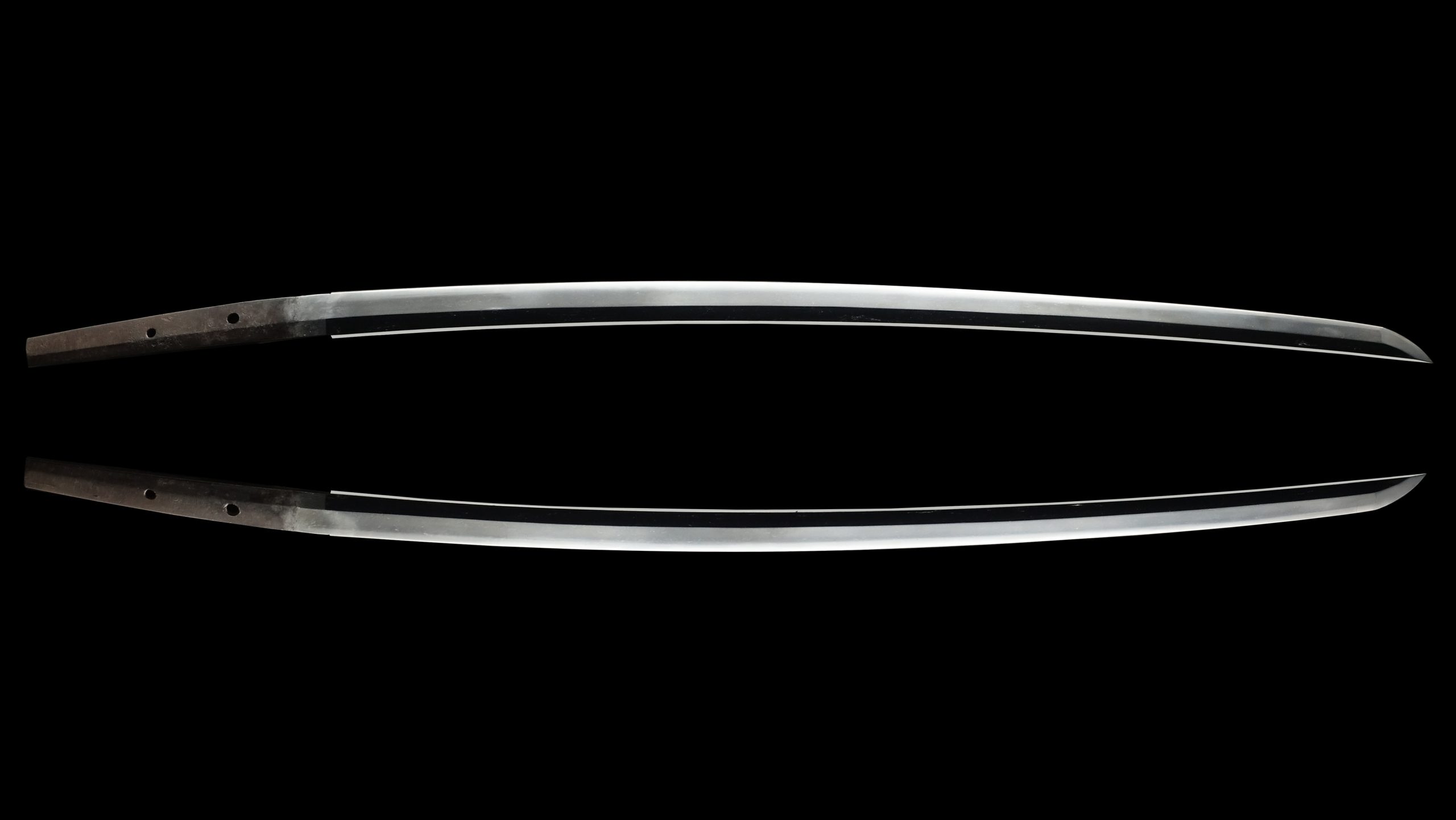
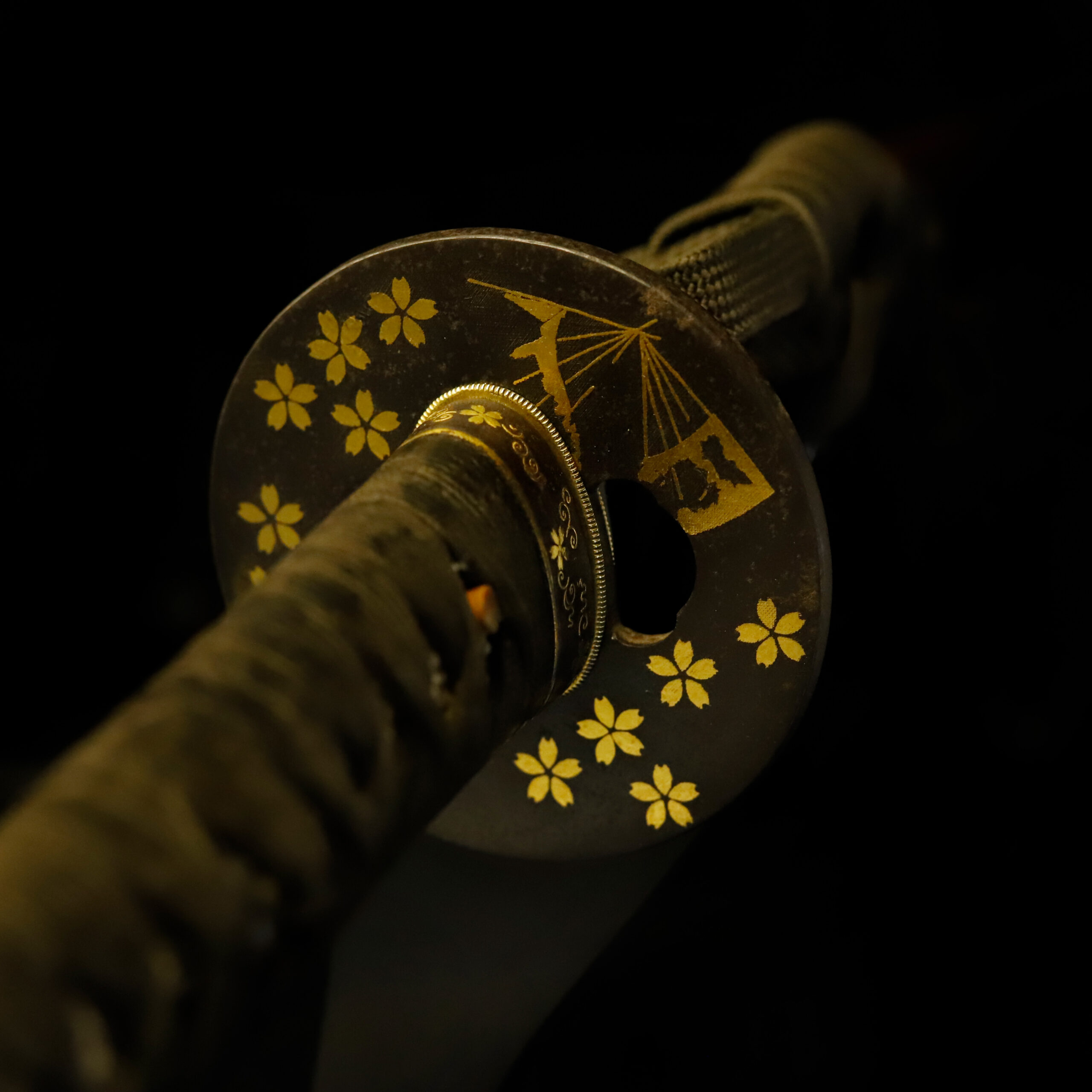
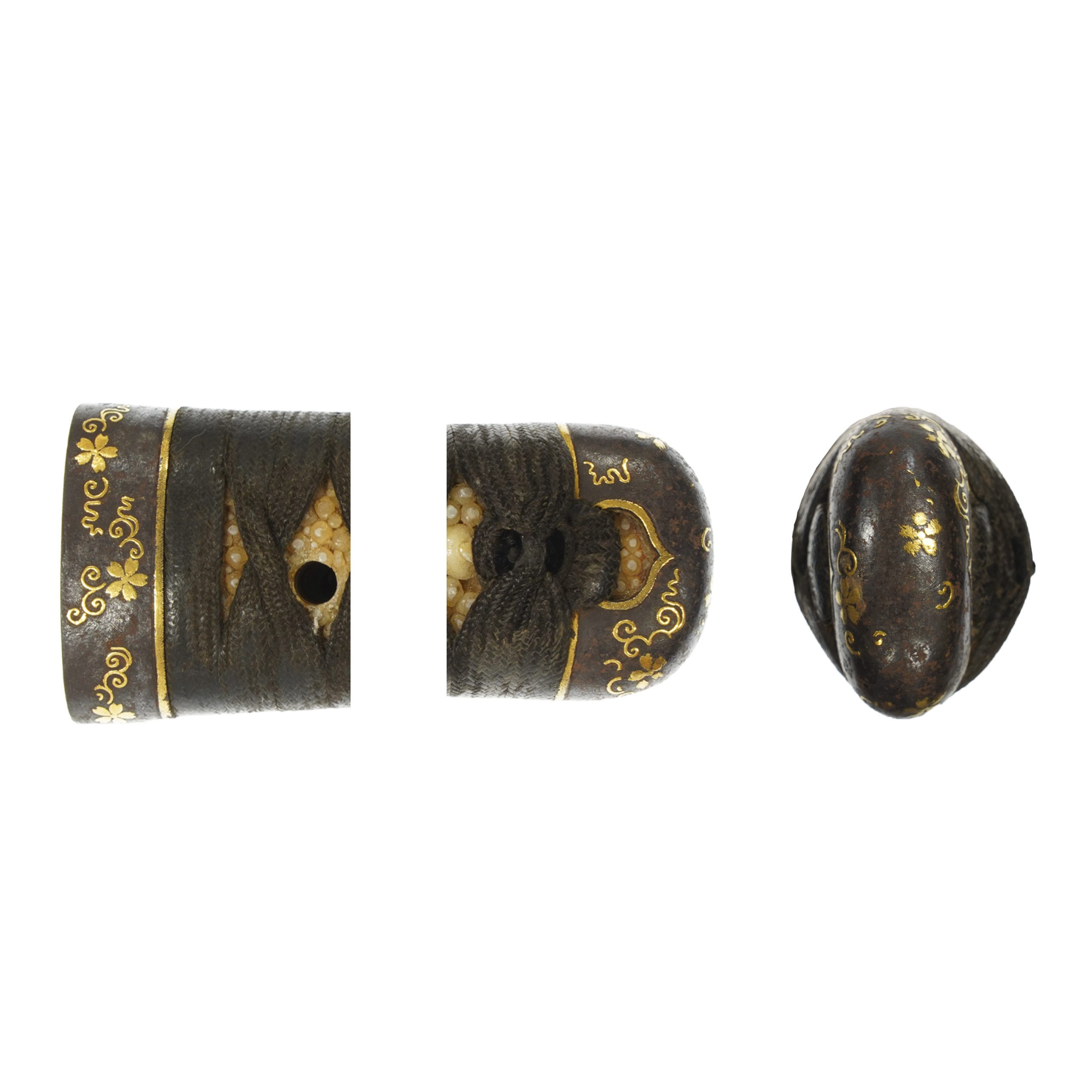
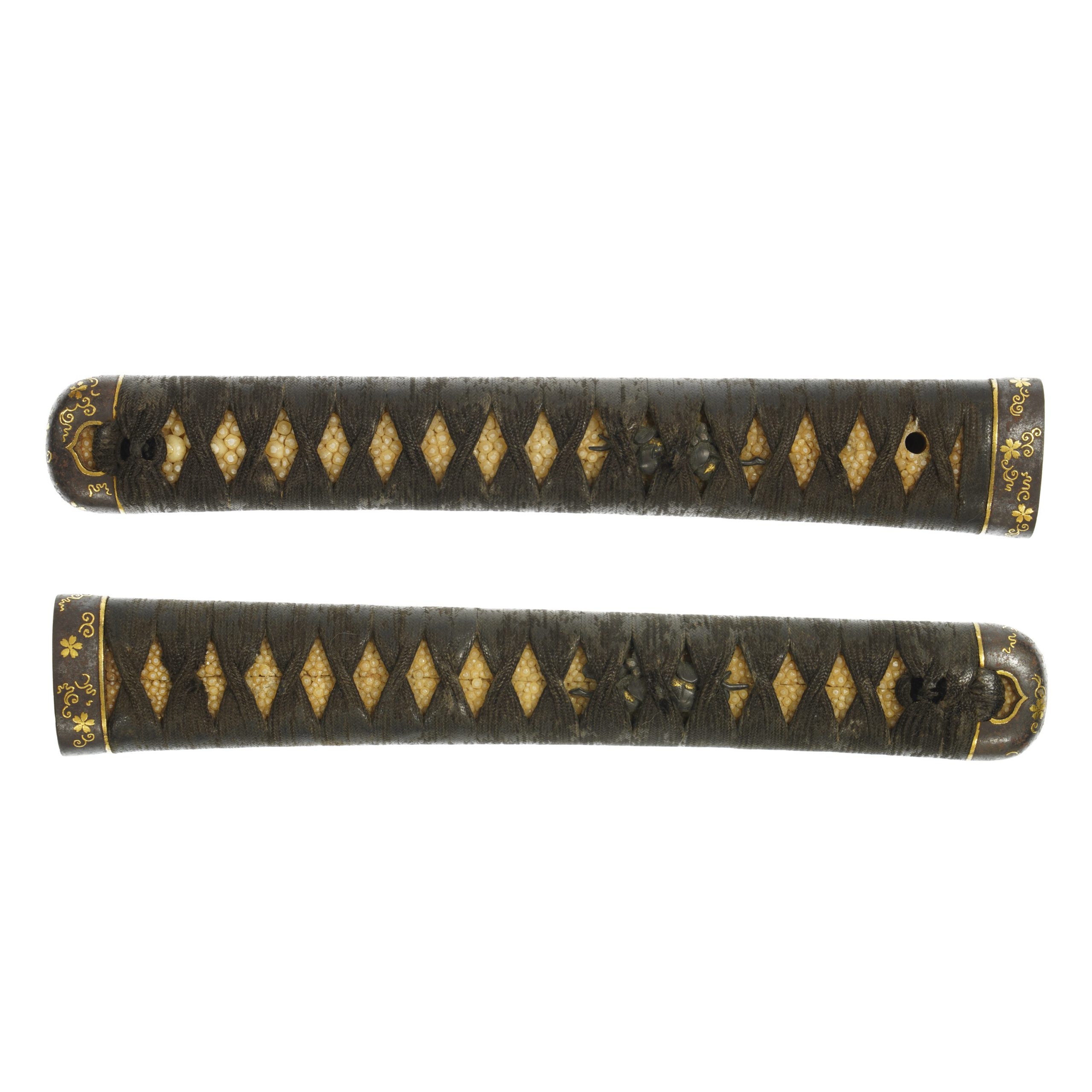
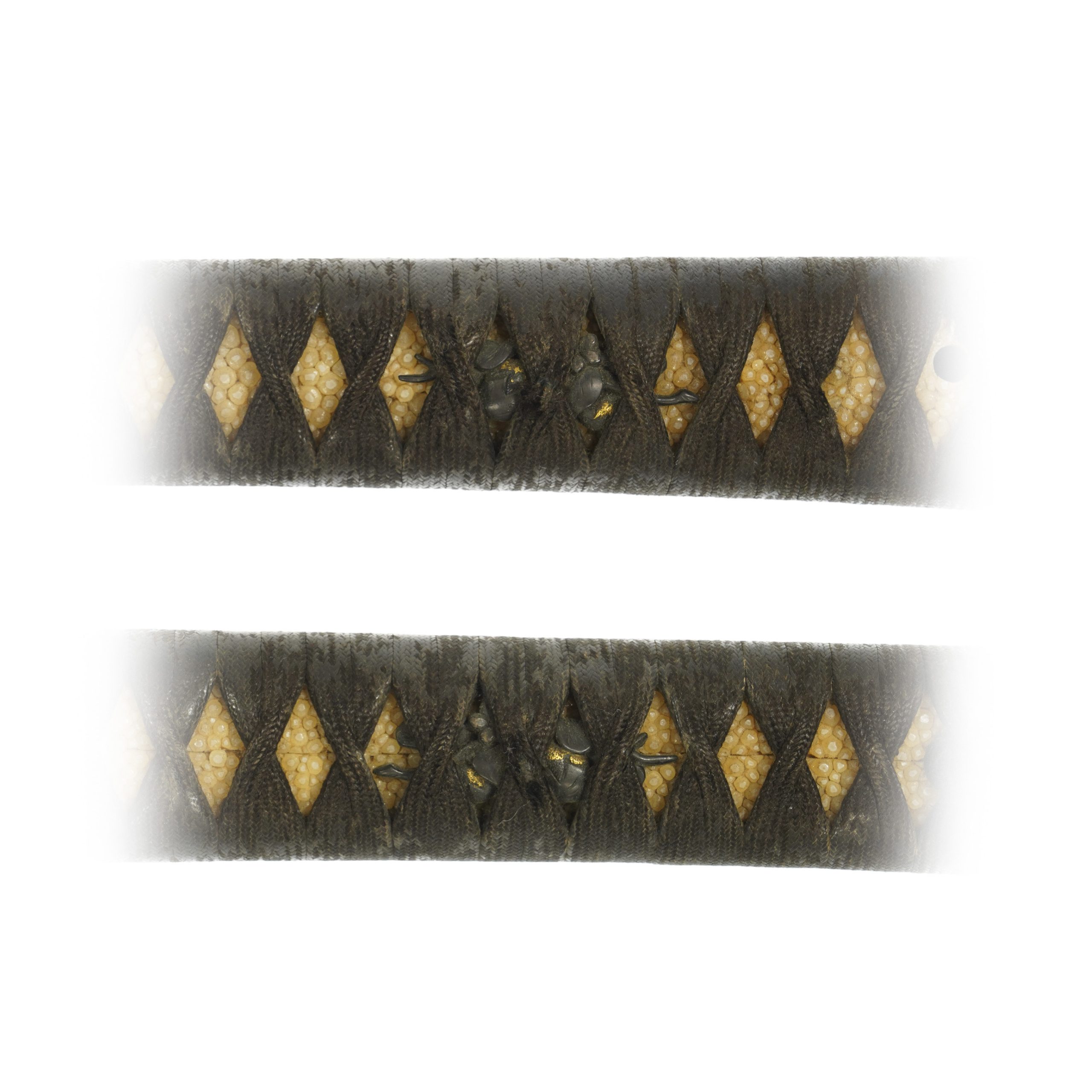
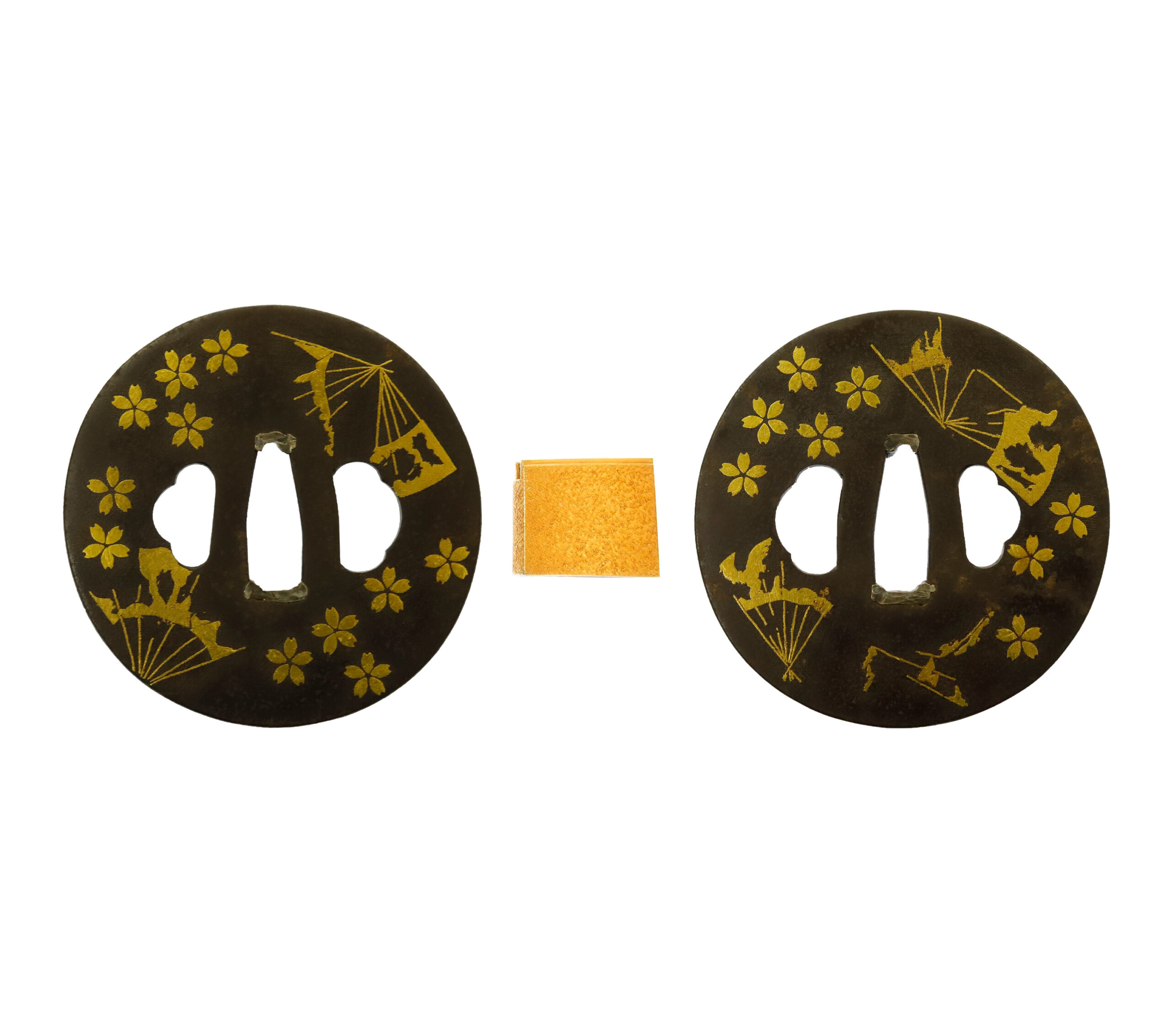
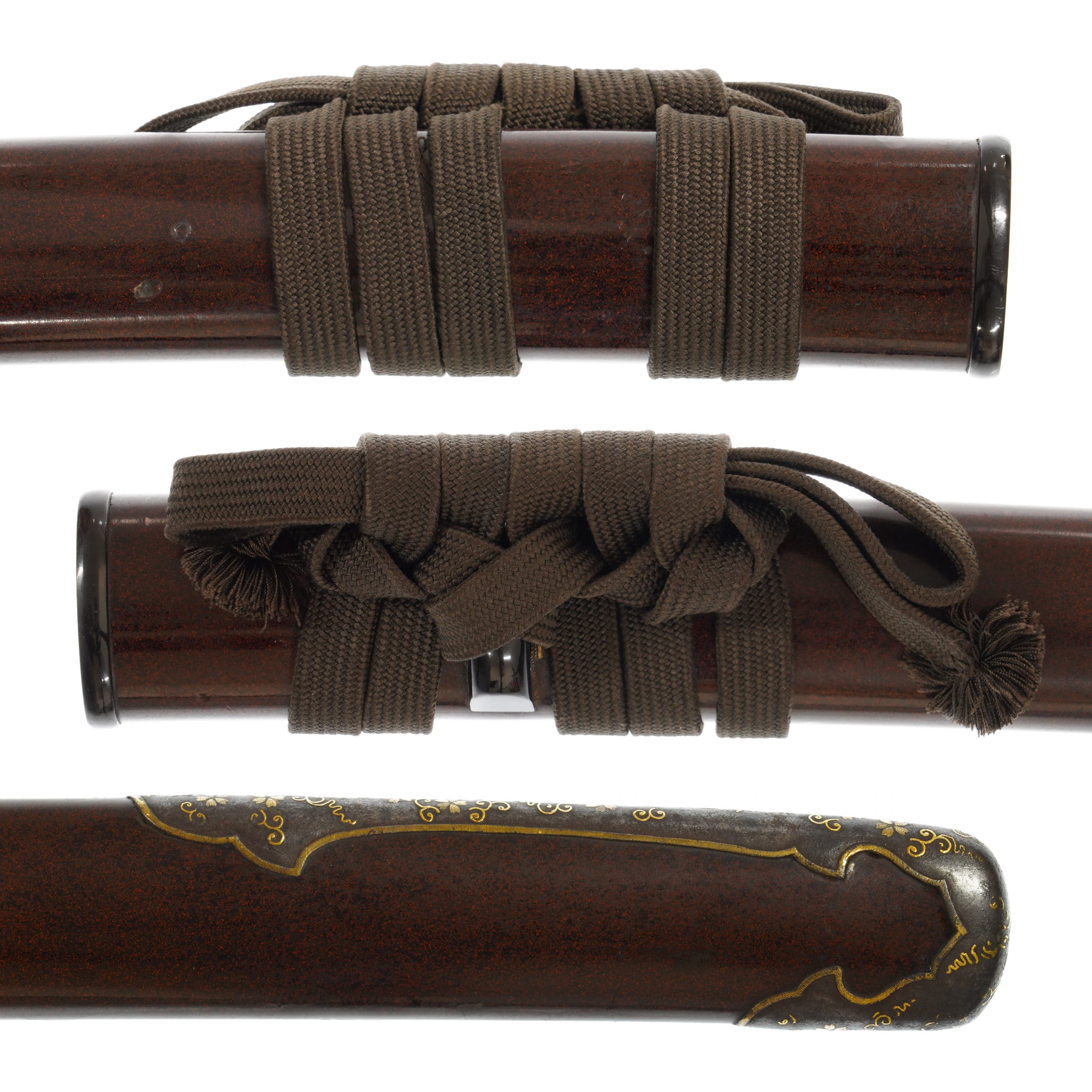
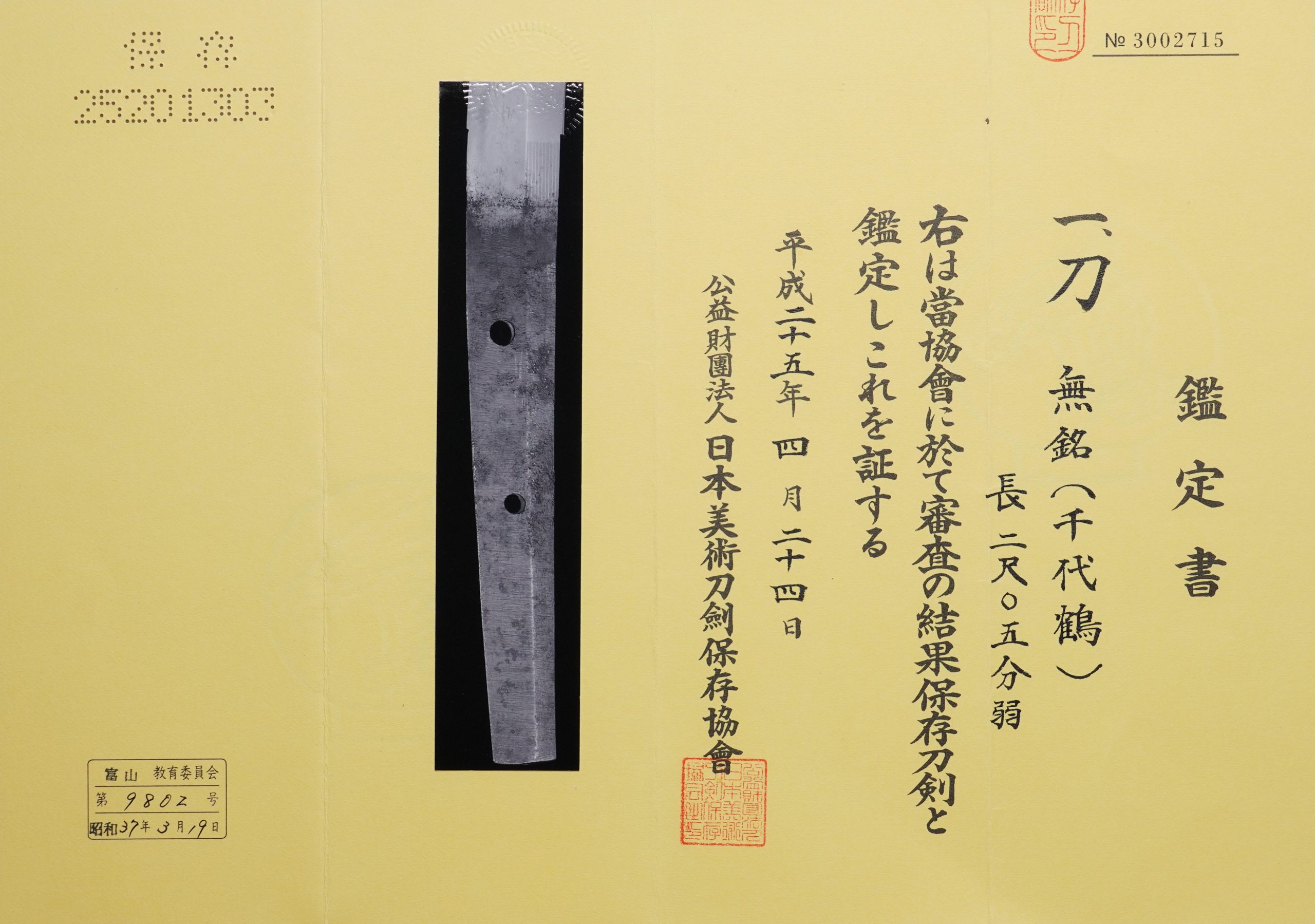
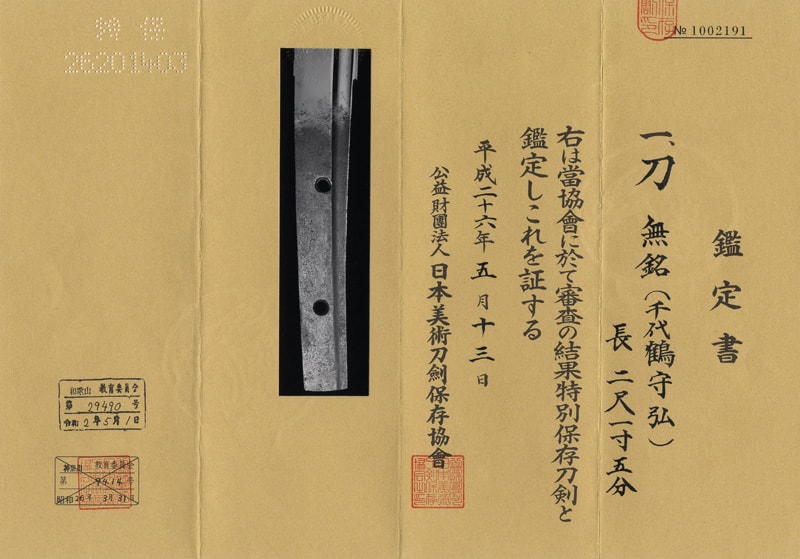
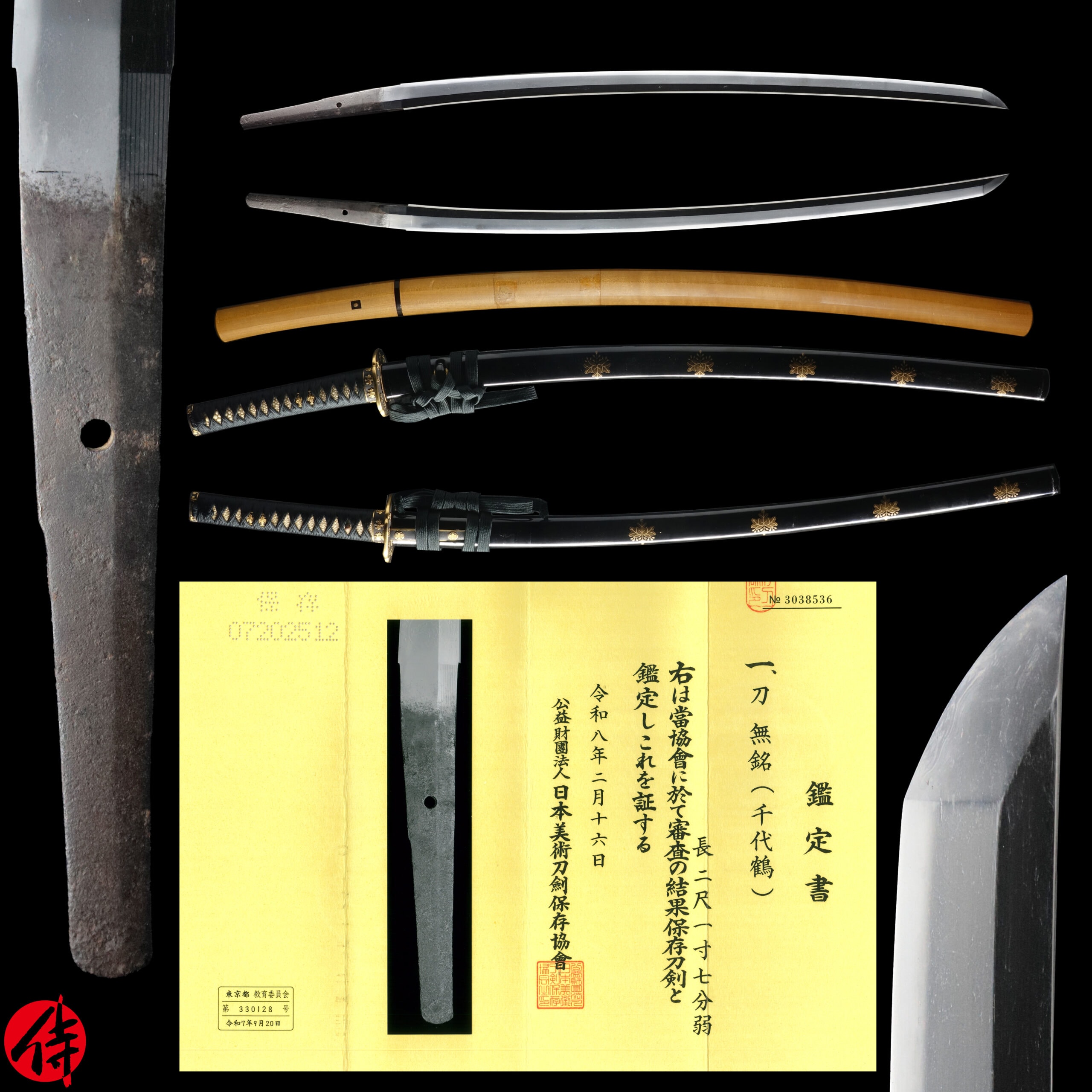
Antique Japanese Sword Katana Attributed to Chiyozuru with Hozon Certificate 【Description】 This blade is attributed to the work of a member of Chiyozuru school(千代鶴). It is estimated it was forged during the last years of the Nanbokucho-early Muromachi period(late 14th century-early 15th century). Chiyozuru school The founder of Chiyozuru school was Kuniyasu(國安). It is said that Kuniyasu was the grandson of Kunimatsu, a younger brother of Rai Kunitoshi. Rai Kunitoshi was one of the most famous swordsmiths in Yamashiro province(Kyoto). Kuniyasu is known as the prominent figure of the Echizen Rai school. Kuniyasu was forging swords in Yamashiro province but moved to Echizen prefecture and founded Chiyozuru school. The name of Chiyozuru(千代鶴) came from the fact that Kuniyasu’s name during his childhood was Chiyozurumaru. The school prospered during the last years of the Nanbokucho-early Muromachi period(late 14th century-early 15th century). Rai school&Yamashiro province Yamashiro province was famous for its sword-making style called YAMASHIRO-DEN. YAMASHIRO-DEN’s origin dates back to the Heian period(794 A.D), when the capital city was moved from Nara to Kyoto. The swordsmiths in Yamashiro province initially prospered by forging swords for court nobles and imperial families. Later on, they also forged swords for feudal lords after Samurai military government took control of Japan. There are so many renowned swordsmiths from this region. It is said that the founder of YAMASHIRO-DEN was Sanjo Munechika. And there are seven prestigious schools in this region. One of them is Rai school is one of the most prestigious ones among YAMASHIRO-DEN. And swords forged by members of Chiyozuru school have characteristics of Rai school. The significance of the school’s name Chiyo(千代) means one thousand years, and Zuru(Tsuru:鶴) means crane in Japanese. The name Chiyozuru sounds very auspicious in Japanese. Therefore, the sword forged by this school were popular for any ceremony or events such as weeding from ancient times. There is a proverb that says cranes and turtles live a long life. It says cranes have even one thousand years lifespan; therefore, cranes and turtles have been considered as the symbol of longevity since a long time ago. Also, as cranes make compatible couples, it represents happy marriage. This blade is appraised as a Hozon Token(保存刀剣) issued by NBTHK(Nihon Bijutsu Touken Hozon Kyokai:日本美術刀剣保存協会). This authentication paper was only given to authentic Japanese swords, well preserved with artistic value. *Please keep in mind that there are a couple of Kitae Kizu on this blade. If you like to see the detailed condition, please feel free to contact us. 【 Blade】 Cutting Edge Length(Nagasa) : 62.0 cm(24.4 inches) Curvature(Sori) : 1.6 cm( 0.63 inches) Hamon : The crystalline structure which forms along the cutting edge of a blade as a result of the hardening process Jimon(Jihada) : visible steel surface pattern created by folding and hammering during forging process Nakago : Nakago is the tang of the Japanese sword. Japanese swordsmiths left the black rust on the tang because it prevents red rust while the tang is in its handle. And the discoloration of the tang was created over time, and it is a great indicator for a Japanese sword specialist to estimate when the sword was forged. Koshirae: Koshirae is the mounting of the Japanese sword. There are several parts that consist of Koshirae such as Saya(Scabbard), Tsuka( Handle), Tsuba(Handguard). Fuchi-Kashira : A pair of matching sword fittings that cover the upper and bottom parts of its sword hilt. Sakura (桜, cherry blossom) and Karakusa (唐草, arabesque) patterns are designed for this Fuchi Kashira. The gold-colored metal (probably gold or brass) is inlaid on these motifs. This gold remains in good condition and makes an ornamental appearance for this Koshirae (sword mounting). Cherry blossom is one of the seasonal things of spring, and it has been loved for a long time in Japan. Its
 NihontoWatch
無銘 · Chiyozuru · 室町 · 長さ 62cm · 反り 1.6cm
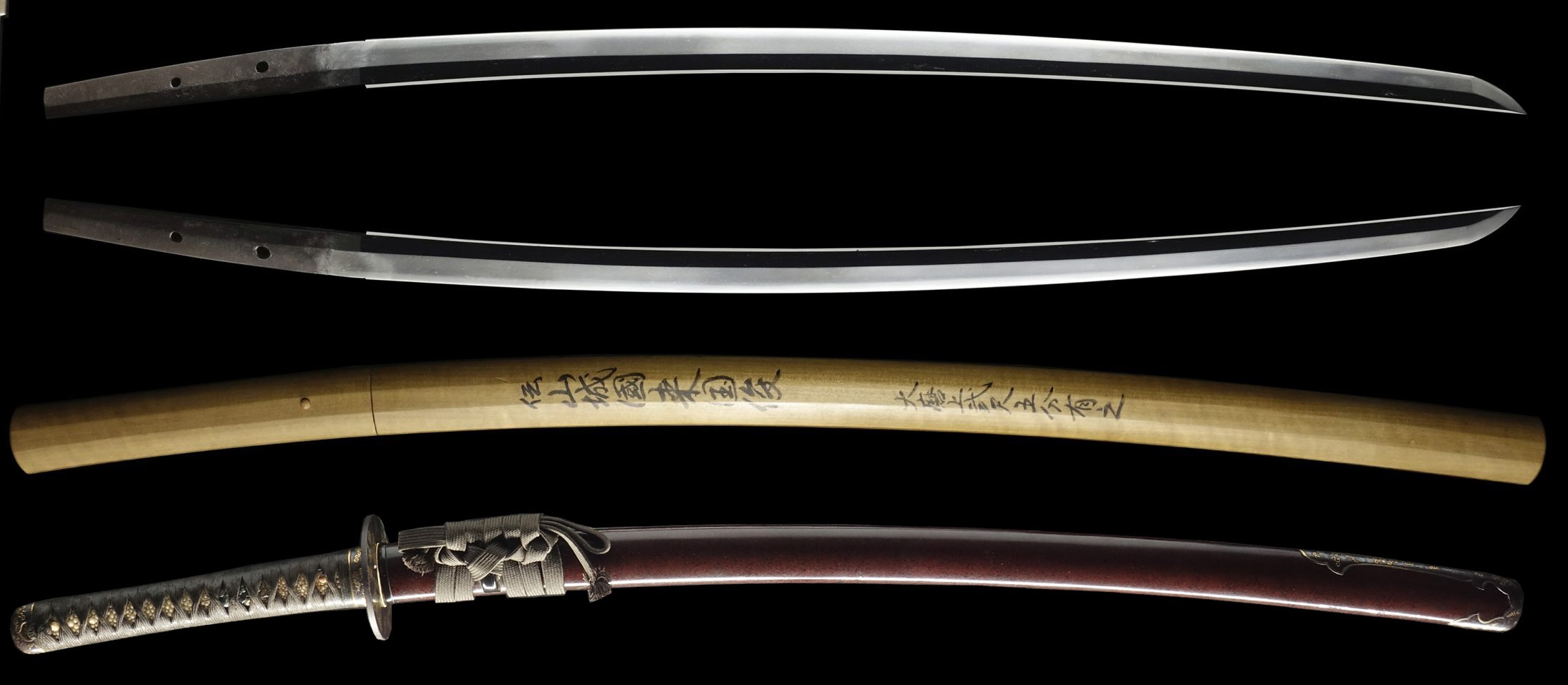
山城伝 · 越前
現在11点販売中
千代鶴派は越前を本拠とした一門である。説示によれば、その祖は来国安に求められる。来国安は生国を山城とし、一説に来国末の孫といい、のちに越前へ移住して千代鶴派の祖となったと伝え、銘鑑はその年代を貞治の頃とする。あわせて越前には来国安の弟子と伝える千代鶴国安なる工があり[[c:1]]、これを祖とする伝えもあって、時代を同じく貞治の頃という。いずれにせよ一門は山城の来派を源流に置き、これを越前の地に移したものとして説示は位置づけている。以後この派は室町期まで続き、国安系の守弘が現れる。守弘は同名に複数代があり、銘鑑は初代を応永、二代を嘉吉あるいは文安の頃とし、藤左衛門尉と称した者もあるという。さらに越前敦賀の光行のごとく[[c:2]]、一説に越前国行の門と伝える年紀作の工も説示に名を連ねる。 作風は、来派を承けた地刃に越前という地方色が加わる点に特徴がある。鍛えは板目に杢目や流れ肌を交え、総じて肌立ちごころとなり、地沸が厚くつき、地景がしきりに入り、白けごころを帯び、鉄色がやや黒みがかるものがある。刃文は来国安に擬せられる一類では中直刃を基調に小互の目を交え、足が入り、刃縁にほつれ・喰違刃・二重刃が現れ、沸がよくついて匂口が明るい。一方、守弘ら国安系の作では互の目調の乱れ刃となり、丁子ごころや尖りごころの刃を交え、飛焼が入り、棟焼がしきりにかかり、砂流し・金筋がかかって地刃ともによく沸づくものが目立つ。帽子は直ぐごころに小丸となるもの、乱れ込んで掃きかけるもの、焼き詰めるものなど作により変化する。見分けにあたっては、肌立ちと白けごころ、黒みがかる鉄色、帽子に見える野趣ある働きなどが手掛かりとなる。 鑑定では、一見すると山城本国の来国光あたりにも見えるが、注視すれば地刃の出来に一歩を譲り、肌立ちが強く帽子の働きが本国以上に野趣を示すところに、来国安の極めが首肯される、と説示はくり返し述べる。守弘の作は互の目調の乱れ刃で地刃ともによく沸え、来風とは趣を異にするとされ、有銘作が珍重される。代表的な遺例としては、無銘ながら身幅広く大鋒に結ぶ南北朝期の姿を示す来国安極めの刀、互の目調の乱れ刃を焼いた守弘の太刀や年紀ある脇指、越前敦賀の光行の年紀短刀などが説示に挙げられる。現存する作刀は少なく、来派の正系を越前に伝えた一門として位置づけられている。 詳しく見る →
室町時代
応仁の乱が足利の体制を砕いた後、戦国の一世紀はほとんどすべての国を武装させた。この時代は選ぶ目に報いる。並の作は多いが、その傍らには第一級の注文打ちが立っている。
銘が正しい、または無銘でも年代・国・系統を確実に指摘できる、保存に値する真正の作と鑑定されたものです。
日本美術刀剣保存協会(NBTHK)は、1948年に設立され、文化庁の監督を受ける公益財団法人で、東京・刀剣博物館に本部を置きます。専門の審査員が出品作を直接審査し、美術的・歴史的価値に応じた鑑定書を発行します。NBTHKの鑑定書は、日本刀および刀装具の真正性を示す最も広く認知された基準です。
NBTHK公式サイトReturns/exchanges limited to defects caused by shipping (except willful misconduct or gross negligence by the company); customers must contact within 72 hours of receiving the product.
Antique Japanese Sword Katana Attributed to Chiyozuru with Hozon Certificate 【Description】 This blade is attributed to the work of a member of Chiyozuru school(千代鶴). It is estimated it was forged during the last years of the Nanbokucho-early Muromachi period(late 14th century-early 15th century). Chiyozuru school The founder of Chiyozuru school was Kuniyasu(國安). It is said that Kuniyasu was the grandson of Kunimatsu, a younger brother of Rai Kunitoshi. Rai Kunitoshi was one of the most famous swordsmiths in Yamashiro province(Kyoto). Kuniyasu is known as the prominent figure of the Echizen Rai school. Kuniyasu was forging swords in Yamashiro province but moved to Echizen prefecture and founded Chiyozuru school. The name of Chiyozuru(千代鶴) came from the fact that Kuniyasu’s name during his childhood was Chiyozurumaru. The school prospered during the last years of the Nanbokucho-early Muromachi period(late 14th century-early 15th century). Rai school&Yamashiro province Yamashiro province was famous for its sword-making style called YAMASHIRO-DEN. YAMASHIRO-DEN’s origin dates back to the Heian period(794 A.D), when the capital city was moved from Nara to Kyoto. The swordsmiths in Yamashiro province initially prospered by forging swords for court nobles and imperial families. Later on, they also forged swords for feudal lords after Samurai military government took control of Japan. There are so many renowned swordsmiths from this region. It is said that the founder of YAMASHIRO-DEN was Sanjo Munechika. And there are seven prestigious schools in this region. One of them is Rai school is one of the most prestigious ones among YAMASHIRO-DEN. And swords forged by members of Chiyozuru school have characteristics of Rai school. The significance of the school’s name Chiyo(千代) means one thousand years, and Zuru(Tsuru:鶴) means crane in Japanese. The name Chiyozuru sounds very auspicious in Japanese. Therefore, the sword forged by this school were popular for any ceremony or events such as weeding from ancient times. There is a proverb that says cranes and turtles live a long life. It says cranes have even one thousand years lifespan; therefore, cranes and turtles have been considered as the symbol of longevity since a long time ago. Also, as cranes make compatible couples, it represents happy marriage. This blade is appraised as a Hozon Token(保存刀剣) issued by NBTHK(Nihon Bijutsu Touken Hozon Kyokai:日本美術刀剣保存協会). This authentication paper was only given to authentic Japanese swords, well preserved with artistic value. *Please keep in mind that there are a couple of Kitae Kizu on this blade. If you like to see the detailed condition, please feel free to contact us. 【 Blade】 Cutting Edge Length(Nagasa) : 62.0 cm(24.4 inches) Curvature(Sori) : 1.6 cm( 0.63 inches) Hamon : The crystalline structure which forms along the cutting edge of a blade as a result of the hardening process Jimon(Jihada) : visible steel surface pattern created by folding and hammering during forging process Nakago : Nakago is the tang of the Japanese sword. Japanese swordsmiths left the black rust on the tang because it prevents red rust while the tang is in its handle. And the discoloration of the tang was created over time, and it is a great indicator for a Japanese sword specialist to estimate when the sword was forged. Koshirae: Koshirae is the mounting of the Japanese sword. There are several parts that consist of Koshirae such as Saya(Scabbard), Tsuka( Handle), Tsuba(Handguard). Fuchi-Kashira : A pair of matching sword fittings that cover the upper and bottom parts of its sword hilt. Sakura (桜, cherry blossom) and Karakusa (唐草, arabesque) patterns are designed for this Fuchi Kashira. The gold-colored metal (probably gold or brass) is inlaid on these motifs. This gold remains in good condition and makes an ornamental appearance for this Koshirae (sword mounting). Cherry blossom is one of the seasonal things of spring, and it has been loved for a long time in Japan. Its
NihontoWatch無銘 · Chiyozuru · 室町 · 長さ 62cm · 反り 1.6cm
山城伝 · 越前
現在11点販売中
千代鶴派は越前を本拠とした一門である。説示によれば、その祖は来国安に求められる。来国安は生国を山城とし、一説に来国末の孫といい、のちに越前へ移住して千代鶴派の祖となったと伝え、銘鑑はその年代を貞治の頃とする。あわせて越前には来国安の弟子と伝える千代鶴国安なる工があり[[c:1]]、これを祖とする伝えもあって、時代を同じく貞治の頃という。いずれにせよ一門は山城の来派を源流に置き、これを越前の地に移したものとして説示は位置づけている。以後この派は室町期まで続き、国安系の守弘が現れる。守弘は同名に複数代があり、銘鑑は初代を応永、二代を嘉吉あるいは文安の頃とし、藤左衛門尉と称した者もあるという。さらに越前敦賀の光行のごとく[[c:2]]、一説に越前国行の門と伝える年紀作の工も説示に名を連ねる。 作風は、来派を承けた地刃に越前という地方色が加わる点に特徴がある。鍛えは板目に杢目や流れ肌を交え、総じて肌立ちごころとなり、地沸が厚くつき、地景がしきりに入り、白けごころを帯び、鉄色がやや黒みがかるものがある。刃文は来国安に擬せられる一類では中直刃を基調に小互の目を交え、足が入り、刃縁にほつれ・喰違刃・二重刃が現れ、沸がよくついて匂口が明るい。一方、守弘ら国安系の作では互の目調の乱れ刃となり、丁子ごころや尖りごころの刃を交え、飛焼が入り、棟焼がしきりにかかり、砂流し・金筋がかかって地刃ともによく沸づくものが目立つ。帽子は直ぐごころに小丸となるもの、乱れ込んで掃きかけるもの、焼き詰めるものなど作により変化する。見分けにあたっては、肌立ちと白けごころ、黒みがかる鉄色、帽子に見える野趣ある働きなどが手掛かりとなる。 鑑定では、一見すると山城本国の来国光あたりにも見えるが、注視すれば地刃の出来に一歩を譲り、肌立ちが強く帽子の働きが本国以上に野趣を示すところに、来国安の極めが首肯される、と説示はくり返し述べる。守弘の作は互の目調の乱れ刃で地刃ともによく沸え、来風とは趣を異にするとされ、有銘作が珍重される。代表的な遺例としては、無銘ながら身幅広く大鋒に結ぶ南北朝期の姿を示す来国安極めの刀、互の目調の乱れ刃を焼いた守弘の太刀や年紀ある脇指、越前敦賀の光行の年紀短刀などが説示に挙げられる。現存する作刀は少なく、来派の正系を越前に伝えた一門として位置づけられている。 詳しく見る →
室町時代
応仁の乱が足利の体制を砕いた後、戦国の一世紀はほとんどすべての国を武装させた。この時代は選ぶ目に報いる。並の作は多いが、その傍らには第一級の注文打ちが立っている。
銘が正しい、または無銘でも年代・国・系統を確実に指摘できる、保存に値する真正の作と鑑定されたものです。
日本美術刀剣保存協会(NBTHK)は、1948年に設立され、文化庁の監督を受ける公益財団法人で、東京・刀剣博物館に本部を置きます。専門の審査員が出品作を直接審査し、美術的・歴史的価値に応じた鑑定書を発行します。NBTHKの鑑定書は、日本刀および刀装具の真正性を示す最も広く認知された基準です。
NBTHK公式サイトReturns/exchanges limited to defects caused by shipping (except willful misconduct or gross negligence by the company); customers must contact within 72 hours of receiving the product.


![Katana - Hozon - 作 千代鶴派 - 刀 [千代鶴] 日本美術刀剣保存協会 [保存刀剣]](/_next/image?url=https%3A%2F%2Fitbhfhyptogxcjbjfzwx.supabase.co%2Fstorage%2Fv1%2Fobject%2Fpublic%2Flisting-images%2Fworld-seiyudo%2FL32003%2F00.jpg&w=2560&q=90)