三人の天下人が戦国の世紀を終わらせ、刀は新しい秩序の道具となった。1588年の刀狩は刀を武士の標章とし、名刀は条約のごとく家々の間を行き交い、鑑定は以後この境で古刀と新刀を分かつ。
 NihontoWatchNihontoWatch
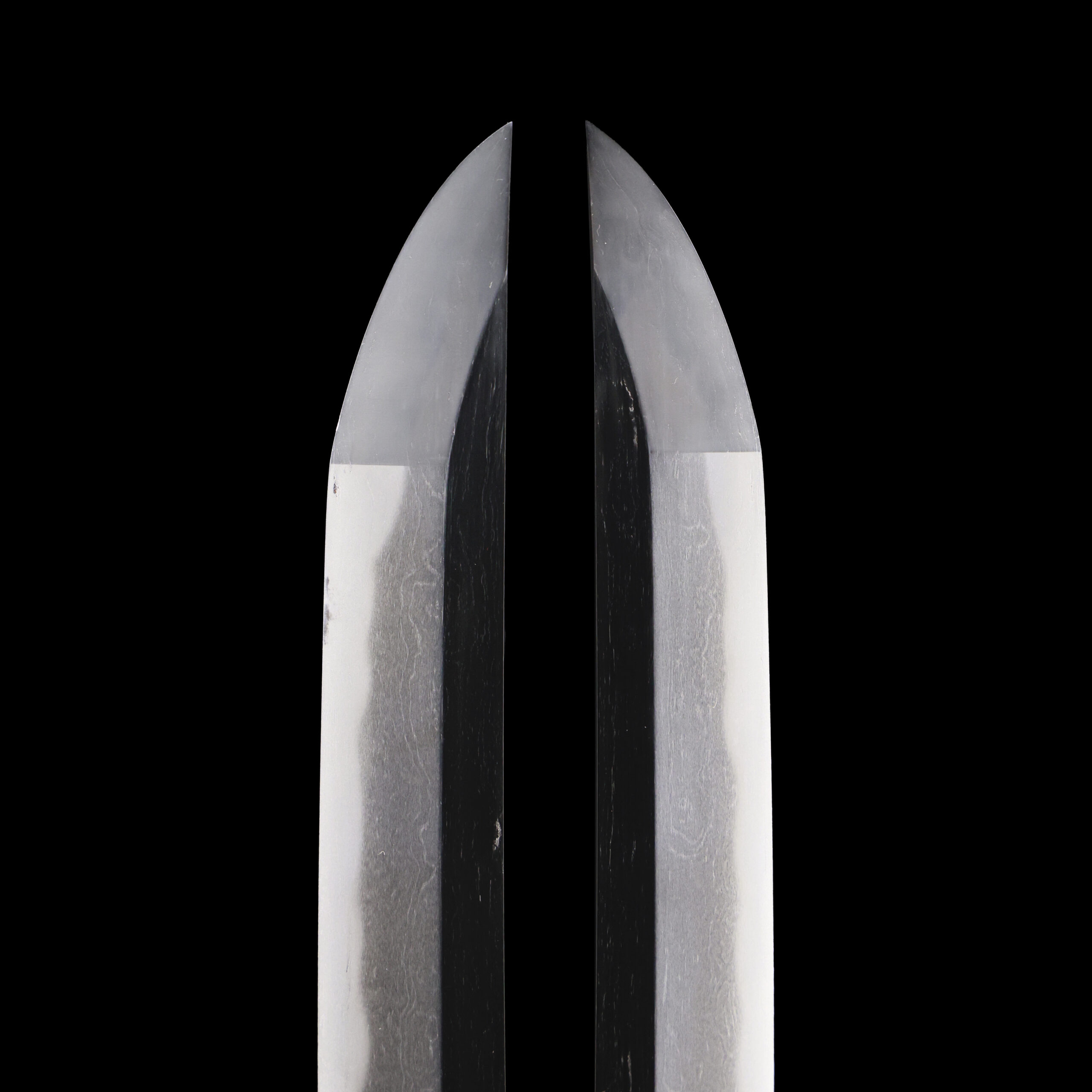
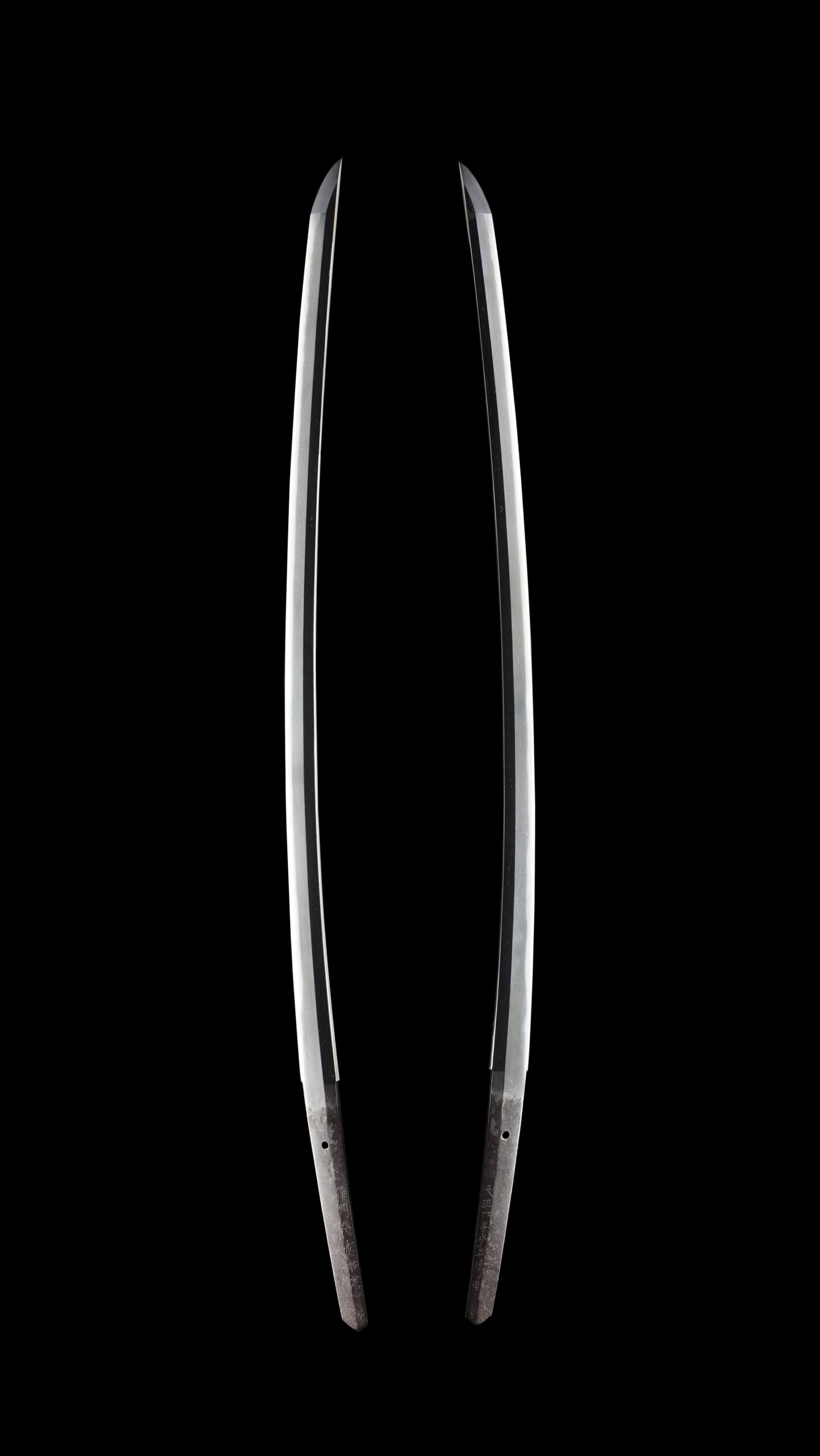
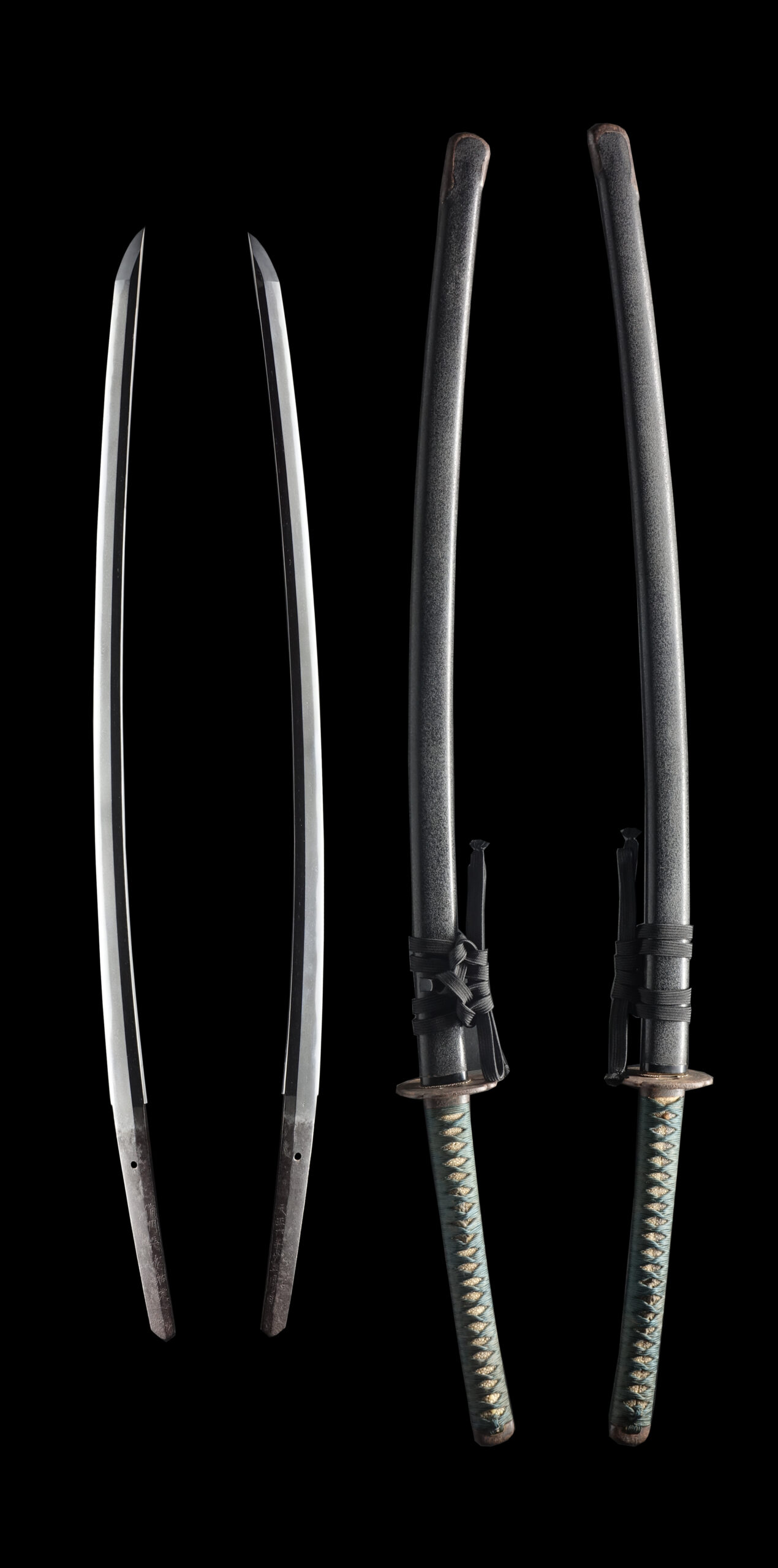
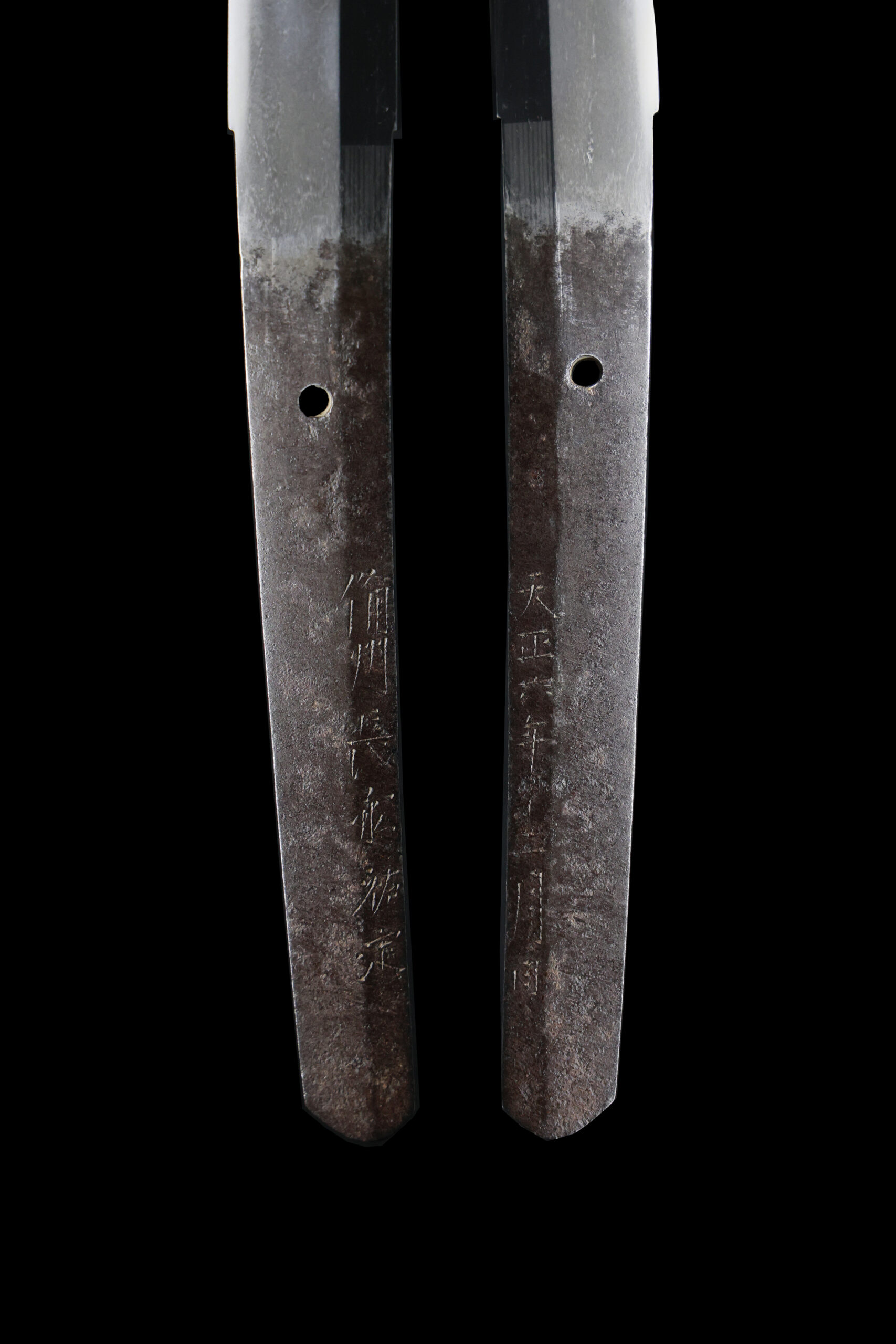
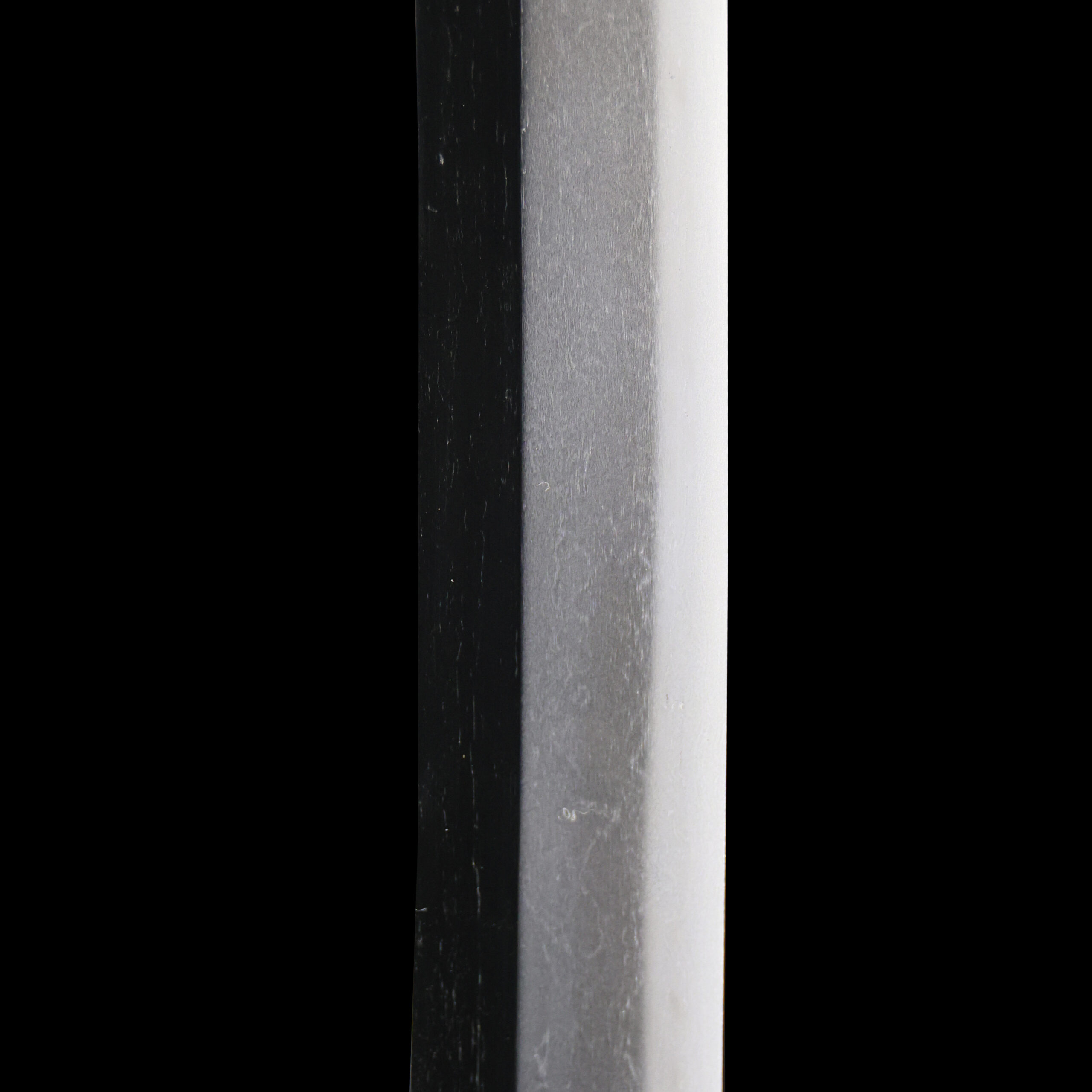
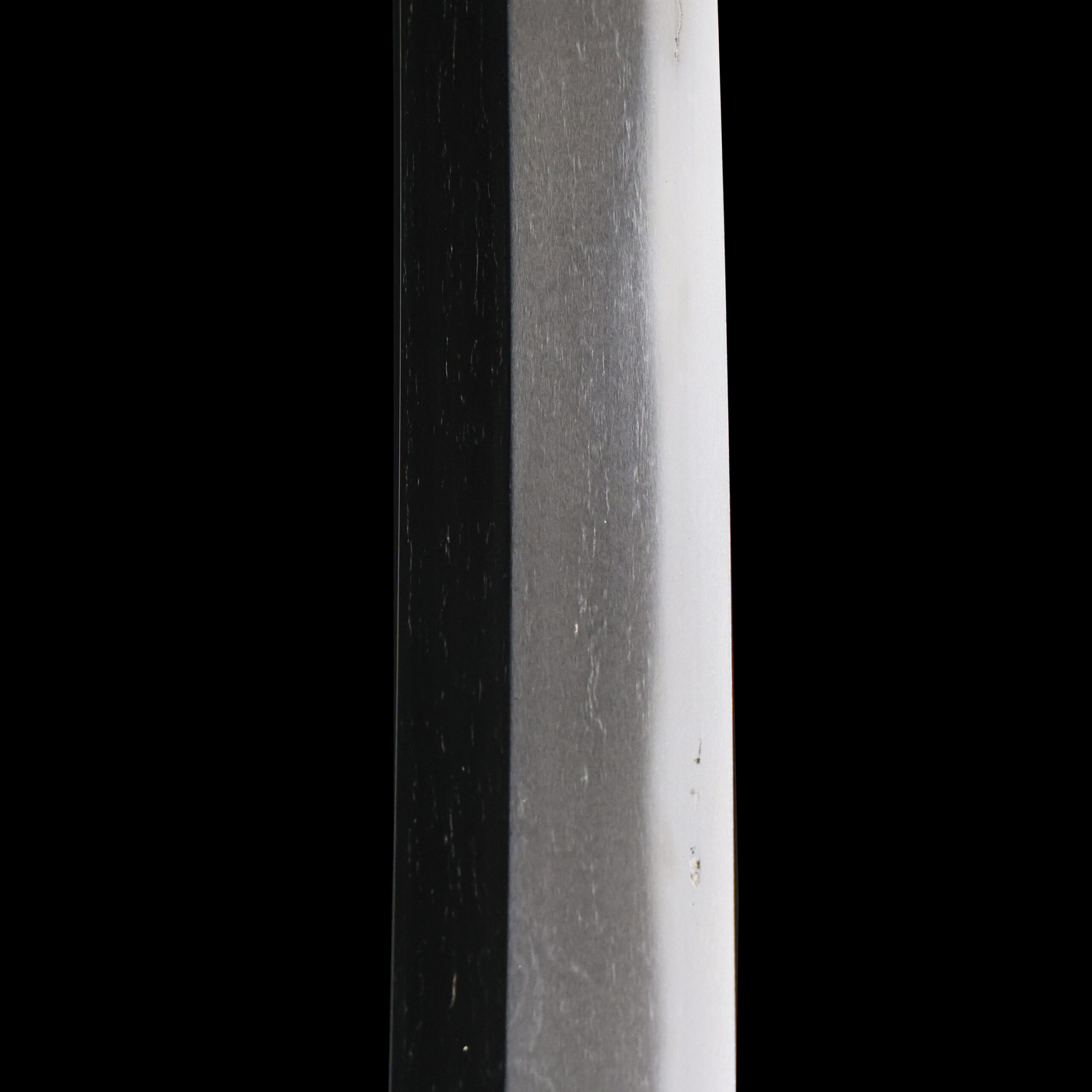
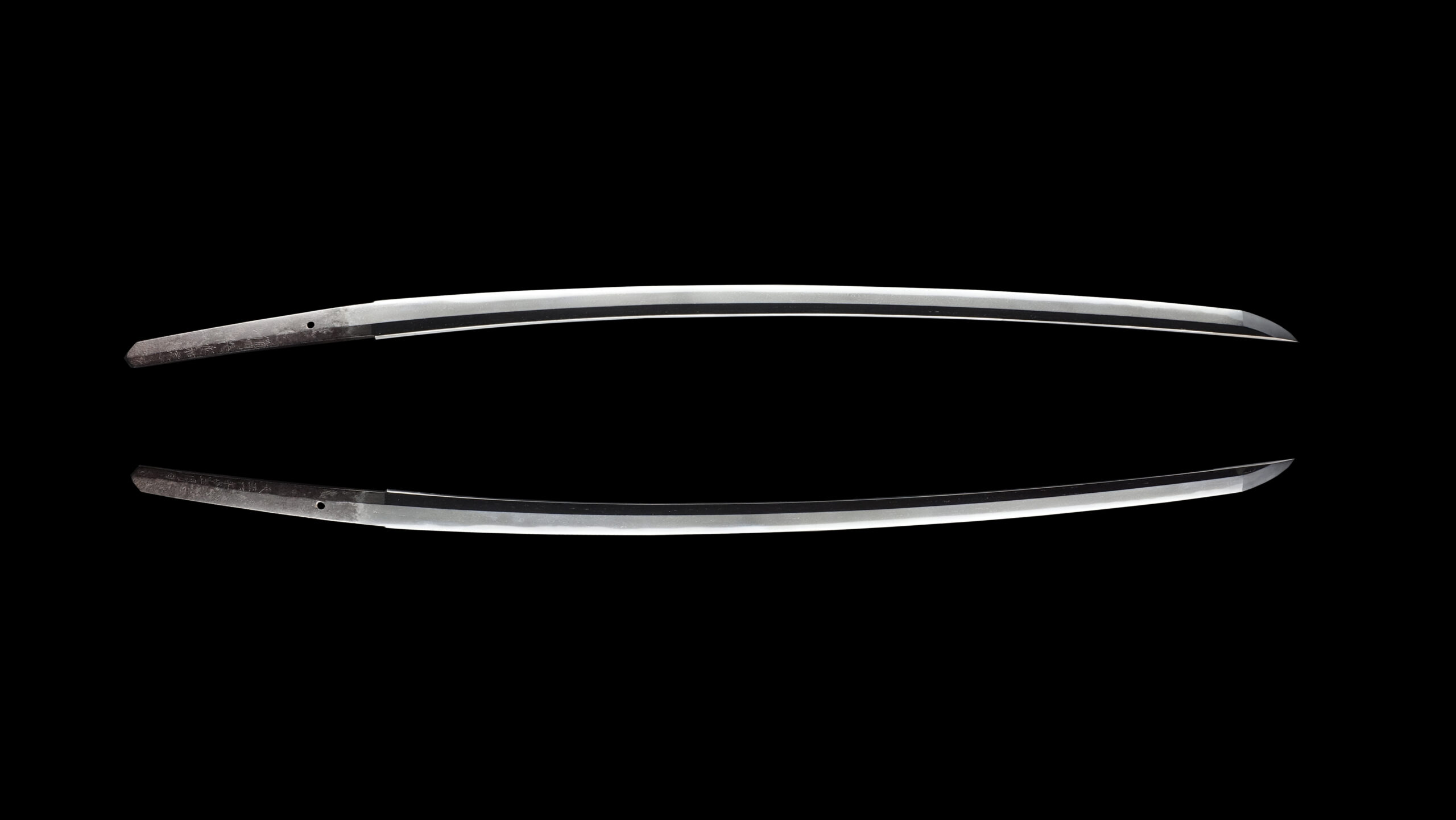
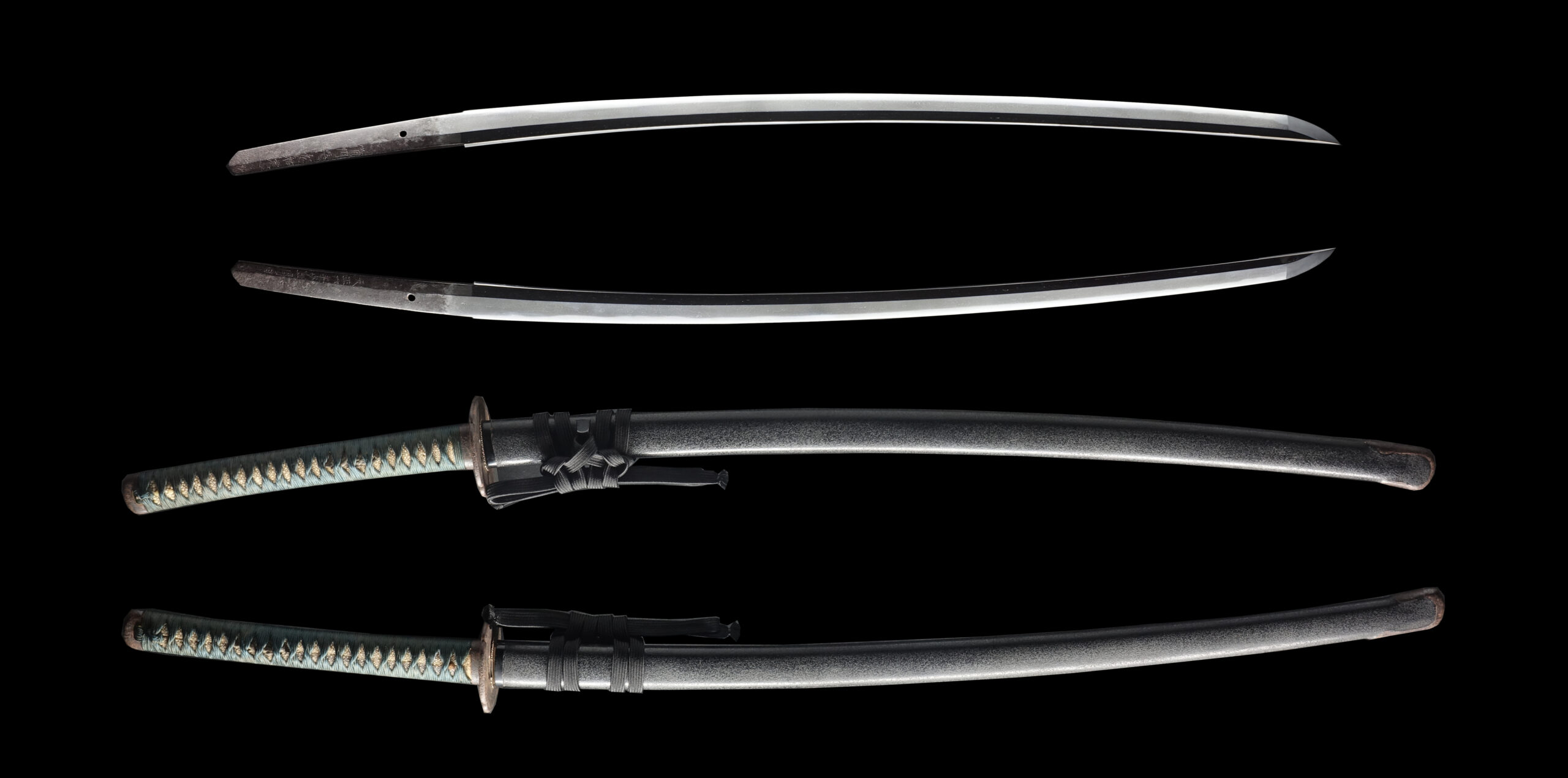
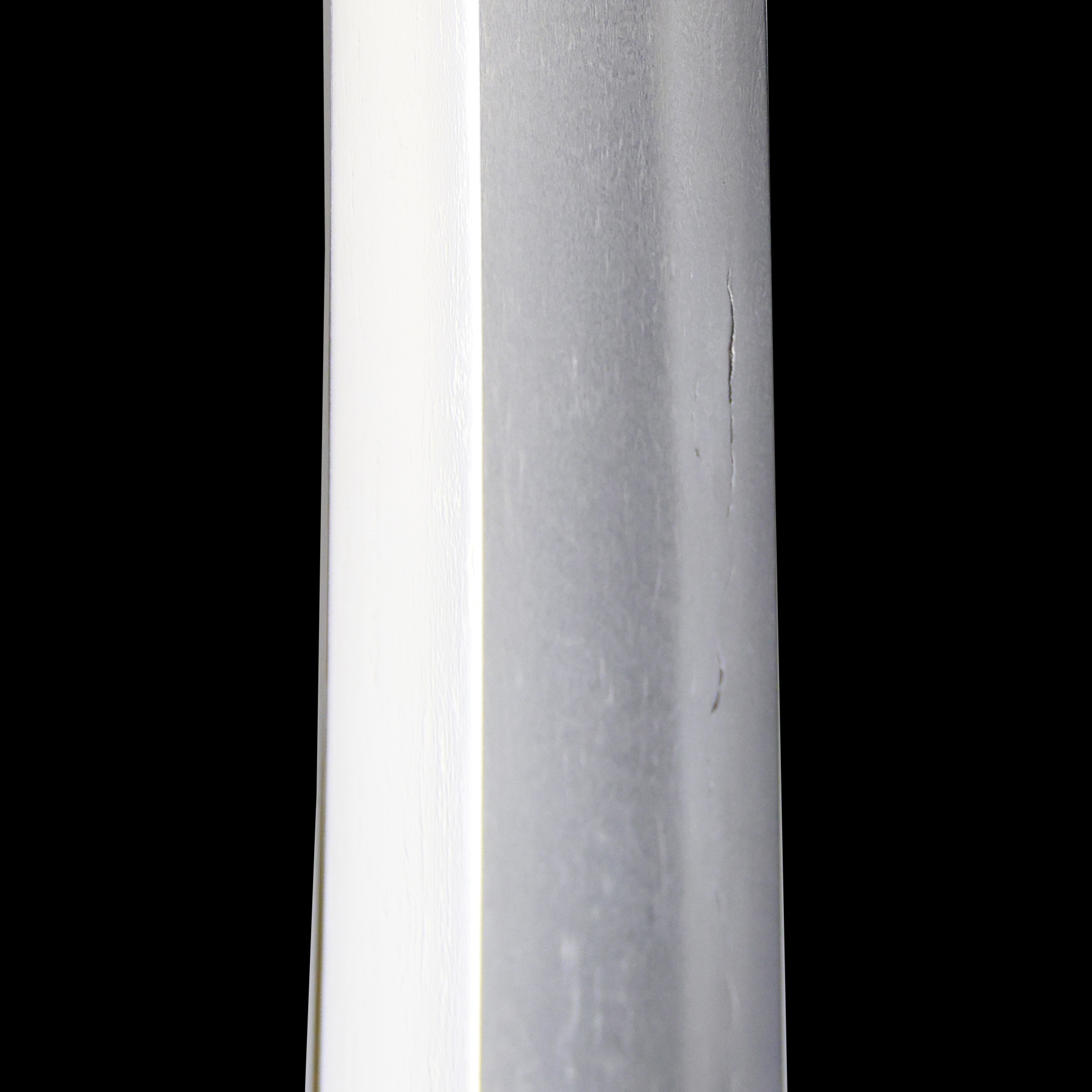
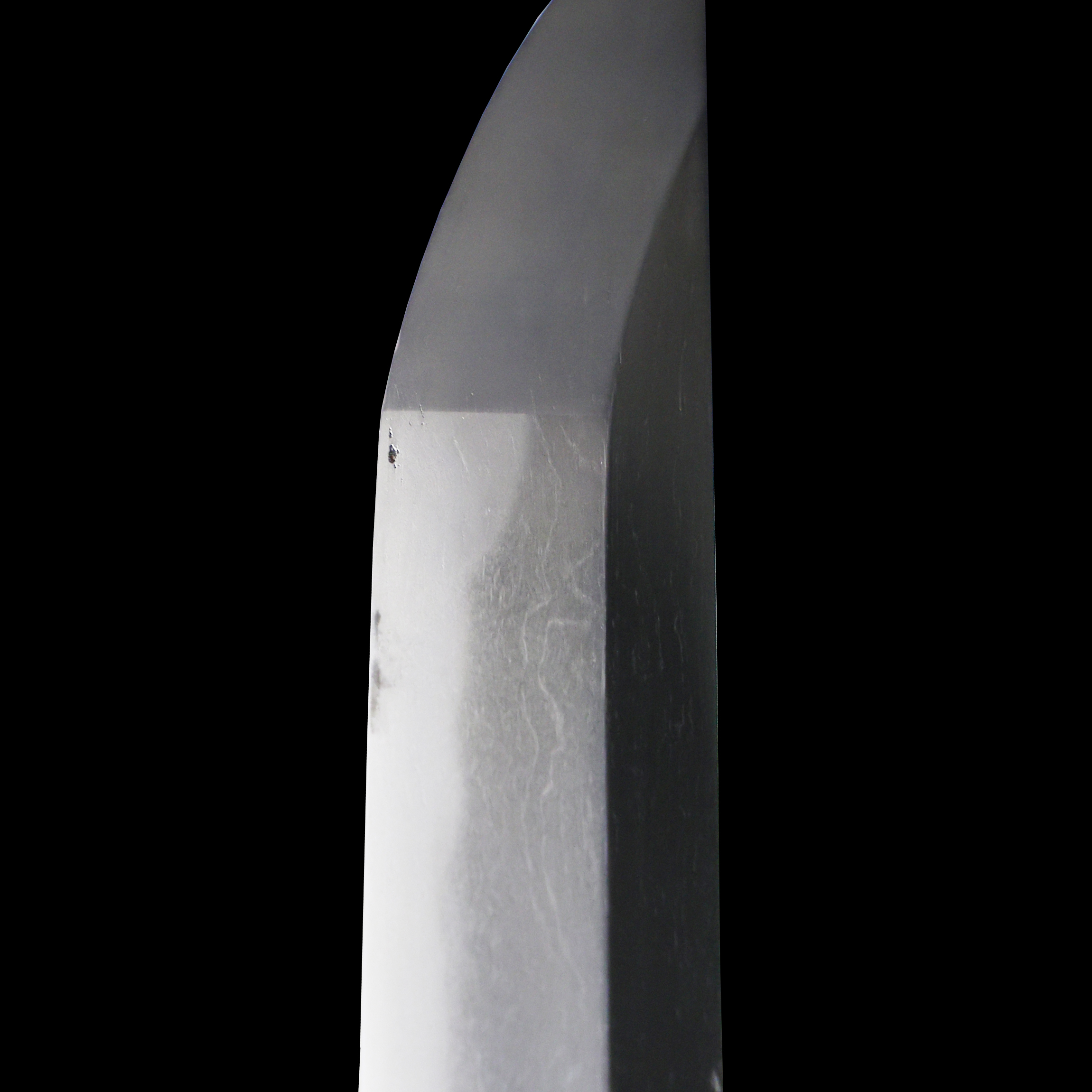
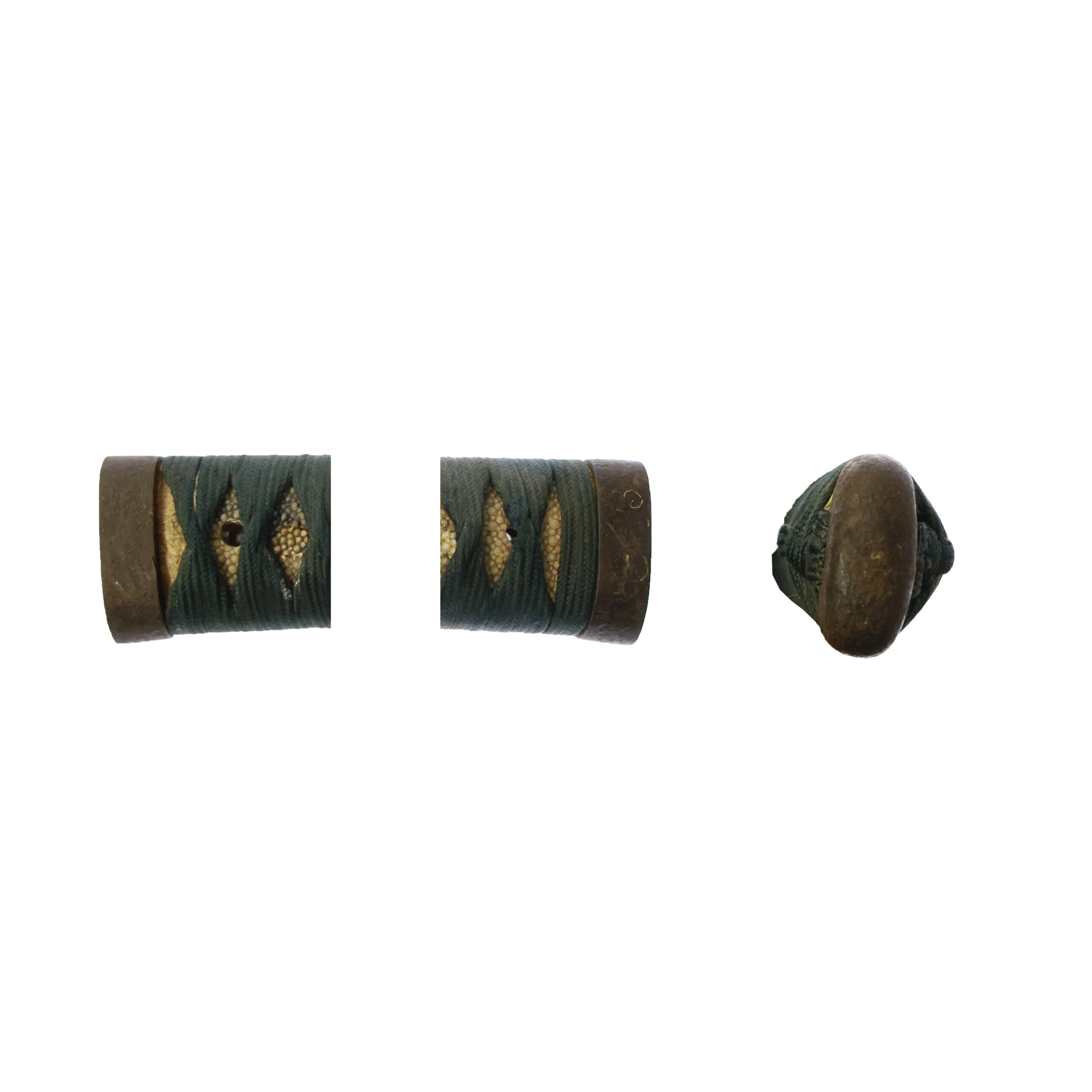
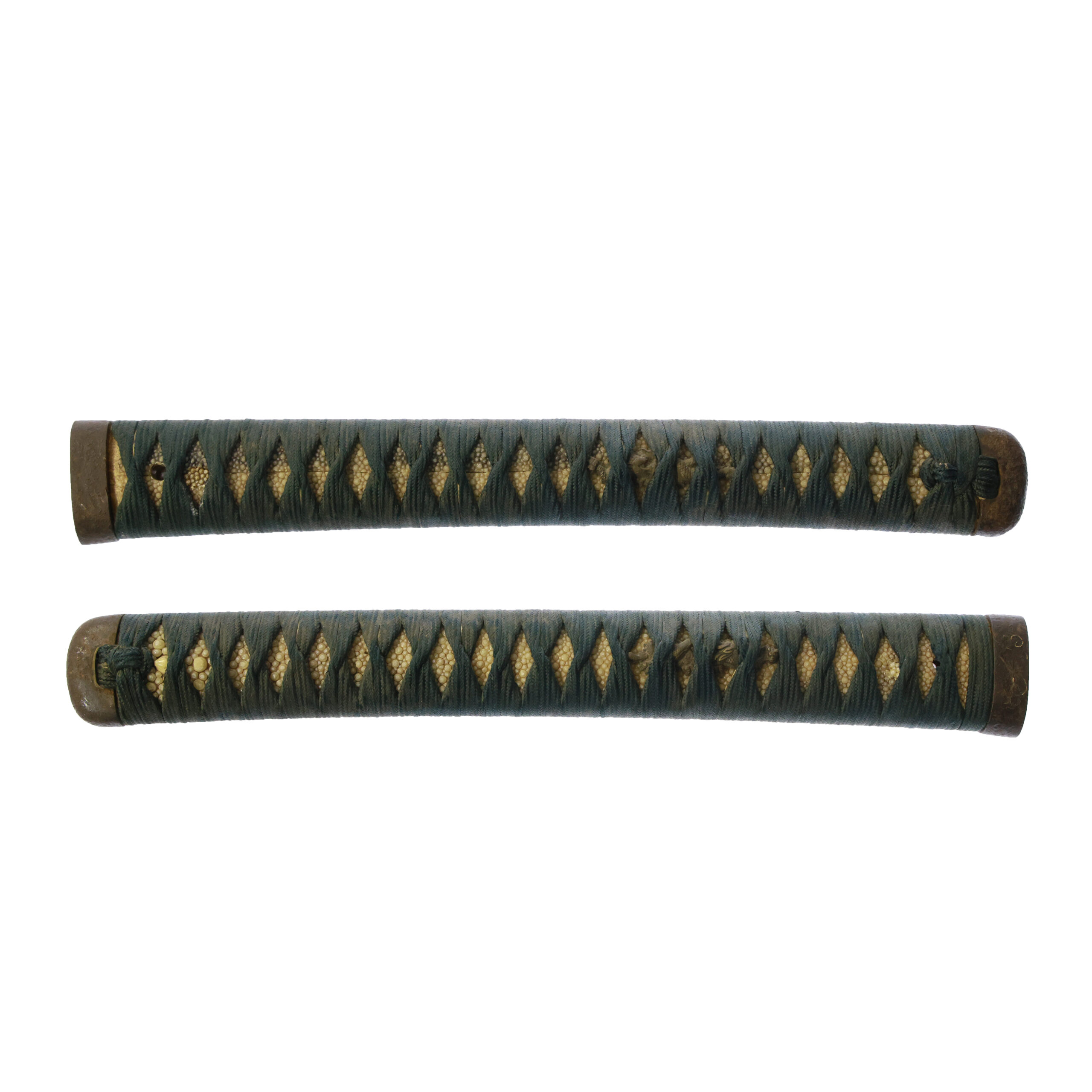
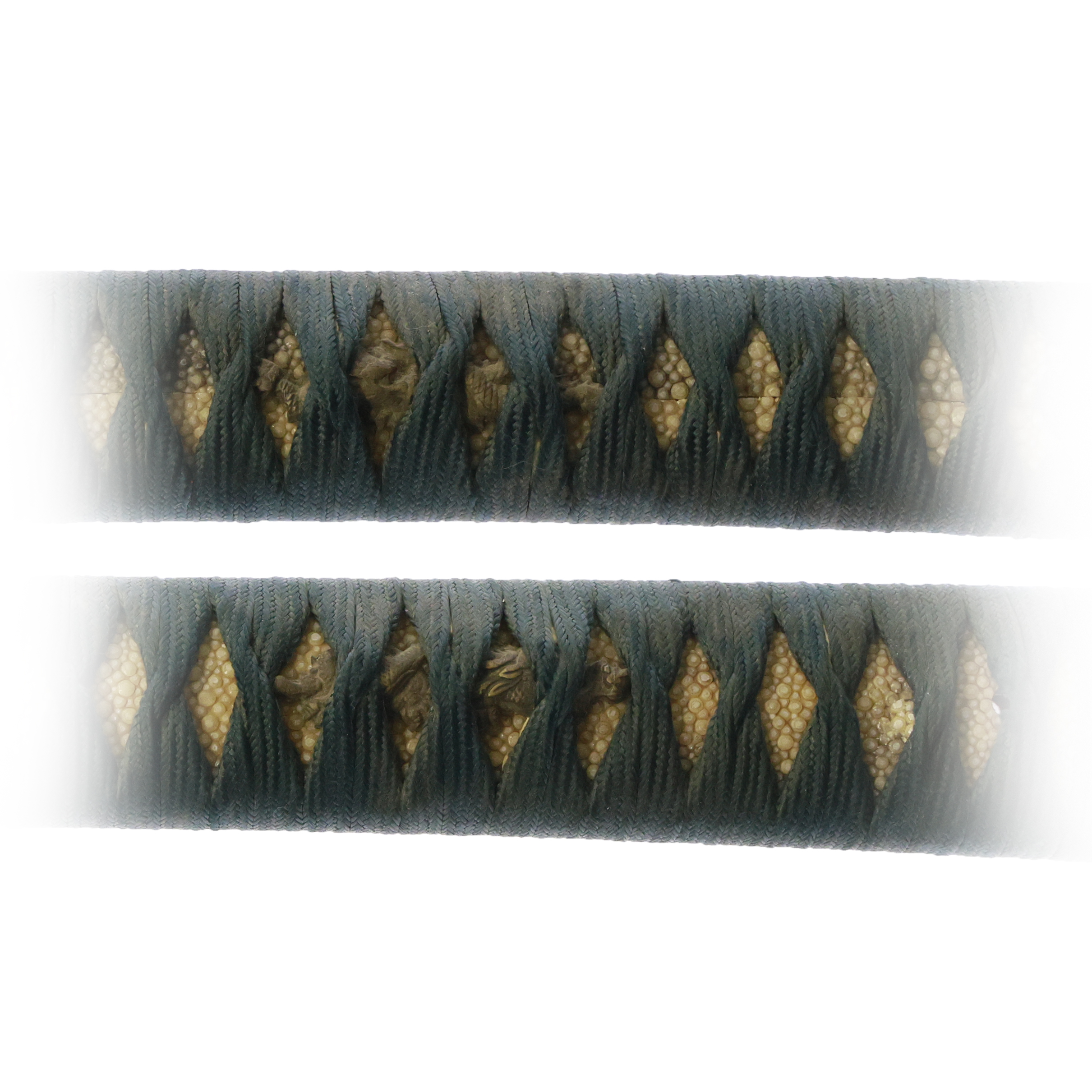
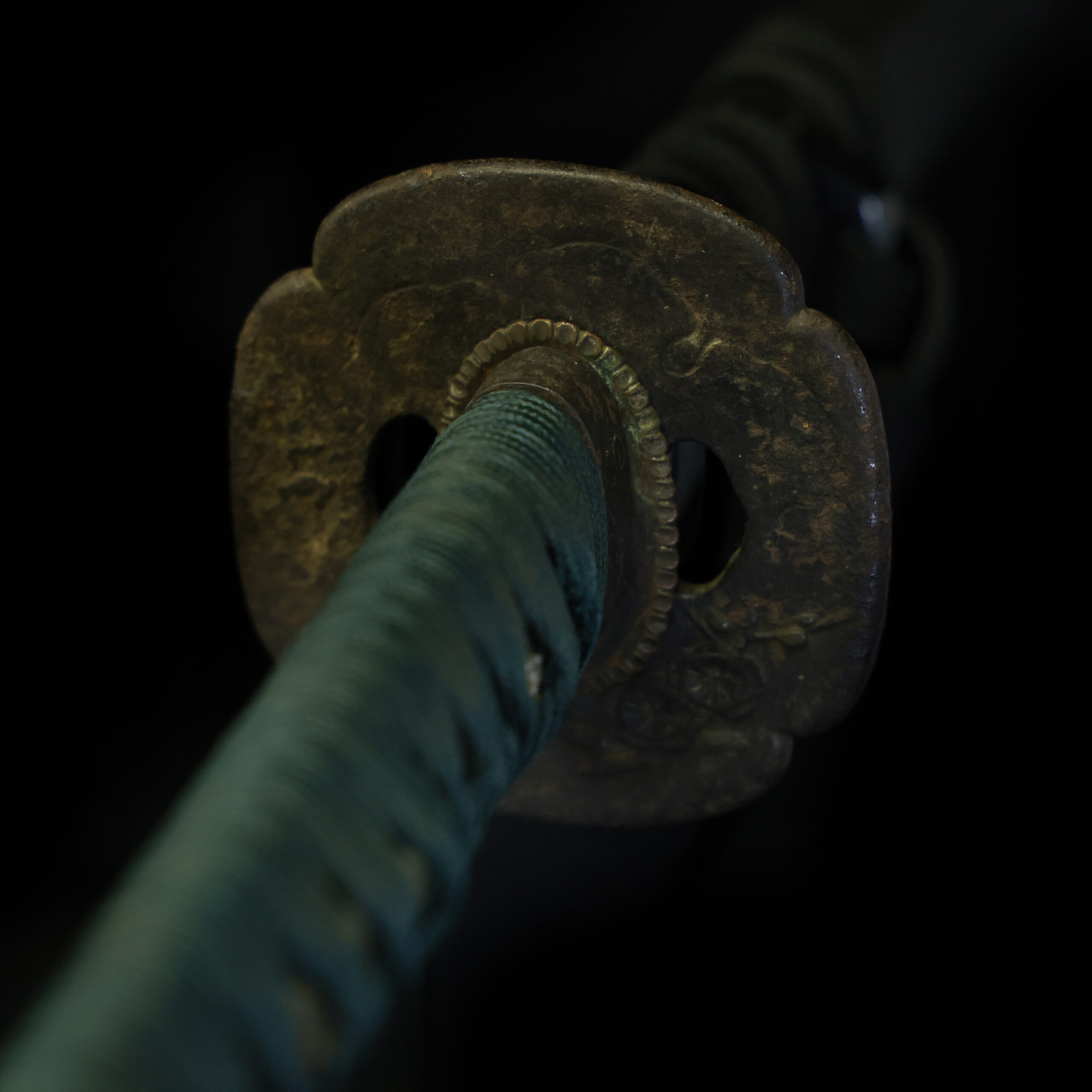
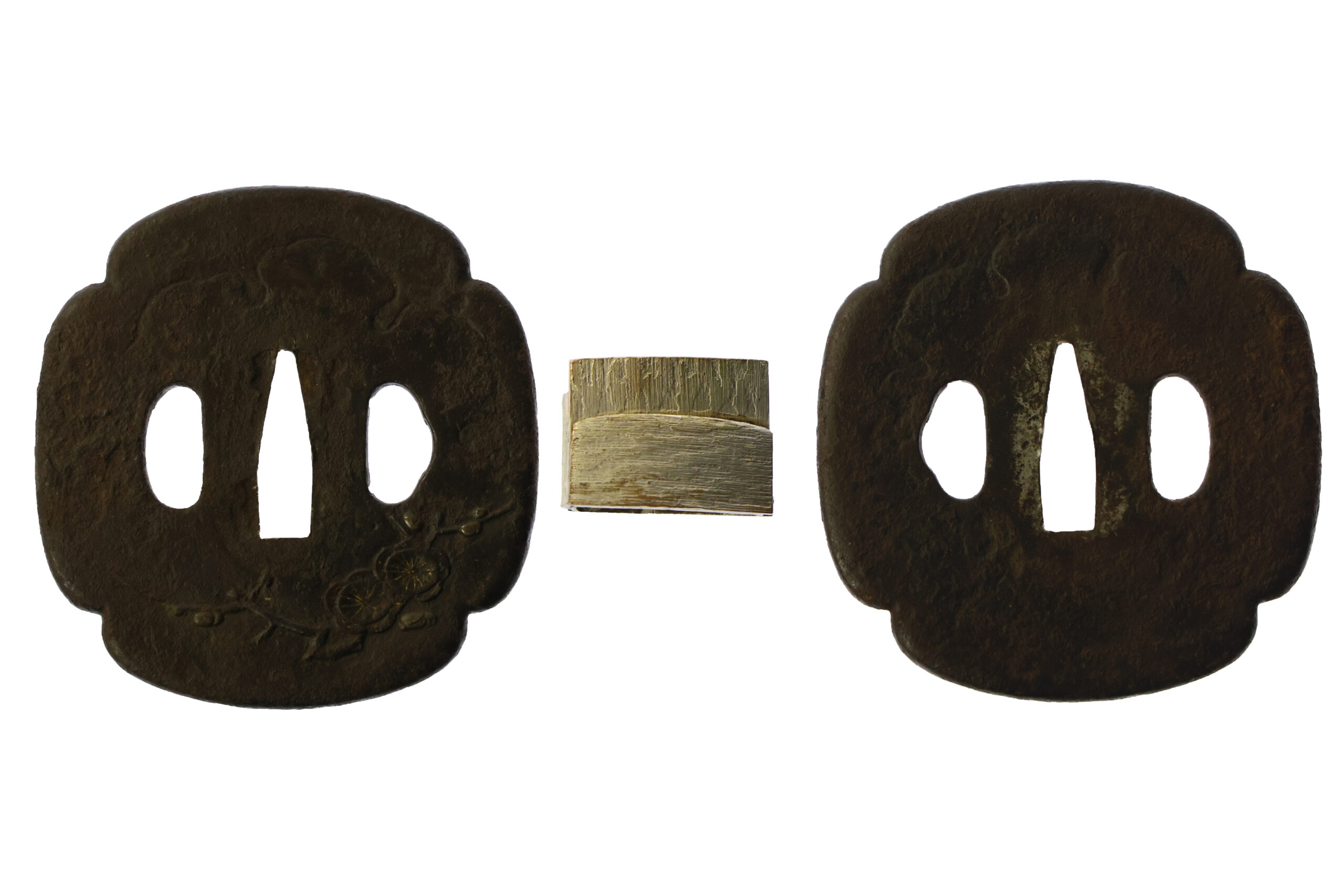
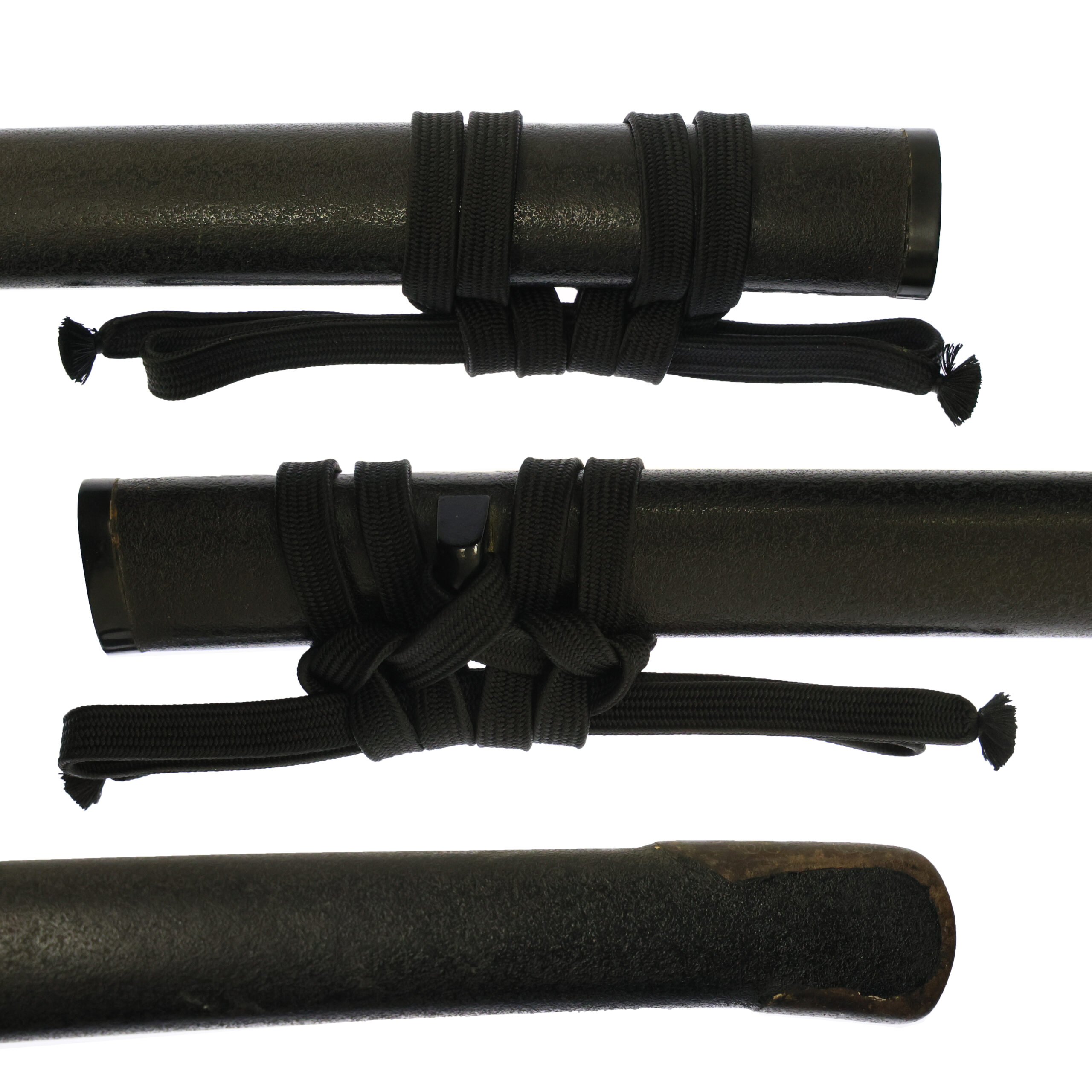
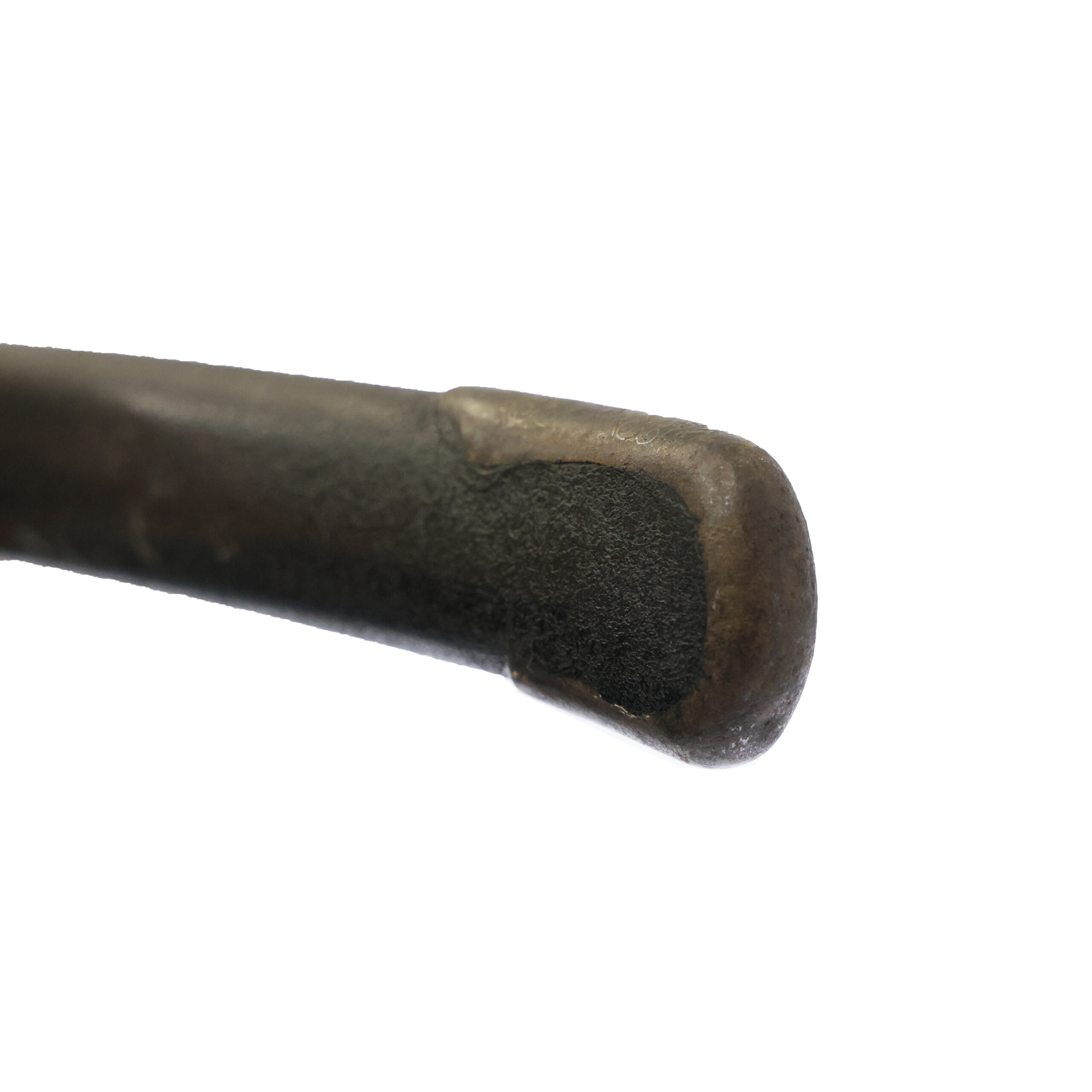
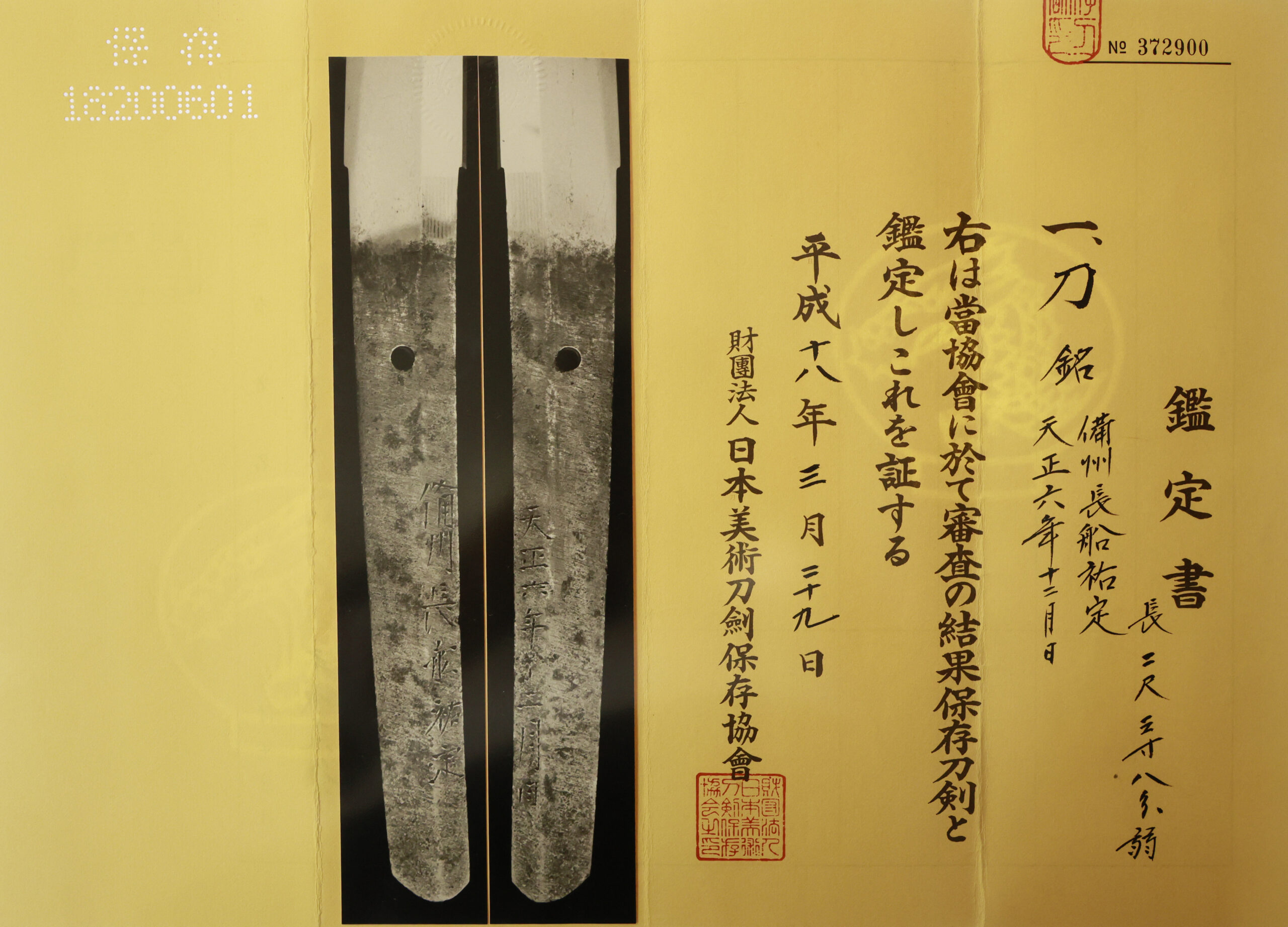
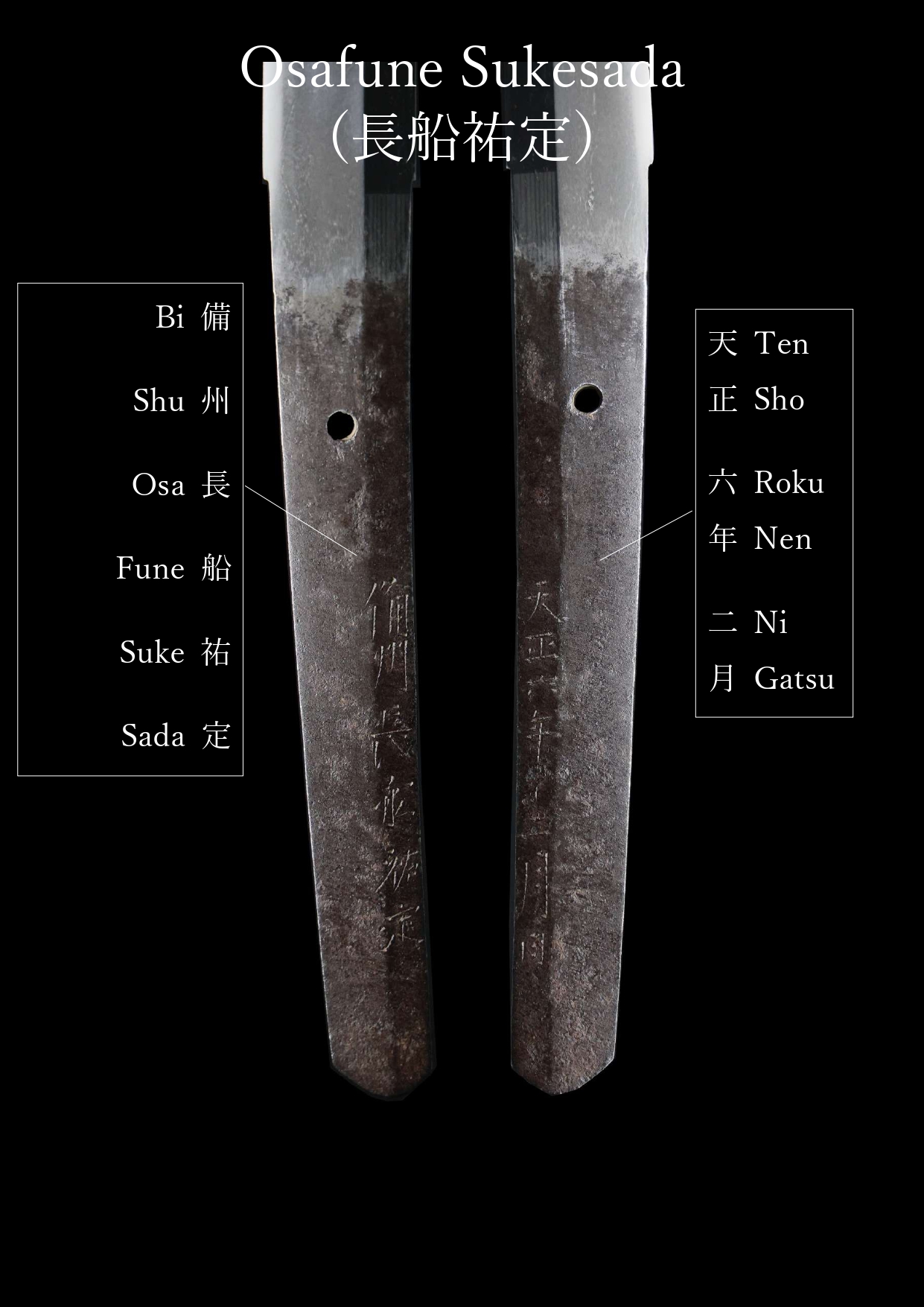
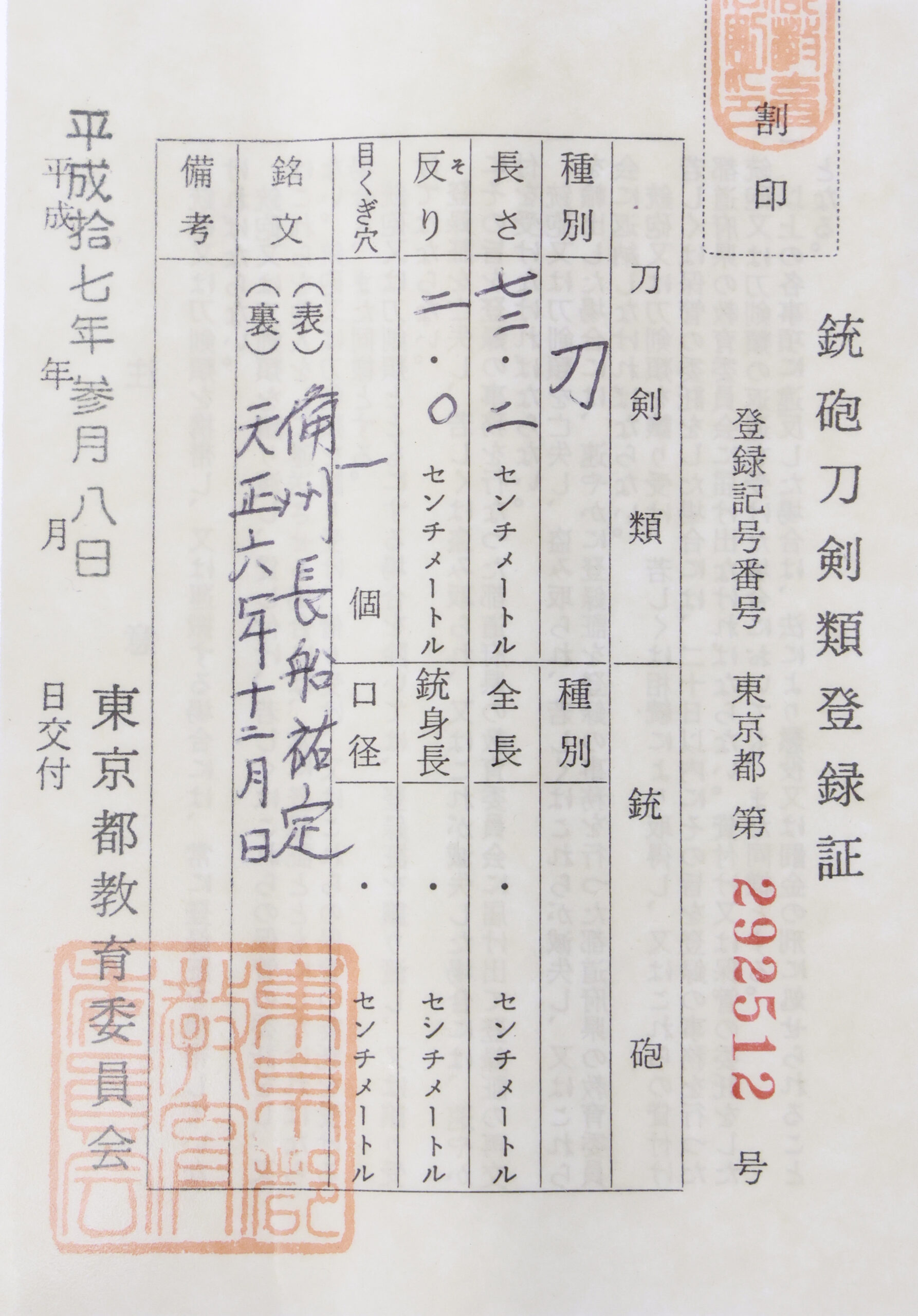
Summary This blade was signed by Bishū Osafune Sukesada (備州長船祐定) in the 6th year of the Tenshō era (1578), during the Azuchi–Momoyama period. Bishū, also known as Bizen, refers to an old province located in present-day Okayama Prefecture. Osafune was one of the most prosperous sword-making schools in Bizen, especially during the Muromachi period. Sukesada is the name of the swordsmith who forged this blade. Swordsmiths active in Bizen Province toward the end of the Muromachi period (roughly 1492–1569) are collectively referred to as Matsu Bizen (“Late Bizen”). Among them, the Sukesada school—particularly the Osafune branch—was one of the most prominent and prolific. Over generations, various styles were produced by smiths of the Sukesada lineage, with over 60 swordsmiths using the name “Sukesada,” establishing it as a widely recognized and trusted name among samurai. Bizen swordsmiths produced a large number of blades during the Muromachi period, especially in the Sengoku period (Warring States period), when the demand for reliable weapons soared. Given the date and quality of this blade, it is highly likely that it was commissioned by a samurai and may well have been carried into battle during a time of fierce conflict among rival warlords. This History of Bizen Osafune School It is said that Osafune school was founded by Mitsutada (光忠), who was active during the mid-Kamakura period. Bizen Osafune school was the biggest one of all other schools in Bizen province, and they received many orders from feudal lords or renowned Samurai. They were called Osafunemono and were beloved by Samurai warriors. Among the swordsmiths who belonged to this school, Nagamitsu, Sanenaga, and Kagemitsu are known as Osafune Sansaku, the three renowned Osafune swordsmiths. There are also four other prominent swordsmiths who were from Bizen Osafune school. They are called Osafune Shiten-no, the four masters of Osafune school. Their names are Nagamitsu, Kanemitsu, Nagayoshi, and Motoshige. BIZEN is located near the Chugoku Mountains, where iron sands, one of the essential materials for making Japanese swords, were abundant. Furthermore, BIZEN swordsmiths had close access to the Yoshi River, where they could find water and charcoal. This geological location contributed to the swordsmiths forging high-quality refined blades. We presume BIZEN was quite active in sword-forging from ancient times. It is said that BIZEN DEN was created by groups of swordsmiths there during the late Heian era (Late 12th century). These ancient swordsmiths in Bizen province are called Ko-Bizen (Old Bizen) swordsmiths. By inheriting the sword forging techniques from Ko-Bizen swordsmiths, the Bizen Osafune school flourished from the mid-Kamakura period. This blade is appraised as a Hozon Token (特別保存刀剣) issued by NBTHK (Nihon Bijutsu Touken Hozon Kyokai:日本美術刀剣保存協会). *Please keep in mind that there are a couple of Kitae Kizu on this blade. Tsuka and Menuki The theme of this Menuki is a dragon(龍, Ryu). The dragon is an imaginary creature found in ancient foreign traditions and myths, and it has long been regarded as a symbol of good fortune and auspicious omens. According to legend, the dragon’s body is said to be composed of traits from nine different animals: antlers of a deer, the head of a camel, eyes of a demon, the neck of a snake, the belly of a mizuchi (a mythical Japanese serpent-like creature with horns and four legs), scales of a fish, claws of a falcon, palms of a tiger, and ears of a cow. Its fearsome and unique appearance led to the belief that the dragon ruled over all other creatures. *Please keep in mind that the Tsuma Maki (thread on the handle) is relatively aged and you can see some discoloration. Tsuba and Habaki The plant depicted on this tsuba is believed to be the hydrangea (紫陽花, ajisai), a flower native to Japan and cherished by the Japanese people since ancient times. Many poems about hydrangeas can be found in classic Japanese literature, such as the Man’yōshū compiled in the Nara period (710–784), and waka poetry from the Heian period (794–1185). By the Kamakura period (1185–1333), hydrangeas began to be cultivated as ornamental plants. Their lush and vibrant blooms came to symbolize the fulfillment of aspirations, and they were regarded as auspicious flowers, especially favored by samurai. According to one theory, hydrangeas became widely used as decorative motifs from the Edo period onward. Artists of the Rinpa school, in particular, skillfully stylized their large bluish-purple blossoms into elegant designs featured on crafts and artworks. Authentication Paper They authenticated the blade on March 29th in the 18th year of Heisei (2006). They appraised it as Hozon Touken, the blade worth preserving for Japanese society.

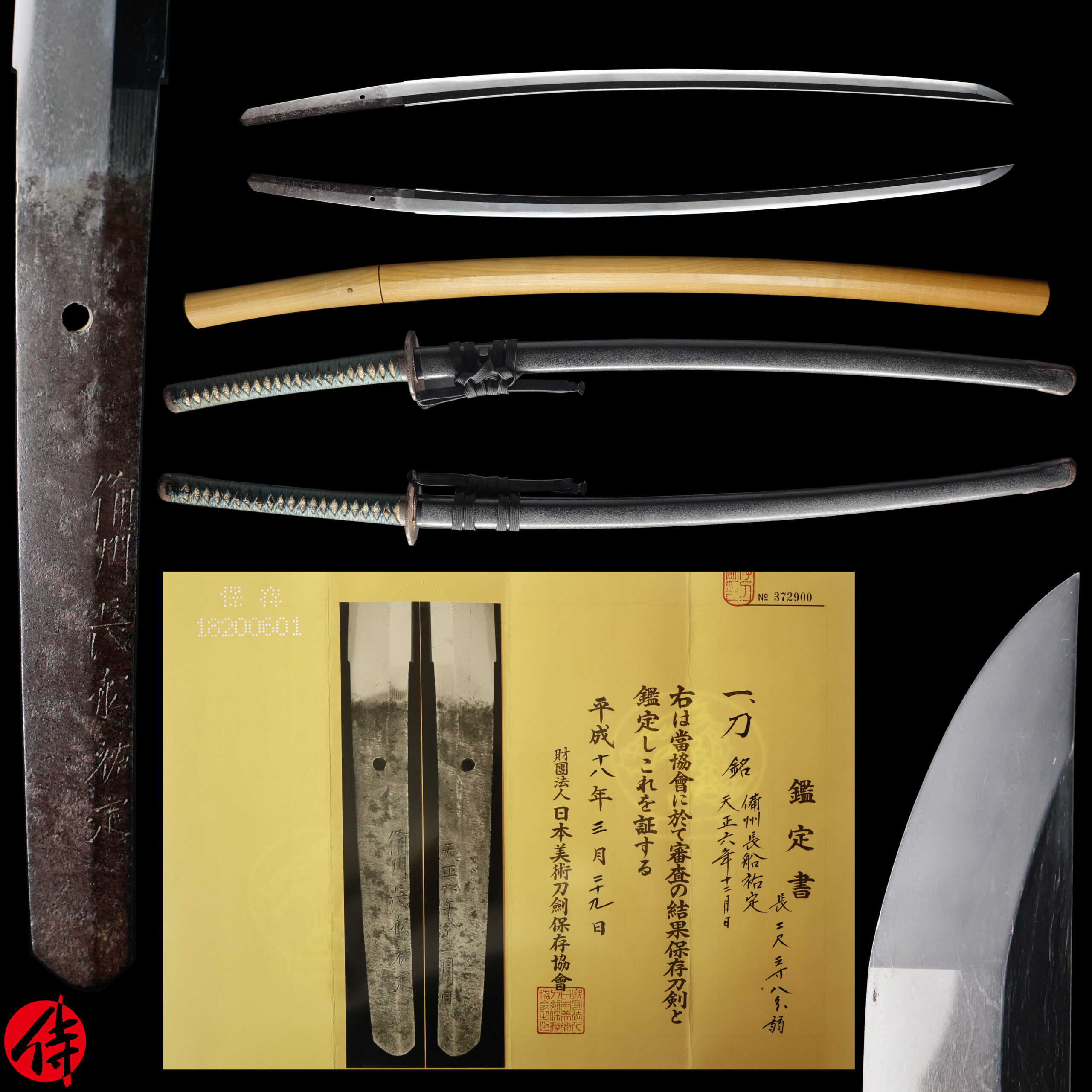
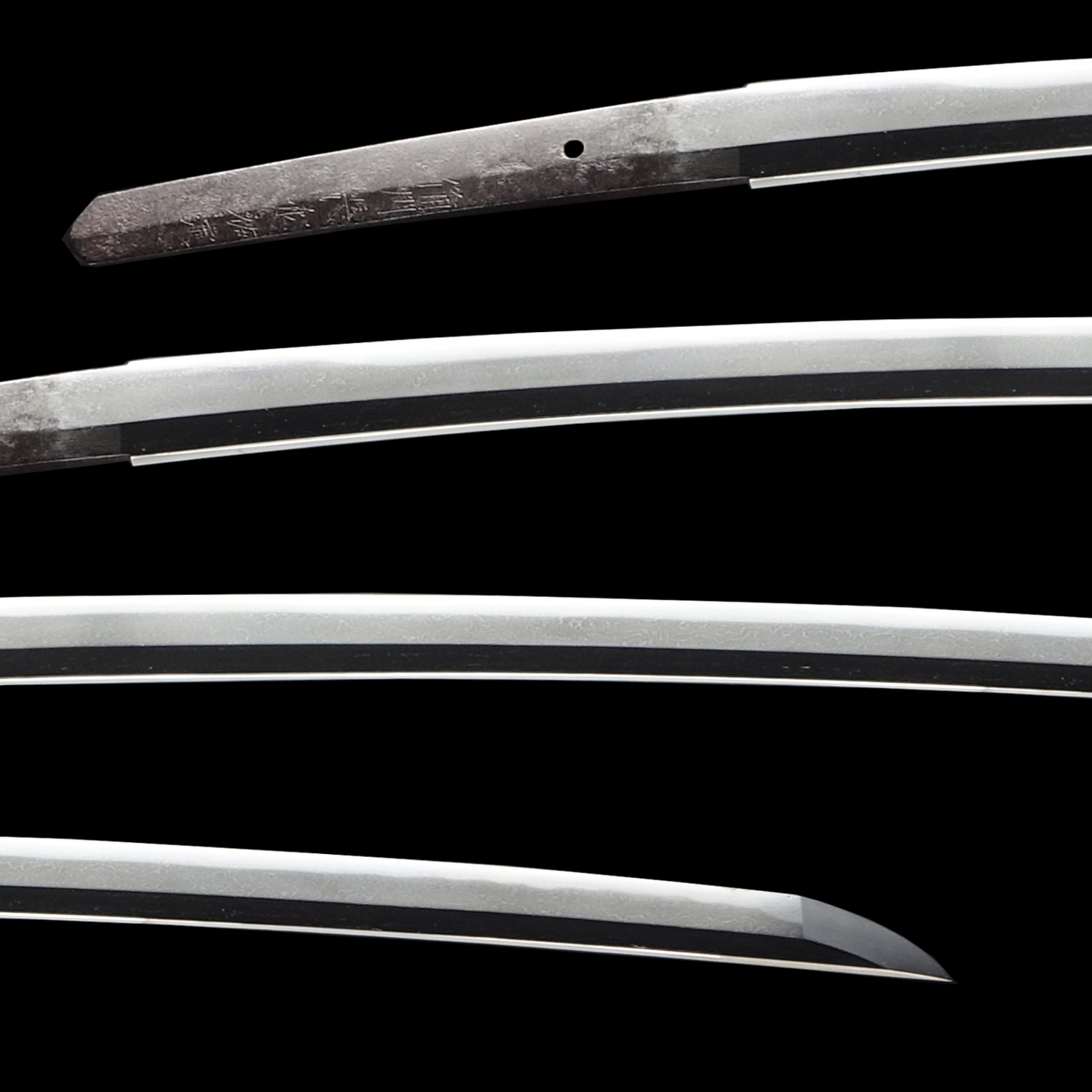
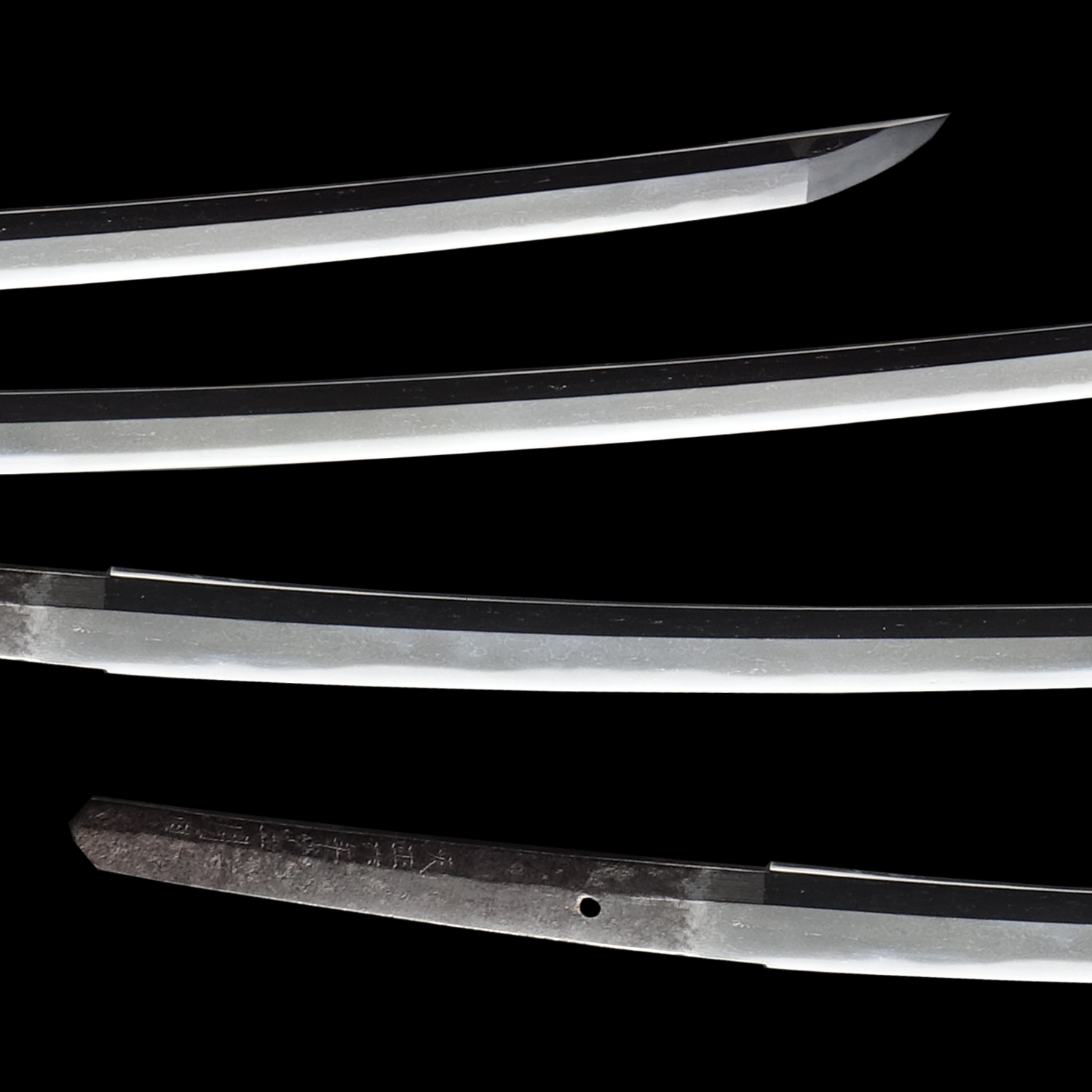

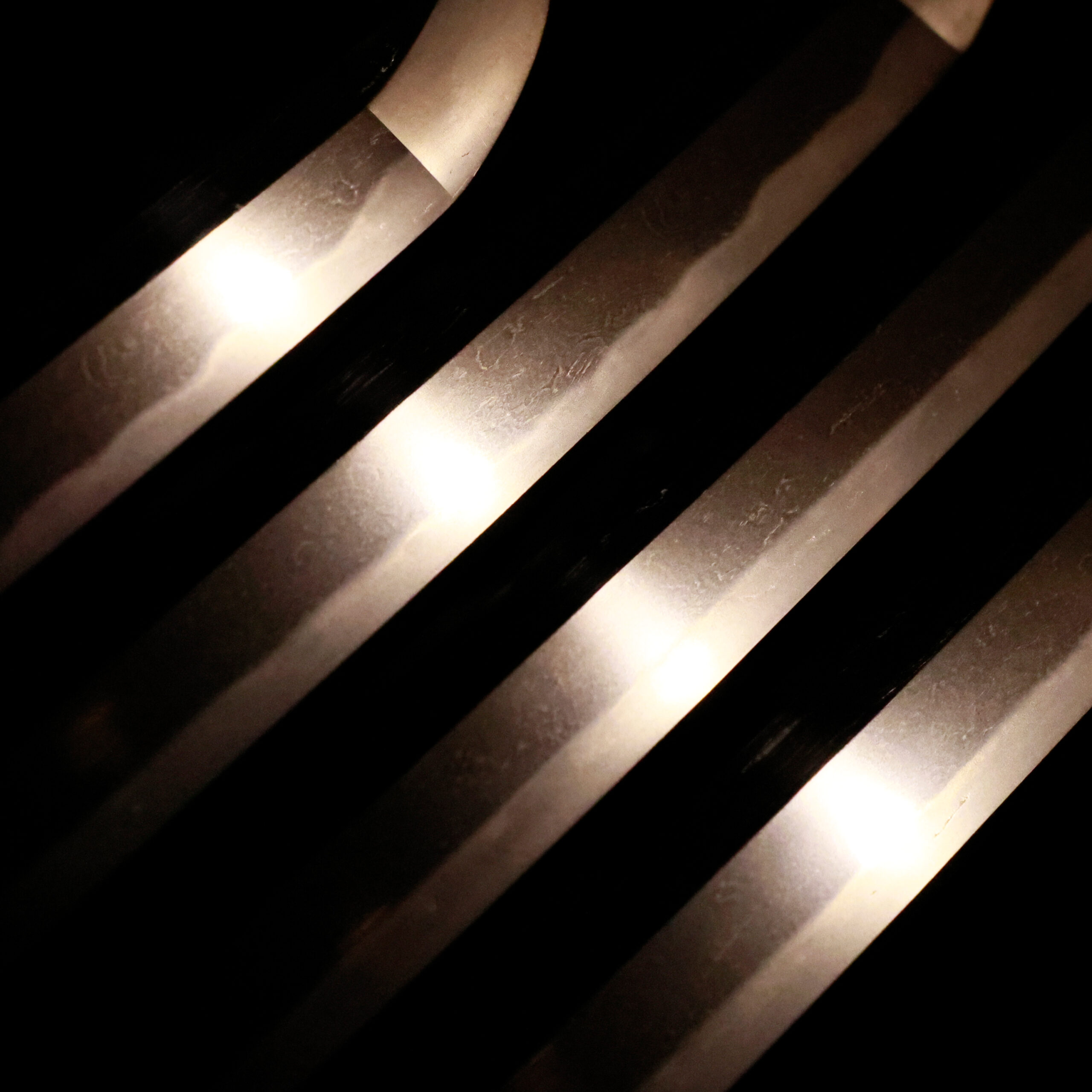
販売店の記載のまま
末備前長船(祐定) · 備前 · 1547-1592頃
藤代 上作
現在3点販売中
彦左衛門尉祐定の銘の下に伝わる指定作はいずれも生ぶ茎で年紀を有し、刀七口と両刃造の短刀一口からなる。最も古いのは長銘の傍らに九字印と「大吉」の文字および梵字を刻す天文十六年(一五四七)の刀、最も新しいのは播州の和田出雲守のために鍛えた天正四年(一五七六)の注文打である。祐定は室町末期の長船を代表する名で、末備前の祐定のうち最も尊ばれるのは与三左衛門尉・源兵衛尉・彦兵衛尉と俗名を冠する一群であり、彦左衛門尉もこれと並べて挙げられる。説明書は彦左衛門尉の名が与三左衛門尉・源兵衛尉より低いとしつつ、これらの作を特に出来がよいとし、その一口を「末備前物の代表作の一口」[[c:1]]と見るべきであろうとする。銘は同銘三代にわたり、銘鑑により初代を永正、二代を天文・永禄、三代を元亀・天正とする。
作の見どころは、明言された作風の二分にある。説明書はほぼ同文でこれを繰り返し、この期の作風は大別して腰開きの互の目乱れが複式風になったものと、「直刃調に足・葉の入ったもの」[[c:2]]の二様があるとする。前者は華やかな極で、腰元の開いた互の目を焼深く焼き、互の目が複式の構造に発展し、足・葉よく入り、小沸つき、砂流し・金筋がかかる。最も激しい作では匂口明るく、ほかの作ではやや沈む。後者は静かな極で、直刃調あるいは広直刃に足・葉よく入り、小沸に砂流しかかり、匂口は締りごころとなり、天正の一口では物打辺に湯走り・飛焼がかかる。多くの作はいずれか一方に明らかに属し、説明書は数口についてそのどちらであるかを明記する。
地鉄は二様の下に一貫する。よくつんだ小板目、身幅の広い刀では板目となり、地沸がつく。一口はつみつめて無地風となり、別の一口は板目に杢交じり肌立ち、棟焼が入る。鍛えこそ説明書が最もしばしば揚げるところで、天文十六年の刀には「殊に鍛えは抜群」と記し、板目に地沸がついて地景がよく入り、「総体につよい鉄味を呈している」[[c:4]]とする。帽子は刃文に応じ、華やかな作では乱れ込んで小丸に返り、時に焼深く焼詰風となり、直刃の作では小丸に長く返り、あるいは尖りごころに、わずかに掃きかける。姿は終始室町末期の刀で、身幅広い鎬造に庵棟、先反りつき、中鋒延びて大鋒ごころとなり、鎬を削いで高くするものもある。
世代は茎から読まれる。作はいずれも生ぶ茎で、表に長銘、裏に年紀を切り、説明書は各作を年代に定めた上で銘鑑の彦左衛門尉三代に当てる。天文十六年・天文十七年の刀を二代とし、天正元年・天正四年の刀と天正元年の短刀を三代とする。その作域は広く、腰の開いた互の目・直刃・皆焼等多彩で、いずれにも高い技術が窺われると、説明書は天文十七年の刀で二代について述べ、短刀で三代について繰り返す。年を追って刀身も茎も伸びるのは時代の徴と読まれ、太刀が全く廃れて長い打刀を両手で使用するようになったことを物語るとされる。第六十六回指定の天正元年紀の両刃造短刀は、文明や永正頃のものに比して少しく大振りな点に室町後期の時代色を現す。小板目肌よくつみ、地沸微塵につき、地景細かに入り、淡く映りが立つ地に、広直刃調に互の目・小互の目を交え、処々叢沸となり、総体に砂流し細かにかかり、金筋入り、匂口明るく冴え、帽子は焼深く尖りごころに長く返る。説明書は「地刃共に明るく冴えて、抜群の出来映えを示しており」[[c:7]]とし、江戸時代末期の制作と思われる合口短刀拵が附帯する。二様の作風と三代の世代とは直交し、一は作風、一は年代の事であって、一口を読めばその両方が得られる。
一門の中では、室町後期の厚い末備前長船の一群、長船の長い系譜の最後の大きな段階に属する。説明書は彦左衛門尉を与三左衛門尉・源兵衛尉・彦兵衛尉と共に祐定を代表する一人とし、祐定の中には名品の数が多く、とりわけ技術の高い者があると記す。本工自身の見分けは借りものの比較ではなく自らの特徴、すなわちよくつんだ小板目に地沸の地鉄に保たれた二様の作風と、説明書の賛える鉄味にある。同銘の作が少ないとされる天文十六年の刀を、説明書はその代表作と称すべきものとする。
藤代はこの工を上作に位し、指定の記録は控えめである。記録されるのは八口、いずれも重要刀剣で、それより上の指定はない。私蔵や長く記録された手に伝わる末古刀の刀と短刀の一群で、所在の知れる一口は時に現れ、鎌倉期の太刀ほど稀ではないが、それゆえにありふれたものでもない。伝来は一口に明らかで、天正四年の刀は播州住の和田出雲守のために鍛えられ、その所持銘に「為播州住和田出雲守重代延之也」[[c:6]]とあって、同家重代の作として伝えられたことがわかる。収集家にとって彦左衛門尉祐定は名高い名の近づきやすい端であり、年紀と銘をもつ末備前の作に二様の読みと世代の枠を手に取って確かめることができ、その最良の作には、天文十六年の刀について説明書が言うように、抜群の鍛えが見られる。
祐定の位置づけを、日本刀全体および伝法・時代・時期ごとに示します。各区分(随一・屈指・有数・著名)は、日刀保および文化庁による指定に加え、三作や名物帳などの歴史的栄誉を加味したものです。
各項目を選ぶと評価方法が表示されます。
在銘年紀作が示す、確実に活動していた年代
備前伝 · 備前
時期区分: 末備前· 1441–1596
現在55点販売中
嘉吉から文禄に及ぶ室町時代後期、長船派の最末期を画するのが末備前である。応永備前が古作への復古を志して優美な太刀姿と丁子刃を甦らせたのに続き、この期の長船鍛冶は戦国の世の旺盛な武器需要に応じて作刀の規模を一段と広げ、長船の名のもとに膨大な数の刀剣を世に送り出した。説示にあらわれる主要工は、勝光、宗光、貞光、治光、忠光、清光、春光、祐定の一群である。勝光は宗光・忠光と並ぶ巧者で、右京亮・次郎左衛門尉・修理亮など様々な俗名を冠する同名工を擁し、貞光や子の治光との合作銘も伝わる。祐定にあっては与三左衛門尉・源兵衛尉・彦兵衛尉を冠する者がとりわけ技術が高く、与三左衛門尉祐定は名品の数多くその筆頭に挙げられ、彦兵衛尉はその父と伝えて慶長まで数代を数える。清光は五郎左衛門尉と孫右衛門尉が筆頭格、春光は文明から文禄に及ぶ長期に同名数工があって十郎左衛門が最も知られる。この期には播磨・備前・美作の守護赤松政則が宗光・勝光の一党を陣中に招いて鍛刀の技を学び為打を遺したことも説示に見え、注文打と数打物とが併存した末期の様相をよく伝えている。 体配はまず時代を映す。身幅広く寸のつまり、重ね一段と厚く、踏張りがあって先反りつき、中鋒、茎は片手打に適した短いものとなる、室町後期特有の打刀姿である。鍛えは小板目肌がよくつみ、地沸が微塵につき、地景が細かに入って、淡くあるいは鮮明に乱れ映りが立つ。刃文の中心をなすのは末備前固有の腰の開いた互の目で、焼頭が割れて複式に乱れる複式互の目を基調に、尖り刃・尖りごころの互の目・小互の目を交え、足・葉頻りに入り、匂勝ちに小沸がつき、金筋・砂流しがかかり、処々に小さな飛焼を交える。さらに飛焼・棟焼が頻りにかかって皆焼風となる作もあり、帽子は乱れ込んで先小丸に長く返る。これは光忠の蛙子丁子、長光の丸い頭の丁子、景光の片落ち互の目といった古長船・相伝備前の整然たる丁子主調とは趣を異にし、応永備前の腰開き互の目をさらに崩して量感と変化に向かわせた戦国期の姿である。同時に勝光のように乱れの中へ丁子を多く交えて一段と華やかに焼き、忠光や清光のように直刃の上手として定評を得る工もあり、作域は広い。 鑑定にあっては、まず乱れ映りで備前と読み、つまった寸と厚い重ね、先反り強き打刀姿で時代を末備前に定める。次に俗名と作風で工を分かつ。乱れの中に丁子を多く交えた華やかな出来は勝光、複式風の互の目に飛焼を交えてやや皆焼がかるは与三左衛門尉祐定、板目に杢を交えてやや肌立つ直刃は孫右衛門尉清光、直刃に佳作多きは彦兵衛尉祐定、というように看どころが工を指し示す。表裏に施された梵字・蓮台や棒樋連樋の刀身彫もまた末備前の特色をよく示し、長光景光以来の彫の伝統がこの期まで継承されたことを物語る。代表作には、勝光・貞光合作の明応八年紀の薙刀、勝光・治光父子合作の大永七年紀の短刀、与三左衛門尉二代の元亀元年紀の刀があり、合作銘や所持銘・添銘を伴う注文打は、末備前とそれを支えた三宅氏のごとき在地の氏族を知る上でも資料性が高い。 詳しく見る →
桃山時代
三人の天下人が戦国の世紀を終わらせ、刀は新しい秩序の道具となった。1588年の刀狩は刀を武士の標章とし、名刀は条約のごとく家々の間を行き交い、鑑定は以後この境で古刀と新刀を分かつ。
銘が正しい、または無銘でも年代・国・系統を確実に指摘できる、保存に値する真正の作と鑑定されたものです。
日本美術刀剣保存協会(日刀保)は、1948年に設立され、文化庁の監督を受ける公益財団法人で、東京・刀剣博物館に本部を置きます。専門の審査員が出品作を直接審査し、美術的・歴史的価値に応じた鑑定書を発行します。日刀保の鑑定書は、日本刀および刀装具の真正性を示す最も広く認知された基準です。
日刀保公式サイトReturns/exchanges limited to defects caused by shipping (except willful misconduct or gross negligence by the company); customers must contact within 72 hours of receiving the product.