政権は鎌倉にあったが、美意識はなお京都が定めた。粟田口派の梨子地肌は完璧の代名詞となり、来派は公家にも上級の武家にも大寺にも、堂々たる太刀を納めている。
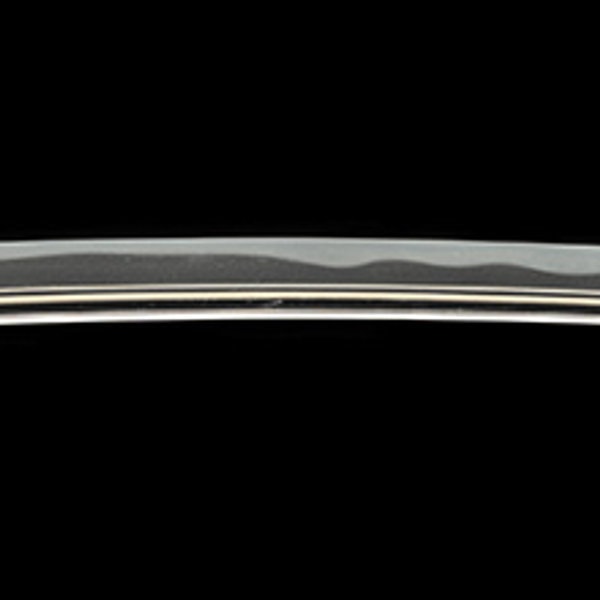
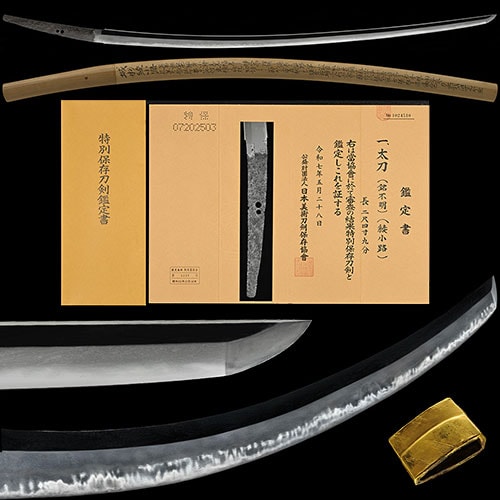
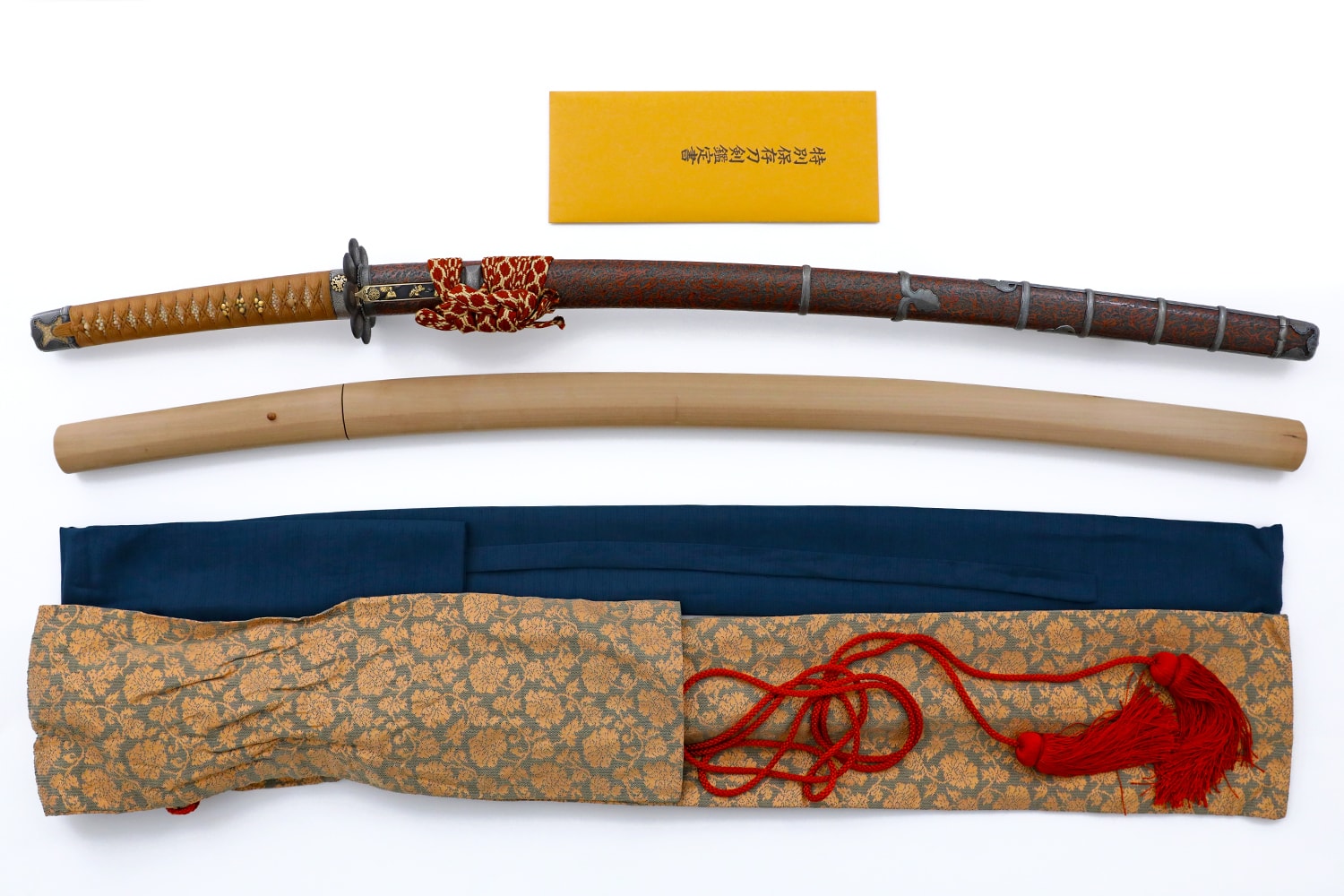
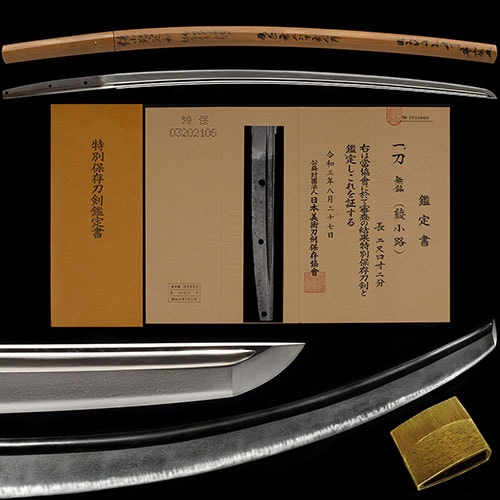
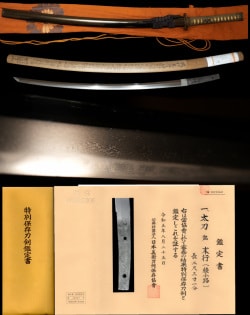
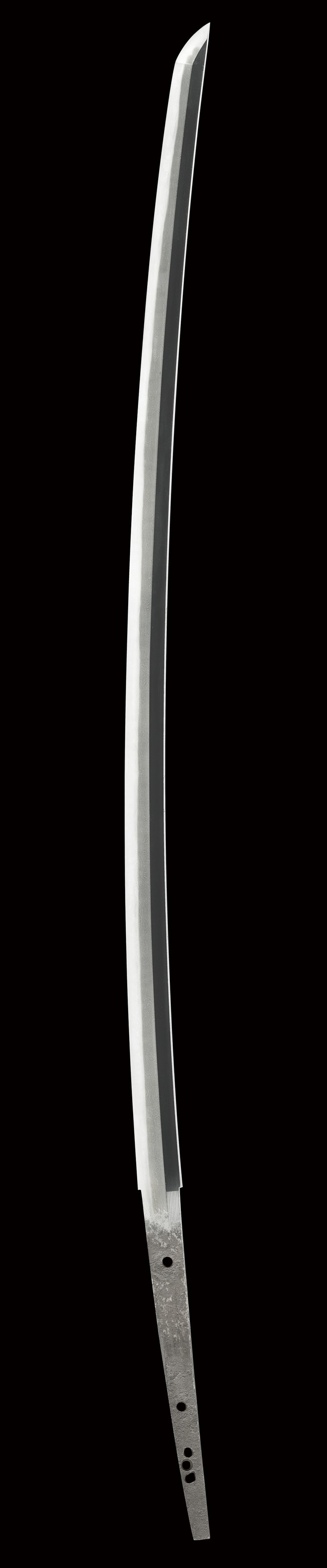
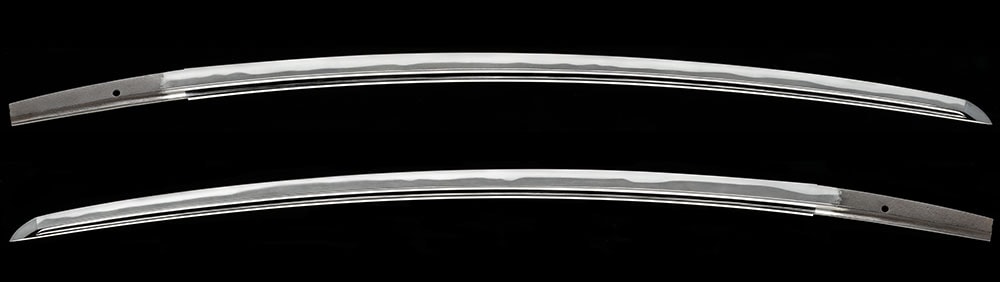
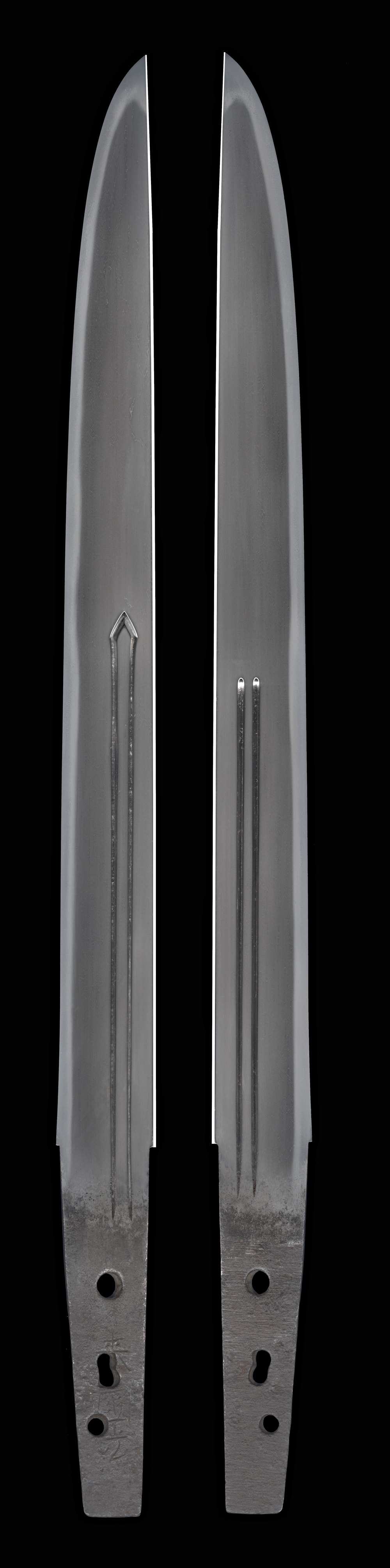
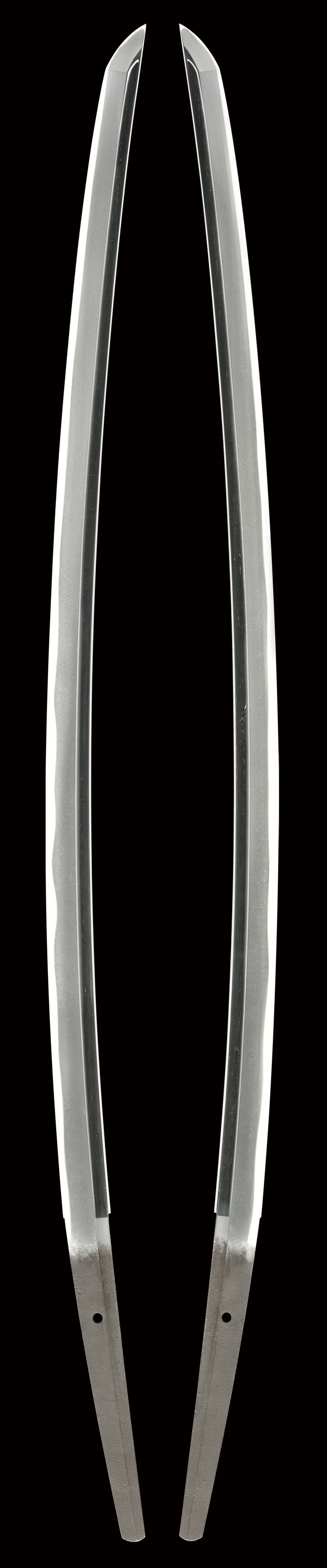
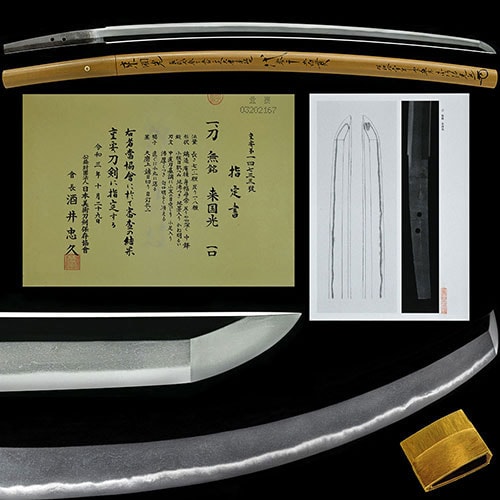
商品番号 UJKA265 – 売約済 綾小路 刀 (綾小路) 綾小路派は京都の綾小路の地に居住した一派で、代表工である定利や定吉は鎌倉中期、文永頃(1264-1275年)に活躍しました。その作風は古京物の中でも独自の地位を占めています。一見すると粟田口国安を彷彿とさせる気品ある優美さを備えつつも、細かく連なる小乱れや二重刃がかる傾向、そして落ち着いた匂口などは、大成される前の山城伝の古態を静かに伝えています。日本美術刀剣保存協会(NBTHK)は、定利の晩年が来国行の初期と重なり、両者の間には代作関係があった可能性も指摘しており、綾小路派の作品は初期京五鍛冶の変遷を知る上でも極めて興味深い存在です。 本作は、体配において「太刀」と呼ぶに相応しい生に近い姿を保っており、そのプロポーションは格別です。二尺五寸(76.0cm)に及ぶ長大な長さに、腰反り深く先へ向かって優美に伏さり、身幅広く、高い鎬、厚い重ね、踏ん張りがあり、落ち着いた中切先へと結んでいます。地鉄は板目に木目や流れが交じり、地沸細かくつき、精緻な地景が全体に現れます。刃文は小沸出来の小丁子、小互の目、尖り刃、小乱れが密に交じり、棟焼が盛んにかかり、焼頭の上には離れた湯走りが見られ、金筋・砂流しが豊富に入り、派特有の落ち着いた匂口となります。帽子は掃き掛けを伴う焼詰風となり、端正かつ抑制が効いた、まさに同派の典型を示す白眉の一振りです。田野辺道宏先生の鞘書においても、その出来映えは「威風堂々」と賞賛されています。 本作は特別重要刀剣審査においても最終候補に残るほど高く評価されており、その優れた品質は審査委員からも直接言及されるほどでした。第59回(2013年)重要刀剣指定品であり、白鞘には…
 NihontoWatch
山城伝 · 山城
現在11点販売中
綾小路派は京の綾小路に在住して鍛刀した一派で、定利・定吉らを主要な刀工とする。銘鑑では定利の年代を文永頃としているが、現存する作品の作風は「古京物の三条・五条派の作域を踏襲した感のある古様な趣」[[c:1]]を呈しており、「通説よりも年代が遡るものと鑑せられる」[[c:2]]と繰り返し指摘されている。一説に定利は来国行の近隣に居住し、互いに代作しあったとも伝えられるが、もし両者に接点があるとしたならば「定利の晩年と国行の初期の頃」[[c:3]]ということになろうとされ、粟田口国安あたりに繋がる古雅な作域との類縁も認められている。 本派の作風上の最大の特徴は、刃文が「乱れが間近く小模様に複雑に乱れ」[[c:4]]る点にある。小丁子・小互の目・小乱れ・小のたれなどを交えた小模様の乱れに足・葉がよく入り、沸出来となる。とりわけ鑑定の決め手となるのは、「焼頭にさらに小さな焼が点続して二重刃風を形成」[[c:5]]する現象であり、湯走りや飛焼が焼頭上に点続して現れる様は同派に一貫して認められる。匂口は「うるみごころ」を呈し、この沈んだ柔らかな匂口も本派の重要な識別点である。帽子は乱れ込んで「さかんに掃きかけ」[[c:6]]るものが多く、火焔風や焼詰め風となる作も見られる。鍛えは板目肌ないし小板目肌がつみ、地沸が微塵ないし厚くつき、地景が入り、沸映りが立つ精美な地鉄を示す。姿態はやや細身で元先の幅差がつき、腰反り深く、先伏さりごころとなって小鋒に結ぶ優美な太刀姿を典型とし、踏張りを残す生ぶ茎の遺例も知られる。同時代の来派とは、焼の高低や匂口の性質、二重刃風の焼頭の有無によって区別され、備前物とは所謂「京逆足」の入り方や小模様の複雑さにおいて異なる作域を示す。 綾小路派の作は大磨上無銘がほとんどであるが、古様な姿態と独自の刃文構成により極めが可能とされ、その所伝は「首肯しうる」と繰り返し評価されている。江戸時代の刀剣書の系図には定家・定次・家安など門流を挙げ、南北朝時代から応永頃まで同派が継続したとするものもある。説示においては「古雅」「雅趣に富んだ」「滋味溢れる」といった評語が頻出し、華やかさよりも細やかな変化と深みに本派の美点が見出されている。三条・五条派の作域を基盤としながら独自の刃文意匠を確立した綾小路派は、京鍛冶の古層を伝える貴重な存在として、刀剣史上に重要な位置を占めている。 詳しく見る →
鎌倉時代の山城
政権は鎌倉にあったが、美意識はなお京都が定めた。粟田口派の梨子地肌は完璧の代名詞となり、来派は公家にも上級の武家にも大寺にも、堂々たる太刀を納めている。
特別保存刀剣の中から、特に出来が優れ、国認定の重要美術品に準ずると判断された名品です。年に一度の重要刀剣審査で選ばれます。
極めて選別的で、日本に登録された約250万口の刀剣のうち、重要刀剣に達したものは12,357口(約202口に1口)にすぎません。
日本美術刀剣保存協会(NBTHK)は、1948年に設立され、文化庁の監督を受ける公益財団法人で、東京・刀剣博物館に本部を置きます。専門の審査員が出品作を直接審査し、美術的・歴史的価値に応じた鑑定書を発行します。NBTHKの鑑定書は、日本刀および刀装具の真正性を示す最も広く認知された基準です。
NBTHK公式サイトAll swords come with a three-day inspection period beginning from the date of delivery. If not satisfied, the sword may be returned within this period for a full refund of the purchase price. Outside of this period, all sales are final. Swords purchased on a layaway payment plan are not eligible for the three-day inspection period.
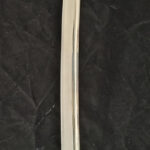
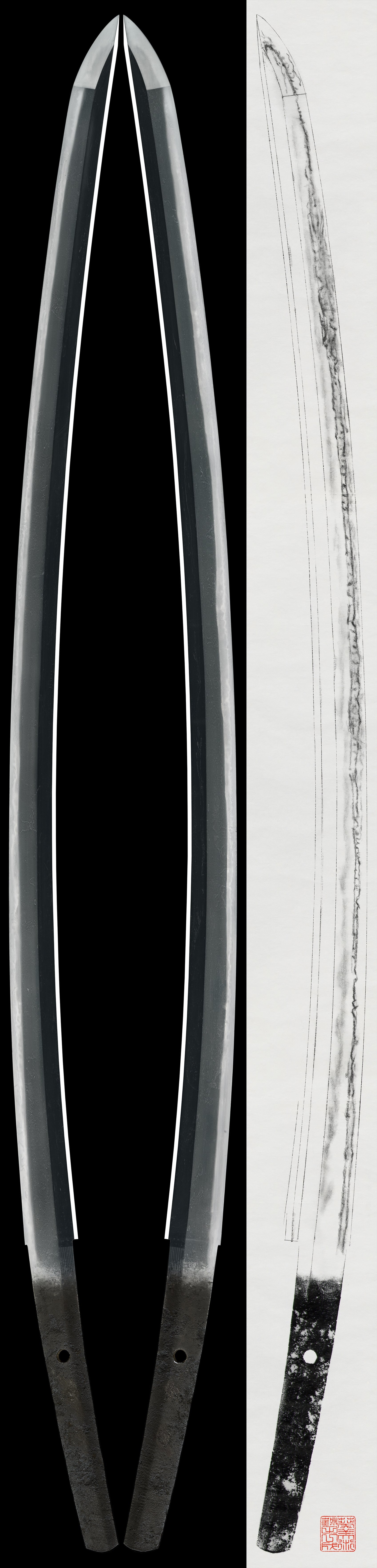
![Katana - Jūyō - 作 綾小路派 - 刀[無銘 綾小路]重要刀剣(日本美術刀剣保存協会)](/_next/image?url=https%3A%2F%2Fitbhfhyptogxcjbjfzwx.supabase.co%2Fstorage%2Fv1%2Fobject%2Fpublic%2Flisting-images%2Fworld-seiyudo%2FL31356%2F00.jpg&w=2560&q=90)