戦国の関は一つの産業であった。春日神社を氏神と仰ぐ鍛冶たちが、中部日本の軍勢を武装させた。孫六兼元の三本杉と之定の最上作は、量産の町に第一級の技が息づいていたことの証である。
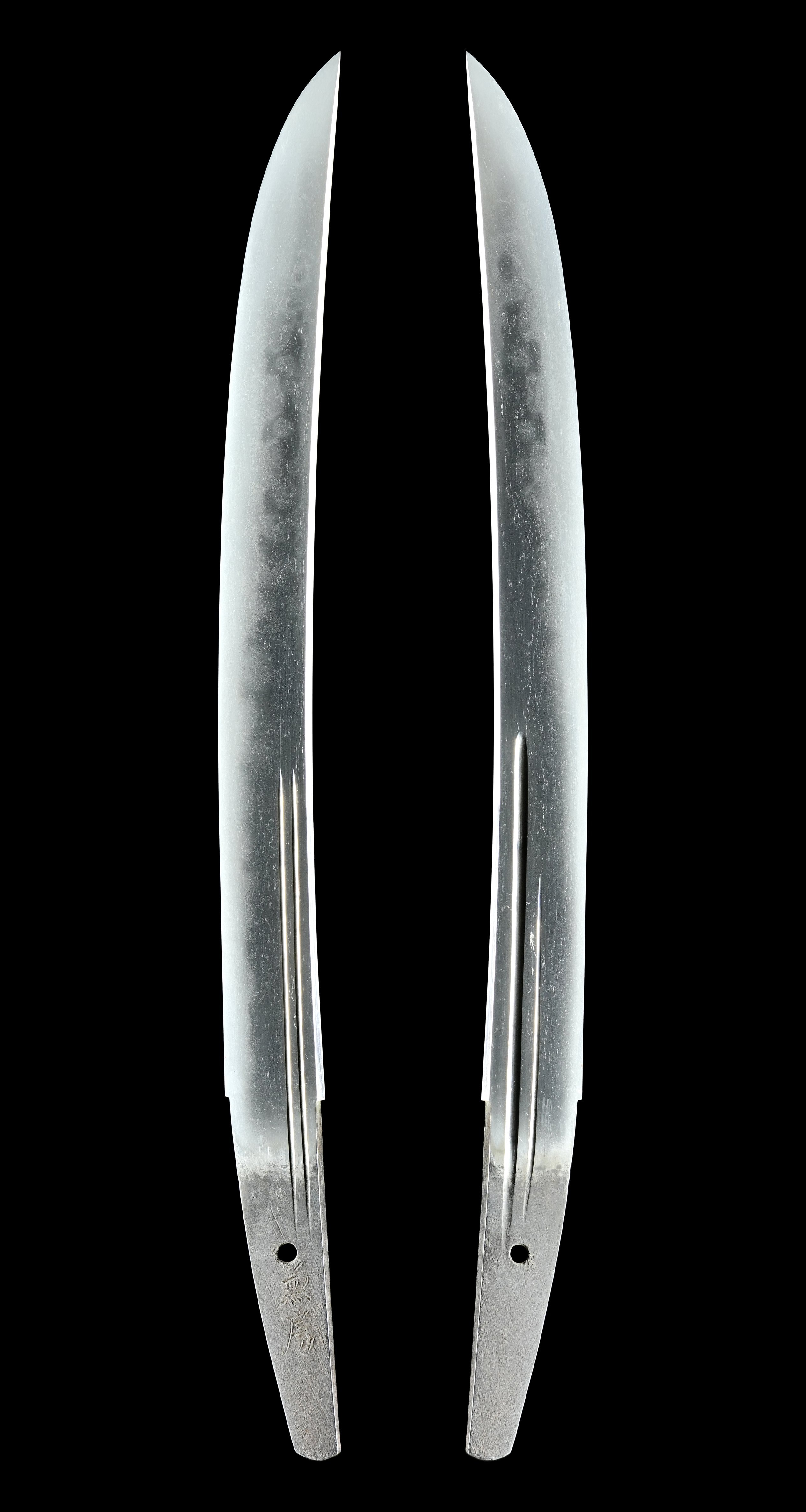
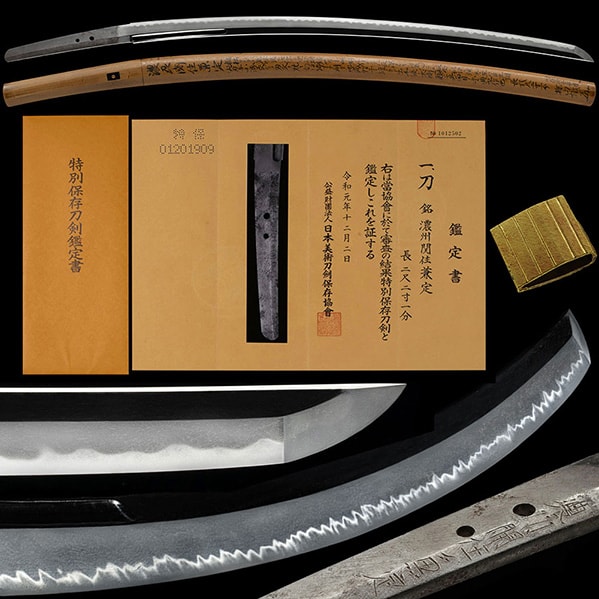
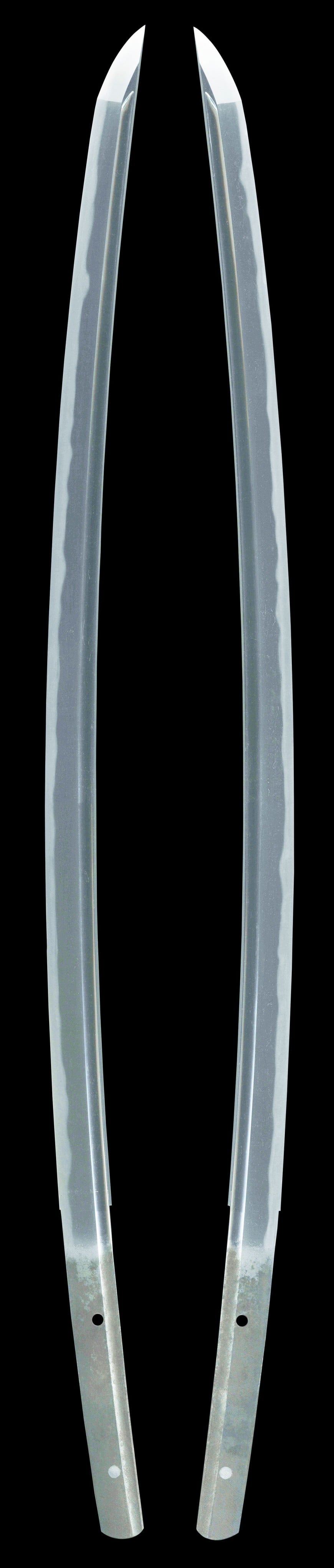
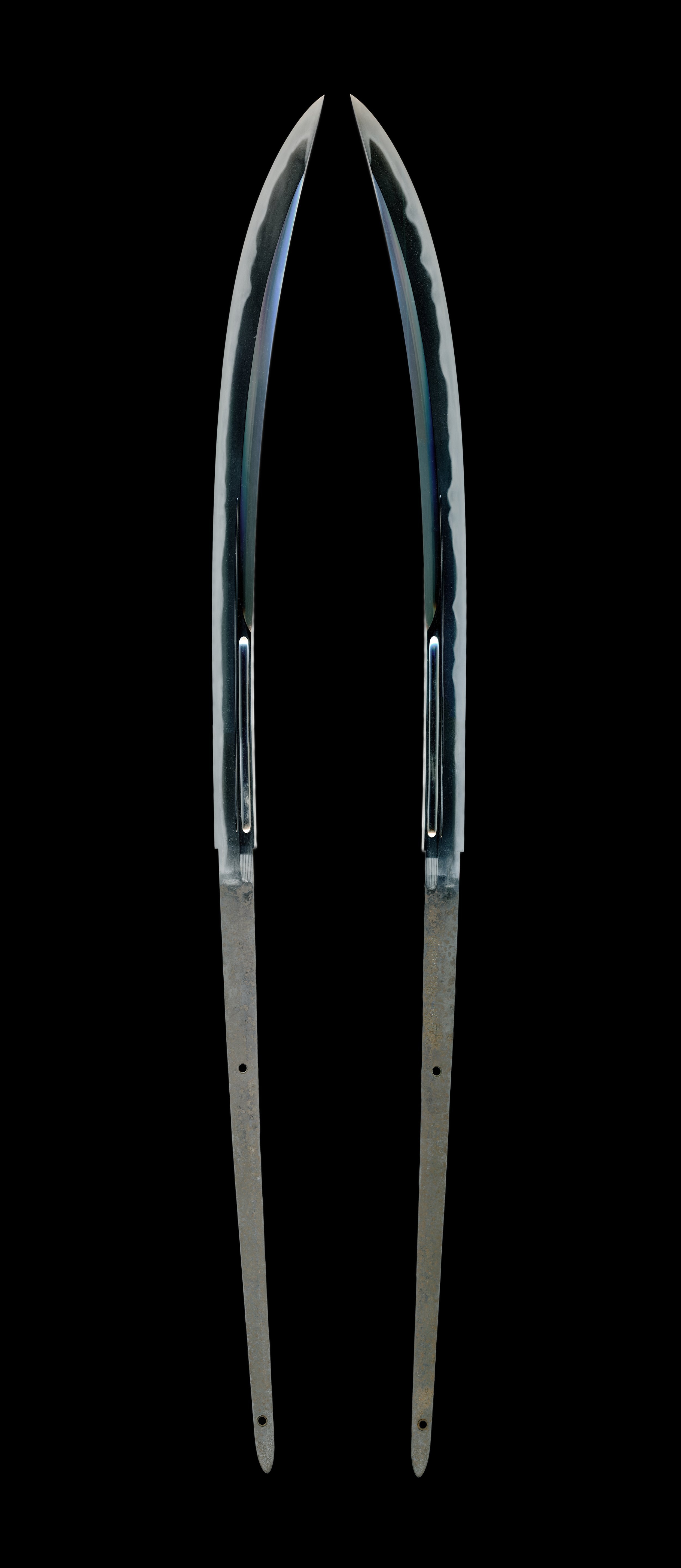
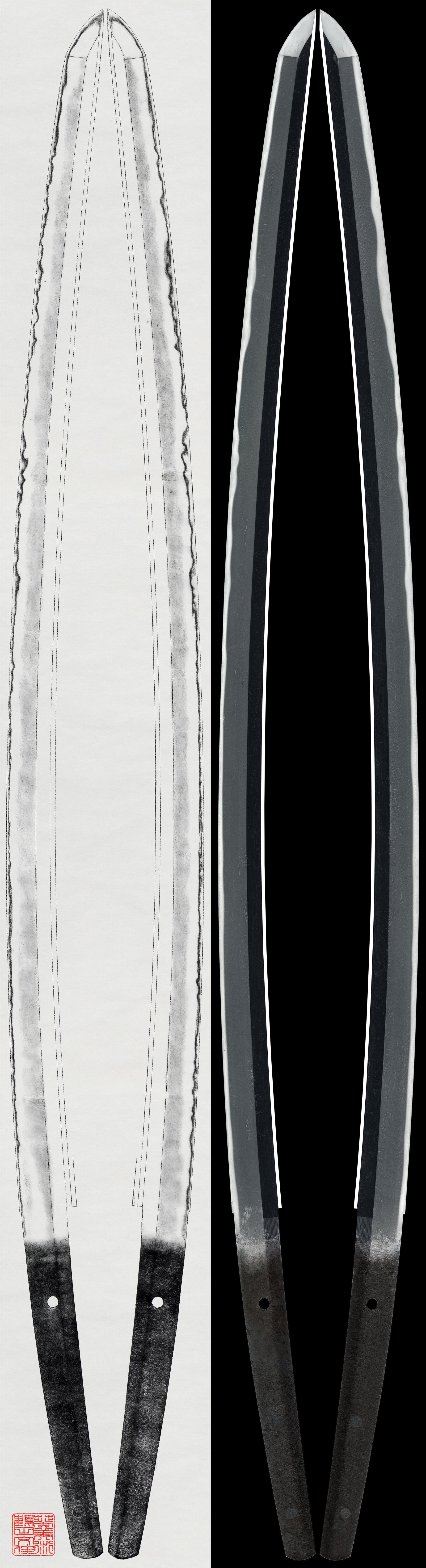
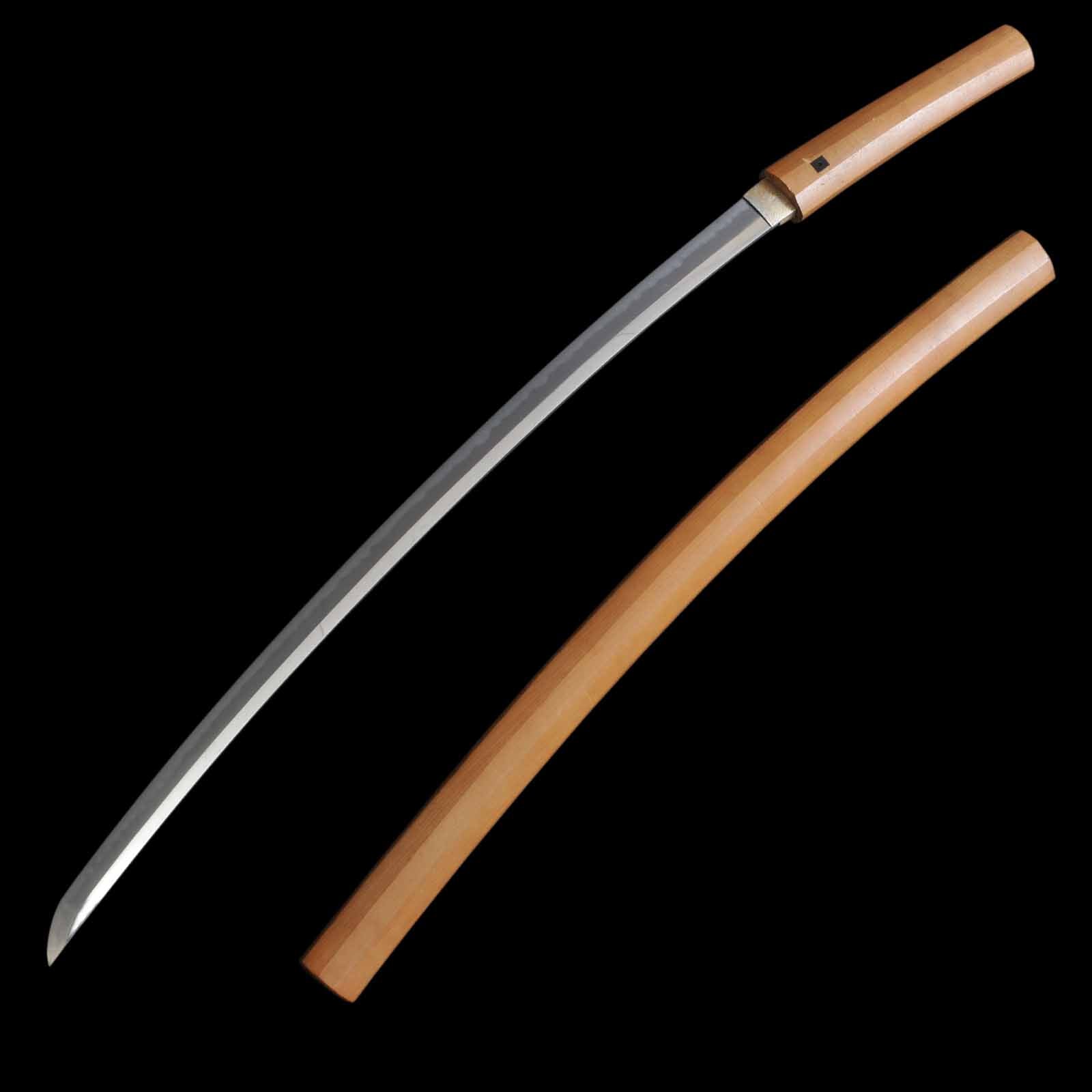
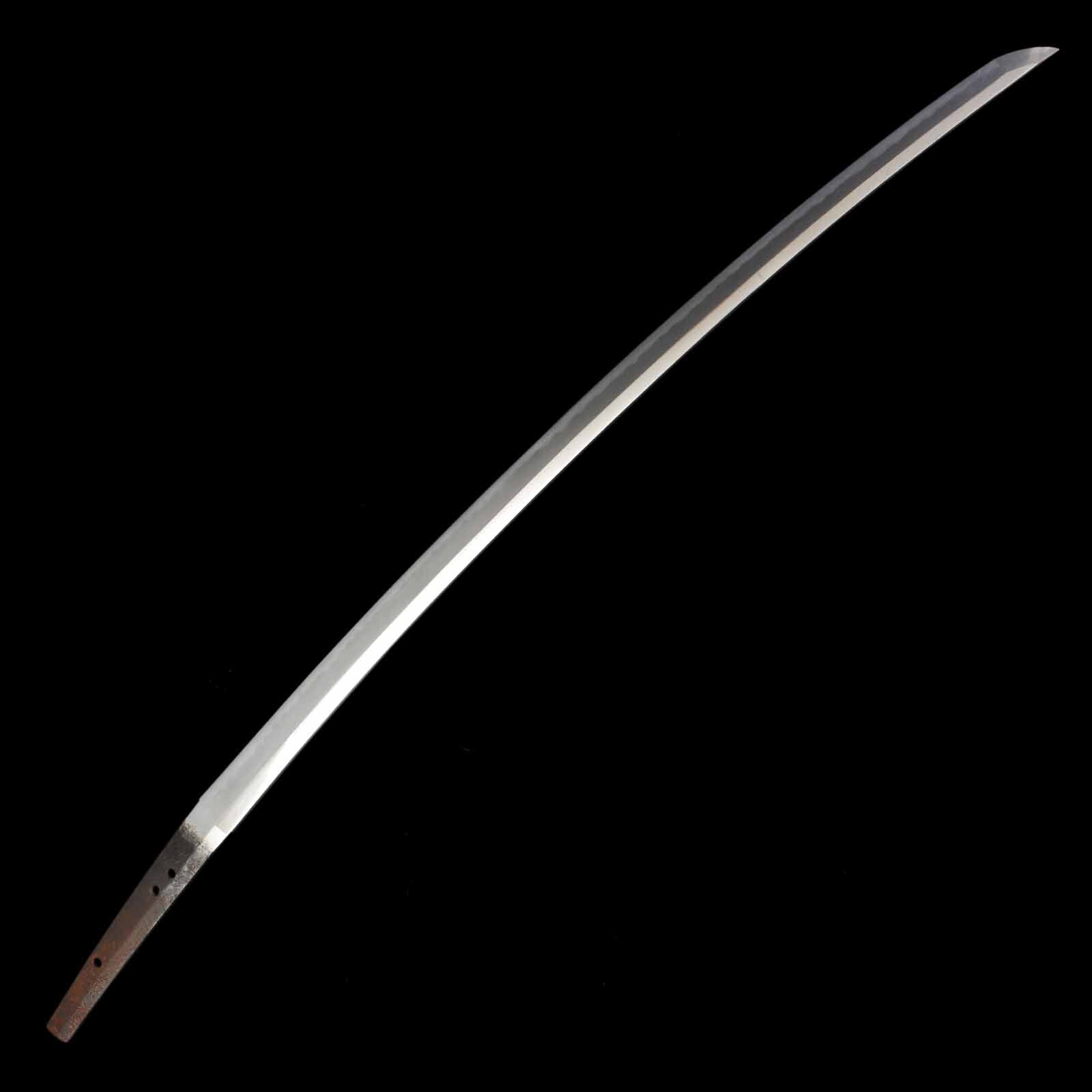
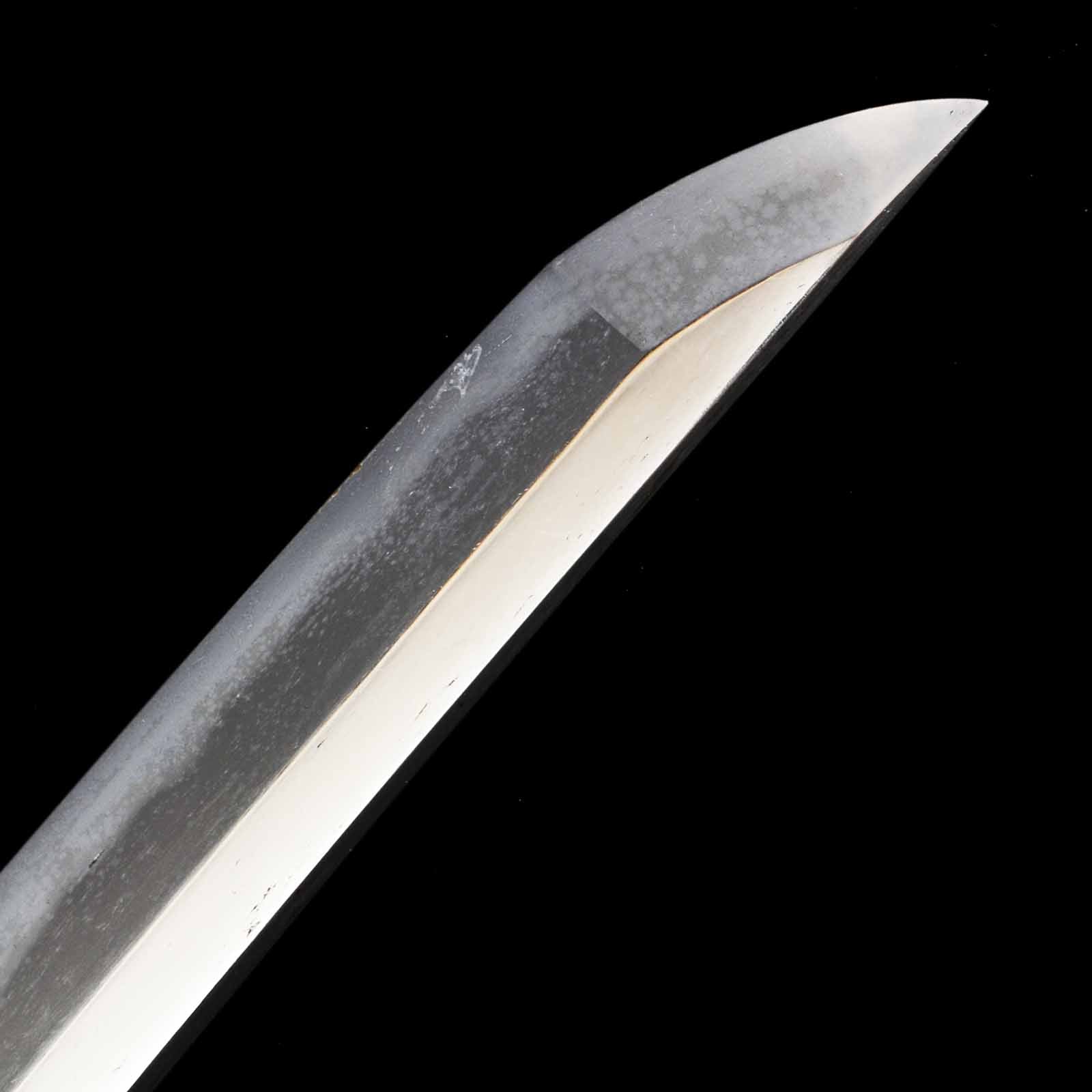
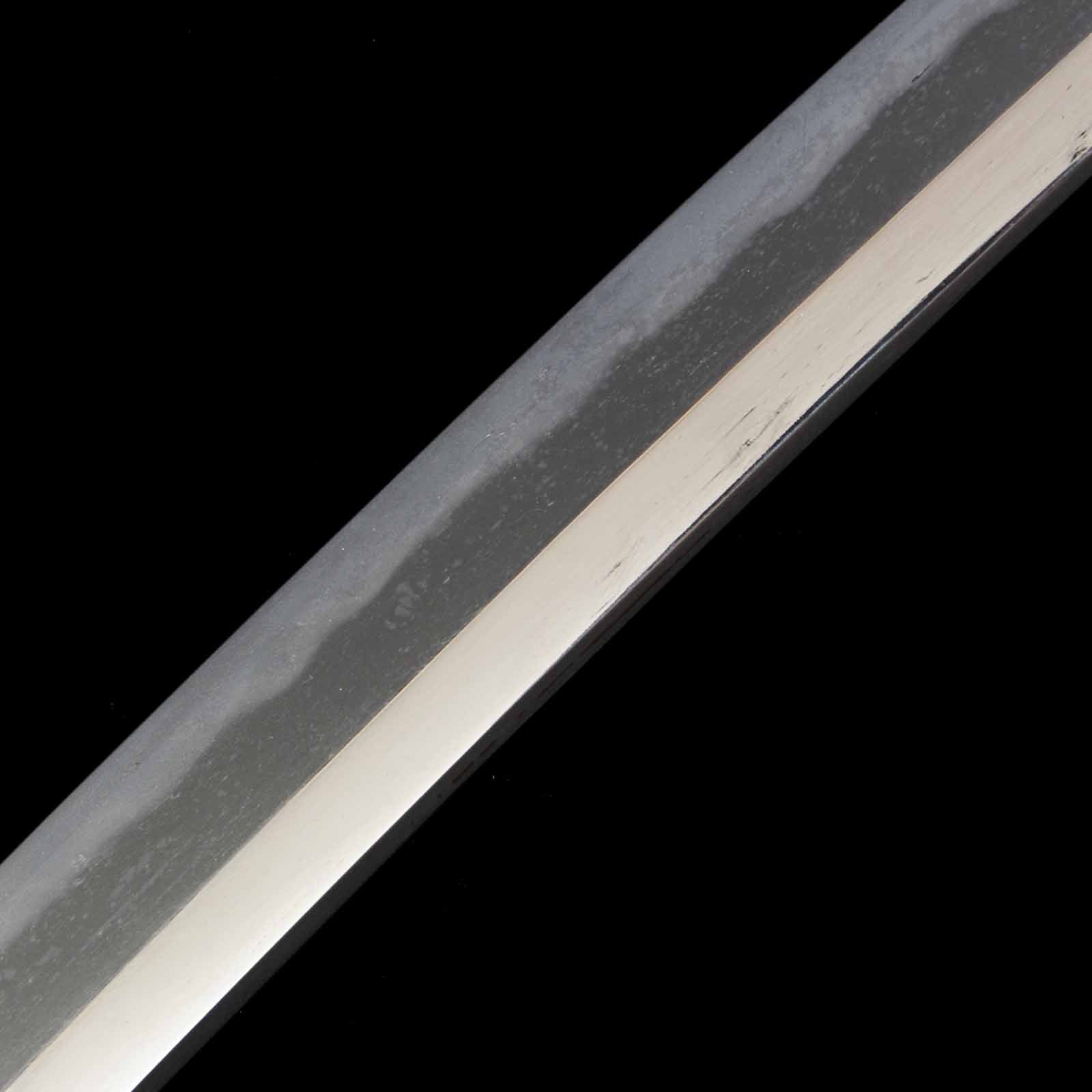
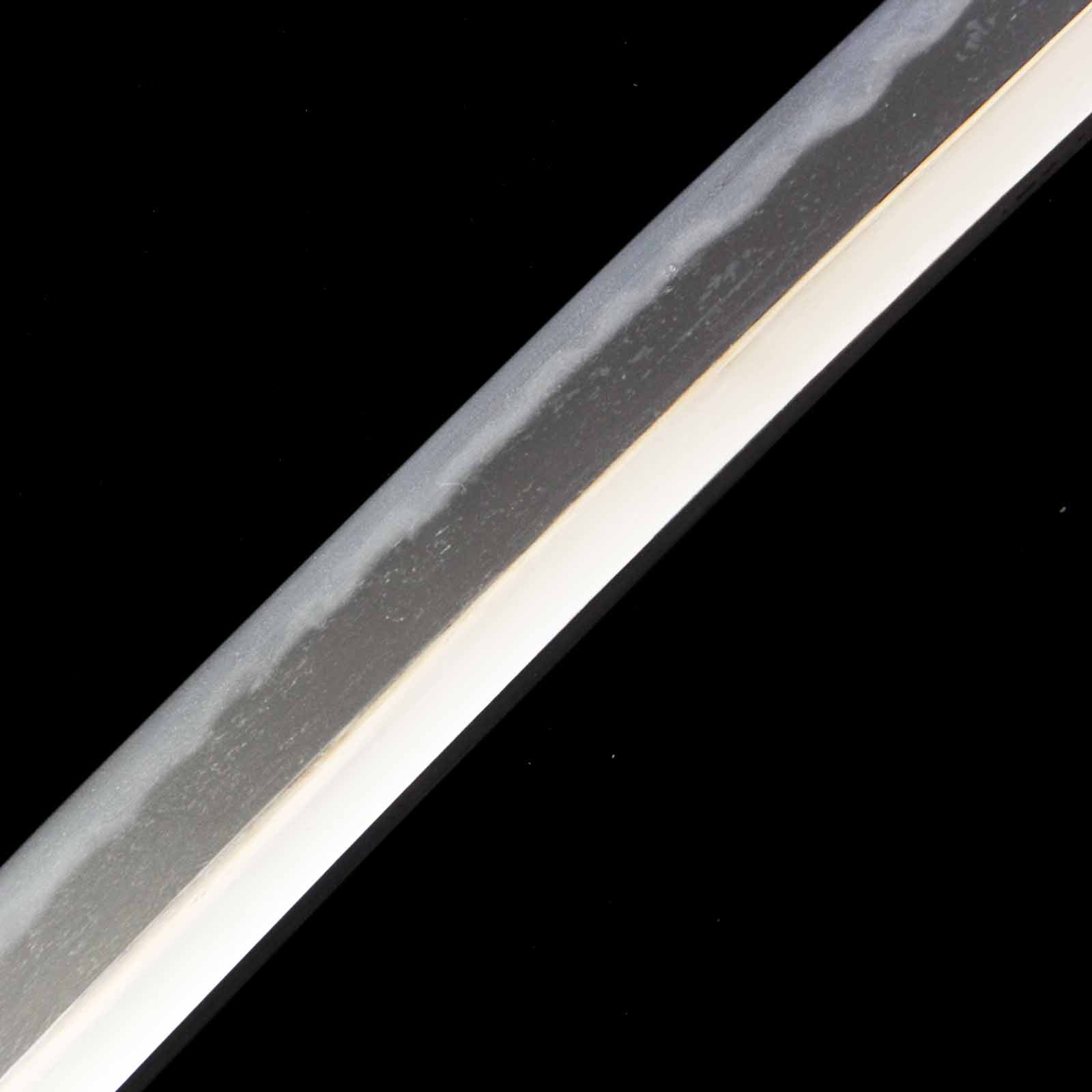
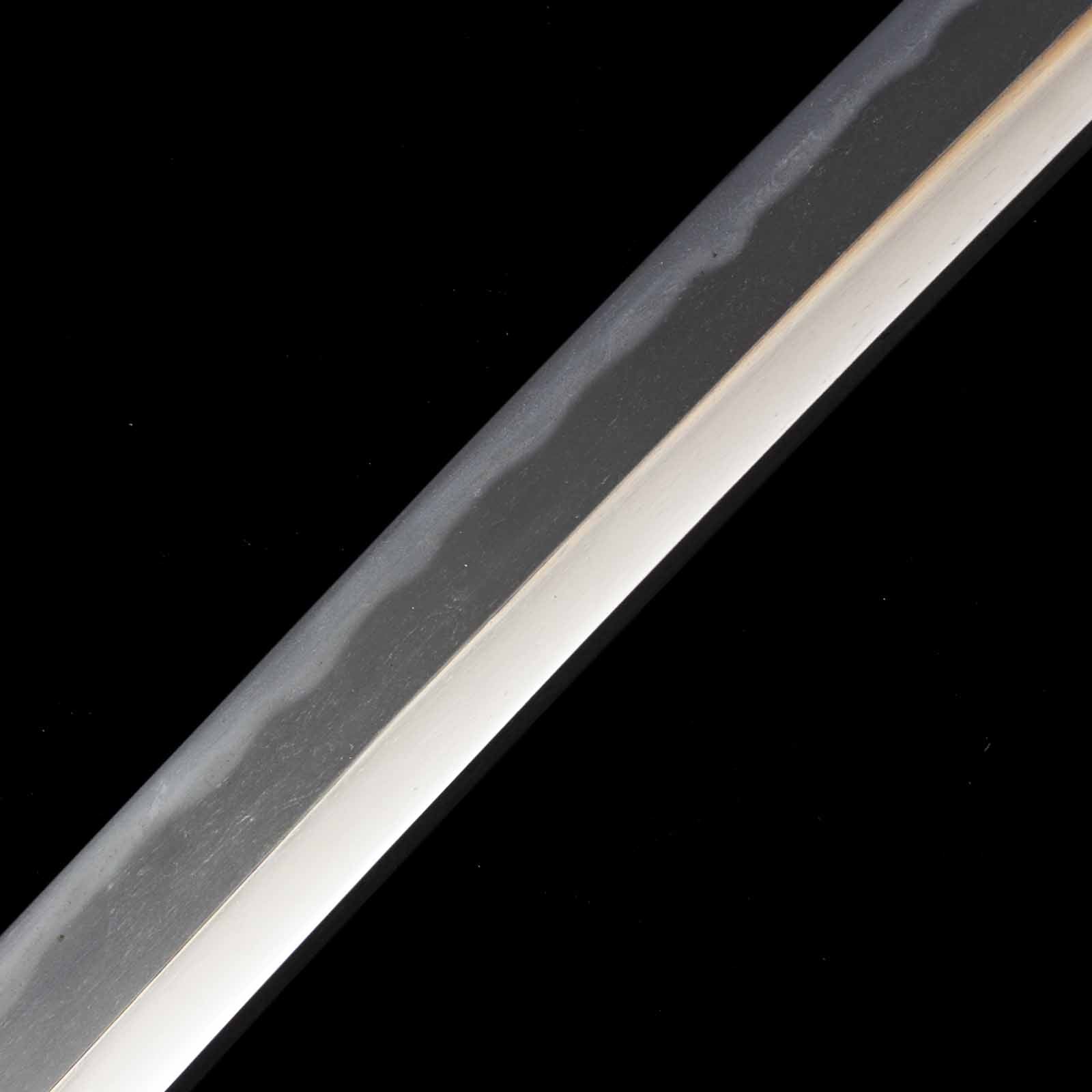
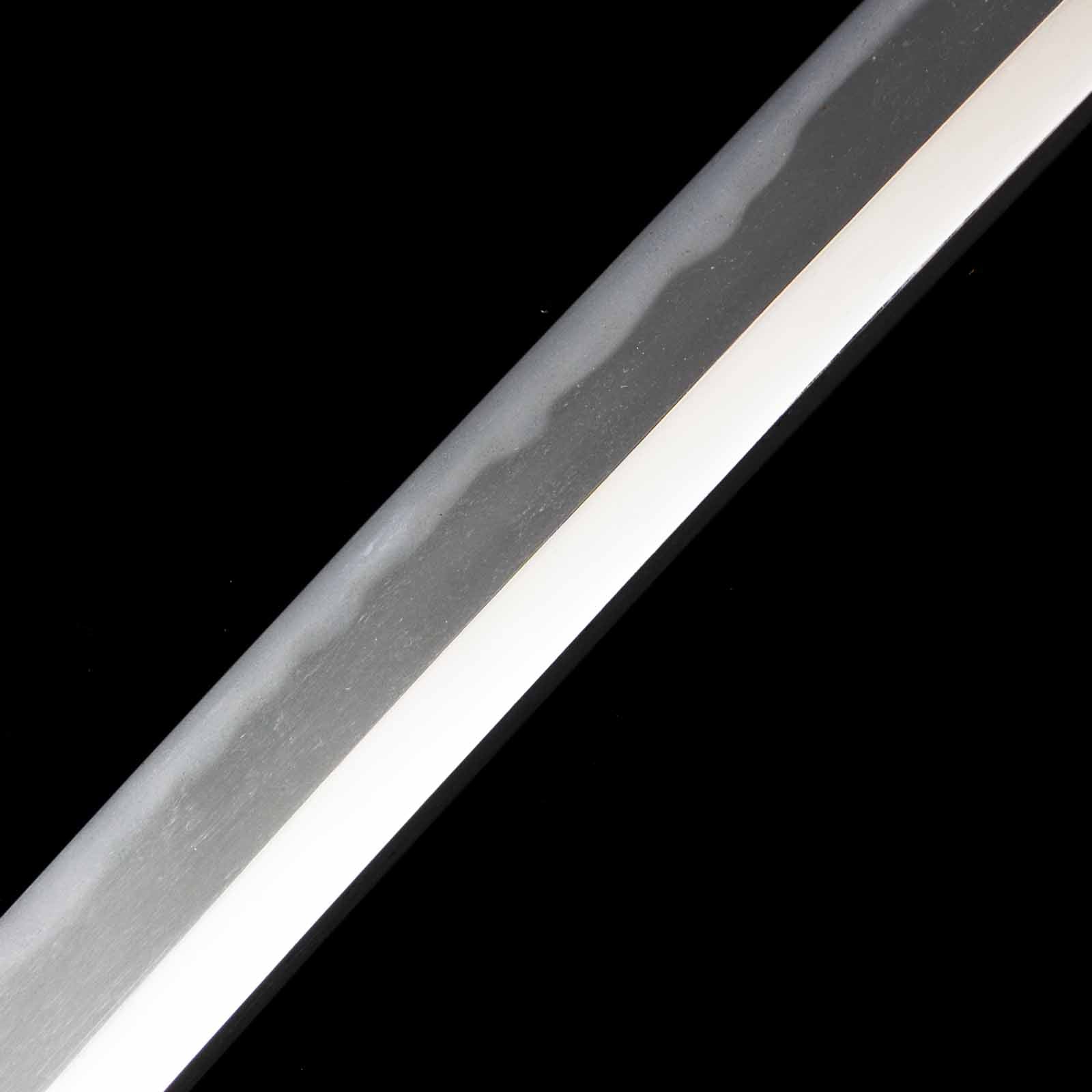
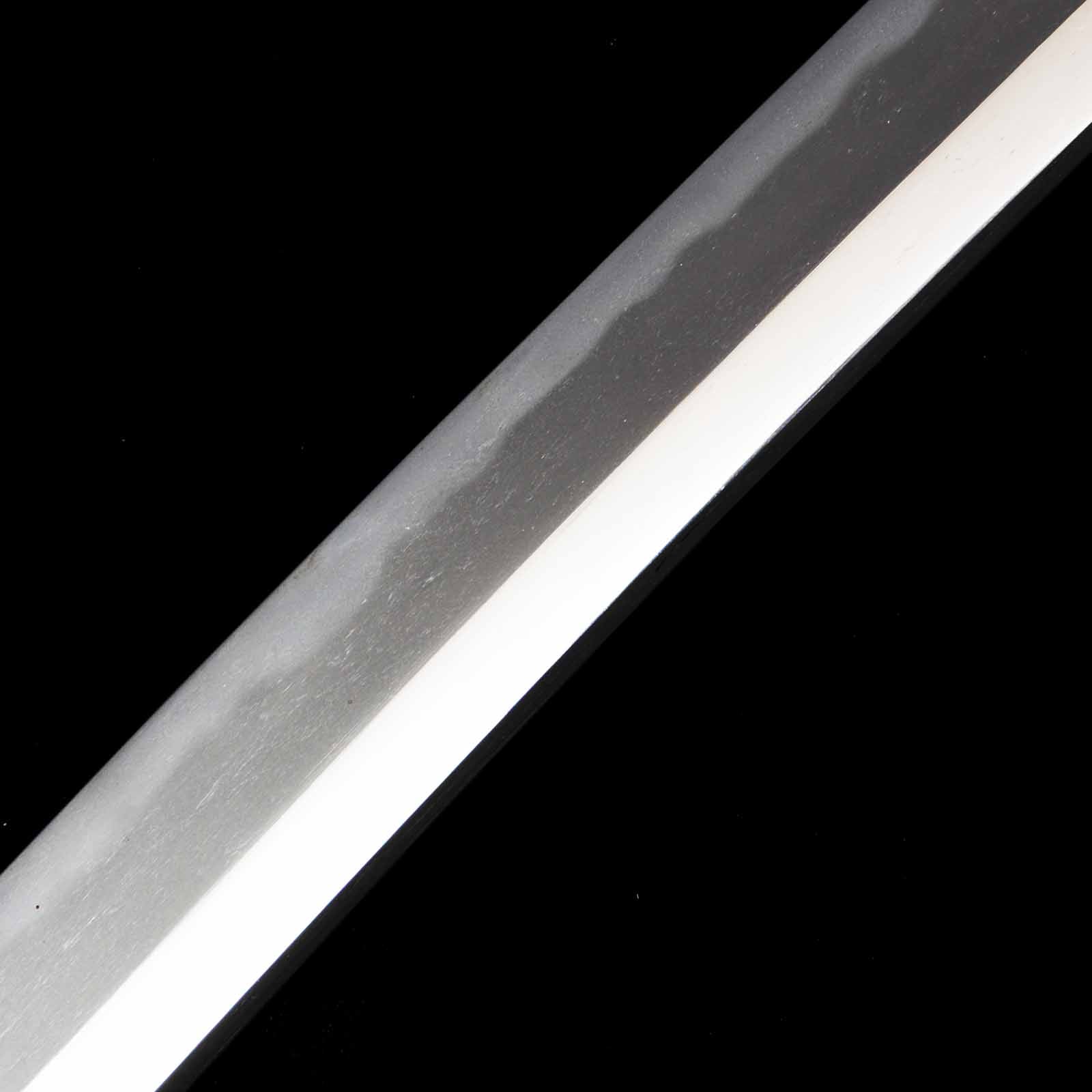
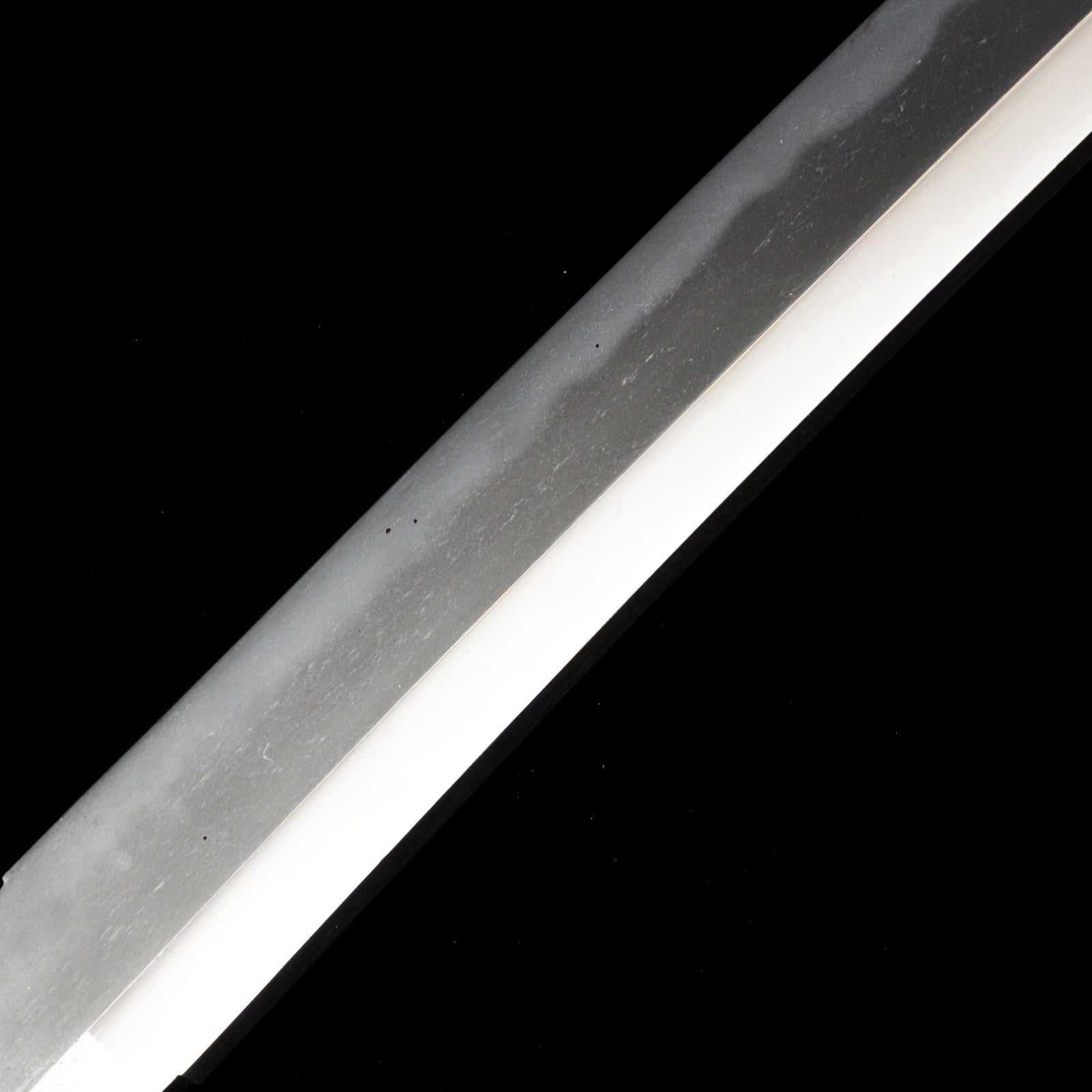
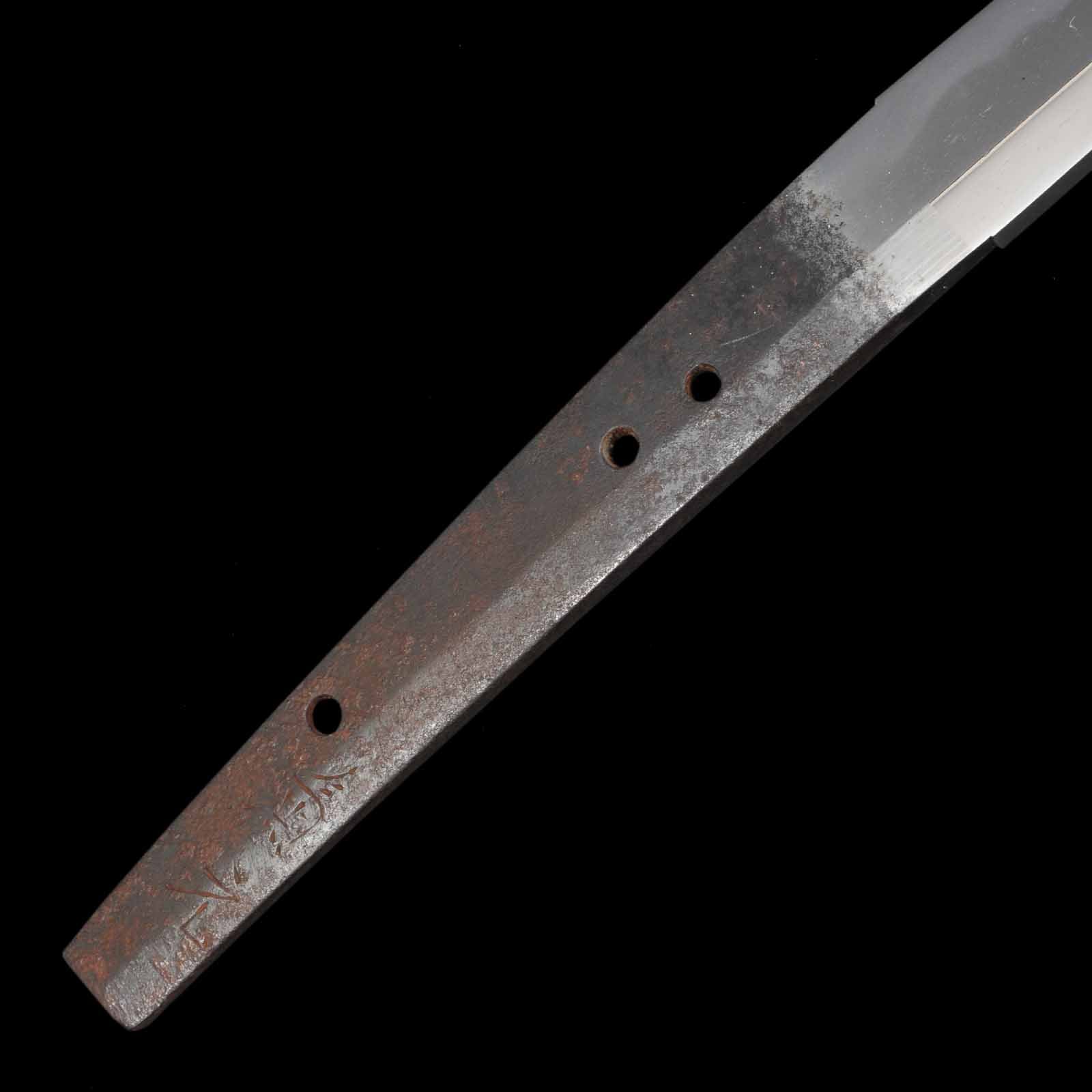
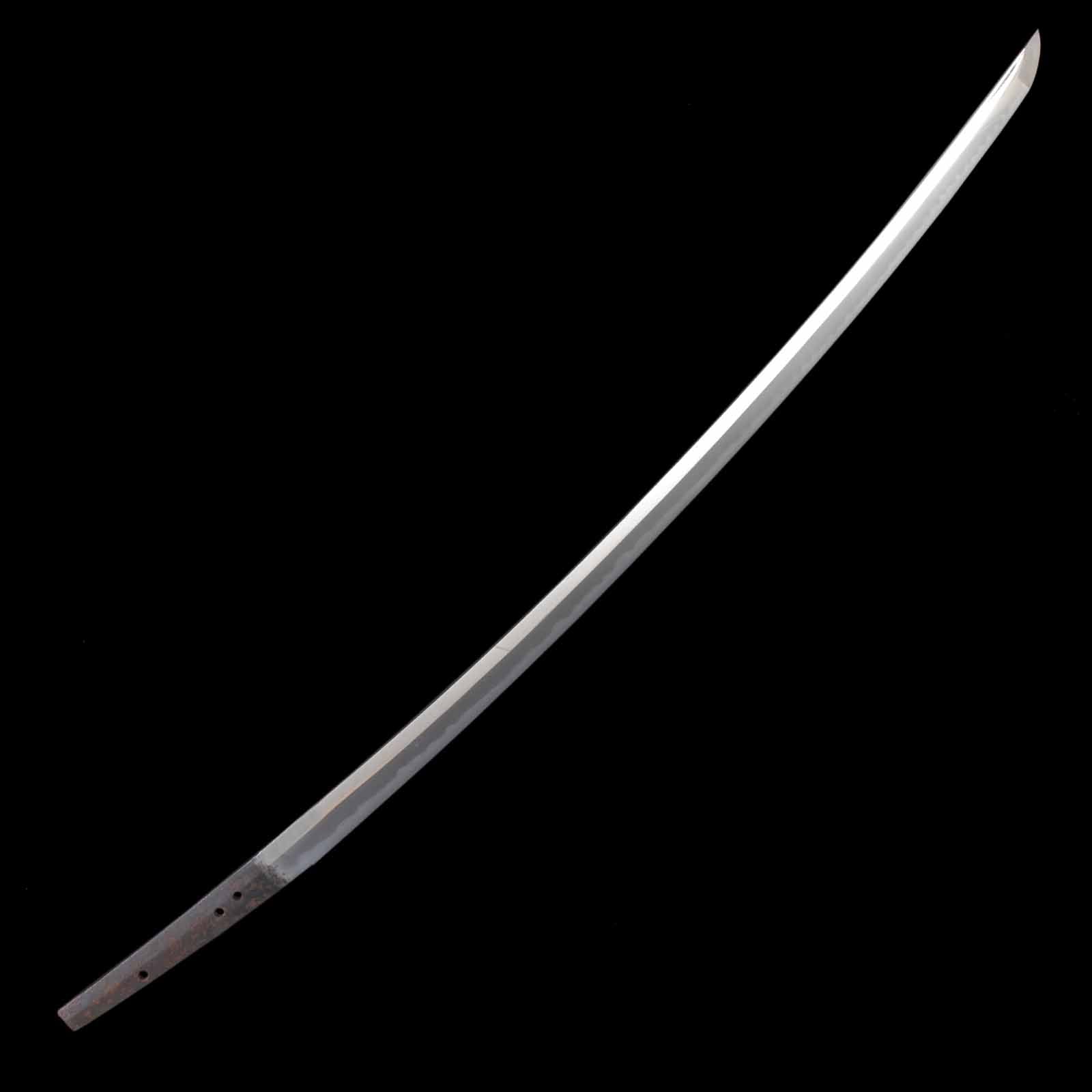
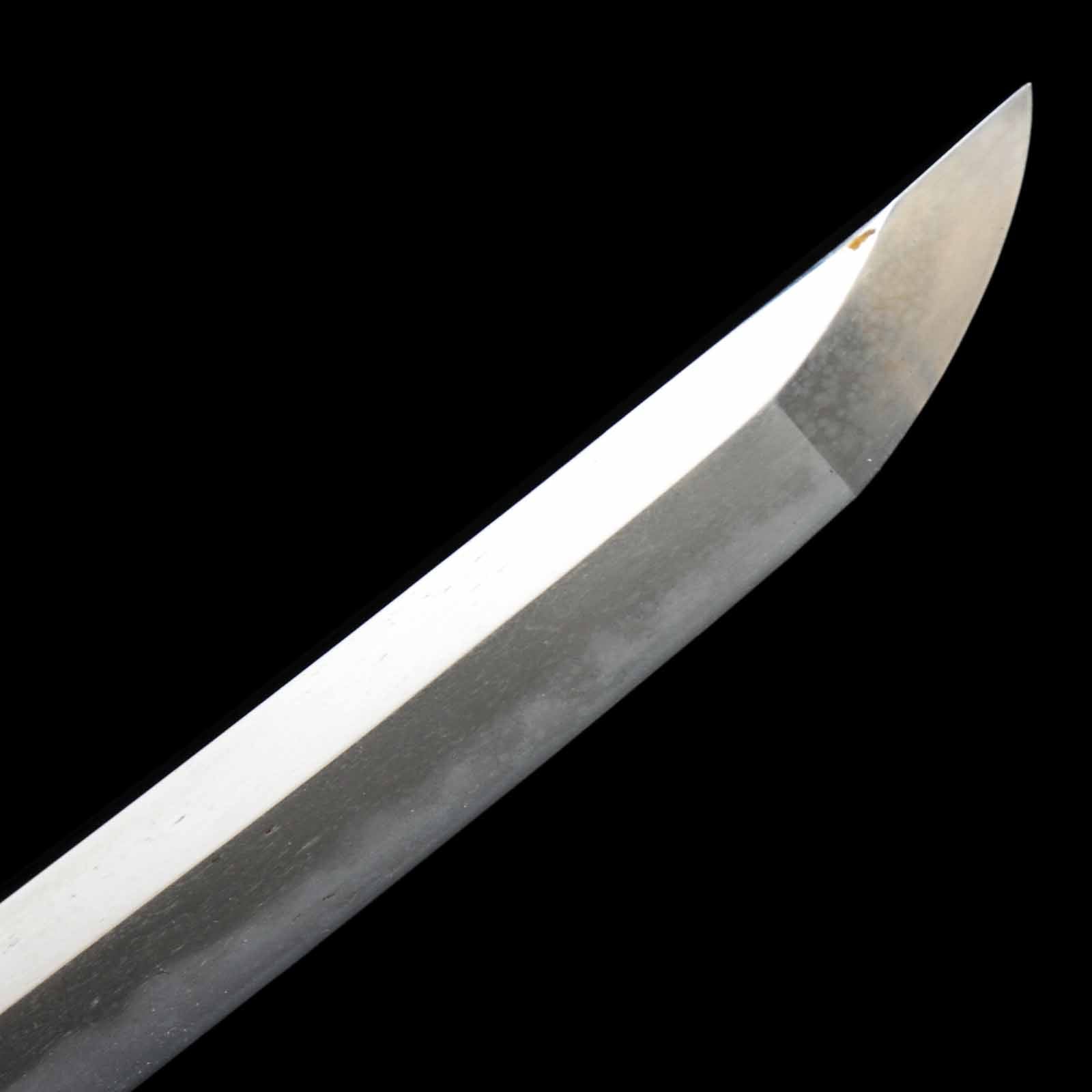
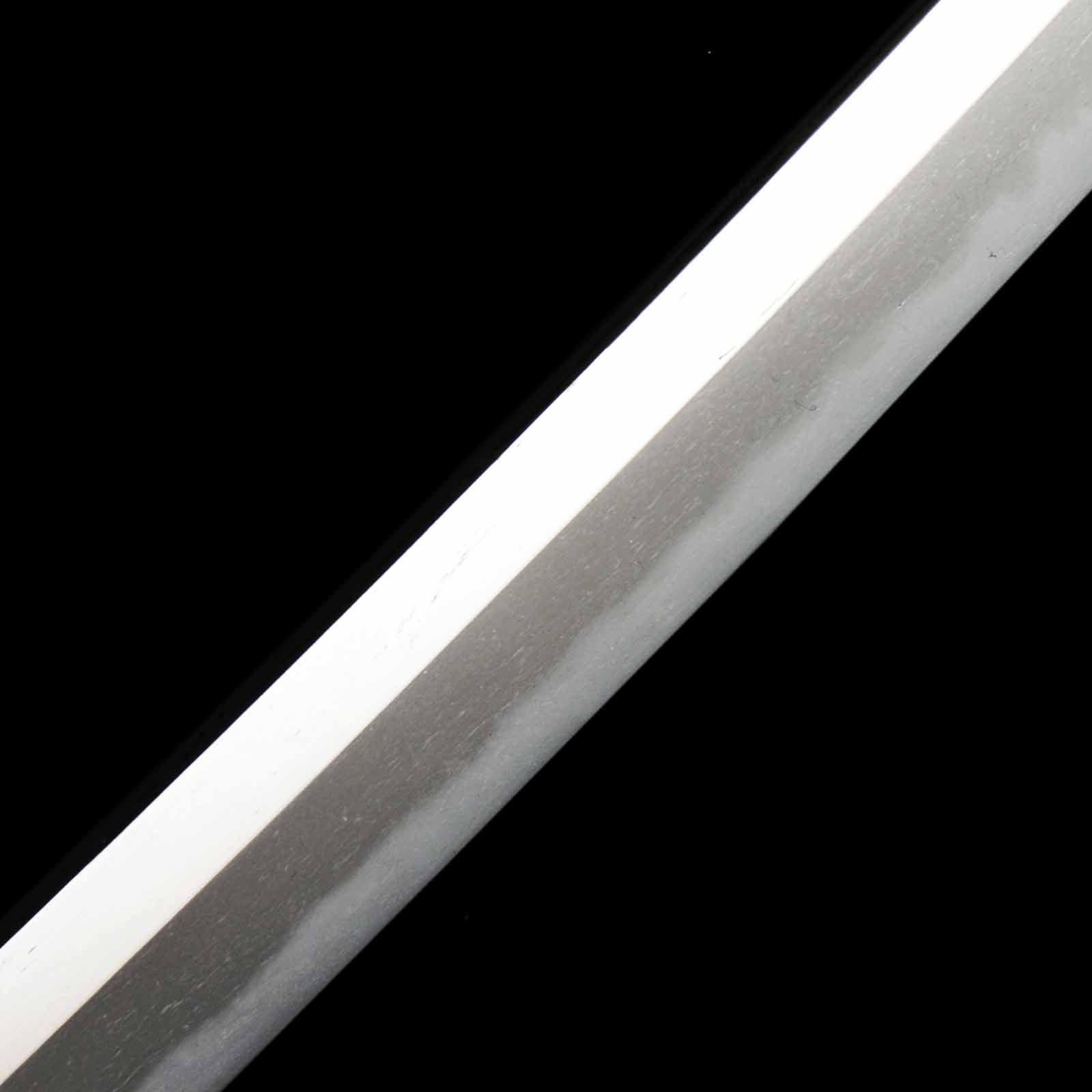
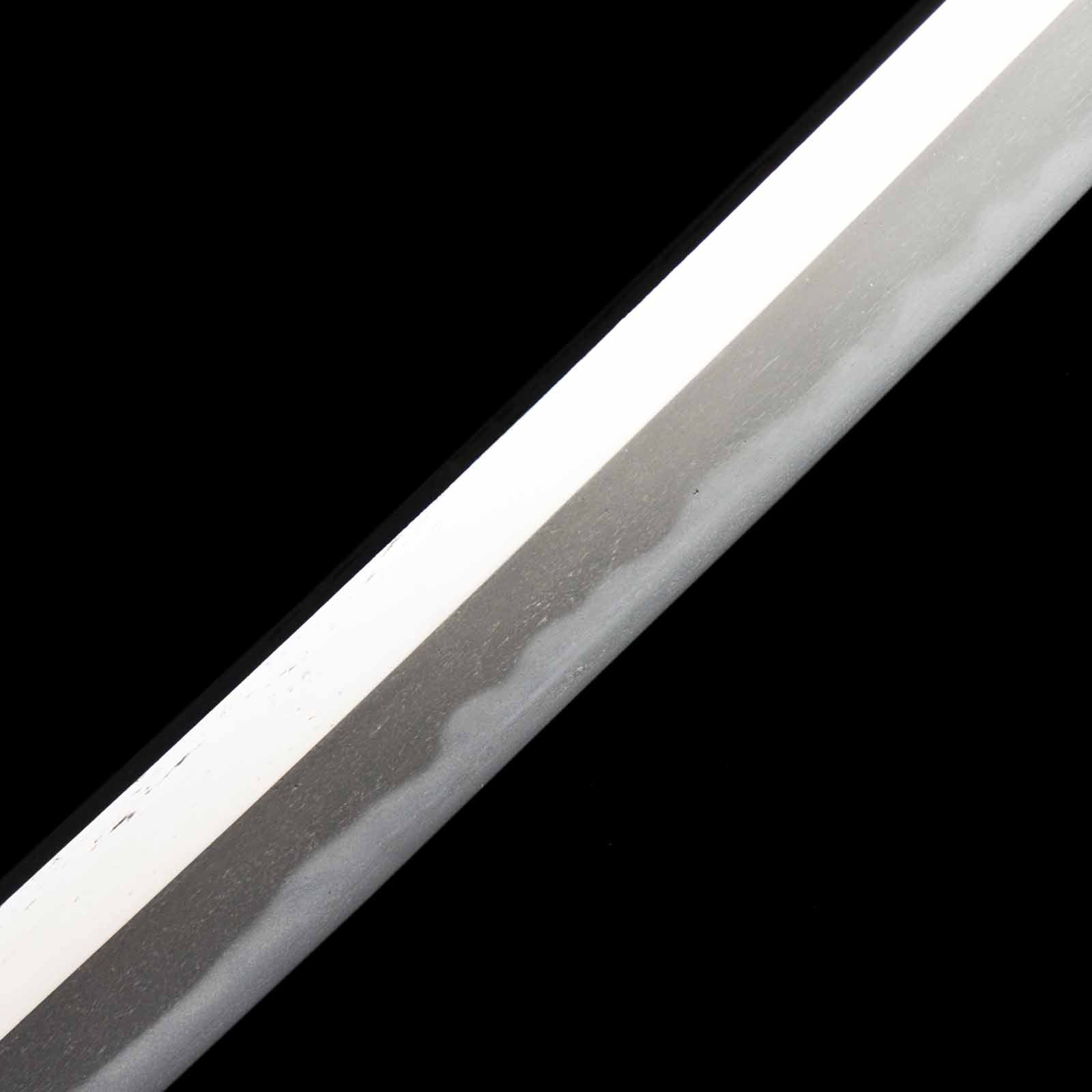
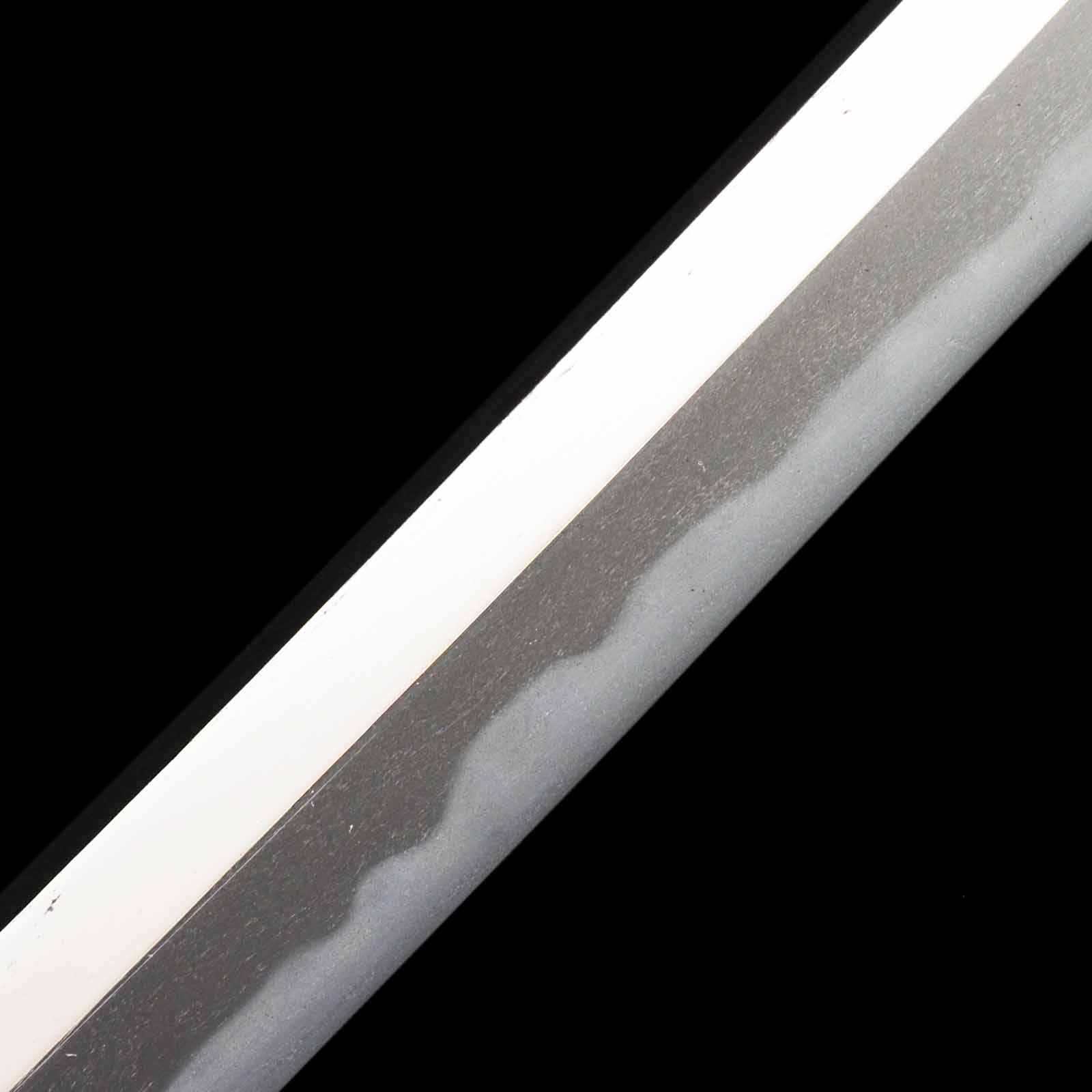
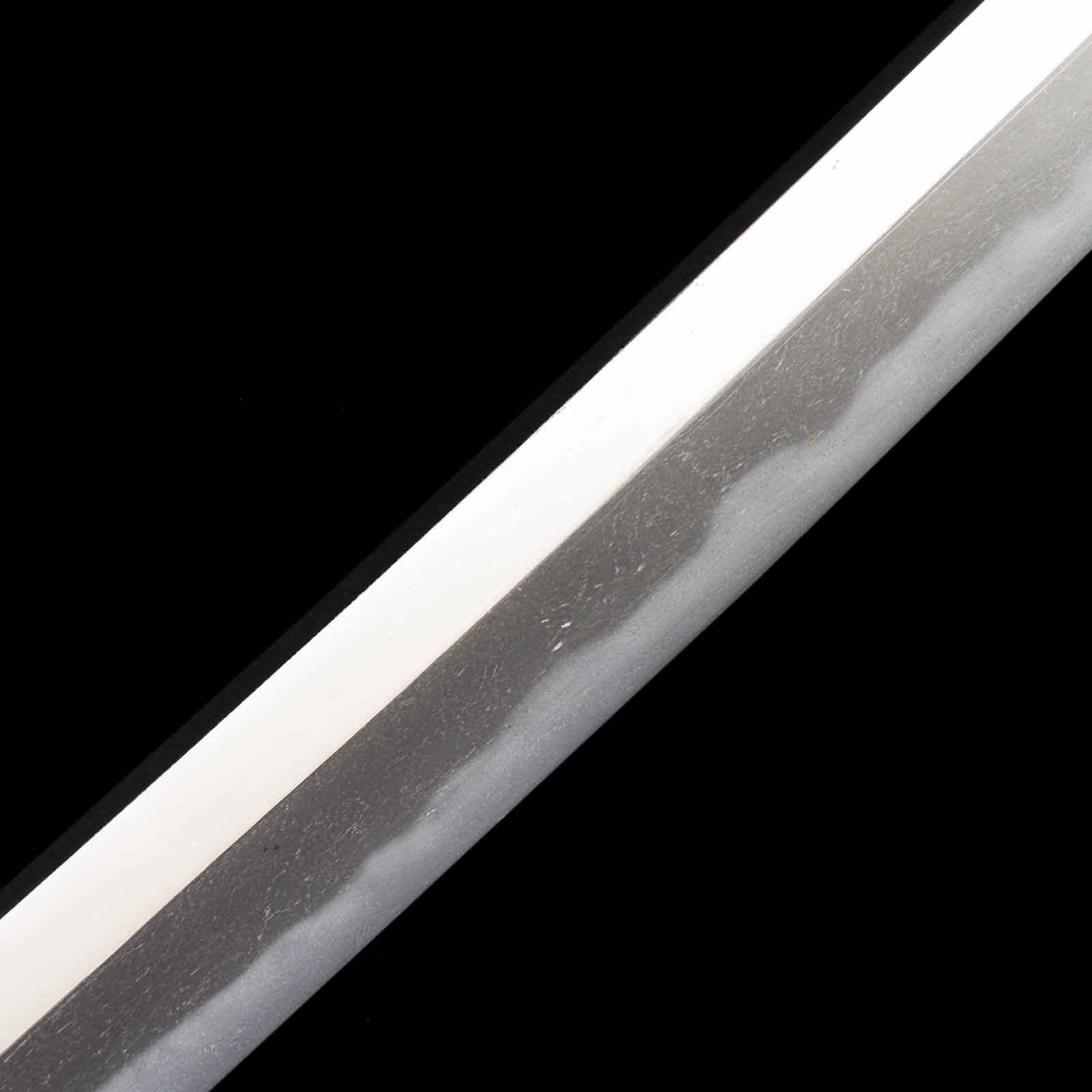
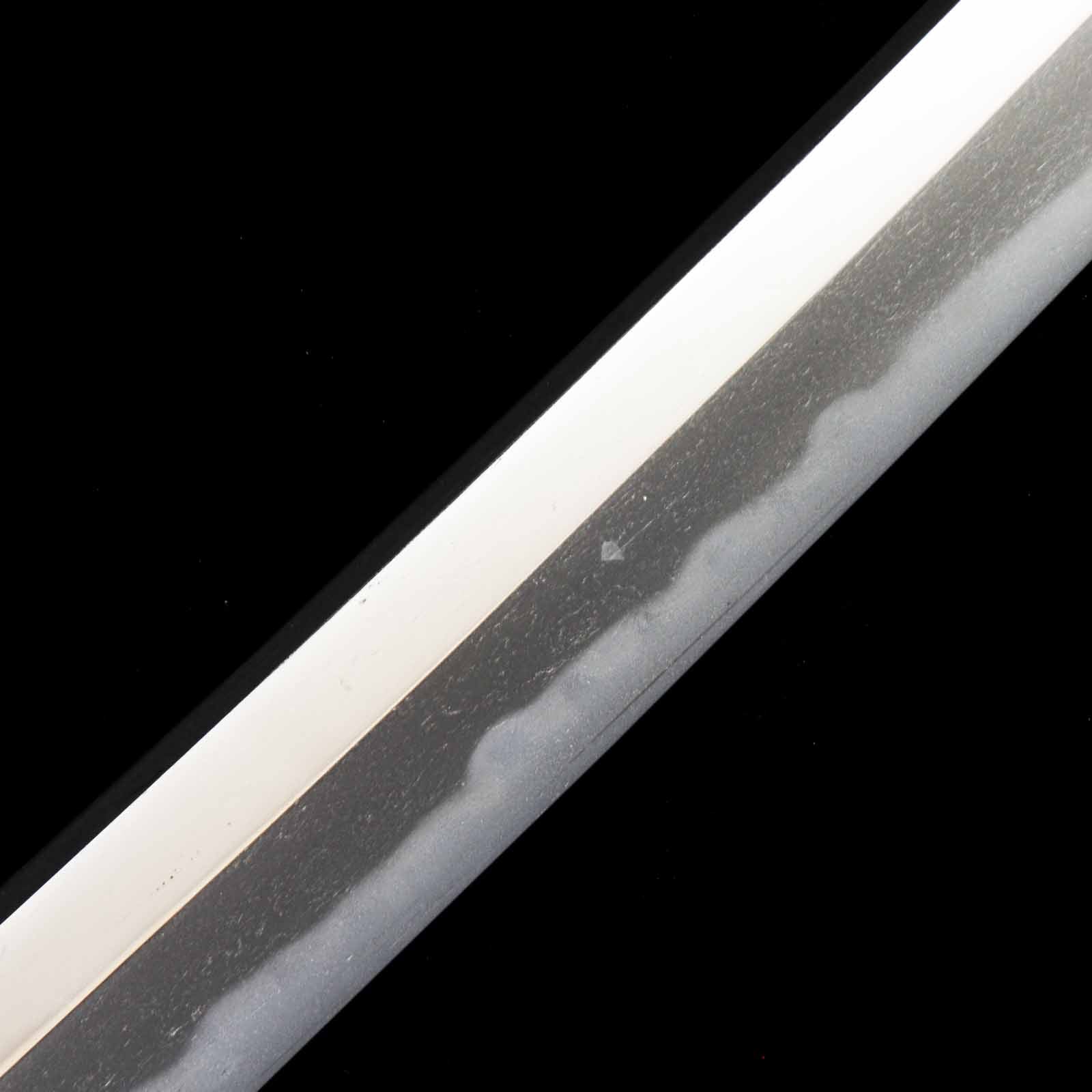
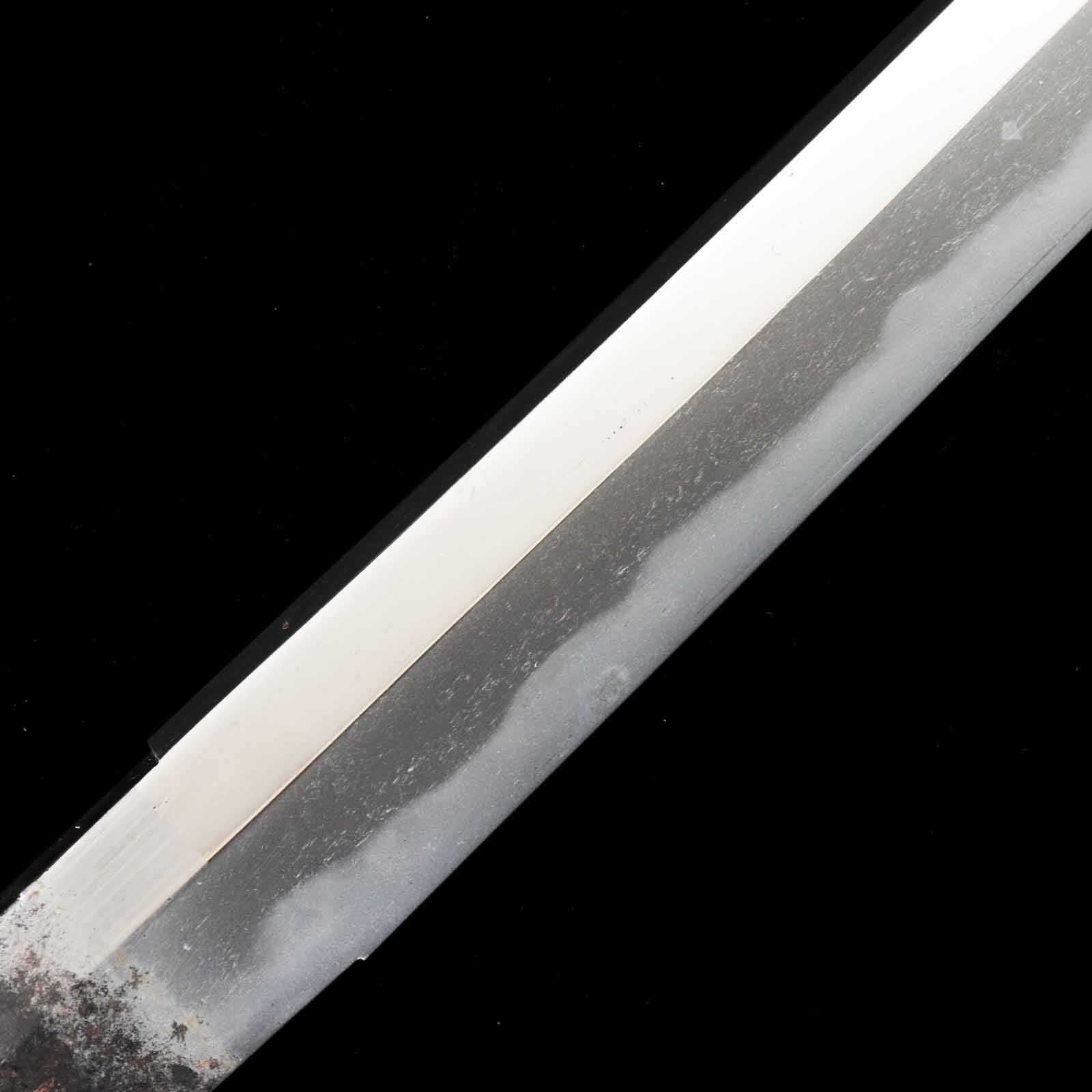
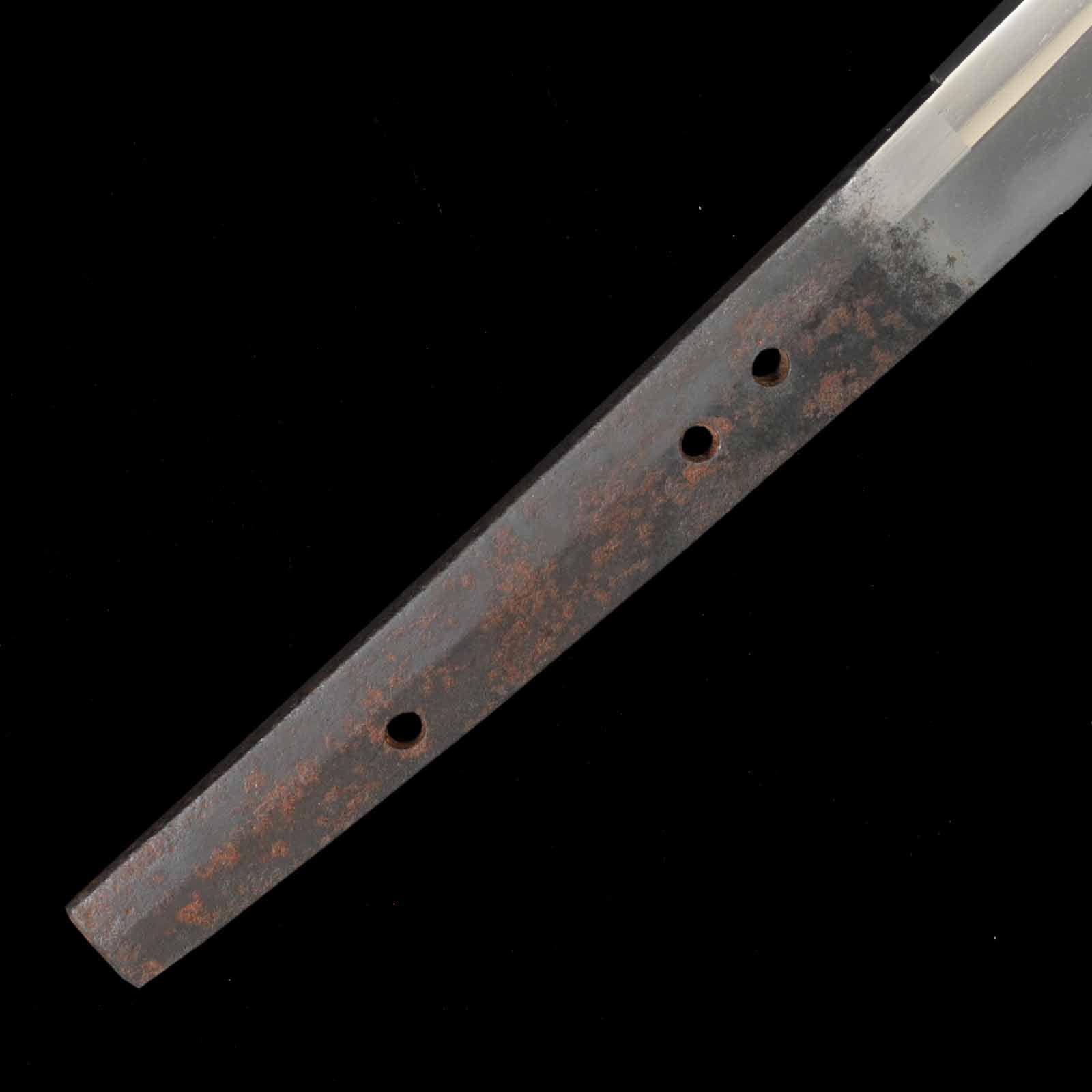
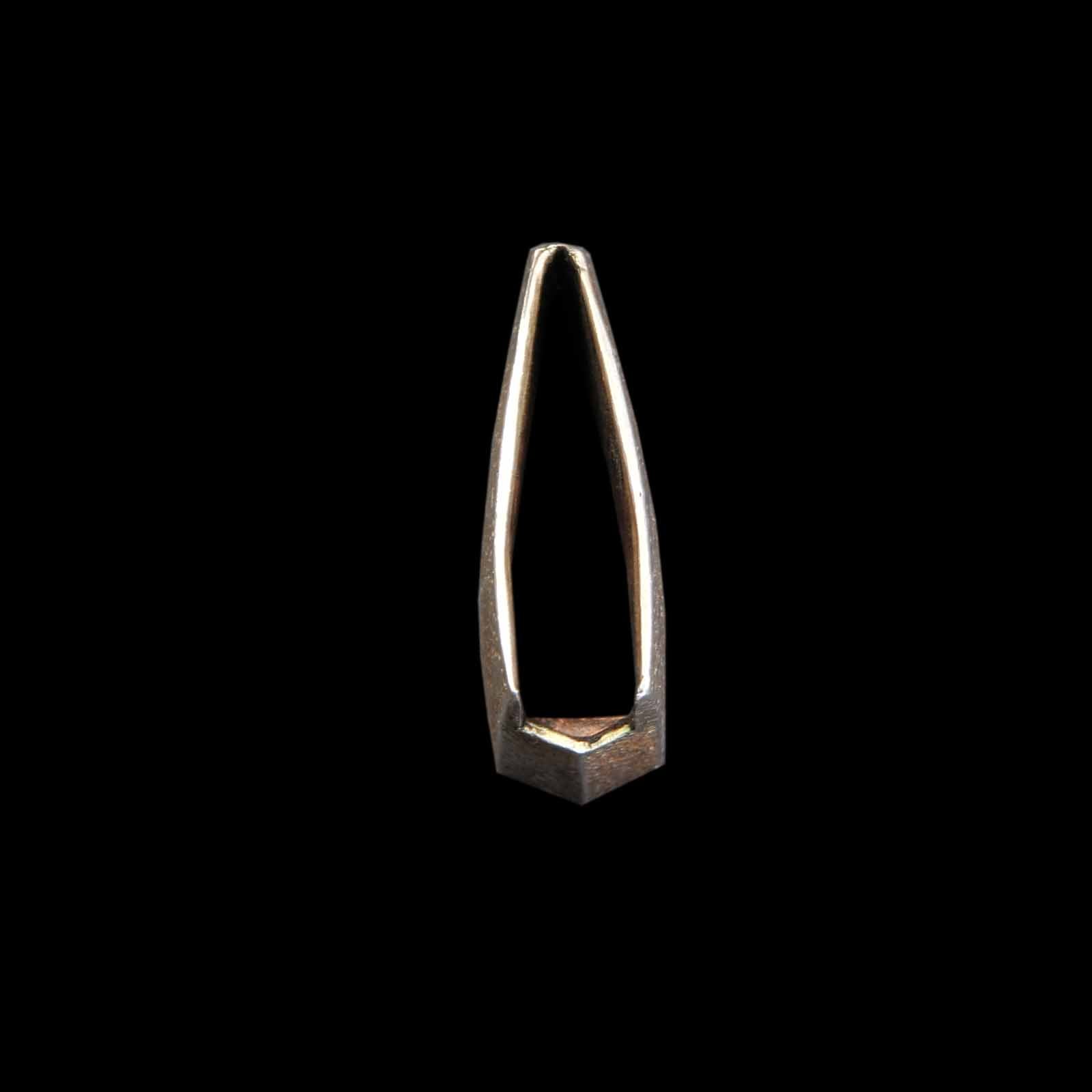
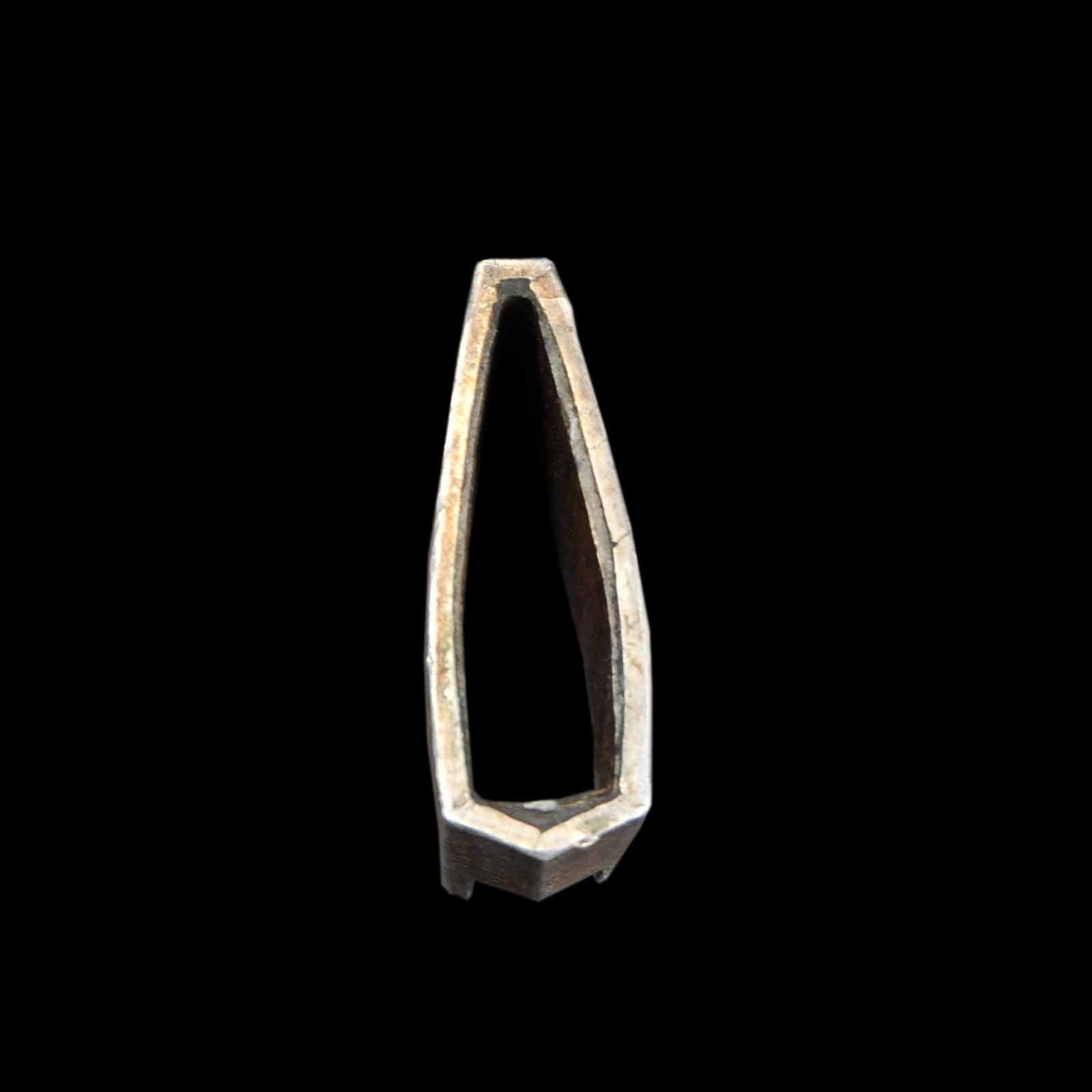
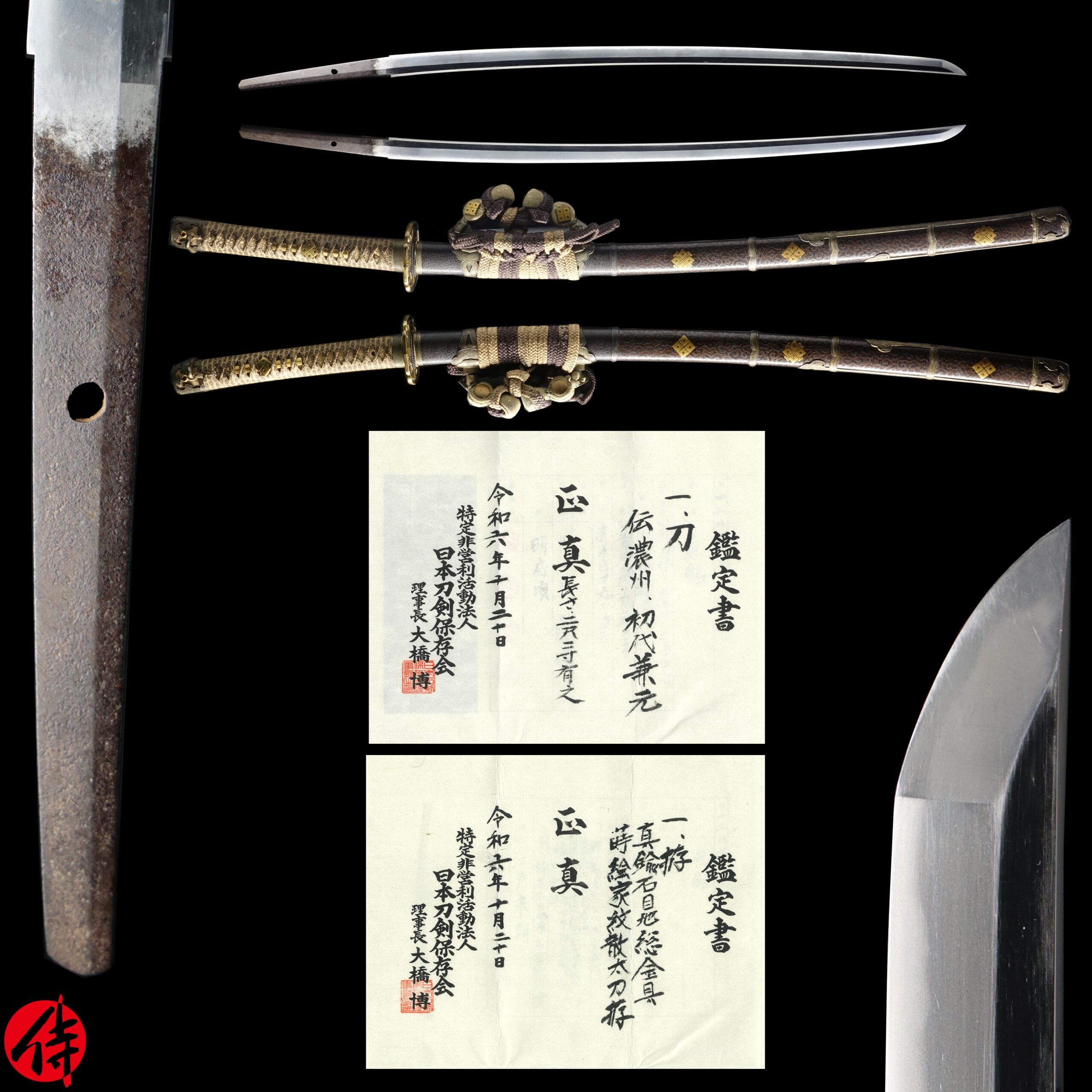
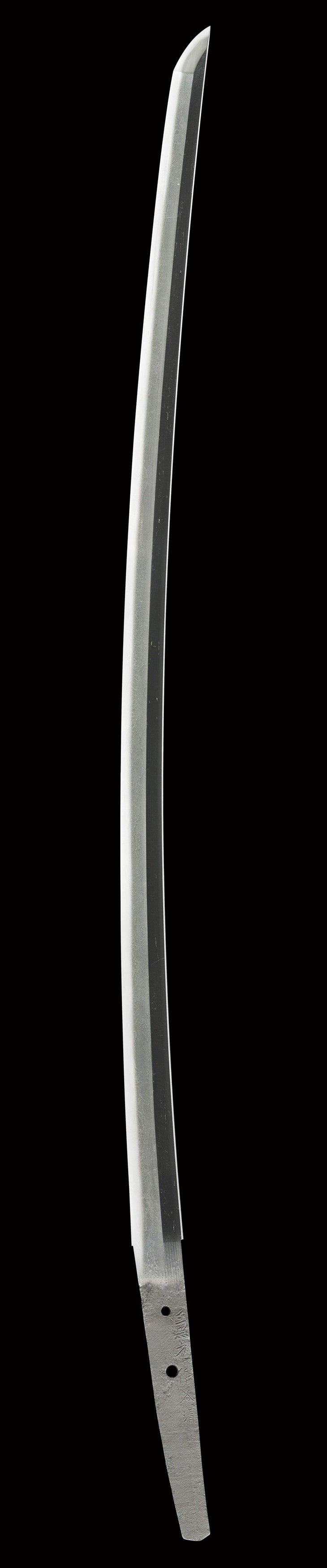
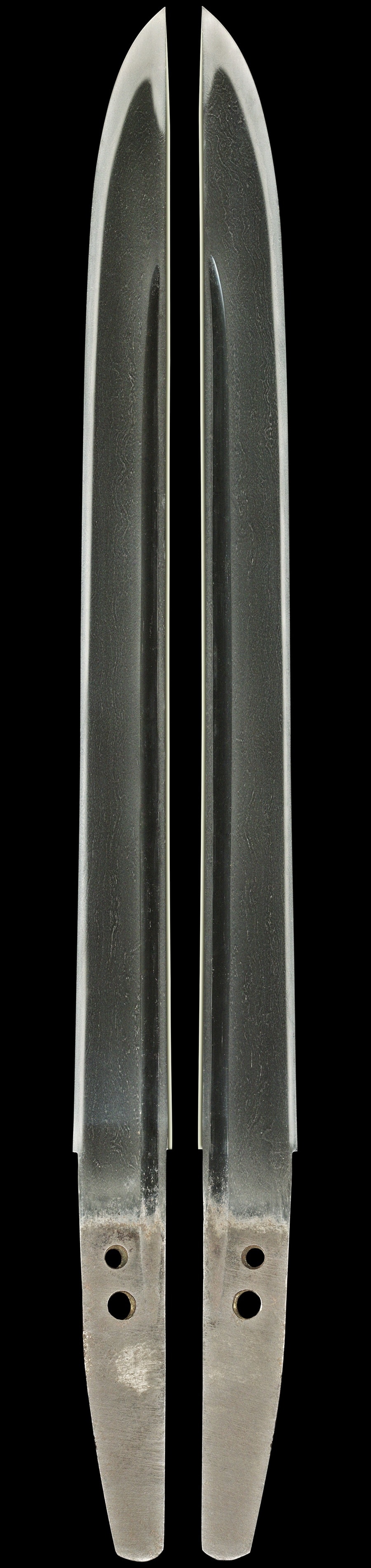
岐阜県関市では、鎌倉時代より多くの刀工が作刀に励み、彼らは「関鍛冶」と呼ばれました。その多くが名に「兼」の字を冠するという特徴があります。なかでも「孫六兼元」は、兼定と並び関の二大銘として今日までその名を馳せています。兼元の名は室町時代から江戸時代、そして現代に至るまで二十代以上にわたり継承されてきましたが、その名を全国に知らしめたのは、卓越した技量を誇った二代目兼元(関の孫六)に拠るところが大きいと言えるでしょう。 本作は、その初代兼元の作と鑑せられる一振りです。二代目の代名詞である「三本杉」の刃文ではなく、沸のよくついた小互の目(こぐのめ)を焼き、所々に砂流しが見て取れます。帽子はのたれ込み。肌は板目に政目が交じります。目立った欠点もなく、保存状態は極めて良好です。刀身重量は770グラムと手持ち感も良く、堂々たる体配を誇ります。白鞘のまま鑑賞されても十分に迫力がありますが、お好みの打刀拵を誂え、愛刀として育ててみてはいかがでしょうか。 長さ:70.9 cm 反り:2.12 cm 目釘穴:3個 先幅:19.8 mm 先重ね:4.0 mm 元幅:31.4 mm 元重ね:7.1 mm 銘:兼元 時代:古刀 造り:鎬造、庵棟 地鉄:板目、一部杢目交じる 刃文:小互の目 帽子:のたれ込み 刀身重量:770 g 茎:磨上げ 拵:白鞘 登録証:東京都 第41097号 ご希望の刀剣が見当たらない場合は、お気軽にお問い合わせください。
 NihontoWatch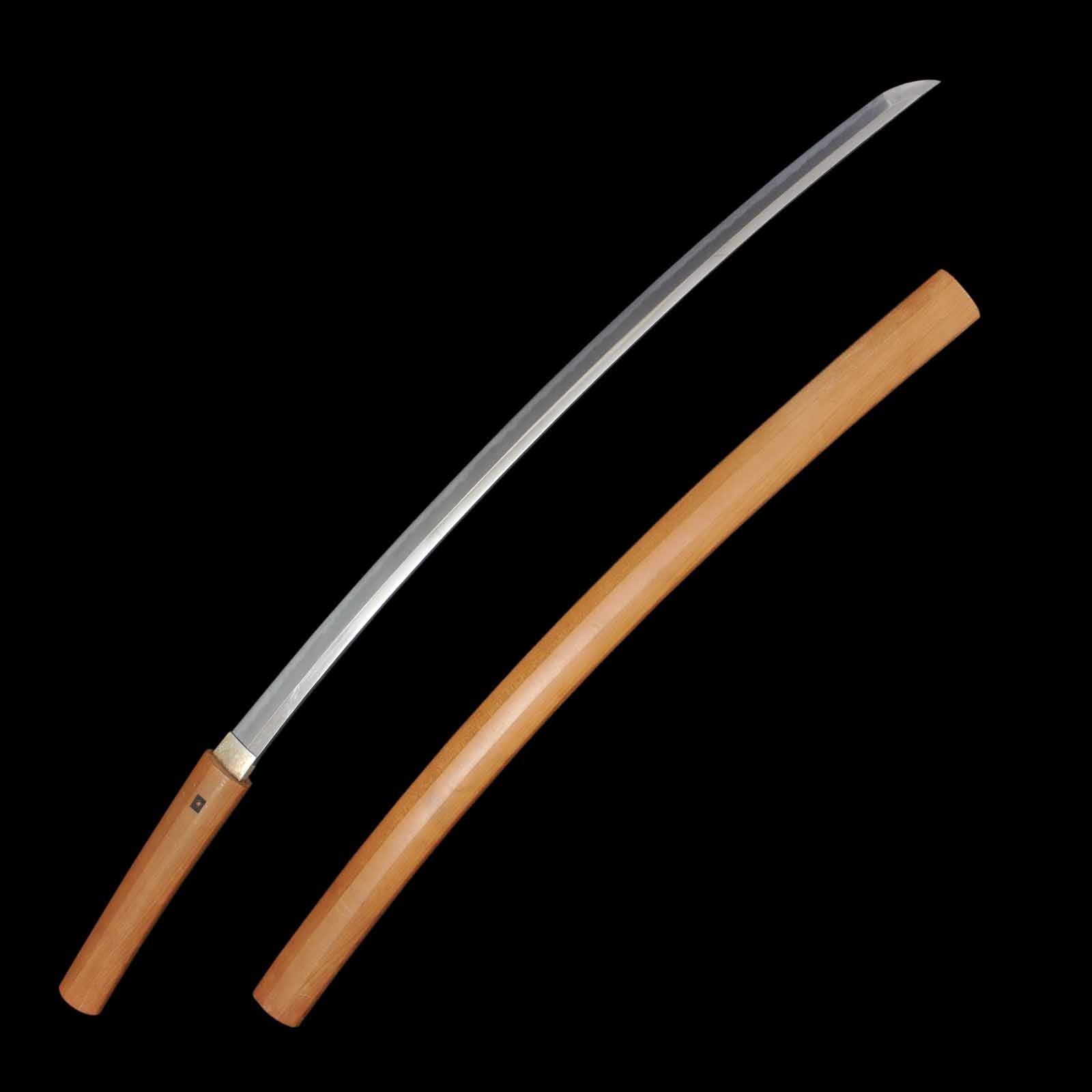
美濃伝 · 美濃 · 1489-1499頃
藤代 Jo saku · 刀剣大鑑 上位31%
現在1点販売中
兼元の位置づけを、日本刀全体および伝統・時代・時期ごとに示します。各位(随一・屈指・有数・著名)は、NBTHK および文化庁による指定に加え、三作や名物帳などの歴史的栄誉を加味したものです。
各項目を選ぶと評価方法が表示されます。
在銘年紀作が示す、確実に活動していた年代
美濃伝 · 美濃
現在29点販売中
兼元は、美濃国関を本拠とした末美濃の刀工で、室町時代後期に和泉守兼定と並んで美濃鍛冶を代表する家系である。同名が相継いで栄えたが、なかでも最も技量にすぐれるのは二代で、世上この兼元を指して「孫六兼元」と呼称し賞翫してきた。「孫六」は兼元家代々の通称であり、二代がとりわけ著名であることから、この称がそのまま二代の代名詞として用いられている。居住地を明示した作には「濃州赤坂住」と切るものがあり、赤坂を一つの拠点としていたことが知られる。説示には明応・享禄・大永などの年紀を有する作が挙げられ、紀年銘の比較的少ない同家にあって、これらは作期や系統を研究するうえで好資料とされている。 作風の中核をなすのは、三本杉と称される尖り互の目の連れた刃文である。各代を通じてこの刃文を得意とするが、二代と後代とでは趣を異にする。代が下ると尖り刃の形が鋭角的で規則正しく揃うのに対し、二代は互の目の頭が処々丸みをおびて変化を見せ、三本杉のほかに二本杉・四本杉・五本杉といった群落を交えるなど画一的でないところに特色がある。説示はこれを行草の体の三本杉と評し、刃取りに起伏を見せて変化に富む点を二代の見どころとする。地鉄は板目に杢・流れ柾を交えて肌立ちごころとなり、地沸が細かにつき、地景が入り、白け映りが立つのが常で、帽子は乱れ込んで先丸く地蔵状に返るものが多い。一方、初代はあまり三本杉が目立たず、互の目に互の目丁子を交え、時に湯走り・飛焼を伴うものが多く、年紀は明応六年を最も古いものとし、居住地はすべて濃州赤坂住と切られる。二代と初代、さらに後代との別は、こうした刃文の構成と地鉄の風合いから見分けられる。 伝来をみると、二代兼元は実戦刀としての評価が高く、元亀元年の姉川の戦で青木一重が真柄真隆を討ったと伝える青木兼元、また截断銘を裏に施した作などが知られ、切れ味を尊ぶ風が早くから付随していた。金象嵌で笹露と号した作のように、所持者の名とともに伝えられた優品もある。作刀は薙刀・刀・脇指・短刀に及び、長寸で先の張った雄勁な造込みのものから、来写し・京物写しと目される稀な直刃の上品な短刀まで幅があり、二代の技量の振幅を伝えている。説示はこれらを孫六兼元の典型かつ出色の出来口として位置づけ、行体の三本杉が匂口明るくよく沸え、地刃ともに冴える点を賞するとともに、末関を代表する刀工としての名声を確かなものとしている。 詳しく見る →
室町時代の美濃
戦国の関は一つの産業であった。春日神社を氏神と仰ぐ鍛冶たちが、中部日本の軍勢を武装させた。孫六兼元の三本杉と之定の最上作は、量産の町に第一級の技が息づいていたことの証である。
販売店の出品ページで鑑定書を確認できませんでした。日本刀および刀装具は通常、NBTHK(または NTHK)の鑑定を受けます。鑑定書がない場合、極めは販売店の見解にとどまり、第三者による確認は行われていません。ご購入前に販売店へ鑑定書の有無をお問い合わせのうえ、慎重にご判断ください。
As a general rule, returns/exchanges are not accepted on Japanese sword orders unless damaged upon delivery. Other items: returns/exchanges accepted within 7 days of delivery. Cancellation for personal reasons incurs a 30% restocking fee (70% refunded). Return shipping must be prepaid and insured by the buyer; shipping/handling fees are non-refundable. Contact katana@tozando.co.jp to initiate a return.
岐阜県関市では、鎌倉時代より多くの刀工が作刀に励み、彼らは「関鍛冶」と呼ばれました。その多くが名に「兼」の字を冠するという特徴があります。なかでも「孫六兼元」は、兼定と並び関の二大銘として今日までその名を馳せています。兼元の名は室町時代から江戸時代、そして現代に至るまで二十代以上にわたり継承されてきましたが、その名を全国に知らしめたのは、卓越した技量を誇った二代目兼元(関の孫六)に拠るところが大きいと言えるでしょう。 本作は、その初代兼元の作と鑑せられる一振りです。二代目の代名詞である「三本杉」の刃文ではなく、沸のよくついた小互の目(こぐのめ)を焼き、所々に砂流しが見て取れます。帽子はのたれ込み。肌は板目に政目が交じります。目立った欠点もなく、保存状態は極めて良好です。刀身重量は770グラムと手持ち感も良く、堂々たる体配を誇ります。白鞘のまま鑑賞されても十分に迫力がありますが、お好みの打刀拵を誂え、愛刀として育ててみてはいかがでしょうか。 長さ:70.9 cm 反り:2.12 cm 目釘穴:3個 先幅:19.8 mm 先重ね:4.0 mm 元幅:31.4 mm 元重ね:7.1 mm 銘:兼元 時代:古刀 造り:鎬造、庵棟 地鉄:板目、一部杢目交じる 刃文:小互の目 帽子:のたれ込み 刀身重量:770 g 茎:磨上げ 拵:白鞘 登録証:東京都 第41097号 ご希望の刀剣が見当たらない場合は、お気軽にお問い合わせください。
NihontoWatch美濃伝 · 美濃 · 1489-1499頃
藤代 Jo saku · 刀剣大鑑 上位31%
現在1点販売中
兼元の位置づけを、日本刀全体および伝統・時代・時期ごとに示します。各位(随一・屈指・有数・著名)は、NBTHK および文化庁による指定に加え、三作や名物帳などの歴史的栄誉を加味したものです。
各項目を選ぶと評価方法が表示されます。
在銘年紀作が示す、確実に活動していた年代
美濃伝 · 美濃
現在29点販売中
兼元は、美濃国関を本拠とした末美濃の刀工で、室町時代後期に和泉守兼定と並んで美濃鍛冶を代表する家系である。同名が相継いで栄えたが、なかでも最も技量にすぐれるのは二代で、世上この兼元を指して「孫六兼元」と呼称し賞翫してきた。「孫六」は兼元家代々の通称であり、二代がとりわけ著名であることから、この称がそのまま二代の代名詞として用いられている。居住地を明示した作には「濃州赤坂住」と切るものがあり、赤坂を一つの拠点としていたことが知られる。説示には明応・享禄・大永などの年紀を有する作が挙げられ、紀年銘の比較的少ない同家にあって、これらは作期や系統を研究するうえで好資料とされている。 作風の中核をなすのは、三本杉と称される尖り互の目の連れた刃文である。各代を通じてこの刃文を得意とするが、二代と後代とでは趣を異にする。代が下ると尖り刃の形が鋭角的で規則正しく揃うのに対し、二代は互の目の頭が処々丸みをおびて変化を見せ、三本杉のほかに二本杉・四本杉・五本杉といった群落を交えるなど画一的でないところに特色がある。説示はこれを行草の体の三本杉と評し、刃取りに起伏を見せて変化に富む点を二代の見どころとする。地鉄は板目に杢・流れ柾を交えて肌立ちごころとなり、地沸が細かにつき、地景が入り、白け映りが立つのが常で、帽子は乱れ込んで先丸く地蔵状に返るものが多い。一方、初代はあまり三本杉が目立たず、互の目に互の目丁子を交え、時に湯走り・飛焼を伴うものが多く、年紀は明応六年を最も古いものとし、居住地はすべて濃州赤坂住と切られる。二代と初代、さらに後代との別は、こうした刃文の構成と地鉄の風合いから見分けられる。 伝来をみると、二代兼元は実戦刀としての評価が高く、元亀元年の姉川の戦で青木一重が真柄真隆を討ったと伝える青木兼元、また截断銘を裏に施した作などが知られ、切れ味を尊ぶ風が早くから付随していた。金象嵌で笹露と号した作のように、所持者の名とともに伝えられた優品もある。作刀は薙刀・刀・脇指・短刀に及び、長寸で先の張った雄勁な造込みのものから、来写し・京物写しと目される稀な直刃の上品な短刀まで幅があり、二代の技量の振幅を伝えている。説示はこれらを孫六兼元の典型かつ出色の出来口として位置づけ、行体の三本杉が匂口明るくよく沸え、地刃ともに冴える点を賞するとともに、末関を代表する刀工としての名声を確かなものとしている。 詳しく見る →
室町時代の美濃
戦国の関は一つの産業であった。春日神社を氏神と仰ぐ鍛冶たちが、中部日本の軍勢を武装させた。孫六兼元の三本杉と之定の最上作は、量産の町に第一級の技が息づいていたことの証である。
販売店の出品ページで鑑定書を確認できませんでした。日本刀および刀装具は通常、NBTHK(または NTHK)の鑑定を受けます。鑑定書がない場合、極めは販売店の見解にとどまり、第三者による確認は行われていません。ご購入前に販売店へ鑑定書の有無をお問い合わせのうえ、慎重にご判断ください。
As a general rule, returns/exchanges are not accepted on Japanese sword orders unless damaged upon delivery. Other items: returns/exchanges accepted within 7 days of delivery. Cancellation for personal reasons incurs a 30% restocking fee (70% refunded). Return shipping must be prepaid and insured by the buyer; shipping/handling fees are non-refundable. Contact katana@tozando.co.jp to initiate a return.

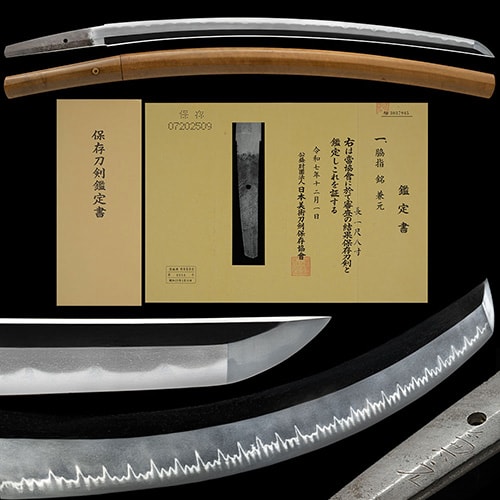
![Wakizashi - Tokuho - 作 兼元 - 脇差[兼元(孫六)(最上大業物)][日本美術刀剣保存協会]特別保存刀剣](/_next/image?url=https%3A%2F%2Fitbhfhyptogxcjbjfzwx.supabase.co%2Fstorage%2Fv1%2Fobject%2Fpublic%2Flisting-images%2Fworld-seiyudo%2FL36581%2F00.jpg&w=2560&q=90)





![Tanto - Hozon - 作 関派 - 短刀[氏房][日本美術刀剣保存協会]保存刀剣](/_next/image?url=https%3A%2F%2Fitbhfhyptogxcjbjfzwx.supabase.co%2Fstorage%2Fv1%2Fobject%2Fpublic%2Flisting-images%2Fworld-seiyudo%2FL747655%2F01.jpg&w=2560&q=90)