室町の長船は輸出産業であった。明との勘合貿易はおよそ十二万八千振の日本刀を海の彼方へ運び、国内では戦国の軍勢が買い手となった。注文主の俗名を銘に刻む注文打ちが、兵卒用の数打ち物と並んで鍛えられている。
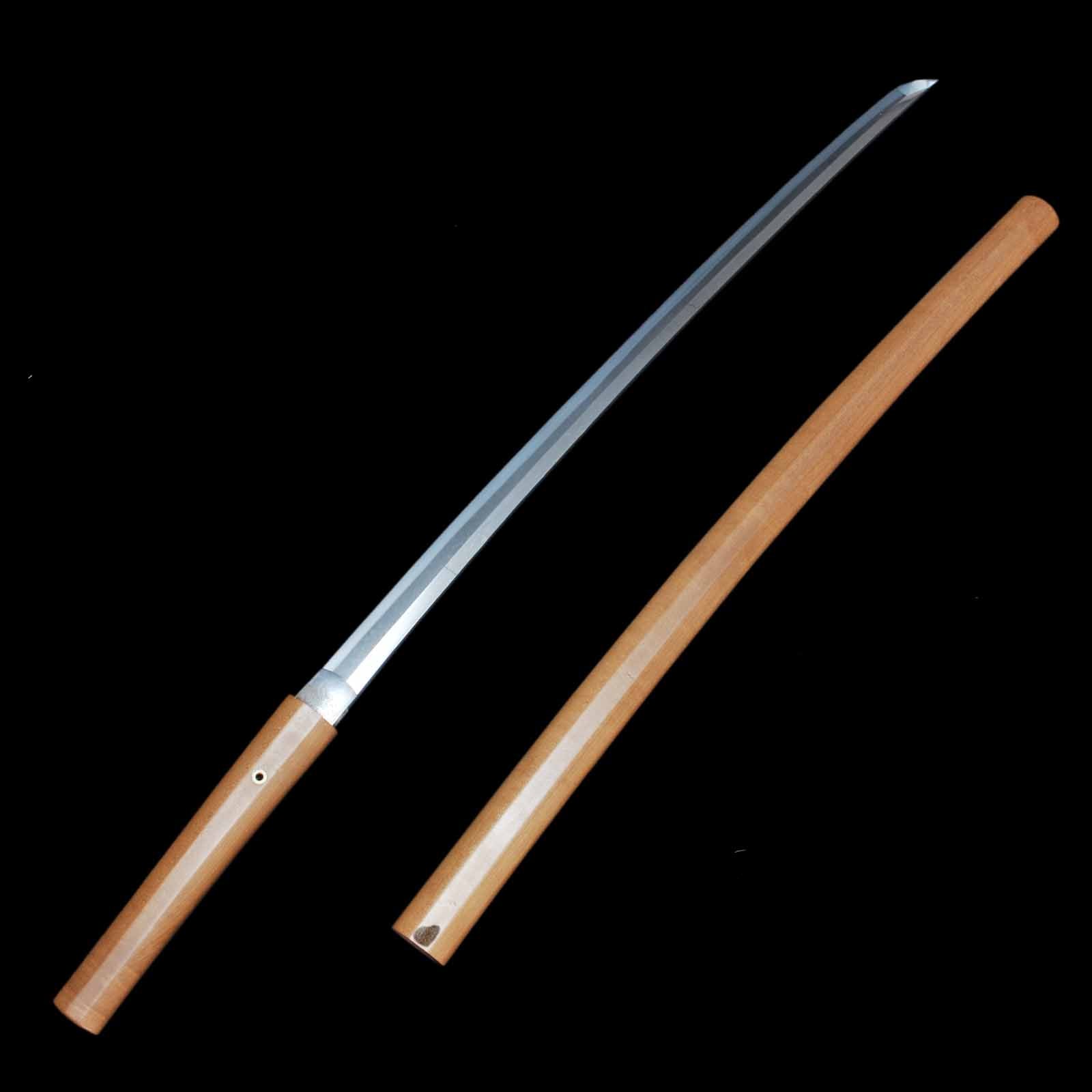
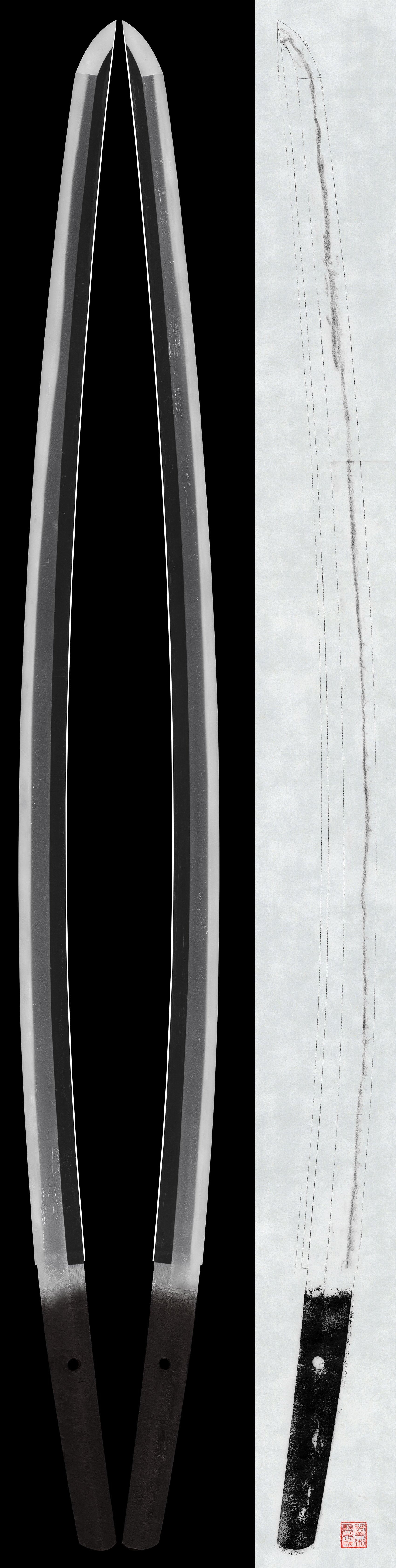
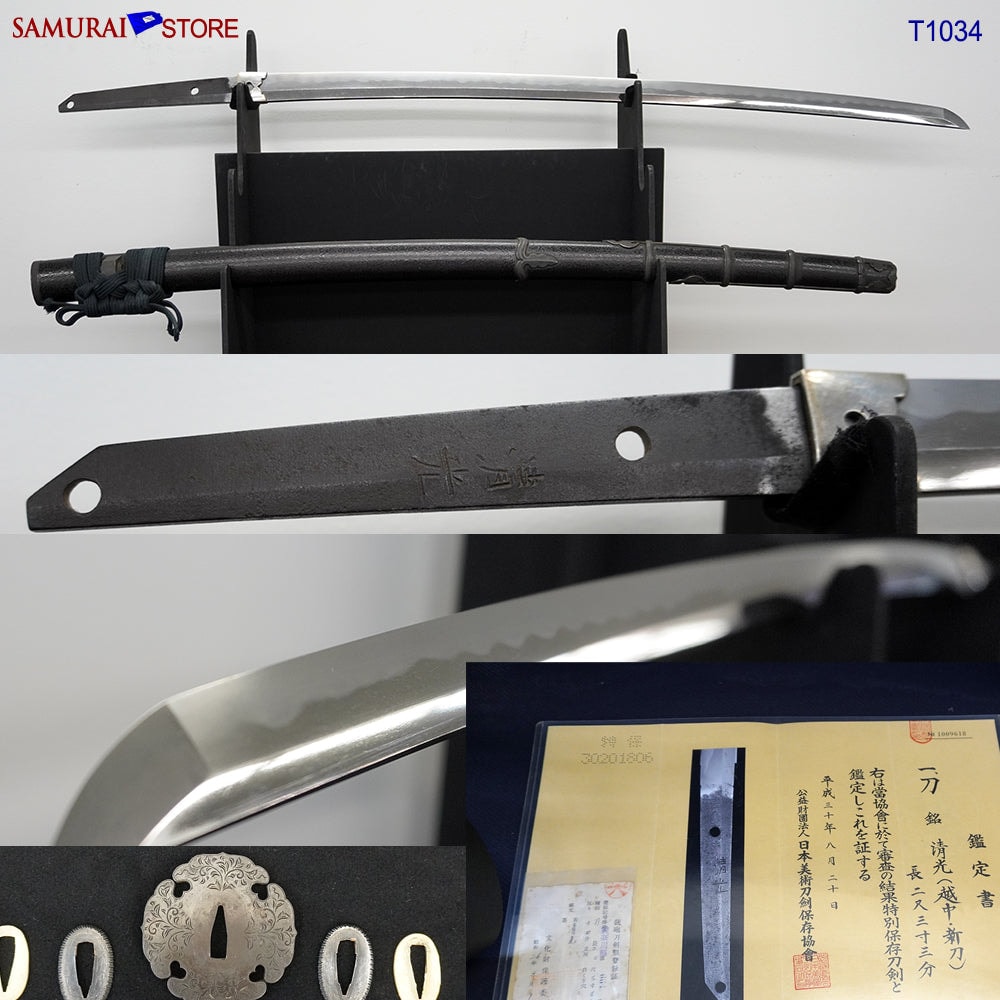
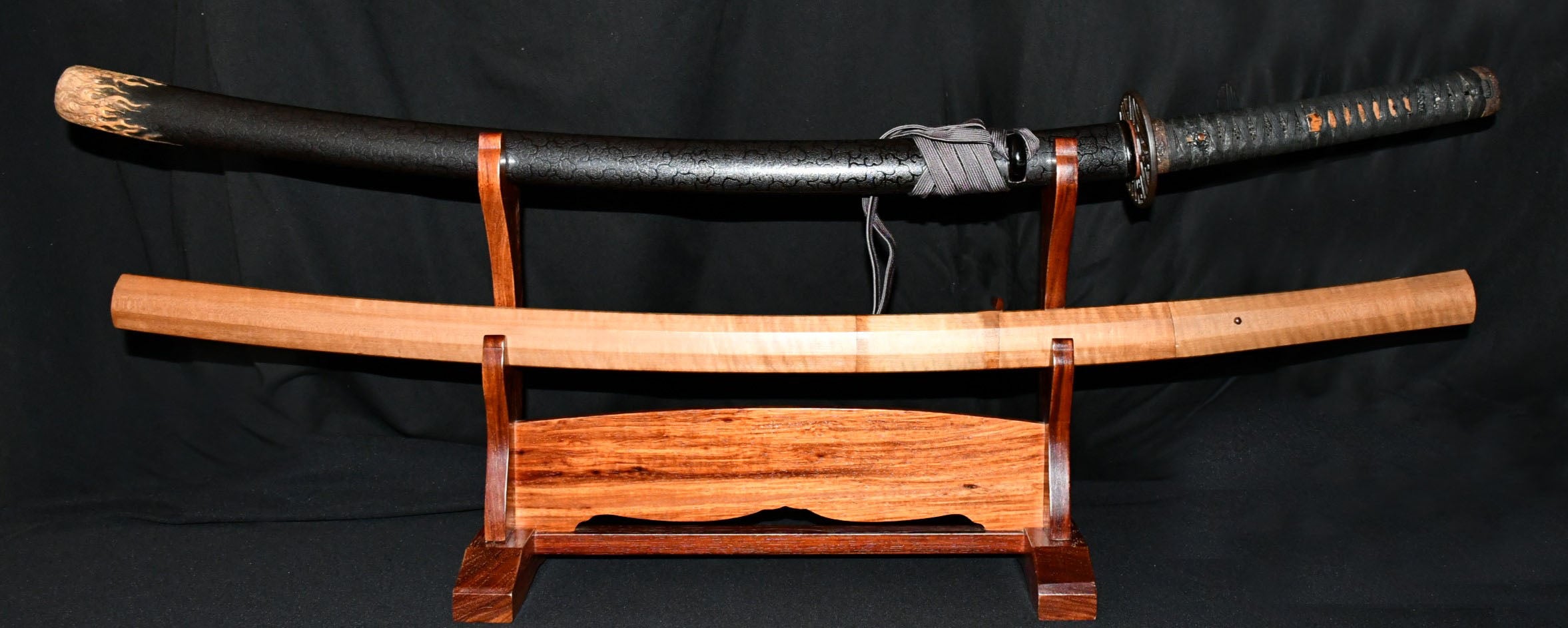
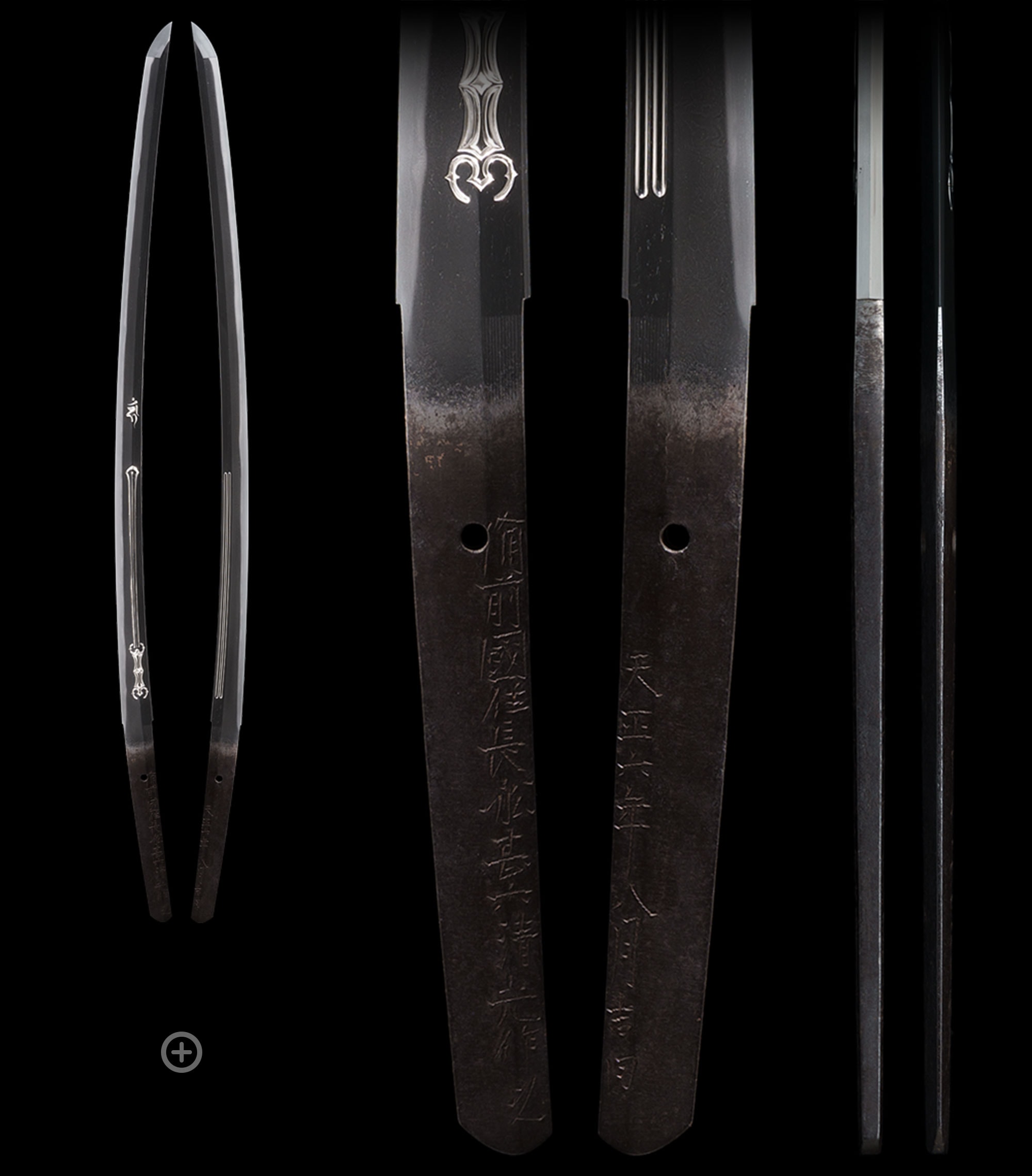
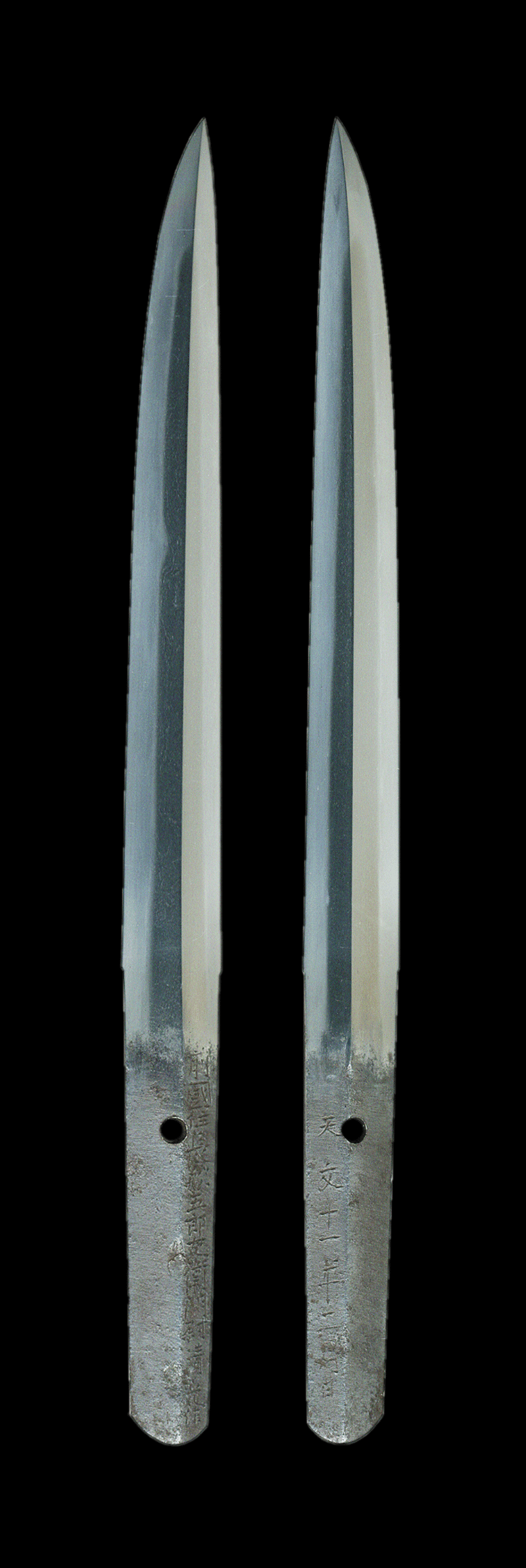
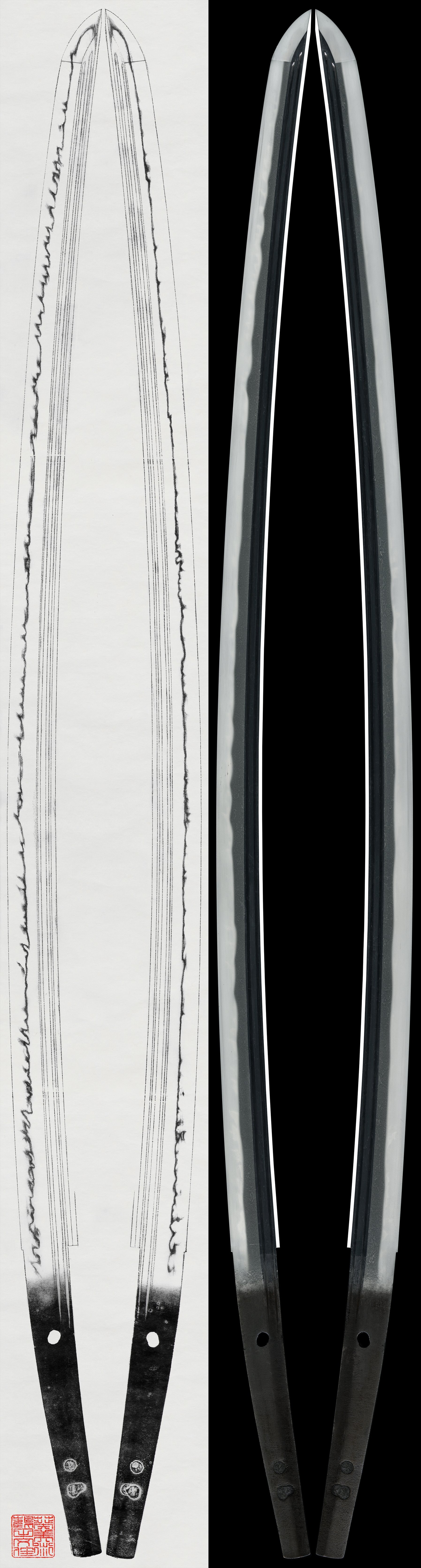
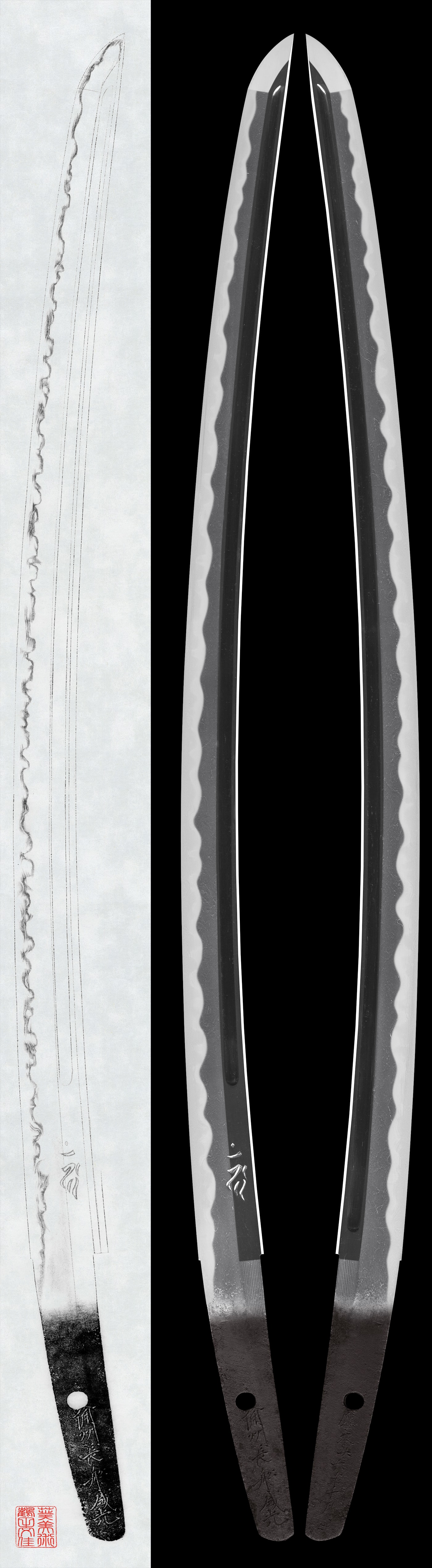
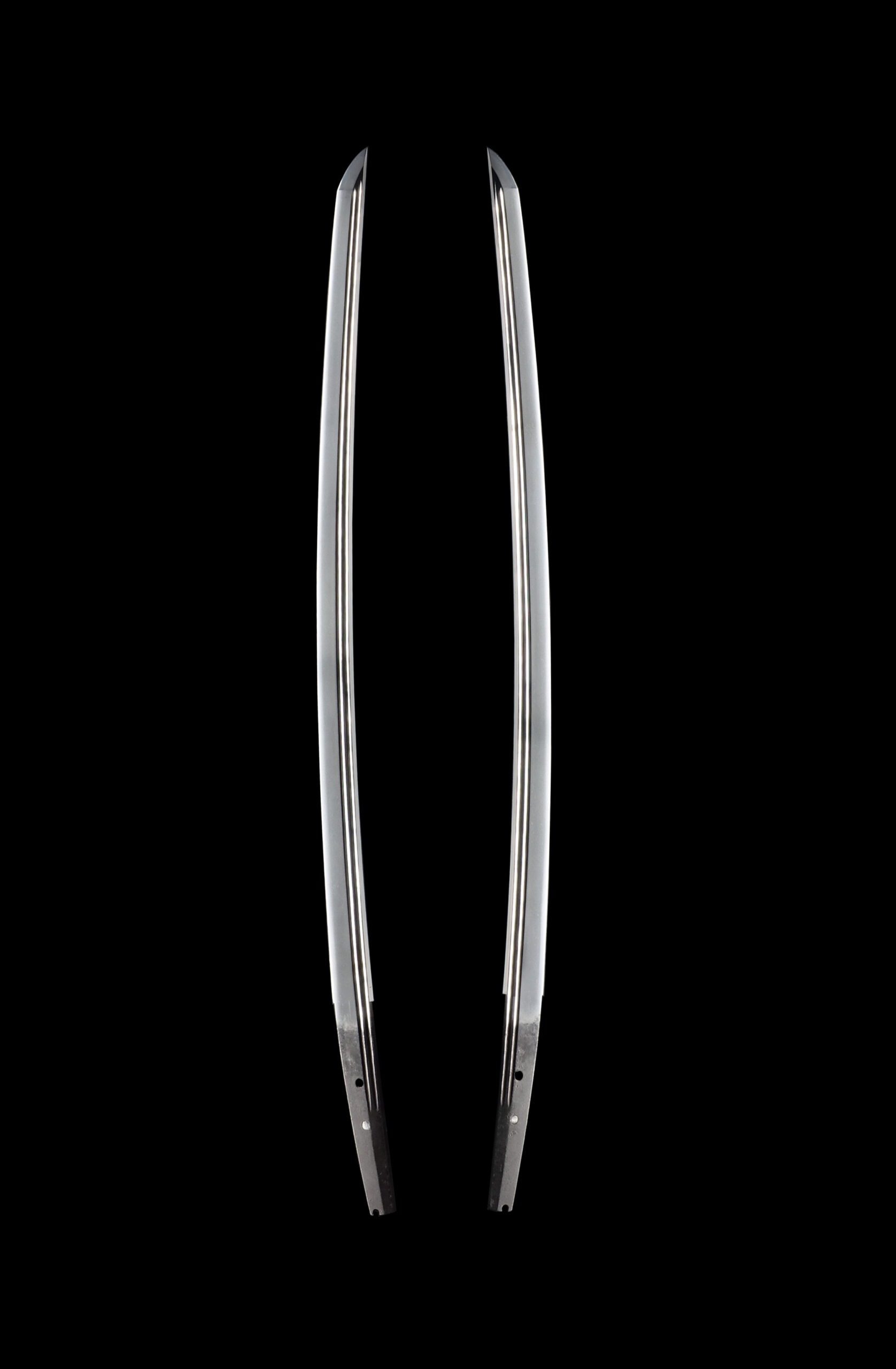
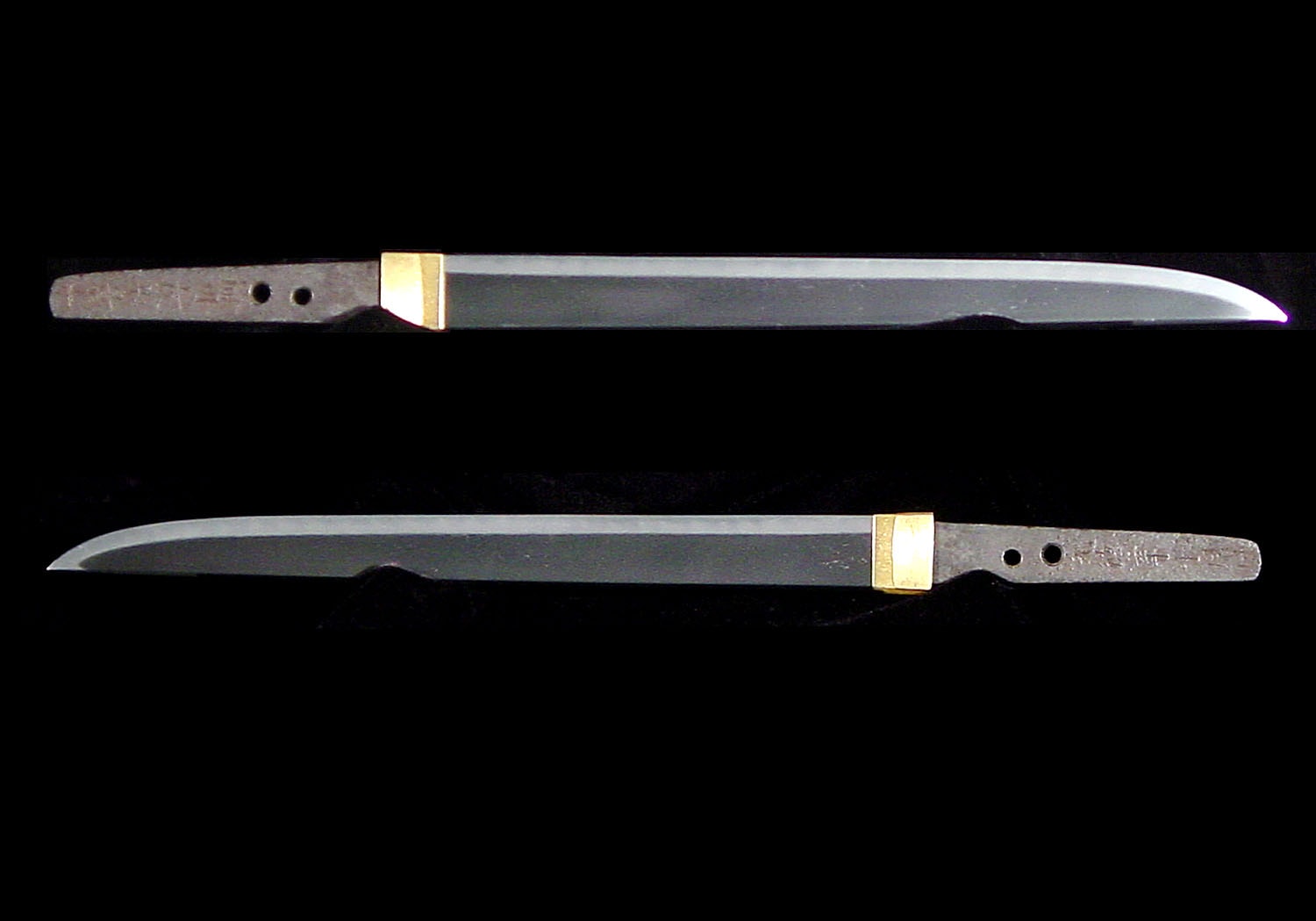
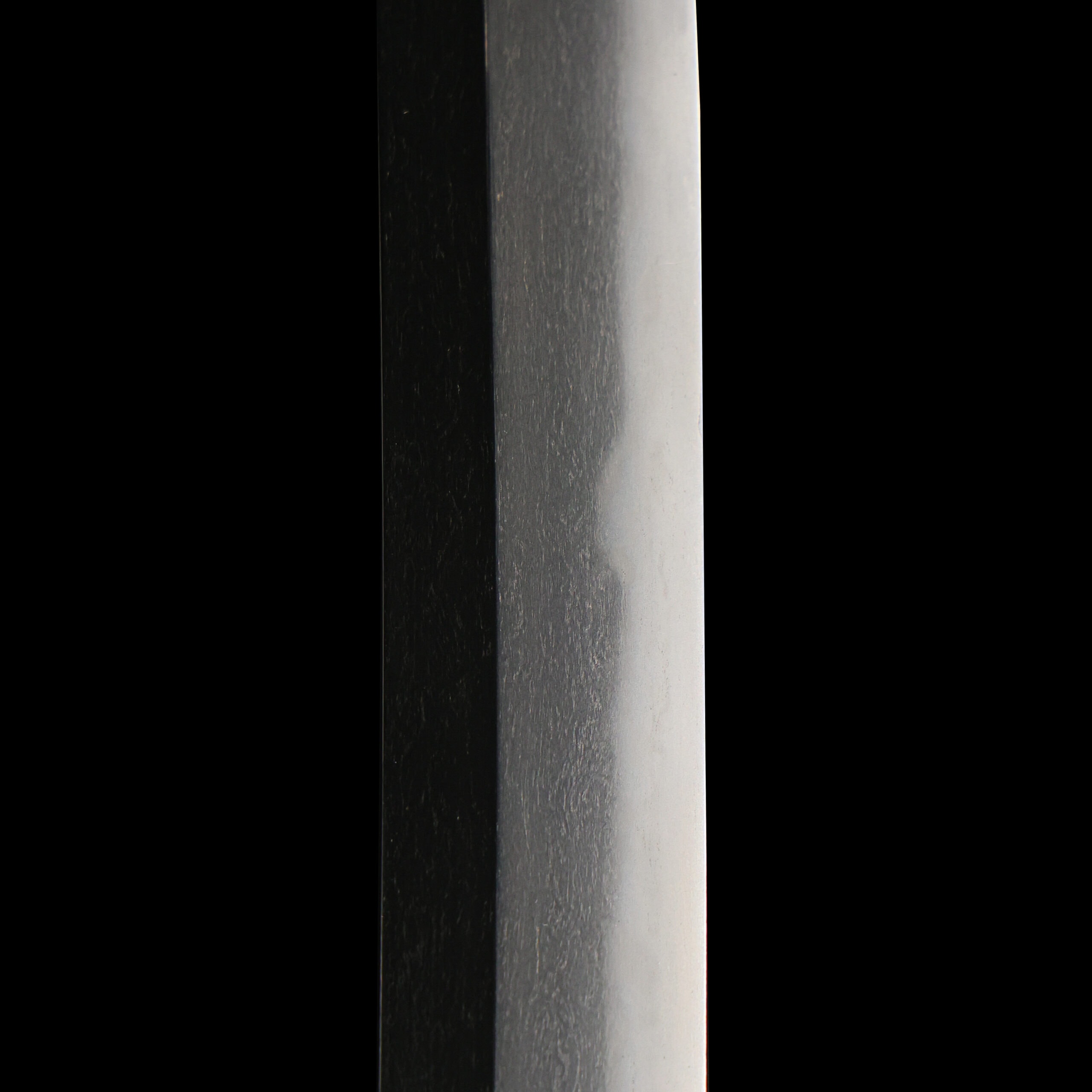
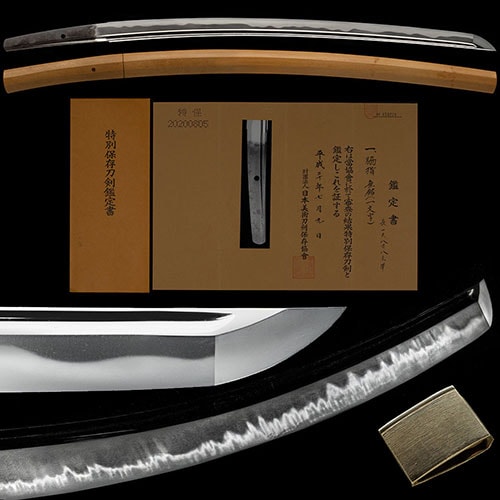
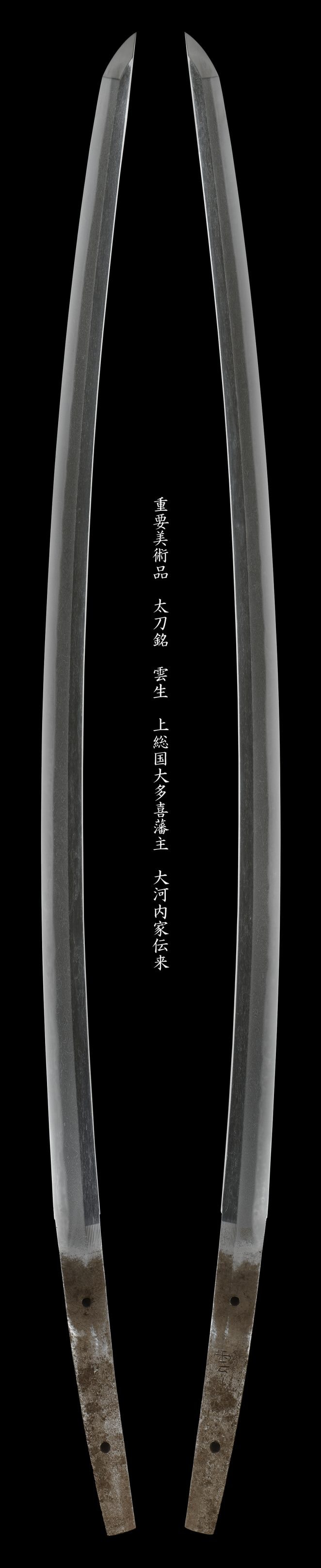
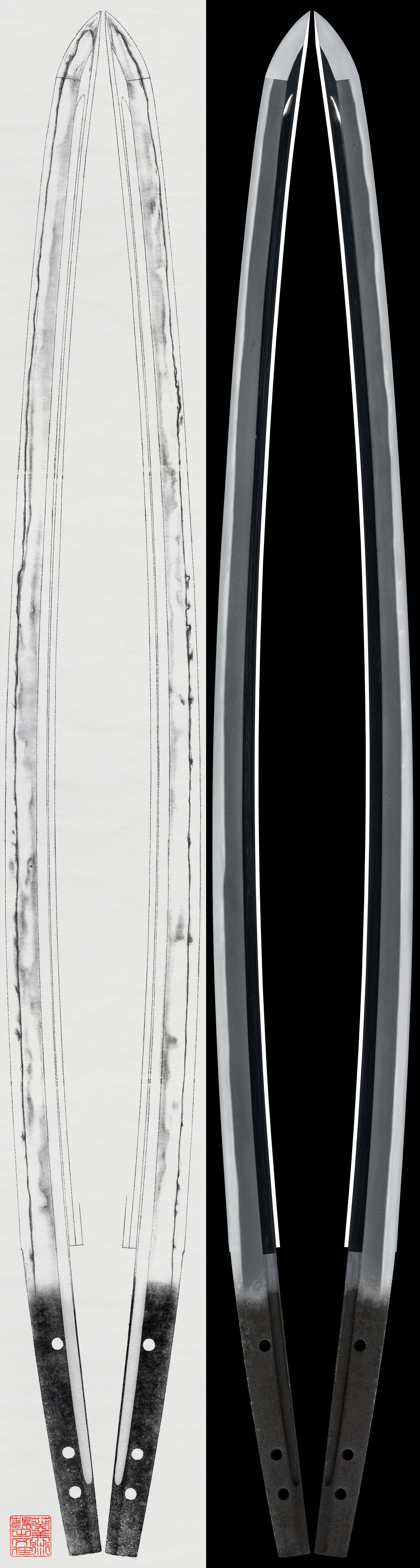
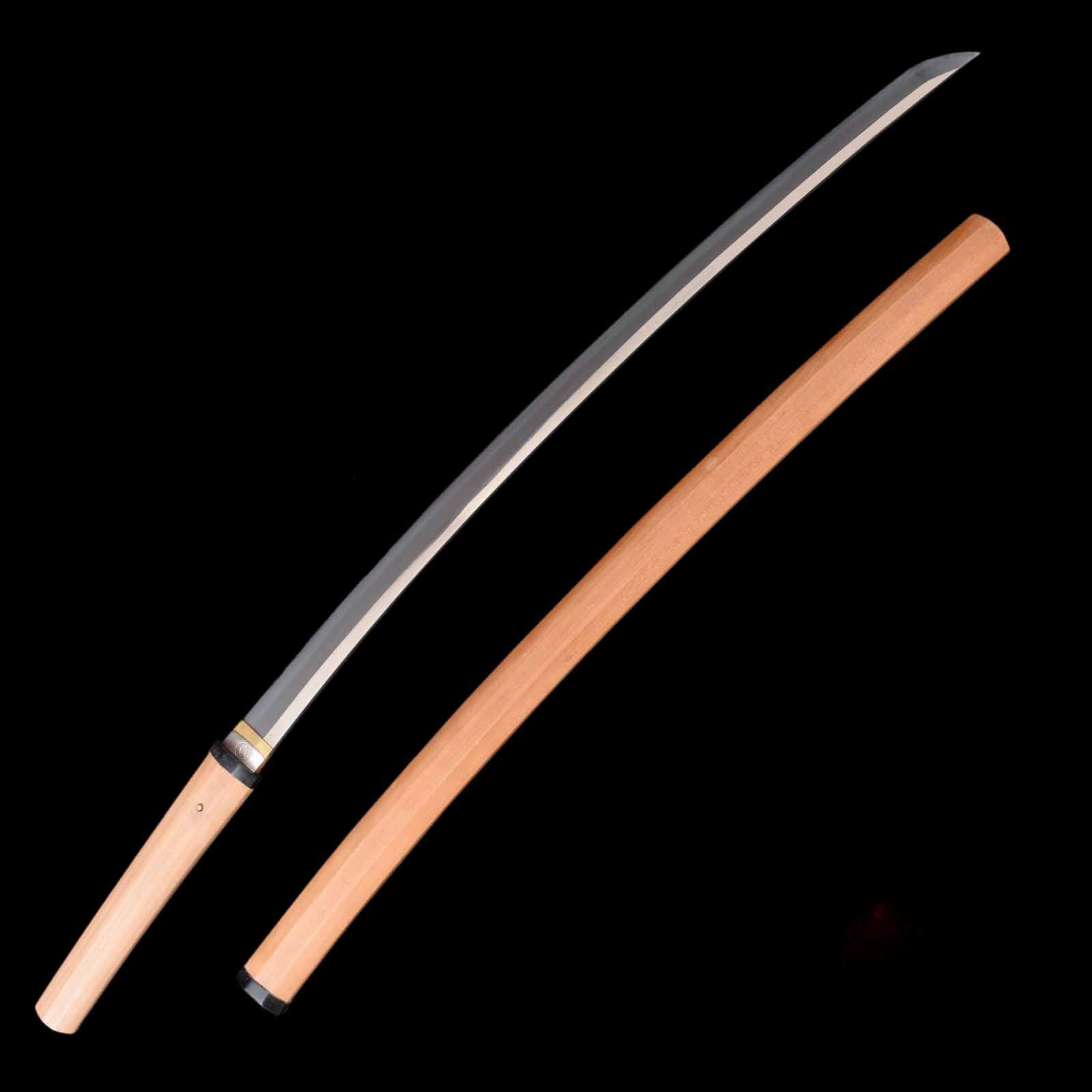
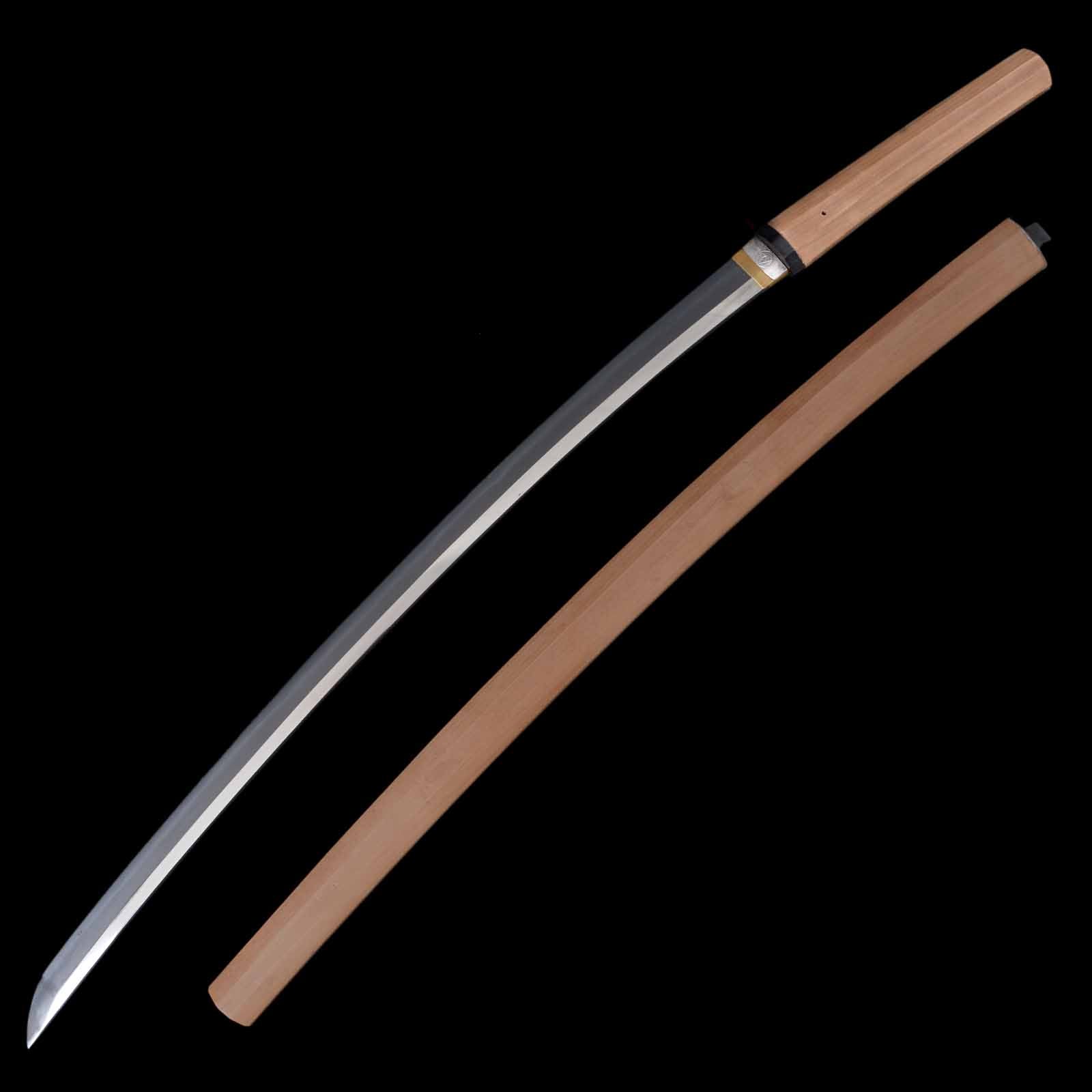
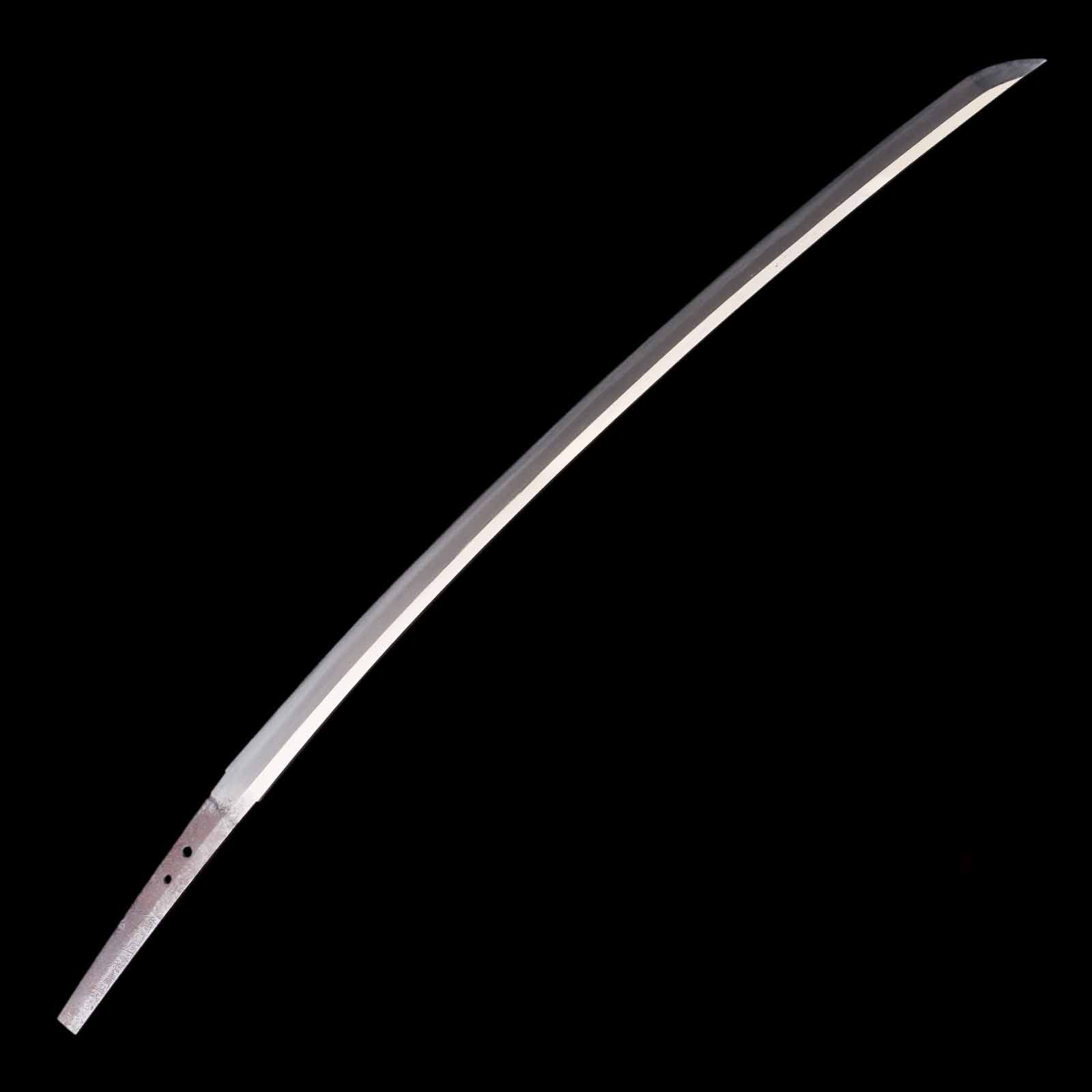
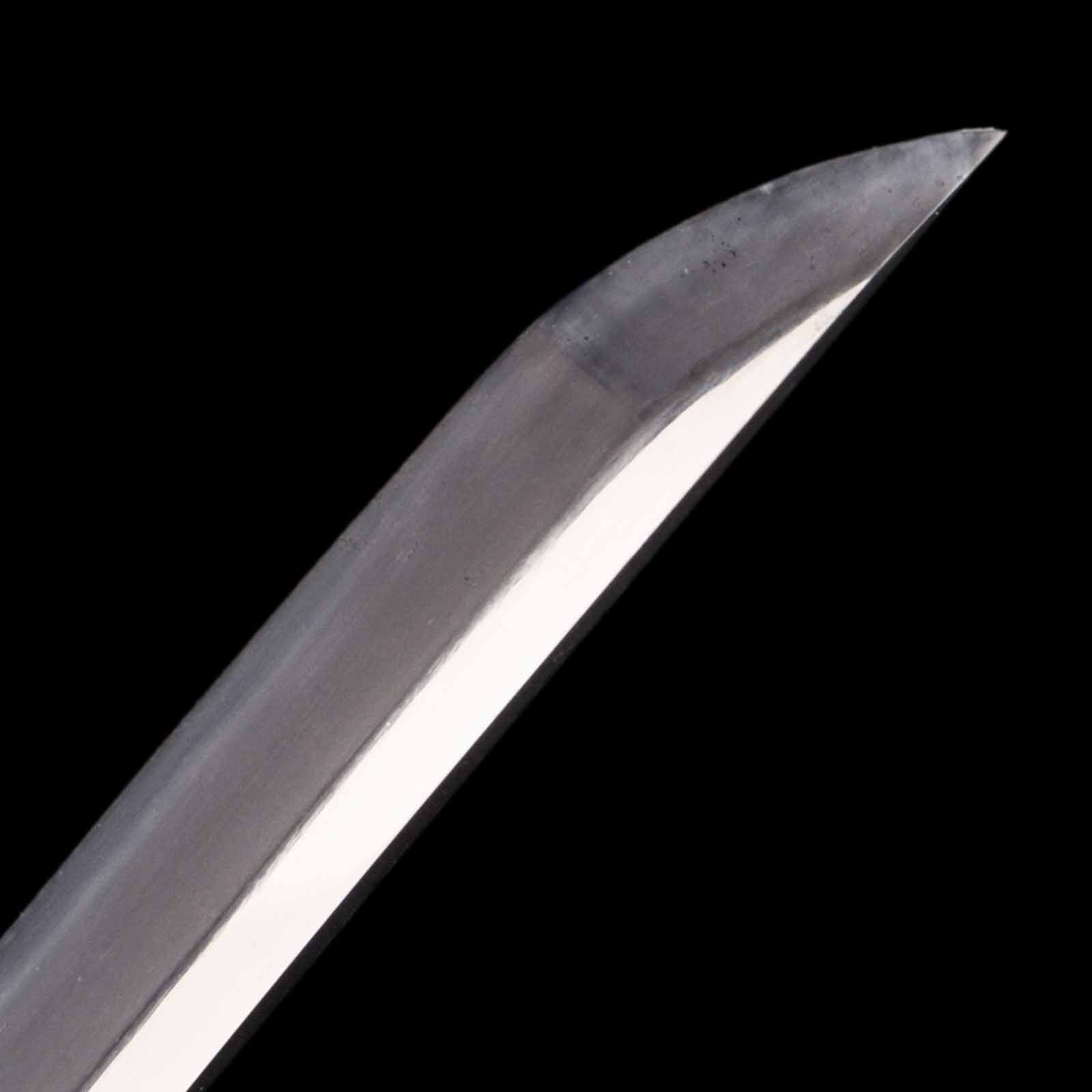
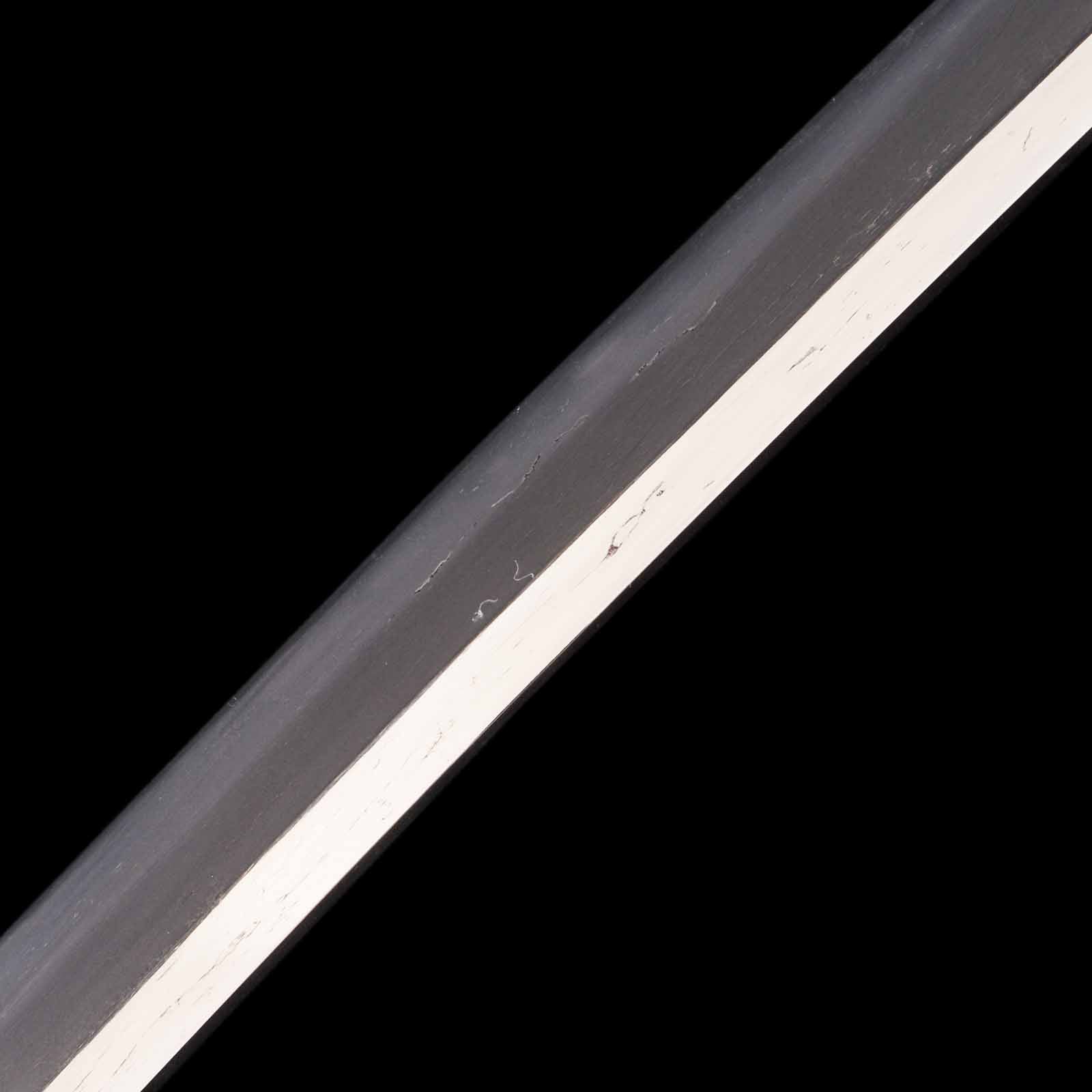
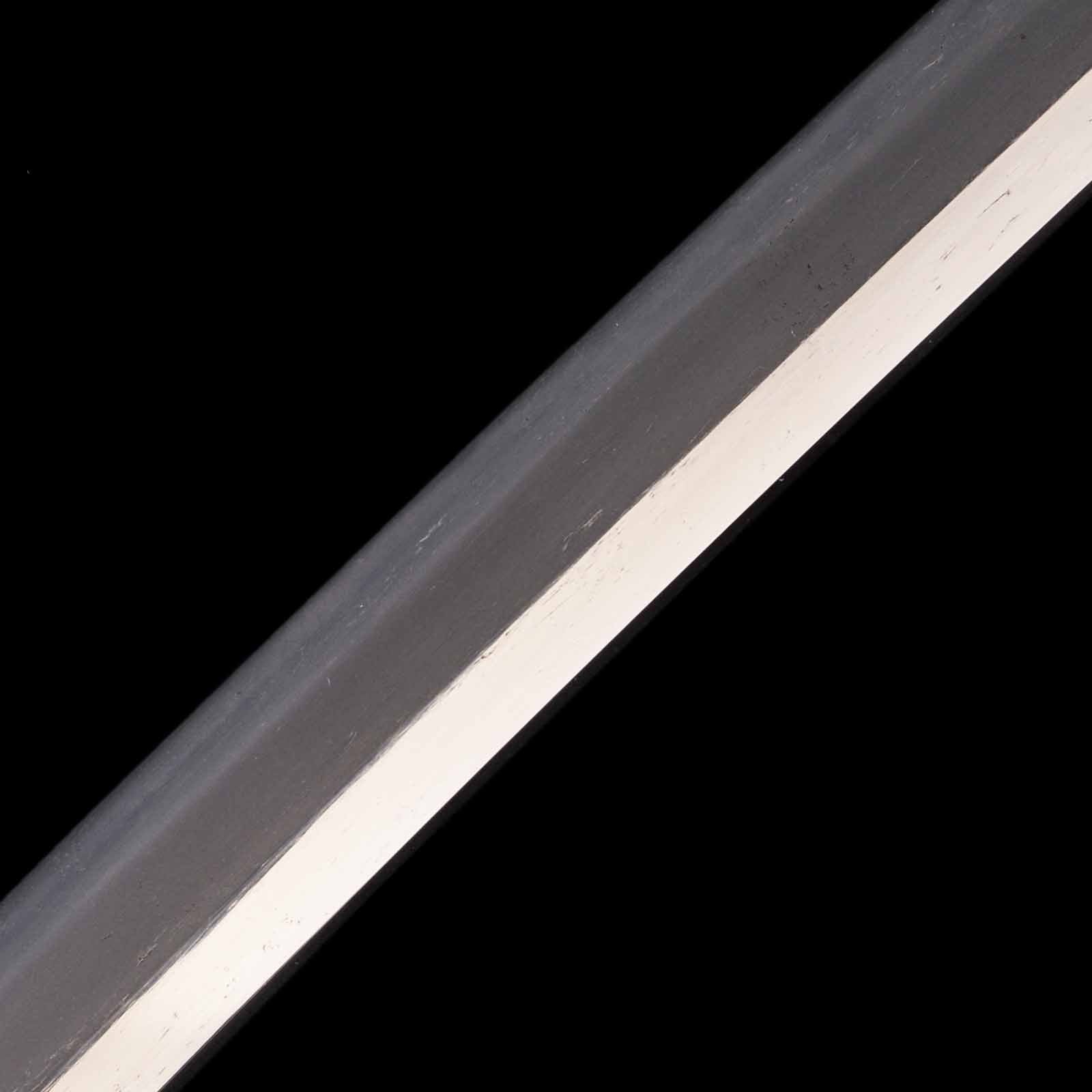
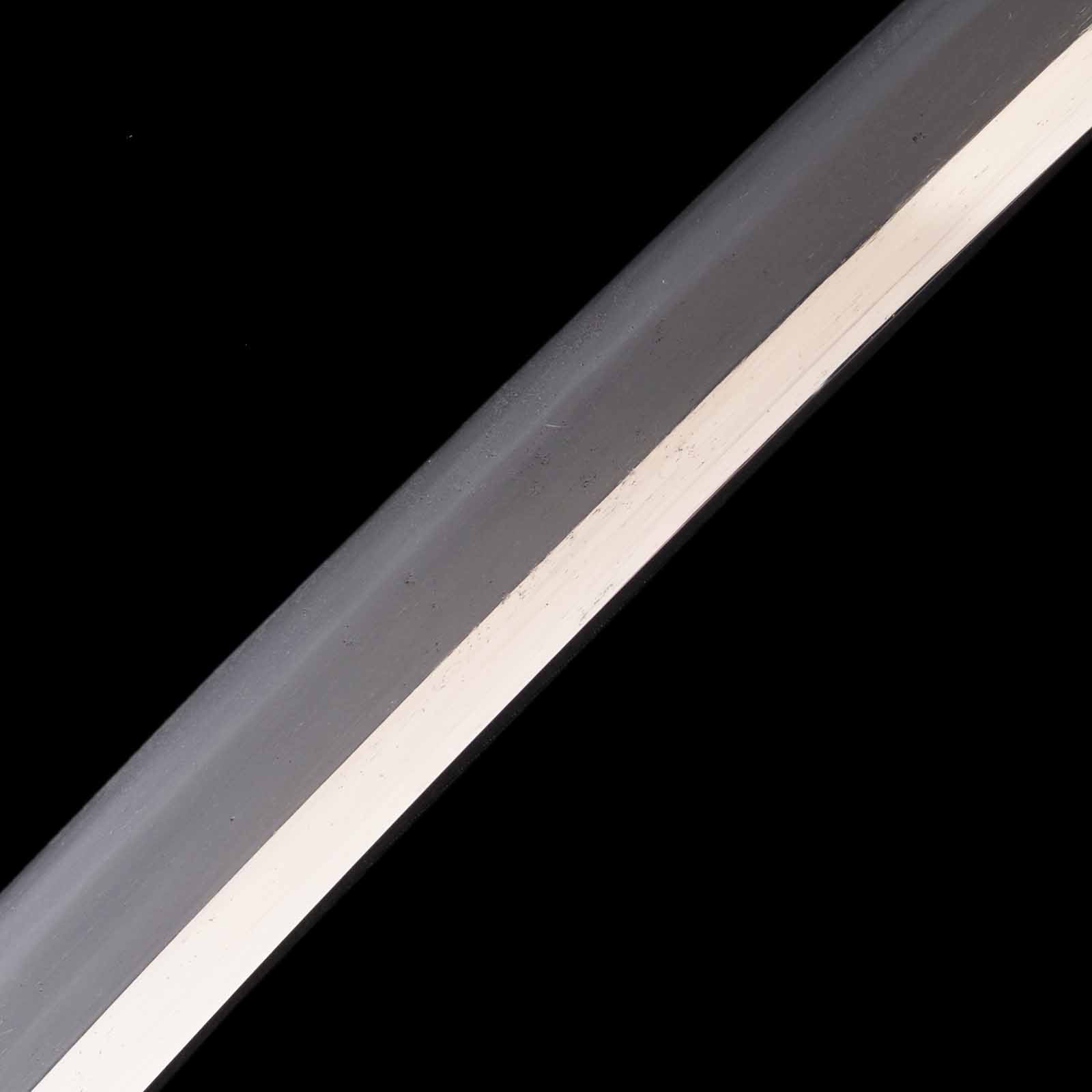
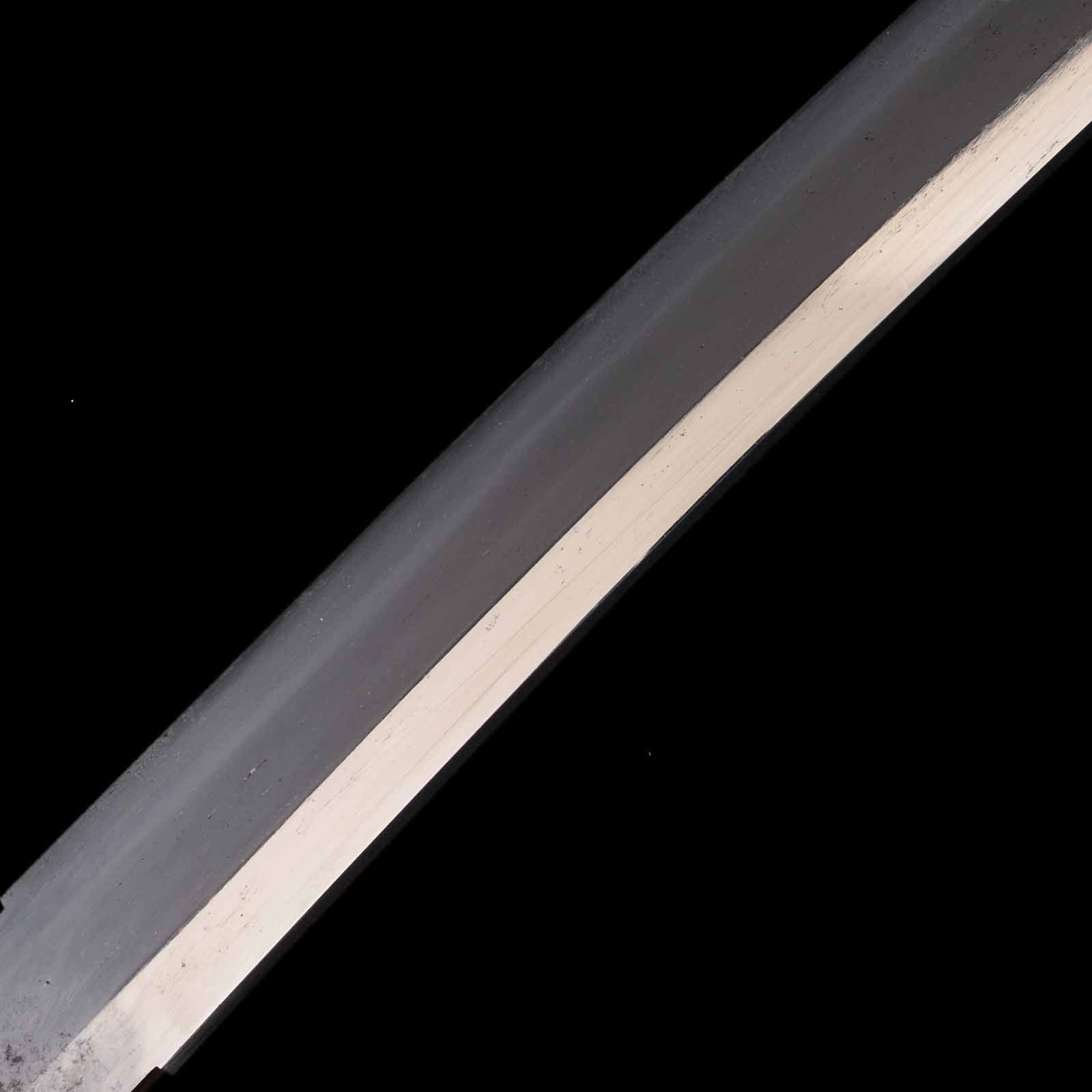
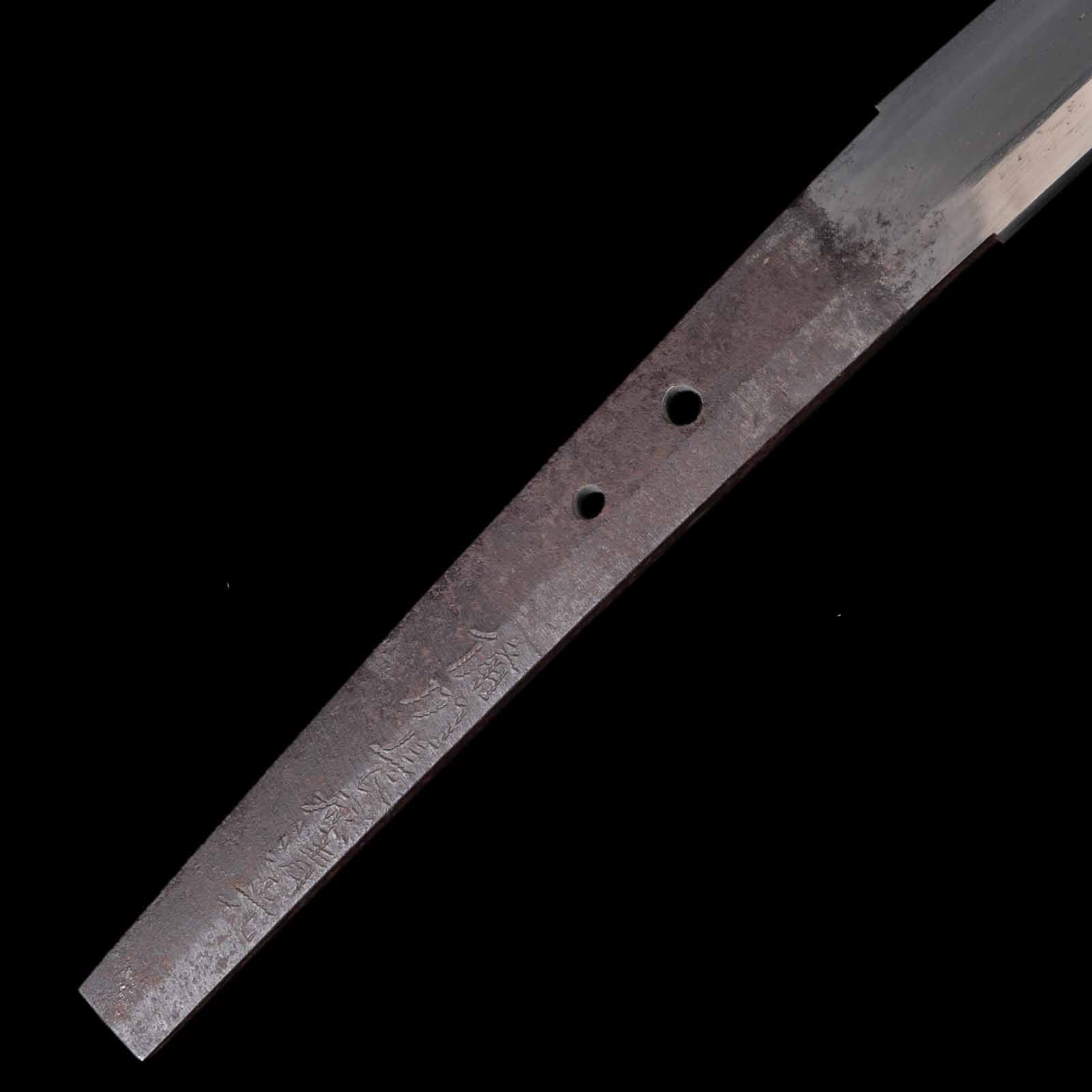
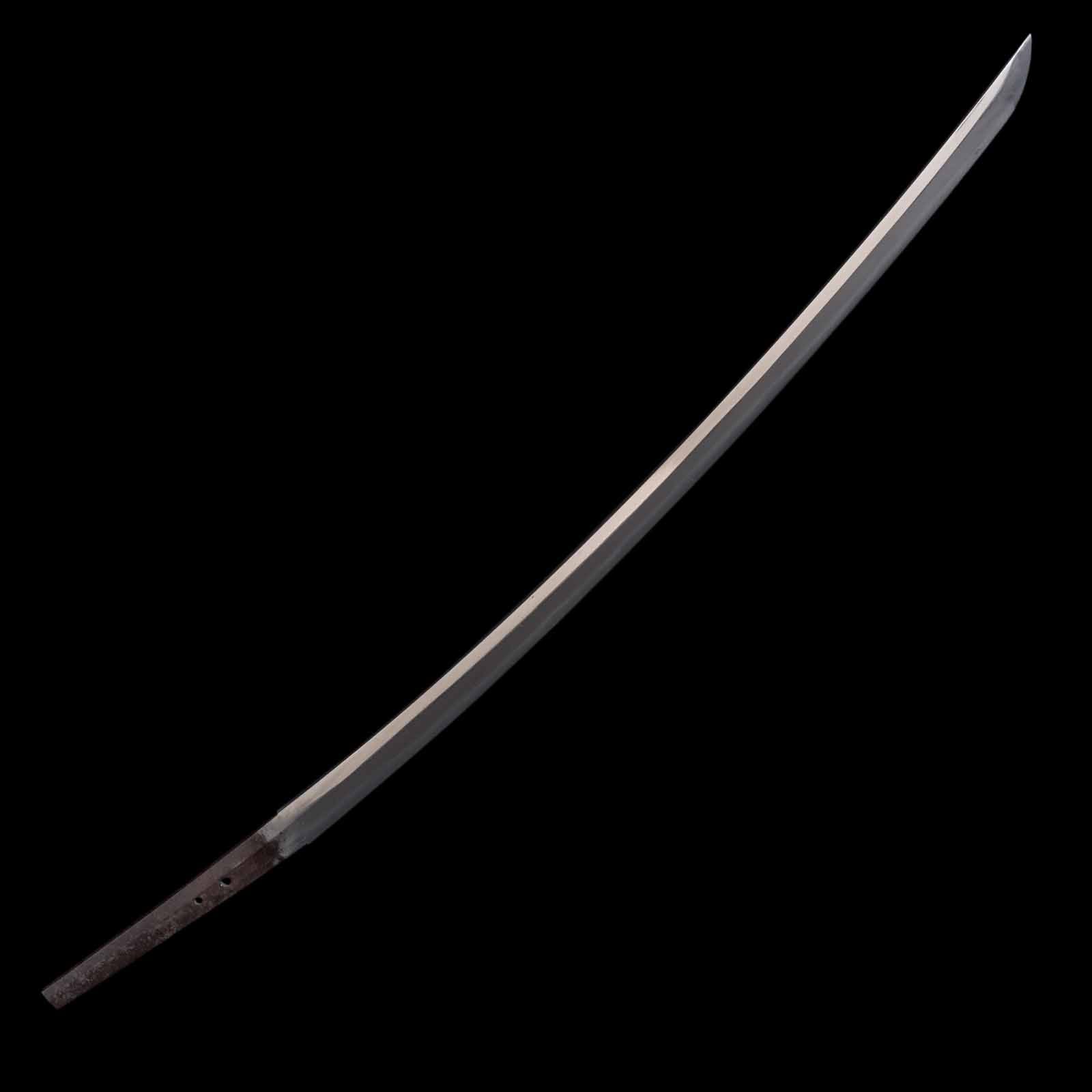
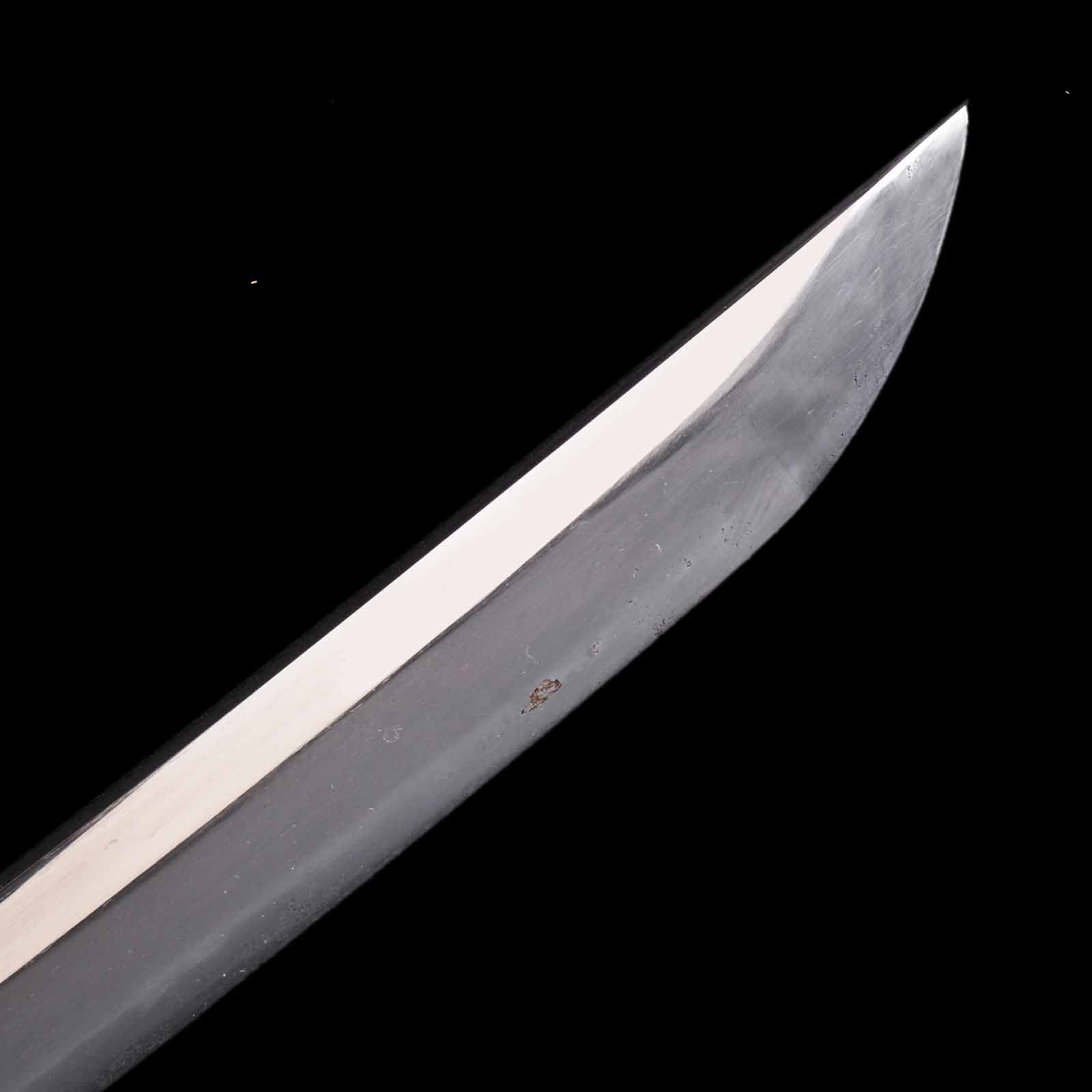
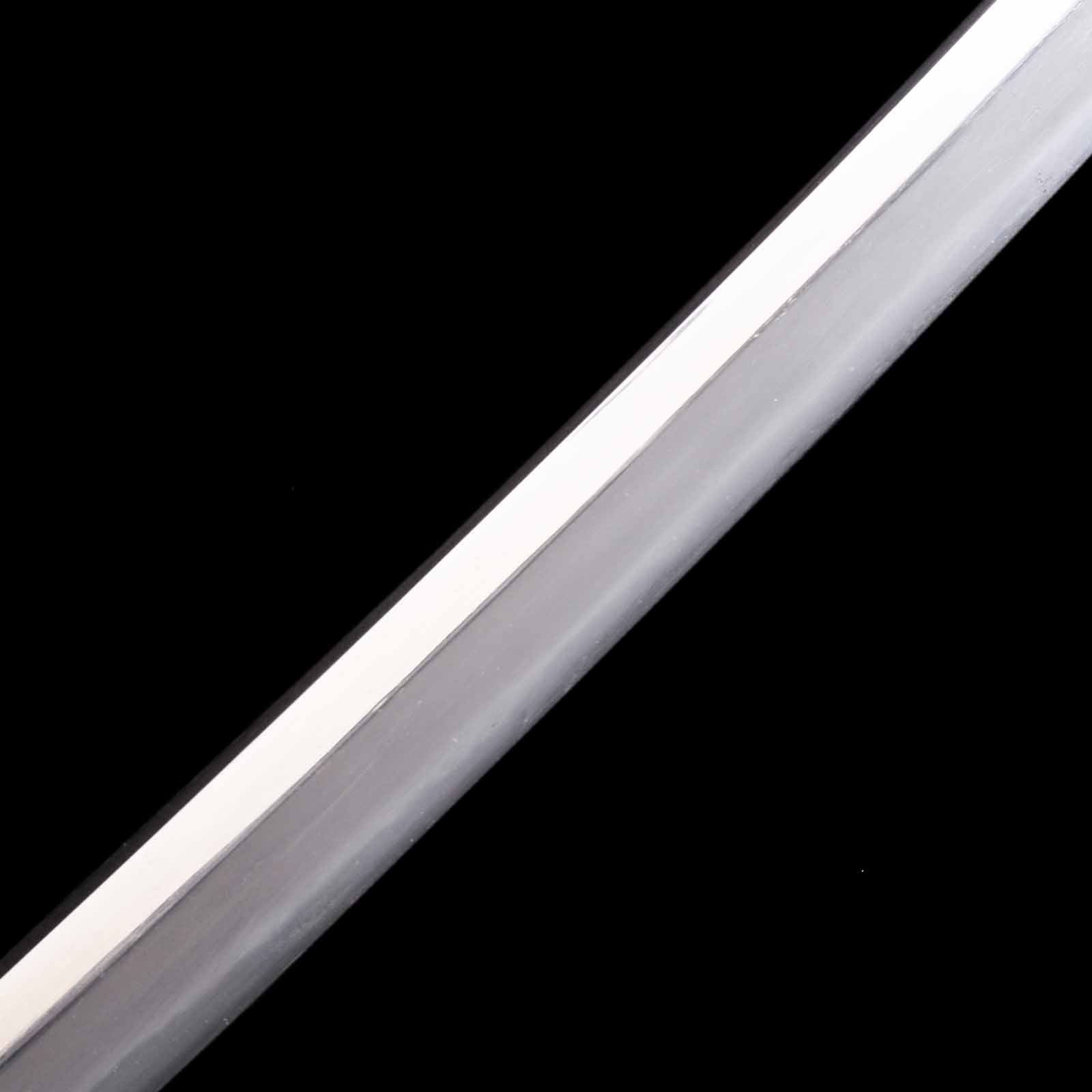
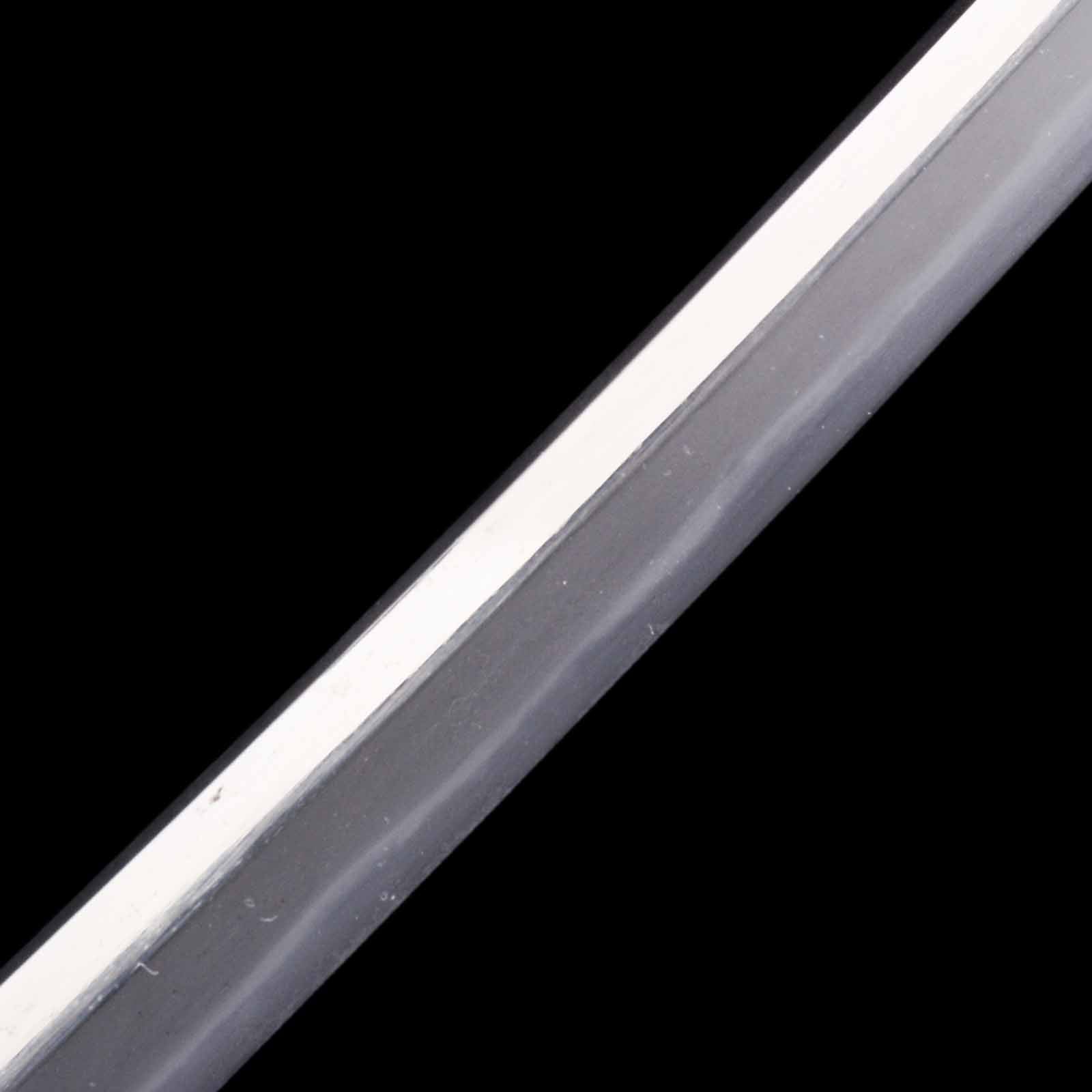
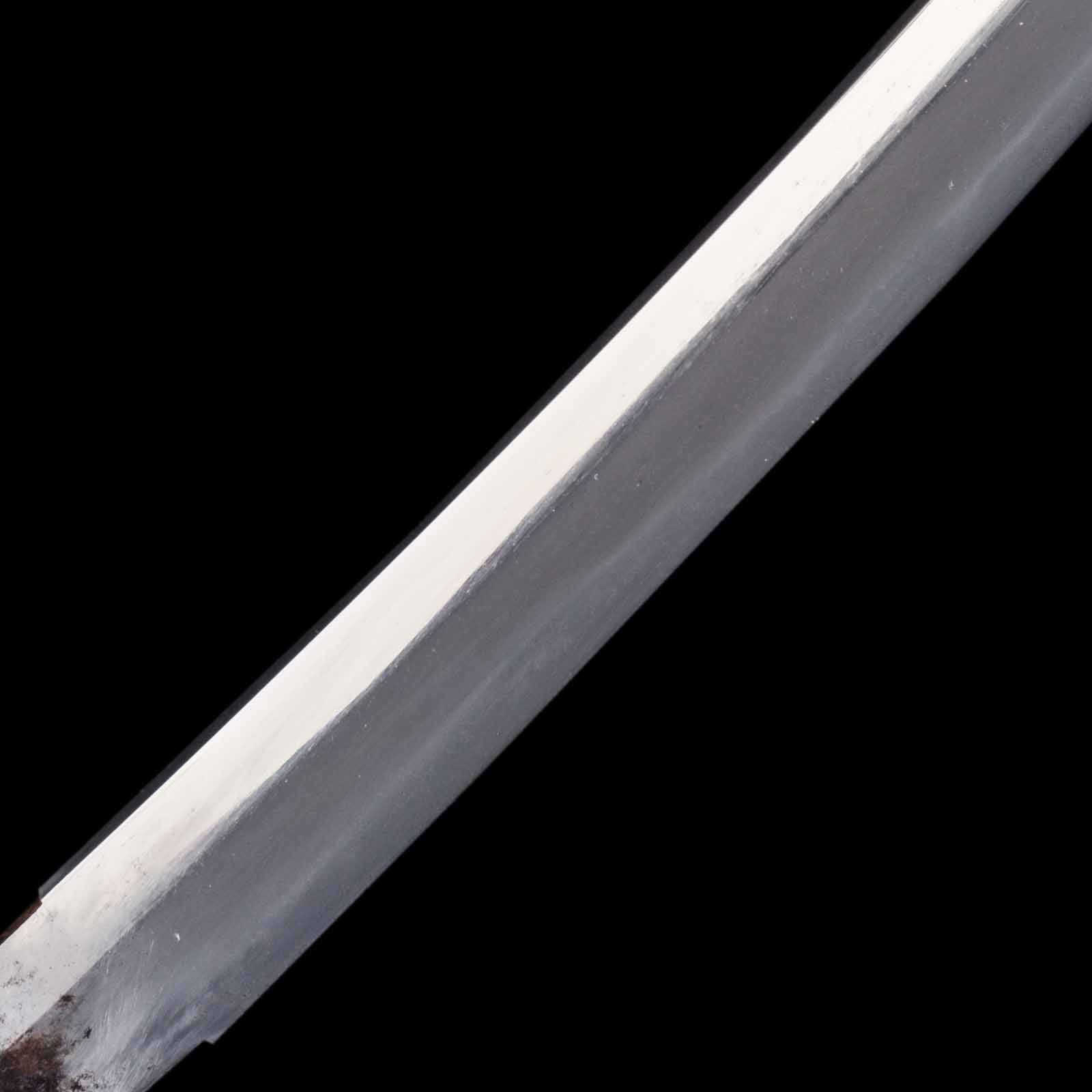
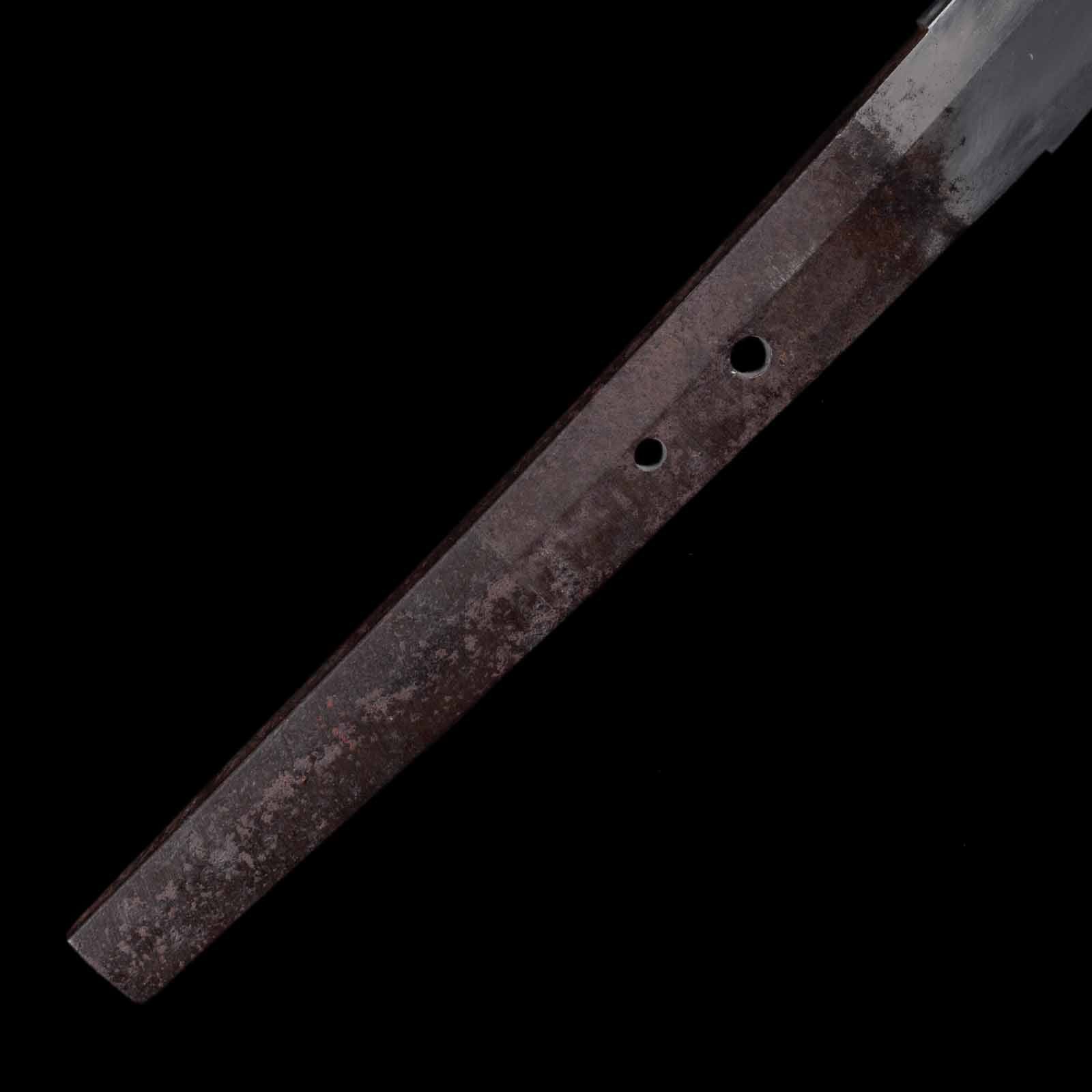
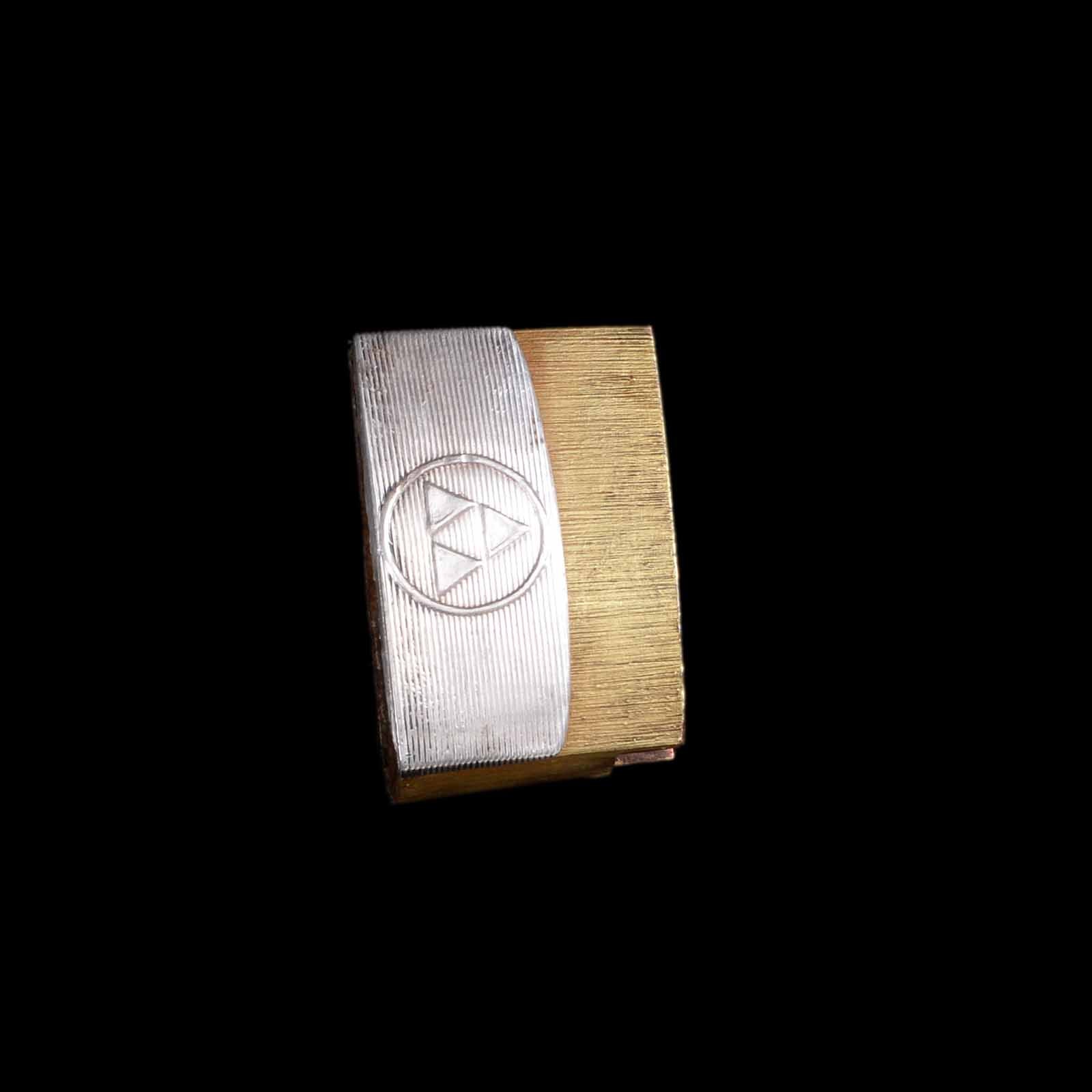
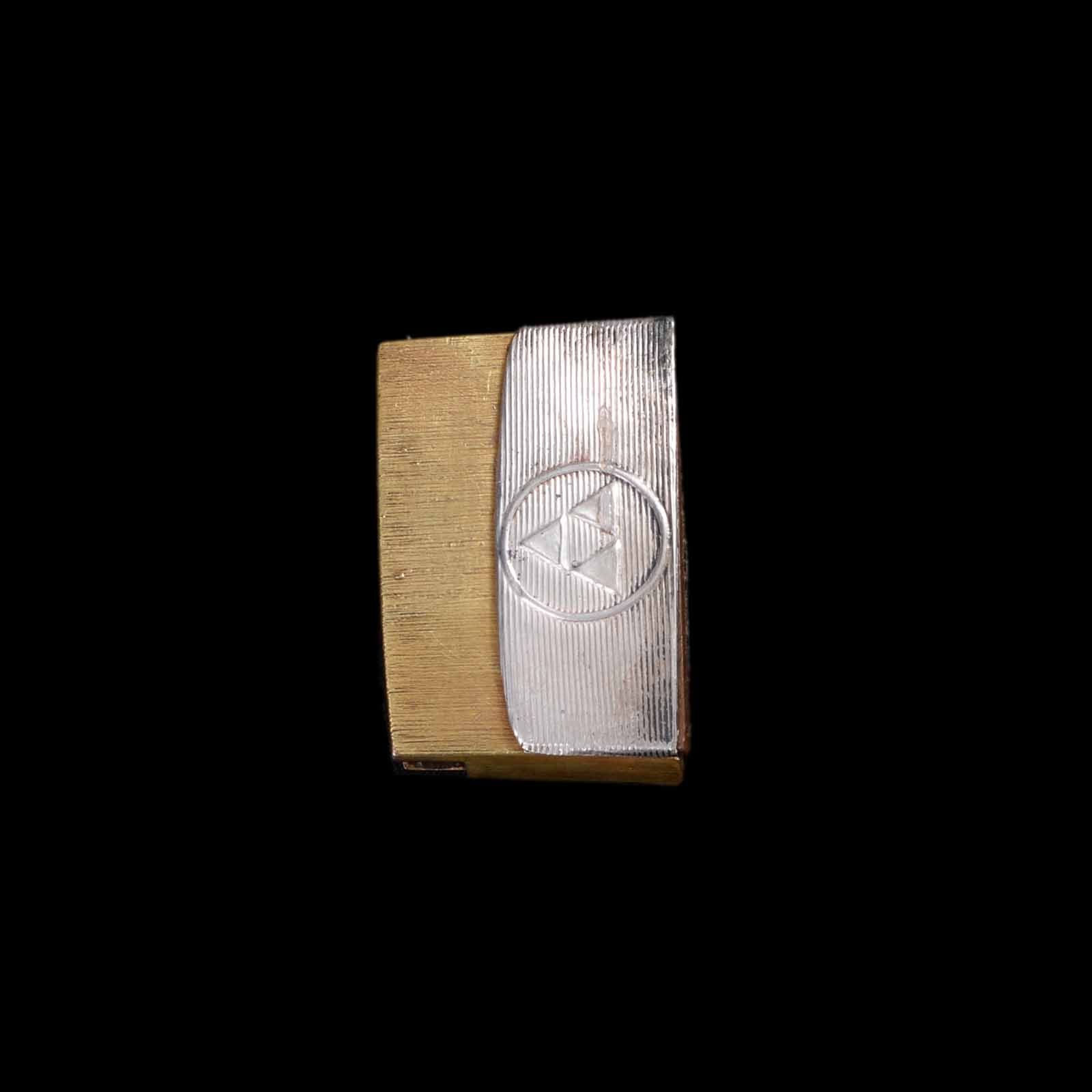
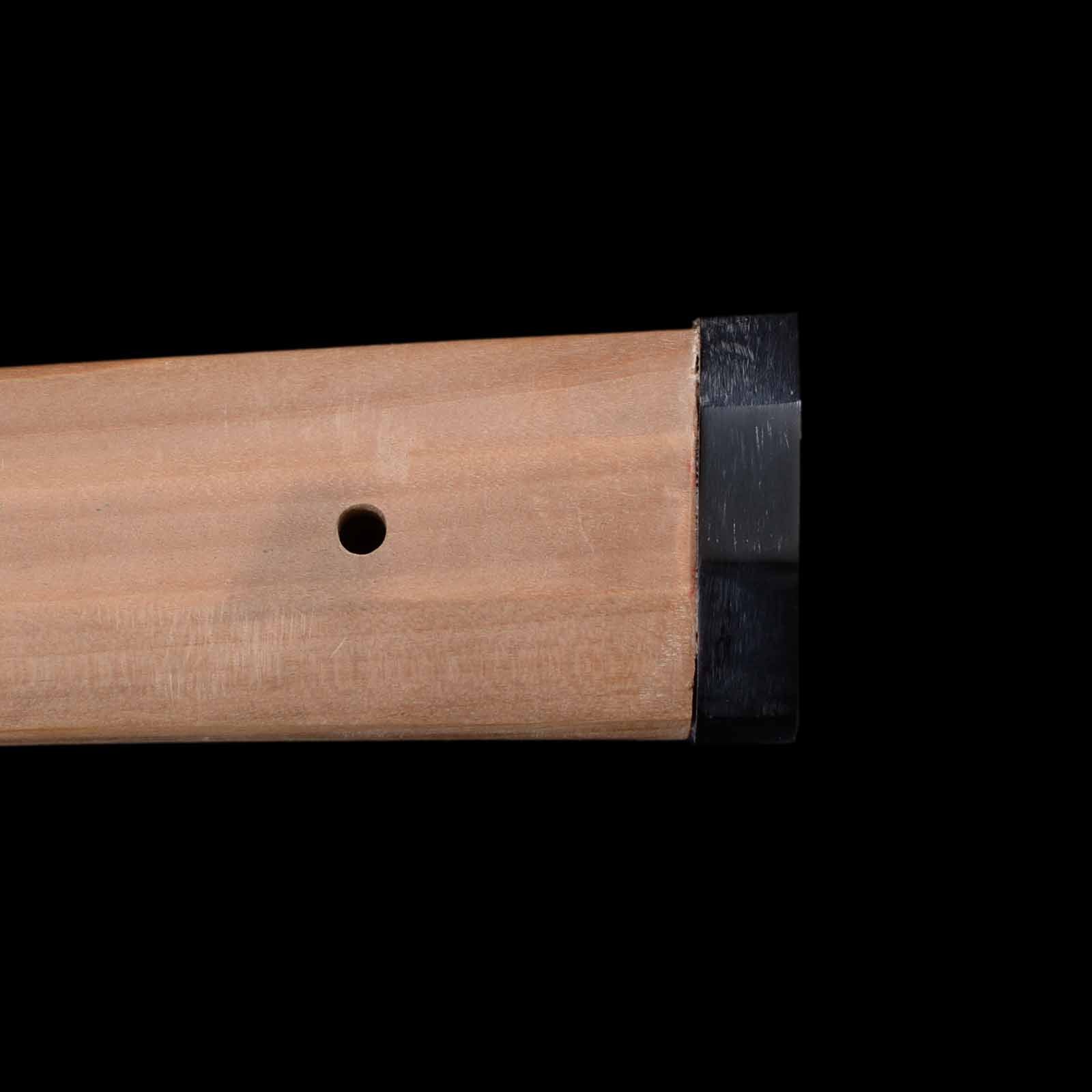
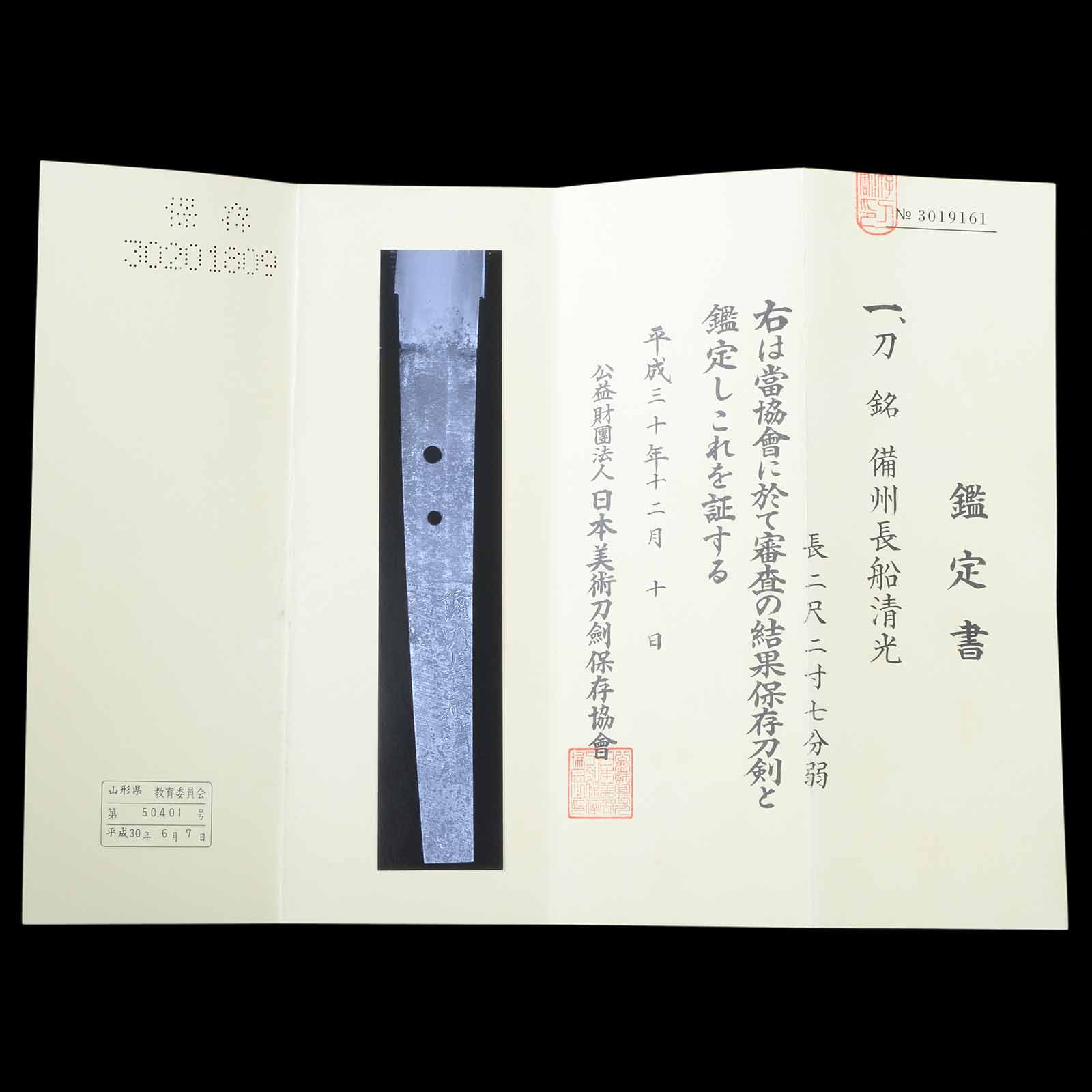
A piece by Kiyomitsu, a representative swordsmith of the Muromachi period's Sue-Bizen style, has arrived. The condition is relatively good, with no rust or chips, but there is a 5 mm-wide flaw resembling Fukure-like mark about 8 cm from the kissaki on the sashiura side. The entire blade has an old polish, giving the surface a slightly dull appearance, but the jigane and hamon are clearly visible. The jigane exhibits a well-kneaded itame grain pattern, while the hamon shows a predominantly notare pattern with occasional ko-gunome visible in places. The nakago is inscribed with the name “Kiyomitsu” in the Bishu Osafune style. While several swordsmiths inherited the Kiyomitsu name, compared to works by smiths like Sukesada, Kiyomitsu's blades tend to be longer. The hamon also prioritized cutting performance, often featuring suguha or notare patterns. Kiyomitsu's works can be described as solid and robust, often emphasizing practicality for combat. The Society for the Preservation of Japanese Art Swords authenticated this piece as a genuine Kiyomitsu work and, recognizing its high value for preservation for future generations, issued a Hozon certification appraisal in December 2018. The habaki consists of two pieces, gold and silver, featuring the family crest of Maruni Mitsuuroko (three scales within a circle). The Mitsuuroko crest is famously associated with the Hojo clan, suggesting this sword may have been passed down through generations of powerful daimyo. We offer this practical, authentic sword with its appraisal certificate at a very reasonable price. Why not make it your family heirloom today? Blade length: 68.8 cm Curvature: 2.1 cm Number of Mekugi hole: 2 Sakihaba: 23.0 mm Sakikasane: 4.8 mm Motohaba: 31.6 mm Motokasane: 6.7 mm Signature: Bishu Osafune Kiyomitsu(front) Era: Koto Structure: Shinogi-zukuri, Iori-mune Jigane: Itame Hamon: Notare Boshi: Massugu Haitte Omaru ni Kaeru Weight: 630 g(blade only) Nakago: Suriage Koshirae: Shirasaya Original Registrati
 NihontoWatch
在銘 · Osafune · 室町 · 長さ 68.8cm · 反り 2.1cm
備前伝 · 備前
現在25点販売中
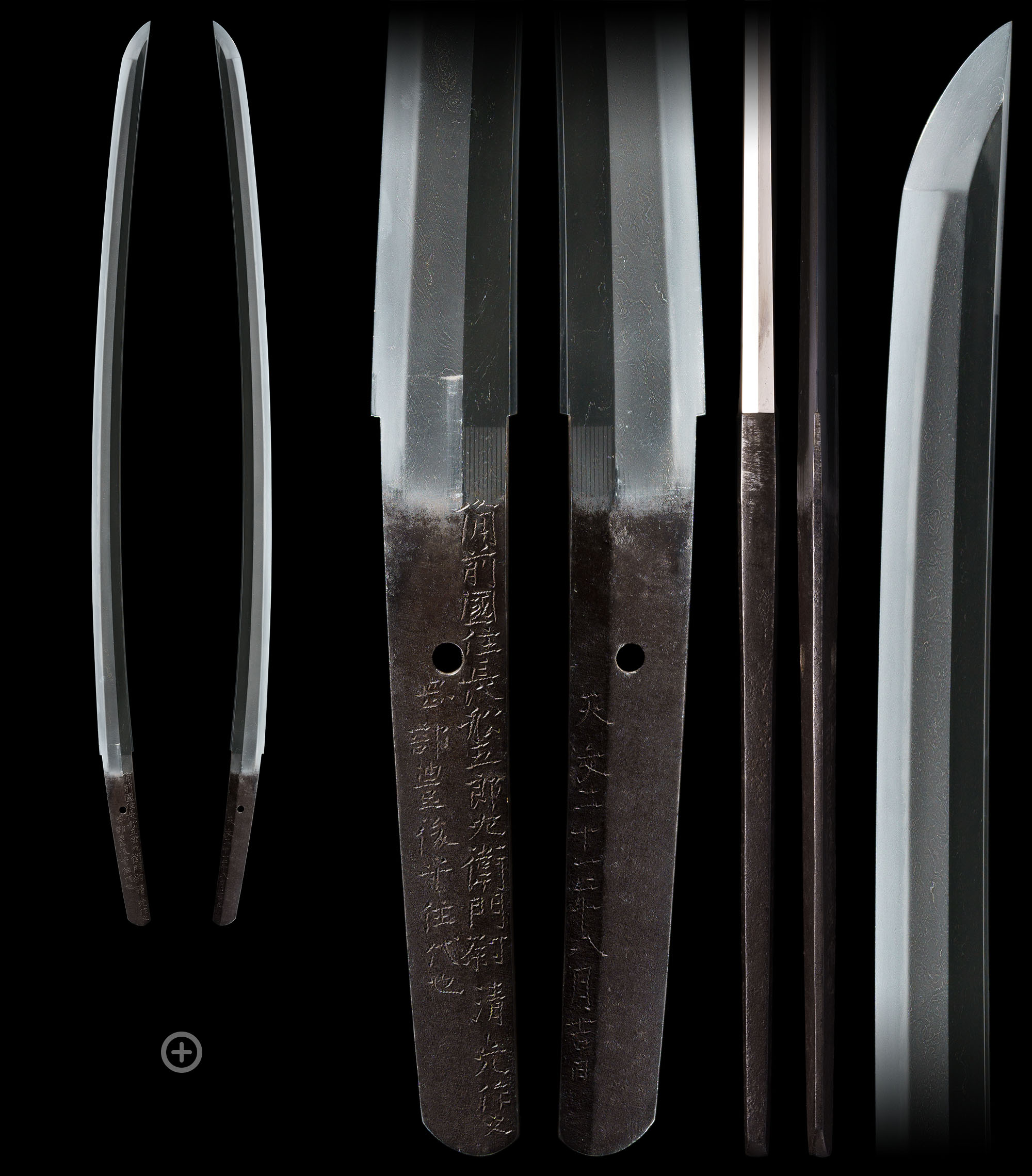
清光は、室町時代後期の備前長船の地に興った一群の刀工である。説示が繰り返し述べるとおり、室町時代末期の備前長船鍛冶およびその作刀を汎称して末備前と呼び、清光はその中にあって祐定と並んで作品の多い名跡として位置づけられる。清光を名乗る刀工は数多く、五郎左衛門尉、孫右衛門尉、与三左衛門尉、彦兵衛尉、孫兵衛尉などの俗名を有する工の存在が認められ、早見出では十人を挙げるとも記す。中でも五郎左衛門尉と孫右衛門尉清光の両名が上工、筆頭格として知られ、銘鑑に所載されぬ治衛門尉清光のような例も遺存して、その欠を補う資料として貴重とされる。作刀地は備前長船を本拠とするが、播州龍野の城下で打った一口や、備前の守護代浦上宗景のために天神山で製作した作も伝わり、戦国期における一派の動向を伝えている。 作風について、説示が記す共通の語法はおおむね一定している。鍛えは小板目肌がつみ、小杢目あるいは杢目を交え、地沸が微塵に厚くつき、地景が細かに入り、淡く映りが立つ。ただし清光は他工に比して板目に杢が交じってやや肌立つ傾向のものが多く、それが一派の見どころともされる。刃文は二様に分かれ、一つは清光家の看板とも称される広直刃で、これに小互の目・小足・葉を交え、匂口締まりごころに小沸がつき、金筋・砂流しが細かにかかって明るく冴える。直刃の名手としては末備前中で忠光・祐定にも見られる作風だが、清光はとりわけ広直刃に葉の入った作を代表作とする。いま一つは腰の開いた互の目乱れで、小丁子・蟹の爪風の刃・角張る刃・尖りごころの刃などを交え、足・葉がさかんに入り、処々に湯走りや小さな飛焼を交える。さらに棟焼がさかんにかかって皆焼となる作もあり、その場合は重ねが薄くなるのが見どころとされる。姿は身幅広く、元先の幅差さまで目立たず、重ね厚く踏張りがあり、先反りの目立つ中鋒延びごころの打刀姿で、室町時代末期特有の体配を示す。同じ末備前でも数打物が多い中、俗名を銘した上工の作には肌目のつんだ精良な鍛えと匂口の冴えが備わる点で見分けられる。 伝承と鑑定の要点としては、俗名のない作でも銘振りから五郎左衛門尉と鑑せられる例が説示に明記され、銘の位置や鏨の太細、年紀の所在が手がかりとなる。評は、地刃ともに覇気を感じ取れること、匂口が明るく冴えること、肉置きが豊かで手持ちのずっしりと重い頑健な刀姿が豪壮である点に集まる。代表作としては、五郎左衛門尉の広直刃に葉のさかんに入った天文・弘治・永禄紀の打刀、互の目乱れの典型作、皆焼を焼いた龍野城下作、孫右衛門尉の広直刃および腰の開いた互の目乱れの代表作などが挙げられる。伝来の知られる一口に忍の松平家伝来の作があり、浦上宗景の注文銘を持つ作も複数伝わる。総じて清光は、直刃を本領としつつ互の目乱れや皆焼にまで及ぶ広い作域をもち、祐定と並んで末備前を代表する名跡として位置づけられる。 詳しく見る →
室町時代の備前
室町の長船は輸出産業であった。明との勘合貿易はおよそ十二万八千振の日本刀を海の彼方へ運び、国内では戦国の軍勢が買い手となった。注文主の俗名を銘に刻む注文打ちが、兵卒用の数打ち物と並んで鍛えられている。
銘が正しい、または無銘でも年代・国・系統を確実に指摘できる、保存に値する真正の作と鑑定されたものです。
日本美術刀剣保存協会(NBTHK)は、1948年に設立され、文化庁の監督を受ける公益財団法人で、東京・刀剣博物館に本部を置きます。専門の審査員が出品作を直接審査し、美術的・歴史的価値に応じた鑑定書を発行します。NBTHKの鑑定書は、日本刀および刀装具の真正性を示す最も広く認知された基準です。
NBTHK公式サイトAs a general rule, returns/exchanges are not accepted on Japanese sword orders unless damaged upon delivery. Other items: returns/exchanges accepted within 7 days of delivery. Cancellation for personal reasons incurs a 30% restocking fee (70% refunded). Return shipping must be prepaid and insured by the buyer; shipping/handling fees are non-refundable. Contact katana@tozando.co.jp to initiate a return.
A piece by Kiyomitsu, a representative swordsmith of the Muromachi period's Sue-Bizen style, has arrived. The condition is relatively good, with no rust or chips, but there is a 5 mm-wide flaw resembling Fukure-like mark about 8 cm from the kissaki on the sashiura side. The entire blade has an old polish, giving the surface a slightly dull appearance, but the jigane and hamon are clearly visible. The jigane exhibits a well-kneaded itame grain pattern, while the hamon shows a predominantly notare pattern with occasional ko-gunome visible in places. The nakago is inscribed with the name “Kiyomitsu” in the Bishu Osafune style. While several swordsmiths inherited the Kiyomitsu name, compared to works by smiths like Sukesada, Kiyomitsu's blades tend to be longer. The hamon also prioritized cutting performance, often featuring suguha or notare patterns. Kiyomitsu's works can be described as solid and robust, often emphasizing practicality for combat. The Society for the Preservation of Japanese Art Swords authenticated this piece as a genuine Kiyomitsu work and, recognizing its high value for preservation for future generations, issued a Hozon certification appraisal in December 2018. The habaki consists of two pieces, gold and silver, featuring the family crest of Maruni Mitsuuroko (three scales within a circle). The Mitsuuroko crest is famously associated with the Hojo clan, suggesting this sword may have been passed down through generations of powerful daimyo. We offer this practical, authentic sword with its appraisal certificate at a very reasonable price. Why not make it your family heirloom today? Blade length: 68.8 cm Curvature: 2.1 cm Number of Mekugi hole: 2 Sakihaba: 23.0 mm Sakikasane: 4.8 mm Motohaba: 31.6 mm Motokasane: 6.7 mm Signature: Bishu Osafune Kiyomitsu(front) Era: Koto Structure: Shinogi-zukuri, Iori-mune Jigane: Itame Hamon: Notare Boshi: Massugu Haitte Omaru ni Kaeru Weight: 630 g(blade only) Nakago: Suriage Koshirae: Shirasaya Original Registrati
NihontoWatch在銘 · Osafune · 室町 · 長さ 68.8cm · 反り 2.1cm
備前伝 · 備前
現在25点販売中
清光は、室町時代後期の備前長船の地に興った一群の刀工である。説示が繰り返し述べるとおり、室町時代末期の備前長船鍛冶およびその作刀を汎称して末備前と呼び、清光はその中にあって祐定と並んで作品の多い名跡として位置づけられる。清光を名乗る刀工は数多く、五郎左衛門尉、孫右衛門尉、与三左衛門尉、彦兵衛尉、孫兵衛尉などの俗名を有する工の存在が認められ、早見出では十人を挙げるとも記す。中でも五郎左衛門尉と孫右衛門尉清光の両名が上工、筆頭格として知られ、銘鑑に所載されぬ治衛門尉清光のような例も遺存して、その欠を補う資料として貴重とされる。作刀地は備前長船を本拠とするが、播州龍野の城下で打った一口や、備前の守護代浦上宗景のために天神山で製作した作も伝わり、戦国期における一派の動向を伝えている。 作風について、説示が記す共通の語法はおおむね一定している。鍛えは小板目肌がつみ、小杢目あるいは杢目を交え、地沸が微塵に厚くつき、地景が細かに入り、淡く映りが立つ。ただし清光は他工に比して板目に杢が交じってやや肌立つ傾向のものが多く、それが一派の見どころともされる。刃文は二様に分かれ、一つは清光家の看板とも称される広直刃で、これに小互の目・小足・葉を交え、匂口締まりごころに小沸がつき、金筋・砂流しが細かにかかって明るく冴える。直刃の名手としては末備前中で忠光・祐定にも見られる作風だが、清光はとりわけ広直刃に葉の入った作を代表作とする。いま一つは腰の開いた互の目乱れで、小丁子・蟹の爪風の刃・角張る刃・尖りごころの刃などを交え、足・葉がさかんに入り、処々に湯走りや小さな飛焼を交える。さらに棟焼がさかんにかかって皆焼となる作もあり、その場合は重ねが薄くなるのが見どころとされる。姿は身幅広く、元先の幅差さまで目立たず、重ね厚く踏張りがあり、先反りの目立つ中鋒延びごころの打刀姿で、室町時代末期特有の体配を示す。同じ末備前でも数打物が多い中、俗名を銘した上工の作には肌目のつんだ精良な鍛えと匂口の冴えが備わる点で見分けられる。 伝承と鑑定の要点としては、俗名のない作でも銘振りから五郎左衛門尉と鑑せられる例が説示に明記され、銘の位置や鏨の太細、年紀の所在が手がかりとなる。評は、地刃ともに覇気を感じ取れること、匂口が明るく冴えること、肉置きが豊かで手持ちのずっしりと重い頑健な刀姿が豪壮である点に集まる。代表作としては、五郎左衛門尉の広直刃に葉のさかんに入った天文・弘治・永禄紀の打刀、互の目乱れの典型作、皆焼を焼いた龍野城下作、孫右衛門尉の広直刃および腰の開いた互の目乱れの代表作などが挙げられる。伝来の知られる一口に忍の松平家伝来の作があり、浦上宗景の注文銘を持つ作も複数伝わる。総じて清光は、直刃を本領としつつ互の目乱れや皆焼にまで及ぶ広い作域をもち、祐定と並んで末備前を代表する名跡として位置づけられる。 詳しく見る →
室町時代の備前
室町の長船は輸出産業であった。明との勘合貿易はおよそ十二万八千振の日本刀を海の彼方へ運び、国内では戦国の軍勢が買い手となった。注文主の俗名を銘に刻む注文打ちが、兵卒用の数打ち物と並んで鍛えられている。
銘が正しい、または無銘でも年代・国・系統を確実に指摘できる、保存に値する真正の作と鑑定されたものです。
日本美術刀剣保存協会(NBTHK)は、1948年に設立され、文化庁の監督を受ける公益財団法人で、東京・刀剣博物館に本部を置きます。専門の審査員が出品作を直接審査し、美術的・歴史的価値に応じた鑑定書を発行します。NBTHKの鑑定書は、日本刀および刀装具の真正性を示す最も広く認知された基準です。
NBTHK公式サイトAs a general rule, returns/exchanges are not accepted on Japanese sword orders unless damaged upon delivery. Other items: returns/exchanges accepted within 7 days of delivery. Cancellation for personal reasons incurs a 30% restocking fee (70% refunded). Return shipping must be prepaid and insured by the buyer; shipping/handling fees are non-refundable. Contact katana@tozando.co.jp to initiate a return.
![Katana - Tokuho - 作 清光派 - 刀[備州長船清光]日本美術刀剣保存協会 特別保存刀剣](/_next/image?url=https%3A%2F%2Fitbhfhyptogxcjbjfzwx.supabase.co%2Fstorage%2Fv1%2Fobject%2Fpublic%2Flisting-images%2Fworld-seiyudo%2FL31362%2F00.jpg&w=2560&q=90)

![Katana - Hozon - 作 清光派 - 刀[無銘 伝備前国長船清光][N.T.H.K]日本刀剣保存会鑑定書付](/_next/image?url=https%3A%2F%2Fitbhfhyptogxcjbjfzwx.supabase.co%2Fstorage%2Fv1%2Fobject%2Fpublic%2Flisting-images%2Fworld-seiyudo%2FL32257%2F00.jpg&w=2560&q=90)