室町の長船は輸出産業であった。明との勘合貿易はおよそ十二万八千振の日本刀を海の彼方へ運び、国内では戦国の軍勢が買い手となった。注文主の俗名を銘に刻む注文打ちが、兵卒用の数打ち物と並んで鍛えられている。
 NihontoWatchNihontoWatch
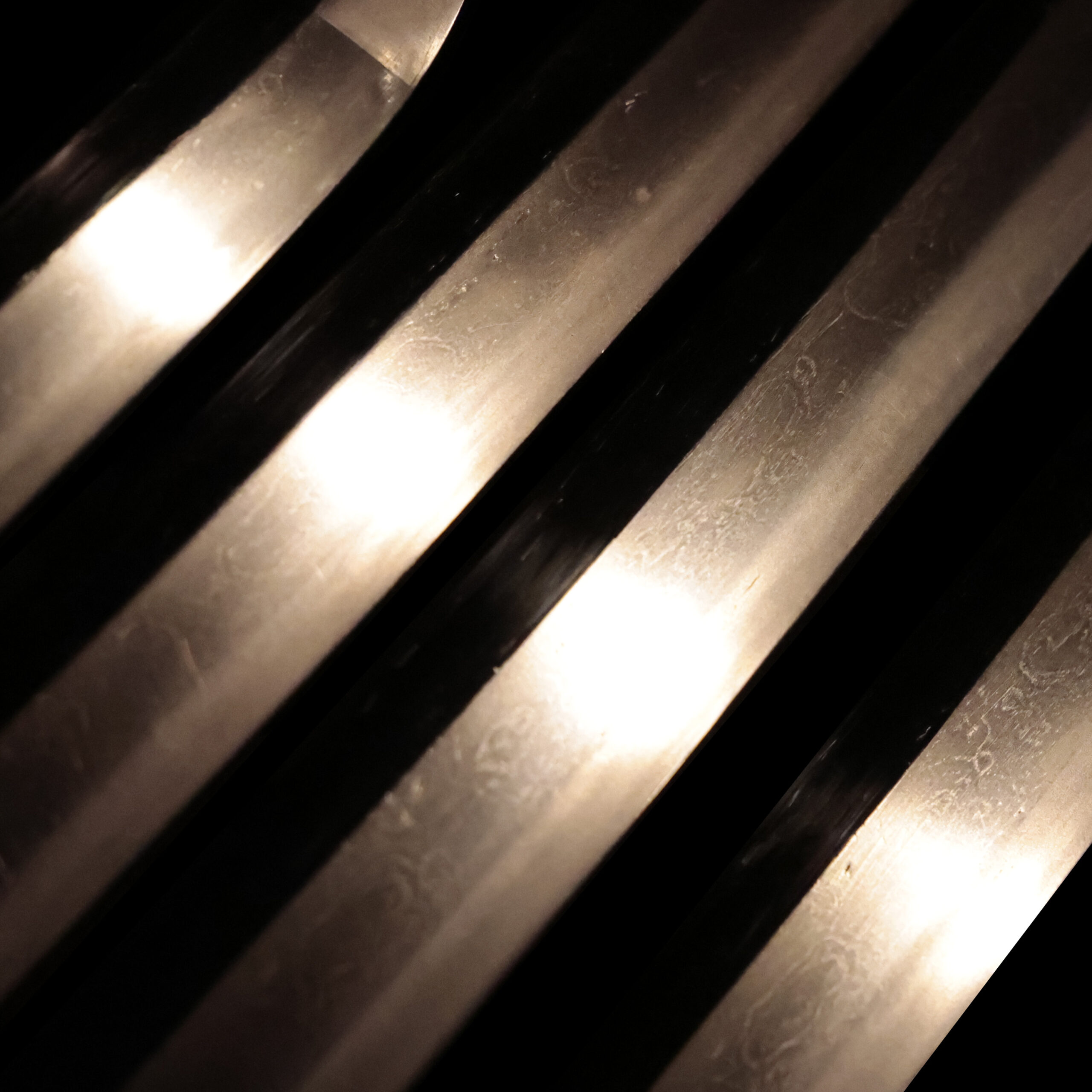
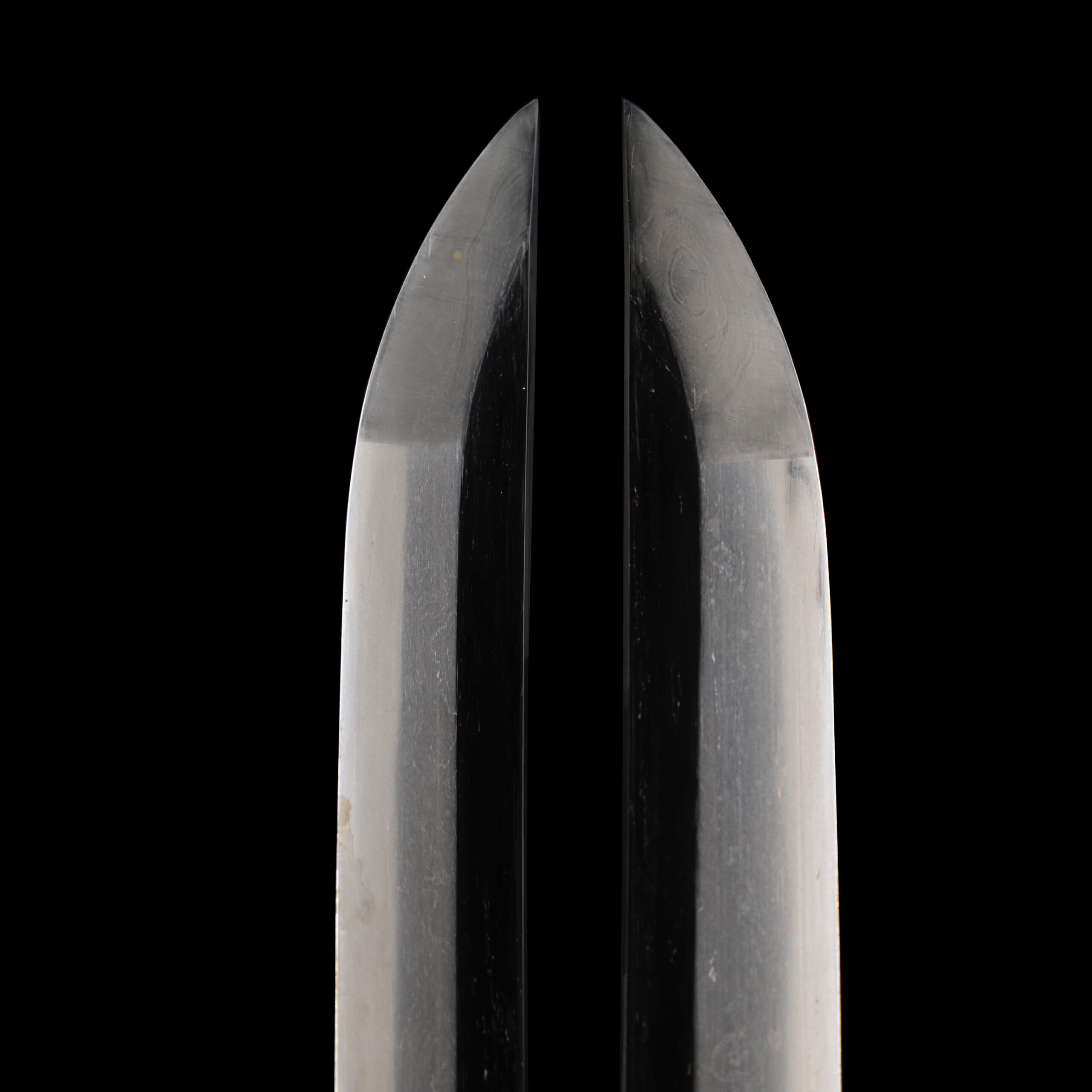
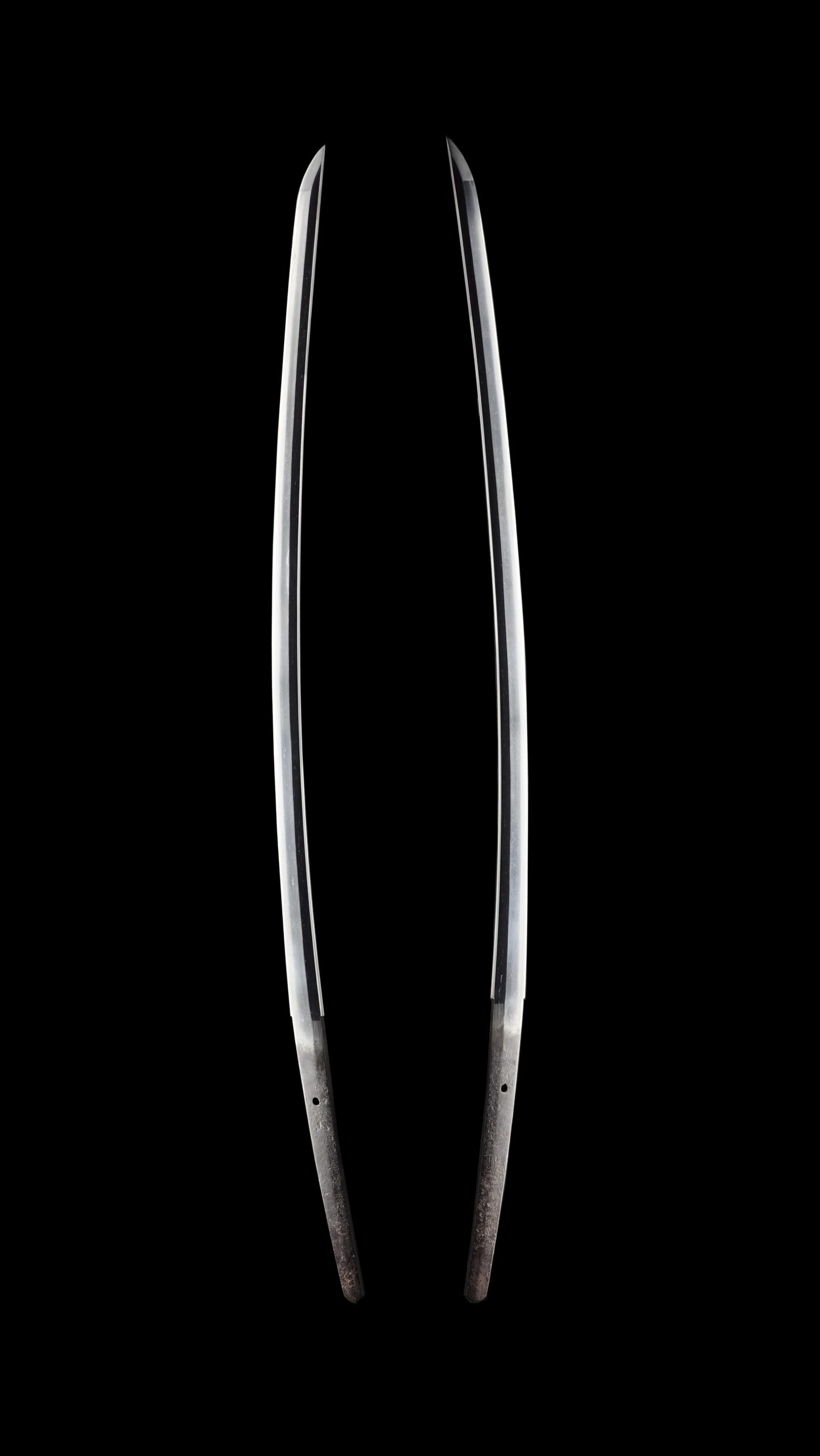
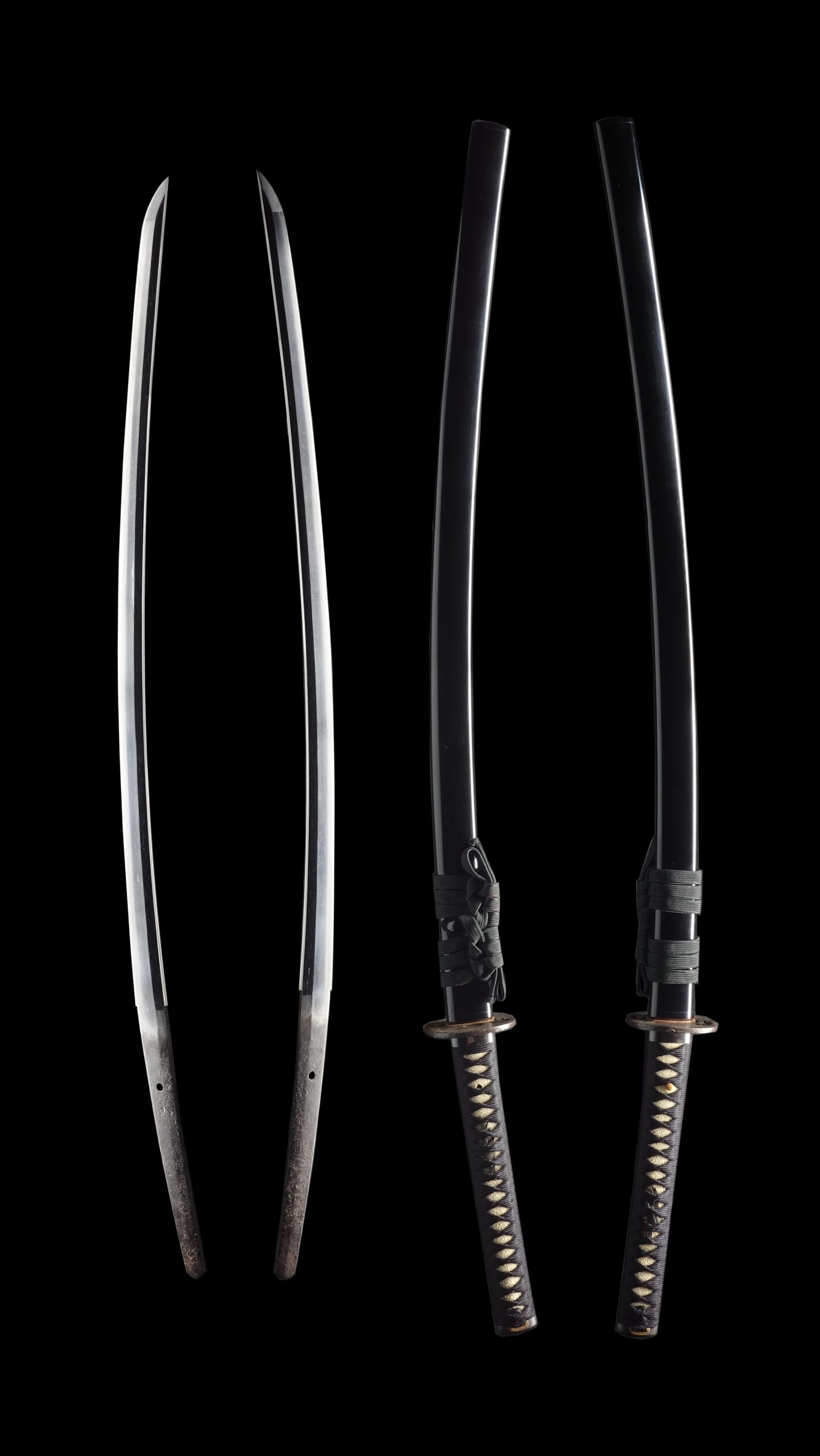
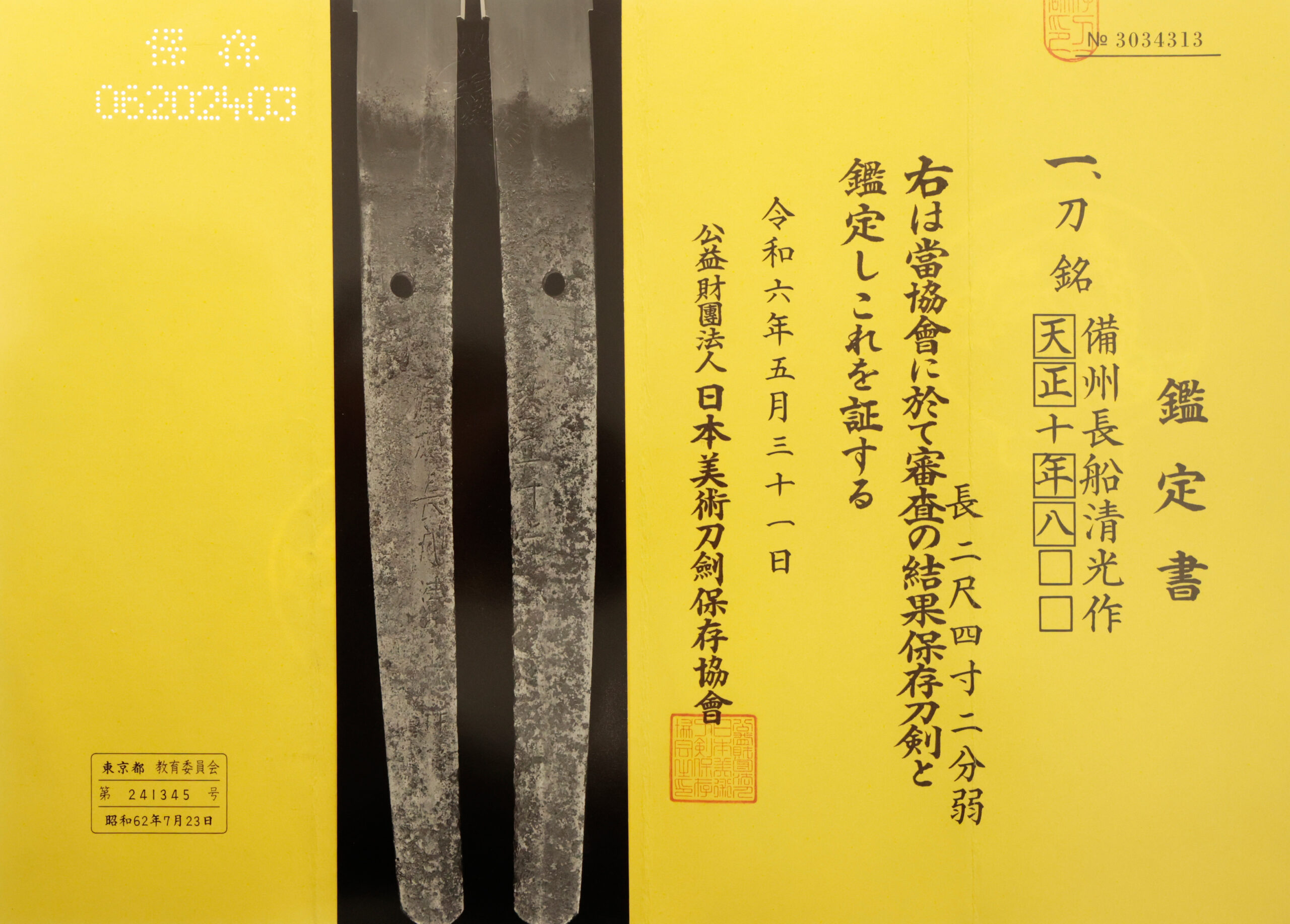
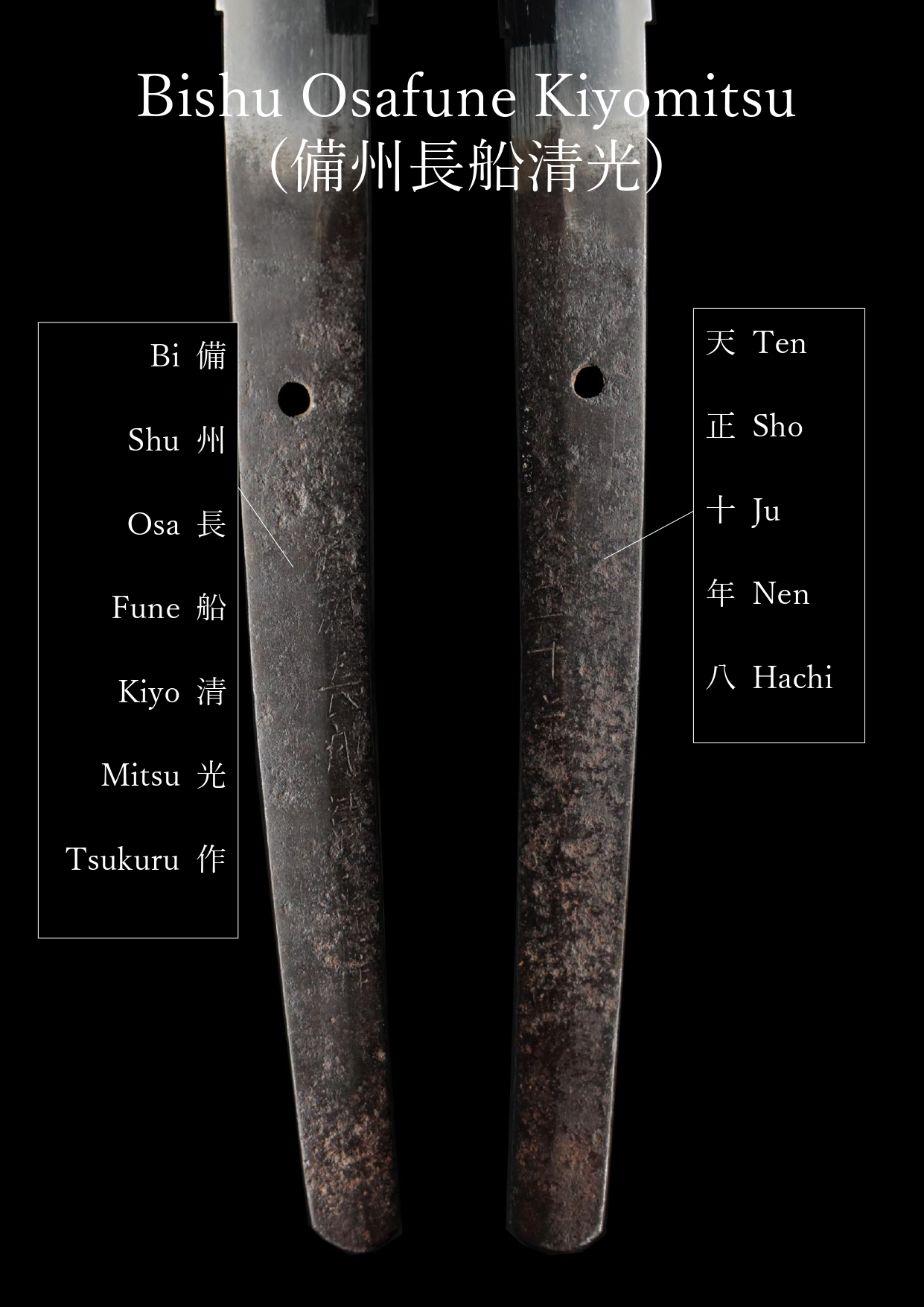
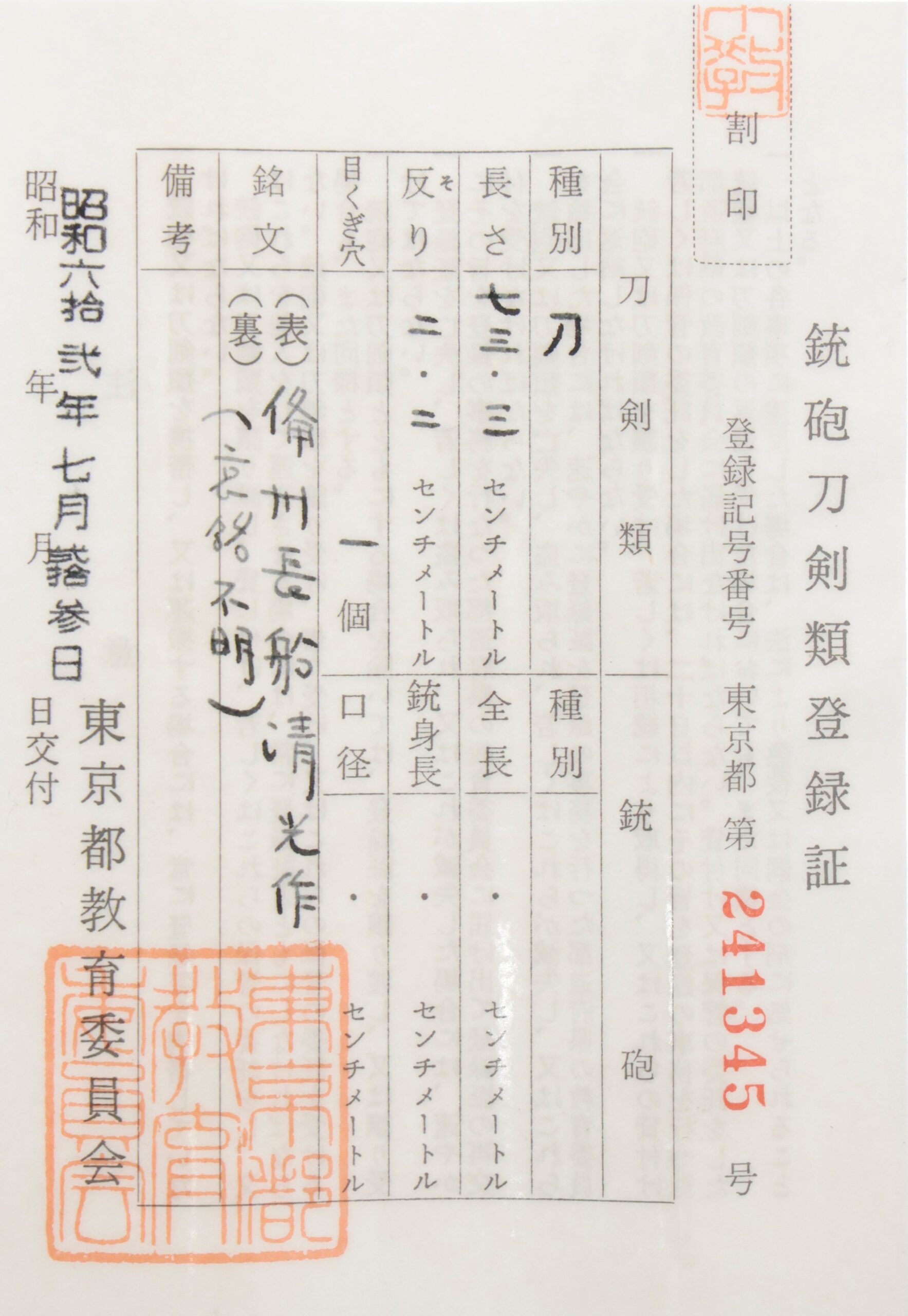
This blade was signed by Bishu Osafune Kiyomitsu (備州長船清光) in the 10th year of the Tensho era (1582: Azuchi Momoyama period). The maker’s name, Kiyomitsu, lasted a few generations. Based on the year, we believe it was forged by the late-gen Kiyomitsu. Bishu is another name for Bizen province (today’s Okayama prefecture) and it means that he resided in this area when he created the blade. It was common for many swordsmiths to inscribe where they lived before their signatures. Kiyomitsu belonged to Bizen Osafune school. Those who forged swords in the Bizen province at the end of the Muromachi Period (1492-1569 A.D) are called Matsu Bizen (Matsu means the end). Kiyomitsu was one of the most famous figures, and this hereditary name was passed down through generations in Bizen Osafune school. The swordsmiths in Bizen produced many swords during the Muromachi period because it was in the middle of the Sengoku period (Warring States period). The demand for weapons increased among strong feudal lords. It would be nice to have a piece forged in the Warring States period when there was so much rivalry between warlords. It is possible that this blade was ordered by a high-class Samurai. This History of Bizen Osafune School It is said that Osafune school was founded by Mitsutada (光忠), who was active during the mid-Kamakura period. Bizen Osafune school was the biggest one of all other schools in Bizen province, and they received many orders from feudal lords or renowned Samurai. They were called Osafunemono and were beloved by Samurai warriors. Among the swordsmiths who belonged to this school, Nagamitsu, Sanenaga, and Kagemitsu are known as Osafune Sansaku, the three renowned Osafune swordsmiths. There are also four other prominent swordsmiths who were from Bizen Osafune school. They are called Osafune Shiten-no, the four masters of Osafune school. Their names are Nagamitsu, Kanemitsu, Nagayoshi, and Motoshige. BIZEN is located near the Chugoku Mountains, where iron sands, one of the essential materials for making Japanese swords, were abundant. Furthermore, BIZEN swordsmiths had close access to the Yoshi River, where they could find water and charcoal. This geological location contributed to the swordsmiths forging high-quality refined blades. We presume BIZEN was quite active in sword-forging from ancient times. It is said that BIZEN DEN was created by groups of swordsmiths there during the late Heian era (Late 12th century). These ancient swordsmiths in Bizen province are called Ko-Bizen (Old Bizen) swordsmiths. By inheriting the sword forging techniques from Ko-Bizen swordsmiths, the Bizen Osafune school flourished from the mid-Kamakura period. This blade is appraised as a Hozon Touken (保存刀剣) issued by NBTHK (Nihon Bijutsu Touken Hozon Kyokai: 日本美術刀剣保存協会). *Please keep in mind that there are a few black rust spots as well as Kitae Kizu on the blade. Tsuka and Menuki The motif of this Menuki is Hane (羽根, feather) although it is unclear what kind of bird feathers they are. Tsuba and Habaki We estimate the motif of this Tsuba is the Ougi (扇, fan). The three fans appear to be arranged in a circle. This motif has been favored as an auspicious pattern representing development and prosperity. During the Heian period (794-1185/1192), aristocrats enjoyed elegant plays with fans, and they appreciated the fan itself as a noble item. A fan has a characteristic shape, and it is called Suehirogari (末広がり) in Japanese. Based on the idea that this shape implies a perspective of the future, people appreciate this design. The fan pattern also represents wealth because it was once available only for high-ranked people. In addition, people enjoy drawing various motifs such as animals, plants, geometric patterns, and auspicious patterns on the fan surface. That might also be why the fan motif is popular. Saya This scabbard is covered with black lacquer. Due to its high waterproof effect, lacquer has been used since ancient times in Asia. The blade of a Japanese sword is made of iron, and moisture is the greatest enemy of iron. For the purpose of carrying the blade without degrading it, people devised a method of coating the scabbard with lacquer. To prevent not only moisture but also rain and snow from penetrating the inside of the scabbard, it was necessary to apply multiple layers of lacquer. The Nurushi (塗師, lacquerers) was born precisely because advanced techniques were required to handle the complicated processes. Authentication Paper They authenticated the blade on May 31st in the 6th year of Reiwa (2024). They appraised it as Hozon Touken, the blade worth preserving for Japanese society.

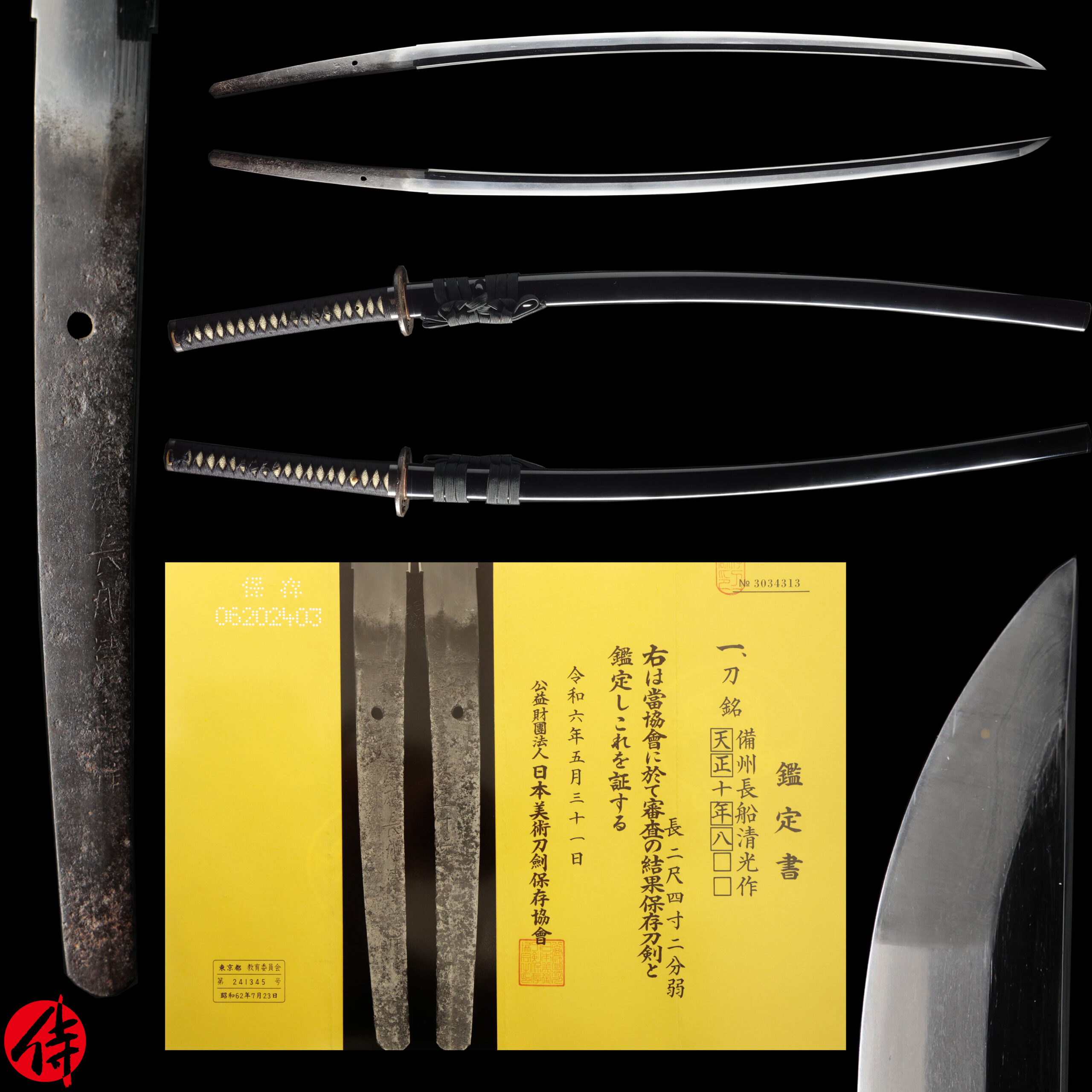
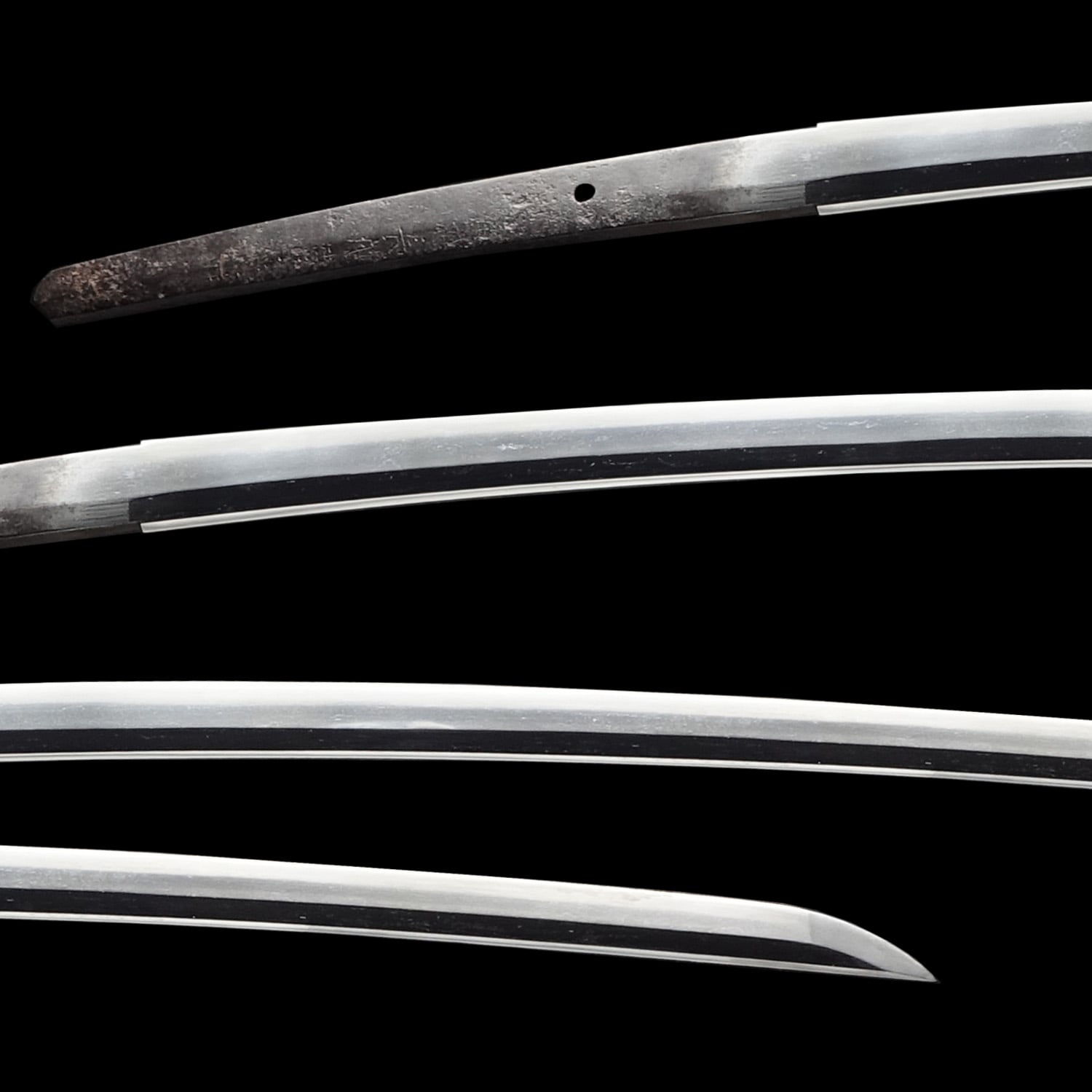
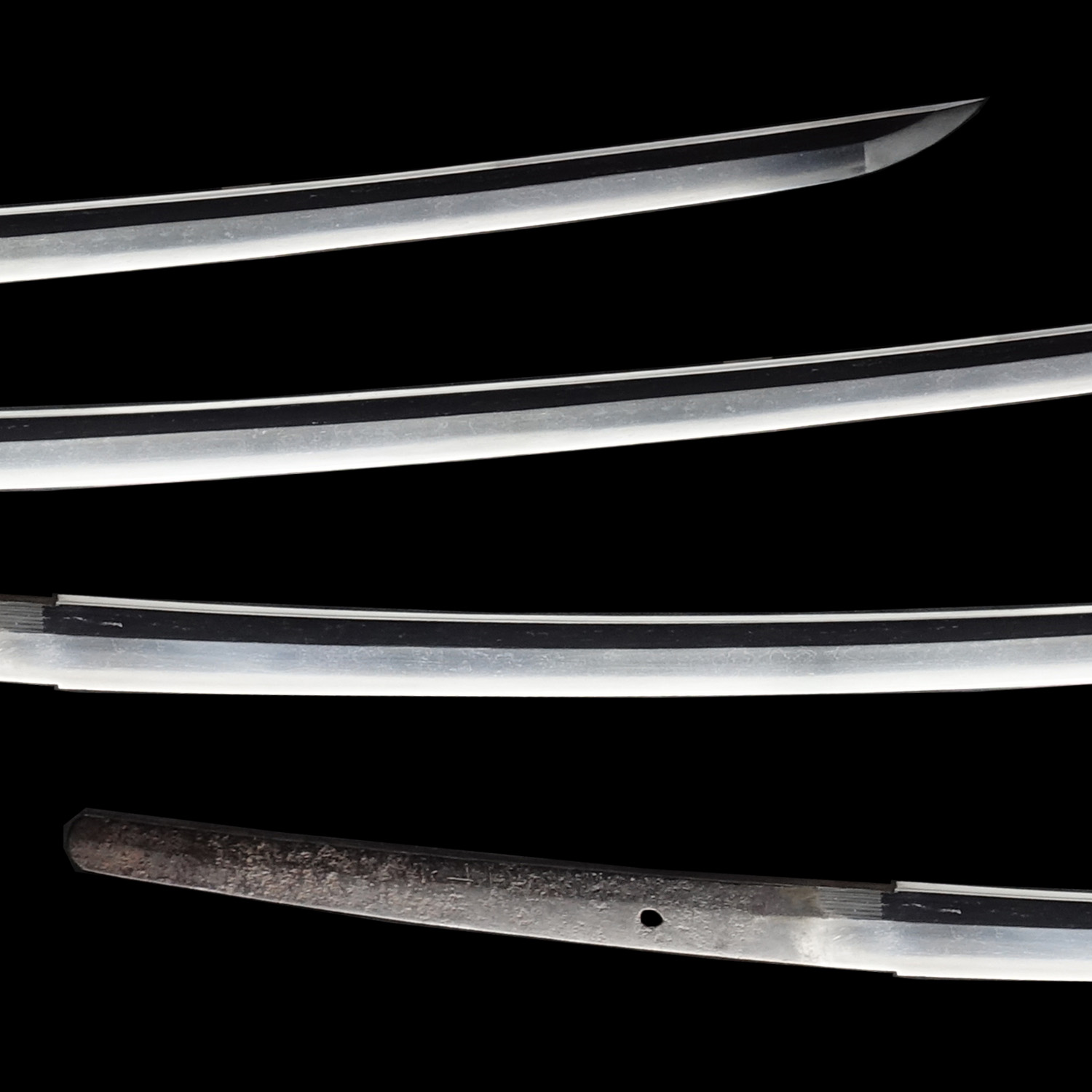
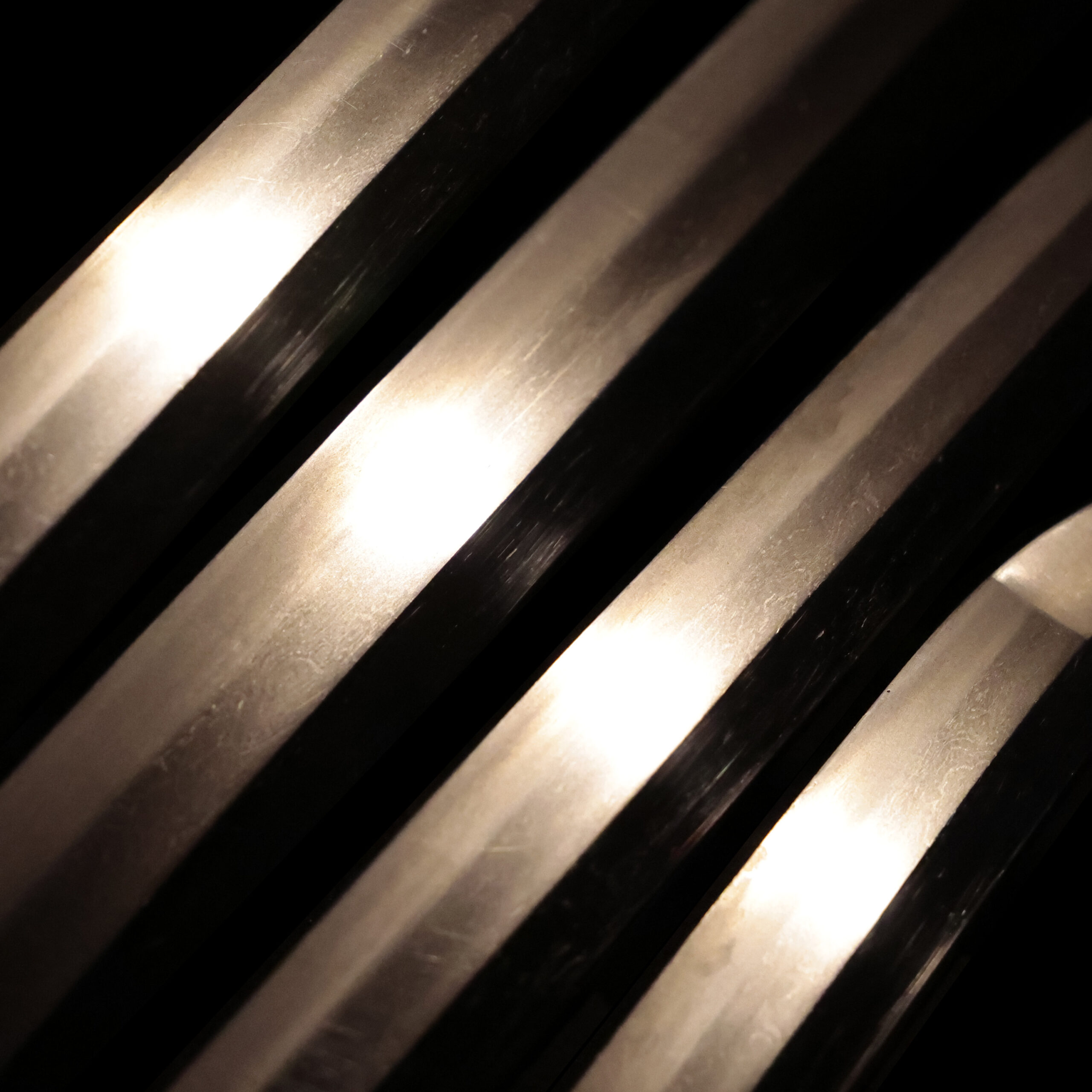
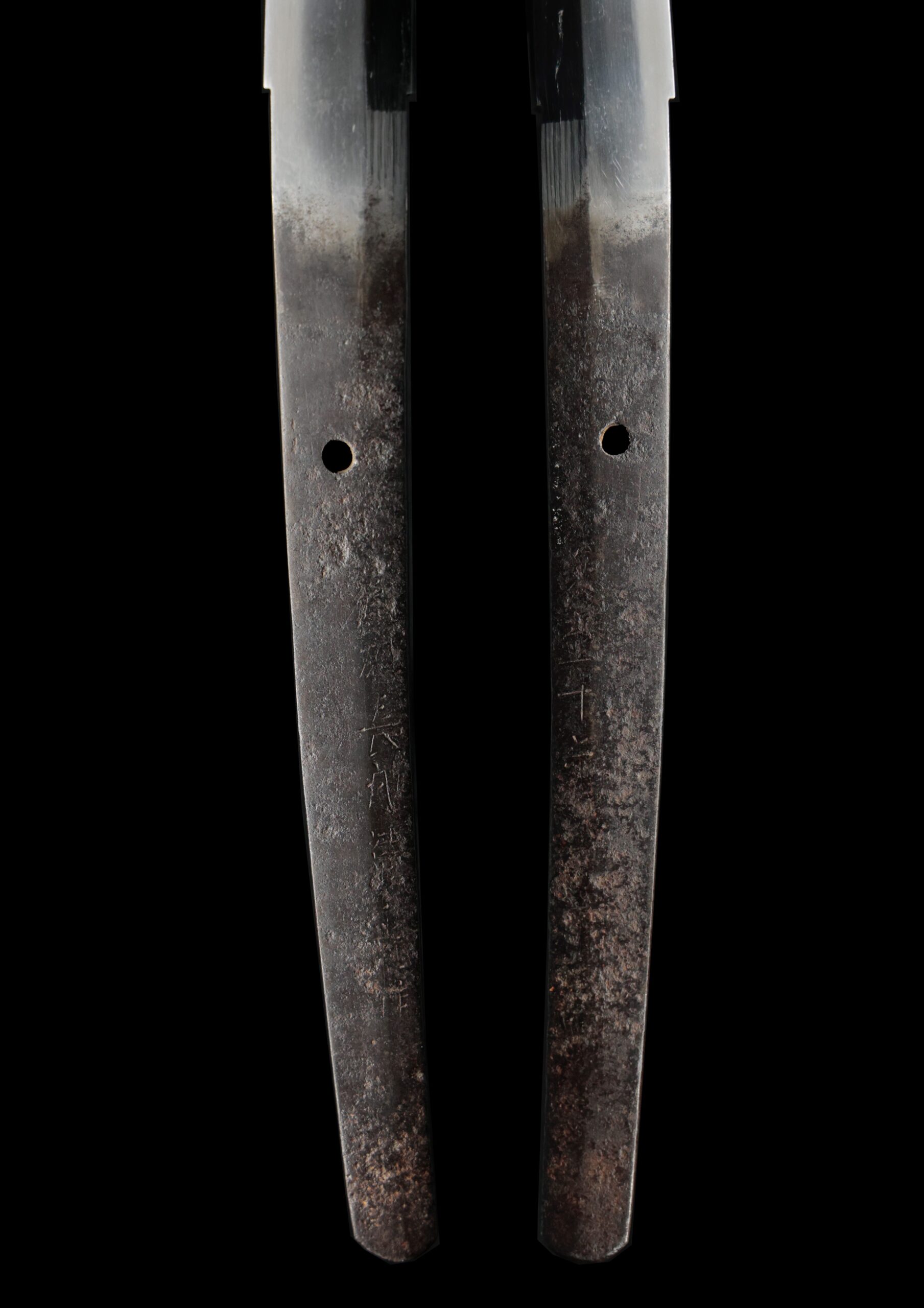
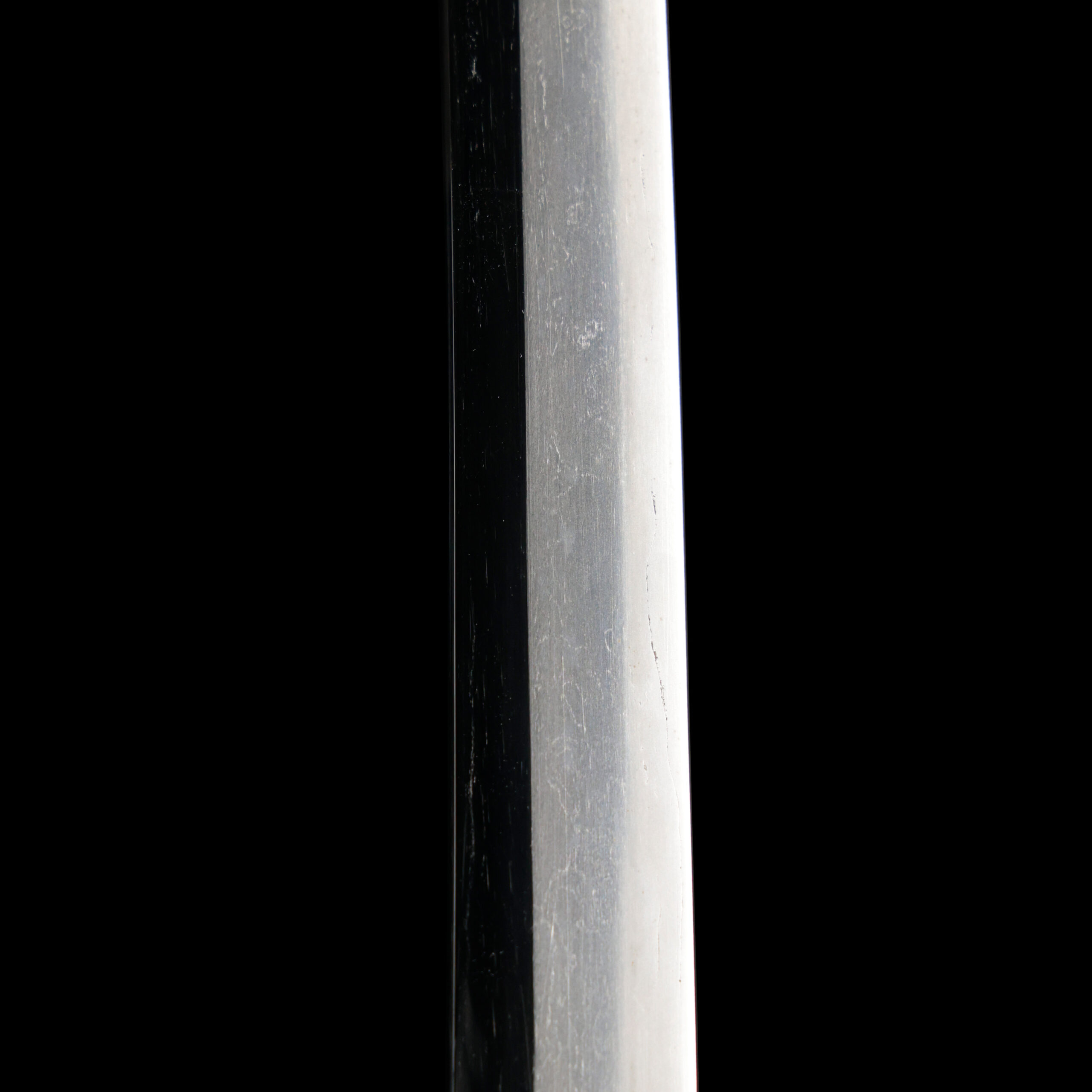

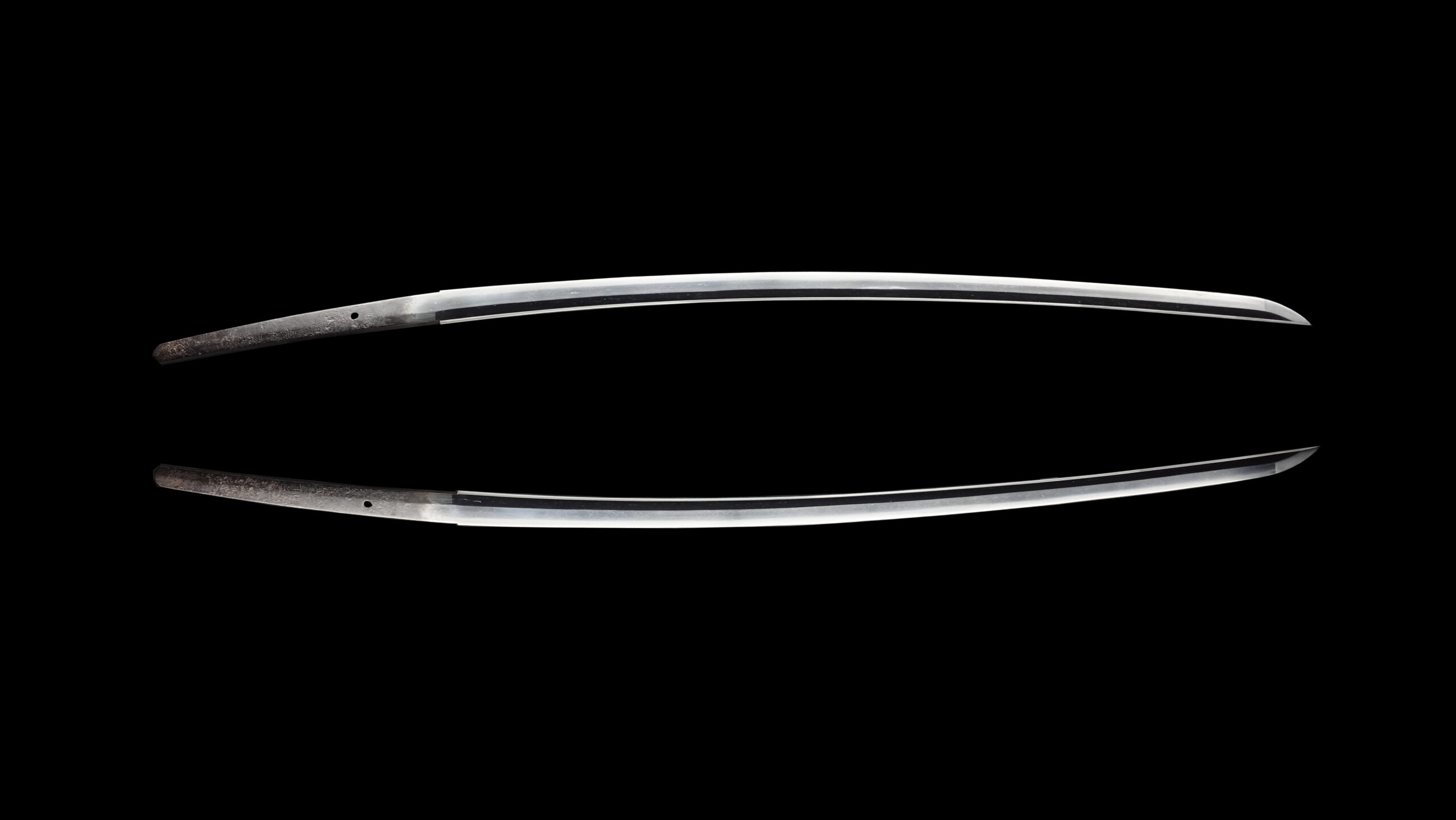
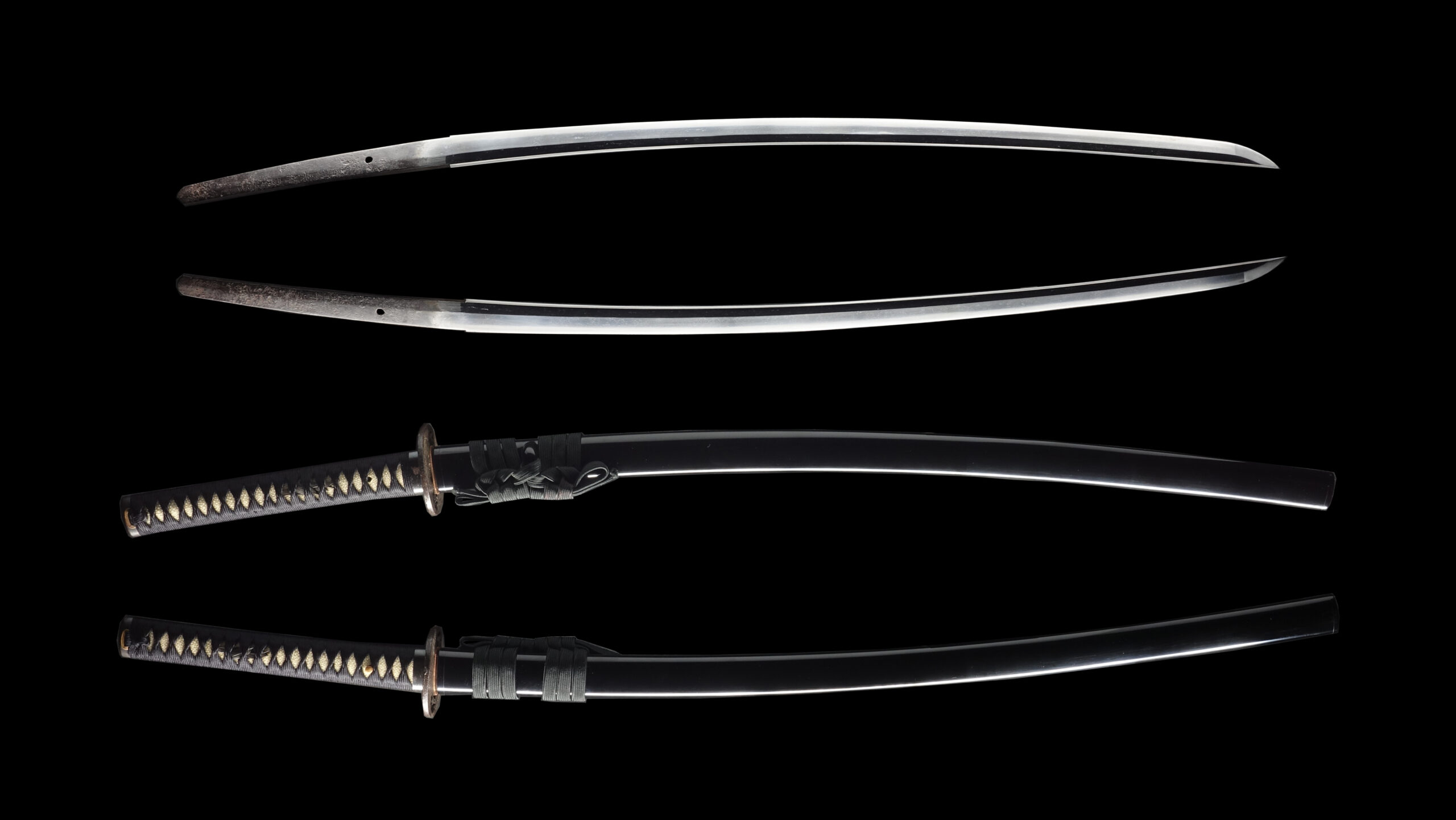
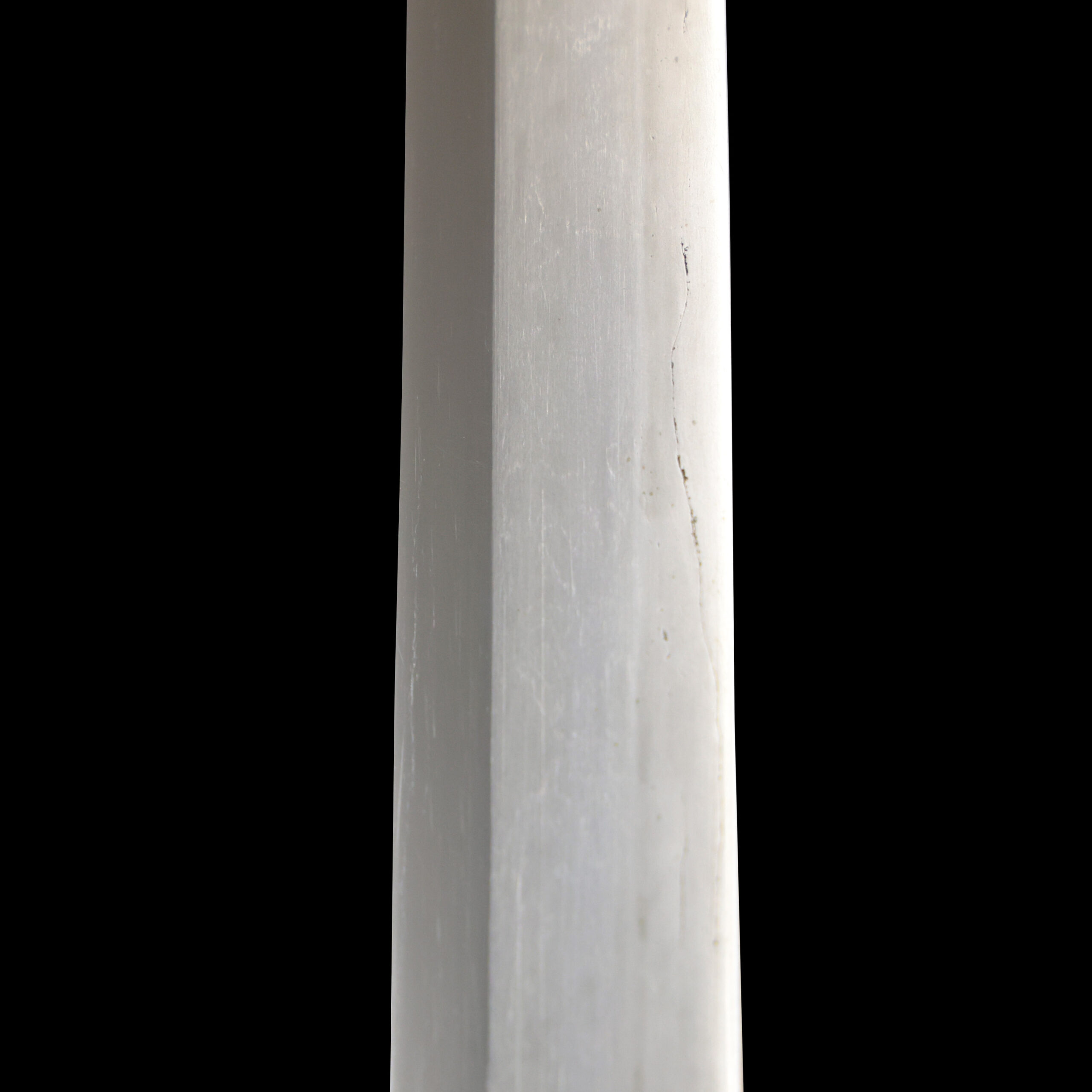
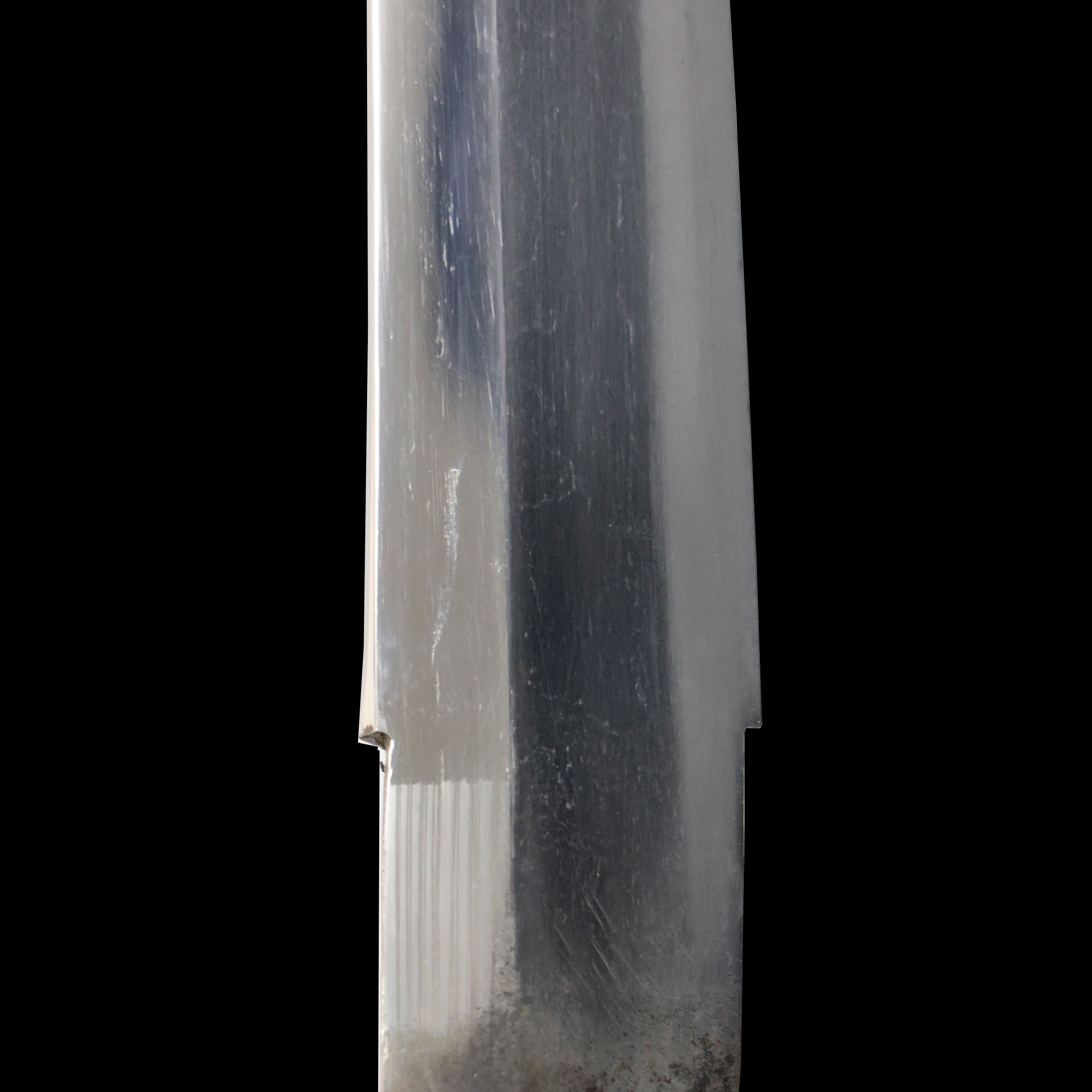
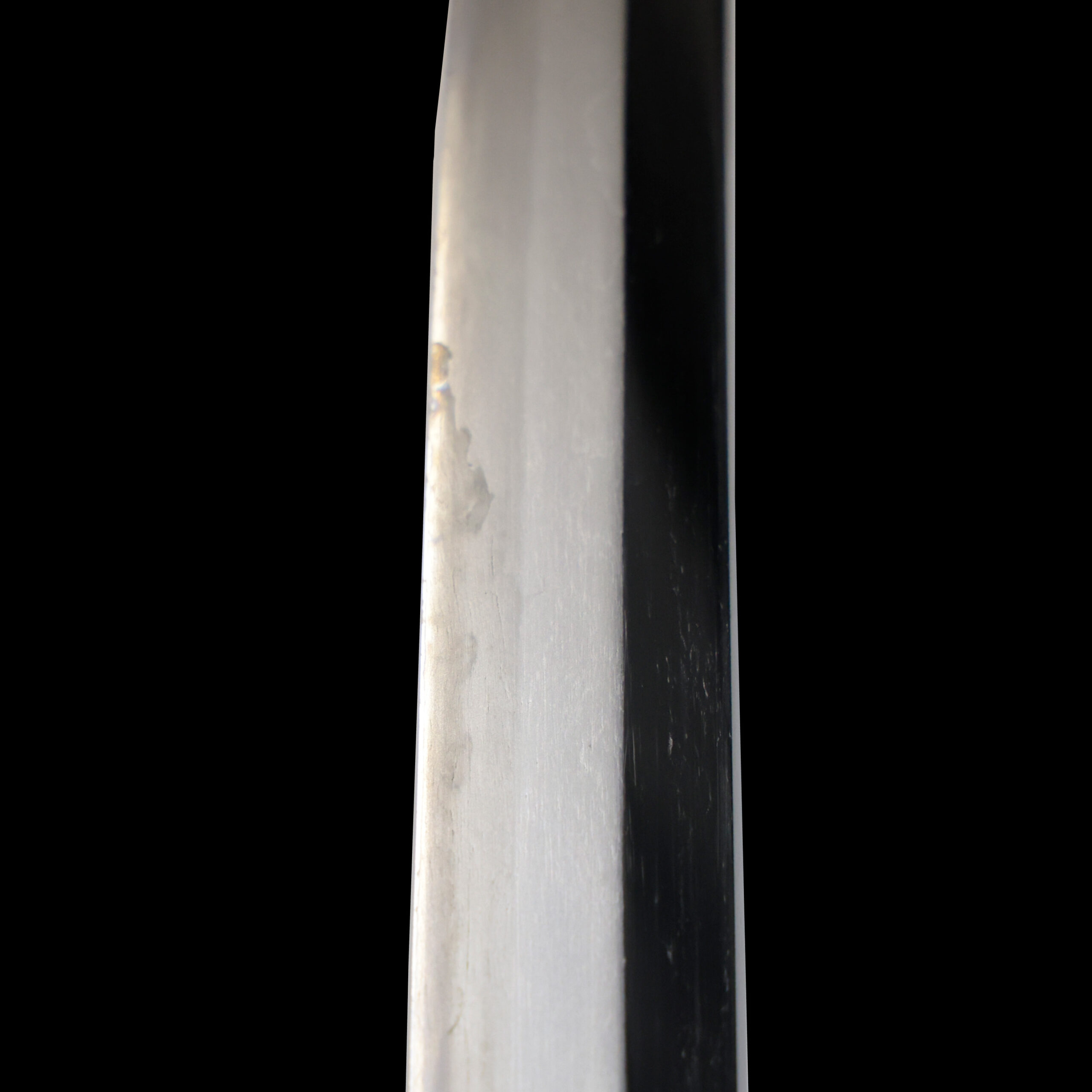
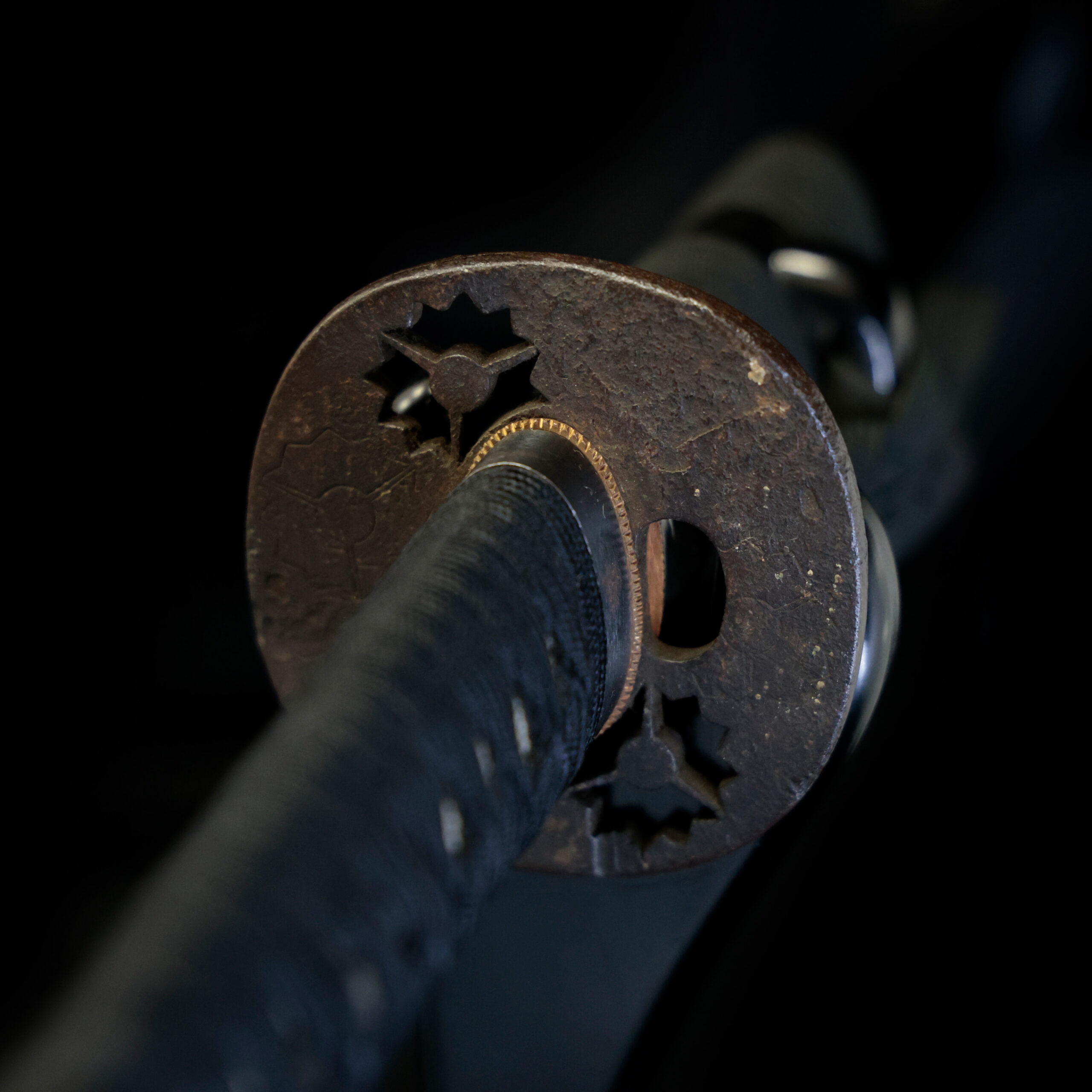
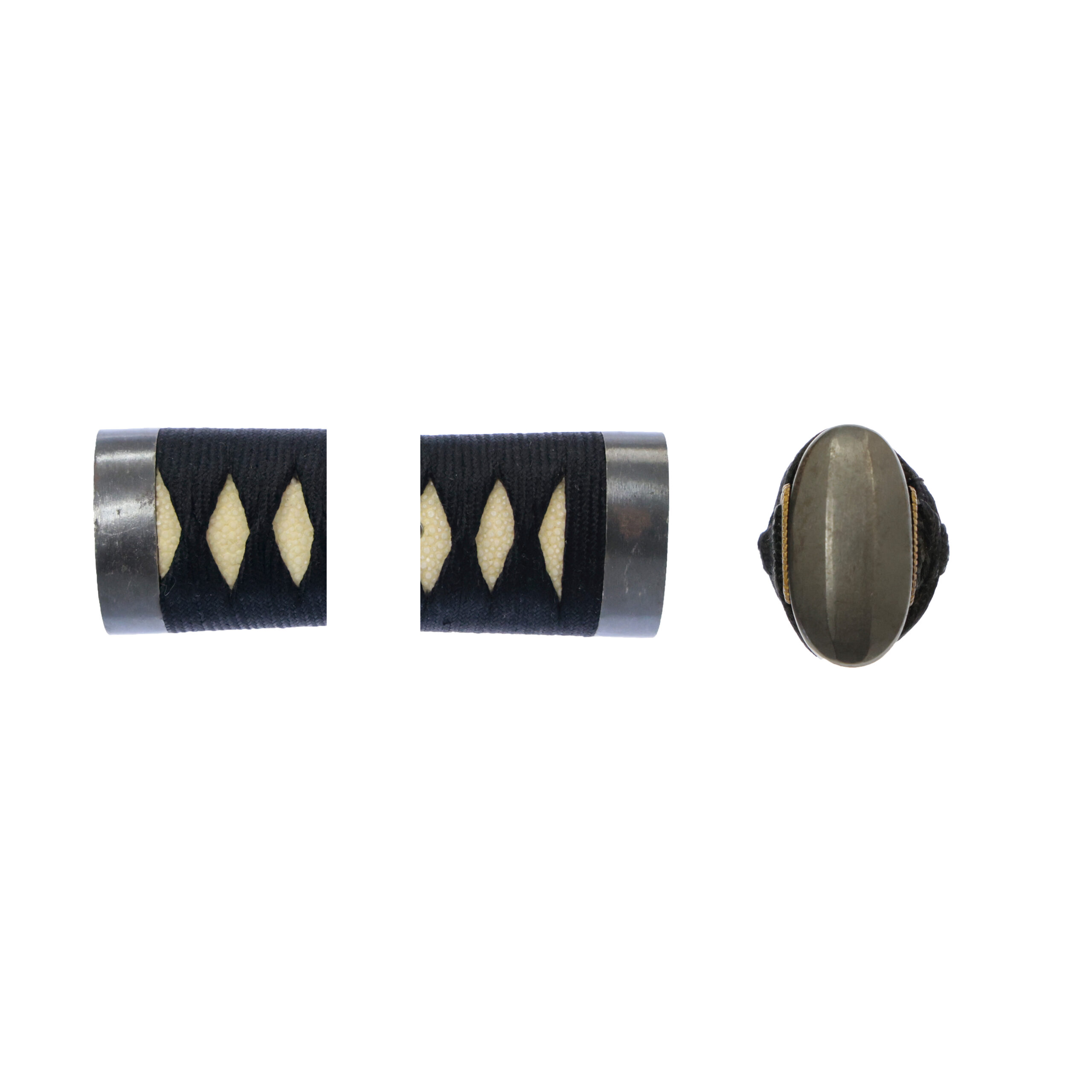
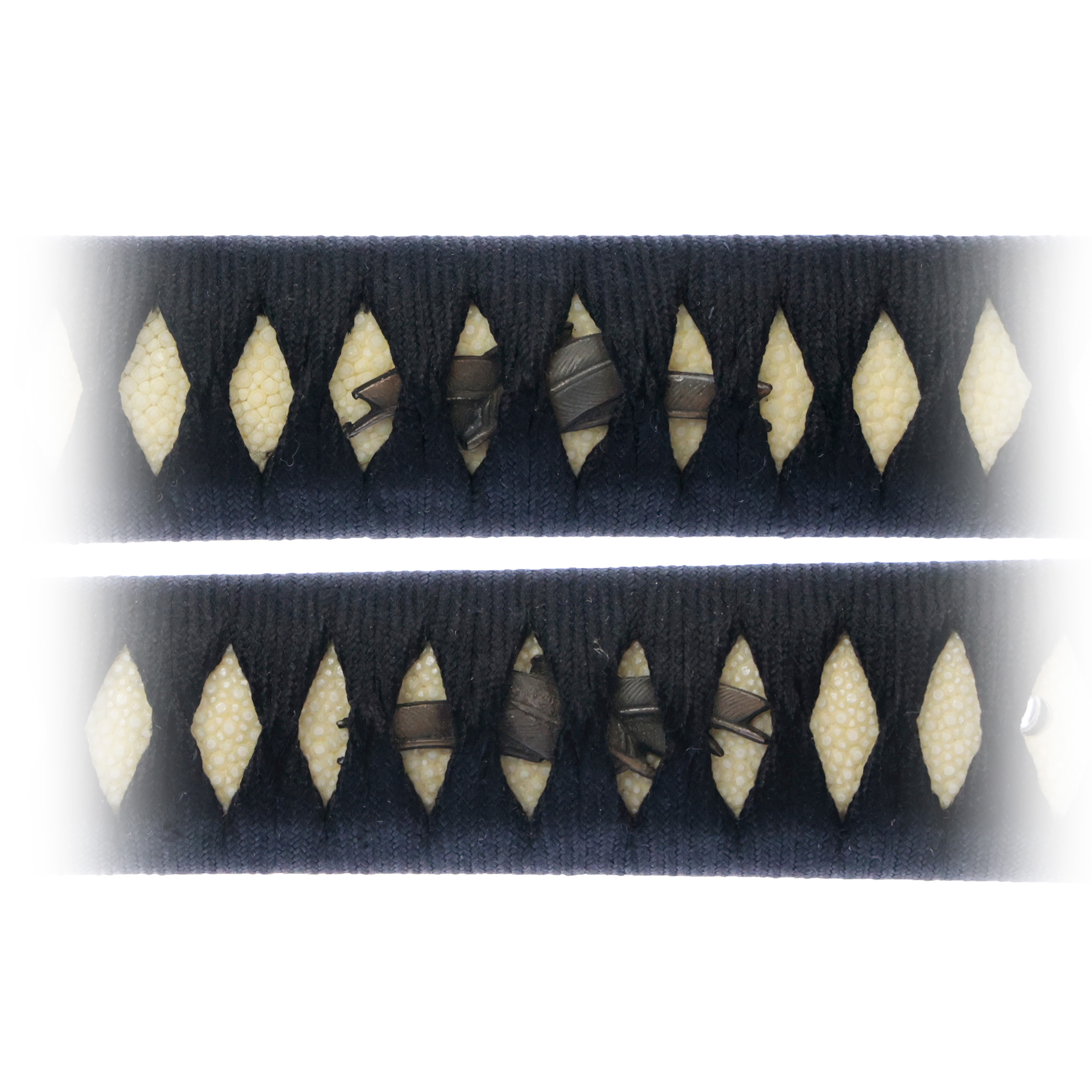
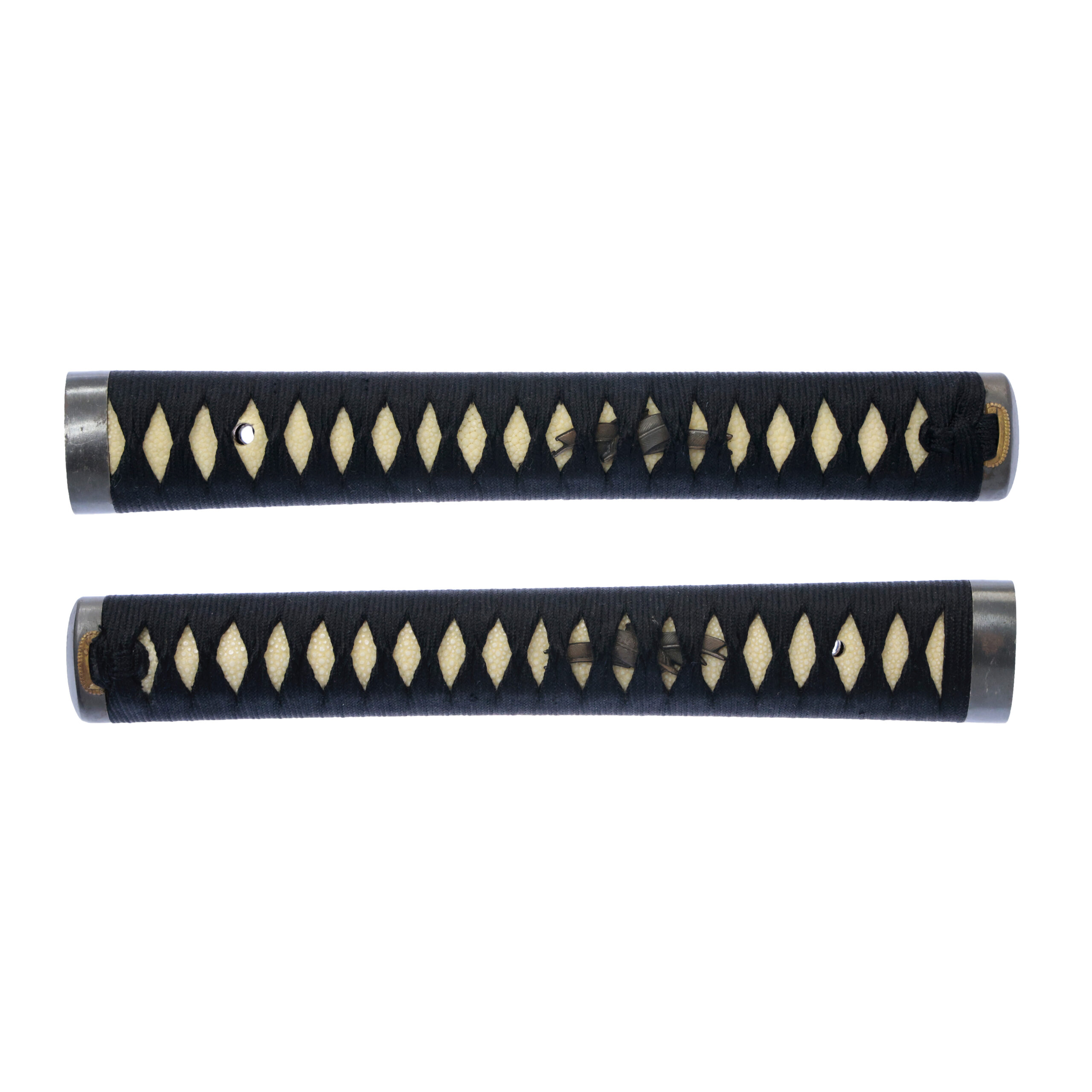

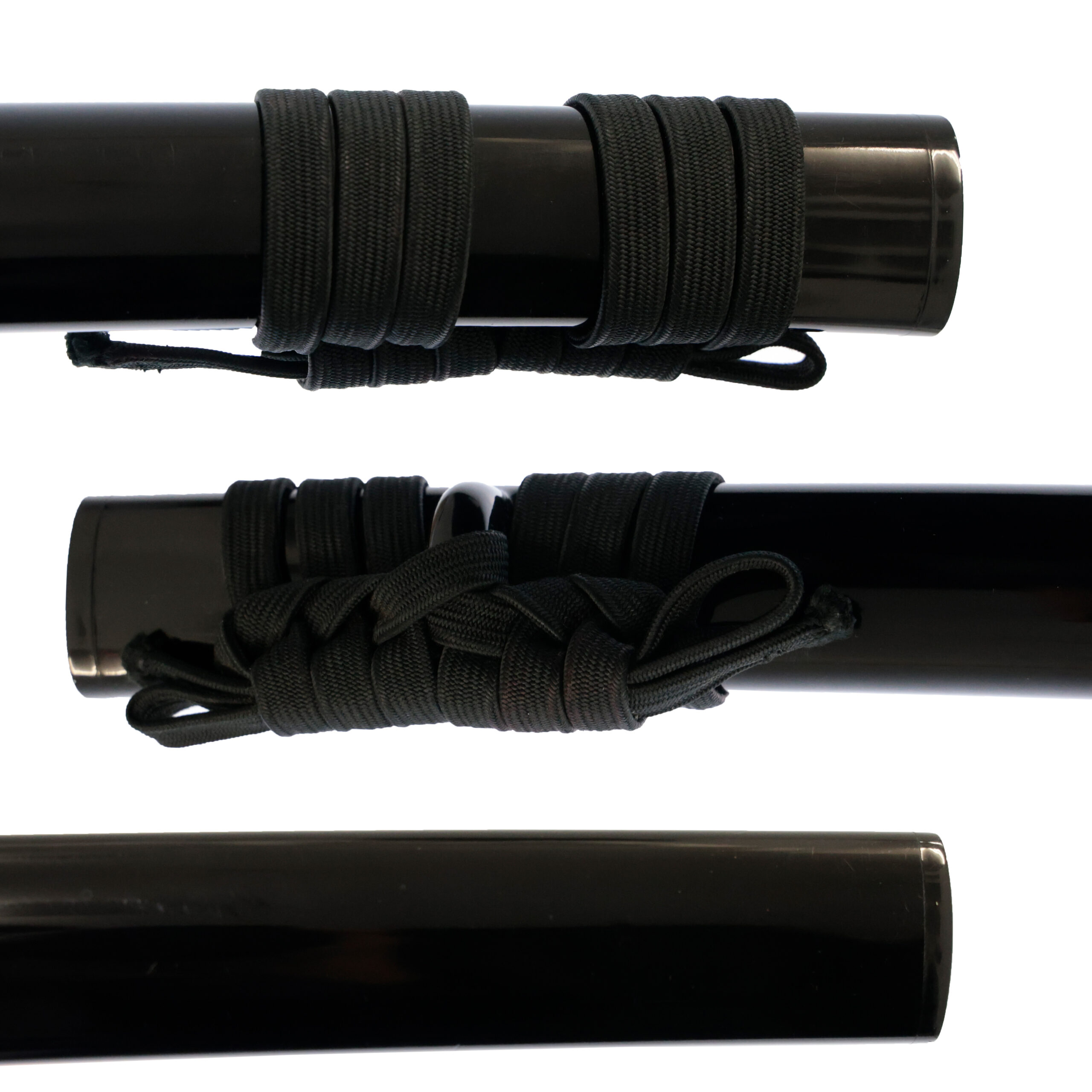
販売店の記載のまま
備前伝 · 備前
現在17点販売中
清光は、室町時代後期の備前長船の地に興った一群の刀工である。説示が繰り返し述べるとおり、室町時代末期の備前長船鍛冶およびその作刀を汎称して末備前と呼び、清光はその中にあって祐定と並んで作品の多い名跡として位置づけられる。清光を名乗る刀工は数多く、五郎左衛門尉、孫右衛門尉、与三左衛門尉、彦兵衛尉、孫兵衛尉などの俗名を有する工の存在が認められ、早見出では十人を挙げるとも記す。中でも五郎左衛門尉と孫右衛門尉清光の両名が上工、筆頭格として知られ、銘鑑に所載されぬ治衛門尉清光のような例も遺存して、その欠を補う資料として貴重とされる。作刀地は備前長船を本拠とするが、播州龍野の城下で打った一口や、備前の守護代浦上宗景のために天神山で製作した作も伝わり、戦国期における一派の動向を伝えている。 作風について、説示が記す共通の語法はおおむね一定している。鍛えは小板目肌がつみ、小杢目あるいは杢目を交え、地沸が微塵に厚くつき、地景が細かに入り、淡く映りが立つ。ただし清光は他工に比して板目に杢が交じってやや肌立つ傾向のものが多く、それが一派の見どころともされる。刃文は二様に分かれ、一つは清光家の看板とも称される広直刃で、これに小互の目・小足・葉を交え、匂口締まりごころに小沸がつき、金筋・砂流しが細かにかかって明るく冴える。直刃の名手としては末備前中で忠光・祐定にも見られる作風だが、清光はとりわけ広直刃に葉の入った作を代表作とする。いま一つは腰の開いた互の目乱れで、小丁子・蟹の爪風の刃・角張る刃・尖りごころの刃などを交え、足・葉がさかんに入り、処々に湯走りや小さな飛焼を交える。さらに棟焼がさかんにかかって皆焼となる作もあり、その場合は重ねが薄くなるのが見どころとされる。姿は身幅広く、元先の幅差さまで目立たず、重ね厚く踏張りがあり、先反りの目立つ中鋒延びごころの打刀姿で、室町時代末期特有の体配を示す。同じ末備前でも数打物が多い中、俗名を銘した上工の作には肌目のつんだ精良な鍛えと匂口の冴えが備わる点で見分けられる。 伝承と鑑定の要点としては、俗名のない作でも銘振りから五郎左衛門尉と鑑せられる例が説示に明記され、銘の位置や鏨の太細、年紀の所在が手がかりとなる。評は、地刃ともに覇気を感じ取れること、匂口が明るく冴えること、肉置きが豊かで手持ちのずっしりと重い頑健な刀姿が豪壮である点に集まる。代表作としては、五郎左衛門尉の広直刃に葉のさかんに入った天文・弘治・永禄紀の打刀、互の目乱れの典型作、皆焼を焼いた龍野城下作、孫右衛門尉の広直刃および腰の開いた互の目乱れの代表作などが挙げられる。伝来の知られる一口に忍の松平家伝来の作があり、浦上宗景の注文銘を持つ作も複数伝わる。総じて清光は、直刃を本領としつつ互の目乱れや皆焼にまで及ぶ広い作域をもち、祐定と並んで末備前を代表する名跡として位置づけられる。 詳しく見る →
室町時代の備前
室町の長船は輸出産業であった。明との勘合貿易はおよそ十二万八千振の日本刀を海の彼方へ運び、国内では戦国の軍勢が買い手となった。注文主の俗名を銘に刻む注文打ちが、兵卒用の数打ち物と並んで鍛えられている。
銘が正しい、または無銘でも年代・国・系統を確実に指摘できる、保存に値する真正の作と鑑定されたものです。
日本美術刀剣保存協会(日刀保)は、1948年に設立され、文化庁の監督を受ける公益財団法人で、東京・刀剣博物館に本部を置きます。専門の審査員が出品作を直接審査し、美術的・歴史的価値に応じた鑑定書を発行します。日刀保の鑑定書は、日本刀および刀装具の真正性を示す最も広く認知された基準です。
日刀保公式サイトReturns/exchanges limited to defects caused by shipping (except willful misconduct or gross negligence by the company); customers must contact within 72 hours of receiving the product.