1333年に鎌倉は落ちたが、一派の最大の時代はその後に来た。師の水準で鍛える貞宗、皆焼を大成した広光と秋広。相州風は軍勢とともに広がり、一時は国じゅうの様式となった。
 NihontoWatchNihontoWatch
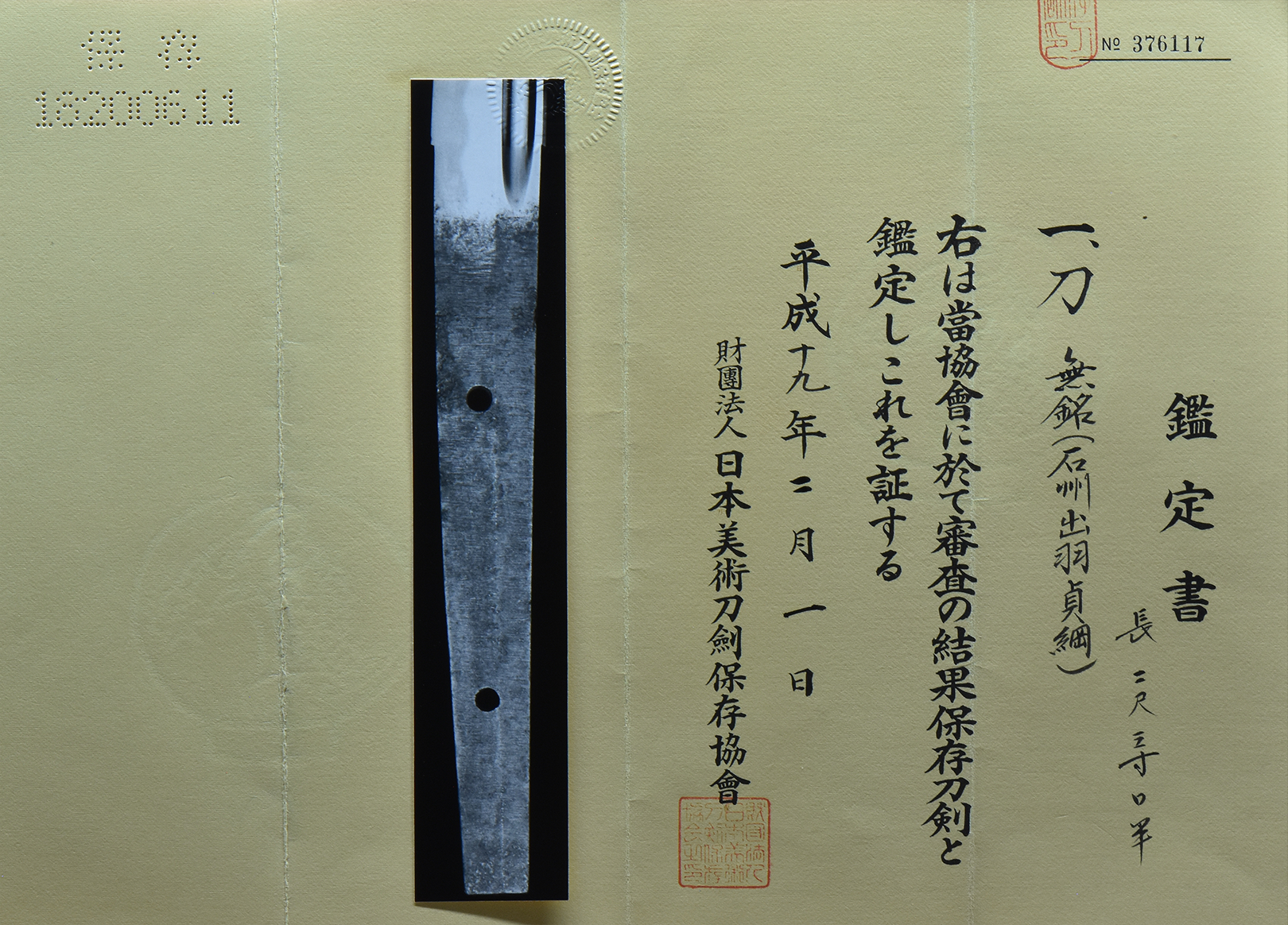
本作は、南北朝時代中期から後期(文和・康応頃:1352-1390年)にかけて活躍した石州出羽貞綱(せきしゅういずしさだつな)と極められた一振りです。貞綱の名は三代にわたり受け継がれていますが、本作に付された日本美術刀剣保存協会(NBTHK)の鑑定は、その初代に充てられたものと推察されます。石州は現在の島根県にあたり、出羽(いずし)はその地名を指します。 貞綱は、相州正宗の門下として名高い「正宗十哲」の一人、石州直綱(初代)の子です。父・直綱は、相模国(現在の神奈川県)にて正宗より相州伝の奥義を学び、後に石州へと移住しました。直綱の名もまた、四代にわたって継承されています。 貞綱が活躍した南北朝時代は、朝廷が南北に分かれ、日本全国で戦乱が相次いだ激動の時代でした。多くの武士が戦場へと赴く中、貞綱は実戦に耐えうる、極めて質の高い刀剣を打ち出すことに心血を注いだことでしょう。 石州(石見国)は古来より良質な砂鉄の産地として知られ、日本刀の原料となる高品質な玉鋼の供給地でもありました。貞綱がこの優れた鉄を自在に操り、名刀を世に送り出したことは想像に難くありません。 外装には鷹をモチーフとした意匠の優れた金具が備わっており、鞘の状態も良く、刀身の魅力を一層引き立てています。正宗の孫弟子にあたる上作絵師・貞綱の手による本作は、資料的価値も高く、NBTHKの保存刀剣鑑定書が付属する、コレクションに最適な逸品です。 銘:無銘 時代:南北朝時代(1300年代) 長さ:70.0 cm(27-1/2 インチ) 反り:12.0 mm 元幅:29.3 mm 先幅:21.1 mm 元重:6.9 mm 造り:鎬造 棟:庵棟 茎:産 鍛え:板目、木目交じる 刃文:乱れ、互の目 帽子:丸 状態:研ぎの状態は良好です 【最新情報を購読する】 Nihonto Antiquesの最新ニュースや新着情報をメールマガジンでお届けします。 [購読する] ご登録ありがとうございました。 お客様のメールアドレスは厳重に管理され、当サイトからの更新情報の送信以外には使用いたしません。
NihontoWatch
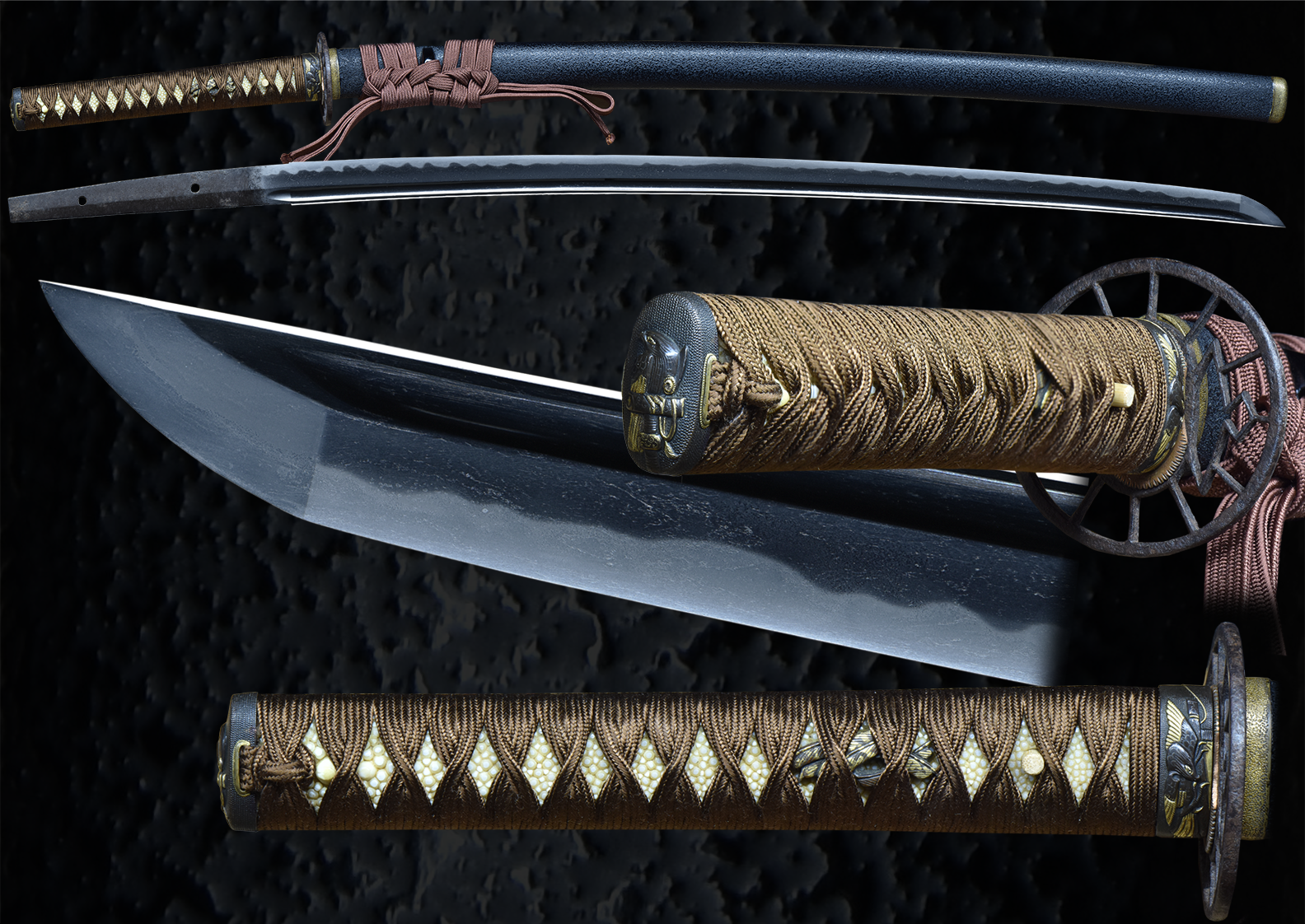

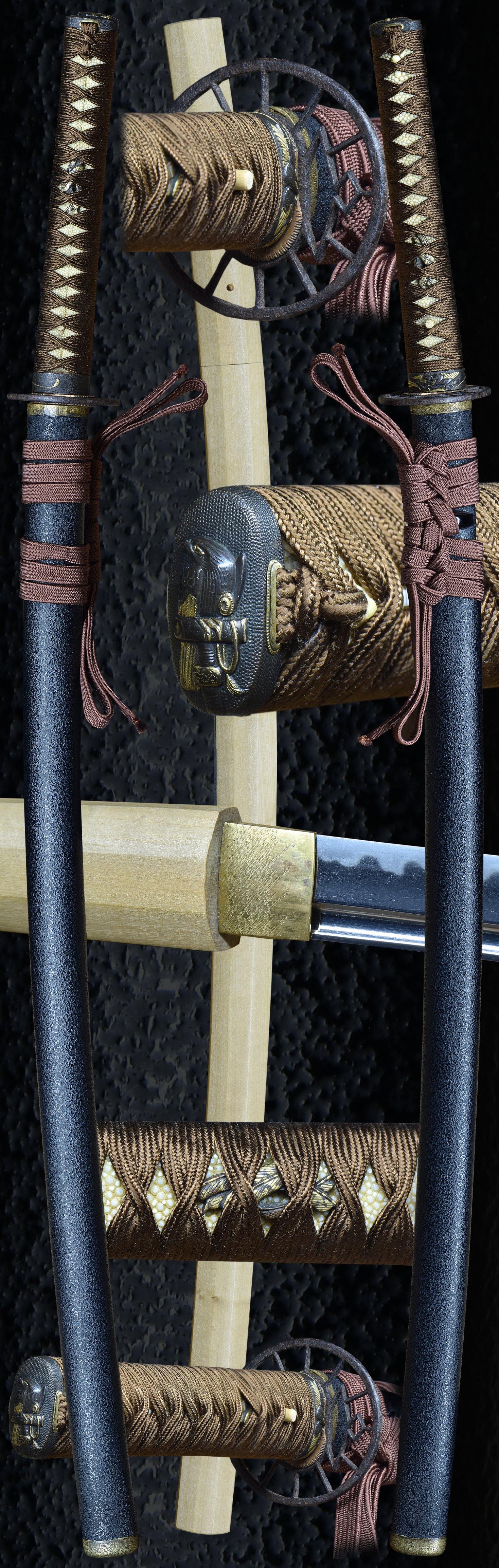
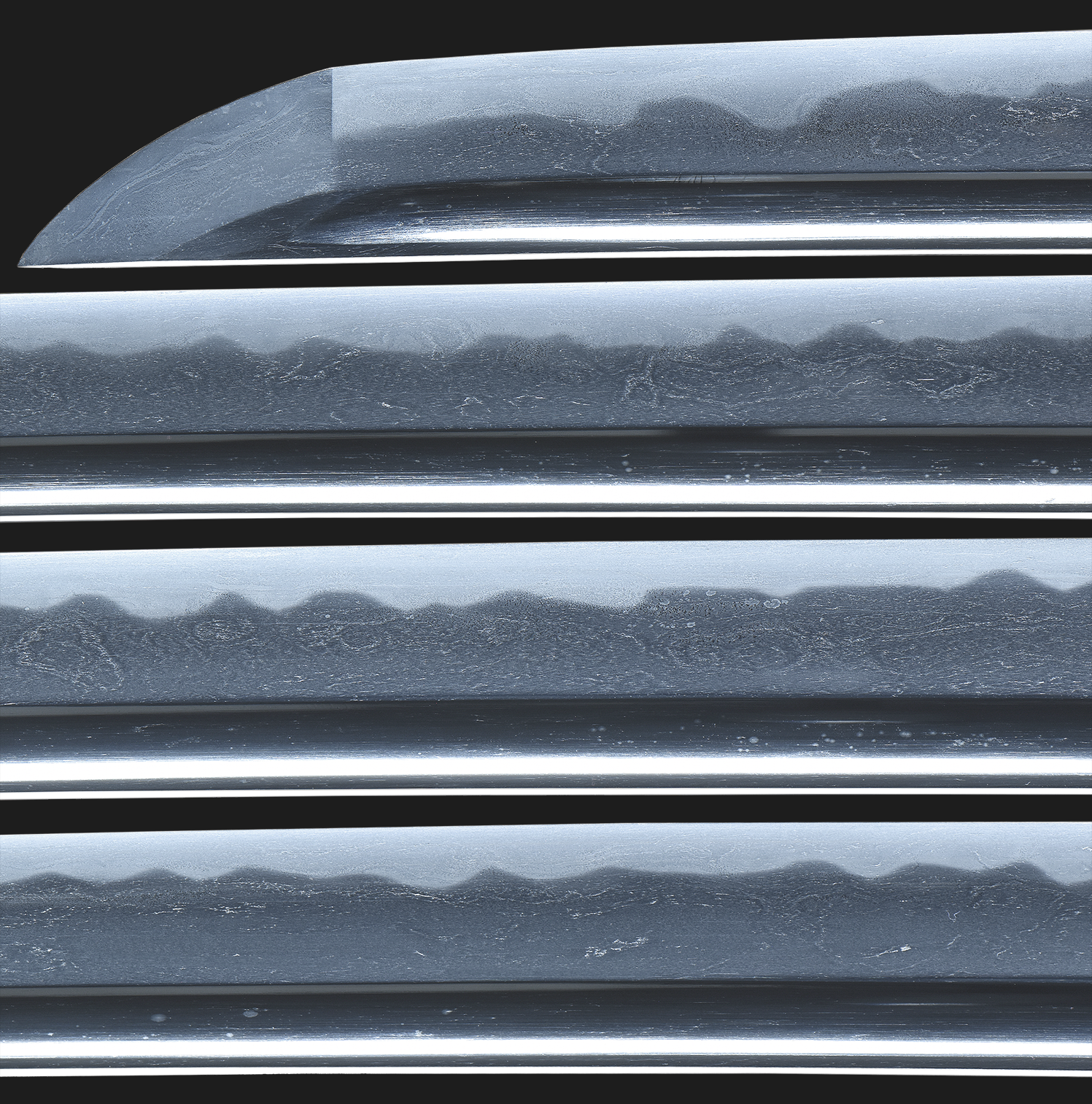

相州伝 · 石見
現在5点販売中
石州直綱は石見国に住した刀工で、同名数工の存在が知られ、古伝書の多くは初代を建武、二代を永和、三代を応永と記している。厳密な代別についてはなお研究すべき点が残されているが、初代直綱は相州正宗の門人と伝え、いわゆる正宗十哲の一人に数えられる。もっとも、年代的にみて正宗との直接の繋がりにはやや無理があるように思われ、その明確な当否は今後の研究に委ねられている。山陰の地にあって相州伝の作域を示す一派であり、南北朝期、わけても延文・貞治の頃を中心に活躍した。直綱の子には真綱があって南北朝より室町にかかり、また貞綱が出て石見国出羽に住し、時代が降ると同国長浜の地に祥末・祥貞・林祥らの後流を生じ、貞綱の子を初代とする末貞も室町に数代続いた。 姿形は身幅広く、元先の幅差さまで目立たず、反りやや深く、中鋒延びごころから大鋒に至るものが多く、延文・貞治体配を明瞭に示す堂々たる作り込みを身上とする。鍛えは板目に杢を交え、流れ肌をまじえて肌立ちごころとなり、地沸厚くつき、地景がよく入り、鉄色は総じて黒みをおびて、ときに淡く映り立ち、あるいは白気風を見せる。刃文は互の目を主体とし、角ばる互の目が連れ、小互の目・小のたれ・尖りごころの刃・丁子ごころの刃などを交え、足・葉よく入り、沸厚くついて金筋・砂流しが頻りにかかり、湯走り・飛焼・棟焼や二重刃風を交えるなど、相州伝の覇気に富む。総じて互の目が連れて乱れる態と、よく沸づいて働きの豊かな刃中に直綱を見分ける要点があり、その作風は相州伝の志津・左文字に一脈相通じるところがある。子の貞綱は直綱に似て、互の目調のものと小のたれ調のものとを見るが、いずれも沸がよくつき、砂流しが盛んにかかる点に共通する。 鑑定にあたっては、黒みをおびた板目鍛えに地沸・地景の発達した地鉄と、互の目を主調とした変化に富む乱れ刃、刃中に頻りに看取される金筋・砂流しの働きを併せ見て、直綱と極められるものが多い。在銘の作は遺例に乏しく、額銘の刀や二字銘の太刀がわずかに伝わるほか、有銘の太刀には重要美術品に認定された一口が現存して、その銘振りは比較の基準となる。無銘ながら延文・貞治の豪壮な体配によく相州伝の作域を映した優品が伝存し、薙刀を磨り上げて刀・脇指に仕立て直したものも見られる。南北朝の山陰にあって相州伝を継承し、正宗十哲の名のもとに伝えられてきた点に、この一派の位置づけがある。 詳しく見る →
南北朝時代の相州
1333年に鎌倉は落ちたが、一派の最大の時代はその後に来た。師の水準で鍛える貞宗、皆焼を大成した広光と秋広。相州風は軍勢とともに広がり、一時は国じゅうの様式となった。
銘が正しい、または無銘でも年代・国・系統を確実に指摘できる、保存に値する真正の作と鑑定されたものです。
日本美術刀剣保存協会(NBTHK)は、1948年に設立され、文化庁の監督を受ける公益財団法人で、東京・刀剣博物館に本部を置きます。専門の審査員が出品作を直接審査し、美術的・歴史的価値に応じた鑑定書を発行します。NBTHKの鑑定書は、日本刀および刀装具の真正性を示す最も広く認知された基準です。
NBTHK公式サイトWe offer a 48 hour inspection period for all Antique items shipped within the United States only. If the item is not to your satisfaction, we will gladly refund your money less any shipping and handling fees. All sales are final after the 48 hour inspection period. Please note that all discounted items are a final sale and not returnable.