山城とは京都であり、平安の京都とは朝廷である。伝承はその筆頭に十世紀末の三条宗近を置き、その三日月宗近は後に天下五剣に数えられた。優美が先に立つのは、注文主ゆえである。
 NihontoWatchNihontoWatch
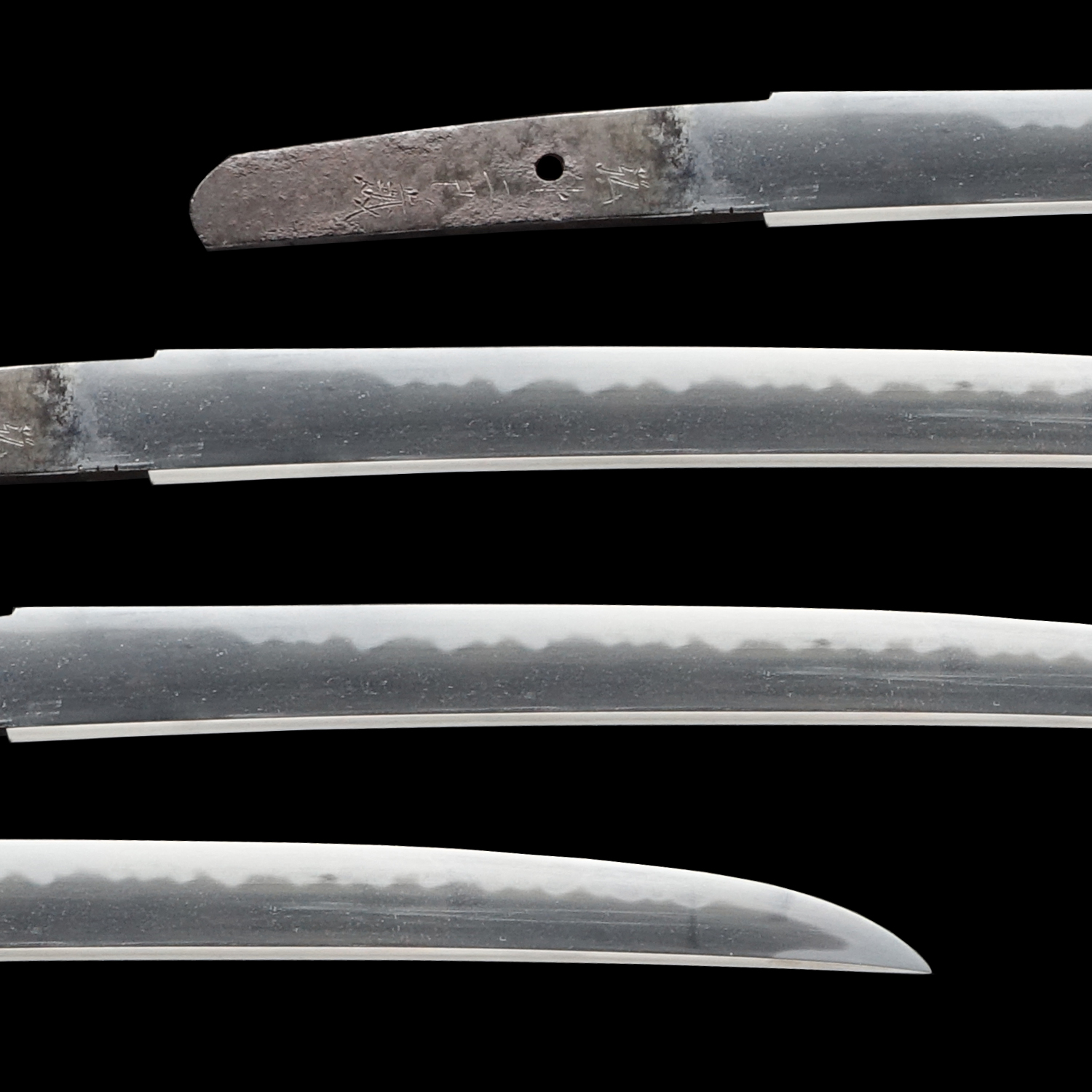
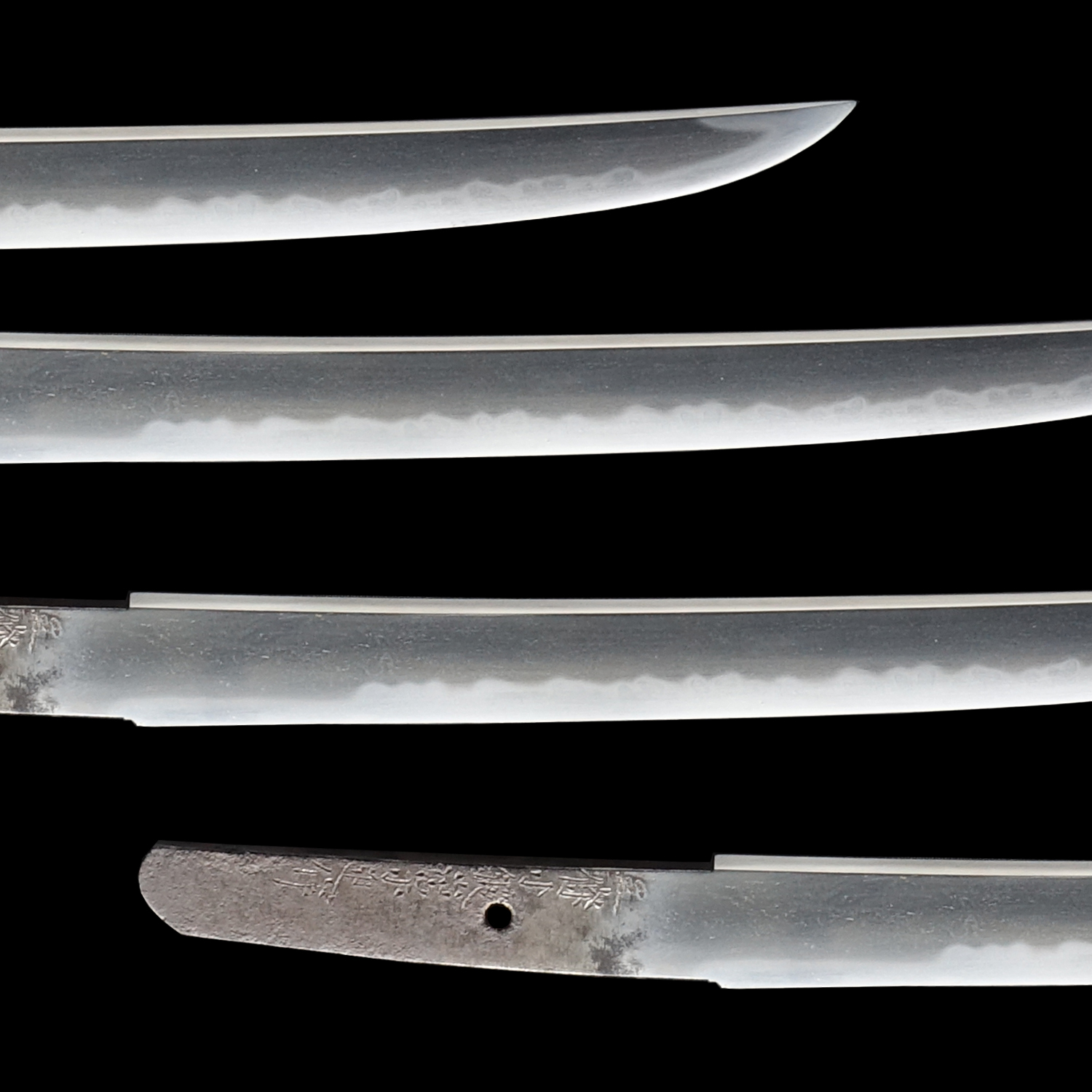
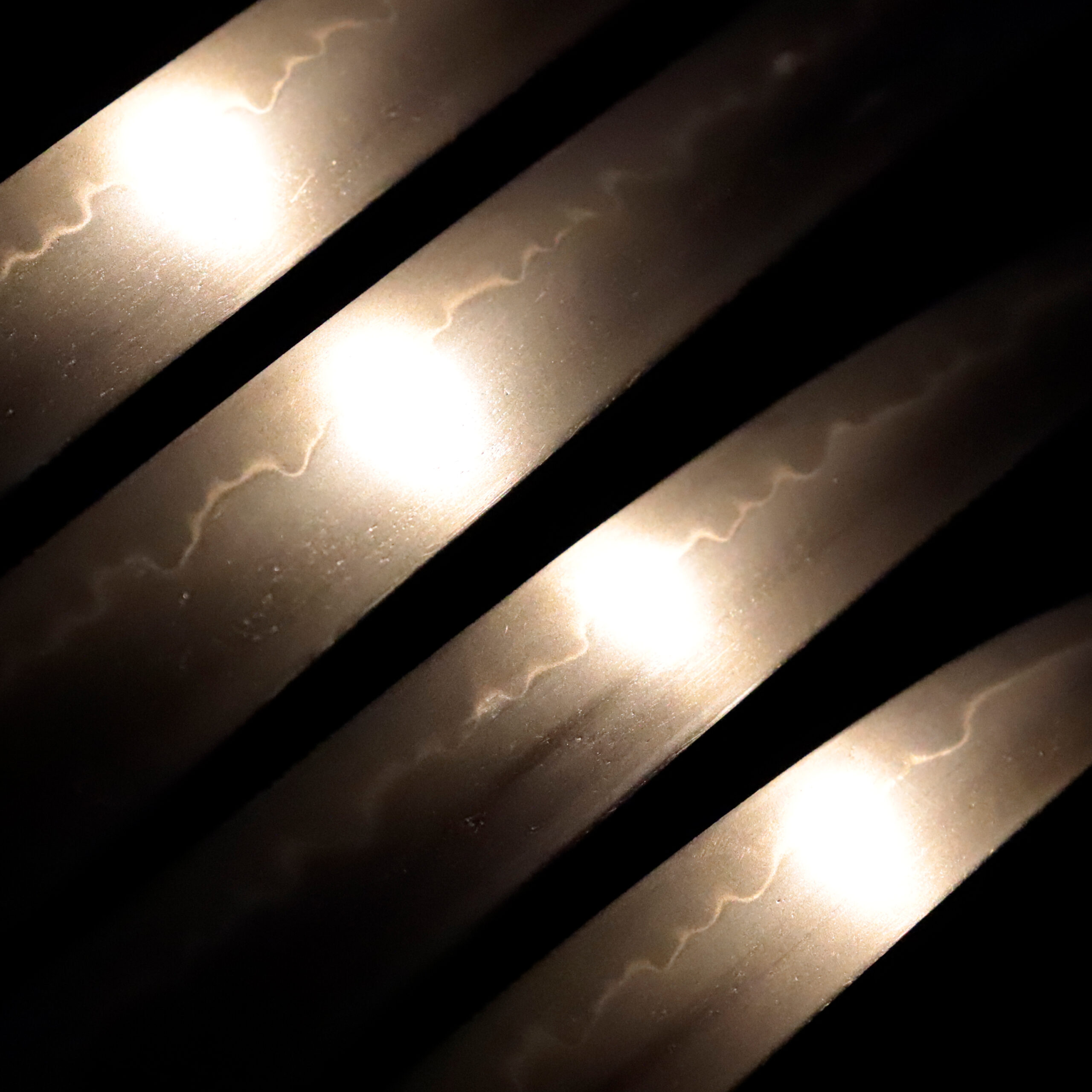
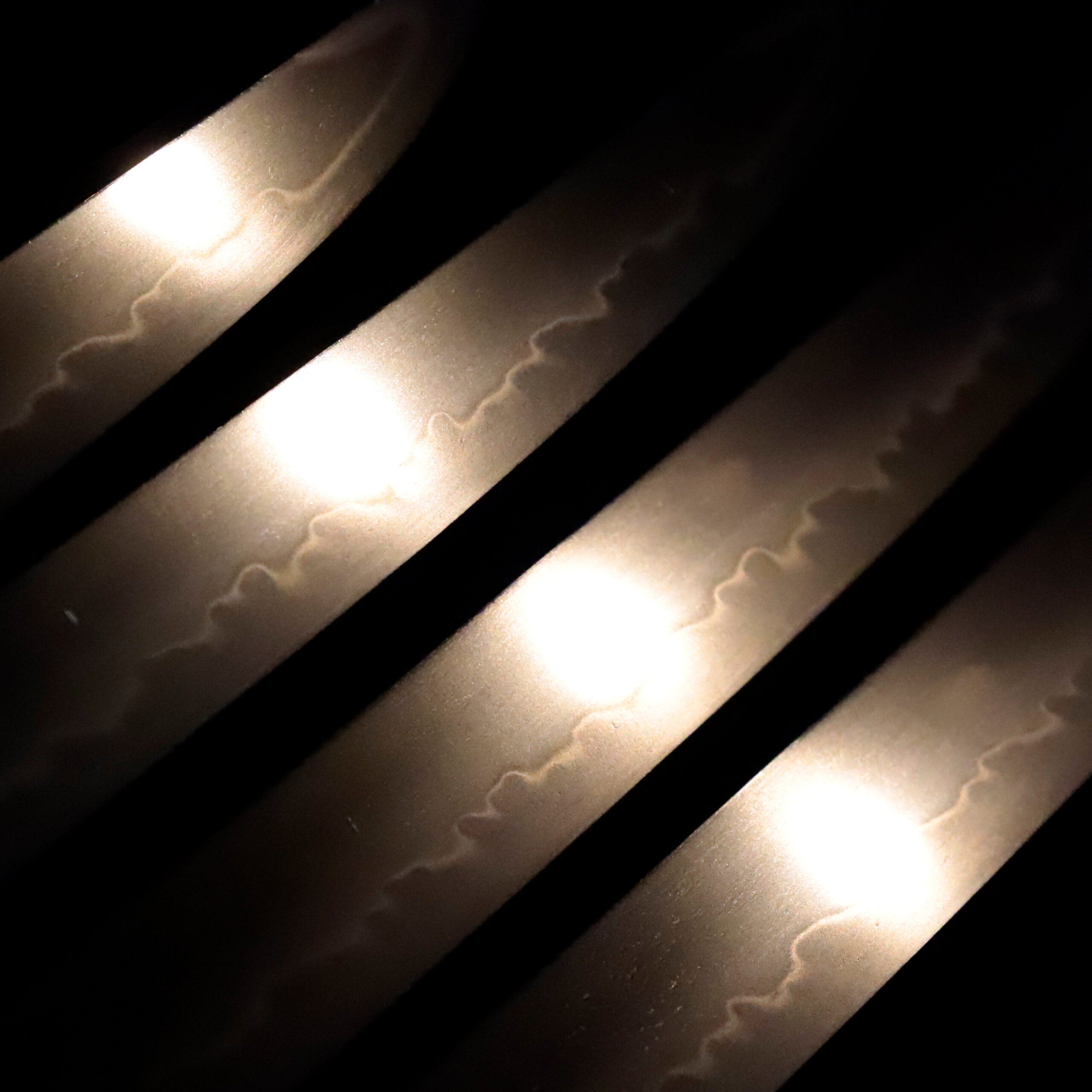
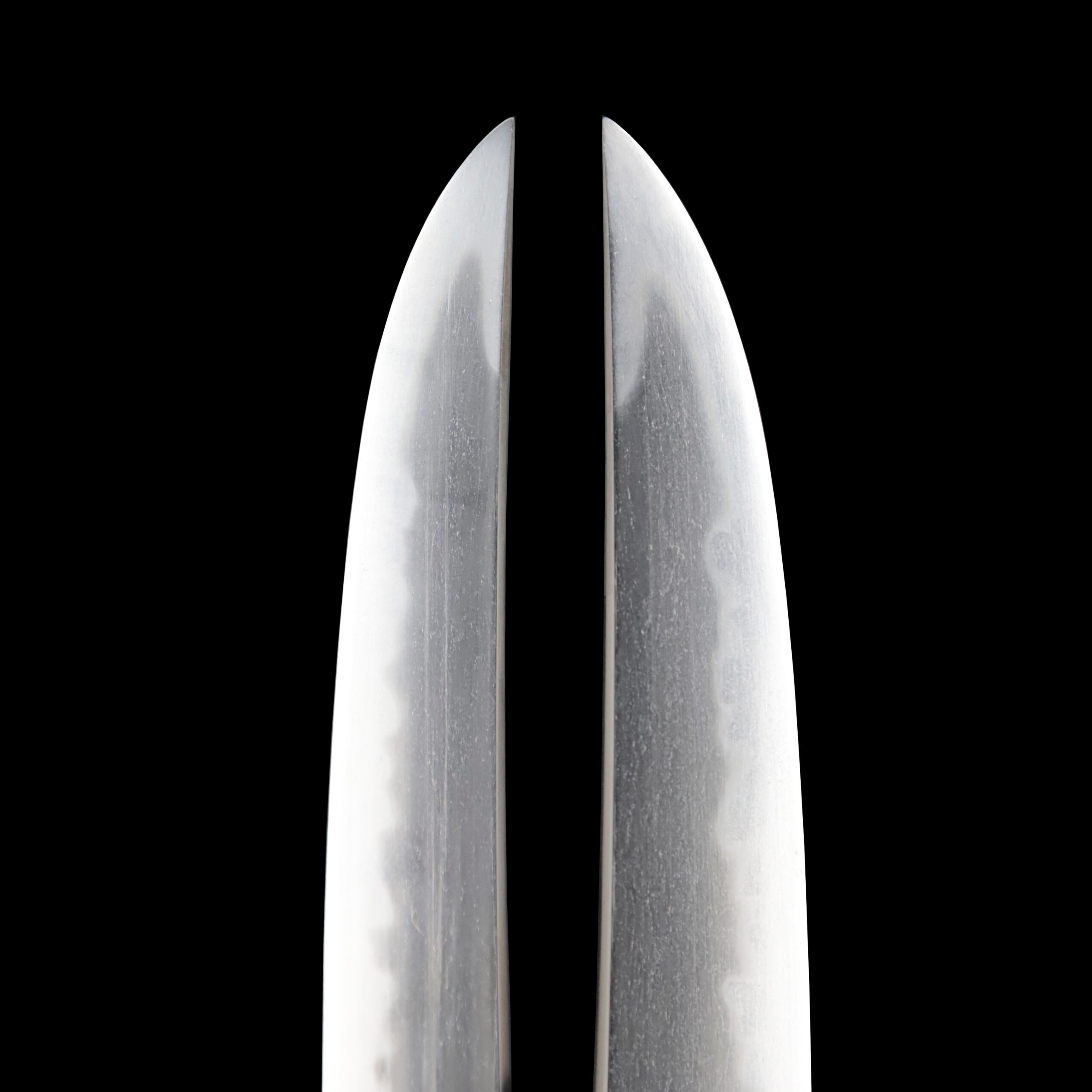
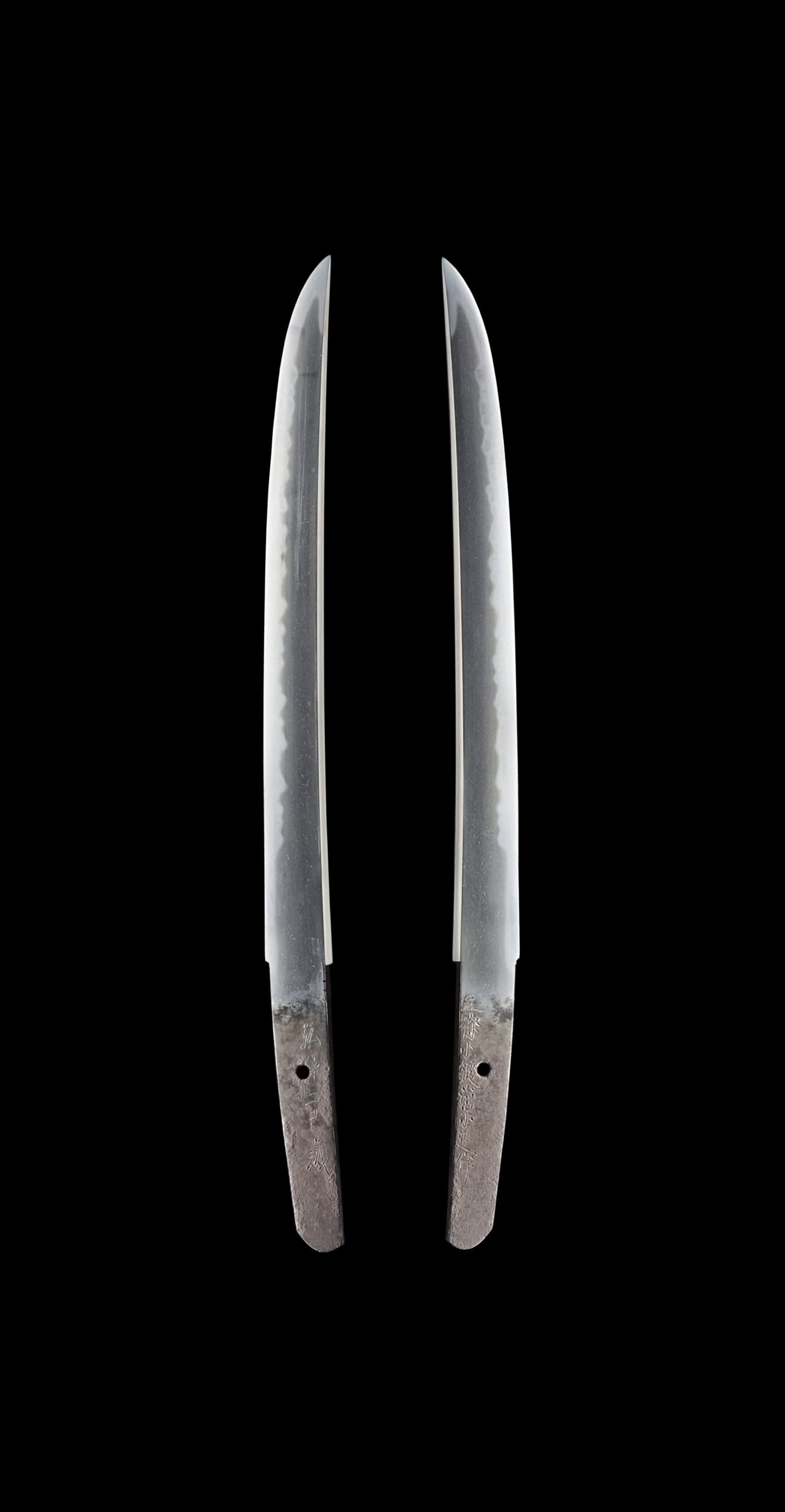
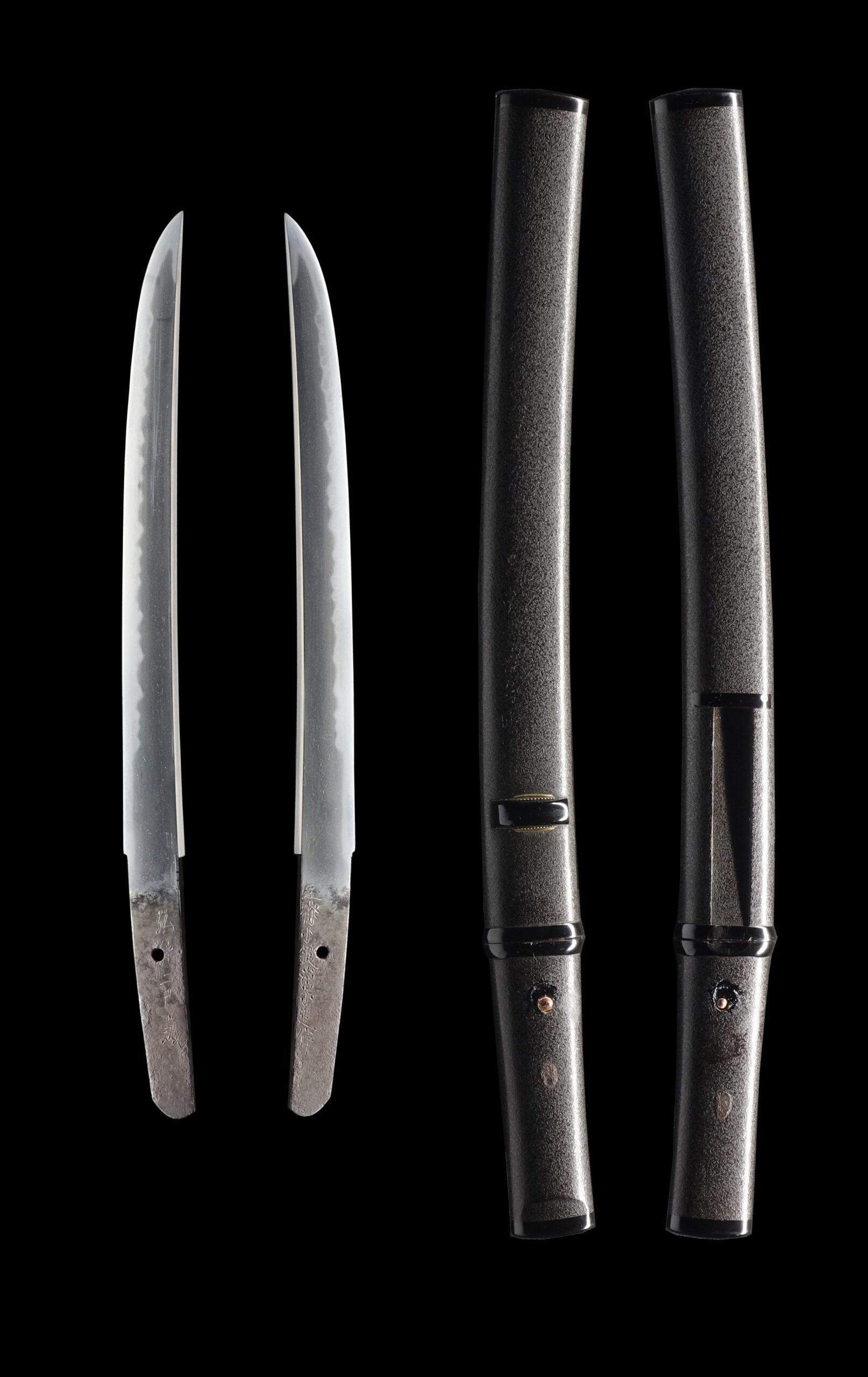
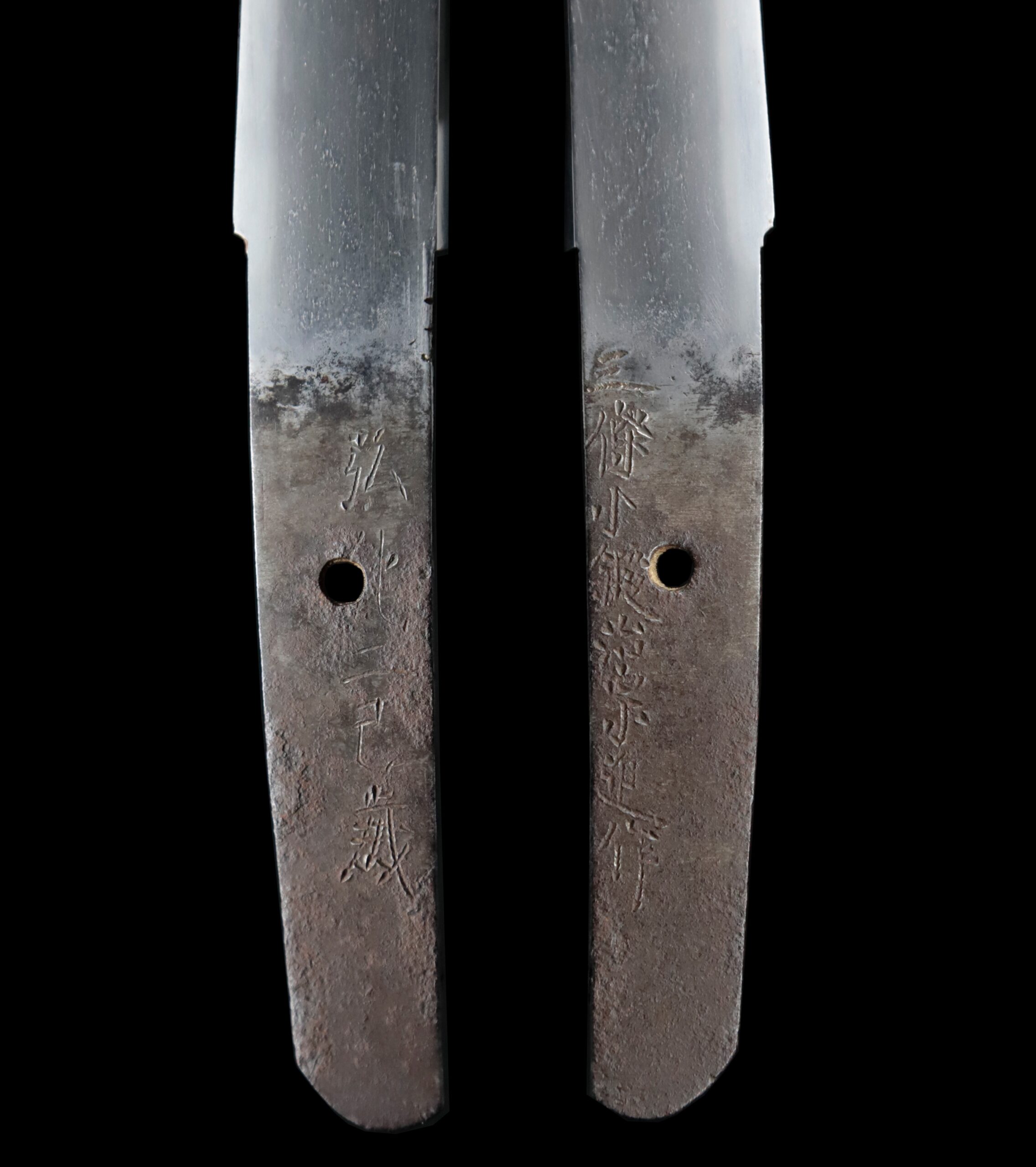
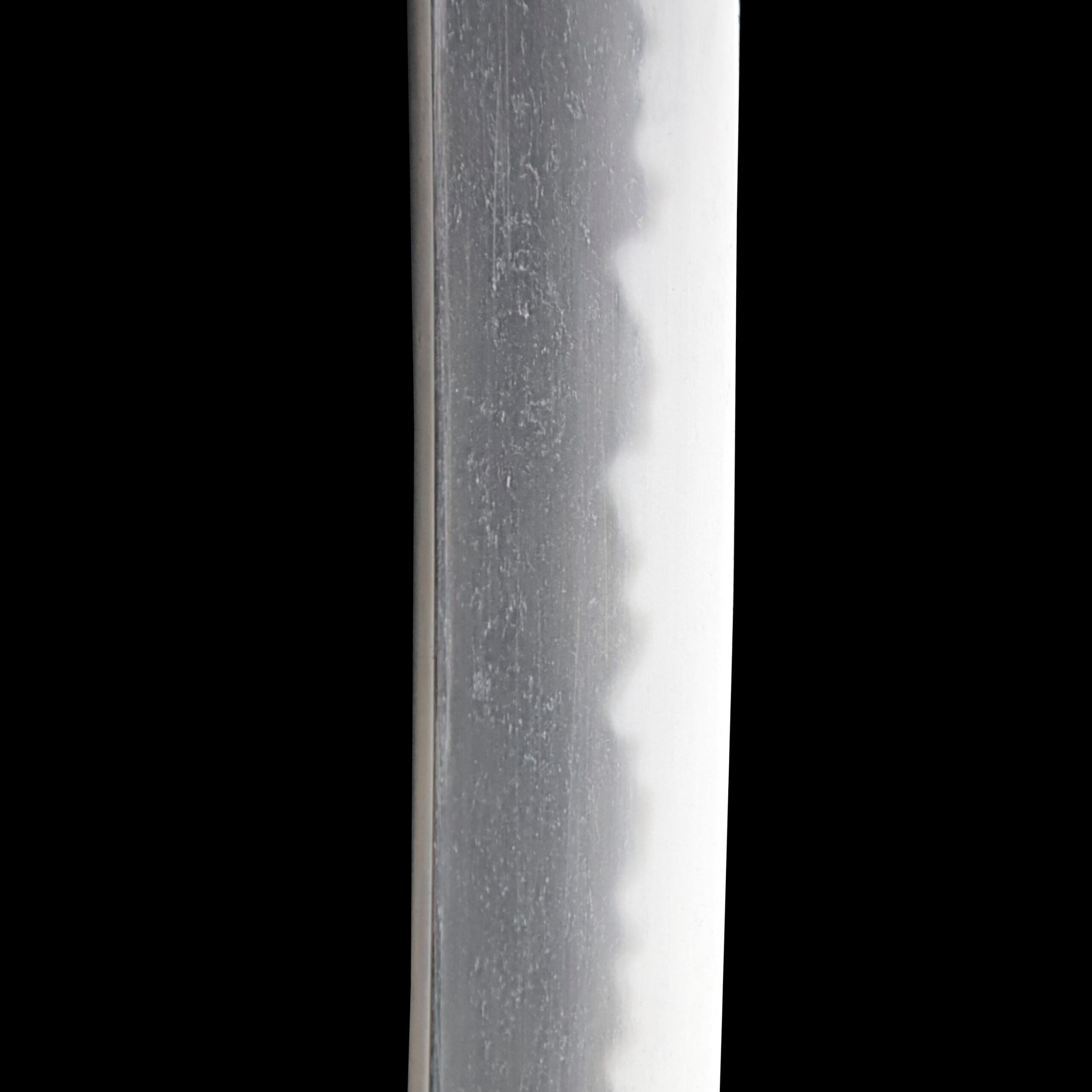
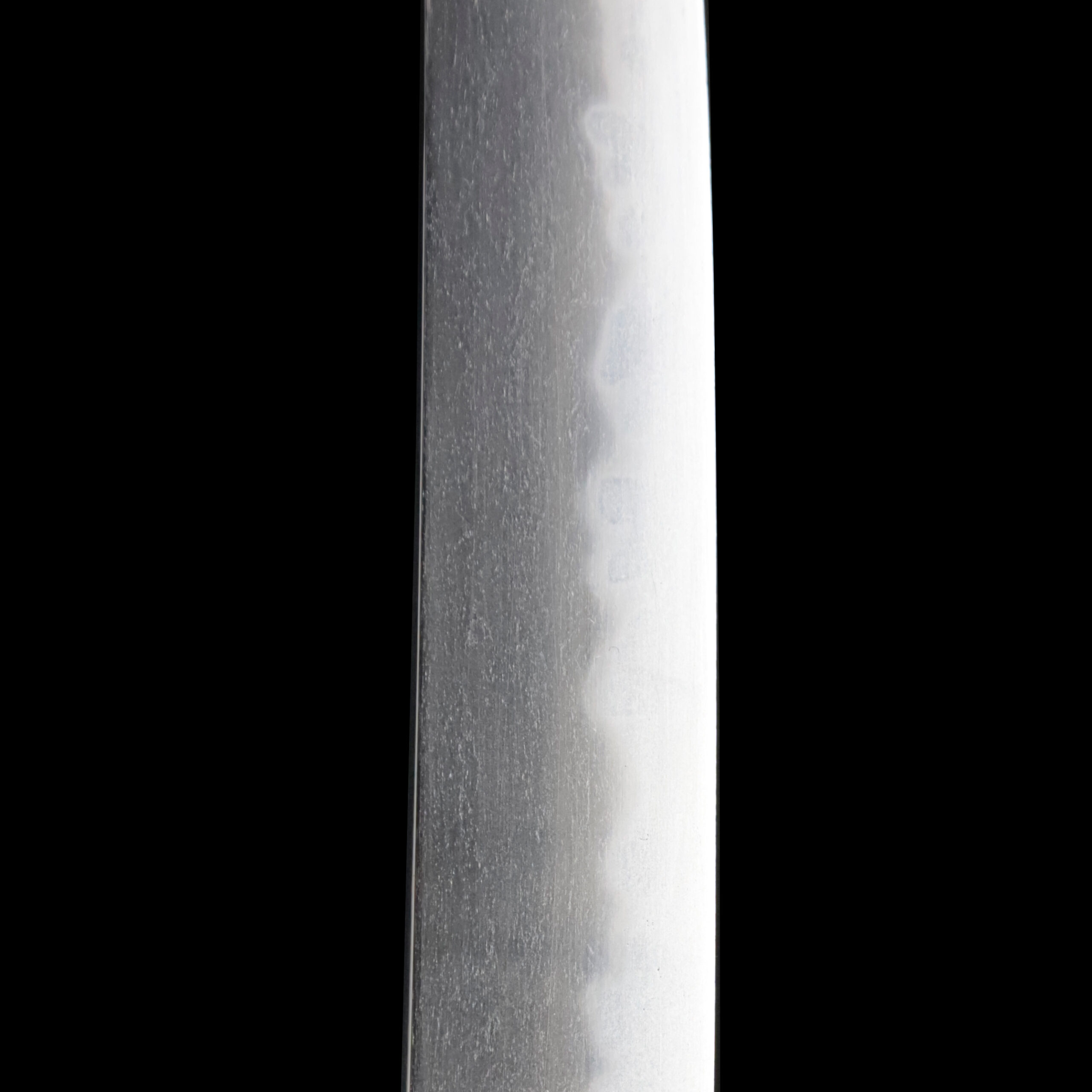
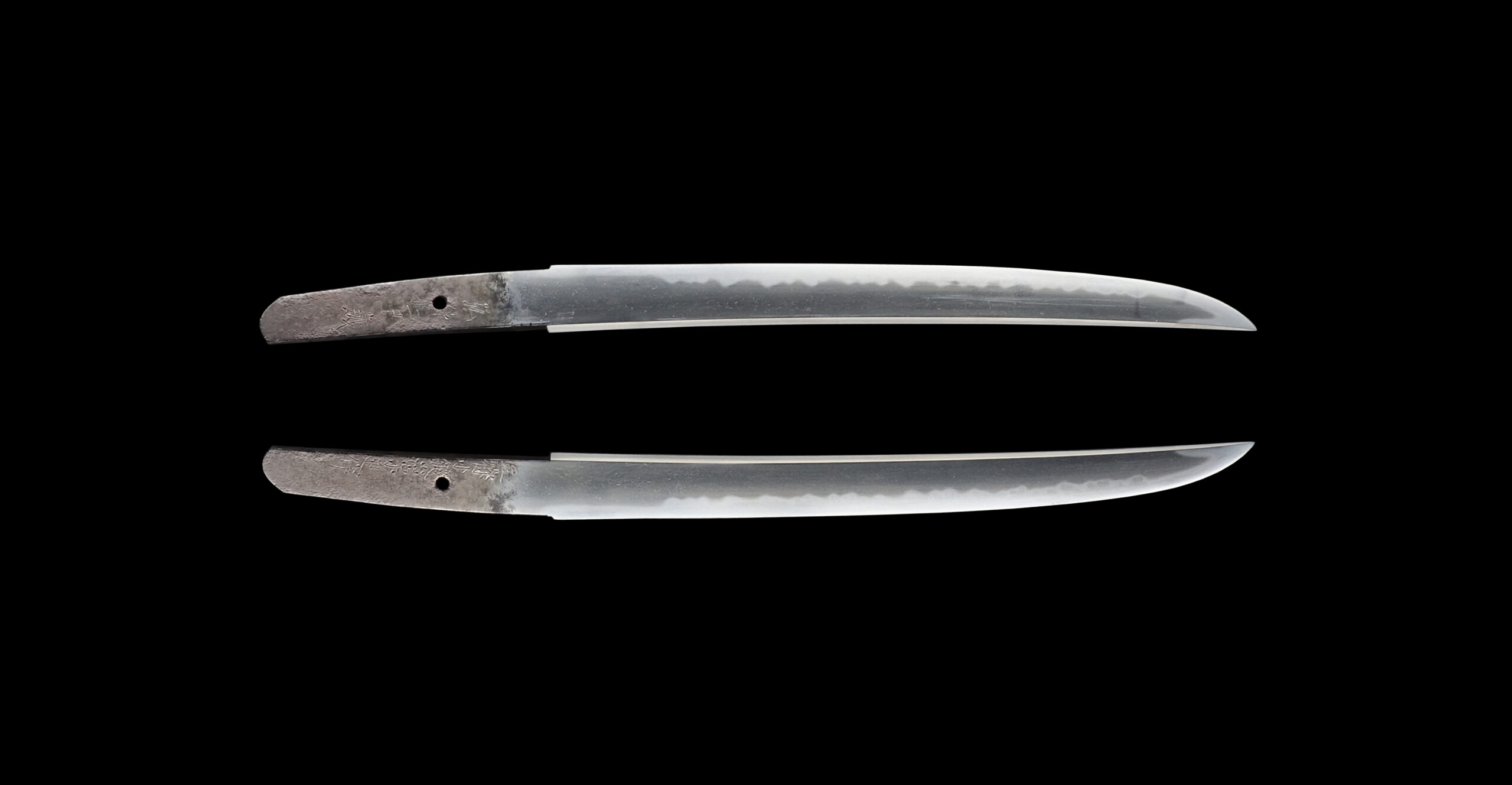
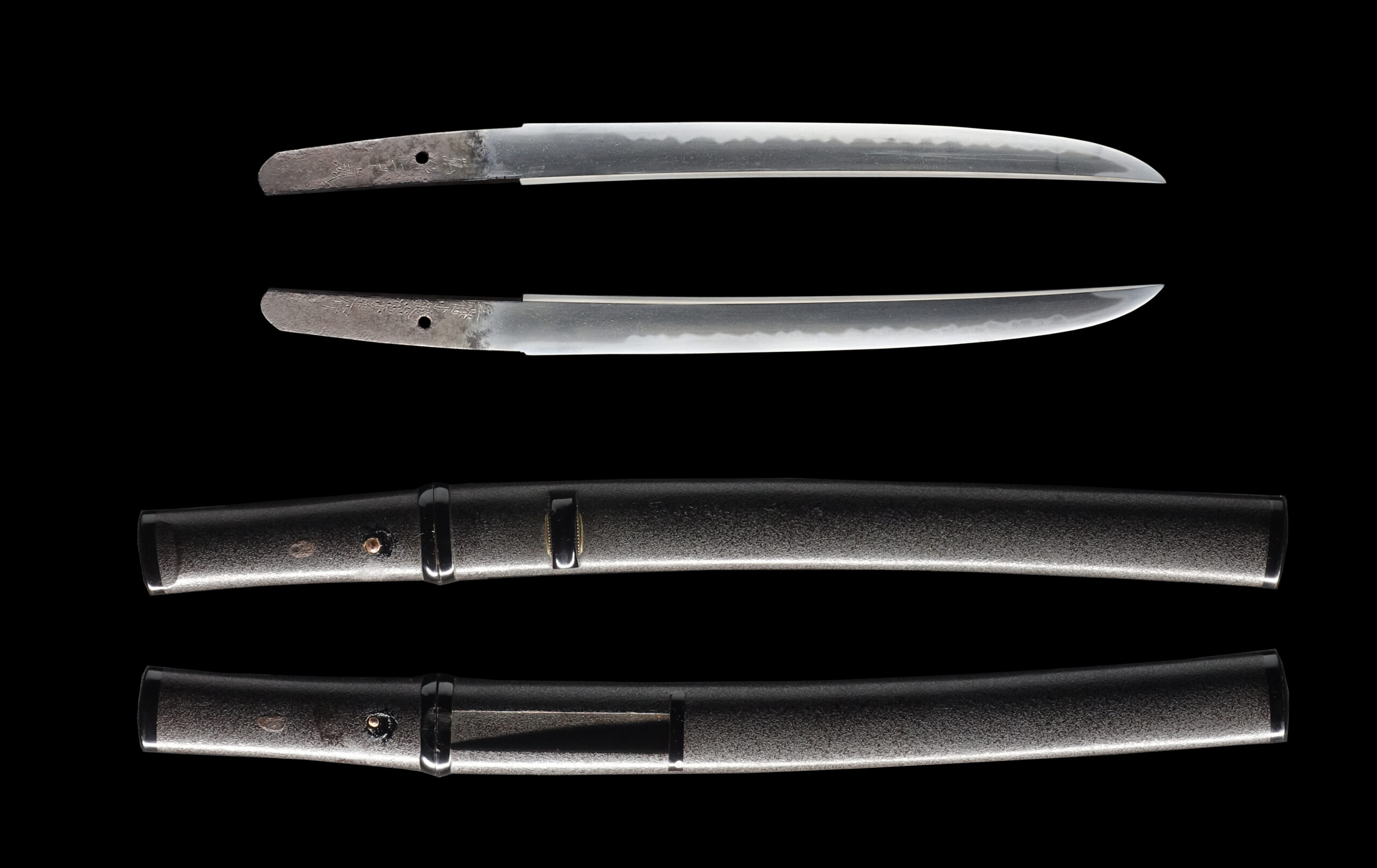
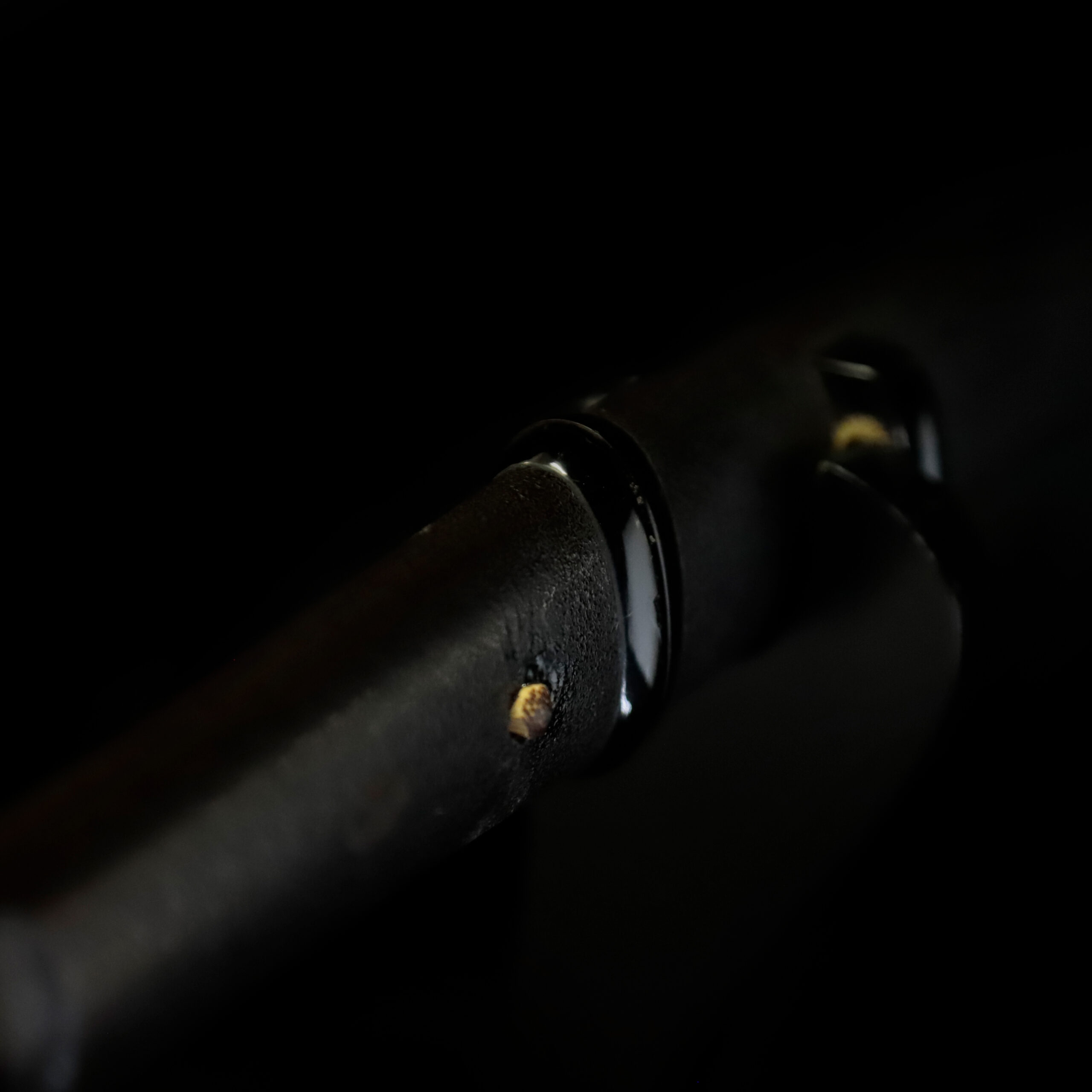
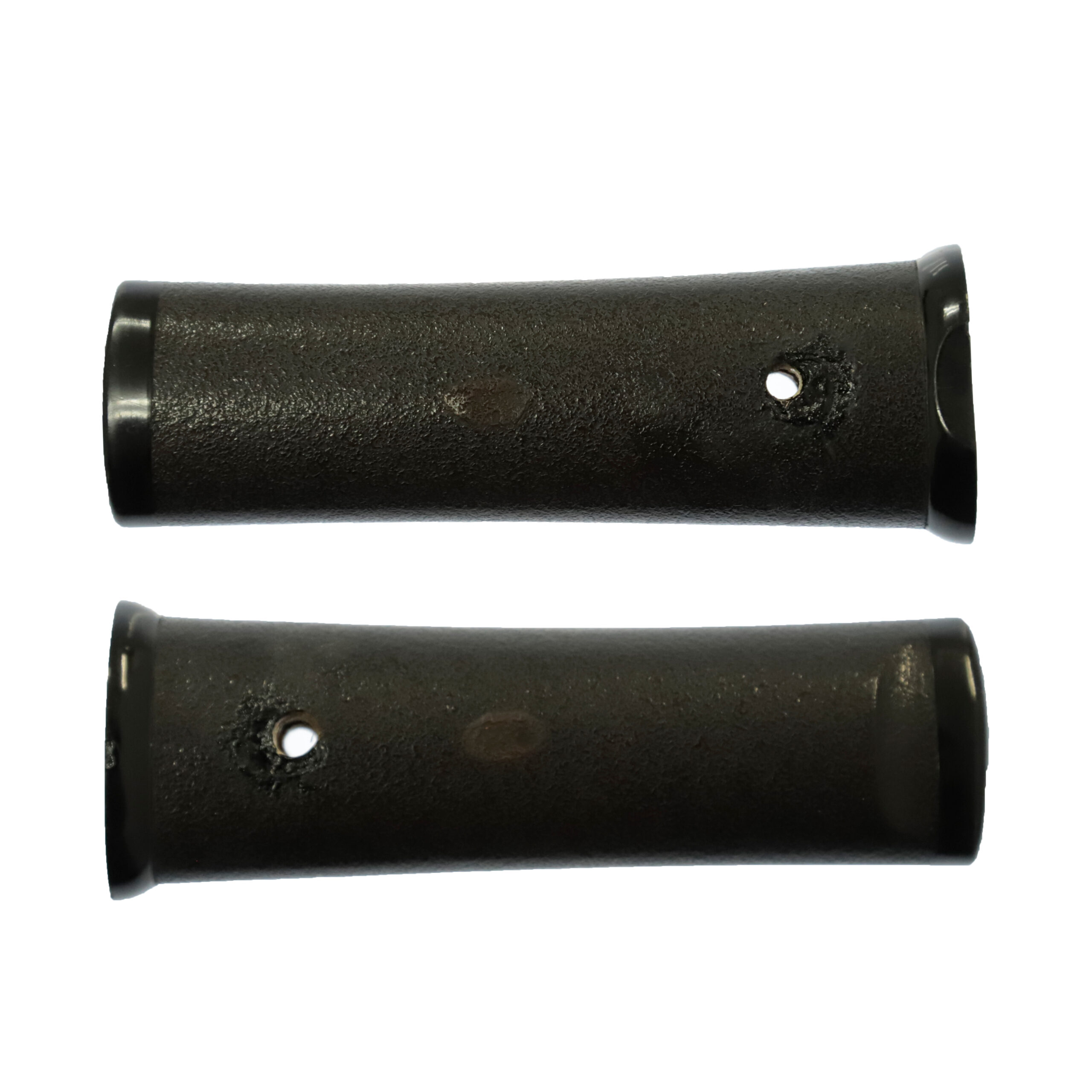
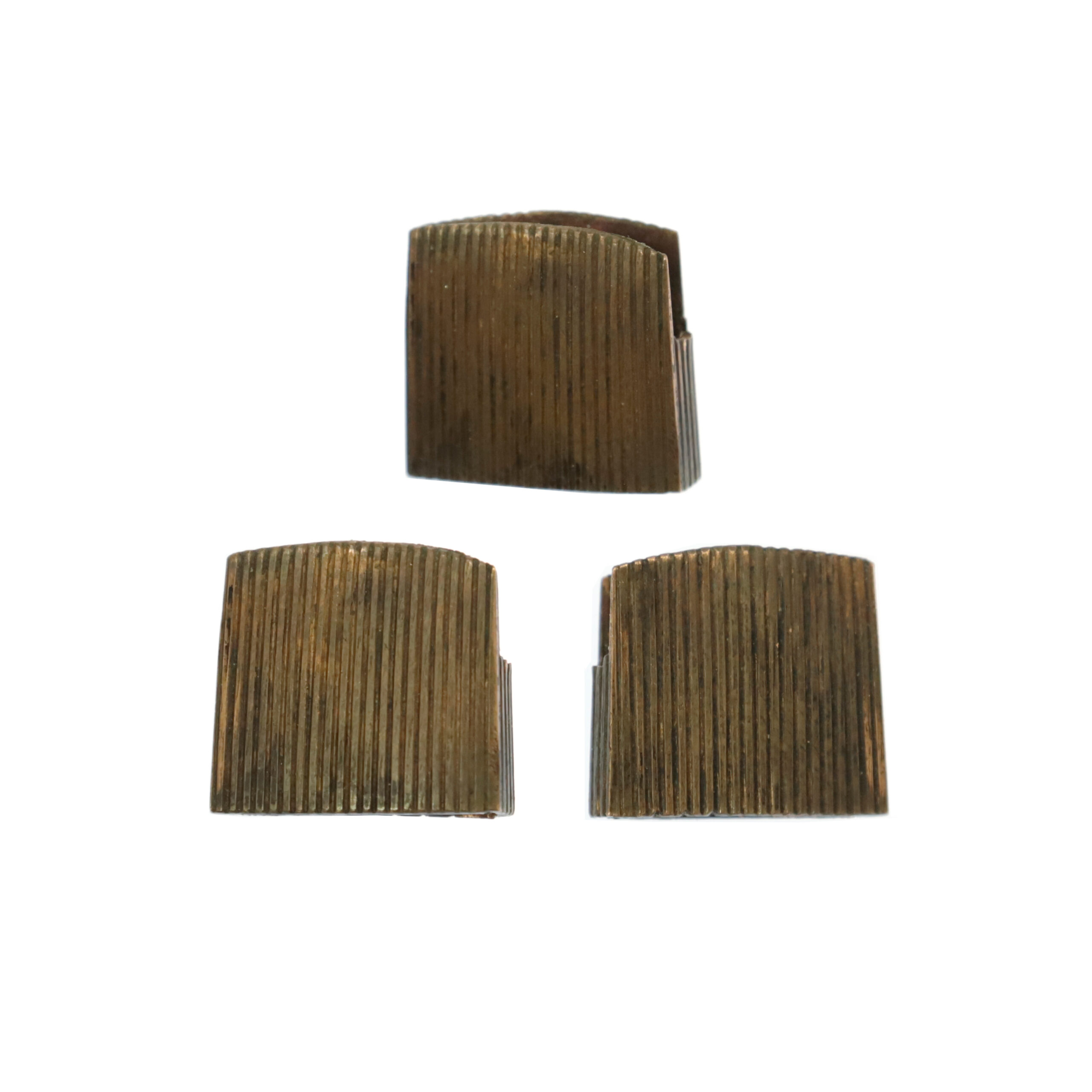
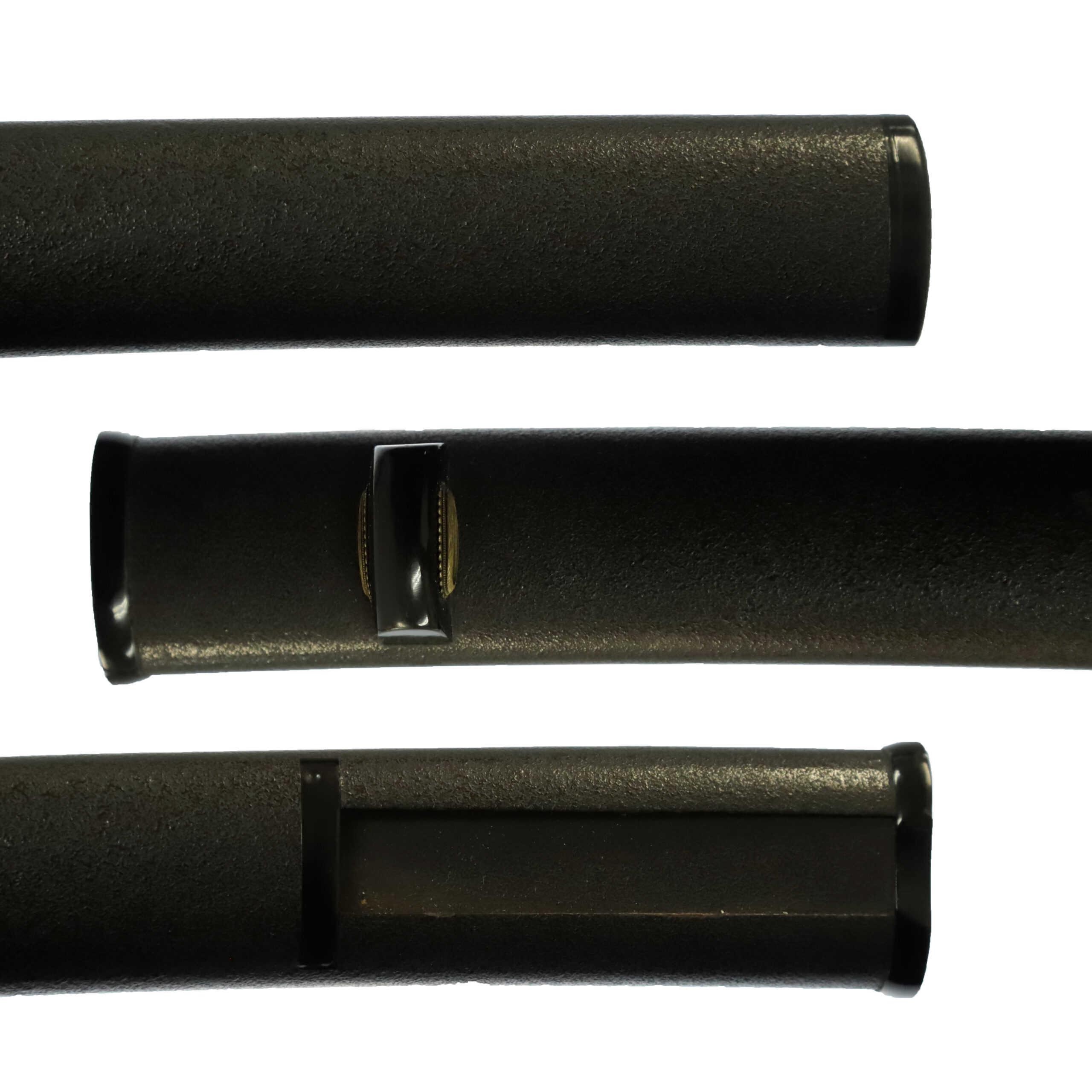
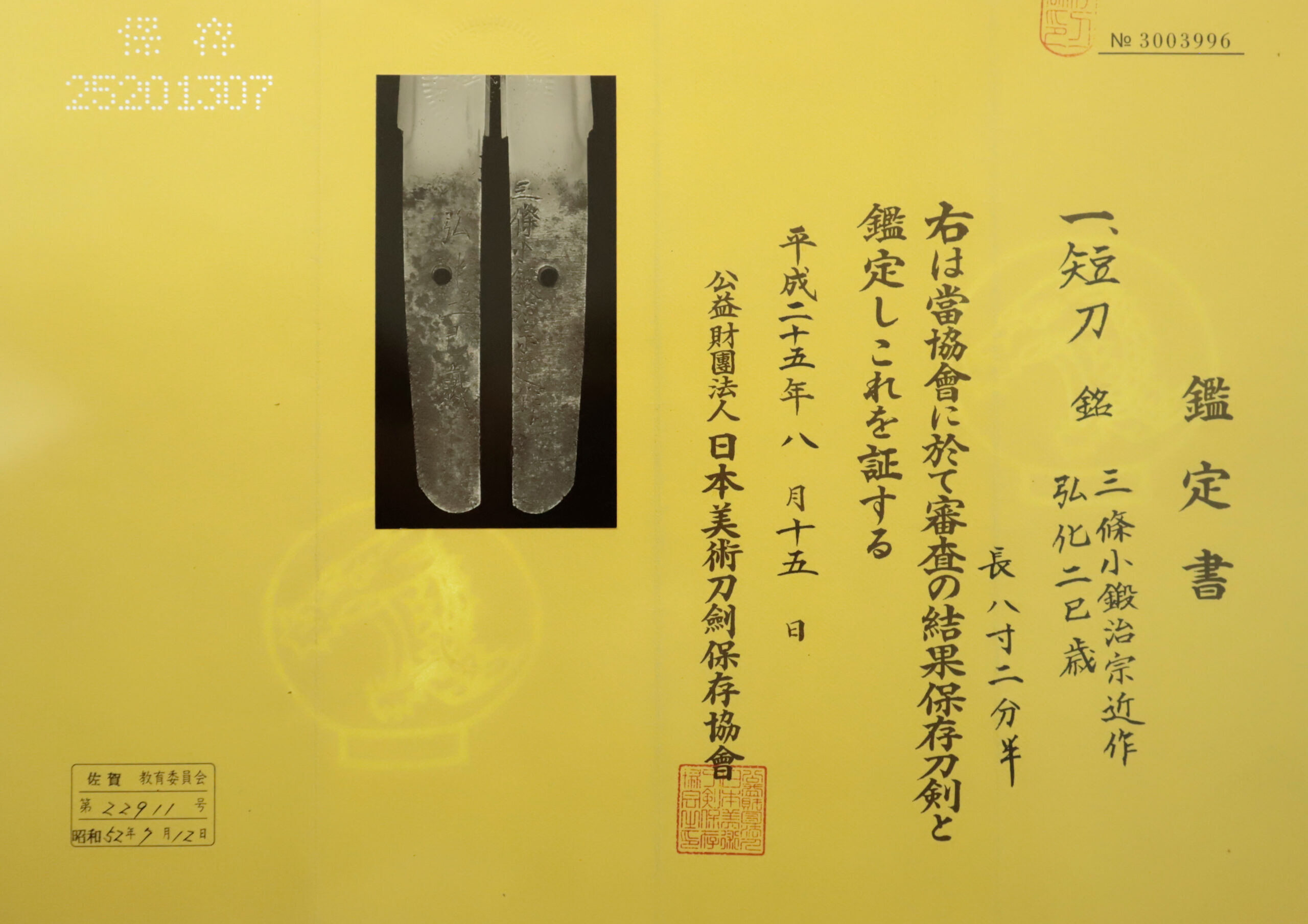
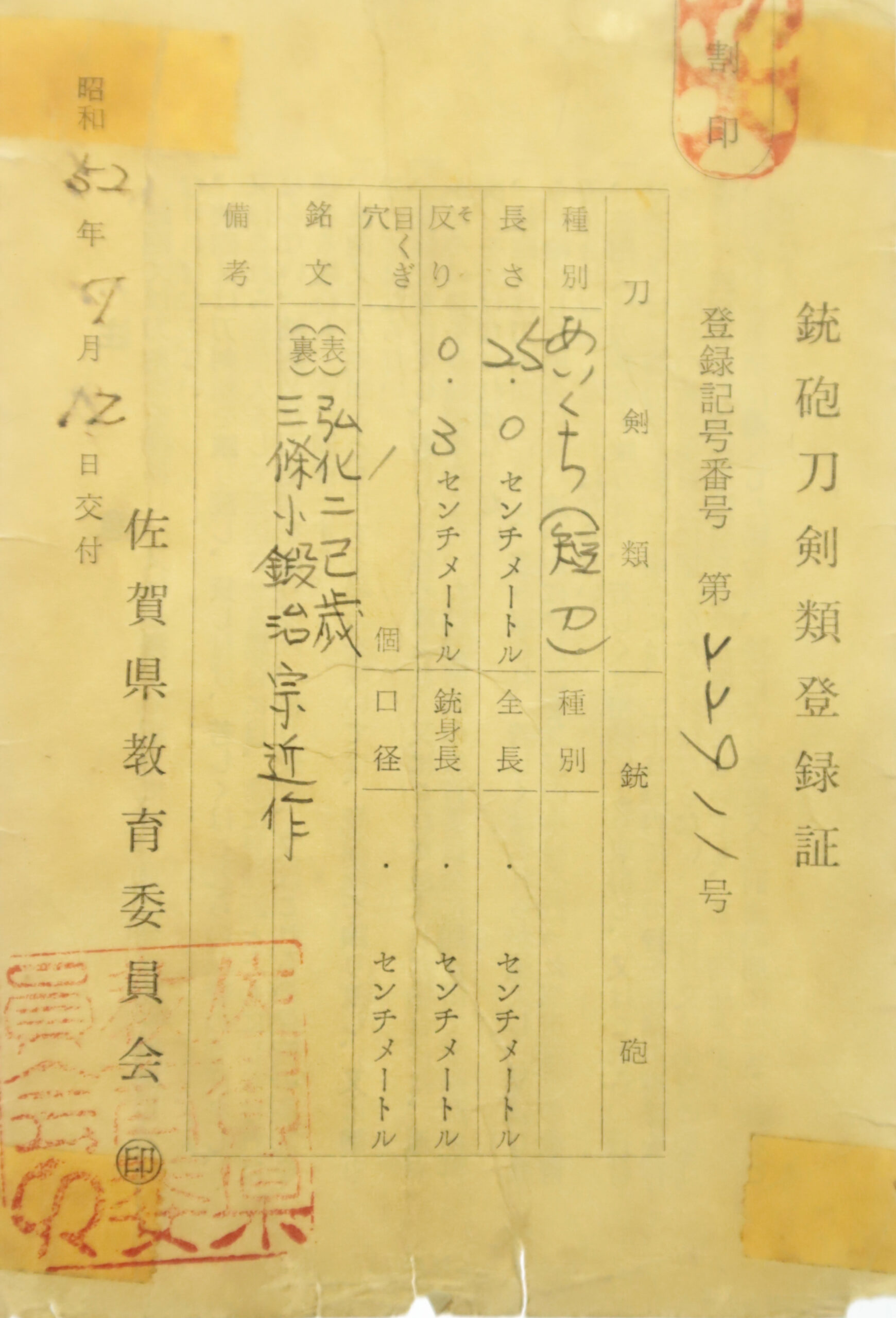
Antique Japanese Sword Tanto Signed by Munechika with NBTHK Hozon Certificate 【Description】 This blade was signed by Sanjo Kokaji Munechika (三條小鍛冶宗近) in the 2nd year of the Koka era (1845: the late Edo period). Sanjo Kokaji Munechika is a famous swordsmith name, whose history dates back to the Heian period, about 1000 years ago. We believe the swordsmith of this blade is the late-gen Munechika. The first gen Munechika, who lived in Sanjo area (Today’s Kyoto prefecture) in the Heian period, wasn’t a swordsmith at first because he was a court noble and started sword-forging as his hobby in his free time. However, his sword-forging technique was so outstanding that he became a prominent swordsmith, with receiving the noble name Sanjo Kokaji Munechika (三條小鍛冶宗近) later. Finally, at the command of the Emperor Ichijo (980-1011), he forged the noted sword the “Kogitsune-maru (小狐丸).” In addition, it is said that Munechika is the founder of YAMASHIRO-DEN. Yamashiro Den Yamashiro province was famous for its sword-making style called YAMASHIRO-DEN. YAMASHIRO-DEN’s origin dates back to the Heian period (794 A.D) when the capital city was moved from Nara to Kyoto. The swordsmiths in Yamashiro province initially prospered by forging swords for court nobles and imperial families. Later on, they also forged swords for feudal lords after Samurai military government took control of Japan. There are so many renowned swordsmiths from this region. Also, there are four prestigious main branches in this region. They are Sanjo, Rai, Nobukuni, and Awataguchi. One of the characteristics of YAMASHIRO-DEN is its elegant design and beautiful Jigane (steel surface pattern). This blade represents a great trait of YAMASHIRO-DEN. Judging from the fact that the late gen Munechika was also given the attribution of the former gen Munechika, the founder of YAMASHIRO DEN as mentioned above, his craftsmanship must also have been excellent. This blade is appraised as a Hozon Touken (保存刀剣) issued by NBTHK (Nihon Bijutsu Touken Hozon Kyokai: 日本美術刀剣保存協会). This authentication paper was only given to authentic Japanese swords, well preserved and high quality with artistic value. 【Blade】 Cutting Edge Length (Nagasa) : 25.0 cm (9.84 inches) Curvature (Sori) : 0.3 cm (0.11 inches) Hamon : The crystalline structure which forms along the cutting edge of a blade as a result of the hardening process. Jimon (Jihada) : Visible steel surface pattern created by folding and hammering during forging process. Kissaki :Kissaki is the tip of the Japanese sword. Nakago :Nakago is the tang of the Japanese sword. Japanese swordsmiths left the black rust on the tang because it prevents red rust while the tang is in its handle. And the discoloration of the tang was created over time, and it is a great indicator for a Japanese sword specialist to estimate when the sword was forged. Koshirae :Koshirae is the mounting of the Japanese sword. There are several parts that consist of Koshirae such as Saya (Scabbard), Tsuka (Handle), Tsuba (Handguard). The surface of this Koshirae is mainly decorated with the Ishime-Ji (石目地). Its base was hit by Tagane (鏨, chisel for metalworking), and it makes a rough surface that seems stone. Fuchi-Kashira : A pair of matching sword fittings that cover the upper and bottom parts of its sword hilt. Tsuka : Tsuka is the handle of the Japanese sword. Habaki : Habaki is the equipment to make the blade not touch its scabbard inside. It prevents the blade from getting rusty and chipped. Saya : Saya is the scabbard for the Japanese sword. Authentication Paper : NBTHK Hozon Certificate for the blade (No.3003996) NBTHK , also known as Nihon Bijutsu Touken Hozon Kyokai (the Society for the Preservation of the Japan Art Sword), is one of the oldest Japanese sword appraising organizations in modern-day Japan. They authenticated the blade on Aug 15th in the 25th year of Heisei (2013). They appraised it as Hozon Touken, the blade worth preserving for Japanese society. The purchas
NihontoWatch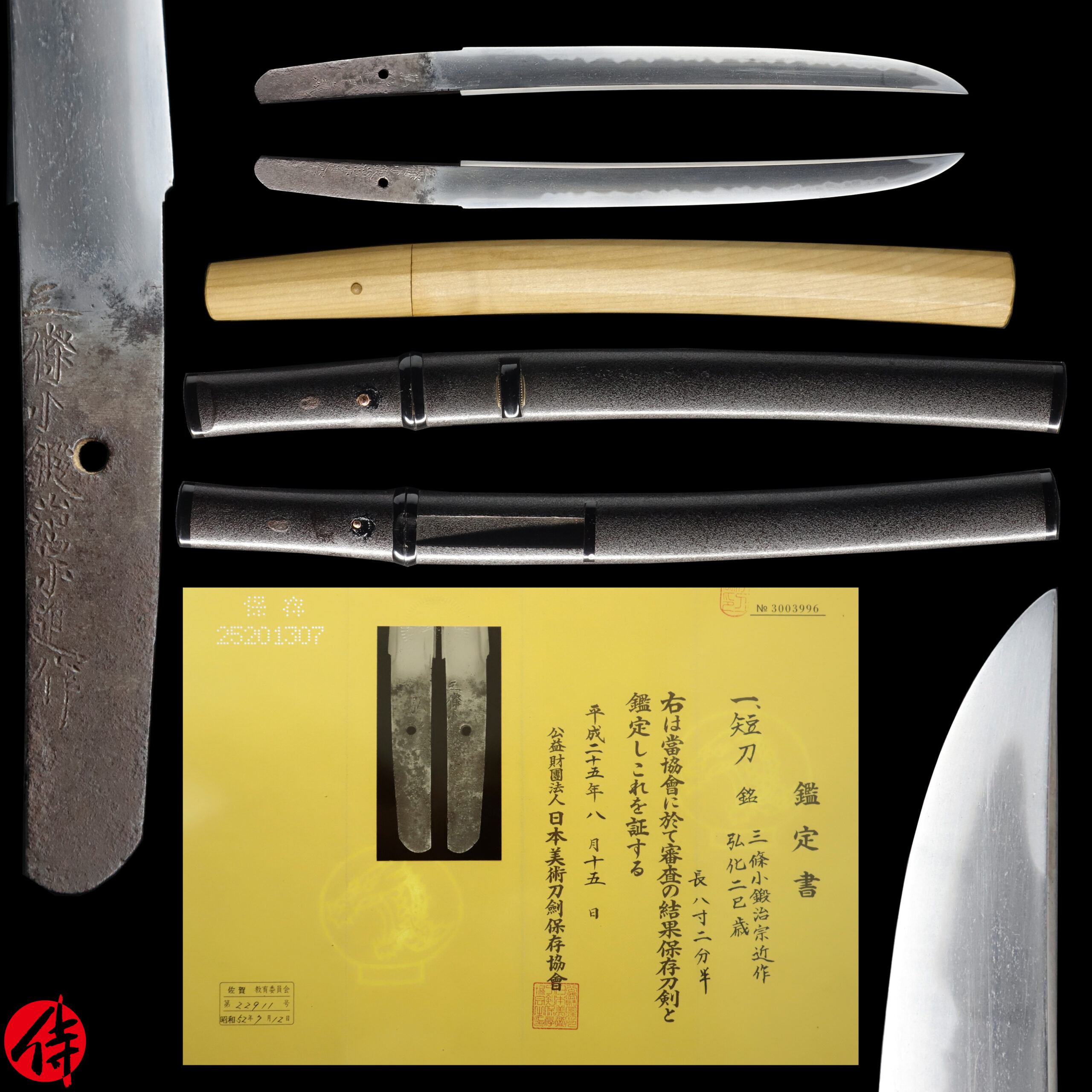
山城伝 · 山城
現在1点販売中
三条派は、平安後期、京の三条の地に興った京鍛冶の最古層であり、鎬造の湾刀という所謂日本刀の様式が確立した最も早い時期に名を遺す一門である。その祖を宗近といい、永延頃に三条に住したと伝えて俗に三条小鍛冶と呼ばれ、山城伝の全きが出る古い京の流れの源に立つ。王城の地に営まれた鍛冶の集まりであって、その作には宮廷文化を負う品位がある。一門には祖宗近のほか、宗近の流れに連なると伝える吉家・近村があり、さらに宗近の子とも孫とも門人とも伝える兼永が京の五条に住して五条派を分かち、第二の家を成した。もっとも有銘確実の作は古来きわめて少なく、銘鑑の伝える系図をそのまま受けることはできない。吉家については有銘の作刀から見て宗近と直結することに無理があるとされ、やや時代の下る同派の工と読まれるなど、各工の年代と続柄には説明書がたびたび留保を付している。 作風を貫くのは、後の粟田口や来が完成へ向けて洗練していく古京物の祖型である。鎬造庵棟の細身で、生ぶの作には腰反り高く深く、元先の幅差が著しく狭まって踏張りがつき、小鋒ないし中鋒にうつむきごころに結ぶ古調な太刀姿を本領とする。鍛えは板目・小板目がよくつみ、つんだ作でもやや肌立ちごころに処々流れて大肌を交え、地沸が微塵に厚くつき、地景が入り、淡い沸映りが地に柔らかく立つ。この立って開いた地鉄と地に立つ沸映りこそが、つんで完成された粟田口・来の小板目より一段古調であることを語り、これを大和ではなく京の物と鑑せしめる。刃文は直刃調を基調に小丁子・小互の目・小乱れを交え、小足・葉が頻りに入り、匂深く小沸つき、砂流し・金筋かかって匂口明るい。同じ手の中にも振幅があり、宗近は細直刃調に小乱れを交えた幅の狭い刃に打のけ・湯走りを断続させ物打辺で二重刃・三重刃を重ね、吉家もまた小乱れが飛焼を伴って二重刃となり帽子までも二重ごころを帯びるなど、二重刃の働きを一派の見どころとする。兼永の五条はこれよりやや整い、静かな直刃調に交わる小丁子を一派の徴とする。 鑑定の勘所は、その古さと品位にある。すなわち地に立つ沸映り、直刃調の小乱れに宿る古香、二重刃や掃きかける帽子の古雅な働きが揃えば、成熟した諸派の明るい丁子ではなく、源にある古京の手と鑑せられる。各工は祖と隣人から分かたれて読まれる。五条兼永は宗近よりは整った刃文によって祖から分かたれ、その整った小丁子によって直刃に純化する後続の粟田口・来から分かたれる。吉家は沸の強さと明るく冴える匂口によって、同じ小乱れを焼く綾小路定利や、華やかな丁子乱れを主とする備前一文字の同名の工から分かたれる。一門の格の頂に立つのは祖宗近であり、その遺産には天下五剣の一として名高い名物三日月宗近があって、本阿弥光徳が石田三成に送った刀絵図に載るなど来歴の確かな作が伝わる。吉家の太刀は加治木島津家に長く伝来し、兼永の作は尾張徳川家に家康の所蔵と伝えて伝わるなど、その伝来は古京物にふさわしく大名家と幕府を経る。京鍛冶の最古層に連なる三条の作が世に現れることはまれであり、日本刀がいかに始まり山城伝がいかに源を発したかを語る証として重んじられている。 詳しく見る →
平安時代の山城
山城とは京都であり、平安の京都とは朝廷である。伝承はその筆頭に十世紀末の三条宗近を置き、その三日月宗近は後に天下五剣に数えられた。優美が先に立つのは、注文主ゆえである。
銘が正しい、または無銘でも年代・国・系統を確実に指摘できる、保存に値する真正の作と鑑定されたものです。
日本美術刀剣保存協会(NBTHK)は、1948年に設立され、文化庁の監督を受ける公益財団法人で、東京・刀剣博物館に本部を置きます。専門の審査員が出品作を直接審査し、美術的・歴史的価値に応じた鑑定書を発行します。NBTHKの鑑定書は、日本刀および刀装具の真正性を示す最も広く認知された基準です。
NBTHK公式サイトReturns/exchanges limited to defects caused by shipping (except willful misconduct or gross negligence by the company); customers must contact within 72 hours of receiving the product.