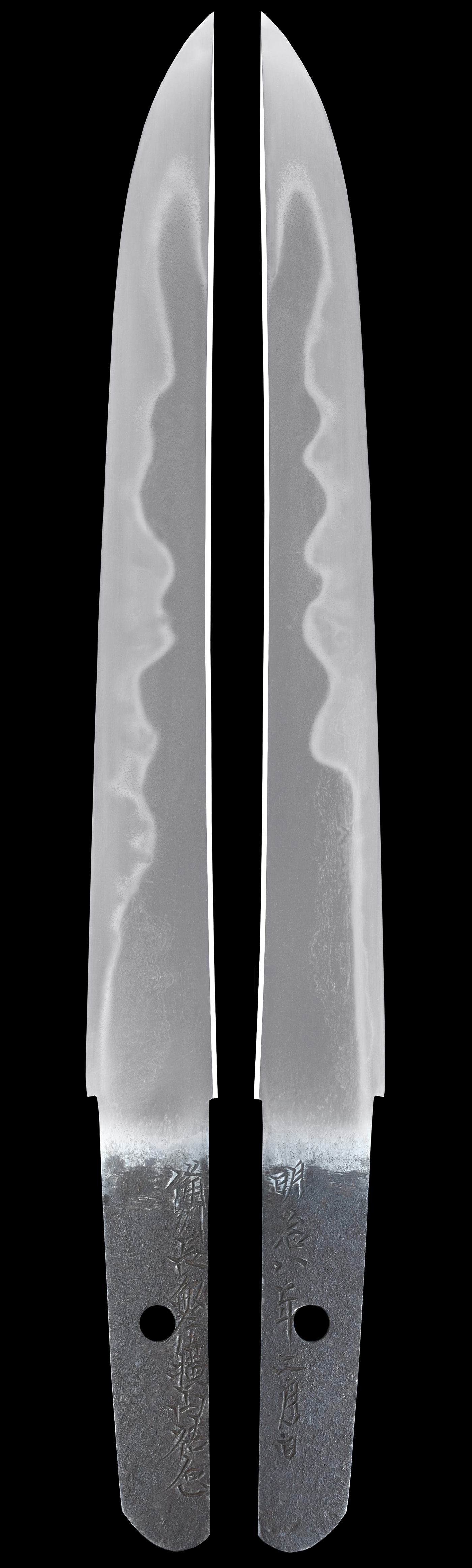
Around 1800 Suishinshi Masahide argued in his writings that the craft must return to the old masters’ methods: the fukkotō revival. His greatest successor Naotane worked convincingly in Bizen and Sōshū manners that had been dead for centuries.
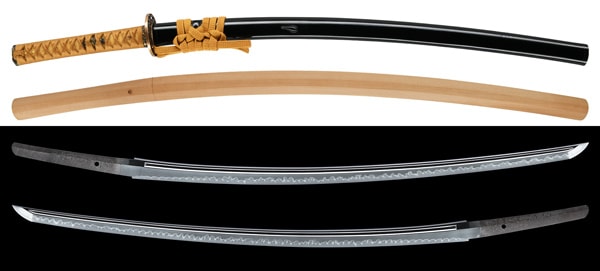
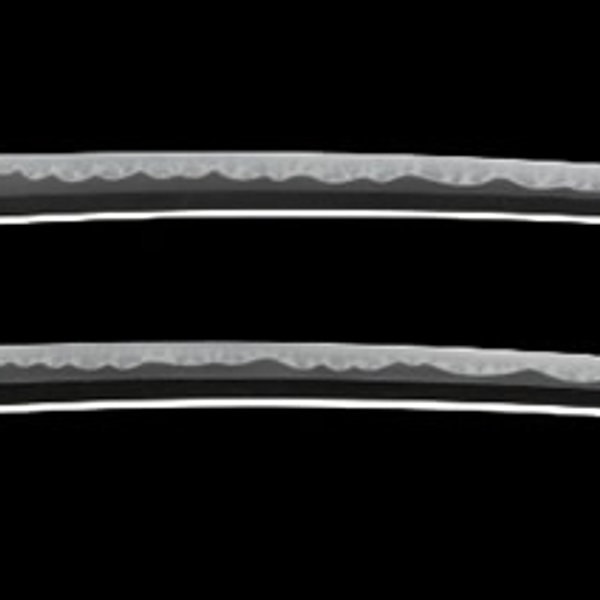
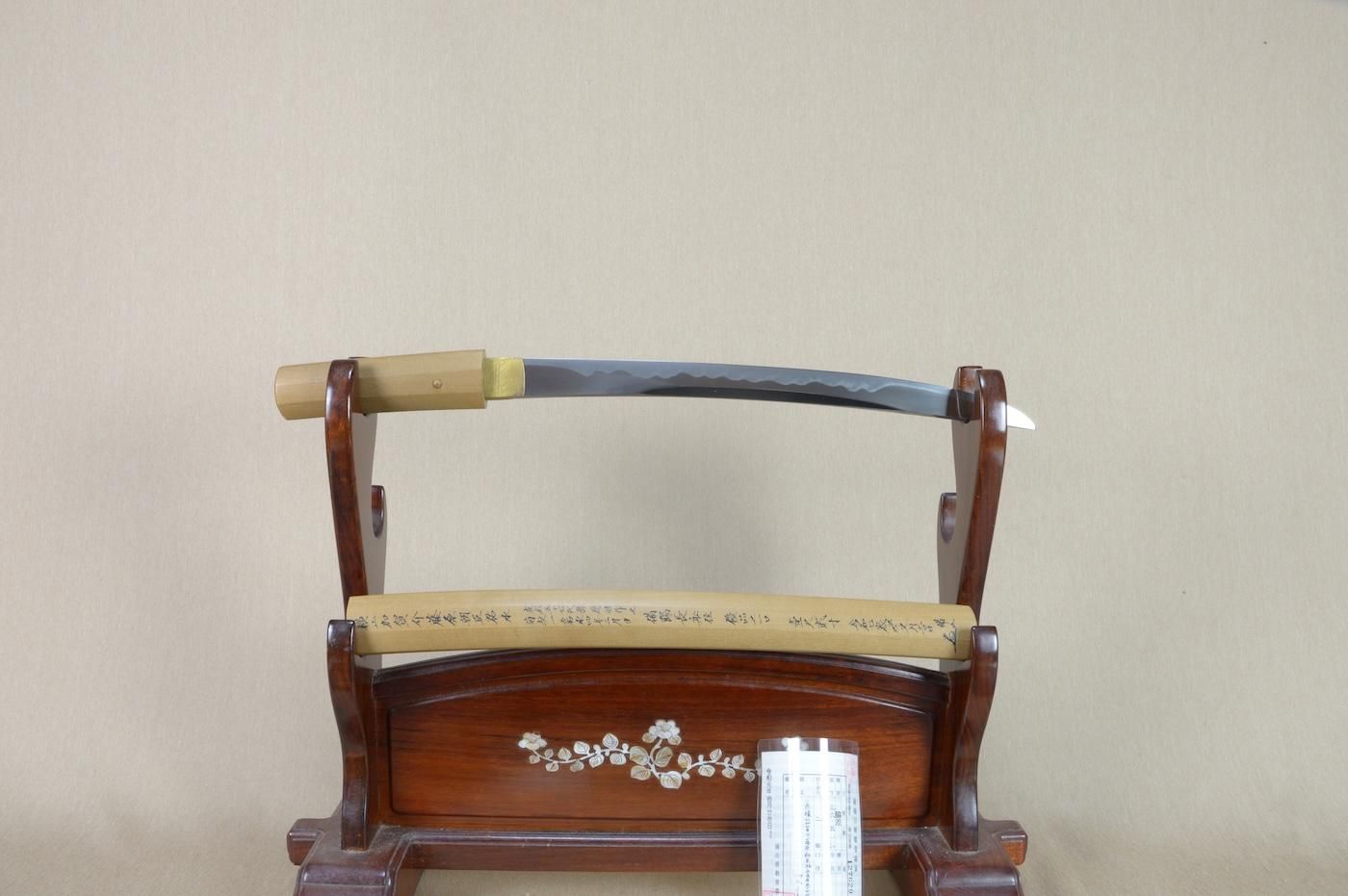
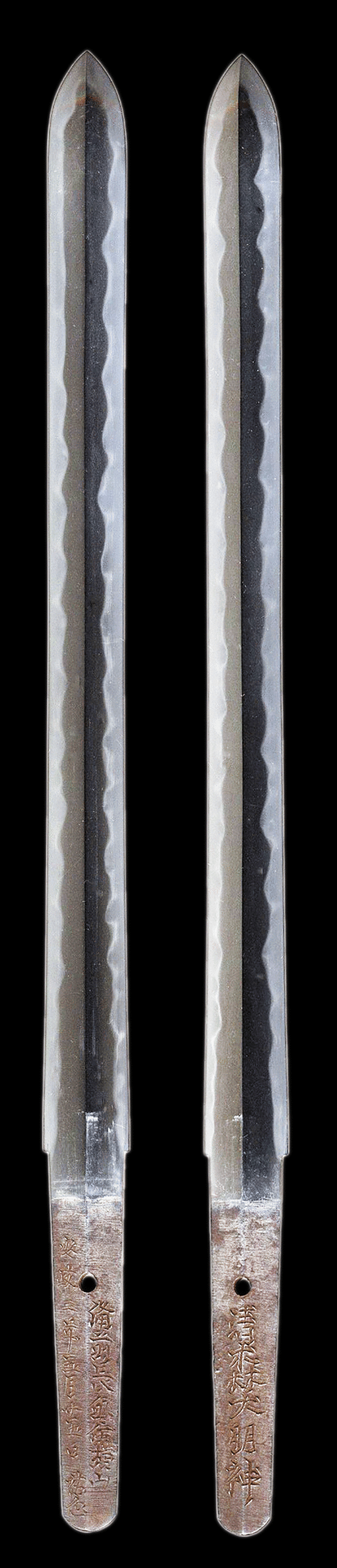
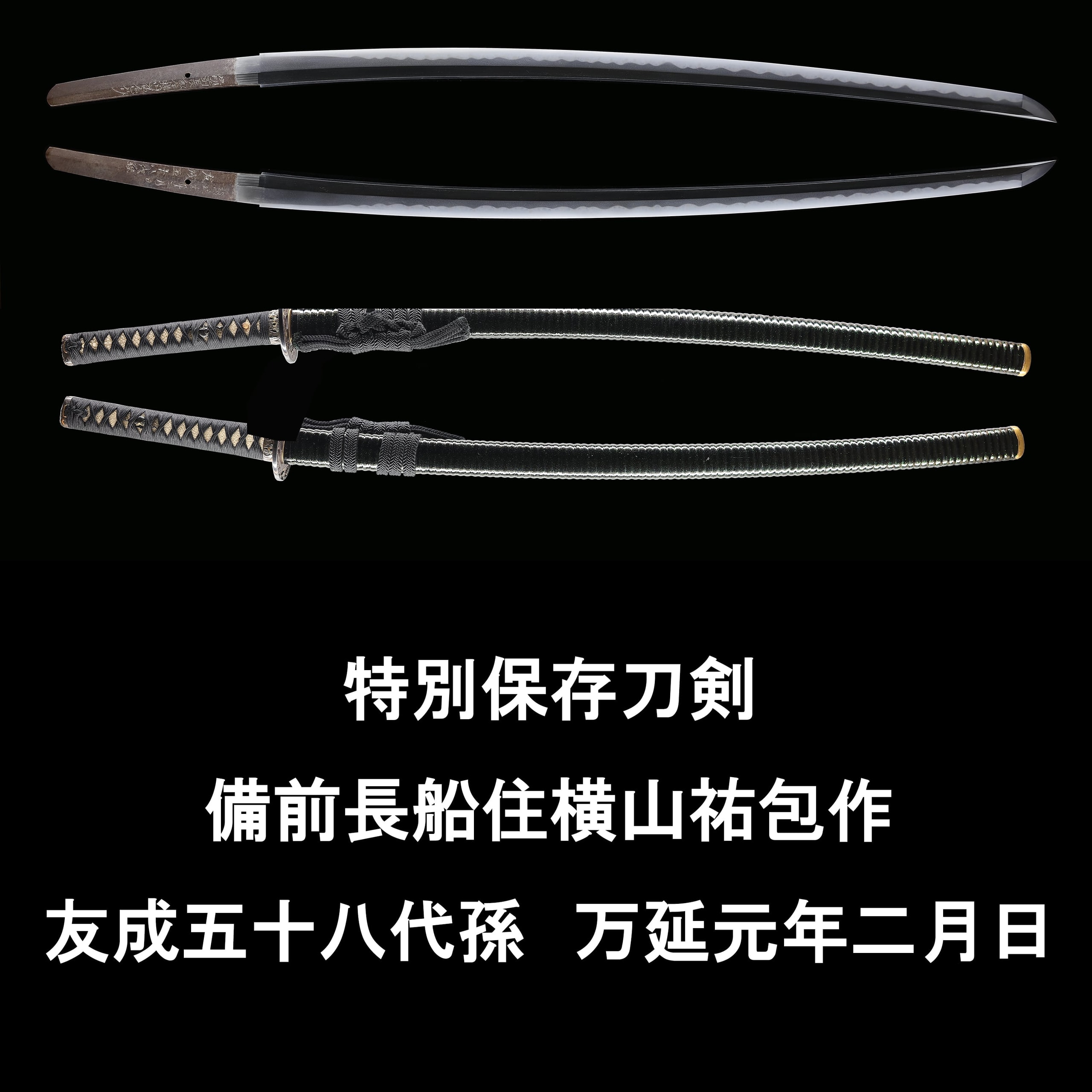
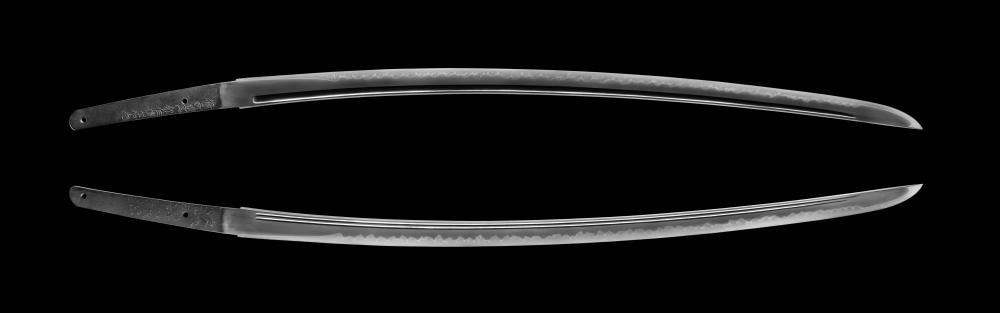
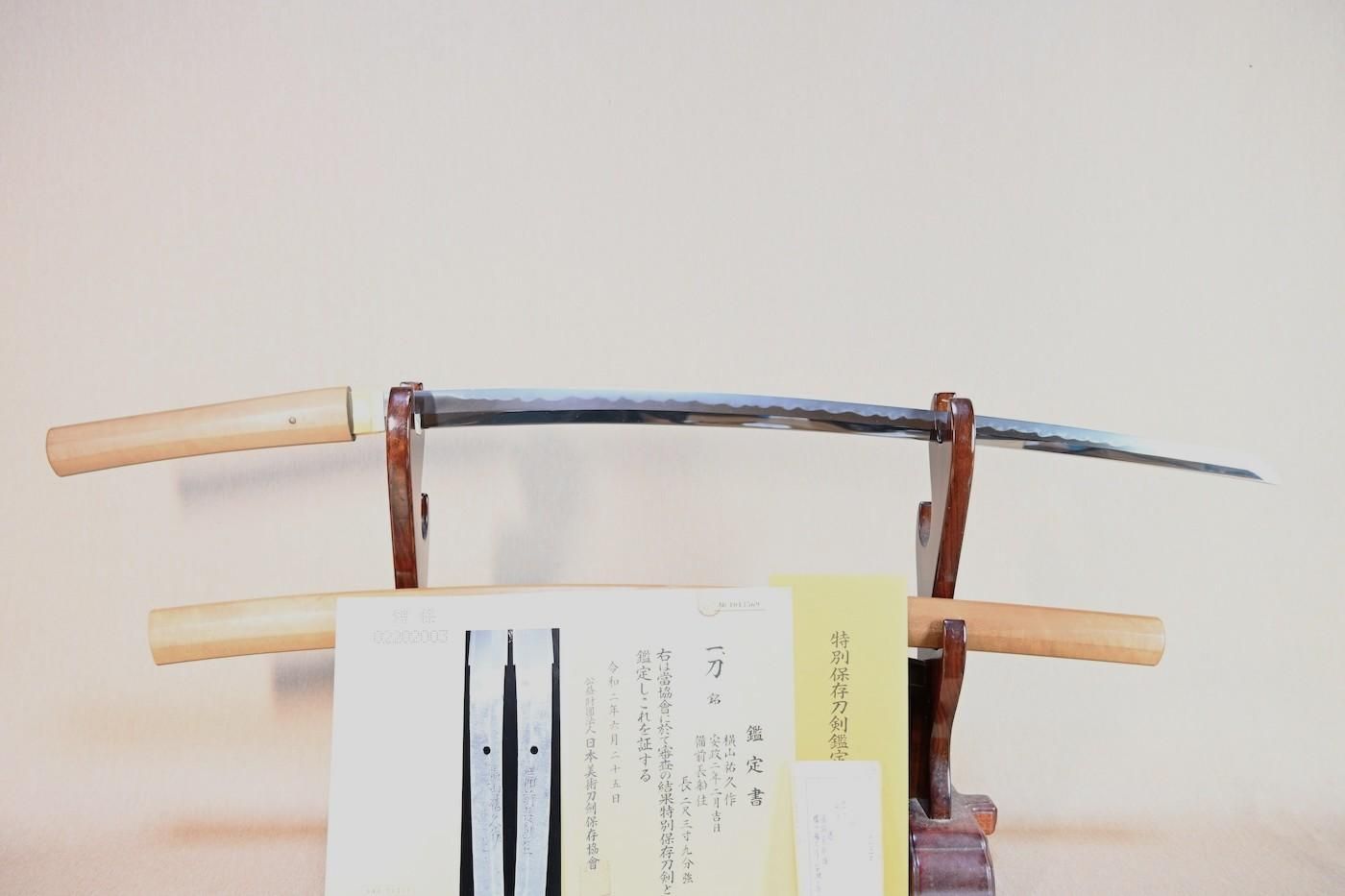
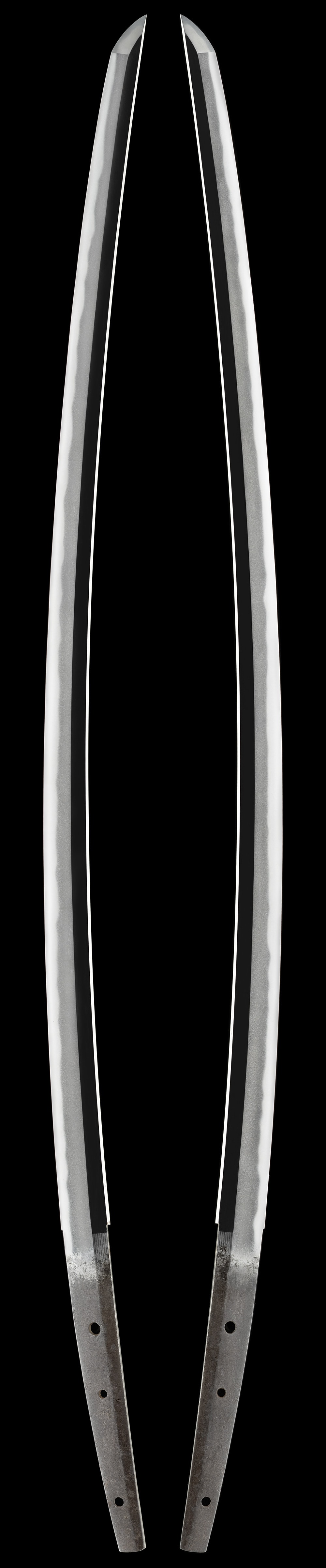
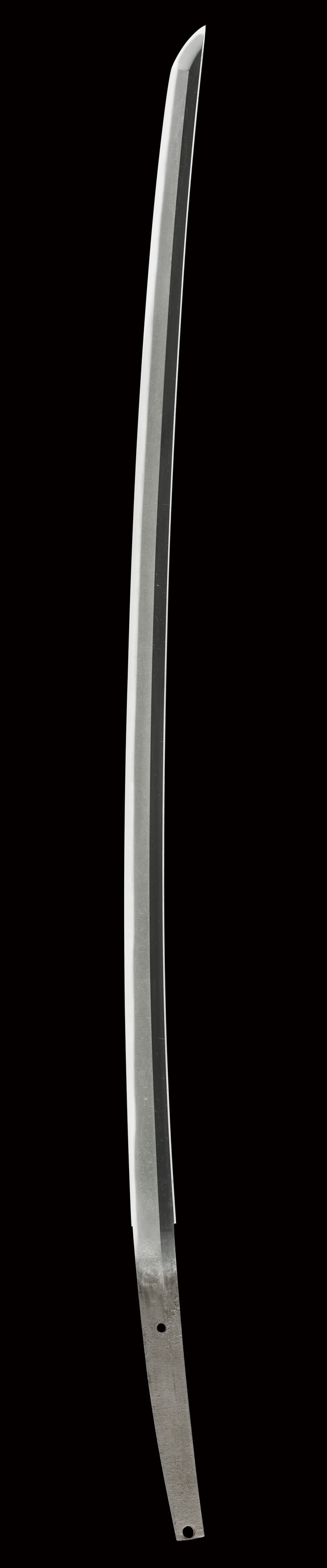
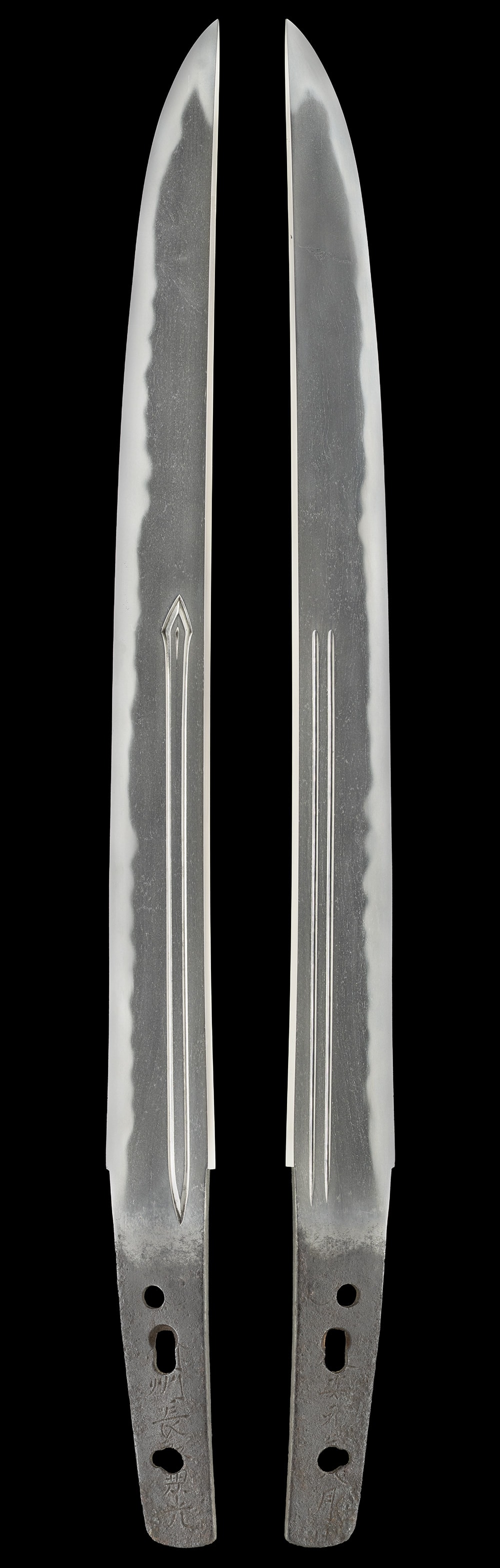
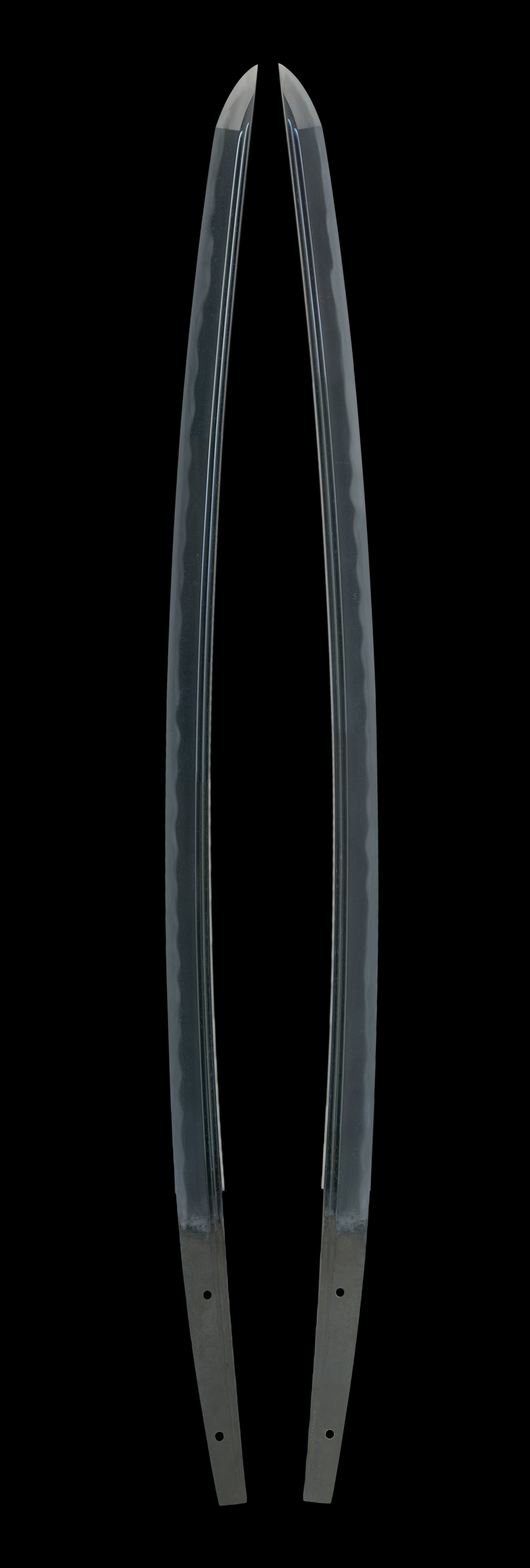
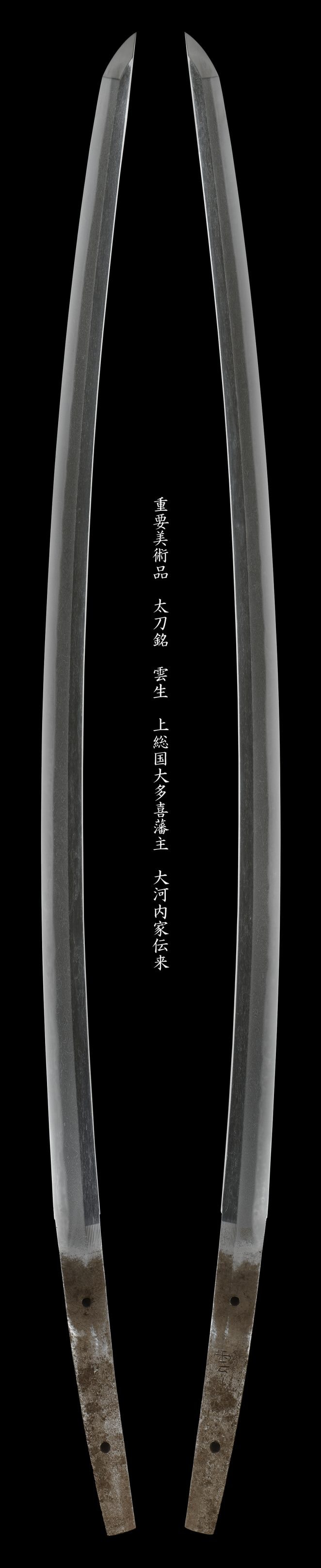
【Sword Type】 Katana 【Mei】 Mumei (Attributed to Den-Shikkake) 【Nagasa】 70.2 cm 【Sori】 1.8 cm 【Motohaba】 3.1 cm 【Sakihaba】 2.1 cm 【Motokasane】 0.7 cm 【Sakikasane】 0.5 cm 【Mekugi-ana】 2 【Jidane】 Itame-hada mixed with Masame-hada, Jinie attached. 【Hamon】 Chu-suguha based, mixed with Nijuba and Kuigai-ba. Ashi and Yo enter, with Sunagashi and Kinsuji appearing. 【Boshi】 Yakitsume style with a slight Kaeri. 【Koshirae】 Black Ishime-ji lacquer Saya, Tsuba made of Iron with openwork design, Fuchi-Kashira made of Shakudo with Nanako-ji and gold Takabori. 【Description】 This work is attributed to the Shikkake school, one of the Yamato Go-pa (Five Schools of Yamato). The Sugata maintains a dignified appearance with a deep Sori. The Jidane shows a characteristic Yamato style with prominent Masame towards the Shinogi-ji. The Hamon is a calm Suguha, yet it contains rich activities such as Kuigai-ba and Kinsuji, displaying the high level of skill associated with the Shikkake masters. The accompanying Koshirae features high-quality Shakudo fittings, making it an excellent piece for both appreciation and collection.
 NihontoWatch
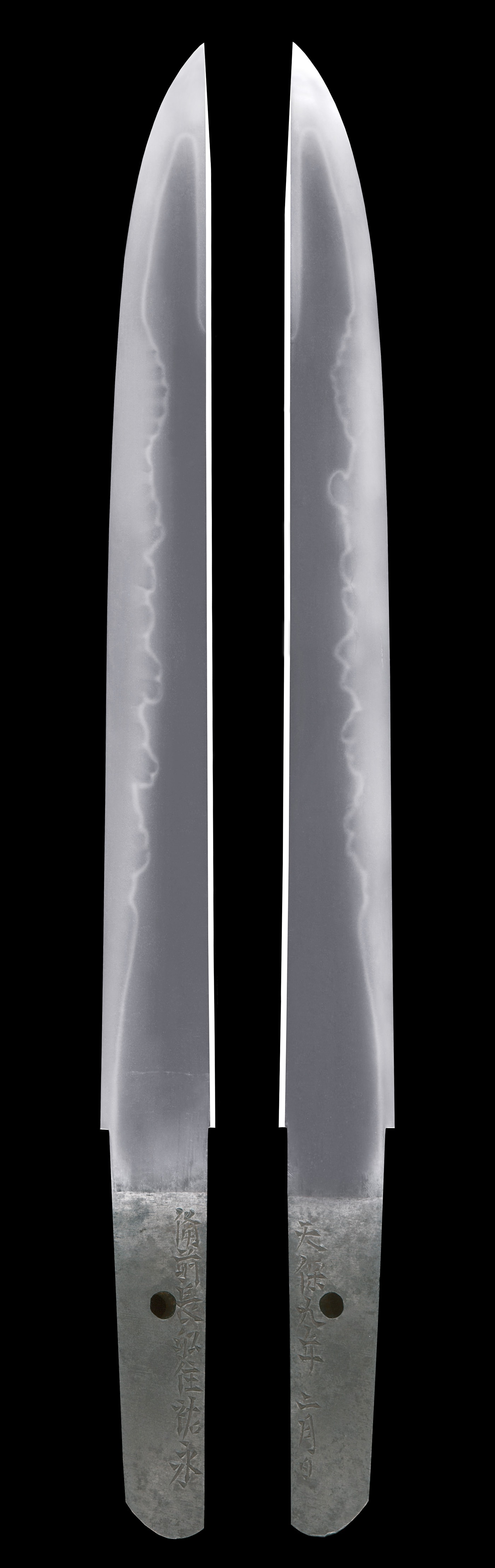
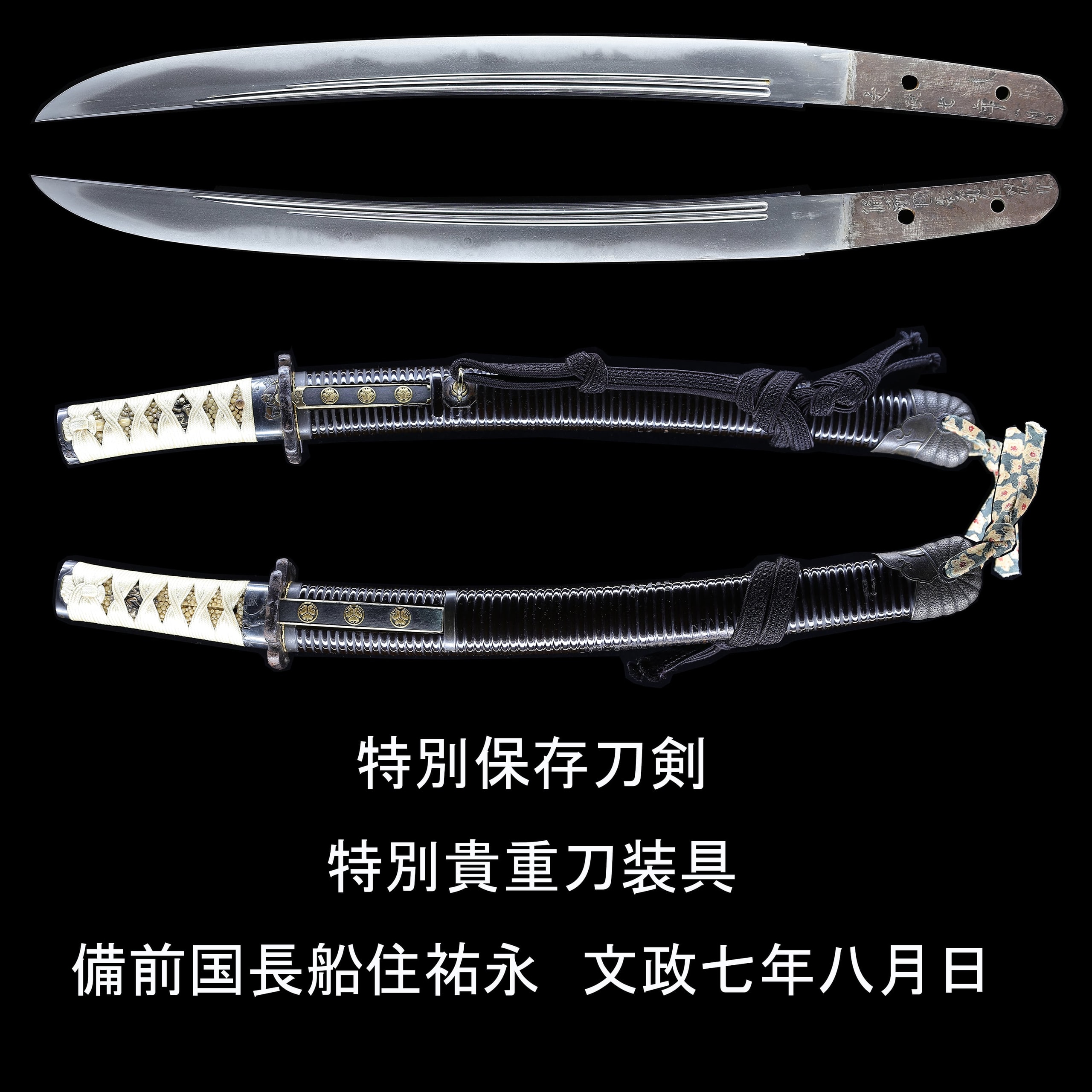
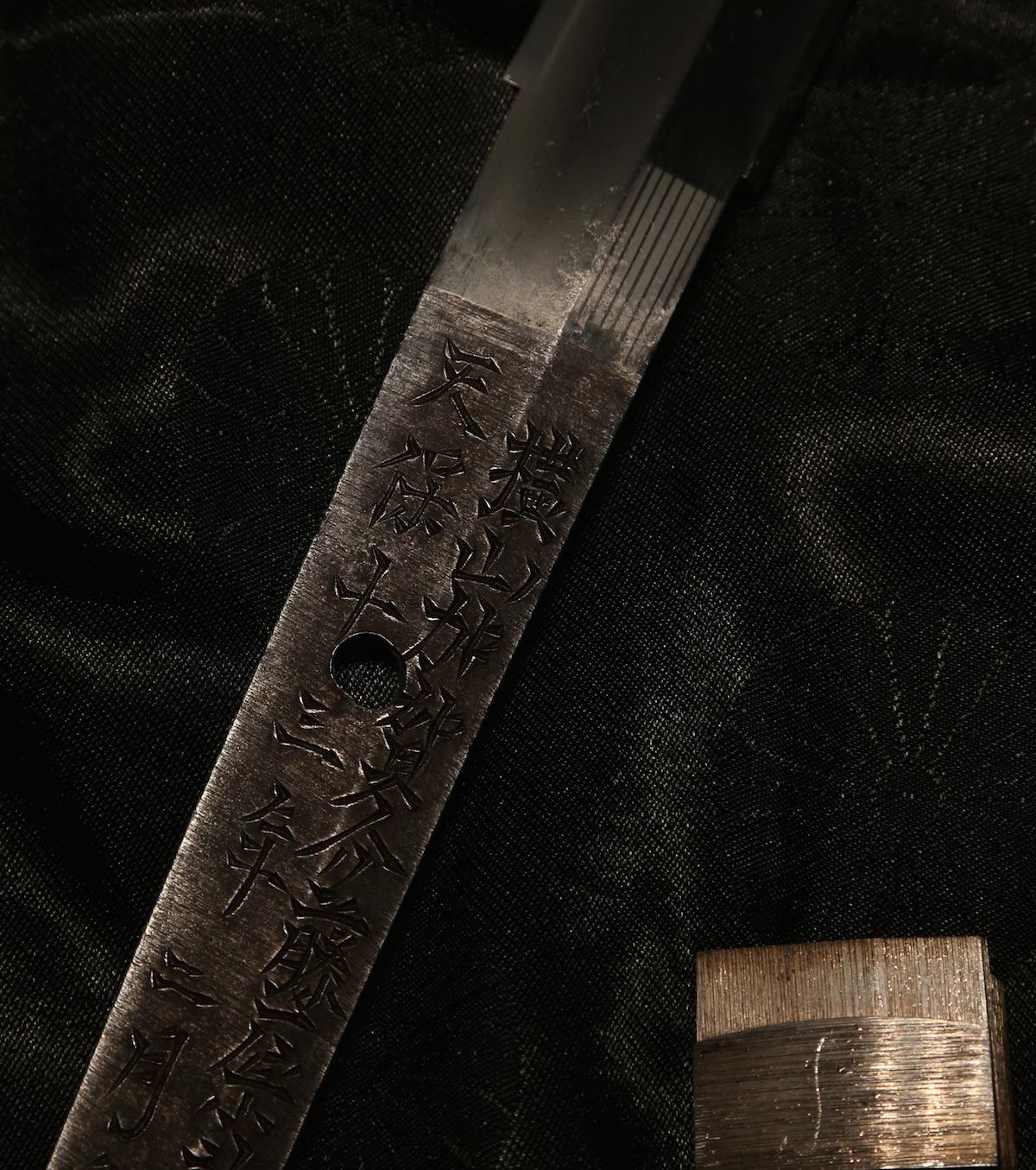
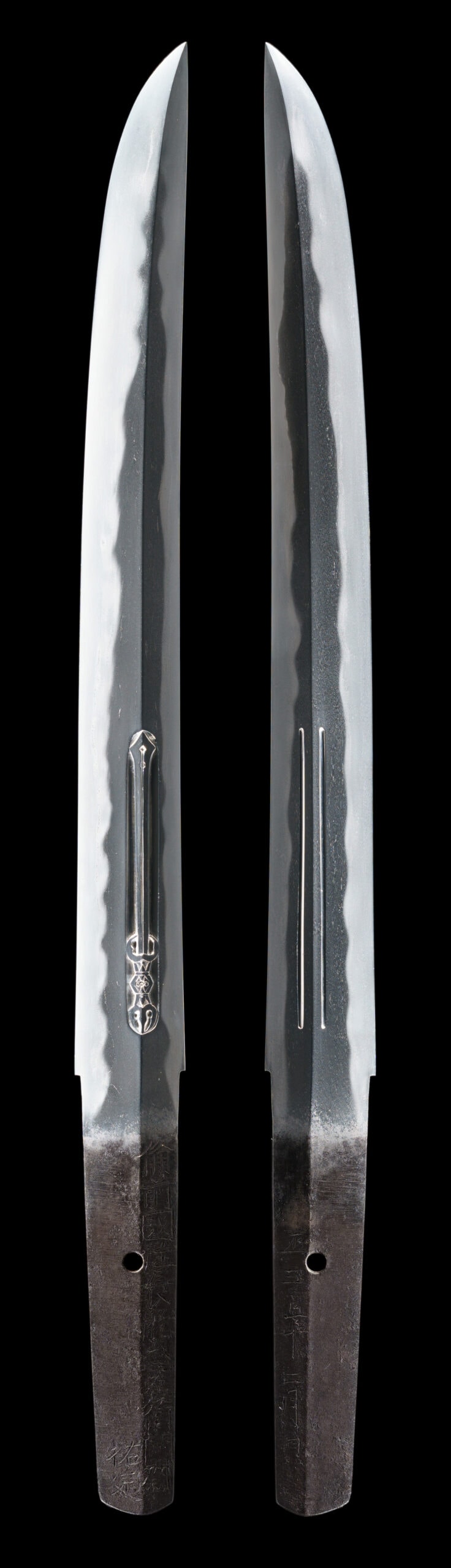
signed · 長船 · Shin-Shinto · nagasa 70.5cm · sori 2.4cm
Bizen-den · Bizen · around 1830-1844
Fujishiro Jo saku · Tōken Taikan top 63%
13 pieces on the market now
Bizen-den · Bizen
40 pieces on the market now
| Smith | Era | Designated |
|---|---|---|
| Sukenobu祐信 | 1830-1844 | 0 |
| Suketaka祐高 | 1865-1868 | 0 |
| Sukeharu祐春 | 1864-1865 | 0 |
| Sukehiro祐廣 | 1854-1860 | 0 |
| Sukekane祐包 | 1868-1912 | 0 |
The Shinshintō revival
Around 1800 Suishinshi Masahide argued in his writings that the craft must return to the old masters’ methods: the fukkotō revival. His greatest successor Naotane worked convincingly in Bizen and Sōshū manners that had been dead for centuries.
We could not find an authenticity certificate on the seller’s listing. Japanese swords and fittings are normally papered by the NBTHK (or the NTHK). Without one, the attribution is the seller’s own assessment and has not been independently verified — treat it with caution and ask the dealer about certification before buying.
Price on request